Whole Heaven – Creating Shangri La in Occupied Tibet
Shangri-La is a fictional utopian paradise, most famously described in James Hilton’s 1933 novel Lost Horizon. It’s often depicted as a mystical, harmonious valley hidden in the Kunlun mountains of Tibet, where people live long, peaceful lives. The concept has become a metaphor for any earthly paradise, a secluded and idyllic haven.
Tibet Awareness. Tibet’s Quest for Full Independence. Knowing Tibet. Institution of Tibetan national Identity.
In my opinion, Peace, Harmony, and Tranquility will get reestablished in Tibet when the Kingdom of Heaven replaces the Communist rule over Tibet.
NATURE NURTURES TIBETAN IDENTITY OF TIBETAN NATION.
Rudra Narasimham Rebbapragada Special Frontier Force-Establishment 22-Vikas Regiment
Whole Heaven – Creating Shangri La in Occupied Tibet
While The Division of Heaven and Earth by Shokdung is about resistance within Tibet, A Life Unforeseen by Rinchen Sadutshang is about the author’s work for the government in exile
Thubten Samphel Hindustan Times
Soldiers of the Chinese People’s Liberation Army (PLA) patrol through the streets of Lhasa in this picture taken on March 14, 2008.(AFP) Shokdung is the pen name for Tra-gya. It means the “morning conch.” The translator, Matthew Akester, thinks it is meant as a wake-up call for Tibet, a call for a peaceful revolution against Beijing’s iron-fisted rule on the Tibetan Plateau. Indeed, the message of Shokdung takes the readers back to the 19th century when a powerful West confronted and encroached upon a weakened Manchu China. This humiliating encounter between East and West resulted in agonized soul searching among Chinese scholars on how to forge an effective response. Some scholars blamed the dead weight of tradition and Confucianism for China’s inability to confront the Western challenge. They pointed to two gentlemen, Mr. Science and Mr. Democracy, who could save China from further humiliation. The argument Shokdung advances in his brave book is that Tibet is similarly weighed down by tradition and Buddhism. These two forces prevent Tibetans from developing an effective response to Beijing’s rule. His is a brave book because Shokdung writes from Tibet. It is a brave book in another sense because Shokdung targets the most cherished tradition of Tibet, its spiritual heritage, to the consternation of the spiritual establishment in Tibet. The American Chinese scholar, Dan Smyer Yu, calls Shokdung’s views on Tibetan culture “an anti-traditionalist imagining of modern Tibet.”
Shokdung shot to fame in Tibet and around the world in 2009 when his book The Division of Heaven and Earth was published. According to Tibet scholar, Francoise Robin, who provides a foreword to the English translation, “The book, with an initial print run of 1,000 copies, circulated unhindered in Xining and all over Tibet for six months, until the author was arrested on 23 April 2010.” Shokdung anticipated his arrest when he said, “I may lose my head because of my mouth.” Shokdung’s comments on the nature of the party state in Tibet are brutal and unrelenting. That is why he got into trouble with the authorities. Shokdung writes, “We can see that there is no greater terrorist than the totalitarian regime… In particular, the terrorism of sealing down the bodies of the common Tibetan people, sealing up the mouths of the eminent ones, and sealing off the minds of the unthinking population, and the methods of state terrorism are something they have been practicing for the last half century, so who can deny that it is their basic character?” Shokdung writes that Tibet’s salvation lies in organizing a coordinated non-violent civil disobedience movement. “Whether or not there will be a Tibetan Gandhi, whether or not Satyagraha has any foundation there, whether or not non-violent non-cooperation will produce results, this we cannot know without an unfailing prophecy; but if the answer is to be affirmative, that prophecy is something that each Tibetan must keep in their heart. This is my belief.” While Shokdung is a rebel and dissident who is fortunately now out of prison, the late Rinchen Sadutshang life was one of service to Tibet both within the country and in exile. He belonged to the fabulous Sadutshang family, which once dominated the wool trade ferried on the mule train between Tibet and India for final export to America and Britain. The family had a huge wool godown in Kalimpong, which was later transformed into a school for Tibetan refugee children.
Rinchen Sadutshang career in the service of the Tibetan government began in 1948 and spanned what his daughter calls “the defining moments of Tibet’s modern history.” This included the loss of Tibet and its labored and painful reconstruction in exile. Because he enjoyed the benefit of a modern education at St Joseph’s College in Darjeeling, the author was involved in all the critical events to prevent Tibet’s current fate. As His Holiness the Dalai Lama writes in his foreword to the memoir, “He accompanied the Tibetan delegation to Beijing in 1951 when the Seventeen-Point Agreement was signed. Later, he was a member of the Tibetan delegation to the United Nations in 1959 and 1961.” The Tibetan representation at the world body resulted in the UN General Assembly passing three separate resolutions on Tibet, the last being in 1965, that called on China to respect the fundamental human rights of the Tibetan people and their right to self-determination. The Tibetan lobby at the UN, against all odds, managed to raise the issue of Tibet for discussion and debate at the highest international level. Given the Tibetan exiles’ lack of firepower both in resources and manpower, this is an achievement to be proud of. Later, the author was inducted into the Kashag, the highest executive body of the Central Tibetan Administration. He rounded off his career as the representative of His Holiness the Dalai Lama in New Delhi who liaises with the government of India. As for his career in the service of the Tibetan people, Rinchen Sadutshang had this to say. “By the early 1980s, I had given the prime years of my life to the service of the Dalai Lama and my government. When I first started to work in Dharamsala, my salary was seventy-five rupees a month, barely enough to meet my own personal needs, let alone the needs of my family. Although my salary gradually increased, if I hadn’t had some money of my own, my family would have suffered. I had a wife and six children, but I put the needs of the exile government before theirs. As I mentioned, the government of Bhutan had offered me a potentially lucrative position, and the Indian Central Bureau of Investigation also offered me a good job. But I declined both opportunities because of my loyalty to my country and the Tibetan government in exile, which was sorely in need of officials who were familiar with India and who could communicate in English.” Thubten Samphel is the director of the Tibet Policy Institute and author of Falling Through the Roof.
In my opinion, Peace, Harmony, and Tranquility will get reestablished in Tibet when the Kingdom of Heaven replaces the Communist rule over Tibet.
On Sunday, July 06, 2025, I declare that I am a Refugee and I need a Refuge for I do not have either “willpower,” or “Free Will.” I join the Tibetan community in the celebration of the 90th Birth Anniversary of His Holiness the 14th Dalai Lama. May God Bless Him with a Long Life.
In Tibetan Buddhism, Bodhisattva-Avalokitesvara is physically manifested as His Holiness The Dalai Lama.
90th Birthday MessageJuly 5, 2025
On the occasion of my 90th birthday, I understand that well-wishers and friends in many places, including Tibetan communities, are gathering for celebrations. I particularly appreciate the fact that many of you are using the occasion to engage in initiatives that highlight the importance of compassion, warm-heartedness, and altruism.
I am just a simple Buddhist monk; I don’t normally engage in birthday celebrations. However, since you are organizing events focused on my birthday I wish to share some thoughts.
While it is important to work for material development, it is vital to focus on achieving peace of mind through cultivating a good heart and by being compassionate, not just toward near and dear ones, but toward everyone. Through this, you will contribute to making the world a better place.
As for myself, I will continue to focus on my commitments of promoting human values, religious harmony, drawing attention to the ancient Indian wisdom which explains the workings of mind and emotions, and Tibetan culture and heritage, which has so much potential to contribute to the world through its emphasis on peace of mind and compassion.
I develop determination and courage in my daily life through the teachings of the Buddha and Indian masters such as Shantideva, whose following aspiration I strive to uphold.
As long as space endures, As long as sentient being remain, Until then, may I too remain To dispel the miseries of the world.
Thank you for using the opportunity of my birthday to cultivate peace of mind and compassion.
Tashi Deleg and with prayers,
Dalai Lama
5 July 2025
Whole Compassion – The Bodhisattva of CompassionWhole Compassion – The Bodhisattva of Compassion
I am a Refugee, and Who is my Refuge? Musings on the 84th Birthday of the Dalai Lama
Whole Compassion – The Bodhisattva of Compassion
On Saturday, July 06, 2019, I declare that I am a Refugee and I need a Refuge for I do not have either “willpower,” or “Free Will.” I join the Tibetan community in the celebration of the 84th Birth Anniversary of His Holiness the 14th Dalai Lama. May God Bless Him with a Long Life.
Rudra Narasimham Rebbapragada
Special Frontier Force-Establishment 22-Vikas Regiment
I am a Refugee. Who is my Refuge? I have neither ‘willpower’ nor free-will.
Dalai Lama 84th birthday | 10 Inspirational quotes from Tibetan spiritual leader Tenzin Gyatso
If you want others to be happy, practice compassion. If you want to be happy, practice compassion.
Our prime purpose in this life is to help others. And if you can’t help them, at least don’t hurt them.
New Delhi: The 84th birthday of Tibetan spiritual leader the Dalai Lama is being celebrated today in the main Tibetan temple Tsuglagkhang in Mcleodganj, Dharamshala.
Be kind whenever possible. It is always possible.
10 Inspirational quotes from Tenzin Gyatso
#Be kind whenever possible. It is always possible.
#Remember that sometimes not getting what you want is a wonderful stroke of luck.
#Remember that sometimes not getting what you want is a wonderful stroke of luck.
Happiness is not something readymade. It comes from your own actions.
Happiness is not something readymade. It comes from your own actions.
#My religion is very simple. My religion is kindness.
#My religion is very simple. My religion is kindness.
If you want others to be happy, practice compassion. If you want to be happy, practice compassion.
#If you want others to be happy, practice compassion. If you want to be happy, practice compassion.
Our prime purpose in this life is to help others. And if you can’t help them, at least don’t hurt them.
#Our prime purpose in this life is to help others. And if you can’t help them, at least don’t hurt them.
Do not let the behavior of others destroy your inner peace.
#Do not let the behavior of others destroy your inner peace.
Love and compassion are necessities, not luxuries. Without them, humanity cannot survive.
#Love and compassion are necessities, not luxuries. Without them, humanity cannot survive.
#The purpose of our lives is to be happy.
#The purpose of our lives is to be happy.
#We can never obtain peace in the outer world until we make peace with ourselves.
#We can never obtain peace in the outer world until we make peace with ourselves.
Whole Love – Whole Independence – Whole Celebration: Happy July 04, 2025. America must begin a new holiday tradition to celebrate the proclamation of the Love Commandments
Fourth of July or Independence Day is a legal holiday to celebrate the anniversary of the adoption of the Declaration of Independence in 1776.
Happy July 04, 2025. America must begin a new holiday tradition to celebrate the proclamation of the Love CommandmentsHappy July 04, 2025. America must begin a new holiday tradition to celebrate the proclamation of the Love Commandments
I am posting this article to make an open appeal to all the members of the US Congress to pass a decree or law to commence a new tradition in the national life that celebrates the proclamation of the Love Commandments by Jesus on the last Wednesday of July. I ask Americans to recognize the central role of love in developing wholesome human relationships.
Happy July 04, 2025. America must begin a new holiday tradition to celebrate the proclamation of the Love Commandments
Love is central to the man’s relationship to God and the man’s relations with other persons. Love has to be known as “The Medium” that generates the attachment or devotion to another person; and this attachment implies connection by ties of affection, sexual attraction, devotion, friendship, goodwill, compassion, respect, trust, and commitment. This kind of care and concern for a person, or persons in a relationship could be called ‘Whole Love’ if whatever is done for Love occurs beyond good and evil.
Happy July 04, 2025. America must begin a new holiday tradition to celebrate the proclamation of the Love Commandments. GERMAN PHILOSOPHER FRIEDRICH WILHELM NIETZSCHE (1844-1900) SAYS, “WHAT IS DONE OUT OF LOVE ALWAYS TAKES PLACE BEYOND GOOD AND EVIL.” GOD’S LOVE FOR MAN IS UNCONDITIONED AND GOD LOVES MAN WITHOUT DEMANDING THAT MAN MUST ACKNOWLEDGE GOD’S LOVE..
The word “Love” does not appear in the Torah (Law) given to the Jews at Mount Sinai. I conducted a study of the holiday traditions of the US and I am totally surprised to note that there is no traditional celebration of the Proclamation of the two Great Love Commandments of Jesus. Jewish Holiday “Shavuot” celebrates the giving of the ‘Torah’ (the Law or Instruction) to the Jews. God gave the Ten Commandments (The Decalogue, The Code of The Ten Words)on the sixth night of the Hebrew month of ‘Sivan’. Shavuot always falls 50 days (Pentecost) after the second night of Passover. The 49 days between Passover and Shavuot are known as ‘Omer’. While retaining the essence of The Code of The Ten Words Jesus changed the Operating Principle of the Torah or The Law. Jesus instructs that the Law must be followed by His believers not through the use of force or authority but by simply embracing the equally powerful influence called “Love.”
The concept of Holiday begins with the story of creation as revealed in the Book of Genesis and it involves the observance of a ‘Holy Day’. “And God blessed the seventh day and made it holy, because on it He rested from all the work of creating that He had done (Genesis, Chapter 2, verse.3).”
Happy July 04, 2025. America must begin a new holiday tradition to celebrate the proclamation of the Love CommandmentsHappy July 04, 2025. America must begin a new holiday tradition to celebrate the proclamation of the Love Commandments
Holiday is a day of freedom from labor sanctioned by God, and it is set aside for leisure and recreation to renew man’s relationship with his Creator. In Civil Society, certain days are set aside by Law or Custom and Traditions for the suspension of official business activities and very often in commemoration of some important events in national life. I am using the term ‘Whole Holiday’ to recognize a specific day that is set aside by Human Law in recognition of the Divine Law that is conducive to the development of harmonious, or wholesome interpersonal relationships that are essential to promote the health, and well-being of all people. In the US, there are several holidays that are legal and none of them directly address the central issue of developing Love relationships.
Happy July 04, 2025. America must begin a new holiday tradition to celebrate the proclamation of the Love Commandments
The Christmas tradition is about the Joy that is associated with the birth of baby Jesus and the exchange of gifts to express the sense of happiness. Christmas holiday is not in remembrance of God’s Law. Jesus Christ has established Love as the God’s Greatest Commandment.
Happy July 04, 2025. America must begin a new holiday tradition to celebrate the proclamation of the Love Commandments
The Gospel according to Apostle Matthew (Chapter 22: 37-40), and The Gospel according to Apostle Mark (Chapter 12: 28-31) describe the Commandments of Love: “Love the Lord your God with all your heart and with all your soul and with all your mind and with all your strength. This is the first great commandment. The second is this: ‘Love your neighbor as yourself.’ There is no commandment greater than these. All the Law and the Prophets hang on these two Commandments.” The Gospel according to Apostle John, Chapter 13, verse. 34 describes the need for neighborly relations among people based upon Love: “A new command I give you: Love one another, as I have loved you, so you must love one another.”
Happy July 04, 2025. America must begin a new holiday tradition to celebrate the proclamation of the Love Commandments
Whole Love – Whole Tradition – Whole Law – Whole Holiday:
Happy July 04, 2025. America must begin a new holiday tradition to celebrate the proclamation of the Love Commandments
In the United States, we have no Law, or a cultural tradition to commemorate the event in which Jesus Christ has issued the two great commandments asking people to observe the Law of ‘Whole Love’ which demands, 1. The Love of God with Whole Body, Heart, Mind, and Soul, and 2. The Love of Neighbor as a requirement of God’s Law for man. After my ‘Whole Discovery’, the discovery of the experience of Whole Love at Whole Foods Market, Ann Arbor, Michigan on Wednesday, July 30, 2014, I decided to promote the establishment of a ‘Whole Tradition’ to follow the Spirit of the Whole Law to truly observe the Commandment of Whole Love. To commemorate my Whole Discovery, I am writing this appeal to ask all the members of the US Congress to approve a new Law to observe the last Wednesday of July as the Whole Love Holiday. The choice of Wednesday is very appropriate as most other legal holidays are observed on Mondays as a matter of convenience and not for the purposes of obedience to a Divine Law which should be the source and inspiration for the Human Law.
Happy July 04, 2025. America must begin a new holiday tradition to celebrate the proclamation of the Love Commandments
The concept of Whole Love represents the Whole Law that is explicitly pronounced by Jesus Christ as the only Commandment that the man must follow and observe in his lifetime. To acknowledge the ‘Whole Law’, to celebrate its pronouncement, we need a new ‘Whole Tradition’ by instituting a new ‘Whole Holiday’.
Happy July 04, 2025. America must begin a new holiday tradition to celebrate the proclamation of the Love CommandmentsHappy July 04, 2025. America must begin a new holiday tradition to celebrate the proclamation of the Love CommandmentsHappy July 04, 2025. America must begin a new holiday tradition to celebrate the proclamation of the Love CommandmentsHappy July 04, 2025. America must begin a new holiday tradition to celebrate the proclamation of the Love CommandmentsWhole Dude – Whole Love – Whole Independence: Happy July 04, 2025. America must begin a new holiday tradition to celebrate the proclamation of the Love Commandments
Whole Slavery – Free Will vs Predestination – The Musings of Jonah on the Fourth of July celebration.Whole Slavery – Free Will vs Predestination – The Musings of Jonah on the Fourth of July celebration.Whole Slavery – Free Will vs Predestination – The Musings of Jonah on the Fourth of July celebration.
Fourth of July is observed as the US Independence Day. This celebration calls for a study on the problem of Freedom in World, and the problem of Freedom in the individualistic human experience.
Fourth of July is observed as the US Independence Day. This celebration calls for a study on the problem of Freedom in World, and the problem of Freedom in the individualistic human experience.
In my analysis, freedom is a myth, or an illusion. The man is fundamentally trapped inside the belly of a great fish prepared by God.
Fourth of July is observed as the US Independence Day. This celebration calls for a study on the problem of Freedom in World, and the problem of Freedom in the individualistic human experience.
The biblical prophet Jonah represents the reality of my life’s journey. God has foreknowledge of my thoughts and actions and has prepared the place for my entrapment without giving me any further access to seek the freedom of movement. Just like Jonah, I am surprised to find myself alive in the body of a fish. Just like Jonah, I give thanks to God for keeping me alive. However, I do not share the hope and confidence of Jonah about the ultimate deliverance. Jonah fervently prayed and the fish vomited him onto the dry land after holding him captive for three days and three nights. I do not pray for my freedom as I am not born free. The big fish values its own freedom of movement and declares itself to be the champion of freedom without any concern for the lack of my individualistic freedom and personal liberty. I may share Jonah’s sense of self-pride, self-centered egotism, without proper respect for God or love for my enemies. I want God to account for His own actions while I taste the bitter fruits borne out of my own actions.
Fourth of July is observed as the US Independence Day. This celebration calls for a study on the problem of Freedom in World, and the problem of Freedom in the individualistic human experience.
India is my country of origin. I left India in January 1984 due to a concern about my freedom due to the threats emanating from my service rendered to an external intelligence agency in coordination with India’s external intelligence agency known as Research and Analysis Wing (R&AW); this has driven me to resign my job in the Indian Army Medical Corps. I reached the United States during July 1986 to eventually experience that I have lost all freedom; I gave up freedom associated with my Indian citizenship and found that my existence is not dependent upon freedom but upon Divine Providence and Sovereign Grace. Do I have a choice? Is freedom an entitlement? Is there freedom in Free World? Freedom is it self-determined or is it determined by external causes?
Fourth of July is observed as the US Independence Day. This celebration calls for a study on the problem of Freedom in World, and the problem of Freedom in the individualistic human experience.
The word ‘freedom’ has many meanings – theological, metaphysical, psychological, moral, natural, and civil. Freedom may mean enjoyment of personal liberty, of not being a slave, nor a prisoner, and it speaks about the freedom in acting and choosing. Freedom may imply the state of not being subject to determining forces.
Fourth of July is observed as the US Independence Day. This celebration calls for a study on the problem of Freedom in World, and the problem of Freedom in the individualistic human experience.
I arrived in the United States for I believe in the Motto of this Nation: “In God We Trust.” The New Testament Book, The Epistle of Apostle Paul to Ephesians, Chapter 2:19 speaks of my quest for freedom: “Consequently, you are no longer Foreigners and Aliens, but fellow citizens with God’s people and members of God’s household.”
Fourth of July is observed as the US Independence Day. This celebration calls for a study on the problem of Freedom in World, and the problem of Freedom in the individualistic human experience.
I seek freedom to enter God’s household for I am not a foreigner, or alien. There is a promise in The New Testament Book, The Epistle of Apostle Paul to Romans, Chapter 9:25: As He says in Hosea: “I will call them ‘my people’ who are not my people;”
Fourth of July is observed as the US Independence Day. This celebration calls for a study on the problem of Freedom in World, and the problem of Freedom in the individualistic human experience.
“Free World” is a Cold War era term often used by the US to describe those countries that are not in the sphere of influence of Communist States like the Soviet Union, or the People’s Republic of China. United States is the Leader of the Free World, and it is the world’s Democratic Superpower. In response to Communist China’s military occupation of sovereign nation of Tibet, the United States, to defend its own national interests and to combat the threat of Communist Expansionism, during the presidency of Truman and Eisenhower initiated programs in 1950s to render assistance to the Tibetan Resistance Movement to uphold the principles of Freedom and Democracy in the Land of Tibet. John F. Kennedy, the 35th President of the United States (1961-1963) created a military alliance/pact between the US, India, and Tibet to contain the military threat posed by Communist China.
In September 1969, I made a deliberate choice to serve in the Indian Army Medical Corps to face the military challenge and threat posed by China after her brutal attack on India across the Himalayan frontier in 1962. On completion of my military training, I joined the US, India, Tibet military alliance/pact and was posted to Headquarters Establishment No. 22, a military organization also known to public as Vikas Regiment and Special Frontier Force. I view myself as very passionate defender of Freedom and Democracy. During the years spent in India, in my imagination, I had freedom to choose and act and deliberately expressed this sense of personal freedom when I got married in January 1973. This personal choice had its own consequences. It initiated a process of alienation and estrangement from my birth-related social community. The first blow to my sense of social identity and birth affiliation was delivered in May 1976 while I was at the Armed Forces Medical College, Pune. By year 1982, I fully recognized that I have no freedom to choose, or act without compromising my sense of self-respect, and self-dignity. For all practical purposes, in my estimate, I was transformed into a Foreigner or Alien while I was still serving my country as a Commissioned Officer of its Armed Forces. It undermined my ability to serve in the Armed Forces to defend Freedom of the Country while in my perception I existed as Foreigner or Alien. At that time, as the father of two young children, I felt that I have no choice other than that of leaving India to find a place in another part of Free World, a place prepared for me by God. Having stepped inside of the mouth of a big fish, I got easily swallowed by the force of the external circumstances. Now, I am conscious of the lack of freedom to make choices, or I may state that I am only free to make a choice that is foreordained or predetermined.
Fourth of July is observed as the US Independence Day. This celebration calls for a study on the problem of Freedom in World, and the problem of Freedom in the individualistic human experience.
In the drama of human life and history, do we have capacity to choose our Life according to our Free Will? The issue of human freedom, and Freedom in World may have to be reconciled with God’s omniscience, and omnipotence. We must understand as to what extent the will of an individual can and does determine some of his acts. If man is entirely dependent upon God’s power, can man make bad, or evil choices? Do we need divine grace for both meritorious, and even terrible acts? How to define the problem of the universal supposition of responsibility for personal actions? Can there be Freedom in the absence of Divine Providence, and Sovereign Grace?
Determinism and Free Will:
Fourth of July is observed as the US Independence Day. This celebration calls for a study on the problem of Freedom in World, and the problem of Freedom in the individualistic human experience.
The kid in the above photo image apparently has free will and can choose to get wet in the rain. He can also choose to remain under some shade and keep dry. This ability to choose is operated by an external contingency called rain. Does man have the natural ability to make choices in the face of all types of external contingencies? Plato held that actions are determined by the extent of a person’s understanding, or reasoning. The New Testament Book, The Epistle of Apostle Paul to Romans, Chapter 8, verses 28-30 describe the concept of “Predestination.” Verse. 30 reads: “Moreover, those He predestined, them He also called; those He called, them He also Justified; those He justified, them He also glorified.” I live in expectation of finding this ‘glory’ in the eyes of God.
Fourth of July is observed as the US Independence Day. This celebration calls for a study on the problem of Freedom in World, and the problem of Freedom in the individualistic human experience.
The term free will refers to the power or capacity to choose among alternatives. It refers to the ability to act in certain situations independently of natural, social, or divine restraints. Will is the factor which turns human thought into human action and behavior. Existentialist thinkers like Jean Paul Sartre speak about the concept of a radical, perpetual, and frequently agonizing freedom of choice. Sartre claims that man is “condemned to be free” even though his situation may be wholly determined. Behavioral psychologists hold the view that human action and behavior is determined by the nature of an external environmental stimulus. Sigmund Freud held the view that human actions are determined by hidden mental causes which control their actions; “You have an illusion of a psychic freedom within you which you do not want to give up.” Freud recommends that this “deeply rooted belief in psychic freedom and choice” must be given up because it “is quite unscientific.” Man appears to be subject to the Law of Cause and Necessity or is governed by a doctrine of Determinism.
The Doctrine of Predestination:
Fourth of July is observed as the US Independence Day. This celebration calls for a study on the problem of Freedom in World, and the problem of Freedom in the individualistic human experience.
Saint Augustine (354-430), Doctor of the Church, founder of Christian theology followed the doctrine of predestination or divine grace that states God’s superintendence of the Whole Cosmos and everything in it.
Fourth of July is observed as the US Independence Day. This celebration calls for a study on the problem of Freedom in World, and the problem of Freedom in the individualistic human experience.
Martin Luther (November 10, 1483, to February 18, 1546), German theologian, leader of the Protestant Reformation held the view that everything is determined by God from the beginning.
Fourth of July is observed as the US Independence Day. This celebration calls for a study on the problem of Freedom in World, and the problem of Freedom in the individualistic human experience.
John Calvin (1509 – 1564), French Protestant theologian of the Reformation held the view that human free will is predetermined. While rejecting the role of free will, Calvinism maintains that God’s grace is irresistible.
Saint Thomas Aquinas held the view that God’s omnipotence does not include predetermination of human will. The Roman Catholic Church teaches that predestination is consistent with free will since God moves the soul according to its nature. Do I make my own choices while God foreordained my circumstances? Does God have foreknowledge of my reaction to His Choice? If God foreordained the circumstances, the choices, and the destiny of the person according to His Perfect Will, how to explain the exercise of free will? It appears to me that God may elect or predestinate the circumstances of a person and make a choice on His own initiative based on His knowing in advance the reactions of the person to His Will. Man’s free will is like the game of chess; man can make his moves while playing the game according to God’s plan while God is the second Player with whom man must contend.
Fourth of July is observed as the US Independence Day. This celebration calls for a study on the problem of Freedom in World, and the problem of Freedom in the individualistic human experience.
The Hindu Temple, Malibu, Southern California. Is this the Temple in which I am destined to worship the LORD GOD? The New Testament Book, The Epistle of Apostle Paul to Ephesians, Chapter 2:21 reads: “In Him the Whole building is joined together and rises to become a Holy Temple in the LORD.” Why does this Temple in Malibu treats me as a Foreigner and Alien providing an external contingency that took away my Freedom?
Fourth of July is observed as the US Independence Day. This celebration calls for a study on the problem of Freedom in World, and the problem of Freedom in the individualistic human experience.
Rudra Narasimham, Rebbapragada
Ann Arbor, Michigan, U.S.A.
Special Frontier Force-Establishment 22-Vikas Regiment
Fourth of July is observed as the US Independence Day. This celebration calls for a study on the problem of Freedom in World, and the problem of Freedom in the individualistic human experience. Fourth of July is observed as the US Independence Day. This celebration calls for a study on the problem of Freedom in World, and the problem of Freedom in the individualistic human experience. Fourth of July is observed as the US Independence Day. This celebration calls for a study on the problem of Freedom in World, and the problem of Freedom in the individualistic human experience.
Tibet Consciousness – Climate Action – Too Little, Too Late
TIBET CONSCIOUSNESS – TIBET CLIMATE ACTION. TIBET HOME FOR 46, 000 GLACIERS AND IS KNOWN AS THIRD POLE OF PLANET EARTH. DEMANDING FREEDOM, PEACE, AND JUSTICE FOR TIBET.
The problems of severe environmental degradation of Tibet and its melting glaciers cannot be resolved by 2015 Paris Climate Treaty. It is too little, too late. Tibet’s Climate in fact determines the destiny of billions of people. In my analysis, the problem of environmental degradation must be resolved by restoring the natural conditions that operate across the Tibetan Plateau and it includes the sense of natural freedom that shapes Tibetan existence.
Rudra Narasimham Rebbapragada Ann Arbor, MI 48104-4162 USA Special Frontier Force- Establishment 22-Vikas Regiment
THE NEW YORK TIMES
An Accelerating Threat
TIBET GLACIERS RETREAT SIGNALS TROUBLE FOR ASIAN WATER SUPPLY
By EDWARD WONG DEC. 8, 2015
Tibet Consciousness – Climate Action – Too Little – Too Late. 2015 Paris Climate Treaty will not resolve problem of melting glaciers of Tibet. IMAGE. THE MENGKE GLACIER.
The Mengke Glacier, one of Tibet’s largest, retreated an average of 54 feet a year from 2005 to 2014. From 1993 to 2005, it retreated 26 feet a year. Credit Adam Dean for The New York Times
MENGKE GLACIER, Over the years, Qin Xiang and his fellow scientists at a high and lonely research station in the Qilian Mountains of northwest Tibet have tracked the inexorable effects of rising temperatures on one of world’s most important water sources.
The thing most sensitive to climate change is a glacier, said Dr. Qin, 42, as he slowly tread across an icy field of the Mengke Glacier, one of Tibet’s largest. In the 1970s, people thought glaciers were permanent. They didn’t think that glaciers would recede. They thought this glacier would endure. But then the climate began changing, and temperatures climbed. Beneath Dr. Qin’s feet, the cracking ice signaled the second-by-second shifting of the glacier.
Tibet Consciousness – Climate Action – Too Little – Too Late. 2015 Paris Climate Treaty will not fix problems of Glacier Melt in Tibet. Climate Change in Shibaocheng in Gansu Province, Tibet.
The extreme effects predicted of global climate change are already happening in Tibet. Glacier retreat here and across the so-called Third Pole, the glaciers of the Himalayas and related mountain ranges, threatens Asia’s water supply. Towns and villages along the arid Hexi Corridor, a passage on the historic Silk Road where camels still roam, have suffered floods and landslides caused by sudden summer rainstorms. Permafrost is disappearing from the Tibet-Qinghai Plateau, jeopardizing the existence of plants and animals, the livelihoods of its people and even the integrity of infrastructure like China’s high-altitude railway to Lhasa, Tibet.
Zhao Tingyu, 66, in front of homes built by the government to resettle villagers whose homes were destroyed by severe flooding caused by heavy rains in the town of Shibaocheng in Gansu Province. Shibaocheng is at the foot of the Qilian range, which has been devastated by recent storms. Credit Adam Dean for The New York Times
The fact that Chinese scientists are raising alarms about these changes is a key reason that the Chinese government has been engaging fully in climate change negotiations in recent years. Another is the deadly urban air pollution, caused mostly by industrial coal burning, that resulted in Beijing’s first RED ALERT over air quality on Monday.
China, which remains the world’s largest emitter of greenhouse gas, pledged last year to begin lowering carbon dioxide emissions around 2030, and in Paris this month, President Xi Jinping reiterated his resolve to help slow climate change. There are no vocal climate change deniers among top Chinese officials.
In November, China released a detailed scientific report on climate change that predicted disastrous consequences for its 1.4 billion people. Those included rising sea levels along the urbanized coast, floods from storms across China and the erosion of glaciers. More than 80 percent of the permafrost on the Tibet-Qinghai Plateau could disappear by the next century, the report said. Temperatures in China are expected to rise by 1.3 to 5 degrees Celsius, or 2.3 to 9 degrees Fahrenheit, by the end of the century, and temperatures have risen faster in China in the last half-century than the global average.
People across China are already feeling the impact. The most obvious devastation comes from flooding. The report said an increase in urban floods attributed to climate change has destroyed homes and infrastructure. From 2008 to 2010, 62 percent of Chinese cities had floods; 173 had three or more.
China is more prone to the adverse effects of climate change because China is vast, has diverse types of ecology and has relatively fragile natural conditions, Du Xiangwan, chairman of the National Expert Committee on Climate Change, wrote in the report’s introduction.
Last weekend, Chinese scientists released a separate report that said the surface area of glaciers on Mount Everest, which straddles the Tibet-Nepal border, have shrunk nearly 30 percent in the last 40 years.
Vanishing glaciers raise urgent concerns beyond Tibet and China.
By one estimate, the 46,000 glaciers of the Third Pole region help sustain 1.5 billion people in 10 countries its waters flowing to places as distant as the tropical Mekong Delta of Vietnam, the hills of eastern Myanmar and the southern plains of Bangladesh. Scattered across nearly two million square miles, these glaciers are receding at an ever-quickening pace, producing a rise in levels of rivers and lakes in the short term and threatening Asia’s water supply in the long run.
A paper published this year by The Journal of Glaciology said the retreat of Asian glaciers was emblematic of a historically unprecedented global glacier decline. I would say that climatologically, we are in unfamiliar territory, and the world’s ice cover is responding dramatically, said Lonnie G. Thompson, a glaciologist at Ohio State University who helped found a project to study climate change on the Tibetan Plateau.
Across China, the surface area of glaciers has decreased more than 10 percent since the 1960s, according to the climate change report. The report linked the expected water scarcity to national security, noting that in the future, disputes between China and neighboring countries on regional environmental resources will keep growing.
The Qilian range, on the north end of the Tibetan Plateau, straddles three provinces and towers to 18,200 feet. Scientists here at the Mengke Glacier have been studying it from a permanent research station since 2007, one of about 10 major glacier research stations in Tibet. The glacier is six miles long and covers nearly eight square miles.
As it recedes more rapidly, floods here have become more frequent and more powerful. In July, the road to the research station flooded, with water rising more than six feet.
Zhao Shangxue, who manages logistics here, said that he had had to abandon his car and walk four hours to the station. The glacier has always melted in the summertime, but now it melts even more, he said.
A report by the research center said the retreat of the Mengke Glacier and two others in the Qilian range accelerated gradually in the 1990s, then tripled their speed in the 2000s. In the last decade, the glaciers have been disappearing at a faster rate than at any time since 1960.
From 2005 to 2014, the Mengke Glacier retreated an average of 54 feet a year, while from 1993 to 2005, it retreated 26 feet a year. As scientists like Mr. Qin study the glacier and the consequences of its retreat, towns and villages in the region are grappling with a worsening cycle of drought, sudden rainstorms and floods.
The town closest to the glacier, Shibaocheng, has been devastated by recent storms. Its 1,250 residents, mostly ethnic Mongolian, graze yaks, horses and sheep in high pastures below the glacier during the summer. In 2012, a sudden rainstorm set off flooding that destroyed about 200 homes. Nearly 14,000 animals were killed or lost.
Old people here say they hadn’t seen such a flood in 50 or 60 years, said Gu Wei, the deputy mayor. She said rain mixed with hail came down for three days.
Scientists have no easy way to determine the exact relationship between the rainfall and the changes in the nearby glacier, Dr. Qin said. The retreat of glaciers of course has an effect on the climate and on rain patterns, but we can’t measure it, he said.
Southeast of Mengke Glacier, 180 miles away along the Hexi Corridor, Sunan County at the foot of the Qilian Mountains has experienced some of the region’s worst flooding. It is home to ethnic Yugurs and has flooded a half-dozen times since 2006.
Five years ago, at least 11 people died in floods and landslides. In July, heavy rains led to similar disasters in 13 villages, destroying more than 150 homes and causing more than $6 million of damage, an official report said.
Tibet Consciousness – Climate Action – Too Little – Too Late. 2015 Paris Climate Treaty cannot fix problems of Climate Change in Tibet. Floods in the Hexi Corridor.
Floods in the Hexi Corridor are related to torrential rains and precipitation from fronts, said Wang Ninglian, a glaciologist at the Chinese Academy of Sciences. Its caused by climate change.
Kiki Zhao and Mia Li contributed research.
A version of this article appears in print on December 9, 2015, on page A4 of the New York edition with the headline: Chinese Glacier’s Retreat Signals Trouble for Asian Water Supply.
Tibet Consciousness – Climate Action – Too Little – Too Late. Tibet Glacier Retreat, 2015 Paris Climate Treaty has no cure for this environmental degradation. Asian Water Supply under great threat.Tibet Consciousness – Climate Action – Too Little – Too Late.
The problems of severe environmental degradation of Tibet and its melting glaciers cannot be resolved by 2015 Paris Climate Treaty. It is too little, too late. Tibet’s Climate in fact determines the destiny of billions of people. In my analysis, the problem of environmental degradation must be resolved by restoring the natural conditions that operate across the Tibetan Plateau and it includes the sense of natural freedom that shapes Tibetan existence.
What to the Slave is the Fourth of July? I am not Born Free. I am a Born Slave.
The man is not Born Free. From his conception until his death, the man, the created being simply lives a dependent or conditioned existence. The entire mankind without any exceptions are all Slaves irrespective of Race, Ethnicity, Language, Nationality, or Sexual Orientation for all men are born sinners.
What to the Slave is the Fourth of July? I am not Born Free. I am a Born Slave.
The man can either be Slave to God or Slave to Sin. There is no Freedom without the Blessings of Mercy, Grace, and Compassion of Lord God Creator. I take pride to proclaim that I am a Born Slave on Fourth of July.
What to the Slave is the Fourth of July? I am not Born Free. I am a Born Slave.
Frederick Douglass’ descendants recite his famous speech about July 4th. “What to the Slave is the Fourth of July?”
What to the Slave is the Fourth of July? I am not Born Free. I am a Born Slave.
CNN July 4, 2020, 1:51 PM EDT
For the Fourth of July, Frederick Douglass’ descendants read excerpts of his famous speech, “What to the Slave is the Fourth of July?”
Douglass, an abolitionist who fought for social reform in the 1800s, delivered the speech on July 5, 1852 at an Independence Day celebration, pointing out the hypocrisy in the holiday and in the Founding Fathers’ ideals.
On Saturday, five of Douglass’ descendants — Douglass Washington Morris II, 20, Isidore Dharma Douglass Skinner, 15, Zoë Douglass Skinner, 12, Alexa Anne Watson, 19 and Haley Rose Watson, 17 — recited the speech in a short film for NPR.
“The U.S. celebrates this Independence Day amid nationwide protests and calls for systemic reforms,” NPR stated in the description of the film. “In this short film, five young descendants of Frederick Douglass read and respond to excerpts of his famous speech, “What to the Slave is the Fourth of July?” which asks all of us to consider America’s long history of denying equal rights to Black Americans.”
In his speech, Douglass says: “The rich inheritance of justice, liberty, prosperity and independence, bequeathed by your fathers, is shared by you, not by me. The sunlight that brought life and healing to you, has brought stripes and death to me. This Fourth [of] July is yours, not mine. You may rejoice, I must mourn.”
That section is also read in the 7-minute video by NPR.
It continues, both by Douglass in 1852 and by his descendants in the video, “What, to the American slave, is your Fourth of July? I answer: a day that reveals to him, more than all other days in the year, the gross injustice and cruelty to which he is the constant victim. To him, your celebration is a sham; your boasted liberty, an unholy license; your national greatness, swelling vanity; your sounds of rejoicing are empty and heartless; your denunciations of tyrants, brass fronted impudence; your shouts of liberty and equality, hollow mockery; your prayers and hymns, your sermons and thanksgivings, with all your religious parade, and solemnity, are, to him, mere bombast, fraud, deception, impiety, and hypocrisy.”
After reciting excerpts, his descendants responded to what they’d read.
“This speech was written almost 170 years ago, but this part of it is still extremely relevant, especially with today’s protests,” said Douglass Washington Morris II.
“While the Fourth of July probably does not feel the same to me as it does to others, I wouldn’t say that it has no meaning because it is the time when America as a country became free from another country,” said Alexa Anne Watson. “But I would say it’s not the time in which I gained my freedom.”
Isidore Dharma Douglass Skinner closes out the video on an optimistic note, saying: “I think in many ways we are still slaves to the notion that it will never get better, but I think that there is hope and I think that it’s important that we celebrate Black joy and Black life and we remember that change is possible, change is probable and that there’s hope.”
What to the Slave is the Fourth of July? I am not Born Free. I am a Born Slave.The Vanity of heartless celebration of Independence
Preserve Tibetan Language to defend Tibetan Culture and Heritage
Preserve Tibetan Language to defend Tibetan Culture and Heritage
Language is the peculiar possession of man. Using the faculty called Language, a distinction can be made between man and animal, and between man and man. At Special Frontier Force, I have the opportunity to learn Tibetan Language. All the same, it is important to preserve the Tibetan Language to defend Tibetan Culture and Heritage.
Rudra Narasimham Rebbapragada Ann Arbor, MI 48104-4162 USA
Special Frontier Force-Establishment 22-Vikas Regiment
Preserve Tibetan Language to defend Tibetan Culture and Heritage
CHINA DIGITAL TIMES
Struggling to Preserve “Fading” Tibetan Language
The New York Times’ Edward Wong reports on the erosion of Tibetan language by official policy on one hand and economic pressure on the other:
“This directly harms the culture of Tibetans,” said Mr. Tashi, 30, a shopkeeper who is trying to file a lawsuit to compel the authorities to provide more Tibetan education. “Our people’s culture is fading and being wiped out.”
China has sharply scaled back and restricted, the teaching of languages spoken by ethnic minorities in its vast western regions in recent years, promoting instruction in Chinese instead as part of a broad push to encourage the assimilation of Tibetans, Uighurs, and other ethnic minorities into the dominant ethnic Han culture. […] In March 2012, a student in Gansu, Tsering Kyi, 20, set fire to herself and died after her high school changed its main language to Chinese, her relatives said. She is one of more than 140 Tibetans who since 2009 have self-immolated in political protest. […] But Tibetan attitudes are complicated by the practical reality of living in a country where the Chinese language is dominant, and where parents and children sometimes prefer English as a second language of education, not a minority language. Some Tibetan parents worry that their native language and culture are dying but nevertheless tell their children to prioritize Chinese studies, in part because the national university entrance exam is administered only in Chinese.
An accompanying video by Jonah Kessel records Tashi Wangchuk’s attempted legal challenge, and his fear that the goal of what “looks like development or help on the surface […] is to eliminate our culture.”
Lack of proficiency in Mandarin can indeed place young Tibetans and members of other ethnic minorities at an economic disadvantage, though discrimination on the part of employers also plays a part.
The central government has stiffened its resolve to decide on the reincarnation of “living Buddhas, so as to ensure victory [in] the anti-separatist struggle”, Zhu Weiqun, chairman of the ethnic and religious affairs committee of the top advisory body to China’s parliament, wrote in the state-run Global Times.
[…] China says the tradition must continue and it must approve the next Dalai Lama. However, the Dalai Lama has said he thinks the title could end when he dies.
[…] In a commentary, Zhu said the issue “has never been purely a religious matter or to do with the Dalai Lama’s individual rights; it is first and foremost an important political matter in Tibet and an important manifestation of the Chinese central government’s sovereignty over Tibet”.
Guard posts erected among shops and in courtyards around the Jokhang Temple in Lhasa watch the comings and goings of residents. The posts are manned by locals who are selected by the residents’ management committee, though some appeared to be unstaffed. At night, the doors to the courtyards are locked, residents say.
[…] “This is a Chinese specialty, where the masses participate in managing and controlling society and they also enjoy the results of managing their society,” said Qi Zhala, the top Communist Party official in Lhasa.
Earlier this month, Reuters reporters, along with a small group of journalists, were granted a rare visit to the region on a highly choreographed official tour. Chinese authorities restrict access for foreign journalists to Tibet, making independent assessments of the situation difficult.
Preserve Tibetan Language to defend Tibetan Culture and HeritagePreserve Tibetan Language to defend Tibetan Culture and HeritagePreserve Tibetan Language to defend Tibetan Culture and HeritagePreserve Tibetan Language to defend Tibetan Culture and HeritagePreserve Tibetan Language to defend Tibetan Culture and HeritagePreserve Tibetan Language to defend Tibetan Culture and HeritagePreserve Tibetan Language to defend Tibetan Culture and Heritage
Reports indicate that Mighty Red China is hiding her male impotence problem. Red China has to admit that she is facing a serious health care issue and share information with scientific community to arrive at proper understanding of the connection between health and environment.
Reports indicate that Mighty Red China is hiding her male impotence problem.
Impotence is inability to engage in sexual intercourse and it may include inability to have an erection (male erectile dysfunction), and diminished libido, the sexual urge or instinct called sexual drive. There are several causes for male infertility and its associated problem called erectile dysfunction. Declines in male sexual performance are associated with problems of water pollution, air pollution, smoking, pesticides, chemotherapy, and radiation. Several chemicals have been identified as endocrine disruptors or hormone disrupting agents. Some chemicals with anti-androgenic properties inhibit normal male sexual functions. Testosterone is a male sex hormone responsible for male sexual characteristics. Apart from chemicals that block Testosterone, some chemical pollutants play a role by mimicking Estrogen or female sex hormones. Investing money on finding aphrodisiacs will not resolve this issue.
Red China has to admit that she is facing a serious health care issue and share information with scientific community to arrive at proper understanding of the connection between health and environment.
Rudra Narasimham Rebbapragada Ann Arbor, MI 48104-4162 USA Special Frontier Force-Establishment 22-Vikas Regiment
THE ECONOMIST
Caterpillar fungus – The emperor’s mighty brother
Demand for an aphrodisiac has brought unprecedented wealth to rural Tibet—and trouble in its wake
Dec 19th 2015 | YUSHU, QINGHAI PROVINCE
By the middle of May, the snowline in Yushu prefecture has retreated to the peaks of its steep valleys. Nomads who have spent the winter at the bottom of them have begun to herd their yaks and goats to higher pastures, where the first shoots of green have replaced the scorching white of winter. The landscape is still bleak and forbidding. Wolves prowl. Lightning strikes terrorise those caught exposed on the bare slopes. Yushu is a vast area of mountains and alpine pasture, larger than Syria but with a population of fewer than 400,000 people (see map below). About 95% are Tibetans, who call the area Yulshul. For those living in the countryside—more than half of them—this is the busiest time of year. Elsewhere, in China’s densely populated interior, children get a short break to celebrate Labour Day on May 1st. But in Yushu, as in many other rural settlements across the Tibetan plateau (a sparsely inhabited region the size of western Europe), schoolchildren are given an additional four weeks’ holiday in May and June. They have to make up for it with a shorter summer holiday. And it is not for the sake of fun. Children are at the front line of the armies of Tibetans (almost every able-bodied rural resident in Yushu) who will spend a frenzied month scouring the hills for what they call yartsa gunbu. In Chinese its name is dongchong xiacao, literally “winter-insect-summer-grass”, for that is what it resembles.
In summer the airborne spores of a fungus known as cordyceps (or ophiocordyceps) sinensis invade the caterpillars of various species of ghost moth, a large pale insect that flits over the pastures at dusk. After grubs thus infected bury themselves in the soil to hibernate, they die; when winter comes they freeze. The warmth of spring activates the fungus, which grows to fill the caterpillar’s entire body, leaving only the outer skin. A spindly brown shoot of it emerges from the caterpillar’s head and pushes its way through the soil into daylight: just four or five centimetres—so tiny and often so widely separated from others that the keenest of eyes are needed to spot it.
This is Tibet’s annual gold rush. Yartsa gunbu is so highly valued as a medicine that it often sells for more than its weight in the metal. It has many purported benefits, ranging from preventing cancer to curing back pain. But what makes it so prized is its supposed ability to improve sex lives. It is often described as a “Himalayan Viagra”, good for treating erectile dysfunction and (in women as well) low libido.
The children’s good eyesight and short stature make them the best spotters of the fungus among blades of grass and stalks of ground-hugging cinquefoil shrubs that soon, as the weather warms, will dot the slopes with bright yellow flowers. It is not a job for those unused to the plateau’s thin air. Caterpillar fungus, as yartsa gunbu is usually called in English, is generally found at altitudes above 4,000 metres (13,100 feet). That is higher than Lhasa, the capital of the Tibet Autonomous Region (TAR) which borders on Yushu and occupies about half of the plateau.
Flat out on the plateau
As your (ill-acclimatised) correspondent found, ascending the steep slopes of Yaseeda ridge in Yushu’s Chindu county requires nimble limbs as well as the genetic advantage Tibetans enjoy at such elevations, where there is 40% less oxygen than at sea level. His agile guides were sporting enough to let him rest as his heart pounded in a desperate quest for atmospheric sustenance.
Throughout the month of May each year, hundreds of villagers search through the scraggy vegetation looking for the precious fungus. Mayong Gasong Qiuding, a local guide, crawls on his hands and knees. At the start of the season, he says, he would spot one fungus every 15 minutes or so. By the end, it would be one every couple of hours.
Digging them up requires painstaking effort. A small pick is used, with great care taken not to break the sprout from the caterpillar’s body. There is little demand for separated pieces; yartsa gunbu is dried and consumed whole. Aficionados gauge the quality of a caterpillar fungus based partly on the relative lengths of body and sprout—impossible if there is no way of being sure whether they were once attached.
Fungus-hunters often camp out on the hills. Mr Mayong says a diet of dried yak-meat and instant noodles (a product of China’s spreading culinary influence: balls of roast barley flour, known as tsampa, are the cultural norm) keeps him going from dawn to dusk. Plastic sheeting provides makeshift shelter from rain. Dried yak dung (no shortage of that on the slopes) and the withered stalks of cinquefoil provide fuel for cooking.
On top of the world
Later, at his house in Xiewu township, Mr Mayong points out a man high up on a slope above his house—barely a speck, surrounded by other specks that are the man’s yaks. “That is probably my brother,” he says. Searching for caterpillar fungus may be tough and sometimes dangerous. (“If a bear comes, the best thing to do is run,” he suggests.) But it is much more lucrative than tending yaks, which provide a subsistence living at best. Rural incomes in Tibet are among the lowest in China. Herders live hand to mouth, or at least they did until the 1990s when the price of yartsa gunbu began to soar. Since then an explosion of demand, almost entirely from non-Tibetan parts of China, has transformed the economy of large swathes of the Tibetan plateau. Daniel Winkler, a fungus expert who runs Mushroaming, a Seattle-based travel agency, and who has done extensive research on this, says caterpillar fungus has entwined the plateau’s economy with that of the rest of China in a way that few other products have—there is little else made in Tibetan areas that is in such high demand elsewhere.
It is all the more remarkable for having remained largely a Tibetan preserve: despite much effort, no one has yet succeeded in producing commercially viable quantities of good-quality yartsa gunbu in artificial conditions. This means colossal dividends for Tibetans. In the TAR the retail value of the more than 50 tonnes of yartsa gunbu harvested there in 2013 was around 7.5 billion yuan ($1.2 billion), equivalent to nearly half its earnings from tourism. Total annual production on and around the plateau, most in China but also in Nepal and Bhutan, is worth several times more.
It is omnipresent: at the airport in Xining, the capital of Qinghai province, huge advertisements for the stuff fill the arrivals hall. The streets of tourist areas of towns and cities across the region are lined with shops selling it. A souvenir shop in Yushu sells freeze-dried yak meat; the price would seem ridiculous, were it not (perhaps) for the large characters on the box: “Fed on caterpillar fungus”. Over large areas of the Tibetan plateau, about 40% of rural residents’ annual cash incomes have been generated by the fungus in recent years. Tibetans’ income from farming (including fungus-gathering) has usually risen faster than the farming income of rural residents in other parts of China.
This windfall is the result of the rapid emergence of a middle class in other parts of China, and with it a big growth in spending power on health products—not least those that claim to help with erections. The Chinese often appear not to share Westerners’ embarrassment about such medicaments; a good sex life is seen as evidence of overall health. One high-class restaurant in Beijing specialises in animal penises, the eating of which is supposed to boost virility. Westerners visit for a titter, Chinese businessmen to impress their clients. (Yak penis, says the eatery’s website, is a “luxury gift for close friends”.) A book of “traditional, health-preserving” recipes on sale in one of Beijing’s biggest state-run bookshops includes the following remedy for impotence and premature ejaculation: “18 grams of caterpillar fungus; one fresh human placenta. Wash the caterpillar fungus and the placenta separately. Place in a saucepan, with water. Stew at high temperature until the placenta is cooked. (Drink the human placenta soup once a week for one or two weeks to see results.)”
Caterpillar fungus may even have been the salvation of Tibet’s pastoral way of life (or what remains of it after the forcible settlement of many nomads by the government). In the rest of China, less than half the population now works on farms. On the Tibetan plateau, which is home to around 6m people, the share raising animals or growing crops fell only slightly between 2000 and 2010, from 87% to 83%. Andreas Gruschke of the University of Leipzig says yartsa gunbu has provided some herders with enough extra income to make yak-rearing viable. It certainly helped in Yushu after an earthquake in 2010, which flattened much of the main town of Gyegu (or Yushu city) and killed more than 2,600 people. To aid the area’s battered economy, the government launched an annual “caterpillar-fungus culture festival”—a trade fair, in effect, attracting buyers from across the plateau (prices are often decided by a coded touch of hands under a cloth, to keep rivals in the dark).
But clouds hang over the industry, and are looking ever more ominous. Fakes, sometimes dangerous, are becoming increasingly ubiquitous, threatening consumer confidence. Your correspondent bought two caterpillar fungi from a Tibetan in Gyegu’s main square for what seemed a bargain price of 50 yuan. Later he accidentally dropped them on the floor of his hotel room; they snapped, revealing that they were made of plaster moulded onto tiny sticks. To boost demand for the fungus, some merchants adulterate products made of it with Viagra, or Weige (Mighty Brother), as it is more suggestively named in Chinese. Wholesalers—most of them in Qinghai are Hui, a Muslim ethnic group—were surprisingly candid in expressing doubt about how much the fungus by itself could really help to boost libido.
Even more troublesome to those in the business is President Xi Jinping’s campaign against corruption, which has been unusually fierce and protracted. This has curbed the once-common practice of bribing officials with expensive gifts, including caterpillar fungus. A glass jar containing 80-odd plump specimens neatly tied together still sells for 63,380 yuan—nearly $10,000—at a medicine shop in Beijing. But prices have fallen by as much as 20% in the past year, even as supply has remained level.
More worrying for the authorities, yartsa gunbu has fuelled unrest on a plateau already boiling with discontent over Chinese rule. Gyegu’s annual horse festival offers a clue to this. The three-day summer fair involves displays of horsemanship, singing and dancing—including, one year, by children dressed as caterpillar fungi (pictured, in 2007). It attracts thousands of Tibetans, many of whom camp on the surrounding grassland by a meandering river. The festival resumed in 2014 for the first time since the earthquake. At this year’s event your correspondent saw police deployed in large numbers, some equipped with fire-extinguishers. Two fire engines were parked by the main arena.
Everybody do the caterpillar fungus
Such precautions are common these days in areas where Tibetans gather, lest anyone attempt to set fire to themselves: a desperate form of protest against Chinese rule that has claimed at least 123 Tibetan lives since 2009. In the now lavishly rebuilt city of Gyegu, a 27-year-old Tibetan monk apparently tried to kill himself this way in the main square in early July, just a few days before the horse festival. Police extinguished the flames and hustled him away. Tibetans in exile say he died a few days later in hospital.
Fungus, a bogey man
Yartsu gunbu has, indirectly, heightened these tensions. It has contributed to a surge of visitors to the plateau in recent years, most of them members of China’s ethnic-Han majority. Uneasiness over this influx, and the fact that businesses catering to tourists are also dominated by Hans, were among the causes of an explosion of unrest across the plateau in March 2008, including anti-Han rioting in Lhasa that left several people dead.
Caterpillar fungus has also been a direct cause of violence among Tibetans, and between Tibetans and caterpillar-poaching Hans. In parts of the plateau, the annual rush for fungus is Klondike-like. In a report by the Communist Party committee of Nangqian county in Yushu, a village official says: “Caterpillar fungus has turned people bad. It has made them think only of money and caused them to lose their sense of family, friendship and humanity.” Complaints abound about Tibetans frittering away their caterpillar money on gambling and booze (there are few opportunities for Tibetans to find decent work in cities, where jobs usually go to Hans or Huis).
Mr Mayong, the guide, insists that in his experience, fellow villagers are courteous to each other in their collective scramble. That is not how it works between rival villages, however, or when caterpillar poachers invade a village’s territory. In 2013 two people were killed in another part of Qinghai when villagers shot at rivals. The Dalai Lama, Tibet’s exiled spiritual leader, said fungus-fuelled fighting had caused “disgrace to the Tibetan people” and a “crisis” on the plateau.
During this year’s harvest season, security forces in some parts of the plateau warned that the task of “stability preservation” was “grim”. In Shangri-La, a Tibetan town in Yunnan province (so named in 2002 in order to attract more tourists), police told residents to give up any hidden guns as the season approached. In one county of the TAR, villagers were told they would be banned from harvesting caterpillar fungus for a year if they used any outsiders to help—an attempt, partly, to curb the kind of violence that has sometimes broken out between Tibetans and Han fungus-gatherers.
The environmental fallout has been considerable, too. For a time before the earthquake in Yushu, the horse festival (which includes yak races—a perilous sport for the riders) offered a clue to one aspect of this. It was in the elaborate traditional costumes that rural Tibetans like to wear on special occasions. Enriched by caterpillar fungus, some took to augmenting their garb with the skins of leopards and tigers smuggled from India through Nepal.
Local officials in Tibet were of little help in stopping this. According to Emily Yeh of the University of Colorado at Boulder, they wanted to encourage festivals as way of attracting tourists from the rest of China; exotically dressed Tibetans were seen as crowd-pullers. Counties in some parts of the Tibetan plateau “competed to show off their wealth and development status through the hyperbolic display of jewellery and pelts on the bodies of their Tibetan participants [at festivals], often so much that participants had trouble walking under their weight”, she said in a paper published in 2013. Popular singers began sporting pelt trims on their music DVDs. This surprising—and tragic—side-effect of demand for a purported aphrodisiac came to an equally unexpected end. In 2006, at a prayer ceremony in India attended by thousands of Tibetan pilgrims, the Dalai Lama called on Tibetans to cease wearing animal furs. The impact was immediate. From across Tibet reports emerged of Tibetans piling up their furs and burning them: given the garments’ huge value, an extraordinary display of devotion to the Dalai Lama.
Anxious Chinese officials tried to ban such bonfires and arrested the organisers. In some places they even ordered Tibetans to wear their furs at festivals. But the Dalai Lama’s injunction held firm. Despite a stepped-up campaign by the government to vilify the exiled Tibetan leader since the unrest in 2008, Tibetans appear largely to have heeded him. India’s tiger population fell from 3,642 in 2002 to a low of 1,411 in 2006. Since then it has climbed back up to 2,226. Your correspondent did not spot any furs looking like those of rare animals at this year’s festival in Yushu. In the privacy of Tibetans’ homes, the Dalai Lama’s popularity is evident. One yak-herder, in her tent on the 4,500-metre pastures of Lanweilaha Mountain, gets out her box of recently harvested caterpillar fungi. She keeps it under a portrait of the Dalai Lama (banned in some parts of the plateau) which has a strip of yellow cloth draped over it as a symbol of respect.
Another worrying environmental impact, which has yet to be stopped, is on the grassland itself. Mr Mayong says villagersreplace any turf they dig up with their small hand-hoes (as local regulations require them to). But some Tibetan villages employ outsiders who are often less fastidious. Estimates of the damage this causes vary wildly, from a few square kilometres of grassland damaged every year to more than 65 square kilometres in Qinghai province alone. This compounds problems caused by global warming, mining, the spread of rodents and, officials insist, overgrazing, though herders and environmentalists accuse the government of exaggerating to justify settling nomads in places where officials can better control them. Yushu is the source of three of Asia’s greatest rivers: the Yellow river, the Yangzi and the Mekong; the grasslands play a vital role by regulating the flow of water into them.
Yartsa gunbu is so highly prized as an aphrodisiac that it is worth more than its weight in gold
In the rest of China, such concerns appear to weigh little on the minds of yartsa gunbu’s wealthy buyers. State-controlled media do not like to dwell on anything that portrays life on the Tibetan plateau in a negative light. Environmental activism—particularly related to Tibet and other areas inhabited by restless minorities—is kept on a very short leash. The authorities worry that eco-campaigning might provide cover for separatists.
Neither is there much questioning of whether yartsa gunbu is all it is cracked up to be. The Communist Party is a staunch defender of traditional Chinese medicine (often called TCM), despite a lack of scientific evidence for some of its claims. At its margins, TCM blends into mysticism—a belief in a force, known as qi, that regulates the body in ways unrecognised by modern science. But the party sees itself as a defender of Chinese nationalism; TCM is seen by many nationalists as a vital ingredient of Chineseness.
It is odd, however, that the fungus has become quite the TCM star that it is today. There is no known mention of it in Chinese medicinal works before the 17th century—by the standards of TCM, that is relatively recent. By the 19th century, however, the fungus had become linked with status. The Colonies, a British newspaper, told its readers in 1876: “[I]t is reputed to possess strengthening and renovating qualities; but on account of its scarcity it is only used in the palace of the Emperor or by the highest mandarins.”
Early foreign observers were no less astonished by yartsa gunbu’scost. “A Handbook of the Larger British Fungi”, published by the British Museum in 1923, said in a footnote: “Black, old and rotten specimens are said to be worth four times their weight in silver.” The Communist takeover in 1949, however, was a huge blow to business. Wealthy Chinese, the main consumers, fled abroad; under a Western-led trade embargo, trade slumped.
The fungus revival began in 1993, at the World Athletics Championships in Stuttgart, Germany. A team of little-known Chinese runners took the gold medals in the women’s 1,500-metre, 3,000-metre and 10,000-metre races. Then, a month later, the same team won these races at China’s national games in Beijing, setting world records in all categories. One of them, Wang Junxia, shaved an astonishing 42 seconds off the previous best for 10,000 metres. Only a year earlier, she had been ranked a mere 56th in the world.
The “secret weapon” of the team’s success, said their coach, Ma Junren, was a combination of intense high-altitude training on the Tibetan plateau, turtle blood, ginseng and a tonic made of caterpillar fungus. Yartsa gunbu’s fans prefer to leave the story at that, downplaying evidence that emerged several years later that other athletes trained by Mr Ma had been taking banned substances, including testosterone (he denies giving them any). Mr Ma is now reported to be engaged in a new business, breeding Tibetan mastiffs.
Mr Ma’s plug for the fungus came at an opportune moment. Grassroots health care in the countryside had disintegrated in the 1980s with the break-up of the “people’s communes” that Mao Zedong had established. Now in the cities many state-owned enterprises were teetering on the brink of collapse, and with them the basic medical services they had once provided. Citizens were being forced to pay cash for treatment; serious diseases could easily plunge families into dire poverty. Demand for TCM remedies, with their reputed prophylactic properties, was beginning to soar. Caterpillar fungus appealed to the better off, but TCM offered many medicines that were cheaper than imported Western ones. TCM-related mystical practices such as qigong—involving breathing exercises and meditation—could supposedly ward off major illness for no cost.
That there was no clear evidence of yartsa gunbu’s properties made little difference. Between 1998 and the global financial crisis in 2008, calculates Mr Winkler, the price rose more than 17-fold to nearly 70,000 yuan per kilogram. In 2003 an outbreak of SARS, an often deadly respiratory disease, gave the fungus a further publicity boost: TCM doctors claimed it had helped some patients to recover more rapidly than they would have with Western medicine alone. The People’s Daily, the Communist Party’s main mouthpiece, said that in the fight against SARS, TCM “once regarded as outdated or effective only against chronic diseases” had proven to be “one of the most powerful weapons”.
There are some sceptics, too. Last year an anti-TCM campaigner in Beijing offered a 50,000-yuan reward to any TCM doctor who could achieve a success rate of at least 80% in diagnosing pregnancy merely by checking a woman’s pulse (a critical diagnostic tool in TCM). His challenge aroused considerable media interest in China. There were a couple of well-publicised failed attempts, but nobody won the prize. Advocates, however, claimed a victory in October when a TCM doctor, Tu Youyou, was given a Nobel prize for the discovery of artemisinin, an anti-malaria drug. The prime minister, Li Keqiang, said the award demonstrated the “great contribution of traditional Chinese medicine to the cause of human health”.
Mercifully for the government’s budget, caterpillar fungus is not one of the medicines covered by state-funded health insurance. Your correspondent had only his own wallet when he went to the caterpillar-fungus department of a TCM clinic attached to an emporium in central Beijing run by one of China’s biggest retailers of TCM products, Tongrentang, a company founded in 1669.
Dr Li Zhenhua took the pulse of both wrists and looked in his patient’s mouth. He asked a few questions: “Do you feel thirsty?”, “How is your sex life?”. Then came a more animated discussion about what to prescribe (the only symptom proffered was poor sleep, though Dr Li said his examination revealed a lack of vigour in the kidneys). What quality of caterpillar fungus would the patient like? Would he like ginseng, too? The prescription thus negotiated involved three months of daily medication. At a cashier’s desk the bill was totted up. It came to more than $4,600—possibly the most expensive remedy for jet lag ever prescribed. Your correspondent muttered his excuses and left.
Caterpillar fungus – The emperor’s mighty brother. Demand for an aphrodisiac has brought unprecedented wealth to rural Tibet—and trouble in its wake. Reports indicate that Mighty Red China is hiding her male impotence problem. Red China has to admit that she is facing a serious health care issue and share information with scientific community to arrive at proper understanding of the connection between health and environment.
Tibetan Exiles like all other human beings may face a perplexing question about their Identity. To Be Tibetan, Or Not To Be Tibetan is the First Question. Man is a terrestrial creature and his identity is largely shaped by his natural habitat. To be a Tibetan in Tibet is easy and natural. For Tibetans living in exile for a long time, alienation from native land poses a painful choice. To resolve this crisis, if I could help, I prefer to remove any superimposition of Chinese Identity over Tibetan territory. I prefer the second choice, “Take arms against a sea of troubles, and by opposing end them?”
Tibetan Exiles like all other human beings may face a perplexing question about their Identity. To Be Tibetan, Or Not To Be Tibetan is the First Question. Man is a terrestrial creature and his identity is largely shaped by his natural habitat. To be a Tibetan in Tibet is easy and natural. For Tibetans living in exile for a long time, alienation from native land poses a painful choice. To resolve this crisis, if I could help, I prefer to remove any superimposition of Chinese Identity over Tibetan territory. I prefer the second choice, “Take arms against a sea of troubles, and by opposing end them?”
LONG LIVE TIBETAN RESISTANCE.
Rudra Narasimham Rebbapragada Ann Arbor, MI 48104-4162 USA Special Frontier Force-Establishment 22-Vikas Regiment
Tibetan Exiles like all other human beings may face a perplexing question about their Identity. To Be Tibetan, Or Not To Be Tibetan is the First Question. Man is a terrestrial creature and his identity is largely shaped by his natural habitat. To be a Tibetan in Tibet is easy and natural. For Tibetans living in exile for a long time, alienation from native land poses a painful choice. To resolve this crisis, if I could help, I prefer to remove any superimposition of Chinese Identity over Tibetan territory. I prefer the second choice, “Take arms against a sea of troubles, and by opposing end them?”
THE DIPLOMAT
Tibetan Exiles like all other human beings may face a perplexing question about their Identity. To Be Tibetan, Or Not To Be Tibetan is the First Question. Man is a terrestrial creature and his identity is largely shaped by his natural habitat. To be a Tibetan in Tibet is easy and natural. For Tibetans living in exile for a long time, alienation from native land poses a painful choice. To resolve this crisis, if I could help, I prefer to remove any superimposition of Chinese Identity over Tibetan territory. I prefer the second choice, “Take arms against a sea of troubles, and by opposing end them?”
Image Credit. Tibetans in Exile. Natalia Davidovich
Tibet in Limbo: An Exile’s Account of Citizenship in a World of Nation-States
The international community needs to address the plight of Tibetan refugees.
By Tenzin Pelkyi for The Diplomat January 06, 2016
Recently, an Al Jazeera article offered a profile of statelessness which featured tales of refugees from around the world. From Tibet to Kazakhstan, Syria to the Dominican Republican, the intimate glimpses of life for the millions of dislocated individuals in countries across the globe highlighted the common obstacles faced by those forced to flee their ancestral lands. Tibet is a prime example of this 21st century phenomenon of statelessness in a world of nation-states. In fact, many parallels have been drawn between the troubled Himalayan region and stateless peoples from the Palestinians to the Kurds. In 2015, a number of important events took place in the secretive underbelly of Tibetan exile politics – a world unto itself for those of us who have to navigate it either as members of the in group (Tibetan exiles) or out group (non-Tibetan activists, scholars, journalists), including the Tibetan exile elections, inception of the Tibetan feminist movement, the rising numbers of self-immolation protests in Tibet, and a major rebranding of the official Central Tibetan Administration (CTA) policy of “genuine autonomy” for Tibet (i.e. “The Middle Way”). As such, I think it’s important to properly contextualize the article and clarify a few key points in regard to the issue of Tibetan refugees. Having personally been born after the cut-off point for Indian citizenship granted to Tibetan refugees after the 2010 ruling, I, like many others, take issue with the arbitrary window period for citizenship. Although it’s certainly better than no such law at all, there is still a restriction on citizenship for future Tibetan refugees and an entire generation excluded from this opportunity. Tibetans like myself, who were naturalized in the U.S. after relocating through the special visa provision for Tibetan refugees included in the Immigration Act of 1990, are privileged in holding American citizenship. But there are far more in the settlements in India who are not so fortunate. Beyond the issue of a cut-off point for citizenship, the very idea of Indian citizenship was hotly debated in the Tibetan exile community. Those advocating for Tibetan independence, which the exile administration opposes, have argued that granting exiles Indian citizenship when the administration is headquartered in India would negate the very existence of such an entity. An official name change of the CTA was posed in 2012 and met with vocal opposition for restricting its jurisdiction to “the Tibetan exile people,” encompassing only the exile population of roughly 128,000 rather than the entire population of Tibet (over 6 million). Indian citizenship thus has tremendous implications for any prospects for Tibetan statehood. With the rise of disputes between Tibetan exiles in the Indian settlements and locals, legal protections for Tibetan refugees are becoming an increasing concern. Tibetan exiles are required to carry and renew a registration certificate and an identity card to travel overseas. A lack of citizenship means Tibetans are unable to own land and travel freely. Harsh penalties, including incidents of arrest, for the mere failure to renew these documents have further heightened fears over the tenuous nature of exile in the settlements. Restrictions on employment opportunities in India have also contributed to growing debate over Indian citizenship. As we head into the new year, the plight of Tibetan refugees must be more fully addressed by the international community, lest we have yet another global humanitarian crisis on our hands. Tenzin Pelkyi is a writer, activist, and law student. She sits on the board of the Asian American Organizing Project and is also the founder/editor of the Tibetan Feminist Collective. She writes and speaks regularly about Tibet, Asian American advocacy, reproductive rights, and racial justice.
Tibetan Exiles like all other human beings may face a perplexing question about their Identity. To Be Tibetan, Or Not To Be Tibetan is the First Question. Man is a terrestrial creature and his identity is largely shaped by his natural habitat. To be a Tibetan in Tibet is easy and natural. For Tibetans living in exile for a long time, alienation from native land poses a painful choice. To resolve this crisis, if I could help, I prefer to remove any superimposition of Chinese Identity over Tibetan territory. I prefer the second choice, “Take arms against a sea of troubles, and by opposing end them?”Tibetan Exiles like all other human beings may face a perplexing question about their Identity. To Be Tibetan, Or Not To Be Tibetan is the First Question. Man is a terrestrial creature and his identity is largely shaped by his natural habitat. To be a Tibetan in Tibet is easy and natural. For Tibetans living in exile for a long time, alienation from native land poses a painful choice. To resolve this crisis, if I could help, I prefer to remove any superimposition of Chinese Identity over Tibetan territory. I prefer the second choice, “Take arms against a sea of troubles, and by opposing end them?”Tibetan Exiles like all other human beings may face a perplexing question about their Identity. To Be Tibetan, Or Not To Be Tibetan is the First Question. Man is a terrestrial creature and his identity is largely shaped by his natural habitat. To be a Tibetan in Tibet is easy and natural. For Tibetans living in exile for a long time, alienation from native land poses a painful choice. To resolve this crisis, if I could help, I prefer to remove any superimposition of Chinese Identity over Tibetan territory. I prefer the second choice, “Take arms against a sea of troubles, and by opposing end them?”Tibetan Exiles like all other human beings may face a perplexing question about their Identity. To Be Tibetan, Or Not To Be Tibetan is the First Question. Man is a terrestrial creature and his identity is largely shaped by his natural habitat. To be a Tibetan in Tibet is easy and natural. For Tibetans living in exile for a long time, alienation from native land poses a painful choice. To resolve this crisis, if I could help, I prefer to remove any superimposition of Chinese Identity over Tibetan territory. I prefer the second choice, “Take arms against a sea of troubles, and by opposing end them?”
Tibet Awareness – Tibetan Resistance of Foreign Power
Tibet Awareness – Tibetan Resistance of Foreign Power
News reports indicate that Tibetans are resisting ban on displaying the Dalai Lama’s image. Tibetans are displaying Dalai Lama’s image giving expression to Tibet’s resistance of military occupation by Red China.
Rudra Narasimham Rebbapragada Ann Arbor, MI 48104-4162 USA Special Frontier Force-Establishment 22-Vikas Regiment
UCANEWS.COM
Tibetans resist ban on displaying Dalai Lama’s image
China attempts to control image as spiritual leader enters his twilight
In this photo taken on Dec. 9, a group of Tibetans spin a prayer wheel under a portrait of the Dalai Lama at Kirti Monastery in Aba, a Tibetan area of China’s Sichuan province. A ban on displaying the spiritual leader’s image has been met with resistance in the autonomous region. (Photo by AFP/Benjamin Haas)
ucanews.com reporter, Beijing.
February 24, 2016
Police and the Bureau for Religious Affairs issued a notice across the Tibetan county of Drango in January making a rare admission.
About 40 percent of the shops in this mountainous area of 50,000 people in western Sichuan province were selling pictures of the Tibetan spiritual leader the Dalai Lama. These were ordered removed by Feb. 2. Announcing the campaign was to eliminate “pornography and illegal publications” ahead of the Chinese New Year, the nationalist Global Times said hanging the Dalai Lama’s image “was the same as displaying Saddam Hussein’s image would be for Americans.” Ordinary Tibetans have fought cyclical campaigns banning the Dalai Lama’s image for decades since he went into exile in 1959. As his reincarnation moves ever closer — a source of dispute between the Dalai Lama and Beijing — propaganda and control of his image has only intensified. In open defiance of the recent ban, thousands of Tibetan Buddhists held a prayer ceremony in Drango to pray for the spiritual leader’s health while he was being treated in Minnesota on Jan. 25. A video circulated online showed people standing and kneeling, hands pressed together, in front of a giant image of the Dalai Lama in this remote corner of Sichuan province. “While this doesn’t breach the letter of the ban — which applied to the sale of his image — it clearly breaches the spirit, which local residents will have known,” said Alistair Currie, campaigns manager of the London-based Free Tibet. Later, police arrested two high-ranking monks from Chongri Monastery in Drango for organizing the event. Barely a month goes by without someone being arrested in the administrative region of Tibet and surrounding Tibetan areas in the neighboring western provinces of Sichuan, Qinghai and Gansu. In December, a video showed a young man walking through the streets of Ngaba county carrying a portrait of the Tibetan spiritual leader and its former flag. He was later arrested, reported Free Tibet. A month earlier, two monks were reportedly sentenced to four and three-and-a-half years in prison for separate, similar protests displaying the Dalai Lama’s image while calling for a free Tibet. A symbol of Tibetan aspirations for more autonomy than Beijing is willing to allow, the Dalai Lama’s image has taken on political as well as spiritual meanings. And signs are that Chinese security forces plan to expunge the Tibetan spiritual leader’s image from every corner of the Tibetan plateau, part of the end game to crush resistance as he moves toward the twilight of his life. Beijing clearly hopes that if it can seize control of the Dalai Lama’s image, it may eventually win hearts and minds — at least after Tibet’s spiritual leader dies. In June last year, China announced it had finished installing televisions in every one of Tibet’s nearly 1,800 Buddhist monasteries, a policy that took three-and-a-half years to implement. Many monks were required to ship television sets on horseback across high Himalayan passes. Far from providing Tibetan monks with entertainment, the move was designed to prevent televisions from displaying images of the Dalai Lama inside monasteries. “By listening to the radio and watching television, monks and nuns have a more intuitive understanding of the party and country’s policies, laws and regulations, ethnic policies and religious policies,” reported the state-run Tibet Daily. During the same period, authorities posted notices in monasteries warning of fines of 5,000 yuan (US$800) to those that did not get rid of old satellite television systems. Many were able to pick up Tibetan news from exiled broadcasters based outside of China including Radio Free Asia — funded by the U.S. government — which began its first satellite bulletin during the Tibetan New Year last February. “The Chinese government is trying really hard to try to stop Tibetans from getting any information from outside,” Tsering Tsomo, director of the Tibetan Center for Human Rights and Democracy based in Dharamsala, India, told ucanews.com during the campaign last year. Instead of displaying images of the Dalai Lama, Buddhist monasteries have recently been ordered to display images of Communist Party leaders and Chinese flags instead. Earlier this month, 70-year-old monk Trigyal died in detention after being accused of throwing Chinese flags into a river instead of installing them on a monastery in Driru County. He served two years of a 13-year prison sentence. “Making the Tibetan people choose between the Dalai Lama and the Communist Party when there is space and opportunity to coexist only leads to deepening the wound in the hearts of the Tibetan people,” said Bhuchung Tsering, vice president of the International Campaign for Tibet based in Washington D.C. “China does not care about the Tibetan way of life.” On occasions authorities have proven unusually tolerant of the Dalai Lama’s image, however. In mid-2013, international media and campaign groups started reporting that authorities had started to allow veneration of the Dalai Lama in monasteries including in Lhasa, Tibet’s capital, for the first time in 17 years — a move denied by authorities in Beijing. Then in July last year, his image was “generally well tolerated” as Tibetan’s marked the spiritual leader’s 80th birthday, Currie said. With so little information coming out of Tibet and a lack of transparency from authorities, it remains difficult to know why enforcement of a ban on the Tibetan spiritual leader’s image has been so erratic, he added. “Trying to prevent celebrations would simply cause more trouble for local authorities that it was worth,” said Currie. It’s a point that highlights the extent to which Beijing has tried to calibrate a policy that tries to diminish the influence of the exiled Tibetan spiritual leader without inciting ordinary people into cyclical rioting that has been a feature of 70 years of rule by the Chinese Communist Party. This policy has been a total failure, said Golog Jigme, an exiled Tibetan monk who managed a long and arduous escape to India in May 2014. In mid-February, he appeared in Berlin and met with members of Germany’s parliament to warn of “appalling Chinese policies in Tibet.” The reason he decided to flee — thereby creating yet another propaganda disaster for Beijing — was straightforward: Chinese military raided his monastery in Qinghai province, smashing and burning images of the Dalai Lama, he said. “After each and every experience of these crackdowns there will be even bigger pictures of the Dalai Lama, even better frames and more beautiful portraits that we will hang on our walls,” he added. “Because this really strengthens our determination to show that, actually, we are not afraid.”
Related Reports
Religious rights in China deteriorate further in 2015 Tibetan leader criticizes China’s ‘Living Buddha’ list Beijing’s plans for Tibetan Buddhism condemned
News reports indicate that Tibetans are resisting ban on displaying the Dalai Lama’s image. Tibetans are displaying Dalai Lama’s image giving expression to Tibet’s resistance of military occupation by Red China.


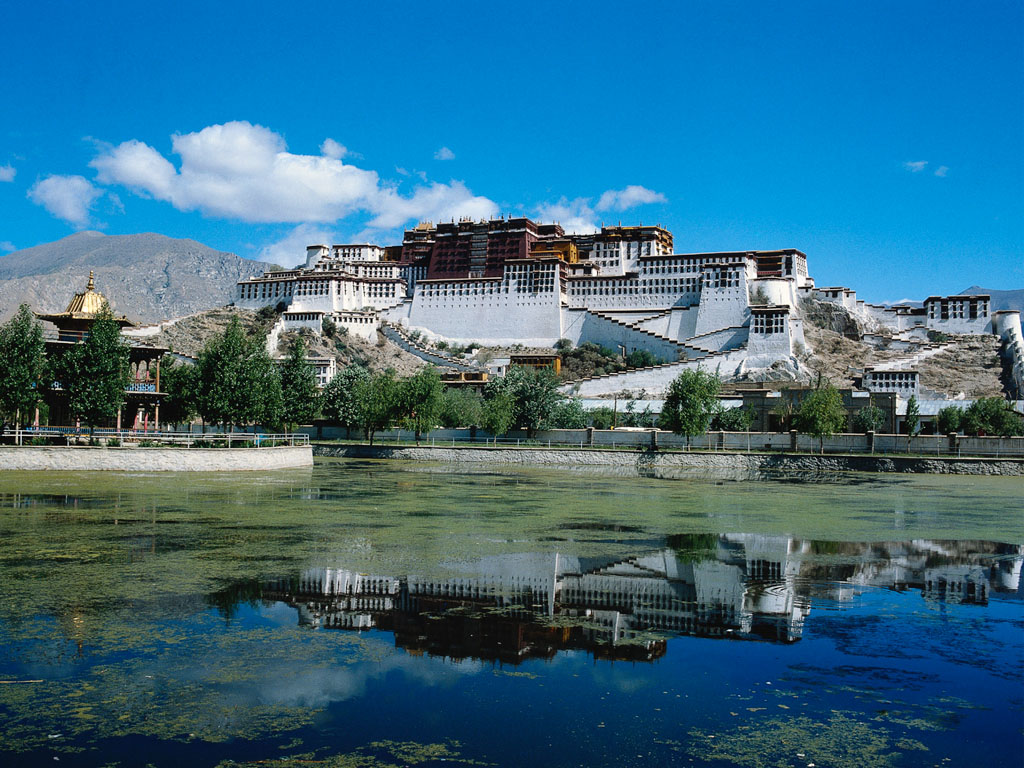


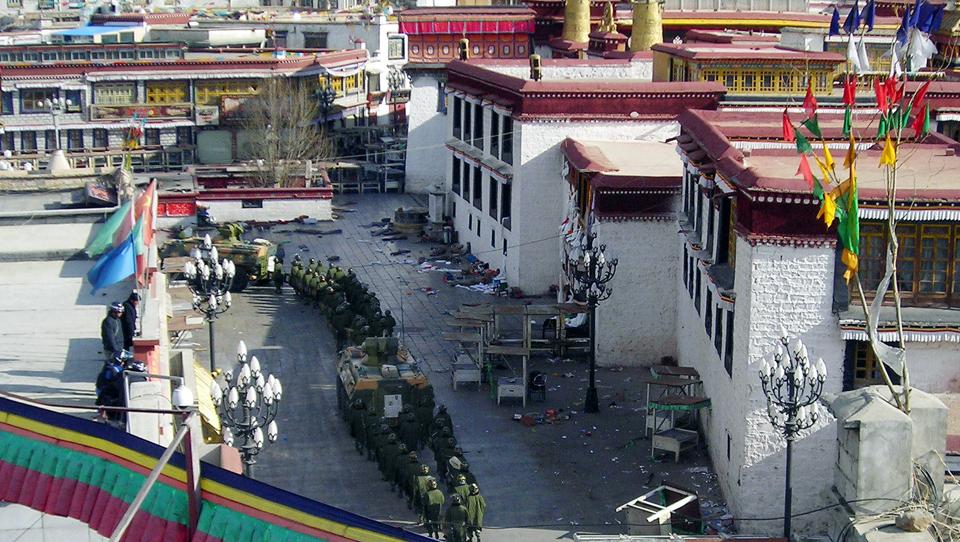
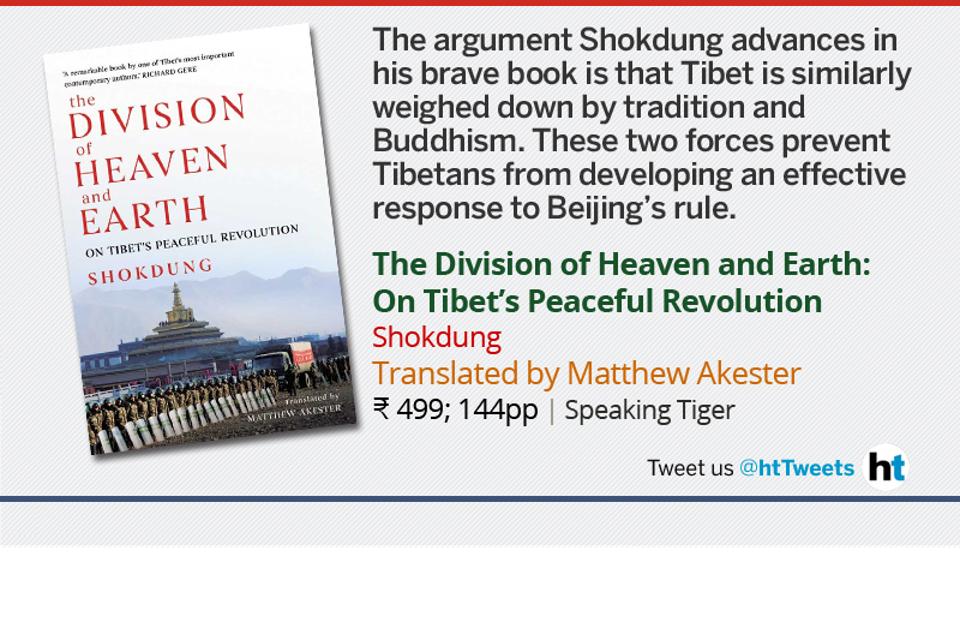
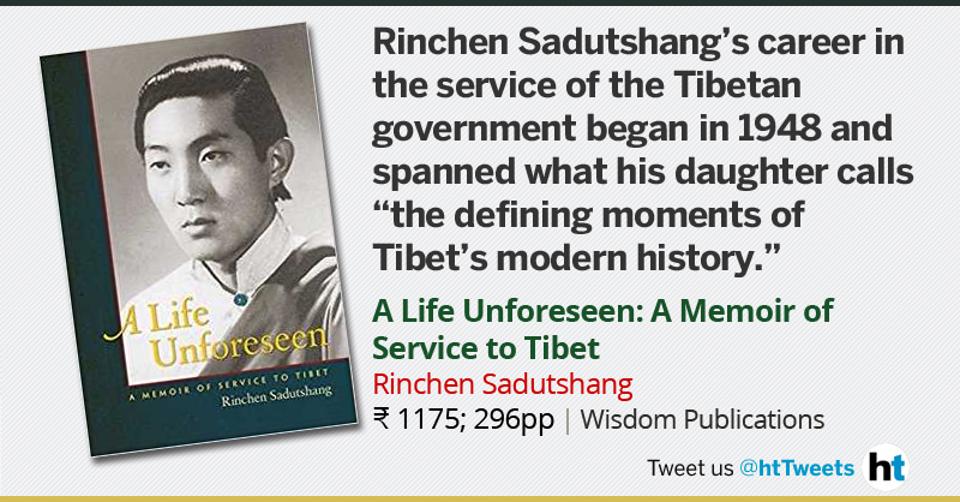


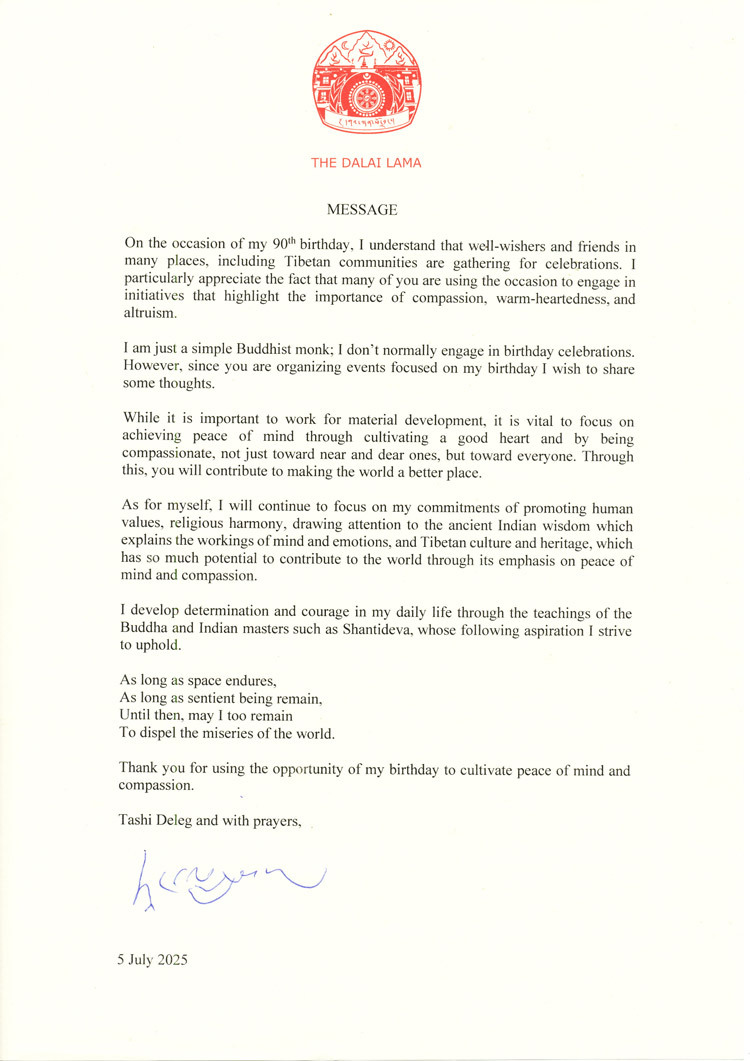








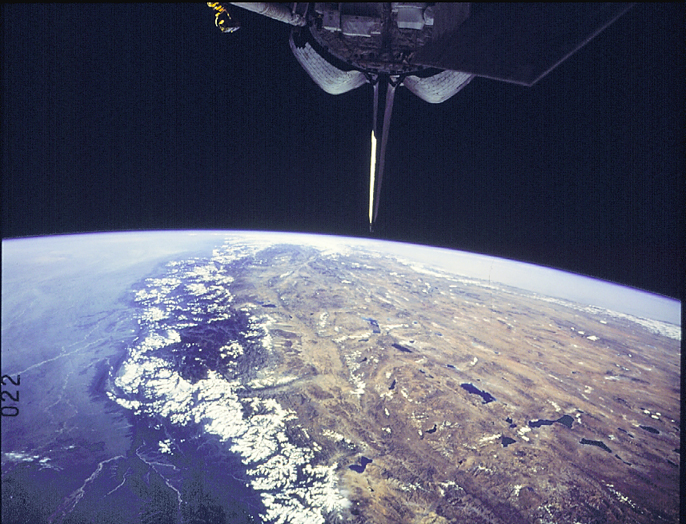


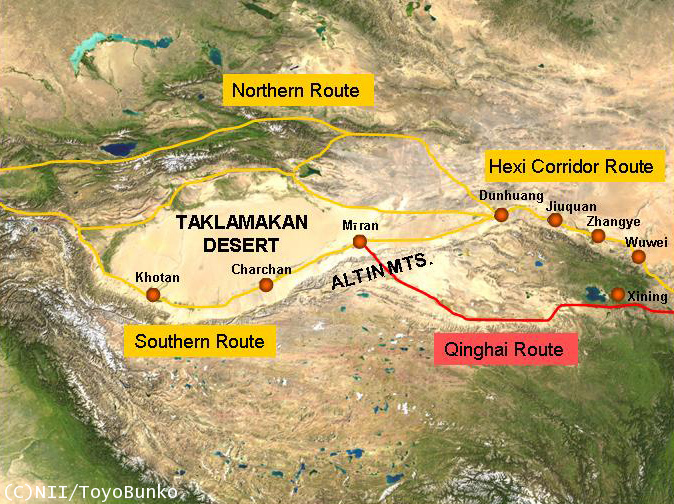

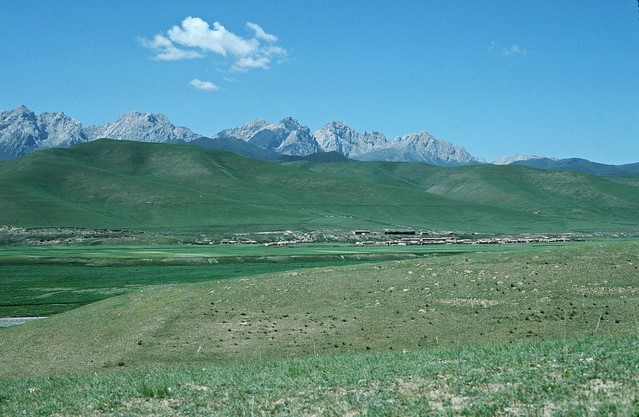
![Autumn scenery in Qilian Mountains[1]- Chinadaily.com.cn](https://i0.wp.com/www.chinadaily.com.cn/travel/img/attachement/jpg/site1/20141027/002564bc654b15b7f5191b.jpg)
![Autumn scenery in Qilian Mountains[3]- Chinadaily.com.cn](https://i0.wp.com/www.chinadaily.com.cn/travel/img/attachement/jpg/site1/20141026/wires_1414314837605_middle.jpg)


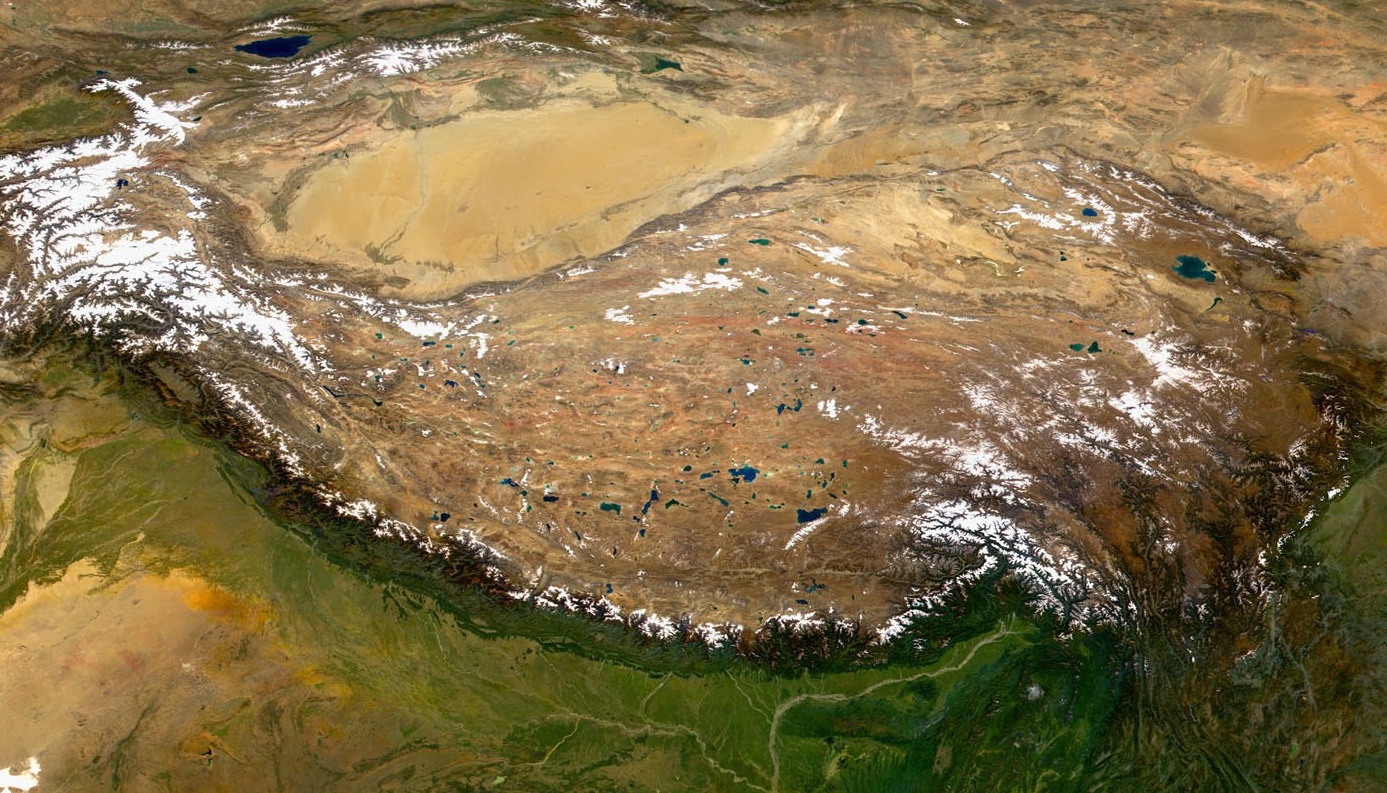


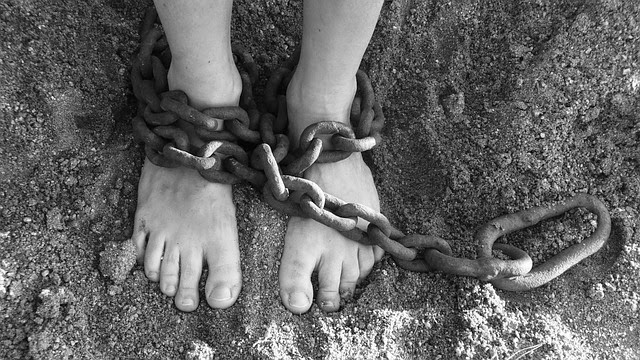
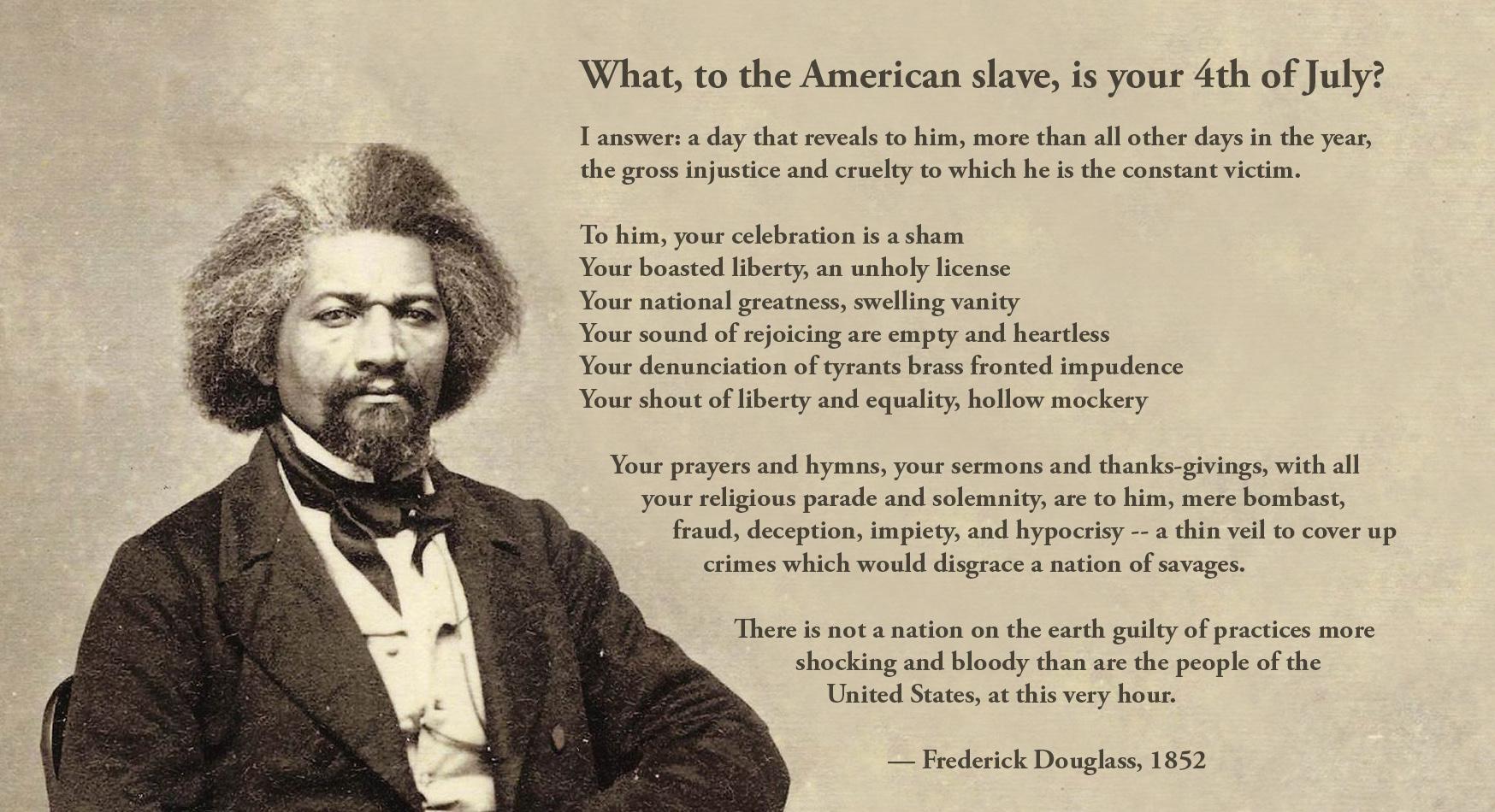







 Flat out on the plateau
 Everybody do the caterpillar fungus


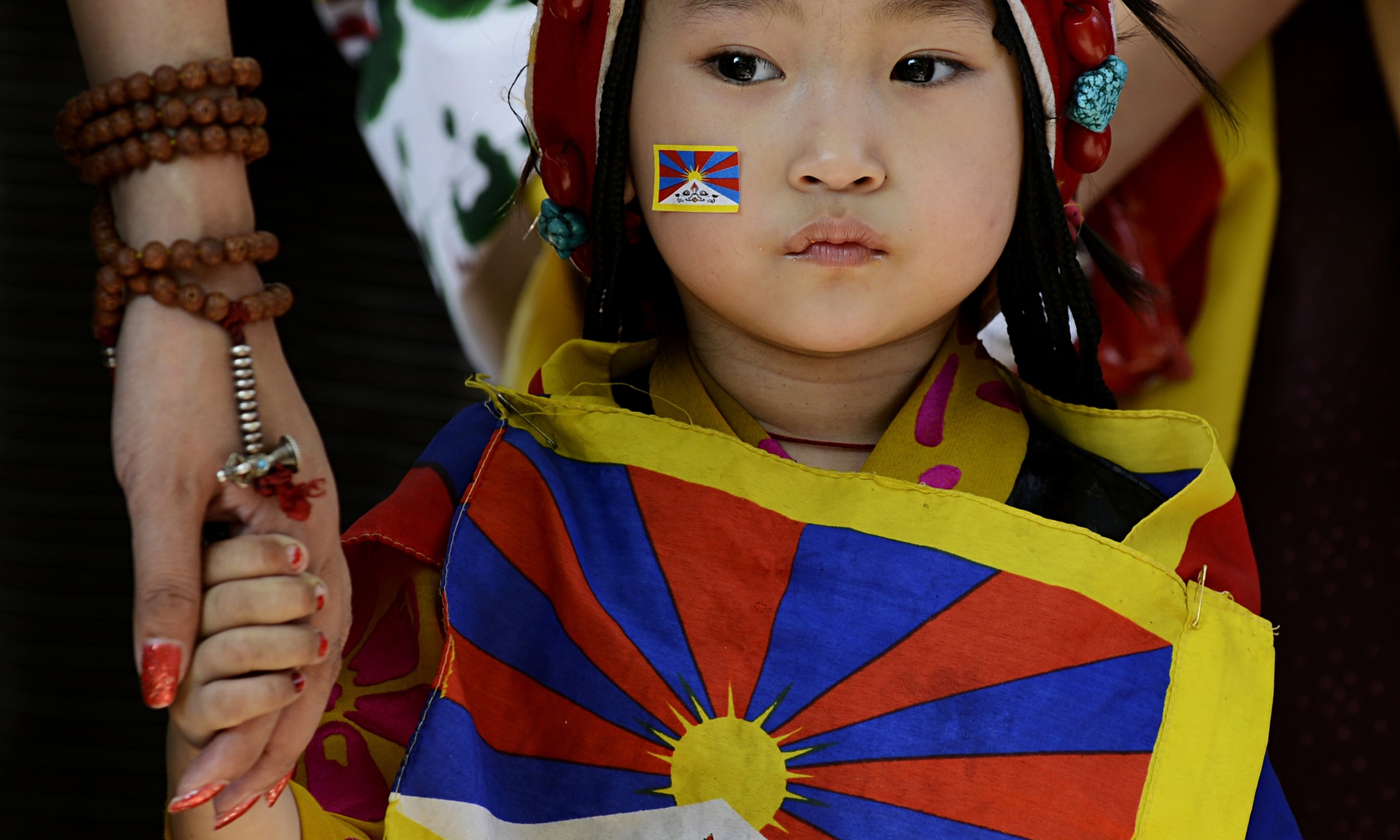

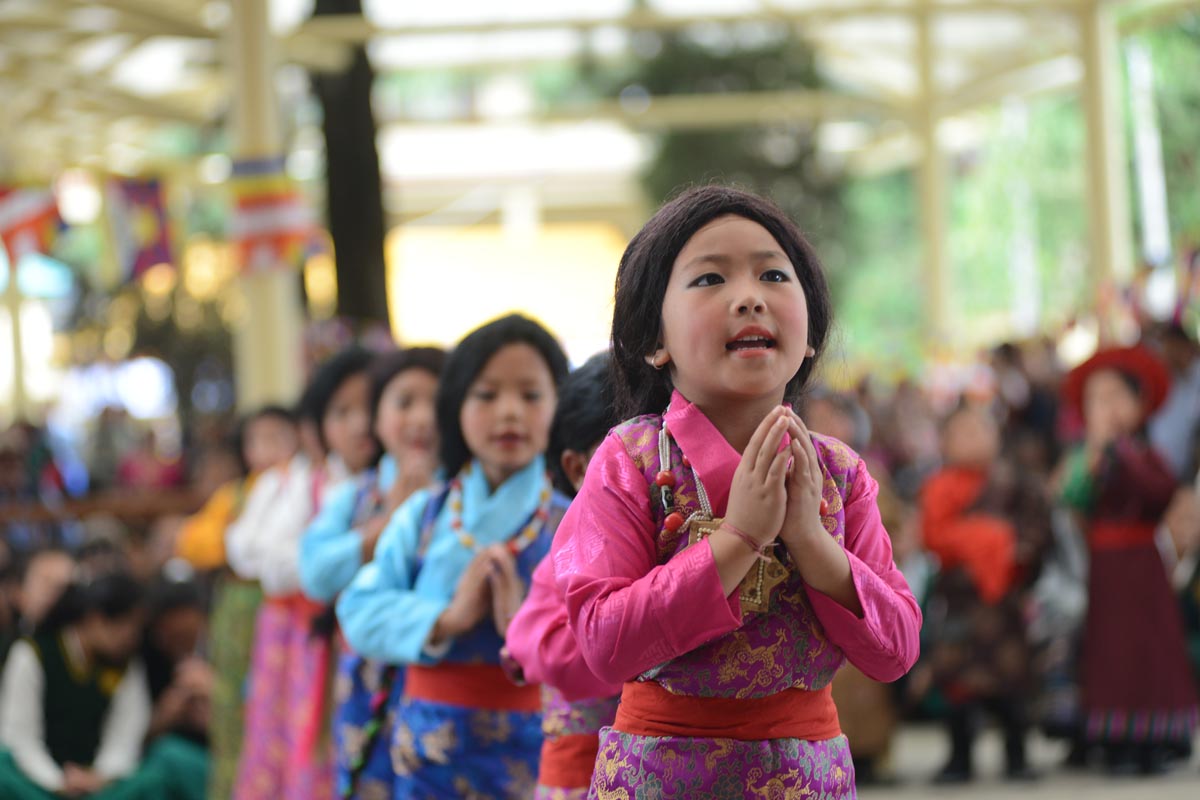


 Whole Dude - Whole Concept