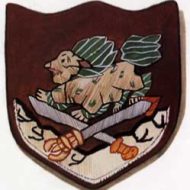
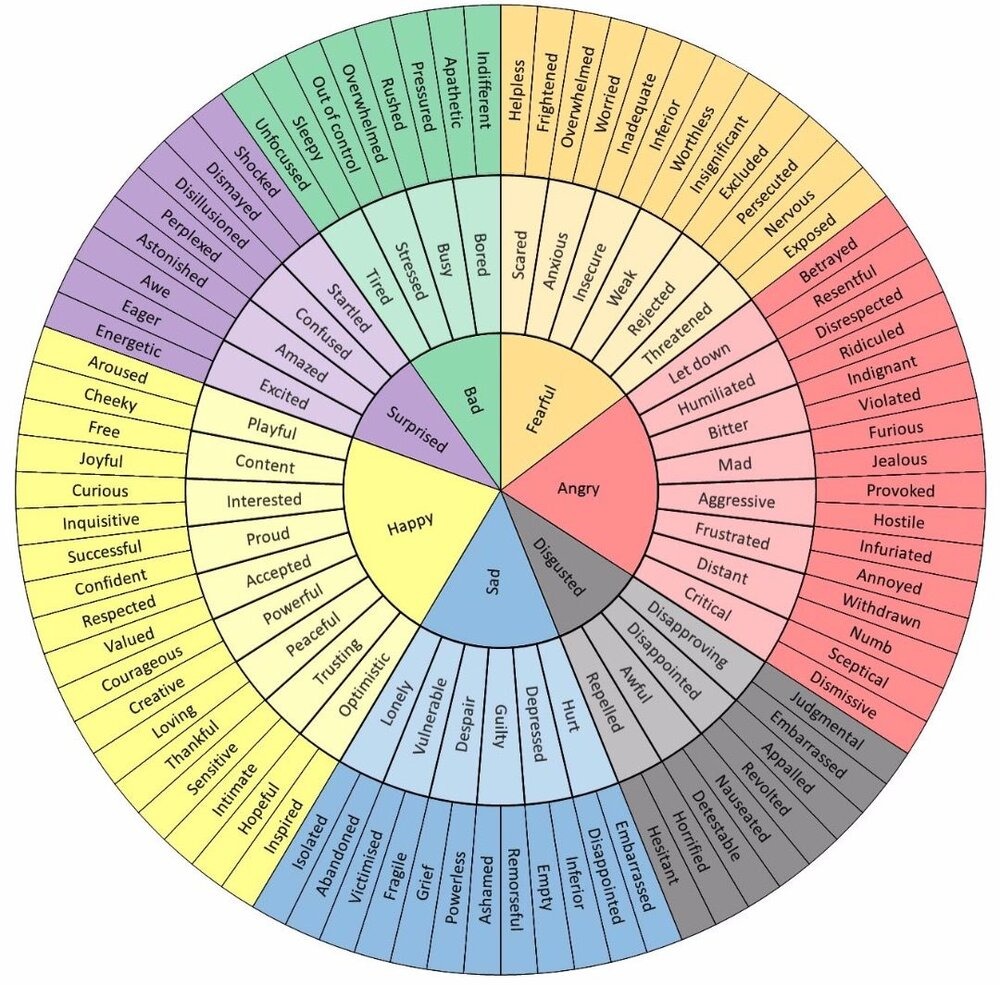
The Institution of Dalai Lama is important to preserve Tibetan Political Identity. The Government of Tibet is represented by this Seal of Ganden Phodrang.The Mind Map of Tibet reveals the spirit of defiance.
“Dalai Lama” Website Launched by His Holiness the Dalai Lama includes Mind Map, and Atlas of Emotions to help people find or discover “Inner Peace.” Spirituality and Science can be blended, but the real issue is that of blending Freedom and Repression. For Repression excludes Freedom, there will be no Peace, neither in Mind, nor in World.
TROUBLE IN TIBET – MIND MAP OF TIBET – WHERE IS PEACE WITHOUT FREEDOM? The World Atlas of Emotions excludes the Map of Tibetan Mind
Tibetans want to find or discover “Freedom” which is defined as the state or quality of being free from the control of some other person or some arbitrary power; a being able of itself to choose or determine action freely without hindrance, restraint, or repression. If Tibetans are not “Free” to act, how can Tibetans discover “Inner Peace?” Creation of Mind Map will not create Freedom in Occupied Tibet. Repression in Tibet has to go to discover Inner Peace in Mind Map of Tibet.
Dalai Lama: Website launched by Dalai Lama, Atlas of Emotions, blends Science and Spirituality to create Mind Map and reach global audiences
TROUBLE IN TIBET – MIND OF TIBET. DALAI LAMA’S WEBSITE ATLAS OF EMOTIONS EXCLUDES MIND MAP OF TIBET WHERE REPRESSION REIGNS. The World Atlas of Emotions excludes the Map of Tibetan Mind
May 6, 2016 Sally Elliott
The Dalai Lama never ceases his quest to help others navigate the complex human psyche as part of the path to inner peace, and the Dalai Lama’s website is designed to do just that.
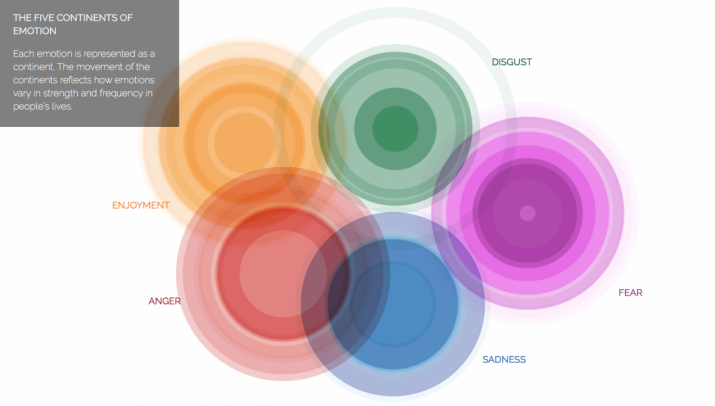
In a truly creative and contemporary collaboration between a Hollywood producer, world-class scientists, and the Dalai Lama, a website, named Atlas of Emotions, was launched with a view of helping the world identify and understand human emotions and overcome those that block the path to peace. The Dalai Lama’s website is the result of a collaboration between Paul Ekman, an American psychologist, and the producers of 2015 animated blockbuster Inside Out. Atlas of Emotions blends science and spirituality to create a mind map for global audiences — the religious, the spiritual, and the secular.
“It is my duty to publish such work,” the Dalai Lama told the New York Times.
According to the New York Times, Dr. Ekman and the Dalai Lama are good friends, and when he decided on a course of action to help the human race achieve peace, the Dalai thought of Pixar’s Inside Out and its universally comprehensible model of the mind and human emotion.
“Specifically, he commissioned his good friend Paul Ekman — a psychologist who helped advise the creators of Pixar’s ‘Inside Out,’ an animated film set inside a girl’s head — to map out the range of human sentiments. Dr. Ekman later distilled them into the five basic emotions depicted in the movie, from anger to enjoyment,” reports the outlet.
Trouble in Tibet – Mind Map of Tibet. Repression excludes Freedom. There is neither inner nor outer Peace if Freedom is not in Mind Map. The World Atlas of Emotions excludes the Map of Tibetan Mind
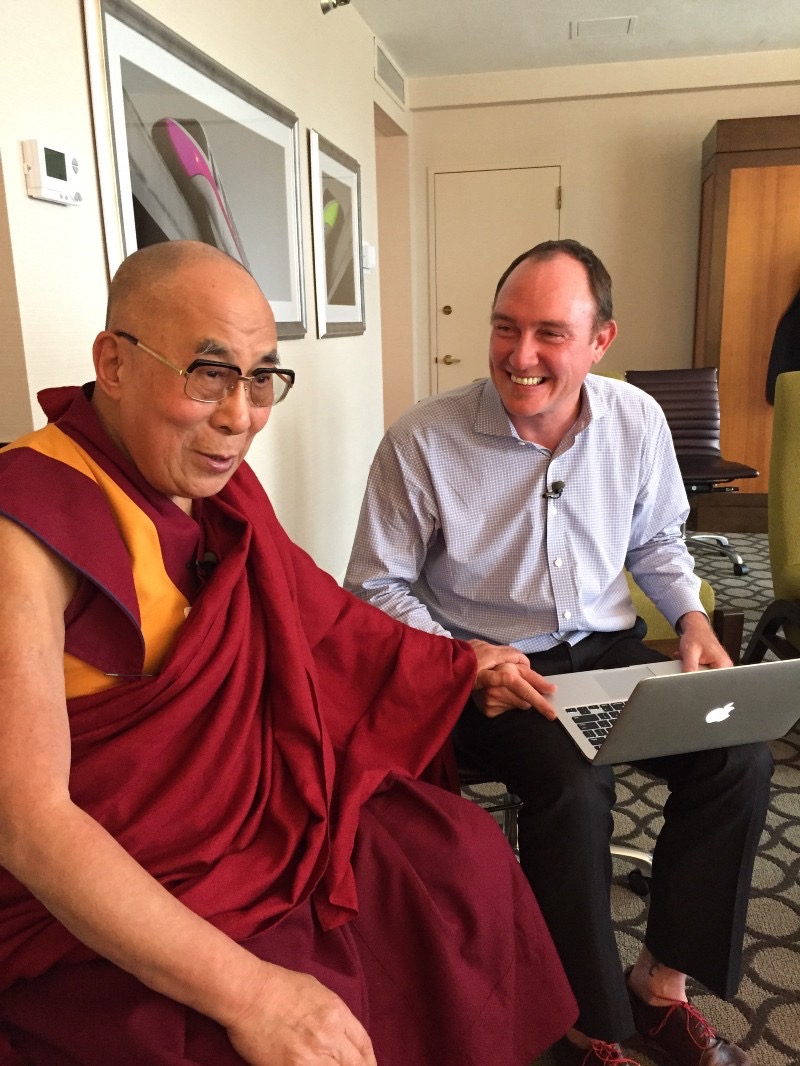
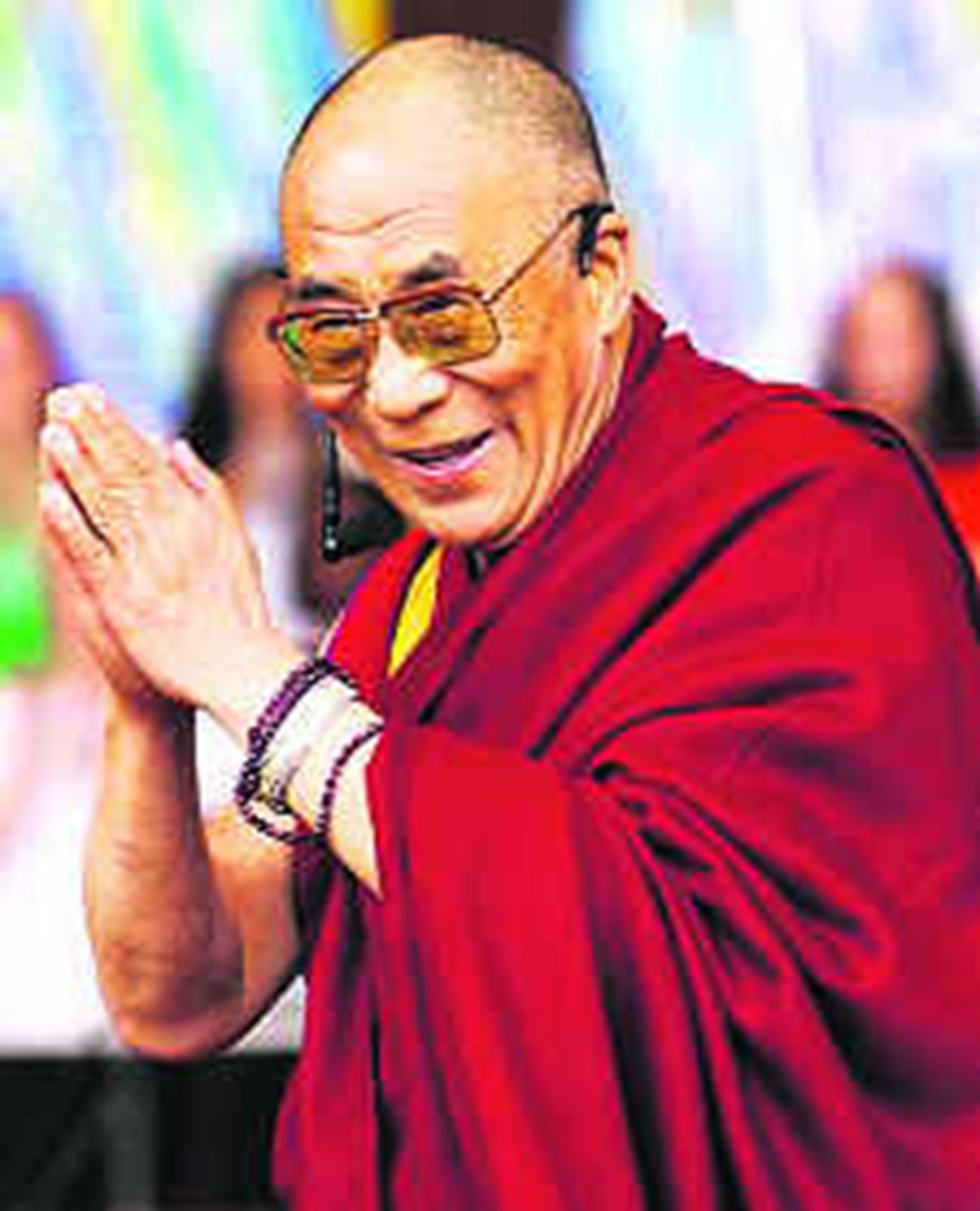
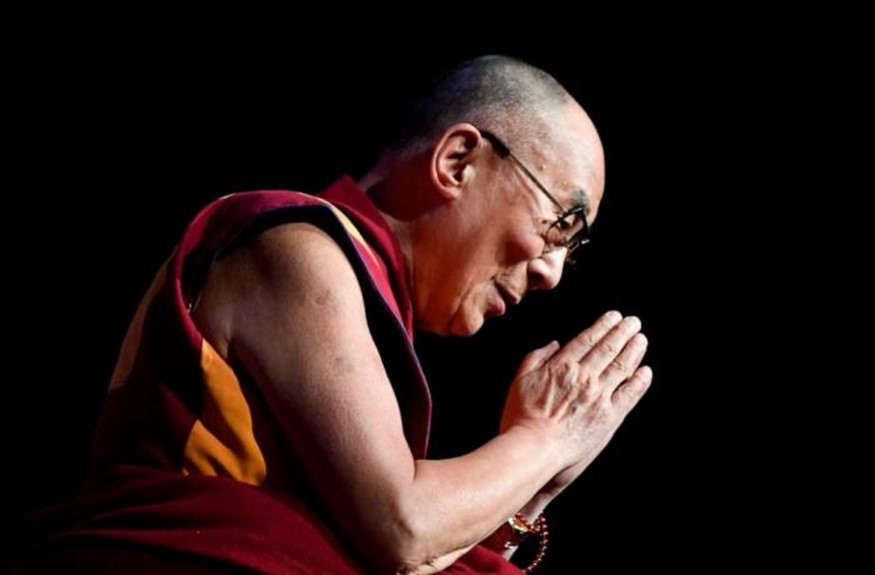
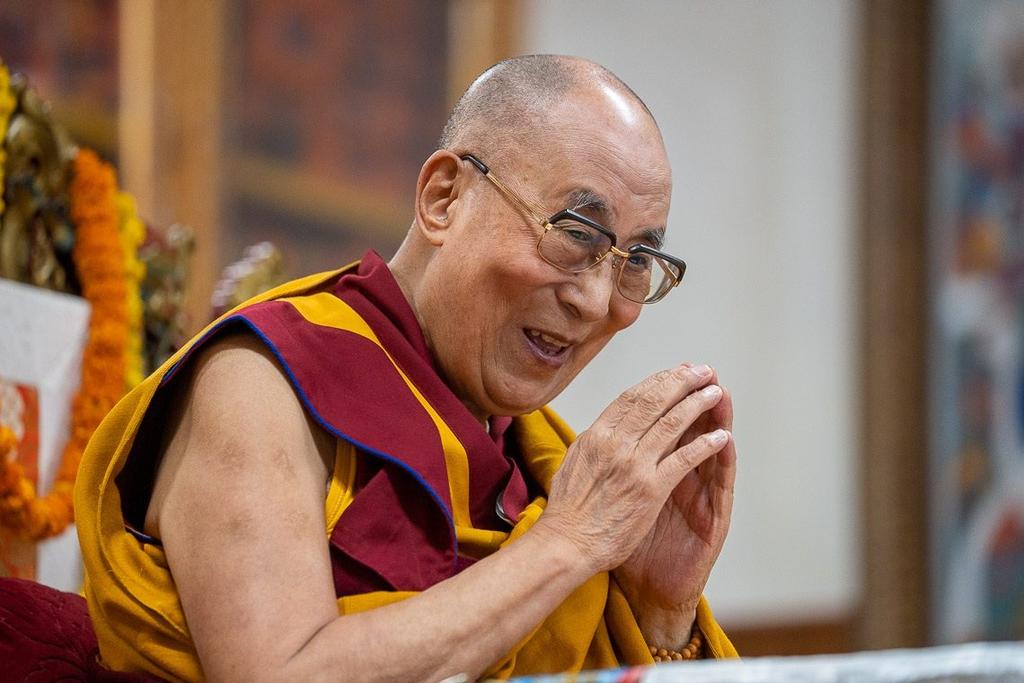
The Dalai Lama is one of the world’s most prolific and widely followedspiritual leaders [Photo by Lisa Maree Williams]
The Dalai Lama’s website is aimed at achieving his lofty life mission guiding the human race to overcome selfish and hateful behavior, practice kindness, self-awareness, and compassion — in a changing world of countless brands of faith.
“‘When we wanted to get to the New World, we needed a map,’ Dr. Ekman recalled the Dalai Lama telling him. ‘So make a map of emotions so we can get to a calm state,’” reports the New York Times.
Eve Ekman, Dr. Ekman’s fellow psychologist daughter, also collaborated to maximize the engagement and accuracy of the website launched by the Dalai Lama. Atlas of Emotions blends scientific knowledge, which psychologists use to help patients understand and overcome negative behaviors and emotions, and spiritual ideology to provide an interactive guide to human emotions, and it is available to any person with internet access. The website is set to be an invaluable resource for those without the money or opportunity to seek professional help and people seeking to understand their complex emotions on the path to self-awareness, inner peace, and constructive action.
“We have, by nature or biologically, this destructive emotion, also constructive emotion. This innerness, people should pay more attention to, from kindergarten level up to university level,” the Dalai Lama told the NY Times.
“This is not just for knowledge, but in order to create a happy human being. Happy family, happy community and, finally, happy humanity.”
Trouble in Tibet – Mind Map of Tibet. There is no Inner Peace in Mind or World without Freedom. The World Atlas of Emotions excludes the Map of Tibetan Mind
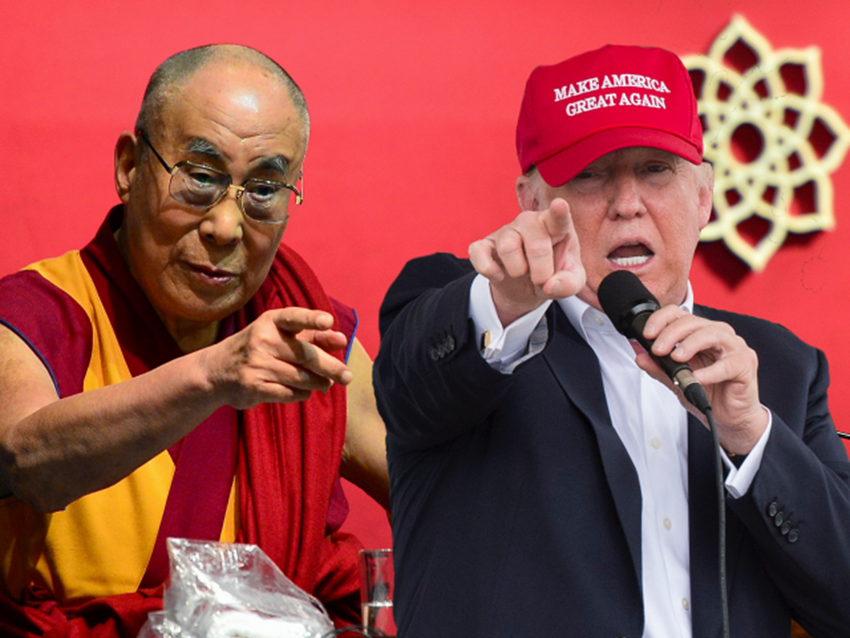
The Dalai Lama was the guest of honor at a U.S. Government-hosted PrayerBreakfast. [Photo by Pool/Getty Images]
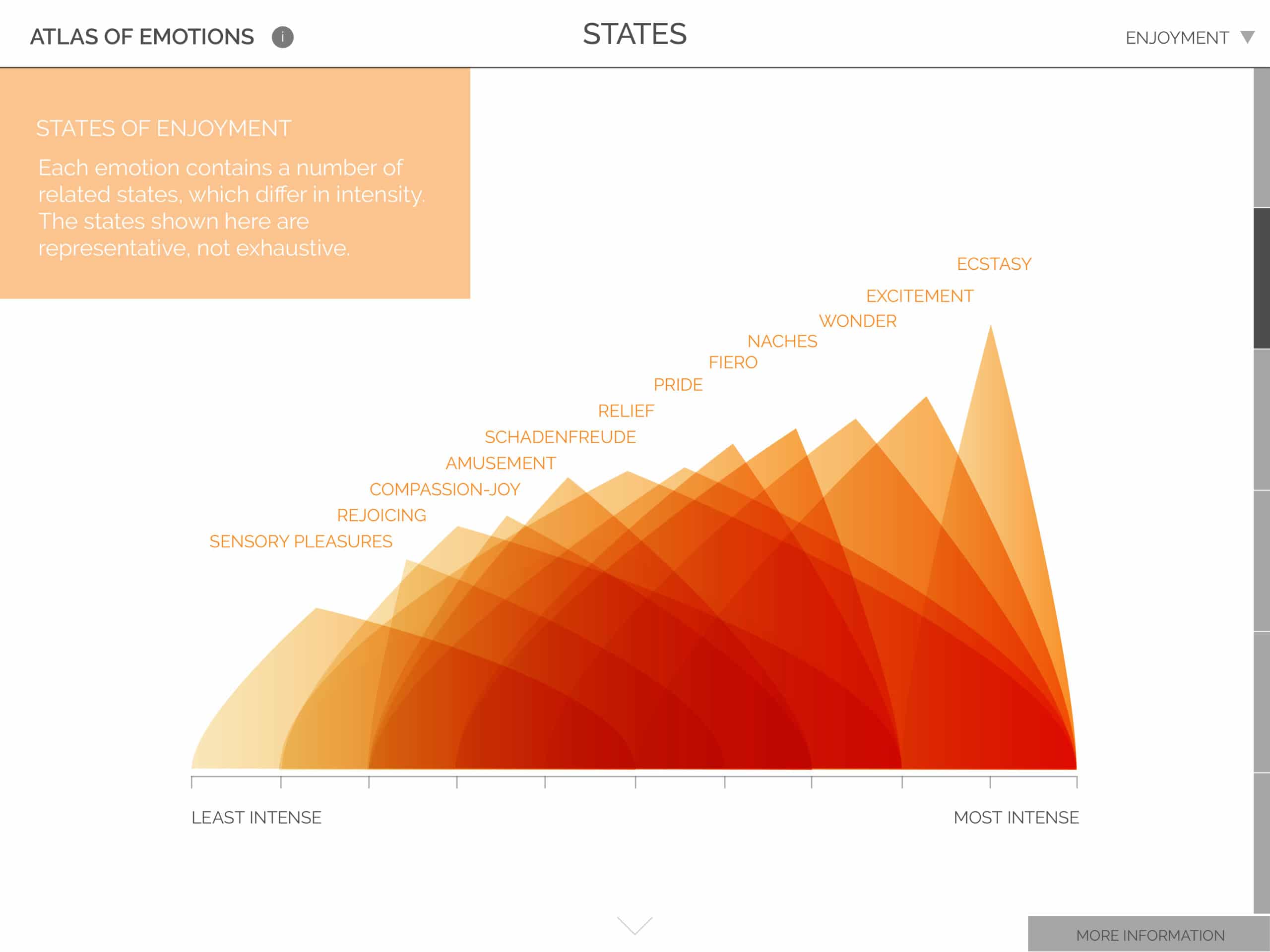
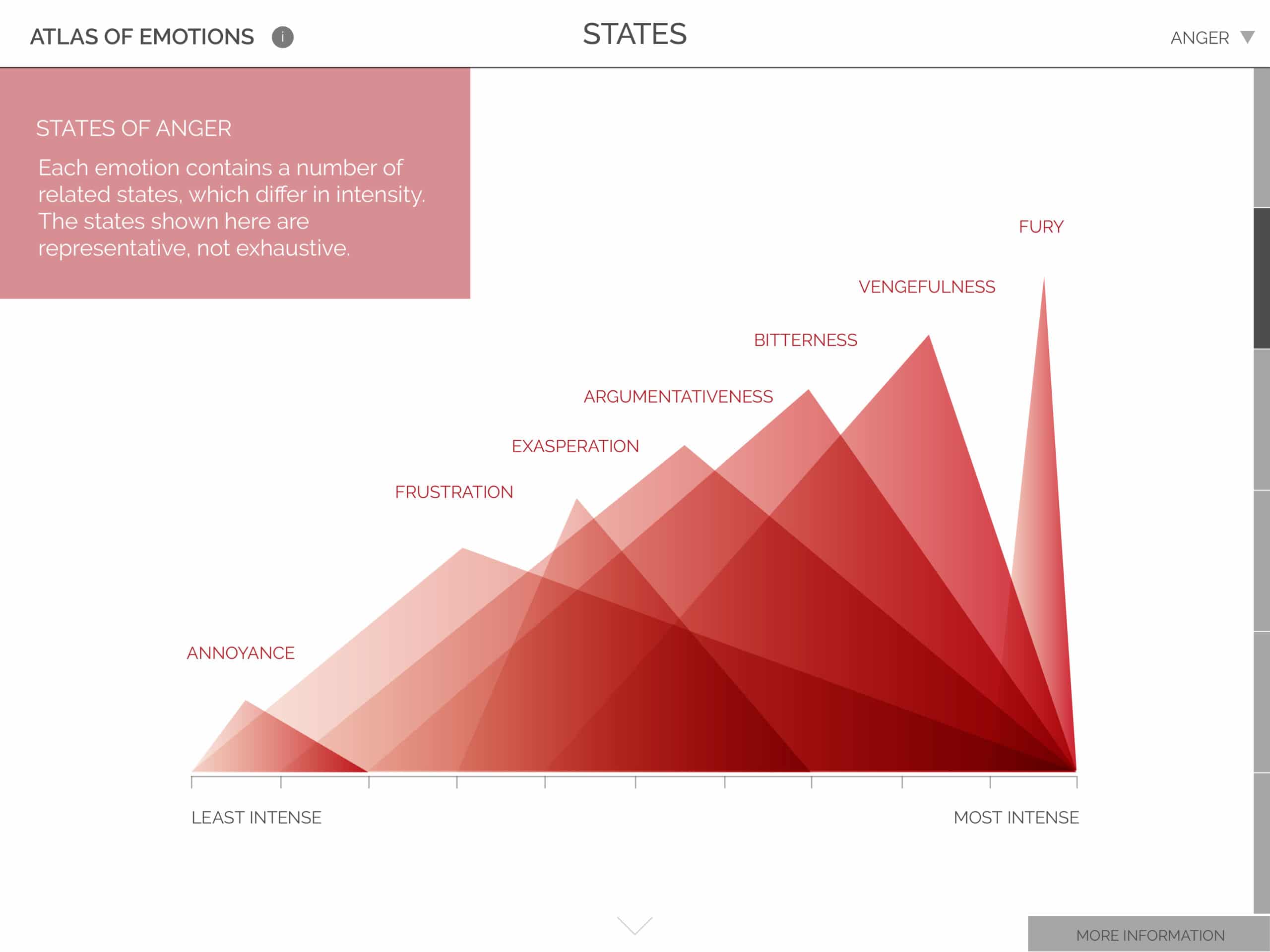
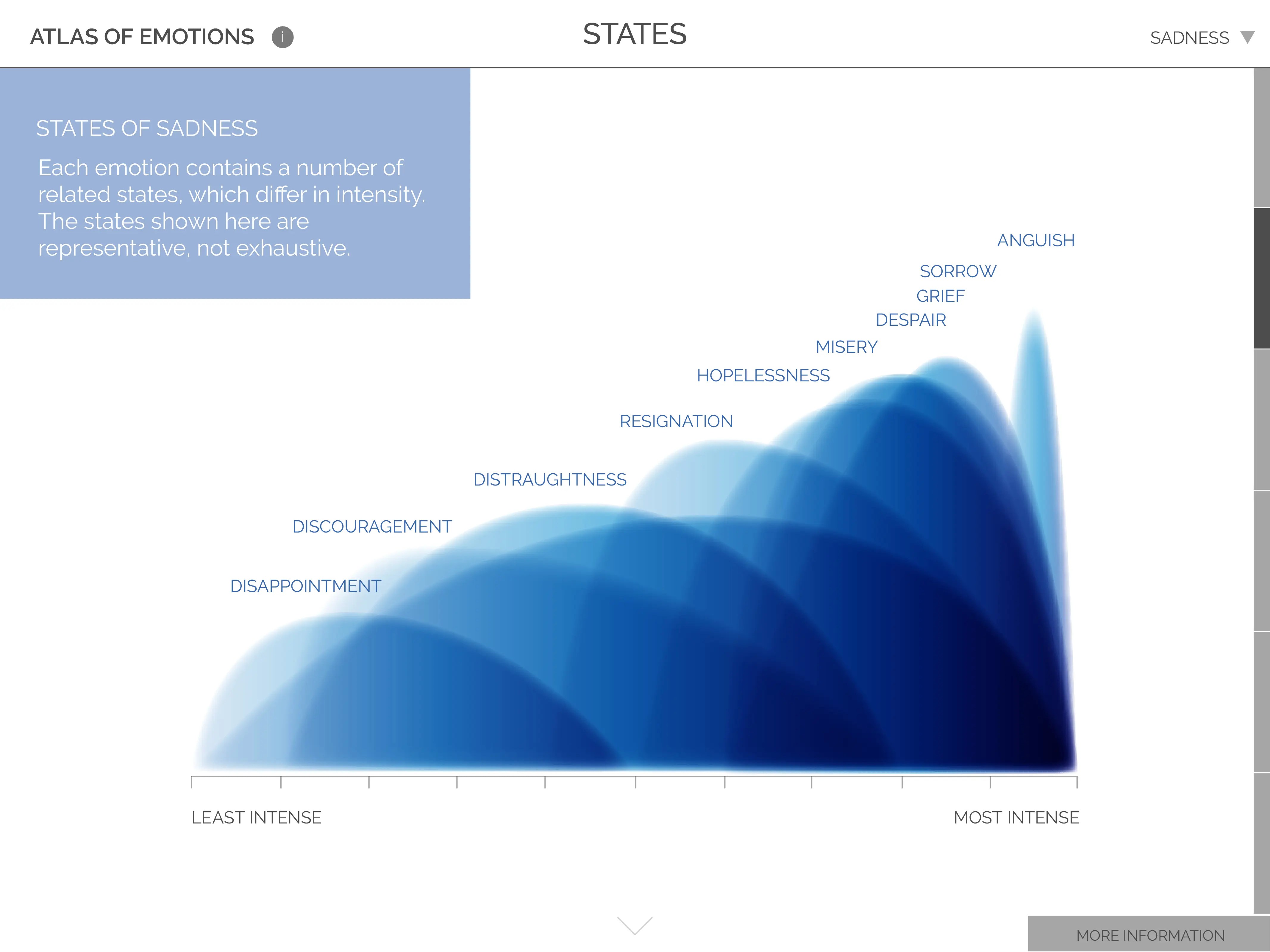
The website launched by the Dalai Lama greets visitors with a simple and sophisticated homepage that outlines five core emotions: anger, fear, disgust, sadness, and enjoyment. Users can navigate through the wealth of scientific and spiritual knowledge through Triggers, States, Actions, Moods, and Calm — explanations of how thoughts and feelings come about, how they are experienced, the actions we take as a result, how those make us feel, and how we can overcome the blocks to inner peace and happiness posed by ignorance or lack of understanding.
Trouble in Tibet – Mind Map of Tibet. Where is Peace and Freedom in Atlas of Emotions? The World Atlas of Emotions excludes the Map of Tibetan Mind
New work! We designed an Atlas of Emotions for the @DalaiLama and @PaulEkman
The World Atlas of Emotions excludes the Map of Tibetan Mind
With the highest quality of professional input, the website launched by the Dalai Lama, Atlas of Emotions, which blends science and spirituality to create a mind map, is set to reach global audiences. The potential for engagement is infinite.
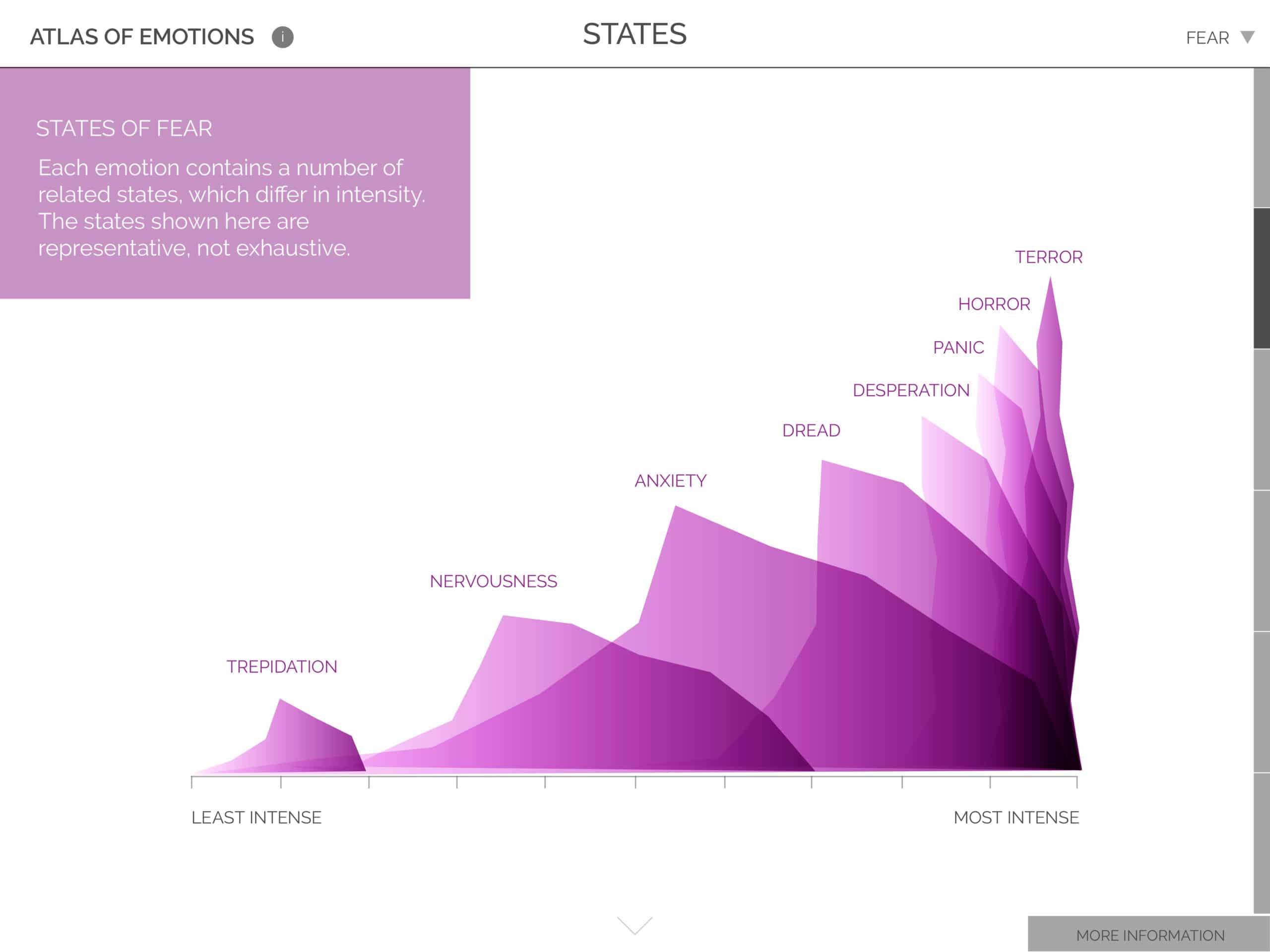
The World Atlas of Emotions excludes the Map of Tibetan MindTrouble in Tibet – Mind Map of Tibet. Repression is not compatible with Calmness. The World Atlas of Emotions excludes the Map of Tibetan MindTrouble in Tibet – Mind Map of Tibet. Repression Causes FEAR. The World Atlas of Emotions excludes the Map of Tibetan MindTrouble in Tibet – Mind Map of Tibet. Repression leads to Apprehension and Fear. The World Atlas of Emotions excludes the Map of Tibetan MindTrouble in Tibet – Mind Map of Tibet. Repression Triggers FEAR. The World Atlas of Emotions excludes the Map of Tibetan Mind
Atlas of Emotions – Knowing the emotions of Tibetans fighting against repression
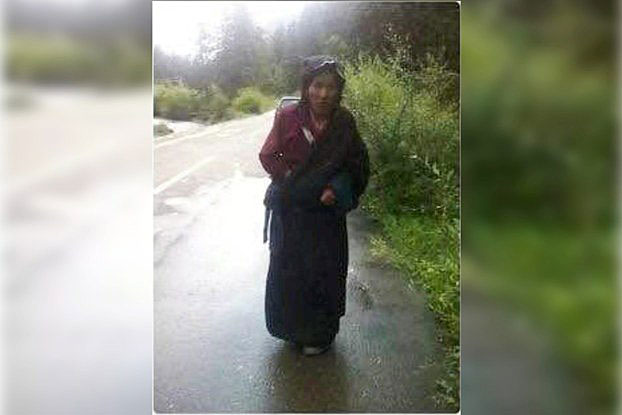
Where is the Mind Map of Ms. Sonam Tso, Tibetan Mother of Five died in 145th known Tibet Self-Immolation Protest? Was she thinking of Freedom? Where is Freedom in The Atlas of Emotions? Is it Action evoked by Fear? Or is it Action to Demand Freedom From Fear?
TibetanReview Sunday, 8 May 2016
MOTHER OF FIVE DIED IN 145th KNOWN TIBET SELF-IMMOLATION PROTESTS
Atlas of Emotions – Knowing Emotions of Sonam Tso Tibetan Mother of Five. Where is her Mind Map? Was she thinking of Freedom? Is it Fear or Defiance of Chinese Rule?
Sonam Tso Tibetan mother of five died after she carried out a protest self-immolation near a monastery in Dzoege. (Photo courtesy: RFA)
(TibetanReview.net, May 08, 2016) – A belated report caused by China’s clampdown on communication channels and tight restrictions on the local people says a Tibetan mother of five died after she carried out a protest self-immolation near a monastery in Dzoege (Chinese: Ruo’ergai) County of Ngaba (Aba) Prefecture, Sichuan Province, on Mar 23.
Sonam Tso, believed to be in her 50s, told her husband, Kelsang Gyatso, who was walking with her on the circuit path running around Dzoege’s Sera Monastery, to go keep going while she proceeded to a nearby prayer-wheel room, promising to catch up with him later, said Dharamshala-based Tibetan Centre for Human Rights and Democracy (TCHRD) May 7. However, the woman, who belonged to Dotsa Village in the county’s Akyi Township, then set herself alight.
“A young monk heard her call out for the return of the Dalai Lama (Tibet’s exiled spiritual leader) and for freedom for Tibet as she burned,” the Tibetan Service of Radio Free Asia (Washington) Jun 6 quoted a local source as saying.
The young monk and Tso’s husband, alerted by the monk’s shout that a self-immolation had taken place, rushed to her and struggled to put out the flames. An elderly monk named Tsultrim, Tso’s uncle, then took her inside the monastery. She was later put in a vehicle to be taken to hospital but died while still in the monastery compound.
Following the incident, Chinese police detained Tso’s uncle for eight days for discussing the incident with other people. They forced him to delete the photos he had taken of Tso’s protest. Tso’s husband was also reported to have been called in for questioning three times.
Besides her husband, Tso is said to be survived by two sons and three daughters.
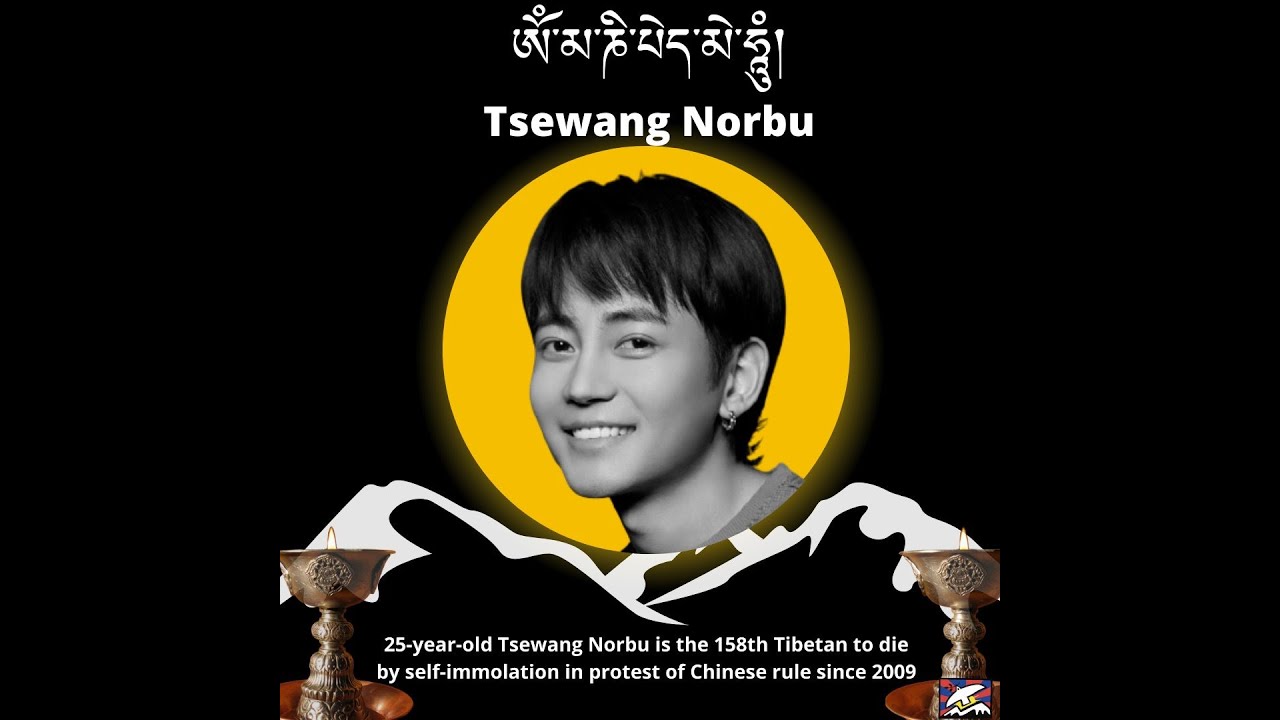
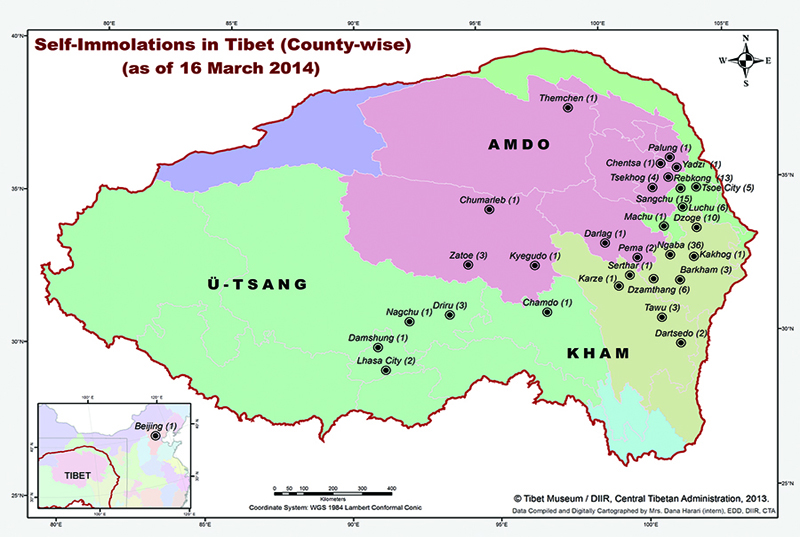
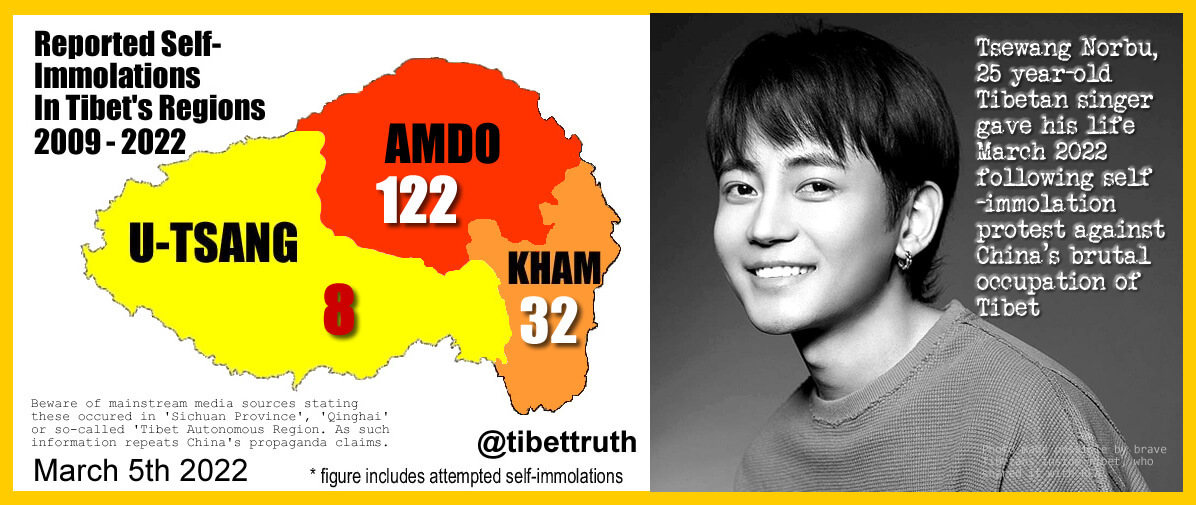
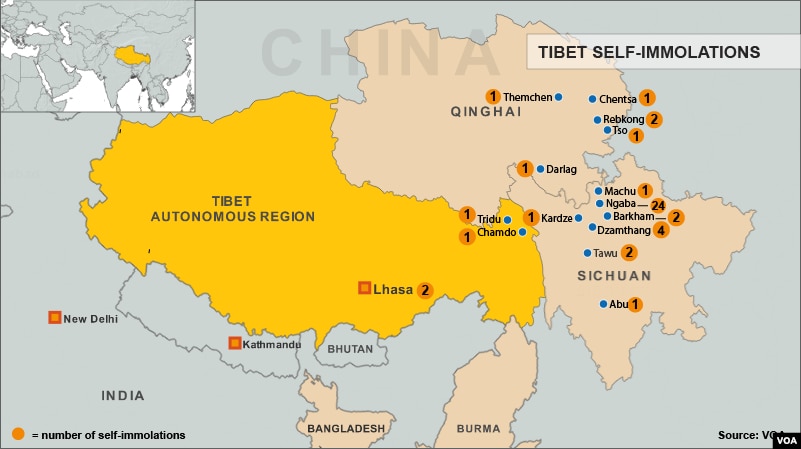
Tso’s action, which came after nearly a month since a young monk burned himself and died in the province’s Kardze (Ganzi) Prefecture, brings to 145 the number of known such self-immolations across Chinese ruled Tibet since 2009.
TCHRD said Sonam Tso had left a message before her self-immolation, but its contents remain unknown.
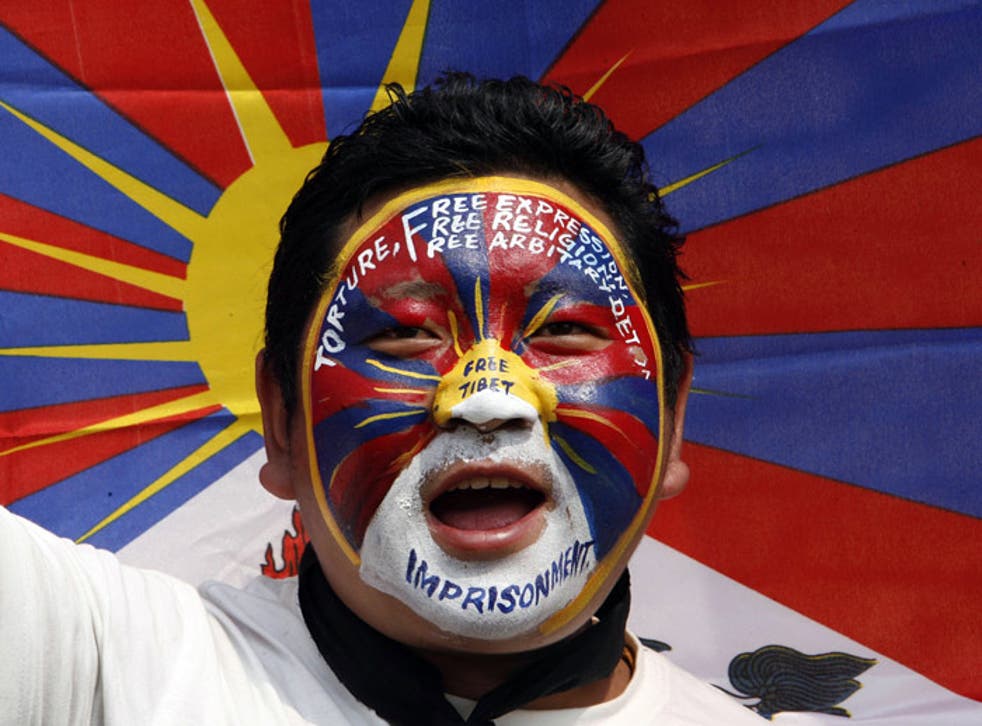
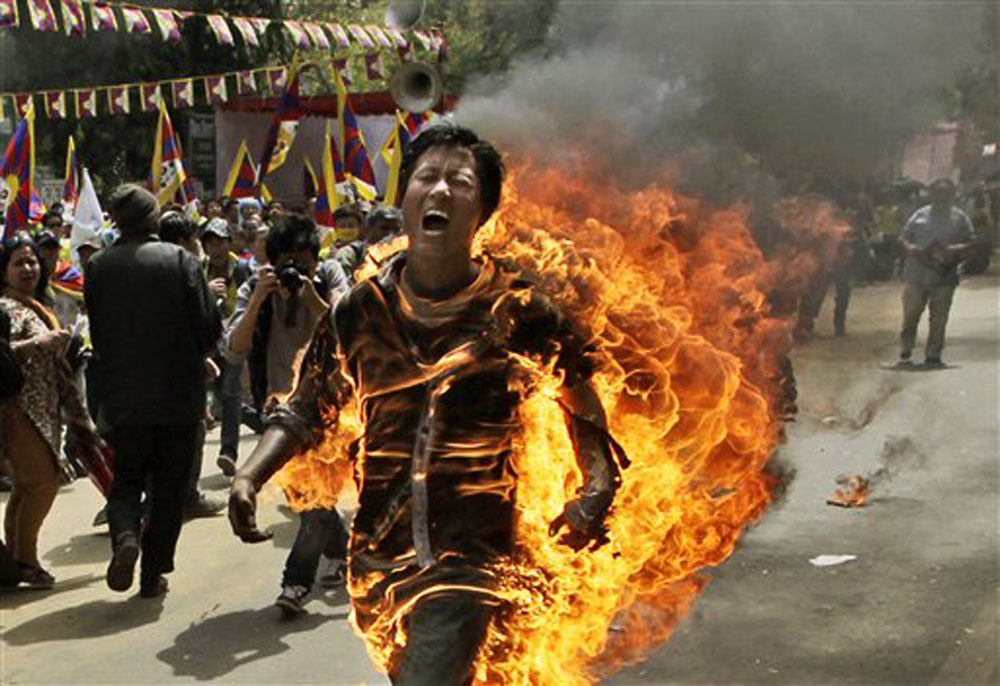
Atlas of Emotions – Knowing Emotions of Sonam Tso Tibetan Mother of Five Died in 145th Self-Immolation Protest. What is Freedom? Is it an Emotion?Atlas of Emotions – Knowing Emotion of Self-Immolation Protest. Is it Action of Fear or is it Action to Demand Freedom From Fear?Atlas of Emotions – Knowing Emotion of Self-Immolation. Is it Action evoked by Fear or is it Action to demand Freedom From Fear???Atlas of Emotions – Knowing Emotion of Self-Immolation. Is it Action evoked by Fear or is it Action to Demand Freedom From Fear?Atlas of Emotions – Knowing Emotion of Self-Immolation. What is this Protest? Is it Action in response to Fear? Or, Is it Action to Overcome Fear?Atlas of Emotions – Knowing Emotion of Self-Immolation. Is it Protest Against Chinese Rule? Is it Defiance of Chinese Rule?Atlas of Emotions – Knowing Emotion of Self-Immolation. Tibetans Resist Occupation for in their Minds they Desire Freedom.Atlas of Emotions – Knowing Emotion of Self-Immolation. What do you Notice on his face? Sense of Fear and Anxiety ? or Sense of Defiance?ATLAS OF EMOTIONS – KNOWING EMOTION OF SELF-IMMOLATION. WHERE IS THE MAP OF TIBETAN MIND?The Mind Map of Tibet reveals the spirit of defiance
The Cold War in Asia will be Won with Patience and Perseverance
Whole Story – Whole Legacy – The Cold War in Asia will be WonWhole Story – Whole Legacy – The Cold War in Asia will be Won
The Living Tibetan Spirits initiated Tibetan Resistance Movement during late 1950s with the hope of defeating military occupation of Tibet using Infantry Weapons of Warfare. Indeed, there was such a possibility of seriously degrading Enemy’s war machine during the Vietnam War. Unfortunately, due to Nixon-Kissinger treason, Vietnam War remains unfinished. From a military point of view, due to change in circumstances, ‘The Cold War in Asia’ may not be determined by tactics used in Infantry Warfare due to Enemy’s use of enhanced military capabilities.
Living Tibetan Spirits – The Cold War in Asia. Tibetan Resistance uses military tactic called patience and perseverance.
In my analysis, the outcome in any war is not always determined by relative military power and military tactics used by parties engaged in conflict. The Cold War in Asia will come to its natural conclusion when Nature exercises Force/Power to influence human behavior and actions.
In 2011, Beijing shelled out some 1.5 billion yuan (US$236 million) for the construction of an airport to serve the frigid wilderness of the Tibetan Plateau, saying it wanted to boost the local tourism industry.
Completed in 2013, Yading Airport has since handled no more than 150,000 passengers a year, equivalent to three or four daily flights carrying 400 travelers brave enough to enter the remote backwater. Little wonder: at elevation of 4,411 meters, the airport in southwestern Sichuan’s Daocheng county is the world’s highest, almost one kilometer above the gateway to Tibetan capital Lhasa.
With the air supply about 30% less than you would expect at sea level, it is said that oxygenators are one of the most vital pieces of equipment for airport ground staff to avoid medical complications such as acute mountain sickness. Aircraft flying into the rarefied air must also be equipped with oxygenators before each flight.
Yet this inhospitable airport’s location next to the Tibetan Autonomous Region does appeal to another group of travelers. The People’s Liberation Army has found a number of important roles for the facility, ranging from the testing of a new generation of jet-fighters to fending off missile threats from the Indian Ocean.
It is an open secret that Yading Airport was one of several testing grounds used for the locally built J-20 stealth fighter when it was plying the air route between Yading and Chengdu, capital of Sichuan province, where the jets were manufactured.
Analysts say the alpine climate, steep terrain and high elevation of the airport and its surroundings are ideal for reliability tests on the J-20 and similar warplanes. This is the same reason that the F-22 Raptor, the spearhead of the US Air Force, was tested in Alaska.
But Yading Airport’s significance also lies in the tactical advantages offered by its location at the roof of the world. The Chinese military can observe every movement at Indian installations in the Bay of Bengal, 1,000 kilometers to the southwest, as there is no mountain range blocking the view from Yunnan province across Myanmar.
Hong Kong-based military commentator Leung Kwok-leung noted that the PLA must have installed long-range early warning radars at the airport and it could also host an anti-missile shield at an elevation that would be the envy of other military services.
Chinese observers are undoubtedly monitoring movements by US nuclear submarines in and around the Bay of Bengal, and New Delhi’s construction of a nuclear submarine base there. As a result, Beijing is getting antsy about threats lurking on its southwestern front.
Yading could be the location for the world’s highest mid-range anti-ballistic missile defense system: using the elevation and low latitude, interceptors launched from the plateau could “hitch a ride” on the centrifugal force of the Earth’s rotation.
Leung said this would mean that the PLA could use anti-ballistic missiles launched from Yading to put down Indian or US missiles fired either from bases onshore or from vessels in the Bay of Bengal area while they were still ascending, in a “blocked shot manner”.
This article originally appeared on Asia Times.
Image: Reuters
Living Tibetan Spirits – The Cold War in Asia. YADING, TIBET.Whole Story – Whole Legacy – The Cold War in Asia will be WonUNITED STATES – CHINA RELATIONS: PRESIDENTIAL CANDIDATE DONALD TRUMP CLAIMED THAT CHINA IS STEALING JOBS.
Tibet is the first victim of the spread of Communism to Asia
Red China took possession of Tibet or seized Tibet using her superior military power. Red China told a lie when she claimed about Peaceful Liberation of Tibet by People’s Liberation Army. Red China is an occupying force that faces eviction from Tibet when Peace, Freedom, and Justice will prevail again.
The Cold War in Asia. The Spread of Communism to Tibet.
The Cold War in Asia began in 1949 with the spread of Communism to mainland China. The spread of Communism has not stopped.
For Tibetans, there is no hope for “Meaningful Autonomy” if The Communist Party of China rules over their daily lives.
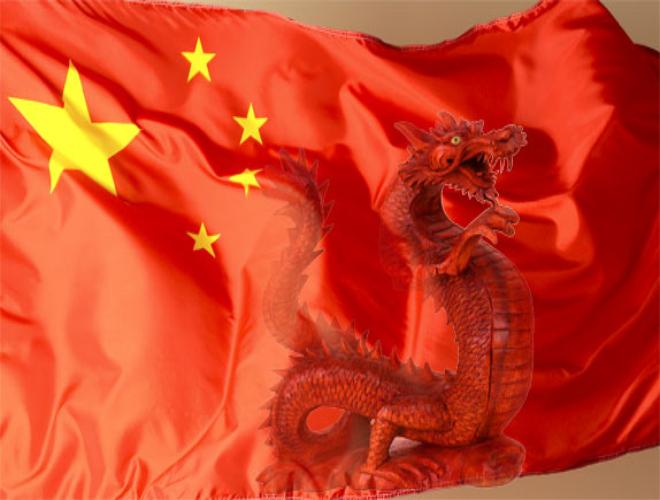
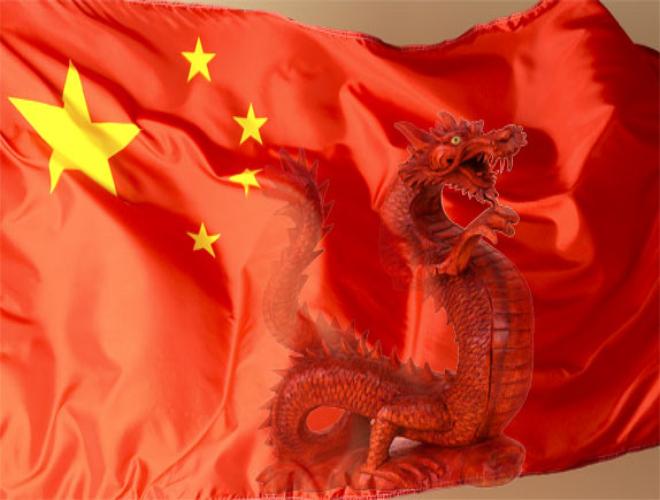
Red Dragon – Red China – Hegemonist
Whole Hegemonist – The Future of Red China’s Expansionism – Beijing Doomed.
Hegemony refers to dominance of one nation over others. Hegemonism is the policy or practice of a nation in aggressively expanding its influence over other countries.
Hegemony refers to dominance of one nation over others. Hegemonism is the policy or practice of a nation in aggressively expanding its influence over other countries. The 17-Point Plan or Agreement of March 1953 sets the tone for Communist China’s Expansionist Doctrine
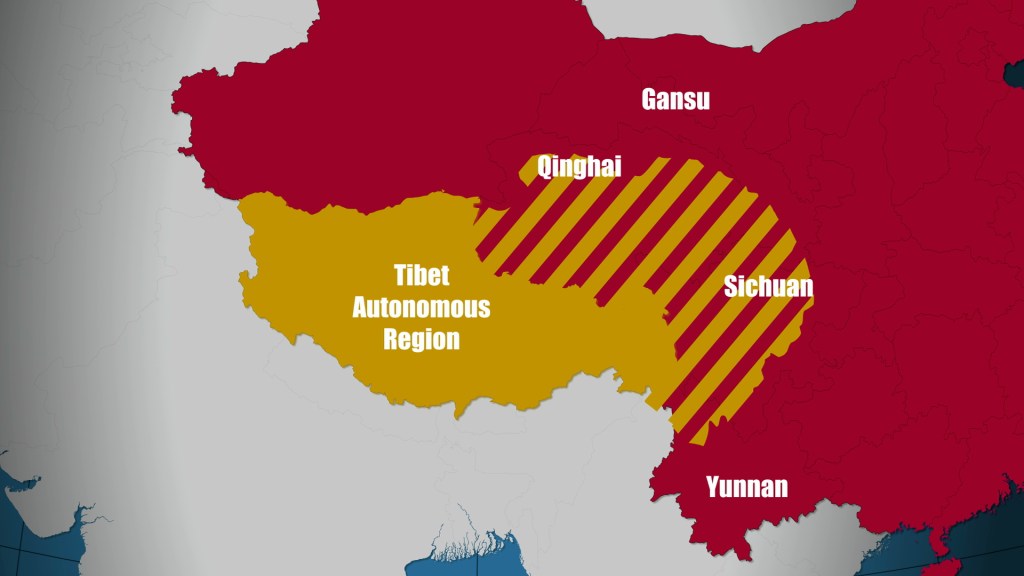
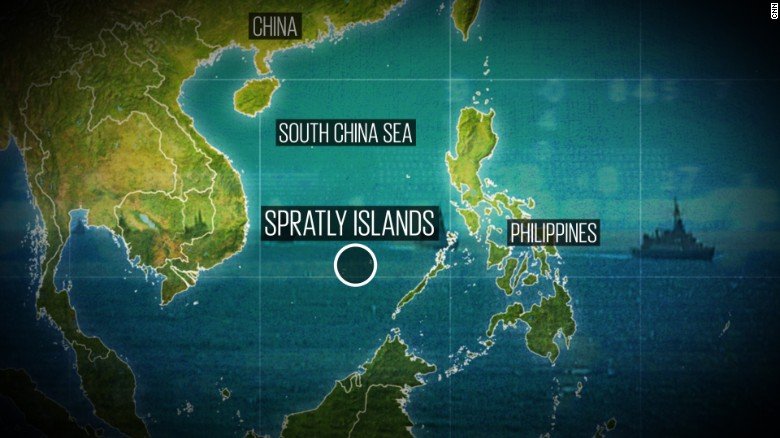
Red China heralded her hegemonistic policy in 1949 when she announced to the world that she would use military force to occupy Tibet which declared full independence on February 13, 1913. In October 1950, Red China attacked Tibet overcoming weak Tibetan resistance and occupied 965, 000 square miles of Tibetan territory which now represents one quarter of Red China’s landmass. This Tibetan territory includes entire Tibet Autonomous Region (TAR) and regions found in Qinghai, Gansu, Sichuan and Yunnan provinces. Red China’s policy of Hegemonism is nothing new. Red China will prevail with her military aggression in South China Sea if Red China is not evicted from Tibet.
#1 You Don’t Need To Fight A War To Win A War
Hegemony refers to dominance of one nation over others. Hegemonism is the policy or practice of a nation in aggressively expanding its influence over other countries. The 17-Point Plan or Agreement of March 1953 sets the tone for Communist China’s Expansionist Doctrine
I submit that we need not always Fight a War to Win a War. At Special Frontier Force, I am known as ‘Doomsayer of Doom Dooma’. I am claiming that we will Win our War against Tibet’s military occupation without fighting a War with Red China for I predict ‘Beijing Is Doomed’ and Red China set herself on irreversible path of Self-Destruction.
Hegemony refers to dominance of one nation over others. Hegemonism is the policy or practice of a nation in aggressively expanding its influence over other countries. The 17-Point Plan or Agreement of March 1953 sets the tone for Communist China’s Expansionist Doctrine
Rudra Narasimham Rebbapragada Ann Arbor, MI 48104-4162, USA Special Frontier Force-Establishment 22-Vikas Regiment
Hegemony refers to dominance of one nation over others. Hegemonism is the policy or practice of a nation in aggressively expanding its influence over other countries. The 17-Point Plan or Agreement of March 1953 sets the tone for Communist China’s Expansionist Doctrine
If you haven’t heard of “HEGEMON” and you’re a geostrategy enthusiast, you’re missing out on a very interesting experience. Developed by the Potomac Foundation, the multiplayer game allows users to take on the identities of different countries, complete with resources and political agendas.
Before you write it off as yet another game imitating life, consider this: Hegemon has quickly become a favorite with strategists and academicians who use the simulation to test different approaches and evaluate results.
Players can take on the roles of the United States, China and other countries in the Asia-Pacific region; from budgeting and strategizing to managing military and technological needs, the ‘game’ involves enacting real-world geopolitical relationships on-screen. Perhaps the most interesting implication of the game is that it allows users to test the waters, so as to speak, on the South China Sea issue. And the revelations are rather edifying.
China could gain a hegemony on the South China Sea
As per an article first published in the Lowy Interpreter, China could gain and sustain a hegemony on the South China Sea without every actually having to resort to armed conflict. The South China Sea issue has been in the news frequently over the past year owing to a rise in hostile disputes over territory between the various claimants. China, most noticeably, has ‘reclaimed’ several territories and undertaken construction operations on the same, much to the chagrin of other stakeholders. As of this past month, the state has halted its actions in the region in keeping with an international effort to resolve the dispute peacefully. However, as the game has revealed, there are other ways in which the state could monopolize the region. Here are some possible outcomes to mull over.
#1 You Don’t Need To Fight A War To Win A War
A very big part of war strategy is avoiding war altogether. You must prepare to excel at the worst, but still keep it from happening at any cost. In the game, only 50% of the region takes to violence across a span of two decades. Instead, the more probable outcome is that countries turn to brokering agreements. It’s interesting to note that the matter of who plays the game affects what the outcome is: military personnel are more likely to opt for confrontational tactics while academics are more prone to choosing the non-combative options.
#2 The Role Of Russia
While Russia isn’t a claimant in the South China Sea issue, or even a regional stakeholder, the state does exert a considerable amount of influence on the area’s security and stability. Alliances and enmities with Russia can go a long way towards affecting the regional balance of power. History has proven that power in geopolitical conflicts is best consolidated through a formidable military presence in the region in question, and the fact that Russia is a significant contributor to the international weapons market all but guarantees Moscow a say-so in the South China Sea issue.
#3 What Would Vietnam Do?
Vietnam makes for a very interesting entry point into the South China Sea dispute because the state is a claimant in the territorial conflict and clearly opposed to Chinese monopoly in the greater South Asian region, but it still continues to be something of a wild card. The country has a land border in common with Beijing, so it serves Vietnam’s security interests to maintain peaceful ties with China. One probable outcome, as we see played out in Hegemon only too often, is that Hanoi is likely to forsake a portion of its stakes in the South China Sea issue in exchange for a decreased Chinese military presence at its borders.
#4 Diplomacy & Perseverance
Many real-world experts have argued that China will seek to avoid open confrontation simply because the costs of war are too high and the state has identified another means to the same end: diplomatic channels. China currently enjoys a position of enviable influence in the region. The current geopolitical landscape of South Asia is marked by an eagerness to either ally with China or, at the very least, avoid an armed conflict with the state. Analysts argue that by simply waiting it out China stands to gain more. As such, if China were to solidify its identity as the dominant regional power it would serve a severe blow to the United States’ ‘pivot to Asia’ strategy.
#5 Deterrence or Destruction?
Yet others argue that even if China were to persevere at the long game, there is no guarantee that other Asian states will concede to its hegemony in the region. China has a historical rival in Japan, and if things were to come to a head, the latter is most likely to align with the United States in an effort to maintain the status quo in Asia. In this case, the arms race and support gathering may result in a more pronounced divide than ever before, and scholars warn that the world might soon be looking at another iteration of the Cold War.
Interesting though it is to see how closely the game imitates real life and vice-versa, theorists will argue against basing actual strategy on gameplay simply because two crucial elements- the stakes involved and the time in hand- do not represent real-time situations accurately. Defeat in a game and defeat on a battlefield are two very different experiences indeed. And while overnight developments are not completely unheard of in military history, most issues develop gradually and decision-makers have months, even years, to chart the most preferred course of action.
So, while geostrategy buffs can definitely learn a thing or two about the South China Sea issue from Hegemon, and maybe even test-drive a few theories, the real world is, as they say, a totally different ballgame.
,Hegemony refers to dominance of one nation over others. Hegemonism is the policy or practice of a nation in aggressively expanding its influence over other countries. The 17-Point Plan or Agreement of March 1953 sets the tone for Communist China’s Expansionist Doctrine
About the author
BRINDA BANERJEE
Brinda Banerjee is a researcher working on security, armed conflict and military policies. She holds a Bachelor’s in Journalism (with Honors), a Master’s in Peace and Conflict Studies and is currently pursuing her Ph.D. in state responses to internal conflict. Brinda writes extensively about current events, conflict resolution and geopolitical dynamics in the modern world.
Hegemony refers to dominance of one nation over others. Hegemonism is the policy or practice of a nation in aggressively expanding its influence over other countries. The 17-Point Plan or Agreement of March 1953 sets the tone for Communist China’s Expansionist DoctrineHegemony refers to dominance of one nation over others. Hegemonism is the policy or practice of a nation in aggressively expanding its influence over other countries. The 17-Point Plan or Agreement of March 1953 sets the tone for Communist China’s Expansionist Doctrine
China cracks down on Tibet CPC officials over links with Dalai Lama
The Cold War in Asia. The Spread of Communism to Tibet.
Beijing, February 2
China’s ruling Communist Party is cracking down on its officials who are taking part in religious activities violating party’s ideology of adhering to atheism and secretly maintaining contacts with Tibetan spiritual leader the Dalai Lama, who has been branded as “separatist” by Beijing.
A video produced by the Tibetan provincial government has revealed cases in the region where local Communist Party of China (CPC) members violated the CPC regulations on religion, anti-separatism and anti-corruption, state-run Global Times reported on Saturday.
So far, three officials have been expelled from the party and 10 others received a warning, the report said.
The Tibetan authority attaches great importance to the party discipline consistent with a nationwide campaign to strengthen the party management. It regulated 46 violations by local CPC members, including religious beliefs, according to the video produced by the publicity department of the regional commission for discipline inspection of Tibet and Tibet television.
The video, part of a four-episode series featuring the region’s efforts on anti-corruption and regulating the party members, was aired from January 28 to 31 on Tibet television, the report said.
Buddhism is a widely popular religion in Tibet, which is governed by the CPC ever since China took control of it in 1950. Despite his exile in India since 1959, the Dalai Lama remains the most revered religious figure in the Himalayan region.
The CPC remains an atheist organization. Thus, CPC members are banned from religious beliefs, because they can only believe in Marxism and believing in other religions means betrayal of their chosen belief and it will shake their belief in Marxism and separate them from the party, Xiong Kunxin, an ethnic studies professor at Tibet University in Lhasa, told the Global Times. — PTI
The Cold War in Asia. The Spread of Communism to Tibet.Special Frontier Force – Establishment 22 – Vikas Regiment: This badge represents a military alliance/pact between India, Tibet, and the United States of America. Its first combat mission was in Chittagong Hill Tracts which unfolded on 03 November 1971. It was named Operation Eagle. It accomplished its mission of securing peace in the region that is now knownas Republic of Bangladesh.
The Military Expeditions to Demagiri, Tlabung, Lushai, Mizo Hills. A Tribute to Tibetan Martyrs
Whole Dude – Whole Expedition: 1871 and 1971, One Hundred Years Apart, Southern Column vs South Column. The Military Expeditions to Demagiri, Tlabung,Lushai, Mizo Hills. This Memorial Stone was erected in Demagiri in honor of Captain Thomas Herbert Lewin, the Deputy Commissioner of the Chittagong Hill Tracts who built a fort in Demagiri to serve as the Force Headquarters of the British Indian Army First Lushai Expedition of 1871-72.
Excerpt: I am sharing this story about the British Indian Army First Lushai Expedition of 1871-72 to honor the memory of the Tibetan soldiers who arrived in Demagiri, Tlabung, Lushai or Mizo Hills in October 1971 and gave their precious lives during the military action in the Chittagong Hill Tracts initiating the Liberation of Bangladesh. On behalf of The Living Tibetan Spirits, I ask that a Memorial Stone be erected in Demagiri, Tlabung, the place which served as the Force Headquarters of The Fifth Army in Bangladesh under the command of Major General Sujan Singh Uban, the Inspector General of Special Frontier Force.
Whole Dude – Whole Expedition: 1871 and 1971, One Hundred Years Apart, Southern Column vs South Column. The Military Expeditions to Demagiri, Tablung, Lushai, Mizo Hills. Captain Lewin the founder of Demagiri Military Settlement lived in Demagiri for about nine years. Whole Dude – Whole Expedition: 1871 and 1971, One Hundred Years Apart, Southern Column vs South Column. The Military Expeditions to Demagiri, Tablung, Lushai, Mizo Hills. Captain Lewin befriended the native people by learning their language and their cultural traditions.
Captain Thomas Herbert Lewin was appointed as the Deputy Commissioner and Political Agent for the Chittagong Hill Tracts in March 1866. He held that post until 1875. In 1874, he was made an honorary Lieutenant Colonel.. He made his first camp at Chandraghona and later in Rangamati. He was the founder of a military camp and settlement at Demagiri ahead of the British Indian Army First Lushai Expedition of 1871-72.
Whole Dude – Whole Expedition: 1871 and 1971, One Hundred Years Apart, Southern Column vs South Column. The Military Expeditions to Demagiri, Mizo Hills. A view of Demagiri, Tlabung on the banks of the Khawthlang Tuipui or Karnaphuli River, the border between Mizo Hills and the Chittagong Hill Tracts.
The British Indian Army Lushai Expedition of 1871 to 1872 was a punitive incursion under the command of Generals Brownlow and Bourchier. General Charles Henry Brownlow commanded the Southern Column or the Chittagong Column for the Lushai Expedition and then served as Assistant Military Secretary for India for ten years. General George Bourchier commanded the East Frontier District, and in 1871 to 1872 he commanded the Cachar Column or the North Column in the Lushai Expedition.
In 1871, the British Indian Army military expedition named the Southern Column started from Kasalong in Rangamati and it followed the course of Karnaphuli River to reach Demagiri, Tlabung in Lushai, Mizo Hills. Whereas in 1971, the Special Frontier Force military expedition named the South Column started from Demagiri and initially it was an overland incursion followed by the use of passenger boat service to reach Rangamati and used captured vehicles to advance to Kaptai by road and launched a separate airborne operation to secure the Naval Base at Chittagong Sea Port. The South Column reached Chittagong by road taking advantage of the vehicles left behind by the enemy but camped in Kaptai and around the Kaptai Lake until the conclusion of the Campaign in the Chittagong Hill Tracts.
Whole Dude – Whole Expedition: 1871 and 1971, One Hundred Years Apart, Southern Column vs South Column. The Military Expeditions to Demagiri, Mizo Hills. A view of the Khawthlang Tuipui or Karnaphuli River near Demagiri, Tlabung, Lushai, Mizo Hills.
The objectives of the British Indian Army First Lushai Expedition were to rescue British subjects who had been captured by the Lushais (Mizos) in raids into Assam—including a six-year-old girl called Mary Winchester—and to convince the hill tribes of the region that they had nothing to gain and everything to lose by placing themselves in a hostile position towards the British Government. Mary Winchester, or Zolûti to Mizos, (1865–1955) was a Scottish girl who was captured and held hostage by the Lushai, Mizo tribes of Lushai Hills, Mizo Hills in 1871, and rescued by the British expedition in 1872.
Captain Thomas Herbert Lewin signed a Peace Treaty with Mizo Chief Rothangpuia of Thangluah clan following which he shifted his headquarters from Rangamati to Demagiri, Tlabung. The Mizos called him Thangliana or the Man of Great Fame. Captain Lewin returned to England due to ill health, was made an honorary Lieutenant Colonel and received a Colonel’s pension. He returned to India in 1875 to take up the post of Deputy Commissioner of Cooch Behar, and later became Deputy Commissioner of Darjeeling, where he remained until his retirement in 1879. In 1885, Thomas Herbert bought Parkhurst, a house in Abinger, near Dorking, Surrey where he lived until his death in 1916. Lewin was the author of several works on India and Indian languages.
The Story of South Column
Whole Dude – Whole Expedition: 1871 and 1971, One Hundred Years Apart, Southern Column vs South Column. The Military Expeditions to Demagiri, Tlabung, Lushai, Mizo Hills. On completion of my Medical Internship at Military Hospital, Ambala Cantonment, Haryana, I joined Establishment 22 (Two-Two) on September 22, 1971.Whole Dude – Whole Expedition: 1871 and 1971, One Hundred Years Apart, Southern Column vs South Column. The Military Expeditions to Demagiri, Mizo Hills. The Story of South Column begins in October 1971.Whole Dude – Whole Expedition: 1871 and 1971, One Hundred Years Apart, Southern Column vs South Column. The Military Expeditions to Demagiri, Tlabung, Lushai, Mizo Hills. During October 1971, I provided the medical support to Bangla Freedom Fighters training at a Camp on the eastern bank of the Yamuna River near Dakpathar Barrage.
I joined duty at the Military Hospital Wing of Establishment 22 (Two-Two) on September 22, 1971 and at the end of the month I was sent on temporary duty to provide medical support to Bangla Freedom Fighters training on the eastern banks of the Yamuna River between the Shivalik Hills and Dakpathar Barrage across the Yamuna River. This Training Camp was commanded by Lieutenant Colonel Prasanta Coomar Purkayastha, The Regiment of Garhwal Rifles. I did not take my service weapon to perform this duty while the men did receive weapon training. I returned to Chakrata during the third week of October 1971 and was not yet aware of any battle plan to take military action in support of the Bangla refugees in India.
On October 19, 1971, while serving in the Military Hospital Wing of Establishment 22 (Two-Two) in Chakrata, I was asked to provide medical support to the Mobile Reserve Force (MRF), Kailana Camp in Chakrata Cantonment. I was not briefed about the nature of my temporary duty and I moved to the MRF Kailana Camp with a steel trunk and a bedding, a heavy load of personal belongings.
Whole Dude – Whole Expedition: 1871 and 1971, One Hundred Years Apart, Southern Column vs South Column. The Military Expeditions to Demagiri, Tlabung, Lushai, Mizo Hills From the Military Hospital Wing, Chakrata Camp, I proceeded on temporary duty to the Mobile Reserve Force, Kailana Camp in Chakrata Cantonment without taking my service weapon, the 9 mm Sub Machine Gun, SMG (Carbine, Machine, Sten)..
As an Officer of the Indian Army, I received training in the use of a 9 mm Sub Machine Gun known as Sten Gun or SMG (Carbine, Machine, Sten) and had always passed in my weapon training tests. It is a devastating close-range weapon. It is a compact, lightweight automatic weapon firing pistol ammunition and it would fire without any lubrication. The personal weapon is held in the Unit Quarter Guard (Armory) and is generally taken out for range practice and weapon training during peacetime and is carried during the performance of active duty deployment either training or actual combat operations. I proceeded for this assignment at MRF, Kailana Camp without taking my personal weapon and ammunition as it was primarily a peacetime assignment. My Movement Order did not specify that I must draw the service weapon and ammunition prior to proceeding on this duty. However, the men were personally briefed to prepare for a wartime duty and I was in the Hospital and did not listen to the motivational speech given by Gyalo Thondup, the brother of His Holiness the 14th Dalai Lama.
Whole Dude – Whole Expedition: 1871 and 1971, One Hundred Years Apart, Southern Column vs South Column. The Military Expeditions to Demagiri, Tlabung, Lushai, Mizo Hills. THE PROBLEM OF ESPIONAGE. ILLEGAL PHOTO IMAGE TAKEN BY CHINESE SPY AT ESTABLISHMENT NO. 22. DAPON/POLITICAL LEADER RATUK NGAWANG HAD POSSESSION OF THIS IMAGE AND SUPPLIED IT TO A JOURNALIST. Gyalo Thondup, 14th Dalai Lama’s brother gave a motivational speech at the Mobile Reserve Force Kailana Camp in Chakrata during the third week of October 1971. Special Secretary Mr. R.N. Kao is flanked by Major General Sujan Singh Uban (Left) and Brigadier T S Oberoi (Right).Whole Dude – Whole Expedition: 1871 and 1971, One Hundred Years Apart, Southern Column vs South Column. The Military Expeditions to Demagiri, Tlabung, Lushai, Mizo Hills. The Key Players met in Chakrata. Brigadier T S Oberoi (extreme left) seen with Special Secretary Mr. R. N. Kao, and Major General Sujan Singh Uban, the Inspector General of Special Frontier Force, and Tibetan Political Leader at extreme right.Whole Dude – Whole Expedition: The Fifth Army in Bangladesh. Establishment No. 22 – Operation Eagle: This badge represents a military alliance/pact between India, Tibet, and the United States of America. Its first combat mission was in the Chittagong Hill Tracts which unfolded on Thursday, October 28, 1971 when South Column crossed the international boundary West of Borunasury Border Security Force Company Post. It was named Operation Eagle. It accomplished its mission of securing peace in the region that is now known as Republic of Bangladesh. The Badge is not worn on uniforms during active duty.Whole Dude – Whole Expedition: 1871 and 1971, One Hundred Years Apart, Southern Column vs South Column. The Military Expeditions to Demagiri, Tlabung, Lushai, Mizo Hills. I proceeded from Mobile Reserve Force Kailana Camp, Chakrata in Uttarakhand to the Aviation Research Centre Airbase in Sarsawa on October 20, 1971 without carrying my service weapon.Whole Dude – Whole Expedition: 1871 and 1971, One Hundred Years Apart, Southern Column vs South Column. The Military Expeditions to Demagiri, Tlabung, Lushai, Mizo Hills.My journey begins at Mobile Reserve Force Kailana Camp, Chakrata after I was attached to the Mobile Reserve Force on October 19, 1971.Whole Dude – Whole Expedition: 1871 and 1971, One Hundred Years Apart, Southern Column vs South Column. The Military Expeditions to Demagiri, Mizo Hills. The story of South Column begins at Mobile Reserve Force Kailana Camp, Chakrata. Apart from Chakrata, troops had also arrived in Demagiri from other locations.Whole Dude – Whole Expedition: 1871 and 1971, One Hundred Years Apart, Southern Column vs South Column. The Military Expeditions to Demagiri, Mizo Hills. On October 20, 1971, I moved from Kailana Camp, Chakrata to Sarsawa, near Saharanpur travelling by road in a military convoy.Whole Dude – Whole Expedition: 1871 and 1971, One Hundred Years Apart, Southern Column vs South Column. The Military Expeditions to Demagiri, Mizo Hills. On October 20, 1971, I moved from Chakrata to Sarsawa, near Saharanpur by road. A view of the bridge over the Tons River at Kalsi, near Dakpathar.Whole Dude – Whole Expedition: 1871 and 1971, One Hundred Years Apart, Southern Column vs South Column. The Military Expeditions to Demagiri, Mizo Hills. After arriving in Sarsawa on October 20, 1971, I was issued a Movement Order to proceed on duty described as Operation Eagle. I proceeded on this duty with a heavy load of my personal belongings and without my personal service weapon and ammunition. A view of Sarsawa Airfield. On October 21, 1971, for the early morning takeoff, the runway was lit by rows of flaming torches.Whole Dude – Whole Expedition: 1871 and 1971, One Hundred Years Apart, Southern Column vs South Column. The Military Expeditions to Demagiri, Mizo Hills. OPERATION EAGLE IS THE CODE NAME FOR MILITARY ACTION THAT INITIATED THE LIBERATION OF BANGLADESH DURING OCTOBER-NOVEMBER 1971 WITH STRIKES ON THE ENEMY MILITARY POSTS IN CHITTAGONG HILL TRACTS.Whole Dude – Whole Expedition: 1871 and 1971, One Hundred Years Apart, Southern Column vs South Column. The Military Expeditions to Demagiri, Mizo Hills. I took an early morning flight on October 21, 1971 from Sarsawa Air Force Station to Kumbhigram Air Force Station.Whole Dude – Whole Expedition: 1871 and 1971, One Hundred Years Apart, Southern Column vs South Column. The Military Expeditions to Demagiri, Mizo Hills. On October 20, 1971 I was deployed for the military action code-named Operation Eagle at Sarsawa, near Saharanpur. My Movement Order did not provide any details and there was no briefing to keep the battle plan as a secret.1871 and 1971, One Hundred Years Apart, Southern Column vs South Column. The Military Expeditions to Demagiri, Mizo Hills. The Antonov An-12 is a four-engined turboprop transport aircraft designed in the Soviet Union. The above photo image is used just for the illustrative purpose. We were not permitted to take any photographs in the conduct of the covert military mission code named Operation Eagle.
At Sarsawa Air Force Station, I boarded the Antonov An-12, Soviet designed transport aircraft in the early morning hours of October 21, 1971. The runway was illuminated by rows of flaming torches on either side. The Commandant of Establishment 22 (Two-Two) Brigadier T S Oberoi delayed the departure of the flight until a hot breakfast was served to all the men boarding the aircraft. The men were fully armed and were dressed in combat gear and I was the only exception proceeding on Operation Eagle mission without carrying a service weapon. I was permitted to carry the heavy load of my personal belongings as the nature of the mission was not formally disclosed. While we boarded the aircraft in a single file, Brigadier T S Oberoi warmly shook hands of each person. He wished me all the best and did not inquire about my service weapon as the mission remained a secret and its objectives were not disclosed in Sarsawa. I was just taking part in an unknown military mission and did not even know the destination of this morning flight from Sarsawa Airfield until the aircraft landed in Kumbhigram Airfield near Silchar City in Cachar District, Assam. However, I checked the Movement Order that was issued to me. The Commandant of Establishment 22 has the authority to sanction my move from the Military Hospital Wing to the Mobile Reserve Force Base, Kailana Camp in Chakrata and from there to Sarsawa airfield where we often go for parachuting or para jumping. The Inspector General of Special Frontier Force has the authority to sanction my move from Chakrata to any other location within India. The Inspector General does not have the sanctioning power to ask me to move across the boundaries of India. The Movement Order deploying me for Operation Eagle that I received in Sarsawa did not specify any particular location but the Move was sanctioned by the Cabinet Secretariat, the Prime Minister’s Office (PMO), the executive branch of the Government of India which has the sanctioning power to move me to any location in India as well as across the borders of India. Before boarding the Antonov An-12 transport aircraft in Sarsawa, I knew I may have to move across the borders of India but had no clue about its precise location. I was not briefed and I did not ask any questions as my mission was still under the wraps of operational security. On October 21, 1971, I was blissfully unaware of the existence of a place known as Demagiri in Lushai, Mizo Hills. On that date I am aware of the training imparted to Bangla Freedom Fighters but had no clue about an impending operation that follows the course of the British Indian Army’s First Lushai Expedition of 1871-72.
1871 and 1971, One Hundred Years Apart, Southern Column vs South Column. The Military Expeditions to Demagiri, Tlabung, Lushai, Mizo Hills. On October 21, 1971, I boarded the Antonov An-12 transport aircraft in Sarsawa without knowing the destination of my air flight.1871 and 1971, One Hundred Years Apart, Southern Column vs South Column. The Military Expeditions to Demagiri, Mizo Hills. On October 21, 1971, I arrived in Kumbhigram Air Force Station, Cachar District, Assam and camped near the runaway to begin the road journey to Lushai, Mizo Hills on October 22, 1971.1871 and 1971, One Hundred Years Apart, Southern Column vs South Column. The Military Expeditions to Demagiri, Mizo Hills. The 3-ton Lorry shown in this picture is used just for the illustrative purpose.. In 1971, the Indian Army was using TATA Mercedes Benz 3-ton Lorry for the transportation of men and supplies.1871 and 1971, One Hundred Years Apart, Southern Column vs South Column. The Military Expeditions to Demagiri, Mizo Hills. On October 22, 1971, I moved from Kumbhigram, Cachar District, Assam to Aizawl, Mizo Hills in a military convoy and halted there for the night at the Border Roads Task Force (BRTF), Project Pushpak, Officers Mess.1871 and 1971, One Hundred Years Apart, Southern Column vs South Column. The Military Expeditions to Demagiri, Mizo Hills. On October 22, 1971, I arrived in Aizawl and spent the night at the Officers Mess of the Border Roads Task Force (BRTF), Project Pushpak.1871 and 1971, One Hundred Years Apart. Southern Column vs South Column. The Military Expeditions to Demagiri, Tlabung, Lushai, Mizo Hills. On October 23, 1971, I moved from Aizawl to Lunglei, Mizoram for another night halt at Border Roads Task Force (BRTF), Project Pushpak Officers Mess in Lunglei. A view of Mizo Hills, Aizawl.1871 and 1971, One Hundred Years Apart, Southern Column vs South Column. The Military Expeditions to Demagiri, Mizo Hills. On October 24, 1971, I moved from Lunglei to Demagiri, Tlabung.1871 and 1971, One Hundred Years Apart, Southern Column vs South Column. The Military Expeditions to Demagiri, Mizo Hills. On October 24, 1971, the military convoy moved from Lunglei to arrive in Demagiri. 1871 and 1971, One Hundred Years Apart, Southern Column vs South Column. The Military Expeditions to Demagiri, Mizo Hills. I arrived in Demagiri on October 24, 1971. I walked up to the Khawthlang Tuipui, Karnaphuli River bank and looked for signs of activity across the border. Surprisingly, the area looked uninhabited while in Demagiri the streets were crowded with Bangla refugees.
October 1971, Operation Eagle Deployment at Demagiri, Tlabung
1871 and 1971, One Hundred Years Apart, Southern Column vs South Column. The Military Expeditions to Demagiri, Tlabung, Lushai, Mizo Hills. On Monday, October 25, 1971, I selected Vietnam War Era US Army Infantry Assault M14 Rifle as my service weapon.Operation Eagle. The military action to initiate the Liberation of Bangladesh involved the use of this US Marine Corps Service Rifle. 1871 and 1971, One Hundred Years Apart, Southern Column vs South Column. The Military Expeditions to Demagiri, Tlabung, Lushai, Mizo Hills. The M14 Rifle was issued to me on Monday, October 25, 1971. On Tuesday, October 26, 1971, I returned the Gun to the Armory at Force Headquarters, Operation Eagle, Demagiri (Tlabung).1871 and 1971, One Hundred Years Apart, Southern Column vs South Column. The Military Expeditions to Demagiri, Tlabung, Lushai, Mizo Hills. On Monday, October 25, 1971, I was offered Hungarian AK-47 Assault Rifle to use as my issued or authorized weapon. I selected the US Army M14 Infantry Assault Rifle recommended by the Company Commanders of South Column.
Friday, October 01, 1971 to Friday, October 15, 1971: I was at a Training Camp with Bangla Freedom Fighters near Dakpathar Barrage across the Yamuna River, Uttarakhand, India.
Tuesday, October 19, 1971: Moved from the Military Hospital Wing, Headquarters Establishment 22, Chakrata to the Mobile Reserve Force, Kailana Camp, Chakrata Cantonment.
Wednesday, October 20, 1971: Moved from Mobile Reserve Force, Kailana Camp, Chakrata to Sarsawa Airfield, near Saharanpur by road in a military convoy.
Thursday, October 21, 1971: Moved from Sarsawa Airfield to Kumbhigram Airfield, Cachar District, Assam in the Antonov An-12 transport aircraft. The air flight was provided by Aviation Research Centre. The Movement Order described the move as Operation Eagle deployment and did not specify the name of any location.
Friday, October 22, 1971: Moved from Kumbhigram Airfield, Assam, to Border Roads Task Force Camp, Project Pushpak, Aizawl, Mizoram by military convoy.
Saturday, October 23, 1971: Moved from Aizawl to Border Roads Task Force Camp, Project Pushpak, Lunglei, Mizoram by military convoy.
Sunday, October 24, 1971: Moved from Lunglei to the Force Headquarters, Operation Eagle Camp in Demagiri, Tlabung, Mizo Hills by road convoy. I viewed the Khawthlang Tuipui, Karnaphuli River. Found several Bangla refugees on the streets of Demagiri.
Monday, October 25, 1971: I was informed that I am posted as the Medical Officer of South Column under the Command of Lieutenant Colonel B K Narayan, the Regiment of Artillery. Attended the first briefing by Colonel Narayan. Briefed about the battle plan to operate on Manpack basis to assault the enemy posts in the Chittagong Hill Tracts. I reviewed the options for my service weapon. I viewed the Hungarian AK-47 Assault Rifle and the US Marine Corps M14 Rifle. On the recommendation of the Company Commanders of South Column, I selected the US Marine Corps M14 Rifle.
Tuesday, October 26, 1971: Attended the second briefing by South Column Commander B K Narayan. Discussed the options for my service weapon. Took permission to return the US Marine Corps M14 Rifle and to serve in the military mission without carrying any service weapon and ammunition. Deposited all the heavy personal belongings in the store of Quartermaster of Force Headquarters Camp in Demagiri. Collected all the field gear, rations, medical supplies required for the conduct of operational tasks on the manpack basis.
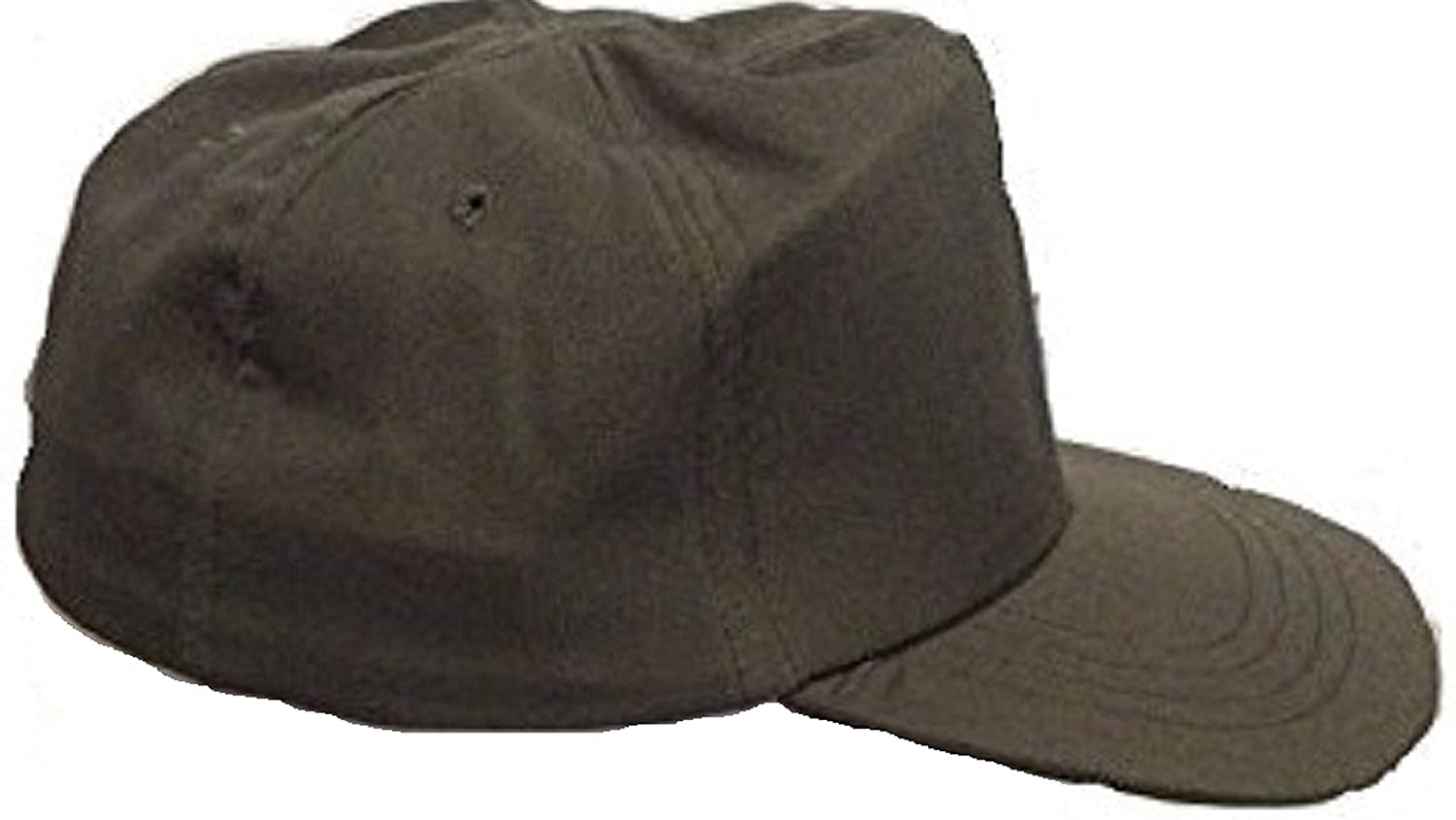
1871 and 1971, One Hundred Years Apart, Southern Column vs South Column. The Military Expeditions to Demagiri, Tlabung, Lushai, Mizo Hills. American made High-Explosive Fragmentation Mark II Hand Grenade. OPERATION EAGLE 1971. Pakistan’s Army uses this type of hand grenades. During Operation Eagle, the India-Pakistan War of 1971, I collected two such hand grenades at the enemy post that we captured. I removed the Detonator to safely handle the grenade. I took them home and presented them to my father as a piece of evidence of my participation in the War. My father was afraid to keep my evidence. The Grenades were buried in Alcot Gardens, Rajahmundry. 1871 and 1971, One Hundred Years Apart, Southern Column vs South Column. The Military Expeditions to Demagiri, Tlabung, Lushai, Mizo Hills.The General Purpose Machine Gun M60 was designed for use in the Vietnam War was equally useful for our Infantry Operation Eagle in the Chittagong Hill Tracts. 1871 and 1971, One Hundred Years Apart, Southern Column vs South Column. The Military Expeditions to Demagiri, Tlabung, Lushai, Mizo Hills. M1 Muzzle loading 81mm Mortar is a heavy piece of Infantry weapon which provides indirect fire support. During Operation Eagle, our men had carried them on their backs and used them to fire upon the enemy patrols whenever they had confronted us. 1871 and 1971, One Hundred Years Apart, Southern Column vs South Column. The Military Expeditions to Demagiri, Tlabung, Lushai, Mizo Hills. The most common weapon used by American Infantry Battalions in World War II, Korea, and Vietnam. Operation Eagle was fought on a manpack basis and this short-range, lightweight mortar was very useful. 1871 and 1971, One Hundred Years Apart, Southern Column vs South Column. The Military Expeditions to Demagiri, Tlabung, Lushai, Mizo Hills AN/PRC-77 Backpack radio set is similar to the AN/PRC-25 radio set. This has the additional ability to scramble voice communications while being transmitted. The US Army used the same radio sets in Vietnam. .1871 and 1971, One Hundred Years Apart, Southern Column vs South Column. The Military Expeditions to Demagiri, Tlabung, Lushai, Mizo HillsShort-range, manpack, portable, frequency modulated (FM) transceiver that provides two-way voice communication. Radio Set AN/PRC – 25 is used in the Vietnam War and I had used the same in Operation Eagle. .1871 and 1971, One Hundred Years Apart, Southern Column vs South Column. The Military Expeditions to Demagiri, Tlabung, Lushai, Mizo Hills Operation Eagle: Fifth Army in Bangladesh. We used the Collapsible, Tri-fold, Entrenching Tool used by the US Army in Vietnam. .1871 and 1971, One Hundred Years Apart, Southern Column vs South Column. The Military Expeditions to Demagiri, Tlabung, Lushai, Mizo Hills Infantry marches on its feet. Boots are the most important equipment apart from Guns. I had used Ankle Canvas Boots used by the US Army in Vietnam, during Operation Eagle and had marched on feet to fight and dislodge the enemy from the Chittagong Hill Tracts. .1871 and 1971, One Hundred Years Apart, Southern Column vs South Column. The Military Expeditions to Demagiri, Tlabung, Lushai, Mizo Hills. A Soldier needs his gun, boots, and clothing to protect himself. During Operation Eagle 1971, I had used this US Army Nylon Poncho with Hood (Olive) to sleep on the ground and as a coat to protect myself from intense fog and dew prevalent in the Chittagong Hill Tracts. 1871 and 1971, One Hundred Years Apart, Southern Column vs South Column. The Military Expeditions to Demagiri, Tlabung, Lushai, Mizo Hills.During Operation Eagle 1971 we were not allowed the use of cameras or photography. I would have looked like this man wearing Olive Green Coat Poncho. I had used US Army Cap-Jungle. 1871 and 1971, One Hundred Years Apart, Southern Column vs South Column. The Military Expeditions to Demagiri, Tlabung, Lushai, Mizo Hills. The US Army Lightweight, Olive Green, Field Patrol Cap or Cap Jungle was worn by me during the entire duration of the military expedition.1871 and 1971, One Hundred Years Apart, Southern Column vs South Column. The Military Expeditions to Demagiri, Tlabung, Lushai, Mizo Hills.U.S. Army uses a variety of Individual Field Medical Kits. The Kits issued to us during Operation Eagle 1971 were Olive Green Canvas pouches worn on the belts by each individual. The medical supplies included Water Purification Tablets for use in water bottles, anti-Malaria pills, Insect Repellent Solution (DBP), Insect Repellant Cream (DMP), Injectable Tubonic Morphine, Oxytetracycline tablets, Multivitamin tablets, Field dressings, bandages and others. The Kits were not stamped but the contents reveal the place of origin. 1871 and 1971, One Hundred Years Apart, Southern Column vs South Column. The Military Expeditions to Demagiri, Tlabung, Lushai, Mizo Hills.Operation Eagle. We used the same Water Purification Tablets and Water Canteens used by the US Army in Vietnam. 1871 and 1971, One Hundred Years Apart, Southern Column vs South Column. The Military Expeditions to Demagiri, Tlabung, Lushai, Mizo Hills. Field Rations supplied in Demagiri. Kraft processed Cheddar Cheese in Blue tins.1871 and 1971, One Hundred Years Apart, Southern Column vs South Column. The Military Expeditions to Demagiri, Tlabung, Lushai, Mizo Hills. Field Rations supplied in Demagiri. Nestle’s Condensed Milk. Image used for illustrative purpose.
In October 1971, the US Army in Vietnam was using the same items and supplies that I was supplied in Demagiri. After the Sunset, South Column began its tactical move to Borunasury, a Border Security Force Company Post located South of Demagiri. The South Column marched in single file along a narrow walking trail observing absolute silence and without the use of lights. The trail was not maintained and was broken at several places with steep trenches and we had to very slowly negotiate these obstacles maintaining the distance between the person ahead and the person behind. Sometimes, we were forced to stop the march as the advance elements checked the route for any possible threats. We were in an area known for Mizo rebel activity and took precautions to avoid getting ambushed. I still remember the moment when I watched a bunch of snakes crawling under my legs while I rested on the trail using my heavy backpack as my support. I just silently watched the snakes without making any move and they moved quickly without noticing my presence.
Wednesday, October 27, 1971: Camped at Borunasury Border Security Force Company Post preparing for the next tactical move to assault the enemy post at Jalanpara, the Chittagong Hill Tracts located across the international boundary West of Borunasury. Using binoculars, we could watch activity at Jalanpara Camp as the enemy prepared trenches around the Camp.
Thursday, October 28, 1971: Crossed the international boundary West of Borunasury under the cover of darkness wading through the waters of a narrow stream. After marching through the forest for several hours, wading through shallow streams, avoiding all known walking trails and beaten paths, the South Column decided to Camp in the forest near an abandoned Chakma hut. One Company of South Column moved to a location just East of Jalanpara enemy camp to keep the enemy engaged while the assault gets launched from North of Jalanpara enemy camp.
Friday, October 29, 1971: The march resumed in the morning to reach a place North of Jalanpara enemy post to secure the enemy’s supply chain. Wading through the forest streams posed its own problems like leeches and my feet got soaked for so long, the skin simply peeled off. After Sunset, the enemy patrol spotted our movement and fired upon our position. We remained calm taking cover in trench pits and kept the enemy patrol at bay by very restrained response with a very few men returning the fire. The enemy patrol went back and didn’t get the chance to estimate the size of our force.
Saturday night, October 30/early morning hours of Sunday, October 31, 1971: Two Companies of South Column with Company Commanders Major Savendra Singh Negi, the Grenadiers, Major (Honorary) G B Velankarmove South along the trail to assault the enemy post at Jalanpara.The enemy resisted the assault fiercely shooting the made in China machine guns and I was able to hear the bouts of coughing noise of the gunfire for several hours. Finally, the enemy was neutralized and the machine gun fire stopped.
Sunday, October 31, 1971: South Column Commander radioed me and spoke to me using my mother tongue Telugu. We knew the composition of the enemy troops and we knew that they would not be able to decipher the words spoken in Telugu. He asked me to come to the enemy post at Jalanpara. I moved there with four men providing me the escort. South Column lost nine Tibetan men in the action due to hostile fire and had 13 battlefield casualties. South Column cremated the bodies of the battlefield dead as per the Tibetan Customs. I was informed that an airlift of the battlefield casualties was not possible as the helicopter flight across the international boundary was not sanctioned. The men were utterly surprised and reacted with anger. I spoke to the men giving them the assurance that I can take care of the situation. I made a decision to evacuate the casualties to Borunasury Border Security Force Company Post in India by using improvised stretchers. South Column assembled a party of about sixty or sixty five men to lift the stretchers and to provide armed escort to the evacuation team. We marched to Borunasury Border Security Force Post on foot and had to halt the march after 4 hours due to night fall. During the night of Sunday, October 31, 1971, I continued to monitor the condition of the battle casualties providing nursing care and support. For this battlefield casualty evacuation, I performed the duties of the Army Medical Corps Medical Officer, Nursing Assistant, as well as Ambulance Assistant. The services of the AMC Nursing Assistants of the South Column could not be spared for this ground evacuation from Jalanpara as we had to be on alert for an enemy counterattack.
1871 and 1971, One Hundred Years Apart, Southern Column vs South Column. The Military Expeditions to Demagiri, Tlabung, Lushai, Mizo Hills. The Mi-4 was a Soviet design medium-lift helicopter designed to carry 1,600 kgs of weight or 16 troops and had a maximum range of 500 km at typical speeds of 140 kmph to 160 kmph.The helicopters could be loaded up to the maximum since the sortie durations were not more than an hour or so in duration and the missions could be flown with less fuel..
Monday, November 01, 1971: The ground evacuation of the battle casualties resumed before dawn and I reached Borunasury Border Security Force Company Post early in the morning and prepared the battle casualties for airlift to the Field Hospital in Lunglei, Mizoram. Flight Lieutenant Jadhav of Aviation Research Centre (ARC) arrived at the helipad in Mi-4 Helicopter. Operation Eagle was provided airlift support by two ARC Mi-4 Helicopters.
On Monday, November 01, 1971, myself and the battle casualty evacuation team marched back to Jalanpara and the foot journey took about eight hours. I had a very surprising encounter with a Chakma youth who stopped me asking for medical assistance.
The Slow and Tedious Military Campaign in the Forests of the Chittagong Hill Tracts
1871 and 1971, One Hundred Years Apart, Southern Column vs South Column. The Military Expeditions to Demagiri, Mizo Hills. THE FIFTH ARMY IN BANGLADESH – THE CHITTAGONG HILL TRACTS. I arrived in Demagiri on October 24, 1971 and I attended the first briefing by Lieutenant Colonel B K Narayan on October 25, 1971.THE FIFTH ARMY IN BANGLADESH – THE CHITTAGONG HILL TRACTS. THE DIFFERENCE BETWEEN THE INDIAN ARMY AND THE FIFTH ARMY IN BANGLADESH . WE USED THE SAME WEAPONS AND EQUIPMENT USED BY THE US ARMY IN VIETNAM.1871 and 1971, One Hundred Years Apart, Southern Column vs South Column. The Military Expeditions to Demagiri, Tlabung, Lushai, Mizo Hills. Special Frontier Force-Establishment No. 22-Operation Eagle:. In 1971, Special Frontier Force initiated Liberation of Bangladesh with military action in the Chittagong Hill Tracts with Battle Plan Code-named Operation Eagle. This Operation is not governed by Army Act 1950.1871 and 1971, One Hundred Years Apart, Southern Column vs South Column. The Military Expeditions to Demagiri, Mizo Hills.Whole Dude – Whole Expedition: In 1971, Special Frontier Force initiated Liberation of Bangladesh with military action in the Chittagong Hill Tracts with Battle Plan Code-named Operation Eagle. This Operation is not governed by Army Act 1950.
Tuesday, November 02, 1971: At Jalanpara, we expected the enemy to regroup and launch a counterattack the Company Post we captured. It did not happen. We used the beaten track to march towards Barkal which was our next target. As we marched out of Jalanpara in single file, an hour before the Sunset, we had an encounter with an enemy patrol. The advance party of the South Column exchanged fire with the enemy patrol keeping them at bay. The enemy patrol withdrew but left behind a booby trap using hand grenades and a trip wire. Several men marched over the trip wire without noticing it. Soon, the booby trap was discovered, but it was too late. A young Tibetan soldier had hit the trip wire setting off a loud explosion. I immediately rushed forward to see if I could provide some medical care and support. The blast force was too severe and hit him over the abdomen spilling his intestines. He died almost instantaneously. The South Column had decided to cremate him at that site on the forest trail. It taught us a bitter lesson about the use of the beaten tracks.
1871 and 1971, One Hundred Years Apart, Southern Column vs South Column. The Military Expeditions to Demagiri, Tlabung, Lushai, Mizo Hills. Made in China High-Explosive Fragmentation Hand Grenade found during Operation Eagle 1971. Chinese Army uses the same hand grenades. Pakistan receives arms and ammunition from Communist China apart from the massive military aid it receives from the United States of America. In the Indo-Pak War of 1971, we captured enemy posts and recovered arms and ammunition that were made in China. 1871 and 1971, One Hundred Years Apart, Southern Column vs South Column. The Military Expeditions to Demagiri, Tlabung, Lushai, Mizo Hills.
During the month of November 1971, our march towards Barkal was hampered by the enemy sending heavily armed patrols waiting for us on the tracks we tried to use to reach the Karnaphuli River at Barkal. At the least on two occasions, we had prolonged exchanges of gunfire and we had to use the 81mm Mortar Bombs to checkmate the enemy patrol parties. It took us a while to locate the enemy’s camp in the forest East of Barkal.
Friday, December 10, 1971: The South Column launched a decisive attack on the enemy camp on a hill feature East of Barkal. The assault started early in the morning before the Sunrise to take advantage of the very dense fog. But, it was not much of a surprise. The enemy was fully prepared and the resistance was fierce. The South Column experienced the worst loss of battle dead in this attack. I duly identified all the battle dead and prepared the documentation before the South Column prepared individual graves to bury them on the side of the forest trail near the hill post East of Barkal. The battle wounded were airlifted to the Field Hospital in Lunglei. I met Flight Lieutenant Parvez Rustom Jamsaji, the Mi-4 helicopter pilot for the first time on Friday, December 10, 1971 when he had arrived at that South Column location.
1871 and 1971, One Hundred Years Apart, Southern Column vs South Column. The Military Expeditions to Demagiri, Mizo Hills.1871 and 1971, One Hundred Years Apart, Southern Column vs South Column. The Military Expeditions to Demagiri, Mizo Hills.The Mi-4 was a Soviet design medium-lift helicopter designed to carry 1,600 kgs of weight or 16 troops and had a maximum range of 500 km at typical speeds of 140 kmph to 160 kmph.The helicopters could be loaded up to the maximum since the sortie durations were not more than an hour or so in duration and the missions could be flown with less fuel. On Friday, December 10, 1971, the Mi-4 helicopter was loaded up to the maximum capacity to provide airlift support to the battlefield casualties.
Friday, December 10, 1971: The Battle for Barkal was intense. The enemy withdrew from the hill post taking away the battle wounded and battle dead casualties. The South Column captured an enemy soldier who could not run away because of his ankle injury. I treated this prisoner of war and got him airlifted to the Field Hospital, Lunglei.
Monday, December 13, 1971: The Indian Air Force sent a sortie in support of the advance of the South Column to capture Barkal. The IAF pilots were in contact with the South Column as they targeted the enemy’s fortified bunkers on the hill ridge that overlooks the Karnaphuli River.
Monday, December 13, 1971: The South Column crossed the Karnaphuli River using very small fishing boats left behind my the local fishermen on the east bank of the River. It involved the making of several trips. The enemy and even the civilian population of Barkal had fully withdrawn and I could not find any person in this small village. I visited the enemy’s fortified bunkers on the top of the hill ridge. The bunker roofs were riddled with large gaping holes. Apparently, the enemy withdrew from the post on Sunday, December 12, 1971. I checked the Medical Clinic in Barkal. There were no signs of any casualties from the air raid by the Indian Air Force.
1871 and 1971, One Hundred Years Apart, Southern Column vs South Column. The Military Expeditions to Demagiri, Mizo Hills. The South Column crossed the Karnaphuli River on Monday, December 13, 1971 to capture Barkal.1871 and 1971, One Hundred Years Apart, Southern Column vs South Column. The Military Expeditions to Demagiri, Mizo Hills. The South Column advanced to Rangamati hiring a passenger boat service on Monday, December 13, 1971. The passenger boat came to Barkal from Rangamati.
Monday, December 13, 1971: The South Column advanced to Rangamati after the Sunset. A large crowd of Bangla citizens had gathered to greet us as we disembarked from the passenger boat. The crowd was cheering, wild with excitement and enthusiasm as the enemy withdrew from Rangamati prior to the arrival of the South Column.
Tuesday, December 14, 1971: The South Column advanced to Kaptai by road taking advantage of the vehicles abandoned by the enemy.
Friday, December 17, 1971: The South Column deployed itself in Kaptai and a few locations around the Kaptai Lake. Lieutenant Colonel B K Narayan, the South Column Commander officiated as the Imam of the Friday Morning Prayer Service held at the Kaptai Guest House where we camped. A very large number of Bangla citizens of Kaptai attended this Prayer Service and the large conference hall at the Guest House was fully packed.
Soon after capturing Kaptai, South Column Commander Colonel B K Narayan and myself along with our Bangla guide Mr. Siddique Ahmed went to Chandraghona using a captured enemy car. Mr. Siddique Ahmed worked as an engineer in the Chandraghona (Karnaphuli) Paper Mills before he joined the Bangla Freedom Movement.
1871 and 1971, One Hundred Years Apart, Southern Column vs South Column. The Military Expeditions to Demagiri, Mizo Hills. The Bangla Guide assigned to South Column, Mr. Siddique Ahmed worked as engineer at Chandraghona (Karnaphuli) Paper Mills, Chandraghona. We visited the Paper Mills soon after capturing Kaptai.1871 and 1971, One Hundred Years Apart, Southern Column vs South Column. The Military Expeditions to Demagiri, Mizo Hills. Soon after capturing Kaptai, South Column Commander Colonel B K Narayan, myself, and our Bangla guide Mr. Siddique Ahmed visited Chandraghona. A view of the Karnaphuli River at Chandraghona.
Tuesday, December 14, 1971 to Saturday, January 22, 1972: I camped in Kaptai and could fortunately enjoy the comforts of residing in the Guest House whose staff prepared and served hot meals using our military rations. I could purchase a few personal care items and some casual wear at the local market in Kaptai. I was visiting the Company locations deployed around the Kaptai Lake using the speedboats the enemy abandoned.
1871 and 1971, One Hundred Years Apart, Southern Column vs South Column. The Military Expeditions to Demagiri, Mizo Hills.1871 and 1971, One Hundred Years Apart, Southern Column vs South Column. The Military Expeditions to Demagiri, Mizo Hills.1871 and 1971, One Hundred Years Apart, Southern Column vs South Column. The Military Expeditions to Demagiri, Mizo Hills.1871 and 1971, One Hundred Years Apart, Southern Column vs South Column. The Military Expeditions to Demagiri, Mizo Hills.1871 and 1971, One Hundred Years Apart, Southern Column vs South Column. The Military Expeditions to Demagiri, Mizo Hills.1871 and 1971, One Hundred Years Apart, Southern Column vs South Column. The Military Expeditions to Demagiri, Mizo Hills.1871 and 1971, One Hundred Years Apart, Southern Column vs South Column. The Military Expeditions to Demagiri, Mizo Hills.1871 and 1971, One Hundred Years Apart, Southern Column vs South Column. The Military Expeditions to Demagiri, Mizo Hills1871 and 1971, One Hundred Years Apart, Southern Column vs South Column. The Military Expeditions to Demagiri, Mizo Hills.1871 and 1971, One Hundred Years Apart, Southern Column vs South Column. The Military Expeditions to Demagiri, Mizo Hills.1871 and 1971, One Hundred Years Apart, Southern Column vs South Column. The Military Expeditions to Demagiri, Mizo Hills1871 and 1971, One Hundred Years Apart, Southern Column vs South Column. The Military Expeditions to Demagiri, Mizo Hills.1871 and 1971, One Hundred Years Apart, Southern Column vs South Column. The Military Expeditions to Demagiri, Mizo Hills1871 and 1971, One Hundred Years Apart, Southern Column vs South Column. The Military Expeditions to Demagiri, Tlabung, Lushai, Mizo Hills. The South Column was camping in Kaptai on Monday, January 10, 1972, the Homecoming Day of Bangabandhu Sheikh Mujibur Rahman.1871 and 1971, One Hundred Years Apart, Southern Column vs South Column. The Military Expeditions to Demagiri, Mizo Hills.1871 and 1971, One Hundred Years Apart, Southern Column vs South Column. The Military Expeditions to Demagiri, Mizo Hills.1871 and 1971, One Hundred Years Apart, Southern Column vs South Column. The Military Expeditions to Demagiri, Mizo Hills.
The Return Trip From Chittagong to Amritdhara Bhavan, 97-A Rajpur Road, Dehradun
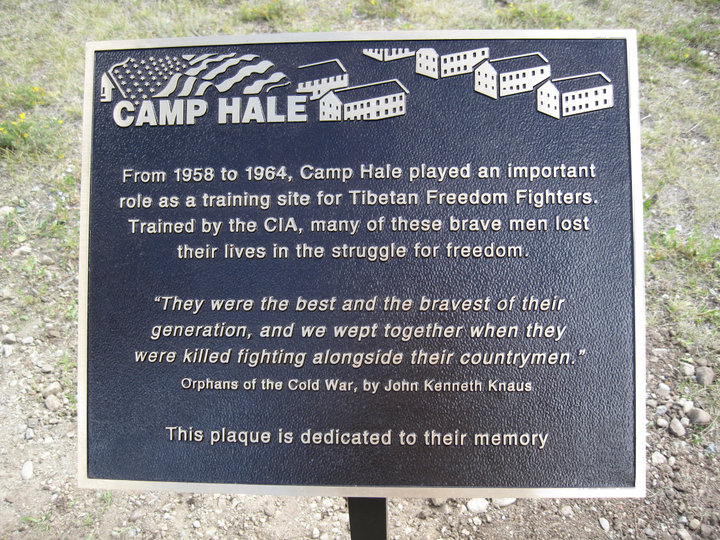
Whole Dude – Whole Expedition: 1871 and 1971, One Hundred Years Apart, Southern Column vs South Column. The Military Expeditions to Demagiri, Mizo Hills. On Saturday, January 22, 1972, the South Column departed from Chittagong Sea Port after their successful execution of the military expedition to the Chittagong Hill Tracts launched from Demagiri, Tlabung, Lushai, Mizo Hills.Whole Dude – Whole Expedition: 1871 and 1971, One Hundred Years Apart, Southern Column vs South Column. The Military Expeditions to Demagiri, Tlabung, Lushai, Mizo Hills. On Saturday, January 22, 1972, the South Column boarded a hired Indian Merchant Vessel to depart from Chittagong Sea Port.Whole Dude – Whole Expedition: The Expedition to Mizo Hills concluded by our return to Kolkata Port from Chittagong Port after 3-days Sea Voyage.Whole Dude – Whole Expedition: The Expedition to Mizo Hills concluded with a 3-Day Sea Voyage from Chittagong to Kolkata Sea Port. Military Trucks were waiting on the Dock and took us to Howrah Junction Railway Station for a Military Special Train Journey to Dehradun.Whole Dude – Whole Expedition: The Expedition to Mizo Hills concluded with a 3-Day Sea Voyage from Chittagong to Kolkata Sea Port. Military Trucks were waiting on the Dock and took us to Howrah Junction Railway Station for a Military Special Train Journey to Dehradun.Whole Dude – Whole Expedition: My Expedition started at Chakrata and it proceeded to Mizo Hills via Sarsawa Airfield and on the return trip, we took a ship to Kolkata Sea Port and from Howrah Railway Junction we returned to Dehradun in a Military Special Train. I did not immediately return to Chakrata as I was granted the Balanace of Annual Leave of 1971.Please read the story “Mavericks of Fifth Army” published by Colonel Satish Singh Lalotra who served as Company Commander, D Sector, Special Frontier Force during 1993-95.Whole Dude – Whole Expedition: 1871 and 1971, One Hundred Years Apart, Southern Column vs South Column. The Military Expeditions to Demagiri, Tlabung, Lushai, Mizo Hills. Just like this Camp Hale Memorial Plaque in Colorado, USA, I am asking for a Memorial Plate to be placed in Demagiri, Tlabung, Lushai, Mizo Hills, India.
On Friday, May 01, 2026, I am searching for possibilities within, not contrary to God’s Will. For I give shelter to the Living Tibetan Spirits in my consciousness, I exist as a slave in a free country. I consciously experience the problem of occupation, the lack of independent existence.
On Friday, May 01, 2026, I am searching for possibilities within, not contrary to God’s Will. For I give shelter to the Living Tibetan Spirits in my consciousness, I exist as a slave in a free country. I consciously experience the problem of occupation, the lack of independent existence.
On Friday, May 01, 2026, I am searching for possibilities within, not contrary to God’s Will. For I give shelter to the Living Tibetan Spirits in my consciousness, I exist as a slave in a free country. I consciously experience the problem of occupation, the lack of independent existence.On Friday, May 01, 2026, I am searching for possibilities within, not contrary to God’s Will. For I give shelter to the Living Tibetan Spirits in my consciousness, I exist as a slave in a free country. I consciously experience the problem of occupation, the lack of independent existence.
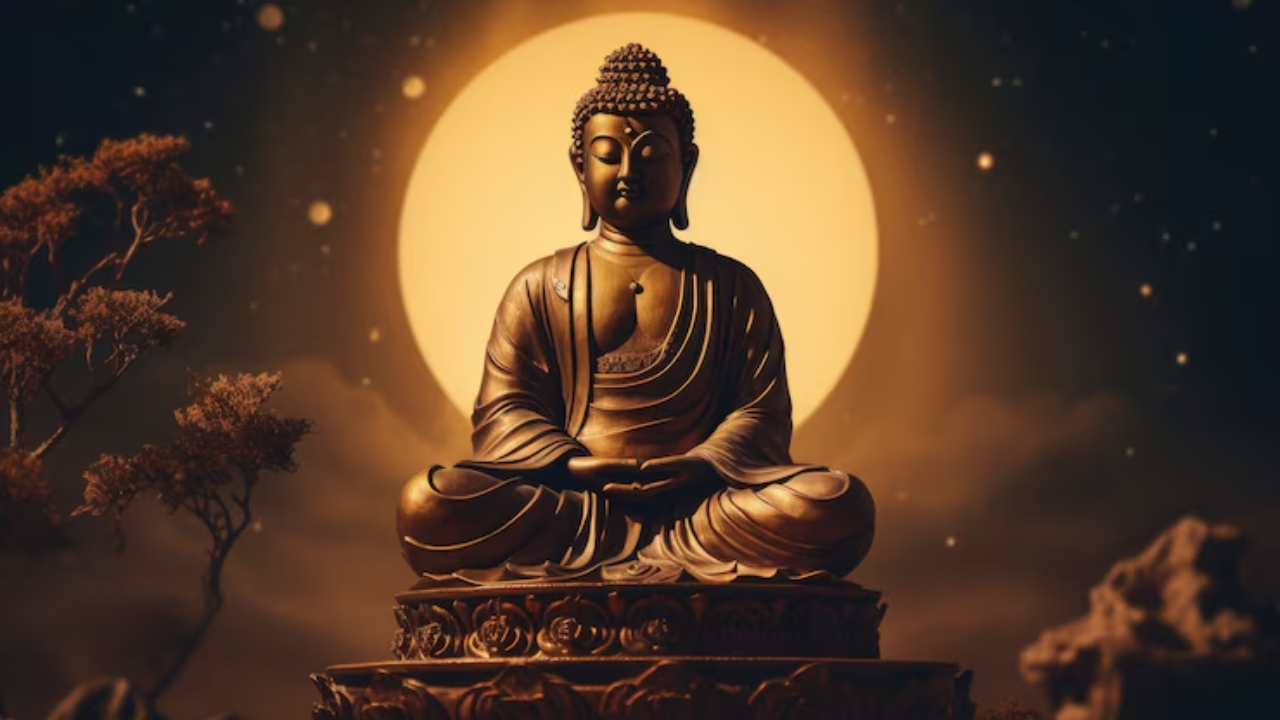
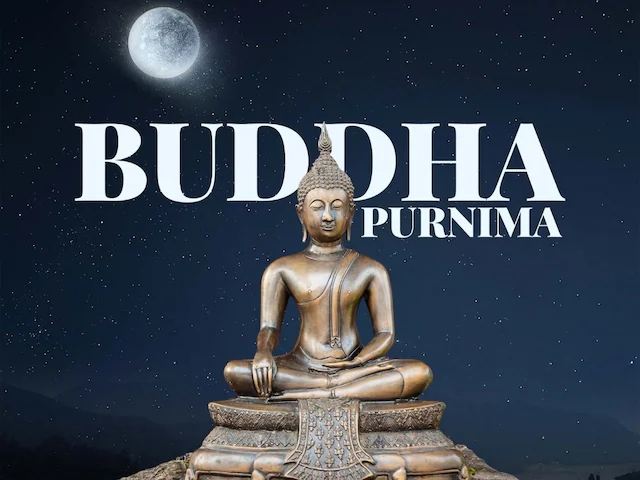
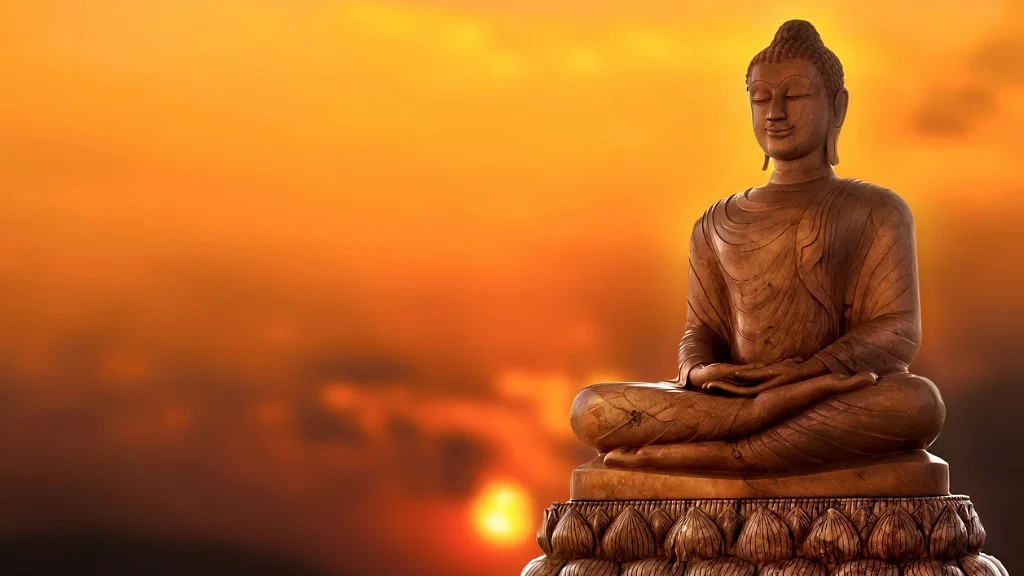
Buddha Purnima, is an auspicious day that marks the birth anniversary of Gautam Buddha, the founder of Buddhism. It is believed that this was also the day he attained enlightenment. Buddha Purnima falls on a full moon night, usually between April and May. This year it will be observed on Friday, May 01. Also known as Buddha Jayanti or Vaisakhi Buddha Purnima or Vesak.
On Friday, May 01, 2026, I am searching for possibilities within, not contrary to God’s Will. For I give shelter to the Living Tibetan Spirits in my consciousness, I exist as a slave in a free country. I consciously experience the problem of occupation, the lack of independent existence.
Buddha Purnima is based on the Asian lunisolar calendar. It is celebrated with great fervour in India, Sri Lanka, Nepal, Bhutan, Tibet and numerous other South East Asian countries including Thailand, China, Korea, Laos, Vietnam, Mongolia, Cambodia and Indonesia.
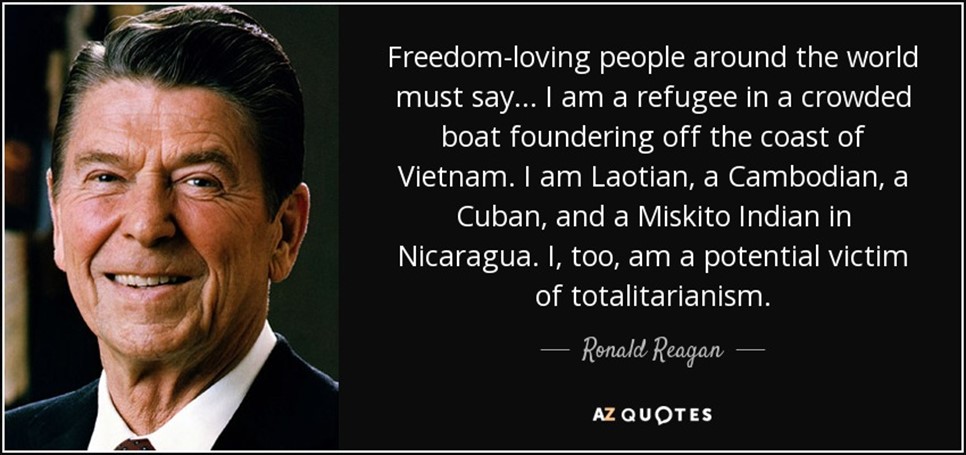
What is the difference between refuge and refugee?
On Friday, May 01, 2026, I am searching for possibilities within, not contrary to God’s Will. For I give shelter to the Living Tibetan Spirits in my consciousness, I exist as a slave in a free country. I consciously experience the problem of occupation, the lack of independent existence.
As nouns the difference between refuge and refugee is that refuge being a state of safety, protection or shelter while refugee is a person seeking refuge in a foreign country out of fear of political persecution or the prospect of such persecution in his home country, i.e., a person seeking a political asylum. Some persons who need safety, protection or shelter may live in a foreign country without applying for political asylum.
My Musings on Buddha Purnima. I am a Refugee. Who is my Refuge? On Friday, May 01, 2026, I am searching for possibilities within, not contrary to God’s Will. For I give shelter to the Living Tibetan Spirits in my consciousness, I exist as a slave in a free country. I consciously experience the problem of occupation, the lack of independent existence.On Friday, May 01, 2026, I am searching for possibilities within, not contrary to God’s Will. For I give shelter to the Living Tibetan Spirits in my consciousness, I exist as a slave in a free country. I consciously experience the problem of occupation, the lack of independent existence.
On May 24, 1956, I was in Mylapore, Madras, Chennai, India. I went to the Indian Posts & Telegraphs Office on Kutchery Street to buy the First Day Cover issued in celebration of 2500th Buddha Jayanti.
On Friday, May 01, 2026, I am searching for possibilities within, not contrary to God’s Will. For I give shelter to the Living Tibetan Spirits in my consciousness, I exist as a slave in a free country. I consciously experience the problem of occupation, the lack of independent existence.
On May 24, 1956, I was not aware that I would fail to see the brightness of the Full Moon on Friday, May 01, 2026. I see darkness. I see gloom. I learned the art of controlling my mind. I learned the art of self-discipline. Yet, I do not experience freedom while living in a free country.
On Friday, May 01, 2026, I am searching for possibilities within, not contrary to God’s Will. For I give shelter to the Living Tibetan Spirits in my consciousness, I exist as a slave in a free country. I consciously experience the problem of occupation, the lack of independent existence.
My Life’s Journey began in Mylapore, Madras, Chennai, India. Amongst other places, my Service in the Indian Army Medical Corps took me to Establishment-22 at Chakrata, Dehradun District, Uttarakhand on September 22, 1971. After successful execution of a military operation in the Chittagong Hill Tracts during October 1971 to January 1972, I was posted Delta Sector of Vikas Regiment. I performed this Journey in a transport plane shared by the US and landed in a US built airfield in Doom Dooma, Tinsukia District, Assam, India during February 1972 prior to the US President Richard M Nixon’s visit to Peking.
On Friday, May 01, 2026, I am searching for possibilities within, not contrary to God’s Will. For I give shelter to the Living Tibetan Spirits in my consciousness, I exist as a slave in a free country. I consciously experience the problem of occupation, the lack of independent existence.
While I was serving in D Sector, Establishment-22 in Doom Dooma, I got married in January 1973. I served in Vikas Regiment during the presidency of Richard Nixon and Gerald Ford.
On Friday, May 01, 2026, I am searching for possibilities within, not contrary to God’s Will. For I give shelter to the Living Tibetan Spirits in my consciousness, I exist as a slave in a free country. I consciously experience the problem of occupation, the lack of independent existence.
Eventually, I arrived in Ann Arbor, Michigan in 1986 without knowing that the US President Gerald Ford lived in Ann Arbor as a student. It’s not the end of the story. It’s the beginning of my journey as a slave in a free country.
On Friday, May 01, 2026, I am searching for possibilities within, not contrary to God’s Will. For I give shelter to the Living Tibetan Spirits in my consciousness, I exist as a slave in a free country. I consciously experience the problem of occupation, the lack of independent existence.
I find myself living and surviving inside the belly of a Big Fish or a Great Whale. Prophet Jonah survived his ordeal just for three days and three nights. The Son of Man remained in the heart of the earth just for three days, and three nights. For me the end is not in sight for I am living under a very dark shadow, inside the belly of a Big Fish or a Great Whale without the hope of seeing light at the end of the tunnel.
The Paths of Surrender to find Refuge
On Friday, May 01, 2026, I am searching for possibilities within, not contrary to God’s Will. For I give shelter to the Living Tibetan Spirits in my consciousness, I exist as a slave in a free country. I consciously experience the problem of occupation, the lack of independent existence.
In my analysis, I am a person in need of Refuge, Shelter, or Protection. I performed my Life Journey under shadow, the darkness of secrecy seeking a false sense of security. I need to break the shackles of secrecy to declare that I am a Refugee. As I am trapped, I can’t go to the Buddha for refuge, I can’t go the Dhamma for refuge, and I can’t go the Sangha for refuge. Who is my Refuge? To Whom, I should address my Petition? If I have no refuge, I ask God to take this cup of agony from me.
On Friday, May 01, 2026, I am searching for possibilities within, not contrary to God’s Will. For I give shelter to the Living Tibetan Spirits in my consciousness, I exist as a slave in a free country. I consciously experience the problem of occupation, the lack of independent existence.
On Friday, May 01, 2026, I am searching for possibilities within, not contrary to God’s Will. If I have no refuge, I ask God to take this cup away from me. Jesus chooses to Surrender to the Soldiers of King Herod, and Buddha teaches Surrender to Buddha, Dharma and to Sangha. To find Freedom from the trappings of my life, just like Jonah, I may have to travel to my Enemy’s Kingdom
On Friday, May 01, 2026, I am searching for possibilities within, not contrary to God’s Will. If I have no refuge, I ask God to take this cup away from me.
Buddha Purnima: Significance of Buddha’s Teachings
On Friday, May 01, 2026, I am searching for possibilities within, not contrary to God’s Will. If I have no refuge, I ask God to take this cup away from me.
Buddha Purnima : Significance of Buddha’s Teachings
Buddha Purnima or Buddha Jayanti is celebrated with great enthusiasm among the Buddhist community as it is one of their most important and sacred festivals. The festival also known as Vesak as it is observed on a full moon in the month Vaisakha, marks the birth of Buddha, the day of his enlightenment as well as the day he entered nirvana and left his human body form.
On Friday, May 01, 2026, I am searching for possibilities within, not contrary to God’s Will. If I have no refuge, I ask God to take this cup away from me.
This year, Buddha Purnima falls on May 01, which is a Friday.
However, it should be noted that different Buddhist communities may celebrate Buddha Purnima on different dates provided there are two full moons in the month of May.
The significance of this day can be understood by the events it upholds. Legend has it that Buddha’s wife Yashodhara, his first disciple Ananda and the Bodhi tree, the holy place under which Buddha attained enlightenment were all born or created on this very day. It is also believed that on this day Gautam Buddha chose to preach his first sermon in Varanasi or Banaras in India.
By the evidence found in history, Gautam Buddha was born between sixth and fourth century BCE.
Buddha was a firm believer of Karuna (meaning compassion) and Ahimsa (meaning non-violence). He spent his life searching for peace and truth. He believed that the material pleasures held little significance in life, and dedicated his life to spirituality and religion.
Since Buddha was born in a Hindu family, the festival holds a lot of significance for the Hindu community. In Hinduism, Lord Buddha is believed to be the ninth avatar of Lord Vishnu. Therefore, Buddha Purnima is an auspicious day for devotees of Lord Vishnu and is observed with full fervor in India.
Buddha Purnima has a lot of astrological significance as well. Buddha was born with Cancer Ascendant and Moon in Libra, and with the Sun positioned in the mighty Mars. In His Horoscope, the Moon is also aspected by five planets-Sun, Jupiter, Venus, Mars, and Saturn, and these made Him mentally strong.
On Friday, May 01, 2026, I am searching for possibilities within, not contrary to God’s Will. If I have no refuge, I ask God to take this cup away from me.
In Buddhism, it is believed that for you to be able to enjoy good health, bring happiness to your family, and enjoy peace in life, you must first master control over your mind. In Hinduism, devotees of Lord Ganesh practice a similar belief; that by gaining control over one’s mind, one can find the way to enlightenment. Astrologers believe that to gain control of your mind, you should strengthen the Moon in your horoscope.
How to Celebrate Buddha Purnima
On Friday, May 01, 2026, I am searching for possibilities within, not contrary to God’s Will. If I have no refuge, I ask God to take this cup away from me.
If you want to achieve mental peace and bliss this Vesak, you should follow Buddha’s “Eightfold path”. It is the only true way to celebrate the festival.
According to Buddha, the Eightfold path included-
Having the Right View or Understanding, by knowing the truth,
Having the Right Intention, by freeing your mind of bad thoughts,
Having the Right Speech, which does not hurt others,
Having the Right Action, by working for the good of others,
Having the Right Livelihood, by maintaining an ethical standard in life,
Having the Right Effort, by resisting evil,
Having the Right Mindfulness, by practicing meditation,
Having the Right Concentration, by controlling your thoughts.
It is believed that by following this path, you can be free from your sufferings, bring harmony and peace, and even bring in more positivity and optimism in your life.
For those who may be suffering from malefic effects of Planet Saturn, following the Eightfold Path can help you release mental pressure and also boost confidence in your life.
Devotees celebrate the festival by serving others and feeding the hungry while they themselves keep a fast and do charitable work.
On Friday, May 01, 2026, I am searching for possibilities within, not contrary to God’s Will. For I give shelter to the Living Tibetan Spirits in my consciousness, I exist as a slave in a free country. I consciously experience the problem of occupation, the lack of independent existence.
Lanterns are also a special part of the celebrations. Mostly seen in Sri Lanka and South Korea, people light colorful electric lanterns, which signifies happiness and enlightenment. Happiness is believed to be the result of the individual becoming more mindful in their life.
On Friday, May 01, 2026, I am searching for possibilities within, not contrary to God’s Will. For I give shelter to the Living Tibetan Spirits in my consciousness, I exist as a slave in a free country. I consciously experience the problem of occupation, the lack of independent existence.
On Friday, May 01, 2026, I am searching for possibilities within, not contrary to God’s Will. If I have no refuge, I ask God to take this cup away from me. Jesus chooses to Surrender to the Will of Father and Buddha teaches Surrender to Buddha, Righteous Action and to the Community called Sangha.
On Friday, May 01, 2026, I am searching for possibilities within, not contrary to God’s Will. Jesus surrenders to the Will of God and Buddha teaches Surrender to Buddha, Dharma, and Sangham. For I give shelter to the Living Tibetan Spirits in my consciousness, I exist as a slave in a free country. I consciously experience the problem of occupation, the lack of independent existence.On Friday, May 01, 2026, I am searching for possibilities within, not contrary to God’s Will. If I have no refuge, I ask God to take this cup away from me. Jesus chooses to Surrender to the Soldiers of King Herod, and Buddha teaches Surrender to Buddha, Dharma and to Sangha. To find Freedom from the trappings of my life, just like Jonah, I may have to travel to my Enemy’s Kingdom.
Whole Dude at Whole Foods needs a Final Destination to Rest in Peace.I am a Refugee. What is my Final Destination?
I am a Refugee for I host ‘The Living Tibetan Spirits’, the Spirits of young Tibetan Soldiers who gave their precious lives while dreaming about ‘Freedom’ in Occupied Tibet.
For I am a Refugee, I am not entitled to the benefits entitled to the citizens of my host nation. I am in the search of my Final Destination where I can die with Peace and Dignity. My host nation is Free and yet as a Refugee I live under terms and conditions imposed on my existence as a Refugee. What is the Choice I can make? The options are, 1. Labor until Death in the host nation, and 2. Peaceful Death in the Enemy’s Prison.
I am a Refugee. What is my Final Destination.
India – Tibet – China Dalai Lama says he would like to return to Tibet before he dies
The spiritual leader of Tibetan Buddhism fled Lhasa during the 1959 uprising. Beijing considers him a “wolf in sheep’s clothing”. Like Xi Jinping, Donald Trump never asked to meet him.
Dharamshala (AsiaNews/Agencies) – “The Tibetan people have trust in me, they ask me [to] come to Tibet,” said the Dalai Lama in an interview with the BBC.
I am a Refugee. What is my Final Destination?
Speaking with the journalist, the spiritual leader of Tibetan Buddhism talked about his desire to return to Lhasa before he dies. He was forced to abandon the Potala Palace (his official residence) during the Tibetan uprising against Chinese military rule in 1959.
Since then, Tenzin Gyatso, the 14th Dalai Lama, has found refuge in Dharamshala (India) along with another 10,000 Tibetan Buddhists who live their Himalayan exile in Arunachal Pradesh.
In the interview the Dalai Lama describes India, the country that welcomed him, his “spiritual home”. Grateful for the hospitality he received, he notes that one advantage of not being able to return home to Tibet is that India is a free country where he can express himself openly.
Although he has often tried to engage Beijing in dialogue, to safeguard the autonomy of Tibetan religion and culture threatened by a “cultural genocide”, the Chinese Communist Party has always branded him a “dangerous” separatist seeking Tibetan independence.
In order to return to Tibet, he gave up his political role in 2011 to remain only as the spiritual leader of Tibetan Buddhism. But the Chinese Communist Party continues to view him as a “wolf in sheep’s clothing”.
At the age of 84, he enjoys good health, although he needs an assistant to walk. In April, Tibetan Buddhists all over the world were concerned for several days after his sudden hospitalization in a Delhi hospital for a lung infection.
In addition to going home to Tibet, the Dalai discussed various topics in the BBC interview: Brexit, migrants, a female Dalai Lama woman who should be “more attractive” than a man.
He also voiced strong criticism of US President Donald Trump who, in his view, lacks “moral principle”. The slogan (America First) that allowed him to win “is wrong”. The US leader, he noted, like Xi Jinping, never asked to meet him.
Whole Dude at Whole Foods Wishes You all Tashi Delek
On behalf of Special Frontier Force-Establishment 22-Vikas Regiment, I greet Tibetans on Losar, Tibetan New Year 2153. I pledge to renew support to Tibetans to help them find Happiness in Tibetan New Year beginning on Wednesday, February 18, 2026.
Losar 2026, the Tibetan New Year, will be celebrated on February 18, 2026, marking the start of the 2153rd year, which is the Year of the Fire Horse. This 15-day festival (with main festivities lasting 3 days) represents a time for cleansing, family gatherings, and renewal.
On behalf of Special Frontier Force-Establishment 22-Vikas Regiment, I greet Tibetans on Losar, Tibetan New Year 2153. I pledge to renew support to Tibetans to help them find Happiness in Tibetan New Year beginning on Wednesday, February 18, 2026.
Key Details for Losar 2026 (Year of the Fire Horse):
Date:February 18, 2026, falls on a Wednesday.
Significance:The Fire Horse is associated with movement, strength, and transformation.
Duration:The main, most significant celebrations occur over three days (Feb 18–20), though festivities can last up to 15 days.
Preparations:Homes are cleaned and painted, and a special noodle soup called guthuk is prepared on New Year’s Eve (Feb 17).
Celebration Activities:People wear new clothes, visit monasteries (like the Potala Palace or Sera Monastery), exchange greetings of “Tashi Delek,” and witness masked dances to ward off evil spirits.
Regions: It is a major holiday in Tibet, Bhutan, Nepal, and parts of India.
On behalf of Special Frontier Force-Establishment 22-Vikas Regiment, I greet Tibetans on Losar, Tibetan New Year 2153. I pledge to renew support to Tibetans to help them find Happiness in Tibetan New Year beginning on Wednesday, February 18, 2026.
It is a time to pay homage to deities, make offerings, and enjoy traditional food like kapse (fried pastries).
Tibet Equilibrium 2026: Special Frontier Force shares Happy Losar Tashi Delek Greetings
On behalf of Special Frontier Force-Establishment 22-Vikas Regiment, I greet Tibetans on Losar, Tibetan New Year 2153. I pledge to renew support to Tibetans to help them find Happiness in Tibetan New Year beginning on Wednesday, February 18, 2026.On behalf of Special Frontier Force-Establishment 22-Vikas Regiment, I greet Tibetans on Losar, Tibetan New Year 2153. I pledge to renew support to Tibetans to help them find Happiness in Tibetan New Year beginning on Wednesday, February 18, 2026.
On behalf of Special Frontier Force-Establishment 22-Vikas Regiment, I greet Tibetans on Losar, Tibetan New Year 2153. I pledge to renew support to Tibetans to help them find Happiness in Tibetan New Year beginning on Wednesday, February 18, 2026.
On behalf of Special Frontier Force-Establishment 22-Vikas Regiment, I greet Tibetans on Losar, Tibetan New Year 2153. I pledge to renew support to Tibetans to help them find Happiness in Tibetan New Year beginning on Wednesday, February 18, 2026.On behalf of Special Frontier Force-Establishment 22-Vikas Regiment, I greet Tibetans on Losar, Tibetan New Year 2153. I pledge to renew support to Tibetans to help them find Happiness in Tibetan New Year beginning on Wednesday, February 18, 2026.On behalf of Special Frontier Force-Establishment 22-Vikas Regiment, I greet Tibetans on Losar, Tibetan New Year 2153. I pledge to renew support to Tibetans to help them find Happiness in Tibetan New Year beginning on Wednesday, February 18, 2026.On behalf of Special Frontier Force-Establishment 22-Vikas Regiment, I greet Tibetans on Losar, Tibetan New Year 2153. I pledge to renew support to Tibetans to help them find Happiness in Tibetan New Year beginning on Wednesday, February 18, 2026.On behalf of Special Frontier Force-Establishment 22-Vikas Regiment, I greet Tibetans on Losar, Tibetan New Year 2153. I pledge to renew support to Tibetans to help them find Happiness in Tibetan New Year beginning on Wednesday, February 18, 2026.On behalf of Special Frontier Force-Establishment 22-Vikas Regiment, I greet Tibetans on Losar, Tibetan New Year 2153. I pledge to renew support to Tibetans to help them find Happiness in Tibetan New Year beginning on Wednesday, February 18, 2026.
November 11, 2025 – Honoring the Veterans of Special Frontier Force
Whole Dude – Whole Veteran: November 11, 2025. Honoring the Veterans of Special Frontier Force
Excerpt: On November 11, 2025, the Veterans of Special Frontier Force, a military alliance between India, Tibet, and the U.S., was honored for its operations in Bangladesh in 1971-72. The tribute, taking place on Veterans Day, recognized these veterans for their exceptional contributions, amid the general silence from Tibet, India, and the U.S. The force, identified by the U.S. military weapons and supplies they used, executed their inaugural combat mission, Operation Eagle, securing peace in what is now Bangladesh. The extensive list of weapon systems and support supplies used during these operations from the U.S. arsenal signified the close cooperation between the allies during this period.
Whole Dude – Whole Veteran: November 11, 2025. Honoring the Veterans of Special Frontier Force. 1871 and 1971, One Hundred Years Apart, Southern Column vs South Column. The Military Expeditions to Demagiri, Tlabung, Lushai, Mizo Hills. The M14 Rifle was issued to me on Monday, October 25, 1971.Whole Dude – Whole Veteran: November 11, 2025. Honoring the Veterans of Special Frontier Force. The weapon used by the Veterans of Special Frontier Force in Operation Eagle, the Bangladesh Ops of 1971-72.
Veteran’s Day is a tribute to military veterans who have served in the U.S. Armed Forces. Originating in 1919 when President Woodrow Wilson marked a year since the end of the First World War, the day coincides with other days of remembrance around the world including Armistice Day in the United Kingdom and Remembrance Day across the Commonwealth of Nations. Not to be confused with Memorial Day, which honors those who died while in service, Veterans Day honors all military veterans, including the living.
On Tuesday, November 11, 2025, I honor the Veterans of Special Frontier Force while Tibet, India, and the United States remain silent about the contributions of the living and the dead veterans of Special Frontier Force in support of Freedom.
On Tuesday, November 11, 2025, I honor the Veterans of Special Frontier Force while Tibet, India, and the United States remain Silent about the contributions of the living and the dead veterans of Special Frontier Force in support of Freedom.
The military Veterans of Special Frontier Force (particularly Establishment 22 prior to conversion to Vikas Regiment)serve the United States for they used the military weapons and military supplies provided by the United States. A soldier is always identified by the military weapon that he uses in his fight against the enemy.
Whole Dude – Whole Veteran: November 11, 2025. Honoring the Veterans of Special Frontier Force. The Fifth Army in Bangladesh. Establishment No. 22 – Operation Eagle: This badge represents a military alliance/pact between India, Tibet, and the United States of America. Its first combat mission was in the Chittagong Hill Tracts which unfolded on Thursday, October 28, 1971 when South Column crossed the international boundary West of Borunasury Border Security Force Company Post. It was named Operation Eagle. It accomplished its mission of securing peace in the region that is now known as Republic of Bangladesh. The Badge is not worn on uniforms during active duty.Whole Dude – Whole Veteran: November 11, 2025. Honoring the Veterans of Special Frontier Force. The weapon used by the Veterans of Special Frontier Force in Operation Eagle, the Bangladesh Ops of 1971-72.Whole Dude – Whole Veteran: November 11, 2025. Honoring the Veterans of Special Frontier Force. 1871 and 1971, One Hundred Years Apart, Southern Column vs South Column. The Military Expeditions to Demagiri, Tlabung, Lushai, Mizo Hills. American made High-Explosive Fragmentation Mark II Hand Grenade. OPERATION EAGLE 1971. During Operation Eagle, the India-Pakistan War of 1971, I collected two such hand grenades at the enemy post that we captured. I removed the Detonator to safely handle the grenade. I took them home and presented them to my father as a piece of evidence of my participation in the War. My father was afraid to keep my evidence. The Grenades were buried in Alcot Gardens, Rajahmundry. Whole Dude – Whole Veteran: November 11, 2025. Honoring the Veterans of Special Frontier Force. 1871 and 1971, One Hundred Years Apart, Southern Column vs South Column. The Military Expeditions to Demagiri, Tlabung, Lushai, Mizo Hills.The General Purpose Machine Gun M60 was designed for use in the Vietnam War was equally useful for our Infantry Operation Eagle in the Chittagong Hill Tracts. Whole Dude – Whole Veteran: November 11, 2025. Honoring the Veterans of Special Frontier Force. 1871 and 1971, One Hundred Years Apart, Southern Column vs South Column. The Military Expeditions to Demagiri, Tlabung, Lushai, Mizo Hills. M1 Muzzle loading 81mm Mortar is a heavy piece of Infantry weapon which provides indirect fire support. During Operation Eagle, our men had carried them on their backs and used them to fire upon the enemy patrols whenever they had confronted us. Whole Dude – Whole Veteran: November 11, 2025. Honoring the Veterans of Special Frontier Force. 1871 and 1971, One Hundred Years Apart, Southern Column vs South Column. The Military Expeditions to Demagiri, Tlabung, Lushai, Mizo Hills. The most common weapon used by American Infantry Battalions in World War II, Korea, and Vietnam. Operation Eagle was fought on a manpack basis and this short-range, lightweight mortar was very useful. Whole Dude – Whole Veteran: November 11, 2025. Honoring the Veterans of Special Frontier Force. 1871 and 1971, One Hundred Years Apart, Southern Column vs South Column. The Military Expeditions to Demagiri, Tlabung, Lushai, Mizo Hills AN/PRC-77 Backpack radio set is similar to the AN/PRC-25 radio set. This has the additional ability to scramble voice communications while being transmitted. The US Army used the same radio sets in Vietnam. .Whole Dude – Whole Veteran: November 11, 2025. Honoring the Veterans of Special Frontier Force. 1871 and 1971, One Hundred Years Apart, Southern Column vs South Column. The Military Expeditions to Demagiri, Tlabung, Lushai, Mizo Hills Short-range, manpack, portable, frequency modulated (FM) transceiver that provides two-way voice communication. Radio Set AN/PRC – 25 is used in the Vietnam War and I had used the same in Operation Eagle. .Whole Dude – Whole Veteran: November 11, 2025. Honoring the Veterans of Special Frontier Force. 1871 and 1971, One Hundred Years Apart, Southern Column vs South Column. The Military Expeditions to Demagiri, Tlabung, Lushai, Mizo Hills Operation Eagle: Fifth Army in Bangladesh. We used the Collapsible, Tri-fold, Entrenching Tool used by the US Army in Vietnam. .Whole Dude – Whole Veteran: November 11, 2025. Honoring the Veterans of Special Frontier Force. 1871 and 1971, One Hundred Years Apart, Southern Column vs South Column. The Military Expeditions to Demagiri, Tlabung, Lushai, Mizo Hills Infantry marches on its feet. Boots are the most important equipment apart from Guns. I had used Ankle Canvas Boots used by the US Army in Vietnam, during Operation Eagle and had marched on feet to fight and dislodge the enemy from the Chittagong Hill Tracts. .Whole Dude – Whole Veteran: November 11, 2025. Honoring the Veterans of Special Frontier Force. 1871 and 1971, One Hundred Years Apart, Southern Column vs South Column. The Military Expeditions to Demagiri, Tlabung, Lushai, Mizo Hills. A Soldier needs his gun, boots, and clothing to protect himself. During Operation Eagle 1971, I had used this US Army Nylon Poncho with Hood (Olive) to sleep on the ground and as a coat to protect myself from intense fog and dew prevalent in the Chittagong Hill Tracts. Whole Dude – Whole Veteran: November 11, 2025. Honoring the Veterans of Special Frontier Force. 1871 and 1971, One Hundred Years Apart, Southern Column vs South Column. The Military Expeditions to Demagiri, Tlabung, Lushai, Mizo Hills.During Operation Eagle 1971 we were not allowed the use of cameras or photography. I would have looked like this man wearing Olive Green Coat Poncho. I had used US Army Cap-Jungle. Whole Dude – Whole Veteran: November 11, 2025. Honoring the Veterans of Special Frontier Force . 1871 and 1971, One Hundred Years Apart, Southern Column vs South Column. The Military Expeditions to Demagiri, Tlabung, Lushai, Mizo Hills. The US Army Lightweight, Olive Green, Field Patrol Cap or Cap Jungle was worn by me during the entire duration of the military expedition.Whole Dude – Whole Veteran: November 11, 2025. Honoring the Veterans of Special Frontier Force . 1871 and 1971, One Hundred Years Apart, Southern Column vs South Column. The Military Expeditions to Demagiri, Tlabung, Lushai, Mizo Hills.U.S. Army uses a variety of Individual Field Medical Kits. The Kits issued to us during Operation Eagle 1971 were Olive Green Canvas pouches worn on the belts by each individual. The medical supplies included Water Purification Tablets for use in water bottles, anti-Malaria pills, Insect Repellent Solution (DBP), Insect Repellant Cream (DMP), Injectable Tubonic Morphine, Oxytetracycline tablets, Multivitamin tablets, Field dressings, bandages and others. The Kits were not stamped but the contents reveal the place of origin. Whole Dude - Whole Veteran: November 11, 2025. Honoring the Veterans of Special Frontier Force. 1871 and 1971, One Hundred Years Apart, Southern Column vs South Column. The Military Expeditions to Demagiri, Tlabung, Lushai, Mizo Hills.Operation Eagle. We used the same Water Purification Tablets and Water Canteens used by the US Army in Vietnam. Whole Dude - Whole Veteran: November 11, 2025. Honoring the Veterans of Special Frontier Force . 1871 and 1971, One Hundred Years Apart, Southern Column vs South Column. The Military Expeditions to Demagiri, Tlabung, Lushai, Mizo Hills. Field Rations supplied in Demagiri. Kraft processed Cheddar Cheese in Blue tins.Whole Dude – Whole Veteran: November 11, 2025. Honoring the Veterans of Special Frontier Force. 1871 and 1971, One Hundred Years Apart, Southern Column vs South Column. The Military Expeditions to Demagiri, Tlabung, Lushai, Mizo Hills. Field Rations supplied in Demagiri. Nestle’s Condensed Milk. Image used for illustrative purpose.Whole Dude – Whole Veteran: November 11, 2025. Honoring the Veterans of Special Frontier Force. 1871 and 1971, One Hundred Years Apart, Southern Column vs South Column. The Military Expeditions to Demagiri, Tlabung, Lushai, Mizo Hills. In 1971, South Column used the US Army 2-piece Aluminum Mess tin kit
Rudra Narasimham Rebbapragada
SPECIAL FRONTIER FORCE
VETERANS DAY – ARMISTICE DAY – HONORING ALL WHO SERVED
Whole Dude – Whole Veteran: November 11, 2025. Honoring the Veterans of Special Frontier Force
Whole Dude – Whole Veteran: November 11, 2025. Honoring the Veterans of Special Frontier Force. Veterans Day Proclamation in 1954 by the US President Dwight Eisenhower.
Many Americans mistakenly believe that Veterans Day is the day America sets aside to honor American military personnel who died in battle or as a result of wounds sustained from combat. That’s not true. Memorial Day is the day set aside to honor America’s war dead.
Veterans Day, on the other hand, honors ALL American veterans, both living and dead. In fact, Veterans Day is largely intended to thank LIVING veterans for dedicated and loyal service to their country. November 11 of each year is the day that we ensure veterans know that we deeply appreciate the sacrifices they have made in the lives to keep our country free.
Armistice Day
To commemorate the ending of the “Great War” (World War I), an “unknown soldier” was buried in the highest place of honor in both England and France (in England, Westminster Abbey; in France, the Arc de Triomphe). These ceremonies took place on November 11th, celebrating the ending of World War I hostilities at 11 a.m., November 11, 1918 (the 11th hour of the 11th day of the 11th month). This day became known internationally as “Armistice Day”.
In 1921, the United States of America followed France and England by laying to rest the remains of a World War I American soldier — his name “known but to God” — on a Virginia hillside overlooking the city of Washington DC and the Potomac River. This site became known as the “Tomb of the Unknown Soldier,” and today is called the “Tomb of the Unknowns.” Located in Arlington National Cemetery, the tomb symbolizes dignity and reverence for the American veteran.
In America, November 11th officially became known as Armistice Day through an act of Congress in 1926. It wasn’t until 12 years later through a similar act that Armistice Day became a national holiday.
The entire World thought that World War I was the “War to end all wars.” Had this been true, the holiday might still be called Armistice Day today. That dream was shattered in 1939 when World War II broke out in Europe. More than 400,000 American service members died during that horrific war.
Veterans Day Creation
In 1954, President Eisenhower signed a bill proclaiming November 11 as Veterans Day and called upon Americans everywhere to rededicate themselves to the cause of peace. He issued a Presidential Order directing the head of the Veterans Administration (now called the Department of Veterans Affairs) to form a Veterans Day National Committee to organize and oversee the national observance of Veterans Day.
Veterans Day National Ceremony
At exactly 11 a.m., each November 11th, a color guard, made up of members from each of the military branches, renders honors to America’s war dead during a heart-moving ceremony at the Tomb of the Unknowns in Arlington National Cemetery.
The President or his representative places a wreath at the Tomb and a bugler sounds Taps. The balance of the ceremony, including a “Parade of Flags” numerous veterans service organizations, takes place inside the Memorial Amphitheater, adjacent to the Tomb.
In addition to planning and coordinating the National Veterans Day Ceremony, the Veterans Day National Committee supports a number of Veterans Day Regional Sites. These sites conduct Veterans Day celebrations that provide excellent examples for other communities to follow.
Veterans Day Observance
Veterans Day is always observed on November 11, regardless of the day of week on which it falls. The Veterans Day National Ceremony is always held on Veterans Day itself, even if the holiday falls on a Saturday or Sunday. However, like all other federal holidays, when it falls on a non-workday — Saturday or Sunday — the federal government employees take the day off on Monday (if the holiday falls on Sunday) or Friday (if the holiday falls on Saturday).
This federal law does not apply to state and local governments. They are free to determine local government closings (including school closings) locally. As such, there is no legal requirement that schools close on Veterans Day, and many do not. However, most schools hold Veterans Day activities on Veterans Day and throughout the week of the holiday to honor American veterans.
Allied Veterans Day Around the World
Many other countries honor their veterans on November 11th of each year. However, the name of the holiday and the types of ceremonies differ from the Veterans Day activities in the United States.
Canada, Australia, and Great Britain refer to their holidays as “Remembrance” Canada and Australia observe the day on November 11, and Great Britain conducts their ceremonies on the Sunday nearest to November 11th.
In Canada, the observance of “Remembrance Day” is actually quite similar to the United States in that the day is set aside to honor all of Canada’s veterans, both living and dead. One notable difference is that many Canadians wear a red poppy flower on November 11 to honor their war dead, while the “red poppy” tradition is observed in the United States on Memorial Day.
In Australia, “Remembrance Day” is very much like America’s Memorial Day, in that it’s considered a day to honor Australian veterans who died in the war.
In Great Britain, the day is commemorated by church services and parades of ex-service members in Whitehall, a wide ceremonial avenue leading from London’s Parliament Square to Trafalgar Square. Wreaths of poppies are left at the Cenotaph, a war memorial in Whitehall, which was built after the First World War. At the Cenotaph and elsewhere in the country, a two-minute silence is observed at 11 a.m., to honor those who lost their lives in wars.
Whole Dude – Whole Veteran: November 11, 2025. Honoring the Veterans of Special Frontier Force. The weapon used by the veterans of Special Frontier Force in Operation Eagle, the Bangladesh Ops of 1971-72.
Whole Dude – Whole Veteran: November 11, 2025. Honoring the Veterans of Special Frontier Force: 1871 and 1971, One Hundred Years Apart, Southern Column vs South Column. The Military Expeditions to Demagiri, Tlabung, Lushai, Mizo Hills. Just like this Camp Hale Memorial Plaque in Colorado, USA, I am asking for a Memorial Plate to be placed in Demagiri, Tlabung, Lushai, Mizo Hills, India.
Tibetans are celebrating His Holiness the 14th Dalai Lama’s 80th birthday with a photography exhibition, ‘Dalai Lama in Frames’ at Centre Atrium, India Habitat Centre, New Delhi. Dalai Lama relinquished his temporal powers and Tibetan Exile community have a parliament and a Prime Minister to attend to affairs of Tibetan Government in Exile.
Tibetans in Occupied Tibet continue to claim Dalai Lama as the Supreme Ruler of Tibet for they have no opportunity to elect their own representatives. Until Democracy is introduced into Tibet, Tibetans have no choice; His Holiness the Dalai Lama will remain the sole representative of Tibetans.
Rudra Narasimham Rebbapragada Ann Arbor, MI 48104-4162 USA Special Frontier Force-Establishment 22-Vikas Regiment
Shweta Sharma, Dec 29, 2015, DHNS Photo exhibit His Holiness The Dalai Lama turned 80 this year. In Tibetan custom, especially in Amdo, the north eastern part of Tibet, where he was born, family members celebrate the 80th year of one’s birth with great joy. Extending this celebration to the national capital, the Foundation for Universal Responsibility of His Holiness The Dalai Lama (FURHHDL) put together ‘Dalai Lama in Frames’ a photography exhibition based on his life and activities.
“The main idea behind organising this exhibition is to showcase the life and activities of His Holiness the Dalai Lama in visual form. If you check his schedule, you can see that he travels extensively to different parts of the world engaging in talks, teachings, festivals. Even in India, he travels to various parts of the country meeting people, students, and children and participating in many meetings and gatherings,” Thupten Tsewang, director (administration), general manager (programmes), FURHHDL, tells Metrolife.
The exhibition shows the Dalai Lama’s life in pictures through the lens of Tenzin Choejor, his official photographer. So, in one image the Tibetan spiritual leader can be seen with Mahendra Singh Dhoni, captain of Indian cricket team, at Dharamsala (2014); in another picture he is seen offering prayers at the Gupt-Ganga Temple in Srinagar (2012); while another image shows him blessing the patients at Tahirpur Leprosy Complex in New Delhi (2014).
“We did not have any strict system of selecting the images. However, we have tried our best to select those images which depict his genuine effort of reaching out to people of different backgrounds and circumstances,” Tsewang says.
He adds that the images are broadly based on the three main commitments of His Holiness. “Firstly, images such as his engagement with various religious leaders (depict his efforts) to promote religious harmony in the world. (His images) with students, children, patients, politicians, business people depict his efforts of reaching out to people of various backgrounds to engage and promote human values. Thirdly, engaging with Tibetans and Buddhists (depict his effort) to preserve Tibet’s Buddhist culture, a culture of peace and non-violence,” he says.
The exhibition is on at the Centre Atrium, India Habitat Centre until December 31.
Copyright 2014, The Printers (Mysore) Private Ltd., 75, M.G Road, Post Box 5331, Bengaluru – 560001
Tel: +91 (80) 25880000 Fax No. +91 (80) 25880523
Tibet Consciousness – The Supreme Ruler of Tibet.Lhasa, Potala und Medizinberg von Osten. My Prayers to Lhasa River.
Tibet Consciousness – The Dalai Lama’s Birthplace, Taktser, Amdo, Tibet,
Special Frontier Force shares with pleasure a story, “In the Dalai Lama’s home town, a moment of limbo,” published in The Washington Post.
Rudra Narasimham Rebbapragada Ann Arbor, MI 48104-4162 USA Special Frontier Force-Establishment 22-Vikas Regiment
Tibet Consciousness – The Dalai Lama’s Birthplace, Taktser, Amdo, Tibet,
THE WASHINGTON POST
In the Dalai Lama’s home town, a moment of limbo
TIBET CONSCIOUSNESS – THE 14th DALAI LAMA’S BIRTHPLACE, TAKTSER, AMDO, TIBET.
What the birthplace of the Dalai Lama looks like
The spiritual leader was born Lhamo Dondrub to parents who farmed barley and potatoes in the village of Taktser.
The spiritual leader was born Lhamo Dondrub to parents who farmed barley and potatoes in the village of Taktser. The simple farmer’s home where the Dalai Lama once lived was leveled long ago and has been reconstructed several times during his exile. The latest changes, announced in 2013, cost $400,000 and saw the addition of a 10-foot-high wall. Emily Rauhala/The Washington Post
BY EMILY RAUHALA NOVEMBER 19 at 10:35 PM
Taktser, Amdo, Tibet — The first snow of the season lies light on the hills and the air smells of wood smoke; the police who guard this village on the eastern edge of the Tibetan Plateau must be inside by the stove.
Beyond a solitary checkpoint, a paved road rises up and around and passes a high-walled courtyard with a richly painted gate. Nearby, a sheep picks through a pile of hay, unobserved except by security cameras.
It was here, in what Tibetans call Amdo (and the People’s Republic named Qinghai province), that a boy named Lhamo Dondrub was born in 1935 to parents who farmed barley and potatoes.
Identified as the next reincarnation of the Dalai Lama at age 2, he left for Lhasa in 1939 and fled to India in 1959. But in his birthplace — known to the Tibetans as Taktser — and across the plateau, his presence is still keenly, if quietly, felt — much to Beijing’s dismay.
In 2006, a top Chinese official called the battle against him a “fight to the death.” With each year that passes — he turned 80 in July — that looks to be increasingly true.
Last year, the Dalai Lama raised the possibility that his title may die with him, musing also that he might reincarnate as a woman, reincarnate outside Tibet or not reincarnate at all.
Beijing countered that the man they call a “wolf in monk’s robes” must absolutely reincarnate. It seeks to control what happens when he dies by, among other things, staking a claim on his place of birth.
That leaves Taktser in limbo. “In a way, his birthplace represents and embodies the Tibet problem: It’s there, and the Chinese authorities cannot make it disappear,” said Yangdon Dhondup, a research associate at London’s School of Oriental and African Studies.
“To find a way around this is to make it as difficult as possible to access it so that slowly, this place — and in extension, the Tibet problem — is forgotten from the mind and from history,” she said. On the road to Taktser, the sweep of history is in full view.
From the provincial capital, Xining, you drive east on a freeway flanked by half-built high-rises, and then south along a valley floor, passing villages being razed and rebuilt with state money — mud-brown courtyards resurrected in grayish white, often with standard-issue stenciling on the walls.
Roadside billboards feature the face of President Xi Jinping and praise the Communist Party. “Deeply implement the spirit of the 18th Party congress,” reads one. There are few signs, though, marking the way to Taktser.
Beijing’s strategy in Tibetan areas is twofold: forcibly restrict religious practice while pumping money into development in a bid to control, and eventually change, the Tibetan way of life. Some Tibetans call it colonization. Beijing has long preferred “liberation,” and state media regularly tout expensive efforts in road and rail construction, mass resettlement and the restoration of historic sites.
Migration is changing many towns and cities on the plateau, including Taktser. In 2011, a Chinese state media report noted that the once-Tibetan town was home to 44 Tibetan families and 25 Han Chinese families.
The simple farmer’s home where the Dalai Lama once lived was leveled long ago and has been reconstructed several times during his exile. The latest changes, announced in 2013, cost $400,000 and included the addition of a 10-foot-high wall.
That money was part of a $250 million effort to urbanize the district. A local official, Sun Xiuzong, in 2013 cast the plan as a triumph. “Today, the once bleak, underdeveloped county is closer to a boom town,” he told the Xinhua News Agency, praising better tap water and “blacktop roads.”
Critics counter that here and elsewhere, investment comes with conditions: Some visitors who make the trip are welcome, some of the time — but only if they check in with the police. And by staking its claim on the Dalai Lama’s birthplace, the state signals something more: plans to control his lineage after death. When a search party from Lhasa set out to find the next incarnation of the Dalai Lama in 1935, its members followed a series of signals, sustaining centuries-old tradition.
Today, the toddler they found in Taktser wonders whether it’s time to end that system. “The Dalai Lama institution will cease one day,” he told the BBC last year. Better to end it with a “popular” leader, he said, than to risk a “stupid” one.
That did not please Beijing. At an annual meeting last March, members of the officially atheist Communist Party said that the Dalai Lama must reincarnate — according to their dictates.
“Decision-making power over the reincarnation of the Dalai Lama, and over the end or survival of this lineage, resides in the central government of China,” said party official Zhu Weiqun, according to state media reports.
“The party will try every single way to intervene and control the reincarnation,” said Woeser, a Tibetan poet and blogger, who like many Tibetans uses one name.
There is precedent. In 1995, the Dalai Lama named a 6-year-old as the reincarnation of the Panchen Lama, the second-most important figure in Tibetan Buddhism. China declared the appointment illegitimate, the boy and his family disappeared, and Beijing appointed its own Panchen Lama.
Many believe they have a similar plan in the works for when the Dalai Lama dies — raising the possibility of rival candidates and a succession struggle.
“China is convinced that it simply has to wait out death, then appoint their own Dalai Lama,” said Elliot Sperling, an associate professor at Indiana University who studies Tibet. “Even if Tibetans don’t accept it, Beijing believes it has enough control, and enough in terms of the mechanism of repression.”
For now, Beijing’s tight grip on Tibetan areas prevents most locals from speaking candidly on the issue. As dusk settled over Taktser, villagers declined to chat, ducking inside or simply saying, apologetically, “I can’t.”
Over tea and Tibetan bread, one family said they indeed appreciated improvements to their housing over the years and hoped the village would continue to prosper. Their names have been withheld because they are not allowed to speak to visitors.
Asked about the Dalai Lama, a farmer in his 30s shook his head, looked at the ground, then nodded toward the spiritual leader’s rebuilt house. “Shuo bu shang,” he said in Chinese. “It’s hard to say.”
Gu Jinglu in Hongya and Liu Liu in Beijing contributed to this report.
Emily Rauhala is a China Correspondent for the Post. She was previously a Beijing-based correspondent for TIME, and an editor at the magazine’s Hong Kong office.
That leaves Taktser in limbo. “In a way, his birthplace represents and embodies the Tibet problem: It’s there, and the Chinese authorities cannot make it disappear,” said Yangdon Dhondup, a research associate at London’s School of Oriental and African Studies.That leaves Taktser in limbo. “In a way, his birthplace represents and embodies the Tibet problem: It’s there, and the Chinese authorities cannot make it disappear,” said Yangdon Dhondup, a research associate at London’s School of Oriental and African Studies.That leaves Taktser in limbo. “In a way, his birthplace represents and embodies the Tibet problem: It’s there, and the Chinese authorities cannot make it disappear,” said Yangdon Dhondup, a research associate at London’s School of Oriental and African Studies.That leaves Taktser in limbo. “In a way, his birthplace represents and embodies the Tibet problem: It’s there, and the Chinese authorities cannot make it disappear,” said Yangdon Dhondup, a research associate at London’s School of Oriental and African Studies.That leaves Taktser in limbo. “In a way, his birthplace represents and embodies the Tibet problem: It’s there, and the Chinese authorities cannot make it disappear,” said Yangdon Dhondup, a research associate at London’s School of Oriental and African Studies.That leaves Taktser in limbo. “In a way, his birthplace represents and embodies the Tibet problem: It’s there, and the Chinese authorities cannot make it disappear,” said Yangdon Dhondup, a research associate at London’s School of Oriental and African Studies.That leaves Taktser in limbo. “In a way, his birthplace represents and embodies the Tibet problem: It’s there, and the Chinese authorities cannot make it disappear,” said Yangdon Dhondup, a research associate at London’s School of Oriental and African Studies.TIBET CONSCIOUSNESS – LABRANG, AMDO REGION, EASTERN TIBET. THE 14th DALAI LAMA WAS BORN IN A SMALL VILLAGE CALLED TAKTSER.