My Reflections on Human Nature in Remembrance of National Tragedy
Whole Remembrance -Tuesday, September 11, 2001 – Remembering the Consonance and the Dissonance in Human Nature vs Human Behavior. Whole Remembrance -Tuesday, September 11, 2001 – Remembering the Consonance and the Dissonance in Human Nature vs Human Behavior. Tower of Voices, Flight 93 National Memorial Site, Pennsylvania.
On Friday, September 11, 2026, the 25th Anniversary of 911 attacks on the United States, I reflect on the consonance and dissonance in human nature vs human behavior. The serenity and nobility of the site in Pennsylvania depicts the dimension of consonance and the crash of Flight 93 depicts the dimension of dissonance when the world and man are viewed as the works of God.
Whole Remembrance -Tuesday, September 11, 2001 – Remembering the Consonance and the Dissonance in Human Nature vs Human Behavior. Tower of Voices, Flight 93 National Memorial Site, Pennsylvania.
I define the United States using its national motto which proclaims, “In God We Trust.” For we trust in God, it is rational to claim that man is constituted as a Spiritual Being in God’s own image. I have a great problem in accounting for man’s evil thoughts and actions that cause pain and suffering. The wickedness of man got exposed on Tuesday, September 11, 2001. For God’s creation is perfect, there can never be two opposing or self-contradicting dimensions of human nature. Man’s spiritual nature reveals the consonance, the resonance of God’s nature in His work. How does the dissonance intrude into the world? How can man be estranged, separated, or alienated from his own true or original nature?
Whole Remembrance -Tuesday, September 11, 2001 – Remembering the Consonance and the Dissonance in Human Nature vs Human Behavior. Tower of Voices, Flight 93 National Memorial Site, Pennsylvania.
In my analysis, the prophecy of Isaiah has come true. Man is cursed to suffer. There can be no healing without conversion by the Spirit.
Whole Remembrance -Tuesday, September 11, 2001 – Remembering the Consonance and the Dissonance in Human Nature vs Human Behavior. Tower of Voices, Flight 93 National Memorial Site, Pennsylvania.Whole Remembrance -Tuesday, September 11, 2001 – Remembering the Consonance and the Dissonance in Human Nature vs Human Behavior. Tower of Voices, Flight 93 National Memorial Site, Pennsylvania.
Whole Remembrance -Tuesday, September 11, 2001 – Remembering the Consonance and the Dissonance in Human Nature vs Human Behavior. Tower of Voices, Flight 93 National Memorial Site, Pennsylvania.
The Tower of Voices is conceived as a monumental, ninety-three feet tall musical instrument holding forty wind chimes, representing the forty passengers and crew members. The intent is to create a set of forty tones (voices) that can connote through consonance the serenity and nobility of the site while also through dissonance recalling the event that consecrated the site.
Artwork courtesy of bioLinia and Paul Murdoch Architects.
Whole Remembrance -Tuesday, September 11, 2001 – Remembering the Consonance and the Dissonance in Human Nature vs Human Behavior. Tower of Voices, Flight 93 National Memorial Site, Pennsylvania.
The wind chimes inside the Tower of Voices. The chimes will be constructed of polished aluminium tubes ranging 8-16 inches in diameter and approximately five to ten feet in length. The size of each chime is dependent on the musical note and associated frequency that it is intended to produce.
Artwork courtesy of bioLinia and Paul Murdoch Architects.
Overview
The Tower of Voices serves as both a visual and audible reminder of the heroism of the forty passengers and crew of United Flight 93. On September 09, 2018 Flight 93 National Memorial will host a dedication event to complete the final phase of construction and complete the permanent memorial.
The tower is conceived as a monumental, ninety-three feet tall musical instrument holding forty wind chimes, representing the forty passengers and crew members. It is intended to be a landmark feature near the memorial entrance, visible from US Route 30/Lincoln Highway. The Tower of Voices will provide a living memorial in sound to remember the forty through their ongoing voices.
The tower project will be constructed from 2017 to 2018 with a dedication of the project on September 9, 2018. Funding for the design and construction of the project is provided through private donations to the National Park Foundation and the Friends of Flight 93 National Memorial.
Uniqueness of Design
There are no other chime structures like this in the world. The shape and orientation of the tower are designed to optimize airflow through the tower walls to reach the interior chime chamber. The chime system is designed using music theory to identify a mathematically developed range of frequencies needed to produce a distinct musical note associated with each chime. The applied music theory allows the sound produced by individual chimes to be musically compatible with the sound produced by the other chimes in the tower. The intent is to create a set of forty tones (voices) that can connote through consonance the serenity and nobility of the site while also through dissonance recalling the event that consecrated the site.
Design Features
The tower is approximately ninety-three feet tall from the base to the top with some height variations. The Tower cross-section is a “C” shape with a fifteen foot outside diameter and eleven foot inside diameter. The “C” shape allows sound to reflect outwardly from the open side in a fan-shaped pattern. The chimes will be suspended a minimum of twenty feet above the main plaza and will be suspended from the interior walls of the tower up to the top.
The tower walls will be constructed of precast concrete segments linked by connectors. The chimes will be constructed of polished aluminium tubes ranging eight to sixteen inches in diameter and approximately five to ten feet in length. The size of each chime is dependent on the musical note and associated frequency that it is intended to produce. Chimes of this size and magnitude do not currently exist in the world. The chimes are wind activated and will have internal strikers attached to sails projecting from the bottom of each chime.
Surrounding Landscape
The tower is located on an oval concrete plaza that is built on top of an earth mound to create an area more prominent on the landscape. The plaza includes two curved concrete benches facing the opening of the tower.
The tower is surrounded by concentric rings of white pines and deciduous plantings. The concentric plantings may be interpreted as resonating “sound waves” from the Tower, alluding to the auditory qualities of the chimes housed within. A direct paved path leads to the tower from the parking lot. A longer, meandering crushed stone path winds through the trees and allows visitors an alternative approach to the tower. All other landscaped areas of the project will be planted with a native wildflower seed mix similar to other landscaped areas of the park.
Whole Remembrance -Tuesday, September 11, 2001 – Remembering the Consonance and the Dissonance in Human Nature vs Human Behavior. Tower of Voices, Flight 93 National Memorial Site, Pennsylvania.Whole Remembrance -Tuesday, September 11, 2001 – Remembering the Consonance and the Dissonance in Human Nature vs Human Behavior. Tower of Voices, Flight 93 National Memorial Site, Pennsylvania.Whole Foods-Whole Inspiration-Whole LanguageWhole Remembrance – Whole Reflections: Whole Foods, Whole People and Whole Planet inspire Whole Dude to invent Whole Phrases: Whole Linguistics – Whole Language. The concept of Whole Cookie and Whole Love. Whole Dude uses the phrase Whole Linguistics to describe three entities; 1. Language User, 2. Language Interpreter and 3. Language Creator. Image Credit: Agenda Publications, Ann Arbor District Library, Issue Dates, December 1997 and February 1998.
Whole Remembrance – Remembers Tuesday, September 11, 2001. In God We Trust. And now, these three remain, Faith, Hope, and Love.Remembering Tuesday, September 11, 2001. In God We Trust. And now, these three remain, Faith, Hope, and Love. Whole Remembrance – Whole Trust -Remembering September 11 with Faith, Hope and LoveRemembering Tuesday, September 11, 2001. In God We Trust. And now, these three remain, Faith, Hope, and Love.
I remember Tuesday morning September 11, 2001 when American Airlines Boeing 767 flight 11 plane crashed into North Tower of World Trade Center in New York City at 8.45 A.M. I was driving on south bound lanes of US 23 on my way to Ypsilanti City giving ride to a friend who was returning home after he finished his work in Plymouth City, Michigan. I was listening to my car radio and the appearance of smoke at World Trade Center was immediately reported by the radio station and gave it undivided attention. I will never forget this tragic event and I will always remember as to what I was doing at the precise moments when this tragic, cowardly, terrorist attacks have come to the attention of all American people. My paternal uncle was working in the North Tower on February 26, 1993 when terrorists exploded a Ryder Truck van at the basement level parking garage. He fortunately survived that Twin Tower Bomb blast.
Remembering Tuesday, September 11, 2001. In God We Trust. And now, these three remain, Faith, Hope, and Love.Remembering Tuesday, September 11, 2001. In God We Trust. And now, these three remain, Faith, Hope, and Love.Remembering Tuesday, September 11, 2001. In God We Trust. And now, these three remain, Faith, Hope, and Love.Remembering Tuesday, September 11, 2001. In God We Trust. And now, these three remain, Faith, Hope, and Love..Remembering Tuesday, September 11, 2001. In God We Trust. And now, these three remain, Faith, Hope, and Love.Remembering Tuesday, September 11, 2001. In God We Trust. And now, these three remain, Faith, Hope, and Love.Remembering Tuesday, September 11, 2001. In God We Trust. And now, these three remain, Faith, Hope, and Love.Remembering Tuesday, September 11, 2001. In God We Trust. And now, these three remain, Faith, Hope, and Love.. President George W. Bush at the Ground Zero, New York City.
Remembering September 11, 2001. Can Terror define man? The man may experience Fear when taken by surprise of a terrorist attack but the man’s Spiritual Essence is defined by Faith, Trust, Hope and Love.
Remembering Tuesday, September 11, 2001. In God We Trust. And now, these three remain, Faith, Hope, and Love..
As per the Law of Conservation of Matter and Spirit, Life is neither created nor destroyed by the man. Certain values are always conserved. Now, these three things remain; 1. Faith, 2. Hope, and 3. Love.
Remembering Tuesday, September 11, 2001. In God We Trust. And now, these three remain, Faith, Hope, and Love.Remembering Tuesday, September 11, 2001. In God We Trust. And now, these three remain, Faith, Hope, and Love.
Remembering Tuesday, September 11, 2001. In God We Trust. And now, these three remain, Faith, Hope, and Love. Remembering Tuesday, September 11, 2001. In God We Trust. And now, these three remain, Faith, Hope, and Love.Can Terror Define Man? Scene from Shanksville, PA. Spiritual Warfare against Terrorism.
America remembers Tuesday, September 11, 2001. And now, these three remain, Faith, Hope, and Love.
At 8:45 a.m. on September 11, 2001, an American Airlines Boeing 767, Flight 11, collided into the World Trade Center’s north tower in New York City immediately killing hundreds of people and trapping hundreds more in the 110-story skyscraper. Only 18 minutes later, a second Boeing 767, United Airlines Flight 175, flew into the south tower. Both towers afire, burning debris covered the surrounding buildings and the streets below while hundreds jumped from the towers to their deaths in an attempt to escape. About 30 minutes later, a third plane, American Airlines Flight 77, crashed into the west side of the Pentagon near Washington, D.C. and a fourth plane, United Flight 93, crash-landed into a field in Pennsylvania killing all 40 souls onboard. Meanwhile, both World Trade Center towers collapsed into a terrifying and deadly inferno of rubble.
The Presidents’ Responses
On September 11, 2001, sitting President George W. Bush addressed the nation with a formal statement, “Terrorist attacks can shake the foundations of our biggest buildings, but they cannot touch the foundation of America. These acts shatter steel, but they cannot dent the steel of American resolve.” Eleven days later, the Office of Homeland Security in the White House coordinated a comprehensive national strategy to safeguard the country against terrorism and respond to future attacks. Operation Enduring Freedom, the American-led international effort to oust the Taliban, began on October 7, 2001. Although the Taliban was weakened, the war continued and Osama bin Laden, the mastermind of the 9/11 attacks, remained at large for nearly a decade.
On May 2, 2011, U.S. Special Forces SEAL Team Six invaded bin Laden’s fortress in Abbottabad, Pakistan and took down bin Laden. Sitting President Barack Obama stated, “The death of bin Laden marks the most significant achievement to date in our nation’s effort to defeat al Qaeda.” He added, “his demise should be welcomed by all who believe in peace and human dignity.”
Immediately following this victory, in June 2011, Obama announced withdrawals of troops from Afghanistan. However, in August 2017, sitting President Donald Trump outlined a new plan to increase deployment of American troops into Afghanistan to continue to fight the Taliban.
The Victims
At the hands of 19 militant terrorists associated with the Islamic extremist group al-Qaeda headed by Osama bin Laden, more than 3,000 people (including more than 400 police officers and firefighters) were killed and more than 10,000 others were wounded during the attacks on 9/11. It was the deadliest terrorist act in U.S. history and the most devastating foreign attack on American soil since the attack on Pearl Harbor.
Survivors and family members of survivors have come forward with stories of bravery and triumph. Tens of thousands have suffered. The initial Victim Compensation Fund (in operation from December 2001 to June 2004) received 7,408 applications from 75 countries and made 5,560 awards totaling over $7 billion for both death (2,880) and personal injury (2,680) claims. Awards ranged from $500 to $8.6 million with an average award of $2,082,128, all tax-free.
On January 2, 2011, sitting President Barack Obama signed the James Zadroga 9/11 Health and Compensation Act of 2010 in honor of NYPD detective and first responder James Zadroga who died in 2006 from respiratory problems attributed to the inhalation of toxic dust from the World Trade Center disaster site. Also known as the “First Responders Bill,” this Act expanded the scope of the Victim Compensation Fund to include first responders and individuals who later experienced health problems related to 9/11. More than 20,000 claims have been processed since then and close to $3 billion in compensation for lost wages and other damages related to illness have been rendered.
While there are thousands of known victims and survivors, some remain unknown. The Office of the Chief Medical Examiner of the City of New York has custody of 7,930 unidentified remains of those killed in the attacks. The remains are located in the World Trade Center Repository situated between the two footprints of the Twin Towers on the sacred ground of the World Trade Center site. There is a private Family Reflection Room that is not open to the public. Family members can also speak with World Trade Center anthropologists who can answer questions about the steps they are taking to identify the remains of 9/11 victims.
9/11: Remembrance and Memorials
September 11th is now known as “Patriot Day” in the United States and is observed as the National Day of Service and Remembrance of the victims of the 9/11 attacks. Across the country, numerous events are held on this day to honor the loss of thousands of lives. There are also three somber and beautiful memorial sites dedicated to remembering the victims of 9/11:
America remembers Tuesday, September 11, 2001. And now, these three remain, Faith, Hope, and Love. The Flight 93 Memorial.
• The Flight 93 National Memorial is located at the site of the crash of United Airlines Flight 93 about 2 miles north of Shanksville, Pennsylvania. The memorial honors the 40 passengers and crew who died on 9/11. It features concrete walls outlining the Flight Path Walkway and a white marble Wall of Names. There are also plans to construct a 93-foot tower to designate the entrance of the Flight 93 National Memorial which will contain 40 wind chimes — one for each passenger and crew member who died.
America remembers Tuesday, September 11, 2001. And now, these three remain, Faith, Hope, and Love. The National 9/11 Pentagon Memorial in Arlington, Virginia.
• The National 9/11 Pentagon Memorial located in Arlington, Virginia, honors the loss of 184 people who died on September 11, 2001. Each victim’s age and location at the time of the attack are inscribed into the Memorial starting from the youngest victim, three-year-old Dana Falkenberg, to the oldest, John D. Yamnicky, 71, a Navy veteran, both of whom were aboard American Airlines Flight 77 that morning.
America Remembers Tuesday, September 11, 2001. A Callery pear tree that miraculously survived within the rubble of Ground Zero, now known as the “Survivor Tree,” stands tall and thriving nearby. A symbol of strength and resilience here and elsewhere, each year, the 9/11 Memorial gives seedlings from the Survivor Tree to communities that have endured tragedy.
• The National September 11 Memorial & Museum, a nonprofit in New York City, remembers and honors the 2,983 people killed in the horrific attacks as well as hundreds more who risked their lives to save others and all who demonstrated extraordinary compassion in the aftermath of the attacks. It is located at the epicenter of Ground Zero at the World Trade Center site. The names of every person who died in the terrorist attacks are inscribed in bronze panels around two enormous memorial pools with waterfalls that stand in the footprints of where the twin towers once stood. A Callery pear tree that miraculously survived within the rubble of Ground Zero, now known as the “Survivor Tree,” stands tall and thriving nearby. A symbol of strength and resilience here and elsewhere, each year, the 9/11 Memorial gives seedlings from the Survivor Tree to communities that have endured tragedy.
America remembers Tuesday, September 11, 2001. And now, these three remain, Faith, Hope, and Love.America remembers Tuesday, September 11, 2001. And now, these three remain, Faith, Hope, and Love.America remembers Tuesday, September 11, 2001. And now, these three remain, Faith, Hope, and Love. America remembers Tuesday, September 11, 2001. And now, these three remain, Faith, Hope, and Love. America remembers Tuesday, September 11, 2001. And now, these three remain, Faith, Hope, and Love.America remembers Tuesday, September 11, 2001. And now, these three remain, Faith, Hope, and Love.America remembers Tuesday, September 11, 2001. And now, these three remain, Faith, Hope, and Love.Remembering Tuesday, September 11, 2001. In God We Trust. And now, these three remain, Faith, Hope, and Love..Whole Foods-Whole Inspiration-Whole LanguageWhole Remembrance – Whole Reflections: Whole Foods, Whole People and Whole Planet inspire Whole Dude to invent Whole Phrases: Whole Linguistics – Whole Language. The concept of Whole Cookie and Whole Love. Whole Dude uses the phrase Whole Linguistics to describe three entities; 1. Language User, 2. Language Interpreter and 3. Language Creator. Image Credit: Agenda Publications, Ann Arbor District Library, Issue Dates, December 1997 and February 1998.
Labor Day Musings – The Clinton Curse Defines American Workplace
Monday, September 07, 2026.Labor Day Musings. Cursed is the ground where the man with no old age retirement income has to work until his death.
Labor Day Musings. Cursed is the ground where the man with no old age retirement income has to work until his death.
Monday, September 07, 2026. Labor Day Musings. The Clinton Curse Defines American Workplace. Cursed is the ground where the man with no old age retirement income has to work until his death.Labor Day Musings. Cursed is the ground where the man with no old age retirement income has to work until his death.
In the United States, Labor activists, and Labor Unions made great progress to defend the rights of Working Class. Unfortunately, President Bill Clinton undermined this progress by approving legislation that took away the dignity of unskilled, hourly wage earners who legally work in the US paying taxes. President Clinton on August 22, 1996, signed into Law, Public Law 104-193, ‘The Personal Responsibility and Work Opportunity Reconciliation Act’ (PRWORA) which places restrictions on the payments of monthly retirement income benefits to workers in the US under Title II of the Social Security Act. Refer to Section 401(b) (2) of PRWORA.
Monday, September 07, 2026. Labor Day Musings. The Clinton Curse Defines the American Workplace.
For many unskilled, hourly wage earners performing labor in the US, American Workplace is defined as Work until Death for they have no Retirement option. In other words, those who have no Retirement option, American Workplace is defined by the Book of Genesis, Chapter 3, verses 17 to 19.
Labor Day Musings: For many unskilled, hourly wage earners performing labor in the US, American Workplace is defined as Work until Death for they have no Retirement option. In other words, those who have no Retirement option, American Workplace is defined by the Book of Genesis, Chapter 3, verses 17 to 19.Monday, September 07, 2026. Labor Day Musings. The Clinton Curse Defines American Workplace. Cursed is the ground where the man with no old age retirement income has to work until his death.
Monday, September 07, 2026. Labor Day Musings. Cursed is the Ground Where man is denied the Monthly Retirement Income Benefit
Monday, September 07, 2026. Labor Day Musings. The Clinton Curse Defines American Workplace.Labor Day Musings. Cursed is the ground where man with no old age retirement income has to work until his death.Labor Day Musings. Cursed is the ground where man with no old age retirement income has to work until his death.
I ask my readers to reflect on the awful consequences of President Clinton’s actions on this Labor Day. Apart from the alien workers, the ground gets cursed with consequences to all its denizens. The Clinton Curse compels Americans to live and work paying off their foreign debt. This nation runs its government on money borrowed from other nations.
Whole Dude – Whole Warfare: Commemoration of The National Security Act of 1947. July 26, 2026, marked as Anti-Slavery Campaign Day.
I ask my readers to reflect on the awful consequences of President Clinton’s actions on this Labor Day. Apart from the alien workers, the ground gets cursed with consequences to all its denizens. The Clinton Curse compels Americans to live and work paying off their foreign debt. This nation runs its government on money borrowed from other nations.
I ask my readers to reflect on the awful consequences of President Clinton’s actions on this Labor Day. Apart from the alien workers, the ground gets cursed with consequences to all its denizens. The Clinton Curse compels Americans to live and work paying off their foreign debt. This nation runs its government on money borrowed from other nations.I ask my readers to reflect on the awful consequences of President Clinton’s actions on this Labor Day. Apart from the alien workers, the ground gets cursed with consequences to all its denizens. The Clinton Curse compels Americans to live and work paying off their foreign debt. This nation runs its government on money borrowed from other nations.I ask my readers to reflect on the awful consequences of President Clinton’s actions on this Labor Day. Apart from the alien workers, the ground gets cursed with consequences to all its denizens. The Clinton Curse compels Americans to live and work paying off their foreign debt. This nation runs its government on money borrowed from other nations.Labor Day Musings. Cursed is the ground where the man with no old age retirement income has to work until his death.Monday, September 07, 2026.Labor Day Musings. Cursed is the ground where the man with no old age retirement income has to work until his death.Whole Foods-Whole Inspiration-Whole LanguageWhole Foods Arrives in Ann Arbor, September 1993Whole Definition – Whole Labor – Whole Dignity: Whole Foods opened its Store in Ann Arbor on September 16, 1993. Whole Foods, Whole People and Whole Planet inspire Whole Dude to invent Whole Phrases: Whole Linguistics – Whole Language. The concept of Whole Cookie and Whole Love. Whole Dude uses the phrase Whole Linguistics to describe three entities; 1. Language User, 2. Language Interpreter and 3. Language Creator. Image Credit: Agenda Publications, Ann Arbor District Library, Issue Dates, September 1993, December 1997 and February 1998.
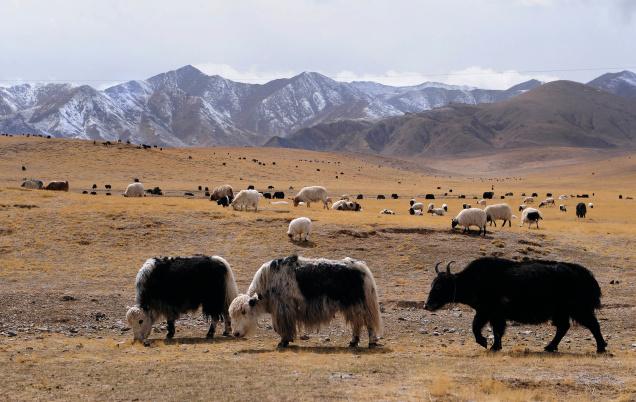
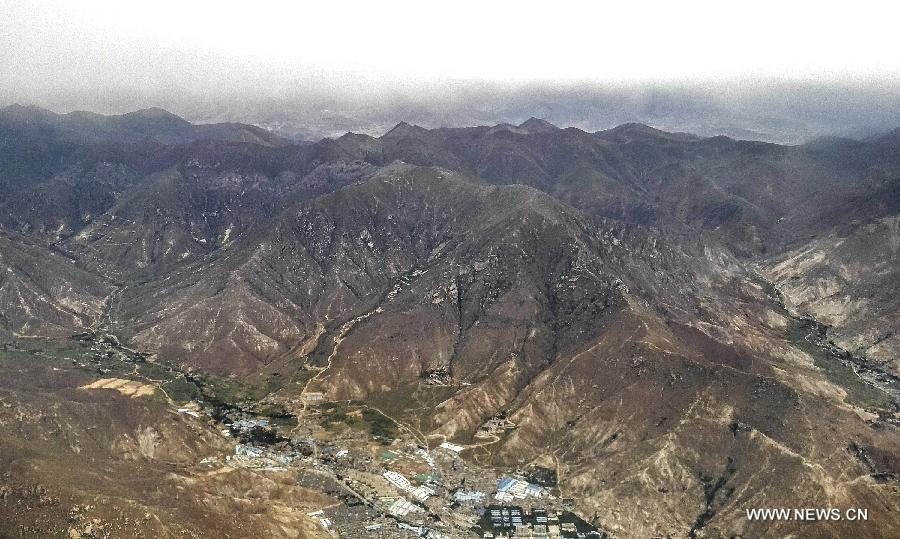
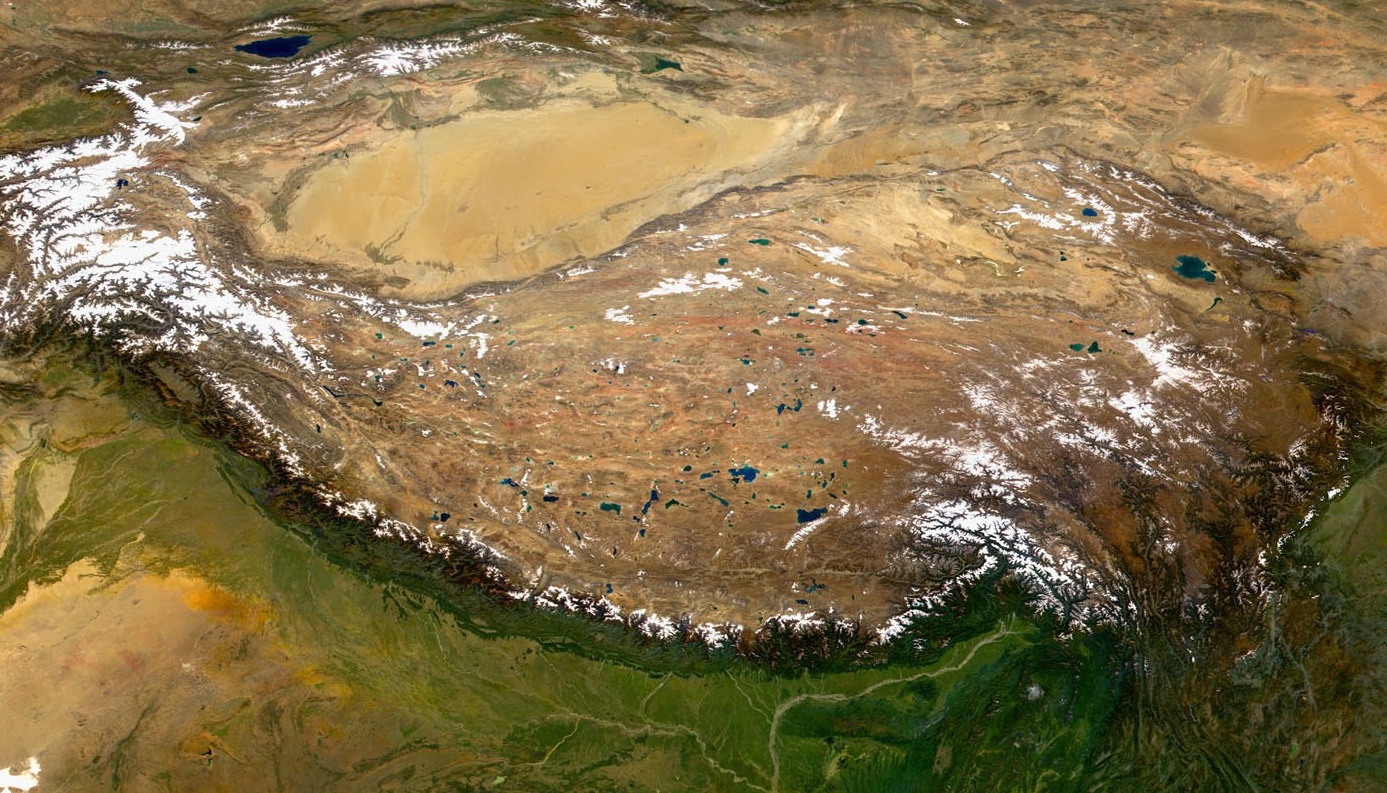
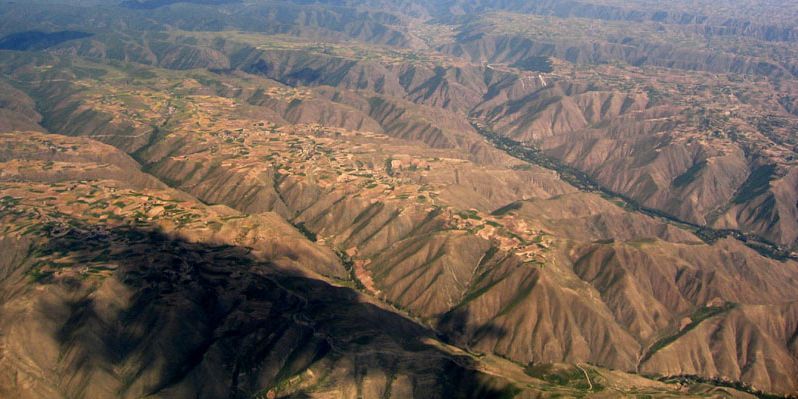
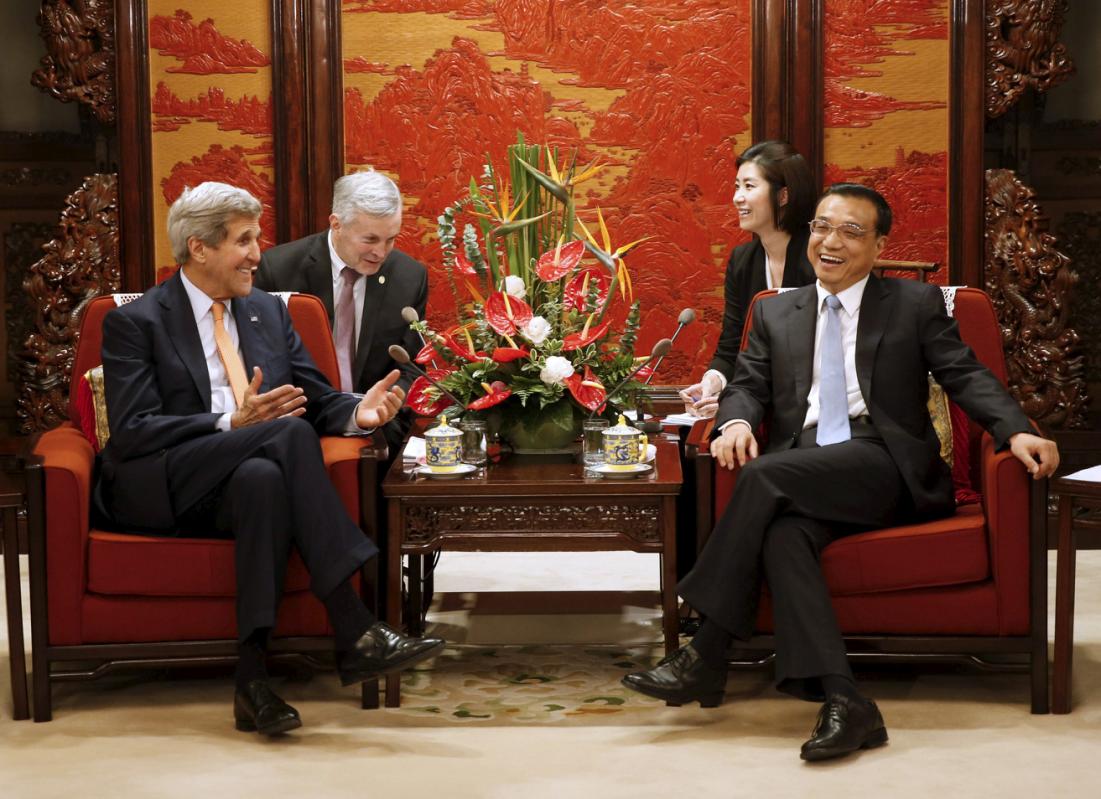
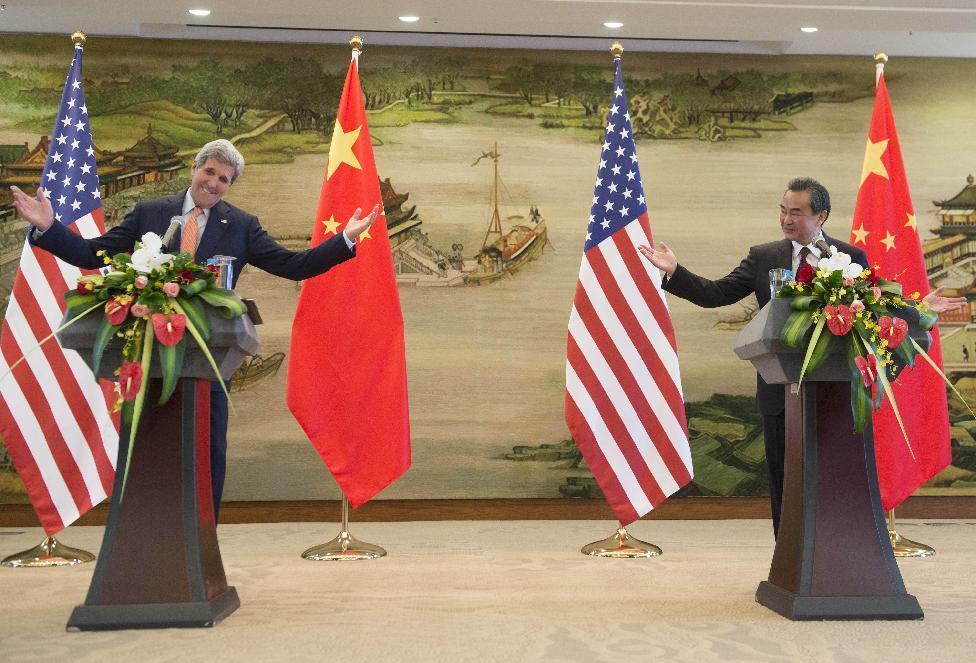
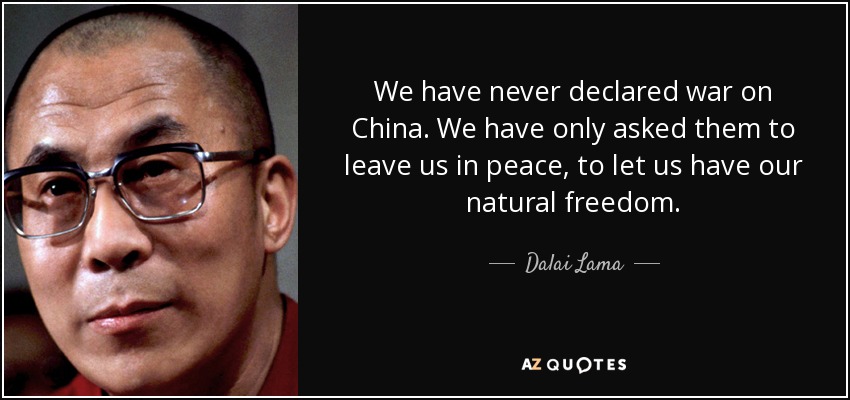
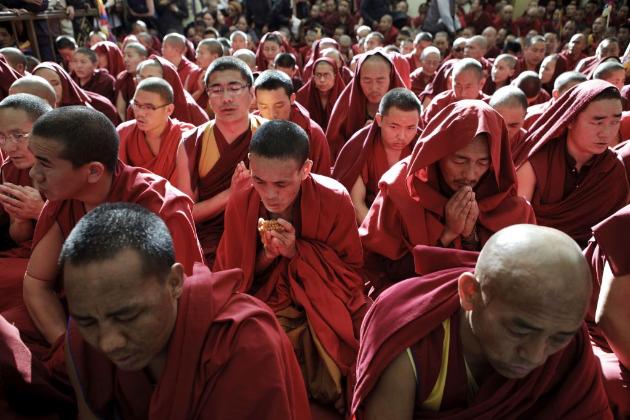
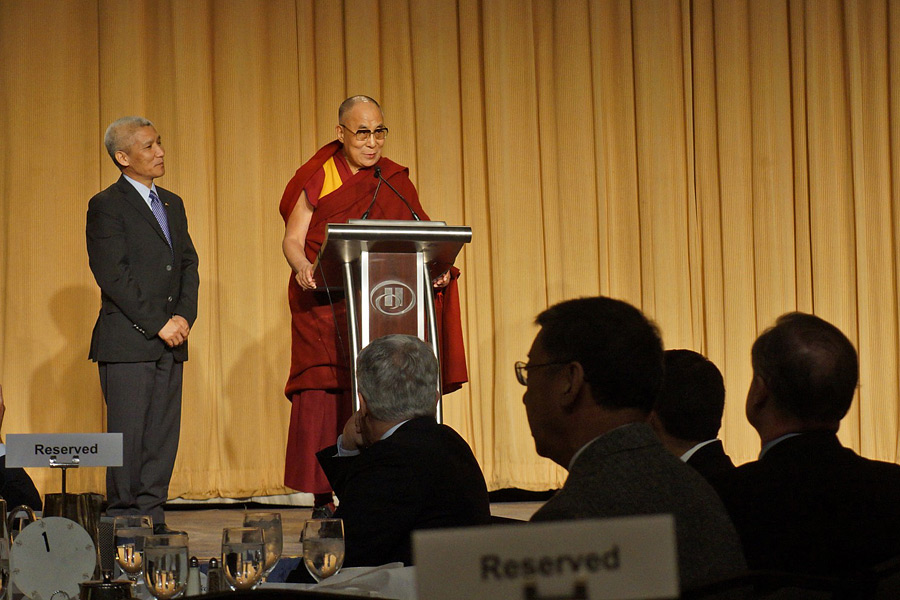
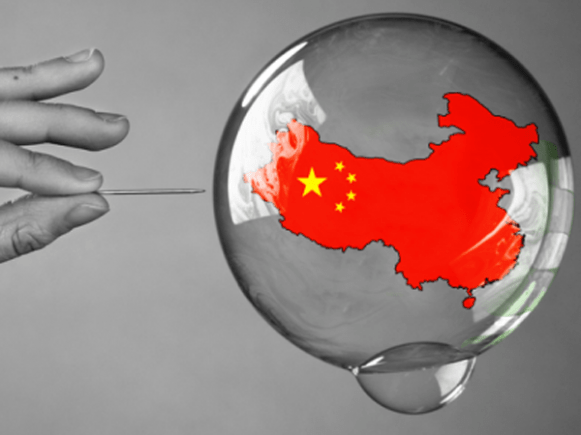
Whole Secret – Whole Fantasy: The US-China relationship is just a “Fantasy” for the adulterous relationship began without taking into consideration the fact of Tibet’s legitimate presence in the global community of nations.
In my analysis, the US-China relationship is just a ‘Fantasy’ for the adulterous relationship began without taking into consideration the fact of Tibet’s legitimate presence among the global community of nations.
Whole Secret – Whole Fantasy: The US-China relationship is just a “Fantasy” for the adulterous relationship began without taking into consideration the fact of Tibet’s legitimate presence in the global community of nations.
Rudra Narasimham Rebbapragada
SPECIAL FRONTIER FORCE
Whole Secret – Whole Fantasy: The US-China relationship is just a “Fantasy” for the adulterous relationship began without taking into consideration the fact of Tibet’s legitimate presence in the global community of nations.
Where Does Tibet Fit Into the US-China Relationship? | The Diplomat
Whole Secret – Whole Fantasy: The US-China relationship is just a “Fantasy” for the adulterous relationship began without taking into consideration the fact of Tibet’s legitimate presence in the global community of nations.
Image Credit: Flickr/ Laika ac
With the U.S. ambassador’s visit, Tibet may again be poised to play a larger role in US-China relations.
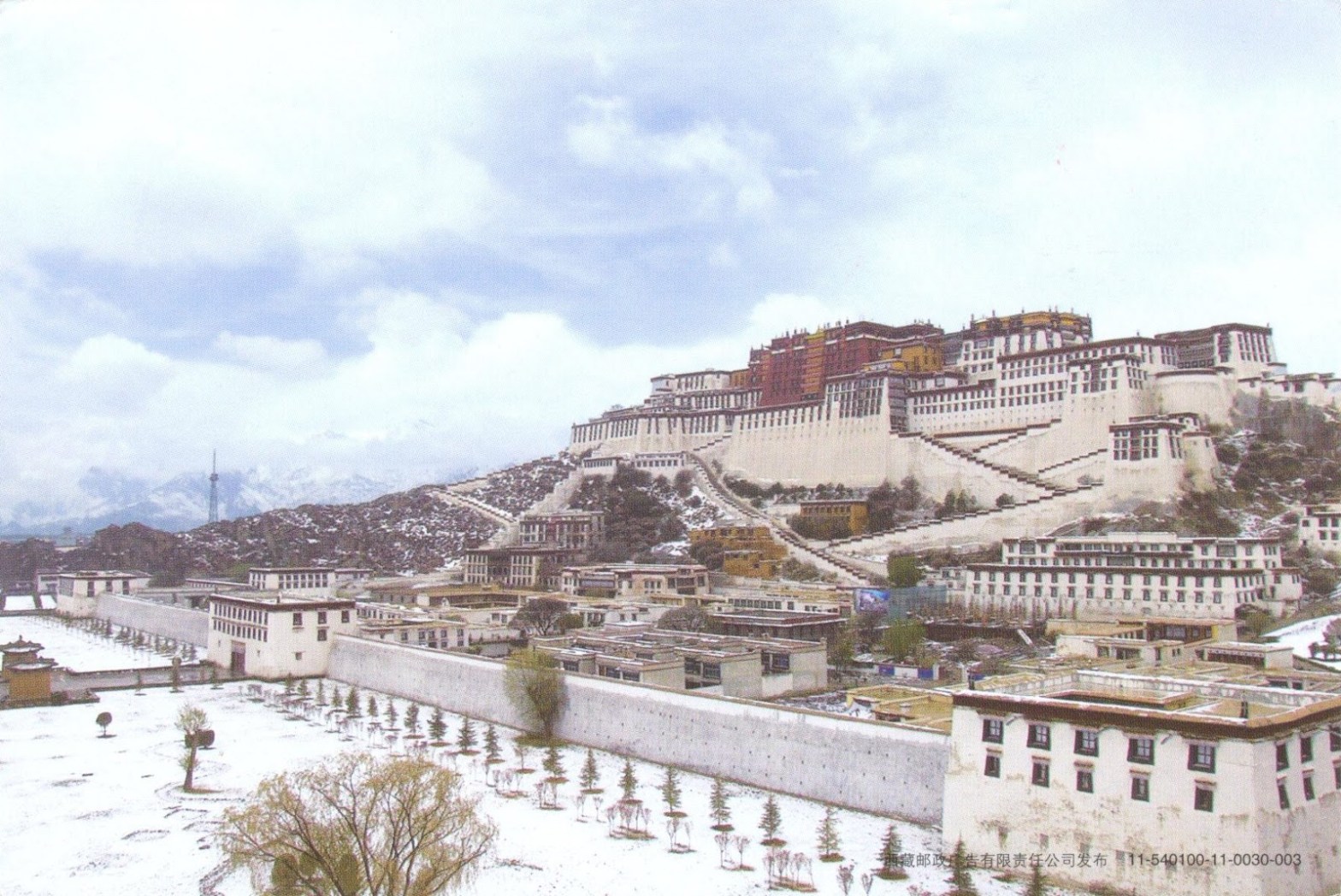
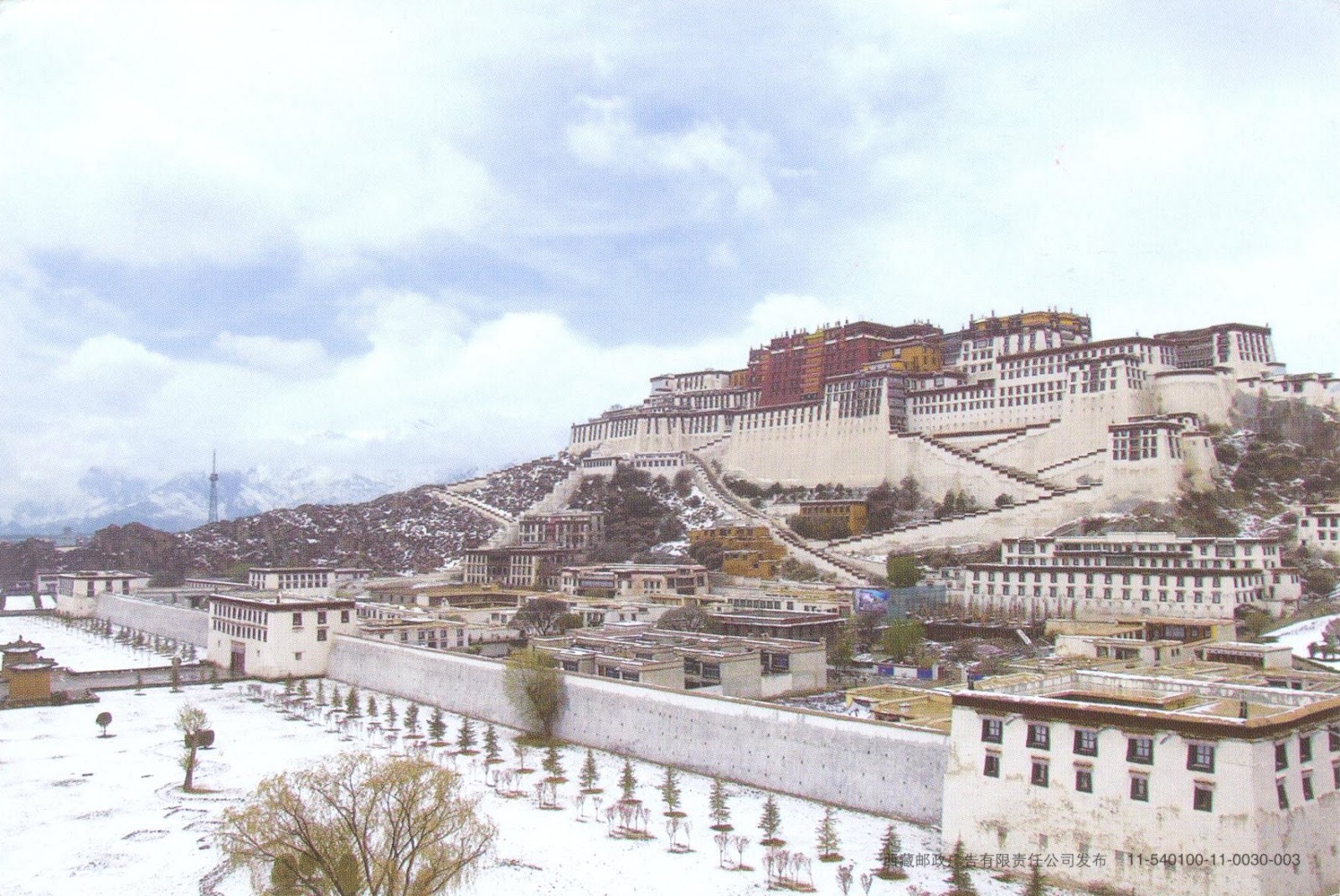
Through May 25, U.S. Ambassador Terry Branstad is on a rare visit to Tibet, the first by a U.S. envoy to the Chinese autonomous region since 2015. His trip includes official meetings and stops at religious and cultural sites in bid to raise concerns about religious freedom restrictions and cultural and linguistic preservation, according to the State Department.
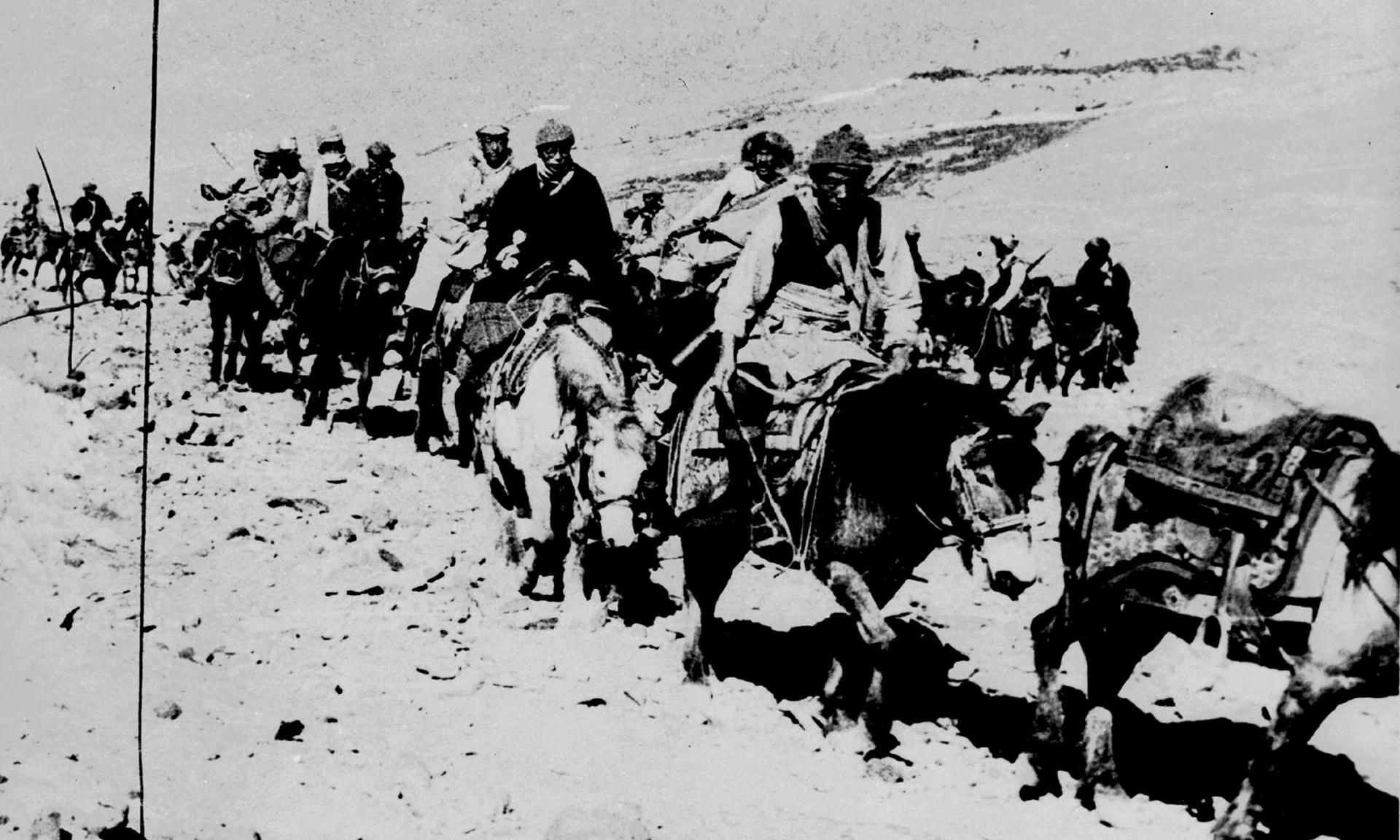
Tibet, geographically on China’s western flank, is a gateway to South Asia, and has been a perennial source of political sensitivity for Beijing. China’s trepidation over foreign influence and the U.S. connection to Tibet is not completely unfounded. Prior to the normalization of China-U.S. relations, the CIA funneled funding to the Dalai Lama — an influential spiritual leader of Tibetan Buddhism now exiled in India — and the Tibetan community to support covert activities against China. The program was canceled as then-President Richard Nixon set off on his landmark trip to Beijing in 1972. Since then, U.S. ties to Tibet have been kept more at an arm’s length, with periodic calls for the upholding of individual rights broadly and the provision of aid to safeguard Tibetan identity. And over the past year, Beijing’s approach to Tibet has attracted less attention in the United States than the Chinese government’s expansive security policies in neighboring Xinjiang, another nominally autonomous ethnic region in China.
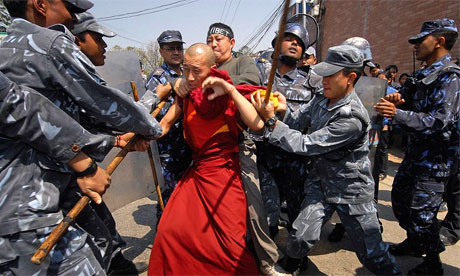
The ethno-religious identity and status of Tibetan Buddhists lies at the heart of tensions between central authorities, the local government, and the local population. While the region is administered by the People’s Republic of China, China’s sovereign claim is contested by some groups. Beijing traces is control back to the rule of the Ming and Qing dynasties, and of course a 1951 agreement that declared Tibet’s “peaceful liberation”; others hold that the People’s Liberation Army invaded and occupied the territory. Under Beijing’s administration, religious and other activities are restricted to quell and thwart dissent and uprisings. Although detention centers have been piloted in Xinjiang, Tibet is also subject to heightened cybersurveillance, a repertoire of surveillance and repression by authorities, and the promotion of Han Chinese migration and mixed marriages to the region to bolster “national unity.”
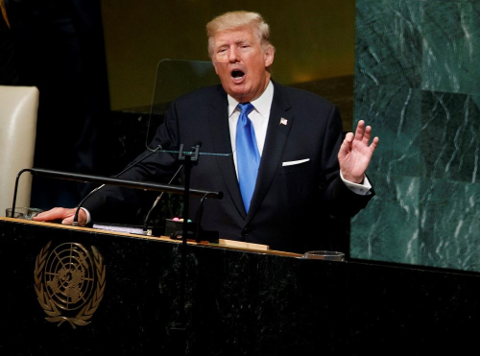
This week’s high-profile U.S. visit in Tibet may be appealing to both Beijing and Washington, albeit for different reasons. Certainly, both are looking to frame their relationship in terms that extend beyond trade disagreements as the latest round of bilateral negotiations crumbles. A successful trip in Beijing’s eyes will highlight the coexistence of Han Chinese and Tibetans, the modernization of Tibet, and initiatives to support Tibetan culture, language, and Buddhism; a stark contrast from Beijing’s policies toward Muslim communities in neighboring Xinjiang. Conversely, for Washington, this trip can be viewed as a move by the Trump administration to demonstrate the U.S. commitment to protecting human rights, a facet of Trump’s foreign policy that has been criticized, notably in the context of U.S.-China relations.
However, it may be hard to disentangle the actual motivations for the Tibet visit. Instead, the Trump administration, frustrated by the state of trade negotiations, may be taking a more instrumental position toward Tibet and using it to indirectly pressure Beijing over a political charged region. Even if the trip is motivated by a desire to raise rights awareness, one visit to Tibet by Branstad is unlikely to overturn criticisms that the Trump administration is reluctant to center human rights issues as a key component of the U.S.-China relationship. This criticism has been voiced both by international rights watchdogs, like Human Rights Watch, and from bipartisan members of the U.S. Congress, frustrated by the executive branch’s slowed actions. Washington, once a pioneer on these issues, has ceded its international leadership role under the current administration in favor of issuing human rights criticisms more selectively.
With respect to Tibet, some have expressed concern that China’s growing international power may have dampened support and narrowed the political space for the “Free Tibet” movement. Still, the United States passed the Reciprocal Access to Tibet Act in late 2018, which would require the U.S. government to punish officials who restrict access to Tibet for U.S. diplomats, journalists, academics, and other citizens traveling to the region. Although the law may unintentionally lead to a dip in visits by Tibetan delegations to the United States, the ratcheting up of pressure may possibly nudge China to review the ways in which it accords access to Tibetan areas.
Nevertheless, it remains to be seen if Tibetans will stand to benefit from the temporary diplomatic spotlight brought by Branstad’s brief tour.
Whole Secret – Whole Fantasy: The US-China relationship is just a “Fantasy” for the adulterous relationship began without taking into consideration the fact of Tibet’s legitimate presence in the global community of nations.Whole Secret – Whole Fantasy: The US-China relationship is just a “Fantasy” for the adulterous relationship began without taking into consideration the fact of Tibet’s legitimate presence in the global community of nations.
Doomed American China Fantasy – The Cold War in Asia
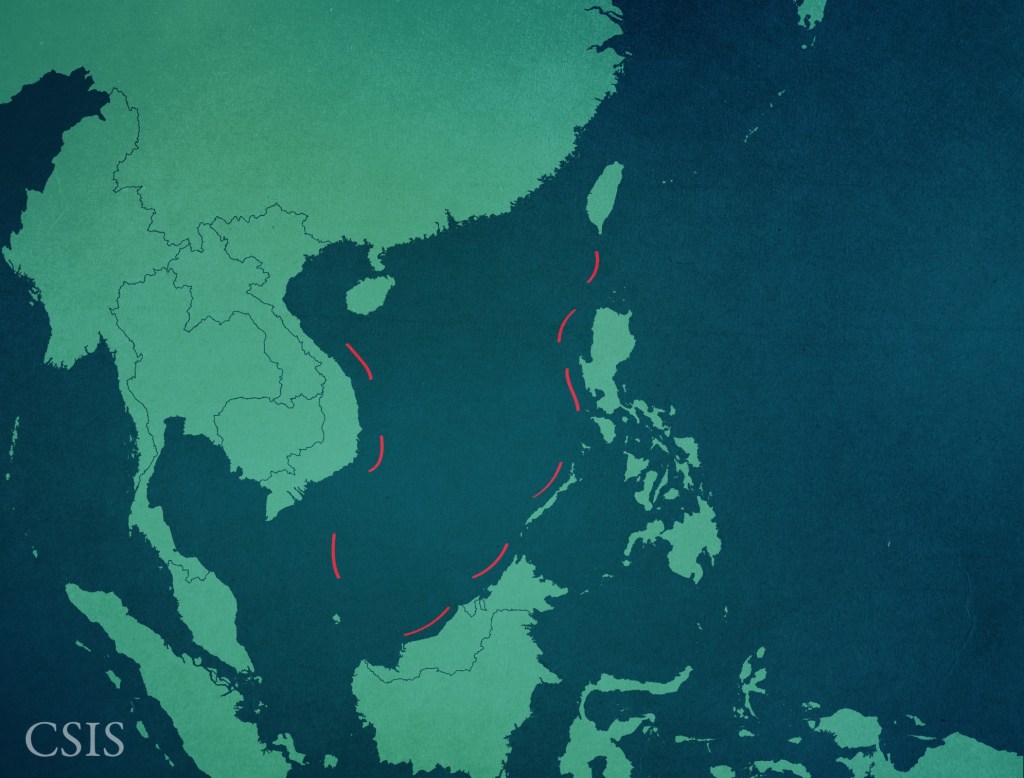
DOOMED AMERICAN CHINA FANTASY – THE COLD WAR IN ASIA 1949 TO 2026. THE SPREAD OF COMMUNISM IN ASIA.
The Cold War in Asia is the product of Communism that spread from Europe to Asia. Nixon-Kissinger in 1971-72 initiated Policy of Doomed American China Fantasy without concern for lessons learned in Korean Peninsula and Vietnam. There is no hope and there is no future for America’s China Fantasy as Communist Party in China survives unchanged and unaffected by changing fortunes of the US Political Parties.
Rudra Narasimham Rebbapragada
DOOM DOOMA DOOMSAYER
Doomed Gun of Doom Dooma symbolizes the Doomed China Fantasy, a Policy initiated by 37th US President Richard M Nixon when he made a trip to Peking on February 21, 1972. DOOMED AMERICAN CHINA FANTASY – THE COLD WAR IN ASIA 1949 TO 2026. THE SPREAD OF COMMUNISM IN ASIA.DOOMED AMERICAN CHINA FANTASY – THE COLD WAR IN ASIA 1949 TO 2026. THE SPREAD OF COMMUNISM IN ASIA. DOOMED AMERICAN CHINA FANTASY – THE COLD WAR IN ASIA 1949 TO 2026. THE SPREAD OF COMMUNISM IN ASIA.
AMERICA’S CHINA FANTASY
DOOMED AMERICAN CHINA FANTASY – THE COLD WAR IN ASIA 1949 TO 2026. THE SPREAD OF COMMUNISM IN ASIA. President Nixon’s Doomed Journey to Peking in February 1972.
America has been operating with the wrong paradigm for China. Day after day, U.S. officials carry out policies based upon premises about China’s future that are at best questionable and at worst downright false.
The mistake lies in the very assumption that political change — and with it, eventually, democracy — is coming to China, that China’s political system is destined for far-reaching liberalization. Yet the Bush administration hasn’t thought much about what it might mean for the United States and the rest of the world to have a repressive one-party state in China three decades from now. For while China will certainly be a richer and more powerful country in 30 years, it could still be an autocracy of one form or another. Its leadership (the Communist Party, or whatever else it calls itself in the future) may not be willing to tolerate organized political opposition any more than it does today.
That is a prospect with profound implications for the United States and the rest of the world. And it is a prospect that our current paradigm of an inevitably changing China cannot seem to envision.
The notion of a China on the road to political liberalization has taken hold in the United States because it has served certain specific interests within American society. At first, in the late 1970s and the 1980s, this idea benefited the U.S. national-security establishment. At the time, the United States was seeking close cooperation with China against the Soviet Union, so that the Soviet Union would have to worry simultaneously about both countries; the Pentagon wanted to make sure the Soviet Union tied down large numbers of troops along the Sino-Soviet border that might otherwise have been deployed in Europe. Amid the ideological struggles of the Cold War, though, cooperation with China’s Communist regime was politically touchy in Washington. And so the notion that China was in the process of opening up its political system helped smooth the way with Congress and the American public.
In the 1990s, after the Soviet collapse, the idea of a politically changing China attracted a new constituency, one even more powerful than the Pentagon: the business community. As trade and investment in China became ever more important, American companies found themselves repeatedly beset with questions about why they were doing business with such a repressive regime. The paradigm of inevitable change offered multinational corporations the answer they needed. Not only was China destined to open up its political system, but trade, the theology held, would be the key that would unlock the door. It would lead to political liberalization and to democracy, with or without the support of the Chinese leadership. Accordingly, no one outside China needs to do anything, or even think much about the subject. Why bother to protest a crackdown or urge China to allow political opposition if you know that democracy, by the inexorable laws of history, is coming anyway?
The trouble is, the entire paradigm may turn out to be wrong.
What should the U.S. strategy be for dealing with China’s Leninist regime? If you ask our established political leaders, foreign-policy experts, or sinologists what the United States should do about China, you will undoubtedly get some version or another of this approach. It is called the strategy of “integration.”
The United States, the thinking goes, should try to integrate the Chinese leadership into the international community. It should seek to help China gain admission into the world’s leading international organizations. According to this logic, the nature of the Chinese regime will change after China becomes a member of international bodies such as the World Trade Organization, which it has now joined. China’s Communist Party leadership will gradually behave more like other governments; it will become more open in dealing with the Chinese people and with the rest of the world. Richard Haas, the president of the Council on Foreign Relations, has written of “the existing opportunity to integrate China into a U.S.-led world order.”
This strategy of integration dates back to the Clinton administration. In 1994, President Clinton abandoned his attempt to use trade as a lever for improving human rights in China, then needed to divert attention away from this embarrassing reversal. He did not wish to concede that that he had just downgraded the cause of human rights in China; instead, he sought a new, positive-sounding description of his policy. “Integration” gradually became the label of choice, invoked by the president and his top advisers in press conference after press conference. Integration became, above all, the justification for unrestricted trade with China. “We believe it’s the best way to integrate China further into the family of nations and to secure our interests and our ideals,” declared Clinton in one typical speech.
George W. Bush and his advisers, without ever admitting they were doing so, have perpetuated most of the essentials of Clinton’s China policy, including the avowed commitment to integration. When Secretary of State Condoleezza Rice gives a speech about China, she sooner or later calls for integrating China into the international community.
“Integration” has thus become another catchphrase like “engagement,” the earlier slogan for America’s China policy, which originated somewhat earlier, during the administration of George Bush Senior. With both words, however, the suggestion is the same: that is, with enough engagement, with sufficiently vigorous integration, the United States may succeed in altering the nature of the Chinese regime — although it is not clear exactly how this is supposed to happen. In a way, the American approach is a bit patronizing to China: It sounds as if the United States is a weary, experienced trainer bringing China to a diplomatic version of obedience school.
The fundamental problem with this strategy of integration is that it raises the obvious question: Who’s integrating whom? Is the United States now integrating China into a new international economic order based upon free-market principles? Or is China now integrating the United States into a new international political order where democracy is no longer favored, and where a government’s continuing eradication of all organized political opposition is accepted or ignored?
This is not merely a government issue. Private companies — including Internet firms like Yahoo, Google, and Microsoft — often use slogans like “engagement” and “integration” to explain why they have decided to do business in China despite Chinese rules and laws that allow continuing censorship. “I think [the Internet] is contributing to Chinese political engagement,” Bill Gates told one business gathering. Yet if Microsoft is altering its rules to accommodate China, once again the question is: Who’s changing whom?
Will it have been a success for the U.S. policy of integration if, 30 years from now, the world ends up with a Chinese regime that is still a deeply repressive one-party state but is nevertheless a member of the international community in good standing? If so, that same China will serve as a model for dictators, juntas, and other undemocratic governments throughout the world — and in all likelihood, it will be a leading supporter of these regimes. Pick a dictator anywhere today and you’ll likely find that the Chinese regime is supporting him. It has rewarded Robert Mugabe, the thug who rules Zimbabwe, with an honorary professorship, and his regime with economic aid and, reportedly, new surveillance equipment. It has been the principal backer of the military regime in Burma. And when Uzbek President Islam Karimov ordered a murderous crackdown on demonstrators in 2005, China rushed to defend him.
If China maintains its current political system over the next 30 years, then its resolute hostility to democracy will have an impact in places like Egypt, Syria, and Saudi Arabia. A permanently authoritarian China could also undermine Russia’s already diminishing commitment to democracy.
Thus, when America’s leading officials and CEOs speak so breezily of integrating China into the international community, listeners should ask: If China remains unchanged, what sort of international community will that be? Will it favor the right to dissent? Will it protect freedom of expression? Or will it simply protect free trade and the right to invest?
But wait, say the defenders of America’s existing China policy. We believe in democracy, too. There is no real disagreement here on our ultimate goals. This is all just a question of tactics. The strategy of integration (or of engagement) is designed to change China’s political system and, over the long term, to end China’s one-party state.
These arguments sound in some ways similar to claims made by the Chinese regime itself. Because Chinese Communist Party leaders don’t like to acknowledge that they intend to maintain their monopoly on power, they sometimes tell visitors that they, too, believe in democracy, that this is the ultimate goal for China, and that it is all merely a question of timing. These claims are designed for the hopelessly gullible; by its actions, day after day, the regime makes clear its tenacious hostility to the idea of political pluralism in China.
Generally, the U.S. proponents of a strategy of integration are not so cynical. To be sure, a few of them may be antidemocratic; there have always been Americans who admire, even revere, the simplicity and convenience of autocracy. However, other proponents of integration seem to believe quite sincerely that if the United States continues its current approach toward China, Chinese leaders eventually will be willing to abandon the monopoly on political power they have maintained since 1949. Yet these same proponents fail to explain how or why, given the current U.S. strategy, China’s political system will change.
The examples of reforms that they have invoked so far have served to divert attention away from the core issue of China’s one-party state. The promotion of village elections has proved to be largely unsuccessful, both because the Chinese leadership can confine this experiment exclusively to the villages and because in the villages themselves, authorities have resorted to a variety of methods, including the use of violence, to forestall democracy.
Nor is there evidence that the American promotion of the rule of law will by itself transform the political system. So long as there is no independent judiciary and China remains a one-party regime in which judges are selected by the Communist Party, promoting the rule of law won’t bring about fundamental change. Instead, it simply may lead to a more thoroughly legalized system of repression. Indeed, those lawyers in China who attempt to use the judicial system to challenge the Communist Party or to defend the rights of political dissidents have themselves been subject to persecution, including the loss of their jobs or even time in prison.
The strongest impetus for establishing the rule of law comes from the corporations and investors who are putting their money into China. They need bona fide procedures for resolving financial disputes, just as companies and investors require everywhere else in the world. It is in the interest of the Chinese regime to keep the investment dollars, euros, and yen flowing into the country, and so Chinese officials are willing to establish some judicial procedures for the foreign companies. However, the result could well be a Chinese legal system that offers special protection for foreign investors but not to ordinary Chinese individuals, much less to targets of the regime such as political dissidents or Tibetan activists.
And that raises the larger question about America’s current strategy of integration: Whom does it benefit? Above all, it enriches the elites in both China and the United States. The strategy is good for the American business community, which gets to trade with China and invest in China, and for the new class emerging in Chinese cities — the managers and entrepreneurs, many of them former party cadres or the relatives of cadres — that is getting rich from the booming trade and investment in its country. But it has not been nearly so beneficial for working-class Americans — particularly the tens of thousands who have lost their jobs in the United States as the end result of this “integration” policy.
The American people were told many years ago that bringing China into the international economic system would help change the Chinese political system. Now, American workers may well wonder whether this argument was merely a cruel hoax. Nor has the strategy of integration been such a blessing for ordinary Chinese. To be sure, China as a whole is more prosperous than it has ever been, but this new prosperity is enjoyed mostly by the urban middle class, not by the country’s overworked, underpaid factory laborers or by the hundreds of millions of peasants in the countryside.
Indeed, it is precisely because the regime knows how restive and disenchanted the Chinese people are that it refuses to open up to any form of democracy. The Chinese leaders know that they could be thrown out of office if there were free and open elections. Democracy, or even an organization calling for future democracy, is a threat to the existing political and economic order in China. That is why the regime continues to repress all forms of organized dissent and political opposition. It is also why China’s new class of managers and executives, who profit from keeping wages low, support the regime in its ongoing repression.
A few years ago, the New York Times columnist Nicholas D. Kristof gave voice to one of the most common American misconceptions about China’s political future. Reflecting on how China had progressed and where it was headed, Kristof wrote, “[Hard-liners] knew that after the Chinese could watch Eddie Murphy, wear tight pink dresses and struggle over what to order at Starbucks, the revolution was finished. No middle class is content with more choices of coffees than of candidates on a ballot.”
Once people are eating at McDonald’s or wearing clothes from The Gap, American writers rush to proclaim that these people are becoming like us, and that their political system is therefore becoming like ours. But will the newly enriched, Starbucks-sipping, condo-buying, car-driving denizens of China’s largest cities in fact become the vanguard for democracy in China? Or is it possible that China’s middle-class elite will either fail to embrace calls for a democratic China or turn out to be a driving force in opposition to democracy?
China’s emerging urban middle class, after all, is merely a small proportion of the country’s overall population — far smaller than its counterparts in Taiwan or South Korea. There are an estimated 800 million to 900 million Chinese peasants — most of them living in rural areas, although 100 million or more are working or trying to find jobs as migrants on the margins of Chinese cities. If China were to have nationwide elections, and if peasants were to vote their own interests, then the urban middle class would lose. The margin would not be close. On an electoral map of China, the biggest cities — Shanghai, Beijing, Tianjin, Guangzhou, and the others — might look something like the small gold stars on the Chinese flag: They would be surrounded by a sea of red. Add together the populations of China’s 10 largest cities and you get a total of some 62 million people. That number is larger than the population of France or Britain or Italy. But it is still only about 5 percent of China’s overall population of 1.3 billion.
If you are a multinational company trying to sell consumer products, then the rapid rise in spendable income in China’s largest cities is of staggering importance. When it comes to any national elections, however, that new Chinese middle class is merely a drop in the bucket. Those in China’s urban avant-garde have every reason to fear that they would be outvoted.
China’s urban residents have an even greater reason to fear democracy: The Communist Party has not exactly been evenhanded in its treatment of urban residents vis-à-vis peasants. On the contrary: Its policies have strongly favored the cities over the countryside. This is why there has been a wave of protests in the countryside, arising out of land seizures, local taxes, disputes over village elections, and similar controversies. It is also why the Chinese regime has been, in recent years, particularly fearful of mass movements that might sweep through the countryside and undermine the Communist Party’s control. Looking at Falun Gong, the quasi-religious movement that began to take hold during the 1990s, the Chinese leadership was haunted by a specter from the past: the Taiping Rebellion, which swept out of middle China in the 19th century and shook the Qing Dynasty to its foundations.
What lies behind the Chinese Communist Party’s monopoly on power and its continuing repression of dissent? The answer usually offered is the Communist Party itself — that the party and its more than 70 million members are clinging to their own power and privileges. This is certainly part of the answer, but not all of it. As China’s economy has thrived in recent years, strong economic and social forces have also emerged in Chinese society that will seek to protect the existing order and their own economic interests. The new middle class in Chinese cities is coming to favor the status quo nearly as much as does the Communist Party itself.
Why do we assume that what follows the Chinese Communist Party’s eventual fall will necessarily be political liberalization or democracy? One can envision other possibilities. Suppose, for example, that the party proves over the next decade to be no better at combating the country’s endemic corruption than it has been over the past decade. Public revulsion over this corruption reaches the point where the Chinese people take to the streets; leaders find they cannot depend on troops to quell these demonstrations; the Communist Party finally gives way. Even then, would the result be Chinese democracy? Not necessarily. China’s urban middle class might choose to align itself with the military and the security apparatus to support some other form of authoritarian regime, arguing that it is necessary to do so in order to keep the economy running.
The underlying premise of the U.S. integration strategy is that we can put off the question of Chinese democracy. But two or three decades from now, it may be too late. By then, China will be wealthier, and the entrenched interests opposing democracy will probably be much stronger. By then, China will be so thoroughly integrated into the world financial and diplomatic systems that, because of the country’s sheer commercial power, there will be no international support for any movement to open up China’s political system.
What should the United States do to encourage democratic change in China? A detailed list of policies can emerge only after we first rid ourselves of the delusions and the false assumptions upon which our China policy has long been based.
Above all, we have to stop taking it for granted that China is heading inevitably for political liberalization and democracy. President Bush has continued to repeat the American mantra about China, every bit as much as did his predecessors. “As China reforms its economy, its leaders are finding that once the door to freedom is opened even a crack, it cannot be closed,” Bush declared in one typical speech. Such words convey a heartwarming sense of hopefulness about China, but they do not match the reality of China itself, where doors are regularly opened by more than a crack and then closed again.
America’s political and corporate leaders also need to stop spreading the lie that trade will bring an end to China’s one-party political system. This fiction has been skillfully employed, over and over again, to help win the support of Congress and the American public for approval of trade with China. Trade is trade; its benefits and costs are in the economic sphere. It is not a magic political potion for democracy, nor has it brought an end to political repression or to the Chinese Communist Party’s monopoly on power, and there is not the slightest reason to think it will do so in the future. In fact, it is possible that our trade with China is merely helping the autocratic regime to become richer and more powerful.
America’s current China policy amounts to an unstated bargain: We have abandoned any serious attempt to challenge China’s one-party state, and in exchange we have gotten the right to unfettered commerce with China.
What we need now, above all, are political leaders who are willing to challenge America’s stale logic and phraseology concerning China. We need politicians who will call attention to the fact that America has been carrying out a policy that benefits U.S. and Chinese business interests far more than it helps ordinary working people in either country.
The reexamination should apply to both U.S. political parties and to both poles of the ideological spectrum. On the Democratic left, we need people who will question the assumptions that it is somehow “progressive” to say that democracy doesn’t matter or that it will automatically come to China some day. Such views aren’t in the least bit progressive, liberal, or enlightened. Rather, they were developed by the Clinton administration to justify policies that would enable Bill Clinton to win corporate support. During the 1990s, there were other views concerning China within the Democratic Party — those of Nancy Pelosi, for example, and George Mitchell, who took strong stands on behalf of human rights in China. The Democrats rejected those alternative approaches a decade ago. They would do well to reexamine them now.
Within the Republican Party, we need political leaders willing to challenge the Business Roundtable mentality that has dominated the party’s thinking on China for so long. If Republicans really care about political freedom, then why should they allow U.S. policy toward China to be dominated by corporate interests while the world’s most populous country is governed by a single party that permits no political opposition? President Bush has been able to conceal his business-oriented approach to China behind a facade of hawkish rhetoric. Republicans should not allow this to happen again.
Once the United States finally recognizes that China is not moving inevitably toward democracy, we can begin to decide what the right approach should be. On the one hand, it’s possible that America may seek new measures to goad the Chinese leadership toward democratic change. America also might want to reconsider its doctrinaire adherence to free trade in dealing with China. On the other hand, it’s possible that the American people may decide that there’s absolutely nothing that the United States can or should do about a huge, permanently undemocratic, enduringly repressive China. Such an entity, a Chinese autocracy persisting into the mid-21st century, would cause large problems for U.S. policy elsewhere in the world. Nevertheless, after weighing the costs and benefits of trying to push for democracy in China, the United States could opt for a policy of sheer acceptance of the existing order.
The American people are not being given such options now, however, because the choices are not being laid out. American politicians of both parties talk regularly as if liberalization and democracy are on the way in China. But what if China remains an autocracy? At the moment, that possibility seems to be outside our public discourse. We need to change that in order to figure out what we want to do.
It would be heartening if China’s leaders proceed along the lines that America’s political leaders predict. It would be wonderful if China opens up, either gradually or suddenly, to a new political system in which the country’s 1.3 billion people are given a chance to choose their own leaders. While wishing for such an outcome, however, I will not hold my breath.
James Mann, from whose new book, The China Fantasy, this article is adapted, is author-in-residence at Johns Hopkins University’s School of Advanced International Studies.
DOOMED AMERICAN CHINA FANTASY – THE COLD WAR IN ASIA 1949 TO 2026. THE SPREAD OF COMMUNISM IN ASIA.Doomed American Fantasy – The Cold War in Asia 1949 to 2026. Communist Party of People’s Republic of China remains unaffected and unchanged by changing fortunes of the US Political Parties.Nixon-Kissinger in 1971-72 initiated Policy of Doomed American China Fantasy without concern for lessons learned in Korean Peninsula and Vietnam. There is no hope and there is no future for America’s China Fantasy
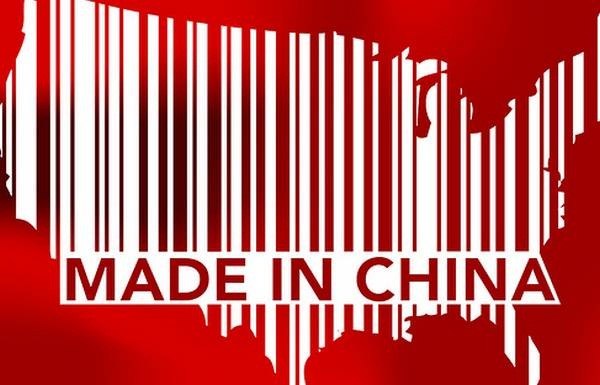
America’s China Fantasy from its very beginning in 1971-72 is destined to fail. Doomed American Fantasy – Read The Writing On The Made in China Label – Wake Up Call For America.
I was serving in Doom Dooma, Tinsukia District, Assam, India and a witness to the foreign policy initiative of the US President Richard M. Nixon in 1971-72 with which the Americans began to chase the illusion called ‘China Fantasy’. The American plan is doomed from its very inception for it involved the backstabbing of Tibet and overlooking the evil actions of the Communist regime in China.
Doomed Gun of Doom Dooma: China Fantasy Doomed on February 21, 1972 with 37th US President Richard M Nixon’s Visit to Peking.America’s China Fantasy from its very beginning in 1971-72 is destined to fail.
China is our greatest foreign policy issue. But neither Trump nor Biden have it right.
Xi Jinping’s China is fundamentally different from the past. Neither Donald Trump’s nor Joe Biden’s approach fully responds to that new reality.
Robert Robb, Arizona Republic
The most important foreign policy issue for the next American president will undoubtedly be relations with China. Unfortunately, neither Donald Trump nor Joe Biden have an approach grounded in reality, with a clear-eyed view of our national interests.
Ever since economic reforms were launched by Deng Xiaoping in the late 1980s, the bipartisan consensus was that the best approach to China was engagement. As China grew more prosperous and less insulated, the thinking went, economic liberalization could lead to political liberalization as well. Or, at a minimum, China could be a non-threatening participant in the world’s economy and affairs.
This was not as naive an expectation, or at least hope, as sometimes depicted today. There were examples of countries with authoritarian systems of state capitalism evolving into democracies with true market economies. South Korea is the most obvious example.
Indeed, a “peaceful rise” of China was one of Deng’s objectives. And that was the approach taken by his successors until current China strongman Xi Jinping.
Trump is using Biden’s support for China joining the World Trade Organization in 2001 against him. But, at the time, that was a prudent move and consistent with American interests as they were then perceived.
Xi’s China is different now
All this changed with Xi, who has jettisoned much of Deng’s approach to China’s development.
Deng believed in communal and rotating leadership. Xi has had himself appointed authoritarian-in-chief for life.
Xi is remaking China to return the Communist Party as the central focus of all life in the country. The government is to serve the party. And private businesses are to serve the government.
Markets are still used to allocate resources more efficiently than heavy-handed central planning. But there are no such things as truly private businesses in Xi’s China. Their ultimate purpose is to serve the interests of the party.
A “peaceful rise” has been abandoned. The purpose of trade is no longer principally to improve living standards. It is to increase the reach and leverage of the government and party. Militarily and diplomatically, China is seeking to dominate its region and intimidate other countries in the Asia-Pacific.
With Xi’s China, the expectations or hopes that underlay the engagement approach are a lost cause. External engagement isn’t going to change Xi’s China. Only domestic political upheaval that rejects Xi Thought will do that. And that doesn’t appear to be on the horizon.
The US should do 2 things differently
The reality of Xi’s China warrants an abandonment of the engagement approach. There should be two strategic objectives to a new approach to China.
►First, insulate the American economy from China to the maximum extent possible. Among foreign policy boffins, this is referred to as “decoupling.”
►Second, increase the military and diplomatic capacity of China’s neighbors, so every regional conflict involving China doesn’t automatically become a conflict with the United States. Our current role as the de facto security guarantor in the region isn’t in our best interests.
What Trump gets wrong on tariffs
Tariffs are one tool that could be used in decoupling. Trump has famously declared himself to be Tariff Man. And his administration currently has tariffs in place on roughly $370 billion worth of Chinese goods.
But decoupling isn’t the true strategic objective of Trump and his tariffs. Trump believes that the score between countries is kept by the balance of trade. The purpose of Trump’s tariffs is to serve as leverage to get China to purchase more American goods. Indeed, he reduced some tariffs and pulled the plug on others in exchange for a Chinese promise to do exactly that.
Biden gets engagement wrong
In an essay for Foreign Affairs magazine, Biden makes clear that he still believes in the engagement approach.
The principal problem with Trump’s approach, according to Biden, is that it is unilateral. Biden promises to create a coalition with allies to pressure China to change troublesome behavior in trade. But to continue cooperation with China on things where, as Biden puts it, “our interests converge.” He specifically mentions climate change, nonproliferation and global health security.
There is no such get-tough-on-China coalition to be had. There’s some spine in China’s neighbors. But none in the European Union, whose trade leverage would be necessary to get China’s full attention.
Trump’s instinct is to reduce the exposure of the U.S. to regional conflicts elsewhere. But he has no strategic vision about getting from here to there.
In his essay, Biden doubles down on the commitment to be the region’s security guarantor, a role whose risks vastly exceed the benefits to the United States.
Trump’s erraticism or Biden’s return to unproductive engagement. Sadly, that’s the choice.
Robert Robb is an editorial columnist for The Arizona Republic and azcentral.com, where this column originally appeared. Follow him on Twitter: @RJRobb
America’s China Fantasy from its very beginning in 1971-72 is destined to fail.Doomed Gun of Doom Dooma: China Fantasy Doomed on February 21, 1972 with 37th US President Richard M Nixon’s Visit to Peking.
Whole Warfare: The Commemoration of the National Security Act of 1947. Whole Dude observes July 26, 2026 as Anti-Slavery Campaign DayWhole Warfare: The Commemoration of the National Security Act of 1947. Whole Dude observes July 26, 2026 as Anti-Slavery Campaign DayWhole Warfare: The Commemoration of the National Security Act of 1947. Whole Dude observes July 26, 2026 as Anti-Slavery Campaign Day
Yes indeed. Life is Complicated. What is this Day in History? The complexity of Life is about finding the Connection between the Date and Life. Man’s Plan for Life must come together with God’s Purpose in Life to win the Battle Against Spiritual Wickedness.
Whole Warfare: The Commemoration of the National Security Act of 1947. Whole Dude observes July 26, 2026 as Anti-Slavery Campaign Day
July 26, This Day in my Life:
Whole Warfare: The Commemoration of the National Security Act of 1947. Whole Dude observes July 26, 2026 as Anti-Slavery Campaign DayWhole Warfare: The Commemoration of the National Security Act of 1947. Whole Dude observes July 26, 2026 as Anti-Slavery Campaign DayWhole Warfare: The Commemoration of the National Security Act of 1947. Whole Dude observes July 26, 2026 as Anti-Slavery Campaign Day
Sunday, 26th Day of July 2026. I am dedicating this Day of my life to the Anti-Slavery Campaign, Repeal PRWORA Project, and The Great Awakening Movement claiming that I will not wrestle or struggle against people but, I will confront spiritual wickedness in the highest places.
Whole Warfare: The Commemoration of the National Security Act of 1947. Whole Dude observes July 26, 2026 as Anti-Slavery Campaign Day
On the 26th Day of July 1970, I started my preparation to participate in the CIA’s Secret War in Occupied Tibet. In man’s plan, I exist as a mere pawn used in the War on Communism, the legacy of the Cold War Era of Geopolitics. What is God’s Plan for my life?
Whole Warfare: The Commemoration of the National Security Act of 1947. Whole Dude observes July 26, 2026 as Anti-Slavery Campaign Day
On Sunday, 26th Day of July 2026, I confess that I have not yet arrived at the final destination of my life. I continue to struggle for my personal freedom and I continue to wrestle against the dark forces keeping Tibetans away from freedom.
Man’s Plan for July 26 vs God’s Plan for July 26. Whole Dude celebrates the CIA Connection on Sunday, July 26, 2026. Dr. Sarvepalli Radhakrishnan and the history of Special Frontier Force-Establishment No. 22, Vikas Regiment: In India, school children celebrate Dr. Radhakrishnan’s birthday (05 September) as Teacher’s Day and every year that I spent as a student, I had a special reason to remember my family connection with his daughter.
On this day, July 26, 1947, President Harry Truman signed the National Security Act that set up the Central Intelligence Agency. The Cold War Era secret diplomacy shaped the course of my life that began in Mylapore, Madras, Chennai. My Life’s Journey from Mylapore to Chakrata, and later to Ann Arbor, Michigan is a direct consequence of my CIA Connection predestined on July 26, 1970.
Whole Warfare: The Commemoration of the National Security Act of 1947. Whole Dude observes July 26, 2026 as Anti-Slavery Campaign Day
I was granted Short Service Regular Commission in the Indian Army Medical Corps in the rank of Lieutenant on July 26, 1970. On completion of my military training, I received the promotion, the substantive rank of Captain with effect from July 26, 1971. My first posting of Military Service sent me to Special Frontier Force, Headquarters Establishment No. 22, Vikas Regiment in support of CIA’s Mission in South Asia. I describe “My CIA Connection” as ‘Kasturi-Sarvepalli-Mylapore-Madras-India-Tibet-US Connection’.
I was granted President’s Commission to serve in the Regular Army and was appointed in the Rank of Lieutenant on 26 July, 1970.Doomed Gun of Doom Dooma: China Fantasy Doomed on February 21, 1972 with 37th US President Richard M Nixon’s Visit to Peking.Whole Warfare: The Commemoration of the National Security Act of 1947. Whole Dude observes July 26, 2026 as Anti-Slavery Campaign Day
On Saturday, July 26, 1986, I left Muscat, Oman to arrive in the United States in search of the Final Destination of my Life.
Whole Warfare: The Commemoration of the National Security Act of 1947. Whole Dude observes July 26, 2026 as Anti-Slavery Campaign Day
On Sunday, July 26, 2026, I live in Ann Arbor, Michigan still hoping to arrive at the Final Destination of my Life. My CIA Connection may either sanction Slavery in the United States or that of a Prisoner of War (POW) in the Enemy’s Camp.
Man’s Plan for July 26 vs God’s Plan for July 26. July 26th, 2026. This day of my life. My CIA connection was made possible because of the Cold War Era secret diplomacy to wage War on Communism.
This Day in My Life – July 26 – My CIA Connection. God’s Calendar predestined meeting between Indian Prime Minister Jawaharlal Nehru and the US President Harry Truman. Cold War History. War on Communism.
Whole Warfare: The Commemoration of the National Security Act of 1947. Whole Dude observes July 26, 2026 as Anti-Slavery Campaign Day
President Harry S. Truman signs the National Security Act, which becomes one of the most important pieces of Cold War legislation. The act established much of the bureaucratic framework for foreign policymaking for the next 40-plus years of the Cold War.
By July 1947, the Cold War was in full swing. The United States and the Soviet Union, once allies during World War II, now faced off as ideological enemies. In the preceding months, the administration of President Truman had argued for, and secured, military and economic aid to Greece and Turkey to assist in their struggles against communist insurgents. In addition, the Marshall Plan, which called for billions of dollars in U.S. aid to help rebuild war-torn Western Europe and strengthen it against possible communist aggression, had also taken shape. As the magnitude of the Cold War increased, however, so too did the need for a more efficient and manageable foreign policymaking bureaucracy in the United States. The National Security Act was the solution.
The National Security Act had three main parts. First, it streamlined and unified the nation’s military establishment by bringing together the Navy Department and War Department under a new Department of Defense. This department would facilitate control and utilization of the nation’s growing military. Second, the act established the National Security Council (NSC). Based in the White House, the NSC was supposed to serve as a coordinating agency, sifting through the increasing flow of diplomatic and intelligence information in order to provide the president with brief but detailed reports. Finally, the act set up the Central Intelligence Agency (CIA). The CIA replaced the Central Intelligence Group, which had been established in 1946 to coordinate the intelligence-gathering activities of the various military branches and the Department of State. The CIA, however, was to be much more–it was a separate agency, designed not only to gather intelligence but also to carry out covert operations in foreign nations.
The National Security Act formally took effect on September 1947. Since that time, the Department of Defense, NSC, and CIA have grown steadily in terms of size, budgets, and power. The Department of Defense, housed in the Pentagon, controls a budget that many Third World nations would envy. The NSC rapidly became not simply an information organizing agency, but one that was active in the formation of foreign policy. The CIA also grew in power over the course of the Cold War, becoming involved in numerous covert operations. Most notable of these was the failed Bay of Pigs operation of 1961, in which Cuban refugees, trained and armed by the CIA, were unleashed against the communist regime of Fidel Castro. The mission was a disaster, with most of the attackers either killed or captured in a short time. Though it had both successes and failures, the National Security Act indicated just how seriously the U.S. government took the Cold War threat.
Man’s Plan for July 26 vs God’s Plan for July 26. July 26th, 2026. This day of my life. My CIA connection is made possible by President Harry Truman’s War on Communism.
This Day in My Life – July 26 – My CIA Connection. God’s Calendar predestined events of my Life’s Journey From Mylapore, Madras to Ann Arbor, Michigan. Thanks to US President Harry S. Truman’s War on Communism.
Whole Warfare: The Commemoration of the National Security Act of 1947. Whole Dude observes July 26, 2026 as Anti-Slavery Campaign Day
This Day in My Life – July 26 – My CIA Connection. Cold War Era History. God’s Calendar predestined events of My Life’s Journey From Mylapore, Madras to Ann Arbor, Michigan. Thanks to US President Harry S. Truman’s War on Communism.
Man’s Plan for July 26 vs God’s Plan for July 26. July 26th, 2026. This day of my life. My CIA connection promises to impose either slavery in the US or that of a Prisoner of War (POW) in the Enemy’s camp. Man’s plan vs God’s plan will decide the ultimate outcome.
This Day in My Life – July 26 – My CIA Connection. In Man’s Plan, I exist as a mere Pawn used in War on Communism, Legacy of Cold War Era Geopolitics.
Whole Warfare: The Commemoration of the National Security Act of 1947. Whole Dude observes July 26, 2026 as Anti-Slavery Campaign Day
The celebration of the CIA Connection on Sunday, July 26, 2026. What is God’s Plan?
Whole Warfare: The Commemoration of the National Security Act of 1947. Whole Dude observes July 26, 2026 as Anti-Slavery Campaign DayWhole Warfare: The Commemoration of the National Security Act of 1947. Whole Dude observes July 26, 2026 as Anti-Slavery Campaign Day
Commemoration of the National Security Act of 1947 – July 26, 2026 marked as Anti-Slavery Campaign Day
Whole Warfare: The Commemoration of the National Security Act of 1947. Whole Dude observes July 26, 2026 as Anti-Slavery Campaign Day
On this Day, July 26, 1947, President Harry Truman signed The National Security Act that set up The Central Intelligence Agency that plays a crucial role in promoting US Policy in support of Freedom, Democracy, Peace and Human Rights.
Whole Warfare: The Commemoration of the National Security Act of 1947. Whole Dude observes July 26, 2026 as Anti-Slavery Campaign DayWhole Warfare: The Commemoration of the National Security Act of 1947. Whole Dude observes July 26, 2026 as Anti-Slavery Campaign Day
Whole Dude – Whole Warfare: Commemoration of the National Security Act of 1947. Whole Dude at Whole Foods observes July 26, 2026 as Anti-Slavery Campaign Day
Yes indeed. Life is Complicated. What is this Day in History? The complexity of Life is about finding the Connection between the Date and Life. Man’s Plan for Life must come together with God’s Purpose in Life to win the Battle Against Spiritual Wickedness.
Man’s Plan for July 26 vs God’s Plan for July 26. Whole Dude at Whole Foods celebrates the CIA Connection on Sunday, July 26, 2026
July 26, This Day in my Life:
Man’s Plan for July 26 vs God’s Plan for July 26. Whole Dude at Whole Foods celebrates the CIA Connection on Sunday, July 26, 2026
Sunday, 26th Day of July 2026. I am dedicating this Day of my life to the Anti-Slavery Campaign, Repeal PRWORA Project, and The Great Awakening Movement claiming that I will not wrestle or struggle against people but, I will confront spiritual wickedness in the highest places.
Man’s Plan for July 26 vs God’s Plan for July 26. Whole Dude at Whole Foods celebrates the CIA Connection on Sunday, July 26, 2026
On the 26th Day of July 1970, I started my preparation to participate in the CIA’s Secret War in Occupied Tibet. In man’s plan, I exist as a mere pawn used in the War on Communism, the legacy of the Cold War Era of Geopolitics. What is God’s Plan for my life?
Man’s Plan for July 26 vs God’s Plan for July 26. Whole Dude at Whole Foods celebrates the CIA Connection on Sunday, July 26, 2026
On Sunday, 26th Day of July 2026, I confess that I have not arrived at the final destination of my life. I continue to struggle for my personal freedom and I continue to wrestle against the dark forces keeping Tibetans away from freedom.
Man’s Plan for July 26 vs God’s Plan for July 26. Whole Dude at Whole Foods celebrates the CIA Connection on Sunday, July 26, 2026. Dr. Sarvepalli Radhakrishnan and the history of Special Frontier Force-Establishment No. 22, Vikas Regiment: In India, school children celebrate Dr. Radhakrishnan’s birthday (05 September) as Teacher’s Day and every year that I spent as a student, I had a special reason to remember my family connection with his daughter.
On this day, July 26, 1947, President Harry Truman signed the National Security Act that set up the Central Intelligence Agency. The Cold War Era secret diplomacy shaped the course of my life that began in Mylapore, Madras, Chennai. My Life’s Journey from Mylapore to Chakrata, and later to Ann Arbor, Michigan is a direct consequence of my CIA Connection destined on July 26, 1970.
Man’s Plan for July 26 vs God’s Plan for July 26. Whole Dude at Whole Foods celebrates the CIA Connection on Sunday, July 26, 2026I was granted President’s Commission to serve in the Regular Army and was appointed in the Rank of Lieutenant on 26 July, 1970.
I was granted Short Service Regular Commission in the Indian Army Medical Corps in the rank of Lieutenant on July 26, 1970. On completion of my military training, I received the promotion, the substantive rank of Captain with effect from July 26, 1971. My first posting of Military Service sent me to Special Frontier Force, Headquarters Establishment No. 22, Vikas Regiment in support of CIA’s Mission in South Asia. I describe “My CIA Connection” as ‘Kasturi-Sarvepalli-Mylapore-Madras-India-Tibet-US Connection’.
Man’s Plan for July 26 vs God’s Plan for July 26. Whole Dude at Whole Foods celebrates the CIA Connection on Sunday, July 26, 2026
On July 26, 1986, I left Muscat, Oman to arrive in the United States in search of the Final Destination of my Life.
Man’s Plan for July 26 vs God’s Plan for July 26. Whole Dude at Whole Foods celebrates the CIA Connection on Sunday, July 26, 2026
On Sunday, July 26, 2026, I live in Ann Arbor, Michigan still hoping to arrive at the Final Destination of my Life. My CIA Connection may either sanction Slavery in the United States or that of a Prisoner of War (POW) in the Enemy’s Camp.
Man’s Plan for July 26 vs God’s Plan for July 26. July 26th, 2026. This day of my life. My CIA connection was made possible because of the Cold War Era secret diplomacy to wage War on Communism.
This Day in My Life – July 26 – My CIA Connection. God’s Calendar predestined meeting between Indian Prime Minister Jawaharlal Nehru and the US President Harry Truman. Cold War History. War on Communism.
Man’s Plan for July 26 vs God’s Plan for July 26. The Rudi Connection at Whole Foods celebrates the CIA Connection on Sunday, July 26, 2026
President Harry S. Truman signs the National Security Act, which becomes one of the most important pieces of Cold War legislation. The act established much of the bureaucratic framework for foreign policymaking for the next 40-plus years of the Cold War.
By July 1947, the Cold War was in full swing. The United States and the Soviet Union, once allies during World War II, now faced off as ideological enemies. In the preceding months, the administration of President Truman had argued for, and secured, military and economic aid to Greece and Turkey to assist in their struggles against communist insurgents. In addition, the Marshall Plan, which called for billions of dollars in U.S. aid to help rebuild war-torn Western Europe and strengthen it against possible communist aggression, had also taken shape. As the magnitude of the Cold War increased, however, so too did the need for a more efficient and manageable foreign policymaking bureaucracy in the United States. The National Security Act was the solution.
The National Security Act had three main parts. First, it streamlined and unified the nation’s military establishment by bringing together the Navy Department and War Department under a new Department of Defense. This department would facilitate control and utilization of the nation’s growing military. Second, the act established the National Security Council (NSC). Based in the White House, the NSC was supposed to serve as a coordinating agency, sifting through the increasing flow of diplomatic and intelligence information in order to provide the president with brief but detailed reports. Finally, the act set up the Central Intelligence Agency (CIA). The CIA replaced the Central Intelligence Group, which had been established in 1946 to coordinate the intelligence-gathering activities of the various military branches and the Department of State. The CIA, however, was to be much more–it was a separate agency, designed not only to gather intelligence but also to carry out covert operations in foreign nations.
The National Security Act formally took effect on September 1947. Since that time, the Department of Defense, NSC, and CIA have grown steadily in terms of size, budgets, and power. The Department of Defense, housed in the Pentagon, controls a budget that many Third World nations would envy. The NSC rapidly became not simply an information organizing agency, but one that was active in the formation of foreign policy. The CIA also grew in power over the course of the Cold War, becoming involved in numerous covert operations. Most notable of these was the failed Bay of Pigs operation of 1961, in which Cuban refugees, trained and armed by the CIA, were unleashed against the communist regime of Fidel Castro. The mission was a disaster, with most of the attackers either killed or captured in a short time. Though it had both successes and failures, the National Security Act indicated just how seriously the U.S. government took the Cold War threat.
Man’s Plan for July 26 vs God’s Plan for July 26. July 26th, 2026. This day of my life. My CIA connection is made possible by President Harry Truman’s War on Communism.
This Day in My Life – July 26 – My CIA Connection. God’s Calendar predestined events of my Life’s Journey From Mylapore, Madras to Ann Arbor, Michigan. Thanks to US President Harry S. Truman’s War on Communism.
Man’s Plan for July 26 vs God’s Plan for July 26. Whole Dude at Whole Foods celebrates the CIA Connection on Sunday, July 26, 2026
This Day in My Life – July 26 – My CIA Connection. Cold War Era History. God’s Calendar predestined events of My Life’s Journey From Mylapore, Madras to Ann Arbor, Michigan. Thanks to US President Harry S. Truman’s War on Communism.
Man’s Plan for July 26 vs God’s Plan for July 26. July 26th, 2026. This day of my life. My CIA connection promises to impose either slavery in the US or that of a Prisoner of War (POW) in the Enemy’s camp. Man’s plan vs God’s plan will decide the ultimate outcome.
This Day in My Life – July 26 – My CIA Connection. In Man’s Plan, I exist as a mere Pawn used in War on Communism, Legacy of Cold War Era Geopolitics.
Man’s Plan for July 26 vs God’s Plan for July 26. Whole Dude at Whole Foods celebrates the CIA Connection on Sunday, July 26, 2026
Whole Dude at Whole Foods celebrates the CIA Connection on Sunday, July 26, 2026. What is God’s Plan?
Man’s Plan for July 26 vs God’s Plan for July 26. Whole Dude at Whole Foods celebrates the CIA Connection on Sunday, July 26, 2026
Commemoration of the National Security Act of 1947 – July 26, 2026 marked as Anti-Slavery Campaign Day
Whole Dude – Whole Warfare: Commemoration of The National Security Act of 1947. July 26, 2026, marked as Anti-Slavery Campaign Day.
On this Day, July 26, 1947, President Harry Truman signed The National Security Act that set up The Central Intelligence Agency that plays a crucial role in promoting US Policy in support of Freedom, Democracy, Peace and Human Rights.
Whole Dude – Whole Warfare: Commemoration of The National Security Act of 1947. July 26, 2026, marked as Anti-Slavery Campaign Day.Whole Dude – Whole Warfare: Commemoration of The National Security Act of 1947. July 26, 2026, marked as Anti-Slavery Campaign Day.
Whole Legacy – The US Policy on Tibet is not Working
US Policy on Tibet is not working. It will not work until and unless the US revises US Policy on Communist China. If Communism remains the ruling doctrine of China, no US Policy on Tibet will work. United States has no choice other than that of containing, engaging, confronting, and opposing China’s Communism.US President Donald Trump (2nd L) holds a bilateral meeting with China’s President Xi Jinping (R) at Trump’s Mar-a-Lago estate in Palm Beach, Florida, US, on April 7, 2017. Photo: Reuters
US Policy on Tibet is not working. It will not work until and unless the US revises US Policy on Communist China. If Communism remains the ruling doctrine of China, no US Policy on Tibet will work. United States has no choice other than that of containing, engaging, confronting, and opposing China’s Communism.
Rudra Narasimham Rebbapragada
Special Frontier Force-Establishment 22-Vikas Regiment
DOOMED AMERICAN CHINA FANTASY. US CONGRESSMAN JIM McGOVERN, D-Mass., CALLS FOR NEW US POLICY ON TIBET.
FILE – Rep. Jim McGovern, D-Mass., speaks on Capitol Hill in Washington, May 7, 2014. McGovern is calling for a new U.S. policy on Tibet.
WASHINGTON —
Congressman Jim McGovern is calling for a new U.S. policy on Tibet, saying “the status quo isn’t working” and urging U.S. businesses to raise the issue of human rights in Tibet with Chinese business partners.
“It’s important that the U.S. have a policy toward Tibet because the status quo isn’t working,” McGovern, a Democrat from Massachusetts, told VOA Mandarin. “The Chinese government is just getting worse on a whole range of issues — jailing more and more Tibetans in Tibet and in the Tibetan region, so I think we need to re-assess. … We need to start walking the walk.”
US Congressman Calls for New US Policy on Tibet
China says the Himalayan region has been part of its realm for more than seven centuries and considers the Dalai Lama, the Tibetan spiritual leader, to be a dangerous separatist.
Many Tibetans insist they were essentially independent for most of that time and have protested what they regard as China’s heavy-handed rule since Chinese army units crossed the Yangtze River into eastern Tibet in 1950.
Congressional visit
Last month, McGovern traveled to Nepal and the north Indian hill town of Dharamsala, where the Dalai Lama has been in exile from Tibet for almost 60 years. The eight-person House delegation led by Rep. Nancy Pelosi, a Democrat from California, wanted to make China aware that they would not stand down in their campaign for human rights in Tibet.
Watch: US Congressman Calls for China to Show Flexibility on Tibet
The delegation, including a lone Republican, Wisconsin’s Jim Sensenbrenner, met with the Dalai Lama.
“His Holiness is not a separatist … but he wants to go home and so do his people,” McGovern said.
“China is one of the great powers of the world, they’re doing great things on climate change,” he said, adding he’s always puzzled that China “is paranoid over this monk, and paranoid over his message.”
McGovern is the sponsor of the Reciprocal Access to Tibet Act of 2017. He introduced the bipartisan bill in the House in April with Congressman Randy Hultgren, a Republican from Illinois. Marco Rubio, a Republican from Florida, and Tammy Baldwin, a Democrat from Wisconsin, introduced a companion bill in the Senate.
US Congressman Poses Reciprocal Access to Tibet Act
Travel in US
McGovern described his bill as saying, “we will treat you like you treat us” in that it calls for restricting where Chinese can visit in the United States in the same way China restricts United States officials, journalists and other citizens in Tibetan areas of the People’s Republic of China.
“If China wants its citizens and officials to travel freely in the U.S., Americans must be able to travel freely in China, including Tibet,” McGovern echoes on his website.
He also wants the U.S. to “publicly call on the Chinese government to restart the direct dialog that used to exist between the Chinese government and the Tibetan people. That needs to be restarted.”
McGovern said he wants the United States to appoint a special coordinator on Tibet as soon as possible to help elevate these issues.
“We’ve also talked about working with other countries and establishing what we call A Group of Friends on Tibet who would meet regularly and publicly to assess the situation in Tibet, and whether there’s been progress or not,” he added.
US Congressman: US Firms Can Raise Issue of Tibet With Chinese Counterparts
McGovern, who is co-chair of the bipartisan Tom Lantos Human Rights Commission, told VOA that while U.S. and Chinese companies profit from trading with each other, if U.S. companies “know what’s happening and you don’t say anything [about human rights in Tibet], then you’re complicit. China wants to do business with you. You want to do business with China but that doesn’t mean you can’t raise the issue of human rights.”
In the interview with VOA Mandarin, McGovern, who has been arrested three times protesting human rights violations in Sudan, said he is also concerned about human rights in Hong Kong, and China’s treatment of the ethnic minority group, the Uighurs.
‘We’re not perfect’
Listing hate crimes and attacks against members of the Muslim community, threats against Jewish community centers and hate crimes against the LGBTQ community, McGovern said he also worries about human rights in the United States, “so we’re not perfect.”
None of that, however, should lessen the attention paid to Tibet, McGovern said.
“I think the Chinese government thinks this issue will just go away. The Dalai Lama is in his 80s, and they think at some point he won’t be around and everybody will forget,” McGovern said.
But, he stressed, “we’re not going away, and this issue is not going away, and we’re going to keep on bringing it up over, and over, and over again until there’s some change.”
This story originated with VOA Mandarin.
DOOMED AMERICAN CHINA FANTASY – US HOUSE REPRESENTATIVE JIM McGOVERN CALLS FOR NEW US POLICY ON TIBET.US Policy on Tibet is not working. It will not work until and unless the US revises US Policy on Communist China. If Communism remains the ruling doctrine of China, no US Policy on Tibet will work. United States has no choice other than that of containing, engaging, confronting, and opposing China’s Communism.US Policy on Tibet is not working. It will not work until and unless the US revises US Policy on Communist China. If Communism remains the ruling doctrine of China, no US Policy on Tibet will work. United States has no choice other than that of containing, engaging, confronting, and opposing China’s Communism.
The Cold War in Asia – Resolve Tibet-China Border Dispute
“The Story of America Makes Everyone Free.” Whole Story – Whole Demand – Demanding Trump – Dalai Lama Meeting to Resolve Tibet-China Border DisputeThe Story of America Makes Everyone Free.” Whole Story – Whole Demand – Demanding Trump – Dalai Lama Meeting to Resolve Tibet-China Border Dispute
On behalf of Special Frontier Force, I demand Trump – Dalai Lama Meeting. It is “only logical” for we work together to uphold the doctrine of Democracy when it engages, contains, confronts, and opposes the doctrine of Communism. Tibet is the very first victim of the spread of Communism to Asia. Tibet-China Border Dispute is a mere symptom of the Cold War in Asia.
The Story of America Makes Everyone Free.” Whole Story – Whole Demand – Demanding Trump – Dalai Lama Meeting to Resolve Tibet-China Border DisputeThe Story of America Makes Everyone Free.” Whole Story – Whole Demand – Demanding Trump – Dalai Lama Meeting to Resolve Tibet-China Border Dispute
TIBET LEADER SAYS IT IS ‘ONLY LOGICAL’ TRUMP MEETS DALAI LAMA AFTER VISIT TO 3 MAJOR SACRED PLACES
Tibet’s PM in exile is disappointed that Trump did not visit the Buddhist monk despite touring the Vatican and Saudi Arabia.
BY NANDINI KRISHNAMOORTHY
May 25, 2017 07:06 BST
The Story of America Makes Everyone Free.” Whole Story – Whole Demand – Demanding Trump – Dalai Lama Meeting to Resolve Tibet-China Border Dispute
Donald Trump meets with Pope Francis in the Vatican. Reuters
After embarking on a visit to Muslim, Jewish and Christian lands during his first official overseas tour, it is now “logical “for US President Donald Trump to visit the Tibetan spiritual leader, the Dalai Lama, Tibet’s prime minister in exile Lobsang Sangay has said.
Trump is scheduled to meet NATO leaders on Thursday (25 May). Earlier in the week, he visited Saudi Arabia, Israel and Palestine and met Pope Francis at the Vatican on Wednesday.
More from IBTimes UK
“Donald Trump … has been to all three major sacred places of three major traditions,” Sangay said on Wednesday (24 May). “So, what is left is Buddhism and his holiness the Dalai Lama is the most prominent Buddhist leaders in the world,” Sangay.
The leader in exile is currently on a visit to Washington and was speaking at the Heritage Foundation think tank there, Reuters reports.
“If he [Trump] can meet with all leaders of major traditions, I think it’s just logical that he meets the most prominent Buddhist leader,” he said.
The Dalai Lama has met all the four previous US presidents, greatly angering China.
Beijing considers Tibet a breakaway province and has accused the Dalai Lama of promoting independence for Tibet from the rest of China. The Nobel Peace Prize-winning monk has been saying that he only wants a higher degree of freedom for his homeland Tibet. He fled his hometown after a failed uprising against Chinese rule in 1959.
Although the Dalai Lama has not yet been invited to meet Trump, Sangay said: “We are Tibetans. We are perennially optimistic.”
If Trump were to meet the spiritual leader, it could put in jeopardy negotiations with Beijing as the US is relying on China to do more to rein in an increasingly belligerent North Korea and its pursuit of nuclear and missile programme. Because of this it would be premature to talk about a meeting between Trump and the Buddhist monk, a Trump administration official told Reuters this week.
The Story of America Makes Everyone Free.” Whole Story – Whole Demand – Demanding Trump – Dalai Lama Meeting to Resolve Tibet-China Border Dispute
The Dalai Lama has met all the four previous US presidents, greatly angering China. Reuters file photo
The Dalai Lama was reportedly planning to visit the US in April, but it was pushed to June because of a hectic schedule. Washington is still not part of the monk’s June itinerary, Sangay said earlier this month.
China had recently asked Washington to “carefully handle” the Tibetan issue after top US lawmakers, including Nancy Pelosi, visited the Dalai Lama at his headquarters in north India in a bid to draw attention to human rights in Tibet.
The lawmakers vowed to stand by the monk and not give up in their campaign to protect human rights in Tibet, much to the fury of Beijing.
The Story of America Makes Everyone Free.” Whole Story – Whole Demand – Demanding Trump – Dalai Lama Meeting to Resolve Tibet-China Border Dispute
The Story of America Makes Everyone Free.” Whole Story – Whole Demand – Demanding Trump – Dalai Lama Meeting to Resolve Tibet-China Border DisputeThe Story of America Makes Everyone Free.” Whole Story – Whole Demand – Demanding Trump – Dalai Lama Meeting to Resolve Tibet-China Border Dispute