The Dalai Lama Life Cycle – The Cyclical Flow of Times
The Dalai Lama Life Cycle. The Cyclical Flow of Times.
The photo images that capture the physical appearance of the 14th Dalai Lama may relate to just one stage of the Dalai Lama Life Cycle. As per Tibetan faith and belief, the 14th Dalai Lama is the reincarnation of the 13th Dalai Lama. The Dalai Lama Life Cycle started in 1391 centuries before their individual lifespans.
Rudra Narasimham Rebbapragada
Special Frontier Force – Establishment 22 – Vikas Regiment
The Dalai Lama Life Cycle. The Cyclical Flow of Times.
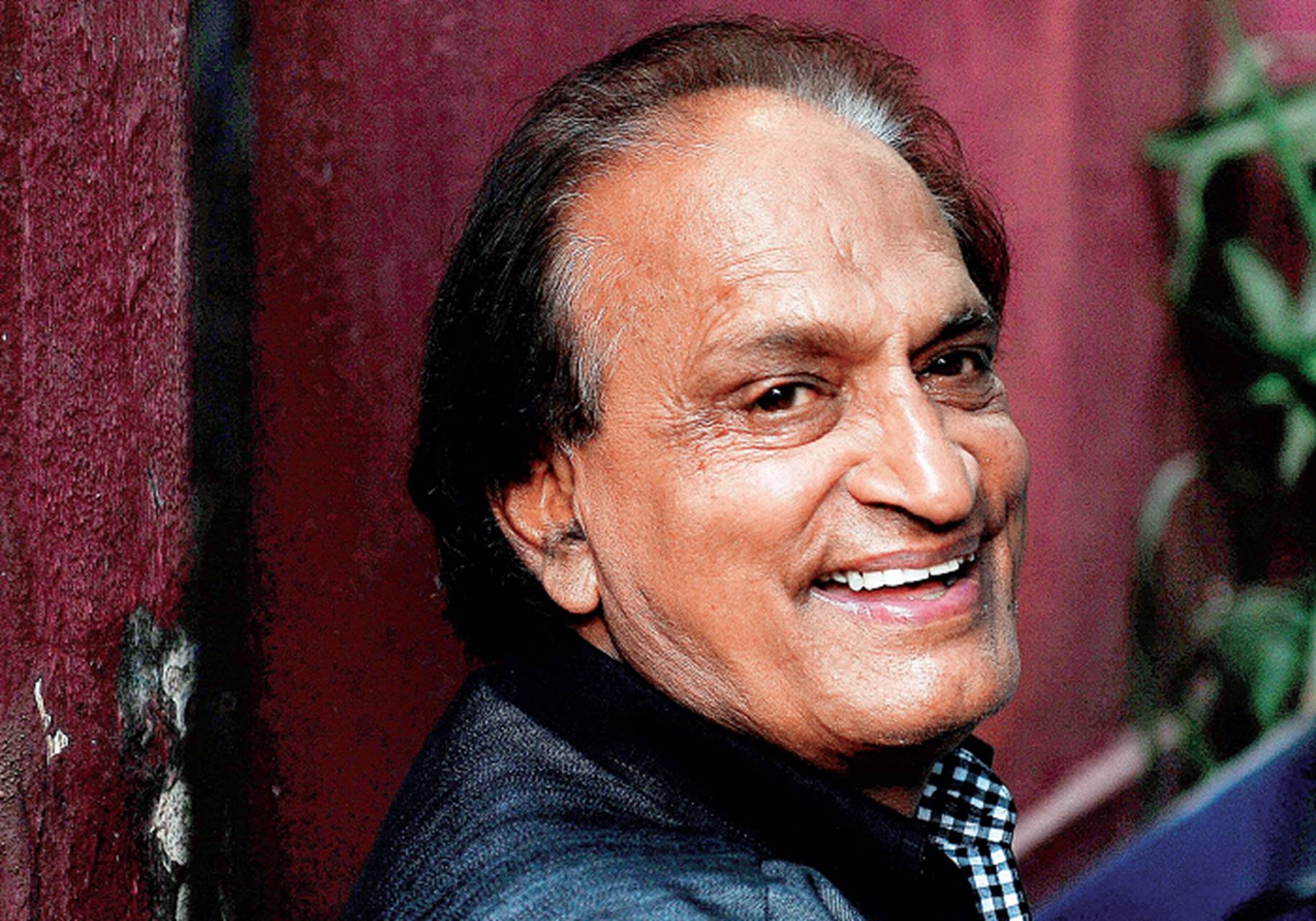
Frame by frame: Photographer Raghu Rai’s book on the 14th Dalai Lama is personal, deep and immersive
The Dalai Lama Life Cycle. The Cyclical Flow of Times.
Dalai Lama
By Priyadarshini Nandy
Raghu Rai’s book captures the many shades of the Tibetan spiritual leader
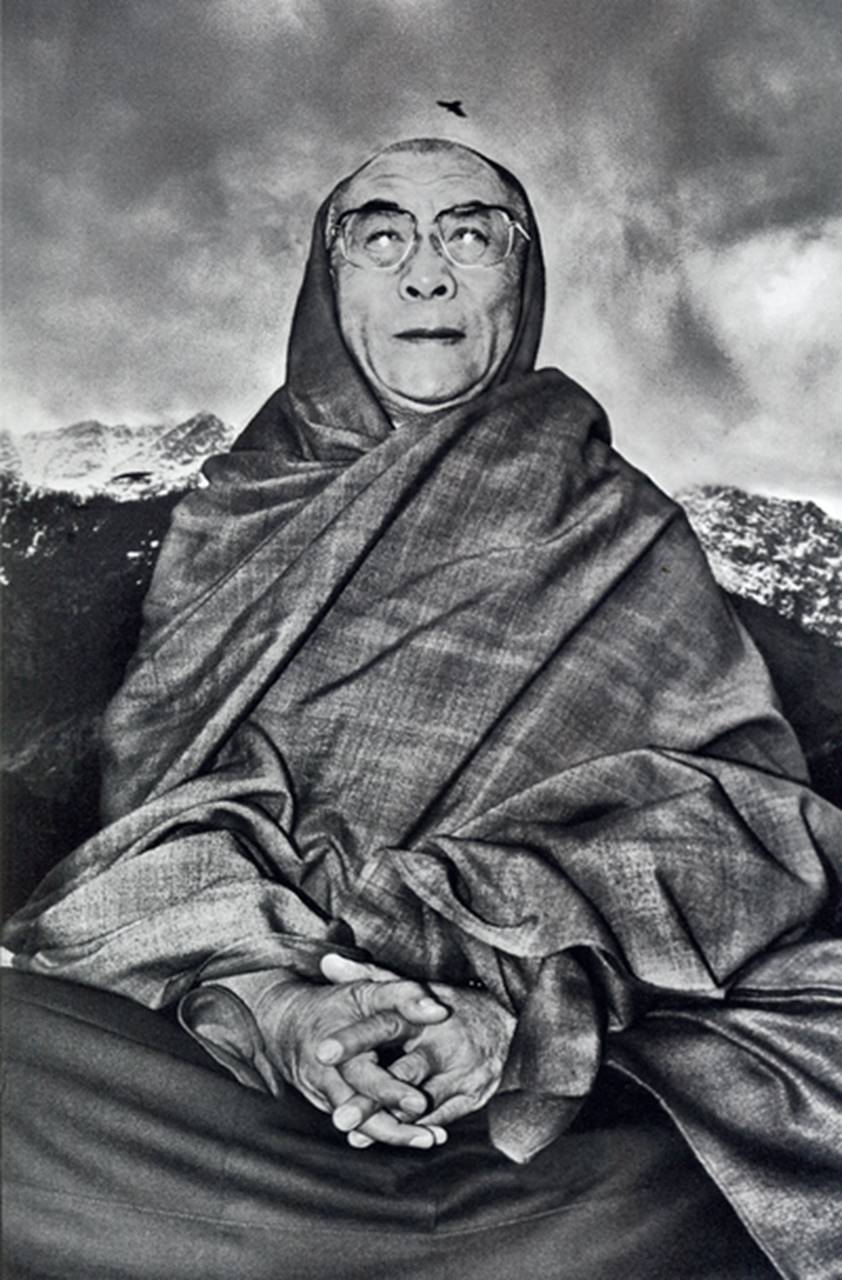
Raghu Rai’s latest book – A God in Exile: The Fourteenth Dalai Lama – focuses entirely on the Dalai Lama in his various moods and moments – be it when he’s interacting with his followers or simply unwinding. The series of black and white photographs are in no particular order, but it gives readers a glimpse into the life of the spiritual leader that Rai has witnessed over three decades. “He has an aura about him, one that can probably be felt for kilometers around him. He can see through you. We are truly lucky to have him in our lives. To me, he is a rare individual,” Rai adds.
But the two weren’t always so familiar. Before meeting the Dalai Lama in 1975, Rai’s knowledge of the man was pretty much limited to a book. “I had read My Land, My People (the Dalai Lama’s autobiography). It’s one of the most understated books I’d read in a while. Powerful, and moving – it sort of makes you feel responsible towards the people of Tibet. I knew that he was their spiritual leader, someone who brings out the Buddha in you… and that was pretty much it,” Rai says.
All that was going to change, when Rai was sent to Ladakh by The Statesman, to cover a three-day teaching session by the Dalai Lama. Little did Rai know back then that his relationship with the Dalai Lama was going to deepen over the years, and turn into a long-lasting friendship.
He (the Dalai Lama) has an aura about him, one that can probably be felt for kilometers around him. He can see through you. We are truly lucky to have him in our lives
Raghu Rai
“After ’75, I met him next only a decade later. I have been wanting to do a book on the Tibetans in exile, and I followed him to Bodh Gaya. But when I reached, I was informed that he was busy with a personal ritual and no one was allowed to disturb him. But I am adamant. I told them I knew him, and I simply must see him. After great difficulty, I was shown to his tent but was told not to enter. I had to insert my camera lens through a gap in the tent to take his photograph. But he spotted me and recognized me. He asked me to come in, and I was allowed to take his photos.
I was there for about four-five days and given complete access,” Rai adds.
The Dalai Lama Life Cycle. The Cyclical Flow of Times.
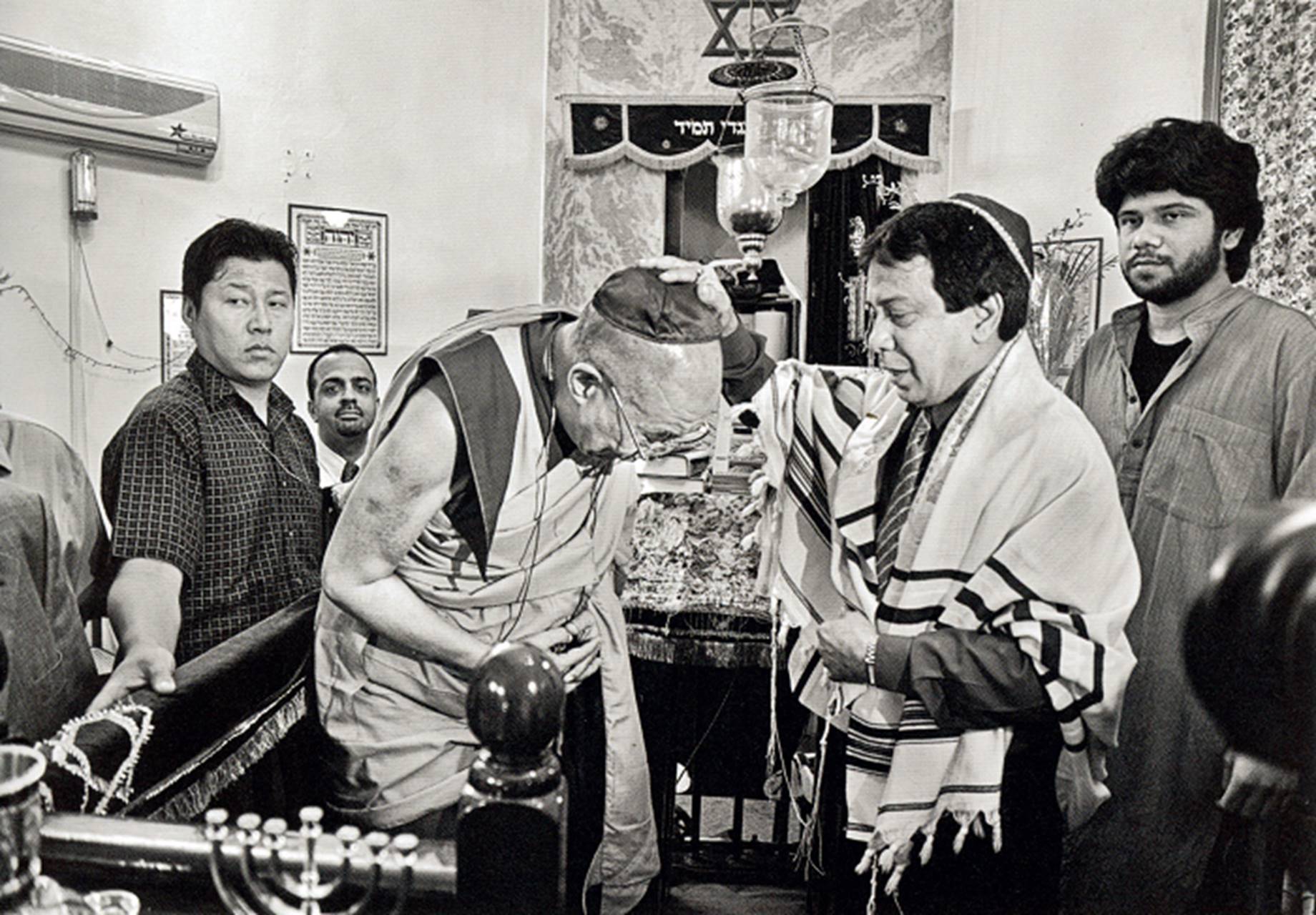
Being blessed at Judah Hymn Synagogue, wearing a yarmulke
The end result was Tibet in Exile (1990), with text by Jane Perkins (who’s also written for the current book) – a brilliant visual record of the Dalai Lama and the Tibetans who live in exile.
Over time, Rai kept going back to Dharamsala to meet the Dalai Lama.
“I did assignments for various magazines, and every time I went there, I would tell him it was really important. It was gracious of him to give me complete access, and he would even introduce me as his friend.” Sharing an old story, Rai says that during one of his shoots at Dharamsala, His Holiness came out from one his prayers, and gave him an off-white stone just before Rai was leaving. “I took it and put it into my camera bag. Many years later, my health worsened. I would feel uneasy and breathless; tired during assignments. What I did then was, taken that stone out and saw there was a small hole in it. I strung a thread to it and began to wear it around my neck. And I went back to work. In the year 2000, Nita (Rai’s wife) decided enough was enough and took me to a doctor. I was told that my heart had 90 per cent blockages, and anything could happen at any moment. I would like to believe that the stone is what protected me. I had an open-heart surgery later and my wife and I decided to go to Dharamsala to thank the Dalai Lama. But when I did thank him and told him how his stone had saved my life he laughed and said, “I don’t think I can do these things”. However, he pulled me into a prolonged embrace before we left, and I felt a kind of energy that I had never felt before. I think he just heals you by instinct. He can feel and smell what’s going on in your life.”
The Dalai Lama Life Cycle. The Cyclical Flow of Times.
His Holiness’s morning occupation is often rereading Tibetan scriptures
Rai has many such stories to share – about the small jokes the Dalai Lama would crack ever so often; how he would sit in meditation for hours when no one could move him; the way he would interact with the people who had come to take his blessing – and these stories have made their way to this black and white photobook. “I have seen the spiritual connection he has with things. I have seen his compassion. And I have seen his humorous side. Once, I went to photograph him when he was sitting with a group of southeast Asian monks. It was a serious moment. And yet, in the middle of that, he spotted me and asked me why was I wearing a cap. He then asked me to come up to him and tugged at my cap and said “I want to see how much hair you have left”, and began to laugh. And with him, so did everyone. He’s like that – childlike and innocent,” Rai adds.
Interestingly, A God in Exile was not something Rai had planned. “I had seen a book on him by the Swiss photographer Manuel Bauer, and I was jealous. The photographs in the book were amazing. I honestly felt as if someone had stolen my sweetheart from me.
The Dalai Lama Life Cycle. Photographer Raghu Rai.
Raghu Rai
So I told myself that even I would do a book, and mine would be better. So in 2016, I decided to put my collection of photographs of the Dalai Lama together. I think I can say that my book is now the best one,” Rai says with a laughter.
– Photographs From A God in Exile: The Fourteenth Dalai Lama, by Raghu Rai. Published by Roli Books
The Dalai Lama Life Cycle. The Cyclical Flow of Times. The Great 5th Dalai Lama.
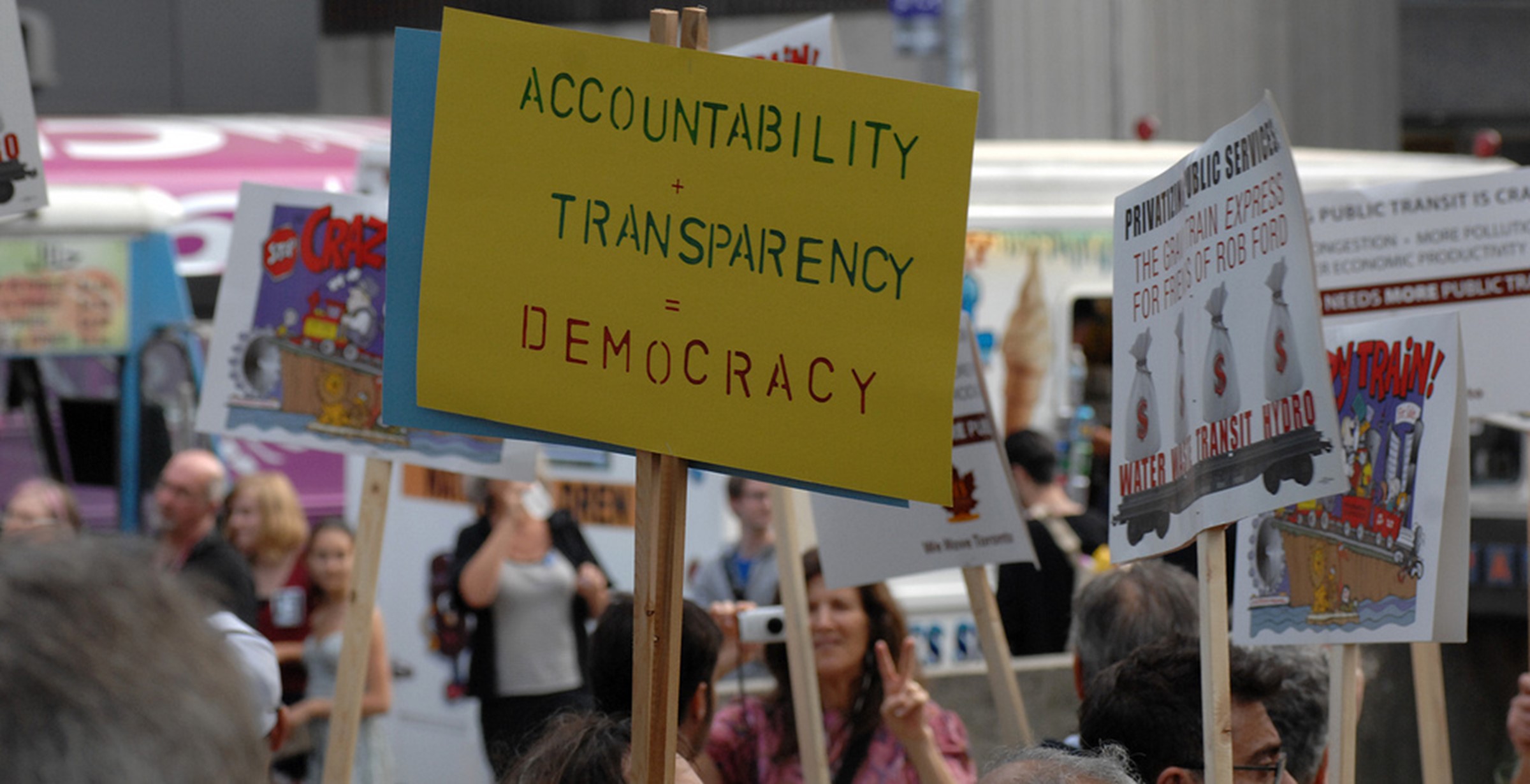
The Blessings of Peace and Freedom in occupied Tibet hinges on transparency and accountability to Tibetans
In my analysis, the Fate of Freedom in Tibet hinges on Transparency and Public Accountability to Tibetans. The type of governance in China, India, and the United States is of no consequence if their State Policy is not transparent and is not accountable to Tibetans. On behalf of The Living Tibetan Spirits of Special Frontier Force, I demand a Government Policy that is transparent and is accountable to Tibetans to decide the fate of freedom in Tibet. Hidden Agendas, Covert Actions, and Secret Negotiations will utterly fail to deliver the Blessings of Peace and Justice in Occupied Tibet.In my analysis, the Fate of Freedom in Tibet hinges on Transparency and Public Accountability to Tibetans. The type of governance in China, India, and the United States is of no consequence if their State Policy is not transparent and is not accountable to Tibetans. On behalf of The Living Tibetan Spirits of Special Frontier Force, I demand a Government Policy that is transparent and is accountable to Tibetans to decide the fate of freedom in Tibet. Hidden Agendas, Covert Actions, and Secret Negotiations will utterly fail to deliver the Blessings of Peace and Justice in Occupied Tibet.
In my analysis, the Fate of Freedom in Tibet hinges on Transparency and Public Accountability to Tibetans. The type of governance in China, India, and the United States is of no consequence if their State Policy is not transparent and is not accountable to Tibetans. On behalf of The Living Tibetan Spirits of Special Frontier Force, I demand a Government Policy that is transparent and is accountable to Tibetans to decide the fate of freedom in Tibet. Hidden Agendas, Covert Actions, and Secret Negotiations will utterly fail to deliver the Blessings of Peace and Justice in Occupied Tibet.
Rudra Narasimham Rebbapragada
SPECIAL FRONTIER FORCE
The fate of freedom in Tibet hinges on democracy in China
In my analysis, the Fate of Freedom in Tibet hinges on Transparency and Public Accountability to Tibetans. The type of governance in China, India, and the United States is of no consequence if their State Policy is not transparent and is not accountable to Tibetans. On behalf of The Living Tibetan Spirits of Special Frontier Force, I demand a Government Policy that is transparent and is accountable to Tibetans to decide the fate of freedom in Tibet. Hidden Agendas, Covert Actions, and Secret Negotiations will utterly fail to deliver the Blessings of Peace and Justice in Occupied Tibet.
Tibetan Americans walk in protest to China’s consulate in Los Angeles on Nov. 19, where they held a prayer and candlelight vigil for a 23-year-old Tibetan man named Dopo who self-immolated. (Frederic J. Brown/AFP)
By Carl Gershman
November 28
Carl Gershman is president of the National Endowment for Democracy.
The death last month of Lodi Gyari, who as the Dalai Lama’s special envoy conducted nine rounds of negotiations with Beijing over Tibet’s status, offers an occasion to reflect on the increasingly troubled relationship between the United States and China.
The negotiations conducted by Gyari in 2002 through 2010 were based on the Dalai Lama’s Middle Way Approach, which seeks genuine autonomy for the Tibetan people within the framework of the existing Chinese state and constitution. Earlier in his career, when he was an interpreter for the Tibetan resistance fighters training in the United States and helped found the Tibetan Youth Congress, Gyari was committed to the struggle for Tibetan independence. He never changed his belief that Tibet is “in every sense an occupied nation, brutally occupied.” But he became persuaded that the Dalai Lama’s vision of autonomy offered a nonviolent way to preserve the Tibetan people’s religion, culture, language, and identity. And after conducting exploratory talks in China in the 1980s during the period of reform under Deng Xiaoping and Hu Yaobang, he believed that such an approach was feasible.
But Beijing had no interest in finding a middle ground with the Dalai Lama, and the negotiations were unsuccessful. Beijing actually hardened its position on Tibet. In a speech Gyari gave after the breakdown of the talks, he charged that the regime had increased repression and was seeking the “cultural destruction” of the Tibetan people. China also issued a white paper denouncing the Middle Way and asserting that it wouldn’t resume talks until the Dalai Lama acknowledged that Tibet has been part of China “since antiquity,” a view rejected by all independent scholars. The growing repression, Gyari said, was responsible for “the terrible and tragic wave of self-immolations” by desperate Tibetans, whose resistance was likely to grow.
The bitter disappointment experienced by Gyari parallels the profound disenchantment with China in the United States and other advanced democracies, where policymakers once believed that as China modernized economically it would liberalize internally and become a responsible stakeholder in the rules-based world order.
In fact, exactly the opposite has happened. As China has risen economically, Beijing has become far more repressive, arresting dissidents and independent lawyers, creating mass concentration camps for Uighur Muslims in Xinjiang province, and using facial-recognition technology and other digital tools to establish what has ominously been called the “surveillance state.”
Internationally, it has militarized the South China Sea, despite President Xi Jinping’s pledge in the White House Rose Garden in 2015 not to take such action. China’s military buildup has been described in a Pentagon study as “perhaps the most ambitious grand strategy undertaken by a single nation-state in modern times.” It has engaged in “cyber theft on a massive scale,” and through its $1 trillion Belt and Road Initiative, targets more than 60 countries in an effort to advance its economic and military goals, including securing access to strategic ports.
Such threatening behavior has provoked an international backlash that the Economist has called “the starkest reversal in modern geopolitics.” An example of this reversal was the harsh speech given by Vice President Pence last month at the Hudson Institute, which added the charge of meddling in American politics to all the other alarming Chinese actions. Some observers have seen this speech as a portent of a new Cold War. But one shot across the Chinese bow is not a coherent policy response to the greatest international challenge now facing the United States.
Here Gyari’s experience may help point a way forward. While he failed in his negotiations with Beijing, he was immensely successful as the Dalai Lama’s special envoy in Washington, building bipartisan backing for the Tibet Policy Act (2002), which institutionalized support for Tibet in U.S. foreign policy. He had many allies in this effort, but none was more devoted than Nancy Pelosi, the California Democrat who is the presumptive next House speaker and whose heartfelt statement on the passing of Gyari emphasized that “members of Congress on both sides of the aisle benefitted from Lodi’s insight and wisdom.” She could be an important ally in building bipartisan congressional support for a new China policy.
Two additional elements of such a policy are also tied to Gyari. The first is the importance he attached to the role of India, which has given refuge to the Dalai Lama and the Tibetan government-in-exile, and whose free political environment, he said, “has deeply enriched my thinking.” The Trump administration has emphasized the growing strategic partnership with India, which must be a core part of U.S. policy.
The second element is democracy. Gyari, like the Dalai Lama, believed in the paramount importance of democracy for all people, not least for Tibetans and Chinese. Following the Tibet uprising in 2008, Chinese dissident and future Nobel laureate Liu Xiaobo wrote, “Democratization for all of China is the necessary condition for any solution, whatever its form, to the Tibet issue.”
In my analysis, the Fate of Freedom in Tibet hinges on Transparency and Public Accountability to Tibetans. The type of governance in China, India, and the United States is of no consequence if their State Policy is not transparent and is not accountable to Tibetans. On behalf of The Living Tibetan Spirits of Special Frontier Force, I demand a Government Policy that is transparent and is accountable to Tibetans to decide the fate of freedom in Tibet. Hidden Agendas, Covert Actions, and Secret Negotiations will utterly fail to deliver the Blessings of Peace and Justice in Occupied Tibet.10th December,2009 marks the 20th anniversary of H.H. Dalai Lama winning the Nobel Peace Prize. In my analysis, the Fate of Freedom in Tibet hinges on Transparency and Public Accountability to Tibetans. The type of governance in China, India, and the United States is of no consequence if their State Policy is not transparent and is not accountable to Tibetans. On behalf of The Living Tibetan Spirits of Special Frontier Force, I demand a Government Policy that is transparent and is accountable to Tibetans to decide the fate of freedom in Tibet. Hidden Agendas, Covert Actions, and Secret Negotiations will utterly fail to deliver the Blessings of Peace and Justice in Occupied Tibet.
Whole Equilibrium – Balancing the Force – Tibetan David vs Chinese Goliath. Victory is Just a Stone’s Throw Away.
Excerpt: In my analysis, Tibet Equilibrium is about balancing physical force applied by Communist regime to overcome Nature’s Agenda of granting freedom without asking questions. Living Tibetan Spirits speak of Nature’s Agenda in Tibet. Freedom and Independence are gifts of Nature quietly operating across Tibetan Plateau long before the arrival of Anatomically Modern Man. Occupying force wielded by Communist China creates imbalance, disharmony, and discord in the lives of Tibetans who view freedom as natural experience.
Author Alexander Norman gives an illuminating account of the Dalai Lama, from his selection as an infant through to his exile and his 21st century persona as a benign all-smiling Buddhist version of the Pope
I like the description of the Dalai Lama as a “Tibetan David who stood up to the Chinese Goliath.” In my analysis, Tibetan Equilibrium, the restoration of Natural Freedom in Tibet is Just a Stone’s Throw Away.
Whole Equilibrium – Balancing the Force – Tibetan David vs Chinese Goliath. Victory is Just a Stone’s Throw Away.
Rudra Narasimham Rebbapragada
Special Frontier Force-Establishment 22-Vikas Regiment
Whole Equilibrium – Balancing the Force – Tibetan David vs Chinese Goliath. Victory is Just a Stone’s Throw Away.
The Dalai Lama: a Tibetan David who stood up to the Chinese Goliath
Whole Equilibrium – Balancing the Force – Tibetan David vs Chinese Goliath. Victory is Just a Stone’s Throw Away.
Author Alexander Norman gives an illuminating account of the Dalai Lama, from his selection as an infant through to his exile and his 21st century persona as a benign all-smiling Buddhist version of the Pope
Biography
The Dalai Lama
Alexander Norman
Rider, hardback, 464 pages, €33.59
Tibet’s exiled spiritual leader the Dalai Lama addresses those gathered at Buyant Ukhaa sport palace in Ulaanbaatar, Mongolia, November 20, 2016. REUTERS/B. Rentsendorj
Kim Bielenberg
February 29 2020 02:30 AM
Whole Equilibrium – Balancing the Force – Tibetan David vs Chinese Goliath. Victory is Just a Stone’s Throw Away.
For most of his adult life, the Dalai Lama has been the leader in exile of a vast mountainous territory under the yoke of communist China. Almost as soon as he took power in Tibet as a spiritual and political leader, his authority was being stripped away from him – and within a decade he had fled to India.
Whole Equilibrium – Balancing the Force – Tibetan David vs Chinese Goliath. Victory is Just a Stone’s Throw Away.
Over the decades, the Dalai Lama, now 84, could only read with horror about what happened in his homeland under Communist rule. Monasteries were destroyed, monks were killed and religious freedom obliterated by the occupying power.
There was a ban on displaying or possessing pictures of his image. Tibetan students were even banned from visiting monasteries or taking part in religious ceremonies, and the Chinese stranglehold has hardly loosened.
And yet, after 61 years of exile, the Rolex-wearing holy man – known by his acolytes as “the Precious Protector” and by Rupert Murdoch as a “canny old monk in Gucci loafers” – remains a potent moral and spiritual force around the world.
Whole Equilibrium – Balancing the Force – Tibetan David vs Chinese Goliath. Victory is Just a Stone’s Throw Away.
In his illuminating biography, Alexander Norman describes the Dalai Lama as the “Tibetan David standing up to the Chinese Goliath, armed only with the rhetoric of compassion.”
Whole Equilibrium – Balancing the Force – Tibetan David vs Chinese Goliath. Victory is Just a Stone’s Throw Away.
He roams the globe as a kind of benign all-smiling Buddhist version of the Pope, welcomed by world leaders and cheered at the Glastonbury rock festival, where he was kissed by the singer Patti Smith.
Bizarrely, he once appeared as a guest judge on the Australian version of Masterchef, and relaxes watching the 1970s BBC comedy, Dad’s Army. He is fascinated by the art of clock and watchmaking, hence his interest in Rolex watches.
THE BATTLE OF RIGHT AGAINST MIGHT. Just like David who defeated the Philistine Champion Goliath, Tibet will prevail in its just battle against the military giant called China.
His form of spirituality – with its emphasis on extended periods of meditation – is arguably now more appealing in secularised Western societies than traditional Catholicism.
Alexander Norman is clearly an avid admirer of the Tibetan leader, and interviewed him for this biography, but does not gloss over controversies, or romanticise life in the old Tibet.
In the feudal society of Tibet before the communists arrived, there could be bitter infighting between those with an eye on power, and it was far from being a peace-loving Shangri-la.
One senior official from the last century had his eyes gouged out and was consigned to a dungeon. And Reting Rinpoché, who served as regent when the present Dalai Lama was a boy, also met a sorry end.
Depending on which account you believe, he died by having his testicles crushed, he was poisoned or he was strangled.
The appointment of the present Dalai Lama as a young child is one of the more fascinating episodes in this biography.
He is supposedly the reincarnation of the last one. So how is the infant Dalai Lama found?
Whole Equilibrium – Balancing the Force – Tibetan David vs Chinese Goliath. Victory is Just a Stone’s Throw Away.
The lengthy selection process involves senior officials having dreams and visions, sending out search parties, and worthy toddlers undergoing a series of tests.
The two-year-old boy who became the present Dalai Lama had to choose between two drums, one of which belonged to the previous Dalai Lama, and he picked the right one. He also picked out other objects belonging to his predecessor.
Other auspicious signs that he was the rightful heir were that visitors to his home heard the first cuckoo of spring, and on the day he was born, a rainbow appeared above his house.
Once he had been found, the young child was separated from his parents and taken to a monastery, where he lived until his confirmation by the authorities.
Whole Equilibrium – Balancing the Force – Tibetan David vs Chinese Goliath. Victory is Just a Stone’s Throw Away.
The Dalai Lama by Alexander Norman
When he eventually came of age, the communist pressure on Tibet was already being felt and under duress, his officials signed an agreement with Chairman Mao for the “peaceful liberation” of Tibet.
Of course, by liberation, the communists meant suppression.
Still remarkably young, the Tibetan leader tried to appease Mao in the hope that the territory could maintain some of its independence, or at least its religious freedom.
At a banquet in Beijing, Mao impressed the Dalai Lama with his charm, and at one stage even applied to join the Communist Party. Any hopes that there could be peaceful co-existence were dashed, however, with many monks in open rebellion and a growing Chinese military presence.
Trouble flared in the capital Lhasa in March 1959, and amid fears that he might be captured by the Chinese, the Dalai Lama fled his palace. He crossed the border into India after an epic 15-day journey on foot over the Himalayan mountains.
Once the religious leader had gone into exile, the communist invaders seemed to lose all restraint and their opponents were often subjected to beatings and ritualised humiliation.
The death of Chairman Mao seemed to signal a softening of the treatment of Tibet. The new leader Deng Xiaoping fostered these hopes and even wanted the exiled Dalai Lama to return.
But exiled Tibetans who were invited to return on fact-finding missions encountered extreme poverty and intolerance of their religion. Monasteries had been destroyed, temples were used as slaughterhouses, and schoolchildren were not allowed to learn their own language.
In 2011, the Dalai Lama renounced his claim to lead his people as head of state in favour of a democratically elected layman. He now sees his role as that a teacher.
According to Alexander Norman, this makes perfect sense. The word lama is the Tibetan translation of the Sanskrit word guru – a spiritual guide. Communist tyrants may still hold a grip on China, but across the world, the teachings of the Tibetan holy man have echoed more loudly than the thoughts of Chairman Mao.
Indo Review
Whole Equilibrium – Balancing the Force – Tibetan David vs Chinese Goliath. Victory is Just a Stone’s Throw Away.Whole Equilibrium – Balancing the Force – Tibetan David vs Chinese Goliath. Victory is Just a Stone’s Throw Away.
TIBETAN RESISTANCE MOVEMENT – A DAY TO REMEMBER – MARCH 10, 1959
TIBETAN RESISTANCE MOVEMENT – A DAY TO REMEMBER – MARCH 10, 1959.
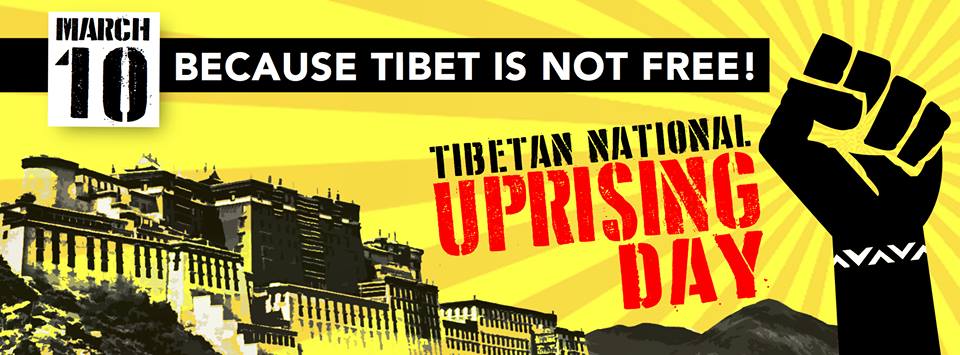
Tibetans remember March 10, 1959 as Tibetan National Uprising Day. Tibetans are not asking for “SEPARATION” from Red China. Tibetans claim that Tibet is Never Part of China. The issue of concern is illegal Occupation of Tibet. The purpose of Tibetan Resistance Movement is that of resisting illegal Occupation and to Evict Occupier of Tibet.
Tibetan Resistance Movement. A Day to Remember, March 10, 1959.
TIBETAN RESISTANCE MOVEMENT. A DAY TO REMEMBER, MARCH 10, 1959. TIBETAN NATIONAL UPRISING DAY.
Author History.com Staff
On this day in 1959, Tibetans band together in revolt, surrounding the summer palace of the Dalai Lama in defiance of Chinese occupation forces.
China’s occupation of Tibet began nearly a decade before, in October 1950, when troops from its People’s Liberation Army (PLA) invaded the country, barely one year after the Communists gained full control of mainland China. The Tibetan government gave into Chinese pressure the following year, signing a treaty that ensured the power of His Holiness the Dalai Lama, the country’s spiritual leader, over Tibet’s domestic affairs. Resistance to the Chinese occupation built steadily over the next several years, including a revolt in several areas of eastern Tibet in 1956. By December 1958, rebellion was simmering in Lhasa, the capital, and the PLA command threatened to bomb the city if order was not maintained.
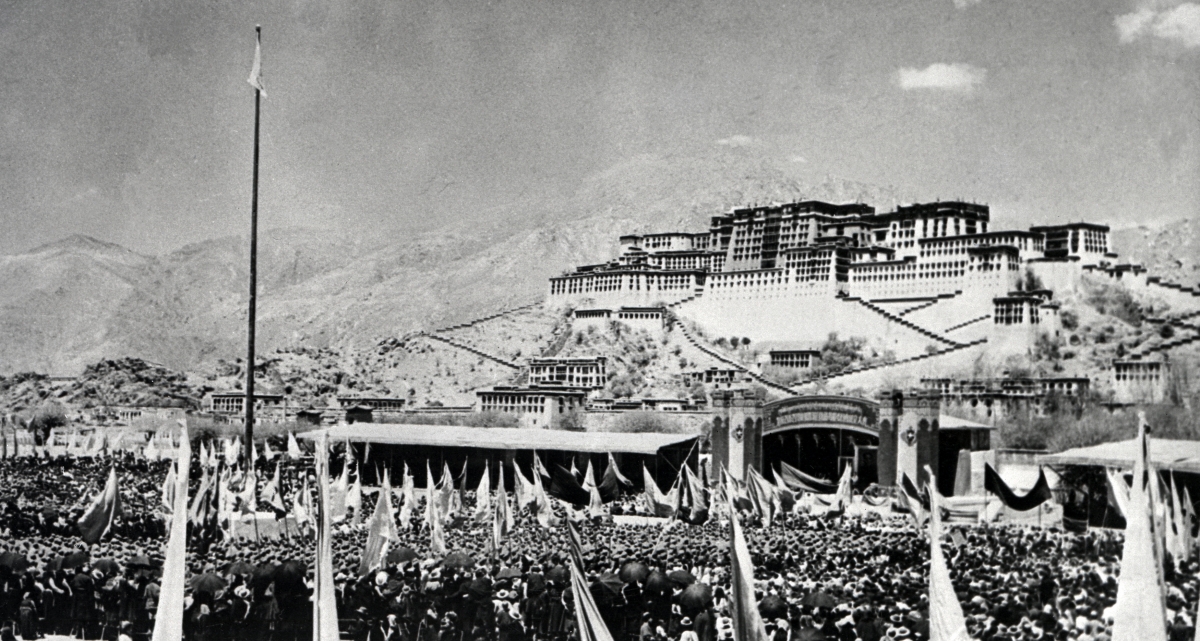
The March 1959 uprising in Lhasa was triggered by fears of a plot to kidnap the Dalai Lama and take him to Beijing. When Chinese military officers invited His Holiness to visit the PLA headquarters for a theatrical performance and official tea, he was told he must come alone, and that no Tibetan military bodyguards or personnel would be allowed past the edges of the military camp. On March 10, 300,000 loyal Tibetans surrounded Norbulingka Palace, preventing the Dalai Lama from accepting the PLA’s invitation. By March 17, Chinese artillery was aimed at the palace, and the Dalai Lama was evacuated to neighboring India. Fighting broke out in Lhasa two days later, with Tibetan rebels hopelessly outnumbered and outgunned. Early on March 21, the Chinese began shelling Norbulingka, slaughtering tens of thousands of men, women and children still camped outside. In the aftermath, the PLA cracked down on Tibetan resistance, executing the Dalai Lama’s guards and destroying Lhasa’s major monasteries along with thousands of their inhabitants.
China’s stranglehold on Tibet and its brutal suppression of separatist activity has continued in the decades following the unsuccessful uprising. Tens of thousands of Tibetans followed their leader to India, where the Dalai Lama has long maintained a government-in-exile in the foothills of the Himalayas.
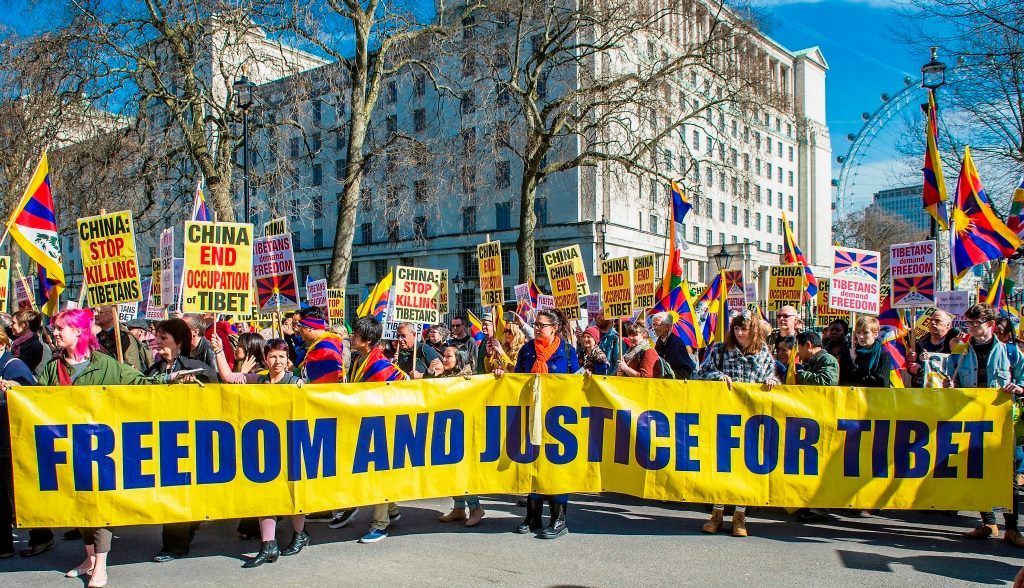
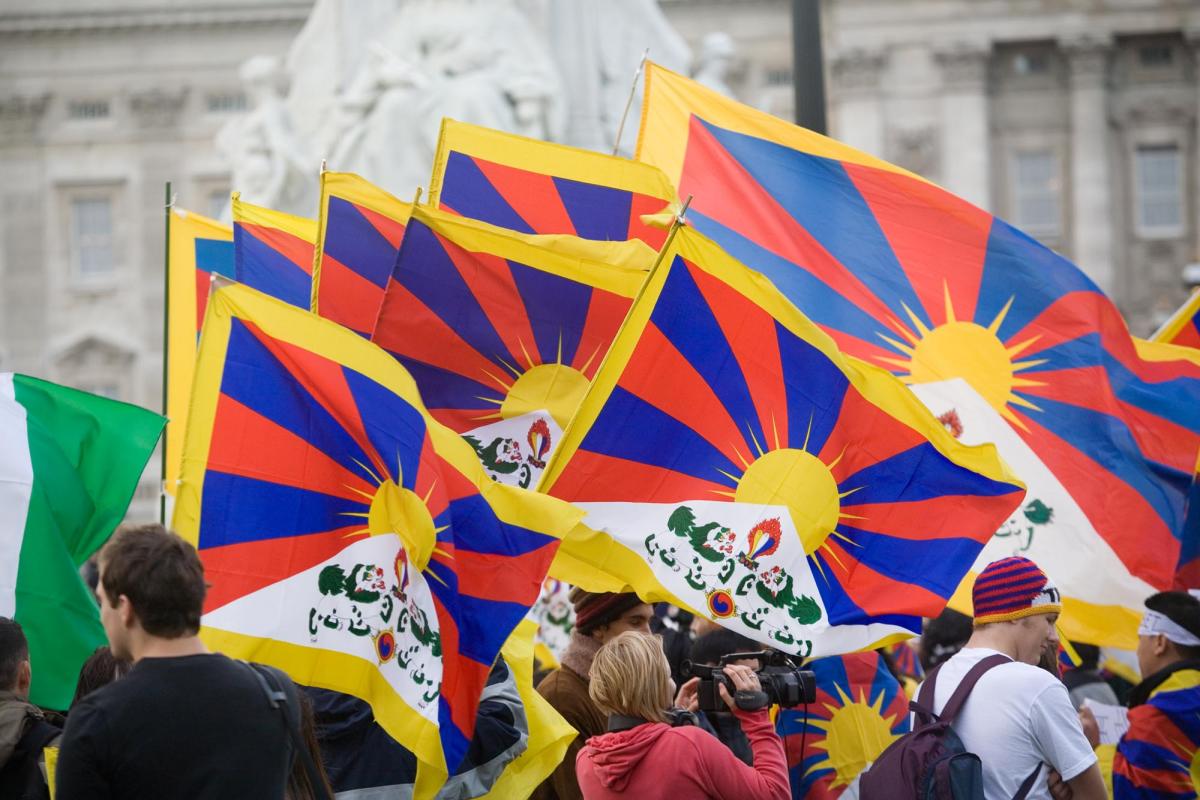
WORLD TIBET DAY IS OBSERVED ON MONDAY, JULY 06, 2015. FREE TIBET – LONDON PROTEST ON MARCH 10, 2015.
Remembering historical events of March 10, 1959, I am very happy to share J. Norbu’s tribute to Tibetan official photographer Jigme Taring.
The Mystery of the March 10 Photographer
By J. Norbu
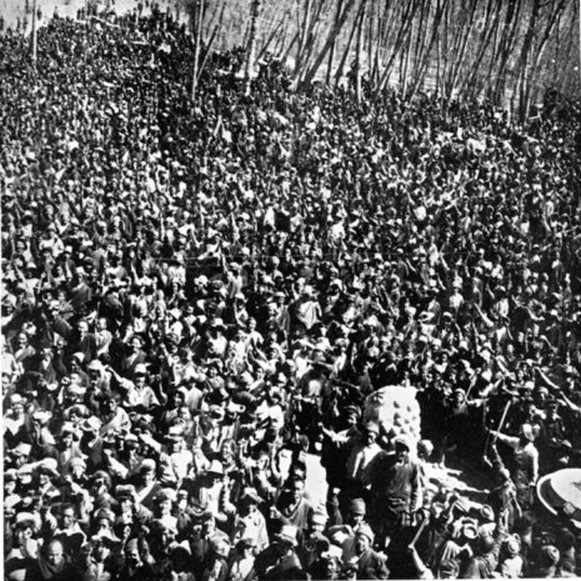
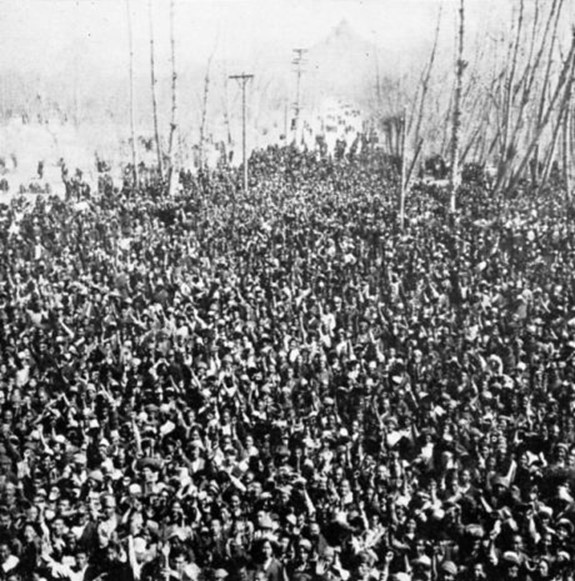
Last year, when putting together the March 10th Memorial website, a major problem I encountered was obtaining photographs and film footage for this critical period in our modern history. Three black-&-white photographswere all there was of the public demonstration on the morning of March 10th.
REMEMBERING MARCH 10, 1959. TRIBUTE TO TIBETAN OFFICIAL PHOTOGRAPHER JIGME TARING.
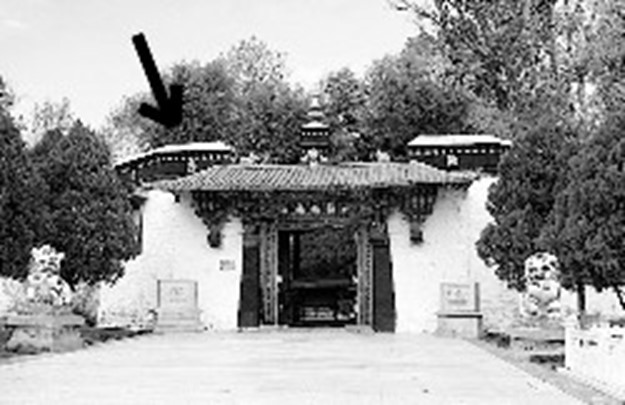
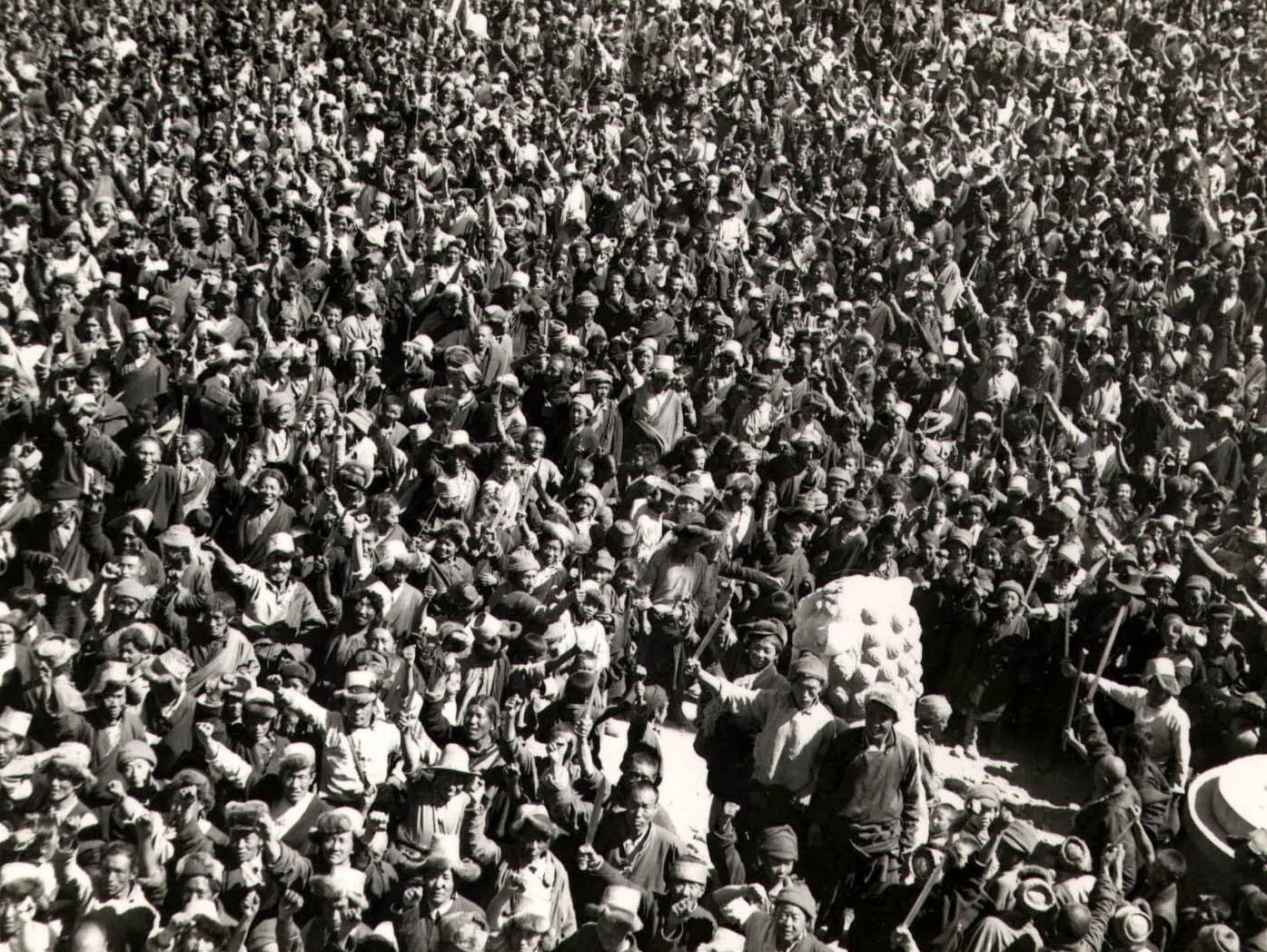
Possibly the most reproduced of these three photos is that of the enormous crowd gathered before the eastern gate of the Norbulingka palace. A snow lion statue is in the right foreground with the scene extending back to somewhere near the Chango bridge on the Norbulingka–Lhasa road.
REMEMBERING MARCH 10, 1959. TRIBUTE TO TIBETAN OFFICIAL PHOTOGRAPHER JIGME TARING.
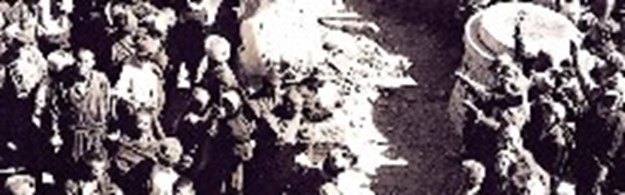
The second photo gives us an even further view of the crowd and shows people from Lhasa streaming to joining the gathering. You also get a glimpse of the Chakpori in the distance. The third photo is disturbing. We have a partial view of the mutilated body of Phakpala Khenchung Sonam Gyaltsen behind one of the two snow lion statues in front of the main gate, surrounded by people brandishing daggers, swords and even a hatchet.
Remembering March 10, 1959. Tribute to Tibetan Official Photographer Jigme Taring.
A few of the people are looking up at the photographer who evidently took his picture from one of the two squarish turrets on either side of the main gate, most likely the one on the right as the head of the snow-lion is turned to the left. All three photographs have most likely been taken by the same photographer as the vantage point of all three images appear to be the same.
Remembering March 10, 1959. Tribute to Tibetan Official Photographer Jigme Taring.
My guess is that the photographer was probably Jigme Taring. The people knew him as the Dalai Lama’s official photographer and perhaps that’s why don’t appear particularly hostile to him. We know the public was otherwise very angry, even violent that day. Of course, we cannot be certain that Taring took these photographs, but so far, I have not come across any mention of another official in the Norbulingka that day who might have taken these photographs.
Remembering March 10, 1959. Tribute to Tibetan Official Photographer Jigme Taring.
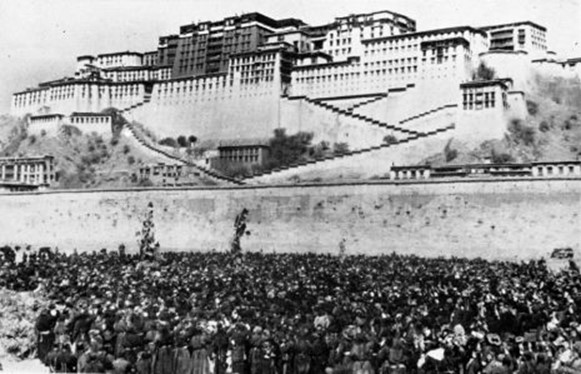
It is further possible that Jigme Taring also took the two photographs we have of the women’s demonstrations before the Potala Palace at the Dribu Yukhai Thang (where government barley was threshed).
Remembering March 10, 1959. Tribute to Tibetan Official Photographer Jigme Taring.
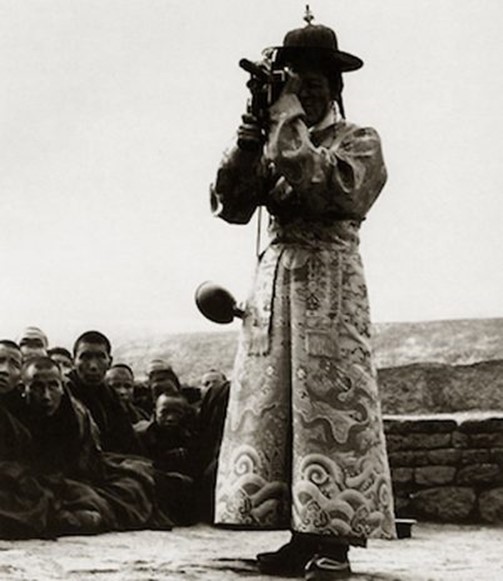
Photo of Jigme Taring shooting a cine-camera, with his still-camera and flash by his side. Photo by Chen Zonglie, Xinhua News Agency.
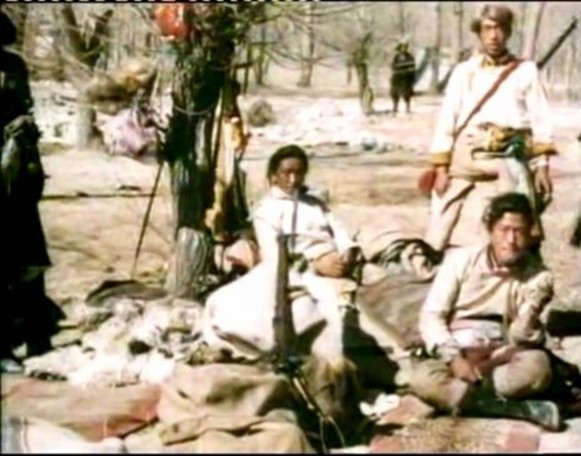
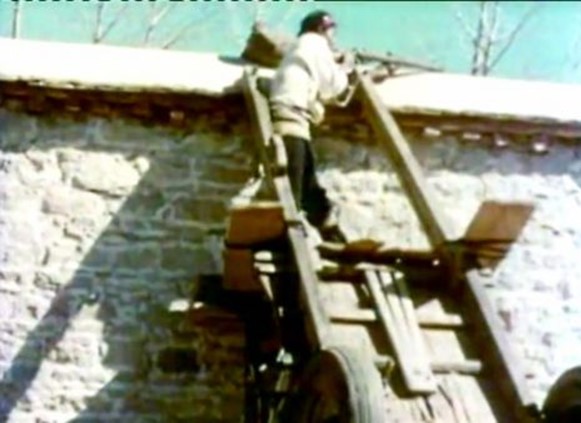
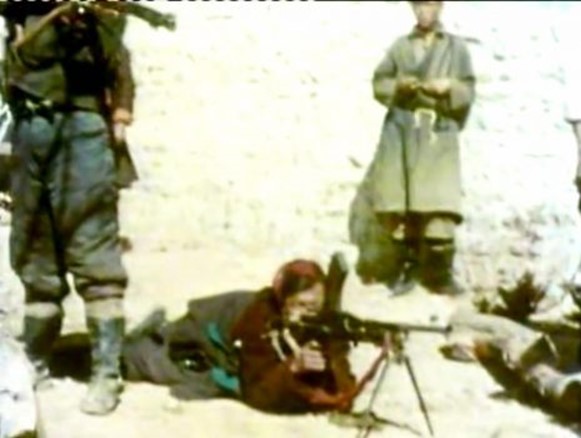
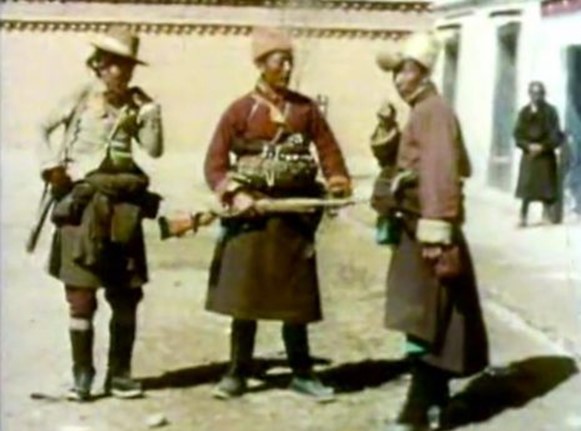
Jigme Taring was in and out of Norbulingka in the subsequent days, but during the night of the artillery barrage and the next day of the PLA attack he was inside the Summer Palace. It is therefore more than possible that the color images below of armed Tibetan volunteer fighters inside and outside the Norbulingka walls were taken by Jigme Taring. These scenes were shot on color film, most probably on the “official” cine-camera that Jigme Taring had earlier used to film the Dalai Lama’s Geshe examinations.
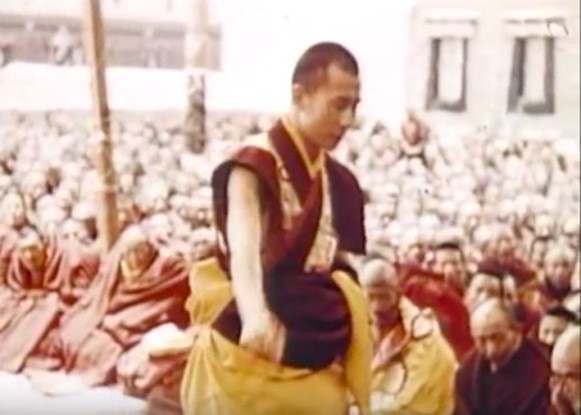
Remembering March 10, 1959. Tribute to photographer Jigme Taring. H.H. The Dalai Lama at his Geshe examination.
The Dalai Lama debating at his Geshe examination. From the official film shot by Jigme Taring.
He had probably used what was left of his color film stock to record the scenes at the Norbulingka. We now know that in the chaos Taring left the cine-camera behind in Norbulingka with a young official, and it is almost certain that the Chinese later obtained the camera and film. Some of the footage taken by Taring later appeared (in black& white) in the Chinese propaganda film Putting Down the Rebellion in Tibet. The Chinese Propaganda Department was then using black and white film, and only a few years later used color film for their documentary, By The Lhasa River. The color footage of the Taring film have also appeared in other documentaries and are probably now available somewhere in Beijing.
The following images are screenshots taken off a video made from the color film. In the first image the person sitting in the foreground, right, looks very much like a young Juchen Thupten Namgyal of Derge, who in his 22 volume (!) autobiography mentions that he was a volunteer defender at the Norbulingka.
Remembering March 10, 1959. Tribute to photographer Jigme Taring.Remembering March 10, 1959. Tribute to photographer Jigme Taring.Remembering March 10, 1959. Tribute to photographer Jigme Taring.Remembering March 10, 1959. Tribute to photographer Jigme Taring.
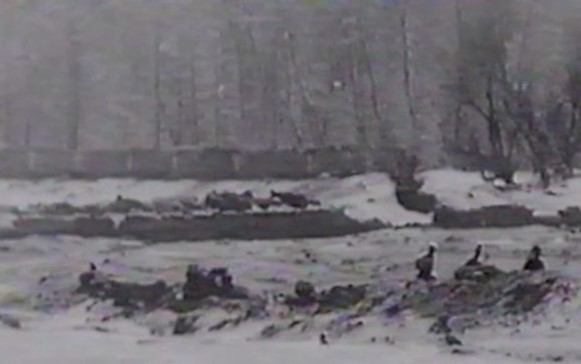
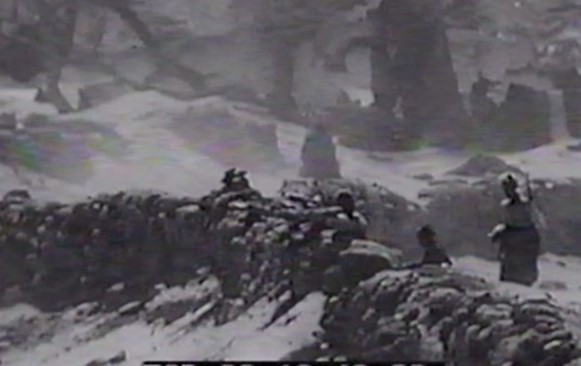
We cannot be sure but the next three images are possibly scenes inside and outside the Norbulingka. The neat walls in the second and third image could be the outer wall of the Norbulingka and the yellow wall in the fourth image could be that of the interior compound, which was traditionally painted yellow.
The Chinese also shot some black & white footage of Tibetan volunteers outside the Norbulingka though it was understandably taken from a distance. A Chinese journalist Shan Chao [1] accompanied some PLA officers in a convoy of three armored cars on Monday the 16th to survey the trenches and fortifications the “rebels” were building at the northern end of the Norbulingka. A cameraman from the propaganda department recorded the scene on film.
Remembering March 10, 1959. Tribute to Photographer Jigme Taring.Remembering March 10, 1959. Tribute to Photographer Jigme Taring.
In conclusion, I would like to dedicate this post to the memory of Jigme Taring – photographer and man of courage. In March 1959, he went to the Norbulingka to serve and protect the Dalai Lama and remained there through the period of the Dalai Lama’s escape, and during the subsequent fighting. In his autobiography, the monk official (tsedrung) Tenpa Soepa [2] mentions meeting Jigme Taring during an intense artillery bombardment.
Taring Dzasak who asked me for help, and we went inside the Phodrang Sarpa (New Palace). All the window panes were broken and the floor was filled with shards of glass. Taring Dzasak took out a (cine?) camera and a few rolls of film from a room below the Phodrang and said, pointing his gun to his head said, ‘Let’s get going, If worse comes to worst, this is the way’. He clearly meant that if nothing worked, we would have to take our own lives. As we came out of the Phodrang, a shell landed near us and exploded; when the smoke cleared, Taring Dzasak was nowhere to be seen.”
Remembering March 10, 1959. Tribute to Photographer Jigme Taring.
According to Mrs. Taring [1] her husband told her (in exile) that he had taken the official cine-camera from the Dalai Lama’s palace and shot scenes of the fighting and artillery bombardments. He then gave the camera to a junior official to look after, but never met him again. He then took a rifle from an official who did not know how to handle it and joined in the fighting. Finally, he and a soldier, Pasang Thondup, attempted to escape. “To avoid being tortured by the Chinese they made a pact that if either of them was hit by a shell, then the injured one should be shot dead by the other.” But both of them managed to escape. “His only possessions when he fled was a camera, some film, a pair of binoculars and a revolver.”
On his way, south he was stopped by Chushigangdruk fighters but convinced them that he was Taring Dzasak and that the photographs in his camera were invaluable and should reach the Dalai Lama. They let him go. This camera was most likely his still camera with which he took the three black-&-white photographs (and the women’s rally photos) discussed at the beginning of this article – which have immeasurably benefited our history and struggle.
Notes:
[1] Tenpa Soepa, 20 Years of My Life in China’s Death Camp, Author House, Bloomington IN, 2008, p.30
[2] Shan Chao, “Sunshine After Rain: From a Lhasa Diary”, Peking Review May 5, 1959 No:18, Special Tibet Number.
Dolma
[3] Rinchen Taring, Daughter of Tibet, John Murray, London, 1970. p.297-298
32 Dalai Lama Quotes That Will Change the Way You See the World (Video)
Share: Dalai Lama Quotes That Will Change the Way You See the World
Dalai Lama quotes to enlighten your wanderlust and make you a more compassionate traveler.
MAYA KACHROO-LEVINE
February 12, 2019.
The Dalai Lama is the spiritual leader of Tibet — and a spiritual presence held in high regard around the globe. He’s 83 years old, and is the 14th to hold the Dalai Lama title. His Holiness Tenzin Gyatso is the longest reigning (and longest living) Dalai Lama — and he may be the last Dalai Lama.
Celebrate Valentine’s Day with Love and Compassion from the Dalai Lama.
BEN STANSALL/Getty Images
While his travel schedule has been significantly reduced because of age and exhaustion, the Dalai Lama has been traveling the world providing spiritual counsel since the 1950s. His vast spiritual knowledge has largely been informed by the time he has spent with new cultures in foreign places. And that’s perhaps why Dalai Lama quotes on life have so much to teach us as travelers. Dalai Lama quotes on compassion can help us become more conscientious travelers, while Dalai Lama travel quotes can further inspire us to see new places and expose ourselves to unfamiliar ways of thinking.
Whether you’re searching for Dalai Lama quotes on love to share with your partner, or you’re looking for meaning on a solo trip, here are 35 inspiring Dalai Lama quotes to enlighten your travels:
Dalai Lama Quotes to Think About as You Travel
“Let us try to recognize the precious nature of each day.”
“Every day, think as you wake up: Today I am fortunate to be alive, I have a precious human life, I am not going to waste it.”
“The goal is not to be better than the other man, but your previous self.”
“Consider carefully: what prevents you from living the way you want to live your life?”
“As you breathe in, cherish yourself. As you breathe out, cherish all beings.”
Celebrate Valentine’s Day with Love and Compassion from the Dalai Lama.
Dima Viunnyk/Getty Images
Dalai Lama Quotes on Compassion
“Love and compassion are necessities, not luxuries. Without them, humanity cannot survive.”
“Our prime purpose in this life is to help others. And if you can’t help them, at least don’t hurt them.”
“Peace does not mean an absence of conflicts; differences will always be there. Peace means solving these differences through peaceful means; through dialogue, education, knowledge; and through humane ways.”
“The whole purpose of religion is to facilitate love and compassion, patience, tolerance, humility, and forgiveness.”
“Only the development of compassion and understanding for others can bring us the tranquility and happiness we all seek.”
“Compassion is the radicalism of our time.”
“Compassion naturally creates a positive atmosphere, and as a result you feel peaceful and content.”
“Love and compassion are the true religions to me. But to develop this, we do not need to believe in any religion.”
“The topic of compassion is not at all religious business; it is important to know it is human business, it is a question of human survival.”
“If you want others to be happy, practice compassion. If you want to be happy, practice compassion.”
Celebrate Valentine’s Day with Love and Compassion from the Dalai Lama.
Cavan Images/Getty Images
Dalai Lama Quotes on Life
“Sometimes one creates a dynamic impression by saying something, and sometimes one creates as significant an impression by remaining silent.”
“Where ignorance is our master, there is no possibility of real peace.”
“The way to change others’ minds is with affection, and not anger.”
“Remember that sometimes not getting what you want is a wonderful stroke of luck.”
“An open heart is an open mind.”
“There is a saying in Tibetan, ‘Tragedy should be utilized as a source of strength.’ No matter what sort of difficulties, how painful experience is, if we lose our hope, that’s our real disaster.”
Celebrate Valentine’s Day with Love and Compassion from the Dalai Lama.
CARL DE SOUZA/Getty Images
Inspiring Dalai Lama Quotes “It is very rare or almost impossible that an event can be negative from all points of view.”
“Share your knowledge. It is a way to achieve immortality.”
“Happiness is not something ready-made. It comes from your own actions.”
“Choose to be optimistic, it feels better.”
“A disciplined mind leads to happiness, and an undisciplined mind leads to suffering.”
“Be kind whenever possible. It is always possible.”
Dalai Lama Quotes on Love
“Give the ones you love wings to fly, roots to come back, and reasons to stay.”
“The more you are motivated by love, the more fearless and freer your action will be.”
“Love is the absence of judgment.”
“Love and compassion are necessities, not luxuries. Without them, humanity cannot survive.”
“We can live without religion and meditation, but we cannot survive without human affection.”
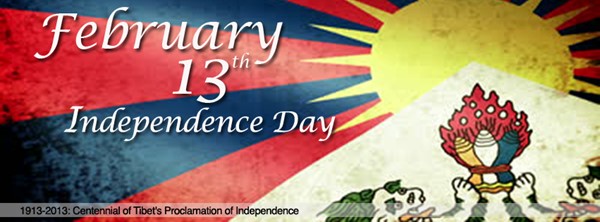
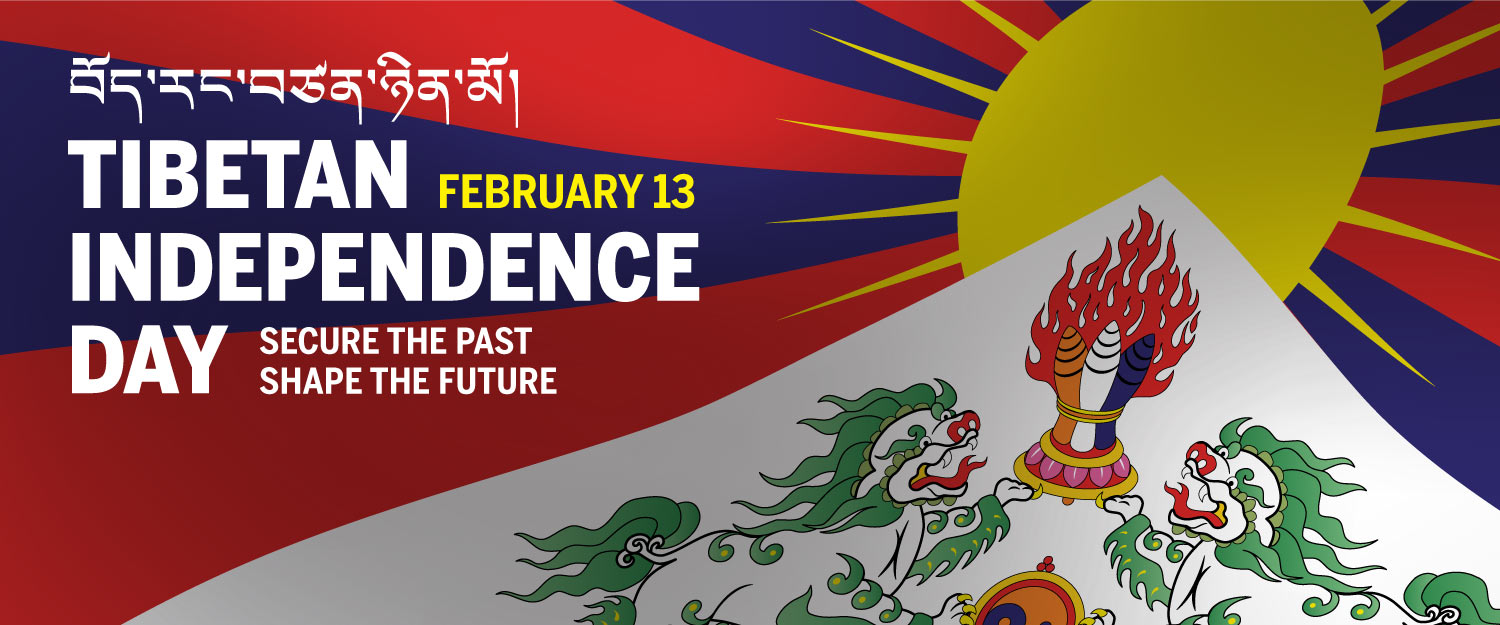
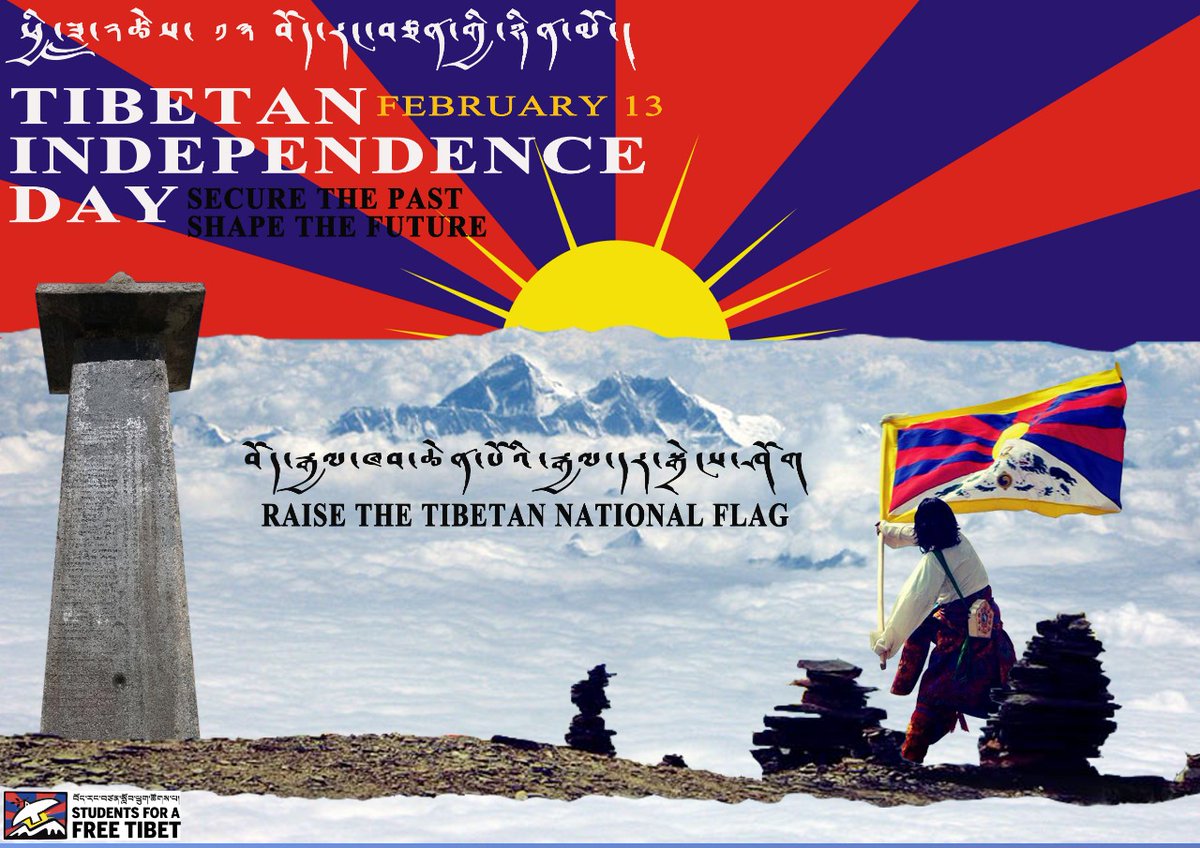
February 13, 2025. The 112th Anniversary of Tibetan Independence Day
February 13, 2025. The 112th Anniversary of Tibetan Independence Day
FEBRUARY 13, 1913. ON THIS DAY TIBET DECLARED FULL INDEPENDENCE
February 13, 2025. The 112th Anniversary of Tibetan Independence Day
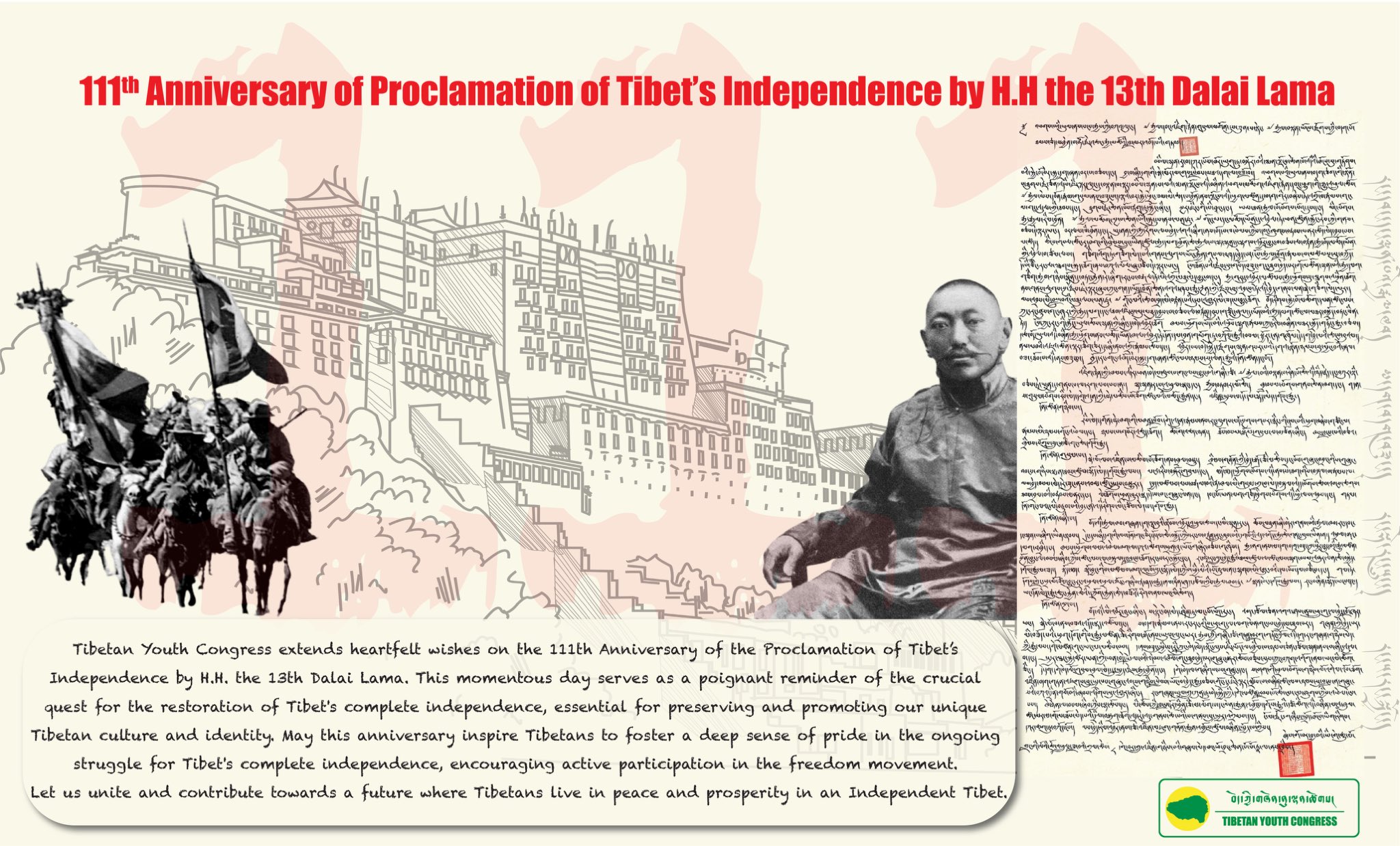
I ask historians to record Tibet’s Proclamation of Independence as the most significant event of the recent human history.
February 13, 2025. The 112th Anniversary of Tibetan Independence Day
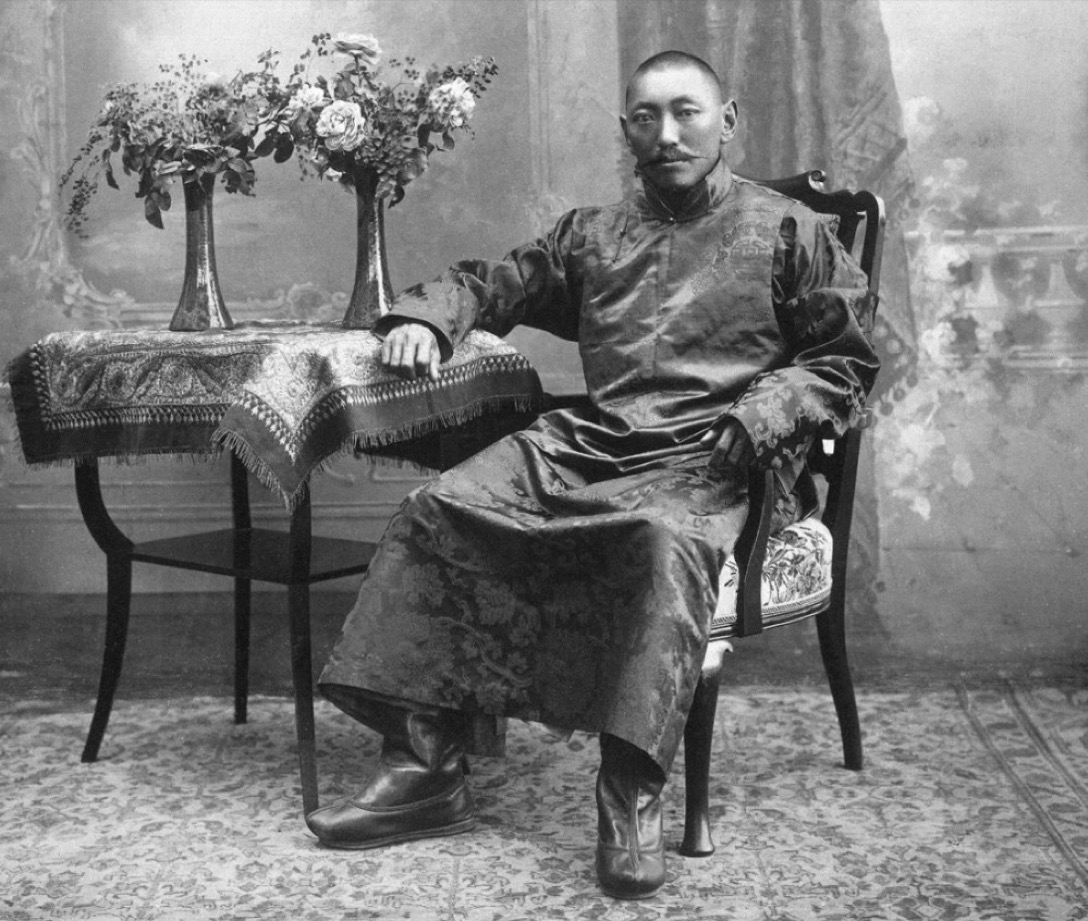
Proclamation of Independence of Tibet (1913) by Thubten Gyatso
February 13, 1913. On This Day Tibet Declared Full Independence.
Proclamation of Independence Issued by the 13th Dalai Lama (1913) PROCLAMATION ISSUED BY H.H. THE DALAI LAMA XIII, ON THE EIGHTH DAY OF THE FIRST MONTH OF THE WATER-OX YEAR (February 14th, 1913)
Translation of the Tibetan Text
I, the Dalai Lama, most omniscient possessor of the Buddhist faith, whose title was conferred by the Lord Buddha’s command from the glorious land of India, speak to you as follows:
I am speaking to all classes of Tibetan people. Lord Buddha, from the glorious country of India, prophesied that the reincarnations of Avalokitesvara, through successive rulers from the early religious kings to the present day, would look after the welfare of Tibet.
During the time of Genghis Khan and Altan Khan of the Mongols, the Ming dynasty of the Chinese, and the Ch’ing Dynasty of the Manchus, Tibet and China cooperated on the basis of benefactor and priest relationship. A few years ago, the Chinese authorities in Szechuan and Yunnan endeavored to colonize our territory. They brought large numbers of troops into central Tibet on the pretext of policing the trade marts. I, therefore, left Lhasa with my ministers for the Indo-Tibetan border, hoping to clarify to the Manchu emperor by wire that the existing relationship between Tibet and China had been that of patron and priest and had not been based on the subordination of one to the other. There was no other choice for me but to cross the border, because Chinese troops were following with the intention of taking me alive or dead.
On my arrival in India, I dispatched several telegrams to the Emperor; but his reply to my demands was delayed by corrupt officials at Peking. Meanwhile, the Manchu empire collapsed. The Tibetans were encouraged to expel the Chinese from central Tibet. I, too, returned safely to my rightful and sacred country, and I am now in the course of driving out the remnants of Chinese troops from DoKham in Eastern Tibet. Now, the Chinese intention of colonizing Tibet under the patron-priest relationship has faded like a rainbow in the sky. Having once again achieved for ourselves a period of happiness and peace, I have now allotted to all of you the following duties to be carried out without negligence:
1. Peace and happiness in this world can only be maintained by preserving the faith of Buddhism. It is, therefore, essential to preserve all Buddhist institutions in Tibet, such as the Jokhang temple and Ramoche in Lhasa, Samye, and Traduk in southern Tibet, and the three great monasteries, etc.
2. The various Buddhist sects in Tibet should be kept in a distinct and pure form. Buddhism should be taught, learned, and meditated upon properly. Except for special persons, the administrators of monasteries are forbidden to trade, loan money, deal in any kind of livestock, and/or subjugate another’s subjects.
3. The Tibetan government’s civil and military officials, when collecting taxes or dealing with their subject citizens, should carry out their duties with fair and honest judgment so as to benefit the government without hurting the interests of the subject citizens. Some of the central government officials posted at Ngari Korsum in western Tibet, and Do Kham in eastern Tibet, are coercing their subject citizens to purchase commercial goods at high prices and have imposed transportation rights exceeding the limit permitted by the government. Houses, properties and lands belonging to subject citizens have been confiscated on the pretext of minor breaches of the law. Furthermore, the amputation of citizens’ limbs has been carried out as a form of punishment. Henceforth, such severe punishments are forbidden.
4. Tibet is a country with rich natural resources; but it is not scientifically advanced like other lands. We are a small, religious, and independent nation. To keep up with the rest of the world, we must defend our country. In view of past invasions by foreigners, our people may have to face certain difficulties, which they must disregard. To safeguard and maintain the independence of our country, one and all should voluntarily work hard. Our subject citizens residing near the borders should be alert and keep the government informed by special messenger of any suspicious developments. Our subjects must not create major clashes between two nations because of minor incidents.
5. Tibet, although thinly populated, is an extensive country. Some local officials and landholders are jealously obstructing other people from developing vacant lands, even though they are not doing so themselves. People with such intentions are enemies of the State and our progress. From now on, no one is allowed to obstruct anyone else from cultivating whatever vacant lands are available. Land taxes will not be collected until three years have passed; after that the land cultivator will have to pay taxes to the government and to the landlord every year, proportionate to the rent. The land will belong to the cultivator.
Your duties to the government and to the people will have been achieved when you have executed all that I have said here. This letter must be posted and proclaimed in every district of Tibet, and a copy kept in the records of the offices in every district.
From the Potala Palace.
(Seal of the Dalai Lama)
February 13, 2025. The 112th Anniversary of Tibetan Independence DayFebruary 13, 2025. The 112th Anniversary of Tibetan Independence DayFebruary 13, 2024. The 111th Anniversary of Tibetan Independence Day
November 14, 1962 – First Prime Minister of India shares his birth date with Establishment-22, Special Frontier Force, Vikas Regiments
November 14, 1962. First Prime Minister of India shares his birth date with Special Frontier Force.
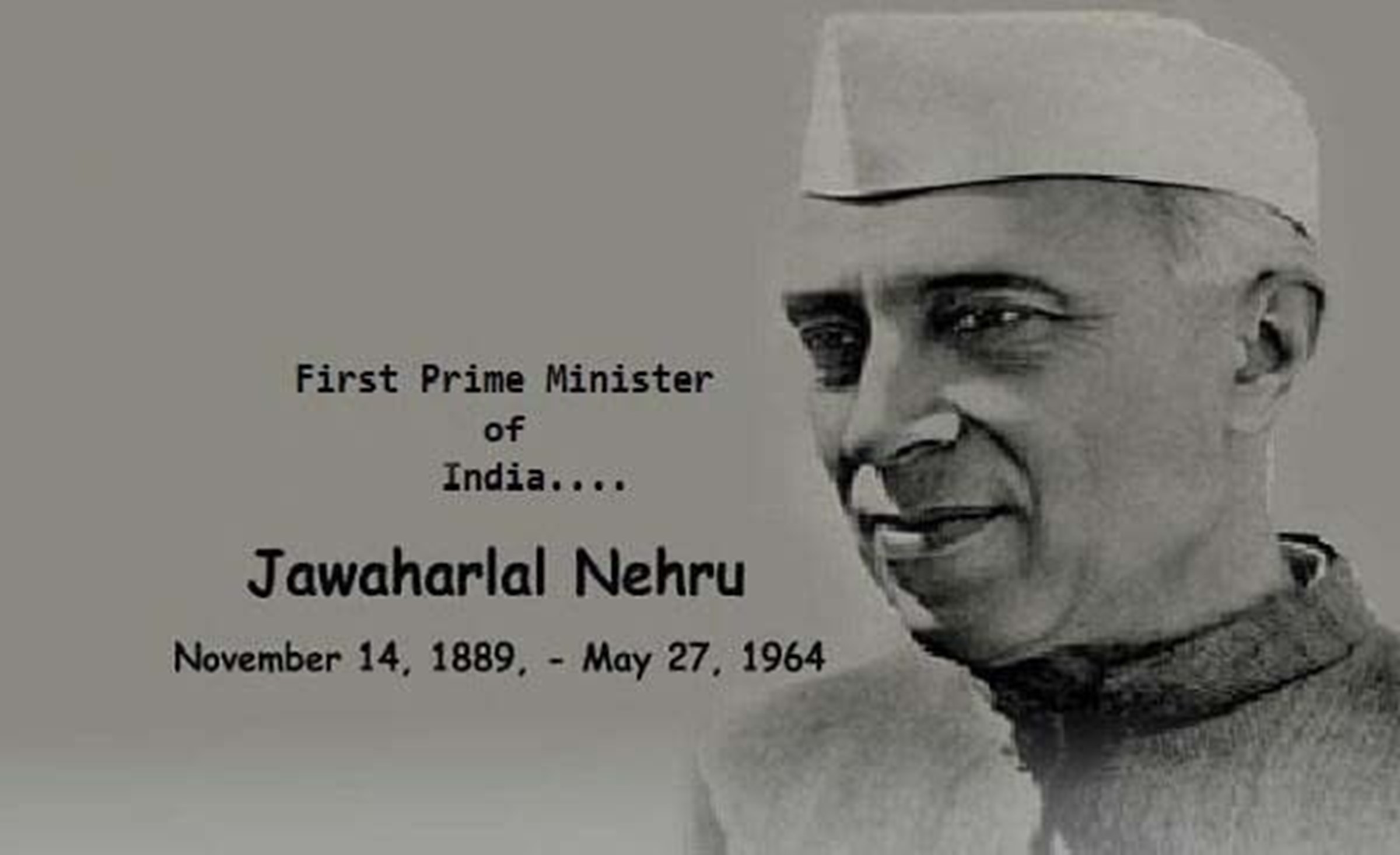
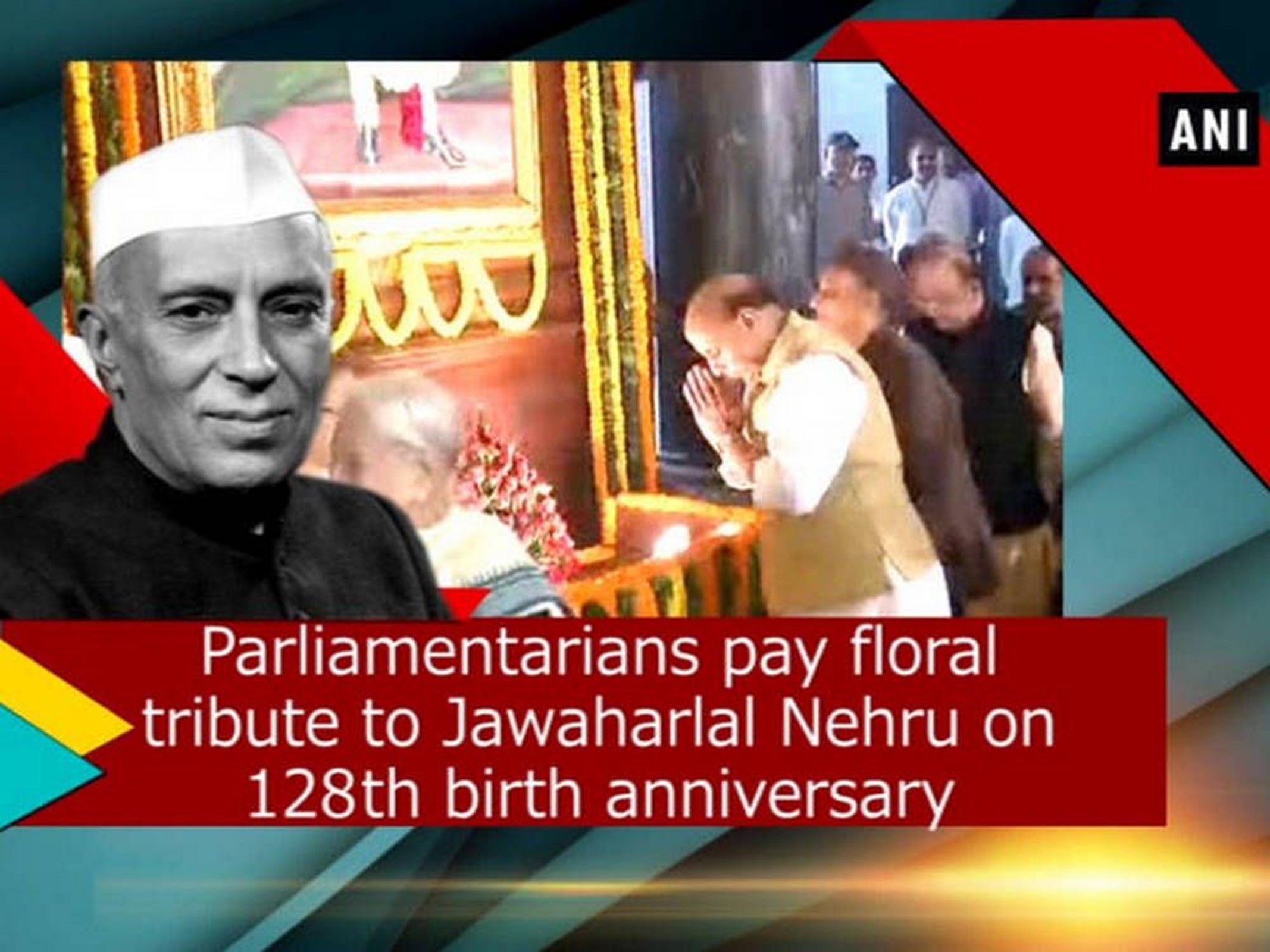
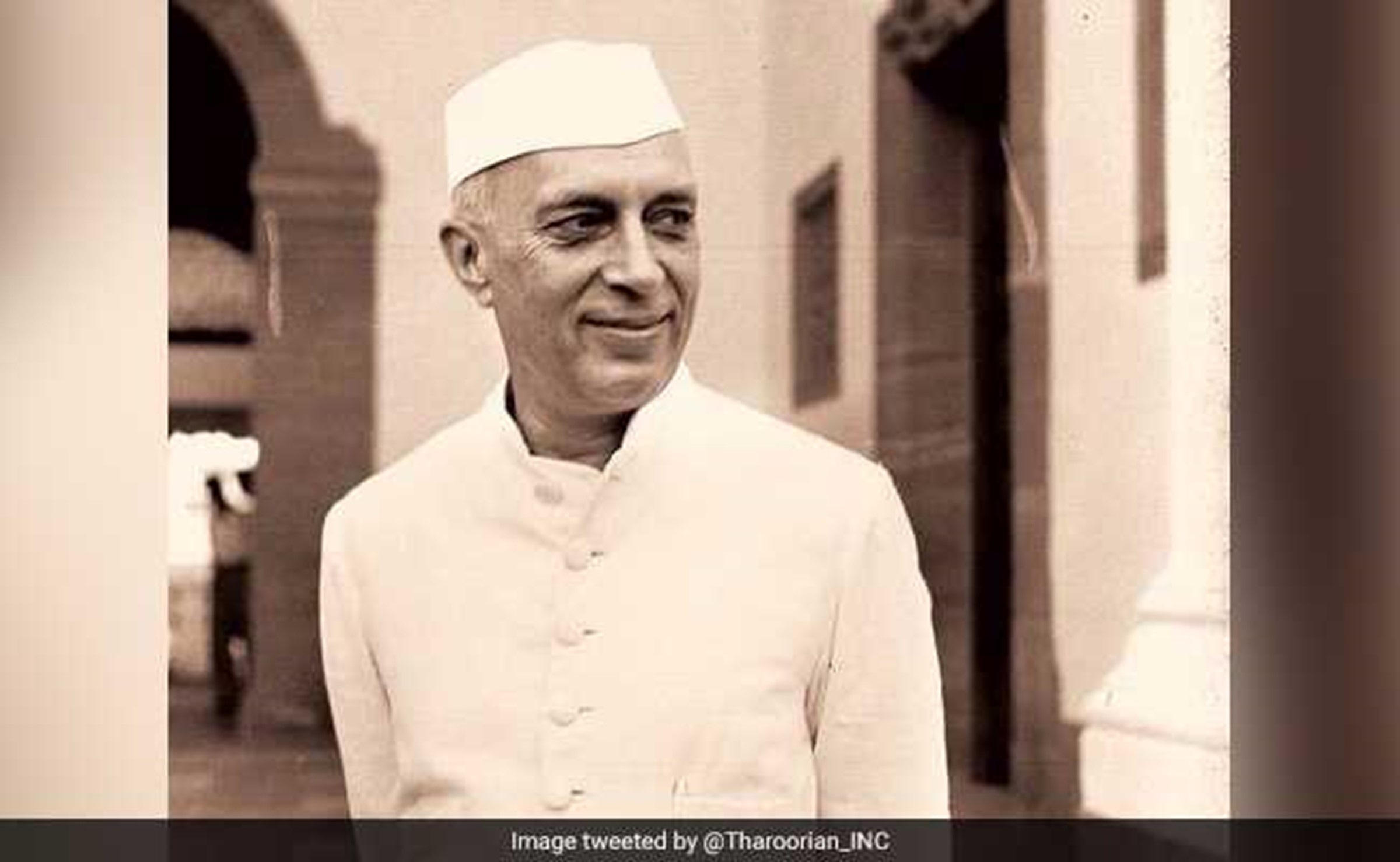
On Wednesday, November 14, 2024, I pay my respectful tributes to India’s first Prime Minister Jawaharlal Nehru. On November 14, 1962, he shared his birth date with Special Frontier Force without hosting any public ceremony.
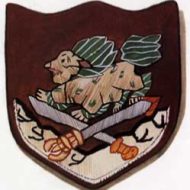
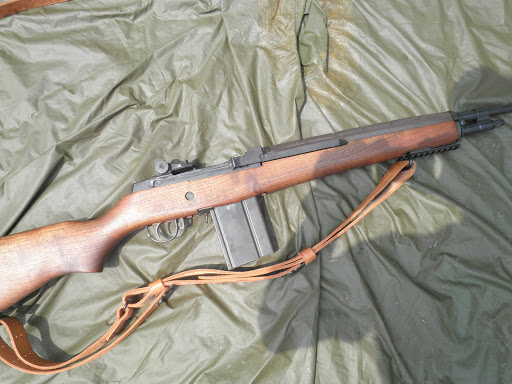
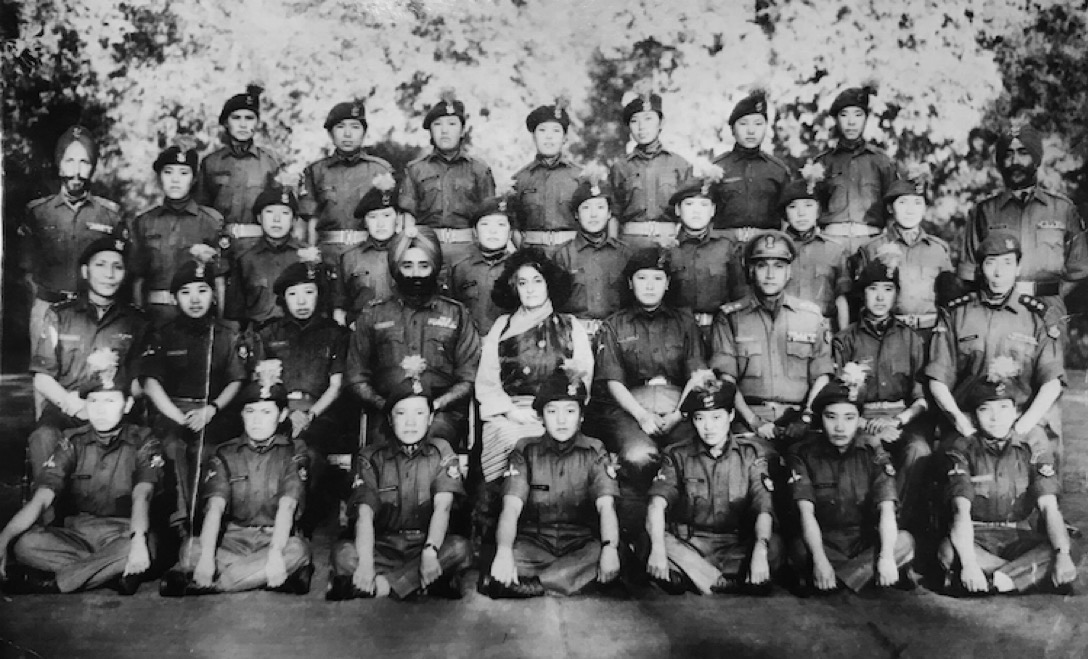
On Saturday, November 14, 2026, I pay my respectful tributes to India’s Prime Minister Jawaharlal Nehru. On November 14, 1962, he shared his birth date with Special Frontier Force and the above US Marine Corps Service Rifle, 7.62mm, M14 was issued to the men serving in Establishment-22.Establishment-22, Special Frontier Force, Vikas Regiments – Composition: Primarily made up of Tibetan refugees who remain loyal to His Holiness the 14th Dalai Lama and receive their orders from the Tibetan Government-in-Exile.November 14, 1962. First Prime Minister of India shares his birth date with Special Frontier Force.The US, India and Tibet are currently in agreement to support this military organization known in India as Special Frontier Force for it serves their purposes of Intelligence Gathering and the US Government provides the Funds to sustain the Intelligence Gathering Mission.The US, India and Tibet are currently in agreement to support this military organization known in India as Special Frontier Force for it serves their purposes of Intelligence Gathering and the US Government provides the Funds to sustain the Intelligence Gathering Mission.The Shoulder Badge worn by the members of Special Frontier Force who serve in Uniform. The US, India and Tibet are currently in agreement to support this military organization called Special Frontier Force for it serves their purposes of Intelligence Gathering Mission and the US Government provides the Funds to sustain the Intelligence Gathering Mission.
November 14, 1962. First Prime Minister of India shares his birth date with Special Frontier Force.
Jawaharlal Nehru was born to Motilal Nehru and Swaruprani Thussu on November 14, 1889, in Allahabad in Uttar Pradesh. His birthday is celebrated as Children’s Day. Jawaharlal Nehru remained in office (as prime minister) until his death in 1964.
November 14, Jawaharlal Nehru’s birth anniversary, is celebrated as Children’s Day in India
New Delhi:
President Ram Nath Kovind, Prime Minister Narendra Modi and senior Congress leader Sonia Gandhi on Wednesday paid tributes to India’s first prime minister Jawaharlal Nehru on his 129th birth anniversary.
Jawaharlal Nehru was born to Motilal Nehru and Swaruprani Thussu on November 14, 1889, in Allahabad in Uttar Pradesh. His birthday is celebrated as Children’s Day. Jawaharlal Nehru remained in office (as prime minister) until his death in 1964.
Former president Pranab Mukherjee, former vice president Hamid Ansari, former prime minister Manmohan Singh, and Sonia Gandhi paid their respects to Jawaharlal Nehru at Shantivan.
PM Modi recalled Jawaharlal Nehru’s contribution to India’s freedom struggle and during his tenure as prime minister. “Remembering our first Prime Minister, Pandit Jawaharlal Nehru on his birth anniversary. We recall his contribution to our freedom struggle and during his tenure as Prime Minister,” he tweeted.
“Remembering Shri Jawaharlal Nehru, our first Prime Minister, on his birth anniversary,” read a post on the official Twitter handle of the President Kovind.
Balloons in the colors of the Indian flag were released amid playing of bands and singing of patriotic songs by school children at Jawaharlal Nehru’s memorial Shantivan.
Lok Sabha Speaker Sumitra Mahajan led parliamentarians in paying tributes to the first prime minister at the Central Hall of Parliament.
Besides Ms. Mahajan, senior leaders LK Advani, Ghulam Nabi Azad, Leader of Opposition Mallikarjun Kharge, Union minister Vijay Goel, former Haryana chief minister Bhupinder Singh Hooda among others paid homage to Jawaharlal Nehru.
November 14, 1962. First Prime Minister of India shares his birth date with Special Frontier Force.
The US, India and Tibet are currently in agreement to support this military organization known in India as Special Frontier Force for it serves their purposes of Intelligence Gathering and the US Government provides the Funds to sustain the Intelligence Gathering Mission.
Special Service Award presented by all Officers D Sector, Establishment 22
Whole Review – Movie TE3N Reveals My Tibet Connection by grouping four photo images in a single screenshot: SURRENDER AGREEMENT SIGNED IN DHAKA ON DECEMBER 16, 1971.Whole Review – Movie TE3N Reveals My Tibet Connection by grouping four photo images in a single screenshot: LIBERATION OF BANGLADESH ON DECEMBER 16, 1971.Whole Review – Movie TE3N Reveals My Tibet Connection by grouping four photo images in a single screenshot: Pakistan Surrenders on December 16, 1971.Movie TE3N Reveals my Tibet Connection by using Four Photo images grouped together in a single screenshot. Liberation of Bangladesh on December 16, 1971.Movie TE3N Reveals my Tibet Connection by grouping four photo images in a single screenshot. Surrender Agreement in Dhaka on December 16, 1971.TE3N Movie Reviews my Tibet Connection by grouping together four photo images. Pakistan surrenders in Dhaka on December 16, 1971.
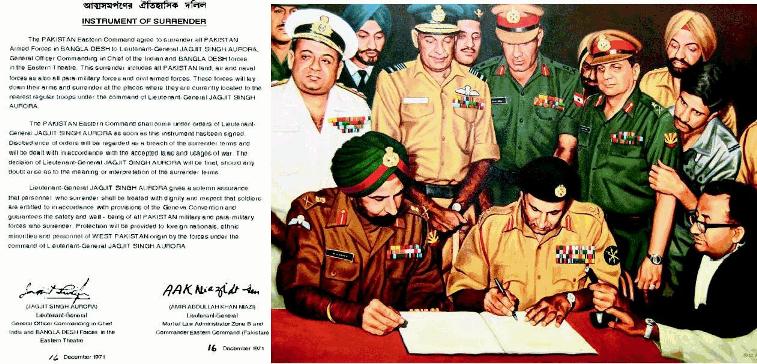
TE3N Movie Producer Sujoy Ghosh and Director Ribhu Das Gupta imaginatively created a screenshot grouping four different photo images to describe my Tibet Connection; These are,
1. Surrender Agreement signed in Dhaka on December 16, 1971 leading to creation of independent nation of Bangladesh,
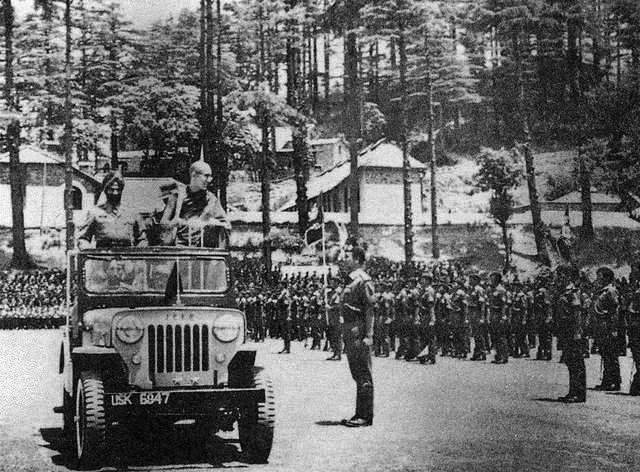
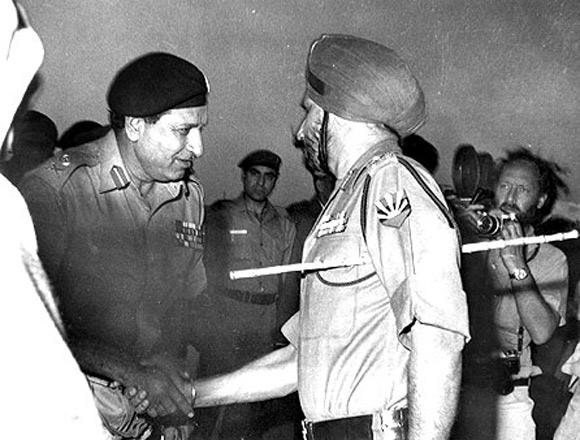
Lieutenant General Dalbir Singh AVSM VSM, General Officer-in-Command, Eastern Command of Indian Army had served as the Inspector General of Special Frontier Force prior to his promotion to the rank of Lieutenant General. He served in the rank of Brigadier during the 1971 War but Movie TE3N chose this photo image.
2. Lieutenant General Dalbir Singh Suhag, General Officer Commanding-in-Chief, Headquarters Eastern Command, Kolkata, who actually participated in the 1971 War while serving in the rank of Brigadier,
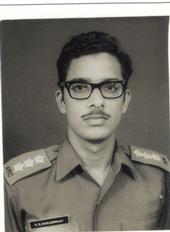
TE3N Movie Reviews my Tibet Connection by grouping four photo images in a single screenshot. My Indian Army Picture ID photo image of 1972 taken at Doom Dooma, Tinsukia District, Assam, India. In reality, I participated in the 1971 War wearing the badges of rank of Lieutenant and not Captain
3. My Indian Army Picture ID photo image of 1972 taken in Doom Dooma while I was posted to D Sector, Establishment 22 after the 1971 War, and
Lieutenant General T S Oberoi, the Southern Army Commander during 1983, the former Inspector General of Special Frontier Force is seen in this photo wearing a helmet. The photo was taken during 1982 while he visited Army Service Corps Centre, Bangalore. In reality, he served as my Brigade Commander during the 1971 War.
4. Lieutenant General Thirath Singh Oberoi PVSM VrC, General Officer Commanding-in-Chief, Headquarters Southern Command Pune while he visited Army Service Corps Centre in Bangalore in 1982. In reality, T S Oberoi served in the rank of Brigadier during the 1971 War.
Photo images 2, 3, and 4 are related for they relate to our military service at Special Frontier Force, Establishment 22 now known as Vikas Regiment. In November 1971, Special Frontier Force initiated Liberation of Bangladesh with military action in the Chittagong Hill Tracts and so, these images relate to the photo image of the Surrender Agreement signed in Dhaka on December 16, 1971.
Beijing is Doomed – Revelation Unsealed
TE3N Movie explores my Tibet Connection. Beijing is Doomed – Revelation Unsealed. Strike by Heavenly Object.
I kept silent about my participation in Operation Eagle, Bangladesh Ops for a very long time and none of you heard that word from me until 2010 when I started my demand for gallantry award after His Holiness the Dalai Lama’s visit to Ann Arbor, Michigan on March 03/04, 2008. I did not invite him to visit Ann Arbor, and I had no time to meet him. I read news media coverage, particularly the story published by The Ann Arbor News of this event. Prior to this date, I did not speak or write about him. I realized that the time has come to describe my Tibet Connection. If I had really cared about getting Gallantry Award, I would have reacted in January 1972 when my Unit Commander informed me that the Indian Army Medical Directorate did not forward my gallantry award citation on time to Army Headquarters, MS Branch. The citation was not lost. It was not sent in time for its consideration. I raised the issue in 2010, for it is important to disclose my Tibet Connection.
I want to receive Gallantry Award recommended in 1971 War. However, it is not an acknowledgment of my service in Indian Army. The award was recommended by my Unit Commander who knew that I deliberately chose to enter Enemy territory without carrying my service weapon. Under Army Act, the refusal to carry personal weapon, the concealing or disposal of personal weapon, or not using weapon against Enemy are punishable offenses. My Unit (South Column, Op Eagle, Establishment 22 – Special Frontier Force) is not subject to Army Act. They have not threatened to discipline me. Rather, they have shown appreciation for my determination to work without my personal weapon. I made that decision because of my Tibet Connection.
While most of you may have read about speeches or quotes from speeches given by the Dalai Lama, may not be knowing about an assurance the Dalai Lama has given to his followers. Dalai Lama lives on the hope that China’s Communist Regime would experience sudden downfall. Many in the Tibetan Exile community share this hope as they believe or have faith in his words. I acknowledge my Tibet Connection, but I am not follower of the Dalai Lama. So, I had to investigate his statement and subject it to my rational analysis, a scientific method which I call Devotional Inquiry. I use the term Devotion not in the context of any kind of worship service or prayerful thought. I don’t look inwards. I look for answers examining the reality of external world.
For example, many Christians believe in the Future Coming of Christ or Advent. This hope comes from The New Testament Book of Revelation. Over 2,000 years have passed, many believers lived and died and yet the prophecy has not come true. I looked at various possibilities to account for Dalai Lama’s hope for the sudden, unexpected downfall of China. He has not shared or further explained the mechanism to trigger a sudden downfall of Communist China. World War II came to an abrupt stop when US bombed Hiroshima and Nagasaki. Japan surrendered in August 1945. I ruled out the possibility of China surrendering in World War III. Regimes have changed after public revolts like American Revolution, French Revolution, Red Revolution, and October Revolution of China. In fact, Tibet formally declared Full Independence on February 13, 1913 after the downfall of Manchu China following 1911 Revolution. We have seen some protests in China during 1989, protests in Hong Kong, and signs of severe labor unrest in China. But, I am not expecting a Great Proletarian Revolution to cause China’s downfall. If not political unrest, I considered the possibility of economic meltdown and severe or Great Depression. It is a good possibility as their Communist – Capitalist Economy will fail and is currently failing.
Historically, we have records of great empires rising and falling. People have given a variety of reasons to account for rise and fall of empires. Diseases like Malaria may account for fall of Roman Empire. Apart from health and sickness, people have cultural beliefs. Jews may believe in Messiah, Christians believe in the Kingdom of Heaven, Buddhists believe in Reincarnation of Compassionate Buddha (Maitreya), and Hindus may believe in Reincarnation of Lord Vishnu to change World Order to restore Peace and Justice.
Being student of Biology, I looked at Natural Causes and Natural Mechanisms that can significantly impact life on Earth. Natural calamities like floods, earthquakes, and hurricanes can have devastating effect. But, most major and minor mass extinction events have extraterrestrial causes such as Radiation or impact or collision by celestial objects like comets or asteroids. Planet Earth experienced several such collision events. At K-T Junction, about 65 million years ago, the entire Dinosaur population got wiped out while Life on Earth continued to multiply. In most recent times, during Geological Epoch called Holocene, entire species of Hominin Family got wiped out with the exception of Anatomically Modern Man leaving no surviving prehistoric man such as Neanderthal, Denisova, or Cro-Magnon. But, in terms of Science, these are all random, unguided events that can be interpreted as accidents and are not purposeful actions.
I account for human life as series of guided, goal-oriented, sequential, purposeful actions which demand synchronization with events in external environment such as periods of light and darkness, and Conservation of Mass, Energy, and Momentum. While planet Earth is spinning at great speed and is moving all the time, I sleep and get up in Ann Arbor as if Earth is a stationary object. I am not predicting a random, spontaneous event or natural calamity that may cause sudden downfall of China.
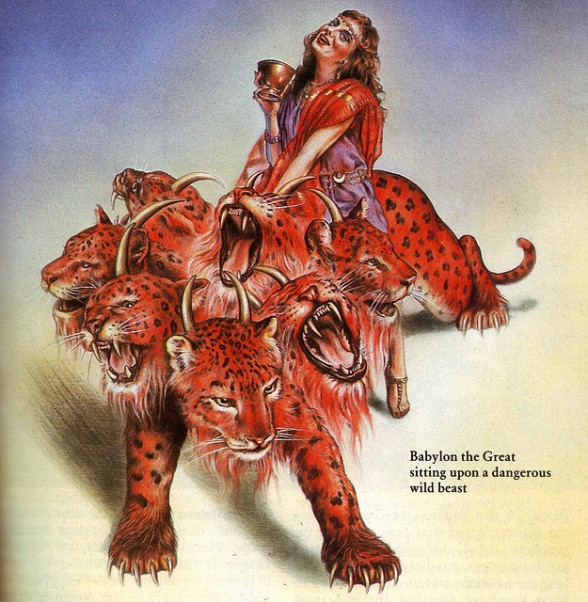
I looked at Book of Revelation written by Prophet John who most Christian theologians think of as Apostle John, one of Jesus Christ’s Twelve Disciples. Apparently, he wrote this Book while imprisoned in a small island far away from Babylon. But, that is not important. Historical Babylonian Empire had fallen several centuries before birth of Jesus Christ. There was no Evil Babylon when John wrote his Revelation Prophecy. Babylon is thought of a ‘code’ name for some unknown Evil Empire. Some think, that the term ‘Evil Empire’ or ‘Babylon’ may refer to Rome or even China in the East which was not a great empire at the time of writing that Book.
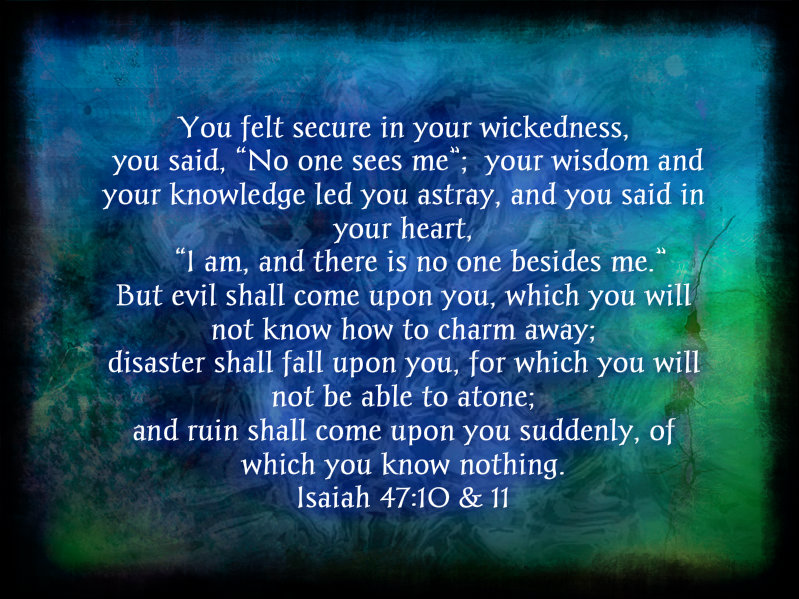
Chapter 18, Book of Revelation, that describes sudden downfall of Babylon was inspired by The Old Testament Book of Isaiah, a Hebrew Prophet. His prophecy came true when Persian Emperor Cyrus defeated and vanquished Babylon and graciously permitted rebuilding of Second Temple in Jerusalem long before the birth of Jesus Christ. So John has no reason to make prophecy about Babylon while he lived during the lifetime of Jesus and His Crucifixion.
I accept the scenario described in Chapter 18, Book of Revelation. I am not claiming a new prophetic vision. I am simply unsealing the mystery of Babylon. When I state, “Beijing is Doomed,” I am not visualizing natural accident or natural calamity. China’s downfall will come by guided, goal-oriented, purposeful, sequential actions following its strike by a heavenly object such as asteroid, large stone which will collide with China’s largest City of Shanghai.
Doomsayer of Doom Dooma – Revelation – Photo Image in Bollywood Movie – TE3N
TE3N MOVIE EXPLORES MY TIBET CONNECTION BY GROUPING TOGETHER FOUR PHOTO IMAGES IN A SINGLE SCREENSHOT.
TE3N is a suspense thriller set in Kolkata. Industry’s best actors Amitabh Bachchan, Vidya Balan and Nawazuddin Siddiqui coming together in one film.
Story in detail:
It’s been 8 years since John Biswas (Amitabh Bachchan) lost his granddaughter, Angela, in a tragic kidnapping incident that scarred him & his wife Nancy forever. But eight years later, while the world has moved, John hasn’t given up his relentless quest for justice.
He continues to visit the police station where he’s shunned & ignored every day. The only person whose help he seeks is Martin Das (Nawazuddin Siddiqui), an ex-cop turned priest who has one thing in common with John – the death of Angela had a life altering impact on both men.
But then, 1 day, 8 years after that tragic incident, there’s another kidnapping & everything about it echoes of similarity with the kidnapping of Angela. Father Martin is once again dragged into the investigation by cop Sarita Sarkar (Vidya Balan).
Doomsayer of Doom Dooma – Beijing is Doomed: In 1972, a Chinese spy who infiltrated my military camp in Doom Dooma sent my photo image to Peking (Beijing).
It comes as a big surprise to find my stolen Indian Army Photo ID image from 1972 is revealed in a brief screenshot of this Movie.
Doomsayer of Doom Dooma – Revelation
TE3N Movie explores my Tibet Connection. Beijing is Doomed.
I use my Indian Army Photo ID image of 1972 to describe my connection with City of Doom Dooma, Tinsukia District, Assam, India. I unsealed the prophecy shared by Book of Revelation, Chapter 18 that gives detailed account of sudden, unexpected, downfall of Evil Empire in one single day.
TE3N Movie explores my Tibet Connection using photo image taken at Doom Dooma in 1972. Beijing is Doomed.TE3N Movie explores my Tibet Connection using single screenshot of photo image taken at Doom Dooma, Tinsukia District, Assam. Beijing is Doomed.TE3N Movie explores my Tibet Connection. Beijing is Doomed.TE3N Movie explores my Tibet Connection. Beijing is Doomed.TE3N Movie explores my Tibet Connection. Beijing is Doomed.TE3N Movie explores my Tibet Connection. Beijing is Doomed. Mystery of Revelation 18: 1-24 Unsealed.TE3N Movie explores my Tibet Connection. Mystery of Babylon Unsealed. Beijing is Doomed.TE3N Movie explores my Tibet Connection. Mystery of Babylon Unsealed. Beijing is Doomed.TE3N Movie explores my Tibet Connection. Mystery of Babylon Unsealed. Beijing is Doomed.TE3N Movie explores my Tibet Connection. Mystery of Babylon Unsealed. Beijing is Doomed.
My Indian Army Photo ID image taken in 1972 at Doom Dooma serves just one purpose; it unseals Revelation Prophecy and it helps me to announce, “BEIJING IS DOOMED.”
Whole Review – Movie TE3N Reveals My Tibet Connection by grouping four photo images in a single screenshot. Special Service Award presented by all Officers D Sector, Establishment 22, at Doom Dooma, Tinsukia District, Assam, India.
Whole Awareness – Tibet Awareness of the Living Tibetan Spirits
Whole Awareness – Tibet Awareness of the Living Tibetan Spirits
Following the visit of His Holiness the 14th Dalai Lama’s visit to Ann Arbor, MI, USA in 2008, I coined the phrase ‘The Living Tibetan Spirits’. I am not a monk. I am speaking of my ‘spirituality’ in the context of hosting the ‘Spirits’ of young Tibetan soldiers who gave their precious lives while taking part in a military action in the Chittagong Hill Tracts that initiated the Liberation of Bangladesh during 1971. I claim that I am Tibetan for I host their ‘Spirits’ in my Consciousness.
His Holiness The Dalai Lama – Winner of the 1989 Nobel Peace Prize:
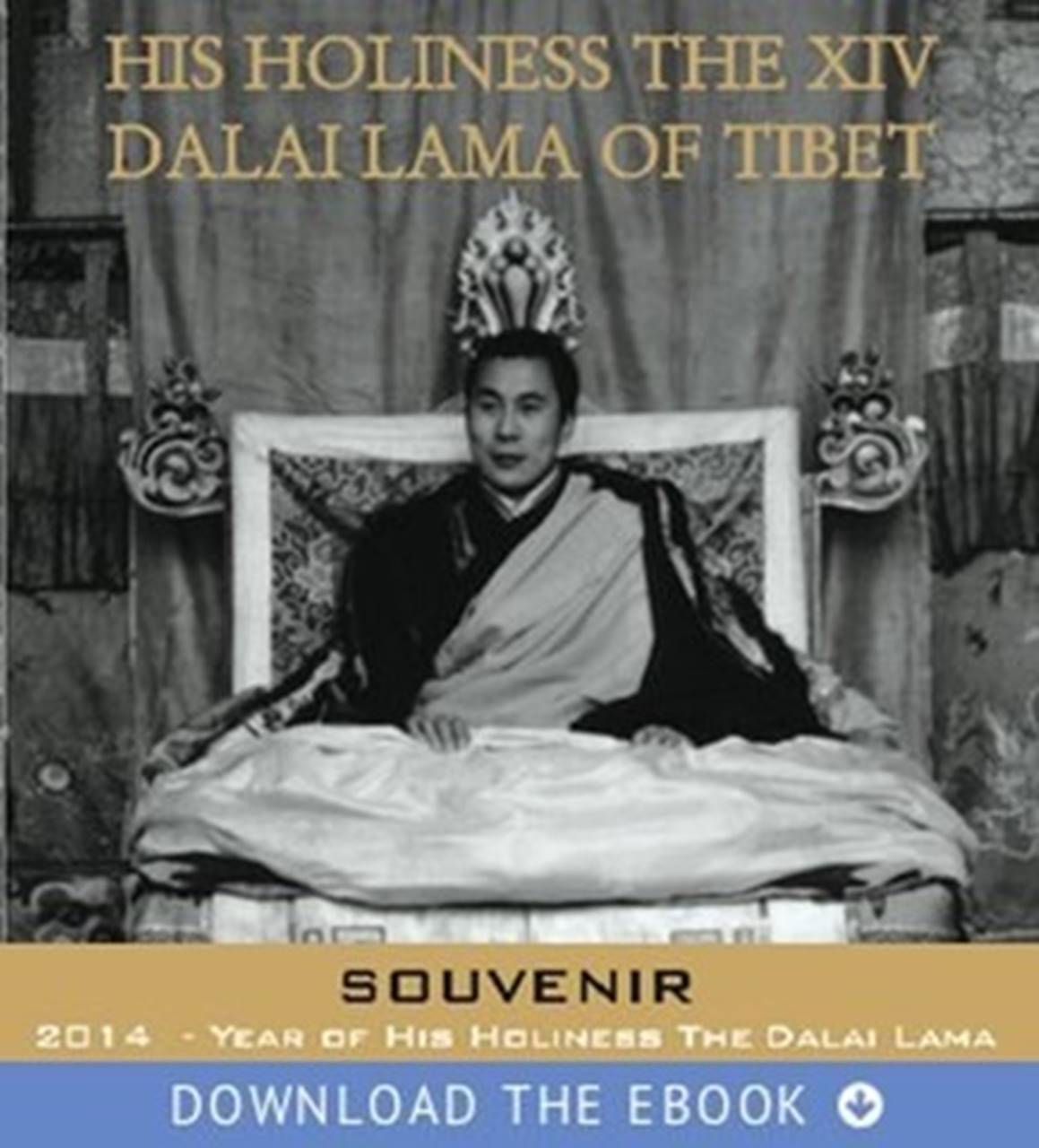
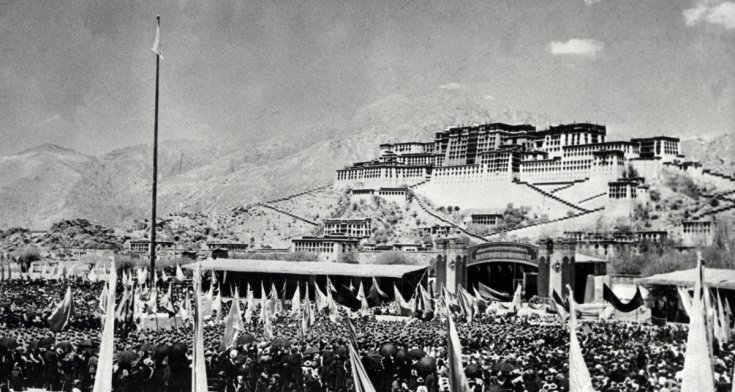
Whole Dude – Whole Spirits: HIS HOLINESS THE 14th DALAI LAMA – PRINCE OF PEACE: The Dalai Lama is seen seated on his throne in Potala Palace, Lhasa, Tibet in this photo image from 1956/1957.
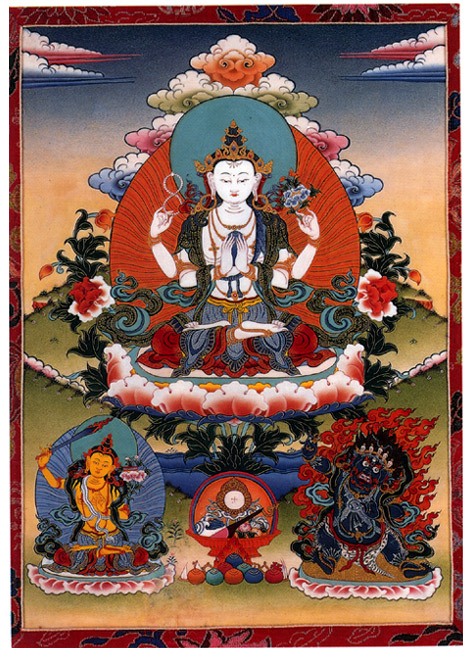
The Dalai Lama is believed to be a manifestation of Avalokiteshvara or Chenrezig, the Bodhisattva of Compassion and the patron saint of Tibet. Bodhisattvas are enlightened beings who have postponed their own nirvana and chosen to take rebirth in order to serve humanity.
Tenzin Gyatso, the 14th Dalai Lama, was born in 1935 in a small hamlet in northeastern Tibet. At the age of 2, the child who was named Lhamo Dhondup, was recognized as the reincarnation of the 13th Dalai Lama, Thubten Gyatso.
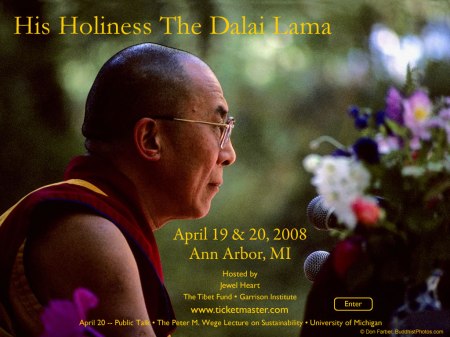
The 14th Dalai Lama will visit Ann Arbor for a series of talks in Crisler Arena at the University of Michigan on Saturday and Sunday April 19 and 20. His presentation of the University of Michigan’s annual Peter M. Wege Lecture on Sustainability is in celebration of Earth Day. The Wege Lecture is sponsored by the Center for Sustainable Systems at the School of Natural Resources and Environment. He will also present a two-day program with two sessions on April 19 and 20. The session will focus on “Engaging Wisdom and Compassion.” The teaching will be based on Acharya Nagarjuna’s Commentary on Ultimate Compassion and Je Tsong Khapa’s “In Praise of Dependent Origination.”
The Future of Tibet:
Whole Dude – Whole Spirits: The Vatican City State and Tibet. Just like the Pope who is the Head of the Vatican City State, H.H. Dalai Lama is the Temporal and Spiritual Leader of the Land of Tibet.
Vatican City is recognized as an ecclesiastical State. Sovereignty is exercised by the Pope upon his election as the Head of the Roman Catholic Church. The Pope has absolute executive, legislative and judicial powers within the Vatican City State. Similarly, the Dalai Lama is the spiritual and temporal Head of Tibet. The United States formulated an official policy about the Taiwan. With regards to Tibet, the United States has to first recognize the fact that the Tibet is under illegal Chinese occupation since 1951.
The Living Tibetan Spirits of Special Frontier Force:
Whole Dude – Whole Spirits: SPIRITUALISM AND THE LIVING TIBETAN SPIRITS: In Tibetan Buddhism, Bodhisattva-Avalokitesvara is physically manifested as His Holiness The Dalai Lama.
Special Frontier Force, Establishment 22, Vikas Regiment is a multinational defense plan to defend freedom and democracy in the occupied Land of Tibet.
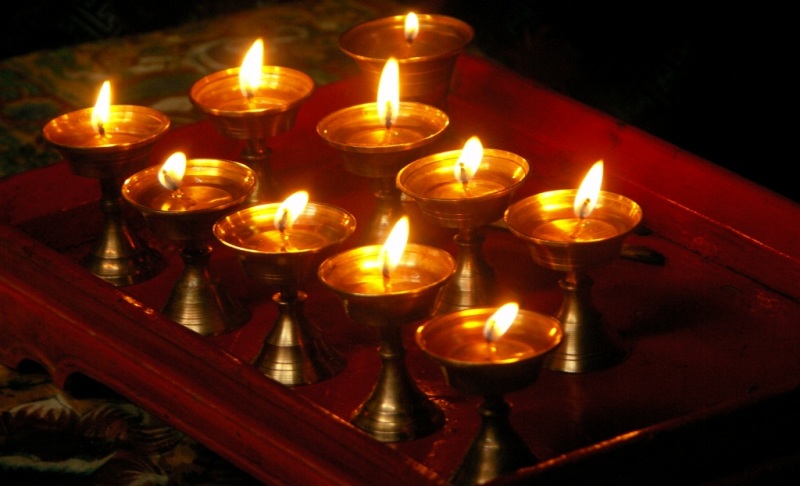
Whole Dude – Whole Spirits: SPIRITUALISM – THE LIVING TIBETAN SPIRITS – OLD FLAMES NEVER DIE : The butter lamps lit in my Unit Gompa or Gonpa to pay tribute to the departed souls, the people who gave their precious lives to defend the Freedom of people.