Phytochemistry of Quinoa – The Nutritional Regulators of Human Fertility
Phytochemistry of Chenopodium Quinoa. The Nutritional Regulators of Human Fertility. The seeds (particularly when crushed into flakes) when boiled release the odor of human semen and it is a very remarkable coincidence between the odor generated by a plant and the glands of human male reproductive system.
Phytochemistry is the branch of Chemistry dealing with the chemical processes associated with plant life and the chemical compounds produced by plants. In this blog post, I explore the connection between the chemical compounds made by Chenopodium quinoa and the male human reproductive system. I was totally amazed when I discovered that a plant creates the same chemical compounds in the precise concentration and combination to generate the same odor, smell, flavor, scent, or aroma that is produced by a freshly voided sample of human male Semen, the biological fluid that contains seeds called Spermatozoa. In my entire food experience with a wide variety of plant, and animal products, I have never encountered a similar observation where I see convergence in chemical processes to generate unique, unmistakable and distinctive odor by two entirely different organisms. Both plants and man may synthesize similar chemical compounds using similar enzymatic pathways, still it would be very exceptional to generate an odor that man can easily recognize as his own. The mechanisms that operate the phenomenon of Evolution cannot bring about this kind of convergence. In my interpretation, it is the evidence of an artistic Unit created by the Whole Designer, or Whole Architect, and a Master Planner. Quinoa synthesizes several amino chemical compounds called Polyamines such as Putrescine, Spermine, and Spermidine which are also present in the human, male reproductive secretion called Seminal Plasma or Semen. But to generate a specific, identical odor, or smell, both the seeds and Semen must have a similar concentration, combination, and mixture of volatile, odor generating molecules. Incas have been continuously cultivating Quinoa for the last 7,000 years. They may not be aware of the chemical compounds made by these plants. However, they should be able to very easily recognize the smell, the odor, the scent, the aroma, and the flavor of the plant products that they use. A ‘Smell Test’ can accurately detect the presence of some odoriferous chemical molecules and man will be able to describe the odor without being a Chemist, or a Biochemist.Throughout the ages many foods have been considered sexual stimulants. Quinoa has a special reason to be recognized as an Aphrodisiac, a chemical agent that can enhance sexual performance. Such a claim can be based upon the study of Polyamines found in its leaves and seeds. Polyamines are now thought of as the nutritional regulators of human fertility.
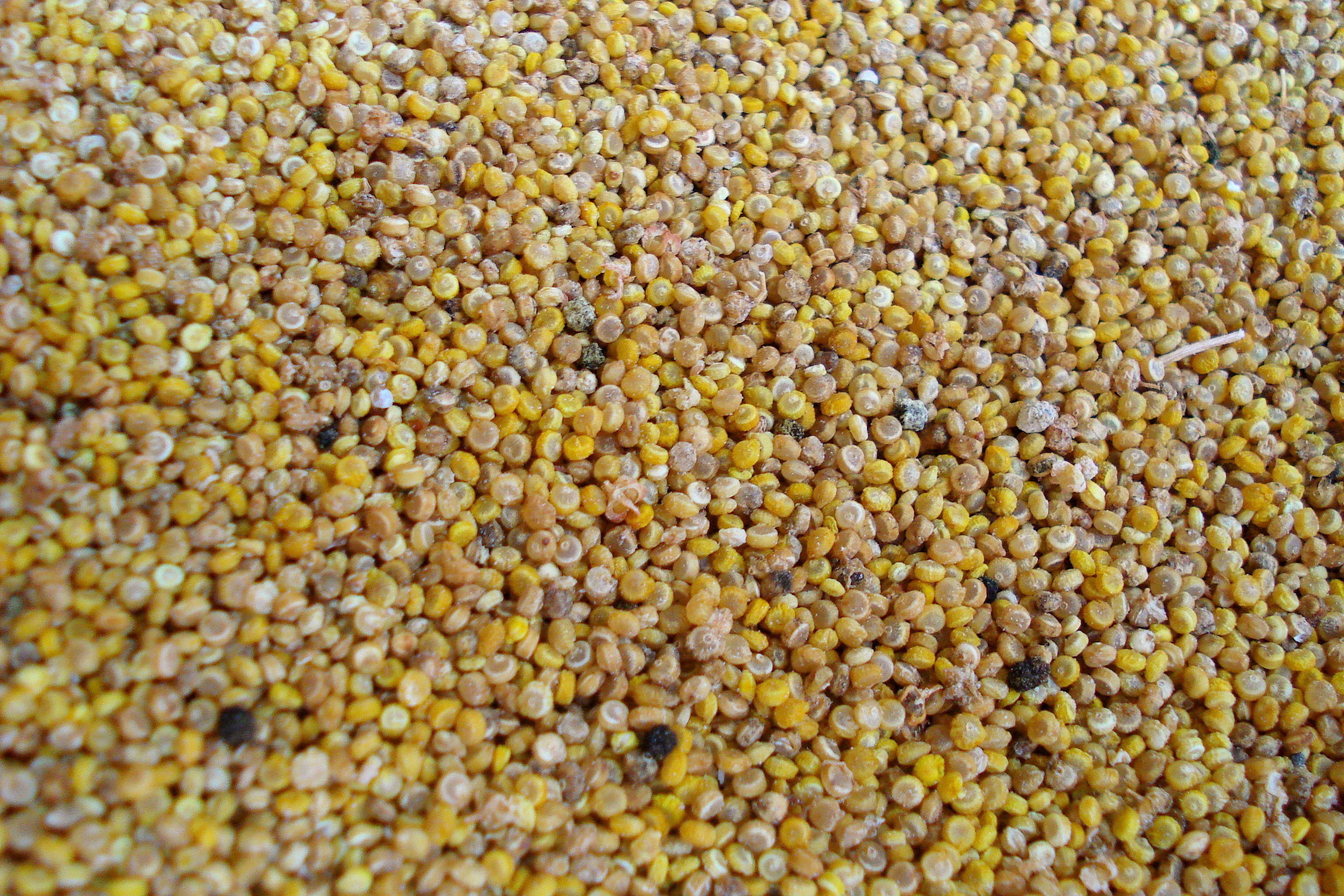
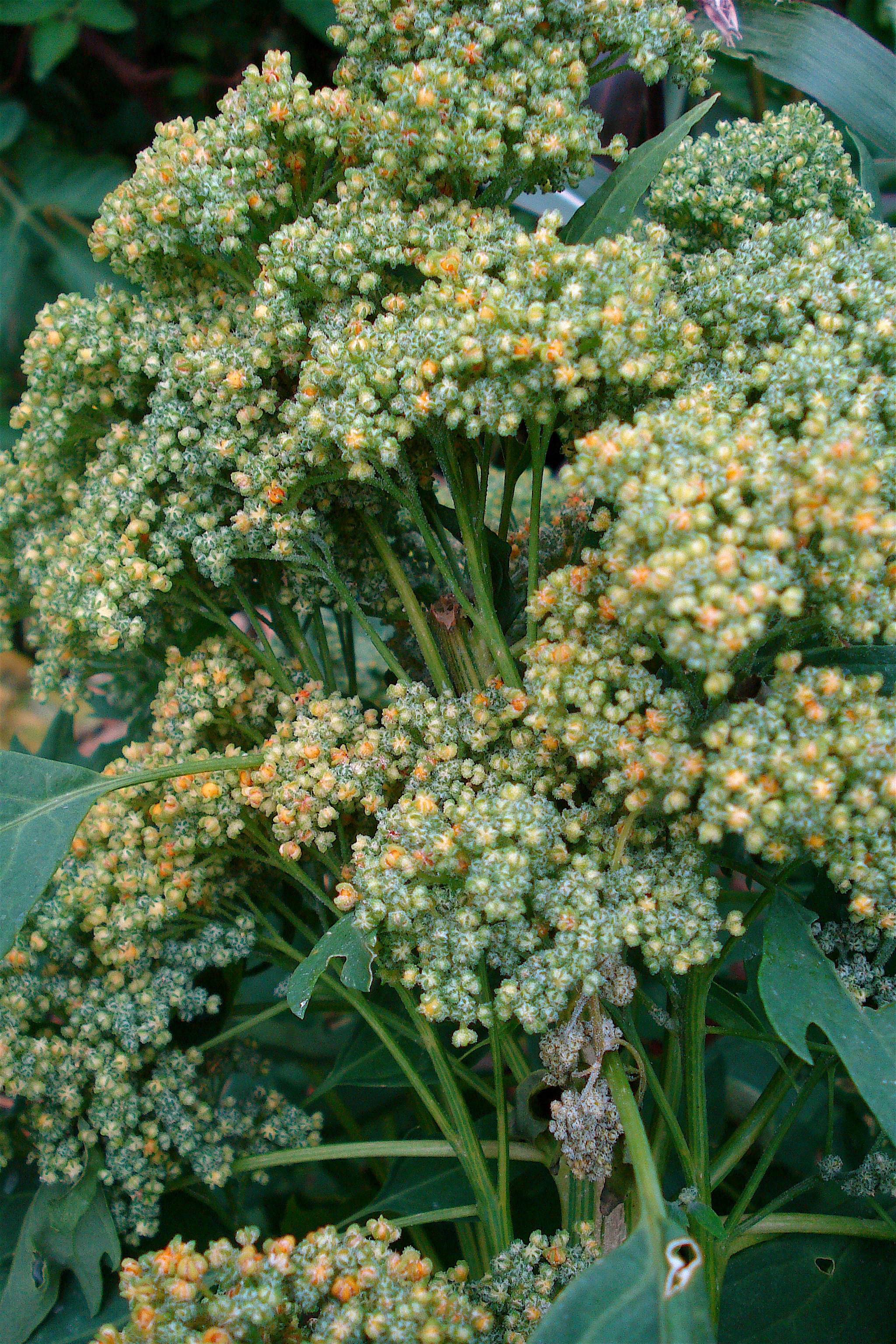
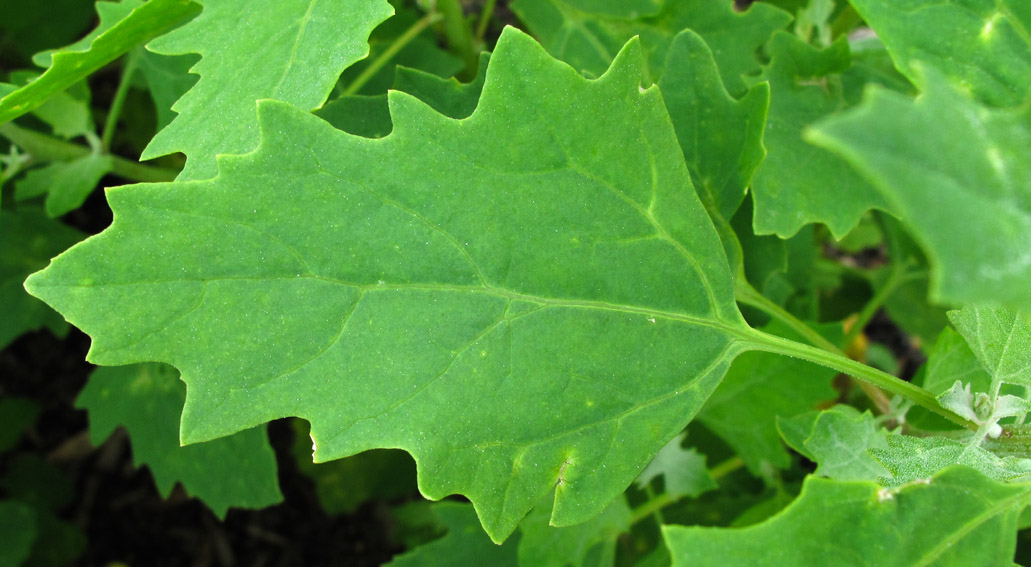
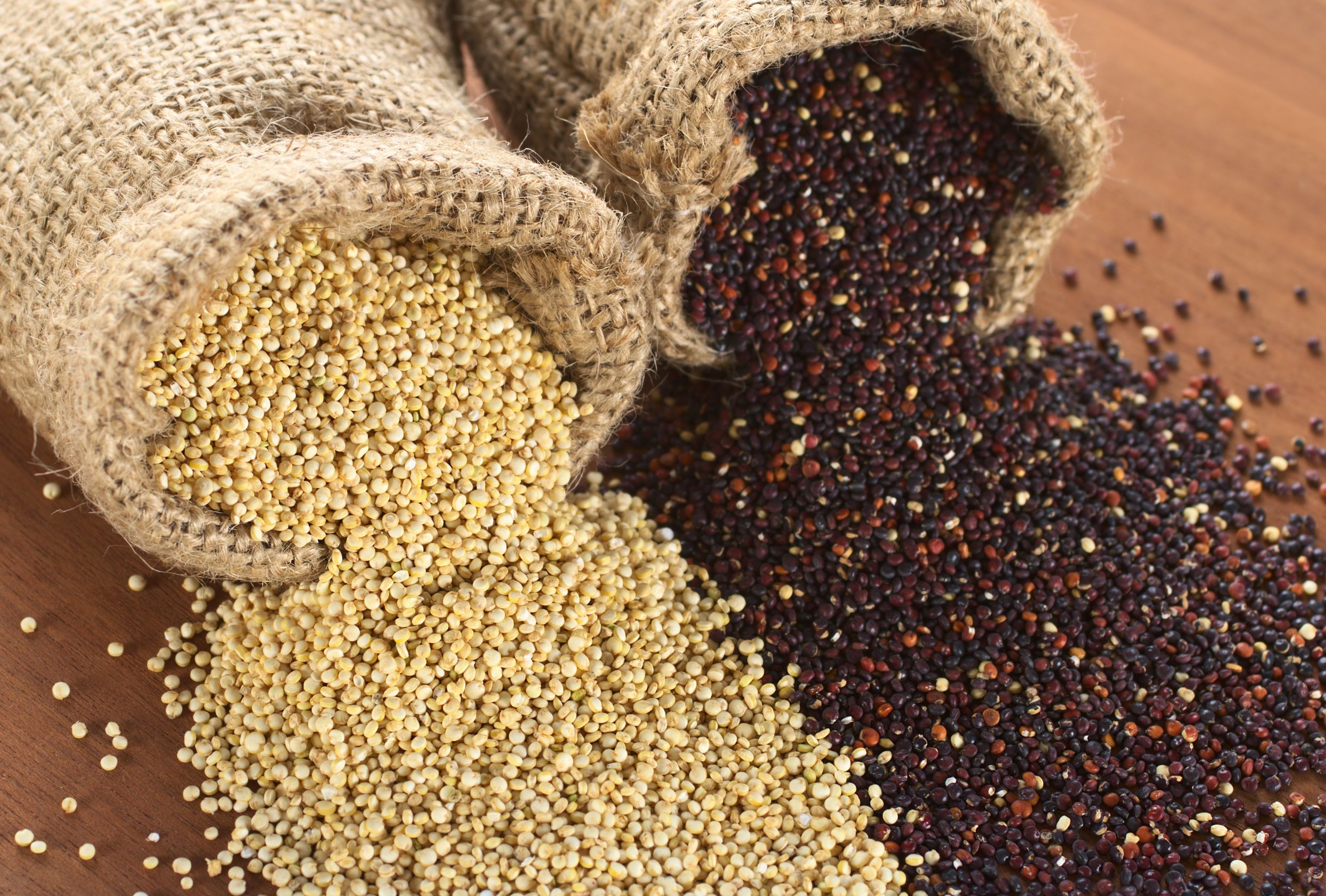
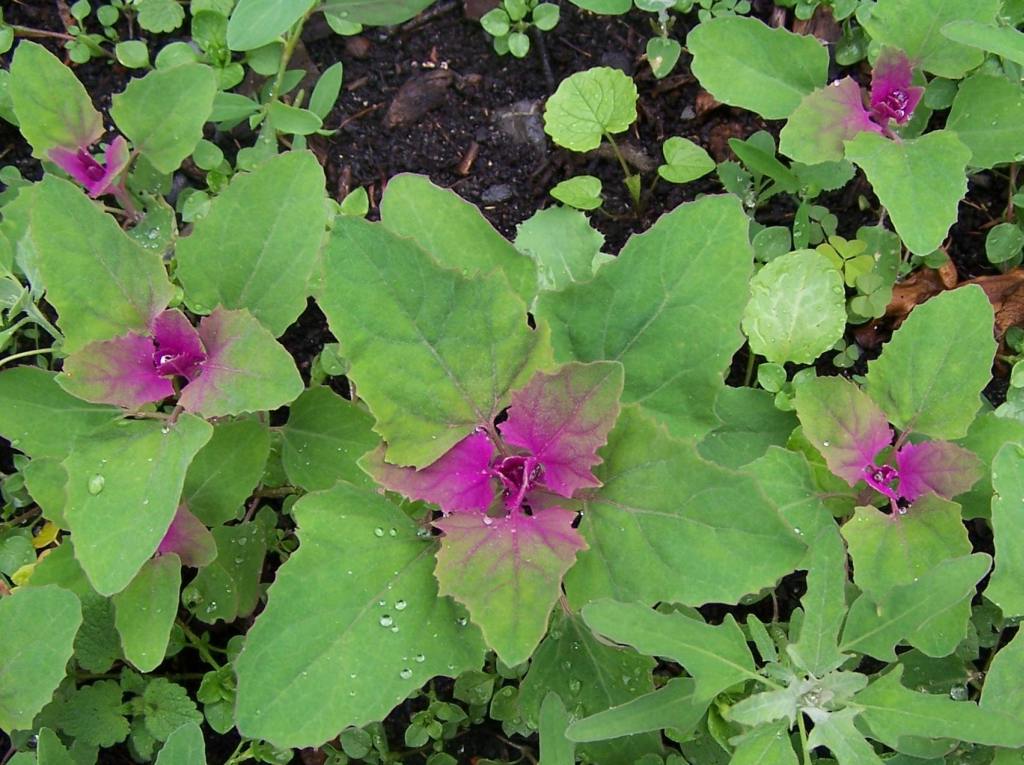
Phytochemistry of Chenopodium Quinoa. The Nutritional Regulators of Human Fertility: The seeds of Chenopodium quinoa. These seeds contain the same chemical compounds found in Seminal Plasma or Semen, a complex fluid created by the male, human reproductive system.Phytochemistry of Chenopodium Quinoa. The Nutritional Regulators of Human Fertility: Chenopodium quinoa synthesizes several amino chemical compounds called Polyamines such as Putrescine, Spermine, and Spermidine which are also present in the human, male reproductive secretion called Seminal Plasma or Semen. But to generate a specific, identical odor, or smell, both the seeds and Semen must have a similar concentration, combination, and mixture of volatile, odor generating molecules.Phytochemistry of Chenopodium Quinoa. The Nutritional Regulators of Human Fertility: Chenopodium quinoa belongs to the Goosefoot family called Chenopodiaceae, Order Caryophyllales, dicotyledonous plants including Chard, Spinach, and Beets. The leaf may have some resemblance to a Goose Foot. This plant makes polyamines and the seeds have similar combination, and concentration of these chemicals to produce the same odor or smell that is given off by a freshly voided sample of human, male Semen.
Quinoa (Spanish – Quinua, Quechua, Kinwa) is a member of the Goosefoot family and belongs to the genus called Chenopodium. These are weedy plants with small green flowers and scruffy foliage. These plants are cultivated by the Incas in the Altiplano of Bolivia, and Peru for the last 7,000 years challenging highly different environmental conditions. Quinoa is not a true cereal and is sometimes called pseudocereal as it does not belong to the Grass family like the true cereals such as Wheat and Rice. Quinoa plants produce fruits and seeds used as flour for making bread, pasta, breakfast flakes, and other staples.
Phytochemistry of Chenopodium Quinoa. The Nutritional Regulators of Human Fertility: Incas have been continuously cultivating Quinoa for the last 7,000 years. They may not be aware of the chemical compounds made by these plants. However, they should be able to very easily recognize the smell, the odor, the scent, the aroma, and the flavor of the plant products that they use. A ‘Smell Test’ can accurately detect the presence of some odoriferous chemical molecules and man will be able to describe the odor without being a Chemist, or a Biochemist.Phytochemistry of Chenopodium Quinoa. The Nutritional Regulators of Human Fertility: Quinoa seeds are Gluten-Free. It is also Cholesterol-free, low-fat, and high in protein. Throughout the ages many foods have been considered sexual stimulants. Quinoa has a special reason to be recognized as an Aphrodisiac, a chemical agent that can enhance sexual performance. Such a claim can be based upon the study of Polyamines found in its leaves and seeds. Polyamines are now thought of as the nutritional regulators of human fertility.
Quinoa is one of the staple foods of the people of the Andes region of South America. It is described as complete food because of its protein quality; the balance between protein, fat, and carbohydrates. Unlike Wheat, and Rice, it is a good source of amino acid Lysine. It is a good source of minerals like iron, calcium, potassium, sodium, and zinc. The chemical analysis of Chenopodium quinoa seeds reveals the presence of several chemical compounds such as Phenols, Sterols, Terpens, Saponins, Amides, and Alkaloids. However, I would like to emphasize about the presence of Polyamines, a class of chemical compounds found in all plant, and animal cells. The presence of Saponins in the outer layers of Quinoa seeds imparts a bitter taste to the food preparations and often people refuse to use Quinoa because of its taste, and smell.
What are Polyamines?
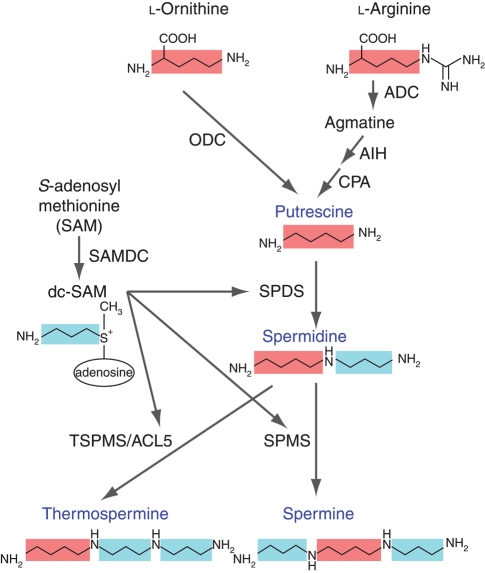
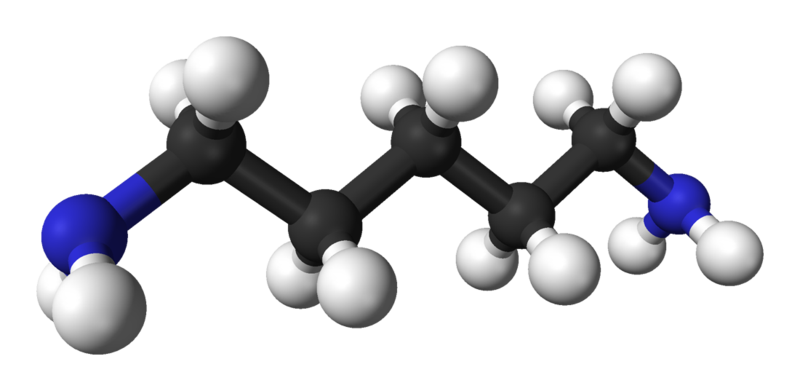
Phytochemistry of Chenopodium Quinoa. The Nutritional Regulators of Human Fertility: Biosynthetic pathways of Polyamines. There are three important sources for the human body Polyamine Pool; 1. The biosynthesis within the body, 2. Production by microorganisms residing in the gastrointestinal tract, and 3. Dietary contribution.Phytochemistry of Chenopodium Quinoa. The Nutritional Regulators of Human Fertility: Diamine, any of a group of chemical compounds containing two NH2 radicals, or double amino groups. Putrescine, 1,4-Diaminobutane is a foul-smelling organic chemical compound often produced by the breakdown of amino acids. Its name describes its connection with putrid substances such as rotten meat or decaying organic matter.Phytochemistry of Chenopodium Quinoa. The Nutritional Regulators of Human Fertility: Cadaverine is a foul-smelling diamine compound produced by protein hydrolysis. Compounds such as 1,5-Pentanediamine/Pentamethylenediamine impart putrid odor to dead and decaying animal matter.Phytochemistry of Chenopodium Quinoa. The Nutritional Regulators of Human Fertility: Spermidine is a Triamine or Polyamine and it is the precursor of a polyamine called Spermine. It is associated with the smell and flavor of Semen, the thick, whitish fluid secreted by the human male reproductive organs.Phytochemistry of Chenopodium Quinoa. The Nutritional Regulators of Human Fertility:TETRAMINE-POLYAMINE- SPERMINE – This amino compound was first found in human Semen several centuries ago. It is a basic substance associated with Nucleic Acids such as DNA and RNA, and cell membranes. It is found in nearly all animal, and plant cells. Its presence imparts smell and flavor to human Semen.Phytochemistry of Chenopodium Quinoa. The Nutritional Regulators of Human Fertility: Spermine imparts odor to human Semen. To be odorous, a substance must be sufficiently volatile for its molecules to be given off and carried into the nostrils where the Olfactory epithelium recognizes the presence of odoriferous molecules when they fit into functioning groups and specific receptors according to molecular size and shape.
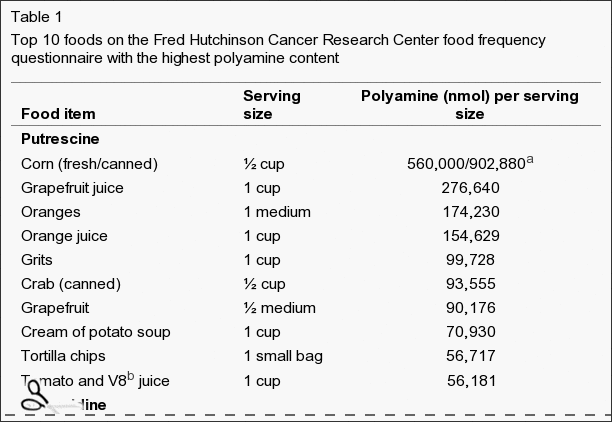
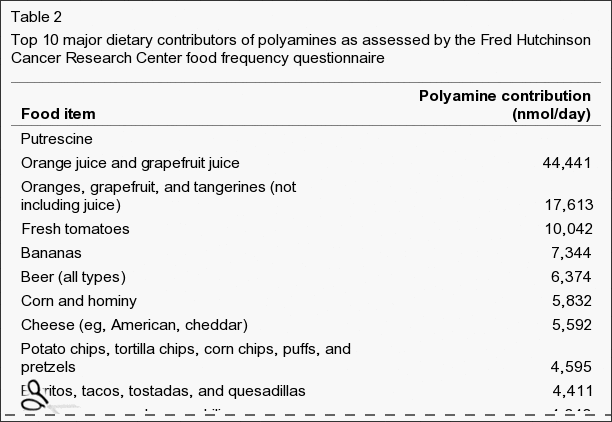
Polyamines are described as small aliphatic amines found in all animal, and plant cells. They are the major components which are not only involved in fundamental cellular processes, for example, cell proliferation, cell differentiation, and programmed cell death, but also in adaptive responses to environmental stresses.The human body Polyamine Pool has three major sources; 1. Synthesis within the body, 2. Production by microbes that inhabit the intestinal tract, and 3. dietary uptake of Polyamines. According to a study, the concentration levels of these chemical compounds in human male Semen are, 1. Putrescine ranged from 0 to 1.96 mmol/L (mean value= 0.10mmol/L), 2. Spermidine ranged from 0.017 to 0.96 mmol/L (mean value= 0.16mmol/L), and 3. Spermine ranged from 0.13 to 20.80 mmol/L (mean value= 2.43mmol/L). It must be noted that the odor sensation is influenced by both the arrangement of atoms within the molecule as well as the particular chemical groups that comprise the molecule. Olfaction is 10,000 times more sensitive than taste. The levels of these compounds in popular dietary items is shown in the tables below:
Phytochemistry of Chenopodium Quinoa. The Nutritional Regulators of Human Fertility: Dietary Sources of Polyamines found in top ten foods. None of them generate the same odor as that of human male Semen.Phytochemistry of Chenopodium Quinoa. The Nutritional Regulators of Human Fertility: Top ten sources of dietary Polyamines. None of these foods is associated with the Semen-like odor generated by Quinoa Flakes.
To describe the role of Polyamines in Plant and Human Physiology, I would like to quote from the abstract prepared by Lefevre PL, Palin MF, and Murphy BD in their article titled ‘Polyamines on the reproductive landscape’, and its full text may be viewed at:
The polyamines are ubiquitous polycationic compounds. Some of these namely spermine, spermidine, and putrescine are essential to male and female reproductive processes and to embryo/fetal development. Indeed their absence is characterized by infertility and arrest in embryogenesis. Mammals synthesize polyamines de novo from amino acids or import these compounds from the diet. They are essential regulators of cell growth and gene expression and they are implicated in both mitosis and meiosis. In male reproduction, polyamine expression correlates with stages of spermatogenesis and they function to promote sperm motility. Polyamines are involved in ovarian follicle development and ovulation in female mammals. Polyamine synthesis is required for steroidogenesis in the ovary. Polyamines play the role in embryo implantation. Elimination of polyamine synthesis abrogate embryo development at gastrulation. Polyamines play the role in implantation, in decidualization, in placenta formation and function. Polyamine deprivation during gestation results in intrauterine growth retardation. Dietary arginine and dietary polyamines act as nutritional regulators of fertility.
Similarly, I can quote several other research papers that describe the physiology of natural polyamines and their significance in performing a variety of metabolic functions. Please read the articles cited as references.
Quinoa’s Phytochemistry – A Natural Aphrodisiac:
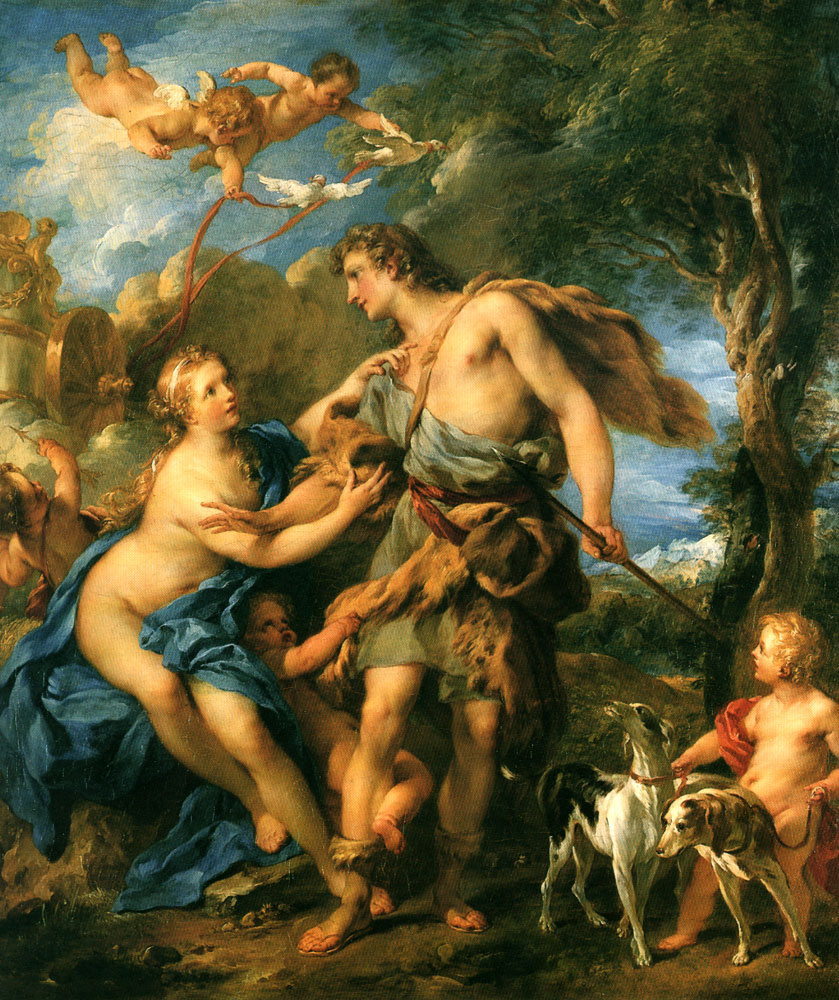
Phytochemistry of Chenopodium Quinoa. The Nutritional Regulators of Human Fertility: Greek mythology describes Adonis as a youth of remarkable beauty. He is the chosen favorite of Greek goddess Aphrodite. The name ‘Aphrodisiac’ describes any agent that can increase, arouse, and enhance male sexual excitement, sexual performance or stimulate sexual desire. I would like to carefully describe Quinoa as an Aphrodisiac that should be used by both young men, and women who are sexually active and have concerns about fertility. The scent, the odor, the smell, or aroma of Quinoa preparation gives me the clue that it could be a source of dietary polyamines which are nutritional regulators of fertility.
It is important to recognize the significance of Polyamine compounds such as Putrescine, Spermidine, and Spermine in Reproductive Biology. Animals derive essential amino acids and other organic compounds from their diet. Nutrition plays an important role in the reproductive success of an organism. Since scientific literature supports the view that dietary polyamines act as nutritional regulators of fertility, they can be easily incorporated into human dietary regimen, particularly of those young men and women who are sexually active and plan for reproductive success that ensures the birth of healthy babies. I am recommending the use of Quinoa as it is easy to verify the presence of nutritional polyamines by conducting a simple ‘Smell Test’. Its easy and takes only 90 seconds.
The Quinoa Challenge: The Proof of Pudding is in the Eating:
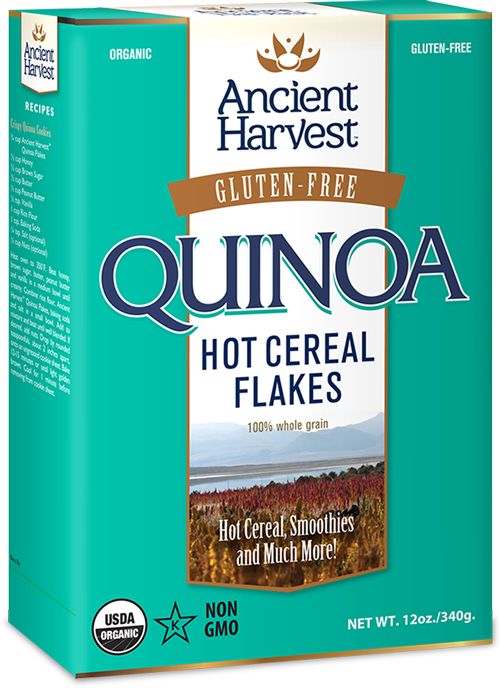
I am asking my readers to take the ‘Quinoa Challenge’, which is a simple ‘Smell Test’ to discover the presence of Polyamines Putrescine, Spermidine, and Spermine in the breakfast cereal of Quinoa Flakes made by Ancient Harvest. In 90 seconds, you will find the dietary polyamines without conducting a time-consuming chemical analysis. If your Quinoa porridge has Semen-like smell, it most certainly contains those Polyamines. As the saying goes: “The Proof of Pudding is in the Eating.”
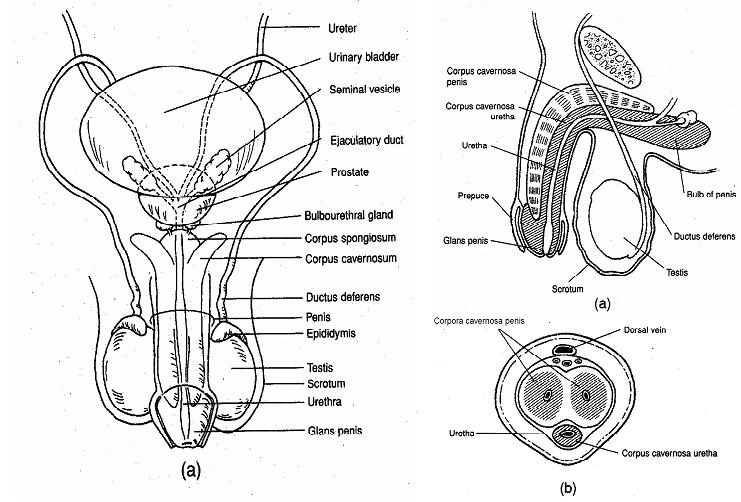
Phytochemistry of Chenopodium Quinoa. The Nutritional Regulators of Human Fertility: The strong, penetrating odor of freshly voided Semen is very distinctive, and is easily recognized by people of all Cultures. The smell, the odor, the scent, the flavor, or the aroma of Semen is attributed to the presence of amino compounds such as Putrescine, Cadaverine, Spermidine, and Spermine. Semen is a fluid of complex composition and it is produced by the secretions from several glands of the male reproductive system such as the Testes, Epididymis, the Ampulla of Ductus Deferens, the Seminal Vesicles, the Prostate, the Bulbourethral and Urethral Glands (Cowper & Littre glands).Phytochemistry of Chenopodium Quinoa. The Nutritional Regulators of Human Fertility: The Sensation of Olfaction or Odor Quality is 10,000 times more sensitive than Taste sensation. Olfaction involves the detection of airborne chemical molecules. The Quinoa Challenge involves the detection of odor of Quinoa Flakes after heating them with water for just 90 seconds. Without conducting a chemical analysis, I can prove that Human Semen and Quinoa Flakes when cooked have nearly identical Polyamine composition that impart the unmistakable Semen odor or smell. For my study, I purchased Ancient Harvest Quinoa Flakes sold by Whole Foods Market, Ann Arbor. The box is priced at $5.99.Phytochemistry of Chenopodium Quinoa. The Nutritional Regulators of Human Fertility: The seeds of Chenopodium album – Lambsquarters or Pigweed are chewed or used in Inca traditional medicine in the treatment of urinary problems and for the problem of semen discharge during urination.Phytochemistry of Chenopodium Quinoa. The Nutritional Regulators of Human Fertility: Chenopodium vulvaria, Stinking Goosefoot, Notchweed, is a foul-smelling, or rank-smelling plant. The term ‘rank-smelling’ is used to describe strong, offensive smells like the smell of deer in sexual heat. The leaves of this plant are used in traditional Inca medicine for the treatment of hysteria and nervous trouble among women.Phytochemistry of Chenopodium Quinoa. The Nutritional Regulators of Human Fertility: Polyamines are important for the production of Sperm cells in the Testes of males. Polyamines are equally important in human female reproductive system. Polyamines are involved in Ovarian follicle development, ovulation, the production of sex hormones in the Ovary and for female fertility, the ability to give birth to a baby.Phytochemistry of Chenopodium Quinoa. The Nutritional Regulators of Human Fertility: The photo image of human embryo at 6 days. Polyamines play a role in embryo implantation. Polyamines are important for placenta formation and function. Polyamines help in intrauterine growth of embryo and fetus. During pregnancy, maternal nutrition is important and it must include dietary sources of proteins, polyamines, vitamins, and minerals to ensure the birth of a healthy baby.
The Problem of Male Potency. The Role of Quinoa as an Aphrodisiac:
The term potent is derived from the Sanskrit word, “Pati” which means Master or husband. It generally refers to the ability to have an erection and hence have the power or energy or strength or capacity to engage in sexual intercourse. Very often, when human males are concerned about the problem of male potency they describe it as a problem of erectile dysfunction. When females are investigated for the problem of infertility, the investigation of the male partner sometimes reveals the problems such as very low sperm counts and other abnormalities associated with the Seminal Fluid or Semen analysis. For men, impotence involves the problem of getting sexually excited, the stimulation of sexual desire for the successful execution of sexual intercourse. I would not propose Quinoa as an Erotic Food, or a Love Potion. Man’s universal attribution of libidinous effects to certain foods originated in the ancient belief; the belief in the therapeutic efficacy of “signatures.” If an object resembled genitalia, it is believed in several native cultures, that the object possessed sexual powers. Because of this belief, people describe the legendary aphrodisiac powers of Ginseng root and powdered Rhinoceros horn. Drugs like alcohol, marijuana, mescaline, opium, and others may cause sexual excitation through disinhibition. The fear, anxiety associated with erectile power and sexual performance may indeed have an inhibitory influence and may diminish sexual capacity. Inhibition could be the cause of much sexual malfunctioning. My recommendation of Quinoa as an aphrodisiac is based upon other considerations. Androgens are sex hormones that influence the growth and development of the male reproductive system. Testosterone is produced by the male testes. In the male, the Interstitial Cells of Leydig in the connective tissue surrounding the sperm-producing tubules of the testes are responsible for the production and secretion of androgens which are essential for the growth of the reproductive organs, the formation of sperm cells and for the maintenance of sexual interest and libido or sexual drive. Secondly, Polyamines are required to protect the sperm cells during their journey in the female genital tract. Polyamines are alkaline compounds that counteract and buffer the acidic environment of the vaginal canal and protect DNA inside sperm cells. From a study of Phytochemistry, plant physiology, human physiology, biochemistry, medical biology, endocrinology, embryology, and human nutrition, I recommend the inclusion of dietary sources of polyamines during the phase of reproductive activity of both men and women to ensure the birth of viable, and healthy babies. For that reason, I am suggesting the use of Quinoa Flakes. If there is any doubt, perform the ‘Smell Test’ to verify the presence of aromatic amino compounds which play a role in both mitosis, and meiosis cell division apart from their association with Nucleic Acids like DNA, RNA, and their role in the activity of Ribosomes and the Cell Membrane. Studies indicate that reducing the concentration of Polyamines in the body pool may slow cancer process as the rapidly proliferating cancer cells need polyamines. To study viruses, Virologists use Chenopodium quinoa plants as plant virus hosts. The development of Polyamine Database for assessing Dietary Intake has been recommended and I am hopeful that nutritional guidelines will become available. Quinoa is a functional food and it must be used in support of various physiological functions and its intake and of other polyamines could be also important in the management of cancer. The biosynthesis of chemical molecules by plants is a creative process and the mechanism is creative as it generates diversity while the molecules maintain their unchanging properties and characteristics.
References:
1. Polyamines and the integrity of the plant body. Galston AW
WholeDude – WholeDesigner – Phytochemistry: Spermine imparts odor to human Semen. To be odorous, a substance must be sufficiently volatile for its molecules to be given off and carried into the nostrils where the Olfactory epithelim recognizes the presence of odiferous molecules when they fit into functioning groups and specific receptors according to molecular size and shape.Whole Foods-Whole Inspiration-Whole LanguageWhole Foods, Whole People and Whole Planet inspire Whole Dude to invent Whole Phrases: Whole Linguistics – Whole Language. The concept of Whole Cookie and Whole Love. Whole Dude uses the phrase Whole Linguistics to describe three entities; 1. Language User, 2. Language Interpreter and 3. Language Creator. Image Credit: Agenda Publications, Ann Arbor District Library, Issue Dates, December 1997 and February 1998.
The Magic of Creation – The Proof of the Pudding is in the Eating – Discovery reported in 2013
Whole Foods-Whole Inspiration-Whole LanguageWhole Foods, Whole People and Whole Planet inspire Whole Dude to invent Whole Phrases: Whole Linguistics – Whole Language. The concept of Whole Cookie and Whole Love. Whole Dude uses the phrase Whole Linguistics to describe three entities; 1. Language User, 2. Language Interpreter and 3. Language Creator. Image Credit: Agenda Publications, Ann Arbor District Library, Issue Dates, December 1997 and February 1998.Griffin James Quinoa Challenge Award at Whole Foods Market Inc., Ann Arbor promotes the idea of improving Product Knowledge. Currently, there are no laws to include Nutrition Information about Dietary Polyamine Content of Food Products sold by Retail Food Industry.
The Magic of Creation can be interpreted from an understanding of Photochemistry and Phytochemistry. Photochemistry provides information about light and matter interactions in the material world where the living things survive using directly, or indirectly the energy trapped by photosynthetic organisms. Phytochemistry provides information about the creation, or the synthesis of chemical molecules by plants which are not endowed with organs of special sensation. The Magic of Creation is experienced by man who has the faculties of special sensation such as vision, olfaction (smell), and taste. Plants create chemical molecules that have the ability to provide the stimulus to cause a sensation that man can easily recognize. The fact of Creation can be recognized by knowing the color, the odor, the smell, the scent, the fragrance, the aroma, the flavor, and the taste of chemical molecules synthesized by plants.
The Magic of Creation discovered at Whole Foods, Ann Arbor – The Proof of the Pudding is in the Eating. The Designing of Unchanging Chemical Molecules. The History of Quinoa. a, Seeds of C. suecicum, C. pallidicaule and quinoa. b, The proportion of gene pairs in each species binned according to Ks values. c, Maximum likelihood tree generated from 3,132 SNPs. Black branches, diploid species. Colored branches, tetraploid species: red, quinoa; blue, C. berlandieri; yellow, C. hircinum. Branch values represent the percentage of 1,000 bootstrap replicates that support the topology. Scale bar represents substitutions per site. d, Evolutionary relationships of Chenopodium species, showing the hypothesized long-range dispersal of an ancestral C. berlandieri to South America, and the eventual domestication of quinoa from C. hircinum, either from a single event that gave rise to highland and subsequently coastal quinoa (1), or in two events that gave rise to highland (2a) and coastal (2b) quinoa independently. Blue, red and yellow shading represents the geographic distribution of C. berlandieri, quinoa and C. hircinum, respectively.
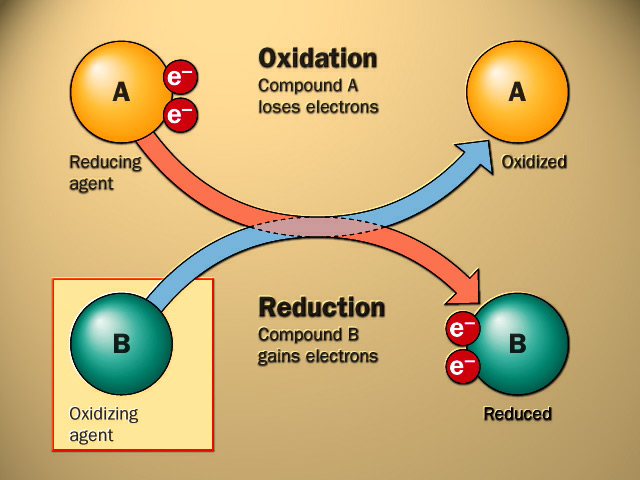
The Theory of Evolution tries to explain changes in the morphological appearances of organisms which exist under the influence of time. But, the fact of existence of life can only be explained by the unchanging creative mechanisms that operate the Laws of Phytochemistry. We have witnessed changes in the appearances of organisms while the nature, and composition of chemical molecules essentially remains the same, and the same oxidative-reduction chemical reactions operate during the life and death of organisms. For example, the unchanging chemical composition of water molecule makes possible the creation of a wide variety of other chemical molecules to establish biodiversity.
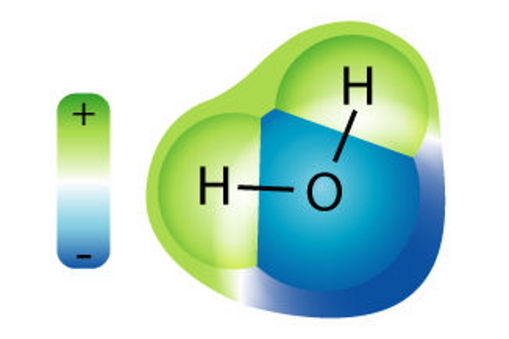
WholeDude – WholeDesigner – WholeMagic: The Water Molecule can exist in three different physical conditions such as liquid, solid, and gas. But, it maintains the same chemical composition, and displays unchanging behavior without being influenced by changing times. In essence, it is the same chemical compound that existed in all living things of the past, and the present.
What it is to be a Substance? and What it is to Exist? We need to establish knowledge about the man and the world on a firm basis and the information it provides must be tested for its accuracy and consistency with an external reality. We have to make the fundamental distinction between the living and the non-living matter. The scientific advances of the 19th and 20th centuries reinforced the materialistic position concerning the basic similarity of organic living and inorganic physical matter. The man is viewed as a product of natural evolution and is thought to be subject to the same laws of Physics and Chemistry or mechanistic principles.
The Magic of Creation discovered at Whole Foods, Ann Arbor – The Proof of the Pudding is in the Eating. The Designing of Unchanging Chemical Molecules. SPIRITUALITY SCIENCE – THE ART OF KNOWING : HOW DO PLANTS KNOW WHAT THEY KNOW? PLANTS KNOW ABOUT LIGHT, THE LENGTH OF DAY, AND THE DURATION OF DARKNESS CALLED NIGHT. THERE IS NO “INTELLECT” INVOLVED IN THIS PROCESS OF KNOWING. THE ABILITY OF KNOWING LIGHT OR PHOTORECEPTION IS EXPLAINED BY PHOTOCHEMISTRY.
We need a methodology to study philosophy and to understand philosophical statements. Logical Positivism, also known as Scientific Empiricism aims to clarify concepts in both everyday and scientific language. It describes analysis of language as the function of philosophy. This analysis of language and of concepts is important to understand questions of belief and ideology which affect what we think we ought to do individually and socially. I would use this method of ‘Applied Philosophy’ to analyze the concept of Spiritual Optics, the Spiritual dimension of biological coloration and the synthesis of chemical molecules by plants.
Whole Dude – Whole Designer – Phytochemistry:
The Magic of Creation discovered at Whole Foods, Ann Arbor – The Proof of the Pudding is in the Eatng. The Designing of Unchanging Chemical Molecules.
Phytochemistry is the branch of Chemistry dealing with the chemical processes associated with plant life and the chemical compounds produced by plants.
In this blog post, I explore the connection between the chemical compounds made by Chenopodium quinoa and the male human reproductive system. I am amazed to discover that a plant creates the same chemical compounds in the precise concentration and combination to generate the same odor, smell, flavor, scent, or aroma that is produced by a freshly voided sample of human male Semen, the biological fluid that contains seeds called Spermatozoa. In my entire food experience with a wide variety of plant, and animal products, I never encountered a similar observation where I observe the convergence in chemical processes to generate the unique, unmistakable and distinctive odor by two entirely different organisms. Both plants and the man may synthesize similar chemical compounds using similar enzymatic pathways, still it would be very exceptional to generate an odor that a man can easily recognize as his own. The mechanisms that operate the phenomenon of Evolution cannot bring about this kind of convergence. In my interpretation, it is the evidence of an Artistic Unit created by Whole Designer, or Whole Architect, and a Whole Planner.
The Magic of Creation discovered at Whole Foods, Ann Arbor – The Proof of the Pudding is in the Eating. The Designing of Unchanging Chemical Molecules. Whole Dude – Whole Designer – Phytochemistry: The seeds of Chenopodium quinoa. These seeds contain the same chemical compounds found in Seminal Plasma or Semen, a complex fluid created by the male, human reproductive system.The Magic of Creation discovered at Whole Foods, Ann Arbor – The Proof of the Pudding is in the Eating. The Designing of Unchanging Chemical Molecules. Whole Dude – Whole Designer – Phytochemistry: Chenopodium quinoa synthesizes several amino chemical compounds called Polyamines such as Putrescine, Spermine, and Spermidine which are also present in the human, male reproductive secretion called Seminal Plasma or Semen. But to generate a specific, identical odor, or smell, both the seeds and Semen must have a similar concentration, combination, and mixture of volatile, odor generating airborne molecules.The Magic of Creation discovered at Whole Foods, Ann Arbor – The Proof of the Pudding is in the Eating. The Designing of Unchanging Chemical Molecules.Whole Dude – Whole Designer – Phytochemistry: Chenopodium quinoa belongs to the Goosefoot family called Chenopodiaceae, Order Caryophyllales, dicotyledonous plants including Chard, Spinach, and Beets. The leaf may have some resemblance to a Goose Foot. This plant makes polyamines and the seeds have similar combination, and concentration of these chemicals to produce the same odor or smell that is given off by a freshly voided sample of human, male Semen.
Quinoa (Spanish – Quinua, Quechua, Kinwa) is a member of the Goosefoot family and belongs to the genus called Chenopodium. These are weedy plants with small green flowers and scruffy foliage. These plants are cultivated by the Incas in the Altiplano of Bolivia, and Peru for the last 7,000 years challenging highly different environmental conditions. Quinoa is not a true cereal and is sometimes called pseudocereal as it does not belong to the Grass family like the true cereals such as Wheat and Rice. Quinoa plants produce fruits and seeds used as flour for making bread, pasta, breakfast flakes, and other staples.
The Magic of Creation discovered at Whole Foods, Ann Arbor – The Proof of the Pudding is in the Eating. The Designing of Unchanging Chemical Molecules. Whole Dude – Whole Designer – Phytochemistry: Incas have been continuously cultivating Quinoa for the last 7,000 years. They may not be aware of the chemical compounds made by these plants. However, they should be able to very easily recognize the smell, the odor, the scent, the aroma, and the flavor of the plant products that they use. A ‘Smell Test’ can accurately detect presence of some odoriferous chemical molecules and any man will be able to describe the odor without being a Chemist, or a Biochemist.The Magic of Creation discovered at Whole Foods, Ann Arbor – The Proof of the Pudding is in the Eating. The Designing of Unchanging Chemical Molecules. Whole Dude – Whole Designer – Phytochemistry: Quinoa seeds are Gluten-Free. It is also Cholesterol-free, low-fat, and high in protein. Throughout the ages many foods have been considered sexual stimulants. Quinoa has a special reason to be recognized as an Aphrodisiac, a chemical agent that can enhance sexual performance. Such a claim can be based upon the study of Polyamines found in its leaves and seeds. Polyamines are now thought of as the nutritional regulators of human fertility.
Quinoa is one of the staple foods of the people of the Andes region of South America. It is described as complete food because of its protein quality; the balance between protein, fat, and carbohydrates. Unlike Wheat, and Rice, it is a good source of amino acid Lysine. It is a good source of minerals like iron, calcium, potassium, sodium, and zinc. The chemical analysis of Chenopodium quinoa seeds reveals the presence of several chemical compounds such as Phenols, Sterols, Terpens, Saponins, Amides, and Alkaloids. However, I emphasize about the presence of Polyamines, a class of chemical compounds found in all plant, and animal cells. The presence of Saponins in the outer layers of Quinoa seeds imparts a bitter taste to the food preparations and often people refuse to use Quinoa because of its taste, and smell.
What are Polyamines?
The Magic of Creation discovered at Whole Foods, Ann Arbor – The Proof of the Pudding is in the Eating. The Designing of Unchanging Chemical Molecules. Whole Dude – Whole Designer – Phytochemistry: Biosynthetic pathways of Polyamines. There are three important sources for the human body Polyamine Pool; 1. The biosynthesis within the body, 2. Production by microorganisms residing in the gastrointestinal tract, and 3. Dietary contribution.The Magic of Creation discovered at Whole Foods, Ann Arbor – The Proof of the Pudding is in the Eating. The Designing of Unchanging Chemical Molecules. Whole Dude – Whole Designer – Phytochemistry: Diamine, any of a group of chemical compounds containing two NH2 radicals, or double amino groups. Putrescine, 1,4-Diaminobutane is a foul-smelling organic chemical compound often produced by the breakdown of amino acids. Its name describes its connection with putrid substances such as rotten meat or decaying organic matter.The Magic of Creation discovered at Whole Foods, Ann Arbor – The Proof of the Pudding is in the Eating. The Designing of Unchanging Chemical Molecules. Whole Dude – Whole Designer – Phytochemistry: Cadaverine is a foul-smelling diamine compound produced by protein hydrolysis. Compounds such as 1,5-Pentanediamine/Pentamethylenediamine impart putrid odor to dead and decaying animal matter.The Magic of Creation discovered at Whole Foods, Ann Arbor – The Proof of the Pudding is in the Eating. The Designing of Unchanging Chemical Molecules.Whole Dude – Whole Designer – Phytochemistry: Spermidine is a Triamine or Polyamine and it is the precursor of a polyamine called Spermine. It is associated with the smell and flavor of Semen, the thick, whitish fluid secreted by the human male reproductive organs.The Magic of Creation discovered at Whole Foods, Ann Arbor-The Proof of the Pudding is in the Eating. The Designing of Unchanging Chemical Molecules. Whole Dude – Whole Designer – Phytochemistry:TETRAMINE-POLYAMINE- SPERMINE – This amino compound was first found in human Semen several centuries ago. It is a basic substance associated with Nucleic Acids such as DNA and RNA, and cell membranes. It is found in nearly all animal, and plant cells. Its presence imparts smell and flavor to human Semen.The Magic of Creation discovered at Whole Foods, Ann Arbor-The Proof of the Pudding is in the Eating. The Designing of Unchanging Chemical Molecules. Whole Dude – Whole Designer – Phytochemistry: Spermine imparts odor to human Semen. To be odorous, a substance must be sufficiently volatile for its molecules to be given off and carried into the nostrils where the Olfactory epithelium recognizes the presence of odoriferous molecules when they fit into functioning groups and specific receptors according to molecular size and shape.
Polyamines are described as small aliphatic amines found in all animal, and plant cells. They are the major components which are not only involved in fundamental cellular processes, for example, cell proliferation, cell differentiation, and programmed cell death, but also in adaptive responses to environmental stresses.The human body Polyamine Pool has three major sources; 1. Synthesis within the body, 2. Production by microbes that inhabit the intestinal tract, and 3. dietary uptake of Polyamines. According to a study, the concentration levels of these chemical compounds in human male Semen are, 1. Putrescine ranged from 0 to 1.96 mmol/L ( mean value= 0.10 mmol/L), 2. Spermidine ranged from 0.017 to 0.96 mmol/L(mean value= 0.16 mmol/L), and 3. Spermine ranged from 0.13 to 20.80 mmol/L(mean value= 2.43 mmol/L). It must be noted that the odor sensation is influenced by both arrangement of atoms within the molecule as well as the particular chemical groups that comprise the molecule. Olfaction is 10,000 times more sensitive than taste. The levels of these compounds in popular dietary items is shown in the tables below:
The Magic of Creation discovered at Whole Foods, Ann Arbor- The Proof of the Pudding is in the Eating. The Designing of Unchanging Chemical Molecules. Whole Dude – Whole Designer – Phytochemistry : Dietary Sources of Polyamines found in top ten foods. None of them generate the same odor as that of human male Semen.The Magic of Creation discovered at Whole Foods, Ann Arbor – The Proof of the Pudding is in the Eating. The Designing of Unchanging Chemical Molecules. Whole Dude – Whole Designer – Phytochemistry: Top ten sources of dietary Polyamines. None of these foods is associated with the Semen-like odor generated by Quinoa Flakes.
To describe the role of Polyamines in Plant and Human Physiology, I would like to quote from the abstract prepared by Lefevre PL, Palin MF, and Murphy BD in their article titled ‘Polyamines on the reproductive landscape’, and its full text may be viewed at:
The polyamines are ubiquitous polycationic compounds. Some of these namely spermine, spermidine, and putrescine are essential to male and female reproductive processes and to embryo/fetal development. Indeed their absence is characterized by infertility and arrest in embryogenesis. Mammals synthesize polyamines de novo from amino acids or import these compounds from the diet. They are essential regulators of cell growth and gene expression and they are implicated in both mitosis and meiosis. In male reproduction, polyamine expression correlates with stages of spermatogenesis and they function to promote sperm motility. Polyamines are involved in ovarian follicle development and ovulation in female mammals. Polyamine synthesis is required for steroidogenesis in the ovary. Polyamines play the role in embryo implantation. Elimination of polyamine synthesis abrogate embryo development at gastrulation. Polyamines play the role in implantation, in decidualization, in placenta formation and function. Polyamine deprivation during gestation results in intrauterine growth retardation. Dietary arginine and dietary polyamines act as nutritional regulators of fertility.
Similarly, I can quote several other research papers that describe the physiology of natural polyamines and their significance in performing a variety of metabolic functions. Please read the articles cited as references.
Quinoa’s Phytochemistry – A Natural Aphrodisiac:
The Magic of Creation discovered at Whole Foods, Ann Arbor -The Proof of the Pudding is in the Eating. The Designing of Unchanging Chemical Molecules. Whole Dude – Whole Designer – Phytochemistry: Greek mythology describes Adonis as a youth of remarkable beauty. He is the chosen favorite of Greek goddess Aphrodite. The name ‘Aphrodisiac’ describes any agent that can increase, arouse, and enhance male sexual excitement, sexual performance or stimulate sexual desire. I would like to carefully describe Quinoa as an Aphrodisiac that should be used by both young men, and women who are sexually active and have concerns about fertility. The scent, the odor, the smell, or aroma of Quinoa preparation gives me the clue that it could be a source of dietary polyamines which are nutritional regulators of fertility.
It is important to recognize significance of Polyamine compounds such as Putrescine, Spermidine, and Spermine in Reproductive Biology. Animals derive essential amino acids and other organic compounds from their diet. Nutrition plays an important role in the reproductive success of an organism. Since scientific literature supports the view that dietary polyamines act as nutritional regulators of fertility, they can be easily incorporated into human dietary regimen, particularly of those young men and women who are sexually active and plan for reproductive success that ensures the birth of healthy babies. I am recommending the use of Quinoa as it is easy to verify presence of nutritional polyamines by conducting a simple ‘Smell Test’. Its easy and takes only 90 seconds.
The Quinoa Challenge: The Proof of the Pudding is in the Eating:
I am asking my readers to take the ‘Quinoa Challenge’, which is a simple ‘Smell Test’ to discover presence of Polyamines Putrescine, Spermidine, and Spermine in the breakfast cereal of Quinoa Flakes made by Ancient Harvest. In 90 seconds, you will find the dietary polyamines without conducting a time-consuming chemical analysis. If your Quinoa porridge has Semen-like smell, it most certainly contains those Polyamines. As the saying goes: “The Proof of the Pudding is in the Eating.”
The Magic of Creation discovered at Whole Foods, Ann Arbor – The Proof of the Pudding is in the Eating. The Designing of Unchanging Chemical Molecules. Whole Dude – Whole Designer – Phytochemistry: The strong, penetrating odor of freshly voided Semen is very distinctive, and is easily recognized by people of all Cultures. The smell, the odor, the scent, the flavor, or the aroma of Semen is attributed to presence of amino compounds such as Putrescine, Cadaverine, Spermidine, and Spermine. Semen is a fluid of complex composition and it is produced by the secretions from several glands of the male reproductive system such as the Testes, Epididymis, the Ampulla of Ductus Deferens, the Seminal Vesicles, the Prostate, the Bulbourethral and Urethral Glands(Cowper & Littre glands).The Magic of Creation discovered at Whole Foods, Ann Arbor – The Proof of the Pudding is in the Eating. The Designing of Unchanging Chemical Molecules. PHYTOCHEMISTRY OF CHENOPODIUM QUINOA : I USED ANCIENT HARVEST QUINOA HOT CEREAL FLAKES TO CONDUCT THE QUINOA SMELL TEST .The Magic of Creation discovered at Whole Foods, Ann Arbor – The Proof of the Pudding is in the Eating. The Designing of Unchanging Chemical Molecules. Whole Dude – Whole Designer – Phytochemistry: The Sensation of Olfaction or Odor Quality is 10,000 times more sensitive than Taste sensation. Olfaction involves detection of airborne chemical molecules. The Quinoa Challenge involves detection of odor of Quinoa Flakes after heating them with water for just 90 seconds. Without conducting a chemical analysis, I can prove that Human Semen and Quinoa Flakes when cooked have nearly identical Polyamine composition that impart the unmistakable Semen odor or smell. For my study, I purchased Ancient Harvest Quinoa Flakes sold by Whole Foods Market, Ann Arbor. The box is priced at $5.99 or more.The Magic of Creation discovered at Whole Foods, Ann Arbor – The Proof of the Pudding is in the Eating. The Designing of Unchanging Chemical Molecules. Whole Dude – Whole Designer – Phytochemistry: The seeds of Chenopodium album – Lambsquarters or Pigweed are chewed or used in Inca traditional medicine in treatment of urinary problems and for the problem of semen discharge during urination.The Magic of Creation discovered at Whole Foods, Ann Arbor – The Proof of the Pudding is in the Eating. The Designing of Unchanging Chemical Molecules. Whole Dude – Whole Designer – Phytochemistry: Chenopodium vulvaria, Stinking Goosefoot, Notchweed, is a foul-smelling, or rank-smelling plant. The term ‘rank-smelling’ is used to describe strong, offensive smells like the smell of deer in sexual heat. The leaves of this plant are used in traditional Inca medicine for treatment of hysteria and nervous trouble among women.The Magic of Creation discovered at Whole Foods, Ann Arbor-The Proof of the Pudding is in the Eating. The Designing of Unchanging Chemical Molecules. Whole Dude – Whole Designer – Phytochemistry: Polyamines are important for production of Sperm cells in the Testes of males. Polyamines are equally important in human female reproductive system. Polyamines are involved in Ovarian follicle development, ovulation, production of sex hormones in the Ovary and for female fertility, the ability to give birth to a baby.The Magic of Creation discovered at Whole Foods, Ann Arbor – The Proof of the Pudding is in the Eating. The Designing of Unchanging Chemical Molecules. Whole Dude – Whole Designer – Phytochemistry: The photo image of human embryo at 6 days. Polyamines play a role in embryo implantation. Polyamines are important for placenta formation and function. Polyamines help in intrauterine growth of embryo and fetus. During pregnancy, maternal nutrition is important and it must include dietary sources of proteins, polyamines, vitamins, and minerals to ensure the birth of a healthy baby.
The Problem of Male Potency – The Role of Quinoa as an Aphrodisiac:
The Magic of Creation discovered at Whole Foods, Ann Arbor – The Proof of the Pudding is in the Eating. The Designing of Unchanging Chemical Molecules. The role of Quinoa as an Aphrodisiac. The Birth of Venus, by Sandro Botticelli, depicts the goddess of love floating on a giant scallop shell. The word aphrodisiac derives from her Greek name, Aphrodite.
The term potent is derived from the Sanskrit word “Pati” which means Master or husband. It generally refers to the ability to have erection and hence have the power or energy or strength or capacity to engage in sexual intercourse. Very often, when human males are concerned about the problem of male potency they describe it as a problem of erectile dysfunction. When females are investigated for the problem of infertility, investigation of the male partner sometimes reveals the problems such as very low sperm counts and other abnormalities associated with the Seminal Fluid or Semen analysis. For men, impotence involves the problem of getting sexually excited, stimulation of sexual desire for the successful execution of sexual intercourse.
I do not propose Quinoa as an Erotic Food, or a Love Potion. Man’s universal attribution of libidinous effects to certain foods originated in the ancient belief; the belief in the therapeutic efficacy of “signatures.” If an object resembled genitalia, it is believed in several native cultures, that the object possessed sexual powers. Because of this belief, people describe the legendary aphrodisiac powers of Ginseng root and powdered Rhinoceros horn. Drugs like alcohol, marijuana, mescaline, opium, and others may cause sexual excitation through disinhibition. The fear, anxiety associated with erectile power and sexual performance may indeed have an inhibitory influence and may diminish sexual capacity. Inhibition could be the cause of much sexual malfunctioning. My recommendation of Quinoa as an aphrodisiac is based upon other considerations. Androgens are sex hormones that influence the growth and development of the male reproductive system. Testosterone is produced by the male testes. In the male, the Interstitial Cells of Leydig in the connective tissue surrounding the sperm-producing tubules of the testes are responsible for the production and secretion of androgens which are essential for the growth of the reproductive organs, the formation of sperm cells and for maintenance of sexual interest and libido or sexual drive. Secondly, Polyamines are required to protect the sperm cells during their journey in the female genital tract. Polyamines are alkaline compounds that counteract and buffer the acidic environment of the vaginal canal and protect DNA inside sperm cells. From a study of Phytochemistry, plant physiology, human physiology, biochemistry, medical biology, endocrinology, embryology, and human nutrition, it could be recommended to include some dietary sources of polyamines during the reproductive activity of both men and women to ensure the birth of viable, and healthy babies. For that reason, I am suggesting the use of Quinoa and if there is any doubt, perform the ‘Smell Test’ to verify the presence of aromatic amino compounds which play a role in both mitosis, and meiosis cell division apart from their association with Nucleic Acids like DNA, RNA, and their role in activity of Ribosomes and the Cell Membrane. Studies indicate that reducing concentration of Polyamines in the body pool may slow cancer process as the rapidly proliferating cancer cells need polyamines. To study viruses, Virologists use Chenopodium quinoa plants as plant virus hosts. Development of Polyamine Database for assessing Dietary Intake has been recommended and I am hopeful that nutritional guidelines will become available.
Quinoa is a functional food and it must be used in support of various physiological functions and its intake and of other polyamines could be also important in management of cancer. The biosynthesis of chemical molecules by plants is a creative process and the mechanism is creative as it generates diversity while the molecules maintain their unchanging properties and characteristics.
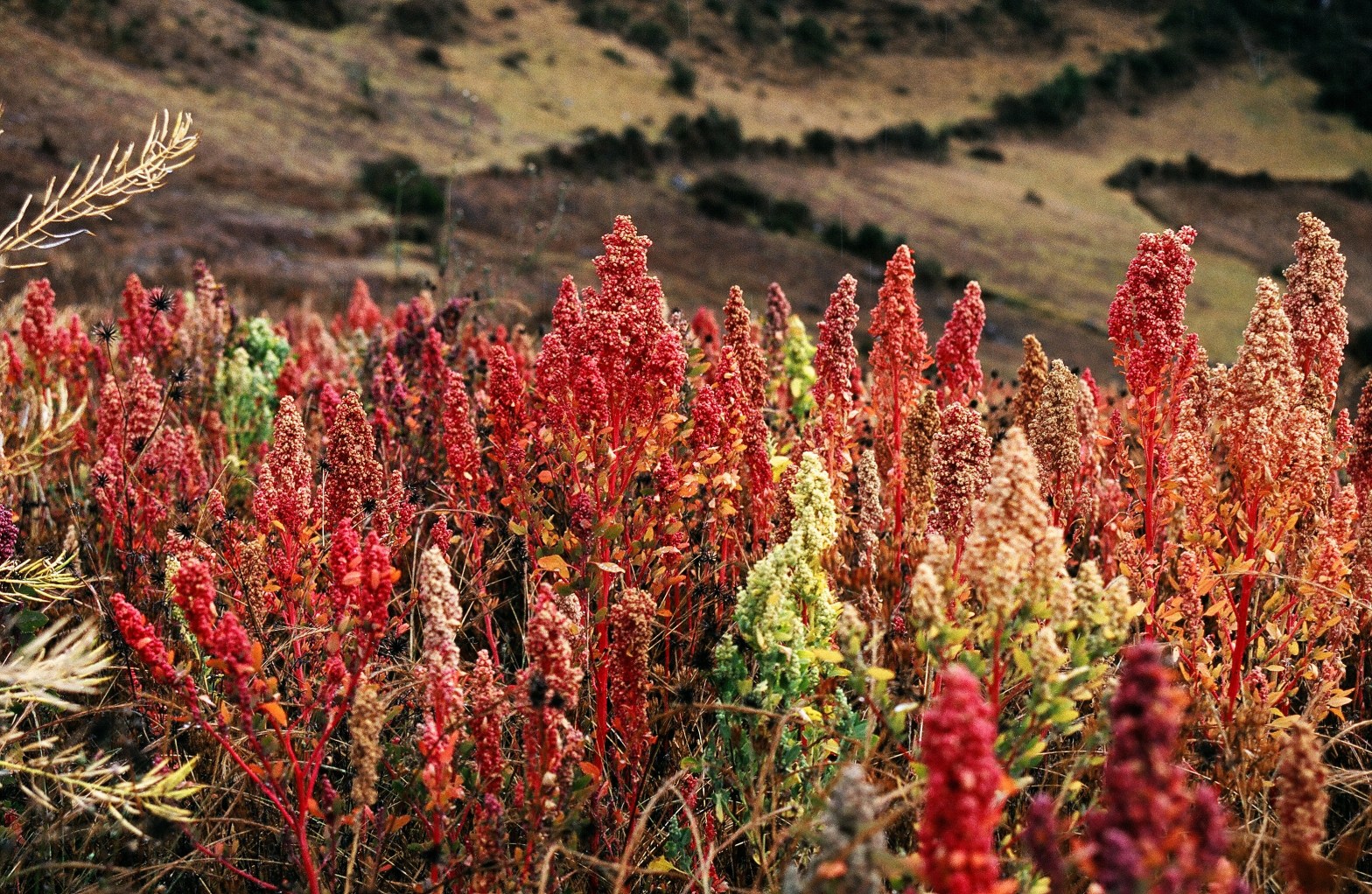
The Magic of Creation discovered at Whole Foods, Ann Arbor. The Proof of the Pudding is in the Eatingi. The Designing of Unchanging Chemical Molecules. Phytochemistry of Quinoa plants.
Whole Foods-Whole Inspiration-Whole LanguageWhole Foods, Whole People and Whole Planet inspire Whole Dude to invent Whole Phrases: Whole Linguistics – Whole Language. The concept of Whole Cookie and Whole Love. Whole Dude uses the phrase Whole Linguistics to describe three entities; 1. Language User, 2. Language Interpreter and 3. Language Creator. Image Credit: Agenda Publications, Ann Arbor District Library, Issue Dates, December 1997 and February 1998.WholeDude – WholeDesigner – Phytochemistry: Quinoa seeds are Gluten-Free. It is also Cholesterol-free, low-fat, and high in protein. Throughout the ages many foods have been considered sexual stimulants. Quinoa has a special reason to be recognized as an Aphrodisiac, a chemical agent that can enhance sexual performance. Such a claim can be based upon the study of Polyamines found in its leaves and seeds.
What it is to be a Substance? and What it is to Exist? We need to establish knowledge about the man and the world on a firm basis and the information it provides must be tested for its accuracy and consistency with an external reality. We have to make the fundamental distinction between the living and the non-living matter. The scientific advances of the 19th and 20th centuries reinforced the materialistic position concerning the basic similarity of organic living and inorganic physical matter. The man is viewed as a product of natural evolution and is thought to be subject to the same laws of Physics and Chemistry or mechanistic principles.
We need a methodology to study philosophy and to understand philosophical statements. Logical Positivism, also known as Scientific Empiricism aims to clarify concepts in both everyday and scientific language. It describes analysis of language as the function of philosophy. This analysis of language and of concepts is important to understand questions of belief and ideology which affect what we think we ought to do individually and socially. I would use this method of ‘Applied Philosophy’ to analyze the concept of Spiritual Optics, the Spiritual dimension of biological coloration and the synthesis of chemical molecules by plants.
The Magic of Creation. Take the Smell Test.
The Magic of Creation can be interpreted from an understanding of Photochemistry and Phytochemistry. Photochemistry provides information about light and matter interactions in the material world where the living things survive using directly, or indirectly the energy trapped by photosynthetic organisms. Phytochemistry provides information about the creation, or the synthesis of chemical molecules by plants which are not endowed with organs of special sensation.
Spiritual Optics. The Designing of Chemical Molecules by Plants. The Magic of Creation. Take the Smell Test.
The Magic of Creation is experienced by man who has the faculties of special sensation such as vision, olfaction (smell), and taste. Plants create chemical molecules that have the ability to provide the stimulus to cause a sensation that man can easily recognize. The fact of Creation can be recognized by knowing the color, the odor, the smell, the scent, the fragrance, the aroma, the flavor, and the taste of chemical molecules synthesized by plants.
WholeDude – WholeDesigner – WholeMagic: The Water Molecule can exist in three different physical conditions such as liquid, solid, and gas. But, it maintains the same chemical composition, and displays unchanging behavior without being influenced by changing times. In essence, it is the same chemical compound that existed in all living things of the past, and the present.
The Theory of Evolution tries to explain changes in the morphological appearances of organisms which exist under the influence of time. But, the fact of existence of life can only be explained by the unchanging creative mechanisms that operate the Laws of Phytochemistry. We have witnessed changes in the appearances of organisms while the nature, and composition of chemical molecules essentially remains the same, and the same oxidative-reduction chemical reactions operate during the life and death of organisms. For example, the unchanging chemical composition of water molecule makes possible the creation of a wide variety of other chemical molecules to establish biodiversity.
WholeDude – WholeDesigner – WholeMagic: The chemical equations for operation of life, and death are essentially the same and have not changed under the influence of time.
The Magic of Creation – Take the Smell Test:
WholeDude – WholeDesigner – Phytochemistry: This amino compound Spermine was first found in human semen several centuries ago. It is a basic substance associated with Nucleic Acids such as DNA and RNA, and cell membranes. It is found in nearly all animal, and plant cells. Its presence imparts smell and flavor to human Semen.
The detection of chemical molecules that stimulate the smell or olfaction sensation plays an important role in the survival of most animals. Smell is used for identifying and evaluating food, finding predators or prey, marking territory, and to stimulate reproductive activity. In several human traditions, the importance of smell, scent, odor, fragrance, and aroma is recognized and is glorified.
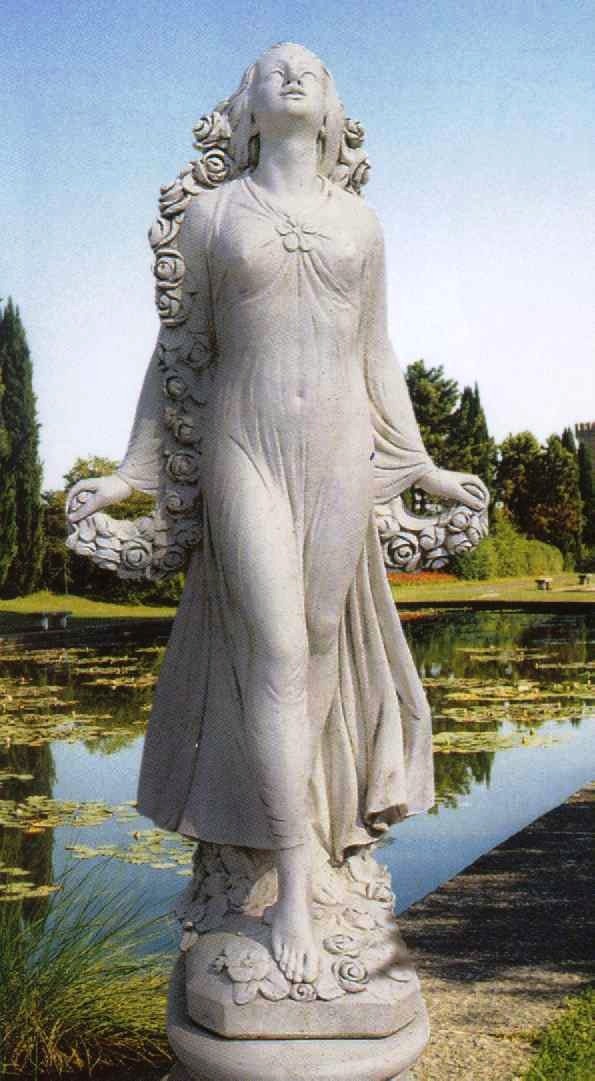
WholeDude – WholeDesigner – WholeMagic: In Roman mythology, Goddess Flora is recognized as the Goddess of Flowers and the Floral Fragrance.
Seven odors such as sweaty, spermous, fishy, malty, urinous, and musky have been described as primary odors. The genetic and molecular analysis of the mechanisms of olfaction are researched by Linda Brown Buck, and Richard Axel who published a paper identifying 1,000 G-protein coupled receptors used for olfaction.
WholeDude – WholeDesigner – WholeMagic: Linda Brown Buck (born-1947), American scientist received the 2004 Nobel Prize for Physiology or Medicine for her work on Olfactory Receptors.WholeDude – WholeDesigner – WholeMagic: Richard Axel(born {1946), American scientist received the 2004 Nobel Prize for Physiology or Medicine for his research on Olfactory receptors.
There could be 1,000 genes for Olfactory receptors which may detect the size, and shape of molecules and compose information for further recognition as a specific smell or odor. The word smell, or odor can be used as a general term to describe the quality or the characteristic perceived through the olfactory sense. Smell or odor suggests the presence or existence of something. The term scent refers to the emanation from the thing that is smelled. Scent could be faint, but it is a pervasive smell that gives a clue that could be tracked or followed. Odor is a heavier emanation and is often more clearly recognized. Smell or odor could be pleasant or unpleasant. Several descriptive terms are used to make the distinction between sensations that are appealing or offending. Fragrance is an agreeable, sweet smell, or pleasant odor. Aroma is a pleasant spicy odor. Perfume is relatively strong but usually pleasant smell that is natural, or manufactured. Bouquet is the fragrance of wine or brandy, and is also used to describe the characteristic aroma of a bunch of cut flowers. The term Redolence describes rich, pleasant combination of smells The term stink, or stench describe offending, or repulsive odors emanated by decaying organic materials. The term musty odor describes stale, moldy smell, and denotes the lack of freshness.
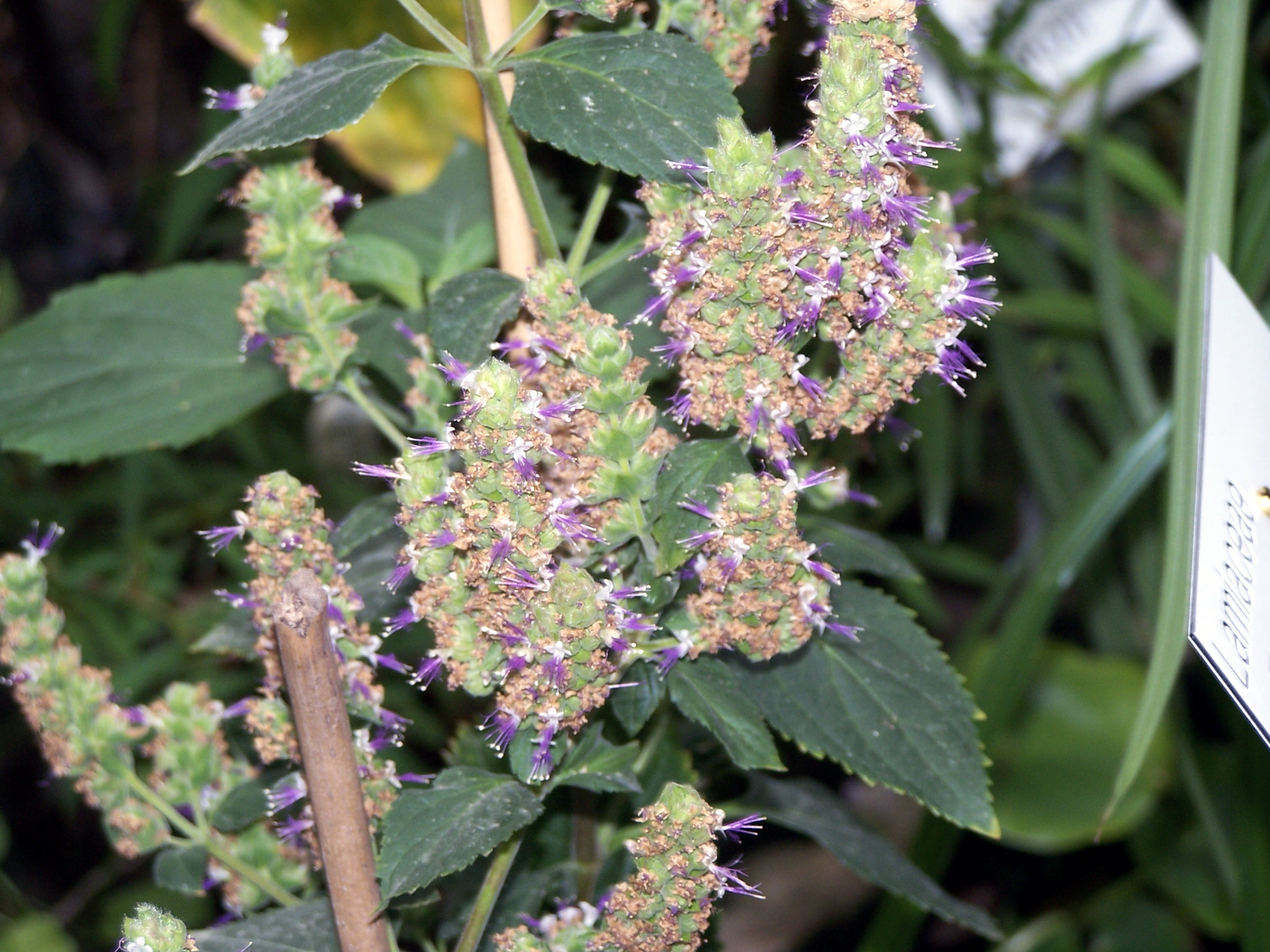
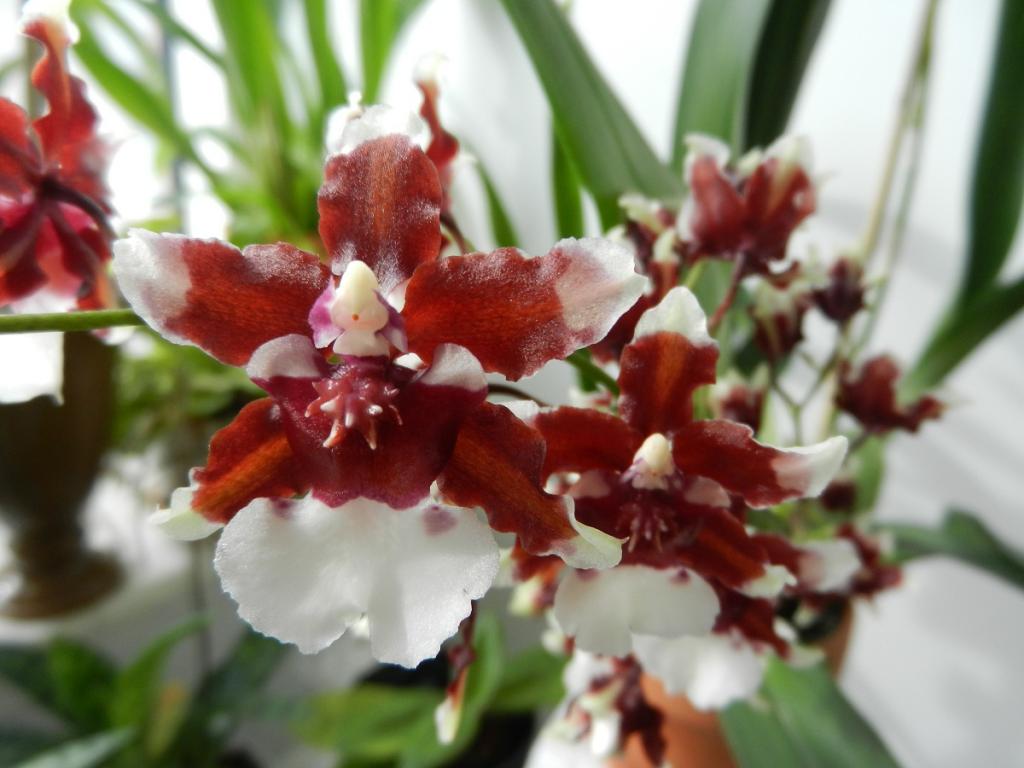
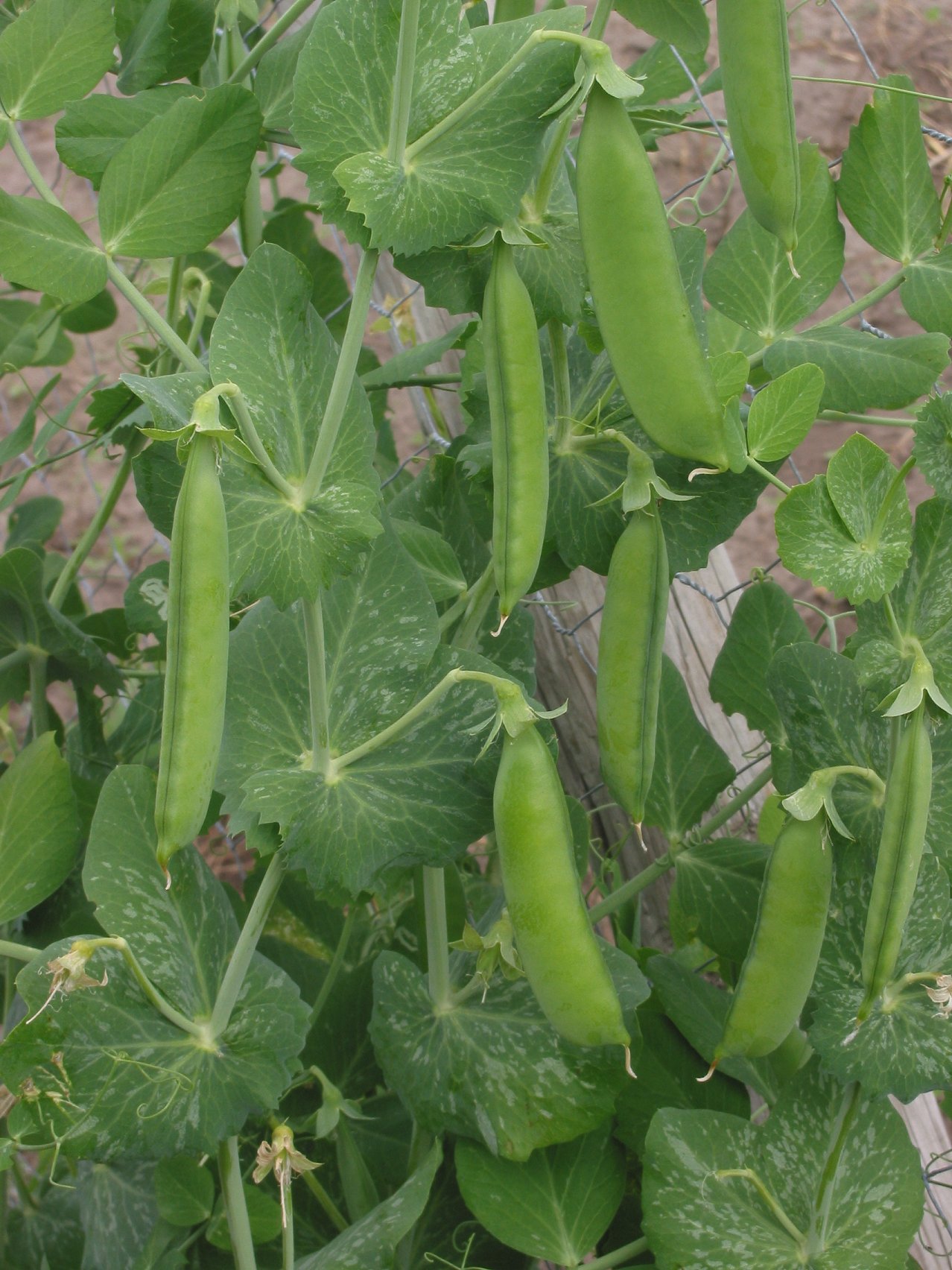
WholeDude – WholeDesigner – WholeMagic: Cinnamomum camphora. The smell called Camphor is derived from Sanskrit word “Karpurah” which is strong and penetrating, and stimulating.WholeDude – WholeDesigner – WholeMagic: The sweet floral fragrance of Rose is known to man since prehistoric times. It is a favorite flower in many lands.WholeDude – WholeDesigner – WholeMagic: Pogostemon cablin or Patchouli is known for its strong smell and is used in Aroma Therapy.WholeDude – WholeDesigner – WholeMagic: Patchouli is known for its musky, sensuous odor.WholeDude – WholeDesigner – WholeMagic: Oncidium or Redolence Orchid is known for its rich, pleasant combination of smells called heavenly scent.WholeDude – WholeDesigner – WholeMagic: Nyctanthes arbor – tristis, Night Jasmine. In Indian tradition, a legend describes that this tree was stolen from a celestial garden and was planted on earth to provide the pleasure of enjoying its fragrant flowers to Lord Krishna’s queen.WholeDude – WholeDesigner – WholeMagic: Mentha piperita known for its aromatic, fragrant foliage.WholeDude – WholeDesigner – WholeMagic: Nicotiana tabacum, a native of Americas. is known for the fine tobacco aroma of its cured leaves.WholeDude – WholeDesigner – WholeMagic: Hibiscus abelmoschus is known for its musky fragrance and the seeds are used in making perfume.WholeDude – WholeDesigner – WholeMagic: The aroma of wine is described as Bouquet.WholeDude – WholeDesigner – WholeMagic: Capsicum longum is known for its fruits which impart a piercing, burning, biting, and painful sensation associated with pungent odor.WholeDude – WholeDesigner – WholeMagic: Titan Arum, a native of Sumatra, Indonesia is known for its extremely offensive corpse-like stinky odor.WholeDude – WholeDesigner – WholeMagic: Pisum sativum. The sweetness of fresh, garden peas can be instantly recognized and is cultivated by man for thousands of years.WholeDude – WholeDesigner – WholeMagic: Chenopodium quinoa. The seeds when boiled release Spermous(Semen-like) odor and it is a very remarkable coincidence between the odor generated by a plant and the glands of human male reproductive system.
Plants create a combination of colors, smells, odors, fragrances, and aromas by synthesizing a variety of chemical molecules even while they lack the specific sensory abilities to recognize the characteristics of those molecules.
Spiritual Optics. The Designing of Chemical Molecules by Plants.
Plants synthesize chemical molecules that can be recognized by their smell, scent, odor, fragrance, aroma, and flavor. The sensory recognition or perception of smell or odor indicates the presence of something; the something that I recognize is that of the operation of Divine Providence called Mercy, Grace, and Compassion.
Spiritual Optics. The Designing of Chemical Molecules by Plants.
The Quinoa Challenge: The Proof of the Pudding is in the Eating:
Phytochemistry of Chenopodium Quinoa. The Nutritional Regulators of Human Fertility: The strong, penetrating odor of freshly voided Semen is very distinctive, and is easily recognized by people of all Cultures. The smell, the odor, the scent, the flavor, or the aroma of Semen is attributed to the presence of amino compounds such as Putrescine, Cadaverine, Spermidine, and Spermine. Semen is a fluid of complex composition and it is produced by the secretions from several glands of the male reproductive system such as the Testes, Epididymis, the Ampulla of Ductus Deferens, the Seminal Vesicles, the Prostate, the Bulbourethral and Urethral Glands (Cowper & Littre glands).
I am asking my readers to take the ‘Quinoa Challenge’, which is a simple ‘Smell Test’ to discover the presence of Polyamines Putrescine, Spermidine, and Spermine in the breakfast cereal of Quinoa Flakes made by Ancient Harvest. In 90 seconds, you will find the dietary polyamines without conducting a time-consuming chemical analysis. If your Quinoa porridge has Semen-like smell, it most certainly contains those Polyamines. As the saying goes: “The Proof of the Pudding is in the Eating.”
Phytochemistry of Chenopodium Quinoa. The Nutritional Regulators of Human Fertility: The Sensation of Olfaction or Odor Quality is 10,000 times more sensitive than Taste sensation. Olfaction involves the detection of airborne chemical molecules. The Quinoa Challenge involves the detection of odor of Quinoa Flakes after heating them with water for just 90 seconds. Without conducting a chemical analysis, I can prove that Human Semen and Quinoa Flakes when cooked have nearly identical Polyamine composition that impart the unmistakable Semen odor or smell. For my study, I purchased Ancient Harvest Quinoa Flakes sold by Whole Foods Market, Ann Arbor. The box is priced at $5.99.
Whole Foods-Whole Inspiration-Whole LanguageWhole Foods Arrives in Ann Arbor, September 1993Whole Foods opened its Store in Ann Arbor on September 16, 1993. Whole Foods, Whole People and Whole Planet inspire Whole Dude to invent Whole Phrases: Whole Linguistics – Whole Language. The concept of Whole Cookie and Whole Love. Whole Dude uses the phrase Whole Linguistics to describe three entities; 1. Language User, 2. Language Interpreter and 3. Language Creator. Image Credit: Agenda Publications, Ann Arbor District Library, Issue Dates, September 1993, December 1997 and February 1998.This is the most detailed model of a human cell ever created, built using real scientific data from X-ray crystallography, NMR, and cryo-electron microscopy. Titled “Cellular landscape cross-section through a eukaryotic cell,” this stunning visualization by Evan Ingersoll and Gael McGill reveals the densely packed, molecular complexity of life at the nanoscale.
Yes indeed, Life is Complicated because we still do not know many things about Life. We need to discover the nature of Interactions that operate the Connection between Whole Foods, Whole People, and Whole Planet. I coined the phrase Spiritual Interactions to account for the Physiological Basis of Life. But, I need to Live One More Day to learn about the term Biotic Interactions.
The Material Basis of the Spirituality Science. What is Spiritualism? I explain Spiritual Interactions as the Physiological Basis of Life.
The objective of this presentation is to define ‘Spiritualism’ as an internal, mutually beneficial partnership, relationship, association, or bonding between individual living cells of the same organism, or between two different organisms. Spiritualism has to be explained in the context of biotic interactions and consciousness determines the nature and characteristics of such biotic interactions.
Dr. Heinrich Anton de Bary (1831 – 1888), German Physician, Botanist, Founder of Modern Mycology, Microbiologist, Founder of Plant Pathology coined the term ‘Symbiosis’.
Dr. Heinrich Anton de Bary had coined the term ‘Symbiosis’ in 1879. It describes the living together of unlike organisms; the intimate association of two dissimilar organisms from which each organism benefits. Symbiosis (sym – together; bios – life) refers to various kinds of close and permanent associations between members of different species and the term could also be used to describe the nature of social relations between different human beings.
CARIBOU LICHEN – In 1866, Dr. Barry was the first to show that Lichens consist of a fungus and an alga in intimate association for mutual benefit.
What is a Biotic Community?
A biotic community is a biological or natural community consisting of two or more interacting and interdependent populations of living cells or living organisms. No species, and no individual member lives in isolation from other species or other living members in a biological community. The life of the community and of all its members, and of all organisms in it requires energy.
No Man is an Island, Entire of Itself:
John Donne (1572 – 1631), Jacobean metaphysical poet, author of Devotion Upon Emergent Occasions (1624).
Ernest Hemingway’s novel “For Whom The Bell Tolls” gives this modern version of the quote from John Donne’s Meditation XVII, “Devotion Upon Emergent Occasions” : “No man is an island, entire of itself; every man is a piece of the continent a part of the main.” In this blog post I would like to examine the biological basis for human existence and understand the nature of man and the status of man as an organism existing at a given place, and given environment because of mutually beneficial biotic interactions.
What are Biotic Interactions?
Science and Spiritualism – Spiritualism represents a biotic interaction like Mutualism
Living organisms interact with each other competitively and sometimes beneficially. Some of these interactions are temporary, casual and of minor importance whereas others are permanent, vital and of major significance. Many interactions are highly specialized and complicated involving adaptive changes in structure, function, behavior, and ecology. Some interactions create negative effects on the interactants, reducing survival or reproductive success; other interactions produce effects increasing survival or reproductive success. In some cases, members of an interaction are apparently unaffected. Biotic interactions could be divided into two categories; a. Intraspecific Interactions; interactions between the individual living cells that comprise the same multicellular orgainsm, or interactions between members of the same species, and b. Interspecific Interactions; interactions between members of two or more different species.
The biotic interactions may involve nutritional benefits, support of other metabolic functions, space in which to live, shelter, or protection, transport, or reproductive capability. Biotic interactions are significant not only because they influence individual species but also because they constitute the principal stabilizing, connective linkages among the various species contained in a biotic community. Individual members of any given species in a biological community persist in relative harmony because of biotic interactions despite individual gains and losses. As a consequence of this web of interactions, the biotic community as a whole persists with all of its members ultimately contributing to its continuation. The consequences of biotic interactions could be positive, negative, or neutral.
Mutualism is an association of two different species that result in mutual benefit or gain. Facultative Mutualism or Protocooperation involves facultative interactions between plants and animals in ways that are general and indirect but beneficial to both species. The interactions that occur between soil bacteria and fungi and between them and higher plants growing in the soil are Protocooperative. In the zone of plant roots, soil bacteria and fungi interact with each other, some producing nutrients or metabolites required by others and all obtaining nutrients ultimately from root exudates and decaying organic matter. Plants benefit from the actions of this microflora by acquiring needed minerals, and nitrogen compounds. The important association of nitrifying bacteria in the process called Nitrogen Fixation, the extraction of Nitrogen from the environment by the roots of leguminous plants is well-known. Collectively all microflora and higher plants, with associated soil fauna, participate in determining soil composition, soil structure, and soil fertility. Man exists in nature as a terrestrial organism because of these biotic interactions that transform the characteristics of soil and its ability to support life.
Biotic communities that are based on Obligative Mutualism are characterized by stable, persistent, and interdependent associations between species. Coexistence in a given habitat is always required as this association is mandatory for the survival of each participant. This kind of association is perpetrated from one generation to the next. To guarantee the coexistence of the partners, the species involved show relationships based upon structure, behavior, and life history. In lichens, the fungal member penetrates algal cells with feeding tubes or haustoria, thus effecting an intimate physical interconnection. This nutrient exchange helps the algal cells to develop resistance to drying or to extreme temperatures.
Tropical Orchids provide an example of Physical Commensalism.
Commensalism is an association in which one member benefits while the other remains unaffected. Physical Commensalism involves the need for living space and the examples are provided by woody plants that physically support numerous orchids and ferns. Nutritional Commensalism is well illustrated by the many organisms found in the alimentary tracts of man and other higher animals. Such microbial gut flora use host waste products for food and acquire water and a suitable climate in which to live. No harm is done to the hosts.
A medical historian described the proboscis of the female Anopheline Mosquito: “Down this tiny tube crept microscopic poison which swept away two of the mightiest empires (of Greece and Rome) the world has ever seen.” Half the morbidity of the human race until very recently due to Malaria transmitted by bites of female Anopheles Mosquito.
In Parasitism, the smaller organism benefits at the expense of the larger organism. Both plants and animals are attacked by parasites. Many parasites cause disease and death of the host organism. Parasitism constitutes a considerable burden on a host population. Many disease causing organisms are parasites carried from host to host by some other organism; for example Malaria is caused by a protozoan parasite transmitted by mosquitoes. In such situations, the biotic interactions involve three necessarily coexisting species: the pathogen, the carrier or vector species, and the host. An intermediate host interposed between the target host and parasite adds ecological complications to host-parasite interactions: the parasite, host, and intermediate host must all be present in the same community in suitable numbers at the same time.
Consumption describes organisms eating organims. It is the most important class of biotic interactions. Herbivory describes animals eating plants. Predation refers to a large or strong animal that consumes a small or weak animal. Scavengers eat or consume dead or decaying organisms and organic material. Consumption is the basic food association (trophic link) through which the composition dynamics and variation of biological community’s structure takes place. All organisms form links in the community food chains and food webs, the nutritional pathways characteristic of given biological community.
Amensalism is an association between organisms of two different species in which one is inhibited or destroyed and the other is unaffected. There are two basic modes of Amensalism; 1. Competition occurs when two species utilize a common, limited resource such as food, space, and water, and in doing so, one species interferes with, injures, or deprives the other species. Competition may involve a larger or stronger organism that excludes a smaller or weaker one from living space or deprives it of food; Intraspecific Competition occurs when competitors are of the same species. Competitive interactions may lead to Competitive Exclusion or Competitive Displacement, and 2. Antibiosis, in which one organism is unaffected but the other is damaged or killed by a chemical secretion. The classic example of Antibiosis is the discovery of Penicillin antibiotic by Dr. Alexander Fleming who had observed that the bread mold Penicillium notatum had effects upon the growth of colonies of bacteria. Mutual Antagonism occurs when a biotic interaction between two species results in harm or death to both.
Interactions within a Species: The Role of Negative Interactions:
Intraspecific Competition provides the ultimate force limiting the abundance of a species in a community. Natural enemies could be present or absent but others of the same species are always present providing the Competition that insures against over exploitation of available resources and the irreversible destruction of a community due to overpopulation. Fighting and territorial defense are some of the overt methods by which Competition manifests itself. Territoriality, the dividng up of resources, mostly space, is a common means of defense against overcrowding. Instead of involving individuals against individuals, it involves groups of individuals. It also produces the response of migration of individuals and mass flight of large groups of individuals. Competitive Intraspecific Interactions between humans and Mutual Antagonism among human social groups may endanger human existence.
The Role of Positive Intraspecific Interactions:
The man’s life journey begins as an Embryo which gets implanted into the maternal tissues by about 6 days after its conception. Thus, mother is the source of Food and Energy to establish human life. The man has no existence in the absence of this positive Intraspecific Interaction between Embryo and Mother.
The man’s life journey begins with conception and implantation of the embryo into maternal tissues about six days after conception. The prolonged period of gestation, the anatomical connection between developing fetus and mother, the psychological bonding and the extended period of dependence of newborn and the role of parental care reveal the importance of Positive Intraspecific Interactions for human existence. Numerous interactions among individuals of the same species lead to the development of social groups. Parental Care and protection provides the basis for many aggregations of like individuals, and social units like families.
A tapeworm is a ribbon like parasitic flatworm that belongs to the Class Cestoda. The Pork Tapeworm or Taenia solium grows upto 33 feet long and lives in human small intestine which is about 20 feet long. I dissected a human cadaver in which I found the Pork Tapeworm tightly coiled in the entire extent of the small intestine contributing to the death of my human anatomy specimen.
Man’s Biological Existence as the Host of a Biotic Community:
Escherichia Coli – Example of microbial flora of human gastrointestinal tract. The man exists as a natural host to a biotic community of trillions of microorganisms.
The man exists in nature as a natural host to a biotic community of trillions of microorganisms. At birth, the stomach and gastrointestinal tract are usually sterile. With the first intake of food and contact with other humans present in the environment, bacteria commence the colonization of infant’s digestive tract. These microorganisms perform functions beneficial to the host. The microbes are provided with a protected place to live and their environment is rich in nutrients. This mutual, beneficial, symbiotic relationship is always present during the entire course of life after birth. The human body consists of about 100 trillion cells and it carries about ten times as many microbes in the intestines. The microbial flora include enteric bacteria, bacteroides, enterococci, lactobacilli, and clostridia. The small intestine contains low numbers of bacteria, about 100,000 to 10 million bacteria per milliliter of fluid. In the large intestine, the bacterial members can reach 100 billion per milliliter of fluid. It is estimated that these gut flora have around 100 times as many genes in aggregate as there are in the human genome. The metabolic activities performed by these bacteria resemble those of an internal organ of human body. The microbes are important to the health of humans. These bacteria are useful for efficient processing of food, absorption of water, absorption of nutrients like Magnesium, Calcium, and Iron. They perform a variety of useful functions such as synthesis of essential vitamins like Biotin, Vitamin K and production of short-chain fatty acids. The gut flora may produce hormones to direct the host to store fat. They train the host immune system to respond only to pathogens and thereby prevent the growth of harmful, pathogenic bacteria. They stimulate increased growth of human gut cells and also stimulate the growth of indigenous bacteria. Gut flora have enzymes that human cells lack for breaking down complex sugars called polysaccharides. The gut flora help in the digestion of unutilized energy substrates and may contribute upto 60 percent of the weight of the feces for human excretory function. Microbial flora of the gut can influence the phenomenon known as “Oral Tolerance” which may reduce an overactive immune response like those found in allergies and auto-immune disease. Gut flora play a major role in metabolizing dietary carcinogens and hence have a role in prevention of cancer. The human existence demands the play of these biotic interactions for its own benefit and for the benefit of the biotic community as its natural host.
Spiritualism – The Nature of Spiritual Interactions:
Sweetness is the name of this Biotic Interaction. This Interaction has the characteristics of Spiritualism or Spiritual Interaction.
The term ‘spiritual’ describes the nature of a relationship, partnership, an association, or bonding between two living entities based upon the characteristics such as compassion, sympathy, cooperation, mutual assistance, tolerance, voluntary subservience, devotion, and functional subordination to provide some benefit to the members participating in the biotic interaction at a given place and in a given environment. Depending upon the size, complexity, and structure and functions of the Whole Organism, Spiritual Biotic Interactions and Spiritual Relationships are also based upon thoughts and feelings of sympathy and compassion that are attributes of mental functions and emotional makeup of the partners interacting. The Spiritual nature of biotic interactions is a reflection of the Spiritual nature of the Creator of the living entities who has provided the different modes of interactions using inspiration and imagination. Hence, Spiritualism as a biotic interaction describes an internal, mutually beneficial partnership between individual cells of the human organism and the Whole Organism that represents it as a Human Individual.
The basic characteristic of a Living Cell or organism is the presence of consciousness. I recognize a cell as a Living Cell if it displays functions that characterize the presence of awareness or consciousness. The Living Cell or Living Object need not be aware or conscious of the Subject who may be investigating or observing the properties of the Object. The Living Object need to be aware of its own existence and its condition called Living. Atoms and molecules display their properties and interact according to the Laws of Physics and Chemistry. Living organic molecules show individualistic behaviors under experimental conditions that could be repeated and be verified. The Living Cell is very selective and it responds in a variable manner to physical and chemical stimuli. It can communicate or send signals to other Living Cells present in its environment. It responds according to its internal condition in relation to the environment in which it exists. The interactions of non-living physical matter are not goal-oriented. The interactions of Living matter are goal-oriented and they specifically achieve the purpose of sustaining, preserving, defending, and continuing the Living functions.
When does Life begins? When does Life ends? Every Living Cell is derived from a previously existing Living Cell. Life has not experienced the final event called Death. Life continues its act of Living through a function called Reproduction. A given species is considered to be totally extinct only if there is no surviving member to represent that particular species. Death is a programmed event and it gives meaning to the Identity of a Living Object. The dissolution of a single Living Object should not obscure the fact that Life is a continuous process. Life continues as Living Objects get new Identities. It is very reasonable to expect that Life would continue after the death of a given Living Object. People all over the world are a witness to that simple and direct observation. During the Life-Death continuum, the connection between the Creator and the created Living Object is manifested by the biological function called awareness or consciousness. The presence of Soul is evidenced by the presence of consciousness. As long as the Soul is functioning and is united with the physical being, the presence of consciousness could be detected and could be verified.
There has been no clearly defined and universally accepted metaphysical conception of the term Soul. It is a term rarely used with precise definition in philosophy, religion, or common life. In this discussion we face the problem of using words to which no definitive meaning is attached. If I make an attempt to define the word ‘God’, you may even speculate that I may belong to a new religious order. We need to come to a consensus even if an entity called ‘God’ does not exist. We need to formulate a view, a hypothetical view about Soul and test that hypothesis by countering it with a skeptical hypothesis. The Science called Physics deals with the properties, changes, interactions, etc. of matter and energy in which energy is considered to be continuous. In the ultimate analysis, matter is a representation of its energy content. The Science called Biology deals with Life and Life processes. While Life is made up of physical matter, Life processes are not explained by simple mechanistic interactions. However, I am willing to use the principles, the methods, and the tools used by Physics. Molecular Biology explains biological events by studying the molecules within cells; the molecular basis of genetics – Nucleic Acids and its relationship to energy cycling and replication. If this universe is seen as matter and energy, I would define God as the Controller of Force/Power/Energy. All living things are essentially made up of the same kind of living matter and yet they appear to be different. Life could be attributed to ONE common principle which has the ability to be simultaneously different. Each living object comes into a state of existence as a new object, as an original object, one of its own kind, unique, and distinctive. This morphological variation is an attribute of the organic molecules that establish the phenotype or the physical identity of that living organism. Physics provides those powerful tools to see the molecules and to recognize their individualistic behavior. Life comes into existence using a creative principle, and creative mechanisms that need inspiration, and imagination apart from the use of simple mechanistic laws. If Life is governed by the Law of Individuality, I would define God as a Creative Force/Power/Energy.
Life is a condition that describes Synchronized Existence, the synchronization of activities, the connection between energy dependent life functions and its Source of Power.
A majority of these life forms that we know and have studied, have synchronized their state of existence with an event that produces alternating periods of light and darkness while that source of light is not being turned ‘on’ and ‘off’. Rather we are forced to experience the effects of an illusion. Sunrise and Sunset is the reality that governs a majority of Biological Rhythms that control the life processes. Illusion is the necessary condition for the biological existence of Life. If Earth’s rotational spin generates this illusion, God uses Force/Power/Energy to cause illusion. In the universe that exists today, to the extent we have verified; there are no two identical celestial objects that exhibit the same rotational spin. In this context, it may be said that the Force/Power/Energy called God has created Earth to provide a home to the life forms that He has created as Individuals. These life forms have the ability called reproduction and yet lack the ability of producing two identical new objects. Sexual or Asexual reproduction always results in the production of new Individuals which could be easily verified by using the Biometric Identification Technology. Even the clones, sharing identical genomes, in reality exist as individuals. This Individuality when investigated by the tools supplied by Physics, it is discovered that the organic molecules such as the DNA molecules behave as Individuals and the man is not able to modify that behavior. Under the same experimental conditions, the DNA molecules behave as individuals. When we examine the nature of this biological existence, it indicates that life processes are supported by the provision of energy from an external source. The Living Cell is a thermodynamically unstable system. This means that without a continuous input of energy a Living Cell will degrade spontaneously into a nonliving collection of molecules. This lack of energy independence would direct us to define God as the Power/Force/Energy which delivers Compassion/Mercy/Grace which helps energy acquisition by energy dependent living organisms. Life forms on planet Earth exist depending upon an extraterrestrial source of energy or Cosmic Power/Force/Energy. Life exists because of its ability called ‘Association’. The act of associating, the state of being associated; the companionship, the fellowship, and the partnership is the defining feature of the State or Condition, or Act of Living. Association or partnership between energy seeker and energy provider could be described as God-Connection. Organisms that are single do not live as single cells but develop association with other single cells to form distinct Colonies. Organisms that are multicellular represent an organization of individual cells that are associated having common interests, purposes, sensations, etc., Since association has a purpose, in the context of biological existence, the association or connection, or partnership between the energy seeker, and the energy provider is a meaningful event and not a simple, mechanical, physical event governed by the Laws of Interactions between Matter and Energy. There are Four Fundamental Interactions and they do not regulate or define this Interaction between Living matter and the Cosmic Force/Power/Energy. Living matter uses and exploits energy in a creative manner to build organic molecules and to break down organic molecules. The life processes are very similar and yet the results are totally different. While using energy mostly following a similar metabolic pathway, each organism supports its identity and individuality.
WHO HAS ESTABLISHED THE CONNECTION BETWEEN AUTOTROPHS AND HETEROTROPHS? The creative mechanism to trap Solar Energy describes implanted Knowledge to formulate the connection between autotrophs and heterotrophs.In mitochondria, many substances (food) are oxidized and ATP, the energy-storing chemical of the Cell is produced. The most important equations for living things are mutually inverse. Respiration of humans, and Cellular Respiration represent the reverse of Photosynthesis.
Soul and Death:
The idea of ‘Soul’ always comes in the context of Death. If man is immortal, we will not be spending our time and energy to verify the existence of an immortal principle. The human subject has a limited life span and it arouses a sense of curiosity about the existence of something that could defy Death. I am trying to define the word ‘Soul’ in a manner to promote an understanding that ‘Soul’ is immortal if we look at man as an Association of individual living cells. We need to establish the Identity of that Individual for whose purpose or interest this Association of Individual living cells exists. If we think of Death as a final event, it is not supported by factual evidence. In this Association, death is a daily event. We simply fail to acknowledge this daily event as there is an immortal principle that is escaping this death experience. The Individual thinks that he is alive and sustains his Individuality without getting overwhelmed by the dying process that is continuous. While the human organism is changing its external appearance and identity all the time, the Individuality survives if ‘Soul’ the vital, or operating immortal principle is functioning. The issue or question about ‘transmigration’ of Soul would not arise if every living organism exists strictly as an Individual with an Individuality. As stated before,man has no choice and he must always exist as an Individual even when we use Reproductive Genetic Engineering Technology to produce identical clones with the same genome. The dissolution of matter may not change the Law of Conservation of Energy. If Soul is defined as the God Connection that gives the ability of energy acquisition, the Soul when removed from a physical object to which it has given Individuality, would operate as per the commands of the Controller of Force/Power/Energy. It provides the possibility of carrying the impressions of a previous state of existence into a new state of existence with a new identity and Individuality. During the life span of a given Individual, an association of cells in which death is a daily event, Soul is a continuous principle as its purpose and interest is to maintain Individuality of that Individual.
Soul and The Living Cell:
Jean Paul Sartre states that Nothingness (Non-thing or Neant) is a condition of not having Being and yet it is supported by Being. Nothingness comes into the world by the Being-for-itself. In my view, the Conscious Knowing-Self or the Essence of man is always preceded by the reality known as physical existence.
I attach my ideas to some ideas expressed by others. Sartre is a well-known person. He won the Nobel Prize for literature but declined to accept it. I may not totally agree with his views on consciousness. He shares his view in a manner that people can easily understand. He makes a distinction between objective things and human consciousness. He claims that consciousness is a ‘non-thing’ (‘neant’ or nothingness) and its reality consists in standing back from things and taking a point of view on them. Because consciousness is a non-thing, it does not have any of the causal involvements that things have with other things. If you stand before a mirror, the reflection exists only if it is supported by the presence of a physical being or thing. If the physical thing is taken away, the reflected image is gone but the reflective surface retains its ability to reflect the images of things.
The Biological Membrane and Consciousness:
The Biological Membrane is not a simple physical barrier separating the Living Cell from its environment. The Protoplasm or Cytoplasm, the Living Matter uses its Biological Membrane with a sense of awareness or consciousness which recognizes the fact of its existence and the fact of something present in its environment.
In a Living Cell, consciousness reflects its external environment and its internal condition or internal environment. The Living Cell knows, it is aware of its state, fact, and act of its Living. The Living Cell makes contact with its environment by using a cell membrane, a biological membrane, or a bio-membrane. If you carefully look at some of the functions of this membrane, you would discern that the Living Cell has consciousness or awareness of these functions.
Cellular respiration is a set of metabolic reactions and processes that take place in the cells of organisms to convert biochemical energy from nutrients into adenosine triphosphate (ATP), and then release waste products.
The Biological Membrane behaves in a conscious manner and it is not a simple, physical barrier between the Protoplasm, the Living Substance and its environment. If the term ‘soul’ describes a vital principle, or a source of Knowledge, it provides the information with which the living functions like the cellular respiration could be performed. Some molecules and ions can freely move across this Bio-membrane and some are actively pumped in or out of the Cell that involves expenditure of energy. The Living Cell has the ability to recognize the condition of its nucleus, if the DNA is damaged, the Cell can initiate a process and cause its own dissolution.
The Red Blood Cells display functional subordination to serve the purpose of the Whole Organism. Functional differentiation, and Functional Unity are important to support the existence of the Subject or Individual who is in reality an association of trillions of cells.
In a multicellular organism, the consciousness works both at the level of each individual cell and to establish the functioning of the organism as an individual unit. Without functional unity, the organism cannot maintain its biological existence. Cell differentiation is the process by which the individual cells use adaptation to perform specific tasks. The Red Blood Cells perform specific tasks.
The Neurobiological aspects of Consciousness:
Reticular Formation of Brain Stem has connections with almost all other parts of the Central Nervous System and it helps to coordinate and integrate actions of different parts of the CNS. It is important for Behavioral Arousal, and the Capacity for Consciousness.
In the human Brain Stem, several neurons, and nuclei which are in an area called the Reticular Formation are functionally adapted to compose the contents of human consciousness. The Reticular Formation gives the Capacity for Consciousness. The contents of this consciousness are read in the cortical areas of the cerebral hemispheres and described as Cortical awareness. Most philosophers, most of the psychologists, and several of the religious thinkers pay attention to this Cortical awareness and describe that as human consciousness. We tend to ignore the fact that there would be no Cortical awareness unless there is a Capacity for Consciousness. Most recently, the surgeons removed the complete left cerebral hemisphere from a child to stop convulsive seizures. The child is alive, fully conscious, and hopefully would continue to live in future with some neurological deficits. Just like the human heart which has four different muscular chambers and each has a function of its own; we need to understand consciousness by knowing its components. We need to use separate terms to distinguish these different components. There would be confusion if a term is used without attaching a specific meaning. Cortical awareness is important and is very interesting and yet man can exist and survive with minimal cortical awareness. We have seen children with severe degrees of mental retardation, and they can keep their biological existence if they retain the ability to Compose Consciousness. I want to designate the upper Brain Stem as the Seat of Consciousness and the word consciousness itself must describe the functions of the Brain Stem which are most important for man’s biological existence. A man is clinically dead in the absence of these Brain Stem functions involved in the Capacity of Consciousness. In Clinical Medicine, the term conscious is often used to measure the degree of Arousal or Cortical awareness and hence this subject matter would remain confusing for a long time. If a subject is unconscious, I would not issue a ‘death certificate’. In Clinical Medicine, the term used is ‘Brain Death’ and when Brain Death is diagnosed, the human person for all practical purposes is dead. I would suggest that we must use the term ‘Unconscious’ specifically to indicate the Brain Death which is diagnosed by testing the Brain Stem Reflexes. If the human person is viewed as a single physical thing or object, the integration of functions is achieved at the Brain Stem (Reticular Formation), and he maintains his individuality throughout his physical existence only when this part of the brain is functioning. If you like the term individual soul or Jeeva Atma, its existence is a reflection of this function. To see a reflection, we need two things; the physical object and a reflective surface. The quality of reflecting objects may depend upon the presence of Knowledge. It is not known if this particular kind of knowledge exists as organic molecules; however, it is very well understood that most of the knowledge to perform a variety of biological functions is contained in organic molecules and the most well-known group of these organic molecules are known as DNA. There are Viruses which can function with RNA. Hence, there is still a possibility of finding organic molecules that could be associated with the functional ability called consciousness, awareness, cognition, recognition, responsiveness, perception, memory, intelligence, and association. The most important aspect of ‘association’ is ‘God Connection’ and without this function of ‘association’ man cannot keep his biological existence.
Consciousness is the awareness of existence, the facts that relate to the state or condition called existence. Behavioral Arousal and Cortical awareness of thoughts, feelings, and sensations are important components of total Biological Existence.
Identity and Individuality:
The Eternal Reality of Soul’s Immortality is described in The Bhagavad Gita, Chapter II, verse 12. Lord Krishna spoke to the Pandava Prince Arjuna :”Na tv evaham jatu nasam na tvam neme JanadhipaH;Na chaiva na bhavisyamaH, sarve vayam ataH param.” For each of us our Individuality existed in the past and our Individuality will continue in the future without interruption. Certainly, never at any time did I not exist, nor you, nor all these Kings and certainly never shall we cease to exist in the future.
The issue of spirituality, the nature of Soul and consciousness must be explored in the context of arriving at an understanding of man’s Identity and Individuality. If man is viewed as an association of trillions of cells, we need to know the Identity of that Subject who lives because of the functions of the trillions of cells. The purpose of consciousness at cellular level is to foster functional unity of the multicellular organism and to establish it as an Individual. In a multicellular organism, cells have short lives as individuals. The Subject or the whole organism has a life span of its own and it has effects on individual cells. Multicellularity is accompanied by adaptive subordination of all cells to the requirements of the organism as a whole. To achieve proper numerical balance between functionally related cell groups, the death of many cells is necessary for other cells to reach maturity. This programmed cell death plays an important role in embryological development. Such programmed cell death events are essential if the organism as a whole is to develop its normal final form. Waves of genetically driven cell deaths are critical to the proper modeling of organs and organ systems. We need to know and understand that death of cells is a must to establish the Identity and to sustain the Individuality of the human being. The dying process helps man to understand his Individuality. The Individuality is preserved while death is a daily event at the cellular level. The phenotype or the morphological appearance of the human Subject undergoes constant change during the life journey and yet the Individuality remains unchanged. We recognize the death of this human Subject when his Soul departs from his body. Soul may be stated as an entity which is regarded as being immortal or spiritual part of the person. The Spirit of a dead person generally refers to a principle separate from the body and leading an existence of its own. If Soul is viewed as a Non-thing or Nothingness, it comes into the world of existence by entering the physical being at its conception which becomes conscious or aware of its existence. This consciousness has also existed in a previously existing Living Egg Cell which is the Mother of Life, Energy, and Knowledge. Consciousness by its very nature is immortal, it is eternal, and it has no birth or death. We recognize the arrival and departure of the new product during the Life-Death continuum where the Individuality is unaffected by the changes that are caused by the powerful influence of Time.
Rudolf is reborn to describe the spiritual connection between the Cell and its Energy Provider
What is Matter? and What is Spirit? If materialism is about the influence of material wealth, I would like to use the Power/Force/Energy called Money to talk about Life and Death. The Laws of Conservation are applicable to both the living, and the non-living matter. Hence, it can be stated that “Life can neither be created nor destroyed.” If any person can refute my claim using valid, scientific information, I would give the person a US $1,000 bill as a reward.
I acknowledges my German heritage for I discovered the spiritual connection between man, food, and Providence. Whole Foods, Whole People, and Whole Planet are connected by a material substance called Protoplasm or Cytoplasm, a divine plan to provide nourishment to Life.The photochemical reaction called Photosynthesis works not on the account of the man’s physical or mental work.
The Rudolf Virchow Connection at Whole Foods, Ann Arbor can be best described as the concept of Whole Spirituality, the three dimensional spiritual relationship between the multicellular human organism, food, and the Divine Providence.
Rudolf is reborn to describe the spiritual connection between Cell and its Energy Provider. The 3-Dimensional Spiritual Relationship between Man, Food, and God.
Spiritualism – The Cell Theory of Spirituality:
The Rudolf Virchow Connection. The Discovery of Whole Spirituality at Whole Foods, Ann Arbor.
In Biology, cell is the basic or fundamental unit of structure, function, and organization in all living things or it is the building block of life. Let me begin with my respectful tribute to some of the people who contributed to ‘The Cell Theory’, one of the foundations of Biological Sciences. Cells were first observed in the 17th century shortly after the discovery of the microscope. Robert Hooke, british curator of instruments at The Royal Society of London, during 1665 coined the word cell. Dutch microscopist Antonie Van Leeuwenhoek (1632-1723) made over 247 microscopes and examined microorganisms and tissue samples. He gave the first complete descriptions of bacteria, protozoa (which he called animalcules), spermatozoa, and striped muscle. He also studied capillary circulation and observed Red Blood Cells.
Robert Hooke, british curator of instruments at The Royal Society of London coined the term cell during 1665.Dutch microscopist Antonie Van Leeuwenhoek (1668-80) studied capillary circulation and observed Red Blood Cells.
Improvements in microscopy during early 19th century permitted closer observation and the significance of cells had received better understanding. Matthias Jakob Schleiden (1838), german botanist, Theodor Schwann (1839), german physiologist, and Rudolf Virchow (1855), german pathologist, and others made important contributions to the Cell Theory that describes cell as the building block of all Life.
Schleiden, Professor of Botany, The University of Jena studied plant structure under the microscope, published “Contibutions to Phytogenesis”(1838). He had also published the two-volume text of ‘Principles of Scientific Botany’.Schwann founder of modern Histology extended the Cell Theory of Plants to animals in his ‘Microscopic Researches into Accordance in the Structure and Growth of Animals and Plants(1839).Schwann discovered Myelin Sheath covering peripheral axons, now termed Schwann Cells. He coined the term ‘Metabolism’ for the chemical changes that take place in living tissues.Rudolf Virchow,german pathologist in 1855 coined the biological dictum “OMNIS CELLULA E CELLULA” – All living cells arise only from pre-existing living cells.
The Cell is the smallest unit in the living organism that is capable of carrying on the essential life processes of sustaining metabolism for producing energy and reproducing. Many simple, small, single-celled organisms like Protozoa perform all life functions. In higher, complex, bigger, multicellular organisms, groups of cells are structurally and functionally differentiated into specialized tissues and organ systems. Thus, the Cell Theory includes the following foundational principles of the Biological Sciences:
1. All living things are made up of cells. Cell is the most elementary or basic unit of Life.
2. Cell is a fundamental unit of structure, function, and organization in all living things including plants and animals.
3. Cells only rise from division of previously existing cells.
4. All cells are similar in composition, form, and function. All cells are basically the same in chemical composition (in spite of variations) in organisms of similar species. For example, all the solid tissues in the human body can be shown to consist largely of similar cells; differing it is true, but that are essentially similar to an Ovum.
5. The cells exhibit functional autonomy. The activity of an organism depends on the total activity of ‘independent’ cells.
6. Energy flow (metabolism and biochemistry) occurs within cells.
7. Cells contain hereditary, biological information (DNA) which is passed from cell to cell during cell division.
The Cell Theory of Spirituality:
I add the Concept of Spiritualism and Spirituality to the Cell Theory to account for the Existence of Life. Rudolf Virchow, Photo Image: 1893. Rudolf Virchow (1821-1902).
The basic or fundamental unit of life in the human organism is derived from the fertilized egg cell that eventually develops into a complete organism. The most significant feature of similarity between the cells of the human body is the presence of a soft, gelatinous, semi-fluid, granular material inside the cell. This substance known as Protoplasm or Cytoplasm, or Cytosol is similar to the ground substance found in the Ovum or the Egg Cell.
Human Ovum Structure – The Cell Theory of Spirituality is based upon the Substance, Structure, Form, Organization, Function, Action and Interactions of this Single Fertilized Egg Cell that eventually develops into a complete human organism.
This viscous, translucent, colloidal substance is enclosed in a membrane called Cell Membrane, Plasma Membrane or Biological Membrane. A small spherical body called nucleus is embedded in the Protoplasm of the cell. The three essential features of any living cell in the human body are that of the presence of protoplasm, the nucleus, and the cell membrane.
Protoplasm – The Ground Substance of Spiritualism and Spirituality:
I seek the existence of Soul or Spirit in a substance that is basic to life activities, and in a material that is responsible for all living processes. I, therefore, propose that the understanding of the true or real nature of this ground substance of all living matter will help man to discover peace, harmony, and tranquility in all of his internal and external relationships while man exists in a physical environment as a member of a social group, social community, and Society. In this blog post, I would like to pay my respectful tribute to Jan Evangelista Purkinje and Hugo Von Mohl for their great contribution to the scientific understanding of the living substance, living material, and living matter.
Jan Evangelista Purkyne(Czech name), Jan Evangelista Purkinje(German name)also known as Johannes Evangelist Purkinje, b. December 17, 1787, d. July 28, 1869. The pioneer Czech experimental Physiologist whose investigations in the fields of Histology, Embryology,and Pharmacology helped create a modern understanding of the eye and vision, brain and heart function, mammalian reproduction, and the composition of cells.
Purkinje conducted his research on human vision at the University of Prague and later on, he served there as a Professor of Physiology (1850-69). He went to Germany and was appointed the Chair of Physiology and Pathology (1823-50) at the University of Breslau, Prussia. There Purkinje created the world’s first independent Department of Physiology (1839) and the first Physiological Laboratory (Physiological Institute, 1842). He is best known for his discovery of large nerve cells with many branching extensions found in the cortex of Cerebellum of the brain (Purkinje Cells, 1837). He discovered the fibrous tissue that conducts electrical impulses from the ‘pacemaker’ called Atrioventricular node or A-V node along the inside walls of the ventricles to all parts of the heart to help in Cardiac contractile function (Purkinje Fibers, 1839). In 1835, he invented and introduced the scientific term ‘Protoplasm’ to describe the ground substance found inside young animal embryo cells. He discovered the sweat glands of the skin (1833); he discovered the nine configuration groups of Fingerprints used in biometric identification of man (1823); he described the germinal vesicle or nucleus of the unripe ovum that now bears his name (1825), and he noted the protein digesting power of pancreatic extracts (1836).
Hugo Von Mohl, b. April 08, 1805, d. April 01, 1872, German Botanist noted for his research on the anatomy and physiology of plant cells.
Hugo Von Mohl named the granular, colloidal material that made up the main substance of the plant cell as “Protoplasm” in 1846. Purkinje invented the word, but Hugo gave more clarity, understanding, and knowing the nature of this ground substance. He viewed cell as an “elementary organ” and in Physiology he explained Protoplasm as an organ of Motion or Movement, Nutrition, and Reproduction. It is the preliminary material in cellular generation. He was the first to propose that new cells are formed by division of preexisting cells and he had observed this process of Cell Division in the algal cells of Conferva glomerata. His observations are very important to understand the Cell Theory that explains cells as the basic building blocks of Life. He was the first to investigate the phenomenon of the stomatal openings in leaves.
The Ground Substance of Spiritualism and Spirituality. The vital characteristics, the animating principles of Protoplasm could be known by observing Amoeba proteus. The Living Substance works as an organ of Motion or Movement, as an organ of Nutrition, and as an organ of Reproduction to generate new cells which have a life span of their own. In these physiological functions, I describe the characteristics such as Cognition, Consciousness, Memory, and Intelligence which have a Spiritual role as they bring functional unity and harmony in the interactions between different parts of the same individual organism while it exists in an environment as a member of a biological community.
Protoplasm is a complex, viscous, translucent solution of such materials as salts and simple sugars with other molecules, mostly proteins and fats, in a colloidal state, that is dispersed but not dissolved in one another. Carbon, Hydrogen, Oxygen, and Nitrogen constitute more than 90 percent of Protoplasm.
The Rudolf Virchow Connection at Whole Foods. God created Cytoplasm or Protoplasm as the Ground Substance of Spirituality.The Rudolf Virchow Connection at Whole Foods. God created Cytoplasm or Protoplasm as the Ground Substance of Spirituality.
It exhibits properties such as Protoplasmic Streaming or Cytoplasmic Streaming or Motion that is called “Amoeboid Movement.” It has the intrinsic power to change its shape and position. It has the power of Nutrition by which it can attract and obtain the materials necessary for its growth and maintenance from surrounding matter/environment.
The Rudolf Virchow Connection at Whole Foods. God created Cytoplasm or Protoplasm as the Ground Substance of Spirituality.
The living functions such as Nutrition, Cellular Respiration, and Reproduction performed by Cytoplasm involve acquiring, processing, retaining, and using information to perform tasks in a sequential manner for a predetermined purpose and hence describe Consciousness, Memory, and Intelligence.
The Rudolf Virchow Connection at Whole Foods. God created Cytoplasm or Protoplasm as the Ground Substance of Spirituality. Cellular respiration is a set of metabolic reactions and processes that take place in the cells of organisms to convert biochemical energy from nutrients into adenosine triphosphate (ATP), and then release waste products.The Rudolf Virchow Connection at Whole Foods. God created Cytoplasm or Protoplasm as the Ground Substance of Spirituality.The Rudolf Virchow Connection at Whole Foods. God created Cytoplasm or Protoplasm as the Ground Substance of Spirituality.The Rudolf Virchow Connection at Whole Foods. God created Cytoplasm or Protoplasm as the Ground Substance of Spirituality.
The terms Soul and Spirit belong to the materialistic realm where the Physical Reality of man’s biological existence is established. I have not yet discovered any good reason to use the terms Soul and Spirit as a metaphysical or transcendental Reality.
The Inheritance of Cytoplasmic Membrane or Cell or Plasma Membrane:
The Rudolf Virchow Connection at Whole Foods. God created Cytoplasm or Protoplasm as the Ground Substance of Spirituality. Living cells have a corporeal substance called Protoplasm that has the ability of Spiritual Biotic Interactions. The Biological Membrane or Cell Membrane separates the cell from its environment and other living cells present in the environment. Cells use unique proteins, biological molecules and receptor sites to recognize the other living cells and use chemical signals to facilitate the interactions. Such interactions between living cells have the characteristics of consciousness or awareness.The Rudolf Virchow Connection at Whole Foods. God created Cytoplasm or Protoplasm as the Ground Substance of Spirituality. Cytoplasmic Membrane or Cell Membrane is an integral feature of Cytoplasm, a limiting membrane devised by Cytoplasm to create boundaries to perform its numerous living functions.
The Functions of Cytoplasmic Membrane or Cell Membrane or Biological Membrane:
1. Protection: It protects the cell from its surroundings or extracellular environment. Plant cell possess wall over the plasma membrane for extra protection and support.
2. Holding cell contents: Plasma membranes hold the semi fluid protoplasmic contents of the cell intact; thus keeping the individuality of the cell.
3. Selective Permeability: Cell membrane allows only selected or specific substances to enter into the cell and are impermeable to others.
Gases like O2 and CO2 can diffuse rapidly in solution through membranes.
Small compounds like H2O and methane can easily pass through where as sugars, amino acids and charged ions are transported with the help of transport proteins.
The size of the molecules which can pass through the plasma membrane is 1-15 A0. This property is responsible for keeping a cell ‘as a cell’, an individual unit.
4. Shape: It maintains form and shape of the cell. It serves as site of anchorage or attachment of the cytoskeleton; thus providing shape to the cell (especially in animal cells without cell wall).
5. Organelles: Cell membrane delimits or covers all sub-cellular structures or organelles like nucleus, mitochondria, plastids, Golgi apparatus, endoplasmic reticulum, microbodies etc. thus protecting them form the surroundings and also helps in maintaining a constant internal environment.
6. Compartmentalization: Cell membrane separate the cells from their external environment and cell organelle from cytosol. It help the cells and their organelles to have their own microenvironments, structural and functional individuality.
7. Cell Recognition: With the help of glycolipids and glycoproteins on its surface, cell membranes are able to differentiate similar cells from dissimilar ones, foreign substances and cells own materials. Cell recognition is useful for tissue formation and defence against microbes.
8. Antigens: Cell membranes possess antigens which determine blood grouping, immune response, acceptance or rejection of a transplant (graft rejection by MHC’s on plasma membrane).
9. Microvilli: They are microscopic finger like projections of plasma membrane present on some cells like intestinal epithelial cells, which are involved in a wide variety of functions, including increasing surface area for absorption, secretion, cellular adhesion etc.
10. Sheaths of cilia and flagella: Cilia and flagella are projections from the cell; made up of microtubules which are covered by an extension of the plasma membrane.
11. Cytoplasmic bridges in plasmodesmata and gap junctions: Plasmodesmata in plant cells and gap junctions in animal cells; meant for intercellular transport and communication, form cytoplasmic bridges between adjacent cells through plasma membrane.
12. Endocytosis and Exocytosis: Bulk intake of materials or endocytosis occurs through development of membrane vesicles or invagination and engulfing by plasma membrane.
Exocytosis: It is reverse of endocytosis that provides for releasing waste products and secretory materials ot of the cells with the help of plasma membrane.
13. Impulse transmission in neurons: The transmission of a nerve impulse along a neuron from one end to the other occurs as a result of electrical changes across the plasma membrane of the neuron
14. Cell metabolism: Cell membranes control cell metabolism through selective permeability and retentivity of substances in a cell.
15. Electron transport chain in bacteria: In bacteria; Electron transport chain is located in cell membrane.
16. Osmosis through cell membrane: It is movement of solvent molecules (generally water) from the region of less concentrated solution to the region of high concentrated solution through a semi permeable membrane. Here the semi permeable membrane that helps in osmosis is the cell membrane. Eg: Root cells take up water from the soil by osmosis
17. Carrier proteins for active transport: They occur in the cell membranes and control active transport of substances. Example, GLUT1 is a named carrier protein found in almost all animal cell membranes that transports glucose across the bilayer or plasma membrane.
18. Plasma Membrane enzymes: Many enzymes are present on the plasma membrane with wide variety of catalytic activity. Example: Red blood cell plasma membranes contain a number of enzymes such as ATPases, anion transport protein, glyceraldehyde 3-phosphate dehydrogenase, protein kinases, adenylate cyclase, acetylcholinesterase.
19. Cell Membrane Receptors: Receptor on the plasma membrane performs signal transduction, converting an extracellular signal into an intra-cellular signal. Membrane possess receptors for hormones, neurotransmitters, antibodies and several other biochemicals.
20. Plasma membrane assisted Cell movements: Undulation and pseudopodia are cell membrane phenomenon involved in cell movement. Amoeba, macrophages and WBCs move with the helps of temporary organelles like pseudopodia. Pseudopods are temporary cytoplasmic projections of the cell membrane in certain unicellular protists such as Amoeba. Some mammalian cells such as fibroblasts can move over a solid surface by wave like undulations of the plasma membrane.
The Ground Substance of Spiritualism and Spirituality. The vital characteristics, the animating principles of Protoplasm could be known by observing Amoeba proteus. The Living Substance works as an organ of Motion or Movement, as an organ of Nutrition, and as an organ of Reproduction to generate new cells which have a life span of their own. In these physiological functions, I describe the characteristics such as Cognition, Consciousness, Memory, and Intelligence as spiritual attributes of Life as they bring functional unity and harmony in the interactions between different parts of the same individual organism while it exists in an environment as a member of a biological community.
The Spirituality of Substance, Function, Organization, Action and Interactions:
The Rudolf Virchow Connection at Whole Foods. To establish the biological existence of the human organism, I add the concept of Spiritualism and Spirituality to the Cell Theory.
To establish the biological existence of the human organism, I add the concept of Spiritualism and Spirituality to the Cell Theory.
The Rudolf Virchow Connection at Whole Foods. God created Cytoplasm or Protoplasm as the Ground Substance of Spirituality.
The Single Fertilized Egg Cell has ground substance that is of Spiritual nature and the Spiritualism and Spirituality consists of the following functional, and organizational characteristics:
1. The Cell is Conscious of its own existence and knows its internal condition and knows it external environment.
2. The Cell is intelligent and it has the cognitive abilities like perception and memory to acquire information, to retain information, to recall information, and to use information in the performance of its complex tasks in a sequential manner.
3. The Cell has the ability to show characteristics such as mutual cooperation, mutual tolerance, and display functional subordination and subservience while being independent.
4. The Cell grows, divides, and develops into a complete organism while it acquires substances and energy from an external environment. The power of Protoplasm/Cytoplasm to attract matter found in its external environment is called Nutrition. The Cell continuously transforms matter to build matter of its own kind for its own benefit to sustain its existence with its own identity and individuality. The Organism represents a social group or a biological community of Cells. The Spiritual nature of Protoplasm/Cytoplasm brings this functional harmony and unity in the Social Group or Biotic Community of Cells by bringing together its Essence and Existence.
5. The Cell Theory is incomplete for it does not describe the conditioned nature of the Cell’s existence. The Cell represents a Living System that is thermodynamically unstable. It requires a constant supply of matter and energy from its external environment to sustain its living functions. The concept of Whole Spirituality formulates the connection between the Cell and its external source of matter and energy.
The Rudolf Virchow Connection. The Discovery of Whole Spirituality at Whole Foods, Ann Arbor. The Bone Marrow smear from a patient of Leukemia or Blood Cancer helps to illustrate the nature of Biotic Interactions in the Social Group or Biotic Community that represents the singularity called man. The true or real man can only be discovered by the microscopic study of the Cells that constitute the Organism.
The theoretical claims about Spirit and Soul, the religious and philosophical doctrines of Spiritualism and Spirituality must be verified using the Cell Theory that defines the human organism. To describe Soul or Spirit as nonmaterial or immaterial Self will not help man to know the real or true man.
The Rudolf Virchow Connection at Whole Foods. God created Cytoplasm or Protoplasm as the Ground Substance of Spirituality.
Whole Foods, Whole People, and Whole Planet come together in a Wholesome Relationship as God is the Energy Provider, the Original Source of Matter and Energy for Life.
How Little We Know About Life. The Rudolf Virchow Connection at Whole Foods explains Spiritual Interactions as the Physiological Basis of Life.
The Magic of Creation – The Proof of Pudding is in the Eating – Discovery reported in 2013
Whole Foods-Whole Inspiration-Whole LanguageWhole Foods Arrives in Ann Arbor, September 1993Whole Foods opened its Store in Ann Arbor on September 16, 1993. Whole Foods, Whole People and Whole Planet inspire Whole Dude to invent Whole Phrases: Whole Linguistics – Whole Language. The concept of Whole Cookie and Whole Love. Whole Dude uses the phrase Whole Linguistics to describe three entities; 1. Language User, 2. Language Interpreter and 3. Language Creator. Image Credit: Agenda Publications, Ann Arbor District Library, Issue Dates, September 1993, December 1997 and February 1998.Griffin James Quinoa Challenge Award at Whole Foods Market Inc., Ann Arbor promotes the idea of improving Product Knowledge. Currently, there are no laws to include Nutrition Information about Dietary Polyamine Content of Food Products sold by Retail Food Industry.
James Griffin is an expert in Food Retail Industry. To promote knowledge of food products, in 2014, he announced the “James Griffin Quinoa Challenge Award” and the same was presented to me at Whole Foods Market Inc., Ann Arbor, Michigan, USA on Sunday, May 18, 2014. This award describes importance of the development of a food database that food consumers can easily use to make important decisions about the food products they purchase to promote their health and to prevent diseases like cancer.
Whole Flavor-Whole Magic-James Griffin Quinoa Challenge Award: Quinoa Challenge is a Smell Test. It requires preparing a small serving of hot, Quinoa Porridge using Ancient Harvest Quinoa Flakes, and smelling the Quinoa Porridge while it is steaming hot. The Winner has to correctly name the Primary Odor generated by Quinoa
Quinoa Challenge primarily involves a ‘Smell Test’. It requires preparing a small serving of hot, Quinoa Porridge using Ancient Harvest Organic Quinoa Flakes and smelling the Quinoa Porridge while it is steaming hot. The Winner of Quinoa Challenge has to correctly name the Primary Odor generated by Quinoa. The Quinoa Challenge takes about 90 seconds. I am pleased to announce that I am the First Winner of Quinoa Challenge in Michigan. Most possibly, I could be the First Winner of Quinoa Challenge in the entire World. I have not read any articles, or stories about people who may have correctly identified the Primary Odor generated by Quinoa. Please share your Quinoa Flavor experience.
Griffin James Quinoa Challenge Award: The purpose of this Award is to seek the full description of the Chemical Composition of Food products that we consume. The Nutrition Facts must include all items of nutritional significance.
The Primary Odors include the following and this listing varies according to different classifications of Odor:
WholeDude – WholeDesigner – Phytochemistry: This amino compound was first found in human semen several centuries ago. It is a basic substance associated with Nucleic Acids such as DNA and RNA, and cell membranes. It is found in nearly all animal, and plant cells. Its presence imparts smell and flavor to human Semen.
There are three sources of Polyamines; 1. Synthesis within the human body, 2. Production by microorganisms residing in the human gut or intestinal tract, and 3. Contribution from the diet. There is extensive literature to describe the role of Polyamines in plants and animals. The Polyamines are ubiquitous polycationic compounds and are essential to male and female reproductive processes and to embryo/fetal development. Indeed their absence is characterized by infertility and arrest in embryogenesis. Mammals synthesize Polyamines de novo from amino acids or import these compounds from the diet. Polyamines are essential regulators of cell growth and gene expression and they are implicated in both mitosis and meiosis. In male reproduction, Polyamine expression correlates with stages of spermatogenesis and they function to promote sperm motility. In the female reproductive system, Polyamines are involved in ovarian follicle development and ovulation and Polyamine synthesis is required for steroidogenesis( production of steroid hormones) in the ovary. Polyamines play a role in implantation, in decidualization, in placenta formation and its function. Polyamine deprivation during gestation results in intrauterine growth retardation. Dietary arginine (amino acid) and dietary Polyamines can be stated as nutritional regulators of human fertility. Polyamines are universally distributed in all living cells. Biosynthesis of Polyamines from amino acids ornithine and methionine fluctuates according to the metabolic needs of the cell. Polyamines specifically interact with Nucleic Acids ( DNA and RNA ) and these compounds are found in intracellular organelle called ribosomes where they stimulate protein and RNA synthesis. There is an extensive literature indicating the physiological significance of these amino compounds.
Quinoa Challenge-Quinoa Smell Test-First Winner in Michigan
WholeDude – WholeDesigner – Phytochemistry: Greek mythology describes Adonis as a youth of remarkable beauty. He is the chosen favorite of Greek goddess Aphrodite. The name ‘Aphrodisiac’ describes any agent that can increase, arouse, and enhance male sexual excitement, sexual performance or stimulate sexual desire. I would like to carefully describe Quinoa as an Aphrodisiac that should be used by both young men, and women who are sexually active and have concerns about fertility. The scent, the odor, the smell, or aroma of Quinoa preparation gives me the clue that it could be a source of dietary polyamines which are nutritional regulators of fertility.
After discovering the ‘Essence of Man’ by simply smelling a Quinoa preparation (more specifically Ancient Harvest Organic Quinoa Flakes), I started encouraging others to take the ‘Quinoa Challenge’. I was even willing to pay for the price of the Quinoa Flakes to give others a chance to experience this unique aroma, flavor, scent, or smell of aromatic chemical compounds made by both plants and animals but do not always make a recognizable sensory impact.
In the entire biological kingdom, Chenopodium quinoa is a plant that makes compounds just like those chemical compounds found in the biological fluid like Semen.
“James Griffin Quinoa Challenge Award: WholeDude – WholeDesigner – Phytochemistry: The seeds of Chenopodium quinoa. These seeds are related to the chemical compounds found in Seminal Plasma or Semen, a fluid created by the male, human reproductive system. Quinoa Challenge is a Smell Test to discover the Essence of Man by simply smelling a preparation of hot Quinoa Porridge made with Ancient Harvest Organic Quinoa Flakes.
I am pleased to officially declare that Mr. B.G. of Ann Arbor, Michigan, USA is the Second Winner of Quinoa Challenge. He is the second person who formally participated in the “Quinoa Challenge” and has correctly identified the Primary Odor of freshly prepared hot Quinoa porridge. I am very hopeful that the “James Griffin Quinoa Challenge Award” will help humanity to correctly identify the Flavor and the Magic of Chenopodium Quinoa. Hopefully, this discovery about Chenopodium quinoa’s Flavor would be recognized as the most significant finding after ‘The Discovery of America’ by Christopher Columbus.
WholeDude – WholeDesigner – Phytochemistry: Quinoa seeds are Gluten-Free. It is also Cholesterol-free, low-fat, and high in protein. Throughout the ages many foods have been considered sexual stimulants. Quinoa has a special reason to be recognized as an Aphrodisiac, a chemical agent that can enhance sexual performance. Such a claim can be based upon the study of Polyamines found in its leaves and seeds.
The Quinoa Challenge: The Proof of Pudding is in the Eating:
Griffin James Quinoa Challenge Award: This Award focuses its attention on the Nutrition Facts of Food products sold by Retail Food Industry. Currently, the US laws are inadequate and do not demand inclusion of information of the Polyamine content.
I am asking my readers to take the ‘Quinoa Challenge’, which is a simple ‘Smell Test’ to discover the presence of Polyamines Putrescine, Spermidine, and Spermine in the breakfast cereal of Quinoa Flakes made by Ancient Harvest. In 90 seconds, you will find the dietary polyamines without conducting a time-consuming chemical analysis. If your Quinoa porridge has Semen-like smell, it most certainly contains those Polyamines. As the saying goes: “The Proof of Pudding is in the Eating.”
Phytochemistry of Chenopodium Quinoa. The Nutritional Regulators of Human Fertility: The strong, penetrating odor of freshly voided Semen is very distinctive, and is easily recognized by people of all Cultures. The smell, the odor, the scent, the flavor, or the aroma of Semen is attributed to the presence of amino compounds such as Putrescine, Cadaverine, Spermidine, and Spermine. Semen is a fluid of complex composition and it is produced by the secretions from several glands of the male reproductive system such as the Testes, Epididymis, the Ampulla of Ductus Deferens, the Seminal Vesicles, the Prostate, the Bulbourethral and Urethral Glands (Cowper & Littre glands).Phytochemistry of Chenopodium Quinoa. The Nutritional Regulators of Human Fertility: The Sensation of Olfaction or Odor Quality is 10,000 times more sensitive than Taste sensation. Olfaction involves the detection of airborne chemical molecules. The Quinoa Challenge involves the detection of odor of Quinoa Flakes after heating them with water for just 90 seconds. Without conducting a chemical analysis, I can prove that Human Semen and Quinoa Flakes when cooked have nearly identical Polyamine composition that impart the unmistakable Semen odor or smell. For my study, I purchased Ancient Harvest Quinoa Flakes sold by Whole Foods Market, Ann Arbor. The box is priced at $5.99.
The Concept of Whole Love to Formulate Wholesome Interpersonal Relationships
Whole Foods-Whole Inspiration-Whole LanguageWhole Foods, Whole People and Whole Planet inspire Whole Dude to invent Whole Phrases: Whole Linguistics – Whole Language. The concept of Whole Cookie and Whole Love. Whole Dude uses the phrase Whole Linguistics to describe three entities; 1. Language User, 2. Language Interpreter and 3. Language Creator. Image Credit: Agenda Publications, Ann Arbor District Library, Issue Dates, December 1997 and February 1998.Christopher Columbus is coming back to rediscover America – The Land Where Love Grows. On Columbus Day I ask Americans to begin a new holiday tradition in celebration of Love: Columbus Day is a legal holiday commemorating the Discovery of America on October 12, 1492.
The word ‘Whole’ as an adjective describes the quality of being healthy, sound, auspicious, not broken, not defective, entire, undivided, complete, containing or constituting the entire amount, or having all of its natural elements. The word ‘Whole’ is also used as a noun to describe a thing or entity that is complete in itself and which lacks none of its parts.
THE DISCOVERY OF WHOLE LOVE IS AS SIGNIFICANT AS THE DISCOVERY OF AMERICA ON OCTOBER 12, 1492 BY CHRISTOPHER COLUMBUS (1451-1506) . THE LAND HE DISCOVERED WAS NOT INDIA AND THE PEOPLE HE FOUND ARE NOT INDIANS. YOU CANNOT FIND LOVE IN LIFE WITHOUT KNOWING THE PEOPLE WITH WHOM YOU GET ATTACHED. ON WEDNESDAY, JULY 30, 2014, I PROCLAIMED THAT I DESERVE THE RECOGNITION FOR DISCOVERING THE MEANING OF WHOLE LOVE.
THE DISCOVERY OF WHOLE LOVE IS AS SIGNIFICANT AS THE DISCOVERY OF AMERICA ON OCTOBER 12, 1492 BY CHRISTOPHER COLUMBUS (1451-1506) . THE LAND HE DISCOVERED WAS NOT INDIA AND THE PEOPLE HE FOUND ARE NOT INDIANS. YOU CANNOT FIND LOVE IN LIFE WITHOUT KNOWING THE PEOPLE WITH WHOM YOU GET ATTACHED. ON WEDNESDAY, JULY 30, 2014, I CLAIM THAT I DESERVE THE RECOGNITION FOR DISCOVERING THE MEANING OF WHOLE LOVE.
Christopher Columbus (1451-1506) discovered America on October 12, 1492 for he was determined to reach India by sailing West. He indeed discovered the New World but failed to discover Love or the meaning of Love. The Land that Columbus discovered was not India and he mistakenly identified its people as Indians. The Discovery of America by Columbus resulted in the introduction of sexually transmitted infection called Syphilis from the New World to the Old World. That is the reason I choose to compare my Discovery with the historical Discovery of America. My discovery is not about the New World, or the Old World. My discovery will be known as the Whole Discovery, the discovery of all the dimensions of Love, a discovery with a potential to transform the Whole World.
THE DISCOVERY OF THE NEW WORLD BY CHRISTOPHER COLUMBUS MAY HAVE CAUSED THE TRANSMISSION OF THIS BACTERIUM CALLED TREPONEMA PALLIDUM FROM THE NEW WORLD TO THE OLD WORLD. THIS INFECTION IS ACQUIRED DURING LOVE-MAKING AND IN REALITY IT IS A SYMPTOM OF THE ABSENCE OF WHOLE LOVE.
Whole Dude – Whole Discovery:
Christopher Columbus is coming back to rediscover America – The Land Where Love Grows. On Columbus Day I ask Americans to begin a new holiday tradition in celebration of Love: Columbus Day is a legal holiday commemorating the Discovery of America on October 12, 1492.
On Wednesday, July 30, 2014, I discovered the meaning of Whole Love. I am the ‘Creme’ just like the Creme of a Sandwich Creme Cookie and my original human nature reflects the sweetness of God’s Love. I discovered the three fundamental dimensions of Love, which must come together to give the experience of Whole Love.
Love is about relationships and it is central to the man’s connection with God, and the man’s relation to other persons apart from man’s relationship with his own self.
The White House Announces, “Columbus is Coming Back.” – The Rediscovery of America
Christopher Columbus is coming back to rediscover America – The Land Where Love Grows. On Columbus Day I ask Americans to begin a new holiday tradition in celebration of Love: Columbus Day is a legal holiday commemorating the Discovery of America on October 12, 1492.Christopher Columbus is coming back to rediscover America – The Land Where Love Grows. On Columbus Day I ask Americans to begin a new holiday tradition in celebration of Love: Columbus Day is a legal holiday commemorating the Discovery of America on October 12, 1492.
On Columbus Day, I ask Americans to begin a new holiday tradition in celebration of Love
Columbus Day is a legal holiday in the US commemorating the discovery of America by Christopher Columbus on October 12, 1492. The holiday is observed on the second Monday in October.
Christopher Columbus is coming back to rediscover America – The Land Where Love Grows. On Columbus Day I ask Americans to begin a new holiday tradition in celebration of Love: Columbus Day is a legal holiday commemorating the Discovery of America on October 12, 1492.
On August 3, 1492, Christopher Columbus set sail from Palos, Spain, with three small ships, the Santa Maria, the Pinta and the Nina. On October 12, the expedition reached land, probably Watling Island in the Bahamas. Later that month, Columbus sighted Cuba, which he thought was mainland China, and in December the expedition landed on Hispaniola, which Columbus thought might be Japan. He established a small colony there with 39 of his men. The explorer returned to Spain with gold, spices, and “Indian” captives in March 1493 and was received with the highest honors by the Spanish court. He was the first European to explore the Americas since the Vikings set up colonies in Greenland and Newfoundland in the 10th century.
Christopher Columbus is coming back to rediscover America – The Land Where Love Grows. On Columbus Day I ask Americans to begin a new holiday tradition in celebration of Love: Columbus Day is a legal holiday commemorating the Discovery of America on October 12, 1492.
During his lifetime, Columbus led a total of four expeditions to the “New World,” exploring various Caribbean islands, the Gulf of Mexico, and the South and Central American mainlands, but he never accomplished his original goal—a western ocean route to the great cities of Asia. Columbus died in Spain in 1506 without realizing the great scope of what he did achieve: He had discovered for Europe the New World, whose riches over the next century would help make Spain the wealthiest and most powerful nation on earth.
Christopher Columbus is coming back to rediscover America – The Land Where Love Grows. On Columbus Day I ask Americans to begin a new holiday tradition in celebration of Love: Columbus Day is a legal holiday commemorating the Discovery of America on October 12, 1492.
Columbus was honored with a U.S. federal holiday in 1937. The second Monday in October is celebrated as Columbus Day.
Christopher Columbus is coming back to rediscover America – The Land Where Love Grows. On Columbus Day I ask Americans to begin a new holiday tradition in celebration of Love: Columbus Day is a legal holiday commemorating the Discovery of America on October 12, 1492. Shavout is the celebration of the Law (Torah) given to the Jews at Mount Sinai.
The word Love does not appear in the Torah (Law) given to the Jews at Mount Sinai. I conducted a study of the holiday traditions of the US and I am totally surprised to note that there is no traditional celebration of the Proclamation of the two Great Love Commandments of Jesus Christ. Jewish Holiday Shavout celebrates the giving of the Torah (the Law or Instruction) to the Jews. God gave the Ten Commandments (The Decalogue, The Code of The Ten Words) on the sixth night of the Hebrew month of Sivan. Shavuot always falls 50 days (Pentecost) after the second night of Passover. The 49 days between Passover and Shavuot are known as Omer. While retaining the essence of The Code of The Ten Words, Jesus changes the Operating Principle of the Torah or The Law. Jesus instructs that the Law would be followed by His believers not through the use of force or authority but by simply embracing the equally powerful influence called Love.
Christopher Columbus is coming back to rediscover America – The Land Where Love Grows. On Columbus Day I ask Americans to begin a new holiday tradition in celebration of Love: Columbus Day is a legal holiday commemorating the Discovery of America on October 12, 1492.
I am posting this article to make an open appeal to all the members of the US Congress to pass a decree or law to commence a new tradition in the national life that celebrates the central role of love in developing wholesome human relationships. Love is central to man’s relationship to God and man’s relations with other persons apart from man’s relationship with one’s own self. Love has to be known as “The Medium” that generates the attachment or devotion to another person; this kind of care and concern for a person, or persons in a relationship could be called ‘Whole Love’ if whatever is done for Love occurs beyond Good and Evil.
Christopher Columbus is coming back to rediscover America – The Land Where Love Grows. On Columbus Day I ask Americans to begin a new holiday tradition in celebration of Love: Columbus Day is a legal holiday commemorating the Discovery of America on October 12, 1492: German philosopher Friedrich Wilhelm Nietzsche (1844-1900) states, “What is done out of Love always takes place beyond Good and Evil.” God’s Love for man is unconditioned and God loves man without demanding that man must acknowledge God’s Love.
What is Love?
Love is a powerful emotion felt for another person manifesting itself in deep affection, devotion or sexual desire. If love is viewed as fondness or affection it may include or based in part on sexual attraction which is related to libido (sexual urge or instinct), and lust (a desire to gratify the senses or bodily appetite that seeks unrestrained gratification). Love implies feelings that are attached to relationships or objects and assumes various forms such as sexual love, brotherly love, and love of God. The attachment may be felt for inanimate things as well as people, or ideas, or expressed as an abstraction. There are many different kinds of love; different in object, different in tendency, and different in expression. The problem of the kinds of love is further complicated by the need to differentiate and relate love and desire. The category of love known as sexual love has the tendency to desire possession of the object that is loved. The tendency of desire is acquisitive. Sexual love is a love born of desire, and the drive of desire continues until it is satisfied by possession of the loved object. Physical possession is the basis for the satisfaction of sexual desire, sexual appetite, or sexual hunger, or sexual thirst. The other forms of love do not tend to possess the object loved but seek to benefit the object that is loved. Love is selfish when it acts like hunger, thirst, or appetite which need to be satisfied for the benefit of the person expressing that love. Love is altruistic when it acts for the good or the benefit of the beloved. Conjugal love may include a combination of selfishness and altruism. The ancient languages have three distinct words for the main types of love; Eros, Philia, and Agape in Greek language; Amor, Amicita or Dilectio, and Caritas in Latin language. However, English language has no such distinct words and hence it becomes necessary to use such phrases as “sexual love”, “love of friendship”, and “love of charity” in order to indicate plainly that love is common to all three, and to distinguish the three meanings. The idea of love expressed in Biblical Scriptures makes no distinction between Amor, Dilectio, and Caritas.
Christopher Columbus is coming back to rediscover America – The Land Where Love Grows. On Columbus Day I ask Americans to begin a new holiday tradition in celebration of Love: Columbus Day is a legal holiday commemorating the Discovery of America on October 12, 1492.
For example, Matthew, Chapter 22, verses 37, 38, and 39 speak of the Great Commandments of The Laws of Moses: Jesus said unto him, “Thou shalt love the Lord thy God with all thy heart, and with all thy soul, and with all thy mind. This is the first and great commandment. And the second is like unto it. Thou shalt love thy neighbour as thyself.”
Christopher Columbus is coming back to rediscover America – The Land Where Love Grows. On Columbus Day I ask Americans to begin a new holiday tradition in celebration of Love: Columbus Day is a legal holiday commemorating the Discovery of America on October 12, 1492.
Jesus brings unity between the idea of self-love, love of God, and the love of one another without making distinction between the three different kinds of love. Jesus does not specify if man should wish and expect to be loved in return. Jesus did not attach any purpose to this act of love, and did not describe the nature of desire, the attachment, and the gratification of his Love Commandment.
The Origin of Love:
Sigmund Freud places the origin of Love in sexual instincts and he claims that the many varieties or categories of Love are simply the forms which love takes as the libido fixes upon various objects.
Sigmund Freud’s theory places the origin of love in the sexual instincts, and so for him the many varieties of love are simply the forms which love takes as the ‘Libido’ fixes upon various objects. He states, “The nucleus of what we mean by love naturally consists …… in sexual love with sexual union as its aim. We do not separate from this; on the one hand, self-love, and on the other, love for parents and children, friendship and love for humanity in general, and also devotion to concrete objects and to abstract ideas….. All these tendencies are an expression of the same instinctive activities…. They differ from sexual love only because they are diverted from its aim or prevented from reaching it, though they always preserve enough of their original nature to keep their identity recognizable.” If love is the passion of the sexual instinct, temperance is an inadequate restraint. Neither reason nor law is adequate to the task of subduing the nature of the sexual instinct. Sexual instinct is a very powerful biological instinct and it profoundly influences human behavior. Hence it becomes necessary to transform sexual love either by repressing it, or sublimating it, or mixing it with tenderness or kindness. In that context, friendship, charity or compassion, and devotion to God could be stated as transformations of sexual love. Sexual instincts are inhibited or actually repressed in the expression of brotherly love, or feelings of deep affection for children and others where the relationship should not be based upon feelings of sexual attraction.
The Complexity of Love:
Love is a very complex emotional instinct and it is complex as it may not always provide a sense of joy or happiness. There is a fact about love; love frequently turns into its opposite, hate. Sometimes there is love and hate of the same object; sometimes love inspires hate, and love may also cause jealousy, anger, and fear. Love seems to be the primal passion, generating all the others according to the oppositions of pleasure and pain and by relation of cause and effect. The individual’s experience of love is extremely variable and it includes the operation of both positive and negative impulses. The Indian tradition has carefully examined this complex instinctual behavior and has instructed people of the Land of Bharat or India to understand the three major distinctions or categories of love and to apply a sense of restraint, or that of repression to bring love under the purview of morality, the code of Right Conduct or Dharma. The Indian Culture does not provide the linguistic tools to express feelings associated with sexual passion without using temperance. There is no linguistic equivalent in classical Indian languages to profess love. The terms and words that Indians use have specific meaning attached to them.
Love vs Prema:
Christopher Columbus is coming back to rediscover America – The Land Where Love Grows. On Columbus Day I ask Americans to begin a new holiday tradition in celebration of Love: Columbus Day is a legal holiday commemorating the Discovery of America on October 12, 1492.
Love is not a universal term and this idea is not expressed in Indian tradition and classical literature. The word “Love” appears repeatedly in the Bible, in several different editions of Bible. I am not a language expert and I believe that people who had translated Bible have exercised great care to convey the meaning of love. Many editions of Bible have further clarified the meaning of Love in their glossary section or Bible dictionary and define Love as a deep sense of affection, devotion for someone or something and they very carefully exclude sexual desire and sexual passion. In English speaking world, and in English literature, the word Love is used to describe desire, libido, lust, and passion based upon sexual attraction. So, Love is a generic term and it may not always mean brotherly love and goodwill. Indian Culture has erected subtle barriers and has not provided linguistic tools to use the word Love as we like. It separates Love into various categories and sets them apart. The feelings of affection, or fondness that are associated with sexual attraction are specifically known as ‘Kama’ and intense sexual passion or desire is called ‘Moha’. Any intense or passionate desire could be called Kama and to act under its influence could be stated as Moha. My love for God could only be expressed in terms of Bhakti or Devotion, and the desire could be called Preet. The desire called Preeti or Preet is a legitimate desire. It is also called “Ishta.” I am allowed to seek or desire certain things in my life and that desire is subject to the rule of Good Conduct or Dharma. I can express the sentiment of Preet only when, and where such desire is allowed to be stated in a legitimate manner, and is acceptable to tradition and established conventions and social norms. If I entertain thoughts of sexual attraction about my attractive and rich neighbor, I am not allowed to express my feelings as Preet. It can not be called “Ishta.” I can call it Kama or Moha. In the epic poem of Ramayana, when King Ravana of Lanka wanted to marry Princess Sita and attended her Swayamvara ( a traditional function in which the bride selects her partner among the group of invited suitors), the desire was legitimate and he was allowed to feel sexual attraction and it was not Kama. But, when he abducted her while she was lawfully married to Prince Rama, that desire and sexual attraction represents an impulsive action of Moha, and Kama. King Ravana was not entitled to express his Love for Sita if it is formulated by Kama, and intense sexual passion known as lust or Moha. Similarly, a man can express his love or Preet for a woman in a respectful or legitimate manner and to seek a valid relationship. If the relationship is illegal, it can not be called Preet. A father’s love, or mother’s love, or brother’s love is described as “Vasthalya,” a natural sense of affection and fondness which is not related to sexual attraction or desire. The word “Prema” or “Prem” is used to describe the feelings of affection, fondness, friendship (Sneha), kindness (Daya, or Karuna), compassion (Krupa), happiness, joy (Ananda) that have no direct relationship to the satisfaction of sexual desires and passions. The deep sense of affection between husband and wife is often called “Anurag” which indicates an intimate friendship. I can not literally translate the word Love into any of the Indian languages as such expression is not allowed without stating the nature of its contents.
Christopher Columbus is coming back to rediscover America – The Land Where Love Grows. On Columbus Day I ask Americans to begin a new holiday tradition in celebration of Love: Columbus Day is a legal holiday commemorating the Discovery of America on October 12, 1492.
To express the Commandment of Jesus to Love your neighbour as thyself in the Indian languages is not easy. Jesus has not stated that idea in terms of friendship (Sneha), kindness (Daya), or giving happiness (Ananda). The attributes of friendship, kindness, and giving joy or happiness must be specifically described to write the preaching of Jesus to express Love of one another.
Christopher Columbus is coming back to rediscover America – The Land Where Love Grows. On Columbus Day I ask Americans to begin a new holiday tradition in celebration of Love: Columbus Day is a legal holiday commemorating the Discovery of America on October 12, 1492.
However, in the Indian tradition, the deep sense of affection or fondness of God is stated as Bhakti or devotion. Mirabai has expressed such deep sense of affection and I would not call it as her love of Krishna. Jayadeva in his famous description of Lord Krishna’s creative activities in Vrindavan has depicted the intense erotic feelings of the young maidens as a product of their intense devotion to the Lord. I can not use the word Love to describe the sexual passions of the Gopis or the young maidens of Vrindavan.
Self-Love and Narcissism:
Christopher Columbus is coming back to rediscover America – The Land Where Love Grows. On Columbus Day I ask Americans to begin a new holiday tradition in celebration of Love: Columbus Day is a legal holiday commemorating the Discovery of America on October 12, 1492.
My concern is not about Prema or Love. My concern is about self-love, a man’s love of himself. In psychology the word ‘Narcissism’ is used to describe excessive self-love. In my experience, I have not encountered such narcissistic tendencies among people of Indian origin. The Indian tradition has erected barriers and would not easily let us identify ourselves with the physical-self. Indian tradition repeatedly instructs us about our Essence and true Identity and reminds us not to get attached to the physical-self. If I have no feelings of attachment to my physical-self, I can not really love myself. If I can not truly love myself, I can not also love my neighbor in the same manner, or to the same degree or extent of my self-love. If man is not expected to love himself, the issue of loving the neighbor is redundant. In my analysis, Self-Love is an essential attribute of the concept of Whole Love for man can never avoid the fundamental duty of self-preservation and keep his own existence with self-respect and human dignity.
Christopher Columbus is coming back to rediscover America – The Land Where Love Grows. On Columbus Day I ask Americans to begin a new holiday tradition in celebration of Love: Columbus Day is a legal holiday commemorating the Discovery of America on October 12, 1492.
Christopher Columbus is coming back to rediscover America – The Land Where Love Grows. On Columbus Day I ask Americans to begin a new holiday tradition in celebration of Love: Columbus Day is a legal holiday commemorating the Discovery of America on October 12, 1492.
At Whole Foods Market, Ann Arbor, Michigan, Whole Dude has formally announced his Whole Discovery, the discovery of the experience called Whole Love. Love is an emotional experience and it is both a Subjective, and an Objective experience. Love is a personal experience and the experience can be objectively verified. The mental experience called Love demands a Subject who may experience the feelings termed as Love and at the same time, Love demands an Object that may experience those feelings described as Love. Love is always manifested as a connection, a relationship, as an attachment, a bonding, or a cementing feeling that brings together the persons involved in the attraction called Love. Hence, there are three fundamental aspects of the experience called Love. These are, 1. The Subject who experiences Love by expressing Love of another person which is identified as the Object loved, and 2. Experiencing Love for being the Object of another person’s Love, and 3. To have the experience called Whole Love each person needs to be both the Subject who is Loving, and also be the Object that is Loved.
It may be very easy to claim that Love is a mutually shared experience and state that the partners in a Love relationship experience Love for one another to the same extent. When you examine the reality of the present day world, very few people may truly claim that they have discovered Love. To be the Subject who is Loving and simultaneously be the Object that is Loved on a reciprocal basis is not happening as frequently as people would expect to find. There is a gap or a ‘Mismatch’ between the feelings expressed and the feelings returned. Many relationships are simply ending when they find this gap or Mismatch a bit overwhelming. For Love involves mental attachments, a person in Love needs the experience of an emotional attachment from the person that he truly loves and get the feeling that he is the most loved person when that person feels attached to him through expression of the sentiments of love. To explain the three aspects of Whole Love, I invite my readers to taste the 365 Everyday Value Mismatched Sandwich Cremes, exclusively sold at the Whole Foods Market.
Christopher Columbus is coming back to rediscover America – The Land Where Love Grows. On Columbus Day I ask Americans to begin a new holiday tradition in celebration of Love: Columbus Day is a legal holiday commemorating the Discovery of America on October 12, 1492.
On Wednesday, July 30, 2014, I purchased 365 Everyday Value Mismatched Sandwich Cremes to declare that, “I am the Creme of Life. The Vanilla Cookie gives me the feeling that I am the most Loved Person in the World. And the Chocolate Cookie gives me the feeling that I have never, ever experienced for being so much in Love during my entire Life.” For I am the Creme of Life, I can experience all the dimensions of Whole Love at the same time. The Two Cookies, get transformed into a singularity that I call Whole Cookie by getting intimately attached to my Whole Body, Mind, Heart, and Soul, giving me the Full, Total, Complete, and the Whole experience called Whole Love.
Christopher Columbus is coming back to rediscover America – The Land Where Love Grows. On Columbus Day I ask Americans to begin a new holiday tradition in celebration of Love: Columbus Day is a legal holiday commemorating the Discovery of America on October 12, 1492.
God’s Unconditioned Love goes beyond Good and Evil. However, the human interpersonal relationships will not be Wholesome unless they are based upon the pillars of trust, respect, and commitment. In other words, the human love relationships will never last unless the feelings of mutual attraction include the foundational values of trust, respect, and commitment. Whole Love in its essence reflects the three dimensions of Love. These dimensions are, 1. Self-Love, 2. God’s Love and 3. Love of another person.
In the United States, we have no Law, or a cultural tradition to commemorate the event in which Jesus Christ has issued the two great commandments asking people to observe the Law of ‘Whole Love’ which demands, 1. The Love of God with Whole Body, Heart, Mind, and Soul, and 2. The Love of Neighbor as a requirement of God’s Law for man
In the United States, we have no Law, or a cultural tradition to commemorate the event in which Jesus Christ has issued the two great commandments asking people to observe the Law of ‘Whole Love’ which demands, 1. The Love of God with Whole Body, Heart, Mind, and Soul, and 2. The Love of Neighbor as a requirement of God’s Law for man. After my ‘Whole Discovery’, the discovery of the experience of ‘Whole Love’ at Whole Foods Market, Ann Arbor, Michigan on Wednesday, July 30, 2014, I have decided to promote the establishment of a ‘Whole Tradition’ to follow the Spirit of the ‘Whole Law’ to truly observe the Commandment of ‘Whole Love’. To commemorate my ‘Whole Discovery’, I am writing this appeal to ask all the members of the US Congress to approve a new Law to observe the last Wednesday of July as the ‘Whole Love Holiday’. The choice of Wednesday is very appropriate as most other legal holidays are observed on Mondays as a matter of convenience and not for the purposes of obedience to a Divine Law which should be the source and inspiration for the Human Law. The concept of ‘Whole Love’ represents the ‘Whole Law’ that is explicitly pronounced by Jesus Christ as the only Commandment that man must follow and observe in his lifetime. To acknowledge the ‘Whole Law’, to celebrate its pronouncement, we need a new ‘Whole Tradition’ which is reflected by instituting a new ‘Whole Holiday’.
Christopher Columbus is coming back to rediscover America – The Land Where Love Grows. On Columbus Day I ask Americans to begin a new holiday tradition in celebration of Love: Columbus Day is a legal holiday commemorating the Discovery of America on October 12, 1492. The concept of Whole Love to formulate Wholesome Interpersonal Relationships. Matthew 5 45. Sun shines on good and evil and the blessings of rain reach both just and unjust.
The Celebration of all the glorious forms of Divine Mother
Bharat Darshan: The celebration of the Divine Mother. Maha Navratri Celebration from Monday, September 22 to Thursday, October 02, 2025. God both Male and Female.
Excerpt: The Maha Navratri Celebration of September-October 2025 is a significant spiritual event in Indian tradition. It signifies the celebration of the Divine Mother as it explores the dual gender principle in God’s manifestation, male and female. The festival lasts nine nights, each dedicated to different forms of the divine Shakti, signifying aspects of divine power, mercy, grace, and compassion for mankind. In Indian spiritual science, the Feminine aspect, as Mother, is the source of matter, energy, and knowledge fundamental to life. The festival is also a celebration of the balance and harmony within the human existential reality.
Bharat Darshan: The celebration of the Divine Mother. Maha Navratri Celebration from Monday, September 22 to Thursday, October 02, 2025. God both Male and Female.Bharat Darshan: The celebration of the Divine Mother. Maha Navratri Celebration from Monday, September 22 to Thursday, October 02, 2025. God both Male and Female. – NINE-NIGHT CELEBRATION OF DIVINE POWER, LOVE, MERCY, GRACE, AND COMPASSION TO SECURE HEALTH, WEALTH, WISDOM, AND PERFECT WELL-BEING OF MANKIND.
In Physics, Power/Energy/Force is not associated with gender. But, when living things exist as male and female, the description of Power/Energy/Force may have gender association. In the Indian tradition, ‘Deva’ means God and ‘Devi’ means Goddess. Devi in Indian tradition is the personification of God’s Supreme Power/Force/ Energy or ‘Shakti’. To fully account for the human existence, the man needs two distinct or separate Principles that come together to produce the harmonious singular identity of the man. The issue is not about God’s gender. Father Principle is called the Originating Principle. Mother Principle is called the Source Principle, for Mother is the Source of Matter, Energy, and Knowledge to establish Life of a Living Thing. Father provides Identity to the human form, Mother provides Substance, the structural and functional basis of the human form.
Bharat Darshan: The celebration of the Divine Mother. Maha Navratri Celebration from Monday, September 22 to Thursday, October 02, 2025. God as Male and Female. GOD IS THE SUPREME BEING AND DESCRIBED AS OMNIPOTENT. THIS POTENCY OR POWER IS CALLED ‘SHAKTI’ IN THE SANSKRIT LANGUAGE. DEVI IS THE PERSONIFICATION OF ‘SHAKTI’. SHE DISPLAYED THIS GREAT POWER IN SLAYING OF A DEMON KING CALLED “MAHISHASURA.”Bharat Darshan: The celebration of the Divine Mother. Maha Navratri Celebration from Monday, September 22 to Thursday, October 02, 2025. Shardiya Navratri refers to the Navratri Celebration during the Sharad Ritu or Autumn Season.
During 2025, Indians celebrate Devi Navratri or Sharad Navratri from Monday, September 22, to Thursday, October 02. The term ‘Nav’ or ‘Nava’ means Nine. ‘Ratri’ means Night. This celebration happens in the lunar month called Asvayuja (or Ashwayuja – September – October), the month in which Full Moon Day is associated with the first star (Tithi) called ‘Asvini’ in Indian Astrology. Sharad Navratri commences on the first and ends on the tenth day of the bright half of the 7th Lunar month, Ashwin. The name “Sharadiya” refers to the name of the Season or “Ritu” called Sharad Ritu or Autumn.
Bharat Darshan: The earthly manifestation of the Divine Mother. Maha Navratri Celebration from Monday, September 22 to Thursday, October 02, 2025 – God as Male and Female. Devi or Shakti is often called ‘Durga’ for she is embodiment of great strength. SHE IS ALSO CALLED BHADRAKALI, JAGADAMBA, ANNAPURNA, SARVA MANGALA, BHAIRAVI, CHANDIKA, LALITA, BHAVANI, AND MOOKAMBIKA.
Devi or Shakti is often called ‘Durga’ for She is the embodiment of great strength. She is also called Bhadrakali, Jagadamba, Annapurna, Sarva Mangala, Bhairavi, Chandika, Lalita, Bhavani, and Mookambika. During the 9-Night or Navratri festival, Indians worship nine different forms of Goddess Durga with 1,000 names. She is simply adored as Divine Mother and often addressed as Mother (“Mata” or “Maa”) whatever may be the name or form She assumed on different occasions.
Bharat Darshan: The celebration of the Divine Mother. Maha Navratri Celebration from Monday, September 22 to Thursday, October 02, 2025. DEVI NAVRATRI – SHARAD NAVRATRI – GOD AS MALE AND FEMALE. NINE DIFFERENT FORMS OF MOTHER DURGA OR SHAKTI ARE REMEMBERED WITH DEVOTION AND ADORATION.
Goddess Shakti has three Supreme Forms called Durga, Sarasvati, and Lakshmi. In India, the traditions vary from region to region. First 3 – days of Navratri are dedicated to Goddess Durga, following 3-days are dedicated to Goddess Lakshmi and concluding 3-days are dedicated to Goddess Sarasvati or Goddess of Knowledge, Wisdom, and Speech.
Devi Navratri Celebration – September 22 to October 02, 2025 Calendar:
Bharat Darshan: The celebration of the Divine Mother. Maha Navratri Celebration from Monday, September 22 to Thursday, October 02, 2025. God both Male and Female.
Monday, September 22, Day 1 – Pratipada, Ghatasthapana, Shailputri Puja
Tuesday, September 23, Day 2 – Dwitiya, Chandra Darshana, Brahmacharini Puja
Wednesday, September 24, Day 3 – Tritiya, Sindoor Tritiya, Chandraghanta Puja
Thursday, September 25, Day 4 – Tritiya, Maa Chandraghanta Puja
Friday, September 26, Day 5 – Chaturthi, Kushmanda Puja, Upang Lalita Vrat
Saturday, September 27, Day 6 – Panchami, Skandamata Puja.
Sunday, September 28, Day 7 – Shashthi, Sarasvati Avahan, Katyayani Puja
Monday, September 29, Day 8 – Saptami, Sarasvati Puja, Kalaratri Puja.
Tuesday, September 30, Day 9 – Ashtami, Durga Ashtami, Mahagauri Puja
Wednesday, October 01, Day 10 – Navami, Ayudha Puja, Navami Homa, Siddhidatri Puja
Thursday, October 02, Day 11 – Dashami, Navratri Parana, Durga Visarjan, Vijaya Dashami
FIRST NIGHT OF NAVRATRI IS CALLED PRATIPADA. DEDICATED TO GODDESS SHAILAPUTRI, DAUGHTER OF RULER OF MOUNTAINS. SHE IS ALSO KNOWN AS PARVATI, HEMAVATI, SATI BHAVANI AND OTHERS.
Bharat Darshan: The celebration of the Divine Mother. Maha Navratri Celebration from Monday, September 22 to Thursday, October 02, 2025. God both Male and Female.CELEBRATION OF DIVINE POWER. NAVRATRI, Second Night, OR DVITIYA, DEDICATED TO GODDESS BRAHMACHARINI.Third Night, Tritiya, DEDICATED TO GODDESS CHANDRAGHANTA. THE FOURTH NIGHT IS CALLED CHATURTHI. GODDESS KUSHMANDA REPRESENTS CREATIVE POWER, AND SHE EXPRESSES A SENSE OF JOY FOR HER OWN CREATION. GODDESS OF FOURTH NIGHT OR CHATURTHI IS KNOWN AS KUSHMANDA.GODDESS OF FIFTH NIGHT OR PANCHAMI IS KNOWN AS SKANDAMATA, MOTHER OF SKANDA OR KARTIKEYA.GODDESS OF SIXTH NIGHT IS KNOWN AS KATYAYANI.GODDESS OF SEVENTH-NIGHT OR SAPTAMI IS KNOWN AS KALRATRI (BLACK OR DARK NIGHT), AND SUBHANKARI FOR SHE GIVES PROTECTION FROM TROUBLE.GODDESS SARASVATI PUJA OR WORSHIP ON THE EIGHTH NIGHT, ASHTAMI.GODDESS OF EIGHTH NIGHT OR ASHTAMI IS KNOWN AS MAHA GAURI.GODDESS OF NINTH NIGHT OR MAHARNAVAMI IS KNOWN AS SIDDHIDATRI FOR SHE BESTOWS ASHTA SIDDHIS.Bharat Darshan: The celebration of the Divine Mother. Maha Navratri Celebration from Monday, September 22, to Thursday, October 02, 2025. The Ninth Night is dedicated to Goddess Siddhidatri.DEVI OR GODDESS HAS THREE SUPREME FORMS CALLED SARASVATI, LAKSHMI, AND PARVATI. THESE NAMES DESCRIBE DIFFERENT ATTRIBUTES OF GOD’S OMNIPOTENCE.Bharat Darshan: The celebration of the Divine Mother. Maha Navratri Celebration from September 22 to October 02, 2025. GOD BOTH MALE AND FEMALE. GODDESS DURGA IS PERSONIFICATION OF GOD’S OMNIPOTENCE.Bharat Darshan: The celebration of the Divine Mother. Maha Navratri Celebration from Monday, September 22, following the New Moon Day on Sunday, September 21. and concludes on Thursday, October 02, 2025. The 11th Day, Wednesday, October 02 is also a great day of festivity and is known as Vijaya Dashami.Bharat Darshan: The celebration of the Divine Mother. Maha Navratri Celebration from Monday, September 22 to Thursday, October 02, 2025. HINDU CALENDAR OR PANCHANGA.Bharat Darshan: The celebration of the Divine Mother. Maha Navratri Celebration from Monday, September 22 to Thursday, October 02, 2025. DEVI NAVRATRI – PHASES OF MOON ASSOCIATED WITH FORMS OF GODDESS SHAKTI.Bharat Darshan: The celebration of the Divine Mother. Maha Navratri Celebration from Monday, September 22 to Thursday, October 02, 2025. GOD AS MALE AND FEMALE. NINE DIFFERENT FORMS OF WORSHIP CALLED TARA – TARINI SHAKTI.
Bharat Darshan: The celebration of the Divine Mother. Maha Navratri Celebration from Monday, September 22 to Thursday, October 02, 2025. God both Male and Female.Bharat Darshan: The celebration of the Divine Mother. Maha Navratri Celebration from Thursday, October 03 to Friday, October 11, 2024. GOD AS MALE AND FEMALE. NINE REASONS TO CELEBRATE GODDESS DURGA.Bharat Darshan: The celebration of the Divine Mother. Maha Navratri Celebration from Monday, September 22 to Thursday, October 02, 2025. GOD AS MALE AND FEMALE. A HYMN IN PRAISE AND WORSHIP OF GODDESS DURGA DEVI.Bharat Darshan: The celebration of the Divine Mother. Maha Navratri Celebration from Monday, September 22 to Thursday, October 02, 2025. NINE-NIGHT CELEBRATION, DAY – 9, MAHA NAVAMI, AYUDHA PUJA, WORSHIP OF ALL WEAPONS, TOOLS, EQUIPMENT USED BY MAN TO ACCOMPLISH ACTION.Bharat Darshan: The celebration of the Divine Mother. Maha Navratri Celebration from Monday, September 22 to Thursday, October 02, 2025. NINE-NIGHT WORSHIP OF DIVINE POWER, LOVE, GRACE, AND COMPASSION TO ACCOMPLISH VICTORY OF GOOD OVER EVIL FORCES. 10th DAY, DASAMI IS KNOWN AS VIJAYA DASAMI OR DUSSEHRA.Bharat Darshan: The Maha Navratri Celebration of 2025.Bharat Darshan: The Maha Navratri Celebration of 2025. Goddess Laxmi – The Mother Principle that is the Origin of Life and its material well-being.Bharat Darshan: The Maha Navratri Celebration of 2025. Goddess Shakti, a Protector, a Defender, and a Personification of all Material Energies present in Nature or Prakriti. Man exists as an Energy Seeker, a heterotroph and human existence is possible because of an Energy Provider. Mother is the Source of Energy for man’s physical and mental work.Goddess Sarasvati is the Divine Mother of Knowledge. Indian Tradition recognizes Mind, and Intellect as aspects of Material Energies. Life functions with Knowledge implanted into Living Organisms which display the characteristics of awareness, responsiveness, alertness, and consciousness.
Bharat Darshan: The celebration of the Divine Mother. Maha Navratri Celebration from Monday, September 22 to Thursday, October 02, 2025. God both Male and Female.
Bharat Darshan: The celebration of the Divine Mother. Maha Navratri Celebration from Monday, September 22 to Thursday, October 02, 2025. God both Male and Female.
The List of Living Buddhas vs List of Dead and Living Devils
Red China published her official list of “Verified Buddhas.” I ask Red China to do me a favor. I ask Red China to publish her official list of ‘Dead and Living Devils’. Red China is the EvilOne and the Devil needs to recognize the ‘Whole Gang’.
Red China published her official list of “Verified Buddhas.” I ask Red China to do me a favor. I ask Red China to publish her official list of ‘Dead and Living Devils’. Red China is the EvilOne and the Devil needs to recognize the ‘Whole Gang’.
Rudra Narasimham Rebbapragada Ann Arbor, MI 48104-4162 USA Special Frontier Force-Establishment 22-Vikas Regiment
Red China published her official list of “Verified Buddhas.” I ask Red China to do me a favor. I ask Red China to publish her official list of ‘Dead and Living Devils’. Red China is the EvilOne and the Devil needs to recognize the ‘Whole Gang’.
Red China published her official list of “Verified Buddhas.” I ask Red China to do me a favor. I ask Red China to publish her official list of ‘Dead and Living Devils’. Red China is the EvilOne and the Devil needs to recognize the ‘Whole Gang’.
FILE – Dalai Lama
VOA NEWS
January 18, 2016 7:44 PM
China has published a list of “authentic living Buddhas” of Tibetan Buddhism, saying the move is part of an effort to prevent fraudulent religious leaders from swindling money from believers.
The Chinese government published a list Monday of 870 “verified” Buddhas on the website of the State Administration for Religious Affairs. The list includes photographs, names, birth dates and resident monasteries.
China began issuing certificates to what it calls “living Buddhas” in 2010, but this is the first time the information has been accessible on the Internet. Critics say the spiritual cataloging is an attempt by the Chinese government to control Tibetan Buddhist leaders as well as the next reincarnation of the Dalai Lama.
China’s state-run Xinhua news agency says the Internet database is an effort to promote transparency in Tibetan Buddhism and to regulate reincarnation issues for living Buddhas. Previously, China and the Tibetan government-in-exile have disagreed on the reincarnation of the Panchen Lama, the second most important figure in Tibetan Buddhism, with both appointing different boys to the position in 1995.
DALAI LAMA
Tibetan Buddhists believe that Buddhas can choose where and when they will reincarnate, or take rebirth in their next life, in order to continue their work of helping people. They believe that anyone can become a Buddha by removing all impurities from the mind through meditation and prayer.
Previously, the Dalai Lama has said he will decide before he dies on whether the institution of the Dalai Lama should continue. He has said he will consult with the high lamas of Tibetan Buddhist traditions, the Tibetan public and others before deciding. However, he said China should have no say in whether he is reincarnated.
Tibet’s government-in-exile has operated from India since 1959, when the Dalai Lama fled Tibet after a failed uprising against Chinese rule.
China has often accused the Dalai Lama and his followers of advocating Tibetan secession, despite repeated assurances from the Dalai Lama that he is seeking dialogue with China aimed only at establishing Tibetan autonomy.
Whole List – The. List of Verified Buddhas vs Verified Devils : Mao Zedong proclaims the founding of the People’s Republic of China in Peking on Oct. 1, 1949.
While living in Sikkim, the 13th Dalai Lama directed attacks on Chinese forces in Lhasa forcing them to leave Tibet. He returned to Lhasa and took advantage of the downfall of Qing Dynasty in China. On February 13, 1913, Tibet declared Full Independence.
In 1910, Ch’ing or Qing China dispatched a military expedition to attack Lhasa to arrest the Great 13th Dalai Lama’s aspirations for Tibet’s Independence. He escaped to India. While living in Sikkim, the 13th Dalai Lama directed attacks on Chinese forces in Lhasa forcing them to leave Tibet. He returned to Lhasa and took advantage of the downfall of Qing Dynasty in China. On February 13, 1913, Tibet declared Full Independence.
Rudra Narasimham Rebbapragada
Ann Arbor, MI 48104-4162 USA Special Frontier Force-Establishment 22-Vikas Regiment
tibet equilibrium sikkim gateway to tibet
the evil red empire map of tibet
MAJOR GENERAL SHERU THAPLIYAL’S ACCOUNT OF INDO-CHINESE CLASHES IN 1967.
While living in Sikkim, the 13th Dalai Lama directed attacks on Chinese forces in Lhasa forcing them to leave Tibet. He returned to Lhasa and took advantage of the downfall of Qing Dynasty in China. On February 13, 1913, Tibet declared Full Independence.
Indian and Chinese Armies clashed alongside Sikkim Tibet border on 11–14 September 1967 at Nathu La & 1 October 1967 at Cho La. Indian Army beat the Chinese badly with heavy casualties to Chinese and established strong control over Nathu La and Cho La. The Chinese were driven back 3km at Cho La.
Following is an account of Maj. Gen Sheru Thapliyal, (Retd.) who commanded the Nathu La brigade and an Infantry division in the Ladakh sector..
After the debacle of 1962, nothing could have enhanced the self esteem of the Indian Army than the mauling that was given to the Chinese at Nathu La in Sikkim on 11th September 1967 and at Chola on 1st October 1967. It must have come as a rude shock to the Chinese Army and also its political leadership. And by a happy coincidence, the Indian Army leadership which got the better of this eyeball-to-eyeball confrontation was the same that went on to create Bangladesh in 1971. Maj Gen Sagat Singh was GOC Mountain Division in Sikkim, Lt Gen Jagjit Aurora was the Corps Commander and Sam Manekshaw was the Eastern Army Commander.
I too served in Nathu La. After finishing my young officer’s course, it was on 21 July 1967 that I reported to my Unit, a mule pack artillery regiment in Sikkim. Those days young officers were made to have their professional mailing by sending them on long-range patrols (LRP) for area familiarisation, take part in khad race to increase their stamina and sending them to remote observations ports on Sikkim-Tibet border for a month. Having done my share of LRPs and having taken part in the khad race, I was sent to the main Sabu La observation post on the Sikkim-Tibet Border. This observation post is about a kilometre south-west of Nathu La. It dominates Nathu La by virtue of taking on higher ground and commands an excellent view of the pass as also the Chinese defense on the feature known as North shoulder. There were two observation posts at Sabu La and had a good old radio set 62 and PRC-10 and of course line communications to the guns deployed in the rear.
Nathu La at 14200 feet is an important pass on the Tibet-Sikkim border through which passes the old Gangtok-Yatung-Lhasa Trade Route. Although the Sikkim-Tibet boundary is well defined by the Anglo-Chinese Convention of 17 March 1890, the Chinese were not comfortable with Sikkim being an Indian protectorate with the deployment of the Indian Army at that time. During the 1965 War between India and Pakistan, the Chinese gave an ultimatum to India to vacate both Nathu La and Jelep La passes on the Sikkim-Tibet border. For some strange reason, the Mountain Division, under whose jurisdiction Jelep La was at that time, vacated the pass. It remains under Chinese possession till date. However, Lt. Gen Sagat Singh, true to form, refused to vacate Nathu La. Incidentally it is at Nathu La where Chinese and Indian forces are deployed barely thirty yards apart, closest anywhere on the 4000 km Sino-Indian border and the border remains undemarcated. Chinese hold the northern shoulder of the pass while Indian Army holds the southern shoulder. Two dominating features south and north of Nathu La namely Sebu La and Camel’s back were held by the Indians. Artillery observation post officers deployed on these two features have an excellent observation into Chinese depth areas whereas from Northern shoulder, Chinese have very little observations into Indian depth areas. This factor proved crucial in the clash that ensued. At the time of the clash, 2 Grenadiers was holding Nathu La. This battalion was under the command of Lt Col (Later Brigadier) Rai Singh. The battalion was under the Mountain Brigade being commanded by Brig MMS Bakshi, MVC.
The daily routine at Nathu La used to start with patrolling by both sides along the perceived border which almost always resulted in arguments. The only one on the Chinese side who could converse in broken English was the Political Commissar who could be recognised by a red patch on his cap. Sentries of both the forces used to stand barely one meter apart in the centre of the Pass which is marked by Nehru Stone, commemorating Pandit Jawaharlal Nehru’s trek to Bhutan through Nathu La and Chumbi Valley in 1959. Argument between the two sides soon changed to pushing and shoving and on 6 September 1967 a scuffle took place in which Political Commissar fell down and broke his spectacles. These incidents only added to the excitement. I developed excellent rapport with Capt Dagar of 2 Grenadiers and a few days before the clash we had gone to Gangtok together on “liberty” to see a movie. Little did I know that within a week, Dagar would be a martyr.
In order to de-escalate the situation it was decided by the Indian military hierarchy to lay a wire in the centre of the Pass from Nathu La to Sebu La to demarcate the perceived border. This task was to be carried out by the jawans of 70 Field Company of Engineers assisted by a company of 18 Rajput deployed at Yak La pass further north of Nathu La. The wire laying was to commence at first light on the fateful morning of 11 September 1967.
That morning dawned bright and sunny unlike the normal foggy days. The engineers and jawans started erecting long iron pickets from Nathu La to Sebu La along the perceived border while 2 Grenadiers and Artillery Observation Post Officers at Sebu La and Camel’s Back were on alert. Immediately the Chinese Political Commissar, with a section of Infantry came to the centre of the Pass where Lt. Col Rai Singh, CO 2 Grenadiers was standing with his commando platoon. The Commissar asked Lt Col Rai Singh to stop laying the wire. Orders to the Indian Army were clear. They were not to blink. An argument started which soon built up into a scuffle. In the ensuing melee, the commissar got roughed up. Thereafter the Chinese went up back to their bunkers and engineers resumed laying the wire.
Within a few minutes of this, a whistle was heard on the Chinese side followed by murderous medium machine gun fire from north shoulder. The pass is completely devoid of cover and the jawans of 70 Field Company and 18 Rajput were caught in the open and suffered heavy casualties which included Col Rai Singh who was wounded. He was awarded MVC later. Two brave officers – Capt Dagar of 2 Grenadiers and Major Harbhajan Singh of 18 Rajput rallied a few troops and tried to assault the Chinese MMG but both died a heroic death. They were posthumously awarded Vir Chakra and MVC respectively. 2 Grenadier opened small arms fire on North shoulder but it was not very effective. Within the first ten minutes, there were nearly seventy dead and scores wounded lying in the open on the pass. Within half an hour, Chinese artillery opened up on the pass as well as in the depth areas but it was mostly prophylactic fire due to lack of observation and failed to do much damage. Meanwhile we as artillery observation post officers asked for artillery fire, permission for which came a little later. Because of excellent domination and observation from Sebu La and Camel’s back, artillery fire was most effective and most of the Chinese bunkers on North shoulder and in depth were completely destroyed and Chinese suffered very heavy casualties which by their own estimates were over 400. The artillery duel thereafter carried on day and night. For the next three days, the Chinese were taught a lesson. On 14 September, Chinese threatened use of Air Force if shelling did not stop. By then the lesson had been driven home and an uneasy ceasefire came about. The Chinese, true to form, had pulled over dead bodies to their side of the perceived border at night and accused us of violating the border. Dead bodies were exchanged on 15 September at which time: Sam Manekshaw, Aurora and Sagat were present on the Pass.
Every battle has its own share of heroism, faint heartedness, drama and humour. The Nathu La skirmish was no exception. 2 Grenadiers were initially shaken up due to the loss of Capt Dagar and injury to their CO but found their man of the moment in Lieutenant Atar Singh who went round from trench to trench to rally the troops and was later promoted as Captain on the spot. On the lighter side was one artillery observation post officer, my colleague at Sebu La whose radio set was damaged due to shelling and he was out of communication with his guns. He rightly decided to go back to the base at Sherathang in the depth to get another radio set. While he was on his way back, Commander Artillery Brigade was coming up. He stopped the young captain, accused him of running away from the battle and sent him back after reducing him to his substantive rank of a second lieutenant. Casualties could not be evacuated for three days and nights as any move to do so invited a hail of Chinese bullets. Some wounded may well have succumbed to cold and rain. There were awards for bravery as also court martial for cowardice. However, what stood out was the steadfastness of the commanders and bravery of the jawans and junior officers. Indians refused to blink and the mighty Chinese dragon was made to look ordinary.
The situation again flared up twenty days later when on 1 October 1967 a face-off between India and China took place at Cho La, another pass on the Sikkim-Tibet border a few kilometers north of Nathu La. Despite initial casualties, 7/11 GR and 10 JAK RIF stood firm and forced the Chinese to withdraw nearly three kilometers away to a feature named Kam Barracks where they remain deployed till date. Cho La Pass is firmly in Indian hands. Indian Army had got better of the Chinese yet again.
No wonder, Sino-Indian border has remained peaceful ever since to the extent that today Chinese soldiers come and ask their Indian counterparts at Nathu La for cigarettes, rum and tea, mail is exchanged twice in a week in a hut constructed specially for this purpose and border personnel meeting takes place there twice a year. It was my privilege to command the Nathu La Brigade many years later and conduct the first border personnel meeting at Nathu La is 1995.
Tibet is a fascinating place with equally fascinating people. The following tribute to musician David Bowie (January 08, 1947 to January 10, 2016) captures an interesting facet of this artist.
Tibet is a fascinating place with equally fascinating people. The following tribute to musician David Bowie (January 08, 1947 to January 10, 2016) captures an interesting facet of this artist.
Rudra Narasimham Rebbapragada Ann Arbor, MI 48104-4162 USA Special Frontier Force-Establishment 22-Vikas Regiment
PATHEOS
David Bowie’s fascination with Tibet and Buddhism
January 11, 2016 by JUSTIN WHITAKER
With the very sad passing of the great David Bowie, tributes have poured in from around the world. Bowie, as the NYTimes writes, “Transcended Music, Art and Fashion.” Among them a number have noted his youthful connections with Buddhism, which was growing in popularity in the England of the 1960s. Of particular interest is an in-depth blog dedicated to the songs of Bowie, aptly named “Pushing Ahead of the Dame: David Bowie, song by song.” In one post there, the author, Chris O’Leary, recounts Bowie’s early fascination with the Tibet and Buddhism of Heinrich Harrer’s 1952 book “Seven Years In Tibet”:
David Bowie discovered Buddhism in his early teens, thanks to his step-brother Terry’s beatnik leanings, the novels of Jack Kerouac and a few Penguin paperbacks that gave him the basic schematics of the religion. It was Harrer’s book that set him a-boil: “When I was about nineteen I became an overnight Buddhist,” he recalled in 1997. “At that age a very influential book for me was called “Seven Years In Tibet”…[Harrer] was one of the very first Westerners to ever spend any time in Tibet; in fact, one of the very first Westerners actually to go into Tibet and discover for himself this extraordinary existence and this incredibly sublime philosophy.” “Silly Boy Blue,” Bowie’s first Buddhist song, was inspired by Harrer’s descriptions of Lhasa and the Dalai Lama’s winter palace of Potala, the song opening with the yak-butter statues made for celebration days. – Pushing Ahead of the Dame | Seven Years in Tibet
Rod Meade Sperry at Lion’s Roar writes that Bowie nearly became a Buddhist at Samye Ling, the monastery of up-and-coming “Crazy Wisdom” guru Chögyam Trungpa Rinpoche, in Scotland in 1967: “I was within a month of having my head shaved, taking my vows, and becoming a monk,” Bowie has said about that period of his life. But, as the story goes, he was torn and so sought Trungpa’s counsel. His reply to the famous young seeker? That he should remain a musician, for that was how he could be of the most benefit.
Writing for the Guardian in 2013, Sean O’Hagen casts doubt on how influential Buddhism was on the young Bowie:
In the mid to late 1960s, he immersed himself deeply, but often briefly, in whatever caught his imagination, whether Buddhism – he went on a retreat to a Buddhist community in Scotland in 1967 – or mime – studying seriously under Lindsay Kemp, his first artistic mentor.
Aligned to all this cosmic adventurism, though, was his oddly old-fashioned attraction to showbusiness, vaudeville and musicals. As the pop-culture historian Jon Savage points out, Bowie’s eponymously titled debut album, released in 1967, is “almost defiant in the way that it contains almost no trace of contemporary pop modes. Despite Bowie’s deep interest in Buddhism, he had no sympathy with the hippy package: the record was a strange mixture of exaggerated, cockney vocals – inspired both by Anthony Newley and Syd Barrett – intricate arrangements and songs that constantly shifted tone and mood, from horror to farce, from Edwardiana to fairytales and back again.”
At the Hollowverse, Tom Kershaw writes that:
Like so many aspects of this man, Bowie is difficult to pin down–even to himself. By his own account, he’s tried about every religion in the book, saying:
I was young, fancy free, and Tibetan Buddhism appealed to me at that time. I thought, ‘There’s salvation.’ It didn’t really work. Then I went through Nietzsche, Satanism, Christianity… pottery, and ended up singing. It’s been a long road.
But in his advanced years, Bowie’s real spiritual views have come out. He said:
I’m not quite an atheist and it worries me. There’s that little bit that holds on: Well, I’m almost an atheist. Give me a couple of months. [in 2003]
The Hollowverse | The religion and political views of David Bowie
However, returning once more to “Pushing Ahead of the Dame” we find it argued that Buddhism was indeed an influence on early Bowie songs. There O’Leary writes that Bowie “meant for the backing chorus of his [1965] single “Baby Loves That Way” to sound like chanting monks.” Have a listen: And his 1967 “Silly Boy Blue” tells the story of a rule-breaking boy in the streets of Tibet’s capital city Lhasa:
Though some of his colleagues and friends in the late Sixties considered Bowie’s Buddhist leanings to be hip affectations, others saw a more fervent side of him. The journalist George Tremlett and Bowie’s housemate/lover Mary Finnigan attested that Bowie was serious about Buddhism, speaking to them for hours about it. Whether he truly meant to join a Tibetan Buddhist monastery in Scotland, which he visited in late 1967, is very questionable. What’s not is that the symbols of Buddhism, its sutras, its concepts like reincarnation (see “Quicksand”), the Oversoul and astral projection (see “Did You Ever Have a Dream“), were essential to Bowie’s growth as a songwriter. Buddhism gave him a reservoir of imagery to use: it gave him a spiritual scaffolding. Pushing Ahead of the Dame | Seven Years in Tibet
The Chinese invasion and occupation of Tibet further spurred Bowie’s interest in and sympathy for Tibetan Buddhism.
When you’re kind of young and idealist we were protesting the invasion of Tibet by China. And thirty years later they’re still there. Nothing has really moved. And more than anything else it was the lectures that the Dalai Lama has been doing over the last couple of years that really prodded me a bit. Made me feel quite guilty that I’ve known about this situation quite well and quite intimately for many, many years—that I hadn’t actually come out and made my stance on what I feel about it. So I guess that song [Seven Years in Tibet, below] in a way was to make some kind of amends. Bowie, radio interview, 1997. [from Pushing Ahead of the Dame | Seven Years in Tibet]
In that year he released the very dark “Seven Years in Tibet” with lyrics including: ‘Are you OK? | You’ve been shot in the head | And I’m holding your brains,’ | The old woman said…
Speaking of the song, Bowie noted:
The subtext of the song is really some of the desperation and agony felt by young Tibetans who have had their families killed and themselves have been reduced to mere ciphers in their own country. Bowie, 1997. [from Pushing Ahead of the Dame | Seven Years in Tibet]
A figure sitting cross-legged on the floor he’s clogged and clothed in saffron robes His beads are all he owns Slow down, slow down Someone must have said that slow him down Slow down, slow down It’s pictured on the arms of the karma man Karma Man (1967)
R.I.P. David Bowie (January 8, 1947 – Jan 10, 2016)
Copyright 2008-2015, Patheos. All rights reserved.
Tibet is a fascinating place with equally fascinating people. The following tribute to musician David Bowie (January 08, 1947 to January 10, 2016) captures an interesting facet of this artist.