Old Flames Never Die – The Moments Slip Away Laid into Account
Old Flames Never Die. The Moments Slip Away Laid into Account – The Living Tibetan Spirits
The Living Tibetan Spirits inhabit my consciousness. The Moments Slip Away Laid into Account. For my Memory lives, I claim, “Old Flames Never Die.”
Rudra Narasimham Rebbapragada
Special Frontier Force – Establishment 22 – Vikas Regiment
September 22. This Day in History. My Quest for Freedom traps me in Slavery. My Journey to Chakrata and Beyond.
‘Tibet with My Eyes Closed’ captures the stories of a region that is at the risk of being forgotten TNN
Old Flames Never Die. The Moments Slip Away Laid into Account.
In the past century, Tibet has been damaged irreparably. Ever since China took over Tibet and began instating their harsh rule on the Tibetan people, many escaped to India seeking refuge. Though they have settled, they often still remember and long for their motherland. “Unfortunately, they can only see a free Tibet in their mind and memories. And it was this sentiment that inspired me to write the book because many Tibetans can only see Tibet with their eyes closed,” said author Madhu Gurung during the launch of her book Tibet with My Eyes Closed in Delhi on July 25.
The book is a compilation of vivid and deeply emotional short stories on Tibetan people. Inspired by the colors of the vibrant Tibetan prayer flag, the author divided the stories into five colors and the elements they represent. The book was launched amidst an eye-opening discussion. The chief guest for the evening was Ven Geshe Dorji Damdul, the director of Tibet House, the Cultural Centre for His Holiness the Dalai Lama. After the ceremonious release of the book, the renowned guest graced the event by explaining the historical importance of the Indo-Tibetan relationship.
“Tibet was more like a barren place, and if not too presumptuous, barbaric. With the advent of Indian culture and philosophy, a beautiful culture of compassion grounded in wisdom started to take root in Tibet, and then it became such a beautiful nation,” said Ven Geshe Dorji Damdul. He has a PhD in Buddhist Philosophy and has even learned Tantric Studies, which is probably why he understands the connection between the cultural philosophies of both the countries so well.
Praising the book, he said, “Reading it, I felt it so close to my heart. And all the readers will also relate to the feelings and thoughts of the Tibetan people. I was so affected by this book. I really congratulate Madhu Gurung Ji and am very grateful for giving me the honor of coming here and speaking.”
The author Madhu Gurung started writing as a freelance journalist. She has worked for BBC World Service Trust, Oxfam, Bill and Melinda Gates Foundation and was the Media Adviser for the National AIDS Control Organization. She has written a book previously. Titled The Keeper of Memories, the book is on Gorkhas and was shortlisted for the Shakti Bhat First Book Award.
She explained how she came to interact with the Tibetans while writing an article on them. Some of their stories stayed with her. So, when she was done with her first book and the article was published, she was inspired to write this book.
“When I started meeting people, there was this underlying thread, this deep yearning. It was like a wound that they carried of losing a homeland, of trying to start a new life. The wound heals over a period but a scab forms over it. And at the slightest remembrance of home, it bleeds and there is nothing that can stop it,” she said.
Her passion for the plight of the Tibetans was evident throughout the talk. Dates of politically significant events and small details of people’s lives rolled off her tongue as if she was talking of her own past when she answered questions.
Madhu Gurung was in conversation with author Preeti Gill, who is best known for her work in documentaries like Rambuai: Mizoram’s ‘Trouble’ Years. She had read Tibet with My Eyes Closed and praised the book saying, ” I think it’s a really unusual collection of stories and right from the time when I read the first story, I was completely enamored”
Preeti Gill grew up in Mussorie, and the school that she attended had Tibetan students too. So, she is familiar with the issues Tibetans are facing and their stories, and she was happy to see it highlighted.
A lot of details on the lives of Tibetans was revealed in their fascinating exchange. The author was careful to avoid spoilers but while describing her favorite stories, she gave context and background of the tales. Most stories are true and are taken from someone she has spoken to. “But when people talk about their lives, they never talk the way you want to write them. They just tell you; they compress the years of their lives into few sentences and everything that you get is like the tip of a mountain. The rest of the mountain is down and so what I did was that I started doing a lot of research. I started reading about Tibet and I was fascinated by the 2100-year-old Tibetan history, it’s myths, culture and the way that life was. And all of that is interwoven into the stories and I have used my imagination to create conversations and situations. Yes, it is true.”
The stories she told were so fascinating that the pile of books at the event emptied quickly and had to be hurriedly restocked to meet the demand. Everyone left the event a little more in awe of the perseverance of the Tibetan spirit.
The Living Tibetan Spirits inhabit my consciousness. The Moments Slip Away Laid into Account. For my Memory lives, I claim, “Old Flames Never Die.”The Living Tibetan Spirits inhabit my consciousness. The Moments Slip Away Laid into Account. For my Memory lives, I claim, “Old Flames Never Die.”
Vikas Regiment regrets Tiananmen Massacre on June 04, 1989
Vikas Regiment regrets Tiananmen Massacre on June 04, 1989.
I ask my readers to remember the events of June 04, 1989. Beijing Doomed because of her own evil actions.
On Wednesday, June 4, 2025, the 36th Anniversary of Tiananmen Square Massacre, The Living Tibetan Spirits revisit the past; the spread of Communism to mainland China in 1949.
Special Frontier Force Reviews Hump Airlift Operation 1942-1945. The Legacy of the Hump Operation lives to this day.
Today, on Wednesday, June 04, 2025 The Living Tibetan Spirits regret Tibet’s decision to pursue the policy of Isolationism while confronting the grave threat posed by Communist takeover of mainland China. In 1943, Tibet had the opportunity to establish formal diplomatic relationships with the United States and other countries of Free World to prevent the spread of Communism to Asia.
Tibet’s unwillingness to openly resist Communism in 1943 is a crucial factor contributing to the loss of human rights in mainland China apart from the misery and suffering imposed on the lives of Tibetan people.
Rudra Narasimham Rebbapragada
DOOM DOOMA DOOMSAYER
Vikas Regiment regrets Tiananmen Massacre on June 04, 1989
Learn from us on Democracy, Taiwan tells China on Tiananmen Anniversary
Sun Jun 4, 2017, | 8:49am EDT
NEVER FORGET JUNE 04, 1989 – TIANANMEN ANNIVERSARY – BEIJING DOOMED.
A paramilitary policeman keeps watch underneath the portrait of former Chinese Chairman Mao Zedong in Beijing’s Tiananmen Square, China June 4, 2017. REUTERS/Thomas Peter
By J.R. Wu and Katy Wong | TAIPEI/HONG KONG
Taiwan’s president on Sunday offered to help China to transition to democracy, on the 28th anniversary of China’s bloody crackdown on pro-democracy protests in and around Beijing’s Tiananmen Square, as thousands gathered in Hong Kong for an evening vigil.
Nearly three decades after Beijing sent tanks and troops to quell the 1989 pro-democracy, student-led protests, Chinese authorities ban any public commemoration of the subject on the mainland and have yet to release an official death toll.
Hong Kong, a former British colony that returned to Chinese rule in 1997, is the only place on Chinese soil where a large-scale commemoration takes place, symbolizing the financial hub’s relative freedoms compared with the mainland.
This year’s events are especially politically charged, coming just a month before an expected visit of President Xi Jinping to mark 20 years since Hong Kong was handed back to China.
“When Xi Jinping comes, he’ll know the people of Hong Kong have not forgotten,” said Lee Cheuk-yan, a veteran democracy activist and an organizer of the annual candlelight vigil.
“The students who died still haven’t got what they deserve. They fought for their future, in the same way, we’re fighting for our future,” 17-year-old Yanny Chan, a high school student, said.
In Taiwan, President Tsai Ing-wen said that the biggest gap between Taiwan and China was democracy and freedom, needling Beijing at a time when relations between China and the self-ruled island are at a low point.
“For democracy: some are early, others are late, but we all get there in the end,” Tsai said, writing in Chinese on her Facebook page and tweeting some of her comments in English on Twitter.
“Borrowing on Taiwan’s experience, I believe that China can shorten the pain of democratic reform.”
Beijing distrusts Tsai and her ruling Democratic Progressive Party because it traditionally advocates independence for Taiwan. Beijing says the island is part of China and has never renounced the use of force to bring it under its control.
After nearly 40 years of martial law, the island in the late 1980s began its own transition to democracy with presidential elections being held since 1996.
On Friday, Chinese Foreign Ministry spokeswoman Hua Chunying said China had long ago reached a conclusion about June 4.
“I hope you can pay more attention to the positive changes happening in all levels of Chinese society,” she said without elaborating. In Beijing, security was tight as usual at Tiananmen Square, with long lines at bag and identity checks. The square itself was peaceful, thronged with tourists taking photos. One elderly resident of a nearby neighborhood, out for a stroll at the edge of the square, said he remembered the events of 28 years ago clearly.
“The soldiers were just babies, 18, 19 years old. They didn’t know what they were doing,” he told Reuters, asking to be identified only by his family name, Sun.
While some search terms on China’s popular Twitter-like microblog Weibo appeared to be blocked on Sunday, some users were able to post cryptic messages.
“Never forget,” wrote one, above a picture of mahjong tiles with the numbers 6 and 4 on them, for the month and day of the anniversary.
(Reporting by J.R. Wu; Additional reporting by Ben Blanchard and Philip Wen in BEIJING; Venus Wu and James Pomfret in HONG KONG; Editing by Tony Munroe, Kim Coghill, and Jane Merriman)
Reuters is the news and media division of Thomson Reuters. Thomson Reuters is the world’s largest international multimedia news agency, providing investing news, world news, business news, technology news, headline news, small business news, news alerts, personal finance, stock market, and mutual funds information available on Reuters.com, video, mobile, and interactive television platforms. Learn more about Thomson Reuters products:
Vikas Regiment regrets Tiananmen Massacre on June 04, 1989Vikas Regiment regrets Tiananmen Massacre on June 04, 1989Vikas Regiment regrets Tiananmen Massacre on June 04, 1989Vikas Regiment regrets Tiananmen Massacre on June 04, 1989Vikas Regiment regrets Tiananmen Massacre on June 04, 1989
India is not a US ally for the US-India relations exist as a trilateral partnership with Tibet
Human Misery Formulates India-US-Tibet Trilateral Relationship. India is not a US ally for the US-India relations exist as a trilateral partnership with Tibet. These three Strange Bedfellows come together to give identity to a military partnership called Special Frontier Force – Establishment 22 – Vikas Regiment.
“Strange bedfellows” is an idiom that refers to an unlikely or unusual combination of people, ideas, or things who are associated or working together, often in a way that is unexpected. It suggests that the individuals or entities involved would not typically be seen together.
Human Misery Formulates India-US-Tibet Trilateral Relationship. India is not a US ally for the US-India relations exist as a trilateral partnership with Tibet. These three Strange Bedfellows come together to give identity to a military partnership called Special Frontier Force – Establishment 22 – Vikas Regiment.
The phrase “strange bedfellows” is adapted from a line in Shakespeare’s play, The Tempest: “Misery acquaints a man with strange bedfellows”. It describes an unusual or unexpected alliance or combination of people or things, often due to circumstances. The original context in The Tempest is a jester finding shelter with a monster, but the phrase has evolved to have a metaphorical meaning, like in the common saying “Politics makes strange bedfellows”.
Human Misery Formulates India-US-Tibet Trilateral Relationship. India is not a US ally for the US-India relations exist as a trilateral partnership with Tibet. These three Strange Bedfellows come together to give identity to a military partnership called Special Frontier Force – Establishment 22 – Vikas Regiment.In 2007, His Holiness the 14th Dalai Lama received the Congressional Gold Medal. He represents the third face of Strange Bedfellows. Human Misery Formulates India-US-Tibet Trilateral Relationship. India is not a US ally for the US-India relations exist as a trilateral partnership with Tibet. These three Strange Bedfellows come together to give identity to a military partnership called Special Frontier Force – Establishment 22 – Vikas Regiment.
It is entirely true to claim that India is not a US ally. Soon after India’s independence in 1947, the US and the UK joined forces to instigate an unprovoked attack to occupy Kashmir illegally while India was waiting with patience to obtain the merger of Kashmir with India using the due process. The First Kashmir War of 1947-48 provides the evidence to show that India is not a US ally.
Special Frontier Force – Establishment 22 – Vikas Regiment represents the three faces of “Strange Bedfellows.” Human Misery Formulates India-US-Tibet Trilateral Relationship. India is not a US ally for the US-India relations exist as a trilateral partnership with Tibet. Special Frontier Force – Establishment No. 22 – Vikas Regiment – Photo image taken at Chakrata, India on June 03, 1972.
But, it is indeed true to claim that the convergence of interests govern relationships between nations. In 1949, with the birth of Communist China on October 01, the Indian Prime Minister visited the US seeking friendship to formulate a trilateral relationship between the US, India, and Tibet. Since then, the relationship has endured strictly as a trilateral relationship and not a bilateral relationship.
Special Frontier Force at the White House: On April 16, 1991, the 14th Dalai Lama met with US President George H.W. Bush during his first visit to The White House. Human Misery Formulates India-US-Tibet Trilateral Relationship. India is not a US ally for the US-India relations exist as a trilateral partnership with Tibet. These three Strange Bedfellows come together to give identity to a military partnership called Special Frontier Force – Establishment 22 – Vikas Regiment.Special Frontier Force at the White House: The 14th Dalai Lama met with US President Bill Clinton on June 20, 2000 at The White House. Human Misery Formulates India-US-Tibet Trilateral Relationship. India is not a US ally for the US-India relations exist as a trilateral partnership with Tibet. These three Strange Bedfellows come together to give identity to a military partnership called Special Frontier Force – Establishment 22 – Vikas Regiment.Special Frontier Force at The White House: His Holiness the 14th Dalai Lama speaking with US President George Bush during their meeting in The White House on September 10, 2003. Human Misery Formulates India-US-Tibet Trilateral Relationship. India is not a US ally for the US-India relations exist as a trilateral partnership with Tibet. These three Strange Bedfellows come together to give identity to a military partnership called Special Frontier Force – Establishment 22 – Vikas Regiment.Special Frontier Force at The White House: His Holiness the 14th Dalai Lama speaking with US President Barack Obama during their meeting in the Map Room of The White House in Washington, DC on July 16, 2011. Human Misery Formulates India-US-Tibet Trilateral Relationship. India is not a US ally for the US-India relations exist as a trilateral partnership with Tibet. These three Strange Bedfellows come together to give identity to a military partnership called Special Frontier Force – Establishment 22 – Vikas Regiment.HISTORY OF THE US-INDIA-TIBET RELATIONS : BRUCE WALKER , FORMER OFFICIAL OF CIA . Human Misery Formulates India-US-Tibet Trilateral Relationship. India is not a US ally for the US-India relations exist as a trilateral partnership with Tibet. These three Strange Bedfellows come together to give identity to a military partnership called Special Frontier Force – Establishment 22 – Vikas Regiment.HISTORY OF THE US-INDIA-TIBET RELATIONS : FORMER CIA OFFICIALS KENNETH KNAUS AND JOHN GREANEY SHARED THEIR PERSONAL EXPERIENCES OF THE US-INDIA-TIBET RELATIONS . Human Misery Formulates India-US-Tibet Trilateral Relationship. India is not a US ally for the US-India relations exist as a trilateral partnership with Tibet. These three Strange Bedfellows come together to give identity to a military partnership called Special Frontier Force – Establishment 22 – Vikas Regiment.The history of Special Frontier Force-Establishment No. 22 can be traced back to 1957-58 when the CIA launched Operation ST CIRCUS. This Commemoration on September 10, 2010 was the first time that US had officially acknowledge the CIA operation with the Tibetans and it includes the Mustang(Nepal) Operation. Human Misery Formulates India-US-Tibet Trilateral Relationship. India is not a US ally for the US-India relations exist as a trilateral partnership with Tibet. These three Strange Bedfellows come together to give identity to a military partnership called Special Frontier Force – Establishment 22 – Vikas Regiment.The quest for Freedom in Tibet. A military training Camp known as Camp Hale was established in Colorado under the supervision of CIA officers Roger E. McCarthy and John Reagan. Human Misery Formulates India-US-Tibet Trilateral Relationship. India is not a US ally for the US-India relations exist as a trilateral partnership with Tibet. These three Strange Bedfellows come together to give identity to a military partnership called Special Frontier Force – Establishment 22 – Vikas Regiment.
If the third partner of this relationship is excluded for any reason, the US-India relationship just dissipates as the US continues to support the plan to dismember the Republic of India in the name of advocating the human rights of Muslims, Sikhs, and other ethnic minorities of India.
Rudra Narasimham Rebbapragada,
Special Frontier Force – Establishment No. 22 – Vikas Regiment
Special Frontier Force – Establishment No. 22 – Vikas Regiment: This badge represents a military alliance/pact between India, Tibet, and the United States of America. Its first combat mission was in the Chittagong Hill Tracts which unfolded on 03 November 1971. It was named Operation Eagle. It accomplished its mission of securing peace in the region that is now known as the Republic of Bangladesh.Human Misery Formulates India-US-Tibet Trilateral Relationship. India is not a US ally for the US-India relations exist as a trilateral partnership with Tibet. These three Strange Bedfellows come together to give identity to a military partnership called Special Frontier Force – Establishment 22 – Vikas Regiment.
India Is Not a U.S. Ally—and Has Never Wanted to Be
Human Misery Formulates India-US-Tibet Trilateral Relationship. India is not a US ally for the US-India relations exist as a trilateral partnership with Tibet. These three Strange Bedfellows come together to give identity to a military partnership called Special Frontier Force – Establishment 22 – Vikas Regiment.
BY ALYSSA AYRES
JUNE 21, 2023 6:00 AM EDT
Ayres is dean and professor of history and international affairs at the George Washington University Elliott School of International Affairs, and adjunct senior fellow for India, Pakistan, and South Asia at the Council on Foreign Relations. She is the author of OurTimeHasCome: HowIndia is Making Its Place in the World.
With Indian Prime Minister Narendra Modi slated for a June 22 State Visit to Washington, India will, if briefly, be front-page news in the United States. Since President Clinton ended a chill in U.S.-India relations almost 25 years ago, successive American and Indian administrations across political parties have worked to strengthen ties. So it’s fair to ask: how robust is this relationship today? As with the blind men and the elephant, the answer varies. Is India a bad bet, or is it, as the White House senior Asia policy official said recently, “the most important bilateral relationship with the United States on the global stage”?
Despite careful nurturing by Washington over the years, many aspects of U.S. ties with India remain challenging. Bilateral trade has grown tenfold since 2000, to $191 billion in 2022, and India became the ninth-largest US trading partner in 2021. But longstanding economic gripes persist, meriting 13 pages in the 2023 ForeignTradeBarriers report from the U.S. Trade Representative. Multilaterally, India’s role in the fast-consolidating “Quad” consultation (comprised of the United States, Australia, India, and Japan) has brought shared purpose to Washington and New Delhi, both of which harbor concerns about China. But New Delhi also champions alternative non-Western groupings like the BRICS, and it remains outside bodies central to U.S. diplomacy like the U.N. Security Council and the G7.
Today, U.S.-India cooperation spans defense, global health, sustainable development, climate, and technology, among other things. But deep differences remain, including concerns in Washington about India’s democratic backsliding under Modi, and India’s failure to condemn the Russian invasion of Ukraine. In other words, the U.S.-India relationship has been transformed over the past quarter-century, but that transformation has not delivered a partnership or alignment similar to the closest U.S. alliances
This shouldn’t surprise anyone. India is not a U.S. ally, and has not wanted to become one. To see relations with rising power India as on a pathway that culminates in a relationship like that the United States enjoys with Japan or the United Kingdom creates expectations that will not be met. Indian leaders across parties and over decades have long prioritized foreign policy independence as a central feature of India’s approach to the world. That remains the case even with Modi’s openness to the United States.
For India’s first Prime Minister, Jawaharlal Nehru, protecting his country’s hard-fought independence was a guiding principle for foreign policy. Speaking in the Indian Parliament in March 1951, Nehru noted that “By aligning ourselves with any one Power, you surrender your opinion, give up the policy you would normally pursue because somebody else wants you to pursue another policy.” Twelve years later, evaluating his country’s nonalignment policy in the pages of Foreign Affairs, Nehru went on to observe that it had not “fared badly,” and that “essentially, ‘non-alignment’ is freedom of action which is a part of independence.”
American President Harry S. Truman shakes hands with Indian Prime Minister Jawaharlal Nehru on the tarmac as Nehru’s sister, diplomat Vijaya Pandit, and daughter, future Indian Prime Minister Indira Gandhi, stand with them, in Washington D.C., on October 11, 1949. Human Misery Formulates India-US-Tibet Trilateral Relationship. India is not a US ally for the US-India relations exist as a trilateral partnership with Tibet. These three Strange Bedfellows come together to give identity to a military partnership called Special Frontier Force – Establishment 22 – Vikas Regiment. PhotoQuest/Getty Images)
For famously allied Washington, nonalignment in the 20th century was a bridge too far; in 1956 then-Secretary of State John Foster Dulles proclaimed that neutrality was “an obsolete conception…immoral and shortsighted.” It did not help matters that the United States had entered an alliance with India’s arch-rival Pakistan in 1954, and sided with the Pakistani military in the bloody civil war that gave birth to Bangladesh in 1971. Nor, too, when Indian Prime Minister Indira Gandhi signed a “Treaty of Peace, Friendship, and Cooperation” with the USSR in 1971, definitively tilting India toward the Soviet Union even as the United States had tilted toward Pakistan.
Especially since the end of the Cold War, Indian leaders have sought to improve ties with Washington, but not by curtailing India’s independent approach to foreign policy. Former Prime Minister Atal Bihari Vajpayee proclaimed India and the United States “natural allies” in a landmark 1998 speech in New York. Yet this was perhaps more a term of art than a call for an alliance as it occurred against the backdrop of India’s nuclear tests, underscoring New Delhi’s willingness to upset global nuclear nonproliferation conventions, which it never joined. Indian Prime Minister Manmohan Singh, whose 10 years at the helm greatly improved Indo-U.S. relations, pursued a civil-nuclear agreement with Washington and ushered in new cooperation in high technology, defense, and clean energy. But his government too defended its principle of “strategic autonomy” as a redline for its foreign policy even as it moved closer to Washington than ever in the past. Defending the civil-nuclear deal with Washington before Parliament in 2008, Singh twice asserted that “Our strategic autonomy will never be compromised.”
In important ways, Prime Minister Modi represents a break with India’s past, most notably in his emphasis on India’s Hindu, rather than syncretic and secular, cultural heritage. But his approach to the United States remains consistent with the history of his country’s foreign policy independence.
Modi has deepened ties with the United States, now across three U.S. presidents, through increased partnership in defense, in advanced technology, and in energy, just to name a few, as well as through moments of high symbolism, like his 2015 RepublicDay invitation to former President Barack Obama, the first time an American president joined this day honoring India’s constitution. Even so, Modi has leaned into the United States while leaning into many other partners around the world. The Modi government invokes a Sanskrit saying, the “world is one family” (vasudhaiva kutumbakam), to frame Indian diplomacy. This approach has been termed “multialignment,” a theory of seeking positive ties as far and as widely as possible, without seeing contradictions in this approach.
In practice, New Delhi has carefully managed its relationships with Saudi Arabia as well as Iran; with Israel as well as the Palestinian Territories; with the United States as well as Russia. India’s G20 presidency this year encapsulates this orientation, with its Sanskritic theme of “One Earth, One Family, One Future,” and its twin efforts to lead the forum for the world’s 20 largest economies while self-consciously presenting itself as the “Voice of the Global South.”
With this history in mind, it’s easier to perceive that momentum in the U.S.-India relationship does not necessarily imply a path to a formal alliance or mutual defense treaty. In the United States, the mental model for positive international cooperation defaults to seeing “ally” as the ultimate endpoint. For India, that suggests a curtailment of independence. And with India, even as cooperation becomes more extensive than ever in the past, consequential differences remain.
For many in Washington, the dramatic growth of coordination and joint activities under the Quad consultative group fills a growing need in light of China’s rise, encompassing subjects as far-flung as maritime security, infrastructure, climate and resilience, vaccines, technology standards, and higher education—all underlining Indian strategic convergence with the United States in the Indo-Pacific. Yet strategic convergence there does not mean everywhere: Russia’s invasion of Ukraine and its year-long war has elicited a tepid tut-tut from New Delhi, while India has escalated its purchases of cheap Russian oil at a time Washington seeks to isolate Moscow.
On closer examination this foreign policy independence and desire to define its own path so prized by India may offer lessons for U.S. foreign policy. The unipolar moment has passed; in its place we have more actors with their own perspectives, and a rising China with global ambitions and its own priorities increasingly shaping the priorities of others. The array of special relationships and alliances nurtured by the United States over decades are still in place, but many of these are now inflected by divergences with Washington. Take Turkey, or France, or Egypt, Pakistan, or Brazil. These U.S. allies do not always see their alliance relationship with Washington as barriers to taking decisions that contradict U.S. preferences. Indeed, President Emmanuel Macron too invokes “strategicautonomy.”
It’s here that India’s ambivalence offers a lens onto the world Washington is likely to encounter on a growing scale. In this world of more diffused power—a world with more diverse actors taking more distinctive foreign policy steps—partnerships and even alliances marked by substantial disagreements might be the new normal. In fact, managing ambivalence may be the central skill for American foreign policy in the years ahead.
THE EAGLE CONNECTION: THE BALD EAGLE – THE GOLDEN EAGLE – OPERATION EAGLE – WHAT IS THE CONNECTION?The Institution of Dalai Lama is important to preserve Tibetan Political Identity. The Government of Tibet is represented by this Seal of Ganden Phodrang.Human Misery Formulates India-US-Tibet Trilateral Relationship. India is not a US ally for the US-India relations exist as a trilateral partnership with Tibet. These three Strange Bedfellows come together to give identity to a military partnership called Special Frontier Force – Establishment 22 – Vikas Regiment.
A pilgrim in search of a free nation. I am a refugee and who is my refuge?
On Monday, May 12, 2025, I am searching for possibilities within, not contrary to God’s Will. For I give shelter to the Living Tibetan Spirits in my consciousness, I exist as a slave in a free country. I consciously experience the problem of occupation, the lack of independent existence.
On Monday, May 12, 2025, I am searching for possibilities within, not contrary to God’s Will. For I give shelter to the Living Tibetan Spirits in my consciousness, I exist as a slave in a free country. I consciously experience the problem of occupation, the lack of independent existence.
On Monday, May 12, 2025, I am searching for possibilities within, not contrary to God’s Will. For I give shelter to the Living Tibetan Spirits in my consciousness, I exist as a slave in a free country. I consciously experience the problem of occupation, the lack of independent existence.On Monday, May 12, 2025, I am searching for possibilities within, not contrary to God’s Will. For I give shelter to the Living Tibetan Spirits in my consciousness, I exist as a slave in a free country. I consciously experience the problem of occupation, the lack of independent existence.
Buddha Purnima, is an auspicious day that marks the birth anniversary of Gautam Buddha, the founder of Buddhism. It is believed that this was also the day he attained enlightenment. Buddha Purnima falls on a full moon night, usually between April and May. This year it will be observed on Monday, May 12. Also known as Buddha Jayanti or Vaisakhi Buddha Purnima or Vesak.
On Monday, May 12, 2025, I am searching for possibilities within, not contrary to God’s Will. For I give shelter to the Living Tibetan Spirits in my consciousness, I exist as a slave in a free country. I consciously experience the problem of occupation, the lack of independent existence.
Buddha Purnima is based on the Asian lunisolar calendar. It is celebrated with great fervour in India, Sri Lanka, Nepal, Bhutan, Tibet and numerous other South East Asian countries including Thailand, China, Korea, Laos, Vietnam, Mongolia, Cambodia and Indonesia.
What is the difference between refuge and refugee?
On Monday, May 12, 2025, I am searching for possibilities within, not contrary to God’s Will. For I give shelter to the Living Tibetan Spirits in my consciousness, I exist as a slave in a free country. I consciously experience the problem of occupation, the lack of independent existence.
As nouns the difference between refuge and refugee is that refuge being a state of safety, protection or shelter while refugee is a person seeking refuge in a foreign country out of fear of political persecution or the prospect of such persecution in his home country, i.e., a person seeking a political asylum. Some persons who need safety, protection or shelter may live in a foreign country without applying for political asylum.
My Musings on Buddha Purnima. I am a Refugee. Who is my Refuge?On Monday, May 12, 2025, I am searching for possibilities within, not contrary to God’s Will. For I give shelter to the Living Tibetan Spirits in my consciousness, I exist as a slave in a free country. I consciously experience the problem of occupation, the lack of independent existence.On Monday, May 12, 2025, I am searching for possibilities within, not contrary to God’s Will. For I give shelter to the Living Tibetan Spirits in my consciousness, I exist as a slave in a free country. I consciously experience the problem of occupation, the lack of independent existence.
On May 24, 1956, I was in Mylapore, Madras, Chennai, India. I went to the Indian Posts & Telegraphs Office on Kutchery Street to buy the First Day Cover issued in celebration of 2500th Buddha Jayanti.
On Monday, May 12, 2025, I am searching for possibilities within, not contrary to God’s Will. For I give shelter to the Living Tibetan Spirits in my consciousness, I exist as a slave in a free country. I consciously experience the problem of occupation, the lack of independent existence.
On that Day, I was not aware that I would fail to see the brightness of the Full Moon on Monday, May 12, 2025. I see darkness. I see gloom. I learned the art of controlling my mind. I learned the art of self-discipline. Yet, I do not experience freedom while living in a free country.
On Monday, May 12, 2025, I am searching for possibilities within, not contrary to God’s Will. For I give shelter to the Living Tibetan Spirits in my consciousness, I exist as a slave in a free country. I consciously experience the problem of occupation, the lack of independent existence.
My Life’s Journey began in Mylapore, Madras, Chennai, India. Amongst other places, my Service in the Indian Army Medical Corps took me to Establishment-22 at Chakrata, Dehradun District, Uttarakhand on September 22, 1971. After successful execution of a military operation in the Chittagong Hill Tracts during October 1971 to January 1972, I was posted Delta Sector of Vikas Regiment. I performed this Journey in a transport plane shared by the US and landed in a US built airfield in Doom Dooma, Tinsukia District, Assam, India during February 1972 prior to the US President Richard M Nixon’s visit to Peking. While I was serving in D Sector, Establishment-22 in Doom Dooma, I got married in January 1973. I served in Vikas Regiment during the presidency of Richard Nixon and Gerald Ford. Eventually, I arrived in Ann Arbor, Michigan in 1986 without knowing that the US President Gerald Ford lived in Ann Arbor as a student. It’s not the end of the story. It’s the beginning of my journey as a slave in a free country.
On Monday, May 12, 2025, I am searching for possibilities within, not contrary to God’s Will. For I give shelter to the Living Tibetan Spirits in my consciousness, I exist as a slave in a free country. I consciously experience the problem of occupation, the lack of independent existence.
I find myself living and surviving inside the belly of a Big Fish or a Great Whale. Prophet Jonah survived his ordeal just for three days and three nights. The Son of Man remained in the heart of the earth just for three days, and three nights. For me the end is not in sight for I am living under a very dark shadow, inside the belly of a Big Fish or a Great Whale without the hope of seeing light at the end of the tunnel.
On Monday, May 12, 2025, I am searching for possibilities within, not contrary to God’s Will. For I give shelter to the Living Tibetan Spirits in my consciousness, I exist as a slave in a free country. I consciously experience the problem of occupation, the lack of independent existence.
In my analysis, I am a person in need of Refuge, Shelter, or Protection. I performed my Life Journey under shadow, the darkness of secrecy seeking a false sense of security. I need to break the shackles of secrecy to declare that I am a Refugee. As I am trapped, I can’t go to the Buddha for refuge, I can’t go the Dhamma for refuge, and I can’t go the Sangha for refuge. Who is my Refuge? To Whom, I should address my Petition? If I have no refuge, I ask God to take this cup of agony from me.
On Monday, May 12, 2025, I am searching for possibilities within, not contrary to God’s Will. For I give shelter to the Living Tibetan Spirits in my consciousness, I exist as a slave in a free country. I consciously experience the problem of occupation, the lack of independent existence.
On Monday, May 12, 2025, I am searching for possibilities within, not contrary to God’s Will. If I have no refuge, I ask God to take this cup away from me.
On Monday, May 12, 2025, I am searching for possibilities within, not contrary to God’s Will. For I give shelter to the Living Tibetan Spirits in my consciousness, I exist as a slave in a free country. I consciously experience the problem of occupation, the lack of independent existence.
Buddha Purnima: Significance of Buddha’s Teachings
On Monday, May 12, 2025, I am searching for possibilities within, not contrary to God’s Will. For I give shelter to the Living Tibetan Spirits in my consciousness, I exist as a slave in a free country. I consciously experience the problem of occupation, the lack of independent existence.
Buddha Purnima : Significance of Buddha’s Teachings
Buddha Purnima or Buddha Jayanti is celebrated with great enthusiasm among the Buddhist community as it is one of their most important and sacred festivals. The festival also known as Vesak as it is observed on a full moon in the month Vaisakha, marks the birth of Buddha, the day of his enlightenment as well as the day he entered nirvana and left his human body form.
On Monday, May 12, 2025, I am searching for possibilities within, not contrary to God’s Will. For I give shelter to the Living Tibetan Spirits in my consciousness, I exist as a slave in a free country. I consciously experience the problem of occupation, the lack of independent existence.
This year, Buddha Purnima falls on May 12, which is a Monday.
However, it should be noted that different Buddhist communities may celebrate Buddha Purnima on different dates provided there are two full moons in the month of May.
The significance of this day can be understood by the events it upholds. Legend has it that Buddha’s wife Yashodhara, his first disciple Ananda and the Bodhi tree, the holy place under which Buddha attained enlightenment were all born or created on this very day. It is also believed that on this day Gautam Buddha chose to preach his first sermon in Varanasi or Banaras in India.
By the evidence found in history, Gautam Buddha was born between sixth and fourth century BCE.
Buddha was a firm believer of Karuna (meaning compassion) and Ahimsa (meaning non-violence). He spent his life searching for peace and truth. He believed that the material pleasures held little significance in life, and dedicated his life to spirituality and religion.
Since Buddha was born in a Hindu family, the festival holds a lot of significance for the Hindu community. In Hinduism, Lord Buddha is believed to be the ninth avatar of Lord Vishnu. Therefore, Buddha Purnima is an auspicious day for devotees of Lord Vishnu and is observed with full fervor in India.
Buddha Purnima has a lot of astrological significance as well. Buddha was born with Cancer Ascendant and Moon in Libra, and with the Sun positioned in the mighty Mars. In His Horoscope, the Moon is also aspected by five planets-Sun, Jupiter, Venus, Mars, and Saturn, and these made Him mentally strong.
On Monday, May 12, 2025, I am searching for possibilities within, not contrary to God’s Will. For I give shelter to the Living Tibetan Spirits in my consciousness, I exist as a slave in a free country. I consciously experience the problem of occupation, the lack of independent existence.
In Buddhism, it is believed that for you to be able to enjoy good health, bring happiness to your family, and enjoy peace in life, you must first master control over your mind. In Hinduism, devotees of Lord Ganesh practice a similar belief; that by gaining control over one’s mind, one can find the way to enlightenment. Astrologers believe that to gain control of your mind, you should strengthen the Moon in your horoscope.
How to Celebrate Buddha Purnima
On Monday, May 12, 2025, I am searching for possibilities within, not contrary to God’s Will. For I give shelter to the Living Tibetan Spirits in my consciousness, I exist as a slave in a free country. I consciously experience the problem of occupation, the lack of independent existence.
If you want to achieve mental peace and bliss this Vesak, you should follow Buddha’s “Eightfold path”. It is the only true way to celebrate the festival.
According to Buddha, the Eightfold path included-
Having the Right View or Understanding, by knowing the truth,
Having the Right Intention, by freeing your mind of bad thoughts,
Having the Right Speech, which does not hurt others,
Having the Right Action, by working for the good of others,
Having the Right Livelihood, by maintaining an ethical standard in life,
Having the Right Effort, by resisting evil,
Having the Right Mindfulness, by practicing meditation,
Having the Right Concentration, by controlling your thoughts.
It is believed that by following this path, you can be free from your sufferings, bring harmony and peace, and even bring in more positivity and optimism in your life.
For those who may be suffering from malefic effects of Planet Saturn, following the Eightfold Path can help you release mental pressure and also boost confidence in your life.
Devotees celebrate the festival by serving others and feeding the hungry while they themselves keep a fast and do charitable work.
On Monday, May 12, 2025, I am searching for possibilities within, not contrary to God’s Will. For I give shelter to the Living Tibetan Spirits in my consciousness, I exist as a slave in a free country. I consciously experience the problem of occupation, the lack of independent existence.
Lanterns are also a special part of the celebrations. Mostly seen in Sri Lanka and South Korea, people light colorful electric lanterns, which signifies happiness and enlightenment. Happiness is believed to be the result of the individual becoming more mindful in their life.
On Monday, May 12, 2025, I am searching for possibilities within, not contrary to God’s Will. For I give shelter to the Living Tibetan Spirits in my consciousness, I exist as a slave in a free country. I consciously experience the problem of occupation, the lack of independent existence.
On Monday, May 12, 2025, I am searching for possibilities within, not contrary to God’s Will. If I have no refuge, I ask God to take this cup away from me.
On Monday, May 12, 2025, I am searching for possibilities within, not contrary to God’s Will. For I give shelter to the Living Tibetan Spirits in my consciousness, I exist as a slave in a free country. I consciously experience the problem of occupation, the lack of independent existence.
The Dalai Lama Life Cycle – The Cyclical Flow of Times
The Dalai Lama Life Cycle. The Cyclical Flow of Times.
The photo images that capture the physical appearance of the 14th Dalai Lama may relate to just one stage of the Dalai Lama Life Cycle. As per Tibetan faith and belief, the 14th Dalai Lama is the reincarnation of the 13th Dalai Lama. The Dalai Lama Life Cycle started in 1391 centuries before their individual lifespans.
Rudra Narasimham Rebbapragada
Special Frontier Force – Establishment 22 – Vikas Regiment
The Dalai Lama Life Cycle. The Cyclical Flow of Times.
Frame by frame: Photographer Raghu Rai’s book on the 14th Dalai Lama is personal, deep and immersive
The Dalai Lama Life Cycle. The Cyclical Flow of Times.
Dalai Lama
By Priyadarshini Nandy
Raghu Rai’s book captures the many shades of the Tibetan spiritual leader
Raghu Rai’s latest book – A God in Exile: The Fourteenth Dalai Lama – focuses entirely on the Dalai Lama in his various moods and moments – be it when he’s interacting with his followers or simply unwinding. The series of black and white photographs are in no particular order, but it gives readers a glimpse into the life of the spiritual leader that Rai has witnessed over three decades. “He has an aura about him, one that can probably be felt for kilometers around him. He can see through you. We are truly lucky to have him in our lives. To me, he is a rare individual,” Rai adds.
But the two weren’t always so familiar. Before meeting the Dalai Lama in 1975, Rai’s knowledge of the man was pretty much limited to a book. “I had read My Land, My People (the Dalai Lama’s autobiography). It’s one of the most understated books I’d read in a while. Powerful, and moving – it sort of makes you feel responsible towards the people of Tibet. I knew that he was their spiritual leader, someone who brings out the Buddha in you… and that was pretty much it,” Rai says.
All that was going to change, when Rai was sent to Ladakh by The Statesman, to cover a three-day teaching session by the Dalai Lama. Little did Rai know back then that his relationship with the Dalai Lama was going to deepen over the years, and turn into a long-lasting friendship.
He (the Dalai Lama) has an aura about him, one that can probably be felt for kilometers around him. He can see through you. We are truly lucky to have him in our lives
Raghu Rai
“After ’75, I met him next only a decade later. I have been wanting to do a book on the Tibetans in exile, and I followed him to Bodh Gaya. But when I reached, I was informed that he was busy with a personal ritual and no one was allowed to disturb him. But I am adamant. I told them I knew him, and I simply must see him. After great difficulty, I was shown to his tent but was told not to enter. I had to insert my camera lens through a gap in the tent to take his photograph. But he spotted me and recognized me. He asked me to come in, and I was allowed to take his photos.
I was there for about four-five days and given complete access,” Rai adds.
The Dalai Lama Life Cycle. The Cyclical Flow of Times.
Being blessed at Judah Hymn Synagogue, wearing a yarmulke
The end result was Tibet in Exile (1990), with text by Jane Perkins (who’s also written for the current book) – a brilliant visual record of the Dalai Lama and the Tibetans who live in exile.
Over time, Rai kept going back to Dharamsala to meet the Dalai Lama.
“I did assignments for various magazines, and every time I went there, I would tell him it was really important. It was gracious of him to give me complete access, and he would even introduce me as his friend.” Sharing an old story, Rai says that during one of his shoots at Dharamsala, His Holiness came out from one his prayers, and gave him an off-white stone just before Rai was leaving. “I took it and put it into my camera bag. Many years later, my health worsened. I would feel uneasy and breathless; tired during assignments. What I did then was, taken that stone out and saw there was a small hole in it. I strung a thread to it and began to wear it around my neck. And I went back to work. In the year 2000, Nita (Rai’s wife) decided enough was enough and took me to a doctor. I was told that my heart had 90 per cent blockages, and anything could happen at any moment. I would like to believe that the stone is what protected me. I had an open-heart surgery later and my wife and I decided to go to Dharamsala to thank the Dalai Lama. But when I did thank him and told him how his stone had saved my life he laughed and said, “I don’t think I can do these things”. However, he pulled me into a prolonged embrace before we left, and I felt a kind of energy that I had never felt before. I think he just heals you by instinct. He can feel and smell what’s going on in your life.”
The Dalai Lama Life Cycle. The Cyclical Flow of Times.
His Holiness’s morning occupation is often rereading Tibetan scriptures
Rai has many such stories to share – about the small jokes the Dalai Lama would crack ever so often; how he would sit in meditation for hours when no one could move him; the way he would interact with the people who had come to take his blessing – and these stories have made their way to this black and white photobook. “I have seen the spiritual connection he has with things. I have seen his compassion. And I have seen his humorous side. Once, I went to photograph him when he was sitting with a group of southeast Asian monks. It was a serious moment. And yet, in the middle of that, he spotted me and asked me why was I wearing a cap. He then asked me to come up to him and tugged at my cap and said “I want to see how much hair you have left”, and began to laugh. And with him, so did everyone. He’s like that – childlike and innocent,” Rai adds.
Interestingly, A God in Exile was not something Rai had planned. “I had seen a book on him by the Swiss photographer Manuel Bauer, and I was jealous. The photographs in the book were amazing. I honestly felt as if someone had stolen my sweetheart from me.
The Dalai Lama Life Cycle. Photographer Raghu Rai.
Raghu Rai
So I told myself that even I would do a book, and mine would be better. So in 2016, I decided to put my collection of photographs of the Dalai Lama together. I think I can say that my book is now the best one,” Rai says with a laughter.
– Photographs From A God in Exile: The Fourteenth Dalai Lama, by Raghu Rai. Published by Roli Books
The Dalai Lama Life Cycle. The Cyclical Flow of Times. The Great 5th Dalai Lama.
The Blessings of Peace and Freedom in occupied Tibet hinges on transparency and accountability to Tibetans
In my analysis, the Fate of Freedom in Tibet hinges on Transparency and Public Accountability to Tibetans. The type of governance in China, India, and the United States is of no consequence if their State Policy is not transparent and is not accountable to Tibetans. On behalf of The Living Tibetan Spirits of Special Frontier Force, I demand a Government Policy that is transparent and is accountable to Tibetans to decide the fate of freedom in Tibet. Hidden Agendas, Covert Actions, and Secret Negotiations will utterly fail to deliver the Blessings of Peace and Justice in Occupied Tibet.In my analysis, the Fate of Freedom in Tibet hinges on Transparency and Public Accountability to Tibetans. The type of governance in China, India, and the United States is of no consequence if their State Policy is not transparent and is not accountable to Tibetans. On behalf of The Living Tibetan Spirits of Special Frontier Force, I demand a Government Policy that is transparent and is accountable to Tibetans to decide the fate of freedom in Tibet. Hidden Agendas, Covert Actions, and Secret Negotiations will utterly fail to deliver the Blessings of Peace and Justice in Occupied Tibet.
In my analysis, the Fate of Freedom in Tibet hinges on Transparency and Public Accountability to Tibetans. The type of governance in China, India, and the United States is of no consequence if their State Policy is not transparent and is not accountable to Tibetans. On behalf of The Living Tibetan Spirits of Special Frontier Force, I demand a Government Policy that is transparent and is accountable to Tibetans to decide the fate of freedom in Tibet. Hidden Agendas, Covert Actions, and Secret Negotiations will utterly fail to deliver the Blessings of Peace and Justice in Occupied Tibet.
Rudra Narasimham Rebbapragada
SPECIAL FRONTIER FORCE
The fate of freedom in Tibet hinges on democracy in China
In my analysis, the Fate of Freedom in Tibet hinges on Transparency and Public Accountability to Tibetans. The type of governance in China, India, and the United States is of no consequence if their State Policy is not transparent and is not accountable to Tibetans. On behalf of The Living Tibetan Spirits of Special Frontier Force, I demand a Government Policy that is transparent and is accountable to Tibetans to decide the fate of freedom in Tibet. Hidden Agendas, Covert Actions, and Secret Negotiations will utterly fail to deliver the Blessings of Peace and Justice in Occupied Tibet.
Tibetan Americans walk in protest to China’s consulate in Los Angeles on Nov. 19, where they held a prayer and candlelight vigil for a 23-year-old Tibetan man named Dopo who self-immolated. (Frederic J. Brown/AFP)
By Carl Gershman
November 28
Carl Gershman is president of the National Endowment for Democracy.
The death last month of Lodi Gyari, who as the Dalai Lama’s special envoy conducted nine rounds of negotiations with Beijing over Tibet’s status, offers an occasion to reflect on the increasingly troubled relationship between the United States and China.
The negotiations conducted by Gyari in 2002 through 2010 were based on the Dalai Lama’s Middle Way Approach, which seeks genuine autonomy for the Tibetan people within the framework of the existing Chinese state and constitution. Earlier in his career, when he was an interpreter for the Tibetan resistance fighters training in the United States and helped found the Tibetan Youth Congress, Gyari was committed to the struggle for Tibetan independence. He never changed his belief that Tibet is “in every sense an occupied nation, brutally occupied.” But he became persuaded that the Dalai Lama’s vision of autonomy offered a nonviolent way to preserve the Tibetan people’s religion, culture, language, and identity. And after conducting exploratory talks in China in the 1980s during the period of reform under Deng Xiaoping and Hu Yaobang, he believed that such an approach was feasible.
But Beijing had no interest in finding a middle ground with the Dalai Lama, and the negotiations were unsuccessful. Beijing actually hardened its position on Tibet. In a speech Gyari gave after the breakdown of the talks, he charged that the regime had increased repression and was seeking the “cultural destruction” of the Tibetan people. China also issued a white paper denouncing the Middle Way and asserting that it wouldn’t resume talks until the Dalai Lama acknowledged that Tibet has been part of China “since antiquity,” a view rejected by all independent scholars. The growing repression, Gyari said, was responsible for “the terrible and tragic wave of self-immolations” by desperate Tibetans, whose resistance was likely to grow.
The bitter disappointment experienced by Gyari parallels the profound disenchantment with China in the United States and other advanced democracies, where policymakers once believed that as China modernized economically it would liberalize internally and become a responsible stakeholder in the rules-based world order.
In fact, exactly the opposite has happened. As China has risen economically, Beijing has become far more repressive, arresting dissidents and independent lawyers, creating mass concentration camps for Uighur Muslims in Xinjiang province, and using facial-recognition technology and other digital tools to establish what has ominously been called the “surveillance state.”
Internationally, it has militarized the South China Sea, despite President Xi Jinping’s pledge in the White House Rose Garden in 2015 not to take such action. China’s military buildup has been described in a Pentagon study as “perhaps the most ambitious grand strategy undertaken by a single nation-state in modern times.” It has engaged in “cyber theft on a massive scale,” and through its $1 trillion Belt and Road Initiative, targets more than 60 countries in an effort to advance its economic and military goals, including securing access to strategic ports.
Such threatening behavior has provoked an international backlash that the Economist has called “the starkest reversal in modern geopolitics.” An example of this reversal was the harsh speech given by Vice President Pence last month at the Hudson Institute, which added the charge of meddling in American politics to all the other alarming Chinese actions. Some observers have seen this speech as a portent of a new Cold War. But one shot across the Chinese bow is not a coherent policy response to the greatest international challenge now facing the United States.
Here Gyari’s experience may help point a way forward. While he failed in his negotiations with Beijing, he was immensely successful as the Dalai Lama’s special envoy in Washington, building bipartisan backing for the Tibet Policy Act (2002), which institutionalized support for Tibet in U.S. foreign policy. He had many allies in this effort, but none was more devoted than Nancy Pelosi, the California Democrat who is the presumptive next House speaker and whose heartfelt statement on the passing of Gyari emphasized that “members of Congress on both sides of the aisle benefitted from Lodi’s insight and wisdom.” She could be an important ally in building bipartisan congressional support for a new China policy.
Two additional elements of such a policy are also tied to Gyari. The first is the importance he attached to the role of India, which has given refuge to the Dalai Lama and the Tibetan government-in-exile, and whose free political environment, he said, “has deeply enriched my thinking.” The Trump administration has emphasized the growing strategic partnership with India, which must be a core part of U.S. policy.
The second element is democracy. Gyari, like the Dalai Lama, believed in the paramount importance of democracy for all people, not least for Tibetans and Chinese. Following the Tibet uprising in 2008, Chinese dissident and future Nobel laureate Liu Xiaobo wrote, “Democratization for all of China is the necessary condition for any solution, whatever its form, to the Tibet issue.”
In my analysis, the Fate of Freedom in Tibet hinges on Transparency and Public Accountability to Tibetans. The type of governance in China, India, and the United States is of no consequence if their State Policy is not transparent and is not accountable to Tibetans. On behalf of The Living Tibetan Spirits of Special Frontier Force, I demand a Government Policy that is transparent and is accountable to Tibetans to decide the fate of freedom in Tibet. Hidden Agendas, Covert Actions, and Secret Negotiations will utterly fail to deliver the Blessings of Peace and Justice in Occupied Tibet.10th December,2009 marks the 20th anniversary of H.H. Dalai Lama winning the Nobel Peace Prize. In my analysis, the Fate of Freedom in Tibet hinges on Transparency and Public Accountability to Tibetans. The type of governance in China, India, and the United States is of no consequence if their State Policy is not transparent and is not accountable to Tibetans. On behalf of The Living Tibetan Spirits of Special Frontier Force, I demand a Government Policy that is transparent and is accountable to Tibetans to decide the fate of freedom in Tibet. Hidden Agendas, Covert Actions, and Secret Negotiations will utterly fail to deliver the Blessings of Peace and Justice in Occupied Tibet.
The Institution of Dalai Lama is important to preserve Tibetan Political Identity. The Government of Tibet is represented by this Seal of Ganden Phodrang.The Mind Map of Tibet reveals the spirit of defiance.
“Dalai Lama” Website Launched by His Holiness the Dalai Lama includes Mind Map, and Atlas of Emotions to help people find or discover “Inner Peace.” Spirituality and Science can be blended, but the real issue is that of blending Freedom and Repression. For Repression excludes Freedom, there will be no Peace, neither in Mind, nor in World.
TROUBLE IN TIBET – MIND MAP OF TIBET – WHERE IS PEACE WITHOUT FREEDOM? The World Atlas of Emotions excludes the Map of Tibetan Mind
Tibetans want to find or discover “Freedom” which is defined as the state or quality of being free from the control of some other person or some arbitrary power; a being able of itself to choose or determine action freely without hindrance, restraint, or repression. If Tibetans are not “Free” to act, how can Tibetans discover “Inner Peace?” Creation of Mind Map will not create Freedom in Occupied Tibet. Repression in Tibet has to go to discover Inner Peace in Mind Map of Tibet.
Dalai Lama: Website launched by Dalai Lama, Atlas of Emotions, blends Science and Spirituality to create Mind Map and reach global audiences
TROUBLE IN TIBET – MIND OF TIBET. DALAI LAMA’S WEBSITE ATLAS OF EMOTIONS EXCLUDES MIND MAP OF TIBET WHERE REPRESSION REIGNS. The World Atlas of Emotions excludes the Map of Tibetan Mind
May 6, 2016 Sally Elliott
The Dalai Lama never ceases his quest to help others navigate the complex human psyche as part of the path to inner peace, and the Dalai Lama’s website is designed to do just that.
In a truly creative and contemporary collaboration between a Hollywood producer, world-class scientists, and the Dalai Lama, a website, named Atlas of Emotions, was launched with a view of helping the world identify and understand human emotions and overcome those that block the path to peace. The Dalai Lama’s website is the result of a collaboration between Paul Ekman, an American psychologist, and the producers of 2015 animated blockbuster Inside Out. Atlas of Emotions blends science and spirituality to create a mind map for global audiences — the religious, the spiritual, and the secular.
“It is my duty to publish such work,” the Dalai Lama told the New York Times.
According to the New York Times, Dr. Ekman and the Dalai Lama are good friends, and when he decided on a course of action to help the human race achieve peace, the Dalai thought of Pixar’s Inside Out and its universally comprehensible model of the mind and human emotion.
“Specifically, he commissioned his good friend Paul Ekman — a psychologist who helped advise the creators of Pixar’s ‘Inside Out,’ an animated film set inside a girl’s head — to map out the range of human sentiments. Dr. Ekman later distilled them into the five basic emotions depicted in the movie, from anger to enjoyment,” reports the outlet.
Trouble in Tibet – Mind Map of Tibet. Repression excludes Freedom. There is neither inner nor outer Peace if Freedom is not in Mind Map. The World Atlas of Emotions excludes the Map of Tibetan Mind
The Dalai Lama is one of the world’s most prolific and widely followedspiritual leaders [Photo by Lisa Maree Williams]
The Dalai Lama’s website is aimed at achieving his lofty life mission guiding the human race to overcome selfish and hateful behavior, practice kindness, self-awareness, and compassion — in a changing world of countless brands of faith.
“‘When we wanted to get to the New World, we needed a map,’ Dr. Ekman recalled the Dalai Lama telling him. ‘So make a map of emotions so we can get to a calm state,’” reports the New York Times.
Eve Ekman, Dr. Ekman’s fellow psychologist daughter, also collaborated to maximize the engagement and accuracy of the website launched by the Dalai Lama. Atlas of Emotions blends scientific knowledge, which psychologists use to help patients understand and overcome negative behaviors and emotions, and spiritual ideology to provide an interactive guide to human emotions, and it is available to any person with internet access. The website is set to be an invaluable resource for those without the money or opportunity to seek professional help and people seeking to understand their complex emotions on the path to self-awareness, inner peace, and constructive action.
“We have, by nature or biologically, this destructive emotion, also constructive emotion. This innerness, people should pay more attention to, from kindergarten level up to university level,” the Dalai Lama told the NY Times.
“This is not just for knowledge, but in order to create a happy human being. Happy family, happy community and, finally, happy humanity.”
Trouble in Tibet – Mind Map of Tibet. There is no Inner Peace in Mind or World without Freedom. The World Atlas of Emotions excludes the Map of Tibetan Mind
The Dalai Lama was the guest of honor at a U.S. Government-hosted PrayerBreakfast. [Photo by Pool/Getty Images]
The website launched by the Dalai Lama greets visitors with a simple and sophisticated homepage that outlines five core emotions: anger, fear, disgust, sadness, and enjoyment. Users can navigate through the wealth of scientific and spiritual knowledge through Triggers, States, Actions, Moods, and Calm — explanations of how thoughts and feelings come about, how they are experienced, the actions we take as a result, how those make us feel, and how we can overcome the blocks to inner peace and happiness posed by ignorance or lack of understanding.
Trouble in Tibet – Mind Map of Tibet. Where is Peace and Freedom in Atlas of Emotions? The World Atlas of Emotions excludes the Map of Tibetan Mind
New work! We designed an Atlas of Emotions for the @DalaiLama and @PaulEkman
The World Atlas of Emotions excludes the Map of Tibetan Mind
With the highest quality of professional input, the website launched by the Dalai Lama, Atlas of Emotions, which blends science and spirituality to create a mind map, is set to reach global audiences. The potential for engagement is infinite.
The World Atlas of Emotions excludes the Map of Tibetan MindTrouble in Tibet – Mind Map of Tibet. Repression is not compatible with Calmness. The World Atlas of Emotions excludes the Map of Tibetan MindTrouble in Tibet – Mind Map of Tibet. Repression Causes FEAR. The World Atlas of Emotions excludes the Map of Tibetan MindTrouble in Tibet – Mind Map of Tibet. Repression leads to Apprehension and Fear. The World Atlas of Emotions excludes the Map of Tibetan MindTrouble in Tibet – Mind Map of Tibet. Repression Triggers FEAR. The World Atlas of Emotions excludes the Map of Tibetan Mind
Atlas of Emotions – Knowing the emotions of Tibetans fighting against repression
Where is the Mind Map of Ms. Sonam Tso, Tibetan Mother of Five died in 145th known Tibet Self-Immolation Protest? Was she thinking of Freedom? Where is Freedom in The Atlas of Emotions? Is it Action evoked by Fear? Or is it Action to Demand Freedom From Fear?
TibetanReview Sunday, 8 May 2016
MOTHER OF FIVE DIED IN 145th KNOWN TIBET SELF-IMMOLATION PROTESTS
Atlas of Emotions – Knowing Emotions of Sonam Tso Tibetan Mother of Five. Where is her Mind Map? Was she thinking of Freedom? Is it Fear or Defiance of Chinese Rule?
Sonam Tso Tibetan mother of five died after she carried out a protest self-immolation near a monastery in Dzoege. (Photo courtesy: RFA)
(TibetanReview.net, May 08, 2016) – A belated report caused by China’s clampdown on communication channels and tight restrictions on the local people says a Tibetan mother of five died after she carried out a protest self-immolation near a monastery in Dzoege (Chinese: Ruo’ergai) County of Ngaba (Aba) Prefecture, Sichuan Province, on Mar 23.
Sonam Tso, believed to be in her 50s, told her husband, Kelsang Gyatso, who was walking with her on the circuit path running around Dzoege’s Sera Monastery, to go keep going while she proceeded to a nearby prayer-wheel room, promising to catch up with him later, said Dharamshala-based Tibetan Centre for Human Rights and Democracy (TCHRD) May 7. However, the woman, who belonged to Dotsa Village in the county’s Akyi Township, then set herself alight.
“A young monk heard her call out for the return of the Dalai Lama (Tibet’s exiled spiritual leader) and for freedom for Tibet as she burned,” the Tibetan Service of Radio Free Asia (Washington) Jun 6 quoted a local source as saying.
The young monk and Tso’s husband, alerted by the monk’s shout that a self-immolation had taken place, rushed to her and struggled to put out the flames. An elderly monk named Tsultrim, Tso’s uncle, then took her inside the monastery. She was later put in a vehicle to be taken to hospital but died while still in the monastery compound.
Following the incident, Chinese police detained Tso’s uncle for eight days for discussing the incident with other people. They forced him to delete the photos he had taken of Tso’s protest. Tso’s husband was also reported to have been called in for questioning three times.
Besides her husband, Tso is said to be survived by two sons and three daughters.
Tso’s action, which came after nearly a month since a young monk burned himself and died in the province’s Kardze (Ganzi) Prefecture, brings to 145 the number of known such self-immolations across Chinese ruled Tibet since 2009.
TCHRD said Sonam Tso had left a message before her self-immolation, but its contents remain unknown.
Atlas of Emotions – Knowing Emotions of Sonam Tso Tibetan Mother of Five Died in 145th Self-Immolation Protest. What is Freedom? Is it an Emotion?Atlas of Emotions – Knowing Emotion of Self-Immolation Protest. Is it Action of Fear or is it Action to Demand Freedom From Fear?Atlas of Emotions – Knowing Emotion of Self-Immolation. Is it Action evoked by Fear or is it Action to demand Freedom From Fear???Atlas of Emotions – Knowing Emotion of Self-Immolation. Is it Action evoked by Fear or is it Action to Demand Freedom From Fear?Atlas of Emotions – Knowing Emotion of Self-Immolation. What is this Protest? Is it Action in response to Fear? Or, Is it Action to Overcome Fear?Atlas of Emotions – Knowing Emotion of Self-Immolation. Is it Protest Against Chinese Rule? Is it Defiance of Chinese Rule?Atlas of Emotions – Knowing Emotion of Self-Immolation. Tibetans Resist Occupation for in their Minds they Desire Freedom.Atlas of Emotions – Knowing Emotion of Self-Immolation. What do you Notice on his face? Sense of Fear and Anxiety ? or Sense of Defiance?ATLAS OF EMOTIONS – KNOWING EMOTION OF SELF-IMMOLATION. WHERE IS THE MAP OF TIBETAN MIND?The Mind Map of Tibet reveals the spirit of defiance
Whole Equilibrium – Balancing the Force – Tibetan David vs Chinese Goliath. Victory is Just a Stone’s Throw Away.
Excerpt: In my analysis, Tibet Equilibrium is about balancing physical force applied by Communist regime to overcome Nature’s Agenda of granting freedom without asking questions. Living Tibetan Spirits speak of Nature’s Agenda in Tibet. Freedom and Independence are gifts of Nature quietly operating across Tibetan Plateau long before the arrival of Anatomically Modern Man. Occupying force wielded by Communist China creates imbalance, disharmony, and discord in the lives of Tibetans who view freedom as natural experience.
Author Alexander Norman gives an illuminating account of the Dalai Lama, from his selection as an infant through to his exile and his 21st century persona as a benign all-smiling Buddhist version of the Pope
I like the description of the Dalai Lama as a “Tibetan David who stood up to the Chinese Goliath.” In my analysis, Tibetan Equilibrium, the restoration of Natural Freedom in Tibet is Just a Stone’s Throw Away.
Whole Equilibrium – Balancing the Force – Tibetan David vs Chinese Goliath. Victory is Just a Stone’s Throw Away.
Rudra Narasimham Rebbapragada
Special Frontier Force-Establishment 22-Vikas Regiment
Whole Equilibrium – Balancing the Force – Tibetan David vs Chinese Goliath. Victory is Just a Stone’s Throw Away.
The Dalai Lama: a Tibetan David who stood up to the Chinese Goliath
Whole Equilibrium – Balancing the Force – Tibetan David vs Chinese Goliath. Victory is Just a Stone’s Throw Away.
Author Alexander Norman gives an illuminating account of the Dalai Lama, from his selection as an infant through to his exile and his 21st century persona as a benign all-smiling Buddhist version of the Pope
Biography
The Dalai Lama
Alexander Norman
Rider, hardback, 464 pages, €33.59
Tibet’s exiled spiritual leader the Dalai Lama addresses those gathered at Buyant Ukhaa sport palace in Ulaanbaatar, Mongolia, November 20, 2016. REUTERS/B. Rentsendorj
Kim Bielenberg
February 29 2020 02:30 AM
Whole Equilibrium – Balancing the Force – Tibetan David vs Chinese Goliath. Victory is Just a Stone’s Throw Away.
For most of his adult life, the Dalai Lama has been the leader in exile of a vast mountainous territory under the yoke of communist China. Almost as soon as he took power in Tibet as a spiritual and political leader, his authority was being stripped away from him – and within a decade he had fled to India.
Whole Equilibrium – Balancing the Force – Tibetan David vs Chinese Goliath. Victory is Just a Stone’s Throw Away.
Over the decades, the Dalai Lama, now 84, could only read with horror about what happened in his homeland under Communist rule. Monasteries were destroyed, monks were killed and religious freedom obliterated by the occupying power.
There was a ban on displaying or possessing pictures of his image. Tibetan students were even banned from visiting monasteries or taking part in religious ceremonies, and the Chinese stranglehold has hardly loosened.
And yet, after 61 years of exile, the Rolex-wearing holy man – known by his acolytes as “the Precious Protector” and by Rupert Murdoch as a “canny old monk in Gucci loafers” – remains a potent moral and spiritual force around the world.
Whole Equilibrium – Balancing the Force – Tibetan David vs Chinese Goliath. Victory is Just a Stone’s Throw Away.
In his illuminating biography, Alexander Norman describes the Dalai Lama as the “Tibetan David standing up to the Chinese Goliath, armed only with the rhetoric of compassion.”
Whole Equilibrium – Balancing the Force – Tibetan David vs Chinese Goliath. Victory is Just a Stone’s Throw Away.
He roams the globe as a kind of benign all-smiling Buddhist version of the Pope, welcomed by world leaders and cheered at the Glastonbury rock festival, where he was kissed by the singer Patti Smith.
Bizarrely, he once appeared as a guest judge on the Australian version of Masterchef, and relaxes watching the 1970s BBC comedy, Dad’s Army. He is fascinated by the art of clock and watchmaking, hence his interest in Rolex watches.
THE BATTLE OF RIGHT AGAINST MIGHT. Just like David who defeated the Philistine Champion Goliath, Tibet will prevail in its just battle against the military giant called China.
His form of spirituality – with its emphasis on extended periods of meditation – is arguably now more appealing in secularised Western societies than traditional Catholicism.
Alexander Norman is clearly an avid admirer of the Tibetan leader, and interviewed him for this biography, but does not gloss over controversies, or romanticise life in the old Tibet.
In the feudal society of Tibet before the communists arrived, there could be bitter infighting between those with an eye on power, and it was far from being a peace-loving Shangri-la.
One senior official from the last century had his eyes gouged out and was consigned to a dungeon. And Reting Rinpoché, who served as regent when the present Dalai Lama was a boy, also met a sorry end.
Depending on which account you believe, he died by having his testicles crushed, he was poisoned or he was strangled.
The appointment of the present Dalai Lama as a young child is one of the more fascinating episodes in this biography.
He is supposedly the reincarnation of the last one. So how is the infant Dalai Lama found?
Whole Equilibrium – Balancing the Force – Tibetan David vs Chinese Goliath. Victory is Just a Stone’s Throw Away.
The lengthy selection process involves senior officials having dreams and visions, sending out search parties, and worthy toddlers undergoing a series of tests.
The two-year-old boy who became the present Dalai Lama had to choose between two drums, one of which belonged to the previous Dalai Lama, and he picked the right one. He also picked out other objects belonging to his predecessor.
Other auspicious signs that he was the rightful heir were that visitors to his home heard the first cuckoo of spring, and on the day he was born, a rainbow appeared above his house.
Once he had been found, the young child was separated from his parents and taken to a monastery, where he lived until his confirmation by the authorities.
Whole Equilibrium – Balancing the Force – Tibetan David vs Chinese Goliath. Victory is Just a Stone’s Throw Away.
The Dalai Lama by Alexander Norman
When he eventually came of age, the communist pressure on Tibet was already being felt and under duress, his officials signed an agreement with Chairman Mao for the “peaceful liberation” of Tibet.
Of course, by liberation, the communists meant suppression.
Still remarkably young, the Tibetan leader tried to appease Mao in the hope that the territory could maintain some of its independence, or at least its religious freedom.
At a banquet in Beijing, Mao impressed the Dalai Lama with his charm, and at one stage even applied to join the Communist Party. Any hopes that there could be peaceful co-existence were dashed, however, with many monks in open rebellion and a growing Chinese military presence.
Trouble flared in the capital Lhasa in March 1959, and amid fears that he might be captured by the Chinese, the Dalai Lama fled his palace. He crossed the border into India after an epic 15-day journey on foot over the Himalayan mountains.
Once the religious leader had gone into exile, the communist invaders seemed to lose all restraint and their opponents were often subjected to beatings and ritualised humiliation.
The death of Chairman Mao seemed to signal a softening of the treatment of Tibet. The new leader Deng Xiaoping fostered these hopes and even wanted the exiled Dalai Lama to return.
But exiled Tibetans who were invited to return on fact-finding missions encountered extreme poverty and intolerance of their religion. Monasteries had been destroyed, temples were used as slaughterhouses, and schoolchildren were not allowed to learn their own language.
In 2011, the Dalai Lama renounced his claim to lead his people as head of state in favour of a democratically elected layman. He now sees his role as that a teacher.
According to Alexander Norman, this makes perfect sense. The word lama is the Tibetan translation of the Sanskrit word guru – a spiritual guide. Communist tyrants may still hold a grip on China, but across the world, the teachings of the Tibetan holy man have echoed more loudly than the thoughts of Chairman Mao.
Indo Review
Whole Equilibrium – Balancing the Force – Tibetan David vs Chinese Goliath. Victory is Just a Stone’s Throw Away.Whole Equilibrium – Balancing the Force – Tibetan David vs Chinese Goliath. Victory is Just a Stone’s Throw Away.
TIBETAN RESISTANCE MOVEMENT – A DAY TO REMEMBER – MARCH 10, 1959
TIBETAN RESISTANCE MOVEMENT – A DAY TO REMEMBER – MARCH 10, 1959.
Tibetans remember March 10, 1959 as Tibetan National Uprising Day. Tibetans are not asking for “SEPARATION” from Red China. Tibetans claim that Tibet is Never Part of China. The issue of concern is illegal Occupation of Tibet. The purpose of Tibetan Resistance Movement is that of resisting illegal Occupation and to Evict Occupier of Tibet.
Tibetan Resistance Movement. A Day to Remember, March 10, 1959.
TIBETAN RESISTANCE MOVEMENT. A DAY TO REMEMBER, MARCH 10, 1959. TIBETAN NATIONAL UPRISING DAY.
Author History.com Staff
On this day in 1959, Tibetans band together in revolt, surrounding the summer palace of the Dalai Lama in defiance of Chinese occupation forces.
China’s occupation of Tibet began nearly a decade before, in October 1950, when troops from its People’s Liberation Army (PLA) invaded the country, barely one year after the Communists gained full control of mainland China. The Tibetan government gave into Chinese pressure the following year, signing a treaty that ensured the power of His Holiness the Dalai Lama, the country’s spiritual leader, over Tibet’s domestic affairs. Resistance to the Chinese occupation built steadily over the next several years, including a revolt in several areas of eastern Tibet in 1956. By December 1958, rebellion was simmering in Lhasa, the capital, and the PLA command threatened to bomb the city if order was not maintained.
The March 1959 uprising in Lhasa was triggered by fears of a plot to kidnap the Dalai Lama and take him to Beijing. When Chinese military officers invited His Holiness to visit the PLA headquarters for a theatrical performance and official tea, he was told he must come alone, and that no Tibetan military bodyguards or personnel would be allowed past the edges of the military camp. On March 10, 300,000 loyal Tibetans surrounded Norbulingka Palace, preventing the Dalai Lama from accepting the PLA’s invitation. By March 17, Chinese artillery was aimed at the palace, and the Dalai Lama was evacuated to neighboring India. Fighting broke out in Lhasa two days later, with Tibetan rebels hopelessly outnumbered and outgunned. Early on March 21, the Chinese began shelling Norbulingka, slaughtering tens of thousands of men, women and children still camped outside. In the aftermath, the PLA cracked down on Tibetan resistance, executing the Dalai Lama’s guards and destroying Lhasa’s major monasteries along with thousands of their inhabitants.
China’s stranglehold on Tibet and its brutal suppression of separatist activity has continued in the decades following the unsuccessful uprising. Tens of thousands of Tibetans followed their leader to India, where the Dalai Lama has long maintained a government-in-exile in the foothills of the Himalayas.
WORLD TIBET DAY IS OBSERVED ON MONDAY, JULY 06, 2015. FREE TIBET – LONDON PROTEST ON MARCH 10, 2015.
Remembering historical events of March 10, 1959, I am very happy to share J. Norbu’s tribute to Tibetan official photographer Jigme Taring.
The Mystery of the March 10 Photographer
By J. Norbu
Last year, when putting together the March 10th Memorial website, a major problem I encountered was obtaining photographs and film footage for this critical period in our modern history. Three black-&-white photographswere all there was of the public demonstration on the morning of March 10th.
REMEMBERING MARCH 10, 1959. TRIBUTE TO TIBETAN OFFICIAL PHOTOGRAPHER JIGME TARING.
Possibly the most reproduced of these three photos is that of the enormous crowd gathered before the eastern gate of the Norbulingka palace. A snow lion statue is in the right foreground with the scene extending back to somewhere near the Chango bridge on the Norbulingka–Lhasa road.
REMEMBERING MARCH 10, 1959. TRIBUTE TO TIBETAN OFFICIAL PHOTOGRAPHER JIGME TARING.
The second photo gives us an even further view of the crowd and shows people from Lhasa streaming to joining the gathering. You also get a glimpse of the Chakpori in the distance. The third photo is disturbing. We have a partial view of the mutilated body of Phakpala Khenchung Sonam Gyaltsen behind one of the two snow lion statues in front of the main gate, surrounded by people brandishing daggers, swords and even a hatchet.
Remembering March 10, 1959. Tribute to Tibetan Official Photographer Jigme Taring.
A few of the people are looking up at the photographer who evidently took his picture from one of the two squarish turrets on either side of the main gate, most likely the one on the right as the head of the snow-lion is turned to the left. All three photographs have most likely been taken by the same photographer as the vantage point of all three images appear to be the same.
Remembering March 10, 1959. Tribute to Tibetan Official Photographer Jigme Taring.
My guess is that the photographer was probably Jigme Taring. The people knew him as the Dalai Lama’s official photographer and perhaps that’s why don’t appear particularly hostile to him. We know the public was otherwise very angry, even violent that day. Of course, we cannot be certain that Taring took these photographs, but so far, I have not come across any mention of another official in the Norbulingka that day who might have taken these photographs.
Remembering March 10, 1959. Tribute to Tibetan Official Photographer Jigme Taring.
It is further possible that Jigme Taring also took the two photographs we have of the women’s demonstrations before the Potala Palace at the Dribu Yukhai Thang (where government barley was threshed).
Remembering March 10, 1959. Tribute to Tibetan Official Photographer Jigme Taring.
Photo of Jigme Taring shooting a cine-camera, with his still-camera and flash by his side. Photo by Chen Zonglie, Xinhua News Agency.
Jigme Taring was in and out of Norbulingka in the subsequent days, but during the night of the artillery barrage and the next day of the PLA attack he was inside the Summer Palace. It is therefore more than possible that the color images below of armed Tibetan volunteer fighters inside and outside the Norbulingka walls were taken by Jigme Taring. These scenes were shot on color film, most probably on the “official” cine-camera that Jigme Taring had earlier used to film the Dalai Lama’s Geshe examinations.
Remembering March 10, 1959. Tribute to photographer Jigme Taring. H.H. The Dalai Lama at his Geshe examination.
The Dalai Lama debating at his Geshe examination. From the official film shot by Jigme Taring.
He had probably used what was left of his color film stock to record the scenes at the Norbulingka. We now know that in the chaos Taring left the cine-camera behind in Norbulingka with a young official, and it is almost certain that the Chinese later obtained the camera and film. Some of the footage taken by Taring later appeared (in black& white) in the Chinese propaganda film Putting Down the Rebellion in Tibet. The Chinese Propaganda Department was then using black and white film, and only a few years later used color film for their documentary, By The Lhasa River. The color footage of the Taring film have also appeared in other documentaries and are probably now available somewhere in Beijing.
The following images are screenshots taken off a video made from the color film. In the first image the person sitting in the foreground, right, looks very much like a young Juchen Thupten Namgyal of Derge, who in his 22 volume (!) autobiography mentions that he was a volunteer defender at the Norbulingka.
Remembering March 10, 1959. Tribute to photographer Jigme Taring.Remembering March 10, 1959. Tribute to photographer Jigme Taring.Remembering March 10, 1959. Tribute to photographer Jigme Taring.Remembering March 10, 1959. Tribute to photographer Jigme Taring.
We cannot be sure but the next three images are possibly scenes inside and outside the Norbulingka. The neat walls in the second and third image could be the outer wall of the Norbulingka and the yellow wall in the fourth image could be that of the interior compound, which was traditionally painted yellow.
The Chinese also shot some black & white footage of Tibetan volunteers outside the Norbulingka though it was understandably taken from a distance. A Chinese journalist Shan Chao [1] accompanied some PLA officers in a convoy of three armored cars on Monday the 16th to survey the trenches and fortifications the “rebels” were building at the northern end of the Norbulingka. A cameraman from the propaganda department recorded the scene on film.
Remembering March 10, 1959. Tribute to Photographer Jigme Taring.Remembering March 10, 1959. Tribute to Photographer Jigme Taring.
In conclusion, I would like to dedicate this post to the memory of Jigme Taring – photographer and man of courage. In March 1959, he went to the Norbulingka to serve and protect the Dalai Lama and remained there through the period of the Dalai Lama’s escape, and during the subsequent fighting. In his autobiography, the monk official (tsedrung) Tenpa Soepa [2] mentions meeting Jigme Taring during an intense artillery bombardment.
Taring Dzasak who asked me for help, and we went inside the Phodrang Sarpa (New Palace). All the window panes were broken and the floor was filled with shards of glass. Taring Dzasak took out a (cine?) camera and a few rolls of film from a room below the Phodrang and said, pointing his gun to his head said, ‘Let’s get going, If worse comes to worst, this is the way’. He clearly meant that if nothing worked, we would have to take our own lives. As we came out of the Phodrang, a shell landed near us and exploded; when the smoke cleared, Taring Dzasak was nowhere to be seen.”
Remembering March 10, 1959. Tribute to Photographer Jigme Taring.
According to Mrs. Taring [1] her husband told her (in exile) that he had taken the official cine-camera from the Dalai Lama’s palace and shot scenes of the fighting and artillery bombardments. He then gave the camera to a junior official to look after, but never met him again. He then took a rifle from an official who did not know how to handle it and joined in the fighting. Finally, he and a soldier, Pasang Thondup, attempted to escape. “To avoid being tortured by the Chinese they made a pact that if either of them was hit by a shell, then the injured one should be shot dead by the other.” But both of them managed to escape. “His only possessions when he fled was a camera, some film, a pair of binoculars and a revolver.”
On his way, south he was stopped by Chushigangdruk fighters but convinced them that he was Taring Dzasak and that the photographs in his camera were invaluable and should reach the Dalai Lama. They let him go. This camera was most likely his still camera with which he took the three black-&-white photographs (and the women’s rally photos) discussed at the beginning of this article – which have immeasurably benefited our history and struggle.
Notes:
[1] Tenpa Soepa, 20 Years of My Life in China’s Death Camp, Author House, Bloomington IN, 2008, p.30
[2] Shan Chao, “Sunshine After Rain: From a Lhasa Diary”, Peking Review May 5, 1959 No:18, Special Tibet Number.
Dolma
[3] Rinchen Taring, Daughter of Tibet, John Murray, London, 1970. p.297-298




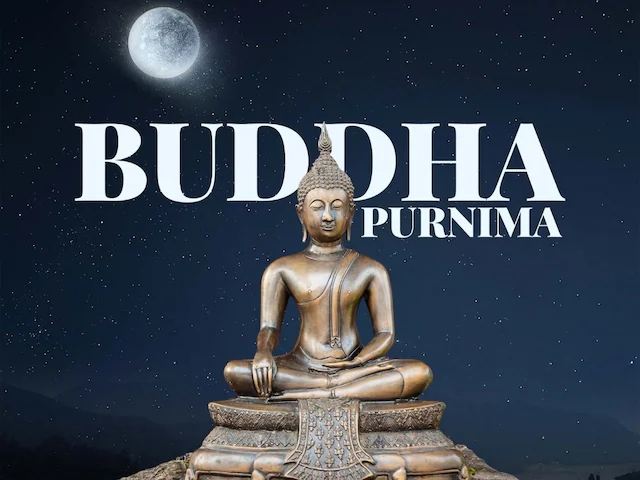




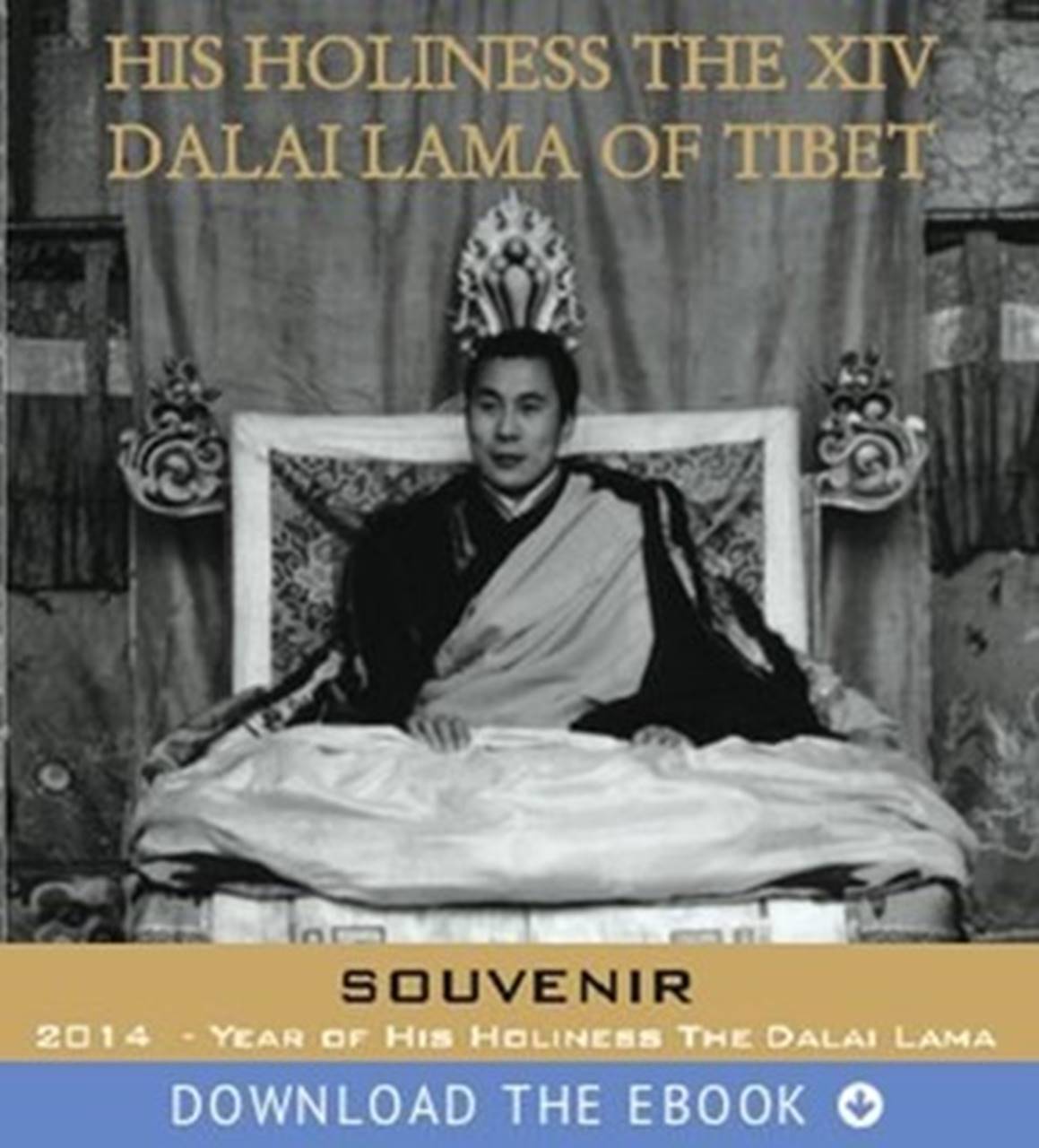

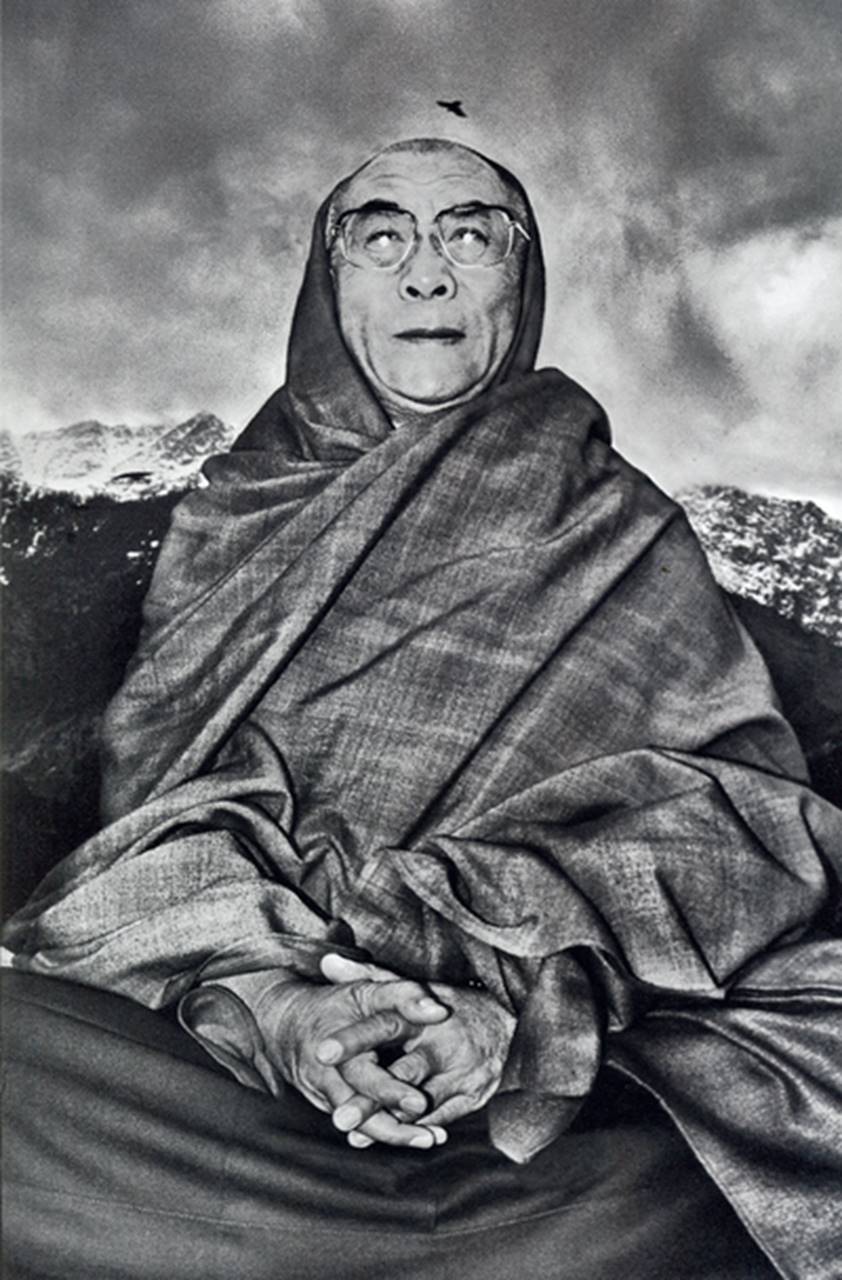
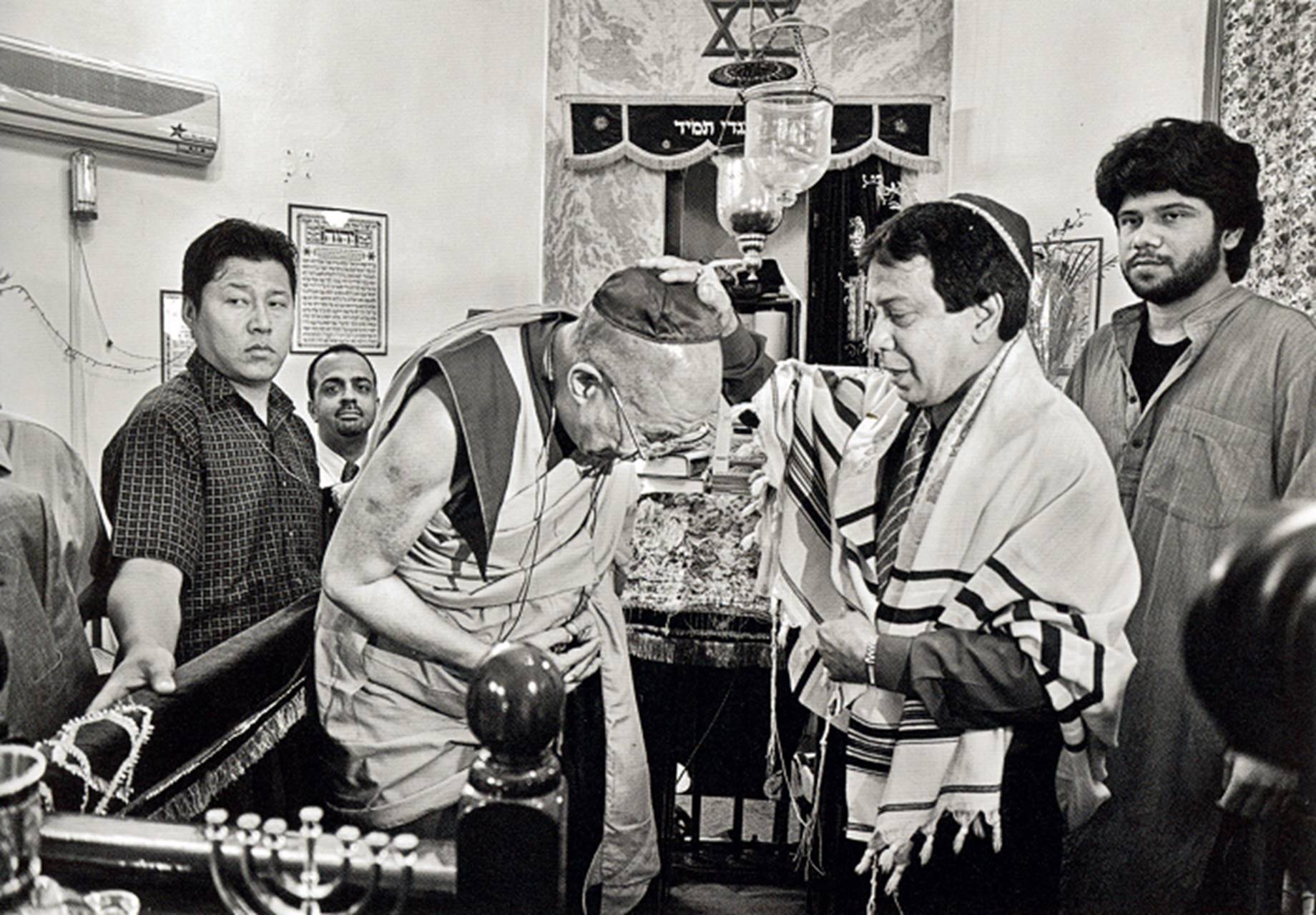

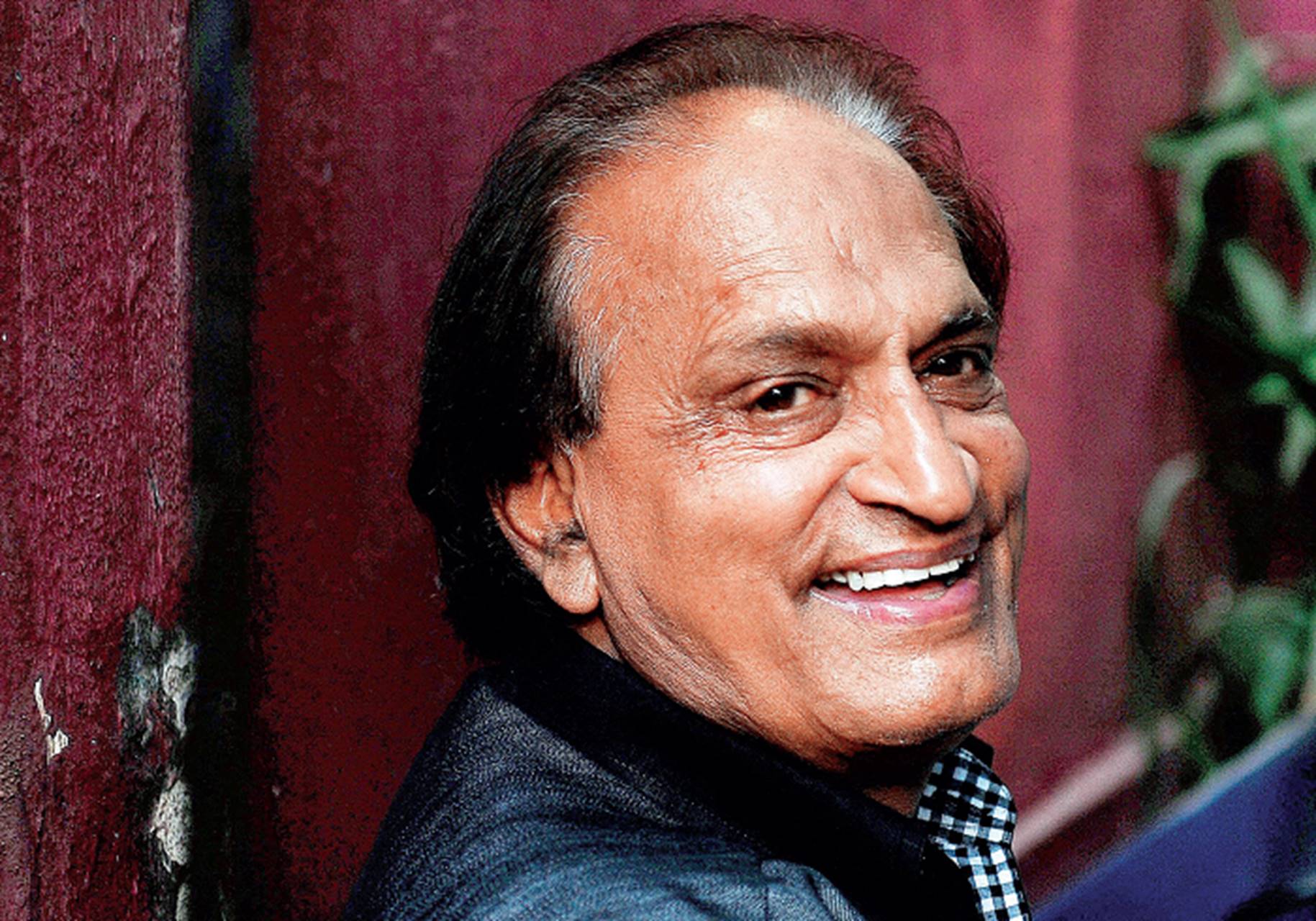



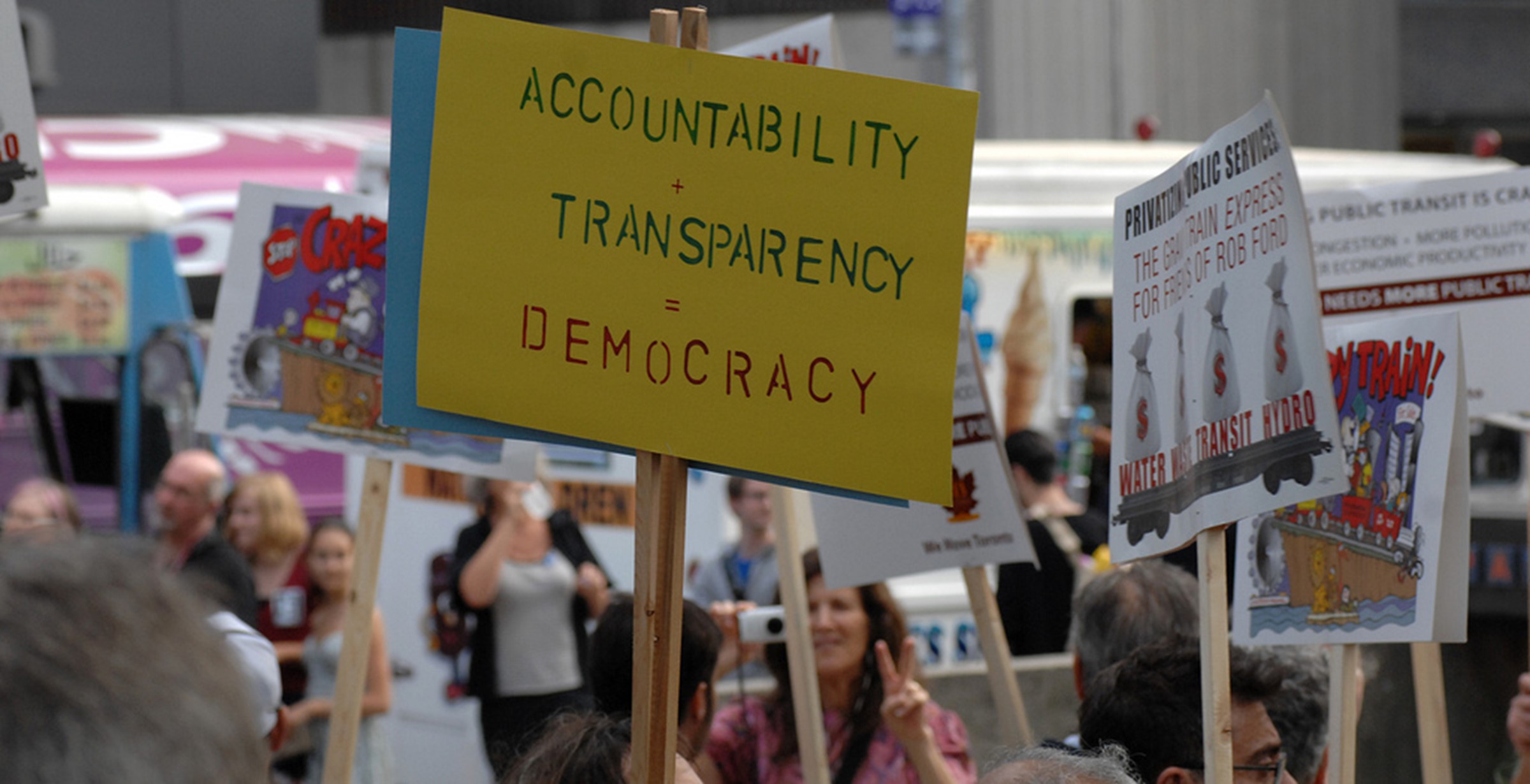


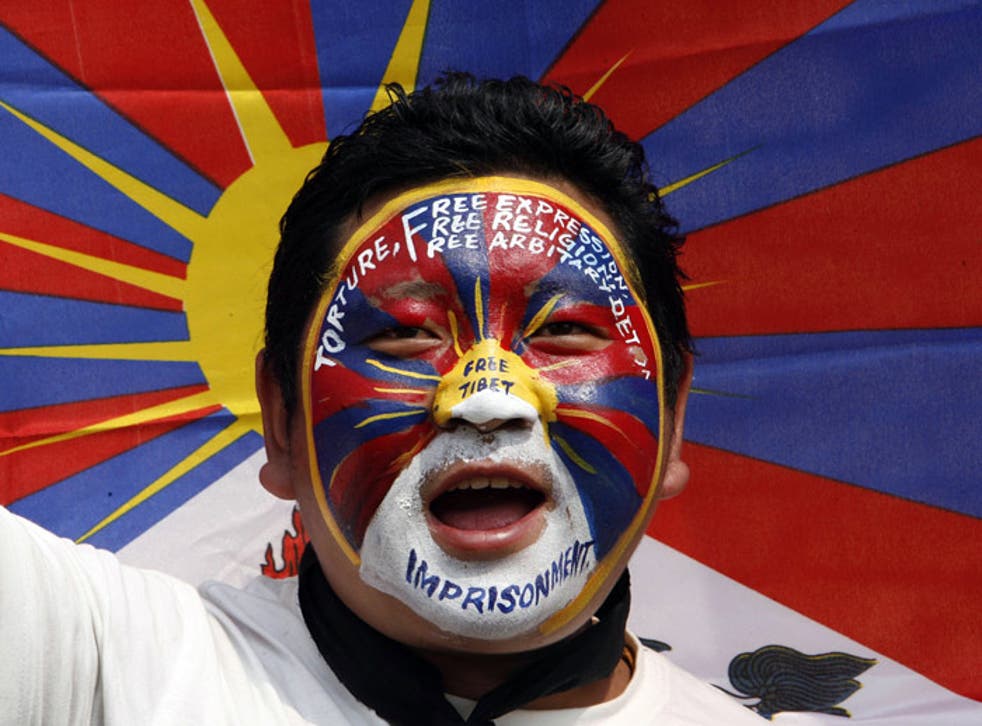
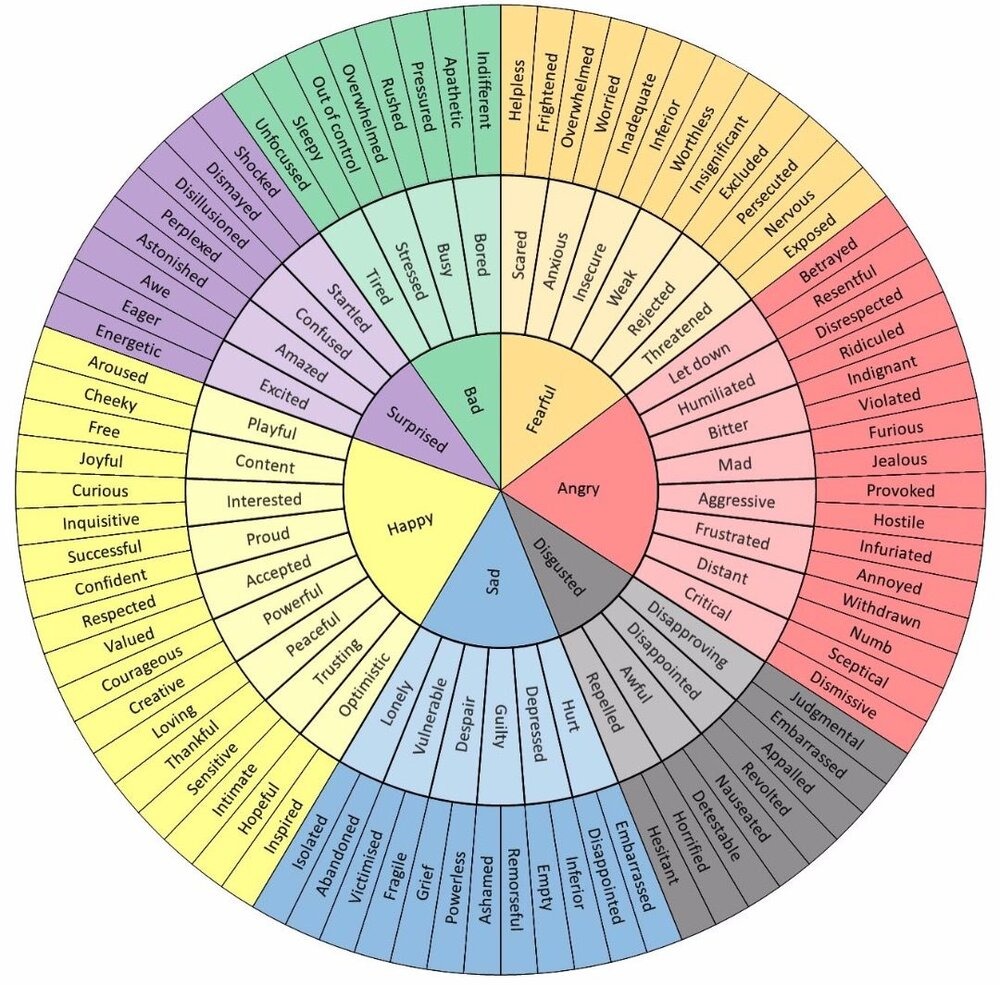


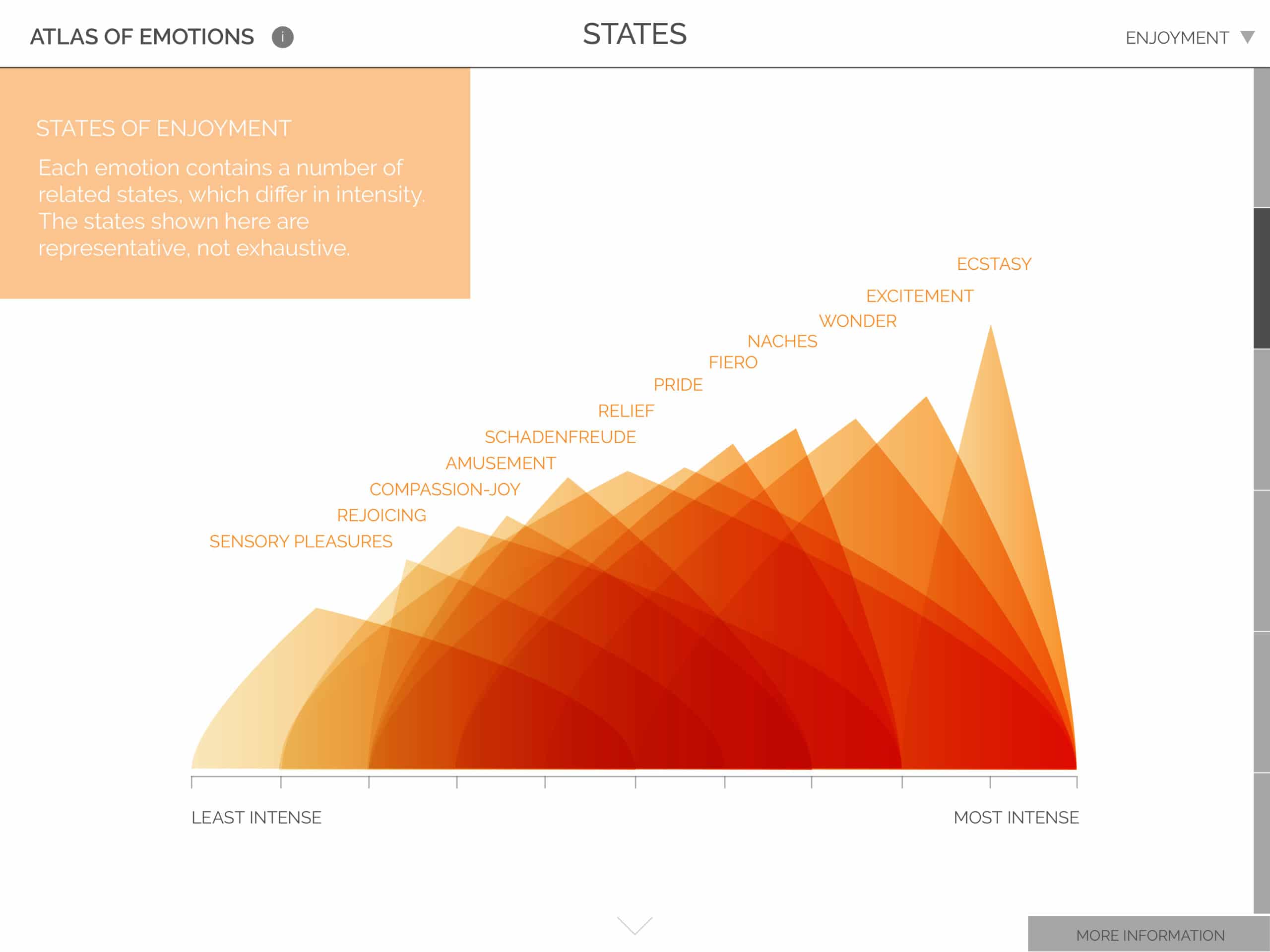
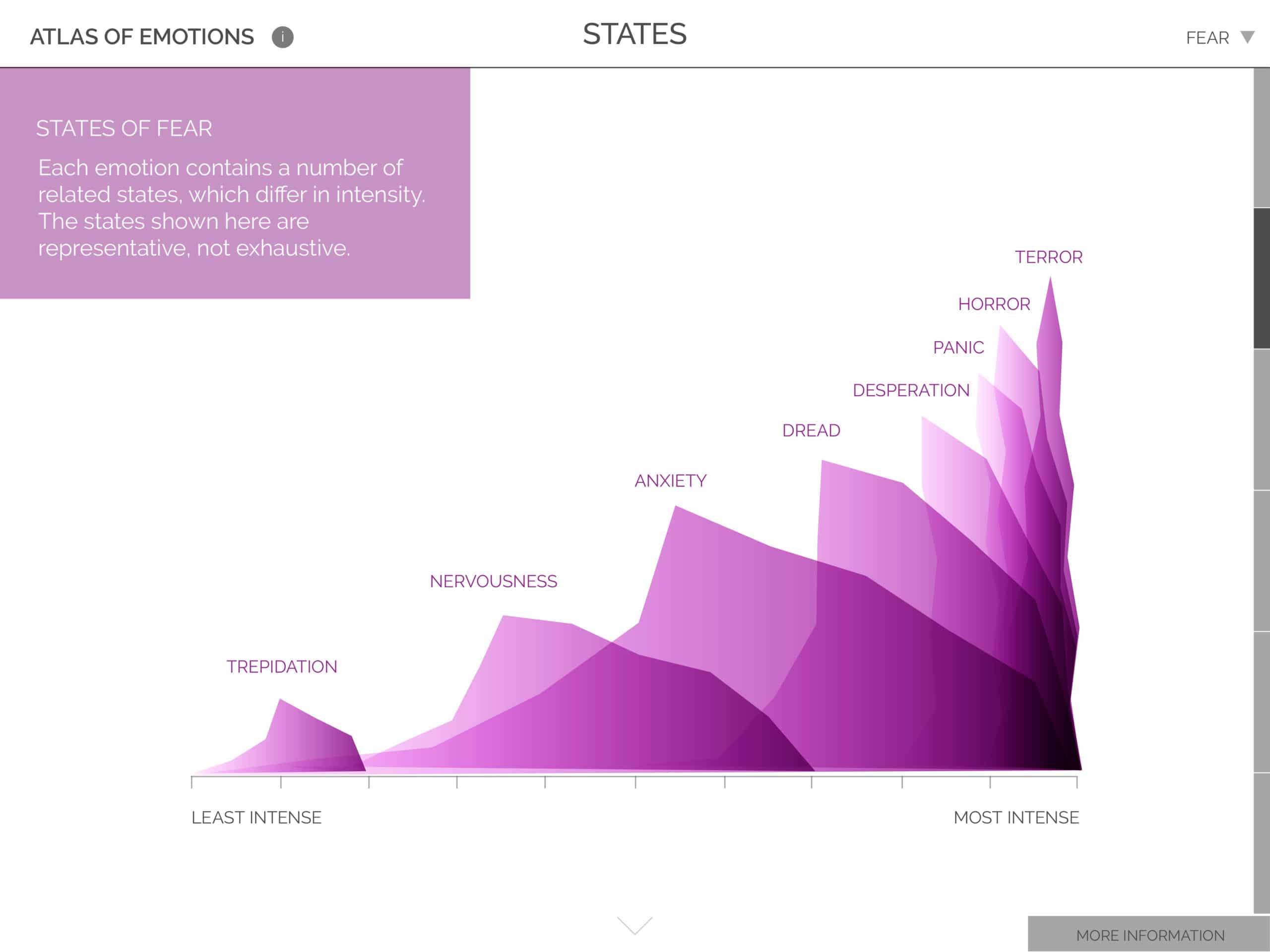
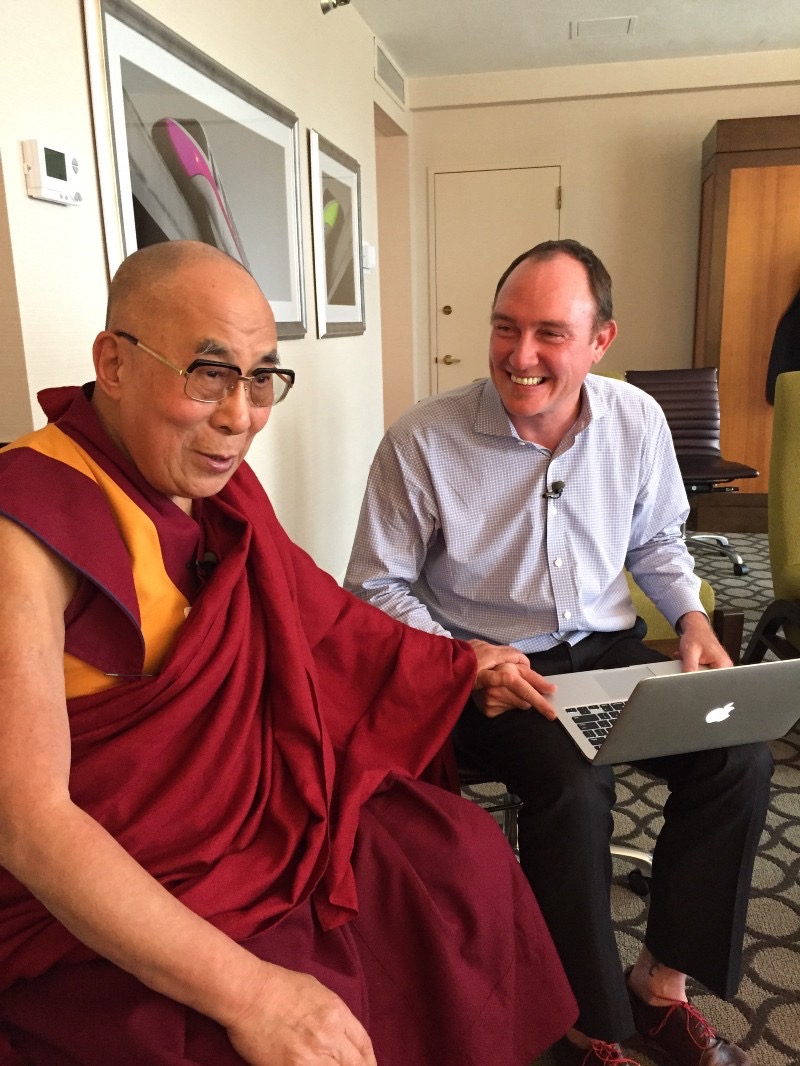

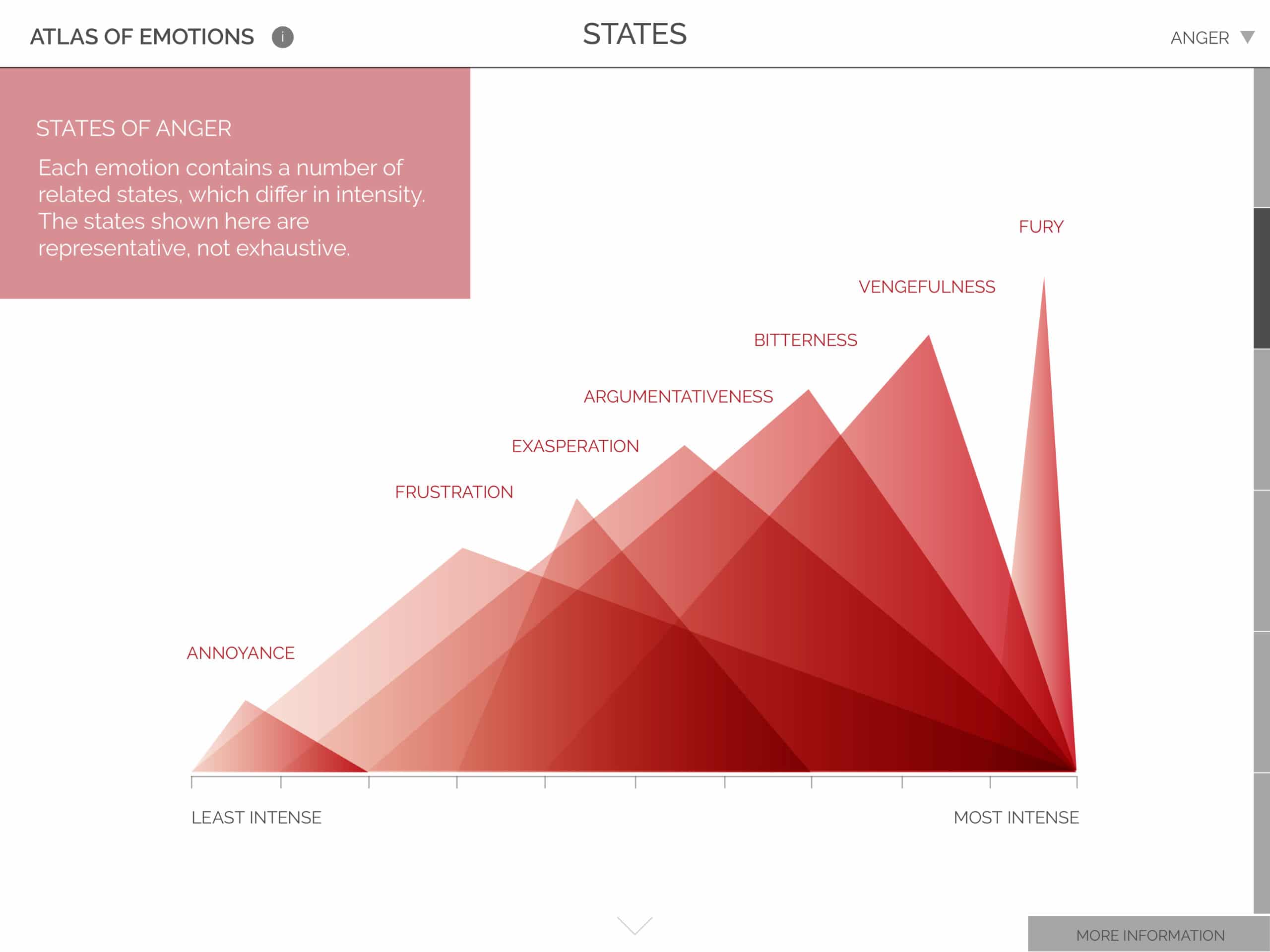

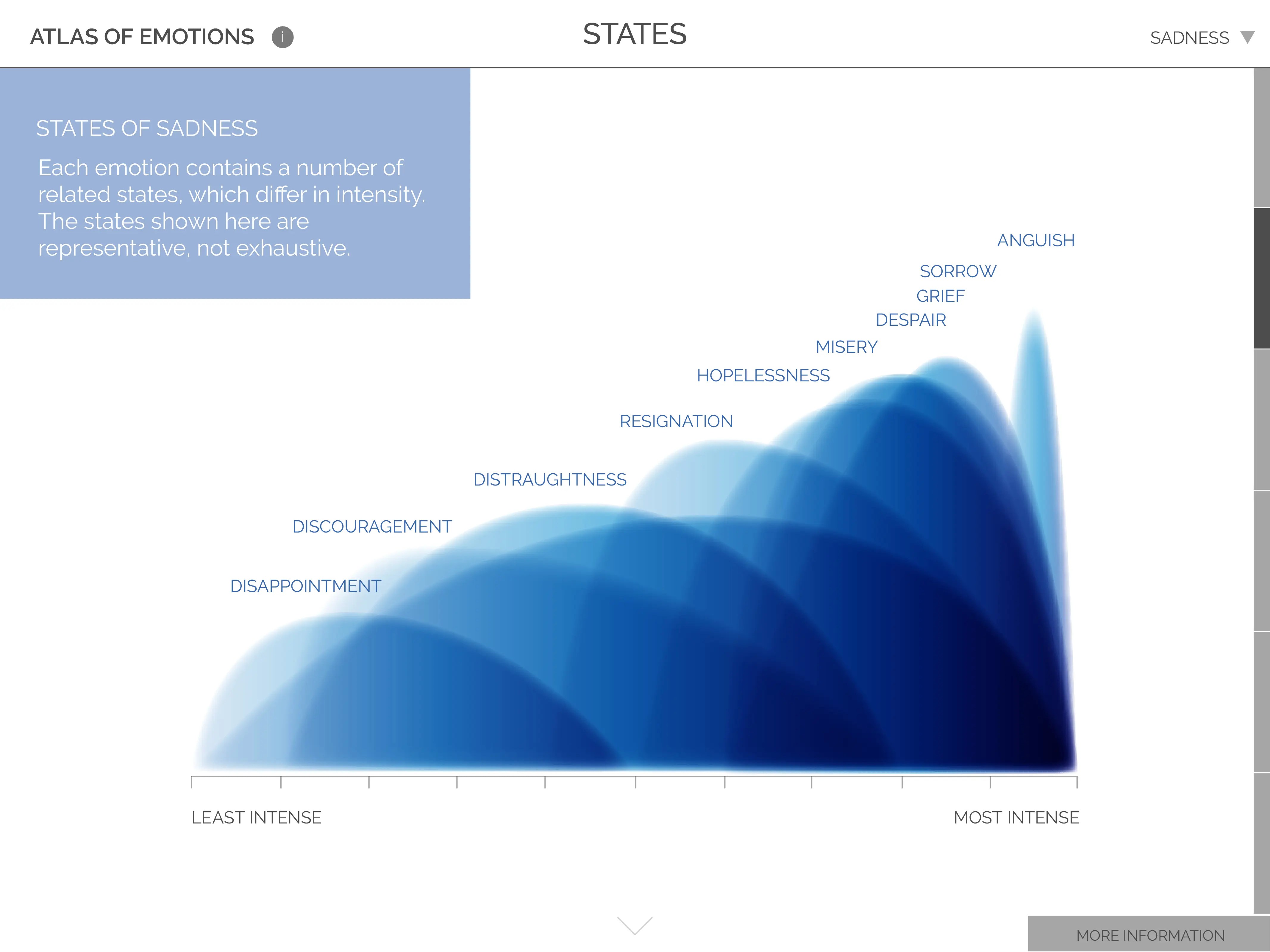

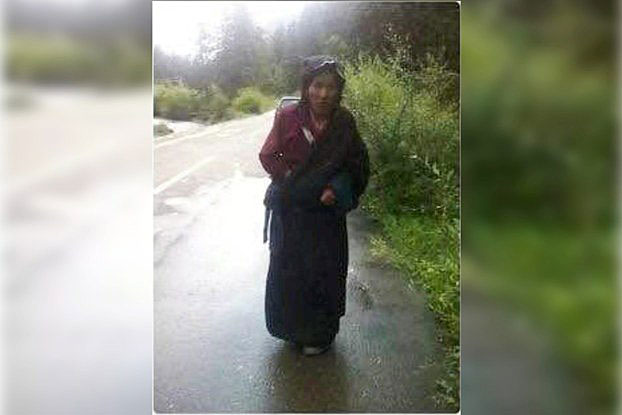
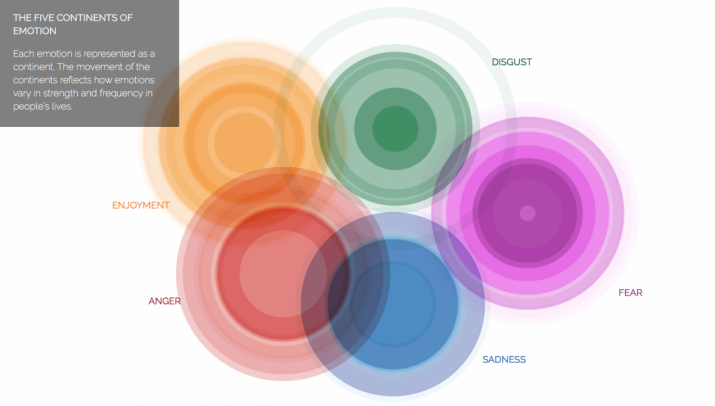

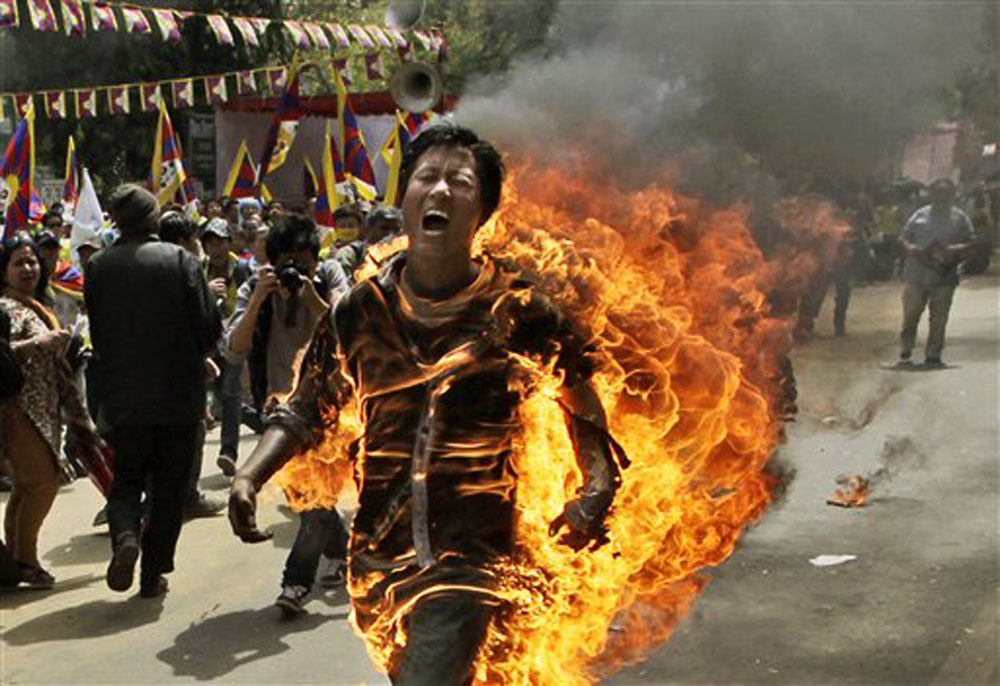
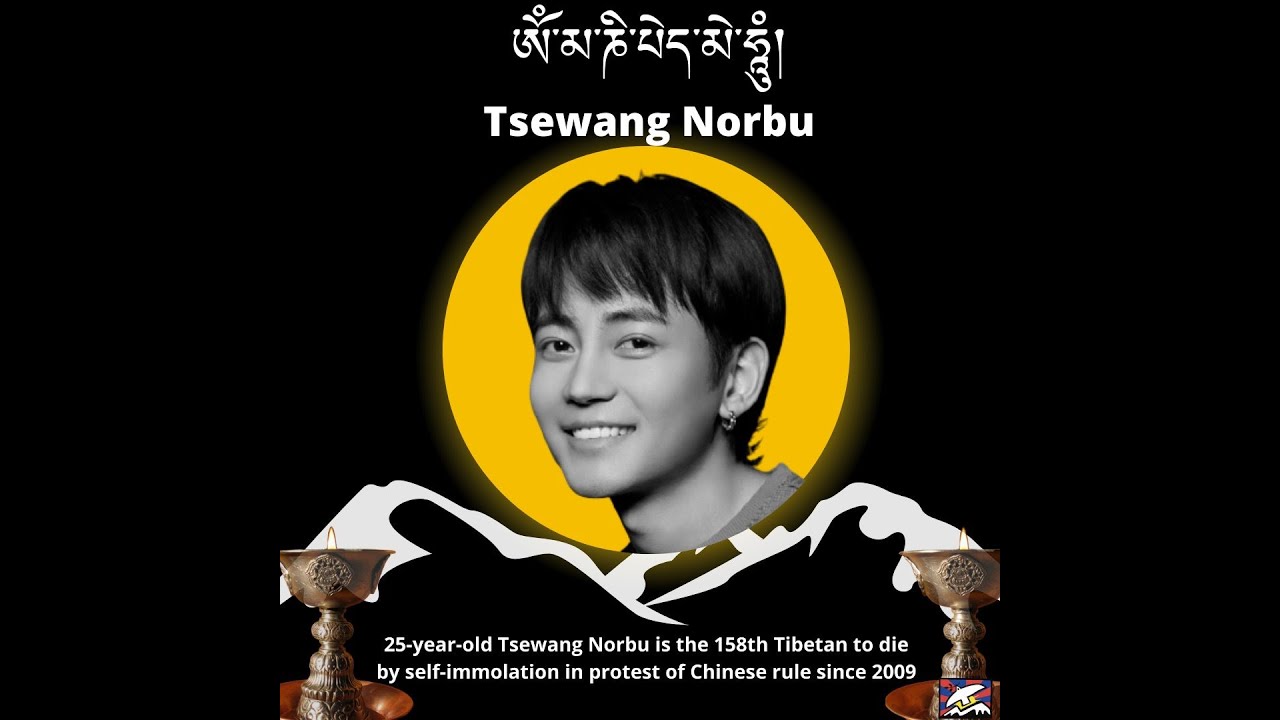


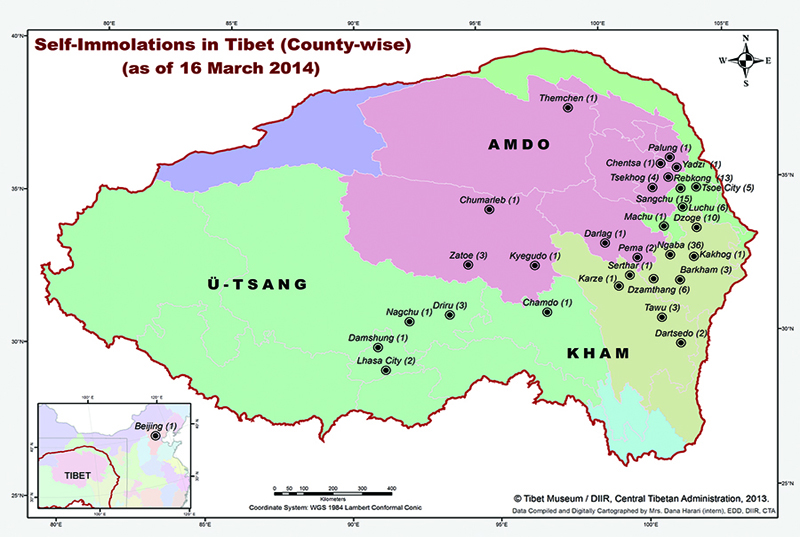
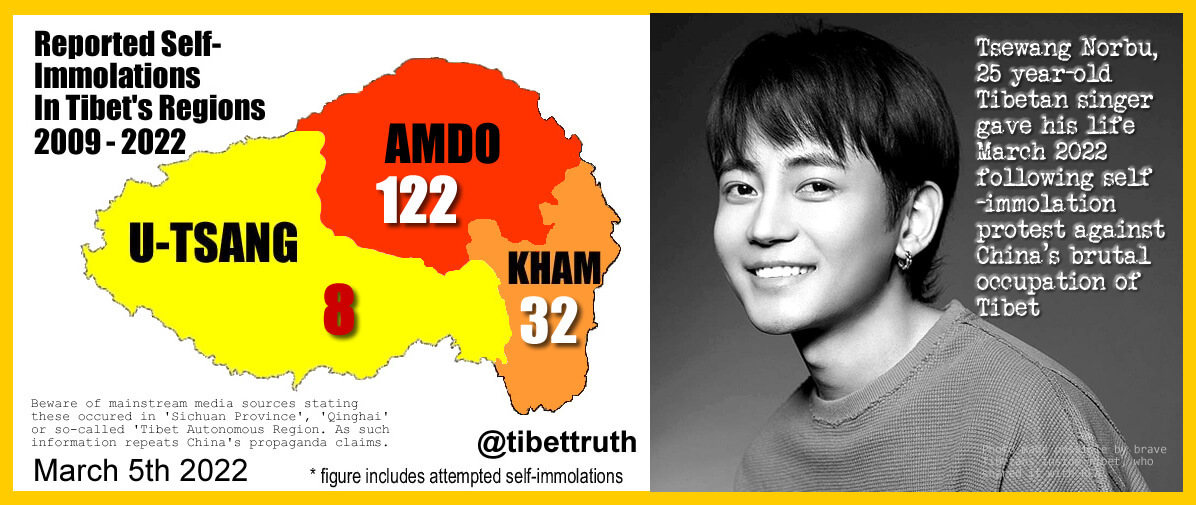
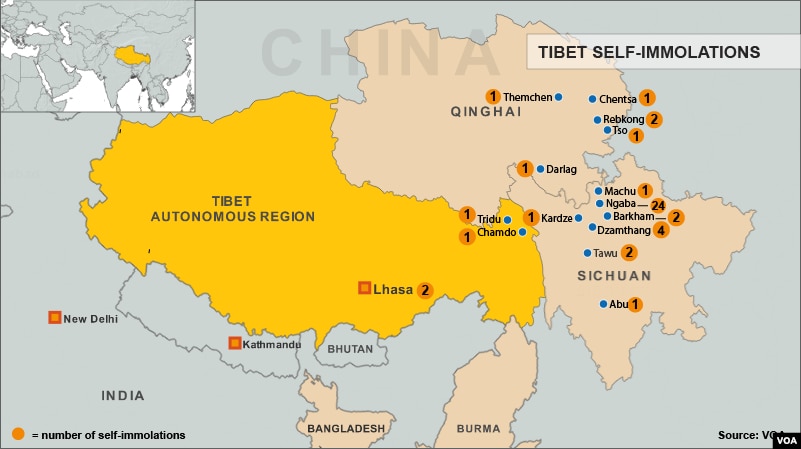


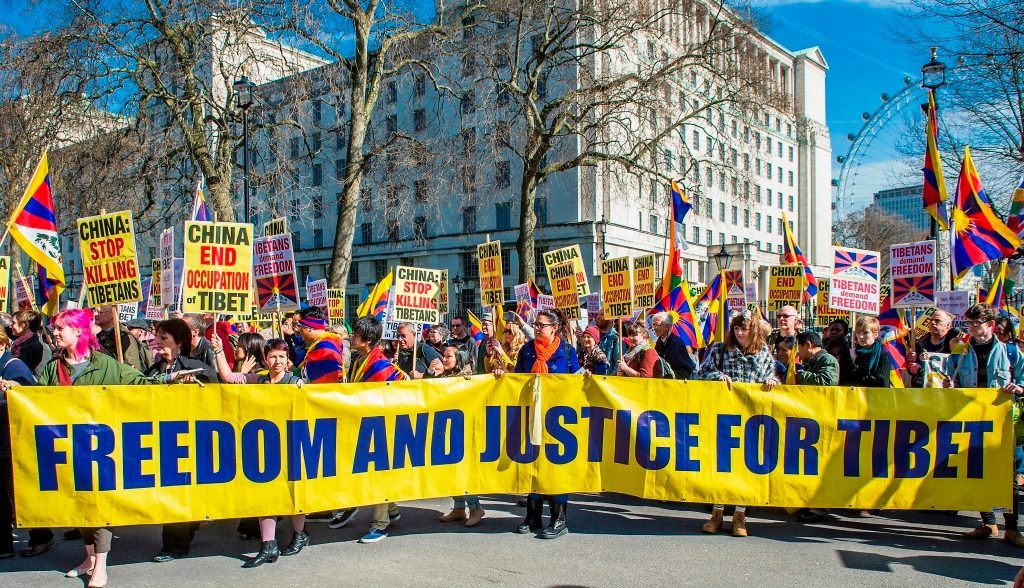
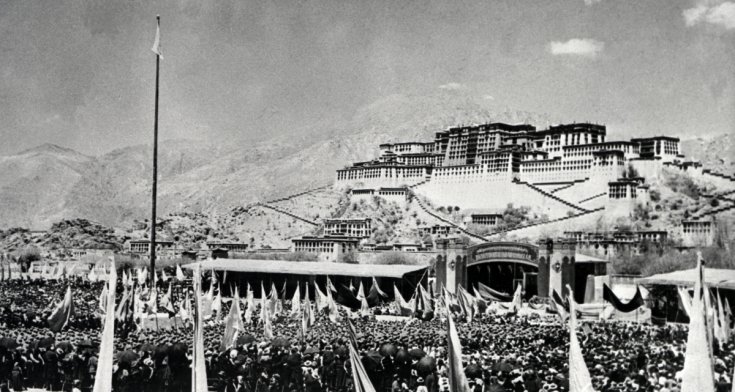
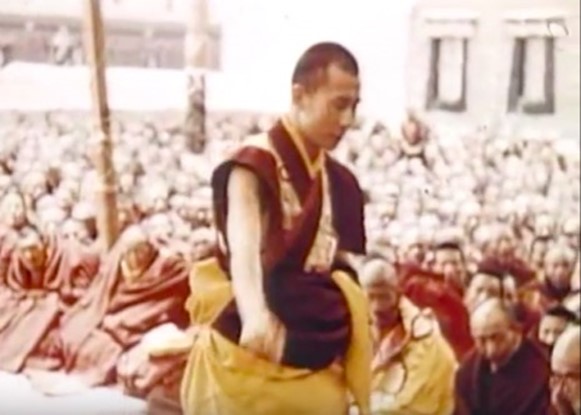
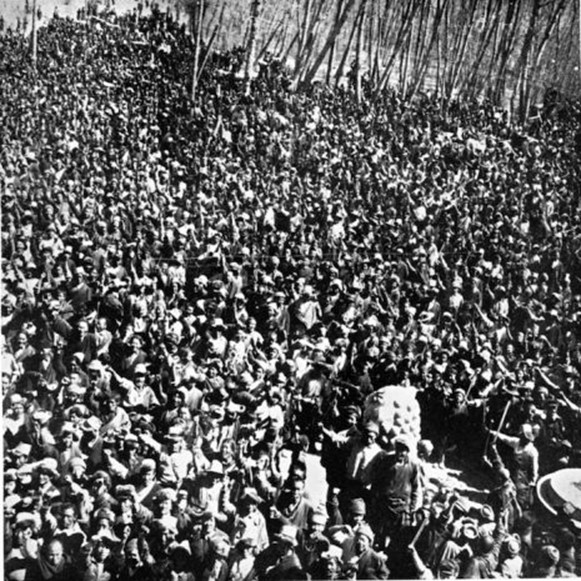
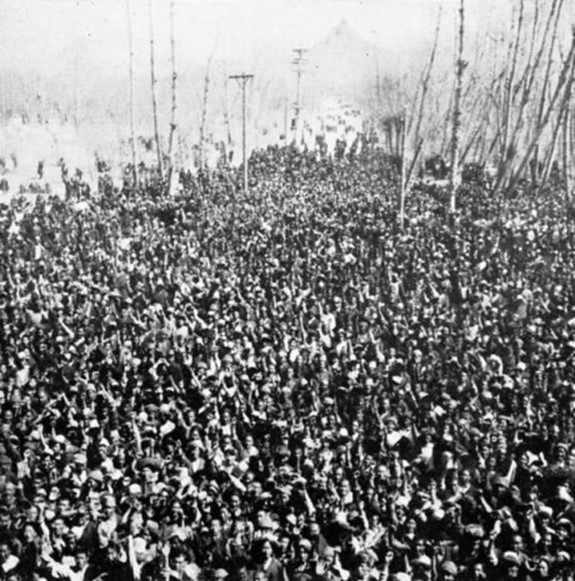
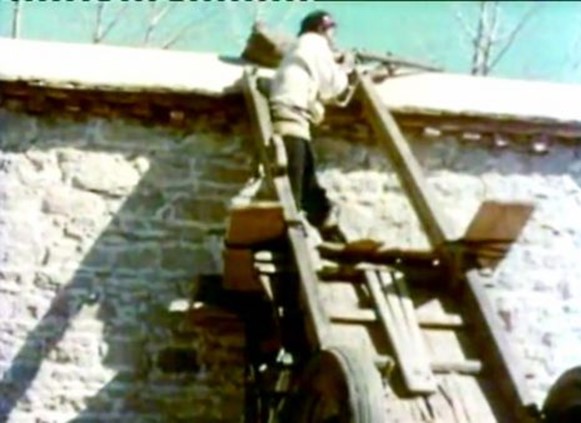
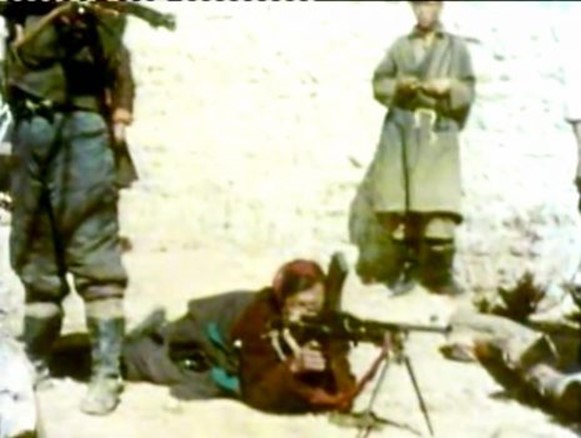
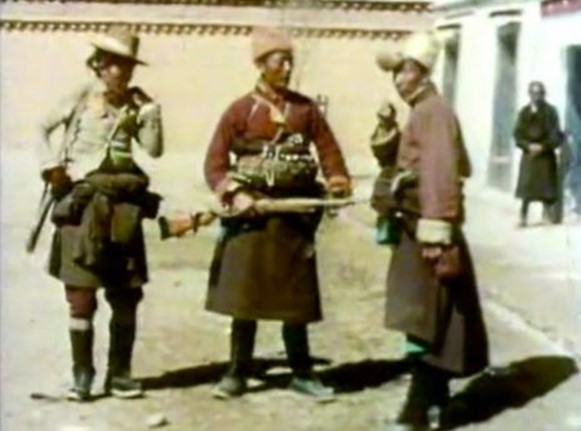
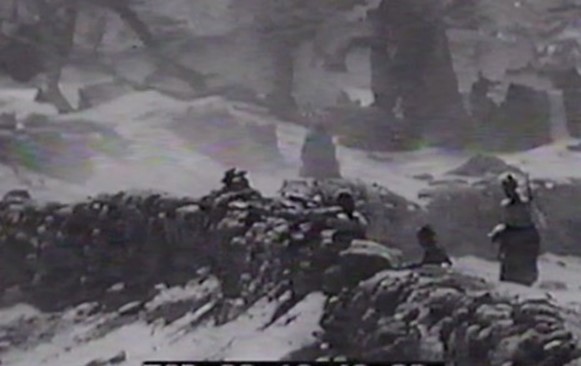
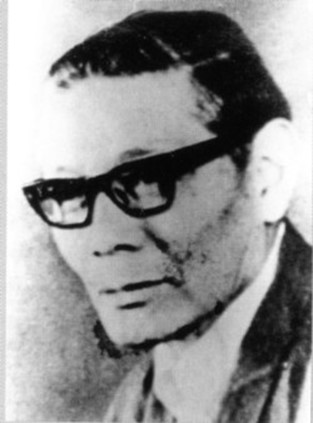
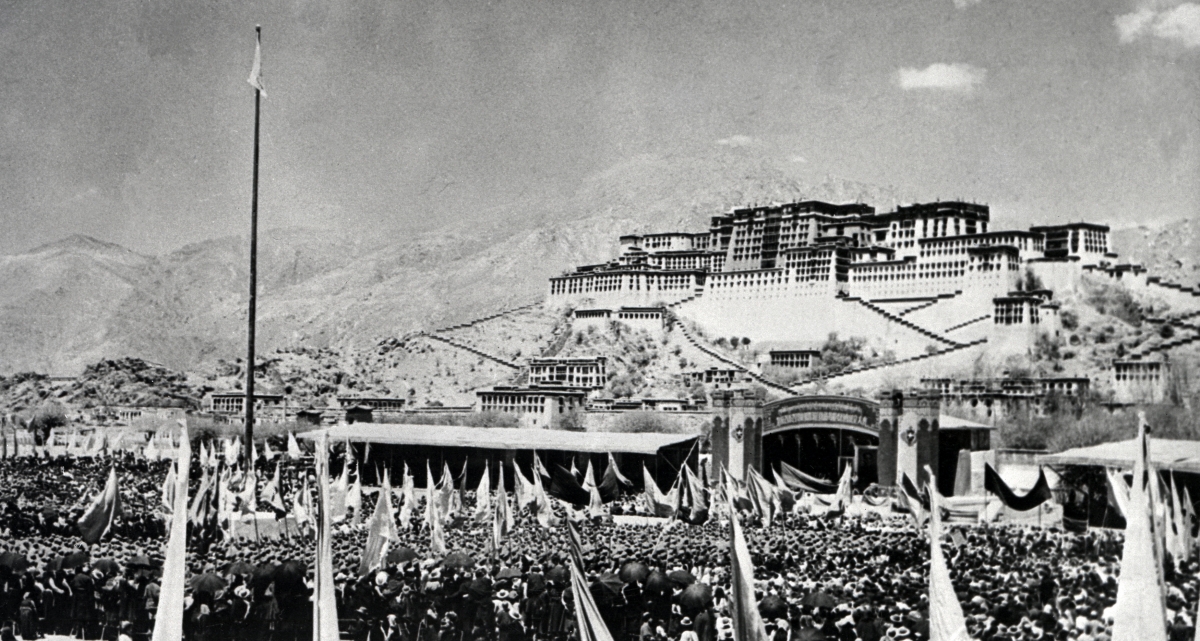
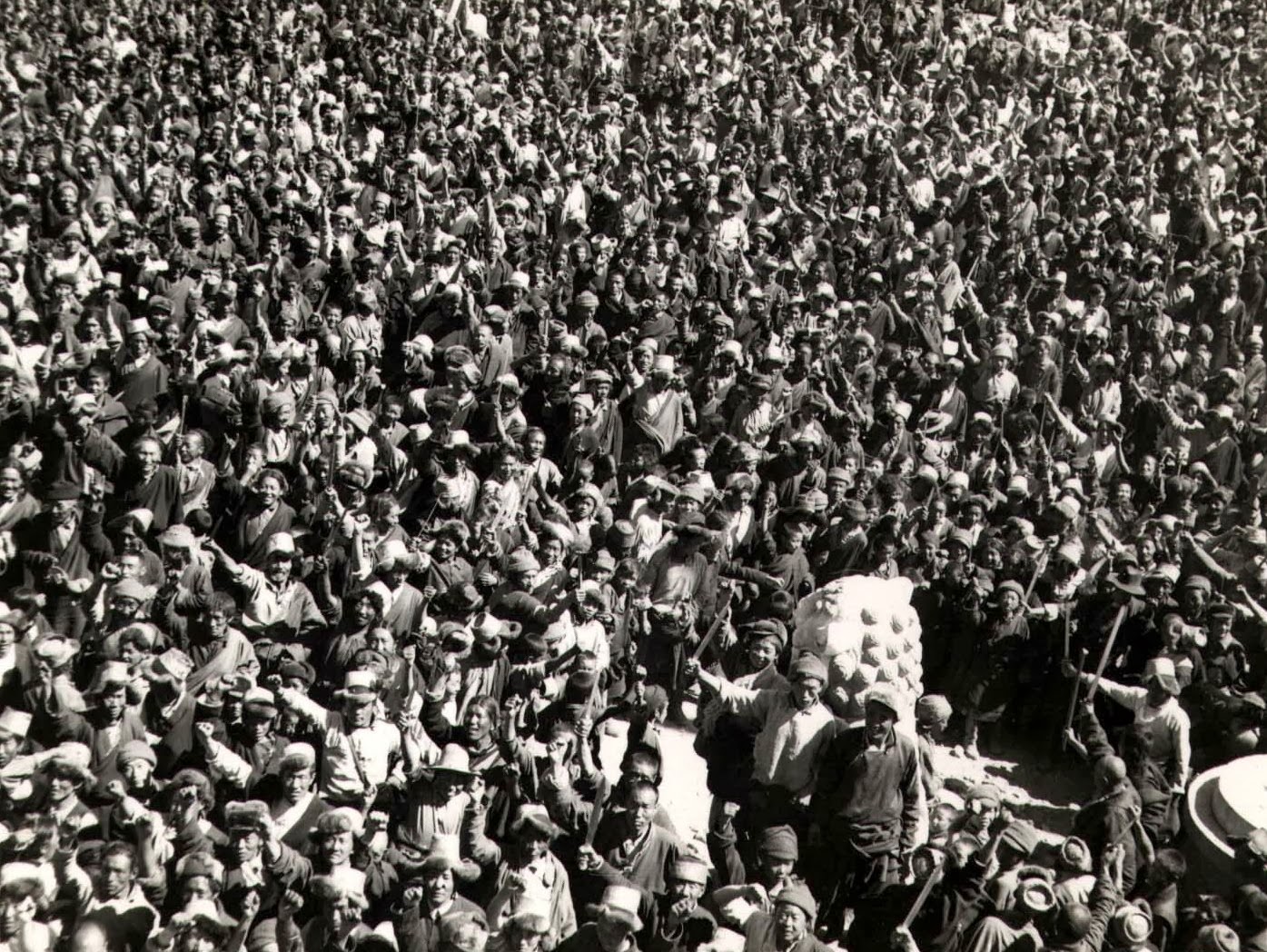
 Whole Dude - Whole Concept