DOOMED AMERICAN FANTASY – WAKE UP CALL FOR AMERICA
DOOMED AMERICAN FANTASY – WAKE UP CALL FOR AMERICA. DUMP CHINA. MAKE AMERICA GREAT AGAIN.
37th US President Richard M. Nixon’s China Fantasy placed America on a Slippery Slope with tragic consequences including Military Disaster in Vietnam.
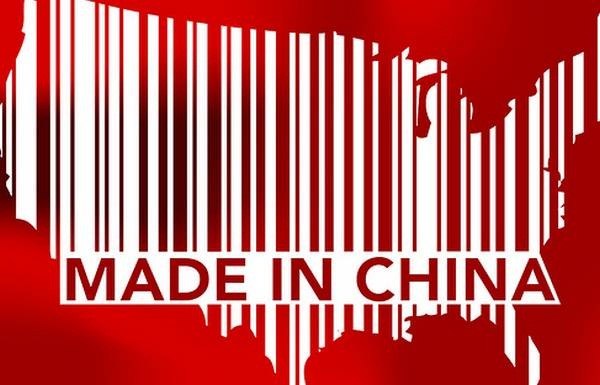
DOOMED AMERICAN FANTASY – WAKE UP CALL FOR AMERICA – READ THE WRITING ON MADE IN CHINA LABEL.
Nixon-Kissinger China Fantasy formulated US Policy of “Conceptual Failure,” and “Strategic Blunder” which holds no Promise for America’s Future.
Doomed American Fantasy – Wake Up Call For America. Belshazzar, Doomed last King of Babylon failed to Decipher The Writing On The Wall (DANIEL 5:25).
“The Writing On The Wall” is clear. America need to Read The Writing On Made In China Label. Prophet Daniel warned Belshazzar, last King of Babylon about impending Doom. It’s not too late. To avoid Downfall, to avert Disaster, to prevent Catastrophe, and to halt Calamity in its tracks, America needs to Dump China Fantasy. The next US President Trump has to start afresh to ‘Make America Great Again’.
Rudra Narasimham Rebbapragada Ann Arbor, MI 48104-4162 USA Doom Dooma Doomsayer at Special Frontier Force
Doomed American Fantasy – Wake Up Call For America. James Mann, author of “The China Fantasy.”
The New York Times
Op-Ed Contributor
America’s Dangerous ‘China Fantasy’
By JAMES MANN OCT. 27, 2016
Throughout the 1990s and early 2000s, American business executives and political leaders of both parties repeatedly put forward what I label the “China fantasy”: the view that trade, foreign investment and increasing prosperity would lead to political liberalization in the world’s most populous country.
“Trade freely with China, and time is on our side,” said President George W. Bush. He was merely echoing his Democratic predecessor, Bill Clinton, who called the opening of China’s political system “inevitable, just as inevitably the Berlin Wall fell.”
To say the least, things in China haven’t turned out that way.
Over the past few years, the Chinese regime has become ever less tolerant of political dissent – to such an extent that, these days, American leaders have become far more reluctant to make claims about China’s political future or the impact on it of trade and investment. The “China fantasy” got the dynamics precisely wrong: Economic development, trade and investment have yielded greater political repression and a more closed political system.
This amounts to a new China paradigm: an intensely internationalized yet also intensely repressive one-party state. China provides the model that other authoritarian regimes, from Russia to Turkey to Egypt, may seek to replicate. As a result, the United States will find itself struggling with this new China paradigm again and again in the coming years.
In using the word “repression,” I am talking about organized political activity, not private speech. Visitors to China are sometimes surprised to find that cab drivers, tour guides or old friends may speak to them with candor, even about political subjects. However, what such people can’t do is to form an organization independent of the Chinese Communist Party or take independent action to try to change anything.
Doomed American Fantasy – Wake Up Call For America. Wang Qiaoling (Left), and Li Wenzu with photos of their husbands, Human Rights lawyers Detained by Red China.
Wang Qiaoling, left, and Li Wenzu with photos of their husbands, human rights lawyers in China who have been detained since July 2015. Credit How Hwee Young/European Pressphoto Agency
Indeed, over the past two years the Chinese government has been moving in new ways against people and institutions that might, even indirectly, provide support for independent political activity. It has tightened the rules for nongovernmental organizations. More recently, it has been arresting Chinese lawyers. It has also been staging televised confessions, a practice reminiscent of Stalin’s show trials.
Why is it that trade and investment have led to a Chinese regime that represses dissent more than it did five, 10 or 20 years ago? The answer, put simply, is that the regime thinks it needs to do so, can do so and has fewer outside constraints inhibiting it from doing so.
First, it needs to because as the economy develops and grows more complex, Chinese citizens are having new grievances of the sort that would otherwise lead to organized political activity. Environmental problems have multiplied. Consumers worry about product safety (tainted milk, for example) and accidents (like train wrecks). And at least to educated Chinese, internet censorship can be an annoyance, if not an insult.
Second, China’s security apparatus has a much greater capacity to repress dissent than it did in the past. Technology gives it greater capacity to control both physical space (the streets) and cyberspace (the internet).
Finally, the world’s increased commercial involvement with China over the past two decades has made foreign leaders more reluctant to do anything in response to Chinese crackdowns, lest the Chinese regime retaliate. This is in large part a problem of perception: In fact, the Chinese regime cares about its standing in the world and would seek to avoid international condemnation if world leaders took strong stand and work together.
Almost forgotten now is that in the 1990s, the United States, possessing far greater economic leverage in dealing with China than it has today, threatened trade restrictions if Beijing did not improve the human rights climate. After intense debate, the Clinton administration eventually backed away from threats to limit trade with China.
The aftermath of that debate was disastrous. American leaders overreacted by deciding to avoid any further strong actions in support of human rights in China. Instead, they offered the “China fantasy”: the idea that change would come inevitably.
At one point, giving voice to the optimism and the false assumptions about how trade would liberalize China, President Clinton told China’s president, Jiang Zemin, at a Washington news conference, “You’re on the wrong side of history.” History, however, is rendering its own judgment – that America’s confidence in the political impact of trade with China was woefully misplaced.
Looking forward, we are obliged to deal with a China capable of moving endlessly from one crackdown to another, no longer interrupted by the occasional easings or “Beijing Springs” of the past. It will be a different China, in which educated, middle-class people may be less loyal, but their views also less influential.
What we can do is to keep expressing as forcefully as possible the values of political freedom and the right to dissent. Democratic governments around the world need to collaborate more often in condemning Chinese repression – not just in private meetings but in public as well. We should also find new ways to single out and penalize individual Chinese officials involved in repression. Why should there be a one-way street in which Chinese leaders send their own children to America’s best schools, while locking up lawyers at home?
The Chinese regime is not going to open up because of our trade with it. The “China fantasy” amounted to both a conceptual failure and a strategic blunder. The next president will need to start out afresh.
James Mann, a resident fellow at the Johns Hopkins School of Advanced International Studies and former Beijing bureau chief for The Los Angeles Times, is the author of “The China Fantasy.”
The White House Meeting between President Trump and Dalai Lama is due since January 2017
Special Frontier Force – The Doctrine of Tibetan Resistance: The tools of Tibetan Resistance are 1. Patience, 2. Persistence, and 3. Perseverance. Man opposes the reign of force by standing firm or by working against the force without yielding. To oppose and to withstand a force, man needs the virtues of Temperance, Tolerance, and Tranquility to remain calm, unperturbed to maintain “Inner Peace” while reacting to an external force. The virtue of Perseverance triumphs for it preserves the “Inner Peace” while the external reality is described by Violence or War.
Special Frontier Force – China’s Military Threat: China’s Military Power, China’s Military Strategy, and China’s Military Tactics cannot overcome the Power of Perseverance, the Perseverance of Tibetan Resistance.
Special Frontier Force – China’s Military Threat: China’s Military Power, China’s Military Strategy, and China’s Military Tactics cannot overcome the Power of Perseverance, the Perseverance of Tibetan Resistance.
Hopeful of an early meeting between Trump, Dalai Lama: Lobsang Sangay | Central Tibetan Administration
Special Frontier Force – The Doctrine of Tibetan Resistance: The tools of Tibetan Resistance are 1. Patience, 2. Persistence, and 3. Perseverance. Man opposes the reign of force by standing firm or by working against the force without yielding. To oppose and to withstand a force, man needs the virtues of Temperance, Tolerance, and Tranquility to remain calm, unperturbed to maintain “Inner Peace” while reacting to an external force. The virtue of Perseverance triumphs for it preserves the “Inner Peace” while the external reality is described by Violence or War.
Monday, December 19, 2016 11:26 PM
Tibetan Resistance Movement Failed Because of Covert Actions. Living Tibetan Spirits Demand US-Tibet Direct Dialogue.
Hopeful of an early meeting between Trump, Dalai Lama: Lobsang Sangay
December 19, 2016
Special Frontier Force – The Doctrine of Tibetan Resistance: The tools of Tibetan Resistance are 1. Patience, 2. Persistence, and 3. Perseverance. Man opposes the reign of force by standing firm or by working against the force without yielding. To oppose and to withstand a force, man needs the virtues of Temperance, Tolerance, and Tranquility to remain calm, unperturbed to maintain “Inner Peace” while reacting to an external force. The virtue of Perseverance triumphs for it preserves the “Inner Peace” while the external reality is described by Violence or War.
Lobsang Sangay (left), the Prime Minister of Tibet’s government in exile with Tibet’s spiritual leader, The Dalai Lama. Photo: PTI By Elizabeth Roche – Live Mint, 19 December 2016 Tibet’s PM-in-exile Lobsang Sangay says encouraged by Donald Trump’s stance on One China policy, remains hopeful of support to resolve Tibet issue peacefully
New Delhi: Lobsang Sangay, ‘prime minister’ of the Tibetan government in exile in India, says he is encouraged by US president elect Donald Trump’s recent statement that his administration does not need to be bound by the One China policy.
Sangay is also hopeful of an early meeting between Trump and the Tibetan spiritual leader, the Dalai Lama. Sangay was of the view India should also make Tibet as issue for talks with China given that China already considers it a “core” issue with India. On the reincarnation of the Dalai Lama, Sangay said the institution of the Dalai Lama would not end but continue after the eventual passing of the 14th Dalai Lama. Edited excerpts from an interview:
The “Middle path” (autonomy for Tibet rather than independence) that the Dalai Lama and you have been advocating seems to be yielding no returns. Is there a chance of a rethink on this?
No. I think, if China grows strong and it’s growing stronger, China needs to think. If they really want to be respected in the international community, you have to earn that respect. And with all the money and military power you cannot buy or force respect, you have to earn it by demonstrating an action and solving the issue of Tibet will earn that respect for them. There is an argument on the Chinese side that if you are weak and you give concession, others will take advantage. Now they are strong. If they give concessions, they will be giving concession from the space of strength.
US president-elect Donald Trump recently said the new administration does not need to be bound by the One China policy. The context was with reference to Taiwan. But does this give you hope as well?
That was a very bold commentary coming from president-elect Donald Trump. We do think that boldness with substance is the right approach with the Chinese government. It looks now that his team has done research on Taiwan, that what he said was deliberate, after substantive research. Similarly, we would appreciate if he would also do something similar for Tibetan people. US presidents George W Bush and Barrack Obama have met his Holiness the Dalai Lama four times each. We remain hopeful that Donald Trump will support the Middle Way approach and meet His Holiness and strongly encourage that the envoys of His Holiness meet with Chinese envoys to resolve this issue of Tibet peacefully.
There have been no talks between the Tibetan envoys and China for six years now. What is it that you think will give an impetus to restart dialogue?
The Trump administration, the European Union, India, Japan, Australia—all governments must have a coordinated effort to press the Chinese government to solve the issue of Tibet peacefully. It should be a coordinated effort and consistent effort.
You were invited to Prime Minister Narendra Modi’s swearing in ceremony (in May 2014). That was seen as a message to China. But then, the Modi government seemed to be making efforts to build a relationship with China. Now, irritants in the relationship have surfaced—China’s objections to India’s Nuclear Suppliers Group (NSG) membership being one. We now see clearance for His Holiness to visit Arunachal Pradesh in 2017. Do you see a consistent policy towards Tibet from the Indian government?
Recently, President of India, Pranab Mukherjee hosted the Dalai Lama. This is a bold gesture from the government of India which we really appreciate. The Indian government is formulating its policy towards China which is showing all the right trends. India has done the most for Tibet. The largest number of Tibetans are in India. The Tibetan government in exile is based in India. I can’t think of any other place where this could be based. But we always request and appeal that Tibet be treated as one of the core issues (of India with China). China already does that. India has the moral high ground to speak for Tibet.
His Holiness has said the institution of the Dalai Lama might end with him because of fears that the Chinese government will foist its own Dalai Lama onto the Tibetan people. At the same time, he has also said that the next Dalai Lama could be born outside Tibet—among the populations in exile. How do you see the future?
The institution of the Dalai Lama will not end. He is the 14th Dalai Lama. For 14 times the Tibetan people have asked him to come back and we will ask him again for the 15th time. When Tibetans asked him to come for 14 times, we had an independent country. Now when we are in exile and we are leading this freedom struggle, all the more reason that we have to ask him to come back. So he will come back.
2016 Central Tibetan Administration
Special Frontier Force – The Doctrine of Tibetan Resistance: The tools of Tibetan Resistance are 1. Patience, 2. Persistence, and 3. Perseverance. Man opposes the reign of force by standing firm or by working against the force without yielding. To oppose and to withstand a force, man needs the virtues of Temperance, Tolerance, and Tranquility to remain calm, unperturbed to maintain “Inner Peace” while reacting to an external force. The virtue of Perseverance triumphs for it preserves the “Inner Peace” while the external reality is described by Violence or War.
Special Frontier Force VS The Evil Red Empire – Red China .Special Frontier Force – The Doctrine of Tibetan Resistance: The tools of Tibetan Resistance are 1. Patience, 2. Persistence, and 3. Perseverance. Man opposes the reign of force by standing firm or by working against the force without yielding. To oppose and to withstand a force, man needs the virtues of Temperance, Tolerance, and Tranquility to remain calm, unperturbed to maintain “Inner Peace” while reacting to an external force. The virtue of Perseverance triumphs for it preserves the “Inner Peace” while the external reality is described by Violence or War.The beginning of the Cold War in Asia in 1949 with the Communist takeover of mainland China.Special Frontier Force – The Doctrine of Tibetan Resistance: The tools of Tibetan Resistance are 1. Patience, 2. Persistence, and 3. Perseverance. Man opposes the reign of force by standing firm or by working against the force without yielding. To oppose and to withstand a force, man needs the virtues of Temperance, Tolerance, and Tranquility to remain calm, unperturbed to maintain “Inner Peace” while reacting to an external force. The virtue of Perseverance triumphs for it preserves the “Inner Peace” while the external reality is described by Violence or War.
President Trump’s Defining Moment – Are you a Friend of Freedom and Democracy?
TIBET AWARENESS – UNITED STATES – CHINA RELATIONS. PRESIDENTIAL CANDIDATE DONALD TRUMP CLAIMED THAT CHINA IS STEALING JOBS.
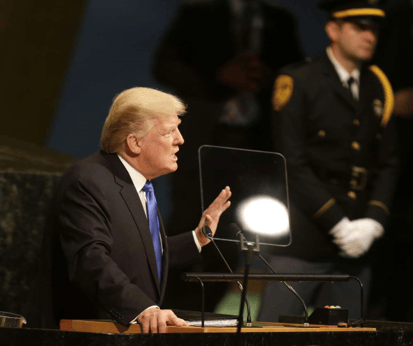
On Tuesday September 19, 2017, President Trump will address the UN General Assembly. It will be President Trump’s defining moment. He must prove his credentials to the world.
On behalf of Special Frontier Force, I ask Mr. President, “Are You a Friend of Freedom and Democracy?”
President Trump must verify his love, hate relationship with American Values. While defending Freedom and Democracy, the US lost its battle in Vietnam. Now, I must know as to how President Trump plans to “WIN” ‘The Cold War in Asia’.
Rudra Narasimham Rebbapragada
Ann Arbor, Michigan, USA 48104 – 4162
Special Frontier Force-Establishment 22-Vikas Regiment
The American Flag is the most recognized symbol of Freedom and Democracy in the World.
Trump’s Love, Hate Relationship with the United Nations – ABC News
The American Flag is the most recognized symbol of Freedom and Democracy in the World.
Evan Vucci/AP
President Trump will make his first speech before the United Nations General Assembly on Tuesday. Will he bring the world together or sow division? Will he embrace an institution that he has previously called weak and incompetent?
His relationship with the New York-based global organization is long and complicated.
Trump, the candidate, says UN “not a friend of freedom”
During his March 23, 2016 speech before the American Israel Public Affairs Committee’s conference, then-candidate Trump issued some of his toughest commentary, speaking of the “utter weakness and incompetence of the United Nations.”
“The United Nations is not a friend of democracy. It’s not a friend to freedom,” Trump said. “It’s not a friend even to the United States of America, where, as you know, it has its home. And it surely is not a friend to Israel.”
Though a 2016 Global Attitudes Survey by Pew Research Center showed that 64 percent of Americans had a favorable view of the United Nations, Trump’s campaign promises for a protectionist economic policy and an aggressive approach to China come into conflict with the goals of multilateralism and the UN charter. His promotion of interrogation techniques “worse than waterboarding,” his push for a temporary ban on Muslims from entering the U.S. and his decision to pull out of the Paris Climate Accords have also put Trump at odds with UN allies.
Last December, Trump continued his assault on the institution, tweeting: “The United Nations has such great potential but right now it is just a club for people to get together, talk and have a good time. So sad!”
Trump, the real estate magnate: “I’m a big fan” of the UN
In 2005, Trump testified before a subcommittee looking at UN spending, calling himself a “big fan of the United Nations and all it stands for.” He told lawmakers the institution was one of the reasons he chose to build Trump World Tower, one of his luxury residential properties, where he did in 1998.
“If the United Nations weren’t there, perhaps I wouldn’t have built it in that location,” said Trump. “So it means quite a bit to me.” When Trump was planning the building, many UN officials, including Secretary General Kofi Annan, expressed disapproval of the massive construction project.
Trump’s renovation hopes
At a 2005 hearing, a Senate Homeland Security and Governmental Affairs subcommittee was looking at renovations at the UN New York headquarters and estimated development costs for similar projects in New York. Trump had met with UN officials to pitch his services, but they were refused. He told members he thought the project could cost $700 million, and he predicted the UN would end up spending upwards of $3 billion.
“You have to deal in New York City construction to see what tough people are all about,” Trump said at the time. “I listen to these people and they’re very naive, I respect them, but they’re very naive in this world. I might be naive in their world. But in this world, they’re naive.”
He also noted at a 2005 hearing that it was a dream of his to move the United Nations headquarters to the World Trade Center.
Seven years later, he shared another UN preoccupation, tweeting on Oct. 3, 2012: “The cheap 12 inch sq. marble tiles behind speaker at UN always bothered me. I will replace with beautiful large marble slabs if they ask me.”
On Tuesday, Trump will address the United Nations General Assembly and the world without his “beautiful large marble slabs” as a backdrop.
The American Flag is the most recognized symbol of Freedom and Democracy in the World.The American Flag is the most recognized symbol of Freedom and Democracy in the World.
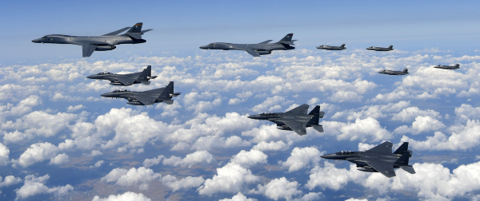
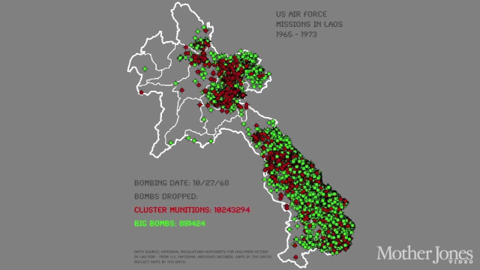
At U.N. General Assembly, on Tuesday September 19, President Trump delivered an empty threat to ‘totally destroy’ North Korea. United States tried twice in the past to destroy Korea and Vietnam on the battlefield. US failed in 1953 and 1975 for Korea and Vietnam are not the “Real Enemy.” Korea and Vietnam survived the US bombing campaigns for they have the support of Communists.
KNOW YOUR ENEMY – UN SANCTIONS ON NORTH KOREA WILL NOT WORK. UNFINISHED KOREA-VIETNAM WAR.
I ask President Trump to Just Say “NO” to Communism, the “Real Enemy,” to Win ‘The Cold War in Asia’.
Rudra Narasimham Rebbapragada
Special Frontier Force-Establishment 22-Vikas Regiment
AT U.N., TRUMP WARNS U.S. MAY HAVE TO ‘TOTALLY DESTROY’ NORTH KOREA
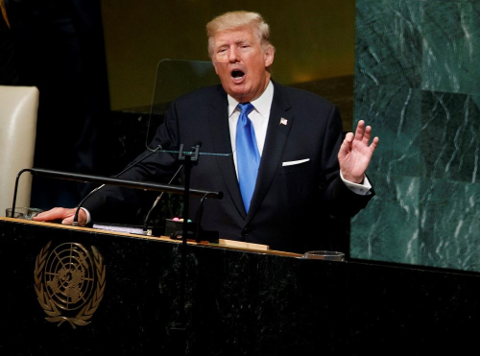
UNITED NATIONS — U.S. President Donald Trump said on Tuesday that the United States will be forced to “totally destroy” North Korea unless Pyongyang backs down from its nuclear challenge, mocking North Korean leader Kim Jong Un as a “rocket man” on a suicide mission.
Loud murmurs filled the green-marbled U.N. General Assembly hall when Trump issued his sternest warning yet to North Korea, whose ballistic missile launches and nuclear tests have rattled the globe. Unless North Korea backs down, he said, “We will have no choice but to totally destroy North Korea.”
“Rocket man is on a suicide mission for himself and his regime,” he said.
North Korea’s mission to the United Nations did not immediately respond to a request for comment on Trump’s remarks. A junior North Korean diplomat remained in the delegation’s front-row seat for Trump’s speech, the North Korean U.N. mission said.
In his first appearance at the annual gathering of world leaders, the president used a 41-minute speech to take aim also at Iran’s nuclear ambitions and regional influence, Venezuela’s collapsing democracy and the threat of Islamist extremists.
He also criticized the Cuban government. But his strongest words were directed at North Korea. He urged United Nations member states to work together to isolate the Kim government until it ceases its “hostile” behavior.
He said North Korea’s pursuit of nuclear weapons and ballistic missiles “threatens the entire world with unthinkable cost of human life.”
In what may have been a veiled prod at China, the North’s major trading partner, Trump said: “It is an outrage that some nations would not only trade with such a regime but would arm, supply and financially support a country that imperils the world with nuclear conflict.”
Turning to Iran, Trump called the 2015 nuclear deal negotiated by his predecessor, Barack Obama, was an embarrassment and hinted that he may not recertify the agreement when it comes up for a mid-October deadline.
“I don’t think you’ve heard the last of it,” he said.
He called Iran an “economically depleted rogue state” that exports violence. The speech marked his latest attempt to lay out his America First vision for a U.S. foreign policy aimed at downgrading global bureaucracies, basing alliances on shared interests, and steering Washington away from nation-building exercises abroad.
Trump, who entered the White House eight months ago, told world leaders at the 193-member global body that the United States does not seek to impose its will on other nations and will respect other countries’ sovereignty.
“I will defend America’s interests above all else,” he said. “But in fulfilling our obligations to other nations we also realize it’s in everyone’s interest to seek a future where all nations can be sovereign, prosperous and secure.”
Reading carefully from a script, Trump said the U.S. military would soon be the strongest it has ever been. Turning to Venezuela, Trump called the collapsing situation there “completely unacceptable” and said the United States cannot stand by and watch. He warned the United States was considering what further actions it can take. “We cannot stand by and watch,” he said.
Shortly before Trump’s speech, U.N. Secretary-General Antonio Guterres appealed from the General Assembly lectern for statesmanship to avoid war with North Korea. “This is the time for statesmanship,” said the former prime minister of Portugal.
“We must not sleepwalk our way into war..” The U.N. Security Council has unanimously imposed nine rounds of sanctions on North Korea since 2006 and Guterres appealed for the 15-member body to maintain its unity on North Korea.
Trump has warned North Korea that military action was an option for the United States as Pyongyang has carried out a series of tests toward developing the ability to target the United States with a nuclear-tipped missile. Financial markets showed little reaction to Trump’s speech, with most major assets hovering near the unchanged mark on the day.
RED CHINA’S CULTURAL WARFARE ON TIBET. APART FROM MILITARY CAMPAIGN TO OCCUPY TIBET, COMMUNIST CHINA UNLEASHED BRUTAL CAMPAIGN OF CULTURAL REPRESSION.
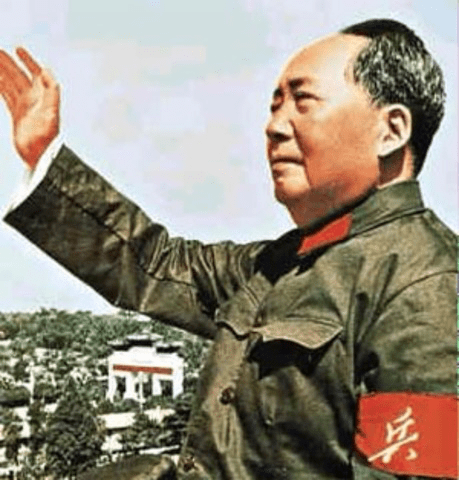
Red China’s Communist Party Chairman Mao Zedong initiated Cultural Warfare on Tibet as part of his Campaign called ‘Cultural Revolution’ that started on May 16, 1966. This brutal Campaign of Cultural Repression, Political Oppression, and Economic Suppression to wipe out Tibetan Identity continues unabated. Cultural Revolution is not a relic of China’s past history. I ask people to break their silence to oppose Red China’s Cultural Warfare on Tibet.
THE WASHINGTON POST
CHINESE PAPERS BREAK SILENCE ON CULTURAL REVOLUTION, SAYING IT COULD NOT, WOULD NOT HAPPEN AGAIN
By EMILY RAUHALA MAY 17, 2016.
Trust us, they say, the past is in the past.
Two newspapers linked to the Communist Party have broken the silence on the 50th anniversary of the Cultural Revolution, publishing editorials meant to assure readers that the party has granted the country “immunity” from political chaos and social unrest.
The editorials, published by the state-owned People’s Daily and the Global Times, were rare public comments on a decade-long disaster that former party chairman Mao Zedong unleashed and that his party now prefers to play down, recast or ignore.
But the articles broke no new ground, rehashing the official line determined by a clutch of cadres in a 1981 resolution.In it, they condemned the violence of the era, blamed Mao and his close associates, and advised everyone to move on. The Chinese people never got a say.
In a piece published Tuesday, the People’s Daily hewed closely to the old line, noting that “history always advances.” “There will not be re-enactment of a mistake like the Cultural Revolution,” it said.
An editorial in the Global Times, a newspaper known for its nationalist tone, hit at the same theme more forcefully: “We have bid farewell to the Cultural Revolution. We can say it once again today that the Cultural Revolution cannot and will not come back.”
The papers aim to instill confidence. They tell readers that what was decided in 1981 was not contingency or compromise but “unshakably scientific and authoritative” fact. They emphasize that the Chinese people have decided, unequivocally, to push ahead.
This is standard policy on several historical questions, from the Great Famine to the Tiananmen Square protests. As a result, when party papers write boldly about eyes fixed forward, it casts our gaze back, reminding us of how China’s past is shaping the present — and spooking the ruling party along the way.
Over the years, some survivors of that brutal decade have come forward to tell their stories, calling for truth and accountability, wanting to address old wounds. Under President Xi Jinping, though, the space for reflection has narrowed.
Xi has moved in many ways to bolster Mao’s reputation, drawing a single line between revolutionary struggle, World War II and the era of “national rejuvenation” that he says is underway. But Xi, a survivor of the Cultural Revolution, knows well that marshaling Mao is dangerous business; when you invite people to rally around the party’s founder, you risk overshadowing the party itself.
The truth is that the party’s stance on the Cultural Revolution is not accepted as fact.
It is questioned by survivors who want their trauma acknowledged and by neo-Maoists who think talk of “calamity” is overblown. Some see shades of Mao in Xi’s moves to consolidate power; others dismiss the comparison outright.
In an editorial published in the run-up to the anniversary, even the Global Times acknowledged the split, saying the Cultural Revolution “remains divisive” and has become a “proxy” for clashes between “rightists” and “leftists” debating “China’s political route.”
Which is why Tuesday’s twin editorials seem to open, not close, the question of what the Cultural Revolution means and what that, in turn, means for the party. The party asks for faith. Its papers beg the question: Does it yet trust itself?
Emily Rauhala is a China Correspondent for the Post. She was previously a Beijing-based correspondent for TIME, and an editor at the magazine’s Hong Kong office.
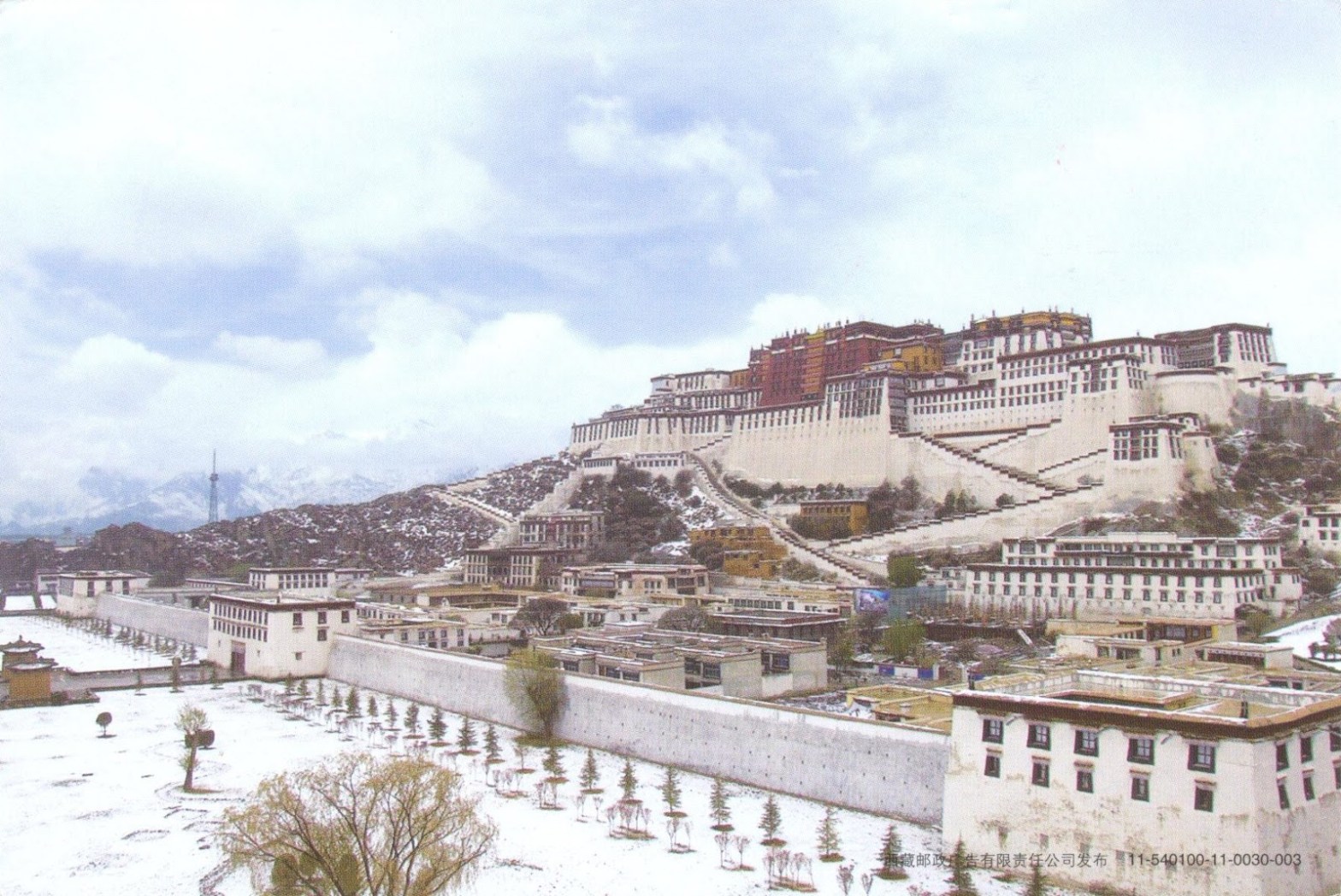
TIBET AWARENESS – SUPREME RULER OF TIBET FORCED TO LIVE IN EXILE.Red China’s Cultural Warfare on Tibet. Apart from military occupation, it aims to destroy Tibetan Culture.Red China’s Cultural Warfare on Tibet.Red China’s Cultural Warfare on Tibet.Red China’s Cultural Warfare on Tibet. Potala Palace, Lhasa, Tibet symbolizes Cultural History of Tibet.
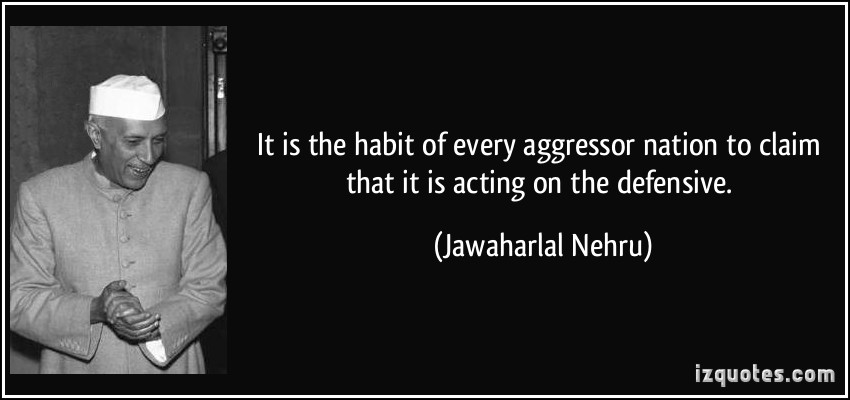
I have been studying the aggressive nature of Red China since 1950s. The word ‘aggressor’ as a noun refers to a person or nation that is guilty of aggression or makes an unprovoked attack. Aggressive behavior, aggressive nature describe a mental inclination to start fights or quarrels, a readiness or willingness to take issue or engage in direct militant action. When I describe Red China as an “Aggressor Nation,” I am speaking about the practice or habit of being quarrelsome, destructively hostile to others, the use of unprovoked attacks or warlike acts. Red China is using her People’s Liberation Army violating her international obligations. Red China is aggressive for she displays boldness and because of her energetic pursuit of her own vested interests with a ruthless desire to dominate her weaker neighbors. Red China has formulated a State Policy called Expansionism which involves a vigorous, unrepentant espousal to use her military force or power to further her own ends.
I have been studying the aggressive nature of Red China since 1950s. The word ‘aggressor’ as a noun refers to a person or nation that is guilty of aggression or makes an unprovoked attack. Aggressive behavior, aggressive nature describe a mental inclination to start fights or quarrels, a readiness or willingness to take issue or engage in direct militant action. When I describe Red China as an “Aggressor Nation,” I am speaking about the practice or habit of being quarrelsome, destructively hostile to others, the use of unprovoked attacks or warlike acts. Red China is using her People’s Liberation Army violating her international obligations. Red China is aggressive for she displays boldness and because of her energetic pursuit of her own vested interests with a ruthless desire to dominate her weaker neighbors. Red China has formulated a State Policy called Expansionism which involves a vigorous, unrepentant espousal to use her military force or power to further her own ends.
Air Space Expansionism: I have been studying the aggressive nature of Red China since 1950s. The word ‘aggressor’ as a noun refers to a person or nation that is guilty of aggression or makes an unprovoked attack. Aggressive behavior, aggressive nature describe a mental inclination to start fights or quarrels, a readiness or willingness to take issue or engage in direct militant action. When I describe Red China as an “Aggressor Nation,” I am speaking about the practice or habit of being quarrelsome, destructively hostile to others, the use of unprovoked attacks or warlike acts. Red China is using her People’s Liberation Army violating her international obligations. Red China is aggressive for she displays boldness and because of her energetic pursuit of her own vested interests with a ruthless desire to dominate her weaker neighbors. Red China has formulated a State Policy called Expansionism which involves a vigorous, unrepentant espousal to use her military force or power to further her own ends.
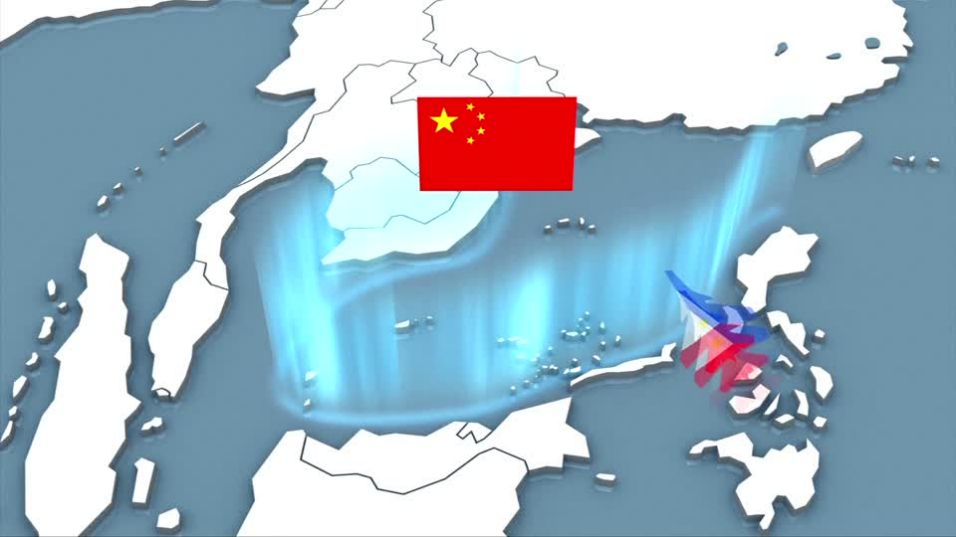
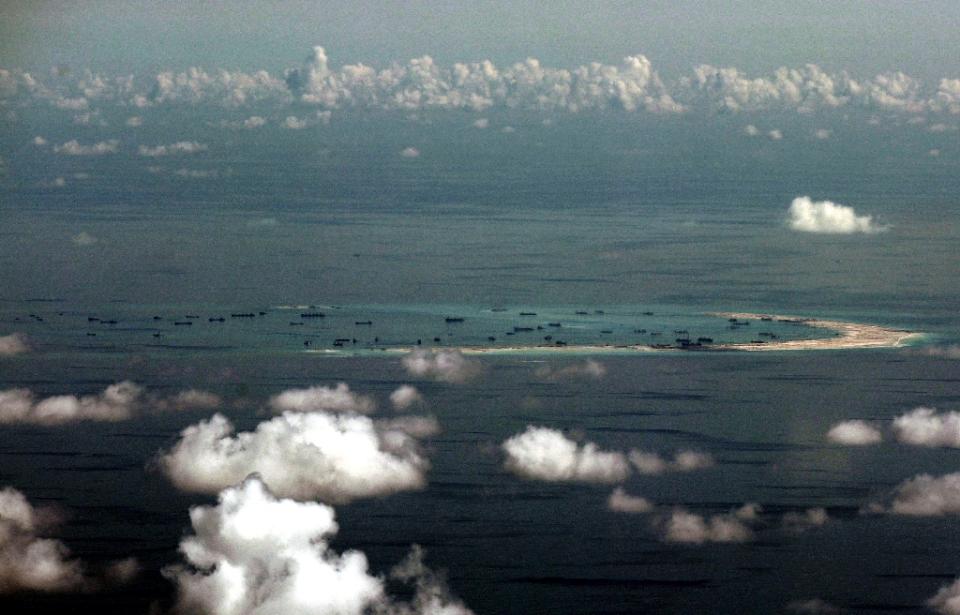
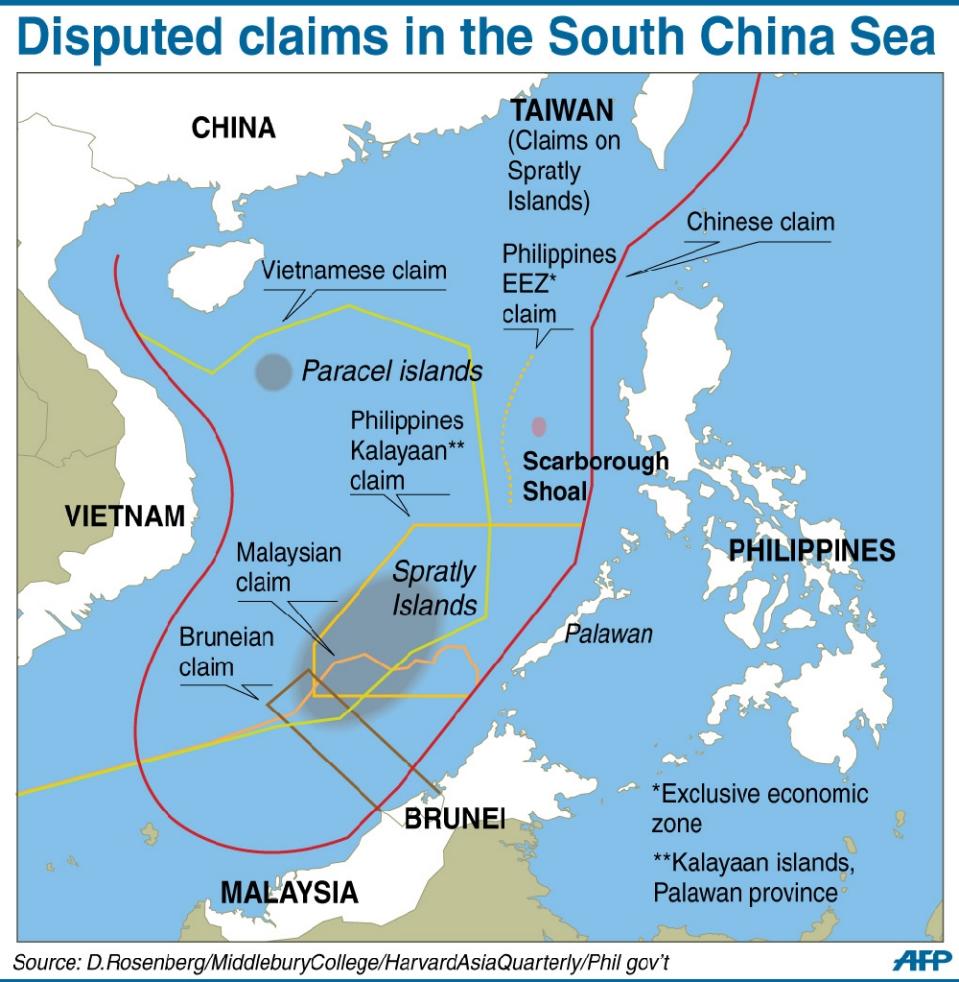
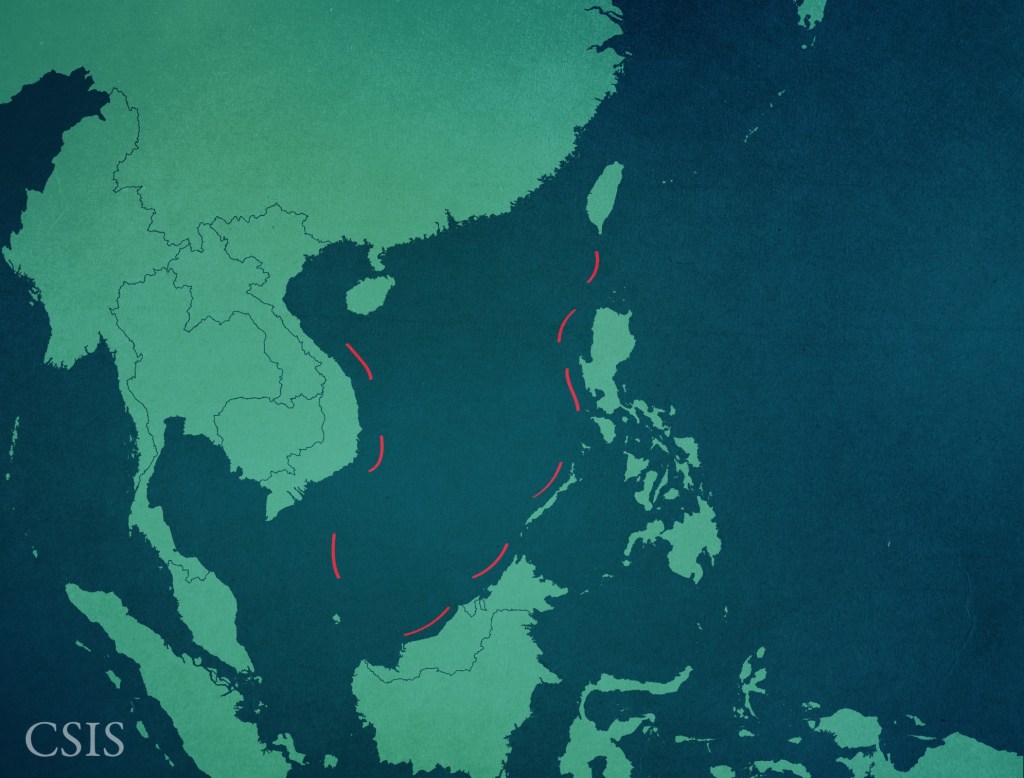
Most journalists reporting on recent events in the South China Sea have used the term “Assertive” to describe the actions of Red China. The word ‘assertive’ emphasizes self-confidence and a persistent determination to express oneself or one’s opinions. Red China is claiming ‘sovereignty’ over most of the South China Sea. In this behavior, Red China is not simply asserting its opinion or view. Red China is using her military muscle to implement her own opinion and is responding with the use of her military power to any challenge or any action that may compromise her opinion.
Territorial Expansionism: I have been studying the aggressive nature of Red China since 1950s. The word ‘aggressor’ as a noun refers to a person or nation that is guilty of aggression or makes an unprovoked attack. Aggressive behavior, aggressive nature describe a mental inclination to start fights or quarrels, a readiness or willingness to take issue or engage in direct militant action. When I describe Red China as an “Aggressor Nation,” I am speaking about the practice or habit of being quarrelsome, destructively hostile to others, the use of unprovoked attacks or warlike acts. Red China is using her People’s Liberation Army violating her international obligations. Red China is aggressive for she displays boldness and because of her energetic pursuit of her own vested interests with a ruthless desire to dominate her weaker neighbors. Red China has formulated a State Policy called Expansionism which involves a vigorous, unrepentant espousal to use her military force or power to further her own ends.
I witnessed Red China’s unprovoked attack on Tibet during 1950 and I witnessed Red China’s unprovoked attack on India during 1962.
I have been studying the aggressive nature of Red China since 1950s. The word ‘aggressor’ as a noun refers to a person or nation that is guilty of aggression or makes an unprovoked attack. Aggressive behavior, aggressive nature describe a mental inclination to start fights or quarrels, a readiness or willingness to take issue or engage in direct militant action. When I describe Red China as an “Aggressor Nation,” I am speaking about the practice or habit of being quarrelsome, destructively hostile to others, the use of unprovoked attacks or warlike acts. Red China is using her People’s Liberation Army violating her international obligations. Red China is aggressive for she displays boldness and because of her energetic pursuit of her own vested interests with a ruthless desire to dominate her weaker neighbors. Red China has formulated a State Policy called Expansionism which involves a vigorous, unrepentant espousal to use her military force or power to further her own ends.
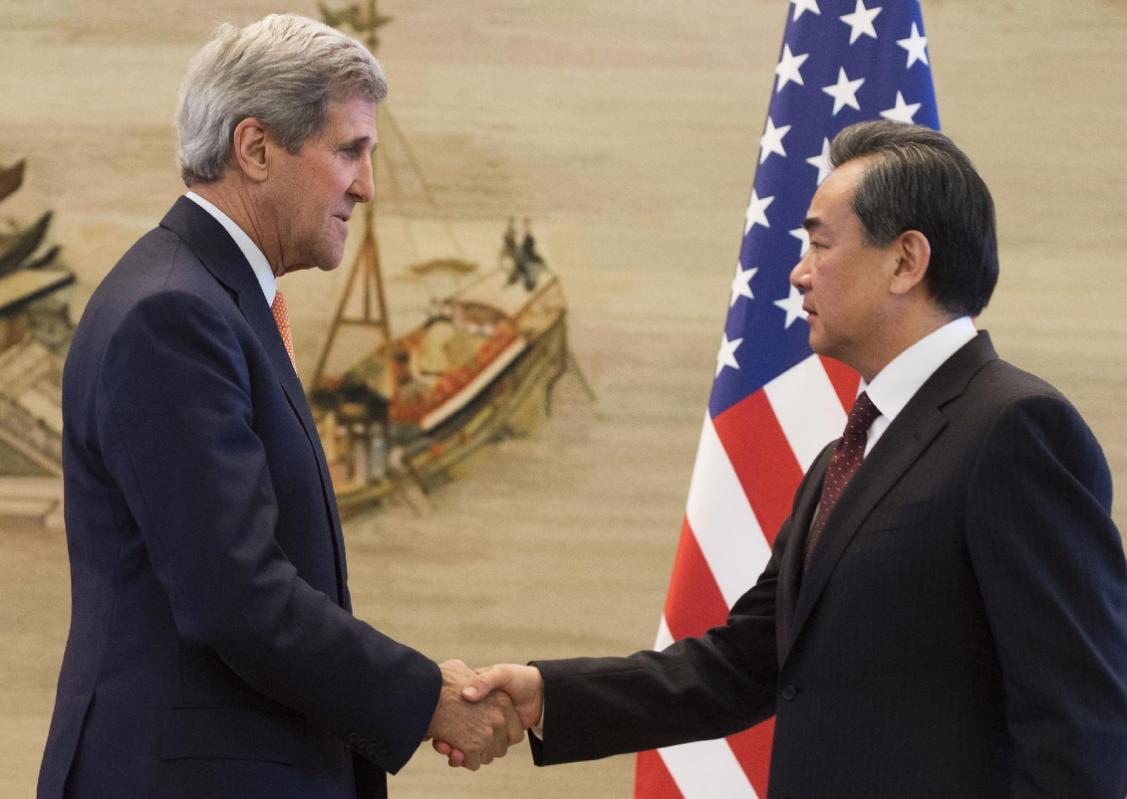
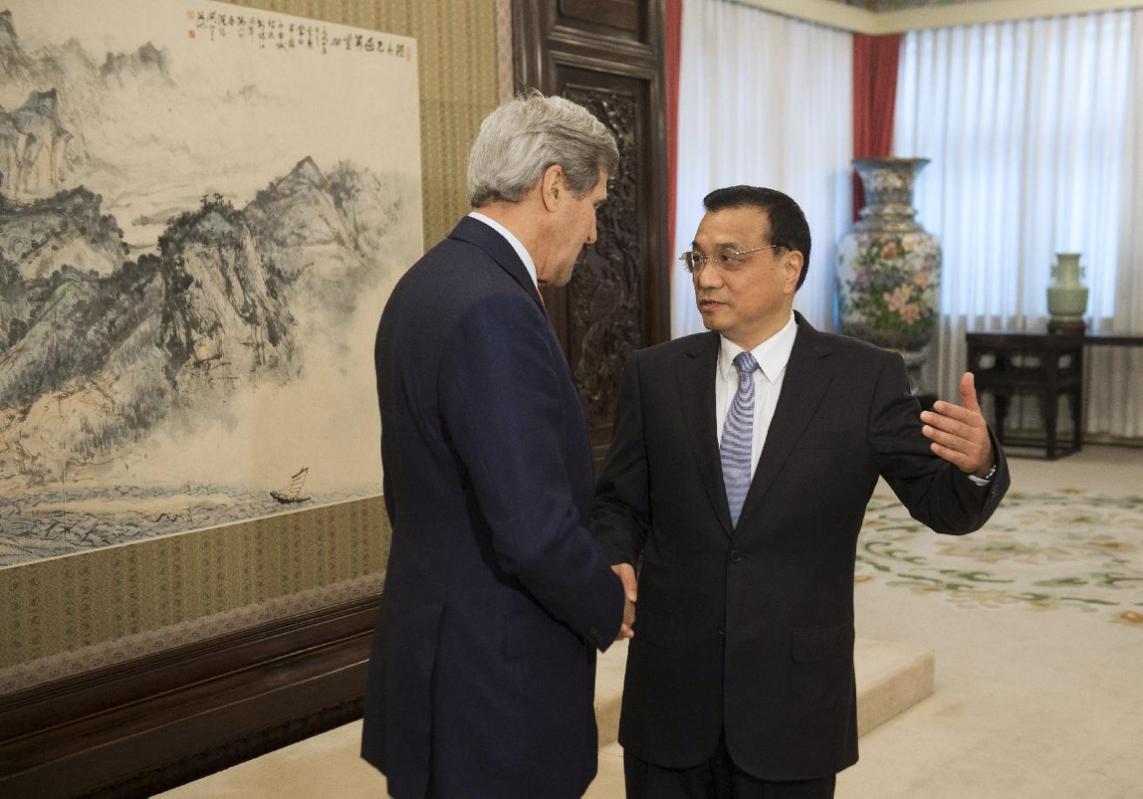
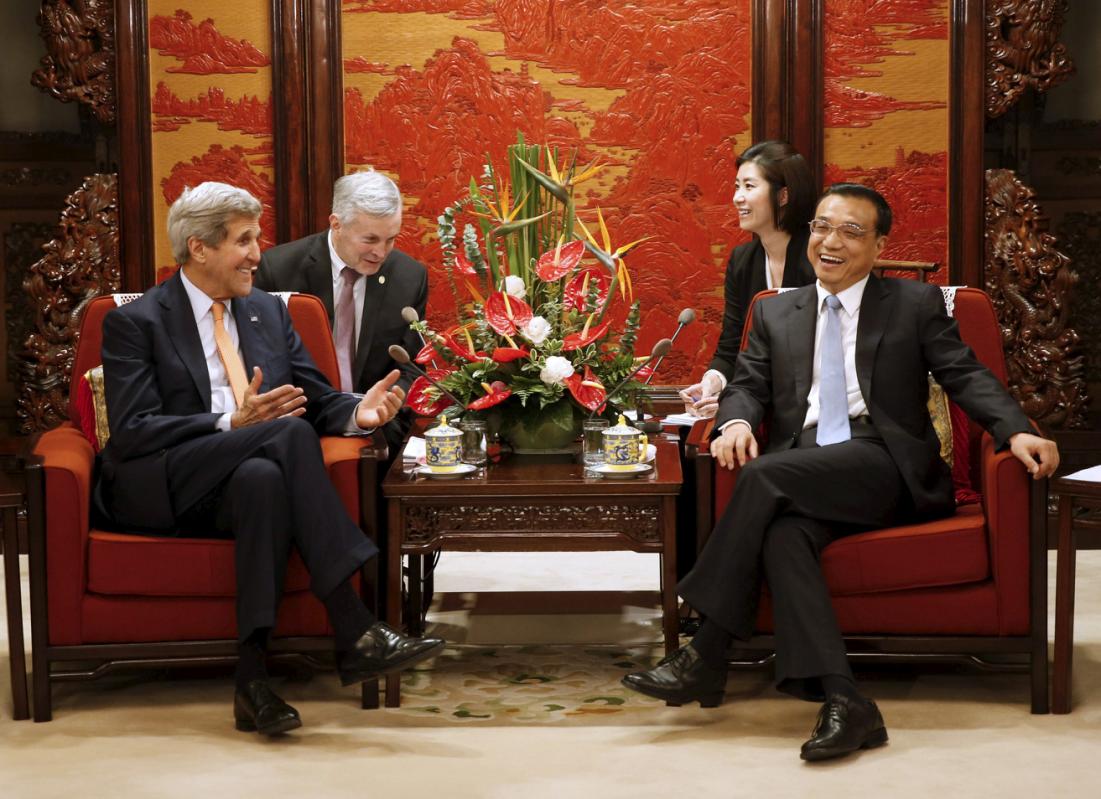
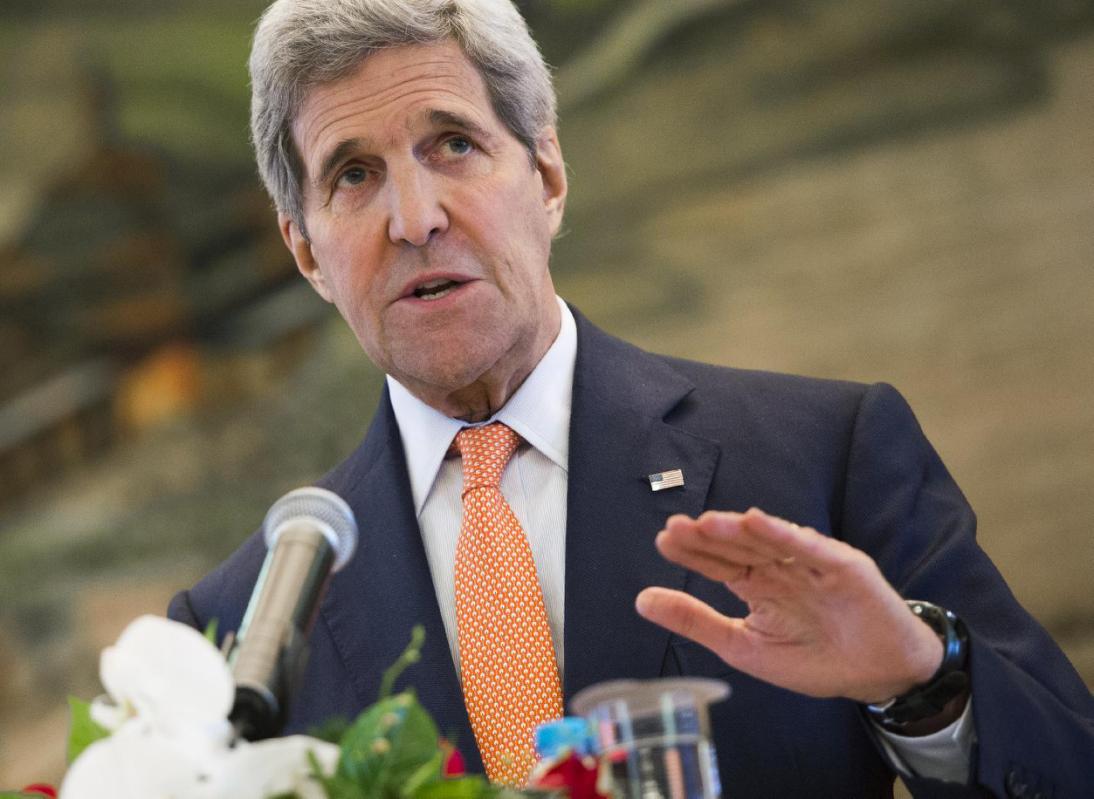
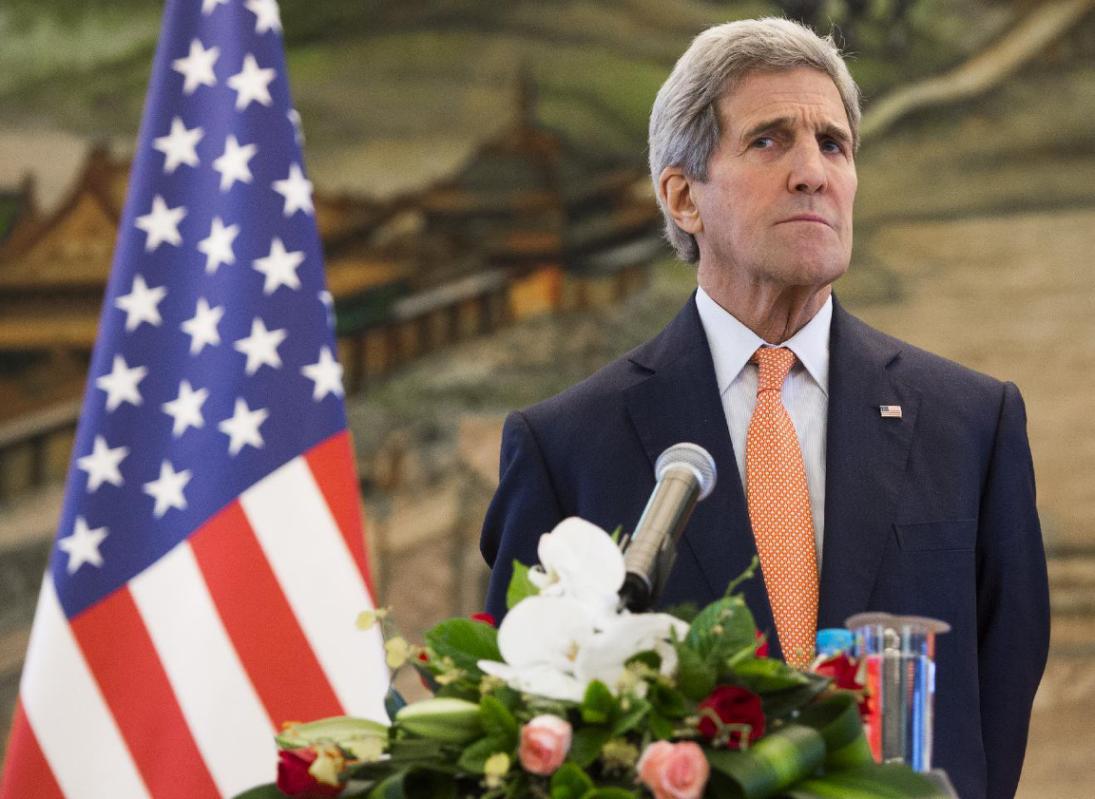
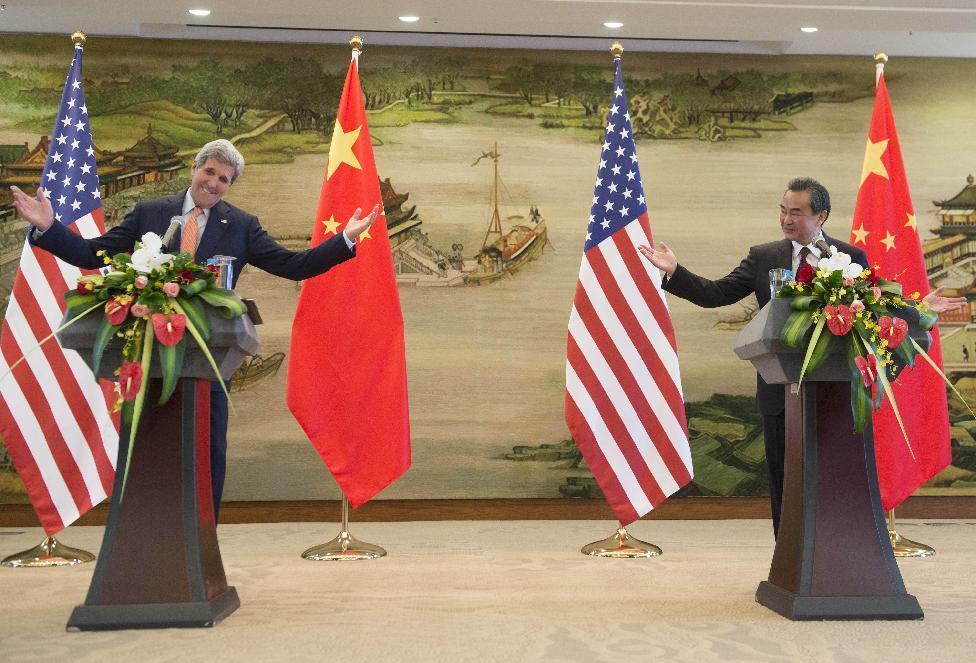
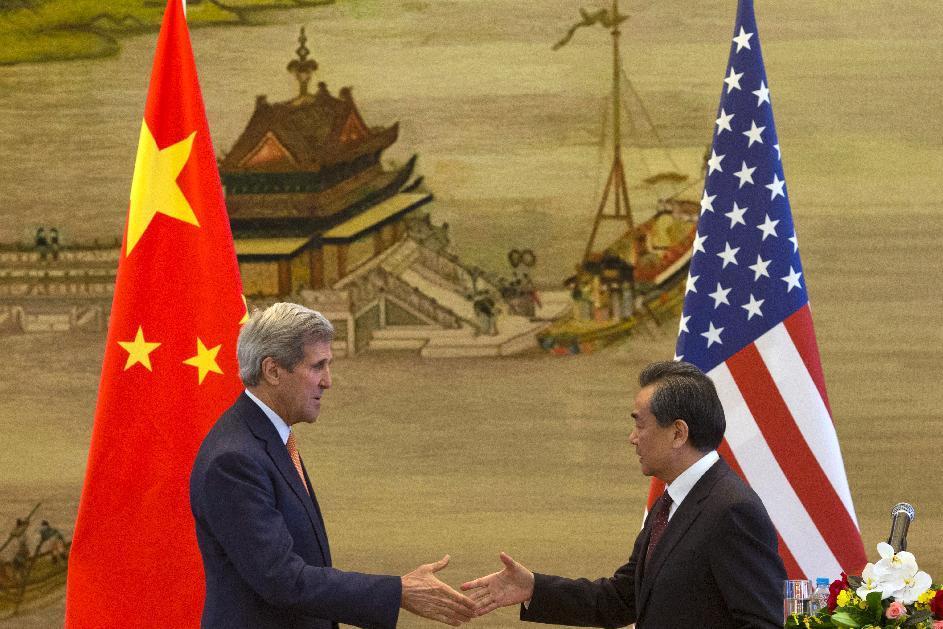
On May 16, 2015, US Secretary of State John Kerry visited Beijing and talked directly to Red China’s President, Prime Minister, and Foreign Minister expressing concerns about Red China’s use of its military muscle to exercise its control over much of the South China Sea. The latest encounter with US Navy Surveillance Plane clearly demonstrates Red China’s unwillingness to review her opinion of sovereignty claims.
I have been studying the aggressive nature of Red China since 1950s. The word ‘aggressor’ as a noun refers to a person or nation that is guilty of aggression or makes an unprovoked attack. Aggressive behavior, aggressive nature describe a mental inclination to start fights or quarrels, a readiness or willingness to take issue or engage in direct militant action. When I describe Red China as an “Aggressor Nation,” I am speaking about the practice or habit of being quarrelsome, destructively hostile to others, the use of unprovoked attacks or warlike acts. Red China is using her People’s Liberation Army violating her international obligations. Red China is aggressive for she displays boldness and because of her energetic pursuit of her own vested interests with a ruthless desire to dominate her weaker neighbors. Red China has formulated a State Policy called Expansionism which involves a vigorous, unrepentant espousal to use her military force or power to further her own ends.
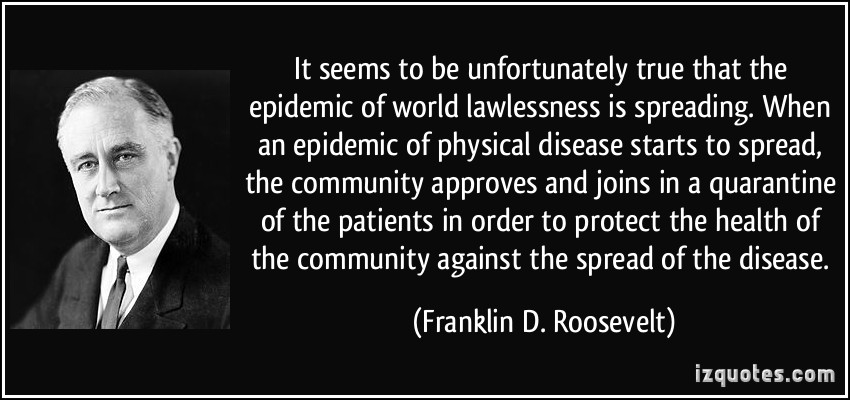
Red China is an “Aggressor Nation” and using the words of Franklin Delano Roosevelt, I ask that she must be “Quarantined” until she recovers for her disease called “Aggression.”
U.S. vows to continue patrols after China warns spy plane
By David Brunnstrom
WASHINGTON (Reuters) – The United States vowed on Thursday to keep up air and sea patrols in international waters after the Chinese navy repeatedly warned a U.S. surveillance plane to leave the airspace over artificial islands China is creating in the disputed South China Sea.
The Chinese navy issued eight warnings to the crew of a U.S. P8-A Poseidon, the U.S. military’s most advanced surveillance aircraft, when it conducted the overflights on Wednesday, according to CNN, which was aboard the U.S. aircraft.
PERTH, AUSTRALIA – MARCH 28: A US Navy P-8A Poseidon departs Perth’s International Airport on March 28, 2014 in Perth, Australia. The Australian Maritime Safety Authority (AMSA) announced today the search area for missing flight MH370 has shifted closer to the Western Australian Coast after receiving radar analysis suggesting the airliner did not travel as far south as originally thought. The Malaysian airliner disappeared on March 8 with 239 passengers and crew on board and is suspected to have crashed into the southern Indian Ocean. (Photo by Matt Jelonek/Getty Images)
When the American pilots responded by saying the plane was flying through international airspace, a Chinese radio operator said with exasperation: “This is the Chinese navy … You go!” The Poseidon flew as low as 15,000 feet (4,500 meters), CNN said, and video provided by the Pentagon appeared to have been taken from directly above one artificial island.
The incident, along with recent Chinese warnings to Philippine military aircraft to leave areas around the Spratly archipelago in the South China Sea, suggested Beijing is trying to enforce a military exclusion zone above its new islands there. Some security experts worry about the risk of confrontation, especially after a U.S. official said last week that the Pentagon was considering sending military aircraft and ships to assert freedom of navigation around the Chinese-made islands.
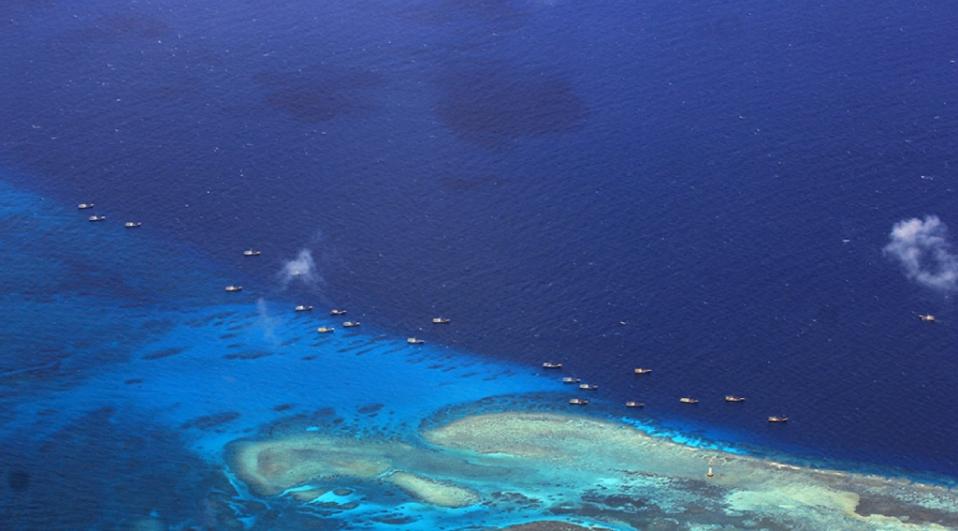
Maritime Expansionism: I have been studying the aggressive nature of Red China since 1950s. The word ‘aggressor’ as a noun refers to a person or nation that is guilty of aggression or makes an unprovoked attack. Aggressive behavior, aggressive nature describe a mental inclination to start fights or quarrels, a readiness or willingness to take issue or engage in direct militant action. When I describe Red China as an “Aggressor Nation,” I am speaking about the practice or habit of being quarrelsome, destructively hostile to others, the use of unprovoked attacks or warlike acts. Red China is using her People’s Liberation Army violating her international obligations. Red China is aggressive for she displays boldness and because of her energetic pursuit of her own vested interests with a ruthless desire to dominate her weaker neighbors. Red China has formulated a State Policy called Expansionism which involves a vigorous, unrepentant espousal to use her military force or power to further her own ends. Mischief Reef 05 11 2015
An aerial photo taken though a glass window of a Philippine military plane shows the alleged on-going island building at Mischief Reef, South China Sea.
The senior U.S. diplomat for the East Asia, Assistant Secretary of State Daniel Russel, told a media briefing in Washington the U.S. reconnaissance flight was “entirely appropriate” and that U.S. naval forces and military aircraft would “continue to fully exercise” the right to operate in international waters and airspace.
He said the United States would go further to preserve the ability of all countries to move in international waters and airspace. “Nobody in their right mind is going to try to stop the U.S. Navy from operating – that would not be a good bet,” he said.
“But it’s not enough that a U.S. military plane can overfly international waters, even if there is challenge or hailing query … We believe that every country and all civilian actors should have unfettered access to international waters and international airspace.”
A spokesman for China’s Foreign Ministry said he was not aware of the incident. “China has the right to engage in monitoring in the relevant airspace and waters to protect the country’s sovereignty and prevent accidents at sea,” ministry spokesman Hong Lei said in a regular briefing. “We hope the relevant country can earnestly respect China’s sovereignty in the South China Sea.” HIVE OF CONSTRUCTION
Footage taken by the P8-A Poseidon over the new islands, and aired by CNN, showed a hive of construction and dredging activity, as well as Chinese navy ships nearby. CNN said it was the first time the Pentagon had declassified video of China’s building activity and audio of challenges to a U.S. aircraft.
“We were just challenged 30 minutes ago and the challenge came from the Chinese navy,” Captain Mike Parker, commander of U.S. surveillance aircraft deployed to Asia, told CNN on the flight. “I’m highly confident it came from ashore, this facility here,” Parker said, pointing to an early warning radar station on Fiery Cross Reef.
Military facilities on Fiery Cross Reef, including a 3,000-metre (10,000-foot) runway, could be operational by year’s end, one U.S. commander recently told Reuters, and Washington is concerned China will use it to press its extensive territorial claims at the expense of weaker rivals.
China claims sovereignty over most of the South China Sea, through which $5 trillion in ship-borne trade passes every year. The Philippines, Vietnam, Malaysia, Taiwan and Brunei also have overlapping claims. Chinese Foreign Minister Wang Yi last week asserted Beijing’s right to reclaim the reefs and said China’s determination to protect its interests was “as hard as a rock.”
China has also said it had every right to set up an Air Defense Identification Zone (ADIZ) in the South China Sea but that current conditions did not warrant one. ADIZs are used by some nations to extend control beyond national borders, requiring civilian and military aircraft to identify themselves or face possible military interception.
During the P8-A Poseidon mission, the pilot of a Delta Air Lines flight in the area spoke on the same frequency after hearing the Chinese challenges and identified himself as commercial. The Chinese voice reassured the pilot and the Delta flight went on its way, CNN said.
Delta Airlines did not immediately respond to a request for comment.
(Writing by Dean Yates, additional reporting by Michael Martina in Beijing and David Brunnstrom in Washington; Editing by Paul Tait, Jonathan Oatis and Steve Orlofsky
(c) Copyright Thomson Reuters 2015.
Yahoo – ABC News Networks
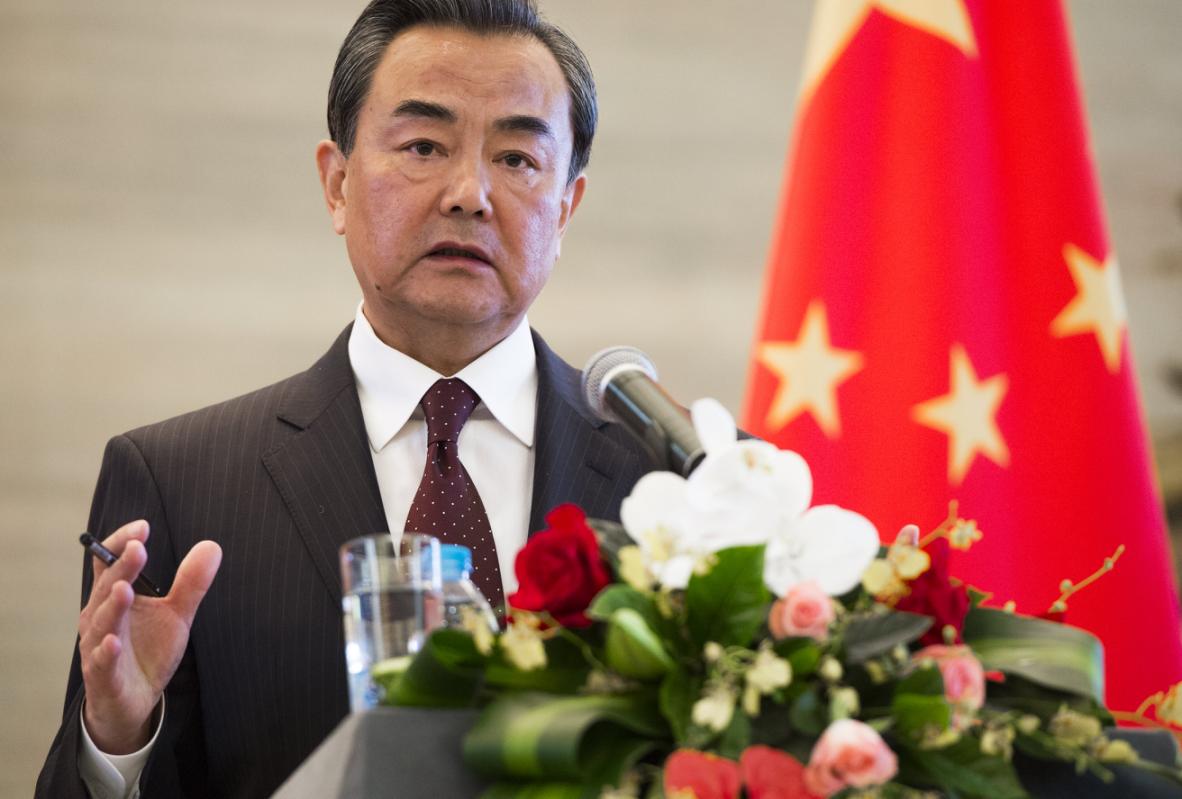
I have been studying the aggressive nature of Red China since 1950s. The word ‘aggressor’ as a noun refers to a person or nation that is guilty of aggression or makes an unprovoked attack. Aggressive behavior, aggressive nature describe a mental inclination to start fights or quarrels, a readiness or willingness to take issue or engage in direct militant action. When I describe Red China as an “Aggressor Nation,” I am speaking about the practice or habit of being quarrelsome, destructively hostile to others, the use of unprovoked attacks or warlike acts. Red China is using her People’s Liberation Army violating her international obligations. Red China is aggressive for she displays boldness and because of her energetic pursuit of her own vested interests with a ruthless desire to dominate her weaker neighbors. Red China has formulated a State Policy called Expansionism which involves a vigorous, unrepentant espousal to use her military force or power to further her own ends.Chinese Foreign Minister Wang Yi (R) and US Secretary of State John Kerry walk to a joint news conference following meetings at the Ministry of Foreign Affairs in Beijing May 16, 2015. The United States and China clashed over a territorial dispute in the South China Sea on Saturday, as China’s foreign minister asserted its sovereignty to reclaim reefs saying its determination to protect its interests is “as hard as a rock”.REUTERS/Saul Loeb/PoolU.S. Secretary of State John Kerry, left, shakes hands with Chinese Foreign Minister Wang Yi after their press conference following their meetings at the Ministry of Foreign Affairs in Beijing Saturday, May 16, 2015. Kerry is in China to press Beijing to halt increasingly assertive actions it is taking in the South China Sea that have alarmed the United States and China’s smaller neighbors. (Saul Loeb/Pool Photo via AP)U.S. Secretary of State John Kerry, left, and Chinese Premier Li Keqiang talk during a meeting at Zhongnanhai Leadership Compound in Beijing Saturday, May 16, 2015. The United States and China held firm Saturday to deep disagreements over increasingly assertive Chinese activity in disputed areas of the South China Sea, as Beijing politely but pointedly rejected U.S. Secretary of State John Kerry’s push for it to reduce tensions. (Saul Loeb/Pool Photo via AP)U.S. Secretary of State John Kerry (L) speaks with Chinese Premier Li Keqiang at the Zhongnanhai Leadership Compound in Beijing, China, May 16, 2015. The United States and China clashed over a territorial dispute in the South China Sea on Saturday, as China’s foreign minister asserted its sovereignty to reclaim reefs saying its determination to protect its interests is “as hard as a rock”. REUTERS/Kim Kyung-HoonU.S. Secretary of State John Kerry speaks during a joint press conference with Chinese Foreign Minister Wang Yi following their meetings at the Ministry of Foreign Affairs in Beijing Saturday, May 16, 2015. Kerry is in China to press Beijing to halt increasingly assertive actions it is taking in the South China Sea that have alarmed the United States and China’s smaller neighbors. (Saul Loeb/Pool Photo via AP)Chinese Foreign Minister Wang Yi (R) and US Secretary of State John Kerry speak following a joint news conference following meetings at the Ministry of Foreign Affairs in Beijing May 16, 2015. The United States and China clashed over a territorial dispute in the South China Sea on Saturday, as China’s foreign minister asserted its sovereignty to reclaim reefs saying its determination to protect its interests is “as hard as a rock”. REUTERS/Saul Loeb/PoolU.S. Secretary of State John Kerry attends a joint press conference with Chinese Foreign Minister Wang Yi following their meetings at the Ministry of Foreign Affairs in Beijing Saturday, May 16, 2015. Kerry is in China to press Beijing to halt increasingly assertive actions it is taking in the South China Sea that have alarmed the United States and China’s smaller neighbors. (Saul Loeb/Pool Photo via AP)U.S. Secretary of State John Kerry, left, and Chinese Foreign Minister Wang Yi hold a joint press conference following their meetings at the Ministry of Foreign Affairs in Beijing Saturday, May 16, 2015. Kerry is in China to press Beijing to halt increasingly assertive actions it is taking in the South China Sea that have alarmed the United States and China’s smaller neighbors. (Saul Loeb/Pool Photo via AP)U.S. Secretary of State John Kerry, left, and Chinese Foreign Minister Wang Yi shake hands after a press conference following meetings at the Ministry of Foreign Affairs in Beijing Saturday, May 16, 2015. U.S. Secretary of State John Kerry is urging China to halt increasingly assertive actions it is taking in the South China Sea. (AP Photo/Ng Han Guan, Pool)Chinese Foreign Minister Wang Yi speaks during a joint press conference following meetings with U.S. Secretary of State John Kerry at the Ministry of Foreign Affairs in Beijing, China, Saturday, May 16, 2015. Kerry is in China to press Beijing to halt increasingly assertive actions it is taking in the South China Sea that have alarmed the United States and China’s smaller neighbors. (Saul Loeb/Pool Photo via AP)Maritime Expansionism – South China Sea: I have been studying the aggressive nature of Red China since 1950s. The word ‘aggressor’ as a noun refers to a person or nation that is guilty of aggression or makes an unprovoked attack. Aggressive behavior, aggressive nature describe a mental inclination to start fights or quarrels, a readiness or willingness to take issue or engage in direct militant action. When I describe Red China as an “Aggressor Nation,” I am speaking about the practice or habit of being quarrelsome, destructively hostile to others, the use of unprovoked attacks or warlike acts. Red China is using her People’s Liberation Army violating her international obligations. Red China is aggressive for she displays boldness and because of her energetic pursuit of her own vested interests with a ruthless desire to dominate her weaker neighbors. Red China has formulated a State Policy called Expansionism which involves a vigorous, unrepentant espousal to use her military force or power to further her own ends.I have been studying the aggressive nature of Red China since 1950s. The word ‘aggressor’ as a noun refers to a person or nation that is guilty of aggression or makes an unprovoked attack. Aggressive behavior, aggressive nature describe a mental inclination to start fights or quarrels, a readiness or willingness to take issue or engage in direct militant action. When I describe Red China as an “Aggressor Nation,” I am speaking about the practice or habit of being quarrelsome, destructively hostile to others, the use of unprovoked attacks or warlike acts. Red China is using her People’s Liberation Army violating her international obligations. Red China is aggressive for she displays boldness and because of her energetic pursuit of her own vested interests with a ruthless desire to dominate her weaker neighbors. Red China has formulated a State Policy called Expansionism which involves a vigorous, unrepentant espousal to use her military force or power to further her own ends.I have been studying the aggressive nature of Red China since 1950s. The word ‘aggressor’ as a noun refers to a person or nation that is guilty of aggression or makes an unprovoked attack. Aggressive behavior, aggressive nature describe a mental inclination to start fights or quarrels, a readiness or willingness to take issue or engage in direct militant action. When I describe Red China as an “Aggressor Nation,” I am speaking about the practice or habit of being quarrelsome, destructively hostile to others, the use of unprovoked attacks or warlike acts. Red China is using her People’s Liberation Army violating her international obligations. Red China is aggressive for she displays boldness and because of her energetic pursuit of her own vested interests with a ruthless desire to dominate her weaker neighbors. Red China has formulated a State Policy called Expansionism which involves a vigorous, unrepentant espousal to use her military force or power to further her own ends.Air Space Expansionism: I have been studying the aggressive nature of Red China since 1950s. The word ‘aggressor’ as a noun refers to a person or nation that is guilty of aggression or makes an unprovoked attack. Aggressive behavior, aggressive nature describe a mental inclination to start fights or quarrels, a readiness or willingness to take issue or engage in direct militant action. When I describe Red China as an “Aggressor Nation,” I am speaking about the practice or habit of being quarrelsome, destructively hostile to others, the use of unprovoked attacks or warlike acts. Red China is using her People’s Liberation Army violating her international obligations. Red China is aggressive for she displays boldness and because of her energetic pursuit of her own vested interests with a ruthless desire to dominate her weaker neighbors. Red China has formulated a State Policy called Expansionism which involves a vigorous, unrepentant espousal to use her military force or power to further her own ends.Maritime Expansionism – South China Sea: I have been studying the aggressive nature of Red China since 1950s. The word ‘aggressor’ as a noun refers to a person or nation that is guilty of aggression or makes an unprovoked attack. Aggressive behavior, aggressive nature describe a mental inclination to start fights or quarrels, a readiness or willingness to take issue or engage in direct militant action. When I describe Red China as an “Aggressor Nation,” I am speaking about the practice or habit of being quarrelsome, destructively hostile to others, the use of unprovoked attacks or warlike acts. Red China is using her People’s Liberation Army violating her international obligations. Red China is aggressive for she displays boldness and because of her energetic pursuit of her own vested interests with a ruthless desire to dominate her weaker neighbors. Red China has formulated a State Policy called Expansionism which involves a vigorous, unrepentant espousal to use her military force or power to further her own ends.
Tibet’s Only Fault – Tibet Never Declared War on China
Whole Mistake – Cold War in Asia – I coined the phrase, “Unfinished Korea-Vietnam War” as the issue primarily involves the Spread of Communism to Asia. If Tibet had declared a War against China, the United States would not have fought battles in Korea and Vietnam. That was Tibet’s Whole Mistake.
Whole Mistake – Cold War in Asia – I coined the phrase, “Unfinished Korea-Vietnam War” as the issue primarily involves the Spread of Communism to Asia. If Tibet had declared a War against China, the United States would not have fought battles in Korea and Vietnam. That was Tibet’s Whole Mistake.
Whole Mistake – Cold War in Asia – I coined the phrase, “Unfinished Korea-Vietnam War” as the issue primarily involves the Spread of Communism to Asia. If Tibet had declared a War against China, the United States would not have fought battles in Korea and Vietnam. That was Tibet’s Whole Mistake.
Trouble in Tibet – No Freedom of Religion in Occupied Tibet
Whole Mistake – Cold War in Asia – I coined the phrase, “Unfinished Korea-Vietnam War” as the issue primarily involves the Spread of Communism to Asia. If Tibet had declared a War against China, the United States would not have fought battles in Korea and Vietnam. That was Tibet’s Whole Mistake.
Taiwan urged Tibetan Prime Minister and Uighur activist not to seek visas to visit Taipei to attend a forum on Religious Freedom as their presence may offend Red China. My concern is not about Taiwan’s sense of Fear. My concern is about lack of Freedom in Occupied Tibet.
Taiwan urges Tibetan exile leader and Uighur activist to stay away, supporters say
SIKYONG, PRIME MINISTER LOBSANG SANGAY WITH US UNDERSECRETARY OF STATE SARAH SEWALL AT KANGRA AIRPORT.Whole Mistake – Cold War in Asia – I coined the phrase, “Unfinished Korea-Vietnam War” as the issue primarily involves the Spread of Communism to Asia. If Tibet had declared a War against China, the United States would not have fought battles in Korea and Vietnam. That was Tibet’s Whole Mistake.
Lobsang Sangay, prime minister of Tibet’s government in exile, walks with Sarah Sewall, U.S. undersecretary of State for civilian security, democracy and human rights, during a meeting in Dharmsala, India, on Jan. 15.
(Ashwini Bhatia / Associated Press)
Ralph Jennings
Taiwanese authorities asked a close ally of the Dalai Lama, as well as a U.S.-based activist for China’s Uighur minority, not to attend a forum on religious freedom in Taipei this week because their presence might irritate mainland China’s Communist leaders, the event’s sponsors say.
U.S.-based representatives of Taiwan’s government persuaded Uighur activist Rebiya Kadeer and Lobsang Sangay, prime minister of Tibet’s Buddhist government in exile in India, not to apply for visas in December, said Bob Fu, the founder of China Aid, an American nonprofit that is co-sponsoring the forum.
“To talk about China’s religious freedom situation, if you don’t mention the Tibetan and Uighur minorities, a discussion of religious freedoms is incomplete,” Fu said from the forum in Taipei, which opened Thursday with 99 participants from 26 countries. “The whole application process feels political.”
Beijing regards representatives of the Tibetan government in exile and Kadeer as separatists, and routinely pressures other countries not to host or meet with them.
Taiwan’s Foreign Ministry and immigration agency said they had no information about what their offices in the United States might have told potential visa applicants. “We have no way to comment; all we do is process the visas,” a National Immigration Agency spokesperson said.
Though Tibet and the Uighur homeland of Xinjiang are under control of mainland Chinese authorities, Taiwan has had de facto independence from mainland China since 1949. But Beijing still claims sovereignty over the island. The commonalities among these three contested regions have sparked significant interest in Taiwan about figures such as Kadeer and Sangay.
But outgoing Taiwanese President Ma Ying-jeou, who is leaving office in May after eight years, has tried to foster closer ties with Beijing after six decades of icy hostilities. The Dalai Lama retired as head of the Tibetan government in exile in 2011, giving up leadership to the democratically elected Sangay. The Dalai Lama abandoned calls for Tibetan independence in 1979, embracing instead a “middle way” in which Tibetans would enjoy autonomy and freedom of religion and speech under Chinese rule.
Kadeer, meanwhile, has taken a similar stance, speaking out on human rights issues in Xinjiang and campaigning for self-determination for the largely Muslim region. Many Uighurs and Tibetans say Chinese officials restrict their religious practices as well as their language and customs.
In early February, a foundation in Taipei representing the Dalai Lama said it too was told by Taiwanese officials that Sangay should avoid this week’s forum. “Taiwan is in a tough spot because of pressure from China, that’s the reason,” said Bari Dawa Tsering, director of the Religious Foundation of His Holiness the Dalai Lama. He declined to say which agency gave the word.
“Of course we hoped Sangay could do this. But Taiwan is small and right next to China, so their stance is not to add any new trouble,” he said. Shortly after Ma took office, the Dalai Lama visited Taiwan in 2009 to console survivors of a typhoon that sparked serious mudslides and killed about 700 people. China warned Taiwan then that the visit could damage relations, but the two sides put the matter behind them on the way to signing a series of landmark economic pacts. Kadeer was invited to Taiwan later that year by a musician but denied entry.
This time, Kadeer was rejected along with Dolkun Isa, a Uighur activist who escaped China in 1997 and is now a German citizen. Ma’s Nationalist Party administration “fears that to let Dolkun Isa and Rebiya Kadeer enter Taiwan will affect the understanding it has reached with Beijing,” Dilxat Rexit, a spokesman for the World Uyghur Congress, said Friday.
Ma’s Nationalist Party roundly lost elections in January, and in May he will be replaced by Tsai Ing-wen of the Democratic Progressive Party. “Beijing’s adding of pressure has had the result of refusing them entry, and proves that Taiwan’s policy depends on Beijing’s complexion,” he added. “I hope in the future the Democratic Progressive Party government can reject Beijing.”
Trouble in Tibet – National Prayer Breakfast Meeting 2016. Dalai Lama attended the National Prayer Meeting.Whole Mistake – Cold War in Asia – I coined the phrase, “Unfinished Korea-Vietnam War” as the issue primarily involves the Spread of Communism to Asia. If Tibet had declared a War against China, the United States would not have fought battles in Korea and Vietnam. That was Tibet’s Whole Mistake.
The Evil Red Empire – Consumerism and Economic Expansionism
Mao Zedong proclaims the founding of the People’s Republic of China in Peking on Oct. 1, 1949.
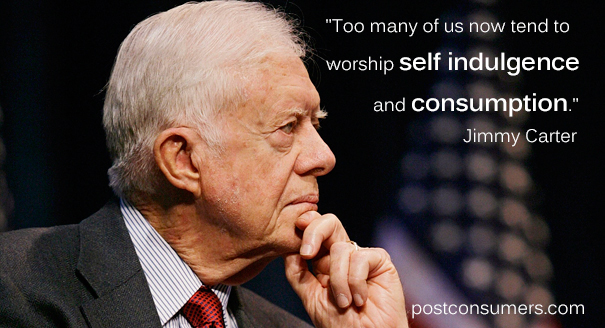
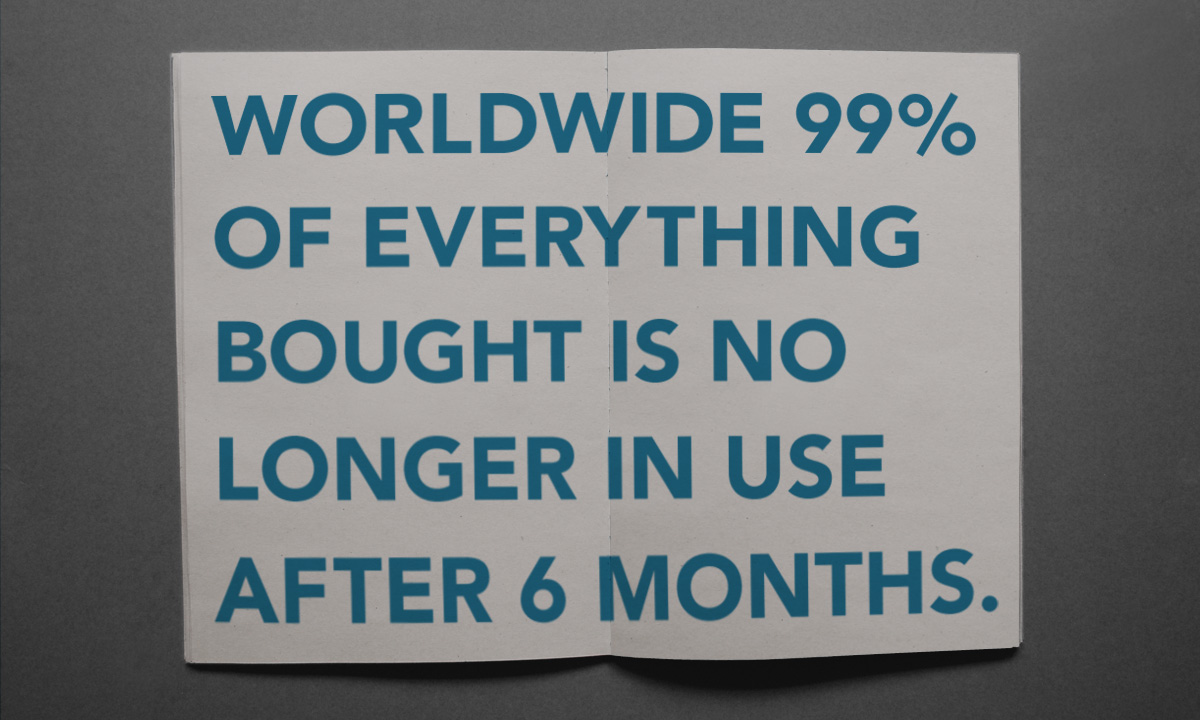
Consumerism is a theory that claims continual increase in consumption of material goods is sound economically. Red China buried her dreams of Proletarian Revolution to embrace this theory of ‘Consumerism’ as a means to accomplish her goal of Economic Expansionism. The Evil of Consumerism is far more dangerous than the Evil of Communism. The Spread of Communism to Asia is the leading contributor to Social and Economic Injustice all over the World. The Economic Plan of Red China is fundamentally flawed for it encourages Self-Indulgence and Mass Consumption that will lead to Self-Destruction.
People all over the world have recognized dangers posed by the practice of Consumerism. What we clearly need is Consumer Protection, not only laws to safeguard interests of the buying public, but also to protect rights of workers, communities, environment, and ecological systems that sustain delicate natural equilibrium. The lives, health, and well-being of both workers and consumers is compromised by hazardous products and planet Earth is facing a major challenge to the very existence of Life. Red China’s Economic Expansionism is not sustainable and her economic collapse is simply inevitable. Red China’s Economic Meltdown is indeed a Blessing to all of us.
Rudranarasimham Rebbapragada Ann Arbor, MI 48104-4162 USA Special Frontier Force-Establishment 22-Vikas Regiment
The Evil Red Empire. The Evil of Consumerism is far more dangerous than the Evil of Communism.The Evil Red Empire – Consumerism – Economic Expansionism. Red China’s Shift to Consumerism is the Driving Force causing Income Inequality.The Evil Red Empire – Consumerism – Economic Expansionism.Red China is forcing a Culture of Consumption chasing a Mirage of Economic Prosperity.The Evil Red Empire – Consumerism – Economic Expansionism. Self-Indulgence leads to Self-Destruction.
The Evil Red Empire – Consumerism – Economic Expansionism Plan is Fundamentally Flawed.
THE US NEWS & WORLD REPORT
IS CHINA COOKING THE BOOKS ON ECONOMIC EXPANSION?
Analysts aren’t terribly confident in the Chinese government’s economic growth data.
China’s government expects its economy to grow 6.5 percent each year between 2016 and 2020.
By ANDREW SOERGEL Nov. 2, 2015 | 1:10 p.m. EST
One of China’s most senior government officials over the weekend said his country’s economy should expect to see “at least 6.5 percent” gross domestic product growth each year between 2016 and 2020, despite a growing pool of evidence suggesting China is in the midst of a historic economic slowdown.
But whether Chinese GDP numbers actually paint a clear economic picture is another question entirely.
“We propose to achieve the goal of creating a ‘moderately prosperous society’ by 2020, which requires annual economic growth of at least 6.5 percent over the next five years,” Chinese Premier Li Keqiang said Sunday during a speech in Seoul, according to The Associated Press. He said the economy is operating within a “reasonable range” and that the government has “the confidence and ability” to hit its growth target of “about 7 percent” this year.
Rumors had floated around in the days and weeks leading up to Sunday’s announcement that the government would eventually lower its expansion goals for the next several years following a slew of recently underwhelming economic indicators suggesting Asia’s financial giant was beginning to cool. Exports and imports have plummeted in recent months, and the Chinese government announced in October that GDP expanded by only 6.9 percent in the third quarter – which represents the worst three-month period for the Chinese economy since the world was just emerging from the global financial crisis in 2009. But even that 6.9 percent growth – the worst China had posted in more than half a decade – sounded too good to be true. “We don’t have total confidence in the numbers, and we are surprised by the acceleration in services output given the collapse in the equity market,” a team of Bloomberg economists wrote in a research note at the time.
China’s stock market has recently strengthened, thanks in no small part to extraordinary governmental intervention. The heavy-handed Chinese government has thrown out safety net after safety net in an attempt to prevent a hard economic landing. Only a few weeks ago, China slashed its interest rates for the sixth time in less than a year.
“We continue to expect China to pull out all the stops to kick-start its economy in the coming weeks and months,” Burt White, chief investment officer at LPL Financial, wrote in a research note last week. “The [People’s Bank of China] interest rate cuts, along with selected fiscal and legislative actions in China, should further help to calm fears of a hard landing.”
Are China and Russia Trying to Undermine the U.S. Dollar?
But some analysts have speculated that the Chinese government’s intervention could extend to the country’s economic news releases as well. A recent Wall Street Journal survey of 64 select economists found that 96 percent of respondents think China’s GDP estimates don’t “accurately reflect the state of the Chinese economy.” They likely “overstate GDP by about 2 to 3 percentage points,” said one respondent.
“A government wielding such a heavy hand in markets is surely influencing/manipulating official statistics.” said another.
Ironically, China’s own premier has previously said he’s far from confident in the country’s GDP estimates, calling them “man-made” and unreliable, according to a leaked document from 2007 obtained by WikiLeaks. He said government data releases, especially the GDP numbers, should be used “for reference only.”
“Quite frankly, we don’t believe them at all. It’s not only that they come in suspiciously close to the target, which is pre-set. They’re produced remarkably quickly and rarely revised,” Danny Gabay, director at Fathom Financial Consulting, said last month in a radio interview with the BBC.
Gabay said he recalculated economic growth “based on Premier Li’s advice, which is that the GDP data are untrustworthy and we should use alternative measures to gauge the level of activity in China like electricity use, credit growth and other domestic indicators.” He said the actual growth number is “closer to 3 percent. Not 7.3 percent.”
But even if the 6.5 percent growth target between now and 2020 seems a little optimistic, it’s a clear recognition from the Chinese government that economic expansion now is not what it once was. China enjoyed double-digit annual growth between 2003 and 2007, and 2014’s 7.4 percent jump was still significantly higher than the global average, even though it was China’s worst year in more than two and a half decades.
For comparison’s sake, the U.S. economy hasn’t grown by 7.4 percent or more in a single year since 1951. And double-digit annual growth hasn’t been seen in America since 1943.
Part of the problem is that once an economy gets to a certain size, it’s just harder to keep up the momentum, which is likely at least partially responsible for China’s gradual slowdown. It would be unreasonable to expect the Chinese economy to plug along at a double-digit pace, just as it would be unreasonable to expect the U.S. economy to suddenly grow by 10 or 12 percent for a prolonged period of time.
But China’s government is able to influence market activity in a way America’s is not, which could artificially prolong China’s still respectable levels of economic growth beyond what would happen naturally. Most expect to continue to see relatively positive GDP numbers out of China for some time, even if such releases could be filled with a little bit of hot air.
“As an economy closely linked to international markets, China cannot stay immune to the lackluster performance of the global economy,” Chinese President Xi Jinping told Reuters in an interview last month. “We do have concerns about the Chinese economy, and we are working hard to address them.”
Andrew Soergel is an Economy Reporter at U.S. News.
Red China’s Economic Expansionism is not sustainable and her economic collapse is simply inevitable. Red China’s Economic Meltdown is indeed a Blessing to all of us.
TIBET CONSCIOUSNESS – GLOBAL WARMING: GRASSLANDS FAIL TO THRIVE DUE TO WARMING AND LACK OF PRECIPITATION.
It is with a sense of deep pain I share an article titled “TROUBLE IN TIBET” published by NATURE, international weekly Journal of Science. Tibetans are paying a heavy price for Tibetan Plateau shoulders the burden of environmental degradation contributed by Red China’s industrial growth and advancement. Red China is responsible for reckless land management policies and for disrupting traditional lifestyles of Tibetan nomads.
Trouble in Tibet troubles my heart. I have several serious concerns about Tibet, the Land, the people, and the Government. The Institution of Dalai Lama is Tibet’s Government and it was forced into exile in March, 1959. Tibetans living in exile have the opportunity to participate in elections and choose their own representatives who run Tibetan Government-in-Exile. Tibetans living in occupied Tibet have no access to Government that represents Tibetan people. The global community of nations should not waste any more time and take action to uplift Tibetans from their troubles.
Rudra Narasimham Rebbapragada Ann Arbor, MI 48104-4162 USA Special Frontier Force-Establishment 22-Vikas Regiment
Rapid changes in Tibetan grasslands are threatening Asia’s main water supply and the livelihood of nomads.
JANE QIU 13 January 2016
TIBET CONSCIOUSNESS – TIBET IN TROUBLE. TIBETAN GRASSLANDS ARE DISAPPEARING RAPIDLY AND RED CHINA IS ACCOUNTABLE FOR THIS ENVIRONMENTAL CATASTROPHE.
Photo Credit. Kevin Frayer/Getty
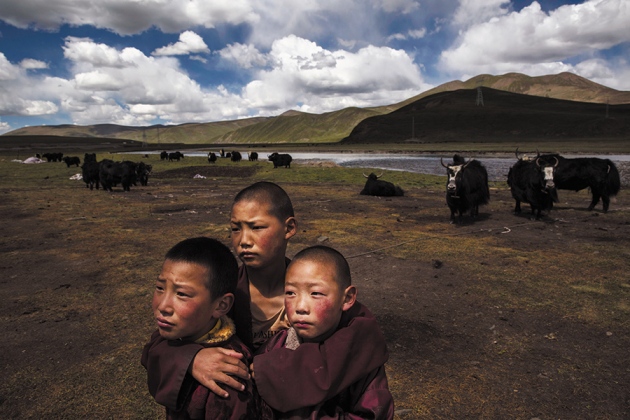
A group of young Tibetan monks huddles on a degraded pasture on the Tibetan Plateau.
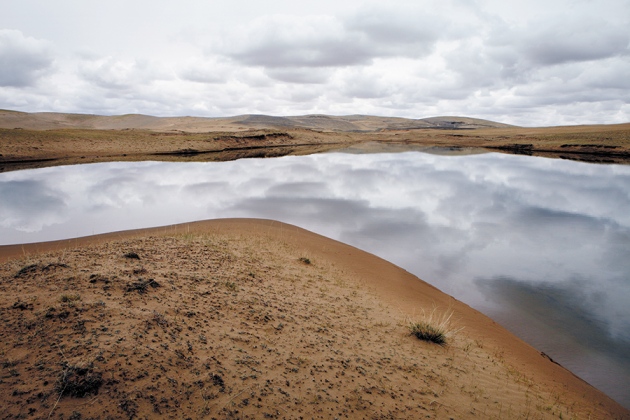
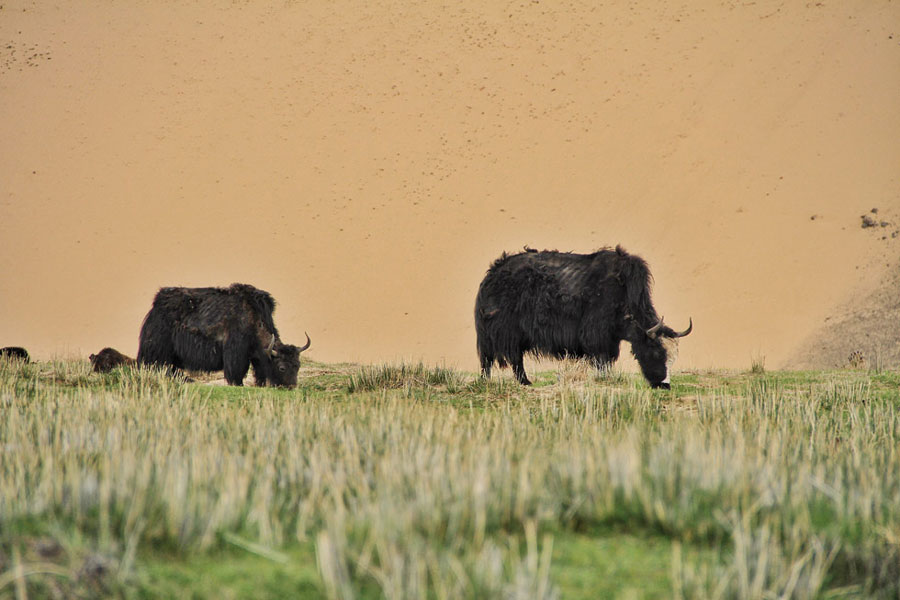
In the northern reaches of the Tibetan Plateau, dozens of yaks graze on grasslands that look like a threadbare carpet. The pasture has been munched down to bare soil in places, and deep cracks run across the snow-dusted landscape. The animals’ owner, a herder named Dodra, emerges from his home wearing a black robe, a cowboy hat and a gentle smile tinged with worry.
“The pastures are in a bad state and lack the kind of plants that make livestock strong and grow fat,” says Dodra. “The yaks are skinny and produce little milk.” His family of eight relies on the yaks for most of its livelihood — milk, butter, meat and fuel. Dodra was forced to give up half of his animals a decade ago, when the Chinese government imposed strict limits on livestock numbers. Although his family receives financial compensation, nobody knows how long it will last.
“We barely survive these days,” he says. “It’s a hand-to-mouth existence.” If the grasslands continue to deteriorate, he says, “we will lose our only lifeline”.
The challenges that face Dodra and other Tibetan herders are at odds with glowing reports from Chinese state media about the health of Tibetan grasslands — an area of 1.5 million square kilometres — and the experiences of the millions of nomads there. Since the 1990s, the government has carried out a series of policies that moved once-mobile herders into settlements and sharply limited livestock grazing. According to the official account, these policies have helped to restore the grasslands and to improve standards of living for the nomads.
But many researchers argue that available evidence shows the opposite: that the policies are harming the environment and the herders. “Tibetan grasslands are far from safe,” says Wang Shiping, an ecologist at the Chinese Academy of Sciences’ (CAS) Institute of Tibetan Plateau Research (ITPR) in Beijing. “A big part of the problem is that the policies are not guided by science, and fail to take account of climate change and regional variations.”
The implications of that argument stretch far beyond the Tibetan Plateau, which spans 2.5 million square kilometres — an area bigger than Greenland — and is mostly controlled by China. The grasslands, which make up nearly two-thirds of the plateau, store water that feeds into Asia’s largest rivers. Those same pastures also serve as a gigantic reservoir of carbon, some of which could escape into the atmosphere if current trends continue. Degradation of the grasslands “will exacerbate global warming, threaten water resources for over 1.4 billion people and affect Asian monsoons”, says David Molden, director general of the International Centre for Integrated Mountain Development (ICIMOD) in Kathmandu, Nepal.
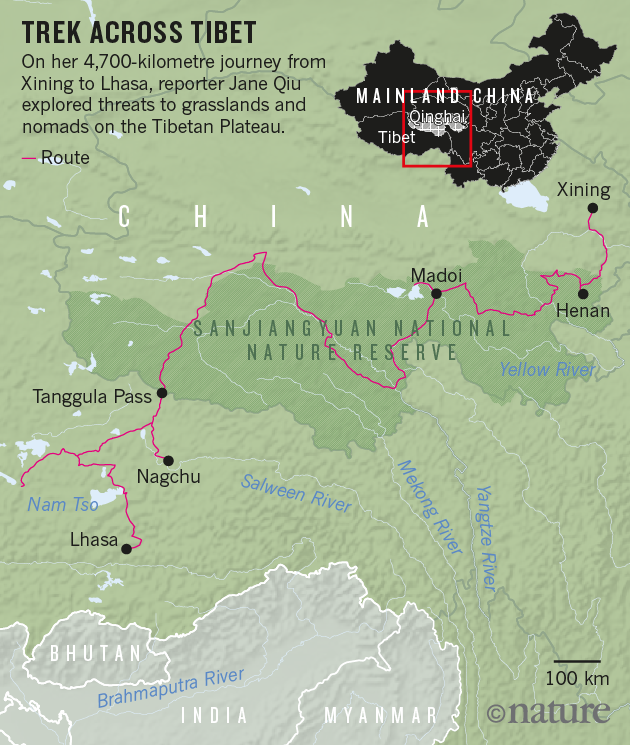
Such concerns propelled me to make a 4,700-kilometre journey last year from Xining, on the northeastern fringe of the plateau, to Lhasa in the Tibetan heartland (see ‘TREK ACROSS TIBET’). Meeting with herders and scientists along the way, I traversed diverse landscapes and traced the Yellow and Yangtze Rivers to their sources. The trip revealed that Tibetan grasslands are far less healthy than official government reports suggest, and scientists are struggling to understand how and why the pastures are changing.
TIBET CONSCIOUSNESS – TIBET IN TROUBLE. TIBETAN GRASSLANDS FACING RAPID DECLINE; CHINESE MISMANAGEMENT CAUSED ENVIRONMENTAL DISASTER.
Fenced in
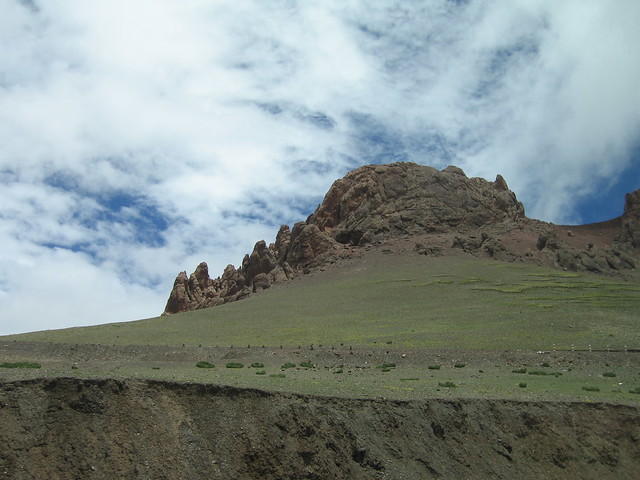
It began to drizzle soon after we set off from the city of Xining on a stretch of newly built highway along the Yellow River. As our Land Cruiser climbed onto a 3,800-metre-high part of the plateau, the vista opened to reveal rolling hills blanketed by a thick layer of alpine meadow, resembling a gigantic golf course. We passed herds of sheep and yaks, white tents and nomads in colourful robes — along with barbed-wired fences that cut the rangeland into small blocks.
This part of the Tibetan Plateau, in a region known as Henan county, is blessed with abundant monsoonal rains every summer. The herders who live here are able to maintain healthy livestock and can make a decent living. “We have plenty to go around, and the livestock are well taken care of,” says herder Gongbu Dondrup.
But life has been different since the government began to fence up grasslands around a decade ago, says Dondrup. Before that, he took his herd to the best pastures at high elevations in the summer, and then came back down in the winter. Now, he must keep the yaks in an 80-hectare plot that the government assigned to his family. The pasture looks worn, and he is being pressed by the government to further downsize his herd. “I don’t know how long it can keep us going,” he says.
The fencing initiative is the latest of a string of Chinese grassland policies. After annexing Tibet in 1950, the young revolutionary Chinese republic turned all livestock and land into state properties. Large state farms competed with each other to maximize production, and livestock numbers on the plateau doubled over two decades, reaching nearly 100 million by the late 1970s. But in the 1980s, as China moved towards a market-based economy, Beijing swung to the other extreme: it privatized the pastures and gave yaks back to individual households, hoping that the move would push Tibetans to better manage their land and so boost its productivity.
Despite the privatization, nomads continued to use the rangeland communally — often in groups led by village elders. Then the government began to limit herds, and it built fences to separate households and villages. “This has totally changed the way livestock are traditionally raised on the plateau, turning a mobile lifestyle into a sedentary existence,” says Yang Xiaosheng, director of Henan county’s rangeland-management office.
The fencing policy does have merits when applied in moderation, says Yönten Nyima, a Tibetan policy researcher at Sichuan University in Chengdu. Because an increasing number of nomads now lead a settled life — at least for parts of the year — it helps to control the level of grazing in heavily populated areas, he says. “Fencing is an effective way to keep animals out of a patch of meadow.” Many herders also say that it makes life much easier: they do not have to spend all day walking the hills to herd their yaks and sheep, and if they go away for a few days, they don’t worry about the animals running off.
But the convenience comes at a cost, says Cao Jianjun, an ecologist at Northwest Normal University in Lanzhou. Fenced pastures often show signs of wear after a few years. In a 2013 study, Cao and his colleagues measured growth of the sedge species preferred by livestock in two scenarios: enclosed pastures and much larger patches of land jointly managed by up to 30 households. Despite similar livestock densities in both cases, the sedge grew twice as fast in the larger pastures, where animals could roam and plants had more opportunity to recover1. That matches the experience of Henan county herders, who say that their land sustains fewer animals than it has in the past.
Water worries
The future of the grasslands looked even bleaker as we left relatively well-to-do Henan county and ventured into the much higher, arid territory to the west. After 700 kilometres, we reached Madoi county, also known as qianhu xian (‘county of a thousand lakes’), where the Yellow River begins. Although this region gets only 328 millimetres of rain on average each year, about half of what Henan receives, Madoi was once one of the richest counties on the plateau — famous for its fish, high-quality livestock and gold mines.
Now, the wetlands are drying up and sand dunes are replacing the prairies, which means that less water flows into the Yellow River. Such changes on the plateau have contributed to recurring water shortages downstream: the Yellow River often dries up well before it reaches the sea, an event not recorded before 1970.
In 2000, China sought to protect this region, along with adjacent areas that give rise to the Yangtze and Mekong Rivers, by establishing the Sanjiangyuan (or Three-Rivers’ Headwaters) National Nature Reserve, an area nearly two-thirds the size of the United Kingdom.
Nearly one-tenth of the reserve area falls into core zones in which all activities, including herding, are prohibited. The government spends hundreds of millions of US dollars each year on moving nomads out of those core areas, constructing steel meshes to stabilize the slopes and planting artificially bred grass species to restore the eroded land. Outside the core regions, officials have banned grazing on ‘severely degraded grasslands’, where vegetation typically covers less than 25% of the ground. Land that is ‘moderately degraded’, where vegetation coverage measures 25–50%, can be grazed for half of the year.
TIBET CONSCIOUSNESS – TIBET IN TROUBLE. TIBETAN PLATEAU GRASSLANDS REPLACED BY DRY, BARREN LAND.
Jonas Bendiksen/Magnum
Near the headwaters of the Yellow River, lush grasslands have given way to sand dunes.
Such policies — and related initiatives to limit livestock numbers and fence off areas of pasture — have not been easy on the herders, says Guo Hongbao, director of the livestock-husbandry bureau in Nagchu county in the southern Tibetan Plateau. “The nomads have made sacrifices for protecting the grasslands,” he says. But he also says that the strategies have paid off. Guo and other officials point to satellite studies showing that the plateau has grown greener in the past three decades2. This increase in vegetation growth, possibly the result of a combination of grazing restrictions and climate change, “has had a surprisingly beneficial effect on climate by dampening surface warming”, says Piao Shilong, a climate modeller at Peking University.
But ecologists say that such measurements look only at surface biomass and thus are not a good indicator of grassland health. “Not all vegetation species are equal,” says Wang. “And satellites can’t see what’s going on underground.”
This is particularly important in the case of the sedge species that dominate much of the Tibetan Plateau, and that are the preferred food of livestock. These species, part of the Kobresia genus, grow only 2 centimetres above the surface and have a dense, extensive root mat that contains 80% of the total biomass. Studies of pollen in lake sediments show that Kobresia and other dominant sedges emerged about 8,000 years ago, when early Tibetans began burning forests to convert them to grasslands for livestock3. The prehistoric grazing helped to create the thick root mat that blankets the vast plateau and that has stored 18.1 billion tonnes of organic carbon.
But Kobresia plants are being driven out by other types of vegetation, and there is a risk that the locked-up carbon could be released and contribute to global warming. Every now and then on the trip to Lhasa, we passed fields blooming with the beautiful red and white flowers of Stellera chamaejasme, also known as wolf poison. “It’s one of a dozen poisonous species that have increasingly plagued China’s grasslands,” says Zhao Baoyu, an ecologist at the Northwest Agriculture and Forestry University in Yangling. Zhao and his colleagues estimated that poisonous weeds have infested more than 160,000 square kilometres of the Tibetan grasslands, killing tens of thousands of animals a year4.
Herders also report seeing new grass species and weeds emerge in recent years. Although most are not toxic, they are much less nutritious than Kobresia pastures, says Karma Phuntsho, a specialist on natural-resource management at ICIMOD. “Some parts of the plateau may seem lush to an untrained eye,” he says. “But it’s a kind of ‘green desertification’ that has little value.”
In one unpublished study of the northeastern Tibetan Plateau, researchers found that Kobresia pastures that had gone ungrazed for more than a decade had been taken over by toxic weeds and much taller, non-palatable grasses: the abundance of the sedge species had dropped from 40% to as low as 1%. “Kobresia simply doesn’t stand a chance when ungrazed,” says Elke Seeber, a PhD student at the Senckenberg Natural History Museum in Görlitz, Germany, who conducted the field experiment for a project supported by the German Research Foundation (DFG).
“The policies are not guided by science, and fail to take account of climate change and regional variations.”
The changes in vegetation composition have important implications for long-term carbon storage, says project member Georg Guggenberger, a soil scientist at Leibniz University of Hanover in Germany. In moderately grazed Kobresia pastures, up to 60% of the carbon that is fixed by photosynthesis went into the roots and soil instead of the above-ground vegetation — three times the amount seen in ungrazed plots5. This underground organic carbon is much more stable than surface biomass, which normally decomposes within a couple of years and releases its stored carbon into the air. So a shift from Kobresia sedge to taller grasses on the plateau will ultimately release a carbon sink that has remained buried for thousands of years, says Guggenberger.
Critics of the grazing restrictions in Tibet say that the government has applied them in a blanket way, without proper study and without taking on board scientific findings. In some cases, they make sense, says Tsechoe Dorji, an ecologist at the ITPR’s Lhasa branch, who grew up in a herder family in western Tibet. “A total grazing ban can be justified in regions that are severely degraded”, he says, but he objects to the simple system used by the government to classify the health of the grasslands. It only considers the percentage of land covered by vegetation and uses the same threshold for all areas, without adjusting for elevation or natural moisture levels.
“Pastures with 20% vegetation cover, for instance, could be severely degraded at one place but totally normal at another,” says Dorji. This means that some of the grasslands that are classified as severely degraded are actually doing fine — and the grazing ban is actually hurting the ecosystem. “Having a sweeping grazing policy regardless of geographical variations is a recipe for disasters,” he says.
Fast forward
China’s grazing policy is only one of several factors responsible for such damaging changes, say the researchers. Pollution, global warming and a rash of road-building and other infrastructure-construction projects have all taken a toll on the grasslands.
Ten days after leaving Xining, we caught a glimpse of Tibet’s future when we arrived at Nam Tso, a massive glacial lake in the southern part of the plateau. Here Dorji and Kelly Hopping, a graduate student at Colorado State University in Fort Collins, have been turning the clock forward by surrounding small patches of grassland with open-topped plastic chambers that artificially raise the temperature. These experiments are important because Tibet is a hotspot in terms of climate change; the average temperature on the plateau has soared by 0.3–0.4 °C per decade since 1960 — about twice the global average. In trials over the past six years, they found that Kobresia pygmaea, the dominant sedge species, develops fewer flowers and blooms much later under warming conditions6. Such changes, says Dorji, “may compromise its reproductive success and long-term competitiveness”.
“Having a sweeping grazing policy regardless of geographical variations is a recipe for disasters.”
At the experimental site, the artificially warmed pastures have been taken over by shrubs, lichens, toxic weeds and non-palatable grass species, says Hopping. But when the researchers added snow to some heated plots, Kobresia did not lose out to the other plants, which suggests that the loss of soil moisture might be driving the shift in species. Higher temperatures increase evaporation, which can be especially potent at high elevations. “This is not good news for species with shallow roots”, such as the Kobresia favoured by livestock, she says. Piao says that “this interplay between temperature and precipitation illustrates the complexity of ecosystem responses to climate change”. But researchers have too little information at this point to build models that can reliably predict how global warming will affect the grasslands, he says. To fill that gap, Wang and his colleagues started a decade-long experiment in 2013 at Nagchu, where they are using heat lamps to warm patches of grassland by precise amounts, ranging from 0.5 °C to 4 °C. They are also varying the amount of rainfall on the plots, and they are measuring a host of factors, such as plant growth, vegetation composition, nutrient cycling and soil carbon content. They hope to improve projections for how the grasslands will change — and also to determine whether there is a tipping point that would lead to an irreversible collapse of the ecosystem, says Piao.
Plateau prognosis
A fortnight into the trip, we finally arrived at the outskirts of Lhasa. At the end of the day, herders were rounding up their sheep and yaks in the shadows cast by snow-capped peaks. They and the other pastoralists across the plateau will have a difficult time in coming decades, says Nyima. Climate change was not a consideration when grassland polices were conceived over a decade ago, and so “many pastoralists are ill prepared for a changing environment”, he says. “There is a pressing need to take this into account and identify sound adaptation strategies.”
As a start, researchers would like to conduct a comprehensive survey of plant cover and vegetation composition at key locations across different climate regimes. “The information would form the baseline against which future changes can be measured,” says Wang. Many scientists would also support changes to the grazing ban and fencing policies that have harmed the grasslands. Dorji says that the government should drop the simplistic practice of ‘one policy fits all’ across the plateau and re-evaluate whether individual regions are degraded enough to merit a ban on grazing. “Unless the pastures are severely degraded, moderate grazing will help to restore the ecosystems,” he says.
But scientists are not banking on such reforms happening soon. Policies in Tibet are driven less by scientific evidence than by bureaucrats’ quest for power and funds, says a Lhasa-based researcher who requests anonymity for fear of political repercussions. Local officials often lobby Beijing for big investments and expensive projects in the name of weiwen (meaning ‘maintaining stability’). Because resistance to Chinese control over Tibet continues to flare up, the government is mostly concerned with maintaining political stability, and it does not require local officials to back up plans with scientific support, says the researcher. “As long as it’s for weiwen, anything goes.”
But officials such as Guo say that their policies are intended to help Tibet. “Although there is certainly room for improvement in some of the policies, our primary goals are to promote economic development and protect the environment,” he says.
Far away from Lhasa, herders such as Dodra say that they are not seeing the benefits of government policies. After we finish our visit at his home, Dodra’s entire family walks us into the courtyard — his mother in-law spinning a prayer wheel and his children trailing behind. It has stopped snowing, and the sky has turned a crystal-clear, cobalt blue. “The land has served us well for generations,” says Dodra as he looks uneasily over his pasture. “Now things are falling apart — but we don’t get a say about how best to safeguard our land and future.”
Journal name: Nature Volume: 529, Pages: 142–145 Date published: (14 January 2016) DOI: doi :10.1038/529142a A related story at SciDev.Net explores how climate change will affect Tibetan herders.
References
Cao, J., Yeh, E. T., Holden, N. M., Yang, Y. & Du, G. J. Arid Environ. 97, 3–8 (2013). Article Shen, M. et al. Proc. Natl Acad. Sci. USA 112, 9299–9304 (2015). Article PubMed ChemPort Miehe, G. et al. Quat. Sci. Rev. 86, 190–209 (2014). Article Lu, H., Wang, S. S., Zhou, Q. W., Zhao, Y. N. & Zhao, B. Y. Rangeland J. 34, 329–339 (2012). Article Hafner, S. et al. Glob. Chang. Biol. 18, 528–538 (2012). Article Dorji, T. et al. Glob. Chang. Biol. 19, 459–472 (2013). Article PubMed
Related stories and links
From nature.com
Droughts threaten high-altitude Himalayan forests 27 January 2015 Tibetan plateau gets wired up for monsoon prediction 01 October 2014 Double threat for Tibet 19 August 2014 Floods spur mountain study 04 September 2013 Thawing permafrost reduces river runoff 06 January 2012 China: The third pole 23 July 2008 Nature Geoscience Nature Climate Change
From elsewhere
Third Pole Environment International Centre for Integrated Mountain Development Institute of Tibetan Plateau Research
Author information
Affiliations
Jane Qiu is a freelance writer in Beijing. Her trip across the Tibetan Plateau was supported by the SciDev.Net Investigative Science Journalism Fellowship for the Global South, which was funded by a grant from the International Development Research Centre, Ottawa, Canada.
TIBET CONSCIOUSNESS – TIBET IN TROUBLE. SUGE LA PASS AT 5440 METERS IN ELEVATION. GRASSLANDS DESTROYED.TIBET CONSCIOUSNESS – TROUBLE IN TIBET. PLATEAU GRASSLANDS DISAPPEARING AT RAPID PACE.TIBET CONSCIOUSNESS – GLOBAL WARMING – CLIMATE ACTION. TIBETAN NOMADS LIVE IN PERFECT HARMONY WITH NATURE LIVING ON LIVESTOCK-REARING. INDUSTRIAL POLLUTION IS THE CHIEF CULPRIT OF GLOBAL WARMING.TIBET CONSCIOUSNESS – TIBET IN TROUBLE. GRASSLANDS OF TIBETAN PLATEAU IN SERIOUS TROUBLE.Tibet Awareness – Yaks of Tibet
Modern Face of Trouble in Tibet. Ugly Face of Occupation.
Sichuan-Tibet Railroad is a sign and symptom of ‘Trouble in Tibet’, Trouble called Occupation. This Railroad poses threat for it represents military infrastructure used to sustain Tibet’s Oppression.
Rudra Narasimham Rebbapragada Ann Arbor, MI 48104-4162 USA Special Frontier Force-Establishment 22-Vikas Regiment
Modern Face of Trouble in Tibet. Ugly Face of Occupation has New Dimension.
CHINA TOPIX
WORK ON SICHUAN-TIBET RAILWAY SPEEDS UP
By ALEXIS VILLARIAS Jan 30, 2016 10:08 AM EST
The railway aims to decrease the travel time between Chengdu and Lhasa to 15 hours instead of 42 hours on a train or three days on road.
China will speed up the construction of the ambitious Sichuan-Tibet railway project this year, according to officials from the two regions. The railway aims to connect Lhasa with Chengdu, including Tibet in China’s transportation corridor to Europe.
During the fourth session of the 10th People’s Congress of Tibet in Lhasa, Losang Jamcan, chairman of the Tibet autonomous region government said that authorities will start preliminary survey and research of the Kanting-Lyi railway project this year. He hopes that this will speed up the construction of the Sichuan-Tibet railway in the 13th Five-Year Plan period, reports China Daily.
The acting governor of Sichuan, Yin Li, voiced the same sentiment during the fourth session of the 12th People’s Congress of Sichuan in Chengdu.
The construction of the west and east sections of the railway already started last year. The project is expected to be fully completed in the early 2030s.
The railway project, which will connect Lhasa and Chengdu will be divided into three sections: Lhasa-Lyingchi, Lyingchi-Kangting, and Kangting-Chengdu. Almost 1,000 km of the railway will be in Tibet.
The railway is designed around and through the mountains with the highest point at over 7,000 meters. More than 74 percent of its length will run on bridges and tunnels. The railway will be constructed 3,000 meters above the sea level.
The railway will also cross the major rivers in Minjiang, Jinshajiang, and Yarlung Zangbo, according to a senior civil engineer at China Railway Corp.
The railway has been dubbed as the longest rollercoaster in the world with a design service life of 100 years. It is believed to be one of the most difficult railway projects of all time, Lin Shijin added. It currently takes 42 hours to travel from Chengdu to Lhasa via train and three days via road. The new project hopes to shorten travel time to less than 15 hours.