On July 30, 2024, I reflect upon the National Motto that inspired my Journey to the United States. I arrived in the United States during the Presidency of Ronald Reagan
Yes indeed, Life is Complicated. The complexities of the Life involve the complex political boundaries erected by people while the LORD God Creator is the One and Only One Owner of the Whole Planet.
On July 30, 2024, I reflect upon the National Motto that inspired my Journey to the United States.
“In God We Trust” – On JULY 30, 2024, I admit that I am a Refugee without a Refuge
Tibet Awareness – Project Circus. The quest for freedom in Occupied Tibet. A military training camp known as Camp Hale was established in Colorado under the supervision of CIA officers Roger E. McCarthy and John Reagan. On Saturday, July 30, 2024, I reflect on the National Motto to declare, “I am a Refugee without a Refuge.”“In God We Trust.” The Tibetan Resistance Movement trusts President Eisenhower. Mutual Trust, Respect, and Commitment formulate the US-India-Tibet Relations. On Tuesday, July 30, 2024, I reflect on the National Motto to declare, “I am a Refugee without a Refuge.”
On July 30, 1956, US President Eisenhower signs “In God We Trust” into Law. The same year, President Eisenhower initiated action in support of the Tibetan Resistance Movement which contributed to the creation of a military organization known in India as the Special Frontier Force during the presidency of John F. Kennedy.
“In God We Trust.” – Special Frontier Force Trusts President Eisenhower. Trust, Respect, and Commitment formulate Relations between the US, India, and Tibet. On Tuesday, July 30, 2024, I reflect on the National Motto to declare, “I am a Refugee without a Refuge.”
President Eisenhower signs “In God We Trust” into law On this day in 1956, two years after pushing to have the phrase “under God” inserted into the pledge of allegiance, President Dwight D. Eisenhower signs a law officially declaring “In God We Trust” to be the nation’s official motto.
On July 30, 2024, I reflect upon the National Motto that inspired my Journey to the United States.
The law, Public Law. 84-140, also mandates that the phrase be printed on all American paper currency. The phrase had been placed on U.S. coins since the Civil War when, according to the historical association of the United States Treasury, religious sentiment reached a peak. Eisenhower’s treasury secretary, George Humphrey, had suggested adding the phrase to paper currency as well.
On July 30, 2024, I reflect upon the National Motto that inspired my Journey to the United States.On July 30, 2024, I reflect upon the National Motto that inspired my Journey to the United States.On July 30, 2024, I reflect upon the National Motto that inspired my Journey to the United States.On July 30, 2024, I reflect upon the National Motto that inspired my Journey to the United States.
Although some historical accounts claim Eisenhower was raised a Jehovah’s Witness, most presidential scholars now believe his family was Mennonite. Either way, Eisenhower abandoned his family’s religion before entering the Army and took the unusual step of being baptized relatively late in his adult life as a Presbyterian. The baptism took place in 1953, barely a year into his first term as president.
On July 30, 2024, I reflect upon the National Motto that inspired my Journey to the United States.
Although Eisenhower embraced religion, biographers insist he never intended to force his beliefs on anyone. In fact, the chapel-like structure near where he and his wife Mamie are buried on the grounds of his presidential library is called the “Place of Meditation” and is intentionally inter-denominational. At a Flag Day speech in 1954, he elaborated on his feelings about the place of religion in public life when he discussed why he had wanted to include “under God” in the pledge of allegiance: “In this way we are reaffirming the transcendence of religious faith in America’s heritage and future; in this way we shall constantly strengthen those spiritual weapons which forever will be our country’s most powerful resource in peace and war.”
On July 30, 2024, I reflect upon the National Motto that inspired my Journey to the United States.
The first paper money with the phrase “In God We Trust” was not printed until 1957. Since then, religious and secular groups have argued over the appropriateness and constitutionality of a motto that mentions “God,” considering the founding fathers’ dedication to maintaining the separation of church and state.
A U.S. Marine with “In God We Trust” printed on his helmet, waits in a bunker at Con Thien, two miles south of the demilitarized zone, Oct. 15, 1967. The Leathernecks have come under daily bombardment from Communist mortar and rocket positions in the DMZ. The Marine’s bunker is surrounded by sandbags, soggy from monsoon rains. (AP Photo/CJ). On July 30, 2024, I reflect upon the National Motto that inspired my Journey to the United States.“In God We Trust” – Special Frontier Force Trusts President Eisenhower. CIA Director Allen Welsh Dulles forged Trust derived relationships. On July 30, 2024, I reflect upon the National Motto that inspired my Journey to the United States.“In God We Trust” – Special Frontier Force Trusts President Eisenhower. CIA Director Allen Welsh Dulles, and President John F. Kennedy promoted national interests forging relationships. On July 30, 2024, I reflect upon the National Motto that inspired my Journey to the United States.The history of Special Frontier Force – Establishment No. 22 – Vikas Regiment: 1957 was a turning point. India had recognized that its foreign policy of political neutralism was of no use and had started depending upon the United States to address the military threat posed by China’s occupation of Tibet. But, the effort was too modest and both India and the United States had grossly underestimated the strength of the People’s Liberation Army. On July 30, 2024, I reflect upon the National Motto that inspired my Journey to the United States.“In God We Trust” – Special Frontier Force Trusts President Eisenhower. Trust in God is the Foundational Principle to formulate Foreign Relations. On July 30, 2024, I reflect upon the National Motto that inspired my Journey to the United States.“In God We Trust” – Special Frontier Force Trusts President Eisenhower. Trust in God is the Foundational Principle to define Foreign Policy. On July 30, 2024, I reflect upon the National Motto that inspired my Journey to the United States.“In God We Trust” – Special Frontier Force Trusts President Eisenhower. Trust is the Foundational Principle to define Relations. On July 30, 2024, I reflect upon the National Motto that inspired my Journey to the United States.“In God We Trust” – Special Frontier Force Trusts President Eisenhower. Belief in God, and Trust in Leadership. On July 30, 2024, I reflect upon the National Motto that inspired my Journey to the United States.“In God We Trust” – Special Frontier Force Trusts President Eisenhower. Trust survived the Test of Times. On July 30, 2024, I reflect upon the National Motto that inspired my Journey to the United States.“In God We Trust” – Special Frontier Force Trusts President Eisenhower for his principled Belief in God. On July 30, 2024, I reflect upon the National Motto that inspired my Journey to the United States.SPECIAL FRONTIER FORCE AT NATIONAL PRAYER BREAKFAST: THE HISTORY OF NATIONAL PRAYER BREAKFAST. IT WAS ORIGINALLY KNOWN AS PRESIDENTIAL PRAYER BREAKFAST. 34th US PRESIDENT EISENHOWER WITH 35th US PRESIDENT KENNEDY MET AT CAMP DAVID, MARYLAND ON APRIL 22, 1961. THEY FORMULATED THE US, INDIA, AND TIBET RELATIONS THAT CREATED SPECIAL FRONTIER FORCE. On July 30, 2024, I reflect upon the National Motto that inspired my Journey to the United States.“In God We Trust” – Special Frontier Force Trusts President Eisenhower who initiated Trusting Partnership between the US, India, and Tibet. On July 30, 2024, I reflect upon the National Motto that inspired my Journey to the United States.“In God We Trust” – Special Frontier Force Trusts President Eisenhower. December 16, 1956, witnessed a trusting relationship. Vice President Richard M. Nixon is my Witness. On July 30, 2024, I reflect upon the National Motto that inspired my Journey to the United States. “In God We Trust” – Special Frontier Force Trusts President Eisenhower. December 16, 1956. The US-India-Tibet Relations endure reflecting Trust. On July 30, 2024, I reflect upon the National Motto that inspired my Journey to the United States.“In God We Trust” – Special Frontier Force Trusts President Eisenhower. Relations derive Spiritual Strength from a Belief in God. On July 30, 2024, I reflect upon the National Motto that inspired my Journey to the United States..On July 30, 2024, I reflect upon the National Motto that inspired my Journey to the United States.On July 30, 2024, I reflect upon the National Motto that inspired my Journey to the United States.On July 30, 2024, I reflect upon the National Motto that inspired my Journey to the United States.On July 30, 2024, I reflect upon the National Motto that inspired my Journey to the United States.
Whole Dude – Whole Warfare: Commemoration of the National Security Act of 1947. The Rudi Connection at Whole Foods observes July 26, 2024 as Anti Slavery Campaign Day
Yes indeed. Life is Complicated. What is this Day in History? The complexity of Life is about finding the Connection between the Date and Life. Man’s Plan for Life must come together with God’s Purpose in Life to win the Battle Against Spiritual Wickedness.
Man’s Plan for July 26 vs God’s Plan for July 26. The Rudi Connection at Whole Foods celebrates the CIA Connection on Friday, July 26, 2024
July 26, This Day in my Life:
Man’s Plan for July 26 vs God’s Plan for July 26. The Rudi Connection at Whole Foods celebrates the CIA Connection on Friday, July 26, 2024
Friday, 26th Day of July 2024. I am dedicating this Day of my life to the Antislavery Campaign, Repeal PRWORA Project, and The Great Awakening Movement claiming that I will not wrestle or struggle against people but, I will confront spiritual wickedness in the highest places.
Man’s Plan for July 26 vs God’s Plan for July 26. The Rudi Connection at Whole Foods celebrates the CIA Connection on Friday, July 26, 2024.
On the 26th Day of July 1970, I started my preparation to participate in the CIA’s Secret War in Occupied Tibet. In man’s plan, I exist as a mere pawn used in the War on Communism, the legacy of the Cold War Era of Geopolitics. What is God’s Plan for my life?
Man’s Plan for July 26 vs God’s Plan for July 26. The Rudi Connection at Whole Foods celebrates the CIA Connection on Friday, July 26, 2024
On Friday, 26th Day of July 2024, I confess that I have not arrived at the final destination of my life. I continue to struggle for my personal freedom and I continue to wrestle against the dark forces keeping Tibetans away from freedom.
Man’s Plan for July 26 vs God’s Plan for July 26. The Rudi Connection at Whole Foods celebrates the CIA Connection on Friday, July 26, 2024. Dr. Sarvepalli Radhakrishnan and the history of Special Frontier Force-Establishment No. 22, Vikas Regiment: In India, school children celebrate Dr. Radhakrishnan’s birthday (05 September) as Teacher’s Day and every year that I spent as a student, I had a special reason to remember my family connection with his daughter.
On this day, July 26, 1947, President Harry Truman signed the National Security Act that set up the Central Intelligence Agency. The Cold WarEra secret diplomacy shaped the course of my life that began in Mylapore, Madras, Chennai. My Life’s Journey from Mylapore to Chakrata, and later to Ann Arbor, Michigan is a direct consequence of my CIA Connection destined on July 26, 1970.
Man’s Plan for July 26 vs God’s Plan for July 26. The Rudi Connection at Whole Foods celebrates the CIA Connection on Friday, July 26, 2024
I was granted Short Service Regular Commission in the Indian Army Medical Corps in the rank of Lieutenant on July 26, 1970. On completion of my military training, I received the promotion, the substantive rank of Captain with effect from July 26, 1971. My first posting of Military Service sent me to Special Frontier Force, Headquarters Establishment No. 22, Vikas Regiment in support of CIA’s Mission in South Asia. I describe “My CIA Connection” as ‘Kasturi-Sarvepalli-Mylapore-Madras-India-Tibet-US Connection’.
Man’s Plan for July 26 vs God’s Plan for July 26. The Rudi Connection at Whole Foods celebrates the CIA Connection on Friday, July 26, 2024
On July 26, 1986, I left Muscat, Oman to arrive in the United States in search of the Final Destination of my Life.
Man’s Plan for July 26 vs God’s Plan for July 26. The Rudi Connection at Whole Foods celebrates the CIA Connection on Friday, July 26, 2024.
On Friday, July 26, 2024, I live in Ann Arbor, Michigan still hoping to arrive at the Final Destination of my Life. My CIA Connection may either sanction Slavery in the United States or that of Prisoner of War (POW) in the Enemy’s Camp.
Man’s Plan for July 26 vs God’s Plan for July 26. July 26th, 2024. This day of my life. My CIA connection was made possible because of the Cold War Era secret diplomacy to wage War on Communism.
This Day in My Life – July 26 – My CIA Connection. God’s Calendar predestined meeting between Indian Prime Minister Jawaharlal Nehru and the US President Harry Truman. Cold War History. War on Communism.
Man’s Plan for July 26 vs God’s Plan for July 26. The Rudi Connection at Whole Foods celebrates the CIA Connection on Friday, July 26, 2024
President Harry S. Truman signs the National Security Act, which becomes one of the most important pieces of Cold War legislation. The act established much of the bureaucratic framework for foreign policymaking for the next 40-plus years of the Cold War.
By July 1947, the Cold War was in full swing. The United States and the Soviet Union, once allies during World War II, now faced off as ideological enemies. In the preceding months, the administration of President Truman had argued for, and secured, military and economic aid to Greece and Turkey to assist in their struggles against communist insurgents. In addition, the Marshall Plan, which called for billions of dollars in U.S. aid to help rebuild war-torn Western Europe and strengthen it against possible communist aggression, had also taken shape. As the magnitude of the Cold War increased, however, so too did the need for a more efficient and manageable foreign policymaking bureaucracy in the United States. The National Security Act was the solution.
The National Security Act had three main parts. First, it streamlined and unified the nation’s military establishment by bringing together the Navy Department and War Department under a new Department of Defense. This department would facilitate control and utilization of the nation’s growing military. Second, the act established the National Security Council (NSC). Based in the White House, the NSC was supposed to serve as a coordinating agency, sifting through the increasing flow of diplomatic and intelligence information in order to provide the president with brief but detailed reports. Finally, the act set up the Central Intelligence Agency (CIA). The CIA replaced the Central Intelligence Group, which had been established in 1946 to coordinate the intelligence-gathering activities of the various military branches and the Department of State. The CIA, however, was to be much more–it was a separate agency, designed not only to gather intelligence but also to carry out covert operations in foreign nations.
The National Security Act formally took effect on September 1947. Since that time, the Department of Defense, NSC, and CIA have grown steadily in terms of size, budgets, and power. The Department of Defense, housed in the Pentagon, controls a budget that many Third World nations would envy. The NSC rapidly became not simply an information organizing agency, but one that was active in the formation of foreign policy. The CIA also grew in power over the course of the Cold War, becoming involved in numerous covert operations. Most notable of these was the failed Bay of Pigs operation of 1961, in which Cuban refugees, trained and armed by the CIA, were unleashed against the communist regime of Fidel Castro. The mission was a disaster, with most of the attackers either killed or captured in a short time. Though it had both successes and failures, the National Security Act indicated just how seriously the U.S. government took the Cold War threat.
Man’s Plan for July 26 vs God’s Plan for July 26. July 26th, 2024. This day of my life. My CIA connection is made possible by President Harry Truman’s War on Communism.
This Day in My Life – July 26 – My CIA Connection. God’s Calendar predestined events of my Life’s Journey From Mylapore, Madras to Ann Arbor, Michigan. Thanks to US President Harry S. Truman’s War on Communism.
Man’s Plan for July 26 vs God’s Plan for July 26. The Rudi Connection at Whole Foods celebrates the CIA Connection on Friday, July 26, 2024
This Day in My Life – July 26 – My CIA Connection. Cold War Era History. God’s Calendar predestined events of My Life’s Journey From Mylapore, Madras to Ann Arbor, Michigan. Thanks to US President Harry S. Truman’s War on Communism.
Man’s Plan for July 26 vs God’s Plan for July 26. July 26th, 2024. This day of my life. My CIA connection promises to impose either slavery in the US or that of Prisoner of War (POW) in the Enemy’s camp. Man’s plan vs God’s plan will decide the ultimate outcome.
This Day in My Life – July 26 – My CIA Connection. In Man’s Plan, I exist as a mere Pawn used in War on Communism, Legacy of Cold War Era Geopolitics.
Man’s Plan for July 26 vs God’s Plan for July 26. The Rudi Connection at Whole Foods celebrates the CIA Connection on Friday, July 26, 2024
The Rudi Connection at Whole Foods celebrates the CIA Connection on Friday, July 26, 2024. What is God’s Plan?
Man’s Plan for July 26 vs God’s Plan for July 26. The Rudi Connection at Whole Foods celebrates the CIA Connection on Friday, July 26, 2024
Commemoration of the National Security Act of 1947 – July 26, 2024 marked as Antislavery Campaign Day
Whole Dude – Whole Warfare: Commemoration of The National Security Act of 1947. July 26, 2024, marked as Antislavery Campaign Day.
On this Day, July 26, 1947, President Harry Truman signed The National Security Act that set up The Central Intelligence Agency that plays a crucial role in promoting US Policy in support of Freedom, Democracy, Peace and Human Rights.
Whole Dude – Whole Warfare: Commemoration of The National Security Act of 1947. July 26, 2024, marked as Antislavery Campaign Day.Whole Dude – Whole Warfare: Commemoration of The National Security Act of 1947. July 26, 2024, marked as Antislavery Campaign Day.
Whole Designer: The spiritual nature of the Red Blood Cell Design. Spiritual Optics. The Designing of the Red Blood Cells
Yes Indeed, Life is Complicated. The complexity of Life involves the use of a very complex predetermined plan to design the tissues, the organs, and the organ systems of the entire human organism from a single, fertilized egg cell that divides and differentiates into a most complex variety of cells which perform very specialized functions. The Red Blood Cell provides the connective linkage to sustain the living functions of the trillions of the building blocks of the human body.
Whole-Dude – Whole-Designer – Red Blood Cells: In multicellular organisms, cells with the same genes must differentiate into many types. Complex control mechanisms determine which genes are active in a given cell at a given time. Human life begins as a single fertilized Egg Cell. The multicellular organism grows and develops as it has definite capabilities for differentiation. The “Design” of cells has been modified to serve the specialized functions of tissues and organs that comprise the human body. Red Blood Cells are “designed” to perform their highly specialized functions.
If man is viewed as a multicellular organism, the human subject finds his objective existence because of the living functions of the cells, tissues, organs, and organ systems that provide the biological basis for that existence.
The spiritual nature of the Red Blood Cell Design: Man, the entire human organism is derived from a single, fertilized Egg Cell. How does this complex multicellular organism knows its own Identity and Individuality?
In multicellular eukaryotes, cells with the same genes must differentiate into many types. Multicellularity is accomplished by definite capabilities for differentiation. The functional differentiation is not a simple process that can be called adaptation. To achieve differentiation, complex control mechanisms determine which genes are active in a given cell at a given time. The “Design” of cells has been modified by a predetermined plan to serve the specialized function of tissues and organs. The structural differentiation and the functional organization of various organ systems makes man a very complex living organism.
The spiritual nature of the Red Blood Cell Design. The Whole Person, The Whole Man, The Whole Body, Mind, and Spirit, The Whole Dude, or the entire human organism is derived from this single, fertilized Egg Cell which I describe as “The Whole Cell.”
It must be clearly understood that the living cell is a thermodynamically unstable system. This means that without a continuous input of energy, a cell will degrade spontaneously into a nonliving collection of molecules. The cells that comprise the human organism derive their energy by oxidation of food substances such as glucose. The cells of the body require oxygen to obtain the energy stored in food substances. The loss of oxygen is very critical as there is no means of storing oxygen in the human body. During the entire course of human life, the human body requires continuous delivery of oxygen to its various cells, tissues, and organs. The Red Blood Cells display functional subordination to the requirements of the organism as a Whole.
Altruism is a theory of conduct that regards the good of others as the end of moral action. The Red Blood Cells have very short, individual lifespans and the entire period of their existence involves unselfish concern for the welfare of other cells.
The Red Blood Cell – Erythrocyte – The Red Corpuscle:
Whole Dude – Whole Designer – Red Blood Cell: Erythropoiesis. Red Blood Cells are formed in the bone marrow. Hemoglobin Synthesis begins during the Proerythroblast stage of the RBC Cycle. Heme synthesis takes place in the mitochondria and the protein, globin molecule is synthesized in ribosomes. The mature Red Cells have no nuclei, and no intracellular organelles like the mitochondria and the ribosomes.Whole Dude – Whole Designer – Red Blood Cell: Red Blood Cells are packed with hemoglobin. Each Red Cell contains over 600 million hemoglobin molecules. A normal man has about 5 liters of blood containing more than 25 trillion Red Blood Cells. Each lives for about 100 to 120 days. Red Blood Cells sustain their meagre energy needs by a form of anaerobic respiration. If man is viewed as a biotic community of cells, Red Cells show no concern for their individual gains or losses and they serve and contribute to the continuation of the Whole community.
Red Blood Cells, or Erythrocytes, or Red Corpuscles are tiny, flat, round, biconcave disks, with depressed center, averaging 7.5 microns in diameter. In its profile view, the Red Blood Cell appears dumbell-shaped. A normal man has about 5 liters of blood containing more than 25 trillion Red Blood Cells. There are about 5.2 million Red Blood Cells per cubic millimeter of blood in adult humans. The normal lifespan of Red Cells is only about 100 to 120 days. More than 200 billion Red Cells are normally destroyed each day by the spleen and must be replaced. The creation of new Red Cells and their subsequent destruction proceeds during all the days of human life. The Red Cells give the blood its characteristic color. The cell is flexible and can change its shape to pass through extremely small blood vessels. It is covered with a membrane composed of lipids and proteins. The mature Red Blood Cells lacks a nucleus and hence cannot divide into new daughter cells. The mature Red Blood Cell also lacks intracellular organelles called mitochondria which provide energy for metabolic functions. During the course of its development and maturation, the nucleus and mitochondria disappear from the Red Cell.
The amount of oxygen required by the Red Cell for its own metabolism is very low. The Red Cell shows the features of a careful design or plan that makes it to perform its function of delivering oxygen with great efficiency. In invertebrate organisms, the oxygen-carrying pigment called Heme is found in a free state in the plasma for they lack the Red Blood Cells. The concentration of Heme pigment and the biconcave shape of the Red Blood Cell makes it very efficient to perform the function of exchange of gases; the Red Cell can deliver almost all of its oxygen it carries and free it into the tissues where there is demand for oxygen and its shape allows oxygen exchange at a constant rate over the largest possible area.
Whole Dude – Whole Designer – Red Blood Cell: The Red Cell has the ability to work as an oxygen sensor and it also has the ability to modulate the tone of the blood vessel in which it travels passively. By initiating a mechanism, the Red Cell can cause an effect called vasodilation that would increase the flow of blood in blood vessels to meet the local tissue oxygen demand.Whole Dude – Whole Designer – Red Blood Cell: The Red Cells move passively in the blood circulation, but can actively interact with the blood vessel in response to the oxygen tension of the tissues. These interactions are helped by PR (Purinergic Receptor), Erythrocyte-derived Adenosine triphosphate (ATP), Gi(Heterotrimeric G Protein), cAMP(3’5′-Adenosine monophosphate), PKA (Protein Kinase A), CFTR (Cystic fibrosis transmembrane conductance regulator), ? unidentified conduit for ATP release + stimulation. Through oxygen-dependent release of the vasodilator ATP, signal transduction within the RBC and microvessels, the SMC (the smooth muscle cell) of the blood vessel is stimulated to dilate. The signals pass through the endothelium or the cells that line the inner surface of the blood vessel.
The main function of the Red Cells is to transport oxygen from the lungs to the tissues and organs of the entire human body. During the process of oxidation, the cells generate carbon dioxide as a waste product which must be removed. The Red Cells carry carbon dioxide to the lungs and release it to be returned to the atmospheric air. This is possible because of hemoglobin which forms unstable, reversible bond with oxygen; in the oxygenated state it is called Oxyhemoglobin and is bright red in color. When oxygen is delivered, in the reduced state the hemoglobin is purple-blue and this color can be easily noticed from the color of the veins that return blood to heart from various parts of the body. Asphyxiation occurs when the blood contains an excess of substances like carbon dioxide, and carbon monoxide with which hemoglobin forms semipermanent or permanent compounds instead of reversible bonds that hemoglobin forms with oxygen.
Whole Dude – Whole Designer – Red Blood Cell: The Red Blood Cell is designed to efficiently perform its specialized functions.Whole Dude – Whole Designer – Red Blood Cell: The regulation of oxygen delivery. The Red Cell Membrane transport protein “Band3” uses ion exchange transport mechanism to promote the release of oxygen from hemoglobin.Whole Dude – Whole Designer – Red Blood Cell: Oxygen Delivery is carefully regulated to maintain it at appropriate amounts as both excess and shortage in delivery of oxygen can be harmful.Whole Dude – Whole Designer – Red Blood Cell: The Red Cell apart from delivering oxygen, plays a role in the regulation of blood flow. Red Cells sequentially consume and release Nitric Oxide (NO) for control of blood flow in response to changing oxygen levels.Whole Dude – Whole Designer – Red Blood Cell: Metabolic Sensor in Red Cell, Ion Exchange Transport mechanism, Release of Nitric Oxide to modulate Vascular tone and to cause vasodilation.
Heme Pigment and Hemoglobin – The Magic of Creation:
Whole Dude – Whole Designer – Red Blood Cell: The Magic of Creation will be appreciated by simply comparing the structure of Hemoglobin molecule with Chlorophyll molecule. The affinity of Hemoglobin molecule for oxygen is predetermined by the ability of Chlorophyll molecule to trap radiant energy which is converted into chemical energy during the photosynthetic reaction. These molecules perform goal-oriented, sequential actions to achieve a predetermined purpose. Living things obtain energy not because of random, unguided, interactions of chemical molecules. Whole Dude – Whole Designer – Red Blood Cell: The designing effect of pigments. Among biochromes, Heme, and Chlorophyll are the most important pigment substances that provide a striking contrast in color while having similar molecular structures.Whole Dude – Whole Designer – Red Blood Cell: The four subunits (2 alpha, and 2 beta chains) of tetrameric Hemoglobin molecules. The synthesis of these chains need genetic information derived mainly from chromosomes 16 and 11. The Magic of Creation will be appreciated when its structure and function is compared with the structure and function of Chlorophyll molecules that impart green color to plants. Whole Dude – Whole Designer – Red Blood Cell: Heme is a respiratory pigment found in the Red Blood Cells of all vertebrates and some invertebrates. Pigment is a substance that imparts color to materials. Plants derive their green color from Chlorophyll pigment, and blood derives it red color from Heme pigment. Both Chlorophyll and Heme are similar molecules containing ring structures called Porphyrins. Chlorophyll contains Magnesium and Heme contains Iron that imparts the red color.
Adult hemoglobin is an alpha(2):beta(2) tetrameric hemeprotein; a combination of heme and the protein component called globin. Each subunit of a hemoglobin tetramer has a heme prosthetic group. The variations in amino acid composition impart marked differences in hemoglobin’s oxygen carrying properties. The quaternary structure of hemoglobin leads to physiologically important allosteric interactions between the subunits. Oxygen is incrementally loaded into the four subunits. In deoxygenated tissue, oxygen is incrementally unloaded from the four subunits and the affinity of hemoglobin for oxygen is reduced. Thus at the lowest oxygen tensions found in very active tissues, the bonding affinity of hemoglobin for oxygen is very low allowing maximal delivery of oxygen to the tissues.
To maintain the status called good and positive health, the cells, tissues, and organs of the multicellular human organism have to be interacting with each other in a harmonious manner. These interactions during normal, good health display characteristics such as mutual assistance, mutual cooperation, mutual tolerance, and mutual functional subordination to provide a benefit to the human individual who lives because of the functions of the cells, tissues, and organs that comprise his human body.
Spiritual Biotic Interactions – The Role of Red Blood Cells:
Whole Dude – Whole Designer – Red Blood Cell: The nature of Spiritual Biotic Interactions that maintain man’s existence can be studied by knowing the role of Red Blood Cells and their interaction with the tissues, and organs of the entire human body.
The terrestrial human organism represents a biotic, or biological community of about 100 trillion, individual, independent, mostly autonomous living cells that participate in constant interactions with each other. These interactions at cellular level are dependent upon the cognitive nature of the living cell. The living cell has the ability to recognize the presence of other cells in its immediate, external environment. The life of all of the cells in this biotic community that forms the human body requires energy input from an external source.
The term “Spiritual” describes a relationship, a partnership, an association, a bonding, or a connection between two living entities that can formulate an interaction that can display features such as assistance, cooperation, tolerance, subservience, subordination, sympathy, and compassion to provide some benefit to the partner that is participating in the biotic interaction.
The Red Blood Cells interact with the cells of tissues, and organs of human body to provide them a service, assistance, or a benefit without seeking any benefit in return. The Red Blood Cells do not seek to reproduce, have very minimal requirement for energy and willingly deliver oxygen to the tissues and relieve them from the burden imposed by the waste products of their metabolic activities. The ‘spiritual’ nature of such interaction is a reflection of the ‘spiritual’ nature of the Creator of the living entities who could be called the Whole Artist, the Whole Designer, or the Whole Architect who meticulously planned and instituted the mechanisms and provided the necessary tools for such varied interdependent, and interrelated interactions between living cells. Thus, the Red Blood Cells constitute the principal stabilizing, connective linkage among the trillions of living cells that comprise the biological community which gets recognized as the human being.
Whole Dude – Whole Designer – Red Blood Cells: Erythrocytes are tiny, flat, round, biconcave disks averaging 7.5 microns in diameter. Red Blood Cells are made in the bone marrow and are derived from parent cells that do not appear red in color.
Living Tibetan Spirits Welcome The Resolve Tibet Act
Whole Dude – Whole Resolve – Whole Eviction: Tibet Consciousness – Tibet Problem on the Back Burner for over 70 years.
I am not a “Separatist.” I am not seeking the Separation of Tibet from China. Tibet is not and has never been a part of China. Separation is not the issue. Tibet is seeking its own existence and its own identity. Tibet is not asking for a new identity or creation of a new state from Chinese territory. Tibet is not demanding a surgical operation to carve out a new nation from an existing nation known as People’s Republic of China. The Problem of Tibet simply relates to the military occupation of the Land of Tibet by China. This Problem could be resolved by the Eviction of the Occupier. It is just to demand such eviction of an illegal occupier. Military occupation is the cause of this Problem of Tibet and eviction of this military force is the resolution that I want in Tibet.
Whole Dude – Whole Resolve – Whole Eviction: Tibet Consciousness – Tibet Problem on the Back Burner for over 70 years.
Resolve Tibet Act: Bipartisan Legislation Enhancing U.S. Support for Tibet Passes Congress
Whole Dude – Whole Resolve – Whole Eviction: Tibet Consciousness – Tibet Problem on the Back Burner for over 70 years.
Resolve Tibet Act Helps Counter Chinese Government Misinformation about Tibet; Pushes for Negotiation Between Chinese Government and the Dalai Lama to End Longstanding Dispute
Whole Dude – Whole Resolve – Whole Eviction: Tibet Consciousness – Tibet Problem on the Back Burner for over 70 years.
Washington, June 12, 2024
Whole Dude – Whole Resolve – Whole Eviction: Tibet Consciousness – Tibet Problem on the Back Burner for over 70 years.
WASHINGTON—The House has passed a bipartisan bill introduced by U.S. Representatives Jim McGovern (D-MA) and Michael McCaul (R-TX) and Senators Jeff Merkley (D-OR) and Todd Young (R-IN) to enhance U.S. support for Tibet and promote dialogue between the People’s Republic of China and the Dalai Lama toward a peaceful resolution of the long-standing dispute between Tibet and China.
Whole Dude – Whole Resolve – Whole Eviction: Tibet Consciousness – Tibet Problem on the Back Burner for over 70 years.
The Resolve Tibet Act first passed the House last February, clearing the Senate last month before today’s final procedural vote. It now goes to President Biden, who is expected to sign it into law.
Whole Dude – Whole Resolve – Whole Eviction: Tibet Consciousness – Tibet Problem on the Back Burner for over 70 years.
The Resolve Tibet Act enhances U.S. support for Tibet— empowering State Department officials to actively and directly counter disinformation about Tibet from the Chinese government, rejecting false claims that Tibet has been part of China since “ancient times,” pushing for negotiations without preconditions between the Chinese government and the Dalai Lama or his representatives or the democratically elected leaders of the Tibetan community, and affirming the State Department’s responsibility to coordinate with other governments in multilateral efforts toward the goal of a negotiated agreement on Tibet.No formal dialogue between Tibetan and Chinese authorities has happened since 2010, and Chinese officials continue to make unreasonable demands of the Dalai Lama as a condition for further dialogue.
Whole Dude – Whole Resolve – Whole Eviction: Tibet Consciousness – Tibet Problem on the Back Burner for over 70 years.
“Let the overwhelming passage of our strong, bipartisan bill be a clear message to the Tibetan people: America stands with you on the side of human dignity, and we support you in your quest to secure the basic rights to which you are entitled under international law,” said Ranking Member McGovern.
Whole Dude – Whole Resolve – Whole Eviction: Tibet Consciousness – Tibet Problem on the Back Burner for over 70 years.
“The People’s Republic of China has systematically denied Tibetans the right to self-determination and continues to deliberately erase Tibetan religion, culture, and language. The ongoing oppression of the Tibetan people is a grave tragedy, and our bill provides further tools that empower both America and the international community to stand up for justice and peace.”
“Tibetans, like all people, have the right to religious freedom – which includes freedom from CCP surveillance, censorship, and detention,” said House Foreign Affairs Committee Chairman Michael McCaul.
“If the CCP truly does respect ‘sovereignty’ as it claims to do then it will engage in peaceful dialogue with the Tibetans to resolve this conflict, not force the Tibetans to accept a CCP proposal. Passing this bipartisan bill demonstrates America’s resolve that the CCP’s status quo in Tibet is not acceptable.”
“The people of Tibet deserve to be in charge of their own future, and, today, Congress has voted to stand with Tibetans in their struggle for freedom and self-determination,” said Senator Merkley, co-chair of the Congressional-Executive Commission on China.
Whole Dude – Whole Resolve – Whole Eviction: Tibet Consciousness – Tibet Problem on the Back Burner for over 70 years.
“The Promoting a Resolution to the Tibet-China Dispute Act helps counter misinformation from the Chinese government about Tibet and pushes for negotiations between the People’s Republic of China and Tibet to end this longstanding dispute. I look forward to President Biden swiftly signing this bill into law—the people of Tibet cannot wait any longer.”
“Our bipartisan bill will refresh U.S. policy towards Tibet and push for negotiations that advance freedom for the Tibetan people and a peaceful resolution to the CCP’s conflict with the Dalai Lama,” said Senator Young. “Congressional passage of this legislation further demonstrates America’s resolve that the CCP’s status quo – both in Tibet and elsewhere – is not acceptable. I look forward to this important effort becoming law and working with my colleagues and the Administration to ensure swift and effective implementation.”
Whole Dude – Whole Resolve – Whole Eviction: Tibet Consciousness – Tibet Problem on the Back Burner for over 70 years.
THE LAND OF TIBET – “THE ROOF OF THE WORLD” :
Whole Dude – Whole Resolve – Whole Eviction: Tibet Consciousness – Tibet Problem on the Back Burner for over 70 years. In size Tibet is as large as three States of Texas combined. It is surrounded by four of the world’s ten highest mountains. It is home to about six million Tibetan people. Communist China’s military occupation has changed the population composition of this Land.Whole Dude – Whole Resolve – Whole Eviction: Tibet Consciousness – Tibet Problem on the Back Burner for over 70 years. All the major rivers of Asia have their origin in Tibet.Whole Dude – Whole Resolve – Whole Eviction: Tibet Consciousness – Tibet Problem on the Back Burner for over 70 years. Bos grunniens, a long-haired, stocky, wild ox of Tibet is often domesticated as a beast of burden, for its milk, meat, and its butter which is used to light the butter lamps in Gompas, Tibetan Places of Worship.
Tibet is the highest plateau in the world and it came into existence when the landmass of India joined the Asian landmass. All the major rivers of Asia have their origin in Tibet. These rivers support the lives of about 2 billion human beings. The ecology of Tibet is critical in view of global warming and scarcity of water. It has been recorded and found that the rate of warming is faster in Tibet. The mountains are experiencing less snowfall, and the glaciers that feed the rivers are melting and fading away. The extraction of mineral resources, the exploitation of natural resources like forests, and hunting of unique, native animals, the construction of dams and barriers across rivers flowing in Tibet pose dangers to fragile Tibetan ecology. The problem of Tibet is not merely an environmental issue.
What is the Problem of Tibet?
Whole Dude – Whole Resolve – Whole Eviction: Tibet Consciousness – Tibet Problem on the Back Burner for over 70 years. The United States Congress honored His Holiness The 14th Dalai Lama with a Gold Medal during a ceremony in Washington,DC in 2007. President George W Bush, US Speaker of the House Nancy Pelosi, and US Senator Robert C Byrd are seen in the photo. Senator Byrd, the longest-serving member of the US Congress has died at the age of 92 after almost six decades in office. America has lost a voice of Principle and Reason. It is a time for us to reflect upon the Problem of Tibet.
Historically, Tibet has existed in a serene and unperturbed state for several centuries. Tibetan people are naturally born free and maintained their traditional sense of Freedom in spite of invasions by foreign forces. In October 1950, Communist China’s People’s Liberation Army invaded Tibetan soil and occupied it. This military occupation of Tibet poses a direct threat to Tibetan way of life; a direct threat to Tibetan Culture, Tibetan Religion, Tibetan Language, and the ethnic composition of the people of this Land. The problem of Tibet is not simply a concern about Human Rights and Religious Freedom. The Problem of Tibet involves Human Freedom and Human Dignity. Military occupation of Tibet is the very opposite of Human Freedom and Human Dignity.
The Resolution of the Problem of Tibet:
Whole Dude – Whole Resolve – Whole Eviction: Tibet Consciousness – Tibet Problem on the Back Burner for over 70 years. The Flag of Tibet symbolizes the Resolution of the Problem of Tibet. Tibetans have the natural Right to Human Freedom and to live in Dignity.
I am not a “Separatist.” I am not seeking the Separation of Tibet from China. Tibet is not and has never been a part of China. Separation is not the issue. Tibet is seeking its own existence and its own identity. Tibet is not asking for a new identity or creation of a new state from Chinese territory. Tibet is not demanding a surgical operation to carve out a new nation from an existing nation known as People’s Republic of China. The Problem of Tibet simply relates to the military occupation of the Land of Tibet by China. This Problem could be resolved by the Eviction of the Occupier. It is just to demand such eviction of an illegal occupier. Military occupation is the cause of this Problem of Tibet and eviction of this military force is the resolution that I want in Tibet.
Whole Dude – Whole Resolve – Whole Eviction: Tibet Consciousness – Tibet Problem on the Back Burner for over 70 years.Whole Dude – Whole Resolve – Whole Eviction: Tibet Consciousness – Tibet Problem on the Back Burner for over 70 years.
JULY 12, 2024
Statement from President Joe Biden on S. 138, the “Promoting a Resolution to the Tibet-China Dispute Act.”
Today, I have signed into law S. 138, the “Promoting a Resolution to the Tibet-China Dispute Act” (the “Act”). I share the Congress’s bipartisan commitment to advancing the human rights of Tibetans and supporting efforts to preserve their distinct linguistic, cultural, and religious heritage. My Administration will continue to call on the People’s Republic of China to resume direct dialogue, without preconditions, with the Dalai Lama, or his representatives, to seek a settlement that resolves differences and leads to a negotiated agreement on Tibet. The Act does not change longstanding bipartisan United States policy to recognize the Tibet Autonomous Region and other Tibetan areas of China as part of the People’s Republic of China –- a policy decision that falls within my authority to recognize foreign states and the territorial bounds of such states.
JOSEPH R. BIDEN JR.
THE WHITE HOUSE, JULY 12, 2024
Whole Dude – Whole Resolve – Whole Eviction: Tibet Consciousness – Tibet Problem on the Back Burner for over 70 years.
The Rudi Connection at Whole Foods Recommends the Fluid Concept of Mind to Set Your Mind Free.
Yes indeed, Life is Complicated. The complexities of Life involve the ability to process information and converting the mental process into actions performed by man. I am recommending the Fluid Concept of Mind or Mental Fluidity to Set Your Mind Free.
The Mental Fluidity helps in the communication of thoughts and other mental activities to perform actions such as Speech, Reading, Writing, in Arts, Music and all other actions where the brain and body have to work together. In the Indian tradition, the concept of mental fluidity is emphasized to prevent the problems of mental Burnout, mental inertia, mental lethargy, and as a practical tool to efficiently assimilate the information acquired by the Learning Process.
Set Your Mind Free – Let The River Sarasvati Flow:
Set Your Mind Free. Let the River Sarasvati Flow. Goddess Sarasvati is known as the Goddess of Speech or Vak Devi and She is described as the personification of the ancient River Sarasvati which symbolizes Mental Fluidity. Her Speech is Free Flowing for She has Set her Mind Free.Set Your Mind Free. Let the River Sarasvati Flow. Richard Lovelace (1618-1657),English Poet and Soldier
Set Your Mind Free:
Set Your Mind Free. Let the River Sarasvati Flow.
Richard Lovelace, a romantic poet was confined within the walls of Gate House, a prison in Westminster, London. From the prison, in 1642 he wrote the poem, “To Althea, from Prison.” The poem has the following famous lines :
Stone walls do not a prison make,
Nor iron bars a cage;
Minds innocent and quiet take
That for a hermitage;
If I have freedom in my love
And in my soul am free,
Angels alone, that soar above,
Enjoy such liberty.
Those who had confined him could not stop him from exercising his ability to think and dream. No one can imprison or enslave the human mind. A human being essentially seeks to exist in a free state and when imprisoned, the man can still set his mind free to think and dream. A mind that is free, expresses its freedom in speech, in writing, in songs and music. Speech in all of its forms conveys the ability of a man to communicate his thoughts. Fluent and coherent speech requires the formulations of propositions, which are translated into conventional symbols, earlier acquired and readily accessible, which then reach external expression by means of an efficient vocalizing apparatus. The sequences involved in efficient speech production could be interrupted at various levels to produce different types of speech defects.
Disturbances of Speech:
Set Your Mind Free. Let the River Sarasvati Flow. Intellectual impairment due to drugs, disease, and old age cause Speech Disorders.Set Your Mind Free. Let the River Sarasvati Flow. Broca’s Area – Brain’s Speech CenterSet Your Mind Free. Let the River Sarasvati Flow. Co-ordination of sensory and motor functions is vital for normal Speech.
Since speech is an attribute of a free mind, it is important to understand the problems of disturbances of speech:
1. Intellectual impairment: Speech is deranged as a result of a deficit of intellectual function which prevents organization of meaningful propositions. A person who is intoxicated cannot speak well. There are several medical conditions associated with cognitive impairment, and the level of consciousness is impacted. Apart from these problems, a person, who is uneducated or any person who is unwilling to learn, cannot deliver a good speech. In the Sanskrit language such ignorant persons are identified as Murkh or Moron.
2. Dysarthria and Dysphonia: Precise enunciation of words with good volume requires normal function and co-ordination of lips, tongue, palate, and the vocal apparatus called larynx. Several medical conditions could cause a defect in motor output involved in speaking and contribute to slurring and distortion of speech.
3. Aphasia: These are speech difficulties or absence of speech where the person has no motor disorder and the articulatory system is intact. Three major varieties of aphasia are described.
a. Broca’s, motor/expressive/Non-fluent aphasia: Broca’s area of brain produces verbs, builds sentences and predicts what people are going to say. Problems in this area makes the person’s speech non-fluent as the person has profound word finding difficulties. The person speaks slowly and with great effort. The speech is described as ‘telegraphic’ because it has no grammatical structure and small connecting words (e.g., and, or, but), are missing. The person comprehends well. The person can formulate thoughts in appropriate words i.e. internal speech is preserved, but is unable to translate them into corresponding sounds.
b. Wernicke’s/Sensory/Receptive/fluent aphasia: Wernicke’s area of brain is involved in learning patterns corresponding to different types of auditory stimulation. It attaches meanings, images, and feelings to sounds and to individual words. Problems in this area would result in severe impairment in comprehension of language (both spoken and written). The person speaks fluently with ease and often in large amounts. However, the speech often goes in circles (circumlocutory) and contains incorrect word usages (paraphasias). The person fails to understand or carry out spoken instructions. Internal speech is disturbed and hence there is impairment of external speech. The person cannot understand what he hears.
c. Conductive aphasia: The nerve fibers between Broca’s and Wernicke’s areas are involved in this type of problem. The person has trouble converting auditory input to verbal output. It is characterized by a marked inability to repeat words or phrases spoken to the person.
d. Dyslexia and Alexia: Impairment of reading ability in individuals with normal intelligence either due to a developmental disorder or due to acquired brain lesions.
Mental Fluidity as a Free Flowing River or Stream:
Set Your Mind Free. Let the River Sarasvati Flow. Eloquent Speech is often described as a Free Flowing Stream.Set Your Mind Free. Let the River Sarasvati Flow. Eloquent Speech is comparable to free-flowing water, the words come out continuously without any apparent effort.
Speech and Mental Lethargy:
Set Your Mind Free. Let the River Sarasvati Flow. The problem of Mental Lethargy and Mental Inertia.
A normal healthy person with normal intelligence and abilities to speak, write, read, and sing may not automatically become a fluent speaker. Human mind needs to exist in a ‘fluid’ state to maintain and sustain a high state of alertness and activity.
Set Your Mind Free. Let the River Sarasvati Flow.
Mental lethargy is described in the Sanskrit language as “Jadd.” The mental lethargy could be due to disease (‘Roga’), ignorance (Murkh), or could be due to a depressed condition or state of mental activity often named Mental Burnout.
Set Your Mind Free. Let the River Sarasvati Flow.
This condition of mental weakness or diminished energy is characterized by intellectual sluggishness. The mind is dull, lazy or indifferent. Whatever term is used, mental inertia, lack of interest or energy or lassitude is an important issue , and the man’s speech lacks the fluency and the mind lacks the ‘fluidity’ that is needed for coordinating activities. Very often, man creates ‘mental barriers’, and erects ‘mental fences’ and impedes his own intellect from generating creative thoughts and in expressing such thoughts through creative forms of speech and music. There should be no obstacles to the flow of thoughts and to its physical expression.
In its natural state, a river flows without any impediments and that ‘fluid’ flowing state is important for effective human communications.
Set Your Mind Free. Let the River Sarasvati Flow.The Concept of ‘Mental Fluidity’ is very important to appreciate Eloquent Speech. Eloquence has a charming quality of its own, it is pleasing to the ears of the listeners and captivates the minds of the members of the audience. Speech should make the same impact in terms of its appeal like a scenic picture.
Indian Traditions About Letters, Writing, Speech, Arts, and Music:
Set Your Mind Free. Let The River Sarasvati Flow. The Streaming Flow of Eloquent Speech.
The man cannot realize his creative potential in the fields of letters, writing, speech, arts, and music if mind is responding slowly, a condition of mental inertia or lethargy described in the Indian tradition as ‘Buddhi Mandhyam’.
Set Your Mind Free. Let the River Sarasvati Flow. I would like to draw an analogy between the Fluidity that manifests as a Flowing Stream and the Fluidity of a Mind that lets a ‘thought wave’ to propagate.
I would like to draw an analogy between the Fluidity that manifests as a Flowing Stream and the Fluidity of a Mind that lets a ‘thought wave’ to propagate. The Vedic River Sarasvati is personified as the patron Goddess of Speech (‘Vac or Vak’).
Mental Fluidity, Mental Clarity, and Mental Purity:
Set Your Mind Free. Let The River Sarasvati Flow. Star Jasmine or Kunda’s whiteness symbolizes Purity. White Lotus symbolizes Purity. White and radiant personality symbolizes Purity. In the Indian Tradition, the concept of Mental Fluidity is associated with the Quality called Mental Purity.
In the Indian tradition, the concept of Mental Fluidity is associated with the quality called Mental Purity and Goddess Sarasvati is endowed with a pure White and radiant personality which represents Her as the source of Pure Knowledge and Perfect Wisdom. Goddess Sarasvati enjoys a unique autonomous position. Apart from man, the entire Hindu pantheon of Gods pay obeisance to Her and seek Her protection to destroy and dissolve the problem of mental lethargy and mental inertia which impairs mental activity. The mind of man cannot be set free unless the mental barriers and mental fences are totally eradicated and the River Sarasvati is allowed to flow in its natural state without impediments.
A hymn to Worship Goddess Sarasvati:
Set Your Mind Free. Let The River Sarasvati Flow. Jasminum multiflorum,’ KUNDA’, Star Jasmine, Native of India.Set Your Mind Free. Let The River Sarasvati Flow. Moon, ‘INDU’ and the radiant personality of Sarasvati.Set Your Mind Free. Let The River Sarasvati Flow. ‘TUSHAR’, Snow clad peaks of Himalayas, the abode of Snow/Ice.Set Your Mind Free. Let The River Sarasvati Flow. ‘VEENA’, stringed musical instrument, native to India.Set Your Mind Free. Let The River Sarasvati Flow. Nelumbo nucifera, White Lotus flower,’ “Shwetha Padma” , Native of India.Set Your Mind Free. Let The River Sarasvati Flow. The Divine Trinity-Brahma, Vishnu, and Shiva join to worship the Goddess of Pure Knowledge and Perfect Wisdom.Set Your Mind Free. Let The River Sarasvati Flow. The Rig Vedic River Sarasvati, the source of pure, nourishing waters. The Sanskrit language and the Devanagari script originated in the Sarasvati River Valley. Set Your Mind Free. Let The River Sarasvati Flow. Sarasvati, the destroyer of Mental Inertia and Lethargy.Set Your Mind Free, Let The River Sarasvati Flow. Bhagavathi, Facilitator of man’s journey from Reality to Ultimate Reality.Set Your Mind Free, Let The River Sarasvati Flow. ‘AUM’, the Sound Invocation for Sarasvati Vandana, the hymn to worship Goddess Sarasvati.
Ya kundendu tushara haara dhavala, Ya shubhra vastravrita Ya veena vara danda mandithakara, Ya shwetha padmaasana Ya brahmachyuthaha shankara prabrithibhi devai, sada poojitha Samaam paatu Sarasvati Bhagavathi, nihshesha Jaddyapaha. _/_
Meaning:
Salutations to Devi Sarasvati, who is pure white like Jasmine and covered with white garments, with the coolness of Moon, brightness of snow and shine like the garland of Pearls.
Whose hands are adorned with Veena and the boon giving staff and who is seated on white lotus.
Who is always adored by Lord Brahma, Vishnu, Shankara and other Devas.
O Goddess, please protect me and remove my mental inertia and ignorance completely.
Sarasvati is defined as “Saaram vaati iti Sarasvati”, She who flows towards the Absolute is Sarasvati. For river-like streaming and fluent speech the blessings of Sarasvati would help and the mind is set free as long as the waters flow.
Set Your Mind Free-Let The River Sarasvati Flow. Shevata Padma DHAVALA – The White Lotus symbolizes the Purity, Creativity, and Nourishing Qualities of Pure and Free Mind.
Set Your Mind Free to learn the concept of Whole Language
Yes indeed, Life is Complicated. The complexities of Life demand the understanding of the nature of human life and human existence by applying the concept of Whole Language.
Spirituality Science – Whole Linguistics – Whole Language
SPIRITUALITY SCIENCE – WHOLE LINGUISTICS – WHOLE LANGUAGE: LINGUISTICS IS DESCRIBED AS THE SCIENCE OF HUMAN LANGUAGE. I AM USING THE PHRASE WHOLE LINGUISTICS TO DESCRIBE THREE ENTITIES; 1. LANGUAGE USER, 2. LANGUAGE INTERPRETER, AND 3. LANGUAGE CREATOR.
Language is how human beings, as members of a social group and participants in its culture, communicate. Language is the peculiar possession of human beings. Human Speech (spoken and written) is the criteria by which we can easily recognize the difference that exists between man and other species. In this article, I inform my readers about the requirement to develop concepts that I name as “Whole Linguistics” and “Whole Language” to understand nature of Human Life and Human Existence.
SPIRITUALITY SCIENCE – WHOLE LINGUISTICS – WHOLE LANGUAGE: LANGUAGE IS DEFINED AS A SYSTEM OF VOCAL SOUNDS AND COMBINATION OF SUCH SOUNDS TO WHICH MEANING IS ATTRIBUTED, USED FOR THE EXPRESSION OR COMMUNICATION OF THOUGHTS AND FOR SHARING INFORMATION. TO EXPLAIN AND ACCOUNT FOR HUMAN LIFE AND HUMAN EXISTENCE THERE IS NEED FOR “WHOLE LINGUISTICS”, AND “WHOLE LANGUAGE.”
I define “Whole Language” as the particular form or manner of selecting and combining words characteristic of a “Whole Man”, “Whole Person”, or “Whole Dude.” It is a style of expression in words to explain and account for Human Life and Human Existence without depending upon the ability to attach meanings to the words and languages man uses. The structure and properties of human language do not formulate the basis for man’s biological existence.
Linguistics which is described as the Science of Language includes phonetics, phonology, morphology, syntax, and semantics. Linguistics is sometimes subdivided into Descriptive, Historical, Comparative, Theoretical, Applied, and Geographical Linguistics. Since Linguistics is concerned with Language it must include the study of vocalized human speech, human writing, human reading, and human sensory perception of sounds and their interpretation. In proposing to use the phrase “Whole Linguistics”, I am visualizing the existence of three entities, 1. Language User, 2. Language Interpreter, and 3. Language Creator. It introduces a concept about the Creative Beginning of man and his Language.
Spirituality Science – Whole Linguistics – Whole Language. Dr. Bertrand Russell devised a System of Language Analysis.
SPIRITUALITY SCIENCE – WHOLE LINGUISTICS – WHOLE LANGUAGE: BERTRAND RUSSELL DEVELOPED THE SYSTEM OF LANGUAGE ANALYSIS CALLED “LOGICAL ATOMISM.” IN HIS OPINION, LANGUAGE CAN BE ANALYZED IN TERMS OF AGGREGATES OF FIXED, IRREDUCIBLE UNITS OR ELEMENTS. HOW ABOUT LIFE AND EXISTENCE?
Dr. Bertrand Russell developed the system of Language Analysis called “Logical Atomism.” In his opinion, Language can be analyzed in terms of fixed, irreducible units or elements or an “Atom” of Language. Russell thinks that there can be a perfect one-to-one correspondence existing between an “Atom of Language” (an “Atomic Proposition”) and an “Atomic Fact.” An Atomic Proposition is a term that asserts that a certain thing has a certain quality. An Atomic Fact is the simplest kind of fact and consists in possession of a certain quality by some specific individual thing. According to Russell, for Language to mirror reality it can be proposed that the world is composed of facts that are utterly simple and comprehensible. He uses ‘Atomic Propositions’ as the building blocks from which logical connectives, the more complex “Molecular Propositions” are constructed.
The Rudi Connection at Whole Foods. Tracking the Origin of Man by investigating the Origin of Language using the concept of Whole Language.
I encounter several problems if I try to apply Russell’s Theory of “Logical Atomism” to interpret nature of Human Life and Human Existence. What is that ‘Atomic Proposition’, or ‘Atomic Fact’ that can describe man as a specific, individual thing? How is the Identity of Human Individual is established in multicellular human organism? Who is that specific, individual thing for whose benefit all the trillions of individual, living cells exist? If man is known as a specific, individual thing, how do these trillions of individual cells recognize his Identity?
Russell demands that concepts must be clarified in both every day and scientific Language. In his view, all genuine knowledge about man and nature can be expressed in a single Language common to all the Sciences. Semantics is the branch of Linguistics concerned with the nature, the structure the development and changes of the meanings of speech forms or with contextual meaning. I want to use the phrase “Whole Semantics” to describe the relationship between Language User who uses words, phrases, concepts, feelings, (etc., associated with them) and the mind of Language Interpreter whom I identify as “Whole Person”, “Whole Man”, or “Whole Dude.” By combining words, by coining new phrases, I can describe an original term whose meaning, or explanation could be missing if the original term is used as such. For example, by using the phrase ‘Whole Person, ‘Whole Man’, or ‘Whole Dude’ I will be able to account for all the dimensions of Human Life, and Human Existence. The term ‘man’ when used alone could be interpreted by each reader in slightly differing manners based upon their individual mental makeups. By using the phrase such as ‘Whole Man’, I am alerting the reader to interpret its meaning considering the various possibilities, the various dimensions to life such as a physical dimension (age, sex, color, race, ethnicity, and country of origin), a mental dimension described by his thoughts and feelings, a social dimension described by the language he uses, his religion, his social position, education, occupation, and his culture, his moral dimension that includes his perceptions about right and wrong, his spiritual dimension that may account for his existence as a created being, one of its own kind, and distinctive that makes him an Individual with Individuality and his rational dimension that describes the reasoning process used to verify truth of any given statement.
The Rudi Connection at Whole Foods. Tracking the Origin of Man by investigating the Origin of Language using the concept of Whole Language.
Language represents a very complex series of events. These events take place in many planes of experience; 1. Physical (the sound waves), 2. Chemical (the body Chemistry), 3. Physiological (the movements of nerve impulses and of the various muscles and structures involved in articulation or generation of sounds), 4. Psychological (the reaction to stimuli), 5. General Cultural (situation of the speaker in respect to the cultural system of his society), 6. Linguistic (the Language being spoken), and 7. Semantic (its meaning). Vocabulary is a list of words and often phrases, abbreviations, inflectional forms, etc., arranged in alphabetical order and defined as in a dictionary or glossary. I use the phrase “Whole Vocabulary” to explain that the human body does not use Human Language to perform its functions at the level of individual cells, tissues, organs, and organ systems that comprise the human body. Human organism interacts with its constituent cells, tissues, and organs all the time using chemical molecules to send signals without any need for any known human language.
SPIRITUALITY SCIENCE – WHOLE LINGUISTICS – WHOLE LANGUAGE: THIS DIAGRAM OR MODEL OF SIGNAL TRANSDUCTION PATHWAY IN MECHANOTRANSDUCTION EXPLAINS MECHANOSENSITIVITY IN CELLS AND TISSUES. SOME OF THE ABBREVIATIONS ARE, EP2-PROSTAGLANDIN RECEPTOR 2, 7TR-SEVEN TRANSMEMBRANE HELIX RECEPTOR, G GTP-BINDING PROTEIN, cAMP-CYCLIC ADENOSINE MONOPHOSPHATE, PKA-PROTEIN KINASE A, PKC-PROTEIN KINASE C, CRE-cAMP RESPONSE ELEMENT. MAN HAS TO DEVISE NUMEROUS TERMS TO SPEAK ABOUT LIVING FUNCTIONS WHICH TAKE PLACE WITH NO CONCERN FOR USING VOCABULARY.
SPIRITUALITY SCIENCE – WHOLE LINGUISTICS – WHOLE LANGUAGE: AMONG ALL LIFE FORMS, THERE ARE SIMILAR SIGNAL TRANSDUCTION PATHWAYS THAT ARE USED TO COMMUNICATE INSTRUCTIONS TO CELLS USING NERVE IMPULSES OR CHEMICAL MOLECULES CALLED HORMONES. THE ABILITY OF THE CELL TO UNDERSTAND THE MESSAGE AND RESPOND WITH A PROPER SEQUENCE OF ACTIONS WHICH OFTEN INVOLVES A ‘SECOND MESSENGER’ IS THE BASIS FOR LIFE AND EXISTENCE. GLUTAMATE SIGNALING THAT IS INVOLVED IN SIGNAL TRANSDUCTION PATHWAYS THAT STIMULATE A CELL TO DIVIDE OR PROLIFERATE CANNOT BE AFFECTED BY VERBAL COMMANDS.
SPIRITUALITY SCIENCE – WHOLE LINGUISTICS – WHOLE LANGUAGE: COMMUNICATION WITHIN THE HUMAN ORGANISM INVOLVES THE SEQUENTIAL ACTIONS AND INTERACTIONS THAT INVOLVE A VARIETY OF CHEMICAL MOLECULES. MAN HAS NO ABILITY TO SPEAK TO THE CELL USING HUMAN LANGUAGE AND INSTRUCT IT TO PERFORM TASKS LIKE CELL DIVISION.
To understand the Language that human body uses to perform its myriad living functions, we need to learn about chemical molecules that act as major communicators. The Cyclic Adenosine Monophosphate (cAMP) is a major communicator molecule in cells. cAMP controls many important functions in the cell including the ability of the cell to generate electrical impulses. It is often called “Second Messenger” and it activates Inactive Protein Kinase, and the Active Protein Kinase then triggers responses of target cells or structures by activating enzymes, stimulating cellular secretion, opening ion channels, and etc., Cyclic Monophosphate mononucleotide of Adenosine or cAMP is formed from Adenosine Triphosphate or ATP by the catalytic action of the enzyme Adenylyl Cyclase. cAMP is responsible for the intracellular mediation of hormonal effects on various cellular processes such as lipid metabolism, membrane transport and cell proliferation.
SPIRITUALITY SCIENCE – WHOLE LINGUISTICS – WHOLE LANGUAGE: IN THE ENTIRE HUMAN VOCABULARY THERE IS NO WORD OR PHRASE THAT MAN CAN USE TO COMMUNICATE WITH THE CELLS OF HIS OWN BODY.
I am stating that I cannot issue verbal commands to my human body and direct it to perform according to my choice or desires. In the entire human Vocabulary there is no word or phrase that man can use to communicate with the cells, tissues, and organs of his own body. Language can be used to describe living functions such as ‘Metabolism’ but Life and Existence is not about the ability to attach meanings to words or the ability called Language Arts. Russell held the view that it is possible to infer something about the world from the Language in which it is correctly described. He further directed that Language must be used to state its minimum requirements and avoid the use of descriptive phrases which may postulate the existence of objects. Russell finds it very easy and convenient to formulate his opinion and conclude that a ‘Proposition’ is a picture of the facts that it asserts and must have in a sense the same structure. He stresses the importance of similarity of structure as a criterion in inferring causal relationships. He endorses the application of rationality to all aspects of thought and Language.
Humans have the distinctive ability to use Language and yet there is no similarity of structure in the Language used for human communication and the structure of chemical molecules involved in communications between cells, tissues, and organs of his own body. To account for Human Life and Human Existence, I need to overcome the linguistic barriers placed by Russell.
To establish the existence of man as a ‘speaking animal’, I use the concept of ‘Whole Devotion’; a valid method of inquiry guided and controlled by ‘Love’ which acts as the Fundamental Force operating Human Life and Human Existence. ‘Whole Love’ as a phrase accounts for Subjective and Objective Reality called Existence that man experiences in his daily living condition. In times of crisis, when man faces challenges to his life and existence, man may not be able to make use of his knowledge and wisdom to effectively communicate with his body to alter or correct the problems of his structural and functional organization. However, human Language can be used for a system of communication called Prayer. The hope that the communication called Prayer will be received gives man the chance to survive tough times with a sense of peace and tranquility. The purpose of human language is to provide comfort and reassurance when language becomes ineffective in solving human problems.
SPIRITUALITY SCIENCE – THE ORIGIN OF MAN: In Indian tradition, Goddess Sarasvati personifies human intellectual abilities like Language, Arts, and Music. She is the Goddess of Speech, Pure Knowledge and of Perfect Wisdom. In Indian Culture, human learning commences after seeking Her Blessings for the fulfilment of human desire to acquire Knowledge and Wisdom. This article is dedicated to Goddess Sarasvati as I recognize Human Speech and Language have spiritual characteristics.
The problem of the origin of man is connected with the problem of the origin of Language. The Theory of Evolution proposed by Charles Darwin believes that man has descended from other forms of life such as apes. It must be noted that Language is one of the principal characteristics of the specifically human world. Human Speech, both spoken and written is the criteria by which we can recognize the difference that exists between man and other species. Language is the means by which human beings communicate as members of a social group and as participants in its Culture. Language is the peculiar possession of human beings. No other species has conventionalized its cries and utterances to constitute a systematic symbolism in the same manner as human Language. Man may be described as the talking and writing animal.
Language represents a complex series of events. These events are on many planes of experience; 1. Physical, that involves the ability to generate sound waves, the propagation of sound waves, and the reception of sound waves or the perception called hearing. The physical capacity for the use of Language requires the physical capacity called ‘Precision Grip’ which gives the ability to write using a writing instrument, 2. Chemical, that involves body chemistry and its ability to generate the energy needed for performing the functions associated with the use of Language, 3. Physiological, that involves the transmission of nerve impulses and the movements of muscles used in speech or writing, 4. Psychological, that involves a generation of thoughts and feelings and the reaction to such stimuli, 5. Cultural, that pertains to the situation of the speaker or writer in respect to the cultural system of his society, 6. Linguistic, that involves the specific Language that is spoken or used for communication, and 7. Semantics, that involves the ability to convey and grasp the meaning of the Language used in communication.
The Tower of Babel – The Confusion of Tongues:
SPIRITUALITY SCIENCE – THE ORIGIN OF MAN – THE ORIGIN OF LANGUAGE: The Old Testament Book of GENESIS describes the origin of man and describes as to why men may not understand one another’s speech. Human species are constituted as a single species and yet it displays an amazing varieties of tongues that they use for speech and writing.
If human beings constitute members of a single species which share certain common characteristics of both anatomical structures and physiological functions, Language must be the same for all the members of this given species. Like human society, human Language seem to be partly natural, and partly conventional. All conventional languages have certain features of structure which indicate their natural basis in the physical and mental constitution of man. All conventional languages have a common, natural basis, and the confusion of tongues is explained in Bible. The Old Testament Book of Genesis, Chapter 11, verses 1-9 tells us that “The whole earth was of one language and one speech,” but at the time when men began to build ” a tower whose top may reach into heaven,” the LORD said, ” Behold, the people is one, and they all have one language; and this they begin to do and now nothing will be restrained from them, which they have imagined to do. Go to, let us go down, and there confound their language, that they may not understand one another’s speech.” At the Tower of Babel (“The Gate of God”), the structure that was built-in the plain of Shinar, by the hand of God every man was stricken for his rebellion, with an oblivion of his former language. God frustrated human plans by confusing their Language and scattered them over all the earth.
The Art and the History of Writing:
Spirituality Science – The Origin of Alphabet. The History of Writing.
Writing is the visible recording of Language that is peculiar to the human species. Writing is not the mere transmission of ideas for it uses a medium that can be used as a historical record. The first known writing dates from 6,000 B.C. Ancient languages like Sanskrit developed alphabet where one letter symbolizes one phoneme or a significant sound. The major non-alphabetic forms of writing are Chinese, in which each character represents a word or concept, and Japanese, in which each character represents a syllable. It appears that writing arose independently in different parts of the world.
Spirituality Science – The Origin of Man. The History of Writing.
Seven original systems of writing that can be recognized are, 1. Sumerian in Mesopotamia, 3100 B.C. to A.D. 75, 2. Proto-Elamite in Elam, 3000 B.C. to A.D. 400, 3. Egyptian in Egypt, 3000 B.C. to A.D. 400, 4. Proto-Indic in the Indus Valley around 2200 B.C., 5. Cretan in Crete and Greece, 2000 to 1200 B.C., 6. Chinese in China, 1300 B.C. to the present, and 7. Hittite in Anatolia and Syria, 1500 B.C. to 700 B.C. The original, ideographic, writing system of Maya tribes of Central America developed independently in their Pre-Classic Period (1500 B.C. ? – A.D. 300).
SPIRITUALITY SCIENCE – THE ORIGIN OF MAN – THE ORIGIN OF LANGUAGE: The Cuneiform(Latin=Wedge-shaped) system of writing developed before the last centuries of the 4th millennium B.C. in the lower Tigris and Euphrates Valley by the Sumerians.SPIRITUALITY SCIENCE – THE ORIGIN OF MAN – THE ORIGIN OF LANGUAGE: The Proto-Elamite writing system found in Elam, 3000B.C.SPIRITUALITY SCIENCE – THE ORIGIN OF MAN – THE ORIGIN OF LANGUAGE: Egyptian Hieroglyphic(Greek=Priestly writing) type of writing were already perfected in the first dynasty 3110 – 2884 B.C.SPIRITUALITY SCIENCE – THE ORIGIN OF MAN – THE ORIGIN OF LANGUAGE: Proto-Indic in the Indus Valley, c. 2500 – c. 1500 B.C. flourished along the Indus River.SPIRITUALITY SCIENCE – THE ORIGIN OF MAN – THE ORIGIN OF LANGUAGE: The chief cities of Indus Valley Civilization were Mohenjo-Daro, and Harappa. People had used copper, bronze, and pottery. They used a pictograph script.SPIRITUALITY SCIENCE – THE ORIGIN OF MAN – THE ORIGIN OF LANGUAGE: Phaistos Disk, Crete, Greece. Minoan Seal Stones.SPIRITUALITY SCIENCE – THE ORIGIN OF MAN – THE ORIGIN OF LANGUAGE: Hittite of Anatolia and Syria had used a cuneiform writing style, 1500 B.C. to 700 B.C.SPIRITUALITY SCIENCE – THE ORIGIN OF MAN – THE ORIGIN OF LANGUAGE:: Chinese characters can be traced to 4000 B.C. signs. Bronze Age China, Shang dynasty, Oracle Bone Script.SPIRITUALITY SCIENCE – THE ORIGIN OF MAN – THE ORIGIN OF LANGUAGE: Maya tribes of Central America developed an original, ideographic system of writing with which they recorded chronology, astronomy, history, and religion.SPIRITUALITY SCIENCE – THE ORIGIN OF MAN – THE ORIGIN OF LANGUAGE: The first alphabetic system of writing was developed by the Greeks
Writing serves the purpose of communication and the written shapes become signs for elements of linguistic value. However, it must be noted that painting pictures on the walls of caves or on the rocks may not fall in the category of writing. Aristotle says that man is the only animal whom nature “has endowed with the gift of speech.” The origin of human Speech cannot be explained in evolutionary terms. Human Speech is a creative phenomenon and it uses a creative mechanism to generate variations while the humans are endowed with the same kind of gift. Human Language is the instrument by which the thoughts of men’s minds are conveyed from one to another. Language expresses thought, diverse languages are different mediums of the same thing. Aristotle declares, “All men may not have the same speech sounds, but the mental experiences which these directly symbolize, are the same for all.” The human community when conceived in terms of the communication of thought is not limited by political boundaries. Man overcomes the barriers set up by a diversity of tongues by using a tool called translation.
Human Language has the Spiritual attribute called Immortality for it includes the thoughts shared by the living and the dead and extends to those as yet unborn. Human Civilization can be described as the Civilization of Dialogue and the conversation continues from one generation to the next as if man is not a perishable creature. Plato observes, “thought and speech are the same, with this exception, that which is called thought is the unuttered conversation of the Soul with itself.”
Spirituality Science. The Origin of Language. The History of Writing.
The Rudi Connection at Whole Foods Recommends the Concept of Mental Fluidity to Set Your Mind Free.
The Celebration of Everlasting Love on last Wednesday of July 2024
Sixth-Day Adventist begins a new holiday tradition on Wednesday, July 31, 2024, to celebrate Everlasting Love. I am asking all the Members of the US Congress to enact a new Law in celebration of Everlasting Love. The last Wednesday of July should be a legal holiday to celebrate God’s Everlasting Love.
I am posting this article to make an announcement of the beginning of a new tradition in the national life that celebrates the central role of love in developing wholesome interpersonal human relationships.
Sixth-Day Adventist begins a new holiday tradition on Wednesday, July 31, 2024, to celebrate Everlasting Love. I am asking all the Members of the US Congress to enact a new Law in celebration of Everlasting Love. The last Wednesday of July should be a legal holiday to celebrate God’s Everlasting Love
Love is central to a man’s relationship to God and the man’s relations with other persons.The word Love does not appear in the Torah (Law) given to the Jews at Mount Sinai.
Sixth-Day Adventist begins a new holiday tradition on Wednesday, July 31, 2024, to celebrate Everlasting Love. I am asking all the Members of the US Congress to enact a new Law in celebration of Everlasting Love. The last Wednesday of July should be a legal holiday to celebrate God’s Everlasting Love
I conducted a study of the holiday traditions of the US and I am totally surprised to note that there is no traditional celebration of the Proclamation of the two Great Love Commandments of Jesus.
Sixth-Day Adventist begins a new holiday tradition on Wednesday, July 31, 2024, to celebrate Everlasting Love. I am asking all the Members of the US Congress to enact a new Law in celebration of Everlasting Love. The last Wednesday of July should be a legal holiday to celebrate God’s Everlasting Love
While retaining the essence of The Code of The Ten Words Jesus changed the Operating Principle of the Torah or The Law. Jesus instructs that the Law must be followed by His believers not through the use of force or authority but by simply embracing the equally powerful influence called Love.
Sixth-Day Adventist begins a new holiday tradition on Wednesday, July 31, 2024, to celebrate Everlasting Love. I am asking all the Members of the US Congress to enact a new Law in celebration of Everlasting Love. The last Wednesday of July should be a legal holiday to celebrate God’s Everlasting Love
Jesus Christ established Love as the God’s Greatest Commandment. The Gospel according to Apostle Matthew (Chapter 22, verses 37-40), andthe Gospel according to Apostle Mark (Chapter 12, verses 28-31) describe the Commandments of Love: “Love the LORD your God with all your heart and with all your soul and with all your mind and with all your strength. This is the first great commandment. The second is this: ‘Love your neighbor as yourself.’ There is no commandment greater than these. All the Law and the Prophets hang on these two Commandments.”
Sixth-Day Adventist begins a new holiday tradition on Wednesday, July 31, 2024, to celebrate Everlasting Love. I am asking all the Members of the US Congress to enact a new Law in celebration of Everlasting Love. The last Wednesday of July should be a legal holiday to celebrate God’s Everlasting LoveSixth-Day Adventist begins a new holiday tradition on Wednesday, July 31, 2024, to celebrate Everlasting Love. I am asking all the Members of the US Congress to enact a new Law in celebration of Everlasting Love. The last Wednesday of July should be a legal holiday to celebrate God’s Everlasting Love
The Gospel according to Apostle John, Chapter 13, verse 34 describes the need for neighborly relations among people based upon Love: “A new command I give you: Love one another, as I have loved you, so you must love one another.”
Sixth-Day Adventist begins a new holiday tradition on Wednesday, July 31, 2024, to celebrate Everlasting Love. I am asking all the Members of the US Congress to enact a new Law in celebration of Everlasting Love. The last Wednesday of July should be a legal holiday to celebrate God’s Everlasting Love
Whole Christ – Whole Love – Whole Gospel:
Whole Christ – Whole Love: The term “Whole Christ” refers to Jesus before His human birth, during His earthly existence, after His Resurrection, and to the Hope of His Advent or Coming to establish the ‘Kingdom of Heaven on Earth’.The term “Whole Love” describes God’s Unconditioned Love that is not determined by human knowledge and rationality. The Birth of Jesus cannot be fully accounted by human knowledge and rationality for man lacks the ability to account for his own existence.
The word Christ (Greek. Christos) refers to the Messiah whose appearance is prophesied in the Old Testament and is used as a title to describe Jesus of Nazareth. I am using the term “Whole Christ” to describe Jesus before His human birth, Jesus during the years spent on this Earth, Jesus after His Resurrection, and Jesus who gives the Hope of the Second Coming to establish The Kingdom of Heaven on Earth. The word Christ may not communicate the entirety of Jesus and in the four Gospels we do not obtain the full picture as the event called ‘The Second Coming’ has not yet taken place.
Sixth-Day Adventist begins a new holiday tradition on Wednesday, July 31, 2024, to celebrate Everlasting Love. I am asking all the Members of the US Congress to enact a new Law in celebration of Everlasting Love. The last Wednesday of July should be a legal holiday to celebrate God’s Everlasting Love
Apostle Paul in his First Epistle to Corinthians, in the New Testament Book of 1 Corinthians, Chapter 13, verses #4 to 8 describes the attributes of Love: “Love is patient, love is kind. It does not envy. It does not boast, it is not proud. It is not rude, it is not self-seeking, it is not easily angered, it keeps no record of wrongs. Love does not delight in evil but rejoices with the truth. It always protects, always trusts, always hopes, always perseveres. Love never fails. But where there are prophecies, they will cease; where there are tongues, they will be stilled; where there is knowledge, it will pass away.”
Sixth-Day Adventist begins a new holiday tradition on Wednesday, July 31, 2024, to celebrate Everlasting Love. I am asking all the Members of the US Congress to enact a new Law in celebration of Everlasting Love. The last Wednesday of July should be a legal holiday to celebrate God’s Everlasting Love
I am using the term “Whole Love” to describe God’s Unconditioned Love that is not determined or fully accounted by human knowledge and human rationality. In other words, I have no ability to empower myself to receive God’s Unconditioned Love. I cannot manipulate God’s Whole Love through my actions, behavior, or even prayers. I can experience Whole Love but, I cannot explain or fully account for the existence of that Love.
Sixth-Day Adventist begins a new holiday tradition on Wednesday, July 31, 2024, to celebrate Everlasting Love. I am asking all the Members of the US Congress to enact a new Law in celebration of Everlasting Love. The last Wednesday of July should be a legal holiday to celebrate God’s Everlasting Love
Apostle Paul in his First Epistle to Corinthians, 1 Corinthians, Chapter 13, verse 13 shares the Spiritual Principles of Conservation: “And now these three remain: faith, hope, and love. But the greatest of these is love.”
Man exists in a world that is restless and is constantly changing. The Individual, created human being is born, grows and develops, exists with a physical identity that constantly changes under the powerful influence of Time and the event called death records the loss of that identity that is never constant at any time of its earthly existence. In the natural world, such changes in appearance are governed by the Laws of Conservation such as the Laws of Conservation of Mass, Energy, and Momentum. During man’s physical existence, the physical form and appearance change and yet the Spiritual Principles of Faith, Hope, and Love are conserved. Man cannot depend upon his knowledge and rationality as they are always subject to change. To know the Subjective and Objective Reality or the “WholeReality” of his ‘WholeExistence’, man needs to know the Law of Conservation of Faith, Hope, and Love.
Sixth-Day Adventist begins a new holiday tradition on Wednesday, July 31, 2024, to celebrate Everlasting Love. I am asking all the Members of the US Congress to enact a new Law in celebration of Everlasting Love. The last Wednesday of July should be a legal holiday to celebrate God’s Everlasting Love
In the United States, we have no Law, or a cultural tradition to commemorate the event in which Jesus Christ issued the two great commandments asking people to observe the Law of ‘Whole Love’ which demands, 1. The Love of God with Whole Body, Heart, Mind, and Soul, and 2. The Love of Neighbor as a requirement of God’s Law for man.
After my discovery of the experience of ‘Whole Love’ at Whole Foods Market, Ann Arbor, Michigan on Wednesday, July 30, 2014, I have decided to promote the establishment of a tradition’ to follow the Spirit of the ‘Whole Law’ to truly observe the Commandment of Love.
To commemorate my Discovery, I am writing this appeal to ask all the members of the US Congress to approve a new Law to observe the last Wednesday of July as the ‘Everlasting Love Holiday’. The choice of Wednesday is very appropriate as most other legal holidays are observed on Mondays as a matter of convenience and not for the purposes of obedience of a Divine Law which should be the source and inspiration for the Human Law. The concept of ‘Whole Love’ represents the ‘Whole Law’ that is explicitly pronounced by Jesus Christ as the only Commandment that the man must follow and observe in his lifetime. To acknowledge the ‘Whole Law’, to celebrate its pronouncement, we need a new tradition by instituting a new Holiday.
Sixth-Day Adventist begins a new holiday tradition on Wednesday, July 31, 2024, to celebrate Everlasting Love. I am asking all the Members of the US Congress to enact a new Law in celebration of Everlasting Love. The last Wednesday of July should be a legal holiday to celebrate God’s Everlasting Love
The Supreme Ruler of Tibet celebrates his 89th birthday in exile
Whole Dude – Whole Day – World Tibet Day. The Supreme Ruler of Tibet celebrates his 89th birthday in exileWhole Dude – Whole Day – World Tibet Day. The Supreme Ruler of Tibet celebrates his 89th birthday in exile
On Saturday, July 06, 2024, the Living Tibetan Spirits greet His Holiness the 14th Dalai Lama on his 89th birthday to acknowledge him as the Supreme Ruler of Tibet. For Tibetans, the title Dalai Lama is all about the Institution of the Dalai Lama that rules and governs Tibet. No other institution of government can replace Supreme Ruler of Tibet during his lifetime.
The Living Tibetan Spirits offer their prayers for a safe return of the Supreme Ruler of Tibet to the Potala Palace for a happy reunion with Tibetans living in his Land.
Whole Dude – Whole Day – World Tibet Day. The Supreme Ruler of Tibet celebrates his 89th birthday in exile
Celebrating His Holiness the Dalai Lama’s 88th Birthday
Whole Dude – Whole Day – World Tibet Day. The Supreme Ruler of Tibet celebrates his 88th birthday in exileHis Holiness the Dalai Lama being presented with the traditional ‘Chema Changphu’ on his arrival at the Main Tibetan Temple courtyard to attend celebrations to mark his 88th birthday in Dharamsala, HP, India on July 6, 2023. Photo by Tenzin Choejor
Thekchen Chöling, Dharamsala, India – This morning, His Holiness the Dalai Lama stepped into the temple courtyard adjacent to his residence, a radiant smile on his face. He was presented with the traditional ‘Chema Changphu’ as artistes from the Tibetan Institute of Performing Arts (TIPA) sang their welcome to him on his birthday. He took his seat below the temple at the head of the courtyard with members of his family sitting directly behind him and members of the Central Tibetan Administration (CTA), past and present, behind him on either side.
Sikyong Penpa Tsering speaking at the celebrations marking His Holiness the Dalai Lama’s 88th birthday at the Main Tibetan Temple courtyard in Dharamsala, HP, India on July 6, 2023. Photo by Tenzin ChoejorKhenpo Sonam Tenphel, Speaker of the Tibetan Parliament in Exile, addressing the crowd at the celebrations marking His Holiness the Dalai Lama’s 88th birthday at the Main Tibetan Temple courtyard in Dharamsala, HP, India on July 6, 2023. Photo by Tenzin ChoejorChildren from the TCV Day School in McLeod Ganj performing during the celebrations marking His Holiness the Dalai Lama’s 88th birthday at the Main Tibetan Temple courtyard in Dharamsala, HP, India on July 6, 2023. Photo by Tenzin Choejor
At this point the moderator invited His Holiness to address the gathering.
“Today,” he responded, “I’d like to tell all my friends that my daily prayer is as follows:
As long as space endures, And as long as sentient beings remain, Until then, may I too remain To help dispel the misery of the world.
“As long as there are living sentient beings who want happiness, I will come in life after life to help them.
“Due to karma and prayers I have made in the past, I was born in Amdo and since then I’ve done the best I could to help all sentient beings.
“Today, you are celebrating my 88th birthday, but when I look in the mirror, I feel I look as if I’m still in my 50s. My face doesn’t look old, it isn’t wrinkled with age. What’s more I still have all my teeth so there’s nothing I can’t eat or chew.
“I was born in Tibet and I bear this name Dalai Lama, but in addition to working for the cause of Tibet, I’ve been working for the welfare of all sentient beings. I’ve done whatever I could without losing hope or allowing my determination to flag. I’m angry with no one, not even those Chinese leaders who have adopted a harsh attitude towards Tibet. Indeed, China has historically been a Buddhist country as witnessed by the many temples and monasteries I saw when I visited that land.
“I believe there is knowledge within Tibetan culture and religion that can benefit the world at large. However, I also respect all other religious traditions because they encourage their followers to cultivate love and compassion.
“According to indications in my own dreams and other predictions, I expect to live to be more than 100 years old. I’ve served others until now and I’m determined to continue to do so. Please pray for my long life on that basis.
“At our last meeting Mao Zedong praised my scientific outlook but criticized religion as poison. I think the point of religion isn’t just to say prayers but to engage in helping and serving others. I believe there’s a resonance of this even in the communist way of thinking and I sometimes wonder if I met Mao today whether I couldn’t talk him round. Religion is about living a good life in the service of others.
“As I already mentioned, there are indications that I will live for another 15 or 20 years and in that time, there is hope for change in the world—for the elimination of weapons and the use of military force. May people learn to live in peace and friendship.
“The scriptures suggest that eventually the world may be consumed by fire, but until that happens, we must learn to live in a more peaceful, friendly way. If we practise well now while we can, in due course we will take our message to other world systems.
“I’m not very concerned with the name Dalai Lama, what interests me much more is being of service to others. Of course, I need food and drink to survive, but not much else. My prime concern is to serve other beings—thank you.”
The Supreme Ruler of Tibet celebrates his 89th birthday in exileWhole Dude – Whole Day – World Tibet Day. The Supreme Ruler of Tibet celebrates his 89th birthday in exile
Whole Dude – Whole Spirituality – Whole Materialism: The Rudolf-Rudi Connection describes the Material Basis of Spirituality Science.
Yes indeed, Life is complicated. Before making the next food shopping trip, I ask my readers to reflect upon the connection between food, man, and the world in which the man finds his mortal existence.
Spiritualism – Matter, Energy, Life and Spirituality:
Whole Dude – Whole Spirituality – Whole Materialism: The Rudolf-Rudi Connection describes the Material Basis of Spirituality Science. What is Man? Respiration plays a crucial role in Energy Transformation. Living Things create a new form of Chemical Energy.
Man is a Physical Being with matter and form. Materialism is a system of thought that explains the nature of the world as entirely dependent on matter, the final reality. Man must understand what it is to be a substance and what it is to exist. I use a method of investigation or inquiry called ‘Dialectic’ which deals with the nature and relation of things – what each is, how it differs from others, what common quality all have, to what kind each belongs, and in what rank each stands in its kind, and whether its being is real-being, and how many beings there are and how many non-beings to be distinguished from beings.
Life is characterized by the presence of complex transformation of organic molecules and by the organization of such molecules into the successively larger units of protoplasm, cells, organs and tissues. Life comes into existence only when matter has the ability to acquire energy from its external environment. I begin this dialectical inquiry by paying a tribute to people who have significantly contributed to the understanding of matter, and energy transformation in living matter.
The Founder of Modern Chemistry:
Antione Laurent Lavoisier (1743-94), French Chemist and Physicist, a Founder of Modern Chemistry. He was one of the first to use effective quantitative methods in the study of chemical reactions. His classification of substances is the basis of the modern distinction between chemical elements and chemical compounds and of the system of chemical nomenclature. His work established the Law of Conservation of Mass (or Matter). He was guillotined during the Reign of Terror unleashed by French Revolution.
Chemistry is the science that deals with the composition and properties of substances, and with the reactions by which substances are produced from or converted into other substances. The name Organic Chemistry originated to differentiate between those substances derived from plant and animal (organic) sources and those derived from inanimate (inorganic) materials. It refers to the Chemistry of compounds containing Carbon, or chains of connected Carbon atoms. The science called Biochemistry involves the study of the large organic molecules found in living systems and their reactions which make up the life processes. The science called Molecular Biology explains biological events by studying the molecules within cells.
Joseph Priestley (1733-1804), English Theologian, Philosopher, and Scientist. His techniques for studying gases led to his discovery of Sulfur Dioxide, Ammonia, and “Dephlogisticated Air”, the gas that Lavoisier named Oxygen. He had studied Photosynthesis in Plants and Respiration in animals. The most important equations for living things are mutually inverse.Respiration represents the reverse of Photosynthesis in Plants.
The Living Cell is a thermodynamically unstable system. This means that without continuous input of energy, a Cell will degrade spontaneously into a non-living collection of molecules. However, we have to be careful in using the term ‘perishable’. The Law of Conservation of Mass or Matter states that matter may change its form or shape; its mass always remains the same. Mass is the quantity of matter in a body regardless of its volume or of any forces acting on it. The Conservation Laws of classical Physics apply to certain physical properties of an isolated system that remain constant with time. These basic Laws of Physics maintain that the total value of certain quantities like mass and energy remain unchanged during a physical process. Laws of Conservation signify that nature does not change with passage of time. Conservation of Mass implies that matter can be neither created nor destroyed; that is, processes that change the physical or chemical properties of substances leave the total mass unchanged. The Law of Conservation of Energy implies that energy can be neither created nor destroyed although it can be changed from one form into another.
The Laws of Conservation of Mass and Energy could apply to both living systems and non-living physical systems. To maintain life, a living system not only repairs or replaces (or both ) its structures by a constant supply of the materials of which it is composed but also keeps its life processes in operation by a steady supply of energy. Living systems must be supplied energy for continual synthesis of new organic molecules and to replace or to repair broken organic molecules. Life is a consequence of successive and coordinated chemical reactions – the most important being the Oxidation-Reduction or Redox Reactions.
Oxidation-Reduction or Redox Reactions:
Most important biological processes involve Oxidation-Reduction or Redox Reactions to acquire Oxidative energy from other substances termed nutrients. The burning of a substance in air is rapid Oxidation or Combustion which is not of much use for living systems. Plants and Animals use a form of Oxidation called Respiration to liberate energy stored in food materials.
Oxidation-Reduction reactions are complementary chemical reactions characterized by the loss or gain, respectively, of one or more electrons by an atom or molecule. When an atom or molecule combines, or forms a chemical bond, with oxygen, it tends to give up electrons to oxygen. Similarly, when a molecule loses oxygen, it tends to gain electrons. Oxidation is a reaction involving loss of electrons, and Reduction is a reaction involving the gain of electrons. The two processes, Oxidation and Reduction, occur simultaneously and in chemically equivalent quantities; the number of electrons lost by one substance is equaled by the number of electron gained by another substance. The substance losing electrons or electron donor undergoes Oxidation and is called Reductant. The substance gaining electrons or electron acceptor undergoes Reduction and is called Oxidant. Common Reductant substances are Carbon and Hydrogen (readily oxidized). Common Oxidant (substance readily reduced) is Oxygen. Respiration is the process by which an organism exchanges gases with its environment. Organisms that utilize respiration to obtain energy are called aerobic, or Oxygen-dependent. In Biochemistry, respiration refers to the series of biochemical Oxidation-Reduction reactions in which organic molecules such as carbohydrates (sugars), fatty acids (fats), and amino acids (proteins) are converted to carbon dioxide and water. The chemical energy thus obtained is trapped and stored for later use by the cells.
Energy Transformation in Living Matter:
Chlorophyll molecule is the green pigment found in the Chloroplasts of plant cells is uniquely capable of converting active light energy into a latent form (Glucose or Sugar)using the photosynthetic mechanism. Carbon is the central or key element in the compounds of which organisms are composed; the Carbon is derived from the Carbon Dioxide found in atmospheric air or dissolved in water. Plants incorporate Carbon into Carbohydrates and other complex organic molecules. During Respiration or Oxidation, Oxygen combines with portions of Carbohydrate molecule, releasing Carbon in the form of Carbon Dioxide and Water.Energy Transformation in Living Matter. Oxygen is released as a byproduct during Photosynthesis and it is vital to Respiration in Plants and Animals. This relationship is very important for existence of Life.Sir Hans Adolf Krebs (1900-1981), German-born British Biochemist who received the 1953 Nobel Prize for Physiology or Medicine for the discovery in living organisms of the series of chemical reactions known as the Tricarboxylic Acid Cycle/Citric Acid Cycle or Krebs Cycle.Substances formed by the breakdown of Sugars, Fats, and Proteins are converted into Carbon Dioxide and Water, and energy-rich compounds (Adenosine Tri Phosphate or ATP) in a series of chemical reactions. It is the source of two-thirds of the food-derived energy in higher organisms.Mitochondria are organelles found within most cells which provide the cells with energy by converting Oxidation energy into Chemical energy. They have extensive internal membranes or cristae where Cellular Respiration or Oxidation takes place. They provide energy oxidising Sugars, Fats, and Amino Acids using the Kreb’s Cycle. They have their own DNA and replicate autonomously.
The process by which a living cell acquires energy to perform its living functions is called ‘Nutrition’, the power by which living matter attracts or obtains materials necessary for its growth and maintenance from surrounding matter or environment. The cell takes in nutrients and excrete waste products. The nutrients are either used as building blocks in synthesizing large molecules or they are oxidized producing energy for powering the cell’s activities. Life may be stated as a relationship between energy-yielding substance and energy-demanding substance.
Spirituality, Consciousness and the Living System:
Irrespective of the size, shape, and external appearance, Consciousness is the fundamental characteristic of Living Matter. Consciousness has a set of defining features; it is the principle by which a Living System knows the fact of its own existence; it knows as to where it exists and knows as to how it is existing. Consciousness is the awareness of energy-dependent existence in a given environment and this characteristic is common to all living cells. The term ‘Spiritual’ describes the nature of a relationship, a partnership, an association, bonding, or connection between living molecules to provide some benefit to the existence of a living, individual entity. Hence, I describe Consciousness as a ‘spiritual’ function as it establishes a relationship between the energy-dependent and energy-yielding substances. Human Consciousness is fundamentally related to the Subject called “I AM” both at the level of the entire organism and at the level of individual living cells that constitute the organism displaying complex structural and functional organization of molecules which acquire, manipulate, transform, and utilize energy for the benefit of the existence of the Individual whom we recognize as a Human Person. Life has to be studied as structural and functional organization of matter in which knowledge is implanted, the presence of this knowledge is reflected in its living spiritual functions of consciousness, intelligence and use of information to manipulate and transform energy to support its own existence in its given environment.
Rudolf is reborn as Rudi to describe the spiritual connection between the Cell and its Energy Provider
Rudolf is reborn as Rudi to describe the spiritual connection between Cell and its Energy Provider
Rudi acknowledges his German heritage at Whole Foods when he discovered the spiritual connection between man, food, and God. Whole Foods, Whole People, and Whole Planet are connected by a material substance called Protoplasm or Cytoplasm, a divine plan to provide nourishment to Life.
The Rudolf and Rudi Connection. The Discovery of Whole Spirituality at Whole Foods, Ann Arbor.
The Rudolf and Rudi Connection at Whole Foods, Ann Arbor can be best described as the concept of Whole Spirituality, the three dimensional spiritual relationship between Man, Food, and God.
Rudolf is reborn as Rudi to describe the spiritual connection between Cell and its Energy Provider. The 3-Dimensional Spiritual Relationship between Man, Food, and God.
Spiritualism – The Cell Theory of Spirituality:
The Rudolf and Rudi Connection. The Discovery of Whole Spirituality at Whole Foods, Ann Arbor.
In Biology, cell is the basic or fundamental unit of structure, function, and organization in all living things or it is the building block of life. Let me begin with my respectful tribute to some of the people who contributed to ‘The Cell Theory’, one of the foundations of Biological Sciences. Cells were first observed in the 17th century shortly after the discovery of the microscope. Robert Hooke, british curator of instruments at The Royal Society of London, during 1665 coined the word cell. Dutch microscopist Antonie Van Leeuwenhoek (1632-1723) made over 247 microscopes and examined microorganisms and tissue samples. He gave the first complete descriptions of bacteria, protozoa (which he called animalcules), spermatozoa, and striped muscle. He also studied capillary circulation and observed Red Blood Cells.
Robert Hooke, british curator of instruments at The Royal Society of London coined the term cell during 1665.Dutch microscopist Antonie Van Leeuwenhoek (1668-80) studied capillary circulation and observed Red Blood Cells.
Improvements in microscopy during early 19th century permitted closer observation and the significance of cells had received better understanding. Matthias Jakob Schleiden (1838), german botanist, Theodor Schwann (1839), german physiologist, and Rudolf Virchow (1855), german pathologist, and others made important contributions to the Cell Theory that describes cell as the building block of all Life.
Schleiden, Professor of Botany, The University of Jena studied plant structure under the microscope, published “Contibutions to Phytogenesis”(1838). He had also published the two-volume text of ‘Principles of Scientific Botany’.Schwann founder of modern Histology extended the Cell Theory of Plants to animals in his ‘Microscopic Researches into Accordance in the Structure and Growth of Animals and Plants(1839).Schwann discovered Myelin Sheath covering peripheral axons, now termed Schwann Cells. He coined the term ‘Metabolism’ for the chemical changes that take place in living tissues.Rudolf Virchow,German Pathologist in 1855 coined the biological dictum “OMNIS CELLULA E CELLULA” – All living cells arise only from pre-existing living cells.
The Cell is the smallest unit in the living organism that is capable of carrying on the essential life processes of sustaining metabolism for producing energy and reproducing. Many simple, small, single-celled organisms like Protozoa perform all life functions. In higher, complex, bigger, multicellular organisms, groups of cells are structurally and functionally differentiated into specialized tissues and organ systems. Thus, the Cell Theory includes the following foundational principles of the Biological Sciences:
1. All living things are made up of cells. Cell is the most elementary or basic unit of Life.
2. Cell is a fundamental unit of structure, function, and organization in all living things including plants and animals.
3. Cells only rise from division of previously existing cells.
4. All cells are similar in composition, form, and function. All cells are basically the same in chemical composition (in spite of variations) in organisms of similar species. For example, all the solid tissues in the human body can be shown to consist largely of similar cells; differing it is true, but that are essentially similar to an Ovum.
5. The cells exhibit functional autonomy. The activity of an organism depends on the total activity of ‘INDEPENDENT’ cells.
6. Energy flow (metabolism and biochemistry) occurs within cells.
7. Cells contain hereditary, biological information (DNA) which is passed from cell to cell during cell division.
The Cell Theory of Spirituality:
The Rudolf and Rudi Connection. The Discovery of Whole Spirituality at Whole Foods, Ann Arbor.
The basic or fundamental unit of life in the human organism is derived from the fertilized egg cell that eventually develops into a complete organism. The most significant feature of similarity between the cells of the human body is the presence of a soft, gelatinous, semi-fluid, granular material inside the cell. This substance known as Protoplasm or Cytoplasm, or Cytosol is similar to the ground substance found in the Ovum or the Egg Cell.
Human Ovum Structure – The Cell Theory of Spirituality is based upon the Substance, Structure, Form, Organization, Function, Action and Interactions of this Single Fertilized Egg Cell that eventually develops into a complete human organism.
This viscous, translucent, colloidal substance is enclosed in a membrane called Cell Membrane, Plasma Membrane or Biological Membrane. A small spherical body called nucleus is embedded in the Protoplasm of the cell. The three essential features of any living cell in the human body are that of the presence of protoplasm, the nucleus, and the cell membrane.
Protoplasm – The Ground Substance of Spiritualism and Spirituality
I seek the existence of Soul or Spirit in a substance that is basic to life activities, and in a material that is responsible for all living processes. I, therefore, propose that the understanding of the true or real nature of this ground substance of all living matter will help man to discover peace, harmony, and tranquility in all of his internal and external relationships while man exists in a physical environment as a member of a social group, social community, and Society. In this blog post, I would like to pay my respectful tribute to Jan Evangelista Purkinje and Hugo Von Mohl for their great contribution to the scientific understanding of the living substance, living material, and living matter.
Jan Evangelista Purkyne (Czech name), Jan Evangelista Purkinje (German name)also known as Johannes Evangelist Purkinje, b. December 17, 1787, d. July 28, 1869. The pioneer Czech experimental Physiologist whose investigations in the fields of Histology, Embryology,and Pharmacology helped create a modern understanding of the eye and vision, brain and heart function, mammalian reproduction, and the composition of cells.
Purkinje conducted his research on human vision at the University of Prague and later on, he served there as a Professor of Physiology (1850-69). He went to Germany and was appointed the Chair of Physiology and Pathology (1823-50) at the University of Breslau, Prussia. There Purkinje created the world’s first independent Department of Physiology (1839) and the first Physiological Laboratory (Physiological Institute, 1842). He is best known for his discovery of large nerve cells with many branching extensions found in the cortex of Cerebellum of the brain (Purkinje Cells, 1837). He discovered the fibrous tissue that conducts electrical impulses from the ‘pacemaker’ called Atrioventricular node or A-V node along the inside walls of the ventricles to all parts of the heart to help in Cardiac contractile function (Purkinje Fibers, 1839). In 1835, he invented and introduced the scientific term ‘Protoplasm’ to describe the ground substance found inside young animal embryo cells. He discovered the sweat glands of the skin (1833); he discovered the nine configuration groups of Fingerprints used in biometric identification of man (1823); he described the germinal vesicle or nucleus of the unripe ovum that now bears his name (1825), and he noted the protein digesting power of pancreatic extracts (1836).
Hugo Von Mohl, b. April 08, 1805, d. April 01, 1872, German Botanist noted for his research on the anatomy and physiology of plant cells.
Hugo Von Mohl named the granular, colloidal material that made up the main substance of the plant cell as “Protoplasm” in 1846. Purkinje invented the word, but Hugo gave more clarity, understanding, and knowing the nature of this ground substance. He viewed cell as an “elementary organ” and in Physiology he explained Protoplasm as an organ of Motion or Movement, Nutrition, and Reproduction. It is the preliminary material in cellular generation. He was the first to propose that new cells are formed by division of preexisting cells and he had observed this process of Cell Division in the algal cells of Conferva glomerata. His observations are very important to understand the Cell Theory that explains cells as the basic building blocks of Life. He was the first to investigate the phenomenon of the stomatal openings in leaves.
The Ground Substance of Spiritualism and Spirituality. The vital characteristics, the animating principles of Protoplasm could be known by observing Amoeba proteus. The Living Substance works as an organ of Motion or Movement, as an organ of Nutrition, and as an organ of Reproduction to generate new cells which have a life span of their own. In these physiological functions, I describe the characteristics such as Cognition, Consciousness, Memory, and Intelligence which have a Spiritual role as they bring functional unity and harmony in the interactions between different parts of the same individual organism while it exists in an environment as a member of a biological community.
Protoplasm is a complex, viscous, translucent solution of such materials as salts and simple sugars with other molecules, mostly proteins and fats, in a colloidal state, that is dispersed but not dissolved in one another. Carbon, Hydrogen, Oxygen, and Nitrogen constitute more than 90 percent of Protoplasm.
The Rudolf-Rudi Connection at Whole Foods. God created Cytoplasm or Protoplasm as the Ground Substance of Spirituality.The Rudolf-Rudi Connection at Whole Foods. God created Cytoplasm or Protoplasm as the Ground Substance of Spirituality.
It exhibits properties such as Protoplasmic Streaming or Cytoplasmic Streaming or Motion that is called “Amoeboid Movement.” It has the intrinsic power to change its shape and position. It has the power of Nutrition by which it can attract and obtain the materials necessary for its growth and maintenance from surrounding matter/environment.
The Rudolf-Rudi Connection at Whole Foods. God created Cytoplasm or Protoplasm as the Ground Substance of Spirituality.
The living functions such as Nutrition, Cellular Respiration, and Reproduction performed by Cytoplasm involve acquiring, processing, retaining, and using information to perform tasks in a sequential manner for a predetermined purpose and hence describe Consciousness, Memory, and Intelligence.
The Rudolf-Rudi Connection at Whole Foods. God created Cytoplasm or Protoplasm as the Ground Substance of Spirituality. Cellular respiration is a set of metabolic reactions and processes that take place in the cells of organisms to convert biochemical energy from nutrients into adenosine triphosphate (ATP), and then release waste products.The Rudolf-Rudi Connection at Whole Foods. God created Cytoplasm or Protoplasm as the Ground Substance of Spirituality.The Rudolf-Rudi Connection at Whole Foods. God created Cytoplasm or Protoplasm as the Ground Substance of Spirituality.The Rudolf-Rudi Connection at Whole Foods. God created Cytoplasm or Protoplasm as the Ground Substance of Spirituality.
The terms Soul and Spirit belong to the materialistic realm where the Physical Reality of man’s biological existence is established. I have not yet discovered any good reason to use the terms Soul and Spirit as a metaphysical or transcendental Reality.
The Inheritance of Cytoplasmic Membrane or Cell or Plasma Membrane:
The Rudolf-Rudi Connection at Whole Foods. God created Cytoplasm or Protoplasm as the Ground Substance of Spirituality. Living cells have a corporeal substance called Protoplasm that has the ability of Spiritual Biotic Interactions. The Biological Membrane or Cell Membrane separates the cell from its environment and other living cells present in the environment. Cells use unique proteins, biological molecules and receptor sites to recognize the other living cells and use chemical signals to facilitate the interactions. Such interactions between living cells have the characteristics of consciousness or awareness.The Rudolf-Rudi Connection at Whole Foods. God created Cytoplasm or Protoplasm as the Ground Substance of Spirituality. Cytoplasmic Membrane or Cell Membrane is an integral feature of Cytoplasm, a limiting membrane devised by Cytoplasm to create boundaries to perform its numerous living functions.
The Functions of Cytoplasmic Membrane or Cell Membrane or Biological Membrane:
1. Protection: It protects the cell from its surroundings or extracellular environment. Plant cell possess wall over the plasma membrane for extra protection and support.
2. Holding cell contents: Plasma membranes hold the semi fluid protoplasmic contents of the cell intact; thus keeping the individuality of the cell.
3. Selective Permeability: Cell membrane allows only selected or specific substances to enter into the cell and are impermeable to others.
Gases like O2 and CO2 can diffuse rapidly in solution through membranes.
Small compounds like H2O and methane can easily pass through where as sugars, amino acids and charged ions are transported with the help of transport proteins.
The size of the molecules which can pass through the plasma membrane is 1-15 A0. This property is responsible for keeping a cell ‘as a cell’, an individual unit.
4. Shape: It maintains form and shape of the cell. It serves as site of anchorage or attachment of the cytoskeleton; thus providing shape to the cell (especially in animal cells without cell wall).
5. Organelles: Cell membrane delimits or covers all sub-cellular structures or organelles like nucleus, mitochondria, plastids, Golgi apparatus, endoplasmic reticulum, microbodies etc. thus protecting them form the surroundings and also helps in maintaining a constant internal environment.
6. Compartmentalization: Cell membrane separate the cells from their external environment and cell organelle from cytosol. It help the cells and their organelles to have their own microenvironments, structural and functional individuality.
7. Cell Recognition: With the help of glycolipids and glycoproteins on its surface, cell membranes are able to differentiate similar cells from dissimilar ones, foreign substances and cells own materials. Cell recognition is useful for tissue formation and defence against microbes.
8. Antigens: Cell membranes possess antigens which determine blood grouping, immune response, acceptance or rejection of a transplant (graft rejection by MHC’s on plasma membrane).
9. Microvilli: They are microscopic finger like projections of plasma membrane present on some cells like intestinal epithelial cells, which are involved in a wide variety of functions, including increasing surface area for absorption, secretion, cellular adhesion etc.
10. Sheaths of cilia and flagella: Cilia and flagella are projections from the cell; made up of microtubules which are covered by an extension of the plasma membrane.
11. Cytoplasmic bridges in plasmodesmata and gap junctions: Plasmodesmata in plant cells and gap junctions in animal cells; meant for intercellular transport and communication, form cytoplasmic bridges between adjacent cells through plasma membrane.
12. Endocytosis and Exocytosis: Bulk intake of materials or endocytosis occurs through development of membrane vesicles or invagination and engulfing by plasma membrane.
Exocytosis: It is reverse of endocytosis that provides for releasing waste products and secretory materials ot of the cells with the help of plasma membrane.
13. Impulse transmission in neurons: The transmission of a nerve impulse along a neuron from one end to the other occurs as a result of electrical changes across the plasma membrane of the neuron
14. Cell metabolism: Cell membranes control cell metabolism through selective permeability and retentivity of substances in a cell.
15. Electron transport chain in bacteria: In bacteria; Electron transport chain is located in cell membrane.
16. Osmosis through cell membrane: It is movement of solvent molecules (generally water) from the region of less concentrated solution to the region of high concentrated solution through a semi permeable membrane. Here the semi permeable membrane that helps in osmosis is the cell membrane. Eg: Root cells take up water from the soil by osmosis
17. Carrier proteins for active transport: They occur in the cell membranes and control active transport of substances. Example, GLUT1 is a named carrier protein found in almost all animal cell membranes that transports glucose across the bilayer or plasma membrane.
18. Plasma Membrane enzymes: Many enzymes are present on the plasma membrane with wide variety of catalytic activity. Example: Red blood cell plasma membranes contain a number of enzymes such as ATPases, anion transport protein, glyceraldehyde 3-phosphate dehydrogenase, protein kinases, adenylate cyclase, acetylcholinesterase.
19. Cell Membrane Receptors: Receptor on the plasma membrane performs signal transduction, converting an extracellular signal into an intra-cellular signal. Membrane possess receptors for hormones, neurotransmitters, antibodies and several other biochemicals.
20. Plasma membrane assisted Cell movements: Undulation and pseudopodia are cell membrane phenomenon involved in cell movement. Amoeba, macrophages and WBCs move with the helps of temporary organelles like pseudopodia. Pseudopods are temporary cytoplasmic projections of the cell membrane in certain unicellular protists such as Amoeba. Some mammalian cells such as fibroblasts can move over a solid surface by wave like undulations of the plasma membrane.
The Ground Substance of Spiritualism and Spirituality. The vital characteristics, the animating principles of Protoplasm could be known by observing Amoeba proteus. The Living Substance works as an organ of Motion or Movement, as an organ of Nutrition, and as an organ of Reproduction to generate new cells which have a life span of their own. In these physiological functions, I describe the characteristics such as Cognition, Consciousness, Memory, and Intelligence as spiritual attributes of Life as they bring functional unity and harmony in the interactions between different parts of the same individual organism while it exists in an environment as a member of a biological community.
The Spirituality of Substance, Function, Organization, Action, and Interactions:
The Rudolf and Rudi Connection. The Discovery of Whole Spirituality at Whole Foods, Ann Arbor.
To establish the biological existence of the human organism, I add the concept of Spiritualism and Spirituality to the Cell Theory.
The Rudolf-Rudi Connection at Whole Foods. God created Cytoplasm or Protoplasm as the Ground Substance of Spirituality.
The Single Fertilized Egg Cell has ground substance that is of Spiritual nature and the Spiritualism and Spirituality consists of the following functional, and organizational characteristics:
1. The Cell is Conscious of its own existence and knows its internal condition and knows it external environment.
2. The Cell is intelligent and it has the cognitive abilities like perception and memory to acquire information, to retain information, to recall information, and to use information in the performance of its complex tasks in a sequential manner.
3. The Cell has the ability to show characteristics such as mutual cooperation, mutual tolerance, and display functional subordination and subservience while being independent.
4. The Cell grows, divides, and develops into a complete organism while it acquires substances and energy from an external environment. The power of Protoplasm/Cytoplasm to attract matter found in its external environment is called Nutrition. The Cell continuously transforms matter to build matter of its own kind for its own benefit to sustain its existence with its own identity and individuality. The Organism represents a social group or a biological community of Cells. The Spiritual nature of Protoplasm/Cytoplasm brings this functional harmony and unity in the Social Group or Biotic Community of Cells by bringing together its Essence and Existence.
5. The Cell Theory is incomplete for it does not describe the conditioned nature of the Cell’s existence. The Cell represents a Living System that is thermodynamically unstable. It requires a constant supply of matter and energy from its external environment to sustain its living functions. The concept of Whole Spirituality formulates the connection between the Cell and its external source of matter and energy.
The Rudolf and Rudi Connection. The Discovery of Whole Spirituality at Whole Foods, Ann Arbor. The Bone Marrow smear from a patient of Leukemia or Blood Cancer helps to illustrate the nature of Biotic Interactions in the Social Group or Biotic Community that represents the singularity called man. The true or real man can only be discovered by the microscopic study of the Cells that constitute the Organism.
The theoretical claims about Spirit and Soul, the religious and philosophical doctrines of Spiritualism and Spirituality must be verified using the Cell Theory that defines the human organism. To describe Soul or Spirit as nonmaterial or immaterial Self will not help man to know the real or true man.
The Rudolf-Rudi Connection at Whole Foods. God created Cytoplasm or Protoplasm as the Ground Substance of Spirituality.
The Rudolf and Rudi Connection. The Discovery of Whole Spirituality at Whole Foods, Ann Arbor.
Whole Foods, Whole People, and Whole Planet come together in a Wholesome Relationship as God is the Energy Provider, the Original Source of Matter and Energy for Life.
Rudolf is Reborn as Rudi to describe the spiritual connection between the Cell and its Energy Provider.
Scolopendra gigantea is a Centipede, a Creepy Creature that can arouse a sense of Fear. However, it behaves like a Saint; its reproductive behavior is Innate Behavior and is not a Learned or Acquired Behavior which may require the ability called Communication Behavior. The Centipede does not communicate its sexual desires to members of the same or opposite sex. It reproduces without ever expressing its sexual passion to another Centipede. It depends upon the LORD GOD Creator for its reproductive success and uses a hereditary, natural mechanism that does not demand Copulation with another member.
Centipedes are described as invertebrate animals that belong to Class Chilopoda, Phylum Arthropoda. It is important to note that Phylum Arthropoda is the largest and most diverse group of invertebrate animals. This group makes up more than 80% (800, 000) of all known animal species.
Whole Dude – Whole Centipede: The creation of all creepy things. The creation of Lord Centipede.
The First Book of Moses, Genesis, Chapter 1, verses 24 and 25 describe the creation of cattle, beasts, and everything that creeps upon the Earth.
Whole Dude – Whole Centipede: The creation of all creepy things. The creation of Lord Centipede.
Centipede has an elongated, flattened body that is divided into head and trunk, and the trunk comprises of segments. They move rapidly on from 14 to 177 pairs of legs. The average number of legs is 35 pairs, one pair per segment except for the first one segment and the last two. The appendages of the first segment are modified into jaw like claws equipped with poison glands with which it paralyzes its prey. The last pair of legs is pincer-like. The smaller centipedes move fast running with the body held straight. The larger variety move relatively slowly and show sinuous movements. These animals typically remain hidden by day under stones, dry leaves, bark, and ground litter and hunt small insects at night. The small centipedes are harmless to humans. The larger centipedes could pose a severe risk. Its sting may not kill man but could cause severe pain, burning sensation, redness, and swelling. The largest tropical species Scolopendra gigantea may reach a size of 12 inches or 30 centimeters. It will be interesting to know the difference between insects and centipedes. Insect has a body that is divisible into head, thorax, and abdomen. The term ‘true bugs’ is used to describe insects with sucking mouth parts and with forewings thickened toward the base. The term ‘worm’ is used to describe a variety of slender, soft-bodied animals such as the earthworms. Centipedes may not be described as bugs, insects, or worms. However, it will be correct to call them as creepy creatures as they move along with the body close to the ground and exhibit a creeping movement that is similar to the movement displayed by a snake. In common usage, the word ‘creep’ is used to describe a thing that arouses a sense of fear.
Whole Dude – Whole Centipede: The creation of all creepy things. The creation of Lord Centipede.
As the Book of Genesis suggests, God may have created a variety of creepy things before creating man in His own image. Man has rational, and moral nature like God’s and man has no inner impulse or drive to sin. Man has free will to obey God’s will. There is nothing in man’s environment that can compel man to sin. But, man could be solicited to disobey God and to commit sin. The solicitation to sin could only come from outside.
Whole Dude – Whole Centipede: The creation of all creepy things. The creation of Lord Centipede.
The “Fall” of man is narrated in the Book of Genesis, Chapter 3. The voice of ‘The Serpent’ that deceived Eve in the Garden of Eden was the voice of Satan, the adversary of both God and man. The voice of ‘The Tempter’ comes to man from outside himself and hence man has to live with a sense of fear and be cautious while contacting creepy creatures. Centipede could be an exception as it solicits no man to perform immoral, and corrupt sexual acts.
Lord Centipede – Whole Centipede – Saint Centipede:
Whole Dude – Whole Centipede: The creation of all creepy things. The creation of Lord Centipede.Whole Dude – Whole Centipede: The creation of all creepy things. The creation of Lord Centipede. Lord Centipede is the name of a very popular and successful Music Band that performs in Ann Arbor/Ypsilanti area.
Lord Centipede is the name of a music band that is very popular with a lot of young people living in Ann Arbor/Ypsilanti area. I would not be surprised if this music band gets international acclaim and recognition. They deliver music with a sting; its nasty but enticing. Young people love it as the music provokes them to experience life with sharpness.
Whole Dude – Whole Centipede: The creation of all creepy things. The creation of Lord Centipede.
The Centipede that interests me is called ‘Whole Centipede’. He has the nature of a Centipede that I have described but he has also the ability to sing and play musical instruments. He could be one of those fallen angels; the bad angels who had participated in a deliberate, self-determined rebellion against God and got expelled from the Heaven. Some of these bad angels spent over thousand years living in abyss and have returned to planet Earth as they cannot return to the Heaven. By nature, these bad angels get attracted by a variety of creepy creatures and often reveal themselves in the bodily form of those creatures. Satan, the Leader of fallen angels is extremely wicked and he reveals himself in the bodily form of ‘The Serpent’. The ‘Whole Centipede’ has revealed himself in the bodily form of a human being, and is known as ‘Sir. Samir’, or ‘Lord. Sameer’. During day time, he is mostly pleasant and his nature is revealed during his music shows and performances. He can literally bite you with his music and song. He mercilessly punches people with his lyrics. He arouses a sense of fear when he sings and plays. However, the ‘Whole Centipede’ is not immoral, or corrupt like other bad angels. He acquired a good characteristic from the Centipede Class to which he belongs.
Whole Dude – Whole Centipede: The creation of all creepy things. The creation of Lord Centipede.
Centipedes are a class or group of Arthropods that do not exhibit the sexual, or reproductive behavior called ‘Copulation’. The male centipede does not copulate with a female centipede or with another male. It does not need a female and has no requirement called ‘cohabitation’. There is no direct bodily contact between the male and female centipedes. Male Chilopoda spin a small web onto which they deposit a spermatophore for the female to take up. Sometimes there is a courtship dance, sometimes the males just leave them for the females to find. In other words, the male centipede sleeps alone and the bed or ground on which it lays remains clean as its sperm is deposited in a small web from which the female gets the sperm.
Whole Dude – Whole Centipede: The creation of all creepy things. The creation of Lord Centipede.
The ‘Whole Centipede’ has this behavioral trait and he prefers clean, bed linen that are not soiled or stained by activities like copulation. Further, he shows a sense of passion, a strong urge, intense drive, and very deep motivation to maintain his bed linen in a clean, and good condition at all times.
Whole Dude – Whole Centipede: The creation of all creepy things. The creation of Lord Centipede.
These admirable qualities and behavioral traits of Centipedes to avoid copulation have helped me in selecting him for a new assignment in the ‘Whole Heaven’, a Heaven that I am creating. He will be appointed as the Director of Housekeeping Services and Housekeeping Operations in the ‘Whole Heaven’ where the Heavenly Maidens are prohibited from providing Housekeeping Services for they have the task of serving Heavenly Pleasure. In the ‘Whole Heaven’ the daily operations require a change of bed linen at least six times on any given Heavenly Day with no Holidays. It is a very demanding task and the high standards of Heavenly Service stipulate that the bed linen must be always be clean, and fresh while the Heavenly residents enjoy their Heavenly Pleasures as per the schedule planned by the Director of Front-End Operations. Only a ‘Whole Centipede’ who has no desire for engaging in copulation can provide such important Housekeeping Service with a total sense of Dedication. Whole Dude is very optimistic that the ‘Whole Centipede’ would soon be promoted and be elevated to the status of ‘Saint Centipede’ for rendering excellent service with a sense of Devotion and Dedication.
Whole Dude – Whole Centipede: The creation of all creepy things. The creation of Lord Centipede.
Whole Dude says that in Whole Heaven we need Whole Discipline and Whole Dedication to obtain Whole Pleasure. What do you want to say?
June is Professional Wellness Week – The benefits of Sixth-Day Adventist Positive Work Culture. This article is dedicated to the loving memory of Jessica Cole of Seventh-Day Adventist Church, Bangalore (Bengaluru), India.
This article is dedicated to the loving memory of Jessica Cole, my relative who lived in Bangalore (Bengaluru), India as a member of the Seventh-Day Adventist Church. She inspired me to formulate the Sixth-Day Adventist Positive Work Culture.
June is Professional Wellness Week – The benefits of Sixth-Day Adventist Positive Work Culture
The U.S. Working Week
June is Professional Wellness Week – The benefits of Sixth-Day Adventist Positive Work Culture
As in most industrialized countries, the Standard Work Week in the United States begins on Monday and ends on Friday. During the Depression, President Herbert Hoover called for a reduction in Work Hours in lieu of layoffs. Later, President Franklin Roosevelt signed the Fair Labor Standards Act of 1938, which established a five-day, 40-hour workweek for many workers.
June is Professional Wellness Week – The benefits of Sixth-Day Adventist Positive Work Culture
Benefits of a Healthy Work Culture
June is Professional Wellness Week – The benefits of Sixth-Day Adventist Positive Work Culture
The benefits of a healthy workplace culture are innumerable. Some of the most astounding benefits that a strong culture has to offer include
Highly engaged and productive teams—Research shows that when employees view their organization’s culture positively, they are 3.8 times more likely to be engaged at work; in fact, a staggering 89 percent of “highly engaged” employees claim that the culture in their organization is positive.1 Some of the markers that are associated with increases in employee engagement rates include workplace connections2; clear communication around organizational goals, objectives, and plans for implementation or execution3; community, inclusivity, and teamwork; learning and development opportunities4; frequent feedback; commitment to wellbeing and wellness programs; and above all, trust in senior management.
June is Professional Wellness Week – The benefits of Sixth-Day Adventist Positive Work Culture
Improved retention and recruitment—In a study conducted by Deloitte, organizations that had the strongest workplace cultures were much more likely to attract and keep talent, including 59 percent less attrition. Given that corporate culture is now more important than compensation or material benefits when employees decide whether to work for a certain organization, organizations with high employee satisfaction rates and employee experience stories testifying to a strong workplace culture are likely to have a larger pool of potential hires to choose from compared to their competitors, and are likely to hold on to new talent for the long-term—a needed perk amongst mounting evidence that suggests that Gen Z, on average, is spending significantly less time at a given job compared to older generations.
June is Professional Wellness Week – The benefits of Sixth-Day Adventist Positive Work Culture
Healthier employees—While toxic work cultures are linked to poor health outcomes, the opposite is also true. Research shows that employees who think positively of their workplace culture tend to have lower heart rates and blood pressure, as well as stronger immune systems. As this makes employees less likely to get sick, organizations that tout healthy workplace environments also observe 41 percent reductions in absenteeism and presenteeism.
June is Professional Wellness Week – The benefits of Sixth-Day Adventist Positive Work Culture
Fewer accidents, injuries, and mistakes—In addition to fewer absences and less sick days, founder and CEO of Choose People, Kris Boesch, reports that organizations with people-centric or “people-first” cultures boast 26 percent fewer mistakes, accidents, and work-related injuries.
June is Professional Wellness Week – The benefits of Sixth-Day Adventist Positive Work Culture
Greater customer satisfaction and higher profitability—When employees feel healthier and happier in the workplace thanks to a positive work culture, research shows that such feelings tend to rub off on the customers they interact with, making for an improved customer service experience. Consequently, PwC insights reveal that organizations with strong cultures are a whopping 89 percent more likely to report higher customer satisfaction.—but not only that, they are also more likely to report revenue increases up to four times that of their competitors (with an average increase of up to 682 percent for organizations with thriving cultures compared to just 166 percent for organizations with poor cultures).
June is Professional Wellness Week – The benefits of Sixth-Day Adventist Positive Work Culture
Organizational resiliency and adaptability—Managers almost unanimously agree that a positive workplace culture creates more resilient teams. In fact, a strong company culture is responsible for helping nearly 70 percent of organizations adapt better to the pandemic. According to new insights from PwC, 67 percent of senior leaders cited a strong culture as the tool that helped change initiatives happen and helped them to maintain and drive successful outcomes.
The Concept of Positive Sixth-Day Adventist Work Culture is inspired by God’s Work Week:
June is Professional Wellness Week – The benefits of Sixth-Day Adventist Positive Work Culture
The details of God’s Work Week are vividly described in Genesis, Chapter 1.
June is Professional Wellness Week – The benefits of Sixth-Day Adventist Positive Work CultureJune is Professional Wellness Week – The benefits of Sixth-Day Adventist Positive Work CultureJune is Professional Wellness Week – The benefits of Sixth-Day Adventist Positive Work CultureJune is Professional Wellness Week – The benefits of Sixth-Day Adventist Positive Work CultureJune is Professional Wellness Week – The benefits of Sixth-Day Adventist Positive Work CultureJune is Professional Wellness Week – The benefits of Sixth-Day Adventist Positive Work CultureJune is Professional Wellness Week – The benefits of Sixth-Day Adventist Positive Work CultureJune is Professional Wellness Week – The benefits of Sixth-Day Adventist Positive Work CultureJune is Professional Wellness Week – The benefits of Sixth-Day Adventist Positive Work CultureJune is Professional Wellness Week – The benefits of Sixth-Day Adventist Positive Work CultureJune is Professional Wellness Week – The benefits of Sixth-Day Adventist Positive Work Culture
Six is a number perfect in itself. God created the world and the man in Six Days because this number is perfect. For that reason, the man must also choose a Six-Day Work Week.
June is Professional Wellness Week – The benefits of Sixth-Day Adventist Positive Work Culture. The Seventh-Day Adventist Church in Loma Linda, California inspires me to formulate the Sixth-Day Adventist Positive Work Culture.
The Fair Labor Standards Act (FLSA) is fundamentally flawed for it is not inspired by the Sixth-Day Adventist Positive Work Culture
June is Professional Wellness Week – The benefits of Sixth-Day Adventist Positive Work Culture


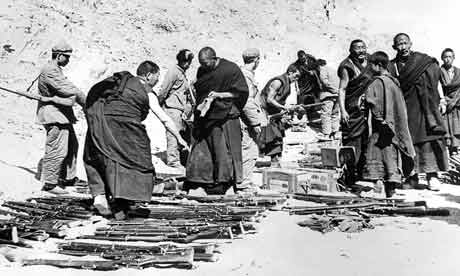








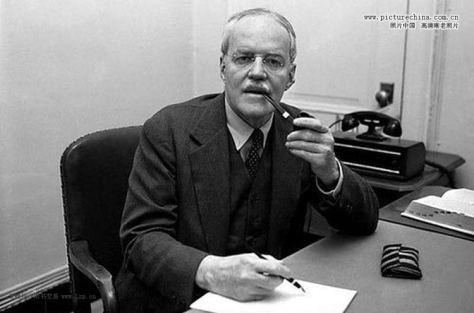
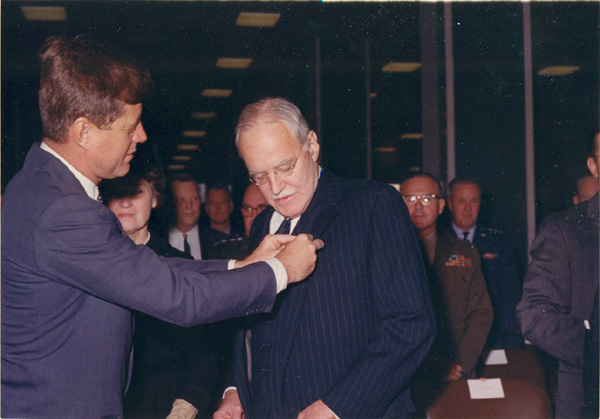

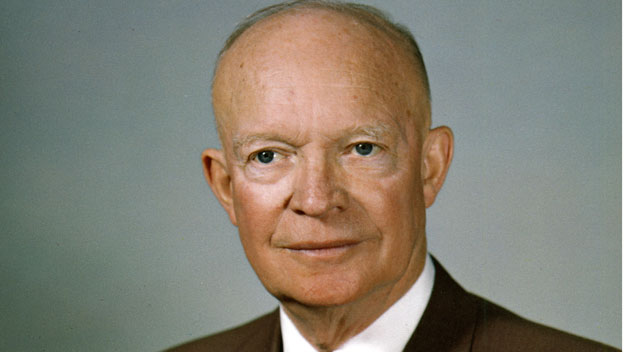
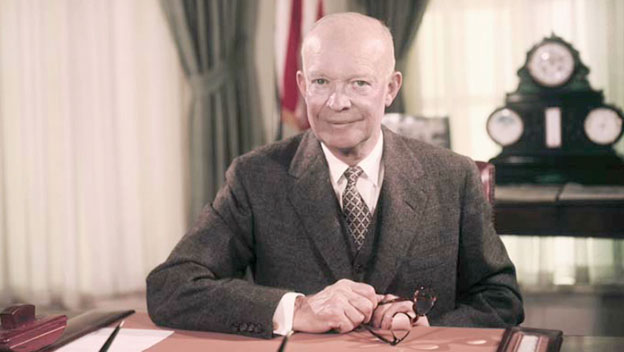

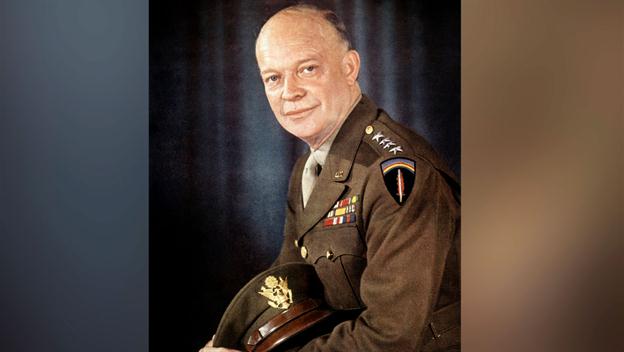


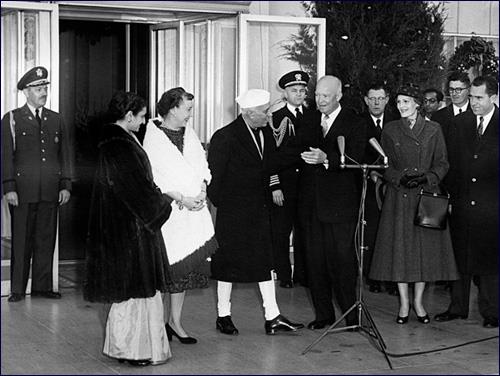
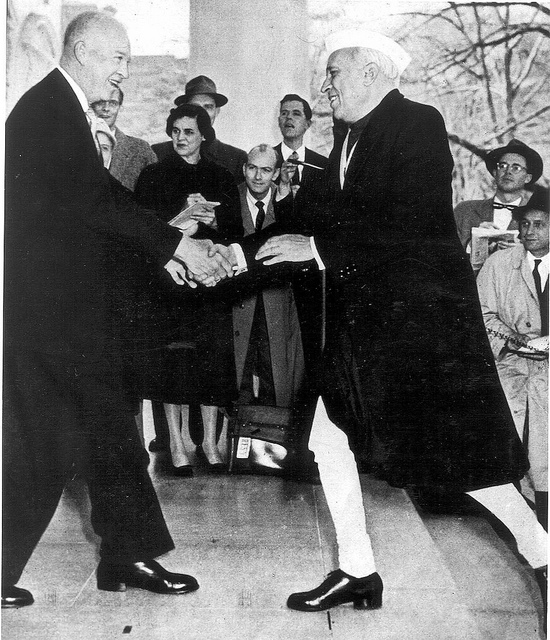






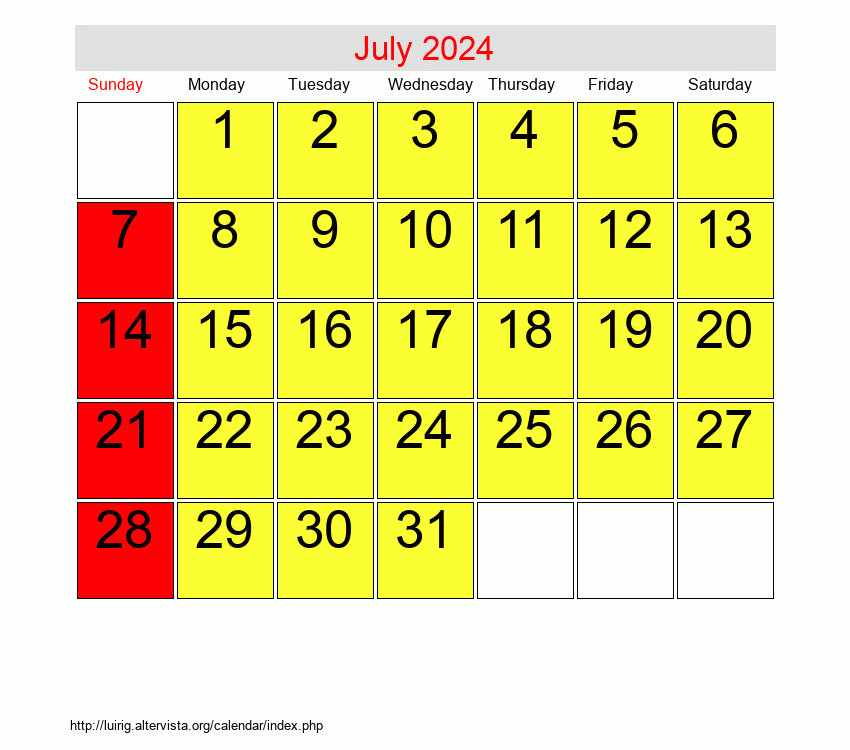


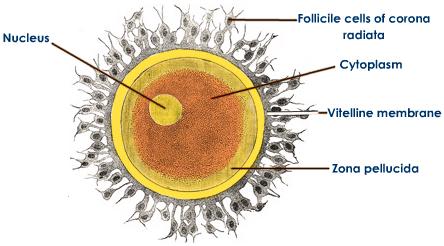


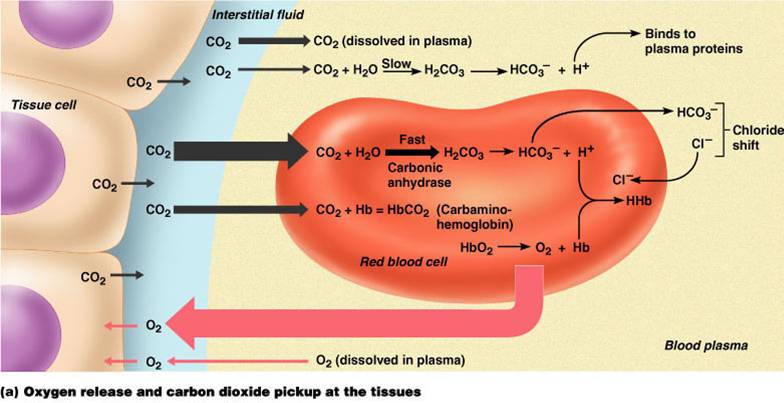
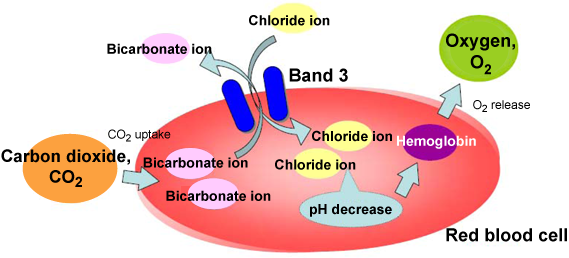


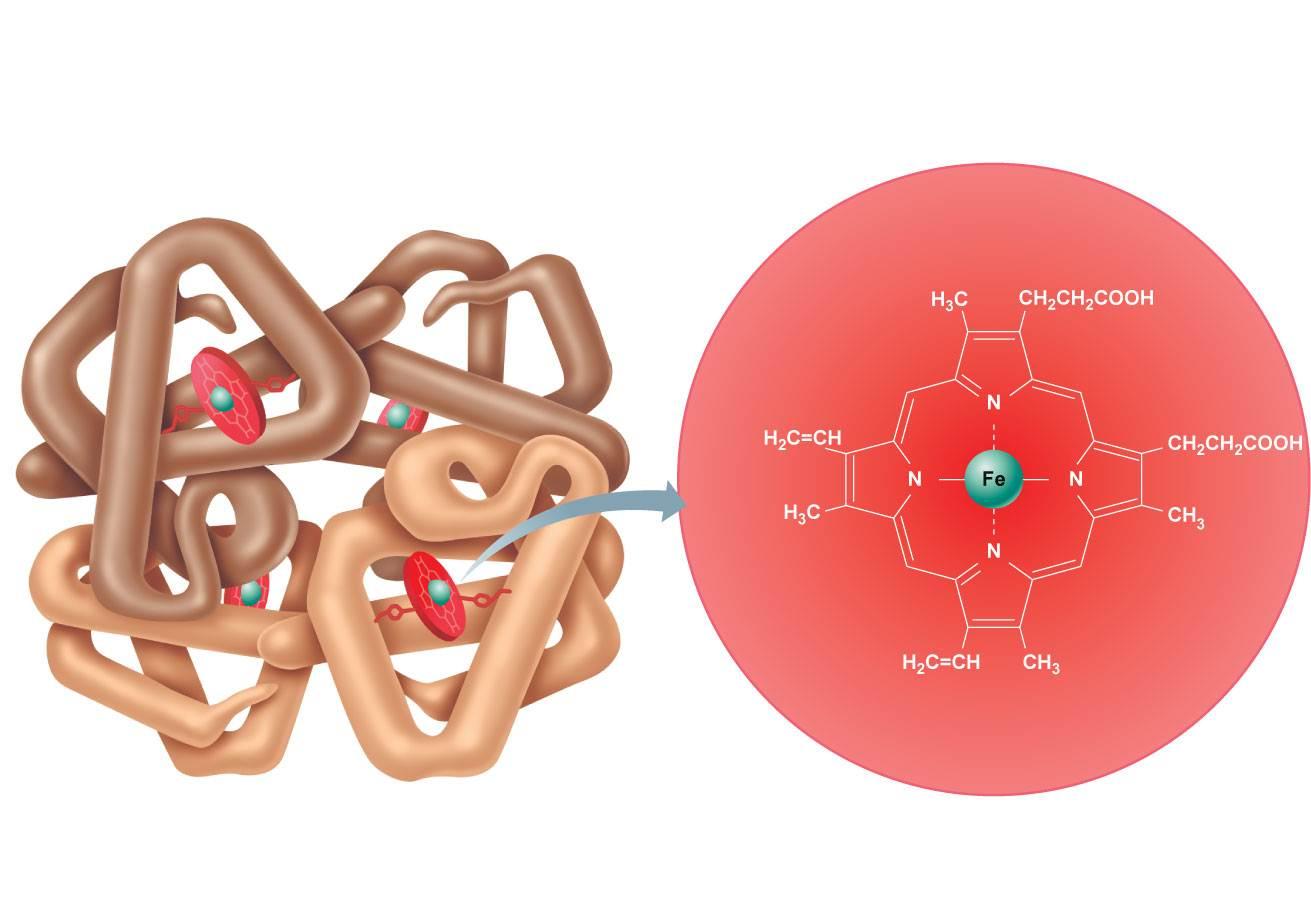
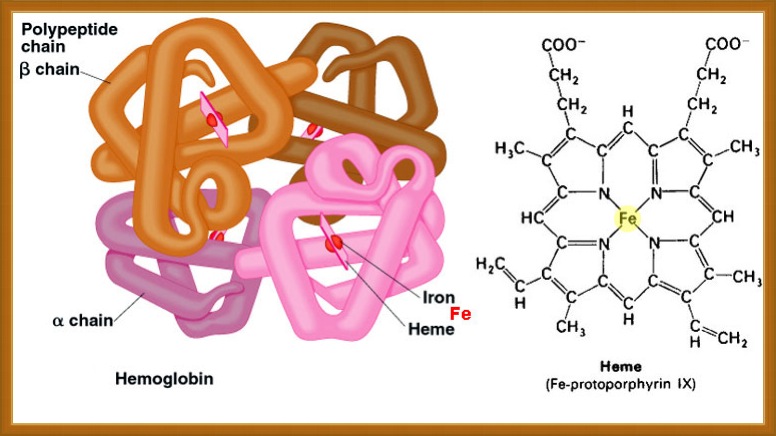
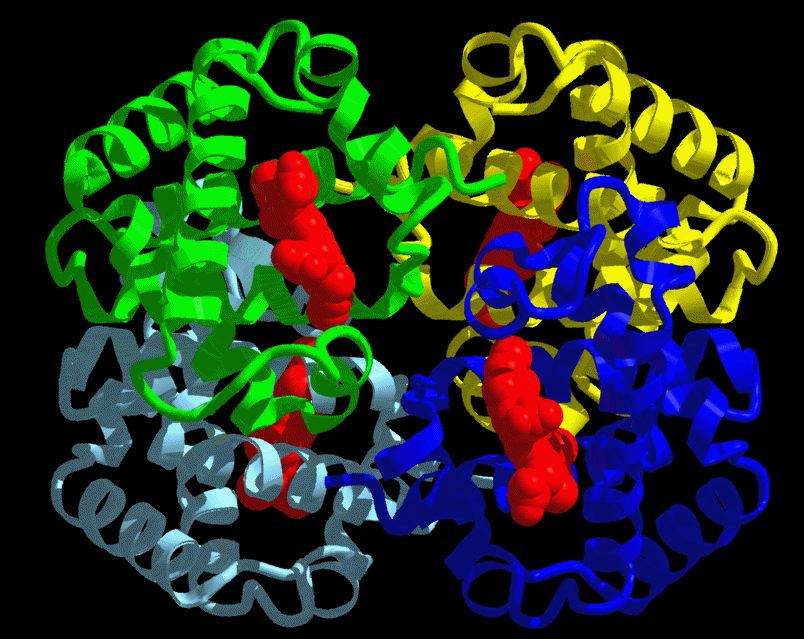
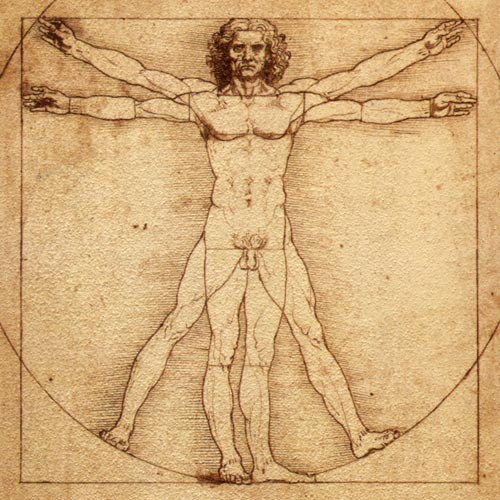


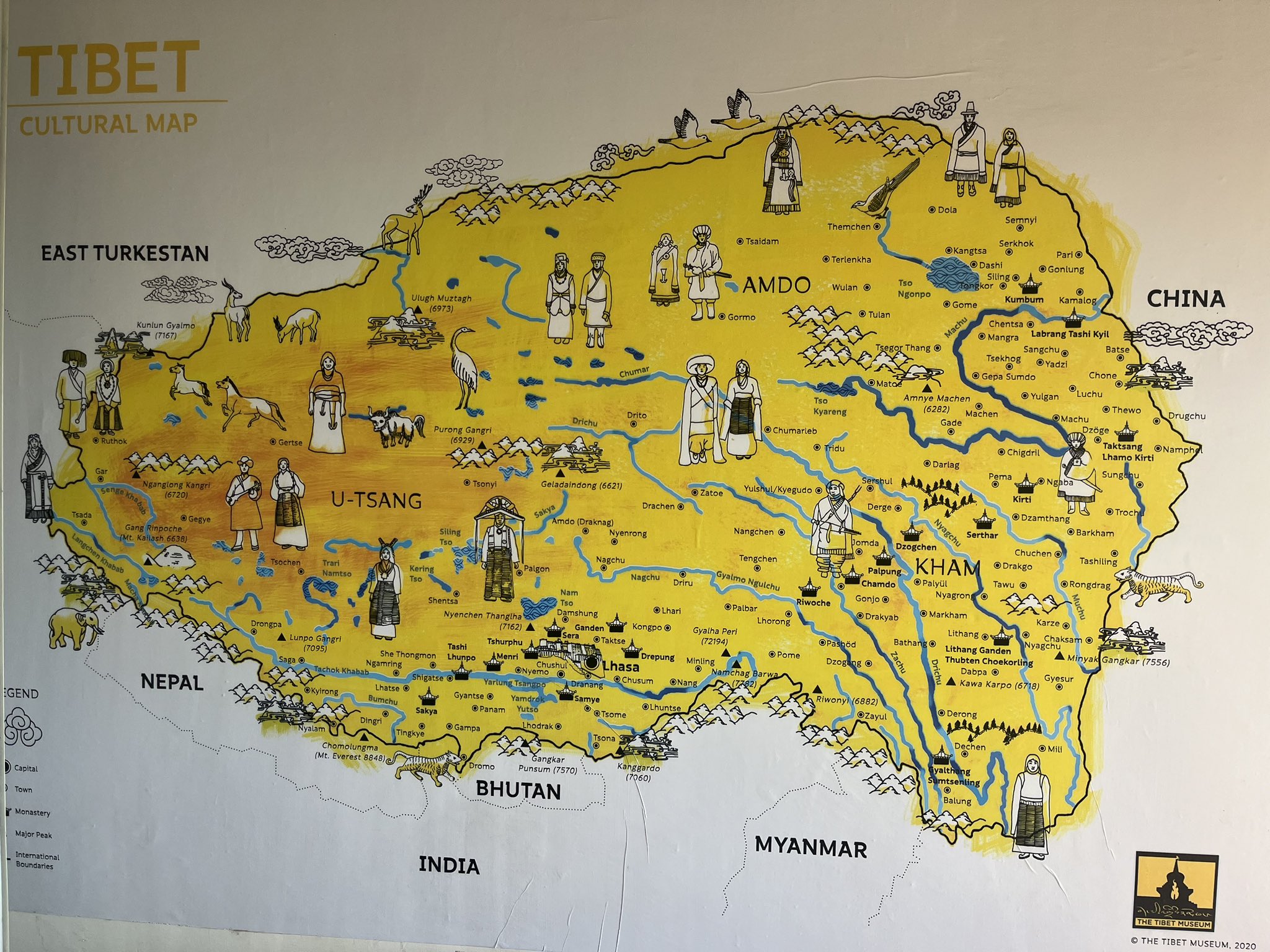

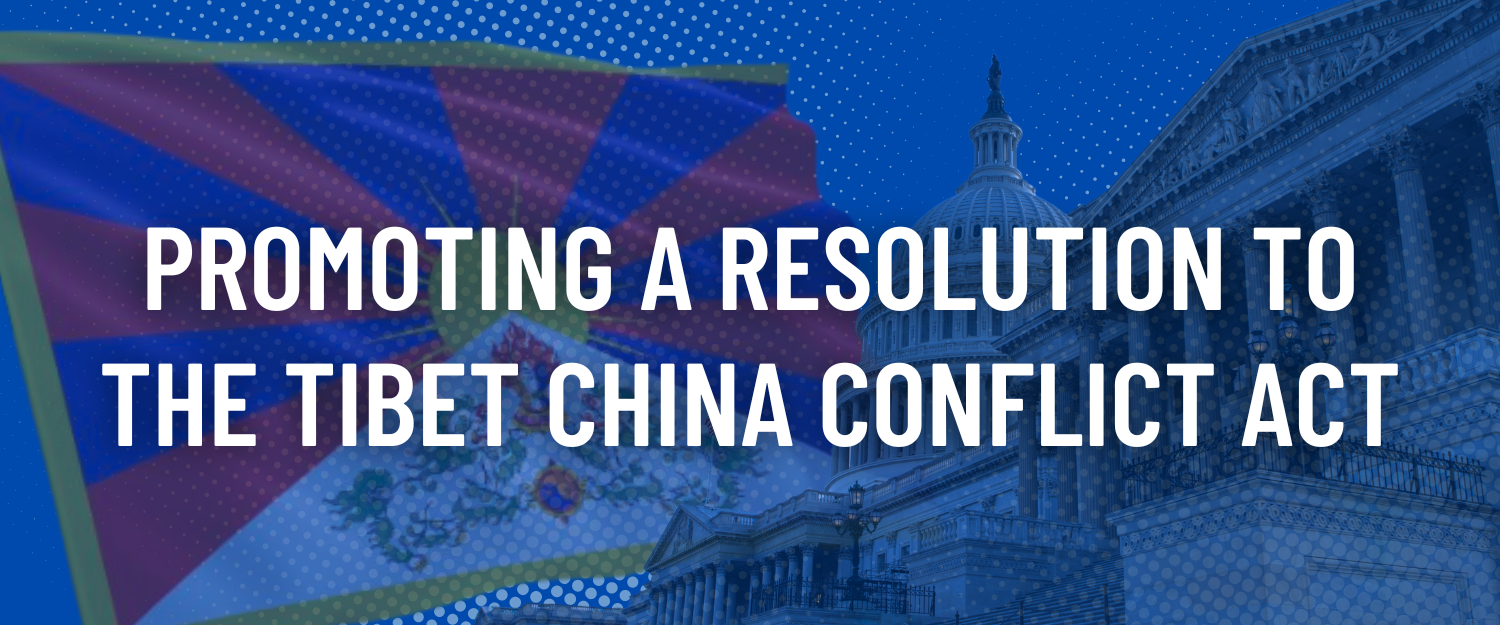
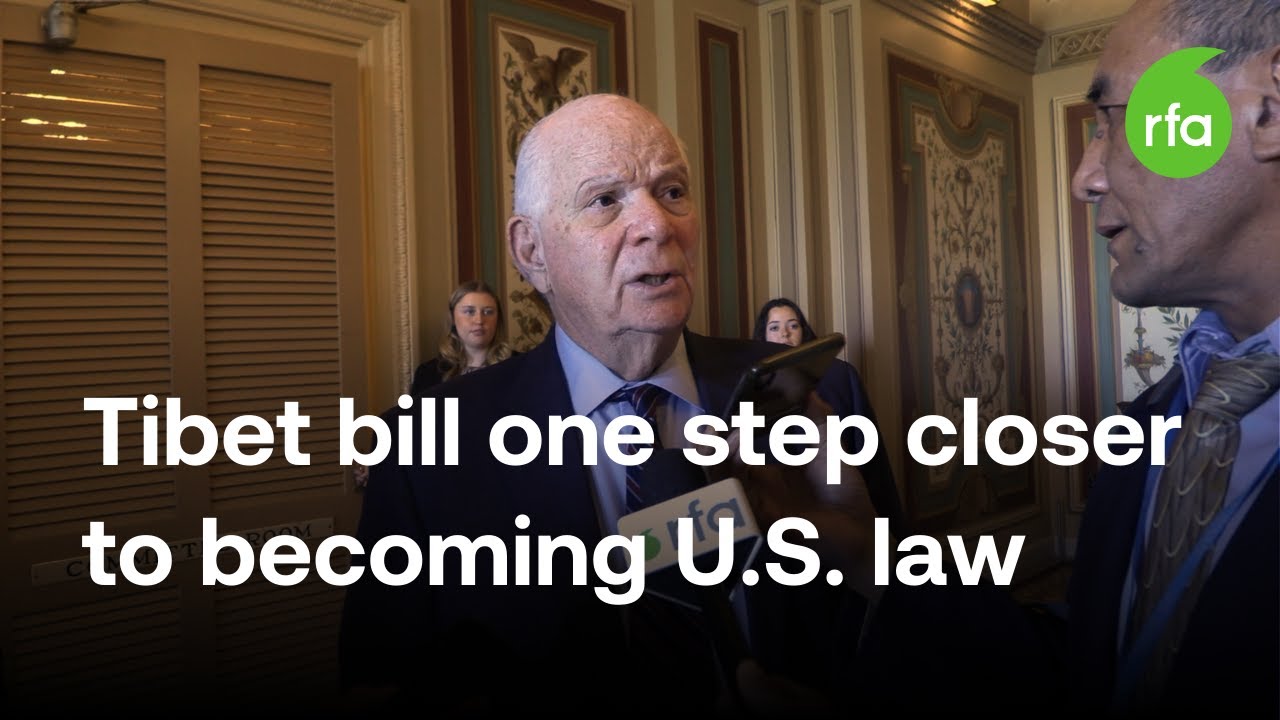


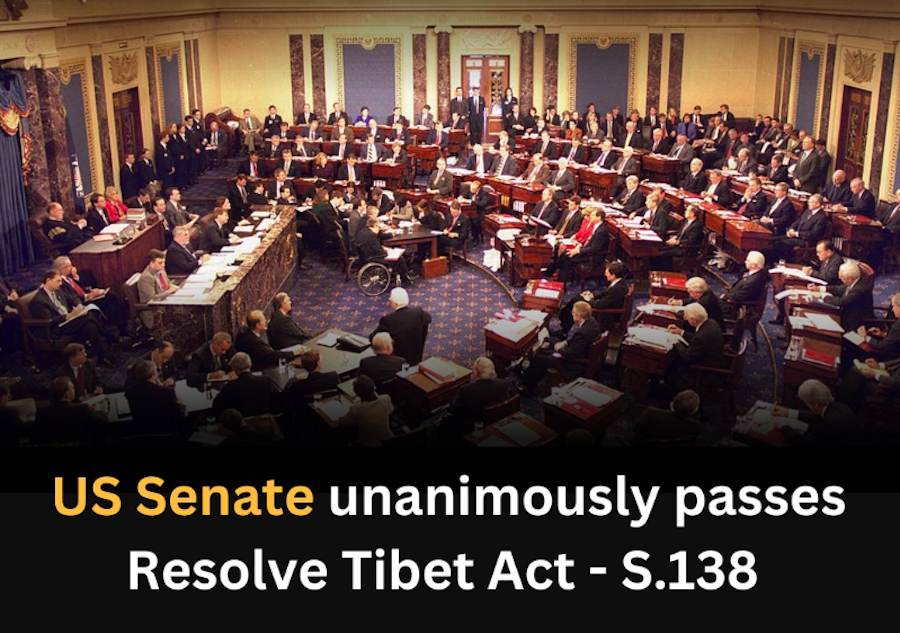
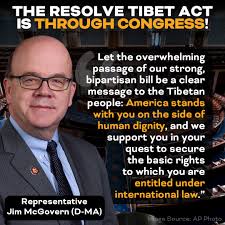
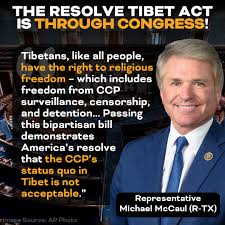
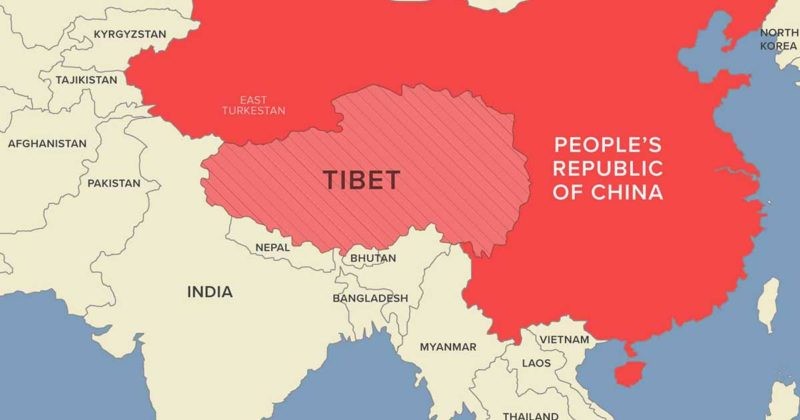


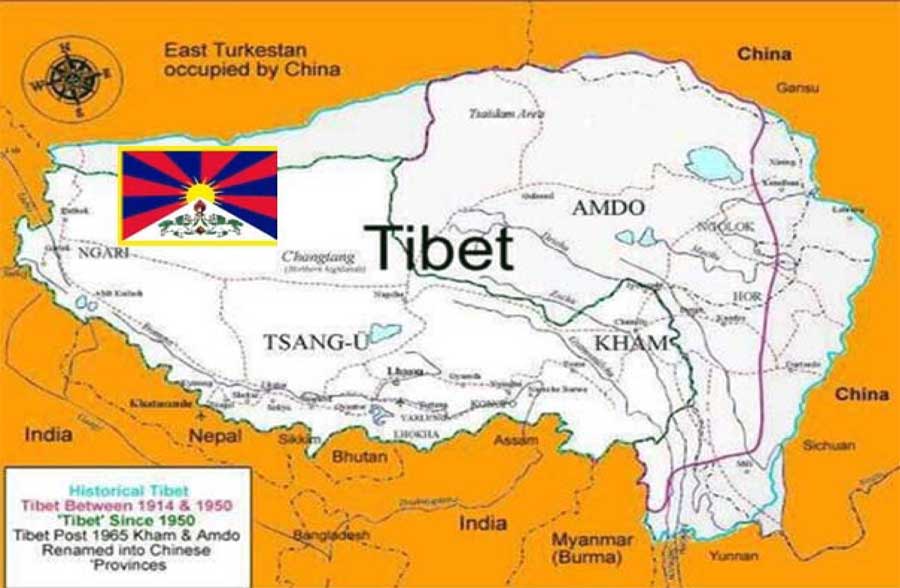
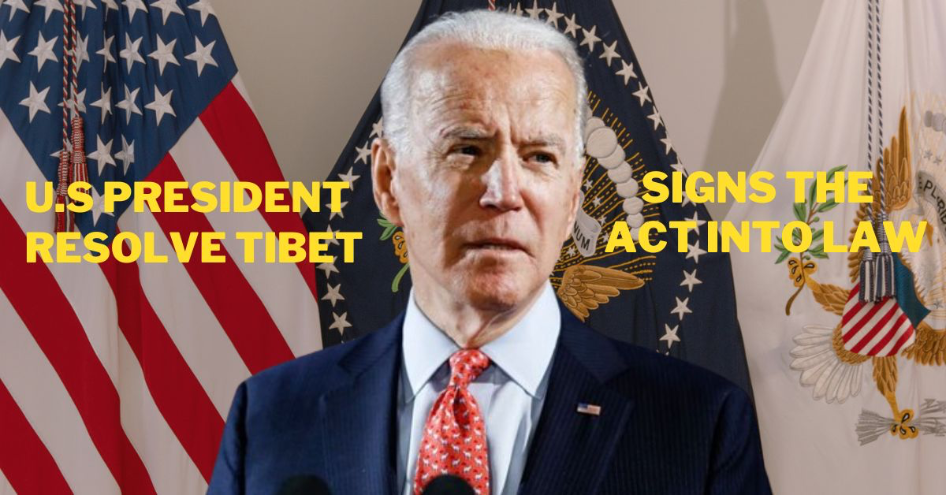
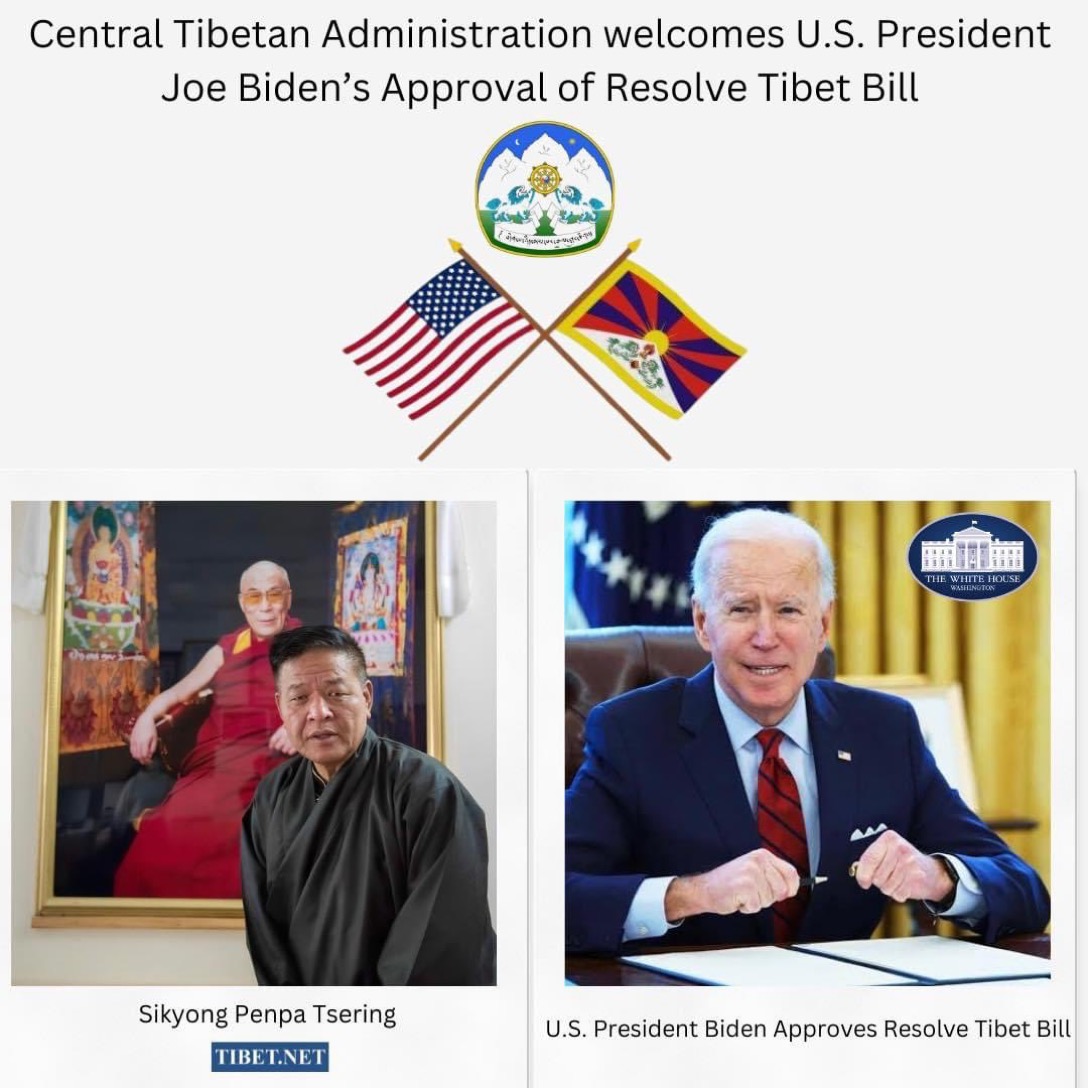


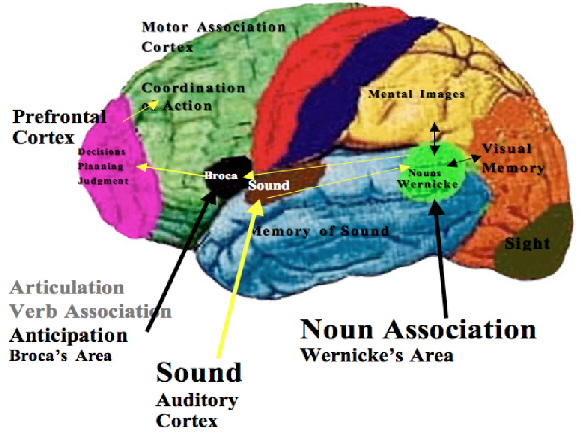


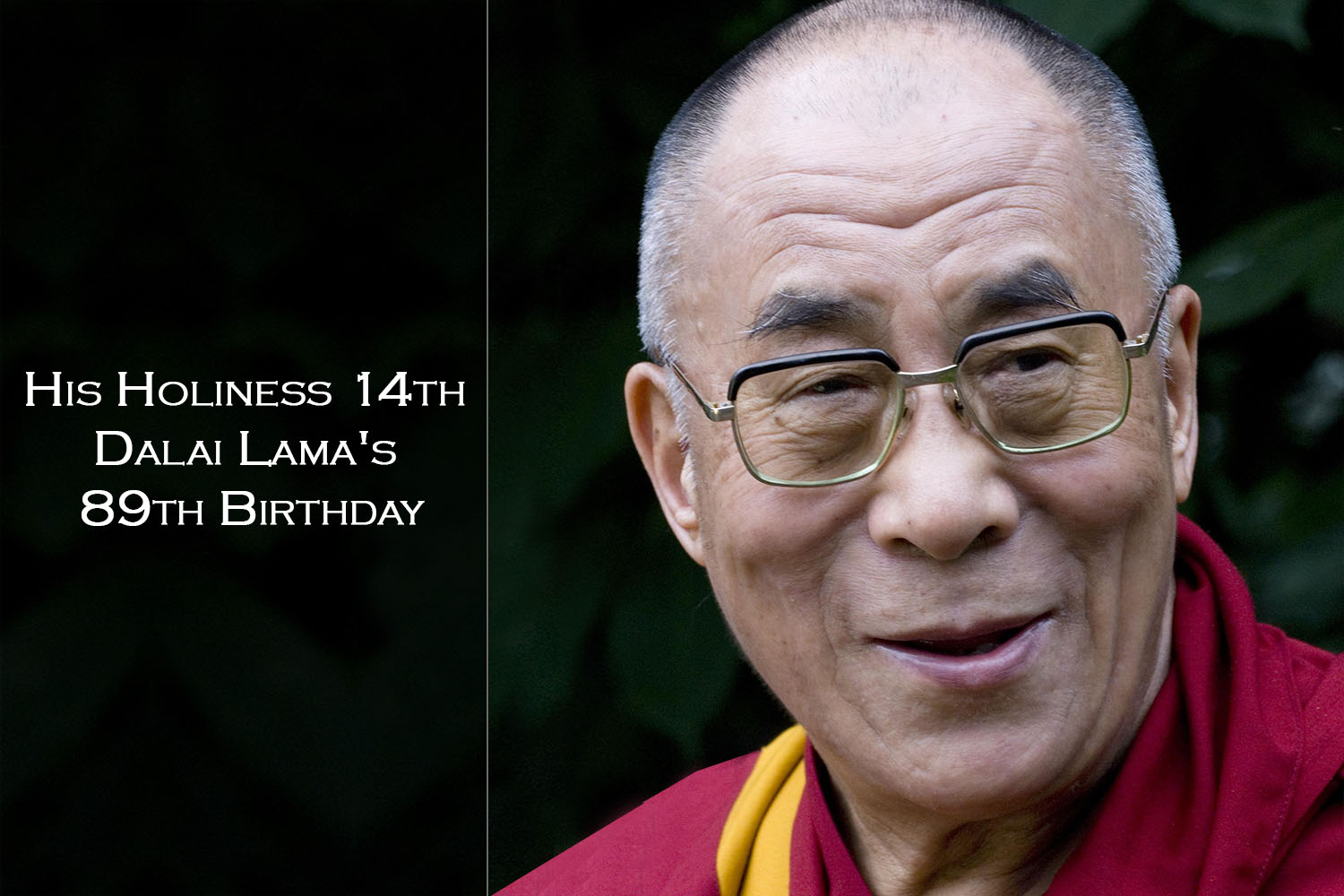


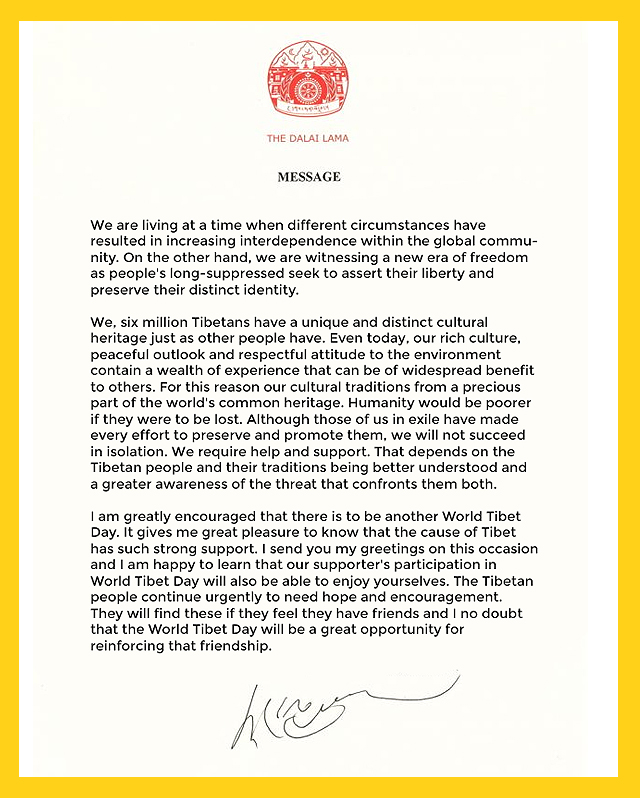

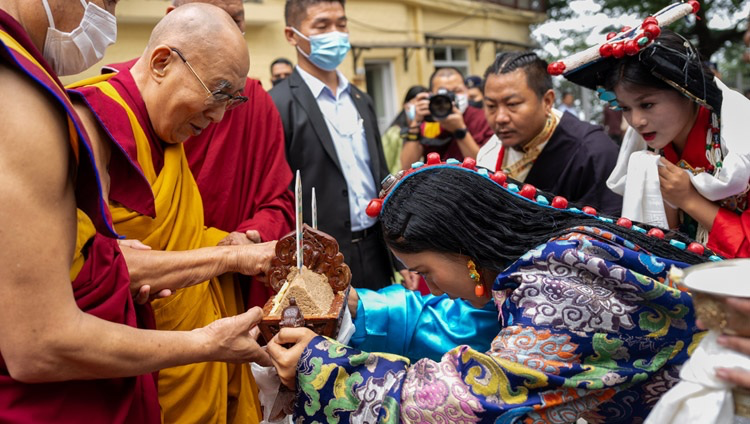
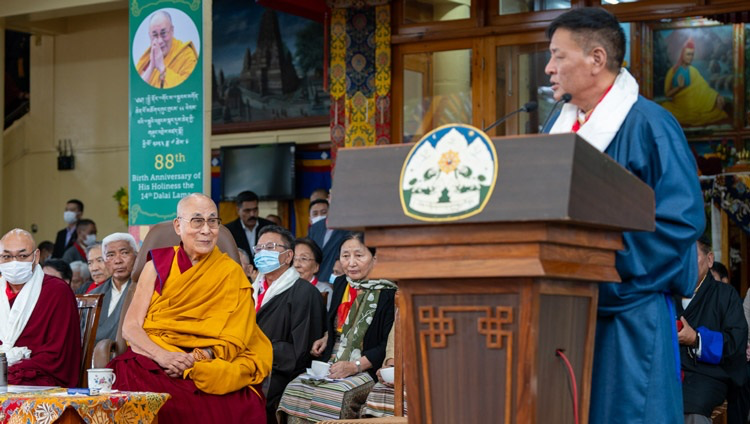
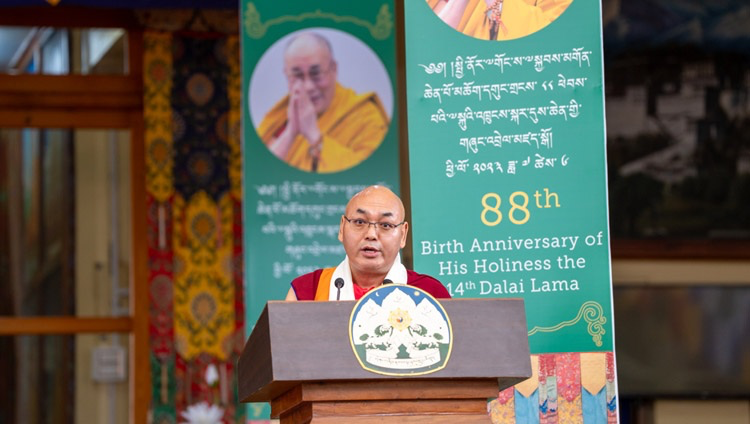
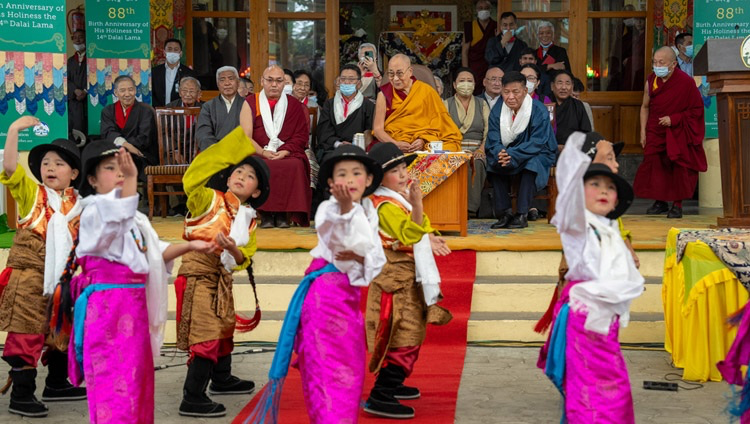


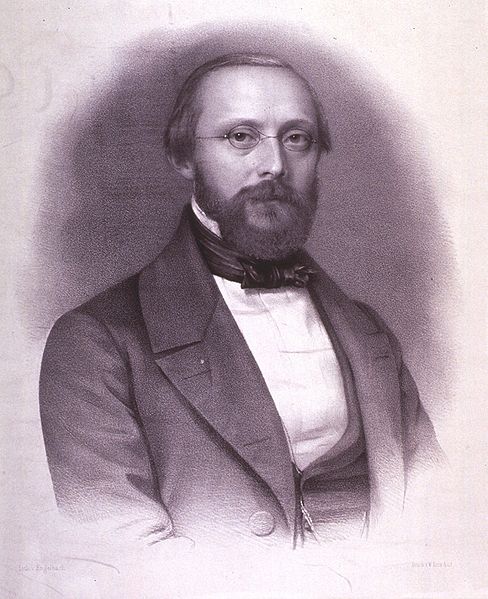


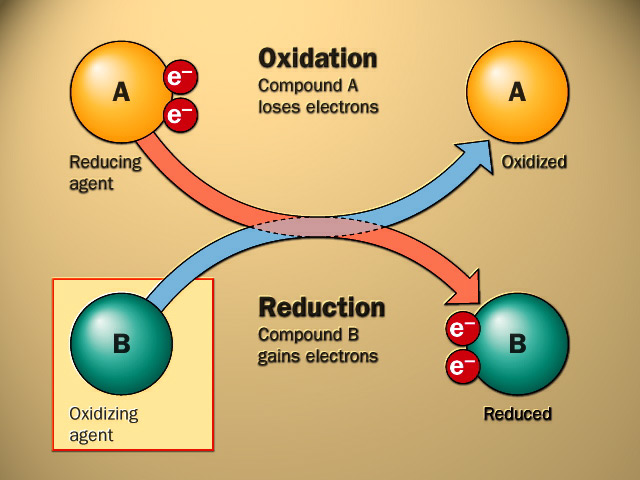
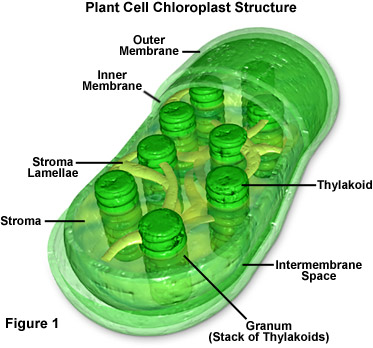

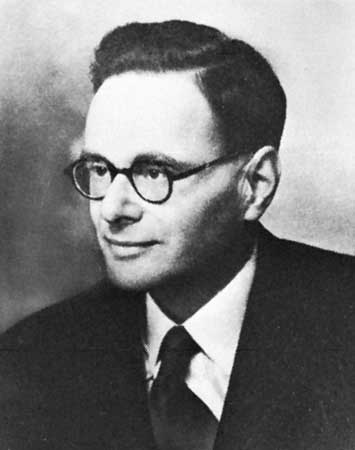
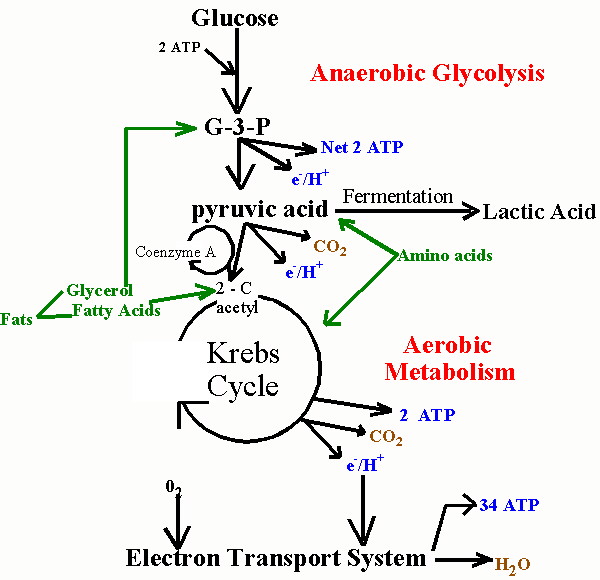


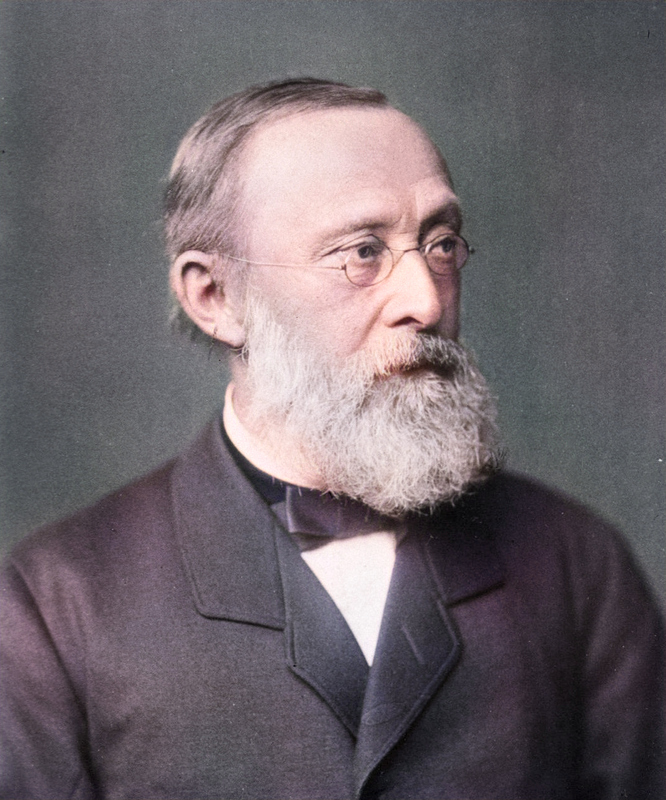


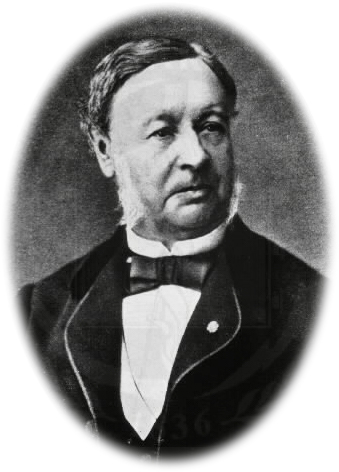




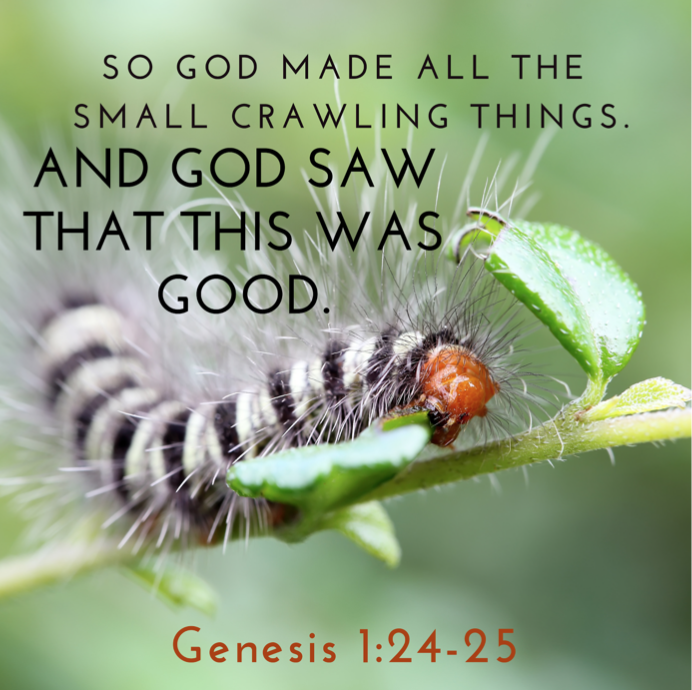

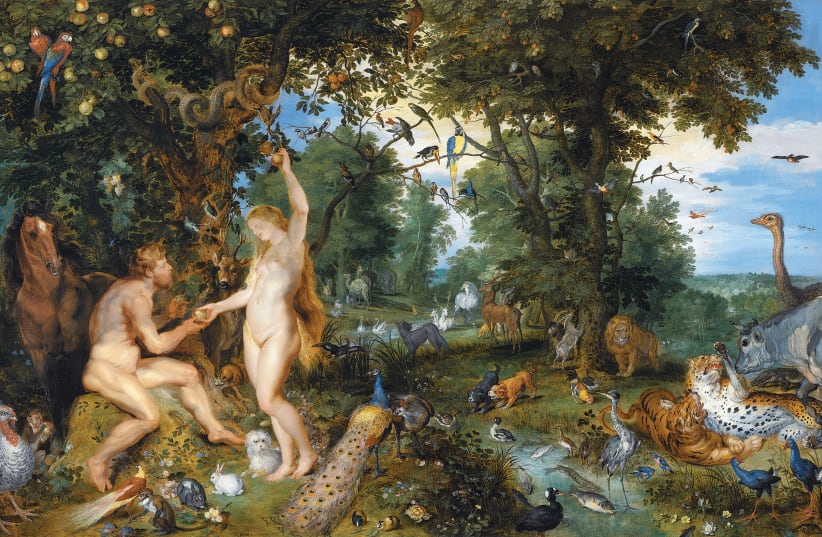




















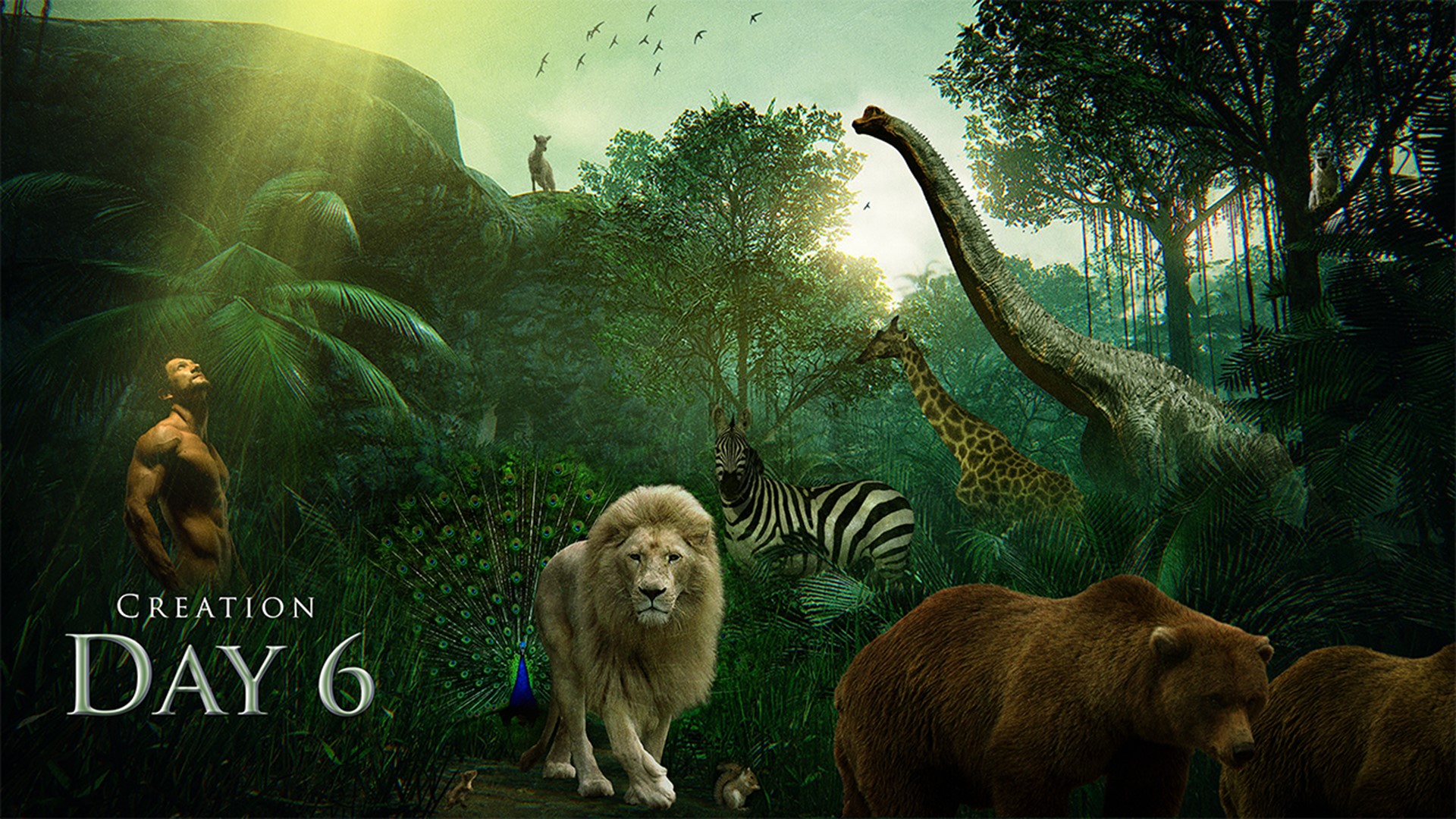


 Whole Dude - Whole Concept