Love Counteracts the Violation of Natural Freedom in Tibet
LOVE COUNTERACTS THE VIOLATION OF NATURAL FREEDOM IN TIBET. LOVE IS THE BASIS FOR BALANCE IN LIFE.
Natural Science such as Physics and Chemistry describe Four Fundamental Forces and Four Fundamental Interactions. These are, 1. The Strong Nuclear Force, 2. The Weak Nuclear Force, 3. Electromagnetism, and 4. Gravitation.
I describe ‘LOVE’ as Fifth Fundamental Force to account for existence of Life on planet Earth. Love acts as a Force of Compassion to sustain Life. Love also acts as a Force to counteract the violation of Natural Order, Natural Balance, Natural Equilibrium, and Natural Freedom.
People’s Republic of China or Red China is governed by political doctrine called Communism which provides rule or governance by a One-Party political structure which lays emphasis on the requirements of State rather than on Individual Liberties. Communist State plans and controls all aspects of economy apart from social, cultural, and religious aspects of all Individual State Subjects. Communist State sponsors Violence to establish tyranny or totalitarian regime. Communist Policy or Doctrine demands use of power or authority by Party and State to oppose Natural Rights and Natural Freedom entitled to citizens.
Red China, in pursuit of its State Policy of Expansionism, made an unprovoked attack on Tibet in 1950. Red China uses her Military Power or Force to threaten, to harm, to cause pain, to give misery, to bring misfortune, and to create trouble in the lives of Tibetans to force them live under State-sponsored Occupation, Oppression, Repression, Suppression, and Subjugation.
Natural History of Tibet reveals that Nature uplifted Tibet using massive force of Collision generated by Indian landmass northwards thrust into Asian Continent. This Natural Event created a Natural Condition that sustains Natural Freedom experienced by denizens of Tibet. Red China’s military occupation of Tibet fundamentally opposes Nature’s Plan for Tibet.
Red China violated Natural Order that shapes Tibetan Existence. In my analysis, Love acting as Fundamental Force will counteract Red China’s Violation by using Force/Power/Energy that has been shaping and conditioning planet Earth over billions of years of its existence.
Rudra Narasimham Rebbapragada
DOOM DOOMA DOOMSAYER
LOVE COUNTERACTS THE VIOLATION OF NATURAL FREEDOM IN TIBET. THE OFFENDER OR VIOLATOR WILL BE DISCIPLINED BY PHYSICAL FORCE.
Pink Hearts Can’t Conceal Repression in Tibet – Human Rights Watch
New Campaign Aimed at Increasing Loyalty to Party, China
To many people’s ears the phrase “Four Loves” probably invokes images of a pop music act or a self-help philosophy – not an authoritarian regime’s latest campaign for political loyalty. But the Chinese Communist Party is once again deploying gentle terms to conceal its suppression of human rights.
LOVE COUNTERACTS THE VIOLATION OF NATURAL FREEDOM IN TIBET.
Tibet, a region known for systemic, state-sponsored human rights violations, is now awash with posters celebrating the “Four Emphases and Four Loves.” The campaign requires people to “Love the core by emphasizing the Party’s kindness/Love the motherland by emphasizing unity/Love your home by emphasizing what you can contribute/Love your life by emphasizing knowledge.”
Translation: don’t criticize policies or officials and do show gratitude and loyalty to “the core” – the CCP and its leader Xi Jinping. The only way to “love the motherland” is to oppose anything that threatens “unity,” which certainly includes substantive criticism of the Party or the state or any discussion of independence or increased autonomy. And to be a “good citizen” is to focus one’s efforts on what you can “contribute” – but implicitly it’s up to the Party to decide what can or cannot be contributed.
It’s also never too early to start indoctrinating people in this mindset: photos from primary schools in Lhasa, the capital of Tibet, show children “speaking [their] hearts to Grandpa [President] Xi.” One is captioned, “The words of the heart spelled out in…small notes.”
Campaigns for Tibetans’ hearts and minds seem almost tragic against the backdrop of repression there. In recent years authorities have reshaped the region’s economy in a manner that suits the central government and effectively excludes Tibetans from decision-making – and in the case of some nomadic communities leaves them demonstrably worse off.
Authorities remain suspicious of Tibetans’ loyalties, and have also radically expanded the security and surveillance apparatus, and methodically inserted state control into all aspects of religious practice. Meanwhile, Tibetans – and many others across China – have virtually no ability to help develop, change, or object to the policies that profoundly affect their lives.
Propaganda – no matter how treacly, and no matter how many pink hearts deployed – is unlikely to generate the kind of loyalty or respect Chinese authorities seem to want from Tibetans. Respect for Tibetans’ human rights, on the other hand, might go a long way towards that goal.
LOVE COUNTERACTS THE VIOLATION OF NATURAL FREEDOM IN TIBET. BEIJING DOOMED.
The Future of Tibet – Can Red China Save herself from the consequences of Evil plans?
The Future of Tibet – Can Red China Save herself from the consequences of Evil plans?
Doom Dooma Doomsayer understands the problems faced by Tibetans; the Great Trouble in Tibet following Tibet’s military conquest. I am not a monk, a priest, or a member of clergy. I am not a prophet. However, my rational analysis of events leads me to announce Beijing’s Doom. Without recourse to any kind of human intervention, Red China faces Eviction From Occupied Tibet.
The Future of Tibet – Can Red China Save herself from the consequences of Evil plans?
TIBET – THE PLATEAU, UNPACIFIED
Tibetans’ culture is changing, by their own will as well as by force
Sep 17th 2016 | YUSHU
Doom Dooma Doomsayer understands the problems faced by Tibetans; the Great Trouble in Tibet following Tibet’s military conquest. I am not a monk, a priest, or a member of clergy. I am not a prophet. However, my rational analysis of events leads me to announce Beijing’s Doom. Without recourse to any kind of human intervention, Red China faces Eviction From Occupied Tibet.
An elderly woman with long, grey plaits, wearing a traditional Tibetan apron of wool in colorful stripes, has spent her day weaving thread outside her home near the southern end of Qinghai Lake, high on the Tibetan plateau. She is among hundreds of thousands of Tibetan nomads who have been forced by the government in recent years to settle in newly built villages. She now lives in one of them with her extended family and two goats. Every few months one of her sons, a red-robed monk, visits from his monastery, a place so cut off from the world that he has never heard of Donald Trump. Her grandson, a 23-year-old with slick hair and a turquoise rain jacket, is more clued in. He is training to be a motorcycle mechanic in a nearby town. Theirs is a disorienting world of social transformation, sometimes resented, sometimes welcome.
Chinese and foreigners alike have long been fascinated by Tibet, romanticizing its impoverished vastness as a haven of spirituality and tranquility. Its brand of Buddhism is alluring to many Chinese—even, it is rumored, to Peng Liyuan, the wife of China’s president, Xi Jinping. Many Tibetans, however, see their world differently. It has been shattered by China’s campaign to crush separatism and eradicate support for the Dalai Lama, their spiritual leader who fled to India after an uprising in 1959. The economic transformation of the rest of China and its cities’ brash modernity are seductive, but frustratingly elusive.
The story of political repression in Tibet is a familiar one. The Dalai Lama accuses China’s government of “cultural genocide”, a fear echoed by a tour guide in Qinghai, one of five provinces across which most of the country’s 6m Tibetans are scattered (the others are Gansu, Sichuan, Yunnan and the Tibet Autonomous Region, or TAR—see map). “We know what happened to the Jews,” he says. “We are fighting for our existence.” Less commonly told is the despair felt by many young Tibetans who feel shut out of China’s boom. They are victims of Tibet’s remote and forbidding topography as well as of racial prejudice and the party’s anti-separatist zeal. They often cannot migrate to coastal factories, and few factories will come to them. Even fluent Mandarin speakers rarely find jobs outside their region.
Doom Dooma Doomsayer understands the problems faced by Tibetans; the Great Trouble in Tibet following Tibet’s military conquest. I am not a monk, a priest, or a member of clergy. I am not a prophet. However, my rational analysis of events leads me to announce Beijing’s Doom. Without recourse to any kind of human intervention, Red China faces Eviction From Occupied Tibet.
Yet Tibetans are not cut off from the rapidly evolving culture of the rest of China, where more than 90% of the population is ethnic Han. Mayong Gasong Qiuding, a 26-year-old hotel worker in Yushu in southern Qinghai, listens to Mandarin, Tibetan and Western pop music in tandem. He can rattle off official slogans but can recite only short Tibetan prayers. His greatest wish, he says, is to go to the Maldives to see the sea. Tibetan women in Qinghai use skin-whitening products, following a widespread fashion among their Han counterparts; a teenager roller-skates anticlockwise around a Buddhist stupa, ignoring a cultural taboo. Young nomads frustrate their elders by forsaking locally-made black, yak-hair tents for cheaper, lighter canvas ones produced in far-off factories.
Han migration, encouraged by a splurge of spending on infrastructure, is hastening such change. Although Tibetans still make up 90% of the permanent population of the TAR, its capital Lhasa is now 22% Han, compared with 17% in 2000. Many Tibetans resent the influx. Yet they are far more likely to marry Han Chinese than are members of some of China’s other ethnic groups. Around 10% of Tibetan households have at least one member who is non-Tibetan, according to a census in 2010. That compares with 1% of households among Uighurs, another ethnic minority whose members often chafe at rule by a Han-dominated government.
Core features of Tibetan culture are in flux. Monasteries, which long ago played a central role in Tibetan society, are losing whatever influence China has allowed them to retain. In recent years, some have been shut or ordered to reduce their populations (monks and nuns have often been at the forefront of separatist unrest). In July buildings at Larung Gar in Sichuan, a sprawling center of Tibetan Buddhist learning, were destroyed and thousands of monks and nuns evicted. Three nuns have reportedly committed suicide since. Of the more than 140 Tibetans who have set fire to themselves since 2011 in protest against Chinese rule, many were spurred to do so by repressive measures at their own monastery or nunnery.
Cloistered life is threatened by social change, too. Families often used to send their second son to a monastery, a good source of schooling. Now all children receive nine years of free education. “The young think there are better things to do,” says a monk at Rongwo monastery in Tongren, a town in Qinghai, who spends his days “praying, teaching [and] cleaning”. New recruits often come from poorly educated rural families.
Mind your language
In the TAR (which is closed to foreign journalists most of the time), the Tibetan language is under particular threat. Even nursery schools often teach entirely in Mandarin. A generation is now graduating from universities there who barely speak Tibetan. Some people have been arrested for continuing to teach in the language. In April last year Gonpo Tenzin, a singer, was sentenced to three-and-a-half years in prison for his album, “No New Year for Tibet”, encouraging Tibetans to preserve their language and culture.
In some areas outside the TAR, however, the government is less hostile to Tibetan. Since the early 2000s, in much of Qinghai, the number of secondary schools that teach in Tibetan has risen, according to research there by Adrian Zenz of the European School of Culture and Theology at Korntal, Germany. The range of degrees taught in Tibetan has expanded too. Unlike elsewhere, someone who has studied mainly in Tibetan can still get a good job in Qinghai. A third of all government roles advertised there between 2011 and 2015 required the language. Despite this, many parents and students chose to be taught in Mandarin anyway, Mr. Zenz found. They thought it would improve job prospects.
Doom Dooma Doomsayer understands the problems faced by Tibetans; the Great Trouble in Tibet following Tibet’s military conquest. I am not a monk, a priest, or a member of clergy. I am not a prophet. However, my rational analysis of events leads me to announce Beijing’s Doom. Without recourse to any kind of human intervention, Red China faces Eviction From Occupied Tibet.
But work can be difficult to get, despite years of huge government aid that has helped to boost growth. Government subsidies for the TAR amounted to 111% of GDP in 2014 (see chart), according to Andrew Fischer of Erasmus University Rotterdam. Eleven airports serve Qinghai and the TAR—they will have three more by 2020. A 156-mile train line from Lhasa (population 560,000) to Shigatse (population 120,000), which was completed in 2014, cost 13.3 billion yuan ($2.16 billion). A second track to Lhasa is being laid from Sichuan, priced at 105 billion yuan.
Better infrastructure has fueled a tourism boom—domestic visitors to the TAR increased fivefold between 2007 and 2015—but most income flows to travel agents elsewhere. Tourists stay in Han-run hotels and largely eat in non-Tibetan restaurants (KFC opened its first Lhasa branch in March). Tibetan resentment at exclusion from tourism- and construction-related jobs was a big cause of rioting in Lhasa in 2008 that sparked plateau-wide protests. Other big money-spinners—hydropower and the extraction of minerals and timber—are controlled by state-owned firms that employ relatively few Tibetans. The Chinese name for Tibet, Xizang, means “western treasure house”. But Tibetans have little share in its spoils. The rehousing of nomads has helped provide some with building jobs, but has also brought suffering: those relocated sometimes find it harder to make a living from herding.
In most other parts of China, villages have been rapidly emptying as people flock to work in cities. In the country as a whole, the agricultural population dropped from 65% to 48% as a share of the total between 2000 and 2010. On the plateau it fell only slightly, from 87% to 83%. It is hard for Tibetans to migrate to places where there are more opportunities. Police and employers treat them as potential troublemakers. In 2010 only about 1% of Tibetans had settled outside the plateau, says Ma Rong of Peking University. They cannot move abroad either. In 2012 Tibetans in the TAR had to surrender their passports (to prevent them joining the Dalai Lama); in parts of Qinghai officials went house-to-house confiscating them.
Doom Dooma Doomsayer understands the problems faced by Tibetans; the Great Trouble in Tibet following Tibet’s military conquest. I am not a monk, a priest, or a member of clergy. I am not a prophet. However, my rational analysis of events leads me to announce Beijing’s Doom. Without recourse to any kind of human intervention, Red China faces Eviction From Occupied Tibet.
For university graduates, the prospects are somewhat better. There are few prospects for secure work in private firms on the plateau. But to help them, the government has been on a hiring spree since 2011. Almost all educated Tibetans now work for the state. A government job is a pretty good one: salaries have been rising fast. Few Tibetans see such work as traitorous to their cause or culture. But the government may not be able to keep providing enough jobs for graduates, especially if a slowdown in China’s economy, which is crimping demand for commodities, has a knock-on effect on the plateau.
Many of the problems faced by Tibetans are common in traditional pastoral cultures as they modernize. But those of Tibetans are compounded by repression. They are only likely to increase when the Dalai Lama, now 81, dies. The central government will try to rig the selection of his successor, and no doubt persecute Tibetans who publicly object.
In private, officials say they are playing a waiting game: they expect the “Tibetan problem” to be more easily solved when he is gone. They are deluding themselves. They ignore his impact as a voice of moderation: he does not demand outright independence and he condemns violence. Tibetan culture may be under duress, but adoration of the Dalai Lama shows no sign of diminishing. Poverty, alienation and the loss of a beloved figurehead may prove an incendiary cocktail.
Doom Dooma Doomsayer understands the problems faced by Tibetans; the Great Trouble in Tibet following Tibet’s military conquest. I am not a monk, a priest, or a member of clergy. I am not a prophet. However, my rational analysis of events leads me to announce Beijing’s Doom. Without recourse to any kind of human intervention, Red China faces Eviction From Occupied Tibet.
DEATH AND MISERY IN OCCUPIED TIBET. EXTRAJUDICIAL KILLING OF TIBETAN WOMAN NEAR CHALONG TOWNSHIP. What happened on the grasslands near Chalong in Garze prefecture fits a disturbing pattern. More than six decades after Chinese troops first moved into Tibet, dissent continues to roil the plateau and, if anything, is being suppressed ever more savagely.Death and Misery in Occupied Tibet: Tsering Tso’s grandmother, Lhadhey, 83, and mother Adhey, 49, pose for a photograph in Jiqie No. 2 Village on the grasslands outside Chalong township in China’s western Sichuan province. (Xu Yangjingjing/The Washington Post)
A woman’s gruesome death by hanging portrays the reality of Death and Misery in Occupied Tibet. What happened on the grasslands near Chalong in Garze prefecture fits a disturbing pattern. More than six decades after Chinese troops first moved into Tibet, dissent continues to roil the plateau and, if anything, is being suppressed ever more savagely.
Rudra Narasimham Rebbapragada Ann Arbor, MI 48104-4162 USA Special Frontier Force-Establishment 22-Vikas Regiment
Tibet Awareness – History of Tibet’s Unrest. Map of Peaceful Protests 2008. Most of the self-immolations and the worst cases of historical repression are in the same spots in the Tibetan provinces near China.
A woman’s gruesome hanging shocked Tibet — but police have silenced all questions
By SIMON DENYER August 26, 2016
Death and Misery in Occupied Tibet: Tsering Tso’s grandmother, Lhadhey, 83, and mother Adhey, 49, pose for a photograph in Jiqie No. 2 Village on the grasslands outside Chalong township in China’s western Sichuan province. (Xu Yangjingjing/The Washington Post)
JIQIE NO. 2 VILLAGE, Raghya, Tibet — She was 27, a kind, hard-working woman who supported her family by herding yaks and harvesting caterpillar fungus, a prized health cure, on the high grasslands of Tibet. Last October, Tsering Tso was found hanged from a bridge in a small town near her home.
Her family and local villagers gathered outside the police station in Chalong township to demand answers: She had last been seen in the company of a local Buddhist priest and two policemen.
The authorities insisted it was suicide. Family and friends suspected foul play and demanded an investigation. That night and the following morning, an angry crowd stormed the gates of the police station, smashing windows, according to local police.
The authorities’ response was brutal, revealing much about the crackdown taking place in Tibetan parts of China and showing how unrest and unhappiness is increasingly viewed as dangerously subversive.
On Oct. 10, five days after Tsering Tso’s body was found, hundreds of armed soldiers arrived in the town and descended on her funeral ceremony in the remote hamlet known as Jiqie No. 2 Village in Chinese and Raghya in Tibetan, in China’s western Sichuan province.
Witnesses said that more than 40 people were tied up, beaten with metal clubs, piled into a truck “like corpses” and placed in detention.
So much blood was shed that “stray dogs could not finish lapping it up,” according to a remarkable and rare open letter sent by the community to President Xi Jinping asking for justice. Most of those detained were gradually released in the weeks and months that followed, and although no one died, many went straight to the hospital.
But on May 20, five relatives and family friends were sentenced to 2 1/2 years in prison. Acquaintances say they were jailed for refusing to sign a statement absolving the police of blame for Tsering Tso’s death.
In a statement issued on its social-media account, the Garze county Public Security Bureau contested that version of events. It said some of the protesters had carried knives, iron pipes or stones and had caused nearly $10,000 worth of damage. The bureau ran photographs of several men climbing over a gate, but only two broken windows were shown. The jailed men, the statement said, had either carried weapons or organized the protest and had been found guilty of “assembling a crowd to attack state organs.”
But relatives who spoke to The Washington Post outside the family’s tent on the remote grasslands said they were not convinced that any investigation had been carried out.
No one denied that a few stones had been thrown during the protest, hitting a police car and office building. But they said that as a result, their entire community had been accused of “splittism” — a serious crime implying support for the Dalai Lama, the exiled religious leader, or for Tibet’s independence from China.
Internet connections have been cut off in Chalong township since the incident, and relatives of Tsering Tso have been threatened with further punishment if they talk to outsiders. The village — a scattering of tents and yaks in a scenic, sweeping grassland valley — has been told it will not get government subsidies for roads or houses for three years because of its “bad character.”
The family insisted that its demands were not political or ethnic in nature: The priest and policemen last seen with Tsering Tso were local Tibetans, and the family said it had no beef with the central government.
All the family wants, it said, is a proper investigation, justice for Tsering Tso and freedom for the five men in jail.
“My daughter was healthy and happy. She wouldn’t commit suicide,” her 49-year-old mother Adhey said, fighting back tears as she sat on the grass with her 83-year-old mother and two young sons. “My beloved daughter was murdered without any justice being given by the government. Instead, they simply arrested more innocent people and sent them to jail.”
What happened on the grasslands near Chalong in Garze prefecture fits a disturbing pattern. More than six decades after Chinese troops first moved into Tibet, dissent continues to roil the plateau and, if anything, is being suppressed ever more savagely.
Control and surveillance have been dramatically tightened since riots and demonstrations broke out in Tibet in 2008, and then expanded further under Xi, with tens of thousands of party cadres sent to monitor villages and monasteries, according to a January report by the International Campaign for Tibet.
In a May report, Human Rights Watch catalogued nearly 500 arrests across Tibetan parts of China between 2013 and 2015. It concluded that dissent had spread from urban to rural areas. Whereas the vast majority of arrests in the 1980s and 1990s had been of monks and nuns, most of those detained more recently were ordinary people.
Many “had merely exercised their rights to expression and assembly without advocating separatism” — criticizing local officials, for example, or opposing a mining development, the report said.
Yet even relatively mild protests about poor governance are increasingly seen through a political lens and labeled as “criminal acts,” rights groups say. Punishment can be severe. The incident in Chalong “reflects the unrest and instability in Tibetan society,” said Golog Jigme, a filmmaker and former political prisoner who now lives in exile in Switzerland. “It’s not outsiders or the Dalai Lama stirring things up, it’s social issues.”
On the evening of Oct. 4, 2015, Tsering Tso had received a phone call from her boyfriend, a lama at the Gertse Dralak monastery in Chalong. He said he was ill and wanted to see her. Her father gave her a lift, only to find the lama drinking with two policemen. He left her there. The following morning, Tsering Tso’s body was found hanging from a small bridge in the town. Although police say an autopsy listed the cause of death as suicide, residents are deeply skeptical. Some reported seeing bruises on her body and said that a doctor’s report had noted a wound on her head as well as a broken neck. They also said her clothes looked as though they had been put on after her death. The lama, who had a reputation as a womanizer, has since disappeared.
In its statement, the Public Security Bureau said the two policemen were on duty at the time of her death and could not have been involved. But villagers insist that the two men were seen drinking with the lama that night and suspect a coverup. Instead of investigating, they say, the police just called in the army.
As they rounded up suspects, security forces raided and ransacked relatives’ homes, “smashing everything and stabbing knives into sacks of rice and butter,” one relative said. “We’ve only seen that kind of brutality before in TV dramas about Japanese invaders.”
The raiders confiscated photos of Tsering Tso — even checking mobile phones. A family member showed scars on his head from a beating that he said left his body drenched in blood. Released weeks later, he was warned by officials not to talk to anyone, but he refuses to be silenced.
He said another relative walks with a limp after being beaten on his legs; a third, a Buddhist monk, was beaten so badly on the head that he bled from one ear and today cannot walk at all. Family members who work for the government lost their jobs.
The police statement merely said that 44 people had been subpoenaed.
Many Tibetans are too scared to speak out publicly against injustice, but the communities around Chalong appear to have gathered to write a remarkable open letter about the incident. The letter, first obtained by Golog Jigme, claims to have been written in the name of 700 residents across 13 communities in the area.
“These days the Chinese Communists are claiming and announcing how they are building a perfect Tibet and how free and happy Tibetans are in China, but now we have no option but to show the world an actual example of the real suffering endured by the people of the three regions of Tibet under Chinese oppression,” the letter begins.
Local officials, the letter continued, had “conspired to use force to bully the common people,” ending with an appeal to President Xi to “investigate and rectify.”
The International Campaign for Tibet said the incident reveals the extent of the impunity of officials and police in Tibet, and the fact that it took so long to reach the outside world shows how tightly information flows are restricted. The organization Free Tibet said it “clearly exemplifies not just the brutality of life under the Chinese occupation but also how arbitrary and illogical it can be.”
Xu Yangjingjing contributed to this report.
Simon Denyer is The Post’s bureau chief in China. He served previously as bureau chief in India and as a Reuters bureau chief in Washington, India and Pakistan.
TIBET AWARENESS – THE HISTORY OF UNREST IN TIBET. Most of the self-immolations and the worst cases of historical repression are in the same spots in the Tibetan provinces near China.
From 1947, both Tibet and India anticipated Trouble in Tibet while the Communists came into Power in mainland China forcing Chiang Kai-shek’s Nationalists to retreat to Formosa or Taiwan. During 1945 to 1949, Tibet was unwilling to fully embrace the offer of the US Friendship hoping Red China will respect Tibet’s Policy of Isolationism or Neutralism. Trouble in Tibet speaks of the lack of Intelligence capabilities; Tibet’s Trouble describes Tibet’s Intelligence failure; Tibet failed to know the Enemy’s Mind and it was a total Intelligence Disaster. For Tibet failed to provide the necessary Intelligence, the response of India and the United States was inadequate from the beginning of Tibet’s Trouble.
Rudra Narasimham Rebbapragada Ann Arbor, MI 48104-4162 USA Special Frontier Force-Establishment 22-Vikas Regiment
The beginning of the Cold War in Asia in 1949 with the Communist takeover of mainland China.
THE NEW YORK TIMES
A WRITER’S QUEST TO UNEARTH THE ROOTS OF TIBET’S UNREST
SINOSPHERE
By LUO SILING AUG. 14, 2016
Tibet Awareness – The History of Tibet’s Unrest
On March 10, 1959, several thousand Tibetans, fearing that the Chinese might abduct the Dalai Lama, gathered at the Norbulingka summer palace to protect the Tibetan spiritual leader. Credit The Office of Tibet, Washington, D.C.
Generations of Chinese have been taught that the Tibetan people are grateful to China for having liberated them from feudalism and serfdom, and yet Tibetan protests, including self-immolations, continue to erupt against Chinese rule. In ‘TIBET IN AGONY: LHASA 1959’,to be published in October by Harvard University Press, the Chinese-born writer Jianglin Li explores the roots of Tibetan unrest in China’s occupation of Tibet in the 1950s, culminating in March 1959 with the Peoples Liberation Army’s shelling of Lhasa and the Dalai Lama’s flight to India. In an interview, she shared her findings.
You’ve drawn parallels between the killings in Lhasa in 1959 and the 1989 military crackdown on pro-democracy protests in Beijing.
China was better able to cover up its actions in Lhasa in 1959, before the advent of instantaneous global media coverage, but the two have much in common. In both, the Chinese Communists used military might to crush popular uprisings, and both involved egregious massacres of civilians. But for Tibetans, what sets the Lhasa massacre apart is their bitter sense of China as a foreign occupying power. The Tibetans were subjugated by force, and they are still protesting today.
What happened in 1959?
The crisis began on the morning of March 10, when thousands of Tibetans rallied around the Dalai Lama’s Norbulingka palace to prevent him from leaving. He had accepted an invitation to a theatrical performance at the People’s Liberation Army headquarters, but rumors that the Chinese were planning to abduct him set off general panic. Even after he canceled his excursion to mollify the demonstrators, they refused to leave and insisted on staying to guard his palace. The demonstrations included a strong outcry against Chinese rule, and China promptly labeled them an armed insurrection, warranting military action. About a week after the turmoil began, the Dalai Lama secretly escaped, and on March 20, Chinese troops began a concerted assault on Lhasa. After taking over the city in a matter of days, inflicting heavy casualties and damaging heritage sites, they moved quickly to consolidate control over all Tibet.
Why did the Dalai Lama flee to India?
Mainly he hoped to prevent a massacre. He thought the crowds around his palace would disperse once he left, robbing the Chinese of a pretext to attack. In fact, not even his departure could have prevented the blood bath that ensued, because Mao Zedong had already mobilized his troops for a final showdown in Tibet.
Jianglin Li Credit Ding Yifu
When the Dalai Lama left, he didn’t plan to go as far as India. He hoped to return to Lhasa after negotiating peace with the Chinese from the safety of the Tibetan hinterlands. But once he heard about the destruction in Lhasa several days into his journey he realized that plan was no longer feasible.
Why were the Tibetans afraid the Chinese would abduct the Dalai Lama?
For Tibetans, he is a sacred being, to be protected at all costs. He had traveled to Beijing to meet Mao in 1954 without setting off mass protests. By 1959, however, tensions had risen, and Tibetans had reason to fear the Chinese theater invitation might be a trap.
The trouble actually started in the Tibetan regions of nearby Chinese provinces Yunnan, Sichuan, Qinghai and Gansu, home to about 60 percent of the Tibetan population. When the Chinese Communists forced collectivization on these Tibetan nomads and farmers in the latter half of the 1950s, the results were catastrophic. Riots and rebellions spread like wildfire. The Communists responded with military force, and there were terrible massacres. Refugees streamed into Tibet, bringing their horror stories into Lhasa.
Some of the most frightening reports had to do with the disappearances of Tibetan leaders in Sichuan and Qinghai. It was party policy to try to pre-empt Tibetan rebellion by luring prominent Tibetans from their communities with invitations to banquets, shows or study classes from which many never returned. People in Lhasa thought the Dalai Lama could be next.
You’ve documented the massacres of Tibetans in the Chinese provinces in the late 1950s.
In 2012, I drove across Qinghai to a remote place an elderly Tibetan refugee in India had told me about: a ravine where a flood one year brought down a torrent of skeletons, clogging the Yellow River. From his description, I identified the location as Drongthil Gully, in the mountains of Tsolho Tibetan Autonomous Prefecture. I had read in Chinese sources about major campaigns against Tibetans in that area in 1958 and 1959. About 10,000 Tibetans, entire families with their livestock had fled to the hills there to escape the Chinese. At Drongthil Gully, the Chinese deployed six ground regiments, including infantry, cavalry and artillery, and something the Tibetans had never heard of: aircraft with 100-kilogram bombs. The few Tibetans who were armed, the head of a nomad household normally carried a gun to protect his herds shot back, but they were no match for the Chinese, who recorded that more than 8,000 rebel bandits were annihilated, killed, wounded or captured in these campaigns.
I wondered about the skeletons until I saw the place for myself, and then it seemed entirely plausible. The river at the bottom of the ravine there flows into a relatively narrow section of the Yellow River. In desolate areas like this, Chinese troops were known to withdraw after a victory, leaving the ground littered with corpses.
Tibet Awareness – The History of Tibet’s Unrest.Credit Harvard University Press
The Tibetans in Sichuan, Yunnan, Gansu and Qinghai were already under nominal Chinese administration when the Communists took over in 1949. How was Tibet annexed?
It was Mao’s goal from the moment he came to power. Tibet is strategically located, he said in January 1950, and we must occupy it and transform it into a people’s democracy.
He started by sending troops to invade Tibet at Chamdo in October 1950, forcing the Tibetans to sign the 17-Point Agreement for the Peaceful Liberation of Tibet, which ceded Tibetan sovereignty to China. Next, the People’s Liberation Army marched into Lhasa in 1951, at the same time in disregard of the Chinese promise in the agreement to leave the Tibetan sociopolitical system intact smuggling an underground Communist Party cell into the city to build a party presence in Tibet.
Meanwhile, Mao was preparing his military and awaiting the right moment to strike. Our time has come, he declared in March 1959, seizing on the demonstrations in Lhasa. After conquering the city, China dissolved the Tibetan government and under the slogan of simultaneous battle and reform imposed the full Communist program throughout Tibet, culminating in the establishment of the Tibet Autonomous Region in 1965.
How did Mao prepare his military for Tibet?
Mao welcomed the campaigns to suppress minority uprisings within China’s borders as practice for war in Tibet. There were new weapons for his troops to master, to say nothing of the unfamiliar challenges of battle on the Qinghai-Tibetan Plateau.
The new weapons included 10 Tupolev TU-4 bombers, which Stalin gave Mao in 1953. Mao tested them in airstrikes at three Tibetan monasteries in Sichuan, starting with Jamchen Choekhor Ling, in Lithang. On March 29, 1956, while thousands of Chinese troops fought Tibetans at the monastery, two of the new planes were deployed. The Tibetans saw giant birds approach and drop some strange objects, but they had no word for airplane, or for bomb. According to Chinese records, more than 2,000 Tibetans were annihilated in the battle, including civilians who had sought refuge in the monastery.
Tibet Awareness – The History of Tibet’s Unrest. His Holiness the 14th Dalai Lama met with Chairman Mao Zedong in 1954. Tibet failed to Know its Enemy. Intelligence Disaster.
The Dalai Lama meeting with Mao Zedong in Peking on Oct. 13, 1954. Credit Associated Press
Mao used his most seasoned troops in Tibet. Gen. Ding Sheng and his 54th Army, veterans of the Korean War, had gained experience suppressing minority uprisings in Qinghai and Gansu in 1958 before heading to Tibet in 1959.
How often was the Chinese military used against Tibetans, and how many Tibetan casualties were there?
We don’t have an exact tally of military encounters, since many went unrecorded. My best estimate based on official Chinese materials, public and classified, is about 15,000 in all Tibetan regions between 1956 and 1962.
Precise casualty figures are hard to come by, but according to a classified Chinese military document I found in a Hong Kong library, more than 456,000 Tibetans were annihilated from 1956 to 1962.
How does this history relate to recent Tibetan self-immolations?
I think they are a direct consequence. I’ve compared a map of the self-immolations with my map of Chinese crackdowns on Tibetans between 1956 and 1962, and there’s a striking correlation. Most of the self-immolations and the worst cases of historical repression are in the same spots in the Tibetan provinces near China.
How did you get interested in this?
Like everyone in China, I was raised on the party line. I never thought to question it until I came to the U.S. for graduate study in 1988 and discovered how differently people here think of Tibet.
Since 2007, I’ve been making annual research trips to Asia, where I have recorded interviews with hundreds of Tibetan refugees in India and Nepal, including the Dalai Lama and his brother. In 2012, I explored Tibetan historical sites in Sichuan, Qinghai, Gansu and Yunnan and interviewed people there. I crosscheck what I learn in the field with written data: official annals of the Tibetan regions, Chinese documents, and Tibetan and Chinese memoirs.
How has the Chinese government responded to your work?
The only official response to my books has been to ban them, but I’ve been denied a visa since my trip to sensitive Tibetan regions in 2012. This has been painful because my 84-year-old mother still lives in China.
Insight, analysis and conversation about Chinese culture, media and politics.
FILE – In this May 2, 1949 file photo, a column of Chinese Communist light tanks enter the streets of Peking, which are filled with people watching the conquerors pass. In 1949, Chiang Kai-shek’s Nationalists lost the Chinese civil war to Mao Zedong’s Communists and retreat from the Chinese mainland to the island of Taiwan. The Republic of China, however, retained China’s Security Council seat with the key backing of the U.S. in order to restrain Mao’s ally, the Soviet Union, as the Cold War unfolds. (AP Photo, File)TIBET AWARENESS – THE HISTORY OF TIBET’S UNREST. LHASA, MARCH 10, 1959.TIBET AWARENESS – THE HISTORY OF TIBET’S UNREST. POTALA PALACE, LHASA, TIBET.TIBET AWARENESS – HISTORY OF TIBET’S UNREST – TIBETAN NATIONAL UPRISING DAY, MARCH 10, 1959.Most of the self-immolations and the worst cases of historical repression are in the same spots in the Tibetan provinces near China.Tibet Awareness – History of Tibet’s Unrest. Most of the self-immolations and the worst cases of historical repression are in the same spots in the Tibetan provinces near China.Most of the self-immolations and the worst cases of historical repression are in the same spots in the Tibetan provinces near China.Most of the self-immolations and the worst cases of historical repression are in the same spots in the Tibetan provinces near China.
TIBET EQUILIBRIUM – BALANCE OF POWER IN OCCUPIED TIBET. THE GREAT TIBET PROBLEM WILL EXIST UNTIL BALANCE OF POWER IS RESTORED IN OCCUPIED TIBET.
Trouble in Tibet as Future of Tibet Hangs in the Balance. Tibetans enjoyed natural sense of Independence for several centuries which includes extended periods of foreign conquests by Mongol China and Manchu China. As Dalai Lama admits the need for ‘Skepticism’, Tibetans have become highly skeptical as Future of Tibet got intertwined with the vexing problem of Red China’s oppressive regime. I predict the sudden, catastrophic downfall of the mighty Chinese Empire any time before or after the Dalai Lama.
Whole Future – The Future of Tibet hangs in the balance. I predict the sudden, catastrophic downfall of the mighty Chinese Empire any time before or after the Dalai Lama.
Rudra Narasimham Rebbapragada Ann Arbor, MI 48104-4162 USA Special Frontier Force-Establishment 22-Vikas Regiment
TIBET EQUILIBRIUM – BALANCE OF POWER IN OCCUPIED TIBET. THE GREAT TIBET PROBLEM WILL EXIST UNTIL BALANCE OF POWER IS RESTORED IN OCCUPIED TIBET.
WWW.SLTRIB.COM JUN 24, 2016
More from the Dalai Lama on the afterlife, science, China and Tibet’s future
Peggy Fletcher Stack First Published Jun 22 2016 09:51AM • Last Updated Jun 22 2016 12:14 pm
THE FUTURE OF RED CHINA WITHOUT DALAI LAMA. I PREDICT SUDDEN CATASTROPHIC DOWNFALL OF THE EVIL RED EMPIRE AFTER DALAI LAMA WITH OR WITHOUT HIS REINCARNATION.
(The Dalai Lama waves goodbye to the crowd after speaking at the Huntsman Center at the University of Utah in Salt Lake City, Tuesday, June 21, 2016. (Chris Detrick/The Salt Lake Tribune) via AP)
The Dalai Lama captivated thousands of Utahns this week with his speech Tuesday at the Huntsman Center, emphasizing the power of individuals in bringing about change and pointing out that actions, more than prayer, can lead to global peace.
But the Tibetan Buddhist leader touched on many more topics — from the afterlife to Chinese relations and the value of science — during a question-and-answer session. Here are some of his responses:
• What does he say about the afterlife to a man whose father committed suicide?
“That is sufficient reason to feel sad, but then think that sadness will not bring your father back,” he said. “Now you should work hard and make an effort to fulfill your late father’s wish, and somehow he will know of your condition.”
• What happens after death?
That, he said, is “a more complicated question.” In some Indian traditions, including Hinduism and Buddhism, there is no central authority as creator, “just self-creation,” he said. “Actions bring positive or negative results or karma. … Basically the life continues, no beginning or end until people reach nirvana,” akin to enlightenment, and escape from the cycle.
• What is the most effective approach to climate change?
“I don’t know,” he said. “Ask some specialist.”
• What role does scientific education play in universal responsibility?
“I especially like scientific research that involves the brain,” he said. ” … Such research is now showing interest in the nature of compassion — love — based on the oneness of the individual … and how anger and fear destroy the mind and the physical health.”
The Dalai Lama said he has had many discussions with scientists who are “neutral and unbiased — so that’s a true scientist — that mental attitude is very necessary to further research or knowledge. … There is no progress without investigation. Your mind must be open. It is also necessary to have skepticism. That brings questions and questions bring an effort to find any answer. … If you are contented, if you feel ‘I know everything,’ then no further progress.” ” … I am nearly 81, but I consider myself still a student,” said the Nobel Peace Prize laureate.
• Will he ever return to Tibet?
Nine years after the Chinese took over Tibet in 1950, the Dalai Lama fled to India with a small party of his associates. He has lived in exile for more than five decades, he said Tuesday, and most of the people with his group are either dead or too old to travel. “I don’t know if they will see Tibet or not,” he said, “but most of us feel that one day will come when we meet back home.”
China, of course, sees Tibet as part of its sovereign territory and has opposed any move toward independence, which the Dalai Lama also has given up. But the Tibetan leader hopes China will allow the Tibetans to continue their traditions and culture. “I feel for their own [Chinese] future and for society,” he said, “if they don’t change.”
Younger Chinese who travel, study, tour or do business outside the country are more open, he said. “If you have an opportunity to meet them, tell them the reality.” He was, he said, “optimistic.”
Peggy Fletcher Stack
Copyright @ 2016, The Salt Lake Tribune
THE FUTURE OF RED CHINA’S EXPANSIONISM – BEIJING DOOMED.
Communist Expansionism in Asia – Unfinished Korea-Vietnam War
Communist Expansionism in Asia – Unfinished Korea-Vietnam War
Democracy, Freedom, Peace, and Justice in Asia are threatened by Communist Expansionism in Asia. United States tried hard to prevent the spread of Communism to mainland China. Having failed to do so, the United States fought battles in Korea and Vietnam but again failed for Korea and Vietnam are not real enemies posing the threat. The United States has yet to fight a War to evict Communist China from Tibet, the very first victim of the spread of Communism to mainland China. I coined the phrase Unfinished Korea-Vietnam War as the real purpose of this War is to contain Communist Expansionism in Asia.
The problem threatening Peace in Asia cannot be resolved by imposing UN sanctions on North Korea. Communist China’s Expansionism in all directions, including Tibet, and South China Sea must be challenged and contained simultaneously. US cannot win this battle without Knowing the Enemy.
Communist Expansionism in Asia – Unfinished Korea-Vietnam War
Rudra Narasimham Rebbapragada
Doom Dooma Doomsayer
Communist Expansionism in Asia – Unfinished Korea-Vietnam War
TO STOP KIM JONG-UN, CHINA NEEDS A BIG PRIZE: THE SOUTH CHINA SEA
Without any doubt, China can stop Kim Jong-Un’s missile tests. Once and for all, and save a lot of trouble for America and its allies—and for Asian market investors.
But to do that, China needs a big prize, the South China Sea. All of it, so Beijing can write its own navigation rules, exploit all the riches that are hidden beneath, and satisfy the nationalistic sentiment it has nurtured.
Communist Expansionism in Asia – Unfinished Korea-Vietnam War Communist Expansionism in Asia – Unfinished Korea-Vietnam War
The Korean Peninsula is far away from the South China Sea. But the on-going crisis in the Korean Peninsula isn’t independent from what’s going on in the South China Sea, as there is a key player behind each conflict: China.
In fact, Kim Jong-Un has emerged as China’s decoy in South China Sea disputes. As the world is fixated on Kim’s nuclear tests and missiles launches, China continues the building of artificial islands in the South China Sea, bullying every neighboring country that dares to challenge its ambitions to dominate the vast waterway. Like threatening the Philippines with all-out war should it enforce an international arbitration ruling, which confirmed that China has no historic title over the waters of the South China Sea.
China also told Vietnam and India to stop searching for oil in the region, or else risk an attack on the oil and gas bases. And it has demanded that Indonesia rescind its decision to rename its maritime region in the southwest part of the South China Sea as the “North Natuna Sea,” asserting its own sovereignty in the area.
But it hasn’t stopped there. It further demanded that America’s close Asian ally, Japan, stay away from its “own” South China Sea.
Meanwhile, bilateral trade between China and North Korea has increased by nearly 20% last year, as Apostolos Pittas, adjunct professor of economics at Long Island University Post notes.
So far, Asian markets have been responding more to the Korean Peninsula crisis, losing a couple of percentage points any time Kim fires a missile and less on China’s South China Sea bullying.
That’s why China has no real intention of taming Kim’s ambitions — unless America and its allies are prepared to let Beijing take control over the entire South China Sea, and step up its bullying tactics.
Are they prepared to pay this big a price?
Red China Expansionism South China SeaCommunist Expansionism in Asia – Unfinished Korea-Vietnam War THE EVIL RED EMPIRE – NUCLEAR EXPANSIONISM – NUCLEAR STRATEGY .Communist Expansionism in Asia – Unfinished Korea-Vietnam War Communist Expansionism in Asia – Unfinished Korea-Vietnam War Communist Expansionism in Asia – Unfinished Korea-Vietnam War red china red alert economic espionageCommunist Expansionism in Asia – Unfinished Korea-Vietnam War People’s Republic of China wants to legalize its military occupation of Tibet and other territories taking full advantage of its military and economic strength.
Bharat Darshan describes the concept of Whole Yoga.
Yoga explores the principle of man’s Unity with God or Supreme Being. Indian tradition suggests that God is present in entire creation and yet God remains detached, unattached, aloof, distant, or separate from creation. Human Existence is evidence for Unity of man with Divine Principle and yet Human Existence is burdensome, worrisome, and troublesome as God chooses to remain separate from entire creation.
Bharat Drashan describes the concept of Whole Yoga
International Yoga Day – The Celebration of Man – Woman – God Unity called Humanity
International Yoga Day – The Celebration of Man – Woman – God Unity called Humanity. International Day of Yoga 2025 celebrated at Rama Krishna Mission Beach, Visakhapatnam (Vizag), Andhra Pradesh, India.International Yoga Day – The Celebration of Man – Woman – God Unity called Humanity. International Day of Yoga 2025 celebrated at Rama Krishna Mission Beach, Visakhapatnam (Vizag), Andhra Pradesh, India.International Yoga Day – The Celebration of Man – Woman – God Unity called Humanity. International Day of Yoga 2025 celebrated at Rama Krishna Mission Beach, Visakhapatnam (Vizag), Andhra Pradesh, India.
The term ‘Yoga’ is related to ‘Yug’ which pertains to time, and Yoking which means pairing, joining, coming together, harnessed to work together, bonding, and union.
International Yoga Day – The Celebration of Man – Woman – God Unity called Humanity The term ‘Yoga’ is related to ‘Yug’ which pertains to time, and Yoking which means pairing, joining, coming together, harnessed to work together, bonding, and union. The harnessing of farm animals makes the burden of Yoke easy.
The term ‘Yoking’ is also attached to Holy Union of Man and Woman in Matrimony, a coming together if mankind has to survive.
International Yoga Day – Celebration of Man-Woman-God Unity called Humanity. Yoga relates to Yoking, a term used to describe the Yoke of Marriage.
International Yoga Day is observed on June 21 and it emphasizes importance of seeking harmony, and physical well-being through actions that bring body, mind, and soul to work together.
International Yoga Day – The Celebration of Man – Woman – God Unity called Humanity The term ‘Yoga’ is related to ‘Yug’ which pertains to time, and Yoking which means pairing, joining, coming together, harnessed to work together, bonding, and union. The harnessing of farm animals makes the burden of Yoke easy.International Yoga Day – The Celebration of Man – Woman – God Unity called Humanity The term ‘Yoga’ is related to ‘Yug’ which pertains to time, and Yoking which means pairing, joining, coming together, harnessed to work together, bonding, and union. The harnessing of farm animals makes the burden of Yoke easy. The Declaration of International Day of Yoga shows the popularity of the physical practices associated with the Theory of Yoga.
The UN General Assembly declared June 21 as International Yoga Day. Indian Prime Minister Narendra Modi during his maiden address to the UN General Assembly on September 27, 2014, asked the world leaders to adopt June 21 as Yoga Day. He stated that Yoga provides a holistic approach to health and well-being; a holistic way of life that brings harmony between man and nature and promotes simpler lifestyles. Prime Minister Modi has expressed the hope that by changing our lifestyle and creating consciousness, Yoga can help us deal with Climate Change.
International Yoga Day – The Celebration of Man – Woman – God Unity called Humanity The term ‘Yoga’ is related to ‘Yug’ which pertains to time, and Yoking which means pairing, joining, coming together, harnessed to work together, bonding, and union. The harnessing of farm animals makes the burden of Yoke easy. The Declaration of International Day of Yoga shows the popularity of the physical practices associated with the Theory of Yoga. India’s Prime Minister Narendra Modi practices Yoga and finds it useful in his personal life and well-being.
The phenomenon called ‘Humanity’ is the evidence of Divine Providence sustaining Life on Earth as individual human beings arrive and depart experiencing Peace, Harmony, and Tranquility in their living condition.
What is Yoga?
What is Yoga? Yoga is often associated with spiritual practices such as Meditation, “Dhyan” (Internal Reflection and Mental Concentration), Bhakti or Devotion, and a system of postures that includes controlled breathing. In the Indian tradition, Lord Shiva is often depicted in images as a practitioner of Yoga
Yoga is a general term for spiritual practices, and spiritual discipline followed for centuries by devotees of both Hinduism, Jainism, and Buddhism to attain “Higher Consciousness,” liberation from ignorance, release from suffering, and Freedom from Rebirth. It is also one of the six orthodox systems of Indian Philosophy. Patanjali (2nd Century B.C.,) expounded the Theory and the Practice of Yoga called “Raja Yoga” (Royal Yoga). He stated Yoga Sutras or aphorisms and divided the practice of Yoga into eight stages.
The School of Indian Thought called Yoga was expounded by Patanjali who described the Yoga Sutras and the Eightfold Path to “Samadhi” or identification of Individual Consciousness with the Godhead.
Patanjali considered “Samadhi” as the highest stage of Yoga practice in which the Yogi, the practitioner of Yoga finds identification of the individual “Consciousness” with the Ultimate Godhead, or the Absolute Reality (often called Brahman). Hindu tradition recognizes three main types of Yoga; Jnana Yoga, the path of wisdom and discrimination, Bhakti Yoga, the path of Love and Devotion to a personal, or impersonal God, or both, and Karma Yoga, the path of selfless or unattached action. Hatha Yoga emphasizes physical control, holding body in systematized postures, and the practice of controlled breathing. In Jainism and Buddhism, the emphasis may involve withdrawing from the world, mental concentration without allowing the mind to get distracted by extraneous things. In Indian traditions, the highest meditative state is called “Nirvikalpa Samadhi,” content less trance that constitutes Liberation or “Nirvana.”
In Buddhism, Yoga is a tool to attain perfect wisdom, overcoming ignorance by emptying the contents of the mind that permits reaching the State of Pure Consciousness in which Man has no desires.
While Yoga may explain the highest aim or purpose in “Life” for most Hindus, Buddhists, and Jains, certain physical practices have found their acceptance in the West without any concern for the religious doctrine or the philosophical basis. Even in the Indian tradition, the practice called “Japa Yoga” which involves the repetition of certain sounds with mystic power or “Mantras” is concerned about providing relief to man while coping with “Stress”, the physical, and mental challenges posed by day-to-day existence in a world where threats to existence come from several known and unknown directions.
The Indian Tradition of Japa Yoga involves the repetition of certain sounds, words with mystic powers called Mantras. For example, the above Hare Krishna Maha Mantra is composed of Sixteen Words and the mere chanting of these Words may destroy the evil or polluting effects of the present Time Cycle called “Kali Yuga” which is associated or joined with the experience of Stress.
The word ‘Yoga’ is related to the Sanskrit word ‘Yuga’ which symbolizes union, or association of entities or events. It may be noted that the problem of human existence is always connected to the Time and the Place of man’s existence. In the Indian tradition, the events in one’s life are conditioned by the Cyclical Flow of Time, and the Time Cycles have designated names called “Yuga.” The term ‘Yoga’ is variously used in Indian tradition to describe the ‘Yoke’ which is often seen as a mark or symbol of bondage. ‘Yoke’ is commonly used all over the ancient world where the agricultural practices are similar.
What is Yoga? Yoga is related to the Sanskrit Word “Yuga” and it describes the nature of human condition which is influenced by the powerful effects of Time and the need for easing the burden of existence. This principle is often applied in the agricultural fields where the practice of Yoking involves bringing together a pair of Oxen to work together to reduce the burden of their work
Yoke (Hebrew. motah, an oxbow, a yoke, tsemedh, yoke of oxen; Greek. zeugos, a team and Zygos, yoke) in the literal sense, is a bar of wood so constructed as to unite two animals, usually oxen, enabling them to work in the fields, drawing loads and pulling the plow. For these two chief functions yoke was commonly used all over the ancient world.
What is Yoga? The connection between Yoga and Yoke must be properly interpreted. Yoking is about pairing, something that binds, unites, or connects, or joins together. Apart from a pair of animals harnessed together to perform physical tasks that impose a heavy burden (if the work is performed without the pairing); Yoking is about sharing the Burdens of Life. The Yoke of Matrimony helps the pair, the Man and the Woman who are united to share the burden of raising their own children.
The Yoke imposes a burden of its own and can be seen as a sign of bondage and servitude. At the same time, the Yoke provides some relief to the entities that are paired or joined together while they are subject to bondage and servitude for there is sharing of the burden. Man’s existence in the world imposes a burden for man has to constantly find an external source of energy to support his living functions. This burden of ‘Life’ is eased for man is paired with Providence, the term that describes God’s Compassion, Mercy, and Grace. Man is never alone in the toils of his ‘Life.’ I use the term “Spiritual” to describe the nature of a relationship, a partnership, a pairing, “Yoking”, an association, a connection, or bonding between two, or more living entities to find Peace, Harmony, and Tranquility in their living experience. For man’s existence is conditioned and is constantly threatened by both internal, and external challenges from known and unknown directions, man has to find comfort and solace by pairing with the Divine Providence.
Spirituality is about finding Peace, Harmony, and Tranquility in the Living, Human Condition challenged by burdens, worry, anxiety, hopelessness, and misery. The spiritual practice called Yoga will give Peace, Harmony, and Tranquility if Man is Yoked with the Son of Man for His Yoke is Easy and the Burden is Light.
If spirituality is about finding Peace, Harmony, and Tranquility in the living, human condition, the spiritual practice called ‘Yoga’ demands the “Yoking” of man with Son of Man. In The New Testament Book, The Gospel According to Saint Matthew, Chapter 11, verses 28 to 30 describe the ‘Yoga’ prescribed by Jesus Christ: “Come to me, all you who are weary and burdened, and I will give you rest. Take my yoke upon you and learn from me, for I am gentle and humble in heart, and you will find rest for your souls. For my yoke is easy and my burden is light.”
Matthew, Chapter 11, verses 28 to 30 describe the ‘Yoga’ prescribed by Jesus Christ: “Come to me, all you who are weary and burdened, and I will give you rest. Take my yoke upon you and learn from me, for I am gentle and humble in heart, and you will find rest for your souls. For my yoke is easy and my burden is light.”
If spirituality is about finding Peace, Harmony, and Tranquility in the living, human condition, the spiritual practice called ‘Yoga’ demands the “YOKING” of man with “The Good Shepherd.” In The New Testament Book of Bible, The Gospel According to Saint Matthew, Chapter 11, verses 28 to 30 describe the ‘YOGA’ prescribed by Jesus Christ: “Come to me, all you who are weary and burdened, and I will give you rest. Take my yoke upon you and learn from me, for I am gentle and humble in heart, and you will find rest for your souls. For my yoke is easy and my burden is light.”
Yoga explores the principle of man’s Unity with God or Supreme Being. Indian tradition suggests that God is present in entire creation and yet God remains detached, unattached, aloof, distant, or separate from creation. Human Existence is evidence for Unity of man with Divine Principle and yet Human Existence is burdensome, worrisome, and troublesome as God chooses to remain separate from entire creation.
Millions stretch and bend as Indian PM Modi leads International Yoga Day exercises
21st June 2016 | AFP
In this photograph released by the Indian Press Information Bureau (PIB) on June 21, 2016, Indian Prime Minister Narendra Modi takes part in a yoga demonstration at the Capitol Complex in Chandigarh. AFP PHOTO / PIB –
CHANDIGARGH: Indian Prime Minister Narendra Modi called yoga a “people’s mass movement” as he took to the mat Tuesday along with millions of others worldwide to celebrate the ancient practice.
Across India, sailors, soldiers, school children and bureaucrats bent and twisted their bodies from early morning at mass outdoor sessions to mark the second International Yoga Day.
Sessions were also held around the world including at the Sydney Opera House where colorful mats were spread outside the Australian landmark, while Afghans and foreigners gathered at the Indian embassy in Kabul.
Yoga-loving Modi, dressed in a white track suit, led more than 30,000 people in the northern city of Chandigarh for a mass session where they performed poses and breathing exercises at the outdoor Capitol Complex.
“Do not wait, make yoga a part of your life,” Modi urged in a brief speech to mark the event, an idea he successfully asked the United Nations to adopt. “This is a day linked with good health and now it has become a people’s mass movement,” the 65-year-old premier said.
Modi took a short break to inspect the poses of his fellow yogis, who included students and soldiers, before returning to his spot.
His ministers were also dispatched to cities around India to stretch and bend along school children, while the navy tweeted photos of sailors on mats spread atop an aircraft carrier.
Modi, who credits yoga for his ability to work long hours on little sleep, has been spearheading an initiative to reclaim the practice as a historic part of Indian culture after his Hindu nationalist government came to power in 2014.
Indian scholars believe yoga dates back 5,000 years, based on archaeological evidence of poses found inscribed on stones and references to Yogic teachings in the ancient Hindu scriptures of the Vedas.
Modi, who has established a government ministry charged with promoting yoga, last year led around 35,000 people in New Delhi in an outdoor session to mark the first World Yoga Day.
Indian Home Minister Rajnath Singh, center in middle row, performs yoga with others at an event to celebrate International Yoga Day in Lucknow, India, Tuesday, June 21, 2016. Millions of yoga enthusiasts are bending their bodies in complex postures across India as they take part in a mass yoga program to mark the second International Yoga Day. (AP Photo/Rajesh Kumar Singh)
Yoga guru Vachanaananda (2R) conducts a laughter session with Chief Minister of Karnataka Siddaramaiah (R), Union Minister for Fertilizer Ananth Kumar (2L), and Bollywood actress Bipasha Basu (C) at a yoga session to mark International Yoga Day in Bangalore on June 21, 2016. / AFP PHOTO / Manjunath Kiran
This photo taken on June 20, 2016 shows Chinese enthusiasts practicing yoga at a glass sightseeing platform in Shilinxia scenic area in Beijing. June 21 marks the International Yoga Day. / AFP PHOTO / STR / China OUT
Sydneysiders engage in a yoga event in front of the Australia’s iconic landmark Opera House in Sydney on June 21, 2016. Hundreds of Yoga lovers gathered at Opera House to mark the International Yoga Day. / AFP PHOTO / Wendell Teodoro
Indian Yoga practitioners pose in front of a floral arrangement after taking part in a morning yoga session to mark International Yoga Day in Lodhi Gardens in New Delhi on June 21, 2016. / AFP PHOTO / ROBERTO SCHMIDT
Kashmiri students perform yoga at an event to celebrate International Yoga Day in Srinagar, India, Tuesday, June 21, 2016. Millions of yoga enthusiasts are bending their bodies in complex postures across India as they take part in a mass yoga program to mark the second International Yoga Day. (AP Photo/Mukhtar Khan)
Nepali yoga practitioners take part in a yoga session to mark International Yoga Day in Kathmandu on June 21, 2016. / AFP PHOTO / PRAKASH MATHEMA
In this photograph released by the Indian Press Information Bureau (PIB) on June 21, 2016, Indian Armed Forces personnel take part in a yoga session to mark International Yoga Day on the Indian Navy aircraft carrier INS Viraat in Mumbai.
Indian army personnel take part in a yoga session on International Yoga Day at Khasa on the outskirts of Amritsar on June 21, 2016. Yoga, which means union in Sanskrit, is a family of ancient spiritual practices and also a school of spiritual thought from the South East Asian continent, where it remains a vibrant living tradition and is seen as a means of enlightenment. / AFP PHOTO / NARINDER NANU
Indian Yoga practitioner Goverdhan, sits in front of a monument as he practices yoga in Lodhi Gardens in New Delhi on June 21, 2016, on International Yoga Day. A large group of yoga practitioners gathered at the park to mark International Yoga Day but Goverdhan sat away from the group and completed the same morning ritual he has done for the past 14 years since moving to a colony near the park. / AFP PHOTO / ROBERTO SCHMIDT
Indian yoga practitioners take part in a session during heavy rains on International Yoga Day in Jammu on June 21, 2016. / AFP PHOTO /
In this photograph released by the Indian Press Information Bureau (PIB) on June 21, 2016, Indian Armed Forces personnel take part in a yoga session to mark International Yoga Day on the Indian Navy aircraft carrier INS Viraat in Mumbai.
Indian army personnel take part in a yoga session on International Yoga Day at Khasa on the outskirts of Amritsar on June 21, 2016. Yoga, which means union in Sanskrit, is a family of ancient spiritual practices and a school of spiritual thought from the South East Asian continent, where it remains a vibrant living tradition and is seen as a means of enlightenment. / AFP PHOTO / NARINDER NANU
Indian yoga practitioners participate in a mass yoga session to mark the International Yoga Day at Capitol complex in Chandigarh on June 21, 2016. / AFP PHOTO / PRAKASH SINGH
Participants perform yoga during World Yoga Day in Srinagar June 21, 2016. REUTERS/Danish Ismail
A student performs yoga during World Yoga Day in Srinagar, India June 21, 2016. REUTERS/Danish Ismail
Participants perform yoga during World Yoga Day in Ahmedabad, India, June 21, 2016. REUTERS/Amit Dave
A participant performs yoga during World Yoga Day on a seafront promenade in Mumbai, India, June 21, 2016. REUTERS/Shailesh Andrade
Participants perform yoga during World Yoga Day in Ahmedabad, India, June 21, 2016. REUTERS/Amit Dave
In this photograph released by the Indian Press Information Bureau (PIB) on June 21, 2016, Indian Armed Forces personnel take part in a yoga session to mark International Yoga Day on the Indian Navy aircraft carrier INS Viraat in Mumbai.
Participants perform yoga during World Yoga Day on a seafront promenade in Mumbai, India, June 21, 2016. REUTERS/Shailesh Andrade
Indian army personnel take part in a yoga session on International Yoga Day at Khasa on the outskirts of Amritsar on June 21, 2016. Yoga, which means union in Sanskrit, is a family of ancient spiritual practices and a school of spiritual thought from the South East Asian continent, where it remains a vibrant living tradition and is seen as a means of enlightenment. / AFP PHOTO / NARINDER NANU
Indian Yoga practitioners participate in a morning yoga session in Lodhi Gardens in New Delhi on June 21, 2016, on International Yoga Day. / AFP PHOTO / ROBERTO SCHMIDT
Indian Army soldiers participate in a yoga demonstration on International Yoga Day in Chennai on June 21, 2016. Yoga, which means union in Sanskrit, is a family of ancient spiritual practices and a school of spiritual thought from the South East Asian continent, where it remains a vibrant living tradition and is seen as a means of enlightenment. / AFP PHOTO / ARUN SANKAR
An Indian Yoga practitioner sits away from others as she participates in a morning yoga session to mark International Yoga Day in Lodhi Gardens in New Delhi on June 21, 2016 / AFP PHOTO / ROBERTO SCHMIDTAn Indian Yoga instructor takes photographs as others participate in a morning yoga session to mark International Yoga Day in Lodhi Gardens in New Delhi on June 21, 2016. / AFP PHOTO / ROBERTO SCHMIDT
Whole Foods-Whole Inspiration-Whole LanguageWhole Foods, Whole People and Whole Planet inspire Whole Dude to invent Whole Phrases: Whole Linguistics – Whole Language. The concept of Whole Cookie and Whole Love. Whole Dude uses the phrase Whole Linguistics to describe three entities; 1. Language User, 2. Language Interpreter and 3. Language Creator. Image Credit: Agenda Publications, Ann Arbor District Library, Issue Dates, December 1997 and February 1998.
Welcome to the Longest Day of the Year
Welcome to the First Day of Summer Season 2025. The summer solstice marks the first day of summer in astronomical terms. On this day, we experience the longest day and shortest night. Dozens of celebrations around the world are attached to this event.Welcome to the First Day of Summer Season 2025. The summer solstice marks the first day of summer in astronomical terms. On this day, we experience the longest day and shortest night. The June Solstice (aka Summer Solstice) occurs when the Sun travels along its northernmost path in the sky.
Yes indeed, Life is complicated. The complexities of Life cannot be understood without reference to the external dimensions of Time and Space. Every instant of Lifetime experience is a new experience which has not happened in the past and would not recur in the future for the man exists on the surface of a fast spinning planet which partakes in the motions of Sun and the motions of the Milky Way Galaxy. However, Time seems to flow in a cyclical manner and the man experiences the varying Seasons with constancy.
Welcome to the First Day of Summer Season 2025. The summer solstice marks the first day of summer in astronomical terms. The June Solstice (aka Summer Solstice) occurs when the Sun travels along its northernmost path in the sky..Welcome to the First Day of Summer Season 2025. The summer solstice marks the first day of summer in astronomical terms. On this day, we experience the longest day and shortest night. The June Solstice (aka Summer Solstice) occurs when the Sun travels along its northernmost path in the sky..Welcome to the First Day of Summer Season 2025. The summer solstice marks the first day of summer in astronomical terms. On this day, we experience the longest day and shortest night. Dozens of celebrations around the world are attached to this event.Welcome to the First Day of Summer Season 2025. The summer solstice marks the first day of summer in astronomical terms. On this day, we experience the longest day and shortest night. Dozens of celebrations around the world are attached to this event.
The June Solstice
Welcome to the First Day of Summer Season 2025. The summer solstice marks the first day of summer in astronomical terms. On this day, we experience the longest day and shortest night. Dozens of celebrations around the world are attached to this event.
In the Northern Hemisphere, the June Solstice (aka Summer Solstice) occurs when the Sun travels along its northernmost path in the sky. This marks the astronomical start of Summer in the northern half of the globe. (In the Southern Hemisphere, it’s the opposite: the June Solstice marks the astronomical start of winter, when the Sun is at its lowest point in the sky.)
When is the Summer Solstice?
Welcome to the First Day of Summer Season 2025. The summer solstice marks the first day of summer in astronomical terms. On this day, we experience the longest day and shortest night. Dozens of celebrations around the world are attached to this event.
The June solstice occurs on Friday, June 20, 2025, at 10:42 P.M. EDT.
Imagine the Earth orbiting the Sun in space. As we know, our planet both revolves around the Sun and rotates around its own axis — an imaginary straight line through the Earth that runs from the North Pole to the South Pole.
This axis is not perpendicular to the Earth’s orbital plane but is tilted at about 23.5°. This is why throughout the year, the North and South poles lean towards the Sun at different angles.
So the moment when one of the Earth’s hemispheres reaches its maximum tilt toward the Sun is called the summer solstice in that hemisphere. On this day, it receives the most amount of sunlight, which results in the longest day of the year there.
Welcome to the First Day of Summer Season 2025. The summer solstice marks the first day of summer in astronomical terms. On this day, we experience the longest day and shortest night. Dozens of celebrations around the world are attached to this event.Welcome to the First Day of Summer Season 2025. The summer solstice marks the first day of summer in astronomical terms. On this day, we experience the longest day and shortest night. Dozens of celebrations around the world are attached to this event.
The Solstice marks the official beginning of Summer in the Northern Hemisphere, occurring when Earth arrives at the point in its orbit where the North Pole is at its maximum tilt (about 23.5 degrees) toward the Sun, resulting in the longest day and shortest night of the calendar year. (By longest “day,” we mean the longest period of sunlight hours.) On the day of the June solstice, the Northern Hemisphere receives sunlight at the most direct angle of the year.
Astronomically speaking, a new season on any planet (not just the Earth) begins on either a solstice or an equinox. These natural phenomena were used by our ancestors to mark time for thousands of years; they became the basis for the astronomical calendar. But the dates of the solstices and equinoxes change every year, so the length of the seasons varies between 89 and 93 days, making it difficult to compare seasonal data.
To overcome this, meteorologists and climatologists created meteorological seasons, which divide the year into three-month periods based on annual temperature patterns. These seasons better match our civil calendar and are more consistent, making it much easier to calculate seasonal statistics from monthly statistics. Conveniently, both of them are very useful for various purposes, such as agriculture and commerce.
When do the days start getting shorter?
Welcome to the First Day of Summer Season 2025. The summer solstice marks the first day of summer in astronomical terms. On this day, we experience the longest day and shortest night. Dozens of celebrations around the world are attached to this event.
Days get shorter after the day of the summer solstice. This is the day when people experience the most daylight. Then the days become shorter and shorter, and by the autumnal equinox, the length of day and night are almost equal.
Locations closer to the poles experience greater differences in day length throughout the year, so summer days are longer there. In Whitehorse, Canada, which is far north, the longest day in 2024 will be 19 hours and 09 minutes. In Bogota, Colombia, near the equator, the longest day will last for 12 hours and 23 minutes.
Places within the polar circles experience Midnight Sun or polar day for a few days or months when the Sun does not set at all.
Welcome to the First Day of Summer Season 2025. The summer solstice marks the first day of summer in astronomical terms. On this day, we experience the longest day and shortest night. Dozens of celebrations around the world are attached to this event.
Summer on other planets
Every planet in the Solar System experiences seasons because they all have an axial tilt. Only Mercury has such a small axial tilt that we can’t even tell when one season ends and the next one begins. Let’s take a look at how long summer lasts on other planets.
Venus: 55-58 days
Earth: 89-93 days
Mars: 7 months
Jupiter: 3 years
Saturn: about 7 years
Uranus: 21 years
Neptune: more than 40 years
Of all the planets, Uranus has the most interesting seasons due to its extreme axial tilt of 98° (the planet basically rotates on its side relative to the plane of the Solar System). Imagine a summer day that lasts for a quarter of your life! This is the case with Uranus, whose summer half faces the Sun continuously for 21 years. Meanwhile, the other (winter) half of this bizarre planet experiences 21 years of night. But in spring and autumn the situation changes. Around the equinoxes, sunlight hits the equatorial region of the planet. Uranus rotates on its axis every 17 hours and 14 minutes. This means that much of the planet has a fairly normal (for us on the Earth) day-night cycle of 17 hours.
Welcome to the First Day of Summer Season 2025. The summer solstice marks the first day of summer in astronomical terms. On this day, we experience the longest day and shortest night. Dozens of celebrations around the world are attached to this event.Welcome to the First Day of Summer Season 2025. The summer solstice marks the first day of summer in astronomical terms. On this day, we experience the longest day and shortest night. Dozens of celebrations around the world are attached to this event.
Juneteenth, a new holiday tradition to celebrate Freedom through Slavery to Christ
Juneteenth, a new holiday tradition to celebrate Freedom from SlaveryJuneteenth, the new national holiday. I ask Americans to begin another new holiday tradition to celebrate the proclamation of the Love Commandments. I am asking the Members of the US Congress to institute a new Law in recognition of the Whole Law of Whole Love. The last Wednesday of July be proclaimed as a legal Holiday to celebrate the true spirit of Christmas in July
June 19 is now officially Juneteenth National Independence Day, a US federal holiday commemorating the end of slavery in the United States.
Juneteenth, the new national holiday. I ask Americans to begin another new holiday tradition to celebrate the proclamation of the Love Commandments. I am asking the Members of the US Congress to institute a new Law in recognition of the Whole Law of Whole Love. The last Wednesday of July be proclaimed as a legal Holiday to celebrate the true spirit of Christmas in July
The day’s name is a blending of the words June and nineteenth.
Juneteenth, the new national holiday. I ask Americans to begin another new holiday tradition to celebrate the proclamation of the Love Commandments. I am asking the Members of the US Congress to institute a new Law in recognition of the Whole Law of Whole Love. The last Wednesday of July be proclaimed as a legal Holiday to celebrate the true spirit of Christmas in July
It commemorates June 19, 1865: the day that Union Army Maj. Gen. Gordon Granger rode into Galveston, Texas, and told slaves of their emancipation.
WholeDude – Whole Slave: United States of America – A Slave Driver. The Emancipation Proclamation of President Abraham Lincoln has failed to abolish the practice of Slavery, Involuntary Servitude, and Forced Labor. These practices got resurrected and are introduced into the Union territory by the secular laws enacted by the US Congress which violate the Principle of Equality of Protection under Law.
That day came more than two years after President Abraham Lincoln issued the Emancipation Proclamation on January 1, 1863. Even after Lincoln declared all enslaved people free on paper, that hadn’t necessarily been the case in practice.
Juneteenth, the new national holiday. I ask Americans to begin another new holiday tradition to celebrate the proclamation of the Love Commandments. I am asking the Members of the US Congress to institute a new Law in recognition of the Whole Law of Whole Love. The last Wednesday of July be proclaimed as a legal Holiday to celebrate the true spirit of Christmas in JulyJuneteenth, the new national holiday. I ask Americans to begin another new holiday tradition to celebrate the proclamation of the Love Commandments. I am asking the Members of the US Congress to institute a new Law in recognition of the Whole Law of Whole Love. The last Wednesday of July be proclaimed as a legal Holiday to celebrate the true spirit of Christmas in July
Juneteenth is also known as Emancipation Day. People across the country celebrate with food and festivities, much like the Fourth of July.
All but one state, as well as the District of Columbia, recognize the milestone of Black liberation in some shape or form. For example, some companies honor the occasion by giving their employees the day off.
Juneteenth, the new national holiday. I ask Americans to begin another new holiday tradition to celebrate the proclamation of the Love Commandments. I am asking the Members of the US Congress to institute a new Law in recognition of the Whole Law of Whole Love. The last Wednesday of July be proclaimed as a legal Holiday to celebrate the true spirit of Christmas in July
Despite being celebrated since 1865, it was only until 1980 that Texas became the first state to make Juneteenth a state holiday.
With Biden’s signature, Juneteenth is the first holiday to be approved since Martin Luther King Jr. Day, which was established in 1983.
Juneteenth, June 19, 2021, the new national holiday. I ask Americans to begin another new holiday tradition to celebrate the proclamation of the Love CommandmentsJuneteenth, June 19, 2021, the new national holiday. I ask Americans to begin another new holiday tradition to celebrate the proclamation of the Love Commandments. I am asking the Members of the US Congress to institute a new Law in recognition of the Whole Law of Whole Love. The last Wednesday of July be proclaimed as a legal Holiday to celebrate the true spirit of Christmas in July
Whole Tradition -Whole Love -Whole Holiday: The New Beginning – Freedom From Sin through Slavery to God
JESUS REPLIED, “I TELL YOU THE TRUTH, EVERYONE WHO SINS IS A SLAVE TO SIN.” JOHN 8:34WHOLE TRADITION – THE NEW BEGINNING: DEAD TO SIN. ALIVE TO GOD. FREEDOM THROUGH CHRIST. GALATIANS, 5:1.WHOLE TRADITION – THE NEW BEGINNING: DEAD TO SIN. ALIVE TO GOD. FREEDOM THROUGH CHRIST. GALATIANS, 5:1.NEW BEGINNING, NEW CREATION, LIVING SACRIFICE. FREEDOM FROM SIN AND SLAVERY TO GOD. ROMANS, 6:22.Juneteenth, the new national holiday. I ask Americans to begin another new holiday tradition to celebrate the proclamation of the Love Commandments. I am asking the Members of the US Congress to institute a new Law in recognition of the Whole Law of Whole Love. The last Wednesday of July be proclaimed as a legal Holiday to celebrate the true spirit of Christmas in July
I am posting this article to make an open appeal to the members of the US Congress to pass a decree or law to commence another new holiday tradition in the national life that celebrates the central role of love in developing wholesome human relationships.
Juneteenth, the new national holiday. I ask Americans to begin another new holiday tradition to celebrate the proclamation of the Love Commandments. I am asking the Members of the US Congress to institute a new Law in recognition of the Whole Law of Whole Love. The last Wednesday of July be proclaimed as a legal Holiday to celebrate the true spirit of Christmas in July
The concept of Holiday begins with the story of creation as revealed in the Book of Genesis and it involves the observance of a ‘Holy Day’. “And God blessed the seventh day and made it holy, because on it He rested from all the work of creating that He had done.” (Genesis 2:3).
Holiday is a day of freedom from labor sanctioned by God, and it is set aside for leisure and recreation to renew man’s relationship with his Creator. In Civil Society, certain days are set aside by Law or Custom and Traditions for the suspension of official business activities and very often in commemoration of some important events in national life. I am using the term ‘Whole Holiday’ to recognize a specific day that is set aside by Human Law in recognition of the Divine Law that is conducive to the development of harmonious, or wholesome interpersonal relationships that are essential to promote the health, and well-being of all people. In the US, there are several holidays that are legal and none of them directly address the central issue of developing Love relationships.
Juneteenth, the new national holiday. I ask Americans to begin another new holiday tradition to celebrate the proclamation of the Love Commandments. I am asking the Members of the US Congress to institute a new Law in recognition of the Whole Law of Whole Love. The last Wednesday of July be proclaimed as a legal Holiday to celebrate the true spirit of Christmas in July.
In the United States, we have no Law, or a cultural tradition to commemorate the event in which Jesus Christ has issued the two great commandments asking people to observe the Law of ‘Whole Love’ which demands, 1. The Love of God with Whole Body, Heart, Mind, and Soul, and 2. The Love of Neighbor as a requirement of God’s Law for man.
After my ‘Whole Discovery’, the discovery of the experience of ‘Whole Love’ at Whole Foods Market, Ann Arbor, Michigan on Wednesday, July 30, 2014, I have decided to promote the establishment of a ‘Whole Tradition’ to follow the Spirit of the ‘Whole Law’ to truly observe the Commandment of ‘Whole Love’. To commemorate my ‘Whole Discovery’, I am writing this appeal to ask the members of the US Congress to approve a new Law to observe the last Wednesday of July as ‘Whole Love Holiday’. The choice of Wednesday is very appropriate as most other legal holidays are observed on Mondays as a matter of convenience and not for the purposes of obedience to a Divine Law which should be the source and inspiration for the Human Law. The concept of ‘Whole Love’ represents the ‘Whole Law’ that is explicitly pronounced by Jesus Christ as the only Commandment that the man must follow and observe in his lifetime. To acknowledge the ‘Whole Law’, to celebrate its pronouncement, we need a new ‘Whole Tradition’ by instituting a new ‘Whole Holiday’.
Juneteenth, the new national holiday. I ask Americans to begin another new holiday tradition to celebrate the proclamation of the Love Commandments. I am asking the Members of the US Congress to institute a new Law in recognition of the Whole Law of Whole Love. The last Wednesday of July be proclaimed as a legal Holiday to celebrate the true spirit of Christmas in July
It is interesting to learn that some Red China’s Communist Party members are willing to Stand Up for Tibet. My primary concern is about people who live in Free World. I ask ‘Free World’ to Stand Up for Tibet to secure the Blessings of Freedom, Democracy, Peace, and Justice in Occupied Tibet.
Special Frontier Force – The Doctrine of Tibetan Resistance: The tools of Tibetan Resistance are 1. Patience, 2. Persistence, and 3. Perseverance. Man opposes the reign of force by standing firm or by working against the force without yielding. To oppose and to withstand a force, man needs the virtues of Temperance, Tolerance, and Tranquility to remain calm, unperturbed to maintain “Inner Peace” while reacting to an external force. The virtue of Perseverance triumphs for it preserves the “Inner Peace” while the external reality is described by Violence or War.
UNITED STATES SUPPORTS TIBET’S FREEDOM: FOR MAN IS BORN FREE, MAN HAS A NATURAL RIGHT TO FREEDOM. UNITED STATES OPPOSES MILITARY OCCUPATION THAT DESTROYED TIBET’S NATURAL FREEDOM.
Rudra Narasimham Rebbapragada Ann Arbor, MI 48104-4162 USA Special Frontier Force-Establishment 22-Vikas Regiment
THE WASHINGTON POST
China accuses party members of support for Dalai Lama and even terrorism
Whole Support – Stand Up for Tibet
The Dalai Lama speaks at a conference in New Delhi in November. (Tsering Topgyal/AP) By SIMON DENYER December 4 at 6:10 AM
BEIJING — China has mounted an extraordinary set of attacks against Communist Party members in the troubled western regions of Xinjiang and Tibet, with accusations of disloyalty, secret participation in religious activity, sympathy with the Dalai Lama and even support for terrorism.
The accusations reflect a hardening of the party’s stance in Buddhist Tibet and in Muslim- majority Xinjiang, experts said, as well as President Xi Jinping’s determination to push for ideological purity within the party nationwide, quashing debate and dissent.
But critics say they also reflect the fact that the party’s hard-line approach toward crushing “the three evils of separatism, terrorism and religious extremism” in both regions has not only alienated many ordinary ethnic Tibetan and Uighur people but has also provoked significant disquiet in its own ranks.
Some party officials openly criticize policies handed down from above, complained Xu Hairong, secretary of Xinjiang’s Commission for Discipline Inspection, making the unusual admission in a commentary published last month.
“Some waver on clear-cut issues of opposing ethnic division and safeguarding ethnic and national unity, and even support participating in violent terrorist attacks,” Xu wrote in his agency’s official newspaper.
“This does not mean the cadres participated in attacks,” said Nicholas Bequelin, East Asia director for Amnesty International, “but rather is the equivalent of local officials saying: ‘The central authorities are sending leaders who are so ham-fisted they have driven people to the edge and understandably they have started blowing up things.’ ”
With Xi taking the lead in formulating policy toward Xinjiang, “everybody has to march to the same drumbeat,” Bequelin said.
An article published Friday on China Tibet Online, a party Web site, said 355 party members had been punished in Xinjiang last year for violating “political discipline.” The article said that one had joined a social media chat group titled “Uighur Muslim” that was meant to undermine ethnic unity, while another had reposted an interview given by prominent Uighur intellectual Ilham Tohti, who was sentenced last year to life in prison on charges of advocating separatism.
Written by Zhao Zhao, the article said that some officials blame social problems on ethnic discrimination, thereby inciting ethnic hatred. “There is also a lack of faith in Marxism. Some grass-roots party members even participate in religious activities,” he wrote, adding that this would never be allowed.
Critics say there is widespread economic, cultural and religious discrimination against Uighurs and Tibetans.
After 2009 riots in Xinjiang’s capital, Urumqi, left at least 192 people dead, the party acknowledged that it needed to address Uighur grievances, Bequelin said. But later, with an increase in violent attacks by Uighurs, the party changed course, asserting at a major meeting on the region in 2014 that the priorities were stability and unity rather than economic development and combating discrimination.
The imprisonment of Tohti, a moderate economist whose work had detailed the problems Uighurs face, sent a strong signal to academics and party officials alike that the debate about discrimination had been closed, Bequelin said. The party now vehemently asserts that Uighur terrorism is directed by Islamist militants based abroad and is increasingly rooted in extremist ideas picked up on the Internet.
At the same time, the Communist Party has been recruiting, and the number of members in Xinjiang is reported to have risen by 21,000 to 1.45 million in 2014. And that has brought other problems.
“The Chinese Communist Party believes that it is witnessing a ‘crisis of faith’ in Xinjiang and Tibet in particular,” said Julia Famularo, an International Securities Studies Fellow at Yale University.
“It has actively endeavored to draw ever greater numbers of ethnic minorities into the party, but it now fears that these new recruits possess only superficial loyalty to the party-state,” Famularo wrote in an e-mail. “Beijing laments that these minority party members still make clandestine visits to mosques and monasteries, and that they still have stronger ties to their own people than to the party or to China.”
In Tibet, 15 party members were investigated last year and 20 this year for violating political discipline, China Tibet Online reported, saying that some had participated in organizations supporting “Tibetan independence.”
Last month, Tibet party boss Chen Quango said the party would go after officials who held “incorrect views” on minority issues or who “profess no religious belief but secretly believe,” including those who follow the Dalai Lama or listen to religious sermons.
China accuses the Dalai Lama, the exiled spiritual leader of Tibetan Buddhists, of trying to divide the country and pry Tibet away from China. The Dalai Lama insists he only wants meaningful autonomy for the region.
Xu Yangjingjing contributed to this report.
Simon Denyer is The Post’s bureau chief in China. He served previously as bureau chief in India and as a Reuters bureau chief in Washington, India and Pakistan.
Whole Support – Stand Up for TibetWhole Support – Stand Up for TibetSpecial Frontier Force – The Doctrine of Tibetan Resistance: The tools of Tibetan Resistance are 1. Patience, 2. Persistence, and 3. Perseverance. Man opposes the reign of force by standing firm or by working against the force without yielding. To oppose and to withstand a force, man needs the virtues of Temperance, Tolerance, and Tranquility to remain calm, unperturbed to maintain “Inner Peace” while reacting to an external force. The virtue of Perseverance triumphs for it preserves the “Inner Peace” while the external reality is described by Violence or War.
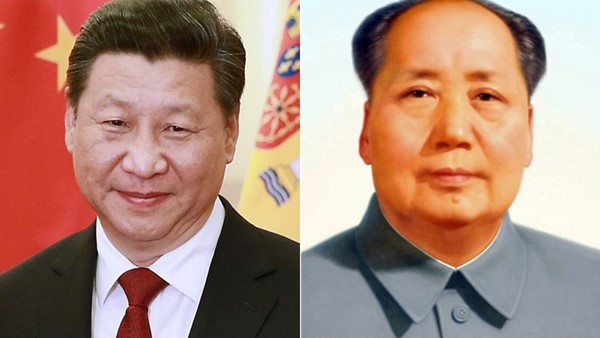

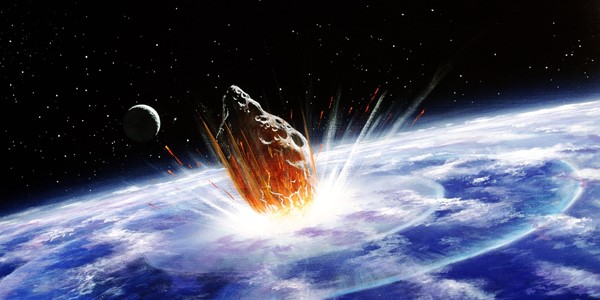
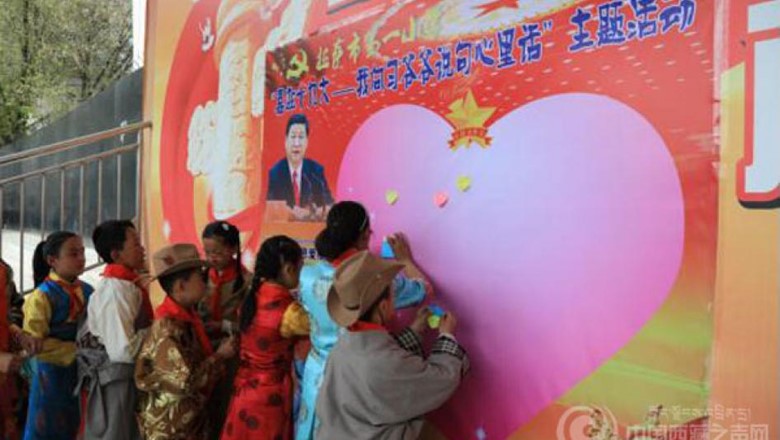
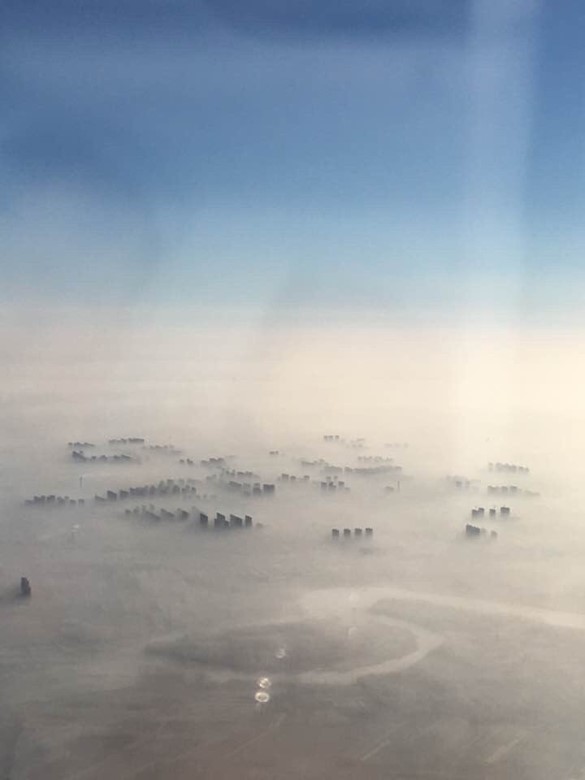
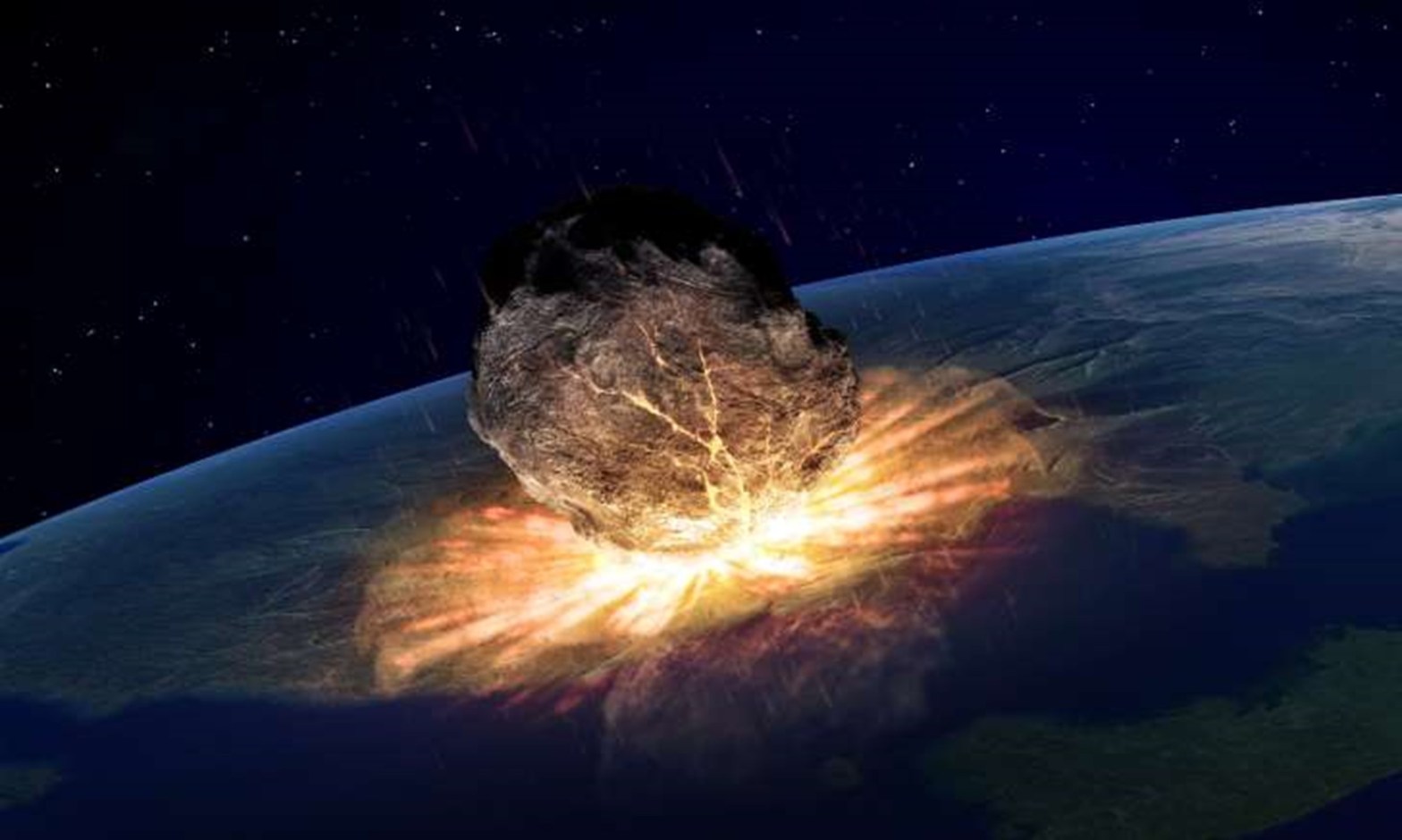

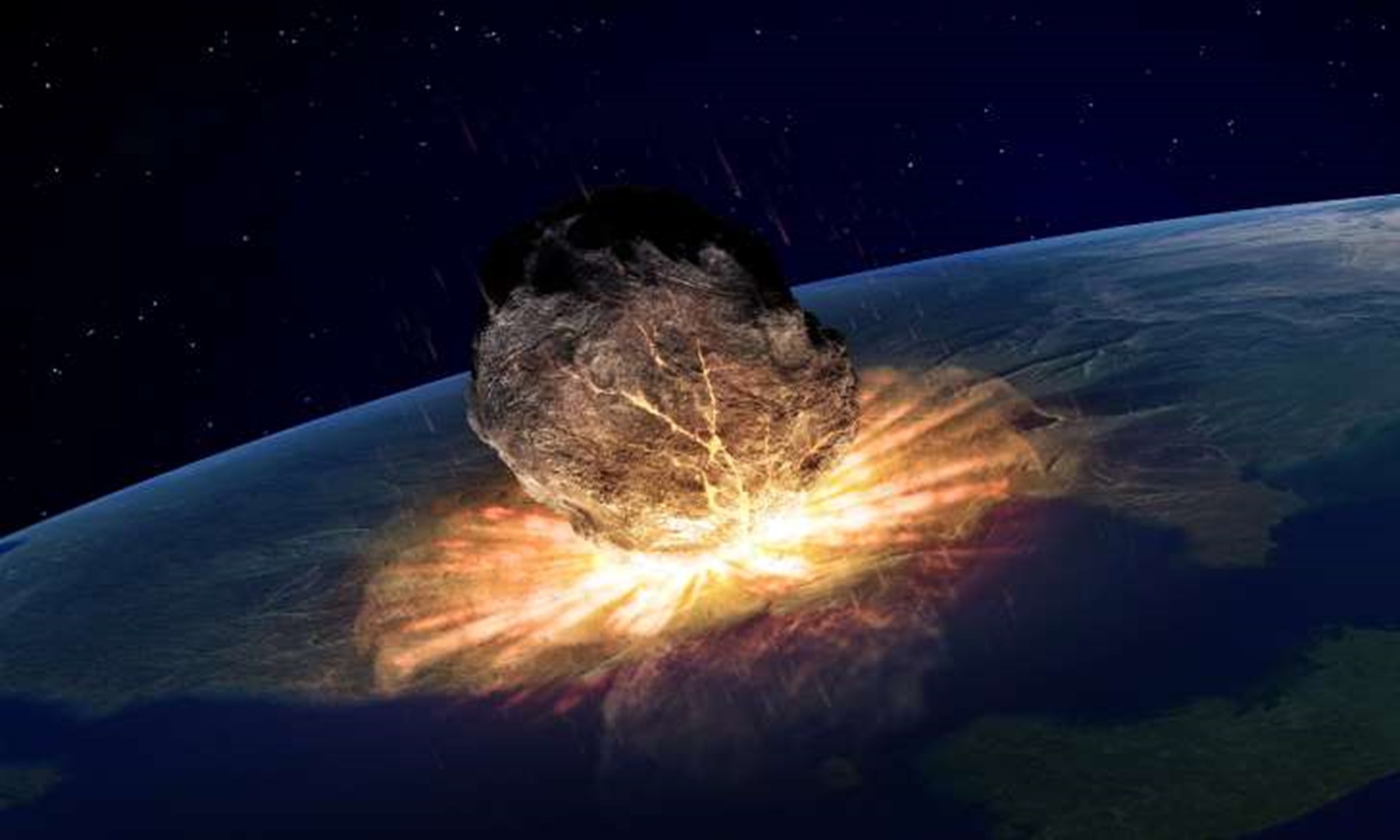
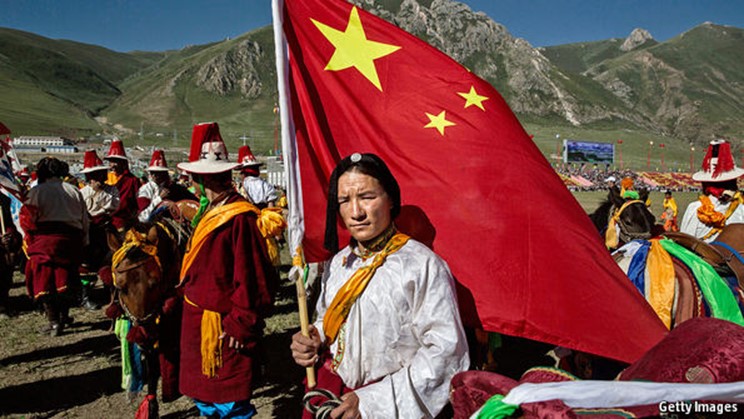


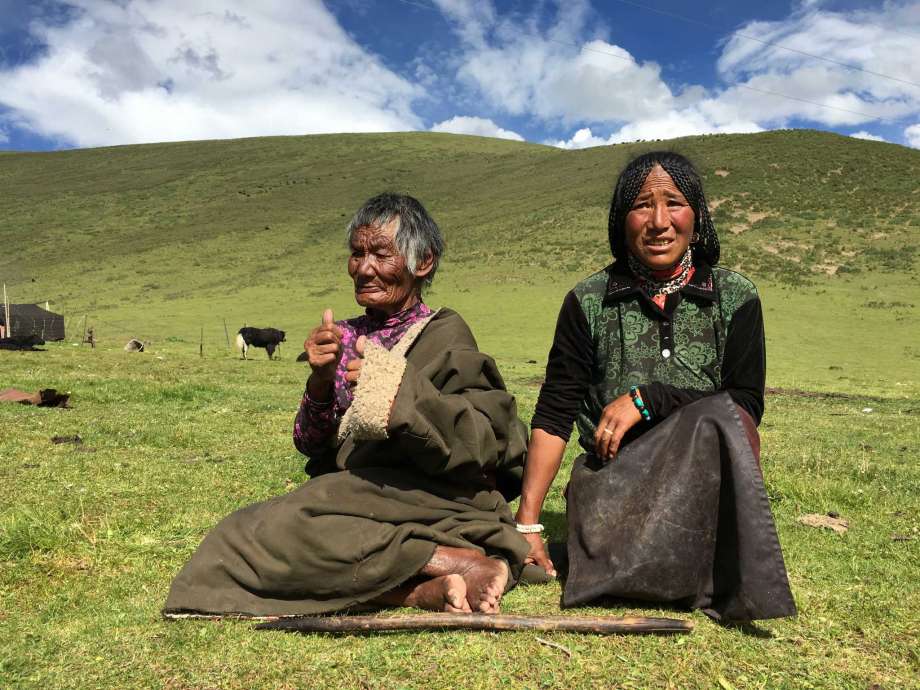
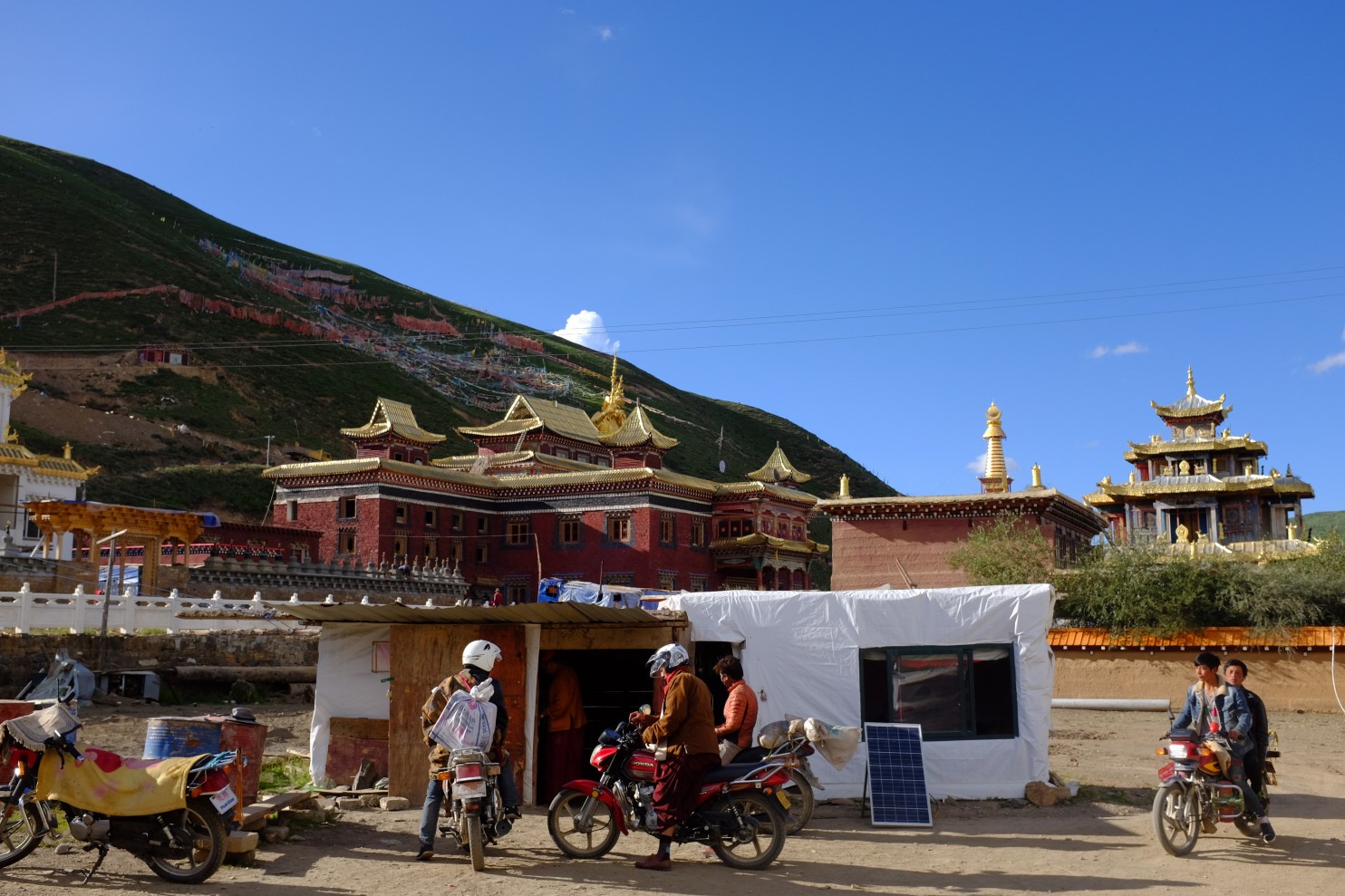

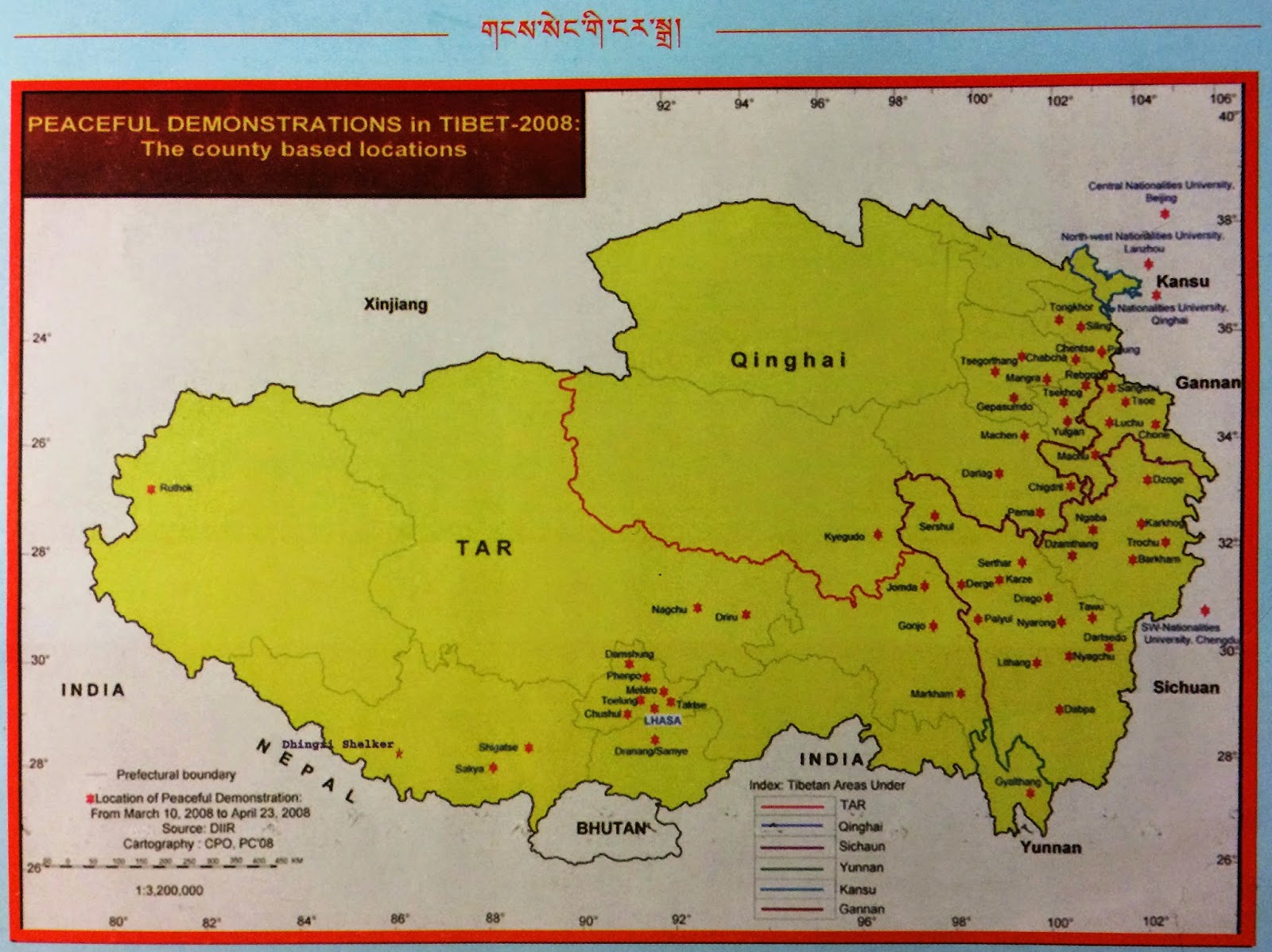


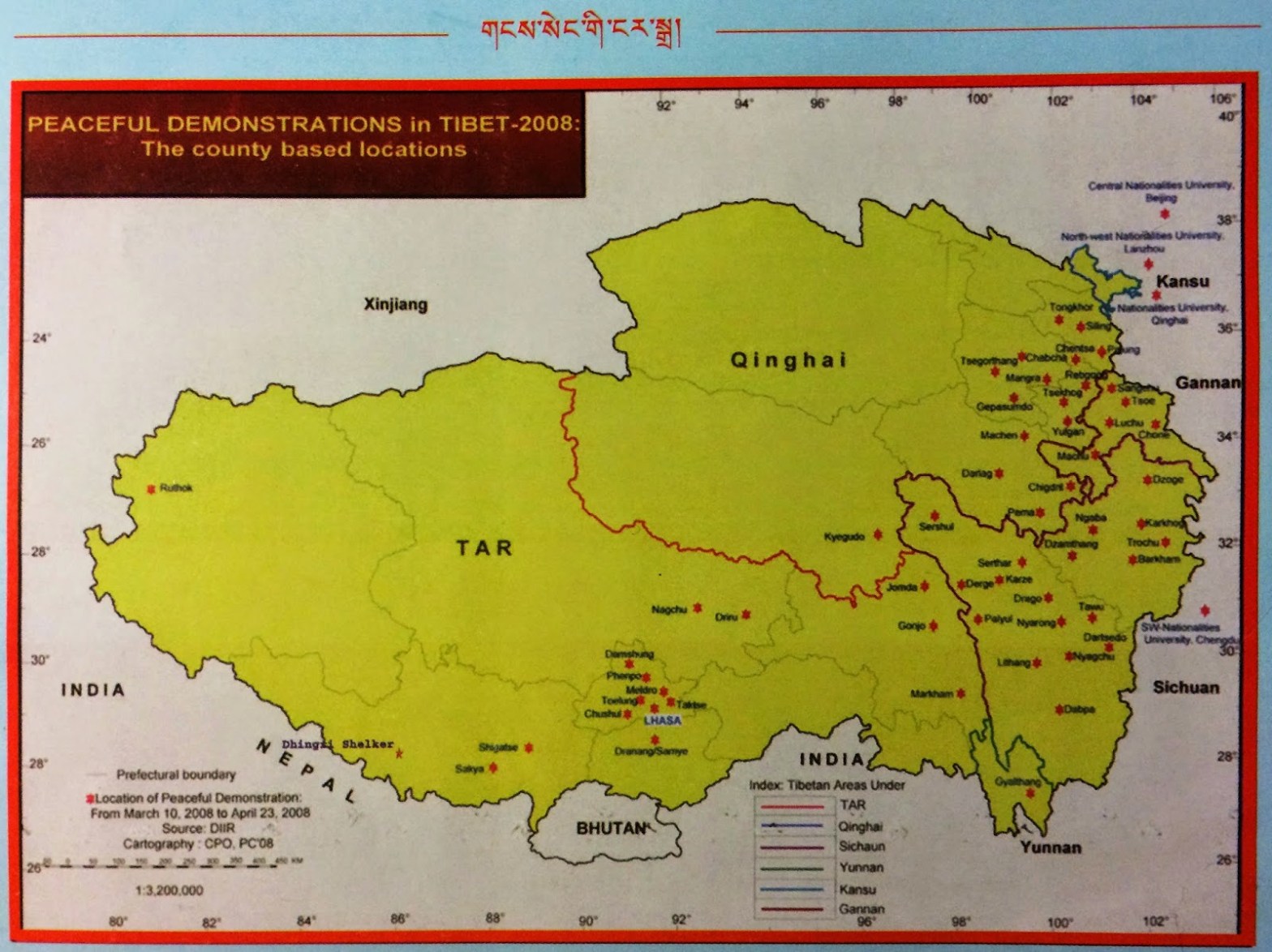


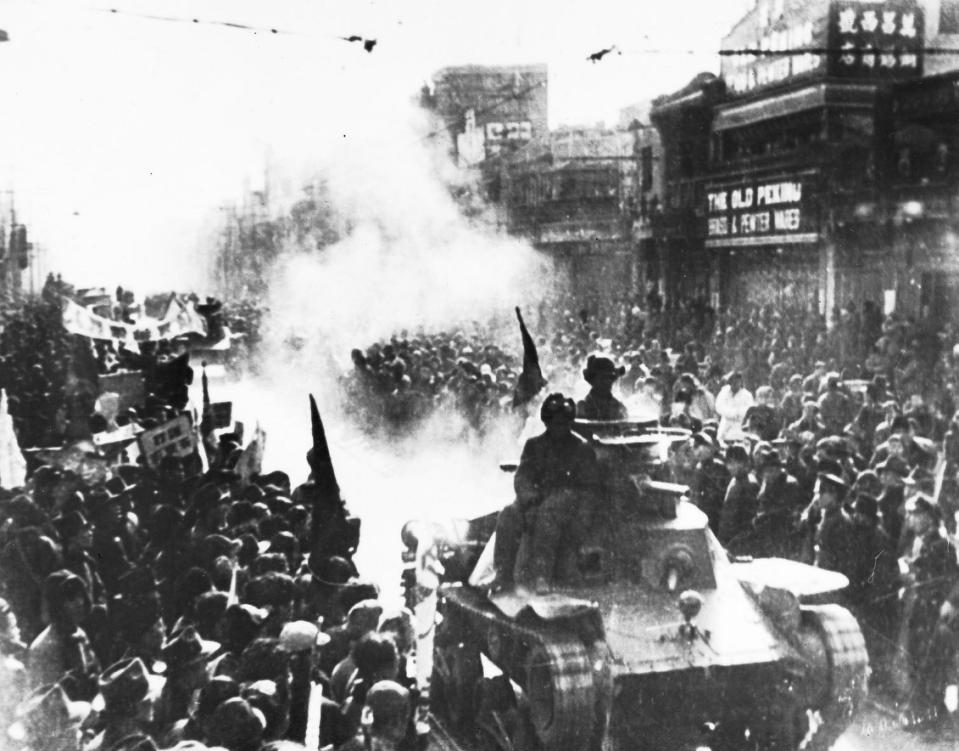
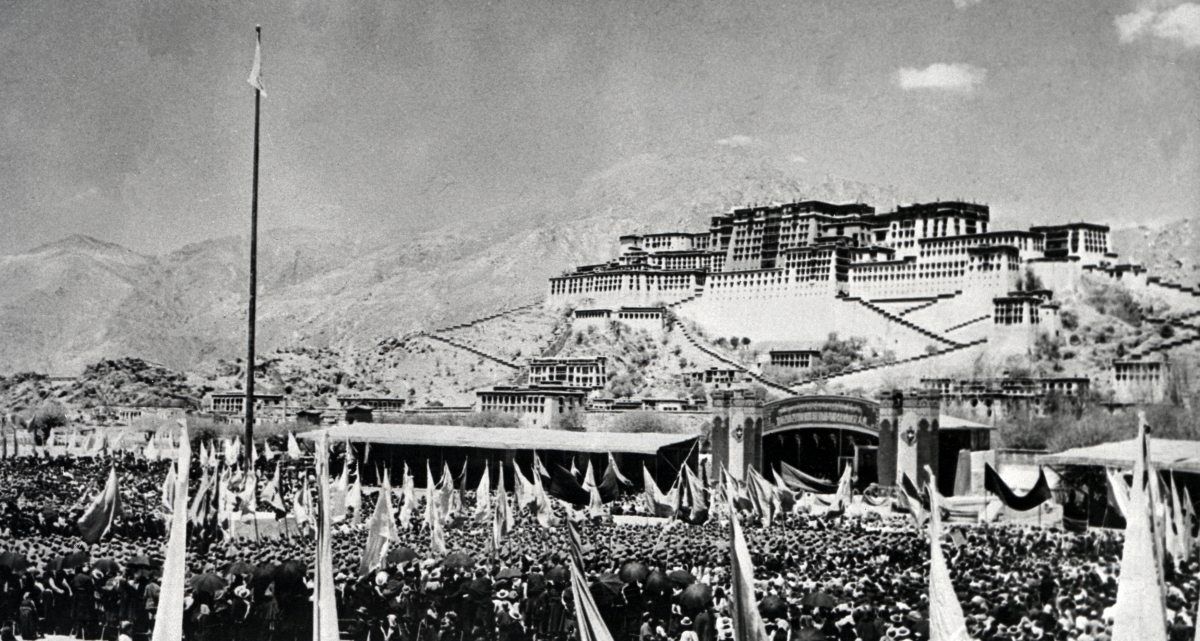
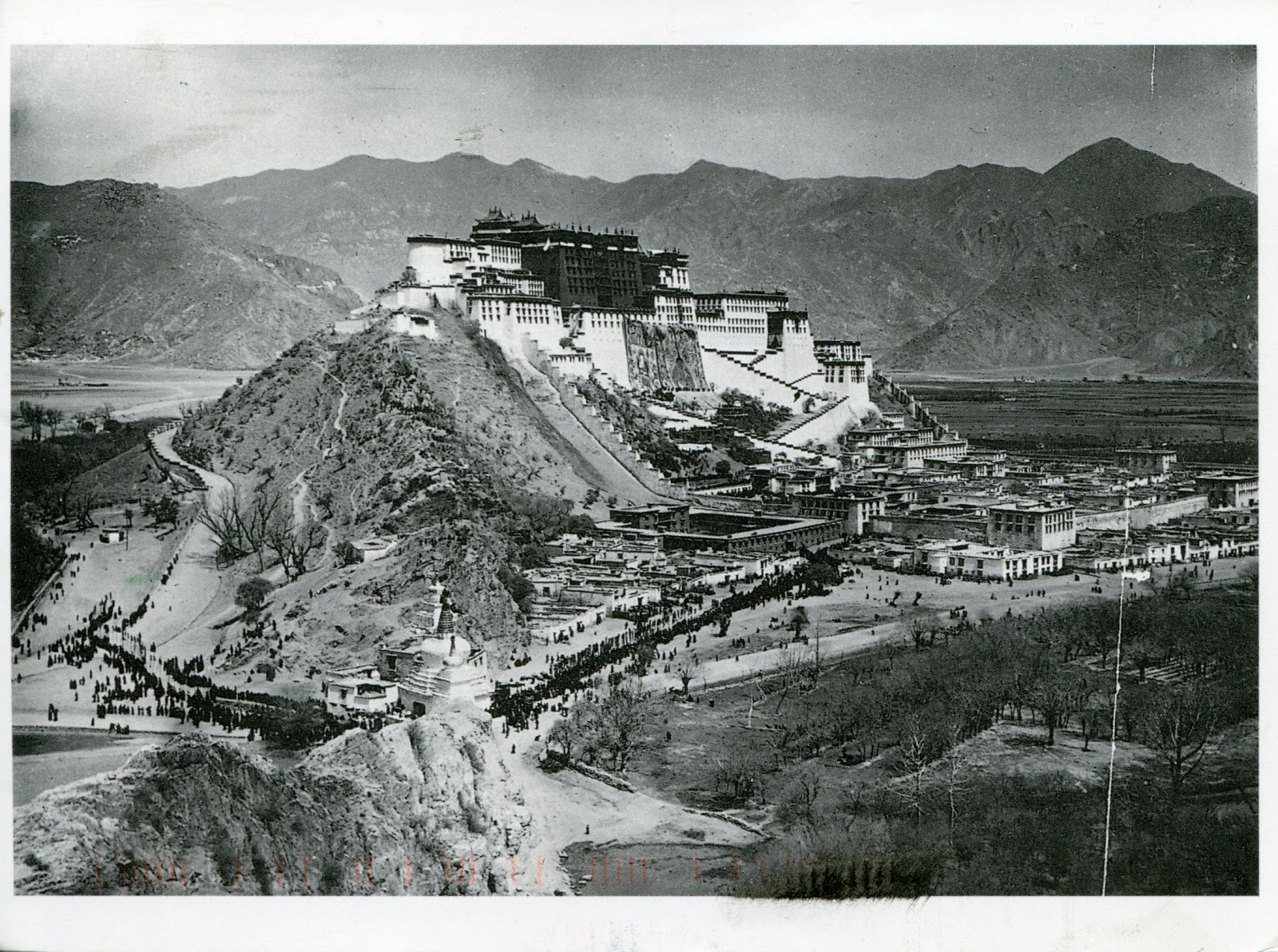


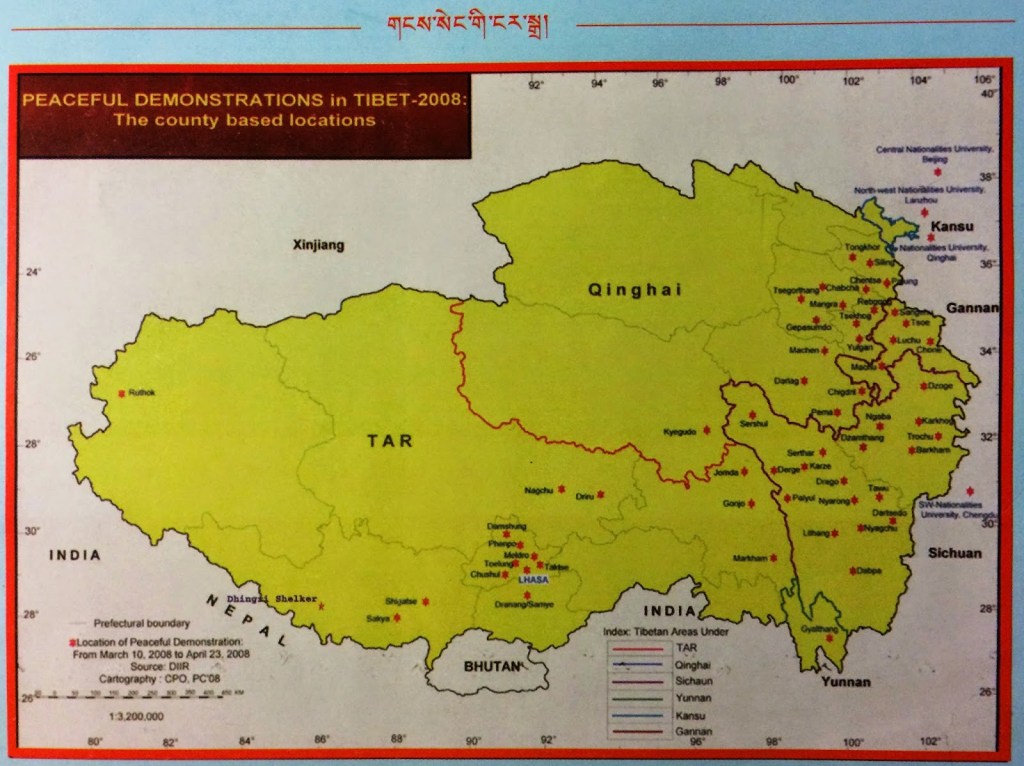


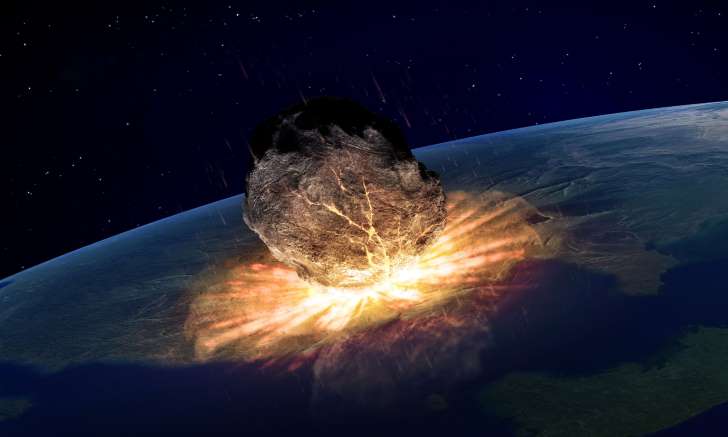
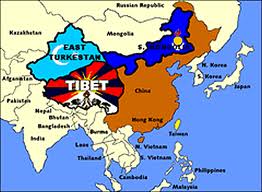




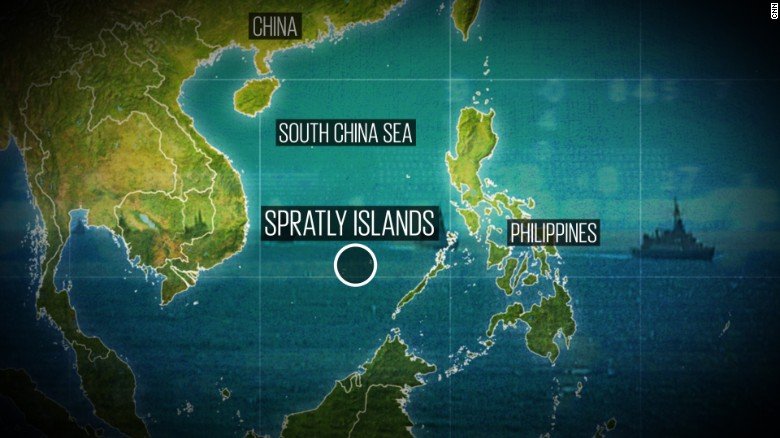

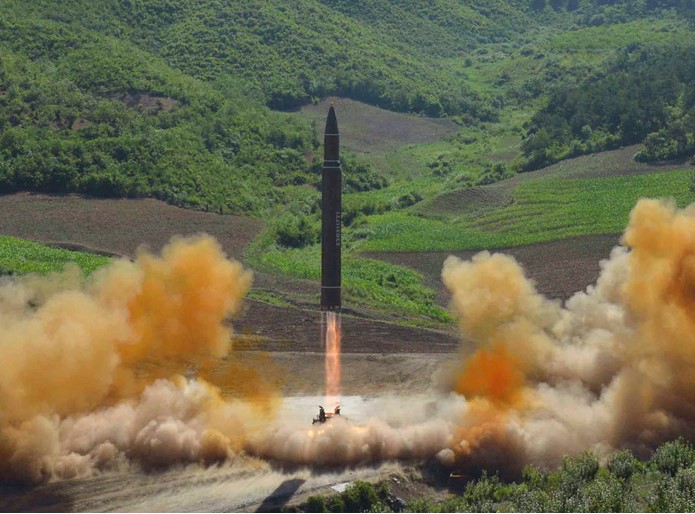

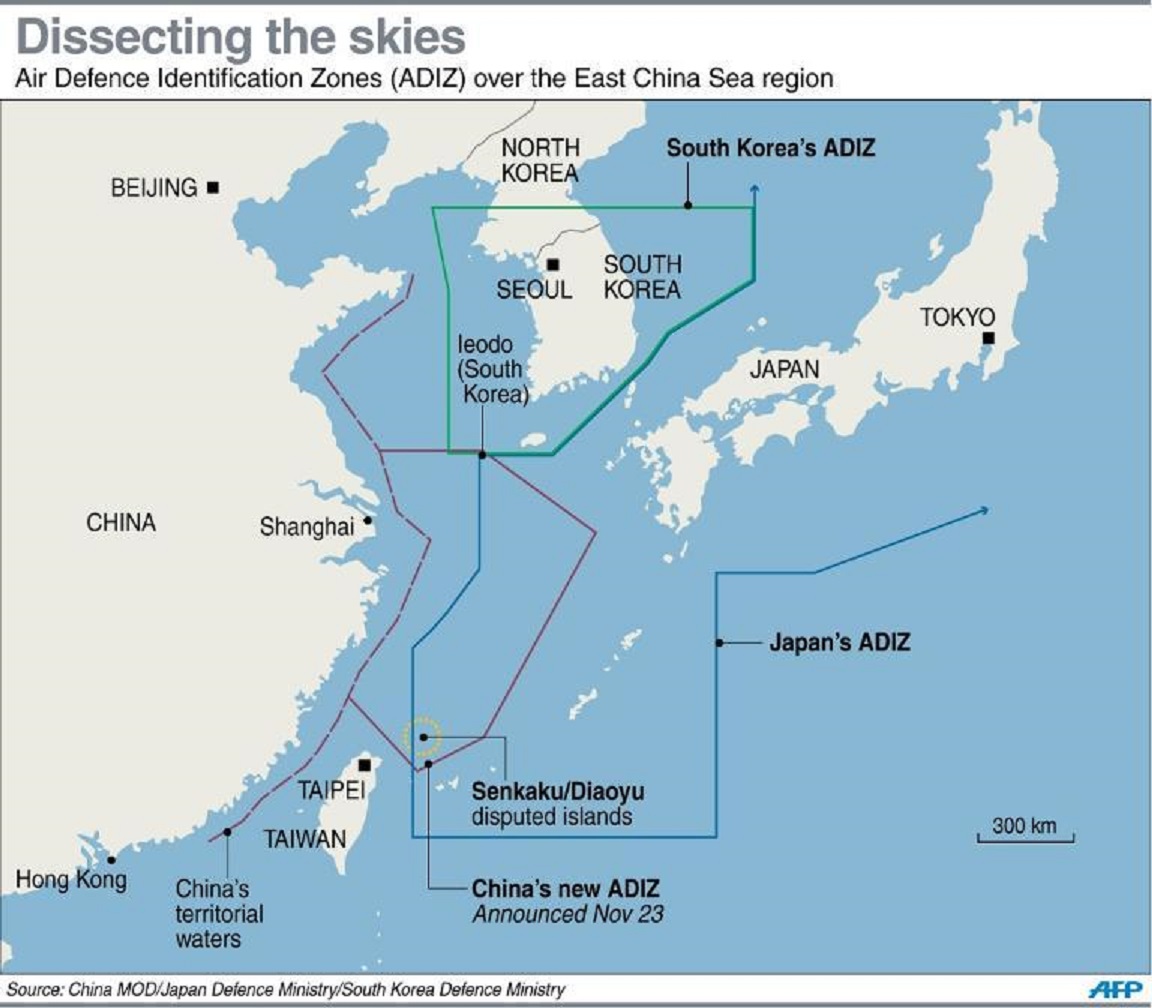
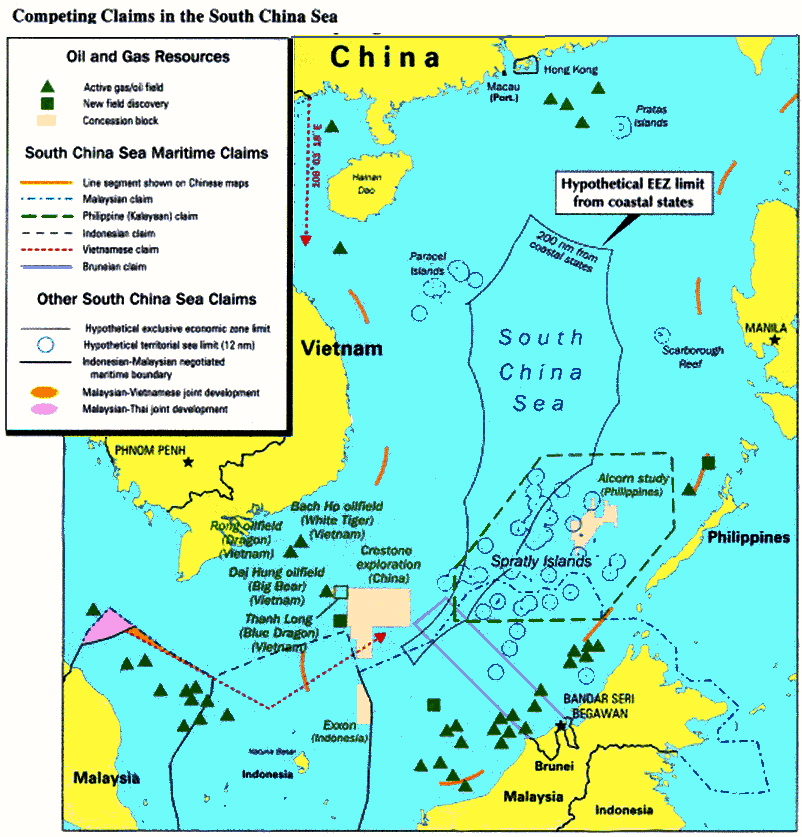
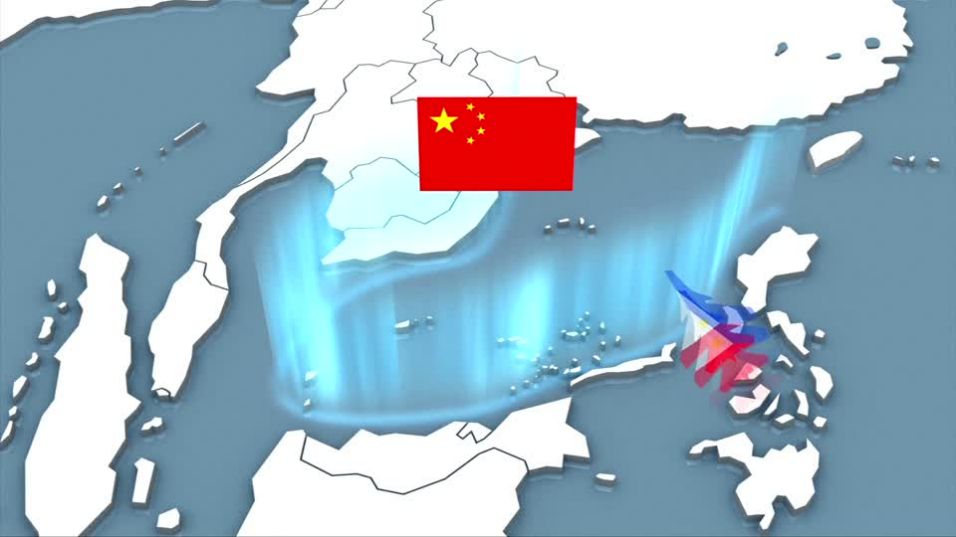


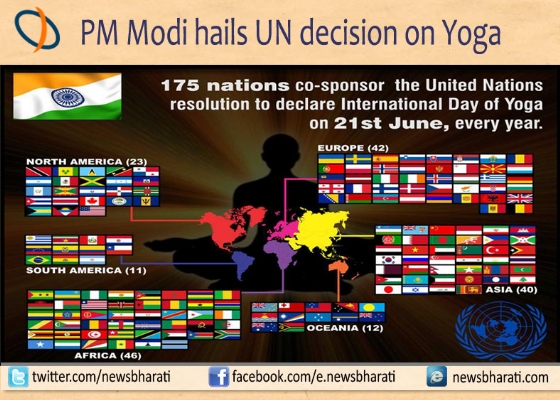




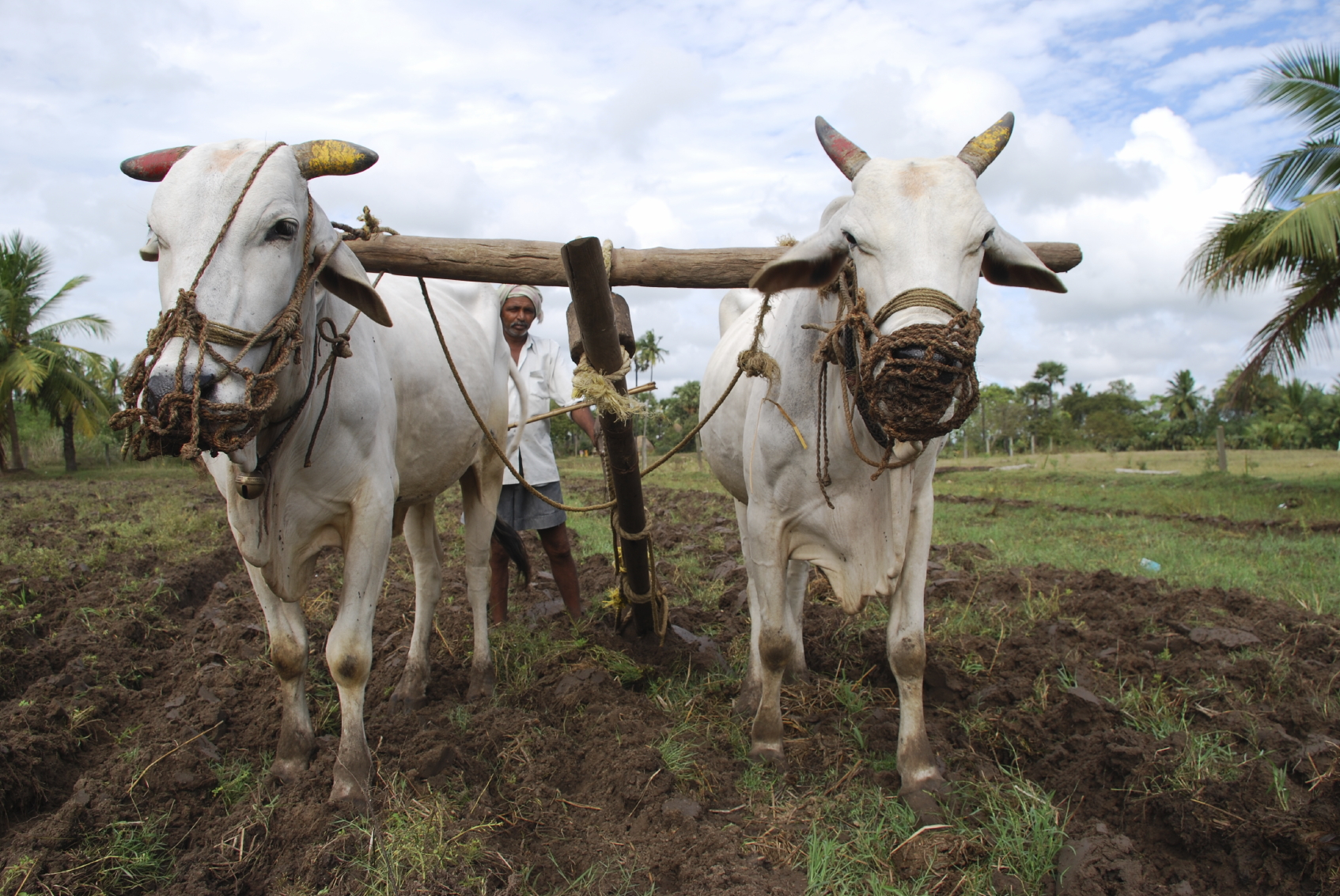





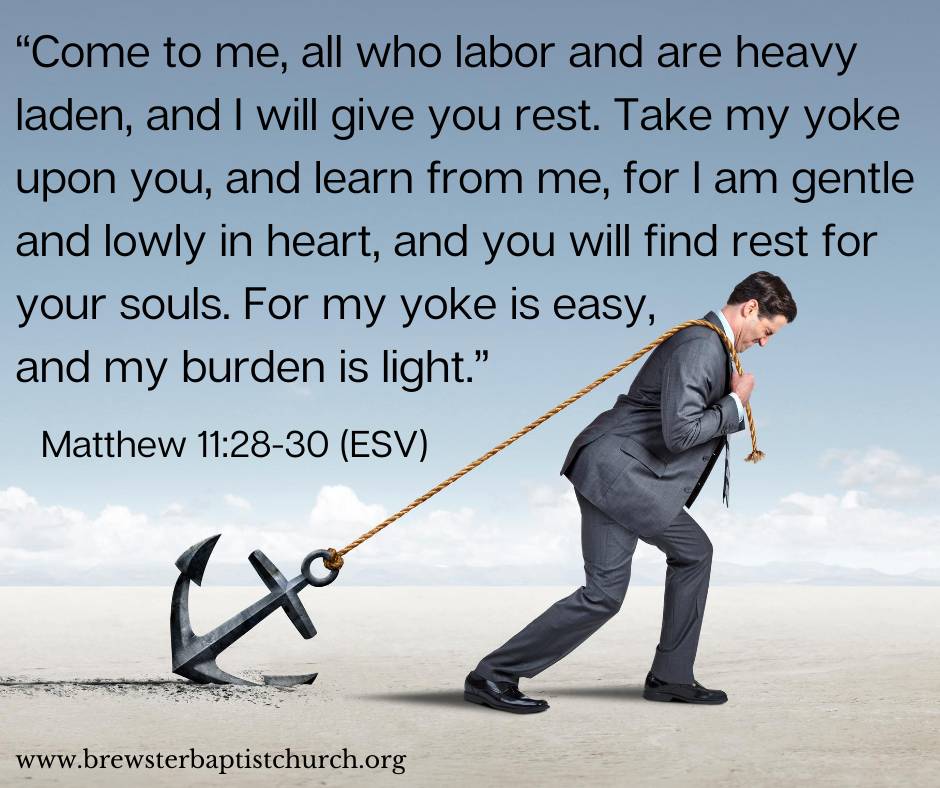












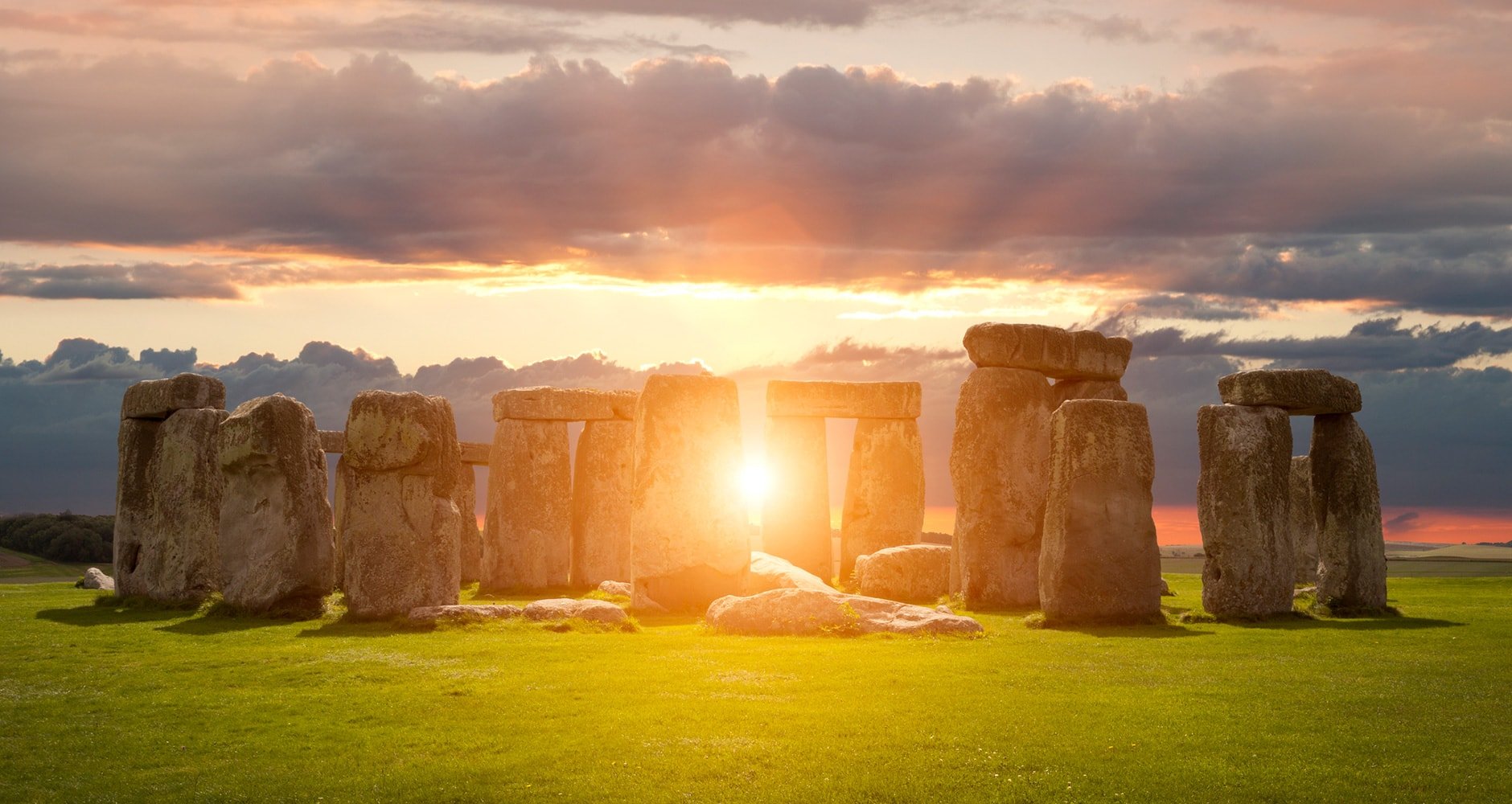






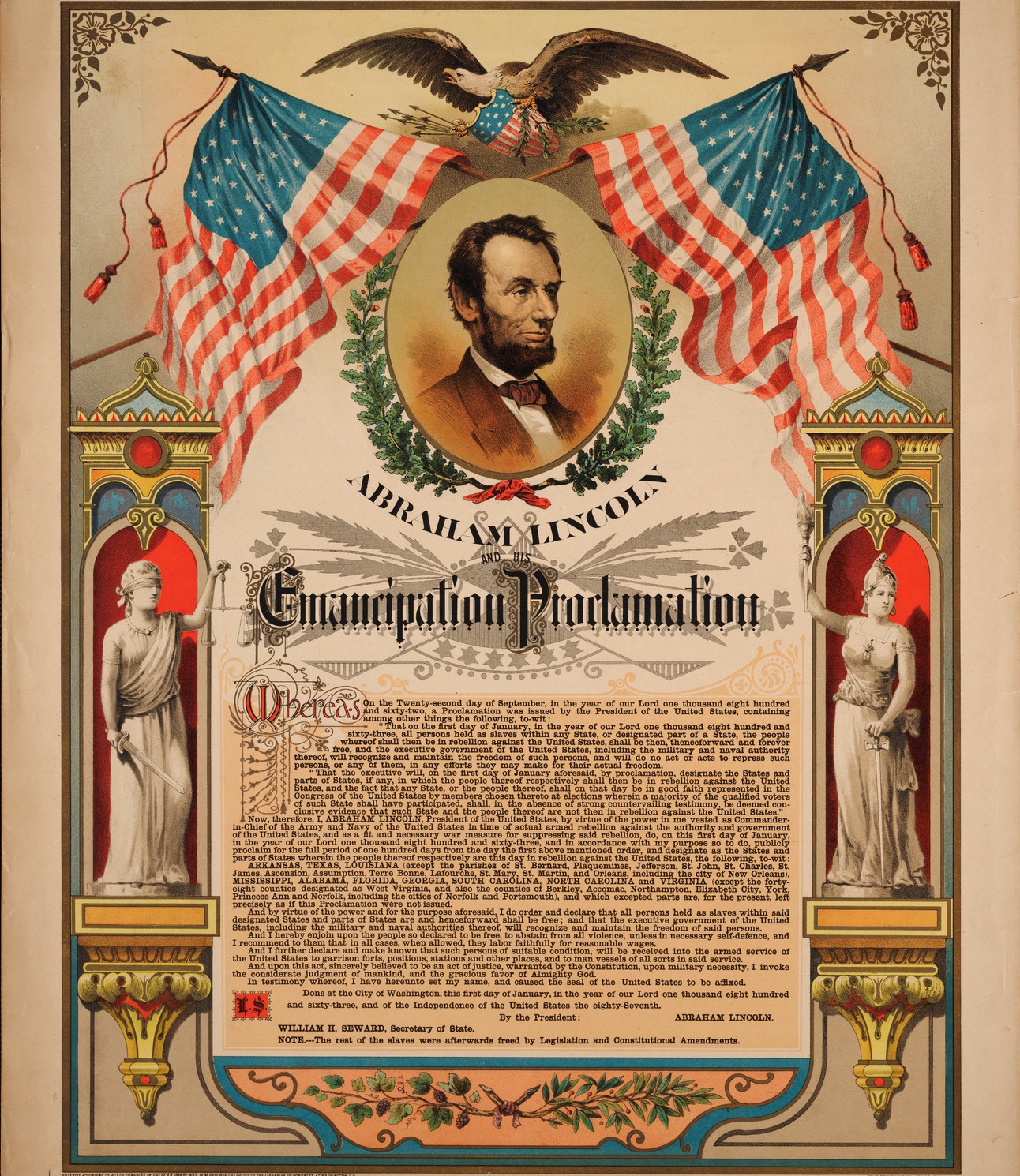
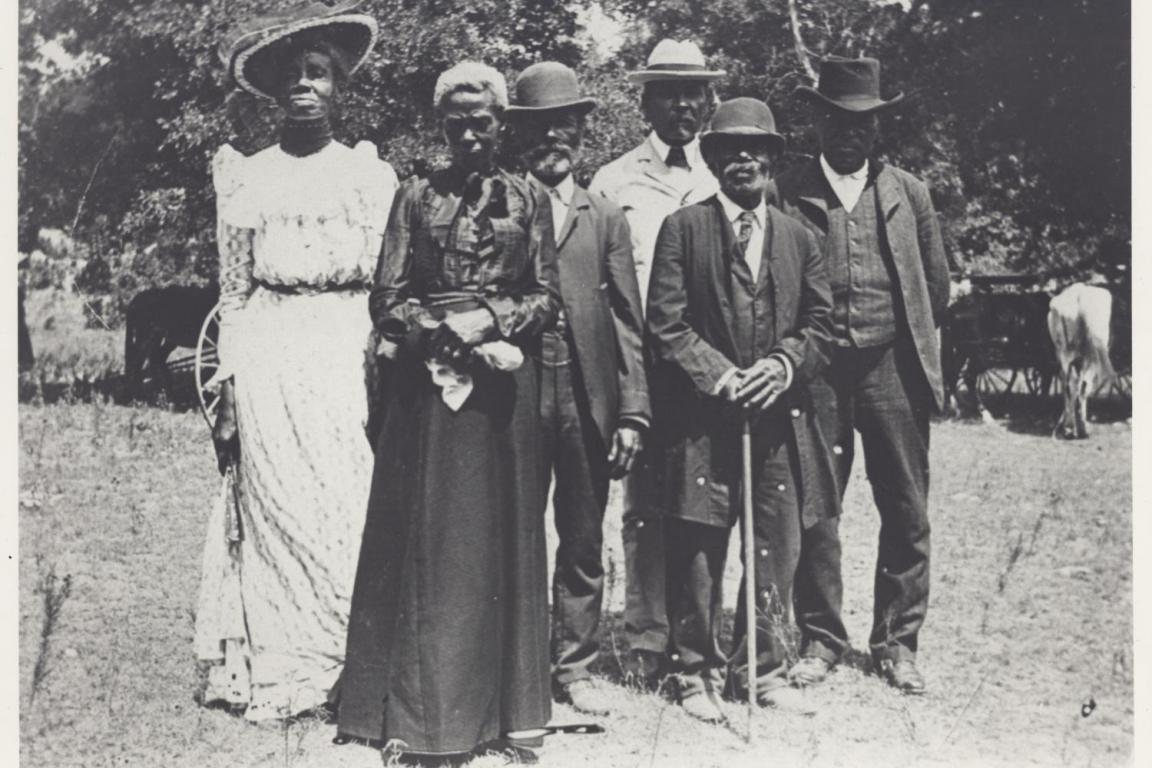
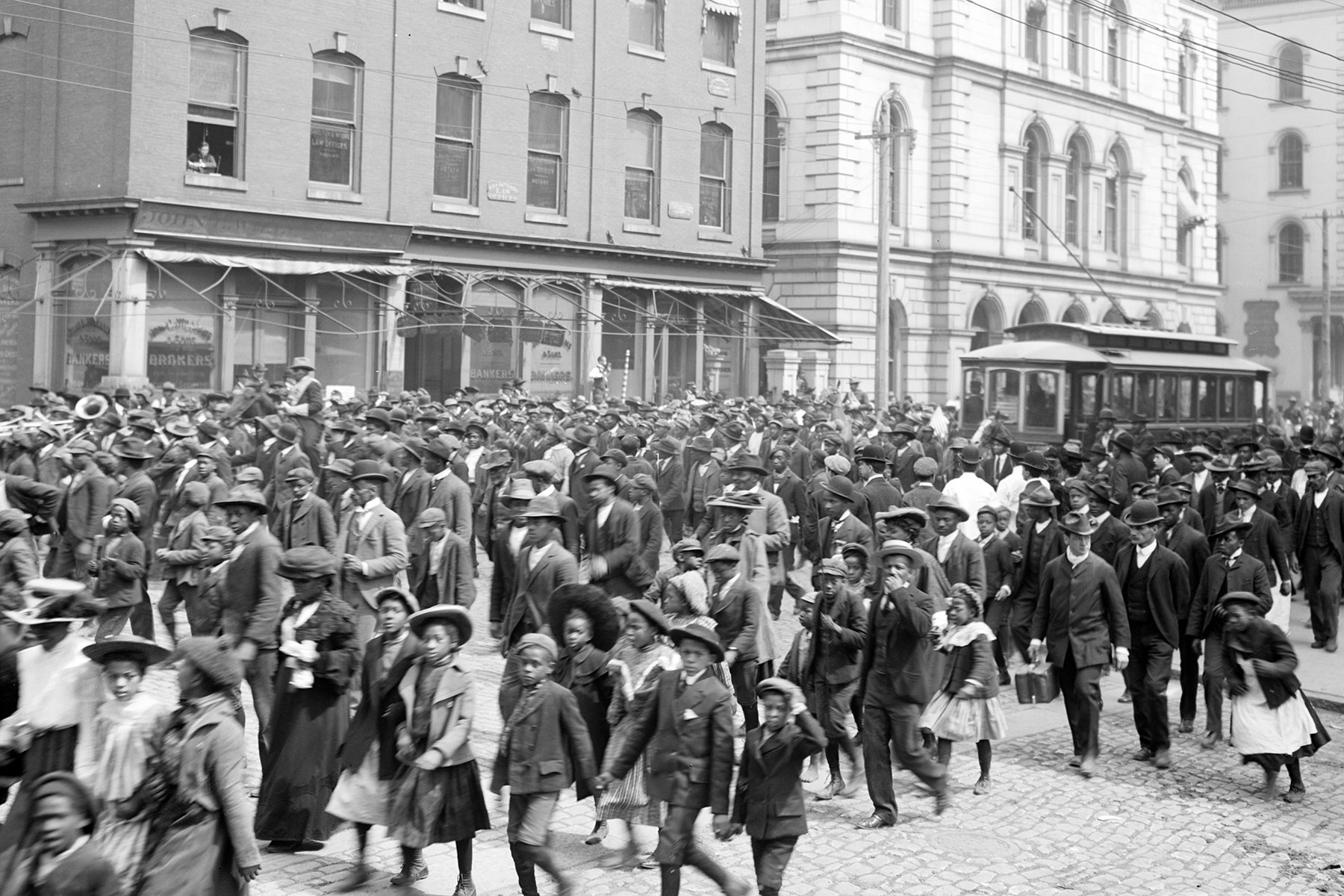







 Whole Dude - Whole Concept