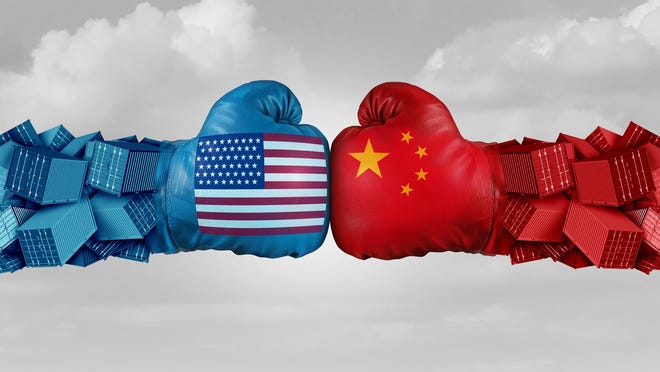
Whole Secret – Whole Fantasy: The US-China relationship is just a “Fantasy” for the adulterous relationship began without taking into consideration the fact of Tibet’s legitimate presence in the global community of nations.
In my analysis, the US-China relationship is just a ‘Fantasy’ for the adulterous relationship began without taking into consideration the fact of Tibet’s legitimate presence among the global community of nations.
Whole Secret – Whole Fantasy: The US-China relationship is just a “Fantasy” for the adulterous relationship began without taking into consideration the fact of Tibet’s legitimate presence in the global community of nations.
Rudra Narasimham Rebbapragada
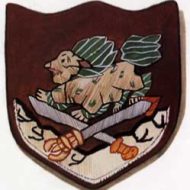
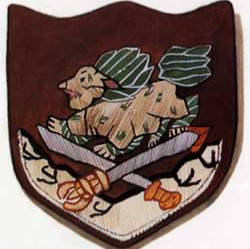
SPECIAL FRONTIER FORCE
Whole Secret – Whole Fantasy: The US-China relationship is just a “Fantasy” for the adulterous relationship began without taking into consideration the fact of Tibet’s legitimate presence in the global community of nations.
Where Does Tibet Fit Into the US-China Relationship? | The Diplomat
Whole Secret – Whole Fantasy: The US-China relationship is just a “Fantasy” for the adulterous relationship began without taking into consideration the fact of Tibet’s legitimate presence in the global community of nations.
Image Credit: Flickr/ Laika ac
With the U.S. ambassador’s visit, Tibet may again be poised to play a larger role in US-China relations.
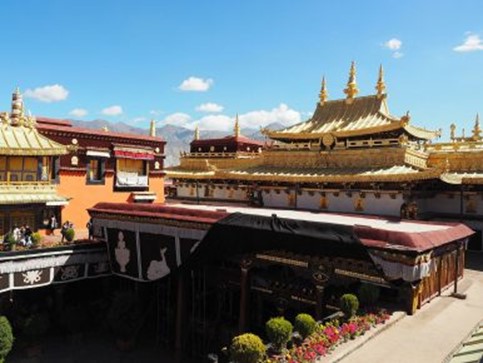
Through May 25, U.S. Ambassador Terry Branstad is on a rare visit to Tibet, the first by a U.S. envoy to the Chinese autonomous region since 2015. His trip includes official meetings and stops at religious and cultural sites in bid to raise concerns about religious freedom restrictions and cultural and linguistic preservation, according to the State Department.
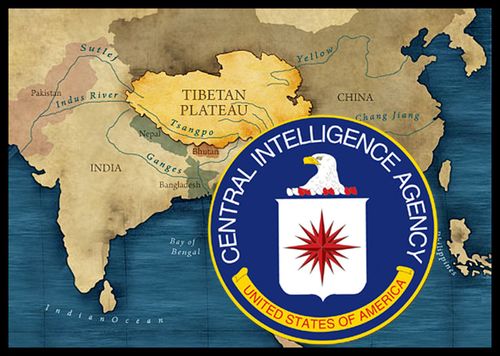
Tibet, geographically on China’s western flank, is a gateway to South Asia, and has been a perennial source of political sensitivity for Beijing. China’s trepidation over foreign influence and the U.S. connection to Tibet is not completely unfounded. Prior to the normalization of China-U.S. relations, the CIA funneled funding to the Dalai Lama — an influential spiritual leader of Tibetan Buddhism now exiled in India — and the Tibetan community to support covert activities against China. The program was canceled as then-President Richard Nixon set off on his landmark trip to Beijing in 1972. Since then, U.S. ties to Tibet have been kept more at an arm’s length, with periodic calls for the upholding of individual rights broadly and the provision of aid to safeguard Tibetan identity. And over the past year, Beijing’s approach to Tibet has attracted less attention in the United States than the Chinese government’s expansive security policies in neighboring Xinjiang, another nominally autonomous ethnic region in China.
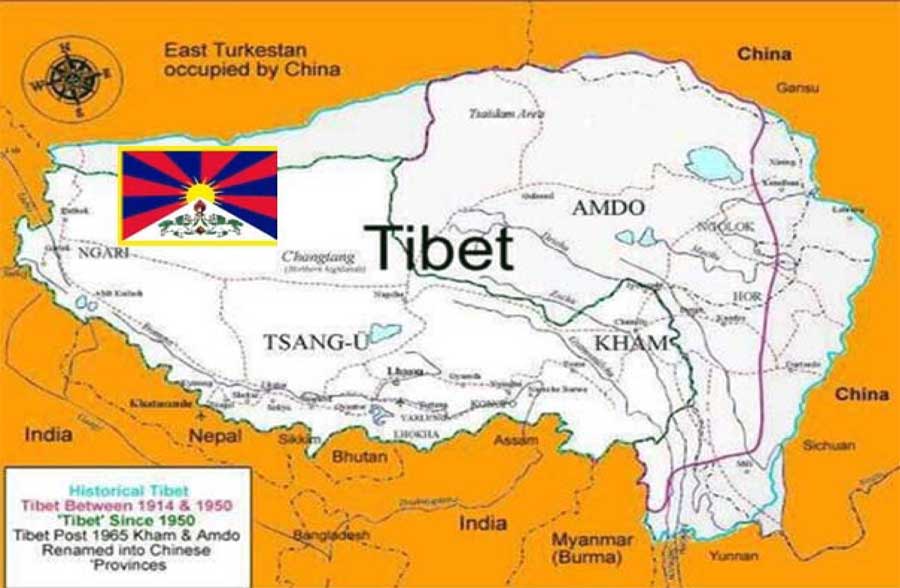
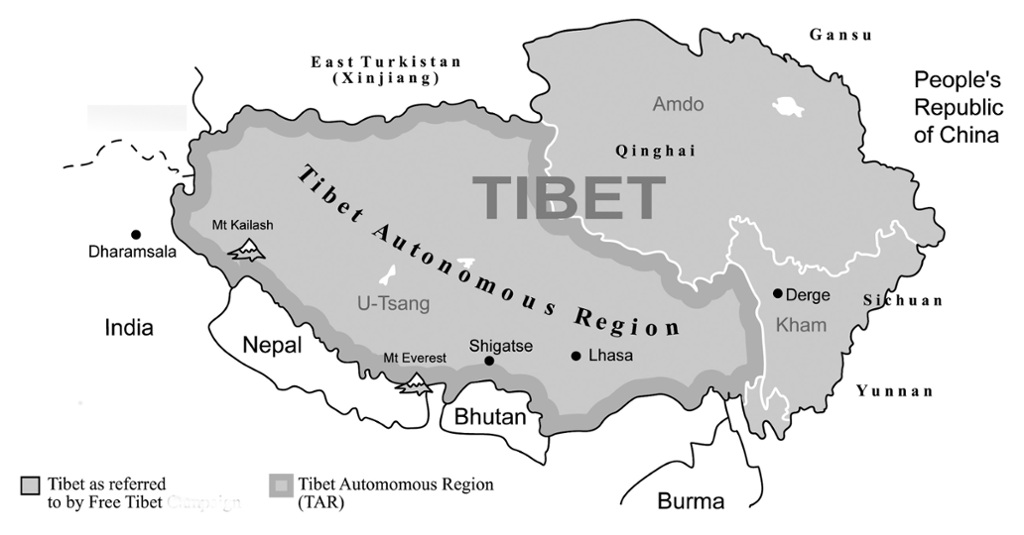
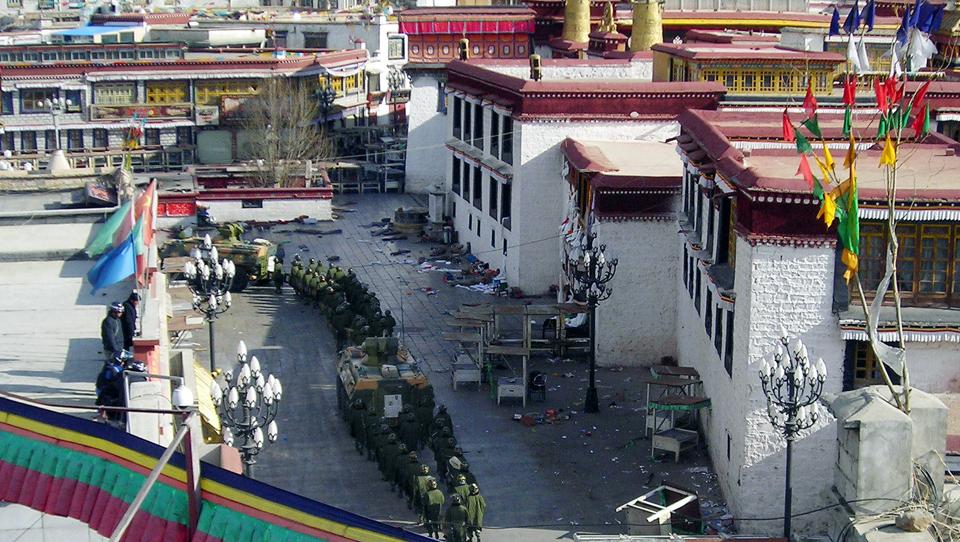
The ethno-religious identity and status of Tibetan Buddhists lies at the heart of tensions between central authorities, the local government, and the local population. While the region is administered by the People’s Republic of China, China’s sovereign claim is contested by some groups. Beijing traces is control back to the rule of the Ming and Qing dynasties, and of course a 1951 agreement that declared Tibet’s “peaceful liberation”; others hold that the People’s Liberation Army invaded and occupied the territory. Under Beijing’s administration, religious and other activities are restricted to quell and thwart dissent and uprisings. Although detention centers have been piloted in Xinjiang, Tibet is also subject to heightened cybersurveillance, a repertoire of surveillance and repression by authorities, and the promotion of Han Chinese migration and mixed marriages to the region to bolster “national unity.”
This week’s high-profile U.S. visit in Tibet may be appealing to both Beijing and Washington, albeit for different reasons. Certainly, both are looking to frame their relationship in terms that extend beyond trade disagreements as the latest round of bilateral negotiations crumbles. A successful trip in Beijing’s eyes will highlight the coexistence of Han Chinese and Tibetans, the modernization of Tibet, and initiatives to support Tibetan culture, language, and Buddhism; a stark contrast from Beijing’s policies toward Muslim communities in neighboring Xinjiang. Conversely, for Washington, this trip can be viewed as a move by the Trump administration to demonstrate the U.S. commitment to protecting human rights, a facet of Trump’s foreign policy that has been criticized, notably in the context of U.S.-China relations.
However, it may be hard to disentangle the actual motivations for the Tibet visit. Instead, the Trump administration, frustrated by the state of trade negotiations, may be taking a more instrumental position toward Tibet and using it to indirectly pressure Beijing over a political charged region. Even if the trip is motivated by a desire to raise rights awareness, one visit to Tibet by Branstad is unlikely to overturn criticisms that the Trump administration is reluctant to center human rights issues as a key component of the U.S.-China relationship. This criticism has been voiced both by international rights watchdogs, like Human Rights Watch, and from bipartisan members of the U.S. Congress, frustrated by the executive branch’s slowed actions. Washington, once a pioneer on these issues, has ceded its international leadership role under the current administration in favor of issuing human rights criticisms more selectively.
With respect to Tibet, some have expressed concern that China’s growing international power may have dampened support and narrowed the political space for the “Free Tibet” movement. Still, the United States passed the Reciprocal Access to Tibet Act in late 2018, which would require the U.S. government to punish officials who restrict access to Tibet for U.S. diplomats, journalists, academics, and other citizens traveling to the region. Although the law may unintentionally lead to a dip in visits by Tibetan delegations to the United States, the ratcheting up of pressure may possibly nudge China to review the ways in which it accords access to Tibetan areas.
Nevertheless, it remains to be seen if Tibetans will stand to benefit from the temporary diplomatic spotlight brought by Branstad’s brief tour.
Whole Secret – Whole Fantasy: The US-China relationship is just a “Fantasy” for the adulterous relationship began without taking into consideration the fact of Tibet’s legitimate presence in the global community of nations.Whole Secret – Whole Fantasy: The US-China relationship is just a “Fantasy” for the adulterous relationship began without taking into consideration the fact of Tibet’s legitimate presence in the global community of nations.
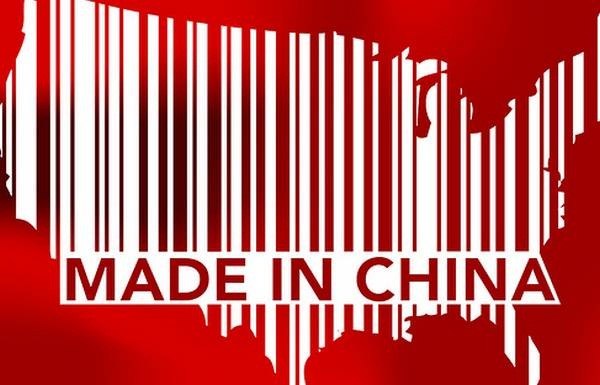
America’s China Fantasy from its very beginning in 1971-72 is destined to fail. Doomed American Fantasy – Read The Writing On The Made in China Label – Wake Up Call For America.
I was serving in Doom Dooma, Tinsukia District, Assam, India and a witness to the foreign policy initiative of the US President Richard M. Nixon in 1971-72 with which the Americans began to chase the illusion called ‘China Fantasy’. The American plan is doomed from its very inception for it involved the backstabbing of Tibet and overlooking the evil actions of the Communist regime in China.
Doomed Gun of Doom Dooma: China Fantasy Doomed on February 21, 1972 with 37th US President Richard M Nixon’s Visit to Peking.America’s China Fantasy from its very beginning in 1971-72 is destined to fail.
China is our greatest foreign policy issue. But neither Trump nor Biden have it right.
Xi Jinping’s China is fundamentally different from the past. Neither Donald Trump’s nor Joe Biden’s approach fully responds to that new reality.
Robert Robb, Arizona Republic
The most important foreign policy issue for the next American president will undoubtedly be relations with China. Unfortunately, neither Donald Trump nor Joe Biden have an approach grounded in reality, with a clear-eyed view of our national interests.
Ever since economic reforms were launched by Deng Xiaoping in the late 1980s, the bipartisan consensus was that the best approach to China was engagement. As China grew more prosperous and less insulated, the thinking went, economic liberalization could lead to political liberalization as well. Or, at a minimum, China could be a non-threatening participant in the world’s economy and affairs.
This was not as naive an expectation, or at least hope, as sometimes depicted today. There were examples of countries with authoritarian systems of state capitalism evolving into democracies with true market economies. South Korea is the most obvious example.
Indeed, a “peaceful rise” of China was one of Deng’s objectives. And that was the approach taken by his successors until current China strongman Xi Jinping.
Trump is using Biden’s support for China joining the World Trade Organization in 2001 against him. But, at the time, that was a prudent move and consistent with American interests as they were then perceived.
Xi’s China is different now
All this changed with Xi, who has jettisoned much of Deng’s approach to China’s development.
Deng believed in communal and rotating leadership. Xi has had himself appointed authoritarian-in-chief for life.
Xi is remaking China to return the Communist Party as the central focus of all life in the country. The government is to serve the party. And private businesses are to serve the government.
Markets are still used to allocate resources more efficiently than heavy-handed central planning. But there are no such things as truly private businesses in Xi’s China. Their ultimate purpose is to serve the interests of the party.
A “peaceful rise” has been abandoned. The purpose of trade is no longer principally to improve living standards. It is to increase the reach and leverage of the government and party. Militarily and diplomatically, China is seeking to dominate its region and intimidate other countries in the Asia-Pacific.
With Xi’s China, the expectations or hopes that underlay the engagement approach are a lost cause. External engagement isn’t going to change Xi’s China. Only domestic political upheaval that rejects Xi Thought will do that. And that doesn’t appear to be on the horizon.
The US should do 2 things differently
The reality of Xi’s China warrants an abandonment of the engagement approach. There should be two strategic objectives to a new approach to China.
►First, insulate the American economy from China to the maximum extent possible. Among foreign policy boffins, this is referred to as “decoupling.”
►Second, increase the military and diplomatic capacity of China’s neighbors, so every regional conflict involving China doesn’t automatically become a conflict with the United States. Our current role as the de facto security guarantor in the region isn’t in our best interests.
What Trump gets wrong on tariffs
Tariffs are one tool that could be used in decoupling. Trump has famously declared himself to be Tariff Man. And his administration currently has tariffs in place on roughly $370 billion worth of Chinese goods.
But decoupling isn’t the true strategic objective of Trump and his tariffs. Trump believes that the score between countries is kept by the balance of trade. The purpose of Trump’s tariffs is to serve as leverage to get China to purchase more American goods. Indeed, he reduced some tariffs and pulled the plug on others in exchange for a Chinese promise to do exactly that.
Biden gets engagement wrong
In an essay for Foreign Affairs magazine, Biden makes clear that he still believes in the engagement approach.
The principal problem with Trump’s approach, according to Biden, is that it is unilateral. Biden promises to create a coalition with allies to pressure China to change troublesome behavior in trade. But to continue cooperation with China on things where, as Biden puts it, “our interests converge.” He specifically mentions climate change, nonproliferation and global health security.
There is no such get-tough-on-China coalition to be had. There’s some spine in China’s neighbors. But none in the European Union, whose trade leverage would be necessary to get China’s full attention.
Trump’s instinct is to reduce the exposure of the U.S. to regional conflicts elsewhere. But he has no strategic vision about getting from here to there.
In his essay, Biden doubles down on the commitment to be the region’s security guarantor, a role whose risks vastly exceed the benefits to the United States.
Trump’s erraticism or Biden’s return to unproductive engagement. Sadly, that’s the choice.
Robert Robb is an editorial columnist for The Arizona Republic and azcentral.com, where this column originally appeared. Follow him on Twitter: @RJRobb
America’s China Fantasy from its very beginning in 1971-72 is destined to fail.Doomed Gun of Doom Dooma: China Fantasy Doomed on February 21, 1972 with 37th US President Richard M Nixon’s Visit to Peking.
The Cold War in Asia – Resolve Tibet-China Border Dispute
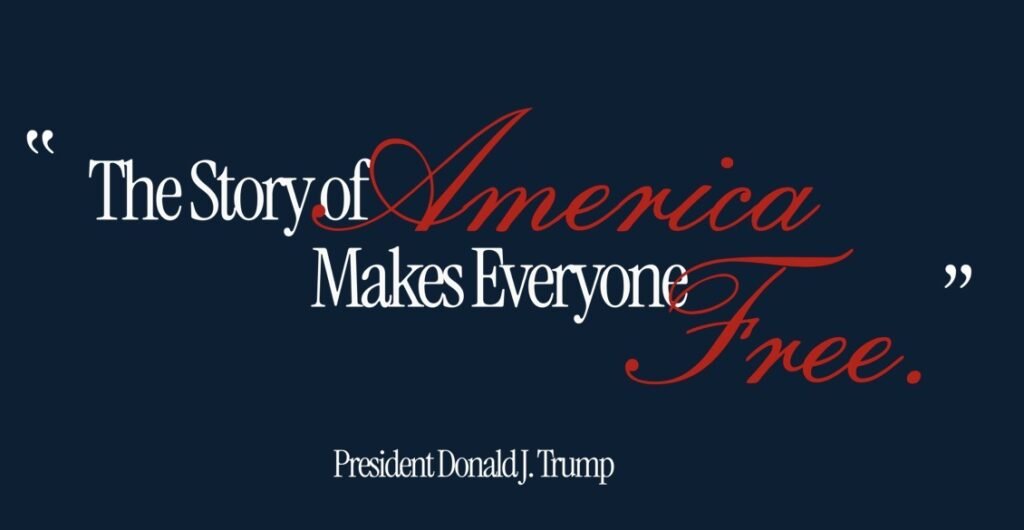
“The Story of America Makes Everyone Free.” Whole Story – Whole Demand – Demanding Trump – Dalai Lama Meeting to Resolve Tibet-China Border DisputeThe Story of America Makes Everyone Free.” Whole Story – Whole Demand – Demanding Trump – Dalai Lama Meeting to Resolve Tibet-China Border Dispute
On behalf of Special Frontier Force, I demand Trump – Dalai Lama Meeting. It is “only logical” for we work together to uphold the doctrine of Democracy when it engages, contains, confronts, and opposes the doctrine of Communism. Tibet is the very first victim of the spread of Communism to Asia. Tibet-China Border Dispute is a mere symptom of the Cold War in Asia.
The Story of America Makes Everyone Free.” Whole Story – Whole Demand – Demanding Trump – Dalai Lama Meeting to Resolve Tibet-China Border DisputeThe Story of America Makes Everyone Free.” Whole Story – Whole Demand – Demanding Trump – Dalai Lama Meeting to Resolve Tibet-China Border Dispute
TIBET LEADER SAYS IT IS ‘ONLY LOGICAL’ TRUMP MEETS DALAI LAMA AFTER VISIT TO 3 MAJOR SACRED PLACES
Tibet’s PM in exile is disappointed that Trump did not visit the Buddhist monk despite touring the Vatican and Saudi Arabia.
BY NANDINI KRISHNAMOORTHY
May 25, 2017 07:06 BST
The Story of America Makes Everyone Free.” Whole Story – Whole Demand – Demanding Trump – Dalai Lama Meeting to Resolve Tibet-China Border Dispute
Donald Trump meets with Pope Francis in the Vatican. Reuters
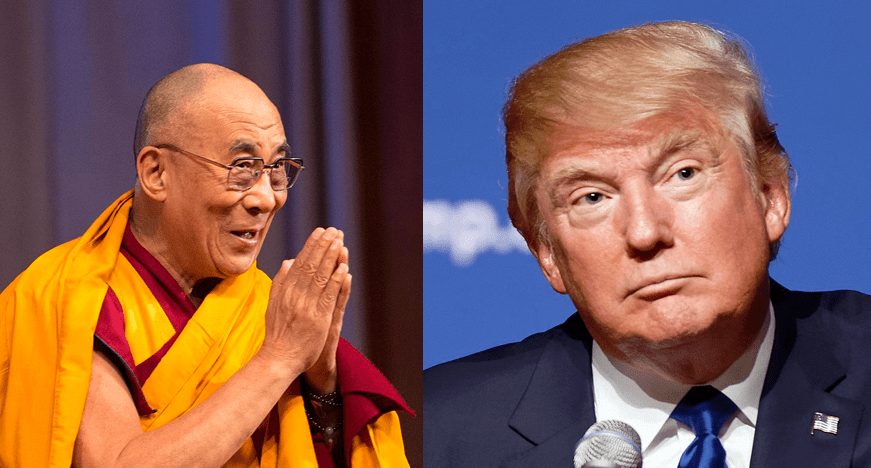
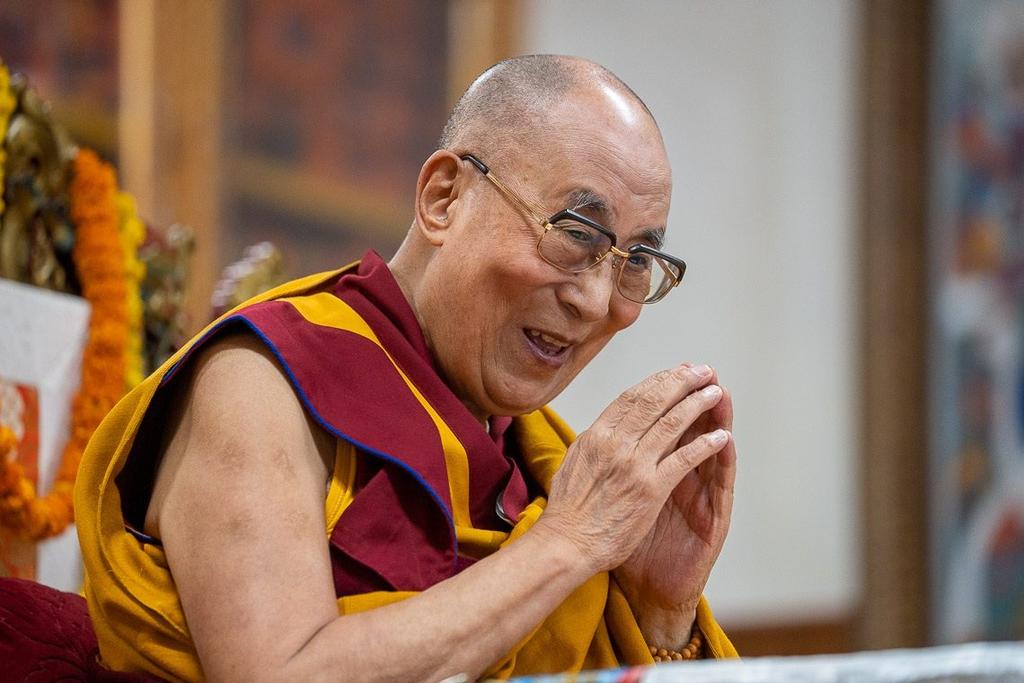
After embarking on a visit to Muslim, Jewish and Christian lands during his first official overseas tour, it is now “logical “for US President Donald Trump to visit the Tibetan spiritual leader, the Dalai Lama, Tibet’s prime minister in exile Lobsang Sangay has said.
Trump is scheduled to meet NATO leaders on Thursday (25 May). Earlier in the week, he visited Saudi Arabia, Israel and Palestine and met Pope Francis at the Vatican on Wednesday.
More from IBTimes UK
“Donald Trump … has been to all three major sacred places of three major traditions,” Sangay said on Wednesday (24 May). “So, what is left is Buddhism and his holiness the Dalai Lama is the most prominent Buddhist leaders in the world,” Sangay.
The leader in exile is currently on a visit to Washington and was speaking at the Heritage Foundation think tank there, Reuters reports.
“If he [Trump] can meet with all leaders of major traditions, I think it’s just logical that he meets the most prominent Buddhist leader,” he said.
The Dalai Lama has met all the four previous US presidents, greatly angering China.
Beijing considers Tibet a breakaway province and has accused the Dalai Lama of promoting independence for Tibet from the rest of China. The Nobel Peace Prize-winning monk has been saying that he only wants a higher degree of freedom for his homeland Tibet. He fled his hometown after a failed uprising against Chinese rule in 1959.
Although the Dalai Lama has not yet been invited to meet Trump, Sangay said: “We are Tibetans. We are perennially optimistic.”
If Trump were to meet the spiritual leader, it could put in jeopardy negotiations with Beijing as the US is relying on China to do more to rein in an increasingly belligerent North Korea and its pursuit of nuclear and missile programme. Because of this it would be premature to talk about a meeting between Trump and the Buddhist monk, a Trump administration official told Reuters this week.
The Story of America Makes Everyone Free.” Whole Story – Whole Demand – Demanding Trump – Dalai Lama Meeting to Resolve Tibet-China Border Dispute
The Dalai Lama has met all the four previous US presidents, greatly angering China. Reuters file photo
The Dalai Lama was reportedly planning to visit the US in April, but it was pushed to June because of a hectic schedule. Washington is still not part of the monk’s June itinerary, Sangay said earlier this month.
China had recently asked Washington to “carefully handle” the Tibetan issue after top US lawmakers, including Nancy Pelosi, visited the Dalai Lama at his headquarters in north India in a bid to draw attention to human rights in Tibet.
The lawmakers vowed to stand by the monk and not give up in their campaign to protect human rights in Tibet, much to the fury of Beijing.
The Story of America Makes Everyone Free.” Whole Story – Whole Demand – Demanding Trump – Dalai Lama Meeting to Resolve Tibet-China Border Dispute
The Story of America Makes Everyone Free.” Whole Story – Whole Demand – Demanding Trump – Dalai Lama Meeting to Resolve Tibet-China Border DisputeThe Story of America Makes Everyone Free.” Whole Story – Whole Demand – Demanding Trump – Dalai Lama Meeting to Resolve Tibet-China Border Dispute
We believe that it is the inalienable right of the Tibetan people, as of any other people, to have freedom and to enjoy the fruits of their toil and have the necessities of life, so that they may have full opportunities of growth.Whole Freedom or Purna Swaraj – United States Supports Tibet’s Whole Freedom: We believe that it is the inalienable right of the Indian people, as of any other people, to have freedom and to enjoy the fruits of their toil and have the necessities of life, so that they may have full opportunities of growth.
We believe that it is the inalienable right of the Tibetan people, as of any other people, to have freedom and to enjoy the fruits of their toil and have the necessities of life, so that they may have full opportunities of growth.
We believe that it is the inalienable right of the Tibetan people, as of any other people, to have freedom and to enjoy the fruits of their toil and have the necessities of life, so that they may have full opportunities of growth.
While the US has stated publicly that Tibet is a part of China, yet it supports “Tibet independence forces”, a senior Chinese official has said.
UNITED STATES SUPPORTS TIBET’S FREEDOM: FOR MAN IS BORN FREE, MAN HAS A NATURAL RIGHT TO FREEDOM. UNITED STATES OPPOSES MILITARY OCCUPATION THAT DESTROYED TIBET’S NATURAL FREEDOM. While the US has stated publicly that Tibet is a part of China, yet it supports “Tibet independence forces”, a senior Chinese official has said.
On behalf of Special Frontier Force, I am pleased to respond to a statement issued by Chinese official, Lu Guangjin, Director of the Human Rights Affairs Bureau of the Department of State Council Information Office of China when he spoke to IANS (The Times of India) on July 06, 2015.
Chinese official Lu claimed that the United States recognized Tibet as part of China one hundred years ago. The national entity known as People’s Republic of China has never existed one hundred years ago. The United States is simply stating that Tibet was part of Manchu China Empire of Ch’ing or Qing Dynasty (1644-1911) that has fallen and no longer exists in the world.
Freedom is a natural condition and for man is born free, Freedom is man’s Natural Right. Yuan or Mongol Dynasty (1260-1368) founded by Kublai Khan invaded Tibet in 1279. Later, Tibet came under nominal protection of Manchu or Qing Dynasty and with its downfall in 1911, Tibet declared independence and maintained the same until 1950 when Red China invaded and illegally occupied Tibetan territory. Tibetans were not affected by these foreign conquests and for centuries Tibetans enjoyed their Natural Freedom and maintained their independent nature.
UNITED STATES SUPPORTS TIBET’S FREEDOM: UNITED STATES DECLARED HER INDEPENDENCE ON JULY 04, 1776 CLAIMING HER RIGHTS TO FREEDOM, EQUALITY, AND PURSUIT OF HAPPINESS. While the US has stated publicly that Tibet is a part of China, yet it supports “Tibet independence forces”, a senior Chinese official has said.
United States opposes military occupation of Tibet that destroyed Tibet’s Natural Freedom. United States supports Freedom, Democracy, and Peace as national values based upon which United States declared Independence on July 04, 1776. In this context, it can be said that India was part of British Empire but India is never a part of a national entity called Great Britain. To the same extent, Special Frontier Force states that Tibet was part of Mongol China, Manchu China, and later Red China, but Tibet is never a part of a national entity called People’s Republic of China.
UNITED STATES SUPPORTS FREEDOM IN TIBET: SPECIAL FRONTIER FORCE IS A MILITARY ORGANIZATION FUNDED BY UNITED STATES TO PROMOTE FREEDOM, DEMOCRACY, AND PEACE IN OCCUPIED TIBET.While the US has stated publicly that Tibet is a part of China, yet it supports “Tibet independence forces”, a senior Chinese official has said.
US SUPPORTS ‘INDEPENDENCE FORCES’ IN TIBET: CHINESE OFFICIAL – THE TIMES OF INDIA
US supports ‘independence forces’ in Tibet: Chinese official IANS | Jul 6, 2015, 08.34 PM IST
And in an apparent reference to Tibetan spiritual leader the Dalai Lama, the official said that some people who fled China were now working “with some external forces to destabilizeChina.”
BEIJING: While the US has stated publicly that Tibet is a part of China, yet it supports “Tibet independence forces”, a senior Chinese official has said.
And in an apparent reference to Tibetan spiritual leader the Dalai Lama, the official said that some people who fled China were now working “with some external forces to destabilize China”.
“Some 100 years ago the US had stated publicly that Tibet is part of China. Even now it admits thatTibet is inseparable from China,” Lu Guangjin, director of the Human Rights Affairs Bureau of the Department of State Council Information Office of China, told IANS here.
“Yet the US supports Tibet independence forces,” he said, clearly hinting at the Central Tibetan Administration (CTA), the India-based government-in-exile once headed by the Dalai Lama.
The 55-year-old Chinese official was categorical in his hour-long interaction that “some people who ran away from China are now working together with some external forces to create destabilizing factors and obstruct people’s lives in China.
“As I understand it, there are some external forces that provoked a small group of monks,” Lu said.
He was asked to comment on the 140 people in Tibet who have self-immolated with the demand for the return of the Dalai Lama and for freedom for Tibetans.
“Such violence triggered international reaction. During that period (2008 Beijing Olympics) some Tibet independence forces attempted to obstruct the relay torch, causing anger among Chinese.”
The official said even now attempts were being made to stall China’s bid for the 2022 Winter Olympics.
“Some people are creating trouble. There is an international website that supports Tibet’s independence and it submitted material to the IOC (International Olympics Committee) saying China’s human rights violations, particularly in Tibet, don’t qualify it to host the Winter Olympics.”
On the celebration of the Dalai Lama’s 80th birthday, he said: “He is celebrating the birthday for a second time (July 6), this time in the US. In this, you see the influence of external factors.
“He (the Dalai Lama) is a religious leader. I won’t comment on his religious doings. Yet he has a shallow political vision.
“Over the years he has always been committed to the so-called ‘grand cause’ of Tibet independence. For us, he’s naive,” added the official.
He reiterated Beijing’s official line that Tibet cannot be separated from China.
While the US has stated publicly that Tibet is a part of China, yet it supports “Tibet independence forces”, a senior Chinese official has said.
While the US has stated publicly that Tibet is a part of China, yet it supports “Tibet independence forces”, a senior Chinese official has said.While the US has stated publicly that Tibet is a part of China, yet it supports “Tibet independence forces”, a senior Chinese official has said.While the US has stated publicly that Tibet is a part of China, yet it supports “Tibet independence forces”, a senior Chinese official has said.While the US has stated publicly that Tibet is a part of China, yet it supports “Tibet independence forces”, a senior Chinese official has said.While the US has stated publicly that Tibet is a part of China, yet it supports “Tibet independence forces”, a senior Chinese official has said.
The Celebration of USA 250 – America 250 – The Call for Whole Freedom For Whole People
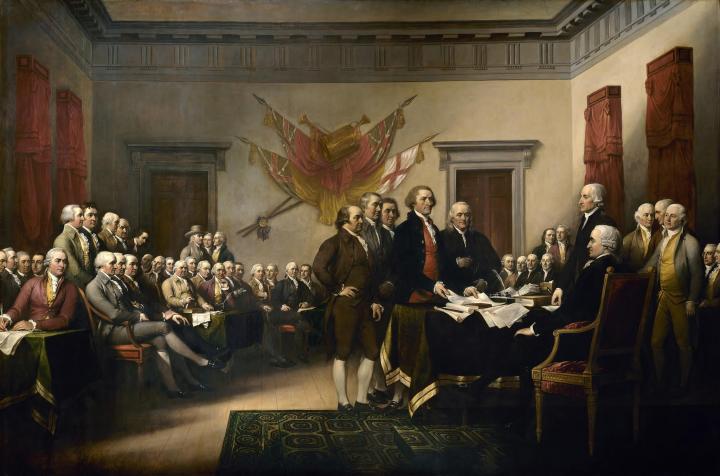
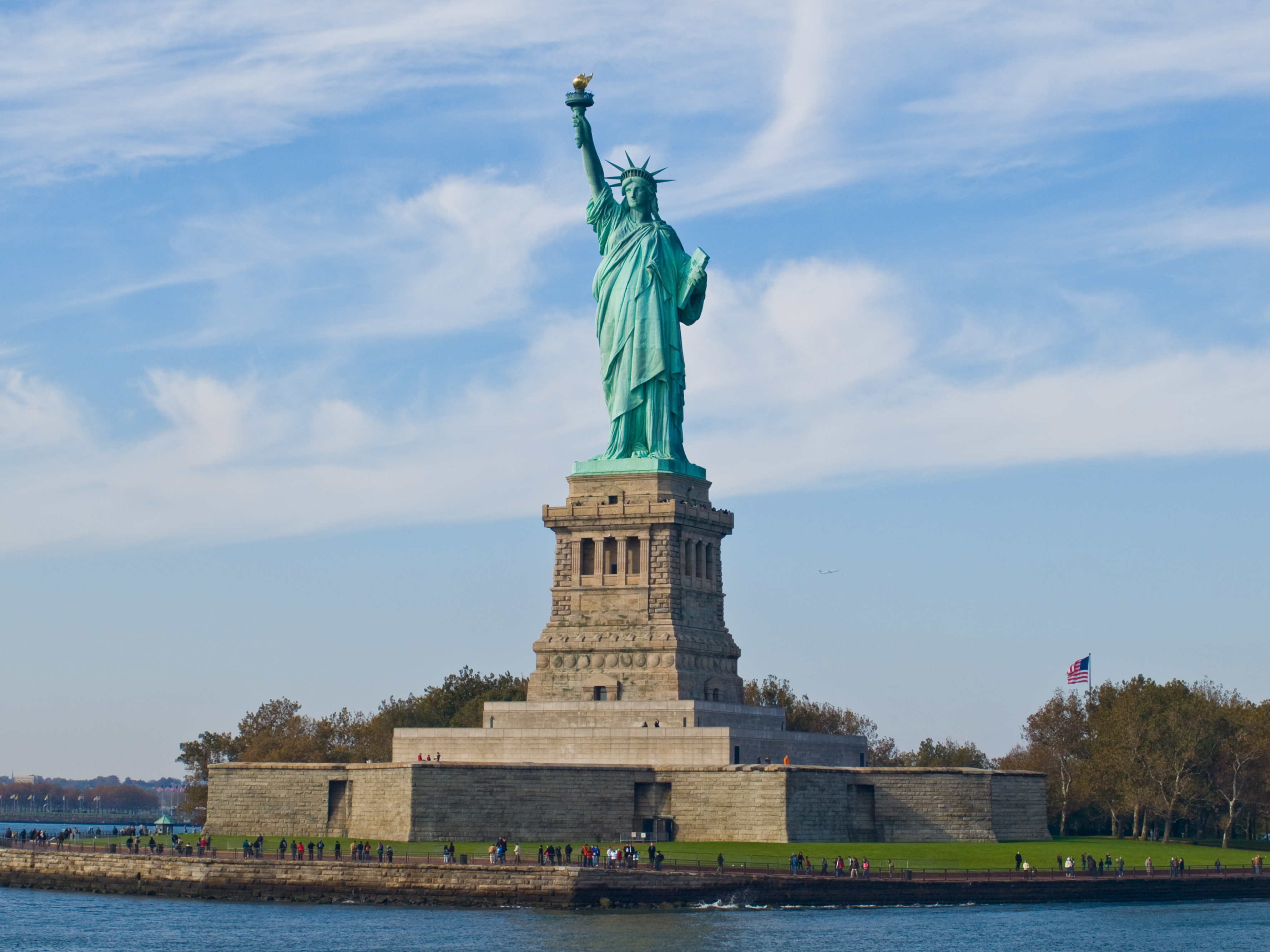
The statement “The story of America makes everyone free” encapsulates the nation’s founding ideals of liberty and equality, most notably marked during the Freedom 250 celebrations for the 250th anniversary of the Declaration of Independence.
America’s 250th birthday, marking the semiquincentennial of the Declaration of Independence, culminates on July 4, 2026. The milestone is being marked by two parallel, competing planning organizations: the bipartisan congressional commission America250, and the Trump-aligned public-private initiative Freedom 250, featuring highly partisan events across the country.
The statement “The story of America makes everyone free” encapsulates the nation’s founding ideals of liberty and equality, most notably marked during the Freedom 250 celebrations for the 250th anniversary of the Declaration of Independence.
The statement “The story of America makes everyone free” encapsulates the nation’s founding ideals of liberty and equality, most notably marked during the Freedom 250 celebrations for the 250th anniversary of the Declaration of Independence.
However, this concept is viewed in different ways:
The Vision of Universal Liberty: Many interpret the American story as a beacon of liberty. Proponents emphasize that the Declaration of Independence set a revolutionary precedent for human rights and self-government, establishing a framework that has been a driving force for freedom worldwide.
The Vision of Universal Liberty: Many interpret the American story as a beacon of liberty. Proponents emphasize that the Declaration of Independence set a revolutionary precedent for human rights and self-government, establishing a framework that has been a driving force for freedom worldwide.
An Unfinished Struggle: Historians, civil rights advocates, and critics point out that the founding ideals did not immediately make everyone free, as they initially coexisted with the enslavement of millions, the displacement of Indigenous peoples, and restricted voting rights. They view the American story not as a finished reality, but as a continuous, often difficult struggle by generations of Americans to force the country to live up to its promise of equality.
The Vision of Universal Liberty: Many interpret the American story as a beacon of liberty. Proponents emphasize that the Declaration of Independence set a revolutionary precedent for human rights and self-government, establishing a framework that has been a driving force for freedom worldwideThe statement “The story of America makes everyone free” encapsulates the nation’s founding ideals of liberty and equality, most notably marked during the Freedom 250 celebrations for the 250th anniversary of the Declaration of Independence.The statement “The story of America makes everyone free” encapsulates the nation’s founding ideals of liberty and equality, most notably marked during the Freedom 250 celebrations for the 250th anniversary of the Declaration of Independence.
Where is my Freedom? Free Will vs Predestination
Fourth of July is observed as the US Independence Day. This celebration calls for a study on the problem of Freedom in World, and the problem of Freedom in the individualistic human experience.
Fourth of July is observed as the US Independence Day. This celebration calls for a study on the problem of Freedom in World, and the problem of Freedom in the individualistic human experience.
Fourth of July is observed as the US Independence Day. This celebration calls for a study on the problem of Freedom in World, and the problem of Freedom in the individualistic human experience.
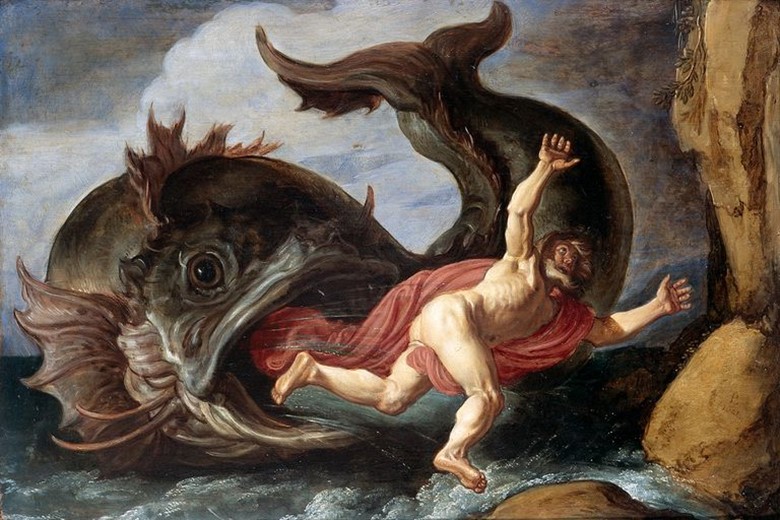
In my individualistic human experience, freedom is a myth, or an illusion. In my view, I find myself as a man who is fundamentally trapped inside the belly of a great fish prepared by God.
Fourth of July, 2026 Celebration, America 250-USA 250. Jonah’s Plight inside the belly of a Big Fish.
The biblical prophet Jonah represents the reality of my life’s journey. God has foreknowledge of my thoughts and actions and has prepared the place for my entrapment without giving me any further access to seek the freedom of movement. Just like Jonah, I am surprised to find myself alive in the body of a fish. Just like Jonah, I give thanks to God for keeping me alive. However, I do not share the hope and confidence of Jonah about the ultimate deliverance. Jonah fervently prayed and the fish vomited him onto the dry land after holding him captive for three days and three nights.
The statement “The story of America makes everyone free” encapsulates the nation’s founding ideals of liberty and equality, most notably marked during the Freedom 250 celebrations for the 250th anniversary of the Declaration of Independence.
I do not pray for my freedom as I am not born free. The big fish values its own freedom of movement and declares itself to be the champion of freedom without any concern for the lack of my individualistic freedom and personal liberty. I may share Jonah’s sense of self-pride, self-centered egotism, without proper respect for God or love for my enemies. I want God to account for His own actions while I taste the bitter fruits borne out of my own actions.
Fourth of July is observed as the US Independence Day. This celebration calls for a study on the problem of Freedom in World, and the problem of Freedom in the individualistic human experience.
India is my country of origin. I left India in January 1984 due to a concern about my freedom posed by threats emanating from my service rendered to an external intelligence agency in coordination with India’s external intelligence agency known as Research and Analysis Wing (R&AW); this has driven me to resign my job in the Indian Army Medical Corps.
SPECIAL FRONTIER FORCE: CENTRAL INTELLIGENCE AGENCY BEGAN ITS OPERATIONS IN TIBET DURING THE PRESIDENCY OF DWIGHT DAVID EISENHOWER AND VICE PRESIDENT RICHARD M NIXON, WAS FULLY AWARE OF THE TIBETAN RESISTANCE MOVEMENT TO FIGHT CHINA’S OCCUPATION OF TIBET.
I reached the United States during July 1986 to eventually experience that I have lost all freedom; I gave up freedom associated with my Indian citizenship and found that my existence is not dependent upon freedom but upon Divine Providence and Sovereign Grace.
Fourth of July is observed as the US Independence Day. This celebration calls for a study on the problem of Freedom in World, and the problem of Freedom in the individualistic human experience.
Do I have a choice? Is freedom an entitlement? Is there freedom in Free World? Is Freedom self-determined or is it determined by external causes?
Do I have a choice? Is freedom an entitlement? Is there freedom in Free World? Is Freedom self-determined or is it determined by external causes?
The word ‘freedom’ has many meanings – theological, metaphysical, psychological, moral, natural, and civil. Freedom may mean enjoyment of personal liberty, of not being a slave, nor a prisoner, and it speaks about the freedom in acting and choosing. Freedom may imply the state of not being subject to determining forces.
Fourth of July is observed as the US Independence Day. This celebration calls for a study on the problem of Freedom in World, and the problem of Freedom in the individualistic human experience.
I arrived in the United States for I believe in the Motto of this Nation: “In God We Trust.” The New Testament Book, The Epistle of Apostle Paul to Ephesians, Chapter 2:19 speaks of my quest for freedom: “Consequently, you are no longer Foreigners and Aliens, but fellow citizens with God’s people and members of God’s household.”
Fourth of July is observed as the US Independence Day. This celebration calls for a study on the problem of Freedom in World, and the problem of Freedom in the individualistic human experience.
I seek freedom to enter God’s household for I am not a foreigner, or alien. There is a promise in The New Testament Book, The Epistle of Apostle Paul to Romans, Chapter 9:25: As He says in Hosea: “I will call them ‘my people’ who are not my people;”
Fourth of July is observed as the US Independence Day. This celebration calls for a study on the problem of Freedom in World, and the problem of Freedom in the individualistic human experience.
“Free World” is a Cold War era term often used by the US to describe those countries that are not in the sphere of influence of Communist States like the Soviet Union, or the People’s Republic of China. United States is the Leader of the Free World, and it is the world’s Democratic Superpower.
The Vision of Universal Liberty: Many interpret the American story as a beacon of liberty. Proponents emphasize that the Declaration of Independence set a revolutionary precedent for human rights and self-government, establishing a framework that has been a driving force for freedom worldwide.
In response to Communist China’s military occupation of sovereign nation of Tibet, the United States, to defend its own national interests and to combat the threat of Communist Expansionism, during the presidency of Truman and Eisenhower initiated programs in 1950s to render assistance to the Tibetan Resistance Movement to uphold the principles of Freedom and Democracy in the Land of Tibet. John F. Kennedy, the 35th President of the United States (1961-1963) created a military alliance/pact between the US, India, and Tibet to contain the military threat posed by Communist China.
On completion of my military training, I joined the US, India, Tibet military alliance/pact and was posted to Headquarters Establishment No. 22, a military organization also known to public as Vikas Regiment and Special Frontier Force.
In September 1969, I made a deliberate choice to serve in the Indian Army Medical Corps to face the military challenge and threat posed by China after her brutal attack on India across the Himalayan frontier in 1962. On completion of my military training, I joined the US, India, Tibet military alliance/pact and was posted to Headquarters Establishment No. 22, a military organization also known to public as Vikas Regiment and Special Frontier Force. I view myself as very passionate defender of Freedom and Democracy. During the years spent in India, in my imagination, I had freedom to choose and act and deliberately expressed this sense of personal freedom when I got married in January 1973. This personal choice had its own consequences. It initiated a process of alienation and estrangement from my birth-related social community. The first blow to my sense of social identity and birth affiliation was delivered in May 1976 while I was at the Armed Forces Medical College, Pune. By year 1982, I fully recognized that I have no freedom to choose, or act without compromising my sense of self-respect, and self-dignity. For all practical purposes, in my estimate, I was transformed into a Foreigner or Alien while I was still serving my country as a Commissioned Officer of its Armed Forces. It undermined my ability to serve in the Armed Forces to defend Freedom of the Country while in my perception I existed as Foreigner or Alien. At that time, as the father of two young children, I felt that I have no choice other than that of leaving India to find a place in another part of Free World, a place prepared for me by God. Having stepped inside of the mouth of a big fish, I got easily swallowed by the force of the external circumstances. Now, I am conscious of the lack of freedom to make choices, or I may state that I am only free to make a choice that is foreordained or predetermined.
Fourth of July is observed as the US Independence Day. This celebration calls for a study on the problem of Freedom in World, and the problem of Freedom in the individualistic human experience.
In the drama of human life and history, do we have capacity to choose our Life according to our Free Will? The issue of human freedom, and Freedom in World may have to be reconciled with God’s omniscience, and omnipotence. We must understand as to what extent the will of an individual can and does determine some of his acts. If man is entirely dependent upon God’s power, can man make bad, or evil choices? Do we need divine grace for both meritorious, and even terrible acts? How to define the problem of the universal supposition of responsibility for personal actions? Can there be Freedom in the absence of Divine Providence, and Sovereign Grace?
Determinism and Free Will:
Fourth of July is observed as the US Independence Day. This celebration calls for a study on the problem of Freedom in World, and the problem of Freedom in the individualistic human experience.
The kid in the above photo image apparently has free will and can choose to get wet in the rain. He can also choose to remain under some shade and keep dry. This ability to choose is operated by an external contingency called rain. Does man have the natural ability to make choices in the face of all types of external contingencies? Plato held that actions are determined by the extent of a person’s understanding, or reasoning. The New Testament Book, The Epistle of Apostle Paul to Romans, Chapter 8, verses 28-30 describe the concept of “Predestination.” Verse. 30 reads: “Moreover, those He predestined, them He also called; those He called, them He also Justified; those He justified, them He also glorified.” I live in expectation of finding this ‘glory’ in the eyes of God.
Fourth of July is observed as the US Independence Day. This celebration calls for a study on the problem of Freedom in World, and the problem of Freedom in the individualistic human experience.
The term free will refers to the power or capacity to choose among alternatives. It refers to the ability to act in certain situations independently of natural, social, or divine restraints. Will is the factor which turns human thought into human action and behavior. Existentialist thinkers like Jean Paul Sartre speak about the concept of a radical, perpetual, and frequently agonizing freedom of choice. Sartre claims that man is “condemned to be free” even though his situation may be wholly determined. Behavioral psychologists hold the view that human action and behavior is determined by the nature of an external environmental stimulus. Sigmund Freud held the view that human actions are determined by hidden mental causes which control their actions; “You have an illusion of a psychic freedom within you which you do not want to give up.” Freud recommends that this “deeply rooted belief in psychic freedom and choice” must be given up because it “is quite unscientific.” Man appears to be subject to the Law of Cause and Necessity or is governed by a doctrine of Determinism.
The Doctrine of Predestination
Fourth of July is observed as the US Independence Day. This celebration calls for a study on the problem of Freedom in World, and the problem of Freedom in the individualistic human experience.
Saint Augustine (354-430), Doctor of the Church, founder of Christian theology followed the doctrine of predestination or divine grace that states God’s superintendence of the Whole Cosmos and everything in it.
Fourth of July is observed as the US Independence Day. This celebration calls for a study on the problem of Freedom in World, and the problem of Freedom in the individualistic human experience.
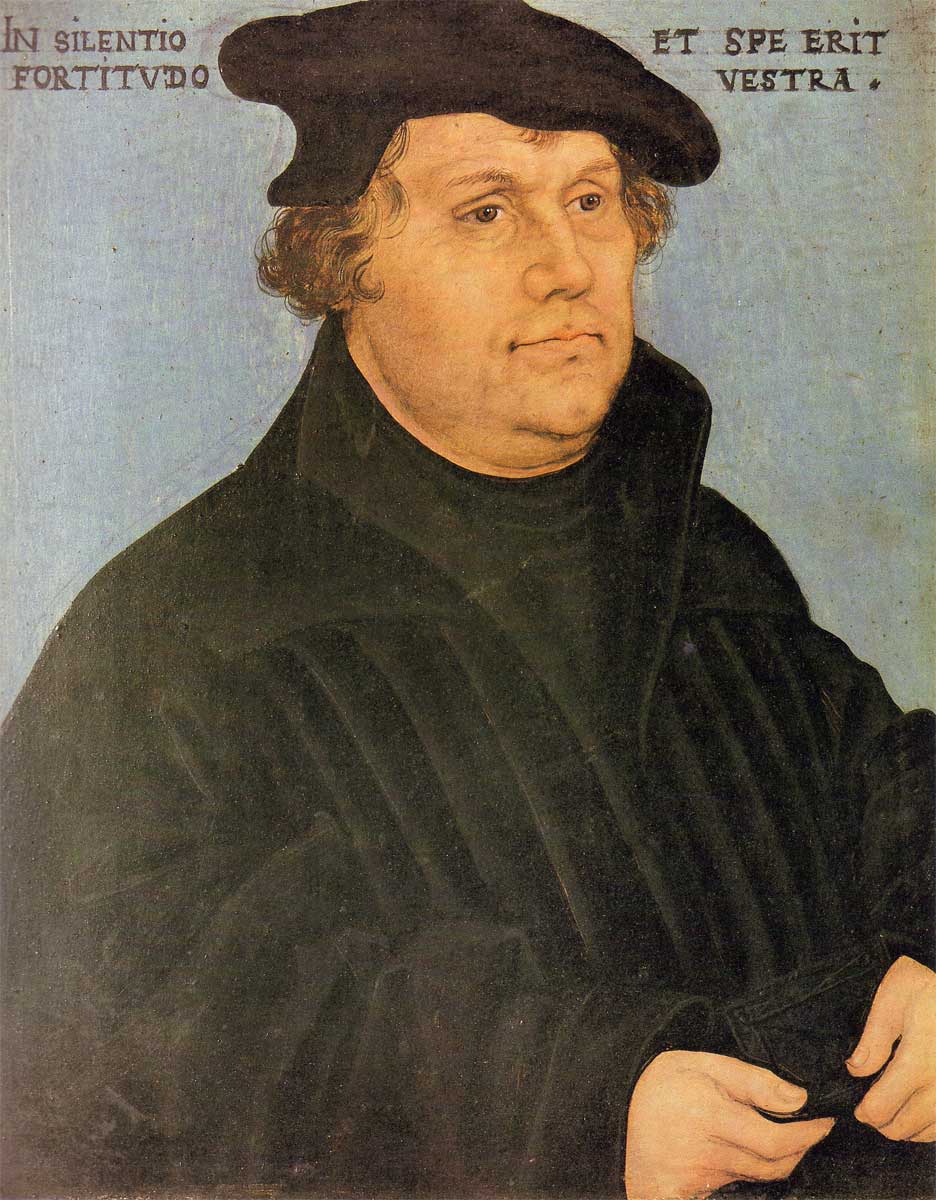
Martin Luther (November 10, 1483, to February 18, 1546), German theologian, leader of the Protestant Reformation held the view that everything is determined by God from the beginning.
Fourth of July is observed as the US Independence Day. This celebration calls for a study on the problem of Freedom in World, and the problem of Freedom in the individualistic human experience.
John Calvin (1509 – 1564), French Protestant theologian of the Reformation held the view that human free will is predetermined. While rejecting the role of free will, Calvinism maintains that God’s grace is irresistible.
Saint Thomas Aquinas held the view that God’s omnipotence does not include predetermination of human will. The Roman Catholic Church teaches that predestination is consistent with free will since God moves the soul according to its nature. Do I make my own choices while God foreordained my circumstances? Does God have foreknowledge of my reaction to His Choice? If God foreordained the circumstances, the choices, and the destiny of the person according to His Perfect Will, how to explain the exercise of free will? It appears to me that God may elect or predestinate the circumstances of a person and make a choice on His own initiative based on His knowing in advance the reactions of the person to His Will. Man’s free will is like the game of chess; man can make his moves while playing the game according to God’s plan while God is the second Player with whom man must contend.
Fourth of July is observed as the US Independence Day. This celebration calls for a study on the problem of Freedom in World, and the problem of Freedom in the individualistic human experience.
The Hindu Temple, Malibu, Southern California. Is this the Temple in which I am destined to worship the LORD GOD? The New Testament Book, The Epistle of Apostle Paul to Ephesians, Chapter 2:21 reads: “In Him the Whole building is joined together and rises to become a Holy Temple in the LORD.” Why does this Temple in Malibu treats me as a Foreigner and Alien providing an external contingency that took away my Freedom?
Fourth of July is observed as the US Independence Day. This celebration calls for a study on the problem of Freedom in World, and the problem of Freedom in the individualistic human experience.
Rudra Narasimham, Rebbapragada
Ann Arbor, Michigan, U.S.A.
Special Frontier Force-Establishment 22-Vikas Regiment
Fourth of July is observed as the US Independence Day. This celebration calls for a study on the problem of Freedom in World, and the problem of Freedom in the individualistic human experience. Fourth of July is observed as the US Independence Day. This celebration calls for a study on the problem of Freedom in World, and the problem of Freedom in the individualistic human experience. Fourth of July is observed as the US Independence Day. This celebration calls for a study on the problem of Freedom in World, and the problem of Freedom in the individualistic human experience. “In God We Trust” – Special Frontier Force Trusts President Eisenhower. Relations derive Spiritual Strength from Belief in God.
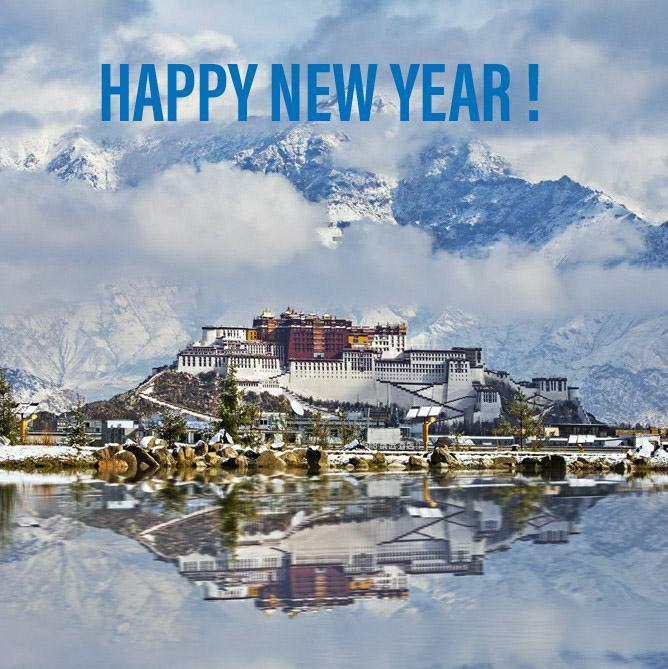
Whole Dude at Whole Foods Wishes You all Tashi Delek
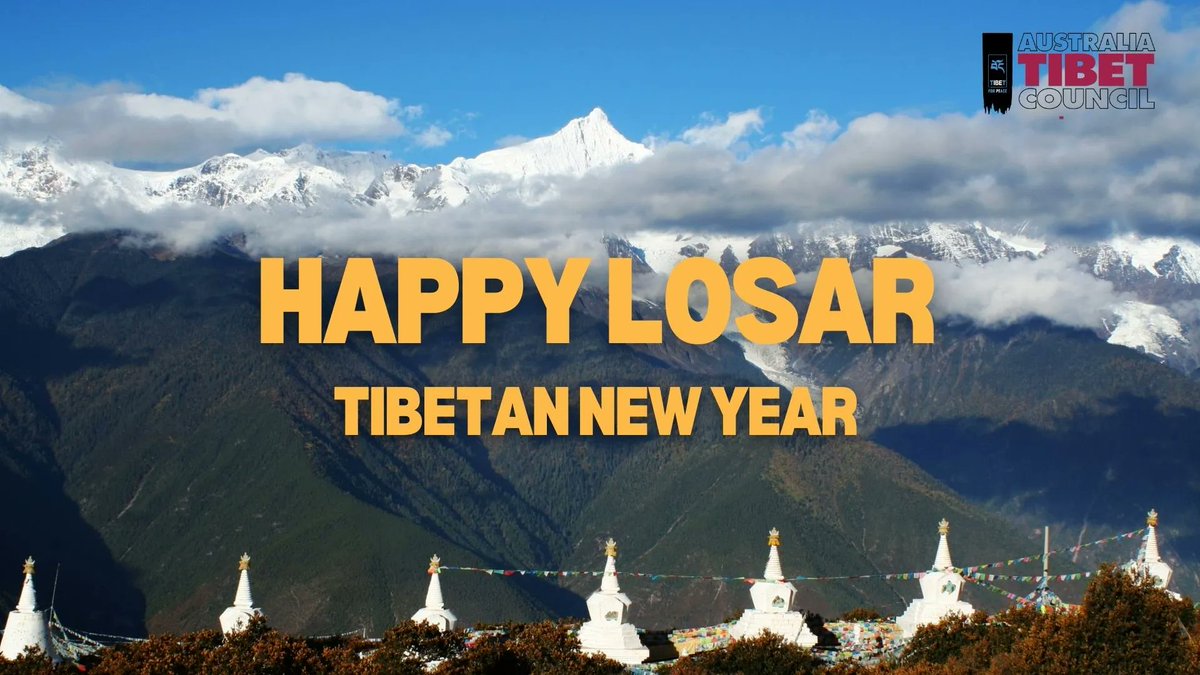
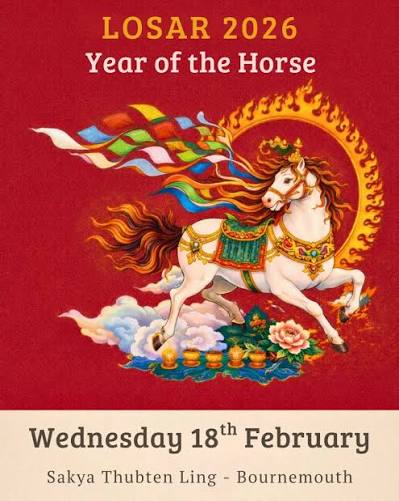
On behalf of Special Frontier Force-Establishment 22-Vikas Regiment, I greet Tibetans on Losar, Tibetan New Year 2153. I pledge to renew support to Tibetans to help them find Happiness in Tibetan New Year beginning on Wednesday, February 18, 2026.
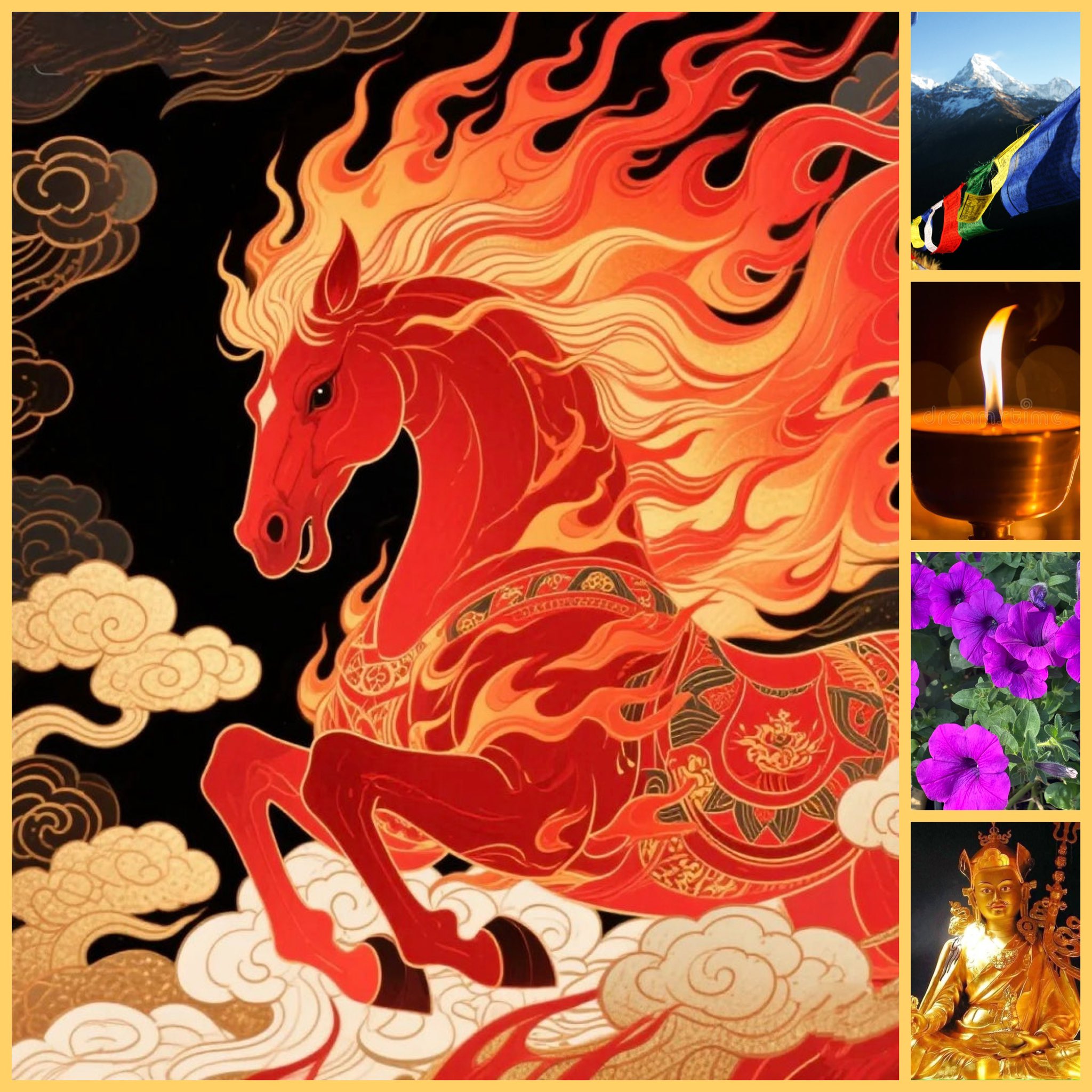
Losar 2026, the Tibetan New Year, will be celebrated on February 18, 2026, marking the start of the 2153rd year, which is the Year of the Fire Horse. This 15-day festival (with main festivities lasting 3 days) represents a time for cleansing, family gatherings, and renewal.
On behalf of Special Frontier Force-Establishment 22-Vikas Regiment, I greet Tibetans on Losar, Tibetan New Year 2153. I pledge to renew support to Tibetans to help them find Happiness in Tibetan New Year beginning on Wednesday, February 18, 2026.
Key Details for Losar 2026 (Year of the Fire Horse):
Date:February 18, 2026, falls on a Wednesday.
Significance:The Fire Horse is associated with movement, strength, and transformation.
Duration:The main, most significant celebrations occur over three days (Feb 18–20), though festivities can last up to 15 days.
Preparations:Homes are cleaned and painted, and a special noodle soup called guthuk is prepared on New Year’s Eve (Feb 17).
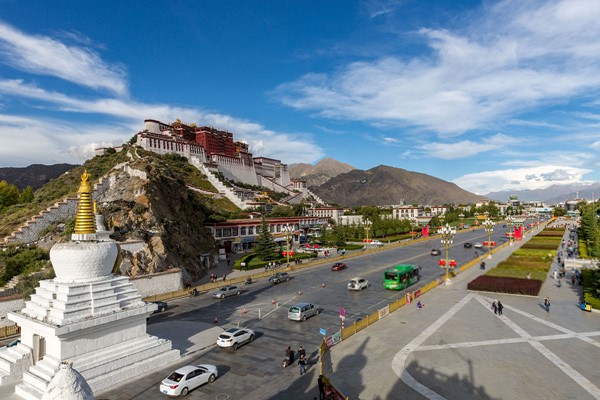
Celebration Activities:People wear new clothes, visit monasteries (like the Potala Palace or Sera Monastery), exchange greetings of “Tashi Delek,” and witness masked dances to ward off evil spirits.
Regions: It is a major holiday in Tibet, Bhutan, Nepal, and parts of India.
On behalf of Special Frontier Force-Establishment 22-Vikas Regiment, I greet Tibetans on Losar, Tibetan New Year 2153. I pledge to renew support to Tibetans to help them find Happiness in Tibetan New Year beginning on Wednesday, February 18, 2026.
It is a time to pay homage to deities, make offerings, and enjoy traditional food like kapse (fried pastries).
Tibet Equilibrium 2026: Special Frontier Force shares Happy Losar Tashi Delek Greetings
On behalf of Special Frontier Force-Establishment 22-Vikas Regiment, I greet Tibetans on Losar, Tibetan New Year 2153. I pledge to renew support to Tibetans to help them find Happiness in Tibetan New Year beginning on Wednesday, February 18, 2026.On behalf of Special Frontier Force-Establishment 22-Vikas Regiment, I greet Tibetans on Losar, Tibetan New Year 2153. I pledge to renew support to Tibetans to help them find Happiness in Tibetan New Year beginning on Wednesday, February 18, 2026.
On behalf of Special Frontier Force-Establishment 22-Vikas Regiment, I greet Tibetans on Losar, Tibetan New Year 2153. I pledge to renew support to Tibetans to help them find Happiness in Tibetan New Year beginning on Wednesday, February 18, 2026.
On behalf of Special Frontier Force-Establishment 22-Vikas Regiment, I greet Tibetans on Losar, Tibetan New Year 2153. I pledge to renew support to Tibetans to help them find Happiness in Tibetan New Year beginning on Wednesday, February 18, 2026.On behalf of Special Frontier Force-Establishment 22-Vikas Regiment, I greet Tibetans on Losar, Tibetan New Year 2153. I pledge to renew support to Tibetans to help them find Happiness in Tibetan New Year beginning on Wednesday, February 18, 2026.On behalf of Special Frontier Force-Establishment 22-Vikas Regiment, I greet Tibetans on Losar, Tibetan New Year 2153. I pledge to renew support to Tibetans to help them find Happiness in Tibetan New Year beginning on Wednesday, February 18, 2026.On behalf of Special Frontier Force-Establishment 22-Vikas Regiment, I greet Tibetans on Losar, Tibetan New Year 2153. I pledge to renew support to Tibetans to help them find Happiness in Tibetan New Year beginning on Wednesday, February 18, 2026.On behalf of Special Frontier Force-Establishment 22-Vikas Regiment, I greet Tibetans on Losar, Tibetan New Year 2153. I pledge to renew support to Tibetans to help them find Happiness in Tibetan New Year beginning on Wednesday, February 18, 2026.On behalf of Special Frontier Force-Establishment 22-Vikas Regiment, I greet Tibetans on Losar, Tibetan New Year 2153. I pledge to renew support to Tibetans to help them find Happiness in Tibetan New Year beginning on Wednesday, February 18, 2026.
“The Crusade for Peace through Freedom” is due since March 10, 1959
US President Barack Obama was the guest of honor at India’s celebration of its 66th Republic Day on Monday, January 26, 2015. This is the first time in the history of Republic of India, the US President is the guest of honor at the Republic Day ParadeUS President Barack Obama was the guest of honor at India’s celebration of its 66th Republic Day on Monday, January 26, 2015. This is the first time in the history of Republic of India, the US President is the guest of honor at the Republic Day Parade
US President Barack Obama was the guest of honor at India’s celebration of its 66th Republic Day on Monday, January 26, 2015. This is the first time in the history of Republic of India, the US President is the guest of honor at the Republic Day Parade. There is a palpable sense of warmth, friendship, and cordiality between President Obama and India’s Prime Minister Narendra Modi.
US President Barack Obama was the guest of honor at India’s celebration of its 66th Republic Day on Monday, January 26, 2015. This is the first time in the history of Republic of India, the US President is the guest of honor at the Republic Day Parade
Travels of the US Presidents to India:
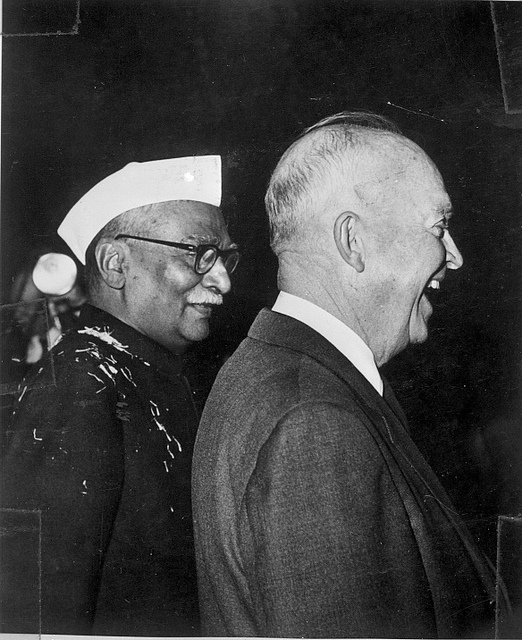
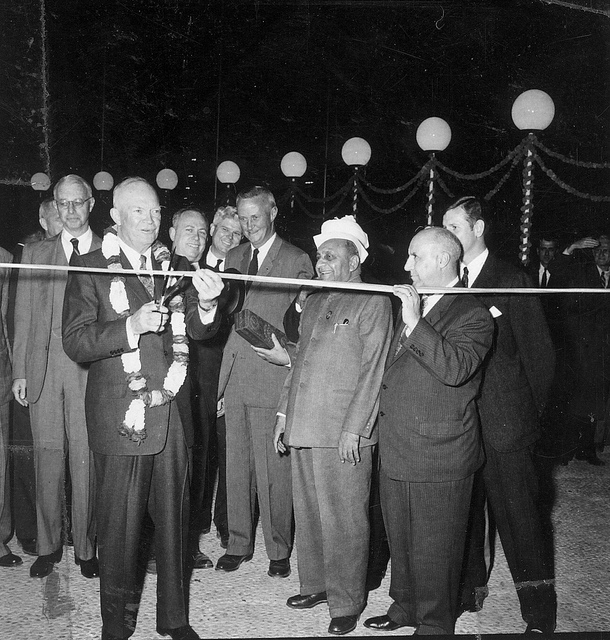
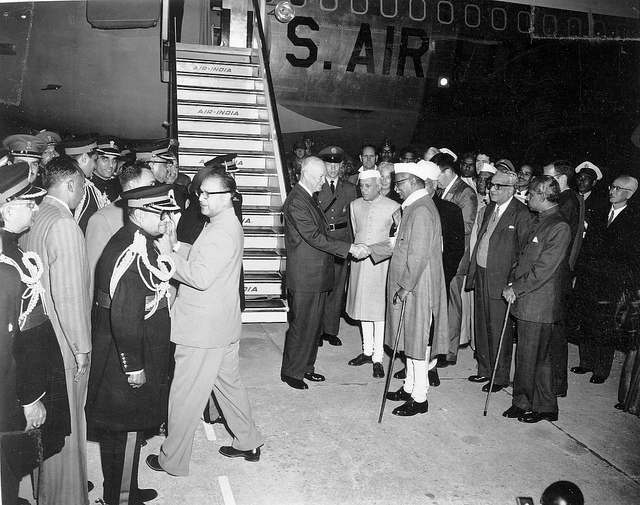
Dwight D. Eisenhower, New Delhi, Agra. Met with President Prasad and Prime Minister Nehru. Addressed Parliament.December 9–14, 1959.
Richard M. Nixon, New Delhi, State visit; met with Acting President Hidayatullah. July 31–August 1, 1969.
Jimmy Carter, New Delhi, Daulatpur-Nasirabad. Met with President Reddy and Prime Minister Desai. Addressed Parliament. January 1–3, 1978.
William J. Clinton, New Delhi, Agra, Jaipur, Hyderabad, Bombay. Met with President Narayanan; signed Joint Statement on Energy and the Environment; addressed the Indian Parliament. March 19–25, 2000.
George W. Bush, New Delhi, Hyderabad. Met with Prime Minister Singh. Signed nuclear cooperation agreement. March 1–3, 2006.
Barack Obama, Mumbai, New Delhi. Attended U.S.-India Business and Entrepreneurship Summit in Mumbai. Met with Prime Minister Singh and President Patil. Addressed the Indian Parliament. November 6–9, 2010.
Barack Obama, New Delhi. Met with President Pranab Mukherjee and Prime Minister Narendra Modi. January 24–27, 2015.
Donald J. Trump, New Delhi. Met with Prime Minister Narendra Modi. February 24–25, 2020.
Joseph R. Biden, New Delhi. Met with Prime Minister Narendra Modi and attended the G20 Leaders’ Summit. September 7–10, 2023.
US President Barack Obama was the guest of honor at India’s celebration of its 66th Republic Day on Monday, January 26, 2015. This is the first time in the history of Republic of India, the US President is the guest of honor at the Republic Day Parade
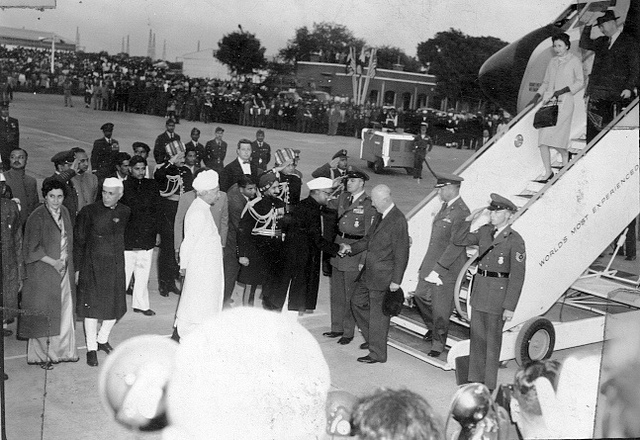
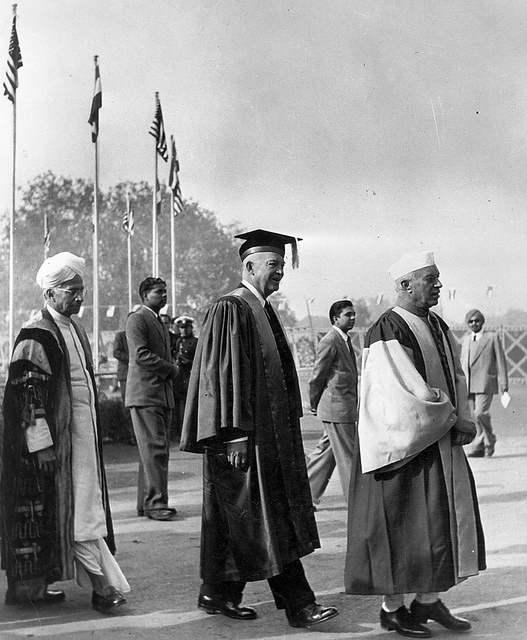
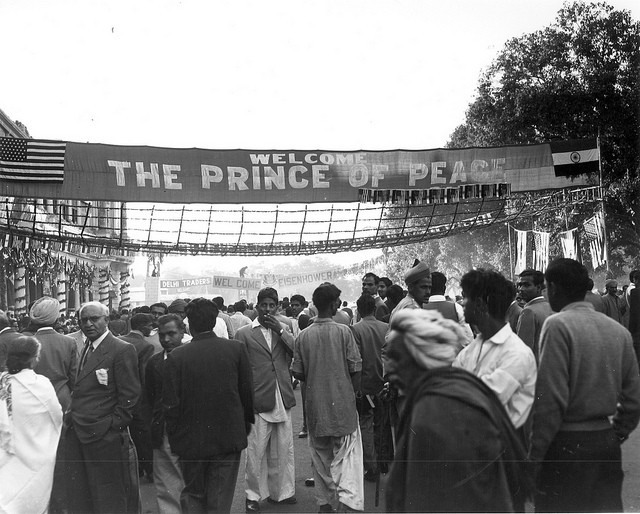
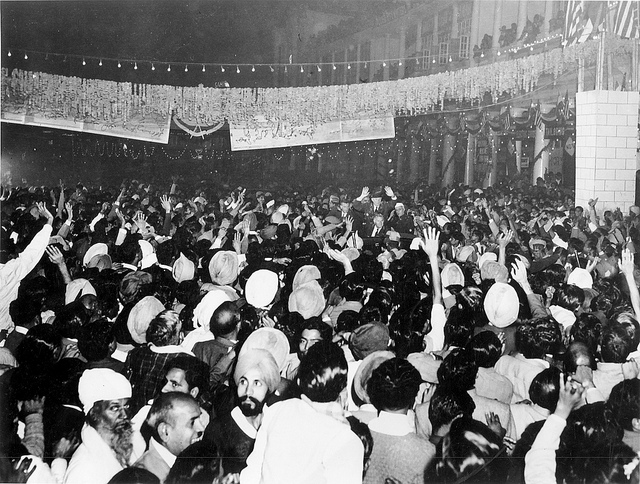
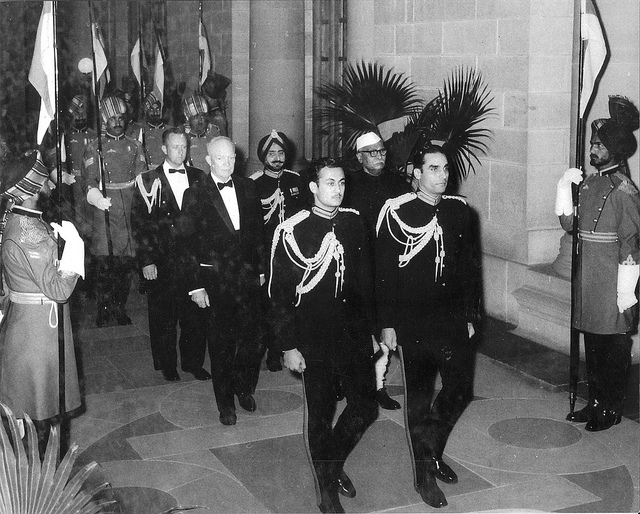
On behalf of Special Frontier Force, I admit that India and the United States are not marching towards the goal of winning Peace through Freedom, a journey that these two nations started during 1950s. I would like to share the memories of the historical Five-Day visit to India by 34th US President Dwight David Eisenhower from 09 December to 14 December 1959.
India’s Prime Minister Narendra Modi (L) and U.S. President Barack Obama watch India’s Republic Day parade in the rain together from their review stand in New Delhi January 26, 2015. REUTERS/Stephen Crowley/Pool (INDIA Tags: POLITICS)
US President Obama, and Indian Prime Minister Narendra Modi have failed to mention the Great Problem of Tibet which gave the stimulus for formulating friendly relations between the US and India. Even if the word Tibet is not mentioned during President Obama’s visit to India, I most positively assert that Tibet remains the central focus of India’s relationship with the United States.
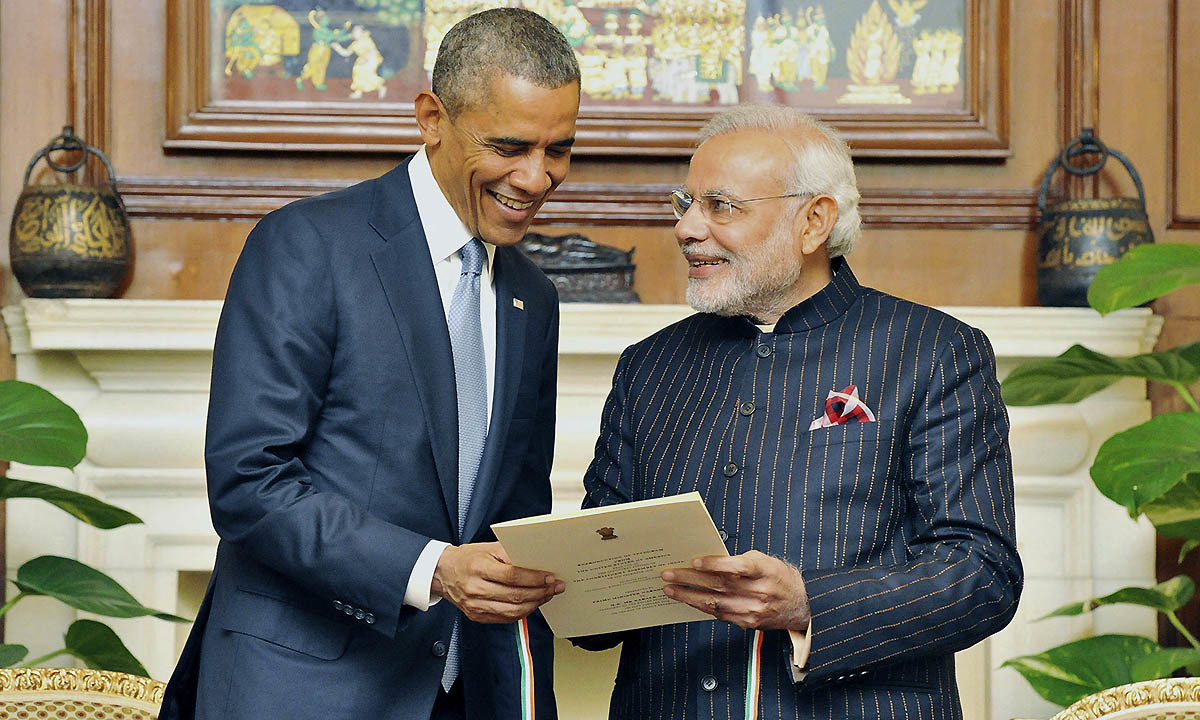
India’s Prime Minister Narendra Modi (R) presents a reproduction of telegram sent by U.S. to the Indian Constituent Assembly in 1946, to U.S. President Barack Obama during their meeting in New Delhi January 25, 2015. In a glow of bonhomie, Obama and Indian Prime Minister Narendra Modi worked on a series of bilateral agreements at a summit on Sunday that both sides hope will establish an enduring strategic partnership. REUTERS/India’s Press Information Bureau/Handout via Reuters.
US Presidents who met with His Holiness the 14th Dalai Lama
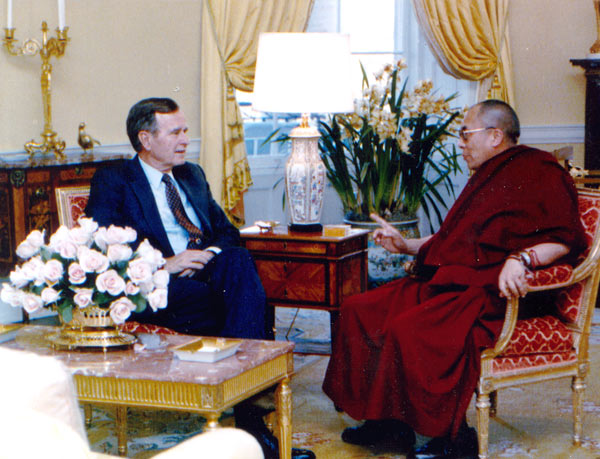
Special Frontier Force at The White House: On April 16, 1991, the 14th Dalai Lama met with US President George H.W. Bush during his first visit to The White House. President George H.W. Bush served at the Director of the US CIA.
Four U.S. presidents—George H.W. Bush, Bill Clinton, George W. Bush, and Barack Obama—have met with His Holiness the 14th Dalai Lama, with the first official meeting occurring in 1991 during the elder Bush’s presidency.
Subsequent meetings have taken place at the White House, including two with Obama in 2010 and 2011.
George H.W. Bush: The first U.S. president to meet with the Dalai Lama during his presidency, in April 1991.
Bill Clinton: Met with the Dalai Lama at the White House in June 2000 and also met with him in November 1998.
George W. Bush: Met with the Dalai Lama multiple times during his presidency, starting in May 2001, with other meetings in 2003, 2005, and 2007. He also met with the Dalai Lama at the George W. Bush Presidential Center after leaving office.
Barack Obama: Met with the Dalai Lama twice in the Map Room of the White House, in February 2010 and July 2011.
The military occupation of Tibet poses the greatest danger to Peace, Freedom, Democracy, and Human Rights in the world. The problem will not go away and the real solution for the military occupation of Tibet is the Eviction of Military Occupier from the territories of Tibet.
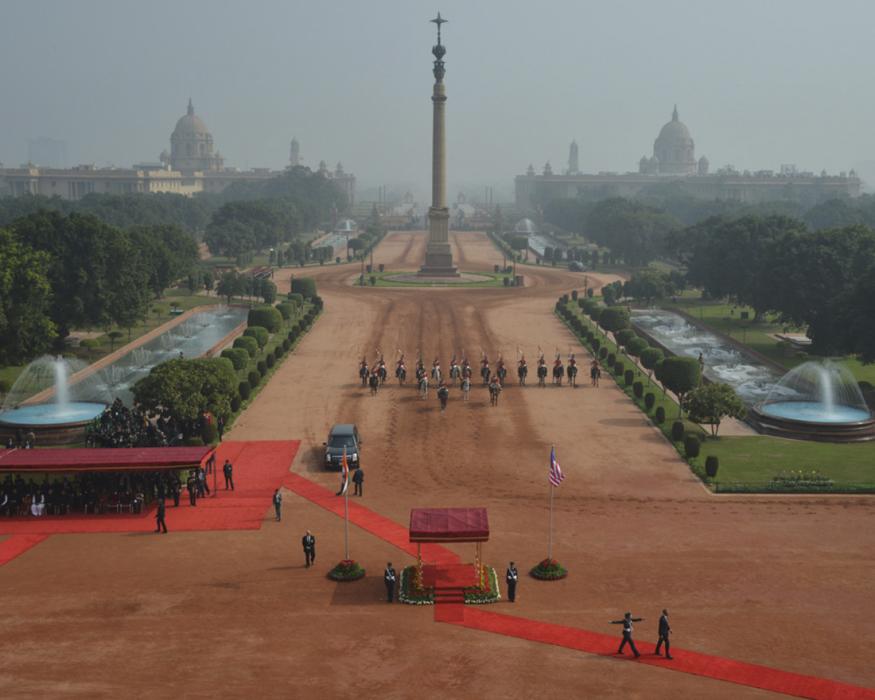
US President Barack Obama meets Indian President Pranab Mukherjee at Rashtrapati Bhavan
US President Barack Obama was the guest of honor at India’s celebration of its 66th Republic Day on Monday, January 26, 2015. This is the first time in the history of Republic of India, the US President is the guest of honor at the Republic Day ParadeUS President Barack Obama was the guest of honor at India’s celebration of its 66th Republic Day on Monday, January 26, 2015. This is the first time in the history of Republic of India, the US President is the guest of honor at the Republic Day ParadeUS President Barack Obama was the guest of honor at India’s celebration of its 66th Republic Day on Monday, January 26, 2015. This is the first time in the history of Republic of India, the US President is the guest of honor at the Republic Day ParadeUS President Barack Obama was the guest of honor at India’s celebration of its 66th Republic Day on Monday, January 26, 2015. This is the first time in the history of Republic of India, the US President is the guest of honor at the Republic Day ParadeUS President Barack Obama was the guest of honor at India’s celebration of its 66th Republic Day on Monday, January 26, 2015. This is the first time in the history of Republic of India, the US President is the guest of honor at the Republic Day Parade
India and the United States joined hands to secure Peace and Freedom in the Occupied Land of Tibet . The military organization called Special Frontier Force ( also known as Establishment 22) truly represents the legacy of President Eisenhower who captivated the hearts of Indian people with his call for a Crusade for Peace through Freedom. We have yet to fight this Battle to secure Peace, Freedom, Democracy, and Justice in the Land of Tibet.
India and the United States joined hands to secure Peace and Freedom in the Occupied Land of Tibet . The military organization called Special Frontier Force ( also known as Establishment 22) truly represents the legacy of President Eisenhower who captivated the hearts of Indian people with his call for a Crusade for Peace through Freedom. We have yet to fight this Battle to secure Peace, Freedom, Democracy, and Justice in the Land of Tibet.On behalf of Special Frontier Force, I admit that India and the United States are not marching towards the goal of winning Peace through Freedom, a journey that these two nations started during 1950s. I would like to share the memories of the historical Five-Day visit to India by 34th US President Dwight David Eisenhower from 09 December to 14 December 1959. On behalf of Special Frontier Force, I admit that India and the United States are not marching towards the goal of winning Peace through Freedom, a journey that these two nations started during 1950s. I would like to share the memories of the historical Five-Day visit to India by 34th US President Dwight David Eisenhower from 09 December to 14 December 1959. On behalf of Special Frontier Force, I admit that India and the United States are not marching towards the goal of winning Peace through Freedom, a journey that these two nations started during 1950s. I would like to share the memories of the historical Five-Day visit to India by 34th US President Dwight David Eisenhower from 09 December to 14 December 1959. On behalf of Special Frontier Force, I admit that India and the United States are not marching towards the goal of winning Peace through Freedom, a journey that these two nations started during 1950s. I would like to share the memories of the historical Five-Day visit to India by 34th US President Dwight David Eisenhower from 09 December to 14 December 1959. On behalf of Special Frontier Force, I admit that India and the United States are not marching towards the goal of winning Peace through Freedom, a journey that these two nations started during 1950s. I would like to share the memories of the historical Five-Day visit to India by 34th US President Dwight David Eisenhower from 09 December to 14 December 1959. On behalf of Special Frontier Force, I admit that India and the United States are not marching towards the goal of winning Peace through Freedom, a journey that these two nations started during 1950s. I would like to share the memories of the historical Five-Day visit to India by 34th US President Dwight David Eisenhower from 09 December to 14 December 1959. On behalf of Special Frontier Force, I admit that India and the United States are not marching towards the goal of winning Peace through Freedom, a journey that these two nations started during 1950s. I would like to share the memories of the historical Five-Day visit to India by 34th US President Dwight David Eisenhower from 09 December to 14 December 1959. On behalf of Special Frontier Force, I admit that India and the United States are not marching towards the goal of winning Peace through Freedom, a journey that these two nations started during 1950s. I would like to share the memories of the historical Five-Day visit to India by 34th US President Dwight David Eisenhower from 09 December to 14 December 1959. On behalf of Special Frontier Force, I admit that India and the United States are not marching towards the goal of winning Peace through Freedom, a journey that these two nations started during 1950s. I would like to share the memories of the historical Five-Day visit to India by 34th US President Dwight David Eisenhower from 09 December to 14 December 1959. HISTORY OF THE US-INDIA-TIBET RELATIONS: Crusade for Peace through Freedom in Occupied Tibet. The US President’s visit to India In December 1959.On behalf of Special Frontier Force, I admit that India and the United States are not marching towards the goal of winning Peace through Freedom, a journey that these two nations started during 1950s. I would like to share the memories of the historical Five-Day visit to India by 34th US President Dwight David Eisenhower from 09 December to 14 December 1959. On behalf of Special Frontier Force, I admit that India and the United States are not marching towards the goal of winning Peace through Freedom, a journey that these two nations started during 1950s. I would like to share the memories of the historical Five-Day visit to India by 34th US President Dwight David Eisenhower from 09 December to 14 December 1959. On behalf of Special Frontier Force, I admit that India and the United States are not marching towards the goal of winning Peace through Freedom, a journey that these two nations started during 1950s. I would like to share the memories of the historical Five-Day visit to India by 34th US President Dwight David Eisenhower from 09 December to 14 December 1959. On behalf of Special Frontier Force, I admit that India and the United States are not marching towards the goal of winning Peace through Freedom, a journey that these two nations started during 1950s. I would like to share the memories of the historical Five-Day visit to India by 34th US President Dwight David Eisenhower from 09 December to 14 December 1959. On behalf of Special Frontier Force, I admit that India and the United States are not marching towards the goal of winning Peace through Freedom, a journey that these two nations started during 1950s. I would like to share the memories of the historical Five-Day visit to India by 34th US President Dwight David Eisenhower from 09 December to 14 December 1959. On behalf of Special Frontier Force, I admit that India and the United States are not marching towards the goal of winning Peace through Freedom, a journey that these two nations started during 1950s. I would like to share the memories of the historical Five-Day visit to India by 34th US President Dwight David Eisenhower from 09 December to 14 December 1959. On behalf of Special Frontier Force, I admit that India and the United States are not marching towards the goal of winning Peace through Freedom, a journey that these two nations started during 1950s. I would like to share the memories of the historical Five-Day visit to India by 34th US President Dwight David Eisenhower from 09 December to 14 December 1959.
The military occupation of Tibet poses the greatest danger to Peace, Freedom, Democracy, and Human Rights in the world. The problem will not go away and the real solution for the military occupation of Tibet is the Eviction of Military Occupier from the territories of Tibet.
On behalf of Special Frontier Force, I admit that India and the United States are not marching towards the goal of winning Peace through Freedom, a journey that these two nations started during 1950s. I would like to share the memories of the historical Five-Day visit to India by 34th US President Dwight David Eisenhower from 09 December to 14 December 1959. The History of the US-India-Tibet Relations. Crusade for Peace through Freedom in Occupied Tibet.The military occupation of Tibet poses the greatest danger to Peace, Freedom, Democracy, and Human Rights in the world. The problem will not go away and the real solution for the military occupation of Tibet is the Eviction of Military Occupier from the territories of Tibet.APRIL 22, 1961. CAMP DAVID, MARYLAND: The History of the US-India-Tibet Relations. Crusade for Peace through Freedom in Occupied Tibet. The military occupation of Tibet poses the greatest danger to Peace, Freedom, Democracy, and Human Rights in the world. The problem will not go away and the real solution for the military occupation of Tibet is the Eviction of Military Occupier from the territories of Tibet.Whole Values: Whole Dude at Whole Foods demands the upholding of American Values to defend Personal Liberty, Human Rights, and the Dignity of Man.
Tibet Awareness – Full Independence is the Only Solution
For all practical purposes, Full Independence of Tibet is the only solution for Tibet issue.
For all practical purposes, Full Independence of Tibet is the only solution for Tibet issue. Red China is opposed to relaxing its military grip and is promising to continue ruling Tibet with Iron Fist without conceding a genuine demand of meaningful autonomy for Tibet. United Front Work Department of the Communist Party of China Central Committee held 6th Tibet Work Forum in Beijing on August 24-25, 2015. It announced, “The Central Government neither did in the past, nor now or in the future will ever accept the Middle Way solution to the Tibet issue.” Red China’s President Xi Jinping repeated the same statement confirming that the ‘Middle Way’ proposed by the Dalai Lama group will never be accepted.
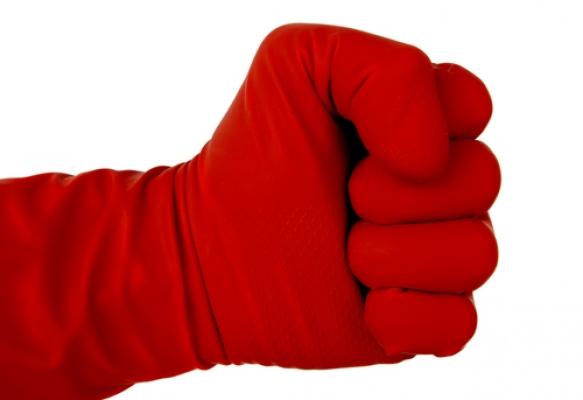
Tibet’s Full Independence is achieved by cracking those knuckles of Red China’s Iron Fist. I coined the phrase “Whole Separatism” to assert my Whole Determination to crack open all the Knuckles of Red China’s Iron Fist.
The phrase ‘Tibet Separatism’ is not acceptable as Tibet is never a part of China despite the military conquests of the past Chinese Emperors. However, it must be acknowledged that China subjugates Tibet with her Iron Fist. Tibet’s Full Independence is achieved by cracking those knuckles of Red China’s Iron Fist. I coined the phrase “Whole Separatism” to assert my Whole Determination to crack open and “separate” all the Knuckles of Red China’s Iron Fist.
Tibet’s Full Independence is achieved by cracking those knuckles of Red China’s Iron Fist. I coined the phrase “Whole Separatism” to assert my Whole Determination to crack open all the Knuckles of Red China’s Iron Fist.
Rudra Narasimham Rebbapragada Ann Arbor, MI 48104-4162, USA Special Frontier Force-Establishment 22-Vikas Regiment
Tibet’s Full Independence is achieved by cracking those knuckles of Red China’s Iron Fist. I coined the phrase “Whole Separatism” to assert my Whole Determination to crack open all the Knuckles of Red China’s Iron Fist.
China’s Xi vows unceasing fight against Tibet separatism | Reuters
REUTERS
Edition: U.S.
World | Wed Aug 26, 2015 12:11am EDT
BEIJING | By BEN BLANCHARD
Tibet’s Full Independence is achieved by cracking those knuckles of Red China’s Iron Fist. I coined the phrase “Whole Separatism” to assert my Whole Determination to crack open all the Knuckles of Red China’s Iron Fist.
Chinese President Xi Jinping applauds during the opening ceremony of the 15th IAAF World Championships at the National Stadium in Beijing, China August 22, 2015. Reuters/Damir Sagolj
BEIJING China will wage an unceasing fight against separatism in its restive mountainous region of Tibet, President Xi Jinping said, as the government repeated it would never accept exiled Tibetan spiritual leader the Dalai Lama’s genuine autonomy proposals.
This year marks several sensitive anniversaries for the remote region that China has ruled with an iron fist since 1950, when Communist troops marched in and took control in what Beijing calls a “peaceful liberation”.
It is 50 years since China established what it calls the Tibet Autonomous Region and the 80th birthday of Tibetan spiritual leader the Dalai Lama, who has lived in exile in India since fleeing Tibet in 1959 following an abortive uprising.
At a two-day conference this week of the senior leadership about Tibet, only the sixth ever held, Xi repeated the government’s standard opposition to Tibetan independence, saying he would fight an “an unswerving anti-separatism battle”, state media said in comments reported late on Tuesday. “We should fight against separatist activities by the Dalai group,” Xi was quoted as saying.
The Dalai Lama denies seeking independence, saying he only wants genuine autonomy for Tibet, something he calls the Middle Way and which Beijing believes is merely a smokescreen for independence, arguing Tibet already has real autonomy.
An accompanying commentary published by the United Front Work Department, which has led unsuccessful on-off talks with the Dalai Lama’s envoys, said the government had not accepted, and would never accept, the Middle Way.
The Middle Way seeks to cleave off one-quarter of China, as it would include historic parts of Tibet in neighboring Chinese provinces, the commentary, carried on the department’s WeChat account, said. “The so-called ‘Middle Way’ is in essence a splittist political demand,” it said.
Activists say China has violently tried to stamp out religious freedom and culture in Tibet. China rejects the criticism, saying its rule has ended serfdom and brought development to a backward region.
Xi called for efforts to promote “patriotism among the Tibetan Buddhist circle and effectively manage monasteries in the long run, encouraging interpretations of religious doctrines that are compatible with a socialist society”, state media said.
There should also be more campaigns to promote ethnic unity and promote a sense “of belonging to the same Chinese nationality”, he added. Tibet remains under heavy security, with visits by foreign media tightly restricted, making an independent assessment of the situation difficult.
(Reporting by Ben Blanchard; Editing by Clarence Fernandez)
Tibet’s Full Independence is achieved by cracking those knuckles of Red China’s Iron Fist. I coined the phrase “Whole Separatism” to assert my Whole Determination to crack open all the Knuckles of Red China’s Iron Fist.Tibet’s Full Independence is achieved by cracking those knuckles of Red China’s Iron Fist. I coined the phrase “Whole Separatism” to assert my Whole Determination to crack open all the Knuckles of Red China’s Iron Fist.Tibet’s Full Independence is achieved by cracking those knuckles of Red China’s Iron Fist. I coined the phrase “Whole Separatism” to assert my Whole Determination to crack open all the Knuckles of Red China’s Iron Fist. Tibet’s Full Independence is achieved by cracking those knuckles of Red China’s Iron Fist. I coined the phrase “Whole Separatism” to assert my Whole Determination to crack open all the Knuckles of Red China’s Iron Fist.
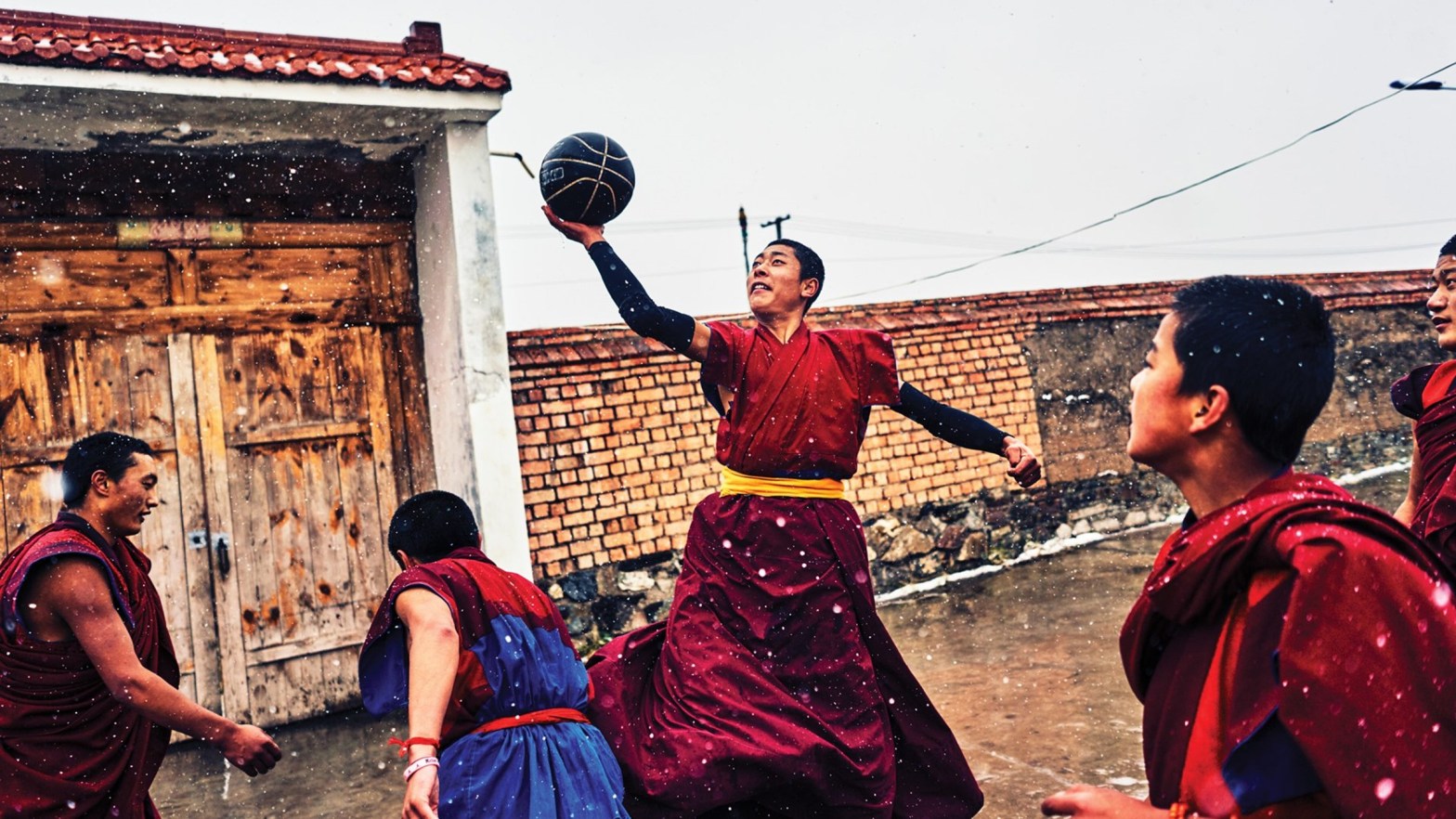
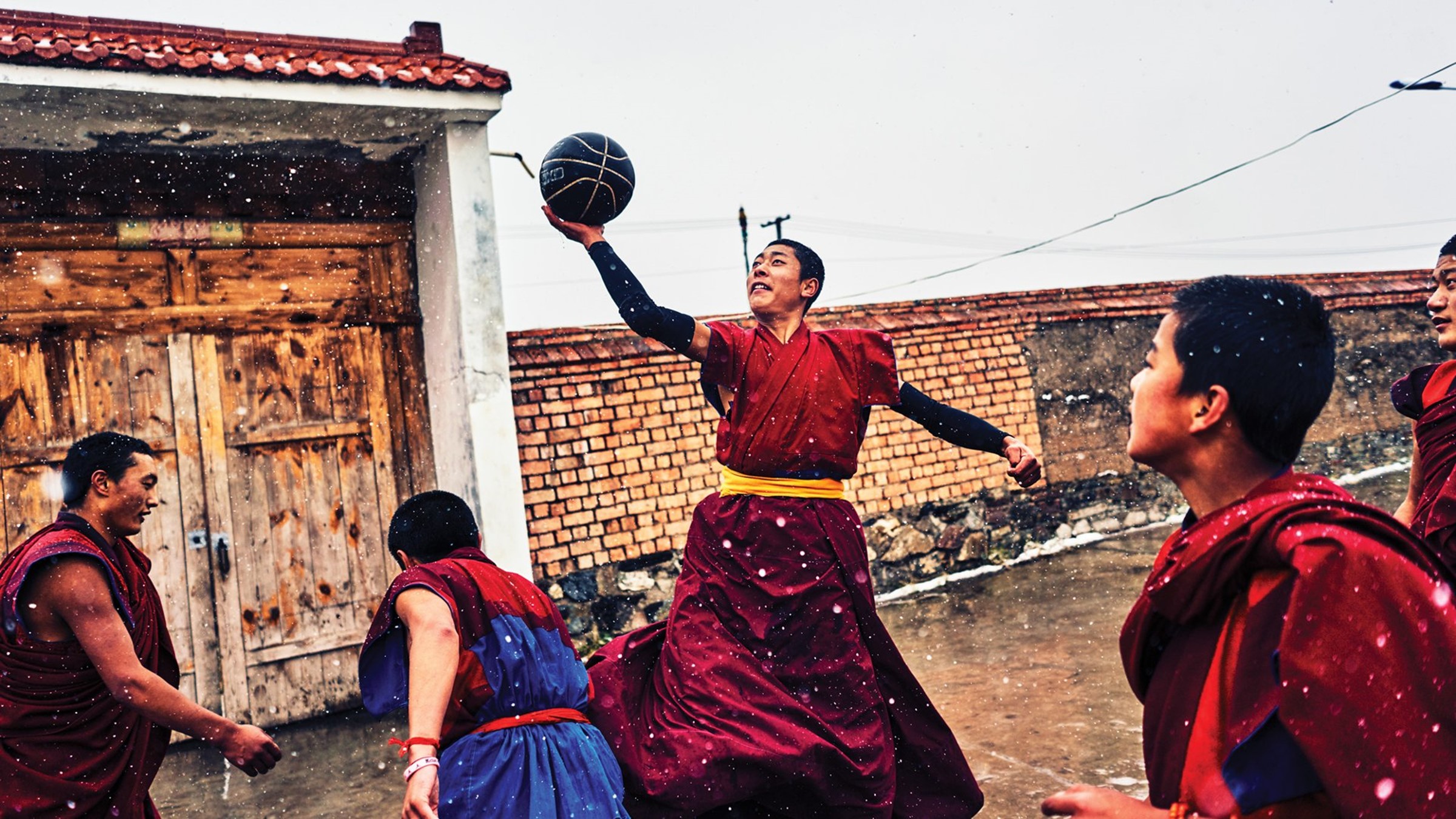
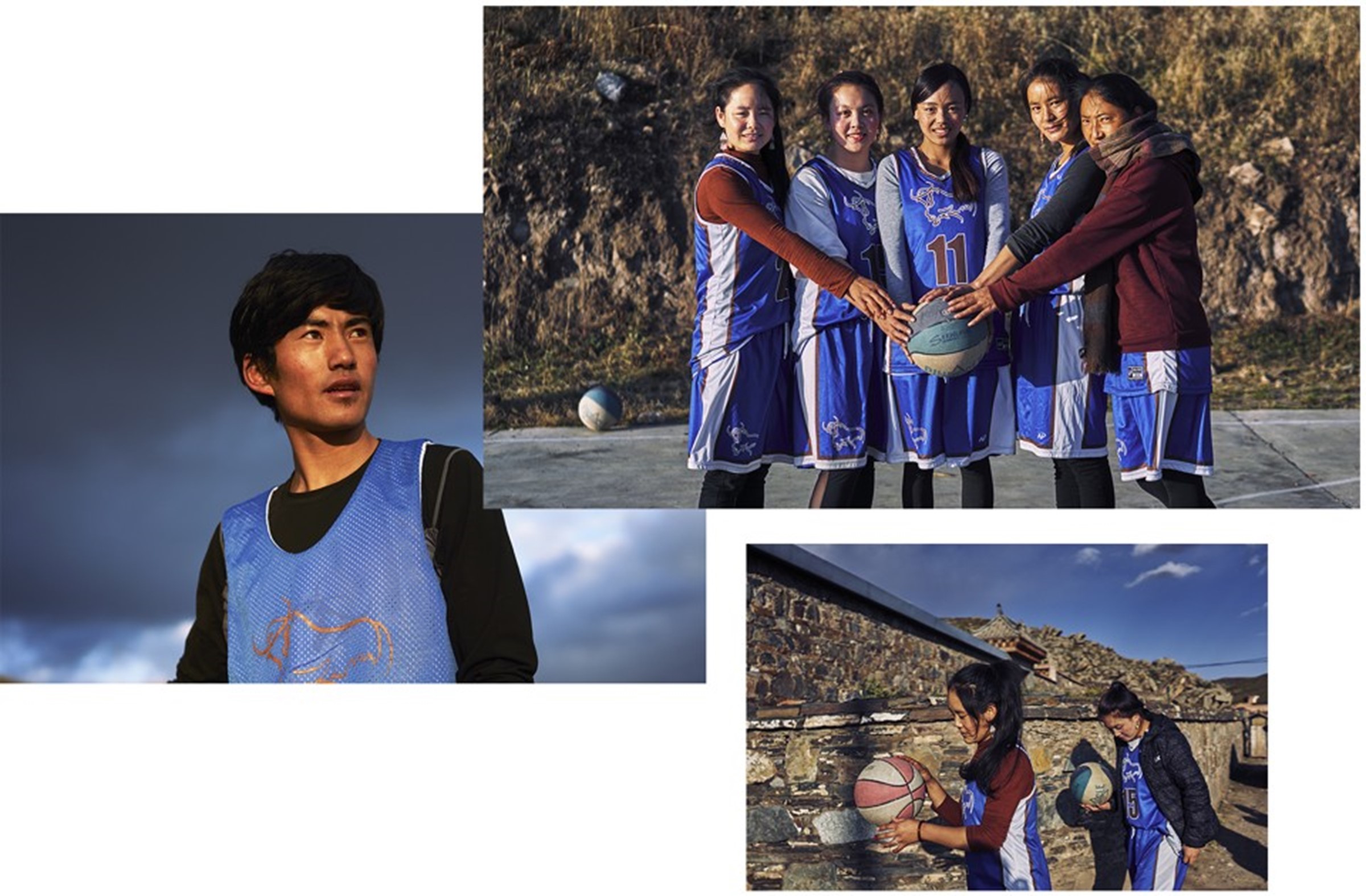
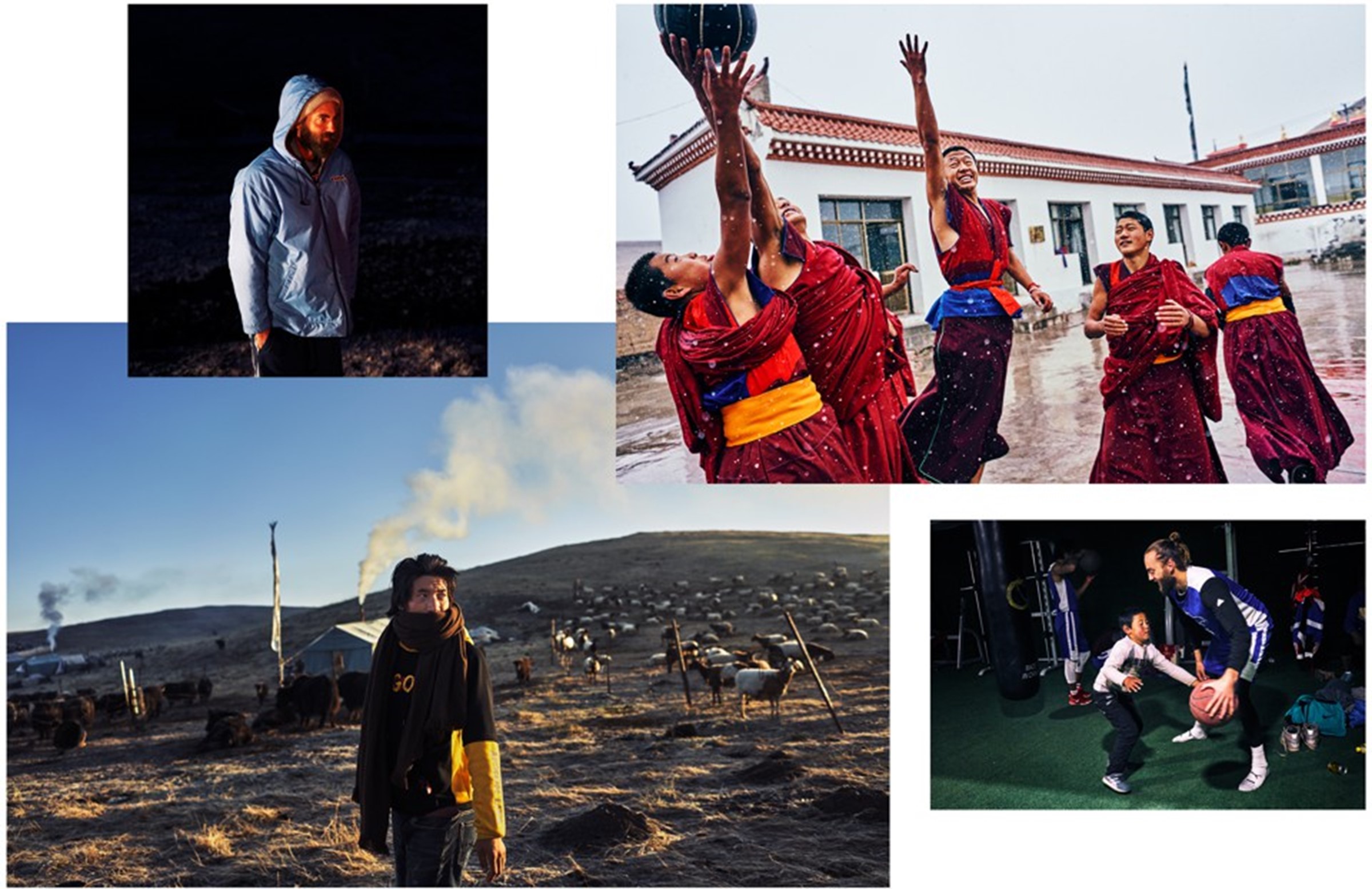
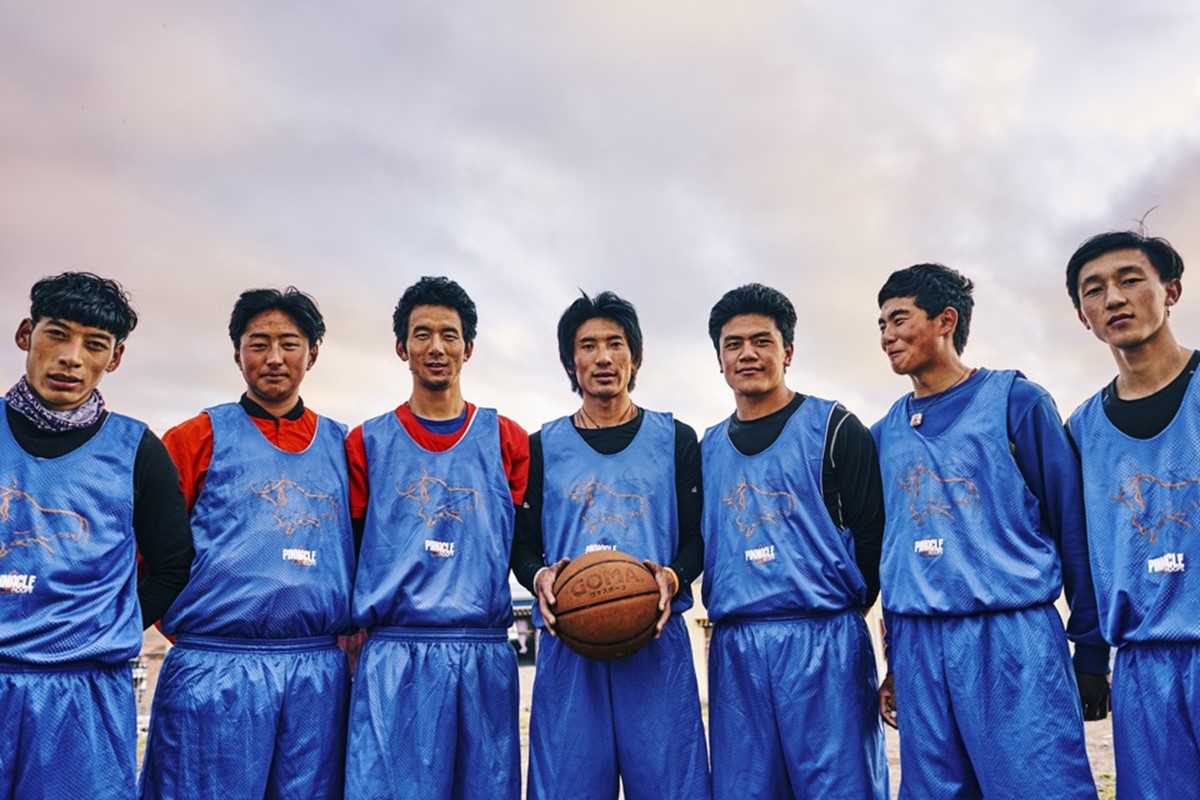
Whoops! It’s Hoop Time in Tibet. It gives me Whole Hope. I am hoping that Tibetans will begin scoring Wins on the playground which will ultimately lead to a Win on the battlefield. I am praying for the time to announce Tibetan Victory in the Hoops Game. As the saying goes, “The Battle of Waterloo was Won on the Playing Fields of Eton.” The saying emphasizes that the foundations for victory at Waterloo, and by extension, British military prowess, were laid through the discipline, teamwork, and leadership skills developed during a public school education. The quote suggests that the values of courage, discipline, and teamwork, which are crucial in war, were instilled in British officers during their time at prestigious public schools like Eton. Freedom does not come automatically even if you live at the ‘Rooftop’ of the World. Tibetans need to ascend to a new level where they can outplay their opponents in a Game of Strength and Will Power.
Rudra Narasimham Rebbapragada
Special Frontier Force-Establishment 22-Vikas Regiment
Monks, nomads, and a sport’s unlikely ascent in a remote corner of the globe
Whoops! Tibetans Win Freedom Playing Hoops
An Rong Xu
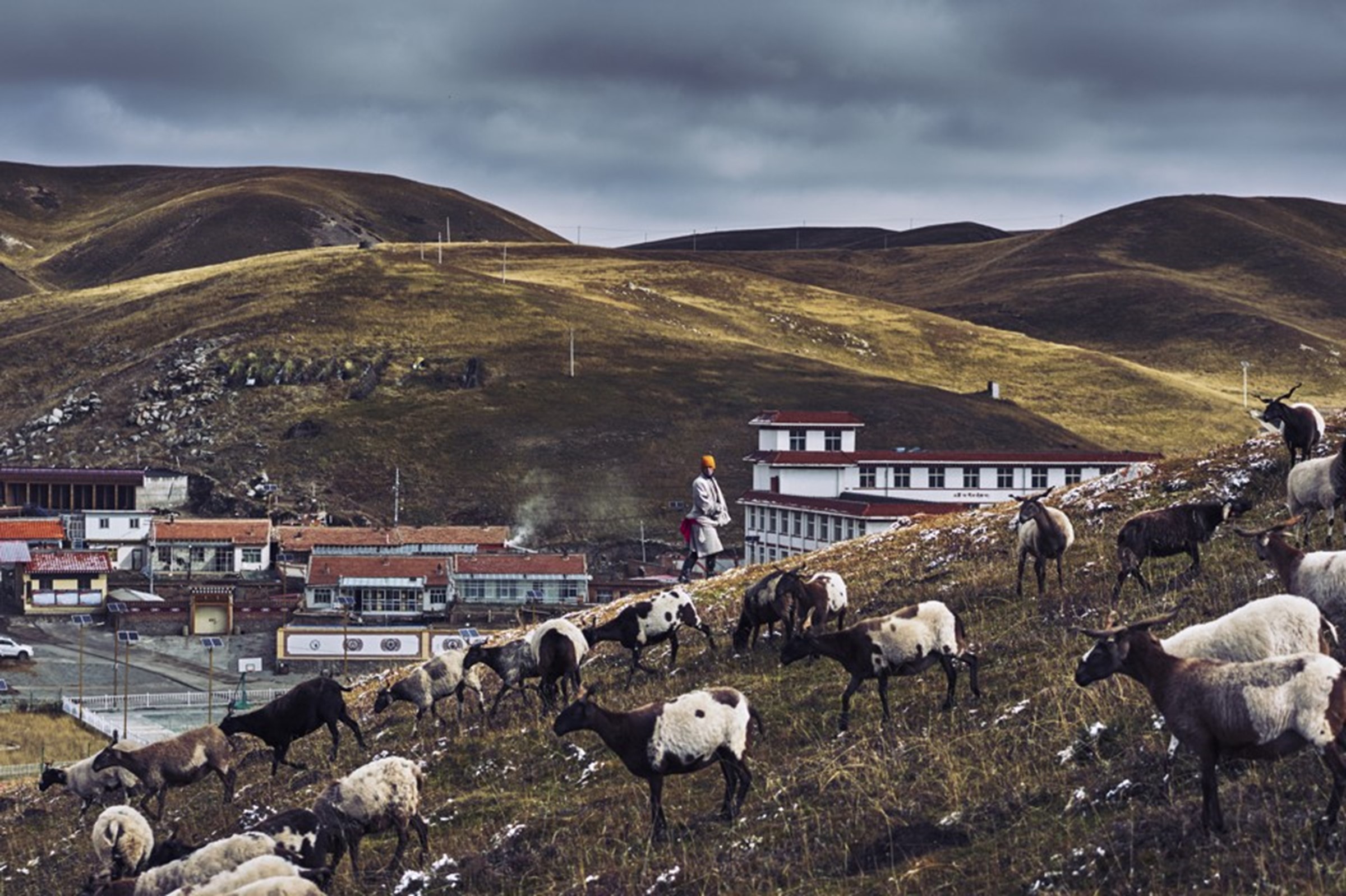
ALONG the northeastern edge of the Tibetan plateau, a treacherous landscape where yaks graze above the clouds, basketball hoops are everywhere: at the bases of cliffs; in the courtyards of centuries-old, golden-roofed monasteries; in nomadic villages tucked into the hills.
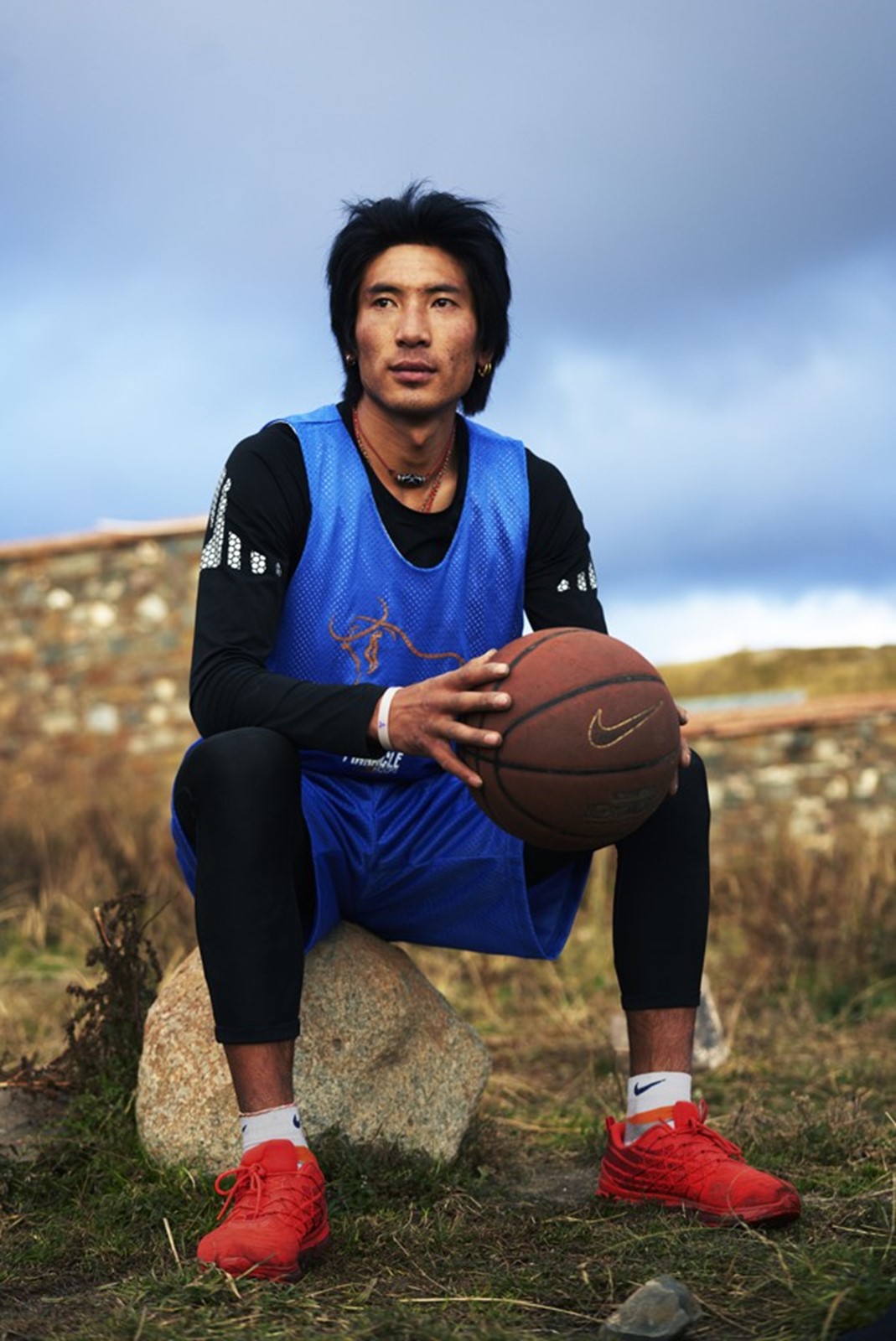
It was within such a village, Zorge Ritoma, that Dugya Bum, a sheep and yak herder from the Golden Stone Clan, took up the sport. He’d played in school, but after dropping out at 16 he became a full-time nomad, the livelihood of his ancestors. During winter, his family lived in a mud-walled house about four miles from Zorge Ritoma’s center, grazing yaks and sheep at the foot of the mountains. In the summer, when the weather improved, they took the herds up to rich, high-altitude pastures and resided in temporary tents. In the fall, they would gradually make the journey back down.
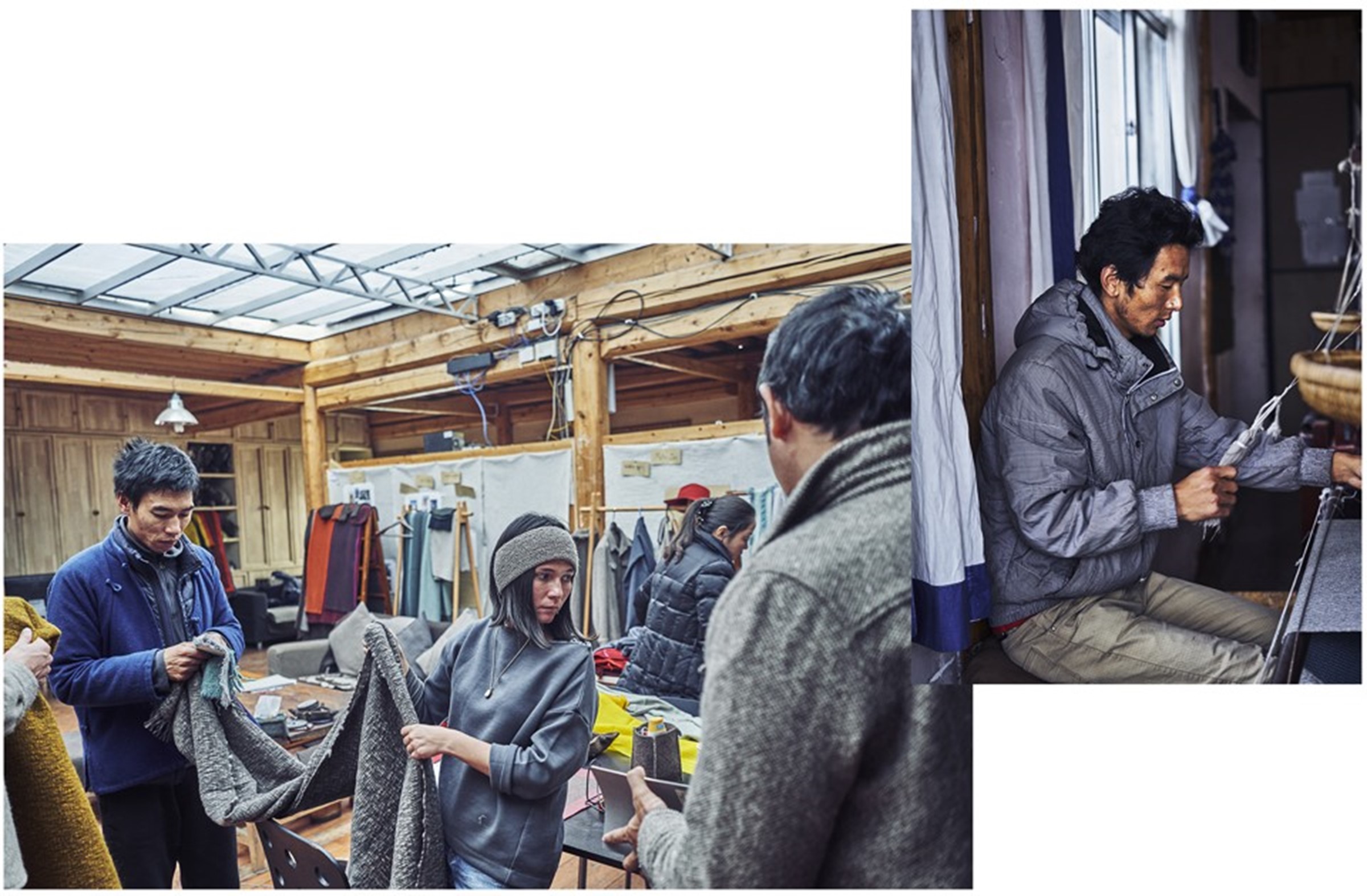
As a teenager, Dugya Bum grew his hair long and smoked cigarettes. He avoided eye contact. His parents, all too familiar with the physical demands of a permanent nomadic existence, encouraged him to explore alternative life paths. So in 2011, he took a job at Norlha, a textile company that had opened in the village a few years earlier and was hiring nomads as yak-wool artisans. But the routines of office and factory work didn’t suit him.
Then, in 2015, a tall, gangly stranger arrived from the United States. The newcomer set about putting together a real basketball team, with practices and drills and tournaments and all the rest. Dugya Bum signed on to play after work. The sport became central to his life. The team generated excitement throughout the village, and in the nomadic communities beyond. Now, going on four years later, a semi-professional sports program is flourishing and spreading hope, in a region better known for its reincarnated lamas than its athletes.
A few years ago, while living in Queens, I began to wonder whether any Buddhist monks played hoops. I’d loved the sport since childhood and had recently become fascinated by practitioners of Buddhism. And while the pairing may seem far-fetched, it made a certain sense to me. Devotion to the sport involves countless hours in the solitude of echoing, dimly lit places—rickety old gymnasiums, empty playgrounds, driveways late at night—where one undergoes a genuinely meditative sensory experience: the rhythmic bouncing of a ball; the mental focus and repetition essential for knocking down free throws; the visualizations, such as imagining oneself sinking a last-second shot. There’s a reason Phil Jackson—a.k.a. the Zen Master—didn’t coach football.
I visited a few Buddhist monasteries in the New York area, where I was met with a consistent response from the polite but puzzled residents: No, monks don’t play basketball. That seemed to be that.
But there’s always the internet. Late one evening in 2017, I Googled basketball and Buddhist monk and eventually found a Facebook page on which a grainy video had been posted. It showed a red-robed monk on an outdoor court effortlessly leaping up, grabbing the rim, and shattering the backboard. I initially suspected this was a hoax, but if so, it was an elaborate one. In one picture on the page, a man stood on a mountaintop amid rising smoke. “Team captain Jampa making offerings and passionate prayers to his village’s mountain gods before a basketball match,” the caption said. In another picture, a flock of sheep approached a basketball court beside a barren hill. “And the fans rush the court!” that caption said. I saw a picture of young nomadic women shooting baskets on a snowy, icy court, and a video of a young monk executing a pretty up-and-under move to evade a shot-blocker and put the ball in the hoop. This, it turned out, was Norlha basketball.
A red-robed monk effortlessly leaped up and shattered the backboard.
I contacted Willard “Bill” Johnson, the team coach and the moderator of the Facebook page. He told me, in a dreamy voice, that the people of Tibet were mad for hoops.
Johnson described to me the upcoming Norlha Basketball Invitational and Tibetan Hoop Exchange, featuring a tournament that he said would showcase the top teams—some composed of nomads, others of monks—in the Gannan Tibetan Autonomous Prefecture. (Gannan is part of China’s Gansu province and is located in the traditional Tibetan region of Amdo.) Johnson called it a “turning point” for his team— “our big test.” The tournament would gauge his players’ strength against tougher competition than they had yet seen. Excited, I made travel arrangements to attend the tournament. The next day, alas, it was postponed. The tournament would have coincided with the 19th National Congress of the Chinese Communist Party in Beijing, for which security was being tightened throughout the country. Local police from China’s Public Security Bureau, concerned about large gatherings, had asked Norlha for the postponement.
I decided to make the journey, nonetheless.
Basketball first appeared in the Tibetan highlands about 100 years ago. At that time, the rugged, sparsely populated Tibetan plateau was ruled by warlords on its eastern frontier and in central and western Tibet by the Buddhist government of the Dalai Lama.
According to Chinese historical records, in 1935 central Tibet sent a basketball team to the Sixth National Games in Shanghai, more than 2,500 miles from the Tibetan capital of Lhasa. But the team didn’t arrive until after the tournament was over. An overland trip would have taken several months on horseback, Tibet historians told me, with provisions carried by yaks or mules.
Whoops! Tibetans Win Freedom Playing Hoops
Sheep being herded in Zorge Ritoma. (An Rong Xu)
In his book Seven Years in Tibet, the Austrian mountaineer Heinrich Harrer wrote that upon his arrival in Lhasa in 1946, the city “made no provision for games,” with one exception: “a small ground for basketball.” Particularly in eastern Tibet, the sport spread in part for topographic reasons: The uneven and rocky landscape encouraged basketball over soccer, which requires a much more level ground.
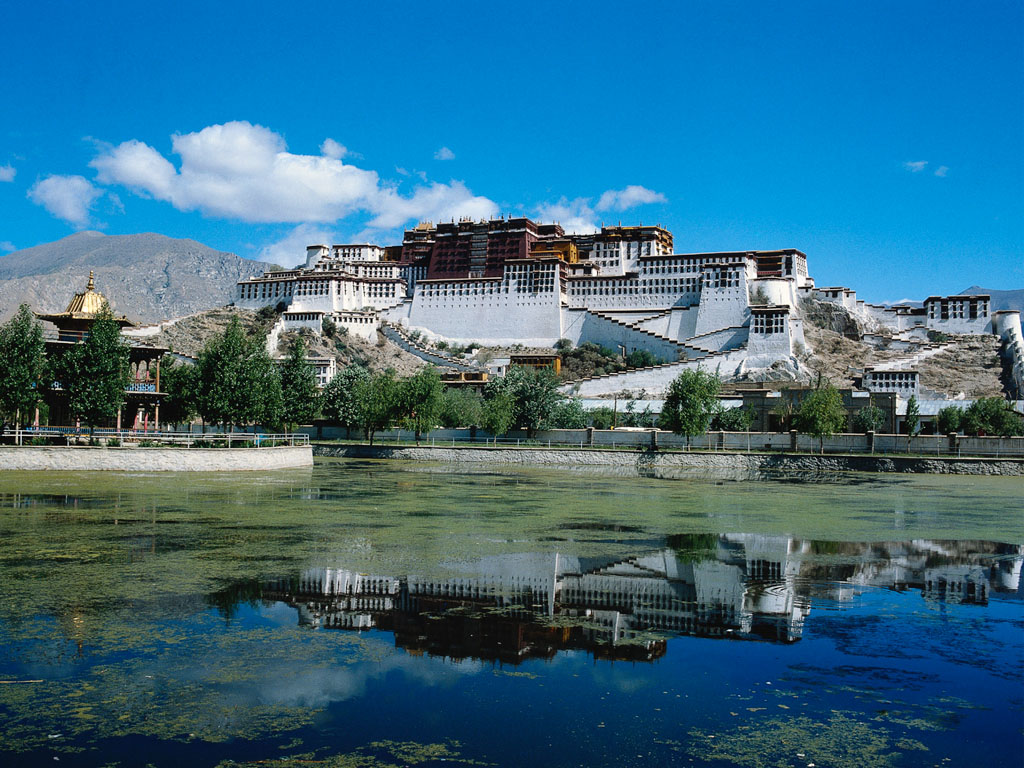
In 1951, China’s People’s Liberation Army, including a military basketball team, marched into central Tibet and occupied—or “peacefully liberated,” in the Chinese view—the region. It would be another eight years before the Dalai Lama fled from Lhasa into exile in India. During the interim, championship basketball games were held in a large open space in front of the Potala Palace, the Dalai Lama’s enormous hillside residence. Dongak Tenzing, 83, a former Tibetan soldier who grew up in Lhasa and now lives in Madison, Wisconsin, described them to me. Thousands of people would attend, Tibetan townspeople, government and palace officials, uniformed Chinese military personnel, aristocrats, and monks. Food and drink stalls surrounded the manicured dirt court, and the score was displayed on a blackboard. The games—which were organized by the Chinese—were clean and disciplined, Dongak remembered. Rough play was prohibited, as were displays of emotion, which were considered rude.
Nomads have lived in the Zorge Ritoma area since at least the 17th century. Until the late 1950s, they lived in yak-wool tents year-round; by the 1960s, when they started building dwellings with mud walls to stay in during the winter, basketball was an important part of village life for young men, according to Dugya Bum’s grandfather Gonpo Tashi, who played as a child. The basketballs used at that time, he said, were made from the bladders and skin of freshly slaughtered animals; while lacking the bounce necessary for proper dribbling, they were adequate for passing and shooting.
In Zorge Ritoma, villagers played a rough, unusual variation of basketball using a wooden hoop, Jampa Dhundup, a point guard and leader for Norlha’s team, told me. According to the rules, the ball couldn’t touch players below the waist. And “whichever team fought the best won—no one thought about skill.”
In the late 1990s, television started trickling into remote areas. At the same time, basketball was becoming a favorite pastime of Tibetan monks. Johnson mentioned to me an old tradition of “big, strong monks who were athletes”—an apparent reference to the dobdobs, the physically aggressive monks who carried weapons, engaged in sporting competitions, and served as monastic police and bodyguards for important lamas and other travelers.
Alex McKay, a Tibetologist and sports historian of the Himalayan region, suggested to me that the macho image of the American basketball star likely appeals to eastern Tibetans because they have roots in a warrior culture. As one Tibetan player from Amdo told Chinese media during a tournament in March: “We don’t have professional coaches back home. All of us learned to play by watching NBA and CBA games on TV, by following the players’ movements. No one gave us any direction.”
Zorge Ritoma, known among locals simply as Ritoma, sits at the base of four sacred peaks. Its 275 families are scattered across several valleys in red- and pink-roofed houses, now mostly made of brick or stone. Much of the village’s food is derived from yaks—meat, cheese, butter, and yogurt—and religion is embedded in everyday life. “Sky burials,” in which the body is taken to a mountaintop and prepared for vultures, are performed on the dead.
In 2007, Kim Yeshi—a French American who studied anthropology and Tibetan Buddhism in college and married a Tibetan man in 1979—along with her daughter, Dechen Yeshi, co-founded the Norlha plant in Ritoma. The intent was both to preserve Tibetan culture and to offer a consistent source of income to the villagers. A year later, Kim decided to have a basketball court built to accommodate the community’s obsession with the game. It’s a paved surface adjacent to a workshop on a narrow, relatively flat stretch between Ritoma’s main road and a hill whose incline doubles as makeshift bleachers.
The employees played after work. Using one or two basketballs, they congregated around the hoop and heaved up shots. A regular at the court was Dugya Bum. As the eldest son, he would normally have been expected to carry on as the nomadic heir to the family’s herds and have a wife chosen for him. Instead, shortly after he dropped out of school, his grandfather approached Norlha’s executives and asked, “Do you have something he can do?” Norlha trained Dugya Bum to use an office computer, speak rudimentary English, and take photographs of models wearing the scarves the company manufactures from yak wool. He liked the photography, but didn’t excel at it; principally, he saw it as an opportunity to get closer to a particular model, Lhamo Tso, with whom he had fallen in love.
Whoops! Tibetans Win Freedom Playing Hoops
Dugya Bum, who is the best player on the Norlha basketball team. (An Rong Xu)
Dugya Bum was a rebellious, immature employee. He ignored the no-smoking rule and routinely snuck into the guesthouse kitchen to take food. He was transferred to the factory workroom, where he eventually became a dyer. He complained about his pay.
In the felting section upstairs, a quiet, skinny man of 20 named Jamphel Dorjee was having his own troubles. Jamphel had grown up herding animals in a village down the road. He had married a woman in Ritoma, where he didn’t know anyone. His wife worked at Norlha, so he had gotten a job there too. Jamphel was shy, and his workstation was isolated from other employees’. After work, he had nothing to do. But he noticed that every evening, the other male employees played basketball. One night, he followed them to the court. Soon, he was trying to play. But neither he nor Dugya Bum knew that basketball would transform their lives.
Bill Johnson, 32, grew up in Everett, Washington, north of Seattle. In high school, he was into math and theater. But when he sprouted to 6 foot 8, he began to focus on basketball. He could shoot well, but because of his skinny frame, he struggled with rebounding and defense. He wasn’t recruited by any major basketball schools, so he enrolled at MIT. He worked hard at his game, and in 2009, when he was a senior and co-captain, MIT advanced to the Division III NCAA tournament—the first berth in its history.
Whoops! Tibetans Win Freedom Playing Hoops
Norlha coach Bill Johnson (left) and veteran point guard Jampa Dhundup (right). (An Rong Xu)
When he wasn’t on the court, Johnson had a slightly offbeat vibe. He won a school talent show with an interpretive dance involving streamers and tight pink shorts. (“If you’ve seen the movie Napoleon Dynamite, it was almost like that,” Jimmy Bartolotta, an MIT teammate, told me.) Rather than spend spring break in Cancún with his friends, he volunteered to teach dental hygiene in Nicaragua.
After graduation, Johnson became an MIT assistant coach, then played in a league in Costa Rica. “I was nickel-and-diming it,” he says, “barely getting by.” While visiting Bartolotta, who played professionally in Iceland, Johnson partied and drank with fans; soon after, he signed a short-term contract to play there. After that, he went to play for six months in Australia.
In 2014, after a stint playing in Cape Verde, Johnson returned to the United States. His MIT friends were now neurosurgeons and engineers, real-estate investors and CEOs. Johnson—who had grown out his beard, and often bundled his hair into a man bun—had no real career plan. He was scrolling through Facebook when he noticed a post from a cousin in India about a former classmate, Dechen Yeshi, who was hiring a tutor for her young daughter in Ritoma. Johnson began researching Norlha online. When he saw a photo of its basketball court, that “sealed the deal,” Johnson says.
One player sported dress shoes; another, a worn business suit; and another, mittens.
He applied for the job opening and was immediately rejected. Dechen considered him overqualified. Also, she was puzzled by the degree to which his application emphasized basketball. But over the next several months, he emailed repeatedly. Even after the tutor position was filled, Johnson told Dechen he was willing to help the company in any capacity.
Dechen, in turn, researched Johnson online. His persistence and academic credentials impressed her, as did his attitude. So, she invited him to Ritoma to be a volunteer basketball coach for the Norlha team. The ragtag group of Norlha workers occasionally competed in ad hoc tournaments, and she thought Johnson could perhaps instill discipline and teamwork—values that might also benefit the company. Plus, he’d offered to pay his own way. “All I need is a bed,” he’d written.
Whoops! Tibetans Win Freedom Playing Hoops
Left: Dechen Yeshi (center), a co-founder of Norlha, inspects a new product in the company’s workshop. (An Rong Xu)
Johnson arrived in Ritoma in August 2015. The place felt empty: The nomads and their animals were off in the high summer pasture.
At the Norlha guesthouse, where he’d be staying, he met with Jampa, the team’s soft-spoken veteran guard. Jampa, now 30, is also a poet, whose work has been published as far off as Lhasa, some 1,400 miles away. “We want to be the best team in Gannan,” Jampa said. “We can start tomorrow. Tell us what to do.”
At the first practice, about 25 Norlha employees gathered on the court. To them, the moment was surreal: Here stood a professional player from the United States. (“We all thought, NBA,” Jampa recalls.)
For his part, Johnson saw a “hodgepodge of guys.” Most of the players were wearing jeans. One sported dress shoes; another, a worn business suit; and another, mittens. Moments before practice was to begin, there was a roar and a cloud of dust as a motorbike bearing another player screeched to a stop at mid-court. “Holy shit,” Johnson muttered to himself. “What is this?”
Johnson is careful to describe his coaching style as a collaborative effort between himself and the players. Still, he knew what he saw when practice began. Players hogged the ball. They made clumsy attempts at virtuoso dribbling. Shooting forms were askew. “Nothing was right,” Johnson says. “These guys just beat the crap out of each other.”
Johnson’s first impression of Dugya Bum was negative. He had an arrogant vibe, and off the court, he dressed in flashy clothes: big coral necklaces, orange bandannas, porcupine-style hair. His jump shot was herky-jerky, and his skills were underwhelming. But at 6-foot-1, Dugya Bum at least carried himself like a basketball player. He was fast, and he was fluid.
Constantly following Dugya Bum to practice was Jamphel, who admired his co-worker’s athleticism. Unlike Dugya Bum, though, Jamphel, at 5-foot-10, was timid and constantly had the ball stolen from him. His shot resembled an overhead catapult and was wildly inaccurate.
Still, Johnson was enthusiastic as he ran his new players through drills for the first time. Practices, which lasted from 5:30 p.m. until sundown, became must-see events. Villagers brought stools and thermoses of hot water. They laughed when shots were missed and clapped when they went in. They watched as Johnson shouted at his guys and occasionally played alongside them. Sometimes, to everyone’s delight, he would dunk the ball.
Johnson led the players on jogs through the village and sat with them to meditate. During lunch, he had them lift weights—mostly bricks and bags of flour or rice—in the factory courtyard. He showed them film of the San Antonio Spurs, whose style emphasized teamwork. The players called Johnson gegen, meaning “teacher.”
Jampa phoned representatives of rival teams to schedule games. Occasionally, local businessmen sponsored tournaments. Nomadic teams traveled to them by motorbike and camped out in tents. All-monk teams also joined the competitions. Across the region, Johnson noticed, were passionate players without coaches or “any concept of what we would consider organized play.”
At times, the most effective way to guide and motivate his team, Johnson realized, was to play himself. So he suited up for one tournament in August 2016, in a cavernous gym full of cigarette smoke in Maqu, 125 miles from Ritoma. Despite Johnson’s participation, Norlha was overwhelmed by a more aggressive, better-shooting team and lost in the first round of the playoffs. Dugya Bum had scored a few baskets, but he hadn’t played impressively. Johnson had forbidden him to shoot anything but layups because of his faulty jumper. As for Jamphel, “I wouldn’t even consider putting him in,” Johnson says.
With winter approaching, the practice was put on hold until April. Nonetheless, Dugya Bum began messaging Johnson, requesting one-on-one instruction. They met at the court at 6:30 a.m., or during lunch, or before dusk, to run drills and lift weights. Johnson deconstructed Dugya Bum’s jump shot. Jamphel tagged along. Together, over the long, brutal winter, the two teammates worked on their game. Dugya Bum quit smoking. “I’d give up my life for basketball,” he told fellow Norlha employees.
By the summer of 2017, Dugya Bum was a different player. He blew past defenders for easy baskets. He dished the ball off to teammates for assists. His jump shot had improved; he got the green light to shoot from mid-range. With added muscle, he finished more easily at the rim, powering through contact with opposing players. There were moments, Johnson thought when Dugya Bum could have held his own playing New York City streetball.
Players informed Johnson they couldn’t practice because they had to chase mastiffs that were roaming around the village and terrifying people.
Norlha was also playing better as a team. Players no longer ignored their teammates to go one-on-one. Now they worked the ball around for an open shot. At summer’s end, Dugya Bum was selected as an all-star to play in Gannan’s annual tournament. Afterward, he was named one of Gannan’s top 10 players.
In the workroom, meanwhile, Dugya Bum’s attitude had improved. He made eye contact with co-workers and talked more openly. Basketball had helped him “find meaning,” Dechen Yeshi, who called him a “model employee,” told me. By this time, he had also married Lhamo Tso, the Norlha model.
Jamphel had also progressed on the court and was earning minutes. He was a more adept ball handler, had improved his court awareness, and made open shots. But what Johnson admired most were his intangibles: Whatever Johnson asked him to do, he did without hesitation.
Even more significant was Jamphel’s evolution off the court. The once-quiet young man was now opening up to teammates. “We’ve become best friends,” Jamphel recently said of them.
Jamphel’s wife, Jamyang Dolma, works at Norlha as a tailor and a model. Like other nomadic women suddenly thrust into a 9-to-5 job, she had found the concept of free time after work completely alien.
For women especially, nomadic life is difficult. Days are long and dominated by chores: starting fires, milking animals, chopping wood, churning butter, cooking meals, collecting dung for use as fuel, cleaning pots, caring for children. The idea of a hobby never came up. “In traditional life, women don’t play basketball, but it doesn’t mean women don’t like it,” Jamyang Dolma told me. “It may be because they never had the opportunity or anybody to lead them.”
In 2016, a female Norlha employee, Wandi Tso, asked Johnson whether women at the company could form a team.
“Whenever you want to play,” Johnson told her, “let’s do it.”
The women who signed up were initially too afraid to even catch the ball. But as they learned the fundamentals, their confidence rose. Their shooting form was generally “textbook,” Johnson says, unlike the men’s, whose years of bad habits had to be trained out of them. Villagers in Ritoma gradually grew accustomed to seeing women on the court.
Dugya Bum and Jamphel helped Johnson train the women’s team, which included both of their wives. Lhamo Tso became the team’s best all-around player, and Jamyang Dolma the team’s best shooter. At home, she and Jamphel would discuss the drills they’d worked on that day.
Whoops! Tibetans Win Freedom Playing Hoops
Left: Jamphel Dorjee, the most improved player on the men’s team. Above right: Players from the Norlha women’s team, including Lhamo Tso (far left), the team’s best all-around player, and Jamyang Dolma (second from right), the team’s best shooter and Jamphel Dorjee’s wife. (An Rong Xu)
In September 2017, the Norlha women played competitively in front of the villagers, in a three-on-three tournament organized by Johnson. Wearing light-blue jerseys, the Norlha players giggled each time they blundered and clapped whenever their team scored.
When I was there, I watched one of the women’s team’s practices. Two female coaches were visiting for the week: Ashley Graham, a former professional player in Europe who owns the training group Pinnacle Hoops, and Carly Fromdahl, a Pinnacle instructor who played college ball at Seattle University. They ran the Norlha women through drills, including layup lines (the women dribbled slowly but made most of their shots), ball-handling exercises, and chest-and-bounce passes.
Basketball, Dechen told me, has become a “gateway for the women to try new things.” They started doing yoga and meet regularly outside of work. They eat meals together now and have begun discussing their jobs, lives, and plans for the future.
Basketball has “made them more courageous,” Dechen said.
For the men’s team, however, hurdles began to emerge. At MIT, Johnson had considered practice time sacred—something to be missed only because of serious illness or a family member’s death. In Ritoma, Johnson scheduled mandatory practices three days a week. But aside from Dugya Bum and Jamphel, attendance was spotty. Once, Johnson’s players informed him they couldn’t practice, because they had to chase after fearsome Tibetan mastiffs that were roaming around the village and terrifying people. Another time, they said they couldn’t practice because they had been up all night circumambulating the village monastery, a Buddhist ritual performed to accumulate merit toward future rebirths. Often, players had to help relatives with nomadic duties, such as finding lost sheep.
So early in the 2017 season, Johnson set a benchmark: To play in a major tournament in Maqu scheduled for August, the team was required to hold 20 practices with at least 10 players in attendance. But at summer’s end, the standard hadn’t been met. At a team meeting, Johnson said Norlha wouldn’t play in Maqu. (He later discovered that multiple players had joined the team solely for the trip, during which they would have been able to skip work and stay in a hotel.) All but three of the players quit. The holdouts: Dugya Bum, Jamphel, and Jampa.
Soon afterward, Johnson and Dechen met to discuss the program’s future. Norlha’s team was open only to employees, and it had become clear that the company’s 120-person workforce was not a large enough pool from which to draw a committed squad. During their chat, Johnson noted that among the villagers who didn’t work at the factory were many good players who were eager to train but had no coach.
Korchen Kyap, for example, was a 23-year-old nomad who had proved to be one of Ritoma’s best players—6-foot-2, with excellent leaping ability. Throughout the previous winter, when Johnson returned to the United States to visit family, Korchen Kyap and other nomads who had been playing without a coach flocked to Norlha’s court daily for pickup games, braving the ice and snow. But during the summer, the heart of the basketball season, it was impossible for Korchen Kyap to play with the team, even without Norlha’s employees-only rule. The up-mountain pasture to which he herded his animals each morning was too far from the village center for him to return for practice at 5:30 p.m.
Dechen had seen how Johnson’s brand of team-first basketball had brought Tibetans together, spread the Norlha name, and raised revenue by earning cash prizes—anywhere from the equivalent of several hundred to several thousand dollars—at tournaments in the region.
So Dechen decided to open up the team to the nomads—and pay the players. She set aside an annual budget of 145,000 yuan, or about $21,000. Two players, Dugya Bum and Chökyong Kyap—a fiery, talented guard from the White Horse Clan—would become full-time basketball players, with Dugya Bum earning a monthly salary of 2,500 yuan (about $365, or four times the average local income) and Chökyong Kyap earning 2,000 yuan. Eight players making 1,000 yuan a month would round out Norlha’s traveling team. Five practice players, including three developmental players, would earn 500 yuan apiece. (Johnson himself was now earning a salary as Norlha’s e-commerce manager, a job he’d taken on in 2016.)
Johnson is hoping to eventually add monks to the team. Ritoma’s best monk player is Dugya Bum’s brother, Sonam Drakpa. (He is the backboard-shatterer I saw in the video on Norlha’s Facebook page.) He and two other monks—Korchen Kyap’s brother and a 6-foot-4 bruiser named Sherab—scrimmage with Norlha during the monastery’s brief summer break. But as far as playing full-time, “it’s tough with the monks’ schedules,” Johnson told me sadly.
Whoops! Tibetans Win Freedom Playing Hoops
Photographs were taken in October 2018 in Zorge Ritoma (An Rong Xu)
I wasn’t the only visitor who had planned to attend Johnson’s Norlha Basketball Invitational and Tibetan Hoop Exchange. Eight other Americans made the trip as well, including four basketball players: Graham and Fromdahl from Pinnacle Hoops; Andrew Greenblatt, a former Division III men’s basketball player at Swarthmore College who had helped Johnson raise funds for the tournament; and Isaac Eger, a writer who was traveling the world playing pickup basketball. Johnson had arranged for some low-key pickup games against monks in the region. Building relationships with them, he said, is “priceless.”
With this in mind, Johnson planned a scrimmage with the top team from Labrang, one of Amdo’s largest monasteries. But first, we were given a tour. Pressed up against a big green mountain, the monastery’s white, red, and yellow structures, some with gilded roofs, are connected by a labyrinth of dirt alleyways through which monks and pilgrims roam. A monk leading tours collected my ticket stub, crumpled it up, and tossed it into a trash bin. “NBA,” he said, bumping my fist.
The day of the scrimmage, as we drove along a narrow mountain pass, Johnson warned our group of Labrang’s physicality and offered an advance apology: “No one’s purposely trying to hurt you,” he said. “They’re still Buddhist.” (I’d intended to play but was sidelined after pulling a muscle the previous day while demonstrating a jump hook.)
We made a winding descent into a valley, then turned off the road and drove unsteadily on rocky grasslands. The court appeared, its weathered surface riddled with cracks and wet spots. A stream flowed alongside it. In all directions, empty plateau stretched for miles.
A green taxi wobbled up behind us. It stopped shy of the water’s edge, and several 20-something monks in robes got out, holding bags and basketballs. More taxis followed, also filled with monks. The men vanished into a nearby hut and emerged wearing basketball gear, including white “USA” jerseys. They splashed across the stream and onto the court.
The athleticism and creativity of Labrang’s players were immediately evident. They hung in the air on jump shots and made Kobe Bryant–esque fadeaways. They played hard, and they fouled hard. At one point, Greenblatt got clocked by the opposing point guard and fell. “They don’t mean any harm!” Johnson shouted.
A stray ball rolled onto the court, and some of the Americans stopped playing. Labrang seized the chance to make an uncontested layup. “Guys!” Johnson shouted, “There’s gonna be hawks, vultures, balls rolling onto the court—you gotta play through!”
The teams played two games to 20, and both went down to the wire. The monks won the first one, 20–19. The second went to the Americans, 20–18. After that game, Greenblatt, Graham, and Fromdahl sprawled onto the court exhausted, unaccustomed to playing at that altitude.
“These guys are tough,” Johnson said.
“Super tough,” Greenblatt replied.
Whoops! Tibetans Win Freedom Playing Hoops
The Norlha basketball team prepares for a game against the Sichuan All-Stars at a tournament in Hezuo, the capital city of the Gannan Tibetan Autonomous Prefecture. (An Rong Xu)
Although the Norlha Invitational tournament had been postponed, Johnson was still planning to lead, with the visiting Americans, several days of clinics for Norlha’s teams. But after the first day—a cool, sunny afternoon of spirited drills and pickup games—Johnson received more bad news: False rumors had reached the Public Security Bureau that the Americans, me included, were NBA players; apparently worried that our presence would attract large crowds, the authorities urged the Norlha team to stay away from the court. All remaining basketball activities were called off.
The following day, a damp snow fell, blanketing the court. Entire streets were reduced to mud. The village was quiet.
I took the opportunity to visit Dugya Bum’s house. I walked through his front gate into a muddy outer courtyard, and then into a room with a red carpet and wood-paneled walls. Displayed high on one was an elegantly framed picture, bordered by Tibetan letters, of LeBron James in front of a grasslands backdrop of horses and mountains. Basketball trophies were perched on a shelf.
Sipping butter tea, we spoke about his dream, nearly realized, of making a living playing basketball. When I asked him what his life would be like without hoops, he chuckled uncomfortably, then paused. “If basketball disappeared,” he said softly, “my love would be finished. Everything would be finished.”
Shortly after I left the plateau, good news arrived at last: A monk had built a new gymnasium in Hezuo, the capital city of Gannan, 16 miles away, and there would be a tournament in late November. In a preliminary-round game, Norlha faced the Zorge All-Stars, a brutally physical, all-nomad team. Norlha lost in overtime by one point. But the team won its three other matchups, qualifying for the playoffs.
Norlha won a quarterfinal rematch against Zorge, 48–39. In the semifinals, Norlha defeated a university team from Zhuoni County by one point, setting up an evening final against White Khata, a team featuring standout players from across the vast Amdo region.
Before sunrise on the day of the championship, Norlha’s players rode their motorbikes up to Amnye Tongra, Ritoma’s highest peak. They made offerings of sugar, barley, and fruit to the mountain deity believed to protect Ritoma and shouted, “Lha gyal lo!“— “Victory to the gods!”
A large contingency of Ritomans—nomads, monks, and Norlha employees—drove to Hezuo, where fans of both teams squeezed into the tiny, high-ceilinged gym, stuffing it beyond capacity. Fans bled onto the court; some climbed up the basket supports. Norlha wore its standard blue jerseys; Khata wore red. On the walls behind the baskets hung billboard-size posters of Kobe Bryant and LeBron James.
Eventually, officials locked the gym door; outside, latecomers climbed onto one another’s shoulders and peered in through the windows. Back in Ritoma, in the monastery and in households alike, people huddled around their smartphones, which were illuminated with shaky video feeds of the match.
When the game began, Dugya Bum seemed overhyped and anxious. On his first offensive touch, he rose up for a 10-foot jump shot that clanked long off the backboard. Twice in the ensuing minutes, he turned the ball over.
Meanwhile, Khata’s blazing-fast guards penetrated at will. The score, indicated on a small flip-style board at center court, seesawed back and forth. At halftime, Norlha led 18–16.
In the second half, Dugya Bum’s nerves settled. He soared in for rebounds and, low in his defensive stance, kept Khata’s ball handlers at bay. Norlha led 28–24 entering the final quarter.
Whoops! Tibetans Win Freedom Playing Hoops
Johnson hopes that his team will become so well-respected that it will attract players from across the Tibetan plateau. (An Rong Xu)
Khata bounced back, tying the score and then taking a narrow lead. In the waning minutes, with Norlha trailing 36–35, Johnson hit a three-pointer from the top of the key. Khata replied with a three of its own and followed that with a lay up to pull ahead by three. A Norlha player then made one of two free throws to cut the lead to two.
But that was as close as the team got. In the final seconds, there was scrambling and desperation from Norlha. Whoops and hollers filled the gym. But the clock wound down. A horn rang and Khata fans burst onto the court. Norlha had lost 41–39. Dugya Bum kneeled on the floor and covered his eyes, hiding tears.
Johnson huddled his team close. “We played our hearts out!” he shouted. “I know this hurts. But use this hurt, this feeling that you have right now, to fuel you over the winter.”
Jampa drove Johnson and Dugya Bum back to Ritoma. Dugya Bum was in the back seat, silent. It was almost midnight when they arrived back in Ritoma. Jampa dropped off Dugya Bum and Johnson at Norlha’s gate.
In a few months, Johnson would move out of the guesthouse and into his own place in the village. “I’m still scratching the surface of this way of life, this culture, Buddhism,” he told me, adding that he’s “definitely here for the long haul.”
Johnson’s vision for Norlha basketball is to build a program so well respected across the plateau that the best and most driven players will flock to train in Ritoma and then return to their towns and villages as player-coaches to spread what they have learned. Johnson knows achieving this goal is in large part dependent on Dugya Bum: If his commitment remains steadfast, Johnson believes he could become one of the best players in all of Tibet.
It was with these aspirations in mind that Johnson, late that night after their championship loss, gathered his thoughts as he and Dugya Bum stood together in the darkness. Before heading their separate ways, they embraced. Then Johnson looked Dugya Bum in the eye. “What you’ve done this last year was amazing,” Johnson said. “But keep it going. You’re our leader now. This is just the beginning.”
Support for this article was provided by a grant from the Pulitzer Center. It appears in the January/February 2019 print edition with the headline “How Tibet Went Crazy for Hoops.”
Whole Heaven – Creating Shangri La in Occupied Tibet
Shangri-La is a fictional utopian paradise, most famously described in James Hilton’s 1933 novel Lost Horizon. It’s often depicted as a mystical, harmonious valley hidden in the Kunlun mountains of Tibet, where people live long, peaceful lives. The concept has become a metaphor for any earthly paradise, a secluded and idyllic haven.
Tibet Awareness. Tibet’s Quest for Full Independence. Knowing Tibet. Institution of Tibetan national Identity.
In my opinion, Peace, Harmony, and Tranquility will get reestablished in Tibet when the Kingdom of Heaven replaces the Communist rule over Tibet.
NATURE NURTURES TIBETAN IDENTITY OF TIBETAN NATION.
Rudra Narasimham Rebbapragada Special Frontier Force-Establishment 22-Vikas Regiment
Whole Heaven – Creating Shangri La in Occupied Tibet
While The Division of Heaven and Earth by Shokdung is about resistance within Tibet, A Life Unforeseen by Rinchen Sadutshang is about the author’s work for the government in exile
Thubten Samphel Hindustan Times
Soldiers of the Chinese People’s Liberation Army (PLA) patrol through the streets of Lhasa in this picture taken on March 14, 2008.(AFP) Shokdung is the pen name for Tra-gya. It means the “morning conch.” The translator, Matthew Akester, thinks it is meant as a wake-up call for Tibet, a call for a peaceful revolution against Beijing’s iron-fisted rule on the Tibetan Plateau. Indeed, the message of Shokdung takes the readers back to the 19th century when a powerful West confronted and encroached upon a weakened Manchu China. This humiliating encounter between East and West resulted in agonized soul searching among Chinese scholars on how to forge an effective response. Some scholars blamed the dead weight of tradition and Confucianism for China’s inability to confront the Western challenge. They pointed to two gentlemen, Mr. Science and Mr. Democracy, who could save China from further humiliation. The argument Shokdung advances in his brave book is that Tibet is similarly weighed down by tradition and Buddhism. These two forces prevent Tibetans from developing an effective response to Beijing’s rule. His is a brave book because Shokdung writes from Tibet. It is a brave book in another sense because Shokdung targets the most cherished tradition of Tibet, its spiritual heritage, to the consternation of the spiritual establishment in Tibet. The American Chinese scholar, Dan Smyer Yu, calls Shokdung’s views on Tibetan culture “an anti-traditionalist imagining of modern Tibet.”
Shokdung shot to fame in Tibet and around the world in 2009 when his book The Division of Heaven and Earth was published. According to Tibet scholar, Francoise Robin, who provides a foreword to the English translation, “The book, with an initial print run of 1,000 copies, circulated unhindered in Xining and all over Tibet for six months, until the author was arrested on 23 April 2010.” Shokdung anticipated his arrest when he said, “I may lose my head because of my mouth.” Shokdung’s comments on the nature of the party state in Tibet are brutal and unrelenting. That is why he got into trouble with the authorities. Shokdung writes, “We can see that there is no greater terrorist than the totalitarian regime… In particular, the terrorism of sealing down the bodies of the common Tibetan people, sealing up the mouths of the eminent ones, and sealing off the minds of the unthinking population, and the methods of state terrorism are something they have been practicing for the last half century, so who can deny that it is their basic character?” Shokdung writes that Tibet’s salvation lies in organizing a coordinated non-violent civil disobedience movement. “Whether or not there will be a Tibetan Gandhi, whether or not Satyagraha has any foundation there, whether or not non-violent non-cooperation will produce results, this we cannot know without an unfailing prophecy; but if the answer is to be affirmative, that prophecy is something that each Tibetan must keep in their heart. This is my belief.” While Shokdung is a rebel and dissident who is fortunately now out of prison, the late Rinchen Sadutshang life was one of service to Tibet both within the country and in exile. He belonged to the fabulous Sadutshang family, which once dominated the wool trade ferried on the mule train between Tibet and India for final export to America and Britain. The family had a huge wool godown in Kalimpong, which was later transformed into a school for Tibetan refugee children.
Rinchen Sadutshang career in the service of the Tibetan government began in 1948 and spanned what his daughter calls “the defining moments of Tibet’s modern history.” This included the loss of Tibet and its labored and painful reconstruction in exile. Because he enjoyed the benefit of a modern education at St Joseph’s College in Darjeeling, the author was involved in all the critical events to prevent Tibet’s current fate. As His Holiness the Dalai Lama writes in his foreword to the memoir, “He accompanied the Tibetan delegation to Beijing in 1951 when the Seventeen-Point Agreement was signed. Later, he was a member of the Tibetan delegation to the United Nations in 1959 and 1961.” The Tibetan representation at the world body resulted in the UN General Assembly passing three separate resolutions on Tibet, the last being in 1965, that called on China to respect the fundamental human rights of the Tibetan people and their right to self-determination. The Tibetan lobby at the UN, against all odds, managed to raise the issue of Tibet for discussion and debate at the highest international level. Given the Tibetan exiles’ lack of firepower both in resources and manpower, this is an achievement to be proud of. Later, the author was inducted into the Kashag, the highest executive body of the Central Tibetan Administration. He rounded off his career as the representative of His Holiness the Dalai Lama in New Delhi who liaises with the government of India. As for his career in the service of the Tibetan people, Rinchen Sadutshang had this to say. “By the early 1980s, I had given the prime years of my life to the service of the Dalai Lama and my government. When I first started to work in Dharamsala, my salary was seventy-five rupees a month, barely enough to meet my own personal needs, let alone the needs of my family. Although my salary gradually increased, if I hadn’t had some money of my own, my family would have suffered. I had a wife and six children, but I put the needs of the exile government before theirs. As I mentioned, the government of Bhutan had offered me a potentially lucrative position, and the Indian Central Bureau of Investigation also offered me a good job. But I declined both opportunities because of my loyalty to my country and the Tibetan government in exile, which was sorely in need of officials who were familiar with India and who could communicate in English.” Thubten Samphel is the director of the Tibet Policy Institute and author of Falling Through the Roof.
In my opinion, Peace, Harmony, and Tranquility will get reestablished in Tibet when the Kingdom of Heaven replaces the Communist rule over Tibet.