Whole Secret – Whole Fantasy: The US-China relationship is just a “Fantasy” for the adulterous relationship began without taking into consideration the fact of Tibet’s legitimate presence in the global community of nations.
In my analysis, the US-China relationship is just a ‘Fantasy’ for the adulterous relationship began without taking into consideration the fact of Tibet’s legitimate presence among the global community of nations.
Whole Secret – Whole Fantasy: The US-China relationship is just a “Fantasy” for the adulterous relationship began without taking into consideration the fact of Tibet’s legitimate presence in the global community of nations.
Rudra Narasimham Rebbapragada
SPECIAL FRONTIER FORCE
Whole Secret – Whole Fantasy: The US-China relationship is just a “Fantasy” for the adulterous relationship began without taking into consideration the fact of Tibet’s legitimate presence in the global community of nations.
Where Does Tibet Fit Into the US-China Relationship? | The Diplomat
Whole Secret – Whole Fantasy: The US-China relationship is just a “Fantasy” for the adulterous relationship began without taking into consideration the fact of Tibet’s legitimate presence in the global community of nations.
Image Credit: Flickr/ Laika ac
With the U.S. ambassador’s visit, Tibet may again be poised to play a larger role in US-China relations.
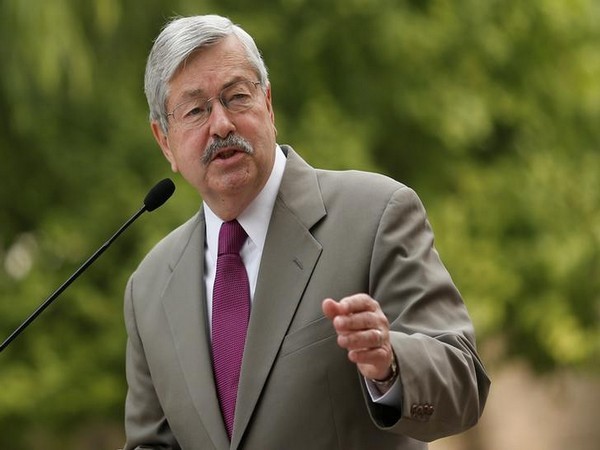
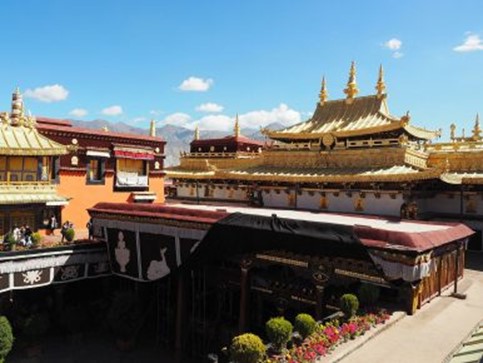
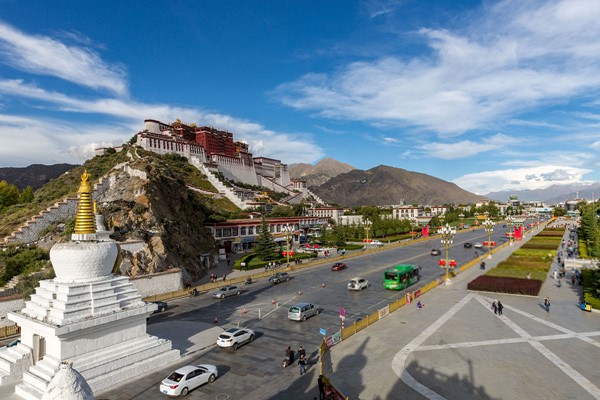
Through May 25, U.S. Ambassador Terry Branstad is on a rare visit to Tibet, the first by a U.S. envoy to the Chinese autonomous region since 2015. His trip includes official meetings and stops at religious and cultural sites in bid to raise concerns about religious freedom restrictions and cultural and linguistic preservation, according to the State Department.
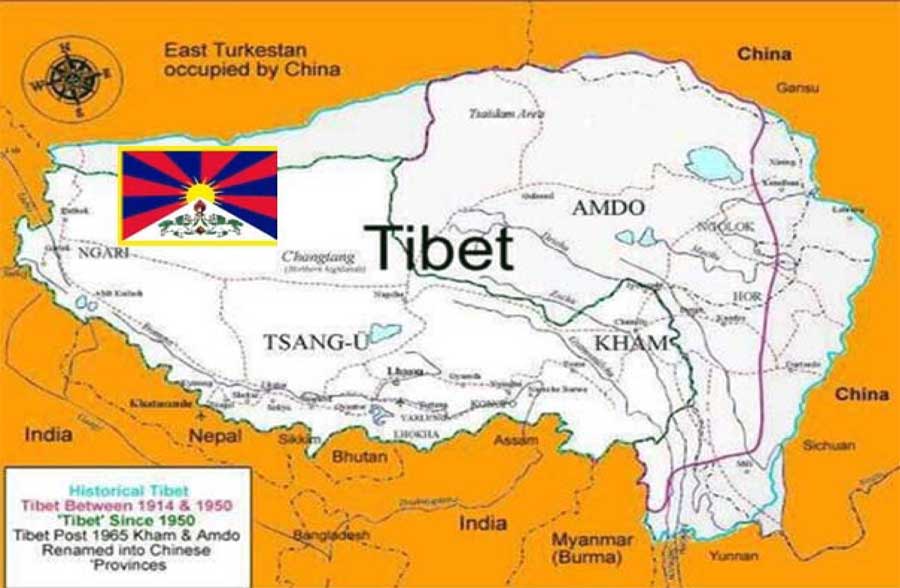
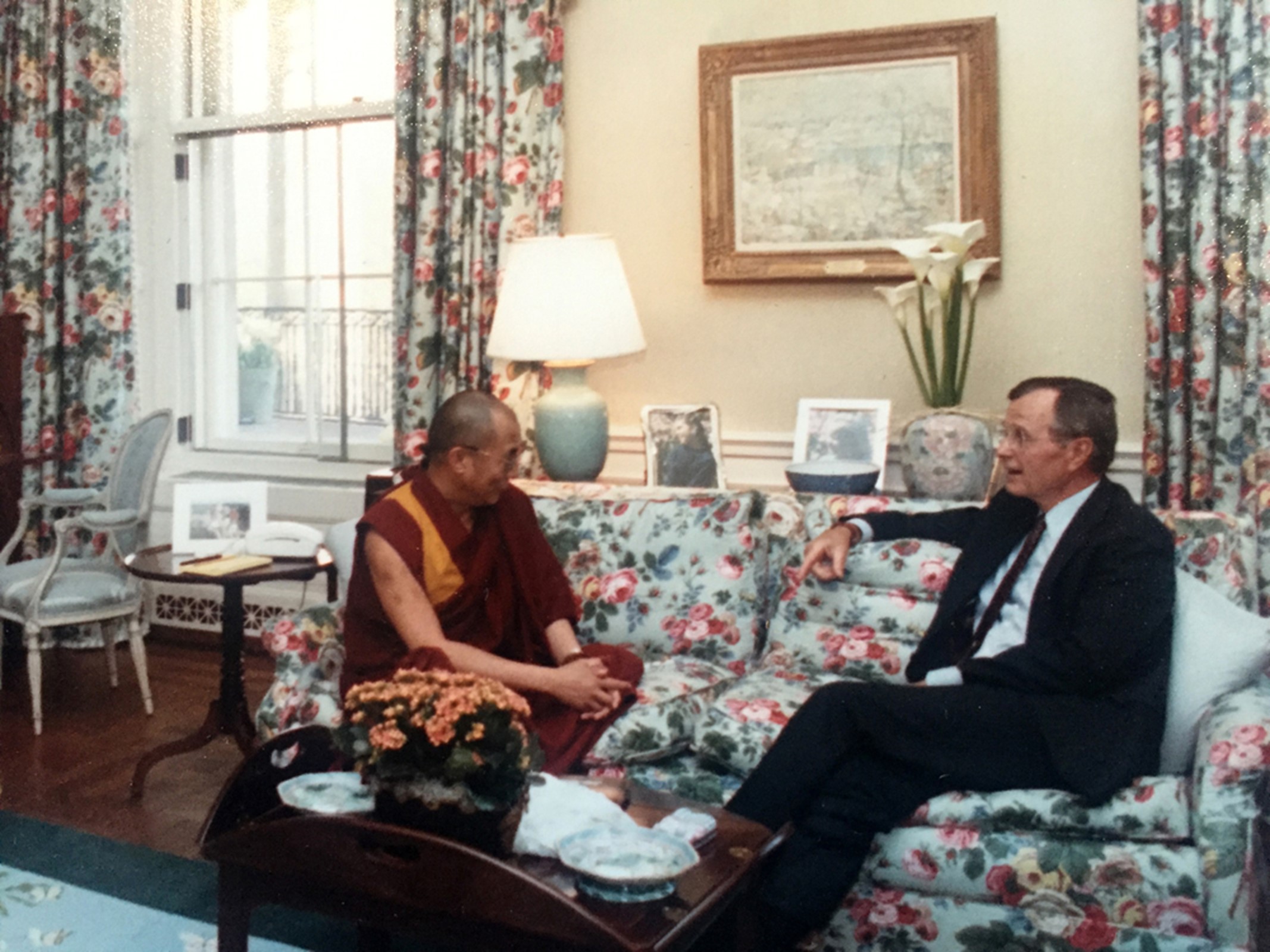
Tibet, geographically on China’s western flank, is a gateway to South Asia, and has been a perennial source of political sensitivity for Beijing. China’s trepidation over foreign influence and the U.S. connection to Tibet is not completely unfounded. Prior to the normalization of China-U.S. relations, the CIA funneled funding to the Dalai Lama — an influential spiritual leader of Tibetan Buddhism now exiled in India — and the Tibetan community to support covert activities against China. The program was canceled as then-President Richard Nixon set off on his landmark trip to Beijing in 1972. Since then, U.S. ties to Tibet have been kept more at an arm’s length, with periodic calls for the upholding of individual rights broadly and the provision of aid to safeguard Tibetan identity. And over the past year, Beijing’s approach to Tibet has attracted less attention in the United States than the Chinese government’s expansive security policies in neighboring Xinjiang, another nominally autonomous ethnic region in China.
The ethno-religious identity and status of Tibetan Buddhists lies at the heart of tensions between central authorities, the local government, and the local population. While the region is administered by the People’s Republic of China, China’s sovereign claim is contested by some groups. Beijing traces is control back to the rule of the Ming and Qing dynasties, and of course a 1951 agreement that declared Tibet’s “peaceful liberation”; others hold that the People’s Liberation Army invaded and occupied the territory. Under Beijing’s administration, religious and other activities are restricted to quell and thwart dissent and uprisings. Although detention centers have been piloted in Xinjiang, Tibet is also subject to heightened cybersurveillance, a repertoire of surveillance and repression by authorities, and the promotion of Han Chinese migration and mixed marriages to the region to bolster “national unity.”
This week’s high-profile U.S. visit in Tibet may be appealing to both Beijing and Washington, albeit for different reasons. Certainly, both are looking to frame their relationship in terms that extend beyond trade disagreements as the latest round of bilateral negotiations crumbles. A successful trip in Beijing’s eyes will highlight the coexistence of Han Chinese and Tibetans, the modernization of Tibet, and initiatives to support Tibetan culture, language, and Buddhism; a stark contrast from Beijing’s policies toward Muslim communities in neighboring Xinjiang. Conversely, for Washington, this trip can be viewed as a move by the Trump administration to demonstrate the U.S. commitment to protecting human rights, a facet of Trump’s foreign policy that has been criticized, notably in the context of U.S.-China relations.
However, it may be hard to disentangle the actual motivations for the Tibet visit. Instead, the Trump administration, frustrated by the state of trade negotiations, may be taking a more instrumental position toward Tibet and using it to indirectly pressure Beijing over a political charged region. Even if the trip is motivated by a desire to raise rights awareness, one visit to Tibet by Branstad is unlikely to overturn criticisms that the Trump administration is reluctant to center human rights issues as a key component of the U.S.-China relationship. This criticism has been voiced both by international rights watchdogs, like Human Rights Watch, and from bipartisan members of the U.S. Congress, frustrated by the executive branch’s slowed actions. Washington, once a pioneer on these issues, has ceded its international leadership role under the current administration in favor of issuing human rights criticisms more selectively.
With respect to Tibet, some have expressed concern that China’s growing international power may have dampened support and narrowed the political space for the “Free Tibet” movement. Still, the United States passed the Reciprocal Access to Tibet Act in late 2018, which would require the U.S. government to punish officials who restrict access to Tibet for U.S. diplomats, journalists, academics, and other citizens traveling to the region. Although the law may unintentionally lead to a dip in visits by Tibetan delegations to the United States, the ratcheting up of pressure may possibly nudge China to review the ways in which it accords access to Tibetan areas.
Nevertheless, it remains to be seen if Tibetans will stand to benefit from the temporary diplomatic spotlight brought by Branstad’s brief tour.
Whole Secret – Whole Fantasy: The US-China relationship is just a “Fantasy” for the adulterous relationship began without taking into consideration the fact of Tibet’s legitimate presence in the global community of nations.Whole Secret – Whole Fantasy: The US-China relationship is just a “Fantasy” for the adulterous relationship began without taking into consideration the fact of Tibet’s legitimate presence in the global community of nations.
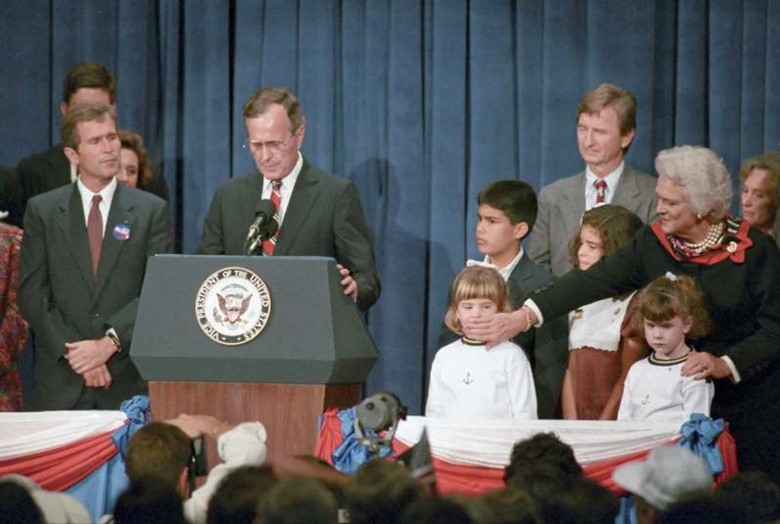
Whole Dude – Whole Friend: Special Frontier Force Remembers the 41st US President
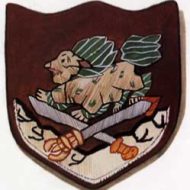
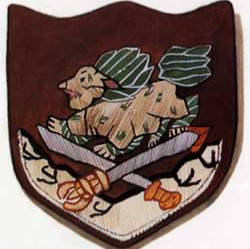
Whole Dude-Whole Fight: Shoulder Badge, Special Frontier Force
Excerpt: Both the US Government and the Central Intelligence Agency maintain their silence about the support given to the Tibetan Resistance Movement and the eventual creation of Establishment -22/Special Frontier Force, a military alliance/pact between the US, Tibet, and India to fight the military threat posed by Communist China when it occupied Tibet in 1950 and forced His Holiness the 14th Dalai Lama to lead a life in exile. Indeed, that is the Whole Secret. The US, India and Tibet agreed to keep the US role in Tibet as a Secret and I signed a Declaration in Chakrata, India during September 1971 to keep the Tibet Operation as a Secret under the provisions of the Official Secret Acts of India.
Whole Dude – Whole Friend: Special Frontier Force Remembers the 41st US President
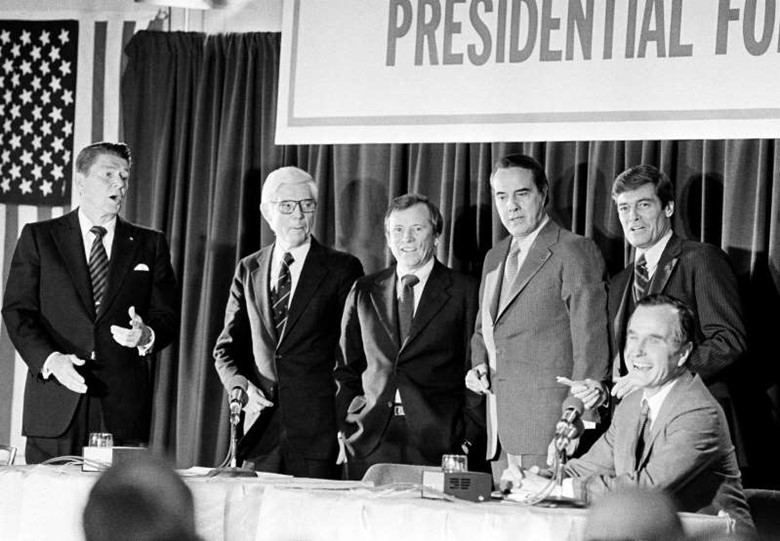
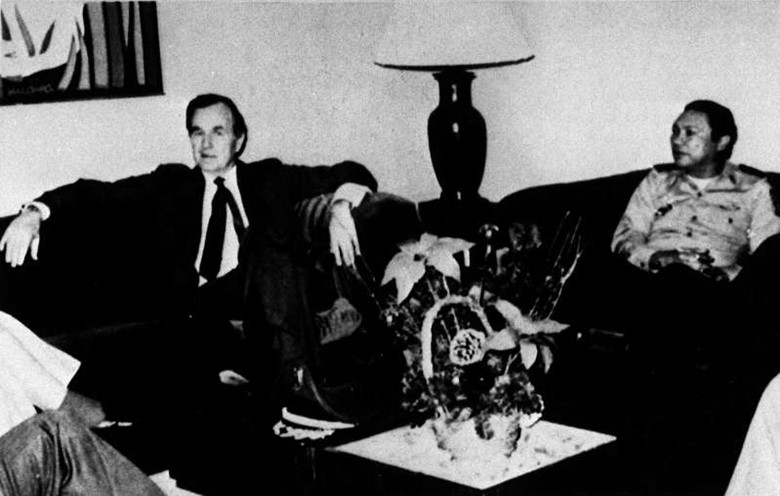
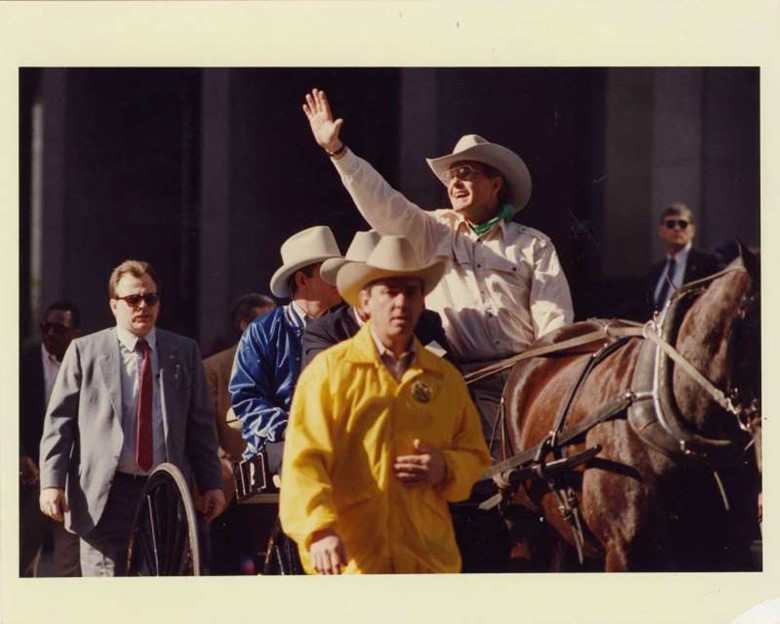
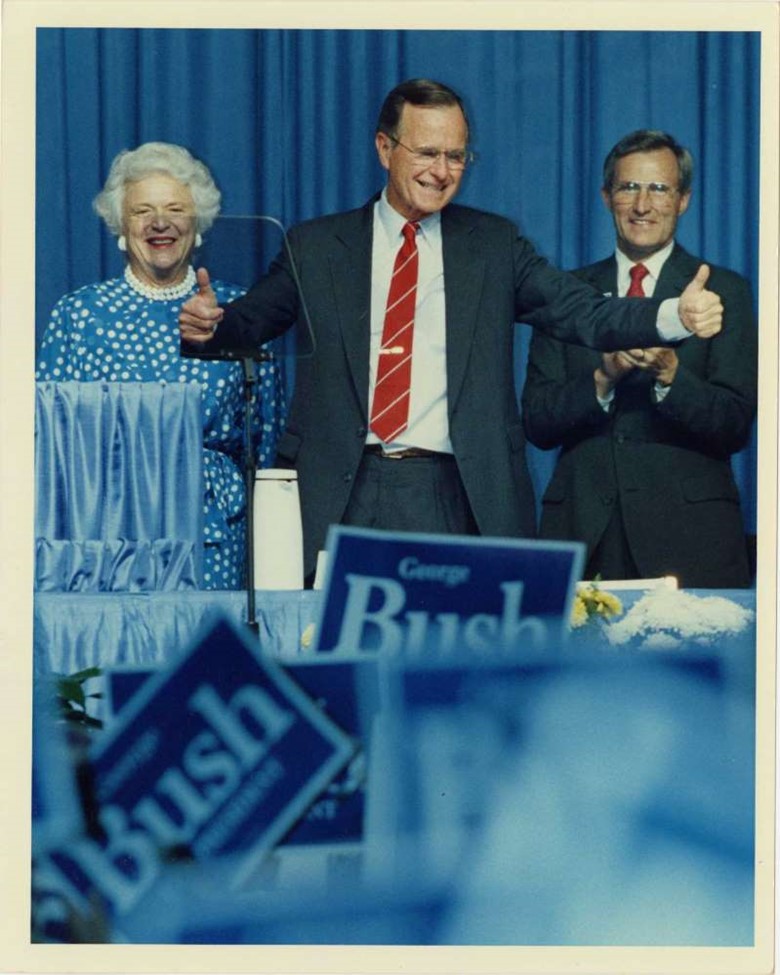
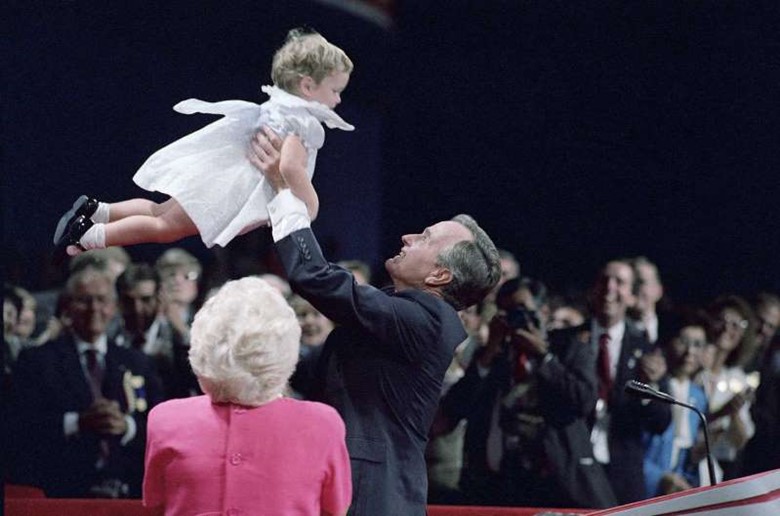
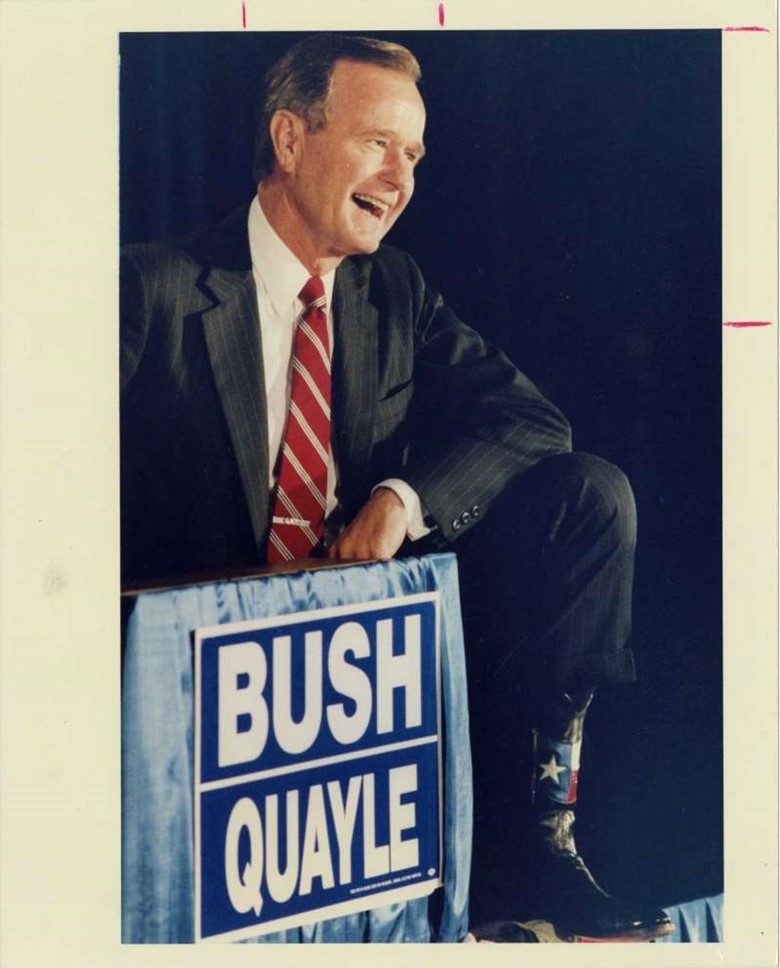
Special Frontier Force remembers the 41st US President George Herbert Walker Bush for he served as the Director of the US Central Intelligence Agency. In President Gerald Ford’s final year in office, Bush was appointed Director of the Central Intelligence Agency, which was in disarray after years of scandalous revelations. Though he was only there a year, he was credited for restoring the agency’s morale, and he was well thought of by longtime hands. The main building at the agency’s headquarters in Langley, Va., was renamed in his honor in 1999.
Whole Dude – Whole Friend: Special Frontier Force Remembers the 41st US President
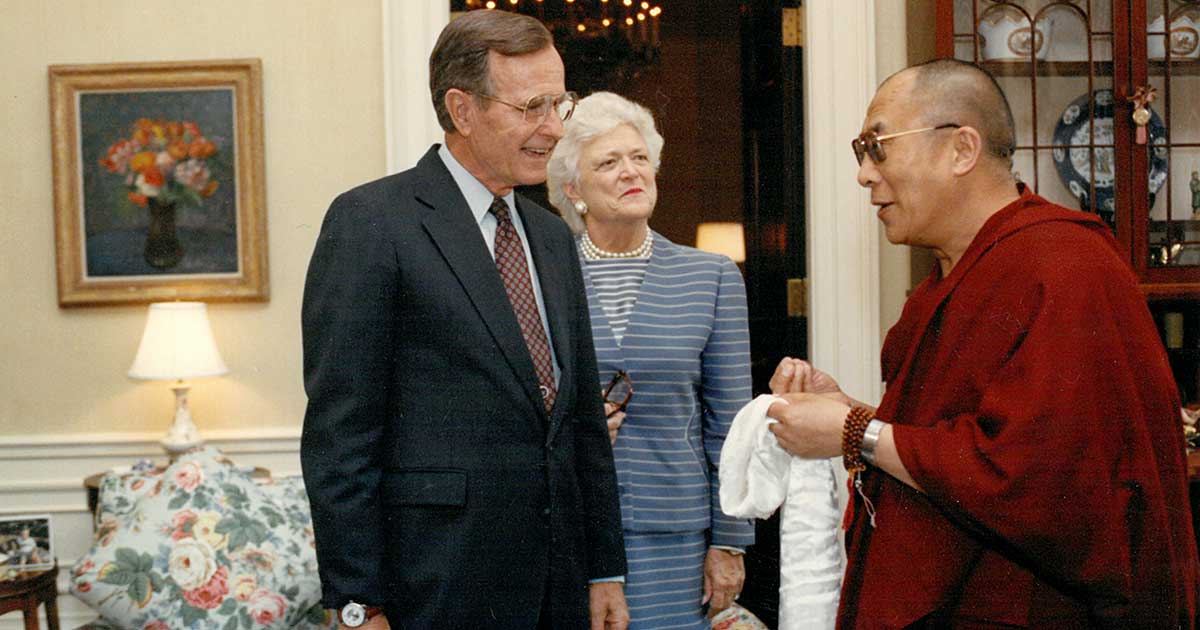
Special Frontier Force deeply mourns the loss of President George H W Bush while acknowledging the role of the US Central Intelligence Agency in fostering friendly relationships between the people of the US, India, and Tibet.
Whole Dude – Whole Friend: Special Frontier Force Remembers the 41st US President
CIA Remembers Former Director, Former President George H.W. Bush
Statement by Director of the Central Intelligence Agency Gina C. Haspel
“We’ve lost a great champion of the Agency—an accomplished Director, faithful advocate, and dear friend—with the passing of former President George H.W. Bush. As a heroic Navy pilot in the Second World War, a skilled statesman who deftly managed the collapse of the Soviet Union and liberated Kuwait from Saddam Husayn’s aggression, and a committed citizen who remained engaged in public service throughout his later years, President Bush exemplified the virtues of patriotism, duty, and compassion. Officers here at the George Bush Center for Intelligence and deployed around the globe honor the memory of a great American. On behalf of the men and women of CIA, I extend our heartfelt condolences to the Bush family.”
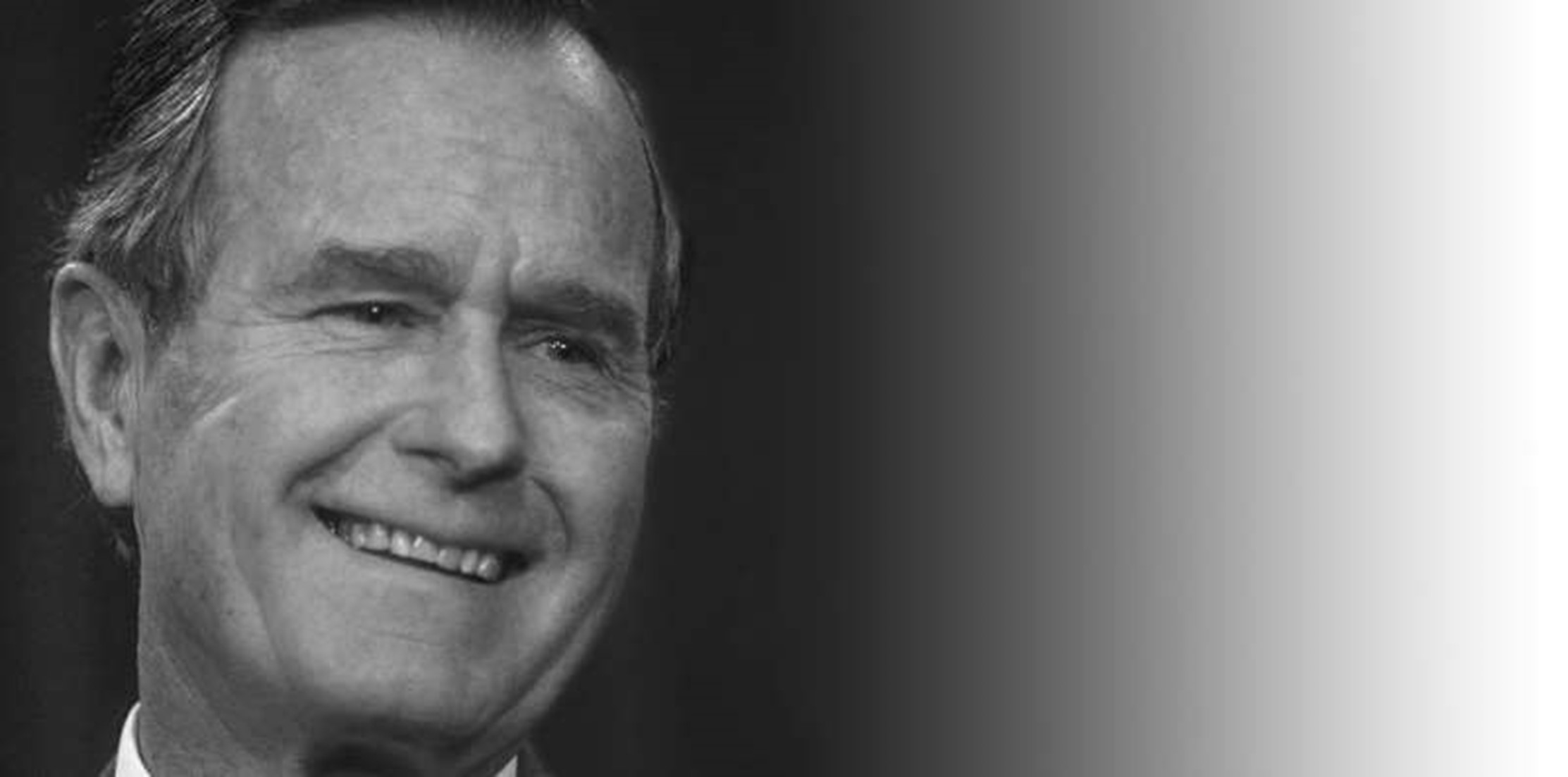
George Herbert Walker Bush, whose lone term as the 41st president of the United States ushered in the final days of the Cold War and perpetuated a family political dynasty that influenced American politics at both the national and state levels for decades, died Friday evening. He was 94.
Whole Dude – Whole Friend: Special Frontier Force Remembers the 41st US President
Bush was the last president to have served in the military during World War II and the last whose worldview had been shaped by the imperative to contain Communist expansionism.
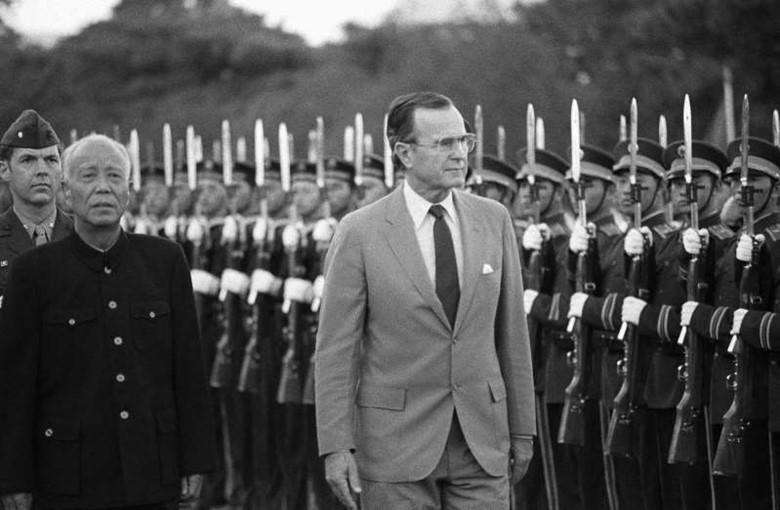
His experience in international diplomacy served him well as he dealt with the unraveling of the Soviet Union as an oppressive superpower, and later the rise of China as a commercial behemoth and potential partner.
Whole Dude – Whole Friend: Special Frontier Force Remembers the 41st US President
As cautious and restrained as he was in foreign matters, Bush had an inclination for personal risk-taking that showed up early in his life, when he became a carrier pilot in the war — one of the most dangerous jobs in the military — and then stuck out on his own at war’s end, eschewing a comfortable job in New York to become an oilman in Texas.
Whole Dude – Whole Friend: Special Frontier Force Remembers the 41st US President
Likewise, when his interest turned to politics a decade or so later, he was more than willing to give up his executive suite for a chance at public office.
Whole Dude – Whole Friend: Special Frontier Force Remembers the 41st US President
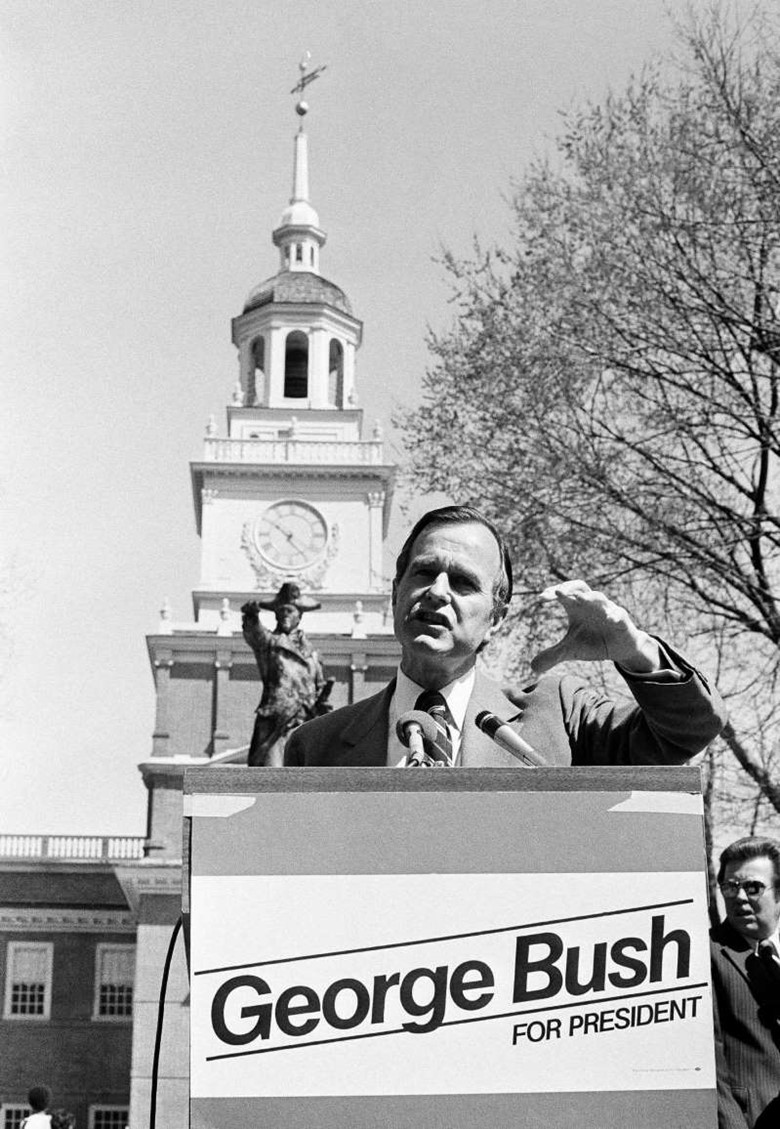
Steeped in noblesse oblige and the importance of public service, Bush always felt the lure of political life. It finally snared him in 1962 when he was chosen to head Houston’s fledgling GOP. He spent the next three decades in the political limelight, enjoying a roller-coaster career that saw more defeats than victories yet improbably landed him in the White House.
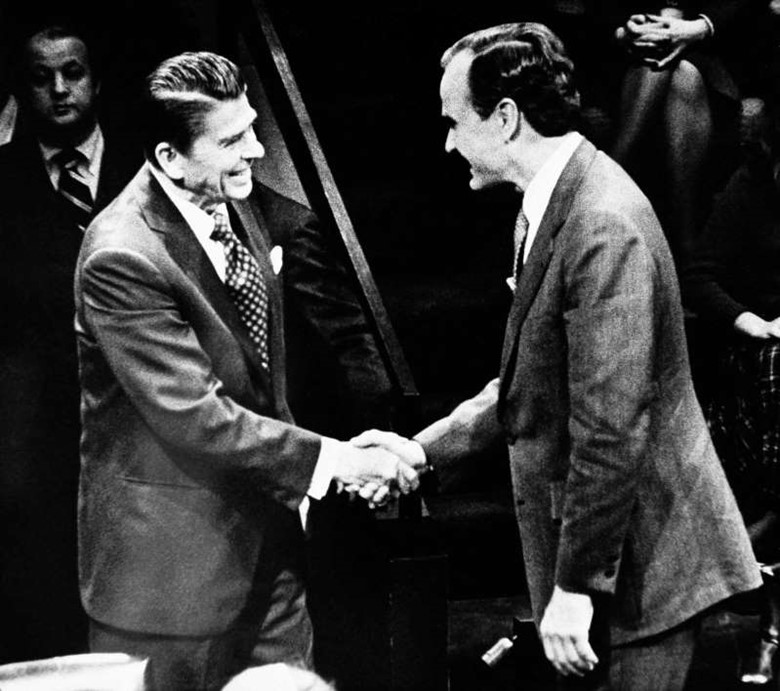
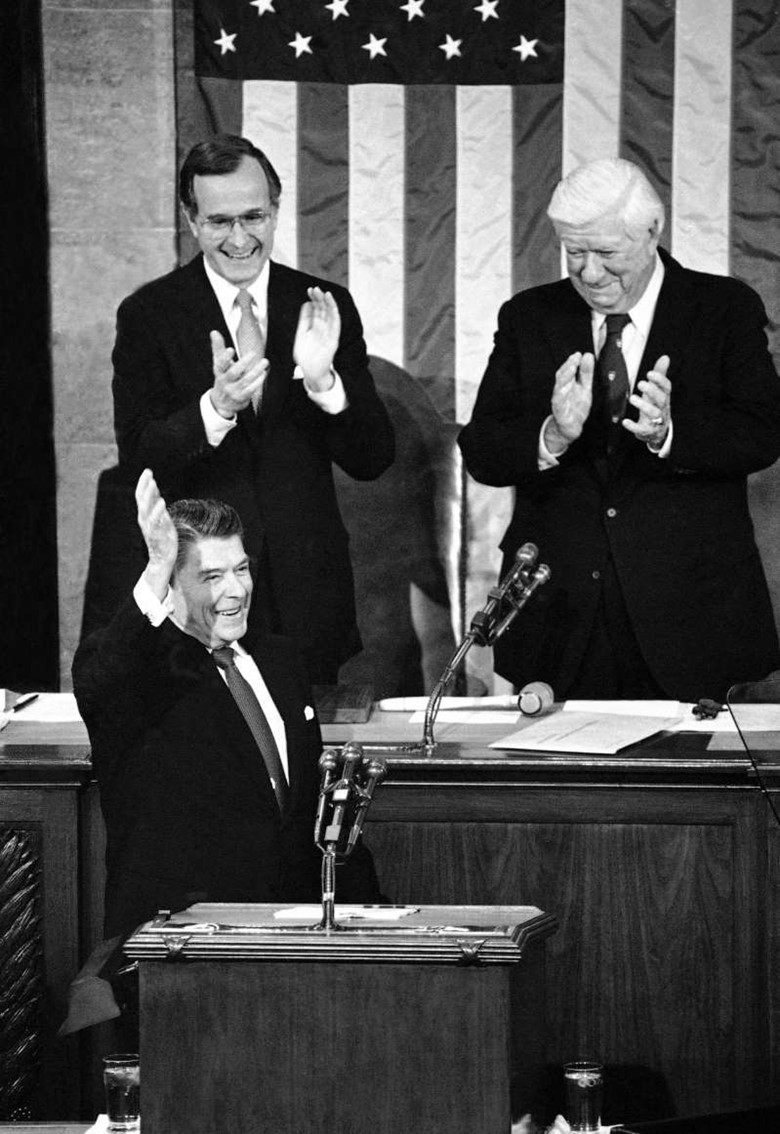
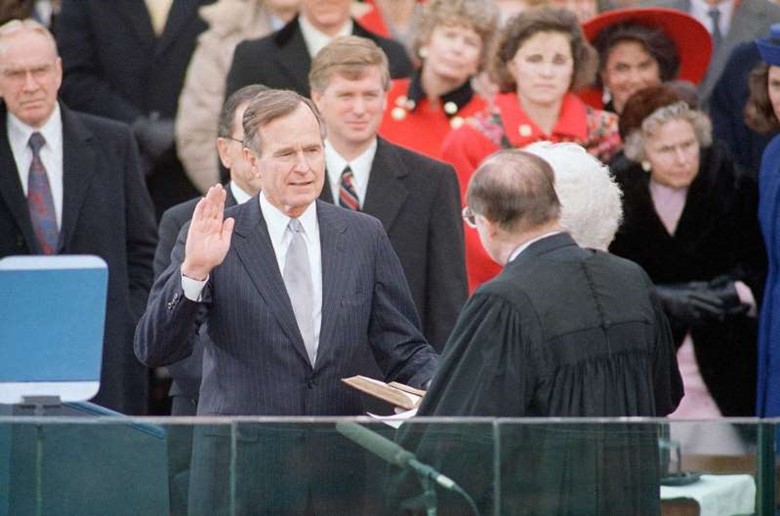
Bush was elected president in 1988 as the successor to Ronald Reagan, a conservative icon whom he ran against and then served as vice president. Unlike Reagan, he was a pragmatic leader guided by moderation, consensus building, and a sense for problem-solving shorn of partisan rhetoric. Like his father, who served in the U.S. Senate, he swore no allegiance to orthodox tenets. That put him at odds with a take-no-prisoners attitude of a new breed of Republicans and helped do in his reelection bid, sending him home to Houston in forced retirement.
Whole Dude – Whole Friend: Special Frontier Force Remembers the 41st US President
Most of Bush’s political career was spent in appointed jobs, where he demonstrated loyalty and a quick-study competence, rarely making headlines. Expectations were modest when he became president. Many in his party hoped he would simply follow in Reagan’s footsteps. Instead, he quickly distinguished himself as the postwar order began to undergo dramatic changes.
Whole Dude – Whole Friend: Special Frontier Force Remembers the 41st US President
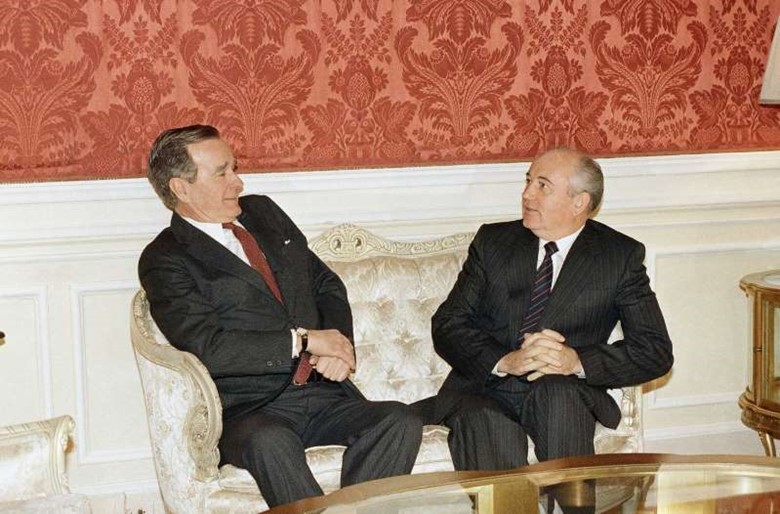
Bush was put to the test shortly after taking office. Surging movements in Eastern Europe saw opportunity to free themselves from the Soviet yoke, thanks in part to the liberalizing influence of Soviet leader Mikhail Gorbachev. Bush’s measured response allowed events to unfold, including the destruction of the Berlin Wall, without triggering potentially catastrophic responses from Soviet hard-liners.
Whole Dude – Whole Friend: Special Frontier Force Remembers the 41st US President
Bush again displayed his diplomatic skills in the summer of 1990 when he coordinated a multinational response to the military invasion of tiny Middle East nation Kuwait by neighboring Iraq and its dictator, Saddam Hussein. The victorious Operation Desert Storm brought high approval ratings that appeared to guarantee a second term.
Whole Dude – Whole Friend: Special Frontier Force Remembers the 41st US President
Domestic matters proved a different sort of challenge. Plagued by inherited budget deficits and a Congress under the control of Democrats, Bush was pushed into a tax increase that belied his explicit promise to allow none. He agreed to it because he recognized it was in the country’s best interest, but the political damage was severe. His reelection bid fell short, a failing that haunted him for years. Uncharacteristically, it even caused him to wonder whether history would regard him as a failed president.
Whole Dude – Whole Friend: Special Frontier Force Remembers the 41st US President
“I think over the years he fares well,” said presidential historian Henry Brands, the author of seven presidential biographies and a professor at the University of Texas. “If voters have a referendum and they vote you down, that automatically puts you down a rung. It’s unfair. Bush always was rated very highly by historians more than he was by the public. I think that is changing.”
Whole Dude – Whole Friend: Special Frontier Force Remembers the 41st US President
Bush was born into privilege and reared in the cradle of America’s economic aristocracy, yet from an early age, he refused to ride the coattails of entitlement. Approaching his graduation from Yale University in 1948, he was offered a job at his family’s Wall Street investment firm, close to his native Connecticut. He turned it down. Whatever his destiny, he vowed that it would be fully earned.
Whole Dude – Whole Friend: Special Frontier Force Remembers the 41st US President
So began a remarkable journey that would lead him from the elegant estates of New England to the dusty plains of West Texas, to the leafy precincts of Houston’s nicest neighborhoods, to foreign capitals and back to America’s own, into political campaigns at the humblest level and one that ultimately netted him the White House.
Whole Dude – Whole Friend: Special Frontier Force Remembers the 41st US President
Bush’s long life encompassed the full arc of the 20th century, beginning in an era of steamships and a new ideology called communism, and ending as American spaceships explored distant planets and the hammer-and-sickle was mostly a fading emblem on old flags. He was to be the last president of his generation, which came of age during the Great Depression, participated in a cataclysmic world war, and ushered in unprecedented American power and prosperity.
Whole Dude – Whole Friend: Special Frontier Force Remembers the 41st US President
Turning away from the preordained comfortable life, Bush struck out for Texas and found success, first as an independent oilman and later as a young Congressman from Houston. The misfortune of bad timing hurt him at times in his pursuit of higher office, yet a string of high-profile appointed positions reflected the faith others had in his ability and kept alive his dream of fulfilling his father’s prediction that someday he would become president.
Whole Dude – Whole Friend: Special Frontier Force Remembers the 41st US President
“The world was fortunate to have his background and instincts at a turning point,” said Robert Gates, who served as Bush’s CIA director and deputy national security adviser. “The collapse and end of the Cold War look sort of pre-ordained in hindsight, but for those who were there, it was not clear how it would happen.”
Whole Dude – Whole Friend: Special Frontier Force Remembers the 41st US President
Gates, who served in eight presidential administrations, suggested that Bush never received the credit he deserved for quietly “greasing the skids” that saw communists slide from power in the Soviet Union.
Whole Dude – Whole Friend: Special Frontier Force Remembers the 41st US President
“There is no precedent in all of history for the collapse of a heavily armed empire without a major war,” Gates said. “He was a figure of enormous historical importance.”
Whole Dude – Whole Friend: Special Frontier Force Remembers the 41st US President
Though Bush came to be widely respected by foreign leaders and diplomats, his political profile at home was different. He had long been dogged by assertions that he was a bland and hazy character, aloof and dilettantish. The image baffled him and many who knew him. He was chided for a lack of apparent vision, yet it was not his nature to view himself as a visionary.
Whole Dude – Whole Friend: Special Frontier Force Remembers the 41st US President
“What’s wrong with trying to help people,” he once asked. “What’s wrong with trying to bring peace? What’s wrong with trying to make the world a little better?”
Whole Dude – Whole Friend: Special Frontier Force Remembers the 41st US President
To some, Bush paled in comparison to his strong-willed predecessor in the White House, but he was simply a different breed of politician: a traditional Republican whose belief in limited government was in no way at odds with his view that public service was a calling.
Whole Dude – Whole Friend: Special Frontier Force Remembers the 41st US President
Reagan’s famous maxim that government was not the solution to a problem but the problem itself was not Bush’s view, which might explain why his single term arguably resulted in more significant legislative achievements than Reagan’s two, among them the Americans with Disabilities Act, a bolstered Clean Air Act, and an increased minimum wage.
Whole Dude – Whole Friend: Special Frontier Force Remembers the 41st US President
Bush’s career from start to finish, especially as president, was largely free of scandal or great controversy, with one troubling exception — his role as vice president in the Iran-Contra scandal.
Whole Dude – Whole Friend: Special Frontier Force Remembers the 41st US President
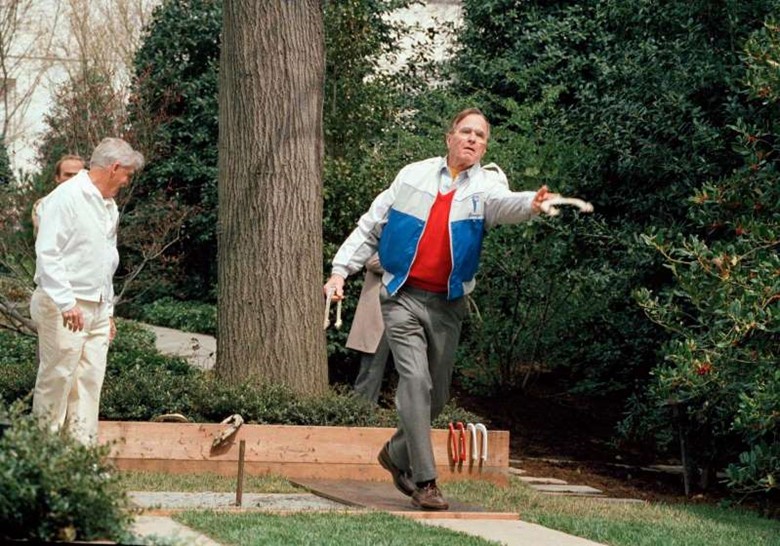
His ethical standards rarely were questioned. His judgment was the product of studied deliberation and ample give-and-take with advisers. He regularly entertained Democratic leaders at the White House and made a great effort to develop personal relationships over drinks and a game of horseshoes, just as he had in the diplomatic world over many years.
Whole Dude – Whole Friend: Special Frontier Force Remembers the 41st US President
“President Bush was inclined to forgive and forget past slights, defeats, and even outrages,” said longtime aide Chase Untermeyer. “Thus did he offer rides to Maine for Senator George Mitchell, make the daughter of Senator Sam Nunn the head of the Points of Light Foundation, and — to clinch the case — become buddies with Bill Clinton.”
Whole Dude – Whole Friend: Special Frontier Force Remembers the 41st US President
Bush was by nature a practical manager. He believed his job was to get something done, taking incremental steps when big ones were unobtainable. He had no use for those who would sacrifice progress on the altar of philosophical purity, nor did he regard opponents as enemies.
Whole Dude – Whole Friend: Special Frontier Force Remembers the 41st US President
He was defeated in an unusual three-way contest with Democrat Clinton and Texas billionaire Ross Perot — a sour coda to a stellar career. Though he had been ambivalent about even running for reelection, the loss would gnaw on him. He believed that he left the job he signed up for unfinished.
Whole Dude – Whole Friend: Special Frontier Force Remembers the 41st US President
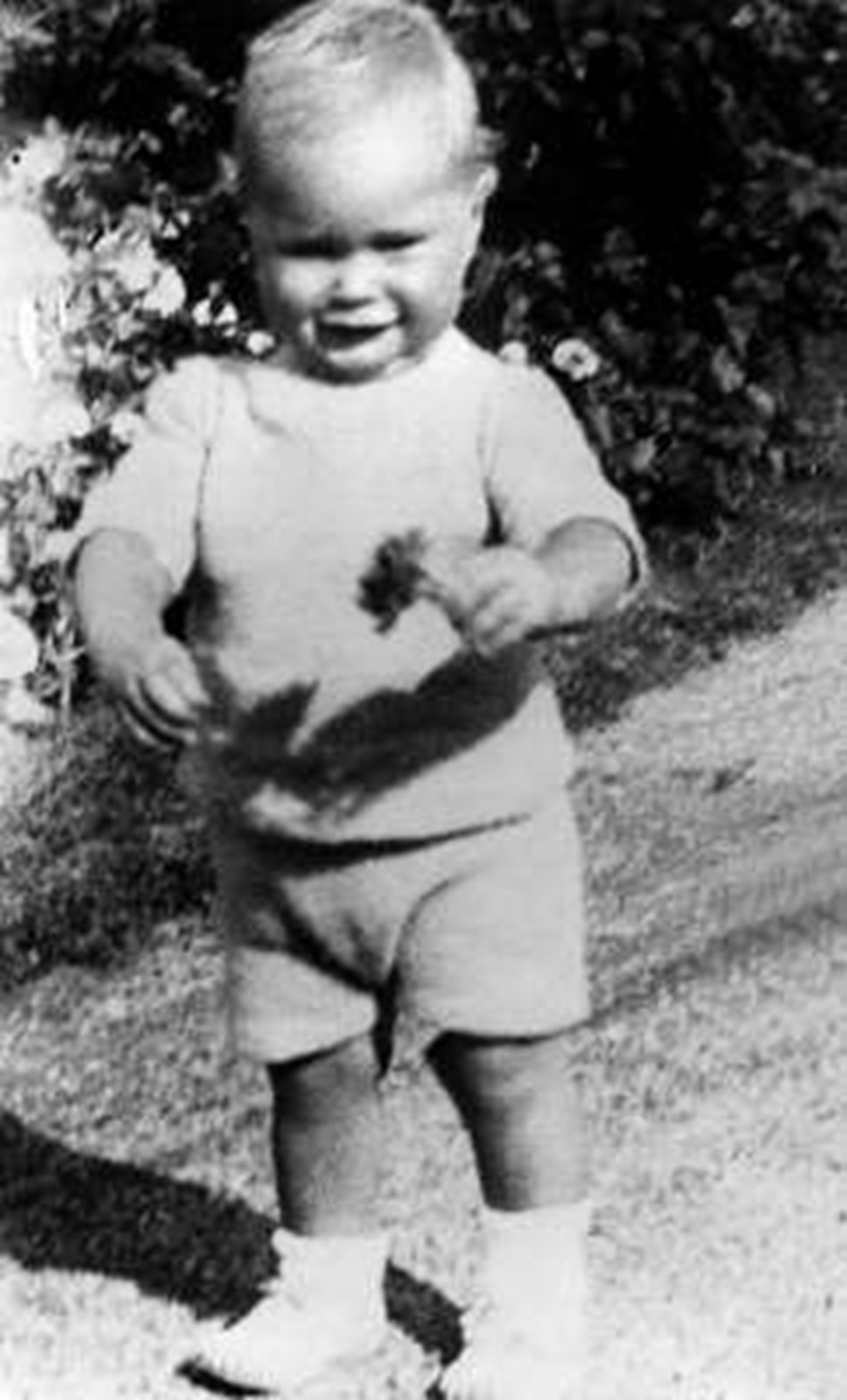
Bush was born on June 12, 1924 in Milton, Mass., to Prescott and Dorothy Bush, the second of five children, four of them boys. His was an idyllic childhood spent among the nation’s economically privileged, with numerous trips to family estates in Maine and South Carolina.
Whole Dude – Whole Friend: Special Frontier Force Remembers the 41st US President
Although the hardships of the Great Depression did not severely affect the Bushes, his parents tried to stress that good fortune should not be taken for granted, insisting on modesty at all times, along with concern for those going through hard times. Work mattered. Life, they insisted, was no country club affair.
Whole Dude – Whole Friend: Special Frontier Force Remembers the 41st US President
Bush attended Phillips Academy, a famous boarding school in Andover, Mass., where he excelled academically and athletically. He was a favorite of his classmates, often chosen to captain the teams he was on and known to call out bullies who bedeviled the less popular students.
Whole Dude – Whole Friend: Special Frontier Force Remembers the 41st US President
As he grew to adulthood, he slowly soaked up the history of generations of Walkers and Bushes and began to understand the expectations for those of his class and background — a demand for service to the public good largely divorced from personal gain. It made a deep impression on him.
Whole Dude – Whole Friend: Special Frontier Force Remembers the 41st US President
“Bush was a figure of an older, fading order of American power,” wrote Bush biographer Jon Meacham in “Dynasty and Power,” a 2015 authorized biography. “When his family and … friends looked at him, they saw a man who could have spent his life making and spending money, but who had chosen to obey the biblical injunction, drilled into him by his parents, that to whom much is given much is expected.”
Whole Dude – Whole Friend: Special Frontier Force Remembers the 41st US President
Bush’s first great test came as his days at Andover were ending, graduating in the face of a world succumbing to a widening war. He might have been able to use connections for a service academy appointment or a plum job that did not place him in harm’s way. Like many of his friends and others of his class, including Joseph and John Kennedy, he chose the opposite path.
Whole Dude – Whole Friend: Special Frontier Force Remembers the 41st US President
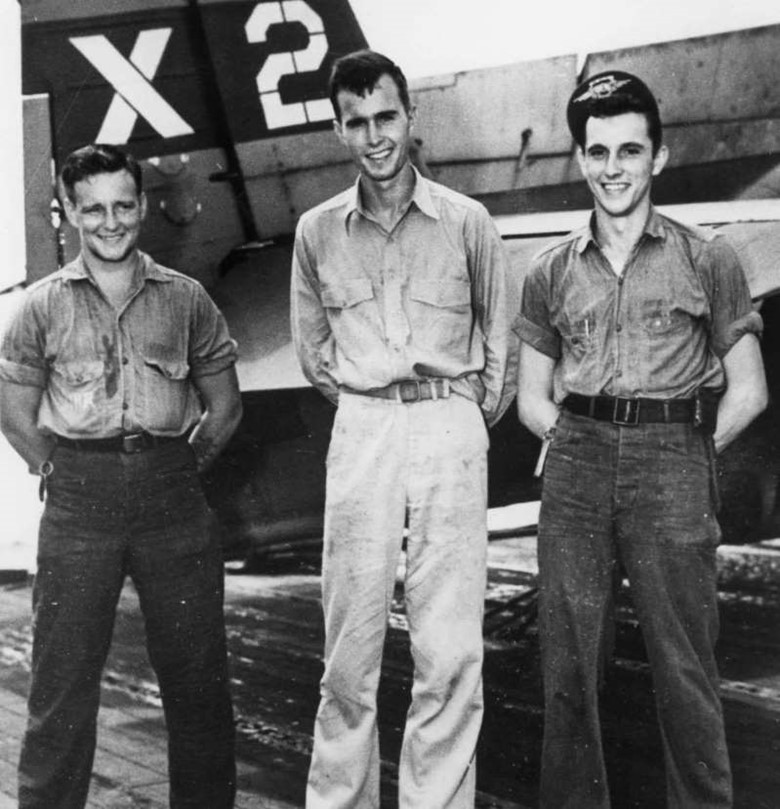
Bush enlisted in the U.S. Navy upon finishing high school in 1942 and hoped to become a pilot. He earned his wings and was commissioned an ensign before his 19th birthday. His wartime duty was spent in the Pacific flying a three-man Avenger torpedo bomber.
Whole Dude – Whole Friend: Special Frontier Force Remembers the 41st US President
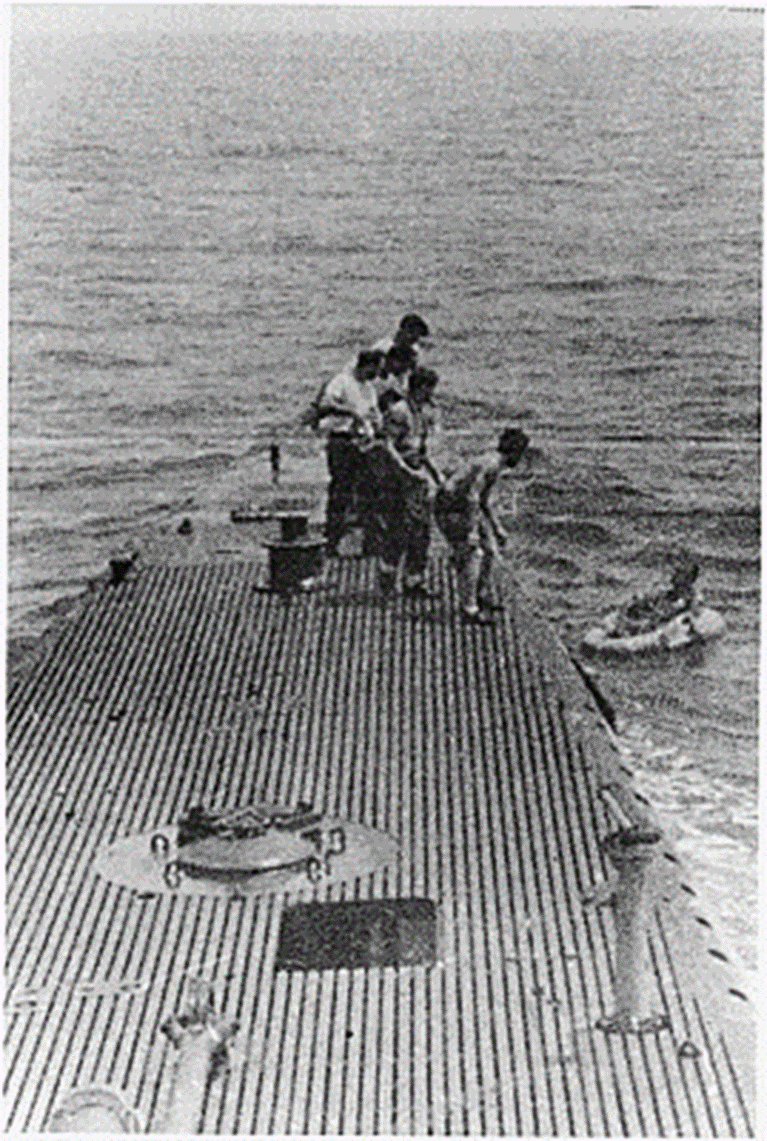
Bush piloted 58 combat missions from the carrier USS San Jacinto, but one stood out. During a Sept. 2, 1944, attack on Japanese positions on Chichi-Jima, one of the Bonin Islands, his Avenger was badly hit by flak. He was able to complete the bombing run but ordered the other two crewmen to “hit the silk” as the plane headed toward the water. He did likewise and was able to haul himself into a life raft after popping up from the sea, dazed and out of breath. His crew mates were never found.
Whole Dude – Whole Friend: Special Frontier Force Remembers the 41st US President
Bush was awarded the Distinguished Flying Cross, yet never considered himself a war hero despite the efforts of later political advertising. “They wrote it up as heroism,” Bush said late in his life of the paperwork leading to the decoration, “but it wasn’t — it was just doing your job.”
Whole Dude – Whole Friend: Special Frontier Force Remembers the 41st US President
In January 1945, while on leave, Bush wed his pre-war fiancee, Barbara Pierce. The two had met at a dance when he was at Phillips and she at a tony boarding school in South Carolina. Her family, like his, came from old money, and among her ancestors were early New England settlers. A distant relative, Franklin Pierce, was the 14th American president.
Whole Dude – Whole Friend: Special Frontier Force Remembers the 41st US President
After the war, Bush and his new wife moved to New Haven, Conn., where he would begin his college education at Yale, the alma mater of his father and four other relatives.
Whole Dude – Whole Friend: Special Frontier Force Remembers the 41st US President
He graduated in under three years because of an accelerated program offered to veterans eager to make up for lost time. He again excelled at sports and captained the baseball team, for which he played first base. He was just as adept in the classroom, gaining Phi Beta Kappa distinction and an economics degree. Yet, as he acknowledged, what should have been idyllic college years had been altered by the war. The class of 1948 were serious men intent on getting out and getting going.
Whole Dude – Whole Friend: Special Frontier Force Remembers the 41st US President
As graduation approached, Bush balked at an offer to join a prominent investment bank started by his maternal grandfather. To a friend he wrote that it bothered him to take advantage of “the benefits of my social position.”
Whole Dude – Whole Friend: Special Frontier Force Remembers the 41st US President
A close family friend encouraged him to think of the oil business, which would take him to Texas. Oil drilling was as foreign to him as tightrope walking or fashion design, but it appealed to his taste for risk and held the promise of great wealth.
Whole Dude – Whole Friend: Special Frontier Force Remembers the 41st US President
In the summer of 1948, Bush loaded up his new Studebaker, a graduation gift, and pointed it southwest, ending up in Odessa several days later. Barbara and their new baby, George, flew down after he had found lodging in a weathered duplex, their first Texas home. Their new life began. The family friend had provided an entry-level sales position with an oilfield tool company, the bottom rung on the ladder. It should be noted this was no ordinary friend — Neil Mallon was the head of Dresser Industries, a leading oilfield equipment company.
Whole Dude – Whole Friend: Special Frontier Force Remembers the 41st US President
By 1950, he, Barbara, and their two young children were living in Midland, where he had formed an oil company with a neighbor, John Overbey. Financial backing came from Bush’s father and some of his father’s friends and business contacts.
Whole Dude – Whole Friend: Special Frontier Force Remembers the 41st US President
With no geologic or engineering background, Bush learned the business from the ground up, “walking fields, talking to people, and trying to make deals,” Overbey later recalled in an interview. Three years later, he and Overbey joined up with two brothers, Hugh and William Liedtke, to form Zapata Petroleum. An offshore subsidiary was formed a year later.
Whole Dude – Whole Friend: Special Frontier Force Remembers the 41st US President
Zapata raised more money and gambled on an interest in a field in Coke County that skeptics claimed was played out. One of the brothers, Bill Liedtke, said years later that the young company drilled 130 wells and never had a dry hole. As for politics, there wasn’t much time for it, though Bush did later mention his modest role as a Republican precinct worker. In one particular primary, he later recalled, perhaps apocryphally, only three GOP voters showed up: him, his wife, and a drunken Democrat who wandered into the wrong polling station.
Whole Dude – Whole Friend: Special Frontier Force Remembers the 41st US President
Bush enjoyed his time in Midland, learning a business, tending to a growing family and making friends who would prove important later. The closeness of the city’s business community was evident when the Bush family’s life was interrupted by tragedy. The second of the children, daughter Robin, was diagnosed with leukemia in 1953, before the disease became largely curable.
Whole Dude – Whole Friend: Special Frontier Force Remembers the 41st US President
His fledgling business career was all but put on hold for more than six months as he, Barbara and Robin made repeated trips to Sloan Kettering Cancer Center in New York. Barbara tried to approach their new circumstances with stoic resolve, to the point of booting visitors out of Robin’s hospital room if they cried. Her husband became increasingly emotional and often was the one who had to leave the room. Robin died later in 1953.
Whole Dude – Whole Friend: Special Frontier Force Remembers the 41st US President
“I hadn’t cried at all when Robin was alive, but after she died, I felt I could cry forever,” she recalled in a 1988 interview with Texas Monthly. “George had a much harder time when she was sick. He was just killing himself, while I was very strong. That’s the way a good marriage works. Had I cried a lot, he wouldn’t have. But then things reversed after she died. George seemed to accept it better.”
Whole Dude – Whole Friend: Special Frontier Force Remembers the 41st US President
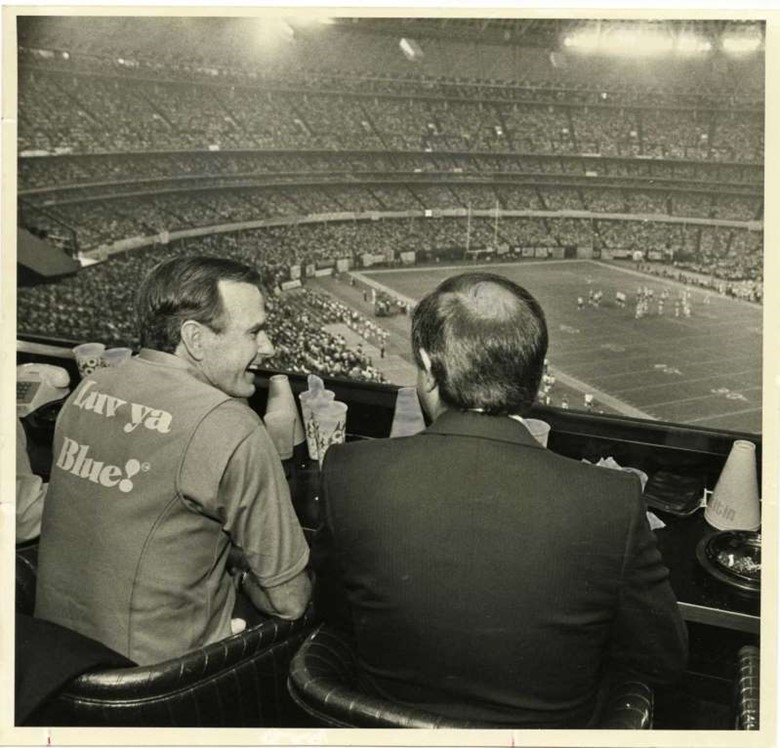
The Bushes lived in Midland for almost a decade. It was where he made his first real money — his own money — and where he established his image as a true, if transplanted, Texan, one who could down to a bowl of chili at lunch and a chicken-fried steak at dinner, snacking in between on pork rinds. Everyone in town knew George Bush — “Poppy,” his childhood nickname, had been jettisoned along with the Brooks Brothers suits — but isolated West Texas was not where he needed to be.
Whole Dude – Whole Friend: Special Frontier Force Remembers the 41st US President
A disagreement over the direction of the company led Bush to buy out the other investors in Zapata Offshore in 1959, and he soon moved the company to Houston.
Whole Dude – Whole Friend: Special Frontier Force Remembers the 41st US President
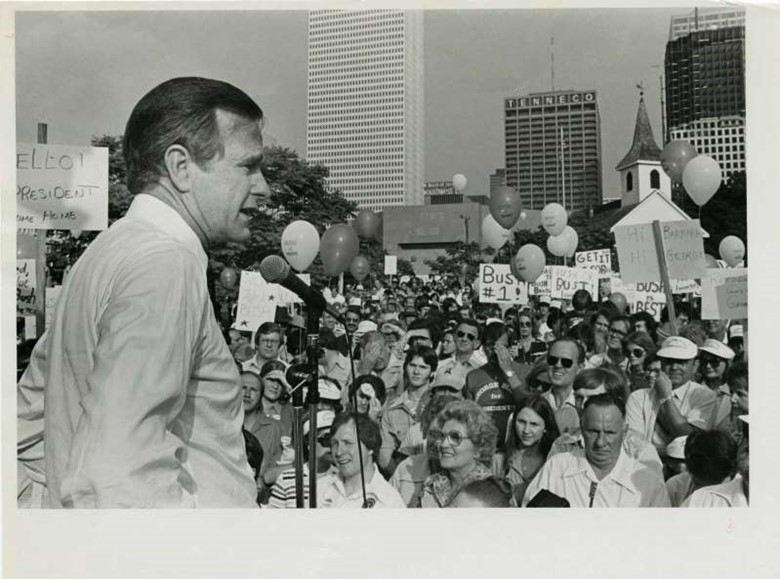
During the early 1960s, Bush began to feel the political itch, or to be more precise, respond to an itch that had been there for years, and waded into a successful race for Harris County GOP Chairman to make sure it did not fall into the hands of perceived extremists in the party’s right wing, many of whom were members of the conspiracy-hawking John Birch Society.
Whole Dude – Whole Friend: Special Frontier Force Remembers the 41st US President
Though little known outside of Houston and Midland, Bush campaigned vigorously as a different sort of Republican, less in step with the northeastern wing of his father and closer to the politics of Barry Goldwater and George Wallace. He went full-tilt conservative, opposing, among other socially progressive initiatives, the pending Civil Rights Act.
Whole Dude – Whole Friend: Special Frontier Force Remembers the 41st US President
After his defeat, Bush struggled to reconcile his moderate views with an election that had seen him embrace, however tentatively, an anti-progressive tone and a segregationist posture.
Whole Dude – Whole Friend: Special Frontier Force Remembers the 41st US President
“This mean, humorless philosophy which says everybody should agree on absolutely everything is not good for the Republican Party or our state,” Bush wrote to a friend after the loss. “When the word moderate becomes a dirty word, we have some soul-searching to do.”
Whole Dude – Whole Friend: Special Frontier Force Remembers the 41st US President
In November 1966, Bush ran for Congress and won, becoming the first Republican from Houston and the star of the growing Texas GOP. He ended up with a plum appointment to the Ways and Means committee — a party nod to the importance of Texas. His voting record was predictably conservative, though not as hard right as his previous rhetoric suggested, and he ended up voting for the Civil Rights Act, as a result receiving stacks of hate mail and some death threats.
Whole Dude – Whole Friend: Special Frontier Force Remembers the 41st US President
Mike Tolson is a senior Chronicle reporter who specializes in long-term projects. He can be reached by e-mail at Mike.Tolson@chron.com.
Whole Dude – Whole Friend: Special Frontier Force Remembers the 41st US President
“In God We Trust” – Special Frontier Force trusts President Eisenhower
Whole Dude – Whole Trust: The beginning of the Cold War in Asia in 1949 with the Communist takeover of mainland China.
Excerpt: Both the US Government and the Central Intelligence Agency maintain their silence about the support given to the Tibetan Resistance Movement and the eventual creation of Establishment -22/Special Frontier Force, a military alliance/pact between the US, Tibet, and India to fight the military threat posed by Communist China when it occupied Tibet in 1950 and forced His Holiness the 14th Dalai Lama to lead a life in exile. Indeed, that is the Whole Secret. The US, India and Tibet agreed to keep the US role in Tibet as a Secret and I signed a Declaration in Chakrata, India during September 1971 to keep the Tibet Operation as a Secret under the provisions of the Official Secret Acts of India.
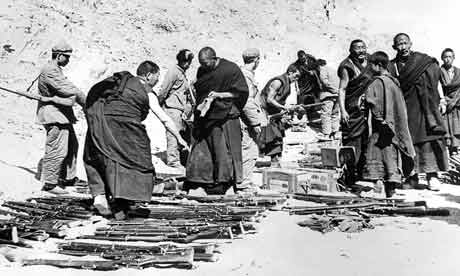
Whole Dude – Whole Secret: The US military support to Tibet began during Hump Airlift Operation. I served at Dum Duma (Doom Dooma, Assam). Some flights delivered weapons and ammunition to Tibet. Special Frontier Force Reviews Hump Airlift Operation 1942 – 1945.TIBET AWARENESS – PROJECT CIRCUS. The quest for freedom in Tibet. A military training camp known as Camp Hale was established in Colorado under the supervision of CIA officers Roger E. McCarthy and John Reagan.Whole Dude – Whole Trust: “In God We Trust.” The Tibetan Resistance Movement trusts President Eisenhower. Mutual Trust, Respect, and Commitment formulate the US-India-Tibet Relations.
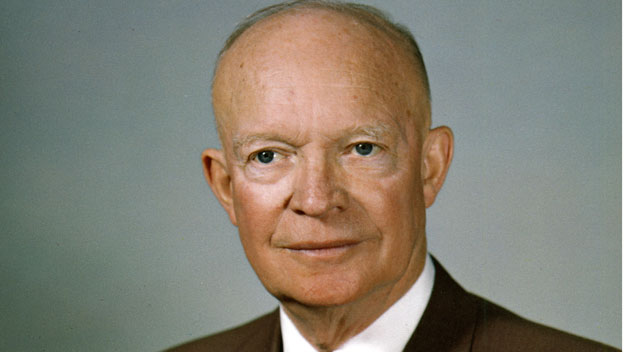
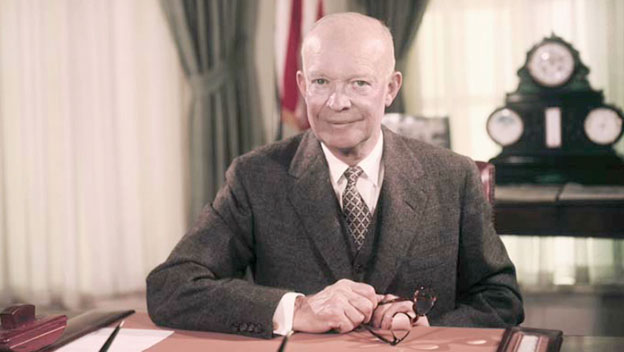
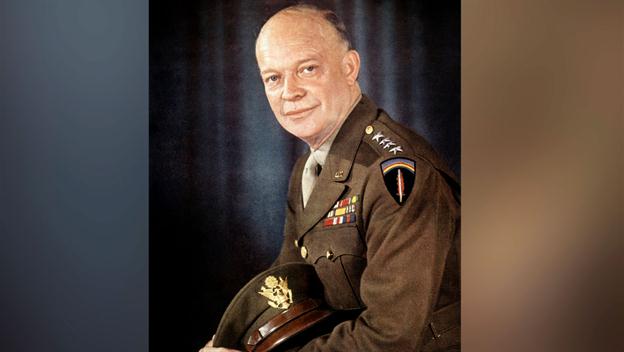
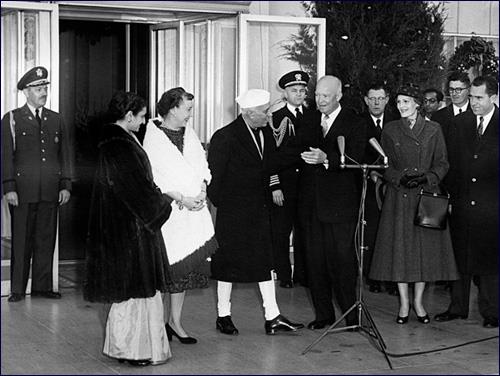
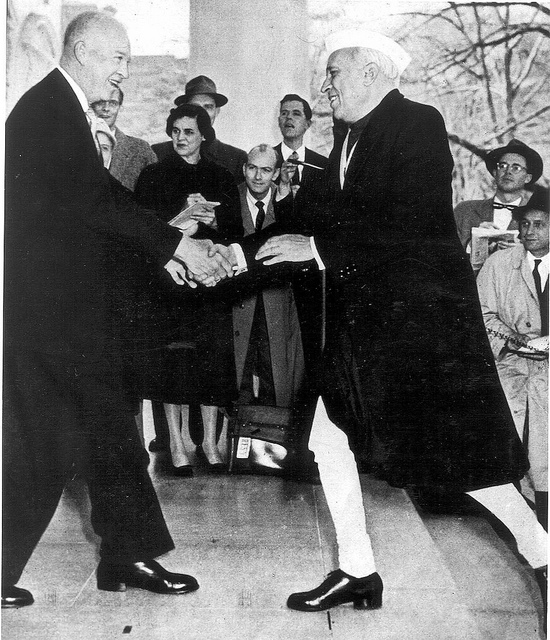
On July 30, 1956, US President Eisenhower signs “In God We Trust” into Law. The same year, President Eisenhower initiated action in support of the Tibetan Resistance Movement which contributed to the creation of Special Frontier Force during the presidency of John F. Kennedy.
Whole Dude – Whole Trust: “In God We Trust.” – Special Frontier Force Trusts President Eisenhower. Trust, Respect, and Commitment formulate Relations between the US, India, and Tibet.
President Eisenhower signs “In God We Trust” into law On this day in 1956, two years after pushing to have the phrase “under God” inserted into the pledge of allegiance, President Dwight D. Eisenhower signs a law officially declaring “In God We Trust” to be the nation’s official motto. The law, P.L. 84-140, also mandated that the phrase be printed on all American paper currency. The phrase had been placed on U.S. coins since the Civil War when, according to the historical association of the United States Treasury, religious sentiment reached a peak. Eisenhower’s treasury secretary, George Humphrey, had suggested adding the phrase to paper currency as well.
Although some historical accounts claim Eisenhower was raised a Jehovah’s Witness, most presidential scholars now believe his family was Mennonite. Either way, Eisenhower abandoned his family’s religion before entering the Army and took the unusual step of being baptized relatively late in his adult life as a Presbyterian. The baptism took place in 1953, barely a year into his first term as president.
Although Eisenhower embraced religion, biographers insist he never intended to force his beliefs on anyone. In fact, the chapel-like structure near where he and his wife Mamie are buried on the grounds of his presidential library is called the “Place of Meditation” and is intentionally inter-denominational. At a Flag Day speech in 1954, he elaborated on his feelings about the place of religion in public life when he discussed why he had wanted to include “under God” in the pledge of allegiance: “In this way we are reaffirming the transcendence of religious faith in America’s heritage and future; in this way we shall constantly strengthen those spiritual weapons which forever will be our country’s most powerful resource in peace and war.”
The first paper money with the phrase “In God We Trust” was not printed until 1957. Since then, religious and secular groups have argued over the appropriateness and constitutionality of a motto that mentions “God,” considering the founding fathers’ dedication to maintaining the separation of church and state.
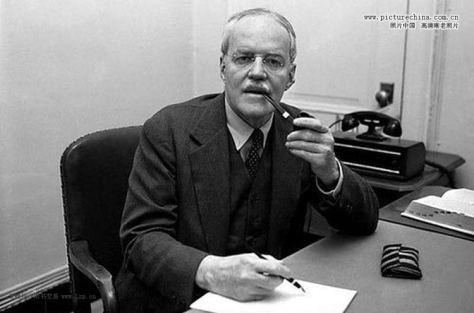
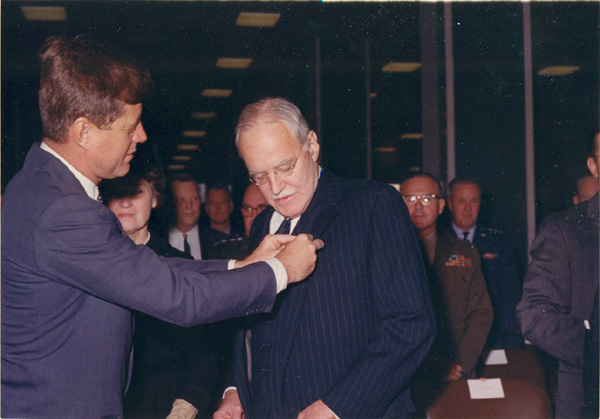
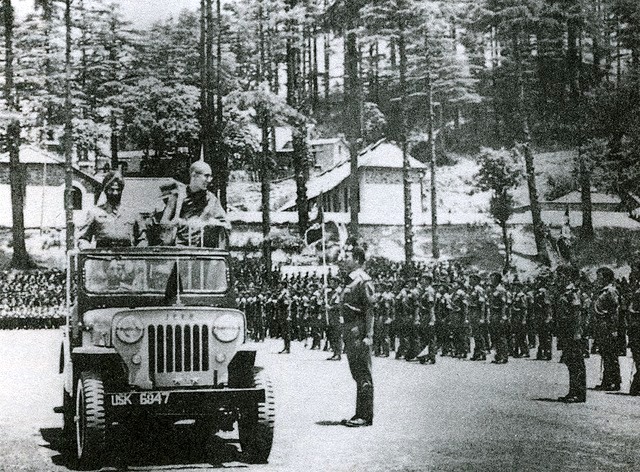
Whole Dude – Whole Trust: “In God We Trust” – Special Frontier Force Trusts President Eisenhower. CIA Director Allen Welsh Dulles forged Trust derived relationships.Whole Dude – Whole Trust: “In God We Trust” – Special Frontier Force Trusts President Eisenhower. CIA Director Allen Welsh Dulles, and President John F. Kennedy promoted national interests forging relationships.Whole Dude – Whole Trust: The history of Special Frontier Force-Establishment No. 22: 1957 was a turning point. India had recognized that its foreign policy of political neutralism was of no use and had started depending upon the United States to address the military threat posed by China’s occupation of Tibet. But, the effort was too modest and both India and the United States had grossly underestimated the strength of the People’s Liberation Army.Whole Dude – Whole Trust: Establishment No. 22 – Operation Eagle: This shoulder badge represents a military alliance/pact between India, Tibet, and the United States of America. Its first combat mission was in the Chittagong Hill Tracts which unfolded on 03 November 1971. It was named Operation Eagle. It accomplished its mission of securing peace in the region that is now known as Republic of Bangladesh.Whole Dude – Whole Trust: On June 03, 1972, His Holiness The 14th Dalai Lama visited Headquarters Establishment Number.22, C/O 56 APO to inspect the Tibetan soldiers who serve in the multinational military organization called Special Frontier Force. I served as the Medical Officer at this military Establishment and my duties required the verification of mental, and physical preparedness of all the men.Whole Dude – Whole Trust: “In God We Trust” – Special Frontier Force Trusts President Eisenhower. Trust in God is the Foundational Principle to formulate Foreign Relations.Whole Dude – Whole Trust: “In God We Trust” – Special Frontier Force Trusts President Eisenhower. Trust in God is the Foundational Principle to formulate Foreign Relations.Whole Dude – Whole Trust: “In God We Trust” – Special Frontier Force Trusts President Eisenhower. Trust in God is Foundational Principle to define Foreign Policy.Whole Dude – Whole Trust: “In God We Trust” – Special Frontier Force Trusts President Eisenhower. Trust is the Foundational Principle to define Relations.Whole Dude – Whole Trust: “In God We Trust” – Special Frontier Force Trusts President Eisenhower. Belief in God, and Trust in Leadership.Whole Dude – Whole Trust: “In God We Trust” – Special Frontier Force Trusts President Eisenhower. Trust survived the Test of Times.Whole Dude – Whole Trust: “In God We Trust” – Special Frontier Force Trusts President Eisenhower for his principled Belief in God.Whole Dude – Whole Trust: “In God We Trust” – Special Frontier Force Trusts President Eisenhower, his legacy reflects the value of Trust. Whole Dude – Whole Trust: “In God We Trust” – Special Frontier Force Trusts President Eisenhower who initiated Trusting Partnership between the US, India, and Tibet.Whole Dude – Whole Trust: “In God We Trust” – Special Frontier Force Trusts President Eisenhower. December 16, 1956, witnessed a trusting relationship. Vice President Richard M. Nixon is my Witness.Whole Dude – Whole Trust: “In God We Trust” – Special Frontier Force Trusts President Eisenhower. December 16, 1956. The US-India-Tibet Relations endure reflecting Trust.Whole Dude – Whole Trust: “In God We Trust” – Special Frontier Force Trusts President Eisenhower. Relations derive Spiritual Strength from Belief in God.