Whole Story – USA 250-America 250 Supports Tibet’s Whole Freedom

We believe that it is the inalienable right of the Tibetan people, as of any other people, to have freedom and to enjoy the fruits of their toil and have the necessities of life, so that they may have full opportunities of growth.

Whole Freedom or Purna Swaraj – United States Supports Tibet’s Whole Freedom: We believe that it is the inalienable right of the Indian people, as of any other people, to have freedom and to enjoy the fruits of their toil and have the necessities of life, so that they may have full opportunities of growth.

We believe that it is the inalienable right of the Tibetan people, as of any other people, to have freedom and to enjoy the fruits of their toil and have the necessities of life, so that they may have full opportunities of growth.

We believe that it is the inalienable right of the Tibetan people, as of any other people, to have freedom and to enjoy the fruits of their toil and have the necessities of life, so that they may have full opportunities of growth.

While the US has stated publicly that Tibet is a part of China, yet it supports “Tibet independence forces”, a senior Chinese official has said.

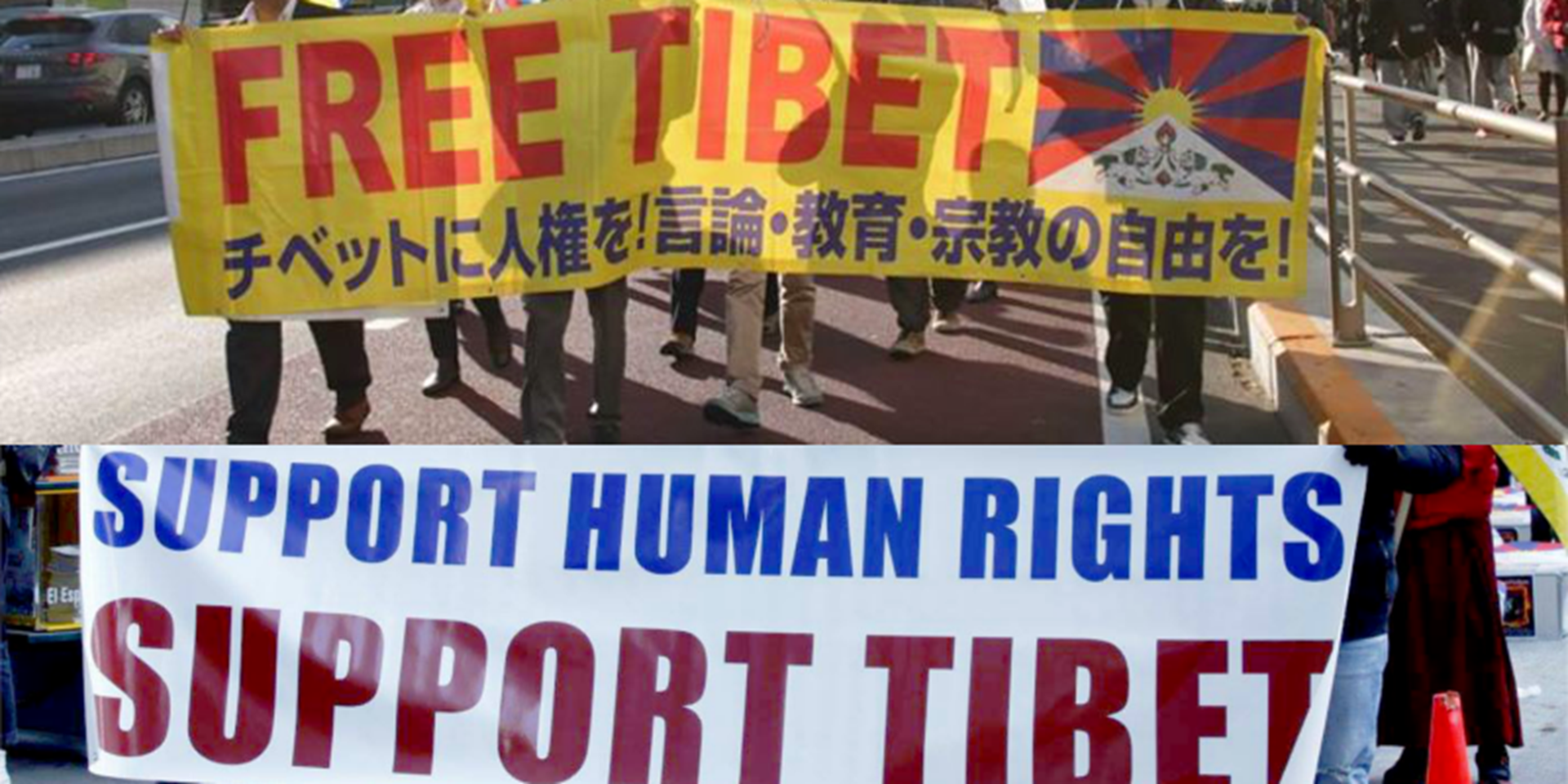
UNITED STATES SUPPORTS TIBET'S FREEDOM: FOR MAN IS BORN FREE, MAN HAS A NATURAL RIGHT TO FREEDOM. UNITED STATES OPPOSES MILITARY OCCUPATION THAT DESTROYED TIBET'S NATURAL FREEDOM.
UNITED STATES SUPPORTS TIBET’S FREEDOM: FOR MAN IS BORN FREE, MAN HAS A NATURAL RIGHT TO FREEDOM. UNITED STATES OPPOSES MILITARY OCCUPATION THAT DESTROYED TIBET’S NATURAL FREEDOM. While the US has stated publicly that Tibet is a part of China, yet it supports “Tibet independence forces”, a senior Chinese official has said.

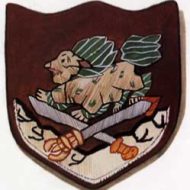
On behalf of Special Frontier Force, I am pleased to respond to a statement issued by Chinese official, Lu Guangjin, Director of the Human Rights Affairs Bureau of the Department of State Council Information Office of China when he spoke to IANS (The Times of India) on July 06, 2015.

Chinese official Lu claimed that the United States recognized Tibet as part of China one hundred years ago. The national entity known as People’s Republic of China has never existed one hundred years ago. The United States is simply stating that Tibet was part of Manchu China Empire of Ch’ing or Qing Dynasty (1644-1911) that has fallen and no longer exists in the world.

Freedom is a natural condition and for man is born free, Freedom is man’s Natural Right. Yuan or Mongol Dynasty (1260-1368) founded by Kublai Khan invaded Tibet in 1279. Later, Tibet came under nominal protection of Manchu or Qing Dynasty and with its downfall in 1911, Tibet declared independence and maintained the same until 1950 when Red China invaded and illegally occupied Tibetan territory. Tibetans were not affected by these foreign conquests and for centuries Tibetans enjoyed their Natural Freedom and maintained their independent nature.

UNITED STATES SUPPORTS TIBET'S FREEDOM: UNITED STATES DECLARED HER INDEPENCE ON JULY 04, 1776 CLAIMING HER RIGHTS TO FREEDOM, EQUALITY, AND PURSUIT OF HAPPINESS. Statue of Liberty seen from the Circle Line ferry, Manhattan, New York
UNITED STATES SUPPORTS TIBET’S FREEDOM: UNITED STATES DECLARED HER INDEPENDENCE ON JULY 04, 1776 CLAIMING HER RIGHTS TO FREEDOM, EQUALITY, AND PURSUIT OF HAPPINESS. While the US has stated publicly that Tibet is a part of China, yet it supports “Tibet independence forces”, a senior Chinese official has said.

United States opposes military occupation of Tibet that destroyed Tibet’s Natural Freedom. United States supports Freedom, Democracy, and Peace as national values based upon which United States declared Independence on July 04, 1776. In this context, it can be said that India was part of British Empire but India is never a part of a national entity called Great Britain. To the same extent, Special Frontier Force states that Tibet was part of Mongol China, Manchu China, and later Red China, but Tibet is never a part of a national entity called People’s Republic of China.

UNITED STATES SUPPORTS FREEDOM IN TIBET: SPECIAL FRONTIER FORCE IS A MILITARY ORGANIZATION FUNDED BY UNITED STATES TO PROMOTE FREEDOM, DEMOCRACY, AND PEACE IN OCCUPIED TIBET.
UNITED STATES SUPPORTS FREEDOM IN TIBET: SPECIAL FRONTIER FORCE IS A MILITARY ORGANIZATION FUNDED BY UNITED STATES TO PROMOTE FREEDOM, DEMOCRACY, AND PEACE IN OCCUPIED TIBET. While the US has stated publicly that Tibet is a part of China, yet it supports “Tibet independence forces”, a senior Chinese official has said.

US SUPPORTS ‘INDEPENDENCE FORCES’ IN TIBET: CHINESE OFFICIAL – THE TIMES OF INDIA

US supports ‘independence forces’ in Tibet: Chinese
official

IANS | Jul 6, 2015, 08.34 PM IST

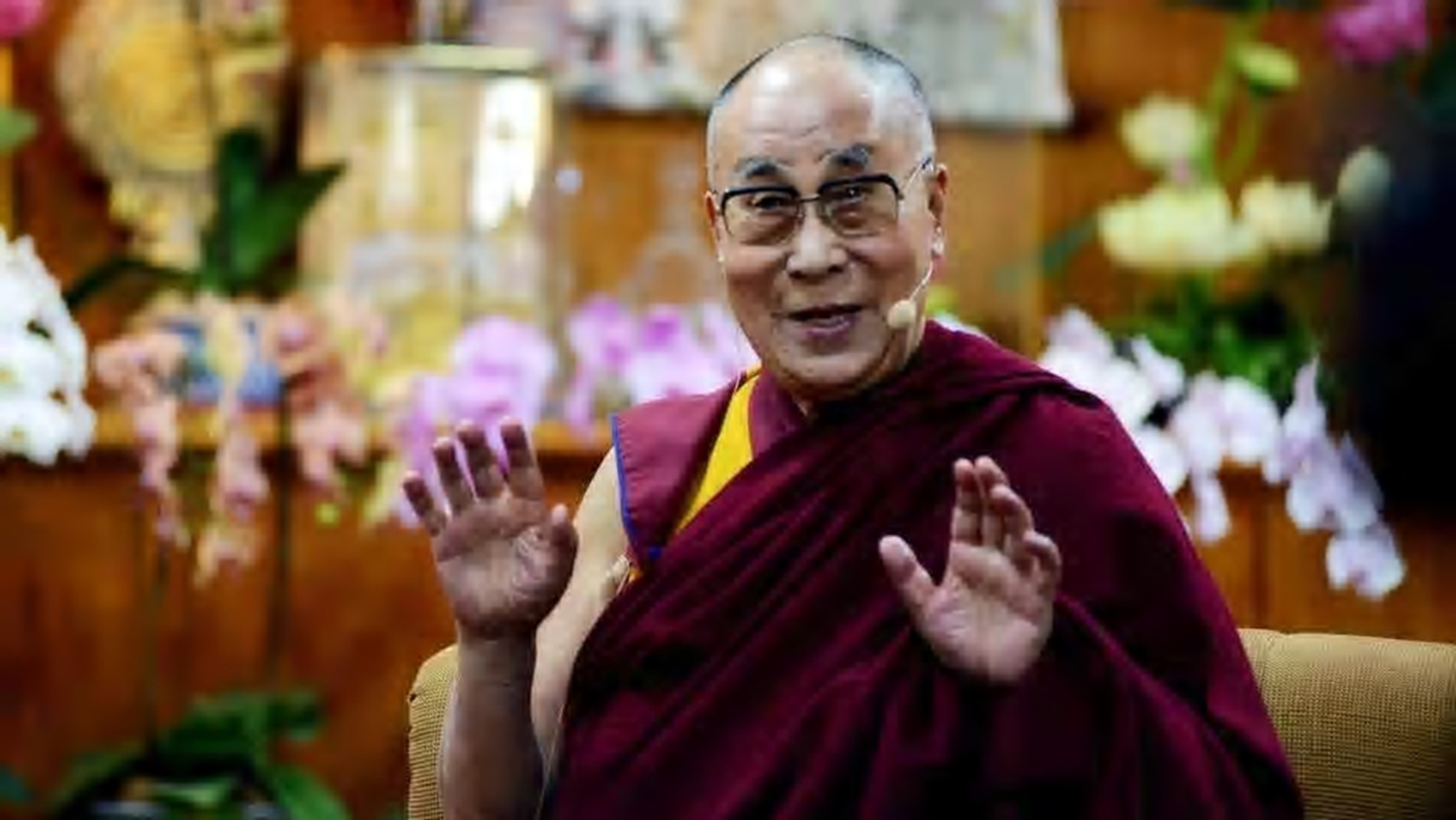
And in an apparent reference to Tibetan spiritual leader the
Dalai Lama, the official said that some people who fled China were now working “with some external forces to destabilize China.”

BEIJING: While the US has stated publicly that Tibet is a part of China, yet it supports “Tibet independence forces”, a senior Chinese official has said.

And in an apparent reference to Tibetan spiritual leader the
Dalai Lama, the official said that some people who fled China were now working “with some external forces to destabilize China”.

“Some 100 years ago the US had stated publicly that Tibet is part of China. Even now it admits thatTibet is inseparable from China,” Lu Guangjin, director of the Human Rights
Affairs Bureau of the Department of State Council Information Office of China, told IANS here.

“Yet the US supports Tibet independence forces,” he said, clearly hinting at the Central Tibetan Administration (CTA), the India-based government-in-exile once headed by the Dalai Lama.

The 55-year-old Chinese official was categorical in his hour-long interaction that “some people who ran away from China are now working together with some external forces to create destabilizing factors and obstruct people’s lives in China.

“As I understand it, there are some external forces that provoked a small group of monks,” Lu said.

He was asked to comment on the 140 people in Tibet who have self-immolated with the demand for the return of the Dalai Lama and for freedom for Tibetans.

“Such violence triggered international reaction. During that period (2008 Beijing Olympics) some Tibet independence forces attempted to obstruct the relay torch, causing anger among Chinese.”

The official said even now attempts were being made to stall
China’s bid for the 2022 Winter Olympics.

“Some people are creating trouble. There is an international website that supports Tibet’s independence
and it submitted material to the IOC (International Olympics Committee) saying China’s human rights violations, particularly in Tibet, don’t qualify it to host the Winter Olympics.”

On the celebration of the Dalai Lama’s 80th birthday, he said: “He is celebrating the birthday for a second time (July 6),
this time in the US. In this, you see the influence of external factors.

“He (the Dalai Lama) is a religious leader. I won’t comment on his religious doings. Yet he has a shallow political vision.

“Over the years he has always been committed to the so-called ‘grand cause’ of Tibet independence. For us, he’s naive,” added the official.

He reiterated Beijing’s official line that Tibet cannot be separated from China.

According to Lu, without the intervention of external forces, the China-India relationship and the Tibet-India relationship could have been much better.
http://timesofindia.indiatimes.com/followceleb.cms?alias=Tibet

THE TIMES OF INDIA
Powered by INDIATIMES

While the US has stated publicly that Tibet is a part of China, yet it supports “Tibet independence forces”, a senior Chinese official has said.

While the US has stated publicly that Tibet is a part of China, yet it supports “Tibet independence forces”, a senior Chinese official has said.
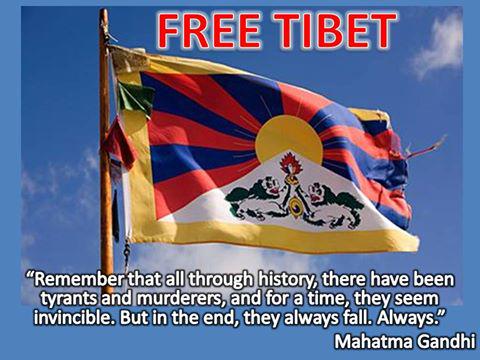


Whole Determination – Whole Separatism – Full Independence of Tibet is Inevitable

Tibet Awareness – Full Independence is the Only Solution

TIBET AWARENESS - FULL INDEPENDENCE INEVITABLE.
For all practical purposes, Full Independence of Tibet is the only solution for Tibet issue.

For all practical purposes, Full Independence of Tibet is the only solution for Tibet issue. Red China is opposed to relaxing its military grip and is promising to continue ruling Tibet with Iron Fist without conceding a genuine demand of meaningful autonomy for Tibet. United Front Work Department of the Communist Party of China Central Committee held 6th Tibet Work Forum in Beijing on August 24-25, 2015. It announced, “The Central Government neither did in the past, nor now or in the future will ever accept the Middle Way solution to the Tibet issue.” Red China’s President Xi Jinping repeated the same statement confirming that the ‘Middle Way’ proposed by the Dalai Lama group will never be accepted.

TIBET AWARENESS - FULL INDEPENDENCE INEVITABLE: RED CHINA'S POLICY OF RULING TIBET WITH IRON FIST IS DOOMED.
Tibet’s Full Independence is achieved by cracking those knuckles of Red China’s Iron Fist. I coined the phrase “Whole Separatism” to assert my Whole Determination to crack open all the Knuckles of Red China’s Iron Fist.

The phrase ‘Tibet Separatism’ is not acceptable as Tibet is never a part of China despite the military conquests of the past Chinese Emperors. However, it must be acknowledged that China subjugates Tibet with her Iron Fist. Tibet’s Full Independence is achieved by cracking those knuckles of Red China’s Iron Fist. I coined the phrase “Whole Separatism” to assert my Whole Determination to crack open and “separate” all the Knuckles of Red China’s Iron Fist.

Tibet’s Full Independence is achieved by cracking those knuckles of Red China’s Iron Fist. I coined the phrase “Whole Separatism” to assert my Whole Determination to crack open all the Knuckles of Red China’s Iron Fist.

Rudra Narasimham Rebbapragada
Ann Arbor, MI 48104-4162, USA
Special Frontier Force-Establishment 22-Vikas Regiment


Tibet’s Full Independence is achieved by cracking those knuckles of Red China’s Iron Fist. I coined the phrase “Whole Separatism” to assert my Whole Determination to crack open all the Knuckles of Red China’s Iron Fist.

China’s Xi vows unceasing fight against Tibet separatism | Reuters

REUTERS

Edition: U.S.

World | Wed Aug 26, 2015 12:11am EDT

BEIJING | By BEN BLANCHARD

Chinese President Xi Jinping applauds during the opening ceremony of the 15th IAAF World Championships at the National Stadium in Beijing, China August 22, 2015. REUTERS/Damir Sagolj

Tibet’s Full Independence is achieved by cracking those knuckles of Red China’s Iron Fist. I coined the phrase “Whole Separatism” to assert my Whole Determination to crack open all the Knuckles of Red China’s Iron Fist.

Chinese President Xi Jinping applauds during the opening ceremony of the 15th IAAF World Championships at the National Stadium in Beijing, China August 22, 2015. Reuters/Damir Sagolj

BEIJING China will wage an unceasing fight against separatism in its restive mountainous region of Tibet, President Xi Jinping said, as the government repeated it would never accept exiled Tibetan spiritual leader the Dalai Lama’s genuine autonomy proposals.

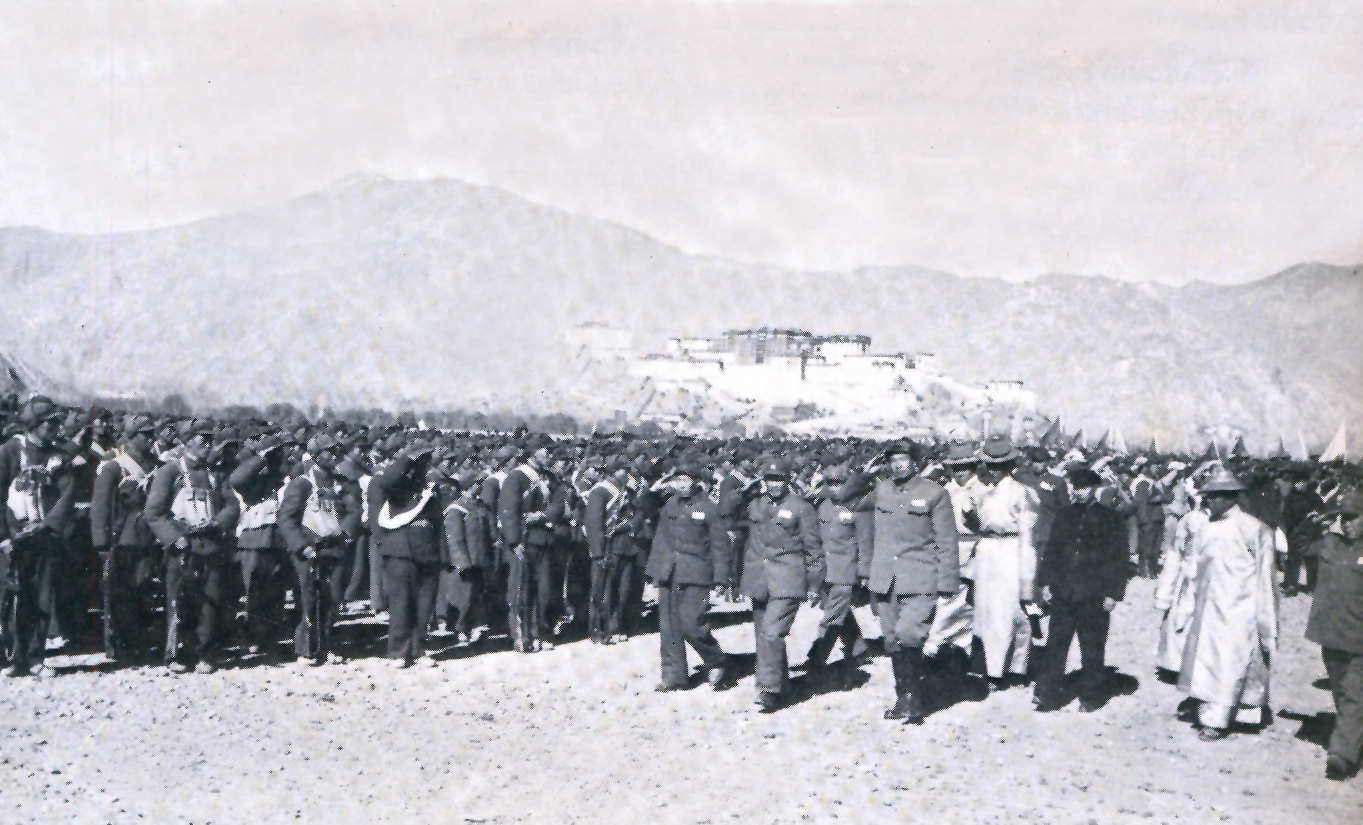
This year marks several sensitive anniversaries for the remote region that China has ruled with an iron fist since 1950, when Communist troops marched in and took control in what Beijing calls a “peaceful liberation”.

It is 50 years since China established what it calls the Tibet Autonomous Region and the 80th birthday of Tibetan spiritual leader the Dalai Lama, who has lived in exile in India since fleeing Tibet in 1959 following an abortive uprising.

At a two-day conference this week of the senior leadership about Tibet, only the sixth ever held, Xi repeated the government’s standard opposition to Tibetan independence, saying he would fight an “an unswerving anti-separatism battle”, state media said in comments reported late on Tuesday.
“We should fight against separatist activities by the Dalai group,” Xi was quoted as saying.

The Dalai Lama denies seeking independence, saying he only wants genuine autonomy for Tibet, something he calls the Middle Way and which Beijing believes is merely a smokescreen for independence, arguing Tibet already has real autonomy.

An accompanying commentary published by the United Front Work Department, which has led unsuccessful on-off talks with the Dalai Lama’s envoys, said the government had not accepted, and would never accept, the Middle Way.

The Middle Way seeks to cleave off one-quarter of China, as it would include historic parts of Tibet in neighboring Chinese provinces, the commentary, carried on the department’s WeChat account, said.
“The so-called ‘Middle Way’ is in essence a splittist political demand,” it said.
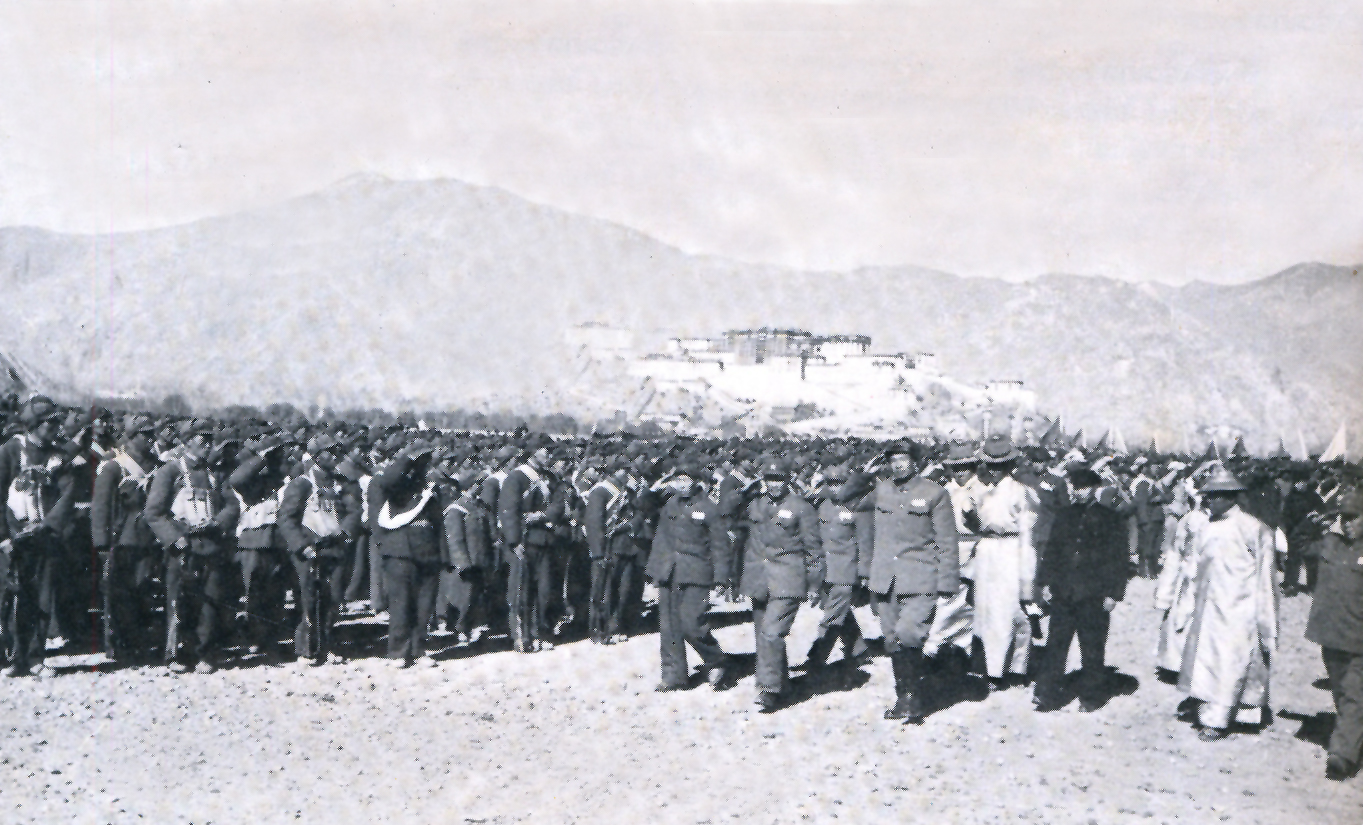
Activists say China has violently tried to stamp out religious freedom and culture in Tibet. China rejects the criticism, saying its rule has ended serfdom and brought development to a backward region.

Xi called for efforts to promote “patriotism among the Tibetan Buddhist circle and effectively manage monasteries in the long run, encouraging interpretations of religious doctrines that are compatible with a socialist society”, state media said.

There should also be more campaigns to promote ethnic unity and promote a sense “of belonging to the same Chinese nationality”, he added.
Tibet remains under heavy security, with visits by foreign media tightly restricted, making an independent assessment of the situation difficult.

(Reporting by Ben Blanchard; Editing by Clarence Fernandez)

Tibet Awareness - Full Independence is Inevitable.

Tibet’s Full Independence is achieved by cracking those knuckles of Red China’s Iron Fist. I coined the phrase “Whole Separatism” to assert my Whole Determination to crack open all the Knuckles of Red China’s Iron Fist.
TIBET'S FULL INDEPENDENCE IS INEVITABLE.Statue of Liberty seen from the Circle Line ferry, Manhattan, New York

Tibet’s Full Independence is achieved by cracking those knuckles of Red China’s Iron Fist. I coined the phrase “Whole Separatism” to assert my Whole Determination to crack open all the Knuckles of Red China’s Iron Fist.

Whole Awareness – Tibetan Human Rights

Tibet Awareness on World Human Rights Day

Tibet Awareness on World Human Rights Day

To celebrate observance of World Human Rights Day on December 10, 2024, I speak about Tibet’s yoking with Red China. This yoking, coming together, or joining of Red China with Tibet speaks of Subjection, Bondage, Servitude, Enslavement, Hardship, Burden, Trouble, Pain, Suffering, Sorrow, and Misery. Tibetans resist this burden imposed upon their Natural Freedom. Tibet is under Control, and Tibet is Subdued under burden imposed by Red China’s Yoke. We need to help Tibet to make it a safe place for Tibetans to live reaping the Blessings of Peace, Freedom and Justice granted by Mother Nature.

Tibet Awareness on World Human Rights Day


Whole Awareness – Military Power Seized Tibetan Freedom

Tibetans View Freedom as a Natural Condition, a Natural Law of their Land

Tibet Awareness. Military Power Seized Tibetan Freedom.

In my analysis, the Tibetan Resistance Movement can only be described as the Struggle for Natural Freedom. Tibetans resist military occupation of Tibet by a foreign invader for occupation totally undermines the Tibetan National Experience of Natural Freedom that defines the Land and its denizens. Freedom is not viewed as a Political Right. Tibetans cherish Freedom as a Nature’s Gift which no man has the power to trample upon.

Tibet Awareness. Military Power Seized Tibetan Freedom. A PLA air defense unit of the Tibet Military Command has recently held a drill at an area, 4,500 meters above the sea level, in Occupied Tibet. The live-fire drill aimed to improve air defense preparedness in complex weather conditions. (Photo: China News Service/Zhu Jian)
Tibet Awareness. Military Power Seized Tibetan Freedom in 1950-51.
Tibetans Struggle for Natural Freedom.

Whole Subjugation – Red Army’s Military Grip over Tibet

TIBET UNDER SUBJUGATION BY THE PEOPLE’S LIBERATION ARMY

Whole Subjugation: Tibet in Trouble. Tibet is under subjugation by the People’s Liberation Army.

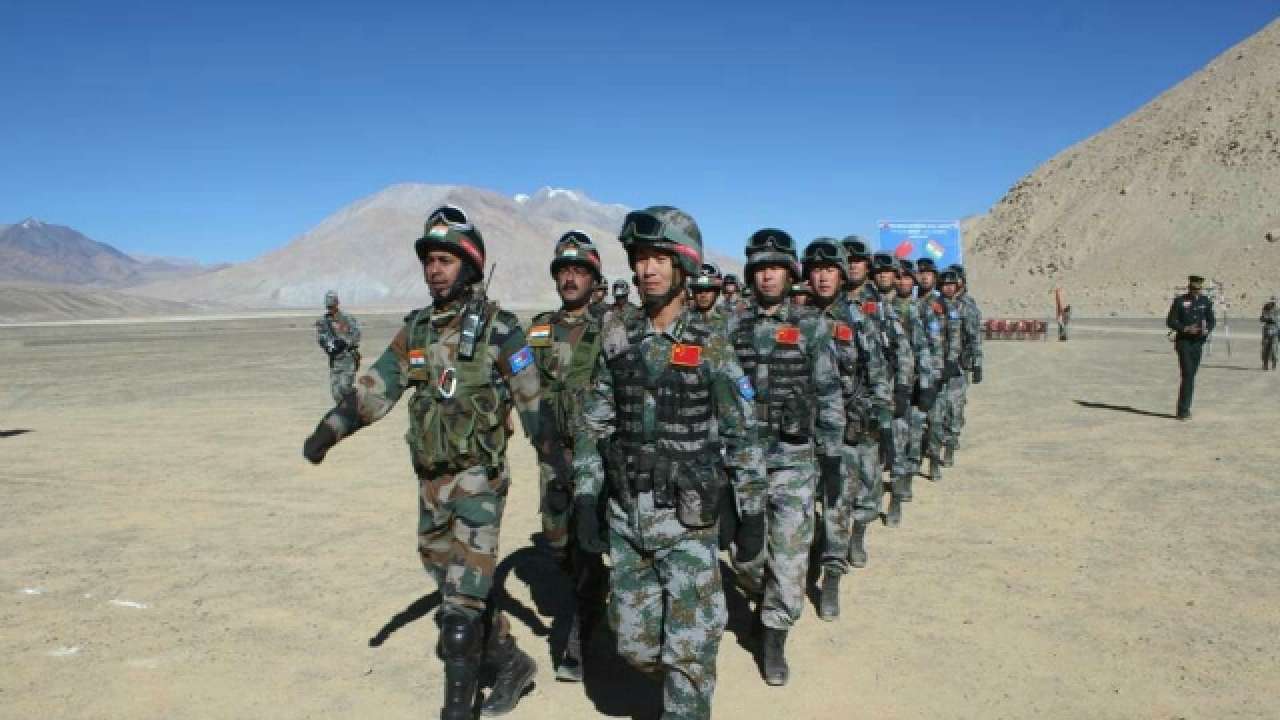
Tibet is under subjugation by the People’s Liberation Army. There is no indication to suggest the slackening of China’s military grip over Tibet.
I am sharing a story titled ‘Tibet in Turmoil Again’ published in The Tribune, Ambala.

Whole Subjugation: Tibet in Trouble. Tibet is under subjugation by the People’s Liberation Army.

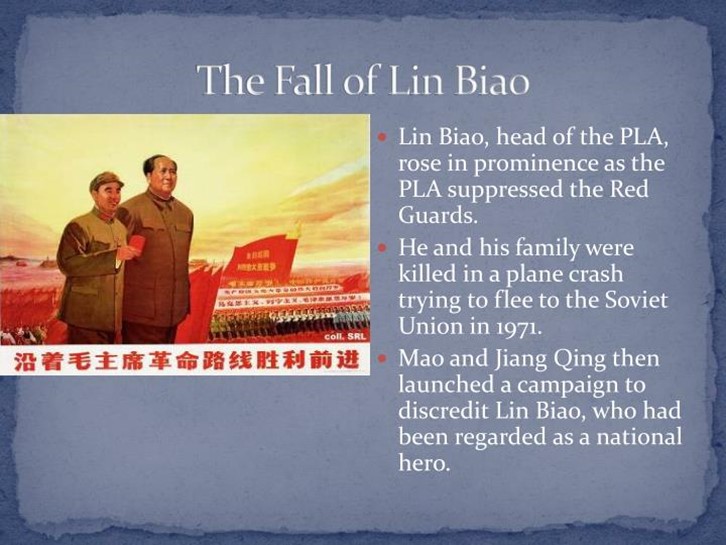
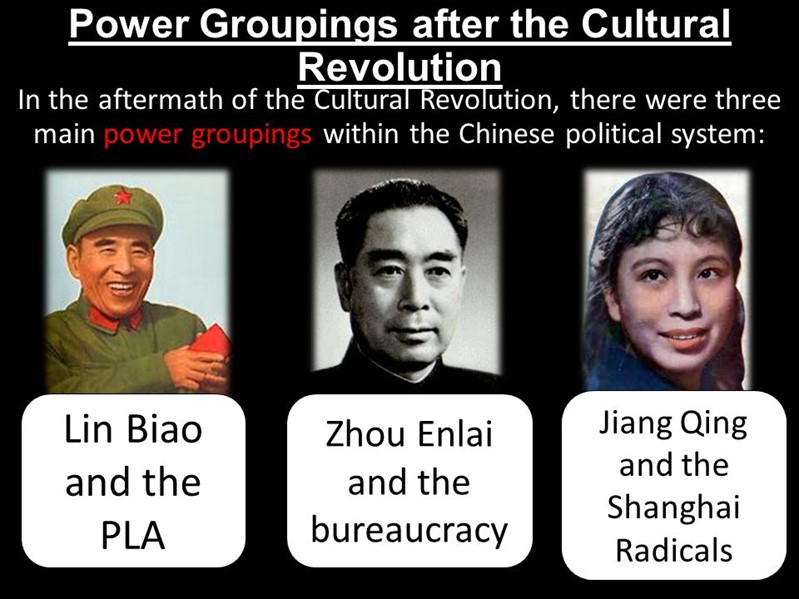
There was indeed a great turmoil in the People’s Liberation Army during 1971 which resulted in the murder of Defense Secretary Lin Biao on September 13, 1971 while he tried to escape from China.

Whole Subjugation: Tibet in Trouble. Tibet is under subjugation by the People’s Liberation Army.

China’s military grip continues to suffocate Tibetans and the story about rivalry between Red Guard factions gives me no comfort.

China’s military grip continues to suffocate Tibetans and the story about rivalry between Red Guard factions gives me no comfort.

TIBET IN TURMOIL AGAIN

Clipped from: https://www.tribuneindia.com/news/this-day-that-year/tibet-in-turmoil-again/800632.html

Posted at: Jul 12, 2019, 6:44 AM; last updated: Jul 12, 2019, 6:44 AM (IST)AMBALA, SATURDAY, JULY 12, 1969

HONG KONG, July 11 (AP)—Tibet is in turmoil again as rival Red Guard factions battle each other and hostility spreads among Army troops, Tibetan leaders, military commanders, revolutionary committees and mass organisations, a Hong Kong newspaper reported yesterday. The anti-Communist Chinese language organ “Tin Tin Yatpo”, attributing its report to “well-informed exclusive sources”, said all signs point to a further deteriorating situation in that vital region bordering India.

The paper said two powerful rival Red Guard organizations — the “Great Alliance Headquarters” and the “Lhasa Revolutionary Rebels’ Headquarters’— are battling each other. Both are opposed to the Maoist Tibet Revolutionary Committee. The Lhasa organization is trying to seize power in Tibet.

Whole Subjugation: Tibet in Trouble. Tibet is under subjugation by the People’s Liberation Army.


Whole Struggle – Tibet struggles for Natural Freedom

Tibet Struggles for Natural Freedom

Whole Struggle – Tibet Struggles for Natural Freedom.

In my analysis, the Tibetan Resistance Movement can only be described as the Struggle for Natural Freedom. Tibetans resist military occupation of Tibet by a foreign invader for occupation totally undermines the Tibetan National Experience of Natural Freedom that defines the Land and its denizens. Freedom is not viewed as a Political Right. Tibetans cherish Freedom as a Nature’s Gift which no man has the power to trample upon.

Whole Struggle – Tibet Struggles for Natural Freedom.

Dalai Lama Says Tibet Issue Is No Longer Struggle For Political Independence

Clipped from: https://www.ndtv.com/india-news/dalai-lama-says-tibet-issue-is-no-longer-struggle-for-political-independence-2064281

Whole Struggle – Tibet Struggles for Natural Freedom.

Tibet Issue “No Longer Struggle for Political Independence”: Dalai Lama

Political independence is mainly meant for the happiness of the people, but does it alone guarantee happiness, the Dalai Lama asked.

All India | Press Trust of India | Updated: July 04, 2019 20:11 IST

New Delhi:

The Tibetan issue is no longer a struggle for political independence, the Dalai Lama has said, asserting that there is a need to focus on preservation of Tibet’s cultural, religious and linguistic identity.

Political independence is mainly meant for the happiness of the people, but does it alone guarantee happiness, the Tibetan spiritual leader asked.

“There is a growing feeling among the top leaders in China that their policies have not been able to solve the Tibet issue in the last 70 years. So, they should follow a more realistic approach. Even though Tibet was an independent country, politically China occupies Tibet today,” he told news magazine ”The Week” in an interview.

“Under the given circumstances, I have been saying for some time now that there is a need to focus on preservation of Tibetan culture, religion and identity. It is no longer a struggle for political independence,” he said.

The 14th Dalai Lama left Tibet in 1959 to escape Chinese occupation and has been keeping China on tenterhooks about his successor.

In April this year, at a global conference, he had said people from Tibet have been seeking a mutually acceptable solution to the Tibetan issue with China since 1974 but Beijing considers him a “splittist” though he isn’t one.

The spiritual leader, who turns 84 soon, had said he preferred Tibet remaining with China, with “some kind of a reunion”.

In the interview, given in Himachal Pradesh’s McLeodganj, the Dalai Lama also said if the Tibetan people can preserve their thousands of years old cultural heritage, religion and identity, it will bring them inner peace and happiness.

“For this, I really admire the Indian Union for its unity in diversity. In a similar way, the People’s Republic of China and Tibet can coexist keeping Tibet’s cultural, linguistic and religious identity,” he said.

On a question, about his successor, he said, “I can only be concerned about this life; the next is not my concern. What is important are the teachings, the institution of the Dalai Lama comes after that.
“If reincarnation was so important, then why did the Buddha not have a reincarnation,” adding, “sometimes, I also feel the Lama institution has some connection with the feudal system and is not relevant today”.

The Tibetan spiritual leader recently apologized for his comment on women in a BBC interview, with his office in Dharamshala saying he has always opposed their objectification.

Responding to a question on whether his reincarnation could be a woman, the Nobel Peace Prize winner had joked that she should be attractive.

On a question on India, he said, the rich people in India should pay more attention to the study of Indian philosophy and texts “rather than just uttering ”Ram Ram” and doing puja”.

“It is better to create small libraries and learn about ancient Indian philosophy and psychology than just praying without any knowledge and performing rituals without understanding them,” he said.

On his association with prime minister Jawaharlal Nehru, he said, “Pandit was very kind to me; he advised me under difficult circumstances. I followed his advice, and it was very practical. I came to India in 1956, during Buddha Jayanti. At that time, many Tibetan officials told me that I should stay in India and not return”.

He said, he returned to Tibet in 1957. “I tried my best (to maintain peace with the Chinese), but after some time… there (were) uprisings. In 1959, things went out of control and I decided to escape from Tibet,” the Dalai Lama added.

“I am grateful to the Indian government (and leaders such as) Nehru, Indira Gandhi, Morarji Desai, Narasimha Rao and the (later) generation of leaders, and also Indian officials who have been very sympathetic towards Tibet,” he said.

Today, India and Tibet are very close not only for political or economic reasons, but also spiritually and emotionally, he added.

On China calling him a separatist, and his 60th year of exile in India, he said, “Let them (Chinese) say I am a separatist. That will be helpful as I will continue to live in India peacefully”.

“If they sincerely ask me to return – although on many occasions to some Chinese individuals I mentioned that I prefer freedom – and if I return to China, I (will be) put in a big house with no freedom. There is no use. I am happy to live in India for the rest of my life,” the Dalai Lama said.

“Among all civilizations, whether it is Chinese or Egyptian, it is the Indus Valley civilization that has produced the best thinkers and philosophers. I consider Buddhism and Hinduism as twin brother and sister. India’s civilization is something wonderful and should be known for its contribution to the world,” he asserted.

Whole Struggle – Tibet Struggles for Natural Freedom.

Whole Evil – Red China’s Journey from Imperialism to Neocolonialism

Red China’s Journey from Imperialism to Neocolonialism

Red China’s Journey from Imperialism to Neocolonialism

Tibet escaped from the clutches of Qing Empire during 1911-12 to declare full independence on February 13, 1913. From the ashes of the Qing Empire, Red China emerged as the new Imperialistic Power on October 01, 1949 when the Communists took over mainland China defeating the Nationalists. For Tibet, the new era of political domination, cultural subjugation, and colonialist exploitation began with Red China’s military invasion in 1950.

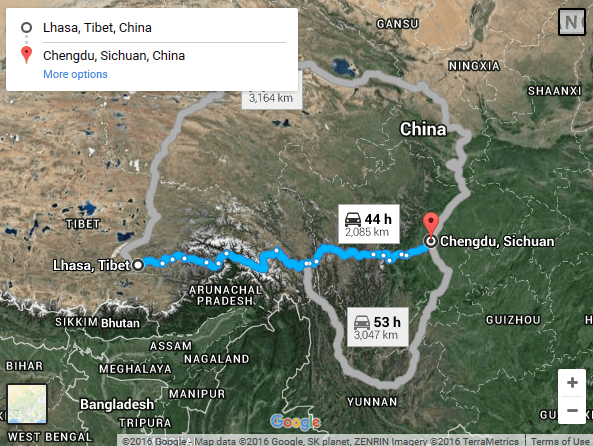
The railway construction projects across the Tibetan Plateau are mere symptoms of Neocolonialism, a facet of Red China’s Doctrine of Expansionism.

Red China’s Journey from Imperialism to Neocolonialism.

CHINA TO STRENGTHEN RAILWAY CONSTRUCTION IN OCCUPIED TIBET

Red China’s Journey from Imperialism to Neocolonialism.

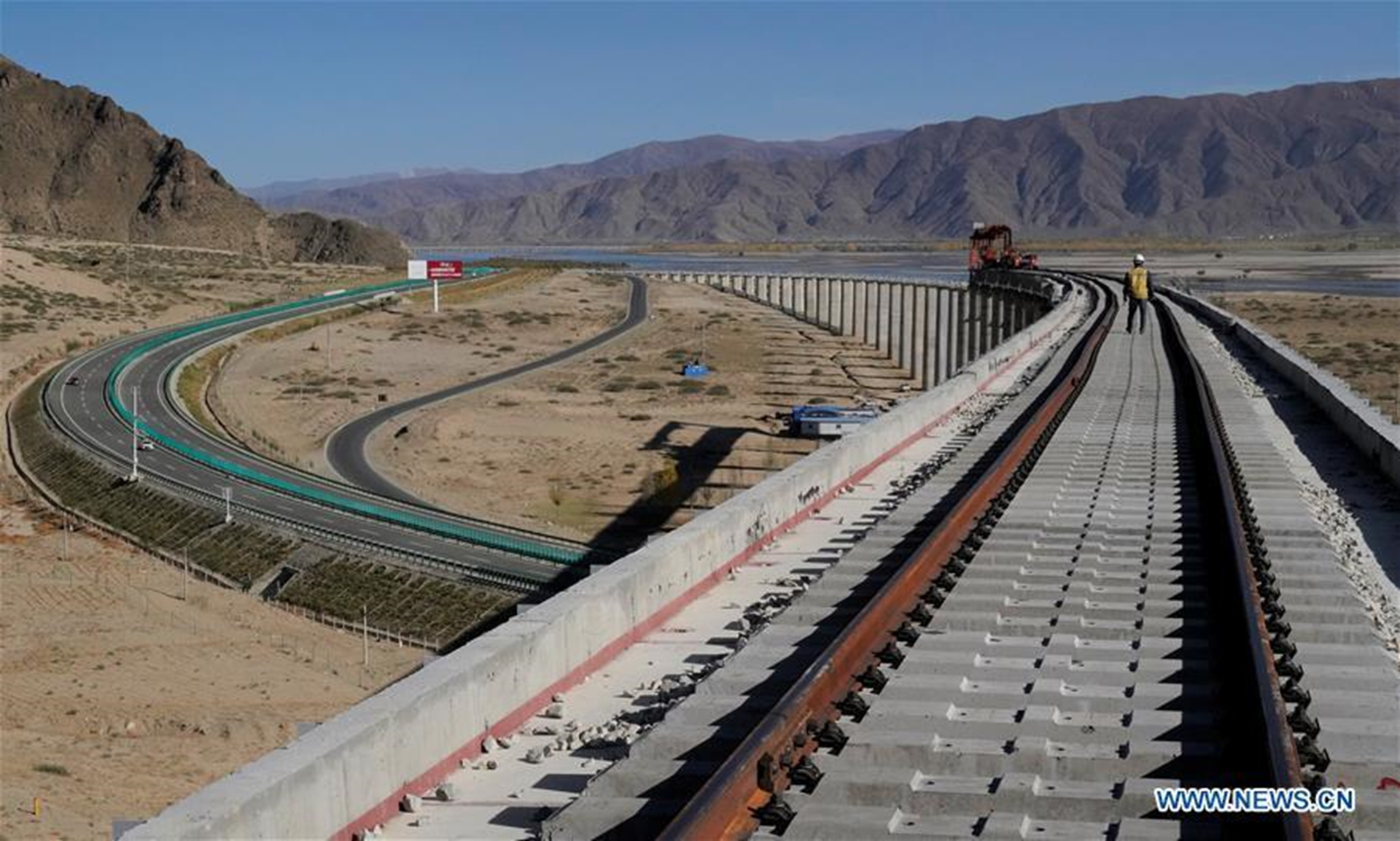
Staff members work at the construction site of the Lhasa-Nyingchi section of the Sichuan-Tibet Railway in Occupied Tibet, on Nov. 26, 2018. In 2018, an investment of 4.2 billion yuan (623 million U.S. dollars) was made in railway construction in the region. (Xinhua/Purbu Zhaxi)

Red China’s Journey from Imperialism to Neocolonialism.

Staff members work at the construction site of the Lhasa-Nyingchi section of the Sichuan-Tibet Railway in Occupied Tibet, on Nov. 26, 2018. In 2018, an investment of 4.2 billion yuan (623 million U.S. dollars) was made in railway construction in the region. (Xinhua/Purbu Zhaxi)

Red China’s Journey from Imperialism to Neocolonialism.

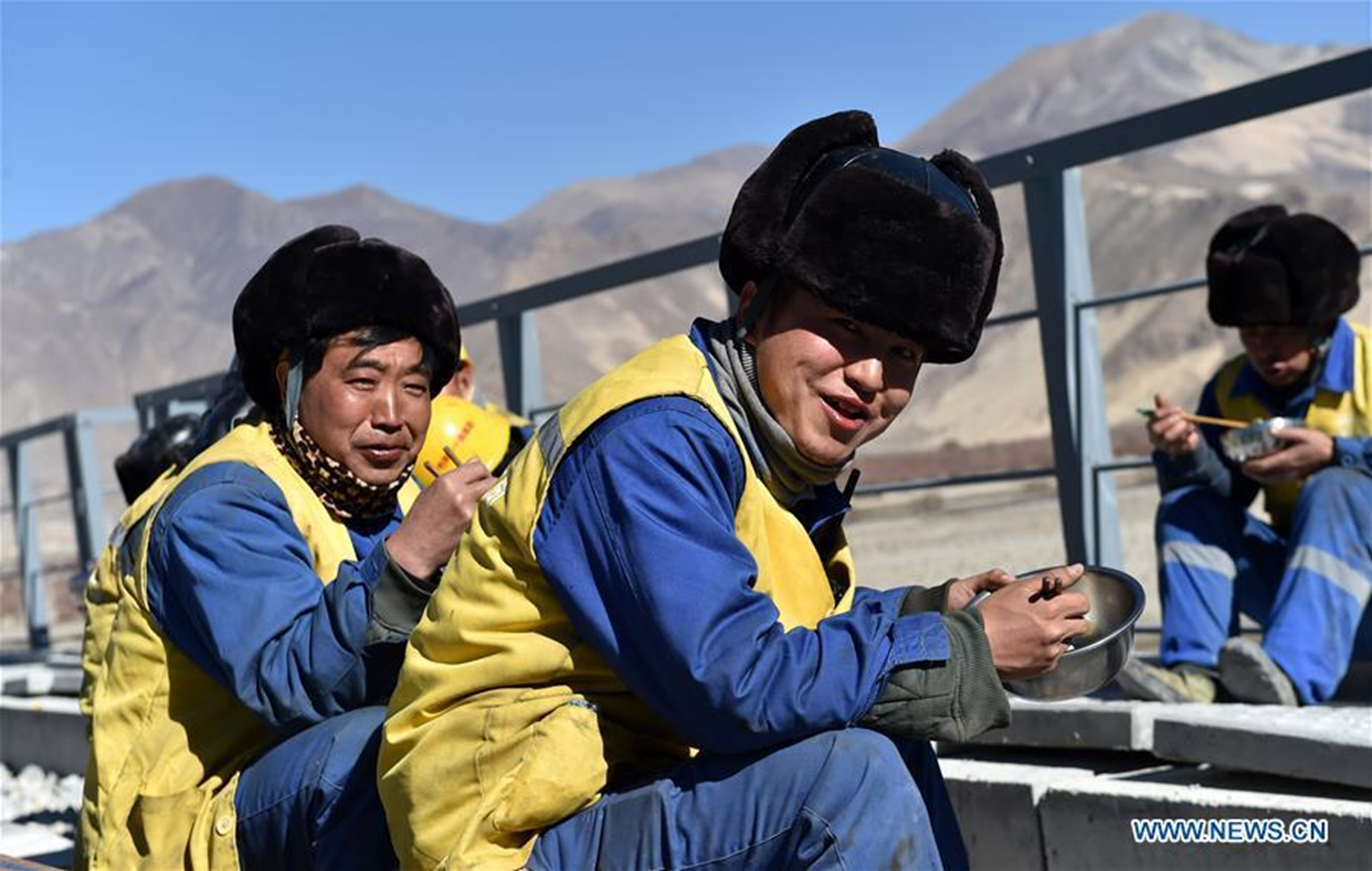
Workers have lunch at the construction site of the Lhasa-Nyingchi section of the Sichuan-Tibet Railway in Occupied Tibet, on Nov. 26, 2018. In 2018, an investment of 4.2 billion yuan (623 million U.S. dollars) was made in railway construction in the region. (Xinhua/Chogo)

Red China’s Journey from Imperialism to Neocolonialism.

Workers at the construction site of the Lhasa-Nyingchi section of the Sichuan-Tibet Railway in Occupied Tibet, on Nov. 26, 2018. In 2018, an investment of 4.2 billion yuan (623 million U.S. dollars) was made in railway construction in the region. (Xinhua/Chogo)

Red China’s Journey from Imperialism to Neocolonialism.

Photo taken on Dec. 23, 2018, shows the construction site of the Lhasa-Nyingchi section of the Sichuan-Tibet Railway in Occupied Tibet. In 2018, an investment of 4.2 billion yuan (623 million U.S. dollars) was made in railway construction in the region. (Xinhua/Purbu Zhaxi)

Red China’s Journey from Imperialism to Neocolonialism.


Whole Separatism – Tibet Separatism is just a natural phenomenon

Tibet Separatism is just a natural phenomenon

Whole Separatism: Tibet Separatism is just a Natural Phenomenon.

In my analysis, Tibet Separatism is just a natural phenomenon for it is entirely derived from the actions of various Natural Forces acting over thousands of years to create the separate Tibetan Identity which refuses to merge with identities of other foreign nationalities. Tibetan Identity will always exist as a ‘Separate’ Identity and no man will be able to wipe it out by building roads, bridges, railways, airports to plunder the natural resources of Tibetan Plateau.

Tibetan Separatism does not constitute any kind of political activity. In fact, Tibetan Separatism represents the reality of Independence granted by the works of Mother Nature.

Tibetan Separatism does not constitute any kind of political activity. In fact, Tibetan Separatism represents the reality of Independence granted by the works of Mother Nature.

Dalai Lama a political exile, engaged in separatist activities: China | world news | Hindustan Times

Clipped from: https://www.hindustantimes.com/world-news/dalai-lama-a-political-exile-engaged-in-separatist-activities-china/story-EHWnzYS5nauR7R8bynYhGP.html

China insists Tibet has been part of its territory for centuries, but many Tibetans claim they were essentially independent for most of that time

Whole Separatism: Tibet Separatism is just a Natural Phenomenon.

Tibetan spiritual leader Dalai Lama interacts with the leaders of the United States Institute of Peace (USIP) at his residence, in Dharamshala, Himachal Pradesh, on October 24, 2018. (HT File Photo)

China on Tuesday hit out at the Dalai Lama who is on a visit to Japan, saying that countries should not facilitate the Tibetan spiritual leader’s “separatist activities”.

On the Dalai Lama’s reported comments that China and Tibet should co-exist and prosper together, Chinese foreign ministry spokesman Geng Shuang said here that the Tibet issue is an internal matter of Beijing.

“As for the Dalai Lama’s speech, it is not up to me to answer this question. I can tell you that the 14th Dalai Lama is a political exile and he is engaged in separatist activities,” he said.

“We hope the relevant parties will not provide facilitation for his separatist activities,” he said.

China insists Tibet has been part of its territory for centuries, but many Tibetans claim they were essentially independent for most of that time. The Dalai Lama fled to India in 1959 amid an abortive uprising against Chinese rule in his Himalayan homeland.

The Dalai Lama is on a 10-day teaching tour of Japan. China routinely objects to his foreign visits.

First Published: Nov 20, 2018 18:24 IST

Whole Separatism: Tibet Separatism is just a Natural Phenomenon.

Whole Colonialism – Upstream Occupation and Downstream Worries

The woes of Tsangpo-Brahmaputra River – Upstream Occupation and Downstream Worries

The Woes of Tsangpo-Brahmaputra River. The Upstream Occupation and the Downstream Worries.

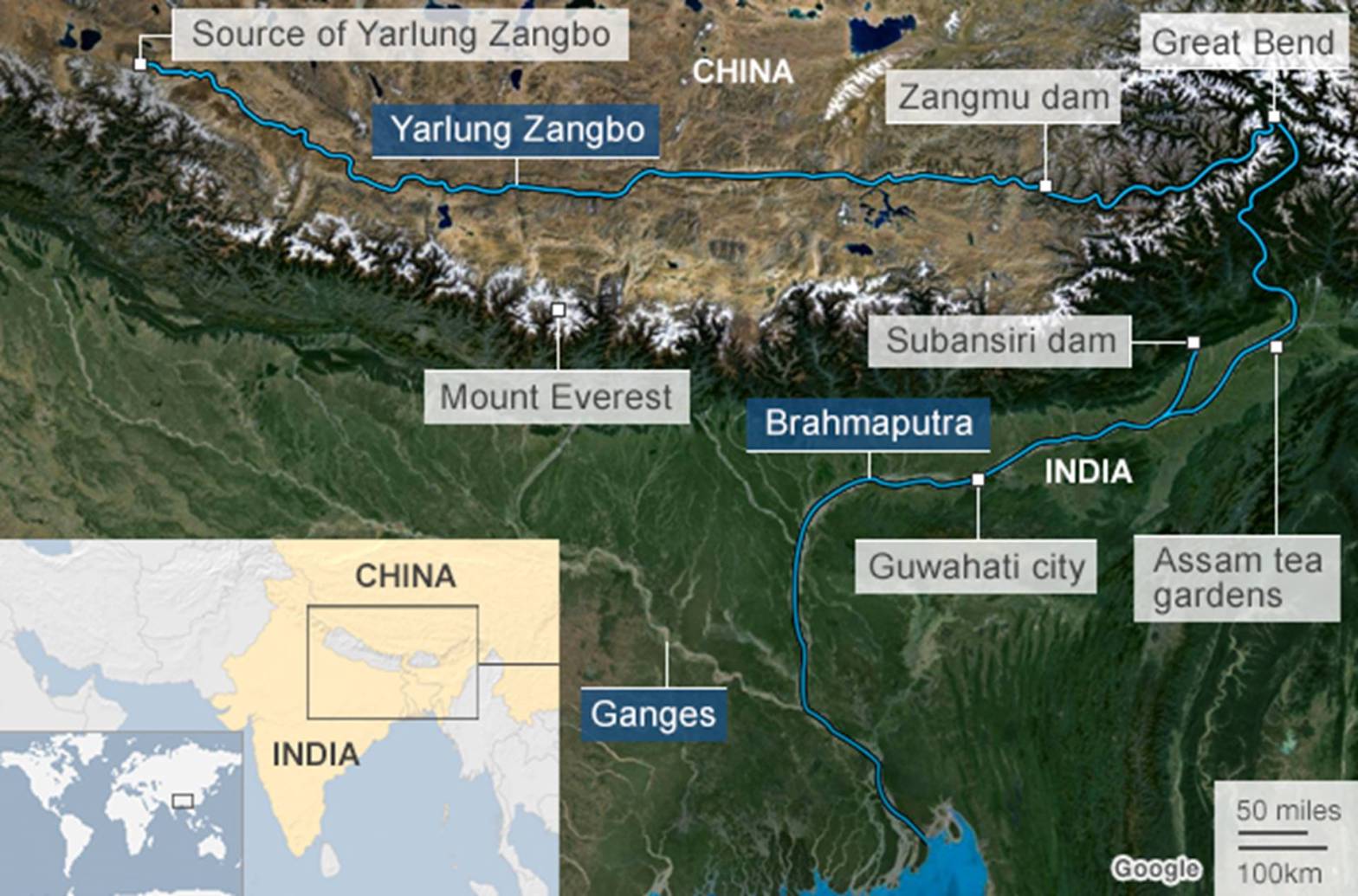
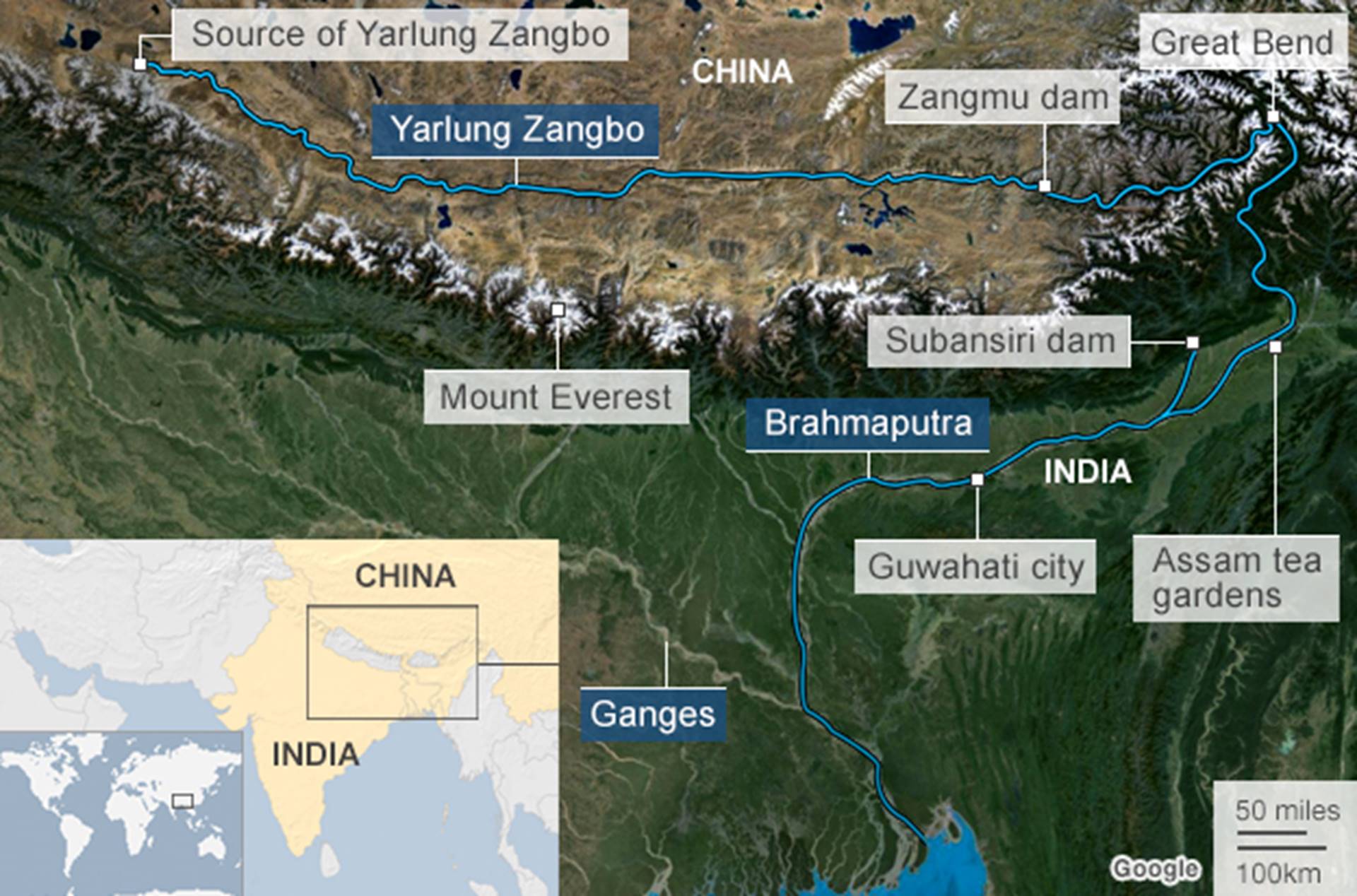
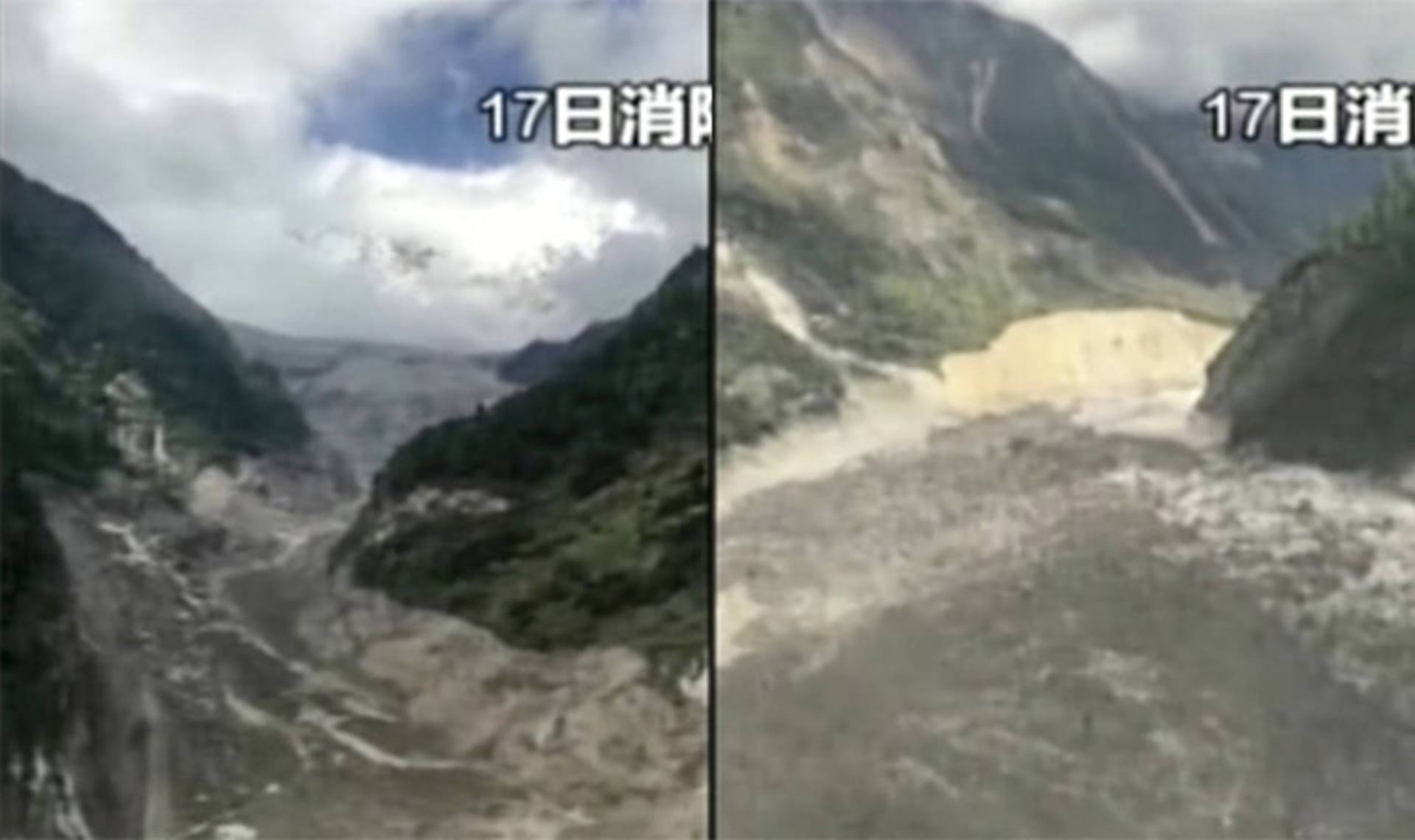
The woes of Yarlung Tsangpo-Brahmaputra River describe the tragedy of upstream occupation causing the downstream worries. The massive landslide in Tibet blocking Yarlung Tsangpo River symbolizes the woes of military conquest of Tibet and its colonization by Communist China.

The Woes of Tsangpo-Brahmaputra River. The Upstream Occupation and the Downstream Worries.

China orders evacuations after landslide blocks Tibet River

Clipped from: https://www.msn.com/en-us/news/world/china-orders-evacuations-after-landslide-blocks-tibet-river/ar-BBOx93t

The Woes of Tsangpo-Brahmaputra River. The Upstream Occupation and the Downstream Worries.

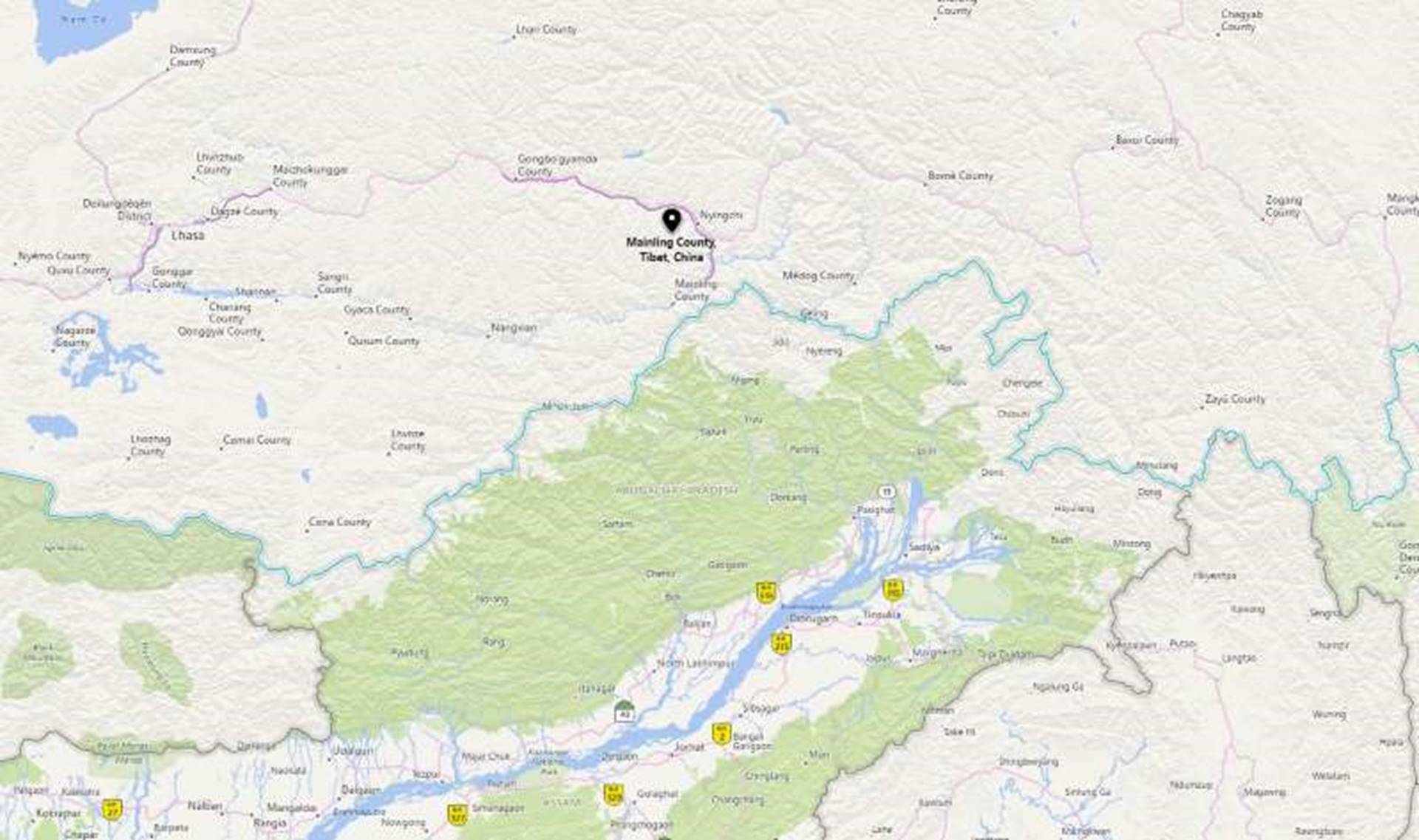
© Bing Maps © 2018/Microsoft Mainling County, Tibet, China BEIJING — Around 6,000 people have been evacuated following a landslide in Tibet that blocked the flow of one of the region’s key rivers, China’s emergency services said Thursday.

A barrier lake was formed on the Yarlung Tsangpo, the headwater of India’s Brahmaputra River, following the Wednesday morning collapse of a cliff in the deep valley through which the river flows, the local emergency response bureau said in a report carried by state media.

No deaths or injuries have been reported and the bureau said China has been keeping India updated on the blockage, which could potentially affect water levels in lower regions.

The landslide struck near a village in Menling County and water in the lake had risen to a height of 40 meters (131 feet) by Thursday, the bureau said.

With its towering peaks and glaciers, Tibet is the source of numerous Asian rivers, adding to China’s strategic influence over its southern neighbors. Fast-rising temperatures have caused those glaciers to melt at an increasing pace, throwing a shadow over future water resources for China and other Asian nations.

The Woes of Tsangpo-Brahmaputra River. The Upstream Occupation and the Downstream Worries.

Though there were no reports of deaths or injuries after the landslide, it is the second landslide that has rocked the Tibet. A massive landslide hit Derge in the Traditional Tibetan province of Kham and completely blocked the Dri Chu river earlier this week on Oct 11.

Landslide and flooding of villages in Tibet are linked to Chinese construction projects, the London-based advocacy group Free Tibet said on Oct 15 after the landslide that cut off Drichu.

“Chinese authorities have been conducting excessive mining, development and dam construction projects in the area which, according to the local population, are directly linked to the increased occurrences of flooding, particularly in the regions of Karze and Ngawa. Chinese sources claim these incidents are natural and unrelated,” Free Tibet stated

The group further noted that of late, China’s exploitation of Tibet’s natural resources has gathered pace significantly.

The ill-advised developmental projects being carried out in Tibet by the Chinese regime at the cost of the fragile Tibetan environment.

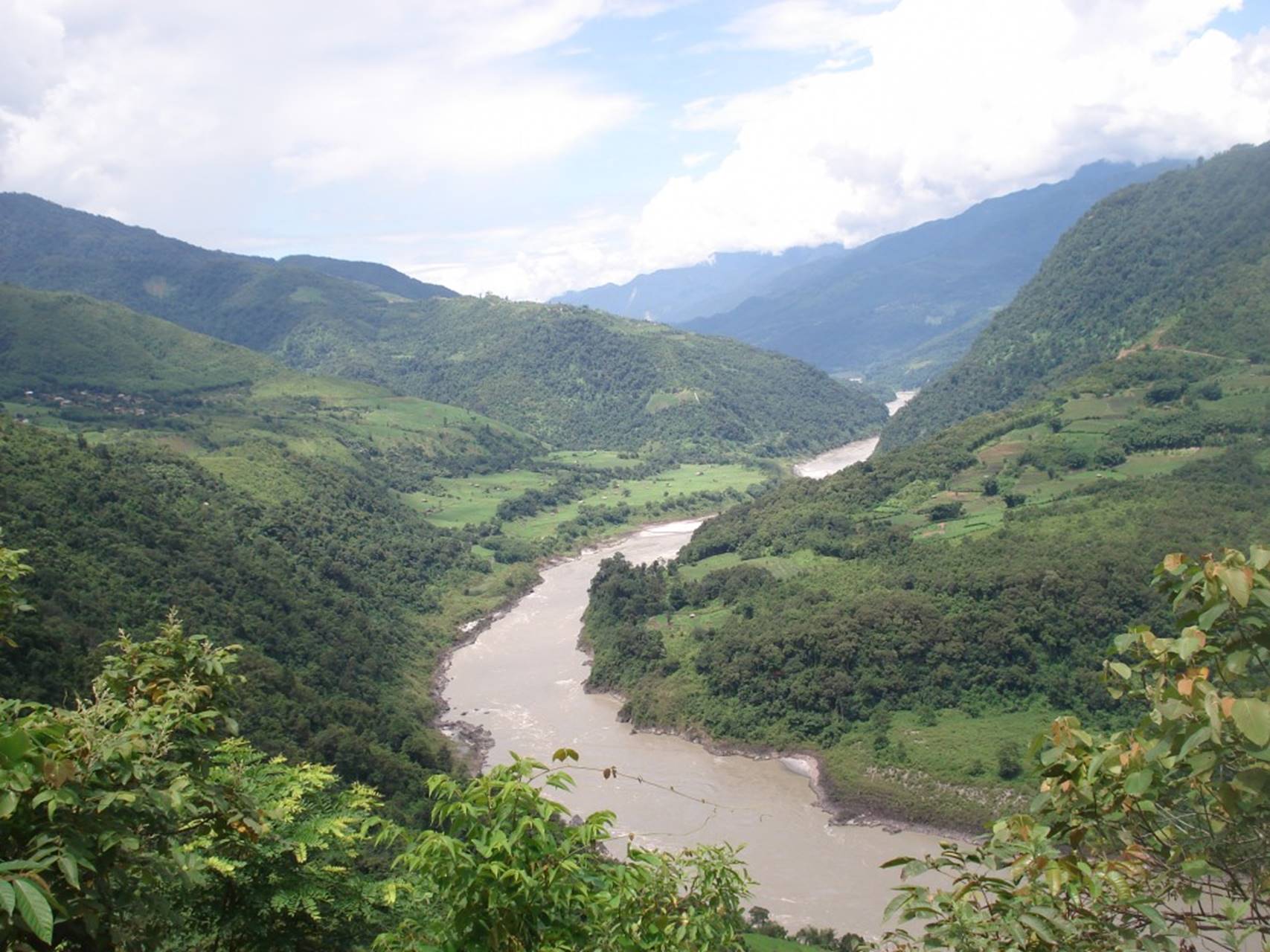
The Woes of Tsangpo-Brahmaputra River. The Upstream Occupation and the Downstream Worries. View of Siang District, Arunachal Pradesh, India.
The woes of Tsangpo-Brahmaputra River – Upstream Occupation and Downstream Worries
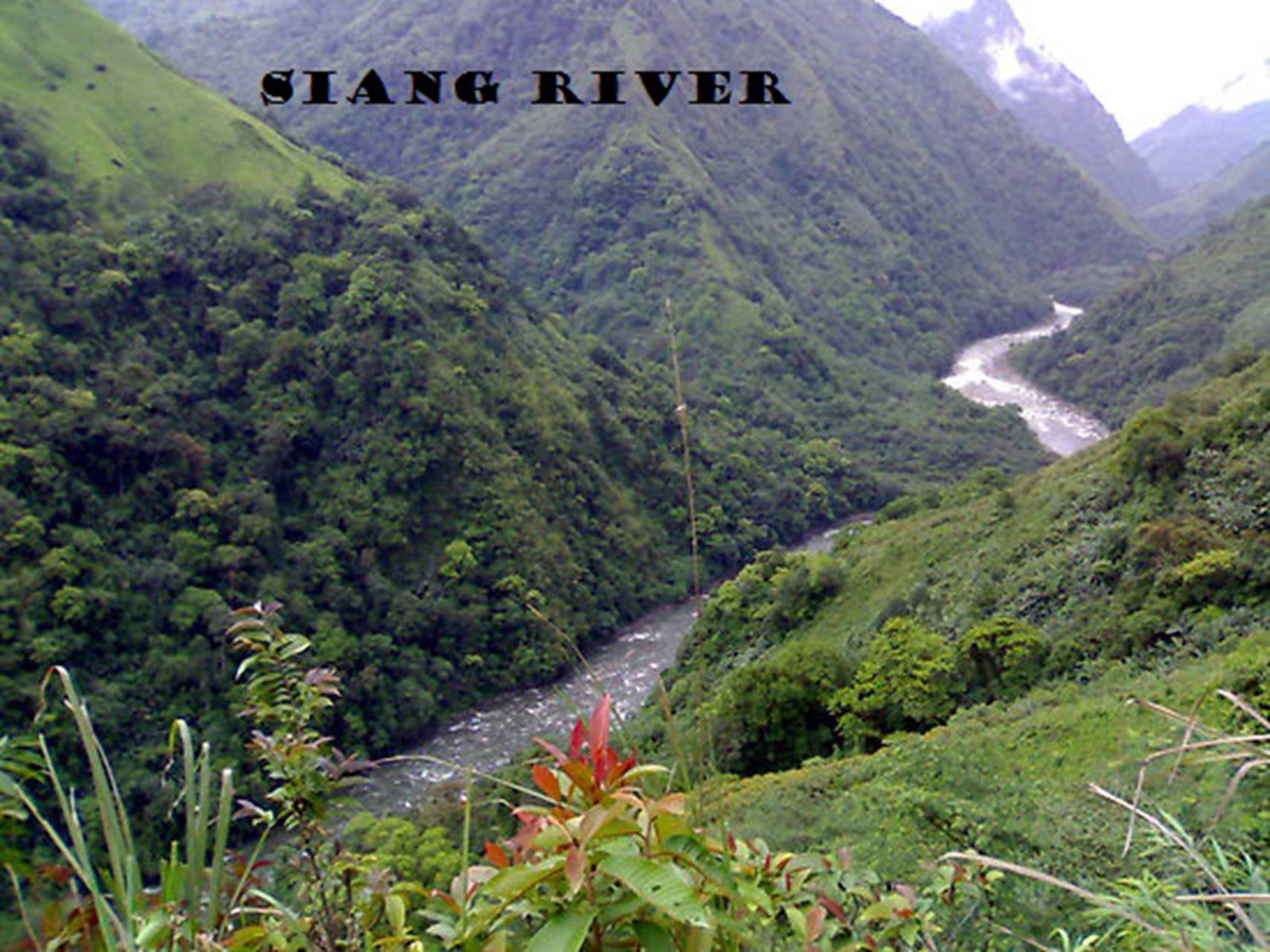
The Woes of Tsangpo-Brahmaputra River. The Upstream Occupation and the Downstream Worries. Siang River near Pasighat, Siang District, Arunachal Pradesh, India.


Whole Resistance – Tibetans resist the evil force of occupation

Tibetan Resistance Movement is not about Separatism

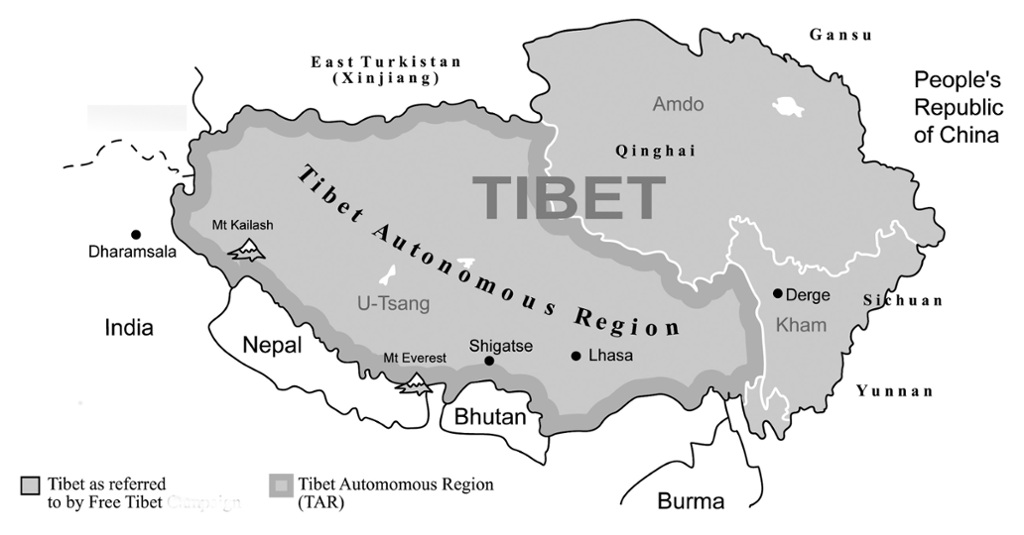
Tibetan Resistance Movement is not about Separatism. It is about the Occupation of Tibet by The Evil Red Empire. Red China expanded her territory through military conquest and occupation.

On behalf of Living Tibetan Spirits, I declare that The Tibetan Resistance Movement is not about Separatism. For centuries, Chinese Emperors ruled over Tibet without physically occupying Tibet. In other words, Tibetans enjoyed full freedom during the centuries of rule by foreigners. Tibetans resist the physical occupation of their territories. The issue is not that of separating Tibet from China. The issue is that of evicting the Occupier from Tibetan Soil.

Tibetan Resistance Movement is not about Separatism. It is about the Occupation of Tibet by The Evil Red Empire.

CHINA LEADER CALLS FOR ‘ANTI-SEPARATISM EFFORTS’ IN TIBET

Clipped from: https://abcnews.go.com/International/wireStory/china-leader-calls-anti-separatism-efforts-tibet-57419831

Tibetan Resistance Movement is not about Separatism. It is about the Occupation of Tibet by The Evil Red Empire.

The Associated Press

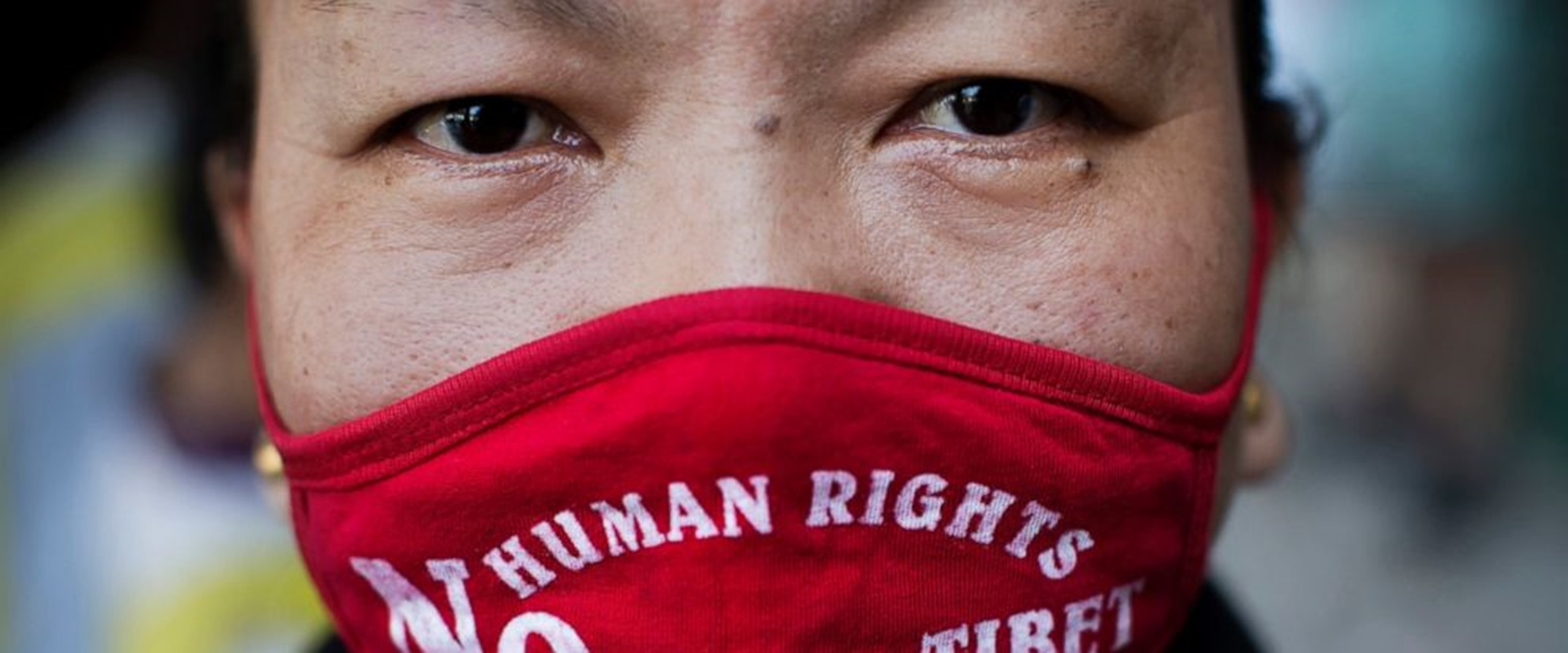
FILE – In this Sept. 17, 2014, file photo, an Exile Tibetan woman wears a mask during a protest to highlight Chinese control over Tibet, coinciding with the visit of Chinese President Xi Jinping in New Delhi, India. (AP Photo/Bernat Armangue, File)

A top Chinese leader has called for “advancing anti-separatism efforts” in Tibet, in a sign of continued high-pressure tactics in the Himalayan region.

Wang Yang, the ruling Communist Party’s No. 4 ranking official, was quoted Monday in state media as stressing the importance of tight control over Tibet’s Buddhist institutions, urging “preparedness and precautions for danger in times of safety.”

Religious figures must “be courageous to battle all separatist elements” in the name of preserving national unity and social stability, Wang was quoted as saying in Tibet’s regional capital of Lhasa during a visit there on Sunday.

Beijing’s forces occupied Tibet shortly after the 1949 communist revolution and security there has been ratcheted up significantly in the decade since anti-government protests spread through Tibetan areas in 2008.

The tactics in Tibet are largely aimed at reducing the influence of the region’s spiritual leader, the Dalai Lama, who lives in exile in India. China claims Tibet has been part of its territory for more than seven centuries and regards the Dalai Lama as a dangerous separatist.

Many Tibetans insist they were essentially independent for much of that time.

Wang has broad responsibility for religious policy as head of the government’s top political advisory body. In his comments Sunday, he also echoed Beijing’s calls for the Sinicization of religion, shorthand for adherence to the dictates of the officially atheist party.

Among recent tightening security measures in Tibet, students were required to sign agreements to “not take part in any form of religious activity” during the summer school holidays.

Young Tibetan monks have also reportedly been forced to leave one of the biggest monasteries in a Tibetan region of western China as part of a drive to replace monastic life with secular education.

Recent months have also seen sweeping crackdowns on traditional Muslim culture among the Uighur ethnic minority group in the northwestern region of Xinjiang and among Christians in eastern China.

Tibetan Resistance Movement is not about Separatism. It is about the Occupation of Tibet by The Evil Red Empire.