A farmer inspects highland barley in Lhaze County of Xigaze, Tibet, Sept. 13, 2018. The highland barley in Tibet is entering harvest season. (Xinhua/Purbu Zhaxi)
A farmer harvests highland barley in Lhaze County of Xigaze, Tibet, Sept. 13, 2018. The highland barley in Tibet is entering harvest season. (Xinhua/Purbu Zhaxi)
A Time to Reap in Occupied Tibet.
An aerial photo shows farmers reaping highland barley in Lhaze County of Xigaze, Tibet, Sept. 13, 2018. The highland barley in Tibet is entering harvest season. (Xinhua/Purbu Zhaxi)
A Time to Reap in Occupied Tibet.
A farmer harvests highland barley in Caina Township in Quxu County of Lhasa, Tibet, Sept. 16, 2018. The highland barley in Tibet is entering harvest season. (Xinhua/Purbu Zhaxi)
A Time to Reap in Occupied Tibet
A farmer reaps highland barley in Lhunzhub County of Lhasa, Tibet, Sept. 3, 2018. The highland barley in Tibet is entering harvest season. (Xinhua/Purbu Zhaxi)
A Time to Reap in Occupied Tibet.
Farmers reap highland barley in Lhunzhub County of Lhasa, Tibet, Sept. 3, 2018. The highland barley in Tibet is entering harvest season. (Xinhua/Purbu Zhaxi)
A Time to Reap in Occupied Tibet.
An aerial photo shows highland barley fields in Nagarze Town in Nagarze County of Shannan, Tibet, Sept. 13, 2018. The highland barley in Tibet is entering harvest season. (Xinhua/Purbu Zhaxi)
Tibetan Resistance Movement is not about Separatism
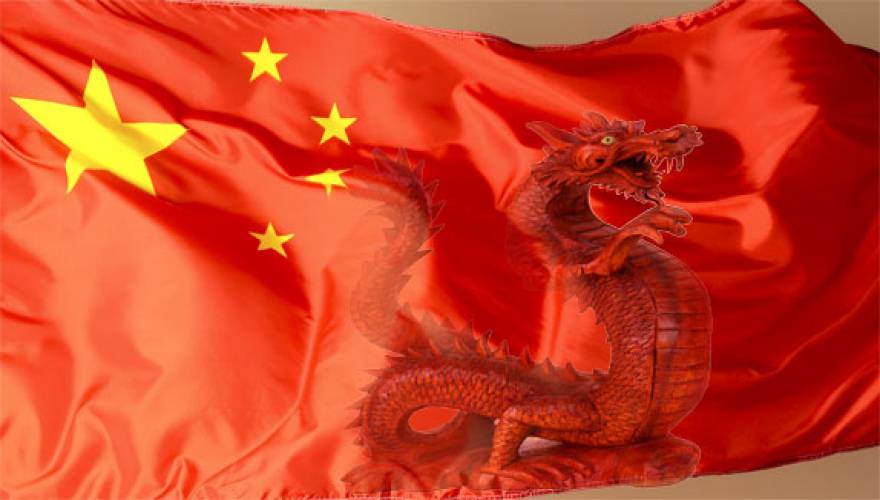
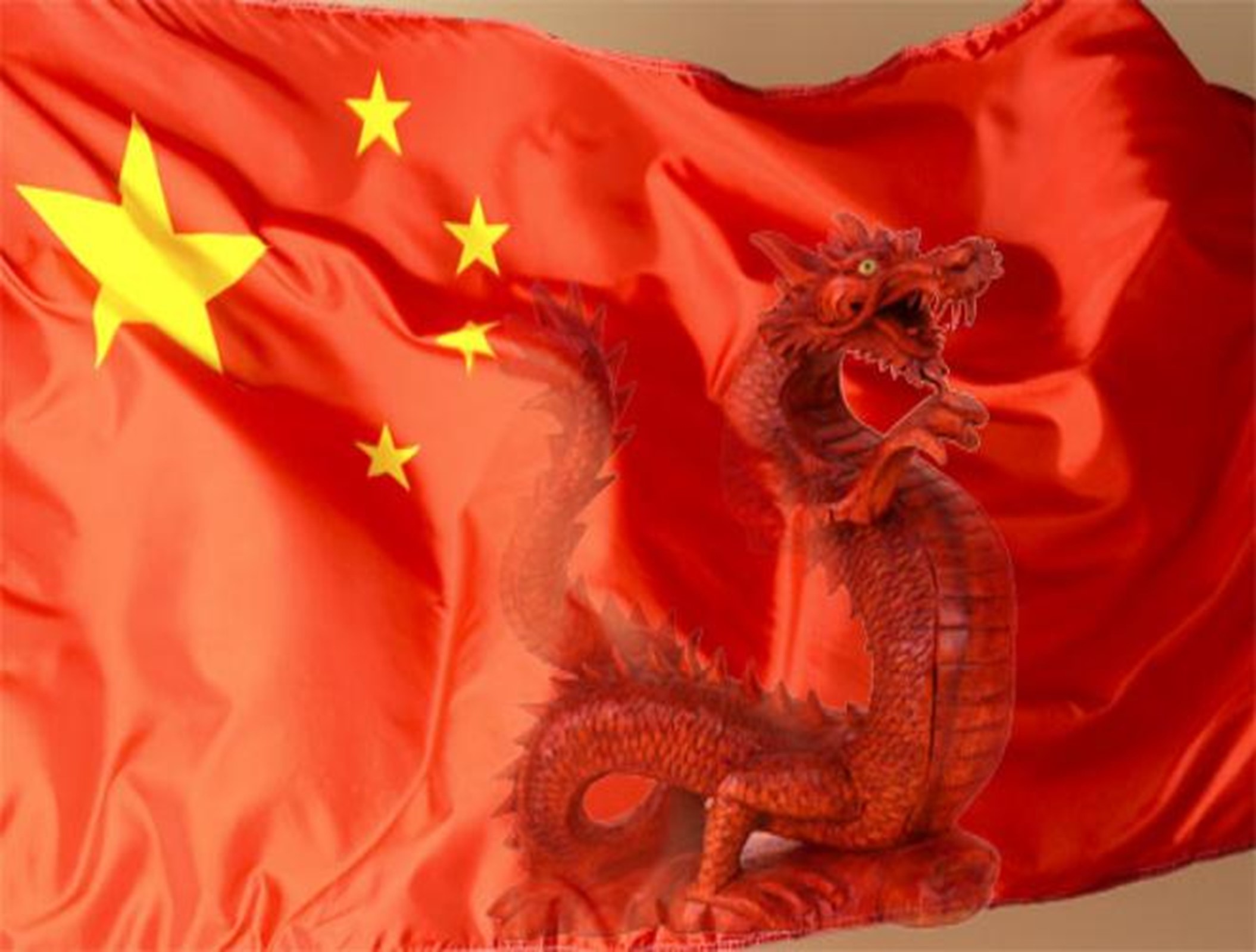
Tibetan Resistance Movement is not about Separatism. It is about the Occupation of Tibet by The Evil Red Empire. Red China expanded her territory through military conquest and occupation.
On behalf of Living Tibetan Spirits, I declare that The Tibetan Resistance Movement is not about Separatism. For centuries, Chinese Emperors ruled over Tibet without physically occupying Tibet. In other words, Tibetans enjoyed full freedom during the centuries of rule by foreigners. Tibetans resist the physical occupation of their territories. The issue is not that of separating Tibet from China. The issue is that of evicting the Occupier from Tibetan Soil.
Tibetan Resistance Movement is not about Separatism. It is about the Occupation of Tibet by The Evil Red Empire.
CHINA LEADER CALLS FOR ‘ANTI-SEPARATISM EFFORTS’ IN TIBET
Tibetan Resistance Movement is not about Separatism. It is about the Occupation of Tibet by The Evil Red Empire.
The Associated Press
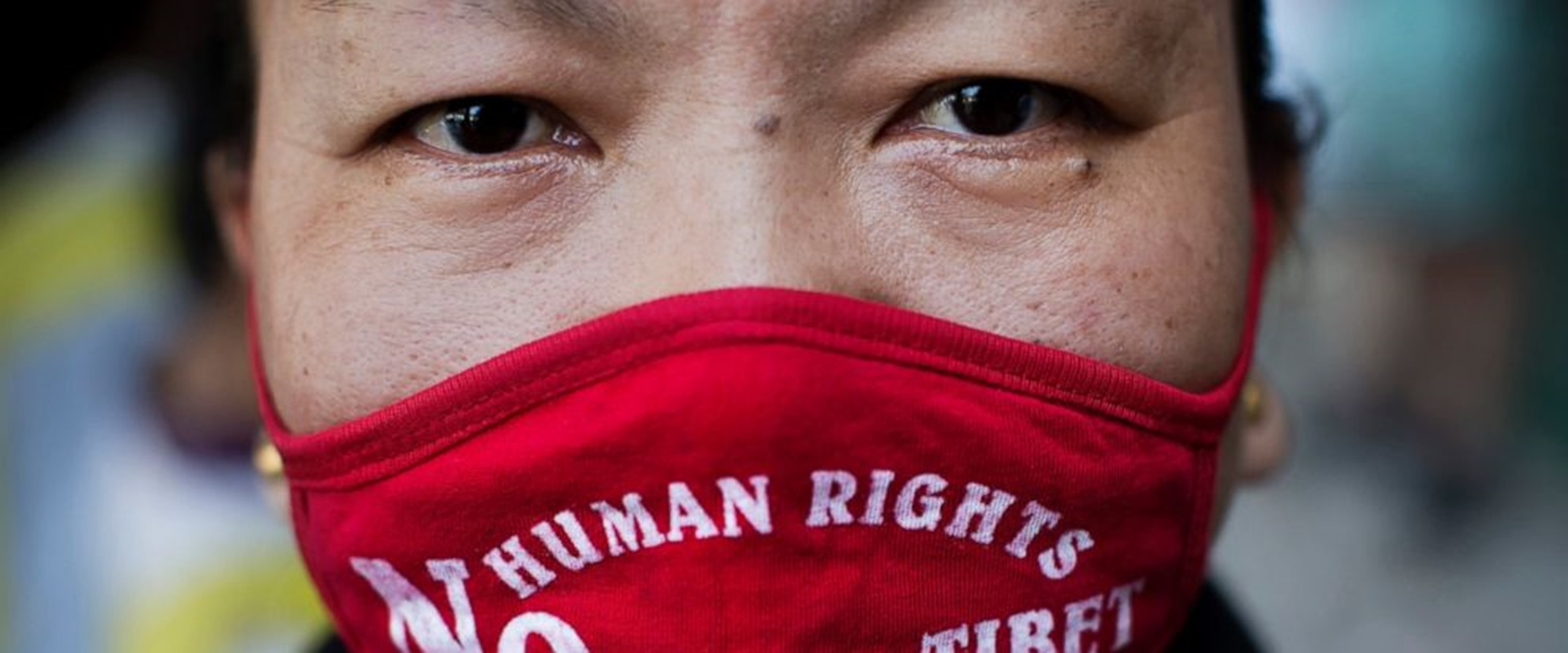
FILE – In this Sept. 17, 2014, file photo, an Exile Tibetan woman wears a mask during a protest to highlight Chinese control over Tibet, coinciding with the visit of Chinese President Xi Jinping in New Delhi, India. (AP Photo/Bernat Armangue, File)
A top Chinese leader has called for “advancing anti-separatism efforts” in Tibet, in a sign of continued high-pressure tactics in the Himalayan region.
Wang Yang, the ruling Communist Party’s No. 4 ranking official, was quoted Monday in state media as stressing the importance of tight control over Tibet’s Buddhist institutions, urging “preparedness and precautions for danger in times of safety.”
Religious figures must “be courageous to battle all separatist elements” in the name of preserving national unity and social stability, Wang was quoted as saying in Tibet’s regional capital of Lhasa during a visit there on Sunday.
Beijing’s forces occupied Tibet shortly after the 1949 communist revolution and security there has been ratcheted up significantly in the decade since anti-government protests spread through Tibetan areas in 2008.
The tactics in Tibet are largely aimed at reducing the influence of the region’s spiritual leader, the Dalai Lama, who lives in exile in India. China claims Tibet has been part of its territory for more than seven centuries and regards the Dalai Lama as a dangerous separatist.
Many Tibetans insist they were essentially independent for much of that time.
Wang has broad responsibility for religious policy as head of the government’s top political advisory body. In his comments Sunday, he also echoed Beijing’s calls for the Sinicization of religion, shorthand for adherence to the dictates of the officially atheist party.
Among recent tightening security measures in Tibet, students were required to sign agreements to “not take part in any form of religious activity” during the summer school holidays.
Young Tibetan monks have also reportedly been forced to leave one of the biggest monasteries in a Tibetan region of western China as part of a drive to replace monastic life with secular education.
Recent months have also seen sweeping crackdowns on traditional Muslim culture among the Uighur ethnic minority group in the northwestern region of Xinjiang and among Christians in eastern China.
Tibetan Resistance Movement is not about Separatism. It is about the Occupation of Tibet by The Evil Red Empire.
Institution of Dalai Lama Represents the Political Rights of Tibetans to Self-Governance
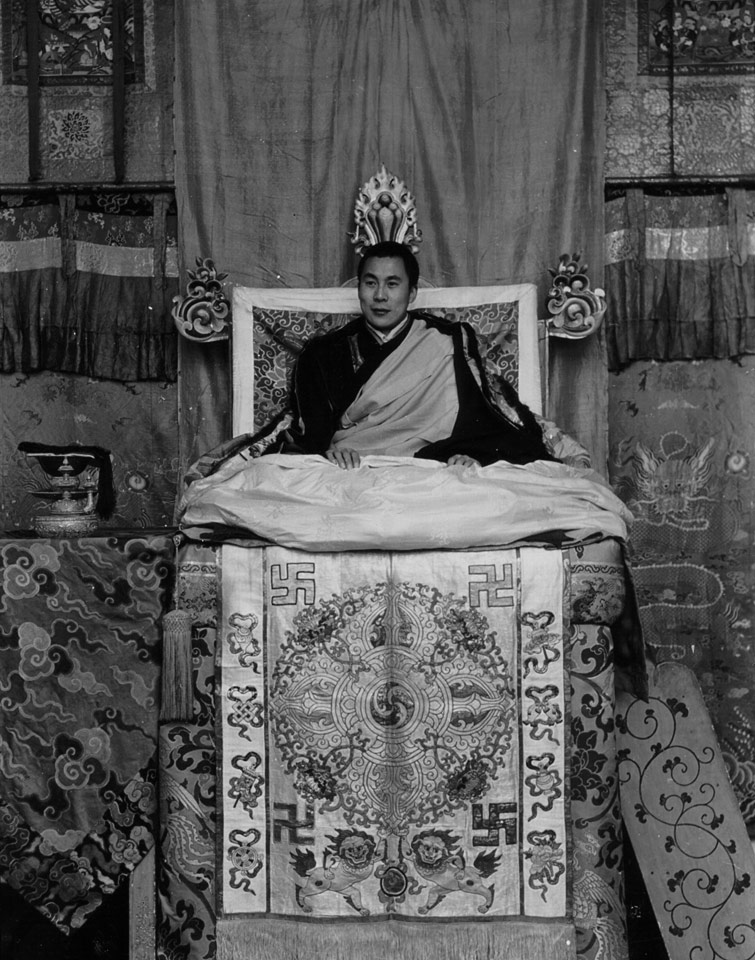
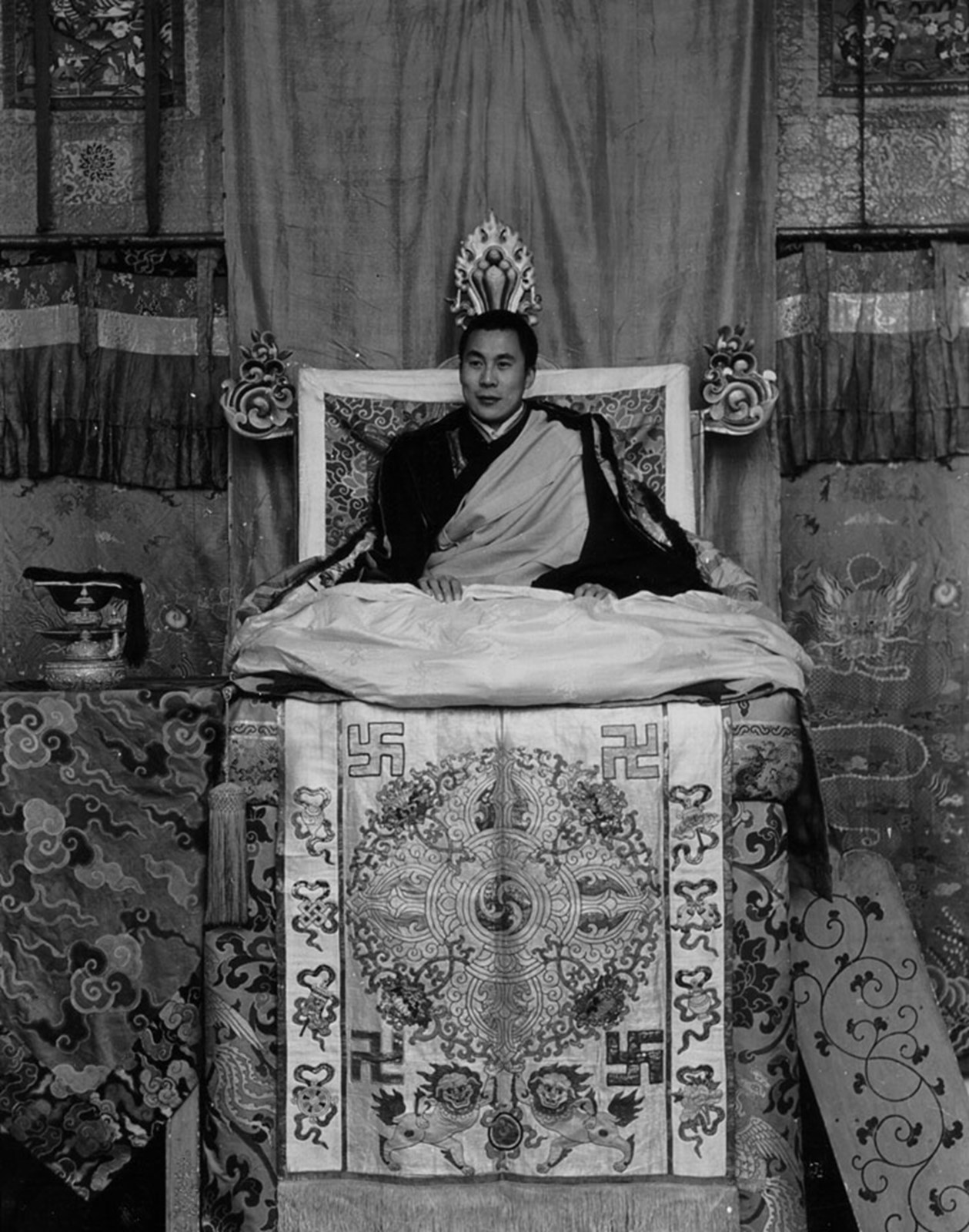
The Institution of Dalai Lama stands for the Ganden Phodrang Government of Tibet which represents political rights of Tibetans for Self-Governance.
In my analysis, ‘Institution of Dalai Lama’ remains relevant to Tibetans in Occupied Tibet. The Institution of Dalai Lama represents The Ganden Phodrang Government of Tibet, the political symbol of Tibetan Rights to Self-Governance. The Seal that represents the Institution of Dalai Lama does not include the image of any of the Dalai Lamas that ruled over Tibet for centuries.
Dalai Lama Says, ‘Institution of Dalai Lama’ No More Politically Relevant
Whole Ruler – Dalai Lama Represents the Political Rights of Tibetans
PANAJI: Tibetan spiritual leader Dalai Lama on Wednesday said the “institution of Dalai Lama” is no longer politically relevant and it was up to the people of Tibet to decide whether the age-old tradition should continue or not.
He said the Chinese government was more concerned about this institution than him for political reasons.
Dalai Lama is a title given to spiritual leaders of Tibetan people. This title is given to those who are considered among the most important monks of the Gelug school, the newest school of Tibetan Buddhism.
Addressing an event at the Goa Institute of Management, the 14th Dalai Lama said, “As early as in 1969, I had formally made a statement whether this very institution of Dalai Lama should continue or not, it is up to the Tibetan people to decide.”
Replying to students’ queries after an hour-long address, he said, “I have no concerns. Nowadays, the Chinese government is more concerned about the Dalai Lama institution than me. The Chinese government is concerned because of political reasons,”
During the 1959 Tibetan uprising, the Dalai Lama had fled to India.
He said in 2001, the elected political leadership was appointed (by the people in exile) and for the next 10 years, he remained in semi-retired position. “Then in 2011, I totally retired from the political responsibility. Now, the elected political leadership carries the full responsibility, I don’t get involved in their decision,” he said.
“Now, no longer Dalai Lama institution is politically relevant,” the 1989 Nobel Peace Prize winner said. About the future Dalai Lama, he said all leaders of different Buddhist traditions hold a meeting in Tibet every year in November.
“This November, we are meeting again. In the previous meetings, they had decided that when my age reaches around 90 years, then the group of leaders will decide about the future Dalai Lama,” the 83-year-old spiritual leader said. When asked about his own selection to the chair, Lama recalled, “According to my mother, the very day when the search party set by the Tibetan government reached my place… That very day our family was completely ignorant.” “But that very day, I was a 2-3-year-old boy… I was so much excited. I myself don’t know why… The search party got some indications that day. When they reached our house, I ran towards them and recognized each persons’ name,” he said. “At that time, I had some sort of some memory about past life,” the Dalai Lama said.
Institution of Dalai Lama Represents the Political Rights of Tibetans to Self-Governance
Living Tibetan Spirits welcome the view shared by US Representatives Nancy Pelosi and James McGovern desiring the return of Dalai Lama to Tibet from his exile home in India.
Living Tibetan Spirits desire Supreme Ruler of Tibet to go home if the following two conditions are fully satisfied:
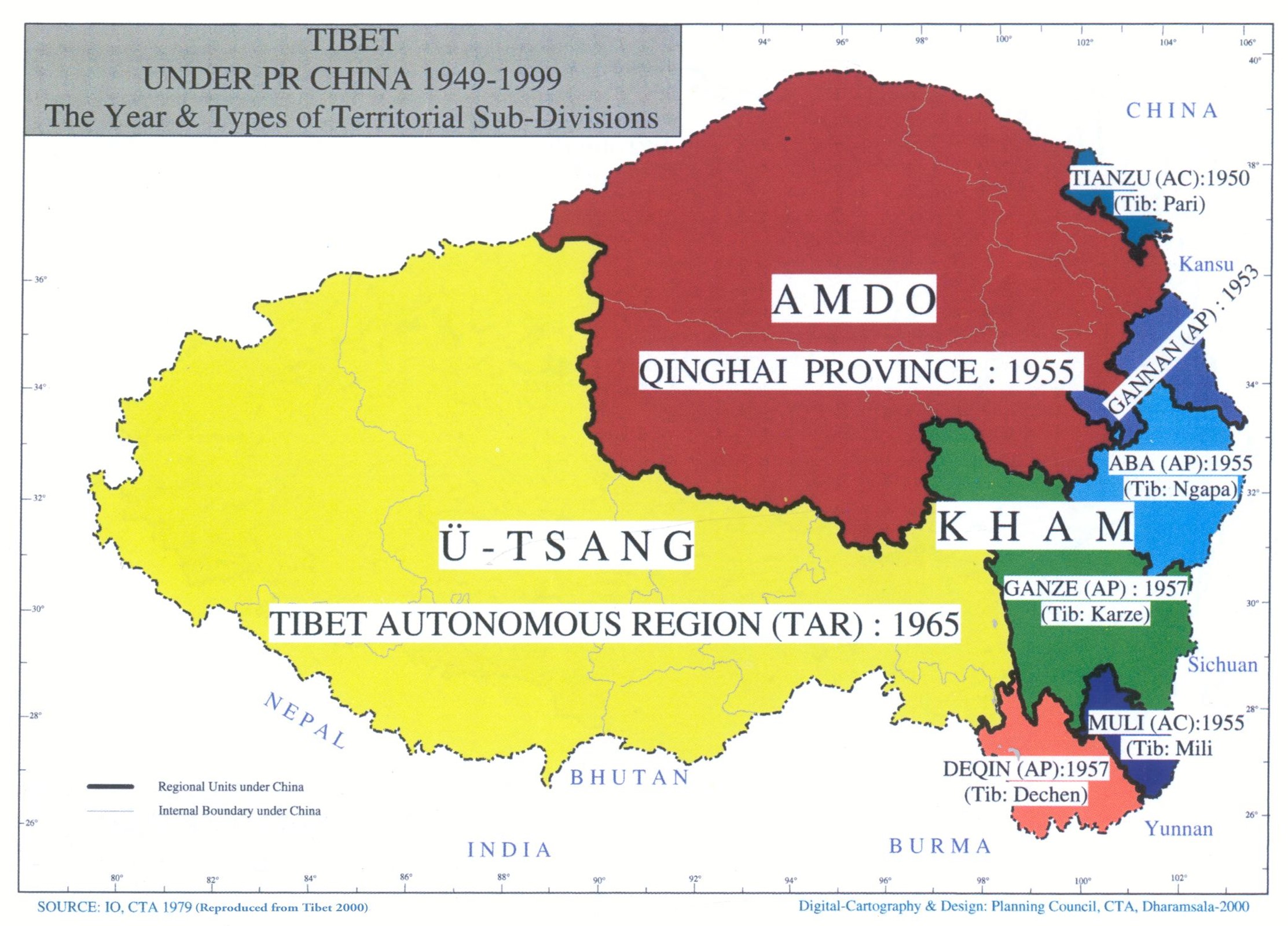
Restore identity of entire Tibetan territory by demarcating political boundaries of Tibet and
Supreme Ruler of Tibet be replaced by Head of State elected by Tibetan citizens. The political institution of Ganden Phodrang which governs lives of Tibetans must be replaced by elected Government of Tibet.
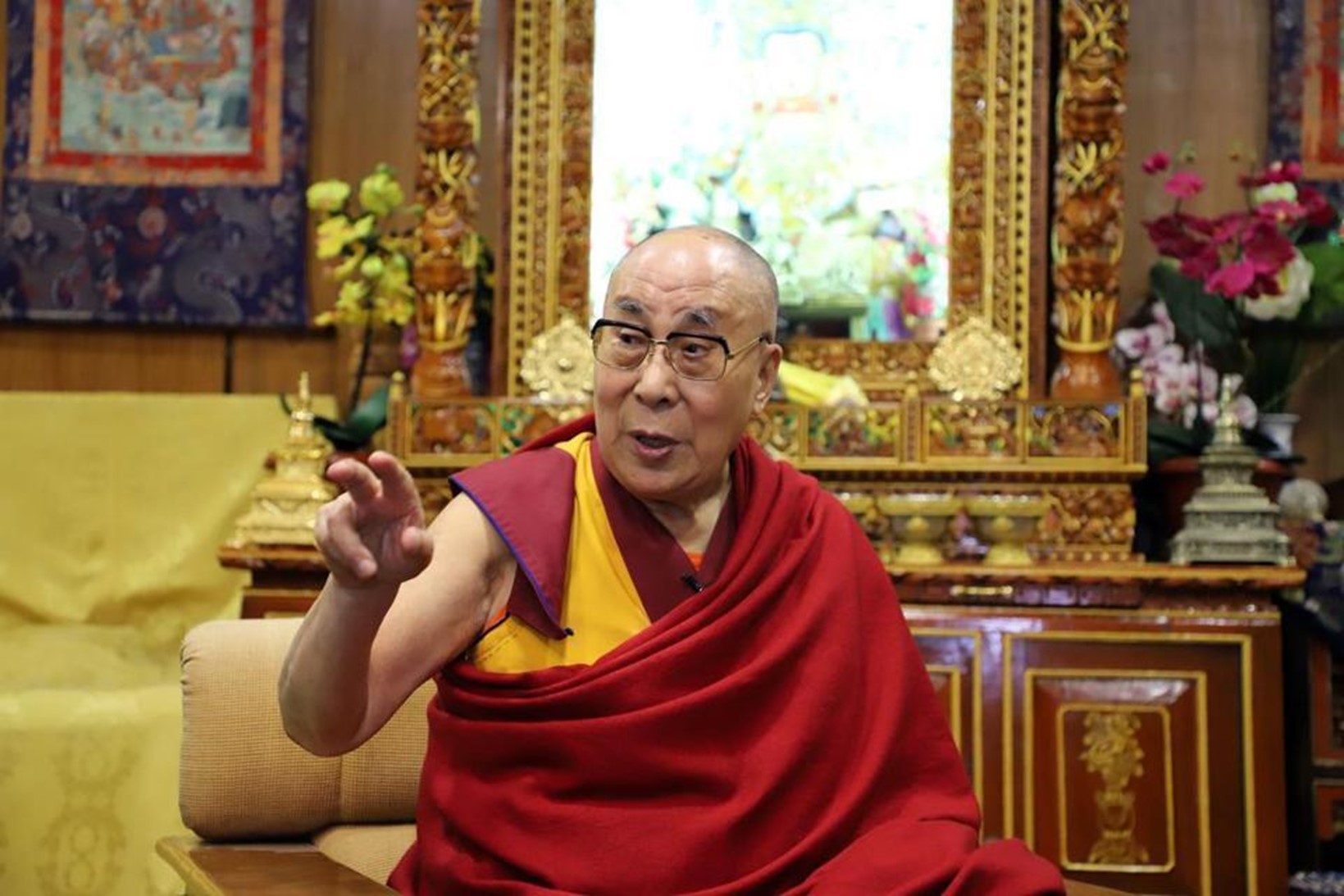
The Dalai Lama during an interview in Dharamasala, northern India, on June 26, 2018.
Tenzin Gyatso, the 14th Dalai Lama, celebrated his 83rd birthday last week. What a wonderful gift it would be if China would treat the Tibetan people with the dignity and respect they deserve, and let the Dalai Lama go home to Tibet, whether to visit or to stay.
The Dalai Lama was born and educated in Tibet. He was recognized as the reincarnation of the 13th Dalai Lama when he was only 2, and he was just 6 when he began his monastic studies. While the Dalai Lama is the spiritual leader of Tibet, he humbly describes himself as a simple Buddhist monk.
Before the Dalai Lama could finish his education, he was called to assume the leadership of his people, after China’s invasion of Tibet, in 1950. He worked to preserve Tibetan autonomy and culture, until years of growing resentment against restrictions imposed by the Chinese Communists led to a full-scale revolt in March 1959. As the uprising was crushed by Chinese troops, the Dalai Lama was forced to flee, and he eventually settled in Dharamsala, in northern India.
Since then, the Dalai Lama has been forced by China to remain in exile. For nearly 60 years, he has not been able to return to his homeland and the people he leads. This is wrong.
Article 13 of the Universal Declaration of Human Rights affirms, “Everyone has the right to leave any country, including his own, and to return to his country.” As American citizens, we have that right and exercise it.
The Dalai Lama is renowned the world over for his commitment to peace. He has consistently advocated for nonviolence, even in the face of extreme aggression. In 1989, he won the Nobel Peace Prize in recognition of his decades-long nonviolent campaign to end China’s domination of his homeland. In 2007, when Congress awarded the Dalai Lama the Congressional Gold Medal, then-president George W. Bush called him “a man of faith and sincerity and peace.”
Living within China, the Tibetan people have many grievances. Although Chinese authorities see the Dalai Lama as part of the problem, we have long believed that he is part of the solution.
There was a time when the Tibetan goal was independence. But since the 1970s, the Dalai Lama has sought redress through negotiations. In the late 1980s, he proposed the Middle Way Approach as a path toward Tibetan autonomy within China.
Today, his commitment to nonviolence and his recognition as the spiritual leader of Tibetans worldwide confer on him an undeniable legitimacy that would be of great benefit were China willing to restart the dialogue that has been suspended since 2010.
But China has not taken advantage of this opportunity to move toward peace. Instead, authorities view the Dalai Lama with suspicion, disparage him, and accuse him of fomenting separatism. They seem to believe that with his eventual, inevitable death, they will be assured of consolidating their hold on Tibet.
We are not so sure. Today, all around the world, we see the consequences of the repression of religious and ethnic minorities.
There is still time. It is not too late for China to choose a different path. Imagine the world’s reaction if Chinese authorities were to affirm the right of the 14th Dalai Lama to return to his homeland if he so desires. Imagine if they were to afford His Holiness the respect he deserves as a man of peace. Imagine if through good-faith dialogue they sought to ease tensions, rather than implementing policies that exacerbate them. Imagine.
We urge our fellow Americans to join in calling on Chinese leaders to let the Dalai Lama go home.
US Representative Nancy Pelosi of California is House minority leader. US Representative James McGovern of Massachusetts is a ranking member of the House Rules Committee.
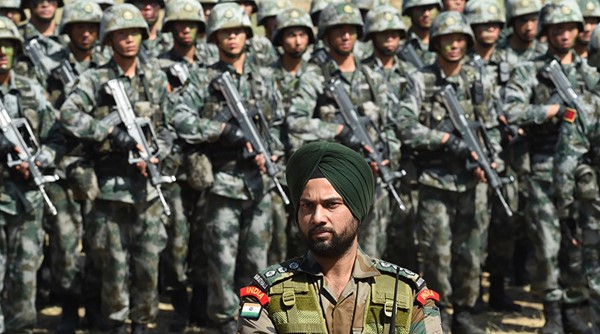
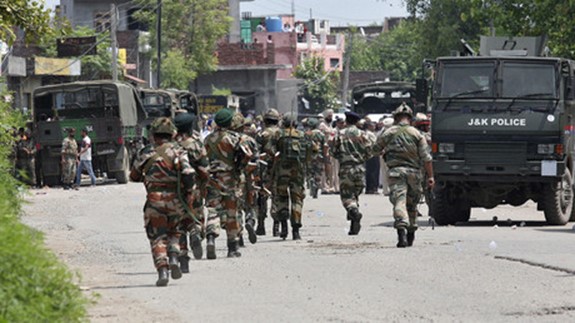
China has warned India not to “cling to fantasies” amid a tense border stand-off, which also involves Bhutan, involving disputed territory in the Himalayas. Earlier, China staged live-fire drills in the area while India deployed troops there.
“China’s determination and resolve to safeguard national security and sovereignty is unshakable,” Defense Ministry Spokesman Senior Colonel Wu Qian said in a statement on Monday, as cited by AP and local media. His words come ahead of the 90th anniversary of the founding of the Chinese People’s Liberation Army (PLA).
“Don’t push your luck and cling to any fantasies,” Wu said.
“The 90-year history of the PLA has proved but one thing: that our military means to secure our country’s sovereignty and territorial integrity has strengthened and our determination has never wavered. It is easier to shake a mountain than to shake the PLA.”
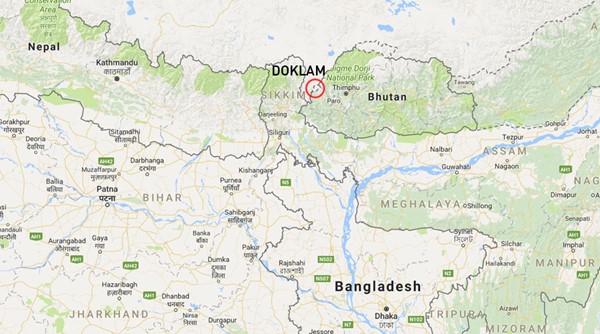
China and Indian ally Bhutan have been disputing the narrow Doklam plateau at the tri-junction of the three countries’ borders for decades. India says the area is Bhutanese.
Tensions between Beijing and Delhi escalated this June when Chinese teams started building a road on the plateau. Bhutan requested help from India, which sent its troops across the border.
‘Avoid escalation’: China demands India withdraw troops from disputed Himalayan territory
India also warned China that the road was a “serious security concern” because it would give China access to the Siliguri Corridor, also known as the ‘Chicken’s Neck,’ a narrow stretch of land linking India’s northeastern states to the rest of the country, NDTV reported earlier in July.
Also in July, China staged 11 hours of live-fire drills in Tibet, not far from the disputed territory, Chinese media reported. The exercises involved soldiers armed with rocket launchers, machine guns, and mortars.
In June, to support its claim, China provided historical documents which it says prove the Doklam plateau belongs to Beijing.
“First, in terms of history, Doklam has always been the traditional pasture for border inhabitants living in [China’s] Yadong [county], Xizang. China has been exercising jurisdiction over this area,” Foreign Ministry Spokesperson Lu Kang said in a statement.
However, those claims are disputed by India, which accuses China of cherry-picking facts to suit its agenda.
Both India and China reportedly bolstered their troops in the area in June, with each side adding about 3,000 soldiers, the Times of India said at that time.
The standoff is the longest between the China and India since 1962, when the two sides fought a brief war over tensions surrounding Tibet and other points along the border in the Sino-Indian War, which China won.
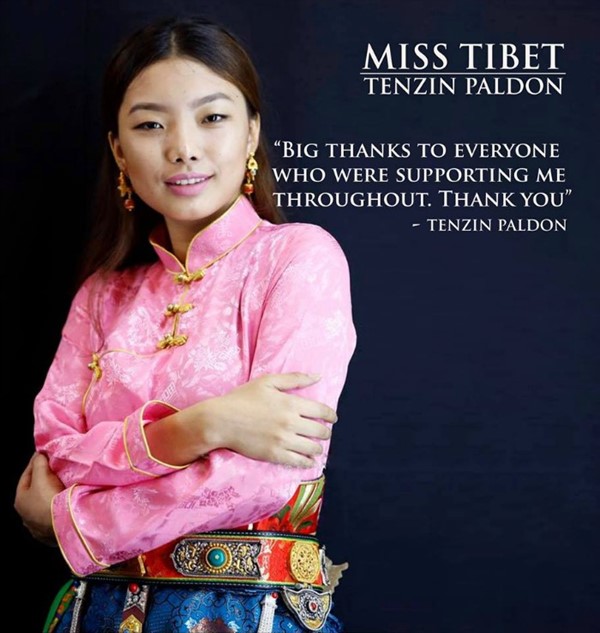
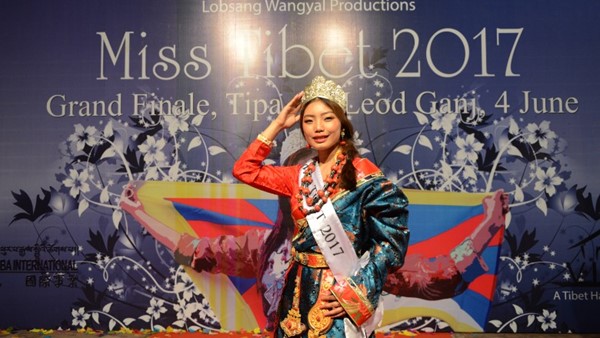
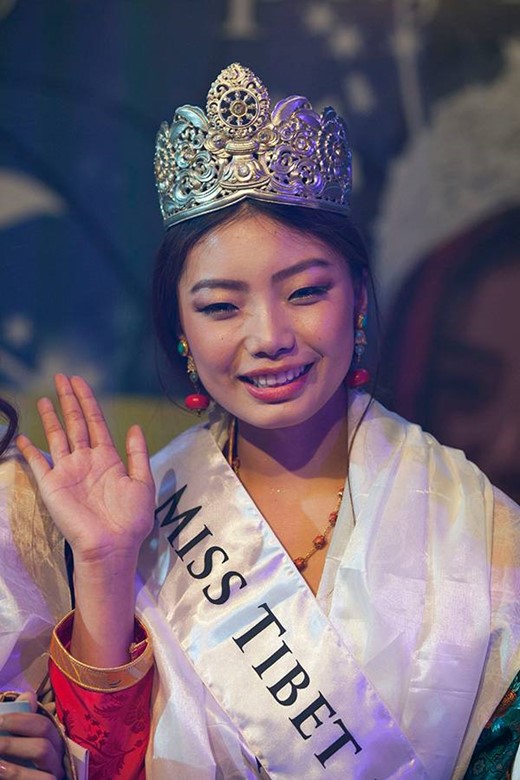
TIBETAN IDENTITY – MISS TIBET 2017 TENZIN PALDON. THIS BEAUTY BRINGS INTO FOCUS TIBETAN IDENTITY.
I congratulate Miss Tibet 2017 Tenzin Paldon for winning the crown in beauty pageant for women of Tibetan Identity. This event helps to project Tibetan Identity to the World. Beauty Pageants always involve National Identity.
Miss Tibet wins crown for most controversial beauty pageant
By Sugam Pokharel, CNN
Updated 5:16 AM ET, Mon June 5, 2017
TIBETAN IDENTITY – MISS TIBET 2017 TENZIN PALDON. THIS BEAUTY PAGEANT BRINGS INTO FOCUS TIBETAN NATIONAL IDENTITY.
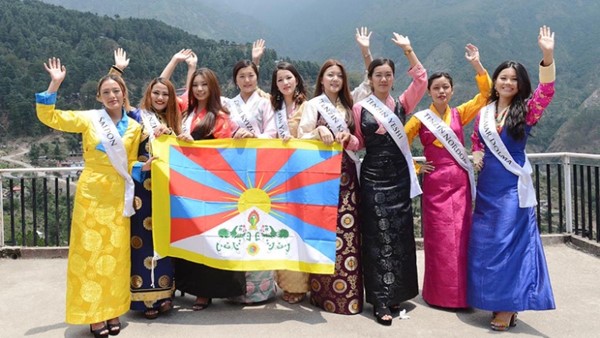
Nine contestants of the Miss Tibet Pageant 2017 pose for a photo during a press conference on 30 May 2017.
Story highlights
Miss Tibet draws objections from exiled community, feminists and China
Organizer Lobsang Wangyal says its intended to empower Tibetan women
(CNN)This is no ordinary beauty contest.
There are virtually no sponsors, judges are hard to find — and so are the participants. Moreover, it is embroiled in a hefty dose of controversy.
Welcome to Miss Tibet.
The 15th edition of the beauty pageant for exiled Tibetan women wrapped up on Sunday in the small town of Dharamsala in northwestern India — home to the Dalai Lama and the headquarters of Tibetan government-in-exile.
This year the contest saw a record number of nine participants. None of the contestants have ever been to Tibet and are part of India’s 100,000-strong Tibetan community that was established 1960 after the Dalai Lama fled across the border.
Tenzin Paldon, 21, claimed the crown in the grand finale attended by more than 3,000 people, according to organizers.
“With this title, I will try my best to take it to an international level — to speak up regarding my country, Tibetan causes, and culture as much as I can,” she told CNN.
Tibet: Fast facts
TIBETAN IDENTITY – MISS TIBET 2017 TENZIN PALDON. THIS BEAUTY BRINGS INTO FOCUS TIBETAN NATIONAL IDENTITY.
Miss Tibet 2017 Tenzin Paldon poses for a photo after winning the crown on June 4, 2017.
CULTURE CLASH
The contest though faces controversy on multiple fronts: conservative members of the Tibetan community, and feminists object to the pageant on moral grounds, and China, which regards Tibet as an integral part of its territory and objects to winners participating in any international event.
It’s been organized by Lobsang Wangyal since 2002 with the motto “Celebrating Tibetan Women.”
He used $10,000 of his own in money to stage the event plus $1,300 raised via Generosity.com.
This year, said Wangyal, two Tibetan businessmen living in Taiwan and US provided the cash prizes for the winner ($1,550) and runner-up ($775.)
Tibetan Identity – Miss World Beauty Pageant Winner Anastasia.
Barred from China and silenced in the US, this beauty queen isn’t backing down
Wangyal told CNN many Tibetan women want to participate but are held back by Tibetan culture — which is deeply religious and conservative.
“[Tibetan women] think what will society have to say? Will people call me different names? Will they talk behind my back? They are so scared and they latch onto that fear,” Wangyal said.
Tibetan elders aren’t happy about the contest either. They see it as a cultural betrayal to Tibetan culture and not compatible with Buddhist culture. Traditionally, Tibetan women wear modest, full length robes.
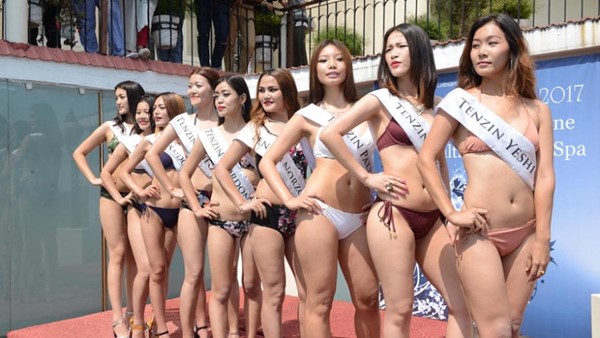
The three-day event included a swimsuit round.
“Yes, this is a democratic society but the young generation should remember that we don’t have a country, we don’t have a home, we are refugees – all we have is our tradition and religion. They should focus on conserving and nurturing that,” said Dharamsala-based Tibetan shopkeeper Thinley Kalsyang, 67.
“Also remember, Buddhism focuses on inner beauty and not your skin and petite body,” he added.
Paldon says the older generation is not well-educated.
“They find it problematic for showcasing our skin. I believe that if you are good in heart, nothing else matters. If you wear a traditional attire, if inside you are a bad person, that is not good,” said Paldon.
Tibetan Identity – Miss Tibet 2017 Tenzin Paldon. This Beauty Pageant brings into focus Tibetan National Identity.
The nine contestants of the Miss Tibet Pageant 2017 pose for a photo during the Swimsuit Round at Asia Health Resorts in Dharamshala, India, on 2 June 2017.
Tenzin Lungtok, Secretary of Culture and Religion for the exiled Tibetan government, declined to comment when asked if he supported the event.
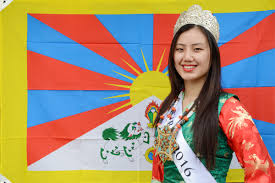
TIBETAN IDENTITY – MISS TIBET 2016
2016 Miss Tibet winner Tenzing Sanganyi faced a backlash for her poor knowledge of Tibetan language. She told CNN she took that as a constructive criticism.
“I cannot blame them. They are concerned about our culture. As refugees, we have to conserve our culture and language. So, if I’m representing a modern Tibetan woman, I should have been more fluent with my language,” Sanganyi said.
ENTER CHINA
China is another major objector.
Wangyal says Chinese government doesn’t directly interfere in the event but often the winners are met with heavy Chinese interference when they try to participate in international pageants.
For example, Miss Tibet 2004 Tashi Yangchen told CNN she withdrew from a Miss Tourism Pageant held in Zimbabwe after she was pressured to wear a sash labeled “Miss Tibet-China”.
“The organizers pressured by Chinese officials gave me two options: to participate as a guest or as a “Miss Tibet-China”…I chose to walk out of the event,” Yangchen said.
The Miss Tourism organizers didn’t immediately respond to a request for comment.
HOLDING UP SKINNY WOMEN WITH FAIR SKIN AND STRAIGHT NOSES?
Tibetan Feminist Collective, a New York-based group, also attacked the event’s format, saying it promoted and adhered to Western standards of beauty.
Tibetan identity – Miss Tibet 2017 Tenzin Paldon
Tenzin Paldon, the winner of Miss Tibet 2017.
“Holding up skinny women with fair skin and straight noses on a pedestal holds us back as a society, although it is not limited to our particular group. We Tibetans vary immensely in terms of physical features – something to be celebrated and embraced,” the group said in a statement.
Wangyal says he is committed to creating what he describes as a more liberal Tibetan society, believing the beauty pageant empowers Tibetan women, who lack confidence. It’s something this year’s winner agrees with.
“It’s a great achievement and also a role model to all young Tibetan women — that if you believe in something, you can achieve it,” says Paldon.
“With this title, I want to help other women achieve their goals.”
CNN Intern Karma Dolma Gurung contributed to this report
TIBET NOT PART OF CHINA – ARUNACHAL PRADESH CHIEF MINISTER
Arunachal Pradesh Chief Minister Pema Khandu reveals the truth about Tibet’s military occupation. Red China’s military occupation of Tibet cannot wipe out reality of Tibetan nation.
INDIA SHARES BOUNDARY WITH TIBET, NOT WITH CHINA: ARUNACHAL PRADESH CHIEF MINISTER
TIBET NOT PART OF CHINA – INDIA SHARES NO BORDER WITH RED CHINA.
ARUNACHAL PRADESH Chief Minister Pema Khandu today said China has no business telling India what to do regarding the Dalai Lama’s movement in the country.
“China has no business telling us what to do and what not to do (regarding the Dalai Lama’s movement). It is not our next-door neighbor. India shares boundary with Tibet, not with China,” he told reporters here.
“In reality, the McMahon Line demarcated the boundary between India and Tibet,” he said.
Khandu, who accompanied the Dalai Lama during an eight-hour-long drive from Guwahati to Bomdila yesterday, said it was a brave decision on the part of the Tibetan spiritual leader to undertake the arduous trip.
“He wanted to reach Tawang anyhow and the weather could not deter him. Let us hope that his followers here get satisfaction from his discourses,” he said.
The Nobel laureate, he said, was the country’s most respected guest since 1959 and Arunachal Pradesh deserves his visit more than any other place.
This is the Dalai Lama’s sixth visit to Arunachal Pradesh as a state guest since 1983 and he has been to Tawang every time except in December 1996.
His last visit in 2009 was planned exactly 50 years after he had crossed through Arunachal Pradesh, then North East Frontier Agency, after escaping from Lhasa.
TIBET NOT PART OF CHINA – INDIA SHARES NO BORDER WITH CHINA.
HIS HOLINESS THE DALAI LAMA LIVES IN EXILE TO DEFEND FREEDOM IN TIBET
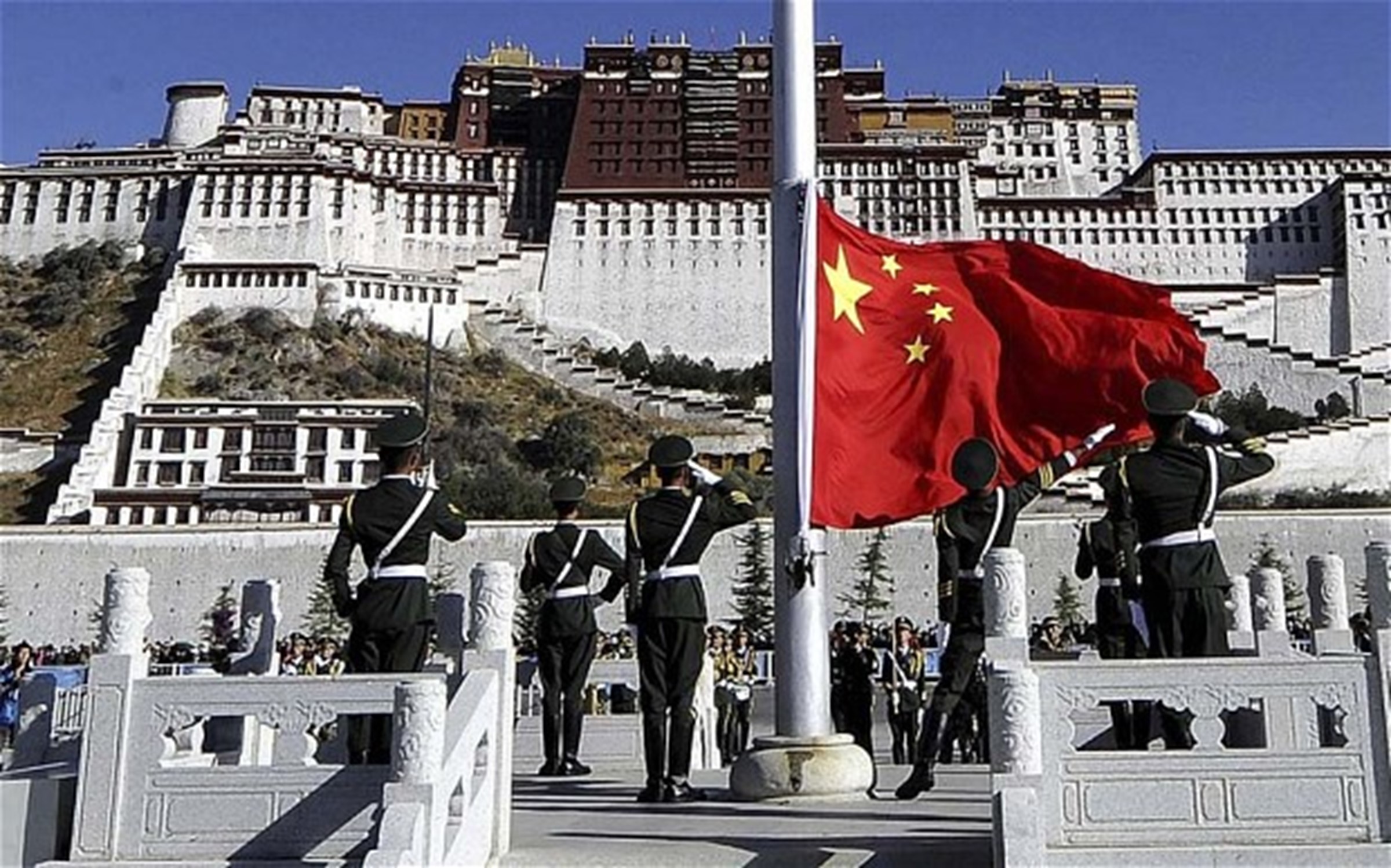
His Holiness the 14th Dalai Lama, Supreme Ruler of Tibet lives in exile to defend Freedom in Tibet. Potala Palace in Lhasa is witness to the long history of Tibetan Independence.
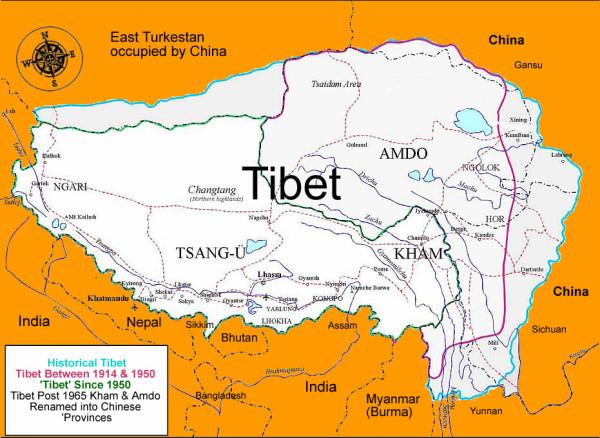
Since March 1959, His Holiness the 14th Dalai Lama, Supreme Ruler of Tibet is living in exile not to defend his own life but to defend Freedom in Occupied Tibet. After 58 years of life in exile, Tibetans hope to restore Freedom, Peace, Justice in Tibet. Tibet’s military occupation since 1950 cannot obliterate the reality of long history of Tibetan Independence.
His Holiness the Dalai Lama Arrives Safely in Tenzingang, Bomdila
April 4, 2017
By Staff Writer
His Holiness the 14th Dalai Lama, Supreme Ruler of Tibet lives in exile to defend Freedom in Tibet. He is on a visit to Tibetan Monasteries in Arunachal Pradesh, India.
His Holiness the Dalai Lama arrives in Tenzingang Tibetan settlement in Bomdila, Arunachal Pradesh, 4 April 2017. Photo/Yasmina K.
Bomdila: The most revered spiritual leader of Tibet, His Holiness the Dalai Lama arrived safely in Tenzingang Tibetan settlement, Bomdila, Arunachal Pradesh today on 4 April 2017.
His Holiness was received by Chief Minister of Arunachal Pradesh, Pema Khandu, MLA, Japu Deru and Phurpa Tsering, West Kameng District Commissioner Dr Sonal Swaroop and former minister and National Convener of Core group for Tibetan cause-India, Mr. R K Khrimey and other important dignitaries.
Members of Tibetan community in Bomdila gave a rousing welcome to His Holiness as he arrived in his motorcade this afternoon.
Tomorrow, His Holiness will give a teaching and confer a White Tara Long Life Empowerment (drolkar tsewang) in the morning at the Buddha Park, Teaching in Bomdila, Arunachal Pradesh.
On 6 April, His Holiness will give teachings in Dirang, Arunachal Pradesh. His Holiness will give teachings on Geshe Langri Thangpa’s Eight Verses of Training the Mind & Guru Yoga and confer the Avalokiteshvara Permission in the morning at Thupsung Dhargyeling Monastery.
From 8 – 10 April, His Holiness will confer teachings in Tawang, Arunachal Pradesh.
On April 8 & 9 mornings, His Holiness will give teachings on Kamalashila’s The Middling States of Meditation & Gyalsey Thokme Sangpo’s Thirty-Seven Practices of a Bodhisattva at Yiga Choezin.
On April 10 morning, His Holiness will confer the Rigzin Dongdup Initiation at Yiga Choezin.
His Holiness the 14th Dalai Lama, Supreme Ruler of Tibet lives in exile to defend Freedom in Tibet. He is on a visit to Tibetan Monasteries in Arunachal Pradesh, India.
Local Tibetans in Bomdila organize a traditional welcome for His Holiness the Dalai Lama, 4 April 2017.
His Holiness the 14th Dalai Lama, Supreme Ruler of Tibet lives in exile to defend Freedom in Tibet. He is on a visit to Tibetan Monasteries in Arunachal Pradesh, India.
Tibetans and ardent followers welcoming His Holiness the Dalai Lama at Tenzingang, Bomdila. Photo/Soulful tours
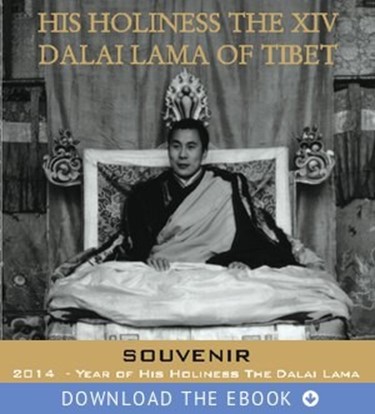
His Holiness the 14th Dalai Lama, Supreme Ruler of Tibet. Tibet’s military occupation cannot obliterate Tibet’s long history of Independence.
DOOMED HUMAN RIGHTS IN OCCUPIED TIBET – NO SAFE PLACE TO LIVE
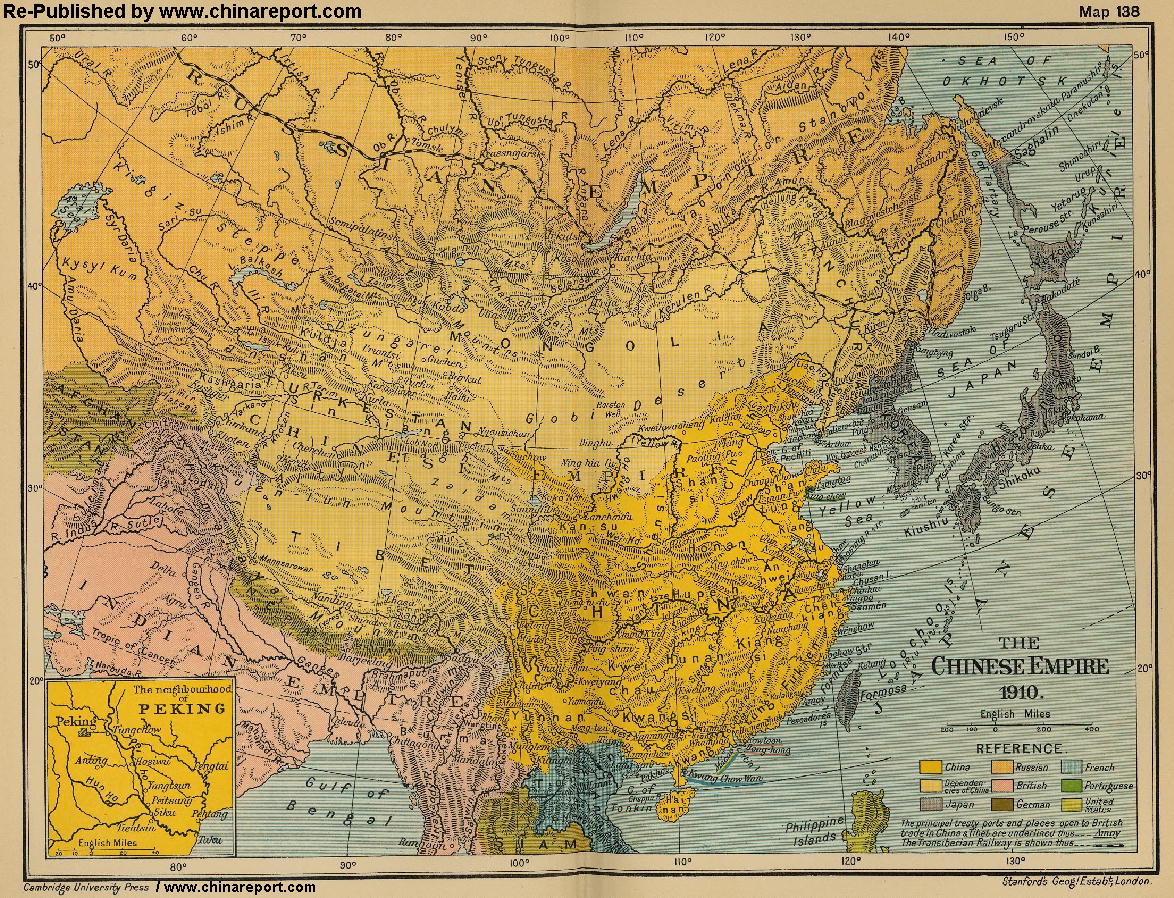
DOOMED HUMAN RIGHTS IN OCCUPIED TIBET – NO SAFE PLACE TO LIVE. MAP OF QING CHINA EMPIRE 1910 A.D.
During its long history, Tibet came under foreign conquest by Mongol Empire and Manchu or Qing Empire which ruled over China. But, Tibetans never lost their traditional independent lifestyle.
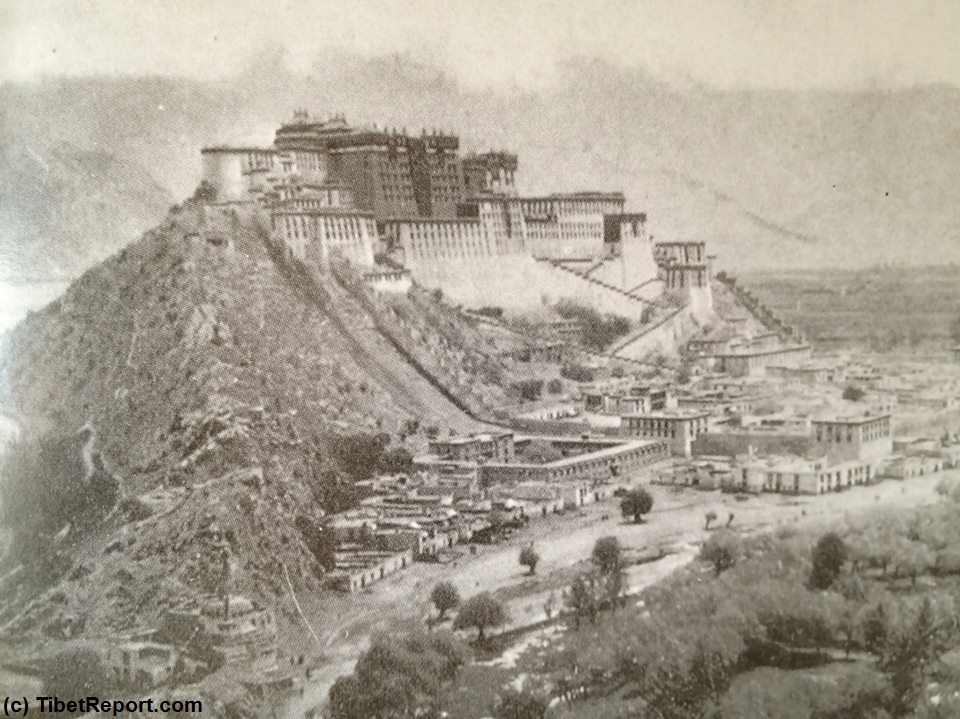
DOOMED HUMAN RIGHTS IN OCCUPIED TIBET – NO SAFE PLACE TO LIVE. POTALA PALACE, LHASA, TIBET IN 1930 A.D. FULLY INDEPENDENT NATION FROM 1911 TO 1950.
Tibet declared full independence on February 13, 1913 and existed as fully independent national entity until founding of Evil Red Empire on October 01, 1949 by China’s Communist Party Chairman Mao Zedong. Red China’s brutal occupation transformed Tibet into Military Camp leaving no safe place for Tibetans to live.
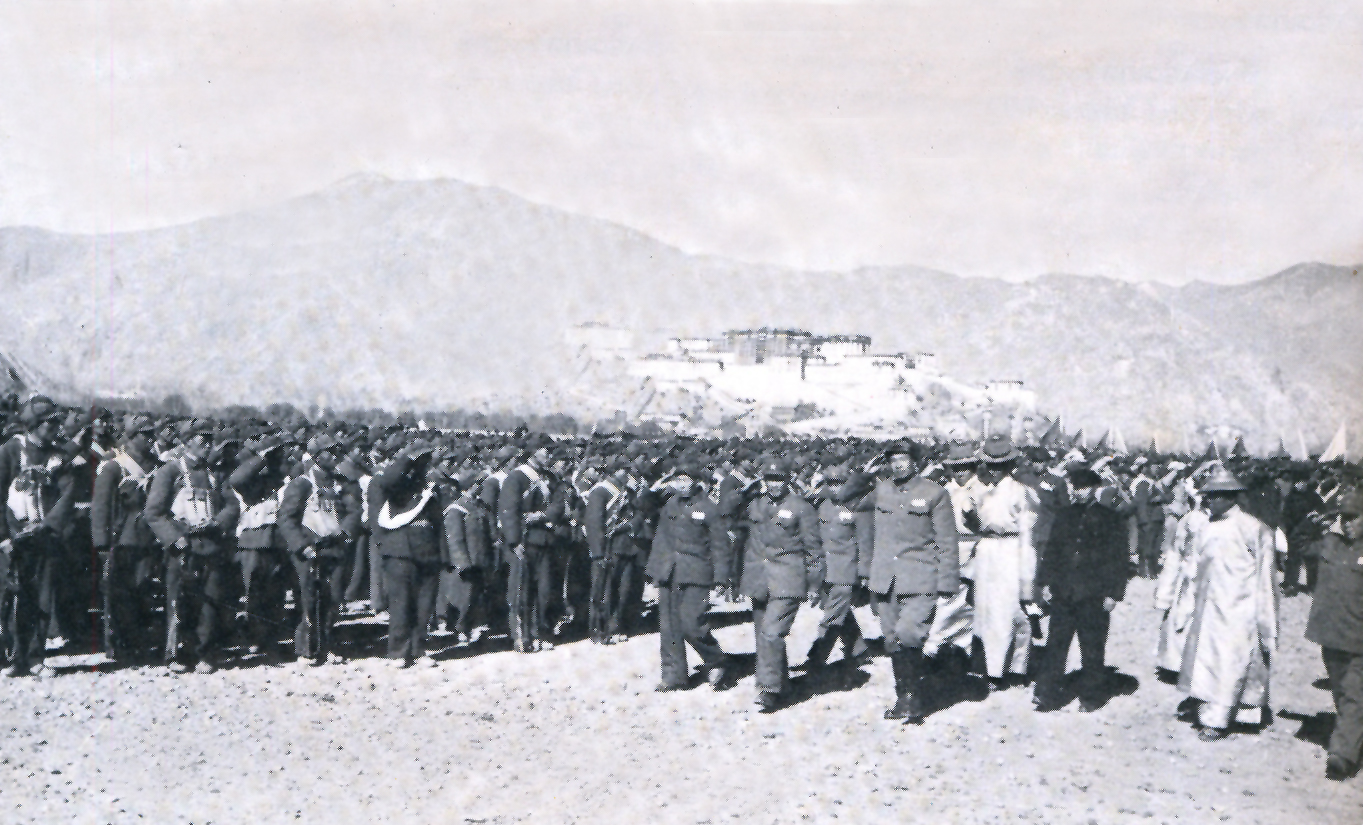
DOOMED HUMAN RIGHTS IN OCCUPIED TIBET. RED CHINA’S MILITARY CONQUEST OF TIBET. CHINESE ARMY IN LHASA, 1951. TIBETANS HAVE NO SAFE PLACE TO LIVE.
For all practical purposes, Communist Dictator Mao Zedong is alive as his brutal, military occupation of Tibet survived his death in December 1976 which may have marked the end of Red China’s Cultural Revolution.
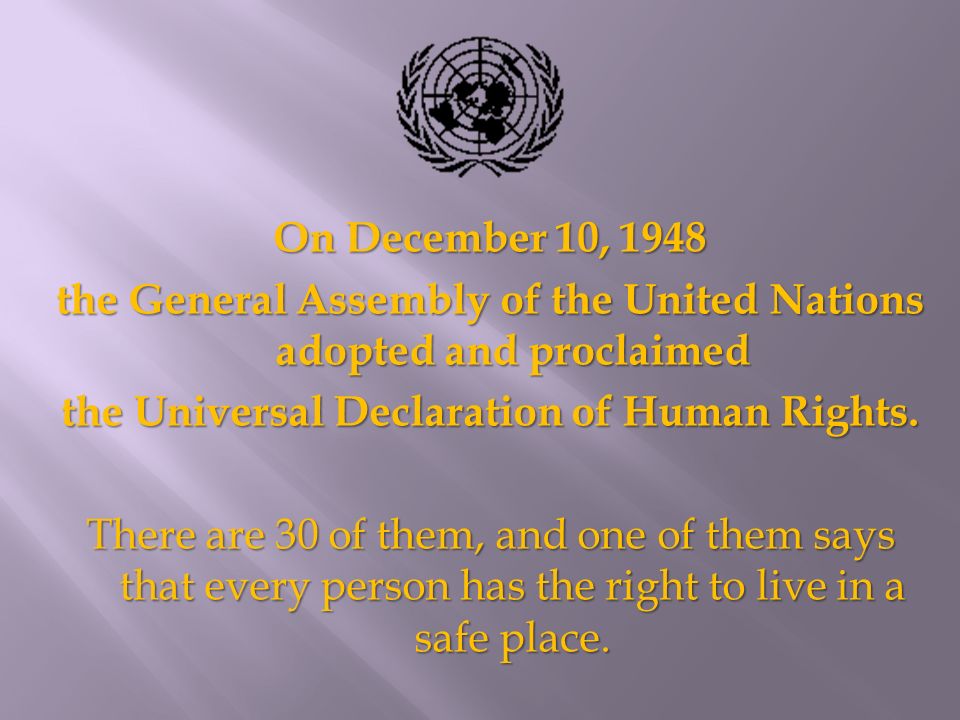
DOOMED HUMAN RIGHTS IN OCCUPIED TIBET. ON DECEMBER 10, 1948, TIBET WAS FULLY INDEPENDENT NATION. ELEANOR ROOSEVELT – DECLARATION OF UNIVERSAL HUMAN RIGHTS.
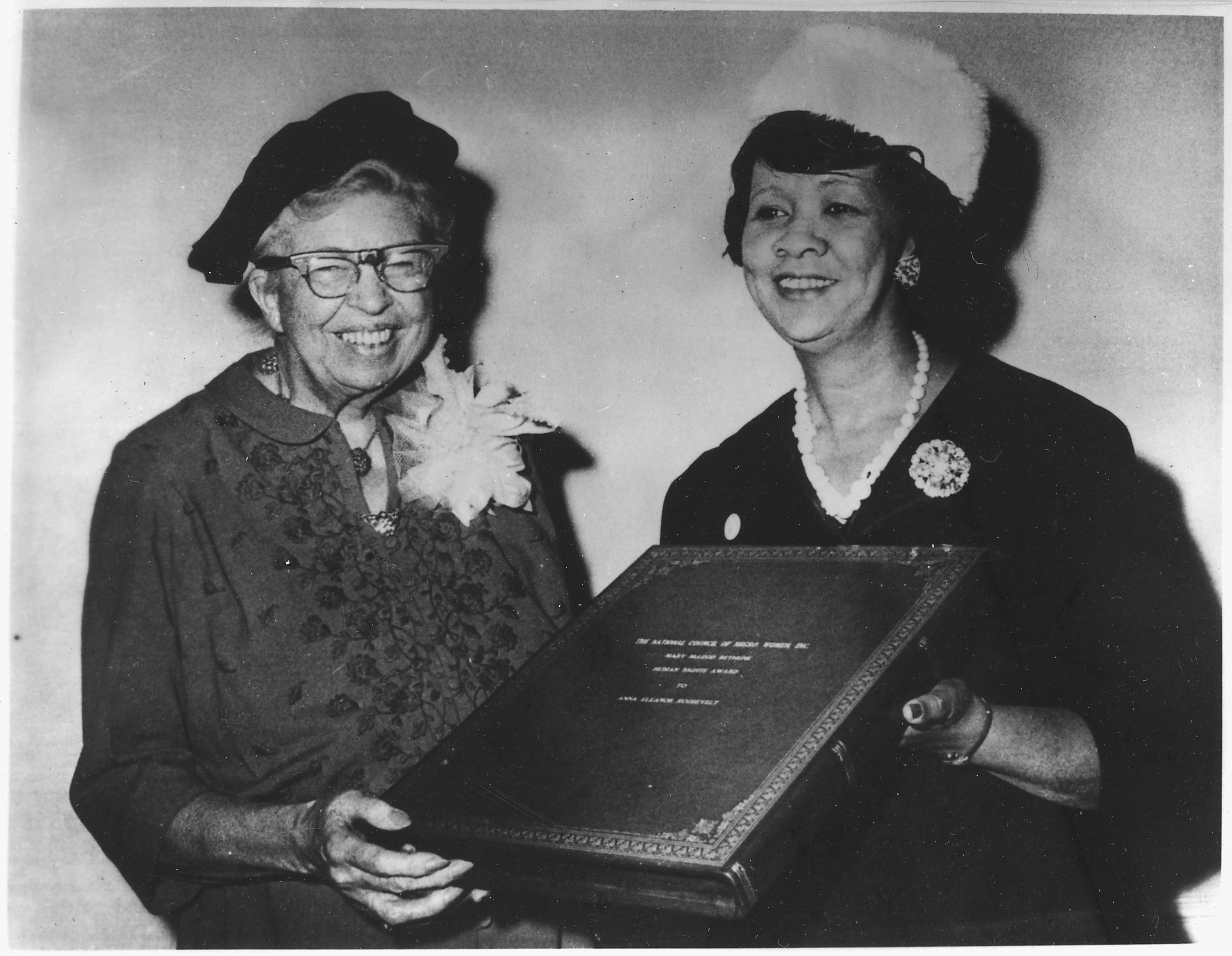
DOOMED HUMAN RIGHTS IN OCCUPIED TIBET. ELEANOR ROOSEVELT RECEIVING MARY McLEOD BETHUNE HUMAN RIGHTS AWARD FROM DOROTHY HEIGHT. SHE DID NOT ANTICIPATE THE GREAT TIBET PROBLEM.
DOOMED HUMAN RIGHTS IN OCCUPIED TIBET. DECEMBER 10, 2016. TIBETANS HAVE NO SAFE PLACE TO LIVE.
Where is human rights in Tibet?
December 8, 2016, 11:07 pm IST YOUDON AUKATSANG in Echoes from the Himalayas TOI
We celebrate December 10 as the Human Rights Day to commemorate adoption of the Universal Declaration of Human Rights (UDHR) by the UN General Assembly in 1948. This was a ground-breaking achievement because it was the first time in history that all Member States of the United Nations pledged to work together to promote the thirty Articles of human rights that was enshrined in the document.
This year’s Human Rights Day slogan Stand up for Someone’s Rights Today reaffirms common humanity and universality of humane values. It convinces us that whoever, whatever, whenever and wherever we are, we can make a difference. Each of us has the potential to make a difference in our own unique ways using a medium that comes easiest to us.
The Declaration reminds each one of us to stand up against human rights violations wherever it occurs, in a remote country, in our region, country or even at home.
This day has an added significance for Tibetans. We fondly remember the day as the Nobel Peace Prize Day as it was on this day in 1989 that HH the Dalai Lama was conferred with the Nobel Peace Prize. With this award, the international community not only recognized the commitment of His Holiness the Dalai Lama to non-violence and peace but also applauded his middle way approach and his efforts at resolving the issue of Tibet through dialogue with China.
United Nations did recognize the right to self-determination of the Tibetans and called for respect of basic human rights of Tibetans in the aftermath of Tibetan National Uprising and the coming into exile in India of HH the Dalai Lama in 1959. In fact, there were two other UN General Assembly resolutions in 1961 and 1965 condemning continued human rights violations of Tibetans. Since then, the corridors of UN General Assembly have been silent on Tibet except for rare references made during the Human Rights Council Sessions.
The international community has made out the issue of Tibet to be an issue of human rights. But for Tibetans, it is more critical than human rights violations. The issue of Tibet is about ethnic cleansing and cultural genocide. In fact, the report of ICJ which formed the basis for the UN resolutions on Tibet affirms it as early as 1959 and mentions that “acts of genocide had been committed”, and that “Tibet was at the very least a de facto independent State” before its annexation by the Chinese government in 1951.
The Tibet crisis has continued unabated since the Chinese occupation of Tibet. The Chinese state machinery clamps down on Tibetan religion, culture and language which forms the bedrock of Tibetan identity. Tibetans are arrested and imprisoned for celebrating religious festivals such as Saka Dawa or HH the Dalai Lama’s birthday.
Of the many ongoing campaigns enforced in Tibet by the Chinese regime, the most pervasive is “Patriotic education” aimed at strengthening ties between the public and the Communist Party and denouncing the Dalai Lama and “splittist forces”. According to Tibetan Centre for Human Rights and Democracy (TCHRD), Work Teams are formed under this campaign to cover every section of society including farmers, schools, monastic institutions and general populace.
Under the guise of this campaign, Chinese authorities interfere in the daily lives and religious practices of Tibetans. Influential Tibetans in various strata of the society particularly those with following are targeted and arrested under false allegations. Ceilings are imposed on number of monks and nuns in the monasteries and nunneries.
Recent news of demolition of Larung Gar Institute, one of the largest centers of Buddhist learning in Serthar County in Kardze Tibetan Autonomous Prefecture, Sichuan Province is the most current evidence of religious repression in Tibet. Demolitions are being carried out in line with the order given by the Chinese authorities to cut the number of residents by half to 5000. Central Tibetan Administration has urged UNHCR and the international community to save Larung Gar.
With no freedom to express your identity and the shrinking space for dissent under the Chinese rule, Tibetans have resorted to self-immolation the most extreme form of protesting Chinese repression. The most recent case of self-immolation of an unidentified person was reported on December 8 at 5 pm local time in Machu county, Kanlho Tibetan Autonomous Prefecture, Gansu Province. This has taken the reported cases of self-immolations to 145.
The world can no longer afford to remain a silent spectator, it needs to stand up for the rights of Tibetans in Tibet and urge China to have a dialogue with the representatives of HH the Dalai Lama to resolve the issue of Tibet.
DISCLAIMER : Views expressed above are the author’s own.
Author
Doomed Human Rights in Occupied Tibet. Ms. Youdon Aukatsang, Member of Tibetan Parliament-in-Exile.
YOUDON AUKATSANG
Youdon Aukatsang is currently serving her third term as an elected member of the Tibetan Parliament in Exile (TPIE). She is also the Director of Empowering . . .
Author
WHERE IS HUMAN RIGHTS IN TIBET? ECHOES FROM THE HIMALAYAS, AUTHOR YOUDON AUKATSANG, MEMBER OF TIBETAN PARLIAMENT-IN-EXILE.
Youdon Aukatsang is currently serving her third term as an elected member of the Tibetan Parliament in Exile (TPIE). She is also the Director of Empowering . . .
TIBET – THE BURNING QUESTION – IT IS NOT ABOUT SELF-IMMOLATION. THE BURNING ISSUE IS DEATH OF MILITARY OCCUPATION.
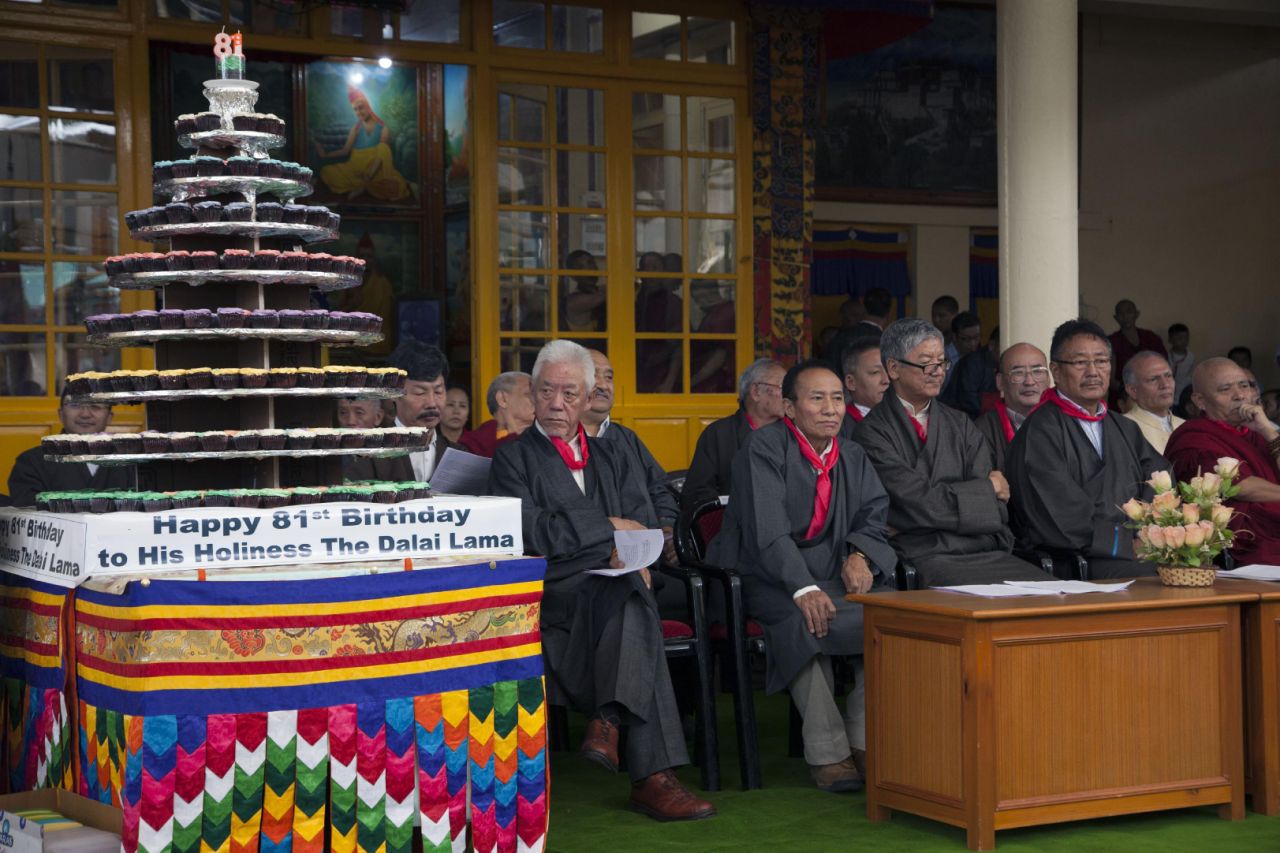
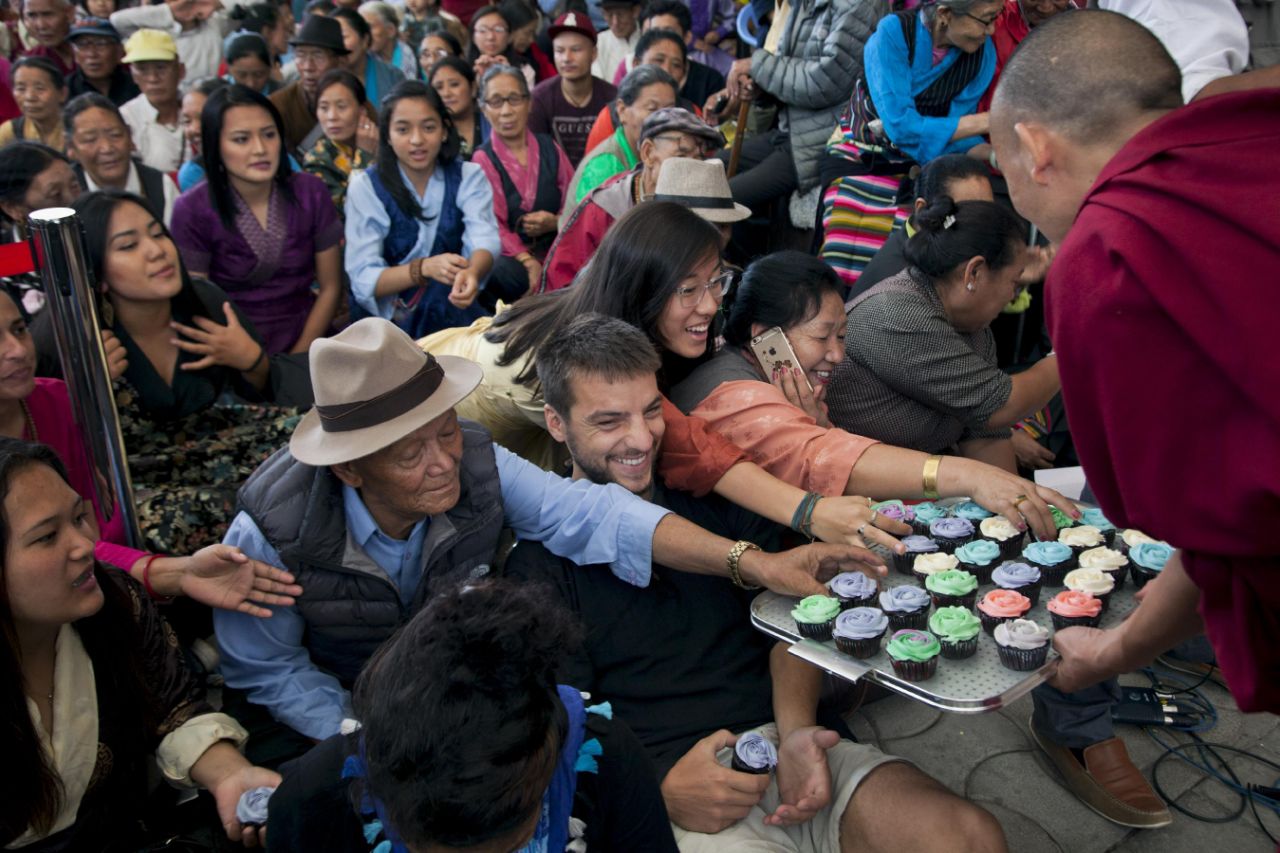
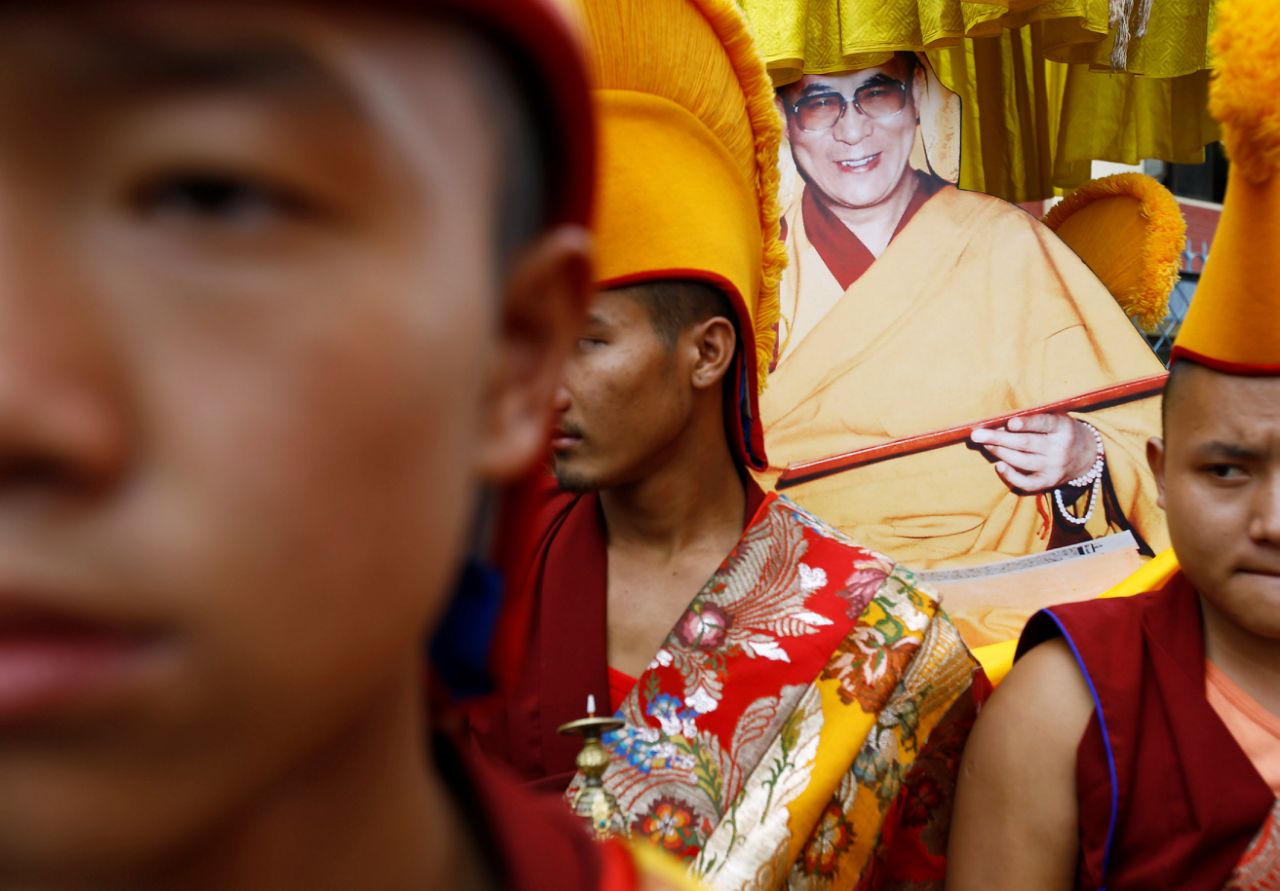
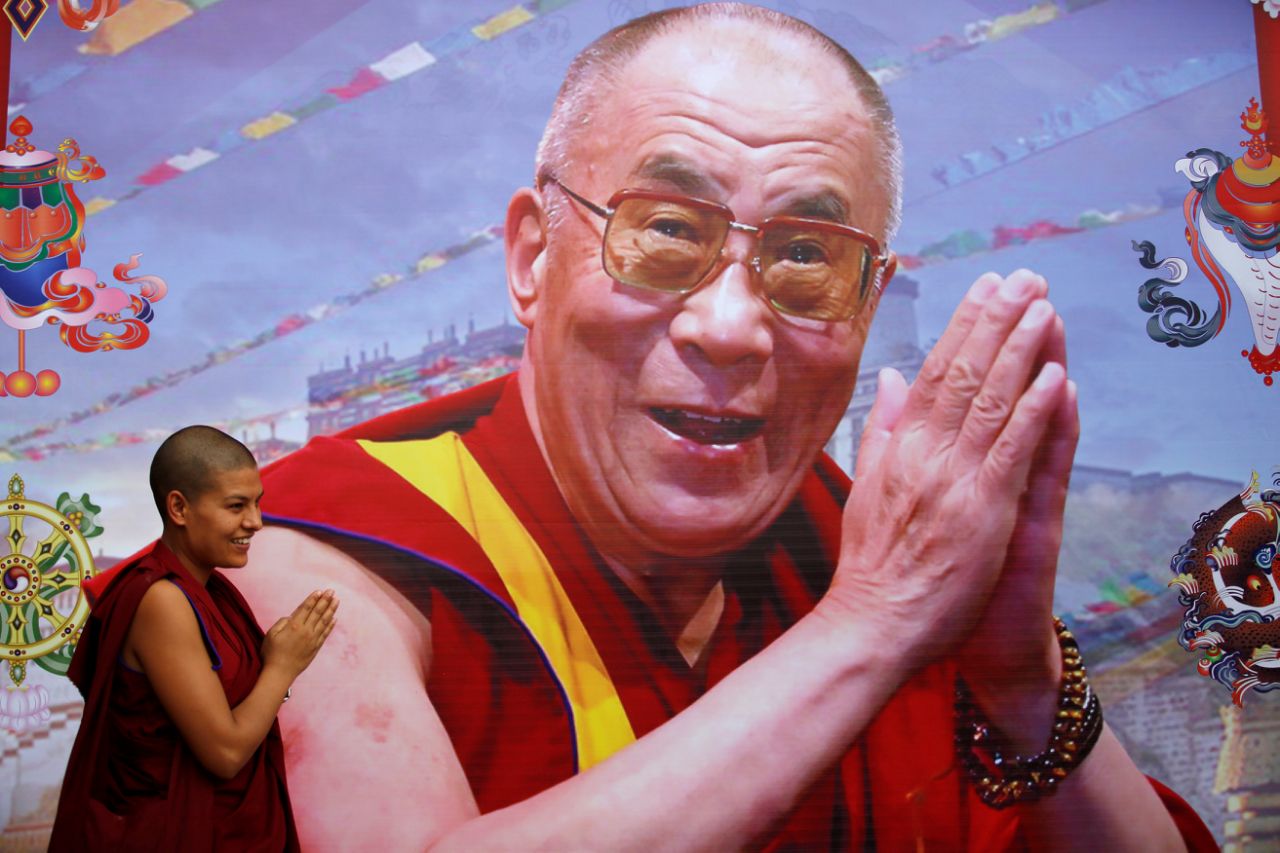
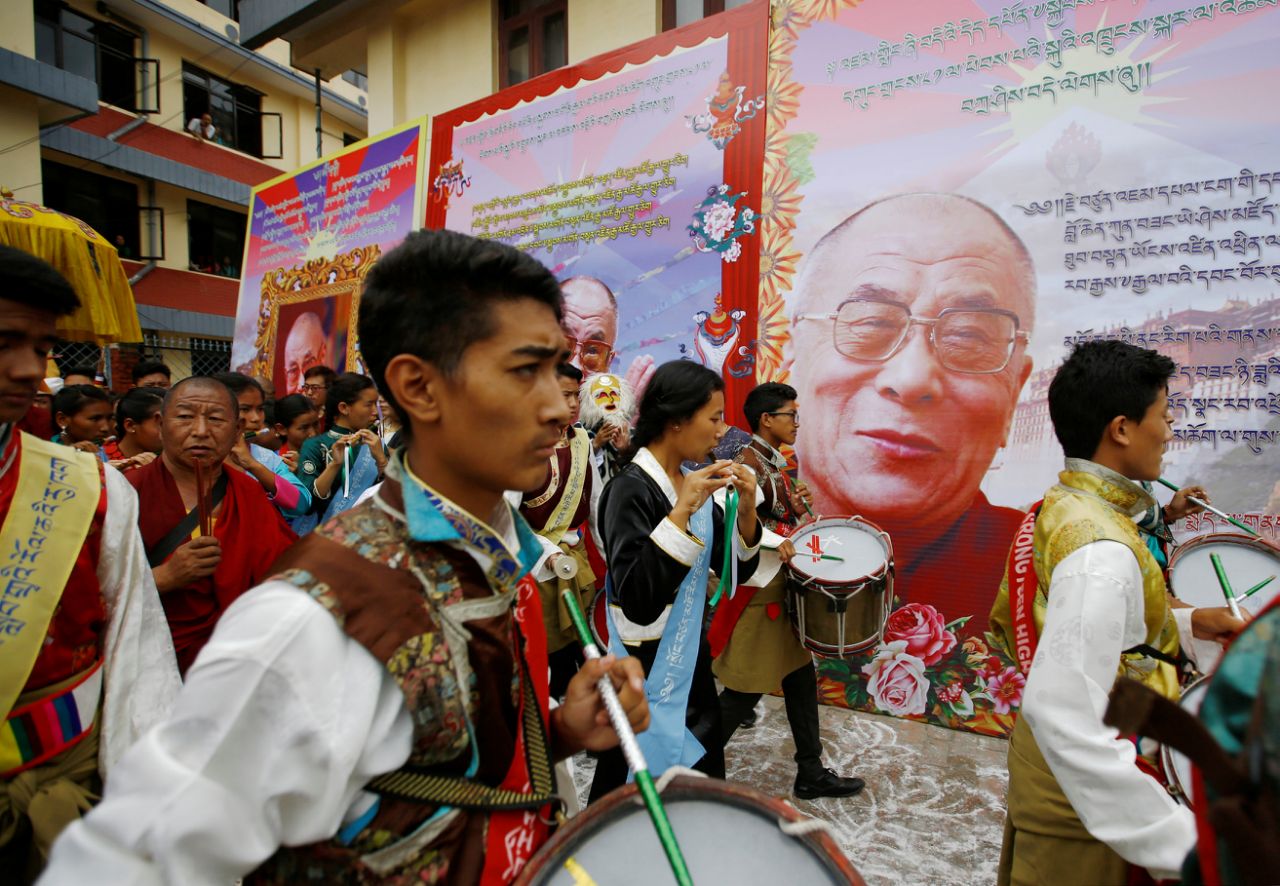
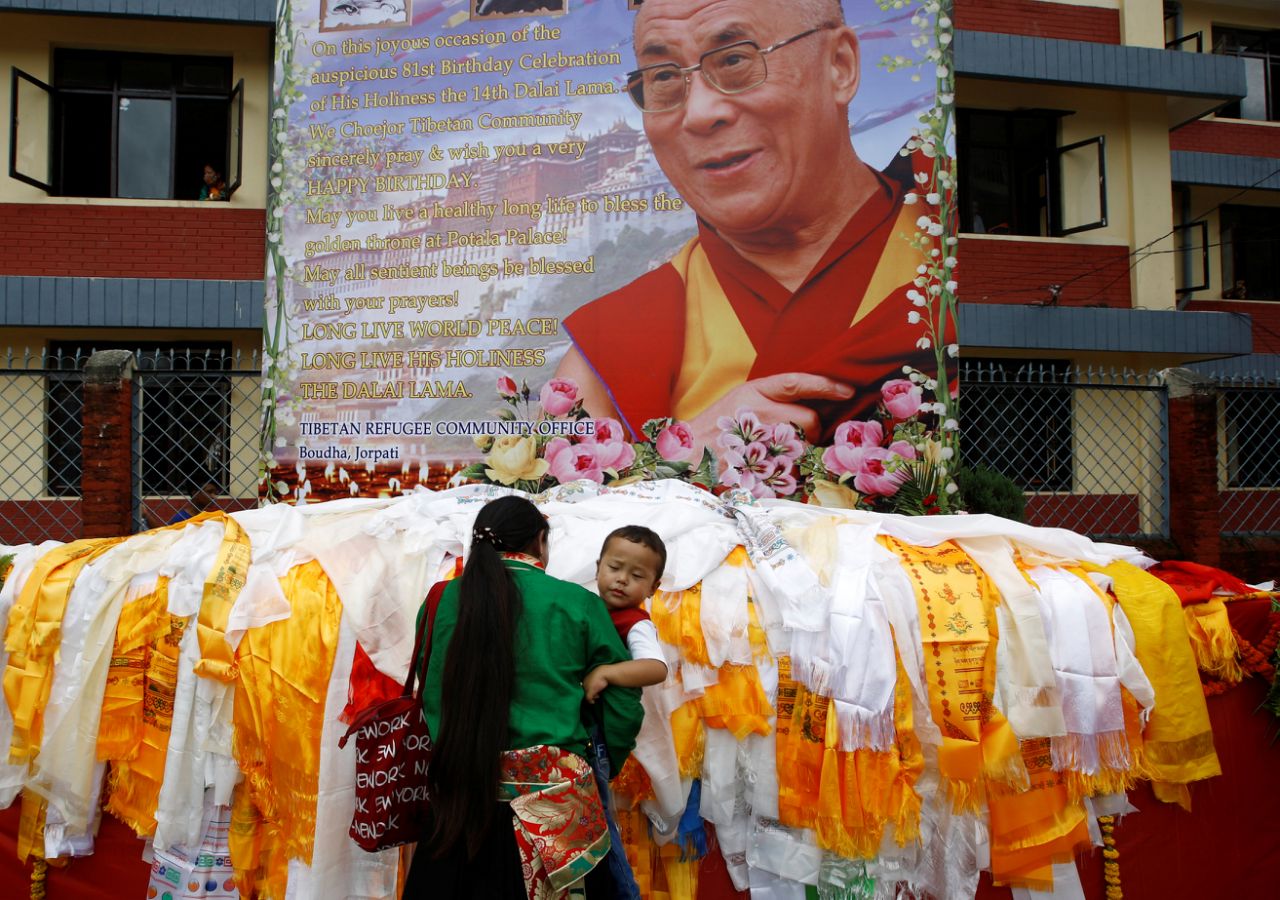
Tibetans have celebrated His Holiness the Dalai Lama’s 81st birthday. In recent times, Tibetans have displayed a sense of restraint as they share a sense of optimism about ‘The Burning Question’ that occupies their minds. Red China’s military occupation is ‘The Burning Question’ and international community is willing to take up this issue as they confront Red China’s Maritime Expansionism.
TIBET – THE BURNING QUESTION – DEATH OF OCCUPATION IS THE BURNING ISSUE.
Tibetans aren’t self-immolating as much anymore. Isn’t that a good thing?
One afternoon in 2009, a monk holding his national flag lit himself on fire — and ignited a raging conflagration in one of the most muffled parts of the world: Tibetans burning themselves in protest of Chinese occupation. More than 140 Tibetans burned themselves in protest over the ensuing years, advocacy groups say. The youngest was 15.
The burnings peaked in 2012, but they could easily return in a climate where suicide bombers otherwise hold the franchise on self-harm as public protest. No, I’m not comparing self-immolation, which is by nature a solely self-harming physical act, to violent jihadism, which seeks to harm nonbelievers, the more the better. But there is a whiff of something similar, metaphorically and emotionally: ideologies that tell vulnerable people their lives — and deaths — have purpose. That is wrong. Someone should call for the Tibetan people to halt their burnings and turn to other forms of protest.
The ideal person would be the Dalai Lama. He never has. Though we couldn’t grab His Holiness’ time for an interview through spokespeople, he’s articulated his reasons before: He worries China will use the protests against him, painting him as approving of them. He didn’t want to devalue the lives of those who had self-immolated. If not him, then perhaps another prominent monk.
To be sure, we’re outside Tibet and cannot empathize with the conditions there. (The Dalai Lama is himself exiled in India. Even his image is banned in his homeland.) But it’s worth noting that self-immolation is “a new element in the vocabulary of Tibetan activism,” says Robert Barnett, director of modern Tibet studies at Columbia University. Indeed, he argues there’s no grounding for the practice in Buddhism. It was in fact modeled off of Chinese protest practices, not the 1960s Vietnam immolations, as is often thought, Barnett says.
Those who self-immolate in protest see it as “self-sacrifice to express their feelings,” says Tibetan BuchangTsering, vice president of the International Campaign for Tibet. He says that when the count of burnings hit 104 in 2013, the Chinese government was forced to respond. Alistair Currie, of London-based Free Tibet, says participants may believe that a high number of immolations would force the international community’s hand.
Clearly, though, that’s not been the case. It may be a good sign that the self-immolations are down in count these days — Free Tibet counts only two this year — but it also may be a symbol of resignation to China, says Barnett. Can Tibetans use the abatement of such protests to speak in other voices? Perhaps that is a privilege belonging only to the diaspora; after all, we can’t hear those from within China. “Is this [self-immolation] the best way for people to do something? I don’t think so,” says Tsering. “I don’t call that as a protest — it’s an assertion of their rights.” Tsering believes instead in using China’s system against it, arguing for Tibetans’ rights within the Chinese constitution — for instance, to preserve the language.
Coming up is the Dalai Lama’s birthday. Currie says the stateless nation will spend its time celebrating, not discussing protest. Maybe though, just maybe, the occasion could gift His Holiness with something different. I speak with privilege. Perhaps I’m wrong.
TIBET – THE BURNING QUESTION. IT IS NOT SELF-IMMOLATION. IT IS ABOUT DEATH OF MILITARY OCCUPATION.
TIBET – THE BURNING QUESTION – WHAT OCCUPIES MINDS OF TIBETANS? OCCUPATION BY FOREIGN POWER.
TIBET – THE BURNING QUESTION – OCCUPATION BY FOREIGN POWER.
TIBET – THE BURNING QUESTION – OCCUPATION BY FOREIGN POWER
Tibet – The Burning Question – Occupation by Foreign Power. Celebration of Dalai Lama’s Birthday gives them a respite.
Tibet – The Burning Question – Occupation by Foreign Power. Celebration of Dalai Lama’s Birthday gives relief.
Tibet – The Burning Question – Occupation by Foreign Power.
Tibet – The Burning Question – Occupation by Foreign Power.
Tibet – The Burning Question – Occupation by Foreign Power.
Tibet – The Burning Question – Occupation by Foreign Power.
Tibet – The Burning Question – Occupation by Foreign Power.
Tibet – The Burning Question – Occupation by Foreign Power.
Tibet – The Burning Question – Foreign Occupation.
Tibet – The Burning Question – Foreign Occupation.
Tibet – The Burning Question – Foreign Occupation.
























 Whole Dude - Whole Concept