Whole Dude at Whole Foods extends Whole Support in Defense of Freedom
Whole Dude at Whole Foods Salutes Vietnam War Veterans for his emotional connection is formulated by Weapons of Warfare we shared hoping to defeat Communism in Asia. Today, on Tuesday, November 11, 2025, Whole Dude Remembers this Unfinished War on Communism.
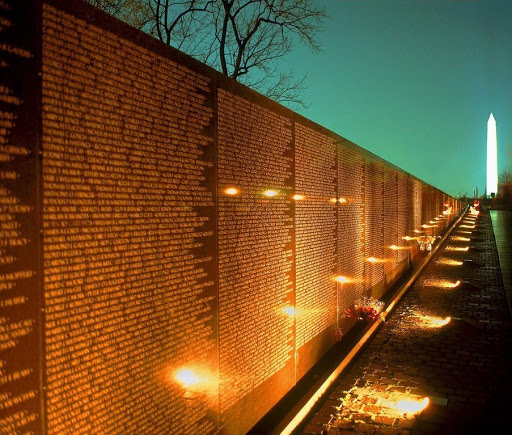
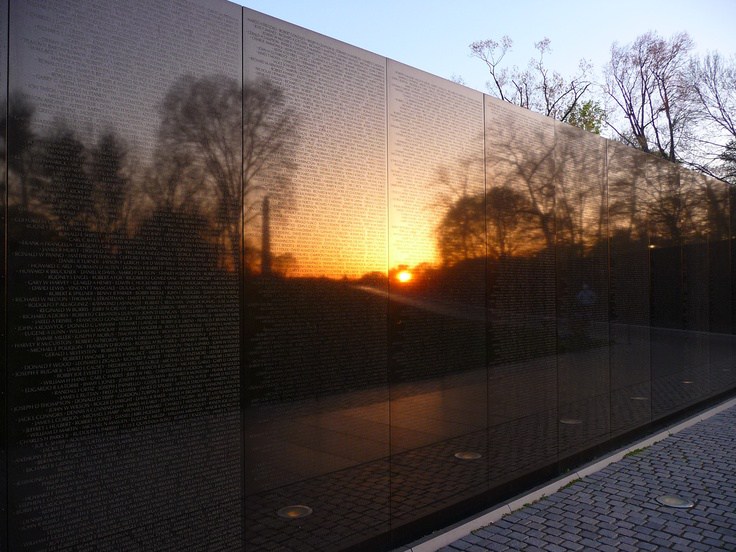
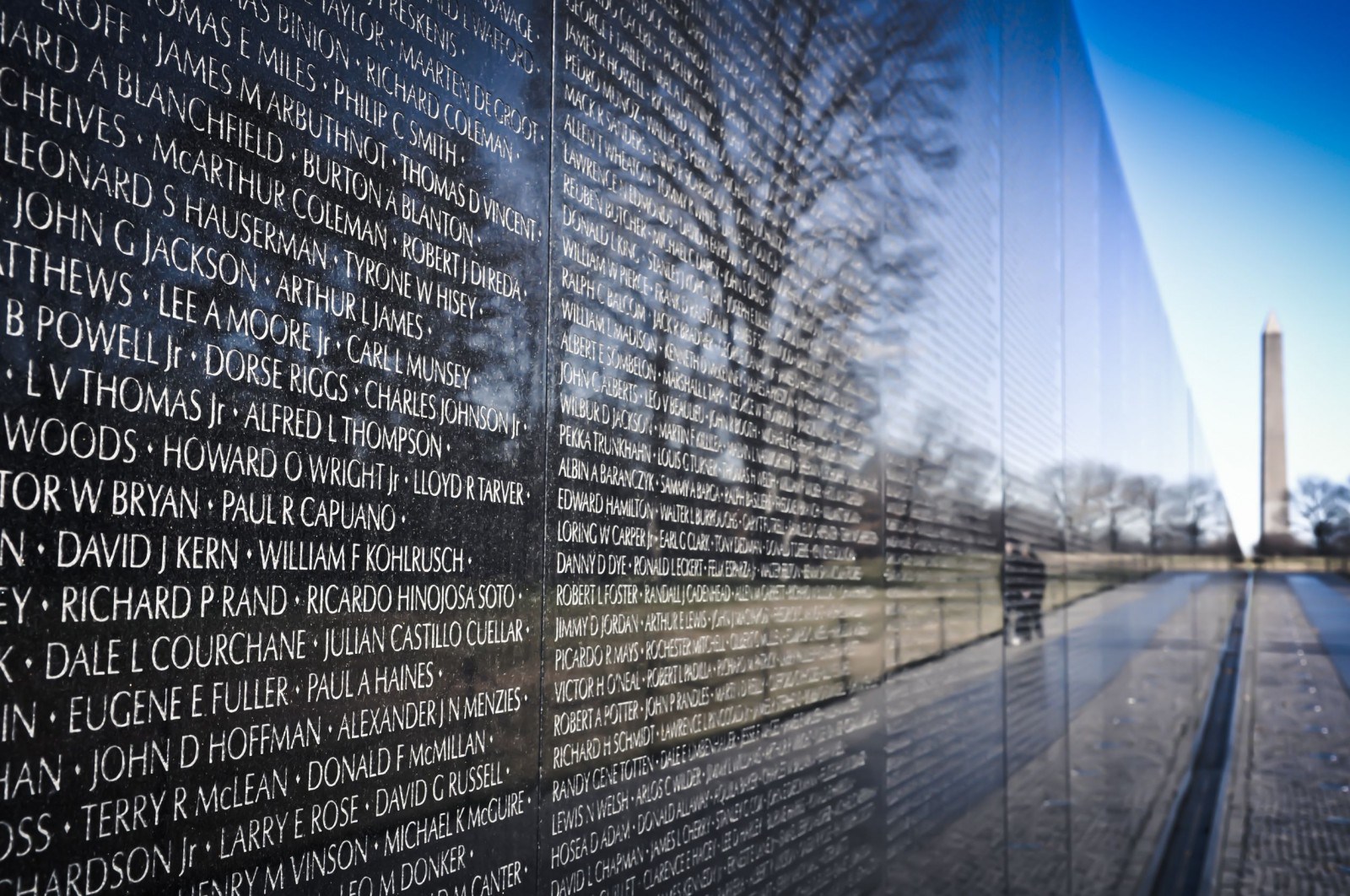
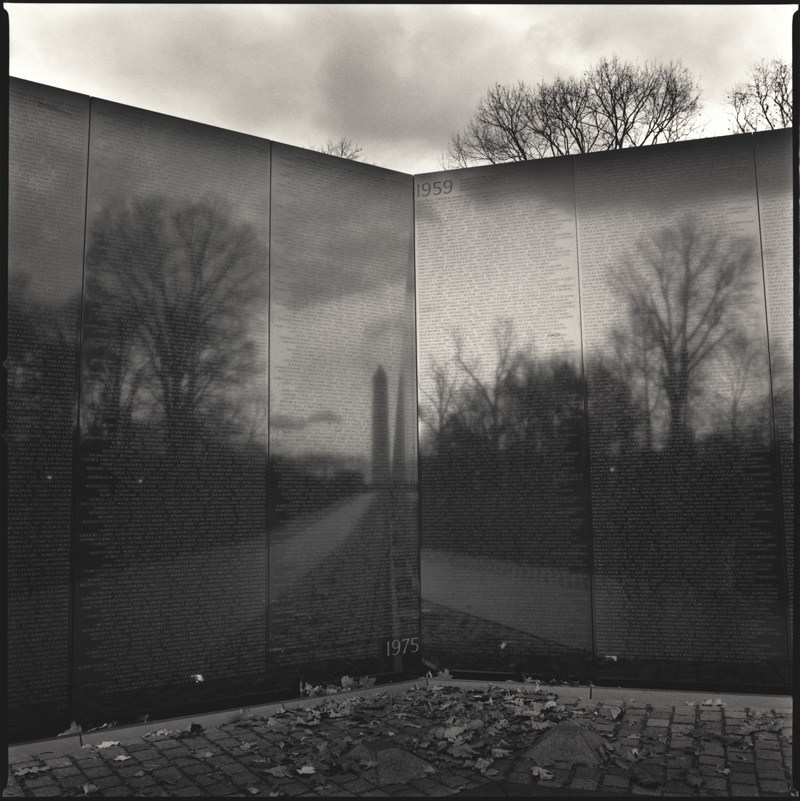
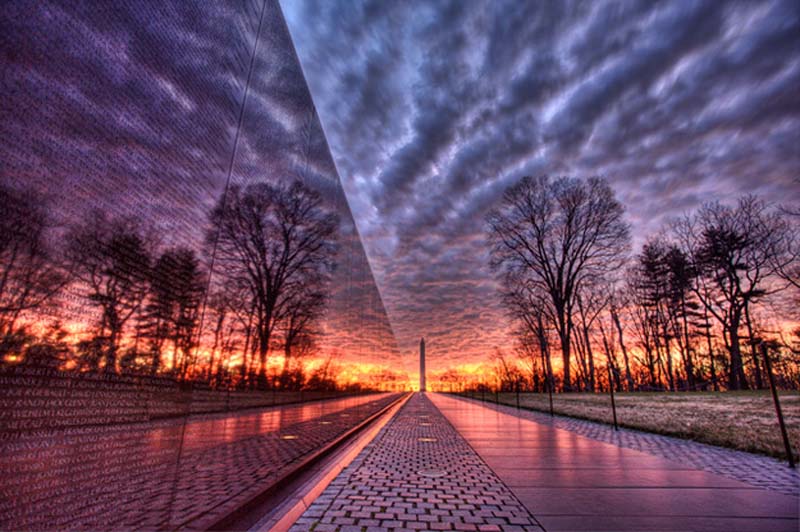
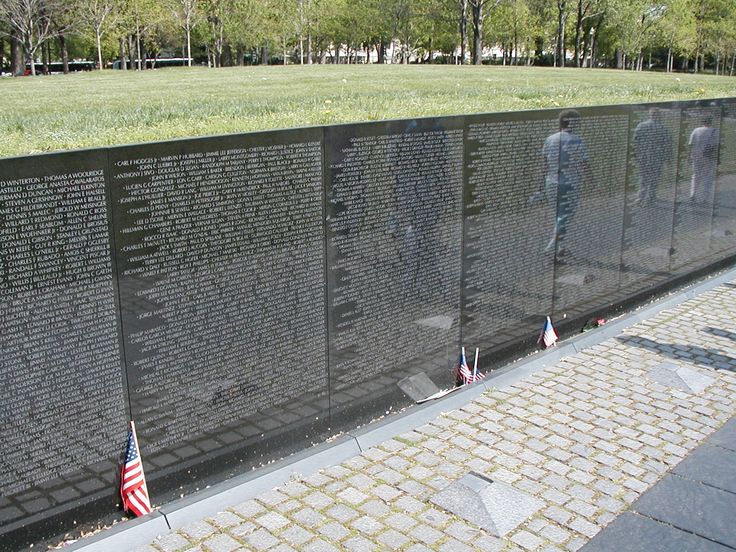
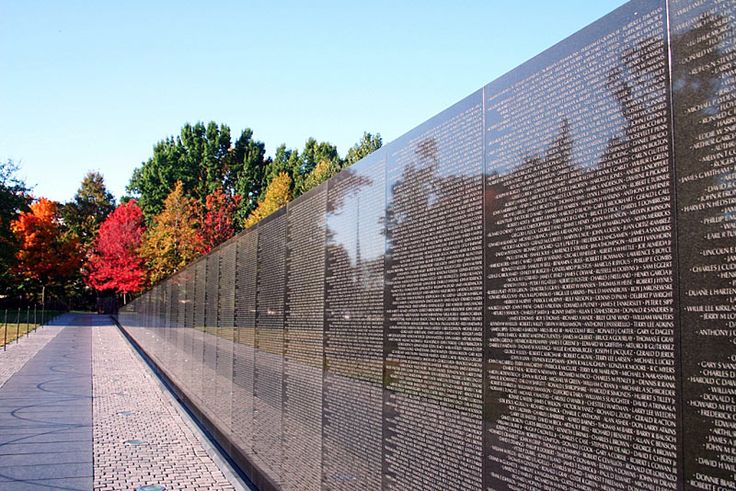
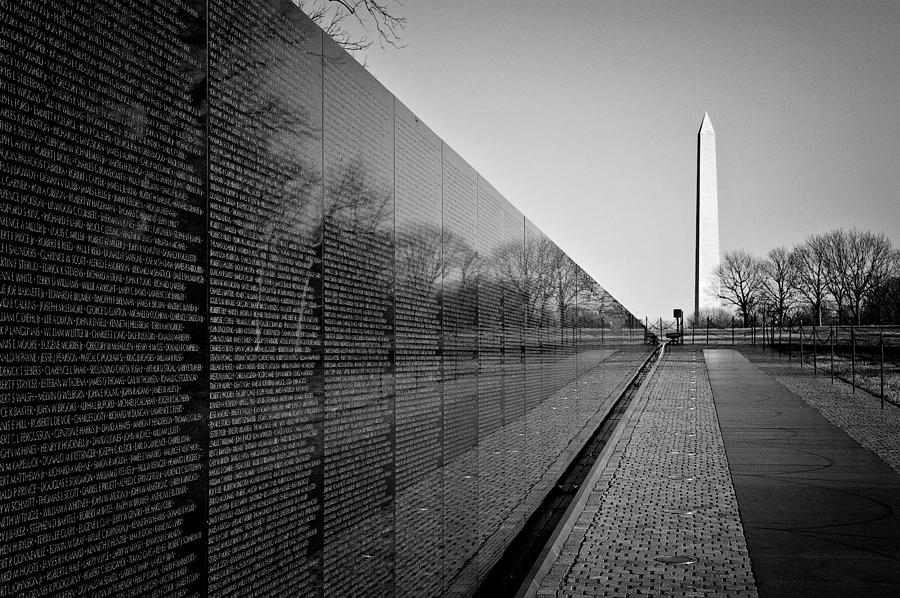
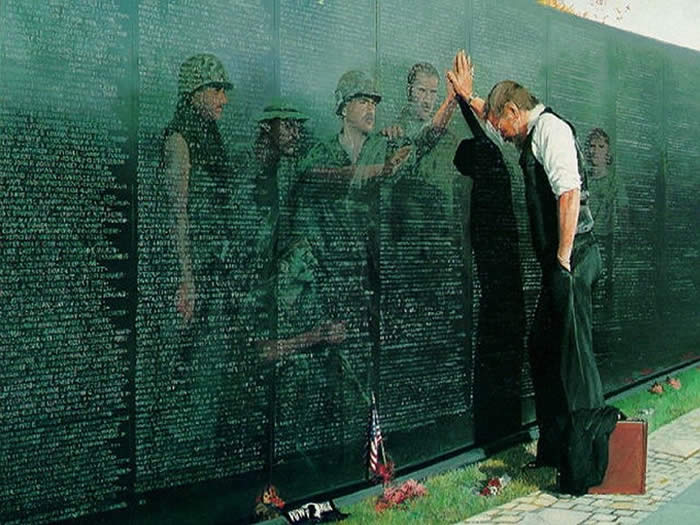
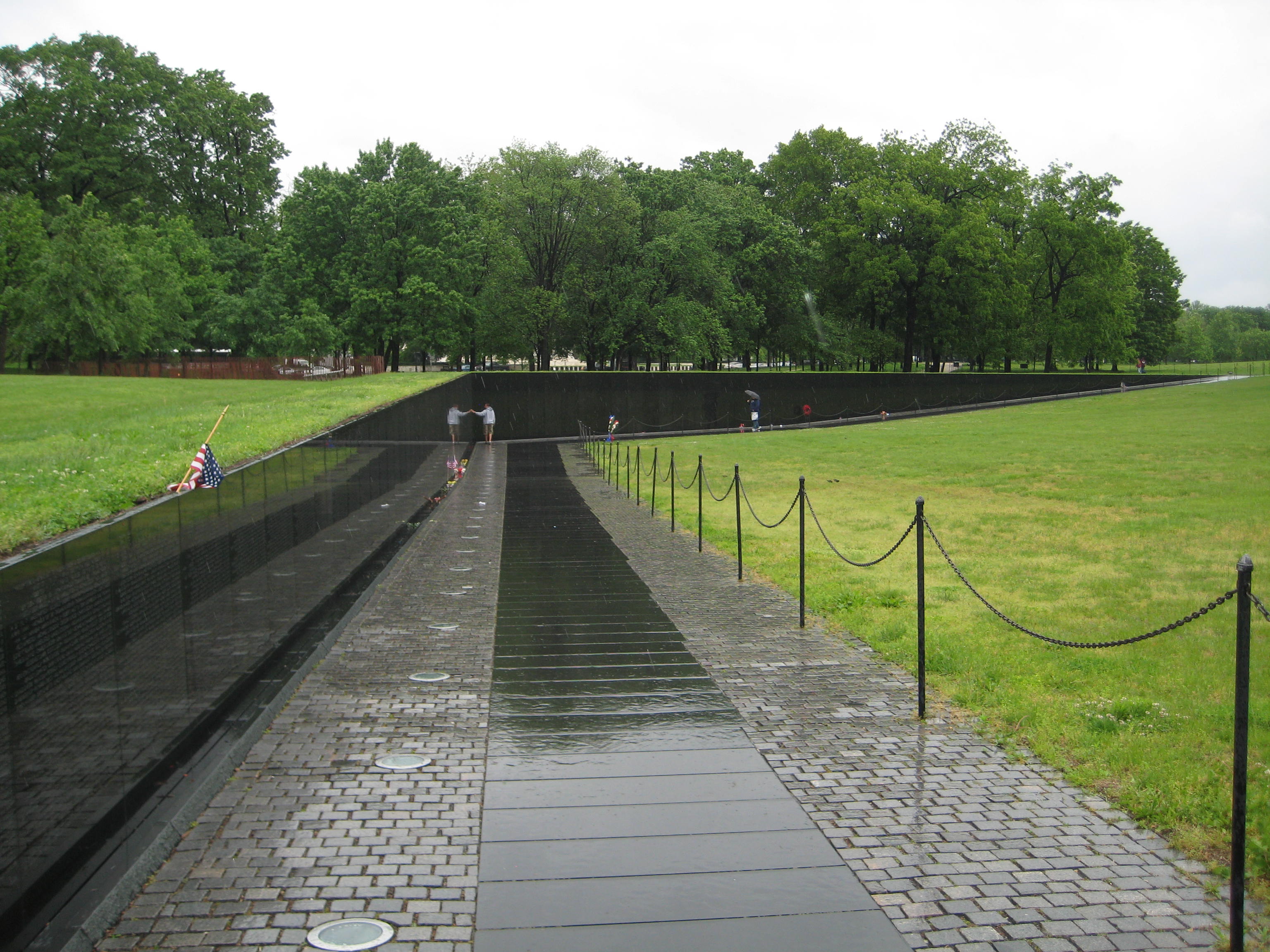
On November 13, 1982, near the end of a week long National Salute to Americans who served in the Vietnam War, the Vietnam Veterans Memorial is in Washington, DC. The Memorial is a simple V-shaped black-granite wall inscribed with names of the 57, 939 Americans who died in the Conflict. Whole Dude at Whole Foods shares their Values and shares this National Grief.
Whole Dude at Whole Foods Salutes Vietnam War Veterans for his emotional connection is formulated by Weapons of Warfare we shared hoping to defeat Communism in Asia. Today, on Tuesday, November 11, 2025, Whole Dude Remembers this Unfinished War on Communism.
Whole Dude at Whole Foods Salutes Vietnam War Veterans for his emotional connection is formulated by Weapons of Warfare we shared hoping to defeat Communism in Asia. Today, on Tuesday, November 11, 2025, Whole Dude Remembers this Unfinished War on Communism.
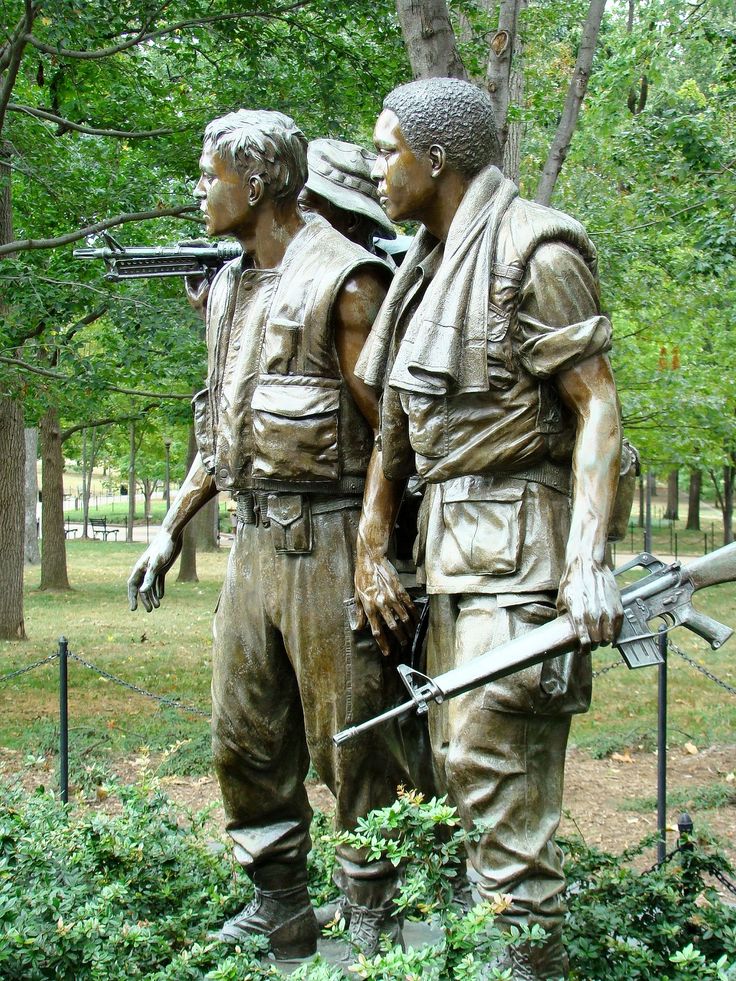
Whole Dude at Whole Foods Salutes Vietnam War Veterans for his emotional connection is formulated by Weapons of Warfare we shared hoping to defeat Communism in Asia. Today, on Tuesday, November 11, 2025, Whole Dude Remembers this Unfinished War on Communism.Whole Dude at Whole Foods Salutes Vietnam War Veterans for his emotional connection is formulated by Weapons of Warfare we shared hoping to defeat Communism in Asia. Today, on Tuesday, November 11, 2025, Whole Dude Remembers this Unfinished War on Communism.Whole Dude at Whole Foods Salutes Vietnam War Veterans for his emotional connection is formulated by Weapons of Warfare we shared hoping to defeat Communism in Asia. Today, on Tuesday, November 11, 2025, Whole Dude Remembers this Unfinished War on Communism.Whole Dude at Whole Foods Salutes Vietnam War Veterans for his emotional connection is formulated by Weapons of Warfare we shared hoping to defeat Communism in Asia. Today, on Tuesday, November 11, 2025, Whole Dude Remembers this Unfinished War on Communism.On November 13, 1982, near the end of a week long National Salute to Americans who served in the Vietnam War, the Vietnam Veterans Memorial is in Washington, DC. The Memorial is a simple V-shaped black-granite wall inscribed with names of the 57, 939 Americans who died in the Conflict. Whole Dude at Whole Foods shares their Values and shares this National Grief. On November 13, 1982, near the end of a week long National Salute to Americans who served in the Vietnam War, the Vietnam Veterans Memorial is in Washington, DC. The Memorial is a simple V-shaped black-granite wall inscribed with names of the 57, 939 Americans who died in the Conflict. Whole Dude at Whole Foods shares their Values and shares this National Grief. On November 13, 1982, near the end of a week long National Salute to Americans who served in the Vietnam War, the Vietnam Veterans Memorial is in Washington, DC. The Memorial is a simple V-shaped black-granite wall inscribed with names of the 57, 939 Americans who died in the Conflict. Whole Dude at Whole Foods shares their Values and shares this National Grief. On November 13, 1982, near the end of a week long National Salute to Americans who served in the Vietnam War, the Vietnam Veterans Memorial is in Washington, DC. The Memorial is a simple V-shaped black-granite wall inscribed with names of the 57, 939 Americans who died in the Conflict. Whole Dude at Whole Foods shares their Values and shares this National Grief. Whole Dude at Whole Foods Salutes Vietnam War Veterans for his emotional connection is formulated by Weapons of Warfare we shared hoping to defeat Communism in Asia. Today, on Tuesday, November 11, 2025, Whole Dude Remembers this Unfinished War on Communism.On November 13, 1982, near the end of a week long National Salute to Americans who served in the Vietnam War, the Vietnam Veterans Memorial is in Washington, DC. The Memorial is a simple V-shaped black-granite wall inscribed with names of the 57, 939 Americans who died in the Conflict. Whole Dude at Whole Foods shares their Values and shares this National Grief. On November 13, 1982, near the end of a week long National Salute to Americans who served in the Vietnam War, the Vietnam Veterans Memorial is in Washington, DC. The Memorial is a simple V-shaped black-granite wall inscribed with names of the 57, 939 Americans who died in the Conflict. Whole Dude at Whole Foods shares their Values and shares this National Grief. Whole Dude at Whole Foods Salutes Vietnam War Veterans for his emotional connection is formulated by Weapons of Warfare we shared hoping to defeat Communism in Asia. Today, on Tuesday, November 11, 2025, Whole Dude Remembers this Unfinished War on Communism.Whole Dude at Whole Foods Salutes Vietnam War Veterans for his emotional connection is formulated by Weapons of Warfare we shared hoping to defeat Communism in Asia. Today, on Tuesday, November 11, 2025, Whole Dude Remembers this Unfinished War on Communism.Whole Dude-Whole Veteran-Whole Remembrance: Remember the Vietnam War. America called its sons and daughters to pledge their Lives, their Fortunes and their sacred Honor to fight the Enemy called Communism.Whole Dude-Whole Veteran-Whole Remembrance: Remember the Vietnam War. America called its sons and daughters to pledge their Lives, their Fortunes and their sacred Honor to fight the Enemy called Communism.Whole Dude at Whole Foods Salutes Vietnam War Veterans for his emotional connection is formulated by Weapons of Warfare we shared hoping to defeat Communism in Asia. Today, on Tuesday, November 11, 2025, Whole Dude Remembers this Unfinished War on Communism.SAN ANTONIO, TEXAS, VIETNAM VETERANS MEMORIAL: This monument reminds people that the sons and daughters of the United States of America have pledged their Lives, their Fortunes, and their sacred Honor to defend Human Freedom, and Democracy and fought the Enemy called Communism.Whole Dude at Whole Foods Salutes Vietnam War Veterans for his emotional connection is formulated by Weapons of Warfare we shared hoping to defeat Communism in Asia. Today, on Tuesday, November 11, 2025, Whole Dude Remembers this Unfinished War on Communism.Whole Dude at Whole Foods Salutes Vietnam War Veterans for his emotional connection is formulated by Weapons of Warfare we shared hoping to defeat Communism in Asia. Today, on Tuesday, November 11, 2025, Whole Dude Remembers this Unfinished War on Communism.
November 11, 2025 – Honoring the Veterans of Special Frontier Force
Whole Dude – Whole Veteran: November 11, 2025. Honoring the Veterans of Special Frontier Force
Excerpt: On November 11, 2025, the Veterans of Special Frontier Force, a military alliance between India, Tibet, and the U.S., was honored for its operations in Bangladesh in 1971-72. The tribute, taking place on Veterans Day, recognized these veterans for their exceptional contributions, amid the general silence from Tibet, India, and the U.S. The force, identified by the U.S. military weapons and supplies they used, executed their inaugural combat mission, Operation Eagle, securing peace in what is now Bangladesh. The extensive list of weapon systems and support supplies used during these operations from the U.S. arsenal signified the close cooperation between the allies during this period.
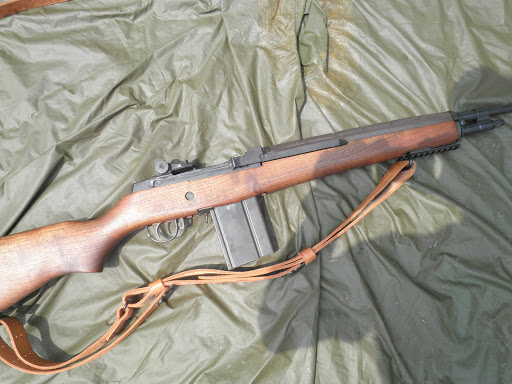
Whole Dude – Whole Veteran: November 11, 2025. Honoring the Veterans of Special Frontier Force. 1871 and 1971, One Hundred Years Apart, Southern Column vs South Column. The Military Expeditions to Demagiri, Tlabung, Lushai, Mizo Hills. The M14 Rifle was issued to me on Monday, October 25, 1971.Whole Dude – Whole Veteran: November 11, 2025. Honoring the Veterans of Special Frontier Force. The weapon used by the Veterans of Special Frontier Force in Operation Eagle, the Bangladesh Ops of 1971-72.
Veteran’s Day is a tribute to military veterans who have served in the U.S. Armed Forces. Originating in 1919 when President Woodrow Wilson marked a year since the end of the First World War, the day coincides with other days of remembrance around the world including Armistice Day in the United Kingdom and Remembrance Day across the Commonwealth of Nations. Not to be confused with Memorial Day, which honors those who died while in service, Veterans Day honors all military veterans, including the living.
On Tuesday, November 11, 2025, I honor the Veterans of Special Frontier Force while Tibet, India, and the United States remain silent about the contributions of the living and the dead veterans of Special Frontier Force in support of Freedom.
On Tuesday, November 11, 2025, I honor the Veterans of Special Frontier Force while Tibet, India, and the United States remain Silent about the contributions of the living and the dead veterans of Special Frontier Force in support of Freedom.
The military Veterans of Special Frontier Force (particularly Establishment 22 prior to conversion to Vikas Regiment)serve the United States for they used the military weapons and military supplies provided by the United States. A soldier is always identified by the military weapon that he uses in his fight against the enemy.
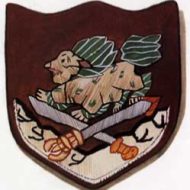
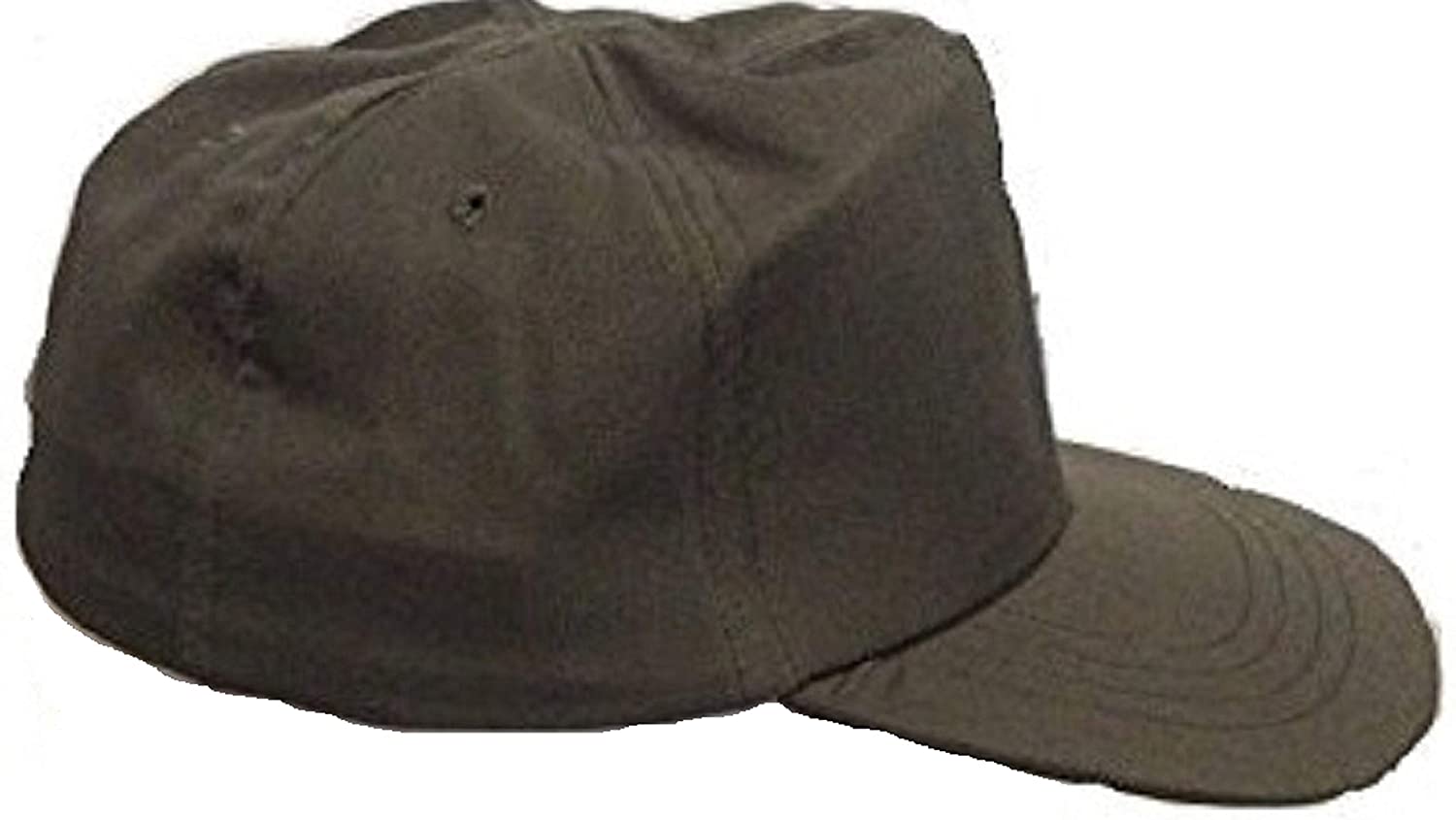
Whole Dude – Whole Veteran: November 11, 2025. Honoring the Veterans of Special Frontier Force. The Fifth Army in Bangladesh. Establishment No. 22 – Operation Eagle: This badge represents a military alliance/pact between India, Tibet, and the United States of America. Its first combat mission was in the Chittagong Hill Tracts which unfolded on Thursday, October 28, 1971 when South Column crossed the international boundary West of Borunasury Border Security Force Company Post. It was named Operation Eagle. It accomplished its mission of securing peace in the region that is now known as Republic of Bangladesh. The Badge is not worn on uniforms during active duty.Whole Dude – Whole Veteran: November 11, 2025. Honoring the Veterans of Special Frontier Force. The weapon used by the Veterans of Special Frontier Force in Operation Eagle, the Bangladesh Ops of 1971-72.Whole Dude – Whole Veteran: November 11, 2025. Honoring the Veterans of Special Frontier Force. 1871 and 1971, One Hundred Years Apart, Southern Column vs South Column. The Military Expeditions to Demagiri, Tlabung, Lushai, Mizo Hills. American made High-Explosive Fragmentation Mark II Hand Grenade. OPERATION EAGLE 1971. During Operation Eagle, the India-Pakistan War of 1971, I collected two such hand grenades at the enemy post that we captured. I removed the Detonator to safely handle the grenade. I took them home and presented them to my father as a piece of evidence of my participation in the War. My father was afraid to keep my evidence. The Grenades were buried in Alcot Gardens, Rajahmundry. Whole Dude – Whole Veteran: November 11, 2025. Honoring the Veterans of Special Frontier Force. 1871 and 1971, One Hundred Years Apart, Southern Column vs South Column. The Military Expeditions to Demagiri, Tlabung, Lushai, Mizo Hills.The General Purpose Machine Gun M60 was designed for use in the Vietnam War was equally useful for our Infantry Operation Eagle in the Chittagong Hill Tracts. Whole Dude – Whole Veteran: November 11, 2025. Honoring the Veterans of Special Frontier Force. 1871 and 1971, One Hundred Years Apart, Southern Column vs South Column. The Military Expeditions to Demagiri, Tlabung, Lushai, Mizo Hills. M1 Muzzle loading 81mm Mortar is a heavy piece of Infantry weapon which provides indirect fire support. During Operation Eagle, our men had carried them on their backs and used them to fire upon the enemy patrols whenever they had confronted us. Whole Dude – Whole Veteran: November 11, 2025. Honoring the Veterans of Special Frontier Force. 1871 and 1971, One Hundred Years Apart, Southern Column vs South Column. The Military Expeditions to Demagiri, Tlabung, Lushai, Mizo Hills. The most common weapon used by American Infantry Battalions in World War II, Korea, and Vietnam. Operation Eagle was fought on a manpack basis and this short-range, lightweight mortar was very useful. Whole Dude – Whole Veteran: November 11, 2025. Honoring the Veterans of Special Frontier Force. 1871 and 1971, One Hundred Years Apart, Southern Column vs South Column. The Military Expeditions to Demagiri, Tlabung, Lushai, Mizo Hills AN/PRC-77 Backpack radio set is similar to the AN/PRC-25 radio set. This has the additional ability to scramble voice communications while being transmitted. The US Army used the same radio sets in Vietnam. .Whole Dude – Whole Veteran: November 11, 2025. Honoring the Veterans of Special Frontier Force. 1871 and 1971, One Hundred Years Apart, Southern Column vs South Column. The Military Expeditions to Demagiri, Tlabung, Lushai, Mizo Hills Short-range, manpack, portable, frequency modulated (FM) transceiver that provides two-way voice communication. Radio Set AN/PRC – 25 is used in the Vietnam War and I had used the same in Operation Eagle. .Whole Dude – Whole Veteran: November 11, 2025. Honoring the Veterans of Special Frontier Force. 1871 and 1971, One Hundred Years Apart, Southern Column vs South Column. The Military Expeditions to Demagiri, Tlabung, Lushai, Mizo Hills Operation Eagle: Fifth Army in Bangladesh. We used the Collapsible, Tri-fold, Entrenching Tool used by the US Army in Vietnam. .Whole Dude – Whole Veteran: November 11, 2025. Honoring the Veterans of Special Frontier Force. 1871 and 1971, One Hundred Years Apart, Southern Column vs South Column. The Military Expeditions to Demagiri, Tlabung, Lushai, Mizo Hills Infantry marches on its feet. Boots are the most important equipment apart from Guns. I had used Ankle Canvas Boots used by the US Army in Vietnam, during Operation Eagle and had marched on feet to fight and dislodge the enemy from the Chittagong Hill Tracts. .Whole Dude – Whole Veteran: November 11, 2025. Honoring the Veterans of Special Frontier Force. 1871 and 1971, One Hundred Years Apart, Southern Column vs South Column. The Military Expeditions to Demagiri, Tlabung, Lushai, Mizo Hills. A Soldier needs his gun, boots, and clothing to protect himself. During Operation Eagle 1971, I had used this US Army Nylon Poncho with Hood (Olive) to sleep on the ground and as a coat to protect myself from intense fog and dew prevalent in the Chittagong Hill Tracts. Whole Dude – Whole Veteran: November 11, 2025. Honoring the Veterans of Special Frontier Force. 1871 and 1971, One Hundred Years Apart, Southern Column vs South Column. The Military Expeditions to Demagiri, Tlabung, Lushai, Mizo Hills.During Operation Eagle 1971 we were not allowed the use of cameras or photography. I would have looked like this man wearing Olive Green Coat Poncho. I had used US Army Cap-Jungle. Whole Dude – Whole Veteran: November 11, 2025. Honoring the Veterans of Special Frontier Force . 1871 and 1971, One Hundred Years Apart, Southern Column vs South Column. The Military Expeditions to Demagiri, Tlabung, Lushai, Mizo Hills. The US Army Lightweight, Olive Green, Field Patrol Cap or Cap Jungle was worn by me during the entire duration of the military expedition.Whole Dude – Whole Veteran: November 11, 2025. Honoring the Veterans of Special Frontier Force . 1871 and 1971, One Hundred Years Apart, Southern Column vs South Column. The Military Expeditions to Demagiri, Tlabung, Lushai, Mizo Hills.U.S. Army uses a variety of Individual Field Medical Kits. The Kits issued to us during Operation Eagle 1971 were Olive Green Canvas pouches worn on the belts by each individual. The medical supplies included Water Purification Tablets for use in water bottles, anti-Malaria pills, Insect Repellent Solution (DBP), Insect Repellant Cream (DMP), Injectable Tubonic Morphine, Oxytetracycline tablets, Multivitamin tablets, Field dressings, bandages and others. The Kits were not stamped but the contents reveal the place of origin. Whole Dude - Whole Veteran: November 11, 2025. Honoring the Veterans of Special Frontier Force. 1871 and 1971, One Hundred Years Apart, Southern Column vs South Column. The Military Expeditions to Demagiri, Tlabung, Lushai, Mizo Hills.Operation Eagle. We used the same Water Purification Tablets and Water Canteens used by the US Army in Vietnam. Whole Dude - Whole Veteran: November 11, 2025. Honoring the Veterans of Special Frontier Force . 1871 and 1971, One Hundred Years Apart, Southern Column vs South Column. The Military Expeditions to Demagiri, Tlabung, Lushai, Mizo Hills. Field Rations supplied in Demagiri. Kraft processed Cheddar Cheese in Blue tins.Whole Dude – Whole Veteran: November 11, 2025. Honoring the Veterans of Special Frontier Force. 1871 and 1971, One Hundred Years Apart, Southern Column vs South Column. The Military Expeditions to Demagiri, Tlabung, Lushai, Mizo Hills. Field Rations supplied in Demagiri. Nestle’s Condensed Milk. Image used for illustrative purpose.Whole Dude – Whole Veteran: November 11, 2025. Honoring the Veterans of Special Frontier Force. 1871 and 1971, One Hundred Years Apart, Southern Column vs South Column. The Military Expeditions to Demagiri, Tlabung, Lushai, Mizo Hills. In 1971, South Column used the US Army 2-piece Aluminum Mess tin kit
Rudra Narasimham Rebbapragada
SPECIAL FRONTIER FORCE
VETERANS DAY – ARMISTICE DAY – HONORING ALL WHO SERVED
Whole Dude – Whole Veteran: November 11, 2025. Honoring the Veterans of Special Frontier Force
Whole Dude – Whole Veteran: November 11, 2025. Honoring the Veterans of Special Frontier Force. Veterans Day Proclamation in 1954 by the US President Dwight Eisenhower.
Many Americans mistakenly believe that Veterans Day is the day America sets aside to honor American military personnel who died in battle or as a result of wounds sustained from combat. That’s not true. Memorial Day is the day set aside to honor America’s war dead.
Veterans Day, on the other hand, honors ALL American veterans, both living and dead. In fact, Veterans Day is largely intended to thank LIVING veterans for dedicated and loyal service to their country. November 11 of each year is the day that we ensure veterans know that we deeply appreciate the sacrifices they have made in the lives to keep our country free.
Armistice Day
To commemorate the ending of the “Great War” (World War I), an “unknown soldier” was buried in the highest place of honor in both England and France (in England, Westminster Abbey; in France, the Arc de Triomphe). These ceremonies took place on November 11th, celebrating the ending of World War I hostilities at 11 a.m., November 11, 1918 (the 11th hour of the 11th day of the 11th month). This day became known internationally as “Armistice Day”.
In 1921, the United States of America followed France and England by laying to rest the remains of a World War I American soldier — his name “known but to God” — on a Virginia hillside overlooking the city of Washington DC and the Potomac River. This site became known as the “Tomb of the Unknown Soldier,” and today is called the “Tomb of the Unknowns.” Located in Arlington National Cemetery, the tomb symbolizes dignity and reverence for the American veteran.
In America, November 11th officially became known as Armistice Day through an act of Congress in 1926. It wasn’t until 12 years later through a similar act that Armistice Day became a national holiday.
The entire World thought that World War I was the “War to end all wars.” Had this been true, the holiday might still be called Armistice Day today. That dream was shattered in 1939 when World War II broke out in Europe. More than 400,000 American service members died during that horrific war.
Veterans Day Creation
In 1954, President Eisenhower signed a bill proclaiming November 11 as Veterans Day and called upon Americans everywhere to rededicate themselves to the cause of peace. He issued a Presidential Order directing the head of the Veterans Administration (now called the Department of Veterans Affairs) to form a Veterans Day National Committee to organize and oversee the national observance of Veterans Day.
Veterans Day National Ceremony
At exactly 11 a.m., each November 11th, a color guard, made up of members from each of the military branches, renders honors to America’s war dead during a heart-moving ceremony at the Tomb of the Unknowns in Arlington National Cemetery.
The President or his representative places a wreath at the Tomb and a bugler sounds Taps. The balance of the ceremony, including a “Parade of Flags” numerous veterans service organizations, takes place inside the Memorial Amphitheater, adjacent to the Tomb.
In addition to planning and coordinating the National Veterans Day Ceremony, the Veterans Day National Committee supports a number of Veterans Day Regional Sites. These sites conduct Veterans Day celebrations that provide excellent examples for other communities to follow.
Veterans Day Observance
Veterans Day is always observed on November 11, regardless of the day of week on which it falls. The Veterans Day National Ceremony is always held on Veterans Day itself, even if the holiday falls on a Saturday or Sunday. However, like all other federal holidays, when it falls on a non-workday — Saturday or Sunday — the federal government employees take the day off on Monday (if the holiday falls on Sunday) or Friday (if the holiday falls on Saturday).
This federal law does not apply to state and local governments. They are free to determine local government closings (including school closings) locally. As such, there is no legal requirement that schools close on Veterans Day, and many do not. However, most schools hold Veterans Day activities on Veterans Day and throughout the week of the holiday to honor American veterans.
Allied Veterans Day Around the World
Many other countries honor their veterans on November 11th of each year. However, the name of the holiday and the types of ceremonies differ from the Veterans Day activities in the United States.
Canada, Australia, and Great Britain refer to their holidays as “Remembrance” Canada and Australia observe the day on November 11, and Great Britain conducts their ceremonies on the Sunday nearest to November 11th.
In Canada, the observance of “Remembrance Day” is actually quite similar to the United States in that the day is set aside to honor all of Canada’s veterans, both living and dead. One notable difference is that many Canadians wear a red poppy flower on November 11 to honor their war dead, while the “red poppy” tradition is observed in the United States on Memorial Day.
In Australia, “Remembrance Day” is very much like America’s Memorial Day, in that it’s considered a day to honor Australian veterans who died in the war.
In Great Britain, the day is commemorated by church services and parades of ex-service members in Whitehall, a wide ceremonial avenue leading from London’s Parliament Square to Trafalgar Square. Wreaths of poppies are left at the Cenotaph, a war memorial in Whitehall, which was built after the First World War. At the Cenotaph and elsewhere in the country, a two-minute silence is observed at 11 a.m., to honor those who lost their lives in wars.
Whole Dude – Whole Veteran: November 11, 2025. Honoring the Veterans of Special Frontier Force. The weapon used by the veterans of Special Frontier Force in Operation Eagle, the Bangladesh Ops of 1971-72.
Whole Dude – Whole Veteran: November 11, 2025. Honoring the Veterans of Special Frontier Force: 1871 and 1971, One Hundred Years Apart, Southern Column vs South Column. The Military Expeditions to Demagiri, Tlabung, Lushai, Mizo Hills. Just like this Camp Hale Memorial Plaque in Colorado, USA, I am asking for a Memorial Plate to be placed in Demagiri, Tlabung, Lushai, Mizo Hills, India.
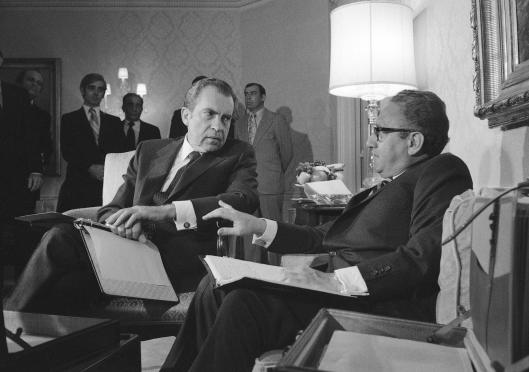
Special Frontier Force condemns Nixon-Kissinger Vietnam Treason
The word treason means betrayal of trust or faith, treachery. Nixon-Kissinger deliberately and purposefully violated the allegiance owed to United States of America and its soldiers fighting its enemy in Vietnam. The action called betrayal involves giving aid, help, and comfort to the enemy while one’s own country is actively engaged in fighting the enemy.
On behalf of Special Frontier Force-Establishment 22-Vikas Regiment, I condemn Nixon-Kissinger Vietnam treason. Vietnam War was fought against the ideology of Communism and to resist its spread in Southeast Asia. United States was fighting against Soviet Union and People’s Republic of China which I often describe as The Evil Red Empire, The Red Dragon, or Red China. In Vietnam War, United States acknowledged its adversarial relations with the Communist Powers. Red China was an enemy, adversary, opponent in Vietnam War. Communist China worked in an opposite or contrary direction by encouraging and directly supporting North Vietnam’s hostility. United States utterly failed in Vietnam due to Nixon-Kissinger treason.
The word treason means betrayal of trust or faith, treachery. Nixon-Kissinger deliberately and purposefully violated the allegiance owed to United States of America and its soldiers fighting its enemy in Vietnam. The action called betrayal involves giving aid, help, and comfort to the enemy while one’s own country is actively engaged in fighting the enemy.
I am sharing with my readers an article titled ‘The Paris Peace Accords Were a Deadly Deception’ published by History News Network. The author is Ken Hughes, a leading researcher, Presidential Recording Program at Miller Center, University of Virginia. The Fall of Saigon on April 30, 1975 had decisively ended the Vietnam War leaving people in a state of wretchedness, misfortune, turmoil, trouble, and misery. It was a calamity that was clearly foreseen. Nixon-Kissinger have to shoulder the burden for this adverse outcome. US soldiers paid a very heavy price while Nixon-Kissinger made deals with the enemy without any concern for the Dignity, Honor, and Pride with which the men in uniform serve and defend their country. Ken Hughes has not explored Nixon-Kissinger obsession to befriend the enemy while the country was bleeding on the battlefield.
Rudra Narasimham Rebbapragada
Ann Arbor, MI 48104-4162, USA
Special Frontier Force-Establishment 22-Vikas Regiment
History News Network | The Paris “Peace” Accords Were a Deadly Deception
SPECIAL FRONTIER FORCE CONDEMNS NIXON-KISSINGER VIETNAM TREASON : KEN HUGHES , RESEARCH SPECIALIST, MILLER CENTER, UNIVERSITY OF VIRGINIA .
Ken Hughes is a research specialist with the University of Virginia’s Miller Center.
“The Agreement on Ending the War and Restoring Peace in Vietnam,” signed January 27, 1973, never looked like it would live up to its name. Four decades later it stands exposed as a deliberate fraud.
The president of South Vietnam, in whose defense more than 50,000 Americans gave their lives, wept upon hearing President Richard Nixon’s proposed settlement terms. Hanoi would release American prisoners of war and agree that the South could choose its government by free elections, but the accords threw the voting process to a commission that could act only by unanimity — all but impossible to achieve among Communists and anti-Communists who’d spent years shooting out their differences. Worse, Nixon would leave North Vietnamese troops occupying and controlling much of the South, while withdrawing all remaining American ground forces.
“It is only an agonizing solution,” said President Nguyen Van Thieu, “and sooner or later the government will crumble.” National Security Adviser Henry A. Kissinger reported Thieu’s response to Nixon on October 6, 1972, adding, “I also think that Thieu is right, that our terms will eventually destroy him.”
Kissinger’s damning admission comes from the single most comprehensive and accurate record of a presidency there’s ever been or likely will be: Nixon’s secret taping system. Voice-activated recorders wired to microphones hidden in the Oval Office and elsewhere clicked on whenever they detected a sound between February 16, 1971, and July 12, 1973, a time when Nixon not only negotiated the Paris “Peace” Accords and withdrew from Vietnam, but became the first American president to visit China and Moscow, signed the first nuclear arms limitation treaty with the Soviet Union, and won the biggest Republican presidential landslide ever in an election that realigned American politics for the rest of the Cold War.
Since Nixon’s secret tapes coincide with his most acclaimed accomplishments, loyalists thought that when finally released they would reveal a foreign policy genius at work, offsetting the sordid image of the unindicted co-conspirator that emerged from the excerpts played in court as criminal evidence during the Watergate trials of the 1970s. They should have known there was a Nixon reason fought to keep his tapes from the American people until his death in 1994. Since then, the government has declassified 2,636 hours.
These tapes expose far worse abuses of power than the special prosecutors ever found. After all, as the saying goes, no one died in Watergate. As commander in chief, however, Nixon sacrificed the lives of American soldiers to further his electoral ends.
I’ve spent more than a decade studying the tapes with the University of Virginia’s Miller Center, but the contrast between the public image Nixon created and the reality he secretly recorded still loosens my jaw.
As schoolchildren are taught, Nixon promised America “peace with honor” via a strategy of “Vietnamization” and negotiation. Vietnamization, he said, would train and equip the South Vietnamese to defend themselves without American troops. He realized it wouldn’t. “South Vietnam probably can never even survive anyway,” the president said on tape. This was no mere passing doubt. On his first full day in office, he’d asked military, diplomatic and intelligence officials how soon the South would be able to handle the Communists on its own. The answer was unanimous: never. The Joint Chiefs, CIA, Pentagon, State Department, and the U.S. military commander in Vietnam, General Creighton W. Abrams, all agreed that Saigon, “even when fully modernized,” would not survive “without U.S. combat support in the form of air, helicopters, artillery, logistics and major ground forces.” (Emphasis added.)
Nixon faced a stark choice: continue sending Americans to fight and die in South Vietnam’s defense for the foreseeable future, or bring the troops home knowing that without them Saigon would ultimately fall. There was no way he could sell either option — endless war or withdrawal followed by defeat — as the “peace with honor” he’d promised. So he lied. “The day the South Vietnamese can take over their own defense is in sight. Our goal is a total American withdrawal from Vietnam. We can and we will reach that goal through our program of Vietnamization,” he said — despite his advisers’ unanimous consensus (which remained classified) and his own private assessment.
To make Vietnamization look successful, he spaced withdrawal out across four years, gradually reducing the number of American soldiers in Vietnam from over 500,000 in January 1969 to less than 50,000 by Election Day 1972. Throughout those four years, he made many nationally televised speeches to announce partial troop withdrawals, claiming each one proved Vietnamization was working. Always he left enough Americans fighting and dying to conceal the fact that Vietnamization never really would work. In this way, the president made slow retreat look like steady progress.
Liberals like Senator George S. McGovern, the South Dakota Democrat, did try to end the war faster. McGovern’s proposal that Congress force Nixon to bring the troops home by the end of 1971 gained the support of more than 60 percent of Americans. History has confirmed the majority’s judgment. A withdrawal deadline was the only way to stop the president from prolonging the war for political purposes. But Nixon was able to kill McGovern’s bill by a simple expedient. He said it would lead to Communist victory. He didn’t mention that his own approach would do the same. The difference was that Nixon’s way would (1) postpone Saigon’s fall until after Election Day, so voters wouldn’t be able to hold him accountable and (2) add another thirteen months of casualties, including 792 American dead.
To be fair, on one occasion Nixon sounded willing to abandon his political timetable in return for the release of American prisoners of war, who routinely endured torture by their North Vietnamese jailers. “If they’ll make that kind of a deal, we’ll make that any time they’re ready,” Nixon said on March 19, 1971, more than a year before the election. “Well, we’ve got to get enough time to get out,” Kissinger said. “We can’t have it knocked over brutally — to put it brutally, before the election.” “That’s right,” Nixon said. The POWs, like American soldiers in Vietnam, had to wait on Nixon’s political timetable before they could come home — the ones who survived long enough to.
Publicly, Nixon insisted that he needed to keep American troops in Vietnam to pressure Hanoi to free the prisoners. Privately, he acknowledged the opposite was true: The North would only release the POWs when he agreed to withdraw all American ground forces. Prolonging the war meant prolonging the POWs’ captivity. A senator once asked how 50,000 soldiers would be enough to persuade Hanoi to free the POWs when 500,000 did not. “Of course, I couldn’t say to him, ‘Look, when we get down to 50,000, then we’ll make a straight-out trade — 50,000 for the prisoner of wars — and they’ll do it in a minute ’cause they want to get our ass out of there.” “That’s right,” Kissinger said. Nixon laughed. “You know? Jesus!” The president claimed it took great political courage to continue waging an unpopular war, but his tapes and declassified documents reveal the cold political calculation underlying his decision to add for more years to the war.
Negotiations, like Vietnamization, served Nixon’s political ends. “We want a decent interval,” Kissinger scribbled in the margin of the briefing book for his secret trip to China in July 1971. “You have our assurance.” For decades Kissinger has denied making a “decent interval” deal, one that would merely put a year or two between Nixon’s final troop withdrawal and Saigon’s final collapse. Kissinger’s denials have collapsed under the weight of his own words caught on Nixon’s tapes and transcribed in memos by NSC aides to document negotiations with foreign leaders. During this initial encounter with Chinese Premier Zhou Enlai, Kissinger outlined Nixon’s requirements for a Vietnam settlement. Peace wasn’t one of them. Nixon did need the POWs, total American withdrawal, and a ceasefire for “say eighteen months.” After that, if the Communists overthrew the South Vietnamese government, “we will not intervene.” In other words, Hanoi didn’t have to abandon its plans to conquer the South, just hold off on them for a year or two.
The Soviet Union received the same assurances. During a closed-door session with Nixon during the 1972 MoscowSummit, Soviet General Secretary Leonid Brezhnev said, “Dr. Kissinger told me that if there was a peaceful settlement in Vietnam you would be agreeable to the Vietnamese doing whatever they want, having what they want after a period of time, say eighteen months. If that is indeed true, and if the Vietnamese knew this, and it was true, they would be sympathetic on that basis.” This wasn’t just some clever negotiating ploy on Nixon and Kissinger’s part to trick the Communists into making a deal.
They discussed their strategy in the privacy of the Oval Office. “We’ve got to find some formula that holds the thing together a year or two,” Kissinger said on Aug. 3, 1972. “After a year, Mr. President, Vietnam will be a backwater,” and “no one will give a damn.” The “decent interval” served an all-important political purpose. If Saigon fell immediately after Nixon withdrew the last American troops, his failure would have been too obvious. Americans would have seen that he’d added four years to the war and still managed to lose. “Domestically in the long run it won’t help us all that much because our opponents will say we should’ve done it three years ago,” Kissinger said. He was right about that. Few Americans, liberals or conservatives, Democrats or Republicans, would have been willing to send their children to die for a “decent interval.”
Politics dominated the president’s military moves. In his first year in office, the Republican National Committee commissioned a secret poll that identified the most popular way to end the war. Pressing on until victory got just 37 percent support; “agreeing to anything to end the war” was even less popular at 30 percent. But a massive 66 percent favored bombing and blockading the North to make Hanoi agree to a compromise settlement with free elections for the South. Those polled said they would support the bombing and blockade for six months. So on May 8, 1972, exactly six months minus one day before the election, President Nixon went on national television and announced that he would bomb the North and mine its harbors. It’s all in the timing. Nixon claimed the escalation would cut off supplies from the North to its armies in the South. It didn’t. That summer the CIA estimated that Hanoi was still managing to infiltrate 3,000 tons of war material into South Vietnam every day — 300 tons more than was needed. Although the bombing and mining proved to be strategic failures, they were great political successes. Polls showed a large majority approved. No surprise — the strategic failure of the bombing and mining remained classified. When the North accepted Nixon’s settlement terms shortly before Election Day, it looked like Nixon’s military move had brought the enemy to heel. It hadn’t.
Hanoi took Nixon’s deal for the same reason Saigon refused it. Both sides realized it would lead to a Communist takeover of the South — as did Nixon and Kissinger. The president managed to turn losing a war into a winning political issue.
In his last campaign speech, nationally broadcast the night before the election, Nixon urged voters “to have in mind tomorrow one overriding issue, and that is the issue of peace — peace in Vietnam and peace in the world at large for a generation to come.” The president boasted of a negotiating “breakthrough,” which is one thing to call a deal that is a roadmap to victory for the enemy and a death sentence for an ally. “We have agreed that the people of South Vietnam shall have the right to determine their own future without having a Communist government or a coalition government imposed upon them against their will.” He made no mention of the secret assurances he’d given China and the Soviets that the North could impose a Communist government on the South without fear of U.S. intervention as long as it waited a “decent interval” of a year or two. “There are still some details that I am insisting be worked out and nailed down because I want this not to be a temporary peace. I want, and I know you want, it to be a lasting peace.” No matter what anyone wanted, Nixon and Kissinger had been negotiating a temporary peace for more than a year. “By your votes, you can send a message to those with whom we are negotiating, and to the leaders of the world, that you back the president of the United States in his insistence that we in the United States seek peace with honor and never peace with surrender.” That last phrase, “peace with surrender,” was meant as a crack at McGovern, then the Democratic presidential nominee, but it aptly summarizes Nixon’s true strategy.
What is a “decent interval” other than slow, secret surrender? But Americans didn’t know what their president was really doing. On Election Day, Nixon won 60.7 percent of the vote, more than any other Republican president in history. The price of political victory included the lives of more than 20,000 American soldiers who died in the four years it took Nixon to create the illusion of “peace with honor” and conceal the reality of defeat with deceit.
Afterwards, Nixon blamed liberals for the consequences of his actions. While the fall of Saigon was built into his “decent interval” exit strategy, Nixon accused Congress of snatching defeat from the jaws of victory. One line of attack was to blast Congress for cutting foreign aid to Saigon. It’s true lawmakers gave South Vietnam less than Nixon and, later, President Gerald R. Ford requested. But lawmakers could have doubled or tripled aid to Saigon, and it still would have collapsed under Nixon’s settlement terms. As the JCS, Pentagon, CIA, State Department and General Abrams had all pointed out to Nixon shortly after he took office, the South Vietnamese couldn’t handle the Communists without the combat support of major U.S. ground forces. Nixon had withdrawn all American troops under the terms of the Paris Accords. That was Hanoi’s price for freeing American POWs, and Nixon paid it (after he was safely re-elected and could afford to let Saigon fall).
Without U.S. ground forces, Saigon was doomed, even if by some miracle it had received unlimited American aid. Complaining about aid cuts allowed Nixon to evade the truth about his exit strategy. Rather than negotiate a safe exodus for the South Vietnamese who had fought on the American side of the war, he left them to either die in “decent interval” combat or live under Communist rule.
Yes, Congress could have thrown more money at the problem, but Nixon knew that wouldn’t solve it. In No More Vietnams, the ex-president’s 1985 work of revisionist personal history, he castigated Congress for voting on June 29, 1973 (three months after American soldiers and POWs had come home) to ban further American combat in Vietnam, Laos and Cambodia: “This defeat stripped me of the authority to enforce the peace agreement in Vietnam — and gave Hanoi’s leaders a free hand against South Vietnam.” While Nixon termed the vote a “defeat” for him, Congress approved the combat ban only in direct response to a message from the president through Ford, then the House Minority Leader, promising Nixon would sign it into law. He didn’t have to. Earlier that same week, the House had sustained Nixon’s veto of a less sweeping bill that would have prohibited U.S. military action in Laos and Cambodia only. The bill’s supporters knew they lacked the votes to overturn a veto. They said so on the House floor. Lawmakers were so incredulous when Ford announced Nixon’s agreement to a combat ban for all of Indochina, including Vietnam, that he had to leave the House floor and telephone the president to confirm that he got the story straight. “I just finished talking with the president himself for approximately ten minutes,” Ford told his colleagues, “and he assured me personally that everything I said on the floor of the House is a commitment by him.” Only then did conservative supporters of Nixon and the war join liberals and moderates in voting to prohibit the use of American military power in Laos, Cambodia or Vietnam. This wasn’t a “defeat” for Nixon, but a smooth legislative maneuver.
As memories faded, Nixon would claim that he coulda woulda shoulda intervened with American airpower to save South Vietnam, if only Congress hadn’t tied his hands. The secret assurances he gave China and the Soviets that he would not intervene remained classified until long after he was dead.
Even today, Nixon’s real Vietnam exit strategy remains virtually unknown to the public, although scholars have been writing about it for years. Jeffrey Kimball has published two landmark works on the subject, Nixon’s Vietnam War and The Vietnam War Files, showing how Nixon engineered his “decent interval.” Even Jeremi Suri, whose Henry Kissinger and the American Century garnered praise from Nixon loyalists as well as critics, wrote, “By 1971 he and Nixon would accept a ‘decent interval’ between U.S. disengagement and a North Vietnamese takeover of the [S]outh.”
(I turned my own research on the subject into educational videos used in classrooms and anywhere else people want to hear Nixon and Kissinger in their own words.) The facts are out. Yet Nixon’s stabbed-in-the-back myth lives on.
When politicians and pundits debate how and when to exit Afghanistan (as they earlier did Iraq) they cite the false history of Nixon’s “success” at training the South Vietnamese to defend their government and at negotiating with warring parties to settle their differences through free elections — two things Nixon never really managed to do. If the Nixon tapes are, in Bob Woodward’s witty phrase, the gift that keeps on giving, his backstabbing myth is the gift that keeps on taking — American lives, America’s fortunes, and the honor of politicians overseeing wars they can’t win and are afraid to end (at least until after they’re re-elected). It’s one more reason Iraq and Afghanistan eclipsed Vietnam as America’s longest wars.
The fortieth anniversary of the fraudulent Paris “Peace” Accords came, by coincidence, in the same month as the hundredth anniversary of Nixon’s birth. It’s high time for us to free our minds and politics from his deadly legacy.
The word treason means betrayal of trust or faith, treachery. Nixon-Kissinger deliberately and purposefully violated the allegiance owed to United States of America and its soldiers fighting its enemy in Vietnam. The action called betrayal involves giving aid, help, and comfort to the enemy while one’s own country is actively engaged in fighting the enemy. The word treason means betrayal of trust or faith, treachery. Nixon-Kissinger deliberately and purposefully violated the allegiance owed to United States of America and its soldiers fighting its enemy in Vietnam. The action called betrayal involves giving aid, help, and comfort to the enemy while one’s own country is actively engaged in fighting the enemy. The word treason means betrayal of trust or faith, treachery. Nixon-Kissinger deliberately and purposefully violated the allegiance owed to United States of America and its soldiers fighting its enemy in Vietnam. The action called betrayal involves giving aid, help, and comfort to the enemy while one’s own country is actively engaged in fighting the enemy. The word treason means betrayal of trust or faith, treachery. Nixon-Kissinger deliberately and purposefully violated the allegiance owed to United States of America and its soldiers fighting its enemy in Vietnam. The action called betrayal involves giving aid, help, and comfort to the enemy while one’s own country is actively engaged in fighting the enemy.
79th Independence Day of India – Whole Measurement of Life Journey
Bharat Darshan. August 15, 2025. Bharat, India Celebrates 79th Independence Day. Naya Bharat, Nation First, Always First.Bharat Darshan. August 15, 2025. Bharat, India Celebrates 79th Independence Day. Naya Bharat, Nation First, Always First.
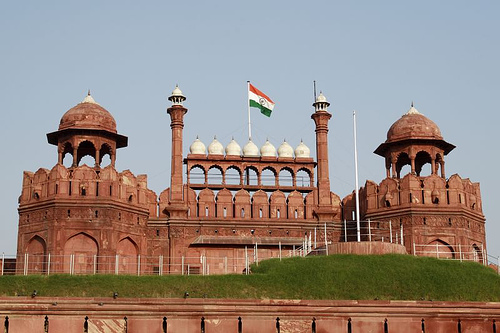
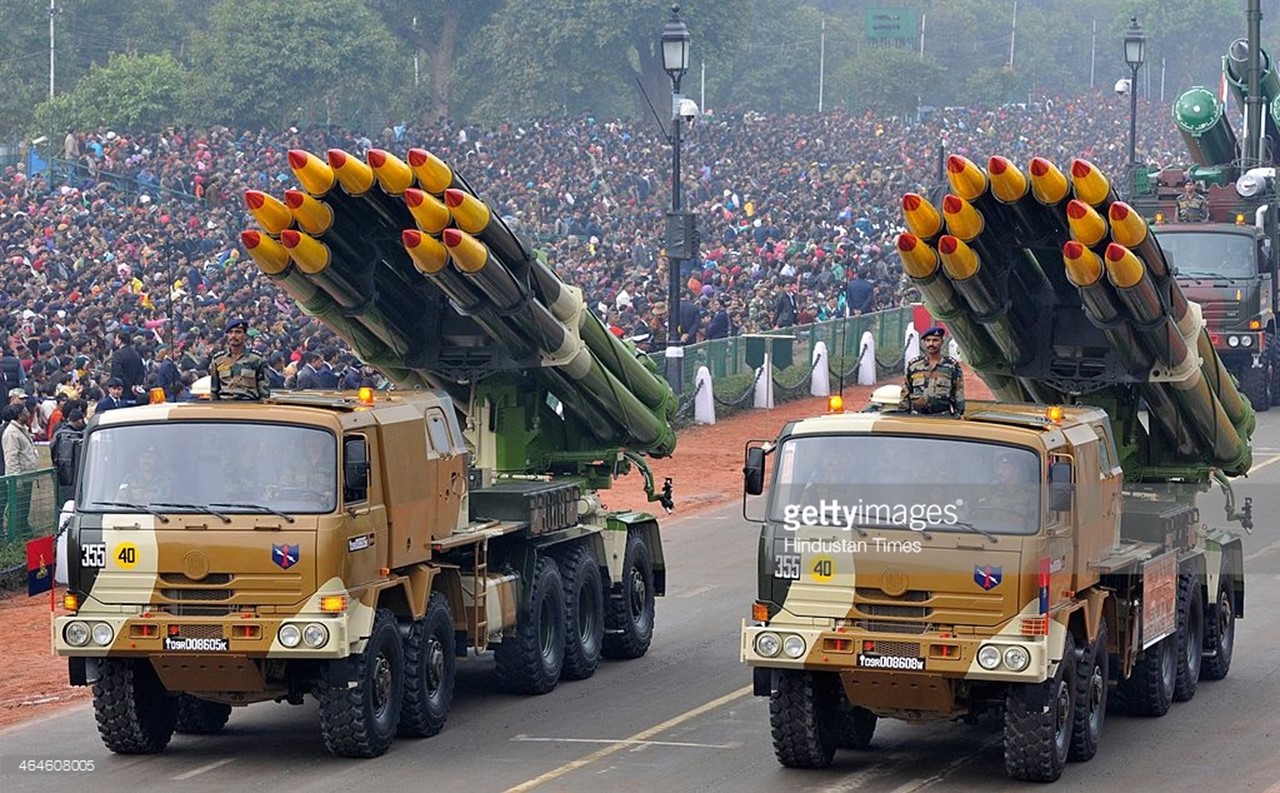
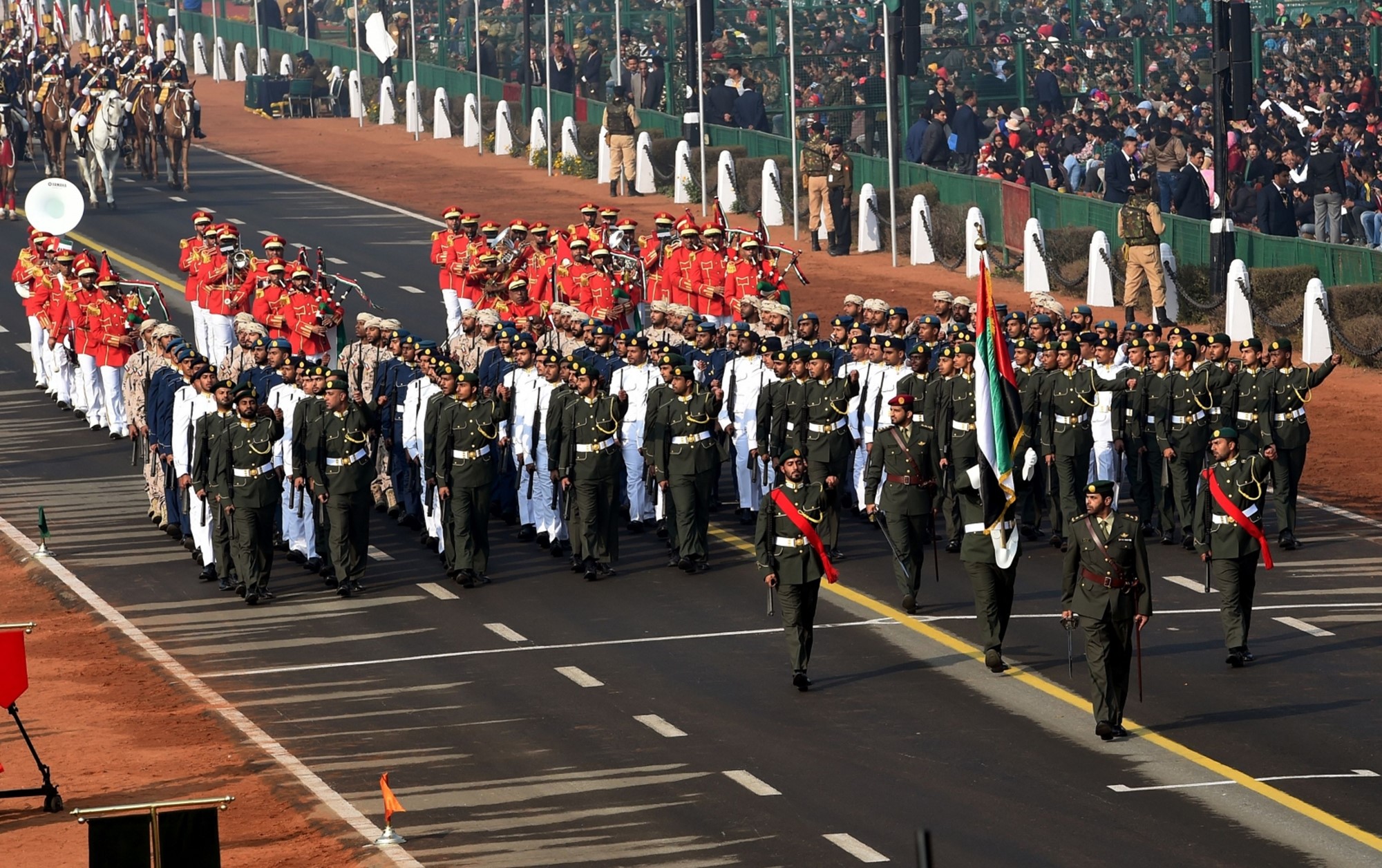
Bharat, India is celebrating its 79th Independence Day, Azadi ka Mahotsav on Friday, August 15, 2025. Prime Minister Narendra Modi visited the Rajghat and paid tributes to Mahatma Gandhi as the celebrations started. The prime minister then proceeded to the Red Fort where he remembered those who laid their lives for India’s Independence.
Bharat Darshan. August 15, 2025. Bharat, India Celebrates 79th Independence Day. Naya Bharat. Nation First, Always First.
Indian Independence – A Measure of My Life
The Celebration of First Independence Day of Bharat, India on August 15, 1947. I record major events of my life in relation to India’s independence on August 15, 1947. The Father of the Nation, Mahatma Gandhi was assassinated on January 30, 1948 and my life’s journey became associated with the story of this young nation.
I record major events of my life in relation to India’s independence on August 15, 1947. The Father of the Nation, Mahatma Gandhi was assassinated on January 30, 1948 and my life’s journey became associated with the story of this young nation.
25th INDEPENDENCE ANNIVERSARY MEDAL – 1972
Bharat Darshan. August 15, 2025. Bharat, India Celebrates 79th Independence Day. Nation First, Always First. 25th Independence Anniversary Medal. Indian Independence-A Measure of my Life.
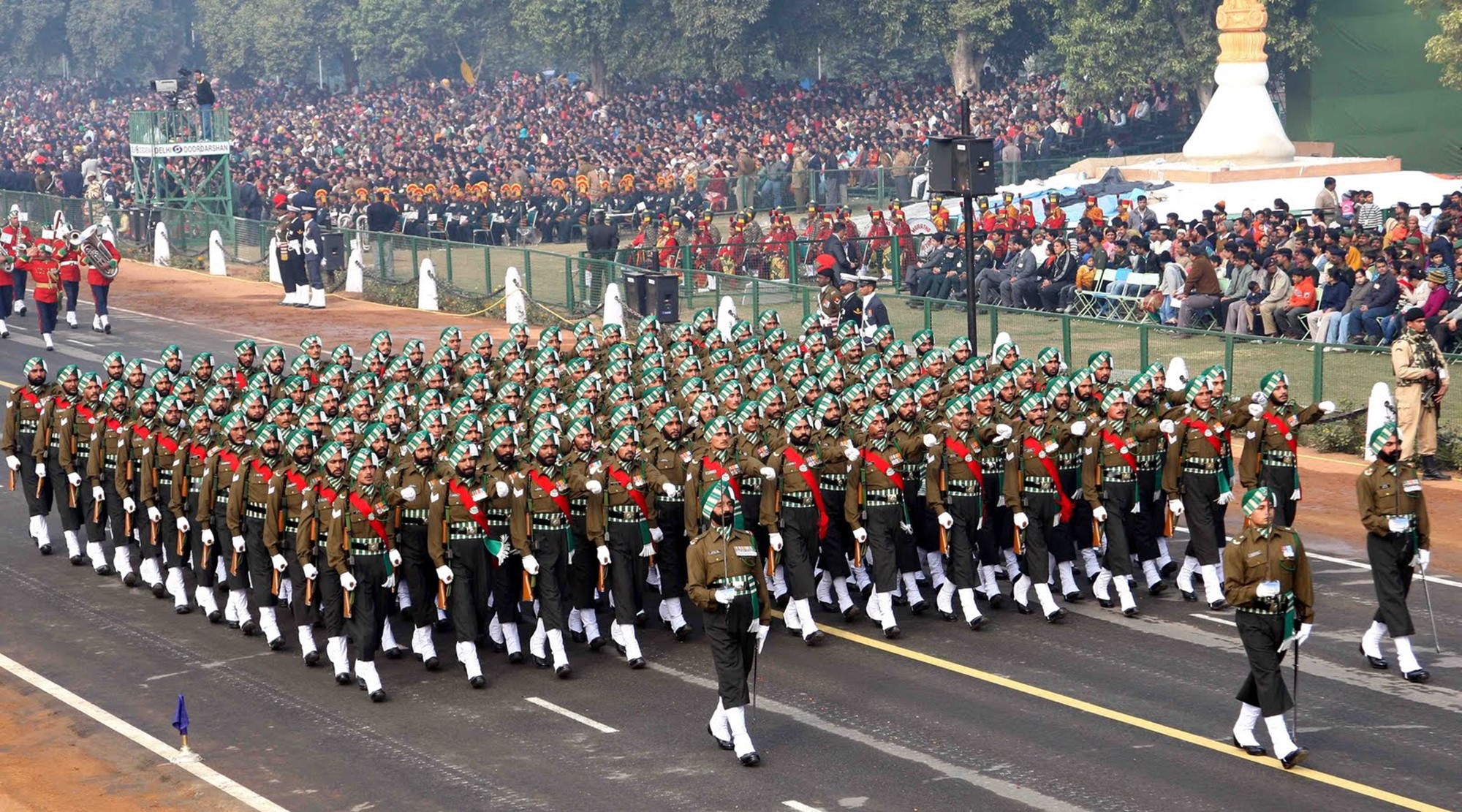
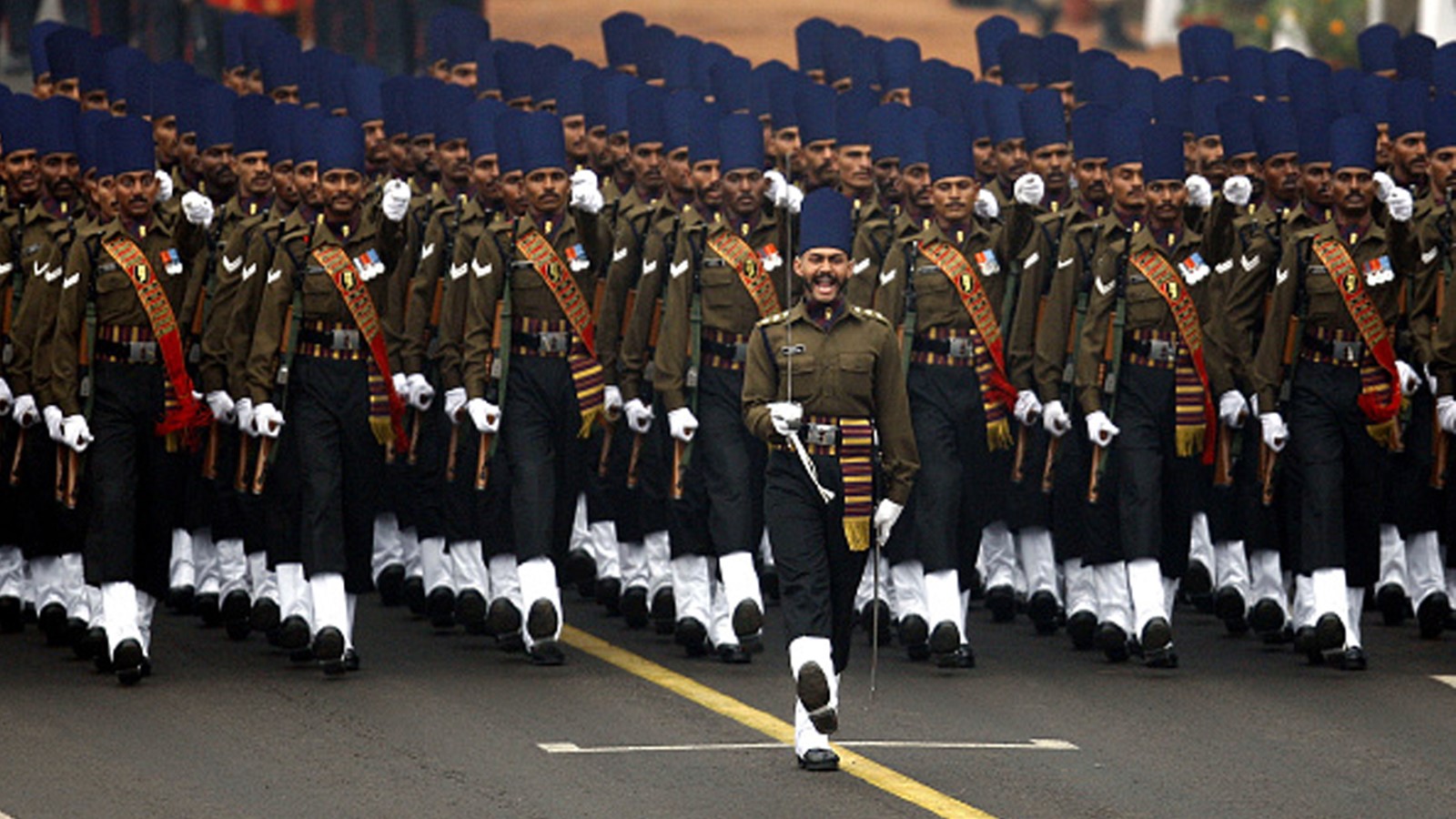
This medal was awarded to commemorate the twenty-fifth anniversary of Indian independence in 1972. The medal was awarded to all members of the armed forces, paramilitary forces, and police forces who were serving on 15 August 1972. This medal gives me an opportunity to remember the twenty-fifth year of my life. I was then serving in Special Frontier Force-Establishment No. 22-Vikas Regiment on deputation from the Indian Army in the rank of a Captain and was posted at a Unit called Delta or D-Sector located in the North-East Frontier Agency, now Arunachal Pradesh. We all had a very good reason to rejoice on that day. India scored a major victory in the India-Pakistan War of 1971 and we took pride in the fact that we had a role in shaping that epic event in India’s military history.
OPERATION EAGLE 1971-72-THE CHITTAGONG HILL TRACTS – LIBERATION WAR OF BANGLADESH:
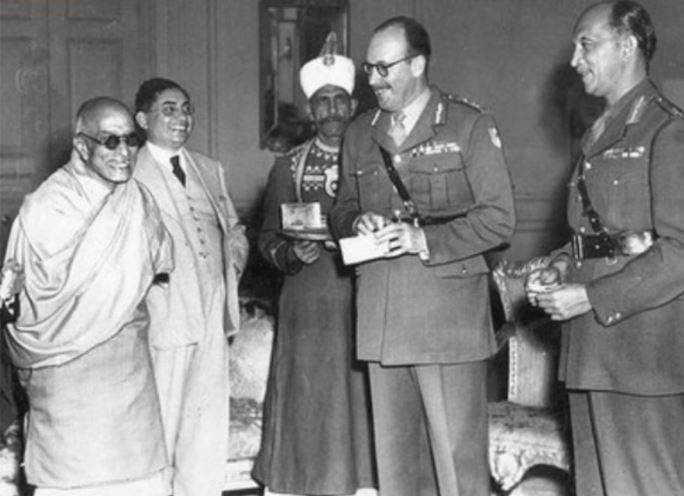
Bharat Darshan. August 15, 2025. Bharat, India Celebrates 79th Independence Day. Nation First, Always First. Operation Eagle 1971-1972. THE MILITARY VICTORY IN THE CHITTAGONG HILL TRACTS-THE CELEBRATION OF 25th INDEPENDENCE ANNIVERSARYBharat Darshan. August 15, 2025. Bharat, India Celebrates 79th Independence Day. Nation First, Always First. Operation Eagle 1971-72,the India-Pakistan War of 1971 and the Liberation of Bangladesh are very significant achievements of Prime Minister Indira Gandhi. As I was then serving in Special Frontier Force, Establishment 22 (now the Vikas Regiment) under the Cabinet Secretariat, I had direct and personal understanding of Prime Minister’s Foreign Policy initiatives. She approved our military Operation in the Chittagong Hill Tracts. In the conduct of this clandestine military operation, we faced a very critical moment and it demanded the Prime Minister’s approval for deploying aircraft in enemy territory, a decision that she alone can make. While awaiting her decision, I carried out a difficult war casualty evacuation mission to overcome the challenge posed by the lack of airlift facility. The importance of this situation could be understood as it required the Prime Minister’s intervention. I am now asking the Government of India to recognize my GALLANT response in enemy’s territory without any concern for my personal safety.Bharat Darshan. August 15, 2025. Bharat, India Celebrates 79th Independence Day. Nation First, Always First. Lieutenant Governor of Andaman & Nicobar Islands (December 1985 to December 1989) – Lieutenant General TS Oberoi, PVSM, VrC., former General Officer Commanding-in-Chief, Headquarters Southern Command, Pune, former Inspector General, Special Frontier Force, former Commandant, Headquarters Establishment No. 22. He is the tall person in this photo wearing dark brown turban. I knew him since 1971. Under his able leadership, the Liberation of Bangladesh commenced during November 1971. Apart from his military wisdom, he took a good care of all men under his Command. While I was proceeding to the Chittagong Hill Tracts, he individually greeted all the members of my team and delayed the departure of aircraft to make sure that a hot breakfast was served to all the men boarding the aircraft. He paid personal attention to all the aspects of the military mission to secure the well-being of men apart from achieving success in accomplishing the military task. The sense of warmth he radiated is easily felt when we meet him in person. His grandson provided me the link to this photo. Photo Credit – Trishna-Ajay-Picasa Web Album.Bharat Darshan. August 15, 2025. Bharat, India Celebrates 79th Independence Day.Naya Bharat. Nation First, Always First. The remarks made by Lieutenant Colonel B K Narayan of Special Frontier Force on May 13, 1972 in my Annual Confidential Report for 1971-72 are as follows:”A very conscientious and Tough MO who worked hard during the Bangladesh Ops. He did very well and showed Maturity which was beyond the call of duty. I have recommended this Officer for a gallantry award for which he deserves eminently. He is physically Tough and cheerful. Is a fresh entrant with less than 2 years of Service and yet he displayed capability and confidence.Bharat Darshan. August 15, 2025. Bharat, India Celebrates 79th Independence Day. Naya Bharat. Nation First, Always First. Operation Eagle 1971/72. Remarks of Former Inspector General of Special Frontier Force, Lieutenant General T S Oberoi, PVSM, VrC, General Officer Commanding-in-Chief,Headquarters Southern Command Pune 411001.He remarked about my participation in the India-Pakistan War of 1971.
Dr. R. R. Narasimham (Rebbapragada Rudra Narasimham), B.Sc., M.B.B.S.,
Personal Number. MR-03277K , Rank. Major, Branch. Army Medical Corps/Direct Permanent Regular Commission
Personal Number. MS-8466, Rank. Captain, Branch. Army Medical Corps/Short Service Regular Commission
Medical Officer, South Column, Operation Eagle
Headquarters Establishment No. 22 C/O 56 APO
Bharat Darshan. August 15, 2025. Bharat, India Celebrates 79th Independence Day. Naya Bharat, Nation First, Always First.Bharat Darshan. Friday, August 15, 2025. Bharat, India celebrates 79th Independence Day. Naya Bharat. Nation First, Always First. Prime Minister Narendra Modi at the National Flag hoisting Ceremony at Red Fort, New Delhi, India. Bharat Darshan. August 15, 2025. Bharat, India Celebrates 79th Independence Day. Nation First, Always First. President Droupadi Murmu addressed the Nation on the eve of the Independence Day Celebration. Operation Sindoor will go down in history as an example in humanity’s fight against terrorism.
Tibet Awareness – The “Correct” Way to Freedom in Tibet
Whole Strategy – The Correct Way to Freedom in Tibet. The Great Problem of Tibet is left on The Back Burner for several decades. How to move forward?
Red China rejects Dalai Lama’s “Middle Way” for Tibet. The global community of nations are not yet ready to take military action to evict the Occupier of Tibet. The problem of the spread of Communism to Asia remains unsolved. The Wars in Korea and Vietnam have concluded without defeating the Enemy to Freedom and Democracy in Asia. I coined the phrase Unfinished Korea-Vietnam War as the Cold War in Asia stubbornly persists without any sign of a new initiative. Now, there is no more ‘Middle Way for Tibet. I am inviting all Tibetans to find the One and the only One “Correct” Way for Tibet, a true and real Way to Freedom. As Doomsayer of Doom Dooma I predict Red China’s sudden, unexpected, unavoidable downfall that will lead to utter ruin of her political, economic, and military power.
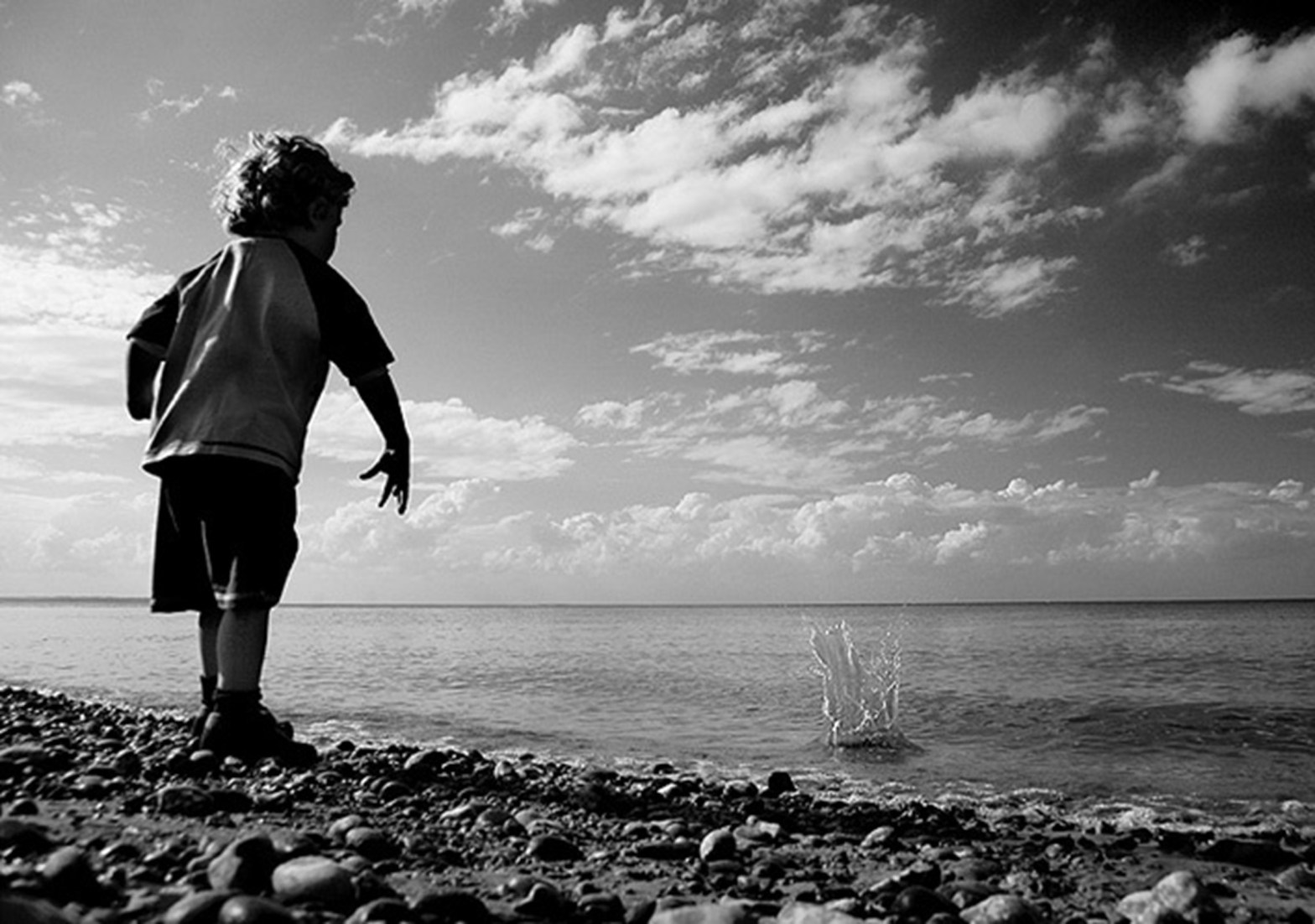
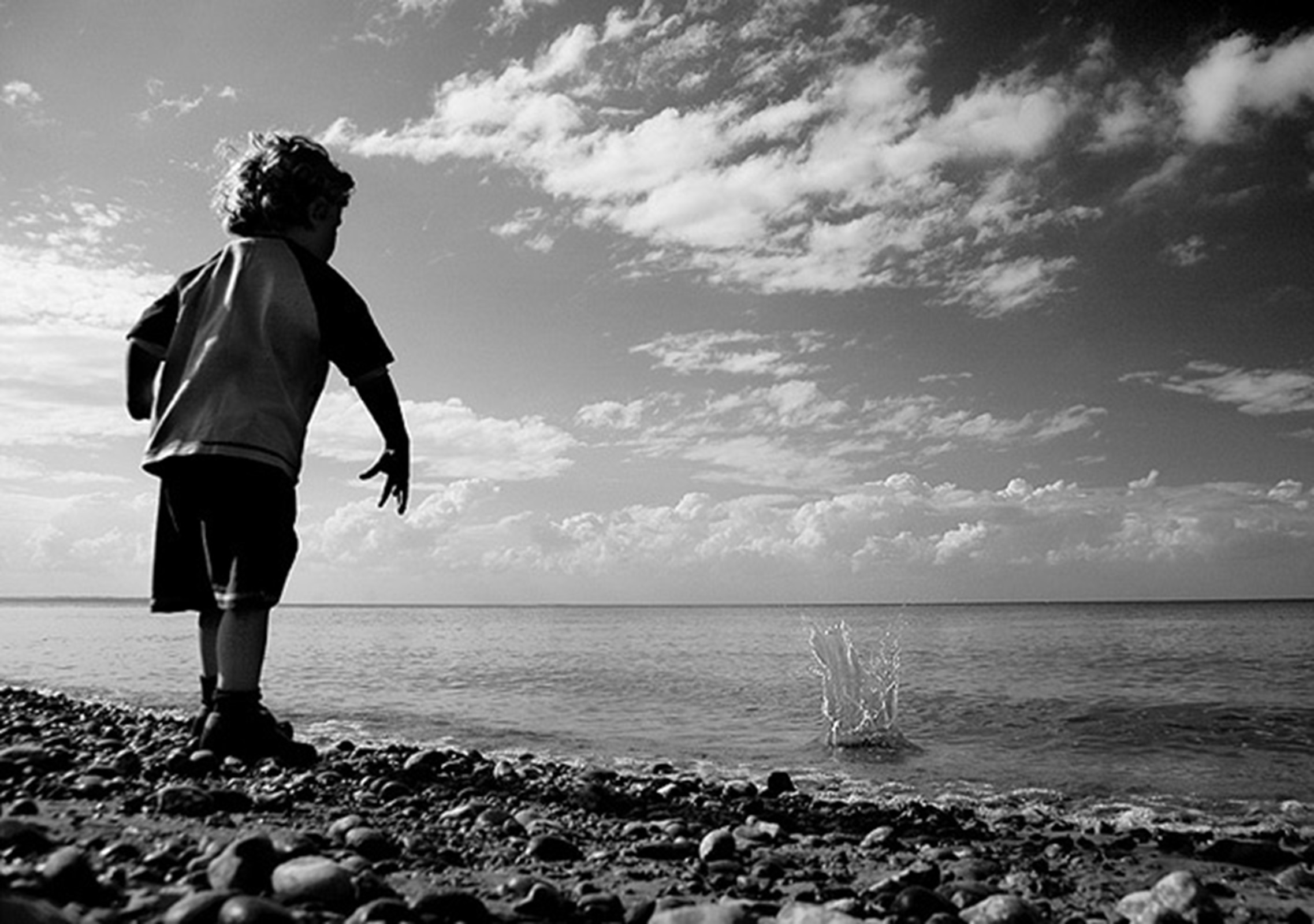
Whole Strategy – The Correct Way to Freedom in Tibet. The Great Problem of Tibet is left on The Back Burner for several decades. How to move forward? Freedom in Tibet is just a Stone’s Throw Away.
I am seeking the application of ‘Compassion’ as a physical force to uplift Red Army from Tibet without giving them pain or suffering.
TIBET AWARENESS – THE “CORRECT” WAY TO FREEDOM. I AM SEEKING APPLICATION OF COMPASSION AS A PHYSICAL FORCE TO UPLIFT RED ARMY FROM TIBET WITHOUT CAUSING PAIN OR SUFFERING.
Rudra Narasimham Rebbapragada Ann Arbor, MI 48104-4162, USA Special Frontier Force-Establishment 22-Vikas Regiment
Whole Strategy – The Correct Way to Freedom in Tibet. The Great Problem of Tibet is left on The Back Burner for several decades. How to move forward? I am seeking the application of ‘Compassion’ as a physical force to uplift Red Army from Tibet without giving them pain or suffering.
VOA
China Repeats Rejection of Dalai Lama’s ‘Middle Way’ for Tibet
Whole Strategy – The Correct Way to Freedom in Tibet. The Great Problem of Tibet is left on The Back Burner for several decades. How to move forward? I am seeking the application of ‘Compassion’ as a physical force to uplift Red Army from Tibet without giving them pain or suffering.
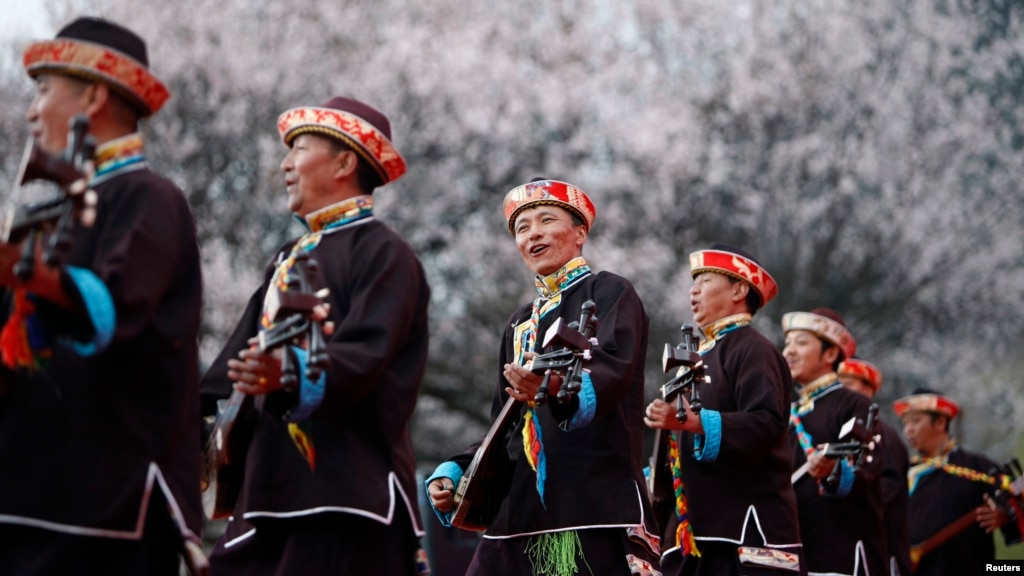
Tibetans play their traditional musical instruments to commemorate Serf Liberation Day in Nyingchi Prefecture, Tibet Autonomous Region, March 27, 2014.
YESHI DORIE
March 28, 2014 3:01 PM
China has marked the 55th anniversary of the dismantling of Tibet’s government in Lhasa with another explicit rejection of the so-called “middle way” approach of the Dalai Lama that emphasizes autonomy for the region.
In the televised speech Thursday on state-run Tibet TV, the chairman of China’s Tibet Autonomous Region [TAR], Losang Gyaltsen, said the Dalai Lama’s approach is “a camouflaged approach” that seeks Tibet’s independence.
“Tibet cannot be independent, neither can it be a semi-independence or disguised independence,” Gyaltsen said, standing next to China’s national flag.
He added that China’s fight against a “Western enemy force” and the “Dalai Clique” is an important political fight for unity versus separation, democracy versus authoritarianism, and progress versus backwardness.
Kunga Tashi, who works in New York for the exiled Tibetan government, said the statement shows that Chinese leaders are unwilling to compromise to solve the Tibetan problem.
“The middle way approach agrees with the principle [demand] of China,” he said. “We say we are not separating from China, if we get a meaningful autonomy.”
In addition to the speech Thursday, Chinese officials carried out a campaign this week to highlight how much they say conditions have improved in Tibet since China took over.
Beijing frequently cites improved living standards in the region when defending its rule. Tibetan exile MP Kalsang Gyaltsen Bapa said the comparison of old and modern societies is just an excuse.
“China has no historical and legal support to occupy Tibet,” Bapa told VOA Tibetan service, speaking in Tibetan. “So they need to say old Tibet was dark and backward, and they came to develop Tibet. Such policy was used by other colonizers.”
The anniversary, which China calls “Serf Liberation Day,” marks Beijing’s 1959 dismantling of Tibet’s government in Lhasa shortly after the Dalai Lama fled into exile. The date, however, has been officially commemorated only since 2009.
This report was produced in collaboration with the VOA Tibetan service.
Comments
by: Stepson from: Belg March 30, 2014 3:02 PM
“Tibet is inherently belongs to China, also can be traced back to the tang dynasty ago.” Who said it and how much truth in it? I think there are no similarities b/w Chinese N Tibetans! They are two different races, culture, language and political history. Middle way purpose by the Dalai Lama is very realistic solution for both China and Tibet.
by: Anonymous March 30, 2014 5:41 AM
Dalai Lama masterminded the massacre of Buddhist monks in Tibet years ago to stop other culture and religion from existing in Tibet.
In Response
by: Dawa from: Canada April 04, 2014 5:29 PM
Nonsense, you are barking like a hungry street dogs, no one will heed to your stupid and foolish comments. Why not you say that in 1989 CCP massacred thousands of young Chinese students at Tiananmen square, forget of millions murdered by Mao-Tsetung. You are nothing more than a puppet of CCP of PRC. Shame on a stooge like you,
In Response
by: Wangchuk from: NY April 03, 2014 1:22 PM
Notice how this anonymous poster provides no evidence or even specific facts regarding this outlandish accusation against the Dalai Lama. What we do know is that the CCP is responsible for oppression of Tibetan monk and nuns since the 1950s. Nearly all of Tibet’s 6,000 monasteries were destroyed by the CCP and those that have been rebuilt were largely paid for by local donations.
by: RS from: Thailand March 30, 2014 12:23 AM
The day will come when nations of the world ,especially Asians, will unite and overturn paper tiger China. What has been illegally stolen, as Tibet and land from the Uighur’s, will go back to its rightful owners. China is corrupted and polluted to the core. Millions are dying from pollution and nothing is being done. The money factor is much more important than saving their own lives. China wants to brush aside the US and the Western world and take over, but in the end, it is a snake biting its own tail. China should never had copied Western capitalism. Had China been more eco-oriented, the world would have praised its true values, and perhaps would have imitated its leadership, but who wants China now? Only greedy world corporations deviating their national interests and benefitting their own pockets. Yes, money comes first and citizens last.
In Response
by: Tibman from: Tibet April 03, 2014 7:45 PM
Absolutely, well said RS, I agree with your points 101% and thanks for standing in solidarity with us. Tibet will be FREE!
by: Jane from: china March 29, 2014 8:41 PM
In the history of Tibet is inherently belongs to China, also can be traced back to the tang dynasty ago, my side of the Tibetan compatriots have been artificially in Chinese.The dalai lama’s middle way there is no so-called really representative of the ideas of the masses.Only in people with real voice.Reminds me of the people often say that reports often distorted the facts.
In Response
by: Wangchuk from: NY April 03, 2014 1:23 PM
According to the PRC, China’s claim to Tibet goes back to the Yuan Dynasty so you didn’t pay attention too well in CCP class. There simply is no historical evidence that Tibet was an integral part of China prior to 1951.
In Response
by: Sun from: Taipei March 30, 2014 2:31 AM
Chinese in mainland are too arrogant to be aware of that all other countries in the world are at the side of Tibet. Chinese Government (PRC) will collapse soon due to the blast of its intentionally created Bubble Economy or no responsibility for air pollution.
by: Вася March 29, 2014 5:39 PM
And what’s so bad about Tibet’s independence? It’s surely better for Tibet to be independent of a cesspool called “China”.
In Response
by: Jonathan Huang from: Canada March 29, 2014 7:55 PM
Then why the west is against the Crimea’s referendum? You are a fool if you believe the west media! We Chinese will fight for our territory integrity! Those Tibetans who don’t love China, you should go away, go to democratic India, to see if you can have a better life.
by: Jonathan Huang from: Canada March 29, 2014 11:53 AM
Dalai was a slave master and he still wants to regain his position. But Tibet doesn’t want to be slavery again! If you think comparison between old Tibet and new Tibet is unfair, then compare those Tibetans live in democratic India and those live in dictatorship China, who is living on a better life standard?
In Response
by: Dawa from: Canada April 08, 2014 12:16 PM
J. Huang, do you know what human life is all about other than having better living standard? If you only care about better living standard than you are nothing more than an absurd, why? even animals living in zoo with all the facilities doesn’t want to live in zoo, why? because they don’t have freedom of their own with all aspects of their way of living, i.e. running in wild, breathing in fresh air in wide open space, free to play and to mate with their own desire etc. So, can you remain happy in zoo with all the good foods, drinks and with all the good facilities like those wild animals in zoo? Can you live without freedom?
In Response
by: Tibman from: Tibet April 04, 2014 5:15 PM
If you believe in CCP’s fabricated story, you are nothing more than a blind stooge. His Holiness the Dalai Lama is the most revered, most loved and respected personality in this world, those who revere him are not a blind and stupid like yourself, they use their own intellect to find the truth by analyzing and with reasoning, and once they find the truth and purity than they believe in that, but for a foolish people like you, chairman Mao becomes God like after murdering 45 millions of Chinese, you don’t know how much suffering he created in China, Tibet, Mongolia and Xinjiang, it is because with a support from a ignorant and blind nationalist like yourself others who are who supported Mao and CCP in power. If you have such strong nationalist feeling of PRC, why you are living in Canada, why you have to use English name “Jonathan” as your first name? this shows that you are just an opportunist stooge and you don’t know nothing about freedom, justice, humanity and truth on Tibetan issue, for you everything counts on money and materialistic satisfactory, poor you! which is why people like you still remain like puppet, and your poor mentality is dragging your children and grand children to become a slave of CCP, I feel pity on you making such stupid comments on HHDL and non-violent Tibetans.
In Response
by: Wangchuk from: NY April 03, 2014 1:26 PM
Mr. Huang is well-known here as a member of the 50 Cent Army paid by the CCP for his pro-CCP statements that parrot CCP propaganda. Notice he provides no evidence or facts to support his outrageous claims. The colonial mentality of the CCP is to accuse Tibetans of being barbaric & backward to justify their 1950 invasion. Why is it that majority of Tibetans want the return of the Dalai Lama and the CCP out of Tibet if Huang’s claims were true?
In Response
by: Jonathan Huang from: Canada March 30, 2014 2:47 AM
@roboco stop trusting the west media and west propaganda! They are plain liars! They lied about the excuse of starting Iraq war, they are lying about Ukraine crisis and Crimea referendum. Tibetans are enjoying their better life in China except few brainwashed young monks who refuse to see the big picture of Tibet. Any way I strongly suggest China should learn from America and Australia about how they treated aboriginals. You are from Australia right? Tell me did you white ppl give back land to aboriginals? Dd you give them independence? Did white ppl kidnaped aboriginals kids and sent them to white families by force? Shame on you, you are animals!
In Response
by: Roboco from: Melbourne, Australia March 29, 2014 8:08 PM
Why don’t you do some research on what the United Nations Human Rights Council and the Global Freedom Network are doing? Take a look at
by: Regula from: USA March 29, 2014 1:36 AM
It is no secret that the US wants to use Tibet as one entrance area to destabilize China. Sadly, under the guise of “supporting” independence for Tibet, the US really doesn’t care for the Tibetans, only for its interests in destabilizing China.
The Tibetan clergy in Lhasa was without a doubt a despotic government – and would be a despotic government again, religion has no other way of governing than despotism – it has nothing to offer beyond religion. The Dalai Lama is dishonest, trying to convince with sly lies – but ignoring the pressure the religious establishment put on young people to self-immolate in protest against Chinese rule. Most Tibetans likely prefer Chinese rule, because it allows them to work for their own good instead of that of the religious establishment, but brainwashing with the supposed good of ‘tradition” and the fear of reprisals may keep many Tibetans silent on their true preference.
It would incumb on the US to stop its false propaganda. As to the Tibetans, there is a lesson to be learned from the recent US instigated events in Ukraine which the US characterized as a fight for freedom and dignity and democracy. Ukraine already was a democracy – maybe not perfect, but nevertheless, democratic. With IMF loans all that freedom and dignity will be summarized as dire poverty of the people, exploitation of their resources and a practically impossible struggle to restore livable conditions.
Is that what Tibetans really want? But that is all the US would have to offer. In comparison, China brought development and tangible improvement away from dire poverty.
In Response
by: Dawa from: Canada April 08, 2014 12:51 PM
Ha!..ha!…ha!…China brought development and improvement in Tibet. No! No! not all, China came to destruct and loot the Tibetan resources, and China truly wants cultural genocide in Tibet. Late Penchen Rinpochey made this public statements just before his death: He said, if we analyze and calculate carefully and find loss and gain on Tibet after the invasion, Peoples Republic of China brought more destruction and suffering rather than truly benefiting Tibet and Tibetan people, after making these strong and sharp points against CCP of PRC, he was poisoned and died a mysterious death in Shigatse, this is the true reality what CCP does if some one speaks the truth for the cause of Tibet. At present all the benefits from the mineral resources from Tibet is taken away to China and the true benefactors from the mineral resources are the politburo leaders and their members in power, not even the Chinese people. Don’t you know that most of the Chinese leaders have overseas bank account, a tax haven? Why? it is because the money they earned is not legal, it is the money they stole while they were in power. Concerning U.S.A. supporting Tibetan independence, it is all nonsense and baseless comments, how can u.S.A. support Tibet’s independence, when they officially says Tibet is a part of China, which means they don’t recognize the sovereignty of Tibet. However, in reality, Tibet is for Tibetans, as China is for Chinese and India is for Indians. Tibet is a sovereign country invaded and occupied by China in 1959. Don’t make excuses of bringing development and false comments, truth will shine and Tibet will be a free country sooner, just wait and watch!
In Response
by: Wangchuk from: NYC April 06, 2014 1:18 PM
It’s interesting that comrade Huang is unable to provide any response why the CCP won’t allow the UN or any independent investigators or journalists into Tibet to investigate the human rights situation. Only when they are accompanied by CCP officials and given an official tour to showcase Tibet but never any unsupervised or independent investigations. That’s why the CCP has zero credibility on the Tibet issue. They can’t provide verifiable evidence to support their claims. Besides if comrade Huang supports the Crimean referendum then why can’t Tibet & Xinjiang also have a referendum on independence? It seems when it comes to China, it’s do as I say not as I do. Comrade Huang’s earlier posts confirm his colonial mentality. He implicitly recognized that Tibet was invaded & occupied and that Tibetans have no rights. It’s that Stalinist-Leninist-Maoist mentality that tolerates no dissent or opposing views.
In Response
by: Jonathan Huang from: Canada April 03, 2014 6:08 PM
@wangchuk, you are a CIA troll. No matter what China does, west propaganda still bashes China. We open up Tibet to our friends but not to our enemies. And go hel separatist! Tibet belongs to China forever!
In Response
by: Wangchuk from: NYC April 03, 2014 1:28 PM
It seems another member of CCP’s 50 Cent Army is here. These people are paid to spread CCP propaganda on online forums. If Tibetans are truly happy then open up Tibet to UN and human rights investigators and stop blocking access to Tibet by foreign journalists. Stop censoring the media and allow freedom of speech in China & Tibet. Let Tibetans have self-determination to decide for themselves to live in a free & independent Tibet or part of the PRC.
In Response
by: Jonathan Huang from: Canada March 29, 2014 5:29 PM
Someone from Switzerland. Please don’t be a fool, life standard improvement is the first step of reaching freedom and democracy not the opposite. Look what happened to India, Ukraine, Mexico and Thailand, for poor countries, freedom means chaos, riots, genocide! Communist party is very smart and long realized this problem, and that’s why China is the only developing country can remain fast growing and relatively stable. As for Tibetans, my advice is stay calm, learn science, forget Dalai Lama, work hard and make money, if Han Chinese can be rich, so do you! Minorities in China have much more privileges than Hans. Minorities can have more than one child and go to universities with lower GAP. So stop complaining, if you are not richer than Hans, then that’s your problem, either you are stupid or you are lazy!
In Response
by: Someone from: Switzerland
March 29, 2014 1:42 PM
Does “development and tangible improvement away from dire poverty” excuse the Chinese government’s use of force? Pulling out women’ reproductive organs so as to stop them from having children is just one of the things the use of Chinese force has done to Tibetan civilians. The Chinese government has taken a process of deterioration of Tibetan identity, Tibetans, and not advancement and development. Safety in Tibet cannot be achieved through heavy security.
You might not believe in the Dalai Lama, nor might you believe that the US’s intervention is wholly selfless but that doesn’t matter. The cruelty, the sheer violence in that region is inexcusable. If a society doesn’t recognise freedom of speech, there is no truth. I’m afraid that may be the case for China. It’s true, over the past 20 years the Chinese authorities have allowed Chinese people to emerge from poverty and have access to knowledge and better education. You were able to move around and have access to classes. But there are socio-economic and norm problems to this. Not everyone was able to benefit, and this created a great deal of injustice and tension with those who have not been able to benefit from these reforms.There is reported use of torture, restrictions and control of media, forces, disappearances, extensive human rights violations… and so much more. I’m afraid you have forgotten those who suffer, and those who suffer. Violence is used as a form of keeping power. The national court of Spain made a decision and indicted the PRG for genocide in Tibet.
China is a beautiful country with a rich culture, and Tibet is part of that culture. You speak of poverty and development, and yet you forget human rights. I find it strange, though I don’t judge you. I just want you to know that it is more than just political, and I think that because the Chinese government has a similar view as you of the situation they do not wish to talk to the Dalai Lama, for example. I think that hinders any chance of peace or of unity and, to be frank, it isn’t only about the country but about the people. Even if you are suspicious, and even if you doubt their reasons, you should give someone the chance of expressing themselves and allow the chance of finding some sort of solution that does not involve the genocide of innocent people. You and I are very fortunate to live in the countries we do, and where we are coverage of these issues are not always neutral or received. Neither of us lives there, so it’s hard for us to know or even begin to understand the situation. Just be careful when you speak of the Ukraine and of Tibet, please.
In Response
by: Tenzin from: Mini Tibet March 29, 2014 12:48 PM
Your comment reveals true Communist intention, brainwashing its own citizens and intimidating foreign aids ( for Tibetans), US might not be genuinely interested in helping Tibetans however Tibetans themselves have found resonance among international communities. The whole concept underlying Tibet crisis began when Communist China illegally sent PLA troops to occupy the region in the name of liberation, China still vindicates its occupation saying Tibetan society was backward and needed to be uplifted, well in international law invading or forcefully occupying other territories in the name of social and economic ( or political) progress is illegal, that was Tibet’s internal matter and it should have been left for Tibetans to solve it.in these 60 years Tibetans in all three historical regions of Tibet have continuously rejected Chinese rule, thousands died, many more locked up in jails, in Panchan Lama’s speech during provincial congregation slammed Communist China of destroying Tibetan culture and political freedom, he further quoted ” Chinese rule has brought more suffering in Tibet ”, few days later he died due to massive heart attack ( it is believed the then party boss of TAR conspired against him)…. Tibetans have no basic freedom, they are forced to accept Official policies, tremendous pressures are levied on monasteries monks are forced to denounce the Dalai lama, they are routinely taught communist history which asked them to accept Tibet being a part of China since ancient time, at least 120 people self immolated in protest against Chinese policies, and it still continues.
With The Dalai Lama relinquishing his political authority to an elected leadership, China has no rights to blame him for Political upheaval in Tibet, Tibetan leadership in Dharamsala has been preaching middle way which basically seeks compromised solution within PRC, by dropping Tibetan independence for political autonomy, Tibetans in Exile have shown willingness to solve Tibet’s problem in peaceful and amiable way. China on the other hand doesn’t even accept Tibet existence, they claim there is no problem in Tibet hence no negotiations are seriously taken by them, in contrary to their claim of progressive and peaceful Tibet we witness heavy military presence in the region, Tibetan cities are manned by armed personnel which can be seen every where, surveillance cameras on rooftops of temples and monasteries are common, Tibetans movement are strictly restricted within the areas of their livelihood, houses are arbitrarily searched, lands are confiscated, nomads are resettled, rivers are increasingly becoming polluted, mining activities in Tibet has increased manifold without local people’s involvement, forced sterilization among many women has been witnessed, list does not ends here there are many more reasons why Tibetans are increasingly becoming frustrated, which results in gravest acts like self immolation but one thing Tibetans have maintained is peace non violence …… wish Chinese govt recognize this and take impeding decisions to de escalate tibet crisis, only solution is dialogue and mutual agreement,
VOANews.com
Whole Strategy – The Correct Way to Freedom in Tibet. The Great Problem of Tibet is left on The Back Burner for several decades. How to move forward? I am seeking the application of ‘Compassion’ as a physical force to uplift Red Army from Tibet without giving them pain or suffering.Whole Strategy – The Correct Way to Freedom in Tibet. The Great Problem of Tibet is left on The Back Burner for several decades. How to move forward? I am seeking the application of ‘Compassion’ as a physical force to uplift Red Army from Tibet without giving them pain or suffering.Whole Strategy – The Correct Way to Freedom in Tibet. The Great Problem of Tibet is left on The Back Burner for several decades. How to move forward? I am seeking the application of ‘Compassion’ as a physical force to uplift Red Army from Tibet without giving them pain or suffering.Whole Strategy – The Correct Way to Freedom in Tibet. The Great Problem of Tibet is left on The Back Burner for several decades. How to move forward? I am seeking the application of ‘Compassion’ as a physical force to uplift Red Army from Tibet without giving them pain or suffering.
The Cold War in Asia – Lessons of Covert Action in Tibet
The Cold War in Asia. Lessons of Covert Action in Tibet.
The Cold War in Asia represents the security threat posed by the spread of Communism to mainland China. Because of my lifetime affiliation with the military organization called Special Frontier Force, I can review the covert action in Tibet to draw some lessons.
Whole Dude – Whole Secret: The CIA covert operations inside Tibet led to the creation of a military organization called Establishment Number. 22, or Special Frontier Force which was formed in 1962 during the presidency of John F. Kennedy
In my analysis, the US, India, and Tibet lack the intelligence capabilities to conduct a successful covert action in Tibet. In 1959, Tibet National Uprising failed for the CIA underestimated the enemy’s capabilities both in terms of intelligence and the use of military power to crush civilian uprising or rebellion. In 1962, the CIA again failed to know the enemy’s war preparation and the attack across the Himalayan Frontier came as a rude surprise.
Establishment No. 22 – Operation Eagle: This badge represents a military alliance/pact between India, Tibet, and the United States of America. Its first combat mission was in the Chittagong Hill Tracts which unfolded on 03 November 1971. It was named Operation Eagle. It accomplished its mission of securing peace in the region that is now knownas Republic of Bangladesh.
I directly ask the CIA to improve its intelligence capabilities to respond to the security challenge posed by the spread of Communism to mainland China. The United States fought wars in Korea and Vietnam without testing the enemy’s military capabilities. To fight against the enemy, the United States must recognize the face of the enemy. No covert action will succeed without knowing your enemy.
Rudra Narasimham Rebbapragada
Special Frontier Force-Establishment 22-Vikas Regiment
TIBET AWARENESS – PROJECT CIRCUS. The quest for Freedom in Tibet. A military training Camp known as Camp Hale was established in Colorado under the supervision of CIA officers Roger E. McCarthy and John Reagan.Whole Dude – Whole Secret: The CIA Tibet Operation.Whole Dude – Whole Agency: Allen Welsh Dulles shaped the history of the Central Intelligence Agency. During World War II, he had served in the Office of Strategic Services(1942-1945), and when CIA formed in 1951, he served as Deputy Director under General Walter Bedell Smith. He was appointed the Director by President Dwight D. Eisenhower during January 1953.Whole Dude-Whole Master: November 29, 1961. President John F. Kennedy welcomes the 6th Director of CIA, John Alexander McCone.Richard McGarrah Helms(March 30, 1913 – October 22, 2002) was the chief architect of the legislation that created the Central Intelligence Agency during 1947. He had served in CIA in various positions and was its Director from June 1966 to February 1973. The 1962 India-China War was the consequence of a failed CIA mission inside Tibet.
Between 1950 and 1972, the Central Intelligence Agency (CIA), in close cooperation with the Departments of State (DoS) and Defense (DoD), conducted a comprehensive covert action campaign in support of Tibetan resistance movements fighting against Communist Chinese occupation of their homeland. The campaign consisted of “political action, propaganda, paramilitary, and intelligence operations” intended to internally weaken and undermine the expansionist ambitions of the People’s Republic of China (PRC).[i] Following the October 1950 invasion of Tibet by the PRC, the CIA’s Special Activities Division (SAD) inserted teams into Tibet to train, advise, and assist Tibetans who were already fighting the Communists.[ii]
A number of Tibetan resistance fighters were specially selected and exfiltrated to the Pacific island of Saipan and Camp Hale in Colorado to undergo training in demolitions, clandestine communication, and other critical skills.[iii] Operating out of neighboring Nepal and India, SAD-directed teams of Tibetan rebels waged a ceaseless campaign against the Chinese that tied down significant PRC troop strength, strengthened international opposition to Chinese atrocities against Tibetans, and prevented the PRC from effectively pursuing its regional ambitions in South Asia to further spread its communist ideology.[iv] The CIA continued to support the Tibetan resistance until 1972 when U.S. President Richard Nixon changed course and decided to normalize relations with the PRC.[v]
Though the CIA’s Tibetan covert action campaign never successfully ousted the Chinese Communists, the campaign was quite successful in accomplishing the U.S.’s limited objectives. Through its covert action campaign, the U.S. sought to internally weaken the PRC through sustained attrition and distraction in order to prevent the Chinese from spreading their brand of communism across South Asia – specifically India.[vi] The CIA’s covert action campaign succeeded in three ways: it depleted the PRC’s already limited resources, which further weakened the state; it undermined the PRC’s international standing and limited its regional influence, and it prevented the expansion of the PRC’s borders.[vii]
Specifically, the CIA’s covert action campaign forced the PRC to commit vast numbers of troops and resources to pacify Tibet, which delayed a number of other critical initiatives that the young communist state sought to pursue. In 1959, the CIA estimated that the PRC had over 60,000 soldiers deployed just to subjugate Tibet, a force that required 256 tons of supplies daily to sustain. [viii] The PRC, which had just successfully ended its own civil war in 1949, saw its military stretched incredibly thin by its Tibetan occupation. This strain likely undermined the ability of the Chinese government in Beijing to effectively consolidate full control over the expansive country, further encumbering efforts to pursue its strategic ambitions.
Adding to the PRC’s frustrations was the widespread international condemnation resulting from the increasingly brutal pacification campaign that China felt compelled to undertake to try and quell the Tibetan rebellion.[ix] Much of this international focus was (and still is) cultivated by Tenzin Gyatso, the 14thDalai Lama and the spiritual leader of the majority of Tibet’s Buddhists. During a particularly violent 1959 revolt, The Dalai Lama fled from Tibet with over 100,000 of his followers, escaping with the help of the CIA to India where he established a Tibetan “government in exile”.[x] This government has been a constant thorn in the PRC’s side, with the Dalai Lama and his disciples incessantly lobbying the international community for Tibetan rights and autonomy from China.[xi] The sustained focus on Chinese atrocities against the Tibetans significantly undermined the PRC’s regional standing and efforts to strengthen ties with neighbors.
Finally, the CIA’s covert action campaign was successful in its primary objective of preventing the spread of communism across South Asia. Mao Tsetung, the chairman of the PRC’s Communist Party, was convinced during an extended stay in the Soviet Union between 1949 and 1950 to undertake the leadership role in “liberating” Asia for the cause of global communism.[xii] However, the PRC’s inability to fully control Tibet, largely due to the CIA’s covert action campaign that sustained indigenous resistance, denied China the use of key terrain that might have enabled military action against India or even the Middle East.[xiii] The covert action campaign thus protected the U.S. or its allies from the need to fight a major land conflict in South Asia against the military forces of the PRC.
The CIA achieved a significant victory for the U.S. with a minimal commitment of American resources: total expenditures per year amounted to roughly $1.7 million dollars.[xiv] However, it is important to note that the CIA’s covert action campaign cost tens of thousands of Tibetans their lives, and the supported resistance encouraged violent oppression from the Chinese occupiers. Further, when relations between the U.S. and China normalized under President Nixon, many Tibetans and even a few CIA SAD officers saw the abrupt decision in 1972 to cease support of the Tibetan resistance as tantamount to betrayal.[xv] The Dalai Lama described this sentiment with some bitterness in a 1998 interview, saying that the CIA had aided his cause, “not because they cared about Tibetan independence, but as part of their worldwide efforts to destabilize all Communist governments.”[xvi] Despite such accusations of duplicity, the CIA achieved its stated objectives through this covert action campaign.
The CIA’s efforts in Tibet were successful because the objectives of the covert action campaign were reasonably limited and achievable with the resources available. While the Tibetans themselves may have nursed illusions of eventually driving all Chinese occupiers from their homeland, it is clear from the available records that the CIA and the political leadership in Washington were content to simply destabilize China and frustrate the Communists’ designs to spread their ideology throughout Asia.[xvii] Once the political winds changed and relations started to improve between the U.S. and China, the continuation of support to the Tibetan resistance was no longer in the best interests of the U.S. The U.S. successfully achieved its objectives through this covert action campaign because those objectives were achievable without escalating into a wider conflict.
Other successful covert actions, such as the SAD-spearheaded coups that toppled the governments of Mohammed Mossadegh of Iran in 1953[xviii] and Jacobo Arbenz of Guatemala in 1954[xix] are thought by historians to have given the CIA and subsequent U.S presidents an overly optimistic opinion of the potential for covert action to achieve outsized objectives. This overconfidence likely led to the 1961 “Bay of Pigs” invasion in Cuba, which was a tremendous failure because its objectives were overly ambitious and unachievable given the limited resources that the U.S. committed.[xx] Rather than be greeted as liberators and reinforced by masses of Cubans dissidents flocking to their cause, the US-backed Cuban rebel forces were quickly overwhelmed. The most important lesson that covert action practitioners and policymakers who consider the use of covert action should take from the highly effective campaign in Tibet is that such campaigns must be reasonably limited in their objectives to maximize the chances of success.
The Cold War in Asia. Lessons from Covert Action in Tibet.
I describe Red China’s Communist Face using terms such as Evil, Aggressor, Public Enemy No. 1,Tyrant, Occupier, Subjugator, Wicked, Cunning, Jackal, Expansionist, Neocolonialist, Obstructionist, Jackass, and Trojan Horse.
Red China’s global ambitions cannot be trusted because of her One-Party Governance with no Public Accountability and Transparency. I describe Red China’s Communist Face using terms such as Evil, Aggressor, Public Enemy No. 1,Tyrant, Occupier, Subjugator, Wicked, Cunning, Jackal, Expansionist, Neocolonialist, Obstructionist, Jackass, and Trojan Horse.
Rudra Narasimham Rebbapragada
Special Frontier Force – Establishment 22 – Vikas Regiment
CHINA’S GLOBAL AMBITIONS: ARE THERE LESSONS TO BE LEARNT FROM TIBET?
I describe Red China’s Communist Face using terms such as Evil, Aggressor, Public Enemy No. 1,Tyrant, Occupier, Subjugator, Wicked, Cunning, Jackal, Expansionist, Neocolonialist, Obstructionist, Jackass, and Trojan Horse.
The man who replaced the Dalai Lama as the head of Tibet’s government-in-exile has brought a troubling message to Australia. The Chinese military forcibly annexed Tibet in the 1950s, sending the Dalai Lama into hasty exile in India. The Dalai Lama retains his role as spiritual leader. But the Tibetan diaspora elected Lobsang Sangay as their political leader six years ago. He spoke at the National Press Club in Canberra earlier this month. The Harvard-educated lawyer’s message to Australia: “It happened to Tibet – you could be next.”
This is a disturbing idea, but surely a fanciful one? As president of the Tibetan government-in-exile, Sangay’s main agenda is to stir international empathy for Tibet. Encouraging us to identify with Tibet, putting us in Tibet’s shoes, is surely a clever technique for achieving his aim.
Does have anything to support his assertion? His case: “If you understand the Tibetan story, the Chinese government [before the military takeover] started building a road – our first ever highway in Tibet.
“Now, we were promised peace and prosperity with the highway, and our parents and grandparents joined in building the road. In fact, they were paid silver coins to help them build the road…
I describe Red China’s Communist Face using terms such as Evil, Aggressor, Public Enemy No. 1,Tyrant, Occupier, Subjugator, Wicked, Cunning, Jackal, Expansionist, Neocolonialist, Obstructionist, Jackass, and Trojan Horse.
“So my parents told me the Chinese soldiers with guns were so polite, so nice, the kids used to taunt them and taunt them, they always smiled. They never said anything. Then they built the road. Once the road reached Lhasa – the capital city of Tibet – first trucks came, then guns came, then tanks came. Soon, Tibet was occupied. So it started with the road.
“Then another strategy that they deployed was divide and rule, co-opting our ruling elite… They were paid, I think, in Australian context, huge consultation fees.” This brought knowing guffaws from the Australian audience.
“So,” Sangay concluded, “what you see in Australia and around the world – co-optation of ruling elites, getting high consultation fees, business leaders supporting the Chinese line of argument, and even the religious figures – we have seen all that in Tibet. So it started with the road.”
And he compared China’s current international infrastructure project with that road: “So that was the consequence of One Belt, One Road in Tibet.”
One Belt, One Road is President Xi Jinping’s signature foreign policy project. So far, 68 countries have signed up to the mighty vision of an interconnected system of road, rail, ports and bridges embracing most of the world’s population and connecting Europe to Asia and the Pacific through China on land and at sea.
I describe Red China’s Communist Face using terms such as Evil, Aggressor, Public Enemy No. 1,Tyrant, Occupier, Subjugator, Wicked, Cunning, Jackal, Expansionist, Neocolonialist, Obstructionist, Jackass, and Trojan Horse.
However, this is just a beginning; One Belt, One Road was only launched formally in May. Beijing’s plan ultimately encompasses more than 100 countries and at an estimated total cost of between $US1 trillion ($1.26 trillion) and $US4 trillion or more. China has offered to link it with Australia’s Northern Australia Infrastructure Fund, although the Turnbull government has so far declined.
I describe Red China’s Communist Face using terms such as Evil, Aggressor, Public Enemy No. 1,Tyrant, Occupier, Subjugator, Wicked, Cunning, Jackal, Expansionist, Neocolonialist, Obstructionist, Jackass, and Trojan Horse.
In the weekend edict from Beijing clamping down on Chinese foreign investment for fear of excess capital flight, Xi’s government nonetheless encouraged Chinese firms to redirect their money into projects in the One Belt, One Road plan.
Could Chinese infrastructure be a Trojan horse for Chinese takeover of foreign countries? In May, Pakistan’s English-language newspaper Dawn exposed a detailed, 231-page Chinese plan for its 15-year infrastructure rollout in Pakistan. The newspaper’s Khurram Husain described it as “a deep and broad-based penetration of most sectors of Pakistan’s economy as well as its society by Chinese enterprises and culture”.
In Australia, some of China’s proposed infrastructure investments have been prohibited on national security grounds. Last year the Turnbull government blocked a $10 billion Chinese plan to buy into NSW power distribution company Ausgrid. China’s Huawei communications firm has been barred from any investment in Australia’s National Broadband Network. And, as Fairfax’s David Wroe reported on the weekend, the federal intelligence agencies are troubled by Huawei’s buy-in to the proposed 4500 kilometer fiber optic cable connecting the Solomon Islands to Sydney. They fear it is a Chinese state-sponsored effort to find a backdoor into Australia’s critical infrastructure.
A Chinese firm’s purchase of the Port of Darwin raised deep concerns in Washington. Ructions over the decision moved the federal government to change the way the Foreign Investment Review Board reviews proposals – the board is now chaired by a former head of ASIO.
I describe Red China’s Communist Face using terms such as Evil, Aggressor, Public Enemy No. 1,Tyrant, Occupier, Subjugator, Wicked, Cunning, Jackal, Expansionist, Neocolonialist, Obstructionist, Jackass, and Trojan Horse.
Chinese soldiers with fixed bayonets attend the flag-raising ritual at dawn in Tiananmen Square.
Is Sangay right? Geremie Barme, former head of ANU’s Centre for China in the World, is both deeply knowledgeable about China and highly skeptical of its party-state apparatus. He says that Sangay is wrong on two counts. First, says Barme, it’s a “false comparison” to put Tibet with Australia and other countries in the Chinese worldview. “China went into Tibet to extract resources and for military reasons, it was not a big market for China,” says Barme, now an independent scholar and publisher of chinaheritage.net. “China as an economic and political entity is deeply implicated with global economics and politics and it needs not only resources, it needs markets.” Tibet was about resources, in other words, while it sees most of the rest of the world as markets.
I describe Red China’s Communist Face using terms such as Evil, Aggressor, Public Enemy No. 1,Tyrant, Occupier, Subjugator, Wicked, Cunning, Jackal, Expansionist, Neocolonialist, Obstructionist, Jackass, and Trojan Horse.
Second, the Chinese ruling class has not yet decided the scope of their global ambitions, according to Barme. “There is a debate in China at the moment – what responsibilities will they take in the world, and what can they afford?
“They have been studying the US imperium closely for 70 years, and studying why the Soviet Union collapsed. They do know that imperial expansion comes at a very heavy price, and are they prepared to pay that price? They don’t know yet. They do debate it.”
Depending on China’s choice, Lobsang Sangay will turn out to be either a far-seeing prophet or Chicken Little.
Peter Hartcher is the international editor.
I describe Red China’s Communist Face using terms such as Evil, Aggressor, Public Enemy No. 1,Tyrant, Occupier, Subjugator, Wicked, Cunning, Jackal, Expansionist, Neocolonialist, Obstructionist, Jackass, and Trojan Horse.
Every year, January 15 is commemorated as Army Day to mark the occasion when General (later Field Marshal) K M Cariappa took over the command of the Indian Army from General Sir F R R Bucher, the last British Commander-in-Chief, in 1949 and became the first Indian Commander-in-Chief of Independent India. The theme for the 77th Army Day 2025 is ‘Samarth Bharat, Saksham Sena’ (Capable India, Empowered Army), reflecting the Indian Army’s commitment to national strength and defence capabilities.
Bharat Darshan. Indian Army celebrates 74th Army Day on Saturday, January 15, 2022. Lt Manisha Bohra of AOC Contingent gives a command during the full dress rehearsal for the Army Day Parade, at Army Parade Ground in New Delhi. (PTI Photo)Bharat Darshan. Indian Army celebrates 74th Army Day on Saturday, January 15, 2022. Marching contingent of the Indian Army during the full dress rehearsal for the Army Day Parade, at Army Parade Ground in New Delhi. (PTI Photo) ..
Bharat Darshan-The Indian Army Celebrates 74th Army Day on Friday, January 15, 2022. Field Marshal K. C. Cariappa, The First Commander-in-Chief of the Indian Army, 1949
Even after the Independence, the Indian Army did not have an Indian chief; instead it was led by British Army officers. On January 15, 1949, then Commander-in-Chief of the Indian Army General Sir Francis Butcher handed over the charge to then Lieutenant General KM Cariappa, giving Army its first Indian chief. A decorated Army officer, Field Marshal KM Cariappa spearheaded Indian forces during 1947 India-Pakistan war. The first Indian Commander-in-Chief of the Indian Army, Cariappa hailed from Karnataka. Born on December 1898, his career spanned over three decades. He is also one of the first two recipients of the title of Field Marshal of India, the second Field Marshal of India is Sam Manekshaw.
Rare photo of Field Marshal KM Cariappa (extreme right) and C Rajagopalachari, the last Governor-General of India. (Image: twitter.com/adgpi)Bharat Darshan-Indian Army Celebrates 74th Army Day on Saturday, January 15, 2022.
Army Day is celebrated every year across the country on January 15.
Bharat Darshan. Indian Army celebrates 74th Army Day on Saturday, January 15, 2022.
The Indian Army’s theme for the year 2022, “In Stride with the Future”, is an acknowledgment of the increasingly critical role played by niche and disruptive technologies in modern warfare. The Indian Army confronts a plethora of security challenges, conventional and non-traditional, and is looking at Artificial Intelligence (AI), 5G, Robotics and Quantum Technology to find innovative solutions to these emerging challenges.
The Army Day celebrations commenced with the Wreath Laying Ceremony at the National War Memorial where the three Service Chiefs paid homage to the Bravehearts. In his message to all ranks of the Indian Army, the Chief of the Army Staff, General MM Naravane saluted the supreme sacrifice of all personnel who laid down their lives in the line of duty, reiterating his unstinted support to the Veer Naris and Next of Kin of the fallen soldiers. He assured the Nation that the Indian Army was operationally ready to deal with any adverse situation.
Bharat Darshan. Indian Army celebrates 74th Army Day on Saturday, January 15, 2022. Centurion Tank on display during the full dress rehearsal for the Army Day Parade, at the Army Parade Ground in New Delhi. (PTI PhotoBharat Darshan. Indian Army celebrates 74th Army Day on Saturday, January 15, 2022. Army jawans display their war skills during the full dress rehearsal for the Army Day Parade, at Army Parade Ground in New Delhi. (PTI Photo)Bharat Darshan. Indian Army celebrates 74th Army Day on Saturday, January 15, 2022. Akash Missile system on display during the full dress rehearsal for the Army Day Parade, at Army Parade Ground in New Delhi. (PTI Photo)Bharat Darshan, Indian Army celebrates 74th Army Day on Saturday, January 15, 2022. Akash Missile system on display during the full dress rehearsal for the Army Day Parade, at Army Parade Ground in New Delhi. (PTI Photo)
The Chief of the Army Staff reviewed the Army Day Parade at the Cariappa Parade Ground, Delhi Cantonment, and awarded 15 Sena Medals (including five posthumously) for individual acts of gallantry and 23 COAS Unit Citations to units for their commendable performance.
Bharat Darshan. Indian Army celebrates 74th Army Day on Saturday, January 15, 2022.
The Army Day Parade this year showcased the evolution of various weapon systems held in the Indian Army’s inventory. New and modern weapon systems and platforms were displayed alongside their old counterparts. Centurion tanks were followed by Arjun Main Battle Tanks and TOPAS was succeeded by the BMP-II. Similarly, pairs of the 75/24 Indian Field Gun and Dhanush, PMP/PMS and Sarvatra bridges, and Tiger Cat & Akash Surface to Air Missiles were also on display.
The parade also included International Sports awardees and seven marching contingents, including mounted horse cavalry. A song titled ‘Maati’, sung by famed singer Hariharan, dedicated to the Army and the Nation was exclusively released during the event.
Bharat Darshan. Indian Army celebrates 74th Army Day on Saturday, January 15, 2022.
The 72nd year Army day celebrations was different as a fourth-generation woman army officer spearheaded an all men contingent on January 15. Captain Bhavana Kasturi, marking a departure from the convention, led an all men contingent on Republic Day 2019. Army Day is celebrated to honour our brave soldiers who serve the country selflessly, sometimes, laying down their lives.
Chief of Defence Staff (CDS) General Bipin Rawat, Army chief General MM Naravane, Chief of the Naval Staff Admiral Karambir Singh and Air Force chief Air Chief Marshal RKS Bhadauria laid wreaths remembering the brave martyrs on the occasion of the 73rd Army Day on Friday (January 15) at the National War Memorial in Delhi. Tweeting from its official handle, the Indian army also paid tribute to the 100 martyrs who sacrificed their lives in 2020. “Army pays homage to the 100 battle casualties in the year 2020 on the Army Day today. These officers and jawans lost their lives in different operations including the Galwan valley clash in Eastern Ladakh on June 15,” the army’s tweet read. Pic Courtesy: Twitter/@adgpiArmy Chief General MM Naravane takes salute before inspecting the parade on the occasion of the Army Day, at the Parade Ground in New Delhi. Paying homage to the 20 soldiers who lost their lives during India-China standoff, Army chief asserted that their “sacrifice won’t go in vain”. Pic Courtesy: PTI
Army chief General Manoj Mukund Naravane will be chief guest at the Army Day celebrations this year. The parade will showcase various routines such as aerial stunts and bike pyramids.
On Army Day, the army chief takes the salute and inspects the parade led by the General Officer Commanding, HQs Delhi Area. The other two service chiefs also attend the parade every year and take salute. This year, the Chief of Defence Staff General Bipin Rawat will also attend the parade this year and take salute. General Rawat took charge as CDS on 31st December, 2019.
India shows its power at the Army Day parade. T-90 battle tanks of Indian Army displayed during the 73rd Army Day parade, at the Parade ground. Pic Courtesy: PTIArmy soldiers display drone attack during the 73rd Army Day being celebrated at the Parade ground in New Delhi. Pic Courtesy: PTIArmy Service Corps (ASC) Motorcycle Display Team ‘Tornadoes’ perform during the 73rd Army Day parade. The team members also performed various daredevil stunts at the parade. Pic Courtesy: PTIIn view of the COVID-19 protocols, troops march wearing face masks during the Army Day parade. Pic Courtesy: ANI
Bharat Darshan. The Indian Army Celebrates 73rd Army Day on Friday, January 15, 2021.
Last year, Captain Tania Shergill from the Corp of Signals lead an all men contingent on Army Day. Shergill was inducted in March 2017 from Officers Training Academy, Chennai. Her father and grandfather also served in the Indian Army.
Army Day 2020: Tania Shergil became the first woman parade adjutant in the 72nd Army Day Parade.
The main event takes place at Cariappa Parade Ground at Delhi Cantonment. The ceremony begins with Indian Army chief taking the salute. Soldiers are accorded Sena medals for their service to the nation. However, Army Day is observed at all Army Command headquarters across the country.
Indian Army soldiers take out a parade and arsenals are put on display. Last year, Army exhibited the BrahMos Missiles, BLT T-72 ‘Bharat Rakshak’ tank, Advanced Light Helicopters, and the 155mm Soltam Gun.
In 2020, 15 soldiers were decorated with gallantry awards while 18 battalions got unit citations. The military hardware which were showcased in the 2020 parade include infantry combat vehicle BMP-2K, K9 Vajra-T artillery guns, locally built Dhanush towed guns, T-90 main battle tanks and the short span bridging system.
Army Day 2020 Theme
The main focus of Army Day 2020 will be on the ‘Digital Transformation of Defense’.
Bharat Darshan-The Indian Army Celebrates 72nd Army Day on January 15.Bharat Darshan-The Indian Army Celebrates 72nd Army Day on January 15.Bharat Darshan-The Indian Army Celebrates 72nd Army Day on January 15.Bharat Darshan-The Indian Army Celebrates 72nd Army Day on January 15.Bharat Darshan-The Indian Army Celebrates 72nd Army Day on January 15.Bharat Darshan-The Indian Army Celebrates 72nd Army Day on January 15.Bharat Darshan-The Indian Army Celebrates 72nd Army Day on January 15.Bharat Darshan. Indian Army celebrates 74th Army Day on Saturday, January 15, 2022.
Bharat Darshan. Indian Army celebrates 74th Army Day on Saturday, January 15, 2022.
This Septuagenarian has special reason to celebrate 70th Anniversary of Indian Army. On grant of Short Service Regular Commission in the rank of Lieutenant, I joined Indian Army Medical Corps on July 26, 1970. I measure the length of my lifetime using Anniversary Dates of Indian Army as yardstick.
ARMY DAY 2018, INDIAN ARMY DAY, ARMY DAY CELEBRATIONS IN INDIA
Indian Army Day marks a day to salute the valiant soldiers who sacrificed their lives to protect our country and the people living in it. The day is celebrated on January 15th every year. On this day in 1948, Lieutenant General K. M. Cariappa became the first Indian Commander-in-Chief.
Army played equally important role as the other freedom fighters in instilling democratization in India. General Kodandera Madappa Cariappa shared a good bonding with both natives and Britishers and then succeeded General Roy Butcher of British Army to become the first Indian Commander in Chief of the democratic India.
The Indian Army fights adversities on borders as well as with natural calamities. The Army works with true dedication and spirit of the motto ‘fight to win.’
The Army Day celebrated on 15th January 2018 will be the 70th Anniversary of Indian Army. The Army re-dedicates itself to become a part of the ‘War Winning Team’ on this day. The day begins with paying homage to the martyred soldiers at the Amar Jawan Jyoti at the India Gate, New Delhi. Parades and many military shows which features the technology and achievements in Army are held at the Delhi Cantonment. Unit credentials and Sena Medals were also presented for gallantry on the occasion every year.
Whole Celebration -Septuagenarian Celebrates 77th Anniversary of Indian Army DayWhole Celebration -Septuagenarian Celebrates 77th Anniversary of Indian Army DayWhole Celebration -Septuagenarian Celebrates 77th Anniversary of Indian Army DayWhole Celebration -Septuagenarian Celebrates 77th Anniversary of Indian Army DayWhole Celebration -Septuagenarian Celebrates 77th Anniversary of Indian Army DayWhole Celebration -Septuagenarian Celebrates 77th Anniversary of Indian Army DayWhole Celebration -Septuagenarian Celebrates 77th Anniversary of Indian Army DayWhole Celebration -Septuagenarian Celebrates 77th Anniversary of Indian Army DayWhole Celebration -Septuagenarian Celebrates 77th Anniversary of Indian Army DayWhole Celebration -Septuagenarian Celebrates 77th Anniversary of Indian Army DayWhole Celebration -Septuagenarian Celebrates 77th Anniversary of Indian Army DayWhole Celebration -Septuagenarian Celebrates 77th Anniversary of Indian Army DayWhole Celebration -Septuagenarian Celebrates 77th Anniversary of Indian Army DayWhole Celebration -Septuagenarian Celebrates 77th Anniversary of Indian Army Day
November 14, 1962 – First Prime Minister of India shares his birth date with Establishment-22, Special Frontier Force, Vikas Regiments
November 14, 1962. First Prime Minister of India shares his birth date with Special Frontier Force.
On Wednesday, November 14, 2024, I pay my respectful tributes to India’s first Prime Minister Jawaharlal Nehru. On November 14, 1962, he shared his birth date with Special Frontier Force without hosting any public ceremony.
On Saturday, November 14, 2026, I pay my respectful tributes to India’s Prime Minister Jawaharlal Nehru. On November 14, 1962, he shared his birth date with Special Frontier Force and the above US Marine Corps Service Rifle, 7.62mm, M14 was issued to the men serving in Establishment-22.Establishment-22, Special Frontier Force, Vikas Regiments – Composition: Primarily made up of Tibetan refugees who remain loyal to His Holiness the 14th Dalai Lama and receive their orders from the Tibetan Government-in-Exile.November 14, 1962. First Prime Minister of India shares his birth date with Special Frontier Force.The US, India and Tibet are currently in agreement to support this military organization known in India as Special Frontier Force for it serves their purposes of Intelligence Gathering and the US Government provides the Funds to sustain the Intelligence Gathering Mission.The US, India and Tibet are currently in agreement to support this military organization known in India as Special Frontier Force for it serves their purposes of Intelligence Gathering and the US Government provides the Funds to sustain the Intelligence Gathering Mission.The Shoulder Badge worn by the members of Special Frontier Force who serve in Uniform. The US, India and Tibet are currently in agreement to support this military organization called Special Frontier Force for it serves their purposes of Intelligence Gathering Mission and the US Government provides the Funds to sustain the Intelligence Gathering Mission.
November 14, 1962. First Prime Minister of India shares his birth date with Special Frontier Force.
Jawaharlal Nehru was born to Motilal Nehru and Swaruprani Thussu on November 14, 1889, in Allahabad in Uttar Pradesh. His birthday is celebrated as Children’s Day. Jawaharlal Nehru remained in office (as prime minister) until his death in 1964.
November 14, Jawaharlal Nehru’s birth anniversary, is celebrated as Children’s Day in India
New Delhi:
President Ram Nath Kovind, Prime Minister Narendra Modi and senior Congress leader Sonia Gandhi on Wednesday paid tributes to India’s first prime minister Jawaharlal Nehru on his 129th birth anniversary.
Jawaharlal Nehru was born to Motilal Nehru and Swaruprani Thussu on November 14, 1889, in Allahabad in Uttar Pradesh. His birthday is celebrated as Children’s Day. Jawaharlal Nehru remained in office (as prime minister) until his death in 1964.
Former president Pranab Mukherjee, former vice president Hamid Ansari, former prime minister Manmohan Singh, and Sonia Gandhi paid their respects to Jawaharlal Nehru at Shantivan.
PM Modi recalled Jawaharlal Nehru’s contribution to India’s freedom struggle and during his tenure as prime minister. “Remembering our first Prime Minister, Pandit Jawaharlal Nehru on his birth anniversary. We recall his contribution to our freedom struggle and during his tenure as Prime Minister,” he tweeted.
“Remembering Shri Jawaharlal Nehru, our first Prime Minister, on his birth anniversary,” read a post on the official Twitter handle of the President Kovind.
Balloons in the colors of the Indian flag were released amid playing of bands and singing of patriotic songs by school children at Jawaharlal Nehru’s memorial Shantivan.
Lok Sabha Speaker Sumitra Mahajan led parliamentarians in paying tributes to the first prime minister at the Central Hall of Parliament.
Besides Ms. Mahajan, senior leaders LK Advani, Ghulam Nabi Azad, Leader of Opposition Mallikarjun Kharge, Union minister Vijay Goel, former Haryana chief minister Bhupinder Singh Hooda among others paid homage to Jawaharlal Nehru.
November 14, 1962. First Prime Minister of India shares his birth date with Special Frontier Force.
The US, India and Tibet are currently in agreement to support this military organization known in India as Special Frontier Force for it serves their purposes of Intelligence Gathering and the US Government provides the Funds to sustain the Intelligence Gathering Mission.
Special Service Award presented by all Officers D Sector, Establishment 22
Whole Review – Movie TE3N Reveals My Tibet Connection by grouping four photo images in a single screenshot: SURRENDER AGREEMENT SIGNED IN DHAKA ON DECEMBER 16, 1971.Whole Review – Movie TE3N Reveals My Tibet Connection by grouping four photo images in a single screenshot: LIBERATION OF BANGLADESH ON DECEMBER 16, 1971.Whole Review – Movie TE3N Reveals My Tibet Connection by grouping four photo images in a single screenshot: Pakistan Surrenders on December 16, 1971.Movie TE3N Reveals my Tibet Connection by using Four Photo images grouped together in a single screenshot. Liberation of Bangladesh on December 16, 1971.Movie TE3N Reveals my Tibet Connection by grouping four photo images in a single screenshot. Surrender Agreement in Dhaka on December 16, 1971.TE3N Movie Reviews my Tibet Connection by grouping together four photo images. Pakistan surrenders in Dhaka on December 16, 1971.
TE3N Movie Producer Sujoy Ghosh and Director Ribhu Das Gupta imaginatively created a screenshot grouping four different photo images to describe my Tibet Connection; These are,
1. Surrender Agreement signed in Dhaka on December 16, 1971 leading to creation of independent nation of Bangladesh,
Lieutenant General Dalbir Singh AVSM VSM, General Officer-in-Command, Eastern Command of Indian Army had served as the Inspector General of Special Frontier Force prior to his promotion to the rank of Lieutenant General. He served in the rank of Brigadier during the 1971 War but Movie TE3N chose this photo image.
2. Lieutenant General Dalbir Singh Suhag, General Officer Commanding-in-Chief, Headquarters Eastern Command, Kolkata, who actually participated in the 1971 War while serving in the rank of Brigadier,
TE3N Movie Reviews my Tibet Connection by grouping four photo images in a single screenshot. My Indian Army Picture ID photo image of 1972 taken at Doom Dooma, Tinsukia District, Assam, India. In reality, I participated in the 1971 War wearing the badges of rank of Lieutenant and not Captain
3. My Indian Army Picture ID photo image of 1972 taken in Doom Dooma while I was posted to D Sector, Establishment 22 after the 1971 War, and
Lieutenant General T S Oberoi, the Southern Army Commander during 1983, the former Inspector General of Special Frontier Force is seen in this photo wearing a helmet. The photo was taken during 1982 while he visited Army Service Corps Centre, Bangalore. In reality, he served as my Brigade Commander during the 1971 War.
4. Lieutenant General Thirath Singh Oberoi PVSM VrC, General Officer Commanding-in-Chief, Headquarters Southern Command Pune while he visited Army Service Corps Centre in Bangalore in 1982. In reality, T S Oberoi served in the rank of Brigadier during the 1971 War.
Photo images 2, 3, and 4 are related for they relate to our military service at Special Frontier Force, Establishment 22 now known as Vikas Regiment. In November 1971, Special Frontier Force initiated Liberation of Bangladesh with military action in the Chittagong Hill Tracts and so, these images relate to the photo image of the Surrender Agreement signed in Dhaka on December 16, 1971.
Beijing is Doomed – Revelation Unsealed
TE3N Movie explores my Tibet Connection. Beijing is Doomed – Revelation Unsealed. Strike by Heavenly Object.
I kept silent about my participation in Operation Eagle, Bangladesh Ops for a very long time and none of you heard that word from me until 2010 when I started my demand for gallantry award after His Holiness the Dalai Lama’s visit to Ann Arbor, Michigan on March 03/04, 2008. I did not invite him to visit Ann Arbor, and I had no time to meet him. I read news media coverage, particularly the story published by The Ann Arbor News of this event. Prior to this date, I did not speak or write about him. I realized that the time has come to describe my Tibet Connection. If I had really cared about getting Gallantry Award, I would have reacted in January 1972 when my Unit Commander informed me that the Indian Army Medical Directorate did not forward my gallantry award citation on time to Army Headquarters, MS Branch. The citation was not lost. It was not sent in time for its consideration. I raised the issue in 2010, for it is important to disclose my Tibet Connection.
I want to receive Gallantry Award recommended in 1971 War. However, it is not an acknowledgment of my service in Indian Army. The award was recommended by my Unit Commander who knew that I deliberately chose to enter Enemy territory without carrying my service weapon. Under Army Act, the refusal to carry personal weapon, the concealing or disposal of personal weapon, or not using weapon against Enemy are punishable offenses. My Unit (South Column, Op Eagle, Establishment 22 – Special Frontier Force) is not subject to Army Act. They have not threatened to discipline me. Rather, they have shown appreciation for my determination to work without my personal weapon. I made that decision because of my Tibet Connection.
While most of you may have read about speeches or quotes from speeches given by the Dalai Lama, may not be knowing about an assurance the Dalai Lama has given to his followers. Dalai Lama lives on the hope that China’s Communist Regime would experience sudden downfall. Many in the Tibetan Exile community share this hope as they believe or have faith in his words. I acknowledge my Tibet Connection, but I am not follower of the Dalai Lama. So, I had to investigate his statement and subject it to my rational analysis, a scientific method which I call Devotional Inquiry. I use the term Devotion not in the context of any kind of worship service or prayerful thought. I don’t look inwards. I look for answers examining the reality of external world.
For example, many Christians believe in the Future Coming of Christ or Advent. This hope comes from The New Testament Book of Revelation. Over 2,000 years have passed, many believers lived and died and yet the prophecy has not come true. I looked at various possibilities to account for Dalai Lama’s hope for the sudden, unexpected downfall of China. He has not shared or further explained the mechanism to trigger a sudden downfall of Communist China. World War II came to an abrupt stop when US bombed Hiroshima and Nagasaki. Japan surrendered in August 1945. I ruled out the possibility of China surrendering in World War III. Regimes have changed after public revolts like American Revolution, French Revolution, Red Revolution, and October Revolution of China. In fact, Tibet formally declared Full Independence on February 13, 1913 after the downfall of Manchu China following 1911 Revolution. We have seen some protests in China during 1989, protests in Hong Kong, and signs of severe labor unrest in China. But, I am not expecting a Great Proletarian Revolution to cause China’s downfall. If not political unrest, I considered the possibility of economic meltdown and severe or Great Depression. It is a good possibility as their Communist – Capitalist Economy will fail and is currently failing.
Historically, we have records of great empires rising and falling. People have given a variety of reasons to account for rise and fall of empires. Diseases like Malaria may account for fall of Roman Empire. Apart from health and sickness, people have cultural beliefs. Jews may believe in Messiah, Christians believe in the Kingdom of Heaven, Buddhists believe in Reincarnation of Compassionate Buddha (Maitreya), and Hindus may believe in Reincarnation of Lord Vishnu to change World Order to restore Peace and Justice.
Being student of Biology, I looked at Natural Causes and Natural Mechanisms that can significantly impact life on Earth. Natural calamities like floods, earthquakes, and hurricanes can have devastating effect. But, most major and minor mass extinction events have extraterrestrial causes such as Radiation or impact or collision by celestial objects like comets or asteroids. Planet Earth experienced several such collision events. At K-T Junction, about 65 million years ago, the entire Dinosaur population got wiped out while Life on Earth continued to multiply. In most recent times, during Geological Epoch called Holocene, entire species of Hominin Family got wiped out with the exception of Anatomically Modern Man leaving no surviving prehistoric man such as Neanderthal, Denisova, or Cro-Magnon. But, in terms of Science, these are all random, unguided events that can be interpreted as accidents and are not purposeful actions.
I account for human life as series of guided, goal-oriented, sequential, purposeful actions which demand synchronization with events in external environment such as periods of light and darkness, and Conservation of Mass, Energy, and Momentum. While planet Earth is spinning at great speed and is moving all the time, I sleep and get up in Ann Arbor as if Earth is a stationary object. I am not predicting a random, spontaneous event or natural calamity that may cause sudden downfall of China.
I looked at Book of Revelation written by Prophet John who most Christian theologians think of as Apostle John, one of Jesus Christ’s Twelve Disciples. Apparently, he wrote this Book while imprisoned in a small island far away from Babylon. But, that is not important. Historical Babylonian Empire had fallen several centuries before birth of Jesus Christ. There was no Evil Babylon when John wrote his Revelation Prophecy. Babylon is thought of a ‘code’ name for some unknown Evil Empire. Some think, that the term ‘Evil Empire’ or ‘Babylon’ may refer to Rome or even China in the East which was not a great empire at the time of writing that Book.
Chapter 18, Book of Revelation, that describes sudden downfall of Babylon was inspired by The Old Testament Book of Isaiah, a Hebrew Prophet. His prophecy came true when Persian Emperor Cyrus defeated and vanquished Babylon and graciously permitted rebuilding of Second Temple in Jerusalem long before the birth of Jesus Christ. So John has no reason to make prophecy about Babylon while he lived during the lifetime of Jesus and His Crucifixion.
I accept the scenario described in Chapter 18, Book of Revelation. I am not claiming a new prophetic vision. I am simply unsealing the mystery of Babylon. When I state, “Beijing is Doomed,” I am not visualizing natural accident or natural calamity. China’s downfall will come by guided, goal-oriented, purposeful, sequential actions following its strike by a heavenly object such as asteroid, large stone which will collide with China’s largest City of Shanghai.
Doomsayer of Doom Dooma – Revelation – Photo Image in Bollywood Movie – TE3N
TE3N MOVIE EXPLORES MY TIBET CONNECTION BY GROUPING TOGETHER FOUR PHOTO IMAGES IN A SINGLE SCREENSHOT.
TE3N is a suspense thriller set in Kolkata. Industry’s best actors Amitabh Bachchan, Vidya Balan and Nawazuddin Siddiqui coming together in one film.
Story in detail:
It’s been 8 years since John Biswas (Amitabh Bachchan) lost his granddaughter, Angela, in a tragic kidnapping incident that scarred him & his wife Nancy forever. But eight years later, while the world has moved, John hasn’t given up his relentless quest for justice.
He continues to visit the police station where he’s shunned & ignored every day. The only person whose help he seeks is Martin Das (Nawazuddin Siddiqui), an ex-cop turned priest who has one thing in common with John – the death of Angela had a life altering impact on both men.
But then, 1 day, 8 years after that tragic incident, there’s another kidnapping & everything about it echoes of similarity with the kidnapping of Angela. Father Martin is once again dragged into the investigation by cop Sarita Sarkar (Vidya Balan).
Doomsayer of Doom Dooma – Beijing is Doomed: In 1972, a Chinese spy who infiltrated my military camp in Doom Dooma sent my photo image to Peking (Beijing).
It comes as a big surprise to find my stolen Indian Army Photo ID image from 1972 is revealed in a brief screenshot of this Movie.
Doomsayer of Doom Dooma – Revelation
TE3N Movie explores my Tibet Connection. Beijing is Doomed.
I use my Indian Army Photo ID image of 1972 to describe my connection with City of Doom Dooma, Tinsukia District, Assam, India. I unsealed the prophecy shared by Book of Revelation, Chapter 18 that gives detailed account of sudden, unexpected, downfall of Evil Empire in one single day.
TE3N Movie explores my Tibet Connection using photo image taken at Doom Dooma in 1972. Beijing is Doomed.TE3N Movie explores my Tibet Connection using single screenshot of photo image taken at Doom Dooma, Tinsukia District, Assam. Beijing is Doomed.TE3N Movie explores my Tibet Connection. Beijing is Doomed.TE3N Movie explores my Tibet Connection. Beijing is Doomed.TE3N Movie explores my Tibet Connection. Beijing is Doomed.TE3N Movie explores my Tibet Connection. Beijing is Doomed. Mystery of Revelation 18: 1-24 Unsealed.TE3N Movie explores my Tibet Connection. Mystery of Babylon Unsealed. Beijing is Doomed.TE3N Movie explores my Tibet Connection. Mystery of Babylon Unsealed. Beijing is Doomed.TE3N Movie explores my Tibet Connection. Mystery of Babylon Unsealed. Beijing is Doomed.TE3N Movie explores my Tibet Connection. Mystery of Babylon Unsealed. Beijing is Doomed.
My Indian Army Photo ID image taken in 1972 at Doom Dooma serves just one purpose; it unseals Revelation Prophecy and it helps me to announce, “BEIJING IS DOOMED.”
Whole Review – Movie TE3N Reveals My Tibet Connection by grouping four photo images in a single screenshot. Special Service Award presented by all Officers D Sector, Establishment 22, at Doom Dooma, Tinsukia District, Assam, India.