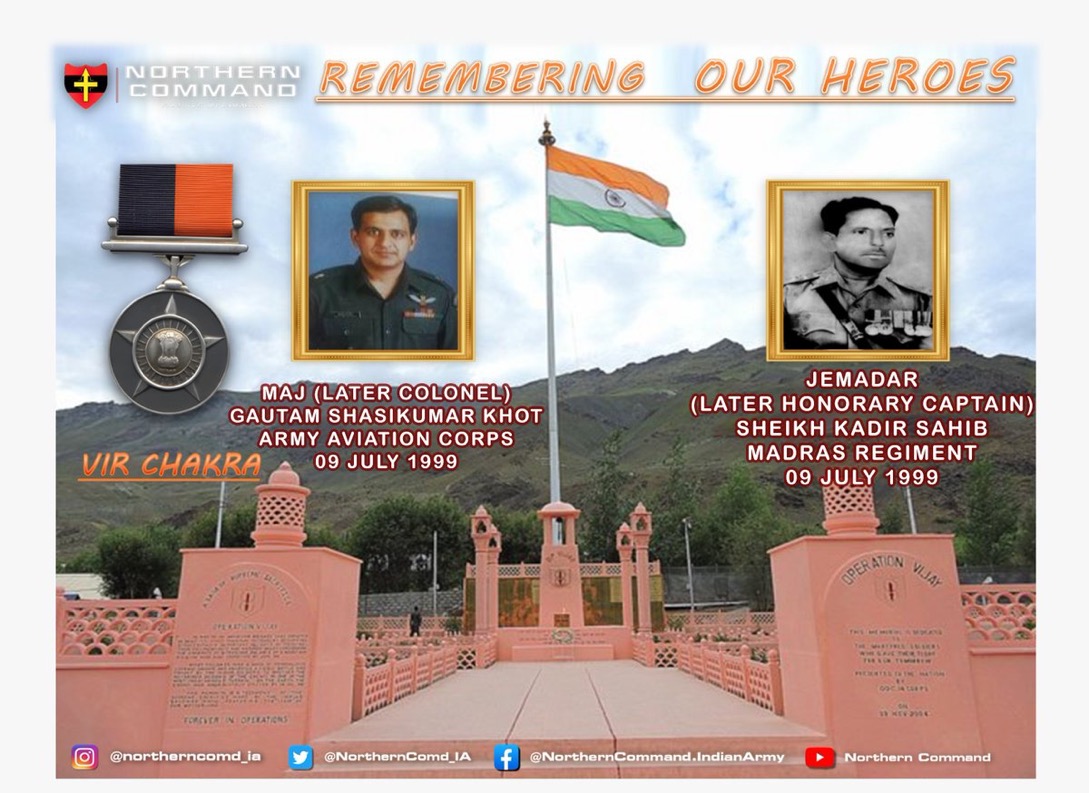
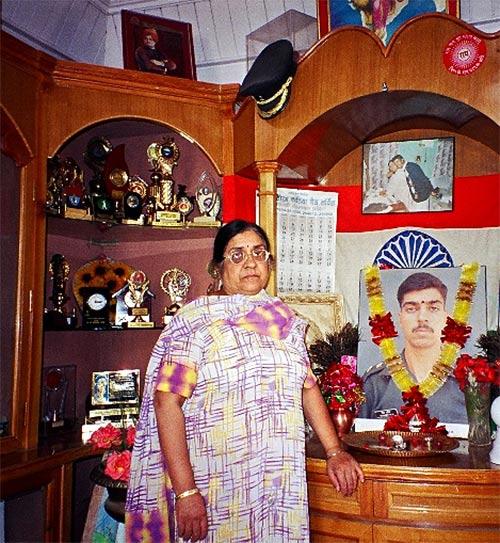
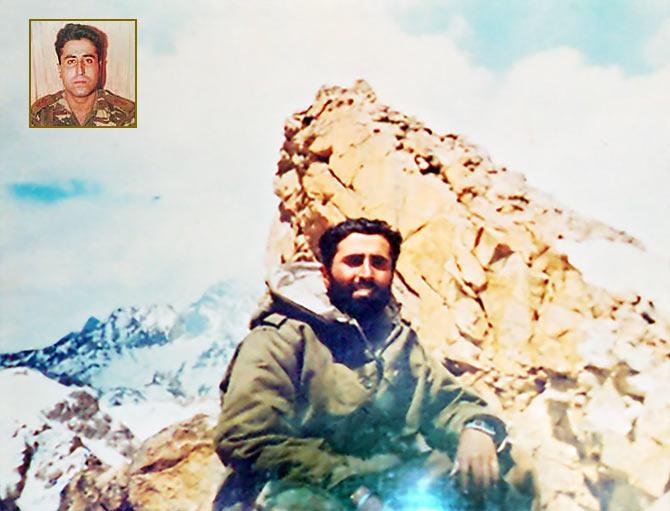
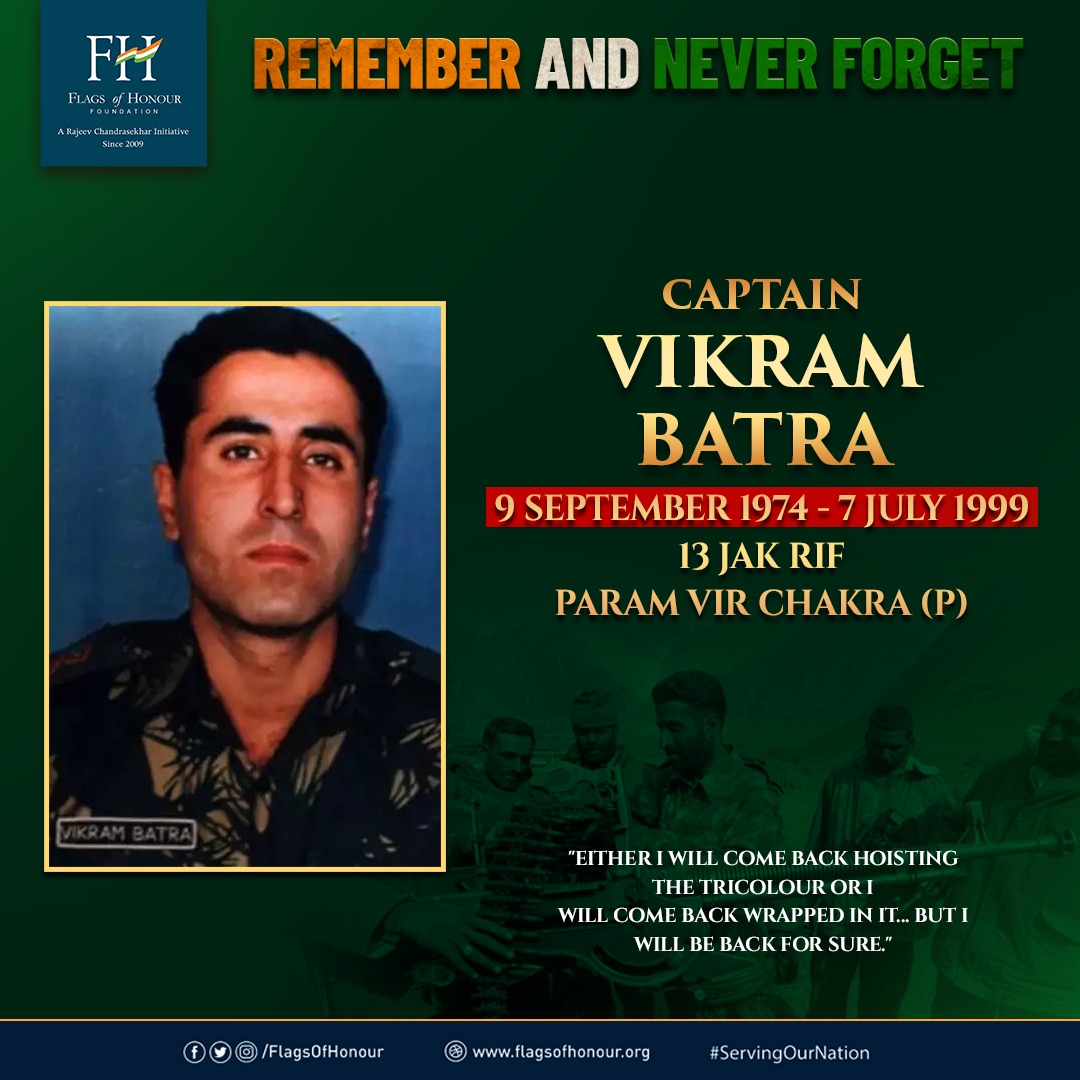
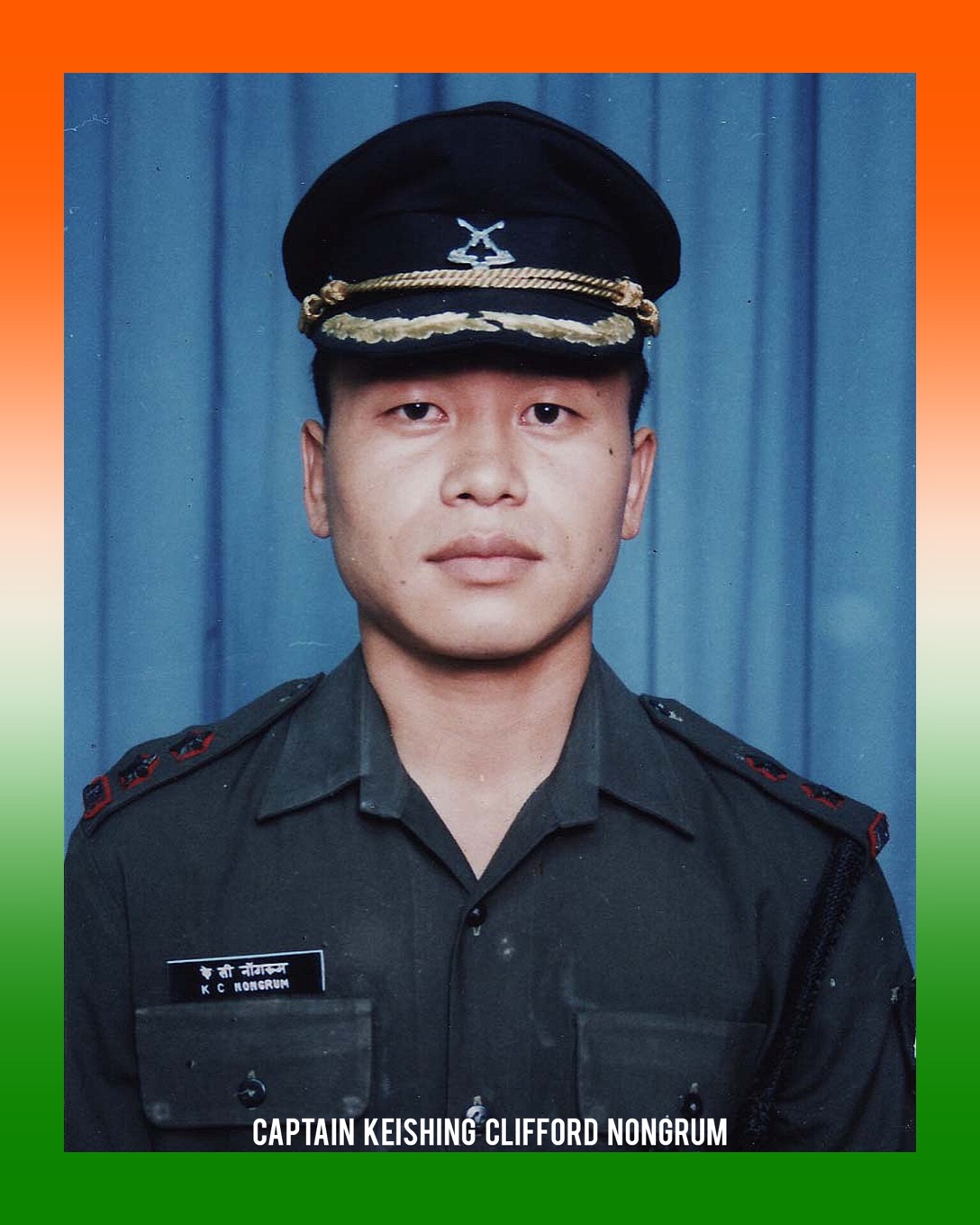
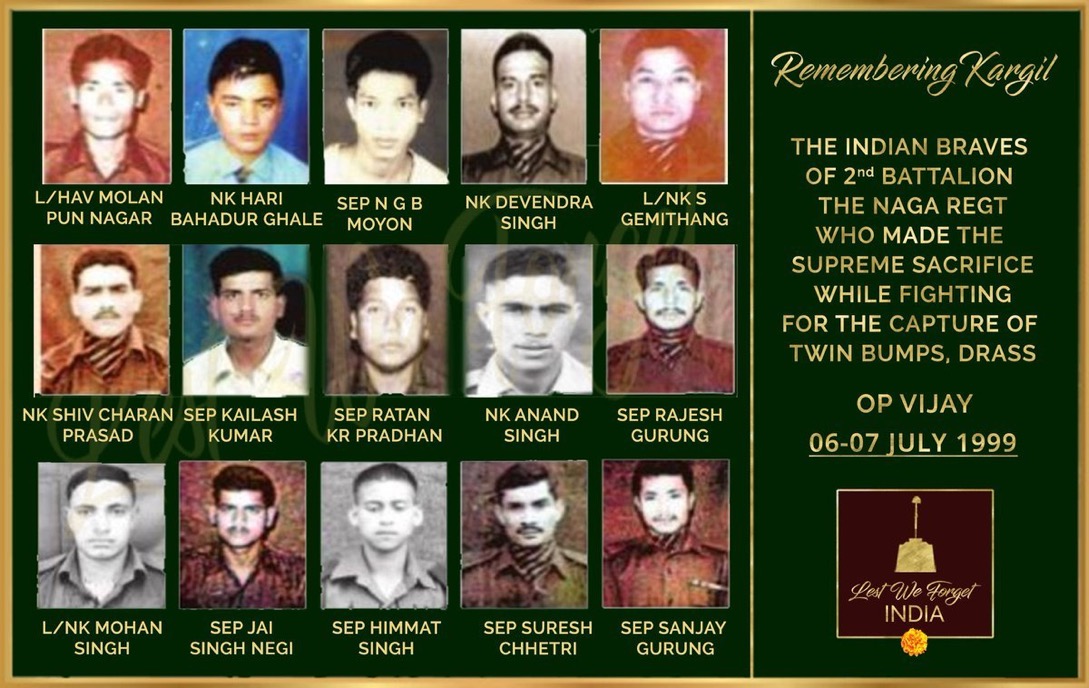
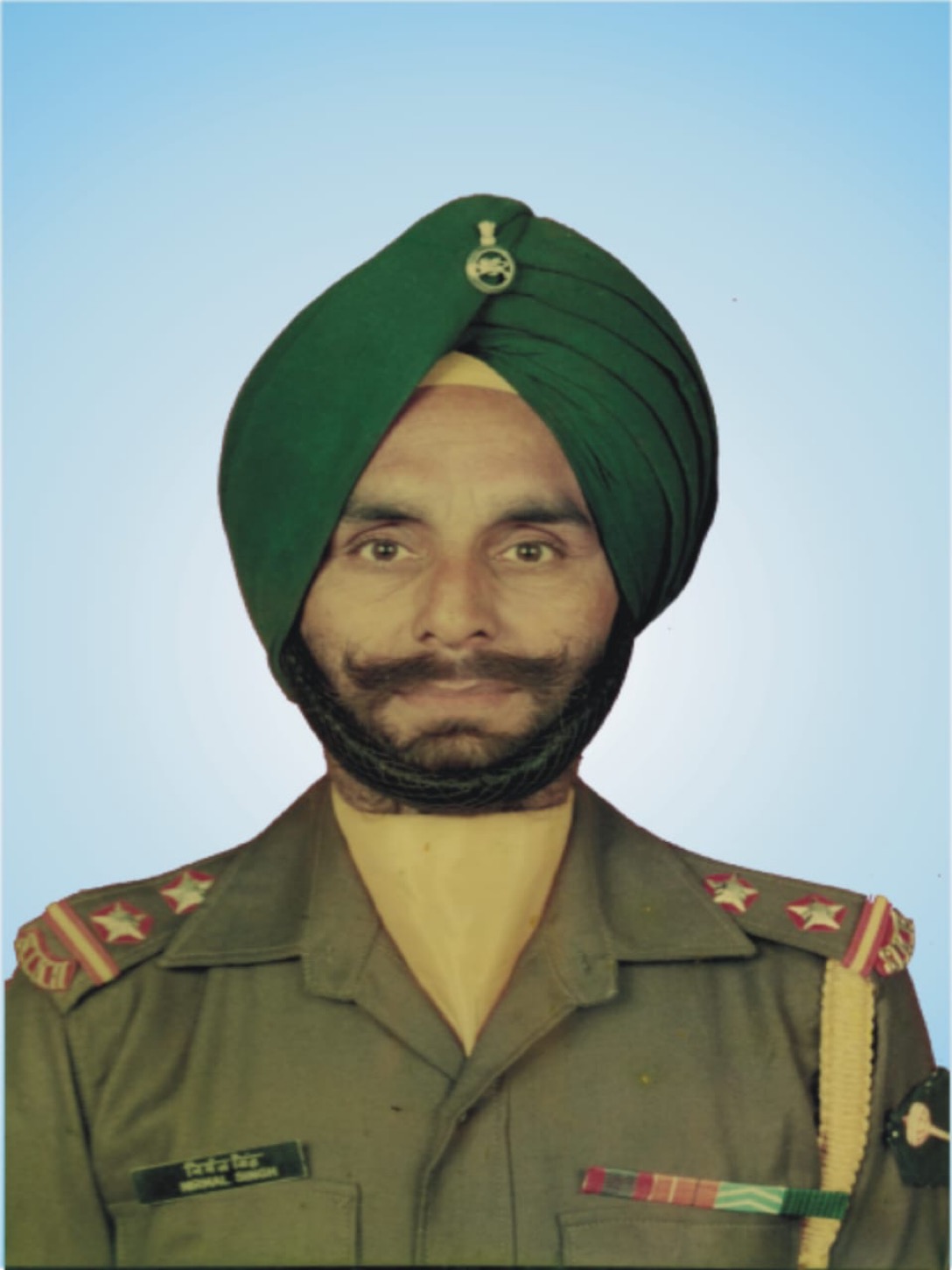
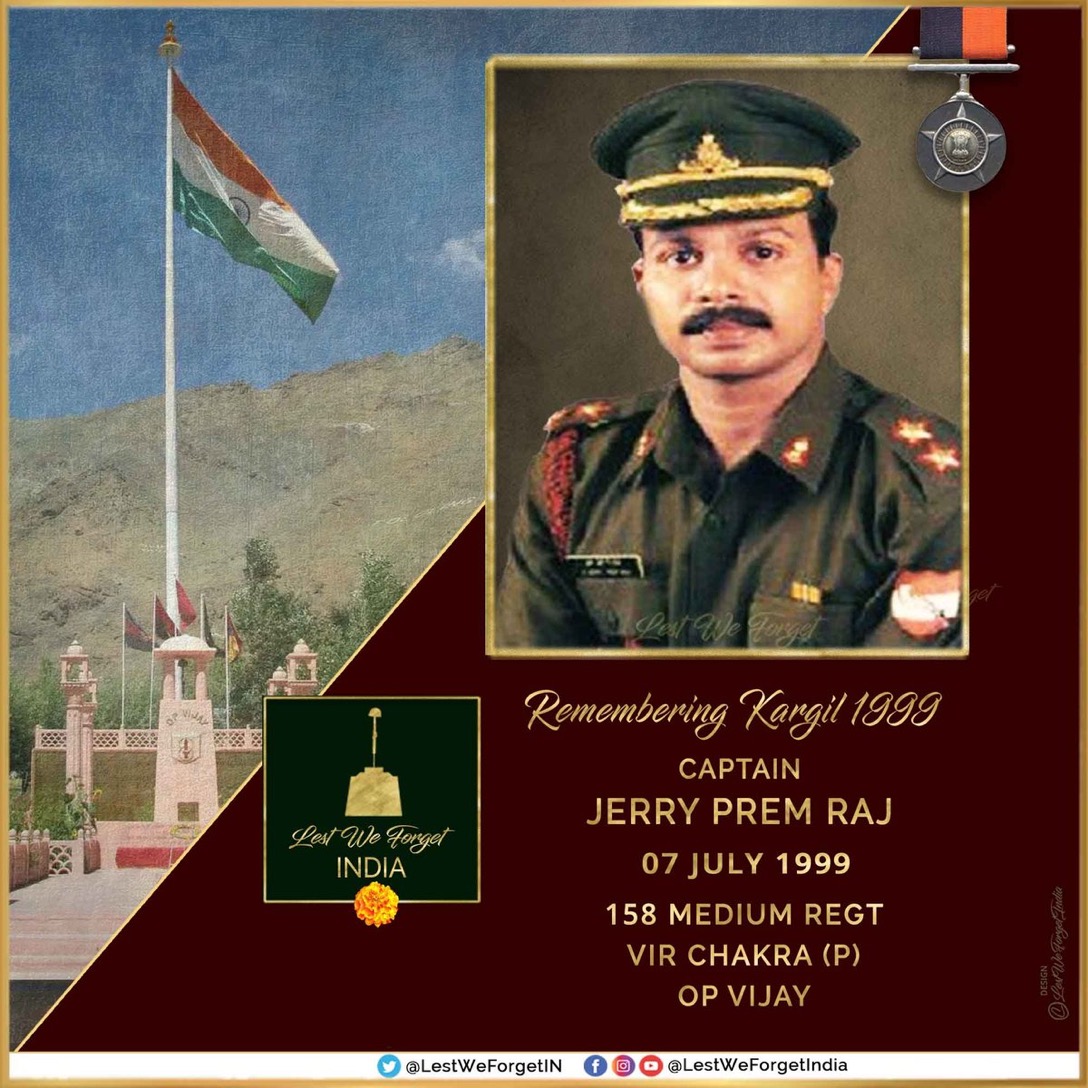
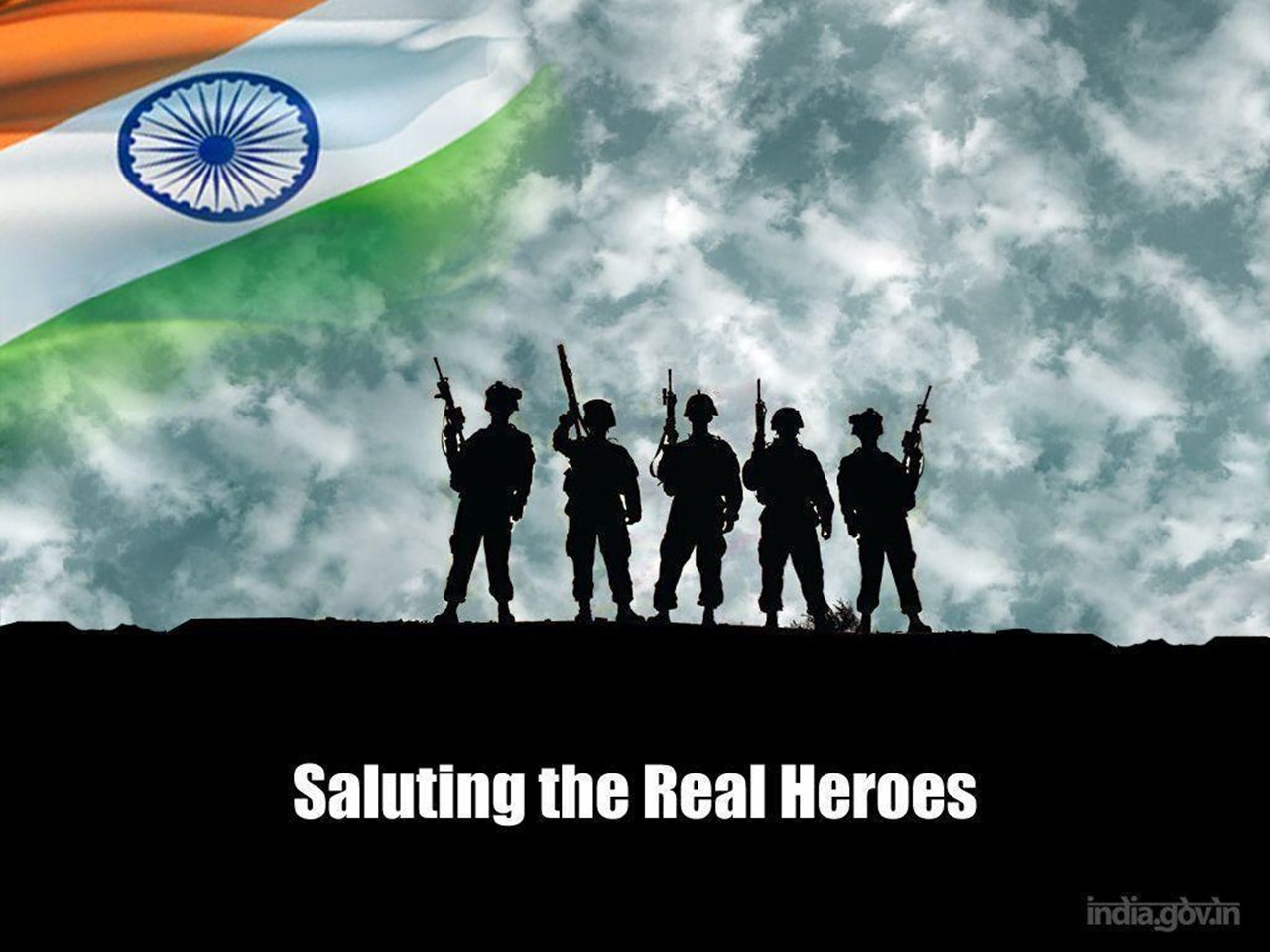
Whole Victory – Sunday, July 26, 2026. Special Frontier Force commemorates the Victory in Kargil War of 1999. The 27th Anniversary of Kargil Vijay Diwas.Whole Victory – Sunday, July 26, 2026. Special Frontier Force commemorates the Victory in Kargil War of 1999. The 27th Anniversary of Kargil Vijay Diwas.Whole Victory – Sunday, July 26, 2026. Special Frontier Force commemorates the Victory in Kargil War of 1999. The 27th Anniversary of Kargil Vijay Diwas.Whole Victory – Sunday, July 26, 2026. Special Frontier Force commemorates the Victory in Kargil War of 1999. The 27th Anniversary of Kargil Vijay Diwas.Whole Victory – Sunday, July 26, 2026. Special Frontier Force commemorates the Victory in Kargil War of 1999. The 27th Anniversary of Kargil Vijay Diwas.Whole Victory – Sunday, July 26, 2026. Special Frontier Force commemorates the Victory in Kargil War of 1999. The 27th Anniversary of Kargil Vijay Diwas.Whole Victory – Sunday, July 26, 2026. Special Frontier Force commemorates the Victory in Kargil War of 1999. The 27th Anniversary of Kargil Vijay Diwas.
All said and done, the Kargil War stands out as the proud symbol of Indian Identity and Indian Unity while confronting an adverse situation imposed by the evil, unfair, and unjust actions of India’s Enemy.
26th July is an important date in my memory for I joined the Indian Army Medical Corps at Officers Training School, Army Medical Corps Centre at Lucknow on this date in 1970.
Whole Victory – Sunday, July 26, 2026. Special Frontier Force commemorates the Victory in Kargil War of 1999. The 27th Anniversary of Kargil Vijay Diwas.
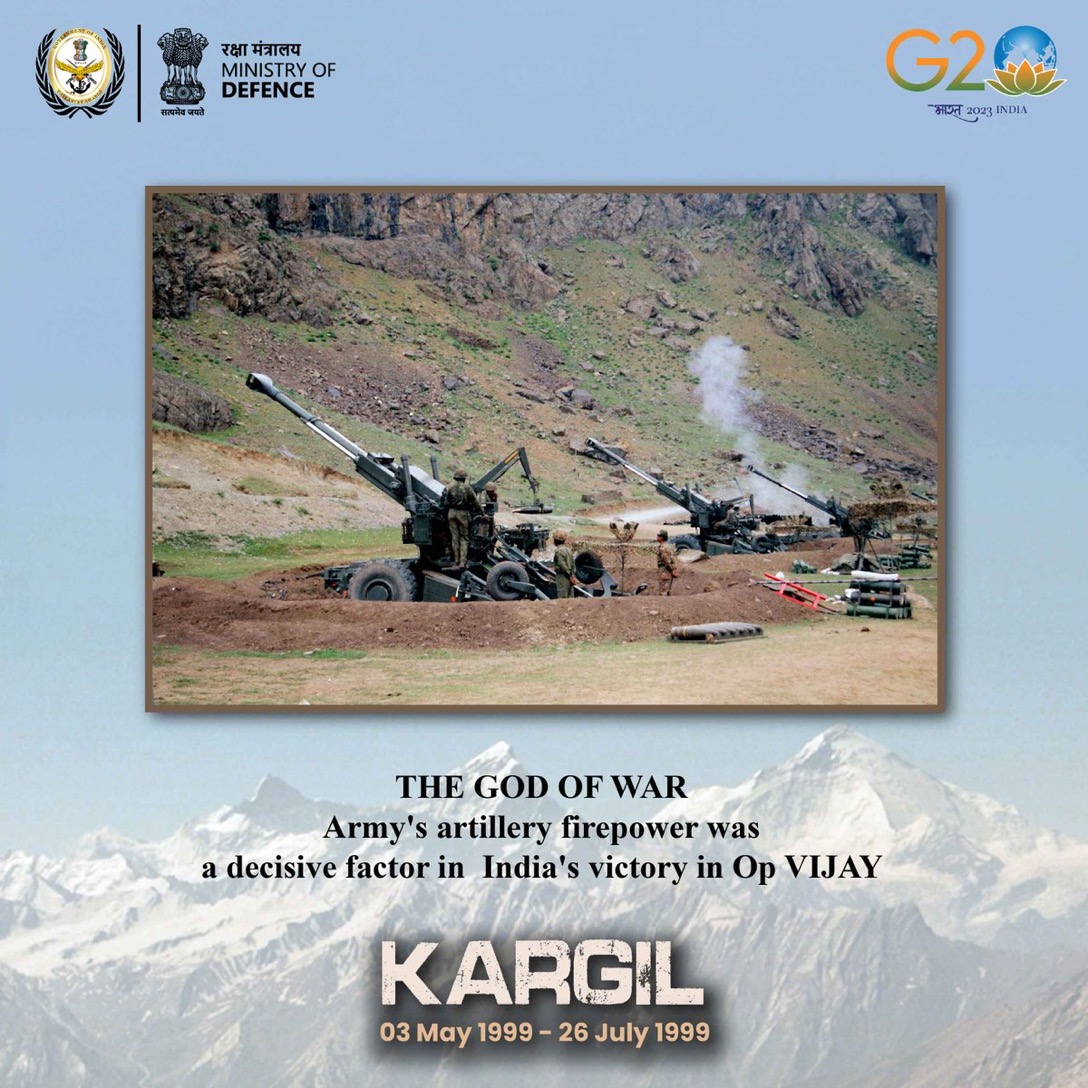
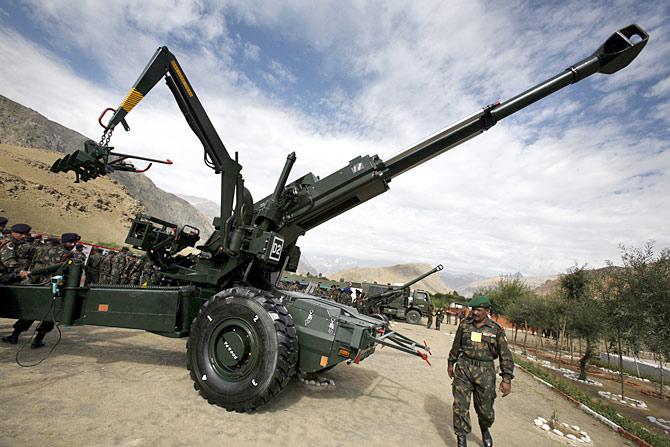
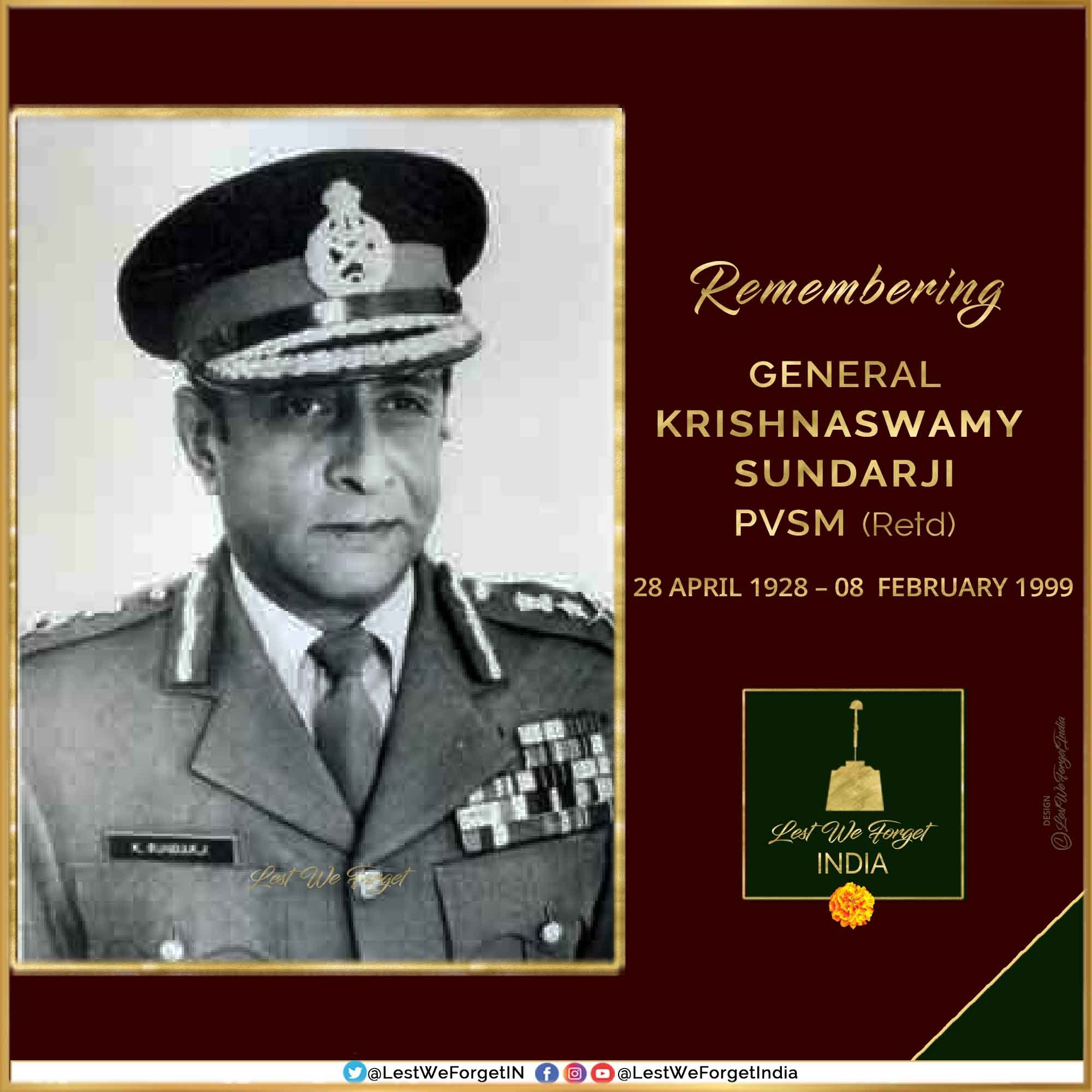
The Bofors 155mm howitzers played a remarkable role in the Kargil War. I know the Indian Army Chief who purchased the Bofors Guns that played a major role in the Kargil War of 1999. General Krishnaswamy Sundarji, PVSM (28 April 1928 – 8 February 1999), was the Chief of Army Staff of the Indian Army from 1986 to 1988. He was the last former British Indian Army officer to command the Indian Army. I served under his Command when he was the General Officer-Commanding-in-Chief of the First Armoured Division between 1976-78.
I commemorate the Victory in Kargil War of 1999 to acknowledge the fact of Special Frontier Force’s participation in this herculean war effort.
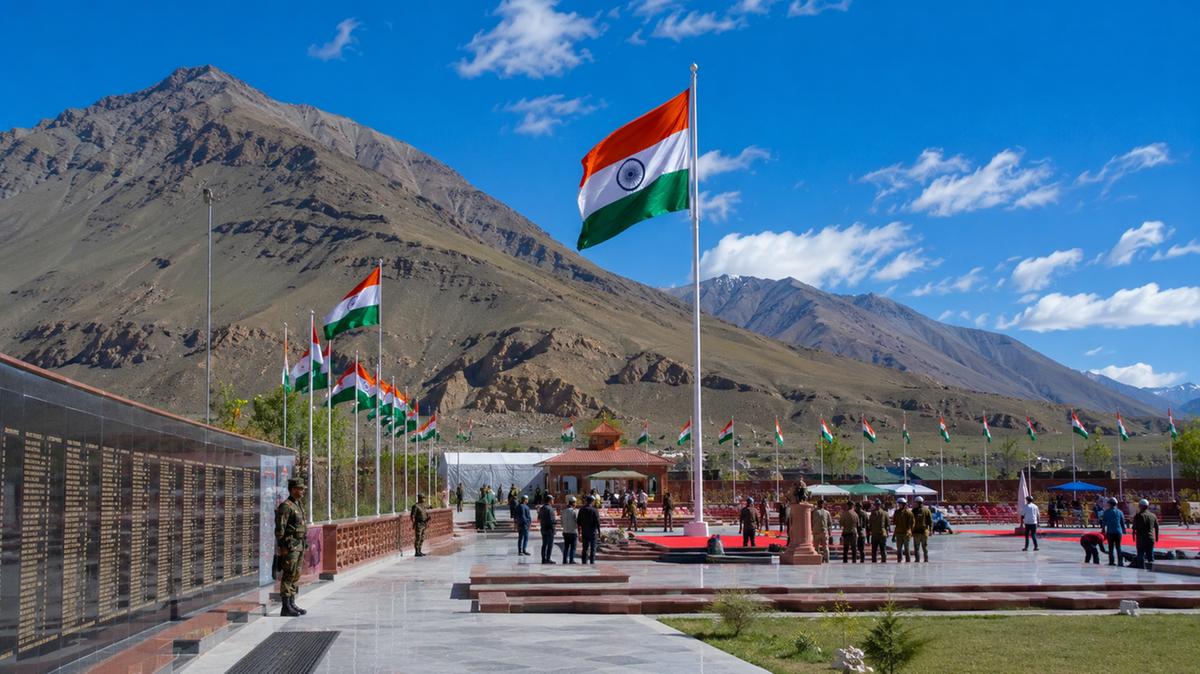
Whole Victory – Sunday, July 26, 2026. Special Frontier Force commemorates the Victory in Kargil War of 1999. The 27th Anniversary of Kargil Vijay Diwas. Every year, the Indian Army soldiers prepare to celebrate Kargil Vijay Diwas (Victory day) celebrations at the war memorial in DrassWhole Victory – Sunday, July 26, 2026. Special Frontier Force commemorates the Victory in Kargil War of 1999. The 27th Anniversary of Kargil Vijay Diwas.
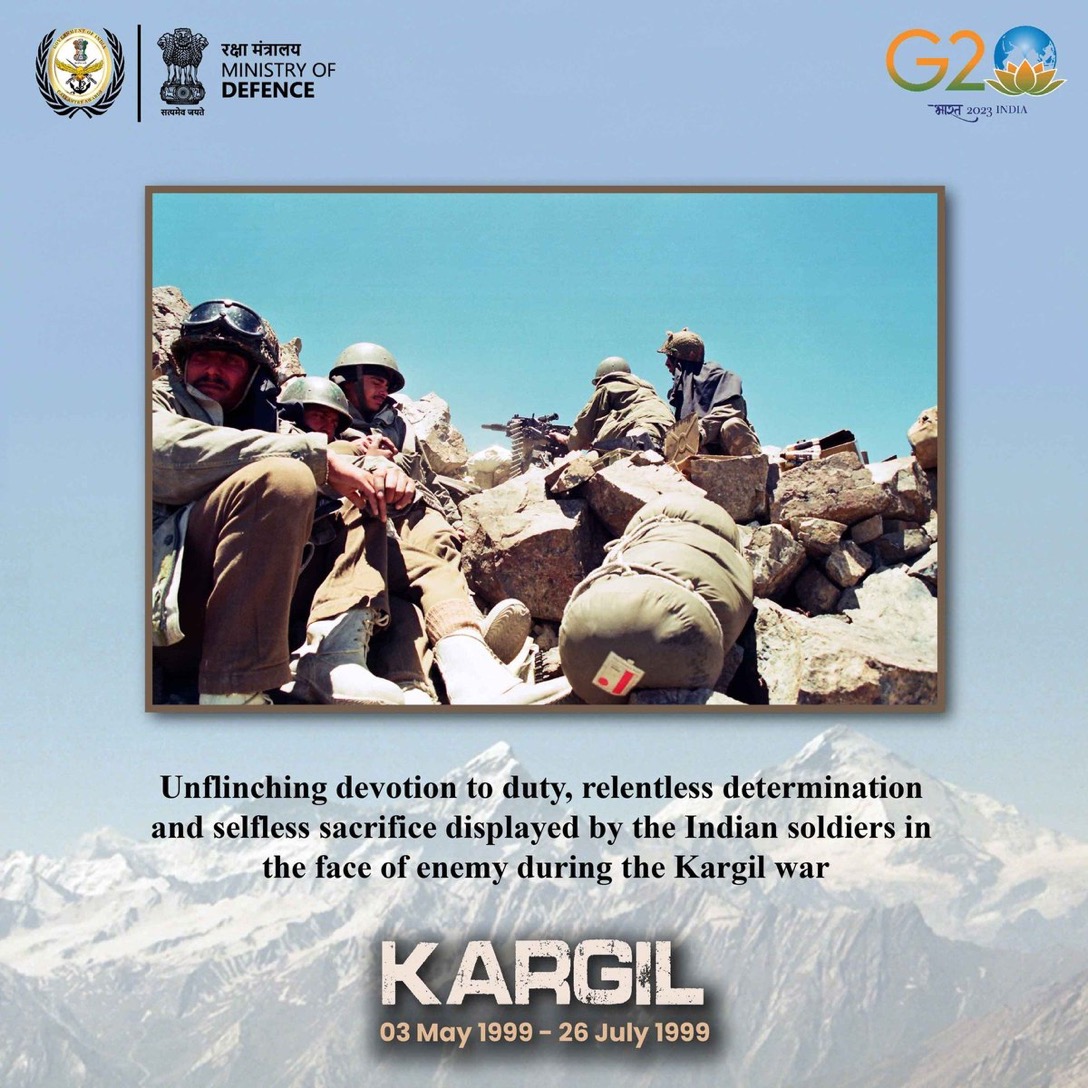
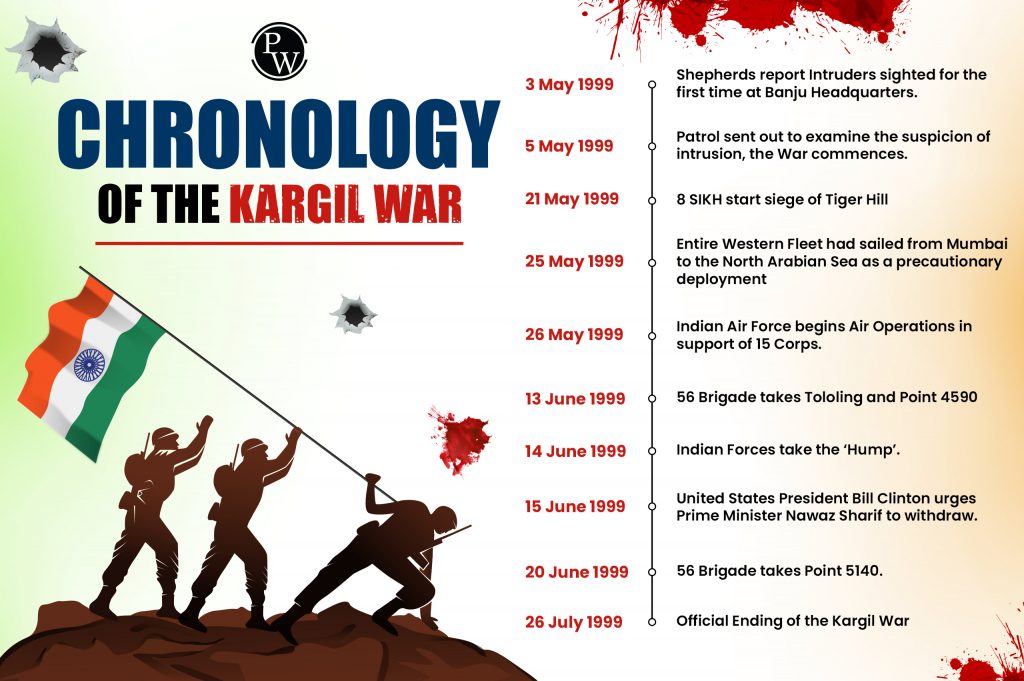
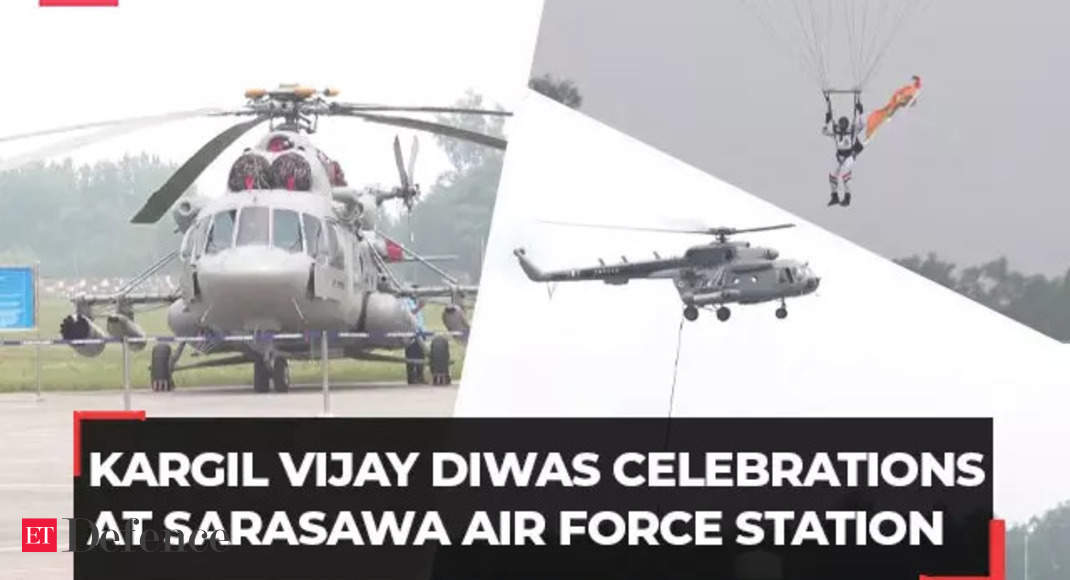
Kargil Vijay Diwas: The 26th Anniversary of Kargil Vijay Diwas will be celebrated across the country on Sunday, July 26, 2026. The Indian armed forces defeated attempts by Pakistan to capture strategic heights in Kargil in 1999. The military action to evict the enemy occupier was named ‘Operation Vijay’. It was on July 26, 1999, Indian Army had declared successful culmination of ‘Operation Vijay’, declaring a victory after nearly three-month-long battles against Pakistan on the icy heights of Kargil. India had lost 527 soldiers in the war.
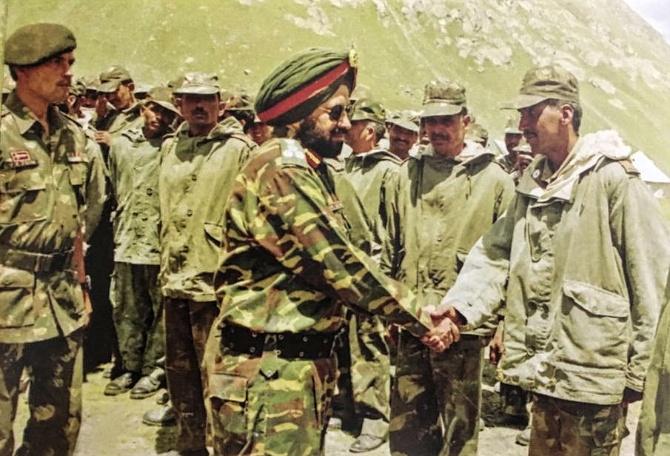
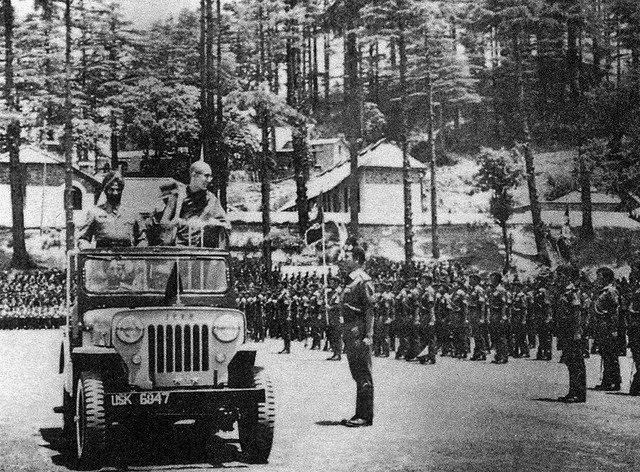
Whole Victory – Sunday, July 26, 2026. Special Frontier Force commemorates the Victory in Kargil War of 1999. The 27th Anniversary of Kargil Vijay Diwas. General VP Malik, Indian Army Chief, during Kargil conflict. (Express Archive Photo)
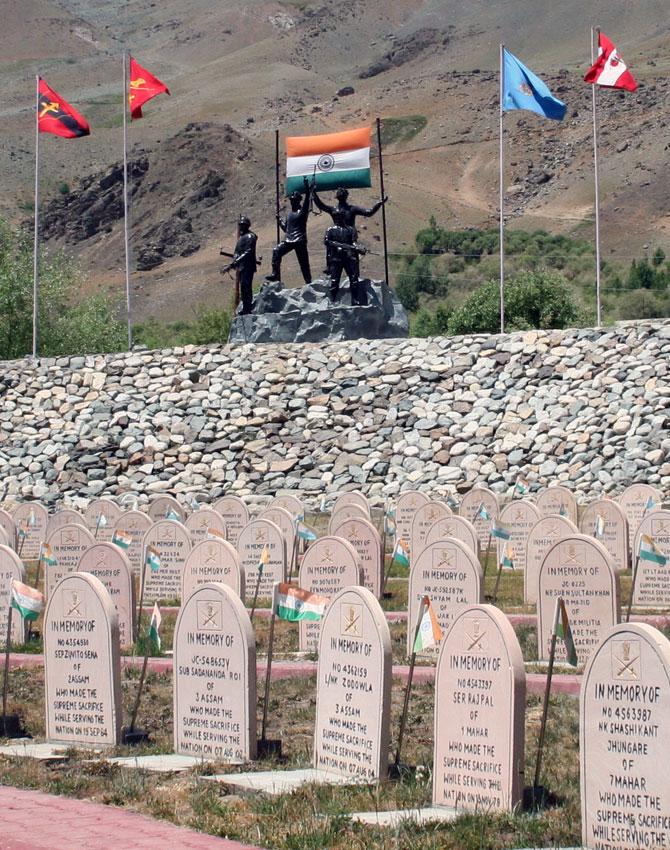
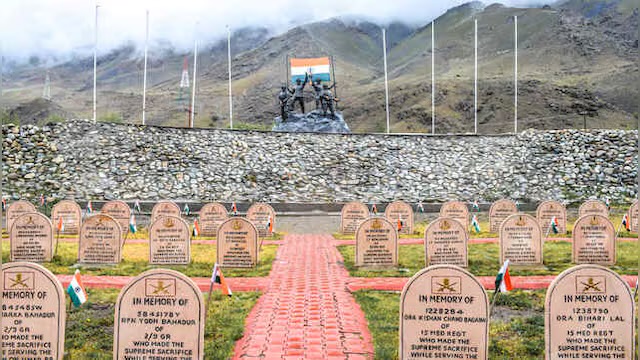
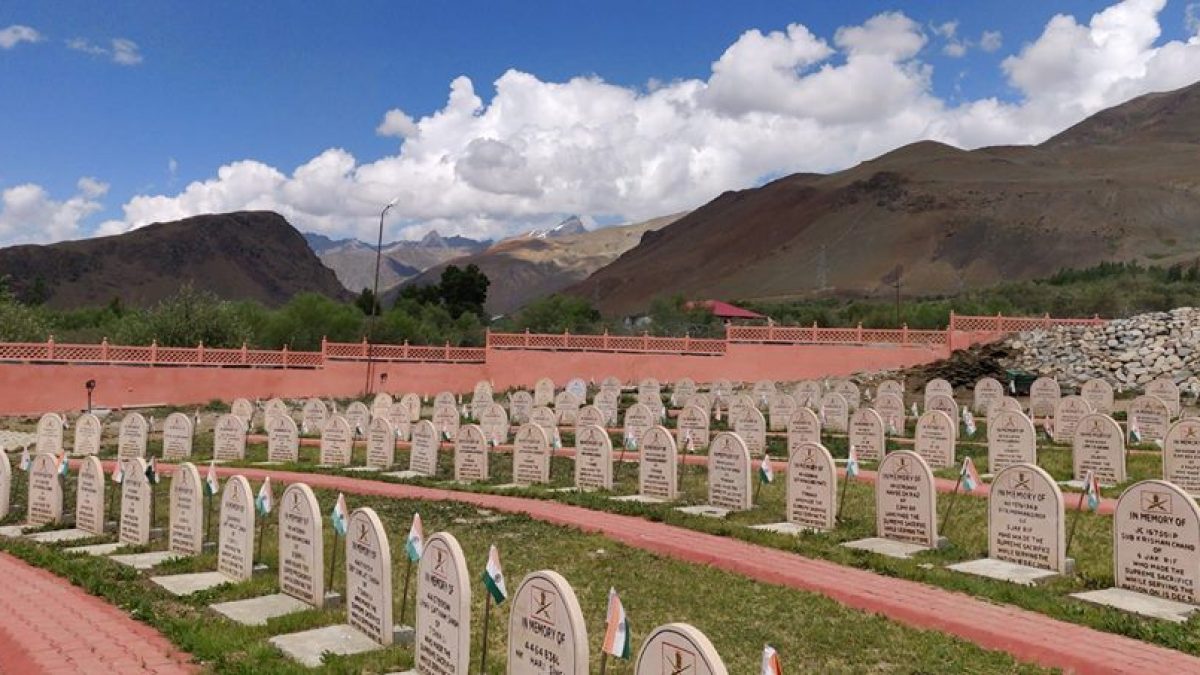
The nation is remembering its war heroes and paying tributes to Martyrs on Kargil Vijay Diwas. As many as 527 soldiers from the Indian Armed Forces lost their lives during the war. The Kargil Vijay Diwas not only embarks upon India’s win but also pays homage to the fallen heroes who fought valiantly for the nation, and sacrificed their lives to make ‘Operation Vijay’ a success.
The occasion commemorates the glorious victory of the Indian armed forces against the Pakistan Army intruders in the Kargil, Drass and Batalik sectors in 1999.
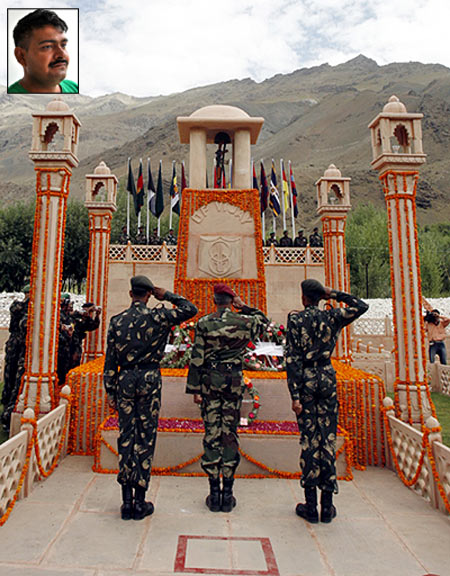
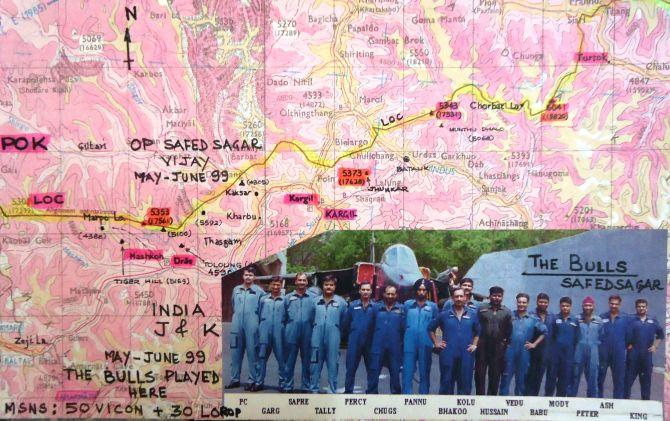
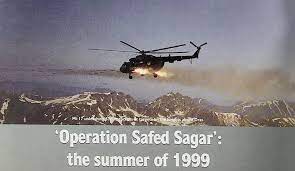
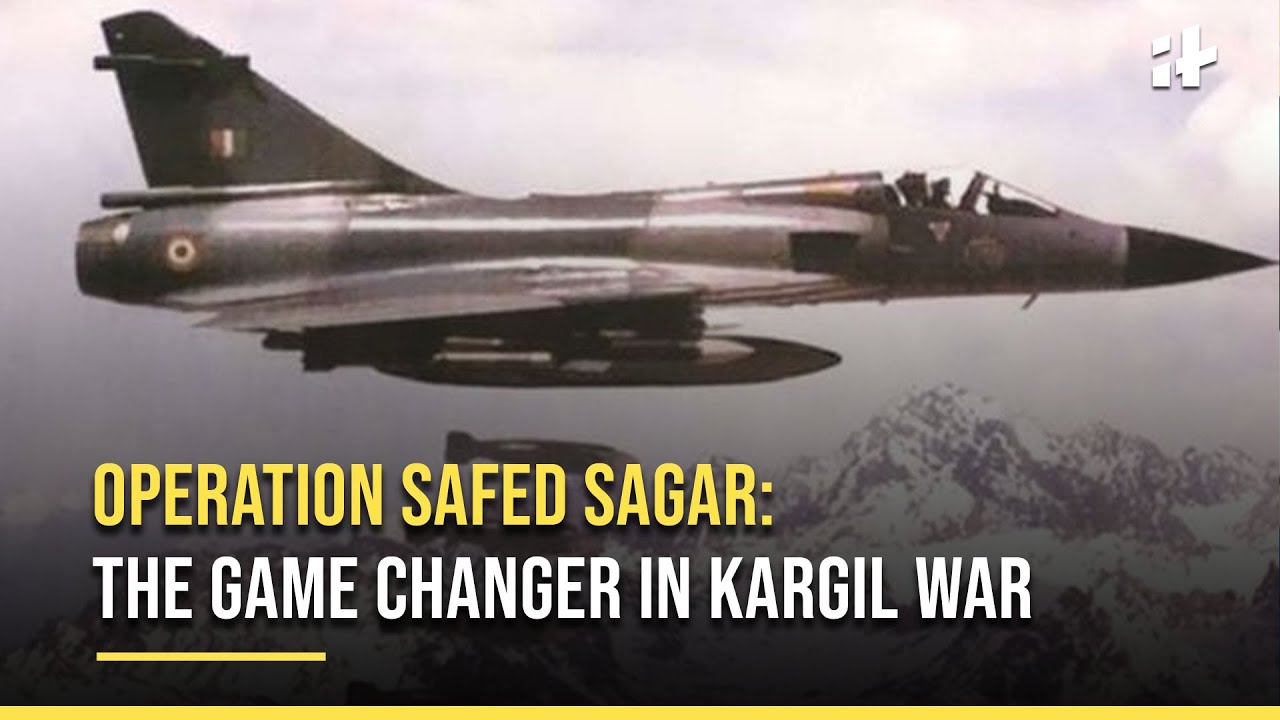
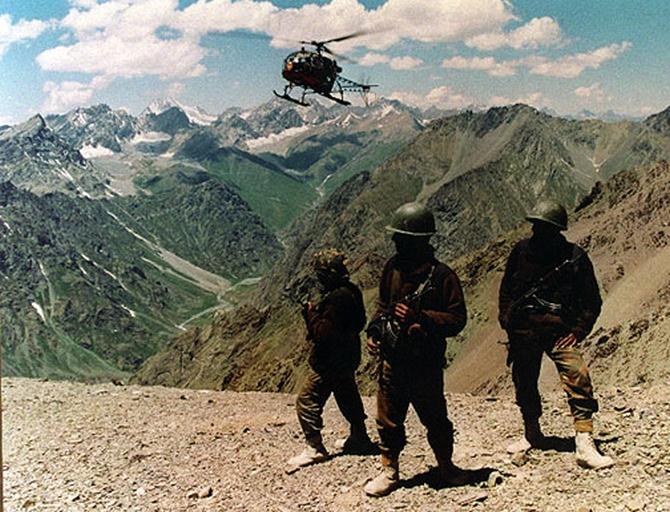
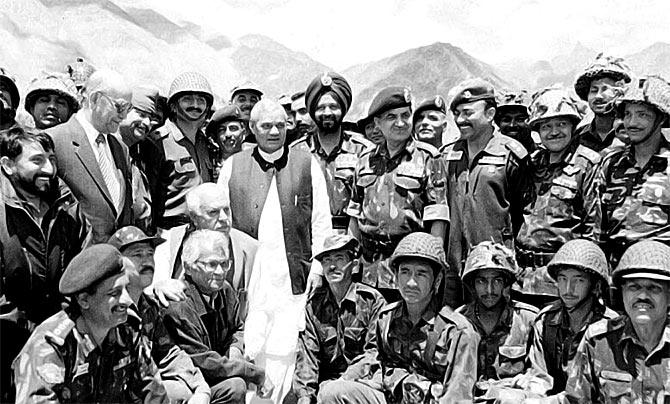
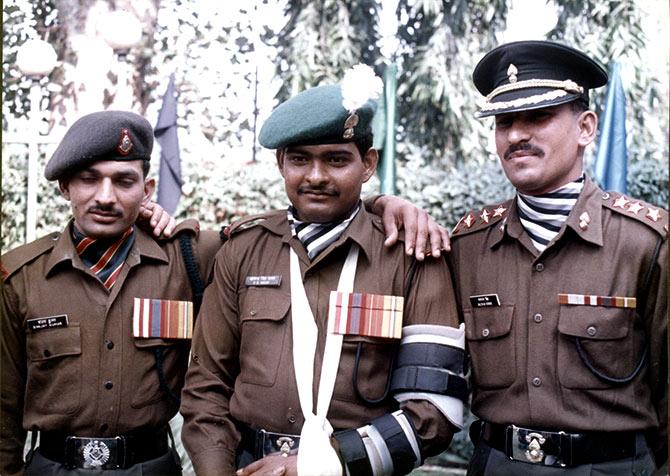
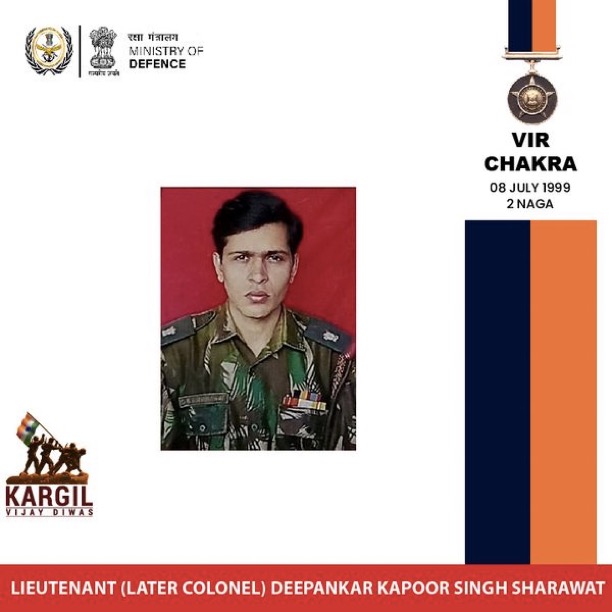
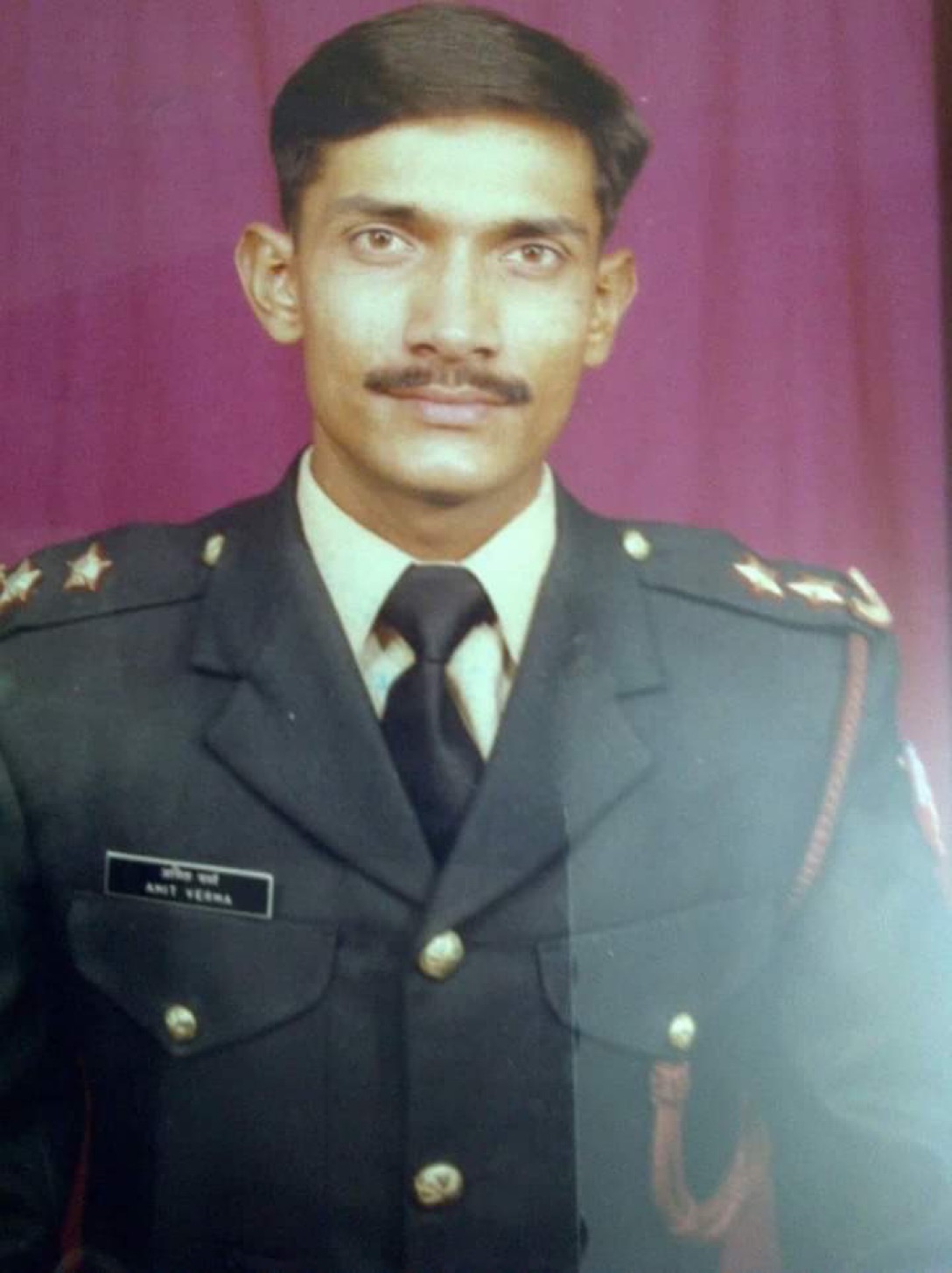
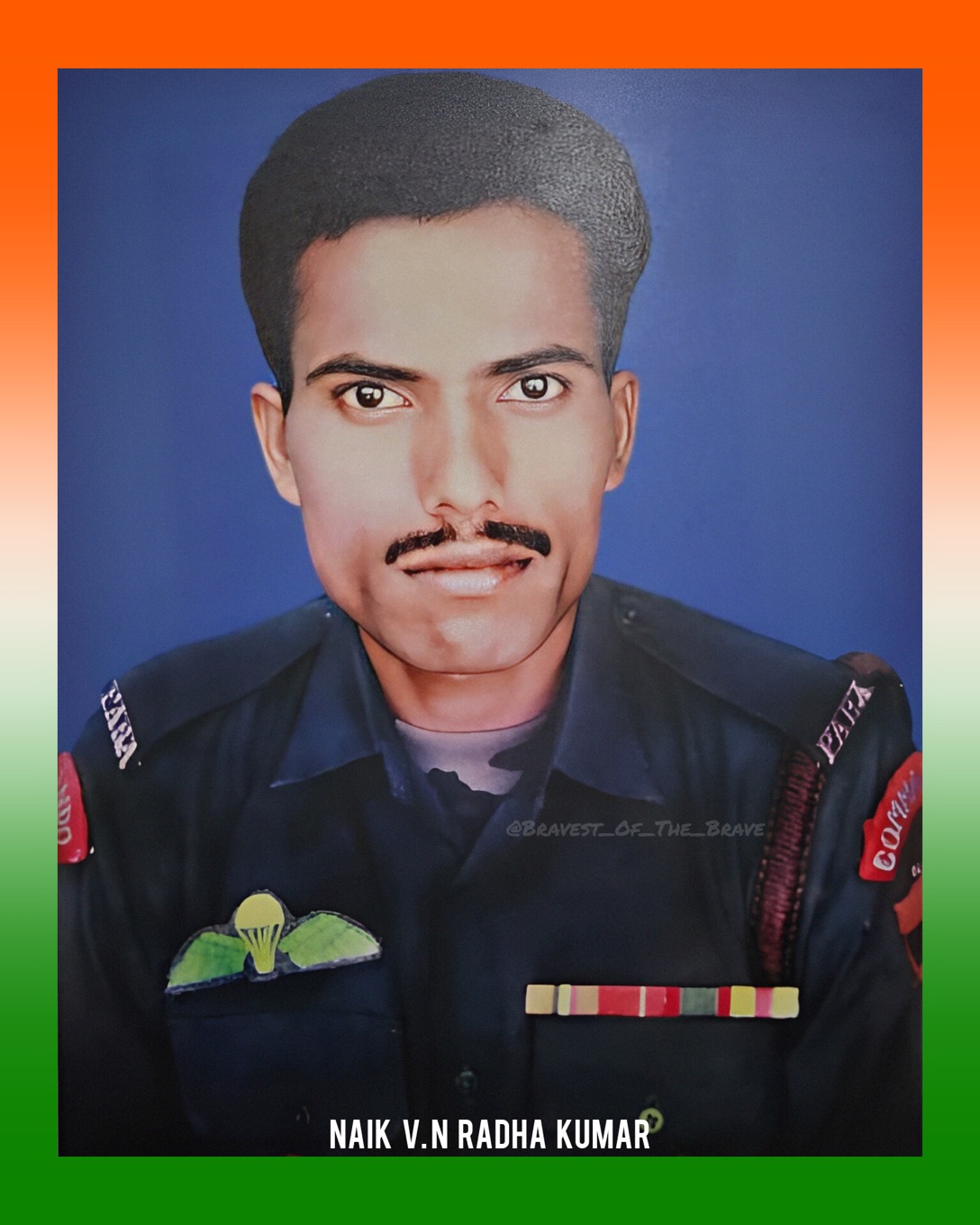
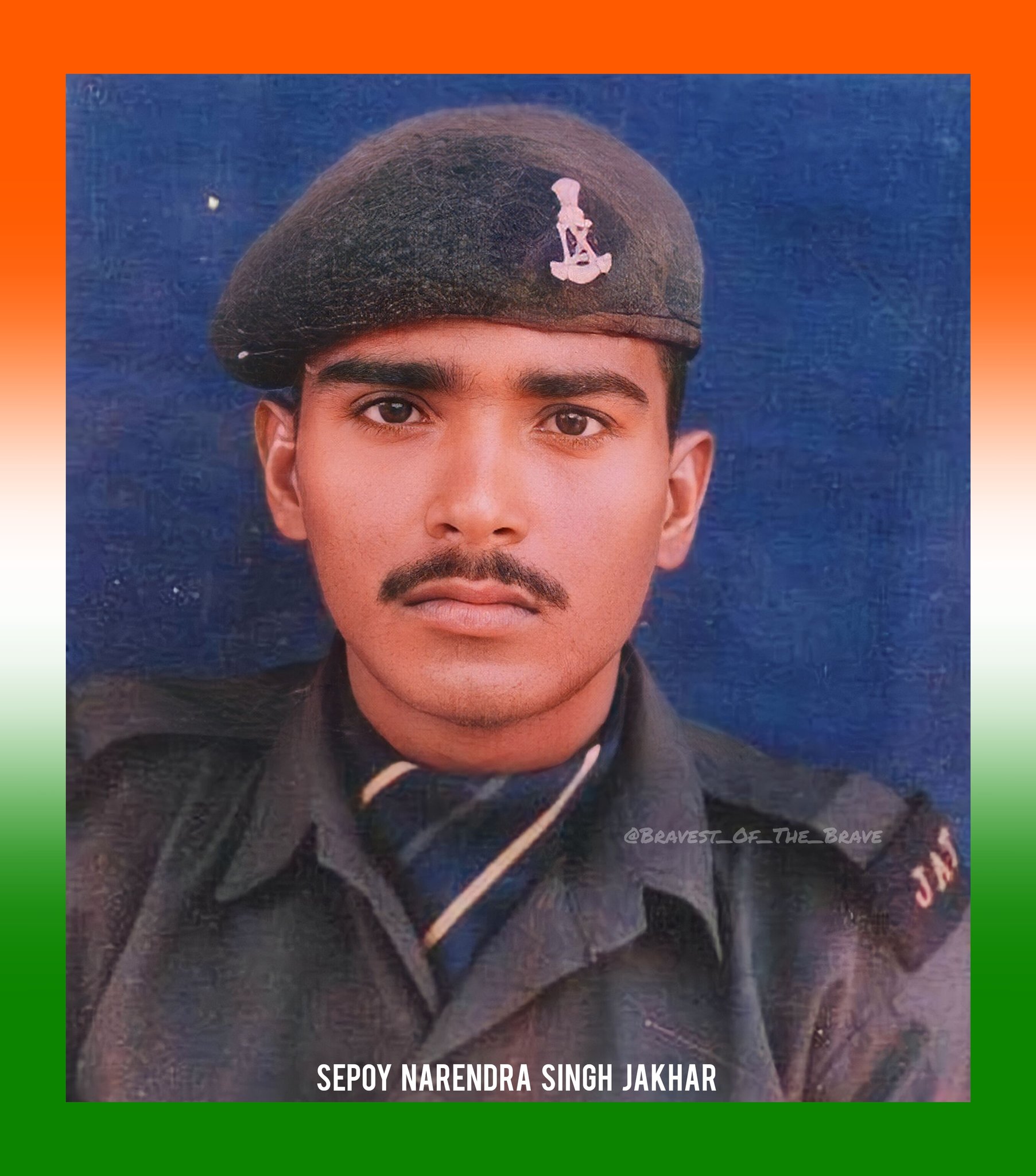
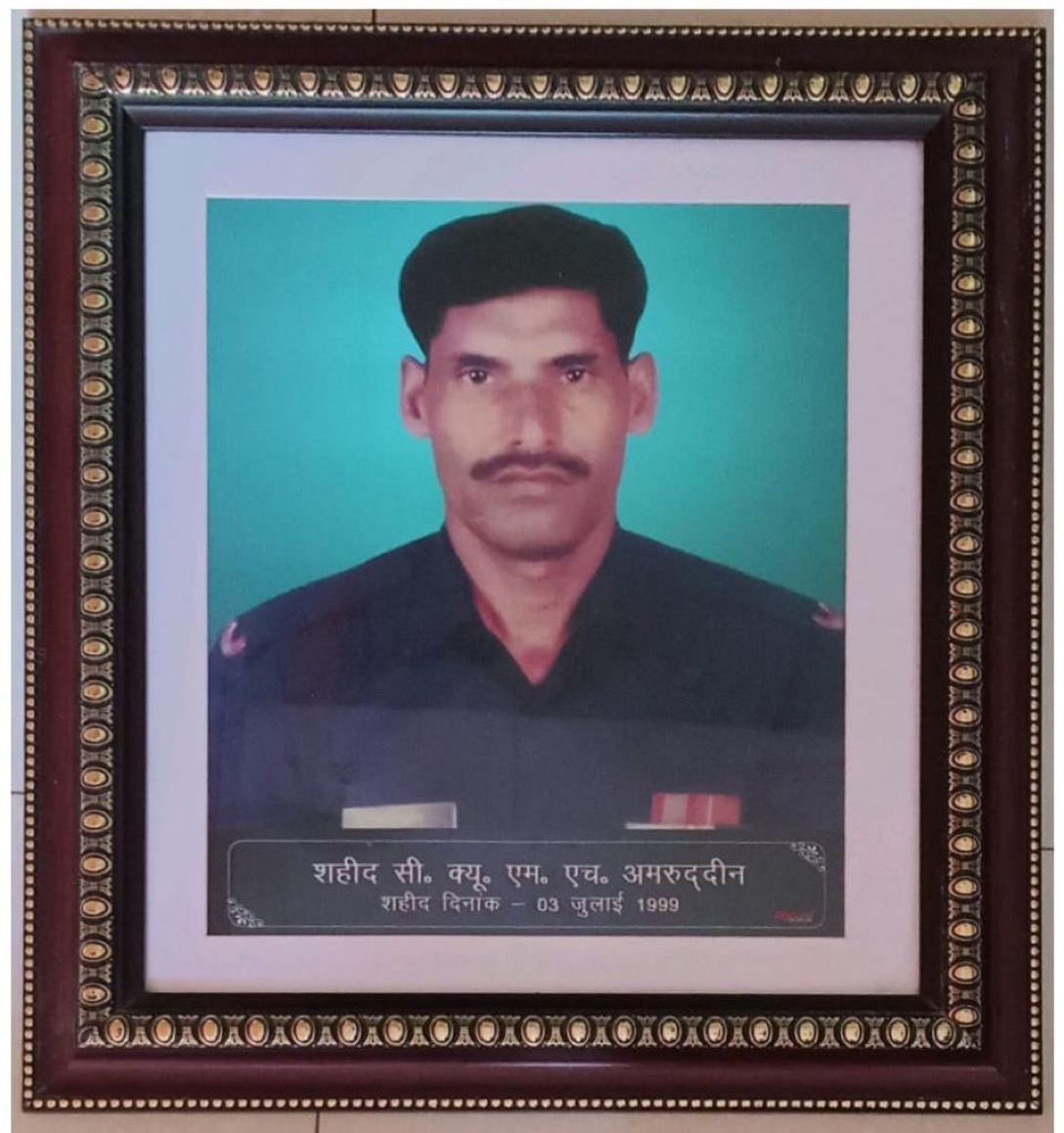
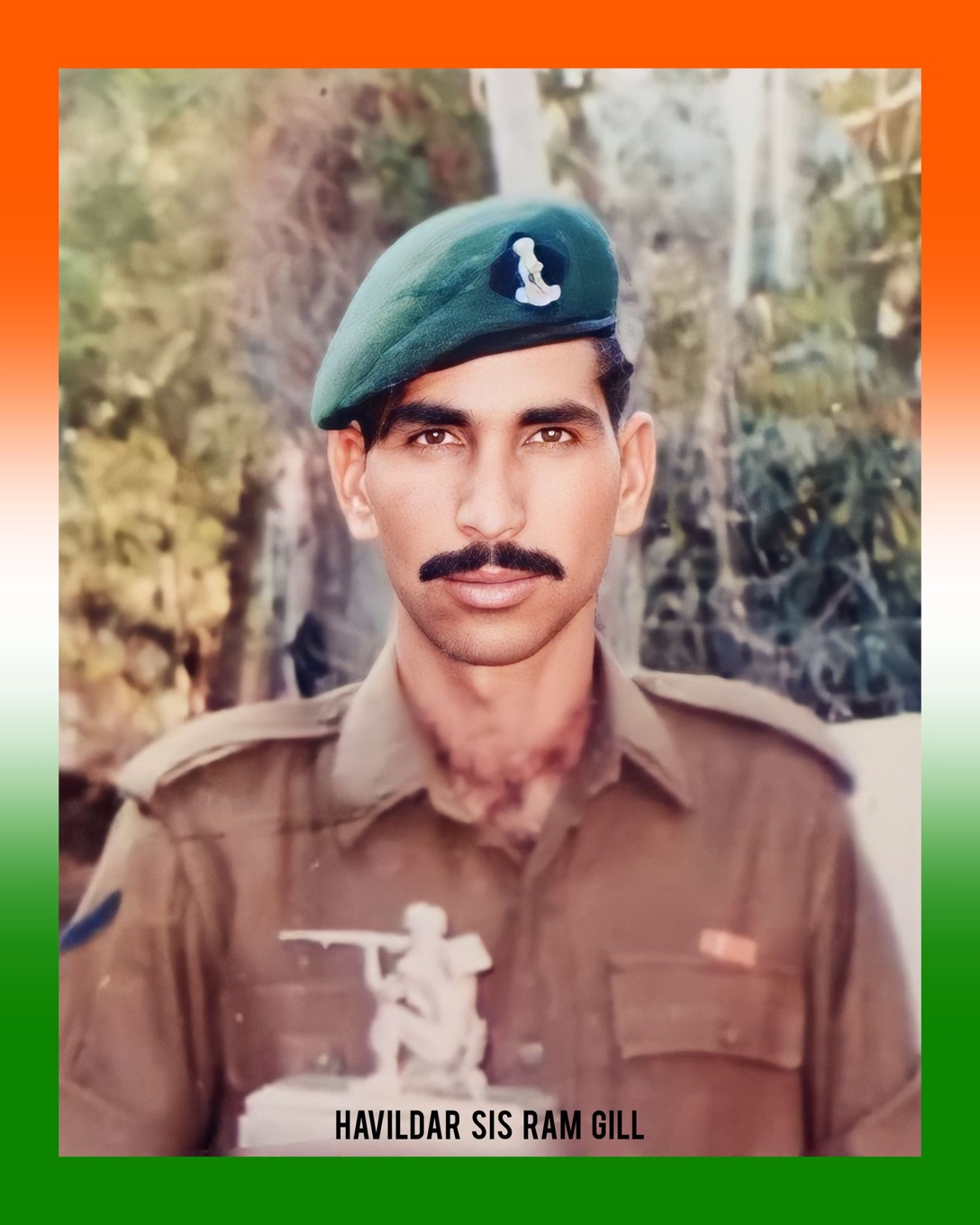
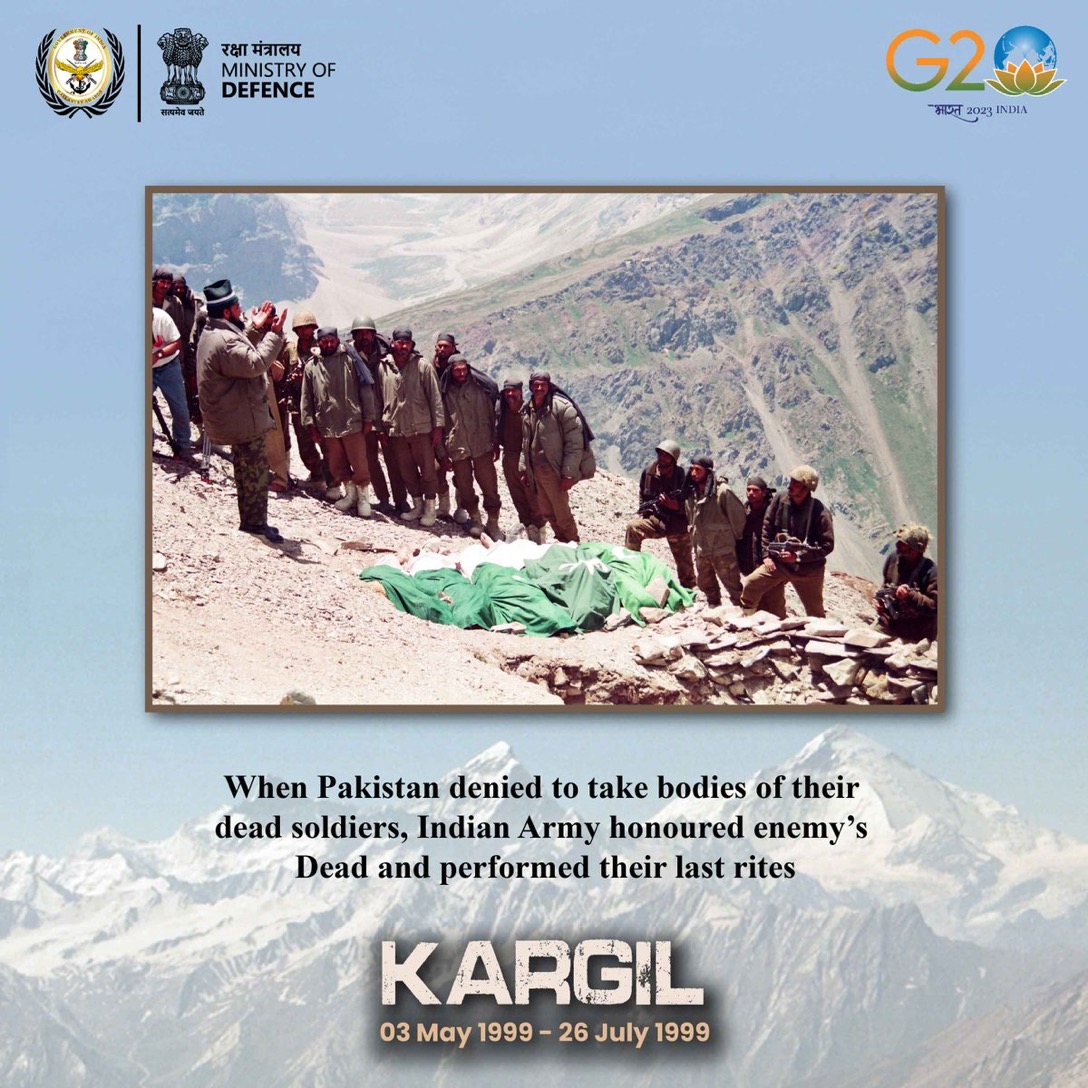
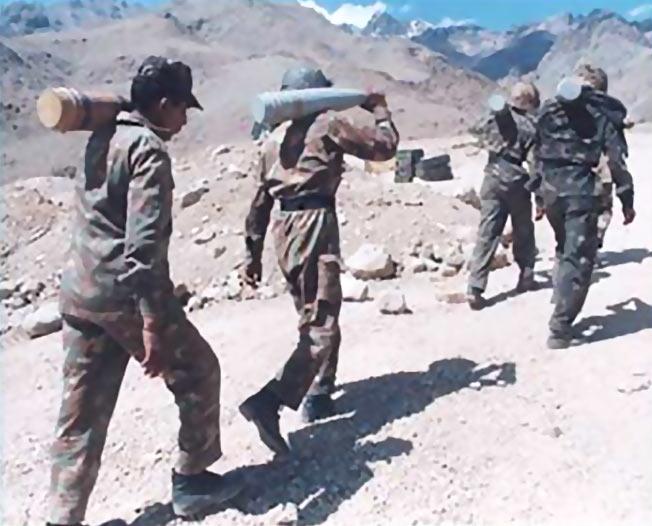
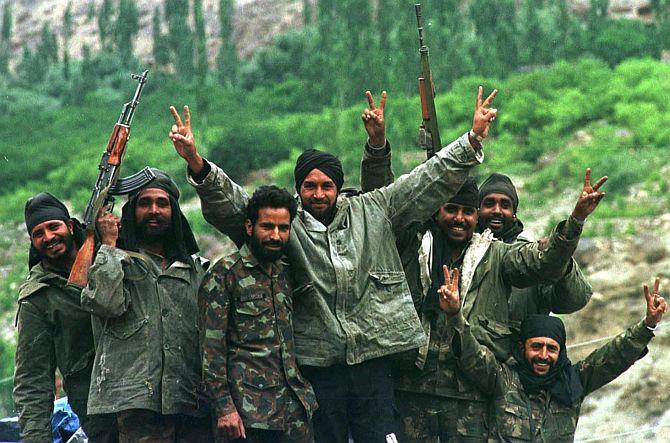
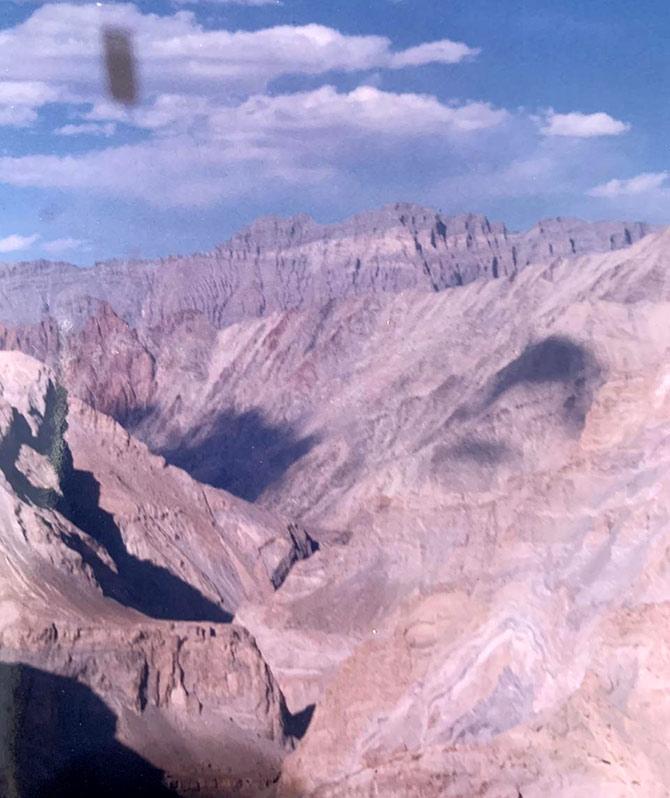
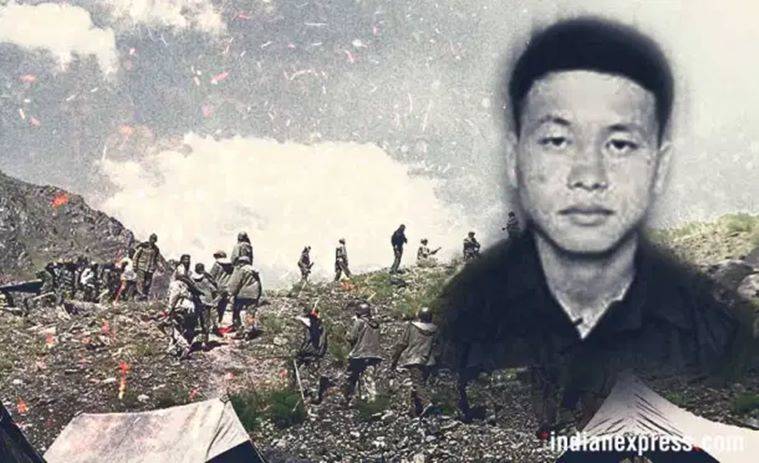
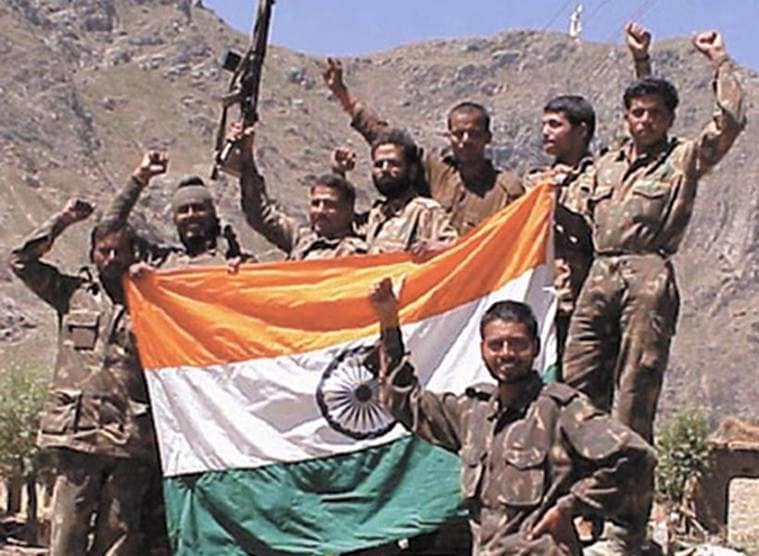
Battle of Tiger Hill, Drass Sector, July 02-04, 1999. Sunday, July 26, 2026. Special Frontier Force commemorates the Victory in Kargil War of 1999. The 27th Anniversary of Kargil Vijay Diwas.Whole Victory – Sunday, July 26, 2026. Special Frontier Force commemorates the Victory in Kargil War of 1999. The 27th Anniversary of Kargil Vijay Diwas.Kargil 2021: Chief of Defence Staff General Bipin Rawat visits Dras Sector along the Line of Control (LOC)Indian Army soldiers during a special event narrating the stories of Operation VIJAY at Lamochen near Dras in Ladakh, Sunday, July 25, 2021. (PTI)The Indian Air Force code named its Operation as Op Safed Sagar (Operation White Sea).The Indian Air Force code named its Operation as Op Safed Sagar (Operation White Sea).Whole Victory – Sunday, July 26, 2026. Special Frontier Force commemorates the Victory in Kargil War of 1999. The 27th Anniversary of Kargil Vijay Diwas.The Indian Air Force code named its Operation as Op Safed Sagar (Operation White Sea).Friday, July 26, 2024. Special Frontier Force commemorates the Victory in Kargil War of 1999. The 25th Anniversary of Kargil Vijay Diwas. The Indian Air Force code named its Operation as Op Safed Sagar (Operation White Sea).Friday, July 26, 2024. Special Frontier Force commemorates the Victory in Kargil War of 1999. The 25th Anniversary of Kargil Vijay Diwas. The Indian Air Force code named its Operation as Op Safed Sagar (Operation White Sea).Whole Victory – Sunday, July 26, 2026. Special Frontier Force commemorates the Victory in Kargil War of 1999. The 27th Anniversary of Kargil Vijay Diwas. Special Frontier Force trains at Sarsawa Air Base.The Kargil War Memorial at the foothill of Tololing hill, where Indian troops fought one of the toughest battles of the Kargil war. The memorial has the tombstones of the martyrs and a museum.The Kargil War Memorial at the foothill of Tololing hill, where Indian troops fought one of the toughest battles of the Kargil war. The memorial has the tombstones of the martyrs and a museum.The Kargil War Memorial at the foothill of Tololing hill, where Indian troops fought one of the toughest battles of the Kargil war. The memorial has the tombstones of the martyrs and a museum.Indian soldiers on a mountain peak during the war. The Pakistan army had captured nearly 100 km of Indian territory inside the Line of Control. Indian soldiers paid in their blood to regain the land. Photograph: Rediff.comThe Indian Prime Minister Atal Bihari Vajpayee along with the Defence Minister George Fernandes, crouching, third from left, the Jammu and Kashmir Governor Girish Chandra ‘Gary’ Saxena, standing second from left, and the Indian Army Chief General Ved Prakash Malik, fourth from right, meet the troops in Kargil. Photograph: Rediff.comParam Vir Chakra awardees Rifleman Sanjay Kumar, left, and Grenadier Yoginder Yadav, center, with Mahavir Chakra awardee Lieutenant (now Colonel) Balwan Singh, right. Grenadier Yadav and Lieutenant Balwan Singh were in the commando platoon that led the final assault on Tiger Hill. Their bravery that night is the stuff of legend. Photograph: Rediff.com.Whole Victory – Sunday, July 26, 2026. Special Frontier Force commemorates the Victory in Kargil War of 1999. The 27th Anniversary of Kargil Vijay Diwas.Whole Victory – Sunday, July 26, 2026. Special Frontier Force commemorates the Victory in Kargil War of 1999. The 27th Anniversary of Kargil Vijay Diwas.Whole Victory – Sunday, July 26, 2026. Special Frontier Force commemorates the Victory in Kargil War of 1999. The 27th Anniversary of Kargil Vijay Diwas.Whole Victory – Sunday, July 26, 2026. Special Frontier Force commemorates the Victory in Kargil War of 1999. The 27th Anniversary of Kargil Vijay Diwas.Whole Victory – Sunday, July 26, 2026. Special Frontier Force commemorates the Victory in Kargil War of 1999. The 27th Anniversary of Kargil Vijay Diwas.Captain Vikram Batra in the Drass sector.Special Frontier Force pays tribute to Kargil War Hero, Captain Vikram Batra, 13 Jammu and Kashmir Rifles, who made the supreme sacrifice on July 07, 1999.Whole Victory – Sunday, July 26, 2026. Special Frontier Force commemorates the Victory in Kargil War of 1999. The 27th Anniversary of Kargil Vijay Diwas.Special Frontier Force pays tribute to Kargil War Hero, Captain Keishing Clifford Nongrum, 12 JAK LI, who made the supreme sacrifice on July 01, 1999Special Frontier Force pays tribute to Kargil War Heroes of the Naga Regiment who made the supreme sacrifice on July 06-07, 1999.Special Frontier Force pays tribute to Kargil War Hero,Subedar Nirmal Singh, VrC, 8 SIKH who made the supreme sacrifice on July 05, 1999.Special Frontier Force pays tribute to Kargil War Hero, Captain Jerry Prem Raj, 158 Medium Regiment (Artillery) who made the supreme sacrifice on July 07, 1999.Special Frontier Force pays tribute to Kargil War Hero, Lieutenant Deepankar Kapoor Singh Sharawat, 2 NAGA for his gallant action on July 08, 1999.Special Frontier Force pays tribute to Kargil War Hero, Captain Amit Velma, 9 MAHAR, who made the supreme sacrifice on July 04, 1999.Special Frontier Force pays tribute to Kargil War Hero, Naik V.N. Radha Kumar, 9 Para SF who made the supreme sacrifice on July 01, 1999.Special Frontier Force pays tribute to Kargil War Hero, Sepoy Narendra Singh Jakhar, 8 JAT who made the supreme sacrifice on July 09, 1999.CQMH Amruddin, 22 Grenadiers made the supreme sacrifice on July 03, 1999.Havildar Sis Ram Gill, Vir Chakra, 8 JAT made the supreme sacrifice on July 09, 1999.Whole Victory – Sunday, July 26, 2026. Special Frontier Force commemorates the Victory in Kargil War of 1999. The 27th Anniversary of Kargil Vijay Diwas.Whole Victory – Sunday, July 26, 2026. Special Frontier Force commemorates the Victory in Kargil War of 1999. The 27th Anniversary of Kargil Vijay Diwas.The Bofors 155mm howitzers played a remarkable role in the Kargil War. Photograph: Fayaz Kabli/ReutersIndian soldiers show the victory sign in Drass after India captured Tiger Hill on July 4, 1999. Photograph: Kamal Kishore/ReutersWhole Victory – Sunday, July 26, 2026. Special Frontier Force commemorates the Victory in Kargil War of 1999. The 27th Anniversary of Kargil Vijay Diwas.Naik Digendra Kumar served the 2nd Battalion of the Rajputana Rifles during the 1999, Kargil War before retiring in 31st July, 2005. He was awarded the Mahavir Chakra on 15th August 1999, for his heroism in the battlefield.Major Vivek Gupta of the 2nd Battalion, Rajputana Rifles, died in the Kargil conflict on June 12, 1999, after capturing two important posts in the Drass sector. He was felicitated with Maha Vir Chakra for his heroism at the war front.July 26, 2024. Special Frontier Force commemorates the Victory in Kargil War of 1999. Colonel Sonam Wangchuk is an Indian Army officer serving the Ladakh scouts regiment. In the 1999 Kargil War, then Major Wangchuk led an operation against Pakistani troops on Chorbat La Top, for which he was awarded the Maha Vir Chakra.Major Rajesh Singh Adhikari was an Indian Army Officer who died in the Battle of Tololing on May 30, 1999 during the Kargil War. He was awarded the gallantry honor, Maha Vir Chakra for his bravery in warfare.Indian Army Major Padmapani Acharya of the 2nd Battalion, Rajputana Rifles, was killed by the enemy at Lone Hill on June 28, 1999, during the Kargil conflict. He was awarded the Maha Vir Chakra for his heroic act of bravery despite succumbing to injuries.Lieutenant Keishing Clifford Nongrum of the 12th Battalion, Jammu and Kashmir Light Infantry, attained martyrdom on July 1st, 1999 while capturing Point 4812 during the Kargil War. He was honored with Maha Vir Chakra for his chivalry in the combat operations.Captain Anuj Nayyar was an Indian Army officer of the 17th Battalion, Jat Regiment, who laid down his life while battling at the Tiger Hill on 7th July 1999 during the Kargil War. He was posthumously awarded the Maha Vir Chakra for his exemplary valor during combat operations.The Victorious Indian Army Jawans of 18 Grenadiers after recapturing the Tiger Hill in Drass sector of Jammu and Kashmir. (Express archive)Whole Victory – Sunday, July 26, 2026. Special Frontier Force commemorates the Victory in Kargil War of 1999. The 27th Anniversary of Kargil Vijay Diwas.
Whole Dude – Whole Warfare: Commemoration of the National Security Act of 1947. Whole Dude at Whole Foods observes July 26, 2026 as Anti-Slavery Campaign Day
Yes indeed. Life is Complicated. What is this Day in History? The complexity of Life is about finding the Connection between the Date and Life. Man’s Plan for Life must come together with God’s Purpose in Life to win the Battle Against Spiritual Wickedness.
Man’s Plan for July 26 vs God’s Plan for July 26. Whole Dude at Whole Foods celebrates the CIA Connection on Sunday, July 26, 2026
July 26, This Day in my Life:
Man’s Plan for July 26 vs God’s Plan for July 26. Whole Dude at Whole Foods celebrates the CIA Connection on Sunday, July 26, 2026
Sunday, 26th Day of July 2026. I am dedicating this Day of my life to the Anti-Slavery Campaign, Repeal PRWORA Project, and The Great Awakening Movement claiming that I will not wrestle or struggle against people but, I will confront spiritual wickedness in the highest places.
Man’s Plan for July 26 vs God’s Plan for July 26. Whole Dude at Whole Foods celebrates the CIA Connection on Sunday, July 26, 2026
On the 26th Day of July 1970, I started my preparation to participate in the CIA’s Secret War in Occupied Tibet. In man’s plan, I exist as a mere pawn used in the War on Communism, the legacy of the Cold War Era of Geopolitics. What is God’s Plan for my life?
Man’s Plan for July 26 vs God’s Plan for July 26. Whole Dude at Whole Foods celebrates the CIA Connection on Sunday, July 26, 2026
On Sunday, 26th Day of July 2026, I confess that I have not arrived at the final destination of my life. I continue to struggle for my personal freedom and I continue to wrestle against the dark forces keeping Tibetans away from freedom.
Man’s Plan for July 26 vs God’s Plan for July 26. Whole Dude at Whole Foods celebrates the CIA Connection on Sunday, July 26, 2026. Dr. Sarvepalli Radhakrishnan and the history of Special Frontier Force-Establishment No. 22, Vikas Regiment: In India, school children celebrate Dr. Radhakrishnan’s birthday (05 September) as Teacher’s Day and every year that I spent as a student, I had a special reason to remember my family connection with his daughter.
On this day, July 26, 1947, President Harry Truman signed the National Security Act that set up the Central Intelligence Agency. The Cold War Era secret diplomacy shaped the course of my life that began in Mylapore, Madras, Chennai. My Life’s Journey from Mylapore to Chakrata, and later to Ann Arbor, Michigan is a direct consequence of my CIA Connection destined on July 26, 1970.
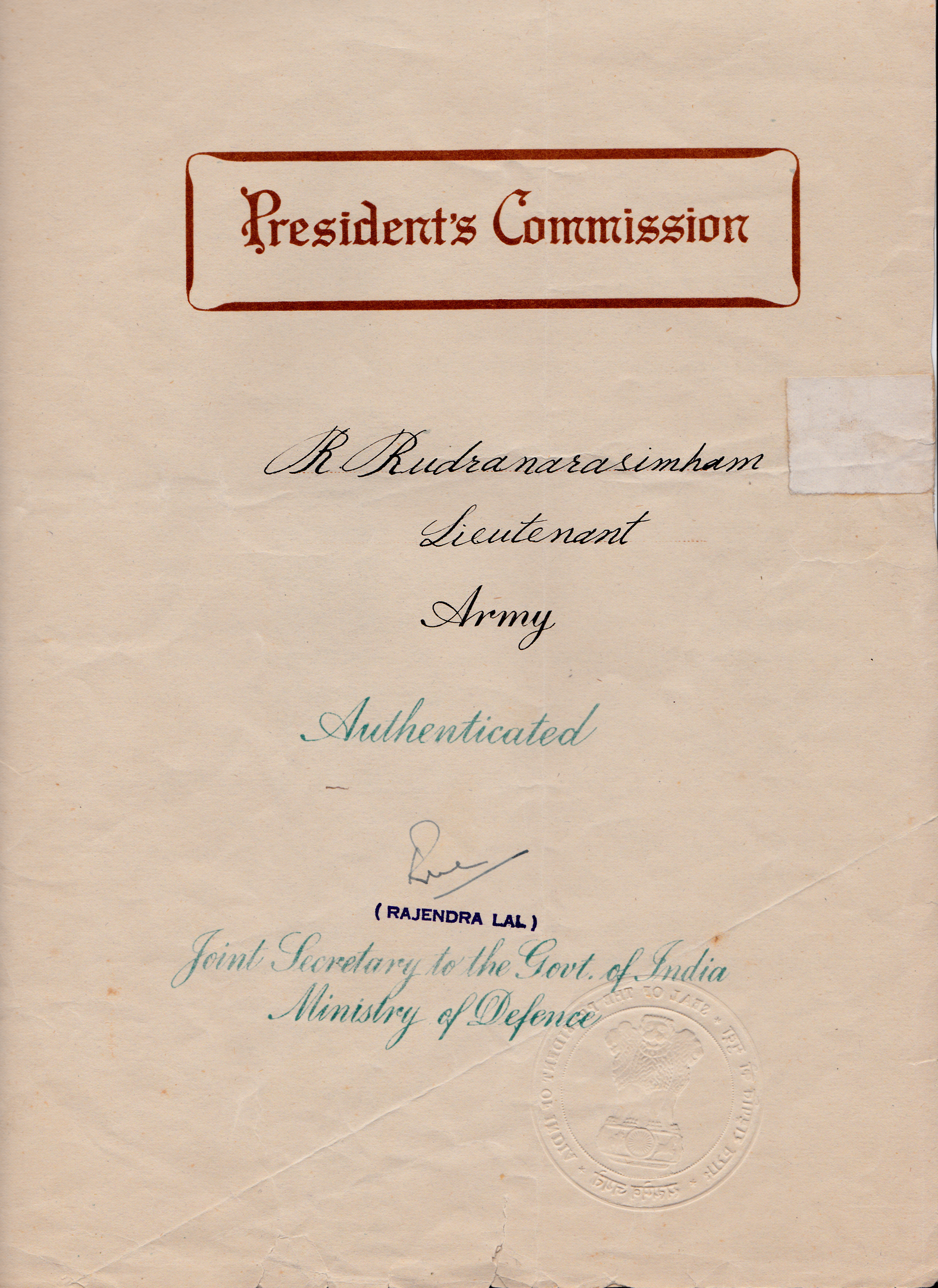
Man’s Plan for July 26 vs God’s Plan for July 26. Whole Dude at Whole Foods celebrates the CIA Connection on Sunday, July 26, 2026I was granted President’s Commission to serve in the Regular Army and was appointed in the Rank of Lieutenant on 26 July, 1970.
I was granted Short Service Regular Commission in the Indian Army Medical Corps in the rank of Lieutenant on July 26, 1970. On completion of my military training, I received the promotion, the substantive rank of Captain with effect from July 26, 1971. My first posting of Military Service sent me to Special Frontier Force, Headquarters Establishment No. 22, Vikas Regiment in support of CIA’s Mission in South Asia. I describe “My CIA Connection” as ‘Kasturi-Sarvepalli-Mylapore-Madras-India-Tibet-US Connection’.
Man’s Plan for July 26 vs God’s Plan for July 26. Whole Dude at Whole Foods celebrates the CIA Connection on Sunday, July 26, 2026
On July 26, 1986, I left Muscat, Oman to arrive in the United States in search of the Final Destination of my Life.
Man’s Plan for July 26 vs God’s Plan for July 26. Whole Dude at Whole Foods celebrates the CIA Connection on Sunday, July 26, 2026
On Sunday, July 26, 2026, I live in Ann Arbor, Michigan still hoping to arrive at the Final Destination of my Life. My CIA Connection may either sanction Slavery in the United States or that of a Prisoner of War (POW) in the Enemy’s Camp.
Man’s Plan for July 26 vs God’s Plan for July 26. July 26th, 2026. This day of my life. My CIA connection was made possible because of the Cold War Era secret diplomacy to wage War on Communism.
This Day in My Life – July 26 – My CIA Connection. God’s Calendar predestined meeting between Indian Prime Minister Jawaharlal Nehru and the US President Harry Truman. Cold War History. War on Communism.
Man’s Plan for July 26 vs God’s Plan for July 26. The Rudi Connection at Whole Foods celebrates the CIA Connection on Sunday, July 26, 2026
President Harry S. Truman signs the National Security Act, which becomes one of the most important pieces of Cold War legislation. The act established much of the bureaucratic framework for foreign policymaking for the next 40-plus years of the Cold War.
By July 1947, the Cold War was in full swing. The United States and the Soviet Union, once allies during World War II, now faced off as ideological enemies. In the preceding months, the administration of President Truman had argued for, and secured, military and economic aid to Greece and Turkey to assist in their struggles against communist insurgents. In addition, the Marshall Plan, which called for billions of dollars in U.S. aid to help rebuild war-torn Western Europe and strengthen it against possible communist aggression, had also taken shape. As the magnitude of the Cold War increased, however, so too did the need for a more efficient and manageable foreign policymaking bureaucracy in the United States. The National Security Act was the solution.
The National Security Act had three main parts. First, it streamlined and unified the nation’s military establishment by bringing together the Navy Department and War Department under a new Department of Defense. This department would facilitate control and utilization of the nation’s growing military. Second, the act established the National Security Council (NSC). Based in the White House, the NSC was supposed to serve as a coordinating agency, sifting through the increasing flow of diplomatic and intelligence information in order to provide the president with brief but detailed reports. Finally, the act set up the Central Intelligence Agency (CIA). The CIA replaced the Central Intelligence Group, which had been established in 1946 to coordinate the intelligence-gathering activities of the various military branches and the Department of State. The CIA, however, was to be much more–it was a separate agency, designed not only to gather intelligence but also to carry out covert operations in foreign nations.
The National Security Act formally took effect on September 1947. Since that time, the Department of Defense, NSC, and CIA have grown steadily in terms of size, budgets, and power. The Department of Defense, housed in the Pentagon, controls a budget that many Third World nations would envy. The NSC rapidly became not simply an information organizing agency, but one that was active in the formation of foreign policy. The CIA also grew in power over the course of the Cold War, becoming involved in numerous covert operations. Most notable of these was the failed Bay of Pigs operation of 1961, in which Cuban refugees, trained and armed by the CIA, were unleashed against the communist regime of Fidel Castro. The mission was a disaster, with most of the attackers either killed or captured in a short time. Though it had both successes and failures, the National Security Act indicated just how seriously the U.S. government took the Cold War threat.
Man’s Plan for July 26 vs God’s Plan for July 26. July 26th, 2026. This day of my life. My CIA connection is made possible by President Harry Truman’s War on Communism.
This Day in My Life – July 26 – My CIA Connection. God’s Calendar predestined events of my Life’s Journey From Mylapore, Madras to Ann Arbor, Michigan. Thanks to US President Harry S. Truman’s War on Communism.
Man’s Plan for July 26 vs God’s Plan for July 26. Whole Dude at Whole Foods celebrates the CIA Connection on Sunday, July 26, 2026
This Day in My Life – July 26 – My CIA Connection. Cold War Era History. God’s Calendar predestined events of My Life’s Journey From Mylapore, Madras to Ann Arbor, Michigan. Thanks to US President Harry S. Truman’s War on Communism.
Man’s Plan for July 26 vs God’s Plan for July 26. July 26th, 2026. This day of my life. My CIA connection promises to impose either slavery in the US or that of a Prisoner of War (POW) in the Enemy’s camp. Man’s plan vs God’s plan will decide the ultimate outcome.
This Day in My Life – July 26 – My CIA Connection. In Man’s Plan, I exist as a mere Pawn used in War on Communism, Legacy of Cold War Era Geopolitics.
Man’s Plan for July 26 vs God’s Plan for July 26. Whole Dude at Whole Foods celebrates the CIA Connection on Sunday, July 26, 2026
Whole Dude at Whole Foods celebrates the CIA Connection on Sunday, July 26, 2026. What is God’s Plan?
Man’s Plan for July 26 vs God’s Plan for July 26. Whole Dude at Whole Foods celebrates the CIA Connection on Sunday, July 26, 2026
Commemoration of the National Security Act of 1947 – July 26, 2026 marked as Anti-Slavery Campaign Day
Whole Dude – Whole Warfare: Commemoration of The National Security Act of 1947. July 26, 2026, marked as Anti-Slavery Campaign Day.
On this Day, July 26, 1947, President Harry Truman signed The National Security Act that set up The Central Intelligence Agency that plays a crucial role in promoting US Policy in support of Freedom, Democracy, Peace and Human Rights.
Whole Dude – Whole Warfare: Commemoration of The National Security Act of 1947. July 26, 2026, marked as Anti-Slavery Campaign Day.Whole Dude – Whole Warfare: Commemoration of The National Security Act of 1947. July 26, 2026, marked as Anti-Slavery Campaign Day.
Who is Whole Dude at Whole Foods? Posted on October 16, 2009
Who is Whole Dude? The Unknown Soldier of America.
The word ‘Whole’ as an adjective describes quality of being healthy, sound, auspicious, not broken, not defective, entire, undivided, complete, containing or constituting the entire amount, or having all of its natural elements. The word ‘Whole’ is also used as a noun to describe a thing or entity that is complete in itself and which lacks none of its parts. Whole Dude is a phrase that refers to Whole Man in all aspects of one’s being, including physical, mental, social, moral, rational, creative and spiritual. Man exists because of functional unity of the entire system and may not be divided into its parts like body, mind, and soul which have no independent existence of their own.
Whole Foods-Whole Inspiration-Whole LanguageWhole Foods Arrives in Ann Arbor, September 1993Whole Foods opened its Store in Ann Arbor on September 16, 1993. Whole Foods, Whole People and Whole Planet inspire Whole Dude to invent Whole Phrases: Whole Linguistics – Whole Language. The concept of Whole Cookie and Whole Love. Whole Dude uses the phrase Whole Linguistics to describe three entities; 1. Language User, 2. Language Interpreter and 3. Language Creator. Image Credit: Agenda Publications, Ann Arbor District Library, Issue Dates, September 1993, December 1997 and February 1998.
I can describe myself as a Whole Man, a Whole Person and as Whole Self. I am inspired by Whole Foods to coin the phrase Whole Dude as my Identity as perceived by Whole Foods does not include all the components of my Identity as a Whole Individual with Individuality. I introduced myself as Whole Dude on World Wide Web as early as 2007 using a blogger’s platform provided by Yahoo and later transferred the blog to WordPress. I registered WholeDude.com as my Domain during 2012.
WholeDude.com, ‘The Unknown Soldier of America’ represents the Tibetan Resistance Movement that is affiliated to Special Frontier Force, a military organization created by the United States, India, and Tibet. Tibet declared its independence on February 13, 1913 and had signed the McMahon Treaty with British Empire in India after the Simla Agreement of 1914. The Republic of India came into its existence on January 26, 1950, after India won its independence on August 15, 1947. India did not annul or void this Treaty and holds it as a valid agreement between two neighboring nations.
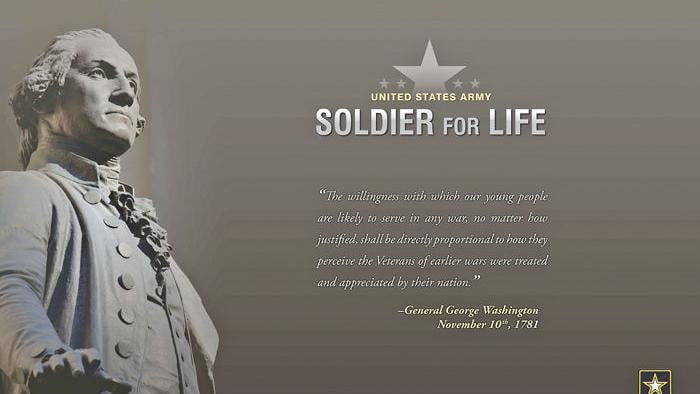
WholeDude.com is the Living Spirit of the Tibetan Resistance Movement with its early beginnings in 1950s followed by the founding of Special Frontier Force- Establishment 22-Vikas Regiment deployed in India. I am the Living Host of the Spirits of Tibetan Soldiers who sacrificed their precious lives taking part in the Liberation War of Bangladesh with military action in the Chittagong Hill Tracts during 1971-72. I am inspired by the Organization’s esprit de corps that transformed me into a ‘Soldier for Life’ and I am not a ‘Soldier for Hire’.
About WholeDude.com I describe myself as ‘The Unknown Soldier of America’ as my military service in Special Frontier Force-Establishment 22-Vikas Regiment is kept as a secret by the US, India, and Tibet.
I describe myself as ‘The Unknown Soldier of America’ as my military service in Special Frontier Force-Establishment 22-Vikas Regiment is kept as a secret by the US, India, and Tibet. I am neither a Mercenary nor a Soldier of Fortune. In fact, the quest for Freedom, Democracy, Peace, and Justice in Occupied Tibet forces me to lead the life of a Slave in the United States which proclaims itself as the Champion of Free World and abolished Slavery with a presidential proclamation on September 22.
WholeDude.com ‘The Unknown Soldier of America’ is the Living Spirit of the Tibetan Resistance Movement which transformed into Special Frontier Force-Establishment 22-Vikas Regiment which resists the Evil Red Empire, the Expansionist Asian Power which seized Tibetan territories by military invasion soon after the emergence of Communist Power in Asia.
WholeDude.com serves as the unspoken Spirit of Special Frontier Force, a military alliance between the US, India, and Tibet to resist Red China’s Expansionist Policy. As the Doomsayer of Doom Dooma, I am prophesying Beijing is Doomed. I speak of Beijing’s Doom in the words of Prophet Isaiah from The Old Testament Book of Isaiah, Chapter 47, verse 11:
“Disaster will come upon you that you cannot ward off with a ransom;
a catastrophe you cannot foresee will suddenly come upon you.”
About WholeDude.com ‘The Unknown Soldier of America’, Doomsayer of Doom Dooma prophesying Beijing’s sudden downfall.
On Beijing’s Doomsday, there is not one can save her.
Missing Parts of Whole Dude’s Whole Identity:
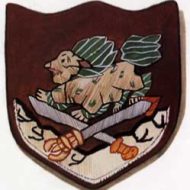
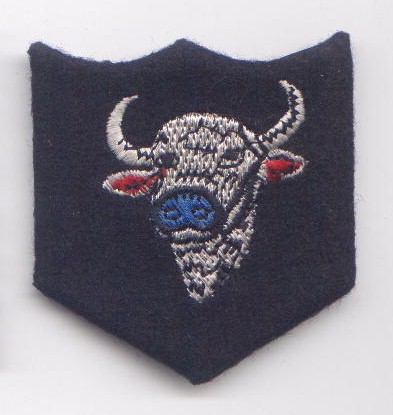
WholeDude.com is the Living Spirit of the Tibetan Resistance Movement with its early beginnings in 1950s followed by the founding of Special Frontier Force- Establishment 22-Vikas Regiment deployed in India. I am the Living Host of the Spirits of Tibetan Soldiers who sacrificed their precious lives taking part in the Liberation War of Bangladesh with military action in the Chittagong Hill Tracts during 1971-72. I am inspired by the Organization’s esprit de corps that transformed me into a ‘Soldier for Life’ and I am not a ‘Soldier for Hire’.Special Frontier Force-Establishment 22-Vikas Regiment – Operation Eagle: This badge represents a military alliance/pact between India, Tibet, and the United States of America. Its first combat mission was in the Chittagong Hill Tracts which unfolded on 03 November 1971. It was named Operation Eagle. It accomplished its mission of securing peace in the region that is now knownas Republic of Bangladesh.Revisting Chakrata Karma of August 09, 1974 – The doomed presidency of Nixon-Ford US administration. The M14 Service Rifle was issued to me in October 1971 while I served in Special Frontier Force, Establishment 22, Vikas RegimentPoorvi Star 1971-A piece of material evidence in my possession to prove my participation in Operation Eagle during Liberation War of Bangladesh 1971.This medal was awarded for service during the 1971/72 War with Pakistan. This medal was given to all categories of personnel who served in the military, paramilitary forces, police, and civilians in service in the operational areas of Jammu and Kashmir, Punjab, Gujarat, Rajasthan, West Bengal, Assam, Meghalaya, Mizoram or Tripura between 3 December 1971 and 20 December 1972.Bharat Darshan. August 15, 2025. Bharat, India Celebrates 79th Independence Day. Nation First, Always First. 25th Independence Anniversary Medal. Indian Independence-A Measure of my Life. I was awarded the Silver Jubilee Medal in 1972.This Medal known as ‘Sainya Seva Medal’ with ‘NEFA’ clasp speaks of the time I spent serving in North East Frontier Agency, now known as Arunachal Pradesh. Apart from awarding this DGAFMS MEDAL in the Medical Officers Junior Command Course-67 held in 1976, The Commandant, the Professor of Medicine, the Professor of Pathology, and the Professor of Social & Preventive Medicine at Armed Forces Medical College, Pune gave a written recommendation that I should be allowed to undergo Training in Paediatrics. Based upon this Strong written Recommendation, I had reapplied for Advanced Training in Paediatrics during 1977 and my application was rejected by Lieutenant General BDP Rao. Apart from awarding this DGAFMS MEDAL in the Medical Officers Junior Command Course-67 held in 1976, The Commandant, the Professor of Medicine, the Professor of Pathology, and the Professor of Social & Preventive Medicine at Armed Forces Medical College, Pune gave a written recommendation that I should be allowed to undergo Training in Paediatrics. Based upon this Strong written Recommendation, I had reapplied for Advanced Training in Paediatrics during 1977 and my application was rejected by Lieutenant General BDP Rao. This Nine Year Long Service Medal was awarded to me in July 1979 and I salute the Law of Temperance for this Award.I served in the Royal Oman Army, Armed Forces Medical Services providing Medical Services to the Land Forces, Air Force, and Navy of Sultanate of Oman from January 14, 1984 to July 26, 1986. I served in several different locations to participate in several Security and Intelligence Operations in the Persian Gulf and particularly at Strait of Hormuz. The decision to embark upon a Journey to United States was made at Khasab, Headquarters Peninsular Sector Force (Hq PENSEC). The airfield at Khasab was built by American engineers and I have reasons to believe that Khasab was used as a launching pad for the failed Helicopter Rescue Operation to save the American Hostages trapped inside Iran. At Khasab, we provide logistical support to all United States Naval vessels passing through the Strait of Hormuz. The Khasab Air base also played a crucial role during the Gulf Wars. I had also supported other American military operations at Thumrait, Masirah and Seeb Air Base during my tenure of service in Oman. I served in the Royal Oman Army, Armed Forces Medical Services providing Medical Services to the Land Forces, Air Force, and Navy of Sultanate of Oman from January 14, 1984 to July 26, 1986. I served in several different locations to participate in several Security and Intelligence Operations in the Persian Gulf and particularly at Strait of Hormuz. The decision to embark upon a Journey to United States was made at Khasab, Headquarters Peninsular Sector Force (Hq PENSEC). The airfield at Khasab was built by American engineers and I have reasons to believe that Khasab was used as a launching pad for the failed Helicopter Rescue Operation to save the American Hostages trapped inside Iran. At Khasab, we provide logistical support to all United States Naval vessels passing through the Strait of Hormuz. The Khasab Air base also played a crucial role during the Gulf Wars. I had also supported other American military operations at Thumrait, Masirah and Seeb Air Base during my tenure of service in Oman. I served in the Royal Oman Army, Armed Forces Medical Services providing Medical Services to the Land Forces, Air Force, and Navy of Sultanate of Oman from January 14, 1984 to July 26, 1986. I served in several different locations to participate in several Security and Intelligence Operations in the Persian Gulf and particularly at Strait of Hormuz. The decision to embark upon a Journey to United States was made at Khasab, Headquarters Peninsular Sector Force (Hq PENSEC). The airfield at Khasab was built by American engineers and I have reasons to believe that Khasab was used as a launching pad for the failed Helicopter Rescue Operation to save the American Hostages trapped inside Iran. At Khasab, we provide logistical support to all United States Naval vessels passing through the Strait of Hormuz. The Khasab Air base also played a crucial role during the Gulf Wars. I had also supported other American military operations at Thumrait, Masirah and Seeb Air Base during my tenure of service in Oman. I served in the Royal Oman Army, Armed Forces Medical Services providing Medical Services to the Land Forces, Air Force, and Navy of Sultanate of Oman from January 14, 1984 to July 26, 1986. I served in several different locations to participate in several Security and Intelligence Operations in the Persian Gulf and particularly at Strait of Hormuz. The decision to embark upon a Journey to United States was made at Khasab, Headquarters Peninsular Sector Force (Hq PENSEC). The airfield at Khasab was built by American engineers and I have reasons to believe that Khasab was used as a launching pad for the failed Helicopter Rescue Operation to save the American Hostages trapped inside Iran. At Khasab, we provide logistical support to all United States Naval vessels passing through the Strait of Hormuz. The Khasab Air base also played a crucial role during the Gulf Wars. I had also supported other American military operations at Thumrait, Masirah and Seeb Air Base during my tenure of service in Oman. I served in the Royal Oman Army, Armed Forces Medical Services providing Medical Services to the Land Forces, Air Force, and Navy of Sultanate of Oman from January 14, 1984 to July 26, 1986. I served in several different locations to participate in several Security and Intelligence Operations in the Persian Gulf and particularly at Strait of Hormuz. The decision to embark upon a Journey to United States was made at Khasab, Headquarters Peninsular Sector Force (Hq PENSEC). The airfield at Khasab was built by American engineers and I have reasons to believe that Khasab was used as a launching pad for the failed Helicopter Rescue Operation to save the American Hostages trapped inside Iran. At Khasab, we provide logistical support to all United States Naval vessels passing through the Strait of Hormuz. The Khasab Air base also played a crucial role during the Gulf Wars. I had also supported other American military operations at Thumrait, Masirah and Seeb Air Base during my tenure of service in Oman.
79th Independence Day of India – Whole Measurement of Life Journey
Bharat Darshan. August 15, 2025. Bharat, India Celebrates 79th Independence Day. Naya Bharat, Nation First, Always First.Bharat Darshan. August 15, 2025. Bharat, India Celebrates 79th Independence Day. Naya Bharat, Nation First, Always First.
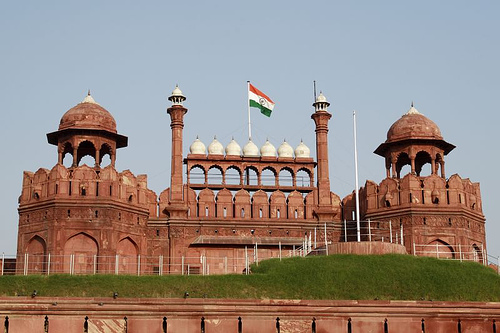
Bharat, India is celebrating its 79th Independence Day, Azadi ka Mahotsav on Friday, August 15, 2025. Prime Minister Narendra Modi visited the Rajghat and paid tributes to Mahatma Gandhi as the celebrations started. The prime minister then proceeded to the Red Fort where he remembered those who laid their lives for India’s Independence.
Bharat Darshan. August 15, 2025. Bharat, India Celebrates 79th Independence Day. Naya Bharat. Nation First, Always First.
Indian Independence – A Measure of My Life
The Celebration of First Independence Day of Bharat, India on August 15, 1947. I record major events of my life in relation to India’s independence on August 15, 1947. The Father of the Nation, Mahatma Gandhi was assassinated on January 30, 1948 and my life’s journey became associated with the story of this young nation.
I record major events of my life in relation to India’s independence on August 15, 1947. The Father of the Nation, Mahatma Gandhi was assassinated on January 30, 1948 and my life’s journey became associated with the story of this young nation.
25th INDEPENDENCE ANNIVERSARY MEDAL – 1972
Bharat Darshan. August 15, 2025. Bharat, India Celebrates 79th Independence Day. Nation First, Always First. 25th Independence Anniversary Medal. Indian Independence-A Measure of my Life.
This medal was awarded to commemorate the twenty-fifth anniversary of Indian independence in 1972. The medal was awarded to all members of the armed forces, paramilitary forces, and police forces who were serving on 15 August 1972. This medal gives me an opportunity to remember the twenty-fifth year of my life. I was then serving in Special Frontier Force-Establishment No. 22-Vikas Regiment on deputation from the Indian Army in the rank of a Captain and was posted at a Unit called Delta or D-Sector located in the North-East Frontier Agency, now Arunachal Pradesh. We all had a very good reason to rejoice on that day. India scored a major victory in the India-Pakistan War of 1971 and we took pride in the fact that we had a role in shaping that epic event in India’s military history.
OPERATION EAGLE 1971-72-THE CHITTAGONG HILL TRACTS – LIBERATION WAR OF BANGLADESH:
Bharat Darshan. August 15, 2025. Bharat, India Celebrates 79th Independence Day. Nation First, Always First. Operation Eagle 1971-1972. THE MILITARY VICTORY IN THE CHITTAGONG HILL TRACTS-THE CELEBRATION OF 25th INDEPENDENCE ANNIVERSARYBharat Darshan. August 15, 2025. Bharat, India Celebrates 79th Independence Day. Nation First, Always First. Operation Eagle 1971-72,the India-Pakistan War of 1971 and the Liberation of Bangladesh are very significant achievements of Prime Minister Indira Gandhi. As I was then serving in Special Frontier Force, Establishment 22 (now the Vikas Regiment) under the Cabinet Secretariat, I had direct and personal understanding of Prime Minister’s Foreign Policy initiatives. She approved our military Operation in the Chittagong Hill Tracts. In the conduct of this clandestine military operation, we faced a very critical moment and it demanded the Prime Minister’s approval for deploying aircraft in enemy territory, a decision that she alone can make. While awaiting her decision, I carried out a difficult war casualty evacuation mission to overcome the challenge posed by the lack of airlift facility. The importance of this situation could be understood as it required the Prime Minister’s intervention. I am now asking the Government of India to recognize my GALLANT response in enemy’s territory without any concern for my personal safety.Bharat Darshan. August 15, 2025. Bharat, India Celebrates 79th Independence Day. Nation First, Always First. Lieutenant Governor of Andaman & Nicobar Islands (December 1985 to December 1989) – Lieutenant General TS Oberoi, PVSM, VrC., former General Officer Commanding-in-Chief, Headquarters Southern Command, Pune, former Inspector General, Special Frontier Force, former Commandant, Headquarters Establishment No. 22. He is the tall person in this photo wearing dark brown turban. I knew him since 1971. Under his able leadership, the Liberation of Bangladesh commenced during November 1971. Apart from his military wisdom, he took a good care of all men under his Command. While I was proceeding to the Chittagong Hill Tracts, he individually greeted all the members of my team and delayed the departure of aircraft to make sure that a hot breakfast was served to all the men boarding the aircraft. He paid personal attention to all the aspects of the military mission to secure the well-being of men apart from achieving success in accomplishing the military task. The sense of warmth he radiated is easily felt when we meet him in person. His grandson provided me the link to this photo. Photo Credit – Trishna-Ajay-Picasa Web Album.Bharat Darshan. August 15, 2025. Bharat, India Celebrates 79th Independence Day.Naya Bharat. Nation First, Always First. The remarks made by Lieutenant Colonel B K Narayan of Special Frontier Force on May 13, 1972 in my Annual Confidential Report for 1971-72 are as follows:”A very conscientious and Tough MO who worked hard during the Bangladesh Ops. He did very well and showed Maturity which was beyond the call of duty. I have recommended this Officer for a gallantry award for which he deserves eminently. He is physically Tough and cheerful. Is a fresh entrant with less than 2 years of Service and yet he displayed capability and confidence.Bharat Darshan. August 15, 2025. Bharat, India Celebrates 79th Independence Day. Naya Bharat. Nation First, Always First. Operation Eagle 1971/72. Remarks of Former Inspector General of Special Frontier Force, Lieutenant General T S Oberoi, PVSM, VrC, General Officer Commanding-in-Chief,Headquarters Southern Command Pune 411001.He remarked about my participation in the India-Pakistan War of 1971.
Dr. R. R. Narasimham (Rebbapragada Rudra Narasimham), B.Sc., M.B.B.S.,
Personal Number. MR-03277K , Rank. Major, Branch. Army Medical Corps/Direct Permanent Regular Commission
Personal Number. MS-8466, Rank. Captain, Branch. Army Medical Corps/Short Service Regular Commission
Medical Officer, South Column, Operation Eagle
Headquarters Establishment No. 22 C/O 56 APO
Bharat Darshan. August 15, 2025. Bharat, India Celebrates 79th Independence Day. Naya Bharat, Nation First, Always First.Bharat Darshan. Friday, August 15, 2025. Bharat, India celebrates 79th Independence Day. Naya Bharat. Nation First, Always First. Prime Minister Narendra Modi at the National Flag hoisting Ceremony at Red Fort, New Delhi, India. Bharat Darshan. August 15, 2025. Bharat, India Celebrates 79th Independence Day. Nation First, Always First. President Droupadi Murmu addressed the Nation on the eve of the Independence Day Celebration. Operation Sindoor will go down in history as an example in humanity’s fight against terrorism.
Tragedy at Aerial Shell Fireworks Display, Thapar Stadium, Army Ordnance Corps Centre, Trimulgherry, Secunderabad.
Tragedy at Aerial Shell Fireworks Display, Thapar Stadium, Army Ordnance Corps Centre, Trimulgherry, Secunderabad. The tragedy resulted in the suspension of the aerial shell fireworks display.
Tragedy at Thapar Stadium Secunderabad: The decision to include Aerial Shell Fireworks Display during Corps Raising Day Celebrations of 1983 caused the unfortunate death of Havildar B. Rama Rao of AOC Centre (No. 2 Training Battalion) Music Band. This Fireworks Display did not include a plan for hazard management and hence it failed to recognize the hazards, did not evaluate hazards and did not take adequate action to control risks associated with Fireworks Display. The Fireworks Show did not plan or meet the criteria for a safe-zone.
Tragedy at Aerial Shell Fireworks Display, Thapar Stadium, Army Ordnance Corps Centre, Trimulgherry, Secunderabad. The tragedy resulted in the suspension of the aerial shell fireworks display.
Tragedy at Thapar Stadium Secunderabad. The main entrance of Thapar Stadium is on Wellington Road. AOC Farm is on Wellington Road. The Mortar Bomb that caused a fatal accident was launched from the AOC Farm. The chief concern is about the lack of a protective barrier and the size of the Mortar Bomb Shell used for Aerial Shell Fireworks Display during AOC Raising Day Celebration 1983.
Tragedy at Aerial Shell Fireworks Display, Thapar Stadium, Army Ordnance Corps Centre, Trimulgherry, Secunderabad. The tragedy resulted in the suspension of the aerial shell fireworks display.
Tragedy at Thapar Stadium. A view of Thapar Stadium, AOC Centre where the Aerial Shell Fireworks Display during 1983 caused the death of Havildar B. Rama Rao of AOC Centre Music Band. Havildar Rao of No. 2 Training Battalion was seated among the spectators and had come to watch the Fireworks Display.
Tragedy at Aerial Shell Fireworks Display, Thapar Stadium, Army Ordnance Corps Centre, Trimulgherry, Secunderabad. The tragedy resulted in the suspension of the aerial shell fireworks display.
Tragedy at Thapar Stadium, Secunderabad. The Stadium is also known as Ordnance Centre Cricket Ground, Mahatma Gandhi Nagar, West Marredpally, Secunderabad where sporting events are conducted on a regular basis. We need a Memorial to pay tribute to Non-Commissioned Officer/Havildar. B. Rama Rao of No. 2 Training Battalion, a member of AOC Centre Music Band who died during Aerial Shell Fireworks Display on AOC Raising Day Celebrations of 1983. We need to pay this memorial tribute in recognition of the error in the decision to conduct Fireworks without establishing a Safety-Zone.
I am reporting about an event that resulted in the death of Hav. (Havildar) B. Rama Rao, a non-commissioned officer of the Indian Army serving in No. 2 Training Battalion, Army Ordnance Corps Centre, Secunderabad, Andhra Pradesh, India at Thapar Stadium during April, 1983 where over 1, 500 people including army personnel, their wives, and children had gathered to celebrate Army Ordnance Corps (AOC) Raising Day. I am writing about an unfortunate, tragic event that was witnessed by a multitude of spectators who came to Thapar Stadium to witness what they had hoped would be a spectacular Aerial Shell Fireworks display. I would like to briefly describe the history of Army Ordnance Corps (AOC) and its Centre in the Cantonment Area of Secunderabad. I would also describe about the infantry weapon known as ‘Mortar’, and the Physics of Aerial Shell Fireworks and the Pyro Technological principles involved in Fireworks. I would give a brief explanation of the medical aspects of this death event which may help us to understand death as a dying process. It is important to understand as to why an innocent spectator got killed at Thapar Stadium. We may bury our dead but we must never, ever bury our mistakes. Spiritualism seeks the establishment of Peace, Harmony, and Tranquility in the lives of human beings. There will be no Peace until we recognize and admit our errors of judgment that initiate our wrongful actions that disrupt Peace, Harmony, and Tranquility.
ARMY ORDNANCE CORPS OF INDIAN ARMY:
Tragedy at Aerial Shell Fireworks Display, Thapar Stadium, Army Ordnance Corps Centre, Trimulgherry, Secunderabad. The tragedy resulted in the suspension of the aerial shell fireworks display.
The Flag of Indian Army Ordnance Corps. Its Motto: “SHASTRA SE SHAKTI.” To project Military Might and Power, we need Weapons and Ammunition.
The AOC has a chequered history since the year 1775 when the Board of Ordnance was formed under the British Empire in India in the then Bengal Presidency. On April 01, 1884 The Ordnance Commissariat Department or the Ordnance Department in India came into existence. In 1922 the Indian AOC came into being. India won its Independence on August 15, 1947 and in 1950 India became a Republic. The Indian AOC was re-designated as the AOC which could be described as the material manager of the Indian Army. The Corps motto is: “SHASTRA SE SHAKTI” which describes the purpose of AOC as that of shaping the Army’s ‘Punch’. AOC provides and supplies the munitions required for war. Its inventory includes a diverse range of equipment, armaments, ammunition, explosives, clothing, and tentage. One of the major responsibilities of the Corps is the management of ammunition safety; security of ammunition, and repairs and disposal of unserviceable ammunition. The AOC Centre at Trimulgherry or Tirumala Giri, Secunderabad Cantonment was established in June 1953.
Tragedy at Aerial Shell Fireworks Display, Thapar Stadium, Army Ordnance Corps Centre, Trimulgherry, Secunderabad. The tragedy resulted in the suspension of the aerial shell fireworks display.
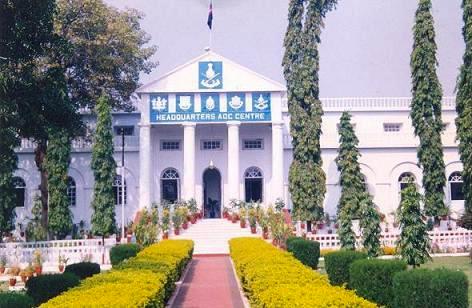
Headquarters Army Ordnance Corps Centre Secunderabad. During 1983, Brigadier AM Bhattacharya was its Commandant, the first Commandant of AOC Centre who held the rank of Brigadier.
Tragedy at Aerial Shell Fireworks Display, Thapar Stadium, Army Ordnance Corps Centre, Trimulgherry, Secunderabad. The tragedy resulted in the suspension of the aerial shell fireworks display.
AOC Centre Secunderabad is a huge training establishment that imparts training to various personnel who belong to or recruited to join the Indian Army to serve in Army Ordnance Corps.
Tragedy at Aerial Shell Fireworks Display, Thapar Stadium, Army Ordnance Corps Centre, Trimulgherry, Secunderabad. The tragedy resulted in the suspension of the aerial shell fireworks display.
Tragedy at Thapar Stadium: Shakti Motivational Hall AOC Centre Secunderabad. Shakti means Power. We need to learn the use of Power with a sense of Respect. To use Power with a sense of Respect, we have to learn about the Science that operates the Weapons and Ammunition that we use to display Power.
Thapar Stadium at AOC Centre is also known as Army Ordnance Centre Cricket Ground, Mahatma Gandhi Nagar, West Marredpally, Secunderabad/Hyderabad. During 1965-66 the first Ranji Trophy Cricket Match between Hyderabad and Mysore (now Karnataka) was played here. Later, a second Ranji Trophy Cricket Match was played in 1992-93 between Hyderabad and Kerala. Thapar Stadium has hosted several First-Class Cricket Matches and has been the venue for several other sporting events.
Tragedy at Aerial Shell Fireworks Display, Thapar Stadium, Army Ordnance Corps Centre, Trimulgherry, Secunderabad. The tragedy resulted in the suspension of the aerial shell fireworks display.
Tragedy at Thapar Stadium: Lieutenant General T A D’ Cunha, Director General of Ordnance Services is seen in this photo image taken during AOC 8th Reunion Celebration at AOC Centre Secunderabad. The decision to include Aerial Shell Fireworks Display during Corps Raising Day Celebrations of 1983 was not a decision made by Brigadier A M Bhattacharya, Commandant AOC Centre Secunderabad for the Centre had no weapons and ammunition to conduct Aerial Shell Fireworks and had no personnel trained in Pyrotechnical Displays.
Tragedy at Aerial Shell Fireworks Display, Thapar Stadium, Army Ordnance Corps Centre, Trimulgherry, Secunderabad. The tragedy resulted in the suspension of the aerial shell fireworks display.
Tragedy at Thapar Stadium: This is a photo image from 228th Corps Day Celebration at AOC Centre Secunderabad. The venue is the Open Air Theater of AOC Centre.
Tragedy at Aerial Shell Fireworks Display, Thapar Stadium, Army Ordnance Corps Centre, Trimulgherry, Secunderabad. The tragedy resulted in the suspension of the aerial shell fireworks display.
Tragedy at Thapar Stadium: This is a photo image taken at 235th Raising Day Celebrations at AOC Centre Secunderabad.
AOC celebrates Corps Day every year and the Corps Raising Day is celebrated once every five years. Hav. B. Rama Rao of No. 2 Training Battalion during 1983 was the leading member of the AOC Music Band that performs at various AOC official functions both at the Centre and at various locations of AOC across the country. He was married, and his family lived with him at the Centre. His musical talent and artistic performances were liked and appreciated and he was also liked for his pleasant bearing, and amiable nature. I would like to add that he was in perfect health when this totally unexpected event prematurely ended his life.
THE SCIENCE OF PYROTECHNICS:
Tragedy at Aerial Shell Fireworks Display, Thapar Stadium, Army Ordnance Corps Centre, Trimulgherry, Secunderabad. The tragedy resulted in the suspension of the aerial shell fireworks display.
Aerial Shell Fireworks Tragedy at Thapar Stadium: There are applications of Physics to create the myriad effects of Fireworks. The size of the Shell is related to the size of Shell burst that produces the display.
Fireworks are devices that use explosive, flammable/combustible chemical materials to create spectacular displays of light, noise, and smoke. Pyrotechnics is the art and technology of making and using fireworks. We need to understand the Science behind the spectacle of an entertaining fireworks show. The art of fireworks display dates back to ancient China. In India, traditional festivals like ‘Deepavali’ or ‘Diwali’ include the use of decorative fireworks such as rockets, fountains, sparklers and Roman candles. The celebrations of Victory and Peace like the Fourth of July celebration in the United States, New Year Day celebrations and the firework shows at sporting events are inventions of this century and they speak of the immense popularity of entertaining people with fireworks show. Fireworks makers fill the night sky with myriad effects in displays that are popular all over the world. Aerial fireworks developed out of military rockets and explosive missiles.
Tragedy at Aerial Shell Fireworks Display, Thapar Stadium, Army Ordnance Corps Centre, Trimulgherry, Secunderabad. The tragedy resulted in the suspension of the aerial shell fireworks display.
Aerial Shell Fireworks Tragedy at Thapar Stadium: The distance traveled by the Projectile and its initial velocity is important. There should be a safety barrier between the spectators and the site where the Projectile may fall to the ground if it does not explode in the sky. The angle of the trajectory is important. Army Ordnance Directorate, New Delhi during 1983 unfortunately failed to recognize the requirement of a safe-zone.
Until late 18th century, fireworks lacked the essential characteristic of color. For producing color, we need specific emitters of colored light. Chlorate an invention of the late 18th century and an industrial product of the early 19th century gave the ability to add colors to the fireworks. With the addition of various metallic salts to Potassium Chlorate brilliant colors could be produced. Chemical compounds such as Potassium Chlorate, Potassium Nitrate, and Potassium Perchlorate contain the Oxygen necessary for combustion of the pyrotechnic mixture. The nitrate, carbonate, or sulfate salts of Strontium produce red color; Copper salts produce blue color; Barium salts produce bright green color; and Sodium salts produce yellow flash. Magnesium and Aluminum powder add extra brilliant sparks and flash. The colors, fiery flashes, and star-burst effects of Aerial Fireworks come from ‘stars’, small pellets of firework composition which contain all the necessary ingredients for generating colored light or other special effects like creating images and letters in the air.
Tragedy at Aerial Shell Fireworks Display, Thapar Stadium, Army Ordnance Corps Centre, Trimulgherry, Secunderabad. The tragedy resulted in the suspension of the aerial shell fireworks display.
Aerial Fireworks Display Tragedy at Thapar Stadium: The addition of color is important to create splendid Fireworks Display. Brilliant colors are produced by addition of chemical compounds. For the Color, we need specific emitters of Colored Light. This Chromaticity diagram shows some Emission Bands.
Tragedy at Aerial Shell Fireworks Display, Thapar Stadium, Army Ordnance Corps Centre, Trimulgherry, Secunderabad. The tragedy resulted in the suspension of the aerial shell fireworks display.
Aerial Shell Fireworks Tragedy at Thapar Stadium: The addition of Copper salts produces brilliant Blue Color.
Tragedy at Aerial Shell Fireworks Display, Thapar Stadium, Army Ordnance Corps Centre, Trimulgherry, Secunderabad. The tragedy resulted in the suspension of the aerial shell fireworks display.
Aerial Fireworks Display Tragedy at Thapar Stadium: Aerial Fireworks Display when properly planned and executed would provide great visual entertainment.
MILITARY SCIENCE – MORTARS:
Tragedy at Aerial Shell Fireworks Display, Thapar Stadium, Army Ordnance Corps Centre, Trimulgherry, Secunderabad. The tragedy resulted in the suspension of the aerial shell fireworks display.
Mortar Infantry Weapon – Tragedy at Thapar Stadium: The use of Mortars as Infantry Weapon has increased during World War II during Open Warfare. The image shows the use of 60 mm Mortar by the U.S. Army in Afghanistan.
Tragedy at Aerial Shell Fireworks Display, Thapar Stadium, Army Ordnance Corps Centre, Trimulgherry, Secunderabad. The tragedy resulted in the suspension of the aerial shell fireworks display.
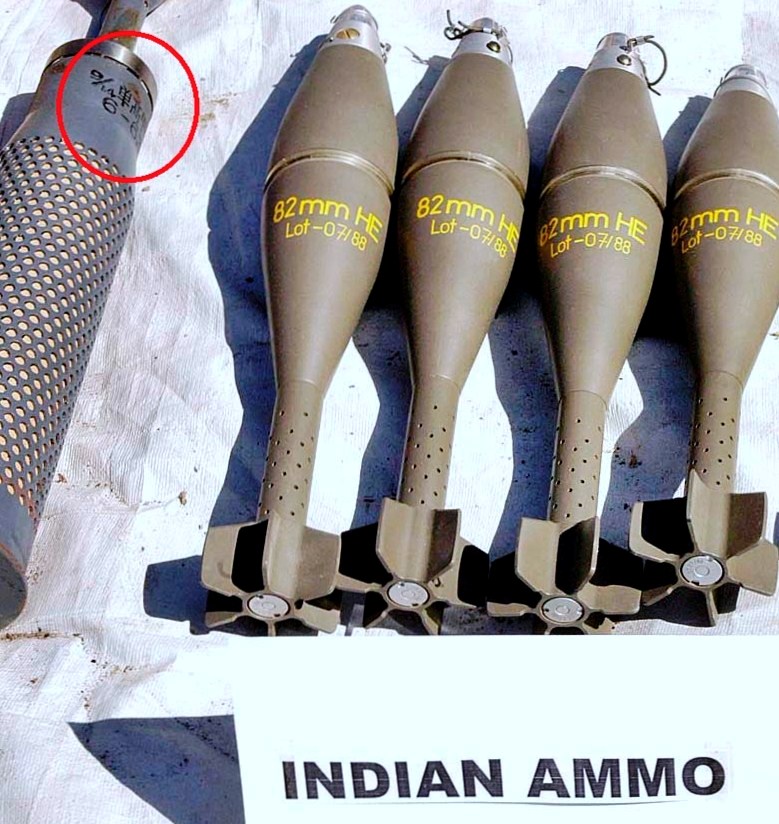
Aerial Shell Fireworks Display – Tragedy at Thapar Stadium: Shell is a payload-carrying Projectile which contains an explosive or other filling. This Photo image shows Mortar Bombs with High Explosive material. This photo image of Mortar Shells or Projectiles helps the readers to know the size, and shape of the type of heavy, Shell that was used in the conduct of Aerial Shell Fireworks Display at Thapar Stadium during 1983 Corps Raising Day Celebrations.
Tragedy at Aerial Shell Fireworks Display, Thapar Stadium, Army Ordnance Corps Centre, Trimulgherry, Secunderabad. The tragedy resulted in the suspension of the aerial shell fireworks display.
Aerial Shell Fireworks Display – Tragedy at Thapar Stadium: To use Power or Shakti we must learn about the Weapon and Ammunition that we use. This image depicts the various component parts of a Mortar Bomb or Projectile.
Mortars could be simply called as a small cannon. Mortars are gun like weapons that were first developed for the close support of infantry and therefore classed as infantry weapons. Mortar is a short-range weapon with smooth bore, short barrel, low muzzle velocity, and it fires heavy shells or projectiles with high-arched trajectory. Shell is a payload-carrying projectile which contains an explosive or other filling. Mortars have a role as an adjunct to artillery. It consists principally of a steel tube and supporting bipods and a base plate. During the trench warfare of World War I, greatly improved mortars came into use. Mortars as infantry weapons were employed extensively by all countries in a variety of calibres during open warfare of World War II. Small, portable mortars became standard 20th- century infantry weapons, especially for trench or mountain warfare. In mountain and jungle country, the high-angle, or high-arched trajectory fire enables infantry to reach targets inaccessible to other supporting weapons. Mortars because of their light weight and inconspicuousness could be brought into action quickly in difficult terrain to engage military targets that cannot be hit by direct, and observed fire. Modern mortars provide more mobile and less vulnerable weapons than field artillery or howitzers. Mortars are inexpensive to manufacture, simple to operate, and robust and easy to maintain. Medium mortars with a calibre of 70-90 millimetres (about 3-4 inches), a range up to 4, 000 metres, and a bomb weight of up to 5 Kg are favored. The fin-stabilized projectiles fired from mortars have arrow-like stability. These projectiles are designed to encounter less air resistance and thus retain more of their velocity in flight.
PHYSICS OF AERIAL SHELL FIREWORKS:
Tragedy at Aerial Shell Fireworks Display, Thapar Stadium, Army Ordnance Corps Centre, Trimulgherry, Secunderabad. The tragedy resulted in the suspension of the aerial shell fireworks display.
Aerial Shell Fireworks Display – Tragedy at Thapar Stadium: This photo image shows the preparation of Fireworks Mortar Tubes. There is a relationship between the size of the Shell, the Length of the Mortar Tube, the Initial Velocity and the Distance traveled by the Shell. We can predict as to where the Shell may land and calculate the Risk involved to Spectators watching the Show.
The Science of Pyrotechnics involves many Physics applications that must be considered to produce dazzling displays. Aerial Shells contain the chemicals that when ignited produce the brilliant flash of colored light. These Shells are loaded into mortars and are fired into the sky. The size of the Shell is important and six-inch Shells are used at small shows. Shells usually travel about 100 feet vertically for every inch they are in diameter depending on the angle they are fired from. There is a relationship between the initial velocities and the distances traveled by the Shells. Six inch Shell has the initial velocity of 203.5 feet/second. Fireworks are launched from rows of steel tubes (mortars) secured in troughs of sand. The tubes or mortars are three times as long as the Firework Shells but have the same diameter. The Shell fits snugly into its ‘Launch’ tube to allow the pressure created by the ‘Lift Charge’ to launch it into air. There is a ‘Bursting Charge’, a firecracker charge at the center of the Shell. ‘Fuse’ provides a time delay to allow the Shell to explode at the right altitude. When the ‘Lift Charge’ fires to launch the Shell, it ignites the Shells’ ‘Fuse’. The Shell’s Fuse burns while the Shell rises to its correct altitude, and then it lights the ‘Bursting Charge’ making the Shell to explode. Understanding of these basic principles of Physics will help to formulate a policy of Hazard Management for Aerial Shell Fireworks displays.
HAZARD MANAGEMENT FOR FIREWORKS DISPLAYS:
It involves, 1. Recognition of hazards, 2. Evaluation of risks, and 3. Control of risks.
I. Hazards associated with Lift or Propelling Charge:-
1. Premature Ignition or Ignition Problem.
2. Delayed Ignition or “Hangfire.”
3. Ignition Failure or “Misfire.”
II. Functioning Problems:-
1. Explosion within the Mortar tube; a. Mild explosion, b. Powerful explosion or Shell detonation.
2. Explosion just above the Mortar tube.
3. Delayed Explosion.
4. Failure to Explode – Shell or Shell components fall to ground; ignited or unignited; Shell, or burning debris reaches ground.
These hazards have to be recognized for proper planning of Fireworks Displays. If there is no protective barrier like a lake or waterfront, the size and the make of the Aerial Shell used for the display would be of critical importance. For Fireworks Display at Thapar Stadium, the Shell size must not exceed six inches, and Shells with metal casing would pose serious risks to the spectators if the unexploded Shell reaches the ground.
AOC RAISING DAY CELEBRATION DURING 1983 AT THAPAR STADIUM:
AOC Raising Day Celebration at AOC Centre, Secunderabad takes place over several days and it includes a variety of events such as a Ceremonial Parade, ‘Sainik Sammelan’ (a ceremonial gathering of all Unit personnel in Uniform to hear and discuss about Regimental issues and concerns about general welfare), ‘Bara Khana’ (a feast in which all ranks participate in Uniform) and a Live Entertainment Show. For the Celebration during 1983, the Ordnance Directorate at New Delhi decided the addition of an Aerial Shell Fireworks Display at Thapar Stadium where all ranks with their families could be entertained. However, the AOC Centre Secunderabad had no ammunition, or mortar tubes, or personnel trained in Pyrotechnics. A trained team headed by a Junior Commissioned Officer, along with the necessary equipment was dispatched to Secunderabad on Temporary Duty to organize the Fireworks Display at Thapar Stadium. The Pyrotechnic Team that had arrived in Secunderabad made no attempt to discuss the issue of Hazard Management with the Regimental Medical Officer. Apparently, a decision was made by the Ordnance Directorate not to directly involve AOC Centre Secunderabad in the conduct of the Aerial Shell Fireworks Display. There was no malicious intent. The Show was intended to amuse people and organizing a rehearsal of the event would spoil the sense of fun in watching the Show. The Team had arrived with ammunition and equipment that was tested at a different location and did not conduct further testing at Secunderabad prior to the actual Show.
After spectators got seated at Thapar Stadium, the lights were turned off, and the night sky was clear and dark for an ideal display of Aerial Fireworks. The mortar tubes were positioned on AOC Farm located just outside the boundary of Thapar Stadium. The very first Mortar Bomb Shell that was fired got launched into the air, had reached its right altitude, and unfortunately failed to explode. The Shell experienced a Functioning Problem and the unexploded Shell rapidly descended vertically, towards the ground with its tip pointing downwards, where people were seated. The crowd of spectators were absolutely stunned and were speechless when this unexpected event hit them like a bolt from the sky. The Shell found its victim and Havildar B. Rama Rao was that unsuspecting victim. I was among the spectators in a section designated for the Officers of the AOC Centre. I simply dashed towards the bleachers, the site of mishap, and found Hav. Rao within an instant after he was hit. He recognized me as he was fully conscious. I found the Mortar Bomb standing right on top of his head with its tail fin pointing upwards. He had no words to speak, and he was not in pain. I could clearly see the sense of mortal fear expressed on his face. This sense of fear had an overwhelming force of its own and it would not let the person experience the sensation called Pain. All his vital signs were normal, and he was able to stand on his own. The Shell penetrated his skull bone and remained very firmly seated in the head. There was no external bleeding from the head injury. I must frankly admit that I was shocked beyond all belief to find the type of Mortar Bomb that got planted into his head. It was eight inches long and had a heavy metal casing. I was not really expecting that the Shell would be that long and heavy and might have metal casing instead of cardboard. However, at that moment, my first concern was that of assuring Hav. Rao and to take him to the Military Hospital for immediate management of his head injury. The unexploded Mortar Bomb posed a great risk to him and all others and it was my urgent priority to safely dislodge this Bomb from his skull before it explodes. Rules of Safety demand that unexploded ammunition such as Bombs should not be directly touched or handled as such handling would cause them to explode. I assisted Hav. Rao to move and found the staff car of Brigadier A M Bhattacharya, Commandant of AOC Centre that was parked inside the Stadium. I helped Hav. Rao to get into the backseat of this staff car as it would be better to transport him in a sitting position without disturbing the Bomb. Within a few minutes, we reached the Military Hospital on Gough Road, a short distance from the AOC Centre campus. As he stepped out of the car to enter the Hospital Medical Inspection Room, Havildar Rao had to pause for he had a bout of vomiting. It was a danger signal, a symptom of raising intracranial pressure due to head injury. The Duty Medical Officer and his staff lost no time and we initiated the medical treatment to reduce the raising intracranial pressure. Lieutenant Colonel A K Gupta, the Senior Surgical Specialist of the Hospital had soon arrived on the scene. At that time, Hav. Rao was still fully conscious, breathing on his own, and his blood pressure showed a response by getting elevated as a result of the raising intracranial pressure. Surgeon A K Gupta immediately took him to the Operation Theater and his first priority was to safely remove the Bomb which penetrated his skull and then to attempt a surgical decompression by removing the collection of blood inside the skull that was compressing the brain matter. The Surgeon could safely remove the Bomb and could not proceed any further as a fatal complication called brain herniation began to manifest. It was a very rapid, and fast-moving course of medical condition during which the patient loses cardiac and respiratory functions associated with signs of deep coma or loss of consciousness. Apart from the loss of heart and lung functions, there was loss of all brainstem functions at which point the fact of the clinical onset of brain death was made. From the Military Hospital, I proceeded to the residence of Lieutenant Colonel R S Johar, the Commanding Officer of No. 2 Training Battalion. He and other Officers were anxiously awaiting to learn about the outcome of this tragic event. Later, a Court of Inquiry was instituted as required by Army Regulations to officially inquire about this accident and the death of Hav. Rao. I was asked to testify at the Court and answered the questions asked by the Court. The Court was satisfied that the death was due to an accident and did not blame any individual for causing or contributing to this accident.
THE MEDICAL ASPECTS OF SEVERE HEAD INJURY:
Tragedy at Aerial Shell Fireworks Display, Thapar Stadium, Army Ordnance Corps Centre, Trimulgherry, Secunderabad. The tragedy resulted in the suspension of the aerial shell fireworks display.
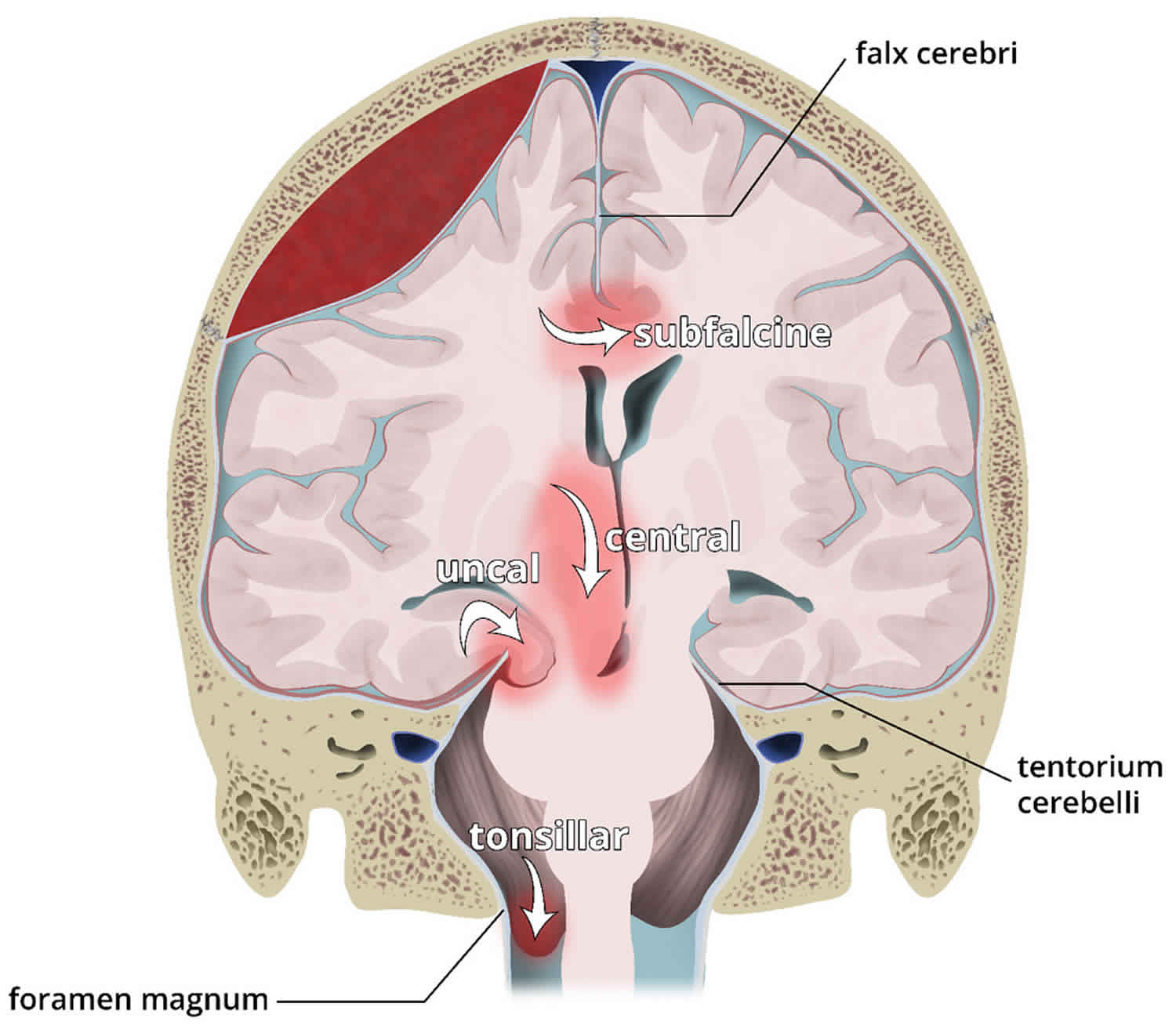
Aerial Fireworks Display and Tragedy at Thapar Stadium: The complications of head injury or trauma are brain edema or swelling and brain herniation when brain tissue gets displaced from its usual position within the cranial cavity. Six types of brain herniation can occur: 1. Uncal herniation, 2. Central or Transtentorial herniation, 3. Cingulate or Subfalcine herniation, 4. Transcalvarial or Infratentorial herniation, 5. Upward Cerebellar or Upward Transtentorial herniation, and 6. Tonsillar or downward Cerebellar herniation. The compression of Brainstem causes Brain Death due to Cardiac and Pulmonary Arrest.
A serious and potentially fatal consequence of head injury is that of brain edema and brain herniation. Brain is enclosed in a non-expandable case, the skull or the cranium. Head trauma causes increased permeability of the endothelial cells, the cells that line the walls of the small blood vessels and capillaries that supply blood to the brain tissue. The blood vessels can also rupture as a direct consequence of the trauma. This leads to loss of blood or fluid from the capillaries and blood vessels which collects and accumulates in the surrounding brain tissue. This vasogenic brain edema or swelling leads to an increased intracranial pressure. The leaked blood collects as a swelling called hematoma which exerts pressure on brain tissue. The cranial or skull cavity is divided by dural septa or partitions into several compartments. A mass lesion like hematoma, or brain edema causes a pressure gradient between the compartments of the cranial cavity. The term brain herniation describes the displacement that occurs when cerebral tissue, cerebrospinal fluid and blood vessels are moved or pressed and pushed outside of their usual positions within the brain compartments. The pressure gradient causes the movement of brain tissue and the tissue gets pushed through openings in the covering of brain called dura mater or through openings in the skull like the foramen magnum. Herniation causes damage by direct compression of brain tissue and of blood vessels that supply brain. Compression of brainstem affects the vital respiratory and circulatory centers that operate the functions of Lungs and Heart. The loss of functions of brainstem causes 1. coma or deep unconsciousness, 2. cardiac and respiratory arrest, absence of heart beat, and absence of spontaneous breathing, and 3. absence of brainstem reflexes like blinking of eyes, pupils not responding or reacting to light (remain dilated and not constricting to light) and the absence of ‘gagging reflex’.
SPIRITUALISM AND DEATH AT THAPAR STADIUM:
I am reporting this unfortunate event in due recognition of the failure of Hazard Management for that fateful Aerial Shell Fireworks Display held during 1983. We had not recognized the risks and we had not evaluated the risks and hence we had no ability to control the risks. To acknowledge the fact that we had learned a lesson, we must erect a suitable Memorial to pay homage to our Fallen Soldier and pay tribute to Hav. Rao of AOC Centre Music Band.
“ARMY COVERED UP HAVILDAR’S DEATH” – NEWS STORY IN DECCAN CHRONICLE :
Jatinder Kaur Tur of Deccan Chronicle published a news item on August 29, 2012 giving some details of this incident involving the death of Havildar Rao and commented about Army’s inability to report its mistake. In a Letter to the Editor, Deccan Chronicle reader, Colonel Prasad had commented on September 01 and claimed that, “All accidents are investigated by Courts of Inquiry and action is taken.” It is indeed true and as I mentioned in this blog post, a Court of Inquiry presided by Lieutenant Colonel R S Johar of No. 2 Training Battalion, AOC Centre, Secunderabad had given its findings and the same were approved without blaming any person or entity for contributing to this accidental death.
Dr. R. Rudra Narasimham, B.Sc., M.B.B.S.,
Personal Number. MR- 03277K. Rank. Major . AMC/DPC
Senior Regimental Medical Officer ( 1978-84 ),
AOC Centre, Trimulgherry, Secunderabad, Andhra Pradesh, India.
Tragedy at Aerial Shell Fireworks Display, Thapar Stadium, Army Ordnance Corps Centre, Trimulgherry, Secunderabad. The tragedy resulted in the suspension of the aerial shell fireworks display.Aerial Fireworks Display-Death at Thapar Stadium: Aerial Fireworks Display when properly planned and executed provides great visual entertainment.
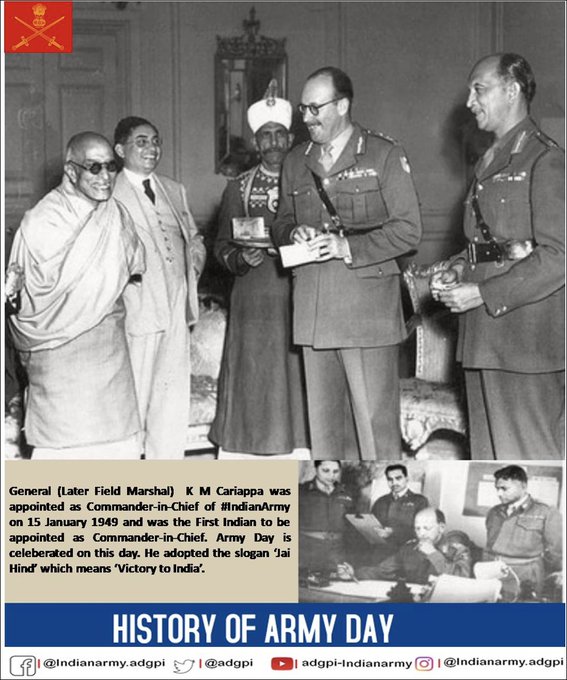
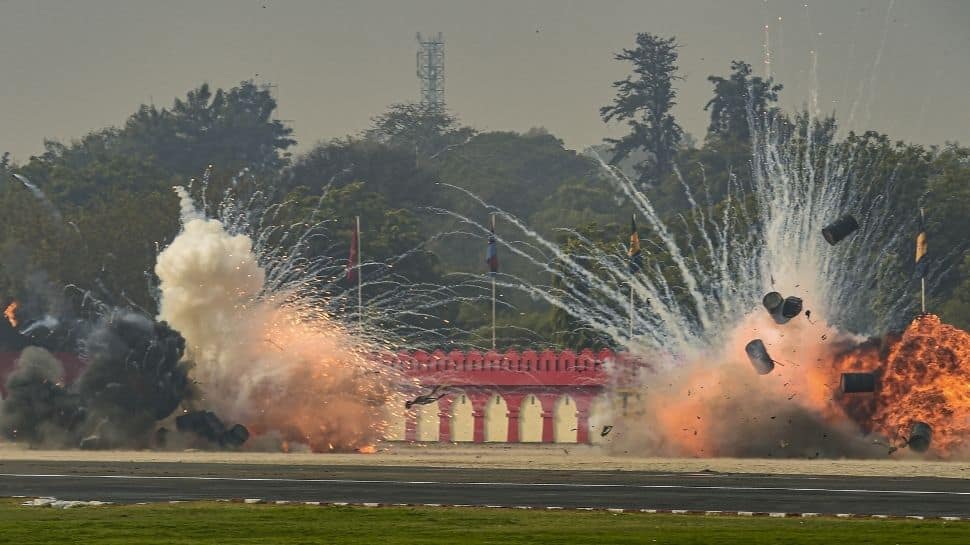
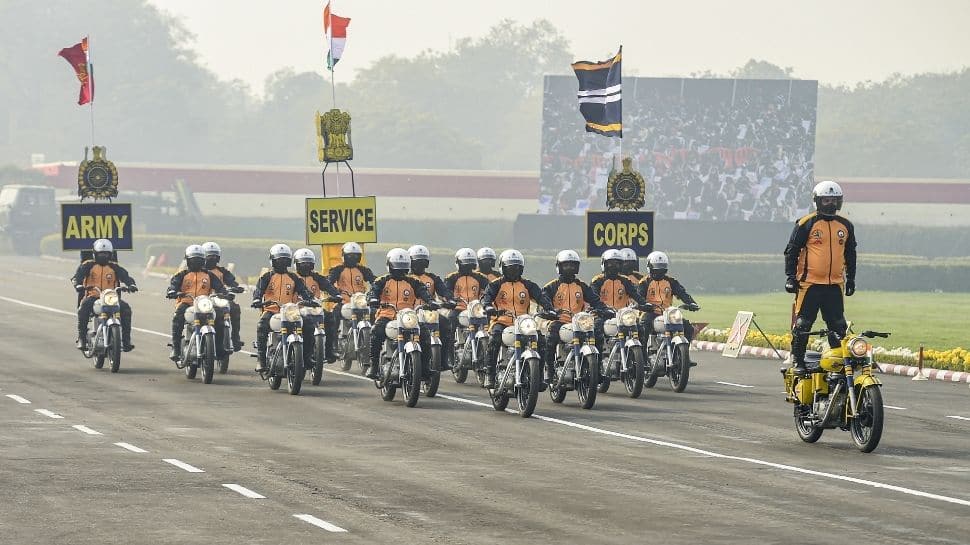
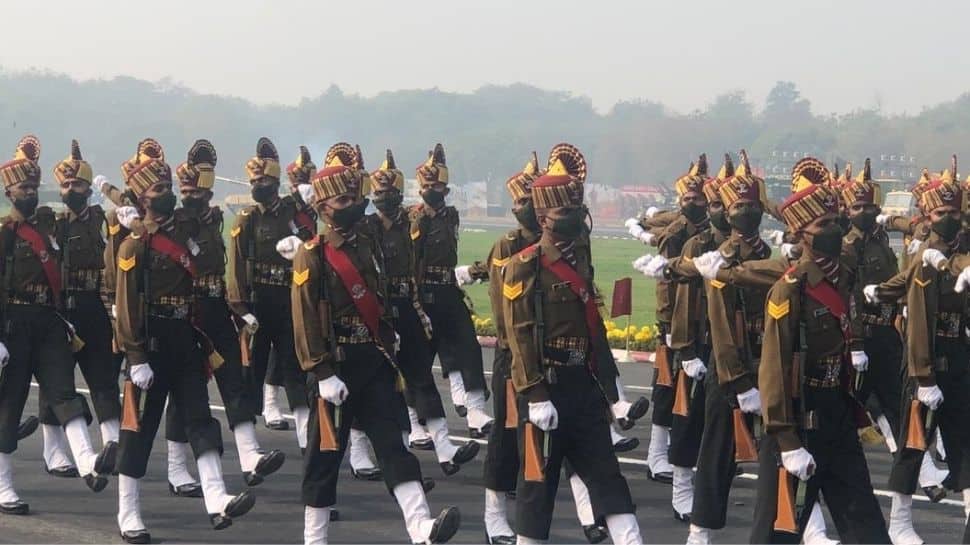
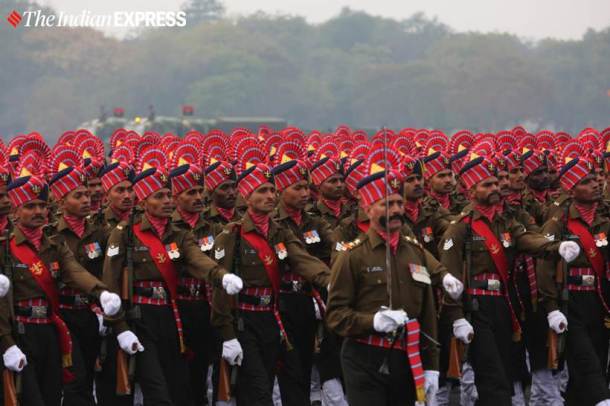
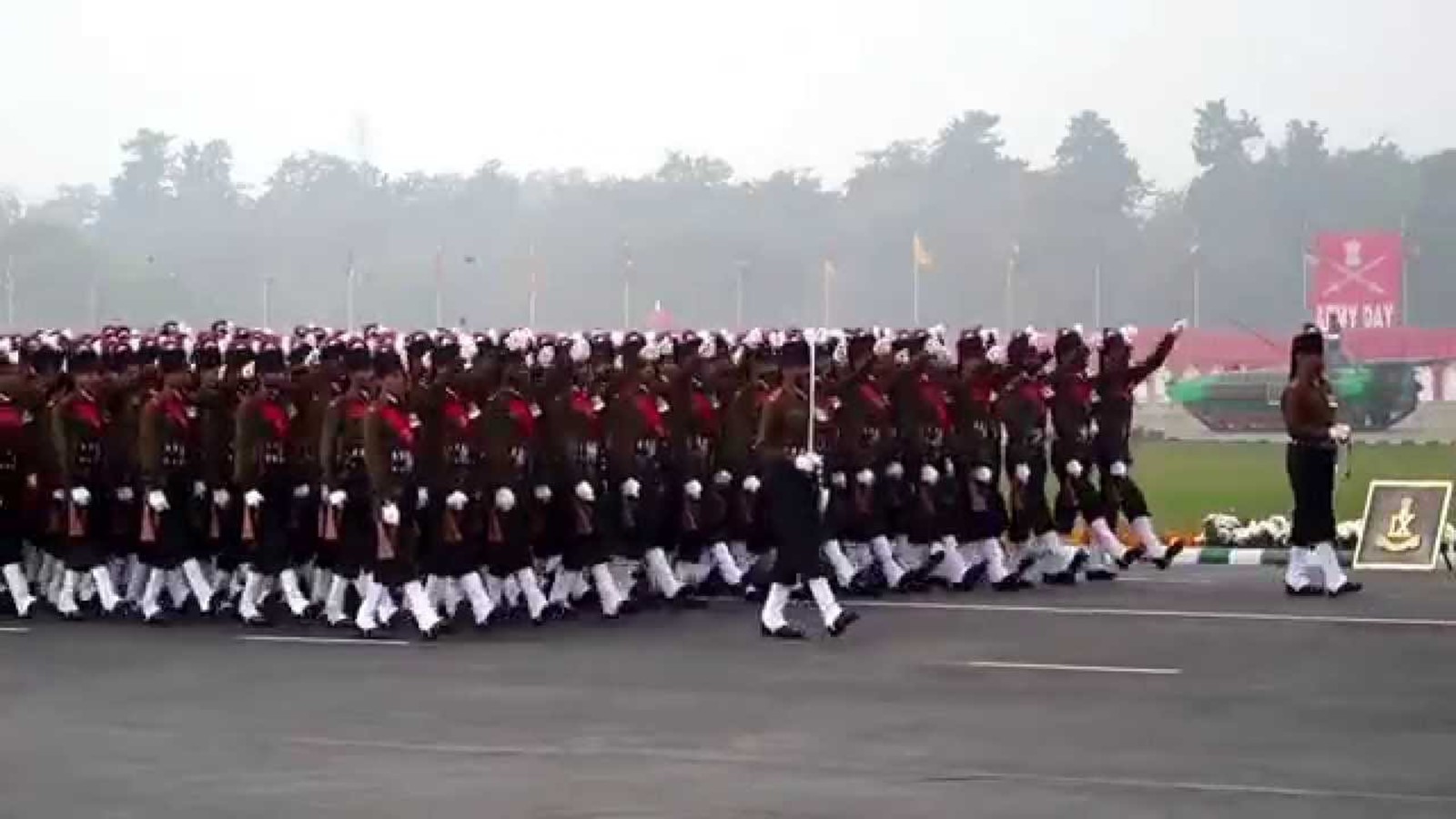
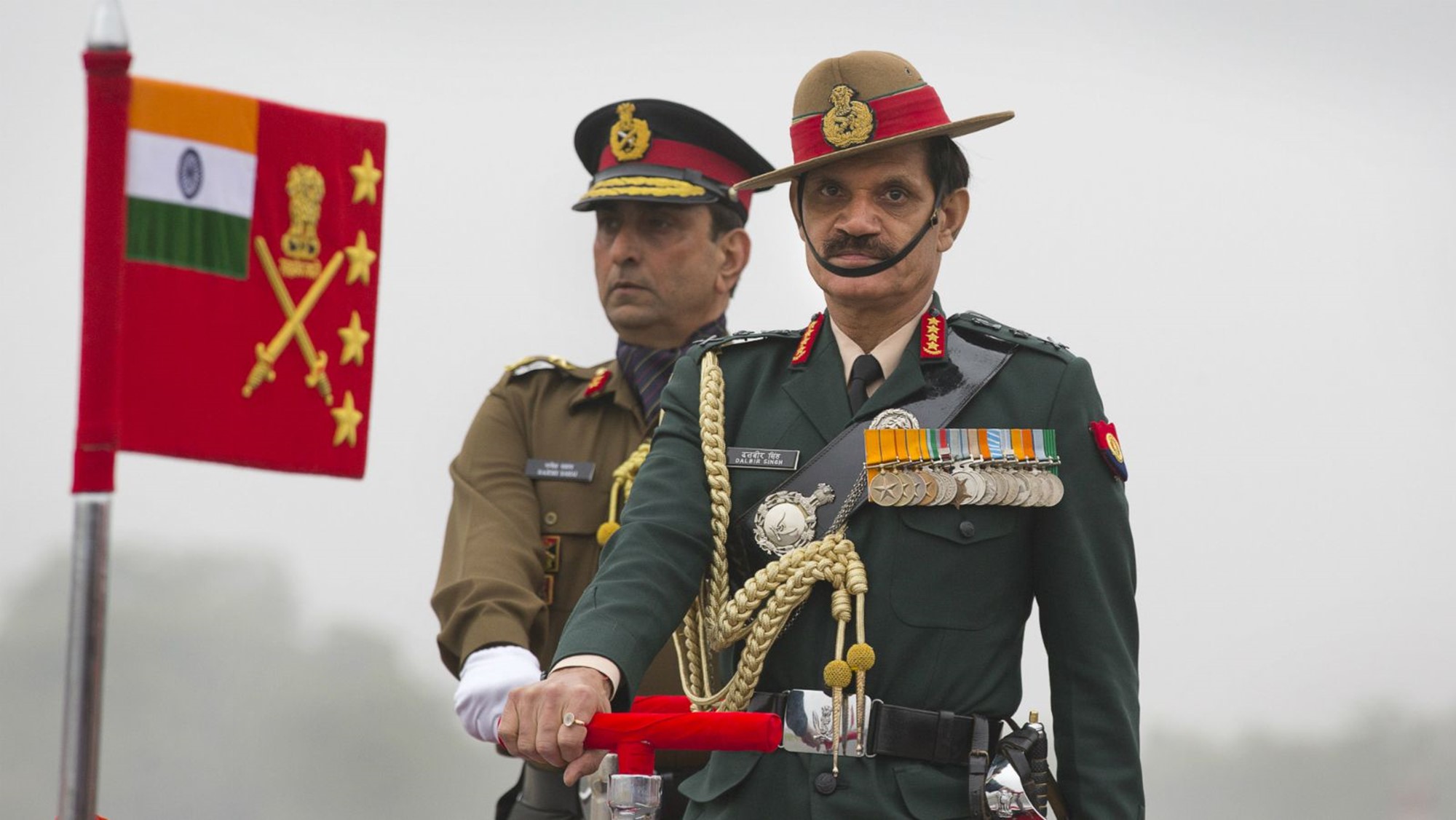
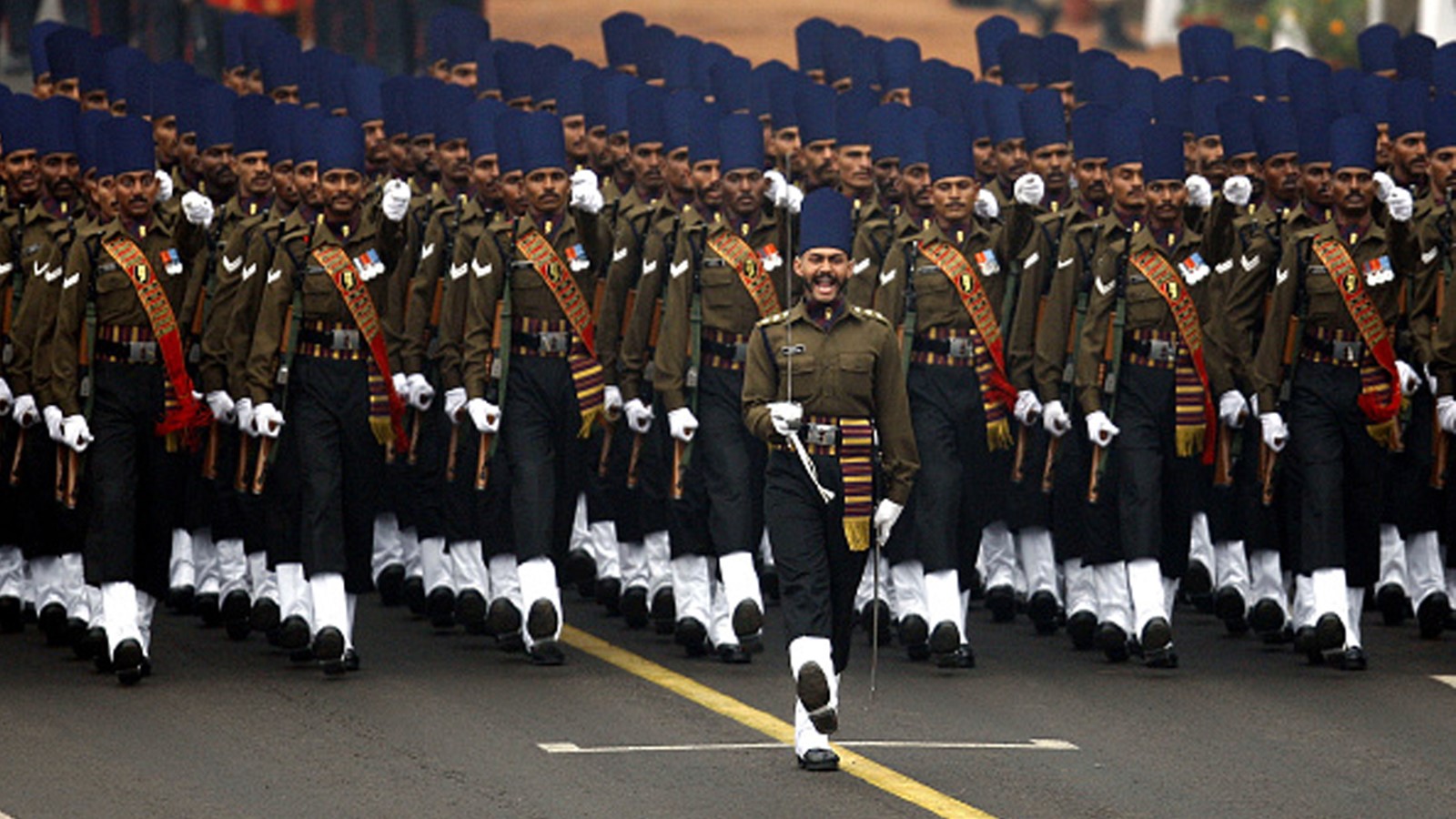
Every year, January 15 is commemorated as Army Day to mark the occasion when General (later Field Marshal) K M Cariappa took over the command of the Indian Army from General Sir F R R Bucher, the last British Commander-in-Chief, in 1949 and became the first Indian Commander-in-Chief of Independent India. The theme for the 77th Army Day 2025 is ‘Samarth Bharat, Saksham Sena’ (Capable India, Empowered Army), reflecting the Indian Army’s commitment to national strength and defence capabilities.
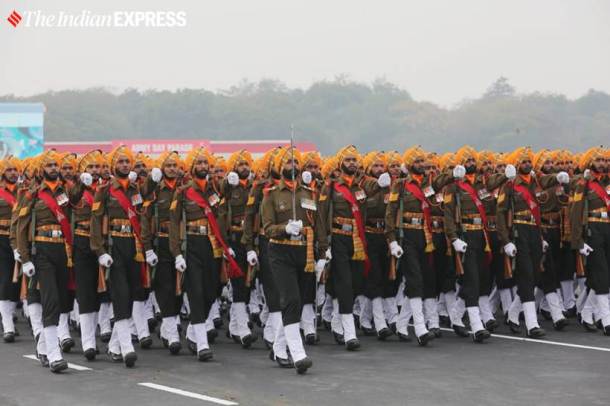
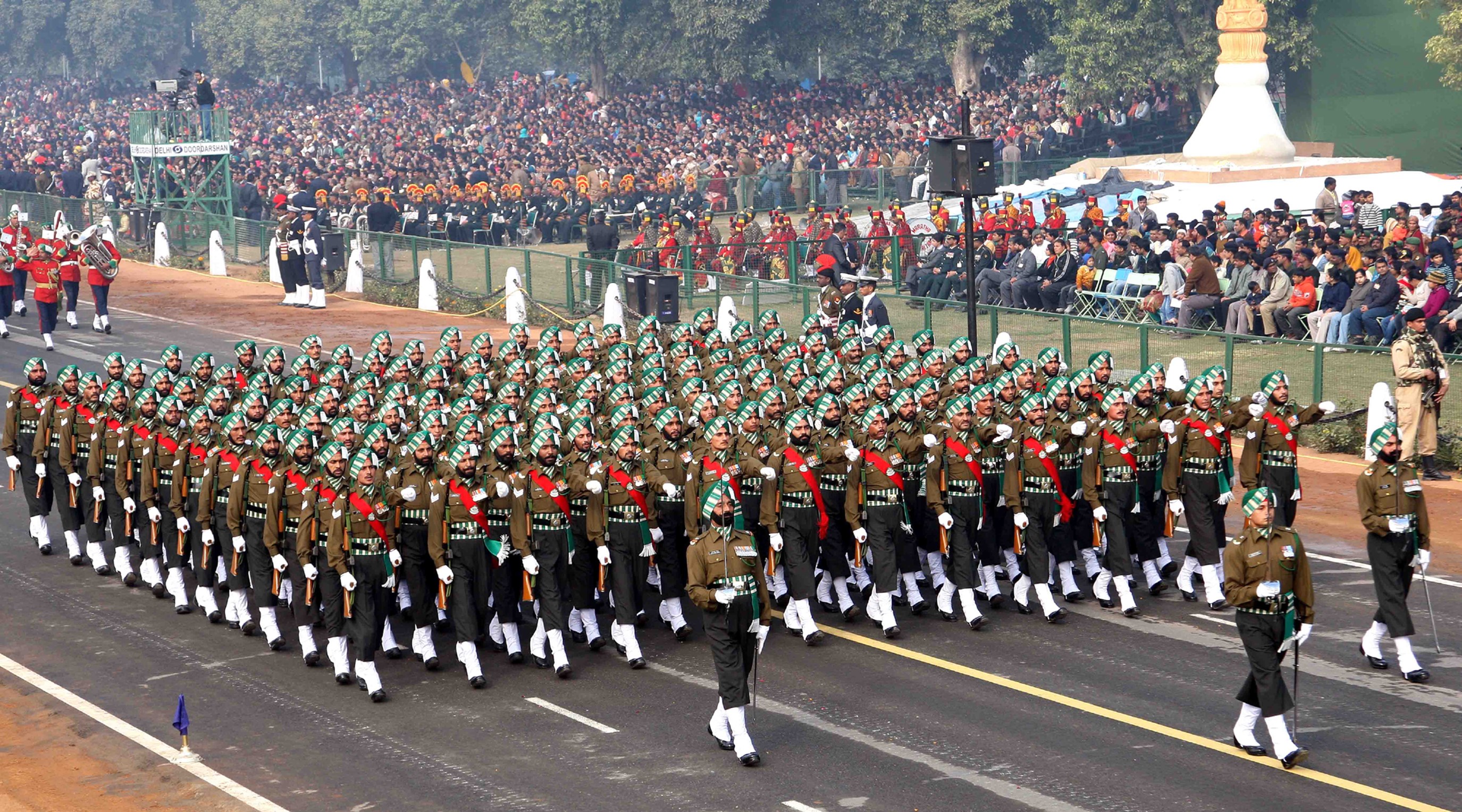
Bharat Darshan. Indian Army celebrates 74th Army Day on Saturday, January 15, 2022. Lt Manisha Bohra of AOC Contingent gives a command during the full dress rehearsal for the Army Day Parade, at Army Parade Ground in New Delhi. (PTI Photo)Bharat Darshan. Indian Army celebrates 74th Army Day on Saturday, January 15, 2022. Marching contingent of the Indian Army during the full dress rehearsal for the Army Day Parade, at Army Parade Ground in New Delhi. (PTI Photo) ..
Bharat Darshan-The Indian Army Celebrates 74th Army Day on Friday, January 15, 2022. Field Marshal K. C. Cariappa, The First Commander-in-Chief of the Indian Army, 1949
Even after the Independence, the Indian Army did not have an Indian chief; instead it was led by British Army officers. On January 15, 1949, then Commander-in-Chief of the Indian Army General Sir Francis Butcher handed over the charge to then Lieutenant General KM Cariappa, giving Army its first Indian chief. A decorated Army officer, Field Marshal KM Cariappa spearheaded Indian forces during 1947 India-Pakistan war. The first Indian Commander-in-Chief of the Indian Army, Cariappa hailed from Karnataka. Born on December 1898, his career spanned over three decades. He is also one of the first two recipients of the title of Field Marshal of India, the second Field Marshal of India is Sam Manekshaw.
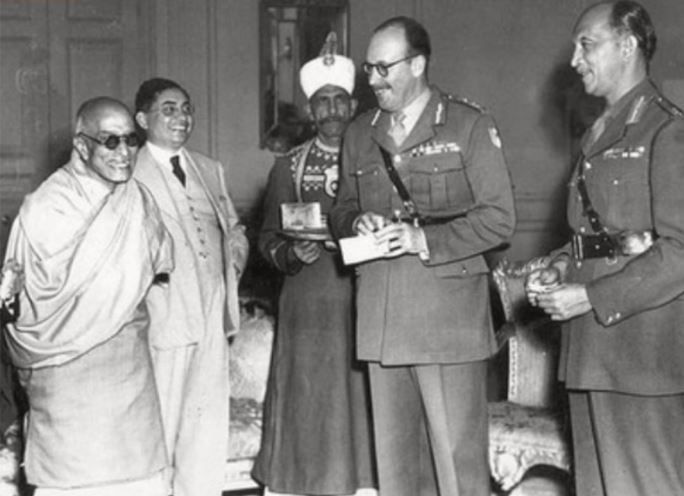
Rare photo of Field Marshal KM Cariappa (extreme right) and C Rajagopalachari, the last Governor-General of India. (Image: twitter.com/adgpi)Bharat Darshan-Indian Army Celebrates 74th Army Day on Saturday, January 15, 2022.
Army Day is celebrated every year across the country on January 15.
Bharat Darshan. Indian Army celebrates 74th Army Day on Saturday, January 15, 2022.
The Indian Army’s theme for the year 2022, “In Stride with the Future”, is an acknowledgment of the increasingly critical role played by niche and disruptive technologies in modern warfare. The Indian Army confronts a plethora of security challenges, conventional and non-traditional, and is looking at Artificial Intelligence (AI), 5G, Robotics and Quantum Technology to find innovative solutions to these emerging challenges.
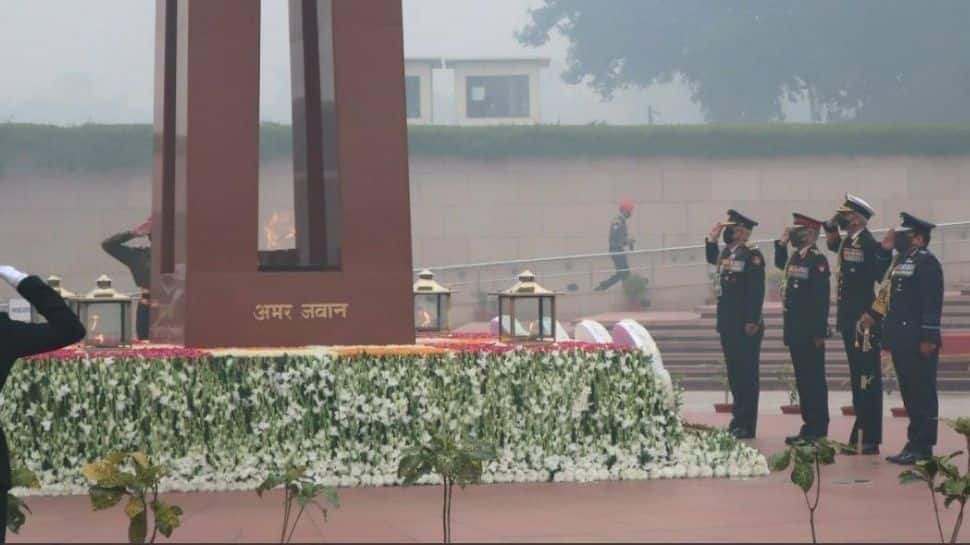
The Army Day celebrations commenced with the Wreath Laying Ceremony at the National War Memorial where the three Service Chiefs paid homage to the Bravehearts. In his message to all ranks of the Indian Army, the Chief of the Army Staff, General MM Naravane saluted the supreme sacrifice of all personnel who laid down their lives in the line of duty, reiterating his unstinted support to the Veer Naris and Next of Kin of the fallen soldiers. He assured the Nation that the Indian Army was operationally ready to deal with any adverse situation.
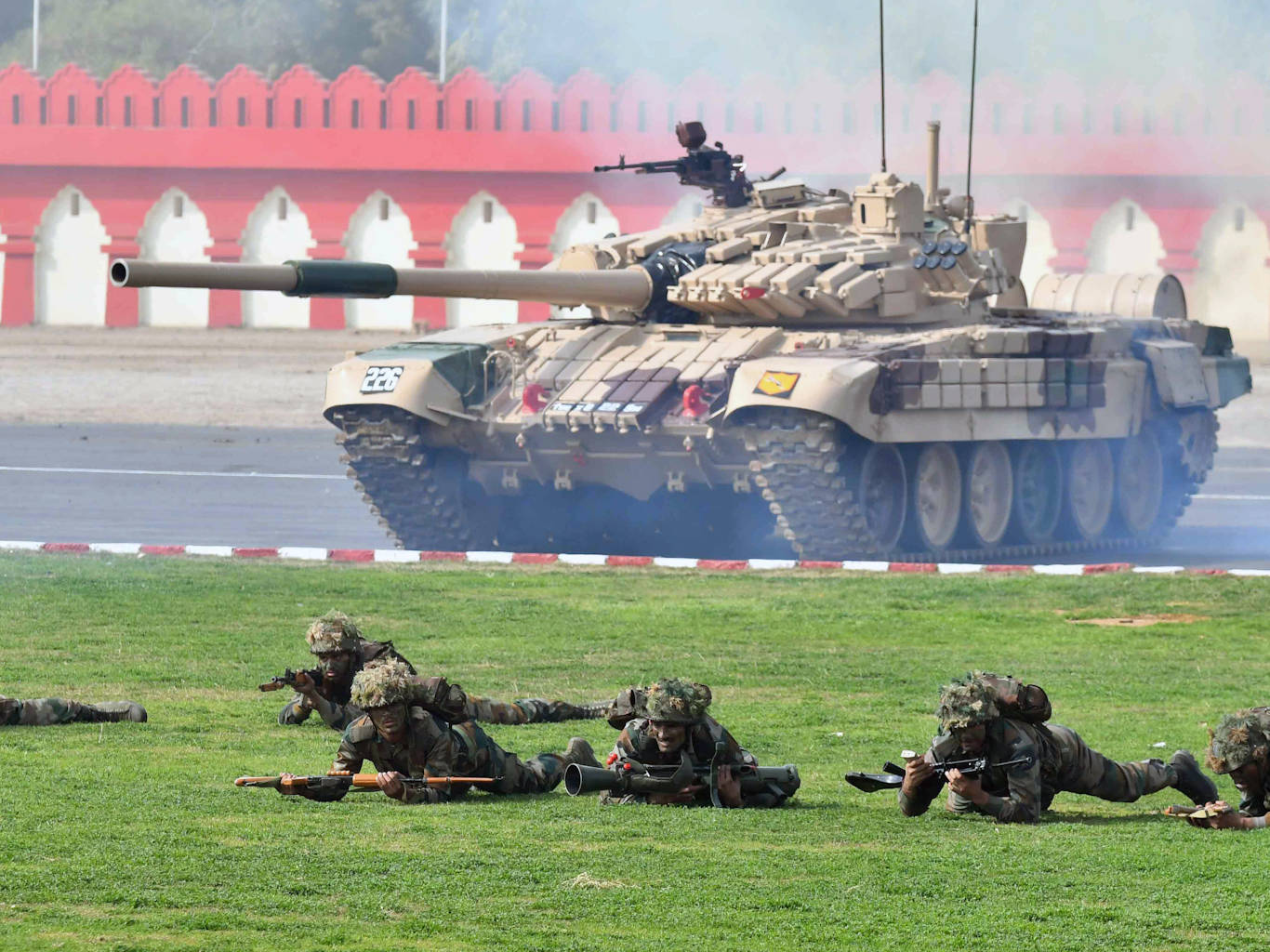
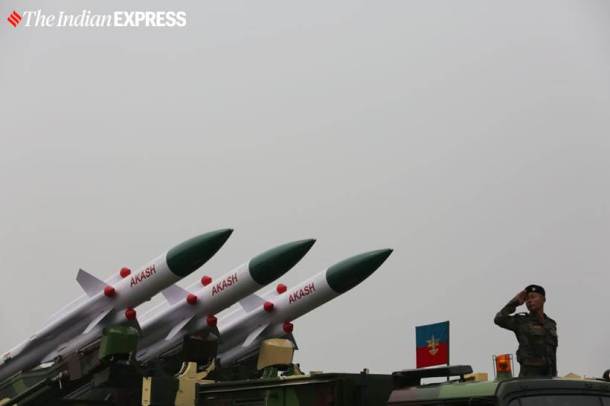
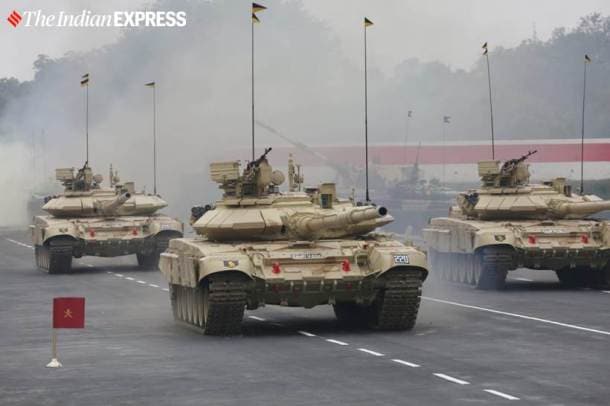
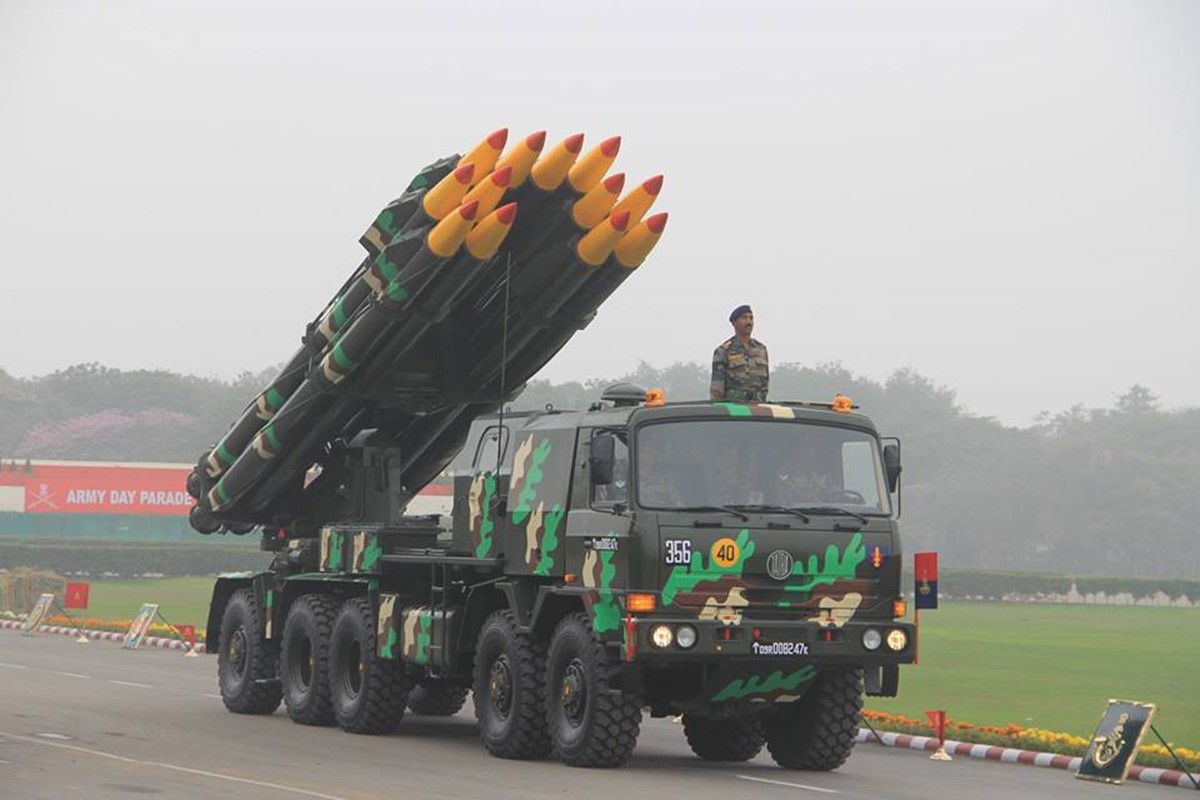
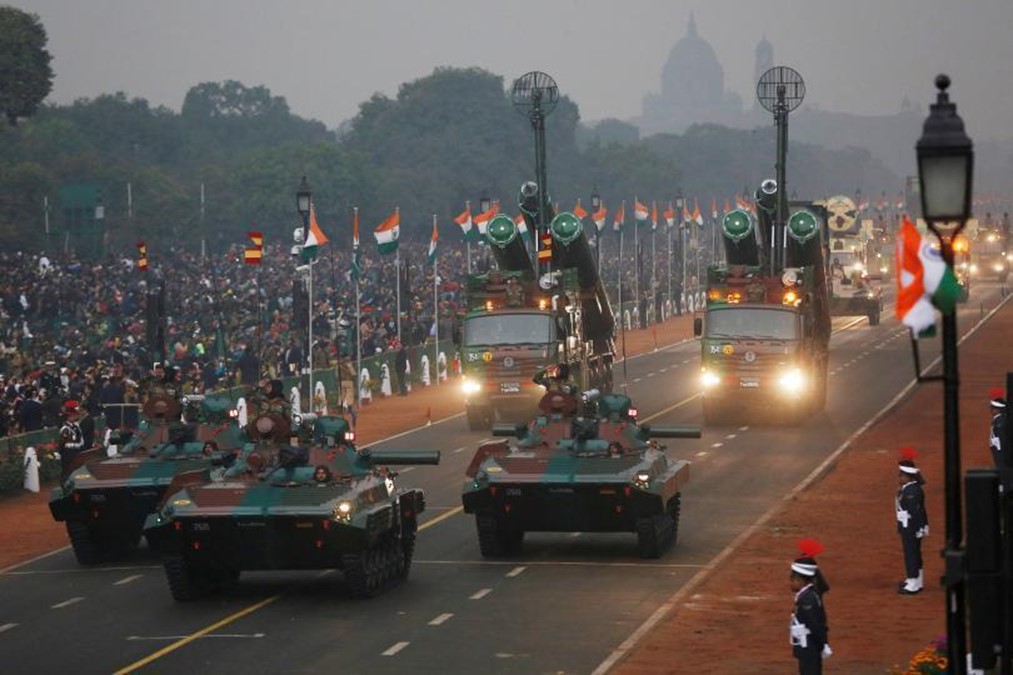
Bharat Darshan. Indian Army celebrates 74th Army Day on Saturday, January 15, 2022. Centurion Tank on display during the full dress rehearsal for the Army Day Parade, at the Army Parade Ground in New Delhi. (PTI PhotoBharat Darshan. Indian Army celebrates 74th Army Day on Saturday, January 15, 2022. Army jawans display their war skills during the full dress rehearsal for the Army Day Parade, at Army Parade Ground in New Delhi. (PTI Photo)Bharat Darshan. Indian Army celebrates 74th Army Day on Saturday, January 15, 2022. Akash Missile system on display during the full dress rehearsal for the Army Day Parade, at Army Parade Ground in New Delhi. (PTI Photo)Bharat Darshan, Indian Army celebrates 74th Army Day on Saturday, January 15, 2022. Akash Missile system on display during the full dress rehearsal for the Army Day Parade, at Army Parade Ground in New Delhi. (PTI Photo)
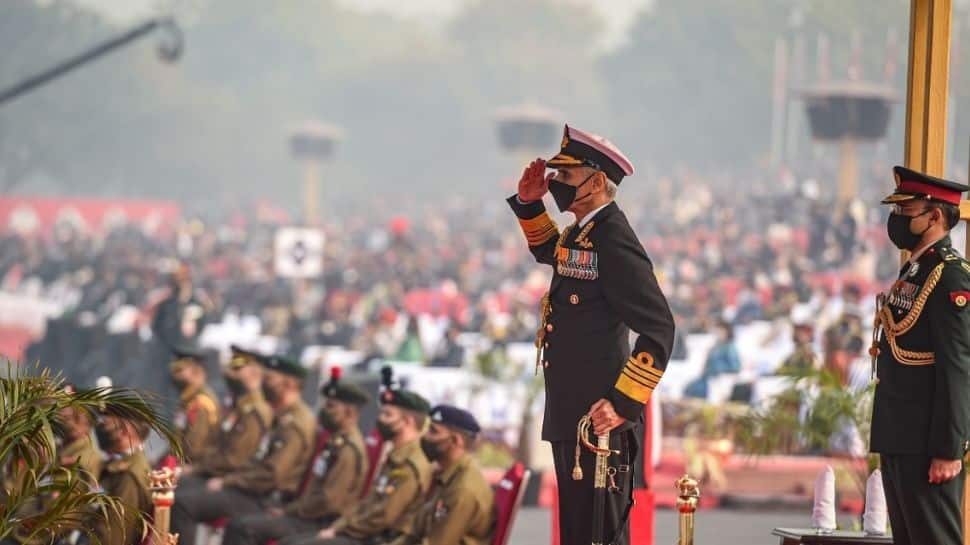
The Chief of the Army Staff reviewed the Army Day Parade at the Cariappa Parade Ground, Delhi Cantonment, and awarded 15 Sena Medals (including five posthumously) for individual acts of gallantry and 23 COAS Unit Citations to units for their commendable performance.
Bharat Darshan. Indian Army celebrates 74th Army Day on Saturday, January 15, 2022.
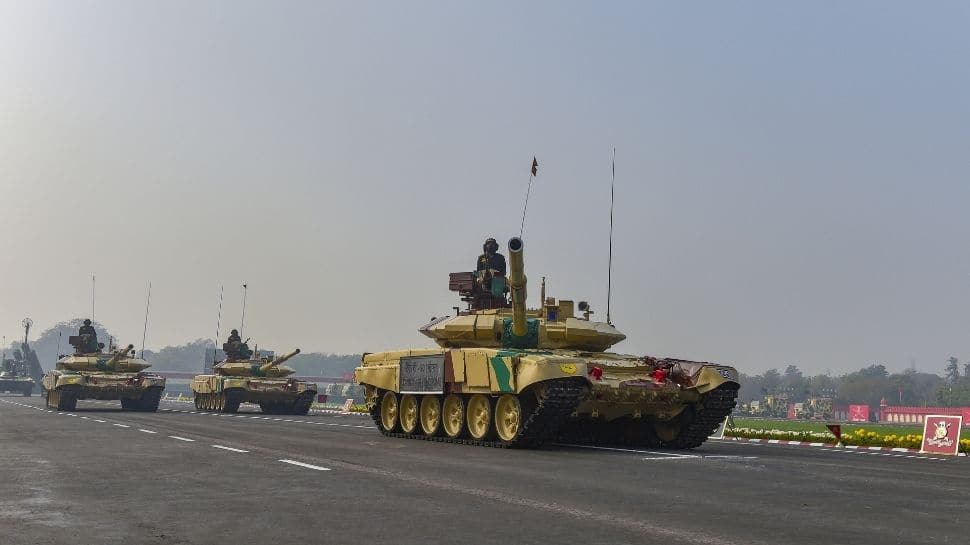
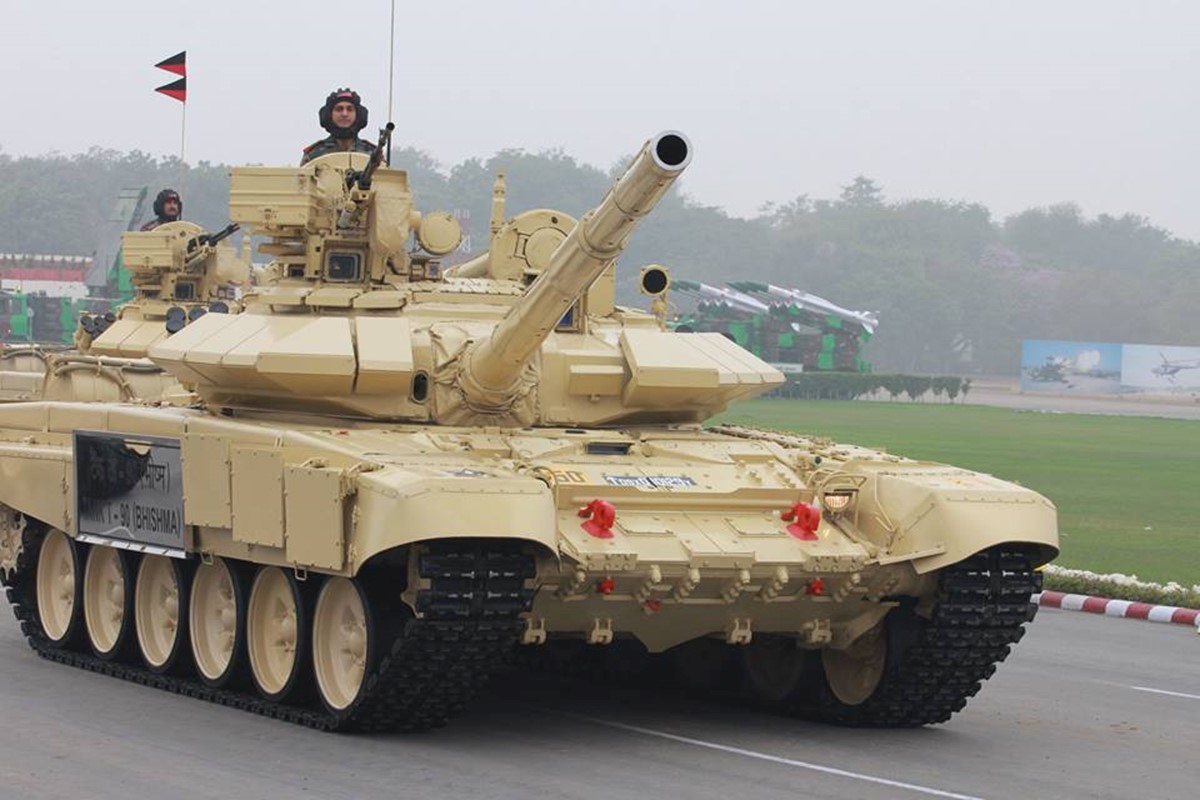
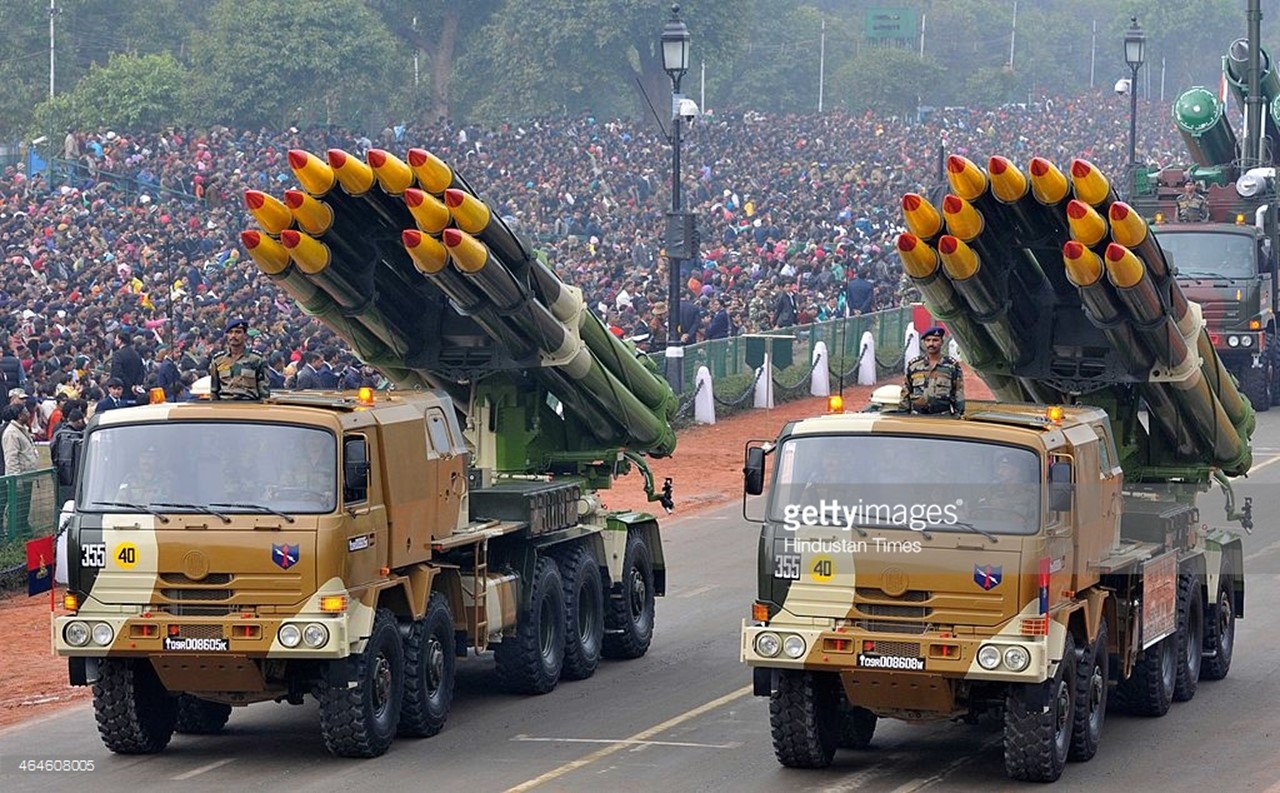
The Army Day Parade this year showcased the evolution of various weapon systems held in the Indian Army’s inventory. New and modern weapon systems and platforms were displayed alongside their old counterparts. Centurion tanks were followed by Arjun Main Battle Tanks and TOPAS was succeeded by the BMP-II. Similarly, pairs of the 75/24 Indian Field Gun and Dhanush, PMP/PMS and Sarvatra bridges, and Tiger Cat & Akash Surface to Air Missiles were also on display.
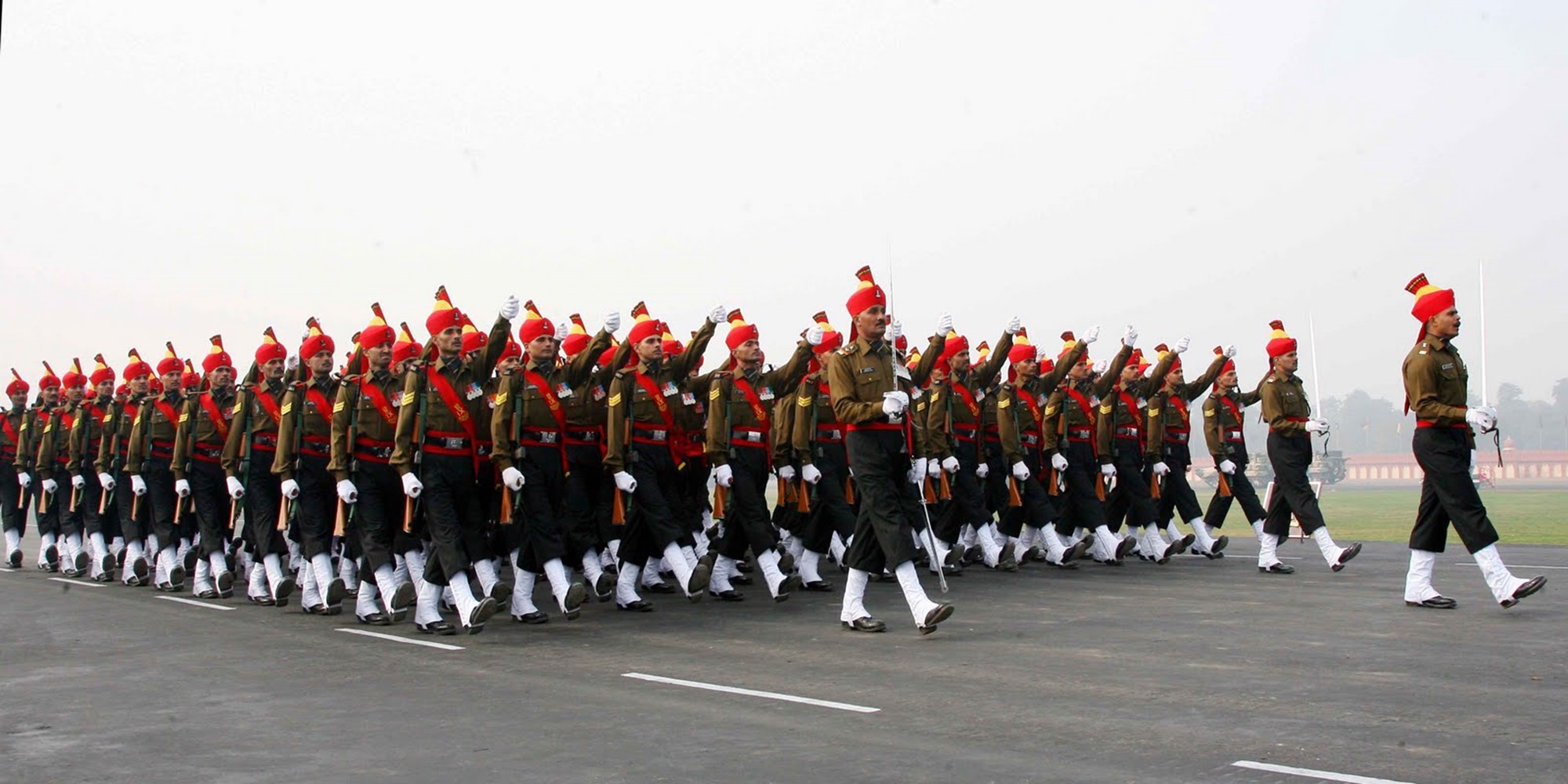
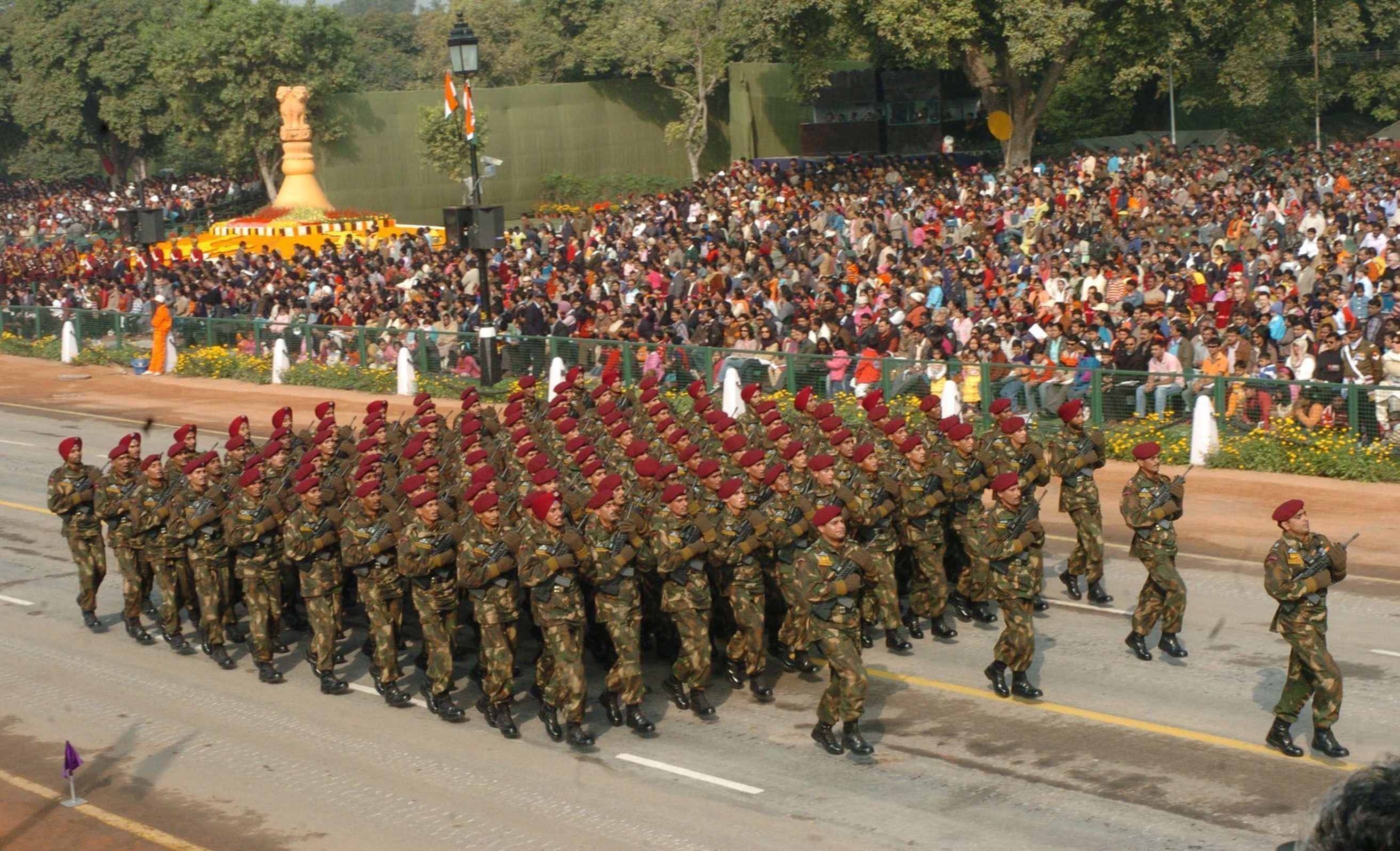
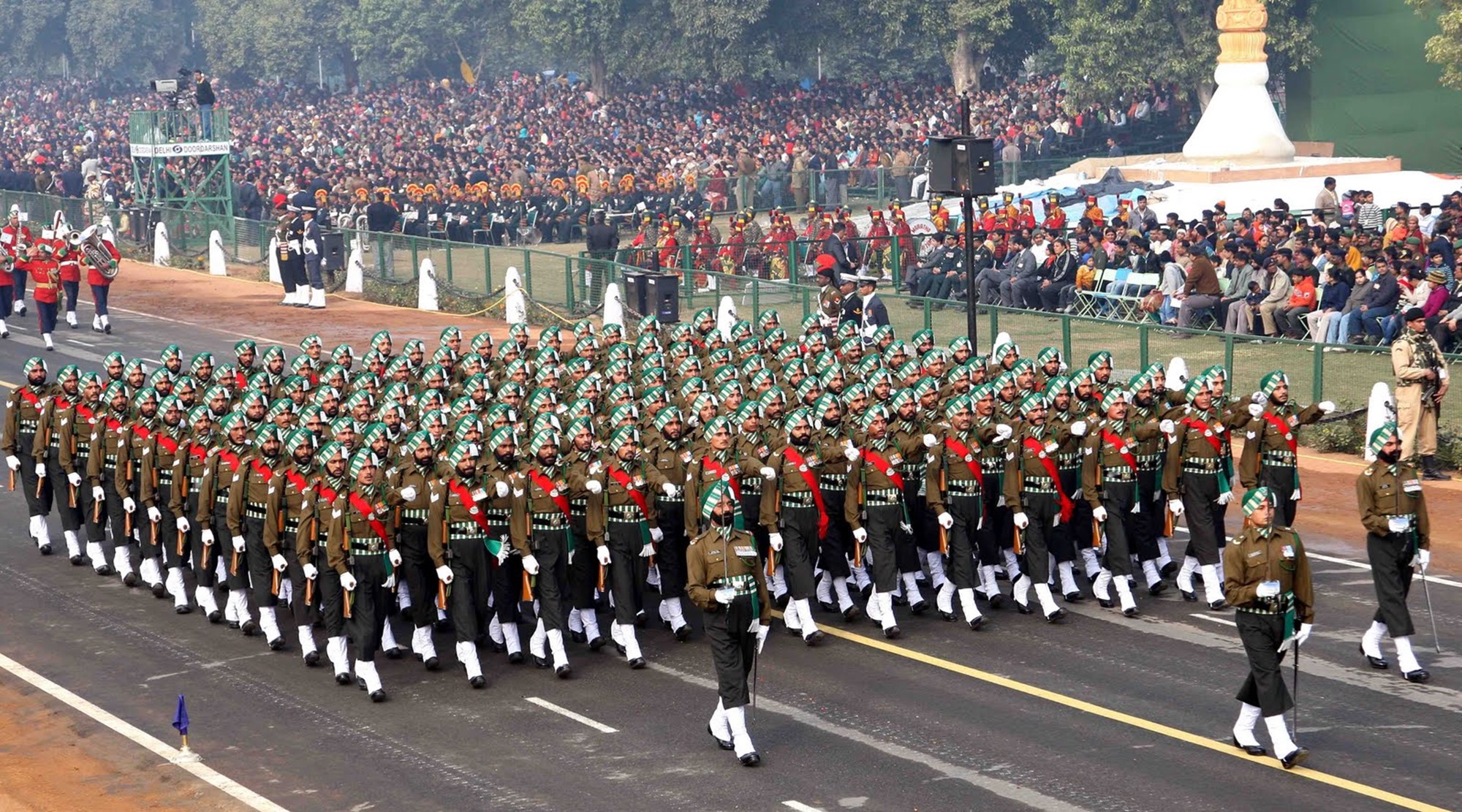
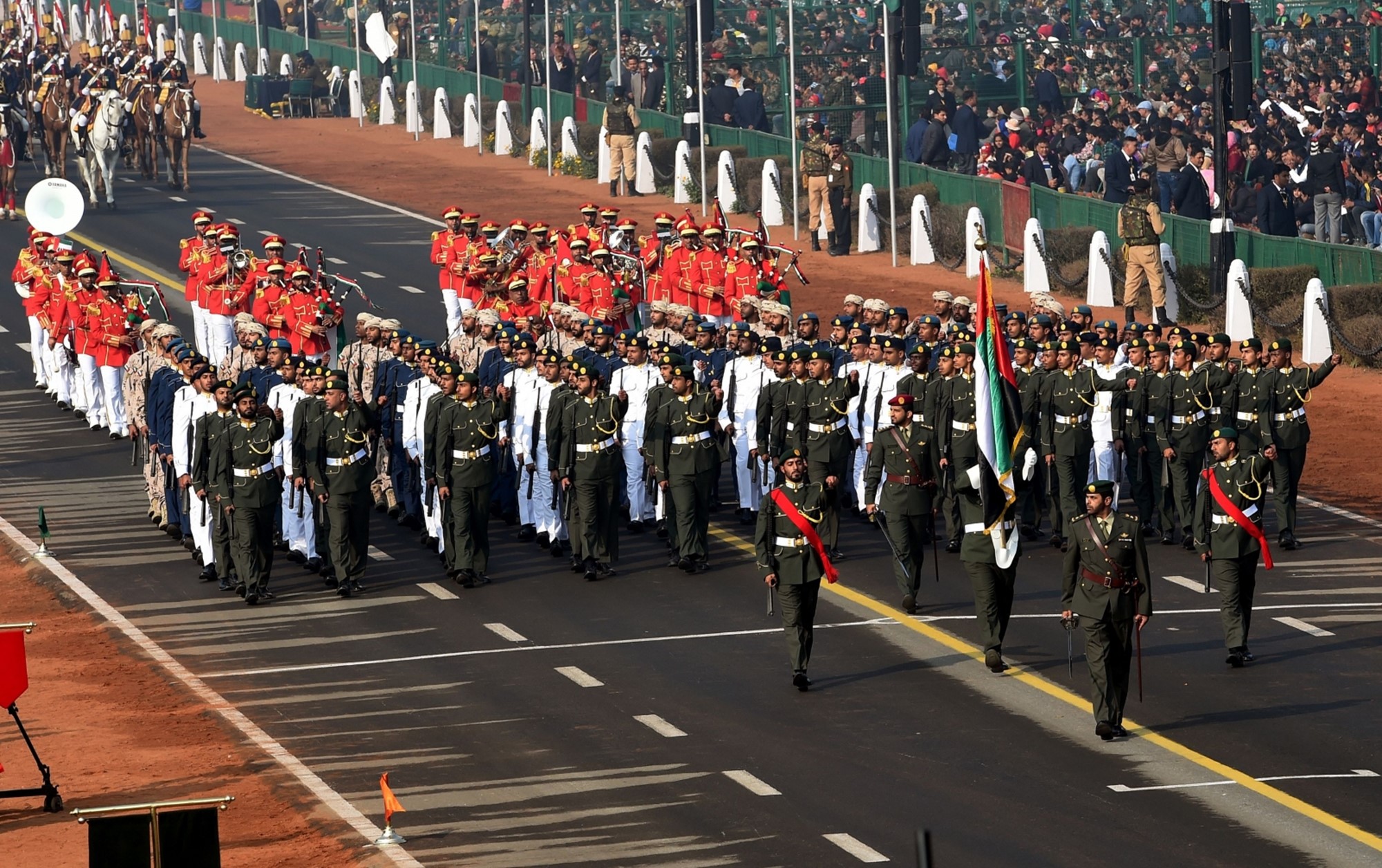
The parade also included International Sports awardees and seven marching contingents, including mounted horse cavalry. A song titled ‘Maati’, sung by famed singer Hariharan, dedicated to the Army and the Nation was exclusively released during the event.
Bharat Darshan. Indian Army celebrates 74th Army Day on Saturday, January 15, 2022.
The 72nd year Army day celebrations was different as a fourth-generation woman army officer spearheaded an all men contingent on January 15. Captain Bhavana Kasturi, marking a departure from the convention, led an all men contingent on Republic Day 2019. Army Day is celebrated to honour our brave soldiers who serve the country selflessly, sometimes, laying down their lives.
Chief of Defence Staff (CDS) General Bipin Rawat, Army chief General MM Naravane, Chief of the Naval Staff Admiral Karambir Singh and Air Force chief Air Chief Marshal RKS Bhadauria laid wreaths remembering the brave martyrs on the occasion of the 73rd Army Day on Friday (January 15) at the National War Memorial in Delhi. Tweeting from its official handle, the Indian army also paid tribute to the 100 martyrs who sacrificed their lives in 2020. “Army pays homage to the 100 battle casualties in the year 2020 on the Army Day today. These officers and jawans lost their lives in different operations including the Galwan valley clash in Eastern Ladakh on June 15,” the army’s tweet read. Pic Courtesy: Twitter/@adgpiArmy Chief General MM Naravane takes salute before inspecting the parade on the occasion of the Army Day, at the Parade Ground in New Delhi. Paying homage to the 20 soldiers who lost their lives during India-China standoff, Army chief asserted that their “sacrifice won’t go in vain”. Pic Courtesy: PTI
Army chief General Manoj Mukund Naravane will be chief guest at the Army Day celebrations this year. The parade will showcase various routines such as aerial stunts and bike pyramids.
On Army Day, the army chief takes the salute and inspects the parade led by the General Officer Commanding, HQs Delhi Area. The other two service chiefs also attend the parade every year and take salute. This year, the Chief of Defence Staff General Bipin Rawat will also attend the parade this year and take salute. General Rawat took charge as CDS on 31st December, 2019.
India shows its power at the Army Day parade. T-90 battle tanks of Indian Army displayed during the 73rd Army Day parade, at the Parade ground. Pic Courtesy: PTIArmy soldiers display drone attack during the 73rd Army Day being celebrated at the Parade ground in New Delhi. Pic Courtesy: PTIArmy Service Corps (ASC) Motorcycle Display Team ‘Tornadoes’ perform during the 73rd Army Day parade. The team members also performed various daredevil stunts at the parade. Pic Courtesy: PTIIn view of the COVID-19 protocols, troops march wearing face masks during the Army Day parade. Pic Courtesy: ANI
Bharat Darshan. The Indian Army Celebrates 73rd Army Day on Friday, January 15, 2021.
Last year, Captain Tania Shergill from the Corp of Signals lead an all men contingent on Army Day. Shergill was inducted in March 2017 from Officers Training Academy, Chennai. Her father and grandfather also served in the Indian Army.
Army Day 2020: Tania Shergil became the first woman parade adjutant in the 72nd Army Day Parade.
The main event takes place at Cariappa Parade Ground at Delhi Cantonment. The ceremony begins with Indian Army chief taking the salute. Soldiers are accorded Sena medals for their service to the nation. However, Army Day is observed at all Army Command headquarters across the country.
Indian Army soldiers take out a parade and arsenals are put on display. Last year, Army exhibited the BrahMos Missiles, BLT T-72 ‘Bharat Rakshak’ tank, Advanced Light Helicopters, and the 155mm Soltam Gun.
In 2020, 15 soldiers were decorated with gallantry awards while 18 battalions got unit citations. The military hardware which were showcased in the 2020 parade include infantry combat vehicle BMP-2K, K9 Vajra-T artillery guns, locally built Dhanush towed guns, T-90 main battle tanks and the short span bridging system.
Army Day 2020 Theme
The main focus of Army Day 2020 will be on the ‘Digital Transformation of Defense’.
Bharat Darshan-The Indian Army Celebrates 72nd Army Day on January 15.Bharat Darshan-The Indian Army Celebrates 72nd Army Day on January 15.Bharat Darshan-The Indian Army Celebrates 72nd Army Day on January 15.Bharat Darshan-The Indian Army Celebrates 72nd Army Day on January 15.Bharat Darshan-The Indian Army Celebrates 72nd Army Day on January 15.Bharat Darshan-The Indian Army Celebrates 72nd Army Day on January 15.Bharat Darshan-The Indian Army Celebrates 72nd Army Day on January 15.Bharat Darshan. Indian Army celebrates 74th Army Day on Saturday, January 15, 2022.
Bharat Darshan. Indian Army celebrates 74th Army Day on Saturday, January 15, 2022.
This Septuagenarian has special reason to celebrate 70th Anniversary of Indian Army. On grant of Short Service Regular Commission in the rank of Lieutenant, I joined Indian Army Medical Corps on July 26, 1970. I measure the length of my lifetime using Anniversary Dates of Indian Army as yardstick.
ARMY DAY 2018, INDIAN ARMY DAY, ARMY DAY CELEBRATIONS IN INDIA
Indian Army Day marks a day to salute the valiant soldiers who sacrificed their lives to protect our country and the people living in it. The day is celebrated on January 15th every year. On this day in 1948, Lieutenant General K. M. Cariappa became the first Indian Commander-in-Chief.
Army played equally important role as the other freedom fighters in instilling democratization in India. General Kodandera Madappa Cariappa shared a good bonding with both natives and Britishers and then succeeded General Roy Butcher of British Army to become the first Indian Commander in Chief of the democratic India.
The Indian Army fights adversities on borders as well as with natural calamities. The Army works with true dedication and spirit of the motto ‘fight to win.’
The Army Day celebrated on 15th January 2018 will be the 70th Anniversary of Indian Army. The Army re-dedicates itself to become a part of the ‘War Winning Team’ on this day. The day begins with paying homage to the martyred soldiers at the Amar Jawan Jyoti at the India Gate, New Delhi. Parades and many military shows which features the technology and achievements in Army are held at the Delhi Cantonment. Unit credentials and Sena Medals were also presented for gallantry on the occasion every year.
Whole Celebration -Septuagenarian Celebrates 77th Anniversary of Indian Army DayWhole Celebration -Septuagenarian Celebrates 77th Anniversary of Indian Army DayWhole Celebration -Septuagenarian Celebrates 77th Anniversary of Indian Army DayWhole Celebration -Septuagenarian Celebrates 77th Anniversary of Indian Army DayWhole Celebration -Septuagenarian Celebrates 77th Anniversary of Indian Army DayWhole Celebration -Septuagenarian Celebrates 77th Anniversary of Indian Army DayWhole Celebration -Septuagenarian Celebrates 77th Anniversary of Indian Army DayWhole Celebration -Septuagenarian Celebrates 77th Anniversary of Indian Army DayWhole Celebration -Septuagenarian Celebrates 77th Anniversary of Indian Army DayWhole Celebration -Septuagenarian Celebrates 77th Anniversary of Indian Army DayWhole Celebration -Septuagenarian Celebrates 77th Anniversary of Indian Army DayWhole Celebration -Septuagenarian Celebrates 77th Anniversary of Indian Army DayWhole Celebration -Septuagenarian Celebrates 77th Anniversary of Indian Army DayWhole Celebration -Septuagenarian Celebrates 77th Anniversary of Indian Army Day
India’s First Independence Day celebration on August 15, 1947 has become a measure of my life.
I record major events of my life in relation to India’s independence on August 15, 1947. The Father of the Nation, Mahatma Gandhi was assassinated on January 30, 1948 and my life’s journey became associated with the story of this young nation.
India’s First Independence Day celebration on August 15, 1947 has become a measure of my life.India’s First Independence Day celebration on August 15, 1947 has become a measure of my life.
25th INDEPENDENCE ANNIVERSARY MEDAL – 1972
India’s First Independence Day celebration on August 15, 1947 has become a measure of my life. 25th Independence Anniversary Medal. Indian Independence-A Measure of my Life.
This medal was awarded to commemorate the twenty-fifth anniversary of Indian independence in 1972. The medal was awarded to all members of the armed forces, paramilitary forces, and police forces who were serving on 15 August 1972. This medal gives me an opportunity to remember the twenty-fifth year of my life. I was then serving in Indian Army in the rank of a Captain and was posted at a unit located in the North-East Frontier Agency which is now known as the State of Arunachal Pradesh. We all had a very good reason to rejoice on that day. India had scored a major victory in the India-Pakistan War of 1971 and we took pride in the fact that we had a role in shaping that epic event in India’s military history.
Operation Eagle 1971-72 – The Chittagong Hill Tracts – Liberation War of Bangladesh:
India’s First Independence Day celebration on August 15, 1947 has become a measure of my life. OPERATION EAGLE 1971-1972. THE MILITARY VICTORY IN THE CHITTAGONG HILL TRACTS-THE CELEBRATION OF 25th INDEPENDENCE ANNIVERSARYIndia’s First Independence Day celebration on August 15, 1947 has become a measure of my life. Operation Eagle 1971-72, the India-Pakistan War of 1971 and the Liberation of Bangladesh are very significant achievements of Prime Minister Indira Gandhi. As I was then serving in Special Frontier Force, Establishment No. 22 (Vikas Regiment) under the Cabinet Secretariat, I had direct and personal understanding of Prime Minister’s Foreign Policy initiatives. She approved our military Operation in the Chittagong Hill Tracts. In the conduct of this clandestine military operation, we faced a very critical moment and it demanded the Prime Minister’s approval for deploying aircraft in enemy territory, a decision that she alone can make. While awaiting her decision, I carried out a difficult war casualty evacuation mission to overcome the challenge posed by the lack of airlift facility. The importance of this situation could be understood as it required the Prime Minister’s intervention. I am now asking the Government of India to recognize my GALLANT response in enemy’s territory without any concern for my personal safety.India’s First Independence Day celebration on August 15, 1947 has become a measure of my life.Lieutenant Governor of Andaman & Nicobar Islands(December 1985 to December 1989) – Lieutenant General (Retd) TS Oberoi, PVSM, VrC., former General Officer Commanding-in-Chief, Headquarters Southern Command, Pune, former Inspector General, Special Frontier Force, former Commandant, Headquarters Establishment No. 22. He is the tall person in this photo wearing dark brown turban. I knew him since 1971. Under his able leadership, the Liberation of Bangladesh commenced during November 1971. Apart from his military wisdom, he took a good care of all men under his Command. While I was proceeding to the Chittagong Hill Tracts, he individually greeted all the members of my team and delayed the departure of aircraft to make sure that a hot breakfast was served to all the men boarding the aircraft. He paid personal attention to all the aspects of the military mission to secure the well-being of men apart from achieving success in accomplishing the military task. The sense of warmth he radiated is easily felt when we meet him in person. His grandson provided me the link to this photo. Photo Credit – Trishna-Ajay-Picasa Web Album.India’s First Independence Day celebration on August 15, 1947 has become a measure of my life.The remarks made by Lieutenant Colonel B K Narayan of Special Frontier Force on May 13, 1972 in my Annual Confidential Report for 1971-72 are as follows:”A very conscientious and Tough MO who worked hard during the Bangladesh Ops. He did very well and showed Maturity which was beyond the call of duty. I have recommended this Officer for a gallantry award for which he deserves eminently. He is physically Tough and cheerful. Is a fresh entrant with less than 2 years of Service and yet he displayed capability and confidence.India’s First Independence Day celebration on August 15, 1947 has become a measure of my life. OPERATION EAGLE 1971-72. Remarks of Former Inspector General of Special Frontier Force, Lieutenant General T S Oberoi, PVSM, VrC, General Officer Commanding-in-Chief,Headquarters Southern Command Pune 411001.He remarked about my participation in the India-Pakistan War of 1971India’s First Independence Day celebration on August 15, 1947 has become a measure of my life. OPERATION EAGLE 1971-1972. THE MILITARY VICTORY IN THE CHITTAGONG HILL TRACTS-THE CELEBRATION OF 25th INDEPENDENCE ANNIVERSARY. Special Service Award by all Officers, D – Sector, Establishment 22 on 19 January 1973.
Dr. R. Rudra Narasimham, B.Sc., M.B.B.S.,
Personal Number – MR-03277K Major AMC/DPC
MS-8466 Captain AMC/SSC
Medical Officer South Column, Operation Eagle
Headquarters Establishment No. 22 C/O 56 APO
Sangram Medal 1971Silver Jubilee Medal 1972Poorvi Star 1971 Bangladesh OpsSainya Seva Medal (NEFA) 1972Nine Years Long Service Medal 1979DGAFMS Medal 1976India’s First Independence Day celebration on August 15, 1947 has become a measure of my life. Indian Independence – A Measure of my Life.
Isfahan is Half the World – Where is the other Half?
Isfahan – Nesf-E-Jahan – Half the World -Where is the other Half? The Persian Word Jahan means the World.Isfahan – Nesf-E-Jahan – Half the World -Where is the other Half? The Persian Word Jahan means the World.
Isfahan is located at about 400 km (250 miles) south of Iranian capital city of Tehran. Isfahan is considered to be a charming and memorable place and it is popularly known as Nesf-e-Jahan meaning that Isfahan is half the world, I name Hyderabad (Deccan),India as the other half. Hyderabad is charming and its historical monuments are being restored and the city was originally modeled after Isfahan and very soon people would appreciate the connection between these two cities.
Isfahan – Nesf-E-Jahan – Half the World -Where is the other Half? The Persian Word Jahan means the World.
THE BLUE MOSQUE OF ISFAHAN
Isfahan – Nesf-E-Jahan – Half the World -Where is the other Half? The Persian Word Jahan means the World.Isfahan – Nesf-E-Jahan – Half the World -Where is the other Half? The Persian Word Jahan means the World.Isfahan – Nesf-E-Jahan – Half the World -Where is the other Half? The Persian Word Jahan means the World.Isfahan – Nesf-E-Jahan – Half the World -Where is the other Half? The Persian Word Jahan means the World.Isfahan – Nesf-E-Jahan – Half the World -Where is the other Half? The Persian Word Jahan means the World.
The Blue Tiles of Isfahan
Whole Dude – Whole Jahan: The Blue Tiles of Isfahan. Isfahan – Nesf-E-Jahan – Half the World -Where is the other Half? The Persian Word Jahan means the World.Whole Dude – Whole Jahan: The Blue Tiles of Isfahan. Isfahan – Nesf-E-Jahan – Half the World -Where is the other Half? The Persian Word Jahan means the World.Whole Dude – Whole Jahan: The Blue Tiles of Isfahan. Isfahan – Nesf-E-Jahan – Half the World -Where is the other Half? The Persian Word Jahan means the World.Whole Dude – Whole Jahan: The Blue Tiles of Isfahan. Isfahan – Nesf-E-Jahan – Half the World -Where is the other Half? The Persian Word Jahan means the World.
Qutb Shahi Dynasty of Golconda, Deccan, India
Qutb Shahi Dynasty of Golconda, Deccan, India. Golconda Fort.
GOLCONDA FORT- “GOLLA KONDA” (SHEPHERD’S HILL)
QULI QUTB-UL- MULK
Qutb Shahi Dynasty of Golconda, Deccan, India. Sultan Muhammad Quli Qutb-ul-Mulk
Quli Qutb Mulk, a Shia Muslim from Persia (present day Turkmenistan) with friends and a few relatives had migrated to Delhi in the beginning of 16th century A.D. He migrated south to Deccan and served Bahmani Sultan Mohammad Shah. He conquered Golconda and was appointed as the governor of the Telangana region (about the size of France) in 1512 A.D. After the disintegration of the Bahmani Kingdom into the five Deccan Sultanates, he declared independence, assumed the title of ‘QUTB SHAH’ and established the Qutb Shahi Dynasty of Golconda in 1518 A.D. Qutb Shahis were great builders and patrons of learning. They not only patronized the Persian culture but also the regional culture of the Deccan, symbolized by the Telugu language and the Deccani idiom of Urdu. The Golconda rulers learned Telugu.The Qutb Shahi Dynasty will be remembered because of the legend associated with the construction of a Hindu temple in Bhadrachalam.
Myths, Legends and the Reality – Defining Indian Identity
Myths, Legends, and Reality – Defining Indian Identity. Sree Seetha Ramachandra Swamy at Bhadradri. Temple of Lord Rama in Bhadrachalam defines the concept of Ultimate Reality.
Sri Sita Ramachandra Swamy Shrine -Temple of Lord Rama in Bhadrachalam
Qutb Shahi Dynasty of Golconda, Deccan, India. Defining Indian IdentityQutb Shahi Dynasty of Golconda, Deccan, India. Defining Indian IdentityMyths, Legends, and Reality – Defining Indian Identity. A Temple to define the concept of Ultimate Reality.
This temple town of Bhadrachalam, located on the northern banks of the river Godavari in Khammam District of Telangana, India, best describes my Indian Identity as it brings together our myths, our legends and our quest for the “Ultimate Reality”.
Myths, Legends, and reality – Defining Indian Identity. A Temple to define the Ultimate Reality. The place described as Panchvati is in the vicinity of Bhadrachalam as per our local legend
This place is connected to events described in the epic poem of Ramayan which narrates Lord Rama’s journey in our Land. Rama while living in exile, camped in the forest by the name ‘Dandakaranya’ and His spouse Seetha was abducted and eventually, Rama and His brother Laxmana cross the river Godavari at this place in search of Seetha. A pious man known as Bhadra prayed at this place seeking Lord Rama’s return to this place. Much later, a simple tribal woman who lived in this area discovered the idols of ‘Vaikuntha Rama’ (for He carried the Sudarshana Chakra apart from the bow and arrow) with Seetha seated on His lap and the idol of Laxmana standing next to them.
Myths, Legends, and Reality -Defining Indian Identity. A Temple to define the concept of Ultimate Reality
Kancharla Gopanna, a Tahsildar (revenue official) of Palvancha Paragana, completed building this temple in 1674 A.D. The legend about the divine intervention and the miraculous release of Gopanna from the prison at the Golconda Fort is narrated in my entry titled, ‘The Benevolent Shia Ruler of Golconda-Verily, A Blessed Soul’.
About Myths and Legends:
Myths, Legends, and Reality. Defining Indian Identity. A Temple to define the concept of Ultimate Reality.
Myths are traditional stories which serve to explain our connection to God and the universe and hence they are not the same like the fictional stories. Myths exist in a historical context but may not be true historical accounts that are supported by scientific verification. Legends are stories handed down for generations among a people and popularly believed to have a historical basis but do not qualify for inclusion in a text book of history. As an Indian, I depend upon myths and legends to derive a sense of direction, a sense of guidance and a sense of hope for my human existence. They help me to know who I am and where I am going.
About Reality and Ultimate Reality:
The influence called Time makes the distinction between Real and Unreal. A Temple to define the concept of Ultimate Reality
Indians are very concerned about the effects of Time . We practically witness in our daily lives the forceful consequences of time. Time changes the course of human life and time changes the physical world. However, the “Ultimate Reality” does not change, it is constant and it is eternal. Indians seek this Reality as it represents their natural home and that is their final destination on completion of the life’s journey. Since ‘TRUTH’ is unchanging in its character, is also described as the Reality that we cherish to experience.
Myths, Legends, and Reality. Defining Indian Identity. A Temple defines the concept of Ultimate Reality. The name Ra Ma represents Eternal Truth.
Millions of Indians express this desire for Truth and the Reality with a very simple statement. They claim that the name “RA MA” is eternal Truth. Our search for Truth and Reality becomes very easy if we just seek “RA MA”. Great powers on this earth had vainly tried to destroy our belief in RAMA. Mughal Emperor Babur destroyed the temple in Ayodhya which we consider as Rama’s birth place. The forces of Sultan Tughlak destroyed the Rama temple in my home town Rajahmundry. Mughal Emperor Aurangzeb destroyed countless number of temples and idols of Rama. Yet the myth and legend of Rama survives. At Bhadrachalam also known as Bhadra giri or Bhadradri (the hill of Bhadra), Sultan Tani Shah, a benevolent Shia Muslim ruler of Golconda, helped Kancharla Gopanna to maintain this temple. This devotee of Lord Rama is popularly known by the name Bhakta Rama Dasu.
Would it be possible to destroy Rama?
Myths, Legends, and Reality. Defining Indian Identity. A Temple defines the concept of Ultimate Reality.
Many have tried to destroy the idols and images of Rama. For example, if some one would destroy the temple of Rama in Bhadrachalam, we still connect this place and the forest and the river with Rama’s life journey. If some one would destroy the forest, level the ground and change the course of the river, I would still look for the signs of His presence in the creation of the heavens and the earth. I would describe the blue sky as the color of Rama. If some one could destroy the blue sky and when I look up and see the dark sky, I would say that I am reminded of Lord Krishna who is described as black in color as dark as the sky of New Moon’s day. Our myths remind us that Rama and Krishna are one and the same. I do know people take great pride in their physical power but it may not be easy to wipe out a belief system which is more than the Idols which represent the Belief. The Indian Identity associated with Blue and Dark sky would survive as long as there is a sky above our heads and as long as the difference of night and day exists on this earth.
Myths, Legends, and Reality – Defining Indian Identity. A Temple to define the concept of Ultimate Reality.
” Lo! In the creation of the heavens and the earth and (in) the difference of night and day are tokens (of His sovereignty) for men of understanding”. Surah III, verse 190, Holy Book of Quran.
Myths, Legends, and Reality – Defining Indian Identity. A Temple to define the concept of Ultimate Reality.
Shia Muslim Ruler of Golconda. Verily, a Blessed Soul
Shia Muslim Ruler of Golconda. Verily, a Blessed Soul. SULTAN ABUL HASAN QUTB SHAH (MAY PEACE BE UPON HIM).Golconda Fort near the City of Hyderabad, the seat of Qutb Shahi Dynasty. GOLCONDA FORT- “GOLLA KONDA”(SHEPHERD’S HILL)
Quli Qutub Mulk, a Shia Muslim from Persia (present day Turkmenistan) with friends and a few relatives migrated to Delhi in the beginning of 16th century CE. He migrated south to Deccan and served Bahmani Sultan Mohammad Shah. He conquered Golconda and was appointed as the governor of the Telangana region (about the size of France) in 1512 CE. After the disintegration of the Bahmani Kingdom into the five Deccan Sultanates, Quli Qutub Mulk declared independence, assumed the title of ‘QUTUB SHAH’ and established the Qutb Shahi Dynasty of Golconda in 1518 CE. Qutub Shahis were great builders and patrons of learning. They not only patronized the Persian culture but also the regional culture of the Deccan, symbolized by the Telugu language and the Deccani idiom of Urdu. The Golconda rulers learned Telugu.
The Qutub Shahis was the ruling family of the kingdom of Golconda, DECCAN, southern India. They were Shia Muslims and belonged to a Turkmen tribe from the Turkmenistan-Armenia region. The dynasty ruled Golconda for 171 years until the Mughal Emperor Aurangazeb’s armies conquered the Deccan in 1687 CE. Abdullah Qutb Shah, the sixth ruler of the Qutb Shahi Dynasty (1626-1672 CE). Abdul Hasan Tana Shah married his daughter and gained access to power.Tana Shah (Abul Hasan Qutb Shah or Tanishah) (1672-1687 CE)
Sultan Abul Hasan Qutb Shah was the seventh and the last ruler of the Kingdom of Golconda (Deccan, Southern India) under the Qutb Shahi Dynasty. He ruled from 1672 CE to 1687 CE. He is also known as Abul Hasan Tana Shah and more popularly, he is known as TANI SHAH meaning benevolent ruler. He did not discriminate against those of other ethnicities or religions. He hired Hindus as his ministers and generals.
Akkanna, Madanna were secretaries to the prime minister during Abdullah Qutb Shah rule and their position helped Gopanna get a post as Palvancha Tehsildar. Sultan Tana Shah appointed Madanna as Prime Minister and Akkanna as Revenue Minister.
Madanna served as an official during Sultan Abdullah Qutb Shah’s rule. Madanna had a nephew by name Kancharla Gopanna and he helped Gopanna to be appointed as a “Tehsildar” (a revenue official) of Palvancha county.
Pokala Dhammakka, a tribal woman living in Bhadrareddypalem, found the central icon of Rama in an anthill.
During mid 17th century CE, Pokala Dhammakka, a tribal woman living in Bhadrareddypalem, found the central icon of Rama in an anthill. She dissolved the anthill using the water from the Godavari River. With the help of the villagers, Dhammakka constructed a mandapam (a temporary platform with a roof) and offered prayers to the deities. Following Abdullah Qutb Shah’s orders, Gopanna enforced the Jizyah tax (jizyah, also spelled jizya, historically, a tax paid by non-Muslim populations to their Muslim rulers., a penalty designed to make Hindus pay for not adopting Islam). Observing the dilapidated state of the worship site, Gopanna decided to build a temple for Rama, Seeta, and Laxmana idols by raising donations. In the initial attempt, Gopanna received harsh criticism from the local Hindus for enforcing the Jizyah tax. Dejected by numerous rebuffs, Gopanna decided to use a portion of the tax collected to build the temple and face the consequences. The temple was built by Gopanna in 1662 CE with a cost of nearly six lakh Varahas ( Gold coins). Abdullah Qutb Shah summoned Gopanna, who had no proper answer for misusing kingdom’s funds.
Sultan found Gopanna was guilty of the misuse of the funds and had him imprisoned at the Golconda Fort.
A Legend About Divine Intervention:
Shia Ruler of Golconda, Verily, a Blessed Soul. A Temple to define the concept of Ultimate Reality.Did Lord Rama actually visit Golconda Fort to obtain the release of Kancharla Gopanna from the prison? Sultan Tani Shah believed that it was God or Allah who had come to him and cleared the debt owed by Gopanna. He further expressed that belief in his actions. He allowed Gopanna to complete the construction of Lord Rama’s Temple in Bhadrachalam and financially supported the maintenance of that Temple. By doing so, the Shia Ruler of Golconda gave us a chance to reflect upon Lord’s Mercy, Grace, and Compassion.
Gopanna spent about 12 years in prison. According to legend, God intervened on behalf of Gopanna to obtain his release from the prison at Golconda Fort.
RamaTanka Gold Coins given to Tana Shah are still in display at Bhadrachalam Temple.
As per the legend, Lord Rama in disguise had come before the King and returned the money owed by Gopanna and the debt was repaid with gold coins. God who came to rescue Gopanna from the prison had met the Sultan but not the prisoner. Upon his release from the prison, Gopanna did express his sorrow for missing the opportunity to meet the Lord. Gopanna was released from the prison and he successfully finished the construction of the Rama temple which stands even today. Sultan Tani Shah publicly acknowledged that he had met “ALLAH ” and recognized the fact of Gopanna’s release from the prison was made possible by divine intervention. He made permanent arrangements for the upkeep of this temple. The funds that were collected as tax from Palvancha county were allocated to the temple and also he had established an annual tradition of sending pearls to shower the Deity during the annual temple festival. This tradition of offering pearls was continued by the rulers of the princely State of Hyderabad popularly known as the ‘Nizams of Hyderabad’, who ruled the Telangana region continuously until India’s independence. The Hyderabad State became a part of the Indian Union and the State of Andhra Pradesh came into existence in 1956. The Government of Andhra Pradesh and later Telangana followed the tradition established by Sultan Tani Shah in the 17th century and the tradition of offering pearls to Lord Rama still exists.
VERILY A BLESSED SOUL:
Shia Ruler of Golconda, Verily a Blessed Soul.
Did Lord Rama actually visit Golconda Fort to obtain the release of Kancharla Gopanna from the prison? Sultan Tani Shah believed that it was God or Allah who had come to him and cleared the debt owed by Gopanna. He further expressed that belief in his actions. He allowed Gopanna to complete the construction of Lord Rama’s Temple in Bhadrachalam and financially supported the maintenance of that Temple. By doing so, the Shia Ruler of Golconda gave us a chance to reflect upon Lord’s Mercy, Grace, and Compassion.
This Lord Rama’s Temple in Bhadrachalam is a testimony about Lord’s Grace, Mercy, and Compassion.
This benevolent ruler defended the Golconda Fort for eight months when the Mughal Emperor Aurangzeb attacked it in 1687 A.D. In October 1687, the Fort was captured by bribery and Sultan Tani Shah was taken as a prisoner and was imprisoned in Daulatabad Fort until his death.
I would call Sultan Tani Shah is a Blessed Soul for he recognized God’s plan and purpose and supported Gopanna to build the temple and provided for the maintenance of the temple and gave us the opportunity to know about God’s Compassion, Grace, and Mercy. Secondly, Sultan Tani Shah received the biggest gift that a man could ever seek. Man always cherishes the idea of meeting his Creator, the Father in Heaven, Allah, the Lord, RAMA the divine reincarnation of Vishnu and very few actually realize that dream. Gopanna was rescued but could not meet RAMA. Sultan Tani Shah did not pray or ask for this favor from God. He is a Blessed Soul because God granted him that gift. He received a sensory experience of that Reality called God and I fully trust this experience he had shared with others. Sultan Tani Shah’s actions substantiate his claim. Most importantly, he did not seek any personal reward or personal gain while he acted in the obedience of a God he never actually believed and had never intended to worship in any manner. He acted without seeking the fruits of his actions. I bless this Shia Ruler of Golconda and pray for Lord’s Peace be upon him forever.
Shia Ruler of Golconda, Verily a Blessed Soul.
A Replica of Heaven on Earth – Isfahan, Half the World and Hyderabad, the Second Half
A Replica of Heaven on Earth – Isfahan, Half the World and Hyderabad, the Second Half
Charminar – Architectural Centerpiece of Hyderabad
Muhammad Quli Qutub Shah, the fifth Sultan of the Qutb Shahi Dynasty of Golconda described the then new city of Esfahan (Isfahan) of Persia as “unparalleled in the world and a replica of Heaven itself.” He ascended to the throne in 1580 at the age of 15 and ruled for thirty-one years. He founded the city of Hyderabad and this most well planned city was modeled on the city of Esfahan. Architects from Persia planned the lay out of Hyderabad City which was built on the southern bank of Musi River in 1591. Charminar (Four Towers) was built as the architectural centerpiece and it defines the center of the Hyderabad City. He married a Telangana Telugu woman named Bhagmati and hence the city is known as ‘BHAGYA NAGAR’. He gave her the name Hyder Mahal and the city got its name from her new identity. He built Jama Masjid in 1597.
A Replica of Heaven on Earth – Isfahan, Half the World and Hyderabad, the Second Half. Jama Masjid of Hyderabad.
Iran helping India to restore Qutb Shahi Monuments
Iran helping India to restore Hyderabad Qutb Shahi monuments
QUTB SHAHI DYNASTY-HISTORICAL MONUMENTS OF HYDERABAD
Iran helping India to restore Hyderabad Qutb Shahi monuments
The Qutb Shahis was the ruling family of the kingdom of Golconda, Deccan, India. They were Shia Muslims and belonged to a Turkmen tribe from the Turkmenistan-Armenia region. The dynasty ruled Golconda for 171 years until the Mughal Emperor Aurangazeb’s armies conquered the Deccan in 1687. Amidst beautifully laid out gardens of Ibrahim Bagh there are seven tombs erected in the memory of the departed kings of Golconda and they are known as Qutub Shahi tombs. They are located one km away from Golconda Fort. The site is considered to be one of the world’s largest necropolis and nowhere in the world there are so many tombs in one place.
Iran helping India to restore Hyderabad Qutb Shahi monuments
Each tomb stands on a raised platform. It is a domed structure built on a square base surrounded by pointed arches. The quadrangular terrace is approached on all sides by flights of steps. The galleries of the smaller tombs are single storied while the larger ones are two-storied. In the center of each tomb is a sarcophagus which overlies the actual burial vault in a crypt below. The material used was Grey granite embellished with stucco ornamentation. The domes were originally overlaid with blue and green tiles of which only a few pieces remain now. The tombs were once furnished with carpets, chandeliers and velvet canopies on silver poles. Qurans were kept on decorated supports.Golden spires were fitted over the tombs of the Sultans. The tombs were surrounded by rose gardens and fountains. The tomb of founder of Hyderabad City, Muhammad Quli Qutb Shah is the most impressive, rising to a height of 42.5 meters with a large dome and 28 open arches on each side. He had taken Iranian help in the planning of Hyderabad.
Iran helping India to restore Hyderabad Qutb Shahi monuments
Iranian Government and the Iranian Consulate in Hyderabad have taken a great interest in the restoration work of these tombs. During August 2006, six Iranian experts visited the site to draw up the plans for restoration which also includes the Prema mati Mosque, and the Badshahi Ashoor Khana where tears are shed over the martyrdom of the Prophet’s grandson Hussain. The underground drainage system, the fountains and the hamam (bath) that existed before would be restored. Gardens will be developed in and around the monuments. This project when completed will be like 20 Taj Mahals at one place.
Iran helping India to restore Hyderabad Qutb Shahi monumentsIran helping India to restore Hyderabad Qutb Shahi monumentsIran helping India to restore Hyderabad Qutb Shahi monumentsIran helping India to restore Hyderabad Qutb Shahi monuments. The City around these monuments has totally changed over the years.A Replica of Heaven on Earth – Isfahan, Half the World and Hyderabad, the Second Half
Whole Dude – Whole Heritage: My Service in Indian Army helped me to learn about my Buddhist Heritage. My Nagarjuna Connection
I was posted to 54 Infantry Division (popularly known as Bison Division) in December 1974 on completion of my service on deputation to Special Frontier Force (Establishment 22). My Indian Army Service helped me to learn about my Buddhist Heritage and to discover my Nagarjuna Connection.
Whole Dude – Whole Heritage: My Service in Indian Army helped me to learn about my Buddhist Heritage. My Nagarjuna Connection. The Shoulder Badge of Special Frontier Force – Establishment. I served in this organization from September 22, 1971 to December 18, 1974.Whole Dude – Whole Heritage: My Service in Indian Army helped me to learn about my Buddhist Heritage. My Nagarjuna Connection.I served in Special Frontier Force – Establishment 22 from September 22, 1971 to December 18, 1974.Whole Dude – Whole Heritage: My Service in Indian Army helped me to learn about my Buddhist Heritage. My Nagarjuna Connection. I served in Special Frontier Force – Establishment 22 from September 22, 1971 to December 18, 1974.Whole Dude – Whole Heritage: My Service in Indian Army helped me to learn about my Buddhist Heritage. My Nagarjuna Connection. The Shoulder Badge of 54 Infantry Division. I served in Bison Division from December 1974 to May 1976.Whole Dude – Whole Heritage: My Service in Indian Army helped me to learn about my Buddhist Heritage. My Nagarjuna Connection. I served in 54 Infantry Division from December 1974 to May 1976.
My very first assignment at Bison Division gave me the opportunity to participate in a military training exercise near Nagarjuna Sagar Dam from December 1974 to January 1975. I visited Nagarjuna Sagar again during 1979 while I served as Senior Regimental Medical Officer, Army Ordnance Corps Centre, Secunderabad.
Whole Dude – Whole Heritage: My Service in Indian Army helped me to learn about my Buddhist Heritage. My Nagarjuna Connection. I served in Army Ordnance Corps Centre, Secunderabad from December 1978 to January 1984.
His Holiness the 14th Dalai Lama gave 4-Day Teaching on Nagarjuna’s The Precious Garland of the Middle Way Path. I am pleased to share my connection with Acharya Nagarjuna who lived and preached in Nalgonda District of Andhra Pradesh/Telangana, India. My father served as Principal of Nagarjuna Government College, Nalgonda during 1965-67.
Tibet Awareness – My Nagarjuna Connection. His Holiness the Dalai Lama’s Teachings on Nagarjuna’s The Precious Garland of the Middle Way. His Holiness the Dalai Lama on the first day of teachings for South East Asian devotees at Tsuglagkhang, Dharamshala, 29 August 2016.
August 29, 2016 By Staff Writer
DHARAMSHALA: His Holiness the Dalai Lama today began a four-day teaching on Chapter II of Nagarjuna’s The Precious Garland of the Middle Way (uma rinchen trengwa) at the request of a group from Asia including Indonesia, Korea, Malaysia, Singapore, Thailand and Vietnam at the Tsuglagkhang. Over 5000 devotees from 57 countries had come to attend the teaching, of which 1200 were Buddhist monks and nuns. The remaining include devotees from Mainland China, India and local Tibetans along with 1500 from south east Asian countries of Singapore, Malaysia, Vietnam, Thailand and Indonesia.
The teaching began with a recitation of Sherab Nyingpo or Heart Sutra in different languages. His Holiness the Dalai Lama greeted all the devotees who come from different part of the world.
Emphasising the importance of Moral Ethics, His Holiness said: “Years of discussions with many scholars and educationist friends have led to the decision of coming up with a curriculum on moral ethics without touching any religious aspect.” His Holiness even mentioned a few Universities in western countries that have started a curriculum on it and suggested the practice of compassion and sense of oneness of humanity.
Tibet Awareness – My Nagarjuna Connection. His Holiness the Dalai Lama’s Teachings on Nagarjuna’s The Precious Garland of the Middle Way. His Holiness the Dalai Lama being led to the Teaching venue by a representative of the South East Asian devotees, 29 August 2016.
His Holiness added that friendship is built on trust, and that trust can only be gained through love and compassion in the absence of pride, jealousy and malicious thoughts. “We should all keep our identity and religion aside and consider ourselves humans first. At the fundamental level, we all seven billion human beings are the same wishing for a happy life,” he said. “It is matter of great sadness and loss if religion becomes a tool of these negative afflictions,” His Holiness noted. The teachings will continue for the next three days culminating in a long life empowerment on the final day of the teaching on 1 September.
Tibet Awareness – My Nagarjuna Connection. His Holiness the Dalai Lama’s Teachings on Nagarjuna’s The Precious Garland of the Middle Way.
Devotees from 57 countries including Indonesia, Malaysia, Singapore, Thailand, Vietnam, South Korea, at the teaching.
Tibet Awareness – My Nagarjuna Connection. His Holiness the Dalai Lama’s Teachings on Nagarjuna’s The Precious Garland of the Middle Way. Members of Tibetan public at the four-day teaching on Nagarjuna’s Precious Garland of the Middle Way at Tsuglagkhang on 29 August 2016.
Members of Tibetan public at the four-day teaching on Nagarjuna’s Precious Garland of the Middle Way at Tsuglagkhang on 29 August 2016.
2016 Central Tibetan Administration
Whole Dude – Whole Heritage: My Service in Indian Army helped me to learn about my Buddhist Heritage. My Nagarjuna Connection.Whole Dude – Whole Heritage: My Service in Indian Army helped me to learn about my Buddhist Heritage. My Nagarjuna Connection.Whole Dude – Whole Heritage: My Service in Indian Army helped me to learn about my Buddhist Heritage. My Nagarjuna Connection.Whole Dude – Whole Heritage: My Nagarjuna Connection. Nagarjuna Sagar Dam across Krishna River in Nalgonda District, Telangana, India.Whole Dude – Whole Heritage: My Nagarjuna Connection. Nandi Konda near Nagarjuna Sagar, India.Whole Dude – Whole Heritage: My Nagarjuna Connection. Nagarjuna Konda near Nagarjuna Sagar, India.Whole Dude – Whole Heritage: My Service in Indian Army helped me to learn about my Buddhist Heritage. My Nagarjuna Connection.Whole Dude – Whole Heritage: My Service in Indian Army helped me to learn about my Buddhist Heritage. My Nagarjuna Connection.Whole Dude – Whole Heritage: My Nagarjuna Connection. Buddha Vanam near Nagarjuna Sagar, India.Whole Dude – Whole Heritage: My Nagarjuna Connection. Buddha statue near Nagarjuna Sagar, India.Whole Dude – Whole Heritage: My Nagarjuna Connection. Buddhist monuments ‘Stupas’ near Nagarjuna Sagar, India.Whole Dude – Whole Heritage: My Nagarjuna Connection. Ethipothala Waterfall near Nagarjuna Sagar, India.Whole Dude – Whole Heritage: My Service in Indian Army helped me to learn about my Buddhist Heritage. My Nagarjuna Connection.Whole Dude – Whole Heritage: My Service in Indian Army helped me to learn about my Buddhist Heritage. My Nagarjuna Connection.Whole Dude – Whole Heritage: My Service in Indian Army helped me to learn about my Buddhist Heritage. My Nagarjuna Connection.Whole Dude – Whole Heritage: My Service in Indian Army helped me to learn about my Buddhist Heritage. My Nagarjuna Connection.Whole Dude – Whole Heritage: My Service in Indian Army helped me to learn about my Buddhist Heritage. My Nagarjuna Connection.Whole Dude – Whole Heritage: My Service in Indian Army helped me to learn about my Buddhist Heritage. My Nagarjuna Connection.Whole Dude – Whole Heritage: My Service in Indian Army helped me to learn about my Buddhist Heritage. My Nagarjuna Connection.Whole Dude – Whole Heritage: My Service in Indian Army helped me to learn about my Buddhist Heritage. My Nagarjuna Connection.Whole Dude – Whole Heritage: My Service in Indian Army helped me to learn about my Buddhist Heritage. My Nagarjuna Connection.Whole Dude – Whole Heritage: My Service in Indian Army helped me to learn about my Buddhist Heritage. My Nagarjuna Connection.Whole Dude – Whole Heritage: My Service in Indian Army helped me to learn about my Buddhist Heritage. My Nagarjuna Connection.Whole Dude – Whole Heritage: My Service in Indian Army helped me to learn about my Buddhist Heritage. My Nagarjuna Connection.Whole Dude – Whole Heritage: My Service in Indian Army helped me to learn about my Buddhist Heritage. My Nagarjuna Connection.Whole Dude – Whole Heritage: My Service in Indian Army helped me to learn about my Buddhist Heritage. My Nagarjuna Connection.Whole Dude – Whole Heritage: My Service in Indian Army helped me to learn about my Buddhist Heritage. My Nagarjuna Connection.Whole Dude – Whole Heritage: My Service in Indian Army helped me to learn about my Buddhist Heritage. My Nagarjuna Connection.Whole Dude – Whole Heritage: My Service in Indian Army helped me to learn about my Buddhist Heritage. My Nagarjuna Connection. SriParvata Arama – Hill Colony, Nagarjuna Sagar, IndiaWhole Dude – Whole Heritage: My Service in Indian Army helped me to learn about my Buddhist Heritage. My Nagarjuna Connection.
Winning Peace-The Art of Preparing for War. General KRISHNASWAMY SUNDARRAJAN (K S Sundarji) PVSM, the Chief of Army Staff, Indian Army, February 01, 1985 to May 31, 1988.Winning Peace-The Art of Preparing for War. General KRISHNASWAMY SUNDARRAJAN (K S Sundarji) PVSM, the Chief of Army Staff, Indian Army, February 01, 1985 to May 31, 1988.
We can not win peace if we are not ready for war. There will be no peace until we are willing to stand up to the challenge posed by the enemy. People who arrive at the battlefield fully prepared are more likely to display courage and the well-prepared are more likely to win.
IS WAR AN ART FORM?
Winning Peace-The Art of Preparing for War. General KRISHNASWAMY SUNDARRAJAN (K S Sundarji) PVSM, the Chief of Army Staff, Indian Army, February 01, 1985 to May 31, 1988.
General Sundarji served as the General Officer Commanding, First Armoured Division of Indian Army during 1976 to 1978 and I served in 55 Medical Battalion of First Armoured Division during that time. He would not let us give an excuse for not being prepared for the combat operations. He would stand next to me to check the expiration dates of the life saving medicines we bring to the battle and very often count the numbers to make sure that we carry enough quantity of each item that is included in our operational plans. Without preparation, no plan could be executed to accomplish its goal. While serving under his Command, I learned the importance of preparing for war. Shortcomings and deficiencies should not be ignored and should never be concealed. Being fully prepared boosts up the level of confidence and keeps up the fighting morale of men. I was fortunate to learn from his experience and his insistence and expectation that people under his command should excel in the art of preparing for war. He was an exceptionally good task master and would not permit any second guessing when he inspected Units to evaluate their battle preparedness. He paid scrupulous attention to every detail and no aspect of preparedness was considered trivial and no shortcoming would escape his attention. Under the leadership and stewardship of General Sundarji (whom I consider as my ‘Guru’) I learned the basic method of preparing for battle. He is described as the scholar General, military genius of India and is well-respected for his professional acumen and candor. He was the first and the only Infantry Officer in the Indian Army till date to command an Armoured Division. My learning experience started upon my posting to the First Armoured Division in 1976 while General Sundarji served as its Commander. In India, the classical literature had always described the use of weapons as an art which like all other branches of learning requires a “GURU”(Teacher) and the act of preparing for war needs a proper attitude, discipline and application. Modern Warfare is like a Symphony Orchestra where different players come together, work in harmony to provide an alluring musical experience. The actual warfare may provide images of violence but the preparation for war is more of an art form. Just like the practice for a great musical performance, each player should learn the notes, tune the instrument to play the correct notes and synchronize their moves with the rest of the team. My service in the Indian Army had given me the opportunity to master this art of preparing for war and I would consider General Sundarji as a great Master of this Art.
YOU WIN PEACE WHEN YOU ARE READY FOR WAR:
Winning Peace-The Art of Preparing for War. General KRISHNASWAMY SUNDARRAJAN (K S Sundarji) PVSM, the Chief of Army Staff, Indian Army, February 01, 1985 to May 31, 1988.
In early 1979, as tensions between India and Pakistan had increased and in response to Pakistan’s military build up and aggressive postures, India had demonstrated its willingness to accept the challenge by moving its fighting forces and conducted a massive operation near the Indo-Pak border in the Thar Desert of the State of Rajasthan. I was deputed to witness this military exercise as an umpire and was asked to report upon the performance of a Medical Battalion. The Battalion was commanded by a Lieutenant Colonel and was supervised by an Additional Director of Medical Services, a Colonel. From my experience at the First Armoured Division and the mentor ship of General Sundarji, I acquired a sharp eye and a passion for details. During the course of the exercise, I submitted several reports to the Deputy Director of Medical Services at the Head Quarters of the Southern Army Command. I had frank and open discussions with the Officers and the men of the Medical Battalion about aspects of their training and preparedness. I accurately pointed out their shortcomings in training and their deficiencies in stores and equipment. I was pleased to hear from all of them that they would not mind any hardship or inconvenience and that they would prefer to retrain and improve their battle preparedness. My reports helped the Unit to identify the areas of weakness and later the Medical Battalion was provided with the necessary retraining.
The robust military response from India at that time in 1979 forced Pakistan into a retreat and eased tensions between the two countries and averted the possibility of a war. From this experience, I learned that we can win peace when we are prepared for war.
Winning Peace-The Art of Preparing for War. General KRISHNASWAMY SUNDARRAJAN (K S Sundarji) PVSM, the Chief of Army Staff, Indian Army, February 01, 1985 to May 31, 1988.Winning Peace-The Art of Preparing for War. General KRISHNASWAMY SUNDARRAJAN (K S Sundarji) PVSM, the Chief of Army Staff, Indian Army, February 01, 1985 to May 31, 1988.. Indian Army Armoured Corps T-90 main battle tank .Winning Peace-The Art of Preparing for War. General KRISHNASWAMY SUNDARRAJAN (K S Sundarji) PVSM, the Chief of Army Staff, Indian Army, February 01, 1985 to May 31, 1988.