Whole Trouble – Where is the Path to Freedom for Occupied Tibet?

Trouble in Tibet – Where is the Path to Freedom?

TROUBLE IN TIBET – WHERE IS THE PATH TO FREEDOM? “VAGUE TALK ABOUT PEACE WILL ONLY DISTURB SOME PIGEONS.” H.H. The Dalai Lama. For there is ‘Trouble in Tibet’, we need to continue our search for a Path to Freedom. Tibetan Cause was at the center of America’s Cold War interests. Vague talk of peace Dalai Lama said, “will only disturb some pigeons.” It is imperative to find a clear path to Freedom in Occupied Tibet.
For there is ‘Trouble in Tibet’, we need to continue our search for a Path to Freedom. Tibetan Cause was at the center of America’s Cold War interests. Vague talk of peace Dalai Lama said, “will only disturb some pigeons.” It is imperative to find a clear path to Freedom in Occupied Tibet.

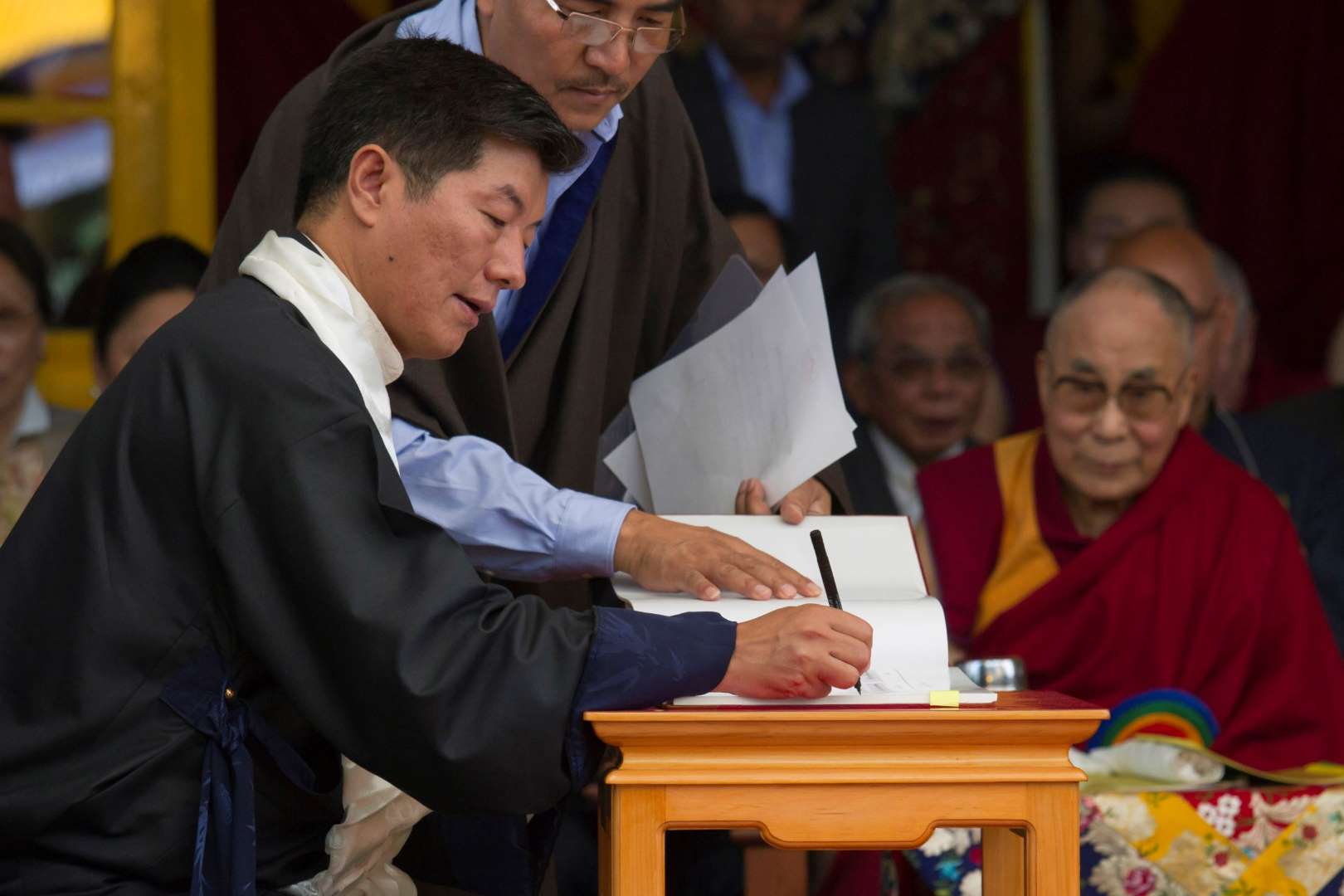
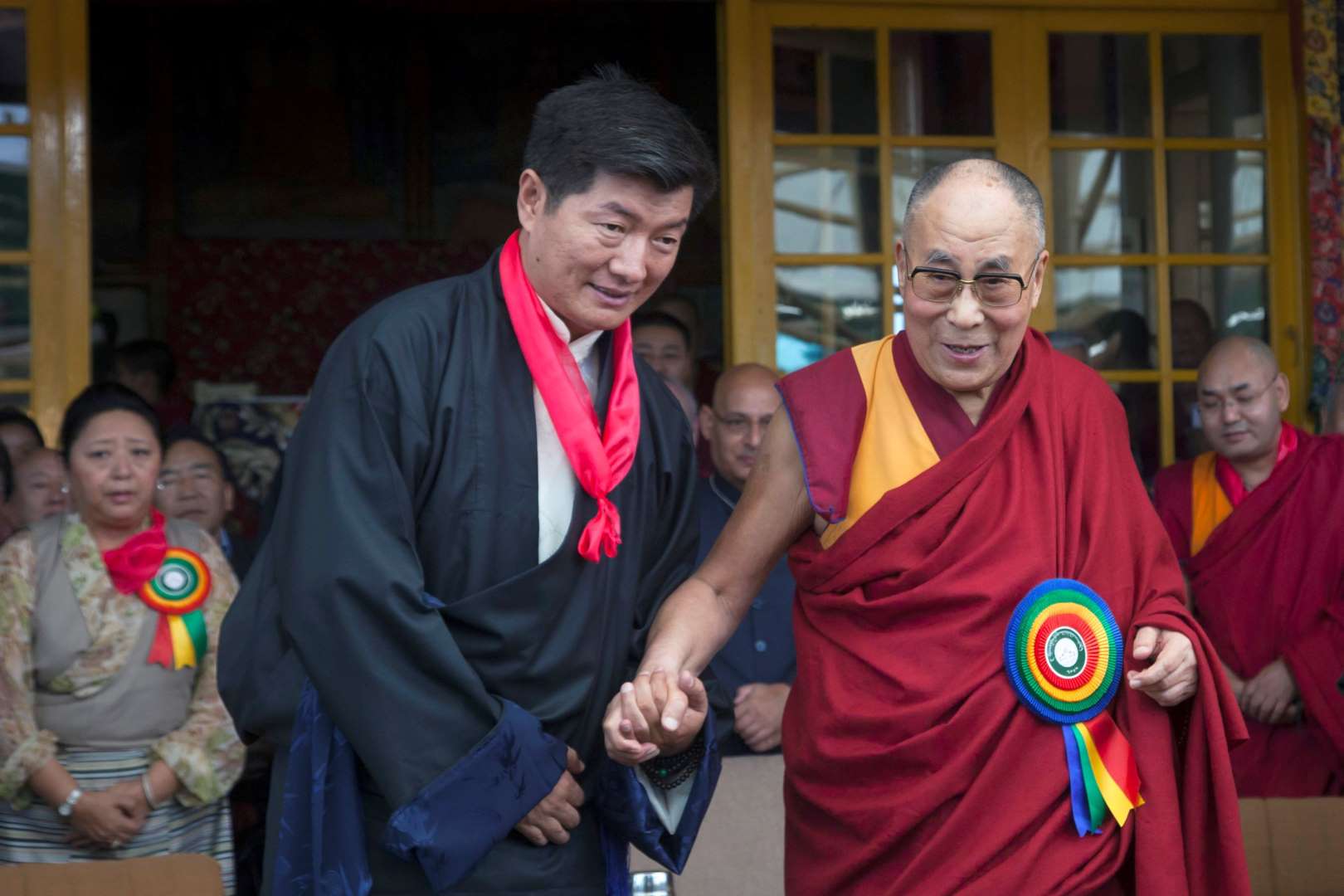
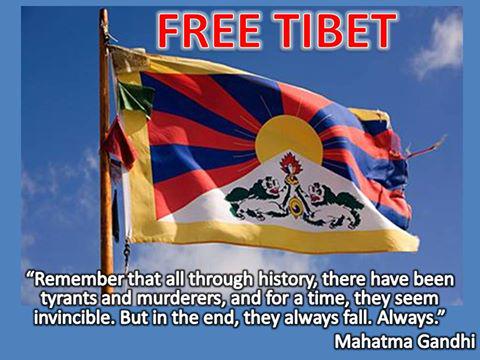
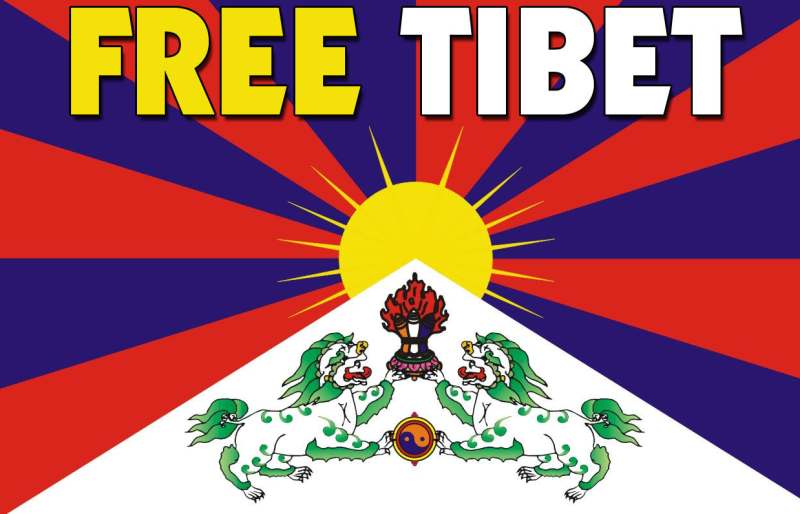
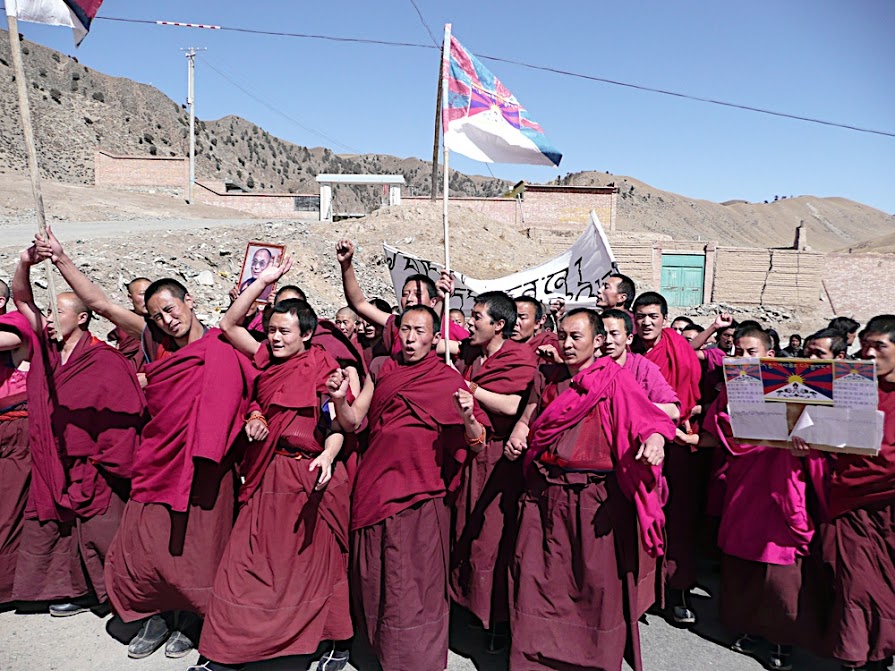
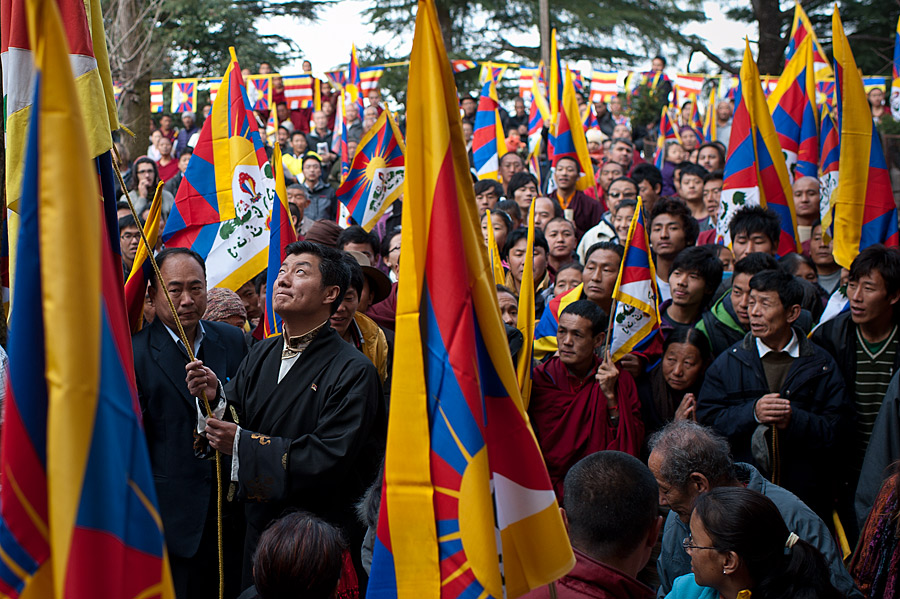
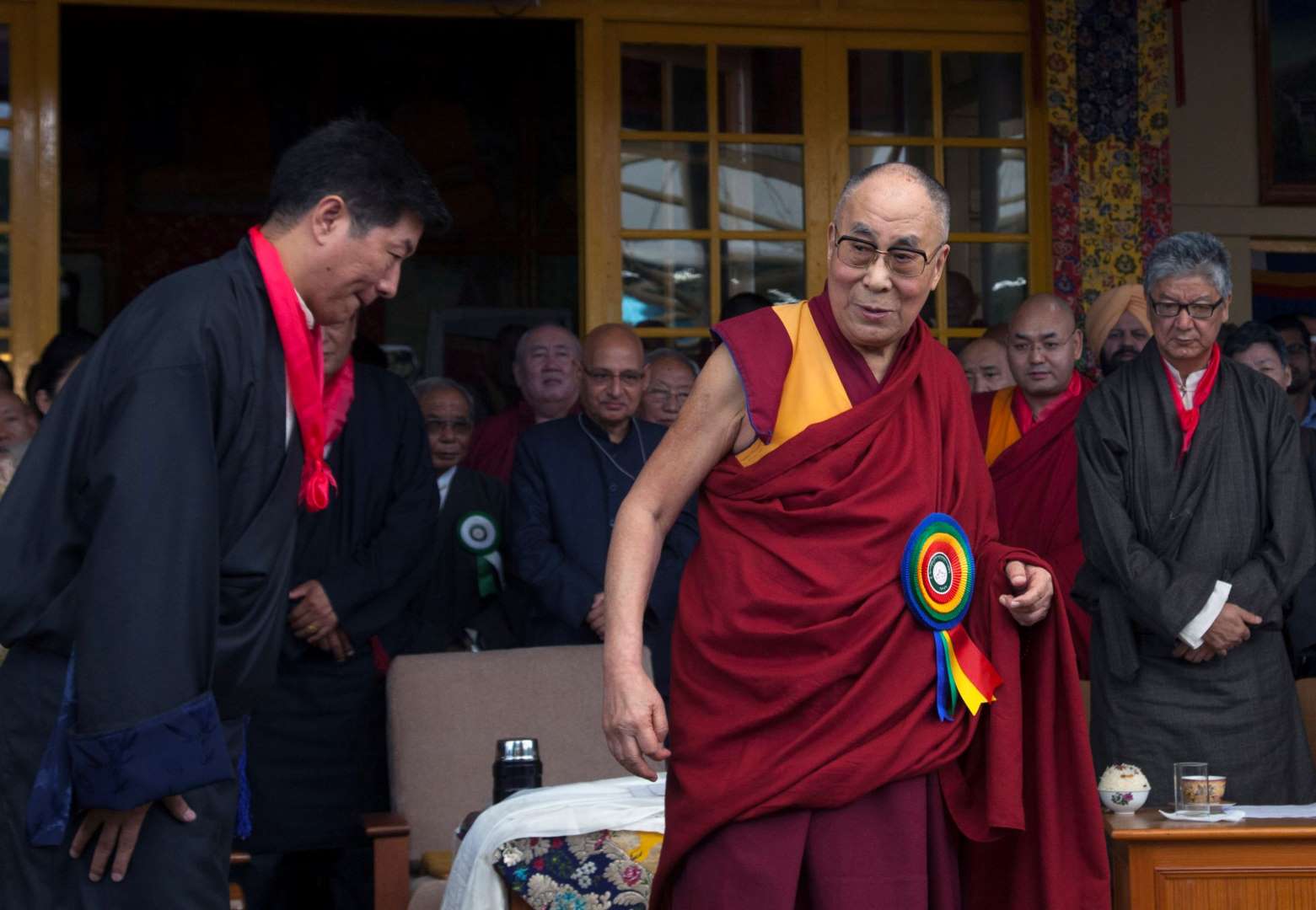
Kalon Tripa Dr. Lobsang Sangay, political head of the Tibetan people, unfurls and raises the Tibetan National Flag on the 53rd National Uprising Day on March 10, 2012 in Dharamsala, India. Tibetan people are demanding their Right to Natural Freedom that was taken away by the military occupation of their Land. Freedom in Tibet is about oppression caused by foreign occupation.

THE WASHINGTON POST

THE DALAI LAMA’S PRACTICAL PATH TO PEACE

Trouble in Tibet – Where is the Path to Freedom? For there is ‘Trouble in Tibet’, we need to continue our search for a Path to Freedom. Tibetan Cause was at the center of America’s Cold War interests. Vague talk of peace Dalai Lama said, “will only disturb some pigeons.” It is imperative to find a clear path to Freedom in Occupied Tibet.

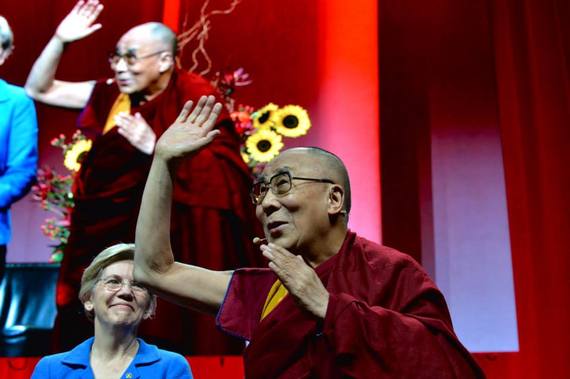
The Dalai Lama, center, can be informal and mischievous, as when he rubbed his head into the beard of a very dignified Muslim cleric. (Tenzin Choejor/Office of His Holiness the Dalai Lama)

gersonm.jpg?ts=1440533350591&w=80&h=80 By MICHAEL GERSON Opinion writer May 5, 2016 at 8:00 PM

DHARAMSALA, India

When posed a policy question, the Dalai Lama is surprisingly (for a religious leader) un-prone to moralism. What, I asked him, does he think of the European backlash against migration? “In the name of sympathy, for the few who are desperate, [resettlement] is worthwhile.” But Europeans, he continued, “have a right to be concerned for their own prosperity.” Better, he said, “to help people in their own land.” He added: “It is really complex.”

Michael Gerson is a nationally syndicated columnist who appears twice weekly in The Post.

In conversation, the Dalai Lama’s cast of mind is thoroughly empirical. You can see him considering a matter from various angles and revising his views based on new input. He is a Buddhist who recommends “analytic meditation” instead of employing spiritual exercises as a “tranquilizer.” Self-reflection, he believes, should be the basis for action in the world. Vague talk of peace, he said, “will only disturb some pigeons.”

For decades, the Dalai Lama has embodied the Tibetan cause, which was once at the center of America’s Cold War interests. With that cause now something of an international orphan, the Dalai Lama has cultivated a different type of influence — global celebrity based on spiritual charisma.

I saw that charisma up close as the fortunate witness to a singular event. Under the auspices of the United States Institute of Peace, the Dalai Lama spent two days mentoring 28 exceptional youth leaders — men and women doing peacebuilding in conflict zones across Asia and Africa, often at great personal risk.

The Dalai Lama is, despite recent health issues, energetic and apparently (at 80) tireless. He is informal and mischievous (at one point rubbing his bald head into the beard of a very dignified Muslim cleric). He is disarmingly self-effacing: “I am not god,” quoth the 14th reincarnation of the Lord of Compassion. “I don’t know” is a consistent refrain.

But his view of the world is also highly consistent and occasionally controversial. He argues that ethics are primary and unifying, while religion belongs to “a secondary level of difference.” What he calls “secular ethics” can be derived from “common experience and common sense,” which teaches the “sameness of humanity” and the universal capacity for, and need for, love and compassion. For evidence, he turns to neuroscience and social scientific research on child development rather than to scripture. (He has mandated a science curriculum for Tibetan monasteries.) Human beings, in his view, are essentially good and responsible for doing good. “We promote a more compassionate world,” he said, “through education, not through prayer.”

If this sounds familiar, it is not far from the social ethics — not the theology — of some strains of liberal Protestantism. And the Dalai Lama shares something with Pope Francis: an impatience with institutional religion, which he says is prone to be “narrow and rigid.”

The Dalai Lama is keen to argue that “all religions carry the message of love and compassion.” In more careful moments, he says, “all religions have the same potential.” This is true — from a certain perspective. Each of the world’s major religions has resources of respect for the other that can (and should) be emphasized at the expense of less attractive elements.

Some of the faithful will resist the Dalai Lama’s frank insistence that religion be modernized. “Some traditions must change. I tell my Hindu friends, they must change their treatment of outcasts.” In Islam, “the meaning of jihad is not hurting other people.” His own tradition he described as “too close to the feudal system.” “This is not a change in religion. It is changing habits due to social tradition.”

This religious essentialism — defining a core of humane teaching that stands in judgment of a tradition’s cultural expressions — is what helps ensure that religion is a positive cultural force. Conservative Protestants in the United States who dispute this idea still demonstrate it. The treatment of women in most evangelical churches is closer to common American practice than to the Apostle Paul’s first-century attitudes, and it should be.

The uniqueness of the Dalai Lama’s voice in global debates is his emphasis on the inner life. He roots the pursuit of peace in a “calm mind” — and displays it. “External disarmament,” he told the gathered young activists, “begins with internal disarmament. If you show anger, things get worse. A genuine smile and warmheartedness and a joke are the only way to cool things down.”

It is good advice for anyone facing conflict — as well as the only basis for a peace that involves trust, forgiveness and healing.

gersonm.jpg?ts=1440533350591&w=180&h=180
Michael Gerson is a nationally syndicated columnist who appears twice weekly in The Post.

  • © 1996-2016 The Washington Post
Trouble in Tibet – Where is the Path to Freedom?

Trouble in Tibet – Search for Path to Freedom
Trouble in Tibet reflects anxiety of Tibetan people as they search for path to freedom they lost in 1950. Talks on Tibetan autonomy are doomed to fail as the proposed dialogue is not about Tibetan nation that existed for centuries with its own identity.

Trouble in Tibet reflects anxiety of Tibetan people as they search for path to freedom they lost in 1950. Talks on Tibetan autonomy are doomed to fail as the proposed dialogue is not about Tibetan nation that existed for centuries with its own identity.

Trouble in Tibet reflects anxiety of Tibetan people as they search for path to freedom they lost in 1950. Talks on Tibetan autonomy are doomed to fail as the proposed dialogue is not about Tibetan nation that existed for centuries with its own identity.
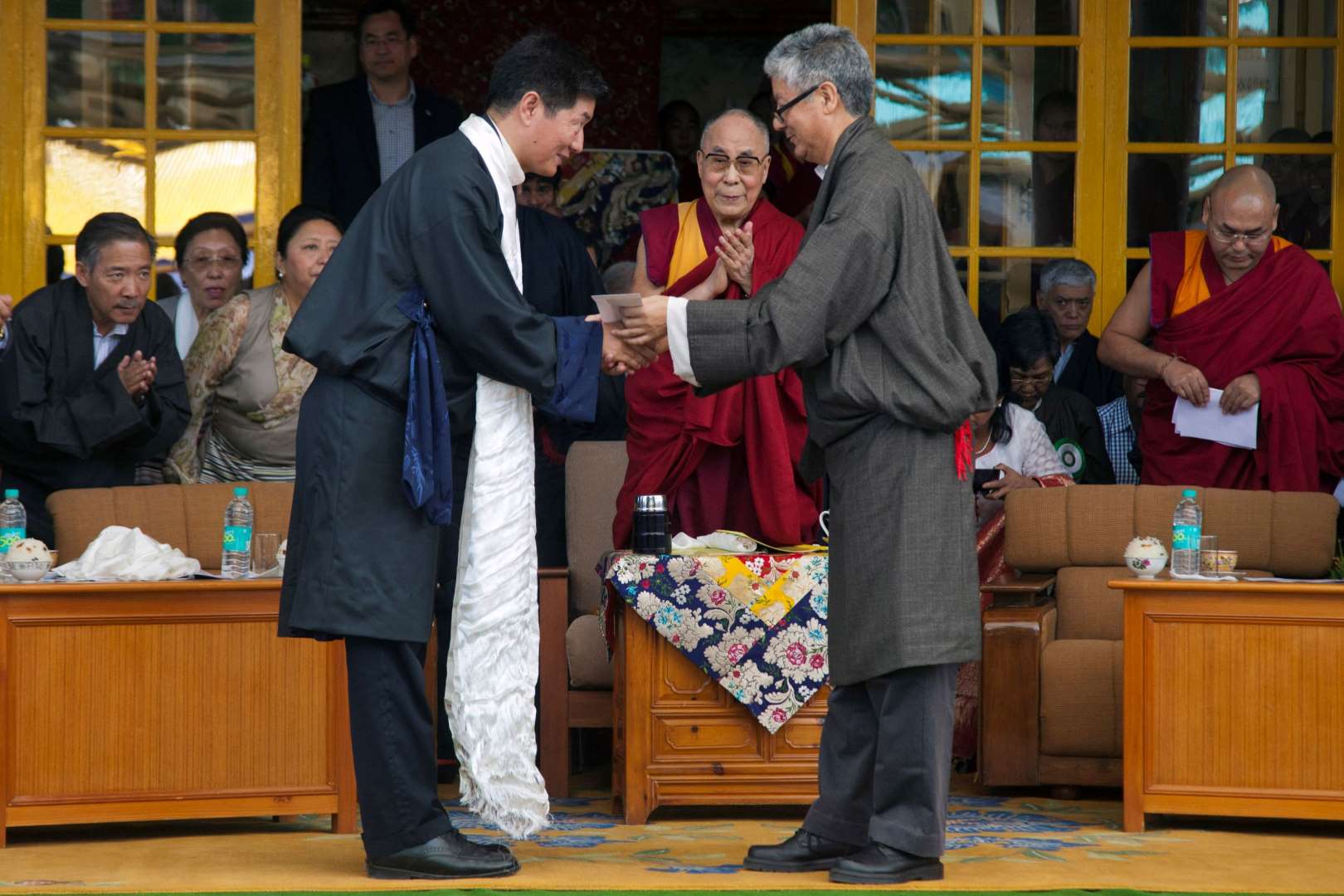
Trouble in Tibet – Search For Path to Freedom. Lobsang Sangay, Prime Minister of Tibetan Government-In-Exile. Trouble in Tibet reflects anxiety of Tibetan people as they search for path to freedom they lost in 1950. Talks on Tibetan autonomy are doomed to fail as the proposed dialogue is not about Tibetan nation that existed for centuries with its own identity.

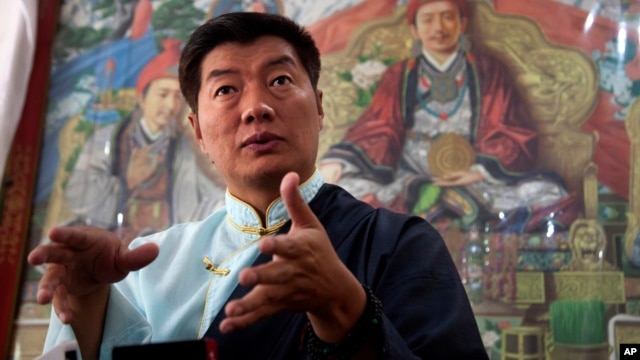
Lobsang Sangay, the incumbent prime minister of the Tibetan government-in-exile, speaks to media after being re-elected for second term in office in Dharmsala, India, Wednesday, April 27, 2016.

Shannon Van Sant
May 16, 2016 3:46 AM

HONG KONG—

The re-election of Lobsang Sangay as prime minister of the Tibetan government-in-exile has renewed hopes among some that dialogue between the Dalai Lama and China’s central government, which stopped in 2010, will begin again.

On the day of his election, Sangay vowed to push for autonomy for the Tibetan people and restart talks with the Chinese government.

“We remain fully committed to the Middle Way Approach, which clearly seeks genuine autonomy for the Tibetan people within China. It is hoped the leaders in Beijing will see reason with the Middle Way Approach, instead of distorting it, and step forward to engage in dialogue with His Holiness the Dalai Lama’s envoys,” he said.

No talks since 2010

Representatives of the Dalai Lama held several rounds of talks with China until they were stalled in 2010 by protests and a subsequent crackdown in Tibet.
Tsering Passang, Chair of the Tibetan Community in Britain, said whether or not talks restart is in Beijing’s hands.
“It’s really up to the Chinese, and due to the current reality, the geopolitical situation, as well as the economic situation, China has the upper hand, so it’s going to be a challenge for the Tibetan leadership,” he said.
Trouble in Tibet – Search For Path to Freedom. Trouble in Tibet reflects anxiety of Tibetan people as they search for path to freedom they lost in 1950. Talks on Tibetan autonomy are doomed to fail as the proposed dialogue is not about Tibetan nation that existed for centuries with its own identity.

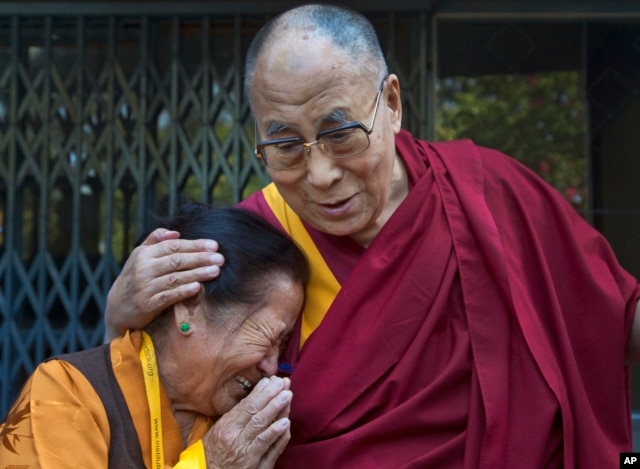
FILE – An elderly Tibetan woman, who was among those waiting to receive the Dalai Lama, gets emotional as the spiritual leader greets devotees upon arrival at the Institute of Buddhist Dialectics near Dharmsala, India.

Sangay defeated challenger Penpa Tsering

Sangay ran against the speaker of the Tibetan Parliament, Penpa Tsering and received 58 percent of nearly 60,000 votes cast. About 90,000 exiled Tibetans are registered to vote in 40 countries.
However, China has largely ignored the elections, with the foreign ministry only making terse remarks on the ballot results when pressed to comment at a recent briefing. Spokesman Hong Lei said the voting was nothing but a “farce” staged by an “illegal” organization that is not recognized by any country in the world.

Robert Barnett, the director of modern Tibet studies at Columbia University, is not very optimistic about the resumption of talks.
“It’s quite disheartening at the moment because there are no signs from the Chinese side of any concession at all, in fact very much the opposite. But of course the Chinese side would not disclose if it was going to make a move. It would be in its interest to move very quickly at a time of its own choosing,” he said.
Trouble in Tibet – Search for Path to Freedom.Trouble in Tibet reflects anxiety of Tibetan people as they search for path to freedom they lost in 1950. Talks on Tibetan autonomy are doomed to fail as the proposed dialogue is not about Tibetan nation that existed for centuries with its own identity.

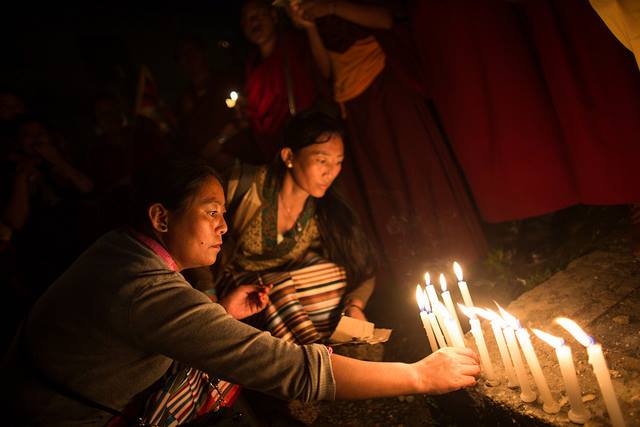
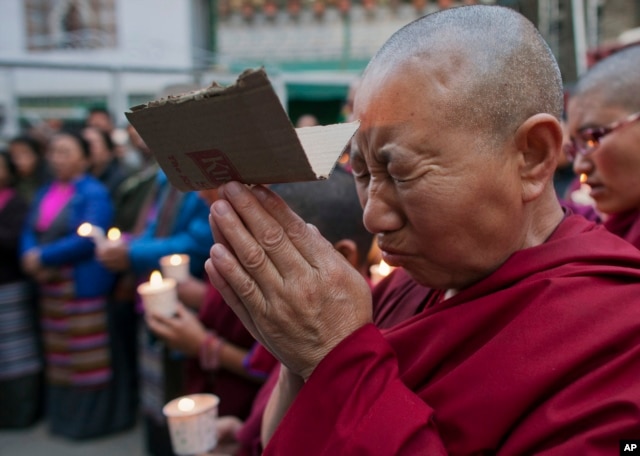
FILE – An exile Tibetan nun cries as she prays during a candlelit vigil in solidarity with two Tibetans, who exiles claim have immolated themselves demanding freedom for Tibet, in Dharmsala, India, Wednesday, March 2, 2016.

China claims control of Tibet for centuries

China says it has maintained control of the Tibetan region since the 13th century, and the Communist Party says it has liberated the Tibetan people through removing monks from power who the party says presided over a feudal system.
But many Tibetans argue they were independent until Communist forces invaded in 1950. Nine years later the Dalai Lama fled into exile after a failed uprising against the government.
While the Dalai Lama remains the spiritual leader of the Tibetan people, he gave up political authority in 2011, and called for democratic elections to choose a prime minister to lead the parliament of the Central Tibetan Administration in Dharamsala, India.

With the current Dalai Lama now in his 80s, the issue of who will select the next Dalai Lama is gaining in importance.

But P.K. Gautam, a Research Fellow at the Institute for Defense Studies and Analyses in India, said any political talks that may develop should not be confused with discussions over who will select the next Dalai Lama.

“So who selects the Dalai Lama is a very separate process, but the political negotiations, for the autonomous region, the way it is desired, that can be taken on by this central administration. So it’s a long-term process; it’s just one of these steps that may lead to a solution so that the Tibet autonomous region regains its pillars,” he said.

Many Tibetans hope Sangay’s election is also a step towards easing discontent throughout the Tibetan community. More than 100 Tibetans have self-immolated in protest against the Chinese government since 2009.

Trouble in Tibet – Search For Path to Freedom. Trouble in Tibet reflects anxiety of Tibetan people as they search for path to freedom they lost in 1950. Talks on Tibetan autonomy are doomed to fail as the proposed dialogue is not about Tibetan nation that existed for centuries with its own identity.
TROUBLE IN TIBET – SEARCH FOR PATH TO FREEDOM. PREPARE YOUR MIND. Trouble in Tibet reflects anxiety of Tibetan people as they search for path to freedom they lost in 1950. Talks on Tibetan autonomy are doomed to fail as the proposed dialogue is not about Tibetan nation that existed for centuries with its own identity.

Whole Dude – Whole Regret

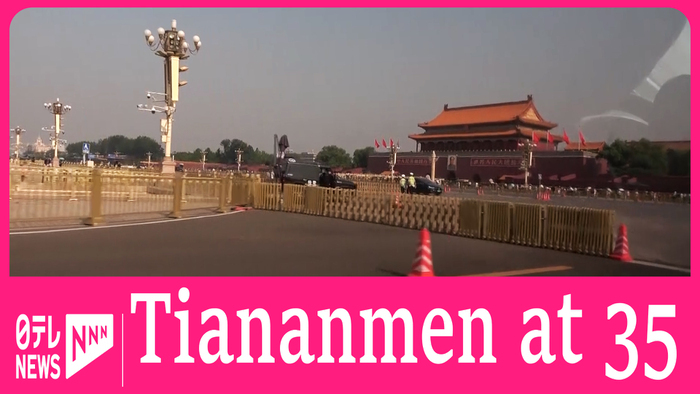
On the 35th Anniversary of Tiananmen Square Massacre, the Living Tibetan Spirits regret Tibet’s Policy of Isolationism

Bharat Darshan revisits the past on the 35th Anniversary of Tiananmen Square Massacre

On Tuesday, June 4, 2024, the 35th Anniversary of Tiananmen Square Massacre, The Living Tibetan Spirits revisit the past; the spread of Communism to mainland China in 1949.

Bharat Darshan revisits the past on the 35th Anniversary of Tiananmen Square Massacre

Today, on Tuesday, June 04, 2024 The Living Tibetan Spirits regret Tibet’s decision to pursue the policy of Isolationism while confronting the grave threat posed by Communist takeover of mainland China. In 1943, Tibet had the opportunity to establish formal diplomatic relationships with the United States and other countries of Free World to prevent the spread of Communism to Asia.

Bharat Darshan revisits the past on the 35th Anniversary of Tiananmen Square Massacre

Tibet’s unwillingness to openly resist Communism in 1943 is a crucial factor contributing to the loss of human rights in mainland China.

Special Frontier Force-Establishment No. 22-Vikas Regiment regrets Tibet’s Policy of Isolationism in 1943

Bharat Darshan revisits the past on the 35th Anniversary of Tiananmen Square Massacre

CALLS FOR CHINA TO FACE GHOSTS OF ITS PAST ON TIANANMEN ANNIVERSARY

Clipped from: https://www.voanews.com/a/calls-for-china-to-face-ghosts-of-its-past-on-tiananmen-anniversary/4423377.html

Bharat Darshan revisits the past on the 35th Anniversary of Tiananmen Square Massacre

FILE – A Chinese man stands alone to block a line of tanks heading east on Beijing’s Cangan Boulevard in Tiananmen Square, June 5, 1989.

BEIJING —

The United States has added its voice to international calls for China’s communist-led government to give a full public accounting of those who were killed, detained or went missing during the violent suppression of peaceful demonstrations in and around Tiananmen Square on June 4, 1989.

In a bold statement from Washington to mark the 29th anniversary of a bloody crackdown that left hundreds — some say thousands — dead, Secretary of State Mike Pompeo called on Chinese authorities to release “those who have been jailed for striving to keep the memory of Tiananmen Square alive; and to end the continued harassment of demonstration participants and their families.”

Bharat Darshan revisits the past on the 35th Anniversary of Tiananmen Square Massacre

University students place flowers on the “Pillar of Shame” statue, a memorial for those injured and killed in the Tiananmen crackdown, at the University of Hong Kong, June 4, 2018.

To this day, open discussion of the topic remains forbidden in China and the families of those who lost loved ones continue to face oppression. Chinese authorities have labeled the protests a counter-revolutionary rebellion and repeatedly argued that a clear conclusion of the events was reached long ago.

In an annual statement on the tragedy, the group Tiananmen Mothers urged President Xi Jinping in an open letter to “re-evaluate the June 4th massacre” and called for an end to their harassment.

“Each year when we would commemorate our loved ones, we are all monitored, put under surveillance, or forced to travel” to places outside of China’s capital, the letter said. The advocacy group Human Rights in China released the open letter from the Tiananmen Mothers ahead of the anniversary.

“No one from the successive governments over the past 29 years has ever asked after us, and not one word of apology has been spoken from anyone, as if the massacre that shocked the world never happened,” the letter said.

Bharat Darshan revisits the past on the 35th Anniversary of Tiananmen Square Massacre

FILE – A woman reacts during a candlelight vigil to mark the 28th anniversary of the crackdown of the pro-democracy movement at Beijing’s Tiananmen Square in 1989, at Victoria Park in Hong Kong, China June 4, 2017.

In his statement, Pompeo also said that on the anniversary “we remember the tragic loss of innocent lives,” adding that as Liu Xiaobo wrote in his 2010 Nobel Peace Prize speech, “the ghosts of June 4th have not yet been laid to rest.”

Bharat Darshan revisits the past on the 35th Anniversary of Tiananmen Square Massacre

FILE – Liu Xia, wife of deceased Chinese Nobel Peace Prize-winning dissident Liu Xiaobo and other relatives attend his sea burial off the coast of Dalian, China, in this photo released by Shenyang Municipal Information Office July 15, 2017.

Liu was unable to receive his Nobel prize in person in 2010 and died in custody last year. The dissident writer played an influential role in the Tiananmen protests and was serving an 11-year sentence for inciting subversion of state power when he passed.

At a regular press briefing on Monday, Foreign Ministry spokeswoman Hua Chunying said China had lodged “stern representations” with the United States over the statement on Tiananmen.

“The United States year in, year out issues statements making ‘gratuitous criticism’ of China and interfering in China’s internal affairs,” Hua said. “The U.S. Secretary of State has absolutely no qualifications to demand the Chinese government do anything,” she added.

In a statement on Twitter, which is blocked in China like many websites, Hu Xijin, the editor of the party-backed Global Times, called the statement a “meaningless stunt.”

In another post he said: “what wasn’t achieved through a movement that year will be even more impossible to be realized by holding whiny commemorations today.”

Commemorations for Tiananmen are being held across the globe to mark the anniversary and tens of thousands are expected to gather in Hong Kong, the only place in China such large-scale public rallies to mark the incident can be held.

Bharat Darshan revisits the past on the 35th Anniversary of Tiananmen Square Massacre

A man wipes the face of a statue of the Goddess of Democracy at Hong Kong’s Victoria Park Monday, June 4, 2018.

Exiled Tiananmen student protest leader Wu’Er Kaixi welcomed the statement from Pompeo.

However, he added that over the past 29 years western democracies appeasement of China has nurtured the regime into an imminent threat to freedom and democracy.

“The world bears a responsibility to urge China, to press on the Chinese regime to admit their wrongdoing, to restore the facts and then to console the dead,” he said. “And ultimately to answer the demands of the protesters 29 years ago and put China on the right track to freedom and democracy.”

Wu’er Kaixi fled China after the crackdown and now resides in Taiwan where he is the founder of Friends of Liu Xiaobo. The group recently joined hands with several other non-profit organizations and plans to unveil a sculpture in July — on the anniversary of his death — to commemorate the late Nobel laureate. The sculpture will be located near Taiwan’s iconic Taipei 101 skyscraper.

In Taiwan, the self-ruled democracy that China claims is a part of its territory, political leaders from both sides of the isle have also urged China’s communist leaders to face the past.

On Facebook, Taiwan’s President Tsai Ing-wen noted that it was only by facing up to its history that Taiwan has been able to move beyond the tragedies of the past.

“If authorities in Beijing can face up to the June 4th incident and acknowledge that at its roots it was a state atrocity, the unfortunate history of June 4th could become a cornerstone for China to move toward freedom and democracy,” Tsai said.

Tsai’s predecessor, Ma Ying-jeou, a member of the opposition Nationalist Party or KMT, who saw close ties with China while in office, also urged Beijing to face up to history and help heal families’ wounds.

“Only by doing this can the Chinese communists bridge the psychological gap between the people on both sides of the [Taiwan] Strait and be seen by the world as a real great power,” Ma said.

Bharat Darshan revisits the past on the 35th Anniversary of Tiananmen Square Massacre

Whole Dude – Whole Vikas

Special Frontier Force is known by the study of its military mission

Special Frontier Force-Establishment No. 22-Vikas Regiment: This badge represents a military alliance/pact between India, Tibet, and the United States of America. Its first combat mission was in the Chittagong Hill Tracts which unfolded on 03 November 1971. It was named Operation Eagle. It accomplished its mission of securing peace in the region that is now known as Republic of Bangladesh.
The History of Special Frontier Force-Establishment No. 22-Vikas Regiment: “AHIMSA PARAMO DHARMAH; DHARMA HIMSA TATHIVA CHA.” Both India and Tibet recognize Non-Violence or Ahimsa as the highest principle. The military organization, Special Frontier Force-Establishment No. 22-Vikas Regiment represents the second part of the statement; Violence or Himsa is equally the highest principle when it is necessary to defend the righteous.

The military organization which is known as Special Frontier Force-Establishment No. 22-Vikas Regiment came into its existence during the presidency of Dr. Sarvepalli Radhakrishnan, the second President of the Republic of India, 13 May 1962 to 13 May 1967. While Special Frontier Force is a product of Cold War Era secret diplomacy, I share my personal story, the events from early childhood, that shaped the rest of my life and has formulated my bonding with this Organization and my desire to accomplish its military mission.

September 05-Sarvepalli Radhakrishnan's birthday
The military organization which is known as Special Frontier Force-Establishment No. 22-Vikas Regiment came into its existence during the presidency of Dr. Sarvepalli Radhakrishnan, the second President of the Republic of India, 13 May 1962 to 13 May 1967

Dr Sarvepalli Radhakrishnan belonged to Mylapore, Madras City (Chennai) and his daughter, Rukmini was married to the younger brother of my maternal grandfather, Dr. Kasturi. Narayana Murthy, M.D., who lived at 2/37 Kutchery Road in Mylapore. I was born in my grandfather’s residence. While I lived in Mylapore and later during my regular summer vacations spent in Madras City, I used to visit Dr. Radhakrishnan’s daughter’s residence daily.  At that time, Dr. Radhakrishnan served as the first Vice President of India (1952-1962). I clearly remember the celebration of 2500th Birth Anniversary of Gautama Buddha on May 24, 1956, while I was in Mylapore, Madras City (Chennai). In India’s capital City of New Delhi, the celebration was attended by His Holiness the 14th Dalai Lama and the  10th Panchen Lama Rinpoche. The Institution of Dalai Lama is the central focus of Tibetan Cultural Identity and Tibetan national character.

Dr. Sarvepalli Radhakrishnan and the history of Special Frontier Force-Establishment No. 22: In India, school children celebrate Dr. Radhakrishnan's birthday(05 September) as Teacher's Day and every year that I spent as a student, I had a special reason to remember my family connection with his daughter.
Dr. Sarvepalli Radhakrishnan and the history of Special Frontier Force-Establishment No. 22-Vikas Regiment: In India, school children celebrate Dr. Radhakrishnan’s birthday (05 September) as Teacher’s Day and every year that I spent as a student, I had a special reason to remember my family connection with his daughter and the Indian President. He correctly predicted the need for military action to fight injustice and during his Presidency, India bravely resisted the Chinese aggression and thousands of Indian Army soldiers gave their precious lives to defend India. It inspired me to serve in the Indian Armed Forces to continue the task of opposing, and resisting the threat posed by Communist China.

India – Tibet Relations From 1950 to 1962:

The history of Special Frontier Force-Establishment No. 22: The Celebration of 2500th Anniversary of the birth of Gautama Buddha(Buddha Jayanti) in New Delhi on May 24, 1956 displays the historical connection between India, and Tibet. Prime Minister Nehru, President Rajendra Prasad, the 14th Dalai Lama, and the 10th Panchen Lama, Rinpoche are seen in this photo image. Becuase of Gautama Buddha, India, and Tibet are natural allies. But, the complex, political, and military relationship developed as a reaction to People's Republic of China's invasion of Tibet in 1950.
The history of Special Frontier Force-Establishment No. 22-Vikas Regiment: The Celebration of 2500th Anniversary of the birth of Gautama Buddha (Buddha Jayanti) in New Delhi on May 24, 1956 displays the historical connection between India, and Tibet. Prime Minister Nehru, President Rajendra Prasad, the 14th Dalai Lama, and the 10th Panchen Lama, Rinpoche are seen in this photo image. Because of Gautama Buddha, India, and Tibet are natural allies. But, the complex, political, and military relationship developed as a reaction to the People’s Republic of China’s invasion of Tibet in 1950.
The History of Special Frontier Force-Establishment No. 22: The President of India Babu Rajendra Prasad with the visiting His Holiness the 14th Dalai Lama, and Panchen Lama Rinpoche. India, and Tibet, during 1956 tried to resolve the crisis imposed by China using peaceful, diplomatic negotiations.
The History of Special Frontier Force-Establishment No. 22-Vikas Regiment: The President of India Babu Rajendra Prasad with the visiting His Holiness the 14th Dalai Lama, and Panchen Lama Rinpoche. India, and Tibet, during 1956 tried to resolve the crisis imposed by China using peaceful, diplomatic negotiations.
The History of Special Frontier Force-Establishment No. 22: The military occupation of Tibet by Communist China had shaped the historical, cultural, religious relationship between India, and Tibet. It commenced an entirely new era in which both India, and Tibet are driven by the same kind of security concerns. Prime Minister Chou En-Lai represents the face of that danger that forced Prime Minister to know and appreciate the nature of Tibetan Nation as represented by the 14th Dalai Lama, and the 10th Panchen Lama Rinpoche.
The History of Special Frontier Force-Establishment No. 22-Vikas Regiment: The military occupation of Tibet by Communist China shaped the historical, cultural, religious relationship between India, and Tibet. It commenced an entirely new era in which both India and Tibet are driven by the same kind of security concerns. Prime Minister Chou En-Lai represents the face of that danger that forced Prime Minister Nehru to know and appreciate the nature of Tibetan Nation as represented by the 14th Dalai Lama and the 10th Panchen Lama Rinpoche.

India achieved its full independence from the British rule on August 15, 1947. India became the Republic of India on January 26, 1950. Dr. Babu Rajendra Prasad became the first President of the Republic of India. The first general elections were held in 1952, and Dr. Sarvepalli Radhakrishnan, who was at that time-serving as India’s ambassador to the Soviet Union, was elected as the first Vice President and he served a second term as the Vice President from 1957 to 1962. India witnessed a major military threat to its Himalayan frontier when the People’s Republic of China sent its army during October 1950 to occupy Tibet while Tibetans had no ability to resist such a massive, military invasion of their territory. Tibet tried to resolve the issue using diplomacy. Tibet requested India to bring the issue to the attention of the United Nations to adopt a resolution against the Communist invasion. At that time Tibet was still following the policy of political isolationism, and neutralism and was not recognized by the United Nations as a member nation. The United States was fighting the Korean War and was fully interested in preventing the spread of Communism in Asia. However, Tibet did not request for direct, US military intervention. India did not have the necessary military force of its own to intervene inside Tibet. At the same time, India also actively pursued its own policy of political neutralism that is known as the Nonaligned Movement to reduce the political tensions caused by the Cold War. India thought that the crisis in Tibet could be resolved by directly negotiating with China without involving the United Nations and without antagonizing its security interests in defending Kashmir from military aggression by Pakistan and its allies in the West. During 1951 Communist China had imposed a 17-Point Agreement on Tibet while Tibetans had no capacity to defend their rights; the Agreement of the Central People’s Government and the Local Government of Tibet on 23rd May 1951 to take measures for the “Peaceful Liberation of Tibet.” China started quoting this agreement to justify its illegal and unjust military occupation of Tibet. It must be clearly understood that the Great Fifth Dalai Lama founded the “Ganden Phodrang” Government of Tibet in 1642. The successive Dalai Lamas have headed the Tibetan State for nearly four centuries. Towards the end of the Qing Dynasty or Ching Dynasty, the Great 13th Dalai Lama declared Tibet’s Independence from Manchu China. From 1911 to 1950 – 39-Years, Tibet was an independent Nation before the creation of this political entity called The People’s Republic of China.

Tibet tried its very best to appease the Communist Party Chairman Mao Tse-Tung until 1954-1955. China took full political, and military advantage of Tibet’s isolationism and took every possible measure to deny the freedom that Tibetans had enjoyed for several centuries in spite of sporadic foreign invasions by the Mongols, and later by the Manchus. In the past, the foreign rulers of Tibet did not intervene in Tibet’s internal affairs and their traditional style of governance through the institution of the Dalai Lama or the “Ganden Phodrang” Government continued for four centuries.

The history of Special Frontier Force-Establishment No. 22: The photo image of His Holiness the 14th Dalai Lama in Peking. Tibet tried its very best to appease the Communist Chairman Mao Tse-Tung until 1954-1955. China took full political, and military advantage of Tibet's isolationism.
The history of Special Frontier Force-Establishment No. 22-Vikas Regiment: The photo image of His Holiness the 14th Dalai Lama in Peking. Tibet tried its very best to appease the Communist Party Chairman Mao Tse-Tung until 1954-1955. China took full political, and military advantage of Tibet’s isolationism and took every possible measure to deny the freedom that Tibetans had enjoyed for several centuries in spite of sporadic foreign invasions by the Mongols, and later by the Manchus. In the past, the foreign rulers of Tibet did not intervene in Tibet’s internal affairs and their traditional style of governance through the institution of the Dalai Lama or the “Ganden Phodrang” Government continued for four centuries.
The History of Special Frontier Force-Establishment No. 22: His Holiness the 14th Dalai Lama with India's President and Vice President. Both India, and Tibet had strongly desired to resolve the conflict with communist China using diplomacy.
The History of Special Frontier Force-Establishment No. 22-Vikas Regiment: His Holiness the 14th Dalai Lama with India’s President and Vice President. Both India and Tibet had strongly desired to resolve the conflict with communist China using diplomacy. The existence of an autonomous Tibetan nation serves the best interests of Indian national security.

Both India and Tibet had strongly desired to resolve the conflict with communist China using diplomacy. The existence of an autonomous Tibetan nation serves the best interests of Indian national security. India and Tibet had no intentions to formulate a military alliance/pact in response to China’s military occupation. They had expected that China would consent to release its military grip and allow full autonomy.

The History of Special Frontier Force-Establishment No. 22: India and Tibet had no intentions to formulate a military alliance/pact in response to China's military occupation. They had expected that China would consent to release its military grip and allow full autonomy. A banquet held in Ashoka Hotel, New Delhi in 1956 to honour the visiting Head of State, the 14th Dalai Lama of Tibet.
The History of Special Frontier Force-Establishment No. 22-Vikas Regiment: India and Tibet had no intentions to formulate a military alliance/pact in response to China’s military occupation. They had expected that China would consent to release its military grip and allow full autonomy. A banquet held in Ashoka Hotel, New Delhi in 1956 to honor the visiting Head of State, the 14th Dalai Lama of Tibet who is seen seated between Prime Minister Jawaharlal Nehru and his daughter Ms. Indira Gandhi.

India desired to promote international peace and tried to avoid armed conflicts. The burden imposed by China’s military occupation of Tibet was viewed with concern, but India tried the use of diplomacy and avoid war. India and Tibet tried to cultivate a friendly relationship with China and its failure was caused by China’s policy of Expansionism.

The photo images of Prime Minister Chou En-Lai, Prime Minister Jawaharlal Nehru, and the 14th Dalai Lama demonstrate the desire of India to promote peaceful co-existence. These efforts towards peaceful co-existence with Communist China had utterly failed during 1957-58. Establishment No. 22 represents the failure of India’s peace initiative. The military occupation of Tibet is not a friendly posture and China could not be trusted as a friend.

The History of Special Frontier Force-Establishment No. 22: Both India, and Tibet desired friendly, and peaceful relations with China. Prime Minister Chou En-Lai is seen here with the 14th Dalai Lama, Indian Prime Minister Jawaharlal Nehru, and his daughter Ms. Indira Gandhi. These efforts towards peaceful co-existence with Communist China had utterly failed during 1957-58.
The History of Special Frontier Force-Establishment No. 22-Vikas Regiment: Both India and Tibet desired friendly and peaceful relations with China. Prime Minister Chou En-Lai is seen here with the 14th Dalai Lama, Indian Prime Minister Jawaharlal Nehru, and his daughter Ms. Indira Gandhi during his visit to New Delhi in 1956. These efforts towards peaceful co-existence with Communist China had utterly failed during 1957-58.
The history of Special Frontier Force-Establishment No. 22: India and Tibet tried to cultivate a friendly relationship with China and its failure was caused by China's policy of Expansionism.
The history of Special Frontier Force-Establishment No. 22-Vikas Regiment: India and Tibet tried to cultivate a friendly relationship with China and its failure was caused by China’s policy of Expansionism. Prime Minister Chou En-Lai’s visit to New Delhi in 1956.
The History of Special Frontier Force-Establishment No. 22: India desired to promote international peace and tried to avoid armed conflicts. The burden imposed by China's military occupation of Tibet was viewed with concern, but India tried the use of diplomacy and avoid war. A ceremony to honor Prime Minister Chou En-Lai , and the 14th Dalai Lama during their visit to New Delhi in 1956.
The History of Special Frontier Force-Establishment No. 22-Vikas Regiment: India desired to promote international peace and tried to avoid armed conflicts. The burden imposed by China’s military occupation of Tibet was viewed with concern, but India tried the use of diplomacy and avoid war. A ceremony to honor Prime Minister Chou En-Lai, and the 14th Dalai Lama during their visit to New Delhi in 1956.
The History of Special Frontier Force-Establishment No. 22: This photo image of Prime Minister Chou En-Lai, Prime Minister Jawaharlal Nehru, and the 14th Dalai Lama demonstrates the desire of India to promote peaceful co-existence. Establishment No. 22 represents the failure of India's peace initiative. The military occupation of Tibet is not a friendly posture and China could not be trusted as a friend.
The History of Special Frontier Force-Establishment No. 22-Vikas Regiment: The photo images of Prime Minister Chou En-Lai, Prime Minister Jawaharlal Nehru, and the 14th Dalai Lama demonstrate the desire of India to promote peaceful co-existence. Establishment No. 22 represents the failure of India’s peace initiative. The military occupation of Tibet is not a friendly posture and China could not be trusted as a friend.

While Tibet tried its very best to please the Communist leaders of China, India had also pursued a similar policy to befriend China to address the problem of the military threat posed by the military occupation of Tibet. The “Panchsheela” Agreement of 1954 between India and People’s Republic of China recognizes Chinese sovereignty over Tibet, and India agreed to withdraw its very small, military presence in Tibet. India believed that China would grant full autonomy to Tibet and preserve the political, and cultural institutions of Tibet.

It must be noted that Tibet did not recognize or endorse the Panchsheela Agreement made by India and China.

The history of Special Frontier Force-Establishment No. 22: Chinese Prime Minister Zhou Enlai visited New Delhi, India in June 1954 after his initiative called the Five Principles of Peaceful Coexistence(PANCHSHEEL). The first President of India, Rajendra Prasad(first right), Vice President Radhakrishnan third right, and India's Prime Minister Jawaharlal Nehru is at the far left.
The history of Special Frontier Force-Establishment No. 22-Vikas Regiment: Chinese Prime Minister Zhou En-Lai visited New Delhi, India in June 1954 after his initiative called the Five Principles of Peaceful Coexistence (PANCHSHEEL). The first President of India, Rajendra Prasad (first right), Vice President Radhakrishnan third right, and India’s Prime Minister Jawaharlal Nehru is at the far left.

Indian Vice President Dr. Radhakrishnan made an unsuccessful attempt to resolve the problem of the military occupation of Tibet. He visited Peking during September/October 1957 and met with various Communist Party leaders including Chairman Mao Tse-Tung, and President Liu Shao-Chi (Liu Shaoqi), and Party General Secretary Teng Hsiao-Ping (Deng Xiaoping). Indian Vice President Radhakrishnan could not get any concessions from the Communist leaders. China had determined to pursue a policy of Expansionism and had tripled the size of its country using its superior military power.

The history of Special Frontier Force-Establishment No. 22: Indian Vice President Dr. Radhakrishnan made an unsuccessful attempt to resolve the problem of the military occupation of Tibet. He had visited Peking during September 1957 and met with various Communist Party leaders including Chairman Mao tse-Tung, and President Liu Shao-Chi(Liu Shaoqi), and Party General Secretary Teng Hsiao-Ping(Deng Xiaoping).
The history of Special Frontier Force-Establishment No. 22- Vikas Regiment: Indian Vice President Dr. Radhakrishnan made an unsuccessful attempt to resolve the problem of the military occupation of Tibet. He visited Peking during September 1957 and met with various Communist Party leaders including Chairman Mao Tse-Tung, and President Liu Shao-Chi (Liu Shaoqi), and Party General Secretary Teng Hsiao-Ping (Deng Xiaoping).
The history of Special Frontier Force-Establishment No. 22: Indian Vice President Radhakrishnan had visited Peking during September 1957 and could not get any concessions from the Communist leaders. China had determined to pursue a policy of Expansionism and had tripled the size of its country.
The history of Special Frontier Force-Establishment No. 22- Vikas Regiment: Indian Vice President Radhakrishnan visited Peking during September/October 1957 and could not get any concessions from the Communist leaders. China had determined to pursue a policy of Expansionism and had tripled the size of its country using its superior military power.

The Origin of Special Frontier Force – Establishment No. 22:

The need for the use of military force became inevitable after China made it abundantly clear that it would not negotiate its military occupation of Tibet and would not allow the traditional form of Tibetan Government as represented by the Institution of the Dalai Lama. The Tibetan Resistance Movement began with a very modest attempt to train some Tibetan nationals to fight the Chinese People’s Liberation Army that occupied Tibet.

1957 was a turning point. India had recognized that its foreign policy of political neutralism was of no use and had started depending upon the United States to address the military threat posed by China’s occupation of Tibet. But, the effort was too modest and both India and the United States had grossly underestimated the strength of the People’s Liberation Army. Camp Hale at Colorado represents one aspect of CIA operation and had been called ST CIRCUS.

The history of Special Frontier Force-Establishment No. 22: 1957 was a turning point. India had recognized that its foreign policy of political neutralism was of no use and had started depending upon the United States to address the military threat posed by China's occupation of Tibet. But, the effort was too modest and both India and the United States had grossly underestimated the strength of the People's Liberation Army.
The history of Special Frontier Force-Establishment No. 22- Vikas Regiment: 1957 was a turning point. India had recognized that its foreign policy of political neutralism was of no use and had started depending upon the United States to address the military threat posed by China’s occupation of Tibet. But, the effort was too modest and both India and the United States had grossly underestimated the strength of the People’s Liberation Army. Camp Hale at Colorado represents one aspect of CIA operation and had been called ST CIRCUS.
The history of Special Frontier Force-Establishment No. 22 can be traced back to 1957-58 when the CIA launched Operation ST CIRCUS. This Commemoration on September 10, 2010 was the first time that US had officially acknowledge the CIA operation with the Tibetans and it includes the Mustang(Nepal) Operation.
The history of Special Frontier Force-Establishment No. 22-Vikas Regiment can be traced back to 1957-58 when the CIA launched Operation ST CIRCUS. This Commemoration on September 10, 2010, was the first time that the US had officially acknowledge the CIA operation with the Tibetans and it includes the Mustang (Nepal) Operation.

During 1957 it became very clear that Communist China would not relax its military grip over Tibet, and the hopes for limited Tibetan autonomy evaporated. Both India, and Tibet had agreed to seek American military intervention, and it must be believed that India only wanted a covert, military operation to build and establish a Tibetan Resistance Movement to challenge and overthrow the Chinese military regime in Tibet. The climax of this Tibetan Resistance was during March 1959, and China using its vastly superior military power easily crushed this Tibetan Uprising. His Holiness the 14th Dalai Lama had no choice; he and his close followers fled Tibet to seek political asylum in India.

The arrival of His Holiness the 14th Dalai Lama in India to seek political asylum represents the failure of CIA’s covert operation inside Tibet. CIA had grossly underestimated the intelligence capabilities of Communist China.

The history of Special Frontier Force-Establishment No. 22: The arrival of His Holiness the 14th Dalai Lama in India to seek political asylum represents the failure of CIA's covert operation inside Tibet. CIA had grossly underestimated the intelligence capabilities of Communist China.
The history of Special Frontier Force-Establishment No. 22-Vikas Regiment: The arrival of His Holiness the 14th Dalai Lama in India to seek political asylum represents the failure of CIA’s covert operation inside Tibet. CIA had grossly underestimated the intelligence capabilities of Communist China.

India received His Holiness the 14th Dalai Lama with due dignity reflecting India’s belief that the Dalai Lama is the traditional Head of Tibet, an autonomous nation.

The military tyranny imposed by Communist China’s occupation had forced Tibet to break-free from its traditional policy of political isolationism and it is not a big surprise if Tibet finds India as its natural ally.

The history of Special Frontier Force-Establishment No. 22: The Journey of a political refugee. His Holiness the 14th Dalai Lama had arrived in India during March 1959 and was presented a Guard of Honor by the Assam Rifles.
The history of Special Frontier Force-Establishment No. 22: The Journey of a political refugee. His Holiness the 14th Dalai Lama arrived in India on 31 March 1959 and was presented a Guard of Honor by the Assam Rifles in the Tawang Sector of the North East Frontier Agency which is renamed as Arunachal Pradesh.
The history of Special Frontier Force-Establishment No. 22: Indian President Babu Rajendra Prasad had received His Holiness the 14th Dalai Lama with due dignity reflecting India's belief that the Dalai Lama is the traditional Head of Tibet, an autonomous nation.
The history of Special Frontier Force-Establishment No. 22-Vikas Regiment: Indian President Babu Rajendra Prasad received His Holiness the 14th Dalai Lama with due dignity reflecting India’s belief that the Dalai Lama is the traditional Head of Tibet, an autonomous nation.
The history of Special Frontier Force-Establishment No. 22: The military tyranny imposed by Communist China's occupation had forced Tibet to break-free from its traditional policy of political isolationism and it is not a big surprise to find India as its natural ally. President Radhakrishnan is seen with His Holiness the 14th Dalai Lama.
The history of Special Frontier Force-Establishment No. 22-Vikas Regiment: The military tyranny imposed by Communist China’s occupation had forced Tibet to break-free from its traditional policy of political isolationism and it is not a big surprise to find India as its natural ally. Vice President Radhakrishnan is seen with His Holiness the 14th Dalai Lama.

The 1962 India – China War:

The 1962 India-China War
The History of Special Frontier Force-Establishment No. 22-Vikas Regiment: Prior to the 1962 India-China War, the Tibetan Resistance Movement had no permanent base in India. The War had forced India to strengthen the Tibetan Resistance Movement and provide it a permanent base within Indian territory. Indian Armed Forces played a major role in training the members of Special Frontier Force with financial, and technical assistance provided by the United States.

I must admit that the Chinese brutal attacks across the Himalayan frontier during October 1962 came as a shocking surprise to me and to most people all over India. To some extent, India, Tibet, and the United States had lacked the intelligence capabilities to know the intentions and the capabilities of their enemy. The costs of this 1962 War would be known if China takes courage and openly admits the numbers of its soldiers wounded, and killed in action. China paid a heavy price and had utterly failed to obtain legitimacy for its military occupation of Tibet.

Truths about the 1962 India-China War
The history of Special Frontier Force-Establishment No. 22-Vikas Regiment: The 1962 War between India and China paved the way towards a better understanding of India’s security concerns and the need for military alliance/pact with a friendly power like the United States to meet the challenge posed by Communist China. I appreciate Prime Minister Jawaharlal Nehru for his idealistic views and aspiration to be known as a peacemaker. He finally recognized the need for a strong, well-equipped Army.

The 1962 War of Aggression launched by Communist China had a decisive influence on my personal life. I was a college student, and I was in the first year of my 3-year Bachelor of Science degree course. I felt a strong urge to join India’s Armed Forces to specifically address the military threat posed by China. The 1962 War was a conflict imposed by China to teach India a lesson. Later, official documents released by China describe that Chairman Mao Tse-Tung took punitive action to teach a lesson to India when it launched a massive war of retribution attacking Indian Army positions across the entire Himalayan frontier in October 1962. Chairman Mao Tse-Tung was angered by the support extended by India to Tibet to counter the military occupation. Chairman Mao resented India’s role in helping the covert operation of the Central Intelligence Agency and had called it an “Imperialist” conspiracy or plot against China. China had utterly failed to achieve its objectives and the War ended when China declared a unilateral ceasefire on November 21, 1962, and withdrew from the captured Himalayan territory. It should be noted that India did not request China to declare this ceasefire. India did not promise that it will withhold the support that it extends to the Tibetan Government-in-Exile. The Secret White House Recordings of the US President John F Kennedy reveal that Kennedy had threatened to nuke China in 1962 and I must say that the threat achieved its purpose and had forced China to stop its military aggression and withdraw unilaterally without demanding any concessions from India, or Tibet.

The Birth of Special Frontier Force-Establishment No. 22:

The History of Special Frontier Force-Establishment No. 22: People's Republic of China could not alter the course of India's foreign policy. The 1962 War launched by China ended very abruptly when China declared unilateral ceasefire and withdrew from the captured territory on November 21, 1962. President Kennedy played a decisive role by threatening to "NUKE" China.
The History of Special Frontier Force-Establishment No. 22-Vikas Regiment: The People’s Republic of China could not alter the course of India’s foreign policy. The 1962 War launched by China ended very abruptly when China declared a unilateral ceasefire and withdrew from the captured territory on November 21, 1962. President Kennedy played a decisive role by threatening to “NUKE” China.

President John F. Kennedy immediately responded to the Chinese attack on India. Apart from delivery of arms and ammunition, and other military supplies, American aircraft carried out photo missions over the Indo-Tibetan border. In a meeting held on November 19, 1962 at the White House, President Kennedy, Dean David Rusk (Secretary of State), Averell Harriman (Assistant Secretary of State for Far Eastern Affairs), Robert McNamara (Secretary of Defense), General Paul Adams (Chief of the US Strike Command), John Kenneth Galbraith (US Ambassador to India), John A McCone (Director of Central Intelligence Agency), Desmond Fitzgerald (the Far Eastern CIA Chief), James Critchfield (the Near East CIA Chief), John Kenneth Knaus (CIA’s Tibet Task Force), and David Blee (CIA Station Chief in New Delhi) had decided upon a military aid package in support of the newly created military organization in India which was initially named as Establishment No. 22 and later the name Special Frontier Force was added to describe the location of its headquarters in New Delhi.

The History of Special Frontier Force-Establishment No. 22: In the Cold War Era of Silence and Secrecy, India was fortunate to find the Assistant Secretary of State for Far Eastern Affairs, Averell Harriman who played a crucial role in developing the military response to the 1962 War.
The History of Special Frontier Force-Establishment No. 22-Vikas Regiment: In the Cold War Era of Silence and Secrecy, India was fortunate to find the Assistant Secretary of State for Far Eastern Affairs, Averell Harriman who played a crucial role in developing the military response to the 1962 War.
The History of Special Frontier Force-Establishment No. 22: John Kenneth Galbraith, the US Ambassador to India played a very helpful role to bring India, and the United States to come together on mutual security concerns and to fight the threat posed by Communism. This photo image is from 1961 taken during Prime Minister Nehru's visit to Washington D.C.
The History of Special Frontier Force-Establishment No. 22-Vikas Regiment: John Kenneth Galbraith, the US Ambassador to India played a very helpful role to bring India, and the United States to come together on mutual security concerns and to build a personal relationship between the leaders. This photo image is from 1961 taken during Prime Minister Nehru’s visit to Washington D.C.
The history of Special Frontier Force-Establishment No. 22: President Radhakrishnan visiting Indian Army units during the 1962 India-China War.
The history of Special Frontier Force-Establishment No. 22-Vikas Regiment: President Radhakrishnan visiting Indian Army units during the 1962 India-China War. India withstood the attack by Communist China and it soon recovered from its wounds and regained its full confidence to engage China on the battlefield.
The history of Special Frontier Force-Establishment No. 22: President Radhakrishnan with Officers of Indian Army during the 1962 India-China War.
The history of Special Frontier Force-Establishment No. 22-Vikas Regiment: President Radhakrishnan with Officers of Indian Army during the 1962 India-China War. India understood the need for better preparedness to fight future wars and decided to maintain its support to His Holiness the 14th Dalai Lama, the Head of Tibetan nation who was granted political asylum in India.
Special Frontier Force- President Radhakrishnan-Clash with China
The History of Special Frontier Force-Establishment No. 22-Vikas Regiment: President Radhakrishnan is seen speaking to news reporters during the 1962 War. India was not deterred by Chinese aggression and had boldly continued the support it extended to the Tibetan Government-in-Exile.

The 1962 India-China War, a military conflict that was initiated by China accomplished the exact opposite of what China had planned to accomplish.

1. India became more firmly aligned with the United States discarding its original policy of political neutralism.

2. The level of cooperation between the Central Intelligence Agency and India’s Research and Analysis Wing (RAW-The Intelligence Bureau of India) became greatly enhanced.

3. India started increasing its own defense-preparedness and strengthened its military capabilities to fight a future war with China.

4. India was not deterred by the Chinese attack and decided to substantially increase its involvement with the Tibetan Resistance Movement. India made the commitment to provide a permanent base to the Tibetan Resistance Movement apart from hosting the Tibetan Government-in-Exile.

5. India, Tibet, and the United States joined together in a military alliance/pact leading to the creation of the military organization called the Establishment No. 22 which is later formally named The Special Frontier Force to describe its official Headquarters in New Delhi.

President Radhakrishnan’s Historic Visit to The United States on June 03/04, 1963:

President John F. Kennedy is known to me for he founded the military organization called the Special Frontier Force-Establishment No. 22-Vikas Regiment, in 1962 to secure Freedom, Democracy, Peace, and Justice in the occupied Land of Tibet. President Kennedy acted as a ‘True Neighbor’ of Tibet when he acted with compassion after recognizing the plight of helpless Tibetan people. The United States must reflect its true national values in the manner in which it treats its alien residents.

After the conclusion of the 1962 War with China, Prime Minister Jawaharlal Nehru’s personal health demanded a serious attention and President Radhakrishnan performed the historical journey to the United States on June 03/04 to meet the US President John F. Kennedy to express India’s solidarity with the United States in promoting Peace and Democracy, and the visit displays the trust, and confidence placed by India in the future of their mutual military assistance, and cooperation. I am happy to share several photo images of that visit.

The History of Special Frontier Force-Establishment No. 22: June 03/04, 1963.
The History of Special Frontier Force-Establishment No. 22-Vikas Regiment: June 03/04, 1963. The historic visit by President Radhakrishnan to affirm India’s friendly relationship with the United States in their policy towards China.
The History of Special Frontier Force-Establishment No. 22: June 03/04, 1963.
The History of Special Frontier Force-Establishment No. 22-Vikas Regiment: June 03/04, 1963. President Radhakrishnan’s visit affirms the appreciation for American support during the 1962 India-China War.
The History of Special Frontier Force-Establishment No. 22: June 03, 1963, Indian President Radhakrishnan by his visit acknowledges the India-Tibet-US military alliance/pact to oppose the military threat posed by China.
The History of Special Frontier Force-Establishment No. 22-Vikas Regiment: June 03, 1963, Indian President Radhakrishnan by his visit acknowledges the India-Tibet-US military alliance/pact to oppose the military threat posed by China.
Indian President-President Kennedy-Spirits of Special Frontier Force
The History of Special Frontier Force – Establishment No. 22-Vikas Regiment
President Kennedy with Indian President Sarvepalli Radhakrishnan
The History of Special Frontier Force-Establishment No. 22-Vikas Regiment is linked to the presidency of John F. Kennedy.

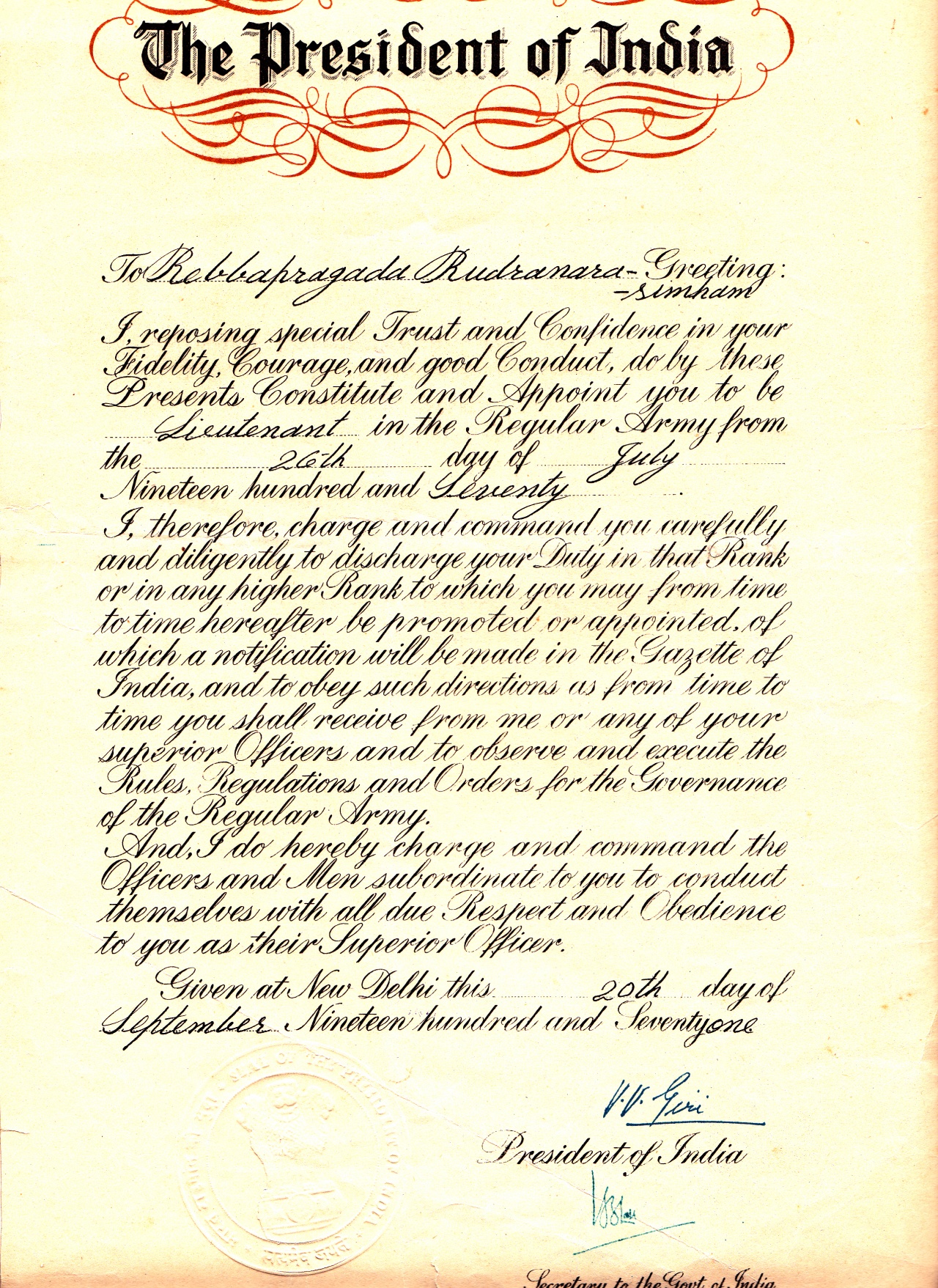
I met President Radhakrishnan at his Mylapore residence after his retirement during 1967. At that time, both of us were not aware that the very first posting of my career in the Indian Armed Forces would be that of Special Frontier Force-Establishment No. 22 that was created during his presidency. In India, Dr. Sarvepalli Radhakrishnan is recognized as a teacher, philosopher, and a statesman. He is never described as the Supreme Commander of the Indian Armed Forces. I was granted Commission to serve in the Indian Army at the pleasure of the President of India, and my posting order to serve as a Medical Officer in Establishment No. 22 – Special Frontier Force was issued under the authority of the Ministry of Defence which functions under the powers sanctioned by the President of India.

The history of Special Frontier Force-Establishment No. 22: Vice President Radhakrishnan at his New Delhi residence during 1960. The events from 1957 to 1962 had shaped Indian foreign policy and it paved the way for alignment with the United States to oppose the military threat posed by the People's Republic of China.
The history of Special Frontier Force-Establishment No. 22-Vikas Regiment: This photo image shows Vice President Radhakrishnan at his New Delhi residence during 1960. The events from 1957 to 1962 shaped Indian foreign policy and it paved the way for alignment with the United States to oppose the military threat posed by the People’s Republic of China. I met President Radhakrishnan at his Mylapore, Madras(Chennai) residence after completion of his term of presidency in 1967. He prefers to read while relaxing in his bed. This is the image, I still carry in my memory.
Special Frontier Force-At Sarasawa.
The history of Special Frontier Force-Establishment No. 22-Vikas Regiment: This is a photo image taken at Sarasawa airfield that proudly displays the National Flag of Tibet. Special Frontier Force is a living military organization that is facing its future with hope and encouragement from the United States, India, and Tibet.

Whole Dude – Whole Trust

“In God We Trust” – Special Frontier Force trusts President Eisenhower

Whole Dude – Whole Trust: The beginning of the Cold War in Asia in 1949 with the Communist takeover of mainland China.

Excerpt: Both the US Government and the Central Intelligence Agency maintain their silence about the support given to the Tibetan Resistance Movement and the eventual creation of Establishment -22/Special Frontier Force, a military alliance/pact between the US, Tibet, and India to fight the military threat posed by Communist China when it occupied Tibet in 1950 and forced His Holiness the 14th Dalai Lama to lead a life in exile. Indeed, that is the Whole Secret. The US, India and Tibet agreed to keep the US role in Tibet as a Secret and I signed a Declaration in Chakrata, India during September 1971 to keep the Tibet Operation as a Secret under the provisions of the Official Secret Acts of India.

Whole Dude – Whole Secret: The US military support to Tibet began during Hump Airlift Operation. I served at Dum Duma (Doom Dooma, Assam). Some flights delivered weapons and ammunition to Tibet. Special Frontier Force Reviews Hump Airlift Operation 1942 – 1945.
TIBET AWARENESS – PROJECT CIRCUS. The quest for freedom in Tibet. A military training camp known as Camp Hale was established in Colorado under the supervision of CIA officers Roger E. McCarthy and John Reagan.
Whole Dude – Whole Trust: “In God We Trust.” The Tibetan Resistance Movement trusts President Eisenhower. Mutual Trust, Respect, and Commitment formulate the US-India-Tibet Relations.

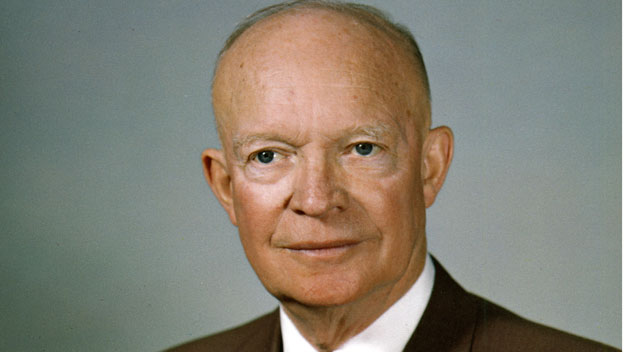
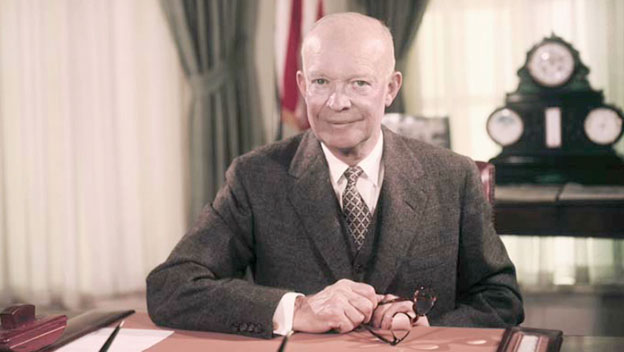
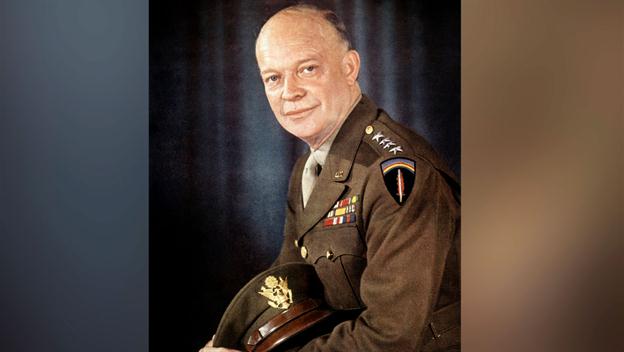
On July 30, 1956, US President Eisenhower signs “In God We Trust” into Law. The same year, President Eisenhower initiated action in support of the Tibetan Resistance Movement which contributed to the creation of Special Frontier Force during the presidency of John F. Kennedy.

"In God We Trust." - Special Frontier Force Trusts President Eisenhower.
Whole Dude – Whole Trust: “In God We Trust.” – Special Frontier Force Trusts President Eisenhower. Trust, Respect, and Commitment formulate Relations between the US, India, and Tibet.

President Eisenhower signs “In God We Trust” into law
On this day in 1956, two years after pushing to have the phrase “under God” inserted into the pledge of allegiance, President Dwight D. Eisenhower signs a law officially declaring “In God We Trust” to be the nation’s official motto. The law, P.L. 84-140, also mandated that the phrase be printed on all American paper currency. The phrase had been placed on U.S. coins since the Civil War when, according to the historical association of the United States Treasury, religious sentiment reached a peak. Eisenhower’s treasury secretary, George Humphrey, had suggested adding the phrase to paper currency as well.

Although some historical accounts claim Eisenhower was raised a Jehovah’s Witness, most presidential scholars now believe his family was Mennonite. Either way, Eisenhower abandoned his family’s religion before entering the Army and took the unusual step of being baptized relatively late in his adult life as a Presbyterian. The baptism took place in 1953, barely a year into his first term as president.

Although Eisenhower embraced religion, biographers insist he never intended to force his beliefs on anyone. In fact, the chapel-like structure near where he and his wife Mamie are buried on the grounds of his presidential library is called the “Place of Meditation” and is intentionally inter-denominational. At a Flag Day speech in 1954, he elaborated on his feelings about the place of religion in public life when he discussed why he had wanted to include “under God” in the pledge of allegiance: “In this way we are reaffirming the transcendence of religious faith in America’s heritage and future; in this way we shall constantly strengthen those spiritual weapons which forever will be our country’s most powerful resource in peace and war.”

The first paper money with the phrase “In God We Trust” was not printed until 1957. Since then, religious and secular groups have argued over the appropriateness and constitutionality of a motto that mentions “God,” considering the founding fathers’ dedication to maintaining the separation of church and state.

 © 2016, A&E Television Networks, LLC. All Rights Reserved.

"In God We Trust" - Special Frontier Force Trusts President Eisenhower.
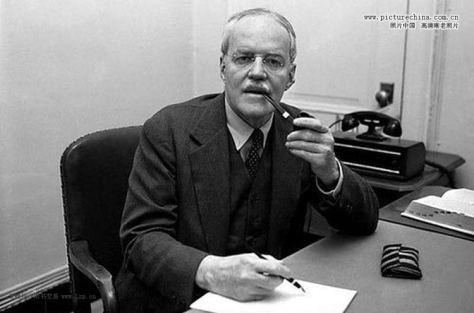
Whole Dude – Whole Trust: “In God We Trust” – Special Frontier Force Trusts President Eisenhower. CIA Director Allen Welsh Dulles forged Trust derived relationships.
"In God We Trust" - Special Frontier Force Trusts President Eisenhower.
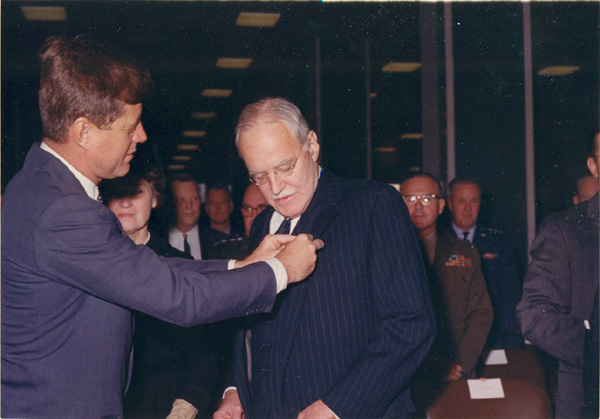
Whole Dude – Whole Trust: “In God We Trust” – Special Frontier Force Trusts President Eisenhower. CIA Director Allen Welsh Dulles, and President John F. Kennedy promoted national interests forging relationships.
Whole Dude – Whole Trust: The history of Special Frontier Force-Establishment No. 22: 1957 was a turning point. India had recognized that its foreign policy of political neutralism was of no use and had started depending upon the United States to address the military threat posed by China’s occupation of Tibet. But, the effort was too modest and both India and the United States had grossly underestimated the strength of the People’s Liberation Army.
Whole Dude – Whole Trust: Establishment No. 22 – Operation Eagle: This shoulder badge represents a military alliance/pact between India, Tibet, and the United States of America. Its first combat mission was in the Chittagong Hill Tracts which unfolded on 03 November 1971. It was named Operation Eagle. It accomplished its mission of securing peace in the region that is now known as Republic of Bangladesh.
Whole Dude – Whole Trust: On June 03, 1972, His Holiness The 14th Dalai Lama visited Headquarters Establishment Number.22, C/O 56 APO to inspect the Tibetan soldiers who serve in the multinational military organization called Special Frontier Force. I served as the Medical Officer at this military Establishment and my duties required the verification of mental, and physical preparedness of all the men.
Whole Dude – Whole Trust: “In God We Trust” – Special Frontier Force Trusts President Eisenhower. Trust in God is the Foundational Principle to formulate Foreign Relations.
"In God We Trust" - Special Frontier Force Trusts President Eisenhower. Trust in God is Foundational Principle to formulate Foreign Relations.
Whole Dude – Whole Trust: “In God We Trust” – Special Frontier Force Trusts President Eisenhower. Trust in God is the Foundational Principle to formulate Foreign Relations.
"In God We Trust" - Special Frontier Force Trusts President Eisenhower. Trust in God is Foundational Principle to define Foreign Policy.
Whole Dude – Whole Trust: “In God We Trust” – Special Frontier Force Trusts President Eisenhower. Trust in God is Foundational Principle to define Foreign Policy.
"In God We Trust" - Special Frontier Force Trusts President Eisenhower. Trust is Foundational Principle to define Relations.
Whole Dude – Whole Trust: “In God We Trust” – Special Frontier Force Trusts President Eisenhower. Trust is the Foundational Principle to define Relations.
"In God We Trust" - Special Frontier Force Trusts President Eisenhower. Belief in God, and Trust in Leadership.
Whole Dude – Whole Trust: “In God We Trust” – Special Frontier Force Trusts President Eisenhower. Belief in God, and Trust in Leadership.
"In God We Trust"
Whole Dude – Whole Trust: “In God We Trust” – Special Frontier Force Trusts President Eisenhower. Trust survived the Test of Times.
"In God We Trust"
Whole Dude – Whole Trust: “In God We Trust” – Special Frontier Force Trusts President Eisenhower for his principled Belief in God.
"In God We Trust"
Whole Dude – Whole Trust: “In God We Trust” – Special Frontier Force Trusts President Eisenhower, his legacy reflects the value of Trust. 
"In God We Trust"
Whole Dude – Whole Trust: “In God We Trust” – Special Frontier Force Trusts President Eisenhower who initiated Trusting Partnership between the US, India, and Tibet.
"In God We Trust" - Special Frontier Force Trusts President Eisenhower. December 16, 1956 witnessed Trusting Relationship.
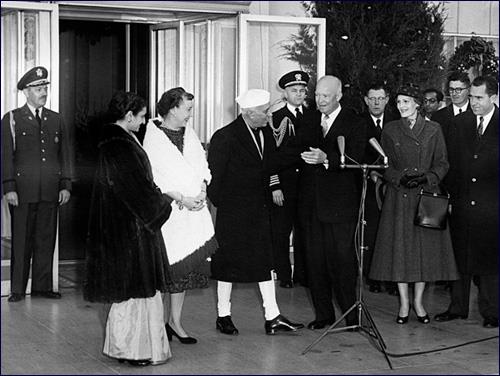
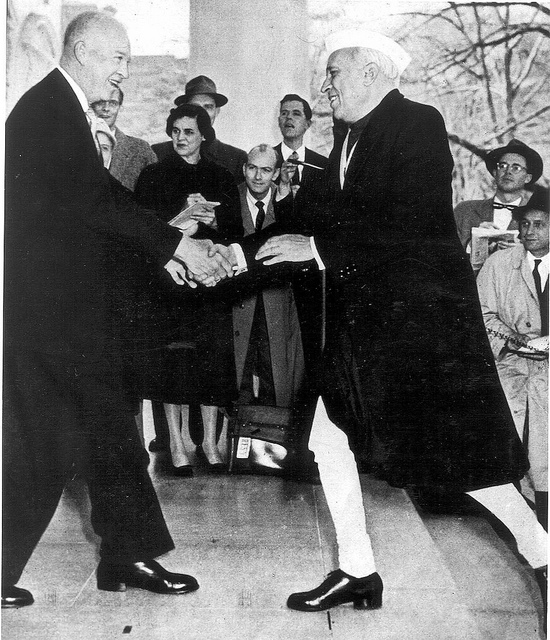
Whole Dude – Whole Trust: “In God We Trust” – Special Frontier Force Trusts President Eisenhower. December 16, 1956, witnessed a trusting relationship. Vice President Richard M. Nixon is my Witness.
"In God We Trust" - Special Frontier Force Trusts President Eisenhower. December 16, 1956. The US-India-Tibet Relation endures for it is built upon Trust.
Whole Dude – Whole Trust: “In God We Trust” – Special Frontier Force Trusts President Eisenhower. December 16, 1956. The US-India-Tibet Relations endure reflecting Trust.
"In God We Trust" - Special Frontier Force Trusts President Eisenhower. Relations derive Spiritual Strength from Belief in God.
Whole Dude – Whole Trust: “In God We Trust” – Special Frontier Force Trusts President Eisenhower. Relations derive Spiritual Strength from Belief in God.

Whole Dude – Whole Promise

Whole Dude – Whole Promise – Walong Will Never Fall Again

Whole Dude – Whole Promise: Walong Will Never Fall Again

This is my special tribute to Lohit River and I post this blog to remember my life’s journey; a journey from 1962 to 1972. During 1962, I was a student at Giriraj Government Arts College, Nizamabad, Andhra Pradesh (now Telengana), India and I was studying in the First Year of a 3-Year Bachelor of Science Degree Course. During October 1962, when China attacked India across the Himalayan Frontier, Indian people spontaneously reacted condemning the act of Chinese aggression. It gave me a strong motivation to serve the country to defend the Northern Frontier. My dream came true during 1969 when I was granted Short Service Regular Commission to join the Indian Army Medical Corps.

Whole Dude – Whole Promise: Walong Will Never Fall Again

On completion of my basic military and professional training, I was deputed to Special Frontier Force and I had the proudest moment of my life when I visited the War Memorial in Walong, Lohit District, North East Frontier Agency (NEFA) during 1972. I got married during January 1973, while I was serving in the North East Frontier Agency and Lohit River is my witness to my Life’s Journey and Commitment.

Special Frontier Force - Lohit River: Walong War Memorial
Whole Dude – Whole Promise: Walong Will Never Fall Again. Special Frontier Force – Lohit River: Walong War Memorial
SPECIAL FRONTIER FORCE - LOHIT RIVER: Map of Anjaw District, Arunachal Pradseh State, India.
Whole Dude – Whole Promise: Walong Will Never Fall Again. SPECIAL FRONTIER FORCE – LOHIT RIVER: Map of Anjaw District, Arunachal Pradesh State, India.

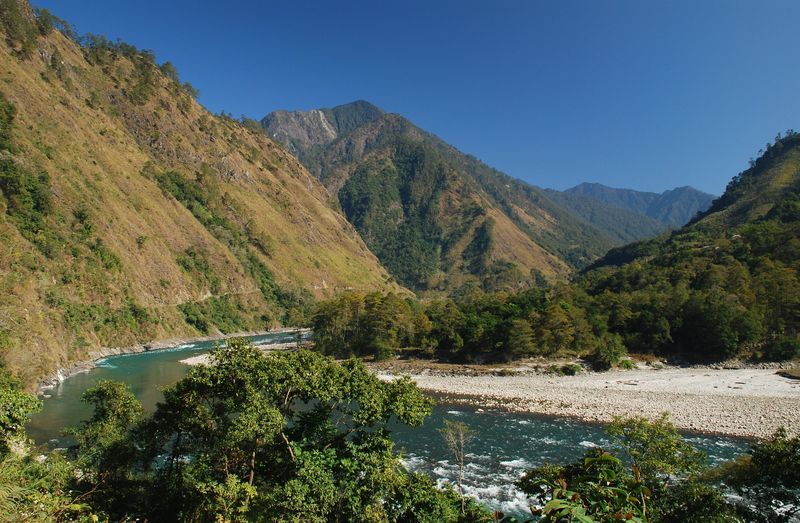
I am pleased to share an article titled ‘China opens new highway near Arunachal Pradesh Border’ written by Ananth Krishnan that was published in the HINDU on November 01, 2013. I had served in that area and the military organization in which I had served discouraged photography and I did not take photos of the natural scenery of that area. I would like to share some photo images published by http://GreenerPasturesInd.Wordpress.com and others, particularly the images of Lohit River that flows down the Anjaw District of Arunachal Pradesh.

The North East Frontier Agency (NEFA) was constituted in 1912-13. To settle the border between India and Tibet, Sir Henry McMahon, Secretary in the Indian Foreign Department represented Great Britain at a conference held in Simla during 1913-14. The Simla Accord or Simla Agreement between India, Tibet, and China resulted in the McMahon Treaty and the McMahon Line established the official border between India and Tibet. India after gaining her independence and after becoming an independent Republic has ratified the McMahon Treaty. People’s Republic of China which came into existence during 1949 had opposed this Treaty and had occupied Tibet during 1950 rejecting the status of Tibet of being an independent nation. The Communist China’s occupation of Tibet has posed a military threat to Peace and Democracy in Southeast Asia and Tibet’s Head of State, His Holiness the 14th Dalai Lama fled to India during March 1959 as a consequence of China’s repressive, brutal military actions. On August 26, 1959, in this northeast frontier sector, China’s People’s Liberation Army crossed the McMahon Line for the first time to capture an Indian border post. China abandoned this post during 1961 and launched a major offensive war during October 1962 attacking Indian Army positions in the entire North East Frontier Agency. Due to the firm intervention by the US President John F. Kennedy, China declared unilateral ceasefire and withdrew its forces from all the areas it had captured in the North East Frontier Agency. One of the consequences of this 1962 War of China’s Aggression on India was the creation of a military alliance/pact between India, Tibet, and the United States to defend the border and to challenge the military occupation of Tibet. This military pact/alliance has established a military organization called Establishment No. 22 which is later given the name of Special Frontier Force. I had served in Special Frontier Force along with Tibetan soldiers and we were defending North East Frontier Agency during that period of my military service. The North East Frontier Agency became Indian Union Territory and was named Arunachal Pradesh on January 20, 1972. The State of Arunachal Pradesh was formed on February 20, 1987.

Whole Dude – Whole Promise: Walong Will Never Fall Again

I arrived in Doom Dooma (Dum Duma) during February 1972 after my successful participation in the military action called ‘Operation Eagle’ which initiated the Liberation of Bangladesh on November 03, 1971 with attacks on Pakistan’s military border posts in the Chittagong Hill Tracts. The United States had withdrawn its CIA personnel from our Organization prior to the launch of Operation Eagle. However, our military alliance/pact withstood the test of the times. In 1972, CIA contacted my Unit in North East Frontier Agency and requested us for our assistance to plant monitoring devices to record data from China’s underground nuclear tests in occupied Tibet. China’s occupation of Tibet, it claims for Indian territory and China’s military build up still pose a grave threat to Peace and Freedom in Southeast Asia.

Special Frontier Force - Lohit River: I was based at Dum Duma(Doom Dooma) Airfield during 1972-73.
Whole Dude – Whole Promise: Walong Will Never Fall Again.Special Frontier Force – Lohit River: I was based at Dum Duma (Doom Dooma) Airfield during 1972-73.
Special Frontier Force - Lohit River: Lohit River enters the plains and flows as the Brahmaputra River.
Whole Dude – Whole Promise: Walong Will Never Fall Again. Special Frontier Force – Lohit River: Lohit River enters the plains and flows as the Brahmaputra River.
Special Frontier Force - Lohit River: At the southern end of Lohit District, Lohit River enters the plains.
Whole Dude – Whole Promise: Walong Will Never Fall Again. Special Frontier Force – Lohit River: At the southern end of Lohit District, Lohit River enters the plains.
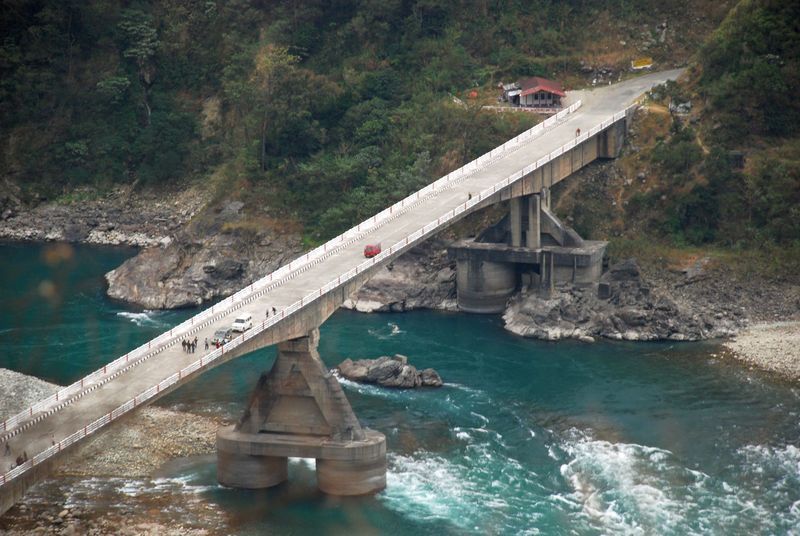
Special Frontier Force - Lohit River: The bridge near Parasuram Kund also known as Brahma Kund.
Whole Dude – Whole Promise: Walong Will Never Fall Again. Special Frontier Force – Lohit River: The bridge near Parasuram Kund also known as Brahma Kund.
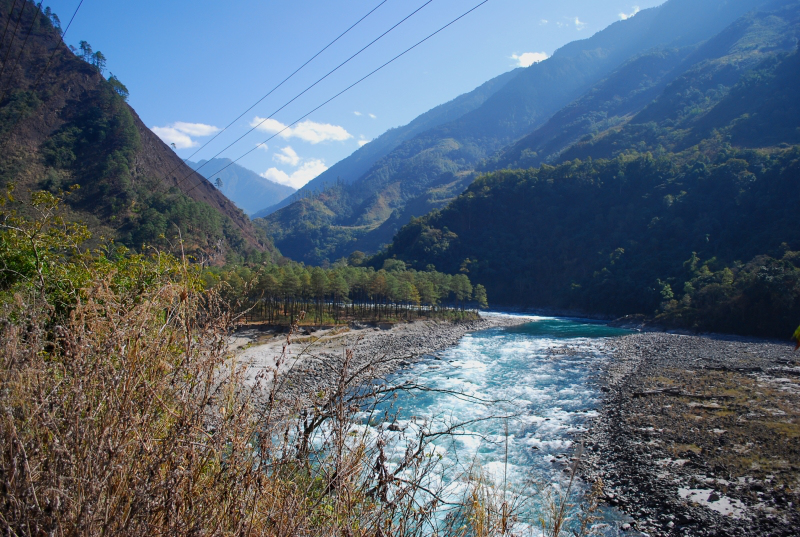
Special Frontier Force - Lohit River: This Border Road along Lohit River did not exist during 1972-73. I had the pleasure of trekking along this route.
Whole Dude – Whole Promise: Walong Will Never Fall Again. Special Frontier Force – Lohit River: This Border Road along Lohit River did not exist during 1972-73. I had the pleasure of trekking along this route.
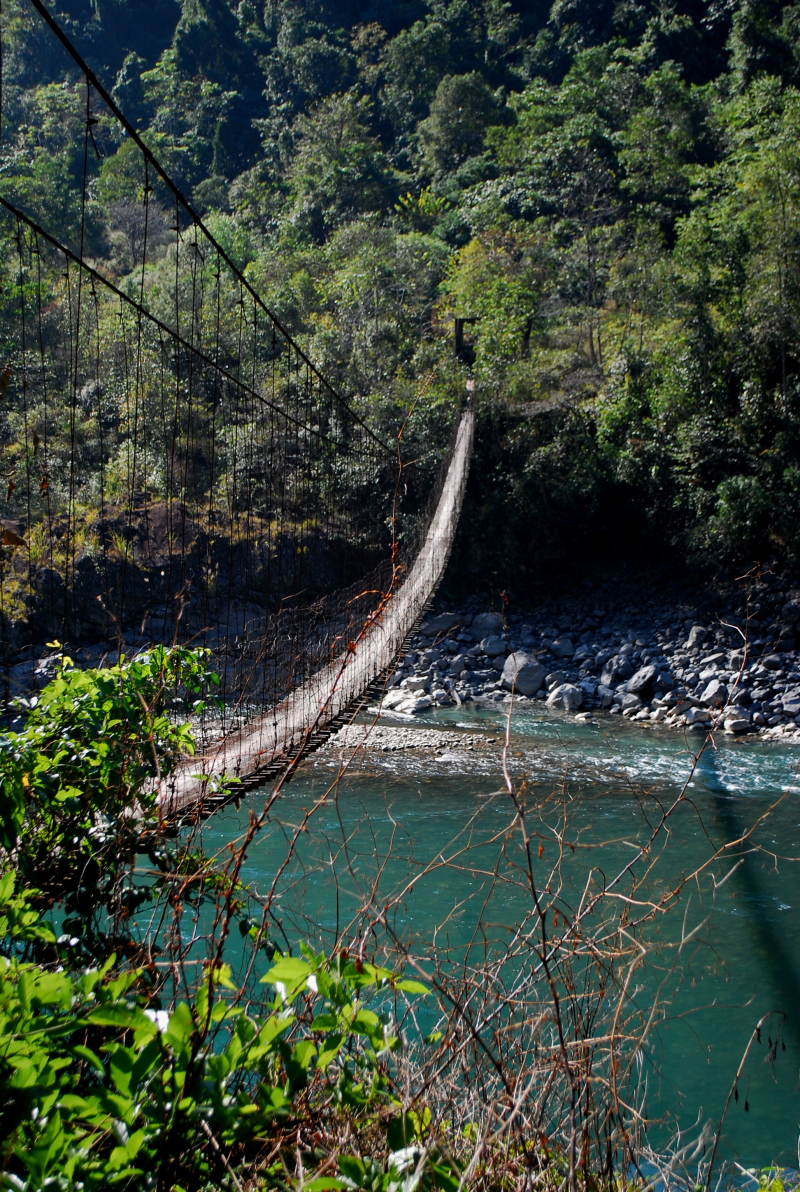
Special Frontier Force - Lohit River: Suspension Bridge across Lohit River.
Whole Dude – Whole Promise: Walong Will Never Fall Again. Special Frontier Force – Lohit River: Suspension Bridge across Lohit River.
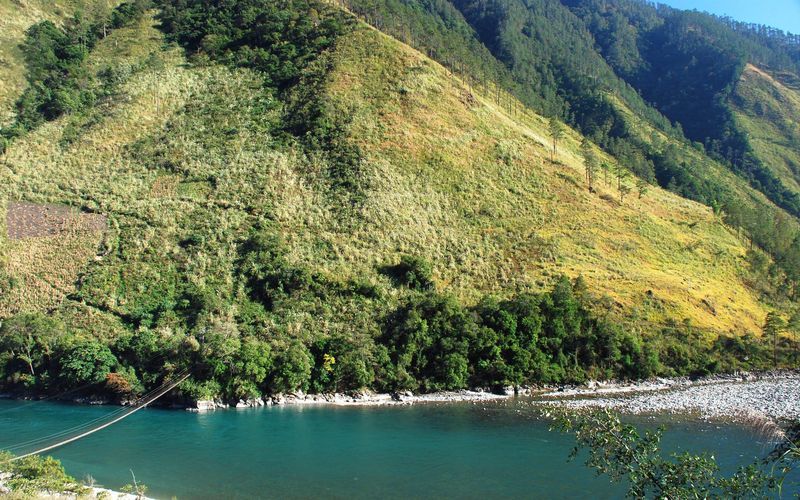
Special Frontier Force - Lohit River: A Special Tribute to Lohit River.
Whole Dude – Whole Promise: Walong Will Never Fall Again. Special Frontier Force – Lohit River: A Special Tribute to Lohit River.
Special Frontier Force - Lohit River: This bridge swings in the air and is commonly called "JHULA" which refers to the swing found in recreational parks and playgrounds.
Whole Dude – Whole Promise: Walong Will Never Fall Again. Special Frontier Force – Lohit River: This bridge swings in the air and is commonly called “JHULA” which refers to the swing found in recreational parks and playgrounds.
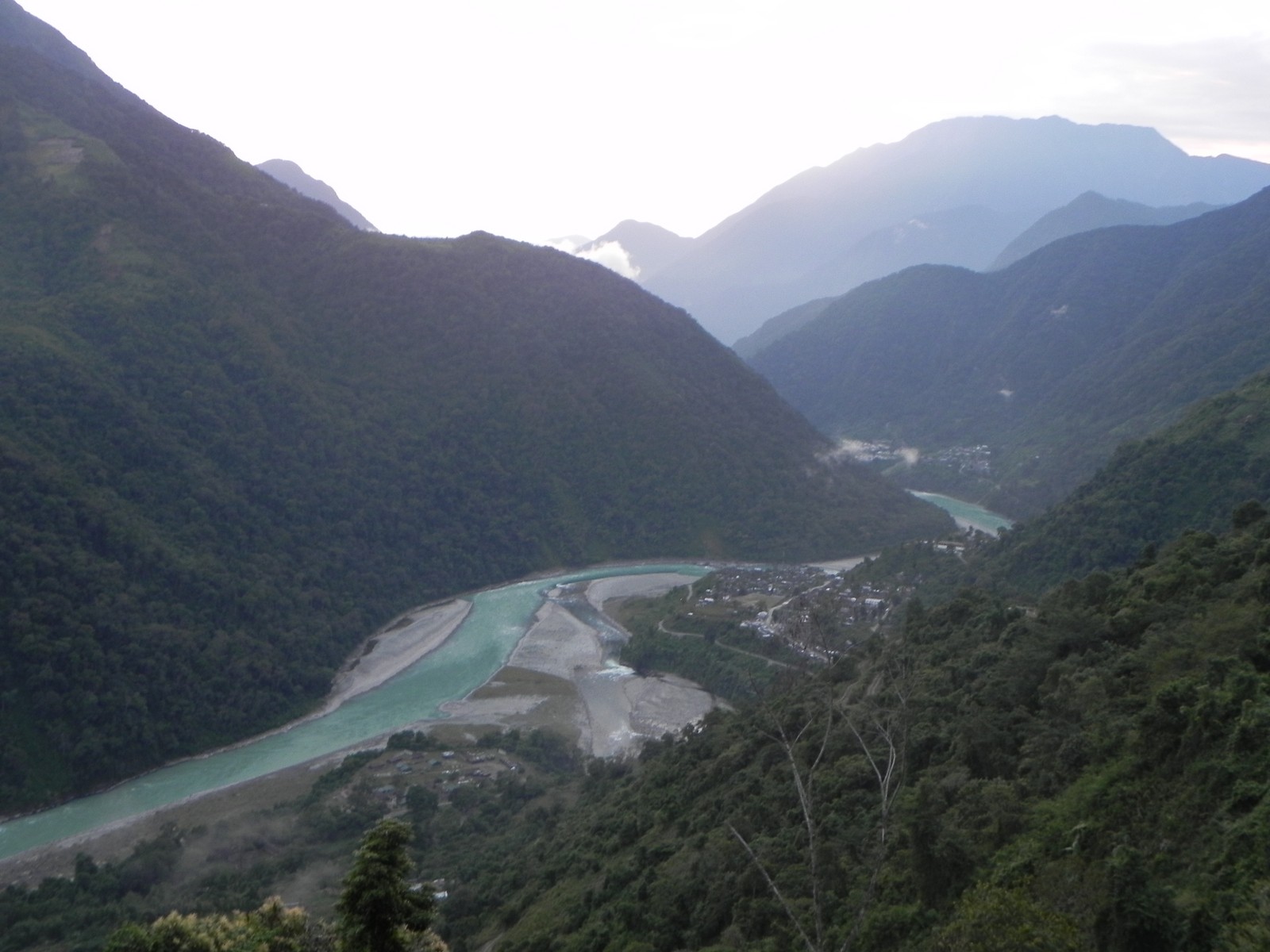
Special Frontier Force - Lohit River: Walong Valley
Whole Dude – Whole Promise: Walong Will Never Fall Again. Special Frontier Force – Lohit River: Walong Valley
Special Frontier Force - Lohit River: Parashuram Kund
Whole Dude – Whole Promise: Walong Will Never Fall Again. Special Frontier Force – Lohit River: Parashuram Kund
Special Frontier Force - Lohit River: A view taken at Hayuliang.
Whole Dude – Whole Promise: Walong Will Never Fall Again. Special Frontier Force – Lohit River: A view taken at Hayuliang.
Special Frontier Force - Lohit River: Hayuliang-Walong Road.
Whole Dude – Whole Promise: Walong Will Never Fall Again. Special Frontier Force – Lohit River: Hayuliang-Walong Road.
Special Frontier Force - Lohit River:
Whole Dude – Whole Promise: Walong Will Never Fall Again. Special Frontier Force – Lohit River:
Special Frontier Force - Lohit River:
Whole Dude – Whole Promise: Walong Will Never Fall Again. Special Frontier Force – Lohit River:
Special Frontier Force - Lohit River:
Whole Dude – Whole Promise: Walong Will Never Fall Again. Special Frontier Force – Lohit River:
Whole Dude – Whole Promise: Walong Will Never Fall Again
Special Frontier Force - Lohit River: Walong, Anjaw District.
Whole Dude – Whole Promise: Walong Will Never Fall Again. Special Frontier Force – Lohit River: Walong, Anjaw District.
Special Frontier Force - Lohit River: Trip to Kibithu
Whole Dude – Whole Promise: Walong Will Never Fall Again. Special Frontier Force – Lohit River: Trip to Kibithu
Special Frontier Force - Lohit River: Mishmi Hills
Whole Dude – Whole Promise: Walong Will Never Fall Again. Special Frontier Force – Lohit River: Mishmi Hills
Special Frontier Force - Lohit River: Hayuliang
Whole Dude – Whole Promise: Walong Will Never Fall Again. Special Frontier Force – Lohit River: Hayuliang
Special Frontier Force - Lohit River: The Border Post at Kibithu
Whole Dude – Whole Promise: Walong Will Never Fall Again. Special Frontier Force – Lohit River: The Border Post at Kibithu
Special Frontier Force - Lohit River: Lohit River near Indo-Tibet Border
Whole Dude – Whole Promise: Walong Will Never Fall Again. Special Frontier Force – Lohit River: Lohit River near India – Tibet Border.
Special Frontier Force - Lohit River:
Whole Dude – Whole Promise: Walong Will Never Fall Again. Special Frontier Force – Lohit River:

Rudra Narasimham Rebbapragada

SERVICE INFORMATION:

R. Rudra Narasimham, B.Sc., M.B.B.S.,
Personal Numbers: MS-8466/MR-03277K, Rank: Major,
Branch: Army Medical Corps/Short Service Regular Commission (1969-1972); Direct Permanent Commission (1973-1984).
Designation:Medical Officer.
Unit:Establishment No.22 (1971-1974)/South Column,Operation Eagle (1971-1972).
Organization: Special Frontier Force.

Published in the HINDU: November 1, 2013 03:14 IST

BEIJING, November 1, 2013

China opens new highway near Arunachal Pradesh border

Ananth Krishnan

Nearly 1 billion Yuan project comes to light after seven failed attempts over the past 50 years

China on Thursday opened a new highway that links what the government has described as Tibet’s “last isolated county” – located near the border with Arunachal Pradesh – with the rest of the country and will now provide all-weather access to the strategically important region.
Chinese state media have hailed the opening of the highway to Medog – which lies close to the disputed eastern section of the border with India – as a technological breakthrough, with the project finally coming to fruition after seven failed attempts over the past fifty years.
China started attempting to build the highway to Medog – a landlocked county in Tibet’s Nyingchi prefecture – in the 1960s, according to State media reports, in the aftermath of
the 1962 war with India.
With Thursday’s opening of the road, every county in Tibet is now linked through the highway network, underlining the widening infrastructure gulf across the disputed border, even as India belatedly pushes forward an upgrading of border roads in more difficult terrain.
The official Xinhua News Agency on Thursday described Medog as “the last roadless county in China”. Before this week, Medog was the only one of China’s 2,100 counties to remain isolated from the highway network, according to State broadcaster China Central Television (CCTV).
What the project will do
State media reports have focused on the development benefits that the project would bring and have sought to play down the strategic dimensions. Local officials said the road’s opening will bring down commodity prices and widen access to healthcare.
The road will also provide access to the border county for nine months of the year. That the government was willing to spend as much as 950 million Yuan – or $ 155 million – on a 117-km highway, with ostensibly few economic returns expected, has underscored the project’s importance to State planners.
Local officials said prior to the opening of the highway, reaching Medog required traversing the treacherous Galung La and Doxong La mountains at an altitude of 4,000 metres. With frequent landslides, the road was often rendered impassable.
Now, the road will be accessible for “8 to 9 months per year, barring major natural disasters”, Ge Yutao, Communist Party head of the transportation department for the Tibet Autonomous Region (TAR), told Xinhua.
Work on the 117-km road began in 2009, a year after the project was given the green light by the State Council, or Cabinet.
Renewed attention on infrastructure projects
The opening of the road comes at a time when there has been renewed attention on infrastructure projects in border areas in India and China.
Last week, both countries signed a Border Defence Cooperation Agreement (BDCA) during Prime Minister Manmohan Singh’s visit to Beijing, aimed at expanding confidence-building measures. The agreement calls for setting up channels of communication between military commands, increasing the number of border personnel meetings, and formalizing rules such as no tailing of patrols, to build trust and avoid incidents.
The agreement does not specify or limit either country’s plans to boost infrastructure – an issue that, analysts say, has in the past triggered tensions along the disputed Line of Actual Control (LAC), most notably in April when a Chinese incursion sparked a three-week-long stand-off in Depsang, Ladakh.
Han Hua, a South Asia scholar at Peking University, suggested in a recent interview that the “basic reason” for the incident was “too much construction” along the border. The Chinese side, she acknowledged, did not have to build closer to the disputed LAC because their infrastructure, as well as more favourable terrain enabled quicker mobilisation.
“If we don’t have the overall collaboration of the military, policy-makers and decision-makers on both sides,” she said, “it will be difficult to avoid such incidents.”
‘India’s plans will not be limited’

The BDCA, Indian officials said, will not limit India’s plans to upgrade infrastructure. It recognises the principle of equal and mutual security, which allows either side to pursue its security in its own way. At the same time, officials say the BDCA will still help “regulate activity” along the border by opening up new channels of communication, even as the border continues to remain a matter of dispute.
On Thursday, Chinese Defence Ministry spokesperson Yang Yujun told a regular press conference that military personnel would hold “regular meetings” and “make joint efforts” to maintain peace in border areas, following the signing of the BDCA. The agreement, he said according to a Xinhua report, “summarised good practices and experiences on the management of differences in China-India border areas”.

Keywords: Sino-Indian border, Arunachal-China border, infrastructure, Tibet Autonomous Region

Special Frontier Force - Lohit River: I was based at Doom Dooma or Dum Duma during 1972-73.
Whole Dude – Whole Promise: Walong Will Never Fall Again. Special Frontier Force – Lohit River: I was based at Doom Dooma or Dum Duma during 1972-73.
Special Frontier Force - Lohit River: Landscape of Anjaw District
Whole Dude – Whole Promise: Walong Will Never Fall Again. Special Frontier Force – Lohit River: Landscape of Anjaw District
Special Frontier Force - Lohit River: "WALONG WILL NEVER FALL AGAIN."
Whole Dude – Whole Promise: Special Frontier Force – Lohit River: “WALONG WILL NEVER FALL AGAIN.”

Whole Awareness – Military Power Seized Tibetan Freedom

Tibetans View Freedom as a Natural Condition, a Natural Law of their Land

Tibet Awareness. Military Power Seized Tibetan Freedom.

In my analysis, the Tibetan Resistance Movement can only be described as the Struggle for Natural Freedom. Tibetans resist military occupation of Tibet by a foreign invader for occupation totally undermines the Tibetan National Experience of Natural Freedom that defines the Land and its denizens. Freedom is not viewed as a Political Right. Tibetans cherish Freedom as a Nature’s Gift which no man has the power to trample upon.

Tibet Awareness. Military Power Seized Tibetan Freedom. A PLA air defense unit of the Tibet Military Command has recently held a drill at an area, 4,500 meters above the sea level, in Occupied Tibet. The live-fire drill aimed to improve air defense preparedness in complex weather conditions. (Photo: China News Service/Zhu Jian)
Tibet Awareness. Military Power Seized Tibetan Freedom in 1950-51.
Tibetans Struggle for Natural Freedom.

Whole Struggle – Tibet struggles for Natural Freedom

Tibet Struggles for Natural Freedom

Whole Struggle – Tibet Struggles for Natural Freedom.

In my analysis, the Tibetan Resistance Movement can only be described as the Struggle for Natural Freedom. Tibetans resist military occupation of Tibet by a foreign invader for occupation totally undermines the Tibetan National Experience of Natural Freedom that defines the Land and its denizens. Freedom is not viewed as a Political Right. Tibetans cherish Freedom as a Nature’s Gift which no man has the power to trample upon.

Whole Struggle – Tibet Struggles for Natural Freedom.

Dalai Lama Says Tibet Issue Is No Longer Struggle For Political Independence

Clipped from: https://www.ndtv.com/india-news/dalai-lama-says-tibet-issue-is-no-longer-struggle-for-political-independence-2064281

Whole Struggle – Tibet Struggles for Natural Freedom.

Tibet Issue “No Longer Struggle for Political Independence”: Dalai Lama

Political independence is mainly meant for the happiness of the people, but does it alone guarantee happiness, the Dalai Lama asked.

All India | Press Trust of India | Updated: July 04, 2019 20:11 IST

New Delhi:

The Tibetan issue is no longer a struggle for political independence, the Dalai Lama has said, asserting that there is a need to focus on preservation of Tibet’s cultural, religious and linguistic identity.

Political independence is mainly meant for the happiness of the people, but does it alone guarantee happiness, the Tibetan spiritual leader asked.

“There is a growing feeling among the top leaders in China that their policies have not been able to solve the Tibet issue in the last 70 years. So, they should follow a more realistic approach. Even though Tibet was an independent country, politically China occupies Tibet today,” he told news magazine ”The Week” in an interview.

“Under the given circumstances, I have been saying for some time now that there is a need to focus on preservation of Tibetan culture, religion and identity. It is no longer a struggle for political independence,” he said.

The 14th Dalai Lama left Tibet in 1959 to escape Chinese occupation and has been keeping China on tenterhooks about his successor.

In April this year, at a global conference, he had said people from Tibet have been seeking a mutually acceptable solution to the Tibetan issue with China since 1974 but Beijing considers him a “splittist” though he isn’t one.

The spiritual leader, who turns 84 soon, had said he preferred Tibet remaining with China, with “some kind of a reunion”.

In the interview, given in Himachal Pradesh’s McLeodganj, the Dalai Lama also said if the Tibetan people can preserve their thousands of years old cultural heritage, religion and identity, it will bring them inner peace and happiness.

“For this, I really admire the Indian Union for its unity in diversity. In a similar way, the People’s Republic of China and Tibet can coexist keeping Tibet’s cultural, linguistic and religious identity,” he said.

On a question, about his successor, he said, “I can only be concerned about this life; the next is not my concern. What is important are the teachings, the institution of the Dalai Lama comes after that.

“If reincarnation was so important, then why did the Buddha not have a reincarnation,” adding, “sometimes, I also feel the Lama institution has some connection with the feudal system and is not relevant today”.

The Tibetan spiritual leader recently apologized for his comment on women in a BBC interview, with his office in Dharamshala saying he has always opposed their objectification.

Responding to a question on whether his reincarnation could be a woman, the Nobel Peace Prize winner had joked that she should be attractive.

On a question on India, he said, the rich people in India should pay more attention to the study of Indian philosophy and texts “rather than just uttering ”Ram Ram” and doing puja”.

“It is better to create small libraries and learn about ancient Indian philosophy and psychology than just praying without any knowledge and performing rituals without understanding them,” he said.

On his association with prime minister Jawaharlal Nehru, he said, “Pandit was very kind to me; he advised me under difficult circumstances. I followed his advice, and it was very practical. I came to India in 1956, during Buddha Jayanti. At that time, many Tibetan officials told me that I should stay in India and not return”.

He said, he returned to Tibet in 1957. “I tried my best (to maintain peace with the Chinese), but after some time… there (were) uprisings. In 1959, things went out of control and I decided to escape from Tibet,” the Dalai Lama added.

“I am grateful to the Indian government (and leaders such as) Nehru, Indira Gandhi, Morarji Desai, Narasimha Rao and the (later) generation of leaders, and also Indian officials who have been very sympathetic towards Tibet,” he said.

Today, India and Tibet are very close not only for political or economic reasons, but also spiritually and emotionally, he added.

On China calling him a separatist, and his 60th year of exile in India, he said, “Let them (Chinese) say I am a separatist. That will be helpful as I will continue to live in India peacefully”.

“If they sincerely ask me to return – although on many occasions to some Chinese individuals I mentioned that I prefer freedom – and if I return to China, I (will be) put in a big house with no freedom. There is no use. I am happy to live in India for the rest of my life,” the Dalai Lama said.

“Among all civilizations, whether it is Chinese or Egyptian, it is the Indus Valley civilization that has produced the best thinkers and philosophers. I consider Buddhism and Hinduism as twin brother and sister. India’s civilization is something wonderful and should be known for its contribution to the world,” he asserted.

Whole Struggle – Tibet Struggles for Natural Freedom.

Whole Trouble – Red China’s Economic Hegemony

Trouble in Tibet – Red China’s Economic Hegemony

TROUBLE IN TIBET - RED CHINA'S ECONOMIC HEGEMONY. CHINA MANIPULATING TRADITIONAL TIBETAN TRADE AND COMMERCE.
TROUBLE IN TIBET – RED CHINA’S ECONOMIC HEGEMONY. CHINA MANIPULATING TRADITIONAL TIBETAN TRADE AND COMMERCE.

Red China uses a pattern of controlled development to subjugate Tibetan population of Occupied Tibet. Red China’s exercise of economic hegemony is ruining lives of Tibetan nomads who depend upon traditional occupations to maintain their economic independence.

Red China uses a pattern of controlled development to subjugate Tibetan population of Occupied Tibet. Red China’s exercise of economic hegemony is ruining lives of Tibetan nomads who depend upon traditional occupations to maintain their economic independence.

VOA

POLITICAL MOTIVES SEEN IN BEIJING’S WARNING ON ‘HIMALAYAN VIAGRA’

Trouble in Tibet – Red China’s Economic Hegemony. China manipulating Tibetan occupation of harvesting Caterpillar Fungus, Cordyceps sinensis.

FILE – Local resident searches for caterpillar fungus, also known as Cordyceps Sinensis, Laji mountains, Guide County, west China’s Qinghai Province.

YESHI DORJE
Last updated on: June 01, 2016 12:27 PM

In high-alpine meadows of the Tibetan Plateau, early May is an auspicious time to prostrate oneself on the loamy, reclining slopes and dig around for desiccated remnants of a medicinally hallowed caterpillar fungus

Map: Cordyceps distribution area, Tibet.Map: Cordyceps distribution area, Tibet.
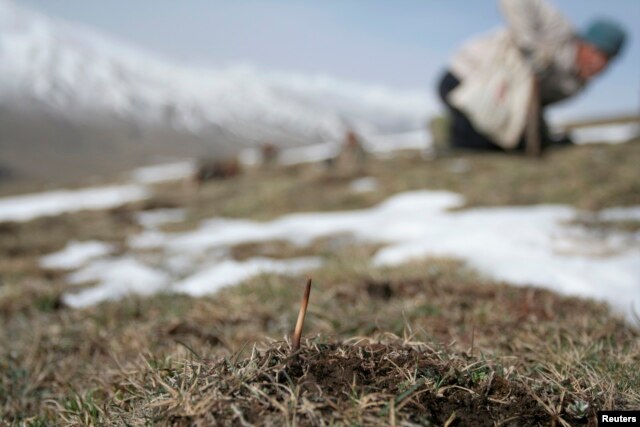
Trouble in Tibet – Red China’s Economic Hegemony. China manipulating Tibetan traditional occupation of selling Cordyceps Fungus.

Map: Cordyceps distribution area, Tibet.
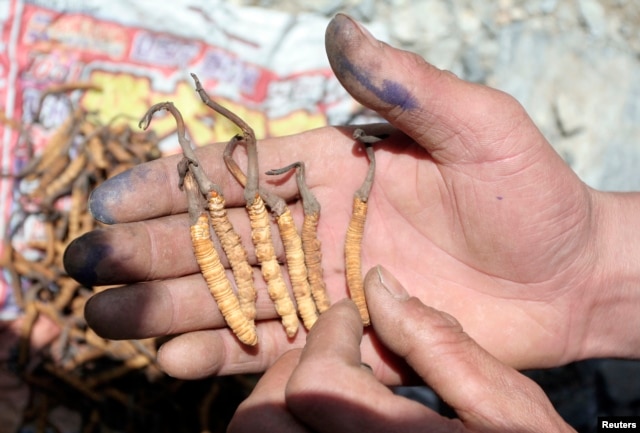
Revered as the “Viagra of the Himalayas,” Cordyceps Sinensis is better known across Asia by its traditional Tibetan name, yartsa gunbu, which literally translates as “summer grass, winter worm.” Neither grass nor worm, the coveted delicacy—blended in health drinks or sprinkled over entrees in China’s swankest restaurants—is the fungal bloom of mummified Ghost Moth larvae. Fetching thousands of dollars per pound, its storied powers as a medicinal cure-all have been overshadowed only by its more marketable reputation as a high-octane aphrodisiac, the result of commercial initiatives that have enriched many of Tibet’s struggling nomadic pastoralists.

That’s why a handful of noted research scientists wonder why there’s been such little scrutiny of the research backing a public health warning from China’s State Food and Drug Administration (CFDA). Citing unsafe levels of cancer-causing arsenic in the fungus, the February 2016 announcement triggered a moratorium on pilot programs designed to expand the organism’s commercial development and distribution. While scientists question the research supporting the decision, some free Tibet advocates say science has nothing to do with it.

TRACING SOURCE OF ELEVATED ARSENIC

As the Himalayan winter sets in, parasitic fungi nestled in tundra some 3,000-5,000 meters above sea level begin preying upon burrowing caterpillars, consuming their innards before sending a slim horn up through the dead insect’s head. The matchstick-thin protuberances—difficult to spot in the springtime scrub-grass and weeds—often require the sharp-eyed vision of young children, whose schools typically close to accommodate families that depend upon the harvest.

Trouble in Tibet – Red China’s Economic Hegemony. China manipulating Tibetan trade and commerce.

FILE – Cordyceps Sinensis harvester, Laji mountains of Guide County, west China’s Qinghai Province.

“Cordyceps are considered one of the most valuable medicines in Chinese medicine, historically,” says Professor Karl Tsim of Hong Kong University of Science and Technology, explaining that the rare fungus allegedly boosts the immune system, restores youthfulness, improves sexual vigor and even treats some forms of cancer. Records of its health benefits can be traced for nearly 1,000 years, which is why Tsim decided to investigate soil samples from several Tibetan harvesting grounds.

Commissioned with funding from government officials in Hong Kong—a thriving market for the fungus—Tsim’s study began when CFDA officials doubled down on their public health warning, announcing plans to end a yartsa gunbu pilot program launched in August 2012. According to state-run Xinhua news, the five-year pilot program had permitted several large pharmaceutical companies to use yartsa gunbu as a raw ingredient in a range of health food products. If the programs had become permanent, harvest contracts likely would have provided a windfall for people in the Tibetan areas where yartsa gunbu is already a backbone of the rural economy.

What Tsim’s team found, however, produced more questions than answers. While arsenic levels in three Tibetan soil samples were slightly higher than those found near Hong Kong, preliminary results show no indication that resulting crops could be contaminated.

NORMAL LEVELS OF ARSENIC

Naturally present in the earth’s crust, trace concentrations of arsenic are commonly found in staples such as brown rice. However, a 2012 joint working document of the U.N.’s Food and Agriculture and World Health organizations indicates that rice-paddy irrigation practices, not soil contamination, were the culprit.

“As a result of naturally occurring metabolic processes in the biosphere, arsenic occurs in a large number of organic or inorganic chemical forms in food,” the documents says, adding that “analysis of total arsenic in food has up to date suffered from difficulties with respect to accuracy and precision.”

“Available data about the possible human exposure to inorganic arsenic … suggest that the [permissible human weekly exposure] will normally not be exceeded, unless there is a large contribution from drinking water,” it says.

Because arsenic-concentration levels fluctuate across different harvesting grounds, Tsim says trace amounts of the substance are to be expected, and that his soil samples reveal no indication of inorganic contaminants, let alone grounds for a public health warning. Furthermore, alpine meadows—exposed only to rainwater and, sometimes, glacial runoff—aren’t irrigated. Indeed, the only quantitatively provable threat to public health would be if the fungus, which is literally worth its weight in gold, were consumed in unreasonably large quantities.

“Nobody can eat 100 grams at one time,” let alone afford that type of routine diet, he said. “If we look at numbers, whatever arsenic that we intake for a certain period of time is very minimal.”

Trouble in Tibet – Red China’s Economic Hegemony. China manipulating Tibetan traditional occupation of selling Caterpillar Fungus.

FILE – Local resident displays caterpillar fungus, also known as Cordyceps Sinensis, Laji mountains, Guide County, west China’s Qinghai Province.

Dr. Michelle Stewart, an Amherst College-based conservationist who conducted field research on Tibetan yartsa gunbu production, says although traces of arsenic in various individual caterpillar fungi “could be possible,” cases are typically isolated.

“I wouldn’t call it grounds to issue an alarmist reaction to caterpillar fungus broadly,” she told VOA. But a sustainable and financially vibrant yartsa gunbu industry could, she added, impede some of Beijing’s long-term regional development strategies.

“China’s idealized development model [for Tibet] would probably be based on settling nomadic populations in urban areas and transitioning their livelihoods into, if possible, non-skilled labor positions in towns or small-scale businesses,” Stewart said. “But the caterpillar fungus economy has actually been able to allow Tibetans to stay in their pastoral livelihoods and make money.”

For staunch critics of China’s Tibet policy, the sudden cancellation of pilot programs smacks of economic hegemony.
“The Chinese are the colonizers in Tibet,” said Lhukar Jam, a Dharmsala-based advocate of self-rule who recently ran for head of Tibet’s exiled government.

“The colonizers don’t want their subjects to become politically, economically and culturally … equal to them,” he said, accusing Beijing of conspiring to undermine Tibet’s growing middle class. “The Chinese government fundamentally feels threatened when they see people on the Tibetan Plateau gain power through the economy. They don’t want to have genuine economic development in Tibet.”

Kalsang Gyaltsen Bapa, a China analyst and member of the Tibetan parliament-in-exile, also cites a relationship between stable livelihoods and political activism in some Tibetan communities.

“The Chinese government uses the economy to gain people’s obedience, which has achieved some success,” Bapa told VOA, calling Tibetans who are financially dependent upon Beijing’s sustained rule—government employees or retired people, for example—“politically paralyzed.”

Trouble in Tibet – Red China’s Economic Hegemony. China manipulating Traditional Tibetan occupation of selling Caterpillar Fungus.

FILE – Local residents search for caterpillar fungi, also known as Cordyceps Sinensis, Laji mountains, Guide County, west China’s Qinghai Province.

Financially independent Tibetans, he added, are more likely to think independently, and therefore support movements for a return to self-governance.
Over the course of three months, at least four email requests and phone calls seeking CFDA commentary on the public health warning, and response to its subsequent criticism, went unanswered.

PATTERN OF CONTROLLED DEVELOPMENT

Ever since Ex-Premier Jiang Zemin’s “Great Western Development” policies, China has expanded efforts to lure Tibetan farmers and nomads into new housing developments with a combination of subsidies and interest-free loans. Coupled with high-tech rail and infrastructural development campaigns designed to create a widespread middle class by 2020, none of Beijing’s grand economic strategies have supplanted the tiny parasitic worm’s power to elevate the average Tibetan household.

According to one yartsa gunbu dealer who asked to remain anonymous, a family with good harvesters stand to make as much as 1,000,000 yuan (about $150,000) within the two month harvest window. One tangible sign of the economic progress is visible on the roads. In 2014, Xinhua reported that the Tibetan Autonomous Region had an estimated 325,000 privately owned cars—one for every 10 people in the region, with the highest concentration of ownership in yartsa gunbu harvesting hotspots.

Trouble in Tibet – Red China’s Economic Hegemony. China manipulating Tibetan traditional trade and commerce.

FILE – A local buyer weighs a pile of caterpillar fungus, also known as Cordyceps Sinensis, Laji mountains, Guide County, west China’s Qinghai Province.

According to chinadialogue.com, Tibet’s annual yartsa gunbu haul earns local collectors some $1 billion annually. But reports from the bi-lingual environmental publication also suggest production may well exceed what’s reported to authorities. Daniel Winkler, a Seattle-based ecologist who has done extensive research on the fungus, puts annual global yields closer to 100 to 200 tons. With 96.4 percent of global supply coming from Tibet, annual revenues may well exceed the $2 billion mark.

ANTI-CORRUPTION PARALLELS

The specter of greed and corruption inevitably shadow high-volume sales of any precious commodity. As President Xi Jinping’s anti-corruption campaign was launched, yartsa gunbu, which is often exploited to leverage “Guanxi”—the personal connections and networks in which the exchange of expensive and often exotic gifts are key to building influence in politics or business—was an easy target.

February’s CFDA announcement declaring yartsa gunbu a threat to public health occurred just as President Xi’s anti-corruption campaign gained nationwide momentum.
“The place within the Guanxi—which some people say is bribery—within that economy, the value (of yartsa gunbu) has diminished slightly in the past year,” she said.

Whether any political motivations are driving the Chinese government’s claim to public health concerns about the fungus is yet to be seen. But Professor Tsim, who continues evaluating soil samples, says any regulatory action on the fungus inevitably affects the livelihood of Tibetans. The CFDA announcement has yet to impact Hong Kong prices, he said, and one eBay seller recently posted the fungus for about $78,000 per pound.

“[For] many of those of people, their lives all depended on collection of Cordyceps,” Tsim said. “So in Tibet, many of those local people, their daily income [depends upon] the collection of Cordyceps. So I suppose that before we place that hold [on pilot projects], we need to know what we are talking about.”

VOA correspondent Yeshi Dorje reports for VOA’S Tibetan Service. Pete Cobus contributed reporting.

Trouble in Tibet – Red China’s Economic Hegemony. China manipulating traditional Tibetan Trade and Commerce.
Trouble in Tibet – Red China’s Economic Hegemony. China manipulating Tibetan Trade and Commerce.
Trouble in Tibet – Red China’s Economic Hegemony. China manipulating traditional Tibetan Trade and Commerce. Caterpillar Fungus known as ‘Himalayan Viagra’.


TROUBLE IN TIBET - RED CHINA'S ECONOMIC HEGEMONY. CHINA MANIPULATING TRADITIONAL TIBETAN TRADE AND COMMERCE.
TROUBLE IN TIBET – RED CHINA’S ECONOMIC HEGEMONY. CHINA MANIPULATING TRADITIONAL TIBETAN TRADE AND COMMERCE.


Whole Freedom or Purna Swaraj – United States Supports Tibet’s Whole Freedom

Whole Freedom or Purna Swaraj – United States Supports Tibet’s Whole Freedom: We believe that it is the inalienable right of the Indian people, as of any other people, to have freedom and to enjoy the fruits of their toil and have the necessities of life, so that they may have full opportunities of growth.

We believe that it is the inalienable right of the Indian people, as of any other people, to have freedom and to enjoy the fruits of their toil and have the necessities of life, so that they may have full opportunities of growth.

While the US has stated publicly that Tibet is a part of China, yet it supports “Tibet independence forces”, a senior Chinese official has said.

UNITED STATES SUPPORTS TIBET'S FREEDOM: FOR MAN IS BORN FREE, MAN HAS A NATURAL RIGHT TO FREEDOM. UNITED STATES OPPOSES MILITARY OCCUPATION THAT DESTROYED TIBET'S NATURAL FREEDOM.
UNITED STATES SUPPORTS TIBET’S FREEDOM: FOR MAN IS BORN FREE, MAN HAS A NATURAL RIGHT TO FREEDOM. UNITED STATES OPPOSES MILITARY OCCUPATION THAT DESTROYED TIBET’S NATURAL FREEDOM. While the US has stated publicly that Tibet is a part of China, yet it supports “Tibet independence forces”, a senior Chinese official has said.

On behalf of Special Frontier Force, I am pleased to respond to a statement issued by Chinese official, Lu Guangjin, Director of the Human Rights Affairs Bureau of the Department of State Council Information Office of China when he spoke to IANS (The Times of India) on July 06, 2015.

Chinese official Lu claimed that the United States recognized Tibet as part of China one hundred years ago. The national entity known as People’s Republic of China has never existed one hundred years ago. The United States is simply stating that Tibet was part of Manchu China Empire of Ch’ing or Qing Dynasty (1644-1911) that has fallen and no longer exists in the world.

Freedom is a natural condition and for man is born free, Freedom is man’s Natural Right. Yuan or Mongol Dynasty (1260-1368) founded by Kublai Khan invaded Tibet in 1279. Later, Tibet came under nominal protection of Manchu or Qing Dynasty and with its downfall in 1911, Tibet declared independence and maintained the same until 1950 when Red China invaded and illegally occupied Tibetan territory. Tibetans were not affected by these foreign conquests and for centuries Tibetans enjoyed their Natural Freedom and maintained their independent nature.

UNITED STATES SUPPORTS TIBET'S FREEDOM: UNITED STATES DECLARED HER INDEPENCE ON JULY 04, 1776 CLAIMING HER RIGHTS TO FREEDOM, EQUALITY, AND PURSUIT OF HAPPINESS. Statue of Liberty seen from the Circle Line ferry, Manhattan, New York
UNITED STATES SUPPORTS TIBET’S FREEDOM: UNITED STATES DECLARED HER INDEPENDENCE ON JULY 04, 1776 CLAIMING HER RIGHTS TO FREEDOM, EQUALITY, AND PURSUIT OF HAPPINESS. While the US has stated publicly that Tibet is a part of China, yet it supports “Tibet independence forces”, a senior Chinese official has said.

United States opposes military occupation of Tibet that destroyed Tibet’s Natural Freedom. United States supports Freedom, Democracy, and Peace as national values based upon which United States declared Independence on July 04, 1776. In this context, it can be said that India was part of British Empire but India is never a part of a national entity called Great Britain. To the same extent, Special Frontier Force states that Tibet was part of Mongol China, Manchu China, and later Red China, but Tibet is never a part of a national entity called People’s Republic of China.

UNITED STATES SUPPORTS FREEDOM IN TIBET: SPECIAL FRONTIER FORCE IS A MILITARY ORGANIZATION FUNDED BY UNITED STATES TO PROMOTE FREEDOM, DEMOCRACY, AND PEACE IN OCCUPIED TIBET.
UNITED STATES SUPPORTS FREEDOM IN TIBET: SPECIAL FRONTIER FORCE IS A MILITARY ORGANIZATION FUNDED BY UNITED STATES TO PROMOTE FREEDOM, DEMOCRACY, AND PEACE IN OCCUPIED TIBET. While the US has stated publicly that Tibet is a part of China, yet it supports “Tibet independence forces”, a senior Chinese official has said.

US SUPPORTS ‘INDEPENDENCE FORCES’ IN TIBET: CHINESE OFFICIAL – THE TIMES OF INDIA

US supports ‘independence forces’ in Tibet: Chinese
official

IANS | Jul 6, 2015, 08.34 PM IST

And in an apparent reference to Tibetan spiritual leader the
Dalai Lama, the official said that some people who fled China were now working “with some external forces to destabilize
China.”

BEIJING: While the US has stated publicly that Tibet is a part of China, yet it supports “Tibet independence forces”, a senior Chinese official has said.

And in an apparent reference to Tibetan spiritual leader the
Dalai Lama, the official said that some people who fled China were now working “with some external forces to destabilize China”.

“Some 100 years ago the US had stated publicly that Tibet is part of China. Even now it admits thatTibet is inseparable from China,” Lu Guangjin, director of the Human Rights
Affairs Bureau of the Department of State Council Information Office of China, told IANS here.

“Yet the US supports Tibet independence forces,” he said, clearly hinting at the Central Tibetan Administration (CTA), the India-based government-in-exile once headed by the Dalai Lama.

The 55-year-old Chinese official was categorical in his hour-long interaction that “some people who ran away from China are now working together with some external forces to create destabilizing factors and obstruct people’s lives in China.

“As I understand it, there are some external forces that provoked a small group of monks,” Lu said.

He was asked to comment on the 140 people in Tibet who have self-immolated with the demand for the return of the Dalai Lama and for freedom for Tibetans.

“Such violence triggered international reaction. During that period (2008 Beijing Olympics) some Tibet independence forces attempted to obstruct the relay torch, causing anger among Chinese.”

The official said even now attempts were being made to stall
China’s bid for the 2022 Winter Olympics.

“Some people are creating trouble. There is an international website that supports Tibet’s independence
and it submitted material to the IOC (International Olympics Committee) saying China’s human rights violations, particularly in Tibet, don’t qualify it to host the Winter Olympics.”

On the celebration of the Dalai Lama’s 80th birthday, he said: “He is celebrating the birthday for a second time (July 6),
this time in the US. In this, you see the influence of external factors.

“He (the Dalai Lama) is a religious leader. I won’t comment on his religious doings. Yet he has a shallow political vision.

“Over the years he has always been committed to the so-called ‘grand cause’ of Tibet independence. For us, he’s naive,” added the official.

He reiterated Beijing’s official line that Tibet cannot be separated from China.

According to Lu, without the intervention of external forces, the China-India relationship and the Tibet-India relationship could have been much better.
http://timesofindia.indiatimes.com/followceleb.cms?alias=Tibet

THE TIMES OF INDIA
Powered by INDIATIMES

While the US has stated publicly that Tibet is a part of China, yet it supports “Tibet independence forces”, a senior Chinese official has said.

While the US has stated publicly that Tibet is a part of China, yet it supports “Tibet independence forces”, a senior Chinese official has said.

Whole Alert – Freedom in Tibet is at Extreme Danger

Red China Poses Red Alert – Freedom in Tibet is at Extreme Danger

Whole Alert – Red China poses Red Alert – Freedom in Tibet is at Extreme Danger
Whole Alert – Red China poses Red Alert -Freedom in Tibet is at Extreme Danger

On behalf of Special Frontier Force I share my concern about Tibet’s Freedom. Decades of military occupation and repressive rule by Red China could not wipe out Tibetan Identity. As long as Tibetan Identity lives, Tibetans will continue to resist military occupation and will continue to seek their natural rights. The problem is indeed about the loss of American Identity. Americans have lost connection with values that shaped founding of their nation. Democracy, Freedom, Human Rights, and Peace do not continue to inspire the minds of American people. Tibet’s Freedom is at risk as American Values have evaporated.

RED CHINA - RED ALERT - TIBET'S FREEDOM : ON BEHALF OF SPECIAL FRONTIER FORCE I SHARE MY CONCERN ABOUT TIBET'S FREEDOM. IF NOT NOW, WHEN ???
Whole Alert – Red China poses Red Alert – Freedom in Tibet is at Extreme Danger

Tibet Isn’t Free Yet; That Doesn’t Mean the Dalai Lama Has Failed

Freya Putt Headshot
Freya Putt, Human rights activist & Deputy Director at Tibet Action Institute: Tibet Isn’t Free Yet; That Doesn’t Mean the Dalai Lama Has Failed

Posted: 06/25/2015 3:38 pm EDT

In recent years, I’ve noticed an increasing trend of articles and commentaries examining the Dalai Lama’s life and legacy that conclude Tibetans, and he as their leader, have failed in their cause to restore freedom to Tibet. Having worked for this movement for 18 years, I can understand having doubts about what the future holds. But really? Failed? It’s a done deal?

2015-06-25-1435264174-3698126-HHDL.jpg
Tibet Isn’t Free Yet; That Doesn’t Mean the Dalai Lama Has Failed

Some voiced similar sentiments in the 1960s and 1970s, when most people had never heard of Tibet, and certainly no countries were bothering to advocate for Tibetan political prisoners or other rights. China had been “lost” by the west and Tibetans were unfortunate casualties.

But the gloom-and-doom analysis proved to be misguided then, as the mere handful of Tibetan refugees who had resettled globally built awareness and inspired activism. Huge protests in Lhasa in the late 1980s, as well as the Dalai Lama’s Nobel Peace Prize, Hollywood and the Tibetan Freedom Concerts, drove Tibet into international public consciousness. Likewise, this frame of analysis is misguided now.

2015-06-25-1435267455-9869619-TFC.jpg
Tibet Isn’t Free Yet; That Doesn’t Mean the Dalai Lama Has Failed

Perhaps I’m just too invested to acknowledge that the cause is lost. But I don’t think so.

First of all, it’s human nature that where there’s injustice, there’s struggle. People don’t just give up trying to make their lives better because the odds are against them; the daily effort to resist indignities and oppose oppression continues regardless of what the endgame might be. Tibetans demonstrate this constantly, showing their opposition to China’s occupation by wearing traditional clothes, patronizing Tibetan-owned shops, holding onto their language and fighting for its use in schools, deploying art, music and poetry to express themselves and rally each other, using blockades and other direct action to protect lands, and even making the extreme choice to light themselves on fire in defiance of Chinese rule.

In fact, while state oppression has increased in recent years, resistance in Tibet has grown and deepened. A decade ago, opposition to Chinese rule seemed to manifest mainly through small, unplanned protests, which though symbolically powerful, are easily countered by China. Today, resistance is constant, sophisticated, and waged on many fronts.

2015-06-25-1435266564-2796226-Rebkong.jpg
Tibet Isn’t Free Yet; That Doesn’t Mean the Dalai Lama Has Failed

And while our collective memory is short, it shouldn’t be too much of a stretch to remember that many — perhaps most — conflicts about rights, territory and self-governance have taken decades or centuries to resolve. Think slavery and civil rights in the U.S.A., Irish independence, the anti-apartheid struggle in South Africa, Indian independence and decolonization the world over.

The conditions affecting rights and freedom for Tibet are daunting, to say the least. China has steadily gained economic clout and countries increasingly react in fear when it flexes its economic muscle. Tibetans number roughly six million, Chinese 1.3 billion. Tibet’s high, mountainous plateau has kept it isolated and made it easier for China to severely limit both physical and virtual interaction between Tibetans and the outside world. And Tibet’s mineral and water resources and strategic location in the heart of Asia make it an economic and geopolitical prize.

Looking at these factors, it shouldn’t be a big surprise that the Tibetan struggle hasn’t yet been won.

But not having yet won a struggle is very different from having lost it. Bill Moyer, an American theorist and activist, developed a strategic model for explaining the progress of social movements and used case studies to illustrate eight distinct phases. He emphasized that after substantial gains, such as building a mass movement, achieving popular support and defining an issue as a problem on society’s agenda, movements often find themselves mired in a sense of despair and powerlessness based on a misperception of their progress. 

Tibetan freedom movement has made significant strides toward its goals: establishing the legitimacy of Tibetans’ claims to freedom, building a mass base of popular global support, overpowering China’s propaganda factory in the media, and making Tibet a constant challenge to China’s reputation on the global stage. There is much more to be done, clearly, but the critical foundation has already been built.

2015-06-25-1435268540-5096752-Vigil.jpg
Tibet Isn’t Free Yet; That Doesn’t Mean the Dalai Lama Has Failed

In fact, amidst all the tragedy, suffering and daily hardship that Tibetans face, there is much to celebrate. Far from having failed, the Dalai Lama should be recognized as one of the global leaders of the 20th and 21st century who has made an indelible, positive impact on the world.

The Dalai Lama brought the issue of Tibet to the world and inspired tens if not hundreds of thousands of people to support the cause. He bridged the various religious, regional and other divides within the Tibetan community to unify Tibetans behind a strategic approach to the struggle that included making it visible internationally — despite China’s constant objections and best efforts

RED CHINA - RED ALERT - TIBET'S FREEDOM : TIBETANS NATURAL RIGHT TO FREEDOM IS AT RISK. WHERE ARE THOSE VALUES ENSHRINED IN THE DECLARATION OF INDEPENDENCE ???
RED CHINA – RED ALERT – TIBET’S FREEDOM: TIBET’S NATURAL RIGHT TO FREEDOM IS AT RISK. WHERE ARE THOSE VALUES ENSHRINED IN THE DECLARATION OF INDEPENDENCE?
RED CHINA - RED ALERT - TIBET'S FREEDOM : AMERICA HAS TO REDISCOVER HER OWN VALUES THAT DEFINE HER NATIONAL IDENTITY . Statue of Liberty seen from the Circle Line ferry, Manhattan, New York
RED CHINA – RED ALERT – TIBET’S FREEDOM : AMERICA HAS TO REDISCOVER HER OWN VALUES THAT DEFINE HER NATIONAL IDENTITY.
RED CHINA - RED ALERT - TIBET'S FREEDOM : AMERICANS HAVE TO RECALL THEIR PAST TO REDISCOVER VALUES THAT DEFINE AMERICAN NATION.
RED CHINA – RED ALERT – TIBET’S FREEDOM: AMERICANS HAVE TO RECALL THEIR PAST TO REDISCOVER VALUES THAT DEFINE AMERICAN NATION.
RED CHINA - RED ALERT - TIBET'S FREEDOM: I ASK AMERICANS TO RECALL PRESIDENT KENNEDY'S VITAL CONTRIBUTION TO TIBETAN RESISTANCE MOVEMENT.
RED CHINA – RED ALERT – TIBET’S FREEDOM: I ASK AMERICANS TO RECALL PRESIDENT KENNEDY’S VITAL CONTRIBUTION TO TIBETAN RESISTANCE MOVEMENT.
RED CHINA - RED ALERT - TIBET'S FREEDOM : TIBET'S FREEDOM IS AT RISK. IT IS TIME TO REVITALIZE AMERICANS.
RED CHINA – RED ALERT – TIBET’S FREEDOM: TIBET’S FREEDOM IS AT RISK. IT IS TIME TO REVITALIZE AMERICANS.
Whole Alert – Red China poses Red Alert – Freedom in Tibet is at Extreme Danger