Whole Dude at Whole Foods Wishes You all Tashi Delek
On behalf of Special Frontier Force-Establishment 22-Vikas Regiment, I greet Tibetans on Losar, Tibetan New Year 2153. I pledge to renew support to Tibetans to help them find Happiness in Tibetan New Year beginning on Wednesday, February 18, 2026.
Losar 2026, the Tibetan New Year, will be celebrated on February 18, 2026, marking the start of the 2153rd year, which is the Year of the Fire Horse. This 15-day festival (with main festivities lasting 3 days) represents a time for cleansing, family gatherings, and renewal.
On behalf of Special Frontier Force-Establishment 22-Vikas Regiment, I greet Tibetans on Losar, Tibetan New Year 2153. I pledge to renew support to Tibetans to help them find Happiness in Tibetan New Year beginning on Wednesday, February 18, 2026.
Key Details for Losar 2026 (Year of the Fire Horse):
Date:February 18, 2026, falls on a Wednesday.
Significance:The Fire Horse is associated with movement, strength, and transformation.
Duration:The main, most significant celebrations occur over three days (Feb 18–20), though festivities can last up to 15 days.
Preparations:Homes are cleaned and painted, and a special noodle soup called guthuk is prepared on New Year’s Eve (Feb 17).
Celebration Activities:People wear new clothes, visit monasteries (like the Potala Palace or Sera Monastery), exchange greetings of “Tashi Delek,” and witness masked dances to ward off evil spirits.
Regions: It is a major holiday in Tibet, Bhutan, Nepal, and parts of India.
On behalf of Special Frontier Force-Establishment 22-Vikas Regiment, I greet Tibetans on Losar, Tibetan New Year 2153. I pledge to renew support to Tibetans to help them find Happiness in Tibetan New Year beginning on Wednesday, February 18, 2026.
It is a time to pay homage to deities, make offerings, and enjoy traditional food like kapse (fried pastries).
Tibet Equilibrium 2026: Special Frontier Force shares Happy Losar Tashi Delek Greetings
On behalf of Special Frontier Force-Establishment 22-Vikas Regiment, I greet Tibetans on Losar, Tibetan New Year 2153. I pledge to renew support to Tibetans to help them find Happiness in Tibetan New Year beginning on Wednesday, February 18, 2026.On behalf of Special Frontier Force-Establishment 22-Vikas Regiment, I greet Tibetans on Losar, Tibetan New Year 2153. I pledge to renew support to Tibetans to help them find Happiness in Tibetan New Year beginning on Wednesday, February 18, 2026.
On behalf of Special Frontier Force-Establishment 22-Vikas Regiment, I greet Tibetans on Losar, Tibetan New Year 2153. I pledge to renew support to Tibetans to help them find Happiness in Tibetan New Year beginning on Wednesday, February 18, 2026.
On behalf of Special Frontier Force-Establishment 22-Vikas Regiment, I greet Tibetans on Losar, Tibetan New Year 2153. I pledge to renew support to Tibetans to help them find Happiness in Tibetan New Year beginning on Wednesday, February 18, 2026.On behalf of Special Frontier Force-Establishment 22-Vikas Regiment, I greet Tibetans on Losar, Tibetan New Year 2153. I pledge to renew support to Tibetans to help them find Happiness in Tibetan New Year beginning on Wednesday, February 18, 2026.On behalf of Special Frontier Force-Establishment 22-Vikas Regiment, I greet Tibetans on Losar, Tibetan New Year 2153. I pledge to renew support to Tibetans to help them find Happiness in Tibetan New Year beginning on Wednesday, February 18, 2026.On behalf of Special Frontier Force-Establishment 22-Vikas Regiment, I greet Tibetans on Losar, Tibetan New Year 2153. I pledge to renew support to Tibetans to help them find Happiness in Tibetan New Year beginning on Wednesday, February 18, 2026.On behalf of Special Frontier Force-Establishment 22-Vikas Regiment, I greet Tibetans on Losar, Tibetan New Year 2153. I pledge to renew support to Tibetans to help them find Happiness in Tibetan New Year beginning on Wednesday, February 18, 2026.On behalf of Special Frontier Force-Establishment 22-Vikas Regiment, I greet Tibetans on Losar, Tibetan New Year 2153. I pledge to renew support to Tibetans to help them find Happiness in Tibetan New Year beginning on Wednesday, February 18, 2026.
“The Crusade for Peace through Freedom” is due since March 10, 1959
US President Barack Obama was the guest of honor at India’s celebration of its 66th Republic Day on Monday, January 26, 2015. This is the first time in the history of Republic of India, the US President is the guest of honor at the Republic Day ParadeUS President Barack Obama was the guest of honor at India’s celebration of its 66th Republic Day on Monday, January 26, 2015. This is the first time in the history of Republic of India, the US President is the guest of honor at the Republic Day Parade
US President Barack Obama was the guest of honor at India’s celebration of its 66th Republic Day on Monday, January 26, 2015. This is the first time in the history of Republic of India, the US President is the guest of honor at the Republic Day Parade. There is a palpable sense of warmth, friendship, and cordiality between President Obama and India’s Prime Minister Narendra Modi.
US President Barack Obama was the guest of honor at India’s celebration of its 66th Republic Day on Monday, January 26, 2015. This is the first time in the history of Republic of India, the US President is the guest of honor at the Republic Day Parade
Travels of the US Presidents to India:
Dwight D. Eisenhower, New Delhi, Agra. Met with President Prasad and Prime Minister Nehru. Addressed Parliament.December 9–14, 1959.
Richard M. Nixon, New Delhi, State visit; met with Acting President Hidayatullah. July 31–August 1, 1969.
Jimmy Carter, New Delhi, Daulatpur-Nasirabad. Met with President Reddy and Prime Minister Desai. Addressed Parliament. January 1–3, 1978.
William J. Clinton, New Delhi, Agra, Jaipur, Hyderabad, Bombay. Met with President Narayanan; signed Joint Statement on Energy and the Environment; addressed the Indian Parliament. March 19–25, 2000.
George W. Bush, New Delhi, Hyderabad. Met with Prime Minister Singh. Signed nuclear cooperation agreement. March 1–3, 2006.
Barack Obama, Mumbai, New Delhi. Attended U.S.-India Business and Entrepreneurship Summit in Mumbai. Met with Prime Minister Singh and President Patil. Addressed the Indian Parliament. November 6–9, 2010.
Barack Obama, New Delhi. Met with President Pranab Mukherjee and Prime Minister Narendra Modi. January 24–27, 2015.
Donald J. Trump, New Delhi. Met with Prime Minister Narendra Modi. February 24–25, 2020.
Joseph R. Biden, New Delhi. Met with Prime Minister Narendra Modi and attended the G20 Leaders’ Summit. September 7–10, 2023.
US President Barack Obama was the guest of honor at India’s celebration of its 66th Republic Day on Monday, January 26, 2015. This is the first time in the history of Republic of India, the US President is the guest of honor at the Republic Day Parade
On behalf of Special Frontier Force, I admit that India and the United States are not marching towards the goal of winning Peace through Freedom, a journey that these two nations started during 1950s. I would like to share the memories of the historical Five-Day visit to India by 34th US President Dwight David Eisenhower from 09 December to 14 December 1959.
India’s Prime Minister Narendra Modi (L) and U.S. President Barack Obama watch India’s Republic Day parade in the rain together from their review stand in New Delhi January 26, 2015. REUTERS/Stephen Crowley/Pool (INDIA Tags: POLITICS)
US President Obama, and Indian Prime Minister Narendra Modi have failed to mention the Great Problem of Tibet which gave the stimulus for formulating friendly relations between the US and India. Even if the word Tibet is not mentioned during President Obama’s visit to India, I most positively assert that Tibet remains the central focus of India’s relationship with the United States.
India’s Prime Minister Narendra Modi (R) presents a reproduction of telegram sent by U.S. to the Indian Constituent Assembly in 1946, to U.S. President Barack Obama during their meeting in New Delhi January 25, 2015. In a glow of bonhomie, Obama and Indian Prime Minister Narendra Modi worked on a series of bilateral agreements at a summit on Sunday that both sides hope will establish an enduring strategic partnership. REUTERS/India’s Press Information Bureau/Handout via Reuters.
US Presidents who met with His Holiness the 14th Dalai Lama
Special Frontier Force at The White House: On April 16, 1991, the 14th Dalai Lama met with US President George H.W. Bush during his first visit to The White House. President George H.W. Bush served at the Director of the US CIA.
Four U.S. presidents—George H.W. Bush, Bill Clinton, George W. Bush, and Barack Obama—have met with His Holiness the 14th Dalai Lama, with the first official meeting occurring in 1991 during the elder Bush’s presidency.
Subsequent meetings have taken place at the White House, including two with Obama in 2010 and 2011.
George H.W. Bush: The first U.S. president to meet with the Dalai Lama during his presidency, in April 1991.
Bill Clinton: Met with the Dalai Lama at the White House in June 2000 and also met with him in November 1998.
George W. Bush: Met with the Dalai Lama multiple times during his presidency, starting in May 2001, with other meetings in 2003, 2005, and 2007. He also met with the Dalai Lama at the George W. Bush Presidential Center after leaving office.
Barack Obama: Met with the Dalai Lama twice in the Map Room of the White House, in February 2010 and July 2011.
The military occupation of Tibet poses the greatest danger to Peace, Freedom, Democracy, and Human Rights in the world. The problem will not go away and the real solution for the military occupation of Tibet is the Eviction of Military Occupier from the territories of Tibet.
US President Barack Obama meets Indian President Pranab Mukherjee at Rashtrapati Bhavan
US President Barack Obama was the guest of honor at India’s celebration of its 66th Republic Day on Monday, January 26, 2015. This is the first time in the history of Republic of India, the US President is the guest of honor at the Republic Day ParadeUS President Barack Obama was the guest of honor at India’s celebration of its 66th Republic Day on Monday, January 26, 2015. This is the first time in the history of Republic of India, the US President is the guest of honor at the Republic Day ParadeUS President Barack Obama was the guest of honor at India’s celebration of its 66th Republic Day on Monday, January 26, 2015. This is the first time in the history of Republic of India, the US President is the guest of honor at the Republic Day ParadeUS President Barack Obama was the guest of honor at India’s celebration of its 66th Republic Day on Monday, January 26, 2015. This is the first time in the history of Republic of India, the US President is the guest of honor at the Republic Day ParadeUS President Barack Obama was the guest of honor at India’s celebration of its 66th Republic Day on Monday, January 26, 2015. This is the first time in the history of Republic of India, the US President is the guest of honor at the Republic Day Parade
India and the United States joined hands to secure Peace and Freedom in the Occupied Land of Tibet . The military organization called Special Frontier Force ( also known as Establishment 22) truly represents the legacy of President Eisenhower who captivated the hearts of Indian people with his call for a Crusade for Peace through Freedom. We have yet to fight this Battle to secure Peace, Freedom, Democracy, and Justice in the Land of Tibet.
India and the United States joined hands to secure Peace and Freedom in the Occupied Land of Tibet . The military organization called Special Frontier Force ( also known as Establishment 22) truly represents the legacy of President Eisenhower who captivated the hearts of Indian people with his call for a Crusade for Peace through Freedom. We have yet to fight this Battle to secure Peace, Freedom, Democracy, and Justice in the Land of Tibet.On behalf of Special Frontier Force, I admit that India and the United States are not marching towards the goal of winning Peace through Freedom, a journey that these two nations started during 1950s. I would like to share the memories of the historical Five-Day visit to India by 34th US President Dwight David Eisenhower from 09 December to 14 December 1959. On behalf of Special Frontier Force, I admit that India and the United States are not marching towards the goal of winning Peace through Freedom, a journey that these two nations started during 1950s. I would like to share the memories of the historical Five-Day visit to India by 34th US President Dwight David Eisenhower from 09 December to 14 December 1959. On behalf of Special Frontier Force, I admit that India and the United States are not marching towards the goal of winning Peace through Freedom, a journey that these two nations started during 1950s. I would like to share the memories of the historical Five-Day visit to India by 34th US President Dwight David Eisenhower from 09 December to 14 December 1959. On behalf of Special Frontier Force, I admit that India and the United States are not marching towards the goal of winning Peace through Freedom, a journey that these two nations started during 1950s. I would like to share the memories of the historical Five-Day visit to India by 34th US President Dwight David Eisenhower from 09 December to 14 December 1959. On behalf of Special Frontier Force, I admit that India and the United States are not marching towards the goal of winning Peace through Freedom, a journey that these two nations started during 1950s. I would like to share the memories of the historical Five-Day visit to India by 34th US President Dwight David Eisenhower from 09 December to 14 December 1959. On behalf of Special Frontier Force, I admit that India and the United States are not marching towards the goal of winning Peace through Freedom, a journey that these two nations started during 1950s. I would like to share the memories of the historical Five-Day visit to India by 34th US President Dwight David Eisenhower from 09 December to 14 December 1959. On behalf of Special Frontier Force, I admit that India and the United States are not marching towards the goal of winning Peace through Freedom, a journey that these two nations started during 1950s. I would like to share the memories of the historical Five-Day visit to India by 34th US President Dwight David Eisenhower from 09 December to 14 December 1959. On behalf of Special Frontier Force, I admit that India and the United States are not marching towards the goal of winning Peace through Freedom, a journey that these two nations started during 1950s. I would like to share the memories of the historical Five-Day visit to India by 34th US President Dwight David Eisenhower from 09 December to 14 December 1959. On behalf of Special Frontier Force, I admit that India and the United States are not marching towards the goal of winning Peace through Freedom, a journey that these two nations started during 1950s. I would like to share the memories of the historical Five-Day visit to India by 34th US President Dwight David Eisenhower from 09 December to 14 December 1959. HISTORY OF THE US-INDIA-TIBET RELATIONS: Crusade for Peace through Freedom in Occupied Tibet. The US President’s visit to India In December 1959.On behalf of Special Frontier Force, I admit that India and the United States are not marching towards the goal of winning Peace through Freedom, a journey that these two nations started during 1950s. I would like to share the memories of the historical Five-Day visit to India by 34th US President Dwight David Eisenhower from 09 December to 14 December 1959. On behalf of Special Frontier Force, I admit that India and the United States are not marching towards the goal of winning Peace through Freedom, a journey that these two nations started during 1950s. I would like to share the memories of the historical Five-Day visit to India by 34th US President Dwight David Eisenhower from 09 December to 14 December 1959. On behalf of Special Frontier Force, I admit that India and the United States are not marching towards the goal of winning Peace through Freedom, a journey that these two nations started during 1950s. I would like to share the memories of the historical Five-Day visit to India by 34th US President Dwight David Eisenhower from 09 December to 14 December 1959. On behalf of Special Frontier Force, I admit that India and the United States are not marching towards the goal of winning Peace through Freedom, a journey that these two nations started during 1950s. I would like to share the memories of the historical Five-Day visit to India by 34th US President Dwight David Eisenhower from 09 December to 14 December 1959. On behalf of Special Frontier Force, I admit that India and the United States are not marching towards the goal of winning Peace through Freedom, a journey that these two nations started during 1950s. I would like to share the memories of the historical Five-Day visit to India by 34th US President Dwight David Eisenhower from 09 December to 14 December 1959. On behalf of Special Frontier Force, I admit that India and the United States are not marching towards the goal of winning Peace through Freedom, a journey that these two nations started during 1950s. I would like to share the memories of the historical Five-Day visit to India by 34th US President Dwight David Eisenhower from 09 December to 14 December 1959. On behalf of Special Frontier Force, I admit that India and the United States are not marching towards the goal of winning Peace through Freedom, a journey that these two nations started during 1950s. I would like to share the memories of the historical Five-Day visit to India by 34th US President Dwight David Eisenhower from 09 December to 14 December 1959.
The military occupation of Tibet poses the greatest danger to Peace, Freedom, Democracy, and Human Rights in the world. The problem will not go away and the real solution for the military occupation of Tibet is the Eviction of Military Occupier from the territories of Tibet.
On behalf of Special Frontier Force, I admit that India and the United States are not marching towards the goal of winning Peace through Freedom, a journey that these two nations started during 1950s. I would like to share the memories of the historical Five-Day visit to India by 34th US President Dwight David Eisenhower from 09 December to 14 December 1959. The History of the US-India-Tibet Relations. Crusade for Peace through Freedom in Occupied Tibet.The military occupation of Tibet poses the greatest danger to Peace, Freedom, Democracy, and Human Rights in the world. The problem will not go away and the real solution for the military occupation of Tibet is the Eviction of Military Occupier from the territories of Tibet.APRIL 22, 1961. CAMP DAVID, MARYLAND: The History of the US-India-Tibet Relations. Crusade for Peace through Freedom in Occupied Tibet. The military occupation of Tibet poses the greatest danger to Peace, Freedom, Democracy, and Human Rights in the world. The problem will not go away and the real solution for the military occupation of Tibet is the Eviction of Military Occupier from the territories of Tibet.Whole Values: Whole Dude at Whole Foods demands the upholding of American Values to defend Personal Liberty, Human Rights, and the Dignity of Man.
Tibet Awareness – Full Independence is the Only Solution
For all practical purposes, Full Independence of Tibet is the only solution for Tibet issue.
For all practical purposes, Full Independence of Tibet is the only solution for Tibet issue. Red China is opposed to relaxing its military grip and is promising to continue ruling Tibet with Iron Fist without conceding a genuine demand of meaningful autonomy for Tibet. United Front Work Department of the Communist Party of China Central Committee held 6th Tibet Work Forum in Beijing on August 24-25, 2015. It announced, “The Central Government neither did in the past, nor now or in the future will ever accept the Middle Way solution to the Tibet issue.” Red China’s President Xi Jinping repeated the same statement confirming that the ‘Middle Way’ proposed by the Dalai Lama group will never be accepted.
Tibet’s Full Independence is achieved by cracking those knuckles of Red China’s Iron Fist. I coined the phrase “Whole Separatism” to assert my Whole Determination to crack open all the Knuckles of Red China’s Iron Fist.
The phrase ‘Tibet Separatism’ is not acceptable as Tibet is never a part of China despite the military conquests of the past Chinese Emperors. However, it must be acknowledged that China subjugates Tibet with her Iron Fist. Tibet’s Full Independence is achieved by cracking those knuckles of Red China’s Iron Fist. I coined the phrase “Whole Separatism” to assert my Whole Determination to crack open and “separate” all the Knuckles of Red China’s Iron Fist.
Tibet’s Full Independence is achieved by cracking those knuckles of Red China’s Iron Fist. I coined the phrase “Whole Separatism” to assert my Whole Determination to crack open all the Knuckles of Red China’s Iron Fist.
Rudra Narasimham Rebbapragada Ann Arbor, MI 48104-4162, USA Special Frontier Force-Establishment 22-Vikas Regiment
Tibet’s Full Independence is achieved by cracking those knuckles of Red China’s Iron Fist. I coined the phrase “Whole Separatism” to assert my Whole Determination to crack open all the Knuckles of Red China’s Iron Fist.
China’s Xi vows unceasing fight against Tibet separatism | Reuters
REUTERS
Edition: U.S.
World | Wed Aug 26, 2015 12:11am EDT
BEIJING | By BEN BLANCHARD
Tibet’s Full Independence is achieved by cracking those knuckles of Red China’s Iron Fist. I coined the phrase “Whole Separatism” to assert my Whole Determination to crack open all the Knuckles of Red China’s Iron Fist.
Chinese President Xi Jinping applauds during the opening ceremony of the 15th IAAF World Championships at the National Stadium in Beijing, China August 22, 2015. Reuters/Damir Sagolj
BEIJING China will wage an unceasing fight against separatism in its restive mountainous region of Tibet, President Xi Jinping said, as the government repeated it would never accept exiled Tibetan spiritual leader the Dalai Lama’s genuine autonomy proposals.
This year marks several sensitive anniversaries for the remote region that China has ruled with an iron fist since 1950, when Communist troops marched in and took control in what Beijing calls a “peaceful liberation”.
It is 50 years since China established what it calls the Tibet Autonomous Region and the 80th birthday of Tibetan spiritual leader the Dalai Lama, who has lived in exile in India since fleeing Tibet in 1959 following an abortive uprising.
At a two-day conference this week of the senior leadership about Tibet, only the sixth ever held, Xi repeated the government’s standard opposition to Tibetan independence, saying he would fight an “an unswerving anti-separatism battle”, state media said in comments reported late on Tuesday. “We should fight against separatist activities by the Dalai group,” Xi was quoted as saying.
The Dalai Lama denies seeking independence, saying he only wants genuine autonomy for Tibet, something he calls the Middle Way and which Beijing believes is merely a smokescreen for independence, arguing Tibet already has real autonomy.
An accompanying commentary published by the United Front Work Department, which has led unsuccessful on-off talks with the Dalai Lama’s envoys, said the government had not accepted, and would never accept, the Middle Way.
The Middle Way seeks to cleave off one-quarter of China, as it would include historic parts of Tibet in neighboring Chinese provinces, the commentary, carried on the department’s WeChat account, said. “The so-called ‘Middle Way’ is in essence a splittist political demand,” it said.
Activists say China has violently tried to stamp out religious freedom and culture in Tibet. China rejects the criticism, saying its rule has ended serfdom and brought development to a backward region.
Xi called for efforts to promote “patriotism among the Tibetan Buddhist circle and effectively manage monasteries in the long run, encouraging interpretations of religious doctrines that are compatible with a socialist society”, state media said.
There should also be more campaigns to promote ethnic unity and promote a sense “of belonging to the same Chinese nationality”, he added. Tibet remains under heavy security, with visits by foreign media tightly restricted, making an independent assessment of the situation difficult.
(Reporting by Ben Blanchard; Editing by Clarence Fernandez)
Tibet’s Full Independence is achieved by cracking those knuckles of Red China’s Iron Fist. I coined the phrase “Whole Separatism” to assert my Whole Determination to crack open all the Knuckles of Red China’s Iron Fist.Tibet’s Full Independence is achieved by cracking those knuckles of Red China’s Iron Fist. I coined the phrase “Whole Separatism” to assert my Whole Determination to crack open all the Knuckles of Red China’s Iron Fist.Tibet’s Full Independence is achieved by cracking those knuckles of Red China’s Iron Fist. I coined the phrase “Whole Separatism” to assert my Whole Determination to crack open all the Knuckles of Red China’s Iron Fist. Tibet’s Full Independence is achieved by cracking those knuckles of Red China’s Iron Fist. I coined the phrase “Whole Separatism” to assert my Whole Determination to crack open all the Knuckles of Red China’s Iron Fist.
Whoops! It’s Hoop Time in Tibet. It gives me Whole Hope. I am hoping that Tibetans will begin scoring Wins on the playground which will ultimately lead to a Win on the battlefield. I am praying for the time to announce Tibetan Victory in the Hoops Game. As the saying goes, “The Battle of Waterloo was Won on the Playing Fields of Eton.” The saying emphasizes that the foundations for victory at Waterloo, and by extension, British military prowess, were laid through the discipline, teamwork, and leadership skills developed during a public school education. The quote suggests that the values of courage, discipline, and teamwork, which are crucial in war, were instilled in British officers during their time at prestigious public schools like Eton. Freedom does not come automatically even if you live at the ‘Rooftop’ of the World. Tibetans need to ascend to a new level where they can outplay their opponents in a Game of Strength and Will Power.
Rudra Narasimham Rebbapragada
Special Frontier Force-Establishment 22-Vikas Regiment
Monks, nomads, and a sport’s unlikely ascent in a remote corner of the globe
Whoops! Tibetans Win Freedom Playing Hoops
An Rong Xu
ALONG the northeastern edge of the Tibetan plateau, a treacherous landscape where yaks graze above the clouds, basketball hoops are everywhere: at the bases of cliffs; in the courtyards of centuries-old, golden-roofed monasteries; in nomadic villages tucked into the hills.
It was within such a village, Zorge Ritoma, that Dugya Bum, a sheep and yak herder from the Golden Stone Clan, took up the sport. He’d played in school, but after dropping out at 16 he became a full-time nomad, the livelihood of his ancestors. During winter, his family lived in a mud-walled house about four miles from Zorge Ritoma’s center, grazing yaks and sheep at the foot of the mountains. In the summer, when the weather improved, they took the herds up to rich, high-altitude pastures and resided in temporary tents. In the fall, they would gradually make the journey back down.
As a teenager, Dugya Bum grew his hair long and smoked cigarettes. He avoided eye contact. His parents, all too familiar with the physical demands of a permanent nomadic existence, encouraged him to explore alternative life paths. So in 2011, he took a job at Norlha, a textile company that had opened in the village a few years earlier and was hiring nomads as yak-wool artisans. But the routines of office and factory work didn’t suit him.
Then, in 2015, a tall, gangly stranger arrived from the United States. The newcomer set about putting together a real basketball team, with practices and drills and tournaments and all the rest. Dugya Bum signed on to play after work. The sport became central to his life. The team generated excitement throughout the village, and in the nomadic communities beyond. Now, going on four years later, a semi-professional sports program is flourishing and spreading hope, in a region better known for its reincarnated lamas than its athletes.
A few years ago, while living in Queens, I began to wonder whether any Buddhist monks played hoops. I’d loved the sport since childhood and had recently become fascinated by practitioners of Buddhism. And while the pairing may seem far-fetched, it made a certain sense to me. Devotion to the sport involves countless hours in the solitude of echoing, dimly lit places—rickety old gymnasiums, empty playgrounds, driveways late at night—where one undergoes a genuinely meditative sensory experience: the rhythmic bouncing of a ball; the mental focus and repetition essential for knocking down free throws; the visualizations, such as imagining oneself sinking a last-second shot. There’s a reason Phil Jackson—a.k.a. the Zen Master—didn’t coach football.
I visited a few Buddhist monasteries in the New York area, where I was met with a consistent response from the polite but puzzled residents: No, monks don’t play basketball. That seemed to be that.
But there’s always the internet. Late one evening in 2017, I Googled basketball and Buddhist monk and eventually found a Facebook page on which a grainy video had been posted. It showed a red-robed monk on an outdoor court effortlessly leaping up, grabbing the rim, and shattering the backboard. I initially suspected this was a hoax, but if so, it was an elaborate one. In one picture on the page, a man stood on a mountaintop amid rising smoke. “Team captain Jampa making offerings and passionate prayers to his village’s mountain gods before a basketball match,” the caption said. In another picture, a flock of sheep approached a basketball court beside a barren hill. “And the fans rush the court!” that caption said. I saw a picture of young nomadic women shooting baskets on a snowy, icy court, and a video of a young monk executing a pretty up-and-under move to evade a shot-blocker and put the ball in the hoop. This, it turned out, was Norlha basketball.
A red-robed monk effortlessly leaped up and shattered the backboard.
I contacted Willard “Bill” Johnson, the team coach and the moderator of the Facebook page. He told me, in a dreamy voice, that the people of Tibet were mad for hoops.
Johnson described to me the upcoming Norlha Basketball Invitational and Tibetan Hoop Exchange, featuring a tournament that he said would showcase the top teams—some composed of nomads, others of monks—in the Gannan Tibetan Autonomous Prefecture. (Gannan is part of China’s Gansu province and is located in the traditional Tibetan region of Amdo.) Johnson called it a “turning point” for his team— “our big test.” The tournament would gauge his players’ strength against tougher competition than they had yet seen. Excited, I made travel arrangements to attend the tournament. The next day, alas, it was postponed. The tournament would have coincided with the 19th National Congress of the Chinese Communist Party in Beijing, for which security was being tightened throughout the country. Local police from China’s Public Security Bureau, concerned about large gatherings, had asked Norlha for the postponement.
I decided to make the journey, nonetheless.
Basketball first appeared in the Tibetan highlands about 100 years ago. At that time, the rugged, sparsely populated Tibetan plateau was ruled by warlords on its eastern frontier and in central and western Tibet by the Buddhist government of the Dalai Lama.
According to Chinese historical records, in 1935 central Tibet sent a basketball team to the Sixth National Games in Shanghai, more than 2,500 miles from the Tibetan capital of Lhasa. But the team didn’t arrive until after the tournament was over. An overland trip would have taken several months on horseback, Tibet historians told me, with provisions carried by yaks or mules.
Whoops! Tibetans Win Freedom Playing Hoops
Sheep being herded in Zorge Ritoma. (An Rong Xu)
In his book Seven Years in Tibet, the Austrian mountaineer Heinrich Harrer wrote that upon his arrival in Lhasa in 1946, the city “made no provision for games,” with one exception: “a small ground for basketball.” Particularly in eastern Tibet, the sport spread in part for topographic reasons: The uneven and rocky landscape encouraged basketball over soccer, which requires a much more level ground.
In 1951, China’s People’s Liberation Army, including a military basketball team, marched into central Tibet and occupied—or “peacefully liberated,” in the Chinese view—the region. It would be another eight years before the Dalai Lama fled from Lhasa into exile in India. During the interim, championship basketball games were held in a large open space in front of the Potala Palace, the Dalai Lama’s enormous hillside residence. Dongak Tenzing, 83, a former Tibetan soldier who grew up in Lhasa and now lives in Madison, Wisconsin, described them to me. Thousands of people would attend, Tibetan townspeople, government and palace officials, uniformed Chinese military personnel, aristocrats, and monks. Food and drink stalls surrounded the manicured dirt court, and the score was displayed on a blackboard. The games—which were organized by the Chinese—were clean and disciplined, Dongak remembered. Rough play was prohibited, as were displays of emotion, which were considered rude.
Nomads have lived in the Zorge Ritoma area since at least the 17th century. Until the late 1950s, they lived in yak-wool tents year-round; by the 1960s, when they started building dwellings with mud walls to stay in during the winter, basketball was an important part of village life for young men, according to Dugya Bum’s grandfather Gonpo Tashi, who played as a child. The basketballs used at that time, he said, were made from the bladders and skin of freshly slaughtered animals; while lacking the bounce necessary for proper dribbling, they were adequate for passing and shooting.
In Zorge Ritoma, villagers played a rough, unusual variation of basketball using a wooden hoop, Jampa Dhundup, a point guard and leader for Norlha’s team, told me. According to the rules, the ball couldn’t touch players below the waist. And “whichever team fought the best won—no one thought about skill.”
In the late 1990s, television started trickling into remote areas. At the same time, basketball was becoming a favorite pastime of Tibetan monks. Johnson mentioned to me an old tradition of “big, strong monks who were athletes”—an apparent reference to the dobdobs, the physically aggressive monks who carried weapons, engaged in sporting competitions, and served as monastic police and bodyguards for important lamas and other travelers.
Alex McKay, a Tibetologist and sports historian of the Himalayan region, suggested to me that the macho image of the American basketball star likely appeals to eastern Tibetans because they have roots in a warrior culture. As one Tibetan player from Amdo told Chinese media during a tournament in March: “We don’t have professional coaches back home. All of us learned to play by watching NBA and CBA games on TV, by following the players’ movements. No one gave us any direction.”
Zorge Ritoma, known among locals simply as Ritoma, sits at the base of four sacred peaks. Its 275 families are scattered across several valleys in red- and pink-roofed houses, now mostly made of brick or stone. Much of the village’s food is derived from yaks—meat, cheese, butter, and yogurt—and religion is embedded in everyday life. “Sky burials,” in which the body is taken to a mountaintop and prepared for vultures, are performed on the dead.
In 2007, Kim Yeshi—a French American who studied anthropology and Tibetan Buddhism in college and married a Tibetan man in 1979—along with her daughter, Dechen Yeshi, co-founded the Norlha plant in Ritoma. The intent was both to preserve Tibetan culture and to offer a consistent source of income to the villagers. A year later, Kim decided to have a basketball court built to accommodate the community’s obsession with the game. It’s a paved surface adjacent to a workshop on a narrow, relatively flat stretch between Ritoma’s main road and a hill whose incline doubles as makeshift bleachers.
The employees played after work. Using one or two basketballs, they congregated around the hoop and heaved up shots. A regular at the court was Dugya Bum. As the eldest son, he would normally have been expected to carry on as the nomadic heir to the family’s herds and have a wife chosen for him. Instead, shortly after he dropped out of school, his grandfather approached Norlha’s executives and asked, “Do you have something he can do?” Norlha trained Dugya Bum to use an office computer, speak rudimentary English, and take photographs of models wearing the scarves the company manufactures from yak wool. He liked the photography, but didn’t excel at it; principally, he saw it as an opportunity to get closer to a particular model, Lhamo Tso, with whom he had fallen in love.
Whoops! Tibetans Win Freedom Playing Hoops
Dugya Bum, who is the best player on the Norlha basketball team. (An Rong Xu)
Dugya Bum was a rebellious, immature employee. He ignored the no-smoking rule and routinely snuck into the guesthouse kitchen to take food. He was transferred to the factory workroom, where he eventually became a dyer. He complained about his pay.
In the felting section upstairs, a quiet, skinny man of 20 named Jamphel Dorjee was having his own troubles. Jamphel had grown up herding animals in a village down the road. He had married a woman in Ritoma, where he didn’t know anyone. His wife worked at Norlha, so he had gotten a job there too. Jamphel was shy, and his workstation was isolated from other employees’. After work, he had nothing to do. But he noticed that every evening, the other male employees played basketball. One night, he followed them to the court. Soon, he was trying to play. But neither he nor Dugya Bum knew that basketball would transform their lives.
Bill Johnson, 32, grew up in Everett, Washington, north of Seattle. In high school, he was into math and theater. But when he sprouted to 6 foot 8, he began to focus on basketball. He could shoot well, but because of his skinny frame, he struggled with rebounding and defense. He wasn’t recruited by any major basketball schools, so he enrolled at MIT. He worked hard at his game, and in 2009, when he was a senior and co-captain, MIT advanced to the Division III NCAA tournament—the first berth in its history.
Whoops! Tibetans Win Freedom Playing Hoops
Norlha coach Bill Johnson (left) and veteran point guard Jampa Dhundup (right). (An Rong Xu)
When he wasn’t on the court, Johnson had a slightly offbeat vibe. He won a school talent show with an interpretive dance involving streamers and tight pink shorts. (“If you’ve seen the movie Napoleon Dynamite, it was almost like that,” Jimmy Bartolotta, an MIT teammate, told me.) Rather than spend spring break in Cancún with his friends, he volunteered to teach dental hygiene in Nicaragua.
After graduation, Johnson became an MIT assistant coach, then played in a league in Costa Rica. “I was nickel-and-diming it,” he says, “barely getting by.” While visiting Bartolotta, who played professionally in Iceland, Johnson partied and drank with fans; soon after, he signed a short-term contract to play there. After that, he went to play for six months in Australia.
In 2014, after a stint playing in Cape Verde, Johnson returned to the United States. His MIT friends were now neurosurgeons and engineers, real-estate investors and CEOs. Johnson—who had grown out his beard, and often bundled his hair into a man bun—had no real career plan. He was scrolling through Facebook when he noticed a post from a cousin in India about a former classmate, Dechen Yeshi, who was hiring a tutor for her young daughter in Ritoma. Johnson began researching Norlha online. When he saw a photo of its basketball court, that “sealed the deal,” Johnson says.
One player sported dress shoes; another, a worn business suit; and another, mittens.
He applied for the job opening and was immediately rejected. Dechen considered him overqualified. Also, she was puzzled by the degree to which his application emphasized basketball. But over the next several months, he emailed repeatedly. Even after the tutor position was filled, Johnson told Dechen he was willing to help the company in any capacity.
Dechen, in turn, researched Johnson online. His persistence and academic credentials impressed her, as did his attitude. So, she invited him to Ritoma to be a volunteer basketball coach for the Norlha team. The ragtag group of Norlha workers occasionally competed in ad hoc tournaments, and she thought Johnson could perhaps instill discipline and teamwork—values that might also benefit the company. Plus, he’d offered to pay his own way. “All I need is a bed,” he’d written.
Whoops! Tibetans Win Freedom Playing Hoops
Left: Dechen Yeshi (center), a co-founder of Norlha, inspects a new product in the company’s workshop. (An Rong Xu)
Johnson arrived in Ritoma in August 2015. The place felt empty: The nomads and their animals were off in the high summer pasture.
At the Norlha guesthouse, where he’d be staying, he met with Jampa, the team’s soft-spoken veteran guard. Jampa, now 30, is also a poet, whose work has been published as far off as Lhasa, some 1,400 miles away. “We want to be the best team in Gannan,” Jampa said. “We can start tomorrow. Tell us what to do.”
At the first practice, about 25 Norlha employees gathered on the court. To them, the moment was surreal: Here stood a professional player from the United States. (“We all thought, NBA,” Jampa recalls.)
For his part, Johnson saw a “hodgepodge of guys.” Most of the players were wearing jeans. One sported dress shoes; another, a worn business suit; and another, mittens. Moments before practice was to begin, there was a roar and a cloud of dust as a motorbike bearing another player screeched to a stop at mid-court. “Holy shit,” Johnson muttered to himself. “What is this?”
Johnson is careful to describe his coaching style as a collaborative effort between himself and the players. Still, he knew what he saw when practice began. Players hogged the ball. They made clumsy attempts at virtuoso dribbling. Shooting forms were askew. “Nothing was right,” Johnson says. “These guys just beat the crap out of each other.”
Johnson’s first impression of Dugya Bum was negative. He had an arrogant vibe, and off the court, he dressed in flashy clothes: big coral necklaces, orange bandannas, porcupine-style hair. His jump shot was herky-jerky, and his skills were underwhelming. But at 6-foot-1, Dugya Bum at least carried himself like a basketball player. He was fast, and he was fluid.
Constantly following Dugya Bum to practice was Jamphel, who admired his co-worker’s athleticism. Unlike Dugya Bum, though, Jamphel, at 5-foot-10, was timid and constantly had the ball stolen from him. His shot resembled an overhead catapult and was wildly inaccurate.
Still, Johnson was enthusiastic as he ran his new players through drills for the first time. Practices, which lasted from 5:30 p.m. until sundown, became must-see events. Villagers brought stools and thermoses of hot water. They laughed when shots were missed and clapped when they went in. They watched as Johnson shouted at his guys and occasionally played alongside them. Sometimes, to everyone’s delight, he would dunk the ball.
Johnson led the players on jogs through the village and sat with them to meditate. During lunch, he had them lift weights—mostly bricks and bags of flour or rice—in the factory courtyard. He showed them film of the San Antonio Spurs, whose style emphasized teamwork. The players called Johnson gegen, meaning “teacher.”
Jampa phoned representatives of rival teams to schedule games. Occasionally, local businessmen sponsored tournaments. Nomadic teams traveled to them by motorbike and camped out in tents. All-monk teams also joined the competitions. Across the region, Johnson noticed, were passionate players without coaches or “any concept of what we would consider organized play.”
At times, the most effective way to guide and motivate his team, Johnson realized, was to play himself. So he suited up for one tournament in August 2016, in a cavernous gym full of cigarette smoke in Maqu, 125 miles from Ritoma. Despite Johnson’s participation, Norlha was overwhelmed by a more aggressive, better-shooting team and lost in the first round of the playoffs. Dugya Bum had scored a few baskets, but he hadn’t played impressively. Johnson had forbidden him to shoot anything but layups because of his faulty jumper. As for Jamphel, “I wouldn’t even consider putting him in,” Johnson says.
With winter approaching, the practice was put on hold until April. Nonetheless, Dugya Bum began messaging Johnson, requesting one-on-one instruction. They met at the court at 6:30 a.m., or during lunch, or before dusk, to run drills and lift weights. Johnson deconstructed Dugya Bum’s jump shot. Jamphel tagged along. Together, over the long, brutal winter, the two teammates worked on their game. Dugya Bum quit smoking. “I’d give up my life for basketball,” he told fellow Norlha employees.
By the summer of 2017, Dugya Bum was a different player. He blew past defenders for easy baskets. He dished the ball off to teammates for assists. His jump shot had improved; he got the green light to shoot from mid-range. With added muscle, he finished more easily at the rim, powering through contact with opposing players. There were moments, Johnson thought when Dugya Bum could have held his own playing New York City streetball.
Players informed Johnson they couldn’t practice because they had to chase mastiffs that were roaming around the village and terrifying people.
Norlha was also playing better as a team. Players no longer ignored their teammates to go one-on-one. Now they worked the ball around for an open shot. At summer’s end, Dugya Bum was selected as an all-star to play in Gannan’s annual tournament. Afterward, he was named one of Gannan’s top 10 players.
In the workroom, meanwhile, Dugya Bum’s attitude had improved. He made eye contact with co-workers and talked more openly. Basketball had helped him “find meaning,” Dechen Yeshi, who called him a “model employee,” told me. By this time, he had also married Lhamo Tso, the Norlha model.
Jamphel had also progressed on the court and was earning minutes. He was a more adept ball handler, had improved his court awareness, and made open shots. But what Johnson admired most were his intangibles: Whatever Johnson asked him to do, he did without hesitation.
Even more significant was Jamphel’s evolution off the court. The once-quiet young man was now opening up to teammates. “We’ve become best friends,” Jamphel recently said of them.
Jamphel’s wife, Jamyang Dolma, works at Norlha as a tailor and a model. Like other nomadic women suddenly thrust into a 9-to-5 job, she had found the concept of free time after work completely alien.
For women especially, nomadic life is difficult. Days are long and dominated by chores: starting fires, milking animals, chopping wood, churning butter, cooking meals, collecting dung for use as fuel, cleaning pots, caring for children. The idea of a hobby never came up. “In traditional life, women don’t play basketball, but it doesn’t mean women don’t like it,” Jamyang Dolma told me. “It may be because they never had the opportunity or anybody to lead them.”
In 2016, a female Norlha employee, Wandi Tso, asked Johnson whether women at the company could form a team.
“Whenever you want to play,” Johnson told her, “let’s do it.”
The women who signed up were initially too afraid to even catch the ball. But as they learned the fundamentals, their confidence rose. Their shooting form was generally “textbook,” Johnson says, unlike the men’s, whose years of bad habits had to be trained out of them. Villagers in Ritoma gradually grew accustomed to seeing women on the court.
Dugya Bum and Jamphel helped Johnson train the women’s team, which included both of their wives. Lhamo Tso became the team’s best all-around player, and Jamyang Dolma the team’s best shooter. At home, she and Jamphel would discuss the drills they’d worked on that day.
Whoops! Tibetans Win Freedom Playing Hoops
Left: Jamphel Dorjee, the most improved player on the men’s team. Above right: Players from the Norlha women’s team, including Lhamo Tso (far left), the team’s best all-around player, and Jamyang Dolma (second from right), the team’s best shooter and Jamphel Dorjee’s wife. (An Rong Xu)
In September 2017, the Norlha women played competitively in front of the villagers, in a three-on-three tournament organized by Johnson. Wearing light-blue jerseys, the Norlha players giggled each time they blundered and clapped whenever their team scored.
When I was there, I watched one of the women’s team’s practices. Two female coaches were visiting for the week: Ashley Graham, a former professional player in Europe who owns the training group Pinnacle Hoops, and Carly Fromdahl, a Pinnacle instructor who played college ball at Seattle University. They ran the Norlha women through drills, including layup lines (the women dribbled slowly but made most of their shots), ball-handling exercises, and chest-and-bounce passes.
Basketball, Dechen told me, has become a “gateway for the women to try new things.” They started doing yoga and meet regularly outside of work. They eat meals together now and have begun discussing their jobs, lives, and plans for the future.
Basketball has “made them more courageous,” Dechen said.
For the men’s team, however, hurdles began to emerge. At MIT, Johnson had considered practice time sacred—something to be missed only because of serious illness or a family member’s death. In Ritoma, Johnson scheduled mandatory practices three days a week. But aside from Dugya Bum and Jamphel, attendance was spotty. Once, Johnson’s players informed him they couldn’t practice, because they had to chase after fearsome Tibetan mastiffs that were roaming around the village and terrifying people. Another time, they said they couldn’t practice because they had been up all night circumambulating the village monastery, a Buddhist ritual performed to accumulate merit toward future rebirths. Often, players had to help relatives with nomadic duties, such as finding lost sheep.
So early in the 2017 season, Johnson set a benchmark: To play in a major tournament in Maqu scheduled for August, the team was required to hold 20 practices with at least 10 players in attendance. But at summer’s end, the standard hadn’t been met. At a team meeting, Johnson said Norlha wouldn’t play in Maqu. (He later discovered that multiple players had joined the team solely for the trip, during which they would have been able to skip work and stay in a hotel.) All but three of the players quit. The holdouts: Dugya Bum, Jamphel, and Jampa.
Soon afterward, Johnson and Dechen met to discuss the program’s future. Norlha’s team was open only to employees, and it had become clear that the company’s 120-person workforce was not a large enough pool from which to draw a committed squad. During their chat, Johnson noted that among the villagers who didn’t work at the factory were many good players who were eager to train but had no coach.
Korchen Kyap, for example, was a 23-year-old nomad who had proved to be one of Ritoma’s best players—6-foot-2, with excellent leaping ability. Throughout the previous winter, when Johnson returned to the United States to visit family, Korchen Kyap and other nomads who had been playing without a coach flocked to Norlha’s court daily for pickup games, braving the ice and snow. But during the summer, the heart of the basketball season, it was impossible for Korchen Kyap to play with the team, even without Norlha’s employees-only rule. The up-mountain pasture to which he herded his animals each morning was too far from the village center for him to return for practice at 5:30 p.m.
Dechen had seen how Johnson’s brand of team-first basketball had brought Tibetans together, spread the Norlha name, and raised revenue by earning cash prizes—anywhere from the equivalent of several hundred to several thousand dollars—at tournaments in the region.
So Dechen decided to open up the team to the nomads—and pay the players. She set aside an annual budget of 145,000 yuan, or about $21,000. Two players, Dugya Bum and Chökyong Kyap—a fiery, talented guard from the White Horse Clan—would become full-time basketball players, with Dugya Bum earning a monthly salary of 2,500 yuan (about $365, or four times the average local income) and Chökyong Kyap earning 2,000 yuan. Eight players making 1,000 yuan a month would round out Norlha’s traveling team. Five practice players, including three developmental players, would earn 500 yuan apiece. (Johnson himself was now earning a salary as Norlha’s e-commerce manager, a job he’d taken on in 2016.)
Johnson is hoping to eventually add monks to the team. Ritoma’s best monk player is Dugya Bum’s brother, Sonam Drakpa. (He is the backboard-shatterer I saw in the video on Norlha’s Facebook page.) He and two other monks—Korchen Kyap’s brother and a 6-foot-4 bruiser named Sherab—scrimmage with Norlha during the monastery’s brief summer break. But as far as playing full-time, “it’s tough with the monks’ schedules,” Johnson told me sadly.
Whoops! Tibetans Win Freedom Playing Hoops
Photographs were taken in October 2018 in Zorge Ritoma (An Rong Xu)
I wasn’t the only visitor who had planned to attend Johnson’s Norlha Basketball Invitational and Tibetan Hoop Exchange. Eight other Americans made the trip as well, including four basketball players: Graham and Fromdahl from Pinnacle Hoops; Andrew Greenblatt, a former Division III men’s basketball player at Swarthmore College who had helped Johnson raise funds for the tournament; and Isaac Eger, a writer who was traveling the world playing pickup basketball. Johnson had arranged for some low-key pickup games against monks in the region. Building relationships with them, he said, is “priceless.”
With this in mind, Johnson planned a scrimmage with the top team from Labrang, one of Amdo’s largest monasteries. But first, we were given a tour. Pressed up against a big green mountain, the monastery’s white, red, and yellow structures, some with gilded roofs, are connected by a labyrinth of dirt alleyways through which monks and pilgrims roam. A monk leading tours collected my ticket stub, crumpled it up, and tossed it into a trash bin. “NBA,” he said, bumping my fist.
The day of the scrimmage, as we drove along a narrow mountain pass, Johnson warned our group of Labrang’s physicality and offered an advance apology: “No one’s purposely trying to hurt you,” he said. “They’re still Buddhist.” (I’d intended to play but was sidelined after pulling a muscle the previous day while demonstrating a jump hook.)
We made a winding descent into a valley, then turned off the road and drove unsteadily on rocky grasslands. The court appeared, its weathered surface riddled with cracks and wet spots. A stream flowed alongside it. In all directions, empty plateau stretched for miles.
A green taxi wobbled up behind us. It stopped shy of the water’s edge, and several 20-something monks in robes got out, holding bags and basketballs. More taxis followed, also filled with monks. The men vanished into a nearby hut and emerged wearing basketball gear, including white “USA” jerseys. They splashed across the stream and onto the court.
The athleticism and creativity of Labrang’s players were immediately evident. They hung in the air on jump shots and made Kobe Bryant–esque fadeaways. They played hard, and they fouled hard. At one point, Greenblatt got clocked by the opposing point guard and fell. “They don’t mean any harm!” Johnson shouted.
A stray ball rolled onto the court, and some of the Americans stopped playing. Labrang seized the chance to make an uncontested layup. “Guys!” Johnson shouted, “There’s gonna be hawks, vultures, balls rolling onto the court—you gotta play through!”
The teams played two games to 20, and both went down to the wire. The monks won the first one, 20–19. The second went to the Americans, 20–18. After that game, Greenblatt, Graham, and Fromdahl sprawled onto the court exhausted, unaccustomed to playing at that altitude.
“These guys are tough,” Johnson said.
“Super tough,” Greenblatt replied.
Whoops! Tibetans Win Freedom Playing Hoops
The Norlha basketball team prepares for a game against the Sichuan All-Stars at a tournament in Hezuo, the capital city of the Gannan Tibetan Autonomous Prefecture. (An Rong Xu)
Although the Norlha Invitational tournament had been postponed, Johnson was still planning to lead, with the visiting Americans, several days of clinics for Norlha’s teams. But after the first day—a cool, sunny afternoon of spirited drills and pickup games—Johnson received more bad news: False rumors had reached the Public Security Bureau that the Americans, me included, were NBA players; apparently worried that our presence would attract large crowds, the authorities urged the Norlha team to stay away from the court. All remaining basketball activities were called off.
The following day, a damp snow fell, blanketing the court. Entire streets were reduced to mud. The village was quiet.
I took the opportunity to visit Dugya Bum’s house. I walked through his front gate into a muddy outer courtyard, and then into a room with a red carpet and wood-paneled walls. Displayed high on one was an elegantly framed picture, bordered by Tibetan letters, of LeBron James in front of a grasslands backdrop of horses and mountains. Basketball trophies were perched on a shelf.
Sipping butter tea, we spoke about his dream, nearly realized, of making a living playing basketball. When I asked him what his life would be like without hoops, he chuckled uncomfortably, then paused. “If basketball disappeared,” he said softly, “my love would be finished. Everything would be finished.”
Shortly after I left the plateau, good news arrived at last: A monk had built a new gymnasium in Hezuo, the capital city of Gannan, 16 miles away, and there would be a tournament in late November. In a preliminary-round game, Norlha faced the Zorge All-Stars, a brutally physical, all-nomad team. Norlha lost in overtime by one point. But the team won its three other matchups, qualifying for the playoffs.
Norlha won a quarterfinal rematch against Zorge, 48–39. In the semifinals, Norlha defeated a university team from Zhuoni County by one point, setting up an evening final against White Khata, a team featuring standout players from across the vast Amdo region.
Before sunrise on the day of the championship, Norlha’s players rode their motorbikes up to Amnye Tongra, Ritoma’s highest peak. They made offerings of sugar, barley, and fruit to the mountain deity believed to protect Ritoma and shouted, “Lha gyal lo!“— “Victory to the gods!”
A large contingency of Ritomans—nomads, monks, and Norlha employees—drove to Hezuo, where fans of both teams squeezed into the tiny, high-ceilinged gym, stuffing it beyond capacity. Fans bled onto the court; some climbed up the basket supports. Norlha wore its standard blue jerseys; Khata wore red. On the walls behind the baskets hung billboard-size posters of Kobe Bryant and LeBron James.
Eventually, officials locked the gym door; outside, latecomers climbed onto one another’s shoulders and peered in through the windows. Back in Ritoma, in the monastery and in households alike, people huddled around their smartphones, which were illuminated with shaky video feeds of the match.
When the game began, Dugya Bum seemed overhyped and anxious. On his first offensive touch, he rose up for a 10-foot jump shot that clanked long off the backboard. Twice in the ensuing minutes, he turned the ball over.
Meanwhile, Khata’s blazing-fast guards penetrated at will. The score, indicated on a small flip-style board at center court, seesawed back and forth. At halftime, Norlha led 18–16.
In the second half, Dugya Bum’s nerves settled. He soared in for rebounds and, low in his defensive stance, kept Khata’s ball handlers at bay. Norlha led 28–24 entering the final quarter.
Whoops! Tibetans Win Freedom Playing Hoops
Johnson hopes that his team will become so well-respected that it will attract players from across the Tibetan plateau. (An Rong Xu)
Khata bounced back, tying the score and then taking a narrow lead. In the waning minutes, with Norlha trailing 36–35, Johnson hit a three-pointer from the top of the key. Khata replied with a three of its own and followed that with a lay up to pull ahead by three. A Norlha player then made one of two free throws to cut the lead to two.
But that was as close as the team got. In the final seconds, there was scrambling and desperation from Norlha. Whoops and hollers filled the gym. But the clock wound down. A horn rang and Khata fans burst onto the court. Norlha had lost 41–39. Dugya Bum kneeled on the floor and covered his eyes, hiding tears.
Johnson huddled his team close. “We played our hearts out!” he shouted. “I know this hurts. But use this hurt, this feeling that you have right now, to fuel you over the winter.”
Jampa drove Johnson and Dugya Bum back to Ritoma. Dugya Bum was in the back seat, silent. It was almost midnight when they arrived back in Ritoma. Jampa dropped off Dugya Bum and Johnson at Norlha’s gate.
In a few months, Johnson would move out of the guesthouse and into his own place in the village. “I’m still scratching the surface of this way of life, this culture, Buddhism,” he told me, adding that he’s “definitely here for the long haul.”
Johnson’s vision for Norlha basketball is to build a program so well respected across the plateau that the best and most driven players will flock to train in Ritoma and then return to their towns and villages as player-coaches to spread what they have learned. Johnson knows achieving this goal is in large part dependent on Dugya Bum: If his commitment remains steadfast, Johnson believes he could become one of the best players in all of Tibet.
It was with these aspirations in mind that Johnson, late that night after their championship loss, gathered his thoughts as he and Dugya Bum stood together in the darkness. Before heading their separate ways, they embraced. Then Johnson looked Dugya Bum in the eye. “What you’ve done this last year was amazing,” Johnson said. “But keep it going. You’re our leader now. This is just the beginning.”
Support for this article was provided by a grant from the Pulitzer Center. It appears in the January/February 2019 print edition with the headline “How Tibet Went Crazy for Hoops.”
Whole Heaven – Creating Shangri La in Occupied Tibet
Shangri-La is a fictional utopian paradise, most famously described in James Hilton’s 1933 novel Lost Horizon. It’s often depicted as a mystical, harmonious valley hidden in the Kunlun mountains of Tibet, where people live long, peaceful lives. The concept has become a metaphor for any earthly paradise, a secluded and idyllic haven.
Tibet Awareness. Tibet’s Quest for Full Independence. Knowing Tibet. Institution of Tibetan national Identity.
In my opinion, Peace, Harmony, and Tranquility will get reestablished in Tibet when the Kingdom of Heaven replaces the Communist rule over Tibet.
NATURE NURTURES TIBETAN IDENTITY OF TIBETAN NATION.
Rudra Narasimham Rebbapragada Special Frontier Force-Establishment 22-Vikas Regiment
Whole Heaven – Creating Shangri La in Occupied Tibet
While The Division of Heaven and Earth by Shokdung is about resistance within Tibet, A Life Unforeseen by Rinchen Sadutshang is about the author’s work for the government in exile
Thubten Samphel Hindustan Times
Soldiers of the Chinese People’s Liberation Army (PLA) patrol through the streets of Lhasa in this picture taken on March 14, 2008.(AFP) Shokdung is the pen name for Tra-gya. It means the “morning conch.” The translator, Matthew Akester, thinks it is meant as a wake-up call for Tibet, a call for a peaceful revolution against Beijing’s iron-fisted rule on the Tibetan Plateau. Indeed, the message of Shokdung takes the readers back to the 19th century when a powerful West confronted and encroached upon a weakened Manchu China. This humiliating encounter between East and West resulted in agonized soul searching among Chinese scholars on how to forge an effective response. Some scholars blamed the dead weight of tradition and Confucianism for China’s inability to confront the Western challenge. They pointed to two gentlemen, Mr. Science and Mr. Democracy, who could save China from further humiliation. The argument Shokdung advances in his brave book is that Tibet is similarly weighed down by tradition and Buddhism. These two forces prevent Tibetans from developing an effective response to Beijing’s rule. His is a brave book because Shokdung writes from Tibet. It is a brave book in another sense because Shokdung targets the most cherished tradition of Tibet, its spiritual heritage, to the consternation of the spiritual establishment in Tibet. The American Chinese scholar, Dan Smyer Yu, calls Shokdung’s views on Tibetan culture “an anti-traditionalist imagining of modern Tibet.”
Shokdung shot to fame in Tibet and around the world in 2009 when his book The Division of Heaven and Earth was published. According to Tibet scholar, Francoise Robin, who provides a foreword to the English translation, “The book, with an initial print run of 1,000 copies, circulated unhindered in Xining and all over Tibet for six months, until the author was arrested on 23 April 2010.” Shokdung anticipated his arrest when he said, “I may lose my head because of my mouth.” Shokdung’s comments on the nature of the party state in Tibet are brutal and unrelenting. That is why he got into trouble with the authorities. Shokdung writes, “We can see that there is no greater terrorist than the totalitarian regime… In particular, the terrorism of sealing down the bodies of the common Tibetan people, sealing up the mouths of the eminent ones, and sealing off the minds of the unthinking population, and the methods of state terrorism are something they have been practicing for the last half century, so who can deny that it is their basic character?” Shokdung writes that Tibet’s salvation lies in organizing a coordinated non-violent civil disobedience movement. “Whether or not there will be a Tibetan Gandhi, whether or not Satyagraha has any foundation there, whether or not non-violent non-cooperation will produce results, this we cannot know without an unfailing prophecy; but if the answer is to be affirmative, that prophecy is something that each Tibetan must keep in their heart. This is my belief.” While Shokdung is a rebel and dissident who is fortunately now out of prison, the late Rinchen Sadutshang life was one of service to Tibet both within the country and in exile. He belonged to the fabulous Sadutshang family, which once dominated the wool trade ferried on the mule train between Tibet and India for final export to America and Britain. The family had a huge wool godown in Kalimpong, which was later transformed into a school for Tibetan refugee children.
Rinchen Sadutshang career in the service of the Tibetan government began in 1948 and spanned what his daughter calls “the defining moments of Tibet’s modern history.” This included the loss of Tibet and its labored and painful reconstruction in exile. Because he enjoyed the benefit of a modern education at St Joseph’s College in Darjeeling, the author was involved in all the critical events to prevent Tibet’s current fate. As His Holiness the Dalai Lama writes in his foreword to the memoir, “He accompanied the Tibetan delegation to Beijing in 1951 when the Seventeen-Point Agreement was signed. Later, he was a member of the Tibetan delegation to the United Nations in 1959 and 1961.” The Tibetan representation at the world body resulted in the UN General Assembly passing three separate resolutions on Tibet, the last being in 1965, that called on China to respect the fundamental human rights of the Tibetan people and their right to self-determination. The Tibetan lobby at the UN, against all odds, managed to raise the issue of Tibet for discussion and debate at the highest international level. Given the Tibetan exiles’ lack of firepower both in resources and manpower, this is an achievement to be proud of. Later, the author was inducted into the Kashag, the highest executive body of the Central Tibetan Administration. He rounded off his career as the representative of His Holiness the Dalai Lama in New Delhi who liaises with the government of India. As for his career in the service of the Tibetan people, Rinchen Sadutshang had this to say. “By the early 1980s, I had given the prime years of my life to the service of the Dalai Lama and my government. When I first started to work in Dharamsala, my salary was seventy-five rupees a month, barely enough to meet my own personal needs, let alone the needs of my family. Although my salary gradually increased, if I hadn’t had some money of my own, my family would have suffered. I had a wife and six children, but I put the needs of the exile government before theirs. As I mentioned, the government of Bhutan had offered me a potentially lucrative position, and the Indian Central Bureau of Investigation also offered me a good job. But I declined both opportunities because of my loyalty to my country and the Tibetan government in exile, which was sorely in need of officials who were familiar with India and who could communicate in English.” Thubten Samphel is the director of the Tibet Policy Institute and author of Falling Through the Roof.
In my opinion, Peace, Harmony, and Tranquility will get reestablished in Tibet when the Kingdom of Heaven replaces the Communist rule over Tibet.
It is interesting to learn that some Red China’s Communist Party members are willing to Stand Up for Tibet. My primary concern is about people who live in Free World. I ask ‘Free World’ to Stand Up for Tibet to secure the Blessings of Freedom, Democracy, Peace, and Justice in Occupied Tibet.
Special Frontier Force – The Doctrine of Tibetan Resistance: The tools of Tibetan Resistance are 1. Patience, 2. Persistence, and 3. Perseverance. Man opposes the reign of force by standing firm or by working against the force without yielding. To oppose and to withstand a force, man needs the virtues of Temperance, Tolerance, and Tranquility to remain calm, unperturbed to maintain “Inner Peace” while reacting to an external force. The virtue of Perseverance triumphs for it preserves the “Inner Peace” while the external reality is described by Violence or War.
UNITED STATES SUPPORTS TIBET’S FREEDOM: FOR MAN IS BORN FREE, MAN HAS A NATURAL RIGHT TO FREEDOM. UNITED STATES OPPOSES MILITARY OCCUPATION THAT DESTROYED TIBET’S NATURAL FREEDOM.
Rudra Narasimham Rebbapragada Ann Arbor, MI 48104-4162 USA Special Frontier Force-Establishment 22-Vikas Regiment
THE WASHINGTON POST
China accuses party members of support for Dalai Lama and even terrorism
Whole Support – Stand Up for Tibet
The Dalai Lama speaks at a conference in New Delhi in November. (Tsering Topgyal/AP) By SIMON DENYER December 4 at 6:10 AM
BEIJING — China has mounted an extraordinary set of attacks against Communist Party members in the troubled western regions of Xinjiang and Tibet, with accusations of disloyalty, secret participation in religious activity, sympathy with the Dalai Lama and even support for terrorism.
The accusations reflect a hardening of the party’s stance in Buddhist Tibet and in Muslim- majority Xinjiang, experts said, as well as President Xi Jinping’s determination to push for ideological purity within the party nationwide, quashing debate and dissent.
But critics say they also reflect the fact that the party’s hard-line approach toward crushing “the three evils of separatism, terrorism and religious extremism” in both regions has not only alienated many ordinary ethnic Tibetan and Uighur people but has also provoked significant disquiet in its own ranks.
Some party officials openly criticize policies handed down from above, complained Xu Hairong, secretary of Xinjiang’s Commission for Discipline Inspection, making the unusual admission in a commentary published last month.
“Some waver on clear-cut issues of opposing ethnic division and safeguarding ethnic and national unity, and even support participating in violent terrorist attacks,” Xu wrote in his agency’s official newspaper.
“This does not mean the cadres participated in attacks,” said Nicholas Bequelin, East Asia director for Amnesty International, “but rather is the equivalent of local officials saying: ‘The central authorities are sending leaders who are so ham-fisted they have driven people to the edge and understandably they have started blowing up things.’ ”
With Xi taking the lead in formulating policy toward Xinjiang, “everybody has to march to the same drumbeat,” Bequelin said.
An article published Friday on China Tibet Online, a party Web site, said 355 party members had been punished in Xinjiang last year for violating “political discipline.” The article said that one had joined a social media chat group titled “Uighur Muslim” that was meant to undermine ethnic unity, while another had reposted an interview given by prominent Uighur intellectual Ilham Tohti, who was sentenced last year to life in prison on charges of advocating separatism.
Written by Zhao Zhao, the article said that some officials blame social problems on ethnic discrimination, thereby inciting ethnic hatred. “There is also a lack of faith in Marxism. Some grass-roots party members even participate in religious activities,” he wrote, adding that this would never be allowed.
Critics say there is widespread economic, cultural and religious discrimination against Uighurs and Tibetans.
After 2009 riots in Xinjiang’s capital, Urumqi, left at least 192 people dead, the party acknowledged that it needed to address Uighur grievances, Bequelin said. But later, with an increase in violent attacks by Uighurs, the party changed course, asserting at a major meeting on the region in 2014 that the priorities were stability and unity rather than economic development and combating discrimination.
The imprisonment of Tohti, a moderate economist whose work had detailed the problems Uighurs face, sent a strong signal to academics and party officials alike that the debate about discrimination had been closed, Bequelin said. The party now vehemently asserts that Uighur terrorism is directed by Islamist militants based abroad and is increasingly rooted in extremist ideas picked up on the Internet.
At the same time, the Communist Party has been recruiting, and the number of members in Xinjiang is reported to have risen by 21,000 to 1.45 million in 2014. And that has brought other problems.
“The Chinese Communist Party believes that it is witnessing a ‘crisis of faith’ in Xinjiang and Tibet in particular,” said Julia Famularo, an International Securities Studies Fellow at Yale University.
“It has actively endeavored to draw ever greater numbers of ethnic minorities into the party, but it now fears that these new recruits possess only superficial loyalty to the party-state,” Famularo wrote in an e-mail. “Beijing laments that these minority party members still make clandestine visits to mosques and monasteries, and that they still have stronger ties to their own people than to the party or to China.”
In Tibet, 15 party members were investigated last year and 20 this year for violating political discipline, China Tibet Online reported, saying that some had participated in organizations supporting “Tibetan independence.”
Last month, Tibet party boss Chen Quango said the party would go after officials who held “incorrect views” on minority issues or who “profess no religious belief but secretly believe,” including those who follow the Dalai Lama or listen to religious sermons.
China accuses the Dalai Lama, the exiled spiritual leader of Tibetan Buddhists, of trying to divide the country and pry Tibet away from China. The Dalai Lama insists he only wants meaningful autonomy for the region.
Xu Yangjingjing contributed to this report.
Simon Denyer is The Post’s bureau chief in China. He served previously as bureau chief in India and as a Reuters bureau chief in Washington, India and Pakistan.
Whole Support – Stand Up for TibetWhole Support – Stand Up for TibetSpecial Frontier Force – The Doctrine of Tibetan Resistance: The tools of Tibetan Resistance are 1. Patience, 2. Persistence, and 3. Perseverance. Man opposes the reign of force by standing firm or by working against the force without yielding. To oppose and to withstand a force, man needs the virtues of Temperance, Tolerance, and Tranquility to remain calm, unperturbed to maintain “Inner Peace” while reacting to an external force. The virtue of Perseverance triumphs for it preserves the “Inner Peace” while the external reality is described by Violence or War.
The Cold War in Asia – The Spread of Communism to Asia
Whole Friction – Communism is the source of Friction in India-China-Tibet Relations
I am pleased to share the article titled “TIBET IS THE REAL SOURCE OF SINO-INDIAN FRICTION” by Brahma Chellaney that was published by Nikkei Asian Review in its edition dated September 26, 2014.
I speak on behalf of Special Frontier Force and The Living Tibetan Spirits. I often describe about my “Kasturi-Sarvepalli-Mylapore-India-Tibet-US” Connection and I openly promote friendly relations between India and Tibet and support the condition called ‘Natural Freedom’ in the Land of Tibet. The military invasion and occupation of Tibet is not consistent with the principles of Panch Sheela Agreement that India signed during 1954. At that time, both Tibet, and India desired friendly relations with China and had used diplomacy to influence China to relax its military grip over Tibet. Tibetans for centuries enjoyed a natural sense of Freedom in spite of foreign invasions by Mongols and later Manchu China. It may be noted that His Holiness the 14th Dalai Lama was not arrested after China’s successful military attack in 1950. He had continued to occupy Patola Palace in Lhasa and had visited New Delhi along with China’s Prime Minister Chou En-Lai and in May 1956 during 2500th Buddha Jayanti (Gautama Buddha’s Birth Anniversary) Celebration.
SPECIAL FRONTIER FORCE – INDIA – CHINA RELATIONS: AFTER INDIA AND CHINA SIGNED THE PANCH SHEELA AGREEMENT IN 1954, HIS HOLINESS THE 14th DALAI LAMA WAS RECEIVED IN NEW DELHI DURING MAY 1956 AS A STATE GUEST. THIS PHOTO IMAGE WAS TAKEN AT ASHOKA HOTEL.SPECIAL FRONTIER FORCE – INDIA – CHINA RELATIONS: MAY 26, 1956. 2500th BIRTH ANNIVERSARY OF GAUTAMA BUDDHA, THE BUDDHA JAYANTI CELEBRATION. INDIA’S PRESIDENT AND VICE PRESIDENT REAFFIRM INDIA’S FRIENDLY RELATIONS WITH TIBET.SPECIAL FRONTIER FORCE – INDIA – CHINA RELATIONS: IN 1956, HIS HOLINESS THE 14th DALAI LAMA WAS RECEIVED IN NEW DELHI WITH DUE HONORS AS THE HEAD OF TIBET ALONG WITH CHINA’S PRIME MINISTER CHOU EN-LAI. CHINA DID NOT ARREST OR OVERTHREW DALAI LAMA FROM HIS OFFICIAL POSITION AFTER ITS MILITARY OCCUPATION OF TIBET IN 1950.
Both India, and Tibet had good reasons to entertain an optimistic view about Tibet’s status and had anticipated that China would relent and allow Tibetans to enjoy their natural Freedom and their traditional way of life which is guided by the political philosophy called ‘Isolationism’. The Great 13th Dalai Lama had declared Tibet’s full independence on February 13, 1913 after the fall of Manchu China’s regime during 1911. However, Tibet did not establish formal diplomatic relations with other countries and remained aloof from the events shaping world history.
I am only seeking transparency and full public accountability while nations pursue their foreign policies to promote their own national interests. People’s Republic of China has to make a choice and it can choose to establish friendly relations with Tibet and India and maintain its trade and commerce relations with the United States and the rest of the world.
Rudra Narasimham Rebbapragada Ann Arbor, MI 48104-4162, USA Special Frontier Force–Establishment 22-Vikas Regiment
September 26, 2014 7:00 pm JST
Brahma Chellaney: Tibet is the real source of Sino-Indian friction
INDIA-CHINA-TIBET RELATIONS: BRAHMA CHELLANEY IS A PROFESSOR OF STRATEGIC STUDIES AT THE INDEPENDENT CENTRE FOR POLICY RESEARCH IN NEW DELHI. HIS ARTICLE ON INDIA-CHINA RELATIONS FAILS TO MENTION ABOUT SPECIAL FRONTIER FORCE WHICH PROMOTES FRIENDLY RELATIONS BETWEEN INDIA, THE US, AND TIBET.
The sprawling, mountainous country of Tibet was annexed by China in the 1950s, eliminating a historical buffer with India. Today, the region remains at the heart of Sino-Indian problems, including territorial disputes, border tensions and water feuds. Beijing lays claim to adjacent Indian territories on the basis of alleged Tibetan ecclesial or tutelary links, rather than an ethnic Chinese connection. So when Chinese President Xi Jinping traveled in mid-September to India — home to Tibet’s government in exile — Tibet loomed large. The Tibetan plateau, and the military tensions the issue provokes, will also figure prominently in the Sept. 29-30 summit at the White House between Prime Minister Narendra Modi and U.S. President Barack Obama, who has urged Beijing to reopen talks with the Dalai Lama, the exiled religious leader revered as a god-king by Tibetans. Xi’s visit to New Delhi began with the visitor toasting Modi’s birthday. But, underlining the deep divide regarding Tibet, the visit was overshadowed by a Chinese military incursion across the traditional Indo-Tibetan border. It was as if the incursion — the biggest in terms of troop numbers in many years and the trigger for a military standoff in the Ladakh region — was Xi’s birthday gift for Modi.
Modi’s government, for its part, allowed Tibetan exiles to stage street protests during the two days that Xi was in New Delhi, including some close to the summit venue. This reversed a pattern that had held since the early 1990s, in which police routinely prevented such protests during the visits of Chinese leaders. During the decade-long reign of Modi’s predecessor, Manmohan Singh, police would impose a lockdown on the Indian capital’s Tibetan quarter and beat up Tibetans who attempted to rally. Such brutal practices would have befitted a repressive autocracy like China, but not a country that takes pride in being the world’s largest democracy. In any event, the muzzling of protests won India no gratitude from an increasingly assertive China. It was a welcome change that India permitted members of its large Tibetan community to exercise their legitimate democratic rights. Even the Dalai Lama felt at liberty to speak up during Xi’s visit, reminding Indians: “Tibet’s problem is also India’s problem.” The Tibetan protests, although peaceful, rattled China, which had grown accustomed to Indian authorities doing its bidding. When Modi took office in May, the prime minister of Tibet’s government in exile, Lobsang Sangay, was invited to the swearing-in event. So Xi sought an assurance that the Modi government regards Tibet as part of China. Modi has yet to speak his mind on this issue in public, but the Chinese foreign ministry, apparently citing private discussions, announced: “Prime Minister Modi said that Tibet is a part of China, and India does not allow any separatist activities on its soil.”
Diplomatic fumbles
Tibet — the world’s highest and largest plateau — separated the Chinese and Indian civilizations until relatively recently, limiting their interaction to sporadic cultural and religious contact, with no political relations. It was only after China forcibly occupied Tibet that Chinese military units appeared for the first time on the Himalayan frontiers. The fall of Tibet represented the most profound and far-reaching geopolitical development in India’s modern history. It led to China’s bloody trans-Himalayan invasion in 1962 and its current claims to vast tracts of additional Indian land. Yet Prime Minister Jawaharlal Nehru in 1954 surrendered India’s extraterritorial rights in Tibet — inherited from Britain at independence — and accepted the existence of the “Tibet region of China” with no quid pro quo,not even Beijing’s acknowledgement of the then-prevailing Indo-Tibetan border. He did this by signing a pact mockingly named after the Tibetan Buddhist doctrine of Panchsheela, or the five principles of peaceful coexistence. As agreed in the pact, India withdrew its “military escorts” from Tibet and conceded to China, at a “reasonable” price, the postal, telegraph and public telephone services operated by the Indian government in the region. Years later, another Indian prime minister, Atal Bihari Vajpayee, went further. During Vajpayee’s visit to Beijing in 2003, China wrung from India the concession it always wanted — an unambiguous recognition of Tibet as part of China. Vajpayee went so far as to use the legal term “recognize” in a document signed by the two nations’ heads of government, confirming that what China calls the Tibet Autonomous Region was “part of the territory of the People’s Republic of China.” This opened the way for China to claim the large northeastern Indian state of Arunachal Pradesh — three times the size of Taiwan. Please read on..
Whole Friction – Communism is the source of Friction in India-China-Tibet Relations
Special Frontier Force Pays Tribute to President John F. Kennedy
The History of Special Frontier Force-Establishment No. 22: People’s Republic of China could not alter the course of India’s foreign policy. The 1962 War launched by China ended very abruptly when China declared unilateral ceasefire and withdrew from the captured territory on November 21, 1962. President Kennedy played a decisive role by threatening to “NUKE” China.
While sharing an interesting story titled Cold War Camelot published by The Daily Beast which includes excerpts from the book JFK’s Forgotten CIA Crisis by Bruce Riedel, I take the opportunity to pay tribute to President John F. Kennedy for supporting the Tibetan Resistance Movement initiated by President Dwight David Eisenhower. Both Tibet, and India do not consider Pakistan as a partner in spite of the fact of Pakistan permitting the use of its airfields in East Pakistan. Red China has formally admitted that she had attacked India during October 1962 to teach India a lesson and to specifically discourage India from extending support to Tibetan Resistance Movement. Red China paid a huge price. She is not able to truthfully disclose the human costs of her military aggression in 1962. She failed to achieve the objectives of her 1962 War on India. President Kennedy threatened to “Nuke” China and forced her to declare unilateral cease-fire on November 21, 1962. China withdrew from territories she gained using overwhelming force. People’s Liberation Army (PLA) sustained massive casualties and their brief victory over India did not give them any consolation. Red China’s 1962 misadventure forged a stronger bonding between Tibet, India, and the United States.
Special Frontier Force, a military organization in India was established during the Cold War Era while the US fought wars in the Korean Peninsula and Vietnam. In my view, Special Frontier Force is the relic of Unfinished Vietnam War, America’s War against the spread of Communism in South Asia.
On behalf of Special Frontier Force, I feel honored to share John F Kennedy’s Legacy. Due to Cold War Era secret diplomacy, Kennedy’s role in Asian affairs is not fully appreciated both in the US and India. In 1962, during the presidency of Dr. Sarvepalli Radhakrishnan, the second President of Republic of India, Kennedy joined hands with India and Tibet to transform the Tibetan Resistance Movement into a regular fighting force.
Special Frontier Force, a military organization in India was established during the Cold War Era while the US fought wars in the Korean Peninsula and Vietnam. In my view, Special Frontier Force is the relic of Unfinished Vietnam War, America’s War against the spread of Communism in South Asia.
Cold War Camelot
SPECIAL FRONTIER FORCE PAYS TRIBUTE TO PRESIDENT JOHN K. KENNEDY. SUPPORTING TIBET WAS PRESIDENT KENNEDY’S MAIN REASON FOR HOSTING A STATE DINNER AT MOUNT VERNON ON JULY 11, 1961.
Bruce Riedel
11.08.1512:01 AM ET
JFK’s Forgotten CIA Crisis
During a spectacular dinner at Mount Vernon, Kennedy pressed Pakistan’s leader for help with a sensitive spy operation against China.
At Mount Vernon
The magic of the Kennedy White House, Camelot, had settled in at Mount Vernon. It was a dazzling evening, a warm July night, but a cool breeze came off the Potomac River and kept the temperature comfortable. It was Tuesday, July 11, 1961, and the occasion was a state dinner for Pakistan’s visiting president, General Ayub Khan, the only time in our nation’s history that George Washington’s home has served as the venue for a state dinner.
President John F. Kennedy had been in office for less than six months, but his administration had already been tarnished by the failed CIA invasion of Cuba at the Bay of Pigs and a disastrous summit with Soviet leader Nikita Khrushchev in Vienna, Austria. Ayub Khan wrote later that the president was “under great stress.” The Kennedy administration was off to a rocky start: It needed to show some competence.
The idea of hosting Ayub Khan at Mount Vernon came from Kennedy’s wife, Jacqueline Bouvier Kennedy, who was inspired by a dinner during the Vienna summit held a month earlier at the Schönbrunn Palace, the rococo-style former imperial palace of the Hapsburg monarchy built in the seventeenth century. Mrs. Kennedy was impressed by the opulence and history displayed at Schönbrunn and at a similar dinner held on the same presidential trip at the French royal palace of Versailles. America had no royal palaces, of course, but it did have the first president’s mansion just a few miles away from the White House on a bluff overlooking the Potomac River. The history of the mansion and the fabulous view of the river in the evening would provide a very special atmosphere for the event.
On June 26, 1961, the First Lady visited Mount Vernon privately and broached the idea with the director of the Mount Vernon Ladies’ Association, which manages the estate. It was a challenging proposal. The old mansion was too small to host an indoor dinner so the event would have to take place on the lawn. The mansion had very little electricity in 1961 and was a colonial antique, without a modern kitchen or refrigeration, so that the food would have to be prepared at the White House and brought to the estate and served by White House staff. But the arrangements were made, with the Secret Service and Marine Corps providing security, and the U.S. Army’s Third Infantry Regiment from Fort Myers providing the colonial fife and drum corps for official presentation of the colors. The National Symphony Orchestra offered the after-dinner entertainment. Tiffany and Company, the high-end jewelry company, provided the flowers and decorated the candlelit pavilion in which the guests dined.
The guests arrived by boat in a small fleet of yachts led by the presidential yacht, Honey Fitz, and the secretary of the navy’s yacht, Sequoia. They departed from the Navy Yard in Washington and sailed the fifteen miles down river to Mount Vernon past National Airport and Alexandria, Virginia; the trip took an hour and fifteen minutes. On arrival the most vigorous guests, such as the president’s younger brother, Attorney General Robert Kennedy, climbed the hill to the mansion on foot, but most took advantage of the limousines the White House provided.
Brookings Institution
The guest list was led by President Ayub Khan and his daughter, Begum Nasir Akhtar Aurangzeb, and included the Pakistani foreign minister and finance minister, as well as Pakistan’s ambassador to the United States, Aziz Ahmed, and various attaches from the embassy in Washington. Initially the ambassador was upset that the dinner would not be in the White House, fearing it would be seen as a snub. The State Department convinced Ahmed that having it at Mount Vernon was actually a benefit and would generate more publicity and distinction. The Americans invited to the dinner were the elite of the new administration. In addition to the president, attorney general, and vice president and their wives, Secretary of State Dean Rusk, Secretary of Defense Robert McNamara, Secretary of the Navy John Connally, Chairman of the Joint Chiefs of Staff Lyman Lemnitzer, and their wives joined the party. Six senators, including J. W. Fulbright, Stuart Symington, Everett Dirksen, and Mike Mansfield were joined by the Speaker of the House and ten congressmen, including a future president, Gerald Ford, and their wives. The U.S. ambassador to Pakistan, William Roundtree; the chief of the United States Air Force, General Curtis Lemay; Assistant Secretary of State Phillip Talbott; Peace Corps Director Sargent Shriver; and the president’s military assistant, Maxwell Taylor, were also in attendance. Walter Hoving, chairman of Tiffany, and Mrs. Hoving, and a half-dozen prominent Pakistani and American journalists, such as NBC correspondent Sander Vanocur, attended from outside the government. In total more than 130 guests were seated at sixteen tables.
Perhaps the guest most invested in the evening, however, was the director of the Central Intelligence Agency, Allen W. Dulles. The Kennedys had long been friends of Allen Dulles. A few years before the dinner Mrs. Kennedy had given him a copy of Ian Fleming’s James Bond novel, From Russia, with Love, and Dulles, like JFK, became a big fan of 007. Dulles was also a holdover from the previous Republican administration. He had been in charge of the planning and execution of the Bay of Pigs fiasco that had tarnished the opening days of the Kennedy administration, but Dulles still had the president’s ear on sensitive covert intelligence operations, including several critical clandestine operations run out of Pakistan with the approval of Field Marshal Ayub Khan.
Before sitting down for dinner just after eight o’clock, the guests toured the first president’s home and enjoyed bourbon mint juleps or orange juice. Both dressed in formal attire for the occasion, Kennedy took Ayub Khan for a walk in the garden alone. At that time, the CIA was running two very important clandestine operations in Pakistan. One had already made the news a year earlier when a U-2 spy plane had been shot down over the Soviet Union by Russian surface-to-air missiles; this plane had started its top-secret mission, called Operation Grand Slam, from a Pakistani Air Force air base in Peshawar, Pakistan. The U-2 shoot down had wrecked a summit meeting between Khrushchev and President Eisenhower in Paris in 1960 when Ike refused to apologize for the mission. The CIA had stopped flying over the Soviet Union, but still used the base near Peshawar for less dangerous U-2 operations over China.
The history of Special Frontier Force-Establishment No. 22: 1957 was a turning point. India had recognized that its foreign policy of political neutralism was of no use and had started depending upon the United States to address the military threat posed by China’s occupation of Tibet. But, the effort was too modest and both India and the United States had grossly underestimated the strength of the People’s Liberation Army.
The second clandestine operation also dated from the Eisenhower administration, but was still very much top-secret. The CIA was supporting a rebellion in Communist China’s Tibet province from another Pakistani Air Force air base near Dacca in East Pakistan (what is today Bangladesh). Tibetan rebels trained by the CIA in Colorado were parachuted into Tibet from CIA transport planes that flew from that Pakistani air base, as were supplies and weapons. U-2 aircraft also landed in East Pakistan after flying over China to conduct photo reconnaissance missions of the communist state.
Ayub Khan had suspended the Tibet operation earlier that summer. The Pakistani president was upset by Kennedy’s decision to provide more than a billion dollars in economic aid to India. Pakistan believed it should be America’s preferred ally in South Asia, not India, and shutting down the CIA base for air drops to Tibet was a quiet way to signal displeasure at Washington without causing a public breakdown in the U.S.-Pakistan relationship. Ayub Khan wanted to make clear to Kennedy that an American tilt toward India at Pakistan’s expense would have its costs. In his memoirs, Khan later wrote that he sought to press Kennedy not to “appease India.”
Before the Mount Vernon dinner, Allen Dulles had asked Kennedy to meet alone with Ayub Khan, thinking that perhaps a little Kennedy charm and the magic of the evening would change his mind. The combination worked; the Pakistani dictator told Kennedy he would allow the CIA missions over Tibet to resume from the Pakistani Air Force base at Kurmitula outside of Dacca.
Ayub Khan did get a quid pro quo for this decision later in his visit: Kennedy promised that, even if China attacked India, he would not sell arms to India without first consulting with Pakistan. However, when China did invade India the following year, Kennedy ignored this promise and provided critical aid to India, including arms, without consulting Ayub Khan, who was deeply disappointed.
The main course for dinner was poulet chasseur served with rice and accompanied by Moët and Chandon Imperial Brut champagne (at least for the Americans), followed by raspberries in cream for dessert. President Kennedy hosted a table at which sat Begum Aurangzeb, who wore a white silk sari. Khan enjoyed the beauty of a Virginia summer evening with America’s thirty-one-year-old First Lady; he sat next to Jackie, who wore a Oleg Cassini sleeveless white organza and lace evening gown sashed at the waist in Chartreuse silk. In his toast the Pakistani leader warned that “any country that faltered in Asia, even for only a year or two, would find itself subjugated to communism.” In turn Kennedy hailed Ayub Khan as the George Washington of Pakistan. After midnight the guests were driven back to Washington down the George Washington Parkway.
The CIA operation in Tibet had its detractors in the Kennedy White House, including Kennedy’s handpicked ambassador to India, John Kenneth Galbraith, who called it “a particularly insane enterprise” involving “dissident and deeply unhygienic tribesmen” that risked an unpredictable Chinese response. However, the operation did produce substantial critical intelligence on the Chinese communist regime from captured documents seized by the Tibetans at a time when Washington had virtually no idea what was going on inside Red China. The U-2 flights from Dacca were even more important to the CIA’s understanding of China’s nuclear weapon development at its Lop Nor nuclear test facility.
But Galbraith was in the end correct to be skeptical. The operation did have an unpredicted outcome: The CIA operation helped persuade Chinese leader Mao Zedong to invade India in October 1962, an invasion that led the United States and China to the brink of war and began a Sino-India rivalry that continues today. It also created a Pakistani-Chinese alliance that still continues. The contours of modern Asian grand politics thus were drawn in 1962. The dinner at Mount Vernon was a spectacular social success for the Kennedys, although they received some predictable criticism from conservative newspapers over its cost. It was also a political success for both Kennedy and the CIA, keeping the Tibet operation alive. As an outstanding example of presidential leadership in managing and executing covert operations at the highest level of government, it is an auspicious place to begin an examination of JFK’s forgotten crisis.
From JFK’s FORGOTTEN CRISIS: TIBET, THE CIA, AND THE SINO-INDIAN WAR,by Bruce Riedel, Brookings Institution Press, November 6, 2015.
SPECIAL FRONTIER FORCE PAYS TRIBUTE TO PRESIDENT JOHN F. KENNEDY FOR HIS SUPPORT TO TIBET. DINNER HOSTED AT PRESIDENT GEORGE WASHINGTON’S MOUNT VERNON ESTATE ON JULY 11, 1961.On www.mountvernon.orgSPECIAL FRONTIER FORCE PAYS TRIBUTE TO PRESIDENT JOHN F. KENNEDY WHO HOSTED STATE DINNER AT GEORGE WASHINGTON’S MOUNT VERNON ESTATE ON JULY 11, 1961 TO GET SUPPORT FOR TIBET OPERATIONS FROM PRESIDENT AYUB KHAN OF PAKISTAN.SPECIAL FRONTIER FORCE PAYS TRIBUTE TO PRESIDENT JOHN F. KENNEDY. A STATE DINNER HOSTED ON JULY 11, 1961 WAS USED TO GET SUPPORT FOR TIBET OPERATIONS FROM PRESIDENT AYUB KHAN OF PAKISTAN.On www.jfklibrary.orgSPECIAL FRONTIER FORCE PAYS TRIBUTE TO PRESIDENT JOHN F. KENNEDY FOR ENLISTING SUPPORT FOR TIBET OPERATIONS DURING THIS DINNER AT MOUNT VERNON ON JULY 11, 1961. On www.jfklibrary.orgSPECIAL FRONTIER FORCE PAYS TRIBUTE TO PRESIDENT JOHN F. KENNEDY FOR ENLISTING SUPPORT FOR TIBET OPERATIONS DURING THIS DINNER AT MOUNT VERNON ON JULY 11, 1961.On www.jfklibrary.orgSPECIAL FRONTIER FORCE PAYS TRIBUTE TO PRESIDENT JOHN F. KENNEDY FOR ENLISTING SUPPORT FOR TIBET OPERATIONS DURING DINNER AT MOUNT VERNON ON JULY 11, 1961.On www.jfklibrary.orgSPECIAL FRONTIER FORCE PAYS TRIBUTE TO PRESIDENT JOHN F. KENNEDY FOR ENLISTING SUPPORT FOR TIBET OPERATIONS DURING DINNER AT MOUNT VERNON ON JULY 11, 1961.On www.jfklibrary.orgSPECIAL FRONTIER FORCE PAYS TRIBUTE TO PRESIDENT JOHN F. KENNEDY FOR ENLISTING SUPPORT FOR TIBET OPERATIONS DURING DINNER AT MOUNT VERNON ON JULY 11, 1961.On www.jfklibrary.orgSPECIAL FRONTIER FORCE PAYS TRIBUTE TO PRESIDENT JOHN F. KENNEDY FOR ENLISTING SUPPORT FOR TIBET OPERATIONS DURING DINNER AT MOUNT VERNON ON JULY 11, 1961.On www.jfklibrary.orgSPECIAL FRONTIER FORCE PAYS TRIBUTE TO PRESIDENT JOHN F. KENNEDY FOR ENLISTING SUPPORT FOR TIBET OPERATIONS DURING DINNER AT MOUNT VERNON ON JULY 11, 1961.On www.jfklibrary.orgSPECIAL FRONTIER FORCE PAYS TRIBUTE TO PRESIDENT JOHN F. KENNEDY FOR GETTING PAKISTAN’S SUPPORT FOR TIBET OPERATIONS DURING DINNER AT MOUNT VERNON ON JULY 11, 1961.On www.jfklibrary.orgSPECIAL FRONTIER FORCE PAYS TRIBUTE TO PRESIDENT JOHN F. KENNEDY FOR GETTING PAKISTAN’S SUPPORT FOR TIBET OPERATIONS DURING DINNER AT MOUNT VERNON ON JULY 11, 1961.On www.mountvernon.orgSPECIAL FRONTIER FORCE PAYS TRIBUTE TO PRESIDENT JOHN F. KENNEDY FOR GETTING PAKISTAN’S SUPPORT FOR TIBET OPERATIONS DURING DINNER AT MOUNT VERNON ON JULY 11, 1961. On www.jfklibrary.org
Trouble in Tibet – No Freedom of Religion in Occupied Tibet
Whole Trouble – Military Occupation Compromises Freedom of Religion in Tibet
Taiwan urged Tibetan Prime Minister and Uighur activist not to seek visas to visit Taipei to attend a forum on Religious Freedom as their presence may offend Red China. My concern is not about Taiwan’s sense of Fear. My concern is about lack of Freedom in Occupied Tibet.
Whole Trouble – Military Occupation Compromises Freedom of Religion in Tibet
Taiwan urges Tibetan exile leader and Uighur activist to stay away, supporters say
TROUBLE IN TIBET – NO FREEDOM OF RELIGION. SIKYONG, PRIME MINISTER LOBSANG SANGAY WITH US UNDERSECRETARY OF STATE SARAH SEWALL AT KANGRA AIRPORT.
Lobsang Sangay, prime minister of Tibet’s government in exile, walks with Sarah Sewall, U.S. undersecretary of State for civilian security, democracy and human rights, during a meeting in Dharmsala, India, on Jan. 15.
(Ashwini Bhatia / Associated Press)
Ralph Jennings
Taiwanese authorities asked a close ally of the Dalai Lama, as well as a U.S.-based activist for China’s Uighur minority, not to attend a forum on religious freedom in Taipei this week because their presence might irritate mainland China’s Communist leaders, the event’s sponsors say.
U.S.-based representatives of Taiwan’s government persuaded Uighur activist Rebiya Kadeer and Lobsang Sangay, prime minister of Tibet’s Buddhist government in exile in India, not to apply for visas in December, said Bob Fu, the founder of China Aid, an American nonprofit that is co-sponsoring the forum.
“To talk about China’s religious freedom situation, if you don’t mention the Tibetan and Uighur minorities, a discussion of religious freedoms is incomplete,” Fu said from the forum in Taipei, which opened Thursday with 99 participants from 26 countries. “The whole application process feels political.”
Beijing regards representatives of the Tibetan government in exile and Kadeer as separatists, and routinely pressures other countries not to host or meet with them.
Taiwan’s Foreign Ministry and immigration agency said they had no information about what their offices in the United States might have told potential visa applicants. “We have no way to comment; all we do is process the visas,” a National Immigration Agency spokesperson said.
Though Tibet and the Uighur homeland of Xinjiang are under control of mainland Chinese authorities, Taiwan has had de facto independence from mainland China since 1949. But Beijing still claims sovereignty over the island. The commonalities among these three contested regions have sparked significant interest in Taiwan about figures such as Kadeer and Sangay.
But outgoing Taiwanese President Ma Ying-jeou, who is leaving office in May after eight years, has tried to foster closer ties with Beijing after six decades of icy hostilities. The Dalai Lama retired as head of the Tibetan government in exile in 2011, giving up leadership to the democratically elected Sangay. The Dalai Lama abandoned calls for Tibetan independence in 1979, embracing instead a “middle way” in which Tibetans would enjoy autonomy and freedom of religion and speech under Chinese rule.
Kadeer, meanwhile, has taken a similar stance, speaking out on human rights issues in Xinjiang and campaigning for self-determination for the largely Muslim region. Many Uighurs and Tibetans say Chinese officials restrict their religious practices as well as their language and customs.
In early February, a foundation in Taipei representing the Dalai Lama said it too was told by Taiwanese officials that Sangay should avoid this week’s forum. “Taiwan is in a tough spot because of pressure from China, that’s the reason,” said Bari Dawa Tsering, director of the Religious Foundation of His Holiness the Dalai Lama. He declined to say which agency gave the word.
“Of course we hoped Sangay could do this. But Taiwan is small and right next to China, so their stance is not to add any new trouble,” he said. Shortly after Ma took office, the Dalai Lama visited Taiwan in 2009 to console survivors of a typhoon that sparked serious mudslides and killed about 700 people. China warned Taiwan then that the visit could damage relations, but the two sides put the matter behind them on the way to signing a series of landmark economic pacts. Kadeer was invited to Taiwan later that year by a musician but denied entry.
This time, Kadeer was rejected along with Dolkun Isa, a Uighur activist who escaped China in 1997 and is now a German citizen. Ma’s Nationalist Party administration “fears that to let Dolkun Isa and Rebiya Kadeer enter Taiwan will affect the understanding it has reached with Beijing,” Dilxat Rexit, a spokesman for the World Uyghur Congress, said Friday.
Ma’s Nationalist Party roundly lost elections in January, and in May he will be replaced by Tsai Ing-wen of the Democratic Progressive Party. “Beijing’s adding of pressure has had the result of refusing them entry, and proves that Taiwan’s policy depends on Beijing’s complexion,” he added. “I hope in the future the Democratic Progressive Party government can reject Beijing.”
Special Frontier Force Remembers the Legacy of 35th US President
Special Frontier Force, a military organization in India was established during the Cold War Era while the US fought wars in the Korean Peninsula and Vietnam. In my view, Special Frontier Force is the relic of Unfinished Vietnam War, America’s War against the spread of Communism in South Asia.
On behalf of Special Frontier Force, I feel honored to share John F Kennedy’s Legacy. Due to Cold War Era secret diplomacy, Kennedy’s role in Asian affairs is not fully appreciated both in the US and India. In 1962, during presidency of Dr. Sarvepalli Radhakrishnan, the second President of Republic of India, Kennedy joined hands with India and Tibet to transform the Tibetan Resistance Movement into a regular fighting force.
On behalf of Special Frontier Force, I feel honored to share John F Kennedy’s Legacy. Due to Cold War Era secret diplomacy, Kennedy’s role in Asian affairs is not fully appreciated both in the US and India. In 1962, during presidency of Dr. Sarvepalli Radhakrishnan, the second President of Republic of India, Kennedy joined hands with India and Tibet to transform the Tibetan Resistance Movement into a regular fighting force.
Special Frontier Force, a military organization in India was established during the Cold War Era while the US fought wars in the Korean Peninsula and Vietnam. In my view, Special Frontier Force is the relic of Unfinished Vietnam War, America’s War against the spread of Communism in South Asia.
On behalf of Special Frontier Force, I feel honored to share John F Kennedy’s Legacy. Due to Cold War Era secret diplomacy, Kennedy’s role in Asian affairs is not fully appreciated both in the US and India. In 1962, during presidency of Dr. Sarvepalli Radhakrishnan, the second President of Republic of India, Kennedy joined hands with India and Tibet to transform the Tibetan Resistance Movement into a regular fighting force.
Remembering John F. Kennedy’s Legacy on his 100th birthday
SPECIAL FRONTIER FORCE REMEMBERS JOHN F KENNEDY’S LEGACY ON 35th PRESIDENT’S 100th BIRTHDAY.
Published May 29, 2017
Fox News
On behalf of Special Frontier Force, I feel honored to share John F Kennedy’s Legacy. Due to Cold War Era secret diplomacy, Kennedy’s role in Asian affairs is not fully appreciated both in the US and India. In 1962, during presidency of Dr. Sarvepalli Radhakrishnan, the second President of Republic of India, Kennedy joined hands with India and Tibet to transform the Tibetan Resistance Movement into a regular fighting force.
In this Feb. 27, 1959 file photo, Sen. John F. Kennedy, D-Mass., is shown in his office in Washington. Monday, May 29, 2017 marks the 100-year anniversary of the birth of Kennedy, who went on to become the 35th President of the United States. (AP Photo, File) (AP 1959)
As Americans celebrate this Memorial Day, they also will remember the life and legacy of President John F. Kennedy who was born 100 years ago this Monday.
While the 35th president left a mixed legacy following his assassination in Dallas in 1963, Kennedy remains nearly as popular today as he did during his time in office, and he arguably created the idea of a president’s “brand” that has become commonplace in American politics.
“President Kennedy and First Lady Jacqueline Kennedy worked hard to construct a positive image of themselves, what I call the Kennedy brand,” Michael Hogan, author of ‘The Afterlife of John Fitzgerald Kennedy: A Biography.’ “And because history is as much about forgetting as remembering, they made every effort to filter out information at odds with that image.”
In commemoration of JFK’s 100th birthday, Fox News has compiled a rundown on the life of the 35th president:
Born on May 29, 1917 in Brookline, Massachusetts to Joseph “Joe” Kennedy and Rose Elizabeth Fitzgerald Kennedy
In 1940, Kennedy graduated cum laude from Harvard College with a Bachelor of Arts in government
From 1941 to 1945, Kennedy commanded three patrol torpedo boats in South Pacific during World War II, including the PT-109 which was sunk by a Japanese destroyer
In 1946, Kennedy was elected to Congress for Massachusetts’s 11th congressional district and served three terms
Elected to the U.S. Senate to represent Massachusetts in 1952
Kennedy marries Jacqueline Bouvier, a writer with the Washington Times-Herald, in 1953
Receives the Pulitzer Prize in 1957 for his book “Profiles in Courage”
Elected President of the United States in 1960, becoming the youngest person elected to the country’s highest office, and the first Roman Catholic president.
He is credited with overseeing the creation and launch of the Peace Corps
Sent 3,000 U.S. troops to support the desegregation of the University of Mississippi after riots there left two dead and many others injured
Approved the failed Bay of Pigs invasion in April 1961 intending to overthrow Cuban leader Fidel Castro
In 1962, Kennedy oversaw the Cuban Missile Crisis — seen as one of the most crucial periods of the U.S.’s Cold War with the Soviet Union
Signed a nuclear test ban treaty with the Soviet Union in July 1963
Asked Congress to approve more than $22 billion for Project Apollo with the goal of landing an American on the moon by the end of the 1960s
Escalated involvement in the conflict in Vietnam and approved the overthrow of Vietnam’s President Ngô Đình Diệm. By the time of the war’s end in 1975, more than 58,000 U.S. troops were killed in the conflict
Assassinated by Lee Harvey Oswald in Dallas, Texas on November 22, 1963
The Associated Press contributed to this report.
On behalf of Special Frontier Force, I feel honored to share John F Kennedy’s Legacy. Due to Cold War Era secret diplomacy, Kennedy’s role in Asian affairs is not fully appreciated both in the US and India. In 1962, during presidency of Dr. Sarvepalli Radhakrishnan, the second President of Republic of India, Kennedy joined hands with India and Tibet to transform the Tibetan Resistance Movement into a regular fighting force.
On behalf of Special Frontier Force, I feel honored to share John F Kennedy’s Legacy. Due to Cold War Era secret diplomacy, Kennedy’s role in Asian affairs is not fully appreciated both in the US and India. In 1962, during presidency of Dr. Sarvepalli Radhakrishnan, the second President of Republic of India, Kennedy joined hands with India and Tibet to transform the Tibetan Resistance Movement into a regular fighting force.
Bruce Riedel Reveals the Failed CIA Operations in Tibet and Cuba
Whole Review – JFK’s Forgotten Crisis, Book by Bruce Riedel. I reject Prime Minister Narendra Modi’s interpretation of Prime Minister Nehru’s Policy since 1947. In fact, Bruce Riedel reveals the failed CIA operations in Tibet and Cuba.
U.S. President John F. Kennedy faced two great crises in 1962 – the Cuban missile crisis and the Sino-Indian War. While his part in the missile crisis that threatened to snowball into a nuclear war has been thoroughly studied, his critical role in the Sino-Indian War has been largely ignored. Bruce Riedel fills that gap with JFK’s Forgotten Crisis: Tibet, the CIA, and the Sino-Indian War. Riedel’s telling of the president’s firm response to China’s invasion of India and his deft diplomacy in keeping Pakistan neutral provides a unique study of Kennedy’s leadership. Embedded within that story is an array of historical details of special interest to India, remarkable among which are Jacqueline Kennedy’s role in bolstering diplomatic relations with Prime Minister Jawaharlal Nehru and Pakistan President Ayub Khan, and the backstory to the China-India rivalry – what is today the longest disputed border in the world.
Bruce Riedel is senior fellow and director of the Brookings Intelligence Project. He joined Brookings following a thirty-year career at the CIA. His previous books include The Search for al Qaeda: Its Leadership, Ideology, and Future; Deadly Embrace: Pakistan, America, and the Future of the Global Jihad; and Avoiding Armageddon: America, India, and Pakistan to the Brink and Back.
In my analysis, Indian Prime Minister Nehru and the US President John F. Kennedy are not accountable for the Failed CIA Operations in Tibet and Cuba. THE 1962 INDIA – CHINA WAR AND THE US FACTOR. PRESIDENT KENNEDY PLANNED TO NUKE CHINA IN 1962.
The great conspiracy hatched by the UK and the US to dismember India in 1947 is not mentioned in JFK’s Forgotten Crisis Book Review. The First Kashmir War of 1947-48 is not because of Nehru’s incompetence. Following this unfair and unjust attack on India in 1947, Nehru acted in the interests of India and obtained the Soviet support for Kashmir without any concern for his own policy of Non-Alignment. He was indeed a great diplomat who performed a balancing act. The Communist takeover of mainland China and Chairman Mao Zedongs’s Expansionist Doctrine compelled Nehru to visit Washington D.C. in 1949 to initiate the Tibetan Resistance Movement and Nehru kept it as a covert operation to avoid provoking the Soviets. Nehru offered the UN Security Council seat to Red China to please the Soviets for they are the only people who fully supported India on the Kashmir issue.
It is the US policy which helped Red China to occupy Aksai Chin area of Ladakh. The US claims Kashmir as the territory of Pakistan. The US policy does not recognize India’s right to Kashmir.
It is the US policy which helped Red China to occupy Aksai Chin area of Ladakh. The US claims Kashmir as the territory of Pakistan. Even today, the official maps of the US show Kashmir as Pakistan’s territory and the US continues to support Pakistan with an aim to dismember India. These covert operations have extended to Punjab and to the Northeast. Nehru kept his cool and obtained the US support to defend the Northeast Frontier. Kennedy did not hesitate to use the Nuke threat and it forced Red China to declare unilateral ceasefire. India regained the full control of the Northeast Frontier while the Chinese still occupy Ladakh which clearly reveals the nature of the US policy which does not recognize India’s right to Kashmir. Too much attention is given by Indian readers to Mrs. Kennedy’s sleeping arrangements during her visit to New Delhi in March 1962. She came with two other ladies. I know the man who cleans the trash cans of that suite. She was experiencing her monthly period during her stay in New Delhi. Nehru may wear a Red Rose but he was not fond of mating women during their monthly periods. Feel free to ask the CIA or Bruce Riedel to refute my account. The evidence is in the trash can, the dust bin called History. All said and done, the CIA failed in 1959 for they underestimated the capabilities of the Enemy in Tibet. The Tibet Uprising of 1959 was brutally crushed and CIA helped the Dalai Lama to find shelter in India. The CIA again failed in Cuba for they underestimated the capabilities of the Enemy in Cuba. Basically, the CIA lacks intelligence capabilities and gave false assurances to Nehru about China’s intentions and preparedness to wage a war across the Himalayan Frontier. Ask Chairman Mao Zedong as to why he attacked India in 1962. What did he say about his own attack? Indians keep repeating the false narrative shared by Neville Maxwell, a communist spy. What about Indian Army Chief? What was his name? Was he related to Nehru clan? Who appointed him to that position? Was there any favoritism? India honored all the military leaders who defended Kashmir.
Tell me about the Battlefield casualties. How many killed and wounded during the 1962 War? Ask Red China to give me its numbers. What is the secret about it? Ask Red China to declassify its War Record to get a perspective on the Himalayan Blunders of Nehru.
Whole Review – JFK’s Forgotten Crisis, Book by Bruce Riedel. On behalf of Special Frontier Force – Vikas Regiment, I reject Prime Minister Narendra Modi’s interpretation of Prime Minister Nehru’s Policy since 1947.
Rudra Rebbapragada
Special Frontier Force/Establishment 22/Vikas Regiment
Whole Review – JFK’s Forgotten Crisis, Book by Bruce Riedel. I reject Prime Minister Narendra Modi’s interpretation of Prime Minister Nehru’s Policy since 1947.
PM Modi urged the MPs to read ‘JFK’s Forgotten Crisis’ in his Parliament speech.
JFK’s Forgotten Crisis: Tibet, the CIA, and the Sino-Indian War, Bruce O. Riedel, Brookings Institution, 2015
Bruce Riedel’s book is written in an accessible style and adds considerably to our understanding of the limitations of Nehru, the India-friendliness of JFK, and the Sino-Indian War of ’62.
Occurring in the shadows of the Cuban Missile Crisis, the Sino-Indian War of 1962 is a forgotten slice of history that is remembered vividly only in India.
With it is buried an important episode of US president John Fitzgerald Kennedy’s diplomacy, an intriguing ‘what-if’ of Indo-US relations, and perhaps the most active chapter in the neglected history of Tibet’s resistance to China’s brutal occupation.
The war, however, brought about significant geopolitical changes to South Asia that shape it to this day. Bruce Riedel’s JFK’s Forgotten Crisis: Tibet, the CIA, and the Sino-Indian War is a gripping account of the United States’ involvement in South Asia and Kennedy’s personal interest in India.
In it, he dispels the commonly held belief that India was not a priority of US foreign policy in the early 1960s and that Kennedy was too preoccupied with events in his own backyard to pay any attention to a “minor border skirmish” on the other side of the world.
Except perhaps among historians of the Cold War, it is not widely known that the United States cosied up to Pakistan during the Eisenhower administration not to buttress South and West Asia against communism but to secure permission to fly reconnaissance missions into the Soviet Union, China, and Tibet.
Initiated in 1957, the US-Pakistan agreement allowed the Central Intelligence Agency (CIA) to operate U-2 reconnaissance planes from Lahore, Peshawar, and other airbases in West Pakistan over Communist territory. Airfields in East Pakistan, such as at Kurmitola, were also made available to the United States. Some of the missions were flown by the Royal Air Force as well.
These overflights provided a wealth of information about the Soviet and Chinese militaries, economies, terrain, and other aspects important to Western military planners. Particularly useful was the information on China, which was otherwise sealed off to Western eyes and ears.
Ayub Khan, the Pakistani president, claimed his pound of flesh for the agreement – Washington and Karachi signed a bilateral security agreement supplementing the CENTO and SEATO security pacts that Pakistan was already a member of and American military aid expanded to include the most advanced US jet fighter of the time, the F-104.
In addition to intelligence gathering, the United States was also involved – with full Pakistani complicity – in supporting Tibetan rebels fight the Chinese army.
The CIA flew out recruits identified by Tibetan resistance leaders, first to Saipan and then on to Camp Hale in Colorado or to the Farm – the CIA’s Virginia facility – to be trained in marksmanship, radio operations, and other crafts of insurgency. The newly-trained recruits were then flown back to Kurmitola, from where they would be parachuted back into Tibet to harass the Chinese military.
No one in Washington had any illusion that these rebels stood any chance against any professionally trained and equipped force, especially one as large as the People’s Liberation Army, but US policymakers were content to harass Beijing in the hope of keeping it off balance.
Jawaharlal Nehru knew of US activities in Tibet, for his Intelligence Bureau chief, BN Mullick, had his own sources in Tibet. It is unlikely, however, that he knew of Pakistan’s role in the United States’ Tibet operations.
In any case, Nehru did not believe that it was worth antagonising the Chinese when there was no hope of victory; India had to live in the same neighbourhood and hence be more cautious than the rambunctious Americans.
Furthermore, it was the heyday of non-alignment and panchsheel, and the Indian prime minister did not wish to upset that applecart if he could help it. In fact, Nehru urged US President Dwight Eisenhower during their 1956 retreat to the latter’s Gettysburg farmhouse to give the UN Security Council seat held by Chiang Kai-shek’s Nationalist China to Mao Zedong’s Communist China.
As Nehru saw it, a nation of 600 million people could not be kept outside the world system for long, but Ike, as the US president was known, still had bitter memories of the Chinese from Korea fresh in his mind. Yet three years later, when Ike visited India and Chinese perfidy in Aksai Chin had been discovered, the Indian prime minister’s tone was a contrast.
To most, Cuba defines the Kennedy administration: JFK had got off to a disastrous start in his presidency with the Bay of Pigs fiasco in Cuba, an inheritance from his predecessor’s era.
His iconic moment, indisputably, came two years later in the showdown with Nikita Khrushchev over Soviet nuclear missiles in Cuba. Less well known is the president’s interest in South Asia and India in particular.
Riedel explains how, even before assuming the presidency, Kennedy had made a name for himself in the US Senate with his powerful speeches on foreign policy.
In essence, he criticised the Eisenhower government for its failure to recognise that the era of European power was over; Kennedy wanted to fight a smarter Cold War, embracing the newly liberated peoples of Asia and Africa and denying the Communists an opportunity to fan any residual anti-imperialism which usually manifested itself as anti-Westernism.
Riedel points to a speech in May 1959 as a key indicator of the future president’s focus:
In May 1959, JFK declared, “…no struggle in the world today deserves more of our time and attention than that which now grips the attention of all Asia. That is the struggle between India and China for leadership of the East…” China was growing three times as fast as India, Kennedy went on, because of Soviet assistance; to help India, the future president proposed, NATO and Japan should put together an aid package of $1 billion per year that would revitalise the Indian economy and set the country on a path to prosperity.
The speech had been partially drafted by someone who would also play a major role in the United States’ India policy during Kennedy’s presidency: John Kenneth Galbraith.
Riedel shows how, despite his Cuban distraction, Kennedy put India on the top of his agenda. A 1960 National Intelligence Estimate prepared by the CIA for the new president predicted a souring of India-China relations; it further predicted that Delhi would probably turn to Moscow for help with Beijing.
However, the border dispute with the Chinese had shaken Nehru’s dominance in foreign policy and made Indian leaders more sympathetic of the United States. The NIE also projected the military gap between India and China to increase to the disadvantage of the former.
The PLA had also been doing exceedingly well against Tibetan rebels, picking them off within weeks of their infiltration. By late 1960, a Tibetan enclave had developed in Nepal; Mustang, the enclave was called, became the preferred site for the CIA to drop supplies to the rebels.
Galbraith, the newly appointed ambassador to India, disapproved of the CIA’s Tibetan mission, which had delivered over 250 tonnes of arms, ammunition, medical supplies, communications gear, and other equipment by then.
Like Nehru, he thought it reckless and provocative without any hope of achieving a favourable result. There were, however, occasional intelligence windfalls coming from Tibet and Kennedy overruled Galbraith for the moment. JFK’s Forgotten Crisis shows how Galbraith was far more attuned to India than he is usually given credit for. He is most famously remembered – perhaps only among Cold War historians – for nixing a Department of Defence proposal in 1961 that proposed giving India nuclear weapons.
Then, he predicted – most likely accurately – that Nehru would denounce such an offer and accuse the United States of trying to make India its atomic ally. Now, the Harvard professor pushed for Nehru and Kennedy to meet.
This would give the Indian prime minister, Galbraith hoped, an opportunity to remove any lingering suspicions he may have had about US foreign policy in South Asia. The large aid package Washington had planned for India would only sweeten the meeting.
This was not to be: Nehru remained most taciturn and almost monosyllabic during his visit to Jacqueline Kennedy’s home in Newport. However, he was quite enamoured by the First Lady, and Jackie Kennedy later said that she found the Indian leader to be quite charming; she, however, had much sharper things to say about the leader’s daughter!
Washington’s outreach to Delhi annoyed Karachi. Though ostensibly the US-Pakistan alliance was to fight communism, the reality was that Pakistan had always been preoccupied with India.
Ayub Khan felt betrayed that the United States would give India, a non-aligned state, economic assistance that would only assist it in developing a stronger military to be deployed against Pakistan. Riedel’s account highlights the irresistible Kennedy charm – when Pakistan suspended the Dragon Lady’s flights from its soil, JFK was able to woo Khan back into the fold.
However, the Pakistani dictator had a condition – that Washington would discuss all arms sales to India with him. This agreement would be utterly disregarded during the Sino-Indian War and Pakistan would start looking for more reliable allies against their larger Hindu neighbour.
Riedel reveals how Pakistan had started drifting into the Chinese orbit as early as 1961, even before China’s invasion of India, an event commonly believed to have occurred after India’s Himalayan humiliation.
When India retook Goa from the Portuguese, a NATO country, it caused all sorts of difficulties for the United States.
On the one hand, Kennedy agreed with the notion that colonial possessions should be granted independence or returned to their original owners but on the other, Nehru and his minister of defence, Krishna Menon, had not endeared themselves to anyone with their constant moralising; their critics would not, now, let this opportunity to call out India’s hypocrisy on the use of force in international affairs pass.
The brief turbulence in relations was set right, oddly, by the First Lady again. On her visit to India, she again charmed the prime minister and he insisted that he stay with him instead of the US embassy and had the room Edwina Mountbatten had often used on her visits readied. The play of personalities, an often ignored facet of diplomacy, has been brought out well by Riedel.
Ironically, China believed that the Tibetan resistance movement was being fuelled by India with US help. India’s granting of asylum to the Dalai Lama did not help matters either, even though it was Nehru who had convinced the young Dalai Lama to return to Tibet in 1956 and have faith in Beijing’s promises of Tibetan autonomy.
Although Indian actions did factor into the Chinese decision to invade India in October 1962, records from Eastern European archives indicate that the Sino-Soviet split was also partly to blame. Humiliating India served two purposes for Mao: first, it would secure Chinese access to Tibet via Aksai Chin, and second, it would expose India’s Western ties and humiliate a Soviet ally, thereby proclaiming China to be the true leader of the communist world.
Riedel’s treatment of the war and the several accounts makes for interesting reading, though his belief that there is rich literature on the Indian side about the war is a little puzzling.
Most of what is known about the Sino-Indian War comes from foreign archives – primarily the United States, Britain, and Russia but also European archives as their diplomats recorded and relayed to their capitals opinions they had formed from listening to chatter on the embassy grapevine.
There is, indeed, literature on the Indian side but much of it seeks to apportion blame rather than clarify the sequence of events. Records from the Prime Minister’s Office, the Ministry of External Affairs, or the Ministry of Defence are yet to be declassified, though the Henderson-Brooks-Bhagat Report was partially released to the public by Australian journalist Neville Maxwell.
Chinese records, though not easily accessible, have trickled out via the most commendable Cold War International History Project. The Parallel History Project has also revealed somewhat the view from Eastern Europe.
Riedel dispels the notion of Nehru’s Forward Policy as the cassus belli. According to Brigadier John Dalvi, a prisoner of war from almost the outset, China had been amassing arms, ammunition, winter supplies, and other materiel at its forward bases since at least May 1962.
This matches with an IB report Mullick had provided around the same time. Furthermore, the Indian forces were outnumbered at least three-to-one all along the border and five-to-one in some places. The troops were veterans of the Korean War and armed with modern automatic rifles as compared to Indian soldiers’ 1895 issue Lee Enfield.
Though Riedel exonerates Nehru on his diplomacy, he does not allow the prime minister’s incompetence to pass: the political appointment of BM Kaul, the absolute ignorance of conditions on the ground, and the poor logistics and preparation of the troops on the border left them incapable of even holding a Chinese assault, let alone breaking it.
JFK’s Forgotten Crisis brings out a few lesser known aspects of the Sino-Indian War. For example, India’s resistance to the PLA included the recruitment of Tibetan exiles to harass the PLA from behind the lines. Nehru was approached by the two men most responsible for the debacle on the border – Menon and Kaul – with the proposal which Nehru promptly agreed.
A team, commanded by Brigadier Sujan Singh Uban and under the IB, was formed. A long-continuing debate Riedel takes up in his work is the Indian failure to use air power during the conflict in the Himalayas.
It has been suggested that had Nehru not been so timid and fearful of retaliation against Indian cities but deployed the Indian air force, India may have been able to repel or at least withstand the Chinese invasion. One wonders how effective the Indian Air Force really might have been given the unprepared state of the Army.
In any case, Riedel points out that the Chinese air force was actually larger than the IAF – the PLAAF had over 2,000 jet fighters to India’s 315, and 460 bombers to India’s 320. Additionally, China had already proven its ability to conquer difficult terrain in Korea.
Throughout the South Asian conflict, the United States was also managing its relationship with Pakistan. Despite the Chinese invasion, the bulk of India’s armies were tied on the Western border with Pakistan and Ayub Khan was making noises about a decisive solution to the Kashmir imbroglio; it was all the United States could do to hold him back.
However, Ayub Khan came to see the United States as a fair-weather friend and realised he had to look elsewhere for support in his ambitions against India: China was the logical choice. Thus, the 1962 war resulted in the beginning of the Sino-Pakistani relationship that would blossom to the extent of Beijing providing Islamabad with nuclear weapon and missile designs in the 1980s.
The Chinese had halted after their explosive burst into India on October 20. For a full three weeks, Chinese forces sat still while the Indians regrouped and resupplied their positions. On November 17, they struck again and swept further south. The Siliguri corridor, or the chicken neck, was threatened , and India stood to lose the entire Northeast.
In panic, Kaul asked Nehru to invite foreign armies to defend Indian soil. A broken Nehru wrote two letters to Washington on the same day, asking for a minimum of 12 squadrons of jet fighters, two B-47 bomber squadrons, and radar installations to defend against Chinese strikes on Indian cities.
These would all be manned by American personnel until sufficient Indians could be trained. In essence, India wanted the United States to deploy over 10,000 men in an air war with China on its behalf.
There is some doubt as to what extent the United States would have gone to defend India. However, that November, the White House dispatched the USS Kitty Hawk to the Bay of Bengal (she was later turned around as the war ended).
After the staggering blows of November 17, the US embassy, in anticipation of Indian requests for aid, had also started preparing a report to expedite the process through the Washington bureaucracy.
On November 20, China declared a unilateral ceasefire and withdrew its troops to the Line of Actual Control. A cessation of hostilities had come on Beijing’s terms, who had shown restraint by not dismembering India.
Riedel makes a convincing case that Kennedy would have defended India against a continued Chinese attack had one come in the spring of the following year, and that overt US support may have influenced Mao’s decision.
In the immediate aftermath of the war, the United States sent Averell Harriman of Lend-Lease fame to India to assess the country’s needs. Washington had three items on its agenda with India:
1. Increase US economic and military aid to India;
2. Push India to negotiate with Pakistan on Kashmir as Kennedy had promised Ayub Khan; and
3. Secure Indian support for the CIA’s covert Tibetan operations.
The first met with little objection, and though Nehru strongly objected to talks with Pakistan, he obliged. Predictably, they got to nowhere. On the third point, Riedel writes that India agreed to allow the CIA to operate U-2 missions from Char Batia.
This has usually been denied on the Indian side though one senior bureaucrat recently claimed that Nehru had indeed agreed to such an arrangement but only two flights took off before permission was revoked.
Nonetheless, the IB set up a Special Frontier Force of Tibetans in exile and the CIA supported them with equipment and air transport from bases in India. All this, however, withered away as relations again turned sour after the Indo-Pakistan War of 1965 and the election of Richard Nixon.
Most of the sources JFK’s Forgotten Crisis uses are memoirs and prominent secondary sources on South Asia and China. Riedel also uses some recently declassified material from the John F. Kennedy Presidential Library that sheds new light on the president’s views on South Asia.
Despite the academic tenor of the book, it is readily accessible to lay readers as well; personally, I would have preferred a significantly heavier mining of archival documents and other primary sources but that is exactly what would have killed sales and the publisher would not have liked!
Overall, Riedel gives readers a new way to understand the Kennedy years; he also achieves a fine balance in portraying Nehru’s limitations and incompetence. The glaring lack of Indian primary sources also reminds us of the failure of the Indian government to declassify its records that would inform us even more about the crisis.
As Riedel notes, the Chinese invasion of India created what they feared most and had not existed earlier: the United States and India working together in Tibet. This was largely possible also because of the most India-friendly president in the White House until then.
Yet Pakistan held great sway over American minds thanks to the small favours it did for the superpower. It was also the birth of the Sino-Pakistani camaraderie that is still going strong. The geopolitical alignment created by the Sino-Indian War affects South Asian politics to this day. Yet it was a missed opportunity for Indo-US relations, something that had to await the presidency of George W. Bush.
There are two things Indian officials would do well to consider.
First, Pakistan’s consistent ability to extract favours from Washington is worth study: if small yet important favours can evince so much understanding from the White House, it would be in Indian interests to do the same.
Second, Jaswant Singh’s comment to Strobe Talbott deserves reflection: “Our problem is China, we are not seeking parity with China. we don’t have the resources, and we don’t have the will.” It is time to develop that will.
Special Frontier Force Pays Tribute to President John F. Kennedy
The History of Special Frontier Force-Establishment No. 22: People’s Republic of China could not alter the course of India’s foreign policy. The 1962 War launched by China ended very abruptly when China declared unilateral ceasefire and withdrew from the captured territory on November 21, 1962. President Kennedy played a decisive role by threatening to “NUKE” China.
While sharing an interesting story titled Cold War Camelot published by The Daily Beast which includes excerpts from the book JFK’s Forgotten CIA Crisis by Bruce Riedel, I take the opportunity to pay tribute to President John F. Kennedy for supporting the Tibetan Resistance Movement initiated by President Dwight David Eisenhower. Both Tibet, and India do not consider Pakistan as a partner in spite of the fact of Pakistan permitting the use of its airfields in East Pakistan. Red China has formally admitted that she had attacked India during October 1962 to teach India a lesson and to specifically discourage India from extending support to Tibetan Resistance Movement. Red China paid a huge price. She is not able to truthfully disclose the human costs of her military aggression in 1962. She failed to achieve the objectives of her 1962 War on India. President Kennedy threatened to “Nuke” China and forced her to declare unilateral cease-fire on November 21, 1962. China withdrew from territories she gained using overwhelming force. People’s Liberation Army (PLA) sustained massive casualties and their brief victory over India did not give them any consolation. Red China’s 1962 misadventure forged a stronger bonding between Tibet, India, and the United States.
Special Frontier Force, a military organization in India was established during the Cold War Era while the US fought wars in the Korean Peninsula and Vietnam. In my view, Special Frontier Force is the relic of Unfinished Vietnam War, America’s War against the spread of Communism in South Asia.
On behalf of Special Frontier Force, I feel honored to share John F Kennedy’s Legacy. Due to Cold War Era secret diplomacy, Kennedy’s role in Asian affairs is not fully appreciated both in the US and India. In 1962, during the presidency of Dr. Sarvepalli Radhakrishnan, the second President of Republic of India, Kennedy joined hands with India and Tibet to transform the Tibetan Resistance Movement into a regular fighting force.
Special Frontier Force, a military organization in India was established during the Cold War Era while the US fought wars in the Korean Peninsula and Vietnam. In my view, Special Frontier Force is the relic of Unfinished Vietnam War, America’s War against the spread of Communism in South Asia.
Cold War Camelot
SPECIAL FRONTIER FORCE PAYS TRIBUTE TO PRESIDENT JOHN K. KENNEDY. SUPPORTING TIBET WAS PRESIDENT KENNEDY’S MAIN REASON FOR HOSTING A STATE DINNER AT MOUNT VERNON ON JULY 11, 1961.
Bruce Riedel
11.08.1512:01 AM ET
JFK’s Forgotten CIA Crisis
During a spectacular dinner at Mount Vernon, Kennedy pressed Pakistan’s leader for help with a sensitive spy operation against China.
At Mount Vernon
The magic of the Kennedy White House, Camelot, had settled in at Mount Vernon. It was a dazzling evening, a warm July night, but a cool breeze came off the Potomac River and kept the temperature comfortable. It was Tuesday, July 11, 1961, and the occasion was a state dinner for Pakistan’s visiting president, General Ayub Khan, the only time in our nation’s history that George Washington’s home has served as the venue for a state dinner.
President John F. Kennedy had been in office for less than six months, but his administration had already been tarnished by the failed CIA invasion of Cuba at the Bay of Pigs and a disastrous summit with Soviet leader Nikita Khrushchev in Vienna, Austria. Ayub Khan wrote later that the president was “under great stress.” The Kennedy administration was off to a rocky start: It needed to show some competence.
The idea of hosting Ayub Khan at Mount Vernon came from Kennedy’s wife, Jacqueline Bouvier Kennedy, who was inspired by a dinner during the Vienna summit held a month earlier at the Schönbrunn Palace, the rococo-style former imperial palace of the Hapsburg monarchy built in the seventeenth century. Mrs. Kennedy was impressed by the opulence and history displayed at Schönbrunn and at a similar dinner held on the same presidential trip at the French royal palace of Versailles. America had no royal palaces, of course, but it did have the first president’s mansion just a few miles away from the White House on a bluff overlooking the Potomac River. The history of the mansion and the fabulous view of the river in the evening would provide a very special atmosphere for the event.
On June 26, 1961, the First Lady visited Mount Vernon privately and broached the idea with the director of the Mount Vernon Ladies’ Association, which manages the estate. It was a challenging proposal. The old mansion was too small to host an indoor dinner so the event would have to take place on the lawn. The mansion had very little electricity in 1961 and was a colonial antique, without a modern kitchen or refrigeration, so that the food would have to be prepared at the White House and brought to the estate and served by White House staff. But the arrangements were made, with the Secret Service and Marine Corps providing security, and the U.S. Army’s Third Infantry Regiment from Fort Myers providing the colonial fife and drum corps for official presentation of the colors. The National Symphony Orchestra offered the after-dinner entertainment. Tiffany and Company, the high-end jewelry company, provided the flowers and decorated the candlelit pavilion in which the guests dined.
The guests arrived by boat in a small fleet of yachts led by the presidential yacht, Honey Fitz, and the secretary of the navy’s yacht, Sequoia. They departed from the Navy Yard in Washington and sailed the fifteen miles down river to Mount Vernon past National Airport and Alexandria, Virginia; the trip took an hour and fifteen minutes. On arrival the most vigorous guests, such as the president’s younger brother, Attorney General Robert Kennedy, climbed the hill to the mansion on foot, but most took advantage of the limousines the White House provided.
Brookings Institution
The guest list was led by President Ayub Khan and his daughter, Begum Nasir Akhtar Aurangzeb, and included the Pakistani foreign minister and finance minister, as well as Pakistan’s ambassador to the United States, Aziz Ahmed, and various attaches from the embassy in Washington. Initially the ambassador was upset that the dinner would not be in the White House, fearing it would be seen as a snub. The State Department convinced Ahmed that having it at Mount Vernon was actually a benefit and would generate more publicity and distinction. The Americans invited to the dinner were the elite of the new administration. In addition to the president, attorney general, and vice president and their wives, Secretary of State Dean Rusk, Secretary of Defense Robert McNamara, Secretary of the Navy John Connally, Chairman of the Joint Chiefs of Staff Lyman Lemnitzer, and their wives joined the party. Six senators, including J. W. Fulbright, Stuart Symington, Everett Dirksen, and Mike Mansfield were joined by the Speaker of the House and ten congressmen, including a future president, Gerald Ford, and their wives. The U.S. ambassador to Pakistan, William Roundtree; the chief of the United States Air Force, General Curtis Lemay; Assistant Secretary of State Phillip Talbott; Peace Corps Director Sargent Shriver; and the president’s military assistant, Maxwell Taylor, were also in attendance. Walter Hoving, chairman of Tiffany, and Mrs. Hoving, and a half-dozen prominent Pakistani and American journalists, such as NBC correspondent Sander Vanocur, attended from outside the government. In total more than 130 guests were seated at sixteen tables.
Perhaps the guest most invested in the evening, however, was the director of the Central Intelligence Agency, Allen W. Dulles. The Kennedys had long been friends of Allen Dulles. A few years before the dinner Mrs. Kennedy had given him a copy of Ian Fleming’s James Bond novel, From Russia, with Love, and Dulles, like JFK, became a big fan of 007. Dulles was also a holdover from the previous Republican administration. He had been in charge of the planning and execution of the Bay of Pigs fiasco that had tarnished the opening days of the Kennedy administration, but Dulles still had the president’s ear on sensitive covert intelligence operations, including several critical clandestine operations run out of Pakistan with the approval of Field Marshal Ayub Khan.
Before sitting down for dinner just after eight o’clock, the guests toured the first president’s home and enjoyed bourbon mint juleps or orange juice. Both dressed in formal attire for the occasion, Kennedy took Ayub Khan for a walk in the garden alone. At that time, the CIA was running two very important clandestine operations in Pakistan. One had already made the news a year earlier when a U-2 spy plane had been shot down over the Soviet Union by Russian surface-to-air missiles; this plane had started its top-secret mission, called Operation Grand Slam, from a Pakistani Air Force air base in Peshawar, Pakistan. The U-2 shoot down had wrecked a summit meeting between Khrushchev and President Eisenhower in Paris in 1960 when Ike refused to apologize for the mission. The CIA had stopped flying over the Soviet Union, but still used the base near Peshawar for less dangerous U-2 operations over China.
The history of Special Frontier Force-Establishment No. 22: 1957 was a turning point. India had recognized that its foreign policy of political neutralism was of no use and had started depending upon the United States to address the military threat posed by China’s occupation of Tibet. But, the effort was too modest and both India and the United States had grossly underestimated the strength of the People’s Liberation Army.
The second clandestine operation also dated from the Eisenhower administration, but was still very much top-secret. The CIA was supporting a rebellion in Communist China’s Tibet province from another Pakistani Air Force air base near Dacca in East Pakistan (what is today Bangladesh). Tibetan rebels trained by the CIA in Colorado were parachuted into Tibet from CIA transport planes that flew from that Pakistani air base, as were supplies and weapons. U-2 aircraft also landed in East Pakistan after flying over China to conduct photo reconnaissance missions of the communist state.
Ayub Khan had suspended the Tibet operation earlier that summer. The Pakistani president was upset by Kennedy’s decision to provide more than a billion dollars in economic aid to India. Pakistan believed it should be America’s preferred ally in South Asia, not India, and shutting down the CIA base for air drops to Tibet was a quiet way to signal displeasure at Washington without causing a public breakdown in the U.S.-Pakistan relationship. Ayub Khan wanted to make clear to Kennedy that an American tilt toward India at Pakistan’s expense would have its costs. In his memoirs, Khan later wrote that he sought to press Kennedy not to “appease India.”
Before the Mount Vernon dinner, Allen Dulles had asked Kennedy to meet alone with Ayub Khan, thinking that perhaps a little Kennedy charm and the magic of the evening would change his mind. The combination worked; the Pakistani dictator told Kennedy he would allow the CIA missions over Tibet to resume from the Pakistani Air Force base at Kurmitula outside of Dacca.
Ayub Khan did get a quid pro quo for this decision later in his visit: Kennedy promised that, even if China attacked India, he would not sell arms to India without first consulting with Pakistan. However, when China did invade India the following year, Kennedy ignored this promise and provided critical aid to India, including arms, without consulting Ayub Khan, who was deeply disappointed.
The main course for dinner was poulet chasseur served with rice and accompanied by Moët and Chandon Imperial Brut champagne (at least for the Americans), followed by raspberries in cream for dessert. President Kennedy hosted a table at which sat Begum Aurangzeb, who wore a white silk sari. Khan enjoyed the beauty of a Virginia summer evening with America’s thirty-one-year-old First Lady; he sat next to Jackie, who wore a Oleg Cassini sleeveless white organza and lace evening gown sashed at the waist in Chartreuse silk. In his toast the Pakistani leader warned that “any country that faltered in Asia, even for only a year or two, would find itself subjugated to communism.” In turn Kennedy hailed Ayub Khan as the George Washington of Pakistan. After midnight the guests were driven back to Washington down the George Washington Parkway.
The CIA operation in Tibet had its detractors in the Kennedy White House, including Kennedy’s handpicked ambassador to India, John Kenneth Galbraith, who called it “a particularly insane enterprise” involving “dissident and deeply unhygienic tribesmen” that risked an unpredictable Chinese response. However, the operation did produce substantial critical intelligence on the Chinese communist regime from captured documents seized by the Tibetans at a time when Washington had virtually no idea what was going on inside Red China. The U-2 flights from Dacca were even more important to the CIA’s understanding of China’s nuclear weapon development at its Lop Nor nuclear test facility.
But Galbraith was in the end correct to be skeptical. The operation did have an unpredicted outcome: The CIA operation helped persuade Chinese leader Mao Zedong to invade India in October 1962, an invasion that led the United States and China to the brink of war and began a Sino-India rivalry that continues today. It also created a Pakistani-Chinese alliance that still continues. The contours of modern Asian grand politics thus were drawn in 1962. The dinner at Mount Vernon was a spectacular social success for the Kennedys, although they received some predictable criticism from conservative newspapers over its cost. It was also a political success for both Kennedy and the CIA, keeping the Tibet operation alive. As an outstanding example of presidential leadership in managing and executing covert operations at the highest level of government, it is an auspicious place to begin an examination of JFK’s forgotten crisis.
From JFK’s FORGOTTEN CRISIS: TIBET, THE CIA, AND THE SINO-INDIAN WAR,by Bruce Riedel, Brookings Institution Press, November 6, 2015.
SPECIAL FRONTIER FORCE PAYS TRIBUTE TO PRESIDENT JOHN F. KENNEDY FOR HIS SUPPORT TO TIBET. DINNER HOSTED AT PRESIDENT GEORGE WASHINGTON’S MOUNT VERNON ESTATE ON JULY 11, 1961.On www.mountvernon.orgSPECIAL FRONTIER FORCE PAYS TRIBUTE TO PRESIDENT JOHN F. KENNEDY WHO HOSTED STATE DINNER AT GEORGE WASHINGTON’S MOUNT VERNON ESTATE ON JULY 11, 1961 TO GET SUPPORT FOR TIBET OPERATIONS FROM PRESIDENT AYUB KHAN OF PAKISTAN.SPECIAL FRONTIER FORCE PAYS TRIBUTE TO PRESIDENT JOHN F. KENNEDY. A STATE DINNER HOSTED ON JULY 11, 1961 WAS USED TO GET SUPPORT FOR TIBET OPERATIONS FROM PRESIDENT AYUB KHAN OF PAKISTAN.On www.jfklibrary.orgSPECIAL FRONTIER FORCE PAYS TRIBUTE TO PRESIDENT JOHN F. KENNEDY FOR ENLISTING SUPPORT FOR TIBET OPERATIONS DURING THIS DINNER AT MOUNT VERNON ON JULY 11, 1961. On www.jfklibrary.orgSPECIAL FRONTIER FORCE PAYS TRIBUTE TO PRESIDENT JOHN F. KENNEDY FOR ENLISTING SUPPORT FOR TIBET OPERATIONS DURING THIS DINNER AT MOUNT VERNON ON JULY 11, 1961.On www.jfklibrary.orgSPECIAL FRONTIER FORCE PAYS TRIBUTE TO PRESIDENT JOHN F. KENNEDY FOR ENLISTING SUPPORT FOR TIBET OPERATIONS DURING DINNER AT MOUNT VERNON ON JULY 11, 1961.On www.jfklibrary.orgSPECIAL FRONTIER FORCE PAYS TRIBUTE TO PRESIDENT JOHN F. KENNEDY FOR ENLISTING SUPPORT FOR TIBET OPERATIONS DURING DINNER AT MOUNT VERNON ON JULY 11, 1961.On www.jfklibrary.orgSPECIAL FRONTIER FORCE PAYS TRIBUTE TO PRESIDENT JOHN F. KENNEDY FOR ENLISTING SUPPORT FOR TIBET OPERATIONS DURING DINNER AT MOUNT VERNON ON JULY 11, 1961.On www.jfklibrary.orgSPECIAL FRONTIER FORCE PAYS TRIBUTE TO PRESIDENT JOHN F. KENNEDY FOR ENLISTING SUPPORT FOR TIBET OPERATIONS DURING DINNER AT MOUNT VERNON ON JULY 11, 1961.On www.jfklibrary.orgSPECIAL FRONTIER FORCE PAYS TRIBUTE TO PRESIDENT JOHN F. KENNEDY FOR ENLISTING SUPPORT FOR TIBET OPERATIONS DURING DINNER AT MOUNT VERNON ON JULY 11, 1961.On www.jfklibrary.orgSPECIAL FRONTIER FORCE PAYS TRIBUTE TO PRESIDENT JOHN F. KENNEDY FOR GETTING PAKISTAN’S SUPPORT FOR TIBET OPERATIONS DURING DINNER AT MOUNT VERNON ON JULY 11, 1961.On www.jfklibrary.orgSPECIAL FRONTIER FORCE PAYS TRIBUTE TO PRESIDENT JOHN F. KENNEDY FOR GETTING PAKISTAN’S SUPPORT FOR TIBET OPERATIONS DURING DINNER AT MOUNT VERNON ON JULY 11, 1961.On www.mountvernon.orgSPECIAL FRONTIER FORCE PAYS TRIBUTE TO PRESIDENT JOHN F. KENNEDY FOR GETTING PAKISTAN’S SUPPORT FOR TIBET OPERATIONS DURING DINNER AT MOUNT VERNON ON JULY 11, 1961. On www.jfklibrary.org

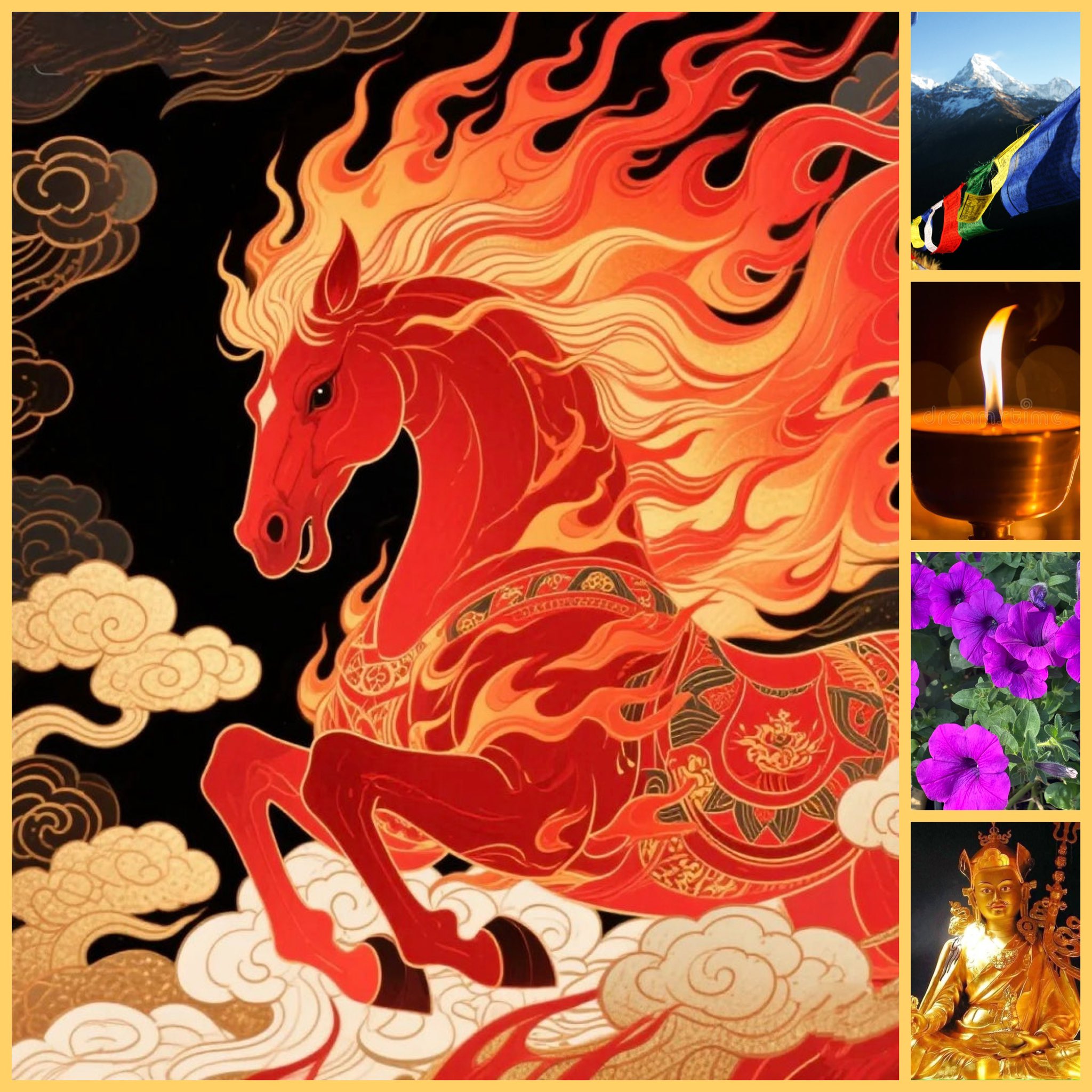
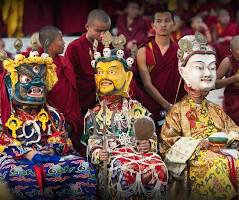

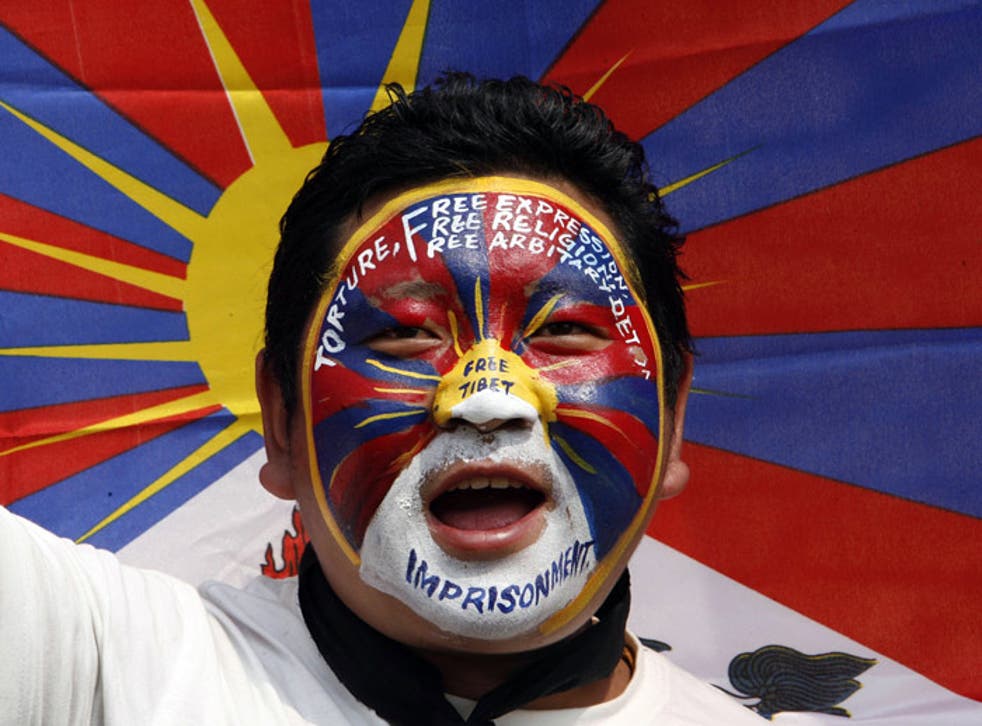

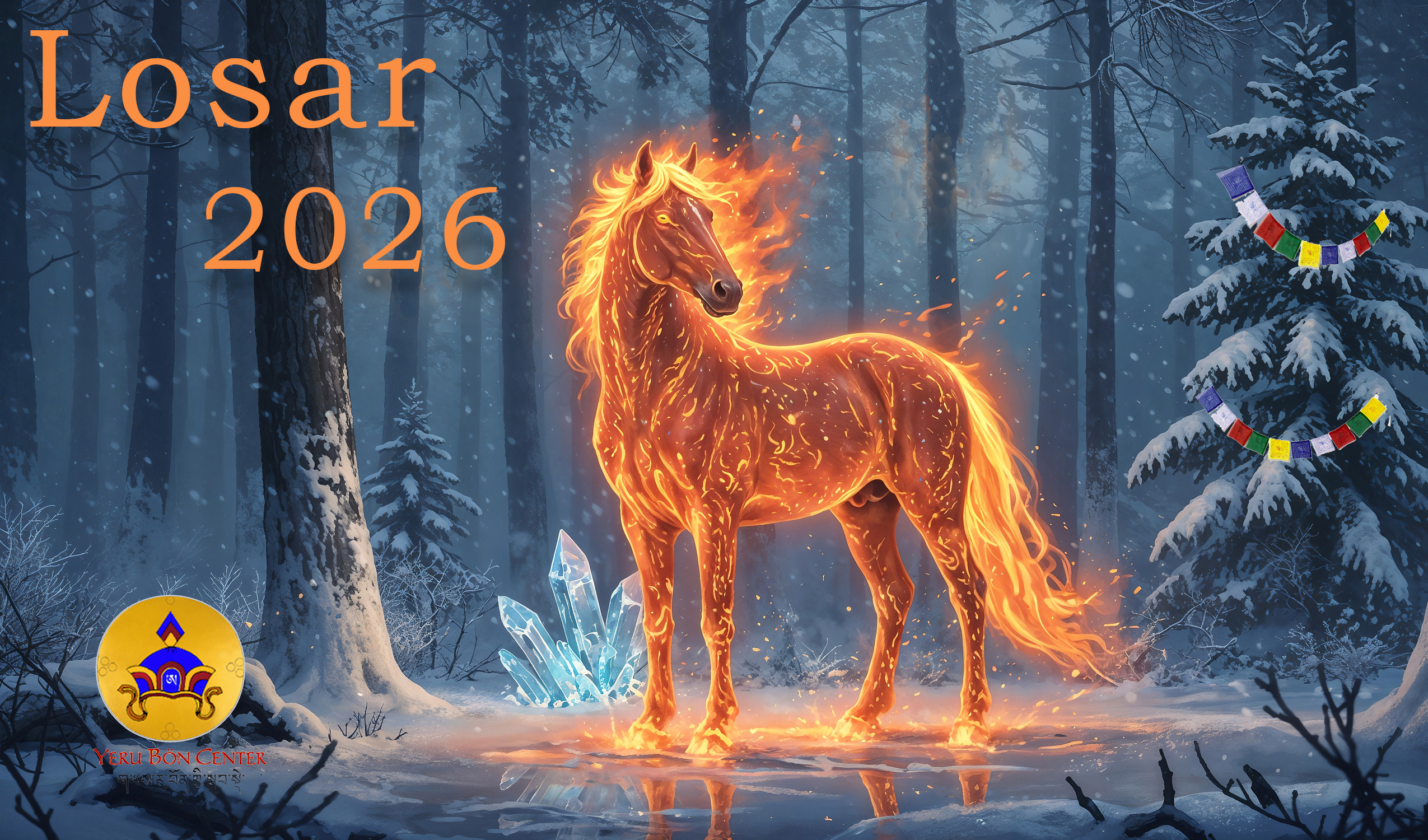
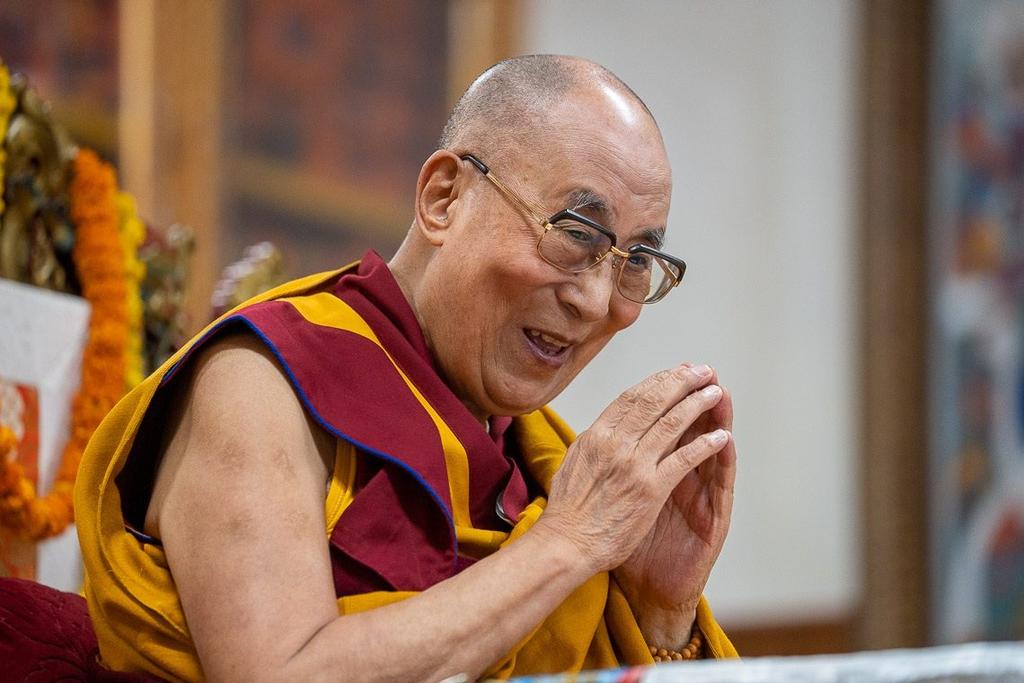
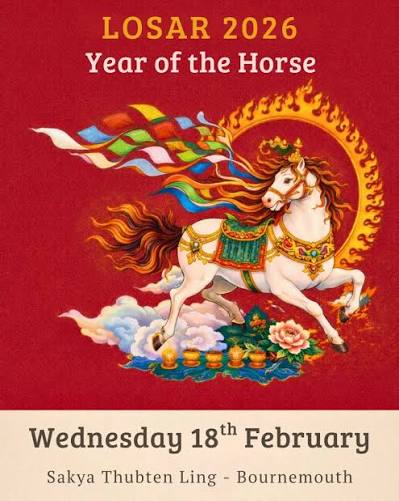
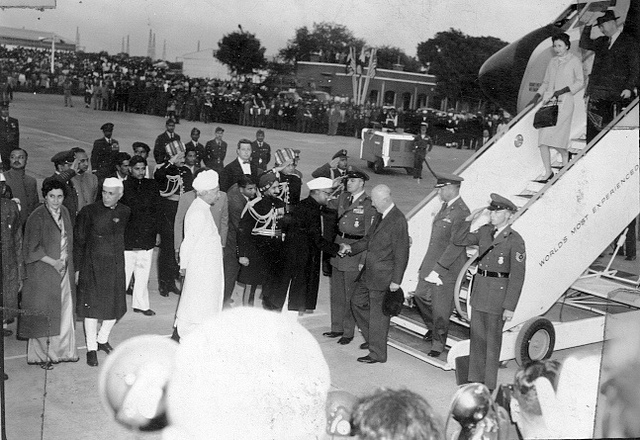


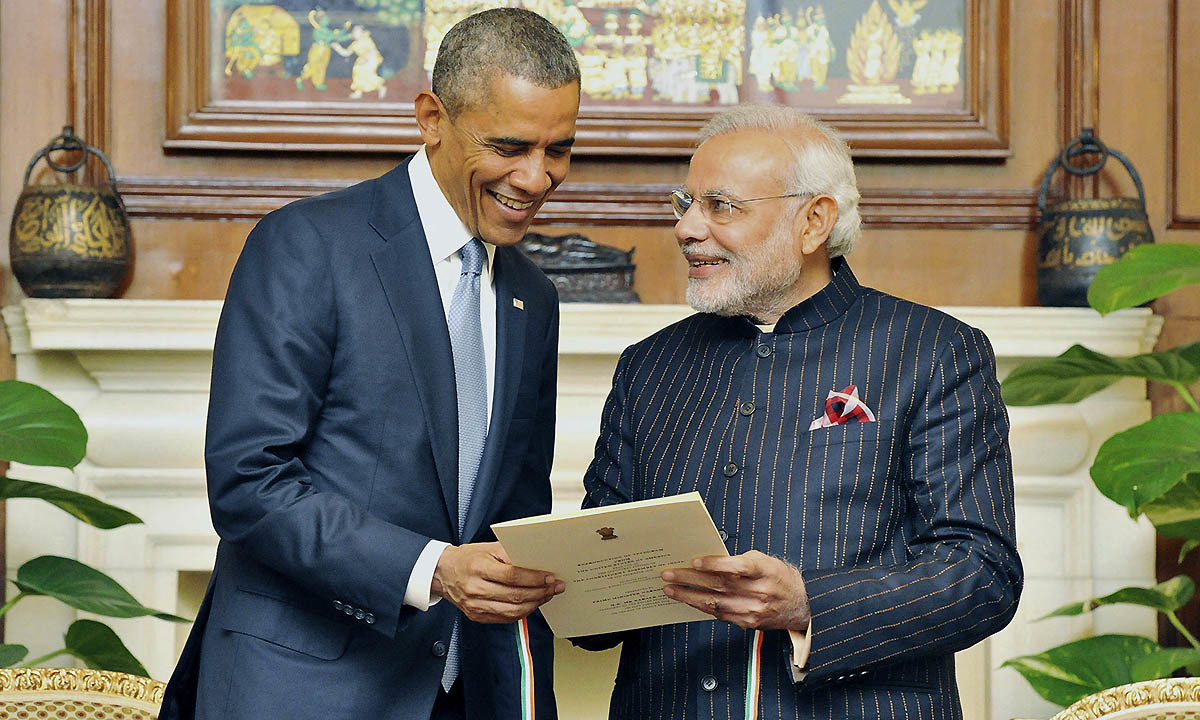
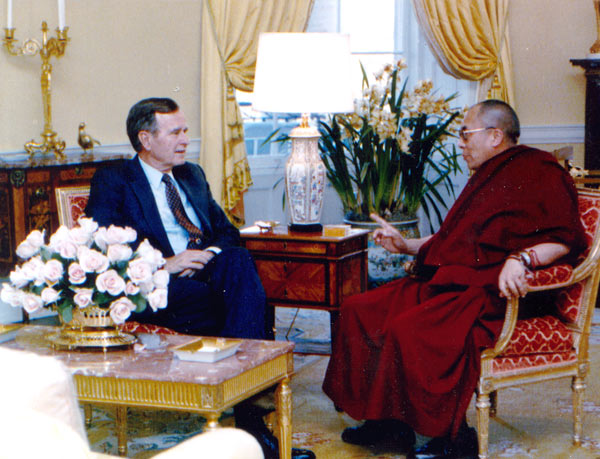

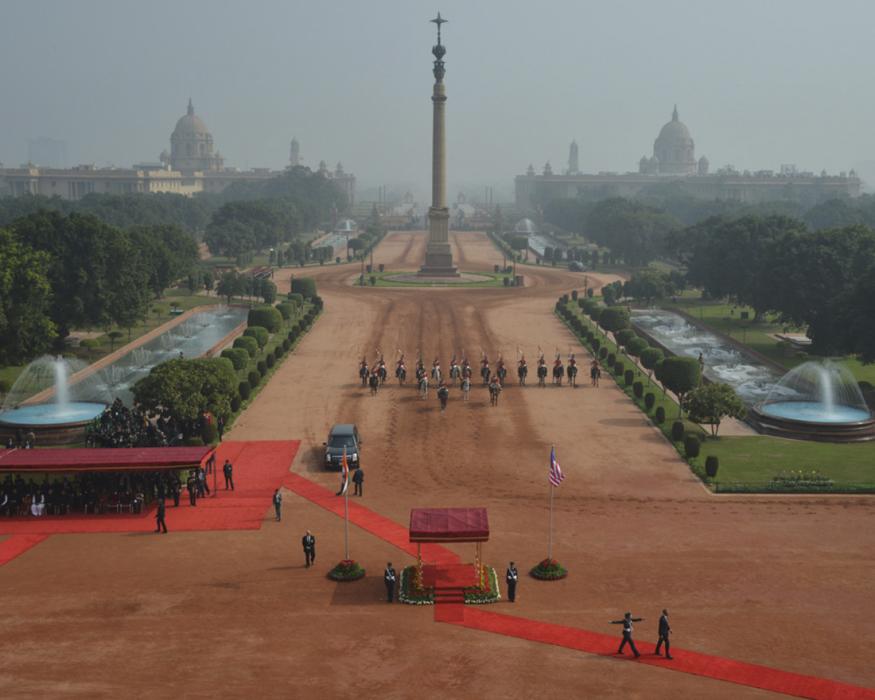


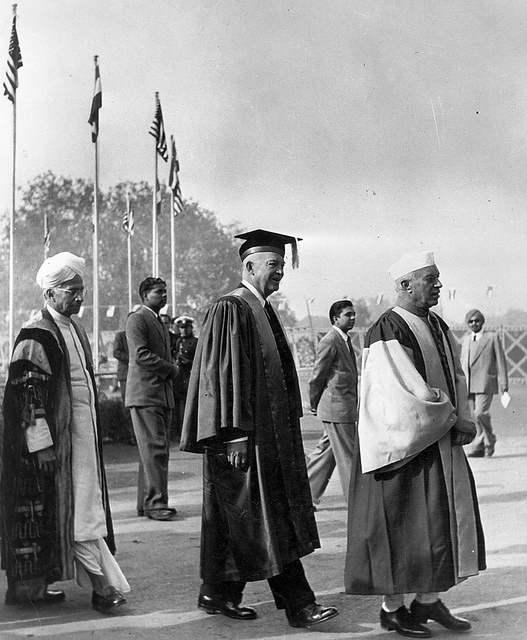

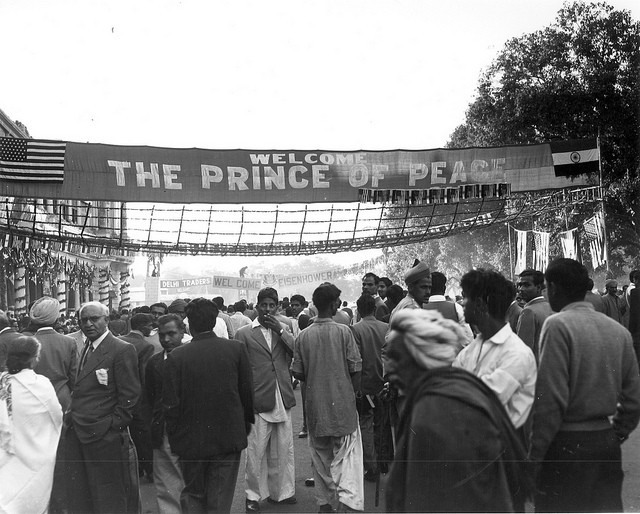
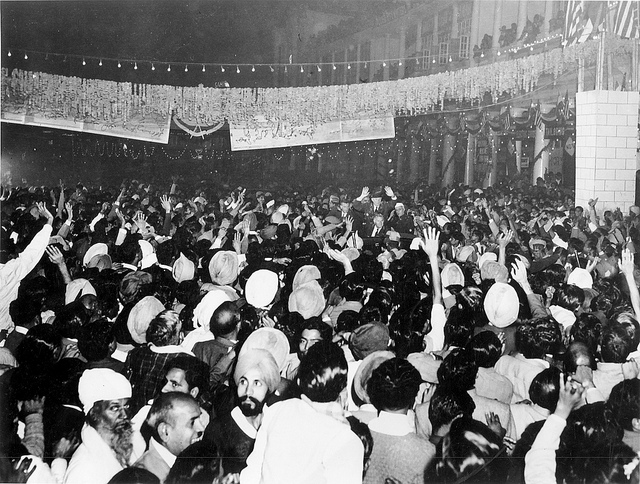
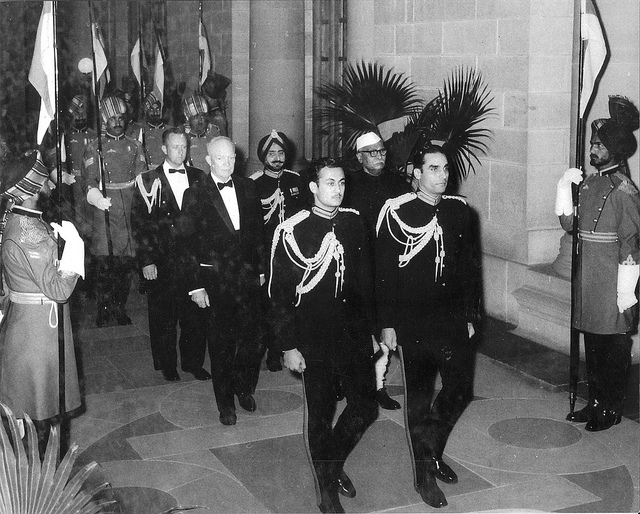

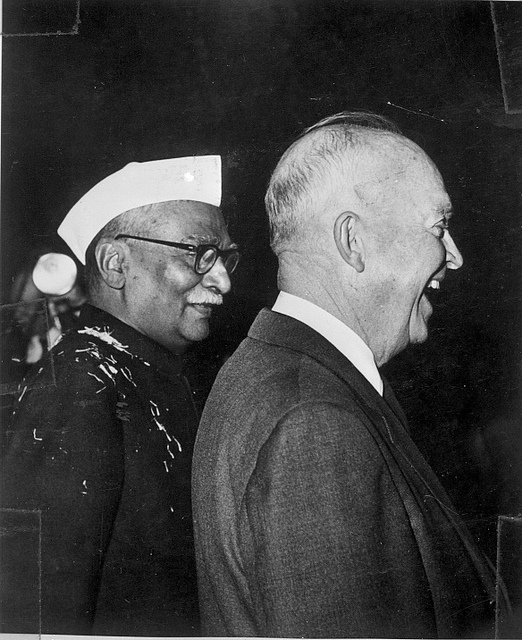


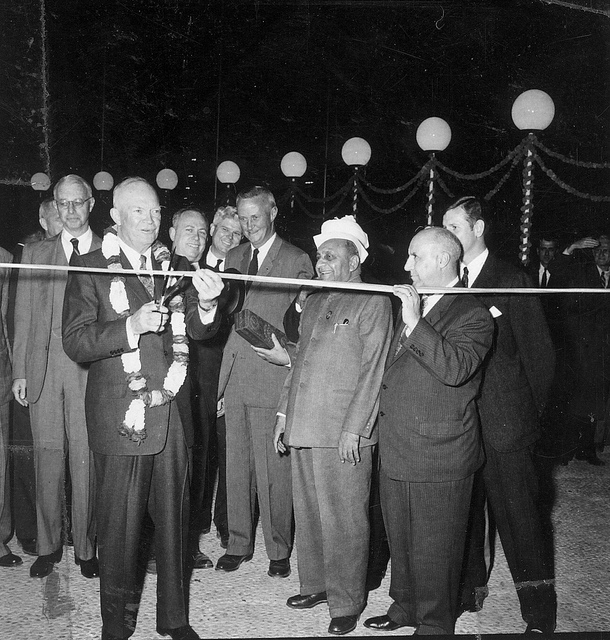
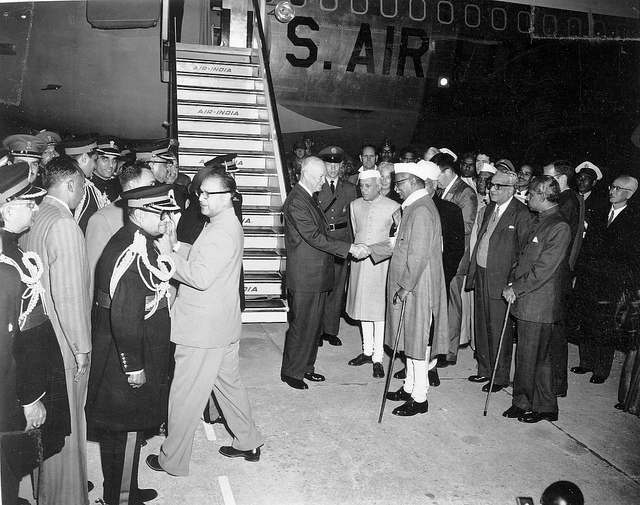


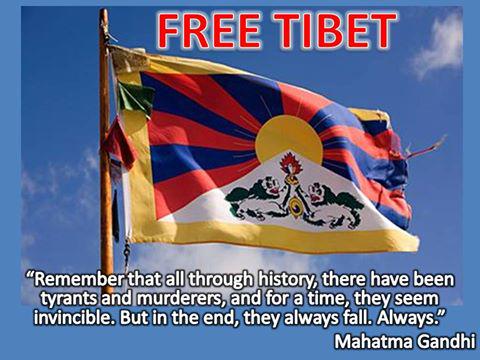

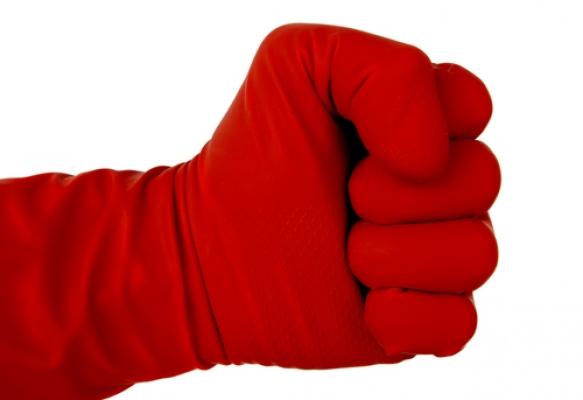
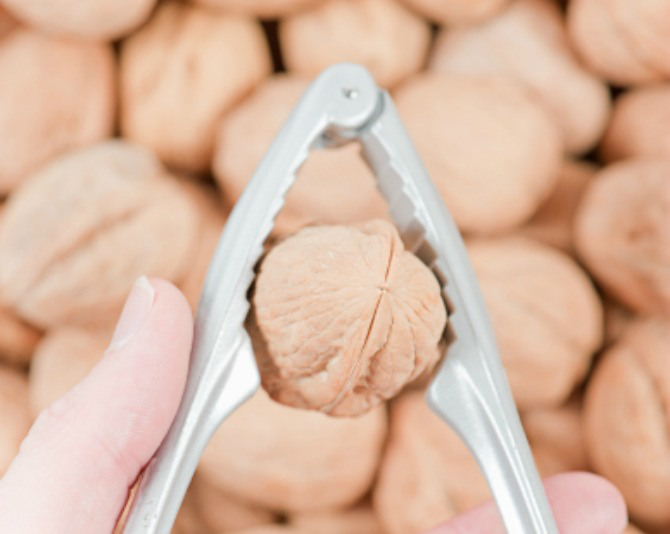
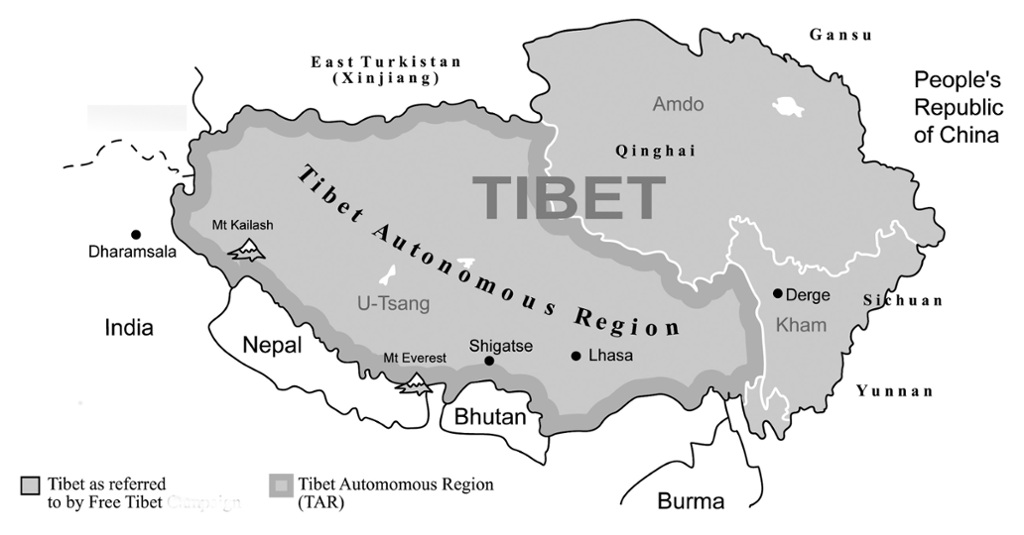


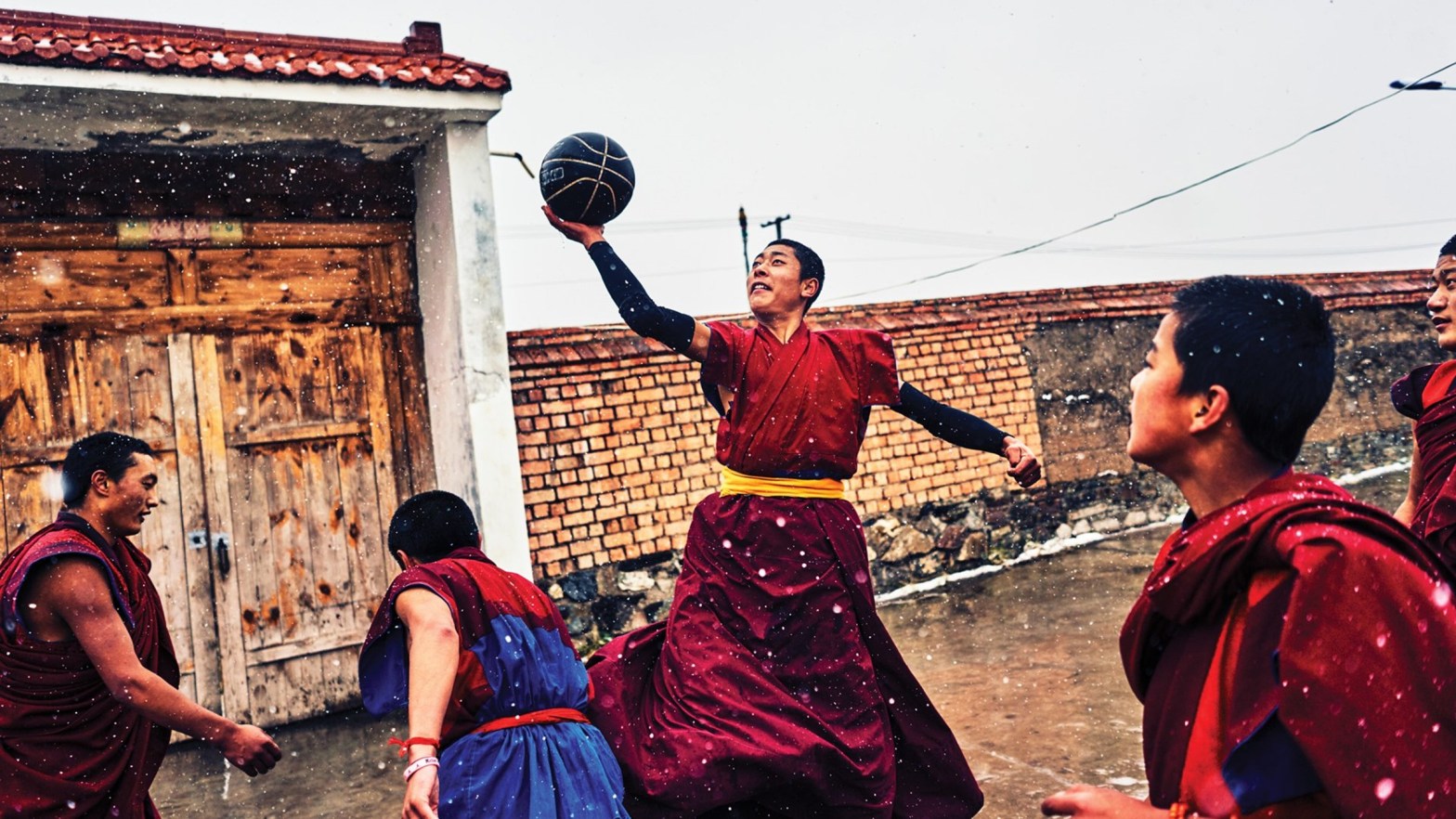


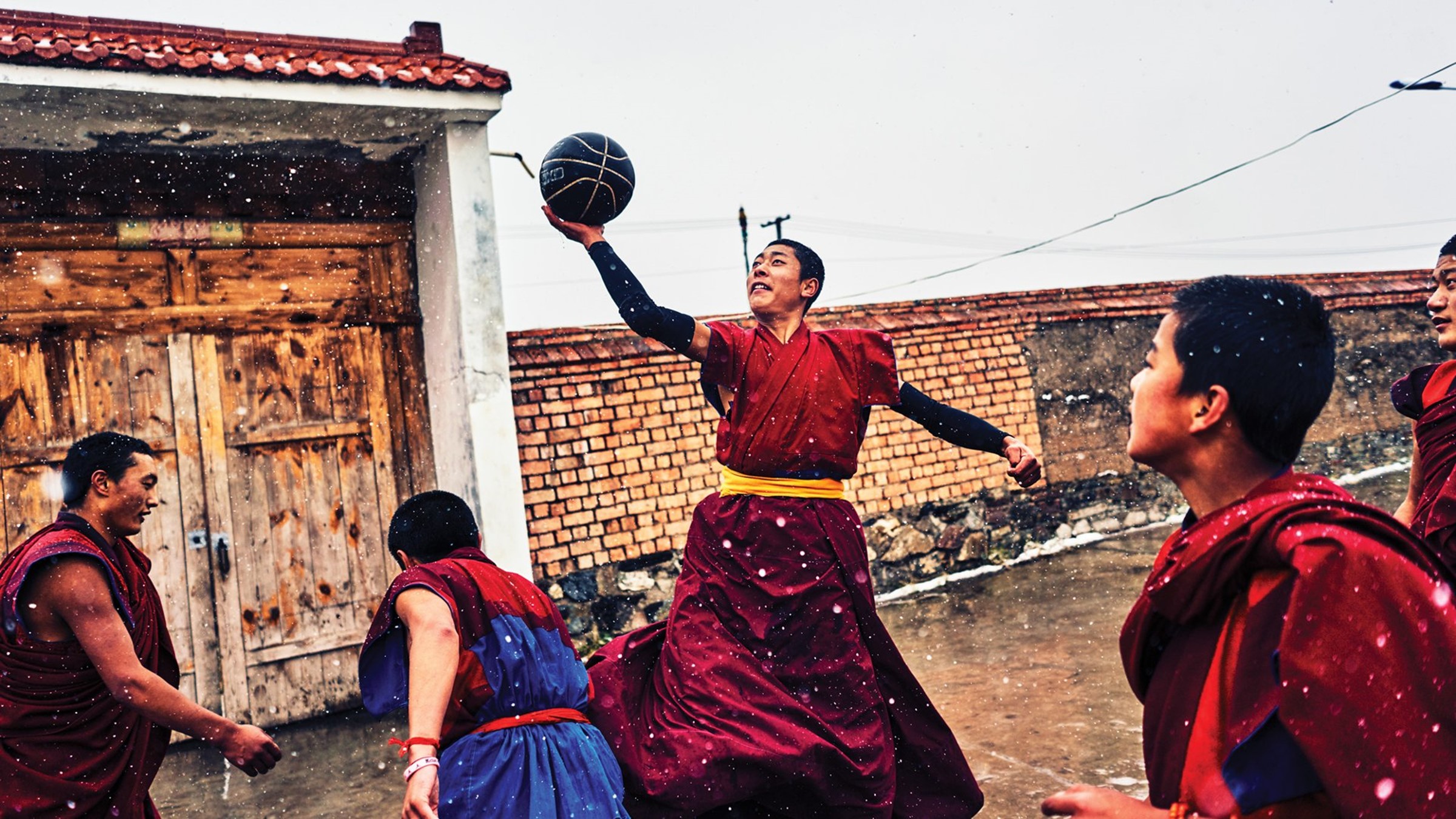
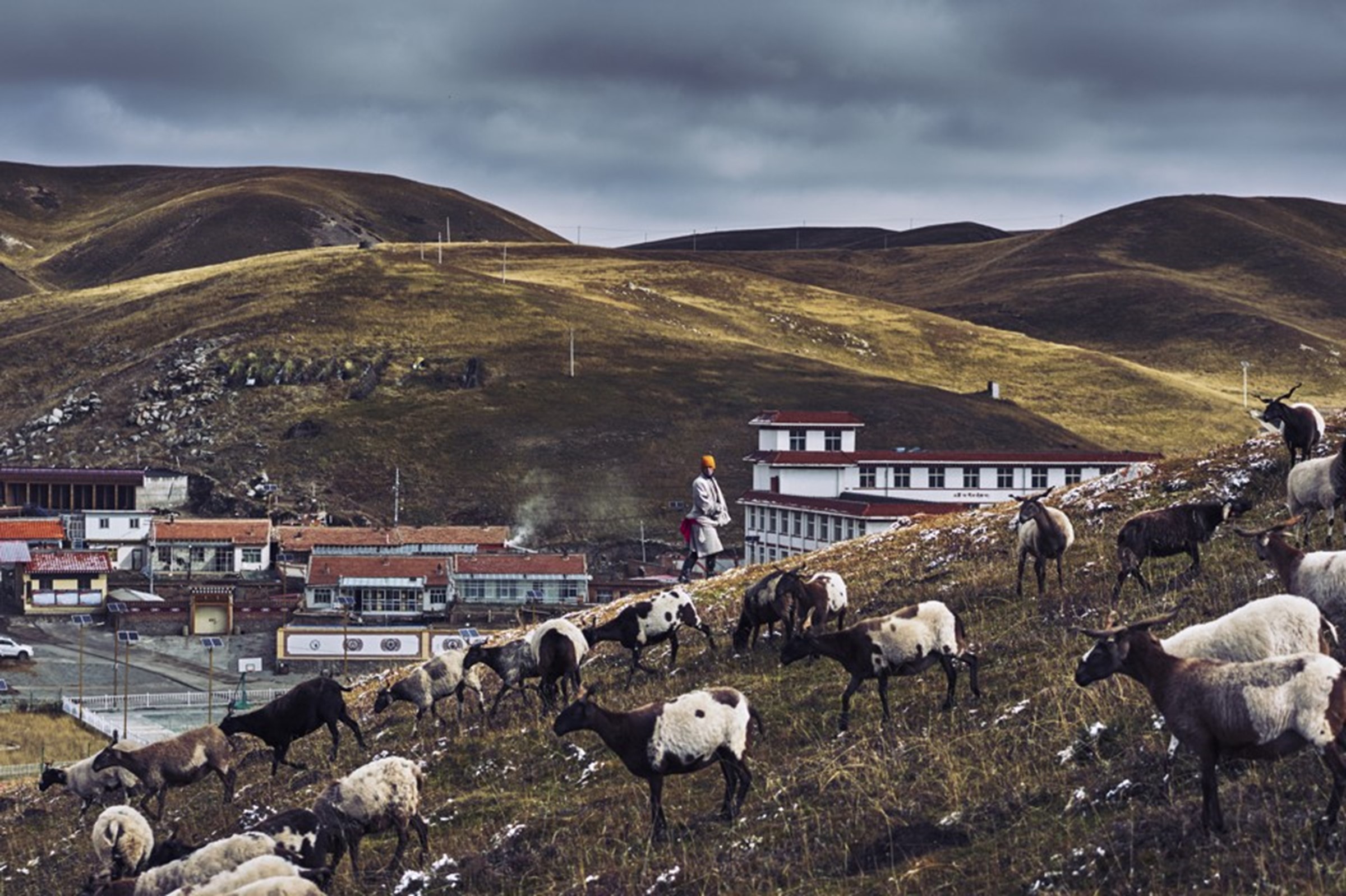
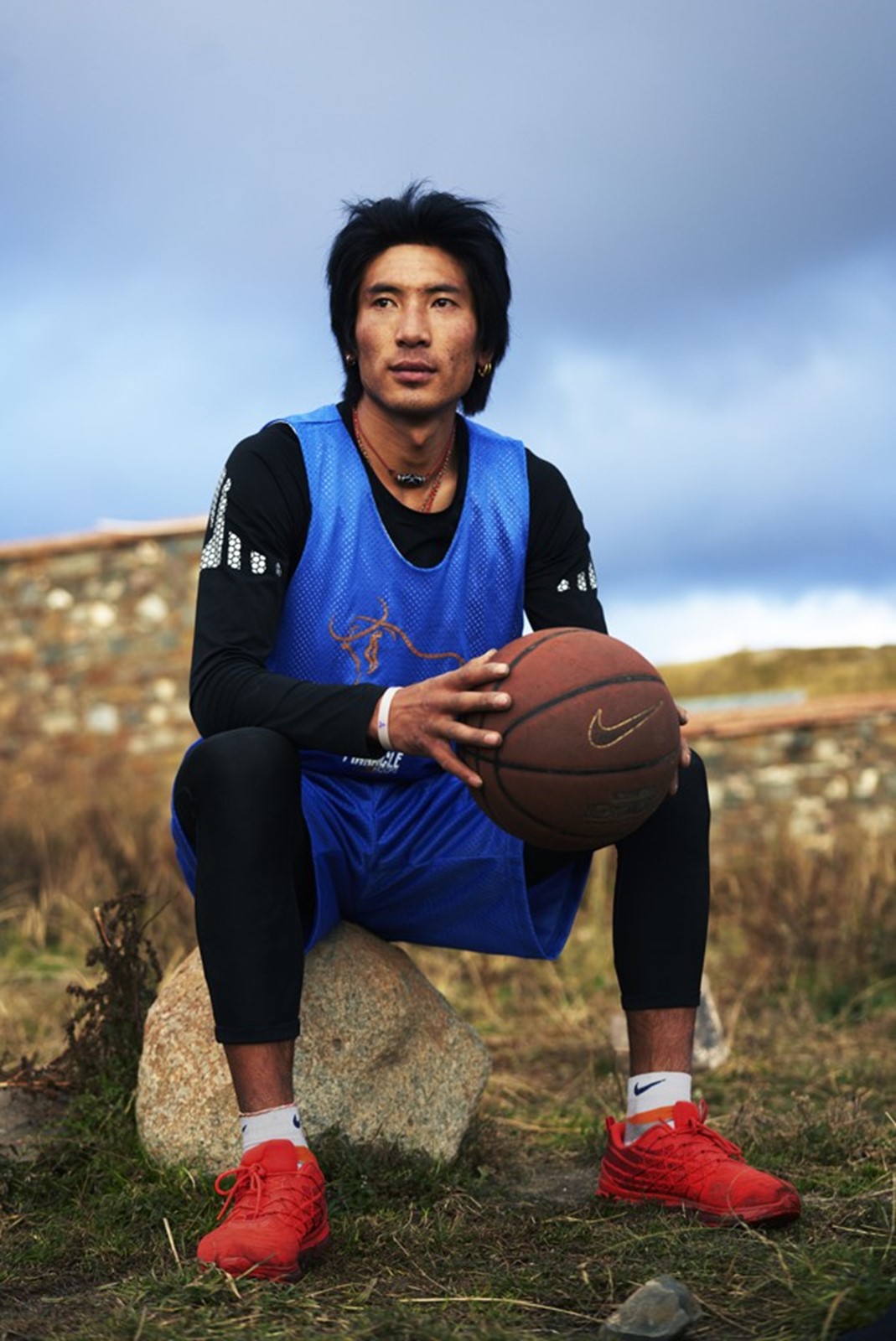

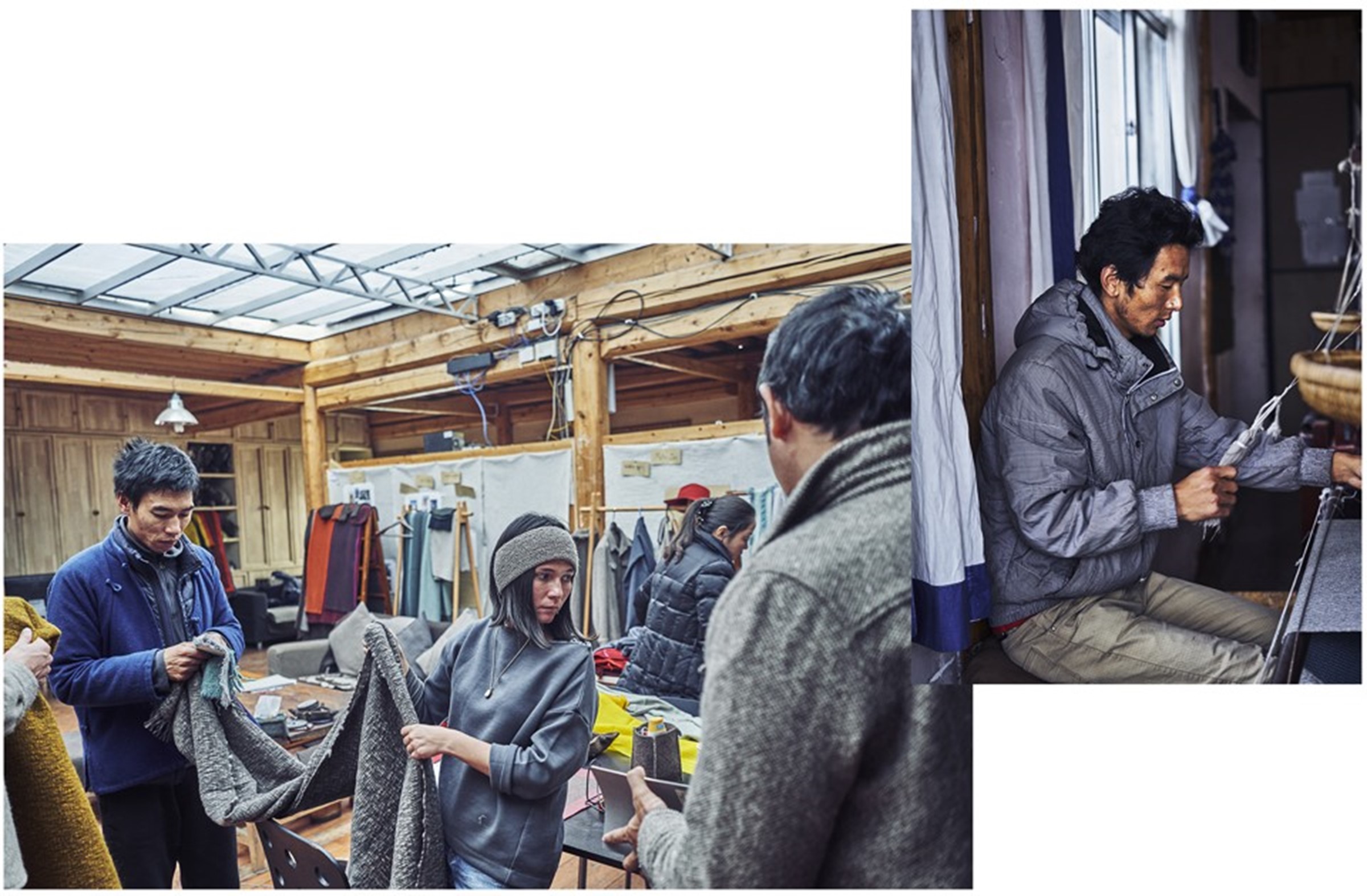
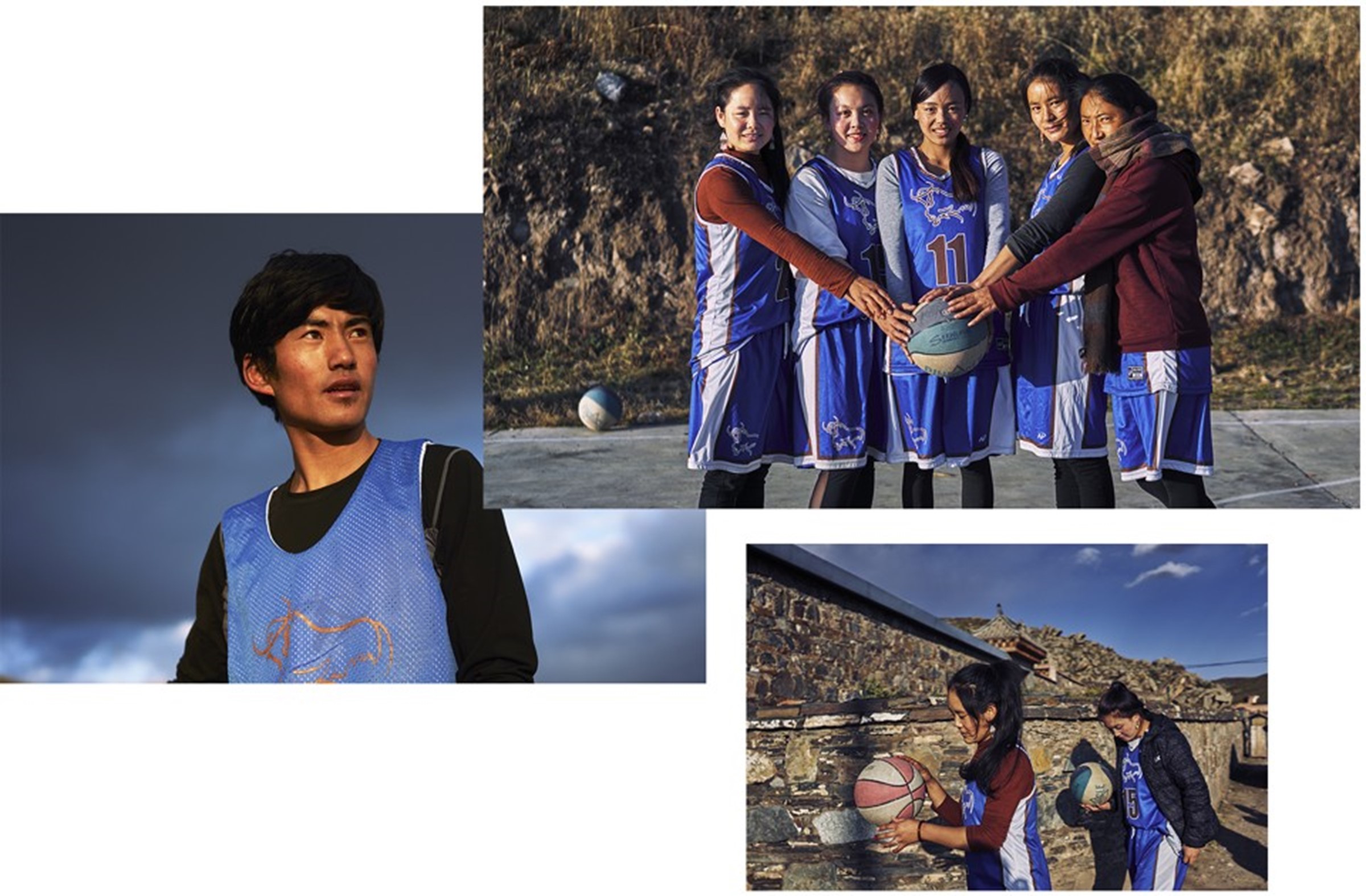
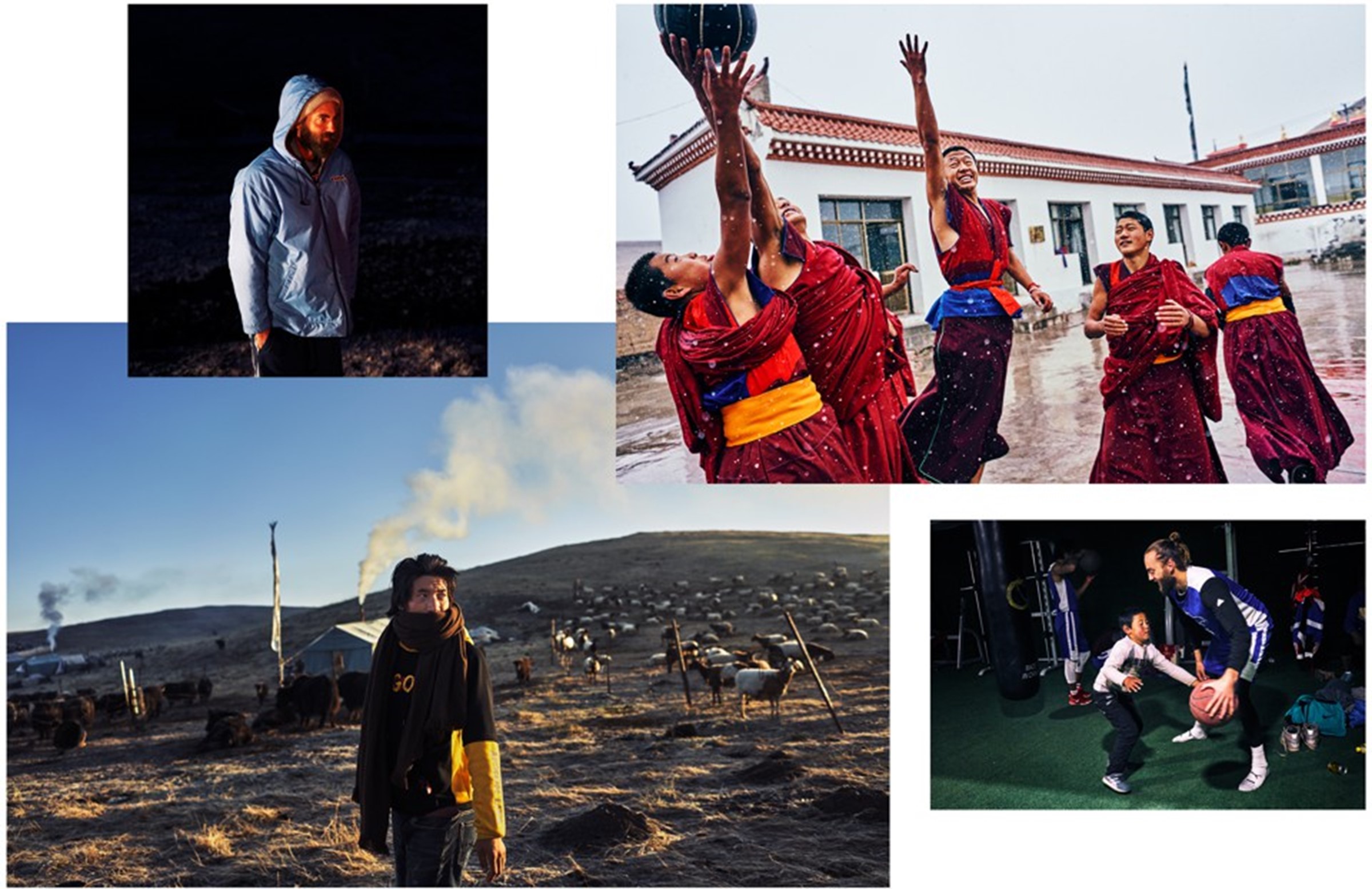

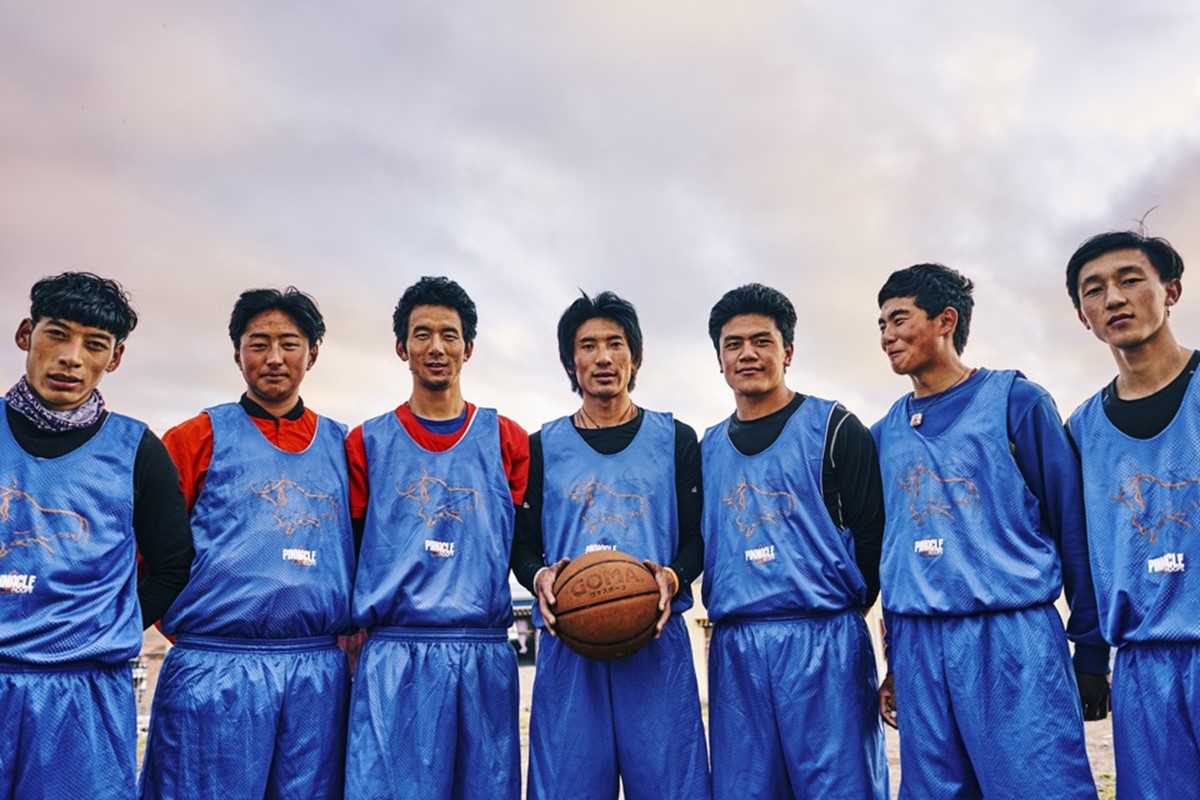


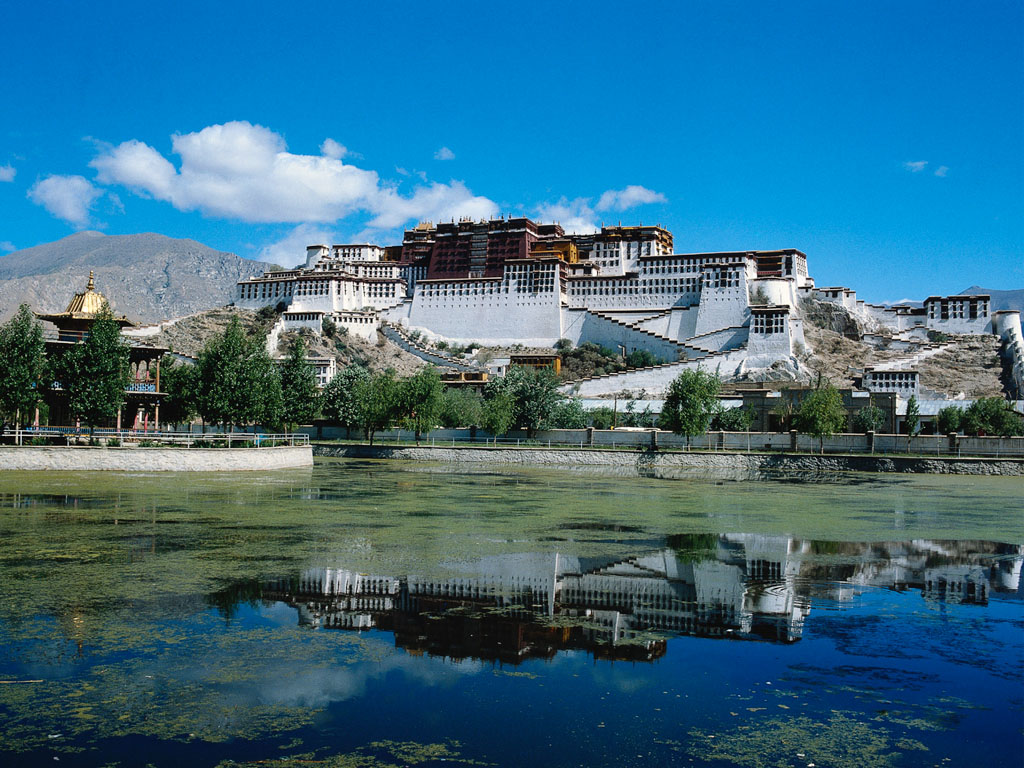


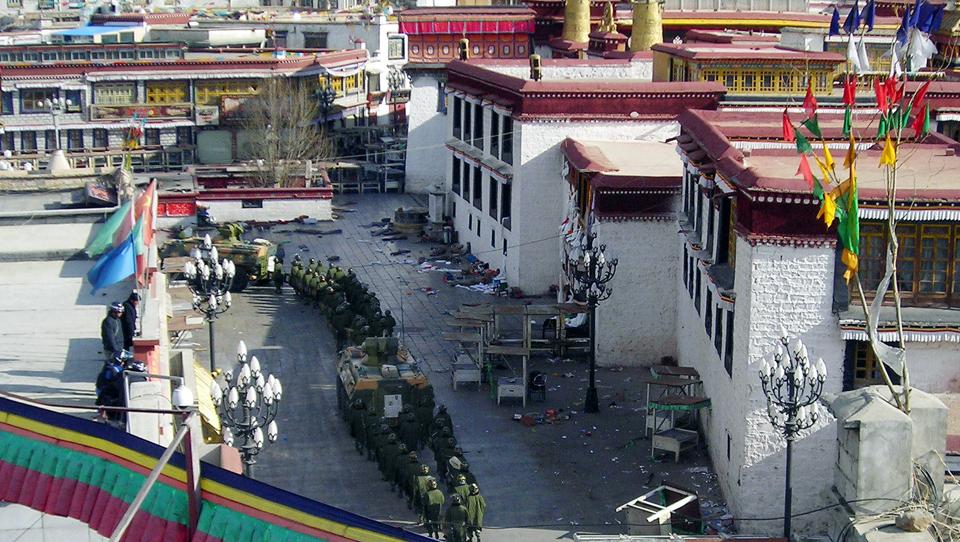
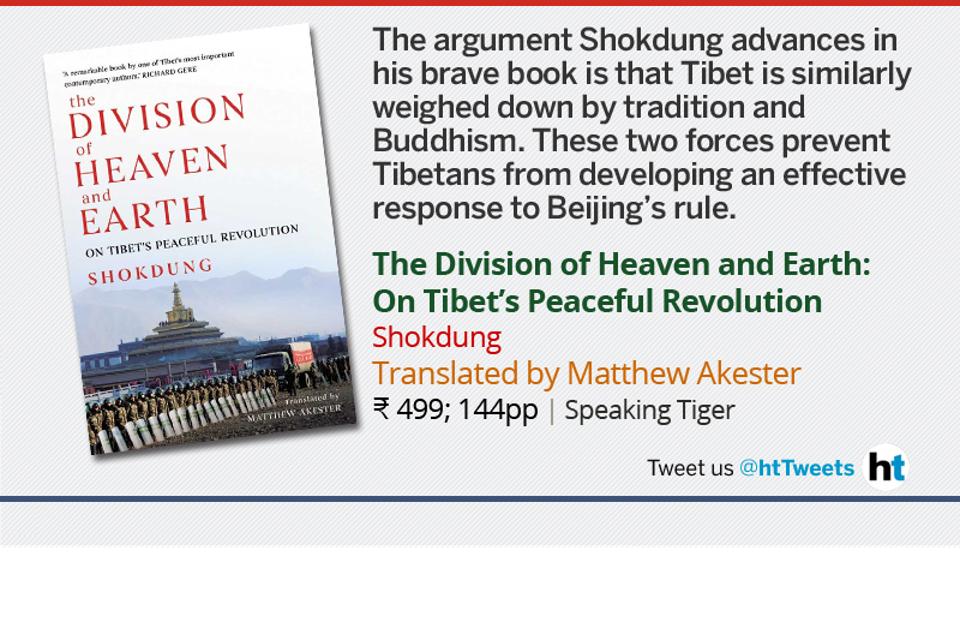
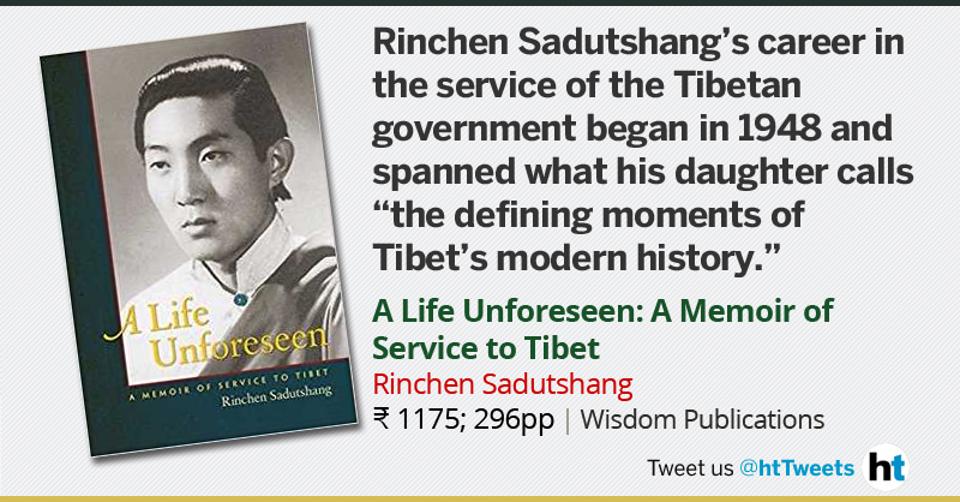




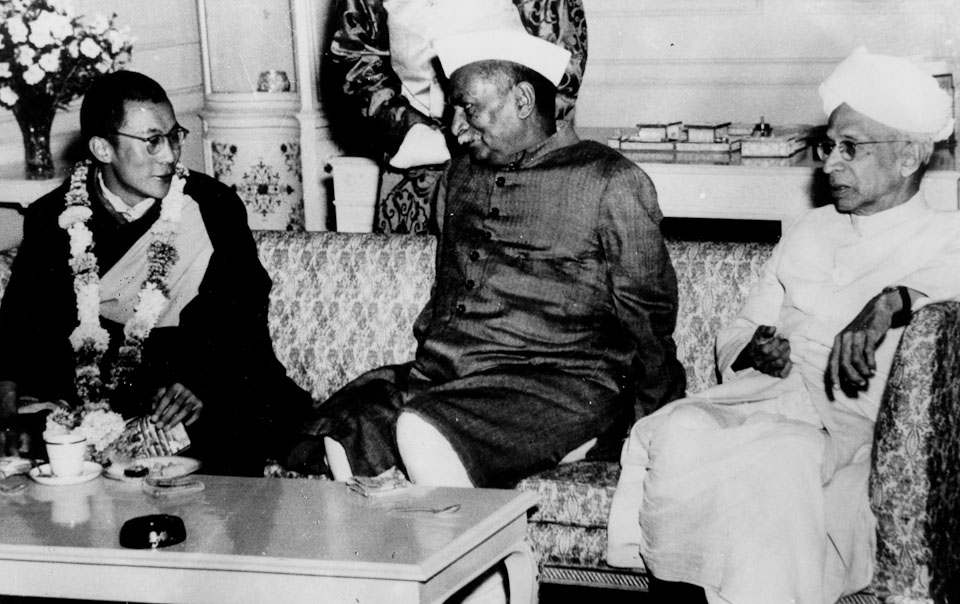


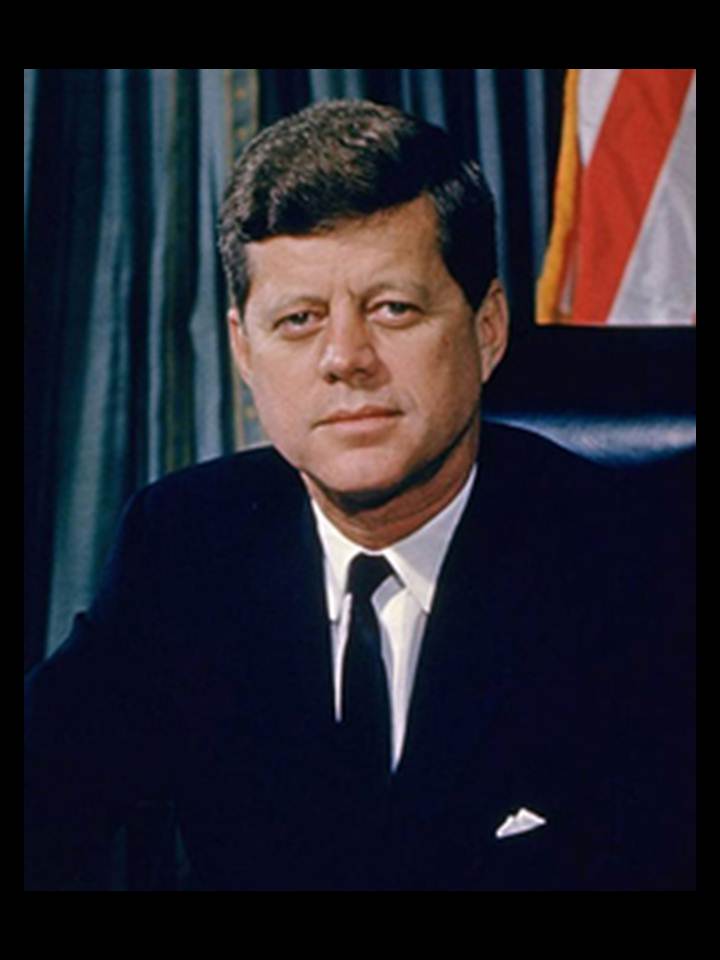
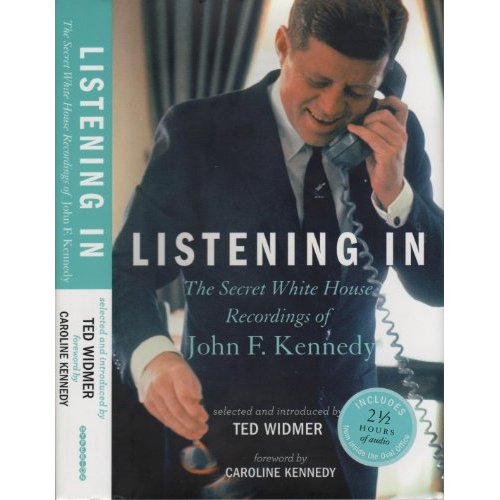


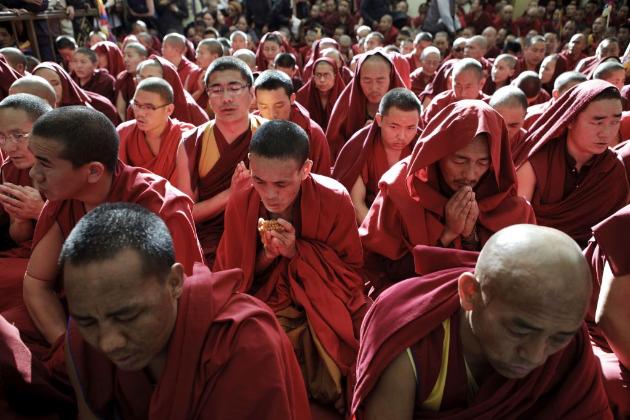
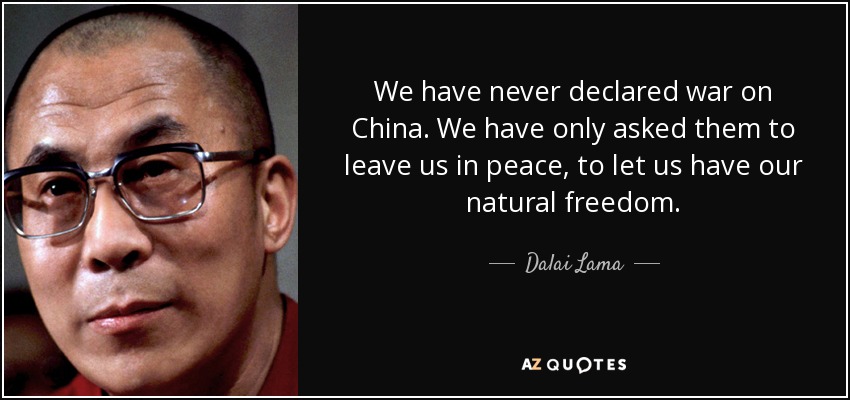

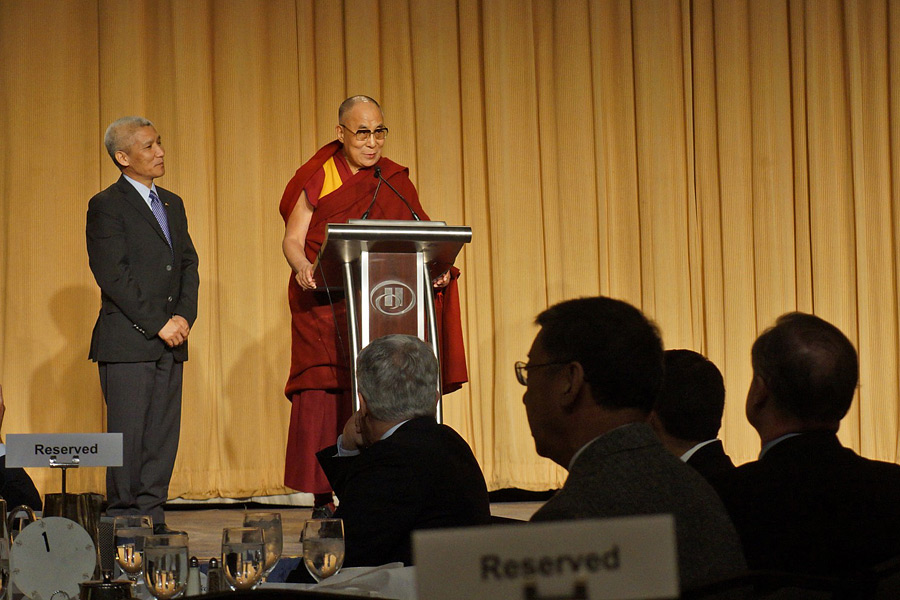


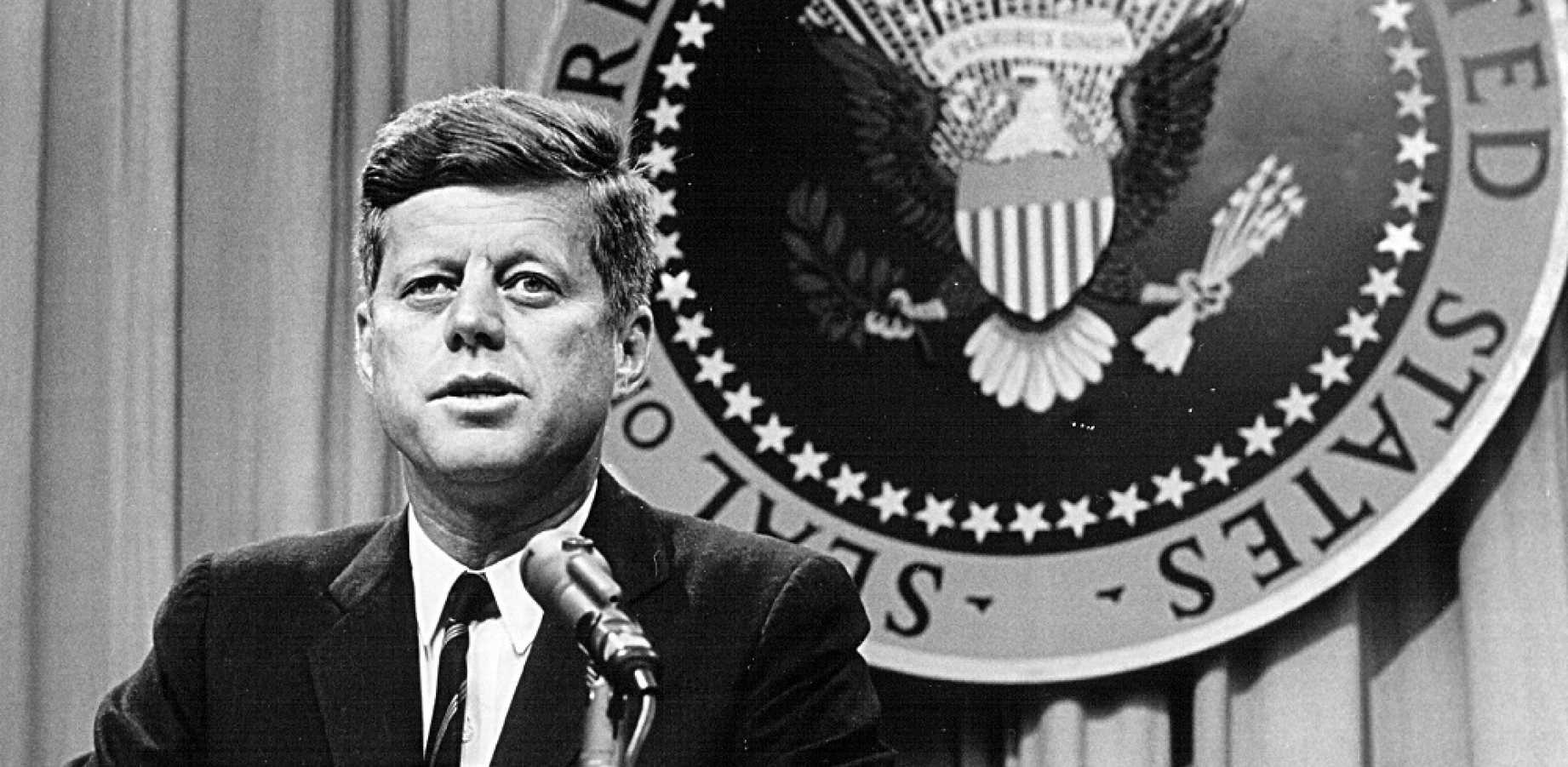
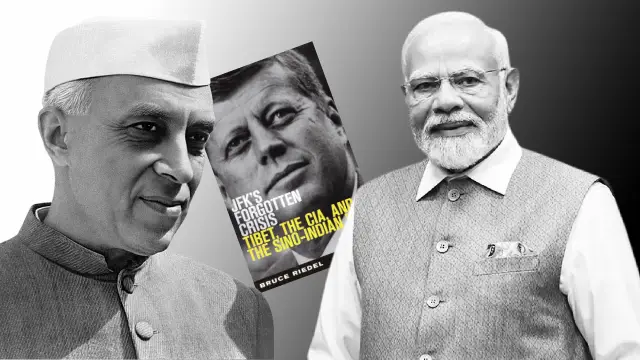
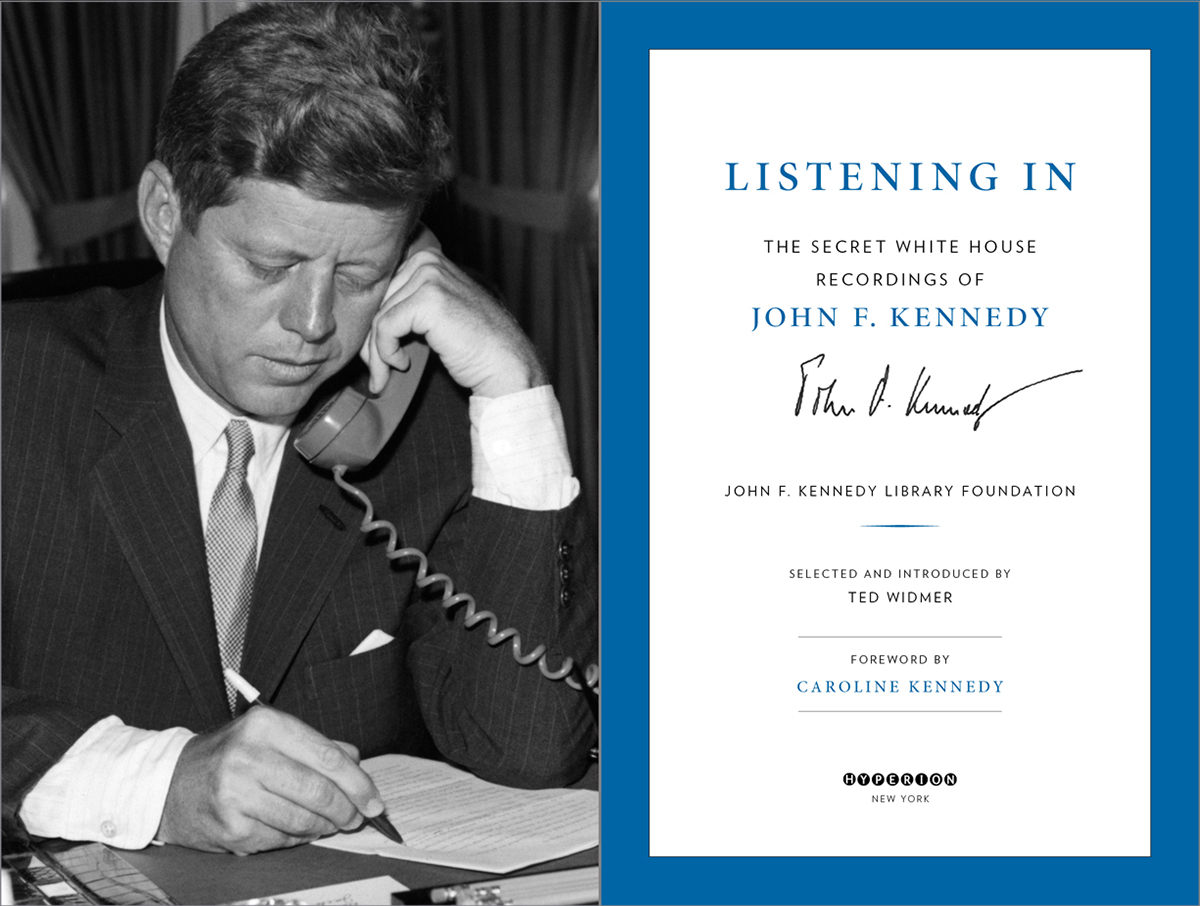

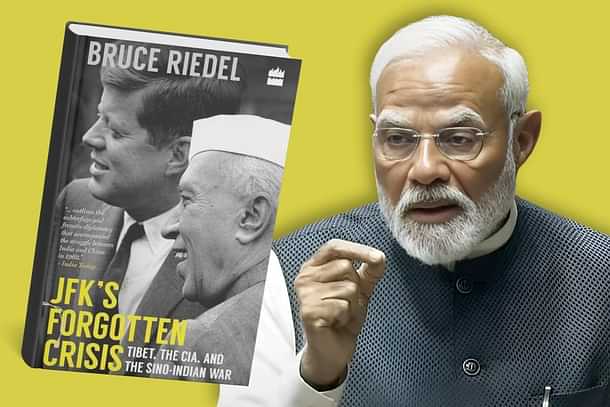
 Whole Dude - Whole Concept