Whole Hope – Tibet’s March of Living Hope – In March 1959, Tibetans marched with a sense of Hope.
‘Trouble in Tibet’ dates back to 1950 and Tibetans began their very long “March of Living Hope” in March 1959 following National Uprising against Red China’s military occupation. Tibetan Journey is far from over. If words can give any comfort, I ask Tibetans to continue this Journey with Patience and Perseverance until their “March of Living Hope” reaches its final destination.
Whole Hope – Tibet’s March of Living Hope – In March 1959, Tibetans marched with a sense of Hope.
“March of Living Hope” – Remarks by the US President at National Prayer Breakfast:
U.S. President Barack Obama takes the stage to speak at the National Prayer Breakfast in Washington, February 5, 2015. Flanking Obama are Pennsylvania Senator Robert Casey (L) and Mississippi Senator Roger Wicker. REUTERS/Kevin Lamarque
On behalf of Special Frontier Force I thank The White House (whitehouse.gov) for sharing with me ‘Remarks by the President at National Prayer Breakfast’. We join the President in this “March of Living Hope” to resolve ‘Trouble in Tibet’.
Rudra Narasimham Rebbapragada
Ann Arbor, MI 48104-4162 USA SPECIAL FRONTIER FORCE
THE WHITE HOUSE PRESIDENT BARACK OBAMA
The White House Office of the Press Secretary For Immediate Release February 05, 2015 Remarks by the President at National Prayer Breakfast Washington Hilton Washington, D.C. 9:13 A.M. EST
THE PRESIDENT: Thank you. Well, good morning. Giving all praise and honor to God. It is wonderful to be back with you here. I want to thank our co-chairs, Bob and Roger. These two don’t always agree in the Senate, but in coming together and uniting us all in prayer, they embody the spirit of our gathering today. I also want to thank everybody who helped organize this breakfast. It’s wonderful to see so many friends and faith leaders and dignitaries. And Michelle and I are truly honored to be joining you here today. I want to offer a special welcome to a good friend, His Holiness the Dalai Lama — who is a powerful example of what it means to practice compassion, who inspires us to speak up for the freedom and dignity of all human beings. (Applause.) I’ve been pleased to welcome him to the White House on many occasions, and we’re grateful that he’s able to join us here today. (Applause.) There aren’t that many occasions that bring His Holiness under the same roof as NASCAR. (Laughter.) This may be the first. (Laughter.) But God works in mysterious ways. (Laughter.) And so I want to thank Darrell for that wonderful presentation. Darrell knows that when you’re going 200 miles an hour, a little prayer cannot hurt. (Laughter.) I suspect that more than once, Darrell has had the same thought as many of us have in our own lives — Jesus, take the wheel. (Laughter.) Although I hope that you kept your hands on the wheel when you were thinking that. (Laughter.) He and I obviously share something in having married up. And we are so grateful to Stevie for the incredible work that they’ve done together to build a ministry where the fastest drivers can slow down a little bit, and spend some time in prayer and reflection and thanks. And we certainly want to wish Darrell a happy birthday. (Applause.) Happy birthday.I will note, though, Darrell, when you were reading that list of things folks were saying about you, I was thinking, well, you’re a piker. I mean, that — (laughter.) I mean, if you really want a list, come talk to me. (Laughter.) Because that ain’t nothing. (Laughter.) That’s the best they can do in NASCAR? (Laughter.) Slowing down and pausing for fellowship and prayer — that’s what this breakfast is about. I think it’s fair to say Washington moves a lot slower than NASCAR. Certainly my agenda does sometimes. (Laughter.) But still, it’s easier to get caught up in the rush of our lives, and in the political back-and-forth that can take over this city. We get sidetracked with distractions, large and small. We can’t go 10 minutes without checking our smartphones — and for my staff, that’s every 10 seconds. And so for 63 years, this prayer tradition has brought us together, giving us the opportunity to come together in humility before the Almighty and to be reminded of what it is that we share as children of God. And certainly for me, this is always a chance to reflect on my own faith journey. Many times as President, I’ve been reminded of a line of prayer that Eleanor Roosevelt was fond of. She said, “Keep us at tasks too hard for us that we may be driven to Thee for strength.” Keep us at tasks too hard for us that we may be driven to Thee for strength. I’ve wondered at times if maybe God was answering that prayer a little too literally. But no matter the challenge, He has been there for all of us. He’s certainly strengthened me “with the power through his Spirit,” as I’ve sought His guidance not just in my own life but in the life of our nation.
Now, over the last few months, we’ve seen a number of challenges — certainly over the last six years. But part of what I want to touch on today is the degree to which we’ve seen professions of faith used both as an instrument of great good, but also twisted and misused in the name of evil. As we speak, around the world, we see faith inspiring people to lift up one another — to feed the hungry and care for the poor, and comfort the afflicted and make peace where there is strife. We heard the good work that Sister has done in Philadelphia, and the incredible work that Dr. Brantly and his colleagues have done. We see faith driving us to do right. But we also see faith being twisted and distorted, used as a wedge — or, worse, sometimes used as a weapon. From a school in Pakistan to the streets of Paris, we have seen violence and terror perpetrated by those who profess to stand up for faith, their faith, professed to stand up for Islam, but, in fact, are betraying it. We see ISIL, a brutal, vicious death cult that, in the name of religion, carries out unspeakable acts of barbarism terrorizing religious minorities like the Yezidis, subjecting women to rape as a weapon of war, and claiming the mantle of religious authority for such actions.
We see sectarian war in Syria, the murder of Muslims and Christians in Nigeria, religious war in the Central African Republic, a rising tide of anti-Semitism and hate crimes in Europe, so often perpetrated in the name of religion.
So how do we, as people of faith, reconcile these realities — the profound good, the strength, the tenacity, the compassion and love that can flow from all of our faiths, operating alongside those who seek to hijack religious for their own murderous ends?
SPECIAL FRONTIER FORCE AT NATIONAL PRAYER BREAKFAST : HIS HOLINESS THE 14TH DALAI LAMA, THE EXILED TIBETAN LEADER WITH MS. VALERIE JARRETT, SENIOR ADVISER TO PRESIDENT BARACK OBAMA AT NATIONAL PRAYER BREAKFAST HELD AT WASHINGTON HILTON ON THURSDAY FEBRUARY 05, 2015.
So this is not unique to one group or one religion. There is a tendency in us, a sinful tendency that can pervert and distort our faith. In today’s world, when hate groups have their own Twitter accounts and bigotry can fester in hidden places in cyberspace, it can be even harder to counteract such intolerance. But God compels us to try. And in this mission, I believe there are a few principles that can guide us, particularly those of us who profess to believe.
And, first, we should start with some basic humility. I believe that the starting point of faith is some doubt — not being so full of yourself and so confident that you are right and that God speaks only to us, and doesn’t speak to others, that God only cares about us and doesn’t care about others, that somehow we alone are in possession of the truth.
Our job is not to ask that God respond to our notion of truth — our job is to be true to Him, His word, and His commandments. And we should assume humbly that we’re confused and don’t always know what we’re doing and we’re staggering and stumbling towards Him, and have some humility in that process. And that means we have to speak up against those who would misuse His name to justify oppression, or violence, or hatred with that fierce certainty. No God condones terror. No grievance justifies the taking of innocent lives, or the oppression of those who are weaker or fewer in number.
And so, as people of faith, we are summoned to push back against those who try to distort our religion — any religion — for their own nihilistic ends. And here at home and around the world, we will constantly reaffirm that fundamental freedom — freedom of religion — the right to practice our faith how we choose, to change our faith if we choose, to practice no faith at all if we choose, and to do so free of persecution and fear and discrimination.
There’s wisdom in our founders writing in those documents that help found this nation the notion of freedom of religion, because they understood the need for humility. They also understood the need to uphold freedom of speech, that there was a connection between freedom of speech and freedom of religion. For to infringe on one right under the pretext of protecting another is a betrayal of both.
But part of humility is also recognizing in modern, complicated, diverse societies, the functioning of these rights, the concern for the protection of these rights calls for each of us to exercise civility and restraint and judgment. And if, in fact, we defend the legal right of a person to insult another’s religion, we’re equally obligated to use our free speech to condemn such insults — (applause) — and stand shoulder-to-shoulder with religious communities, particularly religious minorities who are the targets of such attacks. Just because you have the right to say something doesn’t mean the rest of us shouldn’t question those who would insult others in the name of free speech. Because we know that our nations are stronger when people of all faiths feel that they are welcome, that they, too, are full and equal members of our countries.
So humility I think is needed. And the second thing we need is to uphold the distinction between our faith and our governments. Between church and between state. The United States is one of the most religious countries in the world — far more religious than most Western developed countries. And one of the reasons is that our founders wisely embraced the separation of church and state. Our government does not sponsor a religion, nor does it pressure anyone to practice a particular faith, or any faith at all. And the result is a culture where people of all backgrounds and beliefs can freely and proudly worship, without fear, or coercion — so that when you listen to Darrell talk about his faith journey you know it’s real. You know he’s not saying it because it helps him advance, or because somebody told him to. It’s from the heart.
That’s not the case in theocracies that restrict people’s choice of faith. It’s not the case in authoritarian governments that elevate an individual leader or a political party above the people, or in some cases, above the concept of God Himself. So the freedom of religion is a value we will continue to protect here at home and stand up for around the world, and is one that we guard vigilantly here in the United States.
Last year, we joined together to pray for the release of Christian missionary Kenneth Bae, held in North Korea for two years. And today, we give thanks that Kenneth is finally back where he belongs — home, with his family. (Applause.)
Last year, we prayed together for Pastor Saeed Abedini, detained in Iran since 2012. And I was recently in Boise, Idaho, and had the opportunity to meet with Pastor Abedini’s beautiful wife and wonderful children and to convey to them that our country has not forgotten brother Saeed and that we’re doing everything we can to bring him home. (Applause.) And then, I received an extraordinary letter from Pastor Abedini. And in it, he describes his captivity, and expressed his gratitude for my visit with his family, and thanked us all for standing in solidarity with him during his captivity.
And Pastor Abedini wrote, “Nothing is more valuable to the Body of Christ than to see how the Lord is in control, and moves ahead of countries and leadership through united prayer.” And he closed his letter by describing himself as “prisoner for Christ, who is proud to be part of this great nation of the United States of America that cares for religious freedom around the world.” (Applause.)
We’re going to keep up this work — for Pastor Abedini and all those around the world who are unjustly held or persecuted because of their faith. And we’re grateful to our new Ambassador-at-Large for International Religious Freedom, Rabbi David Saperstein — who has hit the ground running, and is heading to Iraq in a few days to help religious communities there address some of those challenges. Where’s David? I know he’s here somewhere. Thank you, David, for the great work you’re doing. (Applause.)
Humility; a suspicion of government getting between us and our faiths, or trying to dictate our faiths, or elevate one faith over another. And, finally, let’s remember that if there is one law that we can all be most certain of that seems to bind people of all faiths, and people who are still finding their way towards faith but have a sense of ethics and morality in them — that one law, that Golden Rule that we should treat one another as we wish to be treated. The Torah says “Love thy neighbor as yourself.” In Islam, there is a Hadith that states: “None of you truly believes until he loves for his brother what he loves for himself.” The Holy Bible tells us to “put on love, which binds everything together in perfect harmony.” Put on love.
Whatever our beliefs, whatever our traditions, we must seek to be instruments of peace, and bringing light where there is darkness, and sowing love where there is hatred. And this is the loving message of His Holiness, Pope Francis. And like so many people around the world, I’ve been touched by his call to relieve suffering, and to show justice and mercy and compassion to the most vulnerable; to walk with The Lord and ask “Who am I to judge?” He challenges us to press on in what he calls our “march of living hope.” And like millions of Americans, I am very much looking forward to welcoming Pope Francis to the United States later this year. (Applause.)
His Holiness expresses that basic law: Treat thy neighbor as yourself. The Dalai Lama — anybody who’s had an opportunity to be with him senses that same spirit. Kent Brantly expresses that same spirit. Kent was with Samaritan’s Purse, treating Ebola patients in Liberia, when he contracted the virus himself. And with world-class medical care and a deep reliance on faith — with God’s help, Kent survived. (Applause.)
And then by donating his plasma, he helped others survive as well. And he continues to advocate for a global response in West Africa, reminding us that “our efforts needs to be on loving the people there.” And I could not have been prouder to welcome Kent and his wonderful wife Amber to the Oval Office. We are blessed to have him here today — because he reminds us of what it means to really “love thy neighbor as thyself.” Not just words, but deeds.
Each of us has a role in fulfilling our common, greater purpose — not merely to seek high position, but to plumb greater depths so that we may find the strength to love more fully. And this is perhaps our greatest challenge — to see our own reflection in each other; to be our brother’s keepers and sister’s keepers, and to keep faith with one another. As children of God, let’s make that our work, together.
As children of God, let’s work to end injustice — injustice of poverty and hunger. No one should ever suffer from such want amidst such plenty. As children of God, let’s work to eliminate the scourge of homelessness, because, as Sister Mary says, “None of us are home until all of us are home.” None of us are home until all of us are home.
As children of God, let’s stand up for the dignity and value of every woman, and man, and child, because we are all equal in His eyes, and work to send the scourge and the sin of modern-day slavery and human trafficking, and “set the oppressed free.” (Applause.)
If we are properly humble, if we drop to our knees on occasion, we will acknowledge that we never fully know God’s purpose. We can never fully fathom His amazing grace. “We see through a glass, darkly” — grappling with the expanse of His awesome love. But even with our limits, we can heed that which is required: To do justice, and love kindness, and walk humbly with our God.
I pray that we will. And as we journey together on this “march of living hope,” I pray that, in His name, we will run and not be weary, and walk and not be faint, and we’ll heed those words and “put on love.”
May the Lord bless you and keep you, and may He bless this precious country that we love.
Thank you all very much. (Applause.)
END 9:37 A.M. EST
SPECIAL FRONTIER FORCE AT NATIONAL PRAYER BREAKFAST : PRESIDENTIAL PRAYER BREAKFAST WAS RENAMED AS NATIONAL PRAYER BREAKFAST IN 1970. SINCE 1980s THE EVENT IS HELD AT WASHINGTON HILTON AT 1919 CONNECTICUT AVENUE.SPECIAL FRONTIER FORCE AT NATIONAL PRAYER BREAKFAST :SPECIAL FRONTIER FORCE AT NATIONAL PRAYER BREAKFAST :SPECIAL FRONTIER FORCE AT NATIONAL PRAYER BREAKFAST :SPECIAL FRONTIER FORCE AT NATIONAL PRAYER BREAKFAST : HIS HOLINESS THE 14TH DALAI LAMA, THE EXILED TIBETAN LEADER WITH MS. VALERIE JARRETT, SENIOR ADVISER TO PRESIDENT BARACK OBAMA AT NATIONAL PRAYER BREAKFAST HELD AT WASHINGTON HILTON ON THURSDAY FEBRUARY 05, 2015.
TIBETAN RESISTANCE MOVEMENT – A DAY TO REMEMBER – MARCH 10, 1959
TIBETAN RESISTANCE MOVEMENT – A DAY TO REMEMBER – MARCH 10, 1959.
Tibetans remember March 10, 1959 as Tibetan National Uprising Day. Tibetans are not asking for “SEPARATION” from Red China. Tibetans claim that Tibet is Never Part of China. The issue of concern is illegal Occupation of Tibet. The purpose of Tibetan Resistance Movement is that of resisting illegal Occupation and to Evict Occupier of Tibet.
Tibetan Resistance Movement. A Day to Remember, March 10, 1959.
TIBETAN RESISTANCE MOVEMENT. A DAY TO REMEMBER, MARCH 10, 1959. TIBETAN NATIONAL UPRISING DAY.
Author History.com Staff
On this day in 1959, Tibetans band together in revolt, surrounding the summer palace of the Dalai Lama in defiance of Chinese occupation forces.
China’s occupation of Tibet began nearly a decade before, in October 1950, when troops from its People’s Liberation Army (PLA) invaded the country, barely one year after the Communists gained full control of mainland China. The Tibetan government gave into Chinese pressure the following year, signing a treaty that ensured the power of His Holiness the Dalai Lama, the country’s spiritual leader, over Tibet’s domestic affairs. Resistance to the Chinese occupation built steadily over the next several years, including a revolt in several areas of eastern Tibet in 1956. By December 1958, rebellion was simmering in Lhasa, the capital, and the PLA command threatened to bomb the city if order was not maintained.
The March 1959 uprising in Lhasa was triggered by fears of a plot to kidnap the Dalai Lama and take him to Beijing. When Chinese military officers invited His Holiness to visit the PLA headquarters for a theatrical performance and official tea, he was told he must come alone, and that no Tibetan military bodyguards or personnel would be allowed past the edges of the military camp. On March 10, 300,000 loyal Tibetans surrounded Norbulingka Palace, preventing the Dalai Lama from accepting the PLA’s invitation. By March 17, Chinese artillery was aimed at the palace, and the Dalai Lama was evacuated to neighboring India. Fighting broke out in Lhasa two days later, with Tibetan rebels hopelessly outnumbered and outgunned. Early on March 21, the Chinese began shelling Norbulingka, slaughtering tens of thousands of men, women and children still camped outside. In the aftermath, the PLA cracked down on Tibetan resistance, executing the Dalai Lama’s guards and destroying Lhasa’s major monasteries along with thousands of their inhabitants.
China’s stranglehold on Tibet and its brutal suppression of separatist activity has continued in the decades following the unsuccessful uprising. Tens of thousands of Tibetans followed their leader to India, where the Dalai Lama has long maintained a government-in-exile in the foothills of the Himalayas.
WORLD TIBET DAY IS OBSERVED ON MONDAY, JULY 06, 2015. FREE TIBET – LONDON PROTEST ON MARCH 10, 2015.
Remembering historical events of March 10, 1959, I am very happy to share J. Norbu’s tribute to Tibetan official photographer Jigme Taring.
The Mystery of the March 10 Photographer
By J. Norbu
Last year, when putting together the March 10th Memorial website, a major problem I encountered was obtaining photographs and film footage for this critical period in our modern history. Three black-&-white photographswere all there was of the public demonstration on the morning of March 10th.
REMEMBERING MARCH 10, 1959. TRIBUTE TO TIBETAN OFFICIAL PHOTOGRAPHER JIGME TARING.
Possibly the most reproduced of these three photos is that of the enormous crowd gathered before the eastern gate of the Norbulingka palace. A snow lion statue is in the right foreground with the scene extending back to somewhere near the Chango bridge on the Norbulingka–Lhasa road.
REMEMBERING MARCH 10, 1959. TRIBUTE TO TIBETAN OFFICIAL PHOTOGRAPHER JIGME TARING.
The second photo gives us an even further view of the crowd and shows people from Lhasa streaming to joining the gathering. You also get a glimpse of the Chakpori in the distance. The third photo is disturbing. We have a partial view of the mutilated body of Phakpala Khenchung Sonam Gyaltsen behind one of the two snow lion statues in front of the main gate, surrounded by people brandishing daggers, swords and even a hatchet.
Remembering March 10, 1959. Tribute to Tibetan Official Photographer Jigme Taring.
A few of the people are looking up at the photographer who evidently took his picture from one of the two squarish turrets on either side of the main gate, most likely the one on the right as the head of the snow-lion is turned to the left. All three photographs have most likely been taken by the same photographer as the vantage point of all three images appear to be the same.
Remembering March 10, 1959. Tribute to Tibetan Official Photographer Jigme Taring.
My guess is that the photographer was probably Jigme Taring. The people knew him as the Dalai Lama’s official photographer and perhaps that’s why don’t appear particularly hostile to him. We know the public was otherwise very angry, even violent that day. Of course, we cannot be certain that Taring took these photographs, but so far, I have not come across any mention of another official in the Norbulingka that day who might have taken these photographs.
Remembering March 10, 1959. Tribute to Tibetan Official Photographer Jigme Taring.
It is further possible that Jigme Taring also took the two photographs we have of the women’s demonstrations before the Potala Palace at the Dribu Yukhai Thang (where government barley was threshed).
Remembering March 10, 1959. Tribute to Tibetan Official Photographer Jigme Taring.
Photo of Jigme Taring shooting a cine-camera, with his still-camera and flash by his side. Photo by Chen Zonglie, Xinhua News Agency.
Jigme Taring was in and out of Norbulingka in the subsequent days, but during the night of the artillery barrage and the next day of the PLA attack he was inside the Summer Palace. It is therefore more than possible that the color images below of armed Tibetan volunteer fighters inside and outside the Norbulingka walls were taken by Jigme Taring. These scenes were shot on color film, most probably on the “official” cine-camera that Jigme Taring had earlier used to film the Dalai Lama’s Geshe examinations.
Remembering March 10, 1959. Tribute to photographer Jigme Taring. H.H. The Dalai Lama at his Geshe examination.
The Dalai Lama debating at his Geshe examination. From the official film shot by Jigme Taring.
He had probably used what was left of his color film stock to record the scenes at the Norbulingka. We now know that in the chaos Taring left the cine-camera behind in Norbulingka with a young official, and it is almost certain that the Chinese later obtained the camera and film. Some of the footage taken by Taring later appeared (in black& white) in the Chinese propaganda film Putting Down the Rebellion in Tibet. The Chinese Propaganda Department was then using black and white film, and only a few years later used color film for their documentary, By The Lhasa River. The color footage of the Taring film have also appeared in other documentaries and are probably now available somewhere in Beijing.
The following images are screenshots taken off a video made from the color film. In the first image the person sitting in the foreground, right, looks very much like a young Juchen Thupten Namgyal of Derge, who in his 22 volume (!) autobiography mentions that he was a volunteer defender at the Norbulingka.
Remembering March 10, 1959. Tribute to photographer Jigme Taring.Remembering March 10, 1959. Tribute to photographer Jigme Taring.Remembering March 10, 1959. Tribute to photographer Jigme Taring.Remembering March 10, 1959. Tribute to photographer Jigme Taring.
We cannot be sure but the next three images are possibly scenes inside and outside the Norbulingka. The neat walls in the second and third image could be the outer wall of the Norbulingka and the yellow wall in the fourth image could be that of the interior compound, which was traditionally painted yellow.
The Chinese also shot some black & white footage of Tibetan volunteers outside the Norbulingka though it was understandably taken from a distance. A Chinese journalist Shan Chao [1] accompanied some PLA officers in a convoy of three armored cars on Monday the 16th to survey the trenches and fortifications the “rebels” were building at the northern end of the Norbulingka. A cameraman from the propaganda department recorded the scene on film.
Remembering March 10, 1959. Tribute to Photographer Jigme Taring.Remembering March 10, 1959. Tribute to Photographer Jigme Taring.
In conclusion, I would like to dedicate this post to the memory of Jigme Taring – photographer and man of courage. In March 1959, he went to the Norbulingka to serve and protect the Dalai Lama and remained there through the period of the Dalai Lama’s escape, and during the subsequent fighting. In his autobiography, the monk official (tsedrung) Tenpa Soepa [2] mentions meeting Jigme Taring during an intense artillery bombardment.
Taring Dzasak who asked me for help, and we went inside the Phodrang Sarpa (New Palace). All the window panes were broken and the floor was filled with shards of glass. Taring Dzasak took out a (cine?) camera and a few rolls of film from a room below the Phodrang and said, pointing his gun to his head said, ‘Let’s get going, If worse comes to worst, this is the way’. He clearly meant that if nothing worked, we would have to take our own lives. As we came out of the Phodrang, a shell landed near us and exploded; when the smoke cleared, Taring Dzasak was nowhere to be seen.”
Remembering March 10, 1959. Tribute to Photographer Jigme Taring.
According to Mrs. Taring [1] her husband told her (in exile) that he had taken the official cine-camera from the Dalai Lama’s palace and shot scenes of the fighting and artillery bombardments. He then gave the camera to a junior official to look after, but never met him again. He then took a rifle from an official who did not know how to handle it and joined in the fighting. Finally, he and a soldier, Pasang Thondup, attempted to escape. “To avoid being tortured by the Chinese they made a pact that if either of them was hit by a shell, then the injured one should be shot dead by the other.” But both of them managed to escape. “His only possessions when he fled was a camera, some film, a pair of binoculars and a revolver.”
On his way, south he was stopped by Chushigangdruk fighters but convinced them that he was Taring Dzasak and that the photographs in his camera were invaluable and should reach the Dalai Lama. They let him go. This camera was most likely his still camera with which he took the three black-&-white photographs (and the women’s rally photos) discussed at the beginning of this article – which have immeasurably benefited our history and struggle.
Notes:
[1] Tenpa Soepa, 20 Years of My Life in China’s Death Camp, Author House, Bloomington IN, 2008, p.30
[2] Shan Chao, “Sunshine After Rain: From a Lhasa Diary”, Peking Review May 5, 1959 No:18, Special Tibet Number.
Dolma
[3] Rinchen Taring, Daughter of Tibet, John Murray, London, 1970. p.297-298
Happy Women’s Day Celebration in Ann Arbor.International Women’s Day TributeInternational Women’s Day TributeINTERNATIONAL WOMEN’S DAY: WOMAN IS THE SOURCE OF LIFE, ENERGY AND KNOWLEDGE THAT MAKES HUMAN EXISTENCE POSSIBLE. I DESCRIBE THE CONCEPT OF “WHOLE ANGEL” AS THE HARMONIOUS BLENDING OR COMING TOGETHER OF ANGEL OF BEAUTY, ANGEL OF MERCY, AND ANGEL OF KNOWLEDGE .INTERNATIONAL WOMEN’S DAY: WOMAN IS THE SOURCE OF LIFE, ENERGY AND KNOWLEDGE THAT MAKES HUMAN EXISTENCE POSSIBLE. I DESCRIBE THE CONCEPT OF “WHOLE ANGEL” AS THE HARMONIOUS BLENDING OR COMING TOGETHER OF ANGEL OF BEAUTY, ANGEL OF MERCY, AND ANGEL OF KNOWLEDGE .
Tribute to Helen Keller and Her Miracle Worker – Finding Perfect Soul in Imperfect Body
INTERNATIONAL WOMEN’S DAY – MARCH 08, 2016 – TRIBUTE TO HELEN KELLER AND HER MIRACLE WORKER FOR FINDING “USEFULNESS OF WHOLE SOULS IN IMPERFECT BODIES.”
United Nations Day for Women’s Rights and International Peace is celebrated as International Women’s Day on Saturday, March 08, 2025. On this occasion, I pay my respectful tribute to Ms. Helen Keller (b. Tuscumbia, Alabama) and her instructor Anne Sullivan Macy (b. Feeding Hills, Massachusetts). Keller was blind and deaf from the age of two. On March 03, 1887, Keller was put in the care of Anne Sullivan Macy who became her teacher and lifelong companion. Macy transformed her Deaf-Blind student into a Reader, Speaker, and Writer. In 1904, Keller graduated from Radcliffe College with honors. Both of them helped to promote the newly founded (1921) American Foundation for the Blind. I pay my tribute to both of them using Keller’s words; I commend them for their service to humanity by finding “Usefulness of Whole Souls in Imperfect Bodies.”
In the Indian tradition, Soul is thought of as Divine Perfection while the Physical Being is subject to various imperfections like defects, deformities, and consequences of disease and aging. God is viewed as Male aswell as Female. God is often worshiped as Mother, and Father Principle. In my view, celebration of International Women’s Day is not about empowering women. It is about recognizing Woman as source of Life, Energy, and Knowledge that makes human existence possible.
INTERNATIONAL WOMEN’S DAY: WOMAN IS THE SOURCE OF LIFE, ENERGY AND KNOWLEDGE THAT MAKES HUMAN EXISTENCE POSSIBLE. I DESCRIBE THE CONCEPT OF “WHOLE ANGEL” AS THE HARMONIOUS BLENDING OR COMING TOGETHER OF ANGEL OF BEAUTY, ANGEL OF MERCY, AND ANGEL OF KNOWLEDGE .
Rudra Narasimham Rebbapragada Ann Arbor, MI 48104-4162 USA
INTERNATIONAL WOMEN’S DAY: WOMAN IS THE SOURCE OF LIFE, ENERGY AND KNOWLEDGE THAT MAKES HUMAN EXISTENCE POSSIBLE. I DESCRIBE THE CONCEPT OF “WHOLE ANGEL” AS THE HARMONIOUS BLENDING OR COMING TOGETHER OF ANGEL OF BEAUTY, ANGEL OF MERCY, AND ANGEL OF KNOWLEDGE .International Women’s Day Tribute to Helen Keller and Her Miracle Worker Anne Sullivan Macy for Finding “Usefulness of Whole Souls in Imperfect Bodies.”
On this day in 1887, Anne Sullivan begins teaching six-year-old Helen Keller, who lost her sight and hearing after a severe illness at the age of 19 months. Under Sullivan’s tutelage, including her pioneering “touch teaching” techniques, the previously uncontrollable Keller flourished, eventually graduating from college and becoming an international lecturer and activist. As a baby, a brief illness, possibly scarlet fever, left Helen unable to see, hear or speak. She was considered a bright but spoiled and strong-willed child. Her parents eventually sought the advice of Alexander Graham Bell, the inventor of the telephone and an authority on the deaf. He suggested the Kellers contact the Perkins Institution, which in turn recommended Anne Sullivan as a teacher. Sullivan, age 20, arrived at Ivy Green, the Keller family estate, in 1887 and began working to socialize her wild, stubborn student and teach her by spelling out words in Keller’s hand. Initially, the finger spelling meant nothing to Keller. However, a breakthrough occurred one day when Sullivan held one of Keller’s hands under water from a pump and spelled out “w-a-t-e-r” in Keller’s palm. Keller went on to learn how to read, write and speak. With Sullivan’s assistance, Keller attended Radcliffe College and graduated with honors in 1904. Helen Keller became a public speaker and author; her first book, “The Story of My Life” was published in 1902. She was also a fundraiser for the American Foundation for the Blind and an advocate for racial and sexual equality, as well as socialism. From 1920 to 1924, Sullivan and Keller even formed a vaudeville act to educate the public and earn money. Helen Keller died on June 1, 1968, at her home in Westport, Connecticut, at age 87, leaving her mark on the world by helping to alter perceptions about the disabled.
HELEN KELLER MEETS HER MIRACLE WORKER
On this day in 1887, Anne Sullivan begins teaching six-year-old Helen Keller, who lost her sight and hearing after a severe illness at the age of 19 months. Under Sullivan’s tutelage, including her pioneering “touch teaching” techniques, the previously uncontrollable Keller flourished, eventually graduating from college and becoming an international lecturer and activist. Sullivan, later dubbed “the miracle worker,” remained Keller’s interpreter and constant companion until the older woman’s death in 1936. Sullivan, born in Massachusetts in 1866, had firsthand experience with being handicapped: As a child, an infection impaired her vision. She then attended the Perkins Institution for the Blind where she learned the manual alphabet in order to communicate with a classmate who was deaf and blind. Eventually, Sullivan had several operations that improved her weakened eyesight. Helen Adams Keller was born on June 27, 1880, to Arthur Keller, a former Confederate army officer and newspaper publisher, and his wife Kate, of Tuscumbia, Alabama. As a baby, a brief illness, possibly scarlet fever, left Helen unable to see, hear or speak. She was considered a bright but spoiled and strong-willed child. Her parents eventually sought the advice of Alexander Graham Bell, the inventor of the telephone and an authority on the deaf. He suggested the Kellers contact the Perkins Institution, which in turn recommended Anne Sullivan as a teacher. Sullivan, age 20, arrived at Ivy Green, the Keller family estate, in 1887 and began working to socialize her wild, stubborn student and teach her by spelling out words in Keller’s hand. Initially, the finger spelling meant nothing to Keller. However, a breakthrough occurred one day when Sullivan held one of Keller’s hands under water from a pump and spelled out “w-a-t-e-r” in Keller’s palm. Keller went on to learn how to read, write and speak. With Sullivan’s assistance, Keller attended Radcliffe College and graduated with honors in 1904. Helen Keller became a public speaker and author; her first book, “The Story of My Life” was published in 1902. She was also a fundraiser for the American Foundation for the Blind and an advocate for racial and sexual equality, as well as socialism. From 1920 to 1924, Sullivan and Keller even formed a vaudeville act to educate the public and earn money. Helen Keller died on June 1, 1968, at her home in Westport, Connecticut, at age 87, leaving her mark on the world by helping to alter perceptions about the disabled.
International Women’s Day Tribute to Helen Keller and Her Miracle Worker for Finding “Usefulness of Whole Souls in Imperfect Bodies.”
International Women’s Day Tribute to Helen Keller and Her Miracle Worker for Finding “Usefulness of Whole Souls in Imperfect Bodies.”International Women’s Year Tribute to Helen Keller and Her Miracle Worker for Finding “Usefulness of Whole Souls in Imperfect Bodies.”International Women’s Day Tribute to Helen Keller and Her Miracle Worker for Finding “Usefulness of Whole Souls in Imperfect Bodies.”International Women’s Day Tribute to Helen Keller and Her Miracle Worker for Finding “Usefulness of Whole Souls in Imperfect Bodies.”International Women’s Day Tribute to Helen Keller and Her Miracle Worker for Finding “Usefulness of Whole Souls in Imperfect Bodies.”International Women’s Day Tribute to Helen Keller and Her Miracle Worker Anne Sullivan for Finding “Usefulness of Whole Souls in Imperfect Bodies.” Stamp issued in 1980.International Women’s Day Tribute to Helen Keller and Her Miracle Worker For Finding “Usefulness of Whole Souls in Imperfect Bodies.”International Women’s Day Tribute to Helen Keller and Her Miracle Worker For Finding “Usefulness of Whole Souls in Imperfect Bodies.”International Women’s Day Tribute to Helen Keller, Anne Sullivan, Edith Wharton, Emily Bissell, Frances Perkins and Dolley Madison For Finding “Usefulness of Whole Souls in Imperfect Bodies.”International Women’s Day Tribute to Helen Keller and Her Miracle Worker For Finding “Usefulness of Whole Souls in Imperfect Bodies.”International Women’s Day Tribute to Helen Keller and Her Miracle Worker For Finding “Usefulness of Whole Souls in Imperfect Bodies.”International Women’s Day Tribute to Helen Keller and Her Miracle Worker For Finding “Usefulness of Whole Souls in Imperfect Bodies.”International Women’s Day Tribute to Helen Keller and Her Miracle Worker For Finding “Usefulness of Whole Souls in Imperfect Bodies.”International Women’s Day Tribute to Helen Keller and Her Miracle Worker For Finding “Usefulness of Whole Souls in Imperfect Bodies.”International Women’s Day Tribute to Helen Keller and Her Miracle Worker For Finding “Usefulness of Whole Souls in Imperfect Bodies.”International Women’s Day Tribute to Helen Keller and Her Miracle Worker For Finding “Usefulness of Whole Souls in Imperfect Bodies.”International Women’s Day Tribute to Helen Keller and Her Miracle Worker For Finding “Usefulness of Whole Souls in Imperfect Bodies.”International Women’s Day Tribute to Helen Keller and Her Miracle Worker For Finding “Usefulness of Whole Souls in Imperfect Bodies.”International Women’s Day Tribute to Helen Keller and Her Miracle Worker For Finding “Usefulness of Whole Souls in Imperfect Bodies.”International Women’s Day Tribute to Helen Keller and Anne Sullivan. Perfect Souls in Imperfect Bodies.International Women’s Day Tribute to Helen Keller and Anne Sullivan. Perfect Souls in Imperfect Bodies.International Women’s Day Tribute to Helen Keller and Anne Sullivan. Perfect Souls in Imperfect Bodies.International Women’s Day Tribute to Helen Keller and Anne Sullivan. Perfect Souls in Imperfect Bodies.International Women’s Day Tribute to Helen Keller and Anne Sullivan Macy. Perfect Souls in Imperfect Bodies.International Women’s Day Tribute to Helen Keller and Anne Sullivan Macy. Perfect Souls in Imperfect Bodies.#March08 #InternationalWomensDay #HappyInternationalWomensDay #Liberated #RaiseHands #PraiseTheLORD EXPRESSION OF JOY FOR PERFECT SOUL AND PERFECT BODY. PRAISE THE LORD WITH UPLIFTED HANDS.International Women’s Day Tribute to Helen Keller and Her Miracle Worker Anne Sullivan Macy for Finding “Usefulness of Whole Souls in Imperfect Bodies.”Happy Women’s Day Celebration in Ann Arbor.
Bruce Riedel Reveals the Failed CIA Operations in Tibet
Whole Review – JFK’s Forgotten Crisis, Book by Bruce Riedel. I reject Prime Minister Narendra Modi’s analysis of Prime Minister Nehru’s Policy since 1947.
U.S. President John F. Kennedy faced two great crises in 1962 – the Cuban missile crisis and the Sino-Indian War. While his part in the missile crisis that threatened to snowball into a nuclear war has been thoroughly studied, his critical role in the Sino-Indian War has been largely ignored. Bruce Riedel fills that gap with JFK’s Forgotten Crisis: Tibet, the CIA, and the Sino-Indian War. Riedel’s telling of the president’s firm response to China’s invasion of India and his deft diplomacy in keeping Pakistan neutral provides a unique study of Kennedy’s leadership. Embedded within that story is an array of historical details of special interest to India, remarkable among which are Jacqueline Kennedy’s role in bolstering diplomatic relations with Prime Minister Jawaharlal Nehru and Pakistan President Ayub Khan, and the backstory to the China-India rivalry – what is today the longest disputed border in the world.
In my analysis, the climax of CIA’s covert Tibet operation was the Tibetan Uprising of 1959. Its failure culminated in the India-China War of 1962. The Crisis during the presidency of John F. Kennedy was the direct result of CIA’s miscalculation of the Enemy’s intelligence and military capabilities and making false assumptions about the Enemy’s intentions. It is important to note that China did not retaliate against Pakistan for supporting the Tibetan Resistance Movement.
Bruce Riedel is senior fellow and director of the Brookings Intelligence Project. He joined Brookings following a thirty-year career at the CIA. His previous books include The Search for al Qaeda: Its Leadership, Ideology, and Future; Deadly Embrace: Pakistan, America, and the Future of the Global Jihad; and Avoiding Armageddon: America, India, and Pakistan to the Brink and Back.
The Beginning of the Tibetan Resistance Movement: History of the US-India-Tibet trilateral relationship began on October 11, 1949 when Indian Prime Minister Jawaharlal Nehru met with the US President Harry Truman.
The great conspiracy hatched by the UK and the US to dismember India in 1947 is not mentioned in JFK’s Forgotten Crisis Book Review. The First Kashmir War of 1947-48 is not because of Nehru’s incompetence. Following this unfair and unjust attack on India in 1947, Nehru acted in the interests of India and obtained the Soviet support for Kashmir without any concern for his own policy of Non-Alignment. He was indeed a great diplomat who performed a balancing act. The Communist takeover of mainland China and Chairman Mao Zedongs’s Expansionist Doctrine compelled Nehru to visit Washington D.C. in 1949 to initiate the Tibetan Resistance Movement and Nehru kept it as a covert operation to avoid provoking the Soviets. Nehru offered the UN Security Council seat to Red China to please the Soviets for they are the only people who fully supported India on the Kashmir issue.
It is the US policy which helped Red China to occupy Aksai Chin area of Ladakh. The US claims Kashmir as the territory of Pakistan. The US policy does not recognize India’s right to Kashmir.
It is the US policy which helped Red China to occupy Aksai Chin area of Ladakh. The US claims Kashmir as the territory of Pakistan. Even today, the official maps of the US show Kashmir as Pakistan’s territory and the US continues to support Pakistan with an aim to dismember India. These covert operations have extended to Punjab and to the Northeast. Nehru kept his cool and obtained the US support to defend the Northeast Frontier. Kennedy did not hesitate to use the Nuke threat and it forced Red China to declare unilateral ceasefire. India regained the full control of the Northeast Frontier while the Chinese still occupy Ladakh which clearly reveals the nature of the US policy which does not recognize India’s right to Kashmir. Too much attention is given by Indian readers to Mrs. Kennedy’s sleeping arrangements during her visit to New Delhi in March 1962. She came with two other ladies. I know the man who cleans the trash cans of that suite. She was experiencing her monthly period during her stay in New Delhi. Nehru may wear a Red Rose but he was not fond of mating women during their monthly periods. Feel free to ask the CIA or Bruce Riedel to refute my account. The evidence is in the trash can, the dust bin called History.
The Climax of CIA’s Covert Operations in Tibet: Tibetan Resistance Movement. A Day to Remember. March 10, 1959. The Tibetan Uprising failed as CIA lacked intelligence capabilities to know the Enemy occupying Tibet.
All said and done, the CIA failed in 1959 for they underestimated the capabilities of the Enemy in Tibet. The Tibet Uprising of 1959 was brutally crushed and CIA helped the Dalai Lama to find shelter in India. The CIA again failed in Cuba for they underestimated the capabilities of the Enemy in Cuba. Basically, the CIA lacks intelligence capabilities and gave false assurances to Nehru about China’s intentions and preparedness to wage a war across the Himalayan Frontier. Ask Chairman Mao Zedong as to why he attacked India in 1962. What did he say about his own attack? Indians keep repeating the false narrative shared by Neville Maxwell, a communist spy. What about Indian Army Chief? What was his name? Was he related to Nehru clan? Who appointed him to that position? Was there any favoritism? India honored all the military leaders who defended Kashmir.
Tell me about the Battlefield casualties. How many killed and wounded during the 1962 War? Ask Red China to give me its numbers. What is the secret about it? Ask Red China to declassify its War Record to get a perspective on the Himalayan Blunders of Nehru.
Whole Review – JFK’s Forgotten Crisis, Book by Bruce Riedel. On behalf of Special Frontier Force – Vikas Regiment, I reject Prime Minister Narendra Modi’s interpretation of Prime Minister Nehru’s Policy since 1947.
Rudra Rebbapragada
Special Frontier Force/Establishment 22/Vikas Regiment
Whole Review – JFK’s Forgotten Crisis, Book by Bruce Riedel. I reject Prime Minister Narendra Modi’s interpretation of Prime Minister Nehru’s Policy since 1947.
PM Modi urged the MPs to read ‘JFK’s Forgotten Crisis’ in his Parliament speech.
JFK’s Forgotten Crisis: Tibet, the CIA, and the Sino-Indian War, Bruce O. Riedel, Brookings Institution, 2015
Bruce Riedel’s book is written in an accessible style and adds considerably to our understanding of the limitations of Nehru, the India-friendliness of JFK, and the Sino-Indian War of ’62.
Occurring in the shadows of the Cuban Missile Crisis, the Sino-Indian War of 1962 is a forgotten slice of history that is remembered vividly only in India.
With it is buried an important episode of US president John Fitzgerald Kennedy’s diplomacy, an intriguing ‘what-if’ of Indo-US relations, and perhaps the most active chapter in the neglected history of Tibet’s resistance to China’s brutal occupation.
The war, however, brought about significant geopolitical changes to South Asia that shape it to this day. Bruce Riedel’s JFK’s Forgotten Crisis: Tibet, the CIA, and the Sino-Indian War is a gripping account of the United States’ involvement in South Asia and Kennedy’s personal interest in India.
In it, he dispels the commonly held belief that India was not a priority of US foreign policy in the early 1960s and that Kennedy was too preoccupied with events in his own backyard to pay any attention to a “minor border skirmish” on the other side of the world.
Except perhaps among historians of the Cold War, it is not widely known that the United States cosied up to Pakistan during the Eisenhower administration not to buttress South and West Asia against communism but to secure permission to fly reconnaissance missions into the Soviet Union, China, and Tibet.
Initiated in 1957, the US-Pakistan agreement allowed the Central Intelligence Agency (CIA) to operate U-2 reconnaissance planes from Lahore, Peshawar, and other airbases in West Pakistan over Communist territory. Airfields in East Pakistan, such as at Kurmitola, were also made available to the United States. Some of the missions were flown by the Royal Air Force as well.
These overflights provided a wealth of information about the Soviet and Chinese militaries, economies, terrain, and other aspects important to Western military planners. Particularly useful was the information on China, which was otherwise sealed off to Western eyes and ears.
Ayub Khan, the Pakistani president, claimed his pound of flesh for the agreement – Washington and Karachi signed a bilateral security agreement supplementing the CENTO and SEATO security pacts that Pakistan was already a member of and American military aid expanded to include the most advanced US jet fighter of the time, the F-104.
In addition to intelligence gathering, the United States was also involved – with full Pakistani complicity – in supporting Tibetan rebels fight the Chinese army.
The history of Special Frontier Force-Establishment No. 22: 1957 was a turning point. India had recognized that its foreign policy of political neutralism was of no use and had started depending upon the United States to address the military threat posed by China’s occupation of Tibet. But, the effort was too modest and both India and the United States had grossly underestimated the strength of the People’s Liberation Army.
The CIA flew out recruits identified by Tibetan resistance leaders, first to Saipan and then on to Camp Hale in Colorado or to the Farm – the CIA’s Virginia facility – to be trained in marksmanship, radio operations, and other crafts of insurgency. The newly-trained recruits were then flown back to Kurmitola, from where they would be parachuted back into Tibet to harass the Chinese military.
No one in Washington had any illusion that these rebels stood any chance against any professionally trained and equipped force, especially one as large as the People’s Liberation Army, but US policymakers were content to harass Beijing in the hope of keeping it off balance.
Jawaharlal Nehru knew of US activities in Tibet, for his Intelligence Bureau chief, BN Mullick, had his own sources in Tibet. It is unlikely, however, that he knew of Pakistan’s role in the United States’ Tibet operations.
In any case, Nehru did not believe that it was worth antagonising the Chinese when there was no hope of victory; India had to live in the same neighbourhood and hence be more cautious than the rambunctious Americans.
Furthermore, it was the heyday of non-alignment and panchsheel, and the Indian prime minister did not wish to upset that applecart if he could help it. In fact, Nehru urged US President Dwight Eisenhower during their 1956 retreat to the latter’s Gettysburg farmhouse to give the UN Security Council seat held by Chiang Kai-shek’s Nationalist China to Mao Zedong’s Communist China.
As Nehru saw it, a nation of 600 million people could not be kept outside the world system for long, but Ike, as the US president was known, still had bitter memories of the Chinese from Korea fresh in his mind. Yet three years later, when Ike visited India and Chinese perfidy in Aksai Chin had been discovered, the Indian prime minister’s tone was a contrast.
To most, Cuba defines the Kennedy administration: JFK had got off to a disastrous start in his presidency with the Bay of Pigs fiasco in Cuba, an inheritance from his predecessor’s era.
His iconic moment, indisputably, came two years later in the showdown with Nikita Khrushchev over Soviet nuclear missiles in Cuba. Less well known is the president’s interest in South Asia and India in particular.
Riedel explains how, even before assuming the presidency, Kennedy had made a name for himself in the US Senate with his powerful speeches on foreign policy.
In essence, he criticised the Eisenhower government for its failure to recognise that the era of European power was over; Kennedy wanted to fight a smarter Cold War, embracing the newly liberated peoples of Asia and Africa and denying the Communists an opportunity to fan any residual anti-imperialism which usually manifested itself as anti-Westernism.
Riedel points to a speech in May 1959 as a key indicator of the future president’s focus:
In May 1959, JFK declared, “…no struggle in the world today deserves more of our time and attention than that which now grips the attention of all Asia. That is the struggle between India and China for leadership of the East…” China was growing three times as fast as India, Kennedy went on, because of Soviet assistance; to help India, the future president proposed, NATO and Japan should put together an aid package of $1 billion per year that would revitalise the Indian economy and set the country on a path to prosperity.
The speech had been partially drafted by someone who would also play a major role in the United States’ India policy during Kennedy’s presidency: John Kenneth Galbraith.
Riedel shows how, despite his Cuban distraction, Kennedy put India on the top of his agenda. A 1960 National Intelligence Estimate prepared by the CIA for the new president predicted a souring of India-China relations; it further predicted that Delhi would probably turn to Moscow for help with Beijing.
After a failed National Uprising of Tibetan people on March 10, 1959, The Head of the autonomous State of Tibet arrived in India and established a Tibetan Government-in-Exile with the support of the people of the United States of America.
However, the border dispute with the Chinese had shaken Nehru’s dominance in foreign policy and made Indian leaders more sympathetic of the United States. The NIE also projected the military gap between India and China to increase to the disadvantage of the former.
The PLA had also been doing exceedingly well against Tibetan rebels, picking them off within weeks of their infiltration. By late 1960, a Tibetan enclave had developed in Nepal; Mustang, the enclave was called, became the preferred site for the CIA to drop supplies to the rebels.
Galbraith, the newly appointed ambassador to India, disapproved of the CIA’s Tibetan mission, which had delivered over 250 tonnes of arms, ammunition, medical supplies, communications gear, and other equipment by then.
Like Nehru, he thought it reckless and provocative without any hope of achieving a favourable result. There were, however, occasional intelligence windfalls coming from Tibet and Kennedy overruled Galbraith for the moment. JFK’s Forgotten Crisis shows how Galbraith was far more attuned to India than he is usually given credit for. He is most famously remembered – perhaps only among Cold War historians – for nixing a Department of Defence proposal in 1961 that proposed giving India nuclear weapons.
Then, he predicted – most likely accurately – that Nehru would denounce such an offer and accuse the United States of trying to make India its atomic ally. Now, the Harvard professor pushed for Nehru and Kennedy to meet.
This would give the Indian prime minister, Galbraith hoped, an opportunity to remove any lingering suspicions he may have had about US foreign policy in South Asia. The large aid package Washington had planned for India would only sweeten the meeting.
This was not to be: Nehru remained most taciturn and almost monosyllabic during his visit to Jacqueline Kennedy’s home in Newport. However, he was quite enamoured by the First Lady, and Jackie Kennedy later said that she found the Indian leader to be quite charming; she, however, had much sharper things to say about the leader’s daughter!
November 07, 1961: The alliance between the United States, India, and Tibet dates back to late 1950s and early 1960s. This is an alliance in response to the military threat posed by People’s Republic of China’s occupation of Tibet.
Washington’s outreach to Delhi annoyed Karachi. Though ostensibly the US-Pakistan alliance was to fight communism, the reality was that Pakistan had always been preoccupied with India.
Ayub Khan felt betrayed that the United States would give India, a non-aligned state, economic assistance that would only assist it in developing a stronger military to be deployed against Pakistan. Riedel’s account highlights the irresistible Kennedy charm – when Pakistan suspended the Dragon Lady’s flights from its soil, JFK was able to woo Khan back into the fold.
However, the Pakistani dictator had a condition – that Washington would discuss all arms sales to India with him. This agreement would be utterly disregarded during the Sino-Indian War and Pakistan would start looking for more reliable allies against their larger Hindu neighbour.
Riedel reveals how Pakistan had started drifting into the Chinese orbit as early as 1961, even before China’s invasion of India, an event commonly believed to have occurred after India’s Himalayan humiliation.
When India retook Goa from the Portuguese, a NATO country, it caused all sorts of difficulties for the United States.
On the one hand, Kennedy agreed with the notion that colonial possessions should be granted independence or returned to their original owners but on the other, Nehru and his minister of defence, Krishna Menon, had not endeared themselves to anyone with their constant moralising; their critics would not, now, let this opportunity to call out India’s hypocrisy on the use of force in international affairs pass.
Too much attention is given by Indian readers to Mrs. Kennedy’s sleeping arrangements during her visit to New Delhi in March 1962. She came with two other ladies. I expect Intelligence analysts to give attention to the US Kashmir Policy rather than speculating about the First Lady’s Charm Offensive.
The brief turbulence in relations was set right, oddly, by the First Lady again. On her visit to India, she again charmed the prime minister and he insisted that he stay with him instead of the US embassy and had the room Edwina Mountbatten had often used on her visits readied. The play of personalities, an often ignored facet of diplomacy, has been brought out well by Riedel.
ST-C117-T74-62 14 March 1962
Too much attention is given by Indian readers to Mrs. Kennedy’s sleeping arrangements during her visit to New Delhi in March 1962. She came with two other ladies. I expect Intelligence analysts to give attention to the US Kashmir Policy rather than speculating about the First Lady’s Charm Offensive. First Lady Jacqueline Kennedy’s (JBK) trip to India and Pakistan: New Delhi, Delhi, India, fashion show at Cottage Industries Emporium
Please credit “Cecil Stoughton. White House Photographs. John F. Kennedy Presidential Library and Museum, Boston”
Ironically, China believed that the Tibetan resistance movement was being fuelled by India with US help. India’s granting of asylum to the Dalai Lama did not help matters either, even though it was Nehru who had convinced the young Dalai Lama to return to Tibet in 1956 and have faith in Beijing’s promises of Tibetan autonomy.
Although Indian actions did factor into the Chinese decision to invade India in October 1962, records from Eastern European archives indicate that the Sino-Soviet split was also partly to blame. Humiliating India served two purposes for Mao: first, it would secure Chinese access to Tibet via Aksai Chin, and second, it would expose India’s Western ties and humiliate a Soviet ally, thereby proclaiming China to be the true leader of the communist world.
Riedel’s treatment of the war and the several accounts makes for interesting reading, though his belief that there is rich literature on the Indian side about the war is a little puzzling.
Most of what is known about the Sino-Indian War comes from foreign archives – primarily the United States, Britain, and Russia but also European archives as their diplomats recorded and relayed to their capitals opinions they had formed from listening to chatter on the embassy grapevine.
There is, indeed, literature on the Indian side but much of it seeks to apportion blame rather than clarify the sequence of events. Records from the Prime Minister’s Office, the Ministry of External Affairs, or the Ministry of Defence are yet to be declassified, though the Henderson-Brooks-Bhagat Report was partially released to the public by Australian journalist Neville Maxwell.
Chinese records, though not easily accessible, have trickled out via the most commendable Cold War International History Project. The Parallel History Project has also revealed somewhat the view from Eastern Europe.
Riedel dispels the notion of Nehru’s Forward Policy as the cassus belli. According to Brigadier John Dalvi, a prisoner of war from almost the outset, China had been amassing arms, ammunition, winter supplies, and other materiel at its forward bases since at least May 1962.
This matches with an IB report Mullick had provided around the same time. Furthermore, the Indian forces were outnumbered at least three-to-one all along the border and five-to-one in some places. The troops were veterans of the Korean War and armed with modern automatic rifles as compared to Indian soldiers’ 1895 issue Lee Enfield.
Though Riedel exonerates Nehru on his diplomacy, he does not allow the prime minister’s incompetence to pass: the political appointment of BM Kaul, the absolute ignorance of conditions on the ground, and the poor logistics and preparation of the troops on the border left them incapable of even holding a Chinese assault, let alone breaking it.
JFK’s Forgotten Crisis brings out a few lesser known aspects of the Sino-Indian War. For example, India’s resistance to the PLA included the recruitment of Tibetan exiles to harass the PLA from behind the lines. Nehru was approached by the two men most responsible for the debacle on the border – Menon and Kaul – with the proposal which Nehru promptly agreed.
A team, commanded by Brigadier Sujan Singh Uban and under the IB (Intelligence Bureau, later Research and Analysis Wing or R&AW) was formed. A long-continuing debate Riedel takes up in his work is the Indian failure to use air power during the conflict in the Himalayas.
THE SPIRITS OF SPECIAL FRONTIER FORCE: WE ARE OPENLY SHARING THIS PHOTO ILLEGALLY OBTAINED BY A CHINESE SPY. THE PHOTO WAS TAKEN AT CHAKRATA ON 03 JUNE, 1972 WHILE HIS HOLINESS THE 14th DALAI LAMA WAS PRESENTED A GUARD OF HONOR BY MAJOR GENERAL SUJAN SINGH UBAN, AVSM, INSPECTOR GENERAL, SPECIAL FRONTIER FORCE. MY INDIAN ARMY CAREER BEGAN AT THIS LOCATION AND I WILL CONTINUE TO FIGHT FOR FREEDOM AND DEMOCRACY IN THE OCCUPIED LAND OF TIBET.
It has been suggested that had Nehru not been so timid and fearful of retaliation against Indian cities but deployed the Indian air force, India may have been able to repel or at least withstand the Chinese invasion. One wonders how effective the Indian Air Force really might have been given the unprepared state of the Army.
In any case, Riedel points out that the Chinese air force was actually larger than the IAF – the PLAAF had over 2,000 jet fighters to India’s 315, and 460 bombers to India’s 320. Additionally, China had already proven its ability to conquer difficult terrain in Korea.
Throughout the South Asian conflict, the United States was also managing its relationship with Pakistan. Despite the Chinese invasion, the bulk of India’s armies were tied on the Western border with Pakistan and Ayub Khan was making noises about a decisive solution to the Kashmir imbroglio; it was all the United States could do to hold him back.
However, Ayub Khan came to see the United States as a fair-weather friend and realised he had to look elsewhere for support in his ambitions against India: China was the logical choice. Thus, the 1962 war resulted in the beginning of the Sino-Pakistani relationship that would blossom to the extent of Beijing providing Islamabad with nuclear weapon and missile designs in the 1980s.
The Chinese had halted after their explosive burst into India on October 20. For a full three weeks, Chinese forces sat still while the Indians regrouped and resupplied their positions. On November 17, they struck again and swept further south. The Siliguri corridor, or the chicken neck, was threatened , and India stood to lose the entire Northeast.
In panic, Kaul asked Nehru to invite foreign armies to defend Indian soil. A broken Nehru wrote two letters to Washington on the same day, asking for a minimum of 12 squadrons of jet fighters, two B-47 bomber squadrons, and radar installations to defend against Chinese strikes on Indian cities.
These would all be manned by American personnel until sufficient Indians could be trained. In essence, India wanted the United States to deploy over 10,000 men in an air war with China on its behalf.
There is some doubt as to what extent the United States would have gone to defend India. However, that November, the White House dispatched the USS Kitty Hawk to the Bay of Bengal (she was later turned around as the war ended).
After the staggering blows of November 17, the US embassy, in anticipation of Indian requests for aid, had also started preparing a report to expedite the process through the Washington bureaucracy.
THE 1962 INDIA – CHINA WAR AND THE US FACTOR. PRESIDENT KENNEDY PLANNED TO NUKE CHINA IN 1962.
On November 20, China declared a unilateral ceasefire and withdrew its troops to the Line of Actual Control. A cessation of hostilities had come on Beijing’s terms, who had shown restraint by not dismembering India.
Riedel makes a convincing case that Kennedy would have defended India against a continued Chinese attack had one come in the spring of the following year, and that overt US support may have influenced Mao’s decision.
In the immediate aftermath of the war, the United States sent Averell Harriman of Lend-Lease fame to India to assess the country’s needs. Washington had three items on its agenda with India:
1. Increase US economic and military aid to India;
2. Push India to negotiate with Pakistan on Kashmir as Kennedy had promised Ayub Khan; and
3. Secure Indian support for the CIA’s covert Tibetan operations.
The first met with little objection, and though Nehru strongly objected to talks with Pakistan, he obliged. Predictably, they got to nowhere. On the third point, Riedel writes that India agreed to allow the CIA to operate U-2 missions from Char Batia.
The CIA covert operations inside Tibet led to the creation of a military organization called Establishment Number. 22, or Special Frontier Force which was formed in 1962 during the presidency of John F. Kennedy.
This has usually been denied on the Indian side though one senior bureaucrat recently claimed that Nehru had indeed agreed to such an arrangement but only two flights took off before permission was revoked.
Special Frontier Force, Establishment 22, Vikas Regiment is a regular, fighting force and the military personnel trained using the US Marine Corps Service Rifle.
Nonetheless, the IB set up a Special Frontier Force of Tibetans in exile and the CIA supported them with equipment and air transport from bases in India. All this, however, withered away as relations again turned sour after the Indo-Pakistan War of 1965 and the election of Richard Nixon.
Most of the sources JFK’s Forgotten Crisis uses are memoirs and prominent secondary sources on South Asia and China. Riedel also uses some recently declassified material from the John F. Kennedy Presidential Library that sheds new light on the president’s views on South Asia.
Despite the academic tenor of the book, it is readily accessible to lay readers as well; personally, I would have preferred a significantly heavier mining of archival documents and other primary sources but that is exactly what would have killed sales and the publisher would not have liked!
Overall, Riedel gives readers a new way to understand the Kennedy years; he also achieves a fine balance in portraying Nehru’s limitations and incompetence. The glaring lack of Indian primary sources also reminds us of the failure of the Indian government to declassify its records that would inform us even more about the crisis.
As Riedel notes, the Chinese invasion of India created what they feared most and had not existed earlier: the United States and India working together in Tibet. This was largely possible also because of the most India-friendly president in the White House until then.
Yet Pakistan held great sway over American minds thanks to the small favours it did for the superpower. It was also the birth of the Sino-Pakistani camaraderie that is still going strong. The geopolitical alignment created by the Sino-Indian War affects South Asian politics to this day. Yet it was a missed opportunity for Indo-US relations, something that had to await the presidency of George W. Bush.
There are two things Indian officials would do well to consider.
First, Pakistan’s consistent ability to extract favours from Washington is worth study: if small yet important favours can evince so much understanding from the White House, it would be in Indian interests to do the same.
Second, Jaswant Singh’s comment to Strobe Talbott deserves reflection: “Our problem is China, we are not seeking parity with China. we don’t have the resources, and we don’t have the will.” It is time to develop that will.
Special Frontier Force Pays Tribute to President John F. Kennedy
The History of Special Frontier Force-Establishment No. 22: People’s Republic of China could not alter the course of India’s foreign policy. The 1962 War launched by China ended very abruptly when China declared unilateral ceasefire and withdrew from the captured territory on November 21, 1962. President Kennedy played a decisive role by threatening to “NUKE” China.
While sharing an interesting story titled Cold War Camelot published by The Daily Beast which includes excerpts from the book JFK’s Forgotten CIA Crisis by Bruce Riedel, I take the opportunity to pay tribute to President John F. Kennedy for supporting the Tibetan Resistance Movement initiated by President Dwight David Eisenhower. Both Tibet, and India do not consider Pakistan as a partner in spite of the fact of Pakistan permitting the use of its airfields in East Pakistan. Red China has formally admitted that she had attacked India during October 1962 to teach India a lesson and to specifically discourage India from extending support to Tibetan Resistance Movement. Red China paid a huge price. She is not able to truthfully disclose the human costs of her military aggression in 1962. She failed to achieve the objectives of her 1962 War on India. President Kennedy threatened to “Nuke” China and forced her to declare unilateral cease-fire on November 21, 1962. China withdrew from territories she gained using overwhelming force. People’s Liberation Army (PLA) sustained massive casualties and their brief victory over India did not give them any consolation.
Red China’s 1962 misadventure forged a stronger bonding between Tibet, India, and the United States. The 1962 War does not provide legitimacy to Communist China’s occupation of Tibet.
Special Frontier Force, a military organization in India was established during the Cold War Era while the US fought wars in the Korean Peninsula and Vietnam. In my view, Special Frontier Force is the relic of Unfinished Vietnam War, America’s War against the spread of Communism in South Asia.
On behalf of Special Frontier Force, I feel honored to share John F Kennedy’s Legacy. Due to Cold War Era secret diplomacy, Kennedy’s role in Asian affairs is not fully appreciated both in the US and India. In 1962, during the presidency of Dr. Sarvepalli Radhakrishnan, the second President of Republic of India, Kennedy joined hands with India and Tibet to transform the Tibetan Resistance Movement into a regular fighting force.
Special Frontier Force, a military organization in India was established during the Cold War Era while the US fought wars in the Korean Peninsula and Vietnam. In my view, Special Frontier Force is the relic of Unfinished Vietnam War, America’s War against the spread of Communism in South Asia.
Cold War Camelot
SPECIAL FRONTIER FORCE PAYS TRIBUTE TO PRESIDENT JOHN K. KENNEDY. SUPPORTING TIBET WAS PRESIDENT KENNEDY’S MAIN REASON FOR HOSTING A STATE DINNER AT MOUNT VERNON ON JULY 11, 1961.
Bruce Riedel
11.08.1512:01 AM ET
JFK’s Forgotten CIA Crisis
During a spectacular dinner at Mount Vernon, Kennedy pressed Pakistan’s leader for help with a sensitive spy operation against China.
At Mount Vernon
The magic of the Kennedy White House, Camelot, had settled in at Mount Vernon. It was a dazzling evening, a warm July night, but a cool breeze came off the Potomac River and kept the temperature comfortable. It was Tuesday, July 11, 1961, and the occasion was a state dinner for Pakistan’s visiting president, General Ayub Khan, the only time in our nation’s history that George Washington’s home has served as the venue for a state dinner.
President John F. Kennedy had been in office for less than six months, but his administration had already been tarnished by the failed CIA invasion of Cuba at the Bay of Pigs and a disastrous summit with Soviet leader Nikita Khrushchev in Vienna, Austria. Ayub Khan wrote later that the president was “under great stress.” The Kennedy administration was off to a rocky start: It needed to show some competence.
The idea of hosting Ayub Khan at Mount Vernon came from Kennedy’s wife, Jacqueline Bouvier Kennedy, who was inspired by a dinner during the Vienna summit held a month earlier at the Schönbrunn Palace, the rococo-style former imperial palace of the Hapsburg monarchy built in the seventeenth century. Mrs. Kennedy was impressed by the opulence and history displayed at Schönbrunn and at a similar dinner held on the same presidential trip at the French royal palace of Versailles. America had no royal palaces, of course, but it did have the first president’s mansion just a few miles away from the White House on a bluff overlooking the Potomac River. The history of the mansion and the fabulous view of the river in the evening would provide a very special atmosphere for the event.
On June 26, 1961, the First Lady visited Mount Vernon privately and broached the idea with the director of the Mount Vernon Ladies’ Association, which manages the estate. It was a challenging proposal. The old mansion was too small to host an indoor dinner so the event would have to take place on the lawn. The mansion had very little electricity in 1961 and was a colonial antique, without a modern kitchen or refrigeration, so that the food would have to be prepared at the White House and brought to the estate and served by White House staff. But the arrangements were made, with the Secret Service and Marine Corps providing security, and the U.S. Army’s Third Infantry Regiment from Fort Myers providing the colonial fife and drum corps for official presentation of the colors. The National Symphony Orchestra offered the after-dinner entertainment. Tiffany and Company, the high-end jewelry company, provided the flowers and decorated the candlelit pavilion in which the guests dined.
The guests arrived by boat in a small fleet of yachts led by the presidential yacht, Honey Fitz, and the secretary of the navy’s yacht, Sequoia. They departed from the Navy Yard in Washington and sailed the fifteen miles down river to Mount Vernon past National Airport and Alexandria, Virginia; the trip took an hour and fifteen minutes. On arrival the most vigorous guests, such as the president’s younger brother, Attorney General Robert Kennedy, climbed the hill to the mansion on foot, but most took advantage of the limousines the White House provided.
Brookings Institution
The guest list was led by President Ayub Khan and his daughter, Begum Nasir Akhtar Aurangzeb, and included the Pakistani foreign minister and finance minister, as well as Pakistan’s ambassador to the United States, Aziz Ahmed, and various attaches from the embassy in Washington. Initially the ambassador was upset that the dinner would not be in the White House, fearing it would be seen as a snub. The State Department convinced Ahmed that having it at Mount Vernon was actually a benefit and would generate more publicity and distinction. The Americans invited to the dinner were the elite of the new administration. In addition to the president, attorney general, and vice president and their wives, Secretary of State Dean Rusk, Secretary of Defense Robert McNamara, Secretary of the Navy John Connally, Chairman of the Joint Chiefs of Staff Lyman Lemnitzer, and their wives joined the party. Six senators, including J. W. Fulbright, Stuart Symington, Everett Dirksen, and Mike Mansfield were joined by the Speaker of the House and ten congressmen, including a future president, Gerald Ford, and their wives. The U.S. ambassador to Pakistan, William Roundtree; the chief of the United States Air Force, General Curtis Lemay; Assistant Secretary of State Phillip Talbott; Peace Corps Director Sargent Shriver; and the president’s military assistant, Maxwell Taylor, were also in attendance. Walter Hoving, chairman of Tiffany, and Mrs. Hoving, and a half-dozen prominent Pakistani and American journalists, such as NBC correspondent Sander Vanocur, attended from outside the government. In total more than 130 guests were seated at sixteen tables.
Perhaps the guest most invested in the evening, however, was the director of the Central Intelligence Agency, Allen W. Dulles. The Kennedys had long been friends of Allen Dulles. A few years before the dinner Mrs. Kennedy had given him a copy of Ian Fleming’s James Bond novel, From Russia, with Love, and Dulles, like JFK, became a big fan of 007. Dulles was also a holdover from the previous Republican administration. He had been in charge of the planning and execution of the Bay of Pigs fiasco that had tarnished the opening days of the Kennedy administration, but Dulles still had the president’s ear on sensitive covert intelligence operations, including several critical clandestine operations run out of Pakistan with the approval of Field Marshal Ayub Khan.
Before sitting down for dinner just after eight o’clock, the guests toured the first president’s home and enjoyed bourbon mint juleps or orange juice. Both dressed in formal attire for the occasion, Kennedy took Ayub Khan for a walk in the garden alone. At that time, the CIA was running two very important clandestine operations in Pakistan. One had already made the news a year earlier when a U-2 spy plane had been shot down over the Soviet Union by Russian surface-to-air missiles; this plane had started its top-secret mission, called Operation Grand Slam, from a Pakistani Air Force air base in Peshawar, Pakistan. The U-2 shoot down had wrecked a summit meeting between Khrushchev and President Eisenhower in Paris in 1960 when Ike refused to apologize for the mission. The CIA had stopped flying over the Soviet Union, but still used the base near Peshawar for less dangerous U-2 operations over China.
The history of Special Frontier Force-Establishment No. 22: 1957 was a turning point. India had recognized that its foreign policy of political neutralism was of no use and had started depending upon the United States to address the military threat posed by China’s occupation of Tibet. But, the effort was too modest and both India and the United States had grossly underestimated the strength of the People’s Liberation Army.
The second clandestine operation also dated from the Eisenhower administration, but was still very much top-secret. The CIA was supporting a rebellion in Communist China’s Tibet province from another Pakistani Air Force air base near Dacca in East Pakistan (what is today Bangladesh). Tibetan rebels trained by the CIA in Colorado were parachuted into Tibet from CIA transport planes that flew from that Pakistani air base, as were supplies and weapons. U-2 aircraft also landed in East Pakistan after flying over China to conduct photo reconnaissance missions of the communist state.
Ayub Khan had suspended the Tibet operation earlier that summer. The Pakistani president was upset by Kennedy’s decision to provide more than a billion dollars in economic aid to India. Pakistan believed it should be America’s preferred ally in South Asia, not India, and shutting down the CIA base for air drops to Tibet was a quiet way to signal displeasure at Washington without causing a public breakdown in the U.S.-Pakistan relationship. Ayub Khan wanted to make clear to Kennedy that an American tilt toward India at Pakistan’s expense would have its costs. In his memoirs, Khan later wrote that he sought to press Kennedy not to “appease India.”
Before the Mount Vernon dinner, Allen Dulles had asked Kennedy to meet alone with Ayub Khan, thinking that perhaps a little Kennedy charm and the magic of the evening would change his mind. The combination worked; the Pakistani dictator told Kennedy he would allow the CIA missions over Tibet to resume from the Pakistani Air Force base at Kurmitula outside of Dacca.
Ayub Khan did get a quid pro quo for this decision later in his visit: Kennedy promised that, even if China attacked India, he would not sell arms to India without first consulting with Pakistan. However, when China did invade India the following year, Kennedy ignored this promise and provided critical aid to India, including arms, without consulting Ayub Khan, who was deeply disappointed.
The main course for dinner was poulet chasseur served with rice and accompanied by Moët and Chandon Imperial Brut champagne (at least for the Americans), followed by raspberries in cream for dessert. President Kennedy hosted a table at which sat Begum Aurangzeb, who wore a white silk sari. Khan enjoyed the beauty of a Virginia summer evening with America’s thirty-one-year-old First Lady; he sat next to Jackie, who wore a Oleg Cassini sleeveless white organza and lace evening gown sashed at the waist in Chartreuse silk. In his toast the Pakistani leader warned that “any country that faltered in Asia, even for only a year or two, would find itself subjugated to communism.” In turn Kennedy hailed Ayub Khan as the George Washington of Pakistan. After midnight the guests were driven back to Washington down the George Washington Parkway.
The CIA operation in Tibet had its detractors in the Kennedy White House, including Kennedy’s handpicked ambassador to India, John Kenneth Galbraith, who called it “a particularly insane enterprise” involving “dissident and deeply unhygienic tribesmen” that risked an unpredictable Chinese response. However, the operation did produce substantial critical intelligence on the Chinese communist regime from captured documents seized by the Tibetans at a time when Washington had virtually no idea what was going on inside Red China. The U-2 flights from Dacca were even more important to the CIA’s understanding of China’s nuclear weapon development at its Lop Nor nuclear test facility.
But Galbraith was in the end correct to be skeptical. The operation did have an unpredicted outcome: The CIA operation helped persuade Chinese leader Mao Zedong to invade India in October 1962, an invasion that led the United States and China to the brink of war and began a Sino-India rivalry that continues today. It also created a Pakistani-Chinese alliance that still continues. The contours of modern Asian grand politics thus were drawn in 1962. The dinner at Mount Vernon was a spectacular social success for the Kennedys, although they received some predictable criticism from conservative newspapers over its cost. It was also a political success for both Kennedy and the CIA, keeping the Tibet operation alive. As an outstanding example of presidential leadership in managing and executing covert operations at the highest level of government, it is an auspicious place to begin an examination of JFK’s forgotten crisis.
From JFK’s FORGOTTEN CRISIS: TIBET, THE CIA, AND THE SINO-INDIAN WAR,by Bruce Riedel, Brookings Institution Press, November 6, 2015.
SPECIAL FRONTIER FORCE PAYS TRIBUTE TO PRESIDENT JOHN F. KENNEDY FOR HIS SUPPORT TO TIBET. DINNER HOSTED AT PRESIDENT GEORGE WASHINGTON’S MOUNT VERNON ESTATE ON JULY 11, 1961.On www.mountvernon.orgSPECIAL FRONTIER FORCE PAYS TRIBUTE TO PRESIDENT JOHN F. KENNEDY WHO HOSTED STATE DINNER AT GEORGE WASHINGTON’S MOUNT VERNON ESTATE ON JULY 11, 1961 TO GET SUPPORT FOR TIBET OPERATIONS FROM PRESIDENT AYUB KHAN OF PAKISTAN.SPECIAL FRONTIER FORCE PAYS TRIBUTE TO PRESIDENT JOHN F. KENNEDY. A STATE DINNER HOSTED ON JULY 11, 1961 WAS USED TO GET SUPPORT FOR TIBET OPERATIONS FROM PRESIDENT AYUB KHAN OF PAKISTAN.On www.jfklibrary.orgSPECIAL FRONTIER FORCE PAYS TRIBUTE TO PRESIDENT JOHN F. KENNEDY FOR ENLISTING SUPPORT FOR TIBET OPERATIONS DURING THIS DINNER AT MOUNT VERNON ON JULY 11, 1961. On www.jfklibrary.orgSPECIAL FRONTIER FORCE PAYS TRIBUTE TO PRESIDENT JOHN F. KENNEDY FOR ENLISTING SUPPORT FOR TIBET OPERATIONS DURING THIS DINNER AT MOUNT VERNON ON JULY 11, 1961.On www.jfklibrary.orgSPECIAL FRONTIER FORCE PAYS TRIBUTE TO PRESIDENT JOHN F. KENNEDY FOR ENLISTING SUPPORT FOR TIBET OPERATIONS DURING DINNER AT MOUNT VERNON ON JULY 11, 1961.On www.jfklibrary.orgSPECIAL FRONTIER FORCE PAYS TRIBUTE TO PRESIDENT JOHN F. KENNEDY FOR ENLISTING SUPPORT FOR TIBET OPERATIONS DURING DINNER AT MOUNT VERNON ON JULY 11, 1961.On www.jfklibrary.orgSPECIAL FRONTIER FORCE PAYS TRIBUTE TO PRESIDENT JOHN F. KENNEDY FOR ENLISTING SUPPORT FOR TIBET OPERATIONS DURING DINNER AT MOUNT VERNON ON JULY 11, 1961.On www.jfklibrary.orgSPECIAL FRONTIER FORCE PAYS TRIBUTE TO PRESIDENT JOHN F. KENNEDY FOR ENLISTING SUPPORT FOR TIBET OPERATIONS DURING DINNER AT MOUNT VERNON ON JULY 11, 1961.On www.jfklibrary.orgSPECIAL FRONTIER FORCE PAYS TRIBUTE TO PRESIDENT JOHN F. KENNEDY FOR ENLISTING SUPPORT FOR TIBET OPERATIONS DURING DINNER AT MOUNT VERNON ON JULY 11, 1961.On www.jfklibrary.orgSPECIAL FRONTIER FORCE PAYS TRIBUTE TO PRESIDENT JOHN F. KENNEDY FOR GETTING PAKISTAN’S SUPPORT FOR TIBET OPERATIONS DURING DINNER AT MOUNT VERNON ON JULY 11, 1961.On www.jfklibrary.orgSPECIAL FRONTIER FORCE PAYS TRIBUTE TO PRESIDENT JOHN F. KENNEDY FOR GETTING PAKISTAN’S SUPPORT FOR TIBET OPERATIONS DURING DINNER AT MOUNT VERNON ON JULY 11, 1961.On www.mountvernon.orgSPECIAL FRONTIER FORCE PAYS TRIBUTE TO PRESIDENT JOHN F. KENNEDY FOR GETTING PAKISTAN’S SUPPORT FOR TIBET OPERATIONS DURING DINNER AT MOUNT VERNON ON JULY 11, 1961. On www.jfklibrary.org
Special Frontier Force Remembers the Legacy of 35th US President
Special Frontier Force, a military organization in India was established during the Cold War Era while the US fought wars in the Korean Peninsula and Vietnam. In my view, Special Frontier Force is the relic of Unfinished Vietnam War, America’s War against the spread of Communism in South Asia.
On behalf of Special Frontier Force, I feel honored to share John F Kennedy’s Legacy. Due to Cold War Era secret diplomacy, Kennedy’s role in Asian affairs is not fully appreciated both in the US and India. In 1962, during presidency of Dr. Sarvepalli Radhakrishnan, the second President of Republic of India, Kennedy joined hands with India and Tibet to transform the Tibetan Resistance Movement into a regular fighting force.
On behalf of Special Frontier Force, I feel honored to share John F Kennedy’s Legacy. Due to Cold War Era secret diplomacy, Kennedy’s role in Asian affairs is not fully appreciated both in the US and India. In 1962, during presidency of Dr. Sarvepalli Radhakrishnan, the second President of Republic of India, Kennedy joined hands with India and Tibet to transform the Tibetan Resistance Movement into a regular fighting force.
Special Frontier Force, a military organization in India was established during the Cold War Era while the US fought wars in the Korean Peninsula and Vietnam. In my view, Special Frontier Force is the relic of Unfinished Vietnam War, America’s War against the spread of Communism in South Asia.
On behalf of Special Frontier Force, I feel honored to share John F Kennedy’s Legacy. Due to Cold War Era secret diplomacy, Kennedy’s role in Asian affairs is not fully appreciated both in the US and India. In 1962, during presidency of Dr. Sarvepalli Radhakrishnan, the second President of Republic of India, Kennedy joined hands with India and Tibet to transform the Tibetan Resistance Movement into a regular fighting force.
Remembering John F. Kennedy’s Legacy on his 100th birthday
SPECIAL FRONTIER FORCE REMEMBERS JOHN F KENNEDY’S LEGACY ON 35th PRESIDENT’S 100th BIRTHDAY.
Published May 29, 2017
Fox News
On behalf of Special Frontier Force, I feel honored to share John F Kennedy’s Legacy. Due to Cold War Era secret diplomacy, Kennedy’s role in Asian affairs is not fully appreciated both in the US and India. In 1962, during presidency of Dr. Sarvepalli Radhakrishnan, the second President of Republic of India, Kennedy joined hands with India and Tibet to transform the Tibetan Resistance Movement into a regular fighting force.
In this Feb. 27, 1959 file photo, Sen. John F. Kennedy, D-Mass., is shown in his office in Washington. Monday, May 29, 2017 marks the 100-year anniversary of the birth of Kennedy, who went on to become the 35th President of the United States. (AP Photo, File) (AP 1959)
As Americans celebrate this Memorial Day, they also will remember the life and legacy of President John F. Kennedy who was born 100 years ago this Monday.
While the 35th president left a mixed legacy following his assassination in Dallas in 1963, Kennedy remains nearly as popular today as he did during his time in office, and he arguably created the idea of a president’s “brand” that has become commonplace in American politics.
“President Kennedy and First Lady Jacqueline Kennedy worked hard to construct a positive image of themselves, what I call the Kennedy brand,” Michael Hogan, author of ‘The Afterlife of John Fitzgerald Kennedy: A Biography.’ “And because history is as much about forgetting as remembering, they made every effort to filter out information at odds with that image.”
In commemoration of JFK’s 100th birthday, Fox News has compiled a rundown on the life of the 35th president:
Born on May 29, 1917 in Brookline, Massachusetts to Joseph “Joe” Kennedy and Rose Elizabeth Fitzgerald Kennedy.
In 1940, Kennedy graduated cum laude from Harvard College with a Bachelor of Arts in government.
From 1941 to 1945, Kennedy commanded three patrol torpedo boats in South Pacific during World War II, including the PT-109 which was sunk by a Japanese destroyer.
In 1946, Kennedy was elected to Congress for Massachusetts’s 11th congressional district and served three terms.
Elected to the U.S. Senate to represent Massachusetts in 1952.
Kennedy marries Jacqueline Bouvier, a writer with the Washington Times-Herald, in 1953
Receives the Pulitzer Prize in 1957 for his book “Profiles in Courage”
Elected President of the United States in 1960, becoming the youngest person elected to the country’s highest office, and the first Roman Catholic president.
He is credited with overseeing the creation and launch of the Peace Corps
Sent 3,000 U.S. troops to support the desegregation of the University of Mississippi after riots there left two dead and many others injured
Approved the failed Bay of Pigs invasion in April 1961 intending to overthrow Cuban leader Fidel Castro
In 1962, Kennedy oversaw the Cuban Missile Crisis — seen as one of the most crucial periods of the U.S.’s Cold War with the Soviet Union
Signed a nuclear test ban treaty with the Soviet Union in July 1963
Asked Congress to approve more than $22 billion for Project Apollo with the goal of landing an American on the moon by the end of the 1960s
Escalated involvement in the conflict in Vietnam and approved the overthrow of Vietnam’s President Ngô Đình Diệm. By the time of the war’s end in 1975, more than 58,000 U.S. troops were killed in the conflict
Assassinated by Lee Harvey Oswald in Dallas, Texas on November 22, 1963
The Associated Press contributed to this report.
On behalf of Special Frontier Force, I feel honored to share John F Kennedy’s Legacy. Due to Cold War Era secret diplomacy, Kennedy’s role in Asian affairs is not fully appreciated both in the US and India. In 1962, during presidency of Dr. Sarvepalli Radhakrishnan, the second President of Republic of India, Kennedy joined hands with India and Tibet to transform the Tibetan Resistance Movement into a regular fighting force.On behalf of Special Frontier Force, I feel honored to share John F Kennedy’s Legacy. Due to Cold War Era secret diplomacy, Kennedy’s role in Asian affairs is not fully appreciated both in the US and India. In 1962, during presidency of Dr. Sarvepalli Radhakrishnan, the second President of Republic of India, Kennedy joined hands with India and Tibet to transform the Tibetan Resistance Movement into a regular fighting force.
Special Frontier Force Pays Tribute to President John F. Kennedy
The History of Special Frontier Force-Establishment No. 22: People’s Republic of China could not alter the course of India’s foreign policy. The 1962 War launched by China ended very abruptly when China declared unilateral ceasefire and withdrew from the captured territory on November 21, 1962. President Kennedy played a decisive role by threatening to “NUKE” China.
While sharing an interesting story titled Cold War Camelot published by The Daily Beast which includes excerpts from the book JFK’s Forgotten CIA Crisis by Bruce Riedel, I take the opportunity to pay tribute to President John F. Kennedy for supporting the Tibetan Resistance Movement initiated by President Dwight David Eisenhower. Both Tibet, and India do not consider Pakistan as a partner in spite of the fact of Pakistan permitting the use of its airfields in East Pakistan. Red China has formally admitted that she had attacked India during October 1962 to teach India a lesson and to specifically discourage India from extending support to Tibetan Resistance Movement. Red China paid a huge price. She is not able to truthfully disclose the human costs of her military aggression in 1962. She failed to achieve the objectives of her 1962 War on India. President Kennedy threatened to “Nuke” China and forced her to declare unilateral cease-fire on November 21, 1962. China withdrew from territories she gained using overwhelming force. People’s Liberation Army (PLA) sustained massive casualties and their brief victory over India did not give them any consolation. Red China’s 1962 misadventure forged a stronger bonding between Tibet, India, and the United States.
Special Frontier Force, a military organization in India was established during the Cold War Era while the US fought wars in the Korean Peninsula and Vietnam. In my view, Special Frontier Force is the relic of Unfinished Vietnam War, America’s War against the spread of Communism in South Asia.
On behalf of Special Frontier Force, I feel honored to share John F Kennedy’s Legacy. Due to Cold War Era secret diplomacy, Kennedy’s role in Asian affairs is not fully appreciated both in the US and India. In 1962, during the presidency of Dr. Sarvepalli Radhakrishnan, the second President of Republic of India, Kennedy joined hands with India and Tibet to transform the Tibetan Resistance Movement into a regular fighting force.
Special Frontier Force, a military organization in India was established during the Cold War Era while the US fought wars in the Korean Peninsula and Vietnam. In my view, Special Frontier Force is the relic of Unfinished Vietnam War, America’s War against the spread of Communism in South Asia.
Cold War Camelot
SPECIAL FRONTIER FORCE PAYS TRIBUTE TO PRESIDENT JOHN K. KENNEDY. SUPPORTING TIBET WAS PRESIDENT KENNEDY’S MAIN REASON FOR HOSTING A STATE DINNER AT MOUNT VERNON ON JULY 11, 1961.
Bruce Riedel
11.08.1512:01 AM ET
JFK’s Forgotten CIA Crisis
During a spectacular dinner at Mount Vernon, Kennedy pressed Pakistan’s leader for help with a sensitive spy operation against China.
At Mount Vernon
The magic of the Kennedy White House, Camelot, had settled in at Mount Vernon. It was a dazzling evening, a warm July night, but a cool breeze came off the Potomac River and kept the temperature comfortable. It was Tuesday, July 11, 1961, and the occasion was a state dinner for Pakistan’s visiting president, General Ayub Khan, the only time in our nation’s history that George Washington’s home has served as the venue for a state dinner.
President John F. Kennedy had been in office for less than six months, but his administration had already been tarnished by the failed CIA invasion of Cuba at the Bay of Pigs and a disastrous summit with Soviet leader Nikita Khrushchev in Vienna, Austria. Ayub Khan wrote later that the president was “under great stress.” The Kennedy administration was off to a rocky start: It needed to show some competence.
The idea of hosting Ayub Khan at Mount Vernon came from Kennedy’s wife, Jacqueline Bouvier Kennedy, who was inspired by a dinner during the Vienna summit held a month earlier at the Schönbrunn Palace, the rococo-style former imperial palace of the Hapsburg monarchy built in the seventeenth century. Mrs. Kennedy was impressed by the opulence and history displayed at Schönbrunn and at a similar dinner held on the same presidential trip at the French royal palace of Versailles. America had no royal palaces, of course, but it did have the first president’s mansion just a few miles away from the White House on a bluff overlooking the Potomac River. The history of the mansion and the fabulous view of the river in the evening would provide a very special atmosphere for the event.
On June 26, 1961, the First Lady visited Mount Vernon privately and broached the idea with the director of the Mount Vernon Ladies’ Association, which manages the estate. It was a challenging proposal. The old mansion was too small to host an indoor dinner so the event would have to take place on the lawn. The mansion had very little electricity in 1961 and was a colonial antique, without a modern kitchen or refrigeration, so that the food would have to be prepared at the White House and brought to the estate and served by White House staff. But the arrangements were made, with the Secret Service and Marine Corps providing security, and the U.S. Army’s Third Infantry Regiment from Fort Myers providing the colonial fife and drum corps for official presentation of the colors. The National Symphony Orchestra offered the after-dinner entertainment. Tiffany and Company, the high-end jewelry company, provided the flowers and decorated the candlelit pavilion in which the guests dined.
The guests arrived by boat in a small fleet of yachts led by the presidential yacht, Honey Fitz, and the secretary of the navy’s yacht, Sequoia. They departed from the Navy Yard in Washington and sailed the fifteen miles down river to Mount Vernon past National Airport and Alexandria, Virginia; the trip took an hour and fifteen minutes. On arrival the most vigorous guests, such as the president’s younger brother, Attorney General Robert Kennedy, climbed the hill to the mansion on foot, but most took advantage of the limousines the White House provided.
Brookings Institution
The guest list was led by President Ayub Khan and his daughter, Begum Nasir Akhtar Aurangzeb, and included the Pakistani foreign minister and finance minister, as well as Pakistan’s ambassador to the United States, Aziz Ahmed, and various attaches from the embassy in Washington. Initially the ambassador was upset that the dinner would not be in the White House, fearing it would be seen as a snub. The State Department convinced Ahmed that having it at Mount Vernon was actually a benefit and would generate more publicity and distinction. The Americans invited to the dinner were the elite of the new administration. In addition to the president, attorney general, and vice president and their wives, Secretary of State Dean Rusk, Secretary of Defense Robert McNamara, Secretary of the Navy John Connally, Chairman of the Joint Chiefs of Staff Lyman Lemnitzer, and their wives joined the party. Six senators, including J. W. Fulbright, Stuart Symington, Everett Dirksen, and Mike Mansfield were joined by the Speaker of the House and ten congressmen, including a future president, Gerald Ford, and their wives. The U.S. ambassador to Pakistan, William Roundtree; the chief of the United States Air Force, General Curtis Lemay; Assistant Secretary of State Phillip Talbott; Peace Corps Director Sargent Shriver; and the president’s military assistant, Maxwell Taylor, were also in attendance. Walter Hoving, chairman of Tiffany, and Mrs. Hoving, and a half-dozen prominent Pakistani and American journalists, such as NBC correspondent Sander Vanocur, attended from outside the government. In total more than 130 guests were seated at sixteen tables.
Perhaps the guest most invested in the evening, however, was the director of the Central Intelligence Agency, Allen W. Dulles. The Kennedys had long been friends of Allen Dulles. A few years before the dinner Mrs. Kennedy had given him a copy of Ian Fleming’s James Bond novel, From Russia, with Love, and Dulles, like JFK, became a big fan of 007. Dulles was also a holdover from the previous Republican administration. He had been in charge of the planning and execution of the Bay of Pigs fiasco that had tarnished the opening days of the Kennedy administration, but Dulles still had the president’s ear on sensitive covert intelligence operations, including several critical clandestine operations run out of Pakistan with the approval of Field Marshal Ayub Khan.
Before sitting down for dinner just after eight o’clock, the guests toured the first president’s home and enjoyed bourbon mint juleps or orange juice. Both dressed in formal attire for the occasion, Kennedy took Ayub Khan for a walk in the garden alone. At that time, the CIA was running two very important clandestine operations in Pakistan. One had already made the news a year earlier when a U-2 spy plane had been shot down over the Soviet Union by Russian surface-to-air missiles; this plane had started its top-secret mission, called Operation Grand Slam, from a Pakistani Air Force air base in Peshawar, Pakistan. The U-2 shoot down had wrecked a summit meeting between Khrushchev and President Eisenhower in Paris in 1960 when Ike refused to apologize for the mission. The CIA had stopped flying over the Soviet Union, but still used the base near Peshawar for less dangerous U-2 operations over China.
The history of Special Frontier Force-Establishment No. 22: 1957 was a turning point. India had recognized that its foreign policy of political neutralism was of no use and had started depending upon the United States to address the military threat posed by China’s occupation of Tibet. But, the effort was too modest and both India and the United States had grossly underestimated the strength of the People’s Liberation Army.
The second clandestine operation also dated from the Eisenhower administration, but was still very much top-secret. The CIA was supporting a rebellion in Communist China’s Tibet province from another Pakistani Air Force air base near Dacca in East Pakistan (what is today Bangladesh). Tibetan rebels trained by the CIA in Colorado were parachuted into Tibet from CIA transport planes that flew from that Pakistani air base, as were supplies and weapons. U-2 aircraft also landed in East Pakistan after flying over China to conduct photo reconnaissance missions of the communist state.
Ayub Khan had suspended the Tibet operation earlier that summer. The Pakistani president was upset by Kennedy’s decision to provide more than a billion dollars in economic aid to India. Pakistan believed it should be America’s preferred ally in South Asia, not India, and shutting down the CIA base for air drops to Tibet was a quiet way to signal displeasure at Washington without causing a public breakdown in the U.S.-Pakistan relationship. Ayub Khan wanted to make clear to Kennedy that an American tilt toward India at Pakistan’s expense would have its costs. In his memoirs, Khan later wrote that he sought to press Kennedy not to “appease India.”
Before the Mount Vernon dinner, Allen Dulles had asked Kennedy to meet alone with Ayub Khan, thinking that perhaps a little Kennedy charm and the magic of the evening would change his mind. The combination worked; the Pakistani dictator told Kennedy he would allow the CIA missions over Tibet to resume from the Pakistani Air Force base at Kurmitula outside of Dacca.
Ayub Khan did get a quid pro quo for this decision later in his visit: Kennedy promised that, even if China attacked India, he would not sell arms to India without first consulting with Pakistan. However, when China did invade India the following year, Kennedy ignored this promise and provided critical aid to India, including arms, without consulting Ayub Khan, who was deeply disappointed.
The main course for dinner was poulet chasseur served with rice and accompanied by Moët and Chandon Imperial Brut champagne (at least for the Americans), followed by raspberries in cream for dessert. President Kennedy hosted a table at which sat Begum Aurangzeb, who wore a white silk sari. Khan enjoyed the beauty of a Virginia summer evening with America’s thirty-one-year-old First Lady; he sat next to Jackie, who wore a Oleg Cassini sleeveless white organza and lace evening gown sashed at the waist in Chartreuse silk. In his toast the Pakistani leader warned that “any country that faltered in Asia, even for only a year or two, would find itself subjugated to communism.” In turn Kennedy hailed Ayub Khan as the George Washington of Pakistan. After midnight the guests were driven back to Washington down the George Washington Parkway.
The CIA operation in Tibet had its detractors in the Kennedy White House, including Kennedy’s handpicked ambassador to India, John Kenneth Galbraith, who called it “a particularly insane enterprise” involving “dissident and deeply unhygienic tribesmen” that risked an unpredictable Chinese response. However, the operation did produce substantial critical intelligence on the Chinese communist regime from captured documents seized by the Tibetans at a time when Washington had virtually no idea what was going on inside Red China. The U-2 flights from Dacca were even more important to the CIA’s understanding of China’s nuclear weapon development at its Lop Nor nuclear test facility.
But Galbraith was in the end correct to be skeptical. The operation did have an unpredicted outcome: The CIA operation helped persuade Chinese leader Mao Zedong to invade India in October 1962, an invasion that led the United States and China to the brink of war and began a Sino-India rivalry that continues today. It also created a Pakistani-Chinese alliance that still continues. The contours of modern Asian grand politics thus were drawn in 1962. The dinner at Mount Vernon was a spectacular social success for the Kennedys, although they received some predictable criticism from conservative newspapers over its cost. It was also a political success for both Kennedy and the CIA, keeping the Tibet operation alive. As an outstanding example of presidential leadership in managing and executing covert operations at the highest level of government, it is an auspicious place to begin an examination of JFK’s forgotten crisis.
From JFK’s FORGOTTEN CRISIS: TIBET, THE CIA, AND THE SINO-INDIAN WAR,by Bruce Riedel, Brookings Institution Press, November 6, 2015.
SPECIAL FRONTIER FORCE PAYS TRIBUTE TO PRESIDENT JOHN F. KENNEDY FOR HIS SUPPORT TO TIBET. DINNER HOSTED AT PRESIDENT GEORGE WASHINGTON’S MOUNT VERNON ESTATE ON JULY 11, 1961.On www.mountvernon.orgSPECIAL FRONTIER FORCE PAYS TRIBUTE TO PRESIDENT JOHN F. KENNEDY WHO HOSTED STATE DINNER AT GEORGE WASHINGTON’S MOUNT VERNON ESTATE ON JULY 11, 1961 TO GET SUPPORT FOR TIBET OPERATIONS FROM PRESIDENT AYUB KHAN OF PAKISTAN.SPECIAL FRONTIER FORCE PAYS TRIBUTE TO PRESIDENT JOHN F. KENNEDY. A STATE DINNER HOSTED ON JULY 11, 1961 WAS USED TO GET SUPPORT FOR TIBET OPERATIONS FROM PRESIDENT AYUB KHAN OF PAKISTAN.On www.jfklibrary.orgSPECIAL FRONTIER FORCE PAYS TRIBUTE TO PRESIDENT JOHN F. KENNEDY FOR ENLISTING SUPPORT FOR TIBET OPERATIONS DURING THIS DINNER AT MOUNT VERNON ON JULY 11, 1961. On www.jfklibrary.orgSPECIAL FRONTIER FORCE PAYS TRIBUTE TO PRESIDENT JOHN F. KENNEDY FOR ENLISTING SUPPORT FOR TIBET OPERATIONS DURING THIS DINNER AT MOUNT VERNON ON JULY 11, 1961.On www.jfklibrary.orgSPECIAL FRONTIER FORCE PAYS TRIBUTE TO PRESIDENT JOHN F. KENNEDY FOR ENLISTING SUPPORT FOR TIBET OPERATIONS DURING DINNER AT MOUNT VERNON ON JULY 11, 1961.On www.jfklibrary.orgSPECIAL FRONTIER FORCE PAYS TRIBUTE TO PRESIDENT JOHN F. KENNEDY FOR ENLISTING SUPPORT FOR TIBET OPERATIONS DURING DINNER AT MOUNT VERNON ON JULY 11, 1961.On www.jfklibrary.orgSPECIAL FRONTIER FORCE PAYS TRIBUTE TO PRESIDENT JOHN F. KENNEDY FOR ENLISTING SUPPORT FOR TIBET OPERATIONS DURING DINNER AT MOUNT VERNON ON JULY 11, 1961.On www.jfklibrary.orgSPECIAL FRONTIER FORCE PAYS TRIBUTE TO PRESIDENT JOHN F. KENNEDY FOR ENLISTING SUPPORT FOR TIBET OPERATIONS DURING DINNER AT MOUNT VERNON ON JULY 11, 1961.On www.jfklibrary.orgSPECIAL FRONTIER FORCE PAYS TRIBUTE TO PRESIDENT JOHN F. KENNEDY FOR ENLISTING SUPPORT FOR TIBET OPERATIONS DURING DINNER AT MOUNT VERNON ON JULY 11, 1961.On www.jfklibrary.orgSPECIAL FRONTIER FORCE PAYS TRIBUTE TO PRESIDENT JOHN F. KENNEDY FOR GETTING PAKISTAN’S SUPPORT FOR TIBET OPERATIONS DURING DINNER AT MOUNT VERNON ON JULY 11, 1961.On www.jfklibrary.orgSPECIAL FRONTIER FORCE PAYS TRIBUTE TO PRESIDENT JOHN F. KENNEDY FOR GETTING PAKISTAN’S SUPPORT FOR TIBET OPERATIONS DURING DINNER AT MOUNT VERNON ON JULY 11, 1961.On www.mountvernon.orgSPECIAL FRONTIER FORCE PAYS TRIBUTE TO PRESIDENT JOHN F. KENNEDY FOR GETTING PAKISTAN’S SUPPORT FOR TIBET OPERATIONS DURING DINNER AT MOUNT VERNON ON JULY 11, 1961. On www.jfklibrary.org
God Bless America.Happy Presidents’ Day 2025. Inspire Americans to begin a new holiday tradition to celebrate the proclamation of the Love Commandments. PRESIDENTS’ DAY IS A LEGAL HOLIDAY CELEBRATED ON THE THIRD MONDAY IN FEBRUARY TO PAY TRIBUTE TO THE MONUMENTAL SERVICES RENDERED BY THE US PRESIDENTS TO SECURE INDEPENDENCE AND TO KEEP THE UNION STRONG.
Presidents’ Day is a legal holiday celebrated on the third Monday in February, specially commemorating the birthday of President George Washington (February.22), 1732-1799, First President of the US (1789-1797) and President Abraham Lincoln (February.12), 1809-1865, 16th President of the US (1861-1865).
God Bless America. Happy Presidents’ Day 2025. Inspire Americans to begin a new holiday tradition to celebrate the proclamation of the Love Commandments. PRESIDENTS’ DAY IS A LEGAL HOLIDAY CELEBRATED ON THE THIRD MONDAY IN FEBRUARY TO PAY TRIBUTE TO THE MONUMENTAL SERVICES RENDERED BY THE US PRESIDENTS TO SECURE INDEPENDENCE AND TO KEEP THE UNION STRONG.
On the occasion of Presidents’ Day on Monday, February 17, 2025, I inspire Americans to stick with Love, overcome Hate and to begin the healing process by beginning a new holiday tradition to celebrate the proclamation of the Love Commandments.
God Bless America. Happy Presidents’ Day 2025. Inspire Americans to begin a new holiday tradition to celebrate the proclamation of the Love Commandments. IN THE JEWISH TRADITION, THE DAY OF PROCLAMATION OF THE TORAH TO THE JEWS AT MOUNT SINAI IN EGYPT IS CELEBRATED AS SHAVUOT, THE HARVEST HOLIDAY, THE FEAST OF WEEKS, THE HOLIDAY OF THE FIRST FRUITS. AMONG CHRISTIANS OF NUMEROUS DENOMINATIONS THERE IS NO COMPARABLE HOLIDAY TRADITION TO CELEBRATE THE PROCLAMATION OF THE TWO GREAT ‘LOVE’ COMMANDMENTS OF JESUS CHRIST WHICH IS THE BASIS FOR CHRISTIAN FAITH BOTH IN TERMS OF RELATIONS WITH GOD AND OTHER MEN.
The word Love does not appear in the Torah (Law) given to the Jews at Mount Sinai. I conducted a study of the holiday traditions of the US and I am totally surprised to note that there is no traditional celebration of the Proclamation of the two Great Love Commandments of Jesus. Jewish Holiday Shavuot celebrates the giving of the Torah (the LAW or Instruction) to the Jews. God gave the Ten Commandments (The Decalogue, The Code of The Ten Words) on the sixth night of the Hebrew month of ‘Sivan’. Shavuot always falls 50 days (Pentecost) after the second night of Passover. The 49 days between Passover and Shavuot are known as ‘Omer’. While retaining the essence of The Code of The Ten Words, Jesus changed the Operating Principle of the Torah or The Law. Jesus instructs that the Law must be followed by His believers not through the use of force or authority but by simply embracing the equally powerful influence called Love.
God Bless America. Happy Presidents’ Day 2025. I ask Americans to begin a new holiday tradition to celebrate the proclamation of the Love Commandments. THIS IS AN OPEN APPEAL TO ALL THE MEMBERS OF THE US CONGRESS TO PASS A DECREE OR LAW TO BEGIN A NEW TRADITION IN THE NATIONAL LIFE THAT CELEBRATES THE CENTRAL ROLE OF LOVE IN DEVELOPING WHOLESOME HUMAN RELATIONSHIPS.
I am posting this article to make an open appeal to all the members of the US Congress to pass a decree or law to commence a new tradition in the national life that celebrates the central role of love in developing wholesome human relationships.
God Bless America. Happy Presidents’ Day 2025. Inspire Americans to begin a new holiday tradition to celebrate the proclamation of the Love Commandments. GERMAN PHILOSOPHER FRIEDRICH WILHELM NIETZSCHE(1844-1900) SAYS, “WHAT IS DONE OUT OF LOVE ALWAYS TAKES PLACE BEYOND GOOD AND EVIL.” GOD’S LOVE FOR MAN IS UNCONDITIONED AND GOD LOVES MAN WITHOUT DEMANDING THAT MAN MUST ACKNOWLEDGE GOD’S LOVE..
Christmas holiday is not in remembrance of God’s Law. Jesus Christ has established Love as the God’s Greatest Commandment. The Books of Matthew (Chapter 22, verses 37-40), and Mark (Chapter 12, verses 28-31) describe the Commandments of Love: “Love the LORD your God with all your heart and with all your soul and with all your mind and with all your strength. This is the first great commandment. The second is this: ‘Love your neighbor as yourself.’ There is no commandment greater than these. All the Law and the Prophets hang on these two Commandments.” The Book of John, Chapter 13, verse 34 describes the need for neighborly relations among people based upon Love: “A new command I give you: Love one another, as I have loved you, so you must love one another.”
Whole Love – Whole Tradition – Whole Law – Whole Holiday:
God Bless America.Happy Presidents’ Day 2025. Inspire Americans to begin a new holiday tradition to celebrate the proclamation of the Love Commandments. I AM ASKING ALL THE MEMBERS OF THE US CONGRESS TO INSTITUTE A NEW LAW IN RECOGNITION OF THE WHOLE LAW OF WHOLE LOVE. THE LAST WEDNESDAY OF JULY SHOULD BE A LEGAL HOLIDAY TO CELEBRATE THE SPIRIT OF CHRISTMAS IN JULY.
In the United States, we have no Law, or a cultural tradition to commemorate the event in which Jesus Christ has issued the two great commandments asking people to observe the Law of ‘Whole Love’ which demands, 1. The Love of God with Whole Body, Heart, Mind, and Soul, and 2. The Love of Neighbor as a requirement of God’s Law for man. After my ‘Whole Discovery’, the discovery of the experience of ‘Whole Love’ in Ann Arbor, Michigan on Wednesday, July 30, 2014, I have decided to promote the establishment of a ‘Whole Tradition’ to follow the Spirit of the ‘Whole Law’ to truly observe the Commandment of ‘Whole Love’. To commemorate my ‘Whole Discovery’, I am writing this appeal to ask all the members of the US Congress to approve a new Law to observe the last Wednesday of July as the ‘Whole Love Holiday’. The choice of Wednesday is very appropriate as most other legal holidays are observed on Mondays as a matter of convenience and not for the purposes of obedience to a Divine Law which should be the source and inspiration for the Human Law. The concept of ‘Whole Love’ represents the ‘Whole Law’ that is explicitly pronounced by Jesus Christ as the only Commandment that man must follow and observe in his lifetime. To acknowledge the ‘Whole Law’, to celebrate its pronouncement, we need a new ‘Whole Tradition’ which is reflected by instituting a new ‘Whole Holiday’.
God Bless America. Happy Presidents’ Day 2025. Inspire Americans to begin a new holiday tradition to celebrate the proclamation of the Love Commandments.God Bless America. Happy Presidents’ Day 2025.
32 Dalai Lama Quotes That Will Change the Way You See the World (Video)
Share: Dalai Lama Quotes That Will Change the Way You See the World
Dalai Lama quotes to enlighten your wanderlust and make you a more compassionate traveler.
MAYA KACHROO-LEVINE
February 12, 2019.
The Dalai Lama is the spiritual leader of Tibet — and a spiritual presence held in high regard around the globe. He’s 83 years old, and is the 14th to hold the Dalai Lama title. His Holiness Tenzin Gyatso is the longest reigning (and longest living) Dalai Lama — and he may be the last Dalai Lama.
Celebrate Valentine’s Day with Love and Compassion from the Dalai Lama.
BEN STANSALL/Getty Images
While his travel schedule has been significantly reduced because of age and exhaustion, the Dalai Lama has been traveling the world providing spiritual counsel since the 1950s. His vast spiritual knowledge has largely been informed by the time he has spent with new cultures in foreign places. And that’s perhaps why Dalai Lama quotes on life have so much to teach us as travelers. Dalai Lama quotes on compassion can help us become more conscientious travelers, while Dalai Lama travel quotes can further inspire us to see new places and expose ourselves to unfamiliar ways of thinking.
Whether you’re searching for Dalai Lama quotes on love to share with your partner, or you’re looking for meaning on a solo trip, here are 35 inspiring Dalai Lama quotes to enlighten your travels:
Dalai Lama Quotes to Think About as You Travel
“Let us try to recognize the precious nature of each day.”
“Every day, think as you wake up: Today I am fortunate to be alive, I have a precious human life, I am not going to waste it.”
“The goal is not to be better than the other man, but your previous self.”
“Consider carefully: what prevents you from living the way you want to live your life?”
“As you breathe in, cherish yourself. As you breathe out, cherish all beings.”
Celebrate Valentine’s Day with Love and Compassion from the Dalai Lama.
Dima Viunnyk/Getty Images
Dalai Lama Quotes on Compassion
“Love and compassion are necessities, not luxuries. Without them, humanity cannot survive.”
“Our prime purpose in this life is to help others. And if you can’t help them, at least don’t hurt them.”
“Peace does not mean an absence of conflicts; differences will always be there. Peace means solving these differences through peaceful means; through dialogue, education, knowledge; and through humane ways.”
“The whole purpose of religion is to facilitate love and compassion, patience, tolerance, humility, and forgiveness.”
“Only the development of compassion and understanding for others can bring us the tranquility and happiness we all seek.”
“Compassion is the radicalism of our time.”
“Compassion naturally creates a positive atmosphere, and as a result you feel peaceful and content.”
“Love and compassion are the true religions to me. But to develop this, we do not need to believe in any religion.”
“The topic of compassion is not at all religious business; it is important to know it is human business, it is a question of human survival.”
“If you want others to be happy, practice compassion. If you want to be happy, practice compassion.”
Celebrate Valentine’s Day with Love and Compassion from the Dalai Lama.
Cavan Images/Getty Images
Dalai Lama Quotes on Life
“Sometimes one creates a dynamic impression by saying something, and sometimes one creates as significant an impression by remaining silent.”
“Where ignorance is our master, there is no possibility of real peace.”
“The way to change others’ minds is with affection, and not anger.”
“Remember that sometimes not getting what you want is a wonderful stroke of luck.”
“An open heart is an open mind.”
“There is a saying in Tibetan, ‘Tragedy should be utilized as a source of strength.’ No matter what sort of difficulties, how painful experience is, if we lose our hope, that’s our real disaster.”
Celebrate Valentine’s Day with Love and Compassion from the Dalai Lama.
CARL DE SOUZA/Getty Images
Inspiring Dalai Lama Quotes “It is very rare or almost impossible that an event can be negative from all points of view.”
“Share your knowledge. It is a way to achieve immortality.”
“Happiness is not something ready-made. It comes from your own actions.”
“Choose to be optimistic, it feels better.”
“A disciplined mind leads to happiness, and an undisciplined mind leads to suffering.”
“Be kind whenever possible. It is always possible.”
Dalai Lama Quotes on Love
“Give the ones you love wings to fly, roots to come back, and reasons to stay.”
“The more you are motivated by love, the more fearless and freer your action will be.”
“Love is the absence of judgment.”
“Love and compassion are necessities, not luxuries. Without them, humanity cannot survive.”
“We can live without religion and meditation, but we cannot survive without human affection.”
Whole Foods-Whole Inspiration-Whole LanguageWhole Foods, Whole People and Whole Planet inspire Whole Dude to invent Whole Phrases: Whole Linguistics – Whole Language. The concept of Whole Cookie and Whole Love. Whole Dude uses the phrase Whole Linguistics to describe three entities; 1. Language User, 2. Language Interpreter and 3. Language Creator. Image Credit: Agenda Publications, Ann Arbor District Library, Issue Dates, December 1997 and February 1998.
The Celebration of Whole Love
Whole Dude – Whole Valentine: The celebration of Whole Love.Whole Dude – Whole Valentine: The celebration of Whole Love. Friday, February 14, 2025. Happy Valentine’s Day. Get involved to begin a new holiday tradition in America.
Saint Valentine’s Day is celebrated on February 14 and it has become a popular tradition to choose or to greet a sweetheart. But this concept of romantic interest in a person is more often related to a sexual attraction and the other attributes of ‘Whole Love’ such as trust, respect, and commitment may not be always present. Secondly, the tradition of Valentine’s Day is not related to the concept of God is Love.
Whole Dude – Whole Valentine: The celebration of Whole Love. Friday, February 14, 2025. Happy Valentine’s Day. Get involved to begin a new holiday tradition in America.. I ask Americans to begin a new holiday tradition to celebrate the proclamation of the Love Commandments.
I am posting this article to make an open appeal to all the members of the US Congress to pass a decree or law to commence a new tradition in the national life that celebrates the central role of love in developing wholesome human relationships.
Whole Dude – Whole Valentine: The celebration of Whole Love. Friday, February 14, 2025. Happy Valentine’s Day. Get involved to begin a new holiday tradition in America.. I ask Americans to begin a new holiday tradition to celebrate the proclamation of the Love Commandments. THIS IS AN OPEN APPEAL TO ALL THE MEMBERS OF THE US CONGRESS TO PASS A DECREE OR LAW TO BEGIN A NEW TRADITION IN THE NATIONAL LIFE THAT CELEBRATES THE CENTRAL ROLE OF LOVE IN DEVELOPING WHOLESOME HUMAN RELATIONSHIPS.
Love is central to man’s relationship to God and man’s relations with other persons. The term love includes the feelings or the emotion of love expressed by a person,”the Subject” and it involves a personal experience evoked in the Subject when another person”the Object” reflects the feelings of love. Love has to be known as “the Medium” that generates the attachment or devotion to another person; and this attachment implies connection by ties of affection, sexual attraction, devotion, friendship, goodwill, compassion, respect, trust, and commitment. This kind of care and concern for a person, or persons in a relationship could be called ‘Whole Love’ if whatever is done for Love occurs beyond good and evil.
Whole Dude – Whole Valentine: The celebration of Whole Love. Friday, February 14, 2025. Happy Valentine’s Day. Get involved to begin a new holiday tradition in America.. I ask Americans to begin a new holiday tradition to celebrate the proclamation of the Love Commandments. GERMAN PHILOSOPHER FRIEDRICH WILHELM NIETZSCHE(1844-1900) SAYS, “WHAT IS DONE OUT OF LOVE ALWAYS TAKES PLACE BEYOND GOOD AND EVIL.” GOD’S LOVE FOR MAN IS UNCONDITIONED AND GOD LOVES MAN WITHOUT DEMANDING THAT MAN MUST ACKNOWLEDGE GOD’S LOVE..
The word Love does not appear in the Torah (Law) given to the Jews at Mount Sinai. I conducted a study of the holiday traditions of the US and I am totally surprised to note that there is no traditional celebration of the Proclamation of the two Great Love Commandments of Jesus. Jewish Holiday Shavout celebrates the giving of the Torah to the Jews. God gave the Ten Commandments (The Decalogue, The Code of The Ten Words) on the sixth night of the Hebrew month of ‘Sivan’. Shavuot always falls 50 days (Pentecost) after the second night of Passover. The 49 days between Passover and Shavuot are known as ‘Omer’.
Whole Dude – Whole Valentine: The celebration of Whole Love. Friday, February 14, 2025. Happy Valentine’s Day. Get involved to begin a new holiday tradition in America.. I ask Americans to begin a new holiday tradition to celebrate the proclamation of the Love Commandments. IN THE JEWISH TRADITION, THE DAY OF PROCLAMATION OF THE TORAH TO THE JEWS AT MOUNT SINAI IN EGYPT IS CELEBRATED AS SHAVUOT, THE HARVEST HOLIDAY, THE FEAST OF WEEKS, THE HOLIDAY OF THE FIRST FRUITS. AMONG CHRISTIANS OF NUMEROUS DENOMINATIONS THERE IS NO COMPARABLE HOLIDAY TRADITION TO CELEBRATE THE PROCLAMATION OF THE TWO GREAT ‘LOVE’ COMMANDMENTS OF JESUS CHRIST WHICH IS THE BASIS FOR CHRISTIAN FAITH BOTH IN TERMS OF RELATIONS WITH GOD AND OTHER MEN.
While retaining the essence of The Code of The Ten Words Jesus changed the Operating Principle of the Torah or The Law. Jesus instructs that the Law would be followed by His believers not through the use of force or authority but by simply embracing the equally powerful influence called Love.
Holiday is a day of freedom from labor sanctioned by God, and it is set aside for leisure and recreation to renew man’s relationship with his Creator. In Civil Society, certain days are set aside by Law or Custom and Traditions for the suspension of official business activities and very often in commemoration of some important events in national life.
I am using the term Whole Holiday to recognize a specific day that is set aside by Human Law in recognition of the Divine Law that is conducive to the development of harmonious, or wholesome interpersonal relationships that are essential to promote the health, and well-being of all people. In the US, there are several holidays that are legal and none of them directly address the central issue of developing Love relationships.
Whole Dude – Whole Valentine: The celebration of Whole Love. Friday, February 14, 2025. Happy Valentine’s Day. Get involved to begin a new holiday tradition in America.. I ask Americans to begin a new holiday tradition to celebrate the proclamation of the Love Commandments: CHRISTMAS DAY, A HOLIDAY ON DECEMBER 25, CELEBRATES THE BIRTH OF JESUS CHRIST. THE FOCUS UPON GOD’S UNCONDITIONED LOVE IS NOT ALWAYS EXPRESSED IN THIS TRADITIONAL HOLIDAY CELEBRATION.
Christmas Day Holiday celebration should reflect the very essence of Christianity.
Whole Dude – Whole Valentine: The celebration of Whole Love.
John, Chapter 3, verse 16 declares: “For God so loved the world that He gave His only begotten Son, that whoever believes in Him shall not perish but have eternal life.” The Christmas tradition is about the Joy that is associated with the birth of baby Jesus and the exchange of gifts to express the sense of happiness. Christmas holiday is not in remembrance of God’s Law.
Whole Dude – Whole Valentine: The celebration of Whole Love.The celWhole Dude – Whole Valentine: The celebration of Whole Love.
Jesus Christ established Love as the God’s Greatest Commandment. Matthew (Chapter 22, verses 37-40), and Mark (Chapter 12, verses 28-31) describe the Commandments of Love: “Love the LORD your God with all your heart and with all your soul and with all your mind and with all your strength. This is the first great commandment. The second is this: ‘Love your neighbor as yourself.’ There is no commandment greater than these. All the Law and the Prophets hang on these two Commandments.”
Whole Dude – Whole Valentine: The celebration of Whole Love.
John, Chapter 13, verse 34 describes the need for neighborly relations among people based upon Love: “A new command I give you: Love one another, as I have loved you, so you must love one another.”
Whole Dude – Whole Valentine: The celebration of Whole Love. I ask Americans to begin a new holiday tradition to celebrate the proclamation of the Love Commandments. I AM ASKING ALL THE MEMBERS OF THE US CONGRESS TO INSTITUTE A NEW LAW IN RECOGNITION OF THE WHOLE LAW OF WHOLE LOVE. THE LAST WEDNESDAY OF JULY SHOULD BE A LEGAL HOLIDAY TO CELEBRATE THE SPIRIT OF CHRISTMAS IN JULY.
In the United States, we have no Law, or a cultural tradition to commemorate the event in which Jesus issued the two great commandments asking people to observe the Law of Whole Love which demands, 1. The Love of God with Whole Body, Heart, Mind, and Soul, and 2. The Love of Neighbor as a requirement of God’s Law for man. After my Whole Discovery, the discovery of the experience of Whole Love in Ann Arbor, Michigan on Wednesday, July 30, 2014, I decided to promote the establishment of a Whole Tradition to follow the Spirit of the Whole Law to truly observe the Commandment of Whole Love.
Whole Dude – Whole Valentine: The celebration of Whole Love: THE NEW ‘WHOLE TRADITION’ TO COMMEMORATE THE PRONOUNCEMENT OF THE ‘WHOLE LAW’ WILL INSTITUTE A NEW, ‘WHOLE HOLIDAY’ ON THE LAST WEDNESDAY OF JULY. THIS ‘WHOLE HOLIDAY’ WILL BE CALLED ‘BETTER THAN VALENTINE’S DAY. THE ROSES ARE FOR GOD AND THE CHOCOLATES ARE FOR THE NEIGHBOR.
To commemorate my Whole Discovery, I appeal to all the members of the US Congress to approve a new Law to observe the last Wednesday of July as the Whole Love Holiday. The choice of Wednesday is very appropriate as most other legal holidays are observed on Mondays as a matter of convenience and not for the purposes of obedience to a Divine Law which should be the source and inspiration for the Human Law. The concept of Whole Love represents the Whole Law that is explicitly pronounced by Jesus Christ as the only Commandment that man must follow and observe in his lifetime. To acknowledge the Whole Law, to celebrate its pronouncement, we need a new Whole Tradition which is reflected by instituting a new Whole Holiday.
Whole Dude – Whole Valentine: The celebration of Whole Love. Friday, February 14, 2025. Happy Valentine’s Day. Get involved to begin a new holiday tradition in America. The time is right to begin a new holiday tradition to celebrate the proclamation of the Love Commandments.
February 13, 2025. The 112th Anniversary of Tibetan Independence Day
February 13, 2025. The 112th Anniversary of Tibetan Independence Day
FEBRUARY 13, 1913. ON THIS DAY TIBET DECLARED FULL INDEPENDENCE
February 13, 2025. The 112th Anniversary of Tibetan Independence Day
I ask historians to record Tibet’s Proclamation of Independence as the most significant event of the recent human history.
February 13, 2025. The 112th Anniversary of Tibetan Independence Day
Proclamation of Independence of Tibet (1913) by Thubten Gyatso
February 13, 1913. On This Day Tibet Declared Full Independence.
Proclamation of Independence Issued by the 13th Dalai Lama (1913) PROCLAMATION ISSUED BY H.H. THE DALAI LAMA XIII, ON THE EIGHTH DAY OF THE FIRST MONTH OF THE WATER-OX YEAR (February 14th, 1913)
Translation of the Tibetan Text
I, the Dalai Lama, most omniscient possessor of the Buddhist faith, whose title was conferred by the Lord Buddha’s command from the glorious land of India, speak to you as follows:
I am speaking to all classes of Tibetan people. Lord Buddha, from the glorious country of India, prophesied that the reincarnations of Avalokitesvara, through successive rulers from the early religious kings to the present day, would look after the welfare of Tibet.
During the time of Genghis Khan and Altan Khan of the Mongols, the Ming dynasty of the Chinese, and the Ch’ing Dynasty of the Manchus, Tibet and China cooperated on the basis of benefactor and priest relationship. A few years ago, the Chinese authorities in Szechuan and Yunnan endeavored to colonize our territory. They brought large numbers of troops into central Tibet on the pretext of policing the trade marts. I, therefore, left Lhasa with my ministers for the Indo-Tibetan border, hoping to clarify to the Manchu emperor by wire that the existing relationship between Tibet and China had been that of patron and priest and had not been based on the subordination of one to the other. There was no other choice for me but to cross the border, because Chinese troops were following with the intention of taking me alive or dead.
On my arrival in India, I dispatched several telegrams to the Emperor; but his reply to my demands was delayed by corrupt officials at Peking. Meanwhile, the Manchu empire collapsed. The Tibetans were encouraged to expel the Chinese from central Tibet. I, too, returned safely to my rightful and sacred country, and I am now in the course of driving out the remnants of Chinese troops from DoKham in Eastern Tibet. Now, the Chinese intention of colonizing Tibet under the patron-priest relationship has faded like a rainbow in the sky. Having once again achieved for ourselves a period of happiness and peace, I have now allotted to all of you the following duties to be carried out without negligence:
1. Peace and happiness in this world can only be maintained by preserving the faith of Buddhism. It is, therefore, essential to preserve all Buddhist institutions in Tibet, such as the Jokhang temple and Ramoche in Lhasa, Samye, and Traduk in southern Tibet, and the three great monasteries, etc.
2. The various Buddhist sects in Tibet should be kept in a distinct and pure form. Buddhism should be taught, learned, and meditated upon properly. Except for special persons, the administrators of monasteries are forbidden to trade, loan money, deal in any kind of livestock, and/or subjugate another’s subjects.
3. The Tibetan government’s civil and military officials, when collecting taxes or dealing with their subject citizens, should carry out their duties with fair and honest judgment so as to benefit the government without hurting the interests of the subject citizens. Some of the central government officials posted at Ngari Korsum in western Tibet, and Do Kham in eastern Tibet, are coercing their subject citizens to purchase commercial goods at high prices and have imposed transportation rights exceeding the limit permitted by the government. Houses, properties and lands belonging to subject citizens have been confiscated on the pretext of minor breaches of the law. Furthermore, the amputation of citizens’ limbs has been carried out as a form of punishment. Henceforth, such severe punishments are forbidden.
4. Tibet is a country with rich natural resources; but it is not scientifically advanced like other lands. We are a small, religious, and independent nation. To keep up with the rest of the world, we must defend our country. In view of past invasions by foreigners, our people may have to face certain difficulties, which they must disregard. To safeguard and maintain the independence of our country, one and all should voluntarily work hard. Our subject citizens residing near the borders should be alert and keep the government informed by special messenger of any suspicious developments. Our subjects must not create major clashes between two nations because of minor incidents.
5. Tibet, although thinly populated, is an extensive country. Some local officials and landholders are jealously obstructing other people from developing vacant lands, even though they are not doing so themselves. People with such intentions are enemies of the State and our progress. From now on, no one is allowed to obstruct anyone else from cultivating whatever vacant lands are available. Land taxes will not be collected until three years have passed; after that the land cultivator will have to pay taxes to the government and to the landlord every year, proportionate to the rent. The land will belong to the cultivator.
Your duties to the government and to the people will have been achieved when you have executed all that I have said here. This letter must be posted and proclaimed in every district of Tibet, and a copy kept in the records of the offices in every district.
From the Potala Palace.
(Seal of the Dalai Lama)
February 13, 2025. The 112th Anniversary of Tibetan Independence DayFebruary 13, 2025. The 112th Anniversary of Tibetan Independence DayFebruary 13, 2024. The 111th Anniversary of Tibetan Independence Day
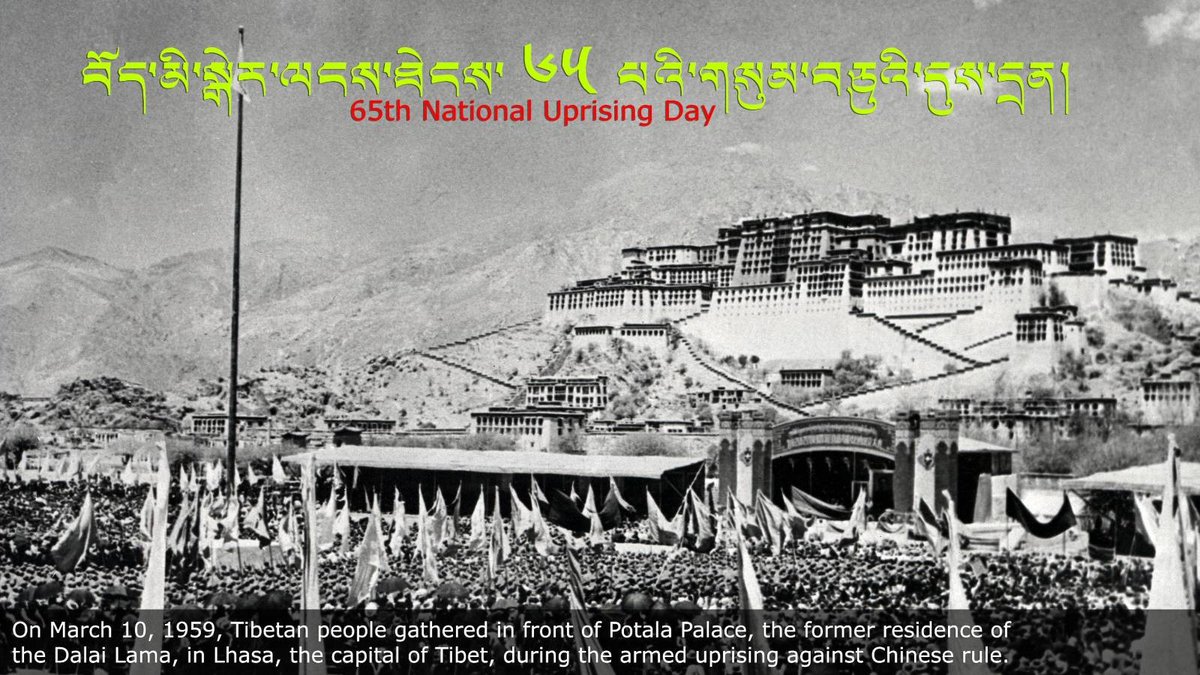
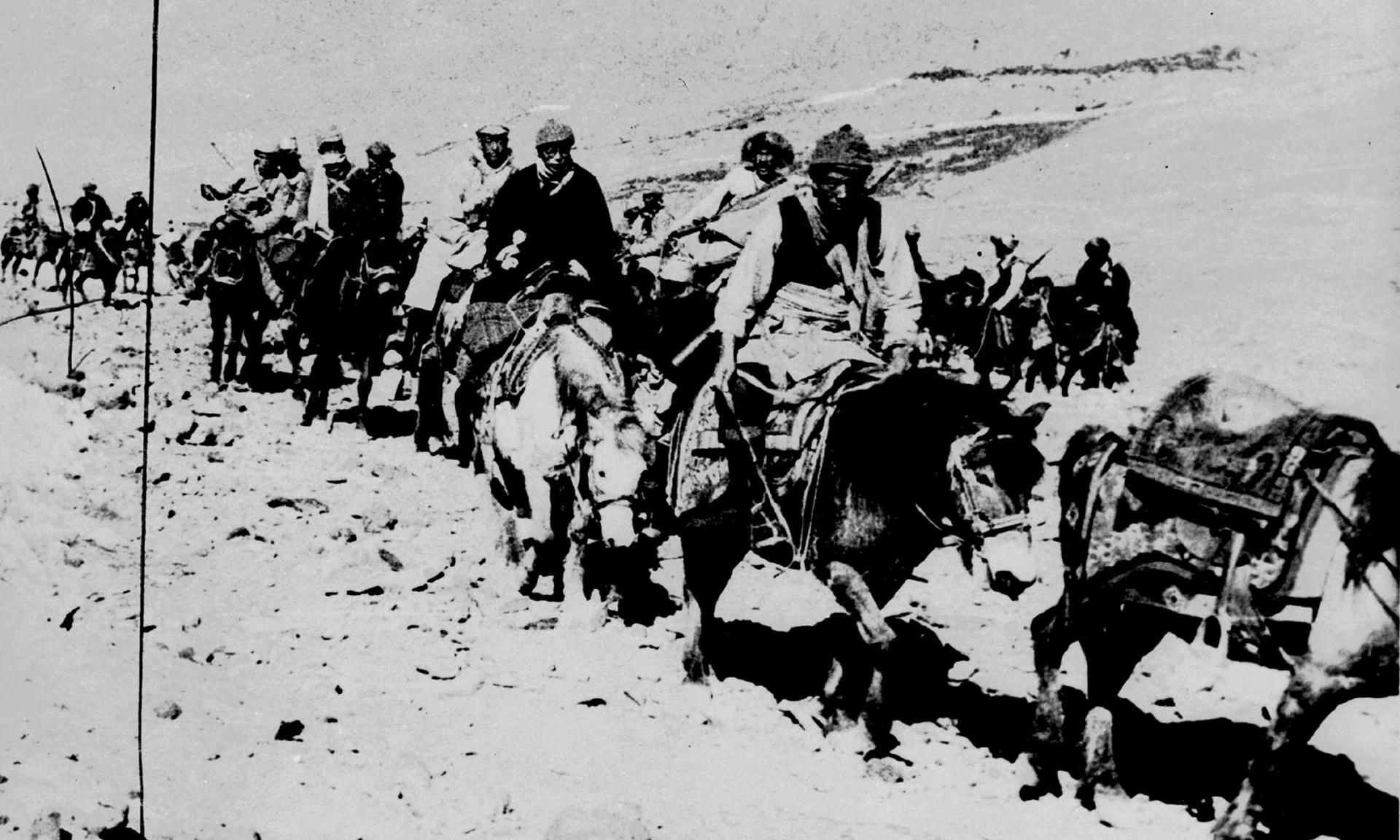

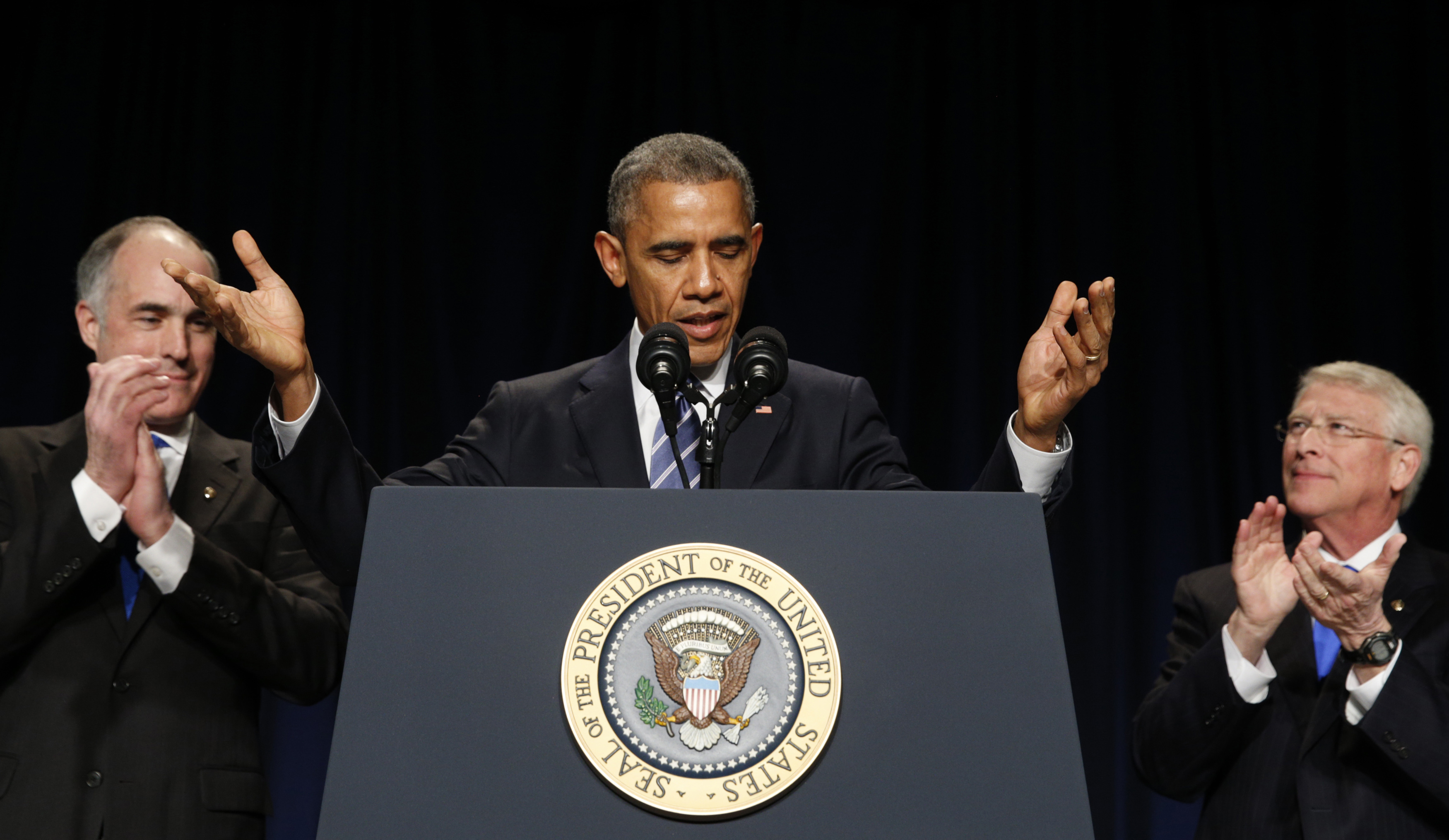


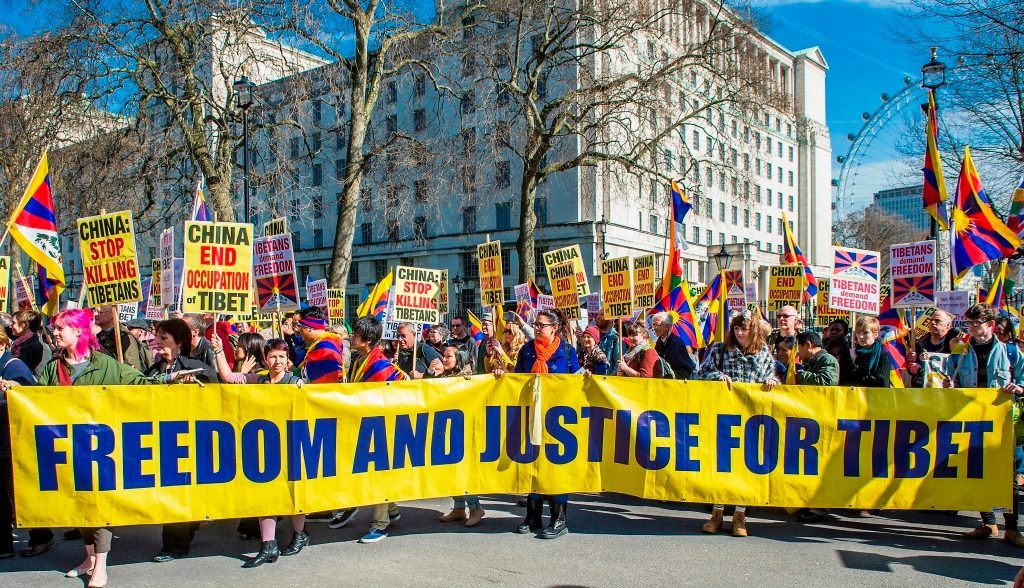
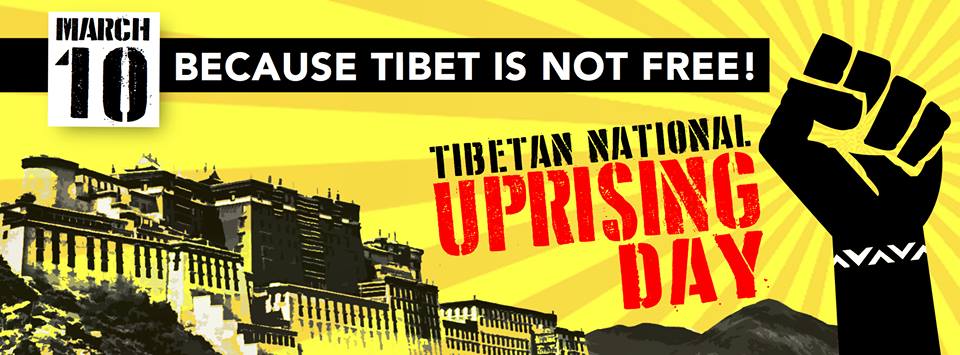
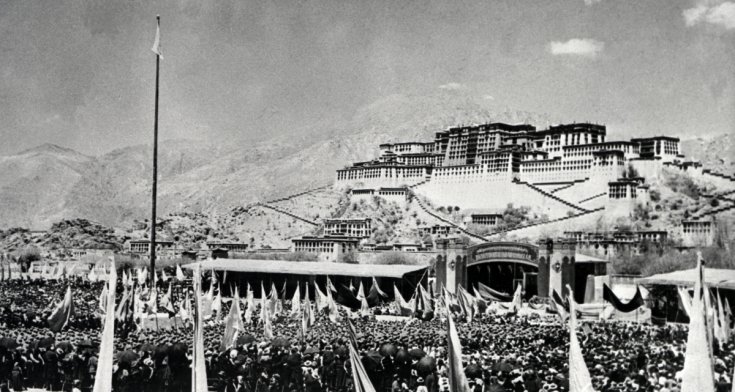
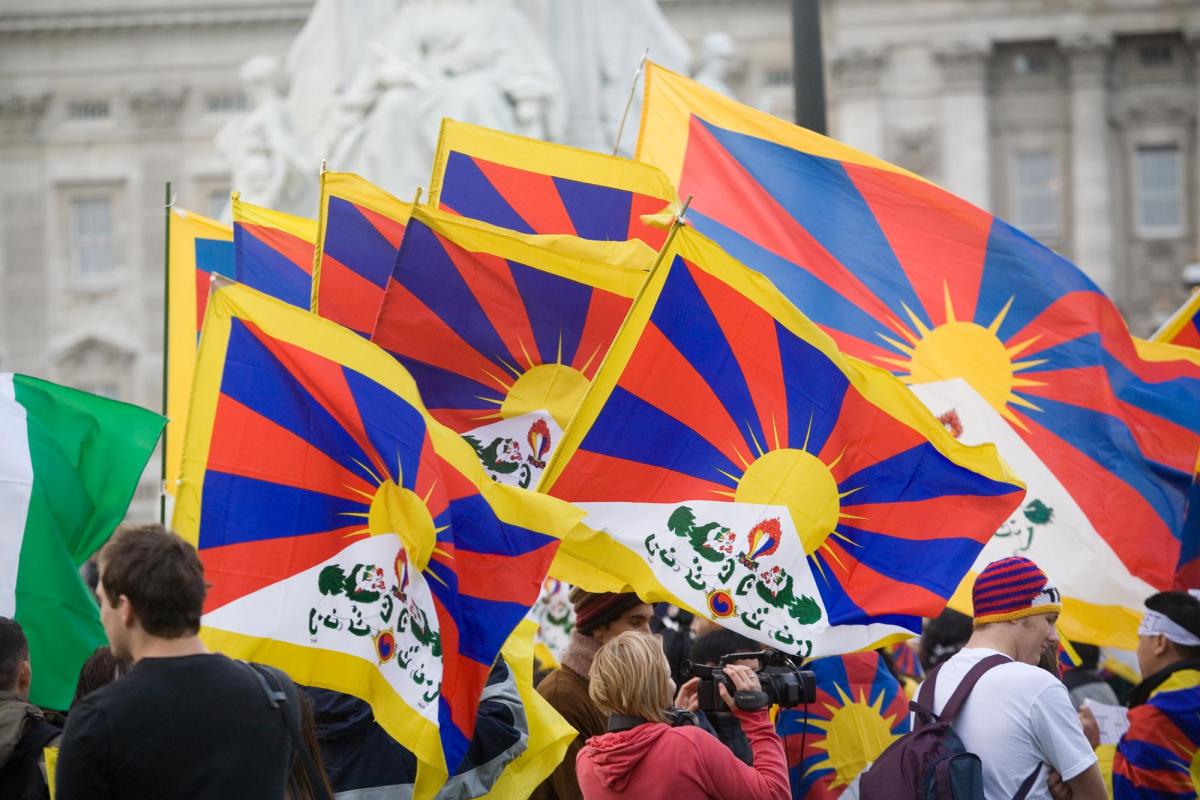
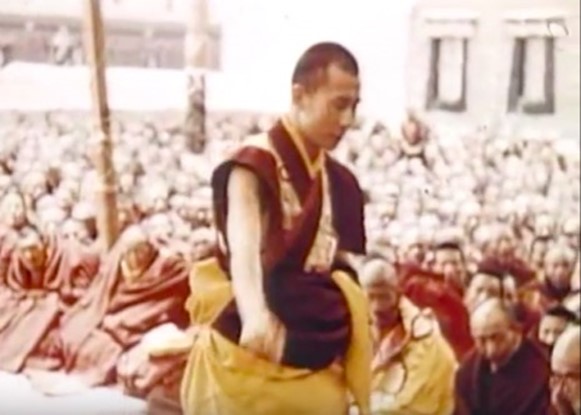
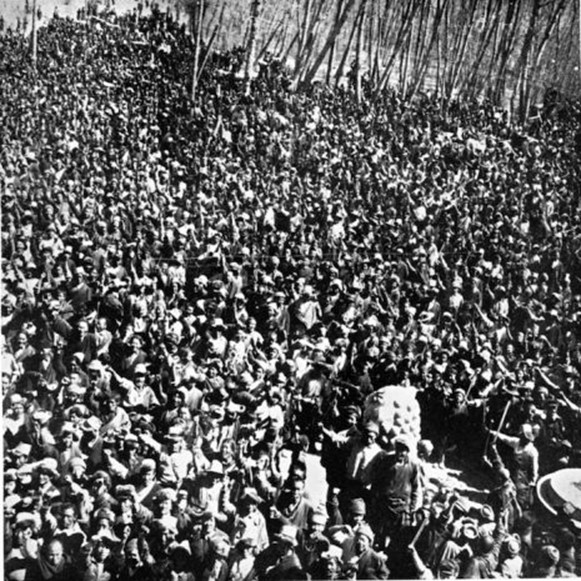
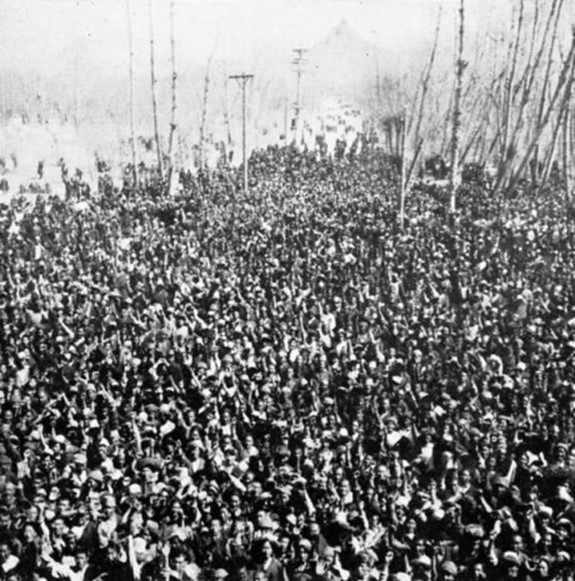
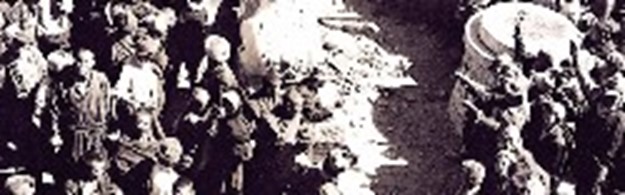
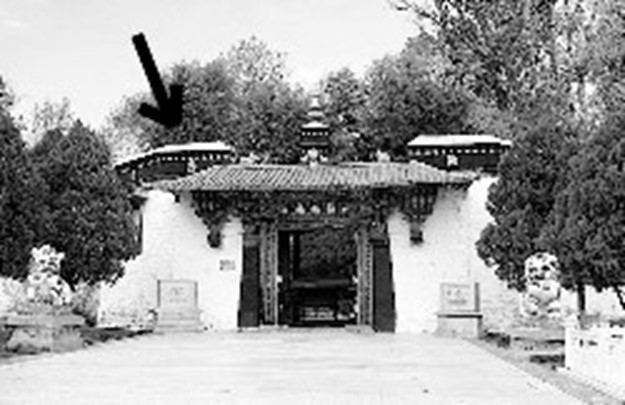
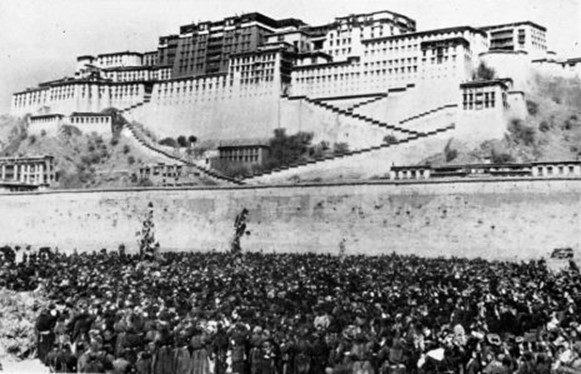
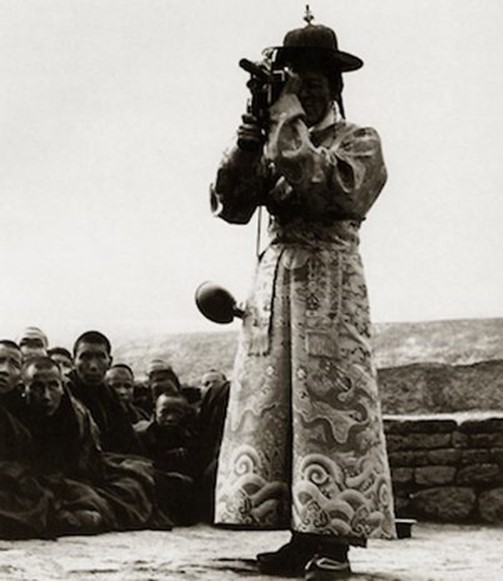
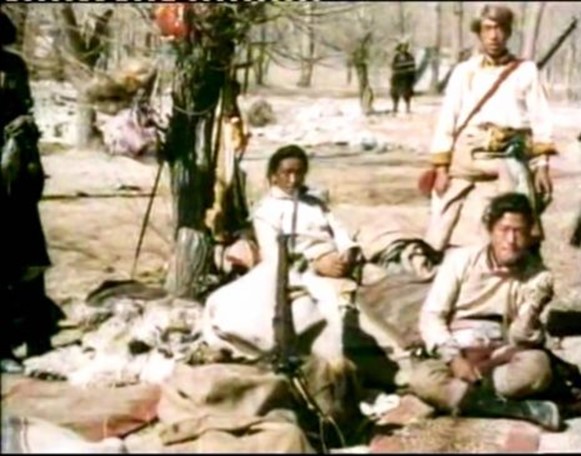
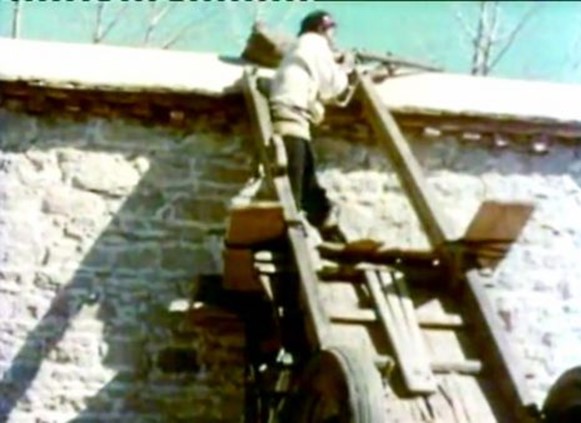
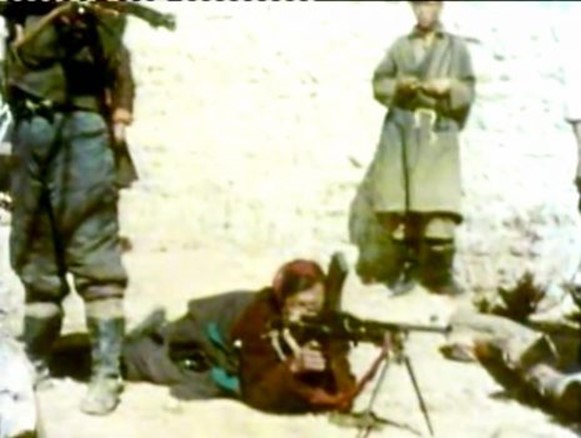
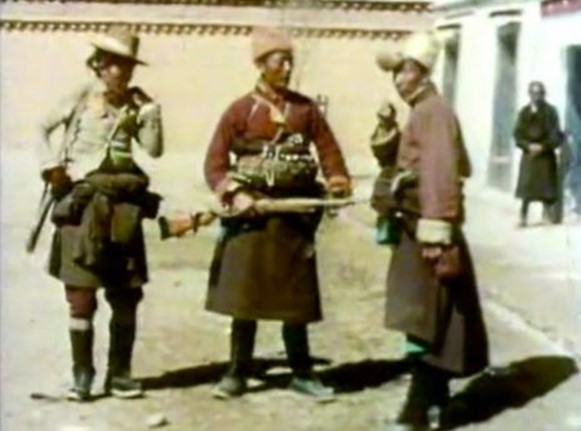
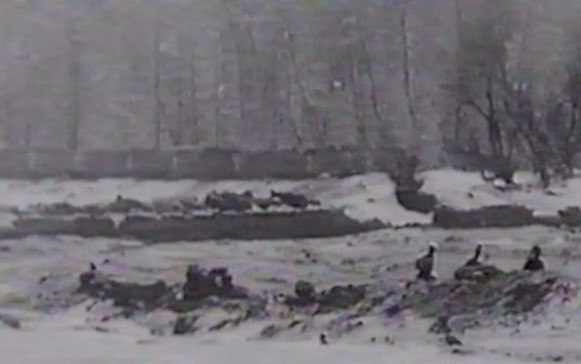
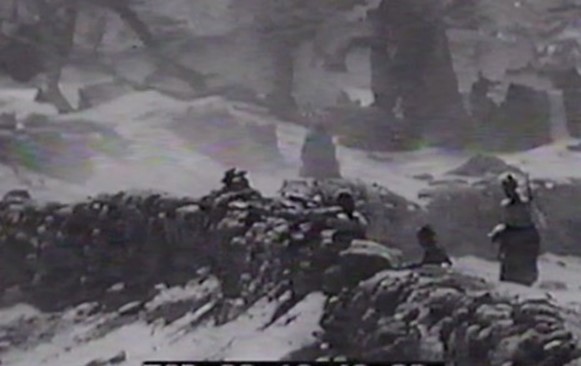
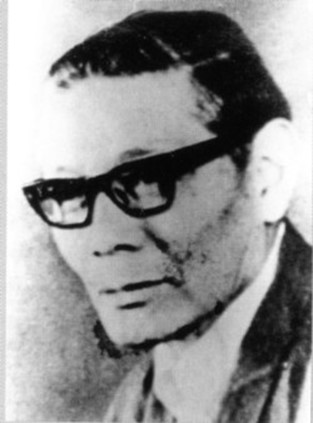
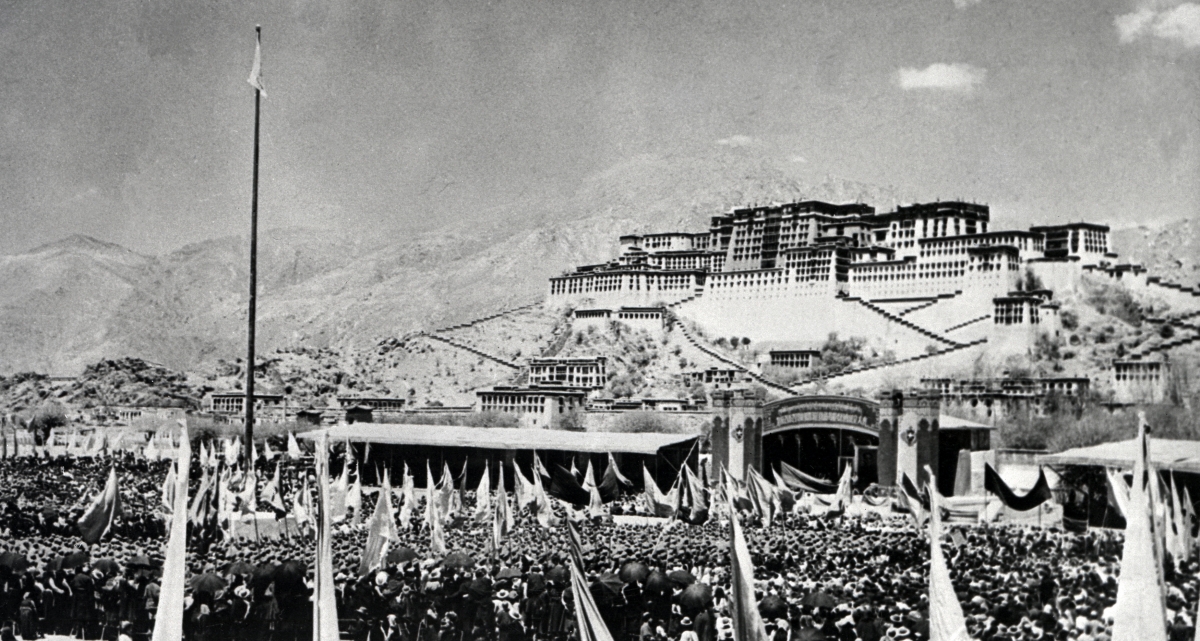
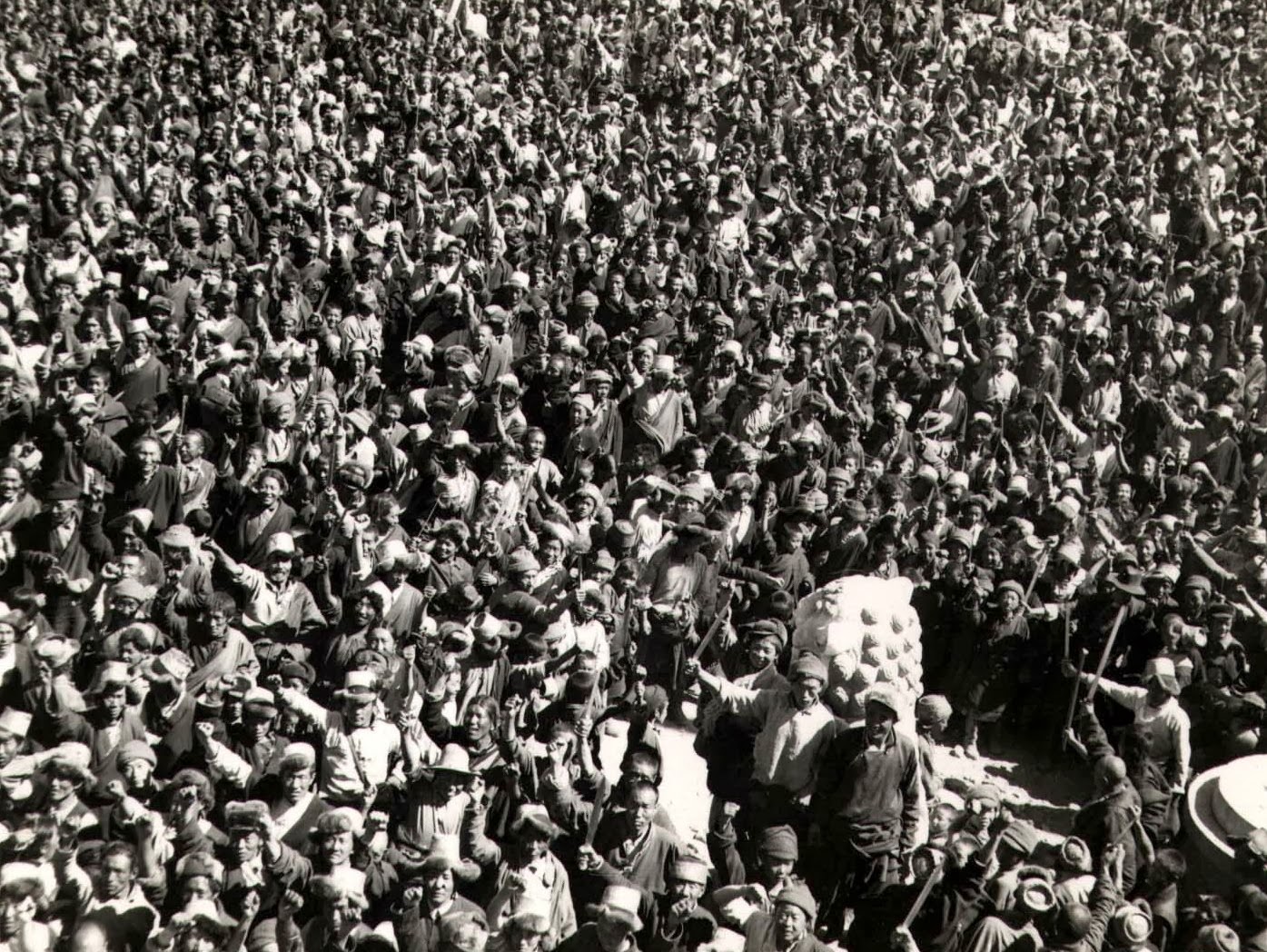


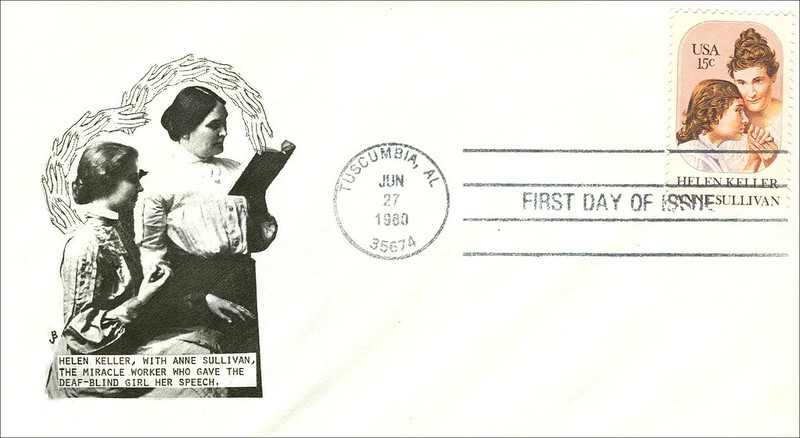
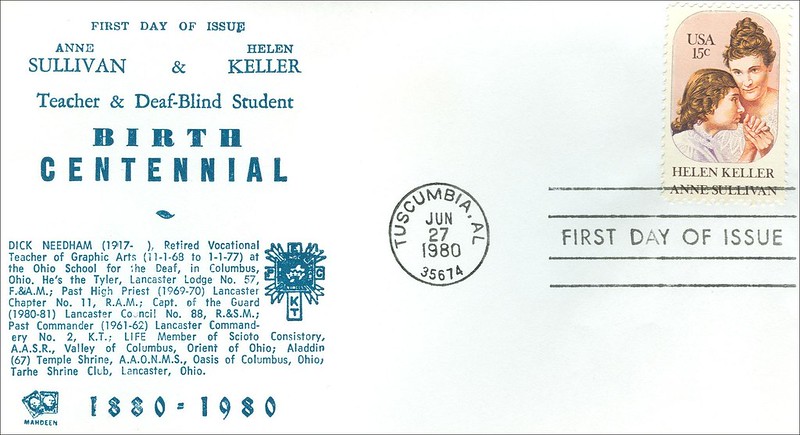




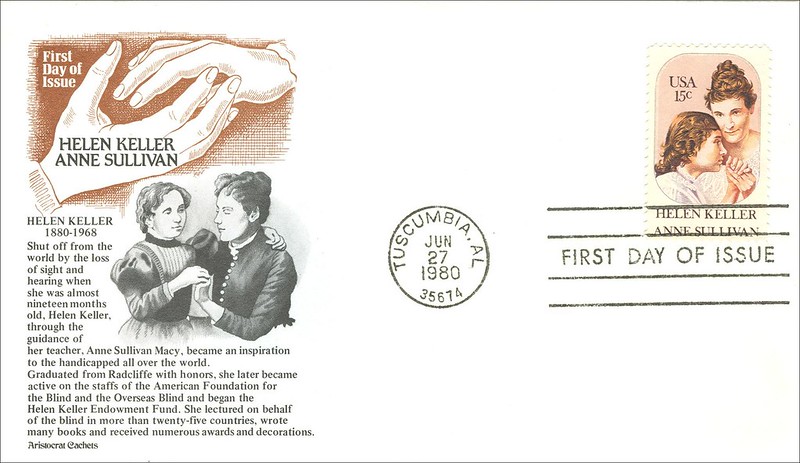
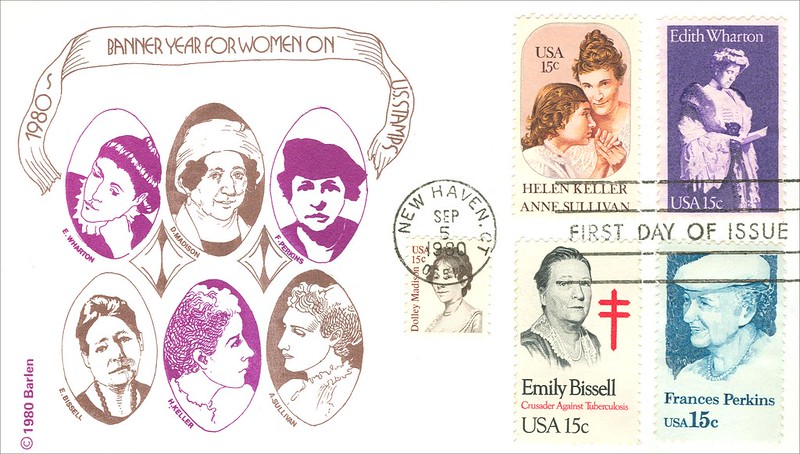

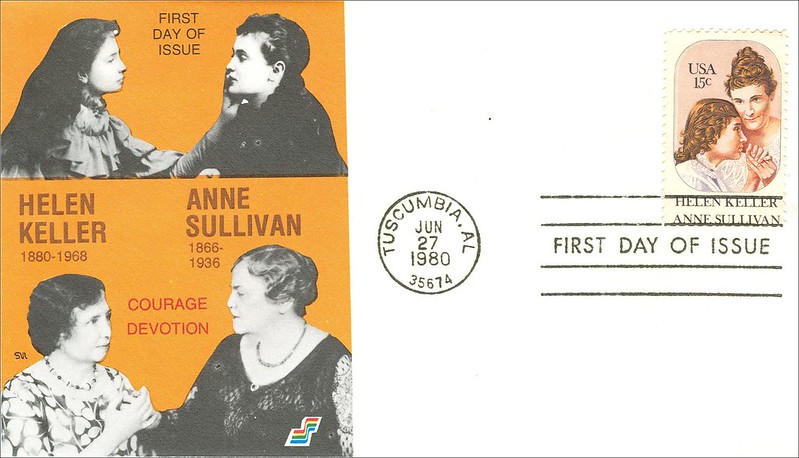

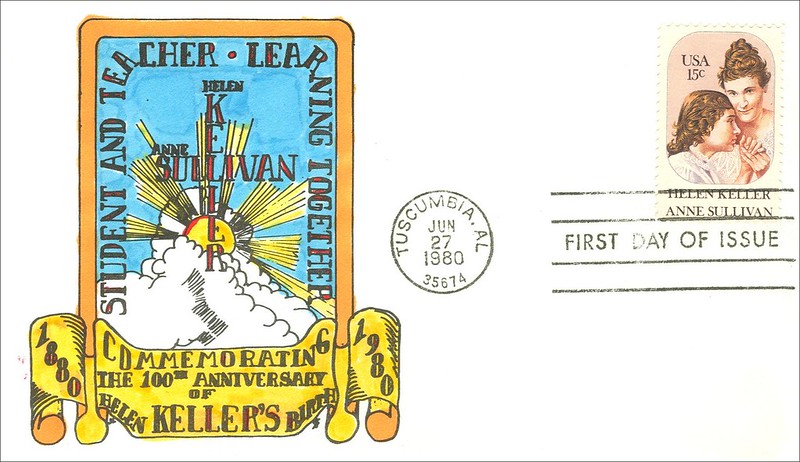

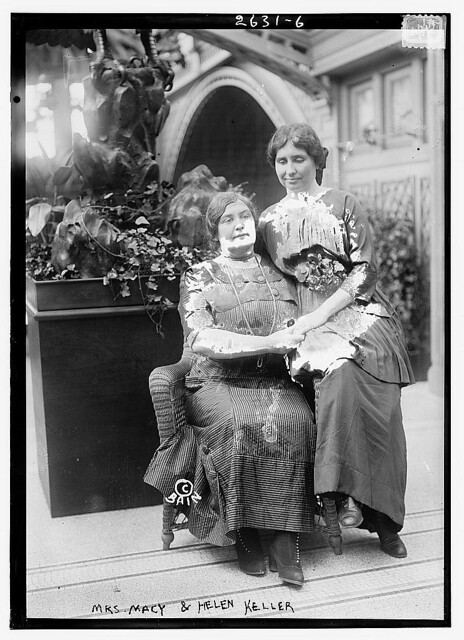
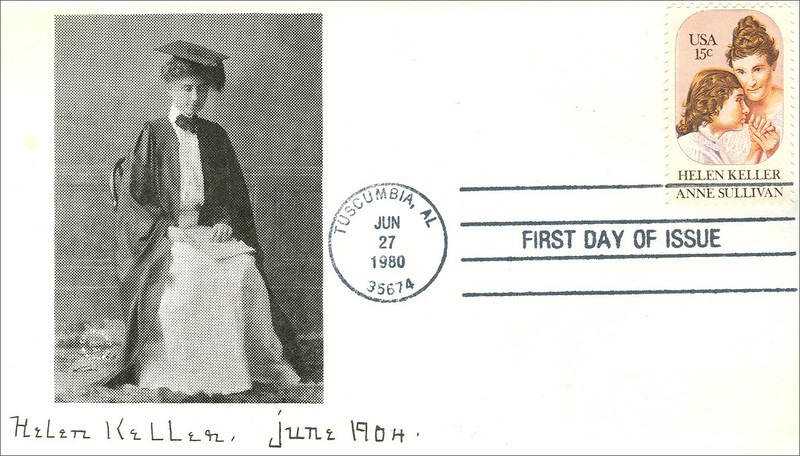
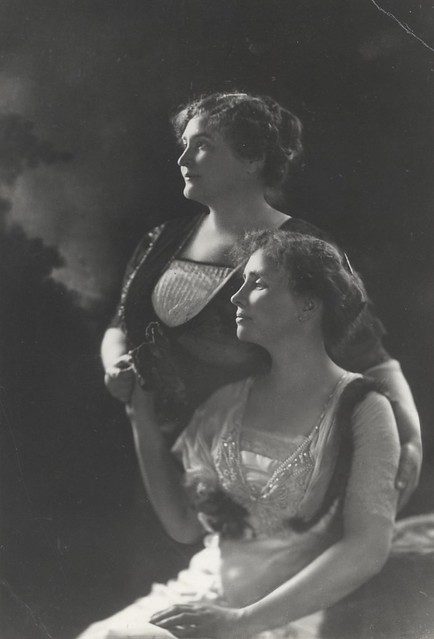

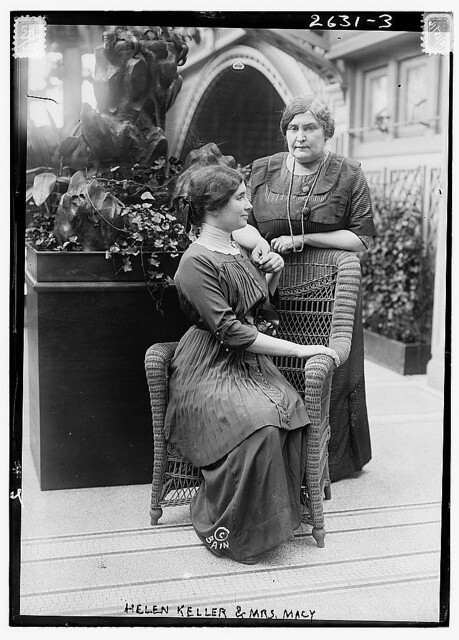


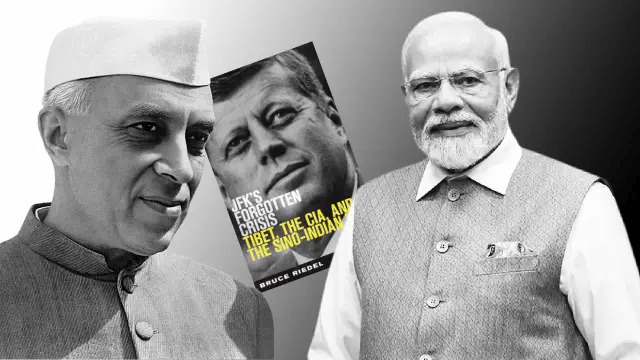


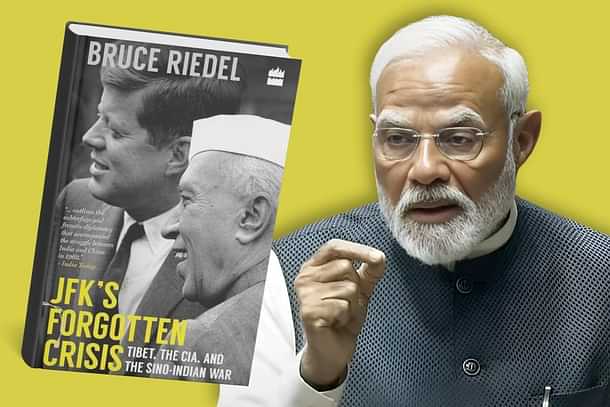

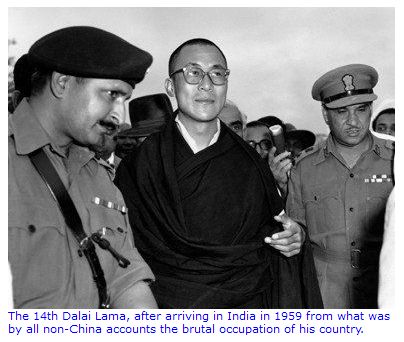


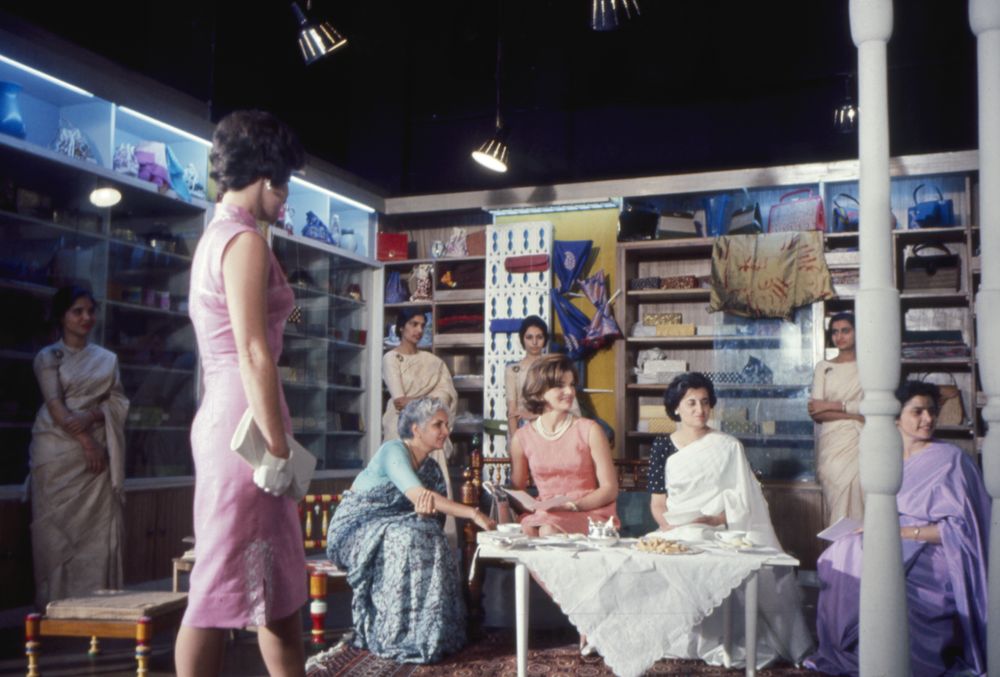

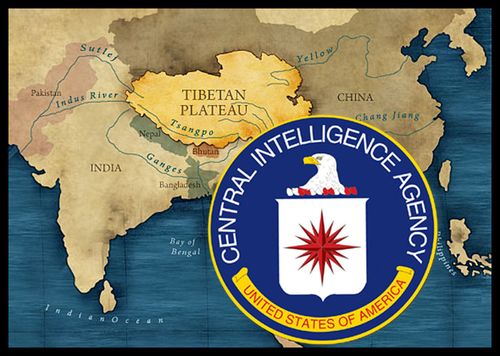



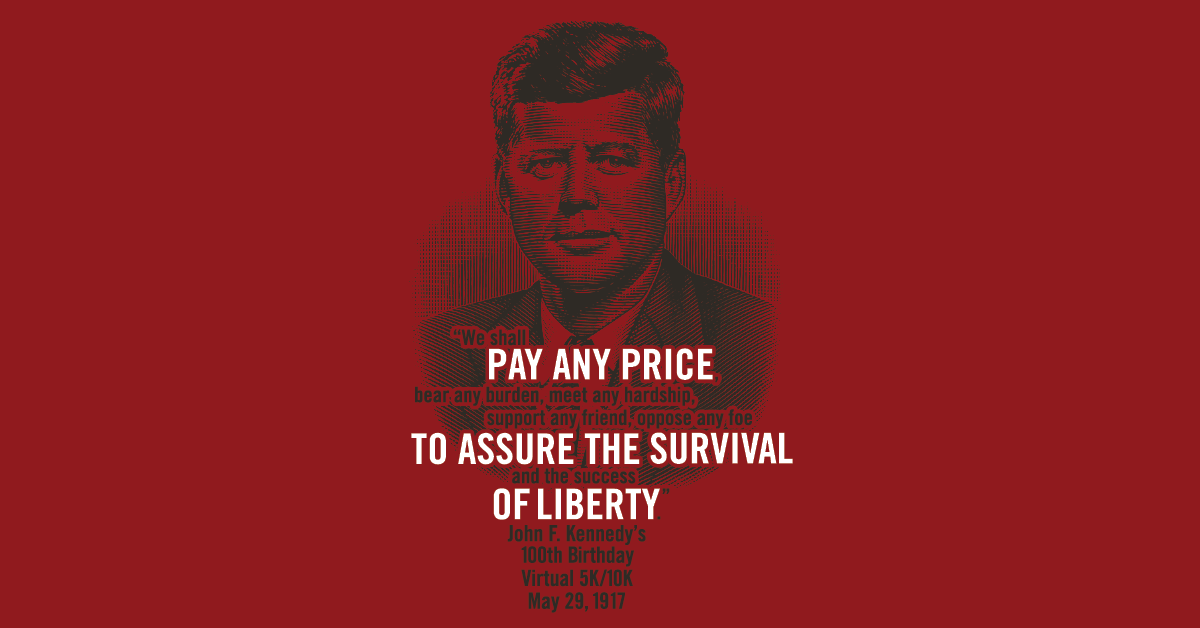

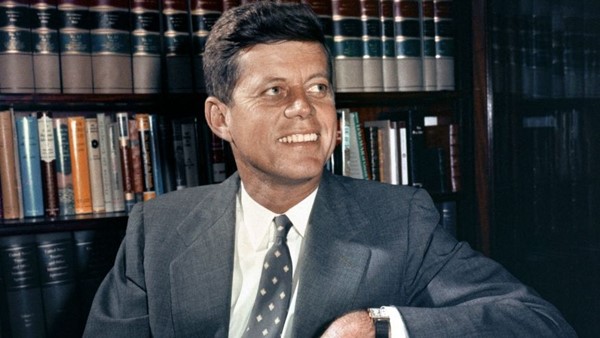
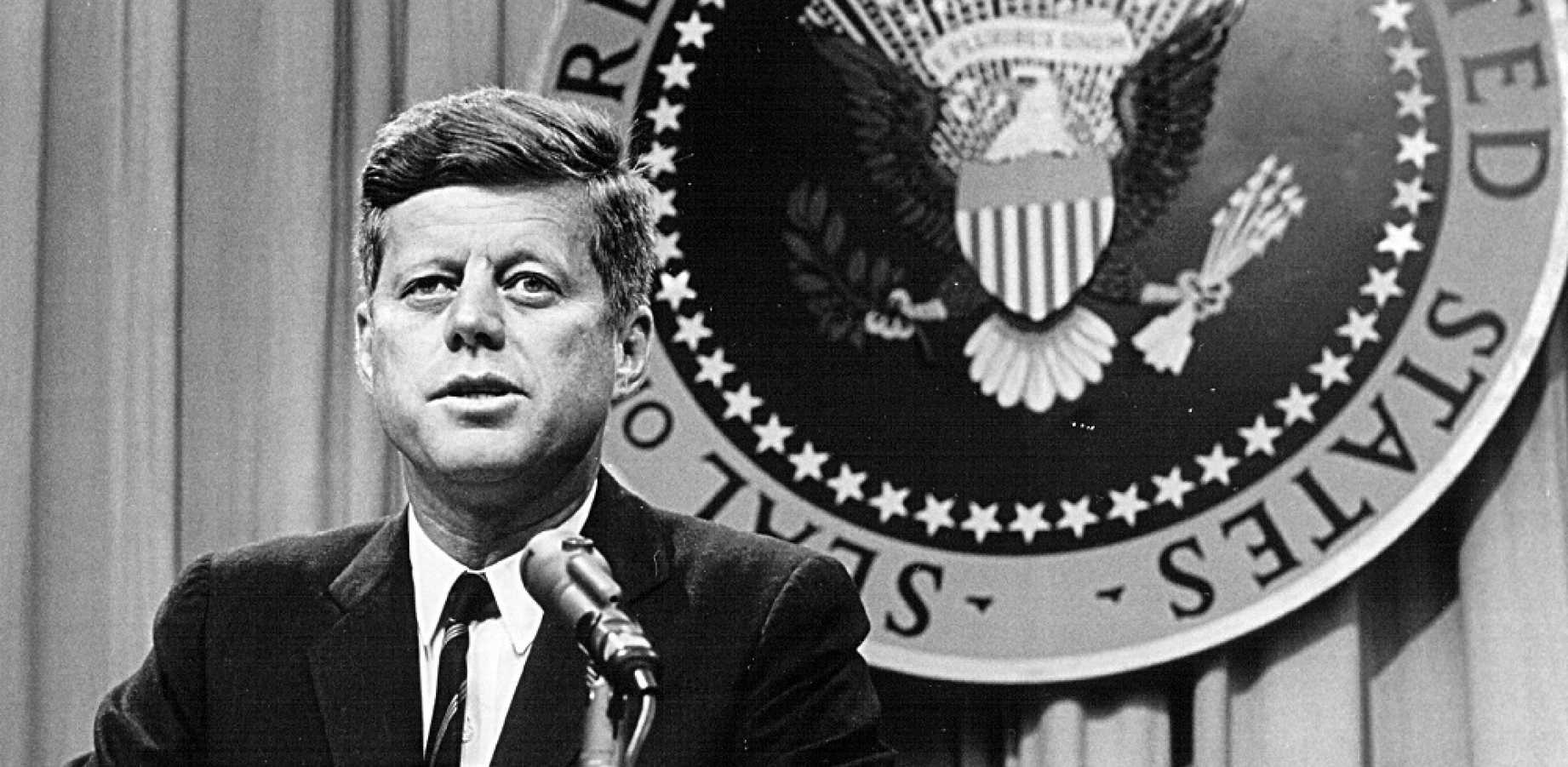
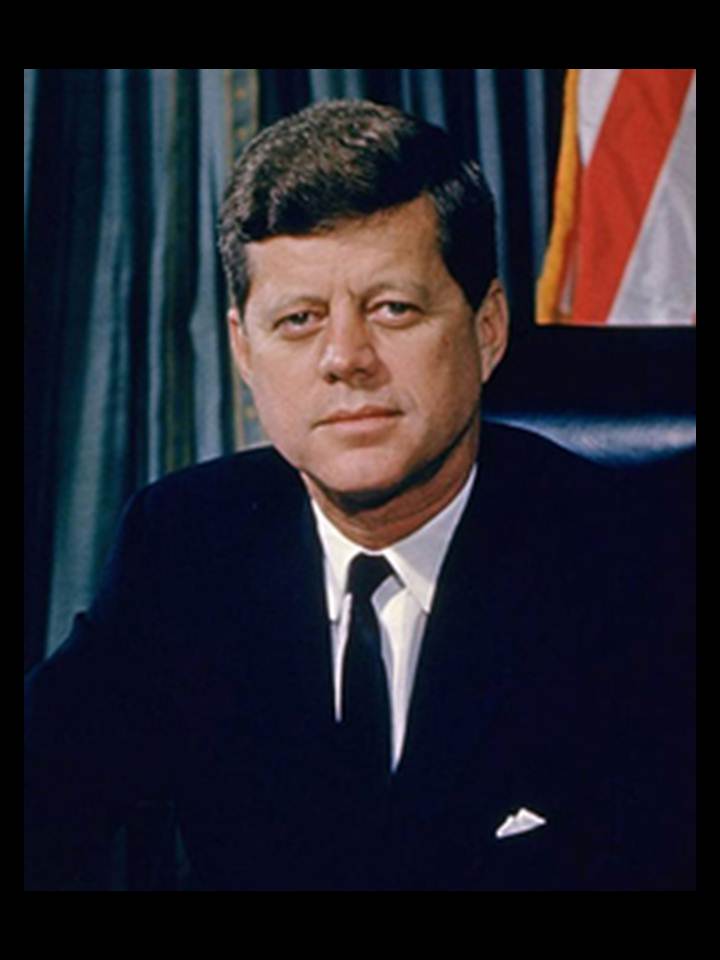




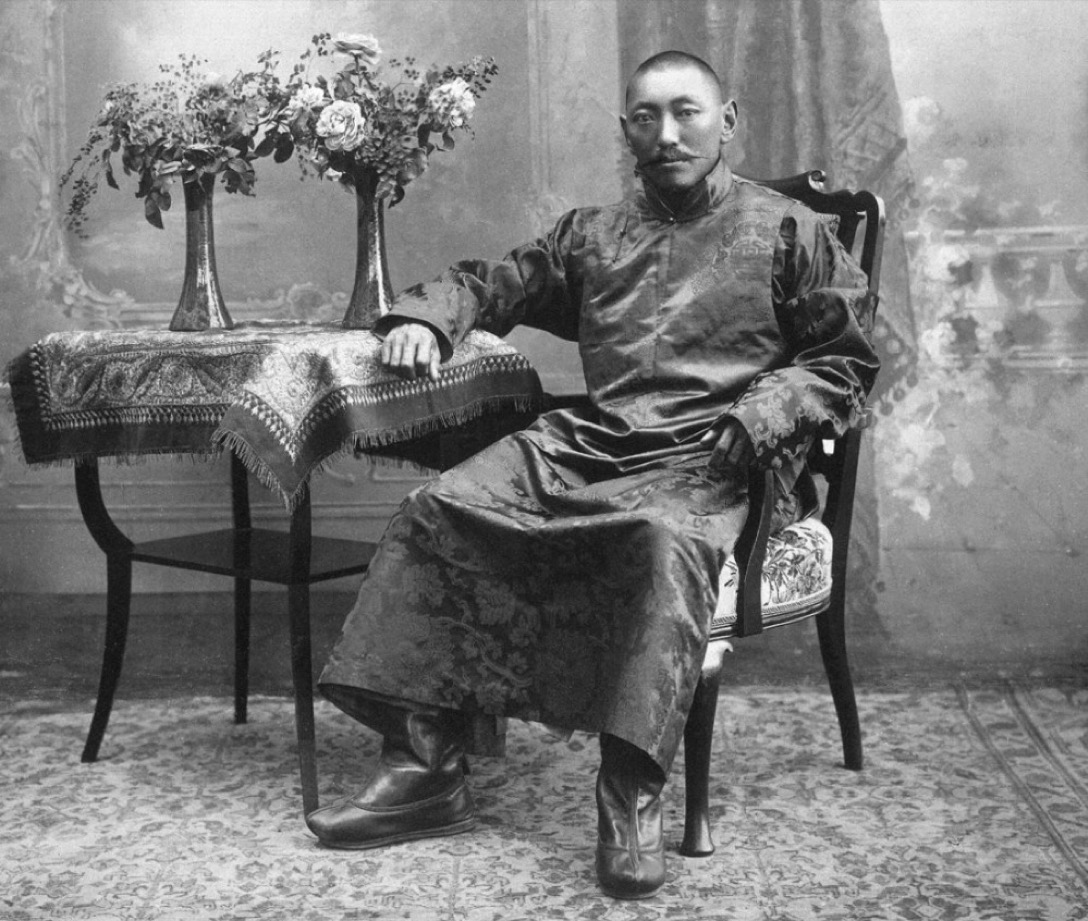

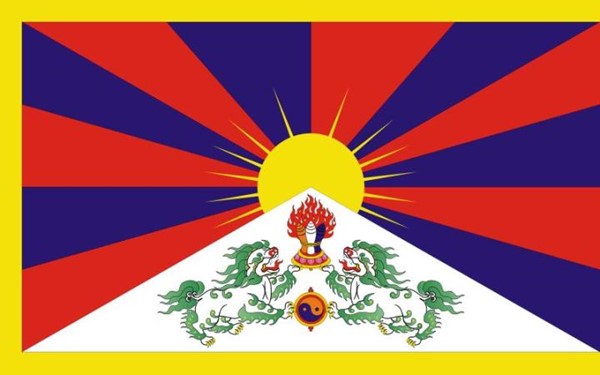
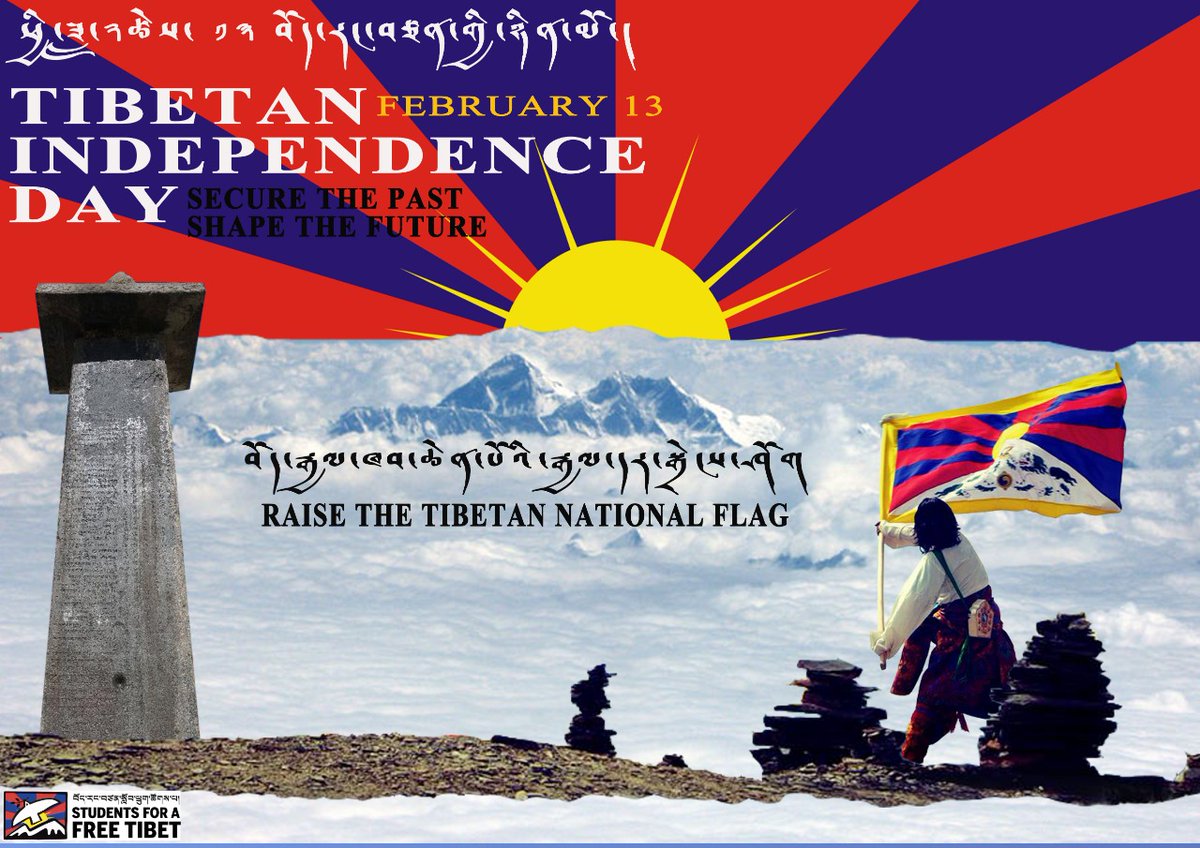
 Whole Dude - Whole Concept