During the US President Barack Obama’s three-day visit to Alaska, Red China dispatched five of its naval vessels to Bering Sea. Red China became a permanent observer to the Arctic Council in 2013. Arctic Council’s members are eight Arctic States, Canada, Denmark, Finland, Iceland, Norway, Sweden, Russia, and the United States. Red China is interested in Arctic region’s vast energy reserves. This demonstration of Red China’s naval power is a clear indication of Red China’s assertion of her right to drill for Oil and Gas in Arctic Sea with or without consent of Arctic Council.
Chinese Navy Ships Spotted Off Alaska During Obama Visit
U.S. President Barack Obama (L) tours the Kotzebue Shore Avenue Project, an effort to protect against rising sea levels in Kotzebue, Alaska Sept. 2, 2015.
WILLIAM GALLO, VICTOR BEATTLE
Last updated on: September 03, 2015 7:31 AM
Five Chinese Navy ships have been spotted in international waters off the coast of Alaska, according to U.S. officials, in what many analysts see as a fresh attempt by Beijing to project military power far from its shores.
Pentagon spokesman Bill Urban on Wednesday confirmed the presence of the five vessels, noting that it is the first time the U.S. has observed Chinese Navy ships in the Bering Sea.
“We respect the freedom of all nations to operate military vessels in international waters in accordance with international law,” he said, adding that the U.S. military is tracking the ships.
White House spokesman Josh Earnest said U.S. officials have not detected any “threatening activities” by the ships, but said the intent of their presence was “still unclear.”
The Chinese ship deployment came as President Barack Obama visited Alaska to build support for his environmental policies to combat climate change.
The island village of Kivalina, an Alaska Native community of 400 people the White House chose to highlight as a community at risk from rising sea levels, can be seen from Air Force One as U.S. President Barack Obama flies to Kotzebue, Alaska Sept. 2, 201
Coincidence?
But it is not likely Beijing planned the deployment to coincide with Obama’s trip, said Ralph Cossa with the Center for Strategic and International Studies.
“I would guess that their presence during Obama’s visit is coincidental more than deliberate. Because deployment like that is normally planned months in advance and I don’t think anyone knew Obama was going to be in Alaska until a few days ago,” Cossa told VOA.
However, the presence of the ships is meant to send a message to the U.S., he added.
“What it’s saying is that at some point the Chinese are going to be just as obnoxious as we are when it comes to sailing around in international waters close to the other country’s shores, and we should get used to it,” he said.
The U.S. military has numerous bases in Asia and regularly conducts various air-and-ship-based activities off China’s coasts in international waters.
“And China has repeatedly expressed its concerns about that,” noted VOA Beijing correspondent William Ide. “It feels like China’s trying to say if you’re going to continue to do this, we’re going to do the same.”
U.S. officials say the Chinese flotilla is made up of three surface warfare ships, one amphibious assault ship, and a replenishment vessel.
If that is the case, the deployment represents less of a threat, and more of a projection of power, according to Scott Harold of the RAND Corporation.
“A replenishment vessel says to me this is in part a demonstration of its capacity to operate far from their shores,” Harold told VOA.
“And an amphibious assault vessel would be absurd as a threat. No one is going to invade the United States by ground or by sea, much less are they going to do it in Alaska. But it is a symbol of China’s ability to project naval or amphibious forces at some distance from China,” he said.
FILE – Chinese navy warships arrive at the seaport of Port Sudan.
Near-Arctic power
The deployment fits a larger pattern by China’s navy, which is rapidly modernizing and attempting to venture out well beyond its shores.
And even though it does not border the resource-rich polar region, Beijing has made it clear that it wants to be regarded internationally as a “near-Arctic power,” said Harold.
“Chinese leaders have clearly recognized that the resources that may be in the Arctic, the sea lines of communications that transit through the Arctic passageways that may open up as the ice melts are of tremendous potential value to China,” he said.
Underscoring the strategic importance of the Arctic, Obama this week used his Alaskan tour to push lawmakers to speed up construction of a new heavy icebreaker ship that can navigate the region year-round.
The U.S. has just two functioning icebreakers, while Russia has 41. China unveiled its own icebreaker vessel in 2012, and plans to finish construction of another by 2016.
ARCTIC DRAWS INTERNATIONAL COMPETITON FOR OIL
A new geopolitical “Great Game” is underway in earth’s northernmost region, the Arctic, where Russia has claimed a large area for resource development and President Barack Obama recently approved Shell Oil Company’s test-drilling project in an area under U.S. control. Greg Flakus reports.
red navy bering sea map
red navy in bering sea
the evil red empire the dragon covets the arctic the route to iceland
the evil red empire the dragon covets the arctic
RED CHINA – RED ALERT – RED DRAGON COVETS ARCTIC: CHINESE NAVY DESTROYER WUHAN LEADS FIVE-SHIP SURFACE ACTION GROUP FROM CHINESE PEOPLE’S LIBERATION ARMY NAVY OR PLAN AS THEY MOVE INTO BERING SEA FOR THE FIRST TIME IN US HISTORY.
red navy yancheng missile frigate
red navy bering sea red china mocker
red china red alert joint chiefs of staff general martin dempsey
TIBET AWARENESS – ESSENCE OF TIBET – NATURAL FREEDOM.
The very essence of Tibet is natural freedom and Tibetans have their natural right to enjoy freedom without foreign domination or interference.
TIBET AWARENESS – ESSENCE OF TIBET – NATURAL FREEDOM.TIBET AWARENESS – ESSENCE OF TIBET – NATURAL FREEDOM.
Jokhang Temple, Potala Palace and other tourist spots that capture the essence of Tibet
Posted on: 04:59 PM IST Sep 02, 2015 | Updated on: 5:03 pm,Sep 2,2015 IST
IBNLive.com
Tibet, the highest region on Earth is a dream come true for every traveler. Tibet is undoubtedly one of the most peaceful places that offer tranquility to tourists’ mind with its utmost beautiful natural scenery.
Keeping its old traditions alive, this place is a must visit for every person.
Here we bring you a list of aesthetic places that you should visit at least once in your life time.
Tibet is not in China. Jokhang Temple.
Jokhang temple is the most sacred temple in Lhasa, Tibet. It was built by the Tibetan King Shrong Tsong Gompo. Tourists from all over the world visit this temple, Another attractive spot is the Bharkhor Bazaar that encircles the temple.
In this July 11, 2013, photo, pilgrims pray at Jokhang Temple in Lhasa, Tibet, China. Tibet has been a source of controversy ever since Beijing sent troops to occupy the Himalayan region following the 1949 communist revolution. It says the region has been part of Chinese territory for centuries, while many Tibetans say it has a long history of independence under a series of Buddhist leaders. (AP Photo/Penny Yi Wang)
The Kharola glacier is seen through Tibetan praying flags from a nearby hill some 200km (125 miles) west to Lhasa, Tibet.
The Kharola glacier is seen through Tibetan praying flags from a nearby hill some 200km (125 miles) west to Lhasa, Tibet.
Potala Palace was built-in 17th century by the fifth Dalai Lama. This palace houses a great wealth of Tibet’s culture and art.
TIBET AWARENESS – POTALA PALACE, LHASA, TIBET. Potala Palace was built-in 17th century by the Fifth Dalai Lama.
A night view shows the Potala Palace in Lhasa, Tibet.
Whole Awareness – Natural Freedom is Essence of Tibet
Tibetan women pray in front of the Potala Palace in Lhasa, Tibet.
LHASA, CHINA SEPTEMBER 1: (CHINA OUT) Pilgrims walk on the Potala Palace Plaza on September 1, 2006 in Lhasa of Tibet Autonomous Region, China. Chinese tourists are flooding into Tibet this summer with the recently completed Qinghai Tibet railway bringing an extra 3,000 people a day into Tibet. Critics say that it could threaten the cultural and even the physical landscape of the fragile Tibetan plateau and accelerate Lhasa’s changing face as it continues to expand into a modern Chinese city. Expensive hotels and shops have opened in the new section Lhasa while the Tibetan quarter fights to hold onto its cultural image, according to reports. (Photo by China Photos/Getty Images)
Buddhist prayer flags flutter in the wind near Namtso Lake in Tibet. It takes around 16 days to complete the pilgrimage around the lake which is 70 km (43 miles) long and 30 km (18 miles) wide.
Buddhist prayer flags flutter in the wind near Namtso Lake in TibetAbout 112 km from Lhasa at the border between Damxung County and Baingoin County is located yet another of Tibet’s treasures, the magnificent Namtso (Lake Nam) which has a surface area of 1,870 sq km. It is the highest salt lake in the world, located as it is at a height of 4,718 meters
Buddhist faithful offer ‘khada’ and pray in front of the “wish-fulfilling” stone monument near Namtso Lake in Tibet.
Buddhist faithful offer ‘khada’ and pray in front of the “wish-fulfilling” stone monument near Namtso Lake in Tibet.
The world’s highest post office stands at over 5200 metres (17060 feet) near the base camp of Mount Everest, also known as Qomolangma, in Tibet. The post office services around 30 customers a day, and is only open for seven months of the year between April and October.
Mount Everest, also known as Qomolangma, in Tibet .
The temple of Rongbuk Monastery situated at the foot of the world’s highest mountain Mount Everest, also known as Qomolangma, in Tibet .
Rongbuk Monastery, in the background is the Qomolangma/Mount Everest.Cona lake is a major lake of northern Tibet lake and is the world’s highest freshwater lake at 4800 meters above sea level.
Cona lake is a major lake of northern Tibet lake and is the world’s highest freshwater lake at 4800 meters above sea level. In the picture, A woman is seen watering a yak near Cona Lake in Amdo county.
Ethnic Tibetans walk along a rapeseed field in Duilongdeqing County, Tibet.
Ethnic Tibetans walk along a rapeseed field in Duilongdeqing County, Tibet.
Red China after her act of military aggression in 1950 and occupying Tibet had several opportunities to make amends to her evil actions and return to peaceful relationships with her neighbors. By choosing to use evil force, Red China has sealed her own fate. She has opted to “Live by the Sword, surely, she will Die by the Sword.” What she conquered by Sword, she will lose by Sword.
China denies all universal rights to Tibet even after 50 years of rule (Part-II) , AniNews.in
Beta Sep 1 2015, 9:07 am
China denies all universal rights to Tibet even after 50 years of rule (Part-II)
Sep 1, 8:27 am
HONG KONG, Sep.1(ANI): Its been more than 50 years since China established complete control over Tibet and in this period China has institutionalised a system of two policies – one for the Chinese people and another for the Tibetans. Hong Kong based Tibet watchers who on the condition of not being identified for fear of Chinese reprisal outlined a series of instances which prove that China has treated Tibet as nothing more than a Colony and as a strategic buffer against India. Experts point to the fact that China has accepted the Universal Declaration of Human Rights (UDHR) as a member of the United Nations. The declaration forms the basic charter of rights for all global citizens. However over the past many decades, adherence to the UDHR has been minimal at best as far as Tibet is concerned. When it comes to Tibet and Tibetans, they count for less than an average Han Chinese citizen, and actually don’t enjoy the rights they are entitled to as per international laws. The UDHR calls on governments to grant every human being these rights, but the reality is that not one of the UDHR rights is extended to the people of Tibet. For example Article 16 of the UDHR says that men and women of full age, without any limitation due to race, nationality or religion, have the right to marry and to create a family. They are also entitled to equal rights as when to marry, how to manage their marriage, and to decide when to dissolve it. The family, according to the UDHR, is the natural and fundamental group unit of society and is entitled to protection by society and the state. But, when comes to Tibet, since 1980, China has passed a series of measures related to marriage laws. Beijing has stopped the practice of polygamy in TAR, and has been actively promoting the mixed marriages between Tibetans and Han Chinese. The local administration has reportedly announced offers of special treatment to children born of such unions. Such incentives are publicised heavily by the state media. Tibetan poet Tsering Woeser says that “authorities use it as a tool”, and compared it to the Japanese police being encouraged to marry local women during Japan’s occupation of Taiwan. On the issue of owning property, the UDHR says no one shall be arbitrarily deprived of his or property, but in China-dominated TAR seizure of farmland for industry is arbitrary and common. Joel Brinkley of the Chicago Tribune adds that “China has evicted more than 400,000 Tibetans from their homelands” over the past few years, and believes that the intent behind this is to exploit Tibet’s vast mineral and water resources. The UDHR’s Article 18 talks about the right to freedom of thought, conscience and religion, but evidence has surfaced of the People’s Armed Police firing on unarmed Tibetan protestors calling for a semblance of religious freedom. During the Cultural Revolution, most, if not all, Tibetan monasteries (97 percent were actually closed down) were reportedly ransacked by the Communist Party. Currently, every monastery and nunnery is constantly under surveillance and subject to random checks by Communist Party officials. So-called Monastery Management Committees have been set up in increasing numbers to keep check on the activities of monks and nuns, and to control their numbers, particularly in the largest ones of Drepung, Sera and Ganden. Such checks extend to night raids for images of the Dalai Lama and other such “subversive” objects. For example, recently, a 13-year old nun, after participating in a peaceful protest, was held, interrogated, beaten and tortured. She was sentenced for singing nationalist songs – which does not exactly exemplify “freedom of thought”. On the issue of everyone having the right to express their opinion without interference and to seek, receive and impart information and ideas through any media and regardless of frontiers, which is enjoined in Article 19 of the UDHR, China routinely cuts off internet and phone-messaging services after each incident of self-immolation in TAR, of which there have been over 140 in the past six years. As for the right to expression and freedom of opinion, the armed crackdowns, the surprise arrests and the extrajudicial killings are indicative of a general intolerance to such niceties. The right to freedom of peaceful assembly and association as enshrined in Article 20, is regularly stamped out and quickly, with violence if required. Tibet and the Tibetan people have been compelled to identify with the People’s Republic of China. In April 2015, the Communist Party demanded that all Buddhist monasteries display the Chinese flag, or face punishment. This latest move is part of a drive to make places of worship ‘secularised’, and in line with Beijing’s ideologues. Article 21 of the UDHR allows every individual to take part in the government of his or her country, directly, or through freely chosen representatives, but in the case of China, democracy does not exist in the sense that it is understood the world over. The political representatives of the Chinese are not freely chosen, but are designated by the Communist Party. As such, not only Tibetans, but all citizens under the authority of the People’s Republic of China have no right of participation in their governance. Recently, China arrested ten Tibetans for protesting against the denial of welfare benefits to their community. Tibetans have been subject to “city moats” which prevent their access to their own cities. The ‘will of the people’ is a concept almost entirely alien to any Chinese citizen in conceptual and real terms. The right to social security, as enshrined in Article 22 of the UDHR, which calls for realisation both through national effort and international co-operation, is used to violate the rights of Tibetans further. Article 23 says everyone has the right to work, and to have free choice of employment, but in Chinese – ruled TAR, the resettlement policy violates this article, depriving Tibetan nomads of their free choice of employment. As far as just conditions of work, Tibetans are forced to learn Chinese in order to access any gainful employment, even as a construction worker. Tibetans claim that Chinese workers receive higher wages; the loss of jobs due to political activities is also very common. Even China admits that there is no minimum wage in the TAR. The right to rest and leisure, as well as reasonable limitation of working hours and periodic holidays with pay does not exist in Chinese-ruled TAR. Here, re-education is promoted through labor camps, and there is no semblance of worker’s rights to be defended here. Holidays, too, are out of the question, and there is no reasonable limitation on working hours. What about the right to an adequate standard of living, as enshrined in Article 25 of the UDHR? It simply does not exist in TAR. Pulmonary diseases are the most widespread affliction in Tibet. While prefectural and city hospitals are adequate in responding to such illnesses, there is very little recourse to proper medical care for nomadic tribes as village and township hospitals are extremely poor. The medical system is “clearly inequitable.” Distances across Tibet have also led to Chinese healthcare works failing to immunize children as “they don’t want to travel so far.” Access to medication is clearly segregated: Tibetan doctors are unable to purchase drugs from pharmaceutical companies, as only Chinese government workers and ‘officials with connections to the Chinese’ are given access. While officially, China’s ‘One Child’ policy does not extend to Tibetans as a community, in practice, birth control has actively been promoted in the TAR. Sterilisation can take place on the basis of volunteering or through forced abortions, which leaves a very chilling picture of healthcare in TAR. Article 26 of the UDHR talks of the right to education and the right to have free education at the elementary and fundamental stages, but in TAR, schooling is compulsory until secondary education, nominally “bilingually”, and guidelines are applied arbitrarily. The emphasis is on creating Chinese-medium schools in Tibetan areas despite the fact that Tibetan students want to be taught in Tibetan and learn more effectively when they are. Tibet has six institutes of higher learning, but only 60 percent of those selected for university in TAR are ethnic Tibetans, compared to the 97 percent share of population they reportedly enjoy. This demonstrates the fact that access to higher education is highly coloured by discriminatory policies. Indeed, state funds go disproportionally to schools where Chinese students predominate. Chinese authorities in TAR are on record, as saying that the purpose of giving an education to Tibetans is to see whether they are “opposed to or turn their hearts to the Dalai Clique and in whether they are loyal to or do not care about our great motherland and the great socialist cause..” China does not promote tolerance, but actively seeks to destroy it in TAR. The right freely to participate in the cultural life of the community as enjoined in the UDHR’s Article 27, is absent in TAR. The Chinese, admittedly, are very happy to impose limits on Tibetan intellectual production. Insofar as duties to the community are concerned, while keenly desired by the Tibetan people, is trounced upon, and all vestiges of rights for the minorities are virtually non-existent. China has a long history of using the justifications of human rights and economic prosperity “for all” to oppress those in Tibet, and nothing seems likely to change. The recently concluded 6th Tibet Work Forum on August 24 and 25 did not offer any guarantees for the future, but harped instead on the need to maintain stability, a buzzword to Tibetans that they can expect an even harsher regime ahead.(ANI)
TIBET AWARENESS – POTALA PALACE, LHASA, TIBET – TIBET IS UNDER OCCUPATION. Red China has been using photo images of Tibet to promote Tibetan Tourism which fails to acknowledge Tibet’s Independence and Tibetans’ Right to Natural Freedom.
On September 01, 2015, Red China is celebrating a historical event that scars the beauty of Tibetan landscape. Red China brutally carved out a province that she calls Tibetan Autonomous Region or TAR where Tibetans have no autonomy and are denied Right to Self-Determination. Tibet has a total area of 965, 000 square miles and as such in terms of size, Tibet is world’s tenth largest nation.
I am sharing a few photo images of Tibet, its landscape and its people. Red China has been using photo images of Tibet to promote Tibetan Tourism which fails to acknowledge Tibet’s Independence and Tibetans’ Right to Natural Freedom.
TIBET AWARENESS – TIBET IS UNDER OCCUPATION. QINGHAI. TIBET PLATEAU.Red China has been using photo images of Tibet to promote Tibetan Tourism which fails to acknowledge Tibet’s Independence and Tibetans’ Right to Natural Freedom.TIBET AWARENESS – TIBET IS UNDER OCCUPATION. QINGHAI – TIBET PLATEAU.Red China has been using photo images of Tibet to promote Tibetan Tourism which fails to acknowledge Tibet’s Independence and Tibetans’ Right to Natural Freedom.TIBET AWARENESS – TIBET IS UNDER OCCUPATION. QINGHAI TIBET PLATEAU.Red China has been using photo images of Tibet to promote Tibetan Tourism which fails to acknowledge Tibet’s Independence and Tibetans’ Right to Natural Freedom.TIBET AWARENESS – TIBET IS UNDER OCCUPATION. QINGHAI. TIBET. Red China has been using photo images of Tibet to promote Tibetan Tourism which fails to acknowledge Tibet’s Independence and Tibetans’ Right to Natural Freedom.Red China has been using photo images of Tibet to promote Tibetan Tourism which fails to acknowledge Tibet’s Independence and Tibetans’ Right to Natural Freedom.Red China has been using photo images of Tibet to promote Tibetan Tourism which fails to acknowledge Tibet’s Independence and Tibetans’ Right to Natural Freedom.Red China has been using photo images of Tibet to promote Tibetan Tourism which fails to acknowledge Tibet’s Independence and Tibetans’ Right to Natural Freedom.Red China has been using photo images of Tibet to promote Tibetan Tourism which fails to acknowledge Tibet’s Independence and Tibetans’ Right to Natural Freedom.Red China has been using photo images of Tibet to promote Tibetan Tourism which fails to acknowledge Tibet’s Independence and Tibetans’ Right to Natural Freedom.Red China has been using photo images of Tibet to promote Tibetan Tourism which fails to acknowledge Tibet’s Independence and Tibetans’ Right to Natural Freedom.Red China has been using photo images of Tibet to promote Tibetan Tourism which fails to acknowledge Tibet’s Independence and Tibetans’ Right to Natural Freedom.Red China has been using photo images of Tibet to promote Tibetan Tourism which fails to acknowledge Tibet’s Independence and Tibetans’ Right to Natural Freedom.Red China has been using photo images of Tibet to promote Tibetan Tourism which fails to acknowledge Tibet’s Independence and Tibetans’ Right to Natural Freedom.Red China has been using photo images of Tibet to promote Tibetan Tourism which fails to acknowledge Tibet’s Independence and Tibetans’ Right to Natural Freedom.Red China has been using photo images of Tibet to promote Tibetan Tourism which fails to acknowledge Tibet’s Independence and Tibetans’ Right to Natural Freedom.Red China has been using photo images of Tibet to promote Tibetan Tourism which fails to acknowledge Tibet’s Independence and Tibetans’ Right to Natural Freedom.Red China has been using photo images of Tibet to promote Tibetan Tourism which fails to acknowledge Tibet’s Independence and Tibetans’ Right to Natural Freedom.Red China has been using photo images of Tibet to promote Tibetan Tourism which fails to acknowledge Tibet’s Independence and Tibetans’ Right to Natural Freedom.Red China has been using photo images of Tibet to promote Tibetan Tourism which fails to acknowledge Tibet’s Independence and Tibetans’ Right to Natural Freedom.Red China has been using photo images of Tibet to promote Tibetan Tourism which fails to acknowledge Tibet’s Independence and Tibetans’ Right to Natural Freedom.Red China has been using photo images of Tibet to promote Tibetan Tourism which fails to acknowledge Tibet’s Independence and Tibetans’ Right to Natural Freedom.Red China has been using photo images of Tibet to promote Tibetan Tourism which fails to acknowledge Tibet’s Independence and Tibetans’ Right to Natural Freedom.Red China has been using photo images of Tibet to promote Tibetan Tourism which fails to acknowledge Tibet’s Independence and Tibetans’ Right to Natural Freedom.Red China has been using photo images of Tibet to promote Tibetan Tourism which fails to acknowledge Tibet’s Independence and Tibetans’ Right to Natural Freedom.Red China has been using photo images of Tibet to promote Tibetan Tourism which fails to acknowledge Tibet’s Independence and Tibetans’ Right to Natural Freedom.Red China has been using photo images of Tibet to promote Tibetan Tourism which fails to acknowledge Tibet’s Independence and Tibetans’ Right to Natural Freedom.Red China has been using photo images of Tibet to promote Tibetan Tourism which fails to acknowledge Tibet’s Independence and Tibetans’ Right to Natural Freedom.Red China has been using photo images of Tibet to promote Tibetan Tourism which fails to acknowledge Tibet’s Independence and Tibetans’ Right to Natural Freedom.
TIBET AWARENESS – TIBET IS NOT PART OF RED CHINA. THE GREAT PROBLEM OF TIBET IS OCCUPATION BY FOREIGN POWER.
There is great confusion in the minds of people when they speak about Status of Tibet as a national entity. It may be true to claim that Tibet came under foreign domination from 1279 to 1368 during Mongol or Yuan Dynasty of China, and had nominal protection from 1644 to 1911 during Qing, Ch’ing, or Manchu Dynasty of China. For much of its human history, Tibet was free of direct foreign control and Tibetans maintained independent national character and independent national identity. For example, India was part of British Empire for several centuries and yet India has always been a separate entity and has its own national character and national identity that sets India and Great Britain apart.
TIBET AWARENESS – TIBET IS NOT PART OF CHINA. RED CHINA’S MILITARY OCCUPATION WILL NOT MAKE TIBET A PART OF CHINA. TIBET IS OCCUPIED AND TIBET’S STATUS WILL BE RESTORED WHEN THE OCCUPIER IS EVICTED.
The Evil Red Empire formulated by China’s Communist Party Chairman Mao Zedong (or Mao Tse-tung) on October 01, 1949 cannot claim Tibet as a part of People’s Republic of China. Tibet always existed as separate, and independent and it cannot be incorporated into other national entities like China. Tibet’s subjugation, domination by Red China describe the true colors of the evil Red Dragon. I describe Red China as Imperialist, Hegemonist, Neocolonialist, and Expansionist. Red China’s territorial expansionism will not replace Tibet’s true identity and status.
TIBET AWARENESS – TIBET IS NOT PART OF CHINA. TIBET INCLUDES TIBETAN TERRITORIES OF TIBETAN AUTONOMOUS REGION (TAR), AND TIBETAN TERRITORY INCLUDED IN QINGHAI, GANSU, SICHUAN, AND YUNNAN PROVINCES OF RED CHINA.
On behalf of Special Frontier Force, I confirm that we are not seeking separation of Tibet from Red China. Separatism is not the real issue for Tibet is never a part of any Chinese Dynasty or Chinese Empire. However, we have our rights to evict occupying military power from the entire territory of Tibet which includes Tibetan territory found in Red China’s Provinces of Qinghai, Gansu, Sichuan, Yunnan apart from Tibet Autonomous Region or TAR.
President Xi Emphasizes Need to Promote National Unity and Combat Separatism in Tibet
By KWAO PEPPEH | Aug 25, 2015 12:02 PM EDT
TIBET AWARENESS – TIBET IS NOT PART OF CHINA. RED CHINA’S MILITARY OCCUPATION WILL NOT MAKE TIBET A PART OF CHINA. TIBET IS OCCUPIED AND TIBET’S STATUS WILL BE RESTORED WHEN THE OCCUPIER IS EVICTED.
(Photo : Photo by Host Photo Agency/Ria Novosti via Getty Images) Chinese President Xi Jinping has underscored the need to consolidate the unity and security of Tibet.
President Xi Jinping on Tuesday called for an all-out-effort to cultivate national unity in Tibetan autonomous areas and fight against separatism.
He made this comment against the backdrop of persistent agitations from Tibetans at home and abroad for sovereignty from China.
The Chinese government claims Tibet as part of her national territory. Therefore, when the Communist Party of China consolidated control of the mainland in 1950, representatives of the government and the Dalai Lama (the de facto head of the theocratic state) negotiated a historic agreement. The Seventeen Point Agreement officially cemented Chinese control of the region – albeit it was granted autonomy.
This agreement was later thrown-under-the-bus following the 1959 Tibetan Uprising. The 14th Dalai Lama subsequently went on exile and has repeatedly repudiated the Seventeen Point Agreement. There have been several protests (including self-immolation) by Tibetans for independence since then. Activists claim the Chinese government is curtailing the rights of Tibetans and undermining their culture.
President Xi has explained that efforts should be focused on “ensuring national unity and consolidating ethnic unity” in Tibet.
“We should help people of various ethnic groups understand, support, appreciate and study from each other,” he explained.
President Xi highlighted the need to engender a sense of patriotism among Tibetans and promote the ideals of socialism. He also noted that religious doctrines expounded by Tibetans Buddhists should be compatible with those of the Communist Party.
Xi explained that ensuring stability in Tibet is crucial to ensuring good government in the entire country. He condemned separatism and vowed to clamp down on all efforts to separate the country.
Recently, the Chinese-state media reported that the government is set to install three additional unmanned radars in the Himalayan region. Currently, the government has only one radar in the area. Experts say this would go a long way to improve security in Tibet and strengthen the government’s control of the region.
At the center of the unrest in Tibet is issue of the exiled Dalai Lama and the selection of his successor. Chinese state media have underscored the fact that the central government plays a “vital role”in the selection of the next Dalai Lama. However, experts say this is unlikely to go down well with the Dalai Lama, who has said that he may be the last leader of the “Yellow Hat” Tibetan Buddhists.
TIBET AWARENESS – TIBET IS NOT PART OF CHINA. RED CHINA’S MILITARY OCCUPATION WILL NOT MAKE TIBET A PART OF CHINA. TIBET IS OCCUPIED AND TIBET’S STATUS WILL BE RESTORED WHEN THE OCCUPIER IS EVICTED.
Tibet Awareness – Potala Palace, Lhasa, Tibet is missing the Reincarnated Spirit it hosts
Potala Palace is built before the construction of The White House in Washington DC during presidency of George Washington. John Adams, the second President of the United States in 1797 was first to live there. Millions of tourists from Red China currently visit occupied Tibet and Potala Palace has become a place of tourist attraction for the 14th Dalai Lama lives in exile since March 1959. The geopolitical interests of all other independent, free, sovereign nations of this world will be best served by defeating Red China and evicting Red China’s occupying forces from Tibet.
I host ‘The Living Tibetan Spirits’ to promote ‘Tibet Awareness’. I acknowledge The Dalai Lama as the Supreme, Independent, Sovereign Authority, and Ruler of Tibet.
Tibet Awareness – Potala Palace, Lhasa, Tibet is missing the Reincarnated Spirit it hosts
The Great 5th Dalai Lama (1617 – 1682) founded the Ganden Phodrang Government of Tibet. Potala Palace was built-in Lhasa during the reign of the Great 5th Dalai Lama. The term ‘Sovereign’ is used to describe an entity that is above, superior to all others, Chief, greatest, Supreme in Power, Rank or Authority. Independence of Tibetan people is kept for much of its history as Tibet remained free of direct foreign control even while it came under foreign conquests by Mongol or Yunan Dynasty (1279 – 1368) and Qing, Ch’ing, or Manchu Dynasty (1644 – 1911). During the reign of the Great 13th Dalai Lama, Tibet declared full independence on February 13, 1913. Sovereign, Independent Tibet signed Mc Mahon Treaty in 1914 to come to an understanding about Tibet’s southern border with India. Tibet has not signed any treaty and has not concluded any agreement about border between Tibet and People’s Republic of China. The Seventeen-Point Plan or 17-Point Agreement that describe ‘measures for peaceful Liberation of Tibet’ do not compromise the power and authority of the Ganden Phodrang Government of Tibet to control Tibetan Affairs.
Potala Palace is built before the construction of The White House in Washington DC during presidency of George Washington. John Adams, the second President of the United States in 1797 was first to live there. Millions of tourists from Red China currently visit occupied Tibet and Potala Palace has become a place of tourist attraction for the 14th Dalai Lama lives in exile since March 1959. The geopolitical interests of all other independent, free, sovereign nations of this world will be best served by defeating Red China and evicting Red China’s occupying forces from Tibet.
The New Zealand Herald
CHRISTOPHER ADAMS @chrisadamsNZ
The Business Herald’s markets and banking reporter.
LEGACY OF DALAI LAMA FADES IN NEW TIBET
5:00 AM Saturday Aug 22, 2015
Former leader runs an exile government, but at home China is in control and tourists roam the palace.
Potala Palace is built before the construction of The White House in Washington DC during presidency of George Washington. John Adams, the second President of the United States in 1797 was first to live there. Millions of tourists from Red China currently visit occupied Tibet and Potala Palace has become a place of tourist attraction for the 14th Dalai Lama lives in exile since March 1959. The geopolitical interests of all other independent, free, sovereign nations of this world will be best served by defeating Red China and evicting Red China’s occupying forces from Tibet.
The Dalai Lama’s Potala Palace is now an attraction for Chinese tourists and its former resident lives in exile in India. Photo / AP It’s hard not to feel a sense of melancholy while passing through the Dalai Lama’s former quarters in Lhasa’s Potala Palace.
In one room visitors view the throne on which Tibet’s one-time ruler sat while addressing officials. Further on – reached through a network of narrow passageways – is his bedroom, the first of the palace’s 1000 rooms to catch the winter sun.
But the 14th and current Dalai Lama, Tenzin Gyatso, no longer walks these corridors. He fled south to India, where he established a government in exile, during the Tibetan uprising of 1959.
Nine years earlier, the army of the newly formed People’s Republic of China crossed the upper reaches of the Yangtze River and took control of Tibet. The region was formally incorporated into the communist state in 1951.
Today, the 80-year-old Dalai Lama remains in his Indian exile and an army of a different kind – hordes of Chinese tourists – file daily through his old quarters. Security guards in orange jumpsuits keep them in check, while red-robed monks stare at their smartphones or murmur prayers, seemingly oblivious to the crush of Chinese tourism surrounding them.
While access to Tibet is severely restricted for foreign journalists, the Herald was able to join an official media tour to Lhasa, the regional capital, this month. It gave a controlled yet intriguing glimpse into life in a region that, like the rest of China, is forging ahead in the quest for development.
Chinese rule of Tibet rests on a platform of economic growth and substantial state subsidies provided to the indigenous population. Hulking tower blocks are emerging from the barren earth on Lhasa’s western outskirts as investment pours in from the central government and wealthier, eastern provinces.
The region’s economy grew by 12 per cent last year, well ahead of the 7.4 per cent national rate. Access to the remote Himalayan region has been improved.
A high-altitude railway line linking Tibet to the rest of China opened in 2006 and carried 7.5 million passengers, more than twice the region’s population, in 2013. And in 2011 China’s then Vice-President, Xi Jinping, cut the ribbon on a 38km, four-lane highway running from Lhasa to the city’s Gongkar airport. It’s a feat of engineering, with numerous tunnels beneath the jagged mountains on the route.
“The driving force of the Tibetan economy is basically the investment drive, rather than trading,” said Yang Tao, of Beijing’s China Tibetology Research Centre. Despite the development, China’s control of Tibet remains a sensitive issue. Activists accuse Beijing of suppressing Tibetans’ cultural and religious freedoms amid a tide of Han Chinese migration into the region from other parts of the country.
Fatal anti-Chinese protests broke out in Tibet before the 2008 Beijing Olympics, and the Save Tibet organisation claims 142 Tibetans have self-immolated in China since 2009 in protest at Chinese rule of the region.
But China says its sovereignty over Tibet stretches back for centuries and the Tibetans were “liberated” from slavery and serfdom in 1951. The extent of Han migration is evident in Lhasa, where Mandarin language dominates the signs above the shops, largely run by Han Chinese, that line the city’s bustling streets.
Tibetan script is required, by law, to also appear. But more often than not, it is secondary to much larger Mandarin characters. The Chinese Government says the region’s population of more than three million remains more than 90 per cent Tibetan.
Potala Palace is built before the construction of The White House in Washington DC during presidency of George Washington. John Adams, the second President of the United States in 1797 was first to live there. Millions of tourists from Red China currently visit occupied Tibet and Potala Palace has become a place of tourist attraction for the 14th Dalai Lama lives in exile since March 1959. The geopolitical interests of all other independent, free, sovereign nations of this world will be best served by defeating Red China and evicting Red China’s occupying forces from Tibet.
Today, the 80-year-old Dalai Lama remains in his Indian exile and an army of a different kind – hordes of Chinese tourists – file daily through his old quarters. Photo / AP Jigme Wangtso, an ethnic Tibetan and director of Tibet’s Government Information Office, said there was a misconception that the Government initiated Han migration to Tibet.
“It is normal and natural for people to migrate,” he said, adding that migration was a two-way street, as large numbers of Tibetans had migrated to Chinese provinces. But international travel remains challenging for Tibetans who, according to Human Rights Watch, can face a five-year wait for passports.
Asked about the obvious presence of large numbers of migrants in Lhasa, Jigme suggested Tibetans were being confused with Han. “Don’t judge all as being Han,” he said. “Am I Han or Tibetan? I don’t wear Tibetan costume.”
He said he saw no proof of a separatist movement existing in Tibet today. He said most Tibetans did not have “any special attachment” to the exiled Dalai Lama and instead appreciated the improvements in living standards, in areas such as health and education, which China’s “preferential policies” had brought to Tibet.
“People are happy with the system,” he said. “He [the Dalai Lama] brought nothing for me.” We do not see any obvious signs of discontent in Lhasa.
But on our first day in the city, we see a convoy of more than 40 trucks filled with paramilitary officers in full riot gear, accompanied by tanks and water cannon vehicles. Our minders say the procession is “practice” for next month’s 50th anniversary of the Tibet Autonomous Region’s establishment.
In Lhasa’s Zhaxi community we are taken to the home of Tibetan local Communist Party chief Suolang Bazhu. His living room wall is adorned with photographs of party leaders, past and present, alongside a mural of the Potala Palace. Suolang, 72, says he has seen huge changes in Lhasa under Chinese rule.
“Ordinary people are usually very thankful for these changes because they lifted us from poverty,” he says. “We used to have nothing … but now we have everything.” State subsidies to Tibet were increased after the 2008 unrest, and in 2010 exceeded 100 per cent of the region’s gross domestic product for the first time, according to Andrew Fischer, of the Institute for Social Sciences in The Hague.
A “comfortable housing” programme has reportedly given millions of rural Tibetans new homes. Our group is taken to visit one relocation village, Dekyi, near Gongkar airport. It is part of the nationwide “New Socialist Countryside” project, which began in 2006. It aims to help the country’s more than 600 million-strong rural population catch up, economically, with those living in China’s booming cities.
In Dekyi, we are ushered into the home of Dawa, a 55-year-old farmer (like many Tibetans he has only one name). Dawa’s family was the first to move into the village, in early 2013 after their previous home was flooded. He says he received a 115,000 yuan ($27,195) subsidy to help build his new house, plus another 20,000 yuan to construct a yak stable.
The rights group Free Tibet says Tibetans often suffer in new housing colonies and towns because they don’t have the skills to compete for jobs in a different environment. There have also been accusations that many rural Tibetans have been forced to relocate.
But Dawa doesn’t have any complaints, or at least none that he will share with us. He says it was his decision to make the move, which has enabled him to increase his agricultural production “It would be impossible for me to have such a lifestyle without the subsidy of the Government,” he says.
Potala Palace is built before the construction of The White House in Washington DC during presidency of George Washington. John Adams, the second President of the United States in 1797 was first to live there. Millions of tourists from Red China currently visit occupied Tibet and Potala Palace has become a place of tourist attraction for the 14th Dalai Lama lives in exile since March 1959. The geopolitical interests of all other independent, free, sovereign nations of this world will be best served by defeating Red China and evicting Red China’s occupying forces from Tibet.Potala Palace is built before the construction of The White House in Washington DC during presidency of George Washington. John Adams, the second President of the United States in 1797 was first to live there. Millions of tourists from Red China currently visit occupied Tibet and Potala Palace has become a place of tourist attraction for the 14th Dalai Lama lives in exile since March 1959. The geopolitical interests of all other independent, free, sovereign nations of this world will be best served by defeating Red China and evicting Red China’s occupying forces from Tibet.Potala Palace is built before the construction of The White House in Washington DC during presidency of George Washington. John Adams, the second President of the United States in 1797 was first to live there. Millions of tourists from Red China currently visit occupied Tibet and Potala Palace has become a place of tourist attraction for the 14th Dalai Lama lives in exile since March 1959. The geopolitical interests of all other independent, free, sovereign nations of this world will be best served by defeating Red China and evicting Red China’s occupying forces from Tibet.Potala Palace is built before the construction of The White House in Washington DC during presidency of George Washington. John Adams, the second President of the United States in 1797 was first to live there. Millions of tourists from Red China currently visit occupied Tibet and Potala Palace has become a place of tourist attraction for the 14th Dalai Lama lives in exile since March 1959. The geopolitical interests of all other independent, free, sovereign nations of this world will be best served by defeating Red China and evicting Red China’s occupying forces from Tibet.Potala Palace is built before the construction of The White House in Washington DC during presidency of George Washington. John Adams, the second President of the United States in 1797 was first to live there. Millions of tourists from Red China currently visit occupied Tibet and Potala Palace has become a place of tourist attraction for the 14th Dalai Lama lives in exile since March 1959. The geopolitical interests of all other independent, free, sovereign nations of this world will be best served by defeating Red China and evicting Red China’s occupying forces from Tibet.Potala Palace is built before the construction of The White House in Washington DC during presidency of George Washington. John Adams, the second President of the United States in 1797 was first to live there. Millions of tourists from Red China currently visit occupied Tibet and Potala Palace has become a place of tourist attraction for the 14th Dalai Lama lives in exile since March 1959. The geopolitical interests of all other independent, free, sovereign nations of this world will be best served by defeating Red China and evicting Red China’s occupying forces from Tibet.Potala Palace is built before the construction of The White House in Washington DC during presidency of George Washington. John Adams, the second President of the United States in 1797 was first to live there. Millions of tourists from Red China currently visit occupied Tibet and Potala Palace has become a place of tourist attraction for the 14th Dalai Lama lives in exile since March 1959. The geopolitical interests of all other independent, free, sovereign nations of this world will be best served by defeating Red China and evicting Red China’s occupying forces from Tibet.Potala Palace is built before the construction of The White House in Washington DC during presidency of George Washington. John Adams, the second President of the United States in 1797 was first to live there. Millions of tourists from Red China currently visit occupied Tibet and Potala Palace has become a place of tourist attraction for the 14th Dalai Lama lives in exile since March 1959. The geopolitical interests of all other independent, free, sovereign nations of this world will be best served by defeating Red China and evicting Red China’s occupying forces from Tibet.Potala Palace is built before the construction of The White House in Washington DC during presidency of George Washington. John Adams, the second President of the United States in 1797 was first to live there. Millions of tourists from Red China currently visit occupied Tibet and Potala Palace has become a place of tourist attraction for the 14th Dalai Lama lives in exile since March 1959. The geopolitical interests of all other independent, free, sovereign nations of this world will be best served by defeating Red China and evicting Red China’s occupying forces from Tibet.Potala Palace is built before the construction of The White House in Washington DC during presidency of George Washington. John Adams, the second President of the United States in 1797 was first to live there. Millions of tourists from Red China currently visit occupied Tibet and Potala Palace has become a place of tourist attraction for the 14th Dalai Lama lives in exile since March 1959. The geopolitical interests of all other independent, free, sovereign nations of this world will be best served by defeating Red China and evicting Red China’s occupying forces from Tibet.Potala Palace is built before the construction of The White House in Washington DC during presidency of George Washington. John Adams, the second President of the United States in 1797 was first to live there. Millions of tourists from Red China currently visit occupied Tibet and Potala Palace has become a place of tourist attraction for the 14th Dalai Lama lives in exile since March 1959. The geopolitical interests of all other independent, free, sovereign nations of this world will be best served by defeating Red China and evicting Red China’s occupying forces from Tibet.Potala Palace is built before the construction of The White House in Washington DC during presidency of George Washington. John Adams, the second President of the United States in 1797 was first to live there. Millions of tourists from Red China currently visit occupied Tibet and Potala Palace has become a place of tourist attraction for the 14th Dalai Lama lives in exile since March 1959. The geopolitical interests of all other independent, free, sovereign nations of this world will be best served by defeating Red China and evicting Red China’s occupying forces from Tibet.
Red China’s Strategy in Tibet – Rule with Iron Fist
Whole Strategy – Red China’s Strategy in Occupied Tibet. Rule with Iron Fist.
Red China on July 10, 2015 formulated a new strategy to suppress expression of Tibetan Identity in all areas of Tibet that include the Tibetan Autonomous Region (TAR), and Tibetan Autonomous Prefectures incorporated into Yunnan, Sichuan, Qinghai, and Gansu Provinces encompassing the eastern Tibetan regions of Amdo, and Kham. Red China’s policy of Suppression of Tibetan Identity has achieved an altogether unintended purpose and it gives an opportunity to all Tibetans to collectively breakdown the knuckles of Red China’s Iron Fist and slacken her grip over Tibet.
Whole Strategy – Red China’s Strategy in Occupied Tibet. Rule with Iron Fist.
Unrepresented Nations and Peoples Organization
August 14, 2015
Tibet: Increased Militarization ahead of 50th Anniversary
Whole Strategy – Red China’s Strategy in Occupied Tibet. Rule with Iron Fist.
With the 50th anniversary of the establishment of the Tibet Autonomous Region (TAR) coming up on 1 September 2015, Chinese military troops have excessively increased their presence in the region during the month of August. Moreover, on 30 July 2015, a high-level meeting on Tibet security policy was convened by China’s top Politburo and presided over by President Xi Jinping himself.
In this photo released by China’s Xinhua News Agency, Chinese People’s Liberation Army troops march during a grand ceremony marking the 50th anniversary of the founding of the Tibet Autonomous Region at the square of the Potala Palace in Lhasa, capital of southwest China’s Tibet Autonomous Region, Tuesday, Sept. 8, 2015. Schoolchildren waved flags and paramilitary troops marched in full battle dress as the Chinese government on Tuesday staged a mass spectacle marking 50 years since Tibet’s establishment as an ethnic autonomous region firmly under the control of Beijing. (Pang Xinglei/Xinhua via AP)
Below is an article by INTERNATIONAL CAMPAIGN FOR TIBET Major troop movements, including tanks or heavy artillery in convoys of more than 200 vehicles, have been observed in different parts of Tibet in the build-up to the September 1 anniversary of the establishment of the Tibet Autonomous Region, which will be attended by Chinese leaders from Beijing. The People’s Liberation Army held major live fire exercises this week led by the Chengdu military district that oversees Tibet and the border areas. The importance of the Tibet issue at the highest levels in China was underlined by a meeting of the top Politburo led by Party Secretary Xi Jinping on July 30. The issue of the Dalai Lama’s reincarnation was raised in the official media as a critical element of the PRC’s “sovereignty and national security”. The formation of a powerful new central group for ‘United Front’ work – the Party department involved in dialogue with the Dalai Lama’s representatives until talks stalled in January 2010 – is likely to indicate an upgrading of the department and a strengthening of control. An agreement formalizing cooperation on security and ‘political stability’ – a political term associated with a dramatic expansion of military and police powers – across Tibetan areas in the PRC was made in Lhasa on July 10. The new developments, which focus on a hard line approach to the Dalai Lama and struggle against ‘separatism’ set the tone for a key high-level strategy meeting rumored to be imminent that is intended to set Tibet policy for the coming decade. Linked to this, there is speculation that China’s Party Secretary and President Xi Jinping may visit Tibet in the next few weeks. Images and footage have emerged of major convoys of troops in transit in Lhasa and Shigatse (Chinese: Rikaze) in the Tibet Autonomous Region (TAR), and Rebkong (Chinese: Tongren) in Qinghai, in July. While the purpose of some of the convoys appears to have been propaganda and intimidation, some of the troop movements may have been linked to major military exercises. The Chinese state media announced a joint military drill with live firing on Monday (August 10) on the Tibetan plateau in Sichuan (Xinhua, August 11, 2015). The footage depicts trucks full of armed troops passing through Lhasa near the Potala Palace and a main street in Shigatse. The vehicles have red banners on the side of the vehicles bearing slogans in Chinese characters including: “To defend security and stability in Tibet”; “A healthy civilian and peaceful society is the will of the people”; “Sincerely loyal to the Party and unswervingly work for its mission”. No air cover was reported by sources who observed the various convoys, and one source said that no troop movements of this scale had been observed in the areas before. One of the troop convoys in the TAR consisted of more than 200 vehicles, including several tanks either on wheels or caterpillar tracks, traveling from Lhasa in the direction of Bayi, which is the prefectural capital of Nyingtri/Kongpo (Chinese: Linzhi) and a major base of the armed forces in Tibet close to the border with India. The convoy included “bridges on wheels” – portable bridges to be dismantled and used for heavy vehicles crossing rivers or in areas affected by landslides. The purpose of the troop movements is not known, although it is likely to be a combination of conveying propaganda, overt intimidation and involvement in major military exercises. The Chinese state media announced this week that a joint military drill entered “live fire stage” “in a plateau area” in Sichuan, organized by the People’s Liberation Army Chengdu Military Area Command, which oversees Tibetan areas including the sensitive border with India. Code-named ‘Joint Action-2015D’, Xinhua reported that it was the “first of five similar drills that will involve a total of more than 140,000 soldiers from over 140 PLA regiments of various types.” (Xinhua, August 11, 2015). There has been a strong emphasis in the official press about the strengthening of control mechanisms at a time when the CCP authorities are preparing for the major 50th anniversary of their foundation of the TAR. While this is to be marked throughout August, the main date for the official celebration is September 1. Sources have reported tightened security in every sphere, including instructions on the importance of ‘stability’ conveyed to Tibetan trade organisations, business and tourist agencies and an increase in police checkpoints. Travel permits to the TAR are not being issued for at least the first week of September, according to a report posted on the website prweb.com on Jul 26, citing Tibet tourism bureau. The scale of the military movements in several different areas and tightened security across the TAR has also heightened speculation about an imminent visit of Party Secretary and President Xi Jinping to Tibet, according to various sources and comments circulating on social media. A meeting of the Chinese Politburo on July 30 presided over by Xi Jinping asserted the continued “anti-separatist” hard line approach by the authorities in Tibet, with Xinhua stating that “safeguarding national unity and enhancing ethnic unity” should be emphasized in order to achieve “long-term stability”. It was the second Politburo meeting in a period of ten days, discussing issues of China’s economy and development. The emphasis on Tibet policy indicates it is a matter of prominent concern at the highest levels of the CCP. Given the limited details released about the behind closed doors meeting, it is not possible to confirm whether Party control over the Dalai Lama’s reincarnation was discussed. Earlier last month the state media had released a statement objecting to the Dalai Lama’s comments in the New York Times on his own reincarnation. The state media report confirmed that the CCP authorities view this as “an important issue concerning sovereignty and national security.” (Xinhua, July 19, 2015). The Dalai Lama, who turned 80 on July 6, said recently: “The Chinese Communist Party is pretending that they know more about the reincarnation system than the Dalai Lama.” The significance of the Tibet issue to the Party was emphasized in an editorial in the Chinese-language publication Legal Daily, which stated: “Last year was the 20th anniversary of the beginning of partnered aiding Tibet, this year is the 50th anniversary of the establishment of the Tibet Autonomous Region, and next year is the 65th anniversary of the Peaceful Liberation of Tibet. Against a backdrop of the convergence of these important points, central authorities have given the highest priority to making decisions about the development of Tibet.” The CCP prioritizes development, infrastructure construction and resource extraction as key elements of its strategic objectives in Tibet, casting support for the Dalai Lama and protection of Tibetan national identity as obstacles to its ambitions to re-shape the Tibetan plateau for its own purposes and ensure its dominance. After the Politburo meeting, the state media also announced the formation of a leading group for United Front work – the Party department involved in dialogue with the Dalai Lama’s representatives until talks stalled in January 2010. The United Front Work Department oversees the implementation of Party policy toward China’s ethnic and religious groups, intellectuals, entrepreneurs, and outside organisations, among other functions. It is not yet known whether Xi Jinping will head the new ‘central leading group’ of the United Front, but the development is likely to indicate an upgrading of the department and a strengthening of control. One of the key priorities of the United Front Work Department is to maintain a hard line position on Tibet, with a core mission of ‘struggle’ against the Dalai Lama. The leading group in the Party bureaucracy charged with Tibet policy is directed by the Politburo Standing Committee member in charge of the United Front. The Politburo meeting on July 30 and an additional meeting in Lhasa on July 10 to coordinate security policy across all Tibetan areas of the PRC have set the frame for a Sixth Tibet Work Forum which is rumored to be imminent. There have only been five such strategy meetings since the Chinese took over Tibet in 1949-50. The Fifth Work Forum in January, 2010 – the first since 2001 – was attended by more than 300 of China’s most senior Party, government and military leaders and set the cycle of policy for the subsequent years. While the Fourth Work Forum focused on the Tibet Autonomous Region, the Fifth included all Tibetan areas in Sichuan, Yunnan, Gansu and Qinghai provinces – encompassing the eastern Tibetan regions of Amdo and Kham. Official statements tended before to characterize only the Tibet Autonomous Region as ‘Tibet,’ although Tibetan areas incorporated in four other provinces are defined as ‘Tibetan autonomous’ prefectures and counties. Uniformity of policy throughout Tibetan areas of the PRC has been emphasized since then, and was further underlined in a meeting in Lhasa on July 10 (2015). According to a state media report in Chinese, the ‘strategy forum’ held on July 10 involved the Tibet Autonomous Region and Tibetan Autonomous Prefectures incorporated into Yunnan, Sichuan, Qinghai and Gansu signing a cooperation agreement on ‘stability’. In Chinese political language, ‘stability’ is a coded reference to the need to crush any form of dissent and to ensure allegiance to the CCP authorities in order for the authorities to pursue their strategic and economic objectives on the plateau without impediment. The meeting focused on strengthening of control across Tibetan areas, describing the meeting as the first “cross-regional local Tibet Work Forum”. In a further agenda-setting statement, on April 15 the Chinese government had issued a long and elaborately argued White Paper on Tibet which outlined the CCP’s political position on the Dalai Lama and Tibet’s status in great detail with a much harsher approach than in previous such statements. In the paper, circulated widely in the Chinese state media, the authorities went on the attack over the Dalai Lama’s Middle Way approach, which advocates for a genuine autonomy under the sovereignty of the PRC. It is notable that the Chinese authorities have issued more White Papers on Tibet than on Xinjiang, Hong Kong, Taiwan and Inner Mongolia put together. A month later, in May (2015), a conference of the United Front Work Department, the Party bureau behind the White Paper, was upgraded to the level of the central authorities. According to the Legal Daily, the changes in the status of these officials reflect the importance the central government attaches to United Front work. Legal Daily explained: “Why was the decision made at the Politburo meeting to set up a Central United Front Work Leading Group? Professor Zhu Lijia of the National School of Administration thinks you can find the answer in Xi Jinping’s speech during the May 20 meeting of the Central United Front Work Conference, in which Xi Jinping stressed that “Now, our Party historical position, facing the internal and external situation, is shouldering significant changes in our mission and tasks. The more we change, the more the United Front should develop, and the more the United Front work will be done well.” In the Communist Party bureaucracy, leading small groups function as powerful mechanisms to ensure implementation of policies established by their supervising leadership. The leading small group on Tibet is headed by Yu Zhengsheng on the Politburo, who is also director of the Xinjiang Work Coordination Small Group.
Director of the United Front Work Department Sun Chunlan visited Tibet on July 9-12 (2015), travelling to Labrang monastery in Gansu, and Tibetan areas in Sichuan and Qinghai. During the visit, Sun Chunlan expressed her hope that Tibetan Buddhists should ‘promote patriotism’, which means allegiance to the Chinese Communist Party, and that the Buddhist teachings should be “adaptable to core values of socialism in order to become an important force for national unification, ethnic unity and social stability.”
In the current political climate in Tibet, almost any expression of Tibetan identity or culture not directly sanctioned by the state, no matter how moderate, can be characterized by the authorities as “creating instability” or “splittist” and therefore “criminal.” Definitions of what constitutes “criminal” activity are deliberately opaque, giving leeway for lower-level officials and security personnel to apply severe penalties. Tibetans in areas characterized as being “lacking in stability” can be subjected to harsh and violent reprisals. For instance, countless Tibetans in Driru (Chinese: Biru) in the Tibet Autonomous Region have been tortured and imprisoned for even mild expressions of views in the context of an ongoing crackdown. The India-based Tibetan Center for Human Rights and Democracy reported this week that on the night of 5 August 2015, local county officials accompanied by People’s Armed Police (PAP) officers attacked several sleeping Tibetans in their homes with hammers, sticks, knives and stones apparently as a punishment for failing to organize the celebration of ‘Army Day’ on August 1. It has been noted in the Indian media that an announcement of the promotion of ten People’s Liberation Army officers, at least four of whom have served in Tibet, was made at around the same time as the Politburo meeting on July 30. The officers who were promoted to the highest rank of full General included Jinan Military Region Commander Zhao Zongqi who served over 20 years in Tibet, and the Lanzhou and Chengdu Military Region Commanders, 60-year-old General Liu Yuejun and General Li Zuocheng. According to analyst Jayadeva
Ranade, President of the Centre for China Analysis and Strategy: “The operational jurisdiction of both includes the Tibet region across India’s borders and both Commanders were in position at the time of the intrusions in the Depsang Plains and the Chumar area in Ladakh in April 2013 and September 2014 respectively.”
Mr Ranade, a former Additional Secretary in the Cabinet Secretariat, Government of India, also said: “The promotions additionally point to the attention being given by the Chinese leadership to the Sino-Indian border and to steadily enhancing and consolidating military preparedness in Tibet.” Xinhua reported this week: “The PLA plans to complete more than 100 joint exercises involving over 50 army corps this year. Military experts consider joint exercises the most demanding training, as they require a high degree of coordination.” (Xinhua, August 11, 2015). The International Campaign for Tibet believes that there is an urgent need to end the excessive and counter-productive military buildup in Tibet and limit the dominance of the security apparatus, factors that are intensifying the dangers in Tibet and undermining any genuine stability. The Dalai Lama’s 80th birthday this year should give the authorities pause to consider that policies in Tibet that vilify him and attack Tibetan culture, religion and Tibetan identity, are at the root cause of the current crisis, and that genuine Tibetan grievances must be addressed.
RED DRAGON – RED CHINA – DICTATORIAL REGIME: RED CHINA IS AUTOCRATIC, DOMINEERING, AND TYRANNICAL. RED CHINA’S MAO TSE-TUNG RULED OVER CHINA AS A DICTATOR AND THE COMMUNIST PARTY OF CHINA INHERITED HIS LEGACY.
Red China is autocratic, domineering, and tyrannical for she exercises power suppressing the views of other nations. Her actions are arbitrary, unreasoned, and unpredictable. Red China uses power or authority in accord only with her own will or desire. Red China’s Communist Party is a dictatorial regime that created territorial disputes with Tibet and all other regional neighbors to dominate them with her superior military power.
RED DRAGON – RED CHINA – DICTATORIAL REGIME: RED CHINA IS AUTOCRATIC, DOMINEERING, AND TYRANNICAL. RED CHINA’S MAO TSE-TUNG RULED OVER CHINA AS A DICTATOR AND THE COMMUNIST PARTY OF CHINA INHERITED HIS LEGACY.
ValueWalk
BRINDA BANERJEE
HERE’S THE LATEST ON THE SOUTH CHINA SEA ISSUE
The Philippines has confirmed that it will meet the United States’ appeals to resolve the South China Sea dispute. Following a regional security conference organized at Kuala Lampur, Albert del Rosario, the Secretary of Foreign Affairs of the Philippines, stated that, “As a means of de-escalating tensions in the region, the Philippines fully supports and will pro-actively promote the call of the United States on the ‘three halts’- a halt in reclamation, halt in construction and a halt in aggressive actions that could further heighten tensions.”
RED DRAGON – RED CHINA – DICTATORIAL REGIME. RED CHINA CREATED TERRITORIAL DISPUTES WITH ALL OF HER REGIONAL NEIGHBORS FOR SHE IS EVIL POWER.
The Foreign Affairs Secretary was quick to add that the Philippines would only observe these commitments if other claimants in the South China Sea dispute, including China, agree to do the same.
The South China Sea Issue
The South China Sea issue is one of the most compelling examples of maritime geopolitical disputes in the modern-day, with several nation-states laying claim over the sea. The claimants include Brunei, China, Malaysia, the Philippines, Taiwan and Vietnam.
The Spratly Islands – at the heart of the dispute, are a collection of 750 islands, reefs, cays and atolls in the South China Sea. The region is rich in extensive natural gas and oil reserves and is recognized for the fishing opportunities it offers. The islands enjoy a strategic location in Northeast Asia’s most prominent maritime commerce routes; the waterway facilitates international sea-borne trade worth $5 trillion every year.
It is widely acknowledged that authority over the islands will allow the controlling party unprecedented clout over any and all maritime activity in the region. As such, whoever controls the South China Sea will enjoy a monopoly over resources, commerce, military influence and geopolitical power in the region.
Tensions came to a head in 2014 when China began construction artificial islands in the sea. China has staked a claim over 3000 acres in the region, over the course of the last one-and-a-half years. The figure far outstrips the comparatively paltry 100 acres that have been reclaimed by Malaysia, the Philippines, Taiwan and Vietnam spread over four decades.
U.S. Concerns Over South China Sea ‘Militarization’
The United States remains opposed to the South China Sea island building project over the threat it poses to peace and security in the region. The South China Sea has become a severely disputed region, with numerous claimants, and the United States is concerned that any move to further these declarations will escalate hostilities.
Even as the primary players continue to debate the economic and trade repercussions of China establishing control over the entire sea, Washington’s reservations are rooted along security and military lines. The construction of military structures on the islands creates a severe threat to stability in the region an issue that has become a priority matter ever since the proposed use of the South Johnson Reef as a Chinese air base has come to light. Both the United States and Japan have formally expressed reservations over the possibility of China establishing maritime monopoly in the region.
U.S. Calls For ‘Three Halts’
In a bid to stabilize the situation and prevent the militarization of what is primarily a political and diplomatic conflict as yet, the United States has called for all the disputants in the South China Sea issue to observe ‘three halts’:
The stoppage of building infrastructure and islands in the sea. A stop to repossessing and reoccupying different islands in the sea. Desisting from any provocative action that carries the potential to exacerbate the conflict.Washington is committed to helping all the involved actors contain the conflict and solve the same through diplomatic channels.
The Chinese Position
Beijing maintains that China’s activities in the South China Sea fall within the purview of the country’s sovereign territorial rights. Asked to comment on the issue in March 2015, Foreign Ministry Spokesperson Hua Chunying said, “China’s normal construction activities on our own islands and in our own waters are lawful, reasonable and justifiable”. In the months since, China has offered greater insight into its actions in the region, claiming that the work on the islands was aimed at improving the livings conditions of those already inhabiting the islands. In a statement in April 2015, Ms. Chunying asserted that China has worked on the garrisons on the islands with a view to “Optimizing their functions, improving the living and working conditions of personnel stationed there, better safeguarding territorial sovereignty and maritime rights and interests, as well as better performing China’s international responsibility and obligation in maritime search and rescue, disaster prevention and mitigation, marine science and research, meteorological observation, environmental protection, navigation safety, fishery production service and other areas.”
By way of these explanations, Beijing has sought to establish its historical claim to the islands, stressing the existence of its structures and properties in the region prior to the dispute becoming an international issue. Beijing has also emphasized its intention to use the islands for public benefit, advancement and security.
In the time since, Chinese Foreign Minister Wang Yi, speaking at the recent bilateral talks, has shared that the general situation in the region is stable and that China is ready to work with all the concerned parties vis-a-vis regional peace and stability. Wang has asked that the dispute be resolved peacefully through negotiations and consultations.
International Law And Island Building
Under the United Nations Convention on the Law of the Sea (UNCLOS), countries must abide by the maritime jurisdiction awarded to them as per international law and recognise the rights of other countries over their portions of the world’s oceans. As such, countries cannot lay claims to the islands, marine life, natural resources and trade activities in the waters belonging to another country. The convention also stipulates that submerged entities that cannot sustain human habitation or economic activities will not be recognized as exclusive economic zones. This means that even if China were to establish its claim on the Spratly Islands,it would still control only 12 nautical miles of territorial waters without any exclusive economic privileges over at the same.
Other states in the region have recognized a catch in the aforementioned law: if any of the submerged entities are converted into islands capable of and characterized by human habitation, the UNCLOS stipulations would cease to apply. This realization has served as the primary driving force for the other states’ opposition to China’s construction of manmade islands on submerged bodies in the South China Sea.
The Chinese constructions are also in direct violation of the 2002 Declaration on the Conduct of Parties in the South China Sea. As per the treaty, the signees are to desist from engaging in any actions that carry the potential to escalate tensions amongst them. The agreement parties, of which China is one, have also vowed to refrain.
About the author
Brinda Banerjee is a researcher working on security, armed conflict and military policies.
BRINDA BANERJEE
Brinda Banerjee is a researcher working on security, armed conflict and military policies. She holds a Bachelor’s in Journalism (with Honors), a Master’s in Peace and Conflict Studies and is currently pursuing her Ph.D. in state responses to internal conflict. Brinda writes extensively about current events, conflict resolution and geopolitical dynamics in the modern world.
RED DRAGON – RED CHINA – DICTATORIAL REGIME. RED CHINA CREATED TERRITORIAL DISPUTES WITH ALL OF HER REGIONAL NEIGHBORS FOR SHE IS EVIL POWER.RED DRAGON – RED CHINA – DICTATORIAL REGIME. RED CHINA CREATED TERRITORIAL DISPUTES WITH ALL OF HER REGIONAL NEIGHBORS FOR SHE IS EVIL POWER.Red China Expansionism South China Sea. RED DRAGON – RED CHINA – DICTATORIAL REGIME. RED CHINA CREATED TERRITORIAL DISPUTES WITH ALL OF HER REGIONAL NEIGHBORS FOR SHE IS EVIL POWER.RED DRAGON – RED CHINA – DICTATORIAL REGIME. RED CHINA CREATED TERRITORIAL DISPUTES WITH ALL OF HER REGIONAL NEIGHBORS FOR SHE IS EVIL POWER.
Red Dragon – Red China – Real Evil Face: Cultural Genocide, and Ecocide, deliberate destruction of Tibet’s delicate Ecological Systems.
I am fully aware of Red China’s darkest side and I have seen her real ‘evil’ face, the face that had driven thousands of innocent Tibetans to seek protection in India and to live in exile.
Red Dragon – Red China – Real Evil Face: Cultural Genocide, and Ecocide, deliberate destruction of Tibet’s delicate Ecological Systems.
MELTDOWN IN TIBET
BY T R RAMACHANDRAN August 09, 2015
Red Dragon – Red China – Real Evil Face: Cultural Genocide, and Ecocide, deliberate destruction of Tibet’s delicate Ecological Systems.
In Meltdown in Tibet, Michael Buckley turns the spotlight on the darkest side of China’s emergence as a global super power.
Canadian adventure travel writer and environmentalist Michael Buckley has blown the lid of China’s ecocide of the fragile, high altitude environment of Tibet. The scenario is frightening which can severely impact the Indian subcontinent and countries in Southeast Asia. Even the Spiritual head of the Tibetans, His Holiness the Dalai Lama is deeply concerned. He drew pointed attention to this book and observed it “should be part of a wake-up call to the international community and China to seriously assess the ecological and environmental conditions on the Tibetan plateau and take remedial measures before it is too late”. The author warns that the Himalayan snow caps are in meltdown mode due to climate change accelerated by a rain of black soot from massive burning of coal and other fuels in both China and India.
Tibetans have experienced waves of genocide since the 1950s. Now they are facing ecocide with the reckless destruction of their fragile, high altitude environment. It is widely believed there is urgent need for an International Law to protect downstream nations — something the United Nations agreed a decade ago but has never acted on it. The health of all the rivers in Tibet are of vital concern to all the nations of Asia. Bhutan is light years ahead of its Asian neighbours in its environmental vision. The quixotic nation has become the environmental innovator of Asia. The mighty rivers of Tibet are being dammed extensively by Chinese engineering consortiums for the mainland’s thrust for power. The land is being relentlessly mined to feed China’s industrial complex. Massive engineering projects are diverting water from Tibet’s abundant rivers to water starved regions of China. Simply put the global supply of fresh water is dwindling at an alarming rate. This will lead to major tension between nations over shared water resources. The rivers of Tibet are so important to Southeast Asia and the Indian subcontinent.
The Tibetan plateau is the source of the major rivers of this vast region stretching all the way from the coast of China in the East to Pakistan in the West. Ninety per cent of the run off from Tibetan rivers flows downstream into China, Vietnam, Cambodia, Laos, Thailand, Burma, Bangladesh, India, Nepal, Bhutan and Pakistan. At the tail end of these same rivers lie the world’s largest deltas. One way or another close to two billion people rely on Tibet’s waters — for drinking, for agriculture, for fishing, for industry.
Red Dragon – Red China – Real Evil Face: Cultural Genocide, and Ecocide, deliberate destruction of Tibet’s delicate Ecological Systems. Author Michael Buckley with His Holiness the Dalai Lama.
Meltdown In Tibet
Michael Buckley
Publisher: Pan Macmillan
Pages: 248; Price: Rs 499
Water not oil is becoming the world’s most important resource. Though we live in a planet covered by water, very little of it is accessible. More than 90 per cent is sea water which is too salty. Roughly two per cent of the water resources is locked in ice and snow. That leaves a paltry one per cent to supply drinking water, grow crops, run factories, cool power plants, and handle all the other roles that water plays. It is possible that half of the paltry one per cent is polluted or contaminated water, which is not usable. As non-renewable ground resource are used up, the global supply of water is dwindling at an alarming rate. This had the portends of leading to great tensions between nations over shared water resources. Tibet is often referred to as the “Third Pole” because it is the third largest source of water locked in ice and snow.
It is unique in the world as a mass provider of water via rivers to a dozen countries downstream. It is the source of major headwaters for the rivers of Asia and the Himalayas, and additionally provides key tributaries or feeders for other major rivers such as the Ganges. There is no parallel to this situation anywhere in the world. Tibetan glaciers are melting rapidly, and its lakes are drying up. This plateau is under siege from climate change factors, but instead of seeking ways to minimise the impact of all this, China is aggravating the situation. Chinese hydro consortiums are blocking the flow of waters. Extensive mining is degrading the land with high potential of rivers being polluted downstream. The grasslands of Tibet are being encroached upon by desert. Ultimately this will become a global problem because there are no boundaries when it comes to environmental impact.
The massive clear cutting of forests in Tibet and expanding desertification of grasslands have severely impacted regional ecosystems and may influence extreme weather patterns in Asia. Tibet sits on the largest permafrost layer outside the North and the South Poles. “We have only one Tibet. There are no backups, no second chances. If the water resources of the Tibetan plateau should be blocked or diverted, or become polluted, then Asia will tumble into chaos. In his Preface to the book, His Holiness the Dalai Lama warned that pursuing economic development at the expense of the ecological balance will lead to drastic and unforseen consequences.
In the case of China, many environmental experts consider the economic accomplishments are already exerting a heavy environmental price. They bemoan the threat of China’s disappearing lakes, shrinking and increasingly polluted rivers and smog filled skies that will have long-term consequences for public health. The ability to breathe clean air and drink clean water is a human right. “But it is a right threatened by focussing only on economic development that pays inadequate attention to ecological well-being,” the Dalai Lama observed. His Holiness had no doubt that this is a wake up call to the international community and China to seriously assess ecological and environmental conditions on the Tibetan plateau and take remedial measures before it is too late.
Tagged with: Adventure writer, book review, environmentalist, Michael Buckley, Tibet, Tibet Meltdown
The Free Press Journal is one of the oldest English Daily newspapers from Mumbai with a heritage of more than 80 years. And yet, The Free Press Journal is a contemporary paper and rooted in current urban realities.
The mighty rivers of Tibet are being dammed extensively by Chinese engineering consortiums for the mainland’s thrust for power. The land is being relentlessly mined to feed China’s industrial complex. Massive engineering projects are diverting water from Tibet’s abundant rivers to water starved regions of China. Simply put the global supply of fresh water is dwindling at an alarming rate. This will lead to major tension between nations over shared water resources. The rivers of Tibet are so important to Southeast Asia and the Indian subcontinent.
RED DRAGON – RED CHINA – OCCUPIER OF TIBET: ARCHAEOLOGICAL FINDINGS SUGGEST THAT PEOPLE OF ANCIENT TIBET HAD FACED THREATS OF FOREIGN CONQUESTS.
Red China took possession of Tibet or seized Tibet using her superior military power. Red China told a lie when she claimed about peaceful liberation of Tibet by People’s Liberation Army. Red China is an occupying force that faces eviction from Tibet when Peace, Freedom, and Justice will prevail again. It is interesting to note that people of ancient Tibet had faced similar threats from external aggressors.
Archaeologist explores the first civilization of ancient Tibet
Mon, Aug 10, 2015
Vestiges of a once flourishing prehistoric civilization dot the landscape of Upper Tibet.
For more than two decades, University of Virginia Tibet Center archaeologist and historian John Vincent Bellezza has been exploring highland central Asia, going places where few archaeologists and explorers have ventured. Since 1992, he has investigated and documented scores of monumental sites, rock art, castles, temples, residential structures, and other features on the desolate reaches of the TIBETAN PLATEAU, building a knowledge base on a vast archaic civilization and ancient religion that flourished long before Buddhism emerged and dominated this otherwise comparatively sparsely populated high altitude region.
“Commonly, when people think of Tibet, Buddhism comes to mind,” writes Bellezza in his newest book, THE DAWN OF TIBET. By this he also implies the better-known and popular images of the imposing, sky-high, mountaintop monumental wonders of Buddhist centers such as Lhasa. But, he continues, “before Buddhism was introduced, a different type of civilization reigned in Tibet, one with monuments, art, and ideas alien to those of more recent times……….Demarcated through an enormous network of citadels and burial centers spanning one thousand miles from east to west, it would endure for some fifteen hundred years.”*
Bellezza is describing an archaic civilization known as ZHANG ZHUNG, which flourished from about 500 BC to 625 AD and encompassed most of the western and northwestern regions of the Tibetan Plateau. Mastering an ancient technology base not normally attributed to people of this region in the popular perception, the people of Iron Age Zhang Zhung, according to Bellezza, built citadels, elite stone-corbelled residential structures, temples, necropolises featuring stone pillars, sported metal armaments and a strong equestrian culture, established links with other cultures across Eurasia, and exhibited a relatively uniform and standardized cultural tradition rich in ritualistic religious practice, where kings and priests dominated the highest rungs of power. These are all characteristics of stratified, centralized and developed societies most often associated with the more southerly, lower-altitude great Old World Bronze and Iron Age civilizations that ringed the Mediterranean as well as the advanced civilizations of Mesoamerica and South America. The supporting findings on the landscape, when considered across two decades of investigation, have been nothing less than prolific.
The Tibetan Plateau features ancient stone structures, many of which date back to the First Millennium B.C. McKay Savage, Wikimedia Commons
But this archaeological evidence, according to Bellezza, also opened a window on a civilization that heavily fortified itself from threats both within and without. The struggle for resources in a land where climate gradually changed over preceding millennia from one that was relatively warmer and moist to one that was cold and dry may have played a significant role in this. Competing external and internal forces may have played another. “Most archaic era residential facilities in Upper Tibet were built on unassailable high ground, on inaccessible islands, or in hidden spots, “ writes Bellezza. “This insularity indicates that defense was a preoccupation of the population. Eternal Bon historical sources speak of the martial character of Zhang Zhung society and its political nexus of kings and priests.” Even the priests were depicted in the literature as possessing arms. On the other hand, notes Bellezza, “these literary accounts also hold that the ancient priesthood was very adept in the practice of astrology, divination, magic, and medicine.”*
With much still awaiting discovery and study, Bellezza continues to explore and analyze the massive trove of data he has already compiled on this ancient people. In time, he and other researchers hope, by merging references in the literary sources with the accumulating new archaeological evidence, a sharper focus on an otherwise obscure and ill-understood civilization will emerge.
Readers can learn more about Zhang Zhung in Belezza’s book, THE DAWN OF TIBET, and in an upcoming article about Zhang Zhung authored by Bellezza in the Fall issue of Popular Archaeology Magazine.


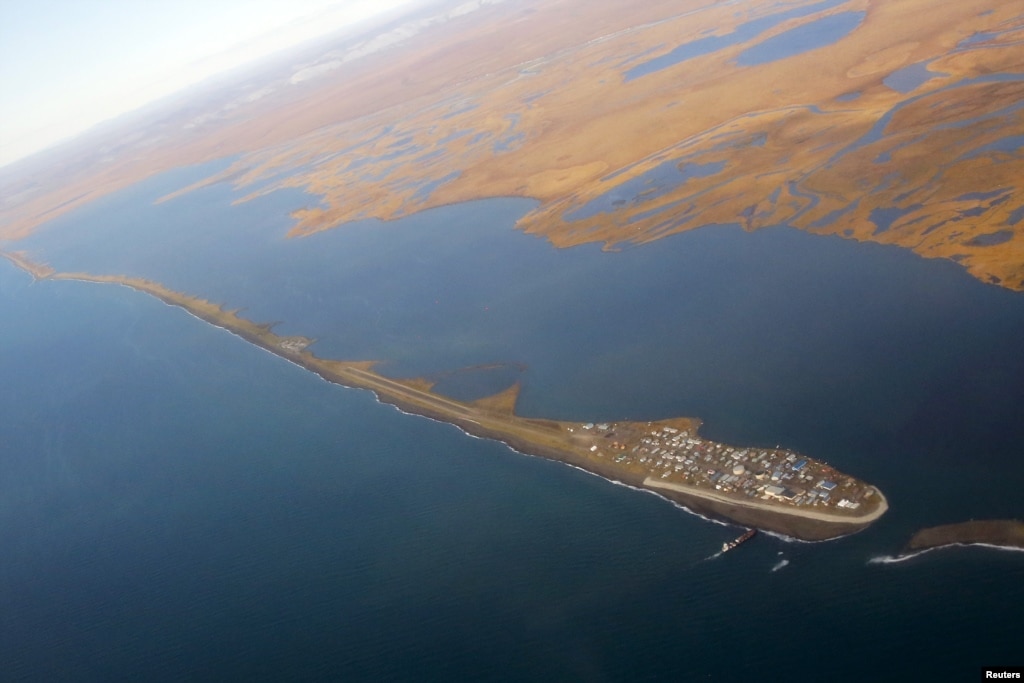
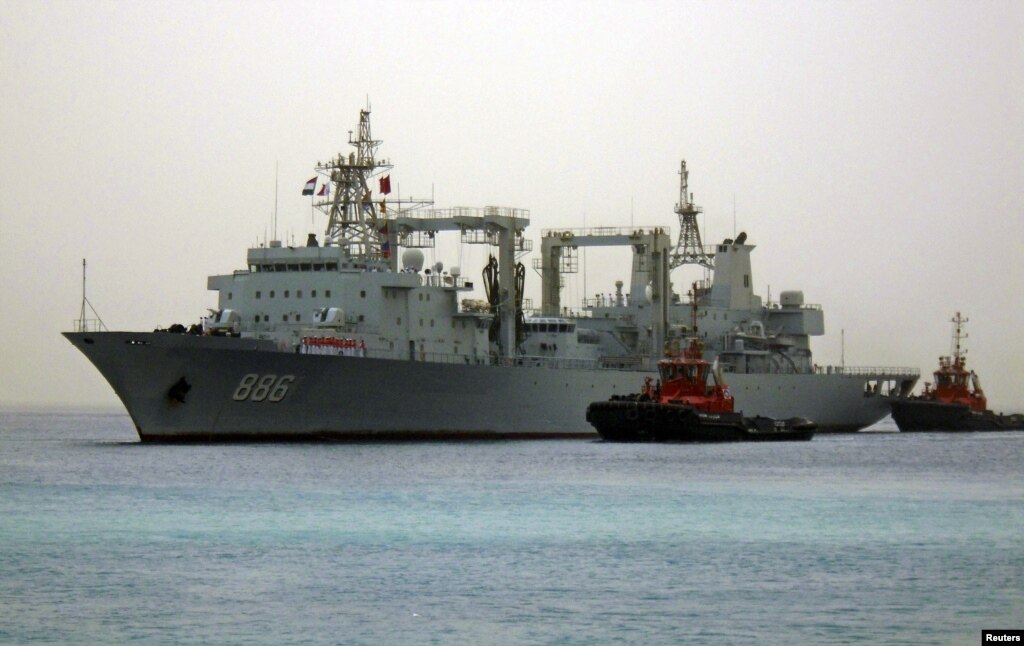
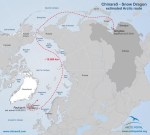
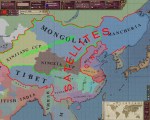
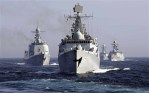

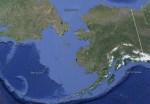


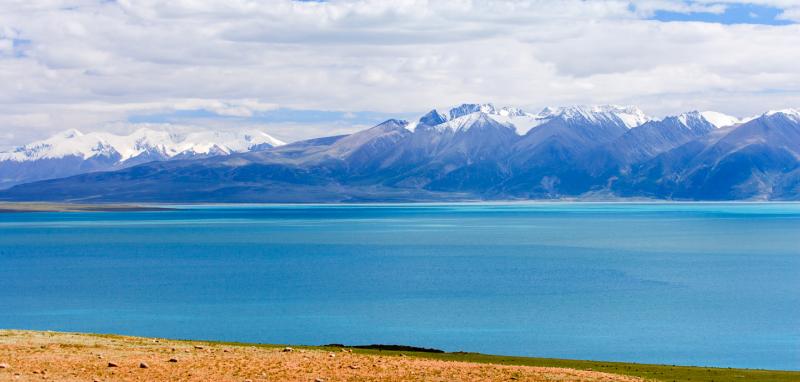


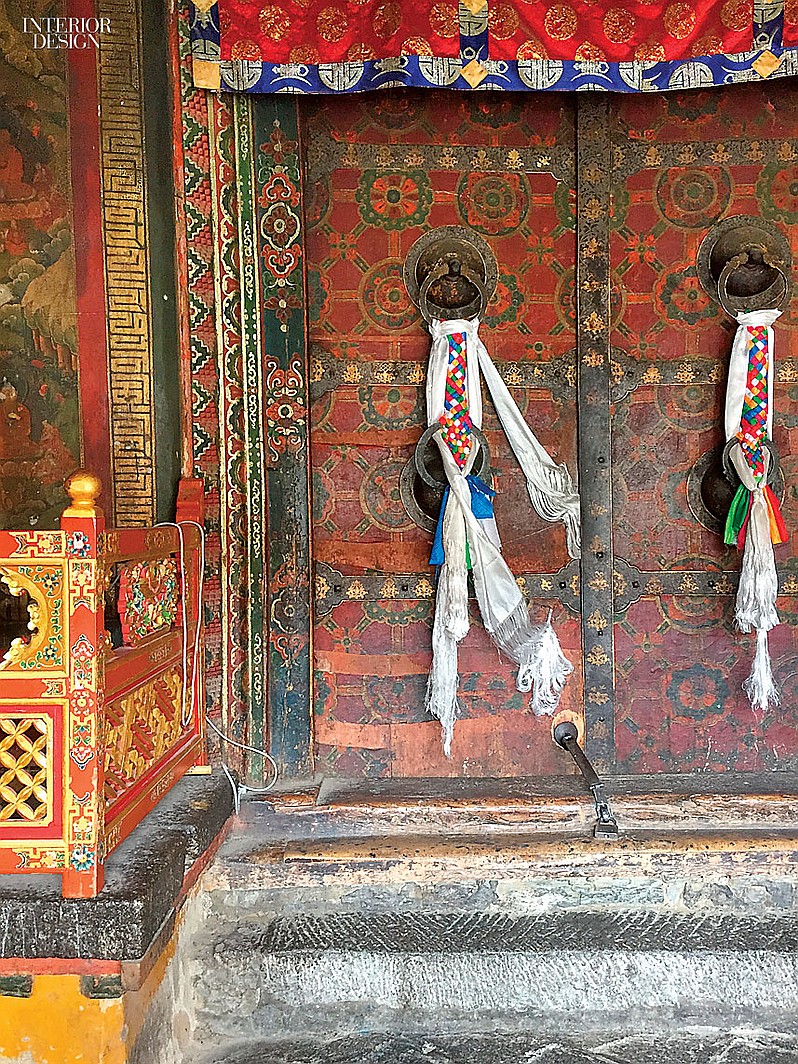
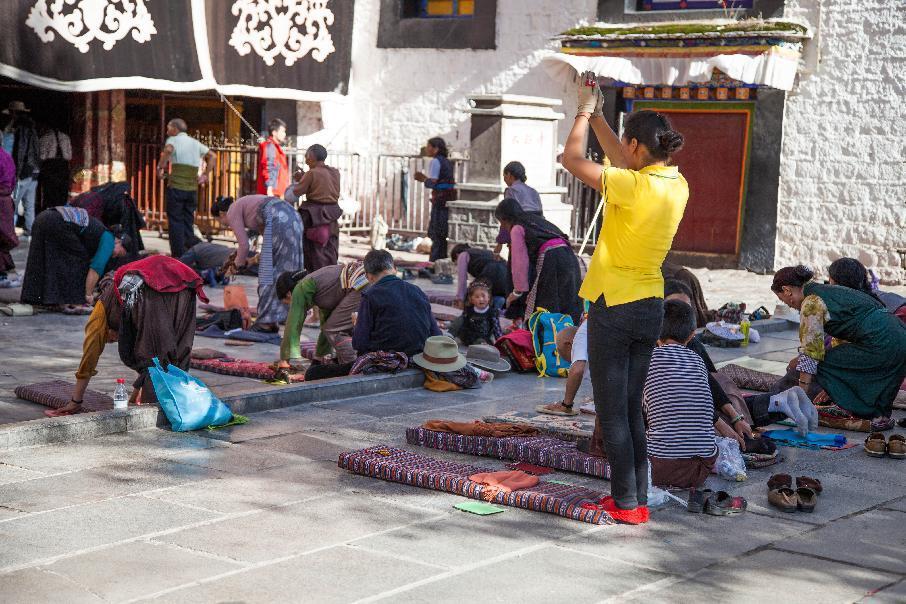
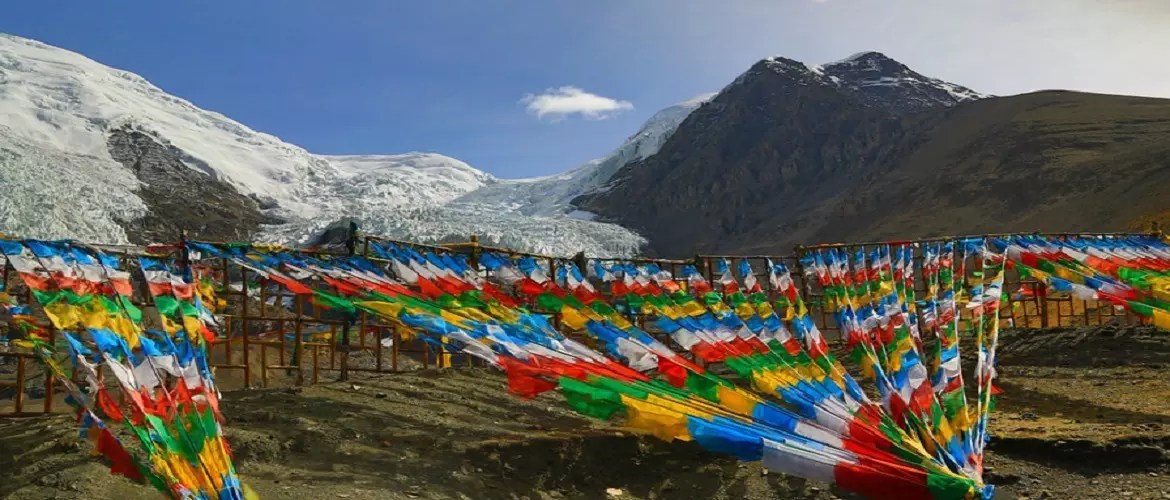
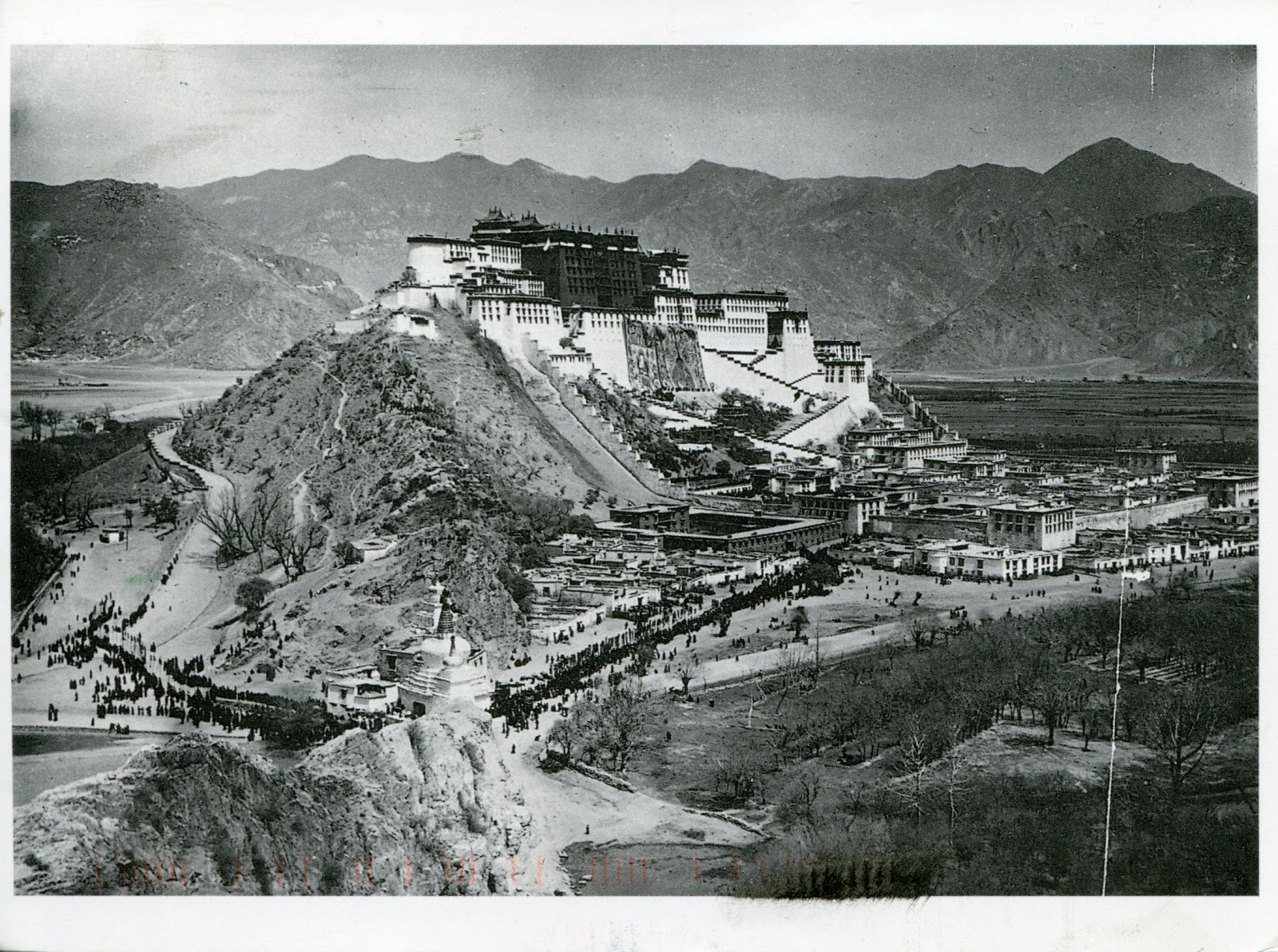
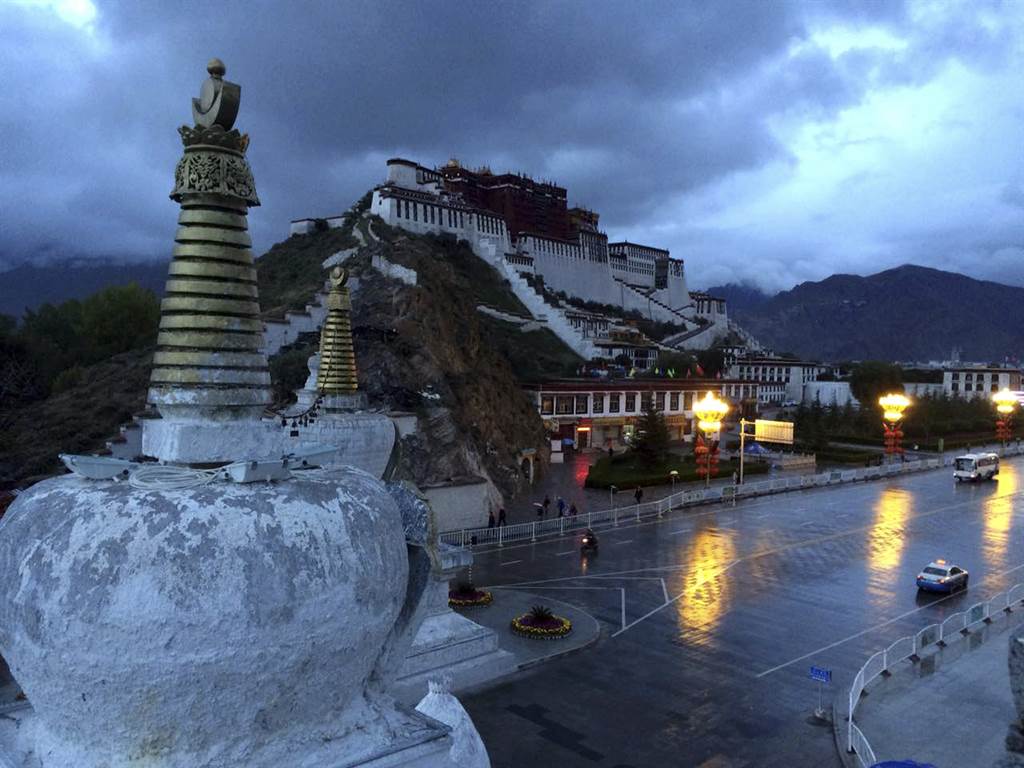
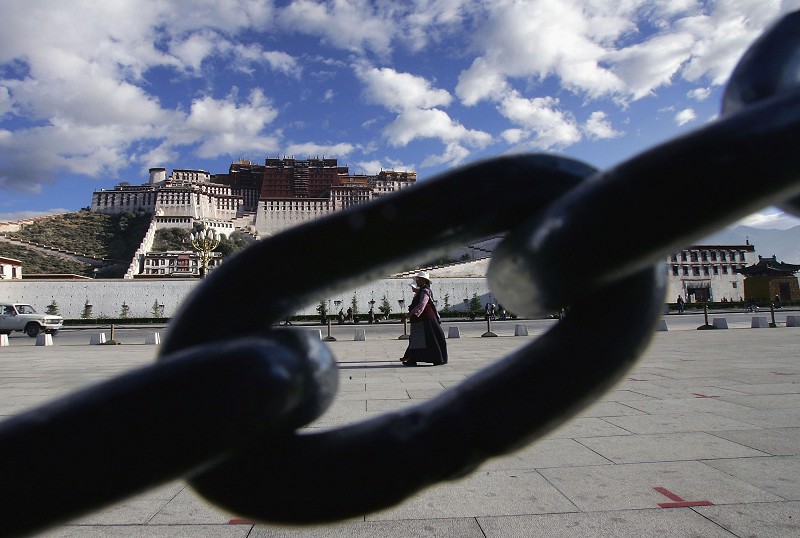
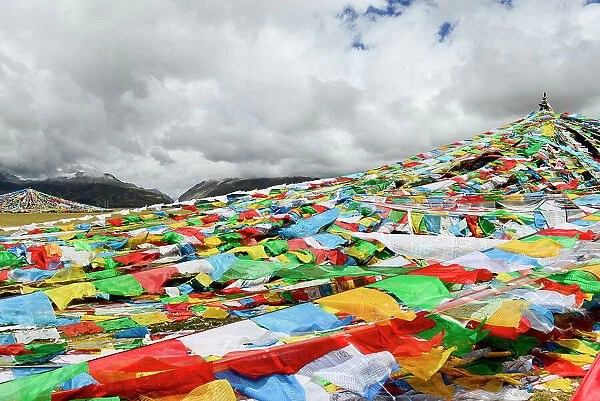

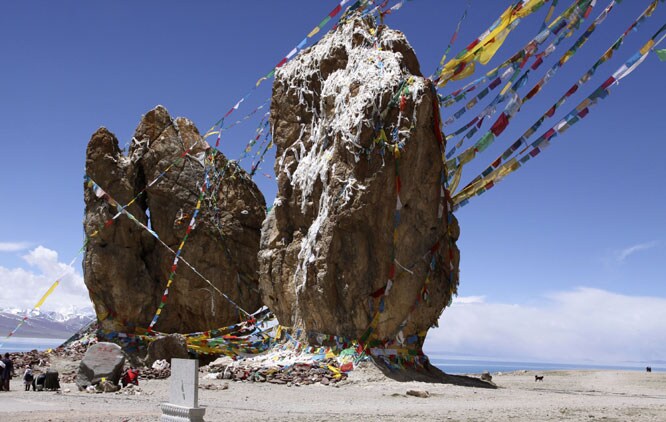

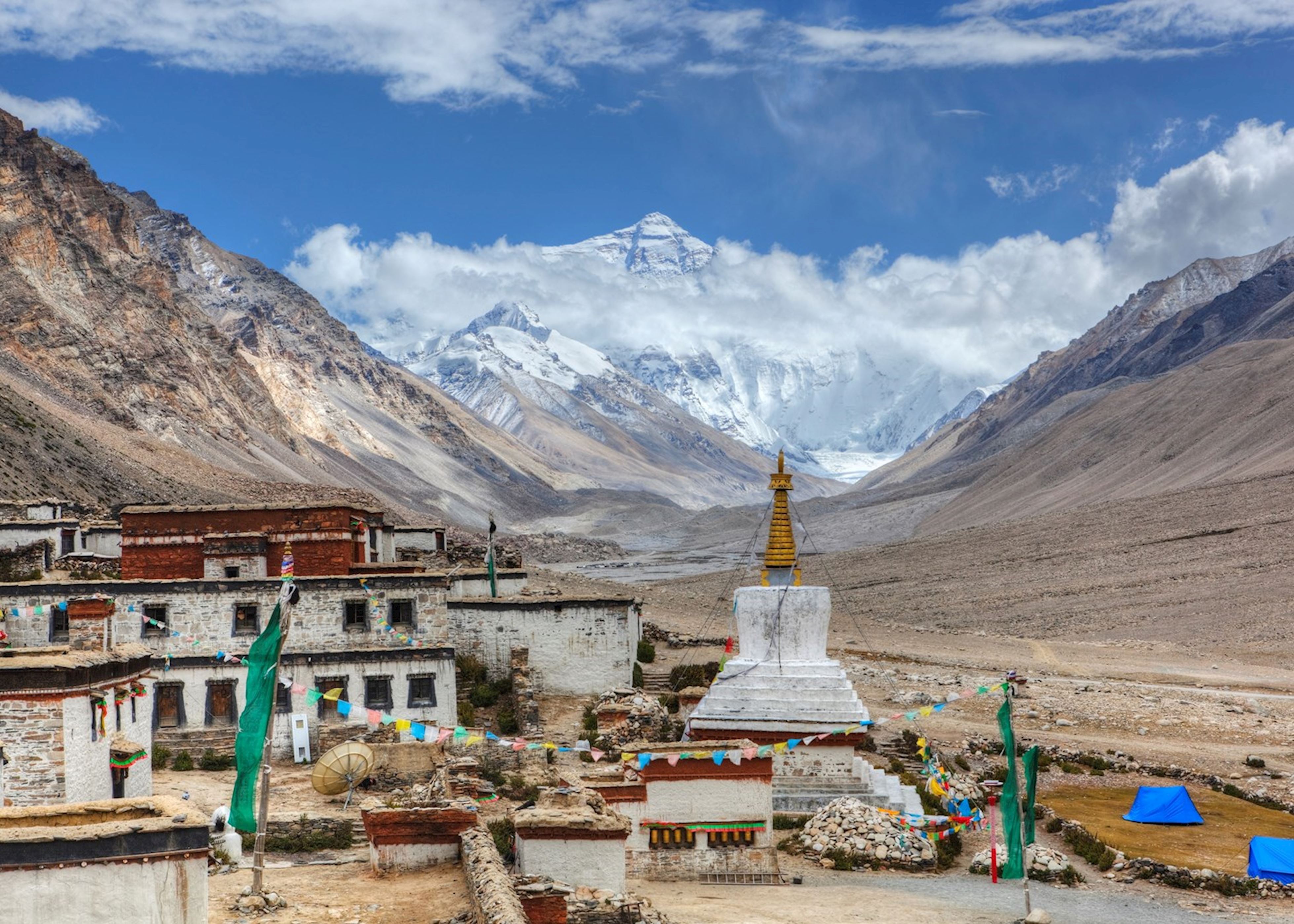
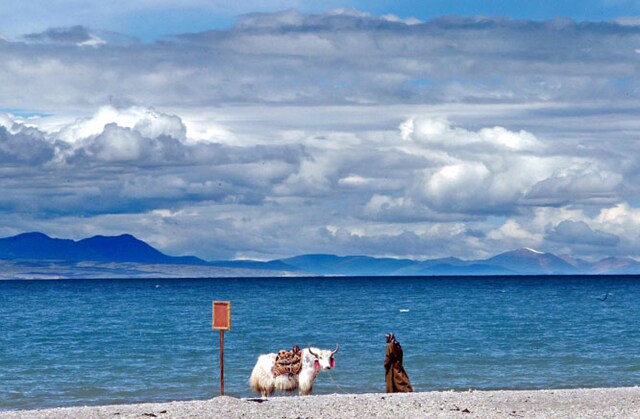
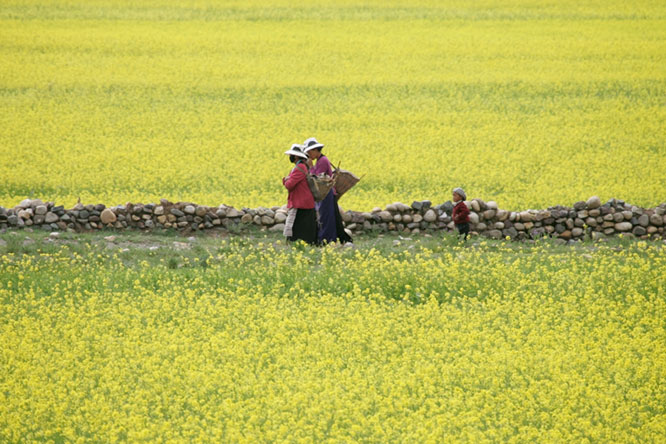


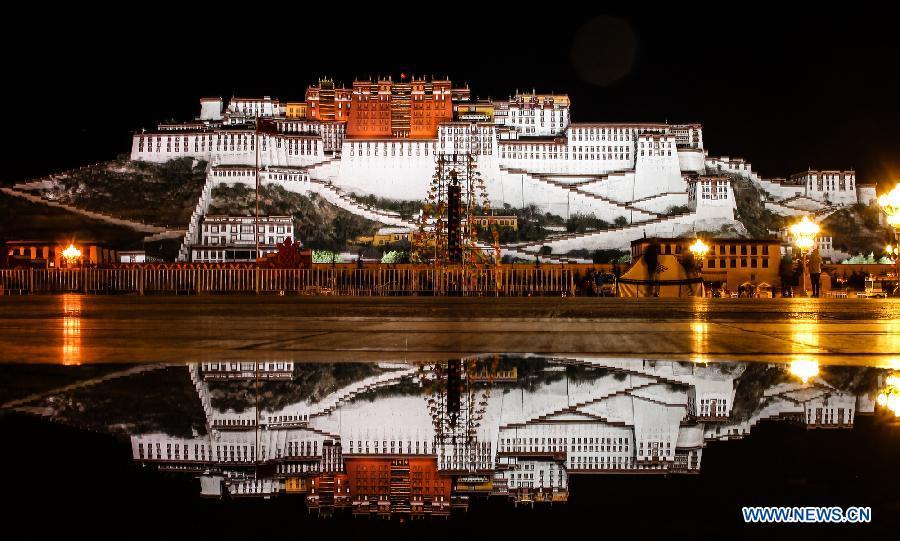
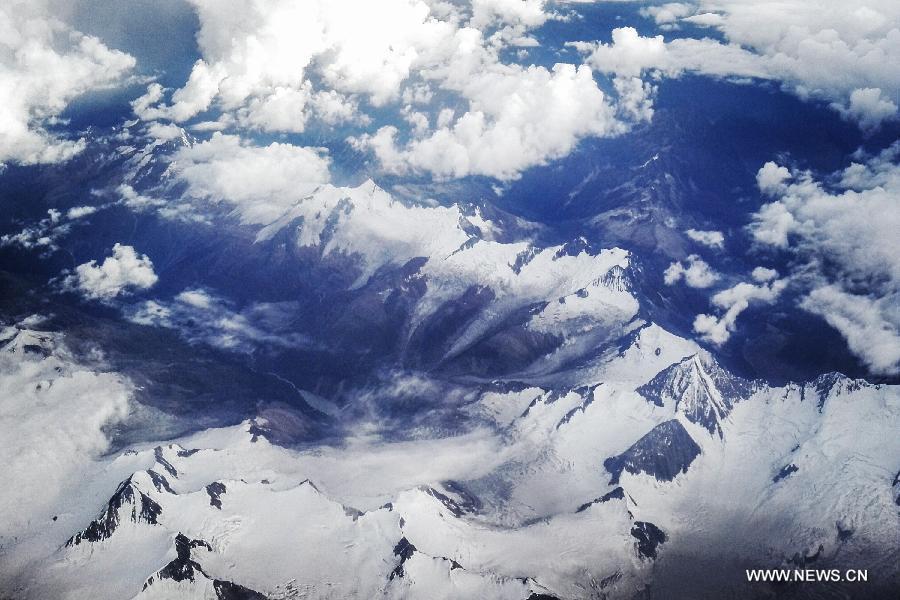
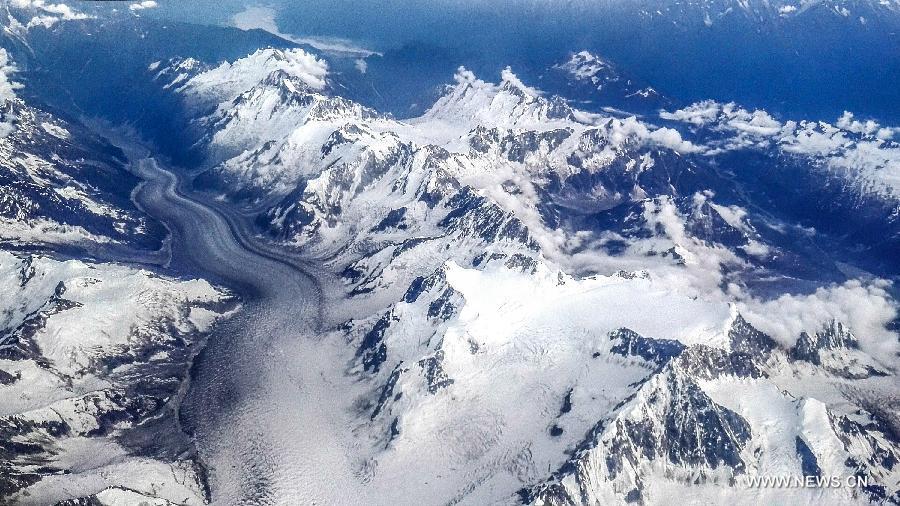
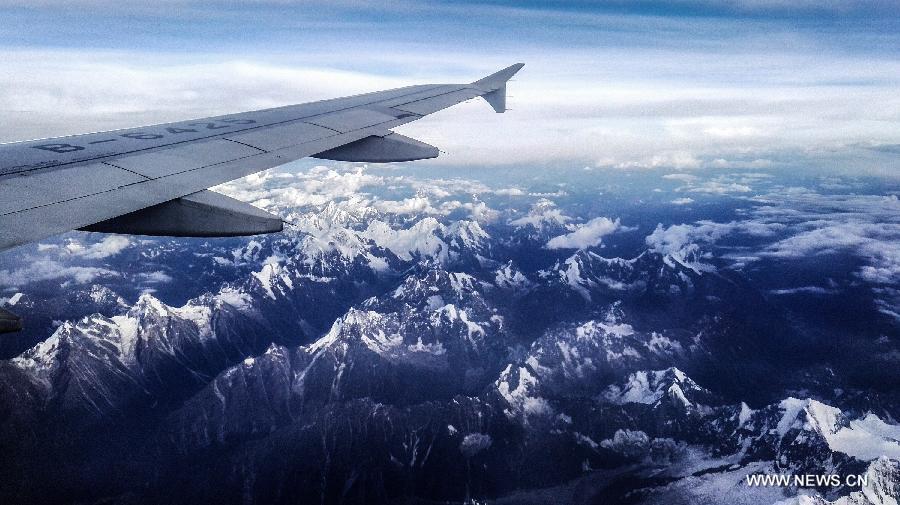
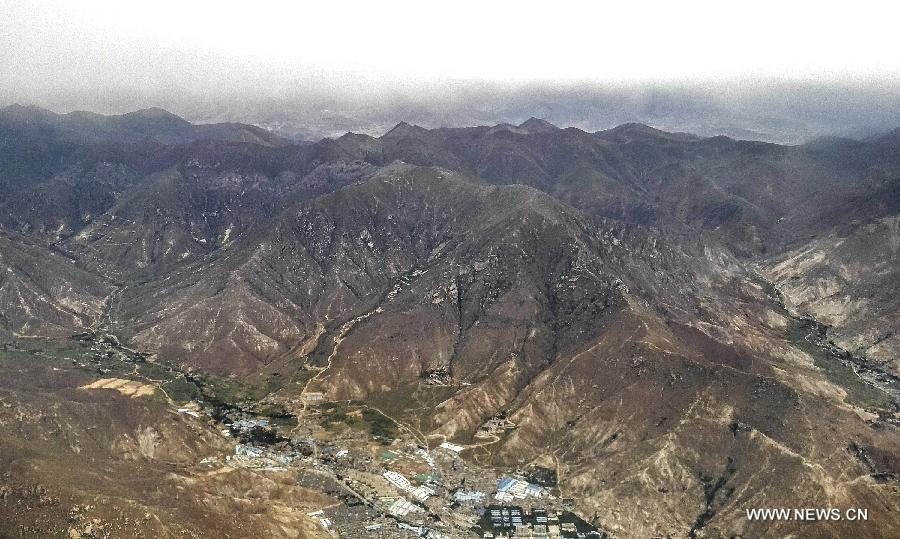
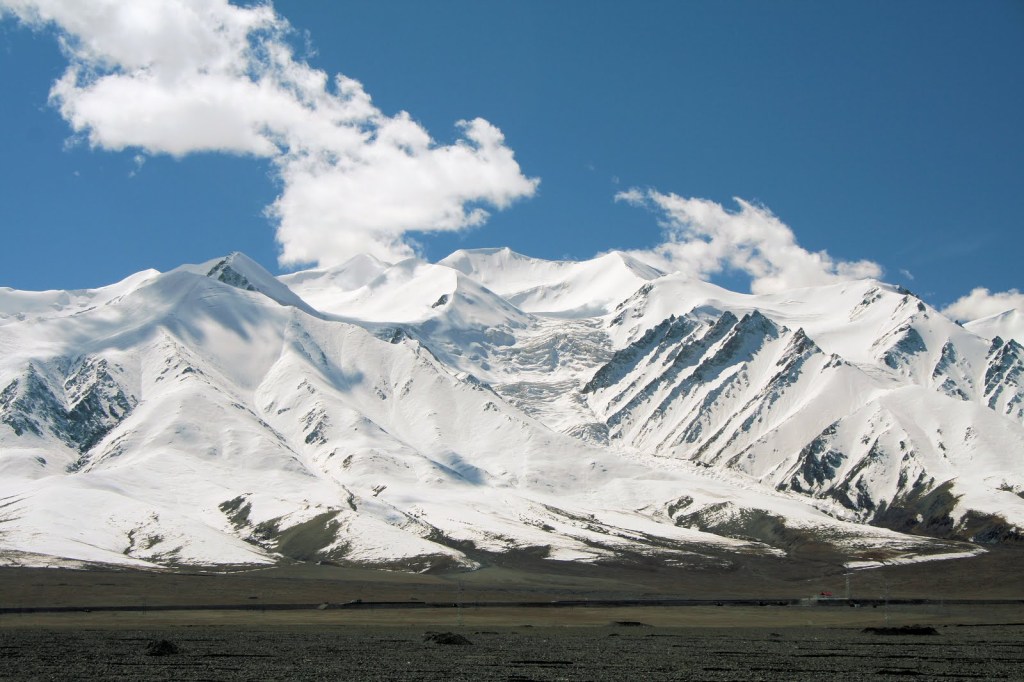

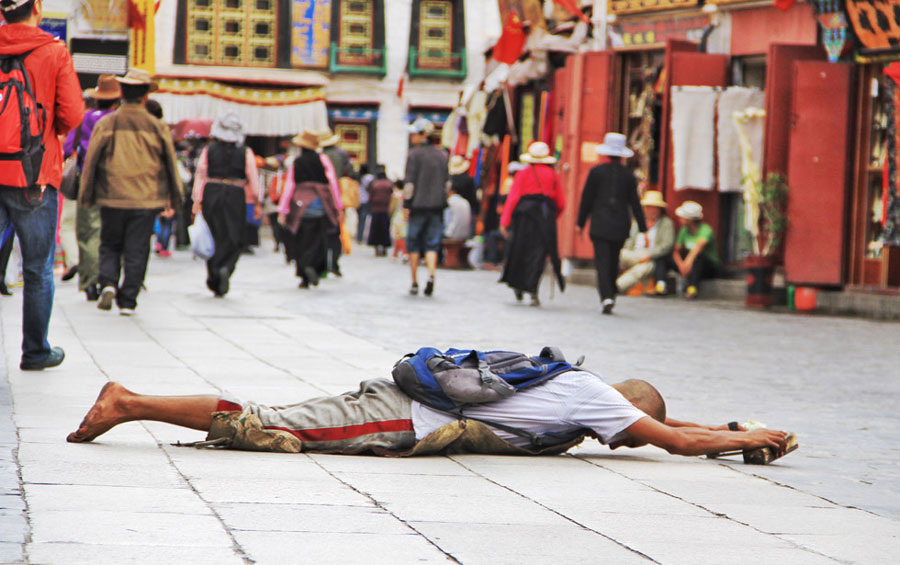
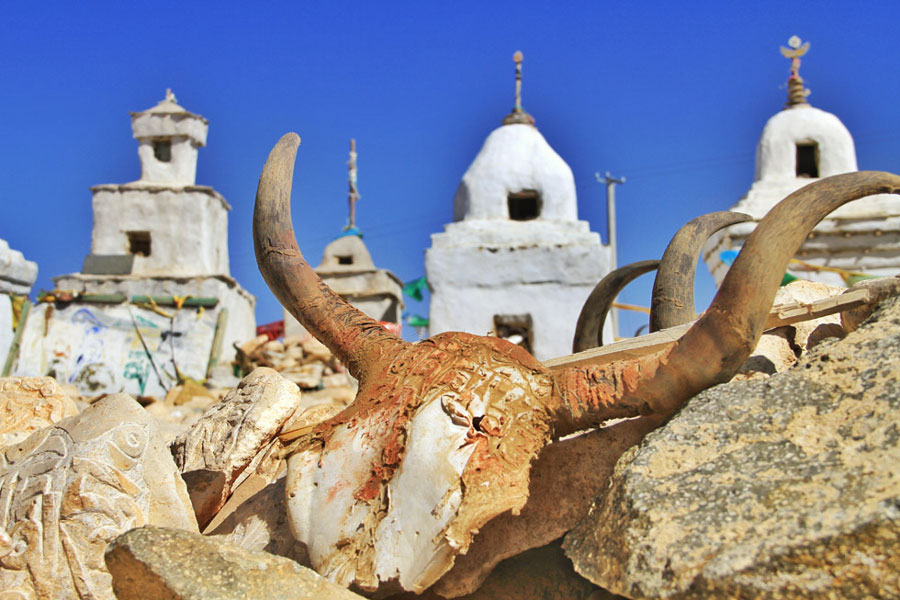

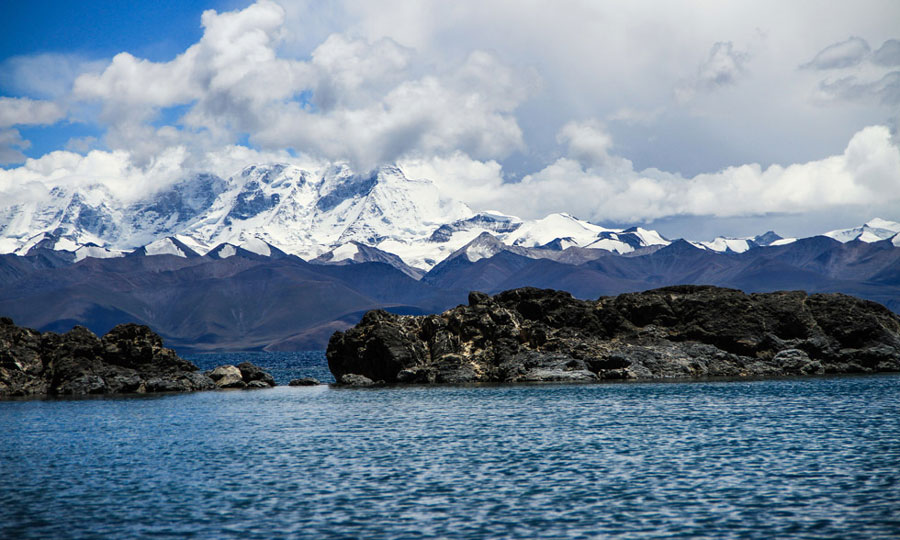
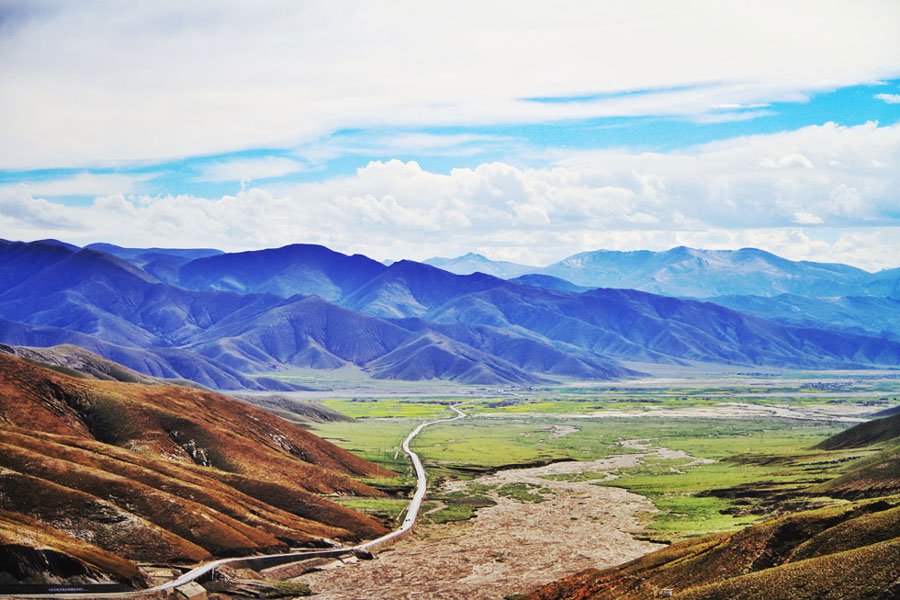
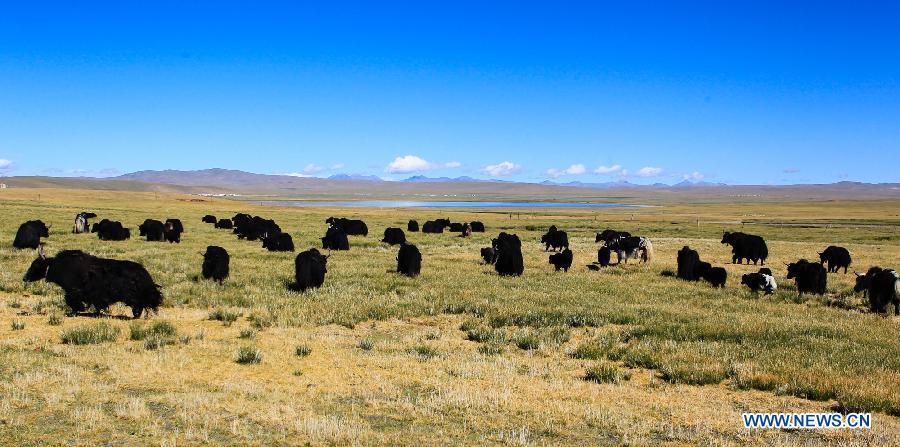
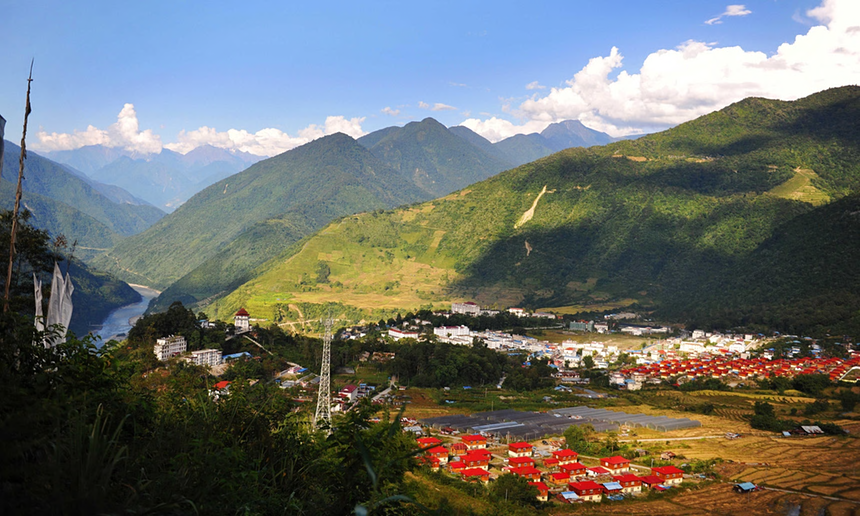
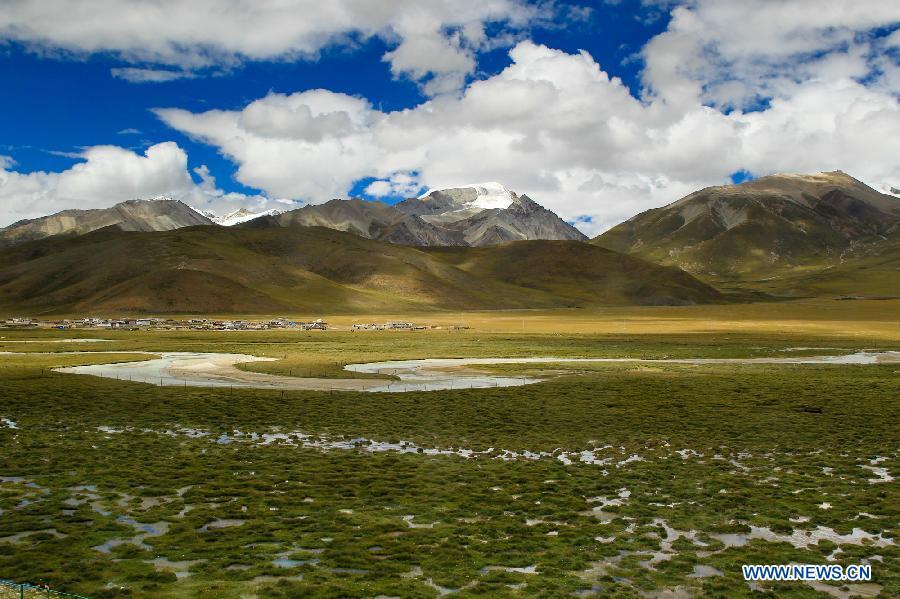
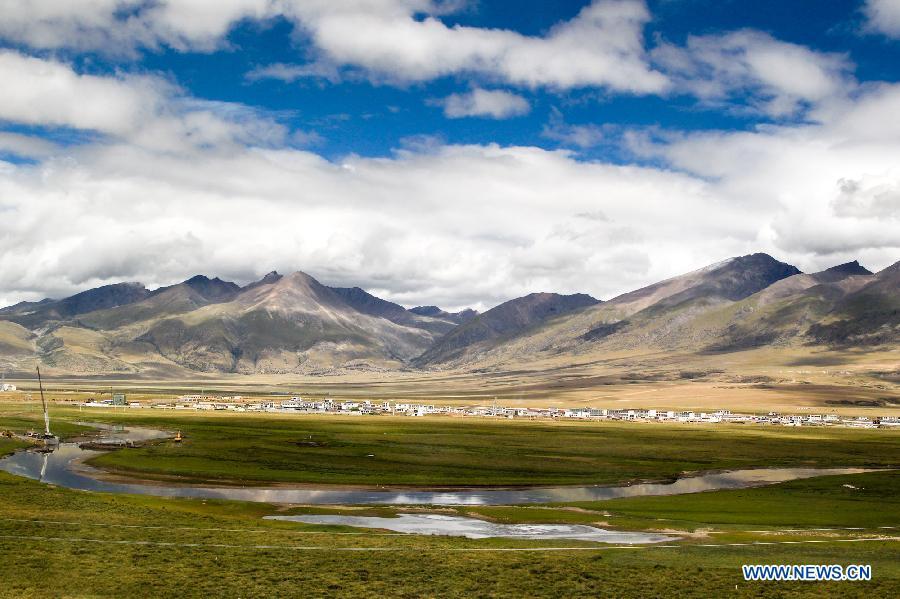
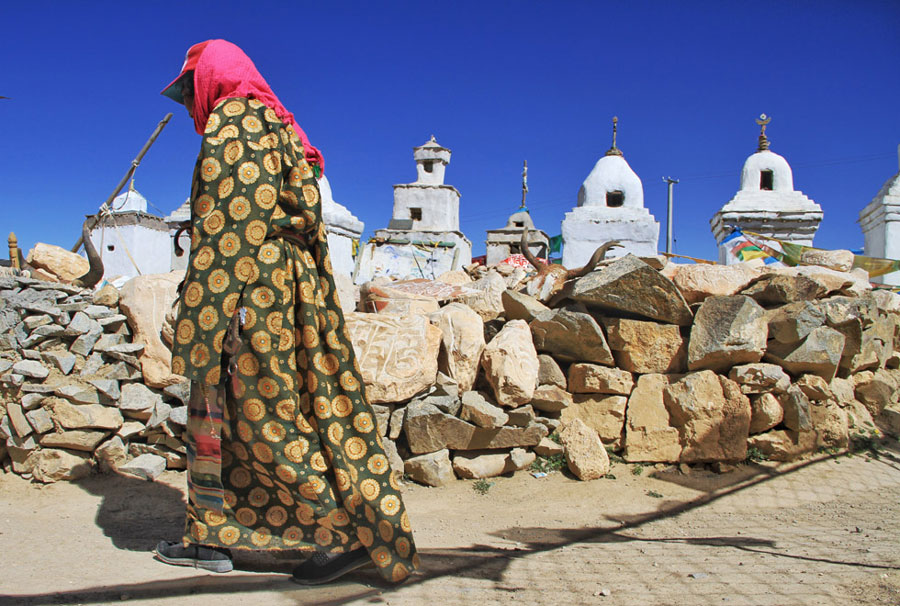
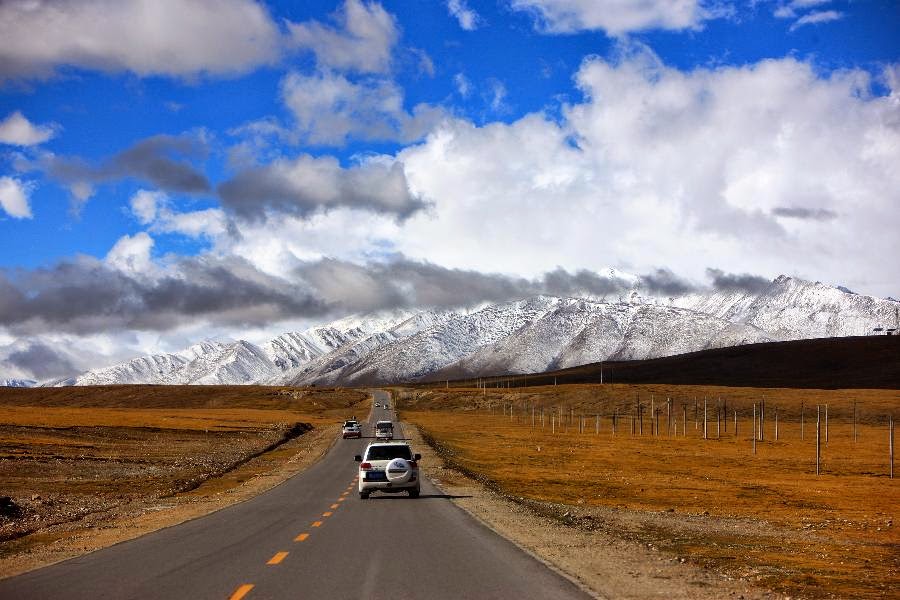

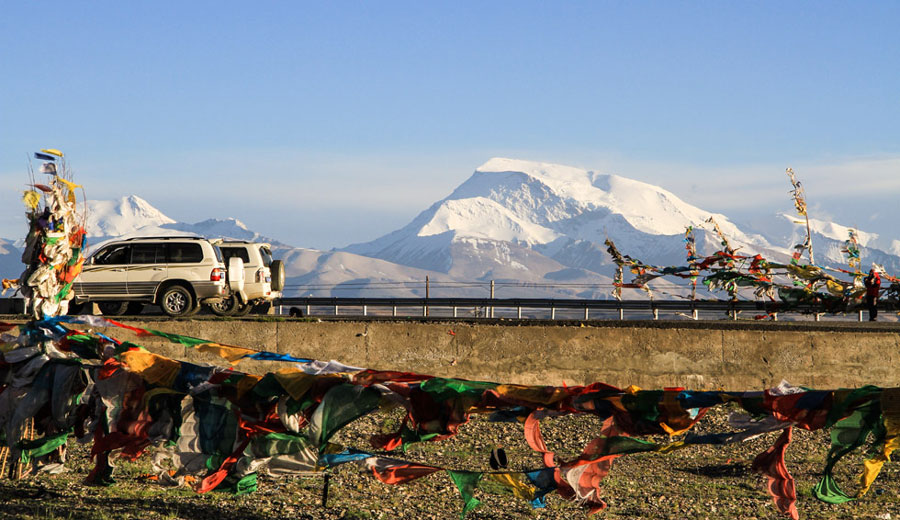
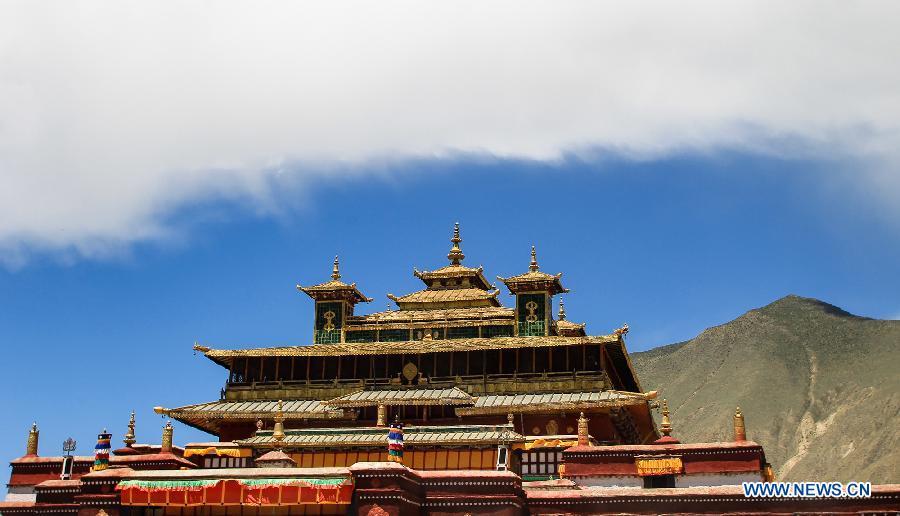
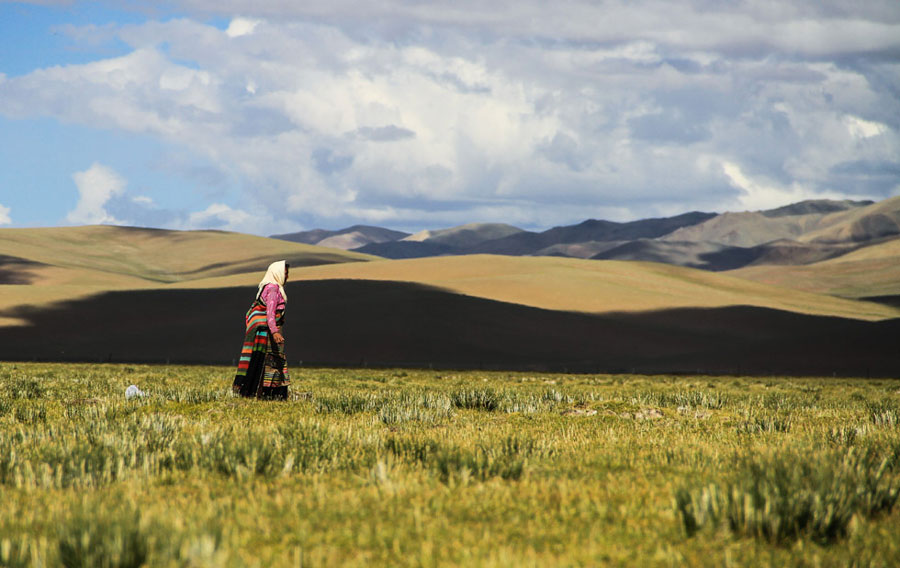
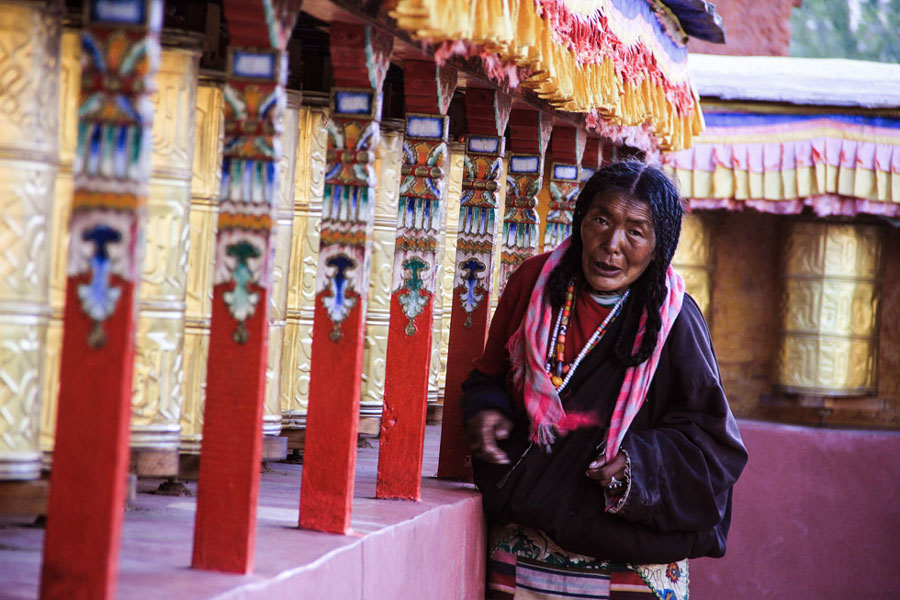
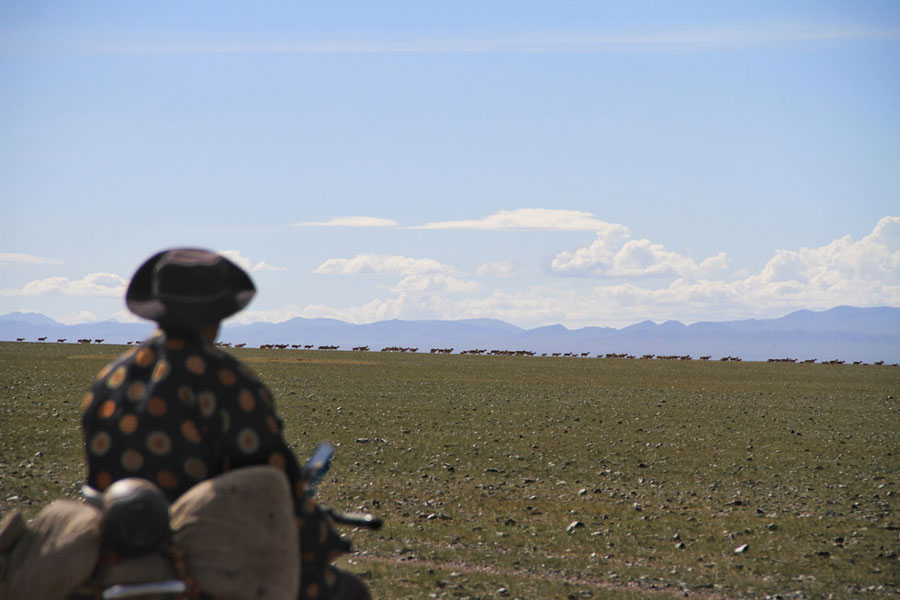
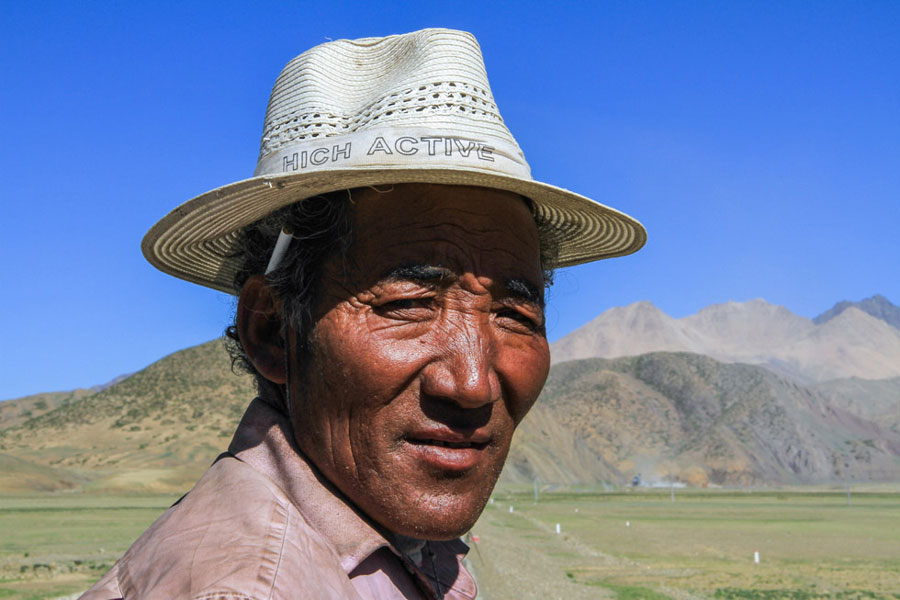
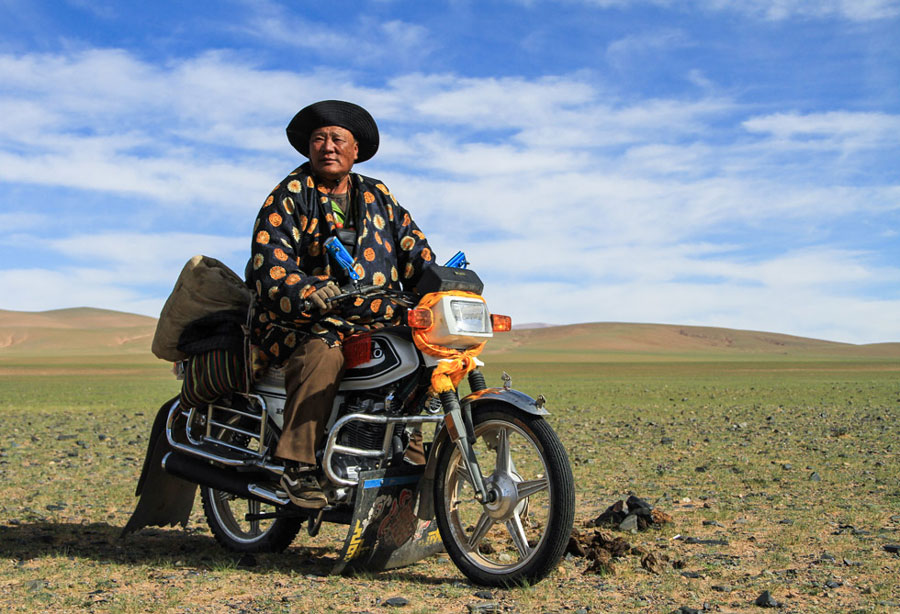
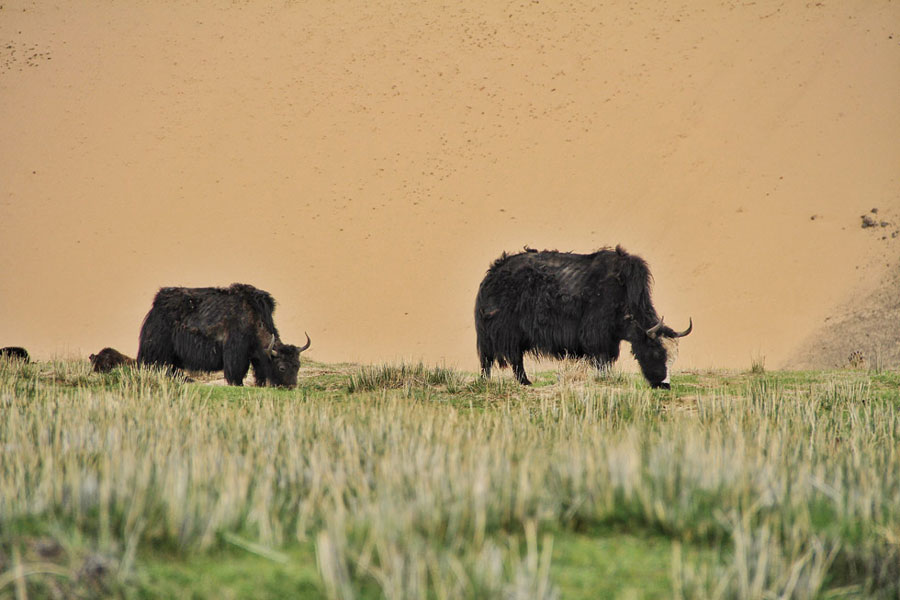
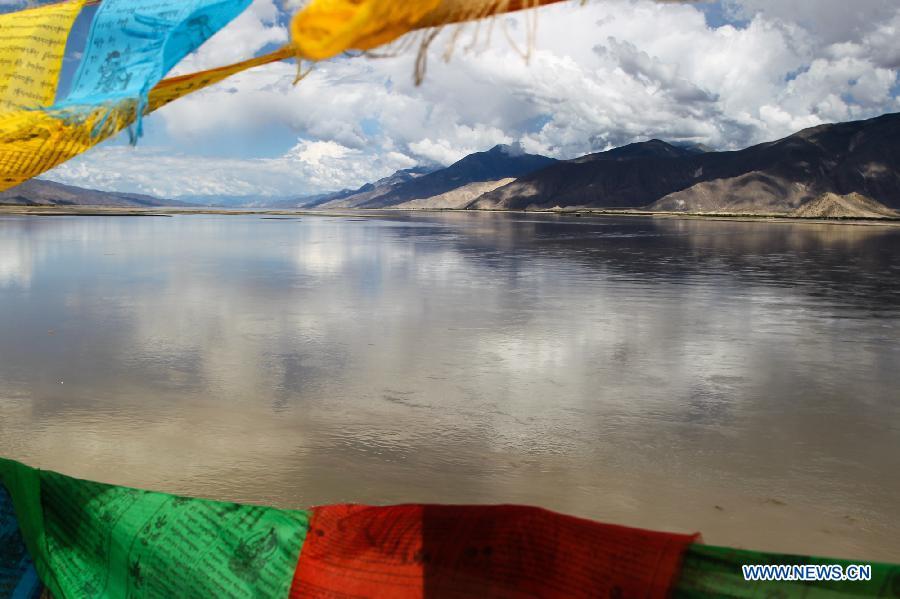
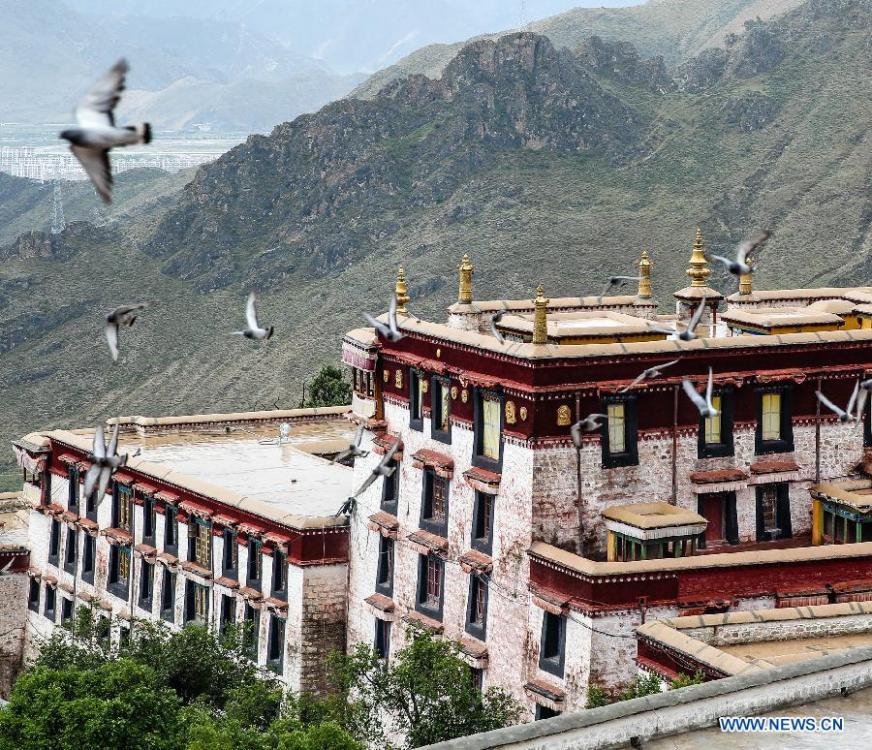
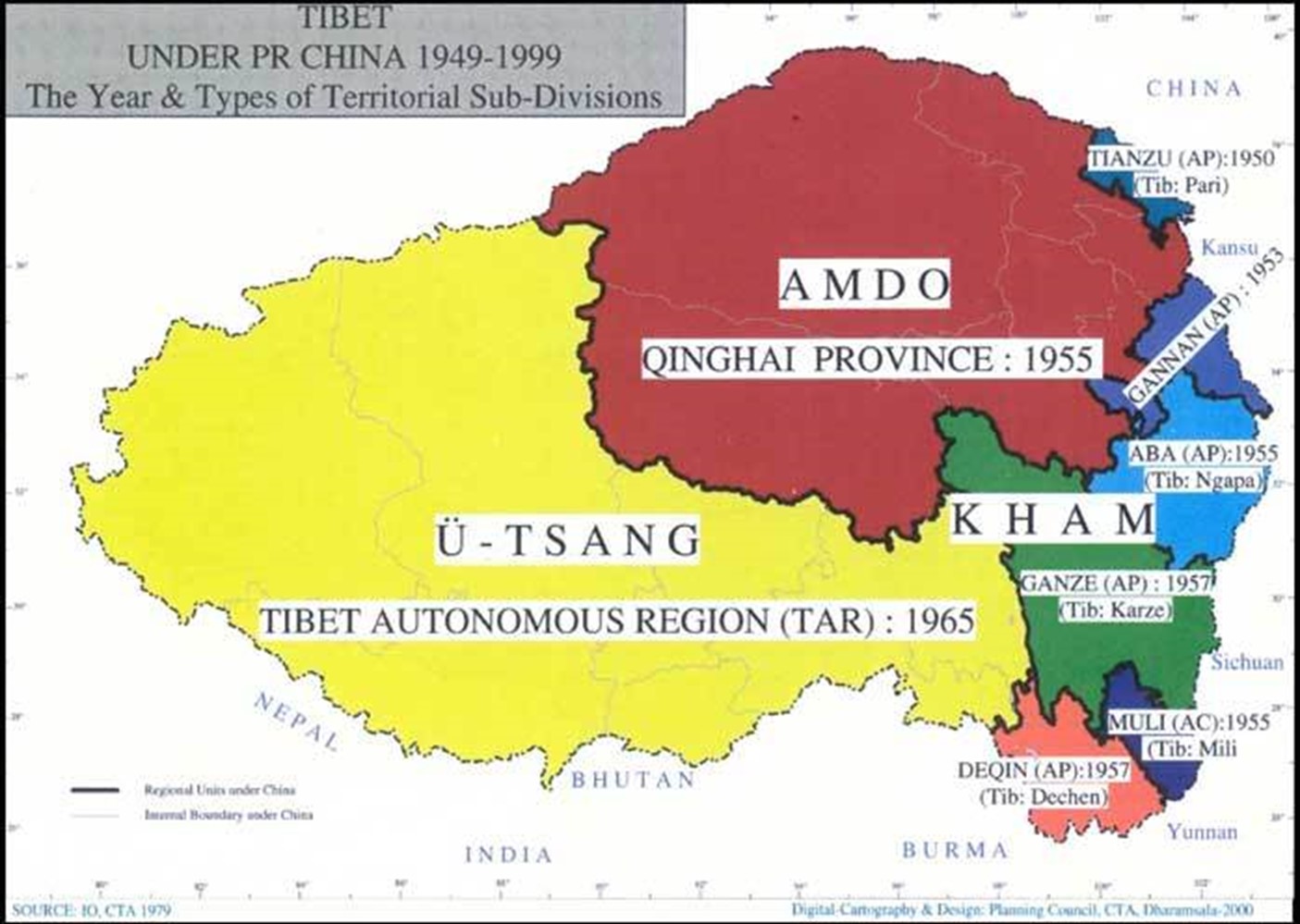
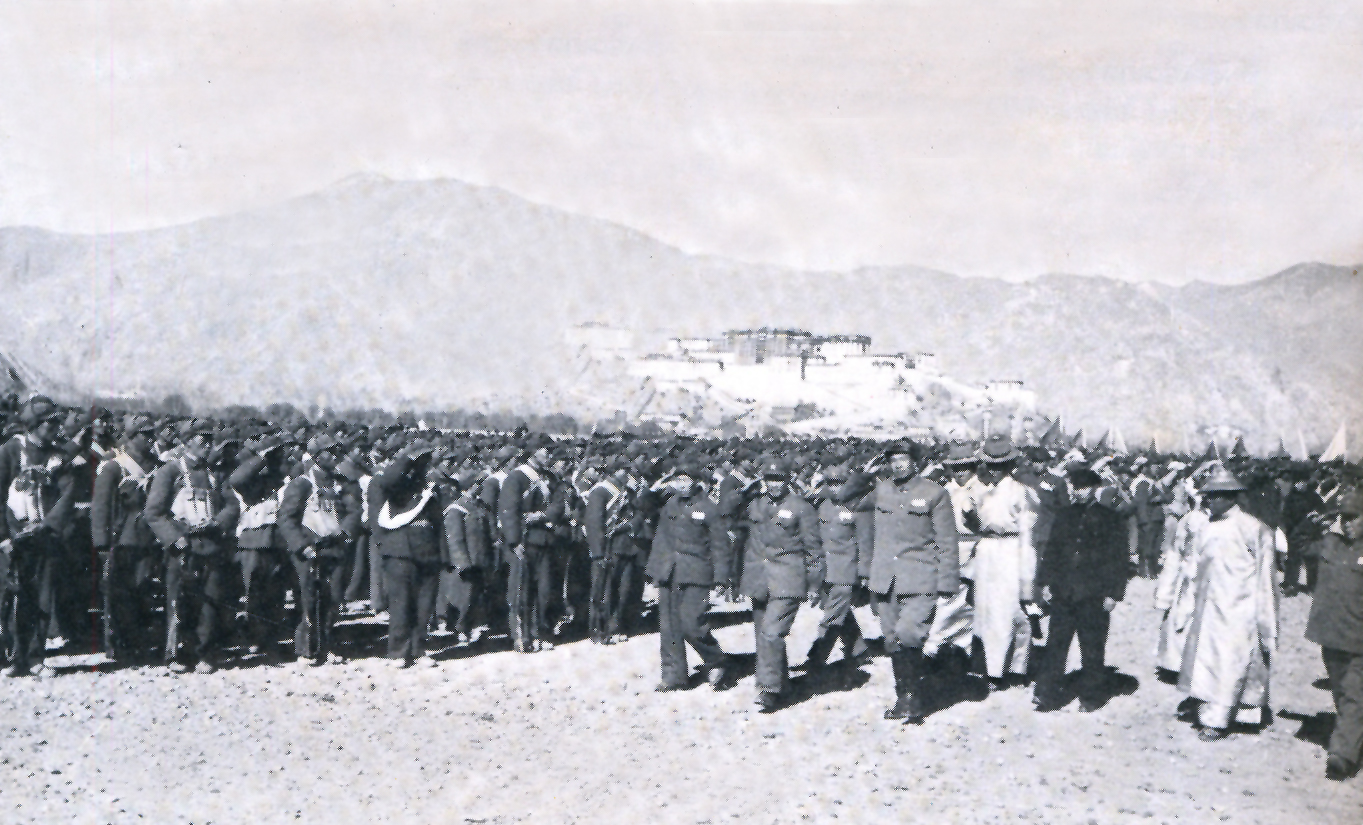

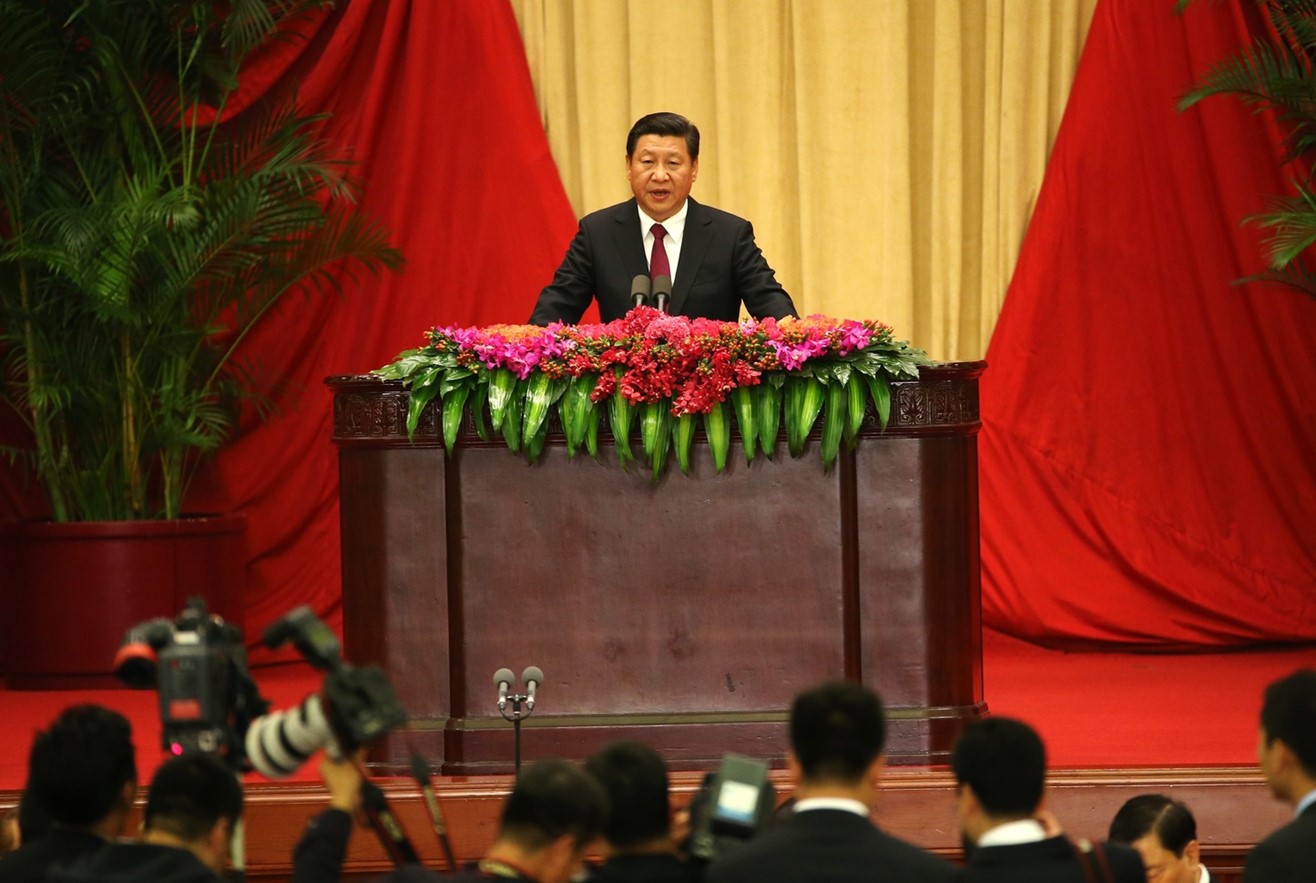
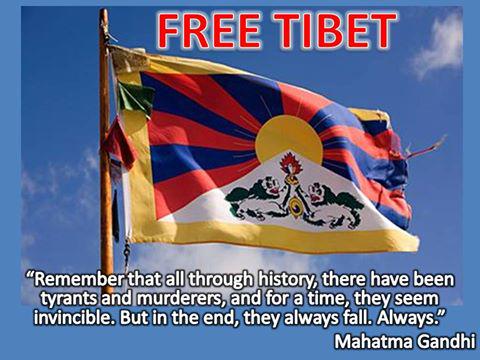
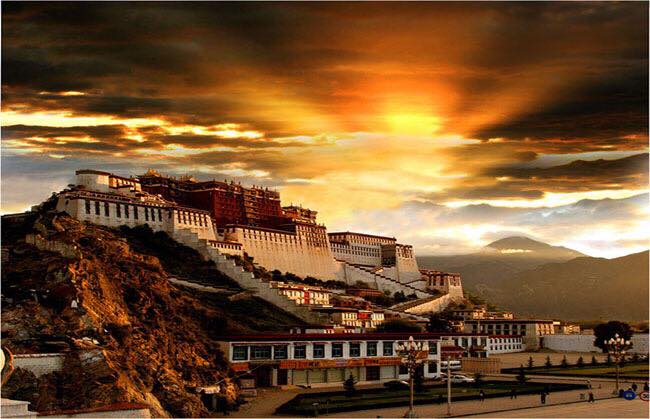

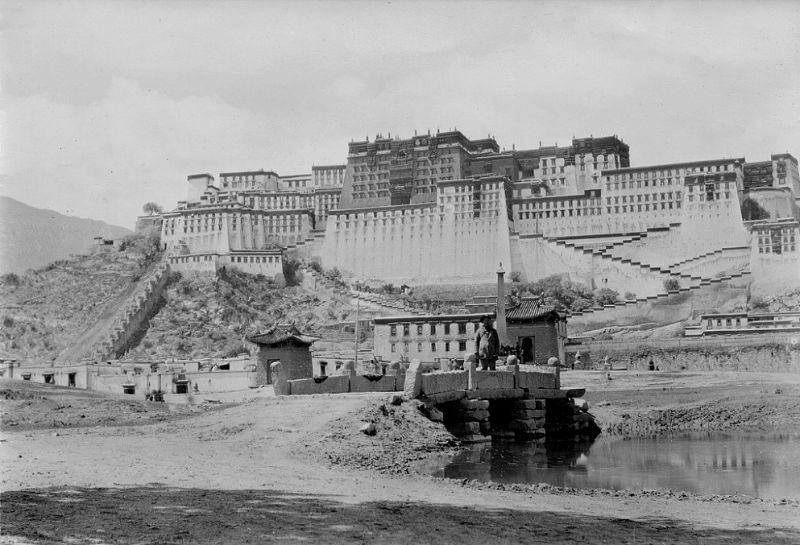


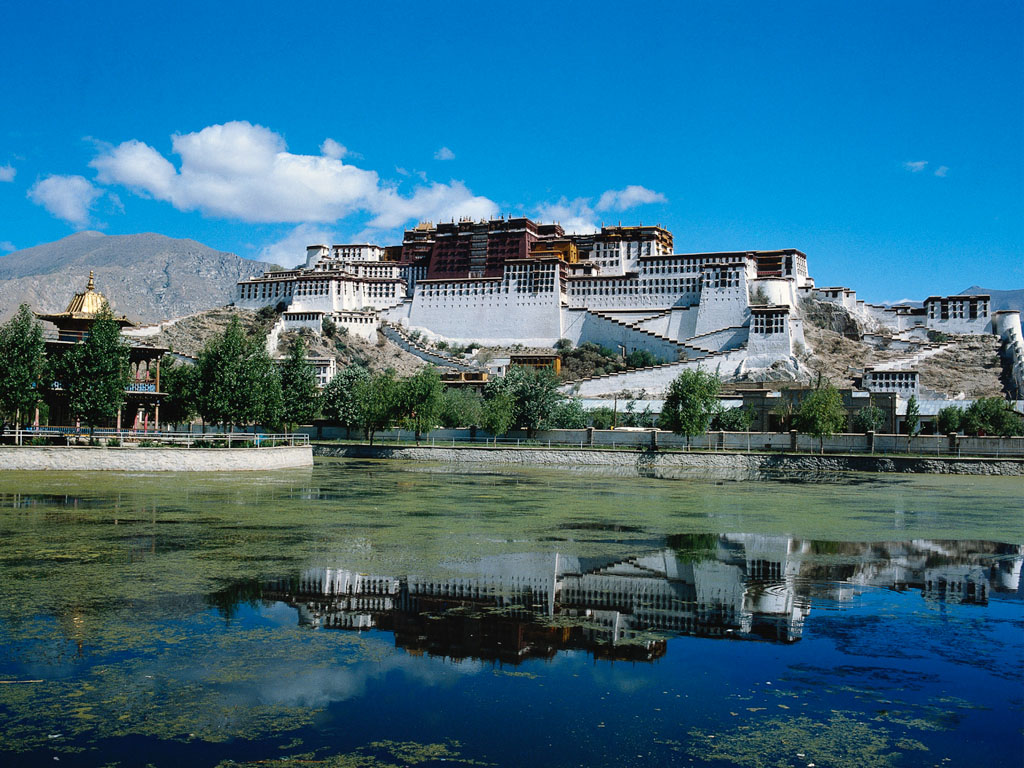


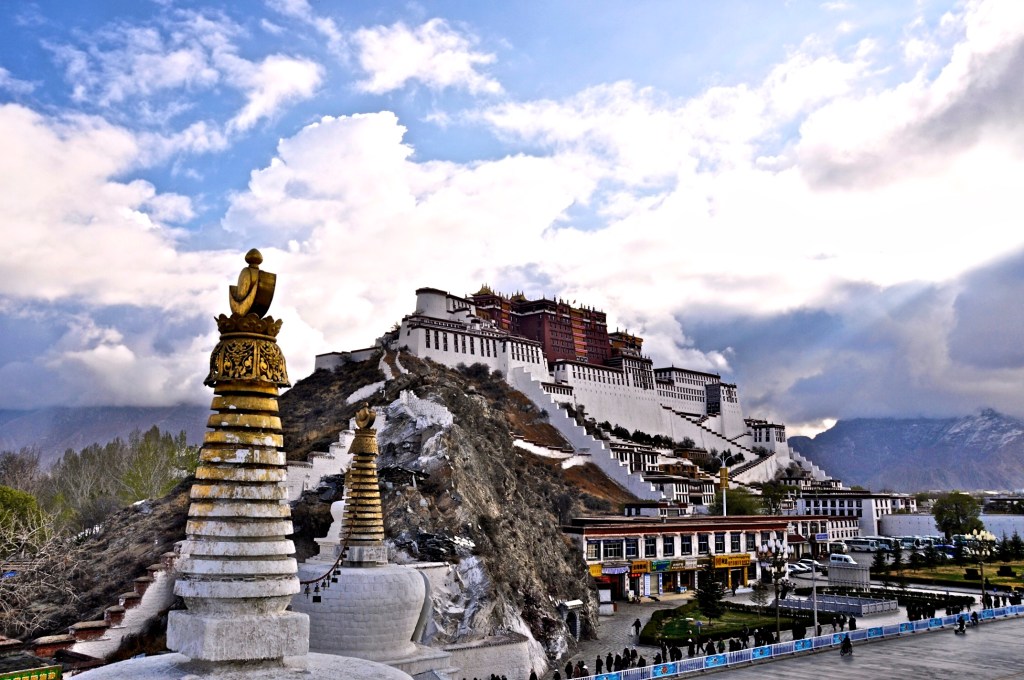


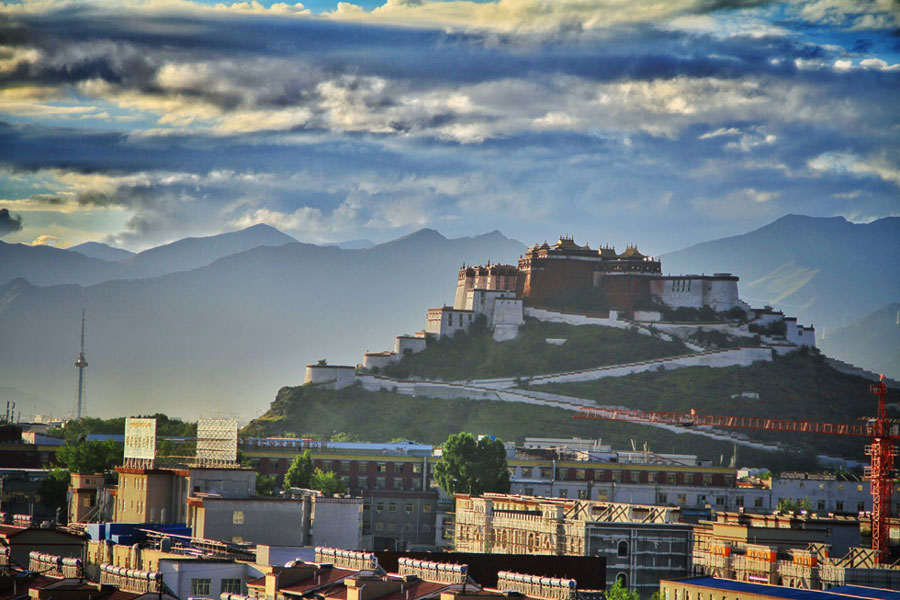

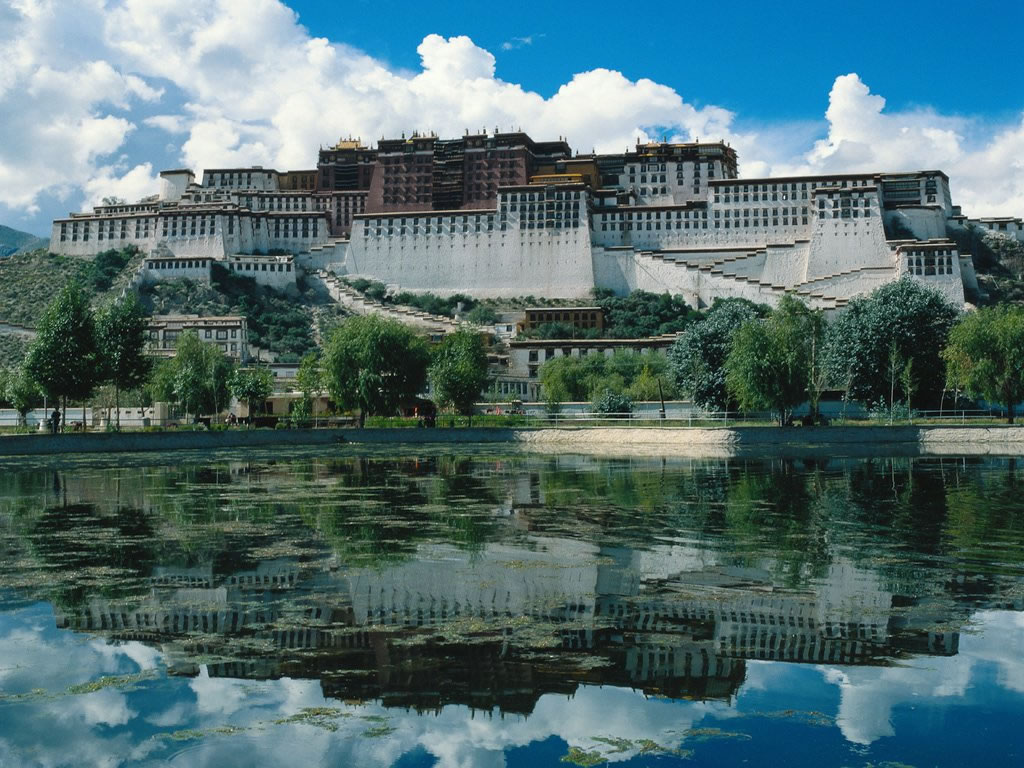





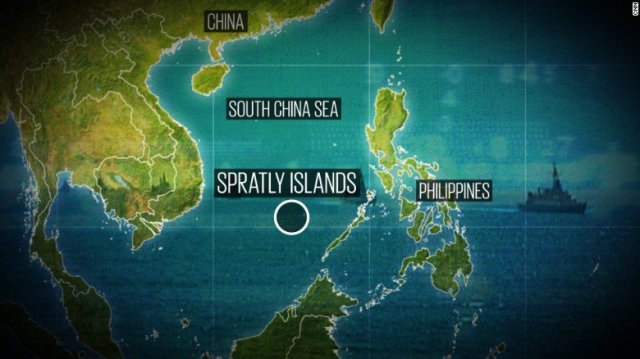




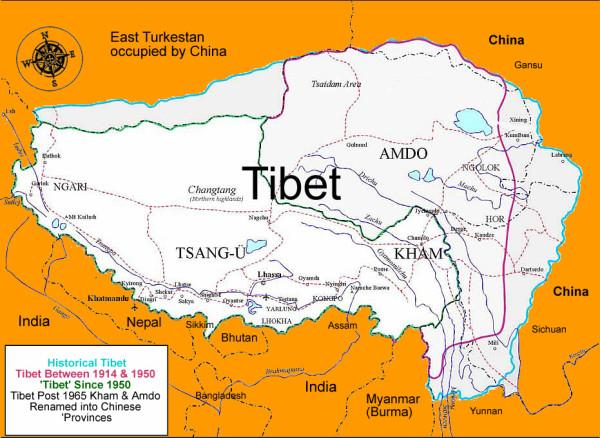
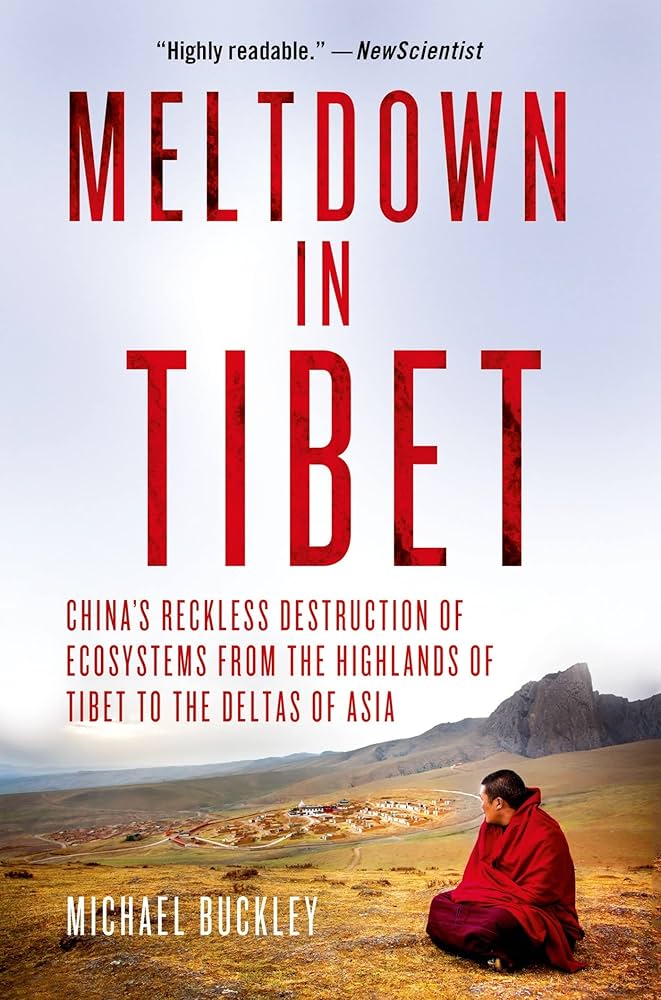


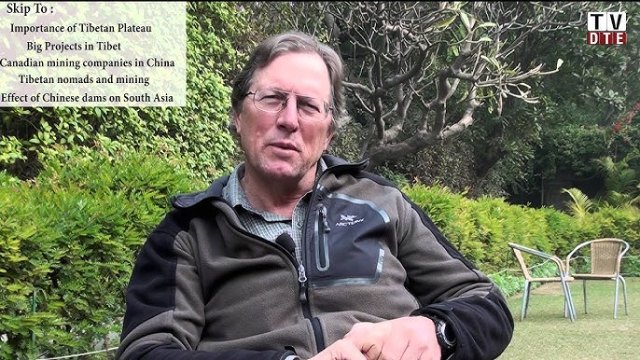
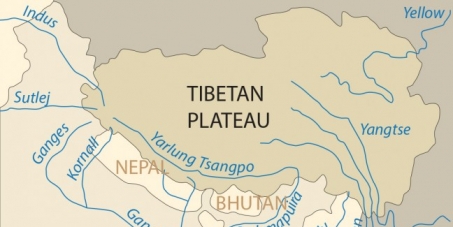


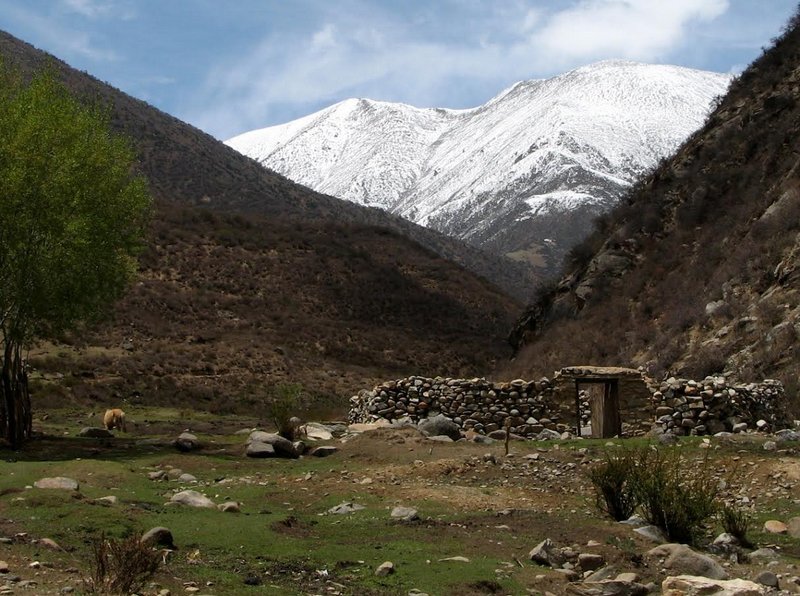
 Whole Dude - Whole Concept