Whole Dude at Whole Foods needs a Final Destination to Rest in Peace.I am a Refugee. What is my Final Destination?
I am a Refugee for I host ‘The Living Tibetan Spirits’, the Spirits of young Tibetan Soldiers who gave their precious lives while dreaming about ‘Freedom’ in Occupied Tibet.
For I am a Refugee, I am not entitled to the benefits entitled to the citizens of my host nation. I am in the search of my Final Destination where I can die with Peace and Dignity. My host nation is Free and yet as a Refugee I live under terms and conditions imposed on my existence as a Refugee. What is the Choice I can make? The options are, 1. Labor until Death in the host nation, and 2. Peaceful Death in the Enemy’s Prison.
I am a Refugee. What is my Final Destination.
India – Tibet – China Dalai Lama says he would like to return to Tibet before he dies
The spiritual leader of Tibetan Buddhism fled Lhasa during the 1959 uprising. Beijing considers him a “wolf in sheep’s clothing”. Like Xi Jinping, Donald Trump never asked to meet him.
Dharamshala (AsiaNews/Agencies) – “The Tibetan people have trust in me, they ask me [to] come to Tibet,” said the Dalai Lama in an interview with the BBC.
I am a Refugee. What is my Final Destination?
Speaking with the journalist, the spiritual leader of Tibetan Buddhism talked about his desire to return to Lhasa before he dies. He was forced to abandon the Potala Palace (his official residence) during the Tibetan uprising against Chinese military rule in 1959.
Since then, Tenzin Gyatso, the 14th Dalai Lama, has found refuge in Dharamshala (India) along with another 10,000 Tibetan Buddhists who live their Himalayan exile in Arunachal Pradesh.
In the interview the Dalai Lama describes India, the country that welcomed him, his “spiritual home”. Grateful for the hospitality he received, he notes that one advantage of not being able to return home to Tibet is that India is a free country where he can express himself openly.
Although he has often tried to engage Beijing in dialogue, to safeguard the autonomy of Tibetan religion and culture threatened by a “cultural genocide”, the Chinese Communist Party has always branded him a “dangerous” separatist seeking Tibetan independence.
In order to return to Tibet, he gave up his political role in 2011 to remain only as the spiritual leader of Tibetan Buddhism. But the Chinese Communist Party continues to view him as a “wolf in sheep’s clothing”.
At the age of 84, he enjoys good health, although he needs an assistant to walk. In April, Tibetan Buddhists all over the world were concerned for several days after his sudden hospitalization in a Delhi hospital for a lung infection.
In addition to going home to Tibet, the Dalai discussed various topics in the BBC interview: Brexit, migrants, a female Dalai Lama woman who should be “more attractive” than a man.
He also voiced strong criticism of US President Donald Trump who, in his view, lacks “moral principle”. The slogan (America First) that allowed him to win “is wrong”. The US leader, he noted, like Xi Jinping, never asked to meet him.
“The Crusade for Peace through Freedom” is due since March 10, 1959
US President Barack Obama was the guest of honor at India’s celebration of its 66th Republic Day on Monday, January 26, 2015. This is the first time in the history of Republic of India, the US President is the guest of honor at the Republic Day ParadeUS President Barack Obama was the guest of honor at India’s celebration of its 66th Republic Day on Monday, January 26, 2015. This is the first time in the history of Republic of India, the US President is the guest of honor at the Republic Day Parade
US President Barack Obama was the guest of honor at India’s celebration of its 66th Republic Day on Monday, January 26, 2015. This is the first time in the history of Republic of India, the US President is the guest of honor at the Republic Day Parade. There is a palpable sense of warmth, friendship, and cordiality between President Obama and India’s Prime Minister Narendra Modi.
US President Barack Obama was the guest of honor at India’s celebration of its 66th Republic Day on Monday, January 26, 2015. This is the first time in the history of Republic of India, the US President is the guest of honor at the Republic Day Parade
Travels of the US Presidents to India:
Dwight D. Eisenhower, New Delhi, Agra. Met with President Prasad and Prime Minister Nehru. Addressed Parliament.December 9–14, 1959.
Richard M. Nixon, New Delhi, State visit; met with Acting President Hidayatullah. July 31–August 1, 1969.
Jimmy Carter, New Delhi, Daulatpur-Nasirabad. Met with President Reddy and Prime Minister Desai. Addressed Parliament. January 1–3, 1978.
William J. Clinton, New Delhi, Agra, Jaipur, Hyderabad, Bombay. Met with President Narayanan; signed Joint Statement on Energy and the Environment; addressed the Indian Parliament. March 19–25, 2000.
George W. Bush, New Delhi, Hyderabad. Met with Prime Minister Singh. Signed nuclear cooperation agreement. March 1–3, 2006.
Barack Obama, Mumbai, New Delhi. Attended U.S.-India Business and Entrepreneurship Summit in Mumbai. Met with Prime Minister Singh and President Patil. Addressed the Indian Parliament. November 6–9, 2010.
Barack Obama, New Delhi. Met with President Pranab Mukherjee and Prime Minister Narendra Modi. January 24–27, 2015.
Donald J. Trump, New Delhi. Met with Prime Minister Narendra Modi. February 24–25, 2020.
Joseph R. Biden, New Delhi. Met with Prime Minister Narendra Modi and attended the G20 Leaders’ Summit. September 7–10, 2023.
US President Barack Obama was the guest of honor at India’s celebration of its 66th Republic Day on Monday, January 26, 2015. This is the first time in the history of Republic of India, the US President is the guest of honor at the Republic Day Parade
On behalf of Special Frontier Force, I admit that India and the United States are not marching towards the goal of winning Peace through Freedom, a journey that these two nations started during 1950s. I would like to share the memories of the historical Five-Day visit to India by 34th US President Dwight David Eisenhower from 09 December to 14 December 1959.
India’s Prime Minister Narendra Modi (L) and U.S. President Barack Obama watch India’s Republic Day parade in the rain together from their review stand in New Delhi January 26, 2015. REUTERS/Stephen Crowley/Pool (INDIA Tags: POLITICS)
US President Obama, and Indian Prime Minister Narendra Modi have failed to mention the Great Problem of Tibet which gave the stimulus for formulating friendly relations between the US and India. Even if the word Tibet is not mentioned during President Obama’s visit to India, I most positively assert that Tibet remains the central focus of India’s relationship with the United States.
India’s Prime Minister Narendra Modi (R) presents a reproduction of telegram sent by U.S. to the Indian Constituent Assembly in 1946, to U.S. President Barack Obama during their meeting in New Delhi January 25, 2015. In a glow of bonhomie, Obama and Indian Prime Minister Narendra Modi worked on a series of bilateral agreements at a summit on Sunday that both sides hope will establish an enduring strategic partnership. REUTERS/India’s Press Information Bureau/Handout via Reuters.
US Presidents who met with His Holiness the 14th Dalai Lama
Special Frontier Force at The White House: On April 16, 1991, the 14th Dalai Lama met with US President George H.W. Bush during his first visit to The White House. President George H.W. Bush served at the Director of the US CIA.
Four U.S. presidents—George H.W. Bush, Bill Clinton, George W. Bush, and Barack Obama—have met with His Holiness the 14th Dalai Lama, with the first official meeting occurring in 1991 during the elder Bush’s presidency.
Subsequent meetings have taken place at the White House, including two with Obama in 2010 and 2011.
George H.W. Bush: The first U.S. president to meet with the Dalai Lama during his presidency, in April 1991.
Bill Clinton: Met with the Dalai Lama at the White House in June 2000 and also met with him in November 1998.
George W. Bush: Met with the Dalai Lama multiple times during his presidency, starting in May 2001, with other meetings in 2003, 2005, and 2007. He also met with the Dalai Lama at the George W. Bush Presidential Center after leaving office.
Barack Obama: Met with the Dalai Lama twice in the Map Room of the White House, in February 2010 and July 2011.
The military occupation of Tibet poses the greatest danger to Peace, Freedom, Democracy, and Human Rights in the world. The problem will not go away and the real solution for the military occupation of Tibet is the Eviction of Military Occupier from the territories of Tibet.
US President Barack Obama meets Indian President Pranab Mukherjee at Rashtrapati Bhavan
US President Barack Obama was the guest of honor at India’s celebration of its 66th Republic Day on Monday, January 26, 2015. This is the first time in the history of Republic of India, the US President is the guest of honor at the Republic Day ParadeUS President Barack Obama was the guest of honor at India’s celebration of its 66th Republic Day on Monday, January 26, 2015. This is the first time in the history of Republic of India, the US President is the guest of honor at the Republic Day ParadeUS President Barack Obama was the guest of honor at India’s celebration of its 66th Republic Day on Monday, January 26, 2015. This is the first time in the history of Republic of India, the US President is the guest of honor at the Republic Day ParadeUS President Barack Obama was the guest of honor at India’s celebration of its 66th Republic Day on Monday, January 26, 2015. This is the first time in the history of Republic of India, the US President is the guest of honor at the Republic Day ParadeUS President Barack Obama was the guest of honor at India’s celebration of its 66th Republic Day on Monday, January 26, 2015. This is the first time in the history of Republic of India, the US President is the guest of honor at the Republic Day Parade
India and the United States joined hands to secure Peace and Freedom in the Occupied Land of Tibet . The military organization called Special Frontier Force ( also known as Establishment 22) truly represents the legacy of President Eisenhower who captivated the hearts of Indian people with his call for a Crusade for Peace through Freedom. We have yet to fight this Battle to secure Peace, Freedom, Democracy, and Justice in the Land of Tibet.
India and the United States joined hands to secure Peace and Freedom in the Occupied Land of Tibet . The military organization called Special Frontier Force ( also known as Establishment 22) truly represents the legacy of President Eisenhower who captivated the hearts of Indian people with his call for a Crusade for Peace through Freedom. We have yet to fight this Battle to secure Peace, Freedom, Democracy, and Justice in the Land of Tibet.On behalf of Special Frontier Force, I admit that India and the United States are not marching towards the goal of winning Peace through Freedom, a journey that these two nations started during 1950s. I would like to share the memories of the historical Five-Day visit to India by 34th US President Dwight David Eisenhower from 09 December to 14 December 1959. On behalf of Special Frontier Force, I admit that India and the United States are not marching towards the goal of winning Peace through Freedom, a journey that these two nations started during 1950s. I would like to share the memories of the historical Five-Day visit to India by 34th US President Dwight David Eisenhower from 09 December to 14 December 1959. On behalf of Special Frontier Force, I admit that India and the United States are not marching towards the goal of winning Peace through Freedom, a journey that these two nations started during 1950s. I would like to share the memories of the historical Five-Day visit to India by 34th US President Dwight David Eisenhower from 09 December to 14 December 1959. On behalf of Special Frontier Force, I admit that India and the United States are not marching towards the goal of winning Peace through Freedom, a journey that these two nations started during 1950s. I would like to share the memories of the historical Five-Day visit to India by 34th US President Dwight David Eisenhower from 09 December to 14 December 1959. On behalf of Special Frontier Force, I admit that India and the United States are not marching towards the goal of winning Peace through Freedom, a journey that these two nations started during 1950s. I would like to share the memories of the historical Five-Day visit to India by 34th US President Dwight David Eisenhower from 09 December to 14 December 1959. On behalf of Special Frontier Force, I admit that India and the United States are not marching towards the goal of winning Peace through Freedom, a journey that these two nations started during 1950s. I would like to share the memories of the historical Five-Day visit to India by 34th US President Dwight David Eisenhower from 09 December to 14 December 1959. On behalf of Special Frontier Force, I admit that India and the United States are not marching towards the goal of winning Peace through Freedom, a journey that these two nations started during 1950s. I would like to share the memories of the historical Five-Day visit to India by 34th US President Dwight David Eisenhower from 09 December to 14 December 1959. On behalf of Special Frontier Force, I admit that India and the United States are not marching towards the goal of winning Peace through Freedom, a journey that these two nations started during 1950s. I would like to share the memories of the historical Five-Day visit to India by 34th US President Dwight David Eisenhower from 09 December to 14 December 1959. On behalf of Special Frontier Force, I admit that India and the United States are not marching towards the goal of winning Peace through Freedom, a journey that these two nations started during 1950s. I would like to share the memories of the historical Five-Day visit to India by 34th US President Dwight David Eisenhower from 09 December to 14 December 1959. HISTORY OF THE US-INDIA-TIBET RELATIONS: Crusade for Peace through Freedom in Occupied Tibet. The US President’s visit to India In December 1959.On behalf of Special Frontier Force, I admit that India and the United States are not marching towards the goal of winning Peace through Freedom, a journey that these two nations started during 1950s. I would like to share the memories of the historical Five-Day visit to India by 34th US President Dwight David Eisenhower from 09 December to 14 December 1959. On behalf of Special Frontier Force, I admit that India and the United States are not marching towards the goal of winning Peace through Freedom, a journey that these two nations started during 1950s. I would like to share the memories of the historical Five-Day visit to India by 34th US President Dwight David Eisenhower from 09 December to 14 December 1959. On behalf of Special Frontier Force, I admit that India and the United States are not marching towards the goal of winning Peace through Freedom, a journey that these two nations started during 1950s. I would like to share the memories of the historical Five-Day visit to India by 34th US President Dwight David Eisenhower from 09 December to 14 December 1959. On behalf of Special Frontier Force, I admit that India and the United States are not marching towards the goal of winning Peace through Freedom, a journey that these two nations started during 1950s. I would like to share the memories of the historical Five-Day visit to India by 34th US President Dwight David Eisenhower from 09 December to 14 December 1959. On behalf of Special Frontier Force, I admit that India and the United States are not marching towards the goal of winning Peace through Freedom, a journey that these two nations started during 1950s. I would like to share the memories of the historical Five-Day visit to India by 34th US President Dwight David Eisenhower from 09 December to 14 December 1959. On behalf of Special Frontier Force, I admit that India and the United States are not marching towards the goal of winning Peace through Freedom, a journey that these two nations started during 1950s. I would like to share the memories of the historical Five-Day visit to India by 34th US President Dwight David Eisenhower from 09 December to 14 December 1959. On behalf of Special Frontier Force, I admit that India and the United States are not marching towards the goal of winning Peace through Freedom, a journey that these two nations started during 1950s. I would like to share the memories of the historical Five-Day visit to India by 34th US President Dwight David Eisenhower from 09 December to 14 December 1959.
The military occupation of Tibet poses the greatest danger to Peace, Freedom, Democracy, and Human Rights in the world. The problem will not go away and the real solution for the military occupation of Tibet is the Eviction of Military Occupier from the territories of Tibet.
On behalf of Special Frontier Force, I admit that India and the United States are not marching towards the goal of winning Peace through Freedom, a journey that these two nations started during 1950s. I would like to share the memories of the historical Five-Day visit to India by 34th US President Dwight David Eisenhower from 09 December to 14 December 1959. The History of the US-India-Tibet Relations. Crusade for Peace through Freedom in Occupied Tibet.The military occupation of Tibet poses the greatest danger to Peace, Freedom, Democracy, and Human Rights in the world. The problem will not go away and the real solution for the military occupation of Tibet is the Eviction of Military Occupier from the territories of Tibet.APRIL 22, 1961. CAMP DAVID, MARYLAND: The History of the US-India-Tibet Relations. Crusade for Peace through Freedom in Occupied Tibet. The military occupation of Tibet poses the greatest danger to Peace, Freedom, Democracy, and Human Rights in the world. The problem will not go away and the real solution for the military occupation of Tibet is the Eviction of Military Occupier from the territories of Tibet.Whole Values: Whole Dude at Whole Foods demands the upholding of American Values to defend Personal Liberty, Human Rights, and the Dignity of Man.
November 11, 2025 – Honoring the Veterans of Special Frontier Force
Whole Dude – Whole Veteran: November 11, 2025. Honoring the Veterans of Special Frontier Force
Excerpt: On November 11, 2025, the Veterans of Special Frontier Force, a military alliance between India, Tibet, and the U.S., was honored for its operations in Bangladesh in 1971-72. The tribute, taking place on Veterans Day, recognized these veterans for their exceptional contributions, amid the general silence from Tibet, India, and the U.S. The force, identified by the U.S. military weapons and supplies they used, executed their inaugural combat mission, Operation Eagle, securing peace in what is now Bangladesh. The extensive list of weapon systems and support supplies used during these operations from the U.S. arsenal signified the close cooperation between the allies during this period.
Whole Dude – Whole Veteran: November 11, 2025. Honoring the Veterans of Special Frontier Force. 1871 and 1971, One Hundred Years Apart, Southern Column vs South Column. The Military Expeditions to Demagiri, Tlabung, Lushai, Mizo Hills. The M14 Rifle was issued to me on Monday, October 25, 1971.Whole Dude – Whole Veteran: November 11, 2025. Honoring the Veterans of Special Frontier Force. The weapon used by the Veterans of Special Frontier Force in Operation Eagle, the Bangladesh Ops of 1971-72.
Veteran’s Day is a tribute to military veterans who have served in the U.S. Armed Forces. Originating in 1919 when President Woodrow Wilson marked a year since the end of the First World War, the day coincides with other days of remembrance around the world including Armistice Day in the United Kingdom and Remembrance Day across the Commonwealth of Nations. Not to be confused with Memorial Day, which honors those who died while in service, Veterans Day honors all military veterans, including the living.
On Tuesday, November 11, 2025, I honor the Veterans of Special Frontier Force while Tibet, India, and the United States remain silent about the contributions of the living and the dead veterans of Special Frontier Force in support of Freedom.
On Tuesday, November 11, 2025, I honor the Veterans of Special Frontier Force while Tibet, India, and the United States remain Silent about the contributions of the living and the dead veterans of Special Frontier Force in support of Freedom.
The military Veterans of Special Frontier Force (particularly Establishment 22 prior to conversion to Vikas Regiment)serve the United States for they used the military weapons and military supplies provided by the United States. A soldier is always identified by the military weapon that he uses in his fight against the enemy.
Whole Dude – Whole Veteran: November 11, 2025. Honoring the Veterans of Special Frontier Force. The Fifth Army in Bangladesh. Establishment No. 22 – Operation Eagle: This badge represents a military alliance/pact between India, Tibet, and the United States of America. Its first combat mission was in the Chittagong Hill Tracts which unfolded on Thursday, October 28, 1971 when South Column crossed the international boundary West of Borunasury Border Security Force Company Post. It was named Operation Eagle. It accomplished its mission of securing peace in the region that is now known as Republic of Bangladesh. The Badge is not worn on uniforms during active duty.Whole Dude – Whole Veteran: November 11, 2025. Honoring the Veterans of Special Frontier Force. The weapon used by the Veterans of Special Frontier Force in Operation Eagle, the Bangladesh Ops of 1971-72.Whole Dude – Whole Veteran: November 11, 2025. Honoring the Veterans of Special Frontier Force. 1871 and 1971, One Hundred Years Apart, Southern Column vs South Column. The Military Expeditions to Demagiri, Tlabung, Lushai, Mizo Hills. American made High-Explosive Fragmentation Mark II Hand Grenade. OPERATION EAGLE 1971. During Operation Eagle, the India-Pakistan War of 1971, I collected two such hand grenades at the enemy post that we captured. I removed the Detonator to safely handle the grenade. I took them home and presented them to my father as a piece of evidence of my participation in the War. My father was afraid to keep my evidence. The Grenades were buried in Alcot Gardens, Rajahmundry. Whole Dude – Whole Veteran: November 11, 2025. Honoring the Veterans of Special Frontier Force. 1871 and 1971, One Hundred Years Apart, Southern Column vs South Column. The Military Expeditions to Demagiri, Tlabung, Lushai, Mizo Hills.The General Purpose Machine Gun M60 was designed for use in the Vietnam War was equally useful for our Infantry Operation Eagle in the Chittagong Hill Tracts. Whole Dude – Whole Veteran: November 11, 2025. Honoring the Veterans of Special Frontier Force. 1871 and 1971, One Hundred Years Apart, Southern Column vs South Column. The Military Expeditions to Demagiri, Tlabung, Lushai, Mizo Hills. M1 Muzzle loading 81mm Mortar is a heavy piece of Infantry weapon which provides indirect fire support. During Operation Eagle, our men had carried them on their backs and used them to fire upon the enemy patrols whenever they had confronted us. Whole Dude – Whole Veteran: November 11, 2025. Honoring the Veterans of Special Frontier Force. 1871 and 1971, One Hundred Years Apart, Southern Column vs South Column. The Military Expeditions to Demagiri, Tlabung, Lushai, Mizo Hills. The most common weapon used by American Infantry Battalions in World War II, Korea, and Vietnam. Operation Eagle was fought on a manpack basis and this short-range, lightweight mortar was very useful. Whole Dude – Whole Veteran: November 11, 2025. Honoring the Veterans of Special Frontier Force. 1871 and 1971, One Hundred Years Apart, Southern Column vs South Column. The Military Expeditions to Demagiri, Tlabung, Lushai, Mizo Hills AN/PRC-77 Backpack radio set is similar to the AN/PRC-25 radio set. This has the additional ability to scramble voice communications while being transmitted. The US Army used the same radio sets in Vietnam. .Whole Dude – Whole Veteran: November 11, 2025. Honoring the Veterans of Special Frontier Force. 1871 and 1971, One Hundred Years Apart, Southern Column vs South Column. The Military Expeditions to Demagiri, Tlabung, Lushai, Mizo Hills Short-range, manpack, portable, frequency modulated (FM) transceiver that provides two-way voice communication. Radio Set AN/PRC – 25 is used in the Vietnam War and I had used the same in Operation Eagle. .Whole Dude – Whole Veteran: November 11, 2025. Honoring the Veterans of Special Frontier Force. 1871 and 1971, One Hundred Years Apart, Southern Column vs South Column. The Military Expeditions to Demagiri, Tlabung, Lushai, Mizo Hills Operation Eagle: Fifth Army in Bangladesh. We used the Collapsible, Tri-fold, Entrenching Tool used by the US Army in Vietnam. .Whole Dude – Whole Veteran: November 11, 2025. Honoring the Veterans of Special Frontier Force. 1871 and 1971, One Hundred Years Apart, Southern Column vs South Column. The Military Expeditions to Demagiri, Tlabung, Lushai, Mizo Hills Infantry marches on its feet. Boots are the most important equipment apart from Guns. I had used Ankle Canvas Boots used by the US Army in Vietnam, during Operation Eagle and had marched on feet to fight and dislodge the enemy from the Chittagong Hill Tracts. .Whole Dude – Whole Veteran: November 11, 2025. Honoring the Veterans of Special Frontier Force. 1871 and 1971, One Hundred Years Apart, Southern Column vs South Column. The Military Expeditions to Demagiri, Tlabung, Lushai, Mizo Hills. A Soldier needs his gun, boots, and clothing to protect himself. During Operation Eagle 1971, I had used this US Army Nylon Poncho with Hood (Olive) to sleep on the ground and as a coat to protect myself from intense fog and dew prevalent in the Chittagong Hill Tracts. Whole Dude – Whole Veteran: November 11, 2025. Honoring the Veterans of Special Frontier Force. 1871 and 1971, One Hundred Years Apart, Southern Column vs South Column. The Military Expeditions to Demagiri, Tlabung, Lushai, Mizo Hills.During Operation Eagle 1971 we were not allowed the use of cameras or photography. I would have looked like this man wearing Olive Green Coat Poncho. I had used US Army Cap-Jungle. Whole Dude – Whole Veteran: November 11, 2025. Honoring the Veterans of Special Frontier Force . 1871 and 1971, One Hundred Years Apart, Southern Column vs South Column. The Military Expeditions to Demagiri, Tlabung, Lushai, Mizo Hills. The US Army Lightweight, Olive Green, Field Patrol Cap or Cap Jungle was worn by me during the entire duration of the military expedition.Whole Dude – Whole Veteran: November 11, 2025. Honoring the Veterans of Special Frontier Force . 1871 and 1971, One Hundred Years Apart, Southern Column vs South Column. The Military Expeditions to Demagiri, Tlabung, Lushai, Mizo Hills.U.S. Army uses a variety of Individual Field Medical Kits. The Kits issued to us during Operation Eagle 1971 were Olive Green Canvas pouches worn on the belts by each individual. The medical supplies included Water Purification Tablets for use in water bottles, anti-Malaria pills, Insect Repellent Solution (DBP), Insect Repellant Cream (DMP), Injectable Tubonic Morphine, Oxytetracycline tablets, Multivitamin tablets, Field dressings, bandages and others. The Kits were not stamped but the contents reveal the place of origin. Whole Dude - Whole Veteran: November 11, 2025. Honoring the Veterans of Special Frontier Force. 1871 and 1971, One Hundred Years Apart, Southern Column vs South Column. The Military Expeditions to Demagiri, Tlabung, Lushai, Mizo Hills.Operation Eagle. We used the same Water Purification Tablets and Water Canteens used by the US Army in Vietnam. Whole Dude - Whole Veteran: November 11, 2025. Honoring the Veterans of Special Frontier Force . 1871 and 1971, One Hundred Years Apart, Southern Column vs South Column. The Military Expeditions to Demagiri, Tlabung, Lushai, Mizo Hills. Field Rations supplied in Demagiri. Kraft processed Cheddar Cheese in Blue tins.Whole Dude – Whole Veteran: November 11, 2025. Honoring the Veterans of Special Frontier Force. 1871 and 1971, One Hundred Years Apart, Southern Column vs South Column. The Military Expeditions to Demagiri, Tlabung, Lushai, Mizo Hills. Field Rations supplied in Demagiri. Nestle’s Condensed Milk. Image used for illustrative purpose.Whole Dude – Whole Veteran: November 11, 2025. Honoring the Veterans of Special Frontier Force. 1871 and 1971, One Hundred Years Apart, Southern Column vs South Column. The Military Expeditions to Demagiri, Tlabung, Lushai, Mizo Hills. In 1971, South Column used the US Army 2-piece Aluminum Mess tin kit
Rudra Narasimham Rebbapragada
SPECIAL FRONTIER FORCE
VETERANS DAY – ARMISTICE DAY – HONORING ALL WHO SERVED
Whole Dude – Whole Veteran: November 11, 2025. Honoring the Veterans of Special Frontier Force
Whole Dude – Whole Veteran: November 11, 2025. Honoring the Veterans of Special Frontier Force. Veterans Day Proclamation in 1954 by the US President Dwight Eisenhower.
Many Americans mistakenly believe that Veterans Day is the day America sets aside to honor American military personnel who died in battle or as a result of wounds sustained from combat. That’s not true. Memorial Day is the day set aside to honor America’s war dead.
Veterans Day, on the other hand, honors ALL American veterans, both living and dead. In fact, Veterans Day is largely intended to thank LIVING veterans for dedicated and loyal service to their country. November 11 of each year is the day that we ensure veterans know that we deeply appreciate the sacrifices they have made in the lives to keep our country free.
Armistice Day
To commemorate the ending of the “Great War” (World War I), an “unknown soldier” was buried in the highest place of honor in both England and France (in England, Westminster Abbey; in France, the Arc de Triomphe). These ceremonies took place on November 11th, celebrating the ending of World War I hostilities at 11 a.m., November 11, 1918 (the 11th hour of the 11th day of the 11th month). This day became known internationally as “Armistice Day”.
In 1921, the United States of America followed France and England by laying to rest the remains of a World War I American soldier — his name “known but to God” — on a Virginia hillside overlooking the city of Washington DC and the Potomac River. This site became known as the “Tomb of the Unknown Soldier,” and today is called the “Tomb of the Unknowns.” Located in Arlington National Cemetery, the tomb symbolizes dignity and reverence for the American veteran.
In America, November 11th officially became known as Armistice Day through an act of Congress in 1926. It wasn’t until 12 years later through a similar act that Armistice Day became a national holiday.
The entire World thought that World War I was the “War to end all wars.” Had this been true, the holiday might still be called Armistice Day today. That dream was shattered in 1939 when World War II broke out in Europe. More than 400,000 American service members died during that horrific war.
Veterans Day Creation
In 1954, President Eisenhower signed a bill proclaiming November 11 as Veterans Day and called upon Americans everywhere to rededicate themselves to the cause of peace. He issued a Presidential Order directing the head of the Veterans Administration (now called the Department of Veterans Affairs) to form a Veterans Day National Committee to organize and oversee the national observance of Veterans Day.
Veterans Day National Ceremony
At exactly 11 a.m., each November 11th, a color guard, made up of members from each of the military branches, renders honors to America’s war dead during a heart-moving ceremony at the Tomb of the Unknowns in Arlington National Cemetery.
The President or his representative places a wreath at the Tomb and a bugler sounds Taps. The balance of the ceremony, including a “Parade of Flags” numerous veterans service organizations, takes place inside the Memorial Amphitheater, adjacent to the Tomb.
In addition to planning and coordinating the National Veterans Day Ceremony, the Veterans Day National Committee supports a number of Veterans Day Regional Sites. These sites conduct Veterans Day celebrations that provide excellent examples for other communities to follow.
Veterans Day Observance
Veterans Day is always observed on November 11, regardless of the day of week on which it falls. The Veterans Day National Ceremony is always held on Veterans Day itself, even if the holiday falls on a Saturday or Sunday. However, like all other federal holidays, when it falls on a non-workday — Saturday or Sunday — the federal government employees take the day off on Monday (if the holiday falls on Sunday) or Friday (if the holiday falls on Saturday).
This federal law does not apply to state and local governments. They are free to determine local government closings (including school closings) locally. As such, there is no legal requirement that schools close on Veterans Day, and many do not. However, most schools hold Veterans Day activities on Veterans Day and throughout the week of the holiday to honor American veterans.
Allied Veterans Day Around the World
Many other countries honor their veterans on November 11th of each year. However, the name of the holiday and the types of ceremonies differ from the Veterans Day activities in the United States.
Canada, Australia, and Great Britain refer to their holidays as “Remembrance” Canada and Australia observe the day on November 11, and Great Britain conducts their ceremonies on the Sunday nearest to November 11th.
In Canada, the observance of “Remembrance Day” is actually quite similar to the United States in that the day is set aside to honor all of Canada’s veterans, both living and dead. One notable difference is that many Canadians wear a red poppy flower on November 11 to honor their war dead, while the “red poppy” tradition is observed in the United States on Memorial Day.
In Australia, “Remembrance Day” is very much like America’s Memorial Day, in that it’s considered a day to honor Australian veterans who died in the war.
In Great Britain, the day is commemorated by church services and parades of ex-service members in Whitehall, a wide ceremonial avenue leading from London’s Parliament Square to Trafalgar Square. Wreaths of poppies are left at the Cenotaph, a war memorial in Whitehall, which was built after the First World War. At the Cenotaph and elsewhere in the country, a two-minute silence is observed at 11 a.m., to honor those who lost their lives in wars.
Whole Dude – Whole Veteran: November 11, 2025. Honoring the Veterans of Special Frontier Force. The weapon used by the veterans of Special Frontier Force in Operation Eagle, the Bangladesh Ops of 1971-72.
Whole Dude – Whole Veteran: November 11, 2025. Honoring the Veterans of Special Frontier Force: 1871 and 1971, One Hundred Years Apart, Southern Column vs South Column. The Military Expeditions to Demagiri, Tlabung, Lushai, Mizo Hills. Just like this Camp Hale Memorial Plaque in Colorado, USA, I am asking for a Memorial Plate to be placed in Demagiri, Tlabung, Lushai, Mizo Hills, India.
Special Frontier Force condemns Nixon-Kissinger Vietnam Treason
The word treason means betrayal of trust or faith, treachery. Nixon-Kissinger deliberately and purposefully violated the allegiance owed to United States of America and its soldiers fighting its enemy in Vietnam. The action called betrayal involves giving aid, help, and comfort to the enemy while one’s own country is actively engaged in fighting the enemy.
On behalf of Special Frontier Force-Establishment 22-Vikas Regiment, I condemn Nixon-Kissinger Vietnam treason. Vietnam War was fought against the ideology of Communism and to resist its spread in Southeast Asia. United States was fighting against Soviet Union and People’s Republic of China which I often describe as The Evil Red Empire, The Red Dragon, or Red China. In Vietnam War, United States acknowledged its adversarial relations with the Communist Powers. Red China was an enemy, adversary, opponent in Vietnam War. Communist China worked in an opposite or contrary direction by encouraging and directly supporting North Vietnam’s hostility. United States utterly failed in Vietnam due to Nixon-Kissinger treason.
The word treason means betrayal of trust or faith, treachery. Nixon-Kissinger deliberately and purposefully violated the allegiance owed to United States of America and its soldiers fighting its enemy in Vietnam. The action called betrayal involves giving aid, help, and comfort to the enemy while one’s own country is actively engaged in fighting the enemy.
I am sharing with my readers an article titled ‘The Paris Peace Accords Were a Deadly Deception’ published by History News Network. The author is Ken Hughes, a leading researcher, Presidential Recording Program at Miller Center, University of Virginia. The Fall of Saigon on April 30, 1975 had decisively ended the Vietnam War leaving people in a state of wretchedness, misfortune, turmoil, trouble, and misery. It was a calamity that was clearly foreseen. Nixon-Kissinger have to shoulder the burden for this adverse outcome. US soldiers paid a very heavy price while Nixon-Kissinger made deals with the enemy without any concern for the Dignity, Honor, and Pride with which the men in uniform serve and defend their country. Ken Hughes has not explored Nixon-Kissinger obsession to befriend the enemy while the country was bleeding on the battlefield.
Rudra Narasimham Rebbapragada
Ann Arbor, MI 48104-4162, USA
Special Frontier Force-Establishment 22-Vikas Regiment
History News Network | The Paris “Peace” Accords Were a Deadly Deception
SPECIAL FRONTIER FORCE CONDEMNS NIXON-KISSINGER VIETNAM TREASON : KEN HUGHES , RESEARCH SPECIALIST, MILLER CENTER, UNIVERSITY OF VIRGINIA .
Ken Hughes is a research specialist with the University of Virginia’s Miller Center.
“The Agreement on Ending the War and Restoring Peace in Vietnam,” signed January 27, 1973, never looked like it would live up to its name. Four decades later it stands exposed as a deliberate fraud.
The president of South Vietnam, in whose defense more than 50,000 Americans gave their lives, wept upon hearing President Richard Nixon’s proposed settlement terms. Hanoi would release American prisoners of war and agree that the South could choose its government by free elections, but the accords threw the voting process to a commission that could act only by unanimity — all but impossible to achieve among Communists and anti-Communists who’d spent years shooting out their differences. Worse, Nixon would leave North Vietnamese troops occupying and controlling much of the South, while withdrawing all remaining American ground forces.
“It is only an agonizing solution,” said President Nguyen Van Thieu, “and sooner or later the government will crumble.” National Security Adviser Henry A. Kissinger reported Thieu’s response to Nixon on October 6, 1972, adding, “I also think that Thieu is right, that our terms will eventually destroy him.”
Kissinger’s damning admission comes from the single most comprehensive and accurate record of a presidency there’s ever been or likely will be: Nixon’s secret taping system. Voice-activated recorders wired to microphones hidden in the Oval Office and elsewhere clicked on whenever they detected a sound between February 16, 1971, and July 12, 1973, a time when Nixon not only negotiated the Paris “Peace” Accords and withdrew from Vietnam, but became the first American president to visit China and Moscow, signed the first nuclear arms limitation treaty with the Soviet Union, and won the biggest Republican presidential landslide ever in an election that realigned American politics for the rest of the Cold War.
Since Nixon’s secret tapes coincide with his most acclaimed accomplishments, loyalists thought that when finally released they would reveal a foreign policy genius at work, offsetting the sordid image of the unindicted co-conspirator that emerged from the excerpts played in court as criminal evidence during the Watergate trials of the 1970s. They should have known there was a Nixon reason fought to keep his tapes from the American people until his death in 1994. Since then, the government has declassified 2,636 hours.
These tapes expose far worse abuses of power than the special prosecutors ever found. After all, as the saying goes, no one died in Watergate. As commander in chief, however, Nixon sacrificed the lives of American soldiers to further his electoral ends.
I’ve spent more than a decade studying the tapes with the University of Virginia’s Miller Center, but the contrast between the public image Nixon created and the reality he secretly recorded still loosens my jaw.
As schoolchildren are taught, Nixon promised America “peace with honor” via a strategy of “Vietnamization” and negotiation. Vietnamization, he said, would train and equip the South Vietnamese to defend themselves without American troops. He realized it wouldn’t. “South Vietnam probably can never even survive anyway,” the president said on tape. This was no mere passing doubt. On his first full day in office, he’d asked military, diplomatic and intelligence officials how soon the South would be able to handle the Communists on its own. The answer was unanimous: never. The Joint Chiefs, CIA, Pentagon, State Department, and the U.S. military commander in Vietnam, General Creighton W. Abrams, all agreed that Saigon, “even when fully modernized,” would not survive “without U.S. combat support in the form of air, helicopters, artillery, logistics and major ground forces.” (Emphasis added.)
Nixon faced a stark choice: continue sending Americans to fight and die in South Vietnam’s defense for the foreseeable future, or bring the troops home knowing that without them Saigon would ultimately fall. There was no way he could sell either option — endless war or withdrawal followed by defeat — as the “peace with honor” he’d promised. So he lied. “The day the South Vietnamese can take over their own defense is in sight. Our goal is a total American withdrawal from Vietnam. We can and we will reach that goal through our program of Vietnamization,” he said — despite his advisers’ unanimous consensus (which remained classified) and his own private assessment.
To make Vietnamization look successful, he spaced withdrawal out across four years, gradually reducing the number of American soldiers in Vietnam from over 500,000 in January 1969 to less than 50,000 by Election Day 1972. Throughout those four years, he made many nationally televised speeches to announce partial troop withdrawals, claiming each one proved Vietnamization was working. Always he left enough Americans fighting and dying to conceal the fact that Vietnamization never really would work. In this way, the president made slow retreat look like steady progress.
Liberals like Senator George S. McGovern, the South Dakota Democrat, did try to end the war faster. McGovern’s proposal that Congress force Nixon to bring the troops home by the end of 1971 gained the support of more than 60 percent of Americans. History has confirmed the majority’s judgment. A withdrawal deadline was the only way to stop the president from prolonging the war for political purposes. But Nixon was able to kill McGovern’s bill by a simple expedient. He said it would lead to Communist victory. He didn’t mention that his own approach would do the same. The difference was that Nixon’s way would (1) postpone Saigon’s fall until after Election Day, so voters wouldn’t be able to hold him accountable and (2) add another thirteen months of casualties, including 792 American dead.
To be fair, on one occasion Nixon sounded willing to abandon his political timetable in return for the release of American prisoners of war, who routinely endured torture by their North Vietnamese jailers. “If they’ll make that kind of a deal, we’ll make that any time they’re ready,” Nixon said on March 19, 1971, more than a year before the election. “Well, we’ve got to get enough time to get out,” Kissinger said. “We can’t have it knocked over brutally — to put it brutally, before the election.” “That’s right,” Nixon said. The POWs, like American soldiers in Vietnam, had to wait on Nixon’s political timetable before they could come home — the ones who survived long enough to.
Publicly, Nixon insisted that he needed to keep American troops in Vietnam to pressure Hanoi to free the prisoners. Privately, he acknowledged the opposite was true: The North would only release the POWs when he agreed to withdraw all American ground forces. Prolonging the war meant prolonging the POWs’ captivity. A senator once asked how 50,000 soldiers would be enough to persuade Hanoi to free the POWs when 500,000 did not. “Of course, I couldn’t say to him, ‘Look, when we get down to 50,000, then we’ll make a straight-out trade — 50,000 for the prisoner of wars — and they’ll do it in a minute ’cause they want to get our ass out of there.” “That’s right,” Kissinger said. Nixon laughed. “You know? Jesus!” The president claimed it took great political courage to continue waging an unpopular war, but his tapes and declassified documents reveal the cold political calculation underlying his decision to add for more years to the war.
Negotiations, like Vietnamization, served Nixon’s political ends. “We want a decent interval,” Kissinger scribbled in the margin of the briefing book for his secret trip to China in July 1971. “You have our assurance.” For decades Kissinger has denied making a “decent interval” deal, one that would merely put a year or two between Nixon’s final troop withdrawal and Saigon’s final collapse. Kissinger’s denials have collapsed under the weight of his own words caught on Nixon’s tapes and transcribed in memos by NSC aides to document negotiations with foreign leaders. During this initial encounter with Chinese Premier Zhou Enlai, Kissinger outlined Nixon’s requirements for a Vietnam settlement. Peace wasn’t one of them. Nixon did need the POWs, total American withdrawal, and a ceasefire for “say eighteen months.” After that, if the Communists overthrew the South Vietnamese government, “we will not intervene.” In other words, Hanoi didn’t have to abandon its plans to conquer the South, just hold off on them for a year or two.
The Soviet Union received the same assurances. During a closed-door session with Nixon during the 1972 MoscowSummit, Soviet General Secretary Leonid Brezhnev said, “Dr. Kissinger told me that if there was a peaceful settlement in Vietnam you would be agreeable to the Vietnamese doing whatever they want, having what they want after a period of time, say eighteen months. If that is indeed true, and if the Vietnamese knew this, and it was true, they would be sympathetic on that basis.” This wasn’t just some clever negotiating ploy on Nixon and Kissinger’s part to trick the Communists into making a deal.
They discussed their strategy in the privacy of the Oval Office. “We’ve got to find some formula that holds the thing together a year or two,” Kissinger said on Aug. 3, 1972. “After a year, Mr. President, Vietnam will be a backwater,” and “no one will give a damn.” The “decent interval” served an all-important political purpose. If Saigon fell immediately after Nixon withdrew the last American troops, his failure would have been too obvious. Americans would have seen that he’d added four years to the war and still managed to lose. “Domestically in the long run it won’t help us all that much because our opponents will say we should’ve done it three years ago,” Kissinger said. He was right about that. Few Americans, liberals or conservatives, Democrats or Republicans, would have been willing to send their children to die for a “decent interval.”
Politics dominated the president’s military moves. In his first year in office, the Republican National Committee commissioned a secret poll that identified the most popular way to end the war. Pressing on until victory got just 37 percent support; “agreeing to anything to end the war” was even less popular at 30 percent. But a massive 66 percent favored bombing and blockading the North to make Hanoi agree to a compromise settlement with free elections for the South. Those polled said they would support the bombing and blockade for six months. So on May 8, 1972, exactly six months minus one day before the election, President Nixon went on national television and announced that he would bomb the North and mine its harbors. It’s all in the timing. Nixon claimed the escalation would cut off supplies from the North to its armies in the South. It didn’t. That summer the CIA estimated that Hanoi was still managing to infiltrate 3,000 tons of war material into South Vietnam every day — 300 tons more than was needed. Although the bombing and mining proved to be strategic failures, they were great political successes. Polls showed a large majority approved. No surprise — the strategic failure of the bombing and mining remained classified. When the North accepted Nixon’s settlement terms shortly before Election Day, it looked like Nixon’s military move had brought the enemy to heel. It hadn’t.
Hanoi took Nixon’s deal for the same reason Saigon refused it. Both sides realized it would lead to a Communist takeover of the South — as did Nixon and Kissinger. The president managed to turn losing a war into a winning political issue.
In his last campaign speech, nationally broadcast the night before the election, Nixon urged voters “to have in mind tomorrow one overriding issue, and that is the issue of peace — peace in Vietnam and peace in the world at large for a generation to come.” The president boasted of a negotiating “breakthrough,” which is one thing to call a deal that is a roadmap to victory for the enemy and a death sentence for an ally. “We have agreed that the people of South Vietnam shall have the right to determine their own future without having a Communist government or a coalition government imposed upon them against their will.” He made no mention of the secret assurances he’d given China and the Soviets that the North could impose a Communist government on the South without fear of U.S. intervention as long as it waited a “decent interval” of a year or two. “There are still some details that I am insisting be worked out and nailed down because I want this not to be a temporary peace. I want, and I know you want, it to be a lasting peace.” No matter what anyone wanted, Nixon and Kissinger had been negotiating a temporary peace for more than a year. “By your votes, you can send a message to those with whom we are negotiating, and to the leaders of the world, that you back the president of the United States in his insistence that we in the United States seek peace with honor and never peace with surrender.” That last phrase, “peace with surrender,” was meant as a crack at McGovern, then the Democratic presidential nominee, but it aptly summarizes Nixon’s true strategy.
What is a “decent interval” other than slow, secret surrender? But Americans didn’t know what their president was really doing. On Election Day, Nixon won 60.7 percent of the vote, more than any other Republican president in history. The price of political victory included the lives of more than 20,000 American soldiers who died in the four years it took Nixon to create the illusion of “peace with honor” and conceal the reality of defeat with deceit.
Afterwards, Nixon blamed liberals for the consequences of his actions. While the fall of Saigon was built into his “decent interval” exit strategy, Nixon accused Congress of snatching defeat from the jaws of victory. One line of attack was to blast Congress for cutting foreign aid to Saigon. It’s true lawmakers gave South Vietnam less than Nixon and, later, President Gerald R. Ford requested. But lawmakers could have doubled or tripled aid to Saigon, and it still would have collapsed under Nixon’s settlement terms. As the JCS, Pentagon, CIA, State Department and General Abrams had all pointed out to Nixon shortly after he took office, the South Vietnamese couldn’t handle the Communists without the combat support of major U.S. ground forces. Nixon had withdrawn all American troops under the terms of the Paris Accords. That was Hanoi’s price for freeing American POWs, and Nixon paid it (after he was safely re-elected and could afford to let Saigon fall).
Without U.S. ground forces, Saigon was doomed, even if by some miracle it had received unlimited American aid. Complaining about aid cuts allowed Nixon to evade the truth about his exit strategy. Rather than negotiate a safe exodus for the South Vietnamese who had fought on the American side of the war, he left them to either die in “decent interval” combat or live under Communist rule.
Yes, Congress could have thrown more money at the problem, but Nixon knew that wouldn’t solve it. In No More Vietnams, the ex-president’s 1985 work of revisionist personal history, he castigated Congress for voting on June 29, 1973 (three months after American soldiers and POWs had come home) to ban further American combat in Vietnam, Laos and Cambodia: “This defeat stripped me of the authority to enforce the peace agreement in Vietnam — and gave Hanoi’s leaders a free hand against South Vietnam.” While Nixon termed the vote a “defeat” for him, Congress approved the combat ban only in direct response to a message from the president through Ford, then the House Minority Leader, promising Nixon would sign it into law. He didn’t have to. Earlier that same week, the House had sustained Nixon’s veto of a less sweeping bill that would have prohibited U.S. military action in Laos and Cambodia only. The bill’s supporters knew they lacked the votes to overturn a veto. They said so on the House floor. Lawmakers were so incredulous when Ford announced Nixon’s agreement to a combat ban for all of Indochina, including Vietnam, that he had to leave the House floor and telephone the president to confirm that he got the story straight. “I just finished talking with the president himself for approximately ten minutes,” Ford told his colleagues, “and he assured me personally that everything I said on the floor of the House is a commitment by him.” Only then did conservative supporters of Nixon and the war join liberals and moderates in voting to prohibit the use of American military power in Laos, Cambodia or Vietnam. This wasn’t a “defeat” for Nixon, but a smooth legislative maneuver.
As memories faded, Nixon would claim that he coulda woulda shoulda intervened with American airpower to save South Vietnam, if only Congress hadn’t tied his hands. The secret assurances he gave China and the Soviets that he would not intervene remained classified until long after he was dead.
Even today, Nixon’s real Vietnam exit strategy remains virtually unknown to the public, although scholars have been writing about it for years. Jeffrey Kimball has published two landmark works on the subject, Nixon’s Vietnam War and The Vietnam War Files, showing how Nixon engineered his “decent interval.” Even Jeremi Suri, whose Henry Kissinger and the American Century garnered praise from Nixon loyalists as well as critics, wrote, “By 1971 he and Nixon would accept a ‘decent interval’ between U.S. disengagement and a North Vietnamese takeover of the [S]outh.”
(I turned my own research on the subject into educational videos used in classrooms and anywhere else people want to hear Nixon and Kissinger in their own words.) The facts are out. Yet Nixon’s stabbed-in-the-back myth lives on.
When politicians and pundits debate how and when to exit Afghanistan (as they earlier did Iraq) they cite the false history of Nixon’s “success” at training the South Vietnamese to defend their government and at negotiating with warring parties to settle their differences through free elections — two things Nixon never really managed to do. If the Nixon tapes are, in Bob Woodward’s witty phrase, the gift that keeps on giving, his backstabbing myth is the gift that keeps on taking — American lives, America’s fortunes, and the honor of politicians overseeing wars they can’t win and are afraid to end (at least until after they’re re-elected). It’s one more reason Iraq and Afghanistan eclipsed Vietnam as America’s longest wars.
The fortieth anniversary of the fraudulent Paris “Peace” Accords came, by coincidence, in the same month as the hundredth anniversary of Nixon’s birth. It’s high time for us to free our minds and politics from his deadly legacy.
The word treason means betrayal of trust or faith, treachery. Nixon-Kissinger deliberately and purposefully violated the allegiance owed to United States of America and its soldiers fighting its enemy in Vietnam. The action called betrayal involves giving aid, help, and comfort to the enemy while one’s own country is actively engaged in fighting the enemy. The word treason means betrayal of trust or faith, treachery. Nixon-Kissinger deliberately and purposefully violated the allegiance owed to United States of America and its soldiers fighting its enemy in Vietnam. The action called betrayal involves giving aid, help, and comfort to the enemy while one’s own country is actively engaged in fighting the enemy. The word treason means betrayal of trust or faith, treachery. Nixon-Kissinger deliberately and purposefully violated the allegiance owed to United States of America and its soldiers fighting its enemy in Vietnam. The action called betrayal involves giving aid, help, and comfort to the enemy while one’s own country is actively engaged in fighting the enemy. The word treason means betrayal of trust or faith, treachery. Nixon-Kissinger deliberately and purposefully violated the allegiance owed to United States of America and its soldiers fighting its enemy in Vietnam. The action called betrayal involves giving aid, help, and comfort to the enemy while one’s own country is actively engaged in fighting the enemy.
THE EVIL RED EMPIRE – RED CHINA – THE GREAT PROBLEM OF TIBET: TIBET HAS LAND AREA OF 870, 000 SQUARE MILES. TIBET IS LARGER IN SIZE COMPARED TO ASIAN NATIONS LIKE JAPAN, TAIWAN, PHILIPPINES, INDONESIA, MALAYSIA, VIETNAM, AND BRUNEI. TIBET IS THREE-TIMES LARGER THAN TEXAS STATE OF UNITED STATES .
Red China released a new map showing the totality of Beijing’s territorial claims. The word ‘cartography’ describes the art or work of making maps or charts. Red China claims this “10-Dash” new map serves to educate Chinese people about their country and her territory. I consider this map as an act of ‘cartographical’ or ‘cartographic’ aggression. Military always prepares maps and charts to plan its war operations much ahead of launching offensive or defensive military actions. Publication of this map is an act of hostility, a prelude to military aggression, and preparation forWar. As such all affected nations must not hesitate to take retaliatory actions to resist Red China’s acts of aggression. The first step is to prepare people to recognize Red China as an Enemy, Adversary, and an Opponent whose actions have to be challenged.
On behalf of Special Frontier Force, I reject Red China’s new map for I do not recognize Beijing’s claim of Tibet and its territory. Republic of India does not share a border with Red China.
Rudra Narasimham Rebbapragada Ann Arbor, MI 48104-4162, USA Special Frontier Force-Establishment 22-Vikas Regiment
Could this map of China start a war?
By ISHAAN THAROOR June 27, 2014
On behalf of Special Frontier Force, I reject Red China’s new map for I do not recognize Beijing’s claim of Tibet and its territory. Republic of India does not share a border with Red China.
(Hunan Map Press/Xinhua)
Chinese authorities unveiled this week a new map showing the totality of Beijing’s territorial claims. It supplants an earlier map which had a cutaway box displaying China’s declared claims over the South China Sea. Now, Chinese citizens can “fully, directly know the full map of China,” wrote the People’s Daily, a state paper. “Readers won’t ever think again that China’s territory has primary and secondary claims,” said the editor of the map press that published it.
On the face of it, the map shouldn’t be too much of a surprise to China’s neighbors. It counts Taiwan, which Beijing considers a renegade province, as part of China. It shows China’s longstanding belief in its suzerainty over the Spratlys and Paracels, the two main archipelagos of the South China Sea, which are contested to varying degrees by Vietnam, the Philippines and a number of other Southeast Asian nations. A 10-dash line (as opposed to China’s earlier nine-dash line) encircles most of the South China Sea, a body of water which sees some $5.3 trillion worth of trade pass through it every year.
Here’s a useful interactive built by the Council on Foreign Relations on the overlapping maritime claims
The new map also shows China’s claim over the Indian state of Arunachal Pradesh. China and India have one of the world’s most intractable and long-running land border disputes, which flared during a brief, bloody war in 1962. Arunachal Pradesh is fully integrated into India’s federal system, with regular state elections. But China claims most of it as part of “Southern Tibet.”
While it may seem silly to some, maps like this routinely flare tensions in Asia, where many nations are still wrangling with the complicated geography left behind by lapsed empires. Two years ago, a map published in new Chinese passports sparked a diplomatic firestorm , with foreign ministries in Vietnam and India both voicing protests and adopting counter-measures.
On behalf of Special Frontier Force, I reject Red China’s new map for I do not recognize Beijing’s claim of Tibet and its territory. Republic of India does not share a border with Red China.
Laris Karklis/The Washington Post)
China’s economic rise has led to an increasing assertiveness in the region, with its expanding navy worrying neighbors and challenging U.S. dominance in the Pacific. It has triggered an arms race in Asia, punctuated by a growing number of dangerous incidents, including frequent maritime standoffs and altercations with Vietnamese and Philippine vessels and risky fighter jet flybys over Japanese ships.
While other countries complain, Beijing is steadily changing facts on the ground. It is building up a city in the Paracels. In May, China deployed a $1 billion oil rig in waters claimed by Vietnam, which led to violent protests and riots in Ho Chi Minh City. China is now moving in a second oil rig, despite the vociferous objections of Vietnamese officials.
The new map is an echo of this provocative worldview. But Beijing officials have sought to play it down. “The goal is to serve the Chinese public,” said a Foreign Ministry spokesperson. “As for the intentions, I think there is no need to make too much of any association here.”
Ishaan Tharoor writes about foreign affairs for The Washington Post. He previously was a senior editor at TIME, based first in Hong Kong and later in New York.
On behalf of Special Frontier Force, I reject Red China’s new map for I do not recognize Beijing’s claim of Tibet and its territory. Republic of India does not share a border with Red China.On behalf of Special Frontier Force, I reject Red China’s new map for I do not recognize Beijing’s claim of Tibet and its territory. Republic of India does not share a border with Red China.On behalf of Special Frontier Force, I reject Red China’s new map for I do not recognize Beijing’s claim of Tibet and its territory. Republic of India does not share a border with Red China.On behalf of Special Frontier Force, I reject Red China’s new map for I do not recognize Beijing’s claim of Tibet and its territory. Republic of India does not share a border with Red China.On behalf of Special Frontier Force, I reject Red China’s new map for I do not recognize Beijing’s claim of Tibet and its territory. Republic of India does not share a border with Red China.On behalf of Special Frontier Force, I reject Red China’s new map for I do not recognize Beijing’s claim of Tibet and its territory. Republic of India does not share a border with Red China.On behalf of Special Frontier Force, I reject Red China’s new map for I do not recognize Beijing’s claim of Tibet and its territory. Republic of India does not share a border with Red China.On behalf of Special Frontier Force, I reject Red China’s new map for I do not recognize Beijing’s claim of Tibet and its territory. Republic of India does not share a border with Red China.
THE EVIL RED EMPIRE – RED CHINA – IMPERIAL POWER – A GLOBAL THREAT TO PEACE : RED CHINA’S $ 1 BILLION HAIYANG – SHIYOU OIL RIG 981 .
During 1970-71, Nixon-Kissinger changed direction of US Foreign Policy that has consistently addressed the problem of Communism and the threat it posed to World Peace. Nixon-Kissinger utterly failed to evaluate dangers posed by Red China’s Expansionist Policy which is extending Chinese territory by conquering her weak neighbors like Tibet. Red China is using her economic and military power in forming and maintaining an Empire to control natural resources and thereby dominate world markets.
Red China’s Expansionism is imposing a severe stress and strain as weaker nations like Vietnam, and Philippines have to increase their defense spending in an attempt to safeguard their national interests.
Rudra Narasimham Rebbapragada Ann Arbor, MI 48104-4162, USA Special Frontier Force-Establishment 22-Vikas Regiment
THE $1 BILLION CHINESE OIL RIG THAT HAS VIETNAM IN FLAMES
Protests spurred by the planned construction of a Chinese oil rig in a disputed area of the South China Sea escalated Tuesday into Wednesday in Binh Duong province, Vietnam. (Sarah Parnass/The Washington Post)
Early Wednesday, protesters began looting and burning factories at industrial parks near Ho Chi Minh City, in what is being called the worst outbreak of public disorder in Vietnam for years. Up to 20,000 people had been involved in relatively peaceful protests on Tuesday in Binh Duong province, according to the Associated Press, but smaller groups of men later ran into foreign-owned factories and caused mayhem.
Although some of the factories were owned by companies from Taiwan and South Korea, they were not thought to be the real target of the protesters’ anger.
Red China’s Expansionism is imposing a severe stress and strain as weaker nations like Vietnam, and Philippines have to increase their defense spending in an attempt to safeguard their national interests.
(Laris Karklis / The Washington Post)
That prize belongs to China and its now-infamous “nine-dash line.”
The protests were sparked when Beijing deployed an oil rig in waters claimed by Vietnam on May 1. The Haiyang Shiyou 981 now sits about 70 miles inside the exclusive economic zone (EEZ) that extends 200 miles from the Vietnamese shore as part of the 1982 U.N. Convention on the Law of the Sea.
The problem is that China doesn’t really care about Vietnam’s EEZ. What matters to Beijing is the nine-dash line: A loosely defined maritime claim based on historical arguments which China uses to claim much of the land mass in the South China Sea. That nine-dash line (which, as the name implies, looks like nine dashes on a map) runs remarkably close to Vietnam’s shoreline, and though its nature is imprecise, Beijing seems to claim economic rights within the line.
Beijing has been using maps featuring the line since the 1950s, but it was only in the late 1960s that the issue really became a problem, after a U.N. report concluded that the area has large hydrocarbon deposits.
It has caused big rifts between China and Vietnam, which have a complicated relationship at the best of times. In 1974, after attempts by the South Vietnamese government to expel Chinese fishing ships, the Chinese navy seized the historically unoccupied Paracel Islands after a short battle and has held them since, despite a 1988 skirmish that left more than 70 Vietnamese soldiers dead. China later built a city on the largest island in the archipelago, long claimed by Vietnam, and it appears to claim an EEZ around the islands which includes the location of the Haiyang Shiyou 981.
The nine-dash line isn’t a problem just for Vietnam. Going by its U-shaped curve, the larger group of the Spratly Islands also falls within Chinese territory, despite competing claims by the Philippines, Brunei, Malaysia, Taiwan and Vietnam. The 200 or so mostly uninhabitable islands and rocks also are thought to be rich in oil and gas. In addition, China has a serious maritime dispute with Japan in the East China Sea.
Red China’s Expansionism is imposing a severe stress and strain as weaker nations like Vietnam, and Philippines have to increase their defense spending in an attempt to safeguard their national interests.
A Chinese coast guard ship is seen near the Chinese oil rig Haiyang Shiyou 981 in the South China Sea, about 130 miles off Vietnam’s shore. (Nguyen Minh/Reuters)
Vietnam and China had shown some signs of rapprochement in recent years, signing an agreement in 2011 aimed at solving the South China Sea Disputes and Hanoi had already offered the waters near where the rig is sitting for exploration by energy companies. However, with the arrival of the oil rig – said to have cost $1 billion to produce – relations are looking their worst in years. The timing of the move is worth noting, coming shortly after President Obama’s trip to Asia and just before a recent meeting of the Association of Southeast Asian Nations.
It’s a big problem for Vietnam, which is largely impotent in any battle against China. As a recent Washington Post Editorial noted, Vietnam lacks strong military ties with the United States and is ruled by a powerful Communist Party that includes a strong pro-Beijing faction. It can’t hope to compete with China’s navy, and Chinese President Xi Jinping has made it clear that he would use military strength to protect what he views as Chinese territory: A graphic example of that is the videos posted online last week that appeared to show the oil rig’s Chinese escort ramming and shooting water cannons at Vietnamese boats trying to stop the flotilla.
The protests within Vietnam seem to be a result of that impotence. Although unauthorized protests are rarely tolerated in Vietnam, the anti-China demonstrations seem to have the government’s blessing. The AP reports that signs have been handed out at protests that read : “We entirely trust the party, the government and the people’s army.” It is unclear whether the violence Wednesday morning was part of the plan, however, and Hanoi may find itself torn between two difficult choices – facing the military and economic wrath of China or its own increasingly furious domestic audience.
CORRECTION: An earlier version of this post incorrectly described the basis for China’s territorial claim there. China asserts sovereignty over land features in South China Sea that lie within a so-called nine dash line on Chinese maps; it does not assert a claim to all waters within that line. China’s assertion of a right to deploy the oil rig in its current location appears to be based a Chinese claim to the nearby Paracel Islands, not the waters themselves. The article also incorrectly stated the islands were historically unoccupied; in fact, they were once sparsely populated.
Adam Taylor writes about foreign affairs for The Washington Post. Originally from London, he studied at the University of Manchester and Columbia University.
The Washington Post
Red China’s Expansionism is imposing a severe stress and strain as weaker nations like Vietnam, and Philippines have to increase their defense spending in an attempt to safeguard their national interests.
Tibet Consciousness – The Complex Relations between Tibet, Taiwan and the United States
Tibet represents one-quarter of Red China’s landmass. Tibet is about 965, 000 square miles in area and it includes Tibet Autonomous Region (TAR), and Tibetan territory found in Qinghai, Gansu, Sichuan, and Yunnan provinces.
Tibet represents one-quarter of Red China’s landmass. Tibet is about 965, 000 square miles in area and it includes Tibet Autonomous Region (TAR), and Tibetan territory found in Qinghai, Gansu, Sichuan, and Yunnan provinces. Tibet is apparently three times larger than Texas (Area. 267, 338 square miles), the largest state in the coterminous United States. Tibet is by far the largest nation in Asia when compared to Red China’s regional neighbors like Taiwan (Area. 13, 885 square miles), Philippines (Area. 115, 830 square miles), Japan (Area. 142, 811 square miles), Malaysia (Area. 128, 430 square miles), Vietnam (Area. 125, 622 square miles), Indonesia (Area. 741, 096 square miles), and Brunei (Area. 2, 228 square miles). Taiwan has population of about 23, 434, 000 people and ranks No. 54 among 196 countries.
United States policy towards Tibet is flawed for it failed to take into account the size of Tibetan territory and its geopolitical importance to hold the Balance of Power in Asia. It is encouraging to note Taiwan’s support for Free Tibet. The resolution of Tibet-China Border dispute will help to resolve all other border disputes of China and its regional neighbors.
Rudra Narasimham Rebbapragada Ann Arbor, MI 48104-4162 USA Special Frontier Force-Establishment 22-Vikas Regiment
United States policy towards Tibet is flawed for it failed to take into account the size of Tibetan territory and its geopolitical importance to hold the Balance of Power in Asia.
The Republic of China (ROC)
The term “Republic of China” (ROC) refers to the government that ruled mainland China from 1912 to 1949. This era, also known as the Republican Era, saw the overthrow of the Qing Dynasty and the establishment of a republic based on Sun Yat-sen’s Three Principles of the People. After a period of internal struggles including warlordism and a civil war between the Nationalist Kuomintang (KMT) and the Chinese Communist Party (CCP), the ROC government retreated to Taiwan in 1949 following the Communist victory on the mainland.
Since then, the Republic of China has continued to exist on Taiwan and its surrounding islands (Penghu, Kinmen, and Matsu), while the Communist Party established the People’s Republic of China (PRC) on mainland China. Both the ROC and the PRC claim to be the legitimate government of all of China.
The resolution of Tibet-China Border dispute will help to resolve all other border disputes of China and its regional neighbors.
THE DIPLOMAT
It is encouraging to note Taiwan’s support for Free Tibet. The resolution of Tibet-China Border dispute will help to resolve all other border disputes of China and its regional neighbors.
A pro-Tibet rally in Taipei Image Credit: REUTERS/Pichi Chuang
TIBET, TAIWAN AND CHINA – A COMPLEX NEXUS
TIBET CONSCIOUSNESS – TIBET, TAIWAN, AND UNITED STATES RELATIONS. TAIWAN FOR FREE TIBET. FREE TIBET RALLY, CHIANG KAI SHEK MEMORIAL SQUARE, TAIPEI, TAIWAN.
Recent developments in cross-strait relations raise interesting questions for Tibet’s leadership in exile.
By Tshering Chonzom Bhutia for The Diplomat November 24, 2015
The historic meeting between Chinese President Xi Jinping and Taiwanese President Ma Ying-jeou is relevant to the Tibet issue in many ways. In 1979, when the post-Mao Chinese leadership decided to “solve old problems,” Tibet and Taiwan were both on the list. After having reached out to the Dalai Lama through his brother in 1978, Beijing turned its attention to Taiwan. “A Message to Compatriots in Taiwan” was issued by the Standing Committee of the National People’s Congress (NPC) on January 1, 1979 that sought to end the military confrontation across the straits and resolve the crisis through dialogue. This marked a shift in Beijing’s Taiwan policy from “military liberation of Taiwan” to “peaceful reunification of the motherland.”
Later, in September 1981, Beijing issued a “Nine Point Proposal” to Taiwan. It was enunciated by Ye Jianying, the then NPC Standing Committee chairman, which promised the island a “high degree of autonomy as a special administrative region,” retention of its armed forces, socio-economic system, way of life, and cultural and economic relations with foreign countries, and non-interference in its local affairs. Later, Deng suggested that this proposal could also be considered as “one country, two systems.” This was the first (p.23) time that such a concept was put forward. It was later formalized during the second session of the sixth NPC in 1984.
On July 28, 1981, about two months before the proposal to Taiwan, Beijing had issued a “Five Point Proposal to the Dalai Lama.” It basically echoed Chinese concerns in mid-1981 about how to achieve the return of the Dalai Lama and “his followers.” Since Beijing was not comfortable with the idea of having the Dalai Lama live in the Tibetan region (point four) – possibly fearing that his presence there might evoke nationalist sentiment – it was proposed that he return, but reside in Beijing. The Dalai Lama was promised that he would “enjoy the same political status and living conditions as he had before 1959,” while the returnees were promised better jobs and living conditions. This was nowhere close to what the Tibetans had in mind. Even though the Dalai Lama had decided by the early 1970s that he would not seek independence/separation from China, the Five Point Proposal was not an acceptable proposition, for it sought to reduce the Tibet issue to that of the Dalai Lama.
Meanwhile, Taiwan too had rejected the Nine Point proposal put forward by Beijing. Interestingly, the Tibetan delegates during the talks in 1982 argued that if Taiwan was being offered such concessions, then the same or greater concessions should be granted to Tibet, given the fact that the Tibetans were different from the Chinese in race, culture, religion, customs, language, natural habitat, and history.
INCOMPARABLE
Tibet and Taiwan were incomparable for Beijing, which argued, “Tibet has already been liberated 33 years ago and decisions have already been made. Because Taiwan is not liberated that is the reason why we presented these nine-point offer. It is not the case for Tibet.” For that matter, without bringing up Taiwan, in its White Paper on Tibet in 2004, “Regional Ethnic Autonomy in Tibet,” Beijing rightly alleged that the Dalai Lama was seeking “one country, two systems…after the model of Hong Kong and Macao.” Such an “argument [was] totally untenable” according to China. A similar argument was made:
“The situation in Tibet is entirely different from that in Hong Kong and Macao. The Hong Kong and Macao issue was a product of imperialist aggression against China; it was an issue of China’s resumption of exercise of its sovereignty. Since ancient times Tibet has been an inseparable part of Chinese territory, where the Central Government has always exercised effective sovereign jurisdiction over the region. So the issue of resuming exercise of sovereignty does not exist.”
The differences in Beijing’s approach to the Tibetans on the one hand and to Hong Kong, Macao and Taiwan on the other, has not gone unnoticed among the Tibetan leadership. The Tibetan leader, Sikyong Lobsang Sangay, in an interview with the World Policy Institute in 2012 wondered whether Beijing’s discriminatory approach owed to the fact that the Tibetans are “racially different” from the Han Chinese?
TIBET – TAIWAN RELATIONS
Meanwhile, following a changing of the guard in Taiwanese leadership and politics starting from the early 1990s, Beijing’s two primary opponents, the Tibetans and the Taiwanese, began to coalesce. Prior to 1992, Tibet-Taiwan relations were almost non-existent, and what exchange existed was in fact quite contentious. One factor was the role played by Taiwan’s Mongolian and Tibetan Affairs Commission (MTAC), an agency set up under the Kuomintang (KMT) government to administer Republican China’s sovereignty over Tibet. The Tibetan government in exile always held that the MTAC had for a very long time been funding “conflicts and discords in the Tibetan community.” Since 1992, after relations began to normalize, the Dalai Lama has travelled three times to Taiwan, in March 1997, March 2001, and September 2009. The first trip was during the tenure of President Lee Teng-hui, the second was after the victory of the Democratic Progressive Party (DPP) under the leadership of President Chen Shui-bian, and the third was right after the KMT had been reelected to power under President Ma Ying-jeou. All visits evoked fierce condemnation from China.
The Dalai Lama’s visit to Taiwan in 1997 resulted in Beijing adding a third precondition to restarting the Sino-Tibetan talks: “As long as the Dalai Lama makes a public commitment that Tibet is an inalienable part of China and Taiwan is a province of China, then the door to dialogue and negotiation is open.” Beijing’s reformulation of the preconditions to include Taiwan was perhaps its response to the increasing closeness in Taiwan-Tibet relations. A symposium on “International Relations vs Tibetan Issue” organized jointly by the International Relations College of Peking University and China’s Tibet on September 10, 2000, dismissed the coming together of Tibetans and Taiwanese as meaningless, though it agreed that “it deserves our close attention” (China’s Tibet 2000).
But is this coalescing of Tibet-Taiwan forces meant to counter Beijing? At least the Dalai Lama’s strategic imperative for building a coalition with the Taiwanese seems to be limited in its scope and goals. Even though it may be considered as an attempt at building coalition, it did not necessarily mean that the Dalai Lama was contravening his position on dialogue with China through the middle way approach. For instance, in his March 10 statement in 1994, when the Tibetans had just begun stabilizing relations with Taiwan, the Dalai Lama had argued that better relations with the “Chinese living in free countries, especially in Taiwan” would help in explaining the Tibetan situation to them, which he hoped “will gradually percolate to China.”
A similar view was expressed in 1997, when he said that the Taiwan trip might serve “as a gesture of reconciliation.” An additional reason was “to stop the misdeeds of these people forthwith.” The Dalai Lama was referring to the secret agreement signed between the exile organization Chushi Gangdruk and Taiwan on March 31, 1994, without consulting the exile leadership. By the terms of the agreement, the Taiwanese are reported to have promised that once China is “unified under a free, democratic system” they would guarantee “rights of self-governance for Tibet” and recognize the Dalai Lama as “the political and religious leader of the Tibetan people.” The Tibetan leadership in exile were probably concerned because the agreement not only questioned the authority of the exile government to represent the Tibetans in exile, but also had the potential to give rise to a trend of separate agreements by groups with either the PRC or the ROC/Taiwan. The seriousness of the issue is evident in the fact that a referendum was held in exile on the matter.
According to a source in Taiwan’s National Security Bureau, the possibility of establishing bilateral diplomatic relations between Taipei and the Central Tibetan Administration was raised by the Taiwanese during the visit of the Dalai Lama to Taiwan in March 1997, but both sides decided to shelve the matter for fear that the PRC authorities would accuse them of “cooperating in activities to split the Chinese motherland.” The same source said that an invitation to the Dalai Lama to attend Chen Shui-bian’s inauguration in 2000 did not materialize because the Dalai Lama did not want to provoke Beijing.
These inhibitions were later cast aside somewhat as Taiwan set up the Taiwan-Tibet Exchange Foundation in January 2003, with a view to phasing out the Mongolian Tibetan Affairs Commission (MTAC). Though this foundation was touted as “a nongovernmental agency charged with handling relations with the Tibetan government-in-exile,” its launch was presided over by President Chen Shui-bian himself. The leader openly invited the “Tibetan government in exile to join Taiwan in defying China,” thus suggesting a DPP-led Taiwan’s interest in forming a coalition with the Tibetans. The Tibetan leadership in exile seems to have been wary, given that talks were ongoing with Beijing on an annual basis since 2002. The then Kalon Tripa Samdhong Rinpoche, for instance, distanced the Dharamsala establishment from the Taiwan-Tibet Exchange Foundation by commenting that it had no role in the founding of the foundation. Taiwan has also yet to do away with the MTAC, since the DPP lost power to the KMT in 2008. In fact, increasingly, the body has come under fire for focusing on relations with the Inner Mongolia and Tibetan regions in China, for its lack of engagement with the Tibetan exile government, and for “failing to provide any report on alleged Chinese human rights violations in Tibet.” This again is owing to Taiwan’s own political dynamics, as much of the aforementioned criticism of the MTAC has come from DPP legislators. Taiwan’s KMT leader Ma Ying-jeou has focused his attention on normalization of cross-strait economic relations under his policy of “Three Nos”: No unification, No independence and No use of force.
If the DPP is triumphant in the upcoming Taiwan elections, Taiwan’s ties with the Tibetan government in exile are bound to increase. The MTAC may be dissolved, as previously planned. Might Taiwan even consider making a formal statement on the status of Tibet? If so, it would be interesting to see Beijing’s response, and the implications for Sino-Tibetan relations. To recall, the Dalai Lama’s trip to Taiwan in 1997 coincided with the opening of informal channels of communication between the exiled Tibetan leadership and Beijing. The 2001 visit was followed by the opening of formal talks in 2002. By this logic, perhaps it is time for the Dalai Lama to make a fourth visit to Taiwan. Earlier in the year, that is in March 2015, a 12-member Taiwanese delegation met with the Dalai Lama in Dharamsala and presented him with an invitation from “15 Taiwanese civic organizations,” to which the Dalai Lama readily gave consent. As we have seen though, the visits also led to the addition of Taiwan to the list of preconditions Beijing set for the restart of a Sino-Tibetan dialogue.
Historically, while Beijing’s outreach to the Tibetans preceded its formal outreach to Taiwan, contemporaneously, Sino-Tibetan talks have lagged far behind. The last round of formal meetings between the Dalai Lama’s representatives and Chinese leaders were held in 2010. How likely is a meeting between Xi Jinping and the Dalai Lama, similar to the one between Xi and Ma? Not very.
One problem is the proliferation over the past few years of the Chinese bureaucracy overseeing Tibet. For a long time, Beijing’s lack of insight into Tibet and the misrepresentation of the ground reality by local leaders were considered key reasons for the failure of Beijing’s Tibet policy. Increasingly, though, bureaucratization and the creation of groups with a vested interest in the status quo are seen as a major hurdle to any substantive talks. Still, many in the Dharamsala establishment seem optimistic that Xi will be able to overcome this hurdle and initiate a major breakthrough on Tibet in his second term when he has consolidated his position.
In late 1978, when Deng decided to get in touch with the Dalai Lama’s brother Gyalo Thondup to discuss the Tibet issue, he may have wanted to make Tibet an example of Chinese sincerity in resolving its outstanding issues. Certainly, the Tibetan delegates who went to Beijing for talks in 1982 were reported to have felt this way. Yang Jingren, the Chinese interlocutor to the talks, is reported to have conveyed to the Tibetan delegates China’s interest in solving the Tibetan problem as an important step to normalizing relations with India.
So, we see an interesting nexus of issues and imperatives that Beijing may be looking at, and, if not, then the Tibetans have been pushing China to consider the links. For example, the Dalai Lama in his March 10 statements of 1994 and 1996 suggested that successful negotiations on Tibet would positively influence sentiment in Hong Kong and Taiwan towards China. These statements were made at a time when the Sino-Tibetan talks had reached a stalemate and all communication had ceased between the two sides. When the announcement of the Xi-Ma meeting in Singapore was made, the Tibetan leadership in exile is likely to have assessed it positively and as an affirmation of their belief in Xi. As to whether that assessment is justified, only Xi can tell.
Tshering Chonzom Bhutia is an Associate Fellow at the Institute of Chinese Studies, in Delhi, India.
It is encouraging to note Taiwan’s support for Free Tibet. The resolution of Tibet-China Border dispute will help to resolve all other border disputes of China and its regional neighbors.
TIBET CONSCIOUSNESS – TIBET, TAIWAN, AND UNITED STATES. TAIWAN FOR FREE TIBET. DALAI LAMA’S VISIT TO TAIWAN IN 2001.It is encouraging to note Taiwan’s support for Free Tibet. The resolution of Tibet-China Border dispute will help to resolve all other border disputes of China and its regional neighbors.Tibet Consciousness – Taiwan for Free Tibet. Dalai Lama praying for village destroyed by typhoon Morakot.Tibet Consciousness – Taiwan For Tibet. Dalai Lama’s visit to Taiwan.TIBET CONSCIOUSNESS – TAIWAN FOR FREE TIBET. RALLY IN TAIPEI TO SHOW SUPPORT FOR FREE TIBET.It is encouraging to note Taiwan’s support for Free Tibet. The resolution of Tibet-China Border dispute will help to resolve all other border disputes of China and its regional neighbors.TIBET CONSCIOUSNESS – TAIWAN FOR FREE TIBET. PRO-TIBET RALLY IN TAIPEI ON TIBETAN NATIONAL UPRISING DAY, MARCH 10, 2013.It is encouraging to note Taiwan’s support for Free Tibet. The resolution of Tibet-China Border dispute will help to resolve all other border disputes of China and its regional neighbors.
The US Central Intelligence Agency – Operation Free Tibet:
Whole Dude – Whole Circus: The history of Special Frontier Force-Establishment No. 22 can be traced back to 1957-58 when the CIA launched Operation ST CIRCUS. This Commemoration on September 10, 2010 was the first time that US had officially acknowledge the CIA operation with the Tibetans and it includes the Mustang (Nepal) Operation.Whole Dude – Whole Circus: The beginning of the Cold War in Asia in 1949 with the Communist takeover of mainland China.
On behalf of Establishment -22, Vikas Regiment, Special Frontier Force, I am pleased to post this special tribute to John Foster Dulles who served as the US Secretary of State (1953 to 1959) under President Dwight D. Eisenhower.
Whole Dude – Whole Circus: John Foster Dulles was the architect of major elements of US Foreign Policy in the Cold War Era after World War II. He was the architect of the policy to oppose Communist expansion and laid the foundation for the creation of a military alliance/pact between the United States, India, and Tibet to defend Freedom, and Democracy in the occupied Land of Tibet.Whole Dude – Whole Circus: Establishment -22, Vikas Regiment, Special Frontier Force pays tribute to this US Secretary of State for providing military assistance to Tibetan people to resist the military occupation of their Land by People’s Republic of China.
John Foster Dulles (b. February 25, 1888, Washington, D.C. – d. May 24, 1959, Washington,D.C.) was described by President Eisenhower in the following words: “He is one of the truly great men of our time.” Dulles was awarded the Medal of Freedom during May 1959 just prior to his death.
Whole Dude – Whole Circus: This Freedom Medal that was awarded to the US Secretary of State John Foster Dulles during May 1959 truly represents the aspirations of Tibetan people to find Freedom and Democracy in their occupied Land of Tibet. This Medal gives them the hope and encouragement to resist the military occupation by People’s Republic of China.
Dulles belonged to a family that served the United States with great distinction and honor. His maternal grandfather, John Watson Foster served as Secretary of State under President Benjamin Harrison. His uncle, Robert Lansing was Secretary of State under President Woodrow Wilson. Dulles had specialized in international law. He was the US delegate to the San Francisco Conference that created the United Nations and he served as the US Representative to the United Nations from 1945-1949. He negotiated Japanese Peace Treaty 1951 formally ending World War II. He formulated a policy of collective security of the US and its allies through foreign economic and military aid. He advocated the development of nuclear weapons and became a leading figure in the Cold War. In 1954, he initiated the Manila Conference which resulted in the Southeast Asia Treaty Organization (SEATO). In 1955 he initiated the Baghdad Pact later named the Central Treaty Organization (CENTO). His foreign policy was determined by his profound detestation of Communism. As an international lawyer, he strongly believed in the value of treaties. His passionate hostility to Communism was the testimony of his policy. Under his stewardship, go “to the brink” of War had become a necessary aspect of US diplomacy. When the Tibetans fought to oust the Chinese, he initiated the US Central Intelligence Agency’s Secret War in Tibet. His younger brother, Allen Welsh Dulles, 5th Director of CIA directed this military operation to establish the Tibetan Resistance Movement.
Whole Dude – Whole Circus: January 24, 1953.Central Intelligence Agency-Operation Free Tibet. Allen Welsh Dulles, the 5th Director of Central Intelligence Agency, the younger brother of John Foster Dulles took the initiative to address the problem of military threat posed by Communist China’s expansion into Southeast Asia.Whole Dude – Whole Circus: The CIA covert operations inside Tibet led to the creation of a military organization called Establishment Number. 22, or Special Frontier Force which was formed in 1962 during the presidency of John F. Kennedy.Whole Dude – Whole Circus: SECRET WAR IN TIBET by Kenneth Conboy and James Morrison, published by The University Press of Kansas provides a detailed account of the Struggle for Freedom in Tibet.Whole Dude – Whole Circus: The quest for Freedom in Tibet. A military training Camp known as Camp Hale was established in Colorado under the supervision of CIA officers Roger E. McCarthy and John Reagan.Whole Dude – Whole Circus: The quest for Freedom in Tibet. Special Service Award presented by all Officers D Sector, Establishment -22 on January 19, 1973.
The geopolitical interests of the United States are best served by the defeat of the Chinese Communism and the achievement of Tibetan Self-Determination. Establishment -22, Vikas Regiment, Special Frontier Force acknowledges John Foster Dulles as the Man of Freedom, and the Champion of Liberty.
Whole Dude – Whole Circus: FREEDOM IN TIBET. THE WAR AGAINST COMMUNISM. John Foster Dulles and US President Dwight D Eisenhower continued the “TRUMAN DOCTRINE” to combat Communism using military alliances and pacts.Whole Dude – Whole Circus: The US Central Intelligence Agency – Operation Free Tibet: Eleanor Roosevelt and John Foster Dulles, the champions of Human Rights at United Nations in Paris – (Photo credit: Wikipedia)
Whole Warfare: The Commemoration of the National Security Act of 1947. Whole Dude observes July 26, 2025 as Anti Slavery Campaign DayWhole Warfare: The Commemoration of the National Security Act of 1947. Whole Dude observes July 26, 2025 as Anti Slavery Campaign Day Whole Warfare: The Commemoration of the National Security Act of 1947. Whole Dude observes July 26, 2025 as Anti Slavery Campaign Day
Yes indeed. Life is Complicated. What is this Day in History? The complexity of Life is about finding the Connection between the Date and Life. Man’s Plan for Life must come together with God’s Purpose in Life to win the Battle Against Spiritual Wickedness.
Whole Warfare: The Commemoration of the National Security Act of 1947. Whole Dude observes July 26, 2025 as Anti Slavery Campaign Day
July 26, This Day in my Life:
Whole Warfare: The Commemoration of the National Security Act of 1947. Whole Dude observes July 26, 2025 as Anti Slavery Campaign DayWhole Warfare: The Commemoration of the National Security Act of 1947. Whole Dude observes Saturday, July 26, 2025 as Anti Slavery Campaign Day Whole Warfare: The Commemoration of the National Security Act of 1947. Whole Dude observes July 26, 2025 as Anti Slavery Campaign Day
Saturday, 26th Day of July 2025. I am dedicating this Day of my life to the Antislavery Campaign, Repeal PRWORA Project, and The Great Awakening Movement claiming that I will not wrestle or struggle against people but, I will confront spiritual wickedness in the highest places.
Whole Warfare: The Commemoration of the National Security Act of 1947. Whole Dude observes July 26, 2025 as Anti Slavery Campaign Day
On the 26th Day of July 1970, I started my preparation to participate in the CIA’s Secret War in Occupied Tibet. In man’s plan, I exist as a mere pawn used in the War on Communism, the legacy of the Cold War Era of Geopolitics. What is God’s Plan for my life?
Whole Warfare: The Commemoration of the National Security Act of 1947. Whole Dude observes July 26, 2025 as Anti Slavery Campaign Day
On Saturday, 26th Day of July 2025, I confess that I have not yet arrived at the final destination of my life. I continue to struggle for my personal freedom and I continue to wrestle against the dark forces keeping Tibetans away from freedom.
Man’s Plan for July 26 vs God’s Plan for July 26. Whole Dude celebrates the CIA Connection on Saturday, July 26, 2025. Dr. Sarvepalli Radhakrishnan and the history of Special Frontier Force-Establishment No. 22, Vikas Regiment: In India, school children celebrate Dr. Radhakrishnan’s birthday (05 September) as Teacher’s Day and every year that I spent as a student, I had a special reason to remember my family connection with his daughter.
On this day, July 26, 1947, President Harry Truman signed the National Security Act that set up the Central Intelligence Agency. The Cold WarEra secret diplomacy shaped the course of my life that began in Mylapore, Madras, Chennai. My Life’s Journey from Mylapore to Chakrata, and later to Ann Arbor, Michigan is a direct consequence of my CIA Connection predestined on July 26, 1970.
Whole Warfare: The Commemoration of the National Security Act of 1947. Whole Dude observes July 26, 2025 as Anti Slavery Campaign Day
I was granted Short Service Regular Commission in the Indian Army Medical Corps in the rank of Lieutenant on July 26, 1970. On completion of my military training, I received the promotion, the substantive rank of Captain with effect from July 26, 1971. My first posting of Military Service sent me to Special Frontier Force, Headquarters Establishment No. 22, Vikas Regiment in support of CIA’s Mission in South Asia. I describe “My CIA Connection” as ‘Kasturi-Sarvepalli-Mylapore-Madras-India-Tibet-US Connection’.
Whole Warfare: The Commemoration of the National Security Act of 1947. Whole Dude observes Saturday, July 26, 2025 as Anti Slavery Campaign Day
On Saturday, July 26, 1986, I left Muscat, Oman to arrive in the United States in search of the Final Destination of my Life.
Whole Warfare: The Commemoration of the National Security Act of 1947. Whole Dude observes Saturday, July 26, 2025 as Anti Slavery Campaign Day
On Saturday, July 26, 2025, I live in Ann Arbor, Michigan still hoping to arrive at the Final Destination of my Life. My CIA Connection may either sanction Slavery in the United States or that of Prisoner of War (POW) in the Enemy’s Camp.
Man’s Plan for July 26 vs God’s Plan for July 26. July 26th, 2025. This day of my life. My CIA connection was made possible because of the Cold War Era secret diplomacy to wage War on Communism.
This Day in My Life – July 26 – My CIA Connection. God’s Calendar predestined meeting between Indian Prime Minister Jawaharlal Nehru and the US President Harry Truman. Cold War History. War on Communism.
Whole Warfare: The Commemoration of the National Security Act of 1947. Whole Dude observes July 26, 2025 as Anti Slavery Campaign Day
President Harry S. Truman signs the National Security Act, which becomes one of the most important pieces of Cold War legislation. The act established much of the bureaucratic framework for foreign policymaking for the next 40-plus years of the Cold War.
By July 1947, the Cold War was in full swing. The United States and the Soviet Union, once allies during World War II, now faced off as ideological enemies. In the preceding months, the administration of President Truman had argued for, and secured, military and economic aid to Greece and Turkey to assist in their struggles against communist insurgents. In addition, the Marshall Plan, which called for billions of dollars in U.S. aid to help rebuild war-torn Western Europe and strengthen it against possible communist aggression, had also taken shape. As the magnitude of the Cold War increased, however, so too did the need for a more efficient and manageable foreign policymaking bureaucracy in the United States. The National Security Act was the solution.
The National Security Act had three main parts. First, it streamlined and unified the nation’s military establishment by bringing together the Navy Department and War Department under a new Department of Defense. This department would facilitate control and utilization of the nation’s growing military. Second, the act established the National Security Council (NSC). Based in the White House, the NSC was supposed to serve as a coordinating agency, sifting through the increasing flow of diplomatic and intelligence information in order to provide the president with brief but detailed reports. Finally, the act set up the Central Intelligence Agency (CIA). The CIA replaced the Central Intelligence Group, which had been established in 1946 to coordinate the intelligence-gathering activities of the various military branches and the Department of State. The CIA, however, was to be much more–it was a separate agency, designed not only to gather intelligence but also to carry out covert operations in foreign nations.
The National Security Act formally took effect on September 1947. Since that time, the Department of Defense, NSC, and CIA have grown steadily in terms of size, budgets, and power. The Department of Defense, housed in the Pentagon, controls a budget that many Third World nations would envy. The NSC rapidly became not simply an information organizing agency, but one that was active in the formation of foreign policy. The CIA also grew in power over the course of the Cold War, becoming involved in numerous covert operations. Most notable of these was the failed Bay of Pigs operation of 1961, in which Cuban refugees, trained and armed by the CIA, were unleashed against the communist regime of Fidel Castro. The mission was a disaster, with most of the attackers either killed or captured in a short time. Though it had both successes and failures, the National Security Act indicated just how seriously the U.S. government took the Cold War threat.
Man’s Plan for July 26 vs God’s Plan for July 26. July 26th, 2025. This day of my life. My CIA connection is made possible by President Harry Truman’s War on Communism.
This Day in My Life – July 26 – My CIA Connection. God’s Calendar predestined events of my Life’s Journey From Mylapore, Madras to Ann Arbor, Michigan. Thanks to US President Harry S. Truman’s War on Communism.
Whole Warfare: The Commemoration of the National Security Act of 1947. Whole Dude observes July 26, 2025 as Anti Slavery Campaign Day
This Day in My Life – July 26 – My CIA Connection. Cold War Era History. God’s Calendar predestined events of My Life’s Journey From Mylapore, Madras to Ann Arbor, Michigan. Thanks to US President Harry S. Truman’s War on Communism.
Man’s Plan for July 26 vs God’s Plan for July 26. July 26th, 2025. This day of my life. My CIA connection promises to impose either slavery in the US or that of Prisoner of War (POW) in the Enemy’s camp. Man’s plan vs God’s plan will decide the ultimate outcome.
This Day in My Life – July 26 – My CIA Connection. In Man’s Plan, I exist as a mere Pawn used in War on Communism, Legacy of Cold War Era Geopolitics.
Man’s Plan for July 26 vs God’s Plan for July 26. Whole Dude celebrates the CIA Connection on Saturday, July 26, 2025
The celebration of the CIA Connection on Saturday, July 26, 2025. What is God’s Plan?
Whole Warfare: The Commemoration of the National Security Act of 1947. Whole Dude observes July 26, 2025 as Anti Slavery Campaign Day Whole Warfare: The Commemoration of the National Security Act of 1947. Whole Dude observes July 26, 2025 as Anti Slavery Campaign Day
Commemoration of the National Security Act of 1947 – July 26, 2025 marked as Antislavery Campaign Day
Whole Dude – Whole Warfare: Commemoration of The National Security Act of 1947. July 26, 2025, marked as Antislavery Campaign Day.
On this Day, July 26, 1947, President Harry Truman signed The National Security Act that set up The Central Intelligence Agency that plays a crucial role in promoting US Policy in support of Freedom, Democracy, Peace and Human Rights.
Whole Dude – Whole Warfare: Commemoration of The National Security Act of 1947. July 26, 2025, marked as Antislavery Campaign Day.Whole Dude – Whole Warfare: Commemoration of The National Security Act of 1947. July 26, 2025, marked as Antislavery Campaign Day.
Tibet Awareness – The “Correct” Way to Freedom in Tibet
Whole Strategy – The Correct Way to Freedom in Tibet. The Great Problem of Tibet is left on The Back Burner for several decades. How to move forward?
Red China rejects Dalai Lama’s “Middle Way” for Tibet. The global community of nations are not yet ready to take military action to evict the Occupier of Tibet. The problem of the spread of Communism to Asia remains unsolved. The Wars in Korea and Vietnam have concluded without defeating the Enemy to Freedom and Democracy in Asia. I coined the phrase Unfinished Korea-Vietnam War as the Cold War in Asia stubbornly persists without any sign of a new initiative. Now, there is no more ‘Middle Way for Tibet. I am inviting all Tibetans to find the One and the only One “Correct” Way for Tibet, a true and real Way to Freedom. As Doomsayer of Doom Dooma I predict Red China’s sudden, unexpected, unavoidable downfall that will lead to utter ruin of her political, economic, and military power.
Whole Strategy – The Correct Way to Freedom in Tibet. The Great Problem of Tibet is left on The Back Burner for several decades. How to move forward? Freedom in Tibet is just a Stone’s Throw Away.
I am seeking the application of ‘Compassion’ as a physical force to uplift Red Army from Tibet without giving them pain or suffering.
TIBET AWARENESS – THE “CORRECT” WAY TO FREEDOM. I AM SEEKING APPLICATION OF COMPASSION AS A PHYSICAL FORCE TO UPLIFT RED ARMY FROM TIBET WITHOUT CAUSING PAIN OR SUFFERING.
Rudra Narasimham Rebbapragada Ann Arbor, MI 48104-4162, USA Special Frontier Force-Establishment 22-Vikas Regiment
Whole Strategy – The Correct Way to Freedom in Tibet. The Great Problem of Tibet is left on The Back Burner for several decades. How to move forward? I am seeking the application of ‘Compassion’ as a physical force to uplift Red Army from Tibet without giving them pain or suffering.
VOA
China Repeats Rejection of Dalai Lama’s ‘Middle Way’ for Tibet
Whole Strategy – The Correct Way to Freedom in Tibet. The Great Problem of Tibet is left on The Back Burner for several decades. How to move forward? I am seeking the application of ‘Compassion’ as a physical force to uplift Red Army from Tibet without giving them pain or suffering.
Tibetans play their traditional musical instruments to commemorate Serf Liberation Day in Nyingchi Prefecture, Tibet Autonomous Region, March 27, 2014.
YESHI DORIE
March 28, 2014 3:01 PM
China has marked the 55th anniversary of the dismantling of Tibet’s government in Lhasa with another explicit rejection of the so-called “middle way” approach of the Dalai Lama that emphasizes autonomy for the region.
In the televised speech Thursday on state-run Tibet TV, the chairman of China’s Tibet Autonomous Region [TAR], Losang Gyaltsen, said the Dalai Lama’s approach is “a camouflaged approach” that seeks Tibet’s independence.
“Tibet cannot be independent, neither can it be a semi-independence or disguised independence,” Gyaltsen said, standing next to China’s national flag.
He added that China’s fight against a “Western enemy force” and the “Dalai Clique” is an important political fight for unity versus separation, democracy versus authoritarianism, and progress versus backwardness.
Kunga Tashi, who works in New York for the exiled Tibetan government, said the statement shows that Chinese leaders are unwilling to compromise to solve the Tibetan problem.
“The middle way approach agrees with the principle [demand] of China,” he said. “We say we are not separating from China, if we get a meaningful autonomy.”
In addition to the speech Thursday, Chinese officials carried out a campaign this week to highlight how much they say conditions have improved in Tibet since China took over.
Beijing frequently cites improved living standards in the region when defending its rule. Tibetan exile MP Kalsang Gyaltsen Bapa said the comparison of old and modern societies is just an excuse.
“China has no historical and legal support to occupy Tibet,” Bapa told VOA Tibetan service, speaking in Tibetan. “So they need to say old Tibet was dark and backward, and they came to develop Tibet. Such policy was used by other colonizers.”
The anniversary, which China calls “Serf Liberation Day,” marks Beijing’s 1959 dismantling of Tibet’s government in Lhasa shortly after the Dalai Lama fled into exile. The date, however, has been officially commemorated only since 2009.
This report was produced in collaboration with the VOA Tibetan service.
Comments
by: Stepson from: Belg March 30, 2014 3:02 PM
“Tibet is inherently belongs to China, also can be traced back to the tang dynasty ago.” Who said it and how much truth in it? I think there are no similarities b/w Chinese N Tibetans! They are two different races, culture, language and political history. Middle way purpose by the Dalai Lama is very realistic solution for both China and Tibet.
by: Anonymous March 30, 2014 5:41 AM
Dalai Lama masterminded the massacre of Buddhist monks in Tibet years ago to stop other culture and religion from existing in Tibet.
In Response
by: Dawa from: Canada April 04, 2014 5:29 PM
Nonsense, you are barking like a hungry street dogs, no one will heed to your stupid and foolish comments. Why not you say that in 1989 CCP massacred thousands of young Chinese students at Tiananmen square, forget of millions murdered by Mao-Tsetung. You are nothing more than a puppet of CCP of PRC. Shame on a stooge like you,
In Response
by: Wangchuk from: NY April 03, 2014 1:22 PM
Notice how this anonymous poster provides no evidence or even specific facts regarding this outlandish accusation against the Dalai Lama. What we do know is that the CCP is responsible for oppression of Tibetan monk and nuns since the 1950s. Nearly all of Tibet’s 6,000 monasteries were destroyed by the CCP and those that have been rebuilt were largely paid for by local donations.
by: RS from: Thailand March 30, 2014 12:23 AM
The day will come when nations of the world ,especially Asians, will unite and overturn paper tiger China. What has been illegally stolen, as Tibet and land from the Uighur’s, will go back to its rightful owners. China is corrupted and polluted to the core. Millions are dying from pollution and nothing is being done. The money factor is much more important than saving their own lives. China wants to brush aside the US and the Western world and take over, but in the end, it is a snake biting its own tail. China should never had copied Western capitalism. Had China been more eco-oriented, the world would have praised its true values, and perhaps would have imitated its leadership, but who wants China now? Only greedy world corporations deviating their national interests and benefitting their own pockets. Yes, money comes first and citizens last.
In Response
by: Tibman from: Tibet April 03, 2014 7:45 PM
Absolutely, well said RS, I agree with your points 101% and thanks for standing in solidarity with us. Tibet will be FREE!
by: Jane from: china March 29, 2014 8:41 PM
In the history of Tibet is inherently belongs to China, also can be traced back to the tang dynasty ago, my side of the Tibetan compatriots have been artificially in Chinese.The dalai lama’s middle way there is no so-called really representative of the ideas of the masses.Only in people with real voice.Reminds me of the people often say that reports often distorted the facts.
In Response
by: Wangchuk from: NY April 03, 2014 1:23 PM
According to the PRC, China’s claim to Tibet goes back to the Yuan Dynasty so you didn’t pay attention too well in CCP class. There simply is no historical evidence that Tibet was an integral part of China prior to 1951.
In Response
by: Sun from: Taipei March 30, 2014 2:31 AM
Chinese in mainland are too arrogant to be aware of that all other countries in the world are at the side of Tibet. Chinese Government (PRC) will collapse soon due to the blast of its intentionally created Bubble Economy or no responsibility for air pollution.
by: Вася March 29, 2014 5:39 PM
And what’s so bad about Tibet’s independence? It’s surely better for Tibet to be independent of a cesspool called “China”.
In Response
by: Jonathan Huang from: Canada March 29, 2014 7:55 PM
Then why the west is against the Crimea’s referendum? You are a fool if you believe the west media! We Chinese will fight for our territory integrity! Those Tibetans who don’t love China, you should go away, go to democratic India, to see if you can have a better life.
by: Jonathan Huang from: Canada March 29, 2014 11:53 AM
Dalai was a slave master and he still wants to regain his position. But Tibet doesn’t want to be slavery again! If you think comparison between old Tibet and new Tibet is unfair, then compare those Tibetans live in democratic India and those live in dictatorship China, who is living on a better life standard?
In Response
by: Dawa from: Canada April 08, 2014 12:16 PM
J. Huang, do you know what human life is all about other than having better living standard? If you only care about better living standard than you are nothing more than an absurd, why? even animals living in zoo with all the facilities doesn’t want to live in zoo, why? because they don’t have freedom of their own with all aspects of their way of living, i.e. running in wild, breathing in fresh air in wide open space, free to play and to mate with their own desire etc. So, can you remain happy in zoo with all the good foods, drinks and with all the good facilities like those wild animals in zoo? Can you live without freedom?
In Response
by: Tibman from: Tibet April 04, 2014 5:15 PM
If you believe in CCP’s fabricated story, you are nothing more than a blind stooge. His Holiness the Dalai Lama is the most revered, most loved and respected personality in this world, those who revere him are not a blind and stupid like yourself, they use their own intellect to find the truth by analyzing and with reasoning, and once they find the truth and purity than they believe in that, but for a foolish people like you, chairman Mao becomes God like after murdering 45 millions of Chinese, you don’t know how much suffering he created in China, Tibet, Mongolia and Xinjiang, it is because with a support from a ignorant and blind nationalist like yourself others who are who supported Mao and CCP in power. If you have such strong nationalist feeling of PRC, why you are living in Canada, why you have to use English name “Jonathan” as your first name? this shows that you are just an opportunist stooge and you don’t know nothing about freedom, justice, humanity and truth on Tibetan issue, for you everything counts on money and materialistic satisfactory, poor you! which is why people like you still remain like puppet, and your poor mentality is dragging your children and grand children to become a slave of CCP, I feel pity on you making such stupid comments on HHDL and non-violent Tibetans.
In Response
by: Wangchuk from: NY April 03, 2014 1:26 PM
Mr. Huang is well-known here as a member of the 50 Cent Army paid by the CCP for his pro-CCP statements that parrot CCP propaganda. Notice he provides no evidence or facts to support his outrageous claims. The colonial mentality of the CCP is to accuse Tibetans of being barbaric & backward to justify their 1950 invasion. Why is it that majority of Tibetans want the return of the Dalai Lama and the CCP out of Tibet if Huang’s claims were true?
In Response
by: Jonathan Huang from: Canada March 30, 2014 2:47 AM
@roboco stop trusting the west media and west propaganda! They are plain liars! They lied about the excuse of starting Iraq war, they are lying about Ukraine crisis and Crimea referendum. Tibetans are enjoying their better life in China except few brainwashed young monks who refuse to see the big picture of Tibet. Any way I strongly suggest China should learn from America and Australia about how they treated aboriginals. You are from Australia right? Tell me did you white ppl give back land to aboriginals? Dd you give them independence? Did white ppl kidnaped aboriginals kids and sent them to white families by force? Shame on you, you are animals!
In Response
by: Roboco from: Melbourne, Australia March 29, 2014 8:08 PM
Why don’t you do some research on what the United Nations Human Rights Council and the Global Freedom Network are doing? Take a look at
by: Regula from: USA March 29, 2014 1:36 AM
It is no secret that the US wants to use Tibet as one entrance area to destabilize China. Sadly, under the guise of “supporting” independence for Tibet, the US really doesn’t care for the Tibetans, only for its interests in destabilizing China.
The Tibetan clergy in Lhasa was without a doubt a despotic government – and would be a despotic government again, religion has no other way of governing than despotism – it has nothing to offer beyond religion. The Dalai Lama is dishonest, trying to convince with sly lies – but ignoring the pressure the religious establishment put on young people to self-immolate in protest against Chinese rule. Most Tibetans likely prefer Chinese rule, because it allows them to work for their own good instead of that of the religious establishment, but brainwashing with the supposed good of ‘tradition” and the fear of reprisals may keep many Tibetans silent on their true preference.
It would incumb on the US to stop its false propaganda. As to the Tibetans, there is a lesson to be learned from the recent US instigated events in Ukraine which the US characterized as a fight for freedom and dignity and democracy. Ukraine already was a democracy – maybe not perfect, but nevertheless, democratic. With IMF loans all that freedom and dignity will be summarized as dire poverty of the people, exploitation of their resources and a practically impossible struggle to restore livable conditions.
Is that what Tibetans really want? But that is all the US would have to offer. In comparison, China brought development and tangible improvement away from dire poverty.
In Response
by: Dawa from: Canada April 08, 2014 12:51 PM
Ha!..ha!…ha!…China brought development and improvement in Tibet. No! No! not all, China came to destruct and loot the Tibetan resources, and China truly wants cultural genocide in Tibet. Late Penchen Rinpochey made this public statements just before his death: He said, if we analyze and calculate carefully and find loss and gain on Tibet after the invasion, Peoples Republic of China brought more destruction and suffering rather than truly benefiting Tibet and Tibetan people, after making these strong and sharp points against CCP of PRC, he was poisoned and died a mysterious death in Shigatse, this is the true reality what CCP does if some one speaks the truth for the cause of Tibet. At present all the benefits from the mineral resources from Tibet is taken away to China and the true benefactors from the mineral resources are the politburo leaders and their members in power, not even the Chinese people. Don’t you know that most of the Chinese leaders have overseas bank account, a tax haven? Why? it is because the money they earned is not legal, it is the money they stole while they were in power. Concerning U.S.A. supporting Tibetan independence, it is all nonsense and baseless comments, how can u.S.A. support Tibet’s independence, when they officially says Tibet is a part of China, which means they don’t recognize the sovereignty of Tibet. However, in reality, Tibet is for Tibetans, as China is for Chinese and India is for Indians. Tibet is a sovereign country invaded and occupied by China in 1959. Don’t make excuses of bringing development and false comments, truth will shine and Tibet will be a free country sooner, just wait and watch!
In Response
by: Wangchuk from: NYC April 06, 2014 1:18 PM
It’s interesting that comrade Huang is unable to provide any response why the CCP won’t allow the UN or any independent investigators or journalists into Tibet to investigate the human rights situation. Only when they are accompanied by CCP officials and given an official tour to showcase Tibet but never any unsupervised or independent investigations. That’s why the CCP has zero credibility on the Tibet issue. They can’t provide verifiable evidence to support their claims. Besides if comrade Huang supports the Crimean referendum then why can’t Tibet & Xinjiang also have a referendum on independence? It seems when it comes to China, it’s do as I say not as I do. Comrade Huang’s earlier posts confirm his colonial mentality. He implicitly recognized that Tibet was invaded & occupied and that Tibetans have no rights. It’s that Stalinist-Leninist-Maoist mentality that tolerates no dissent or opposing views.
In Response
by: Jonathan Huang from: Canada April 03, 2014 6:08 PM
@wangchuk, you are a CIA troll. No matter what China does, west propaganda still bashes China. We open up Tibet to our friends but not to our enemies. And go hel separatist! Tibet belongs to China forever!
In Response
by: Wangchuk from: NYC April 03, 2014 1:28 PM
It seems another member of CCP’s 50 Cent Army is here. These people are paid to spread CCP propaganda on online forums. If Tibetans are truly happy then open up Tibet to UN and human rights investigators and stop blocking access to Tibet by foreign journalists. Stop censoring the media and allow freedom of speech in China & Tibet. Let Tibetans have self-determination to decide for themselves to live in a free & independent Tibet or part of the PRC.
In Response
by: Jonathan Huang from: Canada March 29, 2014 5:29 PM
Someone from Switzerland. Please don’t be a fool, life standard improvement is the first step of reaching freedom and democracy not the opposite. Look what happened to India, Ukraine, Mexico and Thailand, for poor countries, freedom means chaos, riots, genocide! Communist party is very smart and long realized this problem, and that’s why China is the only developing country can remain fast growing and relatively stable. As for Tibetans, my advice is stay calm, learn science, forget Dalai Lama, work hard and make money, if Han Chinese can be rich, so do you! Minorities in China have much more privileges than Hans. Minorities can have more than one child and go to universities with lower GAP. So stop complaining, if you are not richer than Hans, then that’s your problem, either you are stupid or you are lazy!
In Response
by: Someone from: Switzerland
March 29, 2014 1:42 PM
Does “development and tangible improvement away from dire poverty” excuse the Chinese government’s use of force? Pulling out women’ reproductive organs so as to stop them from having children is just one of the things the use of Chinese force has done to Tibetan civilians. The Chinese government has taken a process of deterioration of Tibetan identity, Tibetans, and not advancement and development. Safety in Tibet cannot be achieved through heavy security.
You might not believe in the Dalai Lama, nor might you believe that the US’s intervention is wholly selfless but that doesn’t matter. The cruelty, the sheer violence in that region is inexcusable. If a society doesn’t recognise freedom of speech, there is no truth. I’m afraid that may be the case for China. It’s true, over the past 20 years the Chinese authorities have allowed Chinese people to emerge from poverty and have access to knowledge and better education. You were able to move around and have access to classes. But there are socio-economic and norm problems to this. Not everyone was able to benefit, and this created a great deal of injustice and tension with those who have not been able to benefit from these reforms.There is reported use of torture, restrictions and control of media, forces, disappearances, extensive human rights violations… and so much more. I’m afraid you have forgotten those who suffer, and those who suffer. Violence is used as a form of keeping power. The national court of Spain made a decision and indicted the PRG for genocide in Tibet.
China is a beautiful country with a rich culture, and Tibet is part of that culture. You speak of poverty and development, and yet you forget human rights. I find it strange, though I don’t judge you. I just want you to know that it is more than just political, and I think that because the Chinese government has a similar view as you of the situation they do not wish to talk to the Dalai Lama, for example. I think that hinders any chance of peace or of unity and, to be frank, it isn’t only about the country but about the people. Even if you are suspicious, and even if you doubt their reasons, you should give someone the chance of expressing themselves and allow the chance of finding some sort of solution that does not involve the genocide of innocent people. You and I are very fortunate to live in the countries we do, and where we are coverage of these issues are not always neutral or received. Neither of us lives there, so it’s hard for us to know or even begin to understand the situation. Just be careful when you speak of the Ukraine and of Tibet, please.
In Response
by: Tenzin from: Mini Tibet March 29, 2014 12:48 PM
Your comment reveals true Communist intention, brainwashing its own citizens and intimidating foreign aids ( for Tibetans), US might not be genuinely interested in helping Tibetans however Tibetans themselves have found resonance among international communities. The whole concept underlying Tibet crisis began when Communist China illegally sent PLA troops to occupy the region in the name of liberation, China still vindicates its occupation saying Tibetan society was backward and needed to be uplifted, well in international law invading or forcefully occupying other territories in the name of social and economic ( or political) progress is illegal, that was Tibet’s internal matter and it should have been left for Tibetans to solve it.in these 60 years Tibetans in all three historical regions of Tibet have continuously rejected Chinese rule, thousands died, many more locked up in jails, in Panchan Lama’s speech during provincial congregation slammed Communist China of destroying Tibetan culture and political freedom, he further quoted ” Chinese rule has brought more suffering in Tibet ”, few days later he died due to massive heart attack ( it is believed the then party boss of TAR conspired against him)…. Tibetans have no basic freedom, they are forced to accept Official policies, tremendous pressures are levied on monasteries monks are forced to denounce the Dalai lama, they are routinely taught communist history which asked them to accept Tibet being a part of China since ancient time, at least 120 people self immolated in protest against Chinese policies, and it still continues.
With The Dalai Lama relinquishing his political authority to an elected leadership, China has no rights to blame him for Political upheaval in Tibet, Tibetan leadership in Dharamsala has been preaching middle way which basically seeks compromised solution within PRC, by dropping Tibetan independence for political autonomy, Tibetans in Exile have shown willingness to solve Tibet’s problem in peaceful and amiable way. China on the other hand doesn’t even accept Tibet existence, they claim there is no problem in Tibet hence no negotiations are seriously taken by them, in contrary to their claim of progressive and peaceful Tibet we witness heavy military presence in the region, Tibetan cities are manned by armed personnel which can be seen every where, surveillance cameras on rooftops of temples and monasteries are common, Tibetans movement are strictly restricted within the areas of their livelihood, houses are arbitrarily searched, lands are confiscated, nomads are resettled, rivers are increasingly becoming polluted, mining activities in Tibet has increased manifold without local people’s involvement, forced sterilization among many women has been witnessed, list does not ends here there are many more reasons why Tibetans are increasingly becoming frustrated, which results in gravest acts like self immolation but one thing Tibetans have maintained is peace non violence …… wish Chinese govt recognize this and take impeding decisions to de escalate tibet crisis, only solution is dialogue and mutual agreement,
VOANews.com
Whole Strategy – The Correct Way to Freedom in Tibet. The Great Problem of Tibet is left on The Back Burner for several decades. How to move forward? I am seeking the application of ‘Compassion’ as a physical force to uplift Red Army from Tibet without giving them pain or suffering.Whole Strategy – The Correct Way to Freedom in Tibet. The Great Problem of Tibet is left on The Back Burner for several decades. How to move forward? I am seeking the application of ‘Compassion’ as a physical force to uplift Red Army from Tibet without giving them pain or suffering.Whole Strategy – The Correct Way to Freedom in Tibet. The Great Problem of Tibet is left on The Back Burner for several decades. How to move forward? I am seeking the application of ‘Compassion’ as a physical force to uplift Red Army from Tibet without giving them pain or suffering.Whole Strategy – The Correct Way to Freedom in Tibet. The Great Problem of Tibet is left on The Back Burner for several decades. How to move forward? I am seeking the application of ‘Compassion’ as a physical force to uplift Red Army from Tibet without giving them pain or suffering.
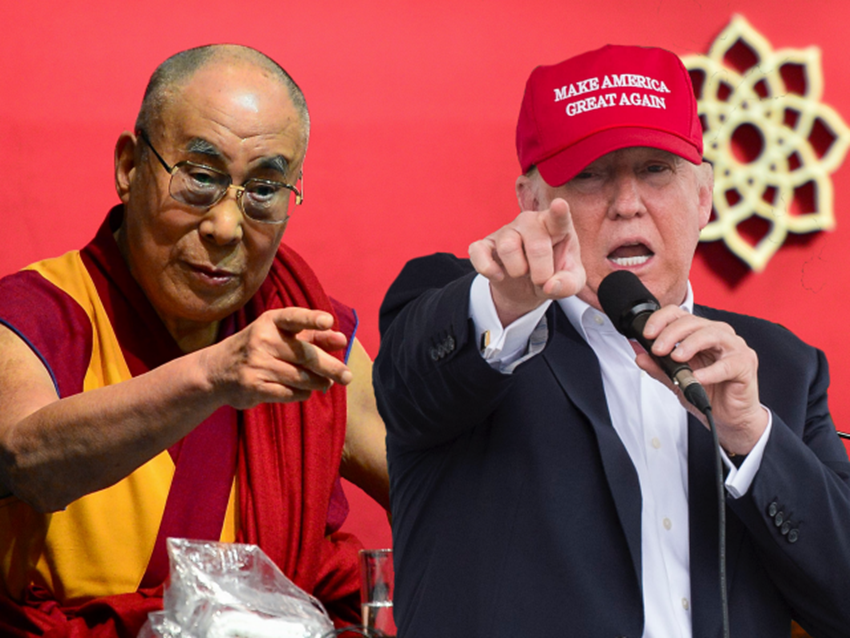
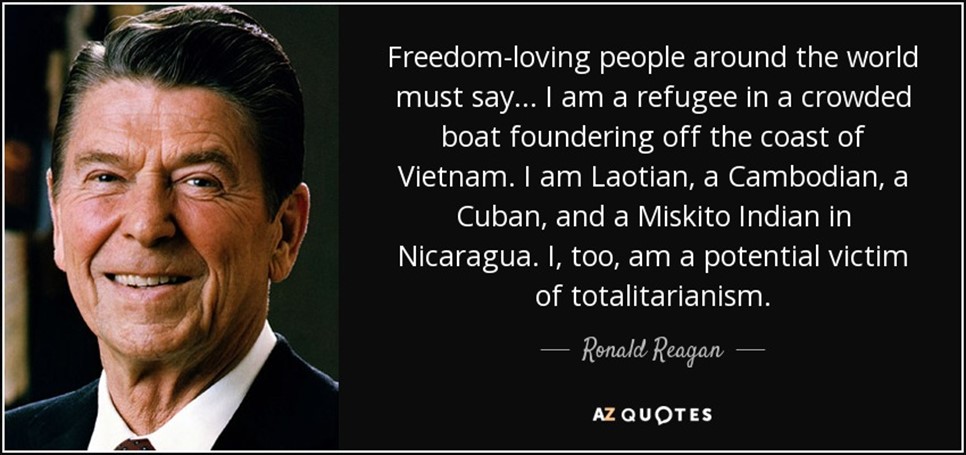
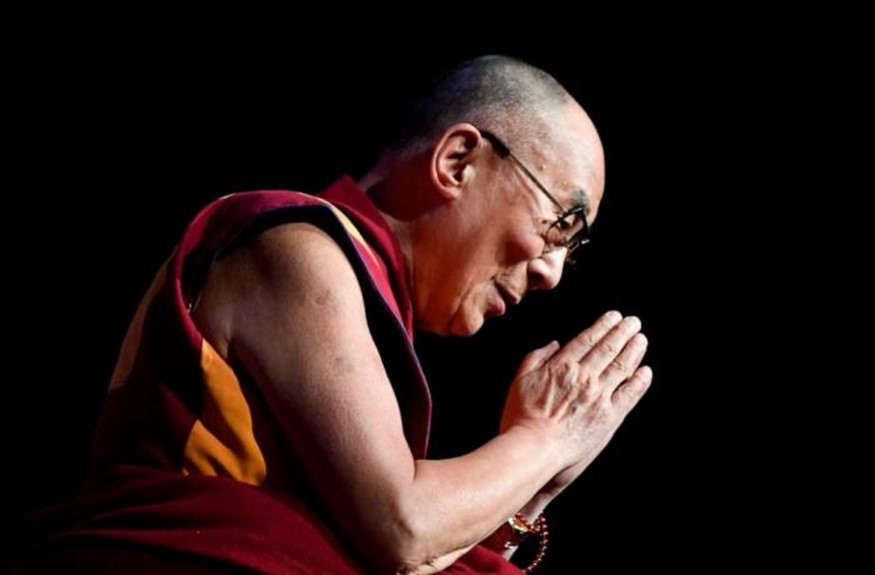
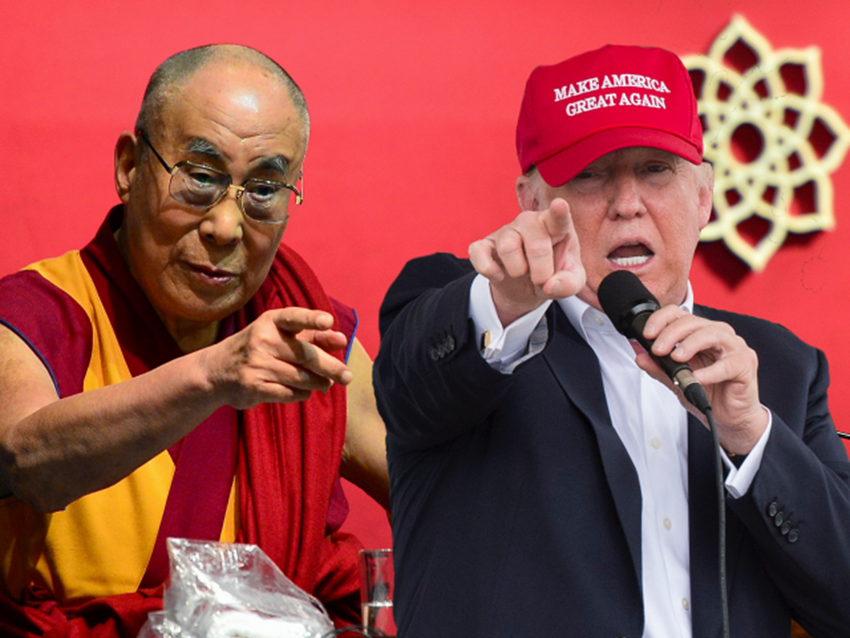
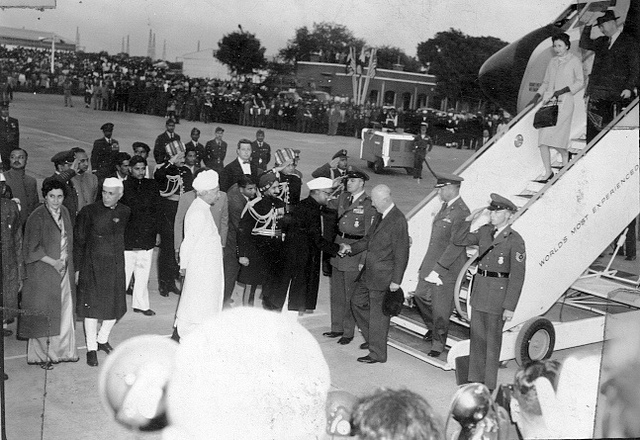


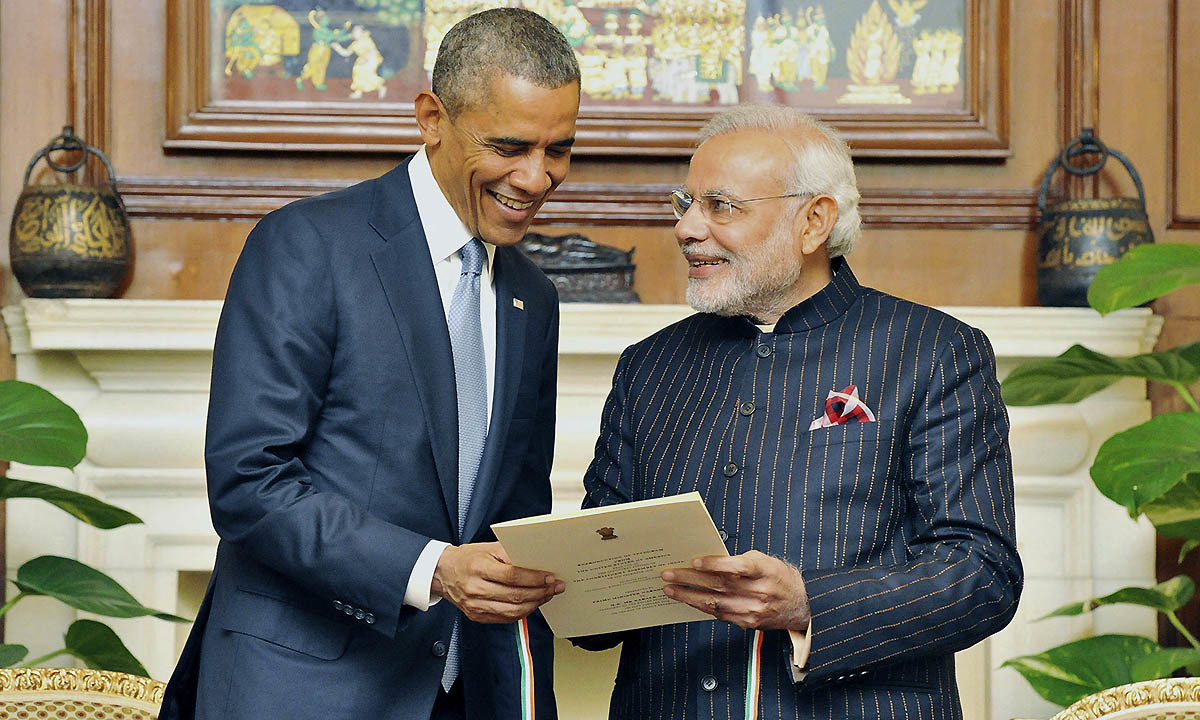
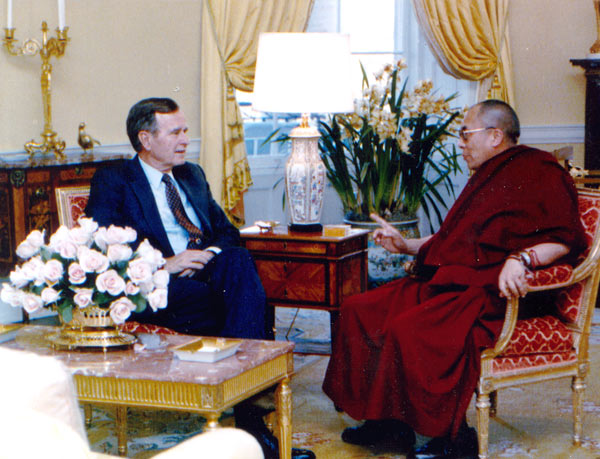

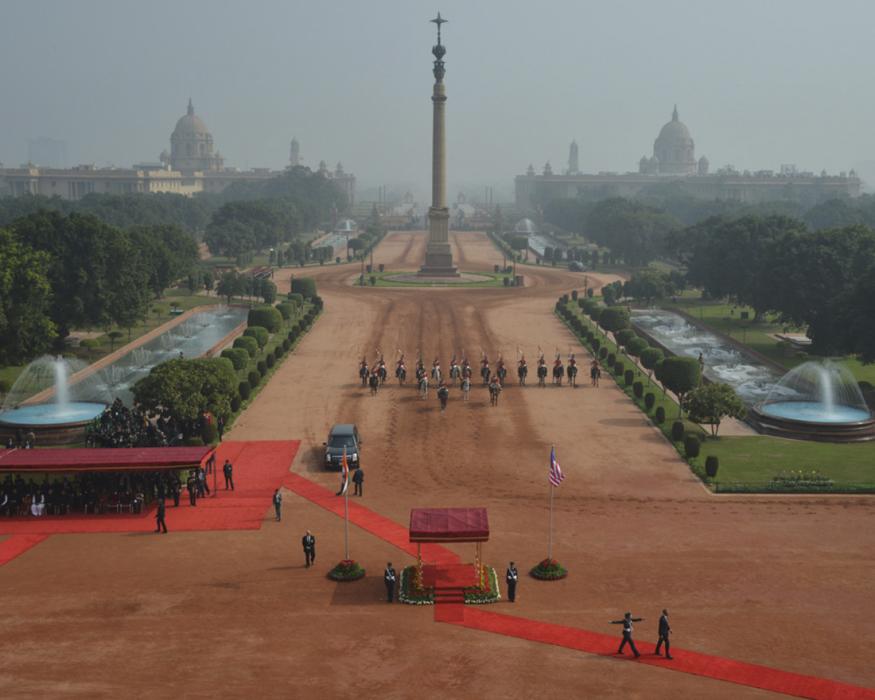


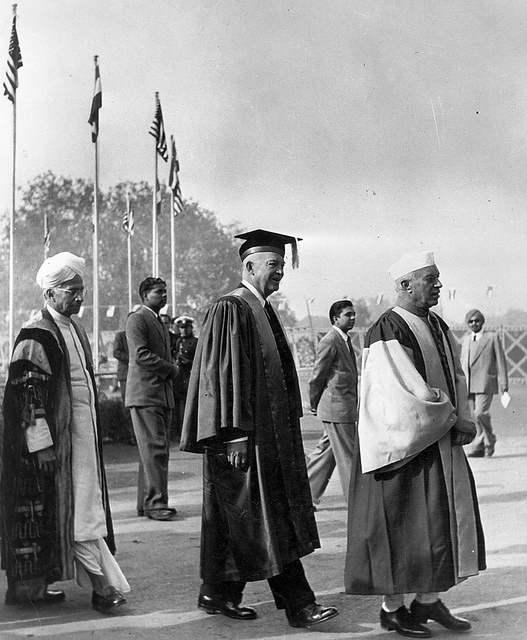

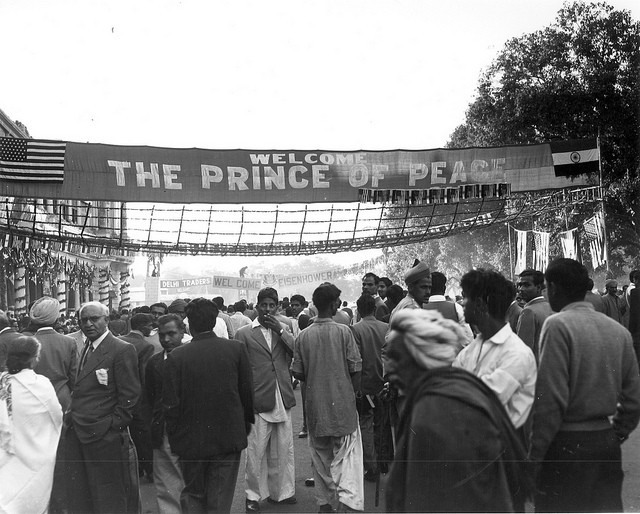
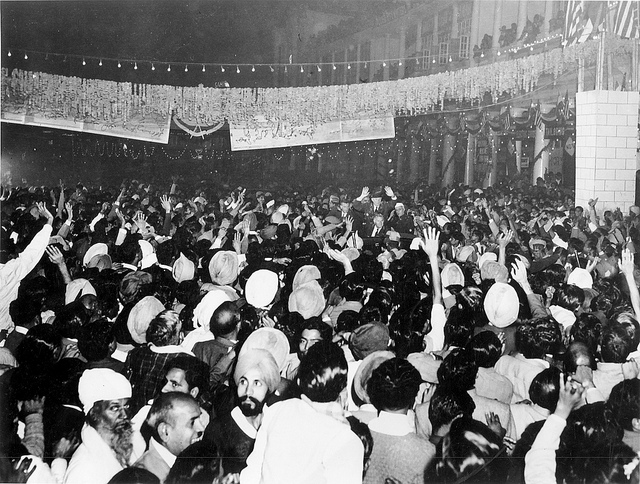
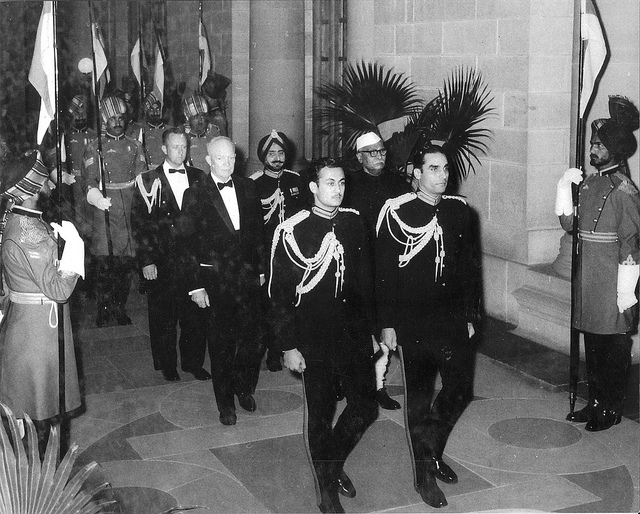

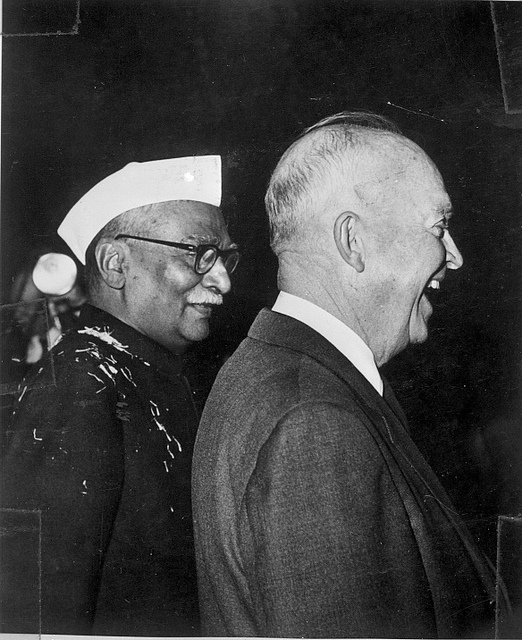


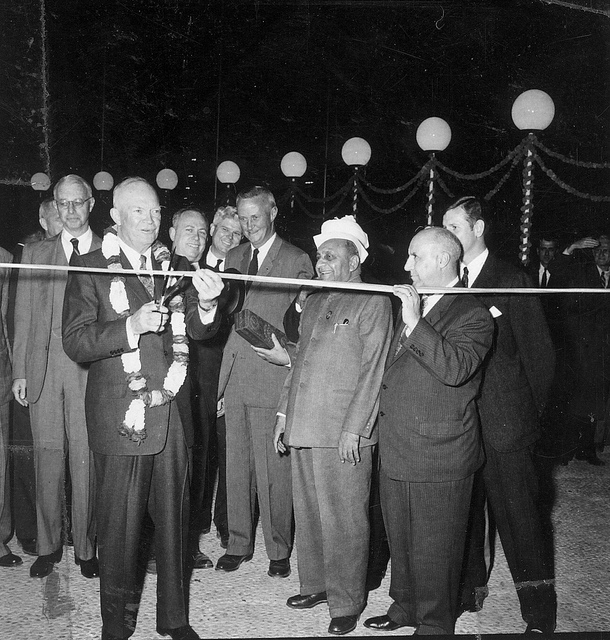
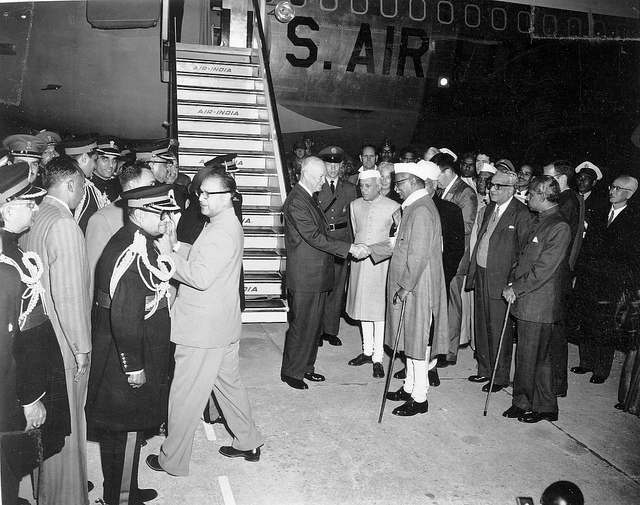


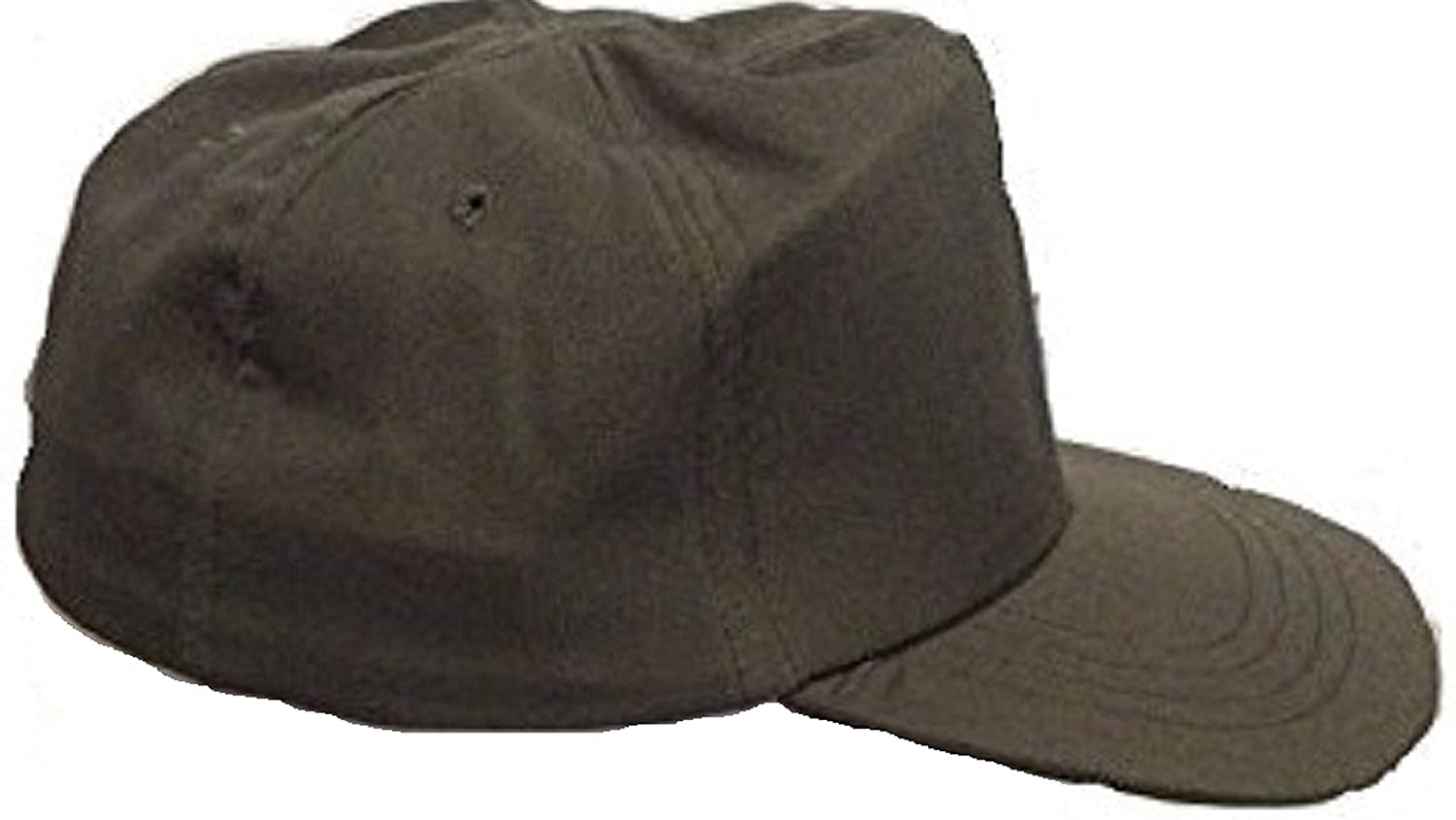


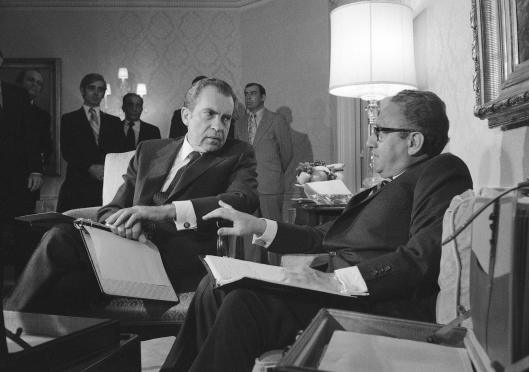
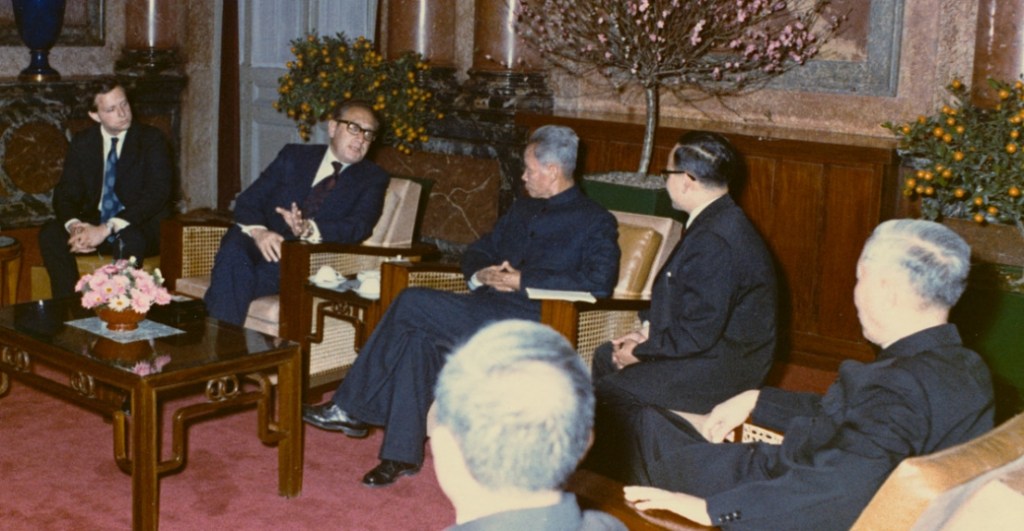


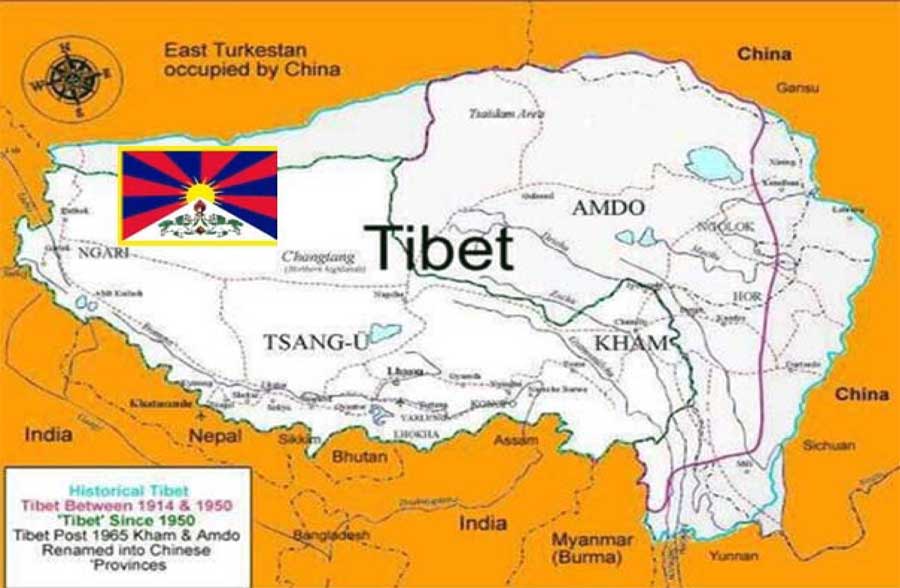


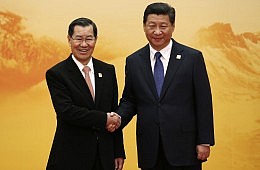
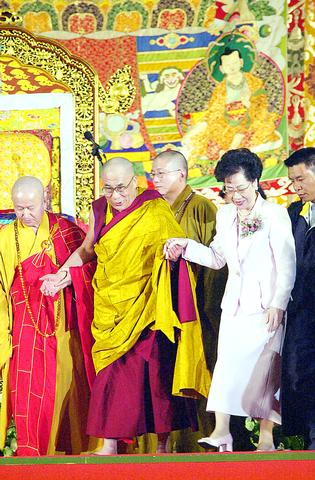
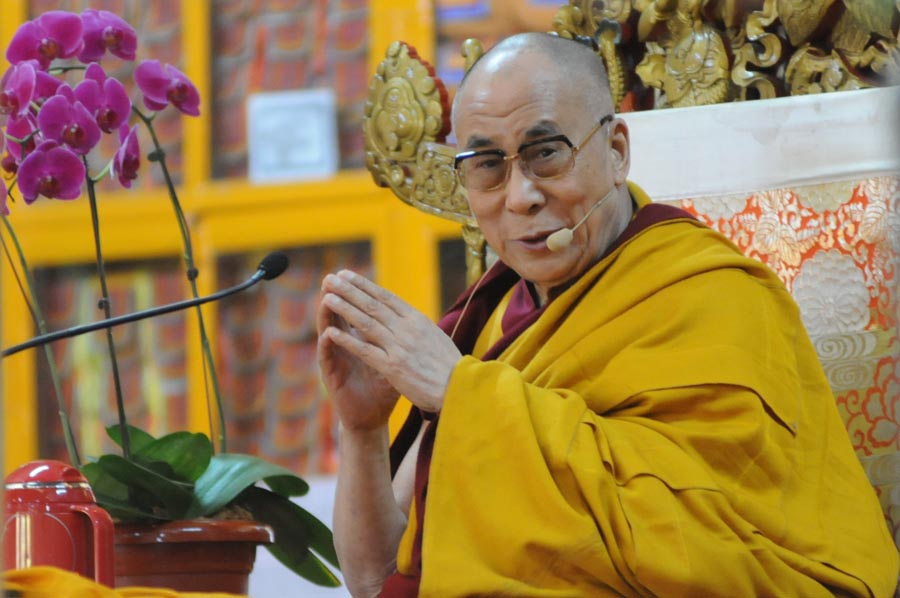


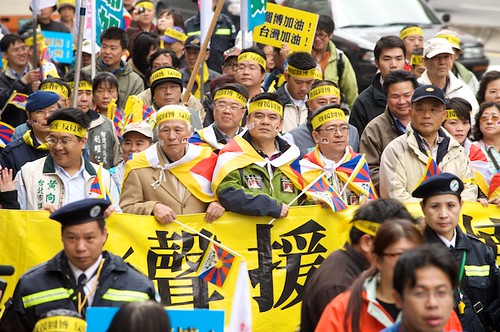
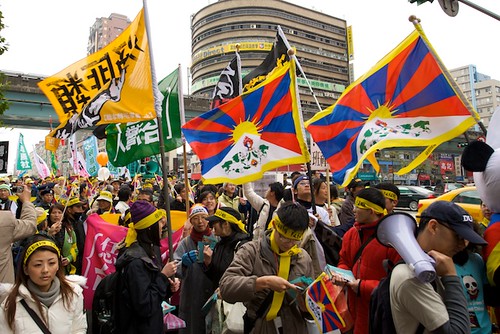
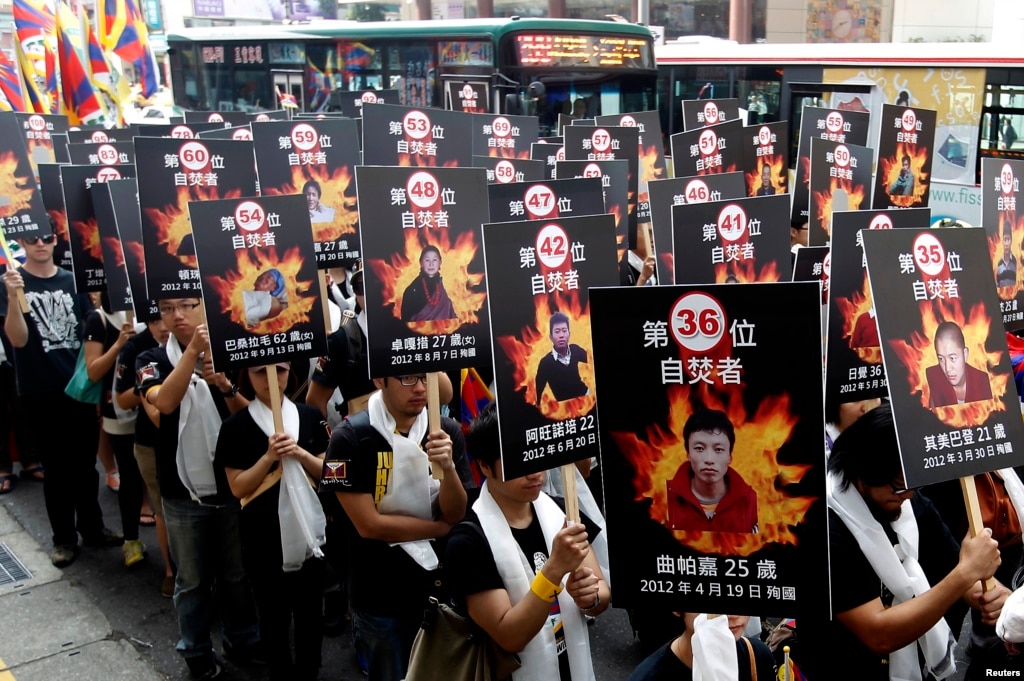

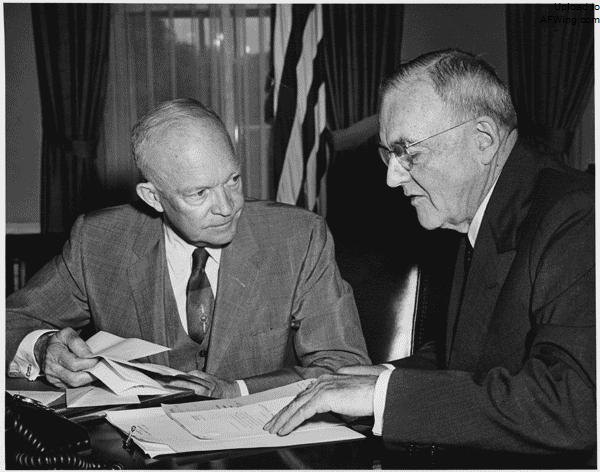


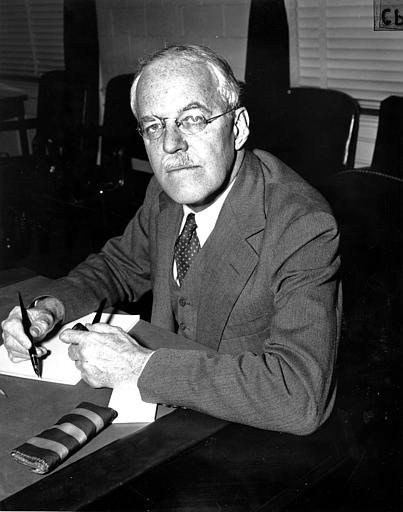
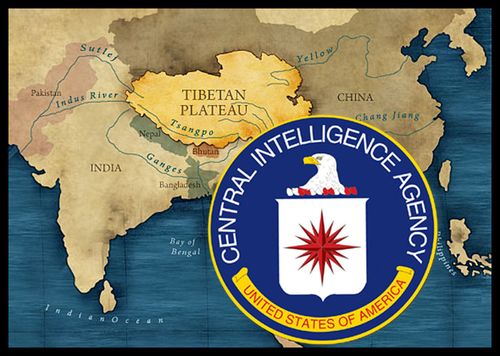




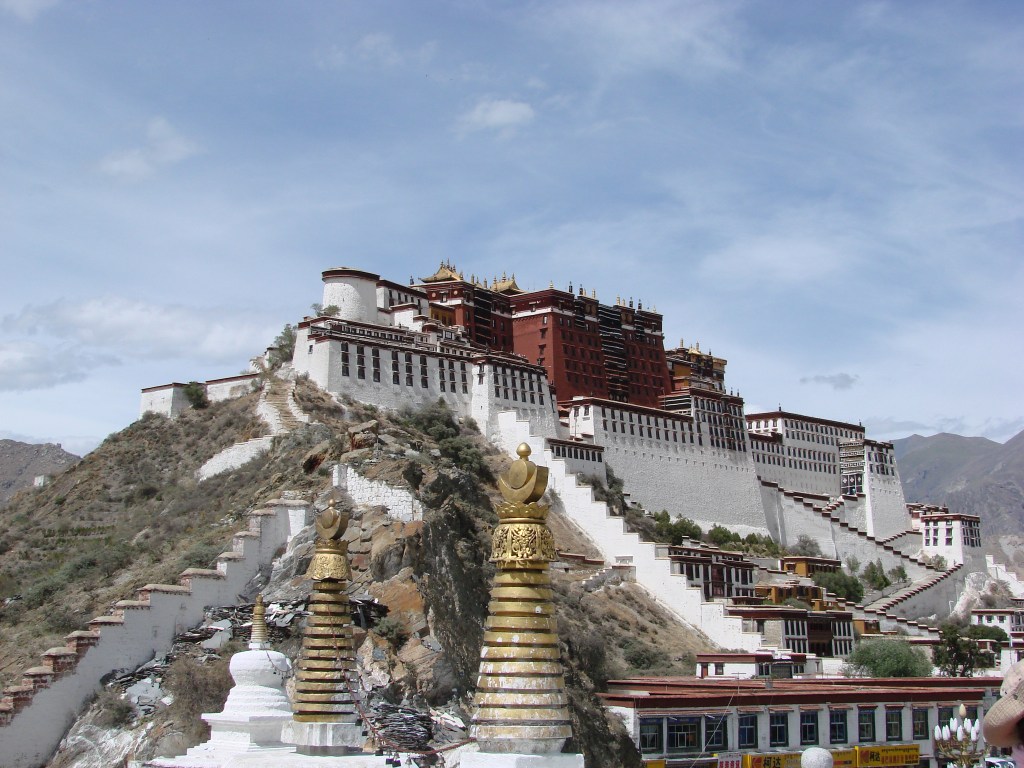
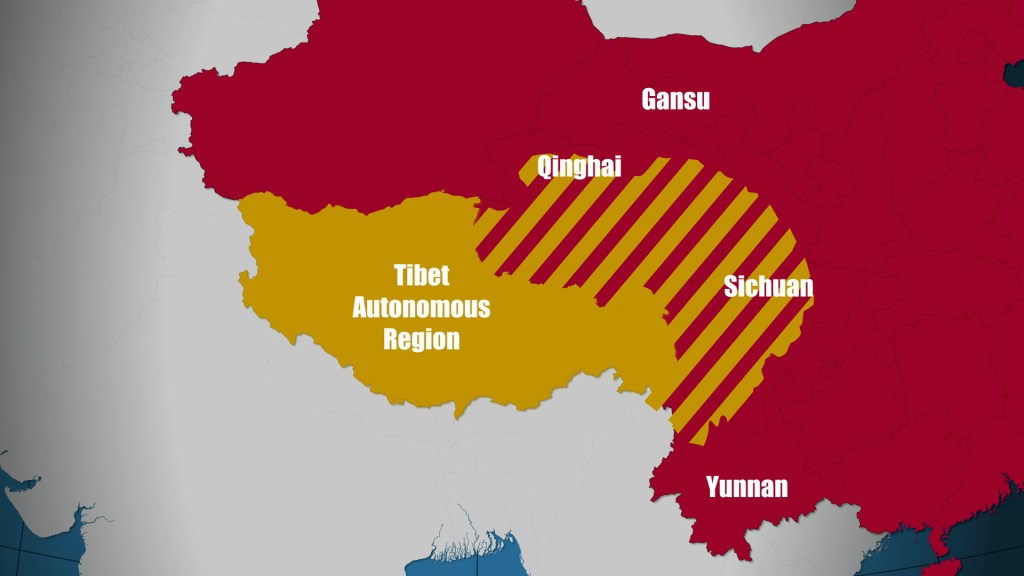

 Whole Dude - Whole Concept


