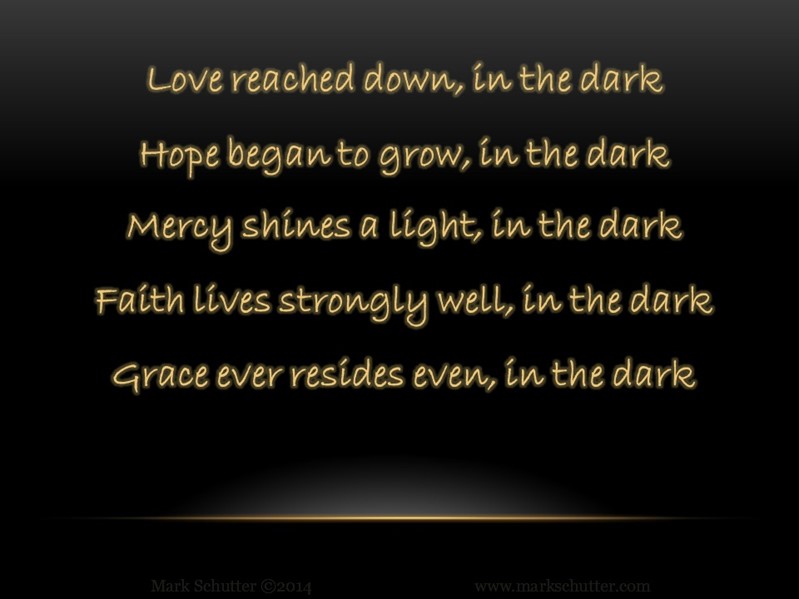
I AM A REFUGEE FINDING HOPE IN THE PERIOD OF DARKNESS.
I am a Refugee finding Hope in the Period of Darkness.
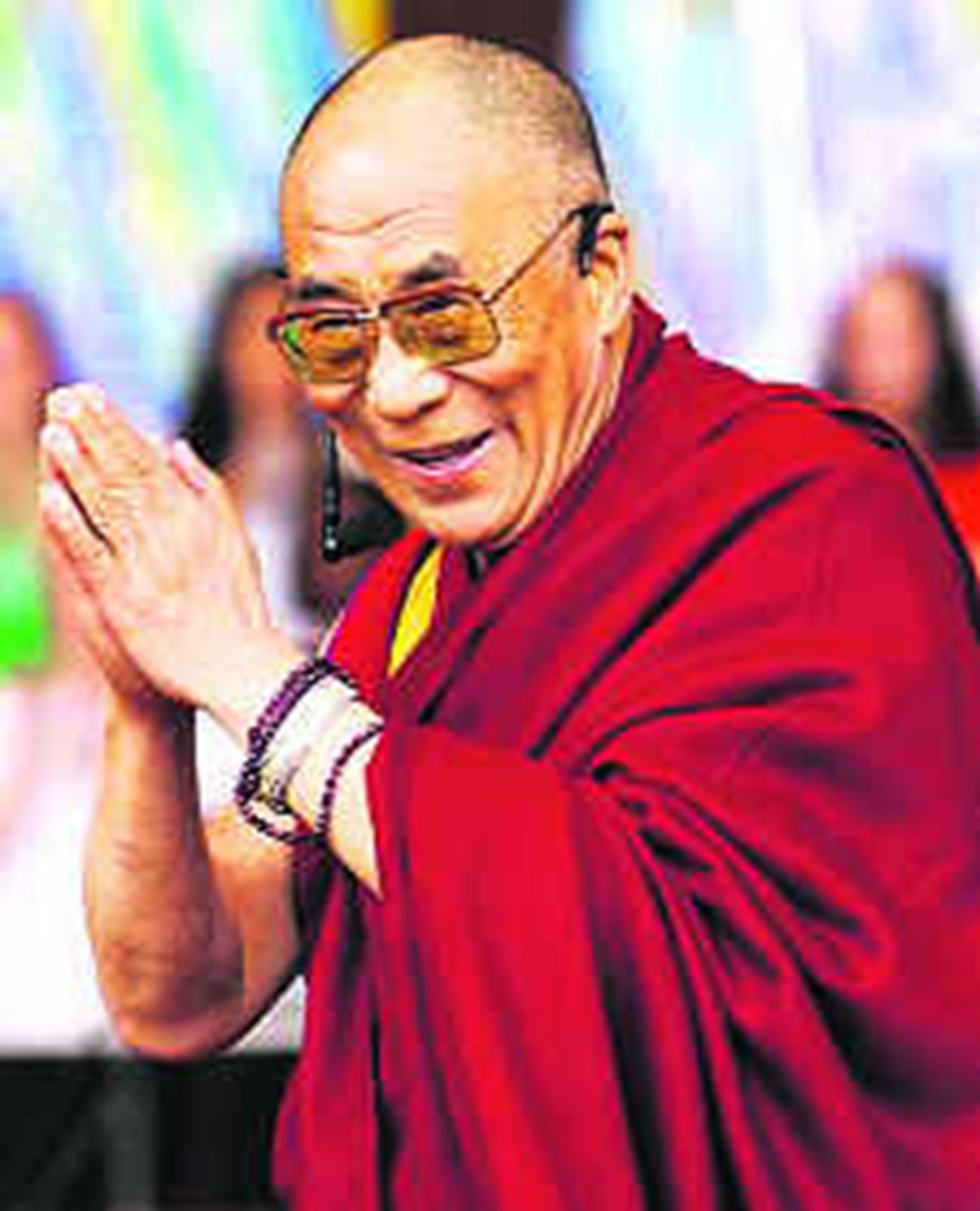
“We Tibetans are eternally grateful to the lineage of the Dalai Lamas and ever more so to His Holiness the 14th Dalai Lama for being our ray of hope and our source of strength in our times of darkness,” it said.
On behalf of ‘The Living Tibetan Spirits’, I pay my tribute to His Holiness the 14th Dalai Lama for giving me hope while I live my Life Under Shadow, envelope of Utter Darkness.
Rudranarasimham Rebbapragada
SPECIAL FRONTIER FORCE
I am a Refugee finding Hope in the Period of Darkness.
Tibet’s exile gov’t praises Dalai Lama on his 84th birthday – The Mainichi
I am a Refugee finding Hope in the Period of Darkness.
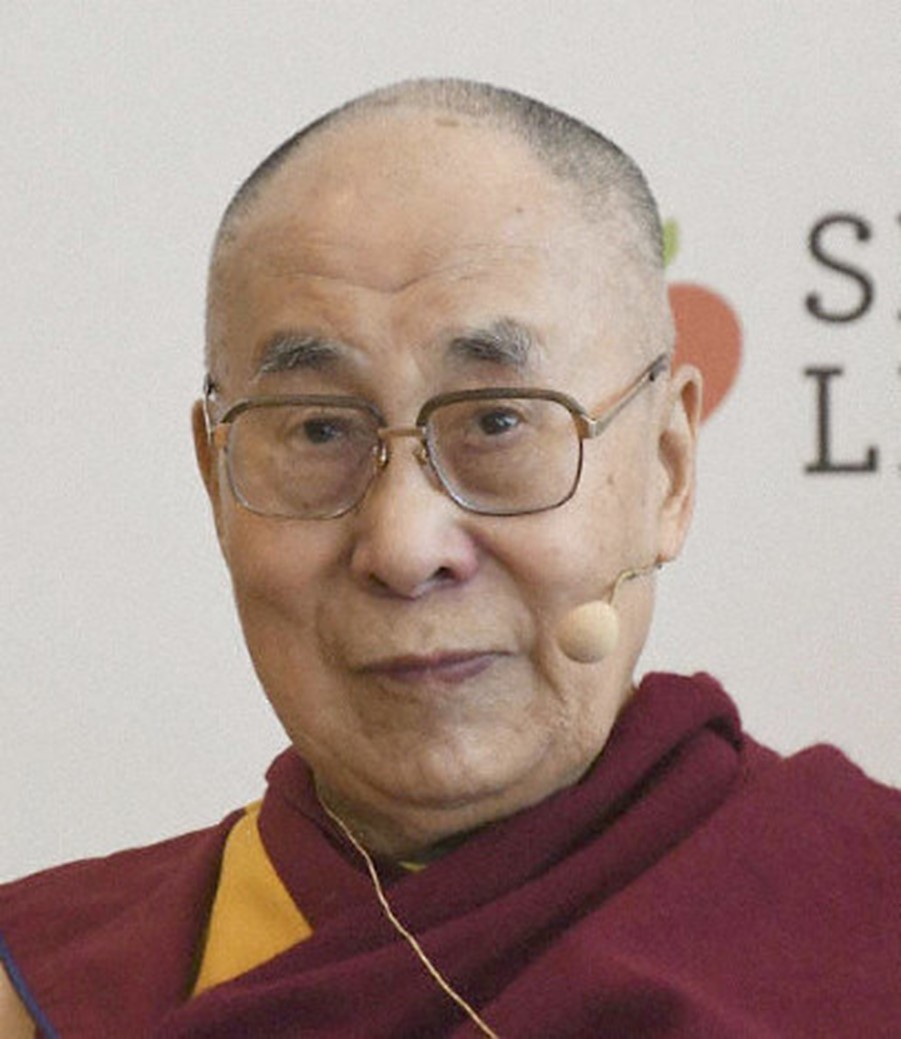
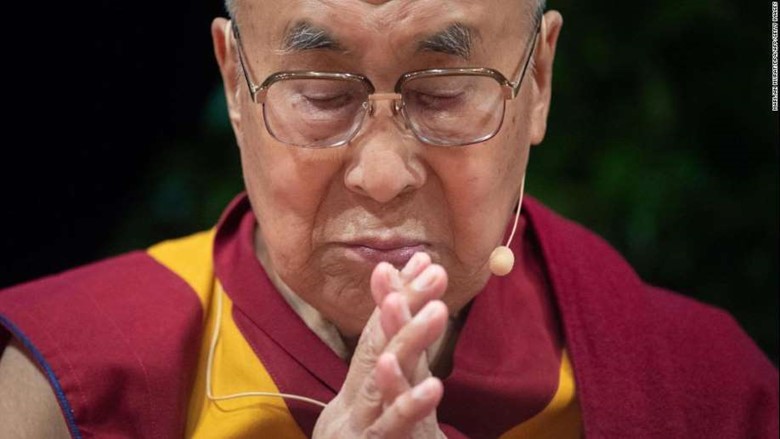
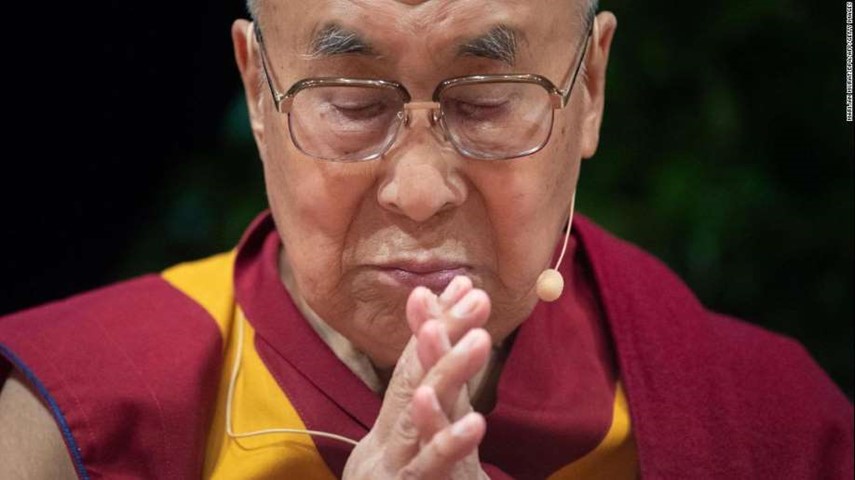
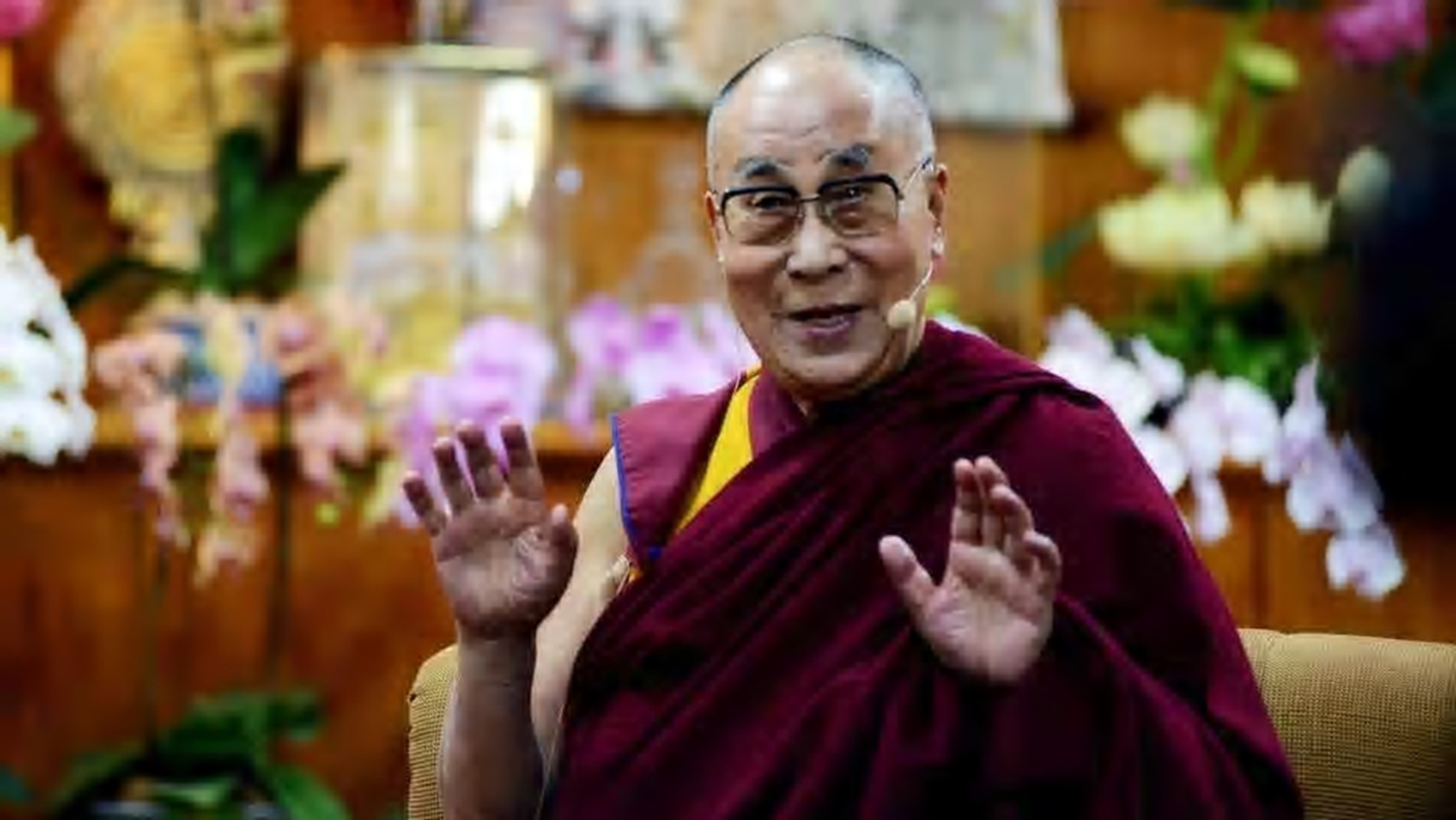
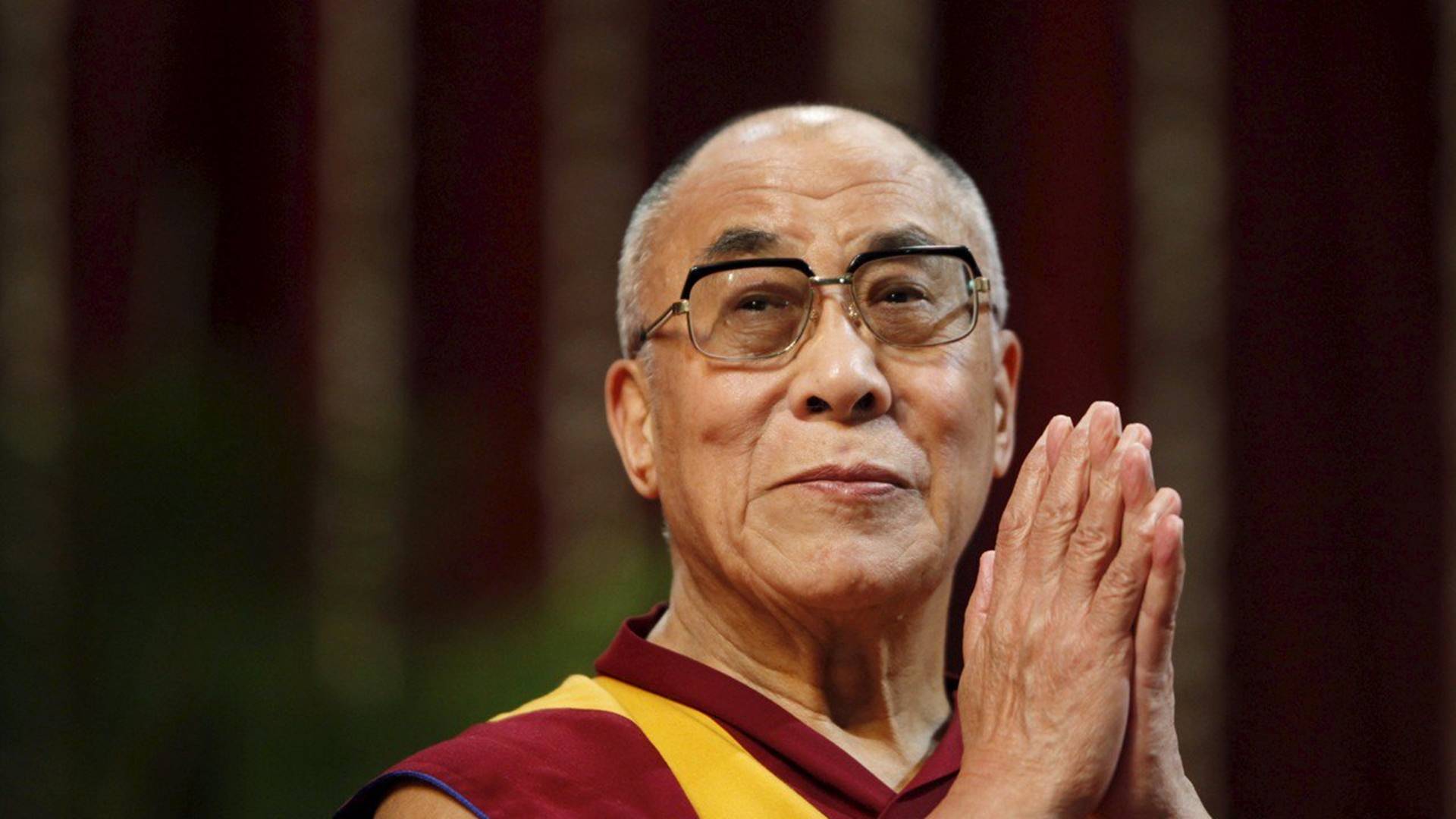
File photo taken in April 2019 shows the Tibetan spiritual leader, the 14th Dalai Lama. (Kyodo)
NEW DELHI (Kyodo) — The advisory board of the Tibetan government-in-exile released a statement celebrating the 84th birthday of the Dalai Lama on Saturday.
“We Tibetans are eternally grateful to the lineage of the Dalai Lamas and ever more so to His Holiness the 14th Dalai Lama for being our ray of hope and our source of strength in our times of darkness,” it said.
The statement said that, 60 years into exile, Tibetan cultural identity has been revived and preserved, a full-fledged democratic Central Tibetan Administration has been established, and “the spirit of Tibetans inside and outside Tibet remain strong and united.”
It added that the “Middle Way Approach” in resolving the Tibet issue through dialogue continues to be widely supported by many countries.
Born on July 6, 1935, in northeastern Tibet, the exiled spiritual leader was recognized as the reincarnation of the 13th Dalai Lama, Thubten Gyatso, at the age of 2.
In March 1959, the 14th Dalai Lama fled to India following a failed Tibetan uprising in 1959 against China’s control of the Buddhist region high in the Himalayas. He later set up the government-in-exile in Dharamsala, northern India.
He was awarded the Nobel Peace Prize in 1989 for his non-violent campaign for Tibet democracy and its people’s freedom but China always considers him as a hostile being for splitting Tibet from China. The Chinese government regards him as a dangerous separatist.
Succession plans for the octogenarian have been an issue of interest in recent years.
In April this year, he was discharged from a hospital in India’s capital New Delhi where he had been diagnosed with a chest infection.
I am a Refugee finding Hope in the Period of Darkness.
The Living Tibetan Spirits continue to wage a Fight for Survival as they have not yet reached the Final Destination in Life. The Fight for Tibet is the only option while the Dalai Lama is trapped in Exile.
Dalai Lama’s fight for Tibet, 60 years after exile
Duration: 03:29
Tibet’s highest spiritual leader fled his home country and began his life as an exile – advocating for the country’s cultural autonomy. But as China’s grip on Tibet tightens, his fellow Tibetans may face a fight for survival.
THE COLD WAR IN ASIA. THE SPREAD OF COMMUNISM TO TIBET
The Cold War in Asia. The Spread of Communism to Tibet.
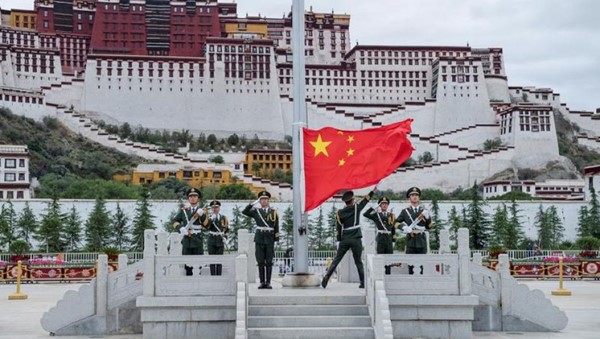
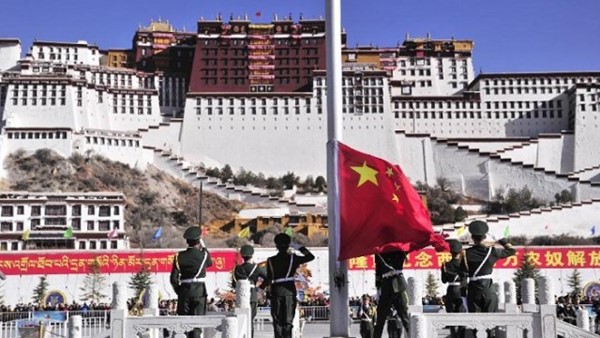
The Cold War in Asia began in 1949 with the spread of Communism to mainland China. The spread of Communism has not stopped. For Tibetans, there is no hope for “Meaningful Autonomy” if The Communist Party of China rules over their daily lives.
Rudranarasimham Rebbapragada
SPECIAL FRONTIER FORCE
China cracks down on Tibet CPC officials over links with Dalai Lama
The Cold War in Asia. The Spread of Communism to Tibet.
Beijing, February 2
China’s ruling Communist Party is cracking down on its officials who are taking part in religious activities violating party’s ideology of adhering to atheism and secretly maintaining contacts with Tibetan spiritual leader the Dalai Lama, who has been branded as “separatist” by Beijing.
A video produced by the Tibetan provincial government has revealed cases in the region where local Communist Party of China (CPC) members violated the CPC regulations on religion, anti-separatism and anti-corruption, state-run Global Times reported on Saturday.
So far, three officials have been expelled from the party and 10 others received a warning, the report said.
The Tibetan authority attaches great importance to the party discipline consistent with a nationwide campaign to strengthen the party management. It regulated 46 violations by local CPC members, including religious beliefs, according to the video produced by the publicity department of the regional commission for discipline inspection of Tibet and Tibet television.
The video, part of a four-episode series featuring the region’s efforts on anti-corruption and regulating the party members, was aired from January 28 to 31 on Tibet television, the report said.
Buddhism is a widely popular religion in Tibet, which is governed by the CPC ever since China took control of it in 1950. Despite his exile in India since 1959, the Dalai Lama remains the most revered religious figure in the Himalayan region.
The CPC remains an atheist organization. Thus, CPC members are banned from religious beliefs, because they can only believe in Marxism and believing in other religions means betrayal of their chosen belief and it will shake their belief in Marxism and separate them from the party, Xiong Kunxin, an ethnic studies professor at Tibet University in Lhasa, told the Global Times. — PTI
The Cold War in Asia. The Spread of Communism to Tibet.
THE BATTLE FOR TIBETAN SOUL – REINCARNATION vs RESURRECTION
The Battle for Tibetan Soul. Reincarnation vs Resurrection.
I coined the phrase “Living Tibetan Spirits” to describe the Tibetan Soldiers with whom I worked in Establishment No. 22 or Special Frontier Force while taking part in Operation Eagle, the military action that initiated Liberation of Bangladesh by attacking the enemy posts in the Chittagong Hill Tracts. These Tibetans lost their mortal lives while dreaming about Freedom in Occupied Tibet. As per Tibetan traditions, the deceased Tibetan Soldiers have no chance to reincarnate to fulfill their wishes. The privilege called ‘Reincarnation’ is accessible to a select few highly accomplished Lamas of great wisdom. I chose the option called ‘Resurrection’ to keep them alive by hosting their Spirits in my living Consciousness.
The Battle for Tibetan Soul. Reincarnation vs Resurrection.
WASHINGTON: The United States believes that the decision on picking the next Dalai Lama should be as per Tibet’s religious traditions and that it is not a role of the state, a top Trump administration official has told lawmakers, hinting that it will oppose any move by China to impose its own Dalai Lama.
The United States has a very clear position that religious decisions should be made within religious organizations and that this isn’t the role of the state, Laura Stone, acting deputy assistant secretary of state for East Asian and Pacific Affairs, told the Senate Foreign Relations Subcommittee on East Asia, the Pacific and International Cybersecurity Policy during a Congressional hearing.
Stone was responding to a question from Senator Cory Gardner.
China has said that they will pick the next Dalai Lama. The Tibetan policy, in 2002, mandated that American officials visit Tibet on a regular basis. I want to get into both. If China proceeds and tries to impose a Dalai Lama what will the US response be? the senator had asked.
Gardner said it was clear that this Congress would not recognize a Chinese imposition.
Stone said the senator asking such a question was an important signal to the Chinese government that this was the kind of issue that the United States was watching very closely and at very senior levels.
I wouldn’t want to prejudge exactly how this, a future scenario, would roll out but I would like to lay a marker that that is the clear position of the United States government and, I think, widely supported within the American society, that those are the kinds of decisions that should be made by religious communities on their own and without outside interference, she asserted.

In his remarks, Gardner said the crackdown in the Tibet Autonomous Region was intensifying while Beijing continued to refuse negotiations with the Central Tibetan Administration.
Human rights defenders are routinely jailed, tortured, and otherwise deprived of liberty. A genuine freedom of speech and assembly are nonexistent. Corruption and abuse of power are rampant. The judicial system is a tool of the state and the party and not an impartial arbiter of legal disputes, he said.
The United State, Stone said, was deeply concerned at the lack of meaningful autonomy for the Chinese people. We have certainly pressed for the release of detained activists throughout the entire country, but very importantly, on the Tibet plateau and in historical Tibet, she said.
The US has been pushing for access to Tibet with the Chinese authorities, Stone said, adding I know that’s an important issue. We do want to work with Congress on that shared goal and we do continue to have very serious concerns about the ability of the Tibetan people to continue to have the ability to express their unique culture, their unique language, and their religious practices.”
Senators Gardner and Ed Markey reflected the sentiments of the US Congress, seeking equal access of Americans to China as being done by the US to the Chinese. A legislation is being moved in the Congress in this regard.
We need to consider reciprocal access as part of our policy in approach to Tibet and to China and what’s being done to address this and to promote our access to Tibet. Do you share the goals of our Reciprocal Act?” he asked.
In the absence of such a reciprocity, the Act calls for sanctions against Chinese officials.
We certainly share the goals and we do look forward to working with you to figure out how best to achieve those goals, Stone said, confirming that the US government would implement the provisions of the Reciprocal Act if signed into law.
The Battle for Tibetan Soul. Reincarnation vs Resurrection.
Whole Separatism: Tibet Separatism is just a Natural Phenomenon.
In my analysis, Tibet Separatism is just a natural phenomenon for it is entirely derived from the actions of various Natural Forces acting over thousands of years to create the separate Tibetan Identity which refuses to merge with identities of other foreign nationalities. Tibetan Identity will always exist as a ‘Separate’ Identity and no man will be able to wipe it out by building roads, bridges, railways, airports to plunder the natural resources of Tibetan Plateau.
Tibetan Separatism does not constitute any kind of political activity. In fact, Tibetan Separatism represents the reality of Independence granted by the works of Mother Nature.
Dalai Lama a political exile, engaged in separatist activities: China | world news | Hindustan Times
China insists Tibet has been part of its territory for centuries, but many Tibetans claim they were essentially independent for most of that time
Whole Separatism: Tibet Separatism is just a Natural Phenomenon.
Tibetan spiritual leader Dalai Lama interacts with the leaders of the United States Institute of Peace (USIP) at his residence, in Dharamshala, Himachal Pradesh, on October 24, 2018. (HT File Photo)
China on Tuesday hit out at the Dalai Lama who is on a visit to Japan, saying that countries should not facilitate the Tibetan spiritual leader’s “separatist activities”.
On the Dalai Lama’s reported comments that China and Tibet should co-exist and prosper together, Chinese foreign ministry spokesman Geng Shuang said here that the Tibet issue is an internal matter of Beijing.
“As for the Dalai Lama’s speech, it is not up to me to answer this question. I can tell you that the 14th Dalai Lama is a political exile and he is engaged in separatist activities,” he said.
“We hope the relevant parties will not provide facilitation for his separatist activities,” he said.
China insists Tibet has been part of its territory for centuries, but many Tibetans claim they were essentially independent for most of that time. The Dalai Lama fled to India in 1959 amid an abortive uprising against Chinese rule in his Himalayan homeland.
The Dalai Lama is on a 10-day teaching tour of Japan. China routinely objects to his foreign visits.
First Published: Nov 20, 2018 18:24 IST
Whole Separatism: Tibet Separatism is just a Natural Phenomenon.
Prime Minister Jawaharlal Nehru’s foreign policy during the Cold War Era is often misunderstood as nations were forced to use secret diplomatic negotiations in the conduct of foreign policy. In my analysis, the Indian Prime Minister took appropriate action not only to defend India’s security interests but also to help Tibet to the extent possible.
I hold the People’s Republic of China completely responsible and accountable for her acts of military aggression during 1950 and later in 1962. I find no reason to blame either Indian Prime Minister or Tibet for China’s misconduct.
I ask my readers to give attention to Indian support to Nationalist China during the concluding years of World War II. Apart from delivering weapons and military supplies to Nationalist China, the US with Indian assistance supplied weapons to Tibet prior to the Communist takeover of the mainland China. This military intervention in Tibet provided an excuse to Communist China to invade Tibet in 1950. I do not find fault with either India or Tibet. Their combined military power is not adequate to maintain the Balance of Power in South Asia. There is nothing wrong if weaker nations use diplomatic negotiations to resolve problems with stronger and powerful nations. It is indeed a practical and rational approach and I would not ridicule such attempts as an appeasement policy.
I uphold the valid concerns shared by India’s former Deputy Prime Minister, but I would not use his concerns to find fault with Prime Minister Nehru’s Foreign Policy Legacy. India has not yet changed the course of the foreign policy direction set up by Nehru.
The writer is based in South India for the past 40 years. He writes on India, China, Tibet, and Indo-French relations.
Patel-Nehru rift over Tibet & China was deep
Published Nov 8, 2018, 7:46 am IST
Updated Nov 8, 2018, 7:46 am IST
The most serious cause of discord was the invasion of Tibet by the Chinese “Liberation Army” in October 1950.
The Nehru Legacy. The Cold War in Asia.
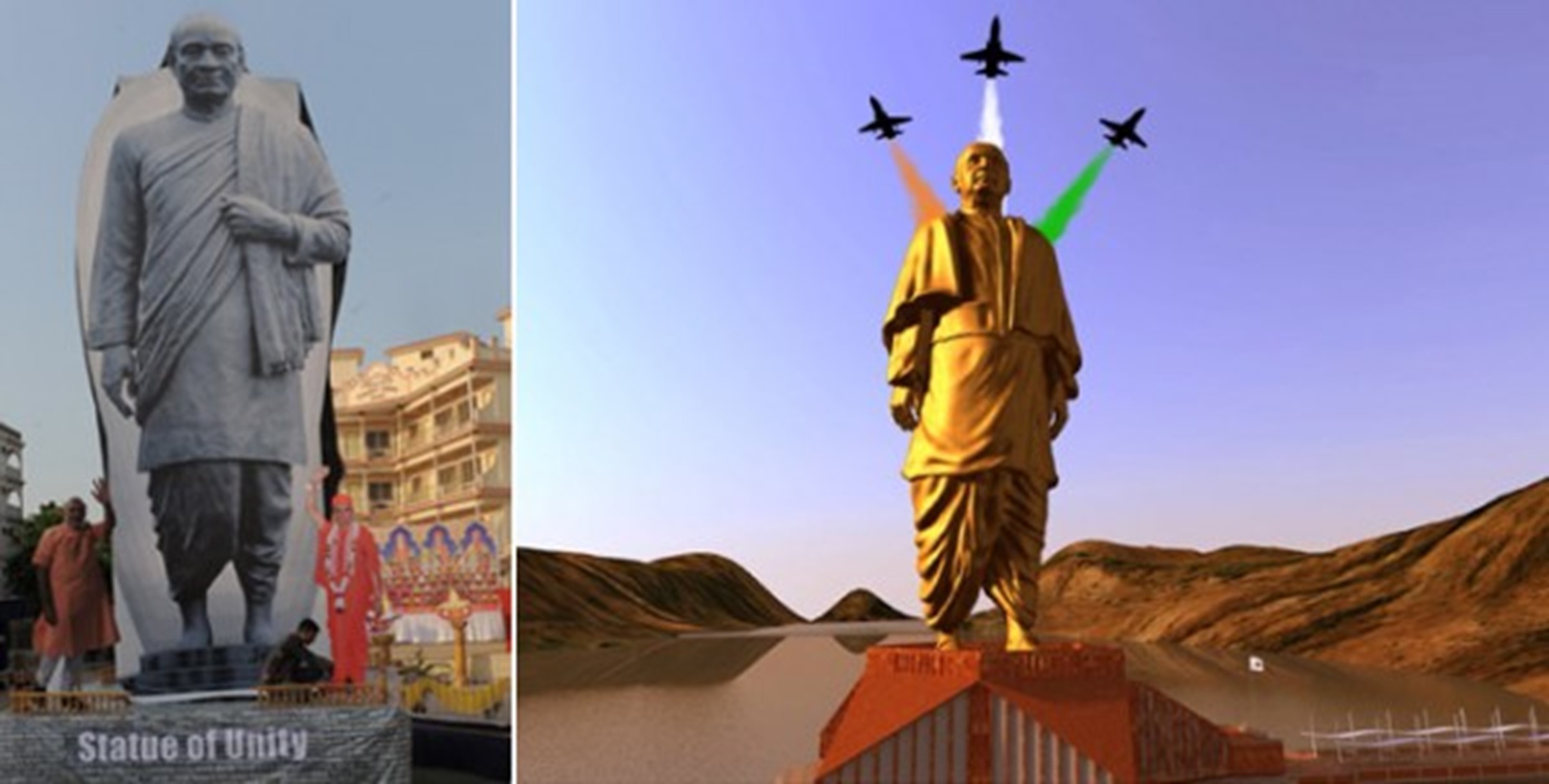
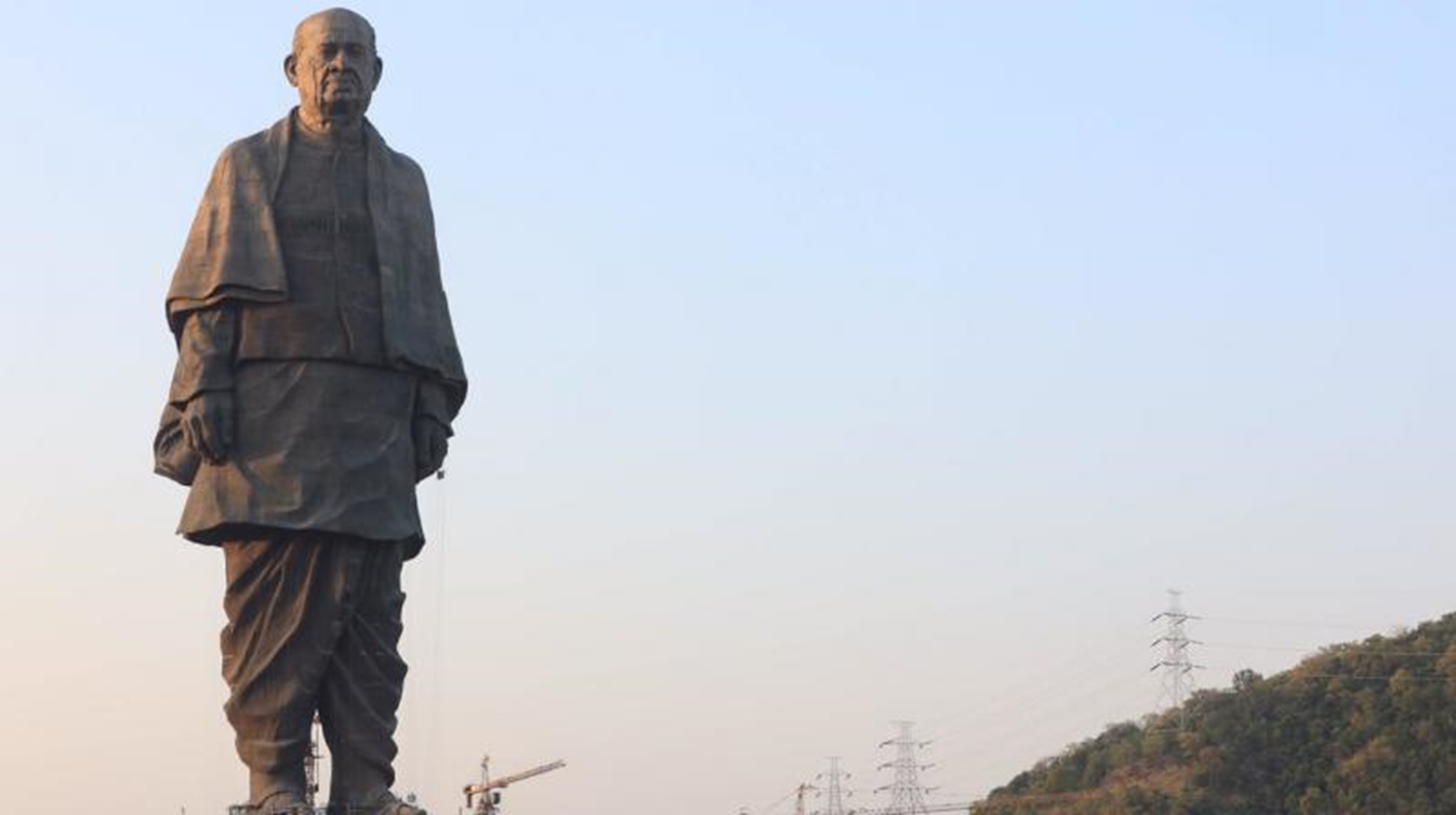
On October 31, the world’s tallest statue, the Statue of Unity dedicated to Sardar Vallabhbhai Patel, was unveiled by Prime Minister Narendra Modi. (Photo: @narendramodi/Twitter)
On October 31, the world’s tallest statue, the Statue of Unity dedicated to Sardar Vallabhbhai Patel, was unveiled by Prime Minister Narendra Modi. The work on the 182-meter tall statue has been completed after round the clock work by 3,400 laborers and 250 engineers at Sadhu Bet island on Narmada river in Gujarat. Sadhu Bet, located some 3.5 km away from the Narmada Dam, is linked by a 250-meter-long long bridge.
Unfortunately, for several reasons, scarce scholarly research has been done on the internal history of the Congress; the main cause is probably that a section of the party would prefer to keep history under wraps. Take the acute differences of opinion between Sardar Patel, the deputy prime minister, and “Panditji”, as Nehru was then called by Congressmen. In the last weeks of Patel’s life (he passed away on December 15, 1950), there was a deep split between the two leaders, leading to unilateral decisions for the PM, for which India had to pay the heaviest price.
The most serious cause of discord was the invasion of Tibet by the Chinese “Liberation Army” in October 1950. In the course of recent researches in Indian archives, I discovered several new facts. Not only did several senior Congress leaders, led by Patel, violently oppose Nehru’s suicidal policy, but many senior bureaucrats too did not agree with the Prime Minister’s decisions and objected to his policy of appeasement with China, which led India to lose a peaceful border.
On November 11, 1950, the deputy prime minister of India addressed a meeting organized by the Central Aryan Association to commemorate the 67th death anniversary of Swami Dayanand Sarasvati. It was to be his last speech. What did he say? The Sardar spoke of the potential dangers arising from what was happening in Tibet and Nepal, and he exhorted his countrymen: “It was incumbent on the people to rise above party squabbles and unitedly defend their newly won freedom.” He cited the example of Gandhi and Swami Dayanand.
Sardar Patel then criticized the Chinese intervention in Tibet; he asserted that to use the “sword” against the traditionally peace-loving Tibetan people was unjustified: “No other country in the world was as peace-loving as Tibet. India did not believe, therefore, that the Chinese government would actually use force in settling the Tibetan question.” He observed that the Chinese government did not listen to India’s advice to settle the Tibetan issue peacefully: “They marched their armies into Tibet and explained this action by talking of foreign interests intriguing in Tibet against China.” The deputy prime minister added that this fear was unfounded; no outsider was interested in Tibet. The Sardar continued by saying that “nobody could say what the outcome of Chinese action would be. But the use of force ultimately created more fear and tension. It was possible that when a country got drunk with its own military strength and power, it did not think calmly over all issues.” He strongly asserted that the use of arms was wrong: “In the present state of the world, such events might easily touch off a new world war, which would mean disaster for mankind.”
Did he know that it was his last message? “Do not let cowardice cripple you. Do not run away from danger. The three-year-old freedom of the country has to be fully protected. India today is surrounded by all sorts of dangers and it is for the people today to remember the teachings of the two great saints and face fearlessly all dangers.”
The deputy prime minister concluded: “In this kalyug, we shall return ahimsa for ahimsa. But if anybody resorted to force against us, we shall meet it with force.” He ended his speech citing Swami Dayananda: “People should also remember that Swamiji did not get a foreign education. He was the product of Indian culture. Although it was true that they in India had to borrow whatever was good and useful from other countries, it was right and proper that Indian culture was accorded its due place.” Who is ready to listen to this, even today?
Days earlier, Patel had written a “prophetic” letter to Nehru, detailing the implications for India of Tibet’s invasion. In fact, Patel used a draft done by Sir Girja Shankar Bajpai, the secretary-general of the ministry of external affairs and Commonwealth relations. However, Nehru decided to ignore Patel’s letter.
Witnessing the nefarious influence of K.M. Panikkar, the Indian ambassador to China, who ceaselessly defended China’s interests, Bajpai, the most seasoned Indian diplomat, had lost his cool. On October 31, in an internal note, he detailed the sequence of events which followed Tibet’s invasion and the role of Panikkar, whose attitude was compared to Sir Neville Chamberlain’s towards Hitler.
Bajpai’s anger demonstrates the frustration of many senior officers; the account starts on July 15, when the governor of Assam informed Delhi that, according to the information received by the local intelligence bureau, Chinese troops, “in unknown strength, had been moving towards Tibet from three directions.” Not only was Panikkar unable to get any confirmation, but he virtually justified Beijing’s military action by writing: “In view of frustration in regard to Formosa, the Tibetan move was not unlikely.” During the next three months, the Indian ambassador would systematically take the Chinese side.
After receiving Bajpai’s note, Patel wrote back: “I need hardly say that I have read it with a great deal of interest and profit to myself and it has resulted in a much better understanding of the points at issue and general, though serious, nature of the problem. The Chinese advance into Tibet upsets all our security calculations. … I entirely agree with you that a reconsideration of our military position and a redisposition of our forces are inescapable.”
Some more details of the seriousness of the situation filter through Inside Story of Sardar Patel: The Diary of Maniben Patel, the daughter of the Sardar. In an entry on November 2, 1950, Maniben wrote: “Rajaji and Jawaharlal had a heated altercation about the Tibet policy. Rajaji does not at all appreciate this policy. Rajaji very unhappy — Bapu (Patel) did not speak at all.”
Later in the afternoon, “Munshi complained about Tibet policy. The question concerns the whole nation — said he had written a personal letter to Panditji on Tibet.”
Later, Patel told K.M. Munshi: “Rajaji, you (Munshi), I (Patel), Baldev Singh, (C.D.) Deshmukh, Jagjivan Ram, and even Sri Prakash are on one side, while Gopalaswamy, Rafi, Maulana (Azad) are on his side.” There was a vertical split in the Cabinet, and it was not only about Tibet. The situation would deteriorate further during the following weeks.
On December 12, Patel was divested on his portfolios. Nehru wrote: “In view of Sardar Vallabhbhai Patel’s ill-health it is absolutely necessary that he should have complete rest and freedom from worry, so as to be able to recuperate as rapidly as possible. …no work should be sent to him and no references made to him in regard to the work of these ministries.”
Gopalaswami Ayyangar, from the “other side”, was allotted the ministry of states and Nehru kept the ministry of home. The Sardar was only informed after the changes were made. He was a dejected man. Three days later he passed away.
THE POPE’S JUDAS KISS TO SEAL THE DEAL WITH COMMUNIST CHINA
The Pope’s Judas Kiss to Seal the Deal with Communist China.
In my analysis, the Vatican deal with Communist China represents an act of betrayal. Pope Francis betrayed Jesus Christ to permit Communist China a role in the selection of Archbishops for Catholic Churches in China.
The Living Tibetan Spirits would not expect His Holiness the Dalai Lama to walk in the footsteps of Pope Francis to forsake his faith to save the Dalai Lama Institution of Tibet.
The Pope’s Judas Kiss to Seal the Deal with Communist China.
The Pope has kissed and made up with China. Can the Dalai Lama?
The Pope’s Judas Kiss to Seal the Deal with Communist China.
Pope Francis has pulled off a landmark deal by getting Beijing to recognize the Vatican’s influence – and his approach may impart valuable lessons to the Dalai Lama, should there be any hope for reconciliation with Tibet on the cards
The Pope’s Judas Kiss to Seal the Deal with Communist China.
The Dalai Lama must make his peace with an antithetical political authority and persevere in good faith. Photo: Reuters
The reigning Bishop of Rome, Francis, is not your typical stodgy pontiff. In the five short years since his elevation as the first non-European head of the Roman Catholic Church since 741 AD, he has displayed latitude of mind, the courage of conviction, and deftness of diplomatic skill that is rare even among statesmen.
In August 2014, on entering Chinese airspace during a flight to Seoul, he broke six decades of silence between the Vatican and the head of China’s government by posting a message of goodwill to President Xi Jinping. Fittingly, on his birthday later that December, talks brokered by Francis were announced that would in time lead to the normalization of ties between the Castro regime in Cuba and the Obama administration. The US-Cuba agreement was signed at the Vatican Secretariat of State. In February 2016, almost a thousand years after the rupture of the Eastern and Western branches of Christianity, Pope Francis held the first meeting with his Russian Orthodox counterpart, Patriarch Kirill, in Havana. Francis’ millennia-spanning achievements are not one for the faint-hearted.

Last week, Pope Francis registered his biggest diplomatic breakthrough yet: a landmark agreement with the government of the People’s Republic on the ordination of bishops in China. As per the agreement, Beijing – 67 years after snapping ties with the Vatican – will formally recognize the Pope’s jurisdiction as the head of the Catholic Church in China as well as the final authority in deciding on candidates for bishops in the country.
The Chinese Catholic Patriotic Association (CCPA), the “self-run Church” hitherto established and controlled by the state, is to be downgraded and reoriented. In exchange, Pope Francis is expected to lift the excommunications of seven CCPA-installed bishops and formally recognize them as the leaders of their dioceses. More broadly, a mechanism that enables Beijing to provide its acceptable slate of candidates and the Vatican to have a final say in selection will now be formalized.

The fate of the three dozen or so Vatican-approved prelates, some of whom are in prison, who are not recognized by the CCPA is unclear at this time. The larger hope, though, is that as the splintering of the Catholic Church in China is reversed, the churches above and underground will in time be reconciled. Perhaps, a papal visit could be on the cards, too.
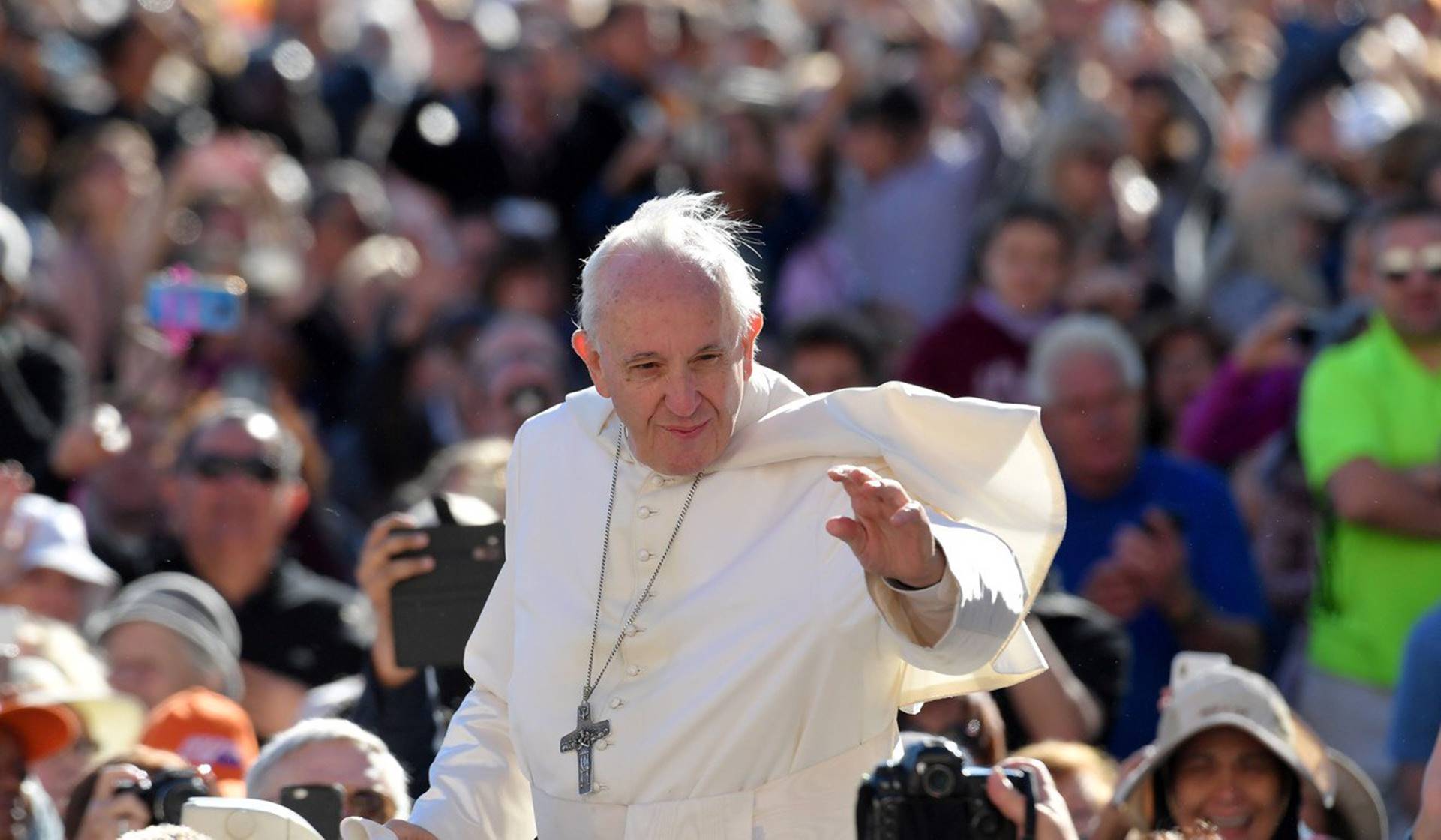
The Pope’s Judas Kiss to Seal the Deal with Communist China.
Pope Francis’ list of achievements span millennia of history. Photo: AFP
Both sides stand to gain handsomely from the compromise. For the Vatican, its pre-eminence on all matters ecclesiastical in the sovereign territorial space of China has been formally confirmed for the first time by the communist government in Beijing. For the Chinese Communist Party, its overarching and “guiding” role in harnessing religious belief to “help social harmony, modernization [and a] healthy civilization” – a key principle of its post-1980s religious policy – is vindicated without having to cede (though having to share) control on key decision-making to an entity that is housed beyond its sovereign territorial space.
Now, if the Vatican can pull off a deal with Beijing, what about the Dalai Lama? As plausible as it may look in theory, the ramifications for the Tibetan Buddhist leader are more profound. And the bottom line is equally stark: while Beijing could in theory share, it will never cede control over key Tibetan Buddhism-related personnel matters, notably the recognition of tulkus (or “living Buddhas”), as long as the Dalai Lama remains in exile. And given that the Dalai Lama is double-hatted in Tibet’s theocratic political structure as its secular leader over a defined territorial space (unlike the Pope), it is all the more likely that Beijing will refuse to share – let alone cede – practical control over key personnel matters until the Dalai Lama returns to Tibet.
The failed effort in arriving at a consensual selection of a new Panchen Lama in the mid-1990s holds cautionary lessons. Following the untoward death of the revered lama in 1989, Beijing announced a search, selection and recognition process for his successor that initially ruled out a role for the Dalai Lama. Convinced otherwise by resident high lamas, Beijing reversed course in due time and accepted the involvement of the Dalai Lama in principle – if only to rubber-stamp its anointed choice.
By 1995, however, Beijing allegedly went so far as to turn a blind eye to a slate of candidates that it’s officially sanctioned search party (headed by a respected lama from Shigatse) had clandestinely submitted to the Dalai Lama for his prior approval. The process broke down in May that year, following the Dalai Lama’s fait accompli announcement of a young boy from northwest Tibet as the reincarnation of the 10th Panchen Lama.
The Pope’s Judas Kiss to Seal the Deal with Communist China.
The Vatican’s China deal has profound ramifications for the Tibetan Buddhist leader. Photo: Getty
Beijing’s essential bottom line remained consistent throughout while the prerogative of the Dalai Lama could be acknowledged and religious authority shared, akin to the China-Vatican accord, the overarching guiding role over religion in sovereign Tibetan territory rested ultimately with Beijing.
Four hundred years ago, the great Qing dynasty emperor, Kangxi – a patron of Jesuit cartography, astronomy and engineering – had insisted that Chinese rites of ancestor worship and public homage to Confucius, being civil rather than religious practices, should continue to be practiced by his converted Christian subjects. Conflating Kangxi’s injunction with an intrusion on the paramountcy of church doctrine, Pope Clement XI forbade Catholic missionaries from following the Emperor’s orders.
The episode did not end well for the Church. No less than China’s communist rulers today, the Kangxi Emperor refused to cede Beijing’s overarching guiding role over religion – and that too to an entity housed beyond its sovereign territorial space.
While one does not know if the Communist Party’s rule in Beijing will last as long the Qing dynasty’s multi-century reign, it is not about to disappear any time soon. The onus resides on the Dalai Lama’s shoulders to find a way to make peace and comity with Beijing – at least on matters that touch wholly and exclusively on Tibetan Buddhism. Dealing with the fraught issue of the limits of Tibet’s political and territorial autonomy is a different matter.
In March 2014, standing at the UNESCO headquarters in Paris, President Xi Jinping extolled the profound impact of Buddhism in China. If a monotheist leader from distant Latin America carrying the Catholic Church’s dubious historical baggage can arrive at a principled compromise with the leadership in Beijing, surely the Dalai Lama could – or should – be able to do better. But for that, the Dalai Lama must heed the lessons of Francis – foremost, make one’s peace with and accommodate an antithetical political authority and, secondarily, persevere in good faith to realize this accommodation. Is his Excellency listening?
Sourabh Gupta is a senior fellow at the Institute for China-America Studies in Washington
The Pope’s Judas Kiss to Seal the Deal with Communist China.
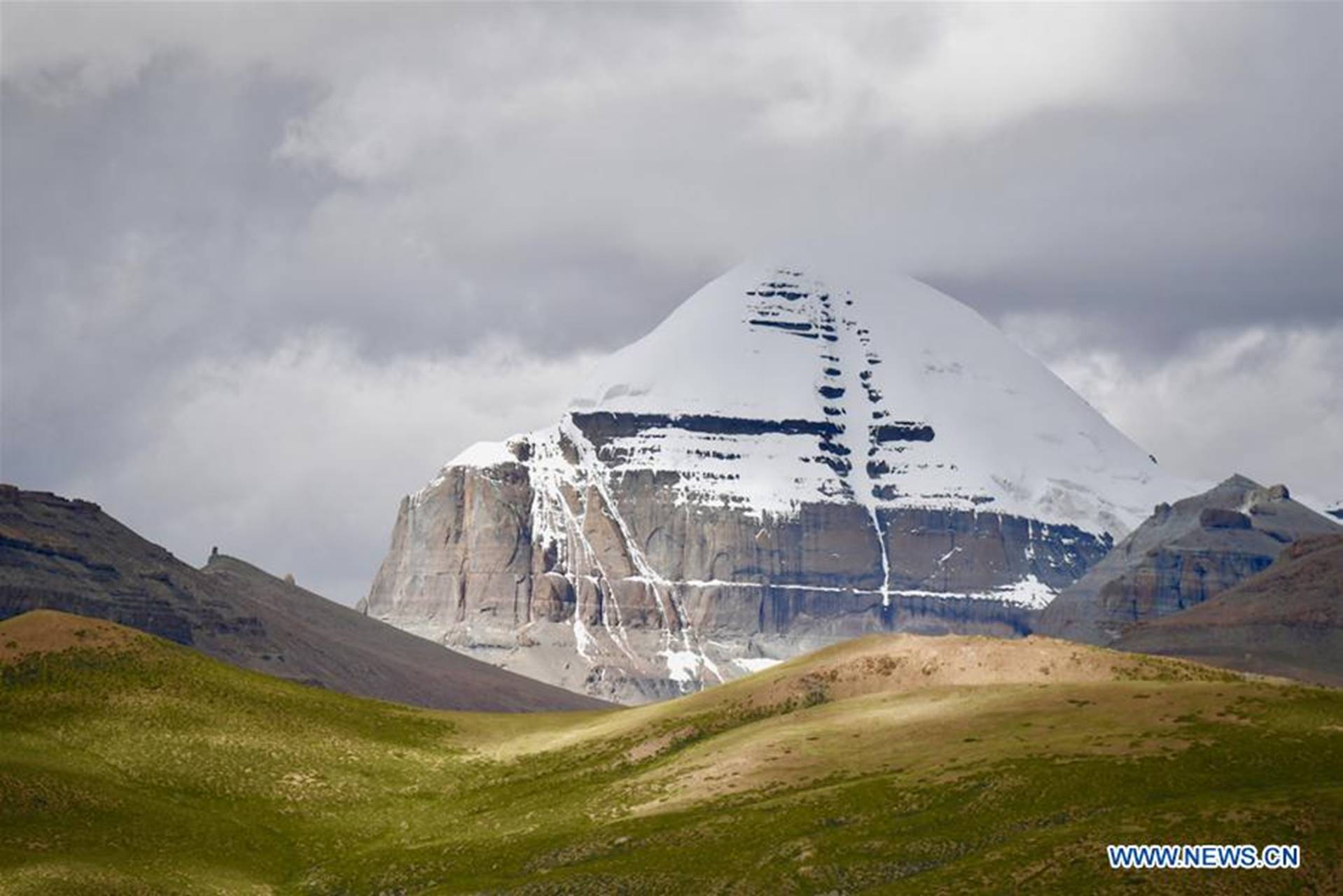
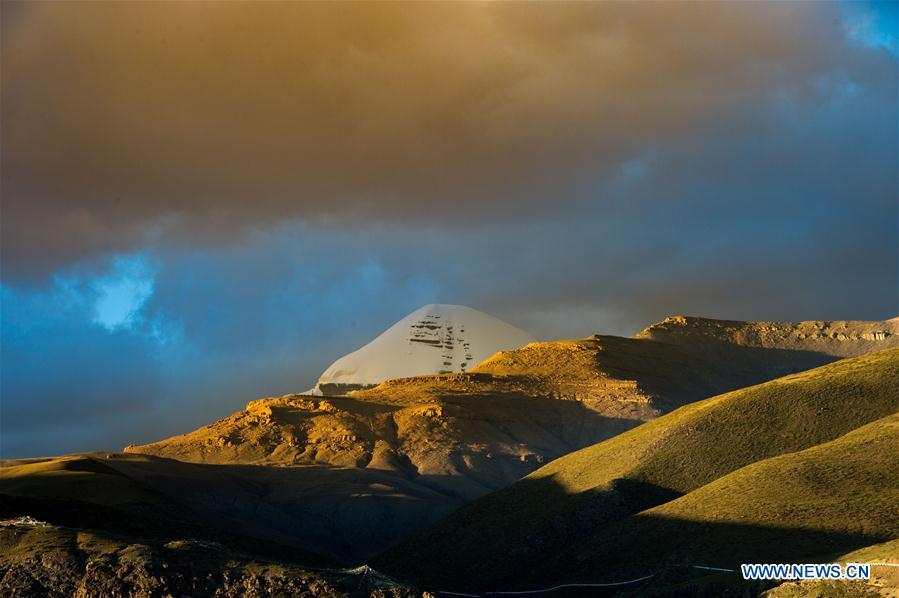
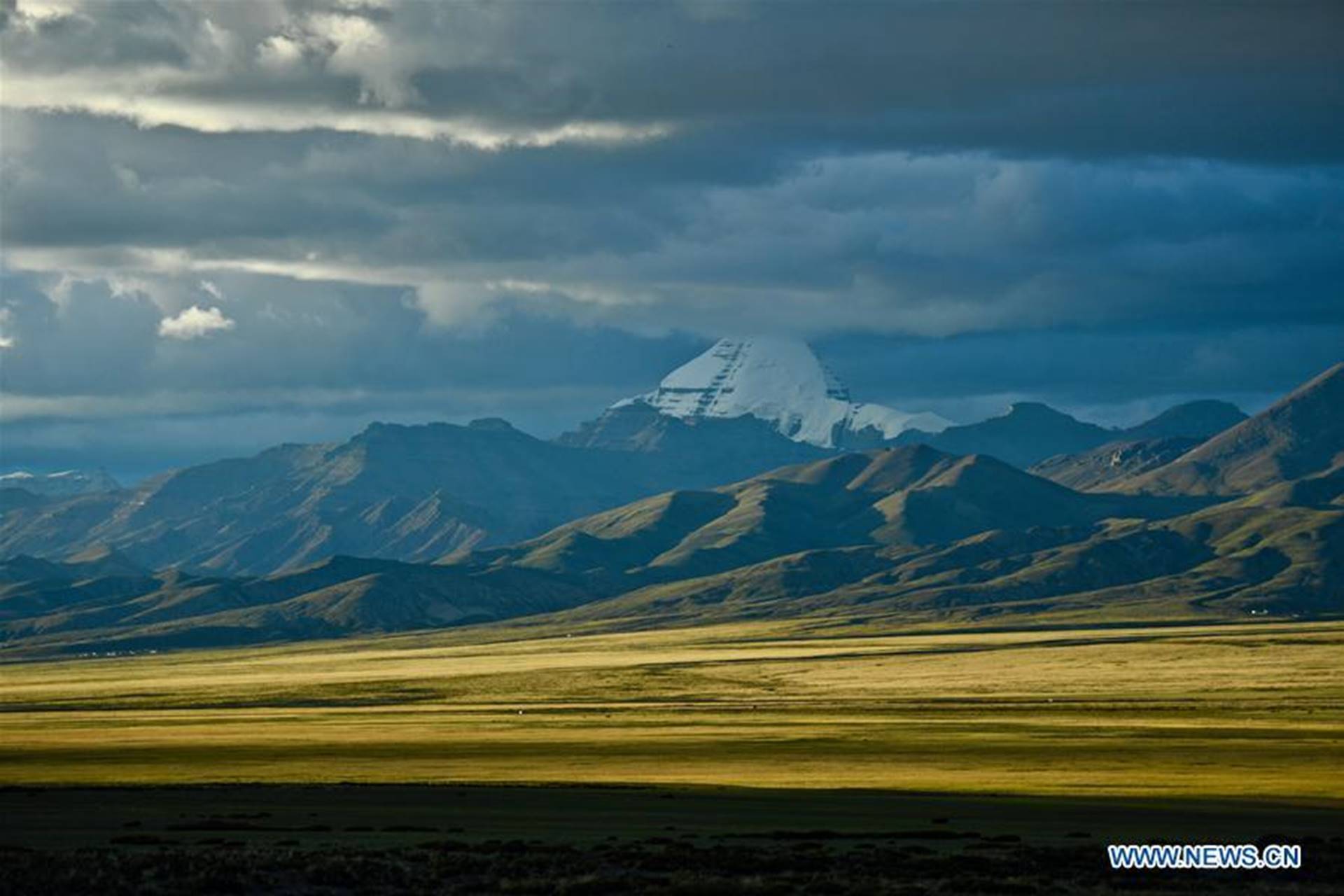
The Story of Tibet relates to The Origin of Man. Mount Kailash in Tibet is associated with The Beginning of the Anatomically Modern Man.
In Indian tradition, the story of Tibet relates to the origin of Anatomically Modern Man, the species described as Homo sapiens, sapiens. Modern Man, a Created Being, first took birth in Tibet. Modern Man’s origin or the beginning can not be traced from other species of Hominin Family which lived in Africa and Europe.
The Story of Tibet relates to the Origin of Man. In Indian tradition, Lord Shiva and Goddess Parvati symbolize the Father and the Mother Principle accounting for the existence of man in this world.
The Story of Tibet relates to the Origin of Man. Mount Kailash in Tibet is associated with the Beginning of the Anatomically Modern Man.
Photo taken on Sept. 9, 2018 shows a view of 6,656-meter-high Mount Kailash, Mount Gang Rinpoche, Mount Kangrinboqe, main peak of the Kailash Range (Gangdise Range), in Pulan County of Ali Prefecture, southwest Tibet. (Xinhua/Purbu Zhaxi)
The Story of Tibet relates to the Origin of Man. Mount Kailash in Tibet is associated with The Beginning of the Anatomically Modern Man.
The Story of Tibet relates to The Origin of Man. Mount Kailash is associated with The Beginning of the Anatomically Modern Man.
The Story of Tibet relates to The Origin of Man. Mount Kailash in Tibet is associated with The Beginning of Man.
The Story of Tibet relates to The Origin of Man. Mount Kailash in Tibet is associated with The Beginning of Anatomically Modern Man.
The Story of Tibet relates to The Origin of Man. Mount Kailash in Tibet is associated with The Beginning of the Anatomically Modern Man. Image: Frank Hackeschmidt
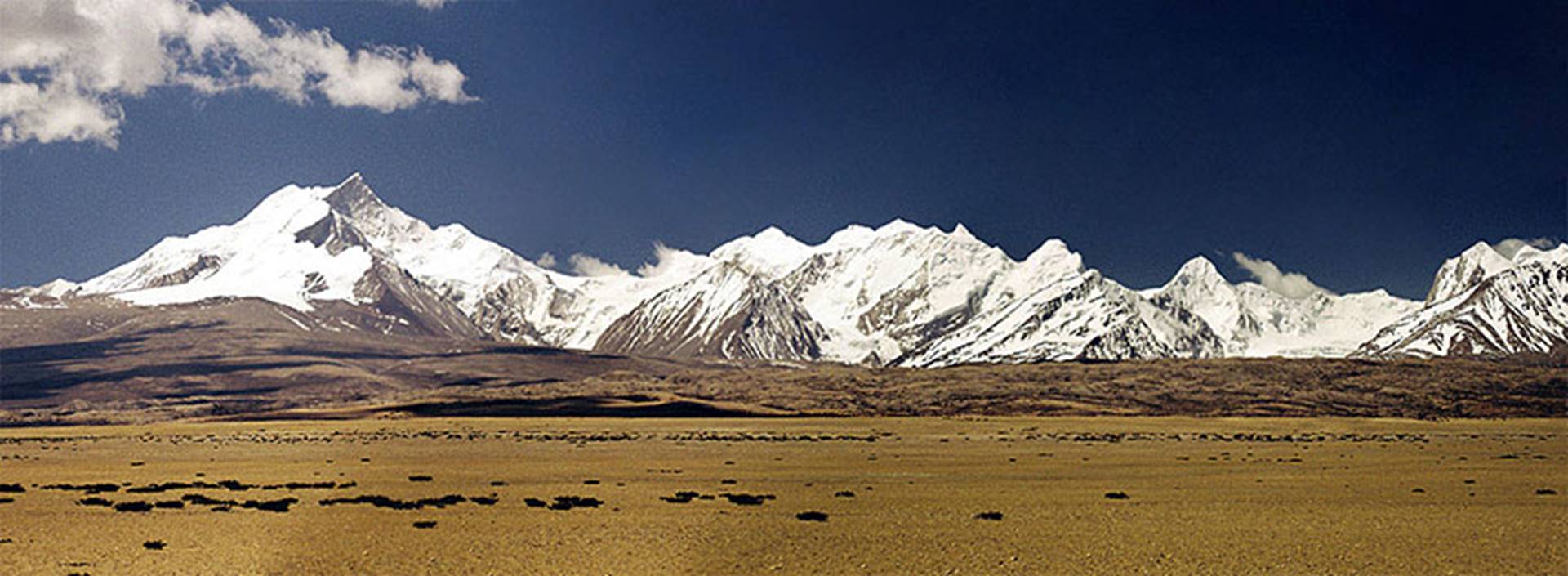
Mountain chain in the Kailash region in Tibet, China – Image: Frank Hackeschmidt
About Mount Kailash
Satellite view is showing Mount Kailash (officially: Kangrinboqe; Tibetan: Gang Rinpoche; Chinese: 冈仁波齐峰, Gang Ren Bo Qi Feng, named on the map: Kangrinboqe Peak), a peak in the Gangdise Trans-Himalayas mountain range (also known as the Kailas Range) in Tibet (China).
Gang Rinpoche means “precious jewel of snows”, the mountain peak is a sacred place in four religions—Hinduism, Buddhism, Jainism, a religion originated in India and Bön faith, a traditional belief in Tibet. This might be the reason that the mountain has never been climbed.
Mount Kailash is located just north of Lake Rakshastal (zoom out to see La’nga Co; on the left) and Lake Manasarovar (Mapam Yumco), one of the holiest lakes in various religions, the lake attracts pilgrims from Tibet, India and many other countries.
Mount Kailash is the headwaters of some of the most important and longest rivers in Asia, the Indus and the Brahmaputra.
SEPTEMBER 08, 2018 – INTERNATIONAL LITERACY DAY TRIBUTE TO THE GREAT MASTERS OF NALANDA
September 08, 2018. International Literacy Day Tribute to the Great Masters of Nalanda.
On Saturday, September 08, 2018, International Literacy Day, I pay my tribute to the Seventeen Great Masters of Nalanda Buddhist Monastery. I invite my readers to know about these great teachers and their contributions to the Literacy Traditions of Humanity.
September 08, 2018. International Literacy Day Tribute to the Great Masters of Nalanda.
International Literacy Day is a holiday which is celebrated annually on September 8th. The purpose of this day is to raise the world’s awareness of literacy issues that are faced by people all over the world and to endorse campaigns that help increase literacy for all people. It was originally established by UNESCO – the United Nations Educational, Scientific & Cultural Organization – in 1965.
To combat worldwide issues of illiteracy, UNESCO proclaimed September 8th as International Literacy Day in 1965. The purpose of this observational day was not only to combat illiteracy but also to promote literacy as a tool that could empower individuals as well as whole communities. It is from these humble beginnings that International Literacy Day has bloomed into a tool that could help millions of people around the globe.
As of 2016, about 775 million adults lack even the most basic, minimum literacy skills all over the world. This means that about 1 in 5 adults in the world – or about 20 % of all people – are not literate. Of that 20%, about 66% of those are women. About 75 million of the world’s children are not in school or have dropped out before they have finished. However, thanks to the efforts of UNESCO & World Literacy Day, more and more people are becoming literate and about 4 billion people are currently literate, as of now.
International Literacy Day Customs & Traditions
Every year, UNESCO issues a theme for the celebration of International Literacy Day. For instance, in 2011, the theme was “Literacy & Peace,” in 2013, the theme was “Literacy for the 21st Century” and in 2015, the theme was “Literacy and Sustainable Societies.”
UNESCO and its partners use these themes to highlight the programs which it and its partners use to tackle various parts of the literacy issues in the world. As a result of some of these programs, attention is often raised in the media about literacy issues. Especially on the Internet where the hashtag #literacyday has been trending for the last few years.
International Mother Language Day
International Mother Language Day is an annual worldwide observance that falls on February 21st. This day not only celebrates language diversity all over the world but also remembers the killing of four students on February 21, 1952. These students were killed because they campaigned to officially use their mother language in Bangladesh.
History of International Mother Language Day
International Mother Language Day was originally a social movement that started to defend a person’s right to speak and write in one’s mother language. February 21st was picked as the date because that is when students who were attending the University of Dhaka, Jagannath University and Dhaka Medical College were murdered by police while they were demonstrating for the right to speak in their mother tongue – Bengali. This started a social movement that began to snowball over the next few decades.
Eventually, this social movement was picked up by a Bengali named Rafiqul Islam that was living in Vancouver, British Columbia in Canada. He decided to send a letter to the United Nation to ask for a day to be established that would preserve and protect the languages of the world. In his letter, he stated that February 21st should be the day on which it is celebrated in honor of the killings in Dhaka. This would eventually lead to the proposal of resolution A/RES/61/266.
Finally, in 1999, the United Nations General Assembly passed resolution A/RES/61/266. This resolution set February 21st as International Mother Language Day and called on all member states to promote this observational holiday as a way to promote the preservation and protection of all languages used by people all over the world.
International Mother Language Day Customs & Traditions
Officially, UNESCO and many of its partners promote a number of linguistic and cultural diversity events on International Mother Language Day. Many universities all over the world will host a mother language day and some governments will issue a proclamation on this day. In Bangladesh, people lay flowers at the martyr’s monument known as Shaheed Minar. Also, there are various awards and prizes for the literacy competitions that promote multiculturalism and multilingualism are held on this day.
DALAI LAMA LAUDS NALANDA PRIESTS FOR LOGICAL BUDDHIST TEACHINGS
September 08, 2018. International Literacy Day Tribute to the Great Masters of Nalanda.
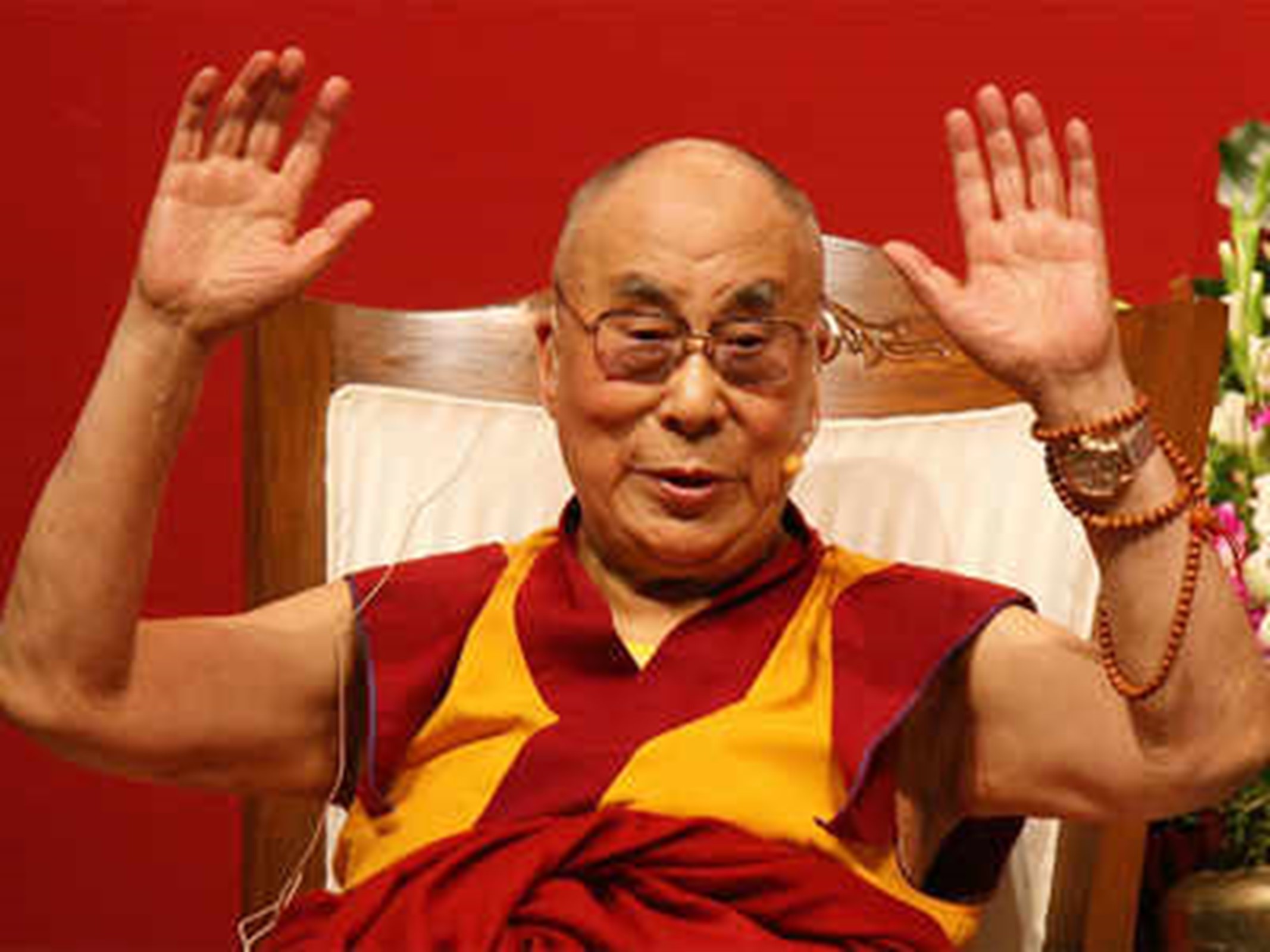
Tibetan spiritual leader, the Dalai Lama.(Photo: IANS)
Tibetan spiritual leader Dalai Lama on Monday praised the seventeen pandits (priests) of Nalanda for their logical way of teaching Buddhism and said he himself is one of their biggest admirers.
“The only complete and detailed explanation of the ancient Nalanda teaching has persevered in the Tibetan language which is the reason that the Chinese people who are interested in learning Buddhism, are learning the Tibetan language,” he said.
He said the ancestors of Tibetan people had well preserved this knowledge for thousands of years, which enabled Tibetans to expertise in promoting the knowledge in the Tibetan language.
“It is the duty of Tibetan people to continue the practical teachings of those ancestors while at the same time take pride in possessing such vast and profound knowledge passed by them,” he said.
He said he respects all kinds of religious beliefs which only teach love and compassion as the ultimate source of human happiness.
He cited an example of how humans are born out of love and how they survive on love. He emphasised that the masters of Nalanda encourage its followers to approach their teaching with logic and reason rather than following it blindly. Thus, people should experiment and research on the teachings of those masters in light of reason, he added.
He urged the Tibetan people to preserve the rich Tibetan language as it has the potential to serve all the sentient beings on earth. He assured the people that he would live for hundred years to serve humanity and especially to lead the cause of Tibet under his guidance.
TIBET AWARENESS – THE GREAT MASTERS OF NALANDA
I am pleased to share an article titled ‘The Seventeen Pandits of Nalanda Monastery’ by Professor James Blumenthal Ph.D. who gives a brief account of Nalanda University and its great influence upon Tibetan Buddhism. I pay my respectful tribute to Professor Blumenthal who passed away on October 09, 2015. May LORD GOD bless his soul.
Rudranarasimham Rebbapragada
Ann Arbor, MI 48104-4162, USA
THE GREAT MASTERS OF NALANDA – CENTER OF BUDDHIST LEARNING IN ANCIENT INDIA:
September 08, 2018. International Literacy Day Tribute to the Great Masters of Nalanda.
September 08, 2018. International Literacy Day Tribute to the Great Masters of Nalanda. Acharya Nagarjuna.
TIBET AWARENESS – THE GREAT MASTERS OF NALANDA. ACHARYA NAGARJUNA.
September 08, 2018. International Literacy Day Tribute to the Great Masters of Nalanda. ACHARYA NAGARJUNA.
TIBET AWARENESS – THE GREAT MASTERS OF NALANDA. ACHARYA NAGARJUNA.
September 08, 2018. International Literacy Day Tribute to the Great Masters of Nalanda. ARYADEVA.
TIBET AWARENESS – THE GREAT MASTERS OF NALANDA. ARYADEVA.
September 08, 2018. International Literacy Day Tribute to the Great Masters of Nalanda. ASANGA.
TIBET AWARENESS – THE GREAT MASTERS OF NALANDA. ASANGA.
September 08, 2018. International Literacy Day Tribute to the Great Masters of Nalanda. VASUBANDHU.
TIBET AWARENESS – THE GREAT MASTERS OF NALANDA. VASUBANDHU.
September 08, 2018. International Literacy Day Tribute to the Great Masters of Nalanda. Dignaga.
TIBET AWARENESS – THE GREAT MASTERS OF NALANDA. DIGNAGA.
September 08, 2018. International Literacy Day Tribute to the Great Masters of Nalanda. Dharmakirti.
TIBET AWARENESS – THE GREAT MASTERS OF NALANDA – DHARMAKIRTI.
September 08, 2018. International Literacy Day Tribute to the Great Masters of Nalanda. Guna Prabha and Shakya Prabha.
TIBET AWARENESS – THE GREAT MASTERS OF NALANDA. GUNA PRABHA AND HIS DISCIPLE SHAKYA PRABHA.
September 08, 2018. International Literacy Day Tribute to the Great Masters of Nalanda. Buddhapalita.
TIBET AWARENESS – THE GREAT MASTERS OF NALANDA. BUDDHAPALITA.
September 08, 2018. International Literacy Day Tribute to the Great Masters of Nalanda. Bhavaviveka.
TIBET AWARENESS – THE GREAT TEACHERS OF NALANDA. BHAVAVIVEKA.
September 08, 2018. International Literacy Day Tribute to the Great Masters of Nalanda. Bhavaviveka.
TIBET AWARENESS – THE GREAT MASTERS OF NALANDA. ACHARYA BHAVAVIVEKA.
September 08, 2018. International Literacy Day Tribute to the Great Masters of Nalanda. Chandrakirti.
TIBET AWARENESS – THE GREAT MASTERS OF NALANDA. CHANDRAKIRTI.
September 08, 2018. International Literacy Day Tribute to the Great Masters of Nalanda. Padmasambhava, Shantarakshita.
TIBET AWARENESS – THE GREAT MASTERS OF NALANDA. SHANTARAKSHITA.
September 08, 2018. International Literacy Day Tribute to the Great Masters of Nalanda. Shantarakshita.
TIBET AWARENESS – THE GREAT MASTERS OF NALANDA. SHANTARAKSHITA.
September 08, 2018. International Literacy Day Tribute to the Great Masters of Nalanda. Kamalashila, Bhavanakrama.
TIBET AWARENESS – THE GREAT MASTERS OF NALANDA. KAMALASHILA.
September 08, 2018. International Literacy Day Tribute to the Great Masters of Nalanda. Kamalashila, Bhavanakrama.
TIBET AWARENESS – THE GREAT MASTERS OF NALANDA. KAMALASHILA. BHAVANAKRAMA – THREE STAGES OF MEDITATION.
September 08, 2018. International Literacy Day Tribute to the Great Masters of Nalanda. Haribhadra.
TIBET AWARENESS – THE GREAT MASTERS OF NALANDA. HARIBHADRA.
September 08, 2018. International Literacy Day Tribute to the Great Masters of Nalanda. Vimuktisena.
TIBET AWARENESS – THE GREAT MASTERS OF NALANDA. VIMUKTISENA.
September 08, 2018. International Literacy Day Tribute to the Great Masters of Nalanda. Shantideva.
TIBET AWARENESS – THE GREAT MASTERS OF NALANDA. SHANTIDEVA.
September 08, 2018. International Literacy Day Tribute to the Great Masters of Nalanda. Atisha.
TIBET AWARENESS – THE GREAT MASTERS OF NALANDA. ATISHA.
September 08, 2018. International Literacy Day Tribute to the Great Masters of Nalanda. Atisha.
TIBET AWARENESS – THE GREAT TEACHERS OF NALANDA. ATISHA.
THE SEVENTEEN PANDITS OF NALANDA MONASTERY
BY JAMES BLUMENTHAL, INFO-BUDDHISM.COM
Posted on October 8th, 2015
Oregon, USA — Nalanda Monastic University was the greatest center of Buddhist learning in India’s glorious past. With upwards of 30,000 monks and nuns including 2,000 teachers living, studying and practicing there during its heyday, Nalanda was unmatched.
Established during the Gupta Dynasty in the late 5th to early 6th century C.E. under the patronage of the Gupta king Shakraditra, the institution survived for six hundred years, through the Pala Dynasty, until ultimately being destroyed in 1203 by Turkish Muslim invaders. In 1204 the last throne-holder (abbot) of Nalanda, Shakyashribhadra, fled to Tibet. In the intervening centuries, however, many of India’s greatest Buddhist masters trained and taught at Nalanda.
Nalanda’s renown as a center for higher learning spread far. It attracted students from as far away as Greece, Persia, China and Tibet. Although Buddhism was naturally the central focus of study, other subjects including astronomy, medicine (Ayurveda), grammar, metaphysics, logic, philosophy of language, classical Hindu philosophy, non-Indian philosophy and so forth were all regularly studied. Chinese pilgrims who visited Nalanda in the 7th century C.E. give detailed accounts of the physical premises and activities in their travelogues. For example, they describe three nine-story buildings comprising the library that housed millions of titles in hundreds of thousands of volumes on a vast variety of topics!
Much like the large Gelug monasteries of Sera, Drepung and Ganden, living quarters were divided according to regions of the world from which the monks and nuns came. There are clear records of a well-populated Tibet Vihara at Nalanda during the later period. In fact, history reveals that at one point there was a Tibetan gatekeeper at Nalanda. The gatekeepers were traditionally the top scholars/debaters at the institution. Their job was to stand “guard” at the gate and defeat in debate any non-Buddhist who proposed to challenge the scholarship and ideas of the institution. If they could not defeat the gatekeeper in debate, they would not be allowed further into the monastery.
The Seventeen Pandits of Nalanda Monastery refers to a grouping of seventeen of the most important and influential Mahayana Buddhist masters from India’s past. His Holiness the Dalai Lama frequently refers to himself as a follower of the lineage of the seventeen Nalanda masters today. He even wrote an exquisite poem in praise of the seventeen.
So who were they? Historically speaking, this particular grouping of Indian masters seems to have become prominent quite recently and to be based on attributions of lam-rim (stages of the path) lineages in Tibet. A likely predecessor to this grouping is an Indian reference to the Six Ornaments of the Southern Continent (i.e., India) and the Two Excellent Ones. These eight form the core of the seventeen.
The Six Ornaments first include Nagarjuna (c. 2nd century C.E.), the revealer of the Perfection of Wisdom Sutras and the systematizer and founder of the Middle Way (Madhyamaka) school of Buddhist philosophy. The most famous treatise of his six texts of reasoning is The Fundamental Wisdom of the Middle Way, probably the single most analyzed, commented upon and discussed philosophical treatise in Buddhism’s history.
The second of the six ornaments is Aryadeva (c. 3rd century C.E.) who is sometimes referred to as Nagarjuna’s heart disciple and sometimes simply as his first authoritative commentator. Like Nagarjuna, Aryadeva is universally revered as an authoritative voice for all subsequent Middle Way commentators and is most well-known for his treatise The Four Hundred Stanzas.
Aryadeva was born as the son of a Sinhalese king and is considered the co – founder of Mahayana philosophy
In addition to the two Middle Way school masters, included among the six ornaments are the two earliest masters from the Mind-Only school (Yogachara/Chittamatra): Asanga (300–390 C.E.), the founder, and his disciple and half-brother, Vasubandhu (c. 4th century C.E.) one of the system’s earliest and most authoritative commentators. In addition to his own treatises, Asanga is also famous, according to tradition, for retrieving the five Maitreya Buddha texts¹ directly from Maitreya in his pure land, Tushita. With regards to Vasubandhu, before becoming a leading exponent of the Mind-Only school, he wrote a famous treatise from the perspective of the Great Exposition school (Vaibhashika) entitled The Treasure of Knowledge (Abhidharmakosha) which is utilized extensively in Tibetan scholastic studies. Traditionally, seven years is dedicated to the study of this text in the Gelug geshe curriculum.
Two additional Mind-Only school proponents round out the six ornaments: Dignaga (6th century C.E.) and Dharmakirti (600–660 C.E.). The two are most famous as the groundbreakers in Buddhist logic and epistemology. Specifically, they wrote philosophical treatises on the contents and means of accruing valid knowledge. They argued that from the Buddhist perspective there were two sources of valid knowledge: logical inference and direct perception. Much of their writings were detailed elaborations on these topics.
The Two Excellent Ones refers to the two great Vinaya masters: Gunaprabha (c. 9th century C.E.) andShakyaprabha. Gunaprabha was a disciple of Vasubandhu’s and is most famous for his treatise, the Vinaya Sutra. Shakyaprabha was a disciple of Shantarakshita (also among the seventeen) and the other major teacher of vinaya among the seventeen. He is particularly associated Mulasarvastivada-vinaya line which has been followed in Tibet since the time of the early Dharma King, Ralpachen (born c. 806 C.E.). His teacher Shantarakshita began this ordination lineage in Tibet when he ordained the first seven Tibetan monks and founded Samye Monastery.
Beyond the Six Ornaments and Two Excellent Ones, are nine additional Indian Buddhist masters, each of whom profoundly impacted the shapes of Indian and/or Tibetan Buddhism for centuries.
Buddhapalita (470–550 C.E.) was one of the great commentators on Nagarjuna’s Madhyamaka thought. He is the earliest Indian Madhyamaka specifically identified as a proponent of the sub-school of Madhyamaka known in Tibet as the Middle Way Consequence school (Prasangika-Madhyamaka). He received this designation in Tibet due to his use of a form of reasoning that drew out the absurd logical consequences of the philosophical rivals of Madhyamakas when he commented on Nagarjuna’s root text on wisdom.
Buddhapalita was subsequently criticized by another Madhyamaka master, Bhavaviveka (500–578 C.E.). He argued that a proper Madhyamaka commentator ought to do more than show the absurdities of other’s views; they also have a responsibility to establish the view of emptiness and to do so with autonomous inferences (svatantranumana). He subsequently became known in Tibet as the “founder” and primary proponent of a sub-school of Madhyamaka known as the Middle Way Autonomy school (Svatantrika-Madhyamaka).
Chandrakirti (600–650 C.E.) is revered by many in Tibet as the founder of the Middle Way Consequence school, often regarded as the highest Buddhist philosophical explanation of reality. He famously came to the defense of Buddhapalita’s use of consequentialist reasoning contra Bhavaviveka’s criticism. In a line of thinking further developed by Je Tsongkhapa (1357–1419 CE) they argued that a Madhyamaka philosopher ought not to utilize autonomous inferences because the very use of that sort of reasoning entailed the acceptance of an inherent nature in the subject of the argument. Since the existence of an inherent nature in anything was precisely what Nagarjuna was refuting, the use of autonomous inference seemed like a fatal flaw for a Madhyamaka. Though historical evidence suggests that Chandrakirti’s views likely did not have extensive support in India until the late period there, by the 13th century in Tibet, his views on a proper understanding of Madhyamaka began to dominate the philosophical landscape and continue to today.
Shantarakshita (725–788 C.E.) was a towering figure in late Indian Buddhist philosophy and immensely influential in Tibet. Philosophically, he is famous for integrating the three major lines of Mahayana philosophy into an integrated coherent system. These were the Madhyamaka, the Yogachara and the logico-epistemological thought of Dharmakirti. Beyond India, he spent the last seventeen years of his life in Tibet, ordaining its first monks and serving as abbot of it first monastery. Moreover, probably nobody has exerted a greater influence on Tibetan Buddhism in terms of the way in which Tibetans approach philosophy. Shantarakshita virtually taught Tibetans how to do philosophy during the early dissemination of the Dharma there.
Two of Shantarakshita’s disciples (in addition to Shakyabhadra mentioned above) are also included in the list of seventeen. Kamalashila (c. 8th century C.E.) likewise was an immensely important figure in India and Tibet. Like his teacher, Kamalashila wrote extensively on Madhyamaka and pramana (logic and epistemology) as well as on meditation theory and practice.
His three Stages of Meditation (Bhavanakrama) texts are among the most cited in traditional Tibet expositions on the topics. Moreover, also like his teacher, he spent extensive time in Tibet during the early dissemination. He famously and successfully defended the Indian gradual approach to enlightenment at the Great Debate at Samye (also called the Council of Lhasa) against the instantaneous approach advocated by Hvashang Mohoyen, the Chinese master. Tibetan histories often recount that since that time Tibetan have followed the Indian method.
Haribhadra (700–770 C.E.), the last of Shantarakshita’s disciples included in the group of seventeen, wrote the most famous and commonly utilized of the 21 Indian commentaries on The Ornament of Clear Realizations by Maitreya and the Mahayana path system in general. The other major commentator on The Ornament of Clear Realizations to be included among the seventeen is Vimuktisena (c. 6th century C.E.) whose text Illuminating the Twenty Thousand: A Commentary on the Ornament is likewise extensively cited by subsequent Tibetan authors.
Shantideva (c. 8th century C.E.) composed what is perhaps the most important and influential classic on how to practice in the Mahayana tradition: A Guide to the Bodhisattva’s Way of Life (Bodhisattvacharyavatara) while a monk at Nalanda. His text on the development of bodhichitta and the practice of the six perfections is revered and studied extensively by all Tibetan traditions. His Holiness the Dalai Lama often refers to his favorite passage in Buddhist literature as coming from the dedication section of this text: “As long as space endures, as long as sentient being remain, may I too remain, to dispel the miseries of the world.”
The final master included among the seventeen was the Bengali scholar-adept Atisha (980–1054 C.E.), who was a critical figure in the later dissemination of Buddhism in Tibet. Like many of the others on this list, Atisha’s impact on the shape of Tibetan Buddhism was immense. His classic, The Lamp for the Path to Enlightenment (Bodhipathpradipa) is widely regarded as the root text on the graduated stages of the path presentation found in Tibetan classics like Je Tsongkhapa’s The Great Treatise on the Stages of the Path to Enlightenment (also commonly referred to by the abbreviated Tibetan name, Lamrim Chenmo), Gampopa’s Jeweled Ornament of Liberation and Patrul Rinpoche’s The Words of My Perfect Teacher among others. In addition to the stages of the path teachings, Atisha also introduced the lojong, or mind training, tradition of Mahayana practice in Tibet. Lojong teachings are quintessential Mahayana teachings in that their aim is to eliminate both the self-cherishing attitude and self-grasping by teaching means to cultivate the altruistic compassion of bodhichitta and the direct realization of emptiness. Like the stages of the path teachings, the mind training tradition is one that is embraced by all Tibetan lineages.
Together the seventeen great masters of Nalanda monastery represent the real high points of Indian Mahayana. The inspiration and teachings of these great masters continue to bless practitioners of the Mahayana to the present day.
Notes
¹ The five Maitreya texts are: The Ornament of Clear Realization (Abhisamayalamkara), The Ornament of Mahayana Sutras (Mahayanasutralamkara), Distinguishing the Middle from the Extremes (Madhyantavibhaga), Distinguishing Phenomena and the Nature of Phenomena (Dharma-dharmata-vibhaga), and The Sublime Continuum (Uttaratantra).
JAMES BLUMENTHAL, Ph.D. is an associate professor of Buddhist philosophy at Oregon State University and professor of Buddhist Studies at Maitripa College. He is the author of The Ornament of The Middle Way: A Study of the Madhyamika Thought of Shantarakshita along with more than 40 articles in scholarly journals and popular periodicals on various aspects of Buddhist thought and practice. He recently finished work with Geshe Lhundup Sopa on Steps on the Path: Vol. IV, a commentary on the ‘ Shamatha’ chapter of Lamrim Chanmo of Tsongkhapa which is due for publication in the fall.
TIBET AWARENESS – THE GREAT MASTERS OF NALANDA UNIVERSITY. ‘SEVENTEEN PANDITS OF NALANDA MONASTERY’ BY PROFESSOR JAMES BLUMENTHAL, Ph.D., OREGON STATE UNIVERSITYOn blogs.oregonstate.edu
September 08, 2018. International Literacy Day Tribute to the Great Masters of Nalanda.
TIBET AWARENESS – THE GREAT MASTERS OF NALANDA
September 08, 2018. International Literacy Day Tribute to the Great Masters of Nalanda.
TIBET AWARENESS – GREAT MASTERS OF NALANDA. BUDDHIST CENTER OF LEARNING WHICH FLOURISHED FROM 427 TO 1197 CE. AT NALANDA, BIHAR, INDIA.
September 08, 2018. International Literacy Day Tribute to the Great Masters of Nalanda.
TIBET AWARENESS – SEVENTEEN MASTERS OF NALANDA MONASTIC UNIVERSITY. THIS CENTER OF BUDDHIST LEARNING FLOURISHED FOR 600 YEARS. THE CAMPUS COMMUNITY OF 30,000 MONKS, NUNS INCLUDED 2,000 TEACHERS.