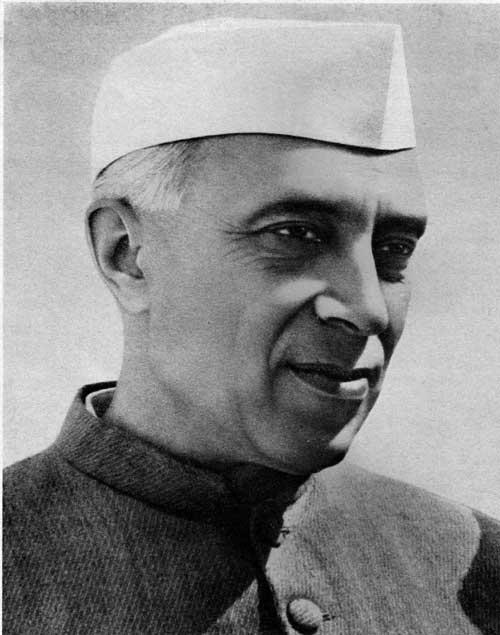
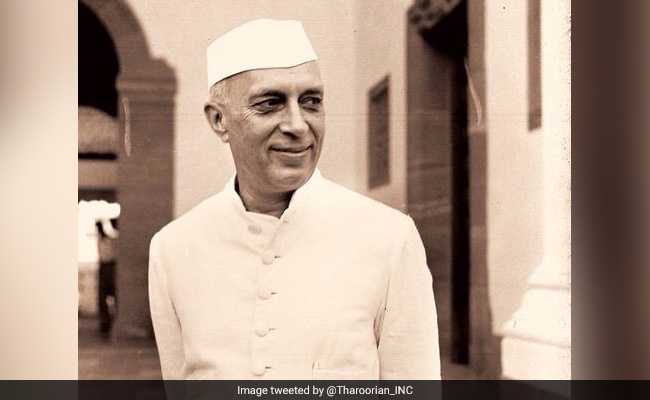
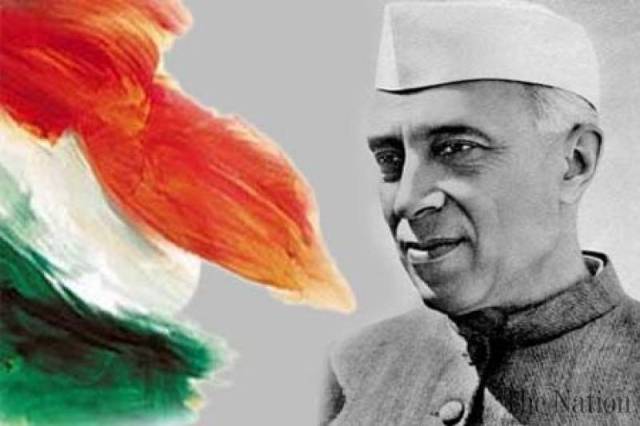
The Living Tibetan Spirits of Special Frontier Force-Establishment No. 22-Vikas Regiment pay tribute to Prime Minister Jawaharlal Nehru on his 132nd Birth Anniversary.
Jawaharlal Nehru was born on November 14, 1889, in Uttar Pradesh, Prayagraj, earlier known as Allahabad. He died on May 27, 1964.
He became the Prime Minister on August 15, 1947, following an active role in the freedom struggle.
The Living Tibetan Spirits of Special Frontier Force-Establishment No. 22-Vikas Regiment pay tribute to Prime Minister Jawaharlal Nehru on his 132nd Birth Anniversary.
Nehru’s political awakening happened when he learned about Annie Besant’s arrest in 1917. He subsequently joined the All India Home Rule League. In 1919, shortly after the Jallianwala Bagh massacre — in which 379 Indians were killed and more than 1000 injured — Nehru overheard the unrepentant orchestrator British Brigadier-General Reginald Dyer gloat about it while on a train. This outraged him further and he vowed to resolutely fight for India’s independence.
The Living Tibetan Spirits of Special Frontier Force-Establishment No. 22-Vikas Regiment pay tribute to Prime Minister Jawaharlal Nehru on his 132nd Birth Anniversary.
During India’s freedom movement, Pandit Nehru was imprisoned 9 times. He was jailed by the British for a total of 3,259 days which is close to 9 years of his life spent behind the bars. Pandit Nehru penned an autobiography ‘Toward Freedom’ when he was in jail.
The Living Tibetan Spirits of Special Frontier Force, Establishment No. 22, Vikas Regiment pay tribute to Prime Minister Jawaharlal Nehru on his 132nd birth anniversary.
The Material Basis of Spirituality. I host the Living Tibetan Spirits in my consciousness. What is Matter? and What is Spirit? If materialism is about the influence of material wealth, I would like to use the Power/Force/Energy called Money to talk about Life and Death. The Laws of Conservation are applicable to both the living, and the non-living matter. Hence, it can be stated that “Life can neither be created nor destroyed.” If any person can refute my claim using valid, scientific information, I would give the person a US $1,000 bill as a reward.
Matter is an actual substance that has properties such as mass or weight, and occupies space. Matter has other attributes like motion, size, shape, and a form by which it may be recognized. Matter makes up all visible objects in the universe, and it can be neither created nor destroyed. There is no such agreement about the term ‘Spirit’.
In my view, man will not be able to define his purpose in life if there is a separation of matter and spirit. Man is a physical being with matter and form. To define the goals, or values of human life, man must understand what it is to be a substance and what it is to exist. If matter and spirit are separated, and if there is no unity between matter and spirit, human life would be simply impossible. The word or term ‘Spirit’ is associated with characteristics such as immutable, immortal, immovable, imperishable, indestructible, immaterial, eternal, and unchanging, or constant nature of a substance which withstands the influence of time.
If God is uncreated and is eternal, Spirit is a natural extension of God’s nature and shares the same attributes. To recognize the spiritual potential of a substance, we have to understand the nature of matter.
The Material Basis of Spirituality Science. I host the Living Tibetan Spirits in my consciousness.. My Body is Indian but spiritually I’ am Tibetan.
TIBETAN BUDDHISM AND THE LIVING TIBETAN SPIRITS OF SPECIAL FRONTIER FORCE
The Material Basis of Spirituality Science. I host the Living Tibetan Spirits in my consciousness. In Tibetan Buddhism, Bodhisattva-Avalokitesvara is physically manifested as His Holiness The Dalai Lama.
In the beginning, I submit to all of my readers that this conversation is not about the principles of Tibetan Buddhism. I ask my readers to know that I am not speaking about Tibetan traditional belief in reincarnation. In Tibetan Buddhism, a “TULKU” is a particularly high-ranking Lama who can choose the manner of his (or her) rebirth or reincarnation. I have no personal knowledge of rebirth or reincarnation of any high-ranking Lama including the Tibetan spiritual leader His Holiness the 14th Dalai Lama. This conversation is not about reincarnation or rebirth.
I am sharing my personal experience, my association, and my contact with non-clergy members among Tibetan exiles, the laity, the peasants, and other ordinary folks of Tibet. The Tibetan Spirits that I know are not supernatural beings and they do not claim to possess any kind of supernatural powers. I am exclusively speaking on behalf of ‘The Living Tibetan Spirits’ that inhabit my consciousness. I would like to carefully define each term that I may use in this conversation to avoid confusion and misrepresentation of facts or information that pertain to Tibetan Identity and Tibetan Culture. It must be clearly noted that traditional Tibetan Buddhism supports the concept of “ANATMA” and proclaims the non-existence of the human soul or spirit. Having studied, Human Anatomy, and Human Physiology, I would like to share my understanding of the human soul and spirit. I would not be surprised if a majority of Tibetan Buddhists reject my views about the human soul and spirit.
WHAT IS SPIRIT? WHAT IS THE LIVING SPIRIT?
The Human Organism is an association of trillions of individual living cells. Consciousness serves the purpose of Functional Unity and all the cells display adaptive functional subordination to serve the purpose of the Whole Organism or the Individual. There are two distinct aspects of human Consciousness;1. The Capacity for Consciousness, and 2. The Contents of Consciousness.
I use the term ‘soul’ to refer to the animating, vital, Life Principle found in all living things. The term ‘spirit’ is often used to refer to the intelligent, or immaterial part of a man as distinguished from the human body, and mind. The traditional Indian belief systems may describe the ‘spirit’ as the immaterial reality that is imperceptible to the organs of sense perception. I describe consciousness as the fundamental characteristic of all living things and I describe consciousness as a spiritual function; a function that requires the operation of the soul, and spirit. I claim that consciousness is the absolute nature of living things or living objects. Consciousness is the natural principle by which a living thing knows and experiences its external and internal environment. Being conscious means recognizing the existence, the fact of something. Consciousness is the biological characteristic which is the evidence of a living thing knowing the fact of its own existence; it knows as to where it exists and knows as to how it is existing. A dead, or non-living thing has no consciousness and the dead object has no awareness of the world in which it may be found. I cannot describe soul and spirit as entities that may exist independently of living matter. Hence, I would like to suggest that soul, and spirit is known because of its association with a living person. I have no personal experience of a disembodied spirit. I am intentionally using the term, ‘The Living Spirits’ as I am not aware of the existence of ‘Dead Spirits’. Spiritism or Spiritualism is a belief that natural, living objects have indwelling spirits. When used as an adjective, the term ‘spiritual’ means, relating to or concerned with the spirit or soul. This term is often used to describe human relationships. The term ‘spiritual’ in the context of human relationships describes the nature of a relationship, a partnership, an association, a connection, or bonding between two or more living people based upon thoughts, or feelings of sympathy, and understanding.
THE LIVING TIBETAN SPIRITS OF SPECIAL FRONTIER FORCE
Personal Number: MS-8466/MR-03277 K. Rank: Captain. Name: R Rudra Narasimham (R R Narasimham), Branch: Army Medical Corps/Short Service Regular Commission (1969), Direct Permanent Commission (1973). Unit: Headquarters Establishment Number. 22, Vikas Regiment, C/O 56 APO. Designation: Medical Officer from September 22, 1971, to December 18, 1974. Organization: SPECIAL FRONTIER FORCE.The Material Basis of Spirituality Science. I host the Living Tibetan Spirits in my consciousness. I served in Special Frontier Force from September 22, 1971, to December 18, 1974. I was not a mercenary for I was employed by the US government to accomplish the goals of the US policy in South Asia apart from serving the purpose of the US Central Intelligence Agency. I was fully involved and was prepared to operate across the legitimate border between India and Tibet as established by the McMahon Treaty and the Simla Agreement of 1914 between India and Tibet. We as an organization defended our own territory to defend our natural rights. We were fully ready to conduct offensive operations against our Enemy if the Enemy attacks us during the conduct of our military mission.
I was granted Short Service Regular Commission to serve in the Indian Army Medical Corps during 1969 and joined the Service on July 26, 1970, in the rank of Lieutenant. On completion of basic military training at Lucknow and professional training at Military Hospital, Ambala, I was posted to Headquarters Establishment Number. 22, C/O 56 APO (Vikas Regiment) which is formally known as Special Frontier Force. This organization is primarily concerned about operating across the legitimate border between India and Tibet as established by the McMahon Treaty and the Simla Agreement of 1914 and its purpose is that of ending the military occupation of Tibet by the People’s Republic of China. This organization was conceived by the 35th U.S. President, John Fitzgerald Kennedy during 1962. President Kennedy pursued the U.S. Foreign Policy that was initiated by the 33rd U.S. President, Harry S Truman (1949-1952). President Truman founded the North Atlantic Treaty Organization or ‘NATO’ on 04 April 1949. NATO is a multinational defense plan to defend Europe in response to tensions with the Soviet Union (USSR). The Truman Doctrine of 1947 was formulated to protect Greece and Turkey from Communist domination. The 34th U.S. President, Dwight David Eisenhower (1953-1961), and his Secretary of State John Foster Dulles continued Truman administration’s policy of containing Communism.
The Material Basis of Spirituality Science. I host the Living Tibetan Spirits in my consciousness.
Eisenhower Doctrine of 1957 was designed to protect the Middle East from Communist aggression. At that time, the U.S. administration and the U.S. Central Intelligence Agency (CIA) started playing an increasing role to defend the Tibetan interests and provided training and equipment to the Tibetan freedom fighters to resist the military occupation of Tibet by the People’s Liberation Army of Communist China.
The Material Basis of Spirituality Science. I host the Living Tibetan Spirits in my consciousness. Special Frontier Force – Tribute to Fallen Soldiers. Camp Hale, Colorado, USA.
During October 1962, after a massive, and brutal attack on India’s Himalayan Frontier, India recognized the military threat posed by Communist China. India needed urgent foreign assistance as it had faced critical shortages in its defense preparedness. Indian Prime Minister Jawaharlal Nehru who embraced the policy of political neutralism accepted the US military assistance while India officially continued its adherence to the Non-Alignment Policy. Similarly, Tibetan Exile Leader, His Holiness the 14th Dalai Lama continued Tibet’s policy of political isolationism, and agreed to participate in a military alliance or pact with the United States and India to respond to the military threat and military occupation of Tibet by Communist China without publicly disclosing the military agreement and cooperation between these three nations. The Cold War Era of secret diplomacy made it easy to give birth to a secretive military organization called Special Frontier Force where the identity of the Employer remains concealed. The Government of India and Tibetan Government-in-Exile have administered the oaths of secrecy to all of their participating members of Special Frontier Force. The U.S. Central Intelligence Agency provided the necessary military instructors to train the personnel in the use of U.S. military equipment and stores. The U.S. Congress makes the budgetary provision to provide the funds to this organization which primarily uses U.S. military equipment. However, the Officers and the men who serve in this military establishment are not mercenaries who may join the battle to provide some exclusive benefit to a foreign government or Agency. The men and the Unit are motivated to perform their duties to defend their rights and their own territory. The United States participates in the operational activities of Special Frontier Force to collect intelligence about Communist China’s military preparedness.
OPERATION EAGLE-THE MILITARY OPERATION IN THE CHITTAGONG HILL TRACTS IN 1971-72. SPIRITUALISM AND THE LIVING TIBETAN SPIRITS.
Special Frontier Force launched a difficult military operation called Operation Eagle to initiate the Liberation of Bangladesh in the Chittagong Hill Tracts during 1971.
SPIRITUALISM-THE LIVING TIBETAN SPIRITS: The “POORVI STAR” is the evidence for my participation in the Bangladesh Liberation War of 1971. We fought this battle and buried or cremated our dead in the Chittagong Hill Tracts.
I witnessed the loss of the lives of some young Tibetan soldiers during this battle. Since I have a spiritual relationship with the men of my Unit, I was not a simple witness to the fact of their death. Without any recognizable sense perception, my consciousness has given a home to the Tibetan Spirits. At that time, I had no particular mental awareness of this fact. We returned to India during January 1972 on completion of our Bangladesh operations.
The Material Basis of Spirituality Science. I host the Living Tibetan Spirits in my consciousness. This is a photo image taken in 1972 while I served in the Special Frontier Force. We serve wearing the Indian Army uniforms as the US employer wants to conceal his involvement. Before this photo was taken, we were joking about the Intelligence Service of Communist China. We defend India’s Himalayan Frontier along the McMahon Line and patrol the territory that China illegally claims and has occupied. China’s Intelligence Service has the Policy to obtain photo images of all Indian Army Officers who may enter the disputed Himalayan territory. Our response to China was; “COME AND GET US ON THE BATTLEFIELD.”
We returned from Bangladesh with a sense of pride for our successful execution of the military campaign. I served in Special Frontier Force until December 1974 and lost contact with the men of my Unit. The events of 1971-72 got buried in my memory. In January 1984, I left India with my family to begin our lives away from the country of our origin. In practical terms, I began my life as an exile and I had no direct contact with my Indian relatives or Tibetan exiles who continue to live in India.
THE JOY OF EMPTINESS – THE DISCOVERY OF THE LIVING TIBETAN SPIRITS:
SPIRITUALISM – THE JOY IN EMPTINESS – THE DISCOVERY OF THE LIVING TIBETAN SPIRITS: His Holiness The Dalai Lama visited Ann Arbor, Michigan during April 2008 and had explained the concept of finding “JOY” by simply emptying the Mind.
I arrived in Ann Arbor, Michigan with my family during July 1986 and started leading a life of voluntary simplicity. I maintain very minimal indirect contacts with my relatives who live in India. Apart from the fact of physical separation, there is mental separation from all the events and experiences that shaped my life in India before I left the country. While I live in Ann Arbor, it came as a big surprise to me when His Holiness the 14th Dalai Lama visited Ann Arbor to speak at a function organized by The University of Michigan. He explained the concept of finding “JOY” in Emptiness or the emptying of the mind in which the mind has been emptied of all particular objects and images. Emptiness is created by casting aside the attachment to everyday things and worries. While I practiced the emptying of my mind, I recognized that I cannot remove the desire for Freedom in the Land of Tibet. On careful introspection, I discovered that this desire is attached to The Living Tibetan Spirits who inhabit my consciousness. I have no personal attachment to the Land of Tibet. I have no personal attachment to the Tibetan Identity. I have no personal attachment to Tibetan Culture. I have no personal attachment to Tibetan Buddhism. I believe in God as the Creator of man, this world, and the universe. But, I find myself attached to this desire that seeks Freedom in the Land of Tibet. I can remove all my desires and break my attachment to impermanent things or thoughts. This desire for Tibetan Freedom is not a thought that I have imagined in my mind. This concern for Tibetan Freedom is evidence for the existence of The Living Tibetan Spirits in my consciousness. There are two aspects of consciousness that are registered by a living individual; 1. Consciousness is a state of knowing or awareness of what goes on around an individual, and 2. Consciousness is a state of knowing or awareness of what goes on within the individual. In my Consciousness, there is the existence of Freedom in Tibet. In the world that I am conscious and aware of today, there is no Freedom in Tibet. So, I have decided to fight the sense of fear and darkness that has enveloped my mind and tell the people around that I demand Freedom in Tibet. I want to give a sense of “JOY” to The Living Tibetan Spirits. I want to share these photo images that have captured the moments of pride and victory in War. These photo images were illegally obtained by the Enemy. This Enemy Agent who took these photo images killed himself for his act of betrayal. However, The Living Tibetan Spirits recognize a moment of glory in their sacrifice. They were not alive on June 03, 1972 and could not personally witness the event shown in these photo images. The Living Tibetan Spirits can easily identify all the objects shown in these images and are pleased by viewing these images. The Enemy unintentionally served a purpose while he engaged in acts of espionage. I am not surprised. At Special Frontier Force, we as an organization have always accepted the challenge and are willing to meet the Enemy on the battlefield.
SPIRITUALISM-THE LIVING TIBETAN SPIRITS: His Holiness The Dalai Lama visited my Unit on June 03, 1972, to conduct a Worship Service at a local Buddhist Temple known as Gompa or Gonpa. It is a military tradition to present a Guard of Honor to a visiting dignitary; His Holiness is a dignitary who represents Tibet as its Spiritual and Temporal Leader. The Commander of Special Frontier Force at that time was Major General Sujan Singh Uban, AVSM. As a simple security precaution, photography was prohibited at this event. The Enemy agent who served as a Buddhist monk illegally captured this photo image and distributed the same. The spy killed himself when his act got discovered.SPIRITUALISM-THE LIVING TIBETAN SPIRITS: This photo image was illegally captured by a spy who worked for Communist China’s Intelligence Service. China spies upon His Holiness the 14th Dalai Lama all the time and watches all of his movements. He is seen in this photo while delivering a spiritual message on June 03, 1972 in the presence of Major General Sujan Singh Uban, AVSM, the Inspector General of Special Frontier Force. The Enemy agent felt remorse for his own behavior and killed himself while being interrogated about his spying activities..SPIRITUALISM – THE LIVING TIBETAN SPIRITS – OLD FLAMES NEVER DIE: The butter lamps lit in my Unit Gompa or Gonpa to pay tribute to the departed souls, the people who gave their precious lives to defend the Freedom of people.SPIRITUALISM-THE LIVING TIBETAN SPIRITS: BEWARE OF COMMUNIST CHINA’S INTELLIGENCE SERVICE: In this photo taken on September 28, 2012, at Dharamshala, India, His Holiness The Dalai Lama gestures as he jokingly asks an elderly Tibetan waiting among journalists if he is a cameraman. Fortunately, the man is not a Communist spy. But, I will not be surprised if a spy has actually taken this photo.
THE FUTURE OF FREEDOM IN TIBET:
Spiritualism-The Living Tibetan Spirits: FREEDOM IN TIBET: Freedom is a natural condition that is given by God. It is a gift and it is not a desire or craving. When the Freedom is taken away, the disturbance makes the man search for Peace, Harmony, and Tranquility in his Living Condition. It is natural that Tibetans demand this Freedom in their occupied Land.
In conclusion, I suggest that without effort and struggle, there can be no real upward movement in our lives, or in the lives of people, or in the history of a Nation. The people of Tibet need to struggle to realize the hope of regaining their natural Freedom. The darkness of military occupation has enveloped the Land of Tibet. When the oppressor intends to be unjust, he would use any excuse and he will always find a pretext for his tyranny. It is useless for the innocent to try reasoning to get justice from a tyrant. Let us all join and work together to Fight the Battle of Right against Might.
Spiritualism-The Living Tibetan Spirits : On September 02, 1960, the first members of the First Tibetan Parliament-in-Exile took their Oath of office. Tibetans most recently celebrated 52nd Democracy Day. As per their Charter, they convened a Special General Meeting of Tibetans for the purpose of responding to the current tragic situation in Tibet. This Meeting was held for four days from September 25, to September 28, 2012. The Living Tibetan Spirits were not present at the Meeting. They inhabit my Consciousness. I intend to speak on their behalf and express their desire for Tibetan Freedom.The Material Basis of Spirituality Science. I host the Living Tibetan Spirits in my consciousness. What is Matter? and What is Spirit? If materialism is about the influence of material wealth, I would like to use the Power/Force/Energy called Money to talk about Life and Death. The Laws of Conservation are applicable to both the living, and the non-living matter. Hence, it can be stated that “Life can neither be created nor destroyed.” If any person can refute my claim using valid, scientific information, I would give the person a US $1,000 bill as a reward
TIBET PROBLEM IS ON THE BACK BURNER WHILE TIBET IS WARMING UP. UNDER OCCUPATION.
The great problem of Tibet is on the Back Burner while Tibet is warming up due to progress and development contributed by Tibet’s Occupation and Subjugation by a Colonialist Power.
Rudra Narasimham Rebbapragada
Special Frontier Force-Establishment No. 22-Vikas Regiment
Tibet average temperature up 0.4 degrees Celsius every decade
The “roof of the world” has become warmer and wetter over the past 39 years, according to the climate center in Tibet.
Data from the Climate Bulletin of Tibet in 2019, released Thursday, shows that during the 1981-2019 period, the region’s annual average temperature rose 0.4 degrees Celsius every 10 years, while the annual precipitation was up 11.1 mm on average in a decade.
The average temperature of Tibet in 2019 was 5.2 degrees Celsius, 0.5 degrees higher than in normal years. The average precipitation was 468.4 mm last year, close to normal years’ 460.2 mm.
Ma Pengfei, an official with the climate center, said that in the context of global warming, the warming effect is more significant in the high-altitude Qinghai-Tibet Plateau than in other regions.
Coaches carrying herdsmen from Shuanghu County of Nagqu City run on a road while heading for relocation destinations in Tibet, Dec. 23, 2019. Tibet has built or renovated a total of 43,400 km of rural roads over the past five years, according to local authorities. The regional government has invested 95.7 billion yuan (around 13.7 billion U.S. dollars) over the period in paving modern roads to 2,276 villages, according to the regional transport department. (Xinhua/Chogo)
Photo taken on June 4, 2019 shows a road leading to the rural area in Qamdo City, Tibet. Tibet has built or renovated a total of 43,400 km of rural roads over the past five years, according to local authorities. The regional government has invested 95.7 billion yuan (around 13.7 billion U.S. dollars) over the period in paving modern roads to 2,276 villages, according to the regional transport department. (Xinhua/Jigme Dorje)
Aerial photo taken on Aug. 3, 2019 shows a road along the Pangong Tso lake in Ngari, Tibet. Tibet has built or renovated a total of 43,400 km of rural roads over the past five years, according to local authorities. The regional government has invested 95.7 billion yuan (around 13.7 billion U.S. dollars) over the period in paving modern roads to 2,276 villages, according to the regional transport department. (Xinhua/Jigme Dorje)
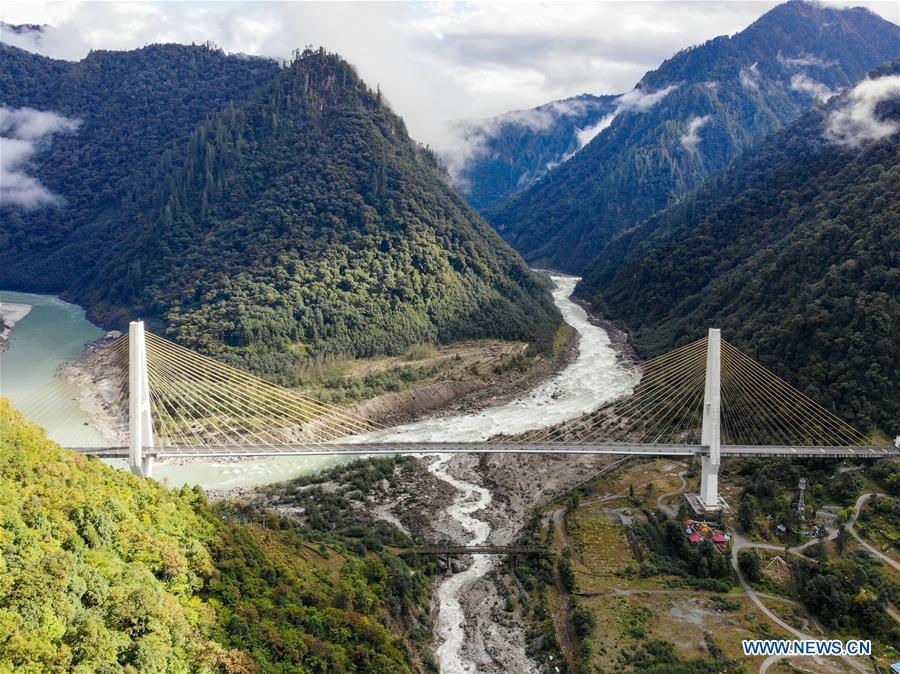
Aerial photo taken on Oct. 27, 2019 shows a long-span bridge on the Sichuan-Tibet Highway in Tangmai, Tibet. Tibet has built or renovated a total of 43,400 km of rural roads over the past five years, according to local authorities. The regional government has invested 95.7 billion yuan (around 13.7 billion U.S. dollars) over the period in paving modern roads to 2,276 villages, according to the regional transport department. (Xinhua/Sun Fei)
Tibet is warming up under Occupation. Electricians work on power transmission facilities in Nakarze county, Lhokha city in Tibet, Aug 27, 2019. [Photo/sipaphoto/com] TIBET CONSCIOUSNESS – TIBET PROBLEM ON THE BACK BURNER SINCE 1850s WHILE TIBET IS WARMING UP UNDER OCCUPATION.
Special Frontier Force, the military alliance between Tibet, India, and the US is primarily concerned with the security challenges posed by China’s expansionist doctrine in South Asia.
In my analysis, the North Atlantic Treaty Organization or NATO will not be able to defend Europe without addressing the problem of China’s military expansionism.
Rudra Narasimham Rebbapragada Ann Arbor, MI 48104-4162 USA SPECIAL FRONTIER FORCE-ESTABLISHMENT No. 22-VIKAS REGIMENT
CHINA IS NATO’S NEW ADVERSARY.
BY ISHAAN THAROOR
Is China NATO’s new adversary?
CHINA IS NATO’S NEW ADVERSARY.
Chinese President Xi Jinping at the Oct. 1 military parade in Beijing celebrating the 70th anniversary of the founding of the People’s Republic of China. (Asahi Shimbun/Getty Images)
The West’s most venerable military alliance is marking its 70th birthday this week in Britain. And it’s going to be awkward. Leaders of the North Atlantic Treaty Organization, including President Trump, will gather at Buckingham Palace on Tuesday before a rushed single meeting at an 18th-century estate outside London on Wednesday. The proceedings have been choreographed to minimize friction in an increasingly fractious group, one in which Trump’s frustrations with the alliance are hardly the sole source of tension.
Still, a NATO diplomat confided in my colleague Michael Birnbaum, “There’s a 50-50 chance that this goes south.”
Perhaps the pessimism is unwarranted. Seven decades after NATO’s founding, its 29 member states account for about half of the world’s military spending and close to half of the world’s GDP. By any calculation, it’s a formidable alliance. But differences within the bloc are becoming pronounced. French President Emmanuel Macron, for one, wants to see NATO shift away from being a Cold War-era bulwark against Russia to a more nimble security organization geared to countering terrorism.
Since coming to power, Trump has also taken a different tack, calling into question the necessity of the alliance, raging over the inadequacy of European defense spending and scrapping a key nuclear treaty with Moscow that helped shield Europe. Yet, this week, he’s expected to emphasize the need for NATO to take on a new adversary and rising 21st-century superpower — China. In the run-up to the summit, U.S. officials pointed to China as a “very strong competitor” that needs to be effectively brought to heel.
CHINA IS NATO’S NEW ADVERSARY.
NATO officials are also getting more vocal about how China fits into the bloc’s strategic deliberations. In an interview with CNBC on Monday, NATO Secretary-General Jens Stoltenberg said China was “shifting the global balance of power” and presenting Western policymakers with “some opportunities but also some serious challenges.” He added that the alliance — a transatlantic pact — was not focused on engaging China in its own Pacific backyard but elsewhere in the world. European politicians have also recognized that the alliance has to reckon with Beijing. “China is set to become the subject of the 21st century on both sides of the Atlantic,” German Foreign Minister Heiko Maas said in a speech in Washington in April. “China is a challenge on almost every topic. It is important to gain a better understanding of what that implies for NATO.”
“There’s no way that NATO will move into the South China Sea, but we have to address the fact that China is coming closer to us, investing heavily in infrastructure,” Stoltenberg said. “We see them in Africa, we see them in the Arctic, we see them in cyberspace, and China now has the second-largest defense budget in the world.”
That may be music to the Trump administration’s ears, which sees itself at the start of a decades-long, high-tech contest with Beijing. With varying success, Secretary of State Mike Pompeo has clamored for European nations to resist Chinese investments in the continent’s digital infrastructure, particularly in the development of 5G wireless networks that will underlie a whole new world of advanced technologies, including artificial intelligence, autonomous vehicles, and smart grids.
“With so much on the line, it’s urgent that trustworthy companies build these 21st-century information arteries,” Pompeo wrote in an op-ed for Politico Europe. “Specifically, it’s critical that European countries not give control of their critical infrastructure to Chinese tech giants like Huawei, or ZTE.”
CHINA IS NATO’S NEW ADVERSARY.
The Chinese are predictably unimpressed by suggestions of a confrontation with NATO. “European nations are now faced with two options: blindly following the U.S. or cooperating with China despite U.S. preaching,” noted an editorial in Global Times, a strident English-language Chinese state mouthpiece. “Making this choice will only turn Europe … into a U.S. puppet. Is this a scenario the once strongest continent wants to see? And if European countries shut their door on China’s 5G technology, will they be able to bear the potential losses?”
Analysts in Washington aren’t reading too much into the current atmospherics. In a briefing call with reporters, Michael O’Hanlon of the Brookings Institution said that Trump has “acted so unilaterally” in his tariff showdowns with China and Europe that it’s “hard to imagine” any substantial strategic decisions being forged through a multilateral body such as NATO.
Then there is a range of internal disagreements on the continent, where a number of countries have already become beachheads for significant Chinese investment and influence. “I think the question isn’t so much whether or not NATO as an alliance has the internal coherence to face China with a united front, but if Europe as a whole has that coherence, and, what is NATO’s role here?” Rachel Rizzo, the adjunct fellow at the Center for New American Security, told Today’s WorldView. “Obviously, China is a growing challenge and so it’s wise for the alliance to discuss how it might play a role in Europe’s future strategy, but I think NATO leaders are cognizant of the fact that they shouldn’t go out in search of monsters to destroy.” China said Monday that it would sanction U.S.-based nonprofit organizations, including the National Endowment for Democracy and Human Rights Watch, in retaliation for new U.S. legislation that supports Hong Kong’s protesters. China also will suspend rest-and-recuperation visits to Hong Kong by U.S. military ships and aircraft, a Chinese foreign ministry spokeswoman said, adding that further moves are possible.
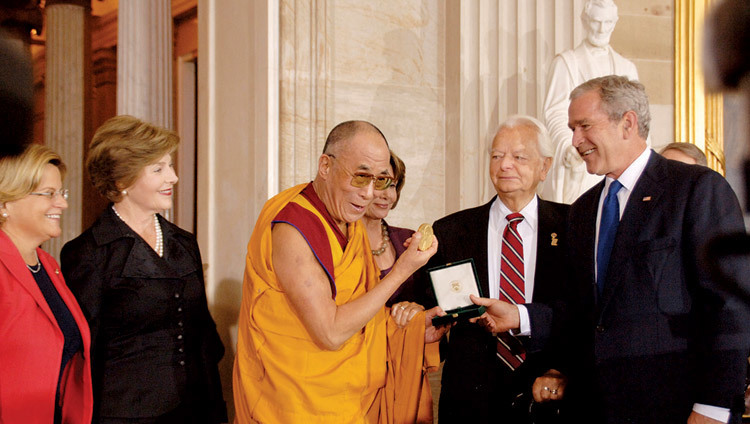
The Dalai Lama holds up his Congressional Gold Medal after being presented the award by (L-R) Speaker of the House Nancy Pelosi (D-CA), Sen. Robert Byrd (D-WV) and President George W. Bush in the U.S. Capitol Rotunda October 17, 2007, in Washington, DC. President Bush participated in the ceremony despite Beijing’s strong disapproval of the recognition for the 72-year-old exiled leader from Tibet.
US Congress Resolution Commends Dalai Lama For His Commitment To Global Peace
The resolution recognizes the cultural and religious significance of a genuinely autonomous Tibet and the deep bond between people of America and Tibet.
83-year-old Dalai Lama lives in exile in the hill town of Dharamsala WASHINGTON:
A group of four influential US lawmakers has introduced a resolution in Congress commending the Tibetan spiritual leader the Dalai Lama for his commitment to global peace and non-violence.
The resolution, introduced in the House of Representatives, came weeks after US ambassador-at-large for Religious Freedom Samuel D Brownback traveled to Dharamsala in India and met the Dalai Lama and discussed ways to advance religious freedom.
The 83-year-old Dalai Lama, a globally revered figure and recipient of the Nobel Peace Prize, lives in exile in the hill town of Dharamsala. He fled to India in early 1959 to escape from the Chinese occupation.
The House resolution — introduced by Congressman Ted Yoho and co-sponsored by Michael McCaul, Chris Smith, and George McGovern — recognizes the significance of the genuine autonomy of Tibet and the Tibetan people and the work the 14th Dalai Lama has done to promote global peace, harmony, and understanding.
The resolution recognizes the cultural and religious significance of a genuinely autonomous Tibet and the deep bond between the American and Tibetan people.
It commends the 14th Dalai Lama for his commitment to global peace and non-violence.
It would be beneficial to convene a bipartisan, bicameral forum, either through a joint meeting of Congress, a teleconference broadcast in the Auditorium at the Capitol Visitor Center, or roundtable between members of Congress and the Dalai Lama to discuss peaceful solutions to international conflicts, the resolution notes.
China, which firmly opposes any contact with the Dalai Lama by any foreign official, says the successor to the Dalai Lama must be chosen according to religious rituals and historical conventions as well as the backing from the ruling Communist Party.
His Holiness the Dalai Lama receiving the US Congressional Gold Medal from US President George W. Bush at Capitol Hill in Washington DC, the USA on October 17, 2007.
The Resurrection of American Values to reject the power of Evil.
On behalf of the Living Tibetan Spirits, I pray for the Resurrection of American Values, the foundational values that define America as a nation. My concern is not about the reincarnation of the Dalai Lama. The United States must overcome fear to expose evil actions of People’s Republic of China to occupy Tibet through acts of military aggression.
Rudra Narasimham Rebbapragada
Special Frontier Force-Establishment N0. 22-Vikas Regiment
Living Tibetan Spirits Pray for the Resurrection of American Values.
US Wants UN To Take Up Dalai Lama Succession: Envoy
The United States wants the United Nations to take up the Dalai Lama’s succession in an intensifying bid to stop China from trying to handpick his successor, an envoy said after meeting the Tibetan spiritual leader.
Sam Brownback, the US ambassador-at-large for international religious freedom, said he spoke at length about the succession issue with the 84-year-old Dalai Lama last week in the monk’s home-in-exile of Dharamsala, India.
Brownback said he told the Dalai Lama that the United States would seek to build global support for the principle that the choice of the next spiritual chief “belongs to the Tibetan Buddhists and not the Chinese government.”
Living Tibetan Spirits Pray for the Resurrection of American Values.
The Dalai Lama arrives for prayers wishing him a long life at the Tsuglagkhang temple in McLeod Ganj, India in September 2019 — the US wants the UN to look at the issue of who will succeed him Photo: AFP / Lobsang Wangyal
“I would hope that the UN would take the issue up,” Brownback told AFP after returning to Washington.
He acknowledged that China, with its veto power on the Security Council, would work strenuously to block any action, but he hoped countries could at least raise their voices at the United Nations.
“I think it’s really important to have an early global conversation because this is a global figure with a global impact,” he said.
“That’s the big thing that we’re really after now, to stir this before we’re right in the middle of it — if something happens to the Dalai Lama, that there has been this robust discussion globally about it ahead of time,” he said.
Living Tibetan Spirits Pray for the Resurrection of American Values.
US religious freedom envoy Sam Brownback, seen here at a July 2019 ministerial meeting in Washington, is raising pressure over the Dalai Lama’s succession Photo: AFP / MANDEL NGAN
“My estimation undoubtedly is that the (Chinese) communist party has thought a lot about this. So they’ve got a plan and I think we have to be equally aggressive with a plan.”
The Dalai Lama once traveled incessantly, drawing huge Western audiences with his good-humored lectures on compassion and happiness.
But the Nobel Peace Prize winner has slowed down and earlier this year suffered a chest infection, although he is not known to have serious health issues.
Brownback said he found the Dalai Lama “quite jovial” and that the monk had told him, “‘Look, I’m going to live another 15, 20 years; I’m going to outlast the Chinese government.'”
Living Tibetan Spirits Pray for the Resurrection of American Values.
A Tibetan-in-exile carries a photograph of the Dalai Lama during celebrations marking the Lunar New Year in Kathmandu in February 2018 Photo: AFP / PRAKASH MATHEMA
But Beijing has indicated it is waiting out the Dalai Lama, believing his campaign for greater Tibetan autonomy will end with him.
China, which argues that it has brought modernization and development to the Himalayan region, has increasingly hinted that it could name the next Dalai Lama, who would presumably be groomed to support Chinese rule.
In 1995, the officially atheist government selected its own Panchen Lama and detained a six-year-old identified for the influential Buddhist position — whom rights groups called the world’s youngest political prisoner.
Living Tibetan Spirits Pray for the Resurrection of American Values.
Indian police detain Tibetan students as they protest against the visit of China’s President Xi Jinping in Chennai in October 2019 Photo: AFP / STR
Mindful of Beijing’s plans, the 14th Dalai Lama has mused about breaking with the centuries-old tradition in which wandering monks look for signs that a young boy is a reincarnation.
He has said that he could pick his own successor, possibly a girl, or even declare himself the final Dalai Lama.
The US Congress has also stepped up efforts, including by mandating visa denials by the end of the year for Chinese officials unless Beijing eases restrictions on US diplomats, journalists and ordinary people seeking to visit Tibet.
Brownback said he would like access to Tibet, “but I want it unfettered.”
He said he similarly hoped to visit the western region of Xinjiang, which has drawn intense US scrutiny over the incarceration of one million Uighurs and other Turkic-speaking Muslims.
“It is part of the same war on faith,” Brownback said of Tibet and Xinjiang.
Brownback also visited Nepal, historically the gateway for Tibetans fleeing to India but which has increasingly clamped down under pressure from its giant northern neighbor.
Brownback said he raised fears for Tibetans with Nepal’s foreign minister, Pradeep Gyawali.
But he acknowledged Nepal’s difficult situation and said: “I would hate to be very harsh on the Nepalese because they’ve been so good over so many years to help the Tibetans.”
Brownback said that the burden was ultimately with China to allow freedom of movement — and not to interfere in Tibetan Buddhism.
“A government doesn’t own a religion,” he said. “A religion runs itself.”
“We hope we’ll get a number of other communities around the world to express similar positions and concerns.”
Living Tibetan Spirits Pray for the Resurrection of American Values.
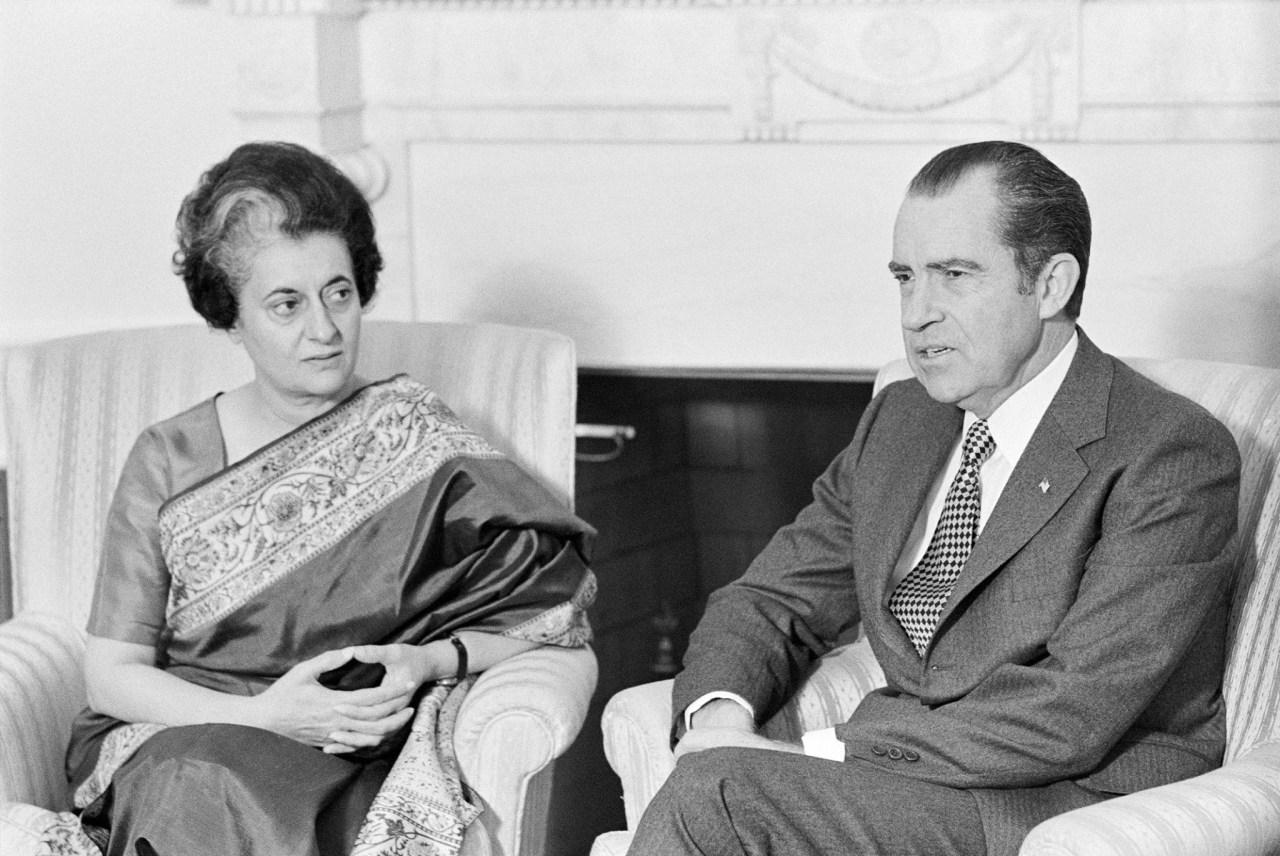
The Bald Eagle which represents the United States as a Military Power has a lesson to learn from its Vietnam War experience. United States has to still find military interventions to stop the growing military threat of Communist Power in Southeast Asia. People of Southeast Asia are willing to fight the Communists and why should the United States ignore the offer of our friendship and willingness to challenge and confront the Communists on the Battlefield? SPECIAL FRONTIER FORCE AT THE WHITE HOUSE: The construction of The White House started in 1792. The United States started diplomatic relations with Tibet as it got alarmed by the Communist takeover of China during 1949. However, the 14th Dalai Lama is the first Dalai Lama who has ever visited The White House.The Bald Eagle-The Golden Eagle-Operation Eagle: What is the Connection? Indian Prime Minister Indira Gandhi with the US President Richard Nixon at the White House, Washington, D.C. on November 04, 1971. The US did not sanction Operation Eagle.The Bald Eagle-The Golden Eagle-Operation Eagle: What is the Connection? Indian Prime Minister Indira Gandhi with the US President Richard Nixon in Washington, D.C. on November 03/04, 1971. The US did not sanction Operation Eagle.The Bald Eagle-The Golden Eagle-Operation Eagle: What is the Connection? Indian Prime Minister Indira Gandhi with the US President Richard Nixon in the White House, Washington, D.C. on November 03/04, 1971. The US did not sanction Operation Eagle. The Bald Eagle-The Golden Eagle-Operation Eagle: What is the Connection? Indian Prime Minister Indira Gandhi with the US President Richard Nixon in Washington, D.C. on November 04, 1971. The US did not sanction Operation Eagle.The Bald Eagle-The Golden Eagle-Operation Eagle: What is the Connection? Indian Prime Minister Indira Gandhi with the US President Richard Nixon in Washington, D.C. on November 03, 1971. The US did not sanction Operation Eagle.
Special Frontier Force-Establishment No. 22-Vikas Regiment- Operation Eagle 1971 and The Vietnam War:
THE EAGLE CONNECTION: THE BALD EAGLE-THE GOLDEN EAGLE-OPERATION EAGLE – WHAT IS THE CONNECTION?
The military action in the Chittagong Hill Tracts that initiated the Liberation of Bangladesh during 1971 is known as Operation Eagle. This military action used the military power of ‘The Bald Eagle’ and is executed by ‘The Golden Eagle’ without getting the formal approval or sanction of the US President.
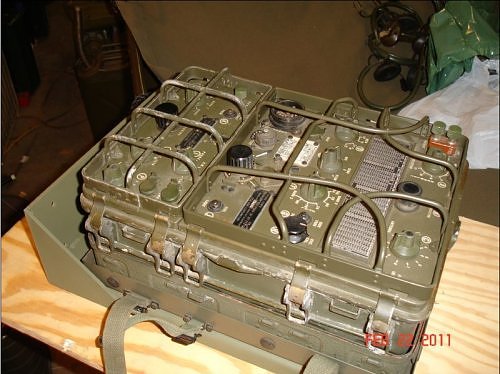
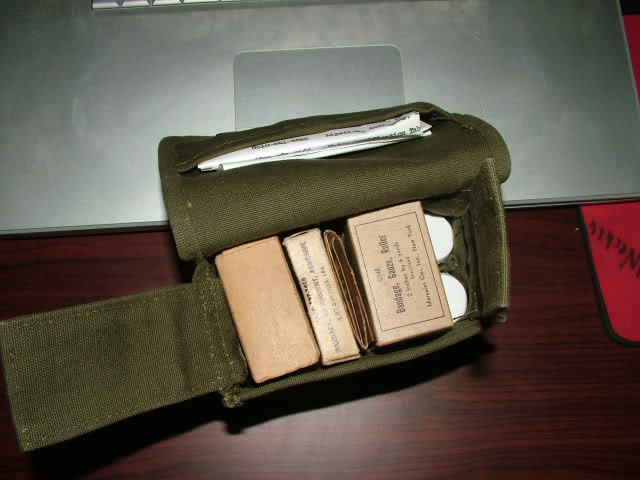
Operation Eagle was a very modest military confrontation as compared to the Vietnam War. However, a comparison must be made to understand the use of military force to defeat an enemy to obtain a political objective. The Operation Eagle was executed using US weapons, ammunition, US military radios, medical supplies, assorted tools and equipment, field gear, and U.S. Military Field Rations-Meals Ready to Eat or MREs that the US Army was using in the conduct of the Vietnam War.
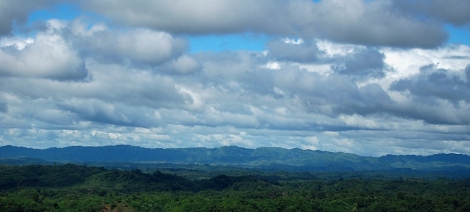
In a hilly, forest terrain, the use of aerial firepower or bombing campaigns will not dislodge the enemy. The enemy must be found on the ground and must be directly attacked. This is a view of Mizo Hills of India taken from Chittagong Hill Tracts in the foreground.
The military objectives of the Vietnam War could not be accomplished because of the reliance placed upon aerial bombardment to defeat the enemy. Operation Eagle was small in its scope and size. But, it did not rely upon the use of aerial bombardment. We operated on a ‘manpack’ basis, went in search of enemy positions, and directly challenged the enemy at his own post. United States failed to attack the enemy on the ground during the Vietnam War. To defend South Vietnam, the military strategy and planning would call for Infantry attacks on the enemy inside North Vietnam. United States used more bombs as compared to the number of bombs that were dropped during the Second World War and yet could not dislodge the enemy from his entrenched positions. We need to fight and engage the enemy on the ground. Secondly, during Nixon’s presidency(1969-1974), while engaged in War, the President conceded the battle by befriending the Enemy.
OPERATION EAGLE 1971 AND THE VIETNAM WAR INFANTRY WEAPONS AND FIELD GEAR:
OPERATION EAGLE 1971 AND THE VIETNAM WAR INFANTRY WEAPONS, FIELD GEAR AND COMMUNICATION EQUIPMENT. INDIA’S GOLDEN EAGLE SYMBOLIZES THE MILITARY OPERATION THAT WAS WAGED WITH THE MILITARY EQUIPMENT PROVIDED BY THE BALD EAGLE THAT SYMBOLIZES AMERICAN MILITARY POWER.
A military action by Infantry is best understood by examining the weapons that are used. During Operation Eagle 1971 and the Vietnam War, the Infantry used the same kinds of Infantry weapons. We must ignore the sophisticated technology and the firepower of United States Navy and Air Force. The battle must be won on the ground. During Operation Eagle 1971 we used the same Infantry weapons, equipment, and other supplies more effectively in our battle as compared to US Armyin its combat missions against its enemy in Vietnam. We did not use helicopters as gunships or to attack the enemy in support of ground troops. I would like to share some of the photo images of the Infantry Weapons and equipment that were used in the Vietnam War and which I have seen during Operation Eagle 1971.
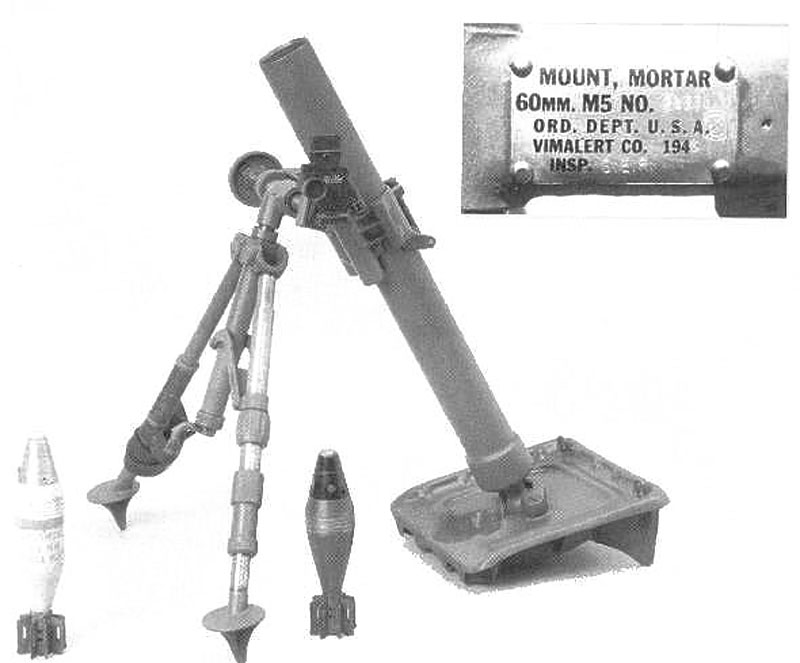
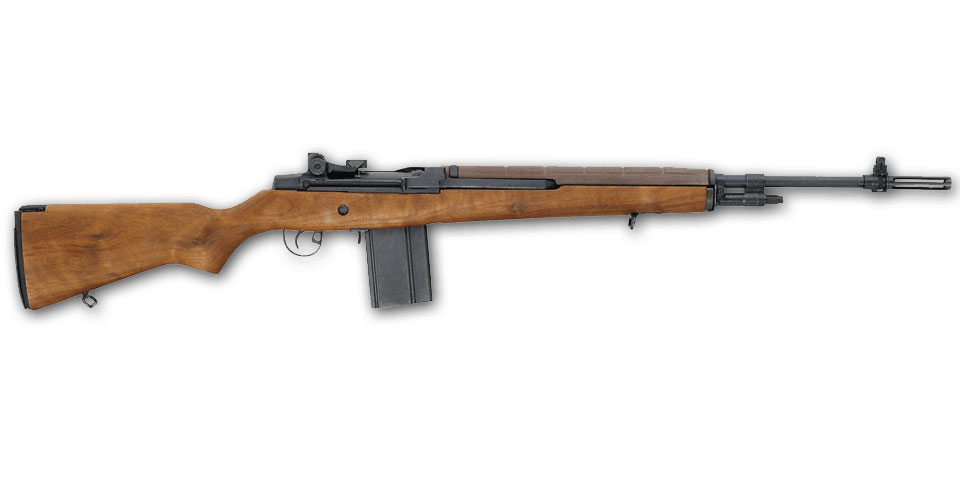
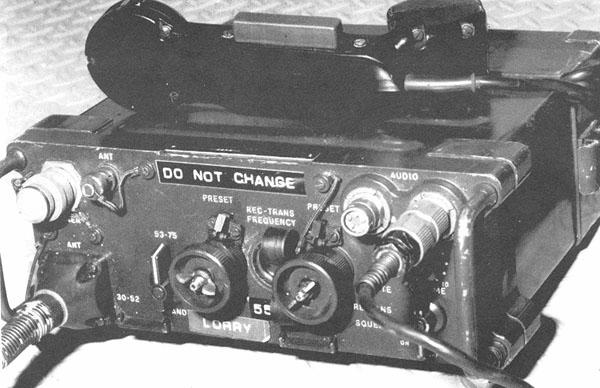
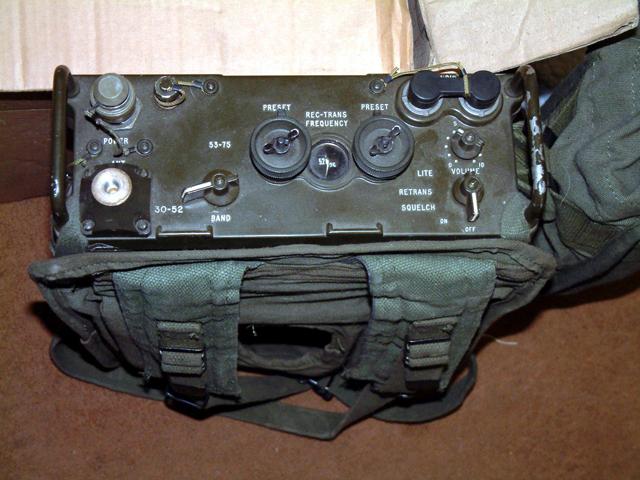
The General Purpose Machine Gun M60 was designed for use in the Vietnam War was equally useful for Operation Eagle in the Chittagong Hill Tracts.M1 Muzzle loading 81mm Mortar is a heavy piece of Infantry weapon which provides indirect fire support. During Operation Eagle, our men carried them on their backs and used them to fire upon the enemy patrols and enemy posts. The most common weapon used by American Infantry Battalions in World War II, Korea, and Vietnam. Operation Eagle was fought on a manpack basis and this short-range, lightweight mortar was very useful.Rifle is the most basic Infantry weapon. M14 Infantry Assault Rifle was used in Vietnam. During Operation Eagle 1971, I politely refused to use this M14 Rifle as my personal weapon.The men used this Rifle. During Operation Eagle 1971, I could not bring my Sub Machine Gun or SMG and willingly participated in the battle without carrying the M14 Rifle.During Operation Eagle 1971 we were not allowed the use of cameras or photography. I would have looked like this man wearing Olive Green Coat Poncho. I used US Army Cap-Field.A Soldier needs his gun, boots, and clothing to protect himself. During Operation Eagle 1971, I used this US Army Nylon Poncho with Hood(Olive) to sleep on the ground and as a coat to protect myself from intense fog and dew prevalent in the Chittagong Hill Tracts.Short-range, manpack, portable, frequency modulated(FM) transceiver that provides two-way voice communication. Radio Set AN/PRC – 25 is used in the Vietnam War and I used the same in Operation Eagle. Two-way voice communications could be easily monitored by the enemy. Fortunately, It posed no problem as the enemy in the Chittagong Hill Tracts had no linguistic experts. I openly communicated with my Unit Commander in my native language of Telugu and there was absolutely no risk of revealing any sensitive information.The Bald Eagle-The Golden Eagle-Operation Eagle: What is the Connection?The Bald Eagle-The Golden Eagle-Operation Eagle: What is the Connection?The U.S. Army uses a variety of Individual Field Medical Kits. The Kits issued to us during Operation Eagle 1971 were Olive Green Canvas pouches worn on the belts by each individual. The medical supplies included Water Purification Tablets for use in water bottles, anti-Malaria pills, Insect Repellent Solution(DBP), Insect Repellent Cream(DMP), Injectable Tubonic Morphine, tetracycline tablets, Multivitamin tablets, Field dressings, bandages and others. The Kits were not stamped but the contents reveal the place of origin.Infantry marches on its feet. Boots are the most important equipment apart from Guns. I used Ankle Canvas Boots during Operation Eagle and marched on feet to fight and dislodge the enemy from the Chittagong Hill Tracts. The Canvas Boots lasted for the entire duration of Operation Eagle. They were better than the leather boots that I would use in other operational areas.
WAR AND PEACE – A FAILURE OF U.S. DIPLOMACY:
United States failed in Vietnam as it failed to develop a clear vision to achieve its goal of resisting and containing the expansion of Communist Power in Southeast Asia. U.S. efforts to stop the spread of Communism got derailed by Dr. Henry Kissinger who chose the option of backstabbing people who support the United States in its global mission to oppose Communism using diplomacy and military power. U.S. gave away a lot during the Paris Peace Talks basically defeating the accomplishments of its military and literally ridiculing their sacrifices. The several concessions given to the Peoples’ Republic of China to win its cooperation failed to stop the flow of military assistance to North Vietnam.
The establishment of US-China relations gave no advantage to the United States for its War in Vietnam. United States added insult to its own injuries by seeking the support of Communist China to attack India across its Himalayan frontier in the North East Frontier Agency in a vain bid to stop India in its efforts to liberate Bangladesh during 1971.
President Nixon and Dr Henry Kissinger failed in their attempt to block the launching of Operation Eagle, the Bangladesh Ops of 1971.During 1971, Richard Nixon and Dr. Kissinger played on the Sino-Soviet Split. United States moved to normalize trade with China. Dr. Kissinger and President Nixon visited Peking(Beijing) to befriend Communist China. Did it stop China from delivering military assistance to North Vietnam? Did this famous meeting stop Hanoi’s EASTER OFFENSIVE in March 1972?President Nixon met Communist China’s Prime Minister Chou Enlai. Did this act of friendship help the US Army in the Vietnam War? Could it stop Communist North Vietnam from launching its major invasion of South Vietnam during March 1972? Using this friendship, both President Nixon and Dr. Kissinger tried their best to stop India from Liberating Bangladesh during 1971. This Nixon and Chou Enlai friendship did not stop the Liberation of Bangladesh which India initiated with Operation Eagle in the Chittagong Hill Tracts.Dr. Kissinger’s diplomatic initiatives totally fail the US Policy in Southeast Asia. Communist China remains a huge military threat in this region and United States fails in its mission to curb the expansion of Communist Power.
THE BALD EAGLE AND THE GOLDEN EAGLE CONNECTION :
The Bald Eagle and the Golden Eagle came together as Operation Eagle.
My Unit participated in Operation Eagle during 1971-72 to gain practical experience of Infantry Combat Operations to fight against Communists in a future battle.
The Operation Eagle 1971-72 was inclined towards peace. It intended to deliver peace to the people of Bangladesh who declared their independence from Pakistan during March 1971.
The War in Vietnam is over and yet the threat of Communism still persists in Southeast Asia. To deliver peace to people of Southeast Asia, the United States must learn from its failure in Vietnam. The failure was not that of the US Army which willingly sacrificed the lives of over 58,000 of its fighting men and women. The US political leadership had failed the US military mission in Vietnam. United States must seek assistance from the people of Southeast Asia and fight its enemy on the ground and dislodge the enemy in a ground battle.
Dr. R. R. Narasimham, B.Sc., M.B.B.S.,
Service Number: MS-8466, Rank. Captain,
Branch: Army Medical Corps/Short Service Regular Commission. Designation: Medical Officer, South Column Operation Eagle 1971-72.
The Supreme Ruler of Tibet cannot be chosen by any foreign government.
India must resist China’s Tibet plan
PM Modi should encourage Beijing to talk to the Tibetans, and facilitate a Xi-Dalai Lama meeting
ANALYSIS Updated: Oct 08, 2019 19:25 IST
Amitabh Mathur
Chinese President Xi Jinping is expected to arrive soon for his second informal meeting with Prime Minister Narendra Modi. The coming summit is taking place in the backdrop of important developments on which the two countries have taken confronting stands.
While China advised restraint on rising tensions with Pakistan following the Pulwama and Balakot episodes, it has openly criticized India on the recent constitutional and administrative changes in Jammu and Kashmir. It reiterated its claim on all of Ladakh, stating the changes violated China’s territorial integrity which it would not “idly watch”. It supported Pakistan in the United Nations and has additionally objected to the army exercise currently underway in Arunachal Pradesh, which it claims as its own. So, apart from the usual irritants in bilateral relations such as the border dispute and trade imbalance, not much progress is expected on the traditional faultlines in Sino-Indian relations.
Even though Tibet does not seem to figure on the agenda, the meeting will be followed by a particular interest in Dharamshala. This follows misgivings in some Tibetan quarters that New Delhi is gradually diluting its support to the Tibetan cause. This impression gained ground following the government’s direction to tone down the “Thank You India” program that the central Tibetan administration had planned in January 2018, and the subsequent directive that elected leaders and senior government officials should avoid sharing a public platform with the Dalai Lama. The recent war of words over the issue of Dalai Lama’s reincarnation has led to questions about whether there is an adequate realization, willingness, and preparation within the Government of India to thwart China’s design to ultimately install its own candidate in Potala Palace.
Though the Dalai Lama has spoken of various possibilities regarding his reincarnation, he has consistently rejected any Chinese government role in the process. He has stated that if he reincarnates, it will be in a free country, thereby ruling out China or Chinese-controlled Tibet. He has instructed Tibetans to reject any Chinese appointee as an imposter. The Chinese have been equally emphatic, declaring that choosing the next Dalai Lama is their historical prerogative. Chinese officials conveyed a blunt message to the Government of India by visiting Indian journalists that New Delhi’s failure to not recognize Beijing’s candidate would adversely affect bilateral ties.
To the Tibetans, the struggle to choose the Dalai Lama’s reincarnation reflects the struggle for the leadership of Tibetan Buddhism. More than political, the Tibetan struggle is a civilizational one for the survival of its unique culture and identity. It is sustained by a deep attachment to their spiritual leaders, the highest of whom is the Dalai Lama. China has not been able to dilute this loyalty to any significant extent. Its experiment to install an imposter Panchen Lama has failed. Attempts to mold an indoctrinated monastic order have also not succeeded. Its repressive measures indicate China remains wary of civil unrest of the kind that erupted in Tibet in 2008.
An authoritarian regime cannot countenance an institution not under its control. Therefore, appointing its own Dalai Lama is a strategic priority. What has encouraged Beijing to vehemently assert its intentions is its perception that international support for Tibet is flagging, and with its political and economic clout, it can deter countries from coming forward on the issue. It perhaps also believes that Tibetans, who identify all hopes and aspirations with the person of the 14th Dalai Lama, will not only be demoralized at his passing on, but also fragment into ineffectual uncoordinated groups, bereft of financial and political backers.
For New Delhi to acquiesce to any such Chinese design would be a folly. It must not fall prey to arguments that the passing on of the Dalai Lama would remove an obstacle to border settlement and normalize relations with China. Given its policy of regaining its lost territories, assertions on Arunachal Pradesh and Ladakh, its military build-up in Tibet, plans to build dams and divert river waters, and its undermining of India in its neighborhood, there can be no assuaging China. On the contrary, supporting the Tibetans strengthens India’s hand in dealing with China. New Delhi should take immediate steps to ascertain the Dalai Lama’s wishes on his reincarnation, and act proactively to ensure these will be endorsed by not just the Tibetans but for the Buddhist world at large. The US Congress has already passed the “Tibetan Policy and Support Act of 2019”, which has officially declared China has no role in selecting the reincarnation of the Dalai Lama.
Some Chinese scholars have argued that the approach to suppress Tibetan civilizational aspirations has neither succeeded nor is likely to. This should be our advice too to President Xi. The time has come for India to encourage China to convert its intermittent contacts with the Dalai Lama into formal or structured talks to find an acceptable solution. A bold step for Modi could be to facilitate a meeting between Xi Jinping and the Dalai Lama, like the one the latter held with Premier Chou en-Lai in New Delhi in 1956.
Amitabh Mathur is a former adviser to the ministry of home affairs on Tibetan affairs. The views expressed are personal
WHERE IS TIBET? INDIA AND CHINA ARE NOT NEIGHBORS.
HIS HOLINESS THE 14th DALAI LAMA – PRINCE OF PEACE: The Dalai Lama is seen seated on his throne in Potala Palace, Lhasa, Tibet in this photo image from 1956/1957.
Tibetan government passes a resolution on ‘reincarnation of Dalai Lama’
Tibetan parliament-in-exile speaker Pema Jungney. Photograph:( ANI ) Dharamsala, Himachal Pradesh, India Oct 06, 2019, 04.47 PM (IST)
In a strong message to China, Tibetan government-in-exile has passed a resolution reaffirming that the successor of Dalai Lama will be chosen by the spiritual leader himself and no nation has locus standi on the issue.
“No nation, government, entity or any individual can claim to recognize the reincarnation of His Holiness the Dalai Lama. The final authority on decisions regarding the reincarnation of His Holiness the Dalai Lama rests indisputably and completely with His Holiness the Dalai Lama himself and the concerned authorities of the Gaden Phodrang Trust,” Speaker Pema Jungney, Tibetan Parliament-in-Exile, told ANI on Saturday.
The resolution comes days ahead of Chinese President Xi Jinping’s visit to India.
Jungney made these remarks after a special meeting by Tibetan Parliament-in-Exile-at the Tibetan headquarters.
During the meeting, the two-page resolution was adopted which outrightly rejected China’s preposterous interference in the institution of Tibetan reincarnation and affirms the supreme authority of the Dalai Lama over Tibetan Buddhism.
The official document further challenged China’s advancing measures of control over Tibetan Buddhism and expressed outright rejection and contempt of the Order Number 5, a regulation issued in 2007 by China’s State Administration of Religious Affairs (SARA) for the so-called “management of the reincarnation of living Buddhas”.
The meeting was attended by 340 Tibetan authorities representing the three pillars of Tibetan democracy: The Kashag (cabinet); Tibetan Parliament-in-Exile and Tibetan Supreme Justice Commission.
STORY HIGHLIGHTS
The resolution comes days ahead of Chinese President Xi Jinping’s visit to India.
The Supreme Ruler of Tibet cannot be chosen by any foreign government.