TIBETAN IDENTITY AND NATIONALISM BELONG TO THE LAND AND ITS DENIZENS

TIBETAN IDENTITY AND NATIONALISM BELONG TO THE LAND AND ITS DENIZENS

Tibetan Identity and Nationalism belong to the Land and all of its denizens.

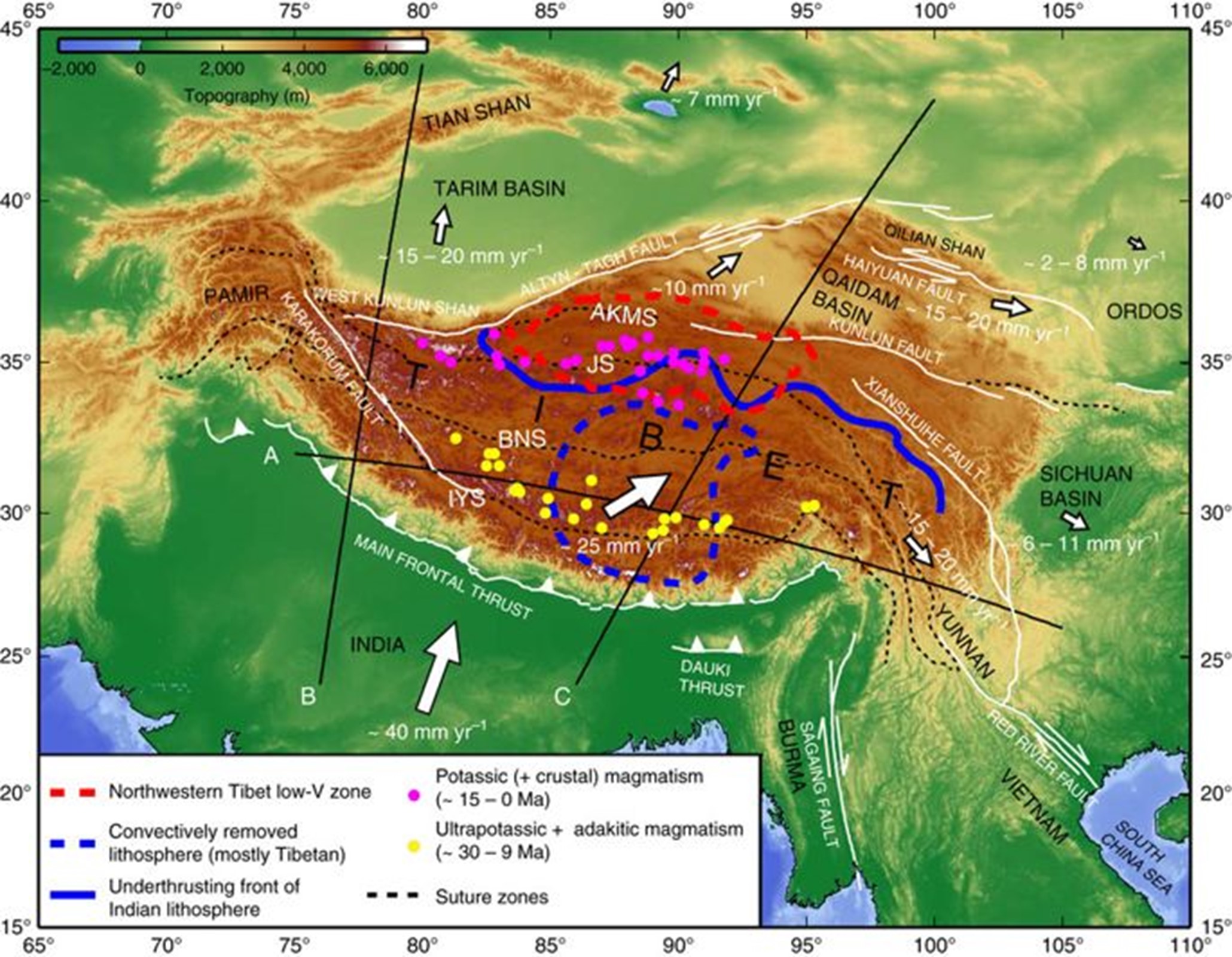
I examine Tibetan Identity and Nationalism by exploring the geography of the region for they developed together over thousands of years under the influence of Natural Causes, Natural Forces, Natural Conditions, and Natural Factors that condition the Tibetan Existence.

Rudranarasimham Rebbapragada

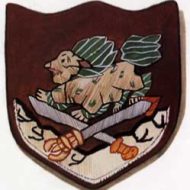
SPECIAL FRONTIER FORCE

PLATEAU PIKAS ARE SEEN BY THE LAKESIDE ON QINGHAI-TIBET PLATEAU

Tibetan Identity and Nationalism belong to the Land and all of its denizens.

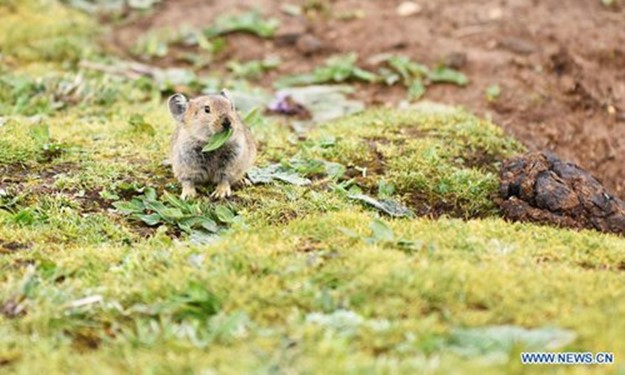
A plateau pika (Ochotona curzoniae) forages by a lakeside on the Qinghai-Tibet plateau in Maizhokunggar County, Tibet. July 6, 2019. (Photo: Xinhua)

Tibetan Identity and Nationalism belong to the Land and all of its denizens.

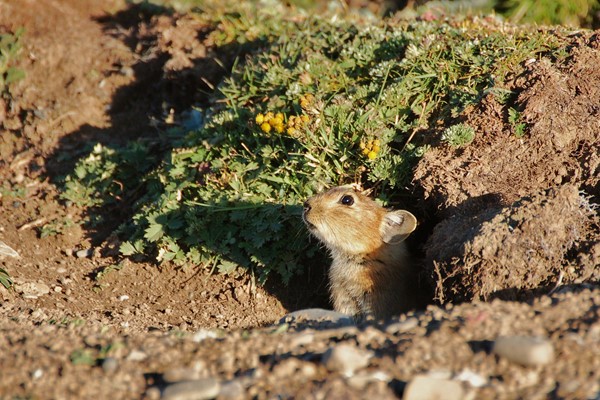
A plateau pika (Ochotona curzoniae) is pictured by a lakeside on the Qinghai-Tibet plateau in Maizhokunggar County, Tibet. July 6, 2019. (Photo: Xinhua)

Tibetan Identity and Nationalism belong to the Land and all of its denizens.

Two plateau pikas (Ochotona curzoniae) frolic by a lakeside on the Qinghai-Tibet plateau in Maizhokunggar County, Tibet. July 6, 2019.(Photo: Xinhua)

Tibetan Identity and Nationalism belong to the Land and all of its denizens.


‘THE LUNG OF LHASA’ BREATHES TIBETAN AIR

‘THE LUNG OF LHASA’ BREATHES TIBETAN AIR FOR IT SHARES TIBETAN IDENTITY OF THE LAND AND ITS DENIZENS.

Tibetan Nationalism. The Lung of Lhasa Breathes Tibetan Air.

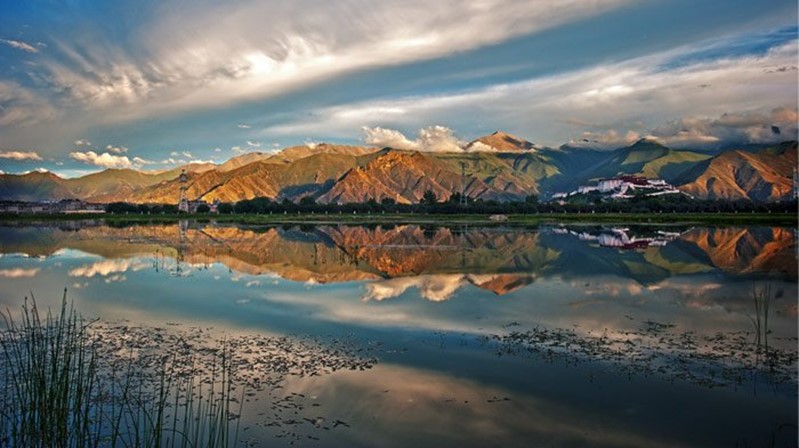
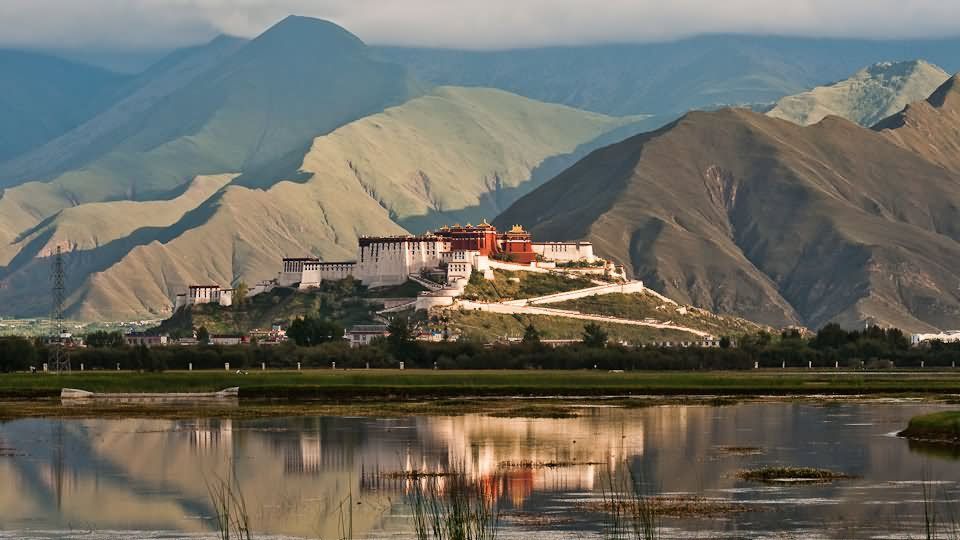
Lhalu wetland, ‘The Lung of Lhasa’ breathes Tibetan air. I describe Tibetan Nationalism as the reflection of Tibetan Identity of the Land and all of its denizens.

Rudranarasimham Rebbapragada

SPECIAL FRONTIER FORCE

Tibetan Nationalism. The Lung of Lhasa Breathes Tibetan Air.

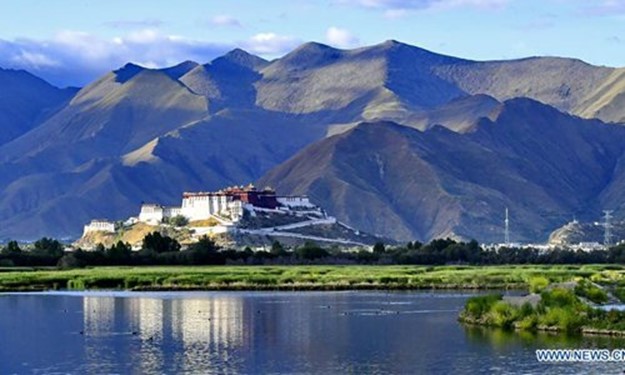
Lhalu wetland, ‘the Lung of Lhasa’ in Tibet

Tibetan Nationalism. The Lung of Lhasa Breathes Tibetan Air.

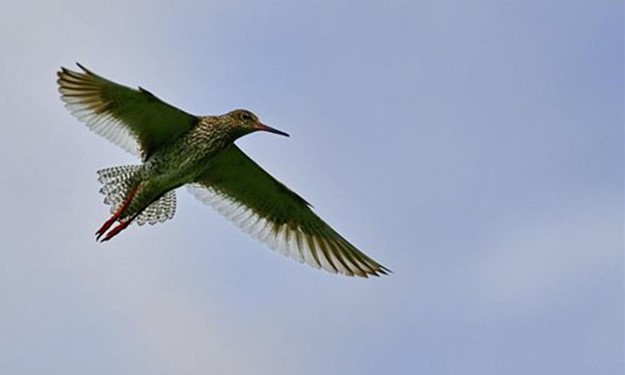
A common redshank is seen at Lhalu wetland in Lhasa, June 27, 2019. Lhalu wetland national nature reserve is known as “the Lung of Lhasa”. (Xinhua/Zhang Rufeng)

Tibetan Nationalism. The Lung of Lhasa Breathes Tibetan Air.

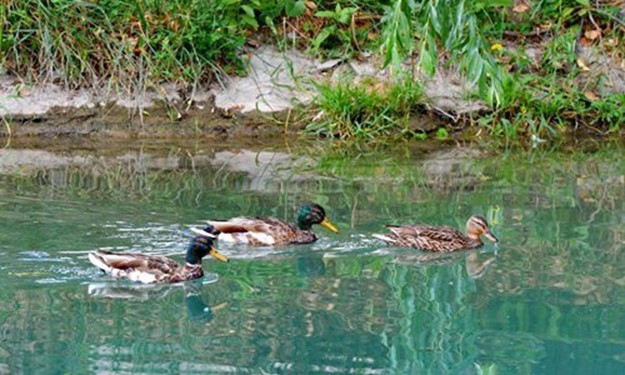
Wild ducks swim at the Lhalu wetland in Lhasa, June 26, 2019. Lhalu wetland national nature reserve is known as “the Lung of Lhasa”. (Xinhua/Zhang Rufeng)

Tibetan Nationalism. The Lung of Lhasa Breathes Tibetan Air.

A night heron is seen at Lhalu wetland in Lhasa, June 26, 2019. Lhalu wetland national nature reserve is known as “the Lung of Lhasa”. (Xinhua/Zhang Rufeng)

Tibetan Nationalism. The Lung of Lhasa Breathes Tibetan Air.

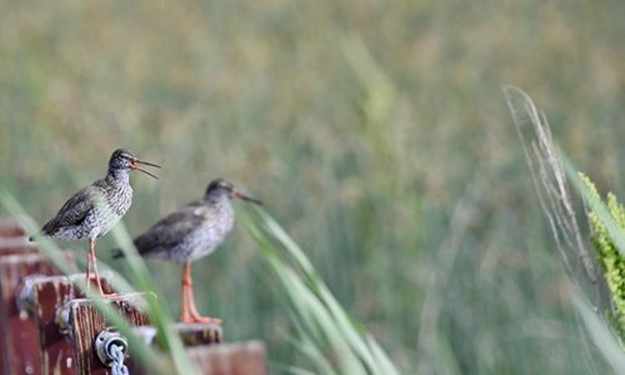
Common redshanks are seen at Lhalu wetland in Lhasa, June 26, 2019. Lhalu wetland national nature reserve is known as “the Lung of Lhasa”. (Xinhua/Zhang Rufeng)

Tibetan Nationalism. The Lung of Lhasa Breathes Tibetan Air.

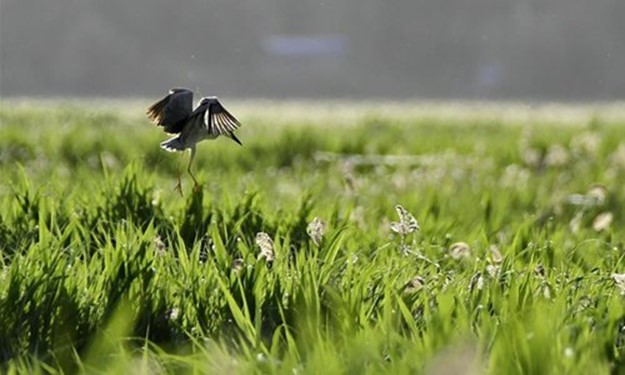
A common redshank flies over Lhalu wetland in Lhasa, June 26, 2019. Lhalu wetland national nature reserve is known as “the Lung of Lhasa”. (Xinhua/Zhang Rufeng)

Tibetan Nationalism. The Lung of Lhasa Breathes Tibetan Air.

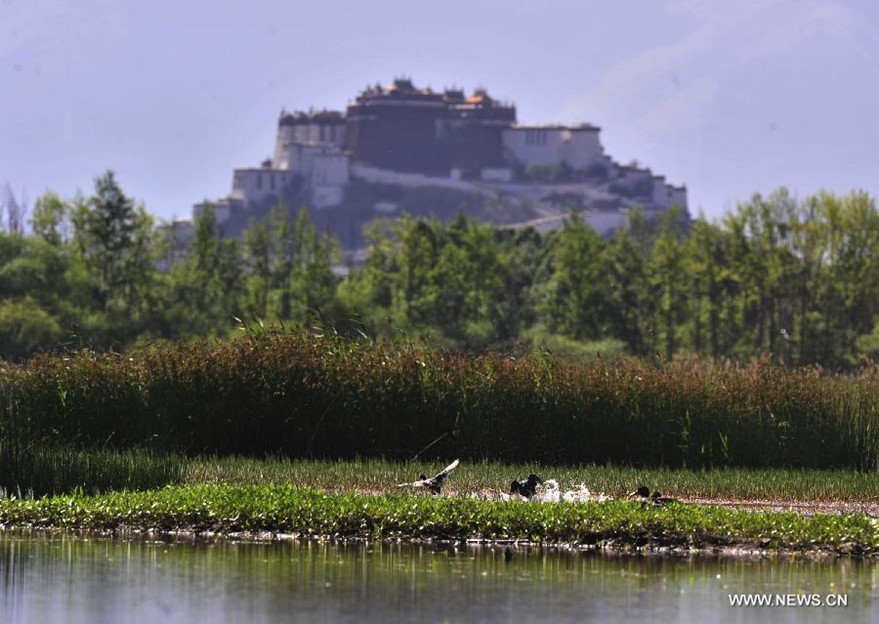
Photo taken on June 27, 2019 shows the view of the Lhalu wetland in Lhasa. Lhalu wetland national nature reserve is known as “the Lung of Lhasa”. (Xinhua/Zhang Rufeng)

Tibetan Nationalism. The Lung of Lhasa Breathes Tibetan Air.

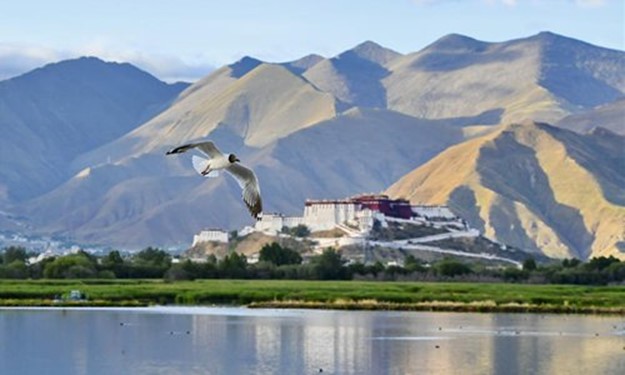
A brown-headed gull flies over Lhalu wetland in Lhasa, June 27, 2019. Lhalu wetland national nature reserve is known as “the Lung of Lhasa”. (Xinhua/Zhang Rufeng)

Tibetan Nationalism. The Lung of Lhasa Breathes Tibetan Air.


Whole Struggle – Tibet struggles for Natural Freedom

Tibet Struggles for Natural Freedom

Whole Struggle – Tibet Struggles for Natural Freedom.

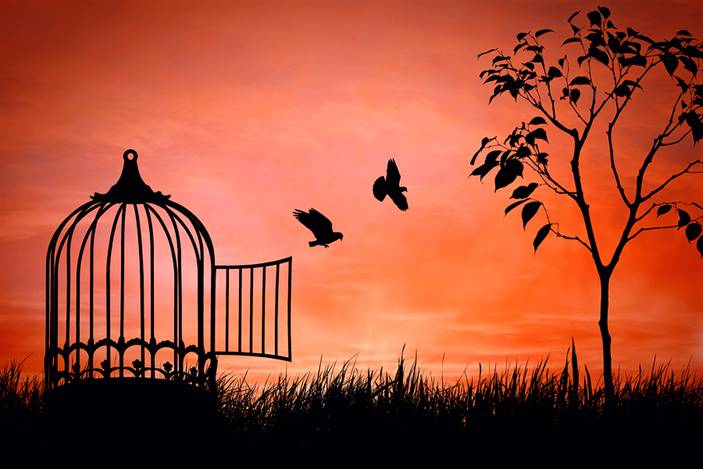
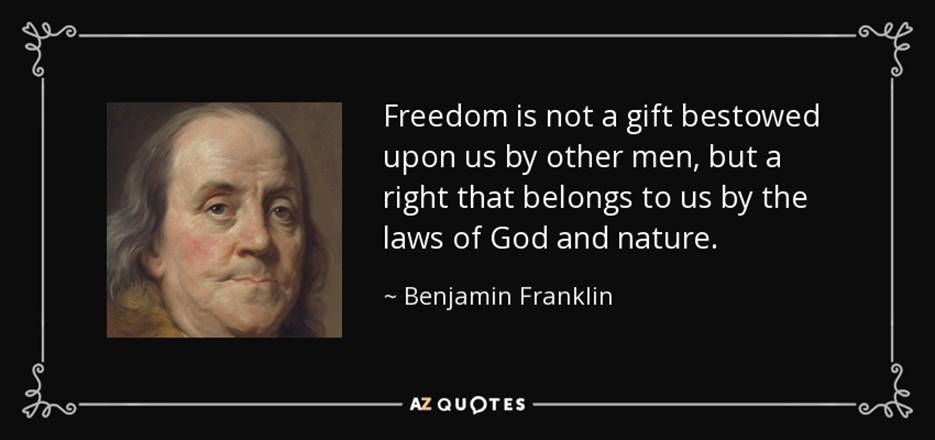
In my analysis, the Tibetan Resistance Movement can only be described as the Struggle for Natural Freedom. Tibetans resist military occupation of Tibet by a foreign invader for occupation totally undermines the Tibetan National Experience of Natural Freedom that defines the Land and its denizens. Freedom is not viewed as a Political Right. Tibetans cherish Freedom as a Nature’s Gift which no man has the power to trample upon.

Whole Struggle – Tibet Struggles for Natural Freedom.

Dalai Lama Says Tibet Issue Is No Longer Struggle For Political Independence

Clipped from: https://www.ndtv.com/india-news/dalai-lama-says-tibet-issue-is-no-longer-struggle-for-political-independence-2064281

Whole Struggle – Tibet Struggles for Natural Freedom.

Tibet Issue “No Longer Struggle for Political Independence”: Dalai Lama

Political independence is mainly meant for the happiness of the people, but does it alone guarantee happiness, the Dalai Lama asked.

All India | Press Trust of India | Updated: July 04, 2019 20:11 IST

New Delhi:

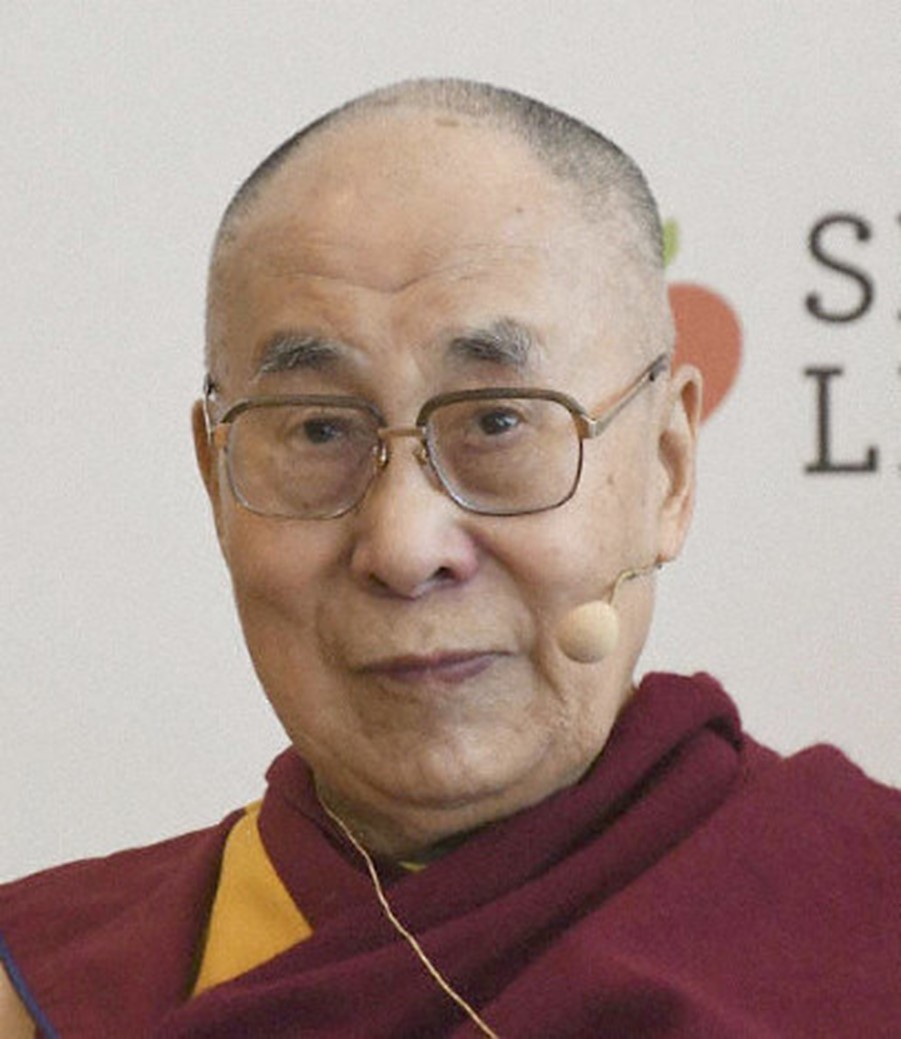
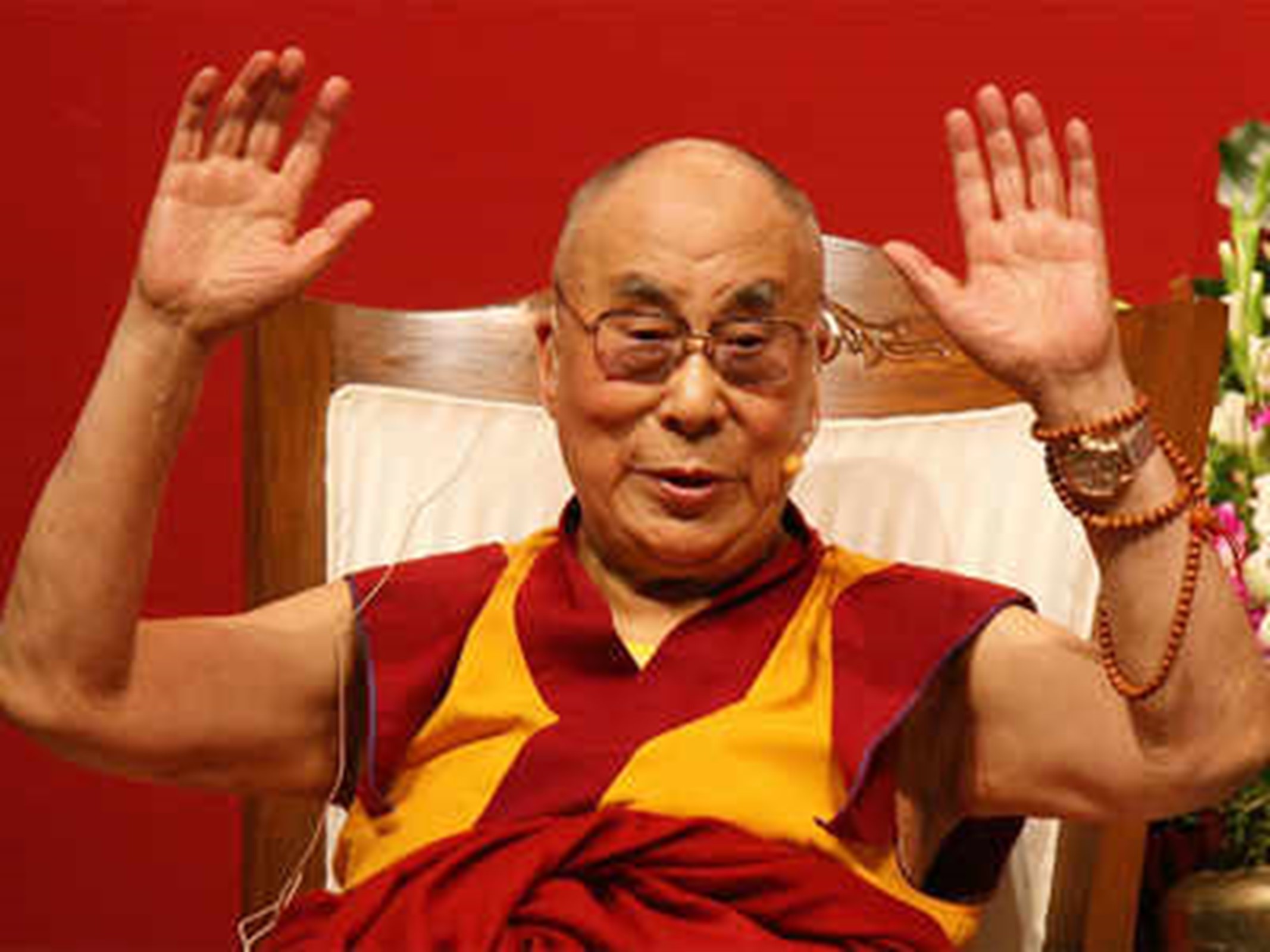
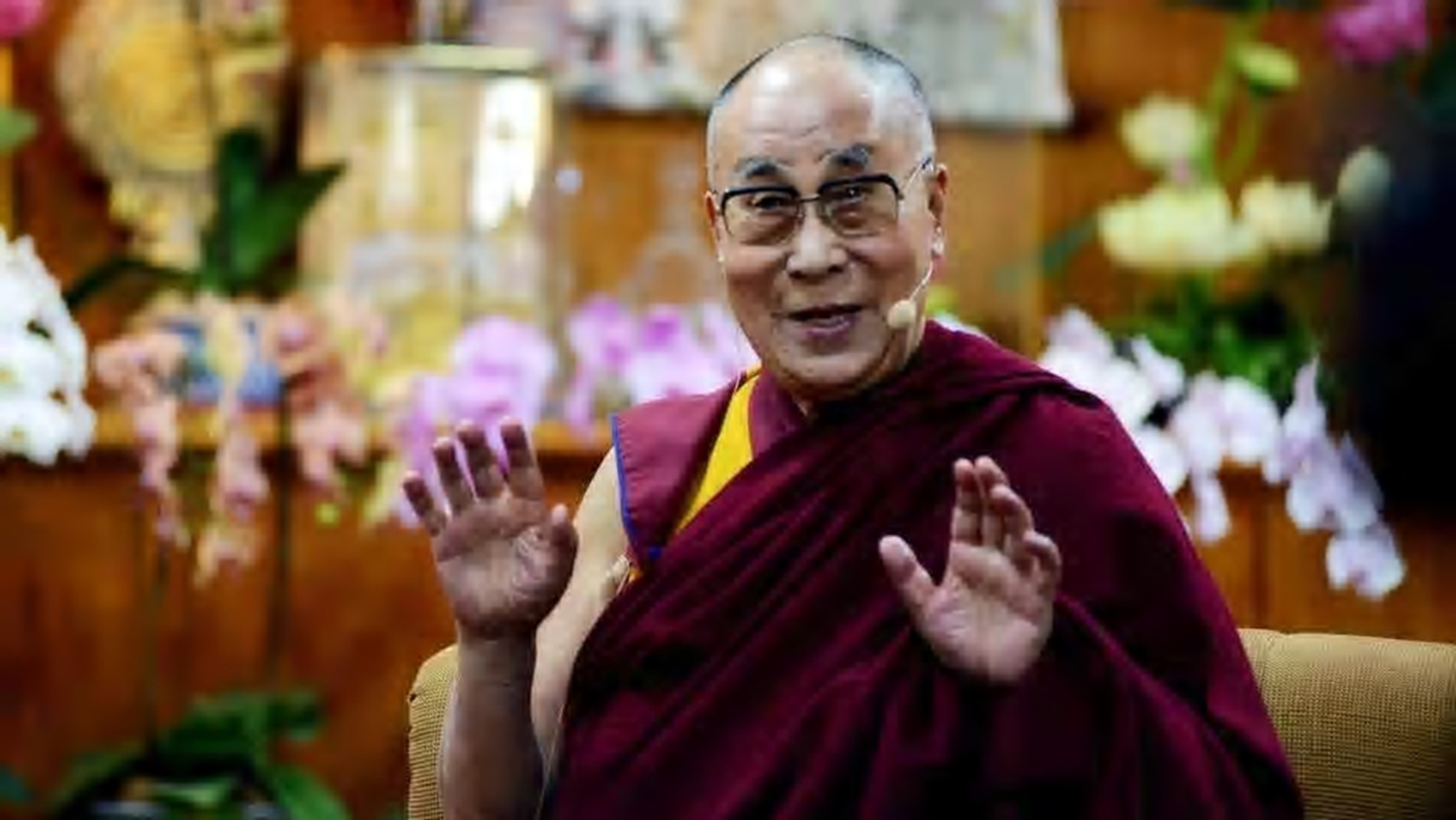
The Tibetan issue is no longer a struggle for political independence, the Dalai Lama has said, asserting that there is a need to focus on preservation of Tibet’s cultural, religious and linguistic identity.

Political independence is mainly meant for the happiness of the people, but does it alone guarantee happiness, the Tibetan spiritual leader asked.

“There is a growing feeling among the top leaders in China that their policies have not been able to solve the Tibet issue in the last 70 years. So, they should follow a more realistic approach. Even though Tibet was an independent country, politically China occupies Tibet today,” he told news magazine ”The Week” in an interview.

“Under the given circumstances, I have been saying for some time now that there is a need to focus on preservation of Tibetan culture, religion and identity. It is no longer a struggle for political independence,” he said.

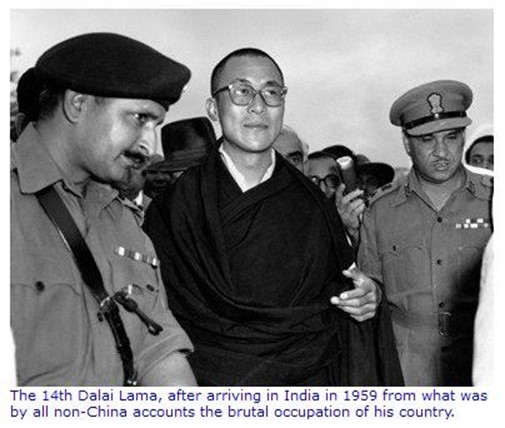
The 14th Dalai Lama left Tibet in 1959 to escape Chinese occupation and has been keeping China on tenterhooks about his successor.

In April this year, at a global conference, he had said people from Tibet have been seeking a mutually acceptable solution to the Tibetan issue with China since 1974 but Beijing considers him a “splittist” though he isn’t one.

The spiritual leader, who turns 84 soon, had said he preferred Tibet remaining with China, with “some kind of a reunion”.

In the interview, given in Himachal Pradesh’s McLeodganj, the Dalai Lama also said if the Tibetan people can preserve their thousands of years old cultural heritage, religion and identity, it will bring them inner peace and happiness.

“For this, I really admire the Indian Union for its unity in diversity. In a similar way, the People’s Republic of China and Tibet can coexist keeping Tibet’s cultural, linguistic and religious identity,” he said.

On a question, about his successor, he said, “I can only be concerned about this life; the next is not my concern. What is important are the teachings, the institution of the Dalai Lama comes after that.

“If reincarnation was so important, then why did the Buddha not have a reincarnation,” adding, “sometimes, I also feel the Lama institution has some connection with the feudal system and is not relevant today”.

The Tibetan spiritual leader recently apologized for his comment on women in a BBC interview, with his office in Dharamshala saying he has always opposed their objectification.

Responding to a question on whether his reincarnation could be a woman, the Nobel Peace Prize winner had joked that she should be attractive.

On a question on India, he said, the rich people in India should pay more attention to the study of Indian philosophy and texts “rather than just uttering ”Ram Ram” and doing puja”.

“It is better to create small libraries and learn about ancient Indian philosophy and psychology than just praying without any knowledge and performing rituals without understanding them,” he said.

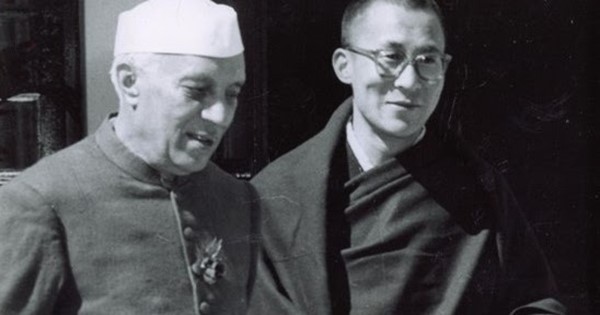
On his association with prime minister Jawaharlal Nehru, he said, “Pandit was very kind to me; he advised me under difficult circumstances. I followed his advice, and it was very practical. I came to India in 1956, during Buddha Jayanti. At that time, many Tibetan officials told me that I should stay in India and not return”.

He said, he returned to Tibet in 1957. “I tried my best (to maintain peace with the Chinese), but after some time… there (were) uprisings. In 1959, things went out of control and I decided to escape from Tibet,” the Dalai Lama added.

“I am grateful to the Indian government (and leaders such as) Nehru, Indira Gandhi, Morarji Desai, Narasimha Rao and the (later) generation of leaders, and also Indian officials who have been very sympathetic towards Tibet,” he said.

Today, India and Tibet are very close not only for political or economic reasons, but also spiritually and emotionally, he added.

On China calling him a separatist, and his 60th year of exile in India, he said, “Let them (Chinese) say I am a separatist. That will be helpful as I will continue to live in India peacefully”.

“If they sincerely ask me to return – although on many occasions to some Chinese individuals I mentioned that I prefer freedom – and if I return to China, I (will be) put in a big house with no freedom. There is no use. I am happy to live in India for the rest of my life,” the Dalai Lama said.

“Among all civilizations, whether it is Chinese or Egyptian, it is the Indus Valley civilization that has produced the best thinkers and philosophers. I consider Buddhism and Hinduism as twin brother and sister. India’s civilization is something wonderful and should be known for its contribution to the world,” he asserted.

Whole Struggle – Tibet Struggles for Natural Freedom.

I AM A REFUGEE FINDING HOPE IN THE PERIOD OF DARKNESS.

I AM A REFUGEE FINDING HOPE IN THE PERIOD OF DARKNESS.

I am a Refugee finding Hope in the Period of Darkness.

“We Tibetans are eternally grateful to the lineage of the Dalai Lamas and ever more so to His Holiness the 14th Dalai Lama for being our ray of hope and our source of strength in our times of darkness,” it said.

On behalf of ‘The Living Tibetan Spirits’, I pay my tribute to His Holiness the 14th Dalai Lama for giving me hope while I live my Life Under Shadow, envelope of Utter Darkness.

Rudranarasimham Rebbapragada

SPECIAL FRONTIER FORCE

I am a Refugee finding Hope in the Period of Darkness.

Tibet’s exile gov’t praises Dalai Lama on his 84th birthday – The Mainichi

Clipped from: https://mainichi.jp/english/articles/20190707/p2g/00m/0in/016000c

I am a Refugee finding Hope in the Period of Darkness.

File photo taken in April 2019 shows the Tibetan spiritual leader, the 14th Dalai Lama. (Kyodo)

NEW DELHI (Kyodo) — The advisory board of the Tibetan government-in-exile released a statement celebrating the 84th birthday of the Dalai Lama on Saturday.

“We Tibetans are eternally grateful to the lineage of the Dalai Lamas and ever more so to His Holiness the 14th Dalai Lama for being our ray of hope and our source of strength in our times of darkness,” it said.

The statement said that, 60 years into exile, Tibetan cultural identity has been revived and preserved, a full-fledged democratic Central Tibetan Administration has been established, and “the spirit of Tibetans inside and outside Tibet remain strong and united.”

It added that the “Middle Way Approach” in resolving the Tibet issue through dialogue continues to be widely supported by many countries.

Born on July 6, 1935, in northeastern Tibet, the exiled spiritual leader was recognized as the reincarnation of the 13th Dalai Lama, Thubten Gyatso, at the age of 2.

In March 1959, the 14th Dalai Lama fled to India following a failed Tibetan uprising in 1959 against China’s control of the Buddhist region high in the Himalayas. He later set up the government-in-exile in Dharamsala, northern India.

He was awarded the Nobel Peace Prize in 1989 for his non-violent campaign for Tibet democracy and its people’s freedom but China always considers him as a hostile being for splitting Tibet from China. The Chinese government regards him as a dangerous separatist.

Succession plans for the octogenarian have been an issue of interest in recent years.

In April this year, he was discharged from a hospital in India’s capital New Delhi where he had been diagnosed with a chest infection.

I am a Refugee finding Hope in the Period of Darkness.


LIVING TIBETAN SPIRITS: A FIGHT FOR SURVIVAL

LIVING TIBETAN SPIRITS: A FIGHT FOR SURVIVAL

Living Tibetan Spirits: A Fight For Survival.

The Living Tibetan Spirits continue to wage a Fight for Survival as they have not yet reached the Final Destination in Life. The Fight for Tibet is the only option while the Dalai Lama is trapped in Exile.

Rudranarasimham Rebbapragada

SPECIAL FRONTIER FORCE

Clipped from: https://www.cnn.com/videos/tv/2019/04/02/news-stream-kristie-lu-stout-dalai-lama-pkg.cnn

Living Tibetan Spirits: A Fight For Survival.

Video: https://www.cnn.com/videos/tv/2019/04/02/news-stream-kristie-lu-stout-dalai-lama-pkg.cnn

Dalai Lama’s fight for Tibet, 60 years after exile

Duration: 03:29

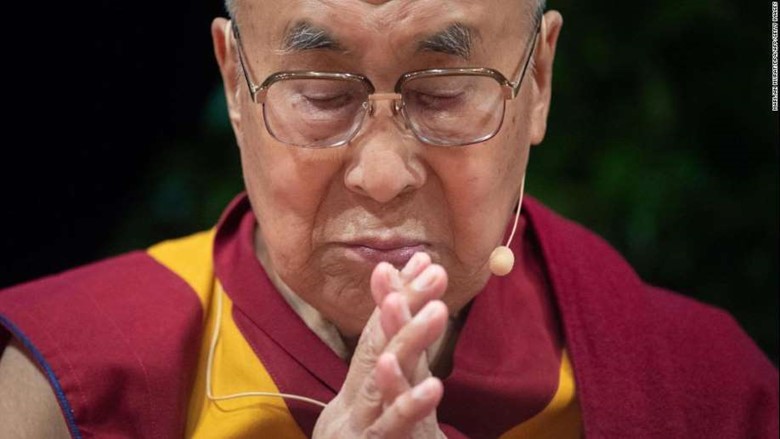
Tibet’s highest spiritual leader fled his home country and began his life as an exile – advocating for the country’s cultural autonomy. But as China’s grip on Tibet tightens, his fellow Tibetans may face a fight for survival.

CNN

Living Tibetan Spirits: A Fight For Survival.


THE COLD WAR IN ASIA. THE SPREAD OF COMMUNISM TO TIBET

THE COLD WAR IN ASIA. THE SPREAD OF COMMUNISM TO TIBET

The Cold War in Asia. The Spread of Communism to Tibet.

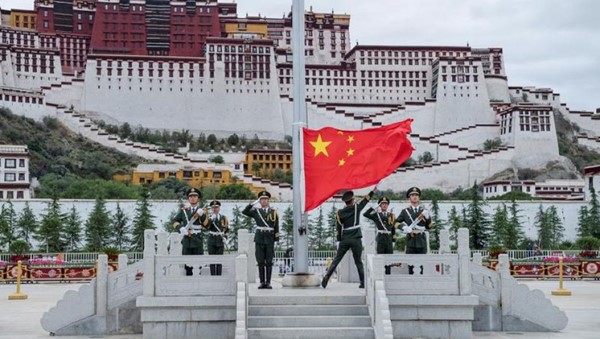
The Cold War in Asia began in 1949 with the spread of Communism to mainland China. The spread of Communism has not stopped. For Tibetans, there is no hope for “Meaningful Autonomy” if The Communist Party of China rules over their daily lives.

Rudranarasimham Rebbapragada

SPECIAL FRONTIER FORCE

China cracks down on Tibet CPC officials over links with Dalai Lama

Clipped from: https://www.tribuneindia.com/news/world/china-cracks-down-on-tibet-cpc-officials-over-links-with-dalai-lama/723050.html

The Cold War in Asia. The Spread of Communism to Tibet.

Beijing, February 2

China’s ruling Communist Party is cracking down on its officials who are taking part in religious activities violating party’s ideology of adhering to atheism and secretly maintaining contacts with Tibetan spiritual leader the Dalai Lama, who has been branded as “separatist” by Beijing.

A video produced by the Tibetan provincial government has revealed cases in the region where local Communist Party of China (CPC) members violated the CPC regulations on religion, anti-separatism and anti-corruption, state-run Global Times reported on Saturday.

So far, three officials have been expelled from the party and 10 others received a warning, the report said.

The Tibetan authority attaches great importance to the party discipline consistent with a nationwide campaign to strengthen the party management. It regulated 46 violations by local CPC members, including religious beliefs, according to the video produced by the publicity department of the regional commission for discipline inspection of Tibet and Tibet television.

The video, part of a four-episode series featuring the region’s efforts on anti-corruption and regulating the party members, was aired from January 28 to 31 on Tibet television, the report said.

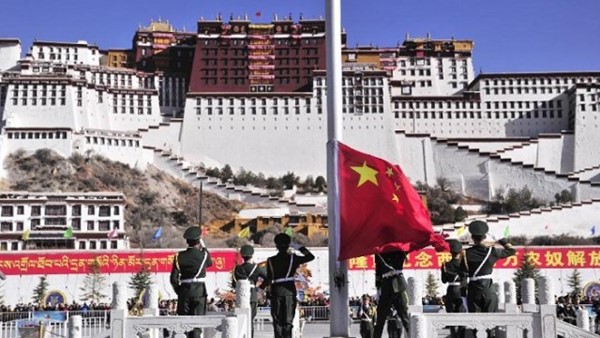
Buddhism is a widely popular religion in Tibet, which is governed by the CPC ever since China took control of it in 1950. Despite his exile in India since 1959, the Dalai Lama remains the most revered religious figure in the Himalayan region.

The CPC remains an atheist organization. Thus, CPC members are banned from religious beliefs, because they can only believe in Marxism and believing in other religions means betrayal of their chosen belief and it will shake their belief in Marxism and separate them from the party, Xiong Kunxin, an ethnic studies professor at Tibet University in Lhasa, told the Global Times. — PTI

The Cold War in Asia. The Spread of Communism to Tibet.


THE BATTLE FOR TIBETAN SOUL – REINCARNATION vs RESURRECTION

THE BATTLE FOR TIBETAN SOUL – REINCARNATION vs RESURRECTION

The Battle for Tibetan Soul. Reincarnation vs Resurrection.

I coined the phrase “Living Tibetan Spirits” to describe the Tibetan Soldiers with whom I worked in Establishment No. 22 or Special Frontier Force while taking part in Operation Eagle, the military action that initiated Liberation of Bangladesh by attacking the enemy posts in the Chittagong Hill Tracts. These Tibetans lost their mortal lives while dreaming about Freedom in Occupied Tibet. As per Tibetan traditions, the deceased Tibetan Soldiers have no chance to reincarnate to fulfill their wishes. The privilege called ‘Reincarnation’ is accessible to a select few highly accomplished Lamas of great wisdom. I chose the option called ‘Resurrection’ to keep them alive by hosting their Spirits in my living Consciousness.

Rudranarasimham Rebbapragada

SPECIAL FRONTIER FORCE

https://wholedude.com/2018/02/21/the-living-tibetan-spirits-what-is-my-final-destination-2/

Chinese effort to impose its own Dalai Lama would be opposed: the US

Clipped from: https://timesofindia.indiatimes.com/world/china/chinese-effort-to-impose-its-own-dalai-lama-would-be-opposed-us/articleshow/66968184.cms

The Battle for Tibetan Soul. Reincarnation vs Resurrection.

WASHINGTON: The United States believes that the decision on picking the next Dalai Lama should be as per Tibet’s religious traditions and that it is not a role of the state, a top Trump administration official has told lawmakers, hinting that it will oppose any move by China to impose its own Dalai Lama.
The United States has a very clear position that religious decisions should be made within religious organizations and that this isn’t the role of the state, Laura Stone, acting deputy assistant secretary of state for East Asian and Pacific Affairs, told the Senate Foreign Relations Subcommittee on East Asia, the Pacific and International Cybersecurity Policy during a Congressional hearing.

Stone was responding to a question from Senator Cory Gardner.

China has said that they will pick the next Dalai Lama. The Tibetan policy, in 2002, mandated that American officials visit Tibet on a regular basis. I want to get into both. If China proceeds and tries to impose a Dalai Lama what will the US response be? the senator had asked.

Gardner said it was clear that this Congress would not recognize a Chinese imposition.

Stone said the senator asking such a question was an important signal to the Chinese government that this was the kind of issue that the United States was watching very closely and at very senior levels.

I wouldn’t want to prejudge exactly how this, a future scenario, would roll out but I would like to lay a marker that that is the clear position of the United States government and, I think, widely supported within the American society, that those are the kinds of decisions that should be made by religious communities on their own and without outside interference, she asserted.

In his remarks, Gardner said the crackdown in the Tibet Autonomous Region was intensifying while Beijing continued to refuse negotiations with the Central Tibetan Administration.

Human rights defenders are routinely jailed, tortured, and otherwise deprived of liberty. A genuine freedom of speech and assembly are nonexistent. Corruption and abuse of power are rampant. The judicial system is a tool of the state and the party and not an impartial arbiter of legal disputes, he said.

The United State, Stone said, was deeply concerned at the lack of meaningful autonomy for the Chinese people. We have certainly pressed for the release of detained activists throughout the entire country, but very importantly, on the Tibet plateau and in historical Tibet, she said.

The US has been pushing for access to Tibet with the Chinese authorities, Stone said, adding I know that’s an important issue. We do want to work with Congress on that shared goal and we do continue to have very serious concerns about the ability of the Tibetan people to continue to have the ability to express their unique culture, their unique language, and their religious practices.”

Senators Gardner and Ed Markey reflected the sentiments of the US Congress, seeking equal access of Americans to China as being done by the US to the Chinese. A legislation is being moved in the Congress in this regard.

We need to consider reciprocal access as part of our policy in approach to Tibet and to China and what’s being done to address this and to promote our access to Tibet. Do you share the goals of our Reciprocal Act?” he asked.

In the absence of such a reciprocity, the Act calls for sanctions against Chinese officials.

We certainly share the goals and we do look forward to working with you to figure out how best to achieve those goals, Stone said, confirming that the US government would implement the provisions of the Reciprocal Act if signed into law.

The Battle for Tibetan Soul. Reincarnation vs Resurrection.

Whole Separatism – Tibet Separatism is just a natural phenomenon

Tibet Separatism is just a natural phenomenon

Whole Separatism: Tibet Separatism is just a Natural Phenomenon.

In my analysis, Tibet Separatism is just a natural phenomenon for it is entirely derived from the actions of various Natural Forces acting over thousands of years to create the separate Tibetan Identity which refuses to merge with identities of other foreign nationalities. Tibetan Identity will always exist as a ‘Separate’ Identity and no man will be able to wipe it out by building roads, bridges, railways, airports to plunder the natural resources of Tibetan Plateau.

Tibetan Separatism does not constitute any kind of political activity. In fact, Tibetan Separatism represents the reality of Independence granted by the works of Mother Nature.

Tibetan Separatism does not constitute any kind of political activity. In fact, Tibetan Separatism represents the reality of Independence granted by the works of Mother Nature.

Dalai Lama a political exile, engaged in separatist activities: China | world news | Hindustan Times

Clipped from: https://www.hindustantimes.com/world-news/dalai-lama-a-political-exile-engaged-in-separatist-activities-china/story-EHWnzYS5nauR7R8bynYhGP.html

China insists Tibet has been part of its territory for centuries, but many Tibetans claim they were essentially independent for most of that time

Whole Separatism: Tibet Separatism is just a Natural Phenomenon.

Tibetan spiritual leader Dalai Lama interacts with the leaders of the United States Institute of Peace (USIP) at his residence, in Dharamshala, Himachal Pradesh, on October 24, 2018. (HT File Photo)

China on Tuesday hit out at the Dalai Lama who is on a visit to Japan, saying that countries should not facilitate the Tibetan spiritual leader’s “separatist activities”.

On the Dalai Lama’s reported comments that China and Tibet should co-exist and prosper together, Chinese foreign ministry spokesman Geng Shuang said here that the Tibet issue is an internal matter of Beijing.

“As for the Dalai Lama’s speech, it is not up to me to answer this question. I can tell you that the 14th Dalai Lama is a political exile and he is engaged in separatist activities,” he said.

“We hope the relevant parties will not provide facilitation for his separatist activities,” he said.

China insists Tibet has been part of its territory for centuries, but many Tibetans claim they were essentially independent for most of that time. The Dalai Lama fled to India in 1959 amid an abortive uprising against Chinese rule in his Himalayan homeland.

The Dalai Lama is on a 10-day teaching tour of Japan. China routinely objects to his foreign visits.

First Published: Nov 20, 2018 18:24 IST

Whole Separatism: Tibet Separatism is just a Natural Phenomenon.

THE NEHRU LEGACY – THE COLD WAR IN ASIA

THE NEHRU LEGACY – THE COLD WAR IN ASIA

The Nehru Legacy. The Cold War in Asia.

Prime Minister Jawaharlal Nehru’s foreign policy during the Cold War Era is often misunderstood as nations were forced to use secret diplomatic negotiations in the conduct of foreign policy. In my analysis, the Indian Prime Minister took appropriate action not only to defend India’s security interests but also to help Tibet to the extent possible.

I hold the People’s Republic of China completely responsible and accountable for her acts of military aggression during 1950 and later in 1962. I find no reason to blame either Indian Prime Minister or Tibet for China’s misconduct.

I ask my readers to give attention to Indian support to Nationalist China during the concluding years of World War II. Apart from delivering weapons and military supplies to Nationalist China, the US with Indian assistance supplied weapons to Tibet prior to the Communist takeover of the mainland China. This military intervention in Tibet provided an excuse to Communist China to invade Tibet in 1950. I do not find fault with either India or Tibet. Their combined military power is not adequate to maintain the Balance of Power in South Asia. There is nothing wrong if weaker nations use diplomatic negotiations to resolve problems with stronger and powerful nations. It is indeed a practical and rational approach and I would not ridicule such attempts as an appeasement policy.

I uphold the valid concerns shared by India’s former Deputy Prime Minister, but I would not use his concerns to find fault with Prime Minister Nehru’s Foreign Policy Legacy. India has not yet changed the course of the foreign policy direction set up by Nehru.

Rudranarasimham Rebbapragada

SPECIAL FRONTIER FORCE

https://wholedude.com/2014/11/24/special-frontier-force-the-nehru-legacy/

The Nehru Legacy. The Cold War in Asia.

Opinion, Op Ed

Claude Arpi

The writer is based in South India for the past 40 years. He writes on India, China, Tibet, and Indo-French relations.

Patel-Nehru rift over Tibet & China was deep

Published Nov 8, 2018, 7:46 am IST

Updated Nov 8, 2018, 7:46 am IST

The most serious cause of discord was the invasion of Tibet by the Chinese “Liberation Army” in October 1950.

The Nehru Legacy. The Cold War in Asia.

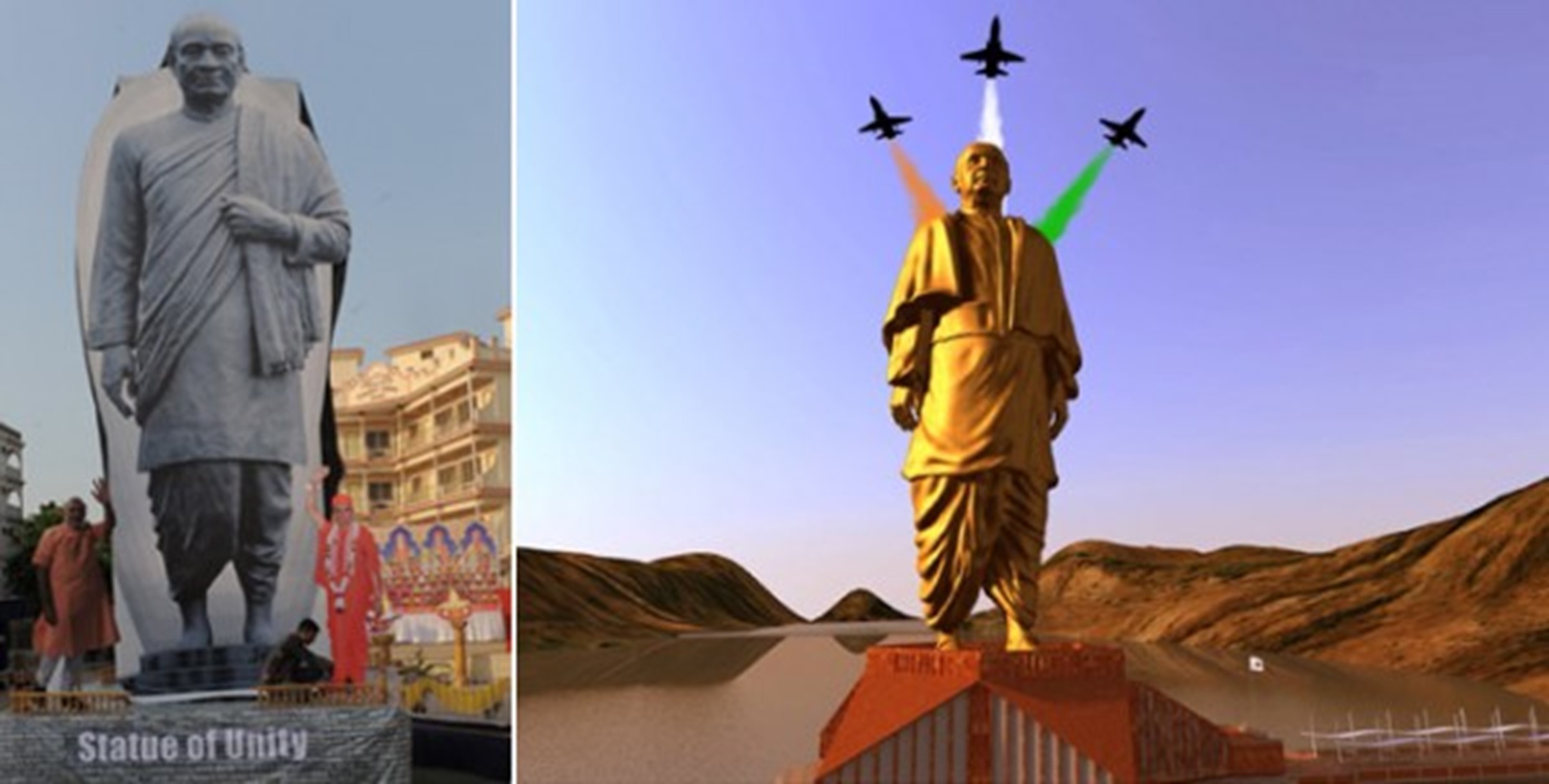
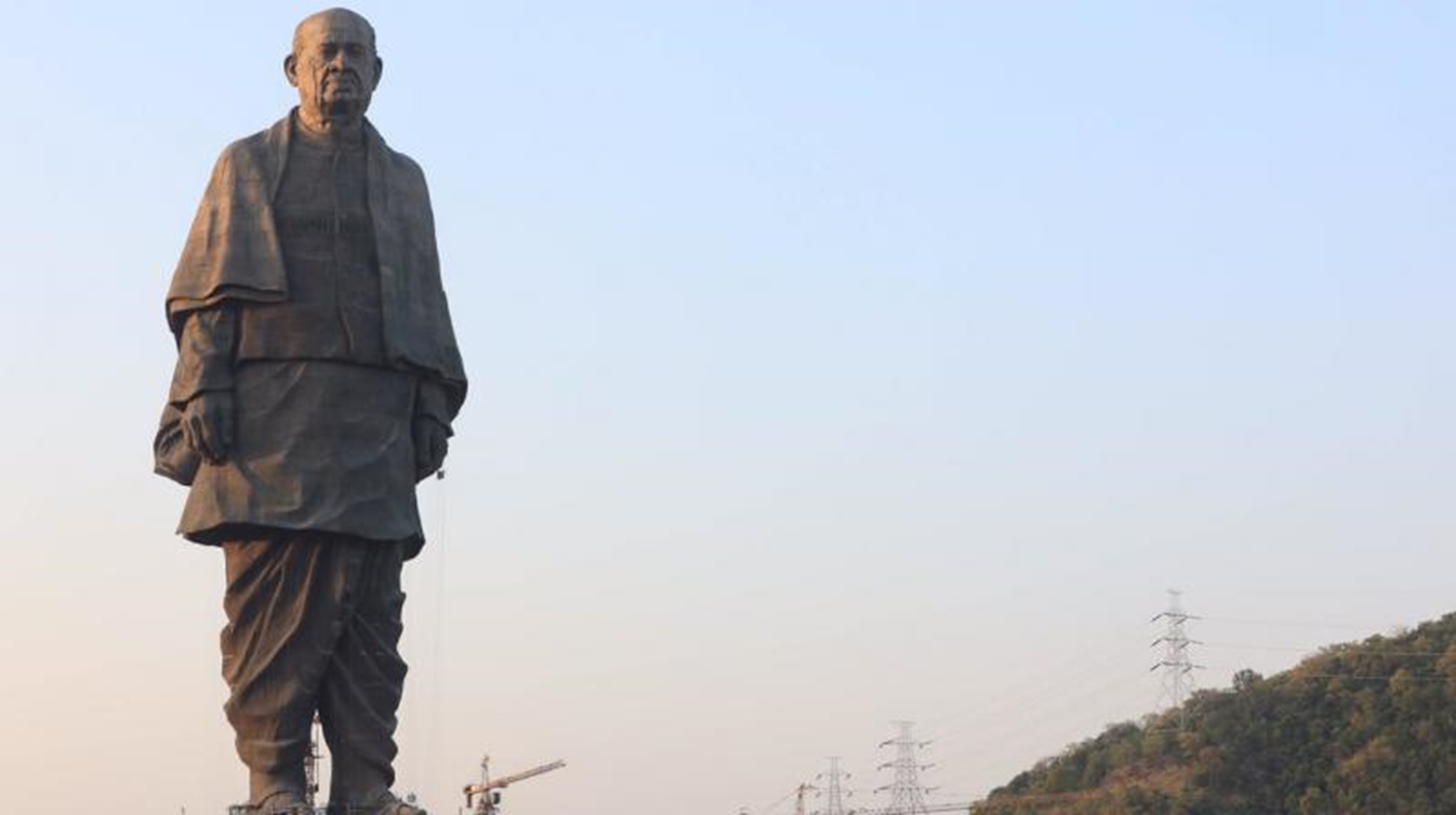
On October 31, the world’s tallest statue, the Statue of Unity dedicated to Sardar Vallabhbhai Patel, was unveiled by Prime Minister Narendra Modi. (Photo: @narendramodi/Twitter)

On October 31, the world’s tallest statue, the Statue of Unity dedicated to Sardar Vallabhbhai Patel, was unveiled by Prime Minister Narendra Modi. The work on the 182-meter tall statue has been completed after round the clock work by 3,400 laborers and 250 engineers at Sadhu Bet island on Narmada river in Gujarat. Sadhu Bet, located some 3.5 km away from the Narmada Dam, is linked by a 250-meter-long long bridge.

Unfortunately, for several reasons, scarce scholarly research has been done on the internal history of the Congress; the main cause is probably that a section of the party would prefer to keep history under wraps. Take the acute differences of opinion between Sardar Patel, the deputy prime minister, and “Panditji”, as Nehru was then called by Congressmen. In the last weeks of Patel’s life (he passed away on December 15, 1950), there was a deep split between the two leaders, leading to unilateral decisions for the PM, for which India had to pay the heaviest price.

The most serious cause of discord was the invasion of Tibet by the Chinese “Liberation Army” in October 1950. In the course of recent researches in Indian archives, I discovered several new facts. Not only did several senior Congress leaders, led by Patel, violently oppose Nehru’s suicidal policy, but many senior bureaucrats too did not agree with the Prime Minister’s decisions and objected to his policy of appeasement with China, which led India to lose a peaceful border.
On November 11, 1950, the deputy prime minister of India addressed a meeting organized by the Central Aryan Association to commemorate the 67th death anniversary of Swami Dayanand Sarasvati. It was to be his last speech. What did he say? The Sardar spoke of the potential dangers arising from what was happening in Tibet and Nepal, and he exhorted his countrymen: “It was incumbent on the people to rise above party squabbles and unitedly defend their newly won freedom.” He cited the example of Gandhi and Swami Dayanand.

Sardar Patel then criticized the Chinese intervention in Tibet; he asserted that to use the “sword” against the traditionally peace-loving Tibetan people was unjustified: “No other country in the world was as peace-loving as Tibet. India did not believe, therefore, that the Chinese government would actually use force in settling the Tibetan question.” He observed that the Chinese government did not listen to India’s advice to settle the Tibetan issue peacefully: “They marched their armies into Tibet and explained this action by talking of foreign interests intriguing in Tibet against China.” The deputy prime minister added that this fear was unfounded; no outsider was interested in Tibet. The Sardar continued by saying that “nobody could say what the outcome of Chinese action would be. But the use of force ultimately created more fear and tension. It was possible that when a country got drunk with its own military strength and power, it did not think calmly over all issues.” He strongly asserted that the use of arms was wrong: “In the present state of the world, such events might easily touch off a new world war, which would mean disaster for mankind.”

Did he know that it was his last message? “Do not let cowardice cripple you. Do not run away from danger. The three-year-old freedom of the country has to be fully protected. India today is surrounded by all sorts of dangers and it is for the people today to remember the teachings of the two great saints and face fearlessly all dangers.”

The deputy prime minister concluded: “In this kalyug, we shall return ahimsa for ahimsa. But if anybody resorted to force against us, we shall meet it with force.” He ended his speech citing Swami Dayananda: “People should also remember that Swamiji did not get a foreign education. He was the product of Indian culture. Although it was true that they in India had to borrow whatever was good and useful from other countries, it was right and proper that Indian culture was accorded its due place.” Who is ready to listen to this, even today?

Days earlier, Patel had written a “prophetic” letter to Nehru, detailing the implications for India of Tibet’s invasion. In fact, Patel used a draft done by Sir Girja Shankar Bajpai, the secretary-general of the ministry of external affairs and Commonwealth relations. However, Nehru decided to ignore Patel’s letter.
Witnessing the nefarious influence of K.M. Panikkar, the Indian ambassador to China, who ceaselessly defended China’s interests, Bajpai, the most seasoned Indian diplomat, had lost his cool. On October 31, in an internal note, he detailed the sequence of events which followed Tibet’s invasion and the role of Panikkar, whose attitude was compared to Sir Neville Chamberlain’s towards Hitler.

Bajpai’s anger demonstrates the frustration of many senior officers; the account starts on July 15, when the governor of Assam informed Delhi that, according to the information received by the local intelligence bureau, Chinese troops, “in unknown strength, had been moving towards Tibet from three directions.” Not only was Panikkar unable to get any confirmation, but he virtually justified Beijing’s military action by writing: “In view of frustration in regard to Formosa, the Tibetan move was not unlikely.” During the next three months, the Indian ambassador would systematically take the Chinese side.

After receiving Bajpai’s note, Patel wrote back: “I need hardly say that I have read it with a great deal of interest and profit to myself and it has resulted in a much better understanding of the points at issue and general, though serious, nature of the problem. The Chinese advance into Tibet upsets all our security calculations. … I entirely agree with you that a reconsideration of our military position and a redisposition of our forces are inescapable.”

Some more details of the seriousness of the situation filter through Inside Story of Sardar Patel: The Diary of Maniben Patel, the daughter of the Sardar. In an entry on November 2, 1950, Maniben wrote: “Rajaji and Jawaharlal had a heated altercation about the Tibet policy. Rajaji does not at all appreciate this policy. Rajaji very unhappy — Bapu (Patel) did not speak at all.”

Later in the afternoon, “Munshi complained about Tibet policy. The question concerns the whole nation — said he had written a personal letter to Panditji on Tibet.”

Later, Patel told K.M. Munshi: “Rajaji, you (Munshi), I (Patel), Baldev Singh, (C.D.) Deshmukh, Jagjivan Ram, and even Sri Prakash are on one side, while Gopalaswamy, Rafi, Maulana (Azad) are on his side.” There was a vertical split in the Cabinet, and it was not only about Tibet. The situation would deteriorate further during the following weeks.

On December 12, Patel was divested on his portfolios. Nehru wrote: “In view of Sardar Vallabhbhai Patel’s ill-health it is absolutely necessary that he should have complete rest and freedom from worry, so as to be able to recuperate as rapidly as possible. …no work should be sent to him and no references made to him in regard to the work of these ministries.”

Gopalaswami Ayyangar, from the “other side”, was allotted the ministry of states and Nehru kept the ministry of home. The Sardar was only informed after the changes were made. He was a dejected man. Three days later he passed away.

Tags: Sardar Vallabhbhai Patel, Jawaharlal Nehru

Copyright © 2015 – 2018 Deccan Chronicle.

The Nehru Legacy. The Cold War in Asia.


BLESSINGS FOR PEACE – PRAYERS TO LHASA RIVER

BLESSINGS FOR PEACE – PRAYERS TO LHASA RIVER

Blessings for Peace. Prayers to Lhasa River.

I offer my prayers to Lhasa River to receive the Blessings of Peace in Occupied Tibet.

Rudranarasimham Rebbapragada

SPECIAL FRONTIER FORCE

https://wholedude.com/2018/07/03/living-tibetan-spirits-offer-prayers-to-mount-kailash/

Reed flowers are seen in Wetland, Tibet

Clipped from: http://www.chinadaily.com.cn/a/201811/05/WS5bdfbc0da310eff30328695a_6.html

Blessings for Peace. Prayers to Lhasa River.

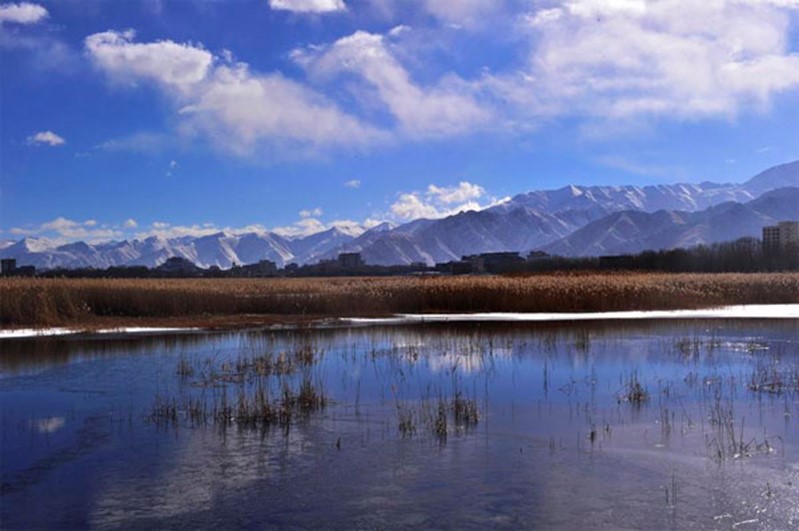
Photo taken on Nov 4, 2018, shows reed flowers in a wetland in Qushui county of Lhasa, Tibet. [Photo/Xinhua]

Blessings for Peace. Prayers to Lhasa River.

Photo taken on Nov 4, 2018, shows reed flowers in a wetland in Qushui county of Lhasa, Tibet. [Photo/Xinhua]

Blessings for Peace. Prayers to Lhasa River.

Photo taken on Nov 4, 2018, shows reed flowers in a wetland in Qushui county of Lhasa, Tibet. [Photo/Xinhua]

Blessings for Peace. Prayers to Lhasa River.

Photo taken on Nov 4, 2018, shows reed flowers in a wetland in Qushui county of Lhasa, Tibet. [Photo/Xinhua]

Blessings for Peace. Prayers to Lhasa River.

Photo taken on Nov 4, 2018, shows reed flowers in a wetland in Qushui county of Lhasa, Tibet. [Photo/Xinhua]

Blessings for Peace. Prayers to Lhasa River.

Photo taken on Nov 4, 2018, shows reed flowers in a wetland in Qushui county of Lhasa, Tibet. [Photo/Xinhua]

Blessings for Peace. Prayers to Lhasa River.