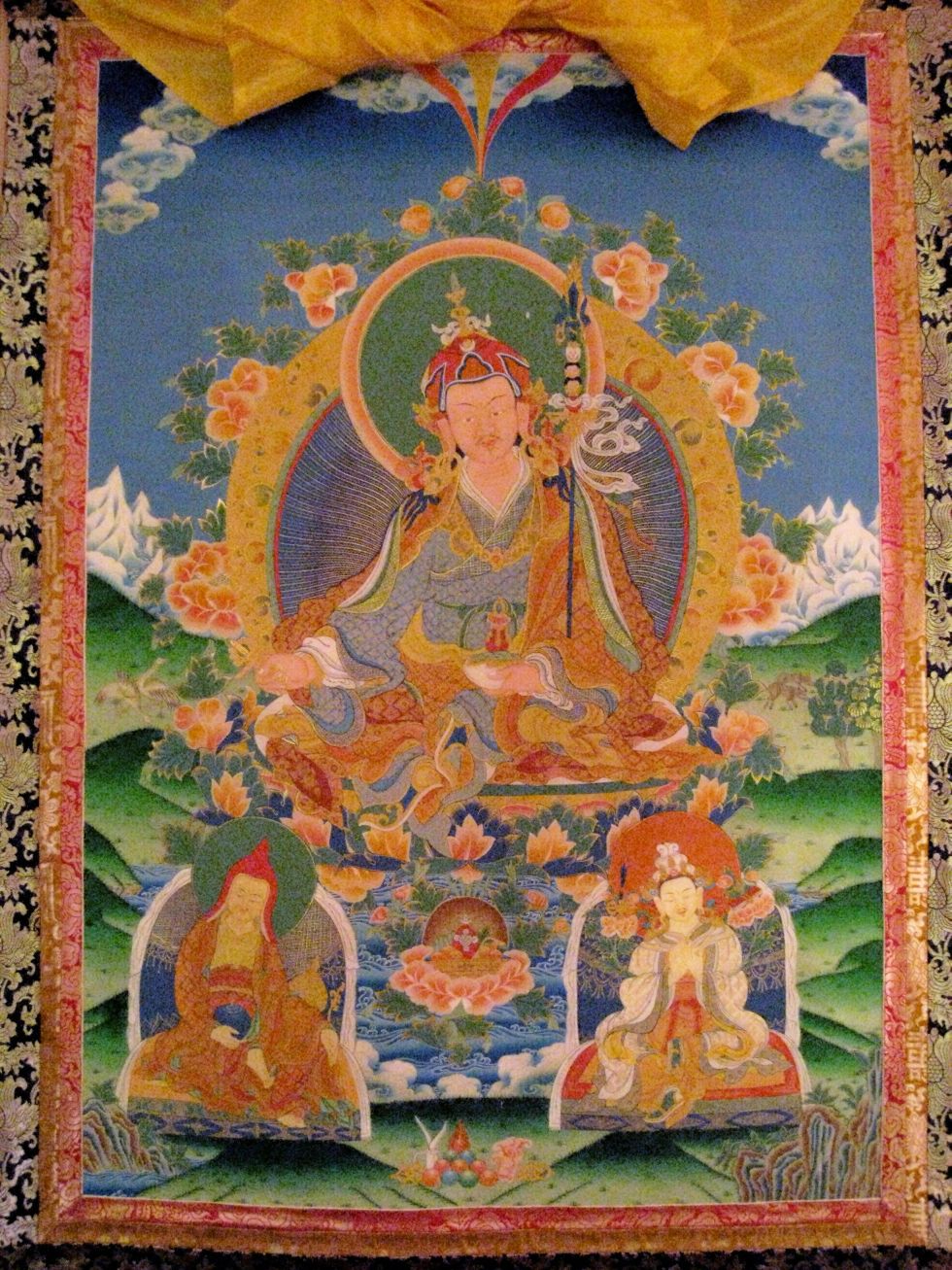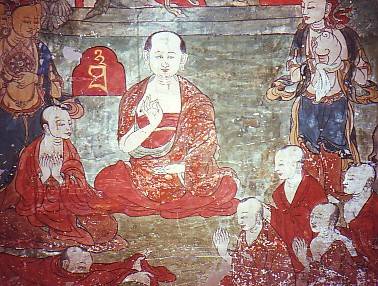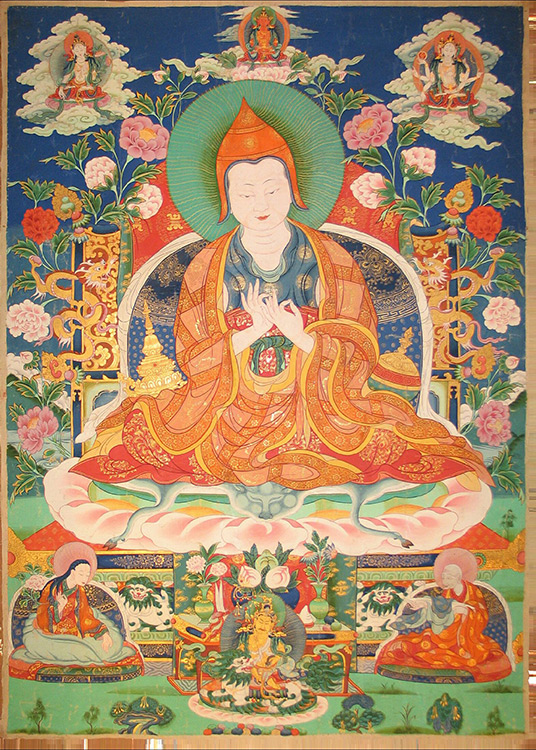
Whole Awareness – The Great Masters of Tibetan Buddhism

Tibet Awareness – The Great Masters of Nalanda Mahavihar

Tibet Awareness-17 Nalanda Masters
TIBET AWARENESS – THE GREAT MASTERS OF NALANDA.

I am pleased to share an article titled ‘The Seventeen Pandits of Nalanda Monastery’ by Professor James Blumenthal Ph.D. who gives a brief account of Nalanda University and its great influence upon Tibetan Buddhism. I pay my respectful tribute to Professor Blumenthal who passed away on October 09, 2015. May Lord God bless his soul.

THE GREAT MASTERS OF NALANDA – CENTER OF BUDDHIST LEARNING IN ANCIENT INDIA:

TIBET AWARENESS - THE GREAT MASTERS OF NALANDA.
TIBET AWARENESS – THE GREAT MASTERS OF NALANDA.
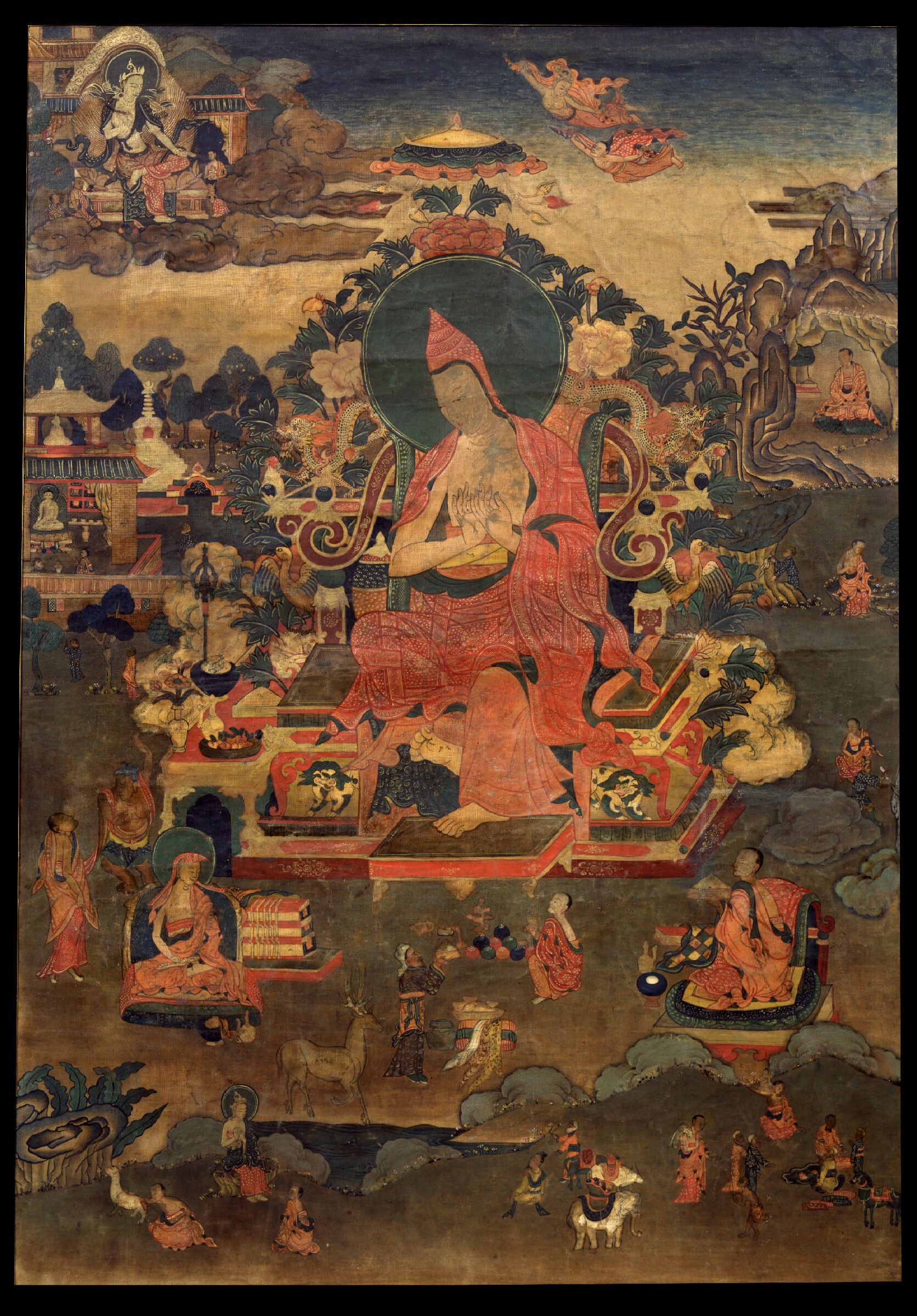
TIBET AWARENESS - THE GREAT MASTERS OF NALANDA. ACHARYA NAGARJUNA.
TIBET AWARENESS – THE GREAT MASTERS OF NALANDA. ACHARYA NAGARJUNA.
TIBET AWARENESS - THE GREAT MASTERS OF NALANDA. ACHARYA NAGARJUNA.
TIBET AWARENESS – THE GREAT MASTERS OF NALANDA. ACHARYA NAGARJUNA.
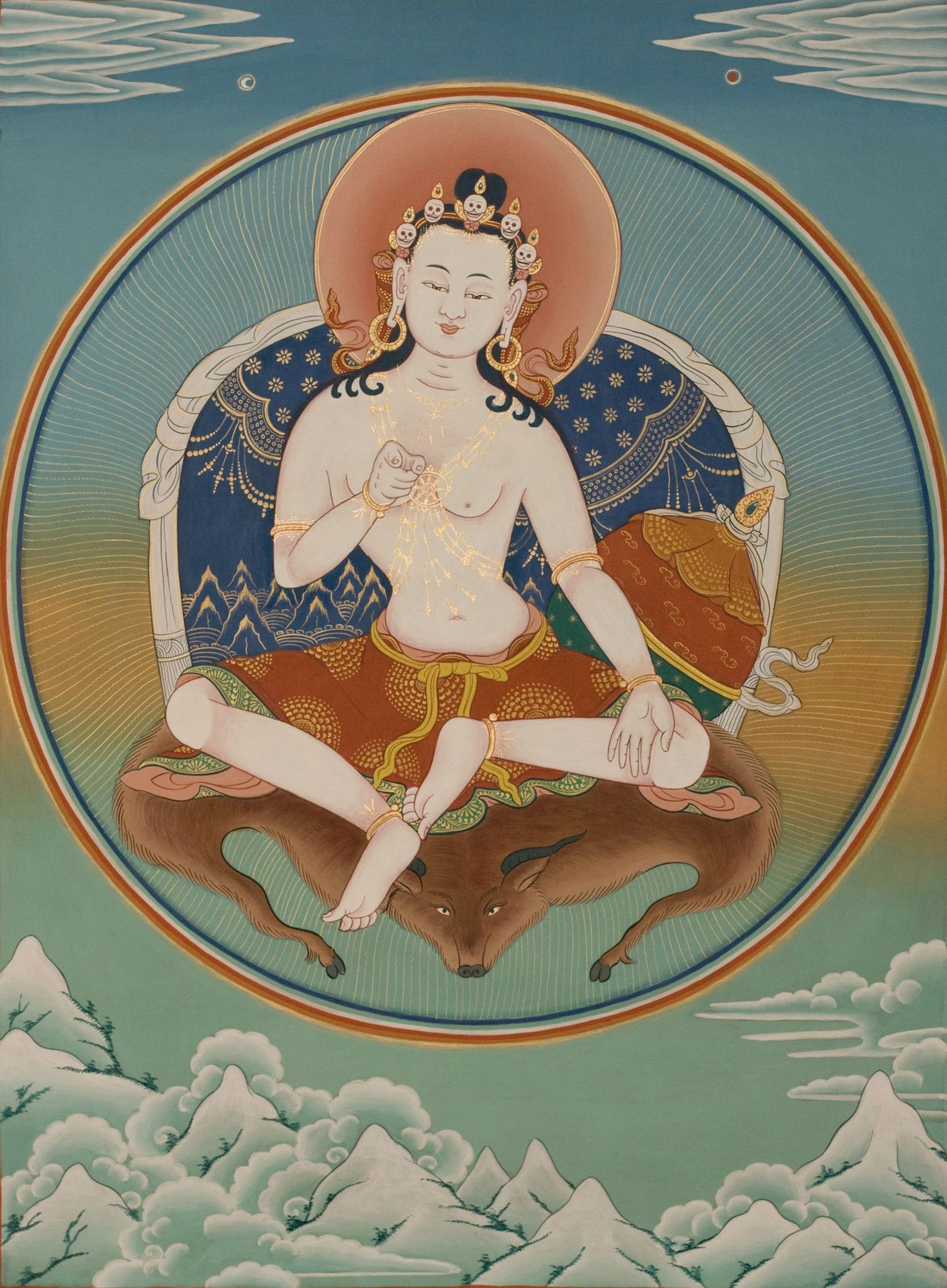
TIBET AWARENESS - THE GREAT MASTERS OF NALANDA. ARYADEVA.
TIBET AWARENESS – THE GREAT MASTERS OF NALANDA. ARYADEVA.
TIBET AWARENESS - THE GREAT MASTERS OF NALANDA. ASANGA.
TIBET AWARENESS – THE GREAT MASTERS OF NALANDA. ASANGA.
TIBET AWARENESS - THE GREAT MASTERS OF NALANDA. VASUBANDHU.
TIBET AWARENESS – THE GREAT MASTERS OF NALANDA. VASUBANDHU.
TIBET AWARENESS - THE GREAT MASTERS OF NALANDA. DIGNAGA.
TIBET AWARENESS – THE GREAT MASTERS OF NALANDA. DIGNAGA.
TIBET AWARENESS - THE GREAT MASTERS OF NALANDA - DHARMAKIRTI.
TIBET AWARENESS – THE GREAT MASTERS OF NALANDA – DHARMAKIRTI.
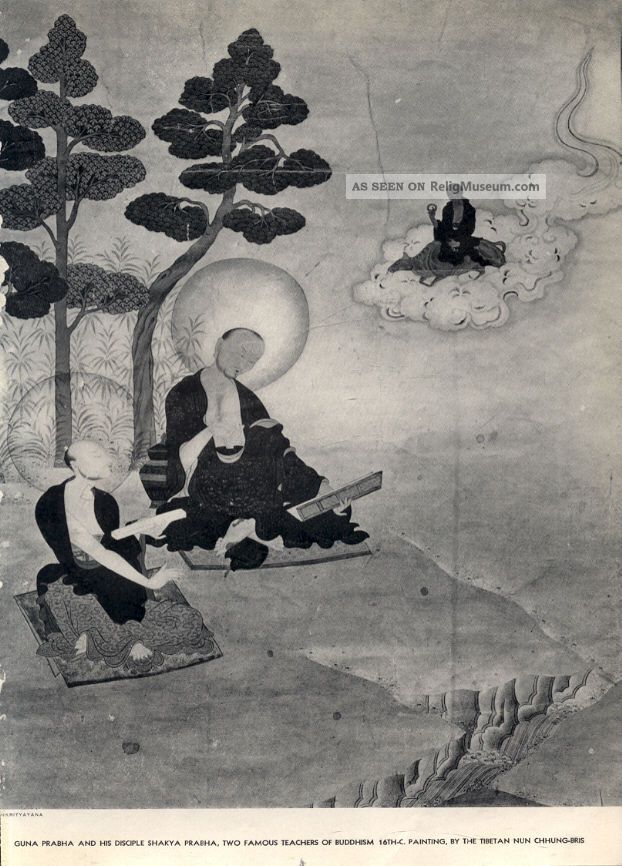
TIBET AWARENESS - THE GREAT MASTERS OF NALANDA. GUNA PRABHA AND HIS DISCIPLE SHAKYA PRABHA.
TIBET AWARENESS – THE GREAT MASTERS OF NALANDA. GUNA PRABHA AND HIS DISCIPLE SHAKYA PRABHA.
TIBET AWARENESS - THE GREAT MASTERS OF NALANDA. BUDDHAPALITA.
TIBET AWARENESS – THE GREAT MASTERS OF NALANDA. BUDDHAPALITA.
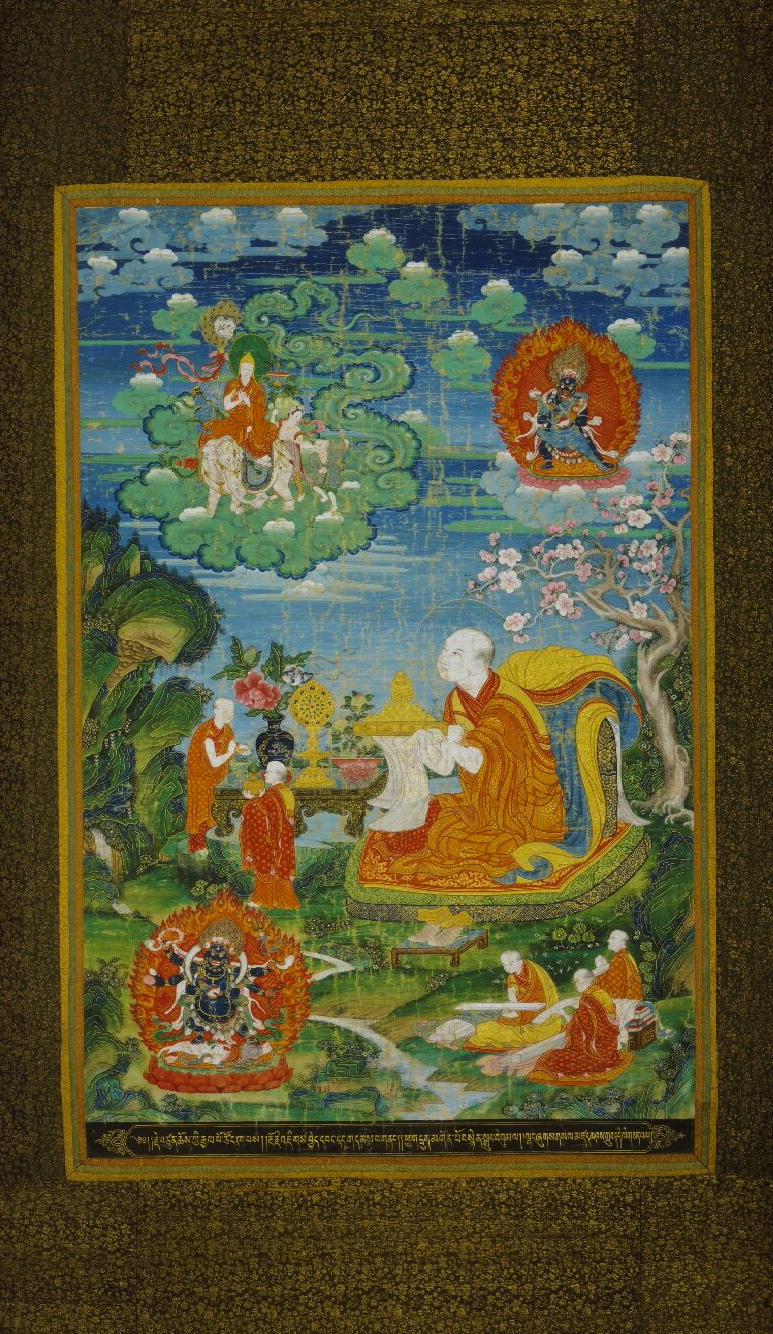
TIBET AWARENESS - THE GREAT TEACHERS OF NALANDA. BHAVAVIVEKA.
TIBET AWARENESS – THE GREAT TEACHERS OF NALANDA. BHAVAVIVEKA.
TIBET AWARENESS - THE GREAT MASTERS OF NALANDA. ACHARYA BHAVAVIVEKA.
TIBET AWARENESS – THE GREAT MASTERS OF NALANDA. ACHARYA BHAVAVIVEKA.
TIBET AWARENESS - THE GREAT MASTERS OF NALANDA. CHANDRAKIRTI.
TIBET AWARENESS – THE GREAT MASTERS OF NALANDA. CHANDRAKIRTI.
TIBET AWARENESS - THE GREAT MASTERS OF NALANDA. SHANTARAKSHITA.
TIBET AWARENESS – THE GREAT MASTERS OF NALANDA. SHANTARAKSHITA.
TIBET AWARENESS - THE GREAT MASTERS OF NALANDA. SHANTARAKSITA.
TIBET AWARENESS - THE GREAT MASTERS OF NALANDA. SHANTARAKSHITA.
TIBET AWARENESS - THE GREAT MASTERS OF NALANDA. KAMALASHILA.
TIBET AWARENESS – THE GREAT MASTERS OF NALANDA. KAMALASHILA.
TIBET AWARENESS - THE GREAT MASTERS OF NALANDA. KAMALASHILA. BHAVANAKRAMA - THREE STAGES OF MEDITATION.
TIBET AWARENESS – THE GREAT MASTERS OF NALANDA. KAMALASHILA. BHAVANAKRAMA – THREE STAGES OF MEDITATION.
TIBET AWARENESS - THE GREAT MASTERS OF NALANDA. HARIBHADRA.
TIBET AWARENESS – THE GREAT MASTERS OF NALANDA. HARIBHADRA.
TIBET AWARENESS - THE GREAT MASTERS OF NALANDA. VIMUKTISENA.
TIBET AWARENESS – THE GREAT MASTERS OF NALANDA. VIMUKTISENA.
TIBET AWARENESS - THE GREAT MASTERS OF NALANDA. SHANTIDEVA.
TIBET AWARENESS – THE GREAT MASTERS OF NALANDA. SHANTIDEVA.
TIBET AWARENESS - THE GREAT MASTERS OF NALANDA. ATISHA.
TIBET AWARENESS – THE GREAT MASTERS OF NALANDA. ATISHA.
TIBET AWARENESS - THE GREAT TEACHERS OF NALANDA. ATISHA.
TIBET AWARENESS – THE GREAT TEACHERS OF NALANDA. ATISHA.
TIBET AWARENESS - GREAT MASTERS OF NALANDA. LAMA ATISHA.
TIBET AWARENESS – GREAT MASTERS OF NALANDA. LAMA ATISHA.
TIBET AWARENESS - GREAT MASTERS OF NALANDA. ATISHA.
TIBET AWARENESS – GREAT MASTERS OF NALANDA. ATISHA.
TIBET AWARENESS - GREAT MASTERS OF NALANDA. ATISHA.
TIBET AWARENESS – GREAT MASTERS OF NALANDA. ATISHA.
TIBET AWARENESS - GREAT TEACHERS OF NALANDA. ATISHA.
TIBET AWARENESS – GREAT TEACHERS OF NALANDA. ATISHA.
TIBET AWARENESS - GREAT MASTERS OF NALANDA. ATISHA.
TIBET AWARENESS – GREAT MASTERS OF NALANDA. ATISHA.

THE SEVENTEEN PANDITS OF NALANDA MONASTERY

BY JAMES BLUMENTHAL, INFO-BUDDHISM.COM
Posted on October 8th, 2015

Oregon, USA — Nalanda Monastic University was the greatest center of Buddhist learning in India’s glorious past. With upwards of 30,000 monks and nuns including 2,000 teachers living, studying and practicing there during its heyday, Nalanda was unmatched.

Established during the Gupta Dynasty in the late 5th to early 6th century C.E. under the patronage of the Gupta king Shakraditra, the institution survived for six hundred years, through the Pala Dynasty, until ultimately being destroyed in 1203 by Turkish Muslim invaders. In 1204 the last throne-holder (abbot) of Nalanda, Shakyashribhadra, fled to Tibet. In the intervening centuries, however, many of India’s greatest Buddhist masters trained and taught at Nalanda.

Nalanda’s renown as a center for higher learning spread far. It attracted students from as far away as Greece, Persia, China, and Tibet. Although Buddhism was naturally the central focus of study, other subjects including astronomy, medicine (Ayurveda), grammar, metaphysics, logic, philosophy of language, classical Hindu philosophy, non-Indian philosophy and so forth were all regularly studied. Chinese pilgrims who visited Nalanda in the 7th century C.E. give detailed accounts of the physical premises and activities in their travelogues. For example, they describe three nine-story buildings comprising the library that housed millions of titles in hundreds of thousands of volumes on a vast variety of topics!

Much like the large Gelug monasteries of Sera, Drepung, and Ganden, living quarters were divided according to regions of the world from which the monks and nuns came. There are clear records of a well-populated Tibet Vihara at Nalanda during the later period. In fact, history reveals that at one point there was a Tibetan gatekeeper at Nalanda. The gatekeepers were traditionally the top scholars/debaters at the institution. Their job was to stand “guard” at the gate and defeat in debate any non-Buddhist who proposed to challenge the scholarship and ideas of the institution. If they could not defeat the gatekeeper in the debate, they would not be allowed further into the monastery.

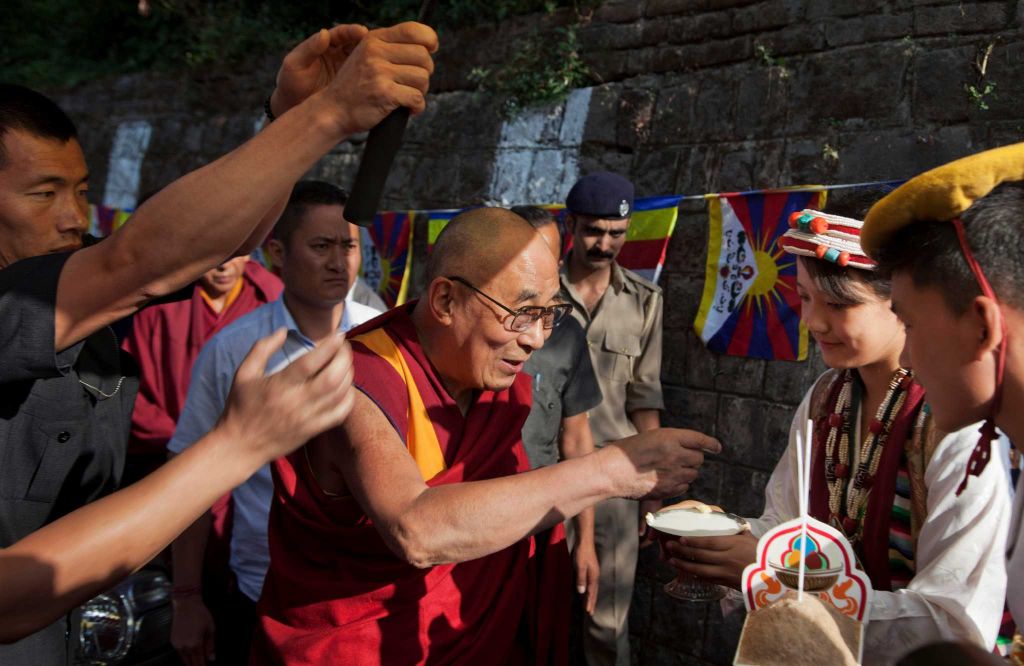
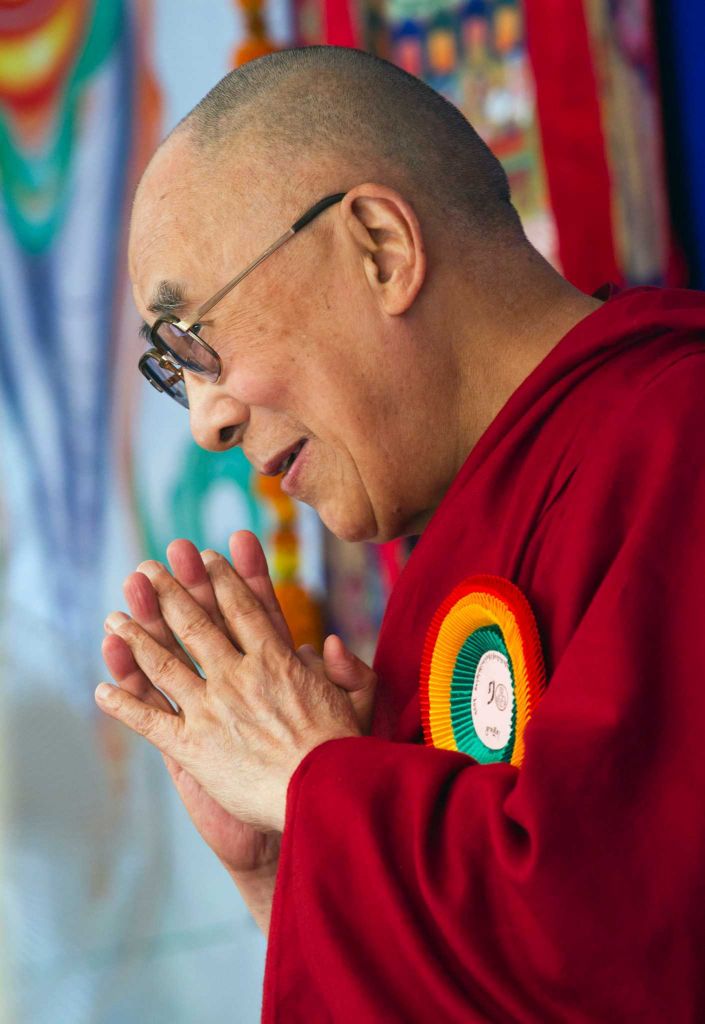
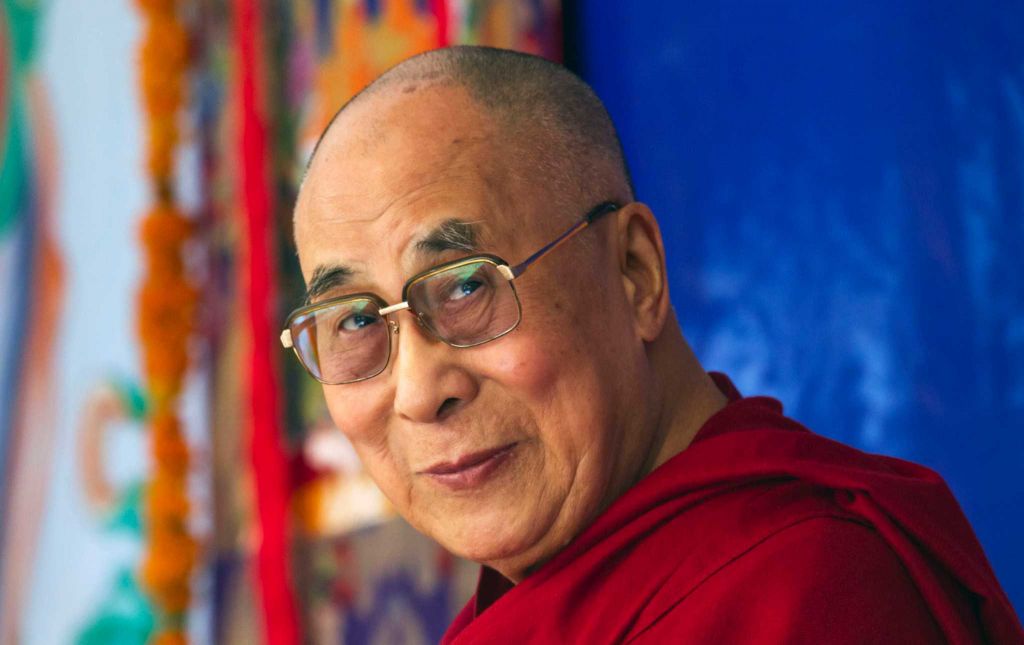
The Seventeen Pandits of Nalanda Monastery refers to a grouping of seventeen of the most important and influential Mahayana Buddhist masters from India’s past. His Holiness the Dalai Lama frequently refers to himself as a follower of the lineage of the seventeen Nalanda masters today. He even wrote an exquisite poem in praise of the seventeen.
So who were they? Historically speaking, this particular grouping of Indian masters seems to have become prominent quite recently and to be based on attributions of lam-rim (stages of the path) lineages in Tibet. A likely predecessor to this grouping is an Indian reference to the Six Ornaments of the Southern Continent (i.e., India) and the Two Excellent Ones. These eight form the core of the seventeen.

The Six Ornaments first include Nagarjuna (c. 2nd century C.E.), the revealer of the Perfection of Wisdom Sutras and the systematizer and founder of the Middle Way (Madhyamaka) school of Buddhist philosophy. The most famous treatise of his six texts of reasoning is The Fundamental Wisdom of the Middle Way, probably the single most analyzed, commented upon and discussed philosophical treatise in Buddhism’s history.

The second of the six ornaments is Aryadeva (c. 3rd century C.E.) who is sometimes referred to as Nagarjuna’s heart disciple and sometimes simply as his first authoritative commentator. Like Nagarjuna, Aryadeva is universally revered as an authoritative voice for all subsequent Middle Way commentators and is most well-known for his treatise The Four Hundred Stanzas.
Aryadeva was born as the son of a Sinhalese king and is considered the co-founder of Mahayana philosophy

In addition to the two Middle Way schoolmasters, included among the six ornaments are the two earliest masters from the Mind-Only school (Yogachara/Chittamatra): Asanga (300–390 C.E.), the founder, and his disciple and half-brother, Vasubandhu (c. 4th century C.E.) one of the system’s earliest and most authoritative commentators. In addition to his own treatises, Asanga is also famous, according to tradition, for retrieving the five Maitreya Buddha texts¹ directly from Maitreya in his pure land, Tushita. With regards to Vasubandhu, before becoming a leading exponent of the Mind-Only school, he wrote a famous treatise from the perspective of the Great Exposition school (Vaibhashika) entitled The Treasure of Knowledge (Abhidharmakosha) which is utilized extensively in Tibetan scholastic studies. Traditionally, seven years is dedicated to the study of this text in the Gelug geshe curriculum.

Two additional Mind-Only school proponents round out the six ornaments: Dignaga (6th century C.E.) and Dharmakirti (600–660 C.E.). The two are most famous as the groundbreakers in Buddhist logic and epistemology. Specifically, they wrote philosophical treatises on the contents and means of accruing valid knowledge. They argued that from the Buddhist perspective there were two sources of valid knowledge: logical inference and direct perception. Much of their writings were detailed elaborations on these topics.

The Two Excellent Ones refers to the two great Vinaya masters: Gunaprabha (c. 9th century C.E.) andShakyaprabha. Gunaprabha was a disciple of Vasubandhu’s and is most famous for his treatise, the Vinayasutra. Shakyaprabha was a disciple of Shantarakshita’s (also among the seventeen) and the other major teacher of Vinaya among the seventeen. He is particularly associated Mulasarvastivada-Vinaya line which has been followed in Tibet since the time of the early Dharma King, Ralpachen (born c. 806 C.E.). His teacher Shantarakshita began this ordination lineage in Tibet when he ordained the first seven Tibetan monks and founded Samye Monastery.

Beyond the Six Ornaments and Two Excellent Ones, are nine additional Indian Buddhist masters, each of whom profoundly impacted the shapes of Indian and/or Tibetan Buddhism for centuries.

Buddhapalita (470–550 C.E.) was one of the great commentators on Nagarjuna’s Madhyamaka thought. He is the earliest Indian Madhyamaka specifically identified as a proponent of the sub-school of Madhyamaka known in Tibet as the Middle Way Consequence School (Prasangika-Madhyamaka). He received this designation in Tibet due to his use of a form of reasoning that drew out the absurd logical consequences of the philosophical rivals of Madhyamakas when he commented on Nagarjuna’s root text on wisdom.

Buddhapalita was subsequently criticized by another Madhyamaka master, Bhavaviveka (500–578 C.E.). He argued that a proper Madhyamaka commentator ought to do more than show the absurdities of other’s views; they also have a responsibility to establish the view of emptiness and to do so with autonomous inferences (svatantranumana). He subsequently became known in Tibet as the “founder” and primary proponent of a sub-school of Madhyamaka known as the Middle Way Autonomy school (Svatantrika-Madhyamaka).

Chandrakirti (600–650 C.E.) is revered by many in Tibet as the founder of the Middle Way Consequence school, often regarded as the highest Buddhist philosophical explanation of reality. He famously came to the defense of Buddhapalita’s use of consequentialist reasoning contra Bhavaviveka’s criticism. In a line of thinking further developed by Je Tsongkhapa (1357–1419 CE), they argued that a Madhyamaka philosopher ought not to utilize autonomous inferences because the very use of that sort of reasoning entailed the acceptance of an inherent nature in the subject of the argument. Since the existence of an inherent nature in anything was precisely what Nagarjuna was refuting, the use of autonomous inference seemed like a fatal flaw for a Madhyamaka. Though historical evidence suggests that Chandrakirti’s views likely did not have extensive support in India until the late period there, by the 13th century in Tibet, his views on a proper understanding of Madhyamaka began to dominate the philosophical landscape and continue to today.

Shantarakshita (725–788 C.E.) was a towering figure in late Indian Buddhist philosophy and immensely influential in Tibet. Philosophically, he is famous for integrating the three major lines of Mahayana philosophy into an integrated coherent system. These were the Madhyamaka, the Yogachara and the logico-epistemological thought of Dharmakirti. Beyond India, he spent the last seventeen years of his life in Tibet, ordaining its first monks and serving as abbot of it first monastery. Moreover, probably nobody has exerted a greater influence on Tibetan Buddhism in terms of the way in which Tibetans approach philosophy. Shantarakshita virtually taught Tibetans how to do philosophy during the early dissemination of the Dharma there.
Two of Shantarakshita’s disciples (in addition to Shakyabhadra mentioned above) are also included in the list of seventeen. Kamalashila (c. 8th century C.E.) likewise was an immensely important figure in India and Tibet. Like his teacher, Kamalashila wrote extensively on Madhyamaka and pramana (logic and epistemology) as well as on meditation theory and practice.
His three Stages of Meditation (Bhavanakrama) texts are among the most cited in traditional Tibet expositions on the topics. Moreover, also like his teacher, he spent extensive time in Tibet during the early dissemination. He famously and successfully defended the Indian gradual approach to enlightenment at the Great Debate at Samye (also called the Council of Lhasa) against the instantaneous approach advocated by Hvashang Mohoyen, the Chinese master. Tibetan histories often recount that since that time Tibetan have followed the Indian method.

Haribhadra (700–770 C.E.), the last of Shantarakshita’s disciples included in the group of seventeen, wrote the most famous and commonly utilized of the 21 Indian commentaries on The Ornament of Clear Realizations by Maitreya and the Mahayana path system in general. The other major commentator on The Ornament of Clear Realizations to be included among the seventeen is Vimuktisena (c. 6th century C.E.) whose text Illuminating the Twenty Thousand: A Commentary on the Ornament is likewise extensively cited by subsequent Tibetan authors.

Shantideva (c. 8th century C.E.) composed what is perhaps the most important and influential classic on how to practice in the Mahayana tradition: A Guide to the Bodhisattva’s Way of Life (Bodhisattvacaryavatara) while a monk at Nalanda. His text on the development of bodhicitta and the practice of the six perfections is revered and studied extensively by all Tibetan traditions. His Holiness the Dalai Lama often refers to his favorite passage in Buddhist literature as coming from the dedication section of this text: “As long as space endures, as long as sentient being remain, may I too remain, to dispel the miseries of the world.”

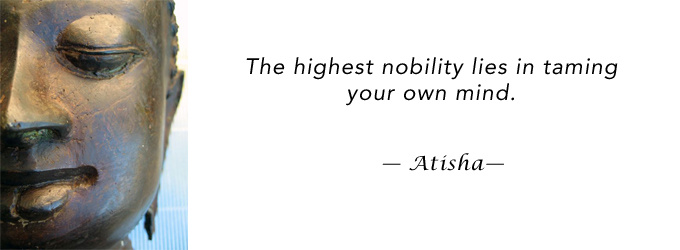
The final master included among the seventeen was the Bengali scholar-adept Atisha (980–1054 C.E.), who was a critical figure in the later dissemination of Buddhism in Tibet. Like many of the others on this list, Atisha’s impact on the shape of Tibetan Buddhism was immense. His classic, The Lamp for the Path to Enlightenment (Bodhipathpradipa) is widely regarded as the root text on the graduated stages of the path presentation found in Tibetan classics like Je Tsongkhapa’s The Great Treatise on the Stages of the Path to Enlightenment (also commonly referred to by the abbreviated Tibetan name, Lamrim Chenmo), Gampopa’s Jeweled Ornament of Liberation and Patrul Rinpoche’s The Words of My Perfect Teacher among others. In addition to the stages of the path teachings, Atisha also introduced the lojong, or mind training, the tradition of Mahayana practice in Tibet. Lojong teachings are quintessential Mahayana teachings in that their aim is to eliminate both the self-cherishing attitude and self-grasping by teaching means to cultivate the altruistic compassion of bodhicitta and the direct realization of emptiness. Like the stages of the path teachings, the mind training tradition is one that is embraced by all Tibetan lineages.

Together the seventeen great masters of Nalanda monastery represent the real high points of Indian Mahayana. The inspiration and teachings of these great masters continue to bless practitioners of the Mahayana to the present day.

Notes

¹ The five Maitreya texts are The Ornament of Clear Realization (Abhisamayalamkara), The Ornament of Mahayana Sutras (Mahayanasutralamkara), Distinguishing the Middle from the Extremes (Madhyantavibhaga), Distinguishing Phenomena and the Nature of Phenomena (Dharma-dharmata-vibhaga), and The Sublime Continuum (Uttaratantra).

http://buddhistchannel.tv/index.php?id=70,12493,0,0,1,0#.VhaCC_mqqko

JAMES BLUMENTHAL, Ph.D. is an associate professor of Buddhist philosophy at Oregon State University and professor of Buddhist Studies at Maitripa College. He is the author of The Ornament of The Middle Way: A Study of the Madhyamika Thought of Shantarakshita along with more than 40 articles in scholarly journals and popular periodicals on various aspects of Buddhist thought and practice. He recently finished work with Geshe Lhundup Sopa on Steps on the Path: Vol. IV, a commentary on the ‘ Shamatha’ chapter of Lamrim Chanmo of Tsongkhapa which is due for publication in the fall.

Copyright © 2015 LankaWeb.com. All Rights Reserved.

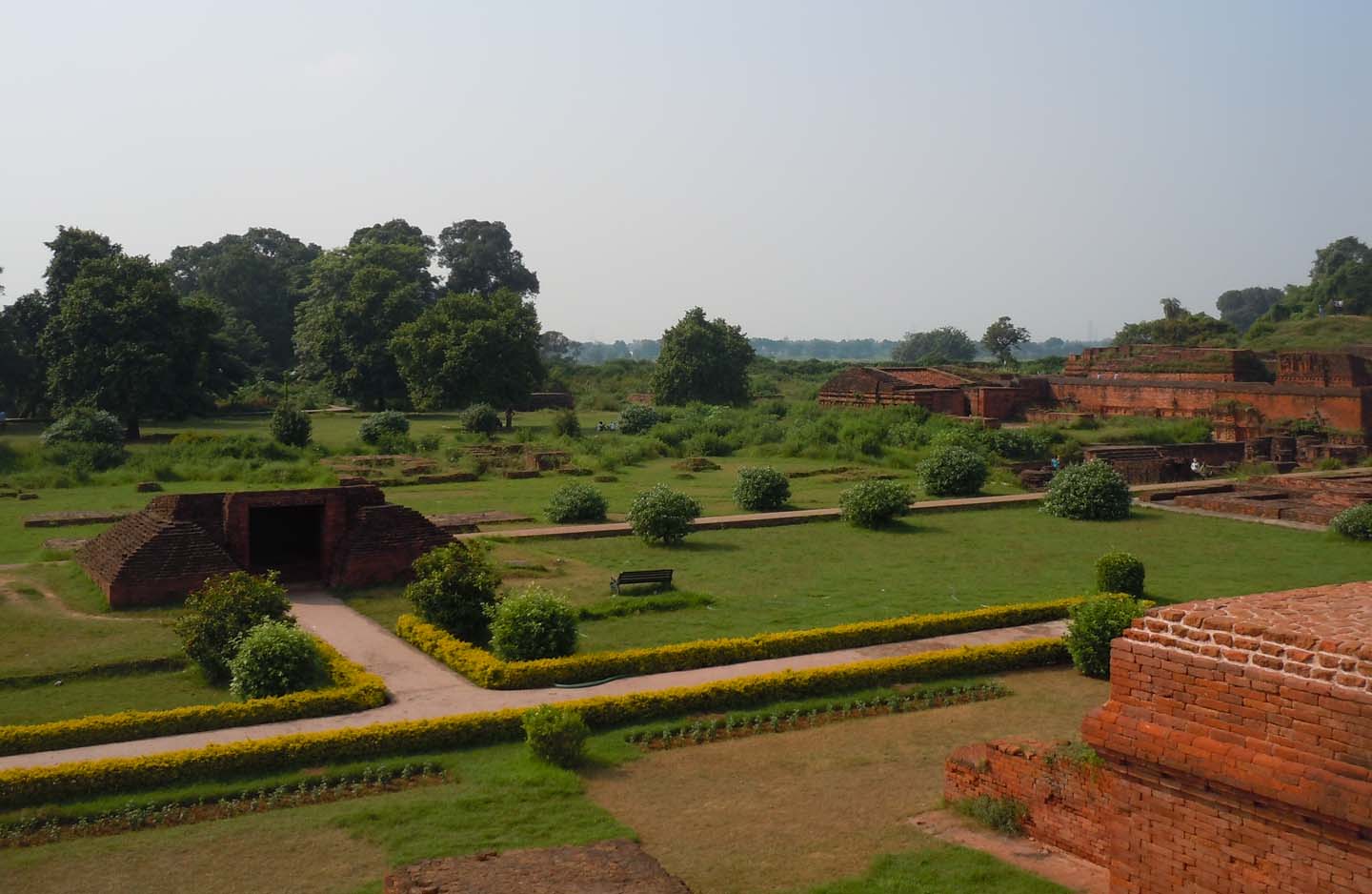
TIBET AWARENESS – GREAT MASTERS OF NALANDA. BUDDHIST CENTER OF LEARNING WHICH FLOURISHED FROM 427 TO 1197 CE. AT NALANDA, BIHAR, INDIA.
TIBET AWARENESS – GREAT MASTERS OF NALANDA UNIVERSITY. NALANDA TRADITION OF MAHAYANA BUDDHISM.
TIBET AWARENESS – SEVENTEEN GREAT MASTERS OF MIDDLE WAY BUDDHIST TRADITION OF NALANDA MAHAVIHAR. THE FOUNDATIONS OF TIBETAN BUDDHISM.
TIBET AWARENESS – SEVENTEEN GREAT MASTERS OF NALANDA MONASTIC UNIVERSITY.
TIBET AWARENESS – SEVENTEEN MASTERS OF NALANDA MONASTIC UNIVERSITY. THIS CENTER OF BUDDHIST LEARNING FLOURISHED FOR 600 YEARS. THE CAMPUS COMMUNITY OF 30,000 MONKS, NUNS INCLUDED 2,000 TEACHERS.
TIBET AWARENESS – SEVENTEEN GREAT MASTERS OF NALANDA MONASTIC UNIVERSITY.
TIBET AWARENESS – SEVENTEEN GREAT MASTERS OF NALANDA BUDDHIST TRADITION OF MADHYAMAKA OR MIDDLE WAY.On www.photodharma.net
TIBET AWARENESS – SEVENTEEN GREAT MASTERS OF NALANDA BUDDHIST TRADITION. INDIA REOPENED NALANDA UNIVERSITY 800 YEARS AFTER ITS DESTRUCTION IN 1203 CE.
TIBET AWARENESS – GREAT MASTERS OF NALANDA UNIVERSITY. THE GREAT CENTER OF BUDDHIST LEARNING WAS DESTROYED BY ISLAMIC CONQUESTS OF INDIA.On hlaoo1980.blogspot.com
TIBET AWARENESS – SEVENTEEN GREAT MASTERS OF NALANDA MADHYAMAKA MIDDLE WAY BUDDHIST TRADITION.On www.photodharma.net
TIBET AWARENESS – SEVENTEEN GREAT MASTERS OF MIDDLE WAY BUDDHIST TRADITION OF NALANDA MAHAVIHAR.
TIBET AWARENESS – SEVENTEEN GREAT MASTERS OF MIDDLE WAY BUDDHIST TRADITION OF NALANDA MAHAVIHAR.On www.photodharma.net
TIBET AWARENESS – SEVENTEEN GREAT MASTERS OF MIDDLE WAY BUDDHIST TRADITION OF NALANDA MAHAVIHAR.
TIBET AWARENESS – SEVENTEEN GREAT MASTERS OF MIDDLE WAY BUDDHIST TRADITION OF NALANDA MAHAVIHAR.On www.photodharma.net

TIBET IS NOT IN CHINA – CHINA IS IN TIBET

TIBET IS NOT IN CHINA – CHINA IS IN TIBET

 I welcome my readers to ‘Tibet Consciousness’. I want our global community to recognize that Tibet is not in China. To our misfortune, China is in Tibet as she seized Tibet through act of aggression. “Photographer Eric Laignel Sees Tibet Through Different Lens” says a story published by Interior Design. I am sharing those photo images and confirm that Tibet is never a part of China even if China is in Tibet as result of military conquest. I ask my readers to join me to See Tibet in Tibet.

Interior Design Staff | October 02, 2015
TIBET IS NOT IN CHINA. SEE TIBET IN TIBET. WELCOME TO TIBET CONSCIOUSNESS.On m.interiordesign.net

Tibetan Living Room Editorial Stock Image - Image: 20851829
TIBET IS NOT IN CHINA. SEE TIBET IN TIBET. TIBET CONSCIOUSNESS.On www.dreamstime.com

Vector > Tibetan Boy With Kite High Definition Wallpaper Hd Picture
TIBET IS NOT IN CHINA – TIBET CONSCIOUSNESSOn www.picstopin.com

view of the temple's interior. In another room an exhibition shows a ...
TIBET IS NOT IN CHINA – SEE TIBET IN TIBET . TIBET CONSCIOUSNESS.On www.reocities.com

Recent Photos The Commons Getty Collection Galleries World Map App ...
TIBET IS NOT IN CHINA – SEE TIBET IN TIBET. TIBET CONSCIOUSNESS.On www.flickr.com

Tibetan Style Hotels
TIBET IS NOT IN CHINA. SEE TIBET IN TIBET. TIBET CONSCIOUSNESS.On www.tibettravel.org

Related Pictures tibet restaurant interior 2
TIBET IS NOT IN CHINA – SEE TIBET IN TIBET – TIBET CONSCIOUSNESS.On background-pictures.feedio.net

Tibet---Nature photography, Size 12x18", Autumn,Rustic,mountain ...
TIBET IS NOT IN CHINA. SEE TIBET IN TIBET. TIBET CONSCIOUSNESS.On etsy.com

TIBET IS NOT IN CHINA. SEE TIBET IN TIBET.On 3design.in

background you can see Cho Oyu , the world's 6th highest mountain
TIBET IS NOT IN CHINA. SEE TIBET IN TIBET. CHO OYU, WORLD’S 6th HIGHEST MOUNTAIN.On background-pictures.fbistan.com

Buddhist Tour in India- Explore the hidden treasures of Buddhism
TIBET IS NOT IN CHINA – BUDDHA IS IN TIBET.On buddhisttraintour.blogspot.com

Why not decorate a home with inner peace?
TIBET IS NOT IN CHINA. SEE TIBET IS IN TIBETOn ripplesblog.org

Elaine Ling - Tibet Revisited: Interiors
TIBET IS NOT IN CHINA . SEE TIBET IN TIBET. CHINA IS IN TIBET BY MILITARY CONQUEST.On www.elaineling.com

Added: December 21, 2012 | Image size: 494x500px | Source: flickr.com
TIBET IS NOT IN CHINA. SEE TIBET IN TIBET. CHINA IS IN TIBET BECAUSE OF MILITARY AGGRESSION.On favimages.com

Rudranarasimham Rebbapragada
Ann Arbor, MI 48104-4162, USA
SPECIAL FRONTIER FORCE. ESTABLISHMENT 22


The Spirits of Special Frontier ForceThe Spirits of Special Frontier Force, Ann Arbor, MI. At Special Frontier Force, I host ‘The Living Tibetan Spirits’…
 
View on www.Facebook.com


PHOTOGRAPHER ERIC LAIGNEL SEES TIBET THROUGH DIFFERENT LENS

Photographer Eric Laignel Sees Tibet Through Different Lense | People | Interior Design

KALA CHAKRA – THE CYCLICAL FLOW OF TIME – REJUVENATION OF TIBET

KALA CHAKRA – CYCLICAL FLOW OF TIME – REJUVENATION OF TIBET

Just like individuals, nations have history of their own during which national life experiences effects under the powerful influence of time. The tides of Time were in favor of Tibet during 1911 when Manchu China’s power declined. Unfortunately, the good times that Tibet witnessed from 1911 to 1950 abruptly ended when The Communist Party of China declared the birth of a new nation called People’s Republic of China on October 01, 1949. This new nation from her inception is evil-minded, and evil-hearted. Red China lost no time to openly declare her Imperialist and Expansionist Policy and attacked her weak neighbor with no sense of shame. Tibetans are resisting military occupation with Patience and Perseverance as their weapons. I am hopeful that Time’s powerful influence called ‘Healing Power’ will cure this terrible disease called Occupation giving Tibet a chance to recover, regrow, regenerate, renew, rejuvenate and revitalize the lives of millions of Tibetans experiencing pain, suffering, and misery.

Rudranarasimham Rebbapragada
Ann Arbor, MI 48104-4162, USA
The Spirits of Special Frontier Force

 
  image          
The Spirits of Special Frontier ForceAt Special Frontier Force, I host ‘The Living Tibetan Spirits’ to promote Tibet Awareness. I…
 
View on www.facebook.com Preview by Yahoo


AL JAZEERA

In Pictures: Dalai Lama leads peace prayers

Tibetan spiritual leader performs Kalachakra as 150,000 devotees attend religious meet in India-administered Kashmir.

ALYS FRANCIS| 07 Jul 2014 12:20 GMT |Arts & Culture, India, Dalai Lama, Religion, Tibet

Tibetans snuck into India dodging Chinese border guards to see their spiritual leader, the Dalai Lama, perform the 33rd Kalachakra for world peace in Shey, a tiny town nestled 3,400m-high in the Himalayas.

The massive religious teaching, said to empower tens of thousands of his disciples to attain enlightenment, is a significant event for Buddhists.

About 150,000 devotees from around the world are flocking to the northern Ladakh district in India-administered Kashmir, which shares an eastern border with Tibet.
The Dalai Lama also reiterated his plea to Buddhists in Myanmar and Sri Lanka to halt violence against Muslims, in a speech to tens of thousands of devotees to mark his 79th birthday.

China reportedly deployed extra troops and cracked down on Tibetans travelling to attend the 12-day gathering that began on July 3. Despite this, several Tibetans told Al Jazeera that they crept over the border at night.

The Dalai Lama fled China in the 1959 Tibetan uprising against Chinese rule, settling in Dharamshala in northern India, where he set up the Tibetan government in exile. He has since held Kalachakras every few years or so around the world – from India to New York.

The Tibetan spiritual leader remains a point of tension between India and China. Just days before the Kalachakra, Chinese troops reportedly showed their might at a disputed border between Tibet and Ladakh, repeatedly entering territory both countries claim.

2014778357660226_8.jpg
Ladakh(***)s first Kalachakra in 38 years saw hotels in the main town of Leh booked out, with followers bedding down in thousands of tents, empty government buildings and schools.

2014778358863805_8.jpg Ladakh Buddhist Association President Dr Tondup Tsewang told Al Jazeera that the Kalachakra was of great importance to the region, which is home to numerous Tibetan refugees.

2014778357894392_8.jpg

Dr Tsewang, who keeps a tattered fabric badge from attending Ladakh(***)s first Kalachakra in 1976, said that the whole community was involved in the event.

2014778358113522_8.jpg Nearly 80,000 local Ladakhis, 15,000 Tibetans from around the world, 9000 monks and nuns, 5000 foreigners and numerous Indians attended the first day(***)s teaching.

201477835935770_8.jpg Many Ladakhis came dressed in traditional clothes: voluminous woollen goncha robes clinched at the waist, dupatta silk scarfs and top hats.

2014778359566132_8.jpg

Monks of all ages couldn’t(***) contain their excitement, running to get a seat in the Kalachakra ground on the bank of the River Indus after passing security.

2014778359222857_8.jpg

A vast shade-cloth was erected to protect followers from the sun, while nine LCD TV screens broadcast the Dalai Lama around the Kalachakra ground.

2014778359831118_8.jpg

The event was also live-streamed online via a camera above the stage and translated into 11 languages.

2014778358300832_8.jpg

Local police and army were called in to help secure the event, managing traffic and controlling the crowd outside.

20147783510488447_8.jpg

The Dalai Lama resigned as leader of the Tibetan Parliament-in-exile in 2011 and has spoken of his desire to retire one day.

20147783511128480_8.jpg

It is expected that the Tibetan spiritual leader will confer another Kalachakra initiation next year when he turns 80.

20147783512285653_8.jpg

The Dalai Lama has long been calling for Tibet to be given autonomy to preserve its culture and religion, rather than full independence from China.

20147783511753145_8.jpg

The Chinese authorities regard the Dalai Lama as a separatist.

2014778351281539_8.jpg

Kalachakra is a Buddhist process that empowers tens of thousands of his disciples to attain enlightenment.


© 2015 Al Jazeera Media Network


THE EVIL RED EMPIRE – RED CHINA – A JACKAL

THE EVIL RED EMPIRE – RED CHINA – A JACKAL :

THE  EVIL  RED  EMPIRE  -  RED  CHINA  -  A  JACKAL .
THE EVIL RED EMPIRE – RED CHINA – A JACKAL .

Jackals are wild dogs of Asia and North Africa. The word Jackal is often used to describe a person who does dishonest or humiliating tasks for one’s own gain. Jackal is the other name for a cheat or a swindler. I am specifically using the term ‘JACKAL’ to describe the nature of Red China’s statecraft or statesmanship. It helps my readers to recognize Red China’s sly, secretive, or wily nature. Sly implies a working to achieve one’s ends by evasiveness, insinuation, furtiveness, duplicity, circumvention, plot, subterfuge, stratagem, craftiness, subtle blandishments, ruses, cunning underhandedness, mischievous or roguish behavior. Red China could be called “FOXY” for its tricks are sharpened by experience. Red China deals with her neighbors using her proficiency in deception. Red China is subtly deceitful for she knows to defraud others by deliberately misleading them to obtain their rights and property. Red China often takes pleasure in demonstrating the gullibility of her victims.

At Special Frontier Force, we have personal experience of Red China’s sly, wily, cunning, dishonest, and deceitful nature.

Rudranarasimham Rebbapragada
Ann Arbor, MI 48104-4162, USA
The Spirits of Special Frontier Force

Pentagon chief criticizes Beijing’s South China Sea
moves

Associated Press

By LOLITA C. BALDOR and MATTHEW PENNINGTON

SINGAPORE — China’s land reclamation in the South China Sea is out of step
with international rules, and turning underwater land into airfields won’t
expand its sovereignty, Defense Secretary Ash Carter told an international
security conference Saturday, stepping up America’s condemnation of the
communist giant as Beijing officials sat in the audience.

Carter told the room full of Asia-Pacific leaders and experts that the U.S.
opposes “any further militarization” of the disputed lands.

His remarks were immediately slammed as “groundless and not constructive” by
a Chinese military officer in the audience.

Carter’s comments came as defense officials revealed that China had put two
large artillery vehicles on one of the artificial islands it is creating in the
South China Sea. The discovery, made at least several weeks ago, fuels fears in
the U.S and across the Asia-Pacific that China will try to use the land
reclamation projects for military purposes.

The weaponry was discovered at least several weeks ago, and two U.S.
officials who are familiar with intelligence about the vehicles say they have
been removed. The officials weren’t authorized to discuss the intelligence and
spoke only on condition of anonymity.

The Pentagon would not release any photos to support its contention that the
vehicles were there.

China’s assertive behavior in the South China Sea has become an increasingly
sore point in relations with the United States, even as President Barack Obama
and China’s President Xi Jinping have sought to deepen cooperation in other
areas, such as climate change.

Pentagon spokesman Brent Colburn said the U.S. was aware of the artillery,
but he declined to provide other details. Defense officials described the
weapons as self-propelled artillery vehicles and said they posed no threat to
the U.S. or American territories.
© AP Photo/Wong Maye-E U.S. Secretary of Defense Ashton

Carter delivers his speech about “The United States and Challenges to
Asia-Pacific Security” during the 14th International Institute for Strategic
Studies Shangri-la Dialogue, or IISS, Asia Security Summit, Saturday, May 30,
2015, in Singapore.

While Carter did not refer directly to the weapons in his speech, he told the
audience that now is the time for a diplomatic solution to the territorial
disputes because “we all know there is no military solution.”

“Turning an underwater rock into an airfield simply does not afford the
rights of sovereignty or permit restrictions on international air or maritime
transit,” Carter told the audience at the International Institute for Strategic
Studies summit.

China’s actions have been “reasonable and justified,” said Senior Col. Zhao
Xiaozhuo, deputy director of the Center on China-America Defense Relations at
the People’s Liberation Army’s Academy of Military Science.

Zhao challenged Carter, asking whether America’s criticism of China and its
military reconnaissance activities in the South China Sea “help to resolve the
disputes” and maintain peace and stability in the region.

Carter responded that China’s expanding land reclamation projects are
unprecedented in scale. He said the U.S. has been flying and operating ships in
the region for decades and has no intention of stopping.

While Carter’s criticism was aimed largely at China, he made it clear that
other nations who are doing smaller land reclamation projects also must
stop.

One of those countries is Vietnam, which Carter is scheduled to visit during
this 11-day trip across Asia. Others are Malaysia, the Philippines and
Taiwan.

Asked about images of weapons on the islands, China’s Foreign Ministry
spokeswoman Hua Chunying said she was “not aware of the situation you
mention.”

She also scolded Carter, saying the U.S. should be “rational and calm and
stop making any provocative remarks, because such remarks not only do not help
ease the controversies in the South China Sea, but they also will aggravate the
regional peace and stability.”

Carter appeared to strike back in his speech, saying that the U.S. is
concerned about “the prospect of further militarization, as well as the
potential for these activities to increase the risk of miscalculation or
conflict.” And he said the U.S. “has every right to be involved and be
concerned.”

But while Carter stood in China’s backyard and added to the persistent
drumbeat of U.S. opposition to Beijing’s activities, he did little to give
Asia-Pacific nations a glimpse into what America is willing to do to achieve a
solution.

He said the U.S. will continue to sail, fly and operate in the region, and
warned that the Pentagon will be sending its “best platforms and people” to the
Asia-Pacific. Those would include, he said, new high-tech submarines,
surveillance aircraft, the stealth destroyer and new aircraft carrier-based
early-warning aircraft.

U.S. Sen. John McCain, R-Ariz., who also is attending the Singapore
conference, told reporters that the U.S. needs to recognize that China will
continue its activities in the South China Sea until it perceives that the costs
of doing so outweigh the benefits.

He said he agreed with Carter’s assertion that America will continue flights
and operations near the building projects, but “now we want to see it translated
into action.”
© AP Photo/Wong Maye-E U.S. Secretary of Defense Ashton

Carter delivers his speech about “The United States and Challenges to
Asia-Pacific Security” during the 14th International Institute for Strategic
Studies Shangri-la Dialogue (IISS) Asia Security Summit, Saturday, May 30, 2015,
in Singapore.

One senior defense official has said the U.S. is considering more military
flights and patrols closer to the projects in the South China Sea, to emphasize
reclaimed lands are not China’s territorial waters. Officials also are looking
at ways to adjust the military exercises in the region to increase U.S. presence
if needed. That official was not authorized to discuss the options publicly and
spoke on condition of anonymity.

One possibility would be for U.S. ships to travel within 12 miles of the
artificial islands, to further make the point that they are not sovereign
Chinese land. McCain said it would be a critical mistake to recognize any
12-mile zone around the reclamation projects.

The U.S. has been flying surveillance aircraft in the region, prompting China
to file a formal protest.

U.S. and other regional officials have expressed concerns about the island
building, including worries that it may be a prelude to navigation restrictions
or the enforcement of a possible air defense identification zone over the South
China Sea. China declared such a zone over disputed Japanese-held islands in the
East China Sea in 2013.

China has said the islands are its territory and that the buildings and other
infrastructure are for public service use and to support fishermen.

Pennington reported from Washington. AP news assistant Liu Zheng in Beijing
contributed to this report.

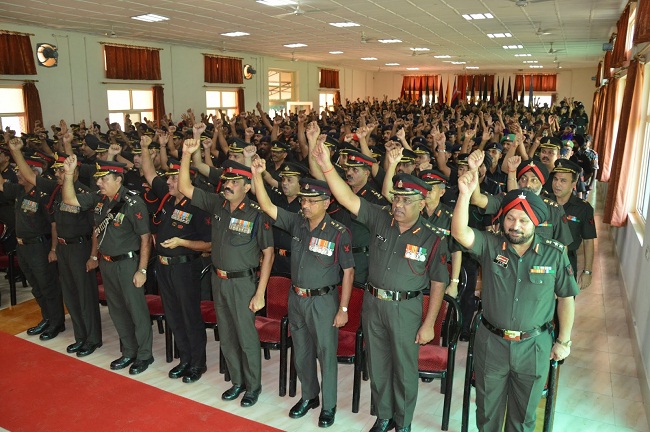
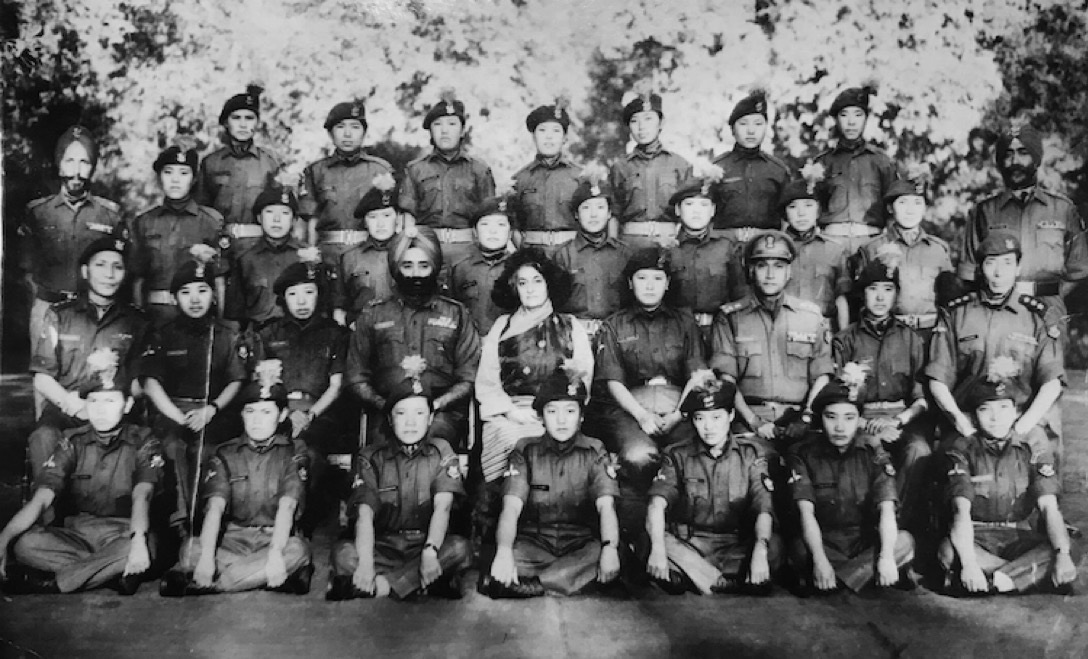
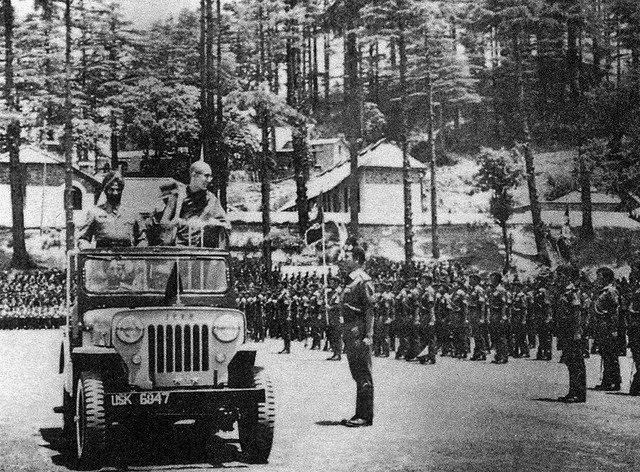
Whole Celebration – The celebration of the Indian Army Chief who served as the Inspector General of Special Frontier Force

Special Frontier Force Celebrates its Partnership with the Indian Armed Forces

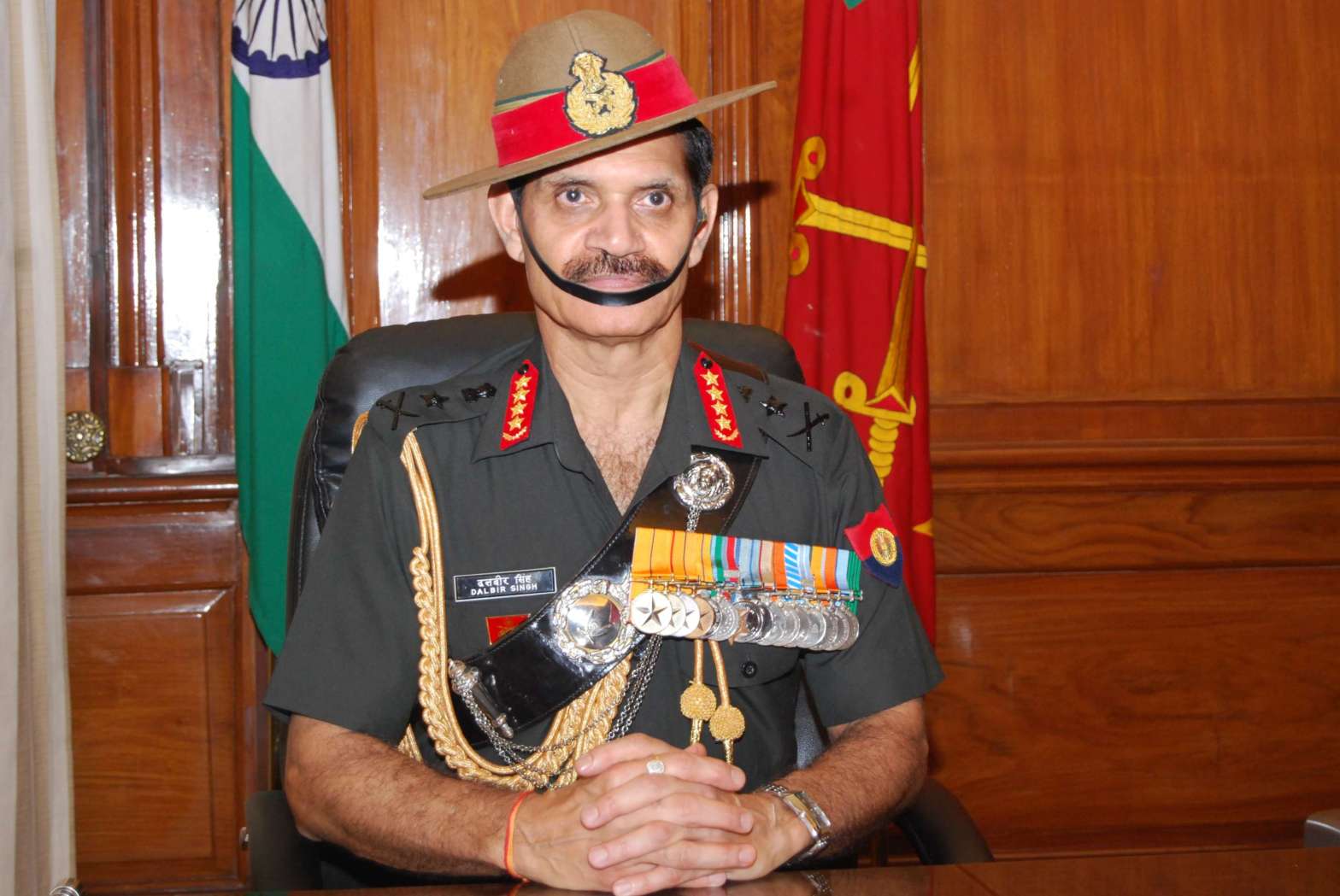
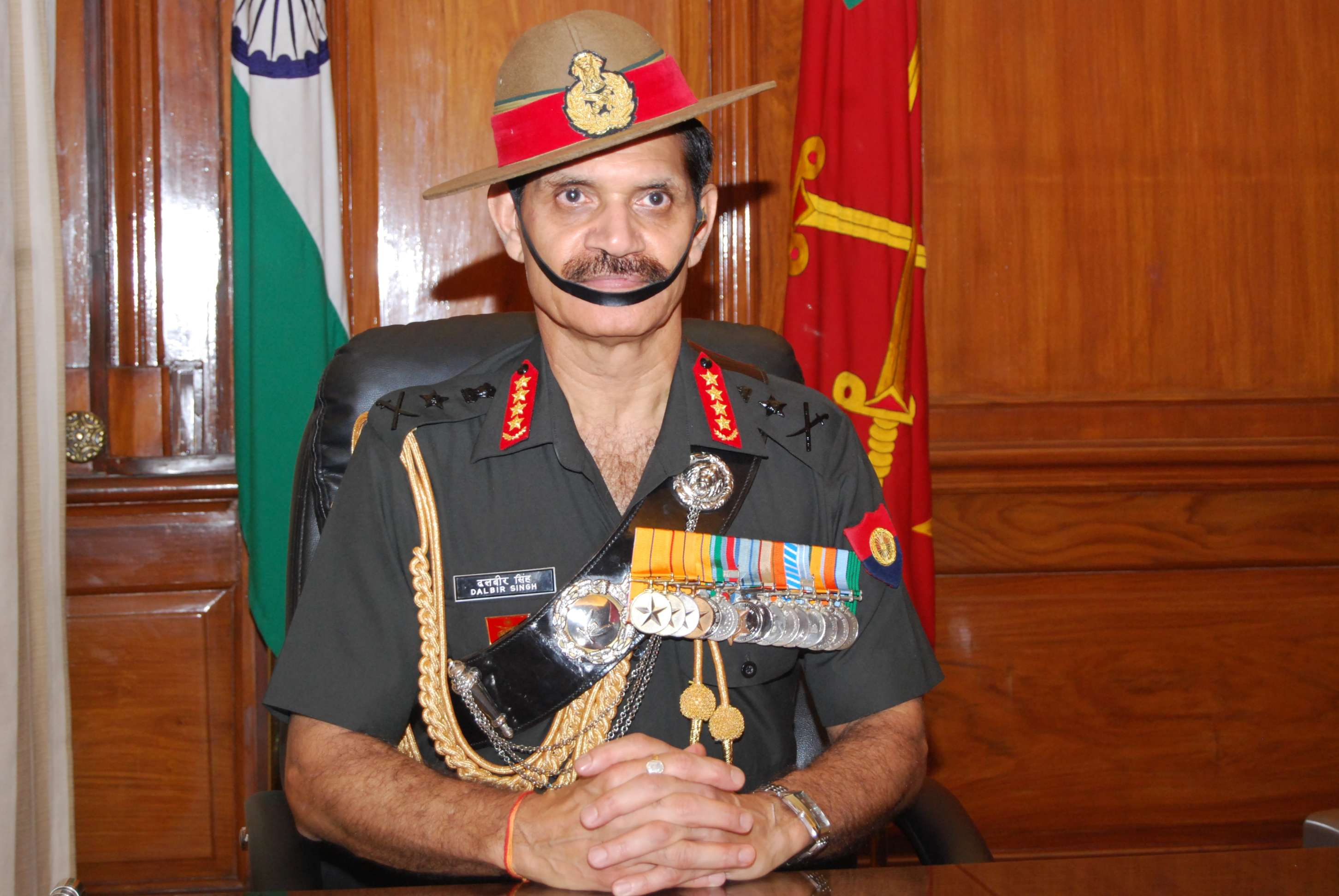
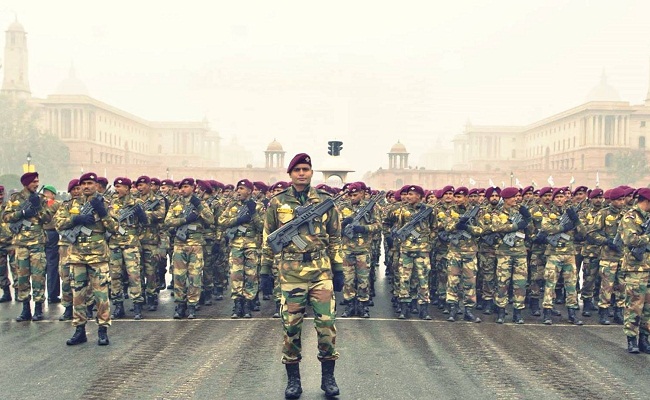
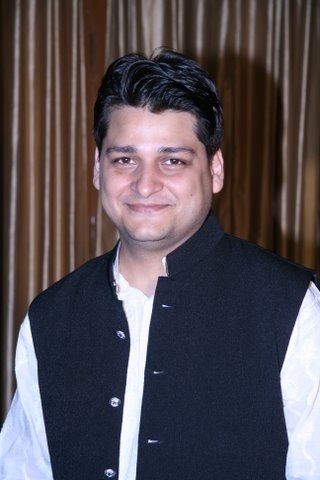
SPECIAL  FRONTIER FORCE  IS CELEBRATING  ITS PARTNERSHIP  WITH  INDIAN  ARMED FORCES : INDIA'S TOP MILITARY COMMANDER, GENERAL DALBIR SINGH SUHAG, AVSM VSM  SERVED  AS  THE  INSPECTOR  GENERAL  OF  SPECIAL  FRONTIER  FORCE  FROM  APRIL  2009  TO  MARCH  2011.  INDIA  CELEBRATES  ITS 66th  REPUBLIC  DAY  ON  26 JANUARY 2015.
SPECIAL FRONTIER FORCE IS CELEBRATING ITS PARTNERSHIP WITH INDIAN ARMED FORCES : INDIA’S TOP MILITARY COMMANDER, GENERAL DALBIR SINGH SUHAG, AVSM VSM SERVED AS THE INSPECTOR GENERAL OF SPECIAL FRONTIER FORCE FROM APRIL 2009 TO MARCH 2011. INDIA CELEBRATES ITS 66th REPUBLIC DAY ON 26 JANUARY 2015.

On behalf of Special Frontier Force. Establishment 22, Vikas Regiment, I am very pleased to share this post on the Indian Armed Forces.

Rudra Narasimham Rebbapragada
Ann Arbor, MI 48104-4162, USA
Special Frontier Force, Establishment 22, Vikas Regiment

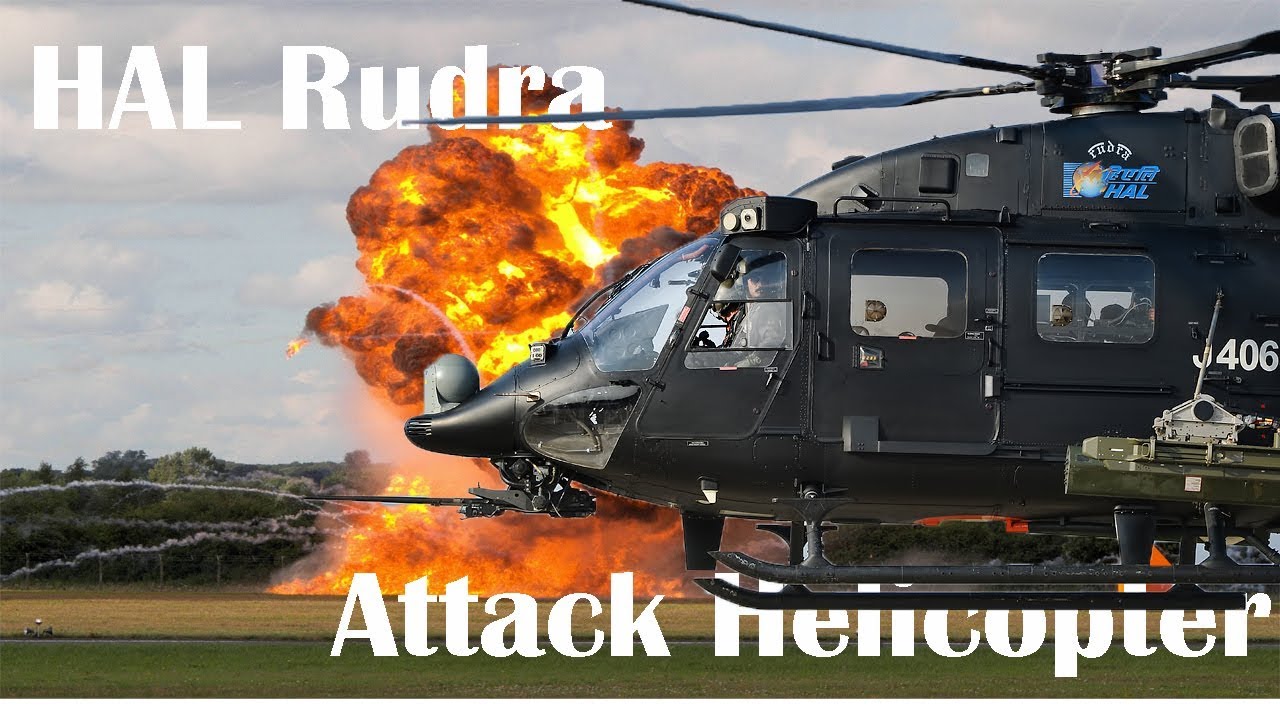
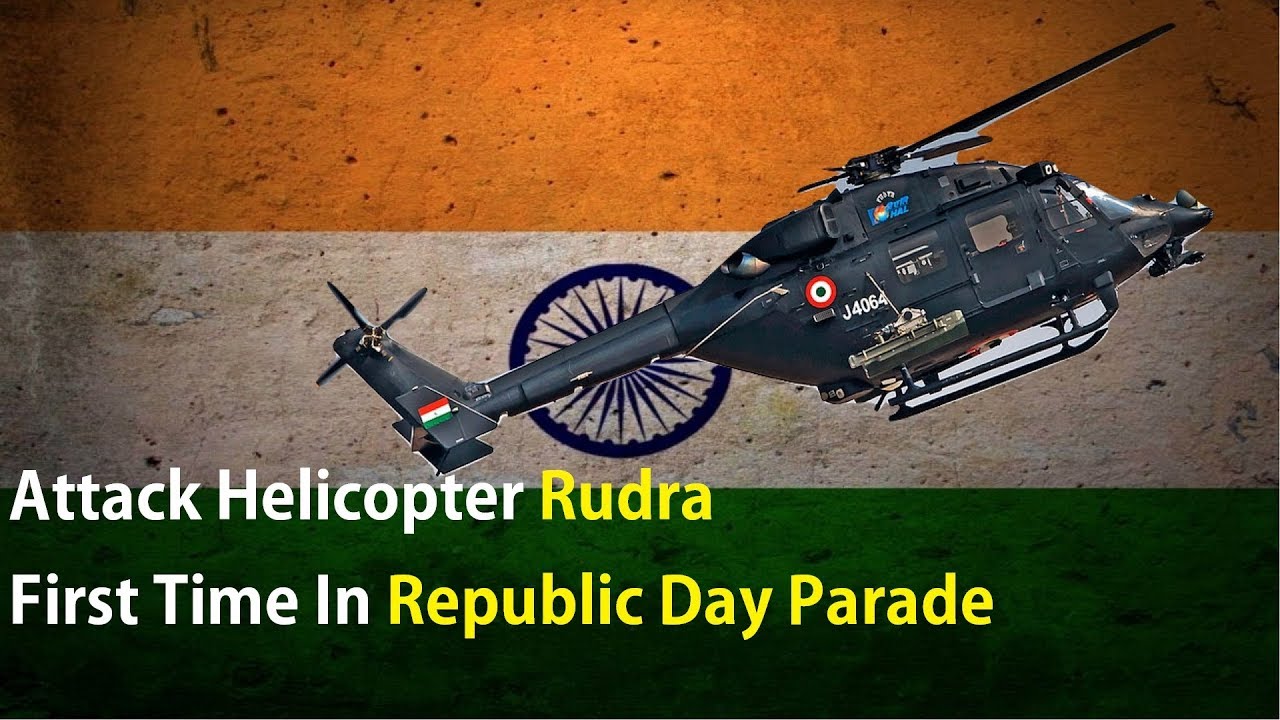
From Rudra About Rudra’s Maiden Appearance at 69th Republic Day Parade.

Indian Armed Forces

India covertly tested its nuclear arsenal in the early 1970s and late 1990s without the CIA even knowing what was happening. Till date, it is considered to be one of the CIA’s biggest failures in espionage and detection.

Facts About The Indian Armed Forces That’ll Make You Respect
Them Even More

The Indian Armed Forces, consisting of the Indian Army, the Indian Air Force, the Indian Navy and the Indian Coast Guard are India’s shield and sword, which keep our interests safe, our enemies at bay and the people of our country secure and free. They are respected and adored for their valor and sense of duty by the entire country. Many of us would know about their triumphs and stellar contributions to civilian life. But here are a few facts which will increase your respect for the Indian military ten-fold.

1. India controls the highest battlefield in the world, the Siachen glacier, at 5000 meters above Mean Sea Level (MSL).

2. India has the biggest “voluntary” army in the world.

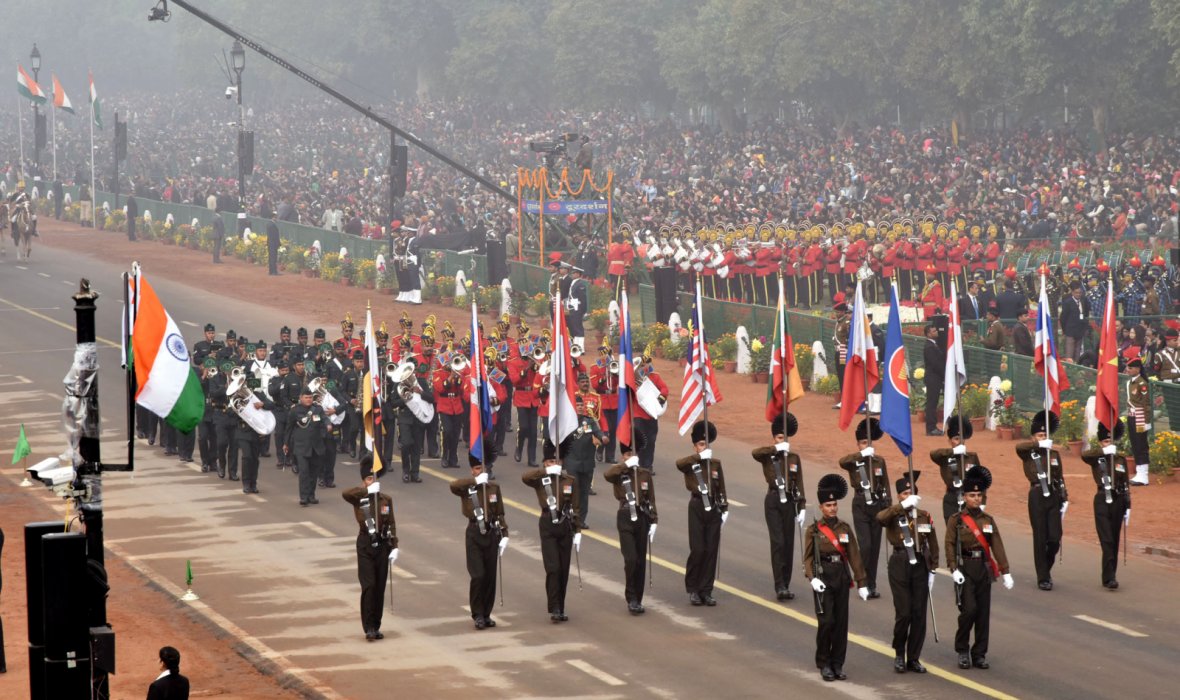
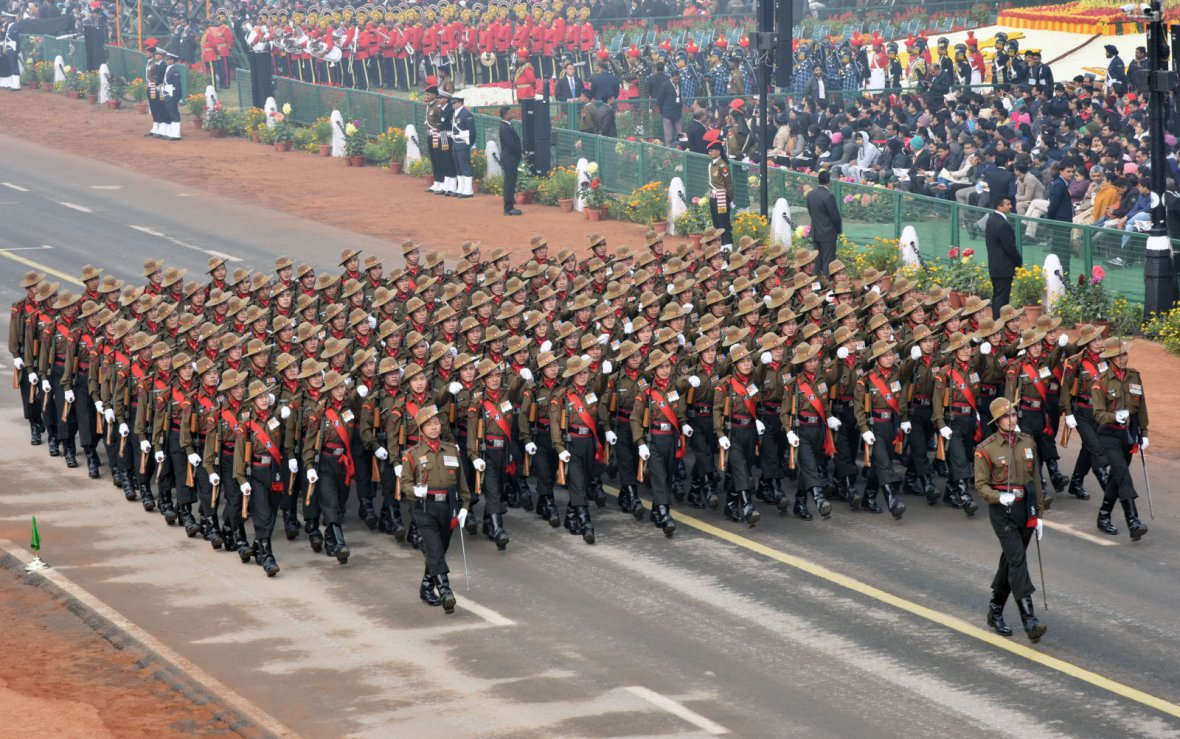
Septuagenarian of Special Frontier Force celebrates 69th Republic Day of India. Indian Army Band with ASEAN Nation Flag Bearer contingent marching in Republic Day Parade.

All serving and reserve personnel have actually “opted” for service. There is a provision for conscription (forced recruitment) in the constitution, but it has never been used.

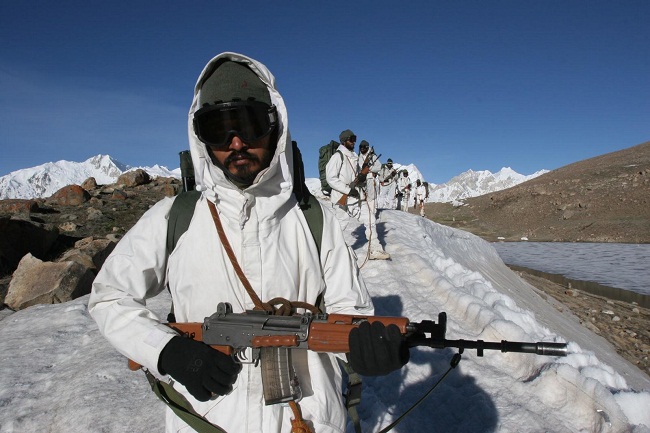
3. Indian soldiers are considered among the very best in high altitude and mountain warfare.

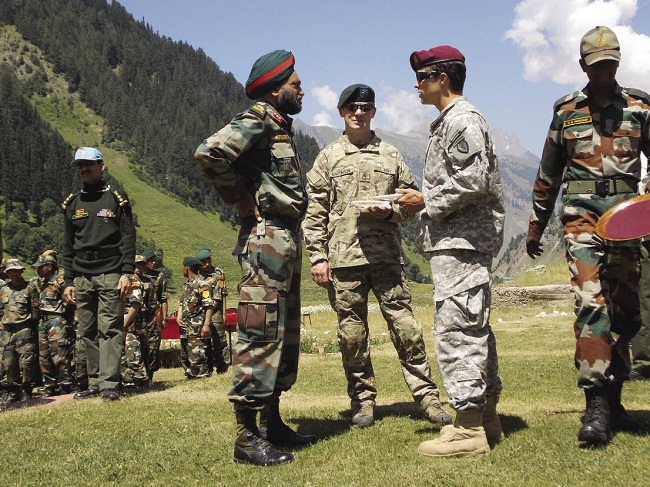
Special Frontier Force Defends Jammu and Kashmir. Indian Army, Siachen.

The Indian army’s High Altitude Warfare School (HAWS) is one of the most elite military training centers in the world and is frequented by Special Ops teams from the U.S, U.K & Russia. U.S Special Forces trained at HAWS before their deployment during the invasion of Afghanistan.

4. India covertly tested its nuclear arsenal in the early 1970s and late 1990s without the CIA even knowing what was happening.

Whole Dude – Whole Smile: Smiling Buddha at Giriraj Government Arts College, Nizamabad, India. Till date, it is considered to be one of the CIA’s biggest failures in espionage and detection.

Till date, it is considered to be one of the CIA’s biggest failures in espionage and detection.

5. Unlike other government organizations and institutions in India, there are no provisions for reservations based on caste or religion.

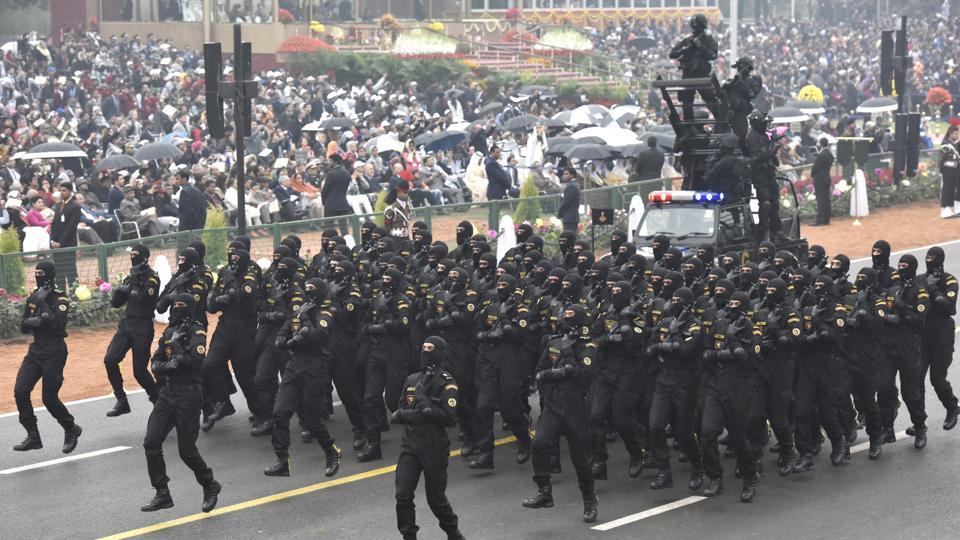
Septuagenarian of Special Frontier Force celebrates 69th Republic Day of India. National Security Guard(NSG) Commandos marching contingent passes through Rajpath.

Soldiers are recruited based on their overall merit and fitness based on stringent tests and trials. And once a citizen of India joins the forces, he/she becomes a soldier. Nothing else. Nothing more.

6. In the Battle of Longewala, on which the famous Bollywood movie “Border” is based, there were only two casualties on the Indian side.

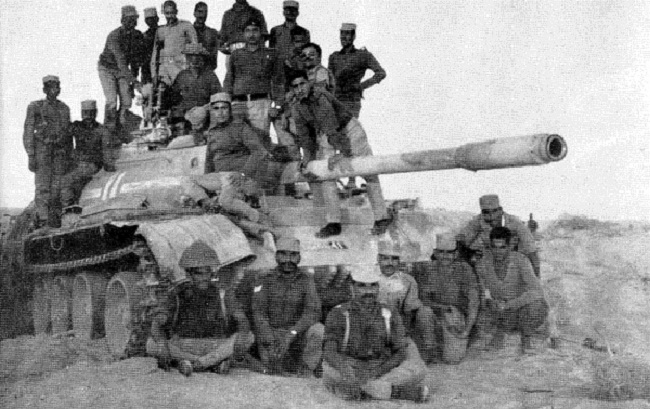
The Battle of Longewala was fought in December 1971 between India and Pakistan, in which just 120 Indian Soldiers with 1 jeep mounted M40 recoilless rifle held the fort against 2000 Pakistani soldiers backed by 45 tanks and 1 mobile infantry brigade. Despite being heavily out-numbered, the Indian soldiers held their ground throughout the night and with the help of the Air Force, were able to completely rout the aggressors.

Septuagenarian of Special Frontier Force celebrates 69th Republic Day of India. Ladakh Scouts Marching contingent passes through Rajpath.

7. Operation Rahat (2013) was one of the biggest civilian rescue operations ever carried out in the world.

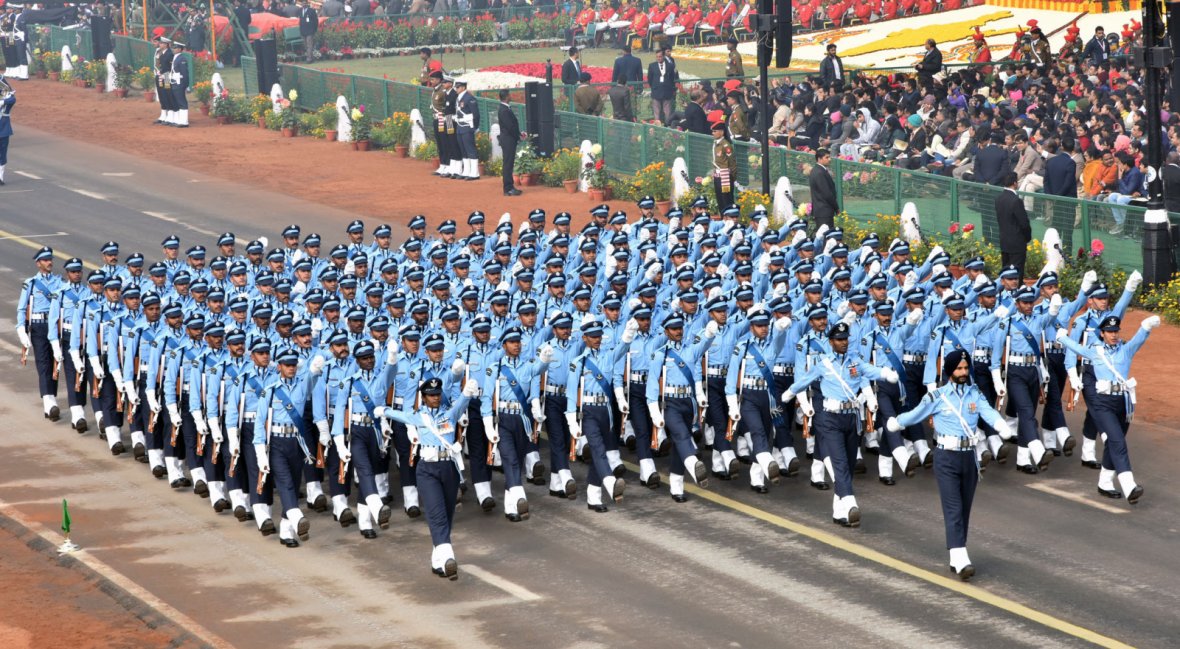
Septuagenarian of Special Frontier Force Celebrates 69th Republic Day of India. Indian Air Force marching contingent.

It was carried out by the Indian Air Force to evacuate civilians affected by the floods in Uttarakhand in 2013. It was the biggest civilian rescue operations in the world carried out by any Air Force using helicopters. During the first phase of the operation from 17 June 2013, the IAF airlifted a total of about 20,000 people; flying a total of 2,140 sorties and dropping a total of 3,82,400 kg of relief material and equipment.

8. The Ezhimala Naval Academy in Kerala is the largest of its kind in Asia.

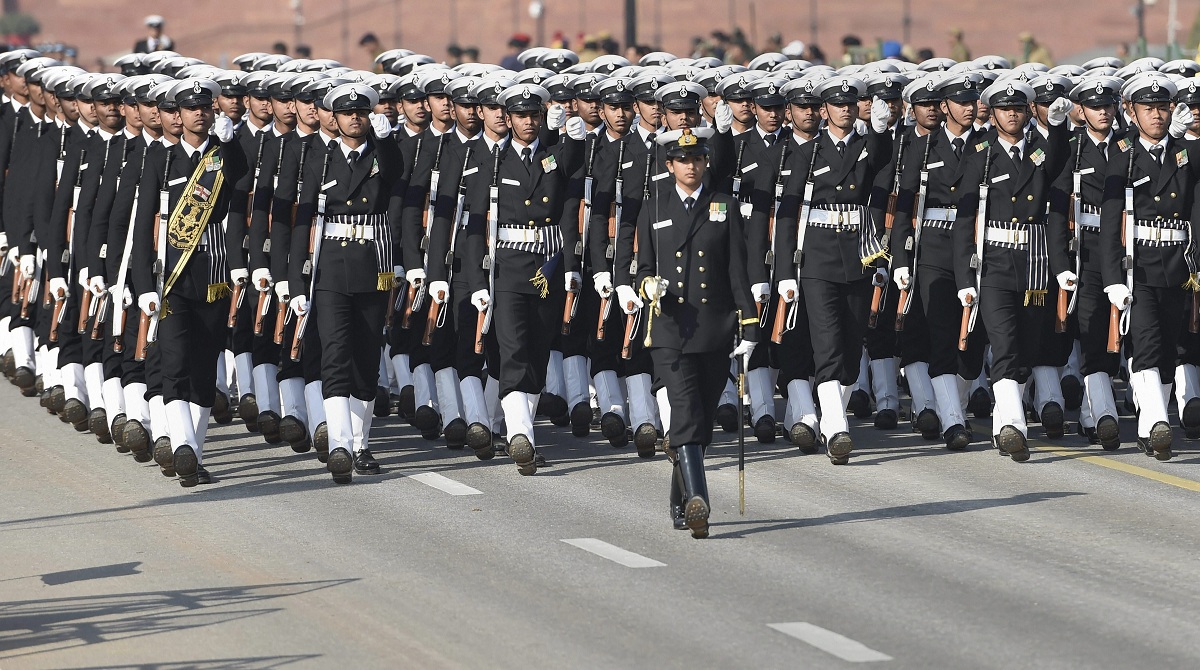
New Delhi: Marching contingent of the India Navy during the Republic Day parade rehearsal at Rajpath in Delhi on Sunday. (PTI Photo by Ravi Choudhary) (PTI1_21_2018_000064B)

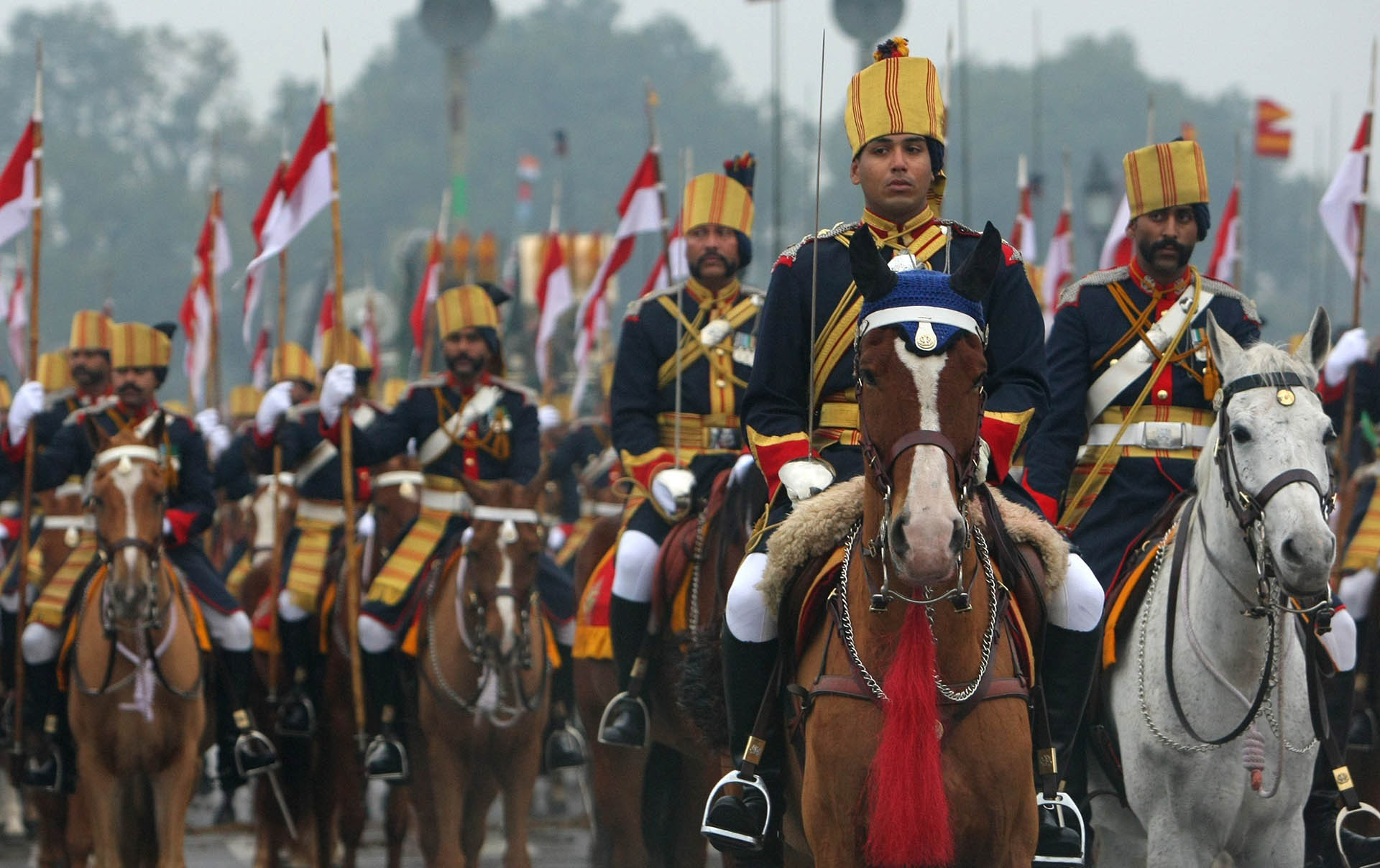
9. The Indian army has a horsed cavalry regiment. It is among one of the last 3 such regiments in the world.

Septuagenarian of Special Frontier Force celebrates 69th Republic Day of India. 61 Cavalry Regiment contingent passes through Rajpath.

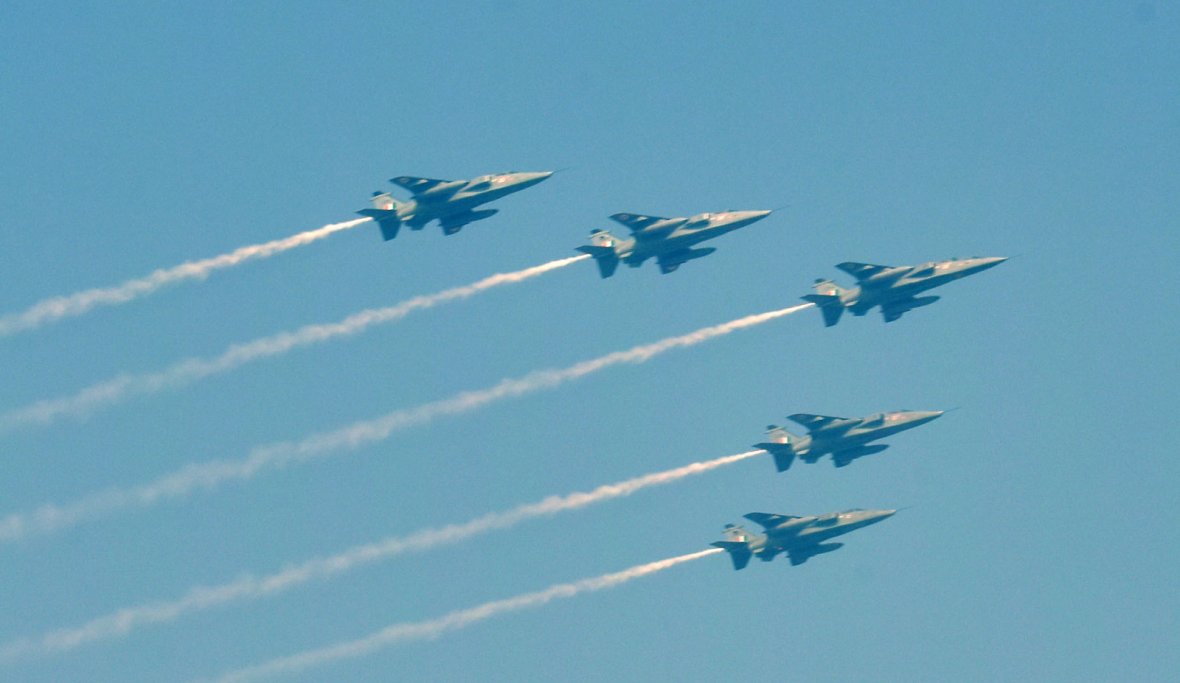
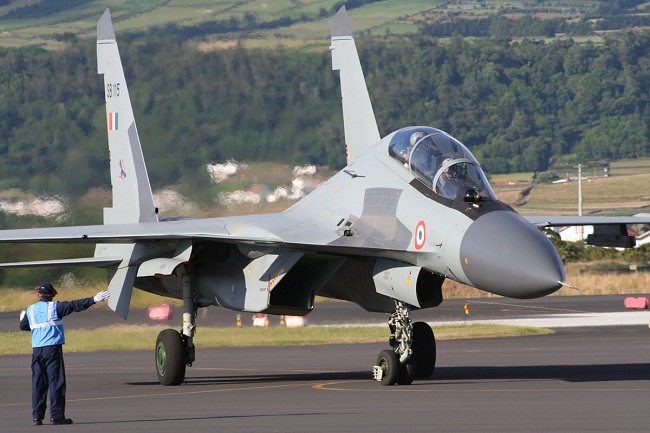
10. The Indian Air Force has an out-station base in Tajikistan and is seeking another in Afghanistan.

Septuagenarian of Special Frontier Force celebrates 69th Republic Day of India. Five Jaguar Fighter planes fly over Rajpath.

11. The Indian Army built the highest bridge in the world.

The Bailey Bridge is the highest bridge in the world. It is located in the Ladakh valley between Dras and Suru rivers in the Himalayan mountains. It was built by the Indian Army in August 1982.

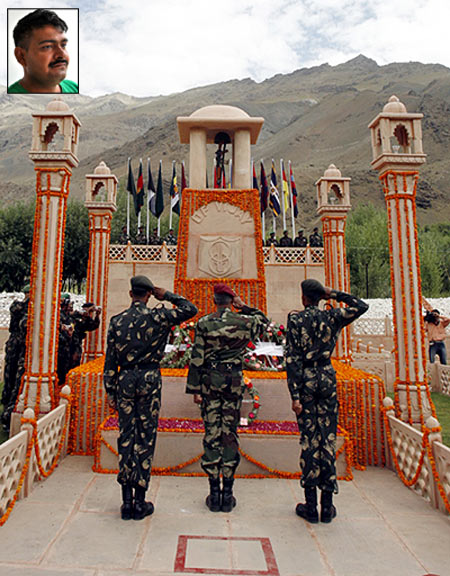
Saturday, July 26, 2025. Special Frontier Force commemorates the Victory in Kargil War of 1999. The 26th Anniversary of Kargil Vijay Diwas.

12. The Military Engineering Services (MES) is one of the biggest construction agencies in India.

Special Frontier Force – Lohit River: I was based at Dum Duma(Doom Dooma) Airfield during 1972-73.

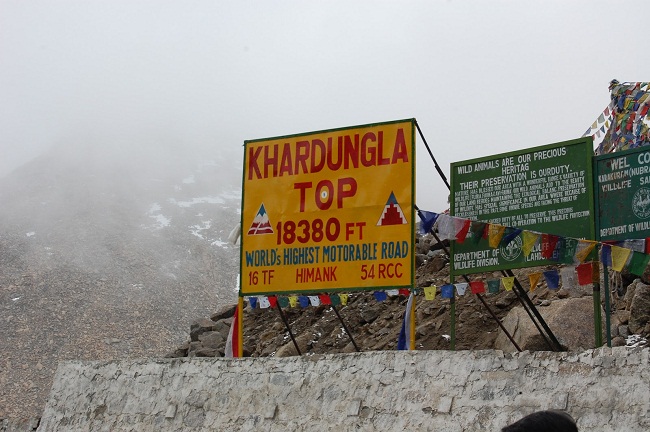
The MES and Border Roads Organisation (BRO) are together responsible for the construction and maintenance of some of the most awesome roads and bridges ever to have been built. To name a few, the Khardungla Pass (the highest motorable road in the world), the Magnetic Hill in Leh, etc.

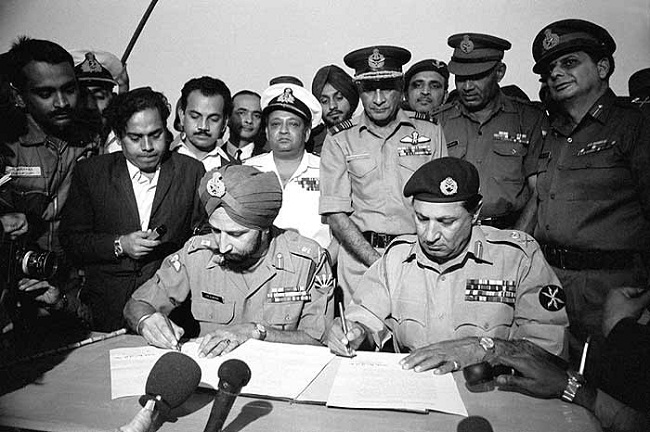
13. The Indo Pakistan War of 1971 came to end with the surrender of about 93,000 combatants and officials of the Pakistani Army.

16 December, Vijay Diwas. New Delhi: I pay tribute to fallen heroes of the 1971 Bangladesh Liberation War.

This is the largest number of POWs taken into custody since World War II. The war resulted in the creation of the independent state of Bangladesh.

I WISH TO ADD THE FOLLOWING AS AN HONORARIUM TO ALL OUR SOLDIERS (RECEIVED FROM A FRIEND)

On behalf of Special Frontier Force. Establishment 22, Vikas Regiment, I am very pleased to share this post on the Indian Armed Forces.

THE FINAL INTERVIEW WITH GOD.

MOST TOUCHING THE FINAL INSPECTION

The soldier stood and faced God,
which must always come to pass.
He hoped his shoes were shining,
Just as brightly as his brass.

‘Step forward now, you soldier,
How shall I deal with you?
Have you always turned the other cheek?
To My Church have you been true?’

The soldier squared his shoulders and said,
‘No, Lord, I guess I isn’t.
Because those of us who carry guns,
Can’t always be a saint.

I’ve had to work most Sundays,
And at times my talk was tough.
And sometimes I’ve been violent,
Because the world is awfully rough.

But, I never took a penny,
That wasn’t mine to keep…
Though I worked a lot of overtime,
When the bills got just too steep.

And I never passed a cry for help,
Though at times I shook with fear.
And sometimes, God, forgive me,
I’ve wept unmanly tears.

I know I don’t deserve a place,
Among the people here.
They never wanted me around,
Except to calm their fears.

If you’ve a place for me here, Lord,
It needn’t be so grand.
I never expected or had too much,
But if you don’t, I’ll understand.

There was a silence all around the throne,
Where the saints had often trod.
As the soldier waited quietly,
For the judgment of his God.

‘Step forward now, you soldier,
You’ve borne your burdens well.
Walk peacefully on Heaven’s streets,
You’ve done your time in Hell.’

Author Unknown~

Don’t Break This – Without Apology

Thinking of all the soldiers of the free world.

I’m not breaking this one. If I get it a 1000 times, I’ll forward it a 1000 times! Let us pray

A Prayer chain for our military… Don’t break it!
Send this on after a short prayer for our soldiers – Please Don’t break it!

GOD BLESS YOU FOR PASSING IT ON!

JAI HIND

TODAY IS THE OLDEST YOU’VE EVER BEEN,YET THE YOUNGEST YOU’LL EVER BE,SO ENJOY THIS DAY WHILE IT LASTS AND LIVE LIFE TO THE FULLEST WHILE YOU CAN……..

November 14, 1962. First Prime Minister of India shares his birth date with Special Frontier Force.

SPECIAL FRONTIER FORCE vs CHINA’S MILITARY MIGHT

SPECIAL FRONTIER FORCE vs CHINA’S MILITARY MIGHT:

Special Frontier Force vs China - Military Might: Mr. Harsh V Pant, Department of Defence Studies, King's College, London discussed the problem of increased defence spending by China.
Special Frontier Force vs China – Military Might: Mr. Harsh V Pant, Department of Defence Studies, King’s College, London discussed the problem of increased defence spending by China.

Special Frontier Force is a military organization founded by the United States, India, and Tibet to contain the military threat posed by Communist China’s military occupation of Tibet since 1950. Its military mission visualizes the eviction of the military occupier of Tibet through military action. In my opinion, China’s military power, military strategy and military tactics will not assure the inevitability of peace that is imposed by China by its occupation of Tibet. Peace and War are conditions that prevail in relationship with an external reality called Natural Order. Tibetan Resistance is the symptom of the absence of Natural Order. Tibetan Resistance will prevail and Resistance will endure if Natural Order is not restored in Tibet. It is true that China rules Tibet with an Iron Fist. Resistance will endure, and Resistance will prevail to break the knuckles of the military grip over Tibet. I am pleased to share this article written by Mr. Harsh V Pant, Department of Defence Studies, King College, London on the problem of China’s military spending.

https://twitter.com/wholedude

BRACE FOR CHINESE MILITARY MIGHT

By Harsh V Pant

Special Frontier Force vs China's Military Might: Mr. Harsh V Pant, Department of Defence Studies, King's College, London expressed his serious concern about China's growing military spending.
Special Frontier Force vs China’s Military Might: Mr. Harsh V Pant, Department of Defence Studies, King’s College, London expressed his serious concern about China’s growing military spending.

Published: 13th February 2014 06:00 AM

The author is a reader in international relations, department of defence studies, King’s College, London.

It is being estimated that China’s defence budget will reach a whopping US $148 billion in 2014, second only to the defence budget of the USA and leaving behind the combined defence budgets of western nations such as Germany, France and the United Kingdom.
China’s defence budget has risen each year for two decades and the trend shows no sign of abating. Thanks to rapidly rising defence expenditures by China and Russia, global defence spending is rising for the first time in five years. Across Asia-Pacific, there is an arms race brewing as nations try to secure their interests at a time of geopolitical transition. The region is likely to account for nearly 28 per cent of global defence spending by 2020.

Last year China had hiked its defence budget by 10.7 per cent to USD 115.7 billion, well above India’s defence spending of USD 37.4 billion. While its civilian leadership has tried to downplay the increase suggesting much of it will go to human resources development, infrastructure and training, it is the response of the Chinese military that should be a matter of concern. The military has been unambiguous in suggesting when it comes to military spending, there is no need for China “to care about what others may think”.

Divisions within China about the future course of the nation’s foreign policy are starker than ever before. It is now being suggested that much like young Japanese officers in the 1930s, young Chinese military officers are increasingly taking charge of strategy with the result that rapid military growth is shaping the nation’s broader foreign policy objectives.

Civil-military relations in China are under stress with the PLA asserting its pride more forcefully than even before and demanding respect from other states. Not surprisingly, China has been more aggressive in asserting its interests not only vis-à-vis India but also vis-à-vis the US, the EU, Japan and Southeast Asian states. There is a sense that China can now prevail in conflicts with its regional adversaries. Some voices have openly called for wars.

The Air Force Colonel, Dai Xu, has argued that in light of China’s disputes with Japan in the East China Sea and Vietnam and the Philippines in the South China Sea, a short, decisive war, like the 1962 border clash with India, would deliver long-term peace. This would be possible, as Washington would not risk war with China over these territorial spats, according to this assessment.

The increasing assertion by the Chinese military and changing balance of power in the nation’s civil-military relations is a real cause of concern for China’s neighbours. The pace of Chinese military modernisation has already taken the world by surprise and it is clear that the process is going faster than many had anticipated. China launched its first aircraft carrier last year as well as several versions of new fighter jets including a stealth fighter bracing to deal with big US military push into Asia-Pacific.

A growing economic power, China is now concentrating on the accretion of military might so as to secure and enhance its own strategic interests. China, which has the largest standing army in the world with more than 2.3 million members, continues to make the most dramatic improvements in its nuclear force among the five nuclear powers, and improvements in conventional military capabilities are even more impressive.
What has been causing concern in Asia and beyond is the opacity that seems to surround China’s military build-up, with an emerging consensus that Beijing’s real military spending is at least double the announced figure. Tensions are escalating between China and its neighbours. Japanese prime minister Shinzo Abe has suggested the two countries are “in a similar situation” to Germany and Britain just before the outbreak of World War One.

At this critical juncture in the regional strategic landscape, India’s own defence modernisation programme is faltering despite this being at a time when India is expected to spend $112 billion on capital defence acquisitions over the next five years in what is being described as “one of the largest procurement cycles in the world”. Indian military planners are shifting their focus away from Pakistan as China takes centre-stage in future strategic planning.

Over the past two decades, the military expenditure of India has been around 2.75 per cent but since India has been experiencing significantly higher rates of economic growth over the last decade compared to any other time in its history, the overall resources that it has been able to allocate to its defence needs has grown significantly. The armed forces for long have been asking for an allocation of 3% of the nation’s GDP to defence.

The Indian Parliament has also underlined the need to aim for the target of 3% of the GDP. Yet as a percentage of the GDP, the annual defence spending has declined to one of its lowest levels since 1962. And now with a slow-down in the Indian economy, the Indian prime minister has suggested that the golden age of defence modernisation is already over.

But defence expenditure alone will not solve all the problems plaguing Indian defence policy. More damagingly, for the last several years now the defence ministry has been unable to spend its budgetary allocation. The defence acquisition process remains mired in corruption and bureaucratese. India’s indigenous defence production industry has time and again made its inadequacy to meet the demands of the armed forces apparent. The Indian armed forces keep waiting for arms while the finance ministry is left with unspent budget year after year. Most large procurement programmes get delayed resulting in cost escalation and technological or strategic obsolescence of the budgeted items. The present defence minister has been one of the most ineffective leaders of India’s defence establishment.

The Indian government is yet to demonstrate the political will to tackle the defence policy paralysis that is rendering all the claims of India’s rise as a military power increasingly hollow. The capability differential between China and India is rising at an alarming rate. Without a radical overhaul of the national security apparatus, Indian defence planners will not be able to manage China’s rise.

An effective defence policy is not merely about deterring China. But if not tackled urgently, India will lose the confidence to conduct its foreign policy unhindered from external and internal security challenges.

IN GOD WE TRUST – BHAVANAJAGAT – 2013 IN REVIEW

The WordPress.com stats helper monkeys prepared a 2013 annual report for this blog.

BhavanaJagat is inspired by Goddess Sarasvati who personifies Pure Knowledge and Perfect Wisdom.

Here’s an excerpt:

The Louvre Museum has 8.5 million visitors per year. This blog was viewed about 160,000 times in 2013. If it were an exhibit at the Louvre Museum, it would take about 7 days for that many people to see it. My blog post titled “What is Life – Life is Knowledge in Action” has attracted the most number of views.

http://BhavanaJagat.com/2010/08/05/What-is-Life-Life-is-Knowledge-in-Action/

Click here to see the complete report.

https://twitter.com/wholedude

Whole Victory – Kashmir War

WholeDude - Whole Victory - Kashmir: Indian Armed Forces perform duties with commendable devotion and dedication to defend Indian Union from attacks by its enemies.
WholeDude – Whole Victory – Kashmir: Indian Armed Forces perform duties with commendable devotion and dedication to defend Indian Union from attacks by its enemies.

VICTORY IN THE VALLEY

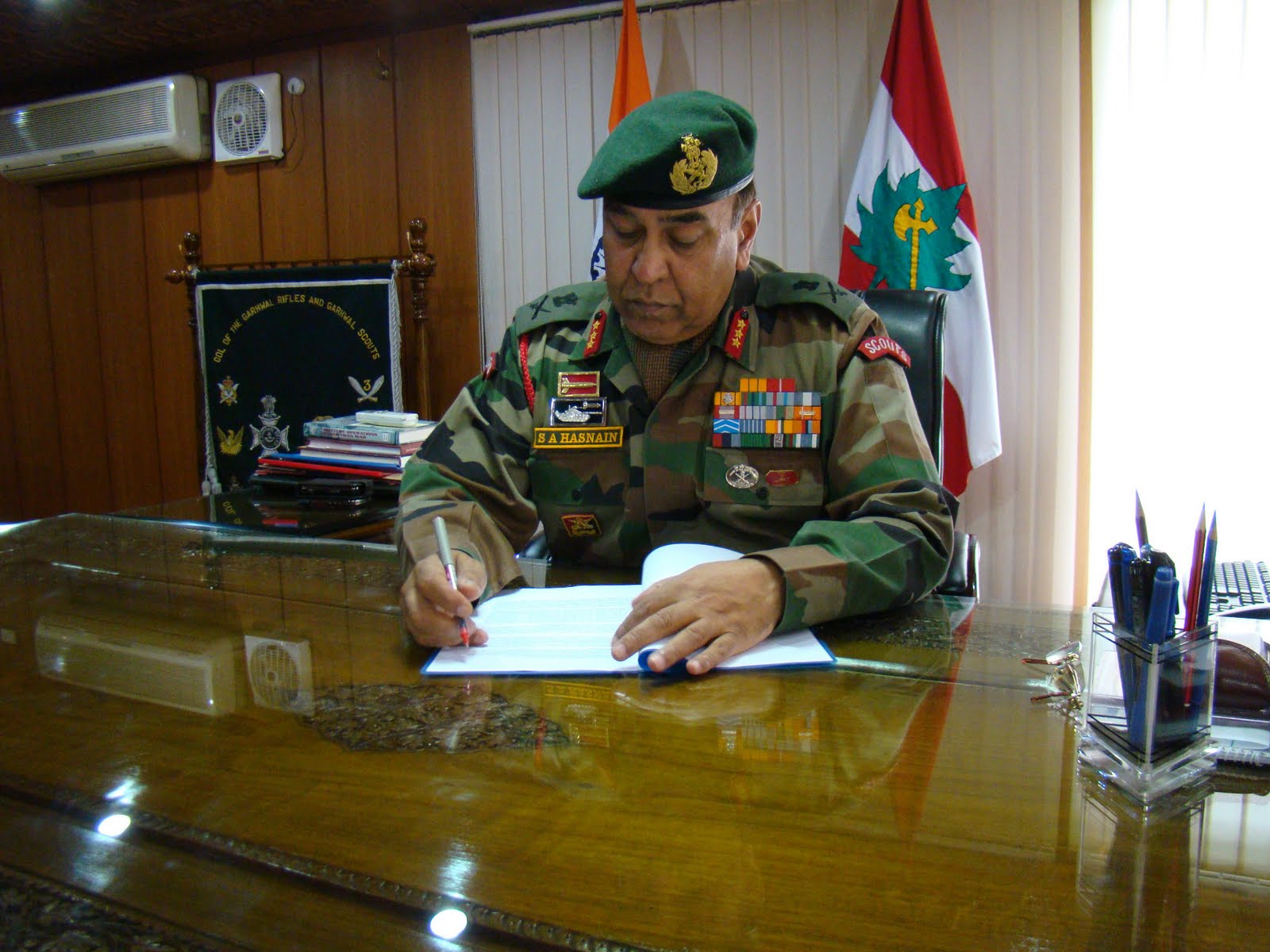
WholeDude - WholeVictory - Kashmir: Lieutenant General Syed Hasnain shares his vision about the role of Indian Armed Forces in Kashmir and predicts a Victory in all its aspects.
WholeDude – WholeVictory – Kashmir: Lieutenant General Syed Hasnain shares his vision about the role of Indian Armed Forces in Kashmir and predicts a Victory in all its aspects.

Lt Gen Syed Ata Hasnain
Indian Express, Wed Dec 11 2013

Define what it means before you decide what the army should do.
For the first time in years, a newspaper’s leadership has thrown up a serious strategic issue for debate. Kashmir is far too complex for inexperienced minds to fully comprehend and there are so many stakeholders it confounds even those who have a semblance of an idea. In a recent article in this paper (‘Disarming Kashmir’, Indian Express, December 7,), Editor-in-Chief Shekhar Gupta talks about victory in the 24-year standoff and the necessity of an early withdrawal of the army from Kashmir’s hinterland. We must first highlight what Gupta is seeking through this thought-provoking article. He says the army has become weary and therefore less professional, having lost soldiers in tactical operations this year. He wants the army to strengthen the LoC and de-escalate in the Valley, because Kashmiris, he says, must get a part of the “peace” dividend. He takes a dig, saying that some respected general with five tenures in the Valley had told him that, having defeated the Lashkar, the army has only been building golf courses and guest houses for the last five years. He adds that if any of these bad boys show their faces in Kashmir again, the army can come back to sort them out. He claims that the military objective in Kashmir (if any was spelt out) has been achieved and, that the UPA government has veritably introduced a concept of governance — veto power (on strategic decisions) for the army. One of the most important points Gupta makes is, “you cannot find a Kashmir settlement with Pakistan before embracing your own Kashmiris and restoring trust with them first”.
On the face of it, this article evokes negatives all the way but re-reads throw up issues which need serious pondering. Unfortunately, not many are aware of the degree of intellectual analysis that the army itself has done of its role in Kashmir. It recently organised a full deliberation on the concept of victory at the Army War College, Mhow.

The first question is: have we ever enunciated an aim in Kashmir? In all these years, there never has been a clearly stated political aim given to the security forces. The informally stated military aim was stabilisation by controlling infiltration and eliminating terrorists. No one realises that in such situations, political and military aims cannot be separated. In 2011, we enunciated our own joint politico-military aim for our commanders — “integrate Jammu and Kashmir with mainstream India, politically, economically, socially and psychologically”. We were clear that eliminating terrorists was the easiest part of this war, that eliminating “terrorism” was the real challenge. I wish Gupta had faulted the army for not demanding the articulation of a politico-military aim as fighting without an aim is actually unfair. The lack of such an aim results in exactly what Gupta has done — declaring victory prematurely. Victory has to be measured against an aim, or else all kinds of versions are thrown around. We also have to measure victory against a realistic assessment of the future. Afghanistan 2014 with all its imponderables looms before us; any idea of victorious peace and subsequent actions has to be connected to it. Incidentally, I am speaking of victory as not against the people of Kashmir but for them, and against the intent of Pakistan, the separatists and terror groups.

It is essential to explain a few things to those with limited military orientation. First, Kashmir is a case of rim-land insurgency. It is not the LoC alone that needs to be strong. In the event of conventional war with Pakistan, the hinterland of Kashmir is as important as the LoC. It is here that the strategic assets exist, along with strategic arteries, which can be choked in war. Remember, in each Indo-Pak war, Pakistan has depended on the Kashmiri people to rise against us. Second, the larger number of incidents, and the loss of brave soldiers, this year should make us re-evaluate the actual military situation in the Valley. Ironically, this is least important in assessing victory. In counter-insurgency/ counter-terrorism campaigns, the answer finally lies in what the people think. Third, in all these years, no serious attempt was made to project to the Kashmiri people how and why their future lay only with India. The only agency that did this was the army. No government agency has ever put together a psychological campaign to win the confidence of the people. The army did it because it is a part of its professional responsibility and all international military counter-insurgency experience talks of winning hearts and minds (WHAM). The “hearts doctrine” articulated by the army in 2011-12 was the first strategically oriented WHAM programme in Kashmir. Separatism and radicalism run hand in hand in the Valley and it will take years of committed campaigning before these are diluted — the on and off presence of terror groups doesn’t help. Who has the capability to strategize, plan and stay committed to such a campaign but the army? To presume that the army has done its job and should hand over the responsibility to civilian agencies is absolutely correct, provided there are agencies who can take it forward to “peace”. If there is none, why rue the army’s insistence that its work must not be undone? Twenty-four years of institutional wisdom need not be sacrificed in the urgency for declaring a premature victory.

A few other observations by Gupta are designed to provoke non-intellectual minds, but they deserve a brief comment. The number of soldiers lost in negative incidents in a year is never reflective of the capability of an army fighting terrorism. Moreover, the deployment of the regular army in the hinterland is at its minimum today. The army’s Rashtriya Rifles (RR) operates in the hinterland and its soldiers never get exhausted because it has a well-thought-out relief programme. Tactical minds within the RR also rue their presence among the populace, to neutralise just a handful of terrorists each year. This really is the problem — a misunderstanding that the RR’s task is to kill terrorists alone, and not recognising that the task of a counter-insurgency force is to cement the separatist population with the mainstream. There is something else that our countrymen need to know about the RR: the professional and experienced military force is our add-on resource for conventional operations, especially now that 110 wings of Pakistan’s Frontier Corps (the country’s virtual RR) have received operational experience and modern weaponry to make them force multipliers. That is a major reason the RR cannot be disbanded or re-deployed for counter-insurgency tasks in Naxal-affected areas.

To claim victory over terror groups is premature also because the number of surrendered terrorists in the Valley (all with different shades of antipathy to the establishment) is higher than the number of terrorists in holding camps and launch pads in PoK. None of the promises (by the state government or the police) to these surrendered terrorists has been fulfilled, creating a potential resource for home terror.

Gupta’s most potent statement is, “Because its (the government’s) politics is frozen, it has introduced an unprecedented new factor in Indian policymaking: a veto for the army”. Seeking and giving professional military advice is a part of governance and on Siachen, Kashmir or Manipur, the army has offered just that. If you go by this accusation, every proposal by the army should have been accepted. In the case of Siachen, it is the trust deficit that prevents the vacation of the Saltoro Ridge; on the Armed Forces (Jammu and Kashmir) Special Powers Act, 1990, the government almost relented but the only organisation that offered a rationale for its retention was the army. Its arguments went well beyond the ordinary, explaining just how it was balancing hard and soft power in the emerging situation and just how the AFSPA was only an umbrella to be used in an emergency. The army likes a cemented victory and celebration for the people, not a half-baked one which gives adversaries reason for glee.

The general with five tenures in Kashmir who says the army is out of a job needs to revisit Kashmir. Not a single new golf course has come up and yes, guest rooms are indeed necessary to ensure that more armchair strategists visit Kashmir to be briefed at Keran, Machel, Gurez, Uri, Sopore, Tral and Shopian, before passing judgement on their professional army. Don’t just visit Srinagar, Gulmarg and Pahalgam to make up your mind because the advice you will then proffer will never meet the professional needs of our army or that of our nation. Learn to trust your army — it is your army.

The writer Syed Ata Hasnain is a recently retired Lt. General, is a former general officer commanding of the Srinagar-based 15 Corps.

Whole Victory – Kashmir War

SPIRITUALITY SCIENCE – WHOLEMONAD

WHOLEDUDE – WHOLEDESIGNER – WHOLE MONAD:

The word ‘monad’ means a unit, something simple and indivisible, and refers to unity. In Biology, monad refers to any simple, single-celled organism specifically a simple type of flagellated protozoa or protist. In Chemistry, monad refers to a monovalent atom, element, or radical. In Philosophy, monad is an entity or elementary being thought of as a microcosm or ultimate unit. Monadism is the theory that the universe consists of monads.

WholeDude - WholeDesigner - Whole Monad: In Biology, the term monad refers to any simple, single-celled organism such as protozoa like Amoeba proteus. This monad is conscious, and performs intelligent actions. In its structure and function, the harmony is achieved by the vital, animating principle called Spirit or Soul.
WholeDude – WholeDesigner – Whole Monad: In Biology, the term monad refers to any simple, single-celled organism such as protozoa like Amoeba proteus. This monad is conscious, and performs intelligent actions. In its structure and function, the harmony is achieved by the vital, animating principle called Spirit or Soul.

MONADOLOGY – THE METAPHYSICAL DOCTRINE OF LEIBNIZ:

WholeDude - WholeDesigner - Whole Monad: Gottfried Wilhelm von Leibniz(1646-1716), German philosopher and mathematician. His theory of monads is shared in his work  'Monadology'(1714).
WholeDude – WholeDesigner – Whole Monad: Gottfried Wilhelm von Leibniz(1646-1716), German philosopher and mathematician. His theory of monads is shared in his work ‘Monadology'(1714). According to Leibniz, the world is composed of atoms of energy that are psychic.

Leibniz is associated with the philosophical theory called ‘Panpsychism'( from Greek – pan – all and psyche – soul) which asserts that a plurality of separate and distinct psychic beings or minds constitute reality. Panpsychism is distinguished from ‘Pantheism'(everything is God). According to Leibniz, the world is composed of atoms of energy that are psychic.  These basic elements or atoms are named monads. These monads have different levels of consciousness; in inorganic reality they are sleeping, in animals they are dreaming, in man they are waking. Further, Leibniz asserts that God is the fully conscious monad. In the metaphysics of Leibniz, the basic constituent element of physical reality is an indivisible, impenetrable unit of substance. He allows just one type of element in the build of the universe. The unique element has been given the general name of monad. He describes a basic order of three things; 1. created monads, 2. souls with perception and memory, and 3. spirits or rational souls. The degree of perfection in each case corresponds to their psychic abilities. Leibniz tried to reason that everything exists according to a reason and everything which exists has a sufficient reason to exist. He tried to solve the problem of mind-body dualism introduced by Rene Descartes. Leibniz speaks of pre-established harmony that can solve the mind-body problem. Descartes thinks that the ‘soul’ is distinct from the physical body and its nature is to ‘think’. Leibniz opposed John Locke’s theory that the mind is a “tabula rasa”(blank tablet) at birth and humans learn only through the senses. John Locke defined consciousness as a psychological condition. It is described as the perception of what passes in a man’s mind. Consciousness is viewed as a form of relationship or act of the mind towards objects in nature. Leibniz is regarded as a universal genius and is regarded as a founder of modern science. He anticipated the development of symbolic logic and, independently of Newton invented the Calculus with a superior notation. He attempted to build an institutional framework for the Sciences in central Europe and Russia. At his urging the Brandenburg Society(The Berlin-Brandenburg Academy of Sciences and Humanities) was founded in 1700. The purpose of the Academy is that of bringing unity between Natural Sciences and Humanities.

MIND vs BODY – THE UNITY OF SCIENCE AND HUMANITIES:

WholeDude - WholeDesigner - Whole Monad: The Berlin-Brandenburg Academy of Sciences and Humanities founded by Gottfried Wilhelm von Leibniz in 1700. We have yet to establish and describe the reality using words to which a definite meaning is attached.
WholeDude – WholeDesigner – Whole Monad: The Berlin-Brandenburg Academy of Sciences and Humanities founded by Gottfried Wilhelm von Leibniz in 1700. We have yet to establish and describe the reality using words to which a definite meaning is attached.

Due to a lack of unity between Natural Sciences and Humanities, we are not able to describe the reality of man, and have failed to describe the reality of this universe using words to which a definite meaning is attached. The universe is build using units such as Matter, Energy, Space, and Time. Man is composed of atoms, and chemical elements like any other form of physical matter. The difference is that of the nature of existence. The physical, non-living matter requires no supply of energy from an external source to maintain its physical existence. The living things that include all “monads” apart from man need continuous supply of energy from the external environment to sustain existence. The atoms and chemical elements of man do have mass and energy and yet that energy is not available for maintaining the living condition.

WholeDude - WholeDesigner - Whole Monad: I would like to describe the fertilized Egg Cell or Human Ovum called Zygote as a "Whole Monad." The entire human organism including the mind, and body is derived by the multiplication of this Single Cell, Single Unit, or Single Element. It is 'Whole' for it has Spirit or Soul that establishes the structural and functional harmony between the cells, tissues, and organ systems of the human being.
WholeDude – WholeDesigner – Whole Monad: I would like to describe the fertilized Egg Cell or Human Ovum called Zygote as a “Whole Monad.” The entire human organism including the mind, and body is derived by the multiplication of this Single Cell, Single Unit, or Single Element. It is ‘Whole’ for it has Spirit or Soul that establishes the structural and functional harmony between the cells, tissues, and organ systems of the human being.

The term ‘Soul’ and ‘Spirit’ is often associated with attributes such as intelligence, consciousness, and mental activity such as thinking and discernment. The term ‘intelligence’ should not be limited to the cognitive and discerning abilities of mind or brain. If the term intellect refers to the ability to perform intelligent actions, we may have to consider that all living functions have the characteristics of intelligent actions as compared to mechanical or transitive actions that could be performed by non-living physical matter. I would like to define the word ‘intellect’ as the intuitive ability with which each individual living cell performs very complex, sequential, guided, purposeful, and selective functions to maintain its own living condition. Knowledge is implanted in the substance called living matter to give it the ability to perform intelligent functions. What Leibniz has not recognized is the ‘dynamic’ nature of this basic substance or element that he has named as monad. This substance maintains its constant, unchanging nature while undergoing a change during its entire period of existence. Life is a dynamic process that involves the repair or replacement of its constituent organic molecules and taking immanent action that is called growth and development. This dynamic process is influenced by the operation of Time and manifests itself using the dimension called Space. For this reason, I would like to describe the Creator, the LORD God as a WholeArtist, WholeArchitect, WholePlanner, and a WholeDesigner who uses the building blocks of Matter, Energy, Space, and Time in a creative manner to establish the experience of reality.

https://twitter.com/wholedude

Related articles

IN GOD WE TRUST – WHOLE PHENOMENON

WHOLEDUDE – WHOLEDESIGNER – WHOLE PHENOMENON:

WholeDude - WholeDesigner - Whole Phenomenon: Northern Lights are described as a natural phenomenon. What is Phenomenon? Can we know Reality through Human Experience?
WholeDude – WholeDesigner – Whole Phenomenon: Northern Lights are described as a natural phenomenon. What is Phenomenon? Can we know Reality through Human Experience?

The word “Phenomenon” is described as any event, circumstance, or experience that is apparent to the senses and that can be scientifically described or apprised. Phenomenology is described as a study of perceptual experience. Edmund Gustav Albrecht Husserl(1859-1938), German philosopher and mathematician is the founder of Phenomenology. He offered a descriptive study of consciousness for the purpose of discovering the laws by which experiences of the objective world or of pure imagination can occur. It is my impression that all human experiences of the objective world and of human imagination can occur only under the influence of the Power/Force/Energy called Illusion which is popularly described as “MAYA” in Indian Sanskrit language. To facilitate man’s powers of sensory and intuitive perception, it demands the operation of a mechanism called ‘Illusion’. Man has no choice other than that of gaining perceptual experience under the influence of Mercy, Grace, and Compassion that establishes, supports, and sustains human existence. In this context of the fundamental basis for human existence, the term “Whole Phenomenon” can be stated as any event, circumstance, or experience that can be known by human senses, or the mental faculty called intuition under the influence of Illusion.

THE PHILOSOPHY OF CONSCIOUSNESS:

WholeDude - WholeDesigner - Whole Phenomenon: "Pure Phenomenology claims to be the science of pure phenomena. This concept of the phenomenon, which was developed under various names as early as the eighteenth century without being clarified is what we shall have to deal with first of all." - Edmund Husserl, the Founder of Phenomenology.
WholeDude – WholeDesigner – Whole Phenomenon: “Pure Phenomenology claims to be the science of pure phenomena. This concept of the phenomenon, which was developed under various names as early as the eighteenth century without being clarified is what we shall have to deal with first of all.” – Edmund Husserl, the Founder of Phenomenology.

I share the same concern that was expressed by Edmund Husserl, the Founder of Phenomenology. We need to clarify the term phenomenon and it will become apparent that there can never be a Science of Pure Phenomena as the Subjective and Objective reality of man’s physical existence on planet Earth’s surface depends upon the experience of Illusion. Husserl shared the maxim of the “Philosophy of Consciousness” which states, “All consciousness is consciousness of something.” His chief works were ‘Logical Investigations'(1900-1901), ‘Ideas for a Pure Phenomenology'(1907), ‘Cartesian Meditations(1931), and ‘Experience and Judgment'(1939). Husserl offered a descriptive study of consciousness, he gave a description of the consciousness of time, he discussed a person’s experience of other minds and humans’ lived relationship with the world. He concluded that consciousness has no life apart from the objects it considers. But, in his later works he denied the existence of objects outside of consciousness. Husserl developed a philosophical method devoid of presuppositions by focusing purely on phenomena and elucidating their meaning through intuition. He held that experience is the source of all knowledge. His method of ‘phenomenological reduction’ excludes anything that cannot be perceived, and thus is not immediately given to the consciousness. Husserl’s method involves the study of phenomena, or appearances of human experience while attempting to suspend all consideration of their objective reality or subjective association. He wanted to avoid all philosophical, and scientific presuppositions. He wanted to discover the essential structures and relationships of the phenomena as well as the acts of consciousness in which the phenomena appeared. In his later work, he had suspended or excluded all beliefs about the external existence of the objects of consciousness. In his opinion, this suspension of all references to the reality of the thing experienced left the person with nothing but the experience itself. Husserl divided this experience into the “noesis”(act of consciousness) and the “noema”(object of consciousness). In my view, Husserl had missed to state his understanding of the ‘Seat of Consciousness’. If consciousness is about the experience of something, that experience demands the existence of some material substance, or a Seat of Consciousness. I can mentally imagine the existence of immaterial things, and yet the experience of immaterial objects or things by acts of intuition need a seat of consciousness.

THE METHOD OF PHENOMENOLOGICAL REDUCTION:

WholeDude - WholeDesigner - Whole Phenomenon: The natural phenomenon called Earth's Rotation is never experienced by the consciousness of man. The reality of Earth's motions, the Angular Speed, the Linear Velocity is not experienced at all. Man simply exists because of this exclusion or suspension of consciousness.
WholeDude – WholeDesigner – Whole Phenomenon: The natural phenomenon called Earth’s Rotation is never experienced by the consciousness of man. The reality of Earth’s motions, the Angular Speed, the Linear Velocity is not experienced at all. Man simply exists because of this exclusion or suspension of consciousness.

Husserl proposed the methodological suspension of all judgments about the character and even about the existence of the objects of consciousness in order to describe experience from inside. He was concerned about what it meant for something to appear, or to be a phenomenon. He found it necessary to suspend judgment about the given reality of things, to “bracket” the data or consciousness, in order to describe them. He had used this method to examine imaginary objects just like other physical objects. He concluded that consciousness is dependent on the object it considers. He had observed, “If all consciousness is subject to essential laws in a manner similar to that in which spatial reality is subject to mathematical laws, then these essential laws will be of most fertile significance in investigating facts of the conscious life of human and brute animals.” While I am not opposed to his phenomenological method, I want to observe that the ‘WholeDesigner’ has already imposed a suspension, or exclusion upon man’s cognitive abilities. Man can only perceive the reality of this physical world as a product of Illusion and will never have consciousness of the fact of its speed of rotational spin.

https://twitter.com/wholedude

Related articles