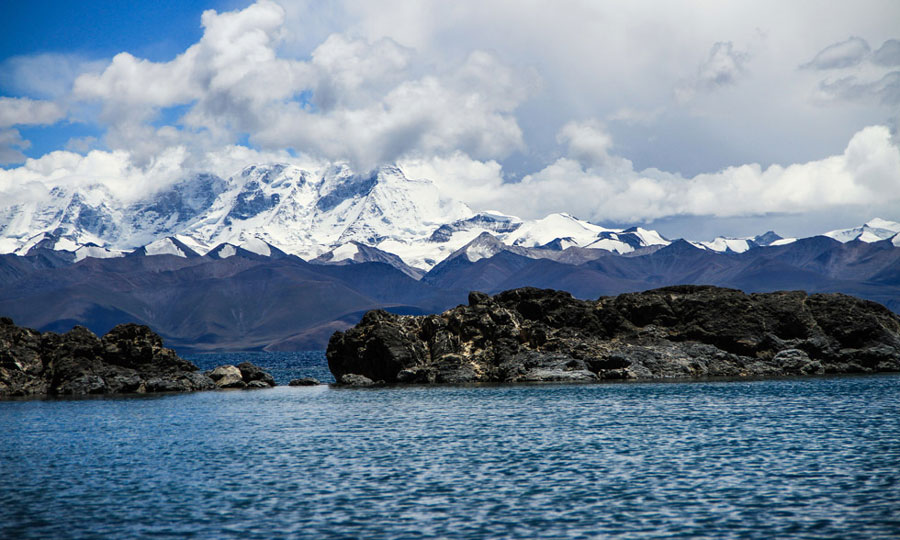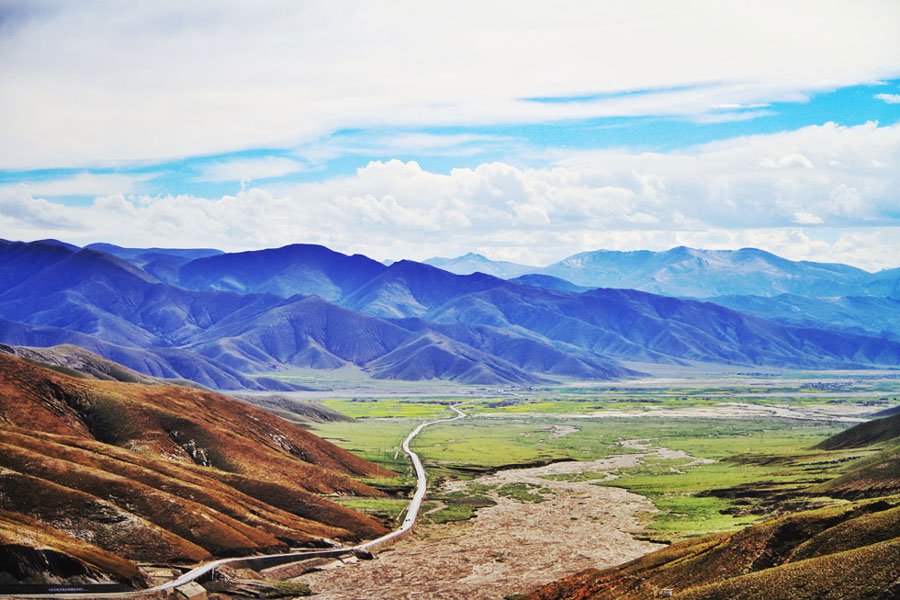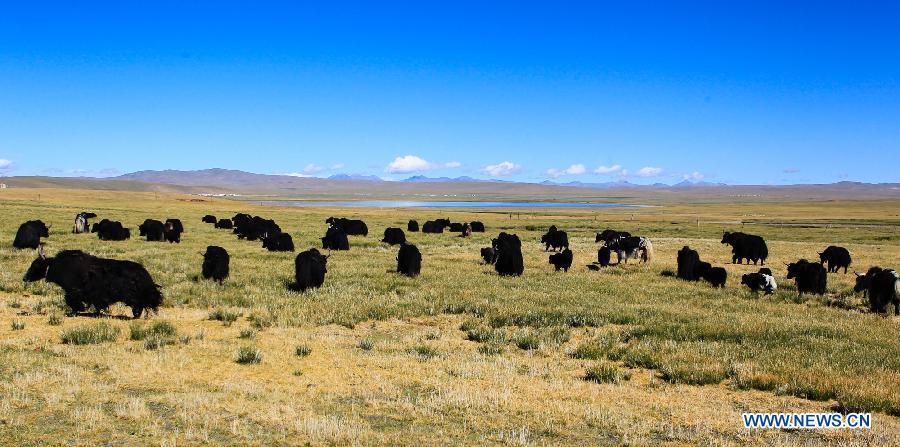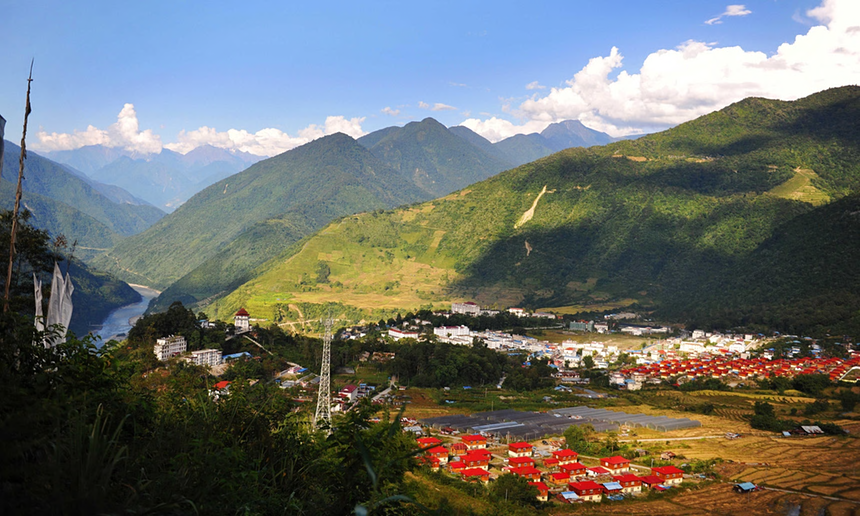
Whole Tyrant – Red China Micromanages Tibet

Tibet Awareness – Red China Micromanages Tibet

TIBET AWARENESS - RED CHINA - NEOCOLONIALIST - MICROMANAGES TIBET. TIBET WILL SURVIVE. TIBET WILL ENDURE. TIBET WILL REEMERGE.
TIBET AWARENESS – RED CHINA – NEOCOLONIALIST – MICROMANAGES TIBET. TIBET WILL SURVIVE. TIBET WILL ENDURE. TIBET WILL REEMERGE FROM THE SHADOWS OF OCCUPATION.

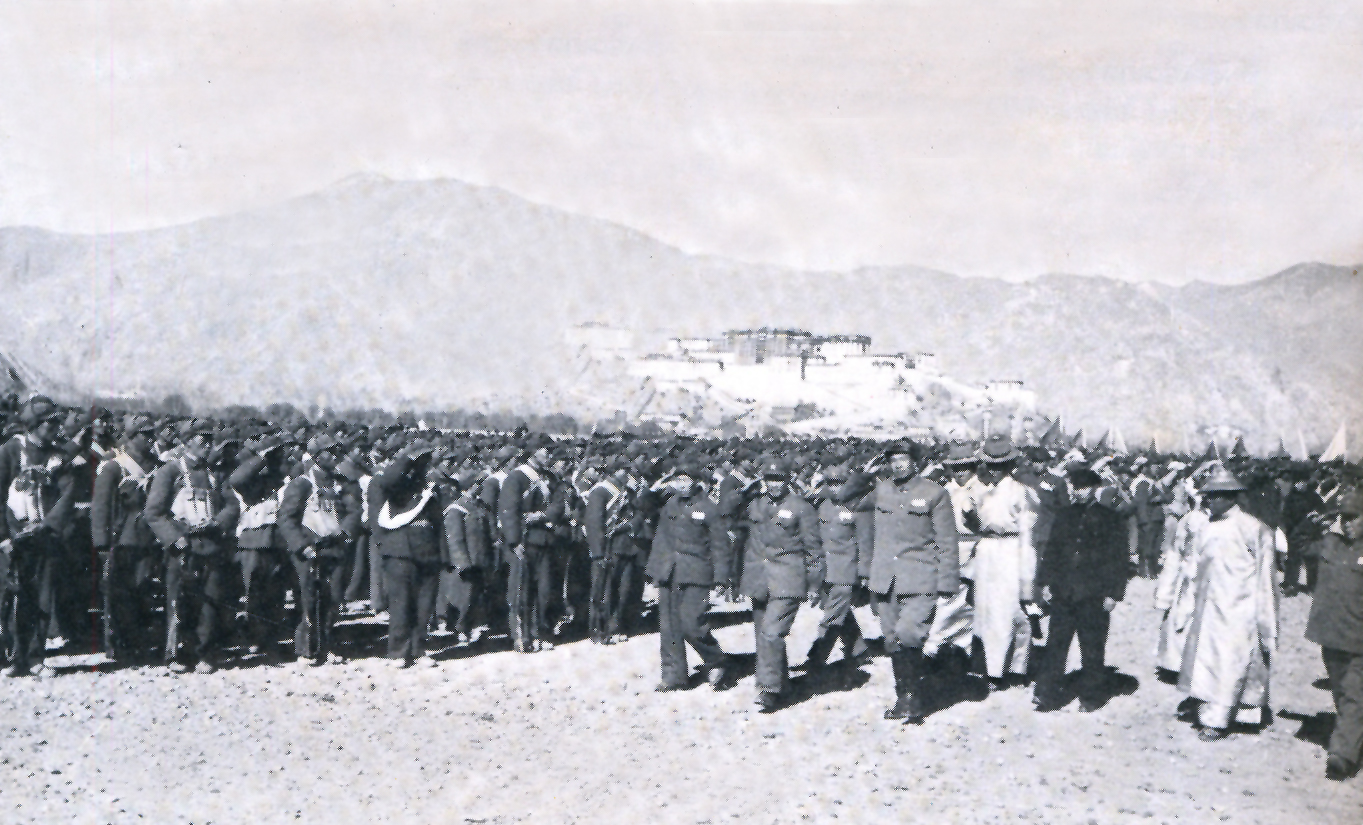
Red China after invading Tibet in 1950, systematically consolidated its occupation controlling every aspect of Tibetan life, economy, and governance. I predict Beijing’s sudden downfall due to a catastrophic event in her own territory. Tibet will survive. Tibet will endure. Tibet will reemerge from dark shadows of occupation.

China micromanages Tibet, floods it with money to woo locals

By Aritz Parra, Associated Press | Posted Sep 30th, 2015 @ 2:31am

LHASA, China (AP) — Ji Yunpeng misses hot-pot dinners with his wife and daughter back in Beijing and fights insomnia caused by the high altitude in the Tibetan capital by playing computer games, and, occasionally, studying Tibetan Buddhism.

“It’s just out of pure intellectual curiosity,” he said, aware that genuine religious interest would be a breach of discipline in China’s nominally atheist Communist Party.

Ji is in Lhasa on a three-year loan from the Beijing municipal government to oversee the school curriculum in Tibetan classrooms. In return, he gets a double salary and a shortcut up the party ladder. Nearly 6,500 civil servants like him have been dispatched to manage hefty budgets and shape Tibet’s modernization.

They are the human face of top-down development that has poured more than $100 billion dollars into the region since 1952. Critics say that Beijing’s obsession with social stability also has led to widespread human right abuses. But as incomes finally begin to increase across the Tibetan countryside, Chinese authorities are hopeful they can dispel international criticism over their rule in Tibet while winning the hearts of Tibetans and pulling some of their loyalty away from the exiled Dalai Lama.

“The strategy for Tibet is now shifting from the overall kind of repression that we have seen in the past to actually moving toward luring sections of the community and trying to work with those who cooperate with the authorities,” Tibet researcher Tsering Shakya said in an interview from University of British Columbia in Vancouver.

For most Tibetans in exile, the region has been unlawfully occupied by China since it was overrun by the People’s Liberation Army in 1951, and no material gains justify Beijing’s repression. But even skeptics like Shakya acknowledge that “without its intervention, the disparities between the development in Tibet and in China would be even greater.”

In a sign of new confidence, authorities this month invited a handful of foreign media organizations, including The Associated Press, on a tightly scripted visit to showcase Tibet’s development, timed to the 50th anniversary of the creation of the Tibet Autonomous Region.

STRINGS-ATTACHED DEVELOPMENT

Ji oversees the $40 million dollar Lhasa-Beijing Experimental Middle School, where many of the 2,500 students are from rural Tibet. Acting as deputy to the head of Lhasa’s education bureau, Ji explains how the pupils are entitled to nine years of free schooling.

As government minders watched, a Tibetan teacher wrote in Tibetan on a chalkboard crowned by the national flag, the Communist Party emblem and a portrait of President Xi Jinping. School officials explained that all subjects are taught in Mandarin, China’s official language, but that the curriculum includes mandatory Tibetan language.

In Lhasa, Beijing has also paid for housing projects, hospitals, an amusement park, an $80 million stadium and the Tibet Yak Museum, honoring the “hairy cow” of the grasslands.
“Beijing and Lhasa are still like two worlds apart,” Ji says. “But in a place like this, where things are still backward, there is a sense of achievement in every step forward.”

Robert Barnett, leading academic of Tibetan studies at Columbia University in New York, questions whether the two-decade-old policy is truly benefiting Tibetans. Economic gains of the development have for decades gone largely to migrants from China’s ethnic Han minority, who make up only 8 percent of the Tibet’s 3.2 million inhabitants. Only recently, he said, have they started to trickle down to the countryside.

“If you pour in money in that amount to an area that is fragile in its ecosystem and social composition and you just remove barriers for migration, you attract income seekers, with a huge negative effect and a domination of the economy,” Barnett said.

MOVING IN FROM GRASSLANDS

Perfectly identical “new socialist villages” have sprouted in the countryside of the Tibetan plateau during the past decade, compelling former nomads to take on a sedentary lifestyle, but also giving them immaculate two-floor villas with running water, latrines and biogas cookers.

Dawa, a 55 year-old herder resettled in Lhoka prefecture’s Gongkar county, proudly showed visiting officials and journalists how each member of the family now has a separate room. “Even in my dreams I never thought of having a house like this,” he said.

When repeatedly prompted about what he misses from his old life, Dawa paused and stared at the officials seated in his living room before answering.
“We have become selfish,” he said finally. “Now that living standards have improved, eating a piece of meat doesn’t make me as happy as eating a potato once did.”

THE INFLUX OF TOURISTS

Looking ahead, the government hopes to develop the mineral water industry, wool garment weaving workshops and factories of byproducts of traditional Tibetan medicine that will directly benefit the locals. Tourism development is, however, the biggest priority.

With plans to go from 15.5 million tourists in 2014 — five times Tibet’s population and most of them Chinese — to 20 million in the next five years, the industry already is transforming Lhasa’s landscape. Four huge pyramids of concrete and glass, the skeleton of a 2,000 room five-star resort, are joining new shopping malls, karaoke parlors and theme parks.
Visitors sweep through chambers of the labyrinthine Potala palace and compete for space with local pilgrims at the iconic Jokhang temple.

“There is a great deal of unhappiness and resentment among Tibetans over the way their culture and religion is being exploited,” said spokesman Alistair Currie of the London-based activist group Free Tibet, which is campaigning against foreign hotel chains in the autonomous region.

STABILITY ON THE PLATEAU

More than 140 Tibetans, men and women, lay people and monks, have died since 2009 protesting Beijing’s rule and demanding the return of the Dalai Lama, who fled to exile in 1959 following an aborted uprising by Tibet’s elites against the Communist Party.

Tibet’s security budget increased by 28 percent annually from 2007 to 2012, a similar pace as in Xinjiang, home to the Turkic-speaking and Islam-practicing Uighurs. The per capita spending in Tibet was 3.6 times the national average in 2012, said the Center for Human Rights and Democracy in Tibet.

Penpa Tashi, an ethnic Tibetan party member who is the region’s vice chairman, blames the tight security on unrest linked to the Dalai Lama, the spiritual leader of Tibetans, many of whom revere him as a demigod. “Only by remaining stable can we achieve development and improve people’s livelihood,” he said.

The paramilitary police who were ubiquitous following deadly riots in 2008 have retreated from the spotlight, leaving the streets in the hands of lightly armed patrols and police stations on every block. More subtle forms of surveillance — from CCTV cameras to plainclothes agents and monitored communications —have taken the lead.

COMMUNISTS IN THE MONASTERY

The party in the past installed “special working groups” at Tibet’s county levels to ensure patriotism. Those groups now have been extended to every village and every monastery, exercising an unprecedented level of control while also funneling money and resources to groups who cooperate.

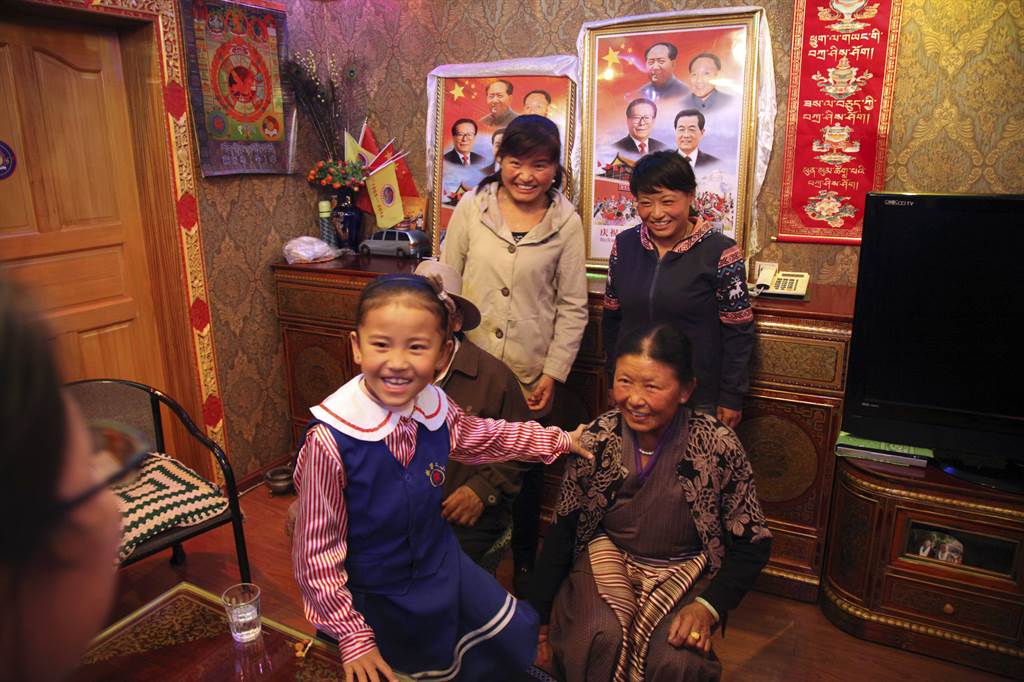
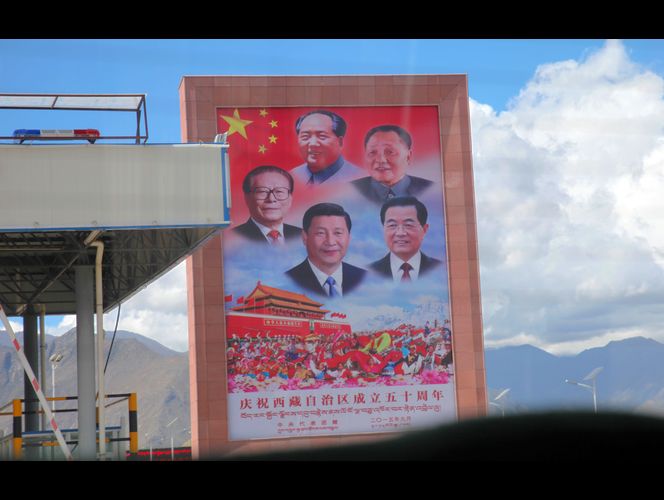
In Lhoka’s Tradruk monastery, the secular management office has obtained funds for the latest renovation of this 12-century-old institution, one of the earliest Buddhist constructions in Tibet. As Han Chinese workers placed the last slate slabs in a courtyard, congregation head Migmar Tsering explained how the monastery can get electricity, televisions and libraries in exchange for displaying the Communist leaders’ portraits and topping the complex with the red flag of China.

In addition, monks meet once a week with the monastery’s Communist Party branch to receive legal and patriotic education.

“We now enjoy complete freedom of religion,” Migmar Tsering, 43, said in an interview arranged by the county propaganda office.
Shakya said the new system is actually helping to revive Buddhism throughout Tibet, although under the controlling eyes of the party.

However, other experts dispute that there has been any revival, especially given that the government has been providing the same figure of nearly 1,800 religious sites and more than 46,000 monks and nuns in the autonomous region since the early 90’s.

“You can have television sets, roads and flags in monasteries but you are not allowing the number of people to grow,” said Barnett, the Columbia University professor. “It’s hard to have monastic life thrive if you have a cadre team overseeing them.”

DALAI LAMA’S LONG SHADOW

The current, 14th Dalai Lama, who is now 80, remains the nemesis of China’s interests in Tibet. Despite an obsessive vilification of the man by Chinese government and party officials, he remains immensely popular and influential among Tibetan Buddhists.

He has said he may not reincarnate, to undercut Beijing’s plans to pick his successor. This has forced the atheist Communist Party to embrace a practice introduced seven centuries ago by a Qing dynasty emperor to control the selection by having names drawn from a government-controlled golden urn.

The region’s vice governor, Penpa Tashi, told reporters over a dinner of yak meat that, without doubt, the 15th Dalai Lama will be approved by the Chinese government and that the 14th has been an “anomaly” who made no contribution to Tibet’s development and sought only to split the region away from China.

“His attempt to split and destroy will never be realized,” he said. “The 14th Dalai is just like a pustule or a weed. A pustule must be squeezed to make the body healthier, the same way that a weed must be uprooted.”

Copyright © The Associated Press. All rights reserved. This material may not be published, broadcast, rewritten or redistributed.

© 2015 KSL.com | KSL Broadcasting Salt Lake City UT
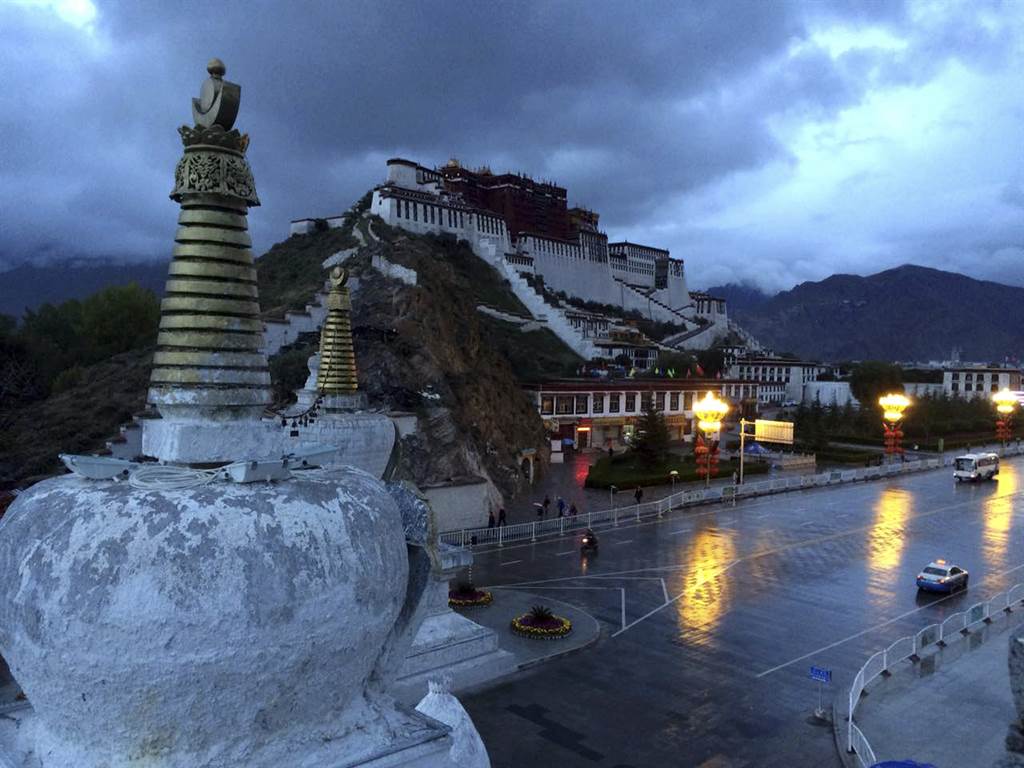
TIBET AWARENESS – RED CHINA – NEOCOLONIALIST – MICROMANAGES TIBET. TIBET WILL SURVIVE. TIBET WILL ENDURE. TIBET WILL REEMERGE FROM SHADOWS OF OCCUPATION.
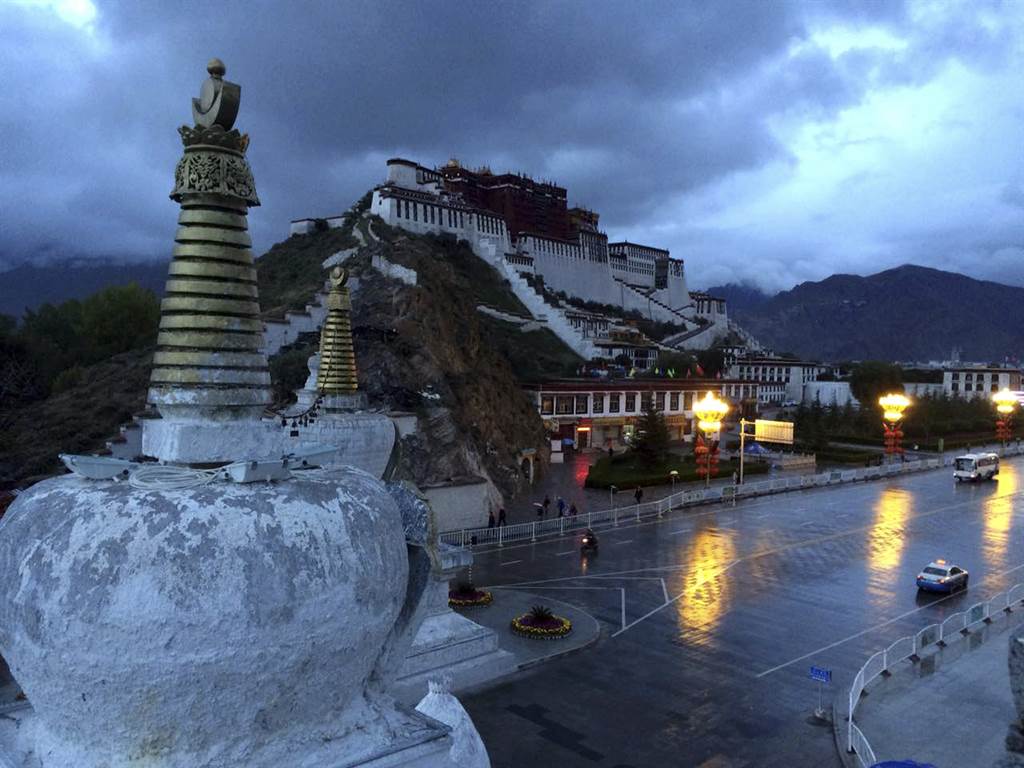
China micromanages Tibet, floods it with money to woo locals ...
TIBET AWARENESS – RED CHINA – NEOCOLONIALIST – MICROMANAGES TIBET. TIBET WILL SURVIVE. TIBET WILL ENDURE. TIBET WILL REEMERGE FROM SHADOWS OF OCCUPATION.
Glimpses of Tibet: Plateaus, people and faith
TIBET AWARENESS – RED CHINA – NEOCOLONIALIST – MICROMANAGES TIBET. TIBET WILL SURVIVE. TIBET WILL ENDURE. TIBET WILL REEMERGE.
Glimpses of Tibet: Plateaus, people and faith
TIBET AWARENESS – RED CHINA – NEOCOLONIALIST – MICROMANAGES TIBET. TIBET WILL SURVIVE. TIBET WILL ENDURE.
Tibetan women weed the highland barley field with hand in Neymo, Tibet ...
TIBET AWARENESS – RED CHINA – NEOCOLONIALIST – MICROMANAGES TIBET. TIBET WILL SURVIVE. TIBET WILL ENDURE. BARLEY FIELD, NEYMO, TIBET.
Glimpses of Tibet: Plateaus, people and faith
TIBET AWARENESS – RED CHINA – NEOCOLONIALIST. TIBET WILL SURVIVE. TIBET WILL ENDURE.
Glimpses of Tibet: Plateaus, people and faith
TIBET AWARENESS – RED CHINA – NEOCOLONIALIST – MICROMANAGES TIBET. TIBET WILL SURVIVE. TIBET WILL ENDURE.
Photo exhibition: Glimpses of Tibet, 1914-2010
TIBET AWARENESS – RED CHINA – NEOCOLONIALIST – MICROMANAGES TIBET. TIBET WILL SURVIVE. TIBET WILL ENDURE.
Glimpse of Tibet
TIBET AWARENESS – RED CHINA – NEOCOLONIALIST – MICROMANAGES TIBET. TIBET WILL SURVIVE. TIBET WILL ENDURE.
Glimpses of Tibet: Plateaus, people and faith
TIBET AWARENESS – RED CHINA – NEOCOLONIALIST – MICROMANAGES TIBET. TIBET WILL SURVIVE. TIBET WILL ENDURE.
Amazing colors of Tibet
TIBET AWARENESS – RED CHINA – NEOCOLONIALIST – MICROMANAGES TIBET. TIBET WILL SURVIVE. TIBET WILL ENDURE.
TIBET AWARENESS – RED CHINA – NEOCOLONIALIST – MICROMANAGES TIBET. TIBET WILL SURVIVE. TIBET WILL ENDURE. TIBET WILL REEMERGE.

Whole Awareness – Tibet is not a part of China

Tibet Awareness – Tibet is not a part of China

TIBET AWARENESS - TIBET IS NOT PART OF CHINA . URBAN SMOG AND AIR POLLUTION MASK OR CONCEAL REALITY OF A PLACE. OCCUPATION CONCEALS REALITY OF TIBET. TIBET IS FREE AND FREEDOM IS A NATURAL CONDITION.
TIBET AWARENESS – TIBET IS NOT PART OF CHINA . URBAN SMOG AND AIR POLLUTION MASK OR CONCEAL REALITY OF A PLACE. OCCUPATION CONCEALS REALITY OF TIBET. TIBET IS FREE AND FREEDOM IS A NATURAL CONDITION.
TIBET AWARENESS - TIBET IS NOT PART OF CHINA. OCCUPATION IS LIKE POLLUTION AND URBAN SMOG. THE REALITY OF BEIJING IS REVEALED BY BANNING CARS. THE REALITY OF TIBET WILL BE REVEALED BY REMOVING OCCUPATION.
TIBET AWARENESS – TIBET IS NOT PART OF CHINA. OCCUPATION IS LIKE POLLUTION AND URBAN SMOG. THE REALITY OF BEIJING IS REVEALED BY BANNING CARS. THE REALITY OF TIBET WILL BE REVEALED BY REMOVING OCCUPATION.

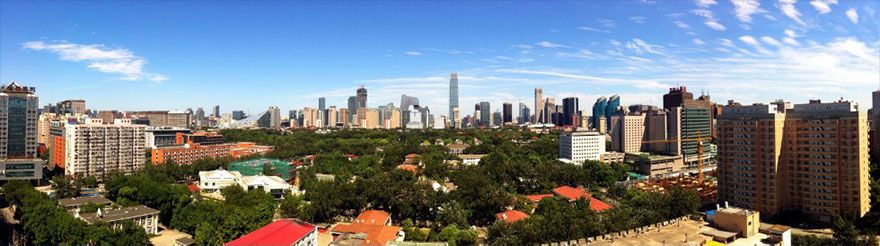
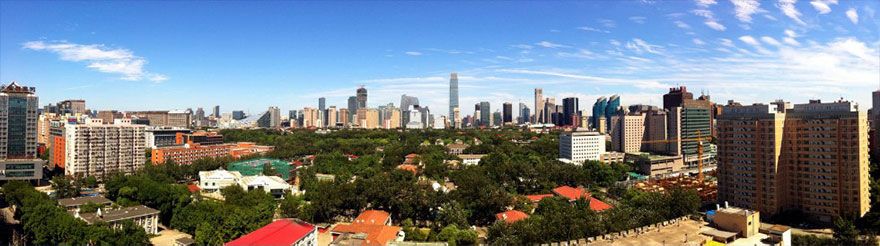
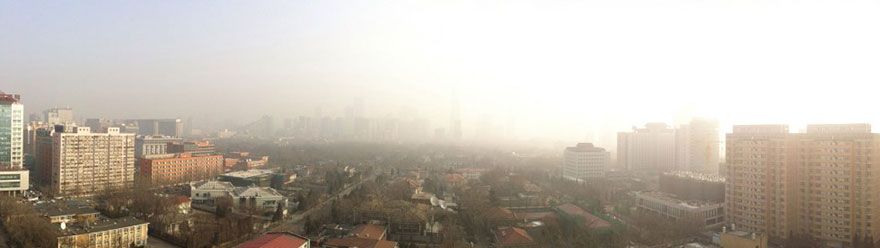
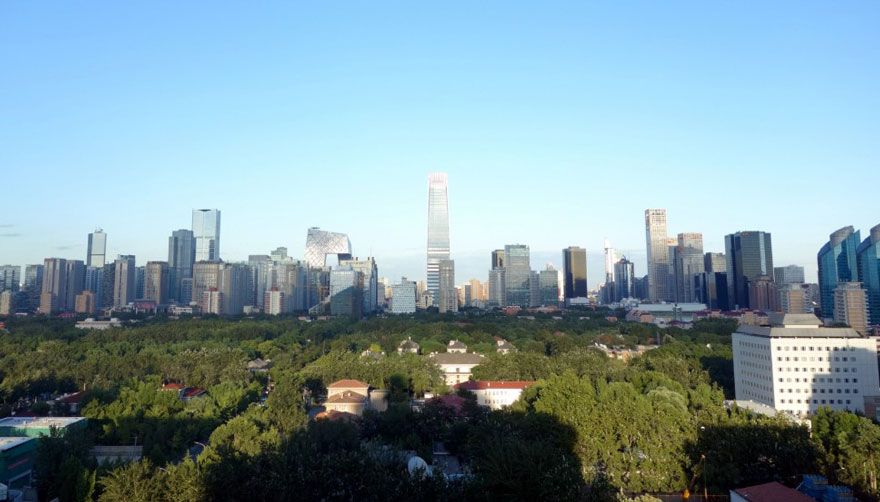
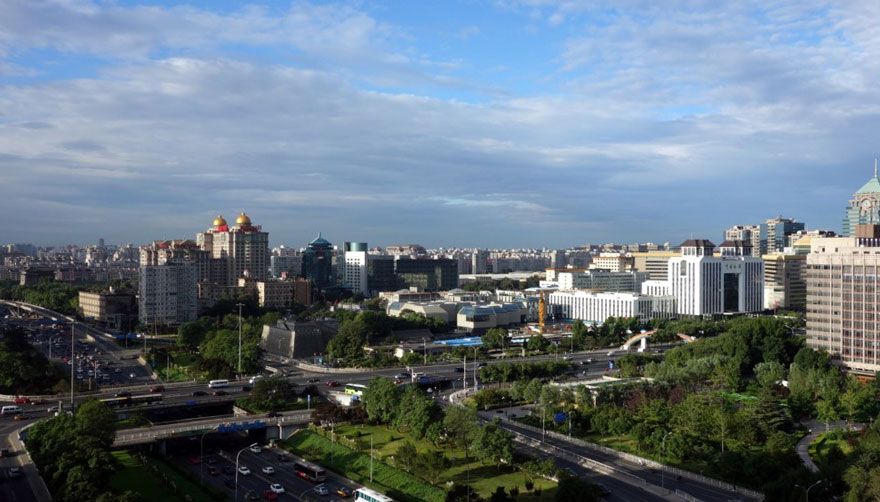
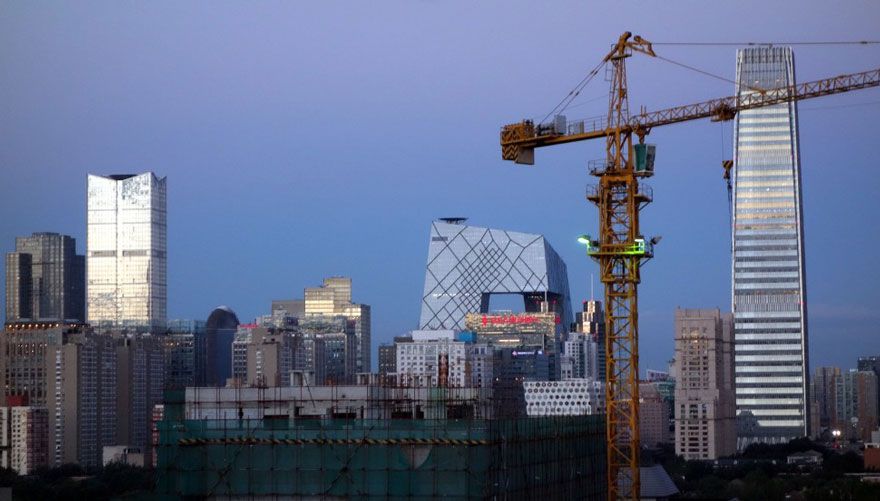
I am sharing photo images of Beijing that demonstrate Red China has awareness and has ability to find solutions to problems of urban smog, and atmospheric pollution. Occupation is like pollution and urban smog. The reality of Beijing is revealed by banning cars. I am asking Red China to use the same awareness to know Tibet and its reality. Tibet is not a part of China. The reality of Tibet will be revealed by removing occupation. Tibet in reality is Free and Tibet’s Freedom is its Natural State or Natural Condition.

2.5 Million Banned Cars Show Blue Skies For First Time

On August 20th, Beijing put restrictions on factory production and car use. Five million cars were forced to drive on alternating days leading up to the 70th anniversary of Japan’s WWII defeat on September 3rd so that the city’s usually smoggy skies would be a picture-perfect blue.

The day after the parade, with the restrictions lifted, Beijing’s air quality index hit 160, a level at which “everyone may begin to experience some adverse health effects,” according to the U.S. Environmental Protection Agency.

“Military Parade Blue is gone; in its place is our ‘Normal Status Gray’” wrote one user online. While the LA Times cites several examples of such commentary on Chinese social media, CNN speculates that Chinese censors have actively removed similar posts from sites like Weibo.

5 million cars were forced to drive on alternating days in Beijing.

Tibet is not a part of China. The reality of Tibet will be revealed by removing occupation. Tibet in reality is Free and Tibet’s Freedom is its Natural State or Natural Condition.


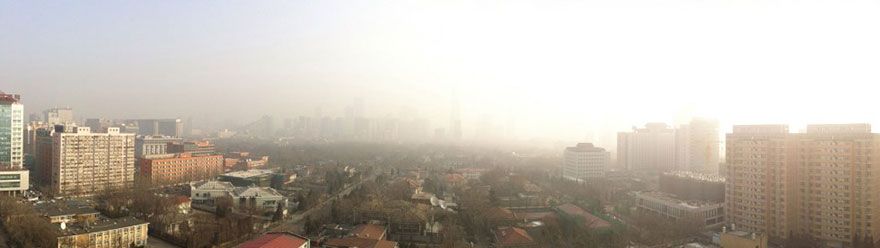
The result is surprising – people could finally see buildings in the distance where there was usually thick smog

Tibet is not a part of China. The reality of Tibet will be revealed by removing occupation. Tibet in reality is Free and Tibet’s Freedom is its Natural State or Natural Condition.

During the ban, Beijing’s average levels of PM (particulate matter) dropped by 73.2% compared to the last year.

Tibet is not a part of China. The reality of Tibet will be revealed by removing occupation. Tibet in reality is Free and Tibet’s Freedom is its Natural State or Natural Condition.

40,000 construction sites in and around Beijing were also shut down for the duration.

Tibet is not a part of China. The reality of Tibet will be revealed by removing occupation. Tibet in reality is Free and Tibet’s Freedom is its Natural State or Natural Condition.

An international standard for measuring the severity of air pollution dipped to a pristine 17 out of 500, signifying very healthy air.

Tibet is not a part of China. The reality of Tibet will be revealed by removing occupation. Tibet in reality is Free and Tibet’s Freedom is its Natural State or Natural Condition.

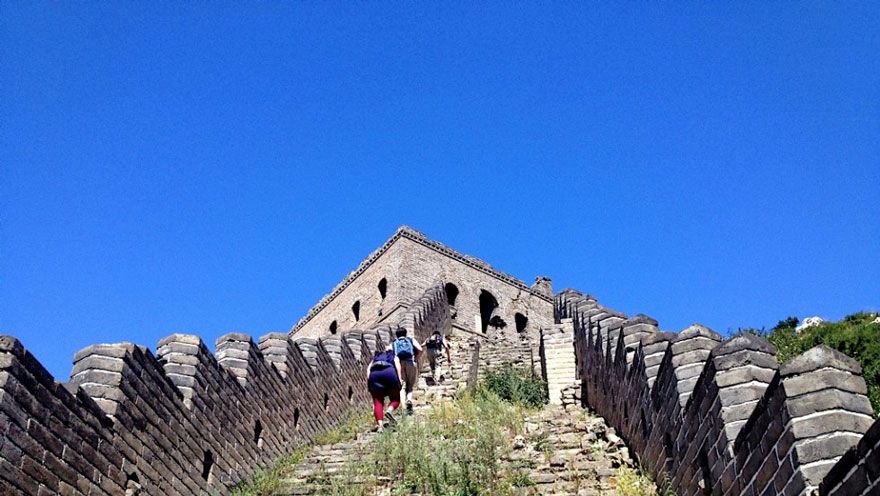
This is how the Great Wall should look every day!

Tibet is not a part of China. The reality of Tibet will be revealed by removing occupation. Tibet in reality is Free and Tibet’s Freedom is its Natural State or Natural Condition.

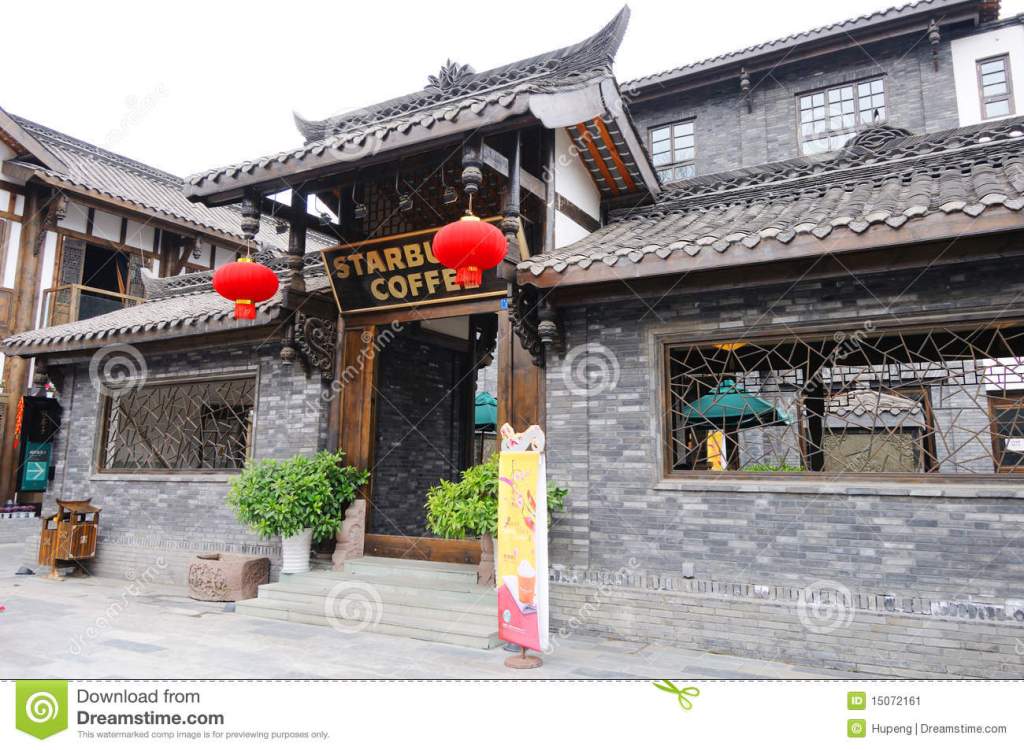
Whole Dream – Starbucks Coffee Tastes Better if there is Freedom in the Air

Tibet Awareness – Starbucks Opens Up Shops on the Tibetan Plateau

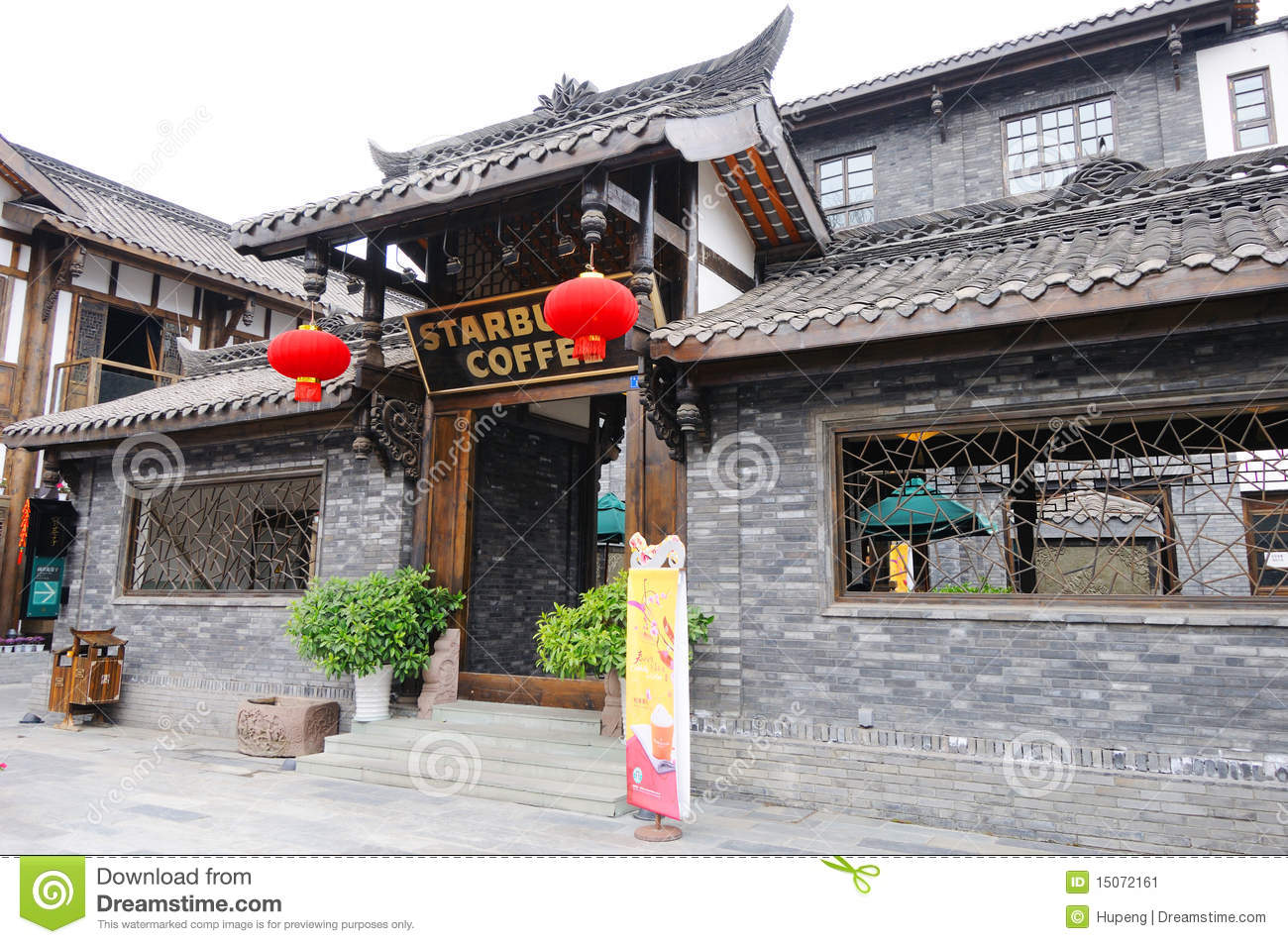
Whole Dream – Starbucks Coffee Tastes Better if there is Freedom in the Air. I would be happy to sip a cup of hot, freshly brewed Starbucks coffee to begin my day in Lhasa on a bright note. The Coffee is going to taste better when there is Freedom in the thin air of Tibetan Plateau.

Any mountain climber will be able to describe the shortness of breath that normally comes with altitude. It’s not that the air has a lower percentage of oxygen – it’s around 21% wherever you stand in the world. But air pressure decreases the further you walk or fly from the sea’s surface, allowing the gas molecules to spread out in all directions, and a lung can only stretch so far to compensate. The Tibetan plateau is one of the highest regions on Earth. It has an average elevation of ∼4,000 m, a barometric pressure of <500 mmHg, and an ambient partial pressure of oxygen (Po2) of 80 mmHg. At more than 4,000m (13,000ft) above Sea Level, each breath contains around a third less oxygen than the same breath far below. At this altitude, the oxygen level in the air is roughly 60% of what is found at sea level, meaning people breathe in considerably less oxygen with each breath. Low oxygen levels can cause various health issues including nausea, dizziness, headaches, fatigue, and in severe cases, altitude sickness.

I am sharing this story published by Brandchannel with the hope generated by my prediction of Red China’s sudden downfall. There is a chance that I may be attending festivities in Lhasa to celebrate Tibet’s Liberation from Communist occupation. I would be happy to sip a cup of hot, freshly brewed Starbucks coffee to begin my day in Lhasa on a bright note. The Coffee is going to taste better when there is Freedom in the thin air of Tibetan Plateau.

BRANDCHANNEL:

Starbucks Opens Up Shops on the Tibetan Plateau

Posted September 15, 2015 by MARK J. MILLER

A trip to Tibet has long been considered a journey one takes when seeking internal peace. Escaping Western creature comforts can help an individual reprioritize what life is all about.

That image may still be true, but Starbucks is inching closer to getting its caffeine and sugar into the country. On Friday, it opened two locations on the Tibetan Plateau over the border in the northern Chinese city of Xining.

The locations are strangely only 300 meters away from each other in a city of 2.2 million people. “Young people are very excited by the Starbucks,” student Padma Yangkyi told the Xinhua News Agency. “The fondness for traditional buttered tea and Tibetan opera doesn’t weaken our love for coffee and pop songs.”

China now has about 1,700 Starbucks, passing Canada as the country with the second-most locations outside the US, according to Quartz. The plan is to double that number in the next five years.

It isn’t clear when Starbucks will get to Tibet proper but it seems inevitable. The Australian reports that new Sinopec gas stations have popped up, there’s a shiny new Tibet Tiandi Green Barley brewery, and China is pumping “capital into the area, funding new infrastructure and providing subsidies and assistance, including free education, to many of its population.”

A railway opened in 2006 that brings travelers from Qinghai, Tibet, saw 15 million tourists last year, up 20 percent from 2013. Where the people go, Starbucks will surely follow.

I would be happy to sip a cup of hot, freshly brewed Starbucks coffee to begin my day in Lhasa on a bright note. The Coffee is going to taste better when there is Freedom in the thin air of Tibetan Plateau.

Whole Awareness – Natural Freedom is Essence of Tibet

Natural Freedom is Essence of Tibet

TIBET AWARENESS - ESSENCE OF TIBET - NATURAL FREEDOM.
TIBET AWARENESS – ESSENCE OF TIBET – NATURAL FREEDOM.

The very essence of Tibet is natural freedom and Tibetans have their natural right to enjoy freedom without foreign domination or interference.

TIBET AWARENESS - ESSENCE OF TIBET - NATURAL FREEDOM.
TIBET AWARENESS – ESSENCE OF TIBET – NATURAL FREEDOM.
TIBET AWARENESS - ESSENCE OF TIBET - NATURAL FREEDOM.
TIBET AWARENESS – ESSENCE OF TIBET – NATURAL FREEDOM.

Jokhang Temple, Potala Palace and other tourist spots that capture the essence of Tibet

Posted on: 04:59 PM IST Sep 02, 2015 | Updated on: 5:03 pm,Sep 2,2015 IST

IBNLive.com

Tibet, the highest region on Earth is a dream come true for every traveler. Tibet is undoubtedly one of the most peaceful places that offer tranquility to tourists’ mind with its utmost beautiful natural scenery.

Keeping its old traditions alive, this place is a must visit for every person.

Here we bring you a list of aesthetic places that you should visit at least once in your life time.

Tibet is not in China. Jokhang Temple.

Jokhang temple is the most sacred temple in Lhasa, Tibet. It was built by the Tibetan King Shrong Tsong Gompo. Tourists from all over the world visit this temple, Another attractive spot is the Bharkhor Bazaar that encircles the temple.

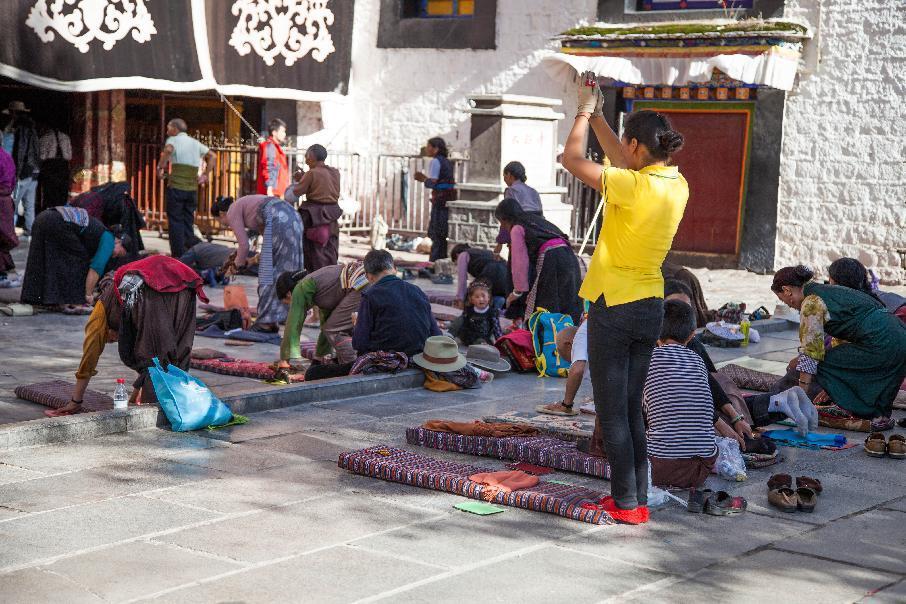
In this July 11, 2013, photo, pilgrims pray at Jokhang Temple in Lhasa, Tibet, China. Tibet has been a source of controversy ever since Beijing sent troops to occupy the Himalayan region following the 1949 communist revolution. It says the region has been part of Chinese territory for centuries, while many Tibetans say it has a long history of independence under a series of Buddhist leaders. (AP Photo/Penny Yi Wang)

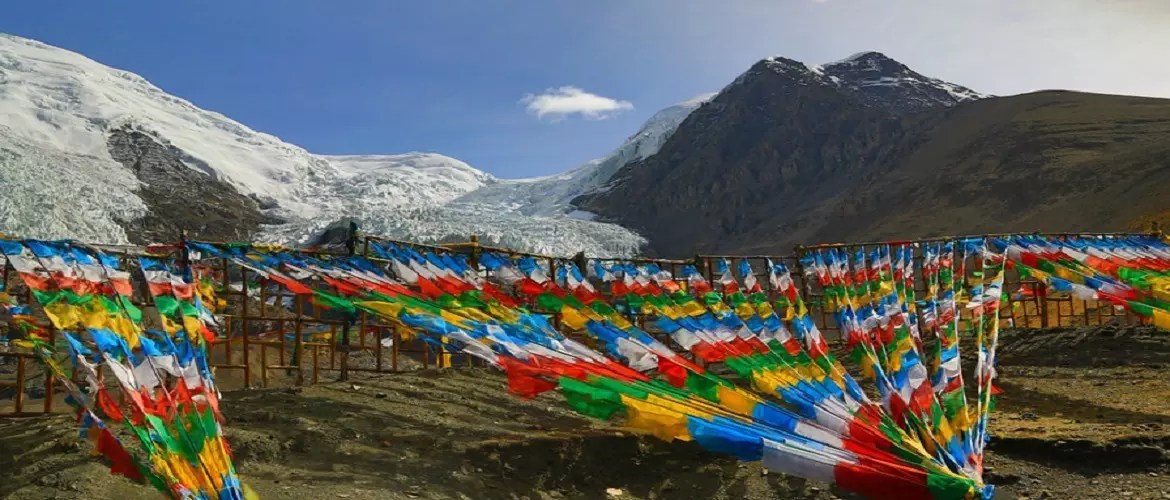
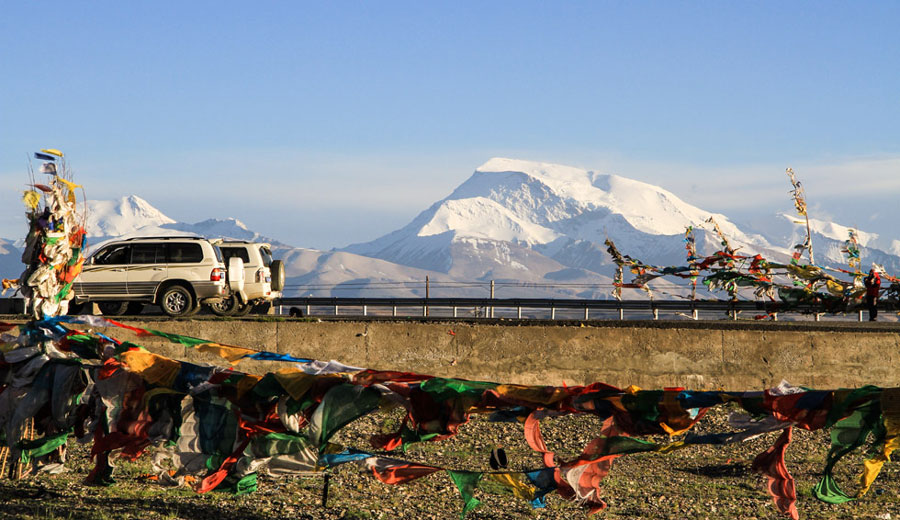
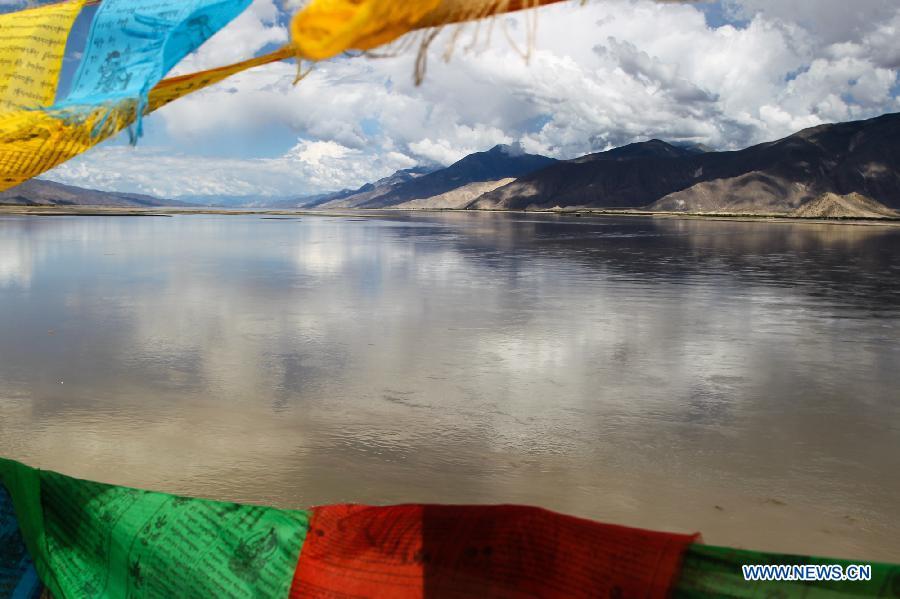
The Kharola glacier is seen through Tibetan praying flags from a nearby hill some 200km (125 miles) west to Lhasa, Tibet.

The Kharola glacier is seen through Tibetan praying flags from a nearby hill some 200km (125 miles) west to Lhasa, Tibet.

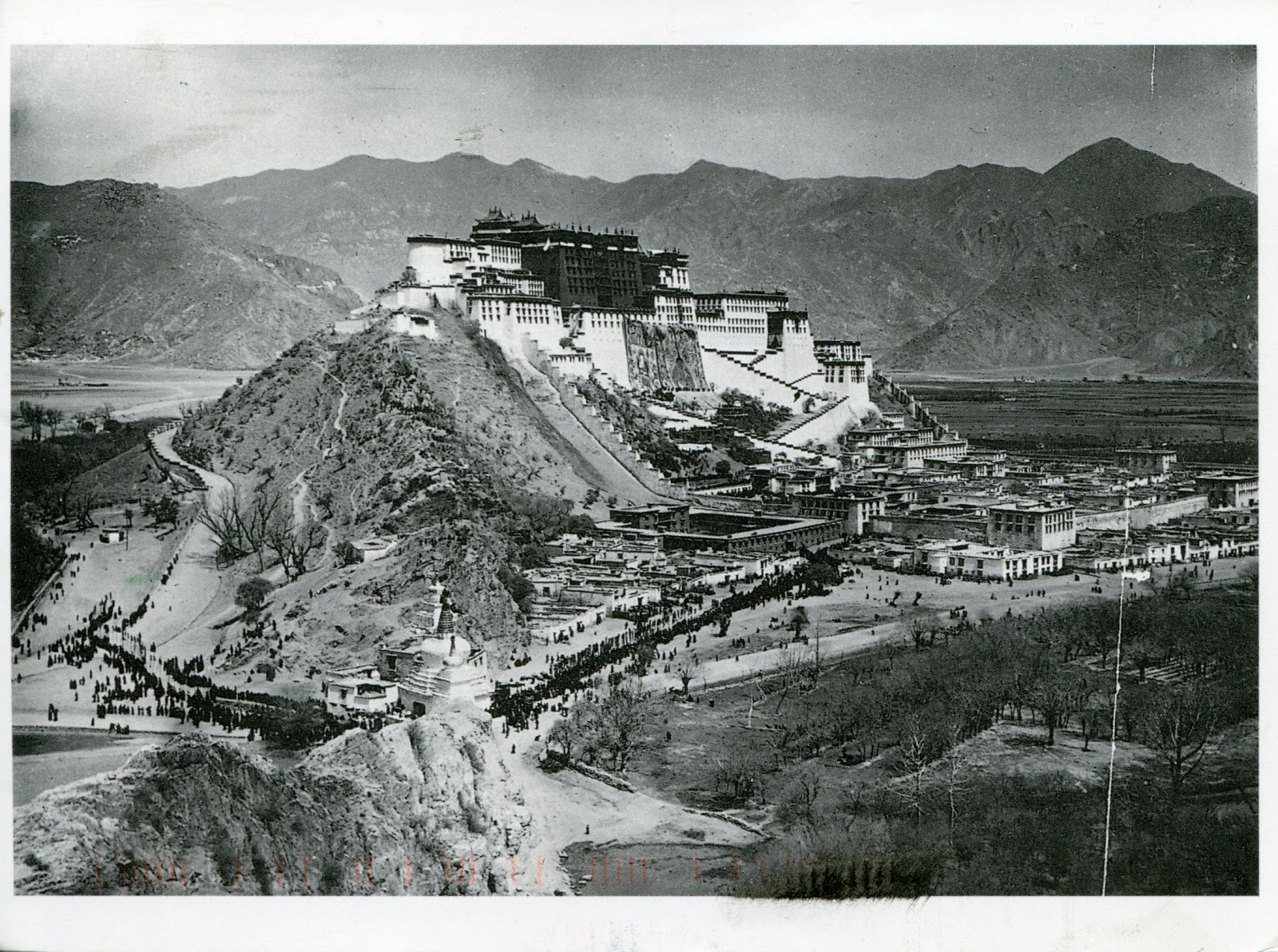
Potala Palace was built-in 17th century by the fifth Dalai Lama. This palace houses a great wealth of Tibet’s culture and art.

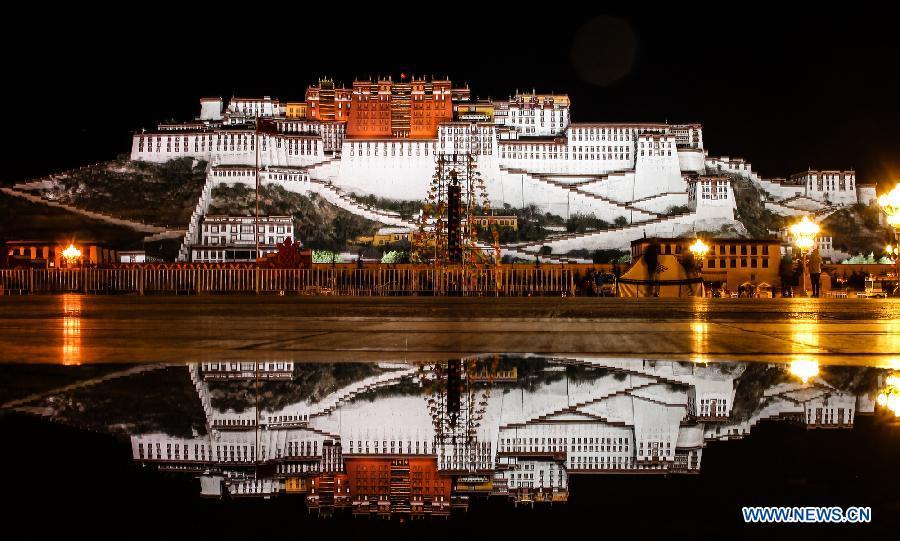
TIBET AWARENESS – POTALA PALACE, LHASA, TIBET. Potala Palace was built-in 17th century by the Fifth Dalai Lama.

A night view shows the Potala Palace in Lhasa, Tibet.

Whole Awareness – Natural Freedom is Essence of Tibet

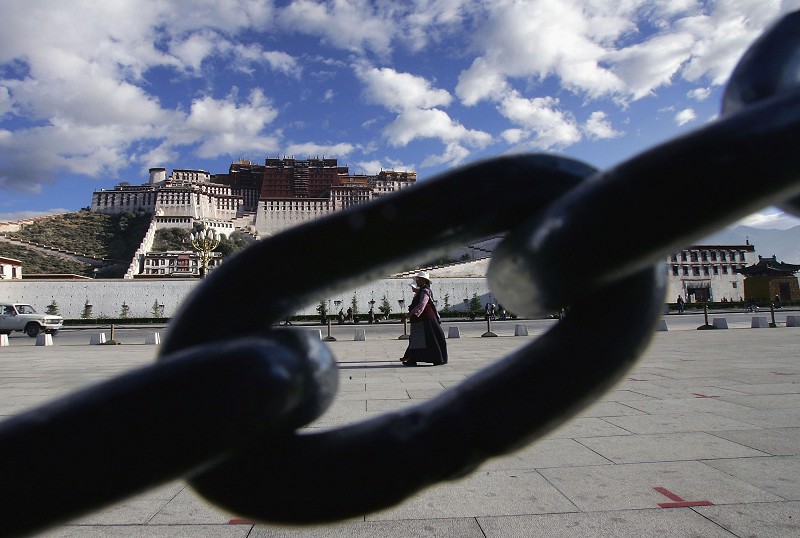
Tibetan women pray in front of the Potala Palace in Lhasa, Tibet.

LHASA, CHINA SEPTEMBER 1: (CHINA OUT) Pilgrims walk on the Potala Palace Plaza on September 1, 2006 in Lhasa of Tibet Autonomous Region, China. Chinese tourists are flooding into Tibet this summer with the recently completed Qinghai Tibet railway bringing an extra 3,000 people a day into Tibet. Critics say that it could threaten the cultural and even the physical landscape of the fragile Tibetan plateau and accelerate Lhasa’s changing face as it continues to expand into a modern Chinese city. Expensive hotels and shops have opened in the new section Lhasa while the Tibetan quarter fights to hold onto its cultural image, according to reports. (Photo by China Photos/Getty Images)

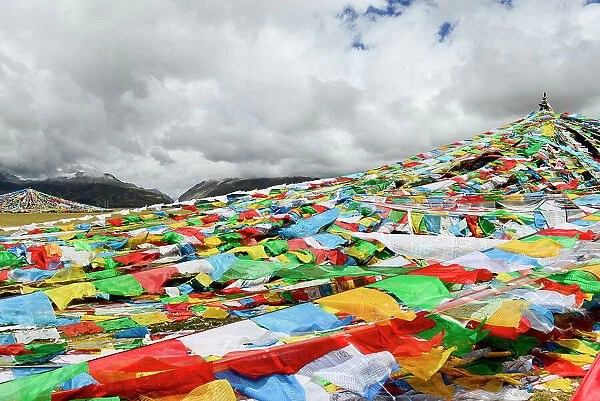
Buddhist prayer flags flutter in the wind near Namtso Lake in Tibet. It takes around 16 days to complete the pilgrimage around the lake which is 70 km (43 miles) long and 30 km (18 miles) wide.

Buddhist prayer flags flutter in the wind near Namtso Lake in Tibet
About 112 km from Lhasa at the border between Damxung County and Baingoin County is located yet another of Tibet’s treasures, the magnificent Namtso (Lake Nam) which has a surface area of 1,870 sq km. It is the highest salt lake in the world, located as it is at a height of 4,718 meters

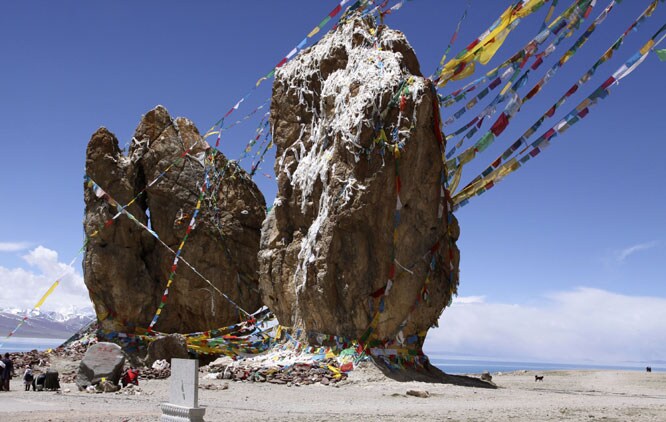
Buddhist faithful offer ‘khada’ and pray in front of the “wish-fulfilling” stone monument near Namtso Lake in Tibet.

Buddhist faithful offer ‘khada’ and pray in front of the “wish-fulfilling” stone monument near Namtso Lake in Tibet.

The world’s highest post office stands at over 5200 metres (17060 feet) near the base camp of Mount Everest, also known as Qomolangma, in Tibet. The post office services around 30 customers a day, and is only open for seven months of the year between April and October.

Mount Everest, also known as Qomolangma, in Tibet .

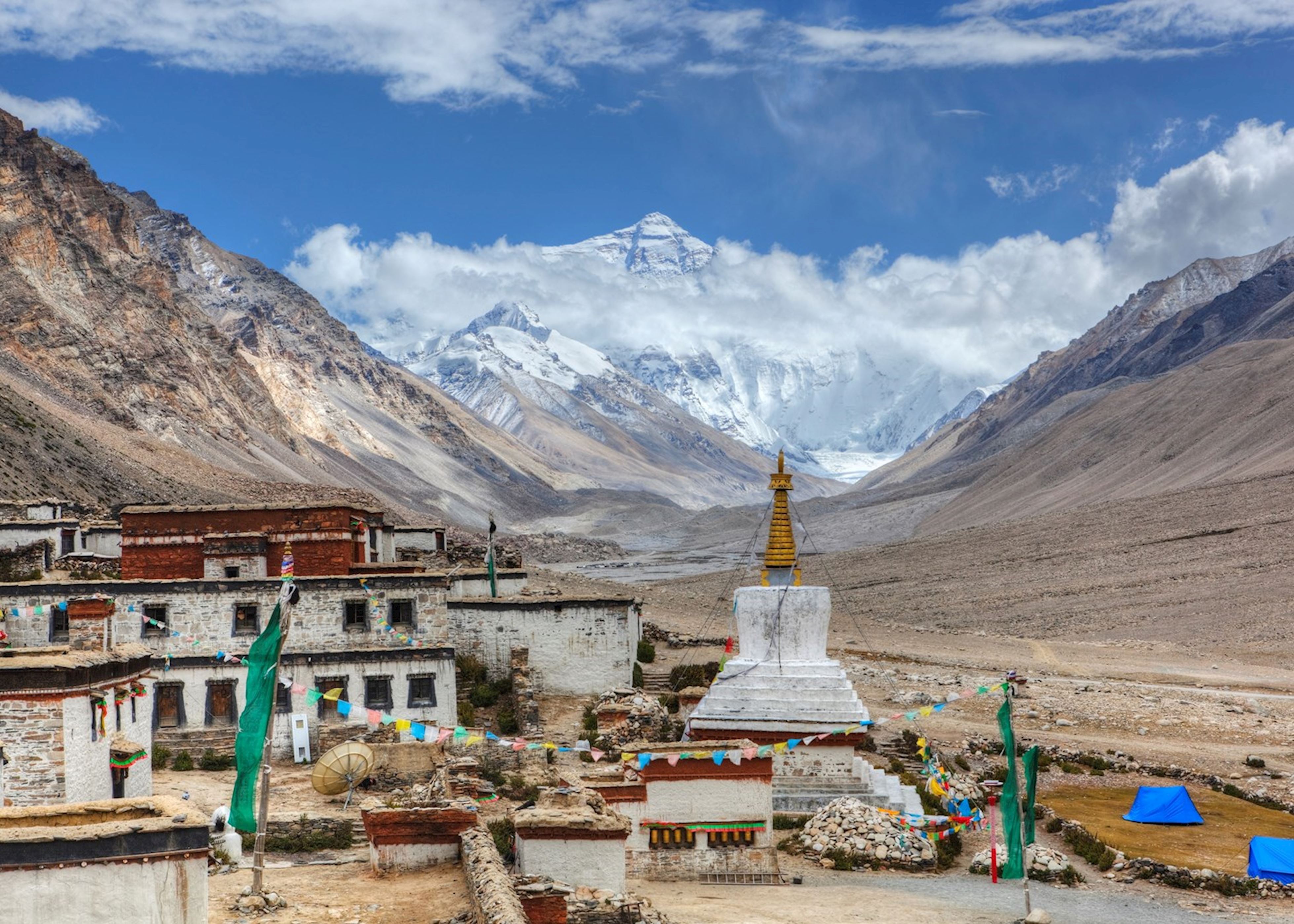
The temple of Rongbuk Monastery situated at the foot of the world’s highest mountain Mount Everest, also known as Qomolangma, in Tibet .

Rongbuk Monastery, in the background is the Qomolangma/Mount Everest.
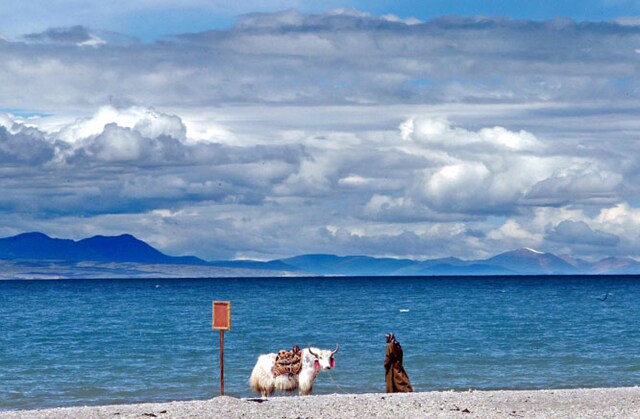
Cona lake is a major lake of northern Tibet lake and is the world’s highest freshwater lake at 4800 meters above sea level.

Cona lake is a major lake of northern Tibet lake and is the world’s highest freshwater lake at 4800 meters above sea level. In the picture, A woman is seen watering a yak near Cona Lake in Amdo county.

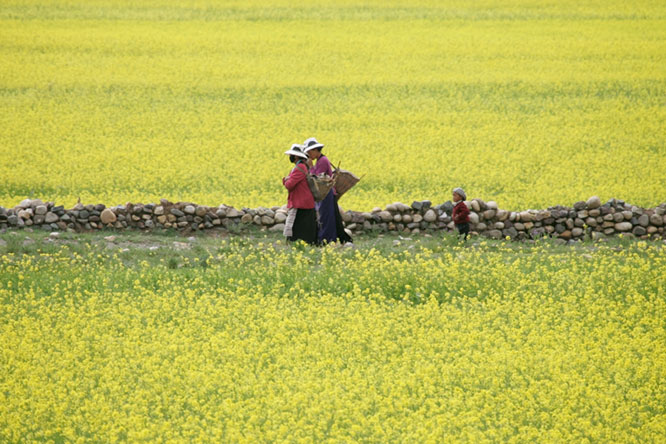
Ethnic Tibetans walk along a rapeseed field in Duilongdeqing County, Tibet.

Ethnic Tibetans walk along a rapeseed field in Duilongdeqing County, Tibet.

CHINA’S FATE IS SEALED – BEIJING IS DOOMED

CHINA’S FATE IS SEALED – BEIJING IS DOOMED

RED CHINA'S FATE IS SEALED - BEIJING IS DOOMED.
RED CHINA’S FATE IS SEALED – BEIJING IS DOOMED.

Red China after her act of military aggression in 1950 and occupying Tibet had several opportunities to make amends to her evil actions and return to peaceful relationships with her neighbors. By choosing to use evil force, Red China has sealed her own fate. She has opted to “Live by the Sword, surely, she will Die by the Sword.” What she conquered by Sword, she will lose by Sword.

Rudranarasimham Rebbapragada
Ann Arbor, MI 48104-4162, USA
SPECIALFRONTIERFORCE.ESTABLISHMENT22

RED CHINA'S FATE IS SEALED - BEIJING IS DOOMED: RED CHINA HAD A CHANCE TO MAKE AMENDS AND EMBRACE INSTEAD OF CONQUEST BY SWORD.
RED CHINA’S FATE IS SEALED – BEIJING IS DOOMED: RED CHINA HAD A CHANCE TO MAKE AMENDS AND EMBRACE INSTEAD OF CONQUEST BY SWORD.

 
  image          
The Spirits of Special Frontier ForceAt Special Frontier Force, I host ‘The Living Tibetan Spirits’ to promote Tibet Awareness. 
 
View on www.facebook.com


ANI NEWS

China denies all universal rights to Tibet even after 50 years of rule (Part-II) , AniNews.in

Beta Sep 1 2015, 9:07 am


China denies all universal rights to Tibet even after 50 years of rule (Part-II)

Sep 1, 8:27 am

china.jpg

HONG KONG, Sep.1(ANI): Its been more than 50 years since China established complete control over Tibet and in this period China has institutionalised a system of two policies – one for the Chinese people and another for the Tibetans.
Hong Kong based Tibet watchers who on the condition of not being identified for fear of Chinese reprisal outlined a series of instances which prove that China has treated Tibet as nothing more than a Colony and as a strategic buffer against India.
Experts point to the fact that China has accepted the Universal Declaration of Human Rights (UDHR) as a member of the United Nations.
The declaration forms the basic charter of rights for all global citizens. However over the past many decades, adherence to the UDHR has been minimal at best as far as Tibet is concerned.
When it comes to Tibet and Tibetans, they count for less than an average Han Chinese citizen, and actually don’t enjoy the rights they are entitled to as per international laws.
The UDHR calls on governments to grant every human being these rights, but the reality is that not one of the UDHR rights is extended to the people of Tibet.
For example Article 16 of the UDHR says that men and women of full age, without any limitation due to race, nationality or religion, have the right to marry and to create a family. They are also entitled to equal rights as when to marry, how to manage their marriage, and to decide when to dissolve it.
The family, according to the UDHR, is the natural and fundamental group unit of society and is entitled to protection by society and the state.
But, when comes to Tibet, since 1980, China has passed a series of measures related to marriage laws. Beijing has stopped the practice of polygamy in TAR, and has been actively promoting the mixed marriages between Tibetans and Han Chinese.
The local administration has reportedly announced offers of special treatment to children born of such unions. Such incentives are publicised heavily by the state media.
Tibetan poet Tsering Woeser says that “authorities use it as a tool”, and compared it to the Japanese police being encouraged to marry local women during Japan’s occupation of Taiwan.
On the issue of owning property, the UDHR says no one shall be arbitrarily deprived of his or property, but in China-dominated TAR seizure of farmland for industry is arbitrary and common.
Joel Brinkley of the Chicago Tribune adds that “China has evicted more than 400,000 Tibetans from their homelands” over the past few years, and believes that the intent behind this is to exploit Tibet’s vast mineral and water resources.
The UDHR’s Article 18 talks about the right to freedom of thought, conscience and religion, but evidence has surfaced of the People’s Armed Police firing on unarmed Tibetan protestors calling for a semblance of religious freedom.
During the Cultural Revolution, most, if not all, Tibetan monasteries (97 percent were actually closed down) were reportedly ransacked by the Communist Party.
Currently, every monastery and nunnery is constantly under surveillance and subject to random checks by Communist Party officials. So-called Monastery Management Committees have been set up in increasing numbers to keep check on the activities of monks and nuns, and to control their numbers, particularly in the largest ones of Drepung, Sera and Ganden.
Such checks extend to night raids for images of the Dalai Lama and other such “subversive” objects.
For example, recently, a 13-year old nun, after participating in a peaceful protest, was held, interrogated, beaten and tortured.
She was sentenced for singing nationalist songs – which does not exactly exemplify “freedom of thought”.
On the issue of everyone having the right to express their opinion without interference and to seek, receive and impart information and ideas through any media and regardless of frontiers, which is enjoined in Article 19 of the UDHR, China routinely cuts off internet and phone-messaging services after each incident of self-immolation in TAR, of which there have been over 140 in the past six years.
As for the right to expression and freedom of opinion, the armed crackdowns, the surprise arrests and the extrajudicial killings are indicative of a general intolerance to such niceties.
The right to freedom of peaceful assembly and association as enshrined in Article 20, is regularly stamped out and quickly, with violence if required.
Tibet and the Tibetan people have been compelled to identify with the People’s Republic of China. In April 2015, the Communist Party demanded that all Buddhist monasteries display the Chinese flag, or face punishment.
This latest move is part of a drive to make places of worship ‘secularised’, and in line with Beijing’s ideologues.
Article 21 of the UDHR allows every individual to take part in the government of his or her country, directly, or through freely chosen representatives, but in the case of China, democracy does not exist in the sense that it is understood the world over.
The political representatives of the Chinese are not freely chosen, but are designated by the Communist Party. As such, not only Tibetans, but all citizens under the authority of the People’s Republic of China have no right of participation in their governance.
Recently, China arrested ten Tibetans for protesting against the denial of welfare benefits to their community.
Tibetans have been subject to “city moats” which prevent their access to their own cities.
The ‘will of the people’ is a concept almost entirely alien to any Chinese citizen in conceptual and real terms.
The right to social security, as enshrined in Article 22 of the UDHR, which calls for realisation both through national effort and international co-operation, is used to violate the rights of Tibetans further.
Article 23 says everyone has the right to work, and to have free choice of employment, but in Chinese – ruled TAR, the resettlement policy violates this article, depriving Tibetan nomads of their free choice of employment.
As far as just conditions of work, Tibetans are forced to learn Chinese in order to access any gainful employment, even as a construction worker.
Tibetans claim that Chinese workers receive higher wages; the loss of jobs due to political activities is also very common.
Even China admits that there is no minimum wage in the TAR.
The right to rest and leisure, as well as reasonable limitation of working hours and periodic holidays with pay does not exist in Chinese-ruled TAR.
Here, re-education is promoted through labor camps, and there is no semblance of worker’s rights to be defended here.
Holidays, too, are out of the question, and there is no reasonable limitation on working hours.
What about the right to an adequate standard of living, as enshrined in Article 25 of the UDHR?
It simply does not exist in TAR. Pulmonary diseases are the most widespread affliction in Tibet. While prefectural and city hospitals are adequate in responding to such illnesses, there is very little recourse to proper medical care for nomadic tribes as village and township hospitals are extremely poor.
The medical system is “clearly inequitable.” Distances across Tibet have also led to Chinese healthcare works failing to immunize children as “they don’t want to travel so far.”
Access to medication is clearly segregated: Tibetan doctors are unable to purchase drugs from pharmaceutical companies, as only Chinese government workers and ‘officials with connections to the Chinese’ are given access.
While officially, China’s ‘One Child’ policy does not extend to Tibetans as a community, in practice, birth control has actively been promoted in the TAR.
Sterilisation can take place on the basis of volunteering or through forced abortions, which leaves a very chilling picture of healthcare in TAR.
Article 26 of the UDHR talks of the right to education and the right to have free education at the elementary and fundamental stages, but in TAR, schooling is compulsory until secondary education, nominally “bilingually”, and guidelines are applied arbitrarily.
The emphasis is on creating Chinese-medium schools in Tibetan areas despite the fact that Tibetan students want to be taught in Tibetan and learn more effectively when they are.
Tibet has six institutes of higher learning, but only 60 percent of those selected for university in TAR are ethnic Tibetans, compared to the 97 percent share of population they reportedly enjoy.
This demonstrates the fact that access to higher education is highly coloured by discriminatory policies. Indeed, state funds go disproportionally to schools where Chinese students predominate.
Chinese authorities in TAR are on record, as saying that the purpose of giving an education to Tibetans is to see whether they are “opposed to or turn their hearts to the Dalai Clique and in whether they are loyal to or do not care about our great motherland and the great socialist cause..”
China does not promote tolerance, but actively seeks to destroy it in TAR.
The right freely to participate in the cultural life of the community as enjoined in the UDHR’s Article 27, is absent in TAR. The Chinese, admittedly, are very happy to impose limits on Tibetan intellectual production.
Insofar as duties to the community are concerned, while keenly desired by the Tibetan people, is trounced upon, and all vestiges of rights for the minorities are virtually non-existent.
China has a long history of using the justifications of human rights and economic prosperity “for all” to oppress those in Tibet, and nothing seems likely to change.
The recently concluded 6th Tibet Work Forum on August 24 and 25 did not offer any guarantees for the future, but harped instead on the need to maintain stability, a buzzword to Tibetans that they can expect an even harsher regime ahead.(ANI)

Copyright © 2010 aninews.in All rights reserved.


Whole Awareness – Tibet is under Occupation

Tibet Awareness – Tibet is under Occupation

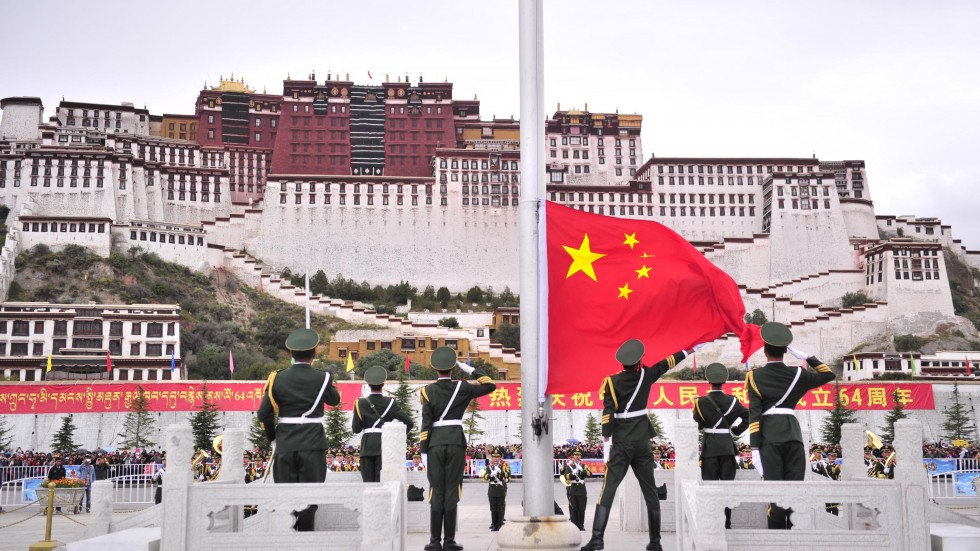
TIBET AWARENESS - POTALA PALACE, LHASA, TIBET  -  TIBET IS UNDER OCCUPATION.
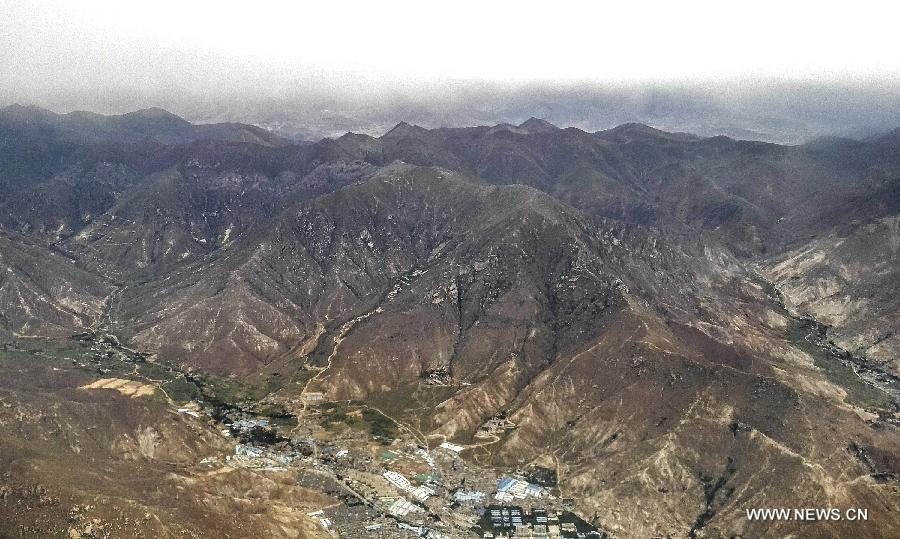
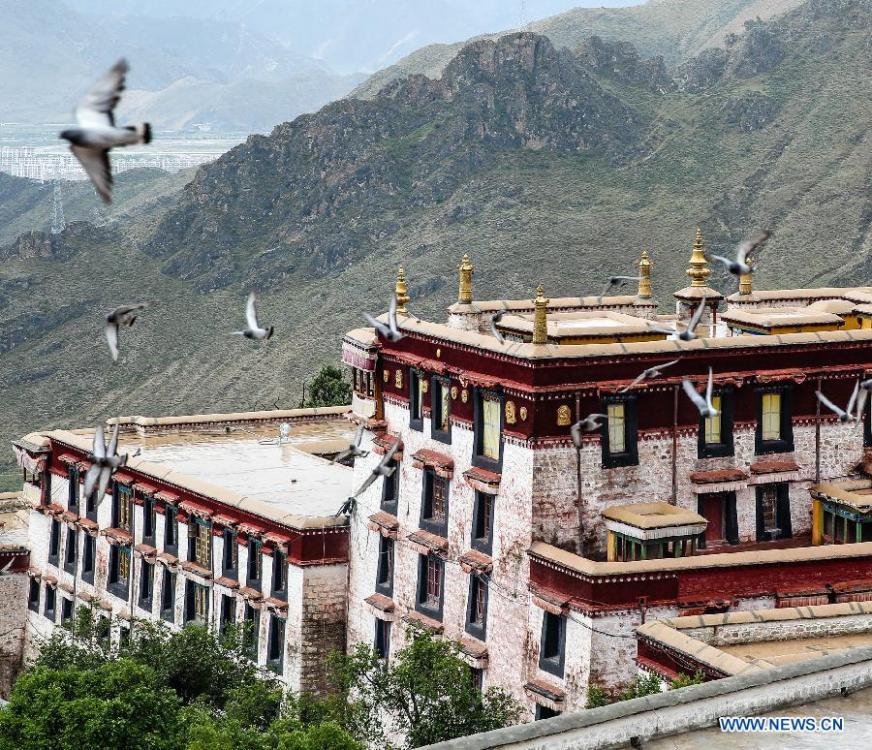
TIBET AWARENESS – POTALA PALACE, LHASA, TIBET – TIBET IS UNDER OCCUPATION. Red China has been using photo images of Tibet to promote Tibetan Tourism which fails to acknowledge Tibet’s Independence and Tibetans’ Right to Natural Freedom.

On September 01, 2015, Red China is celebrating a historical event that scars the beauty of Tibetan landscape. Red China brutally carved out a province that she calls Tibetan Autonomous Region or TAR where Tibetans have no autonomy and are denied Right to Self-Determination. Tibet has a total area of 965, 000 square miles and as such in terms of size, Tibet is world’s tenth largest nation.

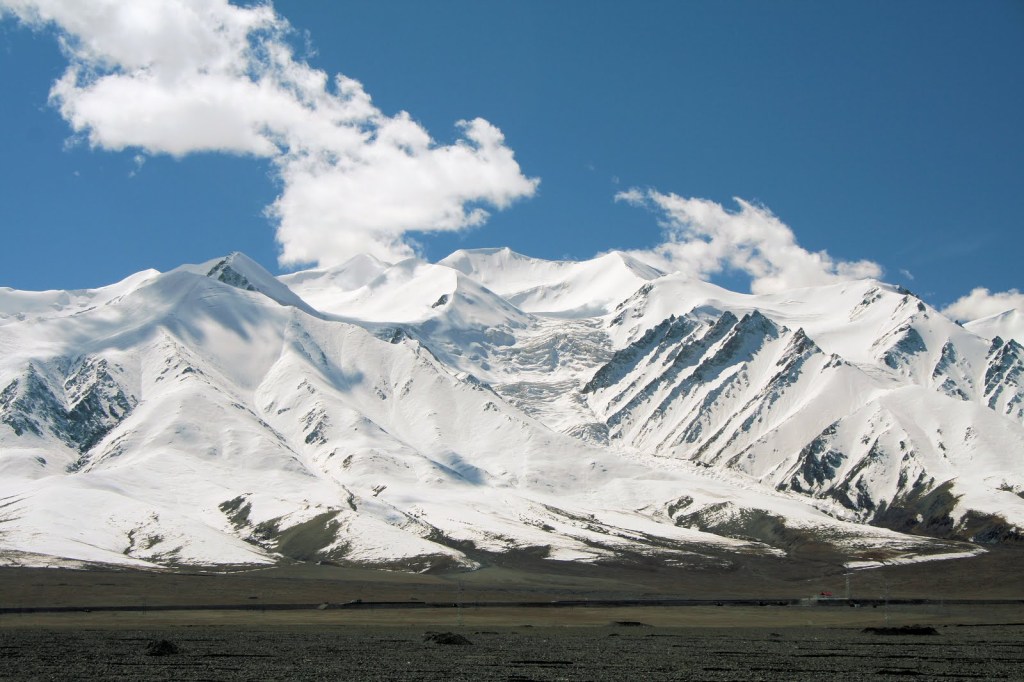
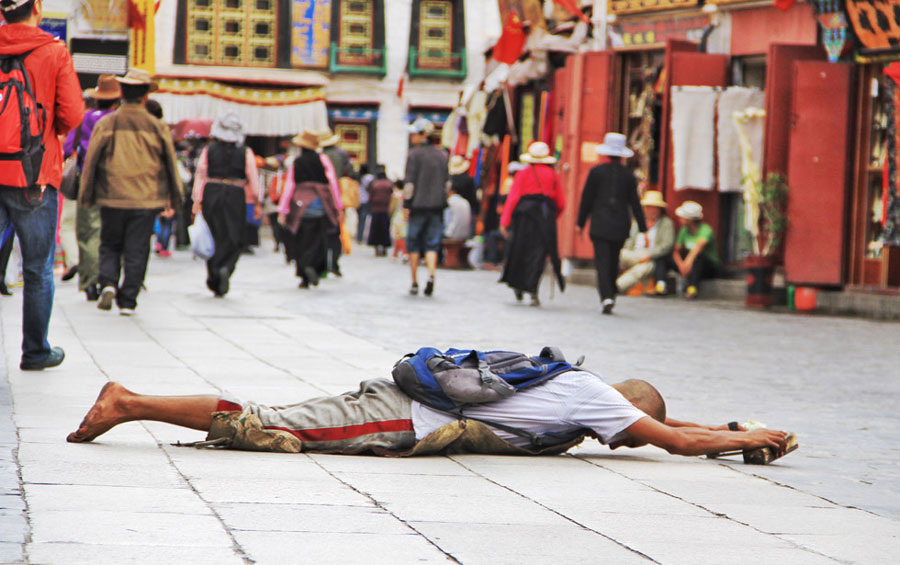
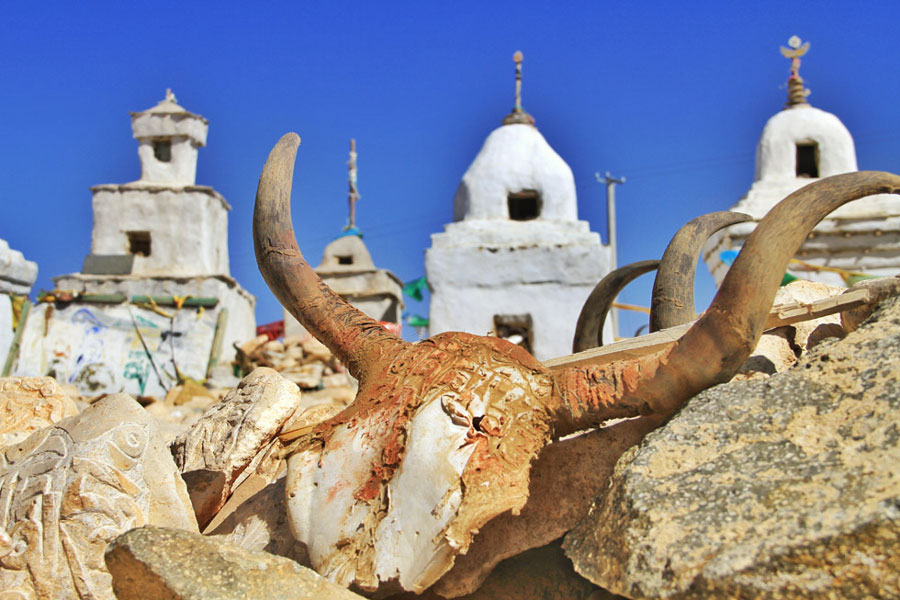
I am sharing a few photo images of Tibet, its landscape and its people. Red China has been using photo images of Tibet to promote Tibetan Tourism which fails to acknowledge Tibet’s Independence and Tibetans’ Right to Natural Freedom.

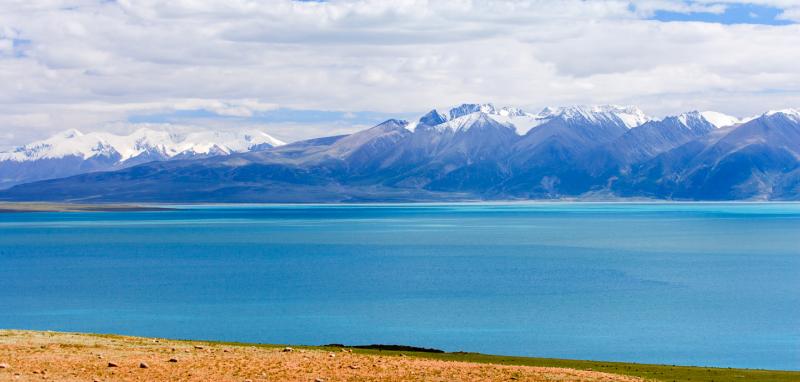
TIBET AWARENESS - TIBET IS UNDER OCCUPATION. QINGHAI. TIBET PLATEAU.
TIBET AWARENESS – TIBET IS UNDER OCCUPATION. QINGHAI. TIBET PLATEAU. Red China has been using photo images of Tibet to promote Tibetan Tourism which fails to acknowledge Tibet’s Independence and Tibetans’ Right to Natural Freedom.
TIBET AWARENESS - TIBET IS UNDER OCCUPATION. QINGHAI - TIBET PLATEAU.
TIBET AWARENESS – TIBET IS UNDER OCCUPATION. QINGHAI – TIBET PLATEAU. Red China has been using photo images of Tibet to promote Tibetan Tourism which fails to acknowledge Tibet’s Independence and Tibetans’ Right to Natural Freedom.
TIBET AWARENESS - TIBET IS UNDER OCCUPATION. QINGHAI TIBET PLATEAU.
TIBET AWARENESS – TIBET IS UNDER OCCUPATION. QINGHAI TIBET PLATEAU. Red China has been using photo images of Tibet to promote Tibetan Tourism which fails to acknowledge Tibet’s Independence and Tibetans’ Right to Natural Freedom.
TIBET AWARENESS - TIBET IS UNDER OCCUPATION. QINGHAI. TIBET
TIBET AWARENESS – TIBET IS UNDER OCCUPATION. QINGHAI. TIBET. Red China has been using photo images of Tibet to promote Tibetan Tourism which fails to acknowledge Tibet’s Independence and Tibetans’ Right to Natural Freedom.
Red China has been using photo images of Tibet to promote Tibetan Tourism which fails to acknowledge Tibet’s Independence and Tibetans’ Right to Natural Freedom.

Whole Awareness – Tibet is not part of Red China

Tibet Awareness – Tibet is not part of Red China

TIBET AWARENESS – TIBET IS NOT PART OF RED CHINA. THE GREAT PROBLEM OF TIBET IS OCCUPATION BY FOREIGN POWER.

There is great confusion in the minds of people when they speak about Status of Tibet as a national entity. It may be true to claim that Tibet came under foreign domination from 1279 to 1368 during Mongol or Yuan Dynasty of China, and had nominal protection from 1644 to 1911 during Qing, Ch’ing, or Manchu Dynasty of China. For much of its human history, Tibet was free of direct foreign control and Tibetans maintained independent national character and independent national identity. For example, India was part of British Empire for several centuries and yet India has always been a separate entity and has its own national character and national identity that sets India and Great Britain apart.

TIBET AWARENESS - TIBET IS NOT PART OF CHINA. RED CHINA'S MILITARY OCCUPATION WILL NOT MAKE TIBET A PART OF CHINA. TIBET IS OCCUPIED AND TIBET'S STATUS WILL BE RESTORED WHEN THE OCCUPIER IS EVICTED.
TIBET AWARENESS – TIBET IS NOT PART OF CHINA. RED CHINA’S MILITARY OCCUPATION WILL NOT MAKE TIBET A PART OF CHINA. TIBET IS OCCUPIED AND TIBET’S STATUS WILL BE RESTORED WHEN THE OCCUPIER IS EVICTED.

The Evil Red Empire formulated by China’s Communist Party Chairman Mao Zedong (or Mao Tse-tung) on October 01, 1949 cannot claim Tibet as a part of People’s Republic of China. Tibet always existed as separate, and independent and it cannot be incorporated into other national entities like China. Tibet’s subjugation, domination by Red China describe the true colors of the evil Red Dragon. I describe Red China as Imperialist, Hegemonist, Neocolonialist, and Expansionist. Red China’s territorial expansionism will not replace Tibet’s true identity and status.

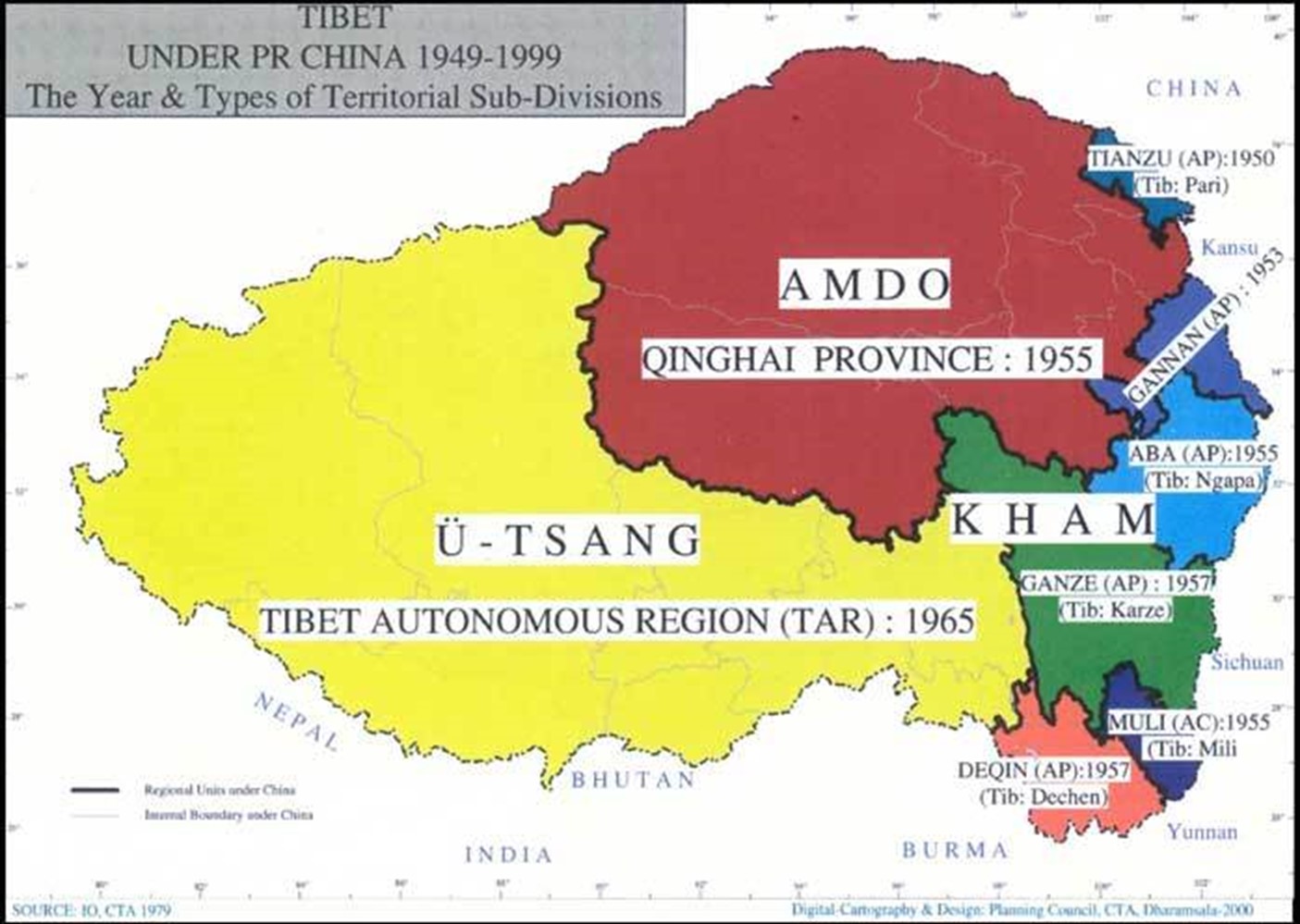
TIBET AWARENESS - TIBET IS NOT PART OF CHINA. TIBET INCLUDES TIBETAN TERRITORIES OF TIBETAN AUTONOMOUS REGION(TAR), AND TIBETAN TERRITORY INCLUDED IN QINGHAI, GANSU, SICHUAN, AND YUNNAN PROVINCES OF RED CHINA.
TIBET AWARENESS – TIBET IS NOT PART OF CHINA. TIBET INCLUDES TIBETAN TERRITORIES OF TIBETAN AUTONOMOUS REGION (TAR), AND TIBETAN TERRITORY INCLUDED IN QINGHAI, GANSU, SICHUAN, AND YUNNAN PROVINCES OF RED CHINA.

On behalf of Special Frontier Force, I confirm that we are not seeking separation of Tibet from Red China. Separatism is not the real issue for Tibet is never a part of any Chinese Dynasty or Chinese Empire. However, we have our rights to evict occupying military power from the entire territory of Tibet which includes Tibetan territory found in Red China’s Provinces of Qinghai, Gansu, Sichuan, Yunnan apart from Tibet Autonomous Region or TAR.

President Xi Emphasizes Need to Promote National Unity and Combat Separatism in Tibet

By KWAO PEPPEH | Aug 25, 2015 12:02 PM EDT

TIBET AWARENESS – TIBET IS NOT PART OF CHINA. RED CHINA’S MILITARY OCCUPATION WILL NOT MAKE TIBET A PART OF CHINA. TIBET IS OCCUPIED AND TIBET’S STATUS WILL BE RESTORED WHEN THE OCCUPIER IS EVICTED.

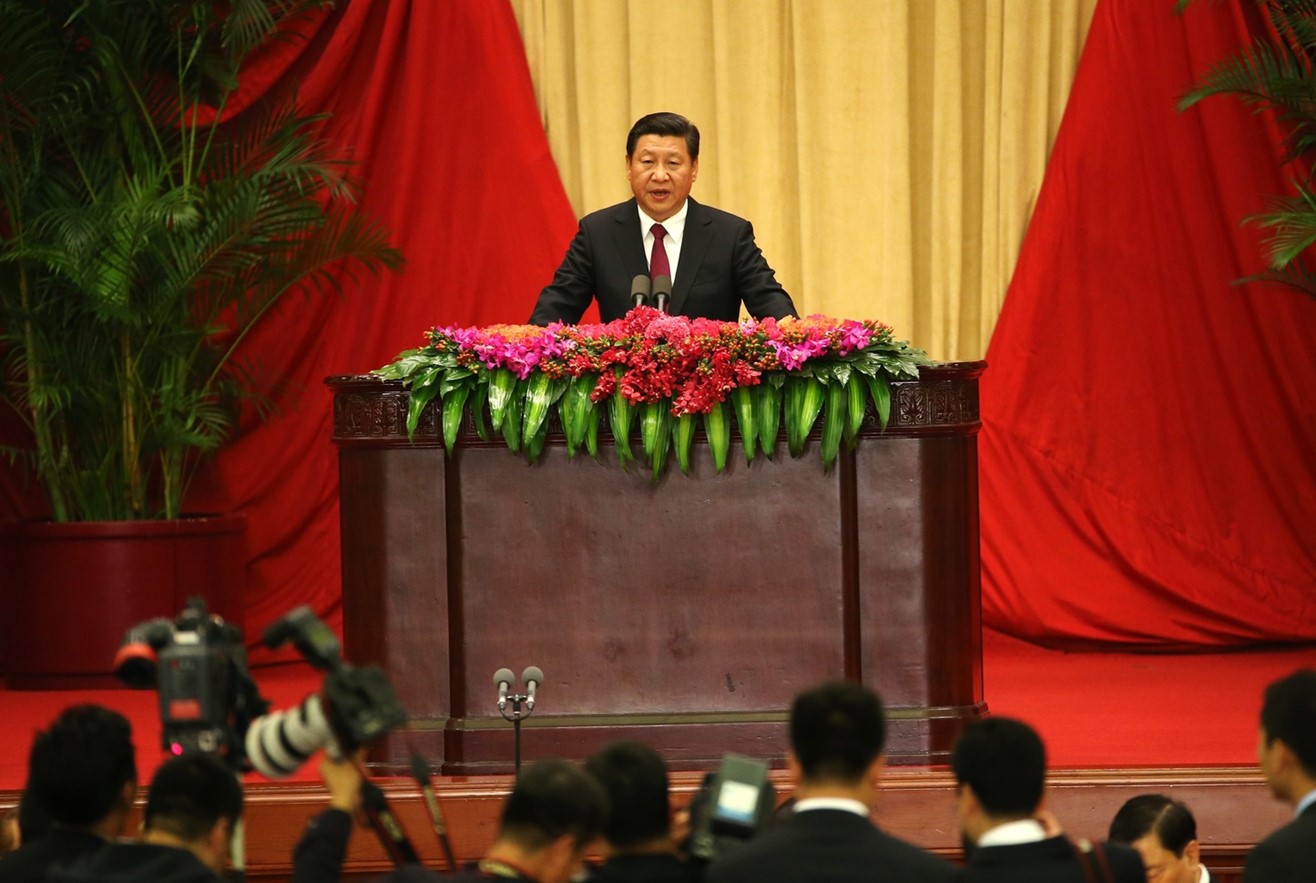
(Photo : Photo by Host Photo Agency/Ria Novosti via Getty Images) Chinese President Xi Jinping has underscored the need to consolidate the unity and security of Tibet.

President Xi Jinping on Tuesday called for an all-out-effort to cultivate national unity in Tibetan autonomous areas and fight against separatism.

He made this comment against the backdrop of persistent agitations from Tibetans at home and abroad for sovereignty from China.

The Chinese government claims Tibet as part of her national territory. Therefore, when the Communist Party of China consolidated control of the mainland in 1950, representatives of the government and the Dalai Lama (the de facto head of the theocratic state) negotiated a historic agreement. The Seventeen Point Agreement officially cemented Chinese control of the region – albeit it was granted autonomy.

This agreement was later thrown-under-the-bus following the 1959 Tibetan Uprising. The 14th Dalai Lama subsequently went on exile and has repeatedly repudiated the Seventeen Point Agreement. There have been several protests (including self-immolation) by Tibetans for independence since then. Activists claim the Chinese government is curtailing the rights of Tibetans and undermining their culture.

President Xi has explained that efforts should be focused on “ensuring national unity and consolidating ethnic unity” in Tibet.

“We should help people of various ethnic groups understand, support, appreciate and study from each other,” he explained.

President Xi highlighted the need to engender a sense of patriotism among Tibetans and promote the ideals of socialism. He also noted that religious doctrines expounded by Tibetans Buddhists should be compatible with those of the Communist Party.

Xi explained that ensuring stability in Tibet is crucial to ensuring good government in the entire country. He condemned separatism and vowed to clamp down on all efforts to separate the country.

Recently, the Chinese-state media reported that the government is set to install three additional unmanned radars in the Himalayan region. Currently, the government has only one radar in the area. Experts say this would go a long way to improve security in Tibet and strengthen the government’s control of the region.

At the center of the unrest in Tibet is issue of the exiled Dalai Lama and the selection of his successor. Chinese state media have underscored the fact that the central government plays a “vital role”in the selection of the next Dalai Lama. However, experts say this is unlikely to go down well with the Dalai Lama, who has said that he may be the last leader of the “Yellow Hat” Tibetan Buddhists.

©2015 Chinatopix All rights reserved. Do not reproduce without permission

TIBET AWARENESS – TIBET IS NOT PART OF CHINA. RED CHINA’S MILITARY OCCUPATION WILL NOT MAKE TIBET A PART OF CHINA. TIBET IS OCCUPIED AND TIBET’S STATUS WILL BE RESTORED WHEN THE OCCUPIER IS EVICTED.

RED DRAGON – RED CHINA – OCCUPIER OF TIBET

RED DRAGON – RED CHINA – OCCUPIER OF TIBET

RED DRAGON - RED CHINA - OCCUPIER OF TIBET: ARCHAEOLOGICAL FINDINGS SUGGEST THAT PEOPLE OF ANCIENT TIBET HAD FACED THREATS OF FOREIGN CONQUESTS.
RED DRAGON – RED CHINA – OCCUPIER OF TIBET: ARCHAEOLOGICAL FINDINGS SUGGEST THAT PEOPLE OF ANCIENT TIBET HAD FACED THREATS OF FOREIGN CONQUESTS.

Red China took possession of Tibet or seized Tibet using her superior military power. Red China told a lie when she claimed about peaceful liberation of Tibet by People’s Liberation Army. Red China is an occupying force that faces eviction from Tibet when Peace, Freedom, and Justice will prevail again. It is interesting to note that people of ancient Tibet had faced similar threats from external aggressors.

Rudranarasimham Rebbapragada
Ann Arbor, MI 48104-4162, USA
SPECIALFRONTIERFORCE.ESTABLISHMENT22

 
  image          
The Spirits of Special Frontier ForceAt Special Frontier Force, I host ‘The Living Tibetan Spirits’ to promote Tibet Awareness. I…
 
View on www.facebook.com Preview by Yahoo


Popular Archaeology


Archaeologist explores the first civilization of ancient Tibet

Mon, Aug 10, 2015

Vestiges of a once flourishing prehistoric civilization dot the landscape of Upper Tibet.

Archaeologist explores the first civilization of ancient Tibet
For more than two decades, University of Virginia Tibet Center archaeologist and historian John Vincent Bellezza has been exploring highland central Asia, going places where few archaeologists and explorers have ventured. Since 1992, he has investigated and documented scores of monumental sites, rock art, castles, temples, residential structures, and other features on the desolate reaches of the TIBETAN PLATEAU, building a knowledge base on a vast archaic civilization and ancient religion that flourished long before Buddhism emerged and dominated this otherwise comparatively sparsely populated high altitude region.

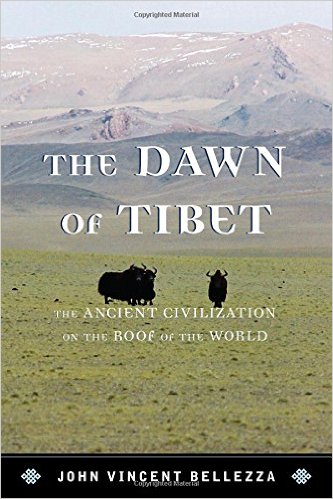
“Commonly, when people think of Tibet, Buddhism comes to mind,” writes Bellezza in his newest book, THE DAWN OF TIBET. By this he also implies the better-known and popular images of the imposing, sky-high, mountaintop monumental wonders of Buddhist centers such as Lhasa. But, he continues, “before Buddhism was introduced, a different type of civilization reigned in Tibet, one with monuments, art, and ideas alien to those of more recent times……….Demarcated through an enormous network of citadels and burial centers spanning one thousand miles from east to west, it would endure for some fifteen hundred years.”*

Bellezza is describing an archaic civilization known as ZHANG ZHUNG, which flourished from about 500 BC to 625 AD and encompassed most of the western and northwestern regions of the Tibetan Plateau. Mastering an ancient technology base not normally attributed to people of this region in the popular perception, the people of Iron Age Zhang Zhung, according to Bellezza, built citadels, elite stone-corbelled residential structures, temples, necropolises featuring stone pillars, sported metal armaments and a strong equestrian culture, established links with other cultures across Eurasia, and exhibited a relatively uniform and standardized cultural tradition rich in ritualistic religious practice, where kings and priests dominated the highest rungs of power. These are all characteristics of stratified, centralized and developed societies most often associated with the more southerly, lower-altitude great Old World Bronze and Iron Age civilizations that ringed the Mediterranean as well as the advanced civilizations of Mesoamerica and South America. The supporting findings on the landscape, when considered across two decades of investigation, have been nothing less than prolific.

tibetmckaysavage1

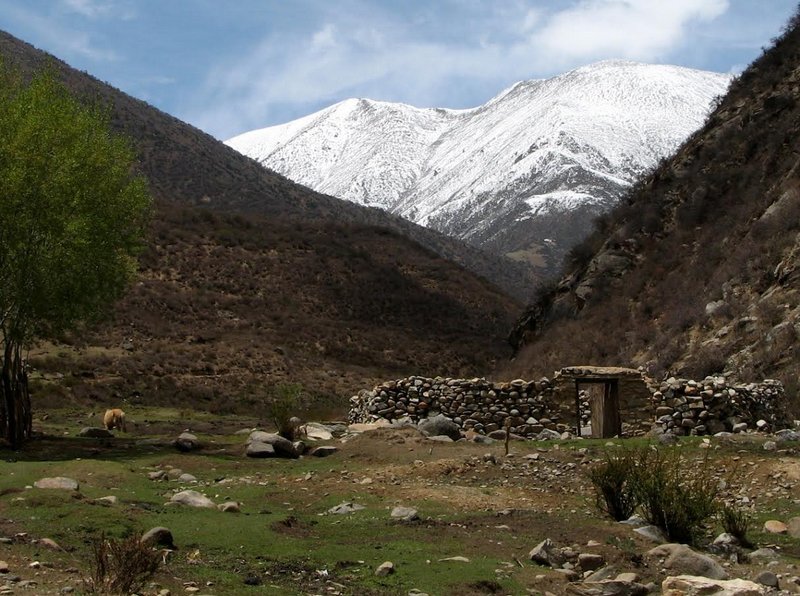
The Tibetan Plateau features ancient stone structures, many of which date back to the First Millennium B.C. McKay Savage, Wikimedia Commons

But this archaeological evidence, according to Bellezza, also opened a window on a civilization that heavily fortified itself from threats both within and without. The struggle for resources in a land where climate gradually changed over preceding millennia from one that was relatively warmer and moist to one that was cold and dry may have played a significant role in this. Competing external and internal forces may have played another. “Most archaic era residential facilities in Upper Tibet were built on unassailable high ground, on inaccessible islands, or in hidden spots, “ writes Bellezza. “This insularity indicates that defense was a preoccupation of the population. Eternal Bon historical sources speak of the martial character of Zhang Zhung society and its political nexus of kings and priests.” Even the priests were depicted in the literature as possessing arms. On the other hand, notes Bellezza, “these literary accounts also hold that the ancient priesthood was very adept in the practice of astrology, divination, magic, and medicine.”*

With much still awaiting discovery and study, Bellezza continues to explore and analyze the massive trove of data he has already compiled on this ancient people. In time, he and other researchers hope, by merging references in the literary sources with the accumulating new archaeological evidence, a sharper focus on an otherwise obscure and ill-understood civilization will emerge.

dawnoftibetpic

Readers can learn more about Zhang Zhung in Belezza’s book, THE DAWN OF TIBET, and in an upcoming article about Zhang Zhung authored by Bellezza in the Fall issue of Popular Archaeology Magazine.

Copyright © 2015POPULAR ARCHAEOLOGY


RED DRAGON – RED CHINA – IMPERIALIST

RED DRAGON – RED CHINA – IMPERIALIST

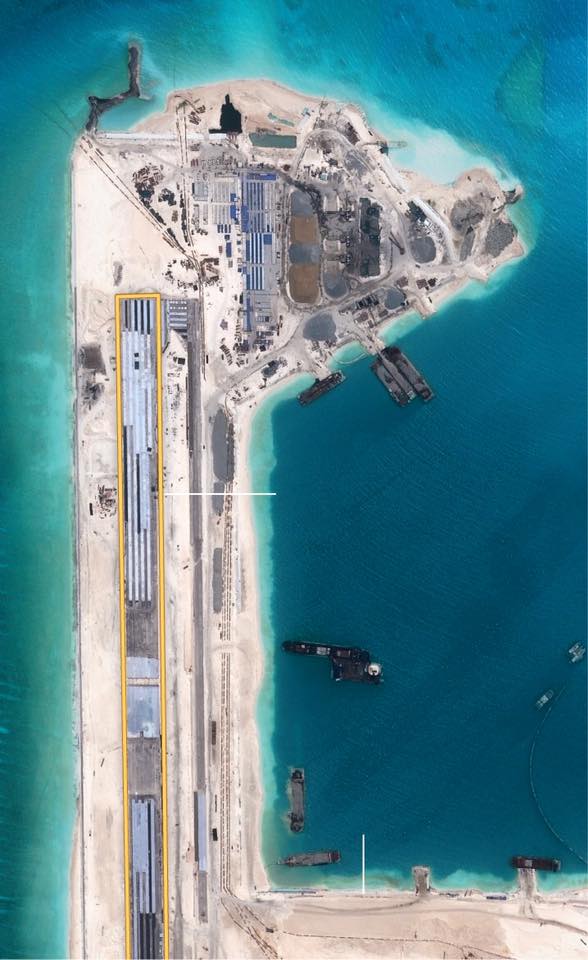
red china west philippine sea aggression fiery cross reef
RED DRAGON – RED CHINA  West Philippine Sea Aggression –  Fiery Cross Reef

Red China’s passionate desire to exercise power and influence over her weaker regional neighbors has undermined the prospects for Peace, Security, and Stability in Southeast Asia since 1950s.

Rudranarasimham Rebbapragada
Ann Arbor, MI 48104-4162, USA
SPECIALFRONTIERFORCE.ESTABLISHMENT22

 
  image          
The Spirits of Special Frontier ForceAt Special Frontier Force, I host ‘The Living Tibetan Spirits’ to promote Tibet Awareness. I…
 
View on www.facebook.com Preview by Yahoo


SE Asia warns of ‘increased tensions’ over S. China Sea

AFP

By Nicolas Revise August 6, 2015 1:40 PM


A satellite image of what is claimed to be an airstrip, under-construction at Fiery Cross Reef in the disputed South China Sea
RED DRAGON – RED CHINA – IMPERIALIST: A satellite image of China’s military airstrip at Fiery Cross Reef.

Land reclamation in the South China Sea has “increased tensions” in the region, Southeast Asian foreign ministers said Thursday at the close of talks dominated by Beijing’s island-building.

The declaration, contained in a final communique, followed a warning by US Secretary of State John Kerry that Washington would not tolerate any restrictions on freedom of navigation in the strategically important waters.

The Southeast Asian ministers’ joint final statement noted “the serious concerns expressed by some ministers on the land reclamations in the South China Sea”.
It said the land works “have eroded trust and confidence, increased tensions and may undermine peace, security and stability in the South China Sea,” without specifically singling out Beijing.

The communique was hashed out after two days of wrangling over how hard to pressure China on its controversial drive to expand tiny reefs and build military posts in the disputed waters.

The issue took centre stage at the series of diplomatic meetings this week in Kuala Lumpur, hosted by the 10-nation Association of Southeast Asian Nations (ASEAN).

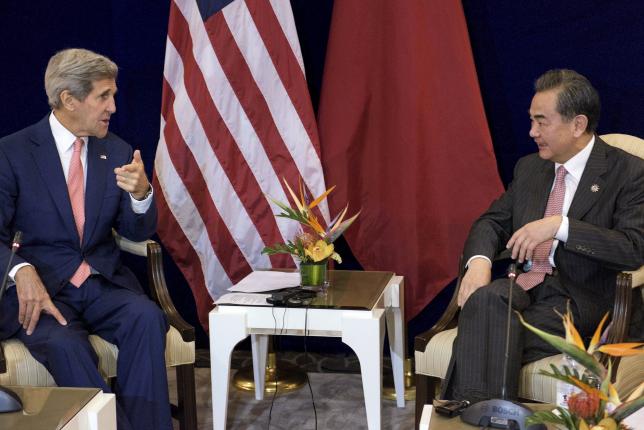
US Secretary of State John Kerry (L) and China's Foreign Minister Wang Yi talk before a bilateral meeting at the Putra World Trade Center August 5, 2015 in Kuala Lumpur, Malaysia.  REUTERS/Brendan Smialowski/Pool
US Secretary of State John Kerry (L) and China’s Foreign Minister Wang Yi talk before a bilateral meeting at the Putra World Trade Center August 5, 2015 in Kuala Lumpur, Malaysia. REUTERS/Brendan Smialowski/Pool

US Secretary of State John Kerry attends an Association of Southeast Asian Nations (ASEAN) meeting in Kuala Lumpur, Malaysia.

They also included envoys from two dozen other nations such as China and the United States.
Beijing claims control over nearly the entire South China Sea, a key shipping route thought to hold rich oil and gas reserves.
Vietnam, the Philippines, Malaysia and Brunei — all ASEAN members — also have various claims, as does Taiwan, many of which overlap.

Even before the land reclamations, China had sparked rising unease over the years with actions interpreted as seeking to shore up its disputed claims, in violation of a pledge not to upset the status quo.

A day after voicing concern to his Chinese counterpart Wang Yi over the potential “militarization” of the South China Sea, Kerry said freedom of navigation must be maintained.

red china west philippine sea aggression johnson south reef
Red Dragon – Red China – Imperialist: West Philippine Sea Aggression. Johnson South Reef

Alleged reclamation by China on what is internationally recognised as the Johnson South Reef in the West Philippine Sea or South China Sea.

– Behind-the-scenes wrangling –

“Let me be clear: The United States will not accept restrictions on freedom of navigation and overflight, or other lawful uses of the sea,” he told reporters.

Diplomatic sources told AFP the Philippines and Vietnam — which have been in the most direct confrontation with China — had called for strong language.
But they said there had been pushback from Beijing’s traditional allies among the association. Cambodia, Laos and Myanmar traditionally side with China within ASEAN.

The tug-of-war raised the spectre of a bitter 2012 ASEAN meeting hosted by Cambodia, when the bloc was unable for the first time in its four-decade history to issue a joint statement.
Cambodia was accused of precipitating the debacle by refusing to allow criticism of China over territorial issues.

A Malaysian foreign ministry source told AFP there were some “ASEAN members who said that we don’t want a repeat of 2012”.

The United States and Southeast Asian nations have called for a halt to further island-expansion and construction by China.
Wang, however, said Wednesday that land reclamation had “already stopped” — a claim some diplomats said was met with scepticism at the gathering.

Kerry told reporters after the close of the talks: “The Chinese have indicated that they have stopped. I hope it is true. I don’t know yet.”
ASEAN has expressed increasing impatience with China’s actions over the years.

Analysts, however, say Beijing maintains immense diplomatic and economic leverage in the region and that a concerted and sustained effort by ASEAN to resist China’s assertions was unlikely.
Singapore International News South China Sea

© 2015 AFP

Yahoo – ABC News Network

RED DRAGON – RED CHINA – A TYRANT

RED DRAGON – RED CHINA – A TYRANT

US Secretary of State John Kerry (L) and China's Foreign Minister Wang Yi talk before a bilateral meeting at the Putra World Trade Center August 5, 2015 in Kuala Lumpur, Malaysia.  REUTERS/Brendan Smialowski/Pool
US Secretary of State John Kerry (L) and China’s Foreign Minister Wang Yi talk before a bilateral meeting at the Putra World Trade Center August 5, 2015 in Kuala Lumpur, Malaysia. REUTERS/Brendan Smialowski/Pool

Red China’s acts of aggression alarm her neighbors and nations of Southeast Asia are trying their best to convince Red China about the nature of her acts. It is not easy to persuade a tyrant for a tyrant will always find a pretext to justify own actions and find fault with others if they complain about it. Red China is a danger to peace and tranquility in Southeast Asia and she must be quarantined until such time she recovers from her disease called ‘AGGRESSION’.

Rudranarasimham Rebbapragada
Ann Arbor, MI 48104-4162, USA
The Spirits of Special Frontier Force

 
  image          
The Spirits of Special Frontier ForceAt Special Frontier Force, I host ‘The Living Tibetan Spirits’ to promote Tibet Awareness. I…
 
View on www.facebook.com Preview by Yahoo


US, China bicker over territorial claims in South China Sea

Associated Press

By MATTHEW LEE and EILEEN NG 


China’s Foreign Minister Wang Yi, right, listens while U.S. Secretary of State John Kerry talks before a bilateral meeting at the Putra World Trade Center in Kuala Lumpur, Malaysia Wednesday, Aug. 5, 2015. (Brendan Smialowski/Pool Photo via AP)

China’s Foreign Minister Wang Yi, right, listens while U.S. Secretary of State John Kerry talks before a bilateral meeting at the Putra World Trade Center in Kuala Lumpur, Malaysia Wednesday, Aug. 5, 2015. (Brendan Smialowski/Pool Photo via AP)

KUALA LUMPUR, Malaysia (AP) — The United States and China clashed Wednesday over who is to blame for rising tensions over territorial disputes in the South China Sea with Washington demanding a halt to “problematic actions” in the area and Beijing telling foreign parties to keep out.

In blunt but diplomatic terms, U.S. Secretary of State John Kerry and his Chinese counterpart Wang Yi suggested that efforts to ease tensions over competing claims remained a contentious work in progress despite hopes for movement on ways to resolve them here at a Southeast Asian regional security forum.
Kerry urged China to end provocative land reclamation projects in the South China Sea that have ratcheted up tensions with its smaller neighbors in some of the world’s busiest commercial sea lanes.
Wang, meanwhile, sent a strong message that those without claims, such as the United States, should allow China and the other claimants to deal with them on their own.
Kerry told foreign ministers of members of the Association of Southeast Asian Nations that the U.S. shares their desire “to ensure the security of critical sea lanes and fishing grounds, and we want to see that disputes in the area are managed peacefully and on the basis of international law.” A senior U.S. official said Kerry made the case for easing tensions in a closed-door meeting with Wang.
In his meeting with Wang, Kerry reiterated U.S. concerns about the rising tensions and “China’s large-scale reclamation, construction, and militarization of features,” according to the senior U.S. official.
The official said Kerry had “encouraged” China, and the other claimants, “to halt problematic actions in order to create space for diplomacy.” The official spoke on condition of anonymity because he was not authorized to speak publicly about the private meeting.
Chinese land reclamation in contested waters has irked Southeast Asian nations who, like the U.S., want China to stop. Washington is calling for a halt to aggressive actions by China and other claimants to allow a diplomatic solution to the rift. The U.S. is not a party to the conflict but says a peaceful resolution of the problem and freedom of navigation are in the U.S. national interest.
China rejects any U.S. involvement and insists it has the right to continue the reclamation projects. Beijing was opposed to the issue being raised at the security forum in the first place.
Kerry told the ASEAN ministers that his meeting with Wang had been “good” and that he hoped “we will find a way to move forward effectively, together, all of us” over the course of the two-day forum.
But Wang gave no indication he had been swayed by Kerry, telling reporters later that foreign parties should support Beijing and ASEAN’s plan to accelerate negotiations on a code of conduct governing behavior in the disputed waters.
“We want to send a clear message to the international community that China and ASEAN have the capability and wisdom to resolve this specific issue between us,” he told a news conference. “We shouldn’t allow the South China Sea region to be destabilized.”
He said that China is committed to a peaceful solution through “rules and mechanisms already in place.” He also pledged that China will uphold freedom of navigation and overflight at sea. “There has not, and will not be any problem in this regard,” he said.
However, ASEAN members have complained that although China has pledged to start substantive negotiations with them on a code of conduct governing behavior in the resource-rich and busy waterways, there is a gap between its pledge and the situation on the ground.
China, Taiwan and several ASEAN members — the Philippines, Malaysia, Vietnam and Brunei — have wrangled over ownership and control of the South China Sea in a conflict that has flared on and off for decades.
Tensions rose last year when China began building artificial islands in the Spratly Islands, which the U.S. and Beijing’s rival claimant countries fear could impede freedom of navigation and overflights in a major transit area for the world’s oil and merchandise.
The disputes have led to deadly confrontations between China and Vietnam, and Washington and governments in the region are concerned that greater military deployments increase the risk of miscalculations and accidental clashes that could spiral out of control.
U.S. officials say China has reclaimed more than 3,000 acres (1,200 hectares) in the last 18 months alone. That figure dwarfs the 100 acres (40 hectares) that Vietnam, Malaysia, the Philippines and Taiwan have reclaimed in disputed areas over the last 45 years.
Wang bristled when asked about calls for China to halt its island-building activities.
“China has stopped, China has stopped. You want to see who is building? Take a plane and go see who is still building,” he said.
John Kerry South China Sea China


Copyright 2015 The Associated Press. All rights reserved. This material may not be published, broadcast, rewritten or redistributed.


Yahoo – ABC News Network