Happy Women’s Day Celebration in Ann Arbor.International Women’s Day TributeInternational Women’s Day TributeINTERNATIONAL WOMEN’S DAY: WOMAN IS THE SOURCE OF LIFE, ENERGY AND KNOWLEDGE THAT MAKES HUMAN EXISTENCE POSSIBLE. I DESCRIBE THE CONCEPT OF “WHOLE ANGEL” AS THE HARMONIOUS BLENDING OR COMING TOGETHER OF ANGEL OF BEAUTY, ANGEL OF MERCY, AND ANGEL OF KNOWLEDGE .INTERNATIONAL WOMEN’S DAY: WOMAN IS THE SOURCE OF LIFE, ENERGY AND KNOWLEDGE THAT MAKES HUMAN EXISTENCE POSSIBLE. I DESCRIBE THE CONCEPT OF “WHOLE ANGEL” AS THE HARMONIOUS BLENDING OR COMING TOGETHER OF ANGEL OF BEAUTY, ANGEL OF MERCY, AND ANGEL OF KNOWLEDGE .
Tribute to Helen Keller and Her Miracle Worker – Finding Perfect Soul in Imperfect Body
INTERNATIONAL WOMEN’S DAY – MARCH 08, 2016 – TRIBUTE TO HELEN KELLER AND HER MIRACLE WORKER FOR FINDING “USEFULNESS OF WHOLE SOULS IN IMPERFECT BODIES.”
United Nations Day for Women’s Rights and International Peace is celebrated as International Women’s Day on Saturday, March 08, 2025. On this occasion, I pay my respectful tribute to Ms. Helen Keller (b. Tuscumbia, Alabama) and her instructor Anne Sullivan Macy (b. Feeding Hills, Massachusetts). Keller was blind and deaf from the age of two. On March 03, 1887, Keller was put in the care of Anne Sullivan Macy who became her teacher and lifelong companion. Macy transformed her Deaf-Blind student into a Reader, Speaker, and Writer. In 1904, Keller graduated from Radcliffe College with honors. Both of them helped to promote the newly founded (1921) American Foundation for the Blind. I pay my tribute to both of them using Keller’s words; I commend them for their service to humanity by finding “Usefulness of Whole Souls in Imperfect Bodies.”
In the Indian tradition, Soul is thought of as Divine Perfection while the Physical Being is subject to various imperfections like defects, deformities, and consequences of disease and aging. God is viewed as Male aswell as Female. God is often worshiped as Mother, and Father Principle. In my view, celebration of International Women’s Day is not about empowering women. It is about recognizing Woman as source of Life, Energy, and Knowledge that makes human existence possible.
INTERNATIONAL WOMEN’S DAY: WOMAN IS THE SOURCE OF LIFE, ENERGY AND KNOWLEDGE THAT MAKES HUMAN EXISTENCE POSSIBLE. I DESCRIBE THE CONCEPT OF “WHOLE ANGEL” AS THE HARMONIOUS BLENDING OR COMING TOGETHER OF ANGEL OF BEAUTY, ANGEL OF MERCY, AND ANGEL OF KNOWLEDGE .
Rudra Narasimham Rebbapragada Ann Arbor, MI 48104-4162 USA
INTERNATIONAL WOMEN’S DAY: WOMAN IS THE SOURCE OF LIFE, ENERGY AND KNOWLEDGE THAT MAKES HUMAN EXISTENCE POSSIBLE. I DESCRIBE THE CONCEPT OF “WHOLE ANGEL” AS THE HARMONIOUS BLENDING OR COMING TOGETHER OF ANGEL OF BEAUTY, ANGEL OF MERCY, AND ANGEL OF KNOWLEDGE .International Women’s Day Tribute to Helen Keller and Her Miracle Worker Anne Sullivan Macy for Finding “Usefulness of Whole Souls in Imperfect Bodies.”
On this day in 1887, Anne Sullivan begins teaching six-year-old Helen Keller, who lost her sight and hearing after a severe illness at the age of 19 months. Under Sullivan’s tutelage, including her pioneering “touch teaching” techniques, the previously uncontrollable Keller flourished, eventually graduating from college and becoming an international lecturer and activist. As a baby, a brief illness, possibly scarlet fever, left Helen unable to see, hear or speak. She was considered a bright but spoiled and strong-willed child. Her parents eventually sought the advice of Alexander Graham Bell, the inventor of the telephone and an authority on the deaf. He suggested the Kellers contact the Perkins Institution, which in turn recommended Anne Sullivan as a teacher. Sullivan, age 20, arrived at Ivy Green, the Keller family estate, in 1887 and began working to socialize her wild, stubborn student and teach her by spelling out words in Keller’s hand. Initially, the finger spelling meant nothing to Keller. However, a breakthrough occurred one day when Sullivan held one of Keller’s hands under water from a pump and spelled out “w-a-t-e-r” in Keller’s palm. Keller went on to learn how to read, write and speak. With Sullivan’s assistance, Keller attended Radcliffe College and graduated with honors in 1904. Helen Keller became a public speaker and author; her first book, “The Story of My Life” was published in 1902. She was also a fundraiser for the American Foundation for the Blind and an advocate for racial and sexual equality, as well as socialism. From 1920 to 1924, Sullivan and Keller even formed a vaudeville act to educate the public and earn money. Helen Keller died on June 1, 1968, at her home in Westport, Connecticut, at age 87, leaving her mark on the world by helping to alter perceptions about the disabled.
HELEN KELLER MEETS HER MIRACLE WORKER
On this day in 1887, Anne Sullivan begins teaching six-year-old Helen Keller, who lost her sight and hearing after a severe illness at the age of 19 months. Under Sullivan’s tutelage, including her pioneering “touch teaching” techniques, the previously uncontrollable Keller flourished, eventually graduating from college and becoming an international lecturer and activist. Sullivan, later dubbed “the miracle worker,” remained Keller’s interpreter and constant companion until the older woman’s death in 1936. Sullivan, born in Massachusetts in 1866, had firsthand experience with being handicapped: As a child, an infection impaired her vision. She then attended the Perkins Institution for the Blind where she learned the manual alphabet in order to communicate with a classmate who was deaf and blind. Eventually, Sullivan had several operations that improved her weakened eyesight. Helen Adams Keller was born on June 27, 1880, to Arthur Keller, a former Confederate army officer and newspaper publisher, and his wife Kate, of Tuscumbia, Alabama. As a baby, a brief illness, possibly scarlet fever, left Helen unable to see, hear or speak. She was considered a bright but spoiled and strong-willed child. Her parents eventually sought the advice of Alexander Graham Bell, the inventor of the telephone and an authority on the deaf. He suggested the Kellers contact the Perkins Institution, which in turn recommended Anne Sullivan as a teacher. Sullivan, age 20, arrived at Ivy Green, the Keller family estate, in 1887 and began working to socialize her wild, stubborn student and teach her by spelling out words in Keller’s hand. Initially, the finger spelling meant nothing to Keller. However, a breakthrough occurred one day when Sullivan held one of Keller’s hands under water from a pump and spelled out “w-a-t-e-r” in Keller’s palm. Keller went on to learn how to read, write and speak. With Sullivan’s assistance, Keller attended Radcliffe College and graduated with honors in 1904. Helen Keller became a public speaker and author; her first book, “The Story of My Life” was published in 1902. She was also a fundraiser for the American Foundation for the Blind and an advocate for racial and sexual equality, as well as socialism. From 1920 to 1924, Sullivan and Keller even formed a vaudeville act to educate the public and earn money. Helen Keller died on June 1, 1968, at her home in Westport, Connecticut, at age 87, leaving her mark on the world by helping to alter perceptions about the disabled.
International Women’s Day Tribute to Helen Keller and Her Miracle Worker for Finding “Usefulness of Whole Souls in Imperfect Bodies.”
International Women’s Day Tribute to Helen Keller and Her Miracle Worker for Finding “Usefulness of Whole Souls in Imperfect Bodies.”International Women’s Year Tribute to Helen Keller and Her Miracle Worker for Finding “Usefulness of Whole Souls in Imperfect Bodies.”International Women’s Day Tribute to Helen Keller and Her Miracle Worker for Finding “Usefulness of Whole Souls in Imperfect Bodies.”International Women’s Day Tribute to Helen Keller and Her Miracle Worker for Finding “Usefulness of Whole Souls in Imperfect Bodies.”International Women’s Day Tribute to Helen Keller and Her Miracle Worker for Finding “Usefulness of Whole Souls in Imperfect Bodies.”International Women’s Day Tribute to Helen Keller and Her Miracle Worker Anne Sullivan for Finding “Usefulness of Whole Souls in Imperfect Bodies.” Stamp issued in 1980.International Women’s Day Tribute to Helen Keller and Her Miracle Worker For Finding “Usefulness of Whole Souls in Imperfect Bodies.”International Women’s Day Tribute to Helen Keller and Her Miracle Worker For Finding “Usefulness of Whole Souls in Imperfect Bodies.”International Women’s Day Tribute to Helen Keller, Anne Sullivan, Edith Wharton, Emily Bissell, Frances Perkins and Dolley Madison For Finding “Usefulness of Whole Souls in Imperfect Bodies.”International Women’s Day Tribute to Helen Keller and Her Miracle Worker For Finding “Usefulness of Whole Souls in Imperfect Bodies.”International Women’s Day Tribute to Helen Keller and Her Miracle Worker For Finding “Usefulness of Whole Souls in Imperfect Bodies.”International Women’s Day Tribute to Helen Keller and Her Miracle Worker For Finding “Usefulness of Whole Souls in Imperfect Bodies.”International Women’s Day Tribute to Helen Keller and Her Miracle Worker For Finding “Usefulness of Whole Souls in Imperfect Bodies.”International Women’s Day Tribute to Helen Keller and Her Miracle Worker For Finding “Usefulness of Whole Souls in Imperfect Bodies.”International Women’s Day Tribute to Helen Keller and Her Miracle Worker For Finding “Usefulness of Whole Souls in Imperfect Bodies.”International Women’s Day Tribute to Helen Keller and Her Miracle Worker For Finding “Usefulness of Whole Souls in Imperfect Bodies.”International Women’s Day Tribute to Helen Keller and Her Miracle Worker For Finding “Usefulness of Whole Souls in Imperfect Bodies.”International Women’s Day Tribute to Helen Keller and Her Miracle Worker For Finding “Usefulness of Whole Souls in Imperfect Bodies.”International Women’s Day Tribute to Helen Keller and Her Miracle Worker For Finding “Usefulness of Whole Souls in Imperfect Bodies.”International Women’s Day Tribute to Helen Keller and Anne Sullivan. Perfect Souls in Imperfect Bodies.International Women’s Day Tribute to Helen Keller and Anne Sullivan. Perfect Souls in Imperfect Bodies.International Women’s Day Tribute to Helen Keller and Anne Sullivan. Perfect Souls in Imperfect Bodies.International Women’s Day Tribute to Helen Keller and Anne Sullivan. Perfect Souls in Imperfect Bodies.International Women’s Day Tribute to Helen Keller and Anne Sullivan Macy. Perfect Souls in Imperfect Bodies.International Women’s Day Tribute to Helen Keller and Anne Sullivan Macy. Perfect Souls in Imperfect Bodies.#March08 #InternationalWomensDay #HappyInternationalWomensDay #Liberated #RaiseHands #PraiseTheLORD EXPRESSION OF JOY FOR PERFECT SOUL AND PERFECT BODY. PRAISE THE LORD WITH UPLIFTED HANDS.International Women’s Day Tribute to Helen Keller and Her Miracle Worker Anne Sullivan Macy for Finding “Usefulness of Whole Souls in Imperfect Bodies.”Happy Women’s Day Celebration in Ann Arbor.
God Bless America.Happy Presidents’ Day 2025. Inspire Americans to begin a new holiday tradition to celebrate the proclamation of the Love Commandments. PRESIDENTS’ DAY IS A LEGAL HOLIDAY CELEBRATED ON THE THIRD MONDAY IN FEBRUARY TO PAY TRIBUTE TO THE MONUMENTAL SERVICES RENDERED BY THE US PRESIDENTS TO SECURE INDEPENDENCE AND TO KEEP THE UNION STRONG.
Presidents’ Day is a legal holiday celebrated on the third Monday in February, specially commemorating the birthday of President George Washington (February.22), 1732-1799, First President of the US (1789-1797) and President Abraham Lincoln (February.12), 1809-1865, 16th President of the US (1861-1865).
God Bless America. Happy Presidents’ Day 2025. Inspire Americans to begin a new holiday tradition to celebrate the proclamation of the Love Commandments. PRESIDENTS’ DAY IS A LEGAL HOLIDAY CELEBRATED ON THE THIRD MONDAY IN FEBRUARY TO PAY TRIBUTE TO THE MONUMENTAL SERVICES RENDERED BY THE US PRESIDENTS TO SECURE INDEPENDENCE AND TO KEEP THE UNION STRONG.
On the occasion of Presidents’ Day on Monday, February 17, 2025, I inspire Americans to stick with Love, overcome Hate and to begin the healing process by beginning a new holiday tradition to celebrate the proclamation of the Love Commandments.
God Bless America. Happy Presidents’ Day 2025. Inspire Americans to begin a new holiday tradition to celebrate the proclamation of the Love Commandments. IN THE JEWISH TRADITION, THE DAY OF PROCLAMATION OF THE TORAH TO THE JEWS AT MOUNT SINAI IN EGYPT IS CELEBRATED AS SHAVUOT, THE HARVEST HOLIDAY, THE FEAST OF WEEKS, THE HOLIDAY OF THE FIRST FRUITS. AMONG CHRISTIANS OF NUMEROUS DENOMINATIONS THERE IS NO COMPARABLE HOLIDAY TRADITION TO CELEBRATE THE PROCLAMATION OF THE TWO GREAT ‘LOVE’ COMMANDMENTS OF JESUS CHRIST WHICH IS THE BASIS FOR CHRISTIAN FAITH BOTH IN TERMS OF RELATIONS WITH GOD AND OTHER MEN.
The word Love does not appear in the Torah (Law) given to the Jews at Mount Sinai. I conducted a study of the holiday traditions of the US and I am totally surprised to note that there is no traditional celebration of the Proclamation of the two Great Love Commandments of Jesus. Jewish Holiday Shavuot celebrates the giving of the Torah (the LAW or Instruction) to the Jews. God gave the Ten Commandments (The Decalogue, The Code of The Ten Words) on the sixth night of the Hebrew month of ‘Sivan’. Shavuot always falls 50 days (Pentecost) after the second night of Passover. The 49 days between Passover and Shavuot are known as ‘Omer’. While retaining the essence of The Code of The Ten Words, Jesus changed the Operating Principle of the Torah or The Law. Jesus instructs that the Law must be followed by His believers not through the use of force or authority but by simply embracing the equally powerful influence called Love.
God Bless America. Happy Presidents’ Day 2025. I ask Americans to begin a new holiday tradition to celebrate the proclamation of the Love Commandments. THIS IS AN OPEN APPEAL TO ALL THE MEMBERS OF THE US CONGRESS TO PASS A DECREE OR LAW TO BEGIN A NEW TRADITION IN THE NATIONAL LIFE THAT CELEBRATES THE CENTRAL ROLE OF LOVE IN DEVELOPING WHOLESOME HUMAN RELATIONSHIPS.
I am posting this article to make an open appeal to all the members of the US Congress to pass a decree or law to commence a new tradition in the national life that celebrates the central role of love in developing wholesome human relationships.
God Bless America. Happy Presidents’ Day 2025. Inspire Americans to begin a new holiday tradition to celebrate the proclamation of the Love Commandments. GERMAN PHILOSOPHER FRIEDRICH WILHELM NIETZSCHE(1844-1900) SAYS, “WHAT IS DONE OUT OF LOVE ALWAYS TAKES PLACE BEYOND GOOD AND EVIL.” GOD’S LOVE FOR MAN IS UNCONDITIONED AND GOD LOVES MAN WITHOUT DEMANDING THAT MAN MUST ACKNOWLEDGE GOD’S LOVE..
Christmas holiday is not in remembrance of God’s Law. Jesus Christ has established Love as the God’s Greatest Commandment. The Books of Matthew (Chapter 22, verses 37-40), and Mark (Chapter 12, verses 28-31) describe the Commandments of Love: “Love the LORD your God with all your heart and with all your soul and with all your mind and with all your strength. This is the first great commandment. The second is this: ‘Love your neighbor as yourself.’ There is no commandment greater than these. All the Law and the Prophets hang on these two Commandments.” The Book of John, Chapter 13, verse 34 describes the need for neighborly relations among people based upon Love: “A new command I give you: Love one another, as I have loved you, so you must love one another.”
Whole Love – Whole Tradition – Whole Law – Whole Holiday:
God Bless America.Happy Presidents’ Day 2025. Inspire Americans to begin a new holiday tradition to celebrate the proclamation of the Love Commandments. I AM ASKING ALL THE MEMBERS OF THE US CONGRESS TO INSTITUTE A NEW LAW IN RECOGNITION OF THE WHOLE LAW OF WHOLE LOVE. THE LAST WEDNESDAY OF JULY SHOULD BE A LEGAL HOLIDAY TO CELEBRATE THE SPIRIT OF CHRISTMAS IN JULY.
In the United States, we have no Law, or a cultural tradition to commemorate the event in which Jesus Christ has issued the two great commandments asking people to observe the Law of ‘Whole Love’ which demands, 1. The Love of God with Whole Body, Heart, Mind, and Soul, and 2. The Love of Neighbor as a requirement of God’s Law for man. After my ‘Whole Discovery’, the discovery of the experience of ‘Whole Love’ in Ann Arbor, Michigan on Wednesday, July 30, 2014, I have decided to promote the establishment of a ‘Whole Tradition’ to follow the Spirit of the ‘Whole Law’ to truly observe the Commandment of ‘Whole Love’. To commemorate my ‘Whole Discovery’, I am writing this appeal to ask all the members of the US Congress to approve a new Law to observe the last Wednesday of July as the ‘Whole Love Holiday’. The choice of Wednesday is very appropriate as most other legal holidays are observed on Mondays as a matter of convenience and not for the purposes of obedience to a Divine Law which should be the source and inspiration for the Human Law. The concept of ‘Whole Love’ represents the ‘Whole Law’ that is explicitly pronounced by Jesus Christ as the only Commandment that man must follow and observe in his lifetime. To acknowledge the ‘Whole Law’, to celebrate its pronouncement, we need a new ‘Whole Tradition’ which is reflected by instituting a new ‘Whole Holiday’.
God Bless America. Happy Presidents’ Day 2025. Inspire Americans to begin a new holiday tradition to celebrate the proclamation of the Love Commandments.God Bless America. Happy Presidents’ Day 2025.
32 Dalai Lama Quotes That Will Change the Way You See the World (Video)
Share: Dalai Lama Quotes That Will Change the Way You See the World
Dalai Lama quotes to enlighten your wanderlust and make you a more compassionate traveler.
MAYA KACHROO-LEVINE
February 12, 2019.
The Dalai Lama is the spiritual leader of Tibet — and a spiritual presence held in high regard around the globe. He’s 83 years old, and is the 14th to hold the Dalai Lama title. His Holiness Tenzin Gyatso is the longest reigning (and longest living) Dalai Lama — and he may be the last Dalai Lama.
Celebrate Valentine’s Day with Love and Compassion from the Dalai Lama.
BEN STANSALL/Getty Images
While his travel schedule has been significantly reduced because of age and exhaustion, the Dalai Lama has been traveling the world providing spiritual counsel since the 1950s. His vast spiritual knowledge has largely been informed by the time he has spent with new cultures in foreign places. And that’s perhaps why Dalai Lama quotes on life have so much to teach us as travelers. Dalai Lama quotes on compassion can help us become more conscientious travelers, while Dalai Lama travel quotes can further inspire us to see new places and expose ourselves to unfamiliar ways of thinking.
Whether you’re searching for Dalai Lama quotes on love to share with your partner, or you’re looking for meaning on a solo trip, here are 35 inspiring Dalai Lama quotes to enlighten your travels:
Dalai Lama Quotes to Think About as You Travel
“Let us try to recognize the precious nature of each day.”
“Every day, think as you wake up: Today I am fortunate to be alive, I have a precious human life, I am not going to waste it.”
“The goal is not to be better than the other man, but your previous self.”
“Consider carefully: what prevents you from living the way you want to live your life?”
“As you breathe in, cherish yourself. As you breathe out, cherish all beings.”
Celebrate Valentine’s Day with Love and Compassion from the Dalai Lama.
Dima Viunnyk/Getty Images
Dalai Lama Quotes on Compassion
“Love and compassion are necessities, not luxuries. Without them, humanity cannot survive.”
“Our prime purpose in this life is to help others. And if you can’t help them, at least don’t hurt them.”
“Peace does not mean an absence of conflicts; differences will always be there. Peace means solving these differences through peaceful means; through dialogue, education, knowledge; and through humane ways.”
“The whole purpose of religion is to facilitate love and compassion, patience, tolerance, humility, and forgiveness.”
“Only the development of compassion and understanding for others can bring us the tranquility and happiness we all seek.”
“Compassion is the radicalism of our time.”
“Compassion naturally creates a positive atmosphere, and as a result you feel peaceful and content.”
“Love and compassion are the true religions to me. But to develop this, we do not need to believe in any religion.”
“The topic of compassion is not at all religious business; it is important to know it is human business, it is a question of human survival.”
“If you want others to be happy, practice compassion. If you want to be happy, practice compassion.”
Celebrate Valentine’s Day with Love and Compassion from the Dalai Lama.
Cavan Images/Getty Images
Dalai Lama Quotes on Life
“Sometimes one creates a dynamic impression by saying something, and sometimes one creates as significant an impression by remaining silent.”
“Where ignorance is our master, there is no possibility of real peace.”
“The way to change others’ minds is with affection, and not anger.”
“Remember that sometimes not getting what you want is a wonderful stroke of luck.”
“An open heart is an open mind.”
“There is a saying in Tibetan, ‘Tragedy should be utilized as a source of strength.’ No matter what sort of difficulties, how painful experience is, if we lose our hope, that’s our real disaster.”
Celebrate Valentine’s Day with Love and Compassion from the Dalai Lama.
CARL DE SOUZA/Getty Images
Inspiring Dalai Lama Quotes “It is very rare or almost impossible that an event can be negative from all points of view.”
“Share your knowledge. It is a way to achieve immortality.”
“Happiness is not something ready-made. It comes from your own actions.”
“Choose to be optimistic, it feels better.”
“A disciplined mind leads to happiness, and an undisciplined mind leads to suffering.”
“Be kind whenever possible. It is always possible.”
Dalai Lama Quotes on Love
“Give the ones you love wings to fly, roots to come back, and reasons to stay.”
“The more you are motivated by love, the more fearless and freer your action will be.”
“Love is the absence of judgment.”
“Love and compassion are necessities, not luxuries. Without them, humanity cannot survive.”
“We can live without religion and meditation, but we cannot survive without human affection.”
Whole Memory – The ancient Land of India remembers Lord Gautama Buddha
The memories of Lord Gautama Buddha are indeed timeless. The Land of India has unfading, undying, everlasting memory of Prince Siddhartha and it is of great pleasure to share those memories.
Sunday, 26 Jul 2015
IN SKARDU, SIDDHARTHA SINGS ON
The rock carving of Buddha in Baltistan serves as a window into the past
By FERYA ILYAS
Published: July 26, 2015
Images of Buddha in his different forms meticulously carved on a rock in Skardu. PHOTO COURTESY: BCDF
Centuries have passed since Buddhists disappeared from Gilgit-Baltistan (G-B), but Buddha still watches over the serene town of Skardu from the corner of a cliff. Immortalised in stone, the sage continues to radiate wisdom for those who seek. But sadly, there are none.
Resting at the edge of Manthal village on the left of a stream from Satpara Lake, the granite – known as the Buddha Rock – is pale and smooth. Believed to be carved between 8th and 10th centuries, the relic represents the glory of the past, of a time when men and women meditated in the footsteps of the ‘One Who Woke Up’.
It has the makings of a heritage site – bearing testimony to a tradition which has disappeared. Its significance goes beyond nationalities. Yet, it sits at the border of Manthal village, ignored and forgotten by the world.
The serene and spotless Satpara Lake in Skardu. PHOTO COURTESY: MARYAM TARIQ
It is widely believed in Pakistan that the rock was not known to most until British traveler Jane E Duncan documented it in the early 1900s. “I went to Sadpor in search of the carved rock which Rajah Spindia at Khapallu had told me about; three miles and a half from Skardo, and a few yards off the road to Sadpor, we came to the rock, which proved to be a large and important relic of antiquity,” Duncan wrote in her book ‘A Summer Ride Through Western Tibet’ about the 1904 trip to Skardu.
Wazir Ejaz, CEO of Baltistan Culture and Development Foundation (BCDF), tells us that Duncan―failing to understand the Tibetan inscription on the rock―copied it and sent it to German scholar August Hermann Francke who was working in Ladakh. “Francke deciphered the script in English and published it in Calcutta and the world came to know about this magnificent carving,” Ejaz says.
However, British Tibetologist Philip Denwood, in his 2007 article for Journal of Inner Asian Art & Archaeology 2, said the rock carvings and Tibetan inscriptions were noticed by GT Vigne and reproduced in 1836 and 1838. Denwood further wrote AGA Durand published a photograph of the whole rock in 1899.
Shedding light on the ancient relief, historian Muhammad Abbas Kazmi says the carving and Tibetan inscriptions were made on a 30-foot high and 20-foot wide triangle-shaped rock. “The carving depicts present time Buddha—Siddhārtha Gautama—in the centre, 20 smaller Buddhas of the past around him and future Buddhas – Maitreya – standing on both sides,” Kazmi interprets. He claims that in Buddhist tradition, the ‘Council of all Buddhas’ as represented in the carving is called ‘Mandal’ – a word from which the village’s name is derived.
Tibetan text engraved on Buddha Rock.
All the Buddhas, except the Maitreyas, are shown resting on lotuses in Bhumisparsha position which means ‘touching the earth’ and signifies the moment of enlightenment for Gautama. It is the moment when Buddha, after six years of hardship, decides to sit under a tree and not move until he achieves supreme and final wisdom. He is distracted by Mara, the lord of desire, but to no use. Gautama resisted every temptation and as the final test, Mara challenged Buddha to tell him who would bear witness to his worthiness to attain wisdom. Gautama said nothing and touched the ground beneath him. The earth shook. “The earth is my witness,” Buddha said.
The Tibetan script on the Buddha Rock, though incomplete at many places, instructs the followers of Gautama to take care of this sculpture. “The faithful ones (should) from time to time (make the colours of the sculptures) bright, and clean the place of offering that it may not decay,” says the text, as translated by Franke in the 20th century. Kazmi says only one of the three-part text is visible today but the entire script—with only a few characters missing—was on the rock when Duncan examined it.
In her book, Duncan wrote that she submitted copies of the inscription to several Buddhist scholars in London and Paris but because of the missing characters, none could give a rendering. “I wrote to Mr Francke telling him of my difficulty in getting a good translation, and he immediately sent a competent Tibetan from Khalatse to Sadpor to make new copies and this man was able to fill up many of my blank spaces, as he recognised numerous letters which had been partly destroyed,” the British traveler wrote, expressing amusement over the Tibetan charging just Rs12 for his long and fatiguing journey to the rock and back and his trouble in making the copies.
Francke, who translated the ancient text, said that “judging from the orthography employed, the writing is as old as those at Balu-mkhar, dating from not later than 1000 AD and, imperfect as they are, are of great philological and antiquarian interest; they all seem to refer to the sculptures on the rock.” He added, “Line No 8 in the third of them seems to indicate that the sculptures of Buddha are much older than the inscriptions themselves.”
Present time Buddha, Siddhãrtha Gautama, craved in the middle of the rock.
Duncan, in her travelogue, wrote that the hole was used to hold light. “At the top of the rock above the Buddha’s head there is a square hole, which the chowkidar, who acted as my guide, said was used for holding a light, and the stone round it looks smoke-blackened,” she wrote.A prominent feature of the relic is a square cube cut out at the top of the stone. Last summer, when I arrived here, I saw visitors aiming to throw pebbles inside the hollow boxy space in fulfillment of a myth that praying and then throwing a stone inside the cube successfully will make a wish come true—a local spin on European wishing wells and lovers’ locks.
Historian Kazmi, however, says the space was probably used to hold a beam with support from both sides of the stone to carry a roof. “The square recess and cuts on the edges very clearly indicate that in the beginning there was a canopy over the rock-face of the carving to protect it from weather effects,” he explains. Buddhism specialist Dr Christian Luczanits concurs, pointing out that the images were probably painted originally and the roof had protected the paintings.
A copy of a portion of Tibetan text engraved on Buddha Rock. SOURCE: JANE E DUNCAN’S A SUMMER RIDE THROUGH WESTERN TIBET
The exact purpose may remain a mystery for years to come or maybe even be lost forever if the relic is not protected from wear and tear caused by nature and humans. “The sculpture should have been declared a heritage site by UNESCO long ago, but the government and BCDF have failed to make efforts to preserve the eroding piece of history,” Kazmi says, pleading to authorities to pay attention to the relic.
Pakistan, which hosts six world heritage sites, has failed to even mention the Buddha Rock in its Tentative List from which the UN body picks places of ‘special cultural or physical significance’. The last inventory was complied in 2004 in which ten nominations were made in addition to 1993’s eight recommendations. And as per the rules, Pakistan can re-examine the list at least every ten years.
Ejaz says the BCDF―which has Buddha Rock on lease for 90 years―considered recommending it to UNESCO for a heritage site as well as for one of its awards, but did not do so because the relic does not fulfill their criteria.
Dr Luczanits sees this rock carving as part of a larger group of Buddhist relics in the region, which he recommends to be declared a heritage site together. “What is more important is to create awareness locally to ensure protection of the site as part of the heritage,” the Buddhism expert says. And BCDF’s chief Ejaz tells us that for this purpose, his organisation has constructed a boundary wall around the rock and deployed a security guard to facilitate tourists. “The BCDF has also constructed a tourist hut nearby in collaboration with the government’s tourism department and submitted proposals to different donor agencies to preserve its writings and images,” adds Ejaz.
Crystal clear Satpara Lake.
Protection of the site is crucial for preserving history as many believe this place was important for the spread of Buddhism in the area and served as a pilgrimage site for worshippers from far and wide. However, there is no concrete evidence to prove the exact use of the place.
“Such rock carvings are usually at spots that are widely visible and thus serve as a reminder of Buddhism in general, besides having a more specific local ritual function that we cannot reconstruct today anymore, except for its latest use like recorded by Ms Duncan for the square recess on Buddha Rock,” Dr Luczanits tells us. The real story behind the stone may never unravel, but Kazmi vouches for the uniqueness of the carving. “Nowhere in the Buddhist world has anyone seen the depiction of all Buddhas in such a magnificent style,” he claims to point out the importance of Baltistan, and Skardu in particular, in the Buddhist history of the region. “Even in Lhasa, China—which has been the center of Mahayana Buddhism and the seat of Buddhist kings and fourteen Dalai Lamas—such a glorious picture has not been carved,” he says with a hint of pride. Buddhism expert Dr Luczanits says the relief is part of a larger group all along the southern edge of the western Himalayas where rocks were used to depict Buddhist imagery. “The one in Skardu is unique in its composition, high quality carving and the number of Buddhas depicted; the carving emphasises the cosmic quality of the Buddha through the repetition of his image around him,” he says.
An older image showing the entrance to the historic site. The barbed-wire boundary has now been replaced with a concrete wall.
Baltistan was the land of Shamanism until Buddhism arrived in the 4th Century with the monks from Northern India, well before it entered Ladakh and Tibet. Many monasteries were built during the Palolashahi kingdom that ruled the area and the religion continued to flourish after the Tibetan conquest of the region in the second quarter of the 8th Century. In the 14th Century, Ali Hamadani and his followers arrived from Iran and changed the landscape forever. Locals embraced Islam and Buddhism vanished from their daily lives. The places of worship fell into despair due to no visitors and because the preachers of the new religion called for shunning the past. “By the 15th Century, no Buddhist was left in Baltistan and the Muslim population wreaked havoc on the Buddhist legacy, destroying religious buildings and monuments,” claims Kazmi, adding that many dug out the foundations of religious sites in search of wealth believed to be buried by Buddhist kings and lamas. More recently, in 2007 the Taliban in Swat defaced the biggest Buddha sculpture in the world, second only to the monumental statues in Bamiyan, Afghanistan, which were destroyed in 2001 by the Afghan Taliban.
‘The Little Tibet’ and its Buddhist heritage disappeared over time, but what mysteriously survived was the Buddha Rock among a handful of artifacts. “In the midst of a purely Mohammedan population, these monuments have been allowed to remain intact except for the partial defacement of the inscriptions, while over the rest of the country every trace of its ancient religion appears to have been destroyed,” Duncan wrote in surprise.
Dr Luczanits says it is not uncommon that such rock carvings were either ignored once the religion changed or reinterpreted to attain a new meaning for the locals. In this case it appears, Buddha was simply left in peace.
Ferya Ilyas is a senior subeditor at The Express Tribune. She tweets @ferya_ilyas
Whole Memory – The ancient Land of India remembers Lord Gautama Buddha
Supreme Phenomenon of Human Birth – The Celebration of Lord Krishna
Supreme Phenomenon of Human Birth – The Celebration of Lord KrishnaSupreme Phenomenon of Human Birth – The Celebration of Lord Krishna. The Power of Creation is directly experienced by holding your own baby.
A child is a ‘Supreme Phenomenon’; not even the father, nor the mother can surpass it. There is nothing more sublime than the living touch of your own baby. You can experience the ‘Power of Creation’ by simply holding your baby.
SUPREME PHENOMENON
Supreme Phenomenon of Human Birth – The Celebration of Lord Krishna. SPIRITUALITY SCIENCE – THE KNOWER-THE KNOWING-SELF: MAN, THE ENTIRE HUMAN ORGANISM IS DERIVED FROM A SINGLE FERTILIZED EGG CELL . HOW IS THE IDENTITY AND INDIVIDUALITY IS ESTABLISHED AND IS KNOWN IN THIS COMPLEX MULTICELLULAR ORGANISM?
By R. Suryanarayana Murthy
I saw thee dragging thy feet up the stairs
Making me watch every movement of thine
Step by step, you steadied up,
Thy broad smile hiding all thy effort
What angel pushes thee up no eye can see.
I saw thee stretching, hugging the mother earth,
Rising and falling while crawling all the way;
All to thyself, no pitfall to frighten thee,
Nor danger lurking can stop thee going
And when the journey was finished there is that glow
“Who can beat me in the race?” thy challenge goes out
Thou art the victor in all such deeds.
Thou wert the star attraction of all ages,
Napoleon acclaiming thee as the greatest of all creation;
Saintly Gandhi hugged thee to press his lips on thine
“Chacha” Nehru crawled by thy side forgetting his power and pomp;
Can the royal throne or sceptred sway provide anything equal to thee?
Thou hast remained through ages humanity’s main hope in a naughty world.
Why did the Buddha see in thy birth unredeemed sorrow and suffering?
Why was it that Jesus saw in thy advent the gnawing pain of unsullied sin?
Or why was it the great Sankara said that thy emergence was enveloped in ‘Maya’ or illusion?
Thou did confound every philosopher and kept to thyself the mystery surrounding thy species
Thou an enigma and a riddle proclaiming the unanswerable divine will.
Still the world all over rejoices in thee and gives thee royal welcome
Without thee life is a desert with no flower to bloom,
Without thee the sweetest of poetry finds no place in heart
Thou art the greatest messenger of love
And give thy message to everybody, “Love thy neighbour as thou lovest thy child,
And see in every person a latent child
And discard all hatred that corrodes the soul.”
What more sublime is there than thy living touch
What greater joy is there than thy winning smile?
For me thou art a Supreme Phenomenon
With none to surpass not even the father, nor the mother.
(This poem was published in Indian Express, Hyderabad (A.P.) Daily Edition dated November 09, 1986.)
Supreme Phenomenon of Human Birth – The Celebration of Lord Krishna
Prayers for Whole Peace and Whole Harmony – Hiroshima Day 2024
Hiroshima Day 2024. 79th Anniversary of US Atomic Bombing of Hiroshima
Yes indeed, Life is Complicated. The complexity of Life demands the experience of Peace and Harmony to bring together Whole Foods, Whole People, and Whole Planet. Without the experience of peace and harmony, there can be no experience of Life.
Whole Dude-Whole Planet-Whole Peace-Whole Harmony: Hiroshima Day 2024. 79th Anniversary of US Atomic Bombing of Hiroshima. Hiroshima Peace Memorial Park.
Hiroshima on Tuesday, August 06, 2024 marks the 79th anniversary of the world’s first atomic bombing.
The United States dropped the world’s first atomic bomb on Hiroshima on Aug. 6, 1945, destroying the city and killing 140,000 people. It dropped a second bomb three days later on Nagasaki, killing another 70,000. Japan surrendered on Aug. 15, ending World War II and Japan’s nearly half-century of aggression in Asia.
Tuesday, August 06, 2024. Whole Dude reflects upon 79th Anniversary of US Atomic Bombing of Hiroshima
Whole Dude-Whole Planet-Whole Peace-Whole Harmony. Prayer for Well-being be unto all, Peace be unto all, Fulfillment be unto all, and Prosperity be unto all. O’ LORD, Let there be Peace, Perfect Peace and Whole Peace in all the realms of human existence.
The idea of peace is always part of the idea of well-being and good health. The idea of perfect well-being also includes ideas of inner peace, tranquility, and harmony. The physical, mental, and social well-being are a part of man’s well-being in the environment, and community where he lives. To achieve perfect peace or Whole Peace, we must include the dimensions of the man’s moral, and spiritual well-being apart from the physical, mental, and social well-being. The aspects of external and internal or inner peace work together to contribute a Blissful Existence while man experiences Joy in his mind, and Love in his heart. Hence, peace is not mere absence of war and strife.
Whole Dude, Whole Self or Whole Person lives in a perfect, and whole state of bliss if his physical, mental, social, moral, and spiritual well-being is assured. I seek this Whole Peace as a Blessing from LORD GOD Creator.
Whole Dude-Whole Planet-Whole Peace-Whole Harmony. The Shanti Mantra invokes Peace, Perfect Peace, and Whole Peace as a Blessing received from Lord God Creator. Om, Sarvesham Svastir Bhavatu, Sarvesham Shantir Bhavatu, Sarvesham Purnam Bhavatu, Sarvesham Mangalam Bhavatu, Om, Shanti,Shanti, Shanti Hi.
I say, the concept of Whole Peace relates to the physical, mental, social, moral, and spiritual well-being of the man in his environment, and community. What do you say?
Hiroshima Day 2024: The idea of peace is always part of the idea of well-being and good health. The idea of perfect well-being also includes ideas of inner peace, tranquility, and harmony. The physical, mental, and social well-being are a part of man’s well-being in the environment, and community where he lives. To achieve perfect peace or Whole Peace, we must include the dimensions of the man’s moral, and spiritual well-being apart from the physical, mental, and social well-being. The aspects of external and internal or inner peace work together to contribute a Blissful Existence while man experiences Joy in his mind, and Love in his heart. Hence, peace is not mere absence of war and strife.
Please share your thoughts and views.
Whole Dude-Whole Planet-Whole Peace-Whole HarmonyWhole Dude-Whole Planet-Whole Peace-Whole Harmony.Musings on 79th Anniversary of US Atomic Bombing.Hiroshima Day 2024: The idea of peace is always part of the idea of well-being and good health. The idea of perfect well-being also includes ideas of inner peace, tranquility, and harmony. The physical, mental, and social well-being are a part of man’s well-being in the environment, and community where he lives. To achieve perfect peace or Whole Peace, we must include the dimensions of the man’s moral, and spiritual well-being apart from the physical, mental, and social well-being. The aspects of external and internal or inner peace work together to contribute a Blissful Existence while man experiences Joy in his mind, and Love in his heart. Hence, peace is not mere absence of war and strife. Hiroshima Day 2024: The idea of peace is always part of the idea of well-being and good health. The idea of perfect well-being also includes ideas of inner peace, tranquility, and harmony. The physical, mental, and social well-being are a part of man’s well-being in the environment, and community where he lives. To achieve perfect peace or Whole Peace, we must include the dimensions of the man’s moral, and spiritual well-being apart from the physical, mental, and social well-being. The aspects of external and internal or inner peace work together to contribute a Blissful Existence while man experiences Joy in his mind, and Love in his heart. Hence, peace is not mere absence of war and strife.
June is Professional Wellness Week – The benefits of Sixth-Day Adventist Positive Work Culture. This article is dedicated to the loving memory of Jessica Cole of Seventh-Day Adventist Church, Bangalore (Bengaluru), India.
This article is dedicated to the loving memory of Jessica Cole, my relative who lived in Bangalore (Bengaluru), India as a member of the Seventh-Day Adventist Church. She inspired me to formulate the Sixth-Day Adventist Positive Work Culture.
June is Professional Wellness Week – The benefits of Sixth-Day Adventist Positive Work Culture
The U.S. Working Week
June is Professional Wellness Week – The benefits of Sixth-Day Adventist Positive Work Culture
As in most industrialized countries, the Standard Work Week in the United States begins on Monday and ends on Friday. During the Depression, President Herbert Hoover called for a reduction in Work Hours in lieu of layoffs. Later, President Franklin Roosevelt signed the Fair Labor Standards Act of 1938, which established a five-day, 40-hour workweek for many workers.
June is Professional Wellness Week – The benefits of Sixth-Day Adventist Positive Work Culture
Benefits of a Healthy Work Culture
June is Professional Wellness Week – The benefits of Sixth-Day Adventist Positive Work Culture
The benefits of a healthy workplace culture are innumerable. Some of the most astounding benefits that a strong culture has to offer include
Highly engaged and productive teams—Research shows that when employees view their organization’s culture positively, they are 3.8 times more likely to be engaged at work; in fact, a staggering 89 percent of “highly engaged” employees claim that the culture in their organization is positive.1 Some of the markers that are associated with increases in employee engagement rates include workplace connections2; clear communication around organizational goals, objectives, and plans for implementation or execution3; community, inclusivity, and teamwork; learning and development opportunities4; frequent feedback; commitment to wellbeing and wellness programs; and above all, trust in senior management.
June is Professional Wellness Week – The benefits of Sixth-Day Adventist Positive Work Culture
Improved retention and recruitment—In a study conducted by Deloitte, organizations that had the strongest workplace cultures were much more likely to attract and keep talent, including 59 percent less attrition. Given that corporate culture is now more important than compensation or material benefits when employees decide whether to work for a certain organization, organizations with high employee satisfaction rates and employee experience stories testifying to a strong workplace culture are likely to have a larger pool of potential hires to choose from compared to their competitors, and are likely to hold on to new talent for the long-term—a needed perk amongst mounting evidence that suggests that Gen Z, on average, is spending significantly less time at a given job compared to older generations.
June is Professional Wellness Week – The benefits of Sixth-Day Adventist Positive Work Culture
Healthier employees—While toxic work cultures are linked to poor health outcomes, the opposite is also true. Research shows that employees who think positively of their workplace culture tend to have lower heart rates and blood pressure, as well as stronger immune systems. As this makes employees less likely to get sick, organizations that tout healthy workplace environments also observe 41 percent reductions in absenteeism and presenteeism.
June is Professional Wellness Week – The benefits of Sixth-Day Adventist Positive Work Culture
Fewer accidents, injuries, and mistakes—In addition to fewer absences and less sick days, founder and CEO of Choose People, Kris Boesch, reports that organizations with people-centric or “people-first” cultures boast 26 percent fewer mistakes, accidents, and work-related injuries.
June is Professional Wellness Week – The benefits of Sixth-Day Adventist Positive Work Culture
Greater customer satisfaction and higher profitability—When employees feel healthier and happier in the workplace thanks to a positive work culture, research shows that such feelings tend to rub off on the customers they interact with, making for an improved customer service experience. Consequently, PwC insights reveal that organizations with strong cultures are a whopping 89 percent more likely to report higher customer satisfaction.—but not only that, they are also more likely to report revenue increases up to four times that of their competitors (with an average increase of up to 682 percent for organizations with thriving cultures compared to just 166 percent for organizations with poor cultures).
June is Professional Wellness Week – The benefits of Sixth-Day Adventist Positive Work Culture
Organizational resiliency and adaptability—Managers almost unanimously agree that a positive workplace culture creates more resilient teams. In fact, a strong company culture is responsible for helping nearly 70 percent of organizations adapt better to the pandemic. According to new insights from PwC, 67 percent of senior leaders cited a strong culture as the tool that helped change initiatives happen and helped them to maintain and drive successful outcomes.
The Concept of Positive Sixth-Day Adventist Work Culture is inspired by God’s Work Week:
June is Professional Wellness Week – The benefits of Sixth-Day Adventist Positive Work Culture
The details of God’s Work Week are vividly described in Genesis, Chapter 1.
June is Professional Wellness Week – The benefits of Sixth-Day Adventist Positive Work CultureJune is Professional Wellness Week – The benefits of Sixth-Day Adventist Positive Work CultureJune is Professional Wellness Week – The benefits of Sixth-Day Adventist Positive Work CultureJune is Professional Wellness Week – The benefits of Sixth-Day Adventist Positive Work CultureJune is Professional Wellness Week – The benefits of Sixth-Day Adventist Positive Work CultureJune is Professional Wellness Week – The benefits of Sixth-Day Adventist Positive Work CultureJune is Professional Wellness Week – The benefits of Sixth-Day Adventist Positive Work CultureJune is Professional Wellness Week – The benefits of Sixth-Day Adventist Positive Work CultureJune is Professional Wellness Week – The benefits of Sixth-Day Adventist Positive Work CultureJune is Professional Wellness Week – The benefits of Sixth-Day Adventist Positive Work CultureJune is Professional Wellness Week – The benefits of Sixth-Day Adventist Positive Work Culture
Six is a number perfect in itself. God created the world and the man in Six Days because this number is perfect. For that reason, the man must also choose a Six-Day Work Week.
June is Professional Wellness Week – The benefits of Sixth-Day Adventist Positive Work Culture. The Seventh-Day Adventist Church in Loma Linda, California inspires me to formulate the Sixth-Day Adventist Positive Work Culture.
The Fair Labor Standards Act (FLSA) is fundamentally flawed for it is not inspired by the Sixth-Day Adventist Positive Work Culture
June is Professional Wellness Week – The benefits of Sixth-Day Adventist Positive Work Culture
Who am I? Why am I like this? The Blessings of a Name beyond all Names
Bharat Darshan – Happy Rama Navami on Wednesday, April 17, 2024. Lord Rama – MY Beloved Hero.Bharat Darshan – Happy Rama Navami on Wednesday, April 17, 2024. Lord Rama – MY Beloved Hero.
Bharat Darshan – Happy Rama Navami on Wednesday, April 17, 2024. Lord Rama – MY Beloved Hero.
Sree Rama, Rama, Rameti, Rame, Raame, Manorame
Sahsra Nama tattulyam, Rama Nama Varanane.
MY BELOVED HERO:
Bharat Darshan – Happy Rama Navami on Wednesday, April 17, 2024. Lord Rama – MY Beloved Hero.
The Culture of the Land Of India introduced to me several personalities and Cultural Icons and I tend to develop a relationship with them and each of my relationships exists in a particular context. Shiva is my protector and the Master who guides my intellectual functions. I describe Lord Krishna as my “GURU”, the Guru who guides my actions and I name Prince Karna as my favorite Hero as he is the “Salt of Life.” Rama describes himself in the following words. On the occasion of Princess Seetha’s ordeal by fire at the end of the epic battle, Rama says to Brahma (The Lord of Creation) who appeared there among others:
11. manye = I think; aatmaanam = of myself; maanuSham = to be a human being; raamam = called Rama; dasharathaatmajam = the son of Dasaratha; bhagavaan = you; as a gracious Divinity; braviitu = tell; me = me; tat = that; saH aham yasya = which I as such really am; aham yashcha = and why I am like this.
“I think of myself to be a human being, by name Rama, the son of Dasaratha. You, as a gracious Divinity, tell me that which I as such really am like this.”
“I regard myself only as Rama, son of Dasaratha, an ordinary human being. Who I am in reality, where I belong, why I took birth, are matters on which you may enlighten me, and I do not know.”
In the personality of Rama, the course of human conduct and the Dharma governing it come linked together. My love for Rama could be mostly attributed to the story that is revealed in Book II, ‘Ayodhya Kanda’ of Valmiki Ramayana. We should view the events described through imagination and actually experience the emotional state of each character as the story is enacted in front of our eyes. It is claimed that, wherever Rama’s tale is told, Hanuman himself joins the gathering and reverentially stands with tear-filled eyes, listening. This has been my personal experience. Whenever I read the story about this ordinary human being, my eyes fill up with tears. I rechecked my emotions while preparing to write down this entry. When I read Ayodhya Kanda, my eyes can not resist from filling up with tears. For having experienced this emotional connection, I claim that Rama is my Beloved Hero.
My desire to speak about Rama is provided by Rama himself and I did mention about it in the very first entry of my blog posts. I give credit to the Telugu poet Bammera Potana whom I acknowledge as my ‘mentor’. Potana proclaims that he wrote his poems with the help of the creative spirit inspired directly by Rama. My Master Shiva gives the consent to entertain this idea that Rama is my resource for creative writing, my Guru Krishna approves my actions to express my sentimental attachment to Rama, Saraswati gracefully provides the ability to pen my thoughts, Hanuman certifies that my tears are genuine and Ganesha blesses my effort and lets me post this entry.
Bharat Darshan – Happy Rama Navami on Wednesday, April 17, 2024. Lord Rama – MY Beloved Hero. The Life Journey is viewed as a perilous and tedious swim without navigational aids and floatation devices across an unknown and uncharted ocean.
In the Indian tradition, the Life Journey is described as a perilous and tedious swim without navigational aids and floatation devices across an unknown and uncharted ocean. I stay afloat while I cross this ocean and the name ‘Rama’ is like a life jacket, a flotation device which would guide me to get to the destination and gives me the hope to reach the shore. I live in a universe which is a reflection of “Maya.” I find no better way to know the Ultimate Reality. I prefer to cling to the two-letter ‘Mantra’ of Ra-Ma. I would just be happy if I could find the way and end up in the company of others who lived before me placing their trust in this Name.
Mother Kaikeyi spoke prophetic words when she said Rama’s dutifulness would bring him glory undying. That glory she said will continue as long as the Himaalaya stands and the waters of Ganga flow and as long as the ocean-waves beat on the solid earth.
May everyone that reads the Chapter XV of Ayodhya Kanda receive by Rama’s grace the strength to bear the sorrows that have to be faced in life.
I would have loved to share these thoughts with my mother and I shed tears reading Rama’s story while remembering her.
Bharat Darshan – Happy Rama Navami on Wednesday, April 17, 2024. Lord Rama – MY Beloved Hero.Bharat Darshan – Happy Rama Navami on Wednesday, April 17, 2024. Lord Rama – MY Beloved Hero.
Excerpt: The man cannot discover God’s mind by inventing schemes or mental tricks, or by using cunningness or deception. Man has to submit to Will of God and learn about God with guidance, assistance, instruction, and counsel of the Spirit, the Spirit of the Lord. The man cannot depend upon his own thoughts, mind, intellect, and wisdom to know God’s mind. It is the Spirit or Soul which is of the Lord that can counsel, guide, and instruct a man to live according to God’s thoughts, mind, intellect, and wisdom.
Happy New Year 2024 – Wisdom to guide me in 2024. THE WISDOM AND POWER OF GOD. I SEEK WISDOM TO GUIDE ME IN 2024 FROM THOUGHTS SHARED BY SAINT PAUL IN HIS FIRST LETTER SENT TO MEMBERS OF THE CHURCH IN CORINTH. I AM A PRISONER SEEKING FREEDOM THROUGH A MIRACLE
Firstly, I acknowledge that I no longer depend upon my intellect to support my frugal earthly existence. I am indeed astounded for my intellect has vanished for all practical purposes. I seek wisdom to guide me in 2024 from thoughts shared by Saint Paul in his First Letter to the Church at Corinth. For I am a prisoner living in a free country, I seek the freedom experienced by Saint Paul who was held captive in prisons.
THE WISDOM AND POWER OF GOD. HAPPY NEW YEAR GREETINGS. PRAYERS FOR WISDOM TO GUIDE ME IN 2024. WISDOM FROM 1 CORINTHIANS, CHAPTER 1, VERSE 19. IT REFERS TO ISAIAH 29:14.
I seek wisdom to guide me in 2024 from 1 Corinthians, Chapter 1, Verse 19:
“For it is written:
“I will destroy the wisdom of the wise;
the intelligence of the intelligent I will frustrate.”
THE WISDOM AND POWER OF GOD. HAPPY NEW YEAR GREETINGS. PRAYERS FOR WISDOM TO GUIDE ME IN 2024. I SEEK WISDOM FROM 1 CORINTHIANS, CHAPTER 1, VERSE 9 THAT REFERS TO ISAIAH CHAPTER 29:14.
I seek wisdom to guide me in 2024 from 1 Corinthians 1:19 which refers to Book of Isaiah, Chapter 29, Verse 14:
“Therefore once more I will astound these people
with wonder upon wonder;
the wisdom of the wise will perish,
the intelligence of the intelligent will vanish.”
THE WISDOM AND POWER OF GOD. HAPPY NEW YEAR GREETINGS. PRAYERS FOR WISDOM TO GUIDE ME IN 2024. WISDOM FROM 1 CORINTHIANS, CHAPTER 1, VERSE 20.
I seek wisdom to guide me in 2024 from 1 Corinthians, Chapter 1, Verse 20:
“Where is the wise man? Where is the scholar? Where is the philosopher of this age? Has not God made foolish the wisdom of the world?”
THE WISDOM AND POWER OF GOD. HAPPY NEW YEAR GREETINGS. PRAYERS FOR WISDOM TO GUIDE ME IN 2024. I SEEK WISDOM FROM 1 CORINTHIANS, CHAPTER 1, VERSE 21.
I seek wisdom to guide me in 2024 from 1 Corinthians, Chapter 1, Verse 21:
“For since in the wisdom of God the world through its wisdom did not know him, God was pleased through the foolishness of what was preached to save those who believe.”
THE WISDOM AND POWER OF GOD. HAPPY NEW YEAR GREETINGS. PRAYERS FOR WISDOM TO GUIDE ME IN 2024. I SEEK WISDOM FROM 1 CORINTHIANS, CHAPTER 1, VERSE 25.THE WISDOM AND POWER OF GOD. HAPPY NEW YEAR GREETINGS. PRAYERS FOR WISDOM TO GUIDE ME IN 2024. I SEEK WISDOM FROM 1 CORINTHIANS, CHAPTER 1, VERSE 25.
I seek wisdom to guide me in 2024 from 1 Corinthians, Chapter 1, Verse 25:
“For the foolishness of God is wiser than man’s wisdom, and the weakness of God is stronger than man’s strength.”
THE WISDOM AND POWER OF GOD. HAPPY NEW YEAR GREETINGS. PRAYERS FOR WISDOM TO GUIDE ME IN 2024. I SEEK WISDOM FROM 1 CORINTHIANS, CHAPTER 1, VERSE 27.
I seek wisdom to guide me in 2024 from 1 Corinthians, Chapter 1, Verse 27:
Happy New Year Greetings. Prayers for wisdom to guide me in 2024.
“But God chose the foolish things of the world to shame the wise; God chose the weak things of the world to shame the strong.”
THE WISDOM AND POWER OF GOD. HAPPY NEW YEAR GREETINGS. PRAYERS FOR WISDOM TO GUIDE ME IN 2024. I SEEK WISDOM FROM 1 CORINTHIANS, CHAPTER 1, VERSES 28 & 29.
I seek wisdom to guide me in 2024 from 1 Corinthians, Chapter 1, Verses 28 & 29:
“He (GOD) chose the lowly things of the world and the despised things – and the things that are not – to nullify the things that are.”
Happy New Year Greetings. Prayers for wisdom to guide me in 2024.
WISDOM FROM THE SPIRIT TO GUIDE ME IN 2024:
WISDOM FROM THE SPIRIT. HAPPY NEW YEAR GREETINGS. PRAYERS FOR WISDOM TO GUIDE ME IN 2024. I SEEK WISDOM FROM 1 CORINTHIANS, CHAPTER 2, VERSE 4 AND 5.
I seek Wisdom From the Spirit to Guide me in 2024, wisdom from 1 Corinthians, Chapter 2, Verses 4 and 5:
“My message and my preaching were not with wise and persuasive words, but with a demonstration of the Spirit’s power, so that your faith might not rest on men’s wisdom, but on God’s power.”
WISDOM FROM THE SPIRIT. HAPPY NEW YEAR GREETINGS. PRAYERS FOR WISDOM TO GUIDE ME IN 2024. I SEEK WISDOM FROM 1 CORINTHIANS, CHAPTER 2, VERSE 6.WISDOM FROM THE SPIRIT. HAPPY NEW YEAR GREETINGS. PRAYERS FOR WISDOM TO GUIDE ME IN 2024. I SEEK WISDOM FROM 1 CORINTHIANS, CHAPTER 2, VERSE 6, THE WISDOM OF LORD OF GLORY.
I seek Wisdom From the Spirit to Guide me in 2024, the wisdom from 1 Corinthians, Chapter 2, Verse 6:
“We do, however, speak a message of wisdom among the mature, but not the wisdom of this age or of the rulers of this age, who are coming to nothing.”
Saint Paul graciously acknowledges the wisdom of the ‘mature’ but I recognize the role of natural aging process which invariably and inevitably compromises man’s mental faculties and impairs man’s intellectual functions. No man can truly boast before God about his intelligence or wisdom. The man merely enjoys intelligence or wisdom under the operating Principle called Divine Providence. No man can escape from the natural consequences of aging or maturing called ‘Senescence’. For a man leads a perishable, conditioned, mortal existence, the man needs Wisdom of LORD of GLORY, the LORD who conquered Death.
WISDOM FROM THE SPIRIT. HAPPY NEW YEAR GREETINGS. PRAYERS FOR WISDOM TO GUIDE ME IN 2024. I SEEK WISDOM FROM 1 CORINTHIANS, CHAPTER 2, VERSE 9. THIS REFERS TO ISAIAH, CHAPTER 64, VERSE 4.WISDOM FROM THE SPIRIT. HAPPY NEW YEAR GREETINGS. PRAYERS FOR WISDOM TO GUIDE ME IN 2024. I SEEK WISDOM FROM 1 CORINTHIANS, CHAPTER 2, VERSE 9. THIS REFERS TO ISAIAH, CHAPTER 64:4.
I seek Wisdom From the Spirit to Guide me in 2024, wisdom from 1 Corinthians, Chapter 2, Verse 9:
“However, as it is written:
‘No eye has seen,
no ear has heard,
no mind has conceived
what God has prepared for those who love Him.”
This verse refers to wisdom from Isaiah, Chapter 64, Verse 4.
WISDOM FROM THE SPIRIT. HAPPY NEW YEAR GREETINGS. PRAYERS FOR WISDOM TO GUIDE ME IN 2024. I SEEK WISDOM FROM 1 CORINTHIANS, CHAPTER 2, VERSE 9 WHICH REFERS TO ISAIAH, CHAPTER 64, VERSE 4.
I seek Wisdom From the Spirit to Guide me in 2024, wisdom from Book of Isaiah, Chapter 64, Verse 4:
“Since ancient times no one has heard,
no ear has perceived,
no eye has seen any God besides you,
who acts on behalf of those who wait for Him.”
WISDOM FROM THE SPIRIT. HAPPY NEW YEAR GREETINGS. PRAYERS FOR WISDOM TO GUIDE ME IN 2024. I SEEK WISDOM FROM 1 CORINTHIANS, CHAPTER 2, VERSE 10.
I seek Wisdom From the Spirit to Guide me in 2024, wisdom from 1 Corinthians, Chapter 2, Verse 10:
“But God has revealed it to us by His Spirit. The Spirit searches all things, even the deep things of God.”
WISDOM FROM THE SPIRIT. HAPPY NEW YEAR GREETINGS. PRAYERS FOR WISDOM TO GUIDE ME IN 2024. I SEEK WISDOM FROM 1 CORINTHIANS, CHAPTER 2, VERSE 11.
I seek Wisdom From the Spirit to Guide me in 2024, wisdom from 1 Corinthians, Chapter 2, Verse 11:
“For who among men knows the thoughts of a man except the man’s Spirit within him?”
I am glad to note that Saint Paul made a clear distinction between man’s Mind, the Seat of Thoughts and man’s Spirit which I often describe as ‘The Knowing-Self’, the true or real ‘SELF’ that knows all the activities of man’s Body and Mind. This Mind-Spirit Dualism is important to gain the full understanding of a man.
WISDOM FROM THE SPIRIT. HAPPY NEW YEAR GREETINGS. PRAYERS FOR WISDOM TO GUIDE ME IN 2024. I SEEK WISDOM FROM 1 CORINTHIANS, CHAPTER 2, VERSES 13 & 14.
I seek Wisdom From the Spirit to Guide me in 2024, wisdom from 1 Corinthians, Chapter 2, Verses 13 & 14:
“This is what we speak, not in words taught us by human wisdom but in words taught by the Spirit, expressing spiritual truths in spiritual words( or Spirit interpreting spiritual truths to spiritual men). The man without Spirit does not accept the things that come from the Spirit of God, for they are foolishness to him, and he cannot understand them, because they are spiritually discerned.”
This statement of Saint Paul gives an impression that the term Spirit is not the same as Soul, a vital, animating principle found in all living things. In my analysis, all men, and all living beings have Soul as there is no existence in the absence of Soul. The man and all living entities need Divine Grace, Mercy, and Compassion often described as ‘PROVIDENCE’ to sustain, to support, and to maintain their fragile, transient existence in the natural world. However, a man can be foolish, a man can be ignorant if he believes that he exists in the physical world without the assistance of Spirit and Soul. Man, very often fails to understand that he is connected, related, joined, associated, bonded, and is in partnership with God. The man receives Divine Providence because of Spirit and Soul that establishes this Unity between man and God.
WISDOM FROM THE SPIRIT. HAPPY NEW YEAR GREETINGS . PRAYERS FOR WISDOM TO GUIDE ME IN 2024. I SEEK WISDOM FROM 1 CORINTHIANS, CHAPTER 2, VERSES 15 & 16.
I seek Wisdom From the Spirit to Guide me in 2024, wisdom from 1 Corinthians, Chapter 2, Verses 15 & 16:
“The spiritual man makes judgments about all things, but he himself is not subject to any man’s judgment: ‘For who has known the mind of the Lord that He may instruct him?'”
WISDOM FROM THE SPIRIT. HAPPY NEW YEAR GREETINGS. PRAYERS FOR WISDOM TO GUIDE ME IN 2024. I SEEK WISDOM FROM 1 CORINTHIANS, CHAPTER 2, VERSES 15 & 16. THESE REFER TO ISAIAH, CHAPTER 40, VERSE 13.
This Verse refers to wisdom from Book of Isaiah, Chapter 40, Verse 13:
“Who has understood the mind of the Lord,
or instructed him as his counselor.”
Happy New Year Greetings. Prayers for Wisdom to guide me in 2024.
The man cannot depend upon his own thoughts, mind, intellect, and wisdom to know God’s mind. It is the Spirit or Soul which is of the Lord that can counsel, guide, and instruct a man to live according to God’s thoughts, mind, intellect, and wisdom.
WISDOM FROM THE SPIRIT. HAPPY NEW YEAR GREETINGS – WISDOM TO GUIDE ME IN 2024. I SEEK WISDOM FROM 1 CORINTHIANS, CHAPTER 3, VERSE 19. IT REFERS TO BOOK OF JOB 5:13.
I seek Wisdom From the Spirit to Guide me in 2024, wisdom from 1 Corinthians, Chapter 3, Verse 19:
“For the wisdom of this world is foolishness in God’s sight. As it is written: ‘He catches the wise in their craftiness.'”
WISDOM FROM THE SPIRIT. HAPPY NEW YEAR GREETINGS. PRAYERS FOR WISDOM TO GUIDE ME IN 2024. I SEEK WISDOM FROM 1 CORINTHIANS, CHAPTER 3, VERSE 19 WHICH REFERS TO BOOK OF JOB 5:13.
I seek Wisdom From the Spirit, wisdom from Book of Job, Chapter 5, Verse 13:
“He (LORD) catches the wise in their craftiness,
and the schemes of the wily are swept away.”
The man cannot discover God’s mind by inventing schemes or mental tricks, or by using cunningness or deception. Man has to submit to Will of God and learn about God with guidance, assistance, instruction, and counsel of the Spirit, the Spirit of the Lord.
WISDOM FROM THE SPIRIT. HAPPY NEW YEAR GREETINGS. PRAYERS FOR WISDOM TO GUIDE ME IN 2024. I SEEK WISDOM FROM 1 CORINTHIANS, CHAPTER 3, VERSE 20. IT REFERS TO BOOK OF PSALM 94:11.
I seek Wisdom From the Spirit to Guide me in 2024. Wisdom from 1 Corinthians, Chapter 3, Verse 20:
“and again, ‘The Lord knows that the thoughts of the wise are futile.'”
WISDOM FROM THE SPIRIT. HAPPY NEW YEAR GREETINGS. PRAYERS FOR WISDOM TO GUIDE ME IN 2024. I SEEK WISDOM FROM 1 CORINTHIANS, CHAPTER 2, VERSE 20 WHICH REFERS TO BOOK OF PSALM 94:11.
During 2024, I need wisdom to guide me to discover my purpose in my life. I cannot discover the purpose of my life without understanding God’s Plan for my life. I cannot discern God’s Plan for my life using my thoughts, human mind, human intellect, and human wisdom for they are all destined to be destroyed and are not comparable to God’s thoughts, God’s Mind, God’s Intelligence, and God’s Wisdom. However, I draw inspiration and hope from the teachings of Saint Paul which he shared with us in his First Letter to Corinthians.
A MAN’S PURPOSE IN LIFE
Knowing my purpose in life primarily involves knowing God and understanding God for my mortal existence is not accounted by my physical or intellectual work. I have no existence in this physical world if I do not experience God’s Grace, Mercy, and Compassion. I have no choice other than that of praising the LORD if I am able to think and act in the natural world. In words of Saint Paul’s First Letter to the Church in Corinth, I submit:
“Therefore as it is written,
‘Let him who boasts, boast in the Lord.'” (1 CORINTHIANS 1:31)
HAPPY NEW YEAR GREETINGS. PRAYERS FOR WISDOM TO GUIDE ME IN 2024. I SEEK WISDOM FROM 1 CORINTHIANS, CHAPTER 1, VERSE 31.
Saint Paul was inspired by divine revelation of Prophet Jeremiah and his statement refers to Book of Jeremiah, Chapter 9, verses 23 and 24:
“This is what the LORD says:
‘Let not the wise man boast of his wisdom
or the strong man boast of his strength
or the rich man boast of his riches,
but let him who boasts boast about this:
that he understands and knows me,
that I am the LORD, who exercises kindness, justice and righteousness on earth,
for in these I delight.'” declares the LORD.
HAPPY NEW YEAR GREETINGS. PRAYERS FOR WISDOM TO GUIDE ME IN 2024. KNOWING THE MAN’S PURPOSE IN LIFE DEMANDS UNDERSTANDING, AND KNOWING THE LORD GOD CREATOR WHO EXERCISES KINDNESS, JUSTICE AND RIGHTEOUSNESS ON EARTH.
A man has a purpose in life for certain things endure despite man’s mortal existence. These things are, 1. Man’s Faith in God, 2. Man’s Hope in God’s promise of Salvation, and 3. God’s Unconditioned Love.
HAPPY NEW YEAR GREETINGS. PRAYERS FOR WISDOM TO GUIDE ME IN 2024. THE MAN LEADS TRANSIENT, CONDITIONED, MORTAL EXISTENCE. BUT, SOME THINGS ENDURE, FAITH, HOPE, AND LOVE. 1 CORINTHIANS 13:13. Image by Janetateher.
A man has purpose in Life for God’s Unconditioned Love helps the man to transcend barriers imposed by conditioned, physical existence which include challenges of illness, injury, and aging or senescence.
HAPPY NEW YEAR 2024 – WISDOM FROM THE SPIRIT. THE FIRST LETTER OF SAINT PAUL TO CORINTHIANS.
I wish all my readers a Very Happy New Year 2024. All said and done, a ‘Penny of God’s Foolishness is Greater than a Pound of man’s Wisdom’. For my thoughts and my words are futile, I ask you to seek Wisdom from God’s Power as revealed by the Spirit of God.
Whole Dude – Whole Thanks: Thursday, November 23, 2023. Reflections on man as a social being.
Excerpt: On November 23, 2023, Thanksgiving Day, reflections delve into man’s existence as a social being. The post highlights Man’s social relationships, often enhanced through shared meals, and acknowledges the role trillions of microbes play in man’s existence, silently hosted within our bodies. The tradition of Thanksgiving Day, a celebration of a historical feast marking the culmination of a successful harvest, emphasizes gratitude and spiritual bonding during shared meals. With human bodies carrying far more microbial cells than human cells, an unseen reciprocation of symbiotic relationships occurs; it is viewed as an unintentional act of constant ‘Thanksgiving’. Man’s existence continues due to Mercy, Compassion, Grace, ‘KRUPA,’ despite his lack of awareness of the interactions happening within him. The writer wishes everyone a Happy Thanksgiving and expresses gratitude for life itself.
My reflections on Happy Thanksgiving Day 2023. Man’s existence as a Social Being.
On Thursday, November 23, 2023, Thanksgiving Day, I want to share my thoughts on the ‘Social’ dimension of man’s existence in the natural world. Man’s mental health and well-being are determined by his ability to formulate harmonious social relations. Man uses food and drink as tools to develop and to sustain his social relationships.
Whole Dude – Whole Thanks: Thursday, November 23, 2023. Reflections on man as a social being.Man is the natural host of trillions of microbes. It adds a new dimension to the social aspects of man’s existence in the natural world.
In my analysis, the singular reality called Man represents a biological or biotic community of independent, individual cells apart from trillions of individual microorganisms that man hosts by providing them food and shelter all the time.
The Tradition of Thanksgiving Day
Whole Dude – Whole Thanks: Thursday, November 23, 2023. Reflections on man as a social being.
The tradition of Thanksgiving Day – Man lives by giving Thanks during all days of his life.
In the United States, Thanksgiving is an annual holiday observed on the fourth Thursday of November. It is a day of feasting, and it often serves as a public expression of thanks to God in the form of prayerful eating of food. It commemorates the Pilgrims’ celebration of the good harvest and a friendly relationship between Plymouth Colonists and Native Americans in 1621. The first national Thanksgiving Day, proclaimed by President George Washington was celebrated on November 26, 1789. In 1863, President Abraham Lincoln made Thanksgiving an annual holiday.
Gratitude is an Acknowledgment
Whole Dude – Whole Thanks: Thursday, November 23, 2023. Reflections on man as a social being.
The word “Thanks” is used to acknowledge the feelings of gratitude for a benefit that we have received; grateful acknowledgment of something received by or done for one. Giving thanks is an act that reveals the spiritual nature of a relationship between two or more entities involved in interactions. The term ‘spiritual’ describes the nature of a relationship, partnership, an association, or bonding between two living entities based upon characteristics such as cooperation, mutual assistance, tolerance, sympathy, compassion, voluntary subservience, and functional subordination to provide some benefit to the members of a biotic community participating in the biotic interactions at a given place, and in a given environment. The human organism represents a biotic community of interacting living cells. It is estimated that the human body consists of about 100 trillion cells, and the human body carries about ten times as many bacteria in the gastrointestinal tract. These microbes are important to the health of humans. The man has no cortical awareness of the colonization of his body by microbial flora and has no direct awareness of the biotic interactions that take place inside his gut. The biotic interactions between the gut cells of the human body and the bacterial cells have the characteristics of spiritual biotic interactions.
Whole Dude – Whole Thanks: Thursday, November 23, 2023. Reflections on man as a social being. The Biological Membrane performs cognitive functions.
Living cells have a corporeal substance called Protoplasm or Cytoplasm that demonstrates the ability that I choose to describe as Spiritual Biotic Interactions. The Biological Membrane or Cell Membrane separates the cell from its environment and other living cells present in the environment. Cells use unique proteins, biological molecules and receptor sites to recognize the other living cells and use chemical signals to facilitate the interactions. Such interactions between living cells involve cognitive abilities, the characteristics of consciousness or awareness.
The biotic interactions take place at the cellular level and are dependent upon the conscious nature of the living cell that gives it the ability to recognize the presence of other living cells in its external environment. The anatomical organ known as the brain does not play any role in these spiritual biotic interactions inside the human gastrointestinal tract. Each time we eat a meal, consume any food or drink, the act of eating gets transformed into ‘Thanksgiving’. The man has no choice and has no control over the beneficial effects his eating contributes to the microbial flora of the gut with whom he had established a mutually beneficial social relationship. Whether he likes it or not, whether he knows it or not, man lives by providing a Thanksgiving meal during all the days of his existence. Each meal functions as a serving of ‘Gratitude’. While his existence is dependent upon Lord God Creator’s Power/Force/Energy known as Mercy, Compassion, Grace, and ‘KRUPA’, the man may or may not publicly express his thanks in acknowledgment of that Compassion. However, man has no escape from the act of giving thanks and living as a Natural Host to trillions of unknown microbes.
Man’s Essence and Existence – The idea of Thanksgiving:
Whole Dude – Whole Thanks: The word “Thanks” is used to acknowledge the feelings of gratitude for a benefit that we have received; grateful acknowledgment of something received by or done for one. Giving thanks is an act that reveals the spiritual nature of a relationship between two or more entities involved in interactions.
The idea of giving thanks to God is associated with the fact of celebrating the success of a bountiful harvest. Man expresses joy and happiness for success in his physical and mental endeavors. The success is often measured by the gain in material prosperity, social position and public acclaim. The desire for success is often driven by ambition, a craving for the desired object called success. It gives the impression that man would be forced to experience pain, misery, sorrow, and despair if he encounters failure in his physical and mental work. I ask readers to examine the reality or the truth that establishes man’s biological existence in the physical world. The man may try his very best to define the purpose of his mortal existence or his Essence in terms of his physical and mental output. Man is conditioned to think that his experience of joy and happiness in life is a simple product of his physical and mental work. In my opinion, man is conditioned by fear, the fear of failure in his struggle for Existence. When properly examined, it must be recognized that human existence primarily involves what may be called Divine Grace, Mercy, and Compassion or Providence. Human Existence shows the characteristics of a design, or plan to achieve a desired goal or objective. For man need not struggle to keep his existence, there is no need to fear and man has no reason to strive to avoid failure in life. When the expectation about failure is emptied from the mind, man liberates himself from the thoughts of fear. In the absence of fear, and in the absence of the expectation of failure, the man finds the experience of a living condition that is characterized by Peace, Harmony, and Tranquility. Without the experience of peace, harmony, and tranquility in the living condition, there will be no true or real joy and happiness in life. The Freedom from Fear, the lack of concern about an outcome that could be called Failure gives the man a true ability to Give Thanks to God for His benevolent guidance. Today, in giving Thanks to God, I want to proclaim my Victory over Fear, the Fear of Failure in my life.
I extend my best wishes for a Happy Thanksgiving Day to all of my readers.
Whole Dude – Whole Thanks: Thursday, November 23, 2023. Reflections on man as a social being.









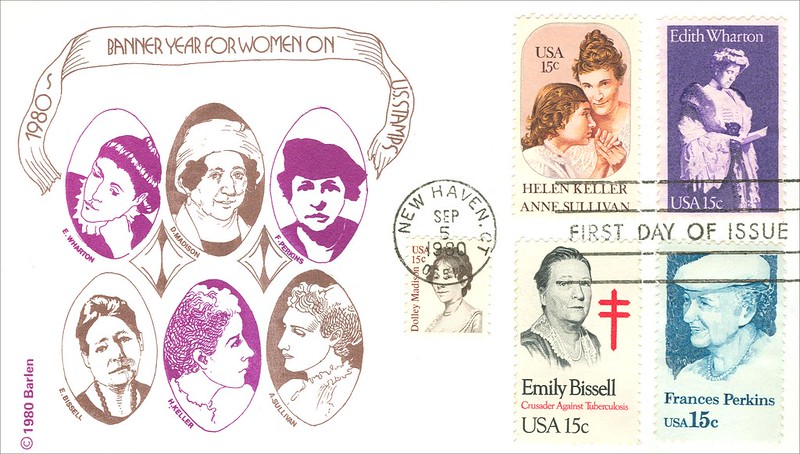





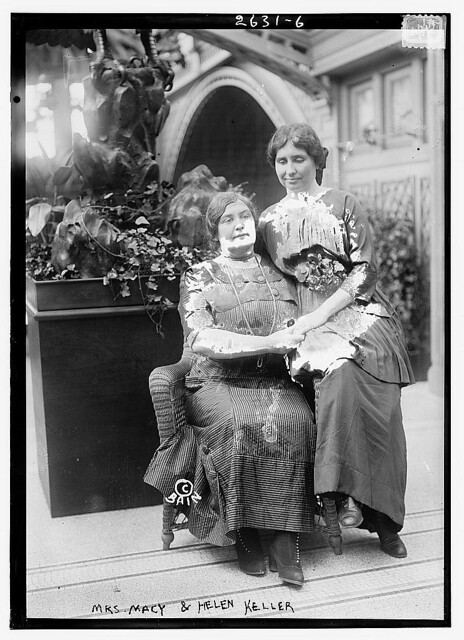
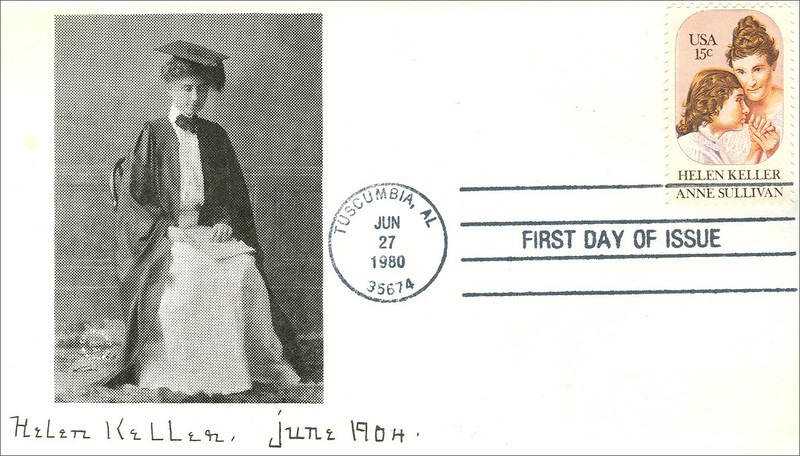
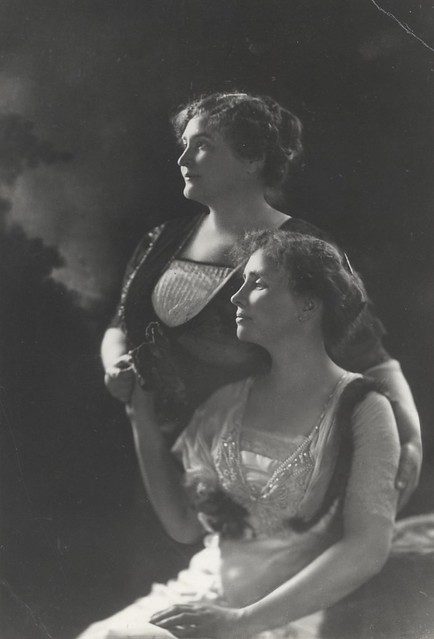

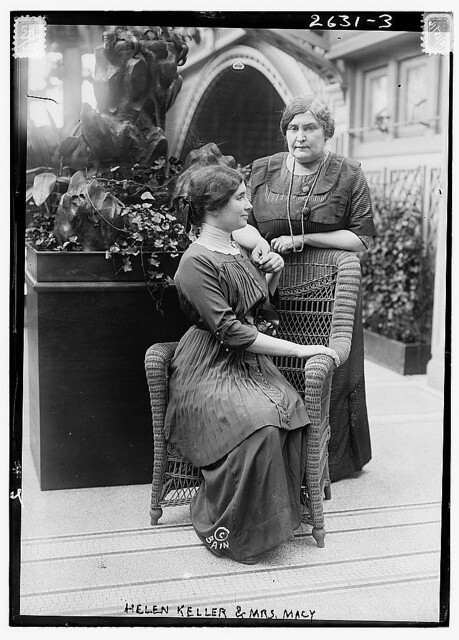









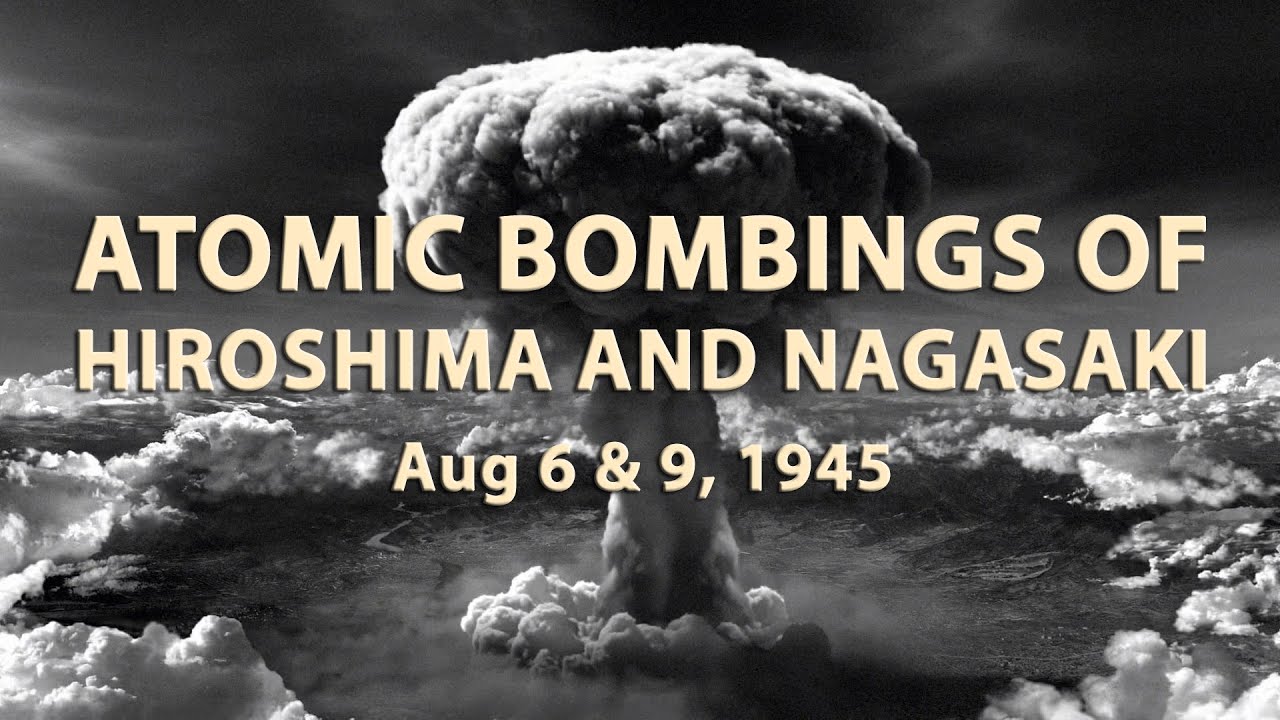

















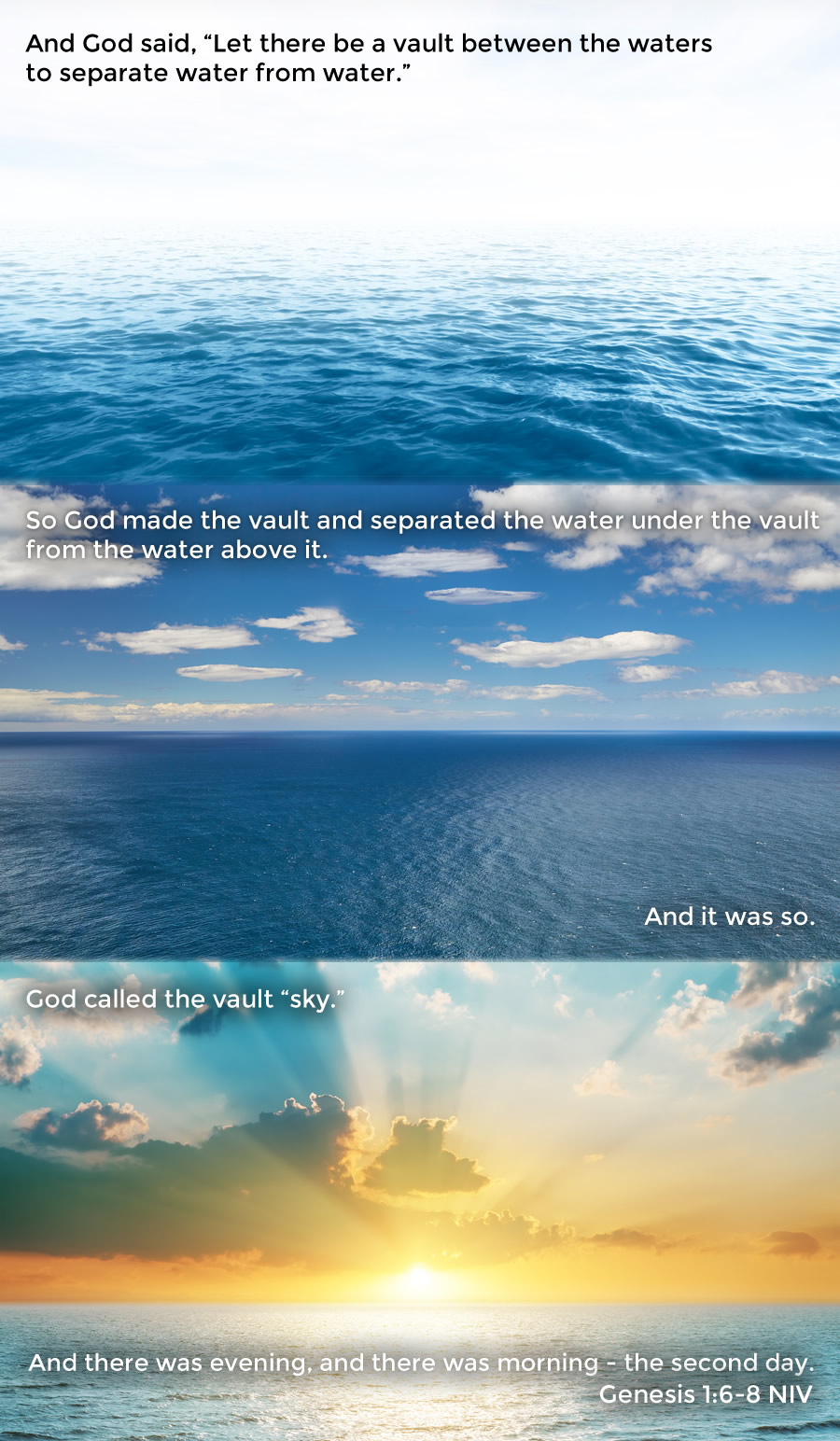




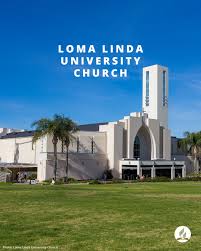



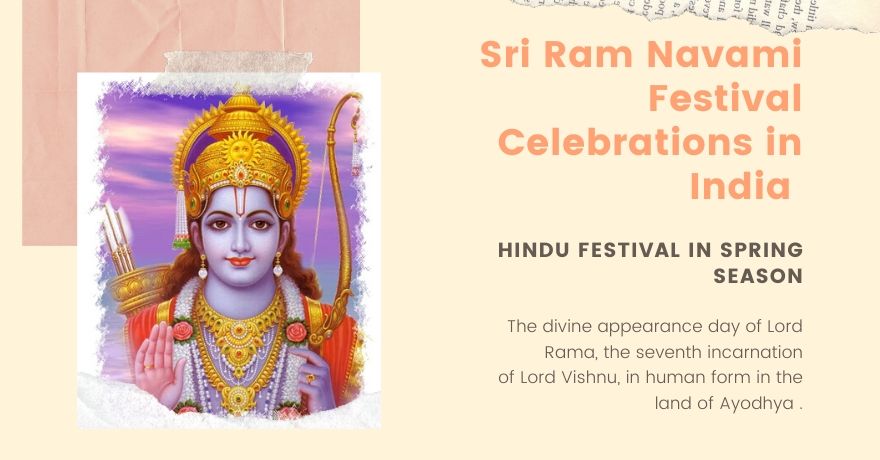


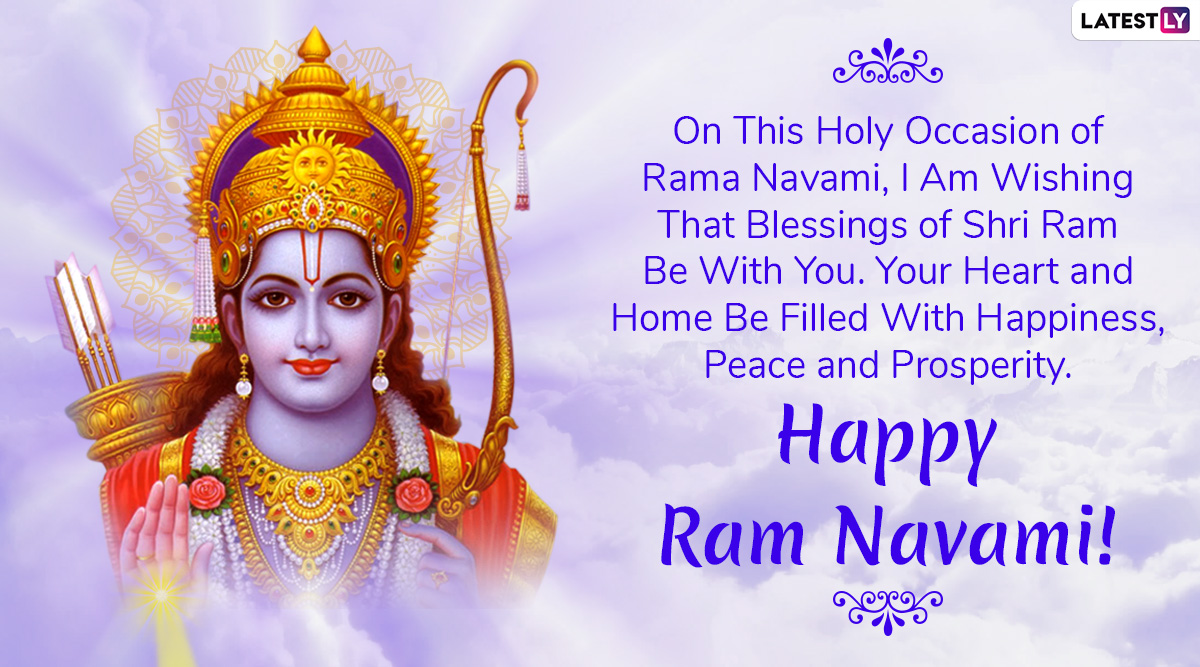


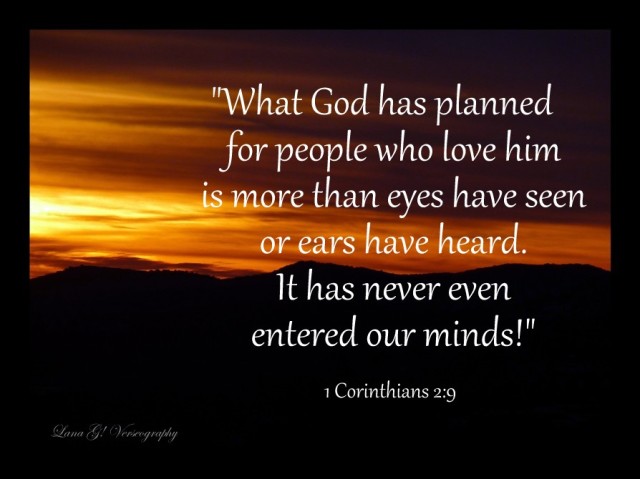





 Whole Dude - Whole Concept