A miracle on Sunday, February 22, 2015 to keep earning the Daily Bread and Butter
Whole Dude – Whole Miracle: Whole Dude needs a miracle on Sunday, February 22, 2015 to keep earning the Daily Bread and Butter
Yes Indeed, Life is Complicated. The complexity of Life involves the basic problem of earning one’s own Daily Bread and Butter. If earning the Daily Bread and Butter involves stocking a bread-related item such as the Hamburger Buns, sometimes, the man needs a miracle to do the job on time while the daily routine at workplace involves numerous other chores.
Whole Dude – Whole Miracle: Whole Dude needs a miracle on Sunday, February 22, 2015 to keep earning the Daily Bread and ButterWhole Dude – Whole Miracle: Whole Dude needs a miracle on Sunday, February 22, 2015 to keep earning the Daily Bread and ButterWhole Dude – Whole Miracle: Whole Dude needs a miracle on Sunday, February 22, 2015 to keep earning the Daily Bread and ButterWhole Dude – Whole Miracle: Whole Dude needs a miracle on Sunday, February 22, 2015 to keep earning the Daily Bread and ButterWhole Dude – Whole Miracle: Whole Dude needs a miracle on Sunday, February 22, 2015 to keep earning the Daily Bread and Butter
Whole Team – Whole Messenger – Whole Angel – The Adoration of the Queen of the Angels:
Whole Dude – Whole Miracle: Whole Dude needs a miracle on Sunday, February 22, 2015 to keep earning the Daily Bread and Butter
On Sunday, February 22, 2015, the High Priest of the Whole Team communicated with two of the Whole Team Members giving directions to perform a high priority task that specifically relates to the stocking of Hamburger Buns. However, his direct communication somehow slipped from the memory of both the Whole Team Members engrossed in the completion of other daily chores. The important task assigned to them was not receiving the due attention. Fortunately, Miracles do happen.
Whole Dude – Whole Miracle: Whole Dude needs a miracle on Sunday, February 22, 2015 to keep earning the Daily Bread and Butter
On that Sunday, February 22, 2015, one of the Whole Team Members while taking his lunch break, turned on the television while ABC was airing the “Red Carpet Arrivals” at the Dolby Theatre in Los Angeles for the 87th Academy Awards. Just by either unknown Divine Plan or fortunate coincidence, Ms. Jennifer Lopez arrived on the Red Carpet instantly revealing the ‘Message’ to which the High Priest attached a very great importance. The Whole Team Member got immediately connected to the instructions given by the High Priest and could complete the task to uplift the Whole Team from a possible failure in work performance. For Jennifer Lopez delivered the ‘Whole Message’ by simply appearing on the television screen, an angelic appearance that eloquently describes the ideals of Whole Idealism and Whole Naturalism, the Whole Team regards her as a Whole Angel (#WholeAngel).
Whole Dude – Whole Miracle: Whole Dude needs a miracle on Sunday, February 22, 2015 to keep earning the Daily Bread and Butter
MS JENNIFER LOPEZ, THE GORGEOUS STAR, MUSICIAN, AND DANCER LOOKED INCREDIBLE IN A PLUNGING ELLIE SAAB TULLE GOWN ON SUNDAY, FEBRUARY 22, 2015 AT THE 87th ACADEMY AWARDS FUNCTION HELD AT DOLBY THEATRE, LOS ANGELES.
It is with a sense of great pleasure I announce the Nomination of Ms. Jennifer Lopez as the Whole Angel (#WholeAngel) of the Whole Team. I claim that in the City of Los Angeles, Ms. Jennifer Lopez arrived on the Red Carpet at the Dolby Theatre to attend the 2015 Oscar Academy Awards Function to deliver a Whole Message to the Whole Team. For she has successfully delivered a Whole Message, she won the title Whole Messenger. She arrived presenting a most elegant, and naturalistic appearance that drives and motivates the Whole Team which derives inspiration from the philosophy of Idealism. The Whole Team strives to find perfection called Naturalism in Art, Food, and Life. In Jennifer Lopez, the Whole Team discovered the perfect blend of Whole Idealism, and Whole Naturalism.JenniferLopez’sangelic appearance springs from the color of her gown which naturally blends with her skin color. In my analysis, color is the most creative phenomenon of the natural world.
Whole Dude – Whole Miracle: Whole Dude needs a miracle on Sunday, February 22, 2015 to keep earning the Daily Bread and Butter. JENNIFER LOPEZ’S ANGELIC APPEARANCE SPRINGS FROM THE COLOR OF HER GOWN WHICH NATURALLY BLENDS WITH HER SKIN COLOR. IN MY VIEW, COLOR IS THE MOST CREATIVE PHENOMENON OF OUR NATURAL WORLD .Whole Dude – Whole Miracle: Whole Dude needs a miracle on Sunday, February 22, 2015 to keep earning the Daily Bread and Butter. WHOLE TEAM WAS GIVING SPECIAL ATTENTION TO JENNIFER LOPEZ SINCE THE AIRING OF THE FOSTERS TV SERIES IN JUNE 2013.Whole Dude – Whole Miracle: Whole Dude needs a miracle on Sunday, February 22, 2015 to keep earning the Daily Bread and Butter.SINCE JUNE 2013, WITH THE BEGINNING OF THE FOSTERS, AMERICAN FAMILY DRAMA TELEVISION SERIES THAT AIRED ON THE ABC FAMILY NETWORK, WHOLE TEAM INCLUDED JENNIFER LOPEZ IN THEIR DAILY CONVERSATION. SUNDAY, FEBRUARY 22,2015, IS INDEED A SPECIAL DAY FOR SHE IS ADOPTED AS OUR WHOLE ANGEL #WholeAngel .Whole Dude – Whole Miracle: Whole Dude needs a miracle on Sunday, February 22, 2015 to keep earning the Daily Bread and Butter: THE MOMENT JENNIFER LOPEZ ARRIVED ON THE RED CARPET AT THE DOLBY THEATRE IN LOS ANGELES, IT JUST TOOK AN INSTANT TO RECOGNIZE HER AS WHOLE TEAM’S WHOLE ANGEL #WholeAngel .Whole Dude – Whole Miracle: Whole Dude needs a miracle on Sunday, February 22, 2015 to keep earning the Daily Bread and Butter: WHAT IS THAT SPECIAL ENDOWMENT THAT QUALIFIES JENNIFER LOPEZ TO BE RECOGNIZED AS WHOLE TEAM’S WHOLE ANGEL #WholeAngel? WHOLE TEAM IS DRIVEN BY IDEALISM AND IT FULLY EMBRACES NATURALISM IN ART, FOOD, AND LIFE .Whole Dude – Whole Miracle: Whole Dude needs a miracle on Sunday, February 22, 2015 to keep earning the Daily Bread and Butter: THE ADORATION OF WHOLE ANGEL IS SHAPED BY WHOLE TEAM’S PHILOSOPHY OF IDEALISM AND ITS PROMOTION OF NATURALISM IN ART, FOOD, AND LIFE . JENNIFER LOPEZ ARRIVED FOR THE 87th ACADEMY AWARDS FUNCTION PRESENTING A MOST ELEGANT, NATURALISTIC APPEARANCE DELIVERING A WHOLE MESSAGE TO WHOLE TEAM . Whole Dude – Whole Miracle: Whole Dude needs a miracle on Sunday, February 22, 2015 to keep earning the Daily Bread and Butter. THE ADORATION OF WHOLE ANGEL JENNIFER LOPEZ IS A PERFECT BLEND OF WHOLE IDEALISM AND WHOLE NATURALISM AND HENCE DESERVES AND IS WORTHY OF THIS WHOLE ADORATION .
The word ‘Angel’ is derived from Greek. ‘ANGELOS’ which means a ‘Messenger’. Scripture describes ‘Angels’ as supernatural, heavenly beings with bodily form and human appearance. They are of various ranks and endowments but only one Angel called “Michael” is “Arachangel.” In this context, I would like to mention that the ‘Whole Team’ has already designated a Whole Team Member as our ‘Archangel’. Good Angels assist, protect and deliver God’s people. They often guide God’s children. The Scriptures often speak of Angels as Messengers of God. The City of Los Angeles derives its name from Spanish. Reina de los Angeles which literally means “Queen of the Angels.”
Whole Dude – Whole Miracle: Whole Dude needs a miracle on Sunday, February 22, 2015 to keep earning the Daily Bread and Butter. ANGELS BRING GOOD NEWS THAT GIVES MAN HOPE, PEACE, AND JOY. JENNIFER LOPEZ ON SUNDAY, FEBRUARY 22, 2015 DELIVERED A WHOLE MESSAGE TO THE WHOLE TEAM .
The term ‘Angel’ may be used to refer to a person regarded as being as beautiful as an Angel. Ms. Jennifer Lopez established her celebrity status as a musician, dancer and actress. But, Lopez is known to the Whole Team since June 2013 for she is one of the Executive Producers of a Television Family Drama series called “The Fosters.”
Whole Dude – Whole Miracle: Whole Dude needs a miracle on Sunday, February 22, 2015 to keep earning the Daily Bread and Butter.THE WHOLE TEAM IS DELIGHTED BY KNOWING “AMAZING” JAKE T. AUSTIN FROM HIS APPEARANCE IN THE FOSTERS AIRED BY ABC FAMILY NETWORK.
The Fosters is an American Family Drama Television series that aired on the ABC Family network from Monday, June 03 2013 to March 24, 2014. In this drama, the character known as Jesus Foster played by “Amazing” Jake T. Austin interested the Whole Team. It is because of Jake T. Austin, the Whole Team started giving attention to Ms. Jennifer Lopez who is as an Executive Producer of The Fosters 2013 TV series. The Whole Team still continues to love “Amazing” Jake T. Austin and wishes him all the best in his future endeavors.
The Rudi Connection’s concern to earn the daily bread and butter. What about stocking those Hamburger Buns?
Whole Dude – Whole Miracle: Whole Dude needs a miracle on Sunday, February 22, 2015 to keep earning the Daily Bread and Butter. ON SUNDAY, FEBRUARY 22 , 2015, JENNIFER LOPEZ DELIVERED A WHOLE MESSAGE ABOUT WHOLE IDEALISM, AND WHOLE NATURALISM THAT DRIVES AND INSPIRES THE WHOLE TEAM .Whole Dude – Whole Miracle: Whole Dude needs a miracle on Sunday, February 22, 2015 to keep earning the Daily Bread and ButterWhole Dude – Whole Miracle: Whole Dude needs a miracle on Sunday, February 22, 2015 to keep earning the Daily Bread and ButterWhole Dude – Whole Miracle: Whole Dude needs a miracle on Sunday, February 22, 2015 to keep earning the Daily Bread and ButterWhole Dude – Whole Miracle: Whole Dude needs a miracle on Sunday, February 22, 2015 to keep earning the Daily Bread and ButterWhole Dude – Whole Miracle: Whole Dude needs a miracle on Sunday, February 22, 2015 to keep earning the Daily Bread and ButterWhole Dude – Whole Miracle: Whole Dude needs a miracle on Sunday, February 22, 2015 to keep earning the Daily Bread and ButterWhole Dude – Whole Miracle: Whole Dude needs a miracle on Sunday, February 22, 2015 to keep earning the Daily Bread and ButterWhole Dude – Whole Miracle: Whole Dude needs a miracle on Sunday, February 22, 2015 to keep earning the Daily Bread and ButterWhole Dude – Whole Miracle: Whole Dude needs a miracle on Sunday, February 22, 2015 to keep earning the Daily Bread and ButterWhole Dude – Whole Miracle: Whole Dude needs a miracle on Sunday, February 22, 2015 to keep earning the Daily Bread and ButterWhole Dude – Whole Miracle: Whole Dude needs a miracle on Sunday, February 22, 2015 to keep earning the Daily Bread and ButterWhole Dude – Whole Miracle: Whole Dude needs a miracle on Sunday, February 22, 2015 to keep earning the Daily Bread and Butter
On International Mother Language Day, I call for the Defense of Mother Languages of TibetOn International Mother Language Day, I call for the Defense of Mother Languages of Tibet
Tibet Awareness – On International Mother Language Day, I call for the Defense of Mother Languages of Tibet
International Mother Language Day is observed globally every year on February 21 to recognise and promote linguistic and cultural diversity and multilingualism. According to UNESCO, the idea to celebrate this day was the initiative of Bangladesh and was approved in 1999 at UNESCO General Conference. “UNESCO believes in the importance of cultural and linguistic diversity for sustainable societies. It is within its mandate for peace that it works to preserve the differences in cultures and languages that foster tolerance and respect for others,” the UN body said.
The theme for International Mother Language Day 2024 is “Multilingual education is a pillar of intergenerational learning”. A UN statement said, “Multilingual and multicultural societies thrive through the preservation of their languages, which serve as conduits for traditional knowledge and cultural heritage.
A huge number of languages are spoken in the world today – some 6,500 (!) — and every one of them is special. Each is someone’s mother tongue.
On February 21, International Mother Language Day will be celebrating that fact. The term “mother language” is a calque, literally a word-for-word translation of common terms such as the French langue maternelle or the Spanish lengua maternal. It also evokes three English near-synonyms: mother tongue, native language, and first language.
Often the first speech a baby ever hears, a mother tongue is the language in which an infant was mothered (or “parented,” to use a more inclusive term) … comforted, sung to, and loved. The mother tongue/native language/first language is not consciously learned. It tends to bring with it an increased level of comfort and recognition, and even affects how its speakers learn other languages.
“Currently, 40% of the global population lacks access to education in their native language, a figure that exceeds 90% in certain regions. Research underscores the benefits of using learners’ native languages in education, fostering better learning outcomes, self-esteem, and critical thinking skills. This approach also supports intergenerational learning and cultural preservation.” The UN agency also said that multilingual education not only promotes inclusive societies but also aids in preserving non-dominant, minority, and indigenous languages. “It is a cornerstone for achieving equitable access to education and lifelong learning opportunities for all individuals,” the statement said.
On International Mother Language Day, I call for the Defense of Mother Languages of Tibet
Tibetan Identity evolved over centuries in response to Natural Conditions that impact human life. Since 1950, Communist China’s occupation and colonization of Tibet is transforming Tibetan Identity in numerous manners endangering both Nature and its denizens.
On International Mother Language Day, I call for the Defense of Mother Languages of Tibet
The Incredible Linguistic Diversity of Tibet is Disappearing
Thanks to national schooling and the Internet, many of the plateau’s unique languages are in danger
On International Mother Language Day, I call for the Defense of Mother Languages of Tibet
In a recent presentation held at the National Museum of Natural History, University of Melbourne researcher Gerald Roche called attention to 21 minority languages spoken in villages across Tibet. (Wikimedia Commons)
Tibet may be best known for its bounty of ancient Buddhist monasteries and stark natural beauty—but it’s also blessed with a vast diversity of languages. The Tibetan Plateau is home to more than a dozen distinct local tongues, many of which come with their own elaborate character systems. Unfortunately, thanks to the growth of internet infrastructure and state-sponsored education, many of these lesser-spoken languages are now on the brink of extinction, says University of Melbourne anthropologist Gerald Roche.
As part of ongoing research conducted by the Smithsonian Center for Folk life and Cultural Heritage on issues of language diversity and cultural sustainability, Roche delivered a presentation last Monday on Tibetan language and his research on its decline. In a 2014 paper titled “The Vitality of Tibet’s Minority Languages in the 21st Century,” Roche notes that dozens of languages are spoken on the Plateau but that only “230,000 of the 6.2 million Tibetans in China do not speak Tibetan.” He finds that the minority languages in Tibet are generally spoken by very few people, while Tibetan is known to nearly everyone.
From a language preservationist’s perspective, this is a precarious situation. The findings Roche laid out, which synthesized the work of several linguists with expertise in disparate areas of the Plateau, reveal the vibrant tapestry of language in Tibet while also highlighting its fragility.
The danger of the minority languages of Tibet disappearing completely is not merely speculative. In 2014, the BBC reported that “over the past century alone, about 400 languages—one every three months—have gone extinct, and most linguists estimate that 50 percent of the world’s remaining 6,500 languages will be gone by the end of this century.” These languages are tied to the histories of peoples, and their loss serves to erase time-honored traditions , says Roche.
By the conservative assessment of the Chinese government, 14 languages beyond standardized Tibetan are spoken within Tibet—one language for each official ethnic minority region. A holistic survey of pertinent English-language academic literature, however, yields a much larger estimate. In a study published this May , Roche concludes that as many as 52 linguistically distinct languages may be spoken on the Plateau.
In general, a language can be thought of as encompassing both grammatical elements and a lexicon of words. It may be spoken or written, and in the modern world is almost always both (though a few of the Tibetan minority languages Roche has studied were historically spoken only). Yet Roche says there is a strong case to be made that even “Tibetan” itself is, in actuality, not a single language—its three major branches, which locals call “dialects,” are not mutually intelligible when spoken, despite relying on the same written character.
Even more striking are the differences between minority languages and Tibetan. Minority languages are also often dismissed within Tibet as bizarre “dialects,” but Roche notes that this is often tantamount to calling “Italian a dialect of Swedish.” These include what Roche terms “enclaved languages,” which are officially recognized by the Chinese government within narrow geographical limits in Tibet, “extraterritorial languages,” which are officially recognized only in locations outside of Tibet, and myriad “unrecognized languages,” whose existence is ignored by the Chinese establishment.
In his remarks, Roche homed in on a sample set of 21 languages spoken within Tibetan villages. A dozen of these are endangered, meaning they are steadily losing speakers. “The [speaker] population is declining,” Roche says, “and it’s declining because people are no longer speaking those languages to their children.” This is largely the result of pressures to rally behind standardized Tibetan as a source of Tibetan pride in response to the encroachment of Chinese beginning during the reign of Mao Zedong.
A handful of the languages in Roche’s dataset are “moribund”—very nearly forgotten, with no real hope for salvation. Roche notes that, in the case of one of these languages, “there is an argument between the two linguists studying it as to whether the language has nine or zero fluent speakers remaining. That’s what we’re talking about when we talk about moribund languages.”
On International Mother Language Day, I call for the Defense of Mother Languages of Tibet
A relief map of the Asian continent. The expanse of brown in China is the Tibetan Plateau, whose exceedingly high mean elevation has earned it the nickname “The Roof of the World.” (Wikimedia Commons)
Roche has personal experience with the Manikacha language, which is spoken by approximately 8,000 individuals across four villages in a valley on the northeastern Plateau. According to his unpublished survey data, roughly one third of are no longer transmitting the language to their children. He traces this back to the late 1950s, when Mao’s China began forcibly instructing the Manikacha speakers in standardized Tibetan. Even the Chairman’s famous Little Red Book was distributed in Tibetan.
In the subsequent years, Tibetan has further asserted itself in popular media and local state- sponsored schools. “Given that the Manikacha speakers consider themselves Tibetan,” Roche says, “now they are under a lot of pressure to prove that by speaking ‘good Tibetan’ like all the other Tibetans in their region.”
Andrew Frankel, a researcher at the University of Virginia’s Tibet Center who spent three years teaching English in the same general part of the Plateau, has firsthand experience with this sort of assimilation. Though several of his students were raised in homes that favored minority languages, in between classes the children would invariably speak Tibetan. The decision was a practical one: After all, most of their peers would not recognize Manikacha or the like.
“For the majority of their friends,” says Frankel, “Tibetan would have been the lingua franca they would have spoken together.”
State schools tend to smooth over differences between communities and encourage allegiance to a single mother tongue, says Frankel. “Schooling has become ever more pervasive,” he says, a shift that in its earlier stages caused significant alarm in households whose primary language was not Tibetan. Even among families where standard Tibetan was spoken at home, many were skeptical of the pressures at school to communicate in Chinese.
Ten years ago, it was common for parents to resist sending their children to school. “There was a widespread perception that state schools were problematic—you didn’t really learn your native language there,” says Frankel. A decade later, though, most have given in: “The amount of time kids spend in state schools has increased exponentially. And in those state institutions, they are not speaking their village languages with any regularity.”
This situation is unlikely to change, Frankel says, adding that “state schooling has become a gatekeeper for employment, especially in western areas of China.”
How, then, can we hope to preserve Tibet’s linguistic richness for future generations? For Roche, the answer lies in large part in the behavior of powerful international allies of the Tibetan people—including the United States. Our country’s stance towards Tibet emphasizes the preservation of standard Tibetan but fails to address the numerous other languages spoken on the Plateau, he says.
Tibet is not a land of a single language, or even of the 14 whose existence is acknowledged by China. The myriad minority languages of Tibet need help to have a fighting chance at survival. Roche believes it is incumbent on the United States and other friends of Tibet to “use whatever means possible to gain recognition for these languages: recognition of the fact they exist, that they have unique needs, that they have value, and that they deserve respect.”
On International Mother Language Day, I call for the Defense of Mother Languages of Tibet
Richard Nixon’s flight to Peking on February 21, 1972 changed the World for Worse. The Most Unfortunate Week in the US History
The most unfortunate week in the US history-February 21-27, 1972.
While the US troops fight the biggest battle on February 25, 1972, near Saigon in Vietnam, the US President Richard Nixon spent time in Peking befriending the adversary, giving care and comfort to the Enemy while Americans bled on the battlefield.
Monday, February 21, 1972
At 7 a.m., Guam time, the President and Mrs. Nixon left Guam International Airport for Shanghai, their first stop in the People’s Republic of China. They arrived, after a 4-hour flight, at Hung Chiao (Rainbow Bridge) Airport, Shanghai, at 9 a.m., China time, where they were greeted by officials of the People’s Republic, headed by Vice Minister of Foreign Affairs Ch’iao Kuan-hua. After refreshments and a tour of the terminal, the Presidential party again boarded the Spirit of ’76, accompanied by Vice Minister Ch’iao, Chang Wen Chen and Wang Hai-jun of the Foreign Ministry, a Chinese navigator, radio operator, and three interpreters, for the final leg of the flight to Peking.
At about 11:30 a.m., China time, the party arrived at Capital Airport near Peking. Premier Chou En-lai greeted the President and members of his party, stood with the President for the playing of the national anthems of the two countries, and accompanied the President in a review of the troops.
The Premier then accompanied the President in a motorcade to Peking, to Tiao Yu Tai (Angling Terrace), the guest house where the President and Mrs. Nixon would stay during their visit.
In the afternoon, the President met for an hour with Chairman Mao Tse-tung at the Chairman’s residence and for an hour with Premier Chou and other officials in plenary session at the Great Hall of the People.
The President and Mrs. Nixon were guests of Premier Chou at a banquet in the Great Hall of the People in the evening.
Tuesday, February 22, 1972
After a morning of staff meetings and attention to other White House business, the President met for 4 hours with Premier Chou in the Great Hall.
The First Lady visited the kitchen of the Peking Hotel, where she toured food preparation and cooking areas, and talked with cooks and helpers. She was accompanied by Mme. Lin Chia-mei, wife of Vice Premier Li Hsien Nien, Mme. Chi Peng-fei, wife of the Minister of Foreign Affairs, and Sun Hsin-mang, head of the revolutionary committee of the hotel. During the tour, Mrs. Nixon told reporters of plans for the People’s Republic to present to the people of America two giant pandas, in appreciation for the two musk oxen which were to be given to the Peking Zoo on behalf of the people of the United States.
In the afternoon, Mrs. Nixon visited the Sununer Palace, an imperial residence and garden during the Ching Dynasty. She toured rooms used by the Empress Tzu Hsi and walked in the gardens, viewing the lake Kunming and Longevity Hill. She then went to the Peking Zoo and saw the zoo’s pandas.
In the evening, the President and First Lady attended a cultural program with Premier and Madame Chou and Chiang Ch’ing, the wife of Chairman Mao Tse-tung. They saw a performance of the ballet, “The Red Detachment of Women.”
Wednesday, February 23, 1972
The President and Premier Chou met in the afternoon for four hours of discussions at the guest house where the President was staying.
The First Lady visited the Evergreen People’s Commune on the west edge of Peking. In her hour-long tour, she visited the commune’s clinic, where she observed acupuncture treatments, second- and third-grade classrooms, a commune home, agricultural areas and greenhouses, and a dri goods store.
In the afternoon, Mrs. Nixon visited the Peking Glassware Factory and talked with workers making glass flowers and animals.
In the evening, with Premier Chou En-lai, the President and Mrs. Nixon attended a public exhibition of gymnastics, badminton, and table tennis at the Capital Gymnasium.
Thursday, February 24, 1972
The President and Mrs. Nixon, accompanied by Vice Premier Li Hsien-nien, drove 35 miles north of Peking to visit the Ba Da Ling portion of the Great Wall of China, and then the tombs of the emperors of the Ming Dynasty.
In the afternoon, the President and Premier Chou met again for three hours of discussion. The President and Mrs. Nixon later attended an informal private dinner hosted by Premier Chou in the Great Hall.
Friday, February 25, 1972
In the morning, the President and Mrs. Nixon went to the Forbidden City, the site in Peking of the residence of the emperors for some 8oo years prior to the early 20th century. They were accompanied by Marshal Yeh Chien-ying, Vice Chairman of the Military Affairs Commission.
In the afternoon, the President met again with Premier Chou for an hour.
The First Lady toured the Peking Children’s Hospital.
Marking the final evening of their Peking, stay, the President and the First Lady hosted a banquet honoring Premier Chou and other Chinese officials in the Great Hall.
Saturday, February 26, 1972
At the Peking Airport, the President and Premier Chou and other officials of the United States and the People’s Republic met in plenary session for approximately one hour.
The President and the First Lady, with Premier Chou, then boarded the Premier’s plane for the flight to Hangzhou, People’s Republic of China. From Hangzhou Airport, they drove to a guest house on West Lake, a park and recreational site. where they were to spend the night.
In the afternoon, they joined in a walking tour of Flower Fort Park and a boat tour of West Lake, stopping briefly at the Island of Three Towers Reflecting the Moon. Mrs. Nixon also visited the Temple of the Great Buddha.
They were entertained in the evening at a banquet given by the Chekiang Province Revolutionary Committee.
Sunday, February 27, 1972
With Premier Chou, the President and the First Lady flew in the Premier’s plane from Hangzhou Airport to Shanghai. From Shanghai Airport, they motorcaded to the Shanghai Industrial Exhibition, where, with Premier Chou, they toured exhibits of heavy machinery and electronic equipment, handicrafts, surgical techniques, textiles, light industry, musical instruments, toys, and arts and crafts.
Mrs. Nixon also visited the Shanghai Municipal Children’s Palace, where she watched demonstrations of dancing, gymnastics, a puppet show, theatrics, swordplay, and art by students at the center. Her guide was Chang Hong, a fifth-grade student.
In the late afternoon, the joint communique agreed upon by the President and Premier Chou was released.
In the evening, the President and First Lady were guests at a banquet in the Shanghai Exhibition Hall hosted by the Shanghai Municipal Revolutionary Committee. Premier Chou and Committee Chairman Chang Ch’un-ch’iao then accompanied the President and Mrs. Nixon to a cultural program of acrobatics in the Exhibition Hall.
Monday, February 28, 1972
Premier Chou visited with the President for an hour at the Ching Kiang guest house and then accompanied the Presidential party to the airport for official farewells before the takeoff for the return flight at 10 a.m.
Crossing the International Date Line, the Spirit of ’76 arrived at Elmendorf Air Force Base, Anchorage, Alaska, at midnight on Sunday, February 27, Alaska time. The President and the First Lady spent the night at the residence of the Commanding General and left for the final leg of the flight to Washington at 9:40 a.m. on Monday, February 28, Alaska time.
The official party arrived at Andrews Air Force Base near Washington at 9:15 p.m, E.S.T.
U.S. troops fight the biggest battle in nearly a year
The most unfortunate week in the US history-February 21-27, 1972. Black Day to Freedom. Vietnamese soldiers survey the ruins of An Loc during a lull in the two-month battle for the province town in Vietnam on June 28, 1972. The North Vietnamese used armor in the siege of the major rubber town, but failed to take An Loc.
U.S. troops clash with North Vietnamese forces in a major battle 42 miles east of Saigon, the biggest single U.S. engagement with an enemy force in nearly a year. The five-hour action around a communist bunker line resulted in four dead and 47 wounded, almost half the U.S. weekly casualties.
The most unfortunate week in the US history-February 21-27, 1972. Black Day to FreedomThe most unfortunate week in the US history-February 21-27, 1972. BLACK DAY TO FREEDOMThe most unfortunate week in the US history-February 21-27, 1972. TIBET CONSCIOUSNESS – HOPE FOR FREEDOM. US PRESIDENT NIXON’S VISIT TO COMMUNIST CHINA IS BLACK DAY TO FREEDOM.The most unfortunate week in the US history-February 21-27, 1972. BLACK DAY TO FREEDOM – JULY 15, 1971. US PRESIDENT RICHARD M NIXON ANNOUNCES HIS TRIP TO COMMUNIST CHINA. NIXON-KISSINGER DECISION TO BACKSTAB TIBET TO PLAY A DIRTY SINFUL GAME IN THE NAME OF “REALPOLITIK.” The most unfortunate week in the US history-February 21-27, 1972.
RICHARD NIXON’S FLIGHT TO PEKING. THE WEEK THAT CHANGED THE WORLD FOR WORSE.
Richard Nixon Visits Peking. The Week That Doomed My World. The most unfortunate week in the US history-February 21-27, 1972
My arrival at the US built airfield in Doom Dooma, Tinsukia District, Assam, India during the Week of February 1972 marks an event that Doomed my World.
Richard Nixon Visits Peking. The Week That Doomed My World. The most unfortunate week in the US history-February 21-27, 1972Black Day to Freedom – Whole Villain – Nixon – Mao cartoon. The most unfortunate week in the US history-February 21-27, 1972
I live in the United States, the Leader of the Free World, a Free Nation which gives me no sense of hope for my future Life. I constantly experience the Misery, the Despair, the Frustration, the Disappointment, the Pain, and the Feelings of Hopelessness that describe the lives of Tibetans living in Occupied Tibet.
Richard Nixon visits Peking
The Year 1972
President Richard Nixon visits the People’s Republic of China. After arriving in Peking, the president announced that his breakthrough visitto China is “The week that changed the world.” In meeting with Nixon, Prime Minister Zhou Enlai urged early peace in Vietnam but did not endorse North Vietnam’s political demands. North Vietnamese officials and peace negotiators took a dim view of Nixon’s trip, fearing that China and the United States would make a deal behind their backs. Nixon’s promise to reduce the U.S. military presence on Taiwan seemed to confirm North Vietnam’s fears of a Chinese-American sellout-trading U.S. military reduction in Taiwan for peace in Vietnam.
Despite Hanoi’s fears, China continued to supply North Vietnam levels of aid that had increased significantly in late 1971. This aid permitted the North Vietnamese to launch a major new offensive in March 1972.
1972
Richard Nixon makes the first U.S. presidential visit to Peking
President Richard M. Nixon arrives in Peking, the capital of the People’s Republic of China, on the first presidential visit to the world’s most populous nation. The U.S. federal government had formally opposed China’s communist government since it took power in 1949,
1848
Karl Marx publishes the Communist Manifesto
On February 21, 1848, The Communist Manifesto, written by Karl Marx with the assistance of Friedrich Engels, is published in London by a group of German-born revolutionary socialists known as the Communist League.
Vietnam War
1970
Kissinger begins secret negotiations with North Vietnamese
National Security Advisor Henry Kissinger begins secret peace talks with North Vietnamese representative Le Duc Tho, the fifth-ranking member of the Hanoi Politburo, at a villa outside Paris.
1972
Nixon arrives in Peking for talks
In an amazing turn of events, President Richard Nixon takes a dramatic first step toward normalizing relations with the communist People’s Republic of China (PRC) by traveling to Peking for a week of talks.
Richard Nixon Visits Peking. The Week My World Doomed. The most unfortunate week in the US history-February 21-27, 1972The most unfortunate week in the US history-February 21-27, 1972. The Vietnam War Memorial reminds me of the Unfinished Korea-Vietnam War.
Whole Foods-Whole Inspiration-Whole LanguageWhole Foods, Whole People and Whole Planet inspire Whole Dude to invent Whole Phrases: Whole Linguistics – Whole Language. The concept of Whole Cookie and Whole Love. Whole Dude uses the phrase Whole Linguistics to describe three entities; 1. Language User, 2. Language Interpreter and 3. Language Creator. Image Credit: Agenda Publications, Ann Arbor District Library, Issue Dates, December 1997 and February 1998.Whole Dude – Whole Connection – Whole Concept: The DNA molecule needs a steady supply of energy to perform its living functions. What is the Connection?
The Status of Man in Nature:
Whole Dude – Whole Connection – Whole Concept: The Book of Genesis, Chapter 1, verse 27:”So God created man in His own image; in the image of God He created him; male and female He created them.”
The First Book of Moses, The Old Testament Book of Genesis describes the story of Creation; in Chapter 2, verse 7, it narrates man’s creation: “And the LORD God formed man of the dust of the ground, and breathed into his nostrils the breath of life; and man became a living soul.”
Man is a Created Being:
Whole Dude – Whole Connection – Whole Concept: Man is a created being. Spirituality explores the connection between man and his Creator. The Trimurti at Elephanta Island Cave Temples near Mumbai, India represents God as the Creator (Brahma), the Preserver (Vishnu) and the Destroyer (Shiva).
The status of man in nature describes man as a created object; a new object, one of its own kind, distinctive, and unique. The principle of Creation involves the use of inspiration and imagination as opposed to the view proposed by the Theory of Evolution. The fundamental issue is about understanding man’s status in nature.
Did man come into existence by gradual changes caused by random and unguided events called genetic mutations? Or, does man actually exist in nature because of his relationship with other objects present in his living environment? What defines man’s existence? What establishes the reality of man’s physical existence? Should we focus on the changing form? Alternately, should we give attention to an unchanging relationship that is a prerequisite for the existence of all life forms? If an object cannot come into its state of existence, how could that object get a shape or form? In the context of a discussion about man’s existence in nature, I state that man is a created object, and hence manexists as a Spiritual being.
Man is a Spiritual Being:
The term Spirituality describes the nature of this connection between man and His Creator. Soul is the immortal part of man as distinguished from his body; it is the vital principle which moves and animates all Life. Soul may represent the essence of a human being, it could be the quality which confers individuality, humanity, and the moral nature of man. I divide man into two categories; the first category is called the ‘SELF’ which represents man as a physical, mental, and social being; and the second category is called the ‘KNOWING-SELF’ which represents man as a moral, and spiritual being. These two categories function together and the functional unity of the human person is an attribute of a neuro-biological function called Consciousness. Man’s physical being is represented by a changing external or morphological appearance and while the physical Identity is constantly changing, the unchanging Individuality is supported by man’s spirituality or the nature of his constant spiritual relationship.
The Eternal Reality of Soul’s Immortality:
Whole Dude – Whole Connection – Whole Concept: Ajanta Caves near Aurangabad, Maharashtra State, India, Fresco-type wall painting- Man’s spiritual dimension describes man’s humanity, moral nature, individuality, and Consciousness.
Religious thinkers have further defined Soul as that part of the individual which partakes of divinity. People of all races, cultures and religions would like to investigate the nature of this God-Connection as they perceive the world and the universe in which they exist as a fact of Creation. I need to find evidence that would fundamentally deny the fact of Creation.
Man is a Social Being:
Whole Dude – Whole Connection – Whole Concept: French philosopher Auguste Comte (1798-1857) coined the term Sociology. He believed that the scientific study of social organization would make possible a reconstitution of the social order based on principles of moral progress.
Apart from being a created Physical being, man is recognized as a Social being as he displays social instincts and social behaviors in all of his activities. A rudimentary understanding of Sociology or Theories of Social Science would clarify this matter.
Whole Dude – Whole Connection – Whole Concept: The multicellular human organism is a biotic community and a social group or association of trillions of cells and microbes.
Social instincts and Social Behaviors are seen in all animals including bacteria. At a cellular level, the social function is called ‘Association’. Man is an association of trillions of cells. Each human organ and organ system represents an association of cells that display functional subordination to perform selective tasks. Life is just impossible without social structure and organization. The multicellular human organism is indeed a biotic community and a social group or association of trillions of cells and microbes.
Man is a Moral Being:
Whole Dude – Whole Connection – Whole Concept: Man is a Spiritual being and is endowed with Moral nature. James Tissot in his painting captures the essence of man. The Book of Matthew, Chapter 27 verses 3-5 narrate the story of Apostle Judas Iscariot and his moral failing that caused the dissolution of his biological existence-“When Judas who had betrayed Him, saw that Jesus was condemned, he was seized with remorse and returned the thirty silver coins to the chief priests and the elders. “I have sinned,” he said,”for I have betrayed innocent blood.” So Judas threw the money into the temple and left. Then he went away and hanged himself.”
Man is an individual who exists in a social group. At the same time, man is a Moral being, as he displays moral behavior even when he is corrupt. Man displays the ability of Repentance for his thoughts, for his actions of commission and omission. Man has the ability to admit his sins, express remorse and may often punish himself for his sinful conduct. Man experiences grief for his actions that are sinful. Man actively searches for solutions for his sinful conduct. Man cannot sustain his biological existence if he had morally failed. A famous example would be that of Apostle Judas Iscariot, the betrayer of Jesus.
Matter, Energy, and Knowledge:
Greek philosopher Aristotle had observed that corporeal substances are composite of two principles, form and matter. What is called matter is potentiality, what is called form is actuality. The totality of things have been divided in various ways. The three fundamental distinctions are 1. the distinction between the natural and the supernatural, 2. the distinction between the material and the spiritual, and 3. the distinction between the lifeless and the living. When we make the distinction animate/inanimate, living/non-living, and inorganic/organic, a question arises about the nature of that distinction. The difference, is that one of kind or degree? The Mechanistic View claims the continuity of nature in terms of the universality of purely mechanical principles.
I define Life as organization of matter with implanted supernatural Knowledge. The establishment of supernatural Knowledge in matter decribes the operation of ‘God Principle’, Spirit, or Soul. Life comes into existence when matter and energy come together with the establishment of ‘God Connection.
Life and Consciousness:
Whole Dude – Whole Connection – Whole Concept: Amoeba proteus, unicellular, protozoan organism is conscious or aware of its own state of existence. It has the abilities of Motion, Nutrition, and Reproduction. All of its living functions are goal-oriented. It responds to its environment and survives adverse environmental conditions by a process called encystment.
The basic characteristic of a Living Cell or organism is the presence of consciousness. I recognize a cell as a Living Cell if it displays functions that characterize the presence of awareness or consciousness. The Living Cell or Living Object need not be aware or conscious of the Subject who may be investigating or observing the properties of that Object. The Living Object need to be aware of its own existence and its condition called Living. Atoms and molecules display their properties and interact according to the Laws of Physics and Chemistry. Living organic molecules show individualistic behaviors under experimental conditions that could be repeated and be verified. The Living Cell is very selective and it responds in a variable manner to physical and chemical stimuli. It can communicate or send signals to other Living Cells present in its environment. It responds according to its internal condition in relation to the environment in which it exists. The interactions of non-living physical matter are not goal-oriented. The interactions of Living matter are goal-oriented and they specifically achieve the purpose of sustaining, preserving, defending, and continuing the Living functions.
Man is a Mortal, Physical Being:
Whole Dude – Whole Connection – Whole Concept: Man is a mortal being who must eventually die. When Lazarus died and was laid in a tomb for four days, Jesus performed a miracle and Lazarus came back to life from death. The Book of John, Chapter 11, narrates this event. In verses 41 and 42, Jesus said,”Father, I thank You that You have heard Me. And I know that You always hear Me, but I said this for the benefit of the people who are standing here, that they may believe that You sent Me.” The risen Lazarus had eventually died.
Life and Death is a Continuous Process:
Whole Dude – Whole Connection – Whole Concept: When does Life begins? When does Life ends? Life always comes into a state of existence from a previously existing Living Cell. Life and Death is a continuous process and is recognized by the presence of Consciousness and Individuality.
When does Life begins? When does Life ends? Every Living Cell is derived from a previously existing Living Cell. Life has not experienced the final event called Death. Life continues its act of Living through a function called Reproduction. A given species is considered to be totally extinct only if there is no surviving member to represent that particular species. Death is a programmed event and it gives meaning to the Identity of a Living Object. The dissolution of a single Living Object should not obscure the fact that Life is a continuous process. Life continues as Living Objects get new Identities. It is very reasonable to expect that Life would continue after the death of a given Living Object. People all over the world are a witness to that simple and direct observation. During the Life-Death continuum, the connection between the Creator and the created Living Object is manifested by the biological function called awareness or consciousness. The presence of Soul is evidenced by the presence of consciousness. As long as the Soul is functioning and is united with the physical being, the presence of consciousness could be detected and could be verified.
The Soul and God Connection:
Whole Dude – Whole Connection – Whole Concept: All types of Living Cells with or without a nucleus represent thermodynamically unstable systems. Without a continuous input of energy a Living Cell will degrade spontaneously into a collection of Nonliving molecules. Biological existence is possible because of an association or connection, or partnership between energy seeker and energy provider.
There has been no clearly defined and universally accepted metaphysical conception of the term Soul. It is a term rarely used with precise definition in philosophy, religion, or common life. In this discussion we face the problem of using words to which no definitive meaning is attached. If I make an attempt to define the word ‘God’, you may even speculate that I may belong to a new religious order. We need to come to a consensus even if an entity called ‘God’ does not exist. We need to formulate a view, a hypothetical view about Soul and test that hypothesis by countering it with a skeptical hypothesis.
The Science called Physics deals with the properties, changes, interactions, etc. of matter and energy in which energy is considered to be continuous. In the ultimate analysis, matter is a representation of its energy content. The Science called Biology deals with Life and Life processes. While Life is made up of physical matter, Life processes are not explained by simple mechanistic interactions. However, I am willing to use the principles, the methods, and the tools used by Physics. Molecular Biology explains biological events by studying the molecules within cells; the molecular basis of genetics – Nucleic Acids and its relationship to energy cycling and replication. If this universe is seen as matter and energy, I would define God as the Controller of Force/Power/Energy. All living things are essentially made up of the same kind of living matter and yet they appear to be different. Life could be attributed to ONE common principle which has the ability to be simultaneously different. Each living object comes into a state of existence as a new object, as an original object, one of its own kind, unique, and distinctive. This morphological variation is an attribute of the organic molecules that establish the phenotype or the physical identity of that living organism. Physics provides those powerful tools to see the molecules and to recognize their individualistic behavior. Life comes into existence using a creative principle, and creative mechanisms that need inspiration, and imagination apart from the use of simple mechanistic laws. If Life is governed by the Law of Individuality, I would define God as a Creative Force/Power/Energy.
Whole Dude – Whole Connection – Whole Concept: Life is a condition that describes Synchronized Existence, the synchronization of activities, the connection between energy dependent life functions and its Source of Power.
A majority of these life forms that we know and have studied, have synchronized their state of existence with an event that produces alternating periods of light and darkness while that source of light is not being turned ‘on’ and ‘off’. Rather we are forced to experience the effects of an illusion. Sunrise and Sunset is the reality that governs a majority of Biological Rhythms that control the life processes. Illusion is the necessary condition for the biological existence of Life. If Earth’s rotational spin generates this illusion, God uses Force/Power/Energy to cause illusion. In the universe that exists today, to the extent we have verified; there are no two identical celestial objects that exhibit the same rotational spin. In this context, it may be said that the Force/Power/Energy called God has created Earth to provide a home to the life forms that He has created as Individuals. These life forms have the ability called reproduction and yet lack the ability of producing two identical new objects. Sexual or Asexual reproduction always results in the production of new Individuals which could be easily verified by using the Biometric Identification Technology. Even the clones, sharing identical genomes, in reality exist as individuals. This Individuality when investigated by the tools supplied by Physics, it is discovered that the organic molecules behave as Individuals and man is not able to modify that behavior. Under the same experimental conditions, the molecules behave as individuals. When we examine the nature of this biological existence, it indicates that life processes are supported by the provision of energy from an external source.
Whole Dude – Whole Connection – Whole Concept: Life on Earth depends upon supply of Energy from an Extraterrestrial Source of Energy
The Living Cell is a thermodynamically unstable system. This means that without a continuous input of energy a Living Cell will degrade spontaneously into a nonliving collection of molecules. This lack of energy independence would direct us to define God as the Power/Force/Energy which delivers Compassion/Mercy/Grace which helps energy acquisition by energy dependent living organisms. Life forms on planet Earth exist depending upon an extraterrestrial source of energy or Cosmic Power/Force/Energy.
Whole Dude – Whole Connection – Whole Concept: The Living Cell is the basic unit of a Living System
Life exists because of its ability called ‘Association’. The act of associating, the state of being associated; the companionship, the fellowship, and the partnership is the defining feature of the State or Condition, or Act of Living. Association or patnership between energy seeker and energy provider could be described as God-Connection. Organisms that are single do not live as single cells but develop association with other single cells to form distinct Colonies. Organisms that are multicellular represent an organization of individual cells that are associated having common interests, purposes, sensations, etc., Since association has a purpose, in the context of biological existence, the association or connection, or partnership between the energy seeker, and the energy provider is a meaningful event and not a simple, mechanical, physical event governed by the Laws of Interactions between Matter and Energy. There are Four Fundamental Interactions and they do not regulate or define this Interaction between Living matter and the Cosmic Force/Power/Energy. Living matter uses and exploits energy in a creative manner to build organic molecules and to break down organic molecules. The life processes are very similar and yet the results are totally different. While using energy mostly following a similar metabolic pathway, each organism supports its identity and individuality.
Whole Dude – Whole Connection – Whole Concept: WHO HAS ESTABLISHED THE CONNECTION BETWEEN AUTOTROPHS AND HETEROTROPHS? The creative mechanism to trap Solar Energy describes implanted Knowledge to formulate the connection between autotrophs and heterotrophs.Whole Dude – Whole Connection – Whole Concept: In mitochondria, many substances (food) are oxidized and ATP, the energy-storing chemical of the Cell is produced. The most important equations for living things are mutually inverse. Respiration of humans, and Cellular Respiration represents the reverse of Photosynthesis.
Soul and Death:
The idea of ‘Soul’ always comes in the context of Death. If man is immortal, we will not be spending our time and energy discussing to verify the existence of an immortal principle. The human subject has a limited life span and it arouses a sense of curiosity about the existence of something that could defy Death. I am trying to define the word ‘Soul’ in a manner to promote an understanding that ‘Soul’ is immortal if we look at man as an Association of individual living cells. We need to establish the Identity of that Individual for whose purpose or interest this Association of Individual living cells exists. If we think of Death as a final event, it is not supported by factual evidence. In this Association, death is a daily event. We simply fail to acknowledge this daily event as there is an immortal principle that is escaping this death experience. The Individual thinks that he is alive and sustains his Individuality without getting overwhelmed by the dying process that is continuous. While the human organism is changing its external appearance and identity all the time, the Individuality survives if ‘Soul’ the vital, or operating immortal principle is functioning. The issue or question about ‘transmigration’ of Soul would not arise if every living organism exists strictly as an Individual with an Individuality. As stated before,man has no choice and he must always exist as an Individual even when we use Reproductive Genetic Engineering Technology to produce identical clones with the same genome.
The dissolution of matter may not change the Law of Conservation of Energy. If Soul is defined as the God Connection that gives the ability of energy acquisition, the Soul when removed from a physical object to which it has given Individuality, would operate as per the commands of the Controller of Force/Power/Energy. It provides the possibility of carrying the impressions of a previous state of existence into a new state of existence with a new Identity and Individuality. During the life span of a given Individual, an association of cells in which death is a daily event, Soul is a continuous principle as its purpose and interest is to maintain Individuality of that Individual.
Soul and The Living Cell:
Whole Dude – Whole Connection – Whole Concept: SPIRITUALITY SCIENCE – ESSENCE – IDENTITY – UNITY – EXISTENCE: THIS FERTILIZED HUMAN OVUM OR EGG CELL BEGINS THE LIFE JOURNEY OF MAN. FROM THE BEGINNING, THERE IS UNITY BETWEEN, BODY, MIND, SOUL, AND GOD.
I define man as a physical, mental, social, moral, and spiritual being as I define the term ‘health’ as the physical, mental, social, moral, and spiritual well-being of the man in his environment and community and not merely as absence of disease. This definition of ‘health’ would help to provide ‘comprehensive health care’ as a Primary Care physician. Specialists and Super specialists provide health care in specific areas involving an organ or an organ system.
Whole Dude – Whole Connection – Whole Concept: Jean Paul Sartre had stated that Nothingness (Non-thing or Neant) is a condition of not having Being and yet it is supported by Being. Nothingness comes into the world by the Being-for-itself. The Conscious Knowing-Self or the Essence of man is preceded by the Subjective Reality of physical Existence.
I attach my ideas to some ideas expressed by others. Sartre is a well-known person. He had won the Nobel Prize for literature but declined to accept it. I may not totally agree with him and his views about consciousness. He had stated his view in a manner that people can easily understand. He makes a distinction between objective things and human consciousness. He claims that consciousness is a ‘non-thing'(‘neant’ or nothingness ) and its reality consists in standing back from things and taking a point of view on them. Because consciousness is a non-thing, it does not have any of the causal involvements that things have with other things. If you stand before a mirror, the reflection exists only if it is supported by the presence of a physical being or thing. If the physical thing is taken away, the reflected image is gone but the reflective surface retains its ability to reflect the images of things.
The Biological Membrane and Consciousness:
Whole Dude – Whole Connection – Whole Concept: The Biological Membrane is not a simple physical barrier separating the Living Cell from its environment. The Protoplasm or Cytoplasm, the Living Matter uses its Biological Membrane with a sense of awareness or consciousness which recognizes the fact of its existence and the fact of something present in its environment.
In a Living Cell, consciousness reflects its external environment and its internal condition or internal environment. The Living Cell knows, it is aware of its state, fact, and act of its Living. The Living Cell makes contact with its environment by using a cell membrane, a biological membrane, or a bio-membrane. If you carefully look at some of the functions of this membrane, you would discern that the Living Cell has consciousness or awareness of these functions. The Biological Membrane behaves in a conscious manner and it is not a simple, physical barrier between the Protoplasm, the Living Substance and its environment. If the term ‘soul’ describes a vital principle, or a source of Knowledge, it provides the information with which these functions could be performed. Some molecules and ions can freely move across this Bio-membrane and some are actively pumped in or out of the Cell that involves expenditure of energy. The Living Cell has the ability to recognize the condition of its nucleus, if the DNA is damaged, the Cell can initiate a process and cause its own dissolution.
Whole Dude – Whole Connection – Whole Concept: Red Blood Cells display functional subordination to serve the purpose of the Whole Organism. Functional differentiation, and Functional Unity are important to support the existence of the Subject or Individual who is in reality an association of trillions of cells.
In multicellular organism, the consciousness works both at the level of each individual cell and to establish the functioning of the organism as an individual unit. Without functional unity, the organism cannot maintain its biological existence. Cell differentiation is the process by which the individual cells use adaptation to perform specific tasks. Red Blood Cells perform specific tasks.
The neuro-biological aspects of Consciousness:
Reticular Formation of Brain Stem has connections with almost all other parts of the Central Nervous System and it helps to coordinate and integrate actions of different parts of the CNS. It is important for Behavioral Arousal, and the Capacity for Consciousness.
In the human Brain Stem, several neurons, and nuclei which are in an area called Reticular Formation are functionally adapted to compose the contents of human consciousness. The Reticular Formation gives the Capacity for Consciousness. The contents of this consciousness are read in the cortical areas of the cerebral hemispheres and described as Cortical awareness. Most philosophers, most of the psychologists, and several of the religious thinkers pay attention to this Cortical awareness and describe that as human consciousness. We tend to ignore the fact that there would be no Cortical awareness unless there is a Capacity for Consciousness. Most recently, the surgeons had removed the complete left cerebral hemisphere from a child to stop convulsive seizures. The child is alive, fully conscious, and hopefully would continue to live in future with some neurological deficits. Just like the human heart which has four different muscular chambers and each has a function of its own; we need to understand consciousness by knowing its components. We need to use separate terms to distinguish these different components. There would be confusion if a term is used without attaching a specific meaning. Cortical awareness is important and is very interesting and yet man can exist and survive with minimal cortical awareness. We have seen children with severe degrees of mental retardation, and they can keep their biological existence if they retain the ability to Compose Consciousness. I want to designate the upper Brain Stem as the Seat of Consciousness and the word consciousness itself must describe the functions of the Brain Stem which are most important for man’s biological existence. A man is clinically dead in the absence of these Brain Stem functions involved in the Capacity of Consciousness. In Clinical Medicine, the term conscious is often used to measure the degree of Arousal or Cortical awareness and hence this subject matter would remain confusing for a long time. If a subject is unconscious, I would not issue a ‘death certificate’. In Clinical Medicine, the term used is ‘Brain Death’ and when Brain Death is diagnosed, the human person for all practical purposes is dead. I would suggest that we must use the term ‘Unconscious’ specifically to indicate the Brain Death which is diagnosed by testing the Brain Stem Reflexes. If the human person is viewed as a single physical thing or object, the integration of functions is achieved at the Brain Stem (Reticular Formation), and he maintains his individuality throughout his physical existence only when this part of the brain is functioning. If you like the term individual soul or Jeeva Atma, its existence is a reflection of this function. To see a reflection, we need two things; the physical object and a reflective surface. The quality of reflecting objects may depend upon presence of Knowledge. It is not known if this particular kind of knowledge exists as organic molecules; however, it is very well understood that most of the knowledge to perform a variety of biological functions is contained in organic molecules and the most well-known group of these organic molecules are known as DNA. There are Viruses which can function with RNA. Hence, there is still a possibility of finding organic molecules that could be associated with the functional ability called consciousness, awareness, cognition, recognition, responsiveness, perception, memory, intelligence, and association. The most important aspect of ‘association’ is ‘God Connection’ and without this function of ‘association’ man cannot keep his biological existence.
Whole Dude – Whole Connection – Whole Concept: Consciousness is awareness of existence, the facts that relate to the state or condition of existence. Behavioral Arousal and Cortical awareness of thoughts, feelings, and sensations is an important component of total Biological Existence.
Identity and Individuality:
Whole Dude – Whole Connection – Whole Concept: The Eternal Reality of Soul’s Immortality is described in The Bhagavad Gita, Chapter II, verse 12. Lord Krishna spoke to the Pandava Prince Arjuna :”Na tv evaham jatu nasam na tvam neme JanadhipaH;Na chaiva na bhavisyamaH, sarve vayam ataH param.” For each of us our Individuality existed in the past and our Individuality will continue in the future without interruption. Certainly, never at any time did I not exist, nor you, nor all these Kings and certainly never shall we cease to exist in the future.
The issue of spirituality, the nature of Soul and consciousness must be explored in the context of arriving at an understanding of man’s Identity and Individuality. If man is viewed as an association of trillions of cells, we need to know the Identity of that Subject who lives because of the functions of the trillions of cells. The purpose of consciousness at cellular level is to foster functional unity of the multicellular organism and to establish it as an Individual. In a multicellular organism, cells have short lives as individuals. The Subject or the whole organism has a life span of its own and it has effects on individual cells. Multicellularity is accompanied by adaptive subordination of all cells to the requirements of the organism as a whole. To achieve proper numerical balance between functionally related cell groups, the death of many cells is necessary for other cells to reach maturity. This programmed cell death plays an important role in embryological development. Such programmed cell death events are essential if the organism as a whole is to develop its normal final form. Waves of genetically driven cell deaths are critical to the proper modeling of organs and organ systems. We need to know and understand that death of cells is a must to establish the Identity and to sustain the Individuality of the human being. The dying process helps man to understand his Individuality. The Individuality is preserved while death is a daily event at the cellular level. The phenotype or the morphological appearance of the human Subject undergoes constant change during the Life journey and yet the Individuality remains unchanged. We recognize the death of this human Subject when his Soul departs from his body. Soul may be stated as an entity which is regarded as being immortal or spiritual part of the person. The Spirit of a dead person generally refers to a principle separate from the body and leading an existence of its own. If Soul is viewed as a Non-thing or Nothingness, it comes into the world of existence by entering the physical being at its conception which becomes conscious or aware of its existence. This consciousness has also existed in a previously existing Living Egg Cell which is the Mother of Life, Energy, and Knowledge. Consciousness by its very nature is immortal, it is eternal, and it has no birth or death. We recognize the arrival and departure of the new product during the Life-Death continuum where the Individuality is unaffected by the changes that are caused by the powerful influence of Time.
Whole Dude – Whole Connection – Whole Concept: The mystery of man and God Connection.
Tibet Consciousness – Quantum Physics – The Concept of Emptiness
Whole Dude – Whole Emptiness: TIBET CONSCIOUSNESS – QUANTUM PHYSICS – THE CONCEPT OF EMPTINESS. DALAI LAMA SPEAKING AT THE CONFERENCE ON QUANTUM PHYSICS. PHYSICS CANNOT ACCOUNT FOR THE EXPERIENCE OF TASTE SENSATION IMPARTED BY SALT, SODIUM CHLORIDE, A CHEMICAL COMPOUND.
Quantum Physics plays no role in understanding the reality of ‘Consciousness’ which has both Subjective and Objective basis to verify its existence. Quantum Physics encounters a problem in accounting for true nature of Light rays due to Wave vs Particle Dualism. To the same extent, Quantum Physics encounters a problem to account for the Subjective and the Objective Reality of Man’s existence in physical universe.
The condition called Existence can only be experienced by things which have structural and functional complexity. Particles can exist but cannot experience condition of their own existence unless and until they get incorporated into higher levels of structural and functional organization which is displayed by large molecules called polymers.
To explain this, I shall use the analogy of experiencing taste sensation imparted by Salt or Sodium Chloride. This sensation can never, ever be experienced from verifying the reality of its constituent Chemical Elements, Sodium, and Chlorine. Only a Chemical Compound called Salt is associated with Saltiness. Atoms of Sodium or Chlorine and their subatomic particles cannot account for such experience; and it serves no purpose by bringing Quantum Physics into discussion of the concept of Emptiness or Sunyata.
For there is a fundamental division or separation of animate and inanimate matter, the study of Quantum Physics belongs to the realm of Inanimate or Non-Living Matter. The Concept of Emptiness or “SUNYATA” shared by Acharya Nagarjuna has to be interpreted by Biology and not by using principles of Physical Science like Quantum Physics. It should not be of any surprise if Physics and Chemistry fail to account for Buddha’s ‘Enlightenment’ whether it is real or not. As such I have to state that Quantum Physics cannot verify or account for ‘Tibet Consciousness’, the reality of my Subjective and Objective Existence in Physical World.
MOTHERBOARD
Dalai Lama: Religion Without Quantum Physics Is an Incomplete Picture of Reality
Written by
DANIEL OBERHAUS Contributor
Whole Dude – Whole Emptiness: TIBET CONSCIOUSNESS – QUANTUM PHYSICS – THE CONCEPT OF SUNYATA OR EMPTINESS. DANIEL OBERHAUS, AUTHOR OF STORY ON QUANTUM PHYSICS CONFERENCE.
November 17, 2015 // 08:45 AM EST
Whole Dude – Whole Emptiness: TIBET CONSCIOUSNESS – QUANTUM PHYSICS – THE CONCEPT OF SUNYATA OR EMPTINESS. QUANTUM PHYSICS CANNOT VERIFY OR ACCOUNT FOR TIBET CONSCIOUSNESS.
The Dalai Lama in New Delhi. Photo: Daniel Oberhaus
Ever since Copernicus published On the Revolutions of the Heavenly Spheres in 1543 to outline his heliocentric cosmology and thereby kick-start modern scientific inquiry, an uneasy truce has existed between science and religion. Although Copernicus wasn’t persecuted for his views by the dominant religious authorities (in fact,Pope Clement VII expressed great interest in Copernicus’s work, and the latter would end up dedicating his Revolutions to Pope Paul III), his intellectual heir Galileo was not so lucky when he faced down the Roman Inquisition in 1633, a testament to the fragility of this philosophical truce.
This either/or approach to the world, where one considers phenomena through either a scientific or religious lens, has colored scientific inquiry ever since Galileo was placed under house arrest for his heretical (but scientifically accurate) views. Its legacy can still be seen today in the vehement spats between religiously motivated climate deniers and the militaristic guardians of science known as the New Atheists.
Yet what if there was a different approach to the world, which didn’t require planting oneself firmly in either the science or religion camp? This was the question posed by Tenzin Gyatso, the 14th Dalai Lama, as he presided over a two day conference on quantum physics and Madhyamaka philosophy in New Delhi last week. And according to His Holiness, figuring out a way to reconcile scientific and religious philosophies may prove to be essential to the future of our species.
“I hope conferences like this can address two purposes: extending our knowledge and improving our view of reality so we can better tackle our disturbing emotions,” the Dalai Lama said, opening the conference on Thursday. “Early in my lifetime, science was employed to further material and economic development. Later in the 20th century, scientists began to see that peace of mind is important for physical health and well-being… As a result of combining warm-heartedness with intelligence, I hope we’ll be better equipped to contribute to humanity’s well-being.”
The Dalai Lama has never been a stranger to science, and throughout his tenure as Tibet’s leader in exile he has advocated for the collusion of science and Eastern philosophy (even Chairman Mao commended the Dalai Lama for his “scientific mind” directly after reminding His Holiness that “religion is poison”). This intersection of interests was manifest in the diversity of His audience, which was comprised of roughly 150 Tibetan bhikkhus, academics, and students who had piled into the conference center at Jawaharlal Nehru University to listen to the Dalai Lama and a panel of physicists and monastic scholars discuss the intersection of quantum physics and Madhyamaka Buddhist philosophy.
Selections from day 1 of the conference at JNU in New Delhi
As the Dalai Lama noted in his opening remarks at the Delhi conference, he was only alerted to the intersection of quantum science and Madhyamaka, one of the main schools of Buddhist thought, about 20 years ago after having a discussion with the late Indian nuclear physicist Raja Ramanna.
According to His Holiness, Ramanna had been reading the texts of Nagarjuna, and he was struck by just how much the ideas of this 2,000 year old Madhyamaka philosopher matched his own understanding of contemporary quantum physics.
Whole Dude – Whole Emptiness: TIBET CONSCIOUSNESS – QUANTUM PHYSICS – THE CONCEPT OF SUNYATA OR EMPTINESS. IN EXPLAINING THE REALITY OF LIGHT RAYS, QUANTUM PHYSICS ENCOUNTERS THE PROBLEM OF WAVE AND PARTICLE DUALISM, TWO FUNDAMENTAL PROPERTIES OF LIGHT. SIMILARLY, QUANTUM PHYSICS CANNOT ACCOUNT FOR EXPERIENCE CALLED CONSCIOUSNESS AS IT ENCOUNTERS PROBLEM POSED BY INANIMATE – ANIMATE DUALISM.
The Dalai Lama weighs in on a discussion with Geshe Ngawang Sangye and Geshe Ngawang Samten about Cittramatrin’s view of emptiness. Photo: Daniel Oberhaus
There are generally considered to be two main philosophical schools in Buddhism, known as Mahayana and Theravada. Madhyamaka (“one who holds to the middle” or “the middle way”) belongs to the Mahayana school of thought and was developed by Nagarjuna in the second century. Although a staggering number of subtly different interpretations of Nagarjuna’s philosophies have emerged in commentaries on his work over the years, a core idea uniting them all is that of emptiness.
In Madhyamaka thought, all things are empty insofar as they lack any inherent essence or existence. This emptiness applies not just to people and things, but also to the analytic categories which are used to describe them. According to Nagarjuna, this emptiness is the product of the dependent origination of all things. In other words, all phenomena lack their own inherent existence because their very existence is dependent on the conditions that gave rise to them.
Yet for Nagarjuna, to say that nothing has any inherent existence is not the same as saying nothing exists; it is merely to posit that nothing has a “fixed and permanent nature. In order to clarify this, Nagarjuna posited two truths: a conventional truth and an ultimate truth. In so doing, he recognized that it is possible to simultaneously perceive things as actually existing out there in the world (the conventional truth) as well as recognizing that they lack any inherent existence (the ultimate truth). Holding these two seemingly contradictory positions is only possible by recognizing that ‘reality’ is an experiential phenomenon, not one that has an objective existence independent of our experience of it.
If you’re confused as to just what these ancient musings on the nature of reality have to do with contemporary quantum physics, you’re not alone.
One of the most glaring examples of the intersection of Madhyamaka and quantum physics is to be found in the principle of wave-particle duality, which holds that elementary particles (fermions and bosons) can exhibit the characteristics of both particles and waves, yet can be wholly reduced to neither.
“There seems no likelihood for forming a consistent description of the phenomena of light by a choice of only one of the two languages [particle or wave],” Einstein once said while discussing the nature of light. “It seems as though we must use sometimes the one theory and sometimes the other, while at times we may use either. We are faced with a new kind of difficulty. We have two contradictory pictures of reality; separately neither of them fully explains the phenomena of light, but together they do.”
Like the quantum wave function, a probability matrix used by physicists to describe the state of a system at a given time, wave-particle duality points us to one of the central problems at the heart of quantum science: is there an objective, independent reality that is capable of being quantified, or are all such measurements subjective by virtue of the fact that they are always dependent on an observer to take them, thus merely reflecting the observer’s knowledge?
As Einstein and the physicists at the conference pointed out, these seemingly contradictory pictures of reality really only make sense if you take them both together: a middle way, much like the Madhyamaka philosophy.
On the one hand, the act of observation collapses the indeterminacy of the wave function into a definite reality: the cat in the box is either dead or alive, the beam of light is composed of either particles or waves, which is determined through the act of observation. Yet in each case, the underlying reality is that the cat and light don’t inherently have the characteristic of being alive or dead, or a wave or particles; rather, the underlying reality, the wave function, is indeterminate and can only be quantified as a set of probabilities.
Another aspect of quantum mechanics worth mentioning is the principle of entanglement. This principle, tackled by both Einstein and Schrödinger in 1935, occurs when pairs or groups of particles are generated in such a way that the state of any given particular particle cannot be determined. Rather, the observer must measure the state of the quantum system as a whole. With an entangled system, the state of each particle is correlated with the others; therefore, measuring single particle will influence its entangled partners (what Einstein called “spooky action at a distance”), collapsing the superimposed states of the entire quantum system.
His Holiness insisted on the need for both physics and philosophy in the quest to overcome ignorance and end suffering, which are arguably the main aims of Buddhism.
To borrow from the language of Nagarjuna’s philosophy, we might say that quantum physics possesses two truths: a conventional truth (the determinate reality brought about through observation) and the ultimate truth (an indeterminate reality expressed as probabilities). These truths of quantum mechanics mirror Madhyamaka philosophy insofar as the latter professes that things do actually exist out there in the world yet have no intrinsic, objective essence and only derive their essence from our subjective interpretations.
What is more, in both cases, the explanation for the two truths is remarkably similar in both quantum mechanics and Madhyamaka philosophy. In the case of quantum mechanics, entanglement is a quantifiable expression of Nagarjuna’s notion of dependent origination—the state of a particular quantum particle cannot be expressed because it is dependent on the quantum system as a whole, much like Nagarjuna’s phenomena which cannot have their own inherent essences because their existence is dependent on the conditions which brought them forth.
Such were the ideas expressed over the course of the two-day conference at JNU in New Delhi. For the most part, the explicit connections between Madhyamaka and quantum physics were left up to the interpretation of the audience. The physicists stuck to physics and the monastic scholars stuck to Buddhism.
Yet much like each concept itself, composed of seemingly contradictory ideas that nevertheless prove to be complimentary, His Holiness insisted on the need for both physics and philosophy in the quest to overcome ignorance and end suffering, which are arguably the main aims of Buddhism. Both science and religion have their own specific uses, but one without the other can lead to less than desirable results, to say nothing of painting an incomplete picture of reality.
“Right now when we see the sad things going on in the world, crying and prayer won’t achieve very much,” His Holiness said. “Although we may be inclined to pray to God or Buddha to help us solve such problems, they might reply that since we created these problems it is up to us to solve them. Most of these problems were created by human beings, so naturally they require human solutions. We need to take a secular approach to promulgating universal human values. The sense that our basic human nature is positive is a source of hope [that]… If we really make an attempt, we can change the world for the better.”
Whole Dude – Whole Emptiness: TIBET CONSCIOUSNESS – QUANTUM PHYSICS – THE CONCEPT OF SUNYATA OR EMPTINESS. PHYSICS AND CHEMISTRY CANNOT ACCOUNT OR EXPLAIN THE EXPERIENCE OF TASTE IMPARTED BY SODIUM CHLORIDE.Whole Dude – Whole Emptiness: TIBET CONSCIOUSNESS – QUANTUM PHYSICS – THE CONCEPT OF SUNYATA OR EMPTINESS. RELIGION DOES NOT EXPLAIN REALITY USING PHYSICS OR CHEMISTRY. RELIGION IS ABOUT LIFE, AFTERLIFE, AND EVERLASTING LIFE.
The Rudi-Grant Connection nullifies the mental concept of the Buddhist Doctrine of Emptiness or Sunyavada
Whole Dude – Whole Emptiness: My Philosophy of Medicine reviews the Buddhist Doctrine of Dependent Origination of Pain and Suffering.Whole Dude – Whole Emptiness: The Rudi-Grant Connection nullifies the mental concept of the Buddhist Doctrine of Emptiness or Sunyavada.Whole Dude – Whole Emptiness: The Rudi-Grant Connection claims that the Buddhist doctrine of Dependent Origination nullifies the Doctrine of Emptiness or Sunyavada. Credit. Jessica A Grant
In 1965, while I was a student of Human Anatomy at Kurnool Medical College, I had the opportunity to know about Dr. J. C. B. Grant (1886-1973), the author of Grant’s Atlas of Anatomy. The 5th Edition of his Atlas was published in 1962 and was available in India in our Medical College Library.
Born in Loanhead (south of Edinburgh) in 1886, Grant studied medicine at the University of Edinburgh Medical School and graduated with an M.B., Ch.B. degree in 1908. While at Edinburgh, he worked under the renowned anatomist Daniel John Cunningham.
badge, headdress, British, Royal Army Medical Corps (INS 8067) Brass cap badge of the rod of Aesculapius with a serpent entwined round it, head uppermost and looking left, all within a laurel wreath. Above, an Imperial (King’s) crown and below, a scroll bearing ROYAL ARMY MEDICAL CORPS. Slider to reverse. Copyright: � IWM. Original Source: http://www.iwm.org.uk/collections/item/object/30078877The Cap Badges and the Insignia of the British Royal Medical Corps and the Indian Army Medical Corps reveal the Rudi-Grant Connection. The Indian Army Medical Corps was created from the British Royal Army Medical Corps.
Grant became a decorated serviceman of the Royal Army Medical Corps during the First World War before moving to Canada. He established himself as an ‘anatomist extraordinary’ at the University of Toronto, publishing three textbooks that form the basis of Grant’s Anatomy. The textbooks are still used in anatomy classes today, and made unforgettable memories for those who found themselves in his classes nearly a century ago. One of Grant’s many accomplishments was establishing a division of histology within the department.
Whole Dude – Whole Emptiness: The Rudi-Grant Connection claims that the Buddhist doctrine of Dependent Origination nullifies the Doctrine of Emptiness or Sunyavada
As a medical student, I used Grant’s Atlas of Anatomy, the seminal work of Scottish-born Dr. John Charles Boileau Grant, who would become the chair of Anatomy at the University of Toronto in 1930 and retired in 1965.
John Charles Boileau Grant (1886–1973)
The Rudi-Grant Connection: The Cap Badges and the Insignia of the British Royal Medical Corps and the Indian Army Medical Corps reveal the Rudi-Grant Connection. The Indian Army Medical Corps was created from the British Royal Army Medical Corps.
The author of Grant’s Atlas of Anatomy (1943), Grant used to train thousands of medical students around the world. He came to University of Toronto’s Faculty of Medicine from University of Manitoba (and previously Edinburgh), and was Chair of the Department of Anatomy there from 1930 to 1965. Although he is best known for this famous atlas, his research and teaching also included biological anthropology, as evidenced by such work as Anthropometry of the Cree and Saulteaux Indians in Northeastern Manitoba (Archaeological Survey of Canada 1929). The human skeletal collection he formed, the “J.C.B. Grant Collection,” is still a core collection for human osteology in the Department of Anthropology at University of Toronto. He is also remembered in the Grant’s Museum at the Medical Sciences Building at the University of Toronto. This museum, with its displays of anatomical specimens, many of which were dissected by Grant himself, continues to be used in an active learning environment by more than 1000 students each year.
Students continue to use Grant’s textbooks today, and for the more artistic anatomist there’s even a Grant’s Anatomy Coloring Book, published in 2018.
The Rudi-Grant Connection claims that the Buddhist doctrine of Dependent Origination nullifies the Doctrine of Emptiness or Sunyavada
At the University of Toronto, Dr.McMurrich, Chair of Anatomy was succeeded as chairman in 1930 by Dr. John Charles Boileau Grant. Dr. Grant wrote three text books, of which “An Atlas of Anatomy” (published in 1943) rapidly gained international prominence and is still, one of the most widely used anatomical atlases in the world. It is now known as “Grant’s Atlas of Anatomy” and is in its tenth edition. The atlas was based on a series of elegant dissections done either by Grant or by others under his supervision. Many of these dissections are currently housed in Grant’s Museum at the University of Toronto.
The Rudi-Grant Connection is about knowing the man, the building blocks and the structural units and organization of the human body. To defend human existence, the Rudi-Grant Connection lays the emphasis on knowing the person who is at risk apart from knowing the agent posing the risk.
The Identity of Multicellular Human Organism:
The Rudi-Grant Connection claims that the Buddhist doctrine of Dependent Origination nullifies the Doctrine of Emptiness or Sunyavada. Cunningham’s Manuals of Practical Anatomy provide me the learning tools to know and understand Man’s External and Internal Reality and its Identity as described by Cells, Tissues, Organs,and Organ Systems.
Daniel John Cunningham was born on 15 April 1850 in Scotland. After his initial schooling at his home town, Crieff, he took up the study of medicine at the University of Edinburgh and passed with honours. He is best known for the excellent series of dissection manuals, namely Cunningham’s Dissection Manuals. Cunningham’s Manual of Practical Anatomy has provided me the learning tools to know and understand Man’s External and Internal Reality and its Identity described by Cells, Tissues, Organs,and Organ Systems.
The Rudi-Grant Connection claims that the Buddhist doctrine of Dependent Origination nullifies the Doctrine of Emptiness or Sunyavada. Cunningham’s Manuals of Practical Anatomy provide me the learning tools to know and understand Man’s External and Internal Reality and its Identity described by Cells, Tissues, Organs,and Organ Systems.The Rudi-Grant Connection claims that the Buddhist doctrine of Dependent Origination nullifies the Doctrine of Emptiness or Sunyavada. Cunningham’s Manuals of Practical Anatomy provide me the learning tools to know and understand Man’s External and Internal Reality and its Identity described by Cells, Tissues, Organs,and Organ Systems.The Rudi-Grant Connection claims that the Buddhist doctrine of Dependent Origination nullifies the Doctrine of Emptiness or Sunyavada. Cunningham’s Manuals of Practical Anatomy provide me the learning tools to know and understand Man’s External and Internal Reality and its Identity described by Cells, Tissues, Organs,and Organ Systems.The Rudi-Grant Connection claims that the Buddhist doctrine of Dependent Origination nullifies the Doctrine of Emptiness or Sunyavada. Cunningham’s Manuals of Practical Anatomy provide me the learning tools to know and understand Man’s External and Internal Reality and its Identity described by Cells, Tissues, Organs,and Organ Systems.The Rudi-Grant Connection claims that the Buddhist doctrine of Dependent Origination nullifies the Doctrine of Emptiness or Sunyavada. Cunningham’s Manuals of Practical Anatomy provide me the learning tools to know and understand Man’s External and Internal Reality and its Identity described by Cells, Tissues, Organs,and Organ Systems.The Rudi-Grant Connection claims that the Buddhist doctrine of Dependent Origination nullifies the Doctrine of Emptiness or Sunyavada. Cunningham’s Manuals of Practical Anatomy provide me the learning tools to know and understand Man’s External and Internal Reality and its Identity described by Cells, Tissues, Organs,and Organ Systems.The Rudi-Grant Connection claims that the Buddhist doctrine of Dependent Origination nullifies the Doctrine of Emptiness or Sunyavada. Cunningham’s Manuals of Practical Anatomy provide me the learning tools to know and understand Man’s External and Internal Reality and its Identity described by Cells, Tissues, Organs,and Organ Systems.
I learned about the human body while dissecting the body in a systematic manner. The Manual of Practical Anatomy which guides us through this entire process was published in England. The author Dr. Daniel John Cunningham prepared the Manual while dissecting cadavers of British or Irish citizens. He had never encountered cadavers of Indian citizens. At Kurnool Medical College, Kurnool, Andhra Pradesh, India, where I was a student, the Department of Anatomy obtains dead bodies from Government General Hospital Kurnool and most of the deceased are the poor, illiterate, and uneducated people of that region. None of the deceased had the chance to know this man called Cunningham and Cunningham had no knowledge about the existence of these people who arrive on our dissection tables. But, as the dissection of the human body proceeds, inch, by inch, we recognize the anatomical parts as described by Cunningham. The manual also lists some anatomical variations and we very often exchange information between various dissection tables and recognize the variations mentioned. The dissections also involve slicing the organs and studying them, both macroscopically, and microscopically. We did not miss any part of the human body. So what is the Identity of this Human person or Human subject? How does the living Human organism maintain its Identity and Individuality? Apart from the Cultural Traditions of India, several Schools of Religious Thought claim that the Human Individual and its Identity is represented by Human Soul. Where does this soul exist in the human body? What is the location if the soul is present in the living person? Does man have a soul?How does the human organism acquires Knowledge about its own structures and the functions they perform?
There is Joy in Emptiness
Whole Dude – Whole Emptiness: The Rudi-Grant Connection claims that the Buddhist doctrine of Dependent Origination nullifies the Doctrine of Emptiness or Sunyavada. There is Joy in Emptiness. ‘Engaging Wisdom and Compassion’. The Dalai Lama spoke at Crisler Arena, Ann Arbor.
The Dalai Lama is believed to be a manifestation of Avalokiteshvara or Chenrezig, the Bodhisattva of Compassion and the patron saint of Tibet. Bodhisattvas are enlightened beings who have postponed their own nirvana and chosen to take rebirth in order to serve humanity.
Tenzin Gyatso, the 14th Dalai Lama, was born in 1935 in a small hamlet in northeastern Tibet. At the age of 2, the child who was named Lhamo Dhondup, was recognized as the reincarnation of the 13th Dalai Lama, Thubten Gyatso.
The 14th Dalai Lama visited Ann Arbor for a series of talks in Crisler Arena at the University of Michigan on Saturday and Sunday April 19 and 20, 2008. His presentation of the University of Michigan’s annual Peter M. Wege Lecture on Sustainability is in celebration of Earth Day. The Wege Lecture is sponsored by the Center for Sustainable Systems at the School of Natural Resources and Environment. He also presented a two-day program with two sessions on April 19 and 20. The focus of the session was on “Engaging Wisdom and Compassion.” The teaching is based on Acharya Nagarjuna’s Commentary on Ultimate Compassion and Je Tsong Khapa’s “In Praise of Dependent Origination.”
The Nature of Existence – The concept of Sunyata (Emptiness or Nothingness):
Whole Dude – Whole Emptiness: The Rudi-Grant Connection claims that the Buddhist doctrine of Dependent Origination nullifies the Doctrine of Emptiness or Sunyavada. There is Joy in Emptiness. Acharya Nagarjuna (A.D. 150-A.D. 250), the proponent of the ‘Sunyata’ doctrine.
Acharya Nagarjuna (A.D. 150- A.D. 250) born into a Brahmin family had lived in the present State of Andhra Pradesh, India. The emptying of the mind and the attainment of an undifferentiated unity is the theme of the ‘SUNYATA’ doctrine developed by Acharya Nagarjuna. ‘Sunyata’ is described as a state of “Pure Consciousness” in which the mind has been emptied of all particular objects and images. The emptied mind reflects or manifests the undifferentiated reality in which the world appears without distinctions and multiplicity. Nagarjuna was critical of both Buddhist and Hindu views on existence. According to Nagarjuna, the individual person is empty and lacks an eternal self. He extended the concept of ‘Sunyata’ to cover all concepts and all entities. Nagarjuna’s philosophy is also called ‘Madhyamika’ because it claims to tread the middle path. As per Nagarjuna, the nature of existence is relational. There is no eternal reality behind changing forms of existence. There is no soul, no thing, no concept independent of its context, all things are empty of an absolute reality and exist only in relation to conditions. The knowledge, perceiving the emptiness of all things and hence becoming detached from them, would help us to practice “nonattachment” in our engagement with people. If “Emptiness” is the highest Wisdom, it would help us to develop a sense of detachment and enable us to act with Compassion.
Engaging Wisdom and Compassion
Whole Dude – Whole Emptiness: The Rudi-Grant Connection claims that the Buddhist doctrine of Dependent Origination nullifies the Doctrine of Emptiness or Sunyavada. There is Joy in Emptiness. His Holiness the 14th Dalai Lama spoke on ‘Engaging Wisdom and Compassion’ on April 19-20, 2008 at Ann Arbor.
“At the root of all our suffering lies a form of ignorance, a form of unknowing”. The origin of suffering is attachment. “Self-grasping (or self-focus) gives rise to suffering. It is the root of all afflictions.” “Self-grasping” leads to attachment to impermanent things or thoughts which gives rise to suffering. Emptiness is created by casting aside the attachment to everyday things and worries. “The ultimate awakening mind is the Wisdom that directly realizes emptiness.”
Whole Dude – Whole Emptiness: The Rudi-Grant Connection claims that the Buddhist doctrine of Dependent Origination nullifies the Doctrine of Emptiness or Sunyavada
H.H. Dalai Lama advised practicing loving kindness to eliminate the afflictions caused by attachment. The ultimate goal, he said is “cultivating the Wisdom of no self”, a sense of grand emptiness that leaves behind everyday pollutants that can take both physical or emotional form.
Whole Dude – Whole Emptiness: The Rudi-Grant Connection claims that the Buddhist doctrine of Dependent Origination nullifies the Doctrine of Emptiness or Sunyavada. There is Joy in Emptiness. Is there Joy in receiving the Nobel Peace Prize?
The Rudi-Grant Connection examines the Buddhist Doctrine of Causality or Dependent Origination
Whole Dude – Whole Emptiness: The Rudi-Grant Connection nullifies the mental concept of the Buddhist Doctrine of Emptiness or Sunyavada
Dependent Origination (pratītyasamutpadā/ paṭiccasmuppāda) is the Buddhist doctrine of causality. This system of thought maintains that everything has been caused into existence. Nothing has been created ex nihilo.
Whole Dude – Whole Emptiness: The Rudi-Grant Connection claims that the Buddhist doctrine of Dependent Origination nullifies the Doctrine of Emptiness or Sunyavada.
In my analysis, the Law of Dependent Origination or the Doctrine of Causality must deal with the dependent or conditioned nature of all existence. At a fundamental level, living things exist on the surface of fast spinning Earth on account of ignorance or the lack of sensory awareness of the realities of Earth’s motions. The Fundamental Force called Gravitation imposes this state of ignorance giving the man an opportunity to formulate mental concepts or perspectives such as the Law of Dependent Origination and the Law of Emptiness or Sunyavada shared by Buddhist thinker Acharya Nagarjuna.
The man’s wisdom is strictly dependent upon the ignorance imposed by the Fundamental Force Gravitation. To that extent, it can be asserted that there is no Nirvana without the blessings of ignorance imposed by the Fundamental Force to facilitate the existence of the entity seeking Nirvana or Wisdom or Liberation from Ignorance.
The Rudolf-Rudi Connection Formulates the Biological Dictum, I am Consciousness, Therefore I am. Cunningham’s Manuals of Practical Anatomy provide me the learning tools to know and understand Man’s External and Internal Reality and its Identity described by Cells, Tissues, Organs,and Organ Systems.
According the Madhyamika, or Middle Way Buddhist philosophy, ordinary beings misperceive all objects of perception in a fundamental way. The misperception is caused by the psychological tendency to grasp at all objects of perception as if they really existed as independent entities. This is to say that ordinary beings believe that such objects exist ‘out there’ as they appear to perception. Another way to frame this is to say that objects of perception are thought to have svabhava or ‘inherent existence’—’own being’ or ‘own power’—which is to say that they are perceived and thought to exist ‘from their own side’ exactly as they appear. In this light, sunyata is the concept that all objects are Empty of svabhava, they are Empty of ‘inherent existence’. Therefore, emptiness refers to Emptiness of inherent existence. The Buddhist concept of Emptiness is a very subtle concept. In the Mūlamadhamaka kārikas, Śūnyatā is qualified as “…void, unreal, and non-existent.” Rawson states that: “one potent metaphor for the Void, often used in Tibetan art, is the sky. As the sky is the emptiness that offers clouds to our perception, so the Void is the ‘space’ in which objects appear to us in response to our attachments and longings.”
The Rudi-Grant Connection claims that the Buddhist doctrine of Dependent Origination nullifies the Doctrine of Emptiness or Sunyavada
However, ‘Emptiness’ is not the same as ‘Nothingness’, a mistake which is often made. Emptiness does not negate the play of appearances which manifest to a multitude of sentient beings, it asserts that they are insubstantial.
The Rudi-Grant Connection claims that the Buddhist doctrine of Dependent Origination nullifies the Doctrine of Emptiness or Sunyavada
The theme of śūnyatā emerged from the Buddhist doctrines of Anatta (nonexistence of the self) and Pratitya-samutpada (Interdependent Arising or the Law of Dependent Origination). The Suñña Sutta, part of the Pali Canon, relates that monk Ananda, the attendant to Gautama Buddha asked, “It is said that the world is empty, the world is empty, lord. In what respect is it said that the world is empty?” The Buddha replied, “Insofar as it is empty of a self or of anything pertaining to a self: Thus it is said, Ananda, that the world is empty.”
The Madhyamika School of Thought on Human Essence and Human Identity
Whole Dude – Whole Emptiness: Svabhava (Sanskrit: स्वभाव, svabhāva; Pali: सभाव, sabhāva; Chinese: 自性; pinyin: zìxìng; Tibetan: རང་བཞིན, Wylie: rang-bzhin) literally means “own-being” or “own-becoming”. It is the intrinsic nature, essential nature or essence of beings.
The Doctrine of Emptiness or Sunyavada represents that all things are, in very broad strokes, empty of inherent existence and Nature or Svabhava because of the Law of Dependent Origination. Madhyamika is based on the text called Mulamadhyamaka Karika which describe the Middle Way, the path between self-indulgence and self-denial. The Law of Dependent Origination considers all phenomenal existence is characterized by 1.Impermanence or Transient, 2. Unsatisfactory (not self-sufficient), and 3. Lack inherent existence.
Whole Dude – Whole Emptiness: The Rudi-Grant Connection nullifies the mental concept of the Buddhist Doctrine of Emptiness or Sunyavada.
Svabhava (Sanskrit: स्वभाव, svabhāva; Pali: सभाव, sabhāva; Chinese: 自性; pinyin: zìxìng; Tibetan: རང་བཞིན, Wylie: rang-bzhin) literally means “own-being” or “own-becoming”. It is the intrinsic nature, essential nature or essence of beings. The three dimensions of Svabhava are, 1. Essence, the essential property of that object. It denotes a property of that thing by which we can identify that object. This property is fundamental to the being of the object; it is the property without which that object ceases to be that very thing. 2. Absolute Svabhava, a property which is regarded as the true ultimate nature of things, and 3. Substance, which is not dependent on anything else. An object which has Substance or Svabhava is fundamental, irreducible and does not depend for its existence on being constructed mentally or linguistically.
In my analysis, the Essence of Life is the biological characteristic called Consciousness, the essential property of a Living Thing is the Cognitive ability called awareness of the fact or reality of its own condition called Existence. The true, ultimate nature of all Living Things or Absolute Svabhava is the Spiritual Nature of the Living, Corporeal Matter that essentially constitutes the Life of the Living Thing. This Living Matter is constituted by Substance described as the Chemical Elements, the fundamental building blocks of all that lives. The Chemical Elements are Irreducible, Immutable, Imperishable, Immortal, Eternal and even Unborn. Because of this fundamental attributes of the Chemical Elements, Life is existing on planet Earth which experienced numerous events called Extinction which wiped out the existence of some Life Forms while others continue to reproduce as if Life is Imperishable.
The Emotional Experience of Atman as Ananda, Pure Joy, or Pure Bliss:
SPIRITUALITY SCIENCE: THE SPIRIT, SOUL, OR ATMAN HAS TO BE INTERPRETED AS THE VITAL, ANIMATING PRINCIPLE THAT IS PRIMARILY INVOLVED IN ESTABLISHING MAN’S PHYSICAL EXISTENCE IN THE WORLD AND THE ISSUE IS NOT ABOUT ITS EXISTENCE WHEN SEPARATED FROM HUMAN BODY.
Atman is a Sanskrit term which describes the spiritual life principle found in all living things, especially regarded as inherent in the real or true Self of the human individual. For all purposes of conversation, Indians use the term Atman to speak about a person’s Soul which is distinct from the Body, and Mind of the person.
Bharat Darshan: The Atman or the Soul and its emotional experience as Ananda, Pure Joy, or Pure Bliss.
Indian thinkers speak extensively describing in great detail the concept of the Atman. Apart from characteristics such as imperishable, indestructible, and immutable, the Atman is viewed as ‘Light’ that dispels the darkness called Ignorance. Indian thinkers adamantly refuse to describe the structural and the functional attributes of the Atman making it difficult to define the term Atman using the information provided by Human Anatomy and Human Physiology. However, there is general agreement among the Indian thinkers about the nature of the Atman. There are four recurrent themes in the discourse about the Atman. These are, 1. The association of the Atman as the ultimate source of Great Knowledge to overcome the veiling effects of Maya or the Grand Illusion, 2. The experience of the Atman is the prerequisite to find Peace, Harmony, and Tranquility in the conditioned nature of the human existence characterized by pain, and suffering, 3. The Atman is manifested as the emotional experience of Ananda, Pure Joy, Perfect Happiness, and Pure Bliss Consciousness, and 4. The Atman is the Fourth Condition, the Fourth State, or the Fourth Quarter of Consciousness which is Pure for it is devoid of all contents, has no functional attributes, and most importantly, cannot be described.
The Emotional Experience of The Atman or the Soul as Ananda, Pure Joy, or Pure Bliss.
In my analysis, the concept of the Atman, or the Soul is useful and when validated, the concept will provide the tools for practical application to promote human well-being. To that extent, I invite my readers to study the Functional Anatomy of the Reticular Formation of the Brainstem to interpret it as the structural and functional organization called the Soul. Please review the concept of ‘Emotional Brainstem’ to understand the anatomical and physiological basis of the human emotional experience called Ananda, Pure Joy, Perfect Happiness, and Pure Bliss.
SPIRITUALITY SCIENCE – THE KNOWER – THE KNOWING-SELF: IN THIS IMAGE OF HUMAN BRAIN, THE GREEN PORTION OF BRAINSTEM IS CALLED THE RETICULAR FORMATION. I AM PROPOSING TO CALL IT AS THE KNOWING-SELF AND IT IS THE “KNOWER” OF THE HUMAN BODY WHICH CONSTANTLY CHANGES ITS MORPHOLOGICAL APPEARANCE UNDER THE INFLUENCE OF TIME CALLED THE AGING PROCESS.
In 1949 Moruzzi and Magoun first described the activating role of a wide area within the brainstem. They defined some physiological features of what they called the ascending reticular activating system, setting the scene for the discovery of the multifaceted roles of the reticular formation. In particular, beyond the original effects on behavioral arousal, a variety of effects is generated in the brain by the activation of these discrete nuclei population of the brainstem. In this way, physiological conditions such as the sleep-waking cycle, the level of arousal and attention, the drive for novelty seeking behaviors, the mood states and other brain activities were shown to depend on the ascending reticular formation. Meanwhile, it became more and more evident that an equal amount of processes is controlled by its descending pathways. More specifically, the reticular formation plays a key role in the modulation of posture, extrapyramidal movements, cardiovascular activity, breathing and a variety of harmonic variations in the sympathetic and parasympathetic systems which accompanies motor activity. The descending fibers of the reticular formation, as well as the ascending system, are critical in gating the sensory inputs and play a critical role in pain modulation, mainly by acting on the posterior horn of the spinal cord.
All these activities are impaired when a damage affects critical nuclei of the reticular formation. This may occur either suddenly, due to vascular disorders, or progressively, as it happens in neurodegenerative conditions. Interestingly, in this latter case the spreading of neurodegeneration has been attributed to the rich collaterals connecting various reticular nuclei, which are more and more involved in later stages of many neurodegenerative disorders.
During the last decades the anatomical counterparts of the reticular formation have been further investigated, even though a comprehensive description is still missing. Thus, the present research topic is designed to welcome contributions both defining the updated anatomy of the reticular formation and its physiological functions (sleep-wake cycle, EEG synchronization, postural control, etc.) as well as its involvement in a wide array of neuropsychiatric disorders (Parkinson and extrapyramidal disorders, epilepsy, sleep disorders, ADHD, degenerative dementia, neurovascular disorders, etc.).
The brainstem reticular formation (RF) represents the archaic core of those pathways connecting the spinal cord and the encephalon. It subserves autonomic, motor, sensory, behavioral, cognitive, and mood-related functions. Its activity extensively modulates cortical excitability, both in physiological conditions (i.e., sleep-wake cycle and arousal) and in disease (i.e., epilepsies). Such a wide variety of effects arises from the long course and profuse axonal branching of isodendritic reticular neurons, which allows the neuronal message to travel toward the entire cerebral cortex and downstream to the spinal cord. On the other hand, the isodendritic architecture featuring a monoplanar branching allows most RF neurons to cover roughly half of the brainstem and to be impinged by ascending and descending pathways. In parallel, such a generalized influence on CNS activity occurs in combination with highly focused tasks, such as those involved in the coordination of gaze.
The Journal Frontiers in Neuroanatomy offers an updated view to define the anatomical correlates of the multiple and interconnected roles played by the brainstem reticular formation in health and disease.
In fact, the integration of multiple activities within the brainstem reticular circuitries may explain why alterations of each of these domains may affect the emotional sphere, paving the way to the concept of emotional brainstem (Venkatraman et al.).
The Brainstem in Emotion: A Review
Anand Venkatraman1, Brian L. Edlow2 and Mary Helen Immordino-Yang3,4,5*
1*. Department of Neurology, University of Alabama at Birmingham, Birmingham, AL, USA
2*.Department of Neurology, Massachusetts General Hospital and Harvard Medical School, Boston, MA, USA
3*.Brain and Creativity Institute, University of Southern California, Los Angeles, CA, USA
4*.Rossier School of Education, University of Southern California, Los Angeles, CA, USA
5*.Neuroscience Graduate Program, University of Southern California, Los Angeles, CA, USA
Emotions depend upon the integrated activity of neural networks that modulate arousal, autonomic function, motor control, and somatosensation. Brainstem nodes play critical roles in each of these networks, but prior studies of the neuroanatomic basis of emotion, particularly in the human neuropsychological literature, have mostly focused on the contributions of cortical rather than subcortical structures. Given the size and complexity of brainstem circuits, elucidating their structural and functional properties involves technical challenges. However, recent advances in neuroimaging have begun to accelerate research into the brainstem’s role in emotion. In this review, we provide a conceptual framework for neuroscience, psychology and behavioral science researchers to study brainstem involvement in human emotions. The “emotional brainstem” is comprised of three major networks – Ascending, Descending and Modulatory. The Ascending network is composed chiefly of the spinothalamic tracts and their projections to brainstem nuclei, which transmit sensory information from the body to rostral structures. The Descending motor network is subdivided into medial projections from the reticular formation that modulate the gain of inputs impacting emotional salience, and lateral projections from the periaqueductal gray, hypothalamus and amygdala that activate characteristic emotional behaviors. Finally, the brainstem is home to a group of modulatory neurotransmitter pathways, such as those arising from the raphe nuclei (serotonergic), ventral tegmental area (dopaminergic) and locus coeruleus (noradrenergic), which form a Modulatory network that coordinates interactions between the Ascending and Descending networks. Integration of signaling within these three networks occurs at all levels of the brainstem, with progressively more complex forms of integration occurring in the hypothalamus and thalamus. These intermediary structures, in turn, provide input for the most complex integrations, which occur in the frontal, insular, cingulate and other regions of the cerebral cortex. Phylogenetically older brainstem networks inform the functioning of evolutionarily newer rostral regions, which in turn regulate and modulate the older structures. Via these bidirectional interactions, the human brainstem contributes to the evaluation of sensory information and triggers fixed-action pattern responses that together constitute the finely differentiated spectrum of possible emotions.
Introduction
Emotions are mental and bodily responses that are deployed automatically when an organism recognizes that a situation warrants such a reaction (Damasio, 1994). Due to humans’ intellectual capacities, human emotional reactions are not necessarily triggered by immediate (real) physical or social circumstances, but can also be precipitated by inferences, memories, beliefs or imaginings (Immordino-Yang, 2010). Although human emotions can involve complex cognitive deliberations (Immordino-Yang, 2010, 2015) their activating power fundamentally depends upon the modulation of arousal, motor control and somatosensation. Emotions are therefore regulated by a broad range of subcortical and cortical structures, with a critical role being played by subcortical nuclei in the pontine and midbrain tegmentum (Nauta, 1958; Parvizi and Damasio, 2001), as well as by autonomic and cardiorespiratory nuclei in the medulla (Edlow et al., 2016). Currently, most investigations of human emotion, especially in the neuropsychology literature, have focused on contribution of cortical rather than subcortical structures to human emotion, with a few notable exceptions (Buhle et al., 2013). Given that the brainstem plays a critical role in regulating and organizing emotion-related processing, the aim of this review is to provide a conceptual framework for affective researchers to study the brainstem’s role in human emotion.
Organization of Brain Regions Involved in Emotion
For the purpose of studying its role in emotion, the brainstem can be conceptualized as being composed of Ascending, Descending, and Modulatory networks. The gray matter nodes and white matter connections within each of these networks are summarized in Table 1, while Figure 1 provides a schematic overview of the networks’ brainstem nodes.
TABLE 1. The three networks of brainstem structures involved in emotion processing, and their components.FIGURE 1. Brainstem nuclei involved in human emotion. (A) Sagittal view and (B) Coronal view. DR, Dorsal Raphe; LC, Locus coeruleus; LDT, Laterodorsal tegmental nucleus; Mb, Midbrain; MR, Median raphe; P, Pons; PAG, Periaqueductal gray; PBC, Parabrachial nuclear complex; PPN, Pedunculopontine nucleus; VTA, Ventral tegmental area. The substantia nigra and the nucleus of the tractus solitarius are not shown to optimize visibility of the other structures.
Integration of signaling within these three networks occurs at all levels of the brainstem, while progressively more complex levels of integration occur in the thalamus, hypothalamus and cerebral cortex. This encephalization and hierarchical organization allows phylogenetically older pathways in the brainstem, which evaluate sensory information and give rise to fixed-action pattern responses, to be regulated by evolutionarily newer rostral regions (Tucker et al., 2000). It is important to emphasize here that this conceptual model is based upon limited information about the functioning of the human brainstem, and will likely require revision and further differentiation as new evidence arises (Seeley et al., 2007; Coenen et al., 2011; Hermans et al., 2014).
Ascending Network
Damasio’s (1996) Somatic Markers Hypothesis suggests that emotion processing incorporates somatosensory and visceral feedback from the periphery, either directly or through intervening sensory representations in caudal structures. Multiple representations of the body state in the brainstem and in the insular cortices are believed to enable simulation of future actions and sensations to guide decision making, as well as to contribute to empathy and theory of mind in humans. Self-awareness may arise from successive temporal representations of the body with increasing levels of detail (Craig, 2003a). Even the simple sensory representations of the body in the brainstem nuclei can alter affective experience, as demonstrated by studies showing that subtle modulation of a subject’s facial expressions can change self-reported affect (Harrison et al., 2010).
Interoception, which is the sense of the internal condition of the body, and emotional feeling, may share a common route through the brainstem to the anterior insular cortex (Craig, 2003a; Drake et al., 2010). The interoceptive system, represented in the cortex by the insula and adjacent regions of the frontal operculum, is particularly important for the internal simulation of observed emotion in humans (Preston et al., 2007; Pineda and Hecht, 2009) and for the experience of complex social emotions (Immordino-Yang et al., 2009, 2014, 2016). The other body map in the somatosensory cortex, which is built from dorsal column inputs and segments of the anterolateral pathway, contributes to affective understanding by simulation of facial expressions (Pineda and Hecht, 2009), analogous to the proposed function of primate mirror neurons in perception/action coupling (Rizzolatti and Craighero, 2004).
The neuroanatomic basis for the Ascending sensory network and the mechanisms by which it modulates human emotion remain poorly understood. Although the structural and functional properties of these ascending pathways have been studied extensively in rodents and non-human primates using premortem tract-tracing and invasive electrophysiological studies, these techniques cannot be applied in humans. Recent studies using diffusion tractography and resting-state functional connectivity techniques in humans have found that forebrain regions involved in regulation of mood and affect are interconnected not only with mesencephalic and pontine arousal nuclei, but also with medullary cardiorespiratory and autonomic nuclei through the medial and lateral forebrain bundles (Vertes, 2004; Edlow et al., 2016). Figure 2 provides an overview of the main structures in the Ascending network.
FIGURE 2. Major structures involved in the Ascending network. (1) Spinothalamic tracts. (2) Nucleus of the tractus solitarius. (3) Parabrachial nuclear complex. (4) Thalamus. Green arrows: Ascending projections.
It is well established that sensations from the human body are carried in two major ascending pathways in the brainstem – the dorsal columns of the spinal cord, which continue as the medial lemnisci, carry discriminatory sensation, deep touch and proprioception; the anterolateral pathway, composed of the spinothalamic tracts, carries nociceptive and temperature-related signals (Nogradi et al., 2000-2013).
The Anterolateral Pathway
The nociceptive fibers in the anterolateral pathway give off collaterals at every level that converge with projections from visceral sensory neurons in the brainstem, thereby ensuring close coordination of pain and autonomic processing (Craig, 2003b). The pathway begins with small-diameter fibers that transmit signals of fast and slow pain, chemical changes, temperature, metabolic state of muscles, itch, and sensual or light touch to lamina I of the spinal cord, from where ascending projections arise. In the caudal brainstem, these projections target the nucleus of the tractus solitarius in the medulla (Figure 2), which is also innervated by visceral and taste sensations through the vagus, glossopharyngeal and facial nerves.
The Parabrachial Complex
Tract-tracing studies in rodent models have revealed that ascending projections from the nucleus of the tractus solitarius travel to the parabrachial complex (Figures 1, 2) in the upper pons (Herbert et al., 1990), which also receives direct projections from lamina I neurons (Craig, 2003b), in addition to other inputs such as balance (Balaban, 2002). Rat studies suggest that the parabrachial complex integrates multiple types of converging sensory inputs and in turn projects to rostral regions such as the thalamus, hypothalamus, basal forebrain and amygdala, and may play an important role in arousal (Fuller et al., 2011; Edlow et al., 2012). The upper brainstem, where the parabrachial complex lies, is therefore the most caudal structure where a topographically complete map of the body can be assembled that includes all manner of interoceptive information (Damasio and Carvalho, 2013). There is also ongoing investigation of the role played by the superior colliculus, a structure in the dorsal aspect of the upper brainstem, in sensory and emotional processing in humans, but the available evidence is sparse (Celeghin et al., 2015).
The Thalamus
Immediately rostral to the upper brainstem is the thalamus, and the spinothalamic tracts, as their name indicates, end in the thalamus. A subset of thalamic nuclei function as relay structures between the emotional brainstem and rostral brain structures. The ventral posteromedial nuclei of the thalamus, which receive projections from the parabrachial complex and other parts of the anterolateral pathway, project to the insular cortex, particularly the mid/posterior dorsal part. Craig and colleagues suggested that the posterior part of the ventral medial nucleus of the thalamus, or VMPo, was uniquely involved in pain processing, particularly in primates (Craig, 2003a), but other authors had questioned the separate existence of this nucleus (Willis et al., 2002).
The intralaminar nuclei of the thalamus receive non-topographical sensory input from the spinal cord, which are in turn projected to the orbitofrontal and anterior cingulate cortices. The intralaminar nuclei are involved in orienting and attention, while arousal and visceral sensation are subserved by the midline nuclei (Morgane et al., 2005). In primates a direct pathway from lamina I to the anterior cingulate through the medial dorsal nucleus is also present (Craig, 2003a), and it has been suggested that these pathways may mediate the affective aspect of pain (Tucker et al., 2005). Indeed, the mediodorsal nucleus progressively increases in cytoarchitectonic complexity in higher animals, and is also known to project to the frontal and prefrontal cortices (Morgane et al., 2005). Thus, the thalamus contains multiple structures that appear to play a role in transmitting the signals essential for emotion processing from the brainstem to the forebrain.
Summary statement: Representations of the body of varying degrees of complexity that exist at multiple levels in the Ascending network, including the nucleus of the tractus solitarius and the parabrachial nucleus, are believed to be give rise to the “feeling” of an emotion.
Descending Network
The chief descending pathway in the human brainstem is composed of large, myelinated axons of the corticospinal tracts, transmitting motor impulses to the anterior horn cells of the spinal cord and thereafter to skeletal musculature (Nogradi and Gerta, 2000–2013). In addition, the midbrain and pontine tegmentum, as well as the medulla, contain several structures that serve as the output centers for motor and autonomic regulatory systems, which in turn regulate the bodily manifestations of the “emotion proper” (Damasio, 1994). Holstege (2009) considered the interconnected network of descending fibers and effector regions in the brainstem an “emotional motor system,” distinct from the corticospinal somatic motor pathway, each of which they divided into lateral and medial parts [Figure 3, adapted from (Holstege, 2016)].
FIGURE 3. Holstege’s conception of the Emotional and Somatic motor systems. (Adapted from Holstege, 2016).
The brainstem, as noted previously, contains a hierarchy of circuits linking ascending sensory neurons and descending effector neurons. Evidence from rat and cat studies indicates that the lower-level circuits enable quick stereotypical responses to stimuli, while the higher-level involvement of rostral centers allows for complex motor and autonomic activity and action specificity (Bandler et al., 2000; Gauriau and Bernard, 2002). This close relationship between sensory and effector networks in emotion processing is best illustrated by the close overlap seen between sites involved in emotional vocalization and pain processing in animals. Both physical and psychological pain (caused by separation from caregivers, for example) can produce distress vocalizations in animals, with the caudal brainstem containing multiple regions that control the respiratory and phonetic changes of vocalization (Tucker et al., 2005) and cardiorespiratory function during emotion (Lovick, 1993; Rainville et al., 2006; Edlow et al., 2016). The rostral nuclei are able to modulate the activity of caudal nuclei that control cardiorespiratory control and vocalization in a coordinated manner that makes the resultant action more complex and nuanced.
Lateral Part of the Emotional Motor System
The emotional motor system’s lateral part consists of projections primarily from the periaqueductal gray, as well as more rostral structures such as the amygdala and hypothalamus, to the lateral tegmentum in the caudal pons and medulla (Figures 3, 4). This lateral part of the emotional motor system is involved in specific motor actions invoked in emotions, as well as in the control of heart rate, respiration, vocalization, and mating behavior (Holstege, 2009). Studies in multiple animal models as well as in humans have revealed that the periaqueductal gray (Figures 1, 4) is a major site of integration of affective behavior and autonomic output, with strong connections to other brainstem structures (Behbehani, 1995).
Several fixed patterns of behavior, particularly those related to responding to external threats, with accompanying autonomic changes, are organized in the different columns of the periaqueductal gray in rats (Brandao et al., 2008). The lateral/dorsolateral column receives well-localized nociceptive input (superficial ‘fast’ pain, as might be expected from bites or scratches) and is believed to organize fight-or-flight reactions. When stimulated this column produces emotional vocalization, confrontation, aggression and sympathetic activation, shown by increased blood pressure, heart rate, and respiration. Many of these responses are mediated by descending projections to the paragigantocellularis lateralis nucleus in the rostral ventrolateral medulla (respiratory rhythm), the dorsal motor nucleus of the vagus (heart rate and rhythm), and caudal raphe (cardiorespiratory integration; Lovick, 1993; Edlow et al., 2016). Within this dorsolateral/lateral column itself, there are two parts. The rostral part is responsible for power/dominance (producing a “fight” response), while the caudal part invokes fear (producing a “flight” response) with blood flow to the limbs (Sewards and Sewards, 2002).
The ventrolateral column of the periaqueductal gray receives poorly localized “slow, burning” somatic and visceral pain signals, and on stimulation produces passive coping, long-term sick behavior, freezing with hyporeactivity and an inhibition of sympathetic outflow (Parvizi and Damasio, 2001; Craig, 2003b; Brandao et al., 2005; Benarroch, 2006). In this way, it is likely involved in background emotions such as those that contribute to mood. Rat studies have further revealed that lesions of the dorsolateral periaqueductal gray reduce innate defensive behaviors, while lesions of the caudal ventrolateral part reduce conditioned freezing and increase locomotor activity (Brandao et al., 2005). When the predator is far away, the ventromedial prefrontal cortex and the hippocampus, through the amygdala, activate midbrain structures centered around the ventrolateral periaqueductal gray, which results in freezing (Tucker et al., 2000). In the “circa-strike” stage when the predator is imminent, forebrain pathways are silenced, and the dorsolateral periaqueductal gray is activated, resulting in fight-or-flight reactions.
The Periaqueductal Gray in Human Emotion
Though the reactions detailed above are almost certainly incorporated into human emotion, the precise mechanisms have not been elucidated. One study involving high-resolution MRI of the human periaqueductal gray indicated that this structure has discrete functional subregions that parallel the divisions seen in animals – aversive stimuli caused activation in the ventrolateral regions of the caudal periaqueductal gray and in the lateral/dorsomedial regions of the rostral periaqueductal gray (Satpute et al., 2013). The periaqueductal gray threat response system is likely co-opted in the pathophysiology of conditions such as panic disorder and generalized anxiety disorder. Blood flow analysis suggests that the inhibitory influence of the cortex over the fight-or-flight mechanisms in the periaqueductal gray is reduced in panic disorder (Del-Ben and Graeff, 2009). Functional MRI has also revealed activation of the human periaqueductal gray in complex emotions such as frustration (Yu et al., 2014), admiration and compassion (Immordino-Yang et al., 2009), in addition to more immediate threat responses (Lindner et al., 2015).
Medial Part of the Emotional Motor System
The medial part of the emotional motor system (Figures 3, 4) consists of descending projections from the reticular formation that are involved in level-setting and modulatory functions (Holstege, 2009). Once again, the vast majority of the research on this subject has been in animals. The caudal third of the locus coeruleus (Sasaki et al., 2008) and the caudal raphe nuclei both send projections downward to the spinal cord, as depicted in Figure 4, and are responsible for descending pain modulation (Renn and Dorsey, 2005). The effect of norepinephrine from the locus coeruleus is mostly antinociceptive, while serotonin from the raphe nuclei can have varying effects depending upon the type of receptor activated (Benarroch, 2008). In rats, it has been shown that the midbrain tectum and the dorsal/lateral periaqueductal gray indirectly produce the analgesia that occurs in fear (Coimbra et al., 2006), through a primarily non-opioid mechanism involving GABAergic and serotonergic neurons (as opposed to the ventrolateral periaqueductal gray that produces a long-lasting opioid mediated analgesia; Gauriau and Bernard, 2002). It is likely that this system of fear suppressing the pain system is still present in humans, allowing us to act and move rapidly in situations of threat (Mobbs et al., 2007).
FIGURE 4. Major structures involved in the Descending network. (5) Periaqueductal gray. (6) Locus coeruleus. (7) Caudal raphe nuclei. (8) Rostral ventrolateral medullary nuclei. (9) Dorsal motor nucleus of the vagus nerve. Green arrows: Descending projections from periaqueductal gray. Blue arrows: Descending projections from the caudal raphe and locus coeruleus.
In addition to nociceptive modifications, the medial part of the emotional motor system is also involved in level-setting for arousal levels and muscle function – studies on rodents and monkeys indicate that this is accomplished through norepinephrine secretion from the locus coeruleus (Aston-Jones and Cohen, 2005; Lang and Davis, 2006) and cholinergic projections from the pedunculopontine tegmental nucleus in the upper pons (Bechara and van der Kooy, 1989; Homs-Ormo et al., 2003). Further detail regarding these important structures is provided in the section below on the Modulatory network.
Summary statement: The Descending network, otherwise referred to here as the emotional motor system, has a lateral part that triggers patterned emotional behaviors, while the medial part is responsible for level-setting in sensory and arousal systems that might be important in emotionally charged situations.
Modulatory Neurotransmitter Network – Valence, Arousal, and Reward
Since a major characteristic of an adaptive emotional behavioral response is flexibility, a network that modulates the autonomic, motor, affective and memory changes brought about by different stimuli is needed. The chief upper brainstem structures involved in this modulation are the neurotransmitter pathways arising from the upper raphe nuclei (serotonergic), the ventral tegmental area-substantia nigra pars compacta complex (dopaminergic), and the upper locus coeruleus (noradrenergic), which project widely throughout the hypothalamus, cortex and other parts of the forebrain. In addition, the laterodorsal and the pedunculopontine tegmental nuclei are sources of cholinergic fibers, which stimulate cortical activation through the thalamus. These structures are depicted in Figures 1, 5. Ascending projections from the brainstem to subcortical and cortical structures communicate the states of brainstem structures to more rostral regions of the nervous system, where these states contribute to affective experience. Since these pathways are involved in arousal and in the maintenance of consciousness (Jones, 2003), they are sometimes called the Ascending Reticular Activating System or Ascending Arousal Network (Moruzzi and Magoun, 1949; Edlow et al., 2012). The following sections on the various pathways that comprise the Modulatory network are in large part descriptions of the Ascending Reticular Activating System, albeit with a focus on how these relate to emotion.
FIGURE 5. The nuclei of the Modulatory network. (10) Substantia nigra. (11) Ventral tegmental area. (12) Raphe nuclei. (6) Locus coeruleus. (13) Pedunculopontine nucleus. (14) Laterodorsal tegmental nucleus.
The Valence-Arousal Model of Emotion and Its Critiques
The modulation of affective states by these upper brainstem-based pathways has been expressed through the two domains of valence and arousal. According to the circumplex model of emotions, each basic emotion is postulated to be a combination of these two domains, in differing degrees (Russell, 1980; Zald, 2003; Posner et al., 2009). In humans, valence correlates with pleasantness ratings, heart rate, and facial muscle activity, while arousal correlates with skin conductance, interest ratings and viewing time for stimuli (Lang and Davis, 2006). Both valence and arousal have significant impact on an organism’s relationship with the environment, influencing, for example, the allocation of attention and long term memory formation (Arbib and Fellous, 2004).
Recent work, especially in the neuroimaging literature, has raised questions about whether complex neurological processes like emotions can actually be represented by reducing to dimensions of valence and arousal. Kragel and LaBar (2016), in an interesting review of the nature of brain networks that subserve human emotion, argue that each emotion uniquely correlates with activation of a constellation of cortical and subcortical structures (Kragel and LaBar, 2016), and that the current neuroimaging data do not support the valence-arousal model of emotions. They focused on fMRI studies which have applied novel statistical methods collectively known as multivoxel pattern analysis to identify mappings between mental states and multiple measures of neural activity. The mainstay of earlier neuroimaging research on emotion was univariate pattern analysis, but multivariate analyses have the advantages of higher sensitivity, and the ability to detect counterintuitive relationships because of the lack of reliance on a priori hypotheses. These approaches also have the advantage of overcoming the assumption that dedicated modules or homogeneous neural units subserve each emotion, because they can investigate various neuronal populations at much larger spatial scales.
Kragel and LaBar (2016) suggest that while the use of machine learning approaches to large neuroimaging datasets is likely to expand in the near future, it might be premature to draw conclusions about neural substrates underlying each emotion, because the current studies using multivariate analyses have not all been consistent with one another. These differences may be coming from technical variations in the methods used to induce and assess the emotion and associated neural activations, but might also represent fundamental variations in the circuitry employed in different individuals, or even a lack of emotional “essences” that can be studied in a standardized manner across people and cultures. While this is a valid critique, we believe that the older valence-arousal classification still holds value in furthering our understanding of brainstem contributions to emotions and especially to basic emotions shared with intelligent animals. This debate may eventually be resolved with technical advances in functional neuroimaging and multidisciplinary approaches to studying emotional experiences (Immordino-Yang and Yang, 2017, in press).
Conclusion and Future Directions
The Emotional Experience of Atman as Ananda, Pure Joy, or Pure Bliss. In the final analysis, the study of human emotions involves knowing the Emotional Experience of the human subject by the study of the muscles of Facial Expression.
The brainstem contains several structures that are likely of critical importance in the generation and experience of emotion. Most prior research on human emotion has focused on cortical mechanisms, largely because of the complexity of the brainstem coupled with the difficulty of analyzing brainstem functioning using current technologies. We have provided a conceptual overview of how tegmental structures of the brainstem are involved in emotion-related processes. Future research on the structural and functional connectivity of the human brainstem is needed to further understand its role in emotion. Such work will undoubtedly contribute to a more enriched and nuanced understanding of the neurobiology of human emotion in psychology and in affective neuroscience.
The Emotional Experience of Atman as Ananda, Pure Joy, or Pure Bliss. In the final analysis, all kinds of human emotions are revealed by the muscles of Facial Expression. Illustration of the anatomy of a female human face.Whole Dude – Whole Emptiness: The Rudi-Grant Connection nullifies the mental concept of the Buddhist Doctrine of Emptiness or Sunyavada.
Whole Dude – Whole Emptiness: The Seal of The Ganden Phodrang Institution of the Dalai Lama, the Government of Tibet.Whole Dude – Whole Emptiness: THE LIVING TIBETAN SPIRITS WELCOME HIS HOLINESS THE DALAI LAMA TO ANN ARBOR, MICHIGAN.
His Holiness the 14th Dalai Lama spoke on “Engaging Wisdom and Compassion” on April 19-20, 2008 at Crisler Arena, the University of Michigan, Ann Arbor.
Whole Dude – Whole Emptiness: The Living Tibetan Spirits Welcome His Holiness the 14th Dalai Lama to Ann Arbor, MI, USA.
The concept of ‘Sunyata’ (Emptiness or Nothingness):
Whole Dude – Whole Emptiness: The Living Tibetan Spirits Welcome His Holiness the 14th Dalai Lama to Ann Arbor, MI, USA.
The emptying of the mind and the attainment of an undifferentiated unity is a theme of the ‘Sunyata’ doctrine developed by Acharya Nagarjuna. ‘Sunyata’ can be stated as a state of “pure consciousness” in which the mind has been emptied of all particular objects and images. The emptied mind reflects or manifests the undifferentiated reality in which the world appears without distinction and multiplicity.
H.H. Dalai Lama’s presentation:
Whole Dude – Whole Emptiness: The Living Tibetan Spirits Welcome His Holiness the 14th Dalai Lama to Ann Arbor, MI, USA.
“At the root of all our suffering lies a form of ignorance, a form of unknowing”. The origin of suffering is attachment. “Self-grasping (or self-focus) gives rise to suffering. It is the root of all afflictions.” “Self-grasping” leads to attachment to impermanent things or thoughts which gives rise to suffering. Emptiness is created by casting aside the attachment to everyday things and worries.
H.H. Dalai Lama advised practicing loving kindness to eliminate the afflictions caused by attachment. The goal, he said is,”Cultivating the Wisdom of no self,” a sense of grand emptiness that leaves behind everyday pollutants that can take both physical or emotional form.
THE SPIRITS OF SPECIAL FRONTIER FORCE:
Whole Dude – Whole Emptiness: The Living Tibetan Spirits Welcome His Holiness the 14th Dalai Lama to Ann Arbor, MI, USA.
Special Frontier Force is a multinational defense plan to defend freedom and democracy in the occupied Land of Tibet. I emptied my mind of all desires. The Spirits that inhabit my Consciousness seek Freedom in their Land of origin.
Whole Dude – Whole Heritage: My Service in Indian Army helped me to learn about my Buddhist Heritage. My Nagarjuna Connection
I was posted to 54 Infantry Division (popularly known as Bison Division) in December 1974 on completion of my service on deputation to Special Frontier Force (Establishment 22). My Indian Army Service helped me to learn about my Buddhist Heritage and to discover my Nagarjuna Connection.
Whole Dude – Whole Heritage: My Service in Indian Army helped me to learn about my Buddhist Heritage. My Nagarjuna Connection. The Shoulder Badge of Special Frontier Force – Establishment. I served in this organization from September 22, 1971 to December 18, 1974.Whole Dude – Whole Heritage: My Service in Indian Army helped me to learn about my Buddhist Heritage. My Nagarjuna Connection.I served in Special Frontier Force – Establishment 22 from September 22, 1971 to December 18, 1974.Whole Dude – Whole Heritage: My Service in Indian Army helped me to learn about my Buddhist Heritage. My Nagarjuna Connection. I served in Special Frontier Force – Establishment 22 from September 22, 1971 to December 18, 1974.Whole Dude – Whole Heritage: My Service in Indian Army helped me to learn about my Buddhist Heritage. My Nagarjuna Connection. The Shoulder Badge of 54 Infantry Division. I served in Bison Division from December 1974 to May 1976.Whole Dude – Whole Heritage: My Service in Indian Army helped me to learn about my Buddhist Heritage. My Nagarjuna Connection. I served in 54 Infantry Division from December 1974 to May 1976.
My very first assignment at Bison Division gave me the opportunity to participate in a military training exercise near Nagarjuna Sagar Dam from December 1974 to January 1975. I visited Nagarjuna Sagar again during 1979 while I served as Senior Regimental Medical Officer, Army Ordnance Corps Centre, Secunderabad.
Whole Dude – Whole Heritage: My Service in Indian Army helped me to learn about my Buddhist Heritage. My Nagarjuna Connection. I served in Army Ordnance Corps Centre, Secunderabad from December 1978 to January 1984.
His Holiness the 14th Dalai Lama gave 4-Day Teaching on Nagarjuna’s The Precious Garland of the Middle Way Path. I am pleased to share my connection with Acharya Nagarjuna who lived and preached in Nalgonda District of Andhra Pradesh/Telangana, India. My father served as Principal of Nagarjuna Government College, Nalgonda during 1965-67.
Tibet Awareness – My Nagarjuna Connection. His Holiness the Dalai Lama’s Teachings on Nagarjuna’s The Precious Garland of the Middle Way. His Holiness the Dalai Lama on the first day of teachings for South East Asian devotees at Tsuglagkhang, Dharamshala, 29 August 2016.
August 29, 2016 By Staff Writer
DHARAMSHALA: His Holiness the Dalai Lama today began a four-day teaching on Chapter II of Nagarjuna’s The Precious Garland of the Middle Way (uma rinchen trengwa) at the request of a group from Asia including Indonesia, Korea, Malaysia, Singapore, Thailand and Vietnam at the Tsuglagkhang. Over 5000 devotees from 57 countries had come to attend the teaching, of which 1200 were Buddhist monks and nuns. The remaining include devotees from Mainland China, India and local Tibetans along with 1500 from south east Asian countries of Singapore, Malaysia, Vietnam, Thailand and Indonesia.
The teaching began with a recitation of Sherab Nyingpo or Heart Sutra in different languages. His Holiness the Dalai Lama greeted all the devotees who come from different part of the world.
Emphasising the importance of Moral Ethics, His Holiness said: “Years of discussions with many scholars and educationist friends have led to the decision of coming up with a curriculum on moral ethics without touching any religious aspect.” His Holiness even mentioned a few Universities in western countries that have started a curriculum on it and suggested the practice of compassion and sense of oneness of humanity.
Tibet Awareness – My Nagarjuna Connection. His Holiness the Dalai Lama’s Teachings on Nagarjuna’s The Precious Garland of the Middle Way. His Holiness the Dalai Lama being led to the Teaching venue by a representative of the South East Asian devotees, 29 August 2016.
His Holiness added that friendship is built on trust, and that trust can only be gained through love and compassion in the absence of pride, jealousy and malicious thoughts. “We should all keep our identity and religion aside and consider ourselves humans first. At the fundamental level, we all seven billion human beings are the same wishing for a happy life,” he said. “It is matter of great sadness and loss if religion becomes a tool of these negative afflictions,” His Holiness noted. The teachings will continue for the next three days culminating in a long life empowerment on the final day of the teaching on 1 September.
Tibet Awareness – My Nagarjuna Connection. His Holiness the Dalai Lama’s Teachings on Nagarjuna’s The Precious Garland of the Middle Way.
Devotees from 57 countries including Indonesia, Malaysia, Singapore, Thailand, Vietnam, South Korea, at the teaching.
Tibet Awareness – My Nagarjuna Connection. His Holiness the Dalai Lama’s Teachings on Nagarjuna’s The Precious Garland of the Middle Way. Members of Tibetan public at the four-day teaching on Nagarjuna’s Precious Garland of the Middle Way at Tsuglagkhang on 29 August 2016.
Members of Tibetan public at the four-day teaching on Nagarjuna’s Precious Garland of the Middle Way at Tsuglagkhang on 29 August 2016.
2016 Central Tibetan Administration
Whole Dude – Whole Heritage: My Service in Indian Army helped me to learn about my Buddhist Heritage. My Nagarjuna Connection.Whole Dude – Whole Heritage: My Service in Indian Army helped me to learn about my Buddhist Heritage. My Nagarjuna Connection.Whole Dude – Whole Heritage: My Service in Indian Army helped me to learn about my Buddhist Heritage. My Nagarjuna Connection.Whole Dude – Whole Heritage: My Nagarjuna Connection. Nagarjuna Sagar Dam across Krishna River in Nalgonda District, Telangana, India.Whole Dude – Whole Heritage: My Nagarjuna Connection. Nandi Konda near Nagarjuna Sagar, India.Whole Dude – Whole Heritage: My Nagarjuna Connection. Nagarjuna Konda near Nagarjuna Sagar, India.Whole Dude – Whole Heritage: My Service in Indian Army helped me to learn about my Buddhist Heritage. My Nagarjuna Connection.Whole Dude – Whole Heritage: My Service in Indian Army helped me to learn about my Buddhist Heritage. My Nagarjuna Connection.Whole Dude – Whole Heritage: My Nagarjuna Connection. Buddha Vanam near Nagarjuna Sagar, India.Whole Dude – Whole Heritage: My Nagarjuna Connection. Buddha statue near Nagarjuna Sagar, India.Whole Dude – Whole Heritage: My Nagarjuna Connection. Buddhist monuments ‘Stupas’ near Nagarjuna Sagar, India.Whole Dude – Whole Heritage: My Nagarjuna Connection. Ethipothala Waterfall near Nagarjuna Sagar, India.Whole Dude – Whole Heritage: My Service in Indian Army helped me to learn about my Buddhist Heritage. My Nagarjuna Connection.Whole Dude – Whole Heritage: My Service in Indian Army helped me to learn about my Buddhist Heritage. My Nagarjuna Connection.Whole Dude – Whole Heritage: My Service in Indian Army helped me to learn about my Buddhist Heritage. My Nagarjuna Connection.Whole Dude – Whole Heritage: My Service in Indian Army helped me to learn about my Buddhist Heritage. My Nagarjuna Connection.Whole Dude – Whole Heritage: My Service in Indian Army helped me to learn about my Buddhist Heritage. My Nagarjuna Connection.Whole Dude – Whole Heritage: My Service in Indian Army helped me to learn about my Buddhist Heritage. My Nagarjuna Connection.Whole Dude – Whole Heritage: My Service in Indian Army helped me to learn about my Buddhist Heritage. My Nagarjuna Connection.Whole Dude – Whole Heritage: My Service in Indian Army helped me to learn about my Buddhist Heritage. My Nagarjuna Connection.Whole Dude – Whole Heritage: My Service in Indian Army helped me to learn about my Buddhist Heritage. My Nagarjuna Connection.Whole Dude – Whole Heritage: My Service in Indian Army helped me to learn about my Buddhist Heritage. My Nagarjuna Connection.Whole Dude – Whole Heritage: My Service in Indian Army helped me to learn about my Buddhist Heritage. My Nagarjuna Connection.Whole Dude – Whole Heritage: My Service in Indian Army helped me to learn about my Buddhist Heritage. My Nagarjuna Connection.Whole Dude – Whole Heritage: My Service in Indian Army helped me to learn about my Buddhist Heritage. My Nagarjuna Connection.Whole Dude – Whole Heritage: My Service in Indian Army helped me to learn about my Buddhist Heritage. My Nagarjuna Connection.Whole Dude – Whole Heritage: My Service in Indian Army helped me to learn about my Buddhist Heritage. My Nagarjuna Connection.Whole Dude – Whole Heritage: My Service in Indian Army helped me to learn about my Buddhist Heritage. My Nagarjuna Connection.Whole Dude – Whole Heritage: My Service in Indian Army helped me to learn about my Buddhist Heritage. My Nagarjuna Connection. SriParvata Arama – Hill Colony, Nagarjuna Sagar, IndiaWhole Dude – Whole Heritage: My Service in Indian Army helped me to learn about my Buddhist Heritage. My Nagarjuna Connection.
Whole Dude – Whole Game: Tuesday, August 08, 2023, the celebration of International Cat Day
In celebration of International Cat Day on Tuesday, August 08, 2023, I am pleased to share my story, The Cat and the Mouse Game.
Whole Dude – Whole Game: Tuesday, August 08, 2023. The Celebration of International Cat Day.
The Cat and The Mouse Game:
Whole Dude – Whole Game: Evening With Katy Perry. The Discovery of Hidden Messages. ‘The Cat and The Mouse Game.’
In my analysis, Katy Perry’s Tattoo in the Indian Language of Sanskrit is about ‘Staying Afloat’ as in the Indian View, Human Existence poses a great Challenge for it is thought of as a tedious, never-ending swim across the vast, unchartered Ocean called ‘Samsara’. To ‘Go With the Flow’ of Time fundamentally demands to keep one’s precarious existence under all challenging circumstances.
Whole Dude – Whole Game: Evening With Katy Perry. Staying Afloat during the very tedious and long Life Journey called SAMSARA. To Go With Flow of Time fundamentally demands to keep one’s precarious existence under challenging circumstances.
I posted this story about ‘The Cat and The Mouse Game’ on December 02, 2014 and updated the story on February 02, 2015 after the XLIX Super Bowl Game. Many of my readers across the United States have suggested that Katy Perry has responded to The Cat and The Mouse Game Challenge and came riding on a Roaring Cat during the XLIX Super Bowl Game Halftime performance. Can a Mouse find its way to win the Challenge posed by The Cat Power? For one thing, I admit that The Mouse can tell the difference between a Tiger and a ‘Paper Tiger’. However big it may be, a robotic Cat cannot stop The Mouse in its search for the ‘Hidden Cookie’.
WHOLE DUDE- WHOLE GAME: # EVENINGWITHKATYPERRY: CAN A MOUSE FIND HIDDEN COOKIES IF THE COOKIE IS RIDING ON A ROARING CAT? CAN THE MOUSE WIN THE WHOLE CHALLENGE POSED BY THE CAT POWER?WHOLE DUDE – WHOLE GAME: # EveningWithKatyPerry: THE CAT AND THE MOUSE GAME. CAN THIS ROBOTIC CAT BEAT THE MOUSE IN THE GAME OF LIFE?WHOLE DUDE – WHOLE GAME: # EveningWithKatyPerry: THE CAT AND THE MOUSE GAME. THE CAT IS BIG. IS IT A GOOD DEFENSE? CAN IT TACKLE THE CLEVER, LITTLE MOUSE?WHOLE DUDE – WHOLE GAME: # EveningWithKatyPerry: THE CAT AND THE MOUSE GAME. EXISTENTIALISTS ENDORSE IT AS THE GAME OF LIFE.WHOLE DUDE – WHOLE GAME: # EveningWithKatyPerry: THE CAT AND THE MOUSE GAME. THE SKEPTICS WHO HABITUALLY DOUBT DENY THE CAT AND THE MOUSE GAME.
Super Bowl – Super Challenge – Super Performance:
WHOLE DUDE – WHOLE GAME: # EveningWithKatyPerry: THE GAME OF LIFE. THE SALESMAN SELLING THE REPLICAS OF THE “LEFT SHARK” RECEIVED A NOTICE FROM KATY PERRY’S ATTORNEY. THE MOUSE IS NOT AFRAID OF “PAPER TIGERS.”
Existentialists endorse The Cat and The Mouse Game as the Game of Life or Existence. Skeptics who habitually doubt, question, or suspend judgment may deny The Cat and The Mouse Game. Whereas the Rationalists concur with the reasonableness of The Cat and The Mouse Game. I am not sure about the rationality of Katy Perry’s attorney who mailed a legal notice to Orlando based artist Fernando Sosa 31 who made a three-inch replica of a Shark figurine using a 3D printer and started selling these sharks on Shapeways.com for $24.99 on Tuesday, February 03, 2015. Katy Perry’s attorney promptly sent him a “Cease and Desist” Letter demanding the shark’s removal citing intellectual property rights. On Wednesday, Shapeways.com canceled orders and refunded customers. In a world ruled by Greed, the Big Cat holds the power to sniffle the Little Mouse and deny even the simplest kind of economic opportunity to support its survival. It reminds me of the scripture, Matthew : 15:27; “Yes it is, LORD.” she (the Canaanite Woman) said, “Even the dogs eat the crumbs that fall from their master’s table.” Fernando Sosa can’t even gather those crumbs that have fallen on the ground near Katy Perry’s Halftime Show.
WHOLE DUDE – WHOLE GAME: #EveningWithKatyPerry: CAN THE LITTLE MOUSE EAT THE CRUMBS THAT FALL ON THE GROUND WHERE KATY PERRY PERFORMED DURING XLIX SUPER BOWL HALFTIME? THE NEW TESTAMENT BOOK OF SAINT MATTHEW 15:27. THE CANAANITE WOMAN PLEADING WITH JESUS FOR THE FAVOR OF EATING FALLEN CRUMBS ASKING FOR A SHOW OF MERCY.WHOLE DUDE – WHOLE GAME: SUPER BOWL – SUPER CHALLENGE – SUPER PERFORMANCE. THE COOKIE WON THE SUPER CHALLENGE. #EveningWithKatyPerry SHE IS DISTRACTED BY THE BALL SHE IS HOLDING AND THE CLEVER, LITTLE MOUSE FINDS ITS WAY.WHOLE DUDE – WHOLE GAME: SUPER BOWL – SUPER COOKIE – SUPER VICTORY. #EveningWithKatyPerry THE GAME OF LIFE. YOU CANNOT WIN WITHOUT EVER TAKING RISKS.WHOLE DUDE – WHOLE GAME: # EveningWithKatyPerry: “IF YOU GIVE A MOUSE A COOKIE” IS NOT THE SOURCE OF INSPIRATION FOR THIS STORY. I AM SAYING THAT A MOUSE HAS ABILITIES TO FIND “HIDDEN COOKIES” FOR IT ALWAYS PLAYS THE RISKY CAT AND MOUSE GAME.
This blog post is an open invitation to Katy Perry to sponsor the Whole Team event called #EveningWithKatyPerry. This is a proposal to entertain Katy Perry who is known to the world of music lovers as a great performer and entertainer. This Special, and Original, Whole Team Event is a new concept in the World of Entertainment. In this Event, the Entertainer will be the only person who would enjoy the privilege of being entertained by a Team (Sorry, this Event is not open to the general Public). I am asking Katy Perry to graciously accept this special offer from Whole Team Members who participate in the “Whole Challenge.” I assure her that she would have the most wonderful time of her life by spending time with “Whole Idealists” who truly appreciate her passion for “Naturalism.” I am presenting the concept of “Whole Cookie – Whole Challenge” to discover Love as a Fundamental Force.
Whole Team – Whole Cookie – Whole Challenge: “Hide and Seek” or The Cat and The Mouse Game:
Whole Dude – Whole Game: #Evening with Katy Perry. A Cat and Mouse Game.
Katy Perry No Underwear – Ditches Panties at Red Carpet: #EveningWithKatyPerry
WHOLE DUDE – WHOLE GAME: #EveningWithKatyPerry – WHOLE TEAM – WHOLE COOKIE – WHOLE CHALLENGE: WHOLE TEAM MEMBERS WHO ACCEPT THIS WHOLE CHALLENGE ARE INVITED TO MAKE A WHOLE DISCOVERY OF THE “HIDDEN COOKIES” IN THIS PHOTO IMAGE OF KATY PERRY ON THE RED CARPET AT ARIA MUSIC AWARDS FUNCTION HELD IN SYDNEY, AUSTRALIA ON WEDNESDAY, NOVEMBER 26, 2014. SHE IS A SWEET COOKIE POSING A CHALLENGE; WHERE SHE IS HIDING THE COOKIES WHILE WEARING A SEE-THROUGH SKIRT?
WholeDude.com is inviting the Whole Team Members to take part in this Whole Challenge (“HIDE AND SEEK” or THE CAT AND THE MOUSE GAME) to find the “Hidden Cookies” in the photo images of music celebrity Katy Perry. The Australian Recording Industry Association (ARIA) held its 28th annual Music Awards function in Sydney, Australia. The Red Carpet Show was held on Wednesday, November 26, 2014. US music celebrity Katy Perry made a delightful appearance on the Red Carpet in a ‘See-Through’ Skirt and displayed her taste for Naturalism by ditching her undies. Being an Idealist WholeDude loves Naturalism. Most viewers of Katy Perry’s images have failed to discover the “Hidden Cookies” while she wore a ‘See-Through’ Skirt.
Whole Dude – Whole Game: #EveningWithKatyPerry – WHOLE TEAM – WHOLE COOKIE – WHOLE CHALLENGE: WHOLE TEAM MEMBERS HAVE TO MAKE A WHOLE DISCOVERY OF THE “HIDDEN COOKIES” IN THIS PHOTO IMAGE OF KATY PERRY AT 28th ANNUAL ARIA MUSIC AWARDS. SHE IS A SMART COOKIE FOR SHE IS POSING AS IF SHE HAS NOTHING TO HIDE FROM PUBLIC VIEW.
There are Rules and Conditions to participate in this Whole Challenge to find the “Hidden Cookies.”:
1. Whole Team Members, age 18-Years or more can participate in the Whole Challenge. If Katy Perry agrees, the Winning Participants will attend a Special Event, #EveningWithKatyPerry and get a chance to entertain the celebrity.
2. Whole Team Members may click on the images and view the enlarged version of these images.
3. Whole Team Members may use the ‘MOUSE’ or the typical characteristics of the Mouse to probe the images and to discover the “Hidden Cookies.”
4. Whole Team Members can find the “Hidden Cookies” from any of the photo images that appear in this article. The Winner of the Whole Challenge will receive a Whole Award.
5. Whole Team Members are not allowed to ask Katy Perry for clues or tips to find the “Hidden Cookies.”
Whole Dude – Whole Game: #EveningWithKatyPerry – WHOLE TEAM – WHOLE COOKIE – WHOLE CHALLENGE: WHOLE TEAM MEMBERS ARE INVITED TO MAKE THE WHOLE DISCOVERY OF THE “HIDDEN COOKIES.” FEEL FREE TO GREET KATY PERRY WITHOUT TOUCHING HER WITH HANDS. SHE IS INDEED A SWEET, SMART, SHREWD, AND TOUGH COOKIE WHO KNOWS HOW TO HIDE HER SECRET INFORMATION.
The Whole Challenge is exclusively for the Whole Discovery of the “Hidden Cookies” and the Whole Search is made only using the “MOUSE” or the abilities of the Mouse. Whole Team Members who can name the Inventor of “MOUSE” will get a Bonus Prize.
Whole Dude – Whole Game: #EveningWithKatyPerry – WHOLE TEAM – WHOLE COOKIE – WHOLE CHALLENGE: WHOLE TEAM MEMBERS CAN HAVE SOME FUN IF THEY DO the WHOLE SEARCH FOR THE “HIDDEN COOKIES” USING THE “MOUSE.” IF SHE IS SMART, WE NEED A THIEF LIKE THE MOUSE TO FIND THE SECRET SHE IS HIDING. THIS IMAGE REVEALS A TATTOO ON HER LEFT ANKLE.Whole Dude – Whole Game: #EveningWithKatyPerry – WHOLE TEAM – WHOLE COOKIE – WHOLE CHALLENGE: WHOLE TEAM MEMBERS WHO DISCOVER THE “HIDDEN COOKIES” WILL RECEIVE A WHOLE AWARD. IN THIS IMAGE, YOU CAN SEE A TATTOO ON HER LEFT WRIST, HIDDEN IN OTHER IMAGES. WHAT ELSE IS HIDDEN?Whole Dude – Whole Game: #EveningWithKatyPerry – WHOLE TEAM – WHOLE COOKIE – WHOLE CHALLENGE: WHOLE TEAM MEMBERS MAY BE ASKED TO NAME THE “MOUSE” INVENTOR TO GET A BONUS PRIZE APART FROM THE WHOLE REWARD IF THEY DISCOVER THE “HIDDEN COOKIES.”Whole Dude – Whole Game: #EveningWithKatyPerry – WHOLE TEAM – WHOLE COOKIE – WHOLE CHALLENGE: WHOLE TEAM MEMBERS TO PARTICIPATE IN WHOLE CHALLENGE MUST SEARCH AND DISCOVER THE “HIDDEN COOKIES” WITHOUT TOUCHING KATY PERRY WITH THEIR HANDS. THE USE OF THE “MOUSE” IS ALLOWED.
This Whole Challenge to find the “Hidden Cookies” is a contest invented by WholeDude.com. If any of my readers have known or heard about such a “HIDE AND SEEK – THE CAT AND THE MOUSE GAME that involves finding the “Hidden Cookies” may inform me for I believe in WholeDude’s entitlement to special rights to boast about this Whole Challenge.
Whole Dude – Whole Game: #EveningWithKatyPerry – WHOLE TEAM – WHOLE COOKIE – WHOLE CHALLENGE: AN OPEN INVITATION TO WHOLE TEAM MEMBERS TO DISCOVER THE “HIDDEN COOKIES.” CERTAIN RULES APPLY. DO NOT TOUCH KATY PERRY WITH YOUR HANDS. WATCH OUT THAT HAND WITH BLACK STRAP ON THE WRIST.Whole Dude – Whole Game: #EveningWithKatyPerry – WHOLE TEAM – WHOLE COOKIE – WHOLE CHALLENGE: KATY PERRY AT ARIA MUSIC AWARDS. WHERE ARE THE “HIDDEN COOKIES ?” AND WHAT ARE COOKIES?Whole Dude – Whole Game: #EveningWithKatyPerry – WHOLE TEAM – WHOLE COOKIE – WHOLE CHALLENGE: WHOLE TEAM MEMBERS ARE NOT ALLOWED TO ASK KATY PERRY TO SHOW THE “HIDDEN COOKIES.” DO NOT ASK FOR TIPS OR CLUES. THERE IS A SIGN ON HER RIGHT WRIST WHICH IS HIDDEN IN OTHER IMAGES.Whole Dude – Whole Game: #EveningWithKatyPerry – WHOLE TEAM – WHOLE COOKIE – WHOLE CHALLENGE: NOW WHOLE TEAM MEMBERS MAY SEE SOMETHING ON KATY PERRY’S RIGHT ARM AND THIS IS NOT SEEN IN ANY OF THE OTHER IMAGES. Similarly, THERE ARE “HIDDEN COOKIES.”Whole Dude – Whole Game: #EveningWithKatyPerry – WHOLE TEAM – WHOLE COOKIE – WHOLE CHALLENGE: WHOLE TEAM MEMBERS MAY APPRECIATE KATY PERRY’S TASTE FOR ‘NATURALISM’. FIND THOSE “HIDDEN COOKIES” FOR WINNING A WHOLE AWARD. SHE IS A ‘NATURALIST’ WITH A NATURAL INCLINATION TO HIDE BITS OF INFORMATION FROM HER VIEWERS. SHE COULD BE PLAYING THE ‘HIDE AND SEEK’ GAME, OR SHE IS CHALLENGING AN ENTERPRISING MOUSE TO FIND THE HIDDEN COOKIES.
#EveningWithKatyPerry – Whole Challenge – “Hide and Seek” – The Cat and The Mouse Game:
Whole Dude – Whole Game: #EveningWithKatyPerry – WHOLE TEAM – WHOLE COOKIE – WHOLE CHALLENGE: “HIDE AND SEEK” – THE CAT AND THE MOUSE GAME. THE COMMON HOUSE MOUSE OR MUS MUSCULUS IS QUIET, SHY, TIMID, SLY, AND STEALTHY IN ITS HABITS. IT MOVES UNDER THE COVER OF DARKNESS AND FINDS FOOD USING CLUES LIKE SCENT AND SMELL RATHER THAN VISION. THE MOUSE IS KNOWN FOR ITS ABILITY TO STEAL FOOD LIKE A THIEF.
It would be interesting to learn about “HIDE AND SEEK” – ‘The Cat and the Mouse Game’. Mouse (Mus musculus) derives its name from the fancied resemblance between the movements of a Mouse and muscle or a body organ that moves in and out in a sly manner. It is a small rodent having tiny ears, and a long, thin tail. Mousing means to seek about or search for something busily and stealthily.
Whole Dude – Whole Game: #EveningWithKatyPerry – The Cat and the Mouse Game
The Cat’s search for a mouse is also called ‘Mousing’. The Mouse is known or reputed for its ability to steal food like a thief. But, the connection between Mouse and muscle or flesh is of equal interest. Muscle describes any of the body organs consisting of bundles of cells or fibers that are contracted and expanded to produce bodily movements. Human nature, especially in its sensual aspect, has the nature of ‘flesh’. The term ‘fleshy’ refers to the fondness of sensual, or bodily pleasures. The word ‘Fleshpot’ describes a place where bodily comfort and carnal pleasures are purchased. For these reasons, man’s bodily organ that he uses to find sensual pleasure operates like ‘The Mouse’. In Computer Science, ‘Mouse’ refers to a small hand-held device that moves on a flat surface in front of a video screen in such a way as to move, or position the cursor or part of the display. I am suggesting the use of the ‘Mouse’ using the sly, and stealthy nature of the common House Mouse, and to find the source of carnal pleasure using clues of “SCENT” or Smell and not of Vision. The information that is hidden from public view, “The Hidden Cookies” derives its name because of its “Scent” or Smell. You have to imagine the “Scent” and conduct the ‘Search’ Mission to discover the ‘Hidden Cookies’.
Whole Dude – Whole Game: #EveningWithKatyPerry – WHOLE TEAM – WHOLE COOKIE – WHOLE CHALLENGE: “HIDE AND SEEK” – THE CAT AND THE MOUSE GAME. WHAT IS THE MEANING OF PUSS AND PUSSYFOOT? THE WORD “PUSS” REFERS TO THE ECHOIC OF THE SPITTING OF A CAT. CATS ARE OFTEN CALLED “PUSSYCATS” BECAUSE OF THE “PUSS” SOUNDS THEY MAKE. I USE THE SAME WEBSTER’S NEW WORLD COLLEGE DICTIONARY THAT IS SEEN IN THIS IMAGE.
Cat (Felis catus) since ancient times is often kept as a pet and used for killing mice. The word “PUSS” describes the echoic of the spitting of a cat. The term “PUSSYFOOT” means to move with stealth or caution like a cat. The cats that are kept as pets are affectionately called “PUSSYCATS” for they often make those “PUSS” sounds. The cat is known for its hunting ability and it hunts the mouse reputed for its stealing ability. If the Mouse has to succeed in finding the “Hidden Cookies”, the dangerous, and risky Mission demands artfully sly action.
Whole Dude – Whole Game: #EveningWithKatyPerry – WHOLE TEAM – WHOLE COOKIE – WHOLE CHALLENGE: THE CAT AND THE MOUSE GAME. THE MILK OF KINDNESS CAN BRING THE CAT AND THE MOUSE TO LIVE TOGETHER IN PEACE, AND HARMONY. THIS PHOTO IMAGE IS FROM PICHIT, THAILAND, WHERE OUAN THE CAT AND TUA LEK THE FIELD MOUSE ARE THE PETS OF A COFFEE-SELLER.
“HIDE AND SEEK” – The Cat and The Mouse Game if played artfully with skill, imagination, and humor will provide Great Fun to both the players. That is the reason that I demand to serve the “Whole Cookies” with the ‘Milk of Kindness’.
#EveningWithKatyPerry – What are Cookies?
Whole Dude – Whole Game: #EveningWithKatyPerry – WHOLE TEAM – WHOLE COOKIE – WHOLE CHALLENGE: TO PLAY “HIDE AND SEEK” – THE CAT AND THE MOUSE GAME, READERS HAVE TO UNDERSTAND THE MEANING OF COOKIES.
Cookie (Dutch. Koekje. koek, refers to a cake) is a small, sweet cake, usually flat, and often crisp. The word “COOKIE” is informally used to describe an attractive, young woman, especially one qualified as tough, smart, and shrewd or as a person of a specified kind. In this context, I recognize Katy Perry as a “Tough Cookie” for she came to a public event wearing a “See-Through” skirt without using the protection offered by underwear which covers and conceals the private parts from public exposure. The terms “Computer Cookies”, Browser Cookies, Internet Cookies, and Tracking Cookies describe small, often encrypted text files in browser directories. Web developers use Cookies to help computer users navigate their websites efficiently and perform certain functions. A Cookie can store user’s information and later the web developer may retrieve that information to recognize the user’s identity. The term “Hidden Cookies” is often used to alert users about concealed spyware or malware that some web developers use to steal the personal identity information of the computer users. The word “COOKIE” means information that is hidden and the information has the potential to expose the person’s identity. For that reason, the parts concealed from public view in the photo images of Katy Perry could be described as the “Hidden Cookies.”
Whole Dude – Whole Game: #EveningWithKatyPerry – The Cat and the Mouse Game. Hide and Seek Game. What is a Mismatched Cookie?
What is a Mismatched Cookie? A Cookie can be called “Mismatched” if it is unlike the “Hidden” Cookie. In this story about playing the Cat and the Mouse or Hide and Seek Game to discover the Hidden Cookie, any other type of Cookie which is not a proper Match must be called “MISMATCHED.”
Whole Dude – Whole Game: #EveningWithKatyPerry – WHOLE TEAM – WHOLE COOKIE – WHOLE CHALLENGE: THE CAT AND THE MOUSE GAME. WHOLE TEAM MEMBERS WHO PARTICIPATE IN THE WHOLE SEARCH FOR THE “HIDDEN COOKIES” CAN CLAIM THIS WHOLE CONSOLATION PRIZE. SORRY, MILK IS NOT INCLUDED. BUT SERVE THE WHOLE COOKIES WITH THE MILK OF KINDNESS.
Whole Team Members who participate in this Whole Challenge; “HIDE AND SEEK” – The Cat and The Mouse Game, can claim a Whole Consolation Prize (365 Everyday Value Mismatched Sandwich Cremes) even if the Whole Search for the Hidden Cookies fails. The Whole Team Players must write to WholeDude.com and Leave a Comment to confirm their participation in the Search Mission. A Bonus Prize is awarded if the Whole Team Player includes the name of the “MOUSE” inventor.
Whole Dude – Whole Game: WHOLE TEAM-WHOLE COOKIE-WHOLE CHALLENGE: #EVENINGWITHKATYPERRY The Cat and the Mouse Game.Whole Dude – Whole Game: WHOLE TEAM -WHOLE COOKIE-WHOLE CHALLENGE: #EVENINGWITHKATYPERRY The Cat and the Mouse Game.Whole Dude – Whole Game: WHOLE TEAM-WHOLE COOKIE-WHOLE CHALLENGE: #EVENINGWITHKATYPERRY The Cat and the Mouse GameWhole Dude – Whole Game: WHOLE TEAM-WHOLE COOKIE-WHOLE CHALLENGE: #EVENINGWITHKATYPERRY The Cat and the Mouse GameWhole Dude – Whole Game: WHOLE TEAM-WHOLE COOKIE-WHOLE CHALLENGE: #EVENINGWITHKATYPERRY The Cat and the Mouse GameWhole Dude – Whole Game: WHOLE TEAM-WHOLE COOKIE-WHOLE CHALLENGE: #EVENINGWITHKATYPERRY The Cat and the Mouse Game.Whole Dude – Whole Game: WHOLE TEAM-WHOLE COOKIE-WHOLE CHALLENGE: #EVENINGWITHKATYPERRY The Cat and the Mouse GameWhole Dude – Whole Game: WHOLE TEAM-WHOLE COOKIE-WHOLE CHALLENGE: #EVENINGWITHKATYPERRY The Cat and the Mouse Game.Whole Dude – Whole Game: WHOLE TEAM-WHOLE COOKIE-WHOLE CHALLENGE: #EVENINGWITHKATYPERRY The Cat and the Mouse GameWhole Dude – Whole Challenge: WHOLE TEAM-WHOLE COOKIE-WHOLE CHALLENGE: #EVENINGWITHKATYPERRY The Cat and the Mouse Game.Whole Dude – Whole Game: WHOLE TEAM-WHOLE COOKIE-WHOLE CHALLENGE: #EVENINGWITHKATYPERRY The Cat and the Mouse Game.Whole Dude – Whole Game: WHOLE TEAM-WHOLE COOKIE-WHOLE CHALLENGE: #EVENINGWITHKATYPERRY The Cat and the Mouse Game.Whole Dude – Whole Game: #EveningWithKatyPerry – WHOLE TEAM-WHOLE COOKIE-WHOLE CHALLENGE: WHOLE TEAM MEMBERS WHO ACCEPT THE WHOLE CHALLENGE MAY GET A CHANCE TO TAKE PART IN THE SPECIAL EVENT CALLED AN EVENING WITH KATY PERRY.
Whole Dude – Whole Game: #EveningWithKatyPerry The Cat and the Mouse GameWhole Dude – Whole Game: Tuesday, August 08, 2023, the celebration of International Cat Day
Whole Dude – Whole Complexity: How does Time Flows? Time moves forwards in a Straight Line like an Arrow whereas Life functions as if there is Cyclical Flow of Time with regular alternating periods of Day and Night with Cyclical Events called Seasons.
Yes indeed, Life is Complicated. The complexities of Life involve exploring the phenomenon of Life in which the events called Birth and Death occur during the Cyclical Flow of Time and Life whereas in reality Time moves forwards in a Straight Line like an Arrow. The Study of Life must include the concepts of Past Birth, Present Birth and Rebirth.
WHOLE DUDE – WHOLE COMPLEXITY: AGING IS A NATURAL CONDITION, A NATURAL PROCESS, A NATURAL PHENOMENON THAT AFFECTS ALL HUMAN BEINGS WITHOUT EXCEPTIONS FROM THE TIME OF CONCEPTION UNTIL DEATH.
Understanding Time and the Concept of Unchanging Reality:
Whole Dude – Whole Complexity: TIME AND REALITY: Man has no true ability to formulate mental concepts unless the reality of the World is modified by other forces on which man has no control or power. Even if man knows that the Sun does not rise in the East and does not set in the West, his mortal existence is governed by this singular event.
The word ‘Concept’ describes a thought or an idea about a thing or event. Man exists on the surface of planet Earth and formulates his ideas or concepts about the reality of his existence and the reality of the world in which he exists. These mental concepts will not be possible unless the reality of the world is modified by other forces on which man has no control or power. Even if man knows that the Sundoes not rise in the East, and the Sun does not set in the West, his mortal existence is governed by this singular event.
I use the term ‘WholeConcept’ to describe the relationship between man, world, Time, and Space that is established by an Unchanging Reality which is unaffected by the dimensions of Time and Space.
Whole Dude – Whole Complexity: Earth’s Rotational Spin provides the experience of Time by causing changes in the environment which Man perceives as Day and Night. This cyclical change of alternating periods of Light and Darkness is synchronized with Man’s Biological Rhythms.
Time is defined as the period or interval between two events or during which something exists, happens, or acts; the duration is a measurable interval. Indian thinkers have described ‘Time’ or ‘KAALA’ as a Power or a Force that is eternal suggesting that ‘Time’ existed before the formation of this created universe, Time operates during the existence of this created universe, and Time remains after the total dissolution of this created universe.
‘Things in Nature change with Time’. Does Time exert a force entirely of its own to change things in Nature? If Time is viewed as a Power or Force, who controls this Force and what are the Laws that operate this Force?
Whole Dude – Whole Complexity: The Subjective Reality of Man’s physical existence is operated by the Biological Clock which may have a plan for Dissolution.
Everything that is born, everything that has come into existence, and everything that is conditioned arrives with its own plan for dissolution. Whosoever had arrived on this planetEarth, is sure to depart. Time operates this plan for dissolution. Time has the power to cause dissolution of the animate as well as the inanimate world and the physicaluniverse.
Whole Dude – Whole Complexity: Time has a plan for dissolution of both animate and inanimate world.
Whatever qualities, or attributes such as material wealth, social status, social position, and physical state of well-being that man cherishes and desires most would be dissolved and would be rendered useless by the effects of Time. Humans lack the material, and the biological abilities to transform their physical beings into sources of perpetual enjoyment.
Time with its Power of Dissolution would eventually compel us to investigate and to explore the concept of Absolute and Unchanging Reality. This Subjective Reality of Man’s existence on this planet Earth which is a member of the SolarSystem would be dissolved by the influence of Time. The dissolution of Sun and the Solar System would not result in the dissolution of this universe that we currently know and understand. When man has been dissolved, the conditioned reality of this physical universe will continue and remains as before as earth and sun do not describe the total reality of this conditioned universe.
The Perception of Change and Human concepts about Time:
Whole Dude – Whole Complexity: The Moving Train and the Perception of changing landscape. Photo Credit:Indyeahforever.
Many of you who learned Physics understand the term Speed and Velocity. A person riding in a train or any other moving object could perceive a change that is caused by the motion. The nature of this perception depends upon the Speed or Velocity of that moving object. If the person jumps out of the train, the change that he has been perceiving immediately stops. There would be no changing landscape. If the speed of the train is increased, the perception of change also alters and at very high speeds man actually loses the ability of visualperception. The visual image becomes a blur. If man is viewing a Motion Picture, his visual ability to view the Picture could be destroyed by simply increasing the speed of the Projector. Any given point on the surface of the Earth moves with the Speed of the Earth. Earth is moving at a great speed and man has no ability to perceive this motion or the speed. Man perceives a change in his environment and calls it day and night. We run our lives by numbers on clocks and calendars. The clocks and calendars create the illusion that we live in a world of mathematically measured segments of time.
Whole Dude – Whole Complexity: The Flow of Time is measured as the duration or the interval between two events; Time exists for man and other living organisms as the measure of the period of duration from Sunrise to Sunset that causes an environmental change; the alternating periods of Light (DAY) and Darkness (NIGHT). Earth’s Rotational Spin transforms the instant called ‘FUTURE’ into an instant called ‘PAST’ without giving man any choice to know the instant called ‘PRESENT’. Earth’s Revolution brings Seasons that man experiences at regular and constant intervals of Time while man simply exists on the surface of planet Earth with no physical experience of Earth’s Motions through Space.
Time is looked upon as a flow like a river. Sir Issac Newton (1687) stated that the flow of Time is absolute; “It flows equably without relation to anything external.” In 1905 while postulating the Theory of Relativity, Albert Einstein observed that Time is not absolute and the measurement of Time is affected by the motion of the observer. The Relativity of Time becomes significant only at great speeds. Gravity affects both Light and Time. Gravity bends both Space and Light. Time is affected by the gravitational field of each celestial body. Time is unique to any one spot in the universe. If you and me do not exist at the same spot in the universe, our experience of Time is conditioned by the place or the position of that particular spot in the universe. Thus, the experience of Time on this planet is an illusionary experience and is not an absolute experience.
Kaala Chakra or the Cyclical Flow of Time:
Whole Dude – Whole Complexity: The Cyclical Flow of Time brings Cyclical Changes at expected Time intervals. Life exists because of the Cyclical Flow of Time.
Herman Minkowski, a mathematician, added Time as the Fourth Dimension of Three Dimensional Space. Time is seen as a Dimension as it gives meaning to events and the order in which they occur. Physicists describe Time and Space as the building blocks of this universe. Biologists see Time in the internal clocks that keep all living entities in sync with Nature. Human existence and the existence of all other living entities depend upon this illusionary experience of Time. Life exists and operates only if Time flows in a cyclical manner just like a wheel that moves, rotates on an axle or axis. Man needs this experience of day and night during his entire life journey. Man needs the changing Seasons with its cyclical regularity. Just imagine the consequences to human existence if Spring Season does not arrive at the Time it is expected. You have correctly pointed out that planet Earth is not at the same location or place in Space as Time flows. Last year, we had experienced the Spring Season while Earth existed at an entirely different location and we look forward for the arrival of a new Spring Season in spite of the Change in the position. In spite of Changes in location or position, in relative terms, the Spring Season is the Unchanging Reality of the Conditioned State of Human Existence. Because of the Conditioned nature of Human Existence, Man always looks forward, and hopes that Time would flow in a cyclical manner bringing cyclical changes. Biologists describe Life in terms of Life Cycles.
Whole Dude – Whole Complexity: WHAT IS THE MYSTERY OF LIFE? CAN MYSTICISM HELP TO KNOW THE HIDDEN TRUTHS ABOUT LIFE? WHAT IS THE MYSTICAL INFLUENCE OF TIME THAT DRIVES THE AGING PHENOMENON?
All living functions have a rhythmic or cyclical quality. The exchange of gases during a cycle called Respiration involves the cyclical events of Inspiration and Expiration. The vital functions sustained by Circulation demands cyclical flow of Blood. The Individual and his State or Condition of Individuality remains existing as an Unchanging Reality as long as he experiences the cyclical changes in his bodily functions and in the environment in which he exists.
Whole Dude – Whole Complexity: HOW DOES THE HUMAN ORGANISM KNOWS ABOUT ITS OWN LIFETIME? THE AGING PHENOMENON IS RELATED TO MAN’S PERCEPTION OF TIME. HOW IS TIME CONTROLLING OR OPERATING LIFE EXPERIENCE?
I am that Unchanging Reality, the Reality of my Identity and my Individuality remains unchanged as my physical body experiences cyclical changes in its substance and in the environment where it exists. My phenotype or morphological appearance or outward appearance undergoes a constant change and this change is synchronized with the cyclical change called alternating periods of Day and Night. The Biological Clock precisely measures this Time interval or duration of my existence relative to the illusionary change; in Reality, the Sun is shining with all His brightness at all times with no significant change that I can perceive.
The God Connection:
Whole Dude – Whole Complexity: Face Recognition Technology helps in the identification of an Individual. Under the influence of Time, the outward appearance undergoes changes all the time during Life’s Journey and yet the Identity and the Individuality survives the Time’s Power of Dissolution.
My Identity and my Individuality is the Unchanging Reality of my conditioned state of human existence. I explore the Nature of this Unchanging Identity and Individuality. This Unchanging Reality of Identity and Individuality exists during the Time interval or duration of my God Connection. I know that Time existed before my creation, Time is operating during my existence as a created being, and Time would continue to operate after my physical dissolution. Time with its great power of Dissolution will not change my perception about my Unchanging Identity and Individuality because of my God Connection. It is rational, it is logical, and it is reasonable to reflect upon Absolute and Unchanging Reality as long as I maintain my Identity and Individuality which can not be changed or altered by the flow of Time.
From: Dr. Srinivasa Rao Kankipati.
Lovely story and nice response. The story holds a great truth in it. The truth is that change is the law of nature. The universe, which means the aggregate of all things in it, is changing right from the moment of the Big Bang. I wouldnt say that change is constant. Even the rate of change may be varying. Swami Sivananda penned a beautiful poem titled:”Even This Shall Pass” and some other philosophical essays and poems. All these were contained in a book authored by him, which he sent to me free when I wrote a letter to him in my student days but told him that I cannot pay the cost.
I believe that death which is inevitable for everything is only a result of unavoidable change. As far as I can analyse, the only law governing the universe is the law of (maybe changing) change. Even though we think that the earth is returning to the same position in space year after year, astronomers tell us that its relative position is changing. We never go back to the same point.
In this light, I don’t think there is anything that can be called permanent. As we can easily see from a train when we travel, the near landscape recedes in the opposite direction, but it seems to move relative to the far landscape, which assumes the character of being permanent. But after some travel, we find that the farther landscape also has changed, as against landscape which is even farther away. After some more travel the distant hills and dales at the farthest distance also vanish.
So we are changing, everything is changing, but we falsely hypothesise that it is all against the background of something that does not change. I believe that all change is perceived vis-a-vis something that changes in a slower manner, not vis-a-vis something that remains permanent. To crave for something permanent is madness and a wild exercise of a feverish imagination.
My own definition of civilisation is the construction of something which is less impermanent with the help of things which are more impermanent. All civilisations will eventually crumble. There is nothing permanent.
In this context, imagining a permanent god who will receive us into his kingdom permanently after our cycle of births and deaths is also illusory. With a person’s death, nothing more is heard from him. He has existed only once in the universe and it is just not true that his mind (as Buddhists propound) or his soul (as Hindus propound) will go on to take up another body, until finally God receives the mind and soul.
When a man dies, … THE END!
On Wed, Jan 12, 2011 at 8:30 AM, Dr. Rajaram Bojji wrote:
Truth, simple but so difficult to assimilate because, the question, “So, what next ?” arises. The King could have been captured and beheaded too. Yes that too will pass. Bit it gives a chance to the chance of the saying that may be, even the improbable horse may fly after all!
More often than not our own fear defeats us by painting bleak pictures of failure much before actual occurrence.
While doing tunneling, after making all the pep talk to workers and engineers facing repeated collapses, I used to sleep the night in frustration and depression, which you can share with no one. Get up in the morning and with a gusto start with the saying ” don’t worry , the horse will fly” (reminding one self of another story when a man promises a King to save own beheading for a few days, that he would make King’s horse fly and before he was required to fly the horse some enemy King beheads the King and releases him from prison)… wear a smile and go back to the job.
Yes, as another American writer has said, the only thing you learn from living and observing life is that life goes on.
Story of a King
Once a King called upon all of his wise men and asked them “Is there a mantra or suggestion which works in every situation, in every circumstance, in every place and in every time. Something which can help me when none of you is available to advise me. Tell me is there any mantra?” All wise men got puzzled by King’s question. One answer for all questions? Something that works everywhere, in every situation? In every joy, every sorrow, every defeat and every victory? They thought and thought.
After a lengthy discussion, an old man suggested something which appealed to all of them. They went to the king and gave him something written on paper. But the condition was that king was not to see it out of curiosity. Only in extreme danger, when the King finds himself alone and there seems to be no way, only then he’ll have to see it. The King put the papers under his diamond ring.
After a few days, the neighbors attacked the kingdom. It was a collective surprise attack of the King’s enemies. King and his army fought bravely but lost the battle. King had to flee on his horse. The enemies were following him. His horse took him far away in the jungle. He could hear many troops of horses following him and the noise was coming closer and closer. Suddenly the King found himself standing at the end of the road – that road was not going anywhere. Underneath there was a rocky valley a thousand feet deep. If he jumped into it, he would be finished. And he could not return because it was a small road. The sound of enemy’s horses was approaching fast. King became restless. There seemed to be no way…
Then suddenly he saw the diamond in his ring shining in the sun, and he remembered the message hidden in the ring. He opened the diamond and read the message. The message was very small but very great. The message was – “This too will pass.”
The King read it. Again read it. Suddenly something struck him; Yes! It too will pass. Only a few days ago, I was enjoying my kingdom. I was the mightiest of all the Kings. Yet today, the Kingdom and all his pleasures have gone. I am here trying to escape from enemies. However when those days of luxuries have gone, this day of danger too will pass. Calm come on his face. He kept standing there. The place where he was standing was full of natural beauty. He had never known that such a beautiful place was also a part of his Kingdom. The revelation of the message had a great effect on him. He relaxed and forgot about those following him.
After a few minutes he realized that the noise of the horses and the enemy coming was receding. They moved into some other part of the mountains and were not on that path. The King was very brave. He reorganized his army and fought again. He defeated the enemy and regained his lost empire. When he returned to his empire after victory, he was received with much fan fare at the door. The whole capital was rejoicing in the victory. Everyone was in a festive mood. Flowers were being thrown on the King from every house, from every corner. People were dancing and singing. For a moment King said to himself, “I am one of the bravest and greatest Kings. It is not easy to defeat me..”
With all the reception and celebration he saw an ego emerging in him. Suddenly the diamond of his ring flashed in the sunlight and reminded him of the message. He opened it and read it again: “This too will pass”. He became silent. His face went through a total change – from the egoist he moved to a state of utter humbleness.
If this too is going to pass, it is not yours. The defeat was not yours, the victory is not yours. You are just a watcher. Everything passes by. We are witness of all this. We are the perceiver. Life comes and goes. Happiness comes and goes. Sorrow comes and goes.
Now as you have read this story, just sit silently and evaluate your own life… Think of the moments of joy and victory in your life. Think of the moment of sorrow and defeat. Are they permanent? They all come and pass away. Life just passes away. There were friends in the past. They have gone. There are friends today. They too will go. There will be new friends tomorrow. They too will go. There were enemies in the past. They have gone. There may be enemies in the present. They too will go. There will be new enemies tomorrow and they too will go.
There is nothing permanent in this world. Everything changes except the law of change. Think over it from your own perspective.
You have seen all the changes. You have survived all setbacks, all defeats and all sorrows. All have passed away. If there are problems in the present, they too will pass away. Because nothing remains forever. Joy and sorrow are the two faces of the same coin. They both will pass away.
Who are you in reality? Know your real face. Your face is not your true face. It will change with the time. However, there is something in you, which will not change… It will remain unchanged. What is that unchangeable? It is nothing but your true self. You are just a witness of change.
Whole Dude – Whole Complexity – THE PERCEPTION OF TIME: Astronomers use Universal Time, this can be taken as the Mean Solar Time on the Greenwich Meridian. The world is divided up into about 24 Time Zones
Winning Peace-The Art of Preparing for War. General KRISHNASWAMY SUNDARRAJAN (K S Sundarji) PVSM, the Chief of Army Staff, Indian Army, February 01, 1985 to May 31, 1988.Winning Peace-The Art of Preparing for War. General KRISHNASWAMY SUNDARRAJAN (K S Sundarji) PVSM, the Chief of Army Staff, Indian Army, February 01, 1985 to May 31, 1988.
We can not win peace if we are not ready for war. There will be no peace until we are willing to stand up to the challenge posed by the enemy. People who arrive at the battlefield fully prepared are more likely to display courage and the well-prepared are more likely to win.
IS WAR AN ART FORM?
Winning Peace-The Art of Preparing for War. General KRISHNASWAMY SUNDARRAJAN (K S Sundarji) PVSM, the Chief of Army Staff, Indian Army, February 01, 1985 to May 31, 1988.
General Sundarji served as the General Officer Commanding, First Armoured Division of Indian Army during 1976 to 1978 and I served in 55 Medical Battalion of First Armoured Division during that time. He would not let us give an excuse for not being prepared for the combat operations. He would stand next to me to check the expiration dates of the life saving medicines we bring to the battle and very often count the numbers to make sure that we carry enough quantity of each item that is included in our operational plans. Without preparation, no plan could be executed to accomplish its goal. While serving under his Command, I learned the importance of preparing for war. Shortcomings and deficiencies should not be ignored and should never be concealed. Being fully prepared boosts up the level of confidence and keeps up the fighting morale of men. I was fortunate to learn from his experience and his insistence and expectation that people under his command should excel in the art of preparing for war. He was an exceptionally good task master and would not permit any second guessing when he inspected Units to evaluate their battle preparedness. He paid scrupulous attention to every detail and no aspect of preparedness was considered trivial and no shortcoming would escape his attention. Under the leadership and stewardship of General Sundarji (whom I consider as my ‘Guru’) I learned the basic method of preparing for battle. He is described as the scholar General, military genius of India and is well-respected for his professional acumen and candor. He was the first and the only Infantry Officer in the Indian Army till date to command an Armoured Division. My learning experience started upon my posting to the First Armoured Division in 1976 while General Sundarji served as its Commander. In India, the classical literature had always described the use of weapons as an art which like all other branches of learning requires a “GURU”(Teacher) and the act of preparing for war needs a proper attitude, discipline and application. Modern Warfare is like a Symphony Orchestra where different players come together, work in harmony to provide an alluring musical experience. The actual warfare may provide images of violence but the preparation for war is more of an art form. Just like the practice for a great musical performance, each player should learn the notes, tune the instrument to play the correct notes and synchronize their moves with the rest of the team. My service in the Indian Army had given me the opportunity to master this art of preparing for war and I would consider General Sundarji as a great Master of this Art.
YOU WIN PEACE WHEN YOU ARE READY FOR WAR:
Winning Peace-The Art of Preparing for War. General KRISHNASWAMY SUNDARRAJAN (K S Sundarji) PVSM, the Chief of Army Staff, Indian Army, February 01, 1985 to May 31, 1988.
In early 1979, as tensions between India and Pakistan had increased and in response to Pakistan’s military build up and aggressive postures, India had demonstrated its willingness to accept the challenge by moving its fighting forces and conducted a massive operation near the Indo-Pak border in the Thar Desert of the State of Rajasthan. I was deputed to witness this military exercise as an umpire and was asked to report upon the performance of a Medical Battalion. The Battalion was commanded by a Lieutenant Colonel and was supervised by an Additional Director of Medical Services, a Colonel. From my experience at the First Armoured Division and the mentor ship of General Sundarji, I acquired a sharp eye and a passion for details. During the course of the exercise, I submitted several reports to the Deputy Director of Medical Services at the Head Quarters of the Southern Army Command. I had frank and open discussions with the Officers and the men of the Medical Battalion about aspects of their training and preparedness. I accurately pointed out their shortcomings in training and their deficiencies in stores and equipment. I was pleased to hear from all of them that they would not mind any hardship or inconvenience and that they would prefer to retrain and improve their battle preparedness. My reports helped the Unit to identify the areas of weakness and later the Medical Battalion was provided with the necessary retraining.
The robust military response from India at that time in 1979 forced Pakistan into a retreat and eased tensions between the two countries and averted the possibility of a war. From this experience, I learned that we can win peace when we are prepared for war.
Winning Peace-The Art of Preparing for War. General KRISHNASWAMY SUNDARRAJAN (K S Sundarji) PVSM, the Chief of Army Staff, Indian Army, February 01, 1985 to May 31, 1988.Winning Peace-The Art of Preparing for War. General KRISHNASWAMY SUNDARRAJAN (K S Sundarji) PVSM, the Chief of Army Staff, Indian Army, February 01, 1985 to May 31, 1988.. Indian Army Armoured Corps T-90 main battle tank .Winning Peace-The Art of Preparing for War. General KRISHNASWAMY SUNDARRAJAN (K S Sundarji) PVSM, the Chief of Army Staff, Indian Army, February 01, 1985 to May 31, 1988.

















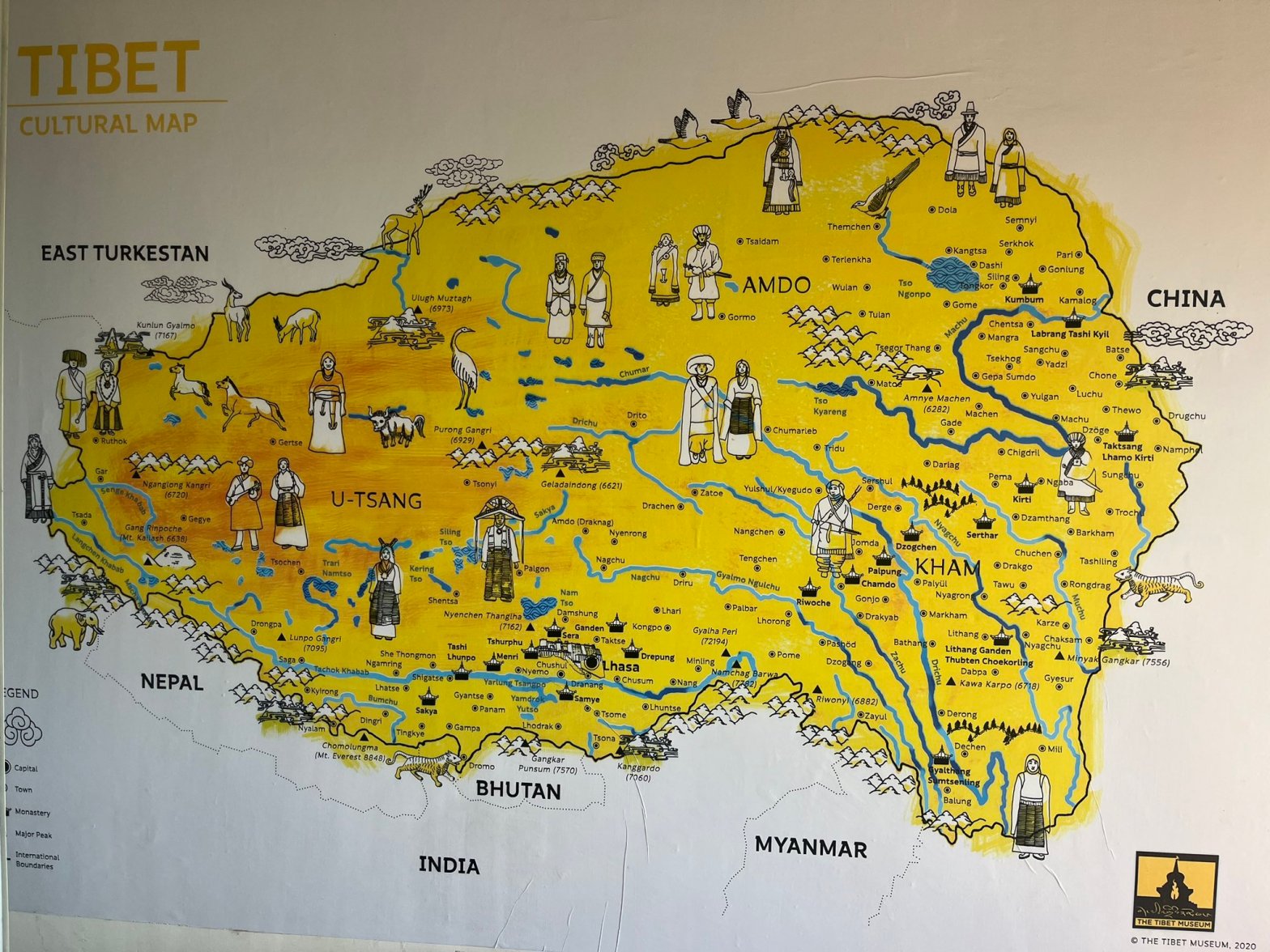


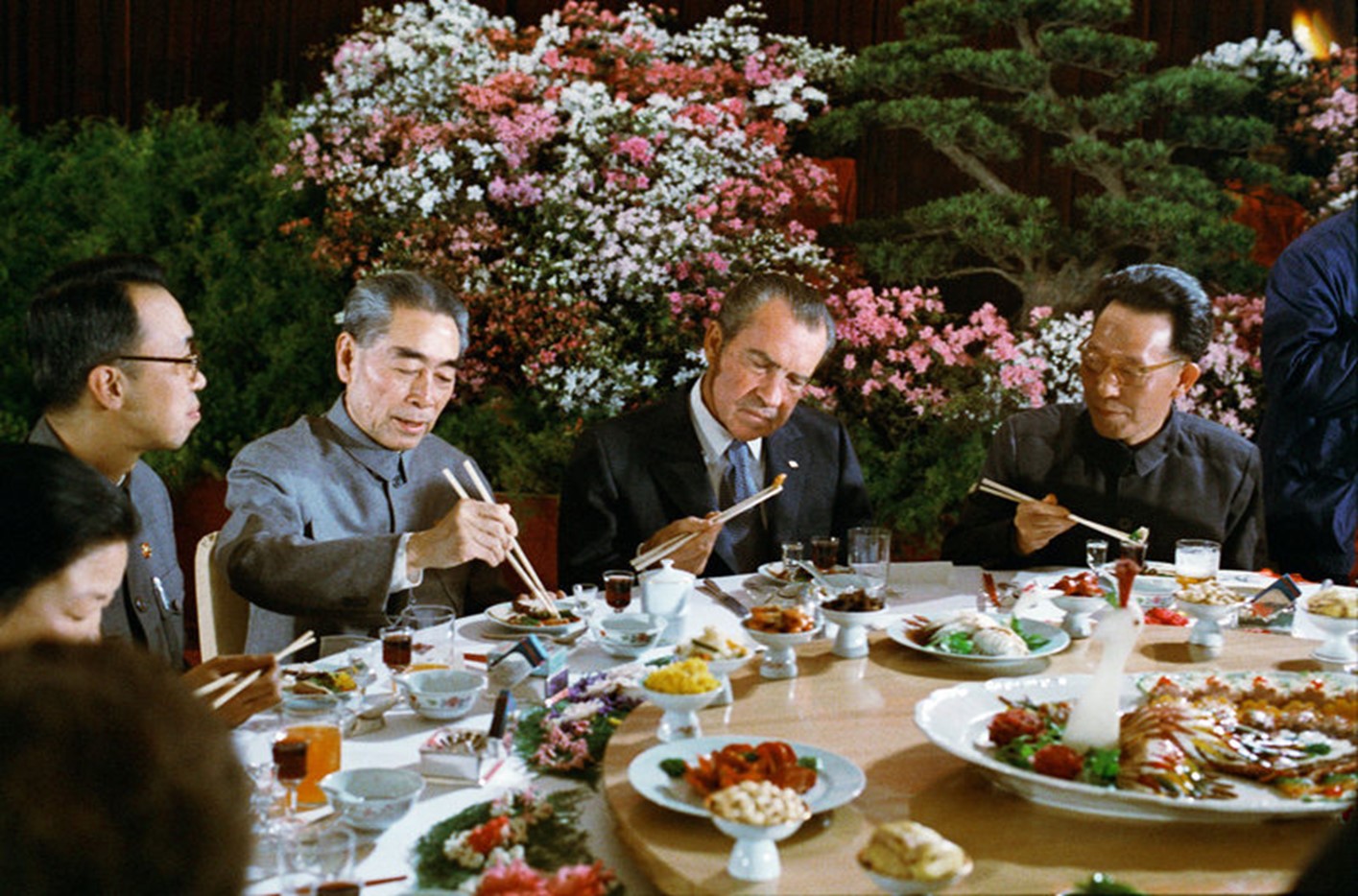

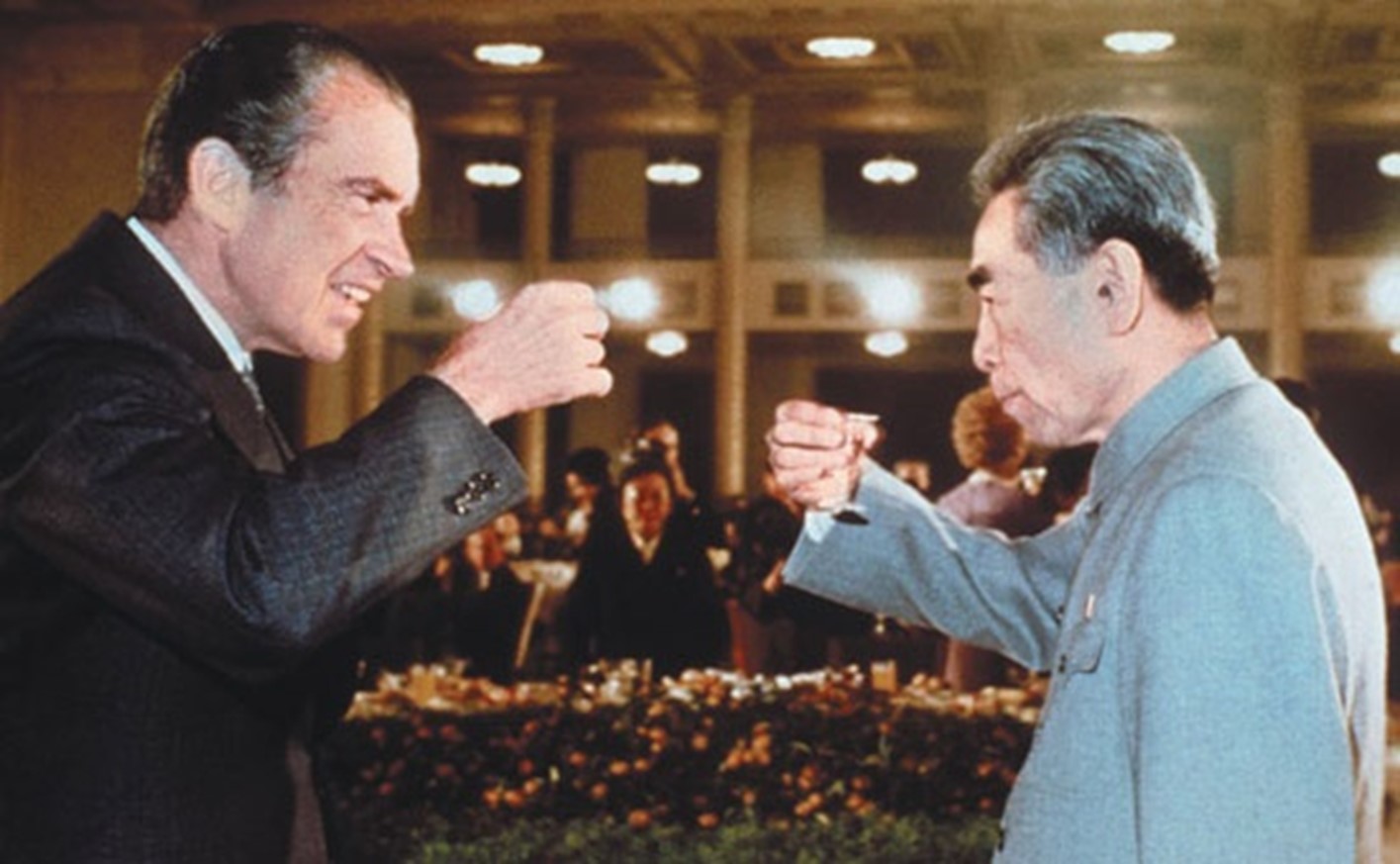

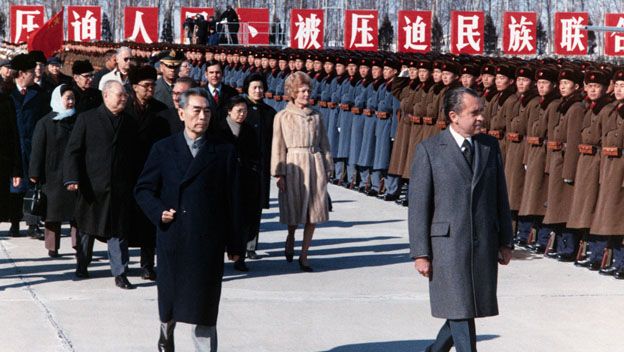

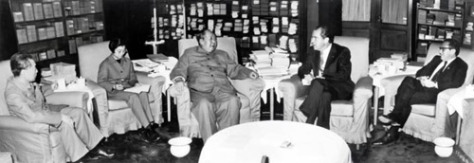







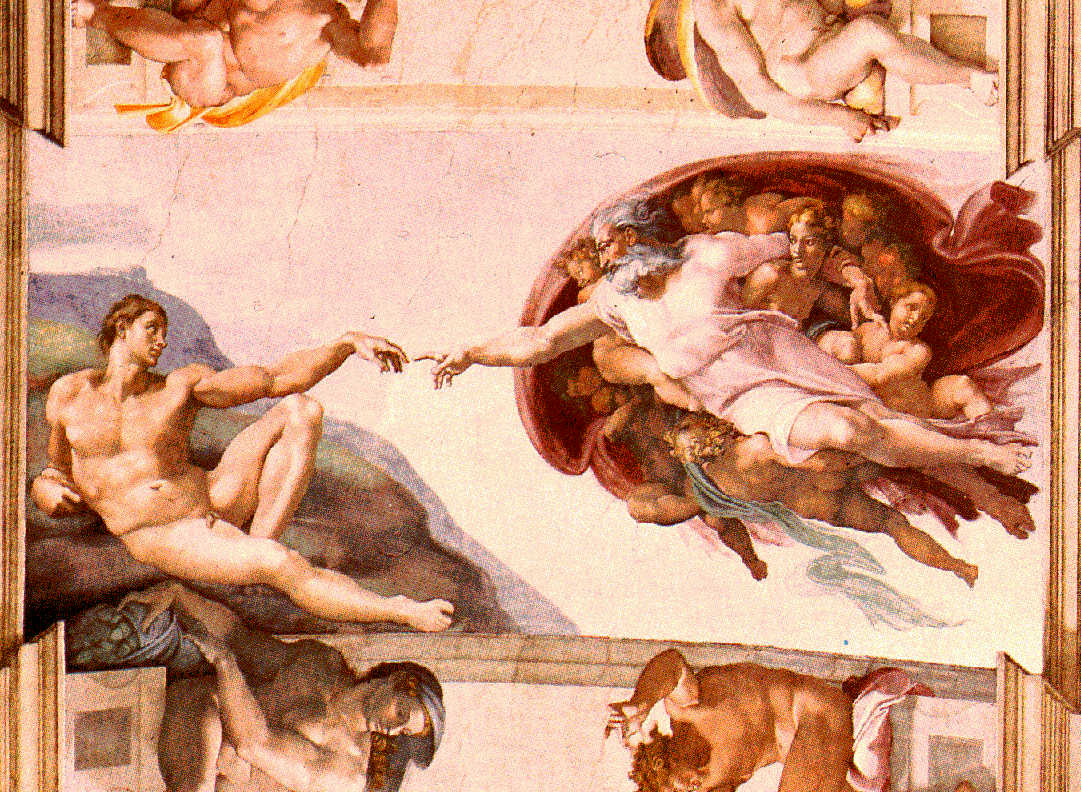
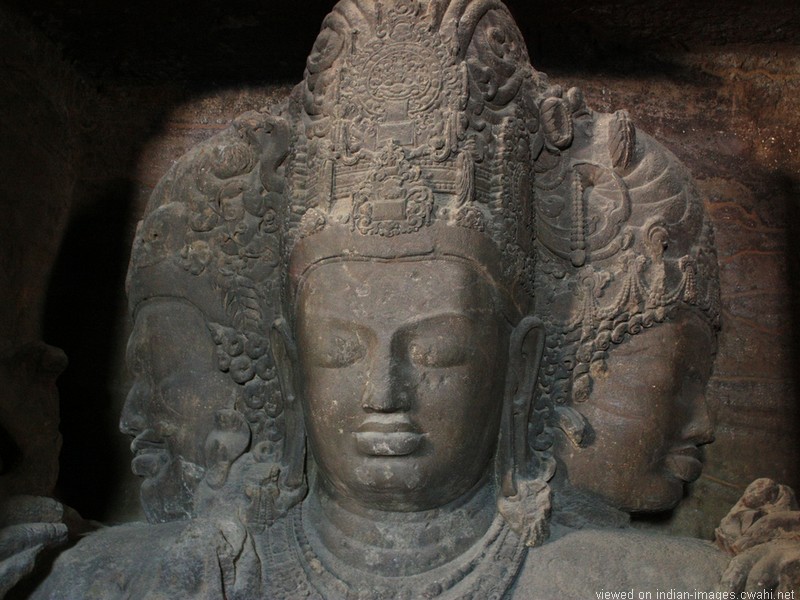


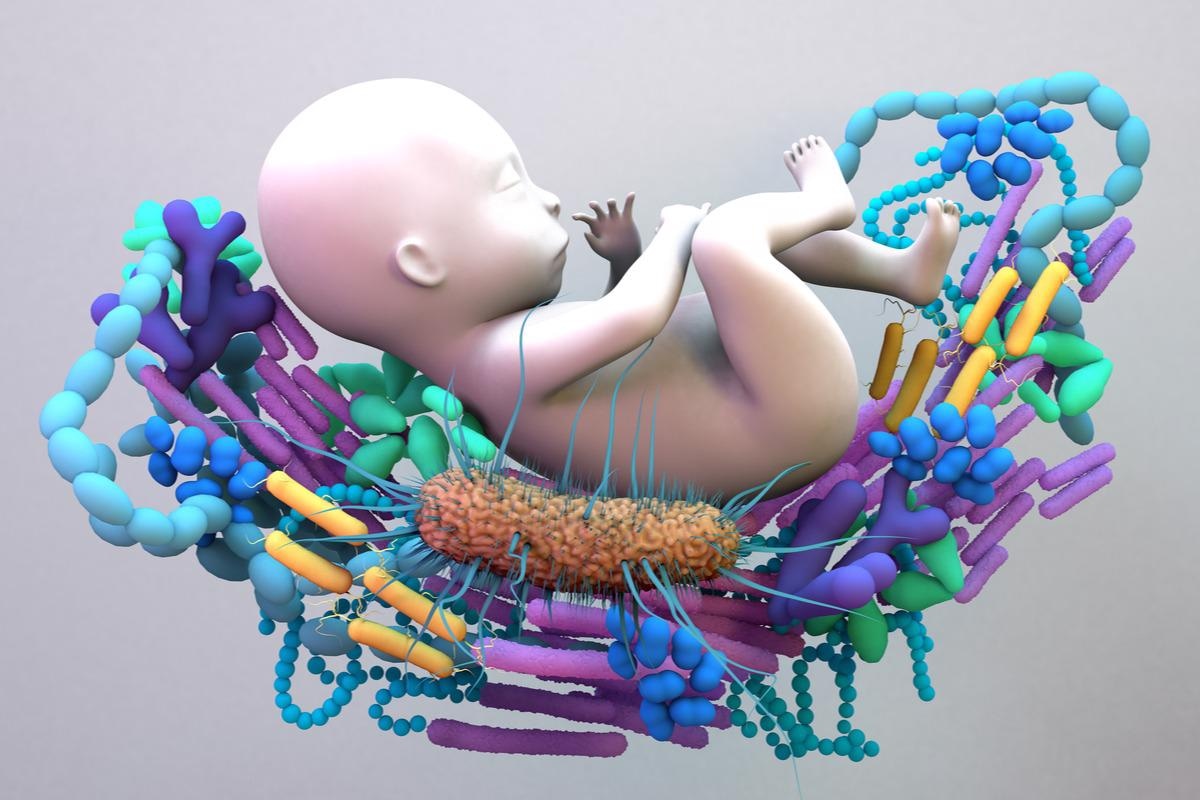



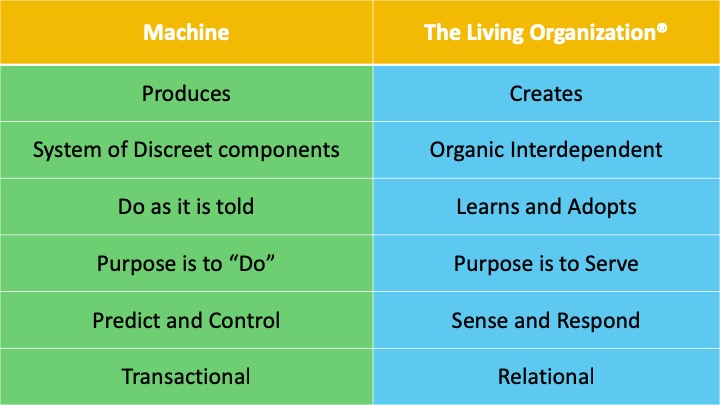
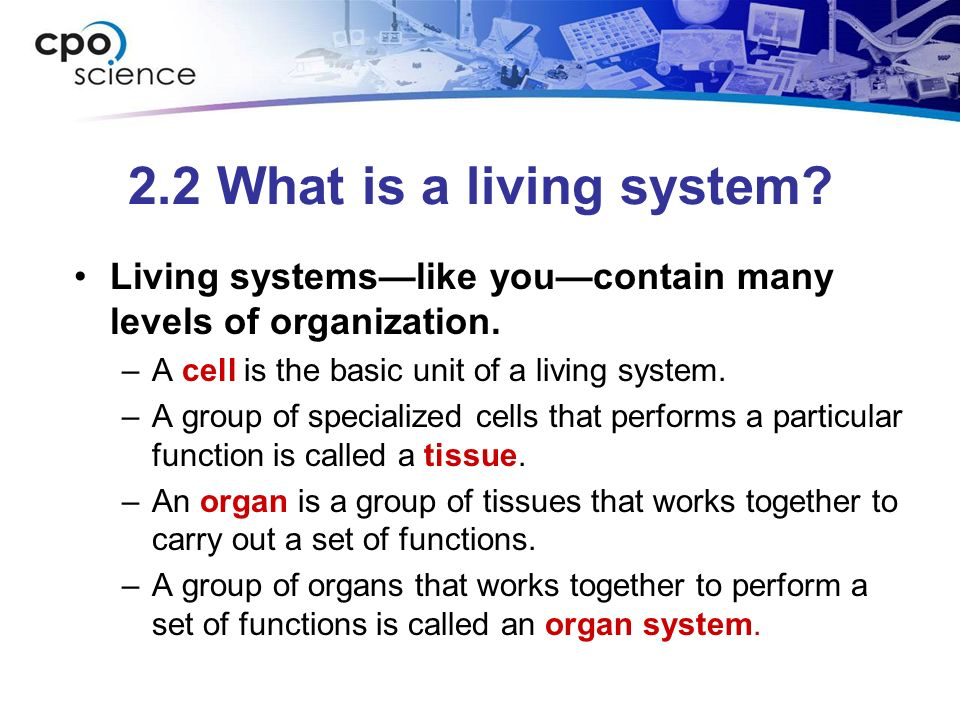


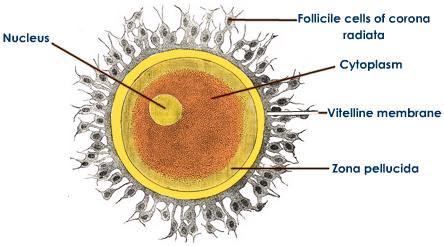


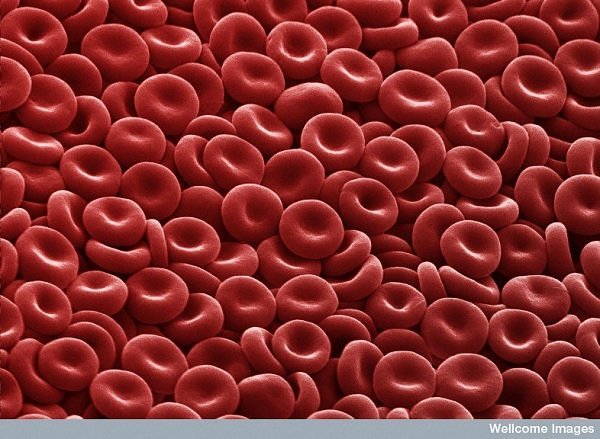


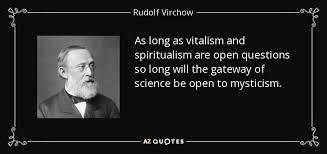


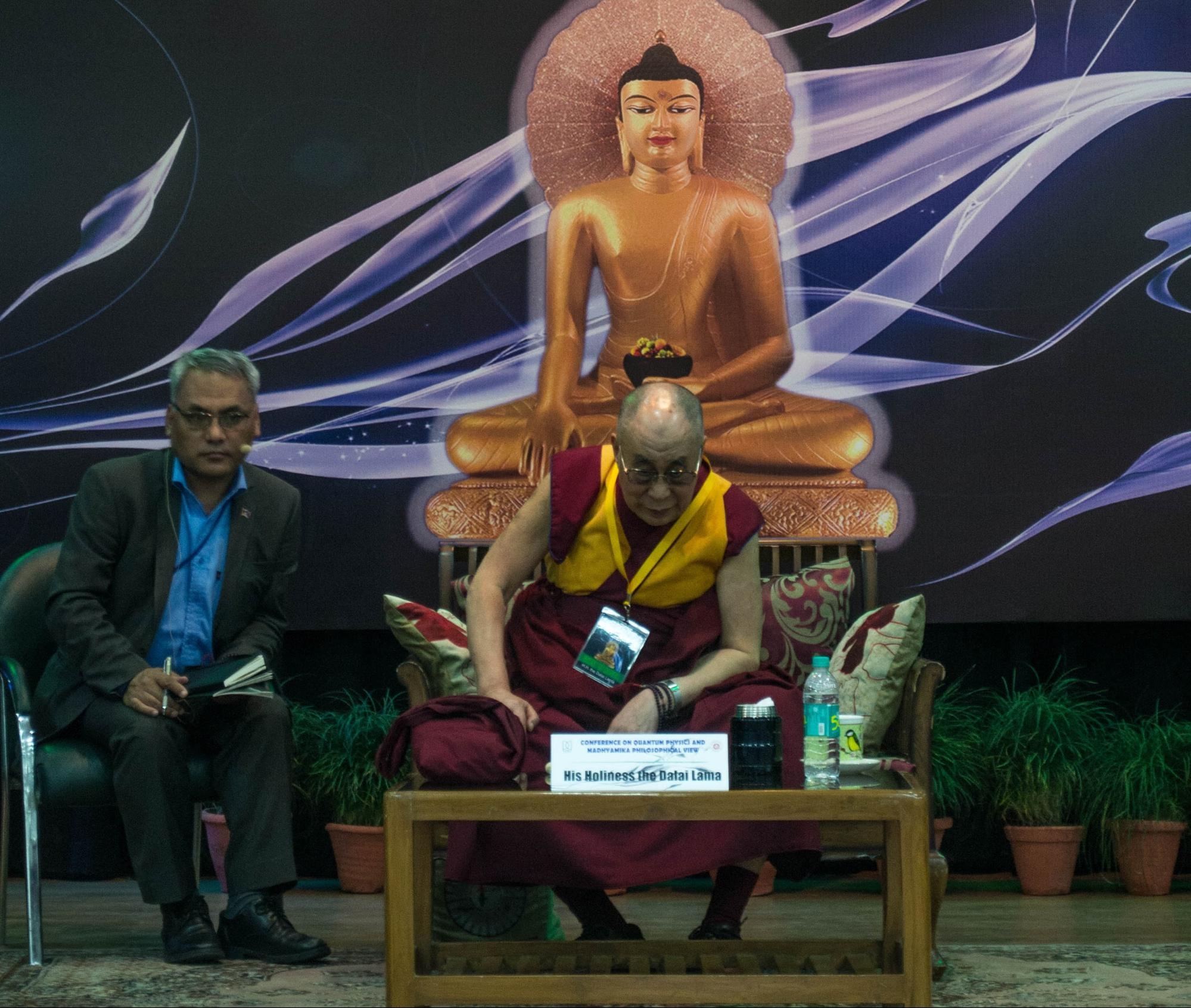


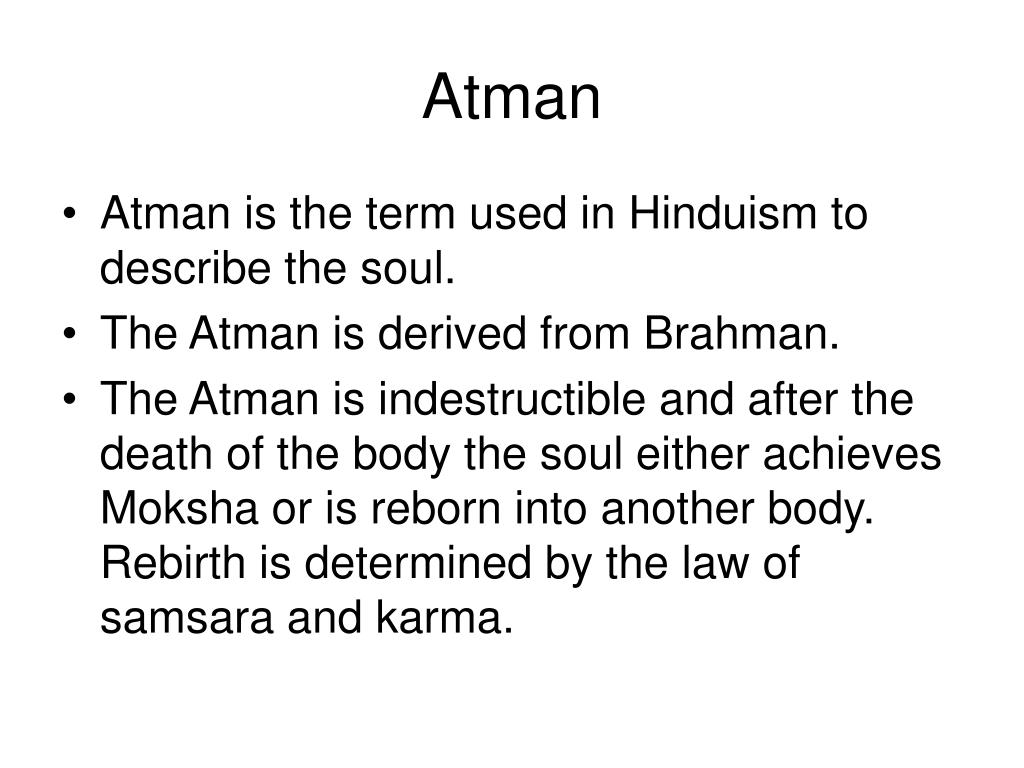


 Filippo S. Giorgi1,2 and Francesco Fornai1,3*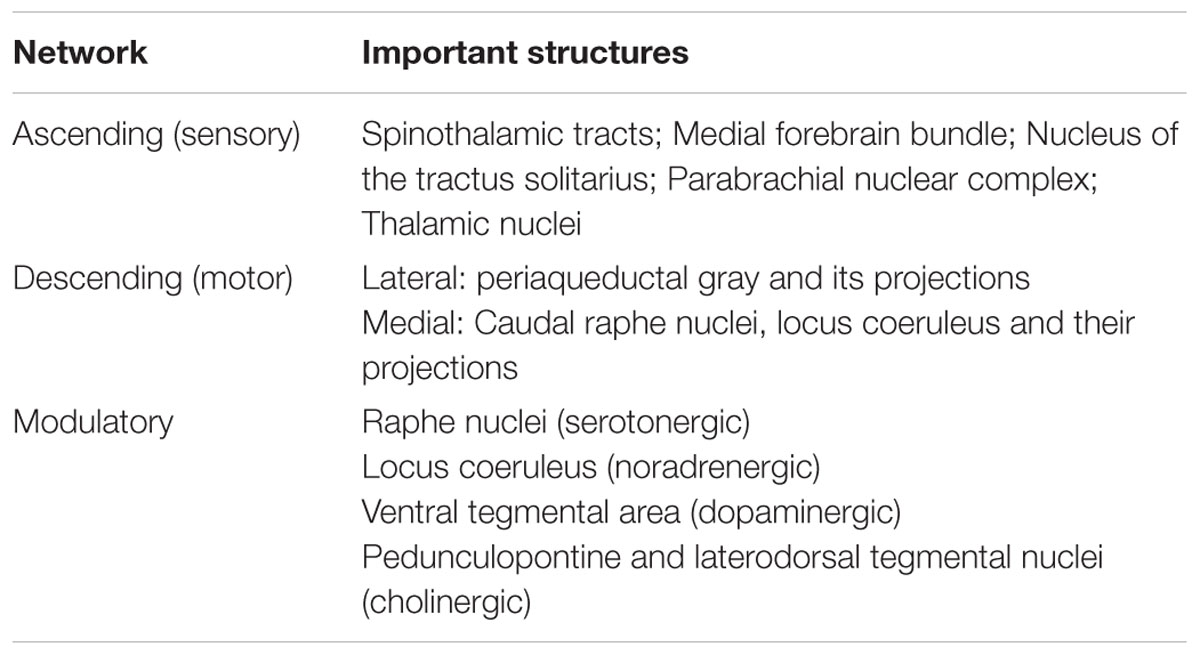
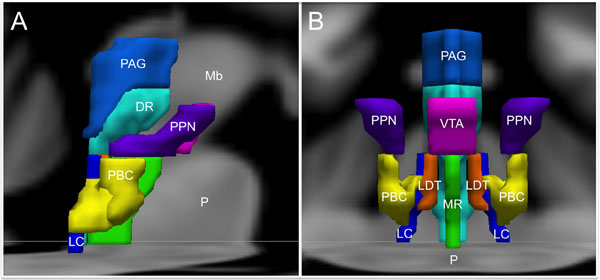
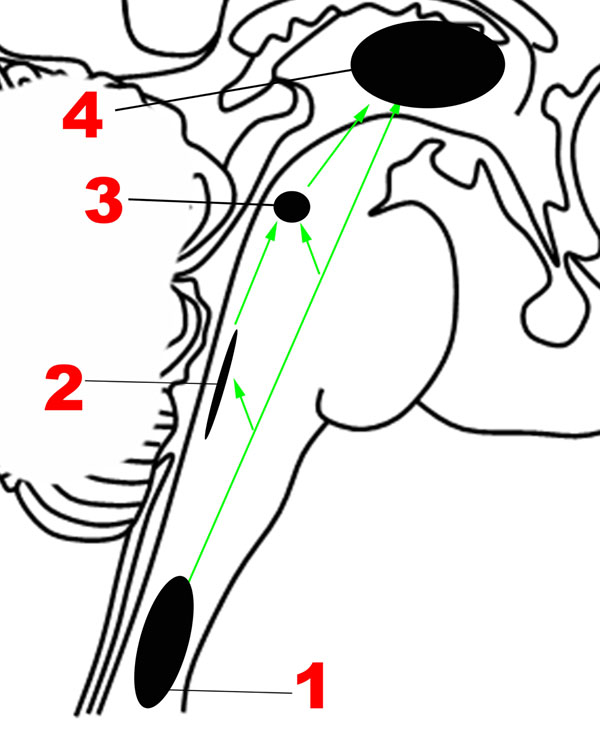
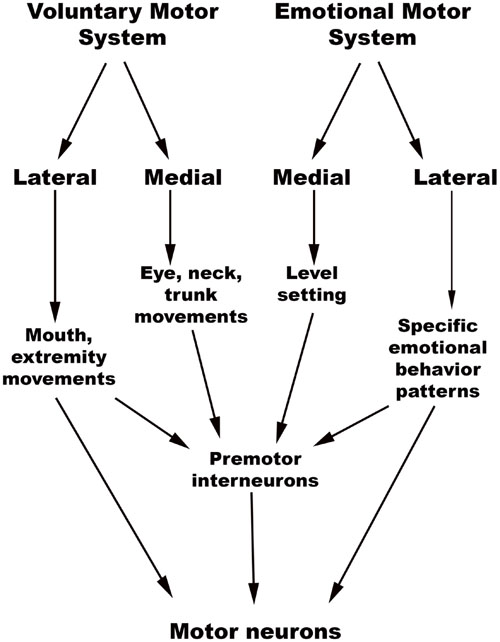
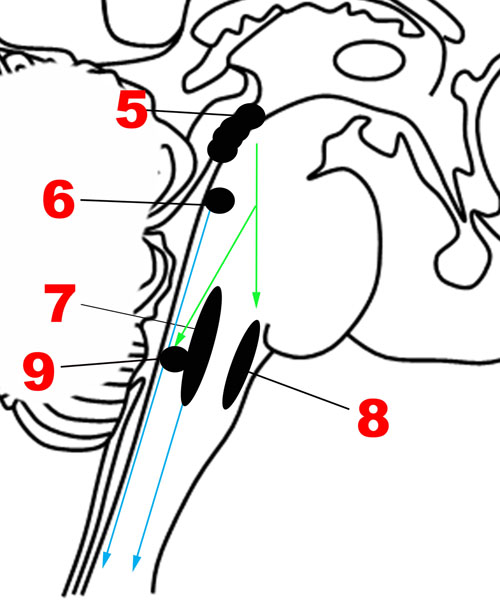
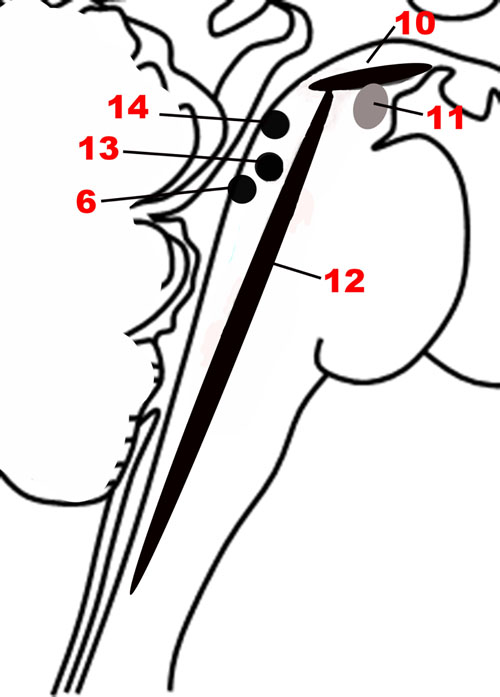



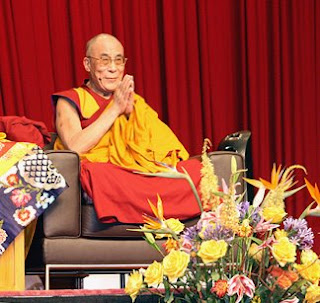

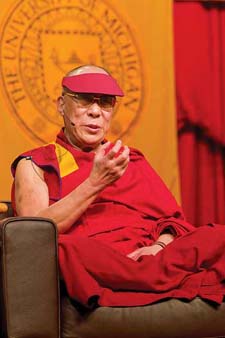



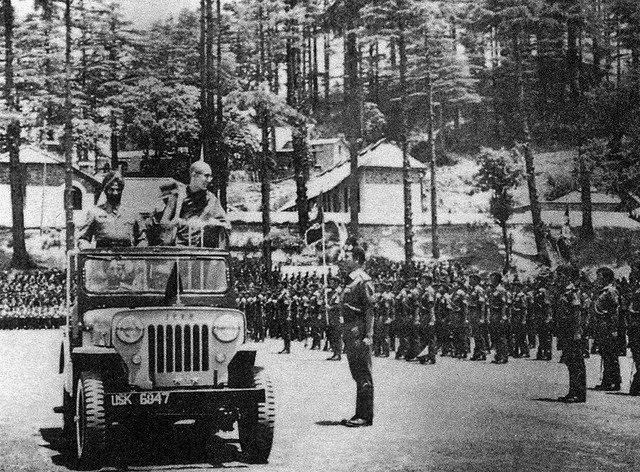

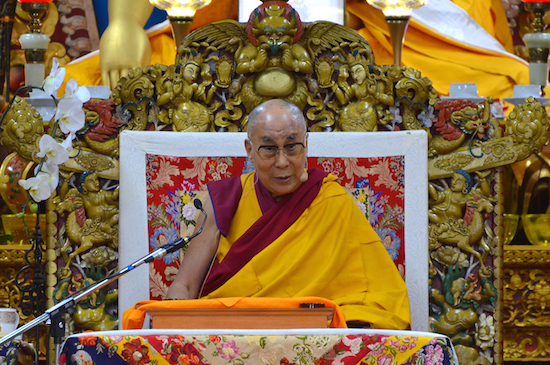
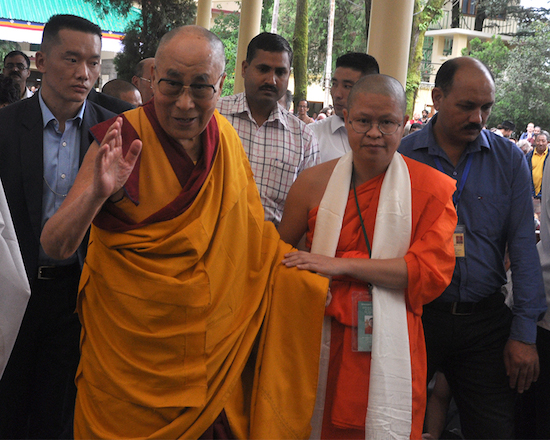







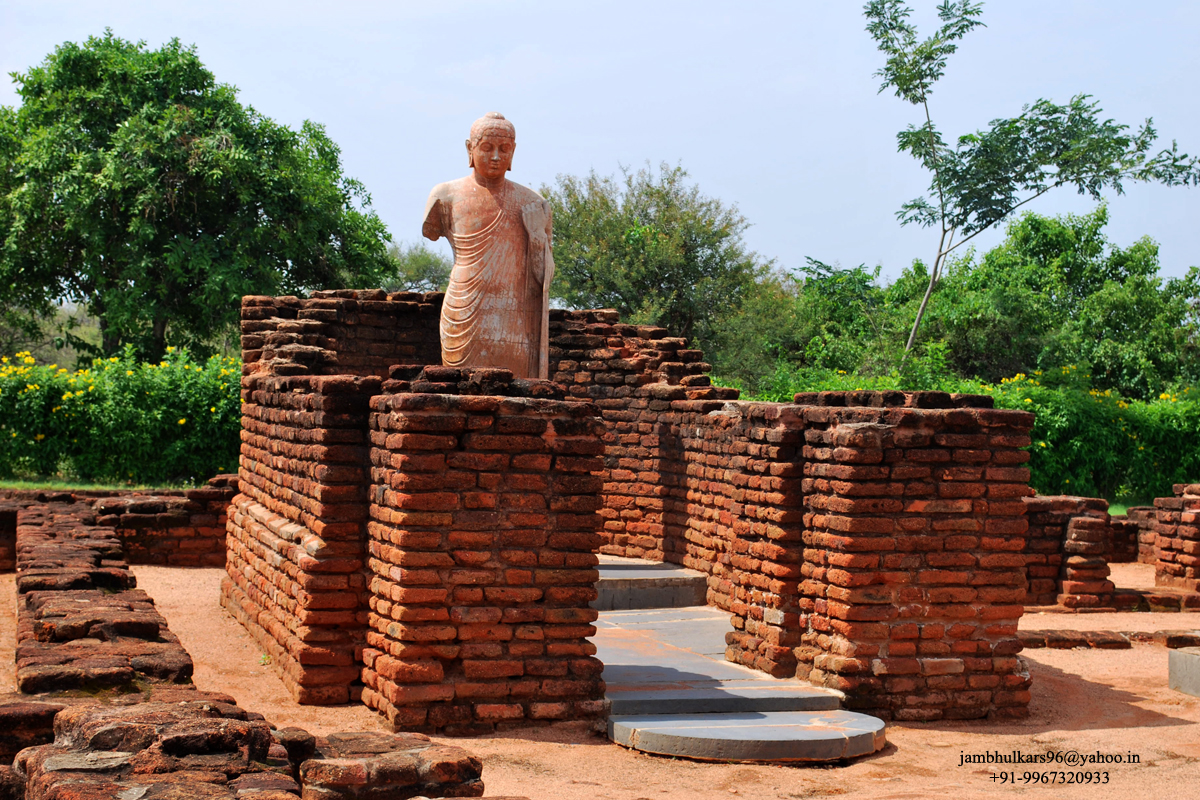







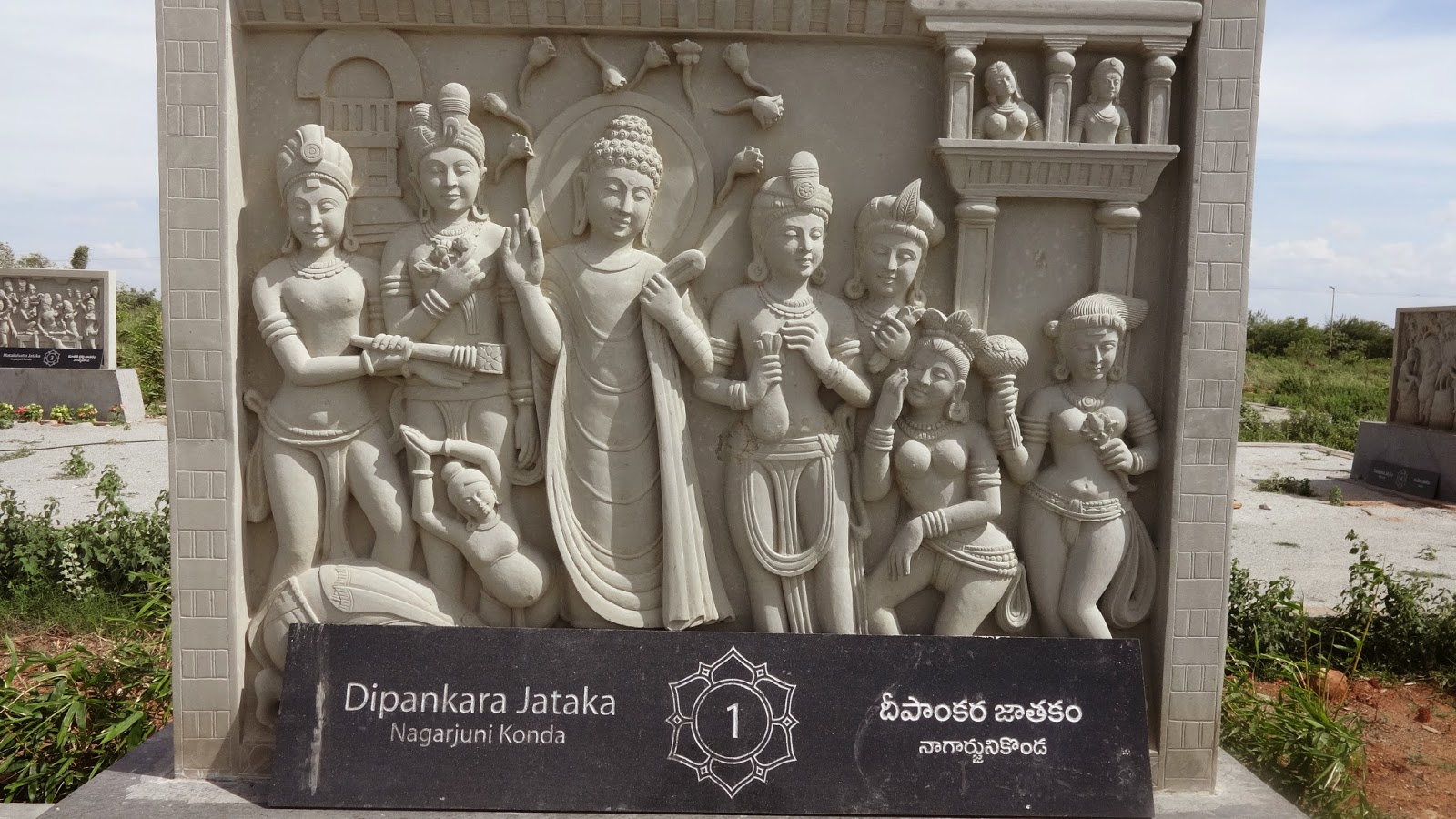


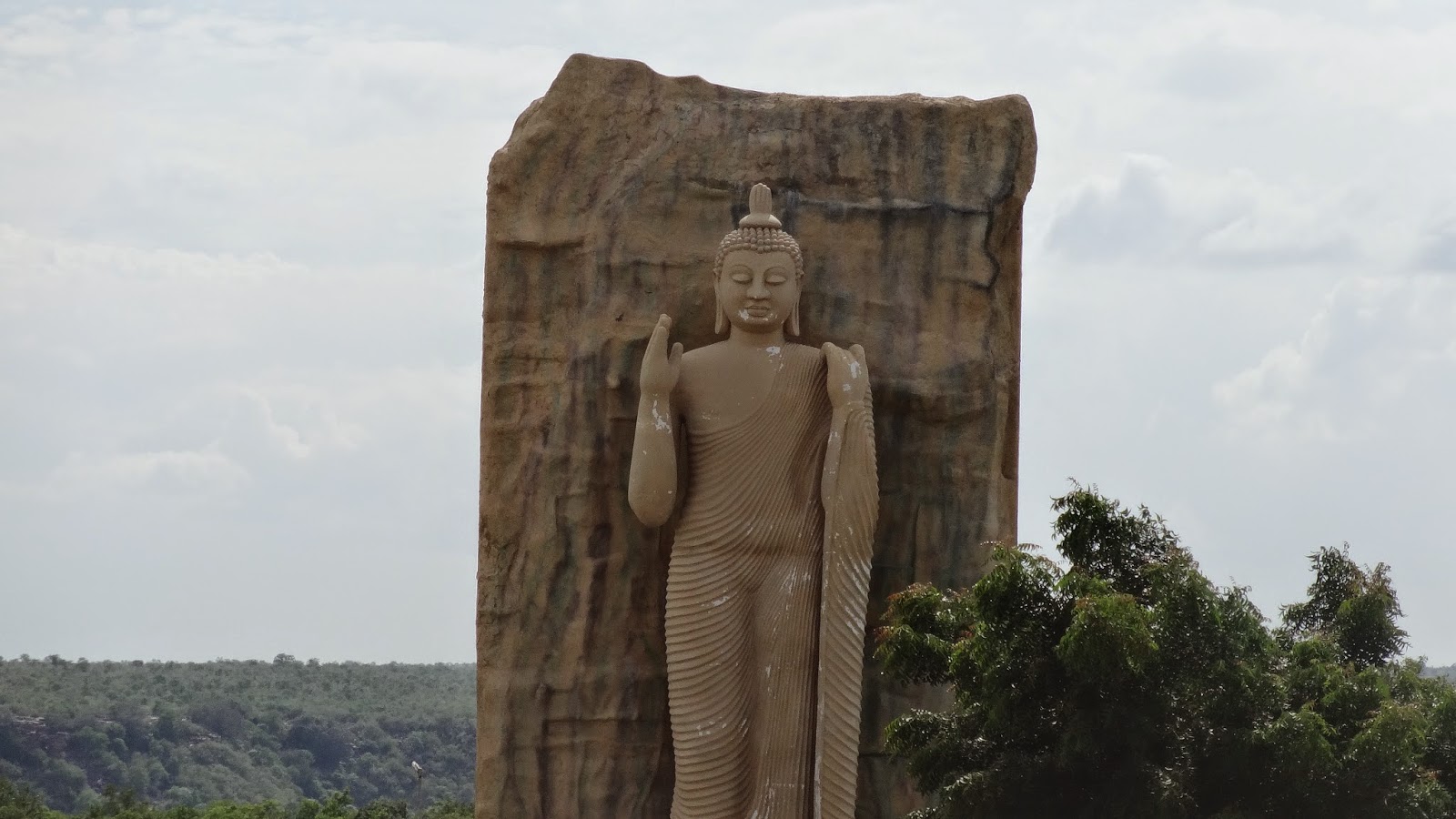
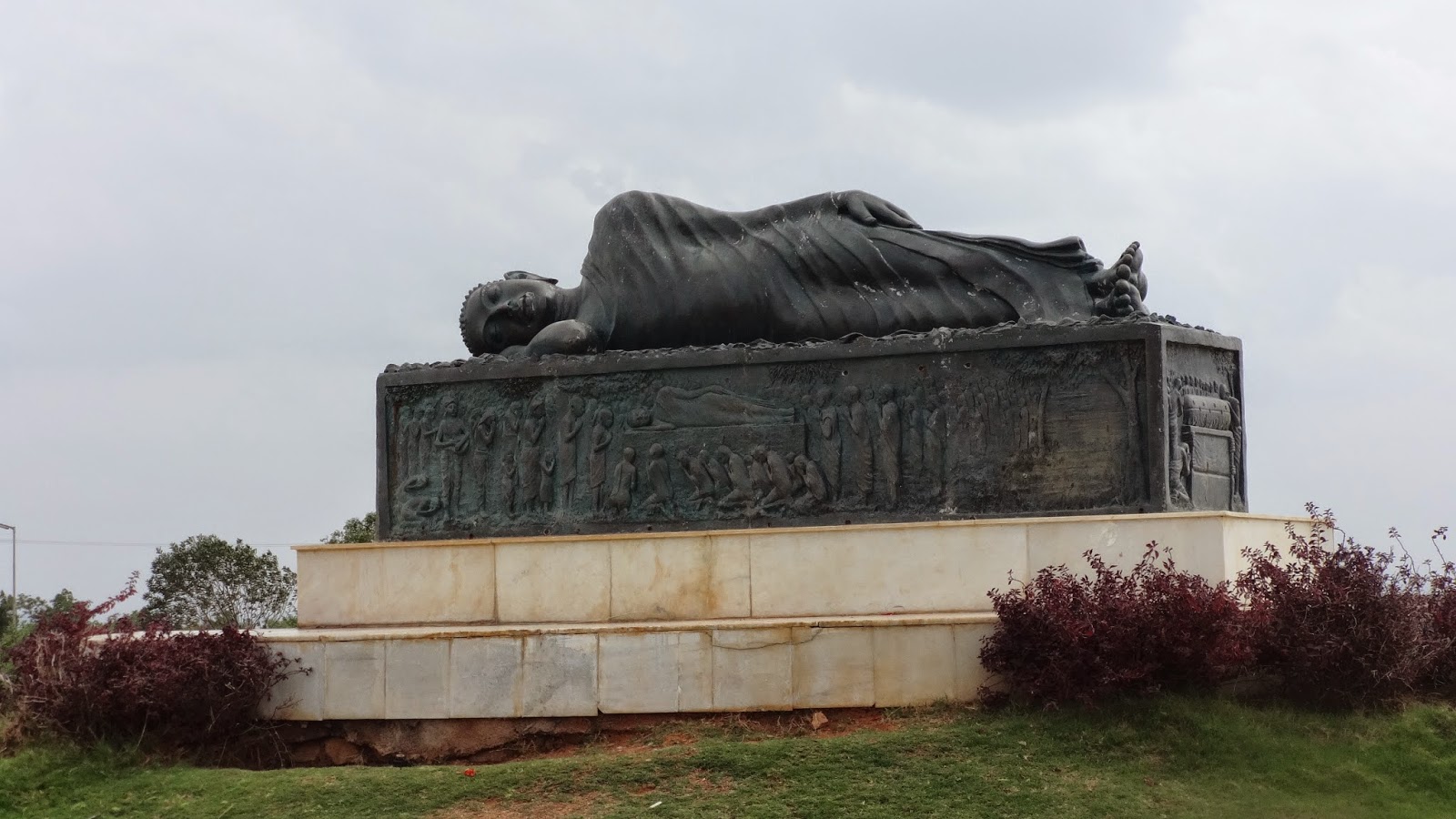

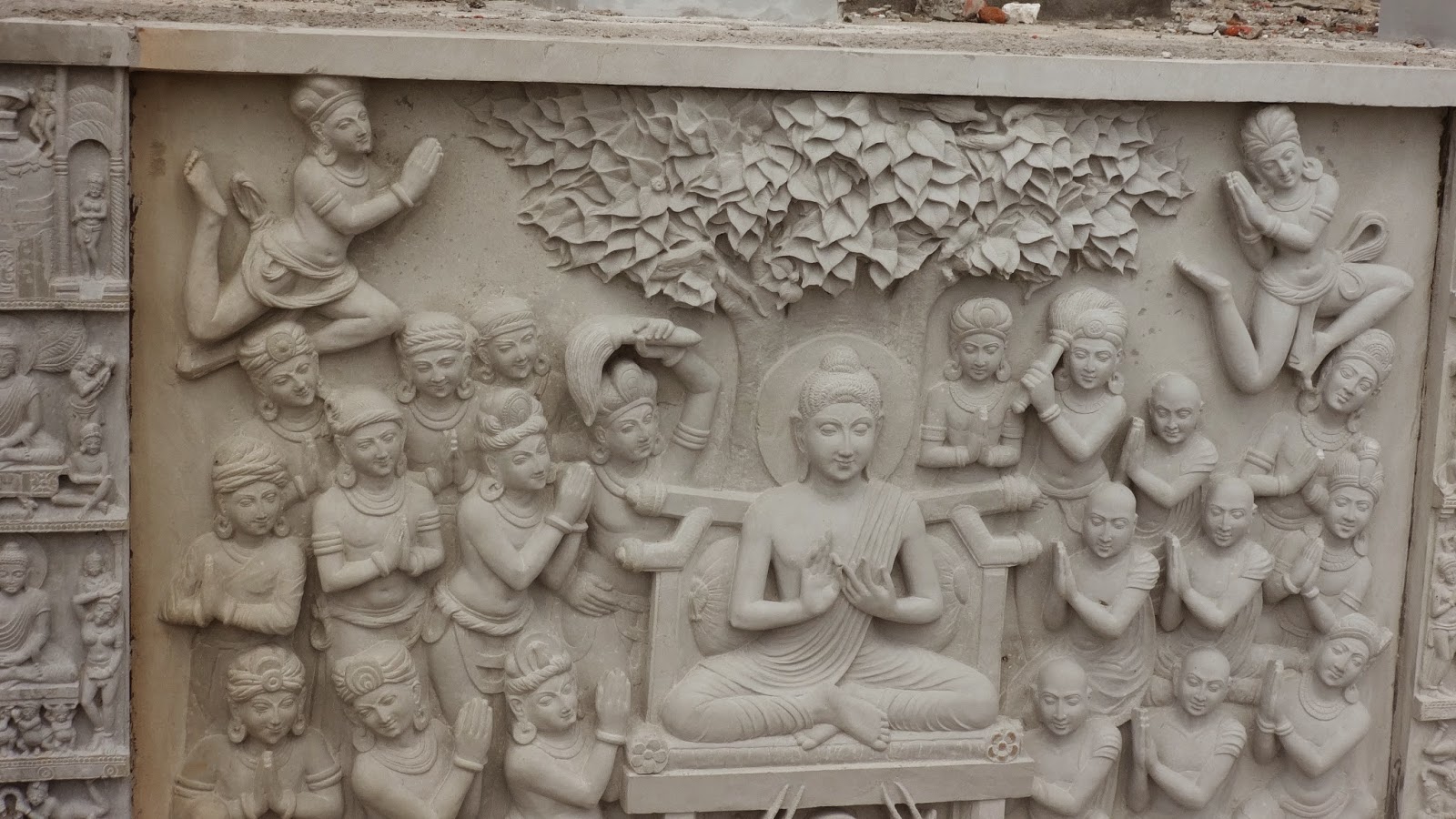


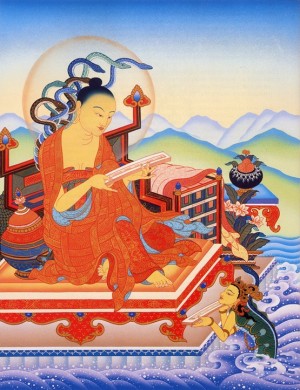














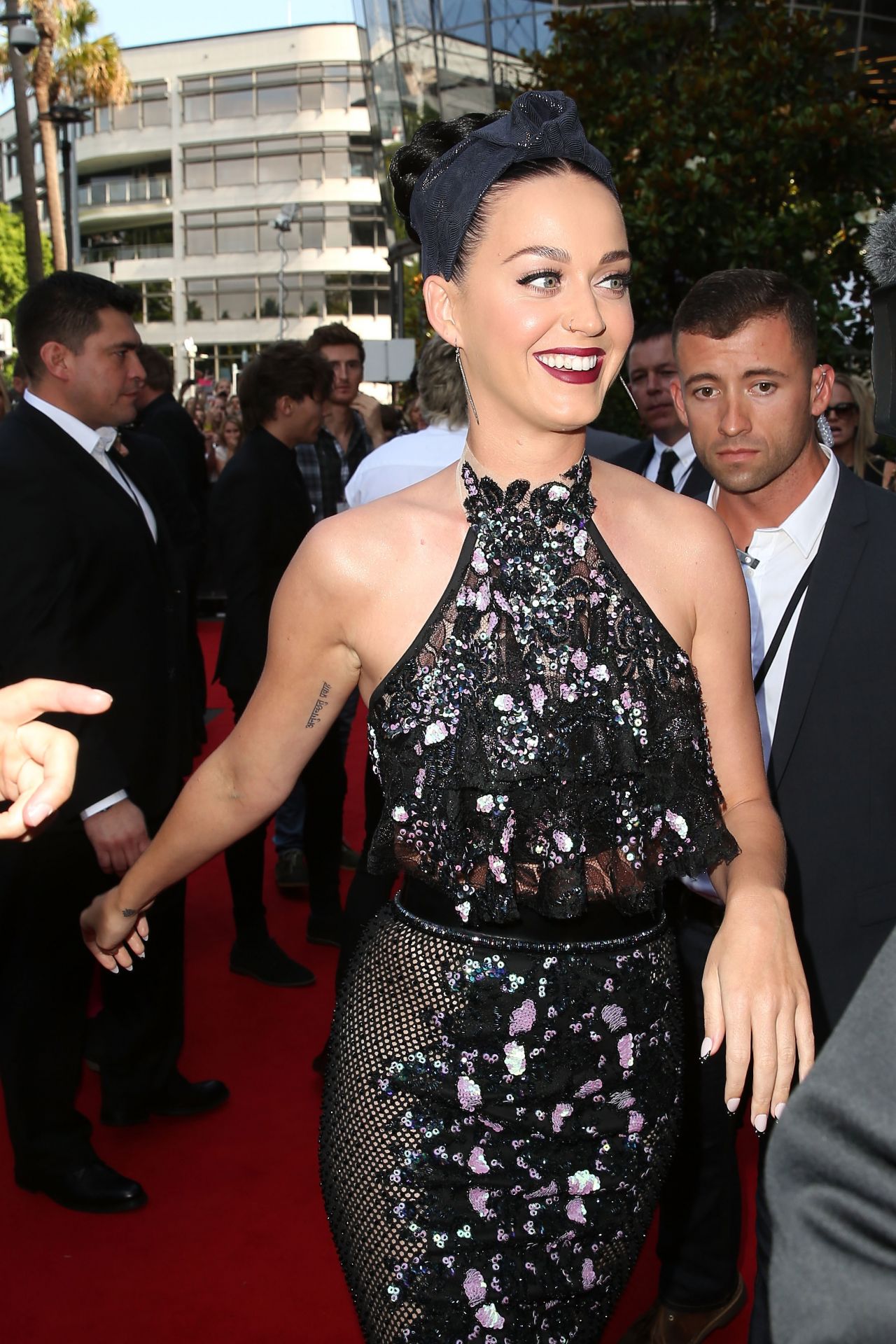
























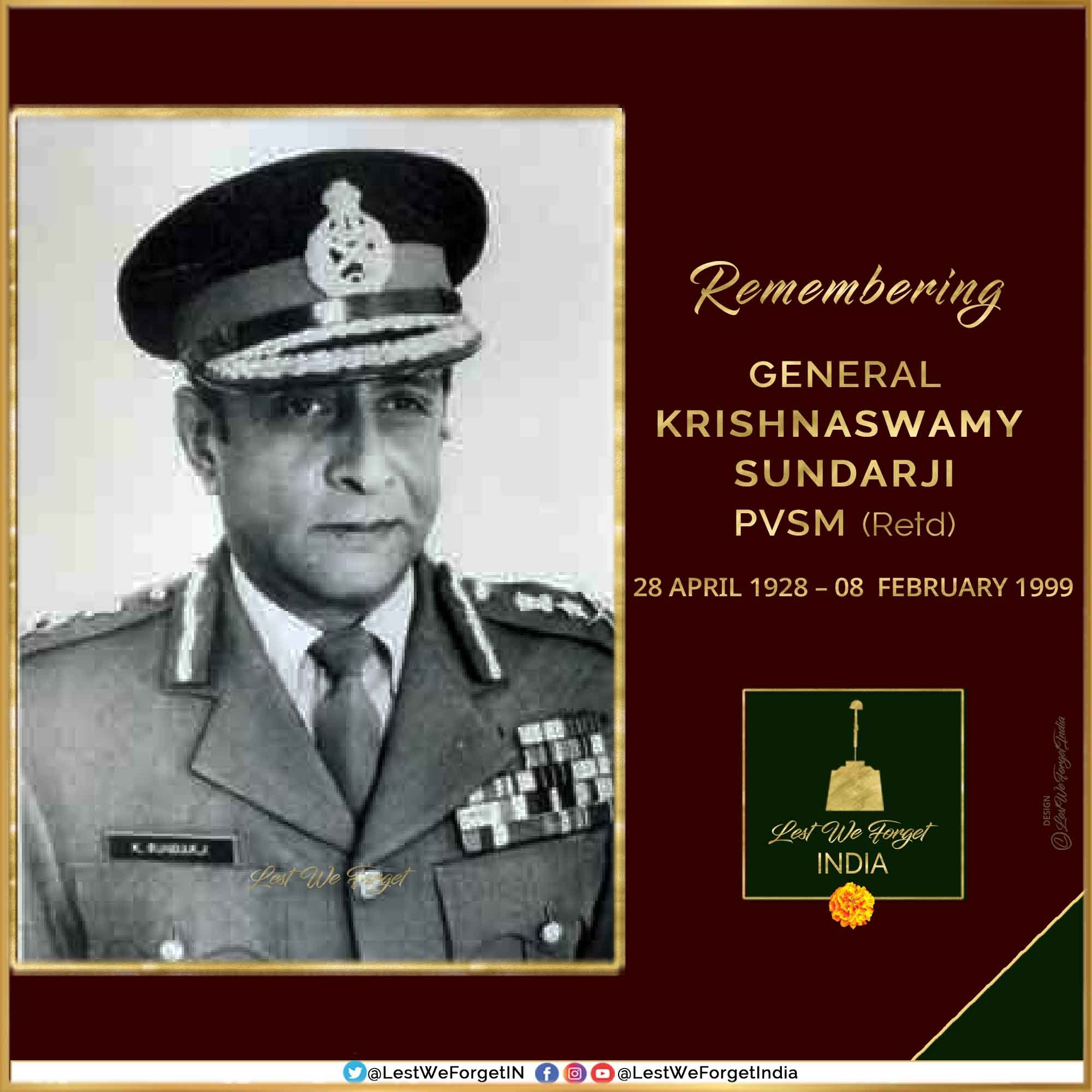
 Whole Dude - Whole Concept