Like all other living creatures of this planet Earth, man is a mortal being. Whosoever had arrived on this planet must also depart. As a biological species, what are man’s chances of survival in the future? Man arrived on planet Earth as a created being and exists as an Individual with Individuality without any choice. Life has always survived several major and minor extinction events and the issue of survival demands the existence of a human population, a mob of individuals with individuality.
Could Man Evolve into a new Species?
Man’s Future: Evolution or Extinction?
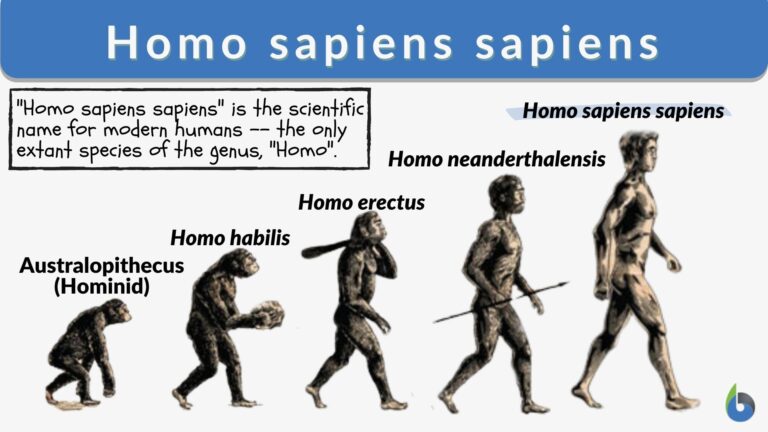
Man is a member of the order of Primates, which is a part of the class Mammalia. The Anatomically Modern humans belong to the species Homo sapiens which is further identified as subspecies sapiens. Man is the only species in the genus Homo of the family Hominidae that is living today. All other ancestral forms of the genus Homo are extinct. The early Homo sapiens was possibly present in southeastern Europe 350,000 years ago. The numbers and range of early humans has increased about 100,000 years ago.
Man’s Future: Evolution or Extinction?
The rate of expansion of human population is related to technological advancements that increase the availability of food, or of major medical advances that reduce the number of deaths. Man not only fully inhabits and utilizes a wide range of environments but also alters these environments to his own ends. With a variety of sophisticated technologies interposed between man and the natural environment, the environment cannot exert pressures on the human species in the same way that it has on other species.
Future of Man: Evolution or Extinction? Expression of Biological Information. DNA & Genetic Information. Operon. Abilities of DNA. Produce polypeptide. Forming new DNA. DNA as genetic material. Gene hypothesis. Protein synthesis. Griffith (1931) Beadle & Tatum (1944) Replication. Avery et. al (1944) Hershey & Chase.
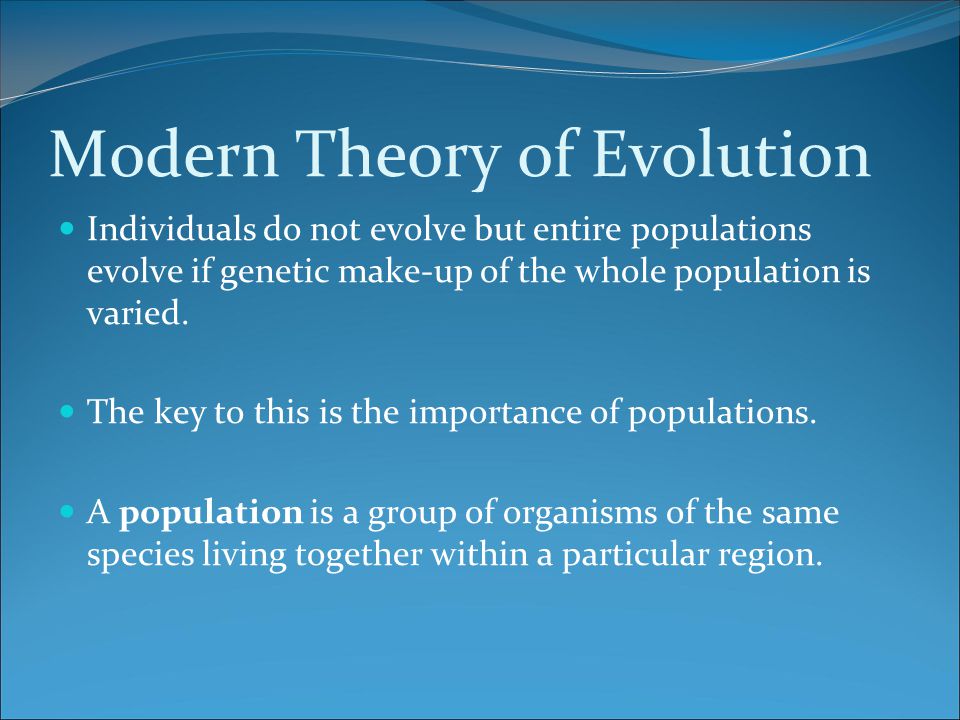
Essentially, the modern synthetic view of evolution could be defined as a change in gene frequency. Evolution could be described as change in the genetic composition of a population through time. For purposes of speciation or separation into new species, we need to demonstrate cumulative and important changes in the population gene pool. In the last 250,000 years there is no evidence to show any important changes in the population gene pool. Practically speaking, man’s evolution into a new species is arrested because of the intervention of culture between man and his environment.
Man’s Future: Evolution or Extinction?
The Biological Phenomenon of Extinction
Man’s Future: Evolution or Extinction?
In biology, extinction refers to the dying out or termination of a race or species of animals or plants. Extinction occurs when a species can no longer reproduce at replacement levels and all the surviving members perish at the end of their life spans which could be shortened by harsh environmental stresses. The causes of extinction include the following: 1. extra -terrestrial, 2. geological-climatical, and 3. biological. Most extinctions are thought to have resulted from environmental changes. A species could be affected in either of two ways:
1. The doomed species is not able to adapt to the changed environment and would totally perish without descendants;
2. The doomed species may adapt but, in the process, may evolve into a distinctly new species. When this transformation is completed, the doomed species would be identified as an extinct species. It should be noted that this kind of transformation of one species into a new distinct species is not actually observed by any person. The chances of man evolving into a new species is less likely because man has to some extent arrested this process due to the development of his abilities to manipulate nature.
Extinction is an ongoing feature of the Earth’s flora and fauna. The fossil record has served to demonstrate the history of most major groups of animals and plants. The record indicates the occurrence of fairly sudden extinctions of certain groups at certain times, and the fossil record also reveals the occurrence of a number of mass extinctions each involving the demise of vast number of species. A typical species becomes extinct within 10 million years of its first appearance and only one in a thousand species that have existed remain today. Some 99.9 percent of all species that have ever lived on Earth are now extinct. Mass extinctions are ecological disasters but they may also create opportunities by removing once dominant groups.
Cretaceous-Tertiary Extinction Event (K-T EVENT)
Man’s Future: Evolution or Extinction. CRETACEOUS-TERTIARY EXTINCTION EVENT OR K-T EVENT, ABOUT 65 MILLION YEARS AGO, WIPED OUT APPROXIMATELY 80 PERCENT OF ALL SPECIES OF ANIMALS INCLUDING A GREAT VARIETY OF DINOSAURS .
A drastic example of extinctions is provided by the dinosaurs. About 65 million years ago, at the end of the Cretaceous period all the major groups of dinosaurs and several forms of marine life became extinct more or less simultaneously. It has great significance because it ended the reign of the dinosaurs and opened the way for mammals to become the dominant land vertebrates. Some biologists conclude that humans owe our present dominance because of this K-T Event that saw the end of the dinosaurs.
Man’s Future – Evolution or Extinction: Dinosaur Extinction.Asteroid strike near Mexico may have caused Major Extinction Event called K-T Event. Impact site 1600km from Central America.
Evidence points to the impact of an asteroid hitting the Earth as the cause of this extinction. An important aspect of such impacts by heavenly objects would be the creation of tremendous amounts of ionizing radiation which has played a devastating role in wiping out the marine life. It is suspected that catastrophic events such as an asteroid impact/radiation may have triggered other mass extinctions as well. In fact, mass extinctions appear to have taken place approximately every 26 million years. Some paleontologists proposed that a cyclical cosmic event cause these periodic die-offs.
The Lessons from Dinosaur Extinction
The history of Dinosaurs: LONG-LASTING VOLCANIC ERUPTIONS IN DECCAN TRAPS REGION OF INDIA MAY HAVE CAUSED EXTINCTION OF DINOSAURS. EACH DINOSAUR CREATURE LIVED AS INDIVIDUAL WITH INDIVIDUALITY.
The history of dinosaurs upon planet Earth clearly tells us and warns us about the vulnerability of human existence. The structural differentiation and the sophisticated functional organization of man makes him a very complex organism. Such complexity actually places man in a position of disadvantage when a cataclysmic cosmic event actually happens. Organisms that are structurally simple and functionally primitive and those that feed upon dying or decaying organic matter may survive better and ride over the chaos caused by a massive collision.
The theory of evolution would not be able to offer a sense of hope to humanity and just like the dinosaurs, man would be the next doomed species. Life forms have become extinct and yet life continued. A living thing is a composite of form, and substance. We tend to pay attention to the form and disregard the nature of the substance. The living matter or substance has endured all extinction events over period of 3.5 billion years after the first appearance of Life on planet Earth. This living substance survives and displays the quality or the characteristic of being imperishable, immutable, immovable, and eternal. There is hope that the living substance would again survive a future major extinction event.
Man’s Future: Evolution or Extinction?
What about the life form that we recognize as man? Man could derive some comfort from the Book of Genesis, chapter 8, verse 22 which promises:
The East-West Confluence – Discover the Star of India
Discover the Star of India: ANNIE BESANT, b. OCT.1 , 1847, LONDON – d. SEPT. 20 , 1933, ADYAR, MADRAS. THE CHARISMATIC ENGLISH WOMAN WHO MADE INDIA HER HOME.
Mylapore, Madras is my birth place. I am native of Rajahmundry. Ms. Annie Besant visited Rajahmundry twice and opened a place of worship known as ‘Divya Gjyan Samaj’ to honor the memory of Colonel Henry Steel Olcott, the first President of Theosophical Society International at Adyar, Madras. This temple is located in Alcot Gardens, Rajahmundry.
Theosophy – The Cultural Enrichment of India:
ANNIE BESANT – ANGEL OF INDIA . ENGLISH WOMAN WHO MADE INDIA HER HOME .
Theosophy is derived from the Greek ‘theos’; “God”, and ‘sophia’; “Wisdom”, and is usually translated as Divine Wisdom. Theosophy is based upon the principle that God must be experienced directly to be known at all. It lays emphasis on mystical experience. It claims that a deeper spiritual reality exists with which direct contact may be established through intuition, meditation, and revelation, by transcending man’s normal consciousness. It is held that knowledge of the ‘Divine Wisdom’ gives access to the mysteries of nature and man’s deeper being. It views that the ‘reality’ is constituted by one principle. Theosophists have affirmed an underlying all-encompassing unity that subsumes all differentiation. The Theosophical Society affirms the following objectives; 1. to form a nucleus of the universal brotherhood of humanity without distinction of race, creed, sex, caste or color; 2. to encourage the study of comparative religion, philosophy, and science; and 3. to investigate unexplained laws of nature and the powers latent in man. The Society insists that it is not offering a new system of thought but it merely identifies certain universal concepts of God, nature and man that are known to wise men in all ages and that may be found in the teaching of all the great religions.
An English Woman in India:
ANNIE BESANT – ANGEL OF INDIA . ENGLISH WOMAN WHO MADE INDIA HER HOME .
Annie Besant after her conversion to Theosophy in 1889, traveled to Adyar, Madras and made India her home. She was active in educational and humanitarian work in India. She founded the Central Hindu College at Varanasi. Beginning in 1916, she became involved in the Indian independence movement and established the Indian Home Rule League. She was the president of the Theosophical Society from 1907 until her death in 1933. She wrote several books to promote understanding of theosophical belief. Her leadership gave Indians a sense of pride in that they were exporting ideas of importance to the West. The Theosophy movement has been a pioneering agency in promotion of greater Western acquaintance with Eastern thought.
Discover ‘The Star of India’ – The Second Coming of Buddha, a new Messiah:
Discover the Star of India – The Second Coming of Buddha, the reincarnation of Bodhisattva, Maitreya, the new Messiah.
Jiddu Krishnamurti born into a Telugu speaking Hindu Brahmin family at Madanapalli in the present State of Andhra Pradesh was adopted by Annie Besant in 1909 when he was about 14 years old. She proclaimed that Krishnamurti is the vehicle of a coming World Teacher, reincarnation of Bodhisattva, Maitreya, the Second Buddha.
Discover the Star of India – The Second Coming of Buddha, the reincarnation of Bodhisattva, Maitreya, the new Messiah. The Discovery of Jiddu Krishnamurti.
She traveled in Great Britain and the United States with Krishnamurti whom she presented as a new Messiah. In 1911, she founded the ‘Order of the Star of India’ based on the claim that he was Buddha reincarnated. She was his legal guardian till 1921.In 1929, Krishnamurti dissolved this movement.
The Quest for Truth:
ANNIE BESANT – ANGEL OF INDIA . ENGLISH WOMAN WHO MADE INDIA HER HOME .
The keynote of Annie Besant’s varied activities was her unswerving loyalty to Truth. As she said, “She (Truth) may lead me into wilderness, yet I must follow her; She may strip me of all love, yet I must pursue her; though She slay me, yet will I trust in her; and I ask no other epitaph on my tomb but ‘she tried to follow Truth’.”
Rudra Narasimham Rebbapragada, B.Sc., M.B.B.S.,
Danavaipeta Municipal High School, Rajahmundry, East Godavari District, Andhra Pradesh, India.
ANNIE BESANT, b. OCT.1 , 1847 , LONDON – d. SEPT. 20 , 1933 , ADYAR, MADRAS. THE CHARISMATIC ENGLISH WOMAN WHO MADE INDIA HER HOME.ANNIE BESANT, b. OCT.1 , 1847 , LONDON – d. SEPT. 20 , 1933 , ADYAR, MADRAS. THE CHARISMATIC ENGLISH WOMAN WHO MADE INDIA HER HOME.ANNIE BESANT, b. OCT.1 , 1847 , LONDON – d. SEPT. 20 , 1933 , ADYAR, MADRAS. THE CHARISMATIC ENGLISH WOMAN WHO MADE INDIA HER HOME.ANNIE BESANT, b. OCT.1 , 1847 , LONDON – d. SEPT. 20 , 1933 , ADYAR, MADRAS. THE CHARISMATIC ENGLISH WOMAN WHO MADE INDIA HER HOME.ANNIE BESANT, b. OCT.1 , 1847 , LONDON – d. SEPT. 20 , 1933 , ADYAR, MADRAS. THE CHARISMATIC ENGLISH WOMAN WHO MADE INDIA HER HOME.ANNIE BESANT, b. OCT.1 , 1847 , LONDON – d. SEPT. 20 , 1933 , ADYAR, MADRAS. THE CHARISMATIC ENGLISH WOMAN WHO MADE INDIA HER HOMEANNIE BESANT, b. OCT.1 , 1847 , LONDON – d. SEPT. 20 , 1933 , ADYAR, MADRAS. THE CHARISMATIC ENGLISH WOMAN WHO MADE INDIA HER HOME
The Fear of the Beaten Path vs The Security of Guided Path
The Fear of the ‘Beaten Path’ – Defining Indian Identity.
‘The Order of the Star’ was an organization built around Jiddu Krishnamurti by Ms. Annie Besant and other Theosophists with the hope that he would be the vehicle for the return of the Christ or ‘Maitreya’ (the reincarnation of the Lord of Compassion).
The Dissolution of ‘The Order of The Star’
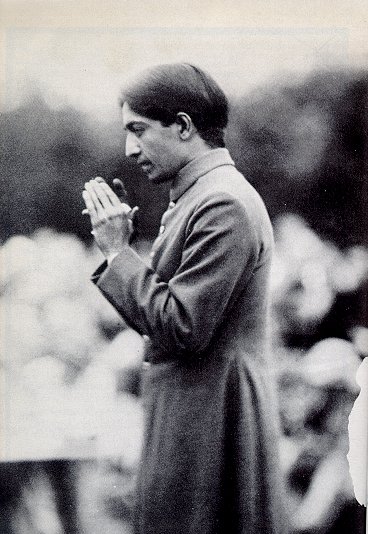
The Fear of the ‘Beaten Path’ – Defining Indian Identity. JIDDU KRISHNAMURTI GIVING HIS SPEECH IN 1929 DISSOLVING ‘THE ORDER OF THESTAR‘.The Fear of the ‘Beaten Path’ – Defining Indian Identity
Aug-Sept 1929: I maintain that Truth is a pathless land, and you cannot approach it by any path whatsoever, by any religion, by any sect. Truth, being limitless, unconditioned, unapproachable by any path whatsoever, cannot be organized; nor should any organization be formed to lead or to coerce people along any particular path. You must climb towards the Truth. It cannot be ‘stepped down’ or organized for you.
1933: I feel that no one can lead another to truth, because truth is infinite; it is a pathless land, and no one can tell you how to find it. No one can teach you to be an artist; another can only give you the brushes and canvas and show you the colours to use.
1948: You cannot discover the path, because there is no path, Truth is a thing that is living, and to a living thing there is no path – it is only to dead things that there can be a path. Truth being pathless, to discover it you must be adventurous, ready for danger; and do you think a guru will help you to be adventurous, to live in danger? To seek a guru obviously indicates that you are not adventurous, that you are merely seeking a path to reality as a means of security.
1957: There is no path to reality. Reality is a pathless land, and you must venture out and discover it for yourself. It is because you are frightened inwardly that you depend on something, on the priest, or on a belief, and so you get caught in the net of an organized religion.
1976: But as truth is a pathless land, you can’t lay down a line, a direction, a path to it and practise it, discipline yourself, learn a technique. It is immovable. There is no technique to truth.
1982: So one has to be totally free from all that because truth has no path to it. It is a pathless land, like a ship that has no rudder. You have to walk out of darkness, out of your own chaos, out of your own confusion, out of the forest of ignorance and come to that by yourself, your own comprehension of perception.
1982: Because if there is any form of conditioning, psychically, inwardly, truth cannot be found. Truth is a pathless land, and it must come to one when there is total freedom from conditioning.
The Story about The Star of Bethlehem:
The Fear of the ‘Beaten Path’ – Defining Indian Identity
The New Testament Book Matthew, Chapter 2, verse 1 and 2 describe the visit of the ‘Magi’. After Jesus was born in Bethlehem in Judea, during the time of King Herod, Magi from the east came to Jerusalem and asked, “Where is the one who has been born King of the Jews? We saw his Star in the East and have come to worship him.”
The Fear of the ‘Beaten Path’ – Defining Indian Identity
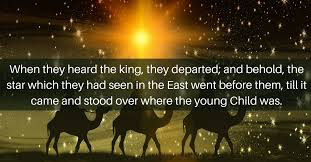
And Matthew 2:9-10 further states, when they heard the king, they (Magi) went on their way, and the Star they had seen in the East went ahead of them until it stopped over the place where the child was. When they saw the Star, they were overjoyed. On coming to the house, they saw the child with his mother Mary, and they bowed down and worshiped him.
The Fear of the ‘Beaten Path’ – Defining Indian Identity
The Magi, the three wise men of the East did not traverse on a beaten path to discover the newborn Jesus. As there is no beaten path, the Star of Bethlehem clearly guided them to find the truth or reality of the newborn baby.
The Fear of the ‘Beaten Path’ – Defining Indian Identity
Jesus shows the Way to The Father, Truth, and Life:
The Fear of the ‘Beaten Path’ – Defining Indian Identity
The New Testament Book John, Chapter 14, verse 6 describes Jesus as the way to the Father. Jesus answered, “I am the Way and the Truth and the Life. No one comes to the Father except through me.”
“TRUTH IS A PATHLESS LAND”
The Fear of the ‘Beaten Path’ – Defining Indian Identity
‘Truth is a pathless land’ was the speech made by Jiddu Krishnamurti in 1929 when he dissolved the Order of the Star. “I maintain that Truth is a pathless land, and you can not approach it by any path whatsoever, by any religion, by any sect. Truth, being limitless, unconditioned, unapproachable by any path whatsoever, cannot be organised; nor should any organisation be formed to lead or coerce people along any particular path.” Krishnamurti believed that the individual must establish his uniqueness, he should discover for himself that absolute, unconditioned Truth.
The Fear of the Beaten Path:
The Fear of the Beaten Path. Defining Indian Identity. The Impersonal God is Unknowable and hence there is no Path to discover the Absolute Truth or Absolute Reality described as Brahman. THE THOUGHTS OF VARIOUS INDIAN THINKERS HAVE TO BE CAREFULLY INTERPRETED. EVERYTHING THAT EXISTS IS NOT EXACTLY THE SAME OR IDENTICAL TO BRAHMAN. IT WILL BE CORRECT TO INTERPRET THE ABOVE STATEMENT IN THE CONTEXT OF UNITY BETWEEN ORDERS LIKE GOD, ENERGY, MATTER, AND LIVING THINGS. THIS UNITY OR EIKYATA IS THE FUNDAMENTAL BASIS FOR EXISTENCE AND IS CALLED “ASMI” TO DESCRIBE BRAHMAN AS THE ‘CAUSE’ OF EXISTENCE.
The much traveled or a beaten path is recommended if you are aware of your destination. The beaten path provides the wayfarer a sense of security and comfort.
The Fear of the Beaten Path. Defining Indian Identity. As Brahman is Unknowable, the personification of Brahman works like the Star of Bethlehem, a Guiding Star when there is no beaten track to arrive at the destination.
In India, thinkers tend to believe that the principles underlying macrocosm (Universal) and microcosm (Individual) are related. According to Vedas which guide the Indian mind, the ‘Brahman’ (the Absolute Reality or ‘The Father’) cannot be known by any empirical means of knowledge. Socrates states, ‘Know thyself, and you will know the universe and the gods.’ In a similar manner Indian thinkers have always encouraged the values of introspection, to reflect upon your own mind and thoughts to understand Self and Self-Knowledge is a tool, is the way and the path to the Truth. As an Indian, I always experience a sense of fear about the ‘Beaten Path’ and the assurance given by Jesus that He is the Way somehow does not dispel the sense of fear to travel on that path. I need an unbeaten path.
The Fear of the Beaten Path. Defining Indian Identity. The concept of Purusha or True Self guides the man on the Path of Self-Discovery.Whole Dude – Whole Path: The Fear of Beaten Path vs the Security of Guided Path
Who am I? Why am I like this? The Blessings of a Name beyond all Names
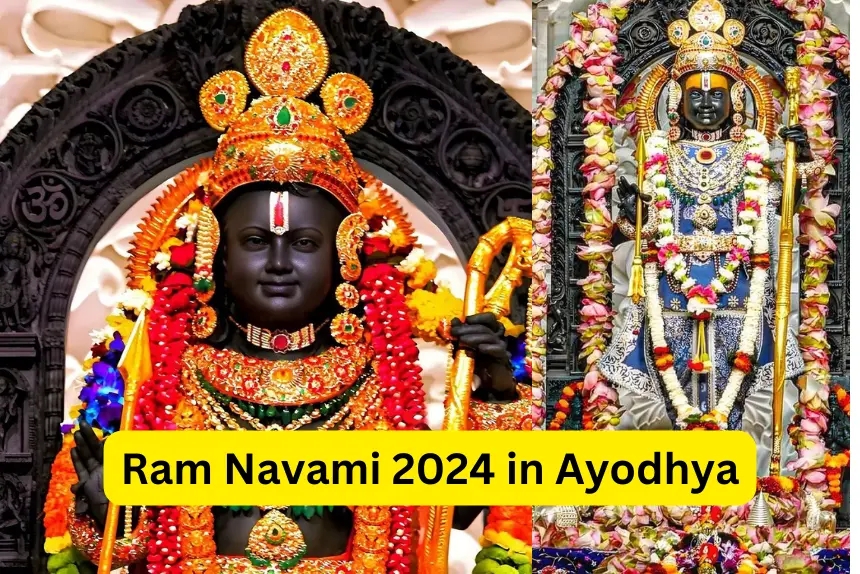
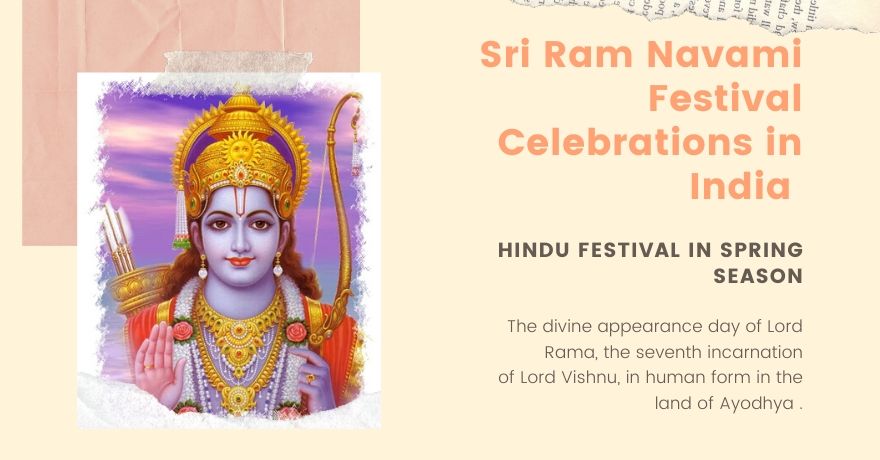
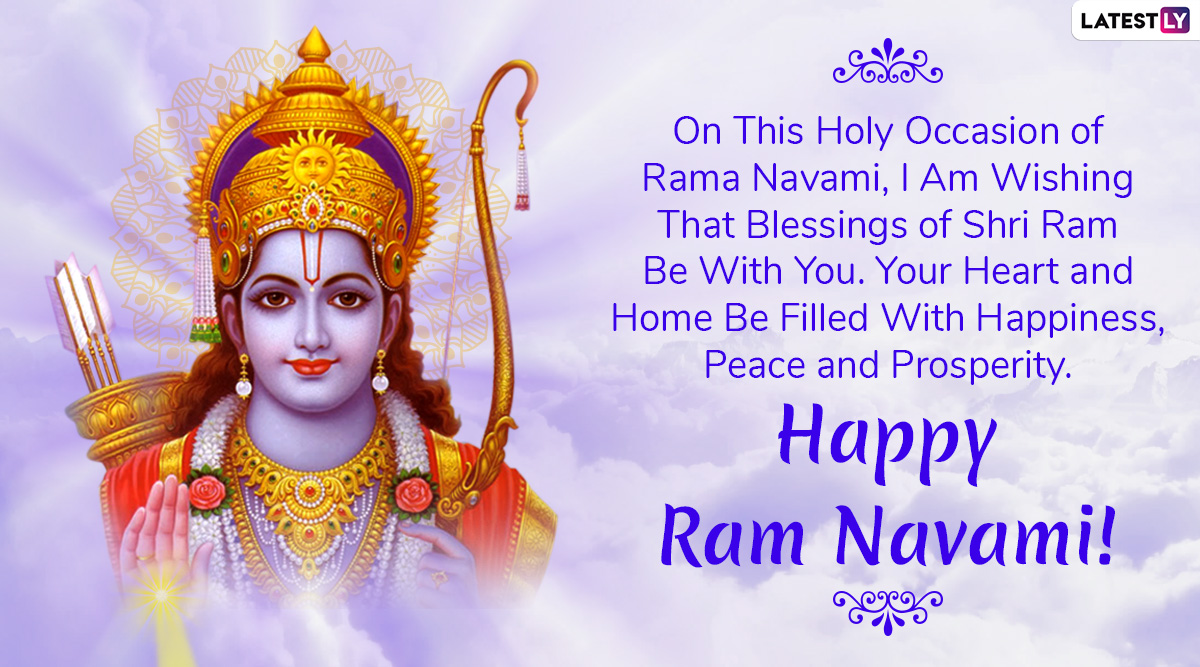
Bharat Darshan – Happy Rama Navami on Wednesday, April 17, 2024. Lord Rama – MY Beloved Hero.Bharat Darshan – Happy Rama Navami on Wednesday, April 17, 2024. Lord Rama – MY Beloved Hero.
Bharat Darshan – Happy Rama Navami on Wednesday, April 17, 2024. Lord Rama – MY Beloved Hero.
Sree Rama, Rama, Rameti, Rame, Raame, Manorame
Sahsra Nama tattulyam, Rama Nama Varanane.
MY BELOVED HERO:
Bharat Darshan – Happy Rama Navami on Wednesday, April 17, 2024. Lord Rama – MY Beloved Hero.
The Culture of the Land Of India introduced to me several personalities and Cultural Icons and I tend to develop a relationship with them and each of my relationships exists in a particular context. Shiva is my protector and the Master who guides my intellectual functions. I describe Lord Krishna as my “GURU”, the Guru who guides my actions and I name Prince Karna as my favorite Hero as he is the “Salt of Life.” Rama describes himself in the following words. On the occasion of Princess Seetha’s ordeal by fire at the end of the epic battle, Rama says to Brahma (The Lord of Creation) who appeared there among others:
11. manye = I think; aatmaanam = of myself; maanuSham = to be a human being; raamam = called Rama; dasharathaatmajam = the son of Dasaratha; bhagavaan = you; as a gracious Divinity; braviitu = tell; me = me; tat = that; saH aham yasya = which I as such really am; aham yashcha = and why I am like this.
“I think of myself to be a human being, by name Rama, the son of Dasaratha. You, as a gracious Divinity, tell me that which I as such really am like this.”
“I regard myself only as Rama, son of Dasaratha, an ordinary human being. Who I am in reality, where I belong, why I took birth, are matters on which you may enlighten me, and I do not know.”
In the personality of Rama, the course of human conduct and the Dharma governing it come linked together. My love for Rama could be mostly attributed to the story that is revealed in Book II, ‘Ayodhya Kanda’ of Valmiki Ramayana. We should view the events described through imagination and actually experience the emotional state of each character as the story is enacted in front of our eyes. It is claimed that, wherever Rama’s tale is told, Hanuman himself joins the gathering and reverentially stands with tear-filled eyes, listening. This has been my personal experience. Whenever I read the story about this ordinary human being, my eyes fill up with tears. I rechecked my emotions while preparing to write down this entry. When I read Ayodhya Kanda, my eyes can not resist from filling up with tears. For having experienced this emotional connection, I claim that Rama is my Beloved Hero.
My desire to speak about Rama is provided by Rama himself and I did mention about it in the very first entry of my blog posts. I give credit to the Telugu poet Bammera Potana whom I acknowledge as my ‘mentor’. Potana proclaims that he wrote his poems with the help of the creative spirit inspired directly by Rama. My Master Shiva gives the consent to entertain this idea that Rama is my resource for creative writing, my Guru Krishna approves my actions to express my sentimental attachment to Rama, Saraswati gracefully provides the ability to pen my thoughts, Hanuman certifies that my tears are genuine and Ganesha blesses my effort and lets me post this entry.
Bharat Darshan – Happy Rama Navami on Wednesday, April 17, 2024. Lord Rama – MY Beloved Hero. The Life Journey is viewed as a perilous and tedious swim without navigational aids and floatation devices across an unknown and uncharted ocean.
In the Indian tradition, the Life Journey is described as a perilous and tedious swim without navigational aids and floatation devices across an unknown and uncharted ocean. I stay afloat while I cross this ocean and the name ‘Rama’ is like a life jacket, a flotation device which would guide me to get to the destination and gives me the hope to reach the shore. I live in a universe which is a reflection of “Maya.” I find no better way to know the Ultimate Reality. I prefer to cling to the two-letter ‘Mantra’ of Ra-Ma. I would just be happy if I could find the way and end up in the company of others who lived before me placing their trust in this Name.
Mother Kaikeyi spoke prophetic words when she said Rama’s dutifulness would bring him glory undying. That glory she said will continue as long as the Himaalaya stands and the waters of Ganga flow and as long as the ocean-waves beat on the solid earth.
May everyone that reads the Chapter XV of Ayodhya Kanda receive by Rama’s grace the strength to bear the sorrows that have to be faced in life.
I would have loved to share these thoughts with my mother and I shed tears reading Rama’s story while remembering her.
Bharat Darshan – Happy Rama Navami on Wednesday, April 17, 2024. Lord Rama – MY Beloved Hero.Bharat Darshan – Happy Rama Navami on Wednesday, April 17, 2024. Lord Rama – MY Beloved Hero.
India’s First Independence Day celebration on August 15, 1947 has become a measure of my life.
I record major events of my life in relation to India’s independence on August 15, 1947. The Father of the Nation, Mahatma Gandhi was assassinated on January 30, 1948 and my life’s journey became associated with the story of this young nation.
India’s First Independence Day celebration on August 15, 1947 has become a measure of my life.India’s First Independence Day celebration on August 15, 1947 has become a measure of my life.
25th INDEPENDENCE ANNIVERSARY MEDAL – 1972
India’s First Independence Day celebration on August 15, 1947 has become a measure of my life. 25th Independence Anniversary Medal. Indian Independence-A Measure of my Life.
This medal was awarded to commemorate the twenty-fifth anniversary of Indian independence in 1972. The medal was awarded to all members of the armed forces, paramilitary forces, and police forces who were serving on 15 August 1972. This medal gives me an opportunity to remember the twenty-fifth year of my life. I was then serving in Indian Army in the rank of a Captain and was posted at a unit located in the North-East Frontier Agency which is now known as the State of Arunachal Pradesh. We all had a very good reason to rejoice on that day. India had scored a major victory in the India-Pakistan War of 1971 and we took pride in the fact that we had a role in shaping that epic event in India’s military history.
Operation Eagle 1971-72 – The Chittagong Hill Tracts – Liberation War of Bangladesh:
India’s First Independence Day celebration on August 15, 1947 has become a measure of my life. OPERATION EAGLE 1971-1972. THE MILITARY VICTORY IN THE CHITTAGONG HILL TRACTS-THE CELEBRATION OF 25th INDEPENDENCE ANNIVERSARYIndia’s First Independence Day celebration on August 15, 1947 has become a measure of my life. Operation Eagle 1971-72, the India-Pakistan War of 1971 and the Liberation of Bangladesh are very significant achievements of Prime Minister Indira Gandhi. As I was then serving in Special Frontier Force, Establishment No. 22 (Vikas Regiment) under the Cabinet Secretariat, I had direct and personal understanding of Prime Minister’s Foreign Policy initiatives. She approved our military Operation in the Chittagong Hill Tracts. In the conduct of this clandestine military operation, we faced a very critical moment and it demanded the Prime Minister’s approval for deploying aircraft in enemy territory, a decision that she alone can make. While awaiting her decision, I carried out a difficult war casualty evacuation mission to overcome the challenge posed by the lack of airlift facility. The importance of this situation could be understood as it required the Prime Minister’s intervention. I am now asking the Government of India to recognize my GALLANT response in enemy’s territory without any concern for my personal safety.India’s First Independence Day celebration on August 15, 1947 has become a measure of my life.Lieutenant Governor of Andaman & Nicobar Islands(December 1985 to December 1989) – Lieutenant General (Retd) TS Oberoi, PVSM, VrC., former General Officer Commanding-in-Chief, Headquarters Southern Command, Pune, former Inspector General, Special Frontier Force, former Commandant, Headquarters Establishment No. 22. He is the tall person in this photo wearing dark brown turban. I knew him since 1971. Under his able leadership, the Liberation of Bangladesh commenced during November 1971. Apart from his military wisdom, he took a good care of all men under his Command. While I was proceeding to the Chittagong Hill Tracts, he individually greeted all the members of my team and delayed the departure of aircraft to make sure that a hot breakfast was served to all the men boarding the aircraft. He paid personal attention to all the aspects of the military mission to secure the well-being of men apart from achieving success in accomplishing the military task. The sense of warmth he radiated is easily felt when we meet him in person. His grandson provided me the link to this photo. Photo Credit – Trishna-Ajay-Picasa Web Album.India’s First Independence Day celebration on August 15, 1947 has become a measure of my life.The remarks made by Lieutenant Colonel B K Narayan of Special Frontier Force on May 13, 1972 in my Annual Confidential Report for 1971-72 are as follows:”A very conscientious and Tough MO who worked hard during the Bangladesh Ops. He did very well and showed Maturity which was beyond the call of duty. I have recommended this Officer for a gallantry award for which he deserves eminently. He is physically Tough and cheerful. Is a fresh entrant with less than 2 years of Service and yet he displayed capability and confidence.India’s First Independence Day celebration on August 15, 1947 has become a measure of my life. OPERATION EAGLE 1971-72. Remarks of Former Inspector General of Special Frontier Force, Lieutenant General T S Oberoi, PVSM, VrC, General Officer Commanding-in-Chief,Headquarters Southern Command Pune 411001.He remarked about my participation in the India-Pakistan War of 1971India’s First Independence Day celebration on August 15, 1947 has become a measure of my life. OPERATION EAGLE 1971-1972. THE MILITARY VICTORY IN THE CHITTAGONG HILL TRACTS-THE CELEBRATION OF 25th INDEPENDENCE ANNIVERSARY. Special Service Award by all Officers, D – Sector, Establishment 22 on 19 January 1973.
Dr. R. Rudra Narasimham, B.Sc., M.B.B.S.,
Personal Number – MR-03277K Major AMC/DPC
MS-8466 Captain AMC/SSC
Medical Officer South Column, Operation Eagle
Headquarters Establishment No. 22 C/O 56 APO
Sangram Medal 1971Silver Jubilee Medal 1972Poorvi Star 1971 Bangladesh OpsSainya Seva Medal (NEFA) 1972Nine Years Long Service Medal 1979DGAFMS Medal 1976India’s First Independence Day celebration on August 15, 1947 has become a measure of my life. Indian Independence – A Measure of my Life.
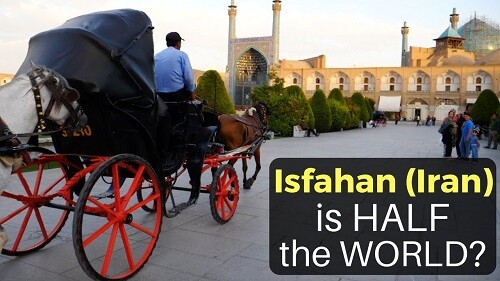
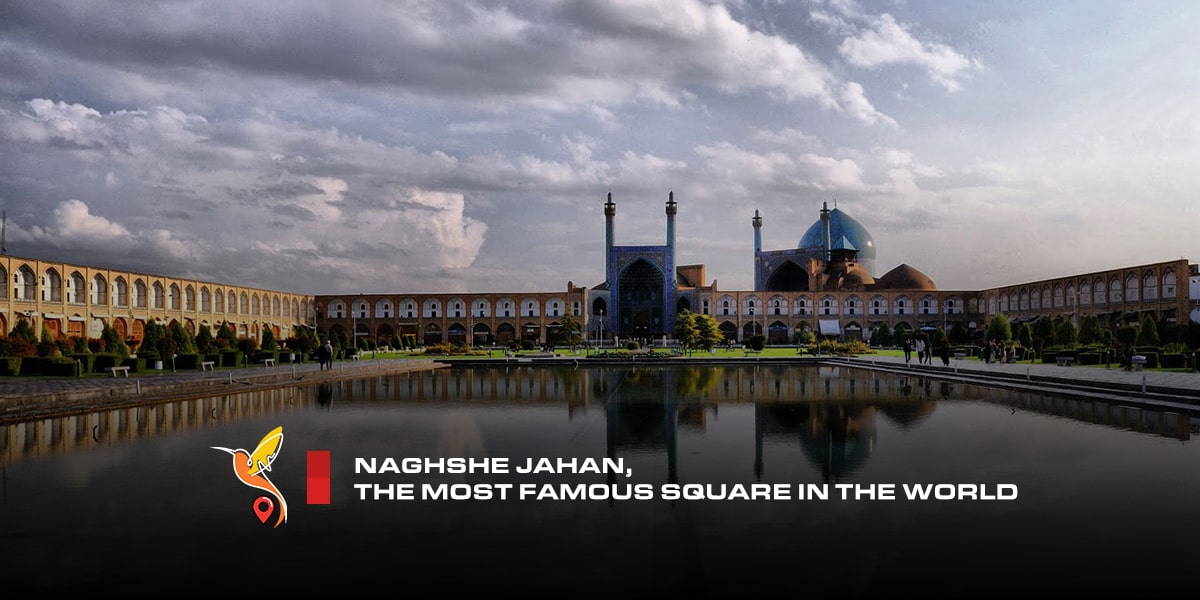
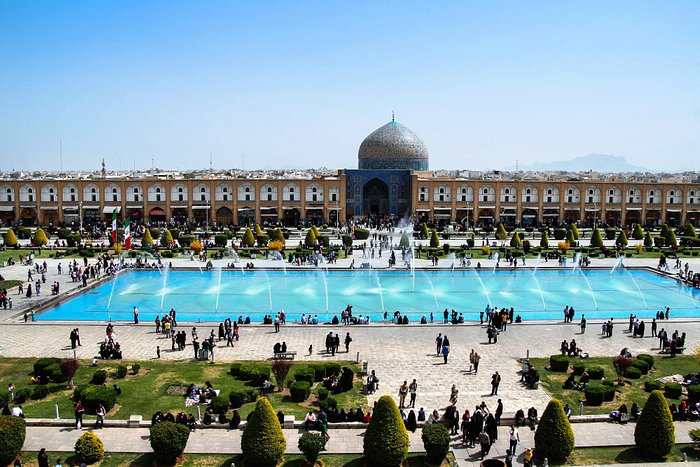
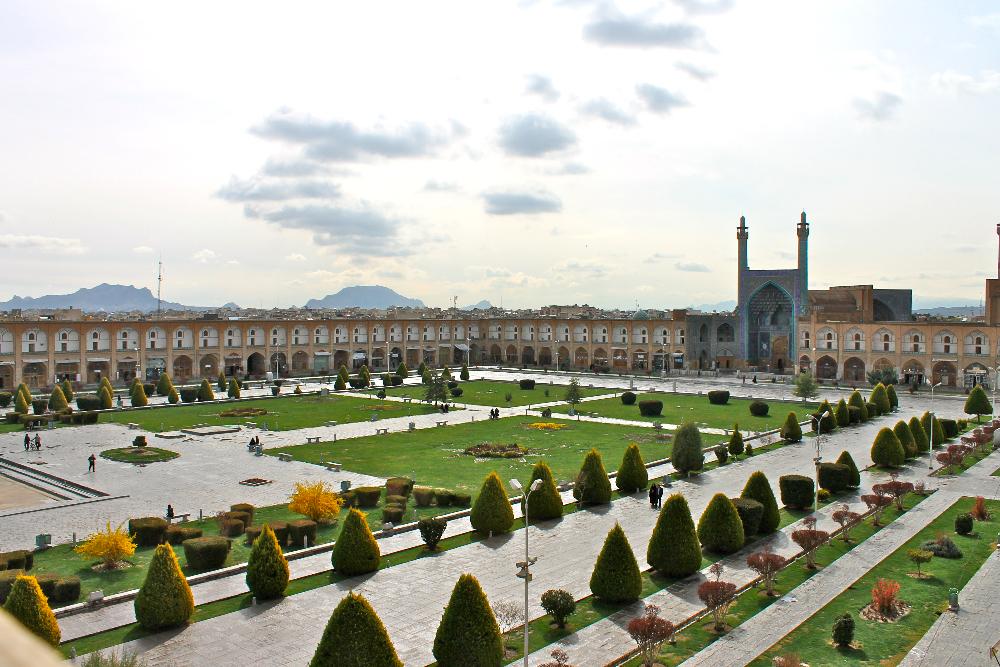
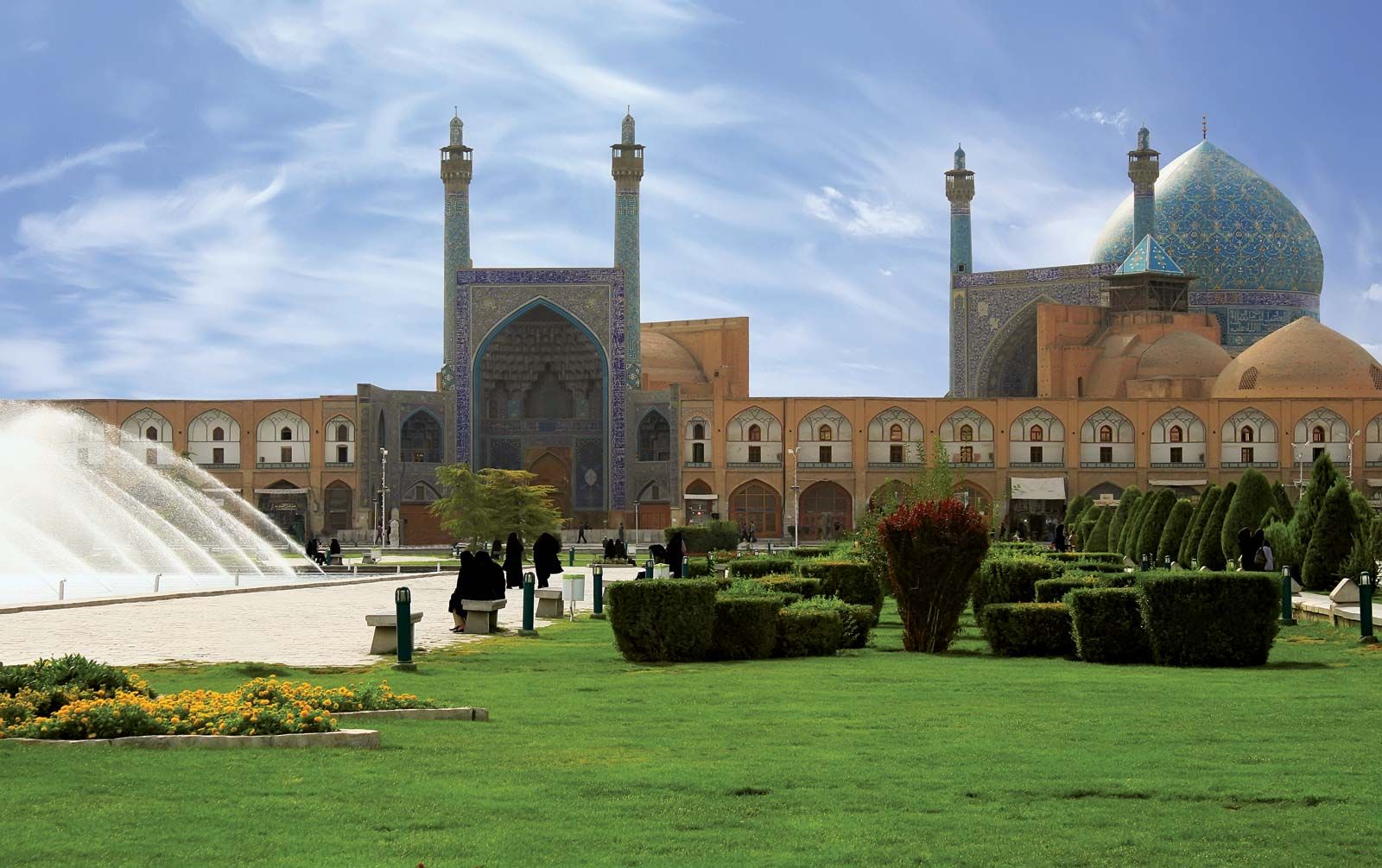
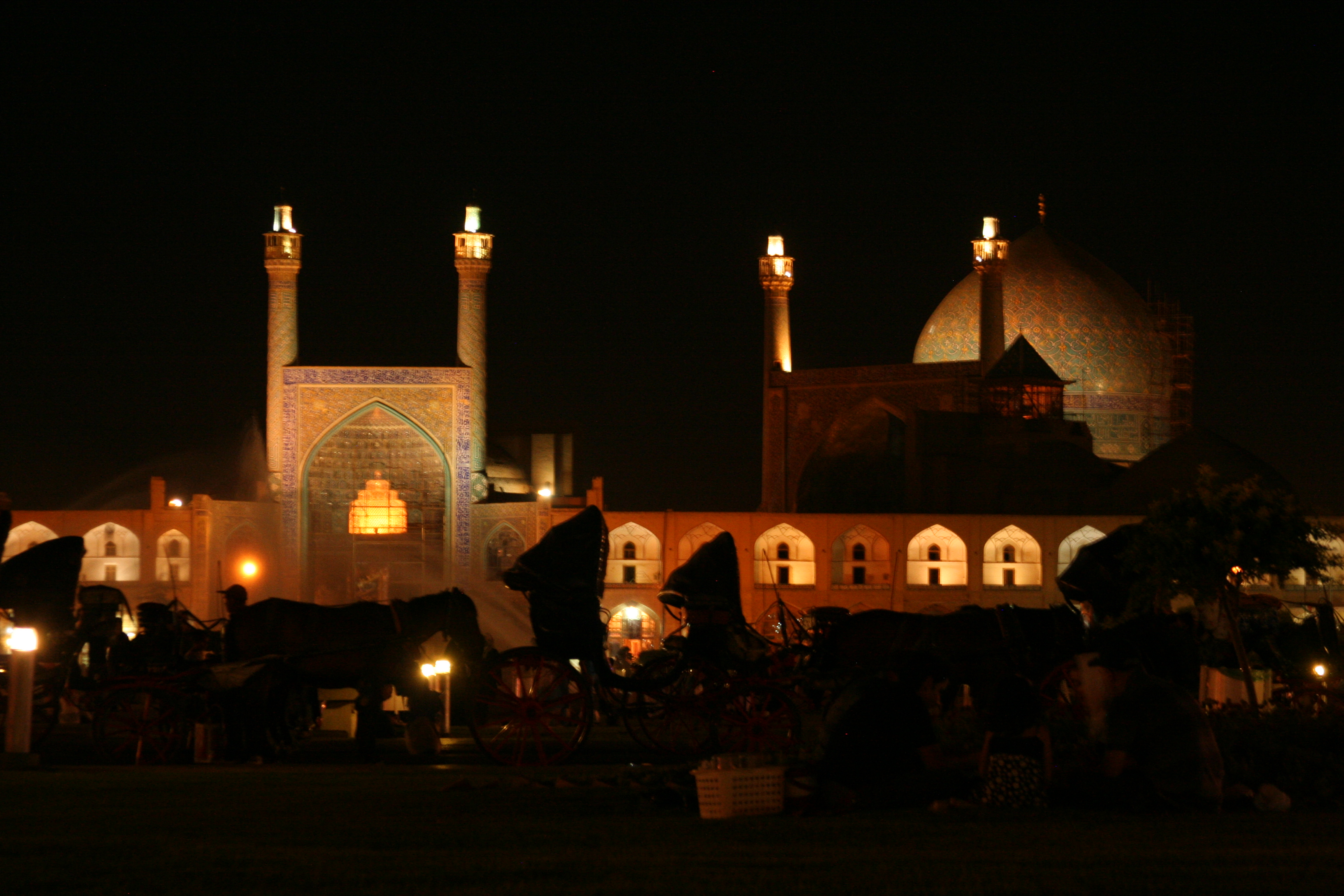
Isfahan is Half the World – Where is the other Half?
Isfahan – Nesf-E-Jahan – Half the World -Where is the other Half? The Persian Word Jahan means the World.Isfahan – Nesf-E-Jahan – Half the World -Where is the other Half? The Persian Word Jahan means the World.
Isfahan is located at about 400 km (250 miles) south of Iranian capital city of Tehran. Isfahan is considered to be a charming and memorable place and it is popularly known as Nesf-e-Jahan meaning that Isfahan is half the world, I name Hyderabad (Deccan),India as the other half. Hyderabad is charming and its historical monuments are being restored and the city was originally modeled after Isfahan and very soon people would appreciate the connection between these two cities.
Isfahan – Nesf-E-Jahan – Half the World -Where is the other Half? The Persian Word Jahan means the World.
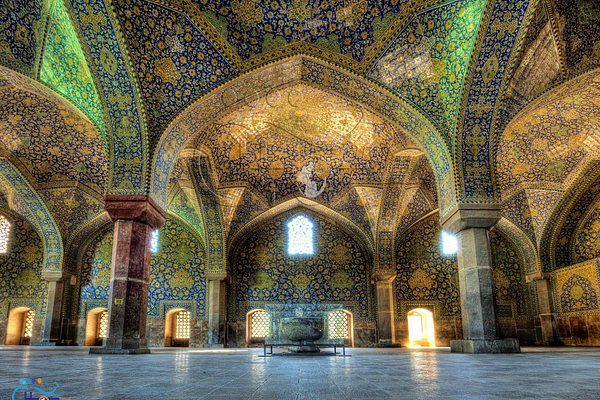
THE BLUE MOSQUE OF ISFAHAN
Isfahan – Nesf-E-Jahan – Half the World -Where is the other Half? The Persian Word Jahan means the World.Isfahan – Nesf-E-Jahan – Half the World -Where is the other Half? The Persian Word Jahan means the World.Isfahan – Nesf-E-Jahan – Half the World -Where is the other Half? The Persian Word Jahan means the World.Isfahan – Nesf-E-Jahan – Half the World -Where is the other Half? The Persian Word Jahan means the World.Isfahan – Nesf-E-Jahan – Half the World -Where is the other Half? The Persian Word Jahan means the World.
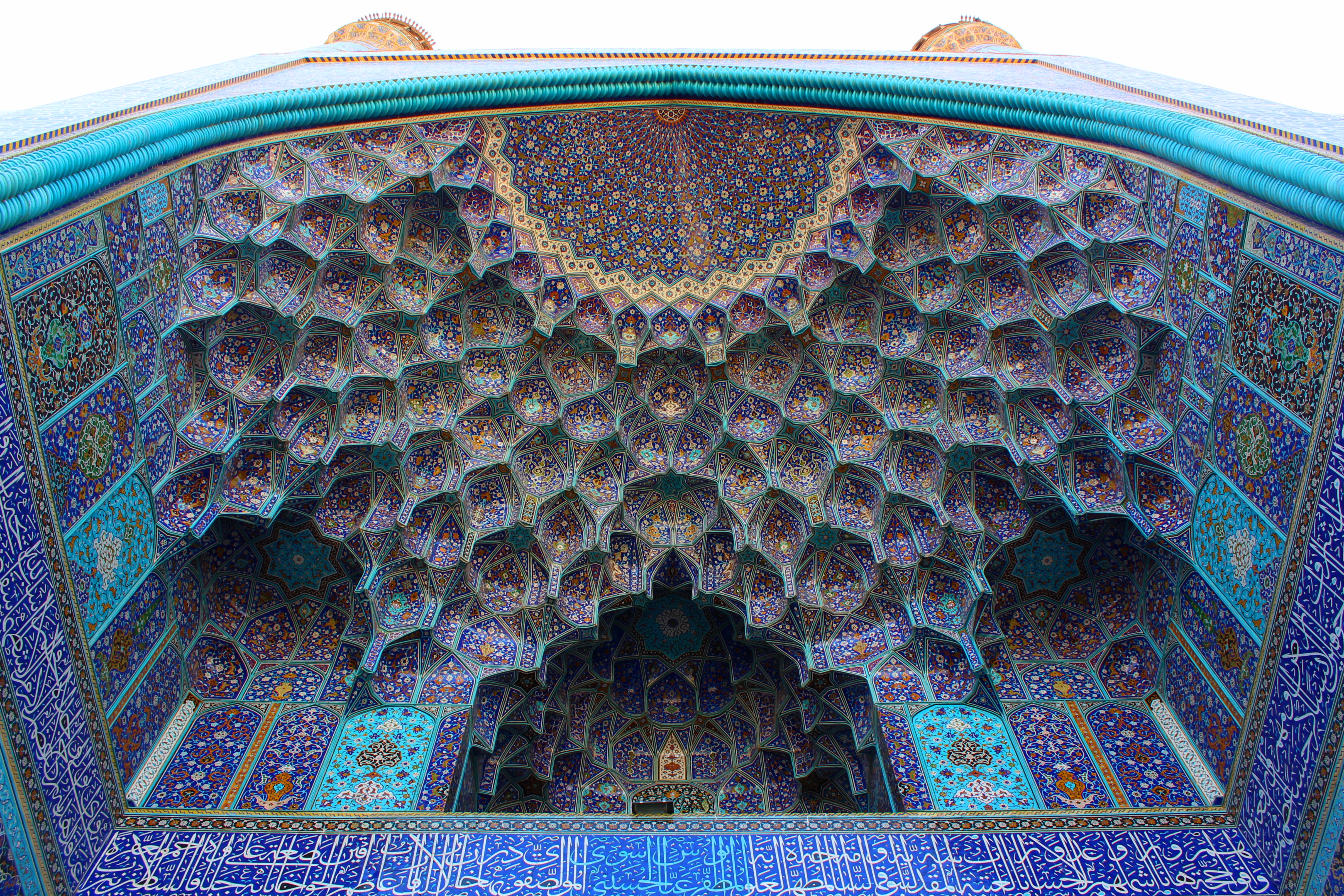
The Blue Tiles of Isfahan
Whole Dude – Whole Jahan: The Blue Tiles of Isfahan. Isfahan – Nesf-E-Jahan – Half the World -Where is the other Half? The Persian Word Jahan means the World.Whole Dude – Whole Jahan: The Blue Tiles of Isfahan. Isfahan – Nesf-E-Jahan – Half the World -Where is the other Half? The Persian Word Jahan means the World.Whole Dude – Whole Jahan: The Blue Tiles of Isfahan. Isfahan – Nesf-E-Jahan – Half the World -Where is the other Half? The Persian Word Jahan means the World.Whole Dude – Whole Jahan: The Blue Tiles of Isfahan. Isfahan – Nesf-E-Jahan – Half the World -Where is the other Half? The Persian Word Jahan means the World.
Qutb Shahi Dynasty of Golconda, Deccan, India
Qutb Shahi Dynasty of Golconda, Deccan, India. Golconda Fort.
GOLCONDA FORT- “GOLLA KONDA” (SHEPHERD’S HILL)
QULI QUTB-UL- MULK
Qutb Shahi Dynasty of Golconda, Deccan, India. Sultan Muhammad Quli Qutb-ul-Mulk
Quli Qutb Mulk, a Shia Muslim from Persia (present day Turkmenistan) with friends and a few relatives had migrated to Delhi in the beginning of 16th century A.D. He migrated south to Deccan and served Bahmani Sultan Mohammad Shah. He conquered Golconda and was appointed as the governor of the Telangana region (about the size of France) in 1512 A.D. After the disintegration of the Bahmani Kingdom into the five Deccan Sultanates, he declared independence, assumed the title of ‘QUTB SHAH’ and established the Qutb Shahi Dynasty of Golconda in 1518 A.D. Qutb Shahis were great builders and patrons of learning. They not only patronized the Persian culture but also the regional culture of the Deccan, symbolized by the Telugu language and the Deccani idiom of Urdu. The Golconda rulers learned Telugu.The Qutb Shahi Dynasty will be remembered because of the legend associated with the construction of a Hindu temple in Bhadrachalam.
Myths, Legends and the Reality – Defining Indian Identity
Myths, Legends, and Reality – Defining Indian Identity. Sree Seetha Ramachandra Swamy at Bhadradri. Temple of Lord Rama in Bhadrachalam defines the concept of Ultimate Reality.
Sri Sita Ramachandra Swamy Shrine -Temple of Lord Rama in Bhadrachalam
Qutb Shahi Dynasty of Golconda, Deccan, India. Defining Indian IdentityQutb Shahi Dynasty of Golconda, Deccan, India. Defining Indian IdentityMyths, Legends, and Reality – Defining Indian Identity. A Temple to define the concept of Ultimate Reality.
This temple town of Bhadrachalam, located on the northern banks of the river Godavari in Khammam District of Telangana, India, best describes my Indian Identity as it brings together our myths, our legends and our quest for the “Ultimate Reality”.
Myths, Legends, and reality – Defining Indian Identity. A Temple to define the Ultimate Reality. The place described as Panchvati is in the vicinity of Bhadrachalam as per our local legend
This place is connected to events described in the epic poem of Ramayan which narrates Lord Rama’s journey in our Land. Rama while living in exile, camped in the forest by the name ‘Dandakaranya’ and His spouse Seetha was abducted and eventually, Rama and His brother Laxmana cross the river Godavari at this place in search of Seetha. A pious man known as Bhadra prayed at this place seeking Lord Rama’s return to this place. Much later, a simple tribal woman who lived in this area discovered the idols of ‘Vaikuntha Rama’ (for He carried the Sudarshana Chakra apart from the bow and arrow) with Seetha seated on His lap and the idol of Laxmana standing next to them.
Myths, Legends, and Reality -Defining Indian Identity. A Temple to define the concept of Ultimate Reality
Kancharla Gopanna, a Tahsildar (revenue official) of Palvancha Paragana, completed building this temple in 1674 A.D. The legend about the divine intervention and the miraculous release of Gopanna from the prison at the Golconda Fort is narrated in my entry titled, ‘The Benevolent Shia Ruler of Golconda-Verily, A Blessed Soul’.
About Myths and Legends:
Myths, Legends, and Reality. Defining Indian Identity. A Temple to define the concept of Ultimate Reality.
Myths are traditional stories which serve to explain our connection to God and the universe and hence they are not the same like the fictional stories. Myths exist in a historical context but may not be true historical accounts that are supported by scientific verification. Legends are stories handed down for generations among a people and popularly believed to have a historical basis but do not qualify for inclusion in a text book of history. As an Indian, I depend upon myths and legends to derive a sense of direction, a sense of guidance and a sense of hope for my human existence. They help me to know who I am and where I am going.
About Reality and Ultimate Reality:
The influence called Time makes the distinction between Real and Unreal. A Temple to define the concept of Ultimate Reality
Indians are very concerned about the effects of Time . We practically witness in our daily lives the forceful consequences of time. Time changes the course of human life and time changes the physical world. However, the “Ultimate Reality” does not change, it is constant and it is eternal. Indians seek this Reality as it represents their natural home and that is their final destination on completion of the life’s journey. Since ‘TRUTH’ is unchanging in its character, is also described as the Reality that we cherish to experience.
Myths, Legends, and Reality. Defining Indian Identity. A Temple defines the concept of Ultimate Reality. The name Ra Ma represents Eternal Truth.
Millions of Indians express this desire for Truth and the Reality with a very simple statement. They claim that the name “RA MA” is eternal Truth. Our search for Truth and Reality becomes very easy if we just seek “RA MA”. Great powers on this earth had vainly tried to destroy our belief in RAMA. Mughal Emperor Babur destroyed the temple in Ayodhya which we consider as Rama’s birth place. The forces of Sultan Tughlak destroyed the Rama temple in my home town Rajahmundry. Mughal Emperor Aurangzeb destroyed countless number of temples and idols of Rama. Yet the myth and legend of Rama survives. At Bhadrachalam also known as Bhadra giri or Bhadradri (the hill of Bhadra), Sultan Tani Shah, a benevolent Shia Muslim ruler of Golconda, helped Kancharla Gopanna to maintain this temple. This devotee of Lord Rama is popularly known by the name Bhakta Rama Dasu.
Would it be possible to destroy Rama?
Myths, Legends, and Reality. Defining Indian Identity. A Temple defines the concept of Ultimate Reality.
Many have tried to destroy the idols and images of Rama. For example, if some one would destroy the temple of Rama in Bhadrachalam, we still connect this place and the forest and the river with Rama’s life journey. If some one would destroy the forest, level the ground and change the course of the river, I would still look for the signs of His presence in the creation of the heavens and the earth. I would describe the blue sky as the color of Rama. If some one could destroy the blue sky and when I look up and see the dark sky, I would say that I am reminded of Lord Krishna who is described as black in color as dark as the sky of New Moon’s day. Our myths remind us that Rama and Krishna are one and the same. I do know people take great pride in their physical power but it may not be easy to wipe out a belief system which is more than the Idols which represent the Belief. The Indian Identity associated with Blue and Dark sky would survive as long as there is a sky above our heads and as long as the difference of night and day exists on this earth.
Myths, Legends, and Reality – Defining Indian Identity. A Temple to define the concept of Ultimate Reality.
” Lo! In the creation of the heavens and the earth and (in) the difference of night and day are tokens (of His sovereignty) for men of understanding”. Surah III, verse 190, Holy Book of Quran.
Myths, Legends, and Reality – Defining Indian Identity. A Temple to define the concept of Ultimate Reality.
Shia Muslim Ruler of Golconda. Verily, a Blessed Soul
Shia Muslim Ruler of Golconda. Verily, a Blessed Soul. SULTAN ABUL HASAN QUTB SHAH (MAY PEACE BE UPON HIM).Golconda Fort near the City of Hyderabad, the seat of Qutb Shahi Dynasty. GOLCONDA FORT- “GOLLA KONDA”(SHEPHERD’S HILL)
Quli Qutub Mulk, a Shia Muslim from Persia (present day Turkmenistan) with friends and a few relatives migrated to Delhi in the beginning of 16th century CE. He migrated south to Deccan and served Bahmani Sultan Mohammad Shah. He conquered Golconda and was appointed as the governor of the Telangana region (about the size of France) in 1512 CE. After the disintegration of the Bahmani Kingdom into the five Deccan Sultanates, Quli Qutub Mulk declared independence, assumed the title of ‘QUTUB SHAH’ and established the Qutb Shahi Dynasty of Golconda in 1518 CE. Qutub Shahis were great builders and patrons of learning. They not only patronized the Persian culture but also the regional culture of the Deccan, symbolized by the Telugu language and the Deccani idiom of Urdu. The Golconda rulers learned Telugu.
The Qutub Shahis was the ruling family of the kingdom of Golconda, DECCAN, southern India. They were Shia Muslims and belonged to a Turkmen tribe from the Turkmenistan-Armenia region. The dynasty ruled Golconda for 171 years until the Mughal Emperor Aurangazeb’s armies conquered the Deccan in 1687 CE. Abdullah Qutb Shah, the sixth ruler of the Qutb Shahi Dynasty (1626-1672 CE). Abdul Hasan Tana Shah married his daughter and gained access to power.Tana Shah (Abul Hasan Qutb Shah or Tanishah) (1672-1687 CE)
Sultan Abul Hasan Qutb Shah was the seventh and the last ruler of the Kingdom of Golconda (Deccan, Southern India) under the Qutb Shahi Dynasty. He ruled from 1672 CE to 1687 CE. He is also known as Abul Hasan Tana Shah and more popularly, he is known as TANI SHAH meaning benevolent ruler. He did not discriminate against those of other ethnicities or religions. He hired Hindus as his ministers and generals.
Akkanna, Madanna were secretaries to the prime minister during Abdullah Qutb Shah rule and their position helped Gopanna get a post as Palvancha Tehsildar. Sultan Tana Shah appointed Madanna as Prime Minister and Akkanna as Revenue Minister.
Madanna served as an official during Sultan Abdullah Qutb Shah’s rule. Madanna had a nephew by name Kancharla Gopanna and he helped Gopanna to be appointed as a “Tehsildar” (a revenue official) of Palvancha county.
Pokala Dhammakka, a tribal woman living in Bhadrareddypalem, found the central icon of Rama in an anthill.
During mid 17th century CE, Pokala Dhammakka, a tribal woman living in Bhadrareddypalem, found the central icon of Rama in an anthill. She dissolved the anthill using the water from the Godavari River. With the help of the villagers, Dhammakka constructed a mandapam (a temporary platform with a roof) and offered prayers to the deities. Following Abdullah Qutb Shah’s orders, Gopanna enforced the Jizyah tax (jizyah, also spelled jizya, historically, a tax paid by non-Muslim populations to their Muslim rulers., a penalty designed to make Hindus pay for not adopting Islam). Observing the dilapidated state of the worship site, Gopanna decided to build a temple for Rama, Seeta, and Laxmana idols by raising donations. In the initial attempt, Gopanna received harsh criticism from the local Hindus for enforcing the Jizyah tax. Dejected by numerous rebuffs, Gopanna decided to use a portion of the tax collected to build the temple and face the consequences. The temple was built by Gopanna in 1662 CE with a cost of nearly six lakh Varahas ( Gold coins). Abdullah Qutb Shah summoned Gopanna, who had no proper answer for misusing kingdom’s funds.
Sultan found Gopanna was guilty of the misuse of the funds and had him imprisoned at the Golconda Fort.
A Legend About Divine Intervention:
Shia Ruler of Golconda, Verily, a Blessed Soul. A Temple to define the concept of Ultimate Reality.Did Lord Rama actually visit Golconda Fort to obtain the release of Kancharla Gopanna from the prison? Sultan Tani Shah believed that it was God or Allah who had come to him and cleared the debt owed by Gopanna. He further expressed that belief in his actions. He allowed Gopanna to complete the construction of Lord Rama’s Temple in Bhadrachalam and financially supported the maintenance of that Temple. By doing so, the Shia Ruler of Golconda gave us a chance to reflect upon Lord’s Mercy, Grace, and Compassion.
Gopanna spent about 12 years in prison. According to legend, God intervened on behalf of Gopanna to obtain his release from the prison at Golconda Fort.
RamaTanka Gold Coins given to Tana Shah are still in display at Bhadrachalam Temple.
As per the legend, Lord Rama in disguise had come before the King and returned the money owed by Gopanna and the debt was repaid with gold coins. God who came to rescue Gopanna from the prison had met the Sultan but not the prisoner. Upon his release from the prison, Gopanna did express his sorrow for missing the opportunity to meet the Lord. Gopanna was released from the prison and he successfully finished the construction of the Rama temple which stands even today. Sultan Tani Shah publicly acknowledged that he had met “ALLAH ” and recognized the fact of Gopanna’s release from the prison was made possible by divine intervention. He made permanent arrangements for the upkeep of this temple. The funds that were collected as tax from Palvancha county were allocated to the temple and also he had established an annual tradition of sending pearls to shower the Deity during the annual temple festival. This tradition of offering pearls was continued by the rulers of the princely State of Hyderabad popularly known as the ‘Nizams of Hyderabad’, who ruled the Telangana region continuously until India’s independence. The Hyderabad State became a part of the Indian Union and the State of Andhra Pradesh came into existence in 1956. The Government of Andhra Pradesh and later Telangana followed the tradition established by Sultan Tani Shah in the 17th century and the tradition of offering pearls to Lord Rama still exists.
VERILY A BLESSED SOUL:
Shia Ruler of Golconda, Verily a Blessed Soul.
Did Lord Rama actually visit Golconda Fort to obtain the release of Kancharla Gopanna from the prison? Sultan Tani Shah believed that it was God or Allah who had come to him and cleared the debt owed by Gopanna. He further expressed that belief in his actions. He allowed Gopanna to complete the construction of Lord Rama’s Temple in Bhadrachalam and financially supported the maintenance of that Temple. By doing so, the Shia Ruler of Golconda gave us a chance to reflect upon Lord’s Mercy, Grace, and Compassion.
This Lord Rama’s Temple in Bhadrachalam is a testimony about Lord’s Grace, Mercy, and Compassion.
This benevolent ruler defended the Golconda Fort for eight months when the Mughal Emperor Aurangzeb attacked it in 1687 A.D. In October 1687, the Fort was captured by bribery and Sultan Tani Shah was taken as a prisoner and was imprisoned in Daulatabad Fort until his death.
I would call Sultan Tani Shah is a Blessed Soul for he recognized God’s plan and purpose and supported Gopanna to build the temple and provided for the maintenance of the temple and gave us the opportunity to know about God’s Compassion, Grace, and Mercy. Secondly, Sultan Tani Shah received the biggest gift that a man could ever seek. Man always cherishes the idea of meeting his Creator, the Father in Heaven, Allah, the Lord, RAMA the divine reincarnation of Vishnu and very few actually realize that dream. Gopanna was rescued but could not meet RAMA. Sultan Tani Shah did not pray or ask for this favor from God. He is a Blessed Soul because God granted him that gift. He received a sensory experience of that Reality called God and I fully trust this experience he had shared with others. Sultan Tani Shah’s actions substantiate his claim. Most importantly, he did not seek any personal reward or personal gain while he acted in the obedience of a God he never actually believed and had never intended to worship in any manner. He acted without seeking the fruits of his actions. I bless this Shia Ruler of Golconda and pray for Lord’s Peace be upon him forever.
Shia Ruler of Golconda, Verily a Blessed Soul.
A Replica of Heaven on Earth – Isfahan, Half the World and Hyderabad, the Second Half
A Replica of Heaven on Earth – Isfahan, Half the World and Hyderabad, the Second Half
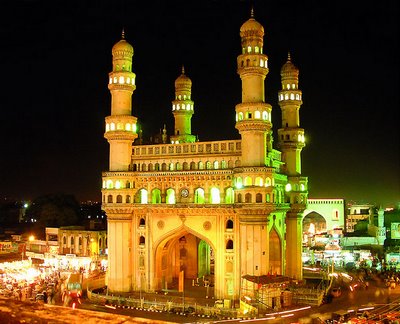
Charminar – Architectural Centerpiece of Hyderabad
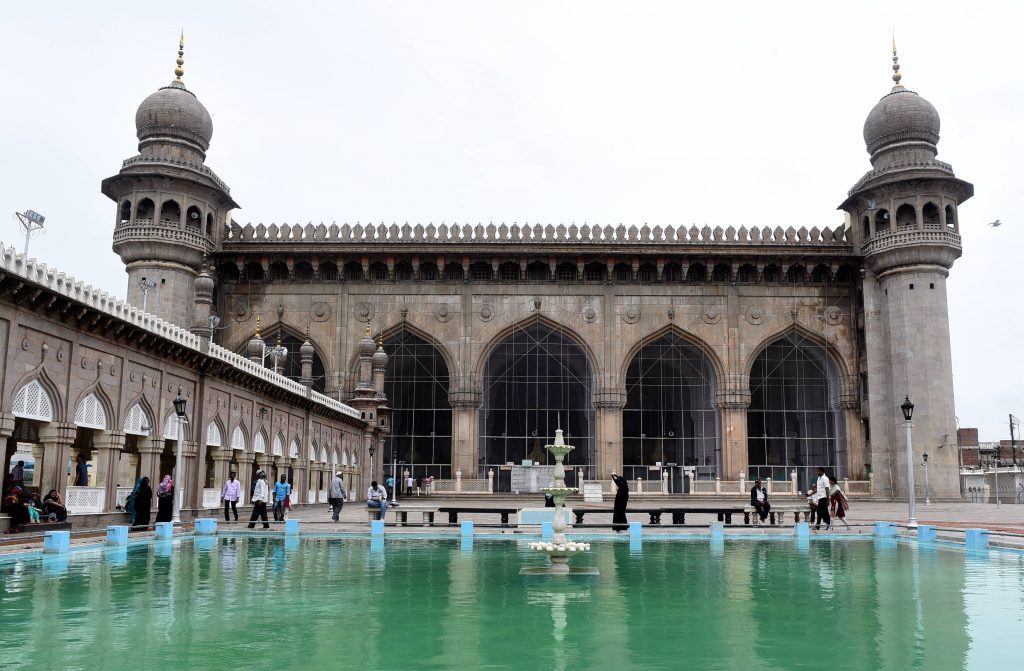
Muhammad Quli Qutub Shah, the fifth Sultan of the Qutb Shahi Dynasty of Golconda described the then new city of Esfahan (Isfahan) of Persia as “unparalleled in the world and a replica of Heaven itself.” He ascended to the throne in 1580 at the age of 15 and ruled for thirty-one years. He founded the city of Hyderabad and this most well planned city was modeled on the city of Esfahan. Architects from Persia planned the lay out of Hyderabad City which was built on the southern bank of Musi River in 1591. Charminar (Four Towers) was built as the architectural centerpiece and it defines the center of the Hyderabad City. He married a Telangana Telugu woman named Bhagmati and hence the city is known as ‘BHAGYA NAGAR’. He gave her the name Hyder Mahal and the city got its name from her new identity. He built Jama Masjid in 1597.
A Replica of Heaven on Earth – Isfahan, Half the World and Hyderabad, the Second Half. Jama Masjid of Hyderabad.
Iran helping India to restore Qutb Shahi Monuments
Iran helping India to restore Hyderabad Qutb Shahi monuments
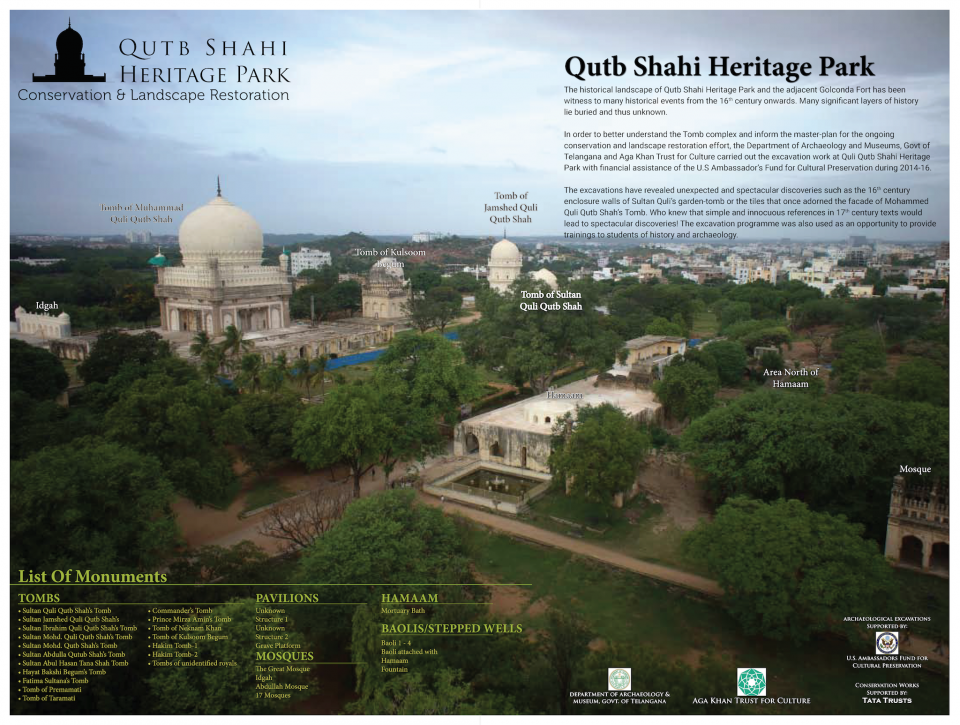
QUTB SHAHI DYNASTY-HISTORICAL MONUMENTS OF HYDERABAD
Iran helping India to restore Hyderabad Qutb Shahi monuments
The Qutb Shahis was the ruling family of the kingdom of Golconda, Deccan, India. They were Shia Muslims and belonged to a Turkmen tribe from the Turkmenistan-Armenia region. The dynasty ruled Golconda for 171 years until the Mughal Emperor Aurangazeb’s armies conquered the Deccan in 1687. Amidst beautifully laid out gardens of Ibrahim Bagh there are seven tombs erected in the memory of the departed kings of Golconda and they are known as Qutub Shahi tombs. They are located one km away from Golconda Fort. The site is considered to be one of the world’s largest necropolis and nowhere in the world there are so many tombs in one place.
Iran helping India to restore Hyderabad Qutb Shahi monuments
Each tomb stands on a raised platform. It is a domed structure built on a square base surrounded by pointed arches. The quadrangular terrace is approached on all sides by flights of steps. The galleries of the smaller tombs are single storied while the larger ones are two-storied. In the center of each tomb is a sarcophagus which overlies the actual burial vault in a crypt below. The material used was Grey granite embellished with stucco ornamentation. The domes were originally overlaid with blue and green tiles of which only a few pieces remain now. The tombs were once furnished with carpets, chandeliers and velvet canopies on silver poles. Qurans were kept on decorated supports.Golden spires were fitted over the tombs of the Sultans. The tombs were surrounded by rose gardens and fountains. The tomb of founder of Hyderabad City, Muhammad Quli Qutb Shah is the most impressive, rising to a height of 42.5 meters with a large dome and 28 open arches on each side. He had taken Iranian help in the planning of Hyderabad.
Iran helping India to restore Hyderabad Qutb Shahi monuments
Iranian Government and the Iranian Consulate in Hyderabad have taken a great interest in the restoration work of these tombs. During August 2006, six Iranian experts visited the site to draw up the plans for restoration which also includes the Prema mati Mosque, and the Badshahi Ashoor Khana where tears are shed over the martyrdom of the Prophet’s grandson Hussain. The underground drainage system, the fountains and the hamam (bath) that existed before would be restored. Gardens will be developed in and around the monuments. This project when completed will be like 20 Taj Mahals at one place.
Iran helping India to restore Hyderabad Qutb Shahi monumentsIran helping India to restore Hyderabad Qutb Shahi monumentsIran helping India to restore Hyderabad Qutb Shahi monumentsIran helping India to restore Hyderabad Qutb Shahi monuments. The City around these monuments has totally changed over the years.A Replica of Heaven on Earth – Isfahan, Half the World and Hyderabad, the Second Half
On July 26, My Struggle is not against flesh and blood for I honor the traditions of Conventional and Unconventional Warfare
Whole Dude – Whole Dignity – Whole Warfare: On Wednesday, July 26, 2023, my Struggle is not against flesh and blood for I honor the traditions of Conventional and Unconventional Warfare. The Rudi Connection at Whole Foods celebrates the concept of Whole Warfare in the Defense of Human Dignity, a Core Value of American Culture and American Civilization.
Excerpt: Yes indeed, Life is Complicated. What is this Day July 26 in History? The complexity of Life is about finding the Connection between the Date and Life.The US Supreme Court has upheld the religious protections of the US workers and yet the Human Rights of the US workers are gravely compromised by creating categories among the US workers to decide their eligibility to receive Old Age Retirement Monthly Benefits paid by the US Social Security Administration. Human Dignity is a fundamental Christian Value for God made Man in His own image and defending Human Dignity remains the Core American Value. The violation of Human Dignity triggers a Struggle and I coined the phrase Whole Warfare to honor the traditions of Conventional and Unconventional Warfare.
Whole Dude – Whole Dignity – Whole Warfare: The Retirement Crisis in America. Human Dignity is the most important concern in the study of the Retirement Crisis in America. The concept of Whole Warfare honors the traditions of Conventional and Unconventional Warfare.Whole Dude – Whole Dignity – Whole Warfare: “In God We Trust” – Relations derive Spiritual Strength from Belief in God. Defending Human Dignity Defines American Culture and Civilization. I honor the traditions of Conventional and Unconventional Warfare.Whole Dude – Whole Dignity – Whole Warfare: The Human Dignity of alien workers laboring on the US soil is gravely compromised for they face the Retirement Crisis in America – #CardPlayingDay for Retirement Insurance Benefit. Who is holding the Cards? Who is Playing the Game? What are the Rights of the alien Subscriber to Play the Card Game?
The man whose Human Dignity is compromised cannot avoid the Struggle to defend his Dignity. However, this Struggle is not against flesh and blood. I coined the phrase Whole Warfare to honor the traditions of Conventional and Unconventional Warfare.
Whole Dude – Whole Dignity – Whole Warfare: “In God We Trust” – Relations derive Spiritual Strength from Belief in God. Defending Human Dignity Defines American Culture and Civilization. I honor the traditions of Conventional and Unconventional Warfare.Whole Dude – Whole Dignity – Whole Warfare: On Wednesday, July 26, 2023, my Struggle is not against flesh and blood. The Rudi Connection at Whole Foods celebrates the CIA Connection on July 26 to honor the traditions of Conventional and Unconventional Warfare.
July 26, This Day in my Life:
Whole Dude – Whole Dignity – Whole Warfare: On Wednesday, July 26, 2023, my Struggle is not against flesh and blood. The Rudi Connection at Whole Foods celebrates the CIA Connection on July 26 to honor the traditions of Conventional and Unconventional Warfare.
Wednesday, 26th Day of July 2023. I am dedicating this Day of my life to the Antislavery Campaign 2023, Repeal PRWORA Project, and The Great Awakening Movement claiming that I will not wrestle or struggle against people but, I will confront spiritual wickedness in the highest places.
Whole Dude – Whole Dignity – Whole Warfare: On Wednesday, July 26, 2023, my Struggle is not against flesh and blood. The Rudi Connection at Whole Foods celebrates the CIA Connection on July 26 to honor the traditions of Conventional and Unconventional Warfare.
On the 26th Day of July 1970, I started my preparation to participate in the CIA’s Secret War in Occupied Tibet. In man’s plan, I exist as a mere pawn used in the War on Communism, the legacy of the Cold War Era of Geopolitics. What is God’s Plan for my life?
Whole Dude – Whole Dignity – Whole Warfare: “In God We Trust” – Relations derive Spiritual Strength from Belief in God. Defending Human Dignity Defines American Culture and Civilization. On July 26, I honor the traditions of Conventional and Unconventional Warfare.
On Wednesday, 26th Day of July 2023, I confess that I have not arrived at the destination of my life. I continue to struggle for my personal freedom and I continue to wrestle against the dark forces keeping Tibetans away from freedom.
Whole Dude – Whole Dignity – Whole Warfare: On Wednesday, July 26, 2023, my Struggle is not against flesh and blood. The Rudi Connection at Whole Foods celebrates the CIA Connection on July 26 to honor the traditions of Conventional and Unconventional Warfare. Dr. Sarvepalli Radhakrishnan and the history of Special Frontier Force-Establishment No. 22, Vikas Regiment: In India, school children celebrate Dr. Radhakrishnan’s birthday (05 September) as Teacher’s Day and every year that I spent as a student, I had a special reason to remember my family connection with his daughter.
On this day, July 26, 1947, President Harry Truman signed the National Security Act that set up the Central Intelligence Agency. The Cold WarEra secret diplomacy shaped the course of my life that began in Mylapore, Madras, Chennai. My Life’s Journey from Mylapore to Chakrata, and later to Ann Arbor, Michigan is a direct consequence of my CIA Connection destined on July 26, 1970.
Whole Dude – Whole Dignity – Whole Warfare: On Wednesday, July 26, 2023, my Struggle is not against flesh and blood. The Rudi Connection at Whole Foods celebrates the CIA Connection on July 26 to honor the traditions of Conventional and Unconventional Warfare.
I was granted Short Service Regular Commission in the Indian Army Medical Corps in the rank of Lieutenant on July 26, 1970. On completion of my military training, I received the promotion, the substantive rank of Captain with effect from July 26, 1971. My first posting of Military Service sent me to Special Frontier Force, Headquarters Establishment No. 22, Vikas Regiment in support of CIA’s Mission in South Asia. I describe “My CIA Connection” as ‘Kasturi-Sarvepalli-Mylapore-Madras-India-Tibet-US Connection’.
Whole Dude – Whole Dignity – Whole Warfare: On Wednesday, July 26, 2023, my Struggle is not against flesh and blood. The Rudi Connection at Whole Foods celebrates the CIA Connection on July 26 to honor the traditions of Conventional and Unconventional Warfare.
On July 26, 1986, I left Muscat, Oman to arrive in the United States in search of Final Destination of my Life.
Whole Dude – Whole Dignity – Whole Warfare: On Wednesday, July 26, 2023, my Struggle is not against flesh and blood. The Rudi Connection at Whole Foods celebrates the CIA Connection on July 26 to honor the traditions of Conventional and Unconventional Warfare.
On Wednesday, July 26, 2023, I live in Ann Arbor, Michigan still hoping to arrive at the Final Destination of my Life. My CIA Connection may either sanction Slavery in the United States or living as a Prisoner in the Enemy’s Camp.
Whole Dude – Whole Dignity – Whole Warfare: On Wednesday, July 26, 2023, my Struggle is not against flesh and blood. On July 26th, my CIA connection was made possible because of the Cold War Era secret diplomacy to wage War on Communism.
This Day in My Life – July 26 – My CIA Connection. God’s Calendar predestined meeting between Indian Prime Minister Jawaharlal Nehru and the US President Harry Truman. Cold War History. War on Communism.
Whole Dude – Whole Dignity – Whole Warfare: On Wednesday, July 26, 2023, my Struggle is not against flesh and blood. On July 26th, my CIA connection was made possible because of the Cold War Era secret diplomacy to wage War on Communism.
President Harry S. Truman signs the National Security Act, which becomes one of the most important pieces of Cold War legislation. The act established much of the bureaucratic framework for foreign policymaking for the next 40-plus years of the Cold War.
By July 1947, the Cold War was in full swing. The United States and the Soviet Union, once allies during World War II, now faced off as ideological enemies. In the preceding months, the administration of President Truman had argued for, and secured, military and economic aid to Greece and Turkey to assist in their struggles against communist insurgents. In addition, the Marshall Plan, which called for billions of dollars in U.S. aid to help rebuild war-torn Western Europe and strengthen it against possible communist aggression, had also taken shape. As the magnitude of the Cold War increased, however, so too did the need for a more efficient and manageable foreign policymaking bureaucracy in the United States. The National Security Act was the solution.
The National Security Act had three main parts. First, it streamlined and unified the nation’s military establishment by bringing together the Navy Department and War Department under a new Department of Defense. This department would facilitate control and utilization of the nation’s growing military. Second, the act established the National Security Council (NSC). Based in the White House, the NSC was supposed to serve as a coordinating agency, sifting through the increasing flow of diplomatic and intelligence information in order to provide the president with brief but detailed reports. Finally, the act set up the Central Intelligence Agency (CIA). The CIA replaced the Central Intelligence Group, which had been established in 1946 to coordinate the intelligence-gathering activities of the various military branches and the Department of State. The CIA, however, was to be much more–it was a separate agency, designed not only to gather intelligence but also to carry out covert operations in foreign nations.
The National Security Act formally took effect on September 1947. Since that time, the Department of Defense, NSC, and CIA have grown steadily in terms of size, budgets, and power. The Department of Defense, housed in the Pentagon, controls a budget that many Third World nations would envy. The NSC rapidly became not simply an information organizing agency, but one that was active in the formation of foreign policy. The CIA also grew in power over the course of the Cold War, becoming involved in numerous covert operations. Most notable of these was the failed Bay of Pigs operation of 1961, in which Cuban refugees, trained and armed by the CIA, were unleashed against the communist regime of Fidel Castro. The mission was a disaster, with most of the attackers either killed or captured in a short time. Though it had both successes and failures, the National Security Act indicated just how seriously the U.S. government took the Cold War threat.
Whole Dude – Whole Dignity – Whole Warfare: On Wednesday, July 26, 2023, my Struggle is not against flesh and blood. On July 26th, my CIA connection was made possible because of the Cold War Era secret diplomacy to wage War on Communism.
This Day in My Life – July 26 – My CIA Connection. God’s Calendar predestined events of my Life’s Journey From Mylapore, Madras to Ann Arbor, Michigan. Thanks to US President Harry S. Truman’s War on Communism.
Whole Dude – Whole Dignity – Whole Warfare: On Wednesday, July 26, 2023, my Struggle is not against flesh and blood. On July 26th, my CIA connection was made possible because of the Cold War Era secret diplomacy to wage War on Communism.
This Day in My Life – July 26 – My CIA Connection. Cold War Era History. God’s Calendar predestined events of My Life’s Journey From Mylapore, Madras to Ann Arbor, Michigan. Thanks to US President Harry S. Truman’s War on Communism.
Whole Dude – Whole Dignity – Whole Warfare: On Wednesday, July 26, 2023, my Struggle is not against flesh and blood. On July 26th, my CIA connection promises to impose either Slavery in the US or living in a Prison in the Enemy’s camp. Man’s plan vs God’s plan will decide the ultimate outcome.
This Day in My Life – July 26 – My CIA Connection. In Man’s Plan, I exist as a mere Pawn used in War on Communism, Legacy of Cold War Era Geopolitics.
Whole Dude – Whole Dignity – Whole Warfare: On Wednesday, July 26, 2023, my Struggle is not against flesh and blood. On July 26th, my CIA connection promises to impose either Slavery in the US or living in a Prison in the Enemy’s camp. Man’s plan vs God’s plan will decide the ultimate outcome.
The Rudi Connection at Whole Foods celebrates the CIA Connection on July 26. What is God’s Plan?
Whole Dude – Whole Dignity – Whole Warfare: On Wednesday, July 26, 2023, my Struggle is not against flesh and blood. On July 26th, my CIA connection promises to impose either Slavery in the US or living in a Prison in the Enemy’s camp. Man’s plan vs God’s plan will decide the ultimate outcome.
Whole Dude – Whole Culture – Whole Coming: The Birth of Jesus is the First Singular Event; the Resurrection of Jesus and His Ascension constitutes the Second Singular Event and the term Advent or Coming really relates to the Third Coming or the Future Coming, or the Final Coming which constitutes the Whole Coming of Jesus for it includes a Plan for a New Heaven and Earth
Excerpt: Six is a number perfect in itself. God created the world and the man in Six Days because this number is perfect. For that reason, the man must also choose a Six-Day Work Week, the Whole Culture of Six Days Labor.
Whole Dude – Whole Culture: The Retirement Crisis in America – #CardPlayingDay For Retirement Insurance Benefit, Who is holding the Cards? Who is Playing the Game? What are the Rights of Alien Subscribers to Play the Card Game?
The US Supreme Court has upheld the religious protections of the US workers and yet the Human Rights of the US workers are gravely compromised by creating categories among the US workers to decide their eligibility to receive Old Age Retirement Monthly Benefits paid by the US Social Security Administration. Human Dignity is a fundamental Christian Value for God made Man in His own image and defending Human Dignity remains the Core American Value.
Whole Dude – Whole Culture: The Retirement Crisis in America. Human Dignity is the most important concern in the study of the Retirement Crisis in America.Whole Dude – Whole Culture – Whole Trust: “In God We Trust” – Special Frontier Force Trusts President Eisenhower. Relations derive Spiritual Strength from Belief in God. Defending Human Dignity Defines American Culture and Civilization.
Five-Day Work Culture vs Six-Day Adventist Work Culture or Whole Culture
Whole Dude – Whole Culture: Sixth-Day Adventism – The US Supreme Court defends the Right to Labor for Six Days in a Week, the Whole Culture of Six Days Labor
Sixth-Day Adventism – God’s Work for Six Days precede God’s rest on the Seventh Day
Whole Dude – Whole Culture: Sixth-Day Adventism – The US Supreme Court defends the Right to Labor for Six Days in a Week, the Whole Culture of Six Days Labor.
The Seventh-Day Adventists believe that the Sabbath should be observed on the seventh day of the week, i.e. from Friday sunset to Saturday sunset. I coined the phrase Sixth-Day Adventist to give my highest priority to God’s Commandment asking man to perform labor or work for Six Days. In my analysis, God ordained a Six-Day Work Schedule without which man cannot seek the blessings of Sabbath. The Rudi-Grant Connection at Whole Foods follows the Six-Day Weekly Work Schedule.
Whole Dude – Whole Culture: Sixth-Day Adventism – The US Supreme Court defends the Right to Labor for Six Days in a Week, the Whole Culture of Six Days Labor.
As in most industrialized countries, the Standard Work Week in the United States begins on Monday and ends on Friday. During the Depression, President Herbert Hoover called for a reduction in Work Hours in lieu of layoffs. Later, President Franklin Roosevelt signed the Fair Labor Standards Act of 1938, which established a five-day, 40-hour workweek for many workers.
The Fair Labor Standards Act (FLSA) is fundamentally flawed for it is not inspired by the Sixth-Day Adventist Positive Work Culture.
Whole Dude – Whole Culture: Sixth-Day Adventism – The US Supreme Court defends the Right to Labor for Six Days in a Week, the Whole Culture of Six Days Labor.Whole Dude – Whole Culture: Sixth-Day Adventism – The US Supreme Court defends the Right to Labor for Six Days in a Week, the Whole Culture of Six Days Labor.Whole Dude – Whole Culture: Sixth-Day Adventism – The US Supreme Court defends the Right to Labor for Six Days in a Week, the Whole Culture of Six Days Labor.Whole Dude – Whole Culture: Sixth-Day Adventism – The US Supreme Court defends the Right to Labor for Six Days in a Week, the Whole Culture of Six Days Labor.Whole Dude – Whole Culture: Sixth-Day Adventism – The US Supreme Court defends the Right to Labor for Six Days in a Week, the Whole Culture of Six Days Labor.
The Concept of Positive Sixth-Day Adventist Work Culture is inspired by God’s Work Week:
Whole Dude – Whole Culture: Sixth-Day Adventism – The US Supreme Court defends the Right to Labor for Six Days in a Week, the Whole Culture of Six Days Labor.
Six is a number perfect in itself. God created the world and the man in Six Days because this number is perfect. For that reason, the man must also choose a Six-Day Work Week, the Whole Culture of Six Days Labor.
Supreme Court broadens religious protections for workers
Whole Dude – Whole Culture: Sixth-Day Adventism – The US Supreme Court defends the Right to Labor for Six Days in a Week, the Whole Culture of Six Days Labor.
Unanimous ruling finds employers must show ‘substantial increased costs’ to deny an accommodation
By RyanTarinelli
Posted June 29, 2023 at 1:22pm
The Supreme Court broadened religious protections for workers Thursday in a ruling that clarified when employers can refuse religious accommodations for workers.
The unanimous opinion, written by Justice Samuel A. Alito Jr., found that employers must show that granting such an accommodation would lead to “substantial increased costs” in relation to the conduct of its business.
Alito wrote that justices are “brushing away” an incorrect interpretation of a previous Supreme Court case on Title VII of the Civil Rights Act. He pointed out that a diverse group of religious organizations contended that the interpretation had “blessed the denial of even minor accommodation in many cases, making it harder for members of minority faiths to enter the job market.”
The case stems from a suit brought by a rural mail carrier in Pennsylvania, Gerald Groff, who quit rather than deliver Amazon packages on Sundays, citing his Christian religion. He then sued the U.S. Postal Service for discrimination.
The U.S. Court of Appeals for the 3rd Circuit ruled in the Postal Service’s favor, citing a landmark decision from the Supreme Court in 1977, Transworld Airlines, Inc. v. Hardison, which found employers did not have to bear “undue hardship” to accommodate employees’ religious observance.
In court filings, Groff argued that the 1977 decision tamped down on the religious rights of employees that Congress meant to protect in the 1972 amendments to the Civil Rights Act.
The 3rd Circuit and other lower courts — based on a line in the 1977 decision — interpreted “undue hardship” to mean any cost or effort that is more than “de minimis,” Alito wrote in the ruling.
But that interpretation is “erroneous,” Alito wrote, and “may have had the effect of leading courts to pay insufficient attention to what the actual text of Title VII means with regard to several recurring issues.”
“We think it is enough to say that an employer must show that the burden of granting an accommodation would result in substantial increased costs in relation to the conduct of its particular business,” the opinion states.
The Supreme Court found that the law requires that an employer reasonably accommodate a worker’s religious practice, “not merely that it assess the reasonableness of a particular possible accommodation or accommodations.”
“This distinction matters. Faced with an accommodation request like Groff’s, it would not be enough for an employer to conclude that forcing other employees to work overtime would constitute an undue hardship,” the court ruled. “Consideration of other options, such as voluntary shift swapping, would also be necessary.”
Some congressional Republicans had backed such an interpretation in briefs filed in the case.
The Biden administration had argued that the court should leave the issue for members of Congress, who have spent decades considering and rejecting a higher standard to accommodate religious employees.
The Justice Department told the justices that Groff asked “this Court to do what Congress would not” by rewriting the law.
The existing law may provide too little protection for religious workers, according to the Biden administration brief, but “that argument should be directed to Congress, which is better positioned to weigh the competing interests in this sensitive area and strike the appropriate balance.”
U.S. Supreme Court buoys religious employees who seek accommodations at work
Whole Dude – Whole Culture: Sixth-Day Adventism – The US Supreme Court defends the Right to Labor for Six Days in a Week, the Whole Culture of Six Days Labor.
By Andrew Chung
June 29 (Reuters) – The U.S. Supreme Court on Thursday bolstered the ability of employees to obtain accommodations at work for their religious practices, reviving a lawsuit by an evangelical Christian former mail carrier accusing the Postal Service of discrimination after being disciplined for refusing to show up for work on Sundays.
The 9-0 ruling threw out a lower court’s decision rejecting a claim by Gerald Groff, a former mail carrier in Pennsylvania, that the Postal Service’s actions refusing to exempt him from working on Sundays, when he observes the Sabbath, violated federal anti-discrimination law.
Groff’s case centered on a federal anti-discrimination law called Title VII of the Civil Rights Act of 1964, which prohibits employment discrimination based on religion and other factors including race, sex and national origin.
Under Title VII, employers must make allowances for a worker’s religious observance or practices unless that would cause the business “undue hardship” – which the Supreme Court in a 1977 case called Trans World Airlines v. Hardison determined to be anything imposing more than a minor, or “de minimis,” cost.
The court in Thursday’s ruling clarified the Hardison precedent. Conservative Justice Samuel Alito, who authored the decision, wrote, “We hold that showing ‘more than a de minimis cost,’ as that phrase is used in common parlance, does not suffice to establish ‘undue hardship’ under Title VII.”
Alito added, “We think it is enough to say that an employer must show that the burden of granting an accommodation would result in substantial increased costs in relation to the conduct of its particular business.”
Groff’s attorney Aaron Streett praised the ruling, saying, “This is an important victory for Americans of all faiths, who may now follow their religious consciences in the workplace.”
Groups representing some religions that are in the minority in the United States including Islam, Judaism and Hinduism had backed Groff in the case, saying they are disproportionately denied religious accommodations, forcing them to choose between their religion and their jobs.
US Supreme Court Issues Historic Ruling Strengthening Religious Accommodation Protections for Workers
Whole Dude – Whole Culture: Sixth-Day Adventism – The US Supreme Court defends the Right to Labor for Six Days in a Week, the Whole Culture of Six Days Labor.
In a unanimous decision issued on Thursday, June 29, the United States Supreme Court has discarded decades-long precedent by strengthening legal protections for workers whose religious beliefs conflict with their job obligations. The ruling in Groff v. DeJoy is expected to have a significant impact on job opportunities for Americans of various faiths who have frequently faced challenges due to their Sabbath-keeping practices. The Court’s decision will reshape how businesses offer religious accommodation under Title VII of the Civil Rights Act of 1964.
The legal team representing Groff included Adventist attorney Alan Reinach, who serves as director of Public Affairs and Religious Liberty for the Pacific Union Conference of Seventh-day Adventists. During the appeals process, First Liberty, a prominent religious freedom advocacy group, joined the litigation team and recruited appellate counsel Aaron Streett from the law firm Baker Botts, LLP. The case was argued before the Court on April 18, 2023.
Whole Dude – Whole Culture: Sixth-Day Adventism – The US Supreme Court defends the Right to Labor for Six Days in a Week, the Whole Culture of Six Days Labor.
Speaking for the General Conference of Seventh-day Adventists and its North American Division, Todd McFarland, Deputy General Counsel, who also wrote the amicus brief filed by the church, said, “We are very pleased this morning that the Supreme Court took an important step towards protecting people of faith in the workplace. No one should have to choose between their job and their faith. Today’s decision reaffirms that employers cannot use an employee’s religious belief as an excuse to terminate them.”
Whole Dude – Whole Culture: Sixth-Day Adventism – The US Supreme Court defends the Right to Labor for Six Days in a Week, the Whole Culture of Six Days Labor.
A diverse group of faith-based and religious liberty organizations filed amicus briefs with the Supreme Court supporting Groff, including the General Conference of Seventh-day Adventists, The American Center for Law And Justice, The Sikh Coalition, the Union of Orthodox Jewish Congregations of America, the Council on American-Islamic Relations, the Church of Jesus Christ of Latter-day Saints, the American Hindu Coalition, the Becket Fund for Religious Liberty, and the Baptist Joint Commission.
Whole Dude – Whole Culture: Sixth-Day Adventism – The US Supreme Court defends the Right to Labor for Six Days in a Week, the Whole Culture of Six Days Labor.
Drawing on the 1977 case, employers only had to suffer a bare minimum amount of hardship to justify denying religious accommodation to an employee,” Reinach said. “This standard neutered the law and led to the termination of employment for literally thousands of Americans of all faiths. Seventh-day Adventists were especially harmed in that hourly wage workers are frequently assigned shift schedules including Sabbath hours.”
Whole Dude – Whole Culture: Sixth-Day Adventism – The US Supreme Court defends the Right to Labor for Six Days in a Week, the Whole Culture of Six Days Labor.
The Supreme Court’s ruling in Groff v. DeJoy not only acknowledged the unfair burden placed on workers with religious conflicts but also highlighted the need for a more robust approach to religious accommodation.
Whole Dude – Whole Culture: Sixth-Day Adventism – The US Supreme Court defends the Right to Labor for Six Days in a Week, the Whole Culture of Six Days Labor.
The ruling is expected to have far-reaching implications for workers across the country. By raising the standard for employers to justify denying religious accommodation, the Court’s decision provides greater protection for employees with sincerely held religious beliefs. It sends a clear message that employers must make reasonable efforts to accommodate their employees’ religious practices, even if it requires some degree of hardship.
Whole Dude – Whole Culture: Sixth-Day Adventism – The US Supreme Court defends the Right to Labor for Six Days in a Week, the Whole Culture of Six Days Labor.
The decision in Groff v. DeJoy is seen as a significant victory for religious freedom advocates who have long argued for stronger legal protections. It marks a shift toward a more equitable approach that recognizes the importance of accommodating the diverse religious practices of American workers. As a result of this ruling, employees who face conflicts between their job requirements and their religious beliefs can expect increased opportunities to obtain reasonable accommodations from their employers.
Whole Dude – Whole Culture: Sixth-Day Adventism – The US Supreme Court defends the Right to Labor for Six Days in a Week, the Whole Culture of Six Days Labor.
Attorney Mitch Tyner, retired associate general counsel for the church and also a former Capitol Hill liaison, was both pleased and cautious about the Court’s decision. “First, kudos to Todd McFarland and team who finally got the court to right a wrong from fifty years ago,” Tyner said. “I spent more than 40 years working toward that end, and they were able to get the job done. That said, note that the opinion leaves lots of wiggle room for lower courts to decide what constitutes a substantial cost increase in each case. The Court has changed the recipe to be used to arrive at a correct decision. But remember, the ultimate proof is in the pudding, not in the recipe.” As the ruling sets a new precedent for religious accommodation, it remains to be seen how rapidly employers will adapt their policies and practices. Further litigation to clarify the Supreme Court’s new thresholds is anticipated. It is clear, however, that this decision marks a significant milestone in protecting the rights of workers with religious conflicts.
Whole Dude – Whole Culture: Sixth-Day Adventism – The US Supreme Court defends the Right to Labor for Six Days in a Week, the Whole Culture of Six Days Labor.
Whole Dude – Whole Coming: The Birth of Jesus is the First Singular Event; the Resurrection of Jesus and His Ascension constitutes the Second Singular Event and the Third Coming or the Future Coming, or the Final Coming constitutes the Whole Coming of Jesus for it includes a Plan for a New Heaven and Earth.
Sixth-Day Adventism describes the Whole Law that governs the Whole Existence
June is Professional Wellness Week – The benefits of Sixth-Day Adventist Positive Work Culture. This article is dedicated to the loving memory of Jessica Cole of Seventh-Day Adventist Church, Bangalore (Bengaluru), India.
This article is dedicated to the loving memory of Jessica Cole, my relative who lived in Bangalore (Bengaluru), India as a member of the Seventh-Day Adventist Church. She inspired me to formulate the Sixth-Day Adventism concepts of Whole Christ, Whole Love, Whole Gospel and Sixth-Day Adventist Positive Work Culture.
Whole Christ – Whole Love – Whole Gospel:
WHOLE CHRIST – WHOLE LOVE: The term “Whole Christ” refers to Jesus before His human birth, during His earthly existence, after His Resurrection, and to the Hope of His Advent or Coming to establish the ‘Kingdom of Heaven on Earth’.The term “Whole Love” describes God’s Unconditioned Love that is not determined by human knowledge and rationality. The Birth of Jesus cannot be fully accounted by human knowledge and rationality for man lacks the ability to account for his own existence.
The word Christ (Greek. Christos) refers to the Messiah whose appearance is prophesied in the Old Testament and is used as a title to describe Jesus of Nazareth. I am using the term “Whole Christ” to describe Jesus before His human birth, Jesus during the years spent on this Earth, Jesus after His Resurrection, and Jesus who gives the Hope of Advent or the Coming to establish The Kingdom of Heaven on Earth. The word Christ may not communicate the entirety of Jesus and in the four Gospels we do not obtain the full picture as the event called ‘The Advent or Coming’ has not yet taken place. The word “Love” (Hebrew. ‘ahavah’, Greek. ‘agape’) is presented in Scripture as the very nature or essence of God, the supreme attribute in which all other attributes are harmonized. Love is a bond that unites all virtues. I consider the Power/Force/Energy of Mercy, Grace, and Compassion as the operating mechanism of God’s Love and could be simply called Divine Providence. I am using the term “Whole Love” to describe God’s Unconditioned Love that is not determined or fully accounted by human knowledge and human rationality. In other words, I have no ability to empower myself to receive God’s Unconditioned Love. I cannot manipulate God’s Whole Love through my actions, behavior, or even prayers. I can experience Whole Love but, I cannot explain or fully account for the existence of that Love.
Whole Christ – Whole Love – Whole Creation:
Whole Christ – Whole Love – Whole Creation: The Birth of Jesus as a Spiritual Being cannot be fully accounted by using human knowledge and human rationality. Man must try to know and understand as to where he exists and as to how he exists. God uses the dimension called Whole Love to bring Unity and Harmony between the dimensions of Matter, Energy, Time, and Space to create man and the World in which man exists.
Man cannot explain the Birth of Jesus using his scientific knowledge. The Birth of Jesus can only be understood as a fact of Creation, a creative event. It should not come as a surprise as each human being who took birth on Earth has always arrived as an original, unique, distinctive, and one of its own kind of object with a genome that never existed in the past, and would also never exist again in the future. Each man is born as a created being and the birth of Jesus as a singular event reveals a creative mechanism not known to man and not subject to the limitations of man’s rational power. God uses the dimension called Whole Love to bring Unity and Harmony between the dimensions of Matter, Energy, Time, and Space to create man and the World in which man exists.
Whole Christ – Whole Love – Whole Existence:
Whole Christ – Whole Love -Whole Existence: The Birth of Jesus and His earthly existence describes the operation of a Supreme, Spiritual WholeLaw that harmonizes all Laws of Nature that operate in the physical world to establish WholeExistence which may be stated as a Law of Conservation:” Matter is neither created nor destroyed.” Similarly, it can be stated: “Life is neither created nor destroyed.”
Whole Christ – Whole Love – Whole Existence: God Exists. Very often people raise the question about God’s place of existence in this vast universe of unknown dimensions. Where does man exist? How could man be certain about the location of his own existence in this universe which is constantly moving every instant?
Whole Christ – Whole Love – Whole Existence: Where does man exist? It is easy to describe man’s place of existence in the Solar System, and Milky Way Galaxy, but in reality man exists in Space without any awareness of his position that is changing every instant. No object that is known in this universe continues to exist at the same position at two different instants. Man exists in a restless universe under the Blissful influence called WholeLove which shields man from the harsh realities of physical universe.
To experience the Joy of Christmas, to seek the uplifting power of Jesus Christ, man must know the truth and reality about human existence. Human knowledge and rationality in themselves do nothing to justify human existence or the existence of this universe. To establish the fact of this human existence on one known planet called Earth is beyond the abilities of human cognitive powers. The biological basis of human existence demands the support of Love whose operating principles are Mercy, Grace, and Compassion. This Love is not conditioned by human behavior and human actions and not even prayers. Man cannot empower himself to acquire God’s Love using his free will. The good and evil actions of man, the right and bad conduct of man will be possible if and only if man’s existence precedes his actions and behavior. It is often argued that the evil and suffering in the world seems to count against the existence of God. I have to account for my physical existence before I can share the experience of pain, misery, disappointment, frustration, and suffering of my life’s condition. The fact or the reality of human pain and suffering cannot exclude the fact of God’s existence. Man at any given age and any given stage of his existence, from conception, physical birth, infancy, youth, adult, old age and death, in ill-health or good health depends upon an Unchanging Spiritual Principle to bring Unity and Harmony to maintain that condition or state called existence. This concept of God’s Unconditioned Love or WholeLove for man is shared by the Birth of Jesus. When I think of this WholeLove, I feel better, my mood gets uplifted, the burden of my painful existence is eased, and I can sense the Joy of the Season.
Whole Christ – Whole Love – Whole Law:
Whole Christ – Whole Love – Whole Law: Love is defined by stating its attributes. Love is Patient. Love is Kind. Love does not envy. Love does not boast, it is not proud. Love is not rude. Love is not self-seeking. Love is not easily angered. Love protects, trusts, hopes, always perseveres and Love never fails. Divine Mother Mary is seen expressing such Love for her baby Jesus.
Apostle Paul in his First Epistle to Corinthians, in the New Testament Book of 1 Corinthians, Chapter 13, verses 4 to 8 describes the attributes of Love: “Love is patient, love is kind. It does not envy. It does not boast, it is not proud. It is not rude, it is not self-seeking, it is not easily angered, it keeps no record of wrongs. Love does not delight in evil but rejoices with the truth. It always protects, always trusts, always hopes, always perseveres. Love never fails. But where there are prophecies, they will cease; where there are tongues, they will be stilled; where there is knowledge, it will pass away.”
Whole Christ – Whole Love – Whole Law
Jesus Christ while teaching the operating principle called Love, names Love as a Law, a Law above all other laws of nature, and above all other Commandments. In the Gospel According to Saint Matthew, Chapter 22, verses 37 to 40 “WholeLove” is explained as “Whole Law”: Jesus replied: ” ‘Love the Lord your God with all your heart and with all your soul and with all your mind.’ This is the first and greatest commandment. And the second is like it: ‘Love your neighbor as yourself.’ All the Law and the Prophets hang on these two commandments.”
Whole Christ – Whole Love – Whole Law
Love is the supreme attribute, nature, and essence of God and at the same time it operates as a Law above all other Laws of Nature and the commandments shared by Prophets. WholeLove can be stated as the WholeLaw that governs the existence of man and gives man the chance to experience Peace, Harmony, and Tranquility in his living condition.
Whole Dude – Whole Coming: The Birth of Jesus is the First Singular Event; the Resurrection of Jesus and His Ascension constitutes the Second Singular Event and the Third Coming or the Future Coming, or the Final Coming constitutes the Whole Coming of Jesus for it includes a Plan for a New Heaven and Earth.
Whole Christ – Whole Love – Whole Reality:
The term WholeChrist describes Jesus as an eternal, immortal, unborn Spiritual Principle that existed before His birth, that existed in the Middle or during His earthly Life, and continues to exist in Future without being influenced by Time.
Whole Christ – Whole Love – Whole Reality: The Birth of Jesus Christ. Life is neither created nor destroyed. The term WholeChrist describes Jesus as an eternal, immortal, unborn Spiritual Principle that existed before His birth, that existed in the Middle or during His earthly Life, and continues to exist in Future without being influenced by Time.
Apostle Paul in his First Epistle to Corinthians, 1 Corinthians, Chapter 13, verse 13 shares the Spiritual Principles of Conservation: “And now these three remain: faith, hope, and love. But the greatest of these is love.”
Whole Christ – Whole Love – Whole Reality: The Spiritual Principles of Conservation
Man exists in a world that is restless and is constantly changing. The Individual, created human being is born, grows and develops, exists with a physical identity that constantly changes under the powerful influence of Time and the event called death records the loss of that identity that is never constant at any time of its earthly existence. In the natural world, such changes in appearance are governed by the Laws of Conservation such as the Laws of Conservation of Mass, Energy, and Momentum. During man’s physical existence, the physical form and appearance change and yet the Spiritual Principles of Faith, Hope, and Love are conserved. Man cannot depend upon his knowledge and rationality as they are always subject to change. To know the Subjective and Objective Reality or the “WholeReality” of his ‘WholeExistence’, man needs to know the Law of Conservation of Faith, Hope, and Love.
Whole Christ – Whole Love – Whole Prayer:
Whole Christ – Whole Love – Whole Prayer: The Gospel According to Saint Matthew, Chapter 6 gives the account of “Whole Prayer” that is popularly known as ‘Lord’s Prayer’. Father knows what you need before you ask Him. We pray for His “WILL” be done on earth as it is in Heaven. The ‘Whole Prayer’ gives virtues such as Patience, Perseverance, Tolerance, and Kindness the attributes of ‘Whole Love’.
The word Prayer refers to man’s communication with God. It is a spiritual or devotional communication to make a humble, sincere request. Prayer is the act of supplication and it includes words of praise, words of thanksgiving, words of confession, and words of plea seeking sanction of a favor to transform a mental desire into a physical reality in the external world. If God is omniscient, He must know of the evil; and if God is omnipotent, He must be able to remove the evil; and if God is perfectly benevolent and is loving, there should be no pain and suffering. To experience pain and misery, to experience suffering, disappointment and frustration, I have to maintain the condition called existence. At a fundamental level, I have to understand my ability to know things, my power to rule or govern things, and I must know my ability to make choices to change things in my external environment.
Whole Christ – Whole Love – Whole Prayer
Jesus in the New Testament Book of Matthew, Chapter 6, verse 8 instructs: “Do not be like them (pagans), for your Father knows what you need before you ask Him.” In Lord’s Prayer, Jesus makes it abundantly clear that the purpose of the ‘Whole Prayer’ is that of asking, “Your will be done on earth as it is in heaven.” Using my human knowledge and rationality, I can neither account for my existence nor account for my experience of pain and suffering which describes the nature of my existence.
I describe ‘Whole Prayer’ as an act of Faith, and Hope in recognition of the fact or reality called Whole Love that imparts its qualities and virtues such as Patience, Perseverance, Tolerance, and Kindness. Even if I cannot change the circumstances of my life that cause or give the experience of pain, suffering, and misery, the acceptance of Whole Love makes me pain-tolerant, and pain-resistant. It gives me the strength called ‘Endurance’ to overcome the challenge called the ‘Stress of Life’.
Whole Christ – Whole Love – Nietzsche: “That which is done out of Love always takes place beyond Good and Evil.” Man with his Good or Evil actions and behavior cannot control the flow of God’s Unconditioned or ‘Whole Love’.Whole Dude – Whole Coming: The Birth of Jesus is the First Singular Event; the Resurrection of Jesus and His Ascension constitutes the Second Singular Event and the Advent, the Coming or the Future Coming, or the Final Coming constitutes the Whole Coming of Jesus for it includes a Plan for a New Heaven and Earth.
Whole Christ – Whole Love: The Advent or the Coming of Christ is of very special interest to man as it reveals God’s costly plan for man’s redemption through Jesus Christ.
The Laws of Thermodynamics help to study the function of Consciousness or Chetana
Bharat Darshan -Defining Spirituality from a Study of the Laws of Thermodynamics. The concept of Entropy as a measure of disorder in a System is not applicable to the Living System
What it is to be a Substance? and What it is to Exist? We need to establish knowledge about the man on a firm basis and the information it provides must be tested for its accuracy and consistency with an external reality. We have to make the fundamental distinction between the living and the non-living matter. The scientific advances of the 19th and 20th centuries reinforced the materialistic position concerning the basic similarity of organic living and inorganic physical matter. The man is viewed as a product of natural evolution and is thought to be subject to the same laws of Physics and Chemistry or mechanistic principles.
Bharat Darshan -Defining Spirituality from a Study of the Laws of Thermodynamics. The concept of Entropy as a measure of disorder in a System is not applicable to the Living System. What it is to be a Substance? and What it is to Exist?
We need a methodology to study philosophy and to understand philosophical statements. Logical Positivism, also known as Scientific Empiricism aims to clarify concepts in both everyday and scientific language. It describes analysis of language as the function of philosophy. This analysis of language and of concepts is important to understand questions of belief and ideology which affect what we think we ought to do individually and socially. I use this method of ‘Applied Philosophy’ to analyze the concept of Spiritual Optics, the Spiritual Connection between Energy and Life. The Laws of Thermodynamics are important unifying principles of Biology. The First Law of Thermodynamics, also known as the Law of Conservation of Energy, states that Energy can neither be created nor destroyed. Spiritual Optics accounts for the capacity of photoreception and the term Spiritual Light refers to the creation of Light by God to begin the designing of Matter described by Physics and Chemistry. I may not be able to discover the Purpose in my Life if I exist in Spiritual Darkness.
The concept of Entropy as a measure of disorder in a System is not applicable to the Living System. Spiritualism and Entropy: Rudolf Julius Emanuel Clausius (1822-1888), German physicist and mathematician, the Founder of the Science of Thermodynamics. His work in 1850, ‘On the mechanical theory of heat’ established the Second Law of Thermodynamics and during 1865, he introduced the concept of Entropy.
Thermodynamics and Entropy:
The concept of Entropy as a measure of disorder in a System is not applicable to the Living System. Spiritualism and Entropy: Entropy is the thermodynamic property toward equilibrium/average/homogenization/dissipation. Ice melting in a warm room is a common example of increasing entropy; an increase in the motions/positions of the water molecules in solid ice: Order leading to Disorder.
Thermodynamics is the branch of science concerned with the nature of Heat and its conversion into other forms of energy. Heat is internal energy of a substance and it is a form of energy associated with the positions and motions of its component molecules, atoms, and ions. The total energy that a body contains as a result of the positions and the motions of its component parts is called its internal energy. The First Law of Thermodynamics states: “In any process, energy can be changed from one form to another (including heat and work), but it is never created or destroyed.” In any process, the change in a System’s internal energy is equal to the heat absorbed from the environment minus the work done on the environment. This Law of Conservation of Heat is similar to the Law of Conservation of Energy. According to the Second Law of Thermodynamics, during any spontaneous process, the change in entropy of a System is either zero or positive. The term ‘entropy’ in Thermodynamics indicates the degree to which a given quantity of thermal energy is available for doing useful work- the greater the entropy, the less available the energy. A consequence of the Second Law is that an engine can deliver work only when heat is transferred from a hot reservoir to a cold reservoir or heat sink. In 1877, Ludwig Boltzmann, an Austrian physicist demonstrated the significance of entropy on the molecular level relating entropy to disorder at the level of the molecules of the System. This concept of entropy as a measure of disorder is also used in Information Theory. Entropy represents quantity specifying the amount of disorder or randomness in a System bearing energy or information. However, in Information Theory, entropy represents the “noise”, or random errors occurring in the transmission of signals or messages. It is important to know that heat and work are related and represent forms of energy that can be inter-converted. The study of Thermodynamics is central to both Chemistry and Physics and is useful in understanding biological processes such as Temperature Regulation in human body. While Thermodynamics studies changes in Physical State or Condition such as solid ice becoming liquid water, it is important to remember that the chemical properties of water molecules remain the same while the physical condition of water may change from solid,liquid, and gas.
Temperature Regulation and Spiritualism:
The concept of Entropy as a measure of disorder in a System is not applicable to the Living System. Spiritualism and Entropy: Human body uses various homeostatic, physiological mechanisms to regulate body temperature and it is aided by the physical laws of environment heat exchange to maintain the internal temperature close to 37 degrees centigrade.
The ability of an organism to keep body temperature within certain boundaries is critical for the survival of the organism. Human body maintains its internal body temperature close to 37 degrees centigrade by balancing heat production and heat loss.
The concept of Entropy as a measure of disorder in a System is not applicable to the Living System. Spiritualism and Entropy: Internal thermal normality is maintained by the Thermosensitive cells of the Heat center in Hypothalamus of the brain. It receives the stimuli from the thermosensitive receptors in the deep layers of the skin. Hypothalamus can initiate the temperature regulatory response via the nerve, and the hormone pathways. It sends impulses to the Temperature Regulating center in the medulla of the brain stem. The hormonal response involves the Pituitary- Adrenal Cortex pathway.
The external physical laws of thermal exchange which influence the body heat balance are Conduction, Radiation, Convection, and Evaporation from the body surface. In all medical conditions and health conditions that are related to climatic variation in temperature such as Hypothermia, or Heat Stroke (Heat Hyperpyrexia), the medical interventions use the principles of Thermodynamics.
The Living System is an Open System that is thermodynamically unstable and hence it constantly requires input of energy from an external source. Life comes into existence when energy-yielding molecules and energy-demanding molecules come together in a spiritual relationship. The term ‘Spiritual’ describes the nature of a relationship, a partnership, a connection, bonding, or an association between chemical molecules based upon characteristics such as that of providing some benefit to keep the System to continue its functions.
The Laws of Thermodynamics and the concept of Consciousness in Living Systems: The concept of Entropy as a measure of disorder in a System is not applicable to the Living System. Spiritualism and Entropy: Human body uses various homeostatic, physiological mechanisms to regulate body temperature and it is aided by the physical laws of environment heat exchange to maintain the internal temperature close to 37 degrees centigrade.
In a Living System, the conversion of energy into work involves the operation of Consciousness and the application of Knowledge. Consciousness or awareness is the mechanism that operates the structural and functional relationship between molecules. Consciousness is the principle by which a Living System that is thermodynamically unstable knows the fact of its own existence, it knows as to where it exists and knows as to how it is existing. Hence, Consciousness is a Spiritual mechanism as it establishes a relationship between the energy-dependent Living System and its energy-yielding provider. This is a relationship that requires use of Knowledge which is defined as the fact of knowing a range of information which is used to perform highly selective, sequential tasks under proper guidance. In the operation of a Living System, there is no random, unguided and unpredictable movement of molecules.
I speak about Life as structural and functional organization of matter with implanted knowledge. Spiritualism is the potency that generates the experience of Peace, Harmony, and Tranquility in the interactions within the Living System and between Living Systems. The statement, “When Entropy leads to Order” is not applicable to the Living Systems that are Open. Soul or Spirit is the Life Principle; the vital or animating principle found in all the Living Things. Spiritualism is the guiding mechanism to establish Order in Biotic Actions and Interactions and the term ‘Disorder’ is often associated with either dysfunction or disease.
WHEN ENTROPY LEADS TO ORDER:
The concept of Entropy as a measure of disorder in a System is not applicable to the Living System. Computer simulations by University of Michigan researchers Pablo Damasceno, Sharon Glotzer, and Michael Engel have shown how entropy can nudge nanoparticles into organized structures. They can even predict what kinds of structures will form. Image credit: Laura Rudich
The second law of thermodynamics says that in a closed system, entropy — colloquially thought of as a measure of disorder or uncertainty — cannot decrease. Sharon Glotzer studies the counterintuitive instances when entropy doesn’t work that way.
Researchers trying to herd tiny particles into useful ordered formations have found an unlikely ally: entropy, a tendency generally described as “disorder.” Computer simulations by University of Michigan scientists and engineers show that the property can nudge particles to form organized structures. By analyzing the shapes of the particles beforehand, they can even predict what kinds of structures will form.The findings, published in Science, help lay the ground rules for making designer materials with wild capabilities such as shape-shifting skins to camouflage a vehicle or optimize its aerodynamics.Physicist and chemical engineering professor Sharon Glotzer proposes that such materials could be designed by working backward from the desired properties to generate a blueprint. That design can then be realized with nanoparticles—particles a thousand times smaller than the width of a human hair that can combine in ways that would be impossible through ordinary chemistry alone.One of the major challenges is persuading the nanoparticles to create the intended structures, but recent studies by Glotzer’s group and others showed that some simple particle shapes do so spontaneously as the particles are crowded together. The team wondered if other particle shapes could do the same.”We studied 145 different shapes, and that gave us more data than anyone has ever had on these types of potential crystal-formers,” Glotzer said, “With so much information, we could begin to see just how many structures are possible from particle shape alone, and look for trends.”Using computer code written by chemical engineering research investigator Michael Engel, applied physics graduate student Pablo Damasceno ran thousands of virtual experiments, exploring how each shape behaved under different levels of crowding. The program could handle any polyhedral shape, such as dice with any number of sides. Left to their own devices, drifting particles find the arrangements with the highest entropy. That arrangement matches the idea that entropy is a disorder if the particles have enough space: they disperse, pointed in random directions. But crowded tightly, the particles began forming crystal structures like atoms do—even though they couldn’t make bonds. These ordered crystals had to be the high-entropy arrangements, too.
The concept of Entropy as a measure of disorder in a System is not applicable to the Living System. Shapes can arrange themselves into crystal structures through entropy alone, new research from the University of Michigan shows. Image credit: P. Damasceno, M. Engel, S. Glotzer
Glotzer explains that this isn’t really disorder creating order—entropy needs its image updated. Instead, she describes it as a measure of possibilities. If you could turn off gravity and empty a bag full of dice into a jar, the floating dice would point every which way. However, if you keep adding dice, eventually space becomes so limited that the dice have more options to align face-to-face. The same thing happens to the nanoparticles, which are so small that they feel entropy’s influence more strongly than gravity’s. “It’s all about options. In this case, ordered arrangements produce the most possibilities, the most options. It’s counterintuitive, to be sure,” Glotzer said.The simulation results showed that nearly 70% of the shapes tested produced crystal-like structures under entropy alone. But the shocker was how complicated some of these structures were, with up to 52 particles involved in the pattern that repeated throughout the crystal.”That’s an extraordinarily complex crystal structure even for atoms to form, let alone particles that can’t chemically bond,” Glotzer said.The particle shapes produced three crystal types: regular crystals like salt, liquid crystals as found in some flat-screen televisions and plastic crystals in which particles can spin in place. By analyzing the shape of the particle and how groups of them behave before they crystallize, Damasceno said that it is possible to predict which type of crystal the particles would make.”The geometry of the particles themselves holds the secret for their assembly behavior,” he said.Why the other 30% never formed crystal structures, remaining as disordered glasses, is a mystery.”These may still want to form crystals but got stuck. What’s neat is that for any particle that gets stuck, we had other, awfully similar shapes forming crystals,” Glotzer said.In addition to finding out more about how to coax nanoparticles into structures, her team will also try to discover why some shapes resist order.
This research was supported by the U.S. Department of Defense, and the Deutsche Forschungsgemeinschaft (M.E.). The paper is titled “Predictive Self-Assembly of Polyhedra into Complex Structures.
The concept of Entropy as a measure of disorder in a System is not applicable to the Living System. Shape has a pervasive but often overlooked impact on how natural systems are ordered. At the same time, entropy (the probabilistic measure of the degree of energy delocalization in a system) – while often misunderstood as the state of a system’s disorder – and emergence (the sometimes controversial observance of macroscopic behaviors not seen in isolated systems of a few constituents) are two areas of research that have long received, and are likely to continue receiving, significant scientific attention. Now, materials science and chemical engineering researchers working with computer simulations of colloidal suspensions of hard nanoparticles at University of Michigan, Ann Arbor have linked entropy and emergence through a little-understood property they refer to as shape entropy – an emergent, entropic effect – unrelated to geometric entropy or topological entropy – that differs from and competes with intrinsic shape properties that arise from both the shape geometry and the material itself and affect surface, chemical and other intrinsic properties.
Glotzer is the Stuart W. Churchill Collegiate Professor of Chemical Engineering and a professor of chemical engineering, materials science and engineering, macromolecular science and engineering, and physics in College of Literature, Science, and the Arts.
The concept of Entropy as a measure of disorder in a System is not applicable to the Living System.The Laws of Thermodynamics and the concept of Consciousness in Living Systems: The concept of Entropy as a measure of disorder in a System is not applicable to the Living System. Spiritualism and Entropy: Human body uses various homeostatic, physiological mechanisms to regulate body temperature and it is aided by the physical laws of environment heat exchange to maintain the internal temperature close to 37 degrees centigrade.