God Bless America.Happy Presidents’ Day 2025. Inspire Americans to begin a new holiday tradition to celebrate the proclamation of the Love Commandments. PRESIDENTS’ DAY IS A LEGAL HOLIDAY CELEBRATED ON THE THIRD MONDAY IN FEBRUARY TO PAY TRIBUTE TO THE MONUMENTAL SERVICES RENDERED BY THE US PRESIDENTS TO SECURE INDEPENDENCE AND TO KEEP THE UNION STRONG.
Presidents’ Day is a legal holiday celebrated on the third Monday in February, specially commemorating the birthday of President George Washington (February.22), 1732-1799, First President of the US (1789-1797) and President Abraham Lincoln (February.12), 1809-1865, 16th President of the US (1861-1865).
God Bless America. Happy Presidents’ Day 2025. Inspire Americans to begin a new holiday tradition to celebrate the proclamation of the Love Commandments. PRESIDENTS’ DAY IS A LEGAL HOLIDAY CELEBRATED ON THE THIRD MONDAY IN FEBRUARY TO PAY TRIBUTE TO THE MONUMENTAL SERVICES RENDERED BY THE US PRESIDENTS TO SECURE INDEPENDENCE AND TO KEEP THE UNION STRONG.
On the occasion of Presidents’ Day on Monday, February 17, 2025, I inspire Americans to stick with Love, overcome Hate and to begin the healing process by beginning a new holiday tradition to celebrate the proclamation of the Love Commandments.
God Bless America. Happy Presidents’ Day 2025. Inspire Americans to begin a new holiday tradition to celebrate the proclamation of the Love Commandments. IN THE JEWISH TRADITION, THE DAY OF PROCLAMATION OF THE TORAH TO THE JEWS AT MOUNT SINAI IN EGYPT IS CELEBRATED AS SHAVUOT, THE HARVEST HOLIDAY, THE FEAST OF WEEKS, THE HOLIDAY OF THE FIRST FRUITS. AMONG CHRISTIANS OF NUMEROUS DENOMINATIONS THERE IS NO COMPARABLE HOLIDAY TRADITION TO CELEBRATE THE PROCLAMATION OF THE TWO GREAT ‘LOVE’ COMMANDMENTS OF JESUS CHRIST WHICH IS THE BASIS FOR CHRISTIAN FAITH BOTH IN TERMS OF RELATIONS WITH GOD AND OTHER MEN.
The word Love does not appear in the Torah (Law) given to the Jews at Mount Sinai. I conducted a study of the holiday traditions of the US and I am totally surprised to note that there is no traditional celebration of the Proclamation of the two Great Love Commandments of Jesus. Jewish Holiday Shavuot celebrates the giving of the Torah (the LAW or Instruction) to the Jews. God gave the Ten Commandments (The Decalogue, The Code of The Ten Words) on the sixth night of the Hebrew month of ‘Sivan’. Shavuot always falls 50 days (Pentecost) after the second night of Passover. The 49 days between Passover and Shavuot are known as ‘Omer’. While retaining the essence of The Code of The Ten Words, Jesus changed the Operating Principle of the Torah or The Law. Jesus instructs that the Law must be followed by His believers not through the use of force or authority but by simply embracing the equally powerful influence called Love.
God Bless America. Happy Presidents’ Day 2025. I ask Americans to begin a new holiday tradition to celebrate the proclamation of the Love Commandments. THIS IS AN OPEN APPEAL TO ALL THE MEMBERS OF THE US CONGRESS TO PASS A DECREE OR LAW TO BEGIN A NEW TRADITION IN THE NATIONAL LIFE THAT CELEBRATES THE CENTRAL ROLE OF LOVE IN DEVELOPING WHOLESOME HUMAN RELATIONSHIPS.
I am posting this article to make an open appeal to all the members of the US Congress to pass a decree or law to commence a new tradition in the national life that celebrates the central role of love in developing wholesome human relationships.
God Bless America. Happy Presidents’ Day 2025. Inspire Americans to begin a new holiday tradition to celebrate the proclamation of the Love Commandments. GERMAN PHILOSOPHER FRIEDRICH WILHELM NIETZSCHE(1844-1900) SAYS, “WHAT IS DONE OUT OF LOVE ALWAYS TAKES PLACE BEYOND GOOD AND EVIL.” GOD’S LOVE FOR MAN IS UNCONDITIONED AND GOD LOVES MAN WITHOUT DEMANDING THAT MAN MUST ACKNOWLEDGE GOD’S LOVE..
Christmas holiday is not in remembrance of God’s Law. Jesus Christ has established Love as the God’s Greatest Commandment. The Books of Matthew (Chapter 22, verses 37-40), and Mark (Chapter 12, verses 28-31) describe the Commandments of Love: “Love the LORD your God with all your heart and with all your soul and with all your mind and with all your strength. This is the first great commandment. The second is this: ‘Love your neighbor as yourself.’ There is no commandment greater than these. All the Law and the Prophets hang on these two Commandments.” The Book of John, Chapter 13, verse 34 describes the need for neighborly relations among people based upon Love: “A new command I give you: Love one another, as I have loved you, so you must love one another.”
Whole Love – Whole Tradition – Whole Law – Whole Holiday:
God Bless America.Happy Presidents’ Day 2025. Inspire Americans to begin a new holiday tradition to celebrate the proclamation of the Love Commandments. I AM ASKING ALL THE MEMBERS OF THE US CONGRESS TO INSTITUTE A NEW LAW IN RECOGNITION OF THE WHOLE LAW OF WHOLE LOVE. THE LAST WEDNESDAY OF JULY SHOULD BE A LEGAL HOLIDAY TO CELEBRATE THE SPIRIT OF CHRISTMAS IN JULY.
In the United States, we have no Law, or a cultural tradition to commemorate the event in which Jesus Christ has issued the two great commandments asking people to observe the Law of ‘Whole Love’ which demands, 1. The Love of God with Whole Body, Heart, Mind, and Soul, and 2. The Love of Neighbor as a requirement of God’s Law for man. After my ‘Whole Discovery’, the discovery of the experience of ‘Whole Love’ in Ann Arbor, Michigan on Wednesday, July 30, 2014, I have decided to promote the establishment of a ‘Whole Tradition’ to follow the Spirit of the ‘Whole Law’ to truly observe the Commandment of ‘Whole Love’. To commemorate my ‘Whole Discovery’, I am writing this appeal to ask all the members of the US Congress to approve a new Law to observe the last Wednesday of July as the ‘Whole Love Holiday’. The choice of Wednesday is very appropriate as most other legal holidays are observed on Mondays as a matter of convenience and not for the purposes of obedience to a Divine Law which should be the source and inspiration for the Human Law. The concept of ‘Whole Love’ represents the ‘Whole Law’ that is explicitly pronounced by Jesus Christ as the only Commandment that man must follow and observe in his lifetime. To acknowledge the ‘Whole Law’, to celebrate its pronouncement, we need a new ‘Whole Tradition’ which is reflected by instituting a new ‘Whole Holiday’.
God Bless America. Happy Presidents’ Day 2025. Inspire Americans to begin a new holiday tradition to celebrate the proclamation of the Love Commandments.God Bless America. Happy Presidents’ Day 2025.
32 Dalai Lama Quotes That Will Change the Way You See the World (Video)
Share: Dalai Lama Quotes That Will Change the Way You See the World
Dalai Lama quotes to enlighten your wanderlust and make you a more compassionate traveler.
MAYA KACHROO-LEVINE
February 12, 2019.
The Dalai Lama is the spiritual leader of Tibet — and a spiritual presence held in high regard around the globe. He’s 83 years old, and is the 14th to hold the Dalai Lama title. His Holiness Tenzin Gyatso is the longest reigning (and longest living) Dalai Lama — and he may be the last Dalai Lama.
Celebrate Valentine’s Day with Love and Compassion from the Dalai Lama.
BEN STANSALL/Getty Images
While his travel schedule has been significantly reduced because of age and exhaustion, the Dalai Lama has been traveling the world providing spiritual counsel since the 1950s. His vast spiritual knowledge has largely been informed by the time he has spent with new cultures in foreign places. And that’s perhaps why Dalai Lama quotes on life have so much to teach us as travelers. Dalai Lama quotes on compassion can help us become more conscientious travelers, while Dalai Lama travel quotes can further inspire us to see new places and expose ourselves to unfamiliar ways of thinking.
Whether you’re searching for Dalai Lama quotes on love to share with your partner, or you’re looking for meaning on a solo trip, here are 35 inspiring Dalai Lama quotes to enlighten your travels:
Dalai Lama Quotes to Think About as You Travel
“Let us try to recognize the precious nature of each day.”
“Every day, think as you wake up: Today I am fortunate to be alive, I have a precious human life, I am not going to waste it.”
“The goal is not to be better than the other man, but your previous self.”
“Consider carefully: what prevents you from living the way you want to live your life?”
“As you breathe in, cherish yourself. As you breathe out, cherish all beings.”
Celebrate Valentine’s Day with Love and Compassion from the Dalai Lama.
Dima Viunnyk/Getty Images
Dalai Lama Quotes on Compassion
“Love and compassion are necessities, not luxuries. Without them, humanity cannot survive.”
“Our prime purpose in this life is to help others. And if you can’t help them, at least don’t hurt them.”
“Peace does not mean an absence of conflicts; differences will always be there. Peace means solving these differences through peaceful means; through dialogue, education, knowledge; and through humane ways.”
“The whole purpose of religion is to facilitate love and compassion, patience, tolerance, humility, and forgiveness.”
“Only the development of compassion and understanding for others can bring us the tranquility and happiness we all seek.”
“Compassion is the radicalism of our time.”
“Compassion naturally creates a positive atmosphere, and as a result you feel peaceful and content.”
“Love and compassion are the true religions to me. But to develop this, we do not need to believe in any religion.”
“The topic of compassion is not at all religious business; it is important to know it is human business, it is a question of human survival.”
“If you want others to be happy, practice compassion. If you want to be happy, practice compassion.”
Celebrate Valentine’s Day with Love and Compassion from the Dalai Lama.
Cavan Images/Getty Images
Dalai Lama Quotes on Life
“Sometimes one creates a dynamic impression by saying something, and sometimes one creates as significant an impression by remaining silent.”
“Where ignorance is our master, there is no possibility of real peace.”
“The way to change others’ minds is with affection, and not anger.”
“Remember that sometimes not getting what you want is a wonderful stroke of luck.”
“An open heart is an open mind.”
“There is a saying in Tibetan, ‘Tragedy should be utilized as a source of strength.’ No matter what sort of difficulties, how painful experience is, if we lose our hope, that’s our real disaster.”
Celebrate Valentine’s Day with Love and Compassion from the Dalai Lama.
CARL DE SOUZA/Getty Images
Inspiring Dalai Lama Quotes “It is very rare or almost impossible that an event can be negative from all points of view.”
“Share your knowledge. It is a way to achieve immortality.”
“Happiness is not something ready-made. It comes from your own actions.”
“Choose to be optimistic, it feels better.”
“A disciplined mind leads to happiness, and an undisciplined mind leads to suffering.”
“Be kind whenever possible. It is always possible.”
Dalai Lama Quotes on Love
“Give the ones you love wings to fly, roots to come back, and reasons to stay.”
“The more you are motivated by love, the more fearless and freer your action will be.”
“Love is the absence of judgment.”
“Love and compassion are necessities, not luxuries. Without them, humanity cannot survive.”
“We can live without religion and meditation, but we cannot survive without human affection.”
Whole Foods-Whole Inspiration-Whole LanguageWhole Foods, Whole People and Whole Planet inspire Whole Dude to invent Whole Phrases: Whole Linguistics – Whole Language. The concept of Whole Cookie and Whole Love. Whole Dude uses the phrase Whole Linguistics to describe three entities; 1. Language User, 2. Language Interpreter and 3. Language Creator. Image Credit: Agenda Publications, Ann Arbor District Library, Issue Dates, December 1997 and February 1998.
The Celebration of Whole Love
Whole Dude – Whole Valentine: The celebration of Whole Love.Whole Dude – Whole Valentine: The celebration of Whole Love. Friday, February 14, 2025. Happy Valentine’s Day. Get involved to begin a new holiday tradition in America.
Saint Valentine’s Day is celebrated on February 14 and it has become a popular tradition to choose or to greet a sweetheart. But this concept of romantic interest in a person is more often related to a sexual attraction and the other attributes of ‘Whole Love’ such as trust, respect, and commitment may not be always present. Secondly, the tradition of Valentine’s Day is not related to the concept of God is Love.
Whole Dude – Whole Valentine: The celebration of Whole Love. Friday, February 14, 2025. Happy Valentine’s Day. Get involved to begin a new holiday tradition in America.. I ask Americans to begin a new holiday tradition to celebrate the proclamation of the Love Commandments.
I am posting this article to make an open appeal to all the members of the US Congress to pass a decree or law to commence a new tradition in the national life that celebrates the central role of love in developing wholesome human relationships.
Whole Dude – Whole Valentine: The celebration of Whole Love. Friday, February 14, 2025. Happy Valentine’s Day. Get involved to begin a new holiday tradition in America.. I ask Americans to begin a new holiday tradition to celebrate the proclamation of the Love Commandments. THIS IS AN OPEN APPEAL TO ALL THE MEMBERS OF THE US CONGRESS TO PASS A DECREE OR LAW TO BEGIN A NEW TRADITION IN THE NATIONAL LIFE THAT CELEBRATES THE CENTRAL ROLE OF LOVE IN DEVELOPING WHOLESOME HUMAN RELATIONSHIPS.
Love is central to man’s relationship to God and man’s relations with other persons. The term love includes the feelings or the emotion of love expressed by a person,”the Subject” and it involves a personal experience evoked in the Subject when another person”the Object” reflects the feelings of love. Love has to be known as “the Medium” that generates the attachment or devotion to another person; and this attachment implies connection by ties of affection, sexual attraction, devotion, friendship, goodwill, compassion, respect, trust, and commitment. This kind of care and concern for a person, or persons in a relationship could be called ‘Whole Love’ if whatever is done for Love occurs beyond good and evil.
Whole Dude – Whole Valentine: The celebration of Whole Love. Friday, February 14, 2025. Happy Valentine’s Day. Get involved to begin a new holiday tradition in America.. I ask Americans to begin a new holiday tradition to celebrate the proclamation of the Love Commandments. GERMAN PHILOSOPHER FRIEDRICH WILHELM NIETZSCHE(1844-1900) SAYS, “WHAT IS DONE OUT OF LOVE ALWAYS TAKES PLACE BEYOND GOOD AND EVIL.” GOD’S LOVE FOR MAN IS UNCONDITIONED AND GOD LOVES MAN WITHOUT DEMANDING THAT MAN MUST ACKNOWLEDGE GOD’S LOVE..
The word Love does not appear in the Torah (Law) given to the Jews at Mount Sinai. I conducted a study of the holiday traditions of the US and I am totally surprised to note that there is no traditional celebration of the Proclamation of the two Great Love Commandments of Jesus. Jewish Holiday Shavout celebrates the giving of the Torah to the Jews. God gave the Ten Commandments (The Decalogue, The Code of The Ten Words) on the sixth night of the Hebrew month of ‘Sivan’. Shavuot always falls 50 days (Pentecost) after the second night of Passover. The 49 days between Passover and Shavuot are known as ‘Omer’.
Whole Dude – Whole Valentine: The celebration of Whole Love. Friday, February 14, 2025. Happy Valentine’s Day. Get involved to begin a new holiday tradition in America.. I ask Americans to begin a new holiday tradition to celebrate the proclamation of the Love Commandments. IN THE JEWISH TRADITION, THE DAY OF PROCLAMATION OF THE TORAH TO THE JEWS AT MOUNT SINAI IN EGYPT IS CELEBRATED AS SHAVUOT, THE HARVEST HOLIDAY, THE FEAST OF WEEKS, THE HOLIDAY OF THE FIRST FRUITS. AMONG CHRISTIANS OF NUMEROUS DENOMINATIONS THERE IS NO COMPARABLE HOLIDAY TRADITION TO CELEBRATE THE PROCLAMATION OF THE TWO GREAT ‘LOVE’ COMMANDMENTS OF JESUS CHRIST WHICH IS THE BASIS FOR CHRISTIAN FAITH BOTH IN TERMS OF RELATIONS WITH GOD AND OTHER MEN.
While retaining the essence of The Code of The Ten Words Jesus changed the Operating Principle of the Torah or The Law. Jesus instructs that the Law would be followed by His believers not through the use of force or authority but by simply embracing the equally powerful influence called Love.
Holiday is a day of freedom from labor sanctioned by God, and it is set aside for leisure and recreation to renew man’s relationship with his Creator. In Civil Society, certain days are set aside by Law or Custom and Traditions for the suspension of official business activities and very often in commemoration of some important events in national life.
I am using the term Whole Holiday to recognize a specific day that is set aside by Human Law in recognition of the Divine Law that is conducive to the development of harmonious, or wholesome interpersonal relationships that are essential to promote the health, and well-being of all people. In the US, there are several holidays that are legal and none of them directly address the central issue of developing Love relationships.
Whole Dude – Whole Valentine: The celebration of Whole Love. Friday, February 14, 2025. Happy Valentine’s Day. Get involved to begin a new holiday tradition in America.. I ask Americans to begin a new holiday tradition to celebrate the proclamation of the Love Commandments: CHRISTMAS DAY, A HOLIDAY ON DECEMBER 25, CELEBRATES THE BIRTH OF JESUS CHRIST. THE FOCUS UPON GOD’S UNCONDITIONED LOVE IS NOT ALWAYS EXPRESSED IN THIS TRADITIONAL HOLIDAY CELEBRATION.
Christmas Day Holiday celebration should reflect the very essence of Christianity.
Whole Dude – Whole Valentine: The celebration of Whole Love.
John, Chapter 3, verse 16 declares: “For God so loved the world that He gave His only begotten Son, that whoever believes in Him shall not perish but have eternal life.” The Christmas tradition is about the Joy that is associated with the birth of baby Jesus and the exchange of gifts to express the sense of happiness. Christmas holiday is not in remembrance of God’s Law.
Whole Dude – Whole Valentine: The celebration of Whole Love.The celWhole Dude – Whole Valentine: The celebration of Whole Love.
Jesus Christ established Love as the God’s Greatest Commandment. Matthew (Chapter 22, verses 37-40), and Mark (Chapter 12, verses 28-31) describe the Commandments of Love: “Love the LORD your God with all your heart and with all your soul and with all your mind and with all your strength. This is the first great commandment. The second is this: ‘Love your neighbor as yourself.’ There is no commandment greater than these. All the Law and the Prophets hang on these two Commandments.”
Whole Dude – Whole Valentine: The celebration of Whole Love.
John, Chapter 13, verse 34 describes the need for neighborly relations among people based upon Love: “A new command I give you: Love one another, as I have loved you, so you must love one another.”
Whole Dude – Whole Valentine: The celebration of Whole Love. I ask Americans to begin a new holiday tradition to celebrate the proclamation of the Love Commandments. I AM ASKING ALL THE MEMBERS OF THE US CONGRESS TO INSTITUTE A NEW LAW IN RECOGNITION OF THE WHOLE LAW OF WHOLE LOVE. THE LAST WEDNESDAY OF JULY SHOULD BE A LEGAL HOLIDAY TO CELEBRATE THE SPIRIT OF CHRISTMAS IN JULY.
In the United States, we have no Law, or a cultural tradition to commemorate the event in which Jesus issued the two great commandments asking people to observe the Law of Whole Love which demands, 1. The Love of God with Whole Body, Heart, Mind, and Soul, and 2. The Love of Neighbor as a requirement of God’s Law for man. After my Whole Discovery, the discovery of the experience of Whole Love in Ann Arbor, Michigan on Wednesday, July 30, 2014, I decided to promote the establishment of a Whole Tradition to follow the Spirit of the Whole Law to truly observe the Commandment of Whole Love.
Whole Dude – Whole Valentine: The celebration of Whole Love: THE NEW ‘WHOLE TRADITION’ TO COMMEMORATE THE PRONOUNCEMENT OF THE ‘WHOLE LAW’ WILL INSTITUTE A NEW, ‘WHOLE HOLIDAY’ ON THE LAST WEDNESDAY OF JULY. THIS ‘WHOLE HOLIDAY’ WILL BE CALLED ‘BETTER THAN VALENTINE’S DAY. THE ROSES ARE FOR GOD AND THE CHOCOLATES ARE FOR THE NEIGHBOR.
To commemorate my Whole Discovery, I appeal to all the members of the US Congress to approve a new Law to observe the last Wednesday of July as the Whole Love Holiday. The choice of Wednesday is very appropriate as most other legal holidays are observed on Mondays as a matter of convenience and not for the purposes of obedience to a Divine Law which should be the source and inspiration for the Human Law. The concept of Whole Love represents the Whole Law that is explicitly pronounced by Jesus Christ as the only Commandment that man must follow and observe in his lifetime. To acknowledge the Whole Law, to celebrate its pronouncement, we need a new Whole Tradition which is reflected by instituting a new Whole Holiday.
Whole Dude – Whole Valentine: The celebration of Whole Love. Friday, February 14, 2025. Happy Valentine’s Day. Get involved to begin a new holiday tradition in America. The time is right to begin a new holiday tradition to celebrate the proclamation of the Love Commandments.
February 13, 2025. The 112th Anniversary of Tibetan Independence Day
February 13, 2025. The 112th Anniversary of Tibetan Independence Day
FEBRUARY 13, 1913. ON THIS DAY TIBET DECLARED FULL INDEPENDENCE
February 13, 2025. The 112th Anniversary of Tibetan Independence Day
I ask historians to record Tibet’s Proclamation of Independence as the most significant event of the recent human history.
February 13, 2025. The 112th Anniversary of Tibetan Independence Day
Proclamation of Independence of Tibet (1913) by Thubten Gyatso
February 13, 1913. On This Day Tibet Declared Full Independence.
Proclamation of Independence Issued by the 13th Dalai Lama (1913) PROCLAMATION ISSUED BY H.H. THE DALAI LAMA XIII, ON THE EIGHTH DAY OF THE FIRST MONTH OF THE WATER-OX YEAR (February 14th, 1913)
Translation of the Tibetan Text
I, the Dalai Lama, most omniscient possessor of the Buddhist faith, whose title was conferred by the Lord Buddha’s command from the glorious land of India, speak to you as follows:
I am speaking to all classes of Tibetan people. Lord Buddha, from the glorious country of India, prophesied that the reincarnations of Avalokitesvara, through successive rulers from the early religious kings to the present day, would look after the welfare of Tibet.
During the time of Genghis Khan and Altan Khan of the Mongols, the Ming dynasty of the Chinese, and the Ch’ing Dynasty of the Manchus, Tibet and China cooperated on the basis of benefactor and priest relationship. A few years ago, the Chinese authorities in Szechuan and Yunnan endeavored to colonize our territory. They brought large numbers of troops into central Tibet on the pretext of policing the trade marts. I, therefore, left Lhasa with my ministers for the Indo-Tibetan border, hoping to clarify to the Manchu emperor by wire that the existing relationship between Tibet and China had been that of patron and priest and had not been based on the subordination of one to the other. There was no other choice for me but to cross the border, because Chinese troops were following with the intention of taking me alive or dead.
On my arrival in India, I dispatched several telegrams to the Emperor; but his reply to my demands was delayed by corrupt officials at Peking. Meanwhile, the Manchu empire collapsed. The Tibetans were encouraged to expel the Chinese from central Tibet. I, too, returned safely to my rightful and sacred country, and I am now in the course of driving out the remnants of Chinese troops from DoKham in Eastern Tibet. Now, the Chinese intention of colonizing Tibet under the patron-priest relationship has faded like a rainbow in the sky. Having once again achieved for ourselves a period of happiness and peace, I have now allotted to all of you the following duties to be carried out without negligence:
1. Peace and happiness in this world can only be maintained by preserving the faith of Buddhism. It is, therefore, essential to preserve all Buddhist institutions in Tibet, such as the Jokhang temple and Ramoche in Lhasa, Samye, and Traduk in southern Tibet, and the three great monasteries, etc.
2. The various Buddhist sects in Tibet should be kept in a distinct and pure form. Buddhism should be taught, learned, and meditated upon properly. Except for special persons, the administrators of monasteries are forbidden to trade, loan money, deal in any kind of livestock, and/or subjugate another’s subjects.
3. The Tibetan government’s civil and military officials, when collecting taxes or dealing with their subject citizens, should carry out their duties with fair and honest judgment so as to benefit the government without hurting the interests of the subject citizens. Some of the central government officials posted at Ngari Korsum in western Tibet, and Do Kham in eastern Tibet, are coercing their subject citizens to purchase commercial goods at high prices and have imposed transportation rights exceeding the limit permitted by the government. Houses, properties and lands belonging to subject citizens have been confiscated on the pretext of minor breaches of the law. Furthermore, the amputation of citizens’ limbs has been carried out as a form of punishment. Henceforth, such severe punishments are forbidden.
4. Tibet is a country with rich natural resources; but it is not scientifically advanced like other lands. We are a small, religious, and independent nation. To keep up with the rest of the world, we must defend our country. In view of past invasions by foreigners, our people may have to face certain difficulties, which they must disregard. To safeguard and maintain the independence of our country, one and all should voluntarily work hard. Our subject citizens residing near the borders should be alert and keep the government informed by special messenger of any suspicious developments. Our subjects must not create major clashes between two nations because of minor incidents.
5. Tibet, although thinly populated, is an extensive country. Some local officials and landholders are jealously obstructing other people from developing vacant lands, even though they are not doing so themselves. People with such intentions are enemies of the State and our progress. From now on, no one is allowed to obstruct anyone else from cultivating whatever vacant lands are available. Land taxes will not be collected until three years have passed; after that the land cultivator will have to pay taxes to the government and to the landlord every year, proportionate to the rent. The land will belong to the cultivator.
Your duties to the government and to the people will have been achieved when you have executed all that I have said here. This letter must be posted and proclaimed in every district of Tibet, and a copy kept in the records of the offices in every district.
From the Potala Palace.
(Seal of the Dalai Lama)
February 13, 2025. The 112th Anniversary of Tibetan Independence DayFebruary 13, 2025. The 112th Anniversary of Tibetan Independence DayFebruary 13, 2024. The 111th Anniversary of Tibetan Independence Day
February 12. Darwin Day. A Reason to Celebrate Creation.
Charles Darwin (Feb. 12, 1809 to April 19, 1882) holds a unique place in history as the foremost proponent of the theory of evolution. Indeed, to this day, Darwin is the most famous evolution scientist and is credited with developing the theory of evolution through Natural Selection. While he lived a relatively quiet and studious life, his writings were controversial in their day and still routinely spark controversy.
Whole Dude – Whole Creation – Whole Evidence: THE DOCTRINE OF CREATION: CHARLES DARWIN (1809-92), A GREAT NATURAL SCIENTIST, IN HIS WORKS, THE ORIGIN OF SPECIES (1859), AND THE DESCENT OF MAN (1871) PROPOSED THE THEORY OF EVOLUTION TO DESCRIBE THE ORIGIN OF MAN.
We directly experience the power of creation that gives a natural sense of joy by simply holding our own baby:
FEBRUARY 12. DARWIN DAY. A REASON TO CELEBRATE CREATION.We directly experience the power of creation that gives a natural sense of joy by simply holding our own baby:
What is Creation?
Whole Dude – Whole Creation – Whole Evidence: What is Creation?
Creation is defined as to make or bring into existence something new and to produce an object through imaginative skill. As per my Theory of Creation, the natural world and the universe in which we exist is the physical manifestation of an act of Creation. Charles Darwin’s Theory of Evolution cannot explain this natural phenomenon of Earth existing in a harmonious relationship with Cosmos. The Theory of Evolution is a speculative interpretation of the biological diversity, the ecological relationships, the natural adaptations, and the synchronized existence of the living entities and the Cosmos. There is no direct, observable evidence to substantiate the processes or the mechanisms of Evolution. The same biomolecules operate the living functions and the living material, living matter or the corporeal substance called protoplasm has essentially remained the same ever since life came into its existence. The building blocks of life called cells have essentially remained the same; the cellular organelles are performing the same functions with individualistic variations to prove that no two daughter cells are alike. The phenomenon of Life demands that all living things must exist as Individuals with Individuality with no exceptions even if they share totally identical genomes.
The Evidence for ‘The Theory of Creation’
Whole Dude – Whole Creation – Whole Evidence: A Designer Universe is described by a Greek word called ‘COSMOS’ which means Beauty and Order.February 12. Darwin Day. A Reason to Celebrate Creation. The sweet floral fragrance of Rose is known to man since prehistoric times. It is a favorite flower in many lands.
People all over the world directly experience the natural phenomenon of Creation. Since every individual could observe and sense this experience, we do not need peer-reviewed papers to prove the fact of Creation. Creation is not merely a past event. Creation is an observable phenomenon of our present times. Creation is a phenomenon that would repeat and perpetuate itself as long as planet Earth exists and the Cosmic Balance, the Cosmic Harmony and the Cosmic Connection prevails. Creation is a Reality that is evident by its own nature. Creation is a self -evident truth.
We detect the reality of Creation through the five special organs of sense. These are:
February 12. Darwin Day. A Reason to Celebrate Creation. Astronaut Alan Shepard is pictured on Moon. The Moon surface is seen illuminated. The Sky is Dark. The Sky is also Dark in the rest of the Universe. Earth is one of its own kind original celestial object with its Blue Sky.
1. Visual: The sky is blue. The sky is blue because we have the ability of color perception and we actually see the blue light of the visible light spectrum. In rest of the universe, the sky is dark in spite of the presence of very bright objects with a greater illuminative power than Sun. The moment we leave planet Earth, we encounter a dark sky.
Whole Dude – Whole Creation – Whole Evidence: The Cuckoo of India called “KOEL”, Eudynamys scolopacea symbolizes the Natural World full of sounds. The sensory experience of Sound Energy is the manifestation of creativity.
2. Auditory: The natural world is full of sounds. The sounds that we hear are real and often we can recognize and identify the person and the species by applying speech and vocal sound identification technologies. The rest of the universe is silent. There is no scientific evidence to support the existence of entities that have the ability to generate sound and have the ability of sound perception in the rest of the universe. Sound energy appears to be a phenomenon of our natural world. To propagate sound waves across the universe is not possible due to the lack of a compressible, conductive medium such as gas, liquid, or solid. We use sound energy in several creative ways and delight ourselves with the musical sounds that we create.
Whole Dude – Whole Creation – Whole Evidence: The Water Molecule can exist in three different physical conditions such as liquid, soild, and gas. But, it maintains the same chemical composition, and displays unchanging behavior without being influenced by changing times. Man experiences Water by the original, pure sensation of taste it imparts.
3. Gustatory: Water imparts an original, pure taste. There is no scientific evidence for the existence of liquid water with its original, pure taste in other parts of the universe. The taste sensation contributes to our enjoyment of life and is celebrated through our culinary arts.
February 12. Darwin Day. A Reason to Celebrate Creation. The original fragrance of the soils of Earth.Whole Dude – Whole Creation – Whole Evidence: The Original Fragrance of Earth displays its creative origin.
4. Olfactory: The soils of Earth have an original fragrance known as Geosmin. The chemical compounds that contribute to Earth’s original fragrance and the soil organisms that generate these chemicals have been identified. The fragrance is a product of interaction of physical, chemical, and biotic factors. The Lunar soil samples that were tested do not demonstrate the characteristics of the soils of Earth. There is no scientific evidence to show that the characteristics of Earth’s soil could be found in other regions of the universe.
The soils of Earth have an original fragrance known as Geosmin. The chemical compounds that contribute to Earth’s original fragrance and the soil organisms that generate these chemicals have been identified.
We should take time to smell the roses to enjoy the fragrant natural world, and to enrich the quality of our existence.
February 12. Darwin Day. A Reason to Celebrate Creation. Human Life begins after a Creative thought. Mother Mary was informed about the fact of Immaculate Conception before she gave birth to Jesus.Whole Dude – Whole Creation – Whole Evidence: Both Mother and Child experience the feelings of Love at the same time because of the power of the tactile sensation. Love is defined by stating its attributes. Love is Patient. Love is Kind. Love does not envy. Love does not boast, it is not proud. Love is not rude. Love is not self-seeking. Love is not easily angered. Love protects, trusts, hopes, always perseveres and Love never fails. Divine Mother Mary is seen expressing such Love for her baby Jesus.
5. Tactile: The power of Creation that provides a natural sense of joy can be directly experienced while simply holding your own baby. This sensation of touch is experienced by the object aswellas the beholder of the object. There is no scientific evidence to prove that a similar experience of tactile sensation generated between an object and the beholder of the object could exist in the rest of the universe.
February 12. A Reason to Celebrate Creation. Earth’s Rotational Spin provides the experience of Time by causing changes in the environment which Man perceives as Day and Night. This cyclical change of alternating periods of Light and Darkness is synchronized with Man’s Biological Rhythms.
These five sensations and the five abilities of sensory perception prevail only upon planet Earth. Planet Earth is unique, original, and is only one of its kind in the universe that we directly or indirectly observe and understand as of today. The existence of earth like objects in the universe is purely speculative and is not confirmed by science. The Solar system and the objects it contains came into existence through an act of Creation as defined in the introductory paragraph.
February 12. Darwin Day. A Reason to Celebrate Creation.
Natural scientists use their faculty of sensory perception to identify species that inhabit the Earth. Each species displays its unique traits and exhibits the characteristics of both intraspecies and interspecies variations. The unique ability of living entities to exist and to perpetuate their existence while displaying individualistic variations is a practical proof of the acts of Creation. In the books of Plant Taxonomy, and the books of Classification of Animal Kingdom, we do not have a category to show any species living or extinct as a ‘transitional’ species or form. The phrase ‘transitional’ species or form only exists in the realm of speculative evolutionary biology. These ‘transitional’ species if found existing today, they would not be described as ‘transitional’ forms in spite of the similarity in some morphological features between ‘transitional’ and other species. This phenomenal natural world with its rich biodiversity is the product of Creation. The plasticity of the genome allows an organism to make adaptive changes in response to environmental stresses. Such adaptive changes in the genome are only of a ‘minor order’. A ‘major order’ change in the genome would produce a skeletal change or a morphological variation of high significance that alters the identity of the species and may change its taxonomic classification. Scientists have not demonstrated such ‘major order’ changes in genome in response to environmental stimuli. For example, a bacterial cell can change its genome and acquire the ability of drug resistance without making an evolutionary change in terms of its morphological appearance. Similarly, a bacterial cell can alter its sugar metabolism and yet retains its identity specific to its own species. In fact several different species such as cockroaches, sharks, and turtles are existing upon this planet Earth since the last 200 to 350 million years without changing their anatomical appearance. The dinosaurs of different sizes, shapes and eating habits survived on this planet for nearly 165 million years. In the absence of hard evidence, it is difficult to support the Theory of Evolution.
Whole Dude – Whole Creation – Whole Evidence: THE ORIGIN OF HUMAN SPECIES: THERE IS NO NATURAL CAUSE, NATURAL FACTOR, NATURAL CONDITION, OR NATURAL MECHANISM TO ACCOUNT FOR THE VARIATION SEEN WHEN THE NEANDERTHAL SKULL IS COMPARED WITH THE HUMAN SKULL.
A Reason to Celebrate Creation:
Whole Dude – Whole Creation – Whole Evidence: THE STATUS OF MAN IN NATURE: The Grasping ability of Hand can perform two functions; 1. The Pressure Grip, and 2. The Precision Grip. The image shows the anatomy of the distal phalanx and its relationship with soft structures that are related to refined manipulation of tools or objects held by the Grip.
We are all witnesses to the physical manifestation of the Creative Force/Energy, Creative Power, Creative Processes, and Creative Mechanisms that contribute and shape our earthly experience of human existence. We are actually endowed with the power to create. The Creative Force inspires us to be creative in our imagination, in our thoughts, and in our acts. We express our creativity in writing, music, performance arts, and craftsmanship. We demonstrate our creativity in the manner that we use our Precision Grip. We are creative in our efforts to research or investigate a problem, or to explore the natural world and the universe. The capacity for original and productive thought contributes to creativity. We need to celebrate the natural phenomenon of creation to acquire the ability to manifest Creativity in our thoughts and actions.
February 12. Darwin Day.A Reason to Celebrate Creation. Witness the Magic of Creation.A Reason to celebrate Creation: The most important function of Light is not that of providing visual sensation. Light performs several non optical functions. Plants do not have the ability to see Light. But, plants have the ability to use light energy to perform biochemical reactions such as Photosynthesis which is a creative mechanism to trap light energy as chemical energy that living things can further use to perform a variety of their living functions.February 12. Darwin Day. A Reason to Celebrate Creation. Man’s home in the Milky Way Galaxy. Man is destined to live and seek existence on planet Earth as it is created with a purpose; the purpose of providing a home to the living entities. Whole Dude – Whole Creation -Whole Evidence: The Birth of Jesus and His earthly existence describes the operation of a Supreme, Spiritual Whole Law that harmonizes all Laws of Nature that operate in the physical world to establish WholeExistence which may be stated as a Law of Conservation:” Matter is neither created nor destroyed.”
Tragedy at Aerial Shell Fireworks Display, Thapar Stadium, Army Ordnance Corps Centre, Trimulgherry, Secunderabad.
Tragedy at Aerial Shell Fireworks Display, Thapar Stadium, Army Ordnance Corps Centre, Trimulgherry, Secunderabad. The tragedy resulted in the suspension of the aerial shell fireworks display.
Tragedy at Thapar Stadium Secunderabad: The decision to include Aerial Shell Fireworks Display during Corps Raising Day Celebrations of 1983 caused the unfortunate death of Havildar B. Rama Rao of AOC Centre (No. 2 Training Battalion) Music Band. This Fireworks Display did not include a plan for hazard management and hence it failed to recognize the hazards, did not evaluate hazards and did not take adequate action to control risks associated with Fireworks Display. The Fireworks Show did not plan or meet the criteria for a safe-zone.
Tragedy at Aerial Shell Fireworks Display, Thapar Stadium, Army Ordnance Corps Centre, Trimulgherry, Secunderabad. The tragedy resulted in the suspension of the aerial shell fireworks display.
Tragedy at Thapar Stadium Secunderabad. The main entrance of Thapar Stadium is on Wellington Road. AOC Farm is on Wellington Road. The Mortar Bomb that caused a fatal accident was launched from the AOC Farm. The chief concern is about the lack of a protective barrier and the size of the Mortar Bomb Shell used for Aerial Shell Fireworks Display during AOC Raising Day Celebration 1983.
Tragedy at Aerial Shell Fireworks Display, Thapar Stadium, Army Ordnance Corps Centre, Trimulgherry, Secunderabad. The tragedy resulted in the suspension of the aerial shell fireworks display.
Tragedy at Thapar Stadium. A view of Thapar Stadium, AOC Centre where the Aerial Shell Fireworks Display during 1983 caused the death of Havildar B. Rama Rao of AOC Centre Music Band. Havildar Rao of No. 2 Training Battalion was seated among the spectators and had come to watch the Fireworks Display.
Tragedy at Aerial Shell Fireworks Display, Thapar Stadium, Army Ordnance Corps Centre, Trimulgherry, Secunderabad. The tragedy resulted in the suspension of the aerial shell fireworks display.
Tragedy at Thapar Stadium, Secunderabad. The Stadium is also known as Ordnance Centre Cricket Ground, Mahatma Gandhi Nagar, West Marredpally, Secunderabad where sporting events are conducted on a regular basis. We need a Memorial to pay tribute to Non-Commissioned Officer/Havildar. B. Rama Rao of No. 2 Training Battalion, a member of AOC Centre Music Band who died during Aerial Shell Fireworks Display on AOC Raising Day Celebrations of 1983. We need to pay this memorial tribute in recognition of the error in the decision to conduct Fireworks without establishing a Safety-Zone.
I am reporting about an event that resulted in the death of Hav. (Havildar) B. Rama Rao, a non-commissioned officer of the Indian Army serving in No. 2 Training Battalion, Army Ordnance Corps Centre, Secunderabad, Andhra Pradesh, India at Thapar Stadium during April, 1983 where over 1, 500 people including army personnel, their wives, and children had gathered to celebrate Army Ordnance Corps (AOC) Raising Day. I am writing about an unfortunate, tragic event that was witnessed by a multitude of spectators who came to Thapar Stadium to witness what they had hoped would be a spectacular Aerial Shell Fireworks display. I would like to briefly describe the history of Army Ordnance Corps (AOC) and its Centre in the Cantonment Area of Secunderabad. I would also describe about the infantry weapon known as ‘Mortar’, and the Physics of Aerial Shell Fireworks and the Pyro Technological principles involved in Fireworks. I would give a brief explanation of the medical aspects of this death event which may help us to understand death as a dying process. It is important to understand as to why an innocent spectator got killed at Thapar Stadium. We may bury our dead but we must never, ever bury our mistakes. Spiritualism seeks the establishment of Peace, Harmony, and Tranquility in the lives of human beings. There will be no Peace until we recognize and admit our errors of judgment that initiate our wrongful actions that disrupt Peace, Harmony, and Tranquility.
ARMY ORDNANCE CORPS OF INDIAN ARMY:
Tragedy at Aerial Shell Fireworks Display, Thapar Stadium, Army Ordnance Corps Centre, Trimulgherry, Secunderabad. The tragedy resulted in the suspension of the aerial shell fireworks display.
The Flag of Indian Army Ordnance Corps. Its Motto: “SHASTRA SE SHAKTI.” To project Military Might and Power, we need Weapons and Ammunition.
The AOC has a chequered history since the year 1775 when the Board of Ordnance was formed under the British Empire in India in the then Bengal Presidency. On April 01, 1884 The Ordnance Commissariat Department or the Ordnance Department in India came into existence. In 1922 the Indian AOC came into being. India won its Independence on August 15, 1947 and in 1950 India became a Republic. The Indian AOC was re-designated as the AOC which could be described as the material manager of the Indian Army. The Corps motto is: “SHASTRA SE SHAKTI” which describes the purpose of AOC as that of shaping the Army’s ‘Punch’. AOC provides and supplies the munitions required for war. Its inventory includes a diverse range of equipment, armaments, ammunition, explosives, clothing, and tentage. One of the major responsibilities of the Corps is the management of ammunition safety; security of ammunition, and repairs and disposal of unserviceable ammunition. The AOC Centre at Trimulgherry or Tirumala Giri, Secunderabad Cantonment was established in June 1953.
Tragedy at Aerial Shell Fireworks Display, Thapar Stadium, Army Ordnance Corps Centre, Trimulgherry, Secunderabad. The tragedy resulted in the suspension of the aerial shell fireworks display.
Headquarters Army Ordnance Corps Centre Secunderabad. During 1983, Brigadier AM Bhattacharya was its Commandant, the first Commandant of AOC Centre who held the rank of Brigadier.
Tragedy at Aerial Shell Fireworks Display, Thapar Stadium, Army Ordnance Corps Centre, Trimulgherry, Secunderabad. The tragedy resulted in the suspension of the aerial shell fireworks display.
AOC Centre Secunderabad is a huge training establishment that imparts training to various personnel who belong to or recruited to join the Indian Army to serve in Army Ordnance Corps.
Tragedy at Aerial Shell Fireworks Display, Thapar Stadium, Army Ordnance Corps Centre, Trimulgherry, Secunderabad. The tragedy resulted in the suspension of the aerial shell fireworks display.
Tragedy at Thapar Stadium: Shakti Motivational Hall AOC Centre Secunderabad. Shakti means Power. We need to learn the use of Power with a sense of Respect. To use Power with a sense of Respect, we have to learn about the Science that operates the Weapons and Ammunition that we use to display Power.
Thapar Stadium at AOC Centre is also known as Army Ordnance Centre Cricket Ground, Mahatma Gandhi Nagar, West Marredpally, Secunderabad/Hyderabad. During 1965-66 the first Ranji Trophy Cricket Match between Hyderabad and Mysore (now Karnataka) was played here. Later, a second Ranji Trophy Cricket Match was played in 1992-93 between Hyderabad and Kerala. Thapar Stadium has hosted several First-Class Cricket Matches and has been the venue for several other sporting events.
Tragedy at Aerial Shell Fireworks Display, Thapar Stadium, Army Ordnance Corps Centre, Trimulgherry, Secunderabad. The tragedy resulted in the suspension of the aerial shell fireworks display.
Tragedy at Thapar Stadium: Lieutenant General T A D’ Cunha, Director General of Ordnance Services is seen in this photo image taken during AOC 8th Reunion Celebration at AOC Centre Secunderabad. The decision to include Aerial Shell Fireworks Display during Corps Raising Day Celebrations of 1983 was not a decision made by Brigadier A M Bhattacharya, Commandant AOC Centre Secunderabad for the Centre had no weapons and ammunition to conduct Aerial Shell Fireworks and had no personnel trained in Pyrotechnical Displays.
Tragedy at Aerial Shell Fireworks Display, Thapar Stadium, Army Ordnance Corps Centre, Trimulgherry, Secunderabad. The tragedy resulted in the suspension of the aerial shell fireworks display.
Tragedy at Thapar Stadium: This is a photo image from 228th Corps Day Celebration at AOC Centre Secunderabad. The venue is the Open Air Theater of AOC Centre.
Tragedy at Aerial Shell Fireworks Display, Thapar Stadium, Army Ordnance Corps Centre, Trimulgherry, Secunderabad. The tragedy resulted in the suspension of the aerial shell fireworks display.
Tragedy at Thapar Stadium: This is a photo image taken at 235th Raising Day Celebrations at AOC Centre Secunderabad.
AOC celebrates Corps Day every year and the Corps Raising Day is celebrated once every five years. Hav. B. Rama Rao of No. 2 Training Battalion during 1983 was the leading member of the AOC Music Band that performs at various AOC official functions both at the Centre and at various locations of AOC across the country. He was married, and his family lived with him at the Centre. His musical talent and artistic performances were liked and appreciated and he was also liked for his pleasant bearing, and amiable nature. I would like to add that he was in perfect health when this totally unexpected event prematurely ended his life.
THE SCIENCE OF PYROTECHNICS:
Tragedy at Aerial Shell Fireworks Display, Thapar Stadium, Army Ordnance Corps Centre, Trimulgherry, Secunderabad. The tragedy resulted in the suspension of the aerial shell fireworks display.
Aerial Shell Fireworks Tragedy at Thapar Stadium: There are applications of Physics to create the myriad effects of Fireworks. The size of the Shell is related to the size of Shell burst that produces the display.
Fireworks are devices that use explosive, flammable/combustible chemical materials to create spectacular displays of light, noise, and smoke. Pyrotechnics is the art and technology of making and using fireworks. We need to understand the Science behind the spectacle of an entertaining fireworks show. The art of fireworks display dates back to ancient China. In India, traditional festivals like ‘Deepavali’ or ‘Diwali’ include the use of decorative fireworks such as rockets, fountains, sparklers and Roman candles. The celebrations of Victory and Peace like the Fourth of July celebration in the United States, New Year Day celebrations and the firework shows at sporting events are inventions of this century and they speak of the immense popularity of entertaining people with fireworks show. Fireworks makers fill the night sky with myriad effects in displays that are popular all over the world. Aerial fireworks developed out of military rockets and explosive missiles.
Tragedy at Aerial Shell Fireworks Display, Thapar Stadium, Army Ordnance Corps Centre, Trimulgherry, Secunderabad. The tragedy resulted in the suspension of the aerial shell fireworks display.
Aerial Shell Fireworks Tragedy at Thapar Stadium: The distance traveled by the Projectile and its initial velocity is important. There should be a safety barrier between the spectators and the site where the Projectile may fall to the ground if it does not explode in the sky. The angle of the trajectory is important. Army Ordnance Directorate, New Delhi during 1983 unfortunately failed to recognize the requirement of a safe-zone.
Until late 18th century, fireworks lacked the essential characteristic of color. For producing color, we need specific emitters of colored light. Chlorate an invention of the late 18th century and an industrial product of the early 19th century gave the ability to add colors to the fireworks. With the addition of various metallic salts to Potassium Chlorate brilliant colors could be produced. Chemical compounds such as Potassium Chlorate, Potassium Nitrate, and Potassium Perchlorate contain the Oxygen necessary for combustion of the pyrotechnic mixture. The nitrate, carbonate, or sulfate salts of Strontium produce red color; Copper salts produce blue color; Barium salts produce bright green color; and Sodium salts produce yellow flash. Magnesium and Aluminum powder add extra brilliant sparks and flash. The colors, fiery flashes, and star-burst effects of Aerial Fireworks come from ‘stars’, small pellets of firework composition which contain all the necessary ingredients for generating colored light or other special effects like creating images and letters in the air.
Tragedy at Aerial Shell Fireworks Display, Thapar Stadium, Army Ordnance Corps Centre, Trimulgherry, Secunderabad. The tragedy resulted in the suspension of the aerial shell fireworks display.
Aerial Fireworks Display Tragedy at Thapar Stadium: The addition of color is important to create splendid Fireworks Display. Brilliant colors are produced by addition of chemical compounds. For the Color, we need specific emitters of Colored Light. This Chromaticity diagram shows some Emission Bands.
Tragedy at Aerial Shell Fireworks Display, Thapar Stadium, Army Ordnance Corps Centre, Trimulgherry, Secunderabad. The tragedy resulted in the suspension of the aerial shell fireworks display.
Aerial Shell Fireworks Tragedy at Thapar Stadium: The addition of Copper salts produces brilliant Blue Color.
Tragedy at Aerial Shell Fireworks Display, Thapar Stadium, Army Ordnance Corps Centre, Trimulgherry, Secunderabad. The tragedy resulted in the suspension of the aerial shell fireworks display.
Aerial Fireworks Display Tragedy at Thapar Stadium: Aerial Fireworks Display when properly planned and executed would provide great visual entertainment.
MILITARY SCIENCE – MORTARS:
Tragedy at Aerial Shell Fireworks Display, Thapar Stadium, Army Ordnance Corps Centre, Trimulgherry, Secunderabad. The tragedy resulted in the suspension of the aerial shell fireworks display.
Mortar Infantry Weapon – Tragedy at Thapar Stadium: The use of Mortars as Infantry Weapon has increased during World War II during Open Warfare. The image shows the use of 60 mm Mortar by the U.S. Army in Afghanistan.
Tragedy at Aerial Shell Fireworks Display, Thapar Stadium, Army Ordnance Corps Centre, Trimulgherry, Secunderabad. The tragedy resulted in the suspension of the aerial shell fireworks display.
Aerial Shell Fireworks Display – Tragedy at Thapar Stadium: Shell is a payload-carrying Projectile which contains an explosive or other filling. This Photo image shows Mortar Bombs with High Explosive material. This photo image of Mortar Shells or Projectiles helps the readers to know the size, and shape of the type of heavy, Shell that was used in the conduct of Aerial Shell Fireworks Display at Thapar Stadium during 1983 Corps Raising Day Celebrations.
Tragedy at Aerial Shell Fireworks Display, Thapar Stadium, Army Ordnance Corps Centre, Trimulgherry, Secunderabad. The tragedy resulted in the suspension of the aerial shell fireworks display.
Aerial Shell Fireworks Display – Tragedy at Thapar Stadium: To use Power or Shakti we must learn about the Weapon and Ammunition that we use. This image depicts the various component parts of a Mortar Bomb or Projectile.
Mortars could be simply called as a small cannon. Mortars are gun like weapons that were first developed for the close support of infantry and therefore classed as infantry weapons. Mortar is a short-range weapon with smooth bore, short barrel, low muzzle velocity, and it fires heavy shells or projectiles with high-arched trajectory. Shell is a payload-carrying projectile which contains an explosive or other filling. Mortars have a role as an adjunct to artillery. It consists principally of a steel tube and supporting bipods and a base plate. During the trench warfare of World War I, greatly improved mortars came into use. Mortars as infantry weapons were employed extensively by all countries in a variety of calibres during open warfare of World War II. Small, portable mortars became standard 20th- century infantry weapons, especially for trench or mountain warfare. In mountain and jungle country, the high-angle, or high-arched trajectory fire enables infantry to reach targets inaccessible to other supporting weapons. Mortars because of their light weight and inconspicuousness could be brought into action quickly in difficult terrain to engage military targets that cannot be hit by direct, and observed fire. Modern mortars provide more mobile and less vulnerable weapons than field artillery or howitzers. Mortars are inexpensive to manufacture, simple to operate, and robust and easy to maintain. Medium mortars with a calibre of 70-90 millimetres (about 3-4 inches), a range up to 4, 000 metres, and a bomb weight of up to 5 Kg are favored. The fin-stabilized projectiles fired from mortars have arrow-like stability. These projectiles are designed to encounter less air resistance and thus retain more of their velocity in flight.
PHYSICS OF AERIAL SHELL FIREWORKS:
Tragedy at Aerial Shell Fireworks Display, Thapar Stadium, Army Ordnance Corps Centre, Trimulgherry, Secunderabad. The tragedy resulted in the suspension of the aerial shell fireworks display.
Aerial Shell Fireworks Display – Tragedy at Thapar Stadium: This photo image shows the preparation of Fireworks Mortar Tubes. There is a relationship between the size of the Shell, the Length of the Mortar Tube, the Initial Velocity and the Distance traveled by the Shell. We can predict as to where the Shell may land and calculate the Risk involved to Spectators watching the Show.
The Science of Pyrotechnics involves many Physics applications that must be considered to produce dazzling displays. Aerial Shells contain the chemicals that when ignited produce the brilliant flash of colored light. These Shells are loaded into mortars and are fired into the sky. The size of the Shell is important and six-inch Shells are used at small shows. Shells usually travel about 100 feet vertically for every inch they are in diameter depending on the angle they are fired from. There is a relationship between the initial velocities and the distances traveled by the Shells. Six inch Shell has the initial velocity of 203.5 feet/second. Fireworks are launched from rows of steel tubes (mortars) secured in troughs of sand. The tubes or mortars are three times as long as the Firework Shells but have the same diameter. The Shell fits snugly into its ‘Launch’ tube to allow the pressure created by the ‘Lift Charge’ to launch it into air. There is a ‘Bursting Charge’, a firecracker charge at the center of the Shell. ‘Fuse’ provides a time delay to allow the Shell to explode at the right altitude. When the ‘Lift Charge’ fires to launch the Shell, it ignites the Shells’ ‘Fuse’. The Shell’s Fuse burns while the Shell rises to its correct altitude, and then it lights the ‘Bursting Charge’ making the Shell to explode. Understanding of these basic principles of Physics will help to formulate a policy of Hazard Management for Aerial Shell Fireworks displays.
HAZARD MANAGEMENT FOR FIREWORKS DISPLAYS:
It involves, 1. Recognition of hazards, 2. Evaluation of risks, and 3. Control of risks.
I. Hazards associated with Lift or Propelling Charge:-
1. Premature Ignition or Ignition Problem.
2. Delayed Ignition or “Hangfire.”
3. Ignition Failure or “Misfire.”
II. Functioning Problems:-
1. Explosion within the Mortar tube; a. Mild explosion, b. Powerful explosion or Shell detonation.
2. Explosion just above the Mortar tube.
3. Delayed Explosion.
4. Failure to Explode – Shell or Shell components fall to ground; ignited or unignited; Shell, or burning debris reaches ground.
These hazards have to be recognized for proper planning of Fireworks Displays. If there is no protective barrier like a lake or waterfront, the size and the make of the Aerial Shell used for the display would be of critical importance. For Fireworks Display at Thapar Stadium, the Shell size must not exceed six inches, and Shells with metal casing would pose serious risks to the spectators if the unexploded Shell reaches the ground.
AOC RAISING DAY CELEBRATION DURING 1983 AT THAPAR STADIUM:
AOC Raising Day Celebration at AOC Centre, Secunderabad takes place over several days and it includes a variety of events such as a Ceremonial Parade, ‘Sainik Sammelan’ (a ceremonial gathering of all Unit personnel in Uniform to hear and discuss about Regimental issues and concerns about general welfare), ‘Bara Khana’ (a feast in which all ranks participate in Uniform) and a Live Entertainment Show. For the Celebration during 1983, the Ordnance Directorate at New Delhi decided the addition of an Aerial Shell Fireworks Display at Thapar Stadium where all ranks with their families could be entertained. However, the AOC Centre Secunderabad had no ammunition, or mortar tubes, or personnel trained in Pyrotechnics. A trained team headed by a Junior Commissioned Officer, along with the necessary equipment was dispatched to Secunderabad on Temporary Duty to organize the Fireworks Display at Thapar Stadium. The Pyrotechnic Team that had arrived in Secunderabad made no attempt to discuss the issue of Hazard Management with the Regimental Medical Officer. Apparently, a decision was made by the Ordnance Directorate not to directly involve AOC Centre Secunderabad in the conduct of the Aerial Shell Fireworks Display. There was no malicious intent. The Show was intended to amuse people and organizing a rehearsal of the event would spoil the sense of fun in watching the Show. The Team had arrived with ammunition and equipment that was tested at a different location and did not conduct further testing at Secunderabad prior to the actual Show.
After spectators got seated at Thapar Stadium, the lights were turned off, and the night sky was clear and dark for an ideal display of Aerial Fireworks. The mortar tubes were positioned on AOC Farm located just outside the boundary of Thapar Stadium. The very first Mortar Bomb Shell that was fired got launched into the air, had reached its right altitude, and unfortunately failed to explode. The Shell experienced a Functioning Problem and the unexploded Shell rapidly descended vertically, towards the ground with its tip pointing downwards, where people were seated. The crowd of spectators were absolutely stunned and were speechless when this unexpected event hit them like a bolt from the sky. The Shell found its victim and Havildar B. Rama Rao was that unsuspecting victim. I was among the spectators in a section designated for the Officers of the AOC Centre. I simply dashed towards the bleachers, the site of mishap, and found Hav. Rao within an instant after he was hit. He recognized me as he was fully conscious. I found the Mortar Bomb standing right on top of his head with its tail fin pointing upwards. He had no words to speak, and he was not in pain. I could clearly see the sense of mortal fear expressed on his face. This sense of fear had an overwhelming force of its own and it would not let the person experience the sensation called Pain. All his vital signs were normal, and he was able to stand on his own. The Shell penetrated his skull bone and remained very firmly seated in the head. There was no external bleeding from the head injury. I must frankly admit that I was shocked beyond all belief to find the type of Mortar Bomb that got planted into his head. It was eight inches long and had a heavy metal casing. I was not really expecting that the Shell would be that long and heavy and might have metal casing instead of cardboard. However, at that moment, my first concern was that of assuring Hav. Rao and to take him to the Military Hospital for immediate management of his head injury. The unexploded Mortar Bomb posed a great risk to him and all others and it was my urgent priority to safely dislodge this Bomb from his skull before it explodes. Rules of Safety demand that unexploded ammunition such as Bombs should not be directly touched or handled as such handling would cause them to explode. I assisted Hav. Rao to move and found the staff car of Brigadier A M Bhattacharya, Commandant of AOC Centre that was parked inside the Stadium. I helped Hav. Rao to get into the backseat of this staff car as it would be better to transport him in a sitting position without disturbing the Bomb. Within a few minutes, we reached the Military Hospital on Gough Road, a short distance from the AOC Centre campus. As he stepped out of the car to enter the Hospital Medical Inspection Room, Havildar Rao had to pause for he had a bout of vomiting. It was a danger signal, a symptom of raising intracranial pressure due to head injury. The Duty Medical Officer and his staff lost no time and we initiated the medical treatment to reduce the raising intracranial pressure. Lieutenant Colonel A K Gupta, the Senior Surgical Specialist of the Hospital had soon arrived on the scene. At that time, Hav. Rao was still fully conscious, breathing on his own, and his blood pressure showed a response by getting elevated as a result of the raising intracranial pressure. Surgeon A K Gupta immediately took him to the Operation Theater and his first priority was to safely remove the Bomb which penetrated his skull and then to attempt a surgical decompression by removing the collection of blood inside the skull that was compressing the brain matter. The Surgeon could safely remove the Bomb and could not proceed any further as a fatal complication called brain herniation began to manifest. It was a very rapid, and fast-moving course of medical condition during which the patient loses cardiac and respiratory functions associated with signs of deep coma or loss of consciousness. Apart from the loss of heart and lung functions, there was loss of all brainstem functions at which point the fact of the clinical onset of brain death was made. From the Military Hospital, I proceeded to the residence of Lieutenant Colonel R S Johar, the Commanding Officer of No. 2 Training Battalion. He and other Officers were anxiously awaiting to learn about the outcome of this tragic event. Later, a Court of Inquiry was instituted as required by Army Regulations to officially inquire about this accident and the death of Hav. Rao. I was asked to testify at the Court and answered the questions asked by the Court. The Court was satisfied that the death was due to an accident and did not blame any individual for causing or contributing to this accident.
THE MEDICAL ASPECTS OF SEVERE HEAD INJURY:
Tragedy at Aerial Shell Fireworks Display, Thapar Stadium, Army Ordnance Corps Centre, Trimulgherry, Secunderabad. The tragedy resulted in the suspension of the aerial shell fireworks display.
Aerial Fireworks Display and Tragedy at Thapar Stadium: The complications of head injury or trauma are brain edema or swelling and brain herniation when brain tissue gets displaced from its usual position within the cranial cavity. Six types of brain herniation can occur: 1. Uncal herniation, 2. Central or Transtentorial herniation, 3. Cingulate or Subfalcine herniation, 4. Transcalvarial or Infratentorial herniation, 5. Upward Cerebellar or Upward Transtentorial herniation, and 6. Tonsillar or downward Cerebellar herniation. The compression of Brainstem causes Brain Death due to Cardiac and Pulmonary Arrest.
A serious and potentially fatal consequence of head injury is that of brain edema and brain herniation. Brain is enclosed in a non-expandable case, the skull or the cranium. Head trauma causes increased permeability of the endothelial cells, the cells that line the walls of the small blood vessels and capillaries that supply blood to the brain tissue. The blood vessels can also rupture as a direct consequence of the trauma. This leads to loss of blood or fluid from the capillaries and blood vessels which collects and accumulates in the surrounding brain tissue. This vasogenic brain edema or swelling leads to an increased intracranial pressure. The leaked blood collects as a swelling called hematoma which exerts pressure on brain tissue. The cranial or skull cavity is divided by dural septa or partitions into several compartments. A mass lesion like hematoma, or brain edema causes a pressure gradient between the compartments of the cranial cavity. The term brain herniation describes the displacement that occurs when cerebral tissue, cerebrospinal fluid and blood vessels are moved or pressed and pushed outside of their usual positions within the brain compartments. The pressure gradient causes the movement of brain tissue and the tissue gets pushed through openings in the covering of brain called dura mater or through openings in the skull like the foramen magnum. Herniation causes damage by direct compression of brain tissue and of blood vessels that supply brain. Compression of brainstem affects the vital respiratory and circulatory centers that operate the functions of Lungs and Heart. The loss of functions of brainstem causes 1. coma or deep unconsciousness, 2. cardiac and respiratory arrest, absence of heart beat, and absence of spontaneous breathing, and 3. absence of brainstem reflexes like blinking of eyes, pupils not responding or reacting to light (remain dilated and not constricting to light) and the absence of ‘gagging reflex’.
SPIRITUALISM AND DEATH AT THAPAR STADIUM:
I am reporting this unfortunate event in due recognition of the failure of Hazard Management for that fateful Aerial Shell Fireworks Display held during 1983. We had not recognized the risks and we had not evaluated the risks and hence we had no ability to control the risks. To acknowledge the fact that we had learned a lesson, we must erect a suitable Memorial to pay homage to our Fallen Soldier and pay tribute to Hav. Rao of AOC Centre Music Band.
“ARMY COVERED UP HAVILDAR’S DEATH” – NEWS STORY IN DECCAN CHRONICLE :
Jatinder Kaur Tur of Deccan Chronicle published a news item on August 29, 2012 giving some details of this incident involving the death of Havildar Rao and commented about Army’s inability to report its mistake. In a Letter to the Editor, Deccan Chronicle reader, Colonel Prasad had commented on September 01 and claimed that, “All accidents are investigated by Courts of Inquiry and action is taken.” It is indeed true and as I mentioned in this blog post, a Court of Inquiry presided by Lieutenant Colonel R S Johar of No. 2 Training Battalion, AOC Centre, Secunderabad had given its findings and the same were approved without blaming any person or entity for contributing to this accidental death.
Dr. R. Rudra Narasimham, B.Sc., M.B.B.S.,
Personal Number. MR- 03277K. Rank. Major . AMC/DPC
Senior Regimental Medical Officer ( 1978-84 ),
AOC Centre, Trimulgherry, Secunderabad, Andhra Pradesh, India.
Tragedy at Aerial Shell Fireworks Display, Thapar Stadium, Army Ordnance Corps Centre, Trimulgherry, Secunderabad. The tragedy resulted in the suspension of the aerial shell fireworks display.Aerial Fireworks Display-Death at Thapar Stadium: Aerial Fireworks Display when properly planned and executed provides great visual entertainment.
The White House Meeting between President Trump and Dalai Lama is due since January 2017
Special Frontier Force – The Doctrine of Tibetan Resistance: The tools of Tibetan Resistance are 1. Patience, 2. Persistence, and 3. Perseverance. Man opposes the reign of force by standing firm or by working against the force without yielding. To oppose and to withstand a force, man needs the virtues of Temperance, Tolerance, and Tranquility to remain calm, unperturbed to maintain “Inner Peace” while reacting to an external force. The virtue of Perseverance triumphs for it preserves the “Inner Peace” while the external reality is described by Violence or War.
Special Frontier Force – China’s Military Threat: China’s Military Power, China’s Military Strategy, and China’s Military Tactics cannot overcome the Power of Perseverance, the Perseverance of Tibetan Resistance.
Special Frontier Force – China’s Military Threat: China’s Military Power, China’s Military Strategy, and China’s Military Tactics cannot overcome the Power of Perseverance, the Perseverance of Tibetan Resistance.
Hopeful of an early meeting between Trump, Dalai Lama: Lobsang Sangay | Central Tibetan Administration
Special Frontier Force – The Doctrine of Tibetan Resistance: The tools of Tibetan Resistance are 1. Patience, 2. Persistence, and 3. Perseverance. Man opposes the reign of force by standing firm or by working against the force without yielding. To oppose and to withstand a force, man needs the virtues of Temperance, Tolerance, and Tranquility to remain calm, unperturbed to maintain “Inner Peace” while reacting to an external force. The virtue of Perseverance triumphs for it preserves the “Inner Peace” while the external reality is described by Violence or War.
Monday, December 19, 2016 11:26 PM
Tibetan Resistance Movement Failed Because of Covert Actions. Living Tibetan Spirits Demand US-Tibet Direct Dialogue.
Hopeful of an early meeting between Trump, Dalai Lama: Lobsang Sangay
December 19, 2016
Special Frontier Force – The Doctrine of Tibetan Resistance: The tools of Tibetan Resistance are 1. Patience, 2. Persistence, and 3. Perseverance. Man opposes the reign of force by standing firm or by working against the force without yielding. To oppose and to withstand a force, man needs the virtues of Temperance, Tolerance, and Tranquility to remain calm, unperturbed to maintain “Inner Peace” while reacting to an external force. The virtue of Perseverance triumphs for it preserves the “Inner Peace” while the external reality is described by Violence or War.
Lobsang Sangay (left), the Prime Minister of Tibet’s government in exile with Tibet’s spiritual leader, The Dalai Lama. Photo: PTI By Elizabeth Roche – Live Mint, 19 December 2016 Tibet’s PM-in-exile Lobsang Sangay says encouraged by Donald Trump’s stance on One China policy, remains hopeful of support to resolve Tibet issue peacefully New Delhi: Lobsang Sangay, ‘prime minister’ of the Tibetan government in exile in India, says he is encouraged by US president elect Donald Trump’s recent statement that his administration does not need to be bound by the One China policy. Sangay is also hopeful of an early meeting between Trump and the Tibetan spiritual leader, the Dalai Lama. Sangay was of the view India should also make Tibet as issue for talks with China given that China already considers it a “core” issue with India. On the reincarnation of the Dalai Lama, Sangay said the institution of the Dalai Lama would not end but continue after the eventual passing of the 14th Dalai Lama. Edited excerpts from an interview. The “Middle path” (autonomy for Tibet rather than independence) that the Dalai Lama and you have been advocating seems to be yielding no returns. Is there a chance of a rethink on this? No. I think, if China grows strong and it’s growing stronger, China needs to think. If they really want to be respected in the international community, you have to earn that respect. And with all the money and military power you cannot buy or force respect, you have to earn it by demonstrating an action and solving the issue of Tibet will earn that respect for them. There is an argument on the Chinese side that if you are weak and you give concession, others will take advantage. Now they are strong. If they give concessions, they will be giving concession from the space of strength. US president-elect Donald Trump recently said the new administration does not need to be bound by the One China policy. The context was with reference to Taiwan. But does this give you hope as well? That was a very bold commentary coming from president-elect Donald Trump. We do think that boldness with substance is the right approach with the Chinese government. It looks now that his team has done research on Taiwan, that what he said was deliberate, after substantive research. Similarly, we would appreciate if he would also do something similar for Tibetan people. US presidents George W Bush and Barrack Obama have met his Holiness the Dalai Lama four times each. We remain hopeful that Donald Trump will support the Middle Way approach and meet His Holiness and strongly encourage that the envoys of His Holiness meet with Chinese envoys to resolve this issue of Tibet peacefully. There have been no talks between the Tibetan envoys and China for six years now. What is it that you think will give an impetus to restart dialogue? The Trump administration, the European Union, India, Japan, Australia—all governments must have a coordinated effort to press the Chinese government to solve the issue of Tibet peacefully. It should be a coordinated effort and consistent effort. You were invited to Prime Minister Narendra Modi’s swearing in ceremony (in May 2014). That was seen as a message to China. But then, the Modi government seemed to be making efforts to build a relationship with China. Now, irritants in the relationship have surfaced—China’s objections to India’s Nuclear Suppliers Group (NSG) membership being one. We now see clearance for His Holiness to visit Arunachal Pradesh in 2017. Do you see a consistent policy towards Tibet from the Indian government? Recently, President of India, Pranab Mukherjee hosted the Dalai Lama. This is a bold gesture from the government of India which we really appreciate. The Indian government is formulating its policy towards China which is showing all the right trends. India has done the most for Tibet. The largest number of Tibetans are in India. The Tibetan government in exile is based in India. I can’t think of any other place where this could be based. But we always request and appeal that Tibet be treated as one of the core issues (of India with China). China already does that. India has the moral high ground to speak for Tibet. His Holiness has said the institution of the Dalai Lama might end with him because of fears that the Chinese government will foist its own Dalai Lama onto the Tibetan people. At the same time, he has also said that the next Dalai Lama could be born outside Tibet—among the populations in exile. How do you see the future? The institution of the Dalai Lama will not end. He is the 14th Dalai Lama. For 14 times the Tibetan people have asked him to come back and we will ask him again for the 15th time. When Tibetans asked him to come for 14 times, we had an independent country. Now when we are in exile and we are leading this freedom struggle, all the more reason that we have to ask him to come back. So he will come back.
2016 Central Tibetan Administration
Special Frontier Force – The Doctrine of Tibetan Resistance: The tools of Tibetan Resistance are 1. Patience, 2. Persistence, and 3. Perseverance. Man opposes the reign of force by standing firm or by working against the force without yielding. To oppose and to withstand a force, man needs the virtues of Temperance, Tolerance, and Tranquility to remain calm, unperturbed to maintain “Inner Peace” while reacting to an external force. The virtue of Perseverance triumphs for it preserves the “Inner Peace” while the external reality is described by Violence or War.
Special Frontier Force VS The Evil Red Empire – Red China .Special Frontier Force – The Doctrine of Tibetan Resistance: The tools of Tibetan Resistance are 1. Patience, 2. Persistence, and 3. Perseverance. Man opposes the reign of force by standing firm or by working against the force without yielding. To oppose and to withstand a force, man needs the virtues of Temperance, Tolerance, and Tranquility to remain calm, unperturbed to maintain “Inner Peace” while reacting to an external force. The virtue of Perseverance triumphs for it preserves the “Inner Peace” while the external reality is described by Violence or War.The beginning of the Cold War in Asia in 1949 with the Communist takeover of mainland China.Special Frontier Force – The Doctrine of Tibetan Resistance: The tools of Tibetan Resistance are 1. Patience, 2. Persistence, and 3. Perseverance. Man opposes the reign of force by standing firm or by working against the force without yielding. To oppose and to withstand a force, man needs the virtues of Temperance, Tolerance, and Tranquility to remain calm, unperturbed to maintain “Inner Peace” while reacting to an external force. The virtue of Perseverance triumphs for it preserves the “Inner Peace” while the external reality is described by Violence or War.
Every year, January 15 is commemorated as Army Day to mark the occasion when General (later Field Marshal) K M Cariappa took over the command of the Indian Army from General Sir F R R Bucher, the last British Commander-in-Chief, in 1949 and became the first Indian Commander-in-Chief of Independent India. The theme for the 77th Army Day 2025 is ‘Samarth Bharat, Saksham Sena’ (Capable India, Empowered Army), reflecting the Indian Army’s commitment to national strength and defence capabilities.
Bharat Darshan. Indian Army celebrates 74th Army Day on Saturday, January 15, 2022. Lt Manisha Bohra of AOC Contingent gives a command during the full dress rehearsal for the Army Day Parade, at Army Parade Ground in New Delhi. (PTI Photo)Bharat Darshan. Indian Army celebrates 74th Army Day on Saturday, January 15, 2022. Marching contingent of the Indian Army during the full dress rehearsal for the Army Day Parade, at Army Parade Ground in New Delhi. (PTI Photo) ..
Bharat Darshan-The Indian Army Celebrates 74th Army Day on Friday, January 15, 2022. Field Marshal K. C. Cariappa, The First Commander-in-Chief of the Indian Army, 1949
Even after the Independence, the Indian Army did not have an Indian chief; instead it was led by British Army officers. On January 15, 1949, then Commander-in-Chief of the Indian Army General Sir Francis Butcher handed over the charge to then Lieutenant General KM Cariappa, giving Army its first Indian chief. A decorated Army officer, Field Marshal KM Cariappa spearheaded Indian forces during 1947 India-Pakistan war. The first Indian Commander-in-Chief of the Indian Army, Cariappa hailed from Karnataka. Born on December 1898, his career spanned over three decades. He is also one of the first two recipients of the title of Field Marshal of India, the second Field Marshal of India is Sam Manekshaw.
Rare photo of Field Marshal KM Cariappa (extreme right) and C Rajagopalachari, the last Governor-General of India. (Image: twitter.com/adgpi)Bharat Darshan-Indian Army Celebrates 74th Army Day on Saturday, January 15, 2022.
Army Day is celebrated every year across the country on January 15.
Bharat Darshan. Indian Army celebrates 74th Army Day on Saturday, January 15, 2022.
The Indian Army’s theme for the year 2022, “In Stride with the Future”, is an acknowledgment of the increasingly critical role played by niche and disruptive technologies in modern warfare. The Indian Army confronts a plethora of security challenges, conventional and non-traditional, and is looking at Artificial Intelligence (AI), 5G, Robotics and Quantum Technology to find innovative solutions to these emerging challenges.
The Army Day celebrations commenced with the Wreath Laying Ceremony at the National War Memorial where the three Service Chiefs paid homage to the Bravehearts. In his message to all ranks of the Indian Army, the Chief of the Army Staff, General MM Naravane saluted the supreme sacrifice of all personnel who laid down their lives in the line of duty, reiterating his unstinted support to the Veer Naris and Next of Kin of the fallen soldiers. He assured the Nation that the Indian Army was operationally ready to deal with any adverse situation.
Bharat Darshan. Indian Army celebrates 74th Army Day on Saturday, January 15, 2022. Centurion Tank on display during the full dress rehearsal for the Army Day Parade, at the Army Parade Ground in New Delhi. (PTI PhotoBharat Darshan. Indian Army celebrates 74th Army Day on Saturday, January 15, 2022. Army jawans display their war skills during the full dress rehearsal for the Army Day Parade, at Army Parade Ground in New Delhi. (PTI Photo)Bharat Darshan. Indian Army celebrates 74th Army Day on Saturday, January 15, 2022. Akash Missile system on display during the full dress rehearsal for the Army Day Parade, at Army Parade Ground in New Delhi. (PTI Photo)Bharat Darshan, Indian Army celebrates 74th Army Day on Saturday, January 15, 2022. Akash Missile system on display during the full dress rehearsal for the Army Day Parade, at Army Parade Ground in New Delhi. (PTI Photo)
The Chief of the Army Staff reviewed the Army Day Parade at the Cariappa Parade Ground, Delhi Cantonment, and awarded 15 Sena Medals (including five posthumously) for individual acts of gallantry and 23 COAS Unit Citations to units for their commendable performance.
Bharat Darshan. Indian Army celebrates 74th Army Day on Saturday, January 15, 2022.
The Army Day Parade this year showcased the evolution of various weapon systems held in the Indian Army’s inventory. New and modern weapon systems and platforms were displayed alongside their old counterparts. Centurion tanks were followed by Arjun Main Battle Tanks and TOPAS was succeeded by the BMP-II. Similarly, pairs of the 75/24 Indian Field Gun and Dhanush, PMP/PMS and Sarvatra bridges, and Tiger Cat & Akash Surface to Air Missiles were also on display.
The parade also included International Sports awardees and seven marching contingents, including mounted horse cavalry. A song titled ‘Maati’, sung by famed singer Hariharan, dedicated to the Army and the Nation was exclusively released during the event.
Bharat Darshan. Indian Army celebrates 74th Army Day on Saturday, January 15, 2022.
The 72nd year Army day celebrations was different as a fourth-generation woman army officer spearheaded an all men contingent on January 15. Captain Bhavana Kasturi, marking a departure from the convention, led an all men contingent on Republic Day 2019. Army Day is celebrated to honour our brave soldiers who serve the country selflessly, sometimes, laying down their lives.
Chief of Defence Staff (CDS) General Bipin Rawat, Army chief General MM Naravane, Chief of the Naval Staff Admiral Karambir Singh and Air Force chief Air Chief Marshal RKS Bhadauria laid wreaths remembering the brave martyrs on the occasion of the 73rd Army Day on Friday (January 15) at the National War Memorial in Delhi. Tweeting from its official handle, the Indian army also paid tribute to the 100 martyrs who sacrificed their lives in 2020. “Army pays homage to the 100 battle casualties in the year 2020 on the Army Day today. These officers and jawans lost their lives in different operations including the Galwan valley clash in Eastern Ladakh on June 15,” the army’s tweet read. Pic Courtesy: Twitter/@adgpiArmy Chief General MM Naravane takes salute before inspecting the parade on the occasion of the Army Day, at the Parade Ground in New Delhi. Paying homage to the 20 soldiers who lost their lives during India-China standoff, Army chief asserted that their “sacrifice won’t go in vain”. Pic Courtesy: PTI
Army chief General Manoj Mukund Naravane will be chief guest at the Army Day celebrations this year. The parade will showcase various routines such as aerial stunts and bike pyramids.
On Army Day, the army chief takes the salute and inspects the parade led by the General Officer Commanding, HQs Delhi Area. The other two service chiefs also attend the parade every year and take salute. This year, the Chief of Defence Staff General Bipin Rawat will also attend the parade this year and take salute. General Rawat took charge as CDS on 31st December, 2019.
India shows its power at the Army Day parade. T-90 battle tanks of Indian Army displayed during the 73rd Army Day parade, at the Parade ground. Pic Courtesy: PTIArmy soldiers display drone attack during the 73rd Army Day being celebrated at the Parade ground in New Delhi. Pic Courtesy: PTIArmy Service Corps (ASC) Motorcycle Display Team ‘Tornadoes’ perform during the 73rd Army Day parade. The team members also performed various daredevil stunts at the parade. Pic Courtesy: PTIIn view of the COVID-19 protocols, troops march wearing face masks during the Army Day parade. Pic Courtesy: ANI
Bharat Darshan. The Indian Army Celebrates 73rd Army Day on Friday, January 15, 2021.
Last year, Captain Tania Shergill from the Corp of Signals lead an all men contingent on Army Day. Shergill was inducted in March 2017 from Officers Training Academy, Chennai. Her father and grandfather also served in the Indian Army.
Army Day 2020: Tania Shergil became the first woman parade adjutant in the 72nd Army Day Parade.
The main event takes place at Cariappa Parade Ground at Delhi Cantonment. The ceremony begins with Indian Army chief taking the salute. Soldiers are accorded Sena medals for their service to the nation. However, Army Day is observed at all Army Command headquarters across the country.
Indian Army soldiers take out a parade and arsenals are put on display. Last year, Army exhibited the BrahMos Missiles, BLT T-72 ‘Bharat Rakshak’ tank, Advanced Light Helicopters, and the 155mm Soltam Gun.
In 2020, 15 soldiers were decorated with gallantry awards while 18 battalions got unit citations. The military hardware which were showcased in the 2020 parade include infantry combat vehicle BMP-2K, K9 Vajra-T artillery guns, locally built Dhanush towed guns, T-90 main battle tanks and the short span bridging system.
Army Day 2020 Theme
The main focus of Army Day 2020 will be on the ‘Digital Transformation of Defense’.
Bharat Darshan-The Indian Army Celebrates 72nd Army Day on January 15.Bharat Darshan-The Indian Army Celebrates 72nd Army Day on January 15.Bharat Darshan-The Indian Army Celebrates 72nd Army Day on January 15.Bharat Darshan-The Indian Army Celebrates 72nd Army Day on January 15.Bharat Darshan-The Indian Army Celebrates 72nd Army Day on January 15.Bharat Darshan-The Indian Army Celebrates 72nd Army Day on January 15.Bharat Darshan-The Indian Army Celebrates 72nd Army Day on January 15.Bharat Darshan. Indian Army celebrates 74th Army Day on Saturday, January 15, 2022.
Bharat Darshan. Indian Army celebrates 74th Army Day on Saturday, January 15, 2022.
This Septuagenarian has special reason to celebrate 70th Anniversary of Indian Army. On grant of Short Service Regular Commission in the rank of Lieutenant, I joined Indian Army Medical Corps on July 26, 1970. I measure the length of my lifetime using Anniversary Dates of Indian Army as yardstick.
ARMY DAY 2018, INDIAN ARMY DAY, ARMY DAY CELEBRATIONS IN INDIA
Indian Army Day marks a day to salute the valiant soldiers who sacrificed their lives to protect our country and the people living in it. The day is celebrated on January 15th every year. On this day in 1948, Lieutenant General K. M. Cariappa became the first Indian Commander-in-Chief.
Army played equally important role as the other freedom fighters in instilling democratization in India. General Kodandera Madappa Cariappa shared a good bonding with both natives and Britishers and then succeeded General Roy Butcher of British Army to become the first Indian Commander in Chief of the democratic India.
The Indian Army fights adversities on borders as well as with natural calamities. The Army works with true dedication and spirit of the motto ‘fight to win.’
The Army Day celebrated on 15th January 2018 will be the 70th Anniversary of Indian Army. The Army re-dedicates itself to become a part of the ‘War Winning Team’ on this day. The day begins with paying homage to the martyred soldiers at the Amar Jawan Jyoti at the India Gate, New Delhi. Parades and many military shows which features the technology and achievements in Army are held at the Delhi Cantonment. Unit credentials and Sena Medals were also presented for gallantry on the occasion every year.
Whole Celebration -Septuagenarian Celebrates 77th Anniversary of Indian Army DayWhole Celebration -Septuagenarian Celebrates 77th Anniversary of Indian Army DayWhole Celebration -Septuagenarian Celebrates 77th Anniversary of Indian Army DayWhole Celebration -Septuagenarian Celebrates 77th Anniversary of Indian Army DayWhole Celebration -Septuagenarian Celebrates 77th Anniversary of Indian Army DayWhole Celebration -Septuagenarian Celebrates 77th Anniversary of Indian Army DayWhole Celebration -Septuagenarian Celebrates 77th Anniversary of Indian Army DayWhole Celebration -Septuagenarian Celebrates 77th Anniversary of Indian Army DayWhole Celebration -Septuagenarian Celebrates 77th Anniversary of Indian Army DayWhole Celebration -Septuagenarian Celebrates 77th Anniversary of Indian Army DayWhole Celebration -Septuagenarian Celebrates 77th Anniversary of Indian Army DayWhole Celebration -Septuagenarian Celebrates 77th Anniversary of Indian Army DayWhole Celebration -Septuagenarian Celebrates 77th Anniversary of Indian Army DayWhole Celebration -Septuagenarian Celebrates 77th Anniversary of Indian Army Day
Trouble in Tibet – Have Hope – Compassion Will Strike Evil Red Empire
TROUBLE IN TIBET – HAVE HOPE – COMPASSION WILL STRIKE EVIL RED EMPIRE. LADY GAGA AND DALAI LAMA DISCUSS HOPE AND COMPASSION IN CHANGING WORLD AFFAIRS.
Lady Gaga’s meeting the Dalai Lama at the U.S. Conference of Mayors in Indianapolis set off a “firestorm” in China. She spoke to the Dalai Lama about role of Hope and Compassion in changing World Affairs. “Hope is essential to keep the World going.” I ask my readers to keep their ‘Hope’ alive for Compassion will strike Evil Red Empire. Beijing is Doomed.
TROUBLE IN TIBET – HAVE HOPE – COMPASSION WILL STRIKE EVIL RED EMPIRE. LADY GAGA AND DALAI LAMA DISCUSS HOPE AND COMPASSION IN CHANGING WORLD AFFAIRS.Trouble in Tibet – Have Hope – Compassion Will Strike Evil Red Empire. Hope Will Keep World Going. Lady Gaga Meets the Dalai Lama.
Lady Gaga’s Chinese Fans are Not Happy She Met the Dalai Lama
Christine Rousselle
Posted: Jun 28, 2016 1:15 PM
Trouble in Tibet – Have Hope – Compassion Will Strike Evil Red Empire. Lady Gaga and the Dalai Lama talk about Hope and Compassion. Beijing is Doomed.
Singer Lady Gaga has set off a bit of a firestorm in China after she posted a picture on Instagram of herself and the Dalai Lama. Lady Gaga, whose birth name is Stefani Germanotta, spoke with the Dalai Lama on the topics of hope and kindness at the U.S. Conference of Mayors in Indianapolis.
Over in China, however, people were not so thrilled. The singer has reportedly been banned from the country, but government officials are being relatively mum on this. If her music is actually banned, she’d hardly be the first musician to be prohibited from entering China.
Following Lady Gaga’s meeting, the Communist party’s mysterious propaganda department issued “an important instruction” banning her entire repertoire from mainland China, Hong Kong’s pro-democracy newspaper Apple Daily reported on Monday.
Chinese websites and media organisations were ordered to stop uploading or distributing her songs in a sign of Beijing’s irritation, the newspaper said. The propaganda department also issued orders for party-controlled news outlets such as state broadcaster CCTV and newspapers the People’s Daily and the Global Times to condemn the meeting.
Additionally, Lady Gaga’s angered Chinese fans spammed her Instagram account and posted on the Chinese social network Weibo commenting that they would no longer listen to her music as they were furious at her. Others said that Lady Gaga’s meeting with the Dalai Lama “hurts a lot” and that they were disappointed with the singer. The Dalai Lama has been exiled from China since 1959. Lady Gaga has never performed on the Chinese mainland, but has done concerts in both Hong Kong and Macau.
Trouble in Tibet – Have Hope – Compassion Will Strike Evil Red Empire. Lady Gaga and the Dalai Lama talk about Hope and Compassion. Beijing is Doomed.Trouble in Tibet – Have Hope – Compassion Will Strike Evil Red Empire. Book of Revelation, Chapter 18. Beijing is Doomed.Trouble in Tibet – Have Hope – Compassion Will Strike Evil Red Empire. Beijing is Doomed.Trouble in Tibet – Have Hope – Compassion Will Strike Evil Red Empire.Trouble in Tibet – Have Hope – Compassion Will Strike Evil Red Empire.
COMMUNIST CHINA STRANGLES HUMAN RIGHTS AT HOME AND ABROAD
Whole Tyrant – Red China strangles Human Rights at Home and Abroad
The spread of Communism to mainland China compromised prospects of Freedom, Democracy, Peace, and Human Rights both inside China and in her occupied territories of Tibet, Inner Mongolia, and East Turkestan.
Whole Tyrant – Red China strangles Human Rights at Home and Abroad
CHINA’S MANIPULATION OF UN HUMAN RIGHTS EFFORTS MUST BE STOPPED
Whole Tyrant – Red China strangles Human Rights at Home and Abroad
Chinese President Xi Jinping speaks during the opening ceremony of the BRICS Business Forum at the Xiamen International Conference and Exhibition Center in Xiamen in southeastern China’s Fujian Province, Sunday, Sept. 3, 2017. (AP Photo/Mark Schiefelbein)
China’s growing appetite for global power isn’t hard to spot: military muscle-flexing in the South China Sea, the trillion-dollar New Silk Road development initiative, even its proliferation of Confucius Institutes, academic outposts to spread its version of history and politics.
What’s less easy to see is that worsening human rights violations at home are increasingly reflected in Beijing’s diplomatic agenda to undermine human rights protections abroad, including at the United Nations.
The U.N. human rights system exists to protect people whose own governments cannot or will not do that for them. The system has many shortcomings, but even so it is a vital international forum for monitoring nations’ compliance with their human rights obligations, where critical independent voices can be heard and violators at times held accountable—or at least spotlighted.
For activists who work on China human rights issues, this venue is all the more important because the country’s president, Xi Jinping, has steadily strangled domestic options for obtaining justice through the courts and engaging in peaceful dissent.
Chinese authorities have prevented mainland activists from reaching the U.N. Human Rights Council in Geneva and harassed them at U.N. headquarters in New York. Chinese officials in Geneva have even threatened foreign diplomats and UN. human rights experts who support scrutiny of Beijing’s record.
As a new Human Rights Watch report exposes, President Xi’s government is working hard to weaken these U.N. mechanisms. Chinese authorities have prevented mainland activists from reaching the U.N. Human Rights Council in Geneva and harassed them at U.N. headquarters in New York. Chinese officials in Geneva have even threatened foreign diplomats and U.N. human rights experts who support scrutiny of Beijing’s record.
Reflecting its hostility to human rights monitoring generally, China has also blocked U.N. resolutions supporting human rights defenders globally—thus undermining protections for rights groups who do not even work on China.
Beijing is also trying to manipulate U.N. mechanisms to impose its political views on others. China—along with other countries hostile to human rights—sits on the U.N. committee that grants civil society groups accreditation needed to participate in U.N. meetings. Applicants have been told that getting approval means deleting from their organizations’ materials any reference to 2010 Nobel Peace Prize winner Liu Xiaobo. Any references to Taiwan or Tibet must reflect Beijing’s view that those territories are part of China.
China has jailed activists who wanted to participate in U.N. activities, and even blocked a commemoration of one who died trying to do so.
In September 2013, Chinese authorities detained Cao Shunli, a Beijing-based activist, prior to boarding a flight for Geneva, where she was going to participate in China-related U.N. training sessions. While in detention Cao fell critically ill, but the authorities denied her adequate medical care. She died in March 2014.
At the next session of the U.N. Human Rights Council, nongovernmental organizations sought to hold a moment of silence in her honor, but China coolly and cruelly succeeded in getting enough other Council members—including Cuba, Russia, Iran, Saudi Arabia and Venezuela– to prevent the gesture.
U.N. officials have at times rejected Chinese efforts at intimidation and ensured that independent voices are heard. Yet on other occasions they either fail to stand firm—allowing, for example, China to dictate that experts seen as critical of China not sit on key committees—or, worse, are complicit in abuses.
In April 2017, U.N. security officers forced Dolkun Isa, an accredited activist for China’s persecuted Uyghurs, to leave the New York headquarters, where he was participating in a conference on minority rights. When challenged about this incident, Secretary-General Antonio Guterres said he was “fully aware of the situation,” but failed to offer any explanation or plan of action to change things.
To be sure, China isn’t the only government that seeks to manipulate the U.N. human rights system for its own benefit. But Beijing’s global power, ambitions, and its status as a permanent member of the U.N. Security Council make it a sinister role model for other authoritarian governments.
China’s ability to block human rights initiatives is not absolute. The U.N. remains a high profile venue for countries intent on promoting human rights and for working to hold abusive governments to account. In March 2016, for example, the United States and 11 other countries issued an unprecedented joint statement condemning China’s arrest of human rights activists and attorneys.
Nonetheless, the trend is moving in the wrong direction. As Human Rights Watch’s research has shown, unless the U.N., with help from rights-respecting governments, pushes back by insisting on compliance with established human rights practices, adopting new ones to prevent future abuses, and holding China and other bad-faith players accountable, the integrity of the vulnerable U.N. human rights system—and the people around the world it helps to protect—are at grave risk.
Sophie Richardson is China director at Human Rights Watch. Follow her on Twitter at @SophieHRW.
Whole Tyrant – Red China strangles Human Rights at Home and Abroad





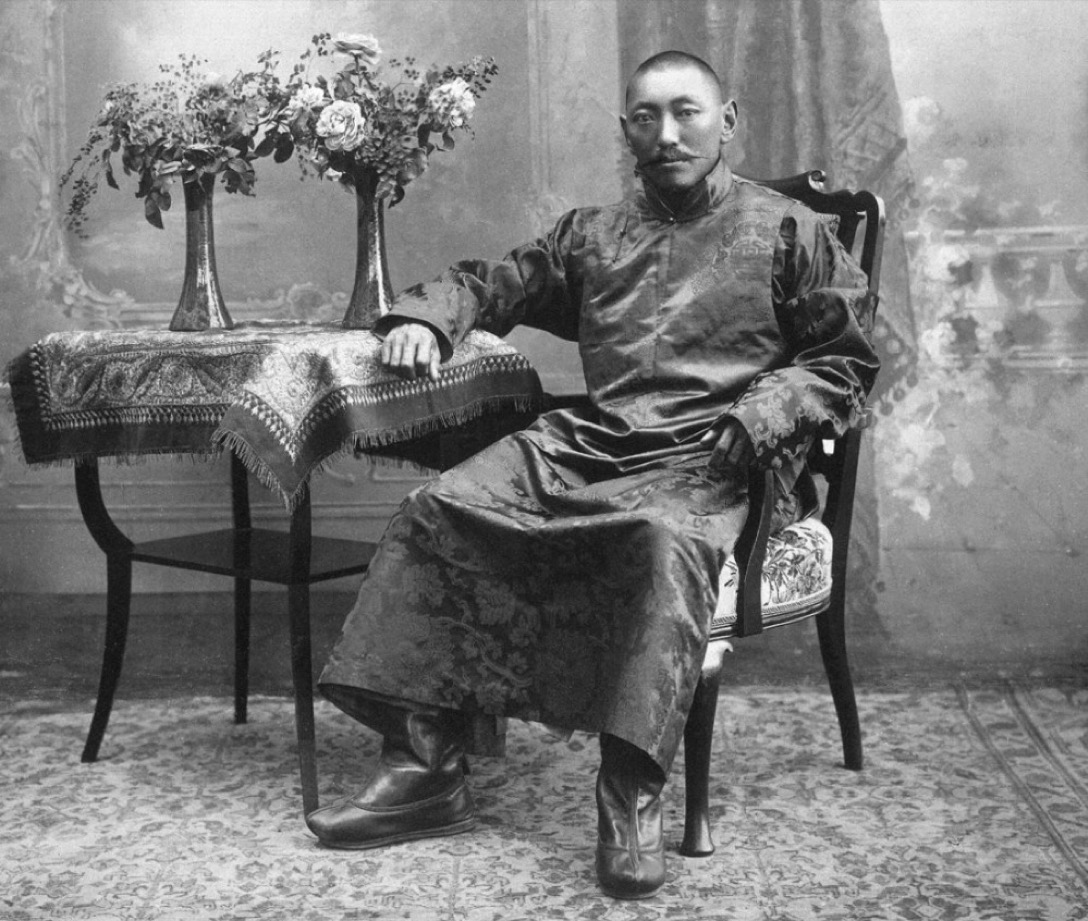

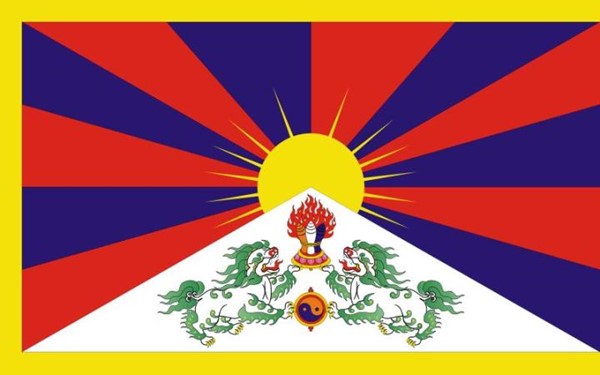
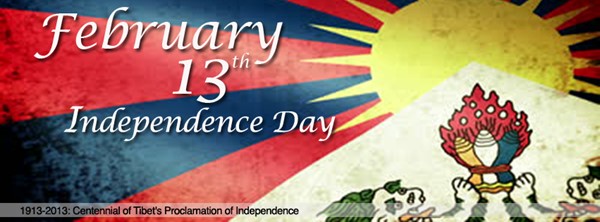

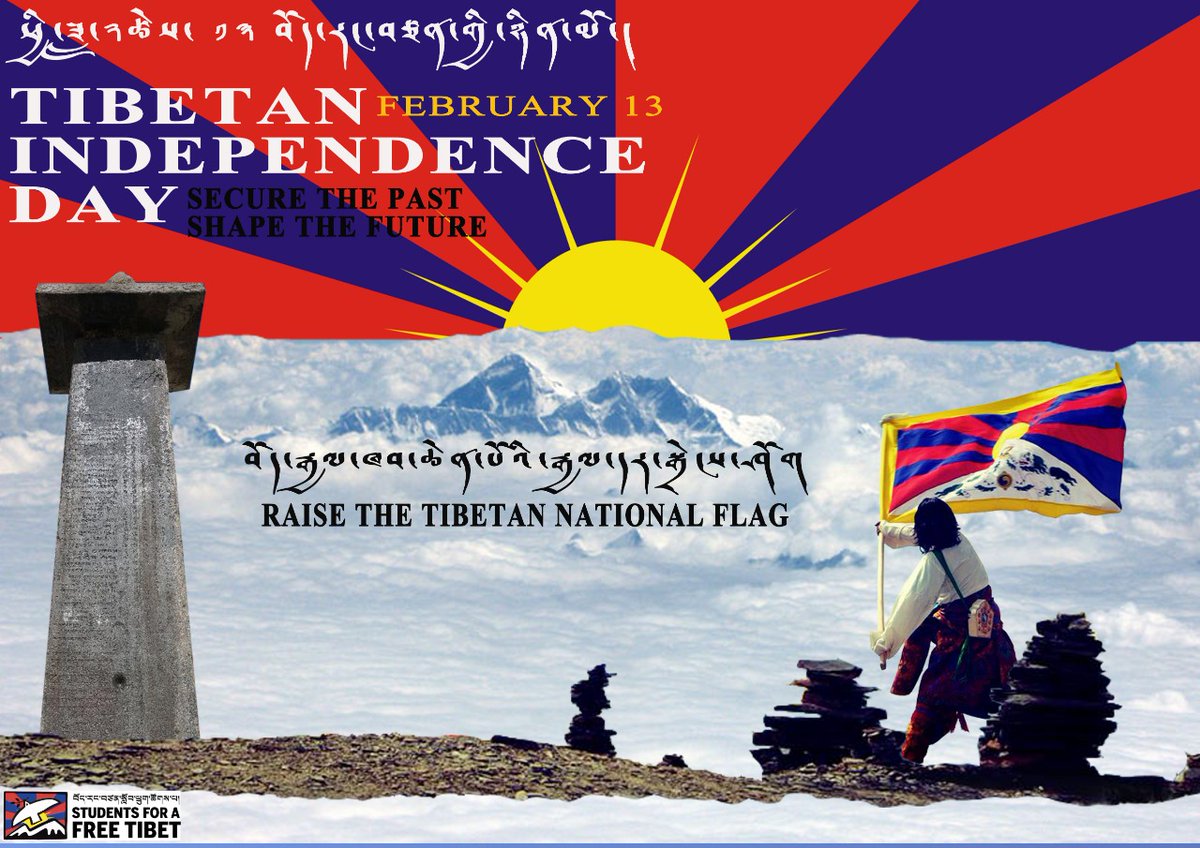
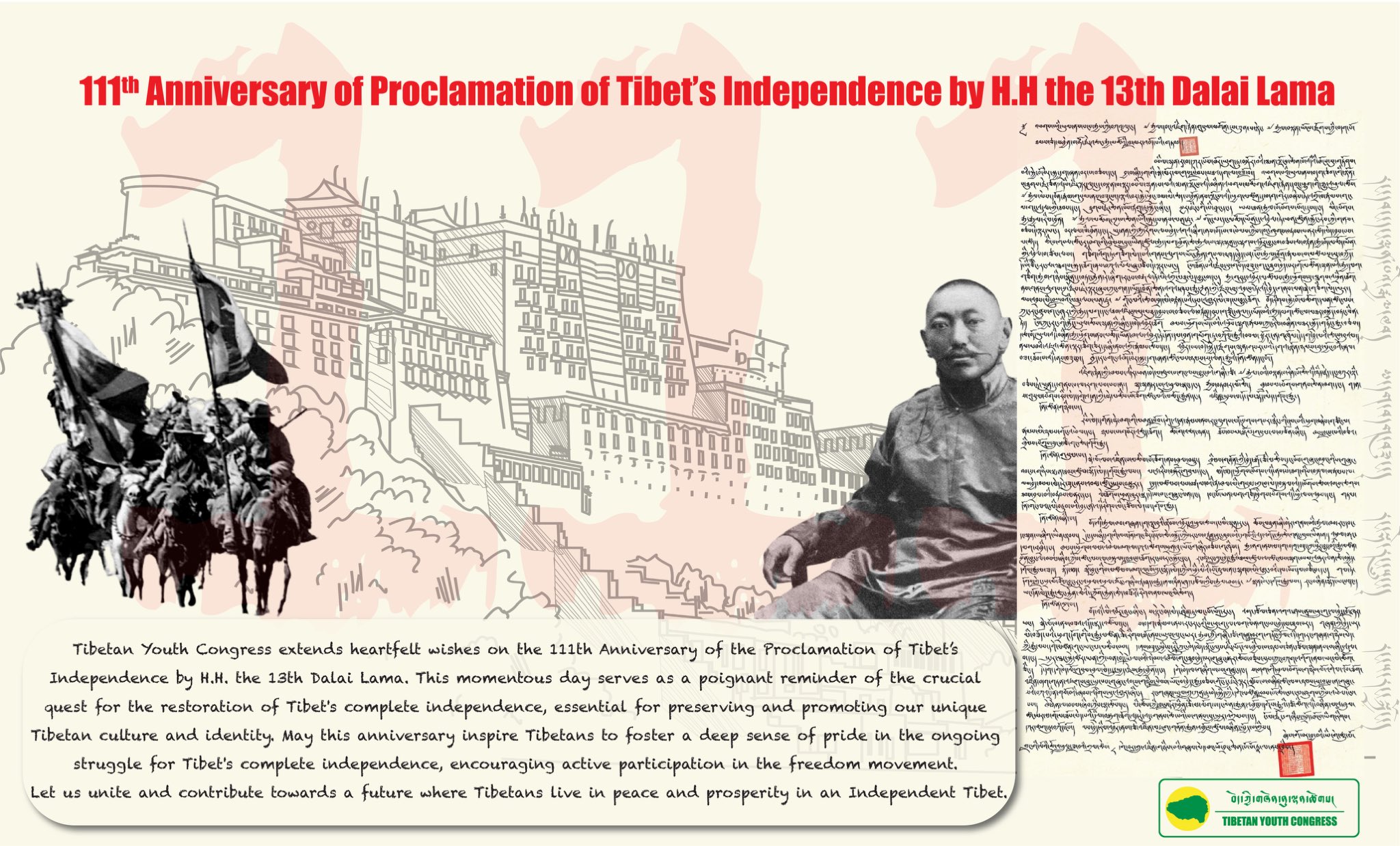

:max_bytes(150000):strip_icc():format(webp)/CharlesDarwin-5c2c3d7e46e0fb0001a343e3.jpg)





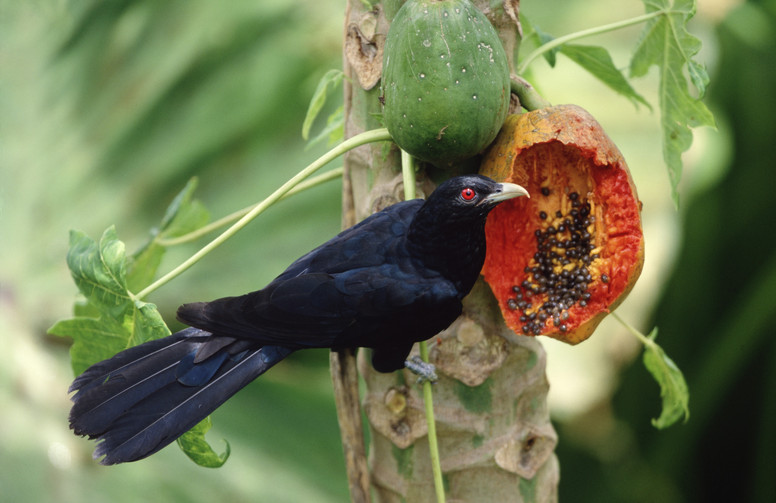


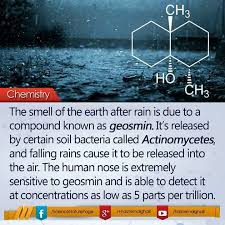





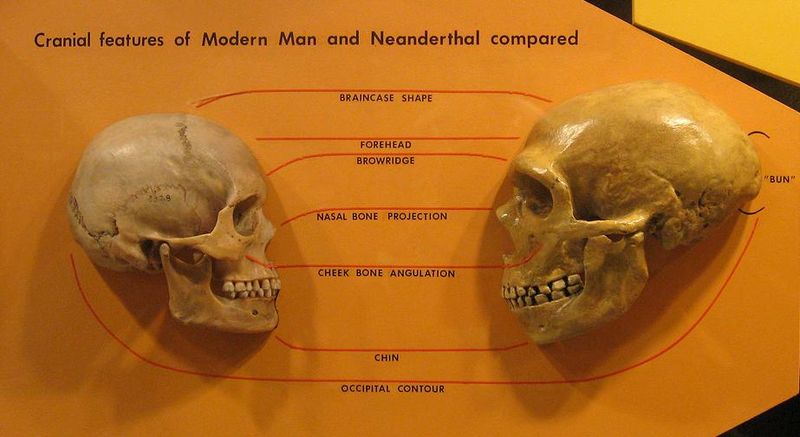





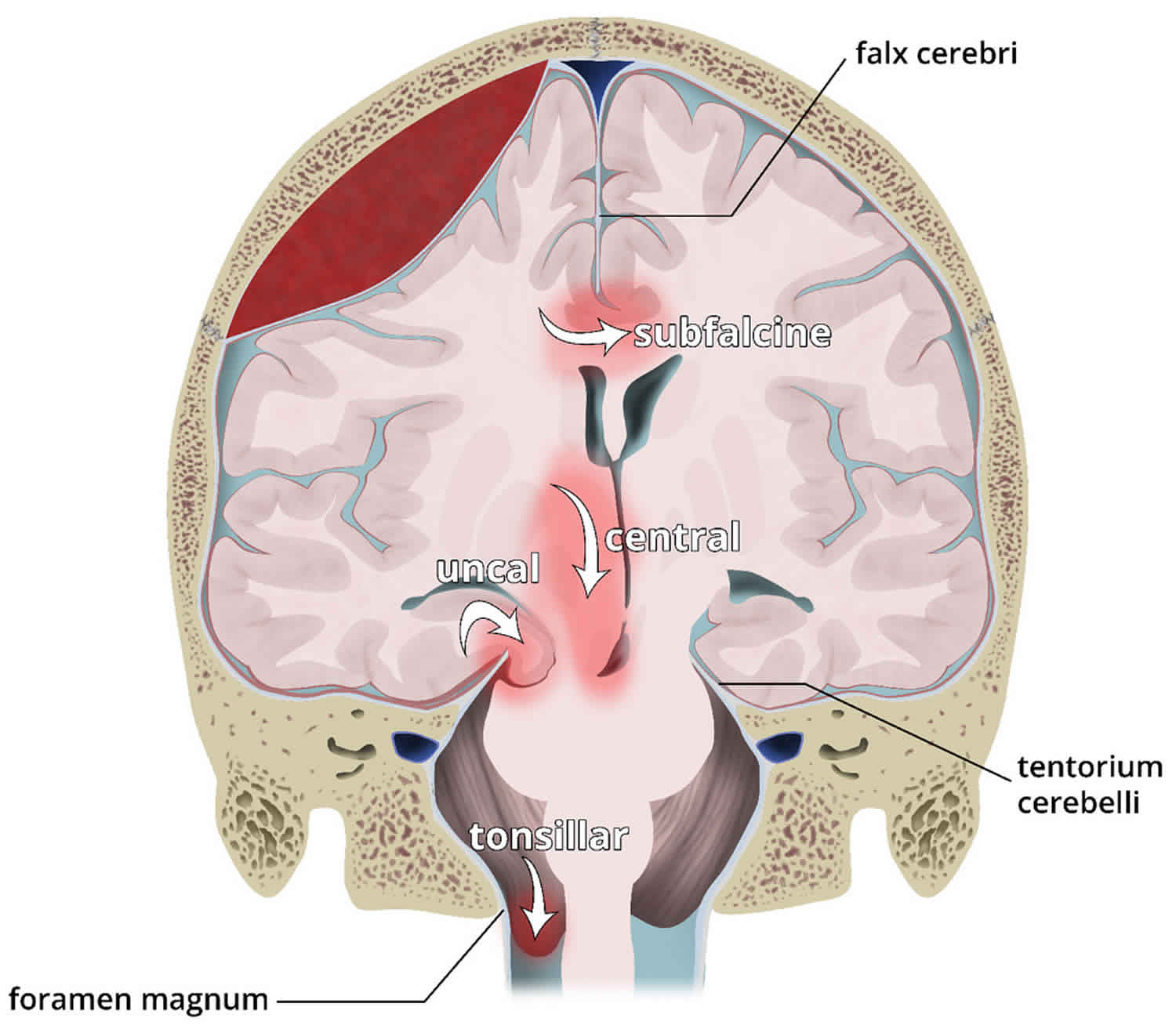





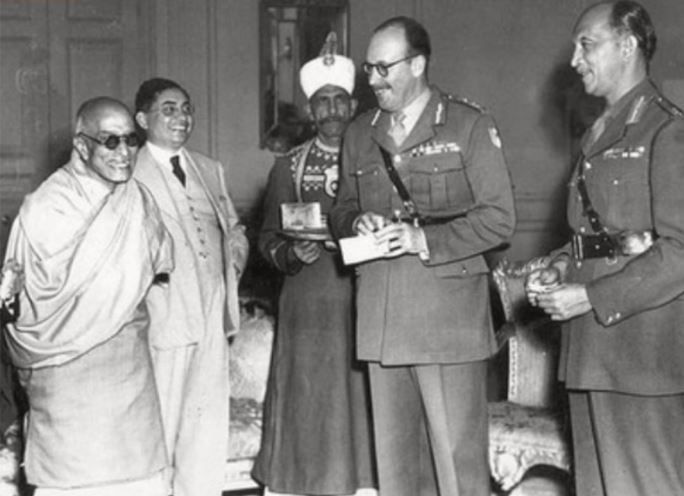
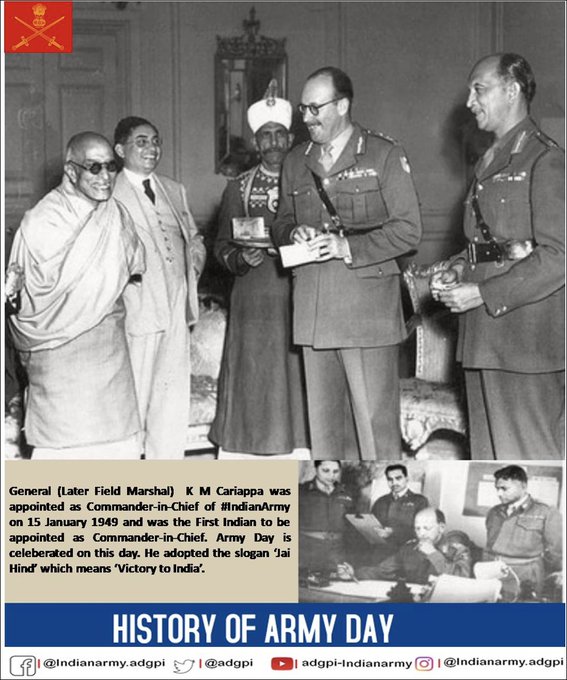


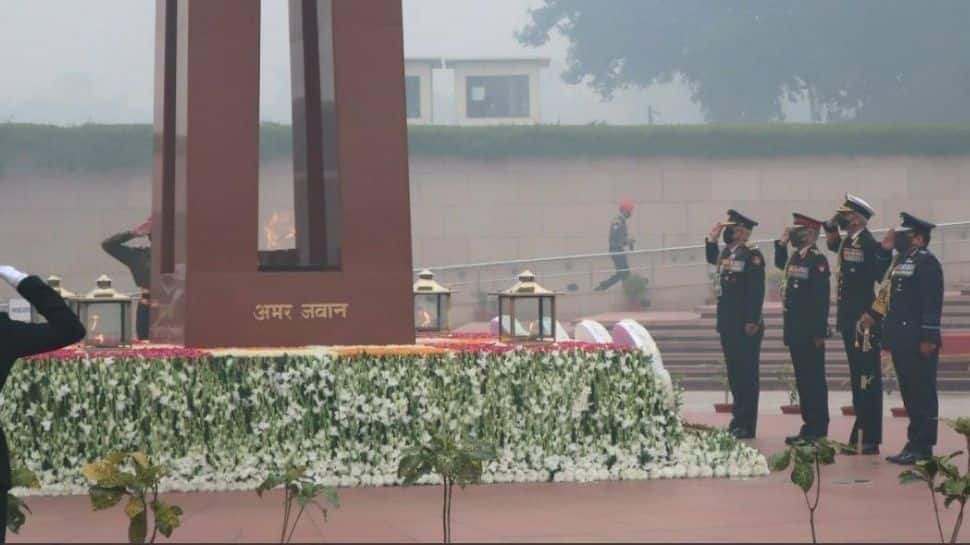
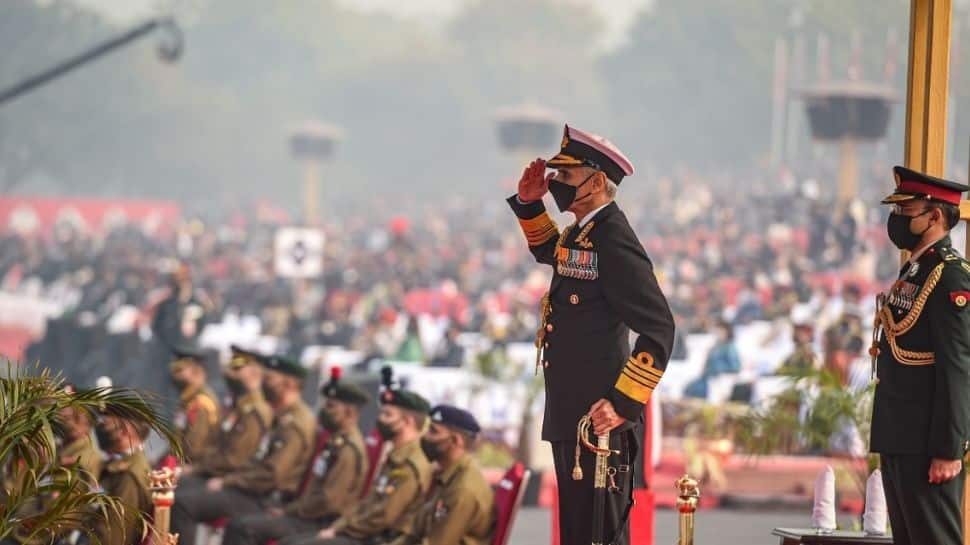
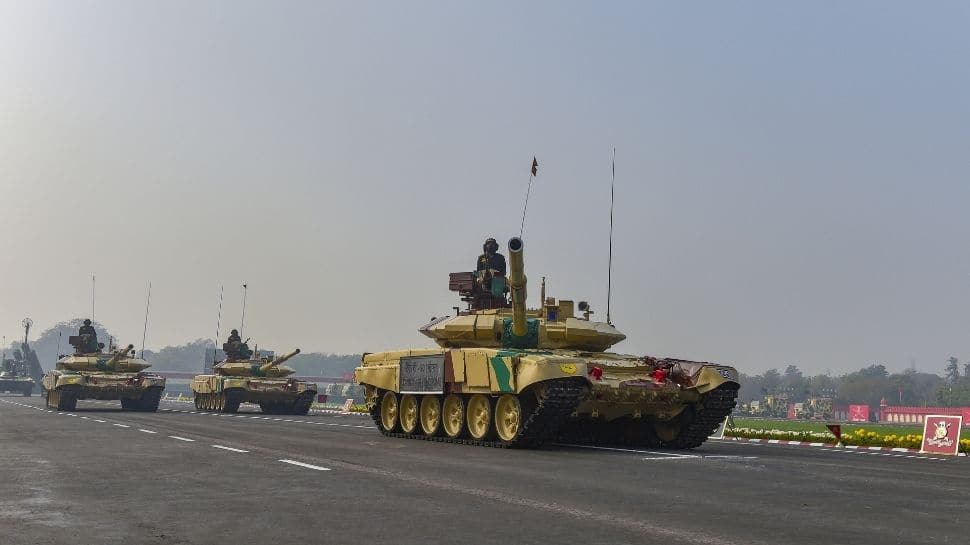
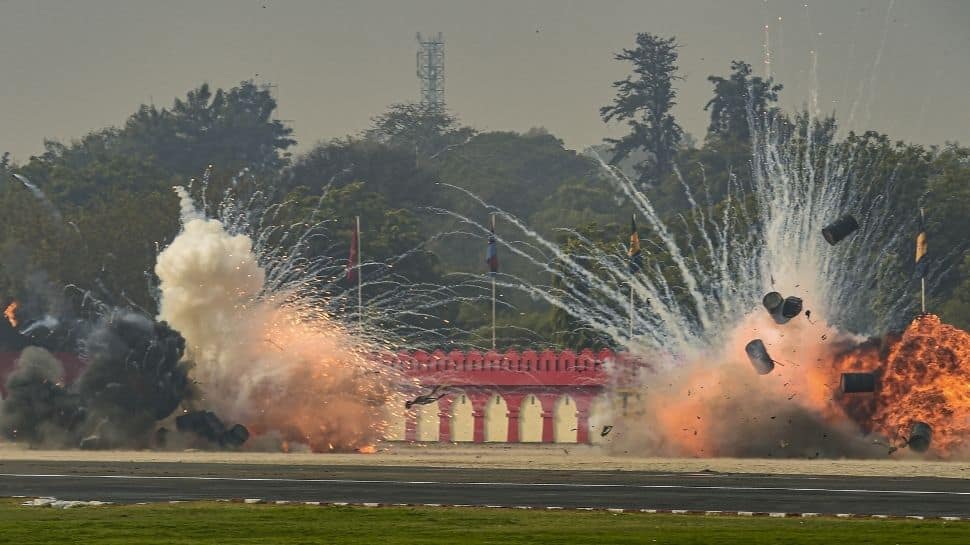
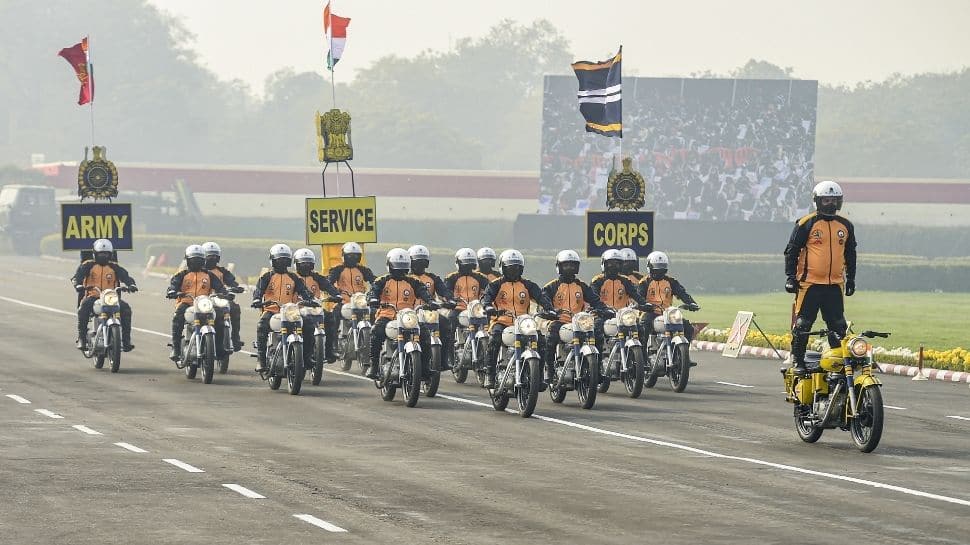
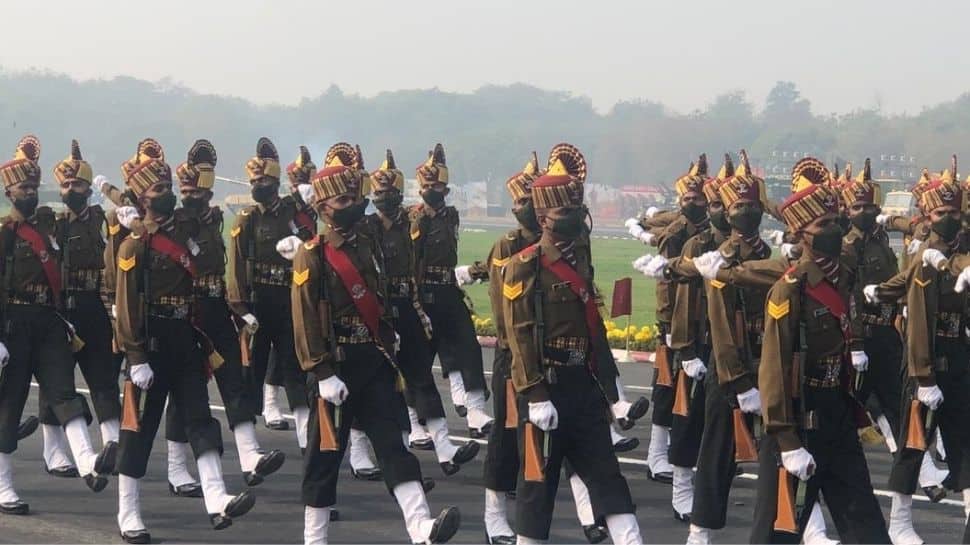


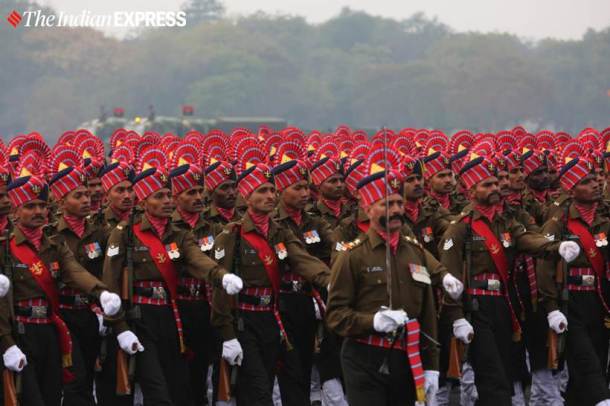
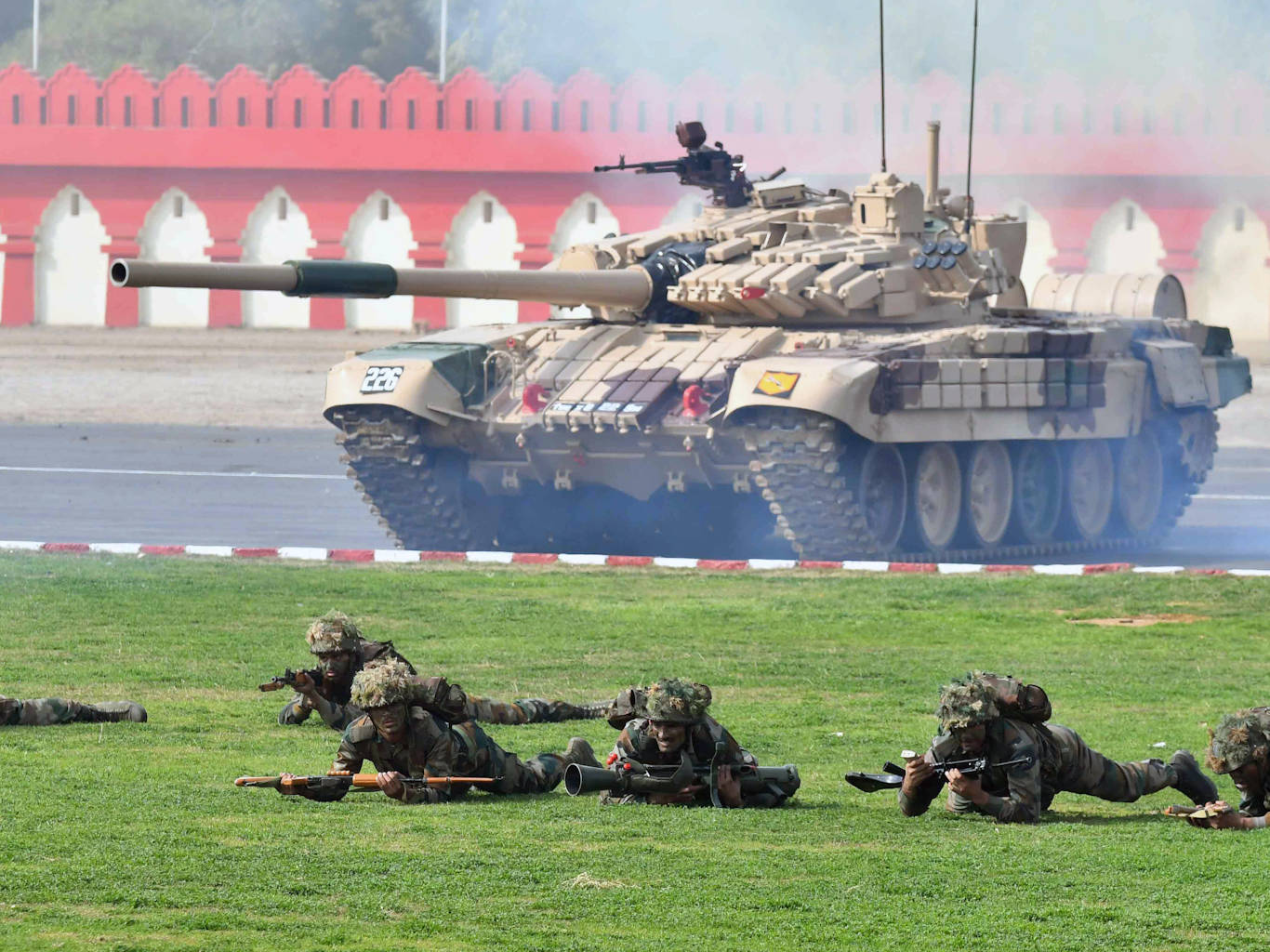


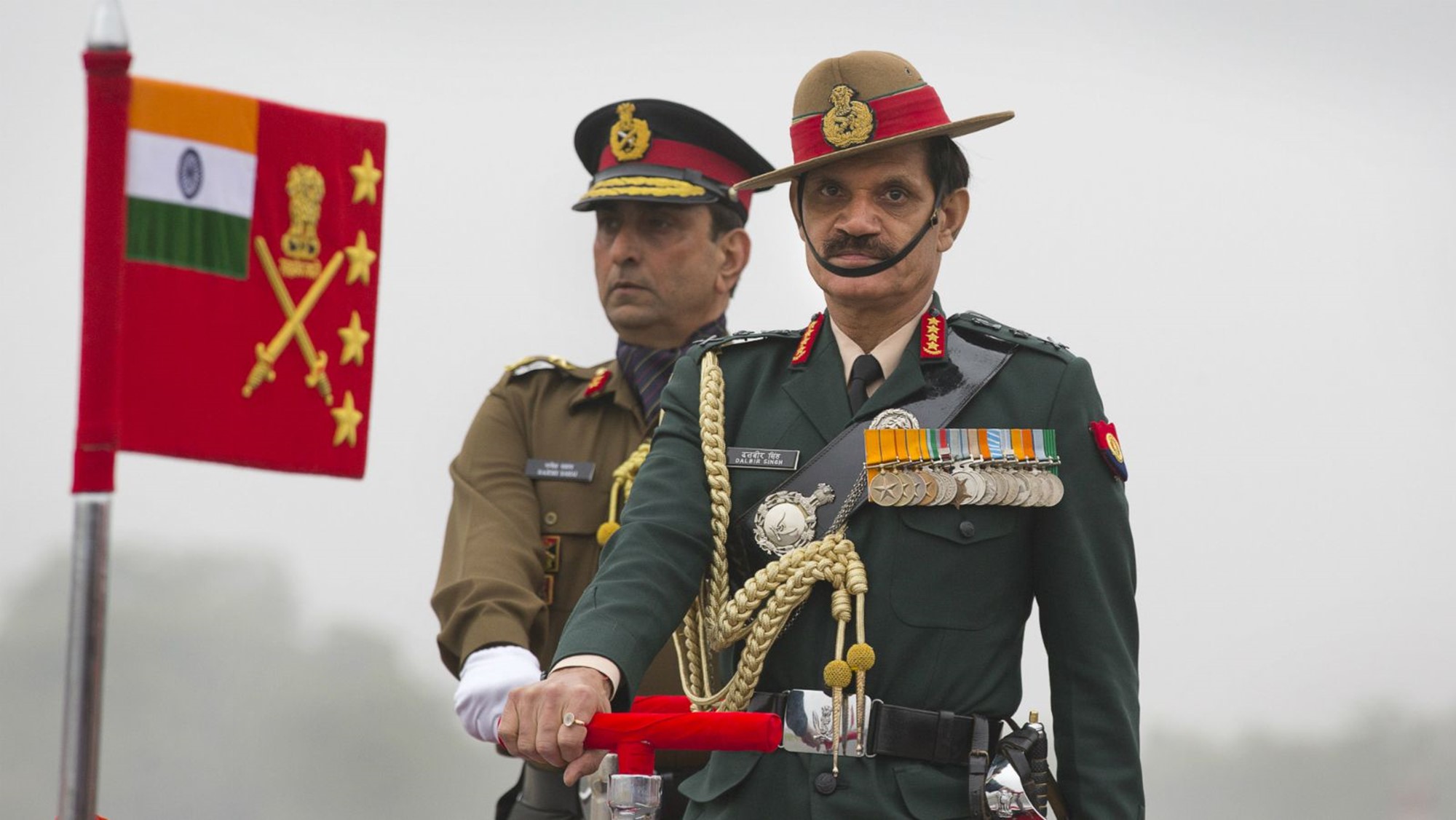
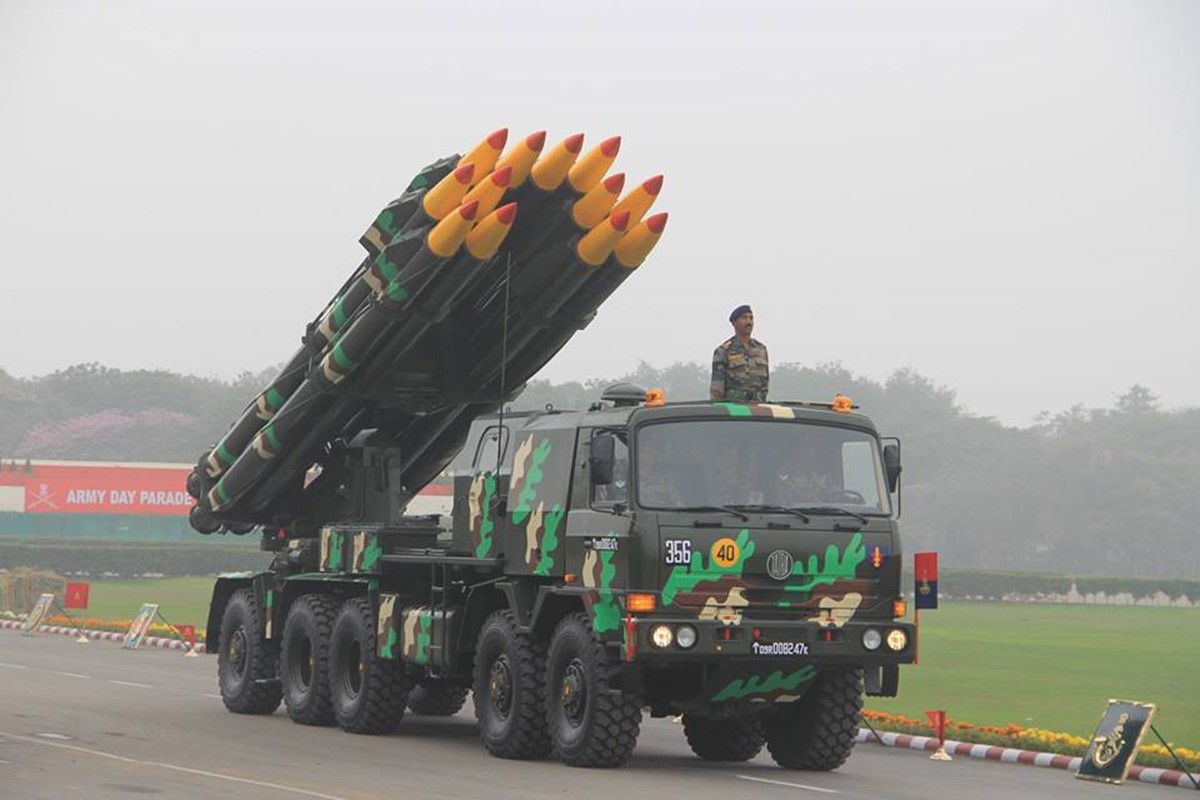
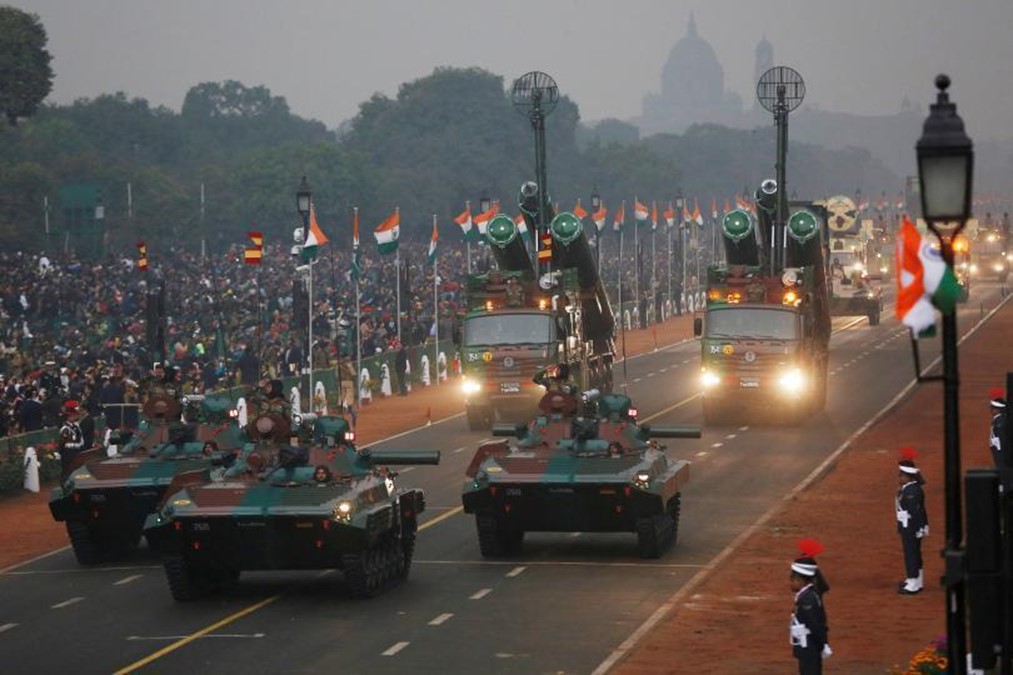

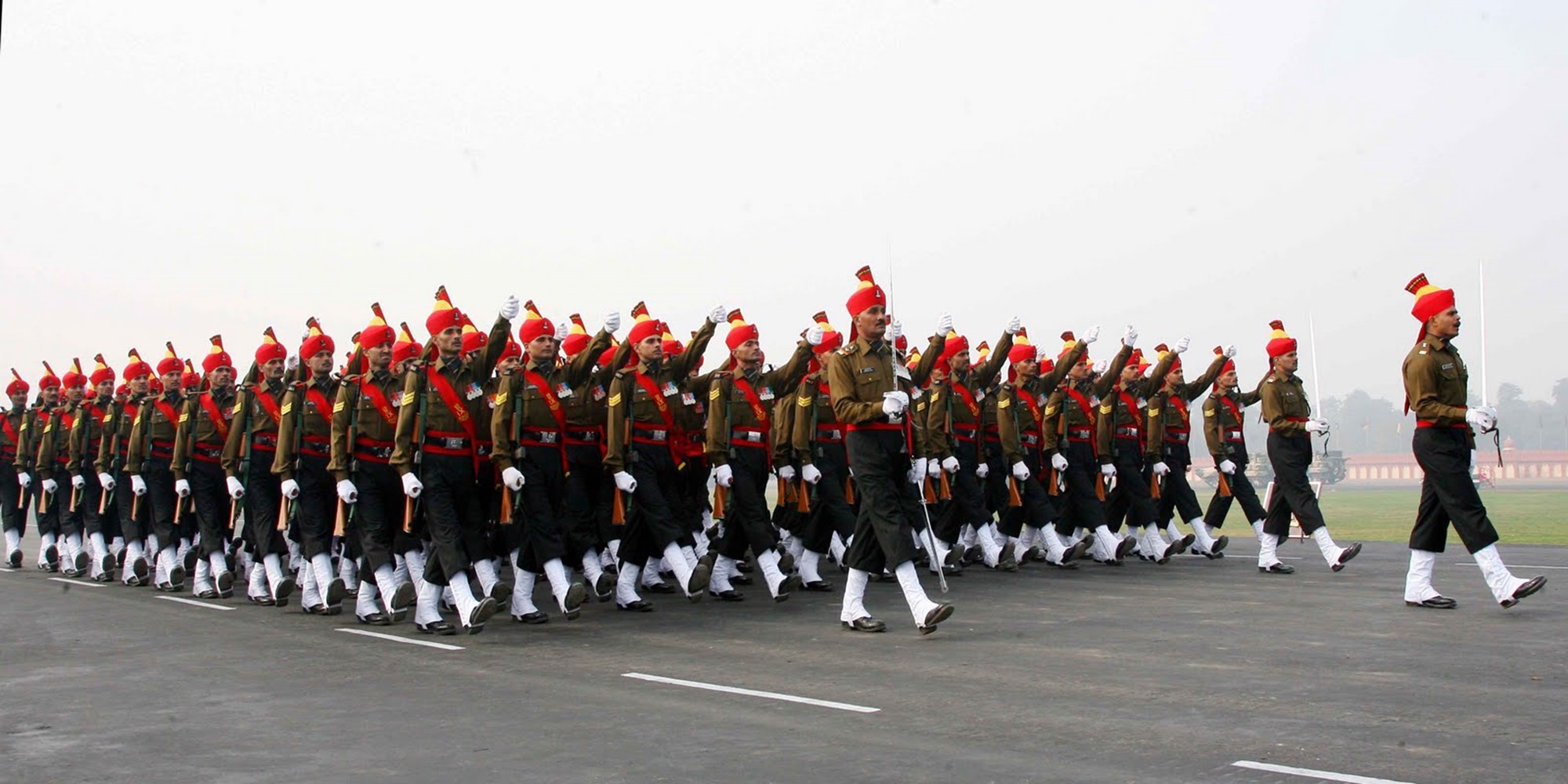
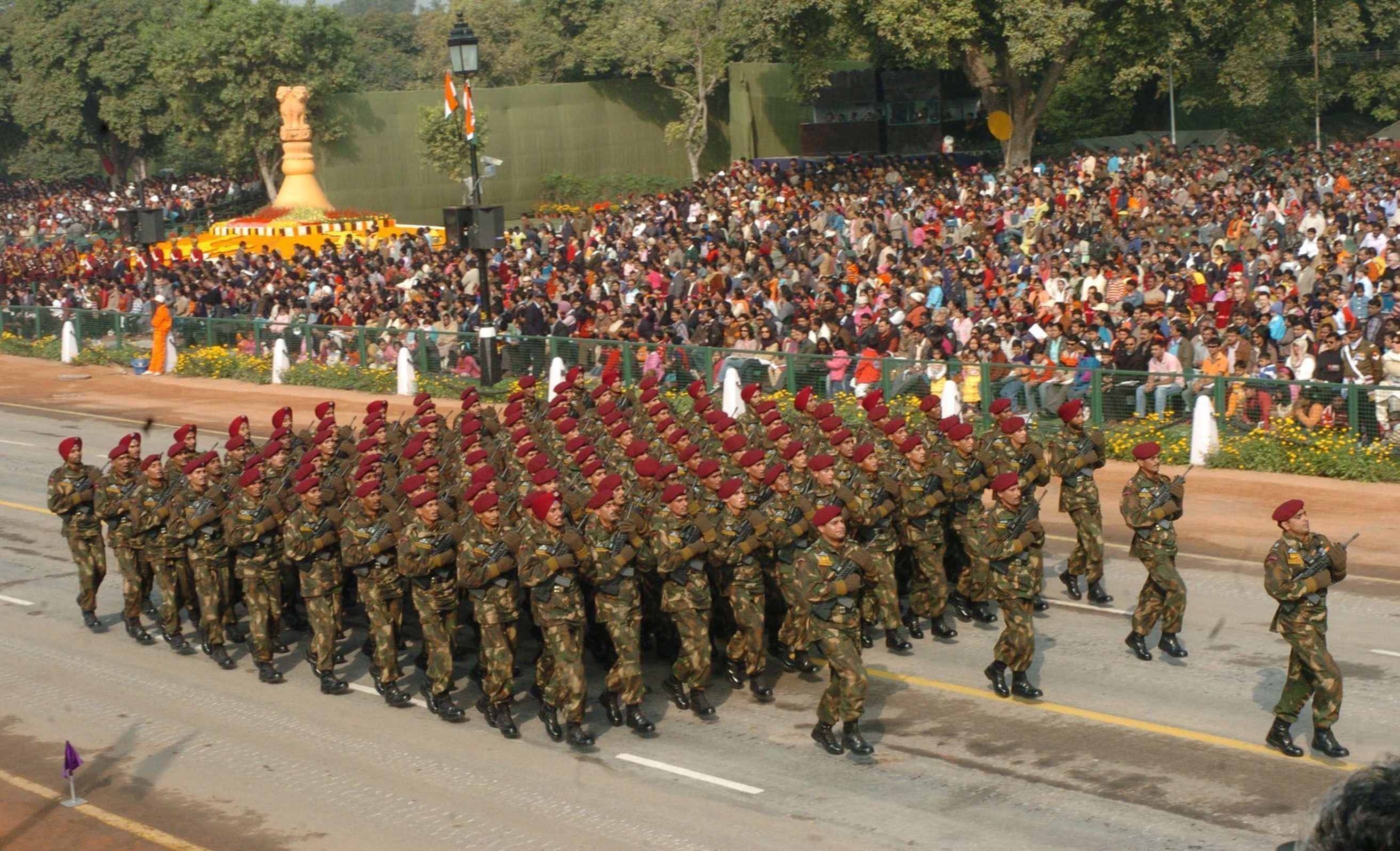
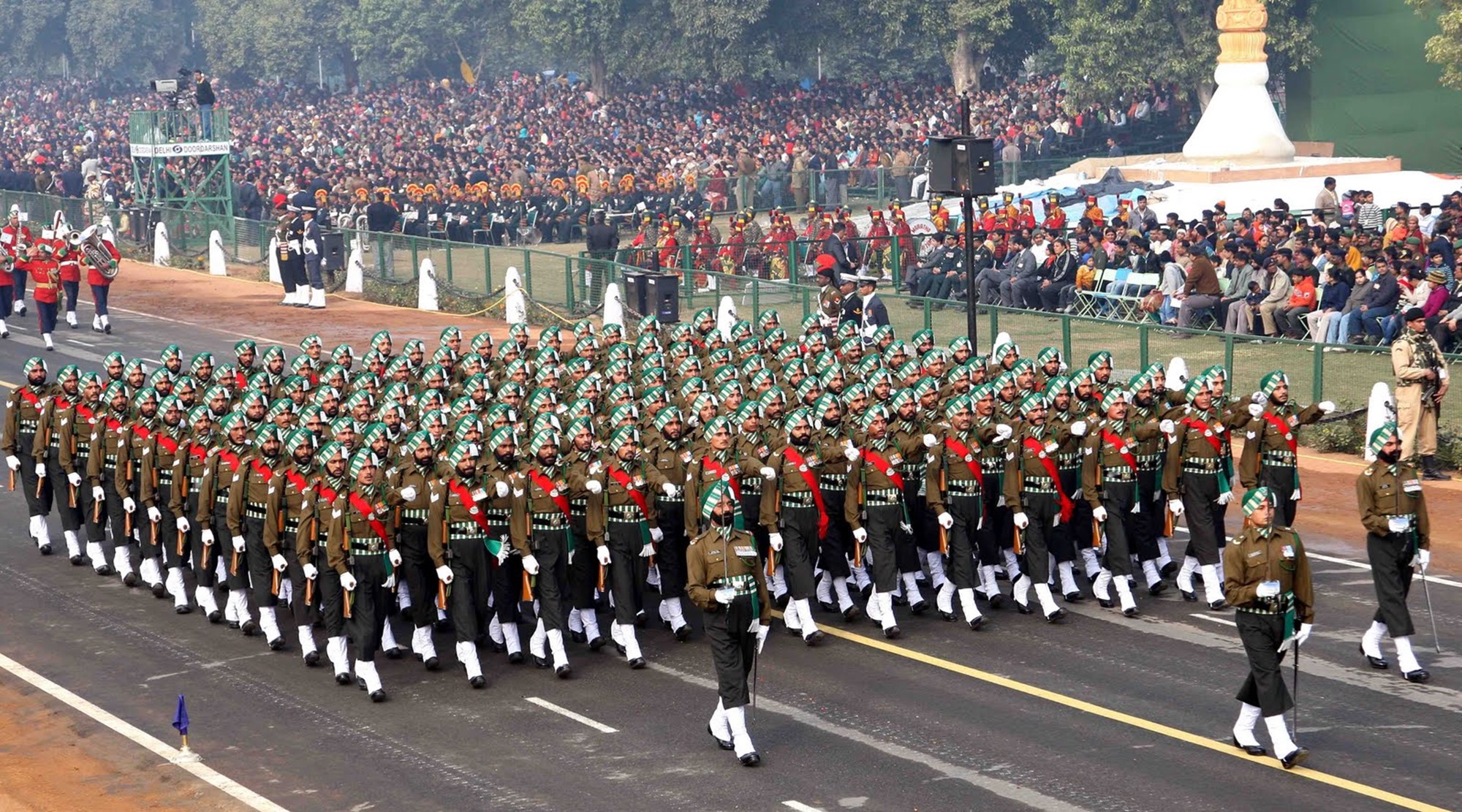

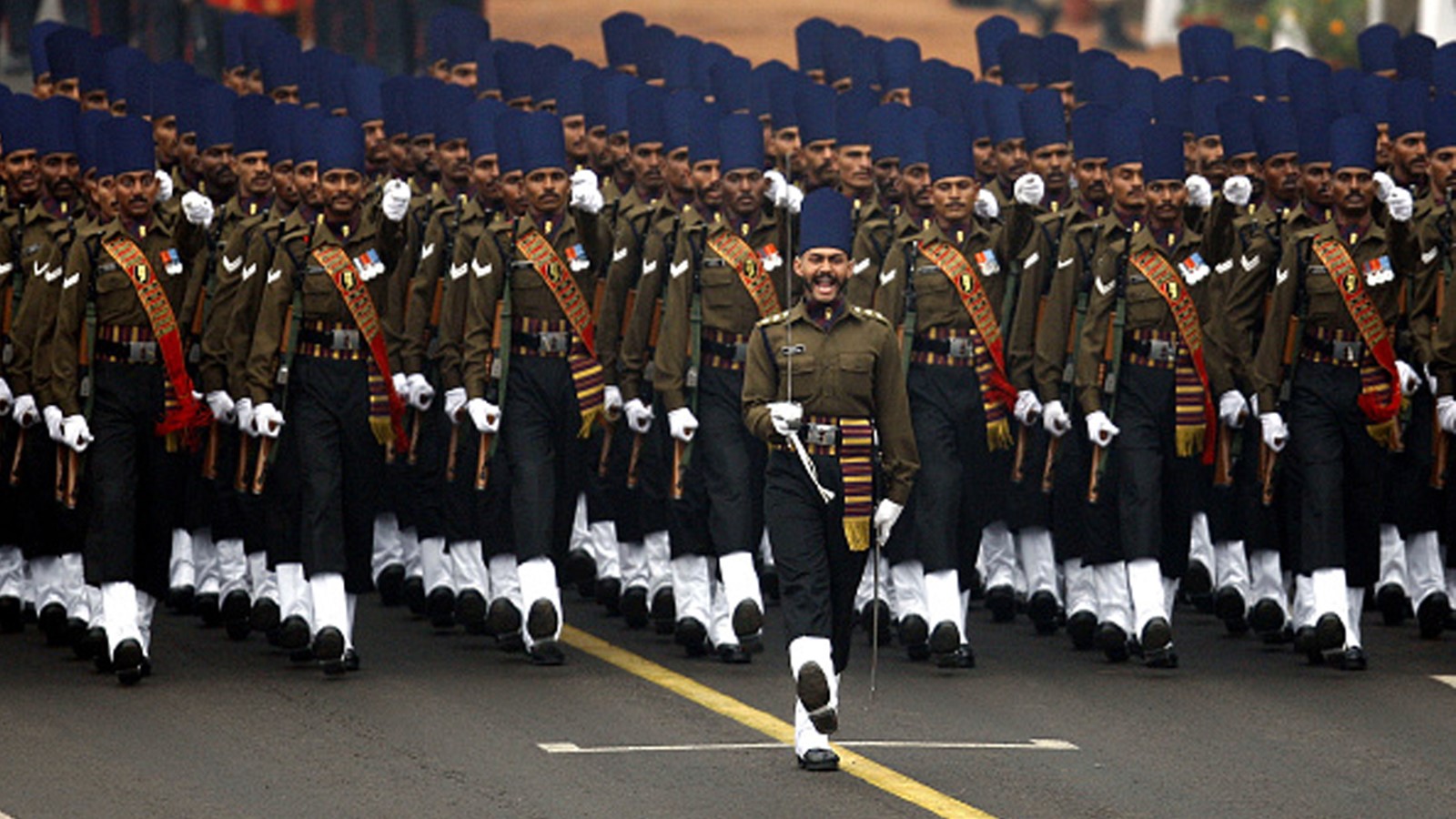
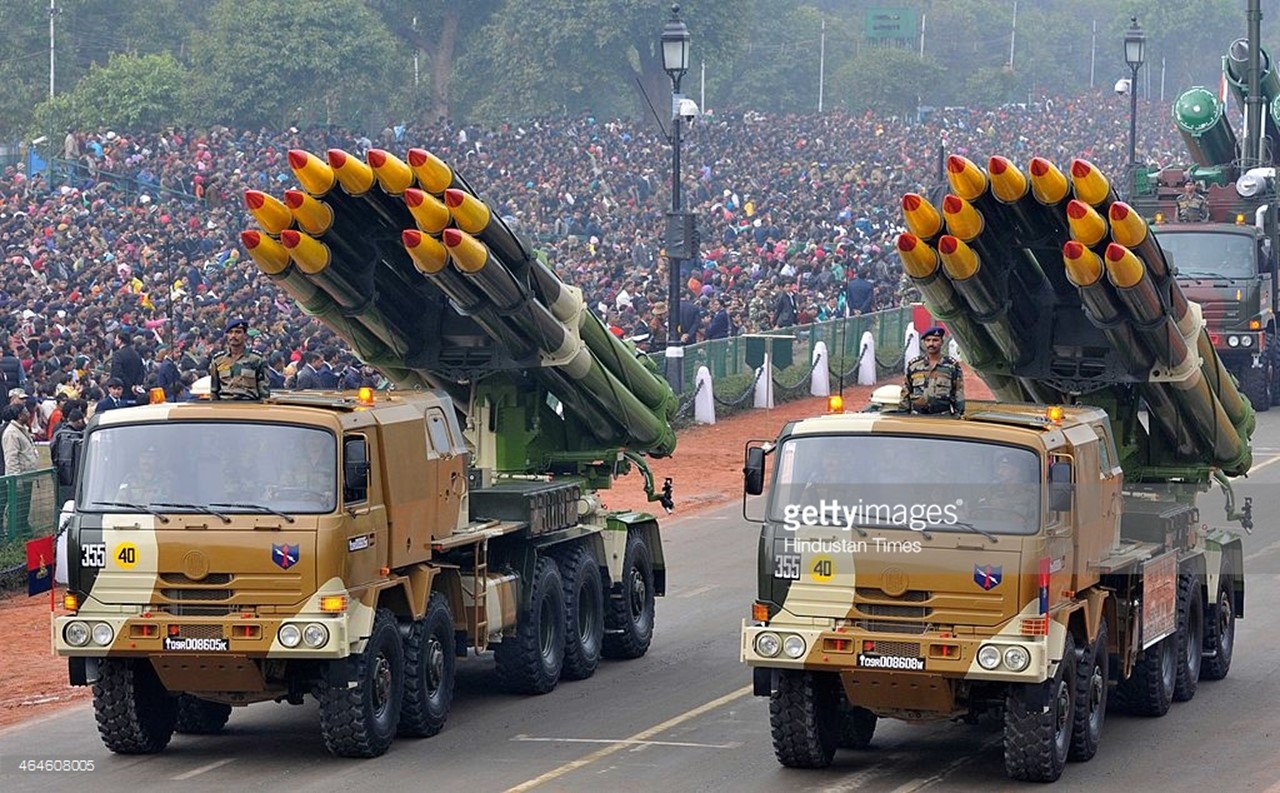
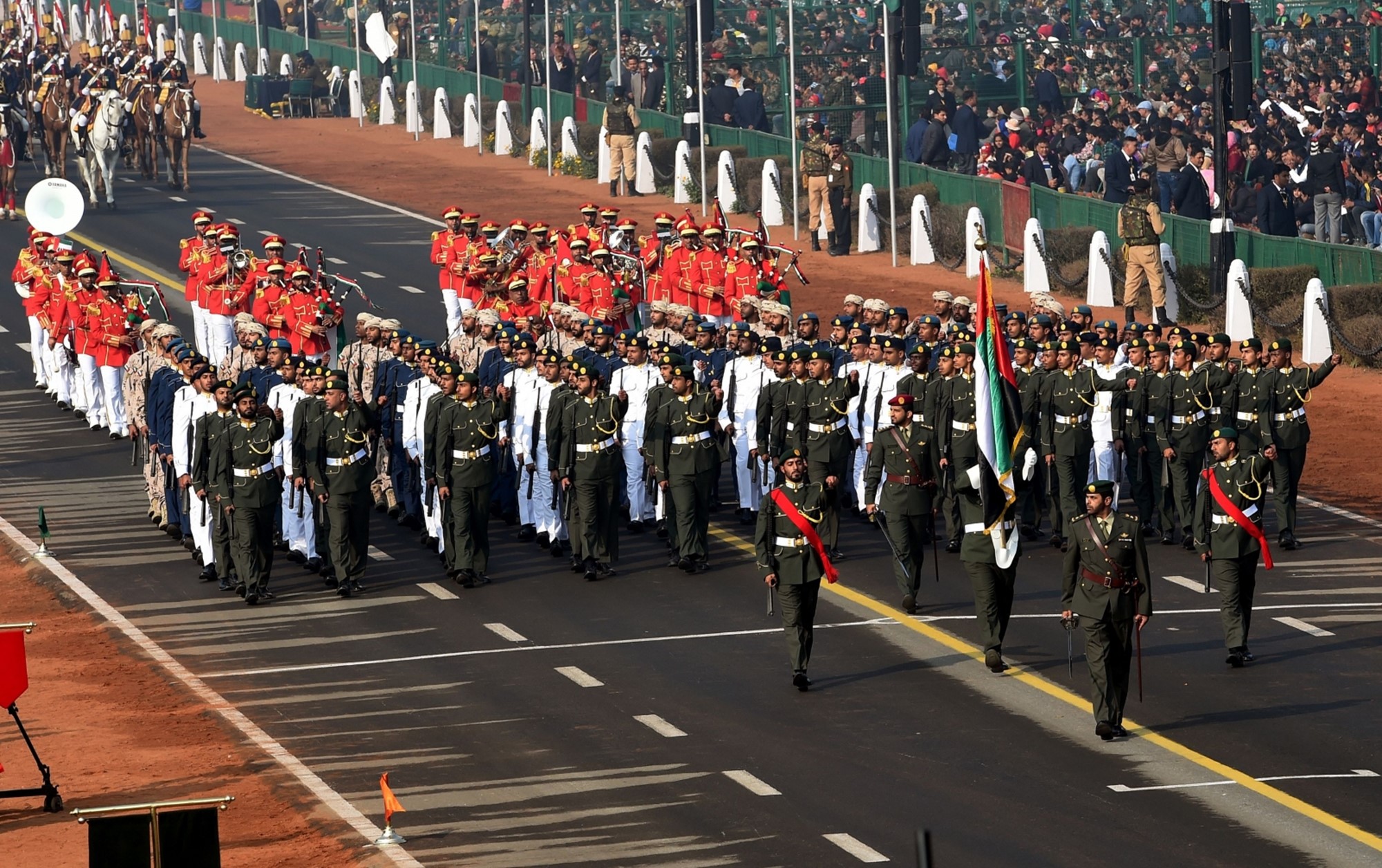
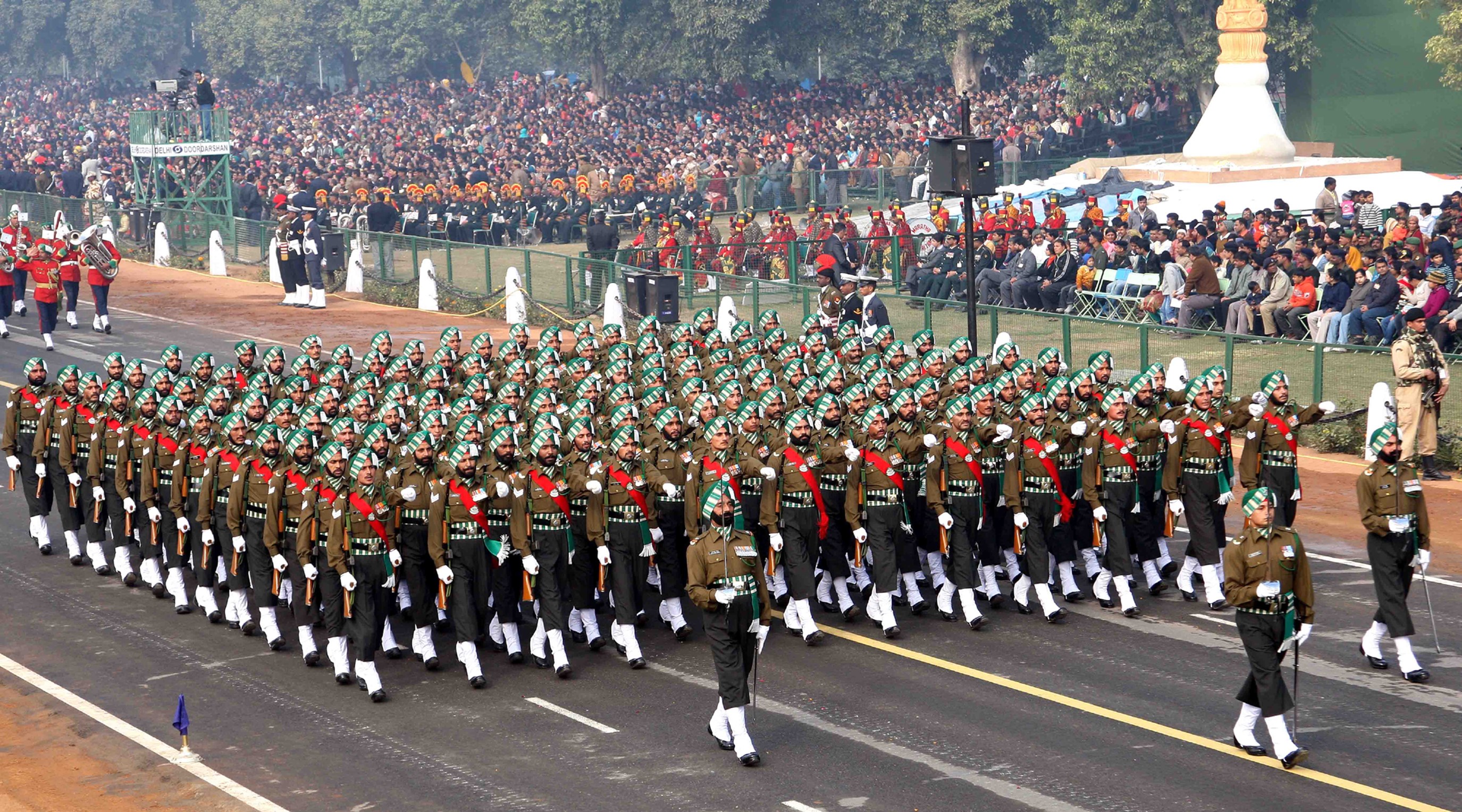



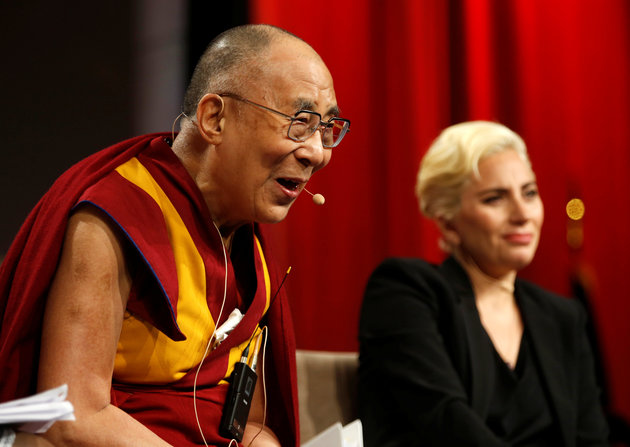


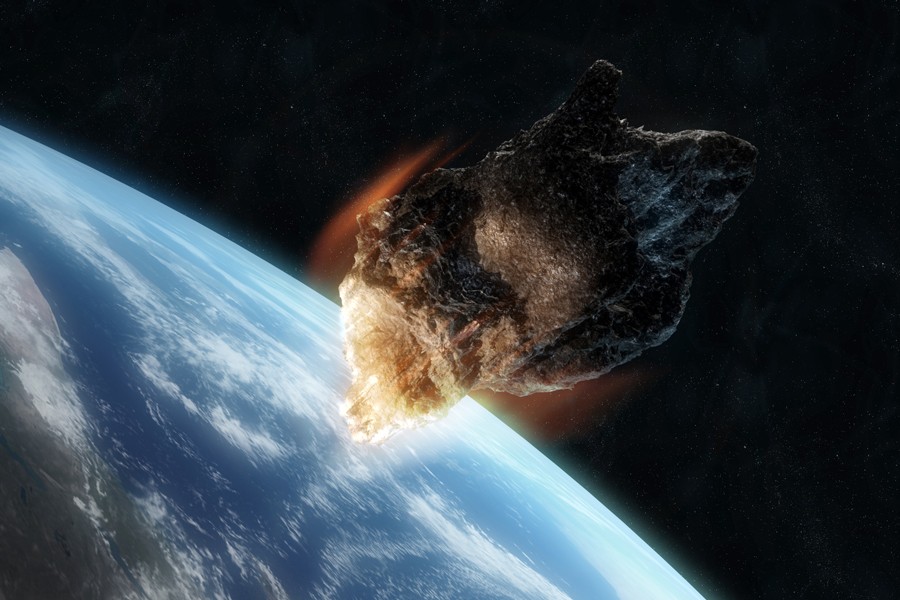
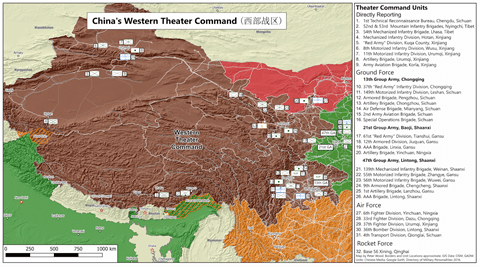

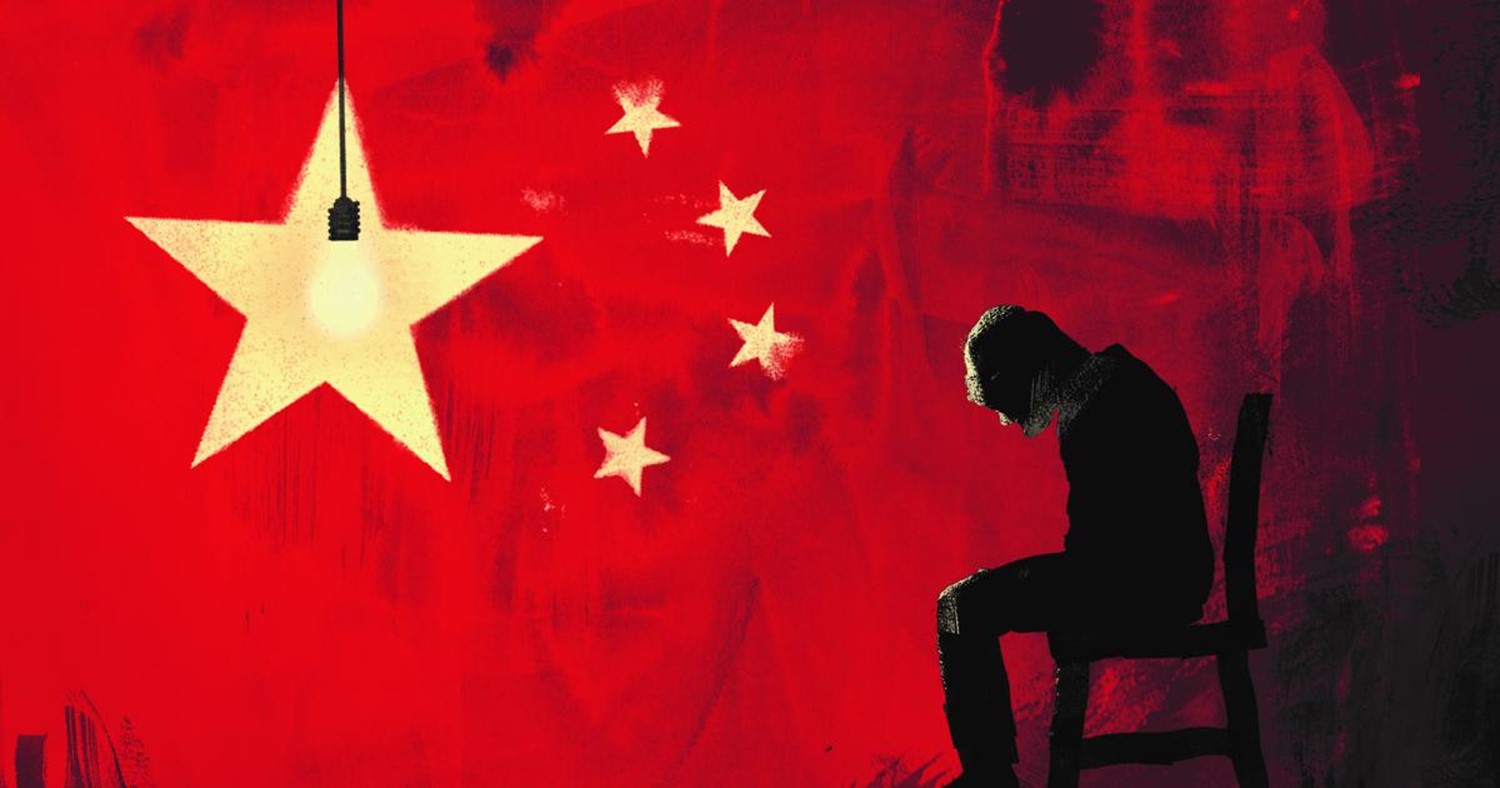

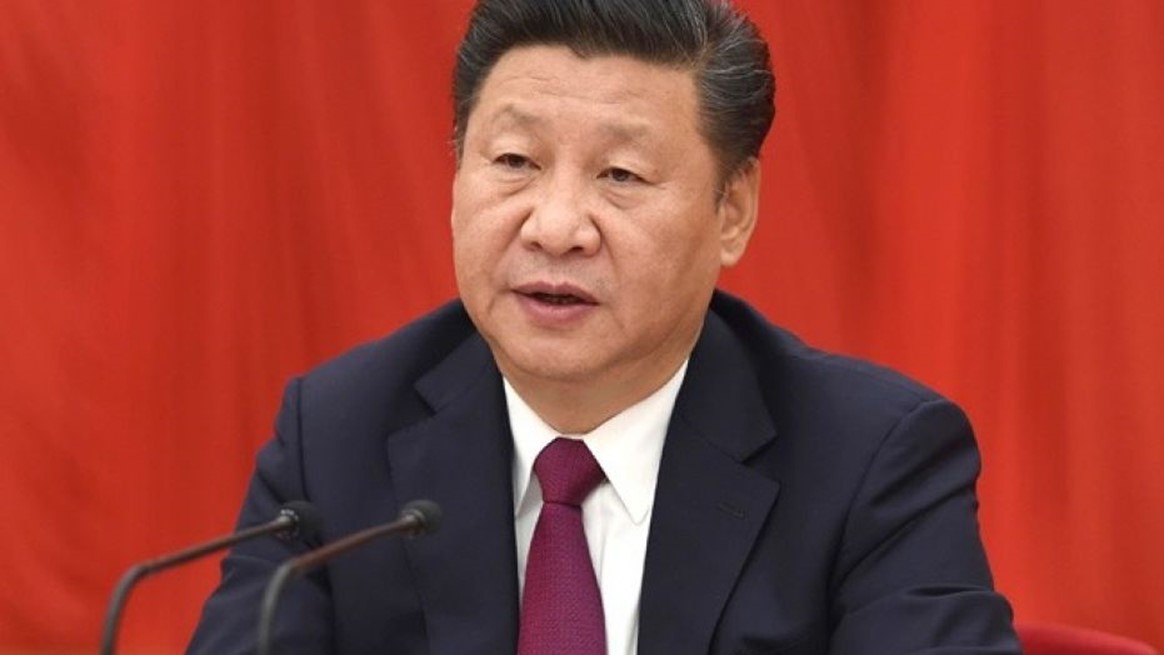
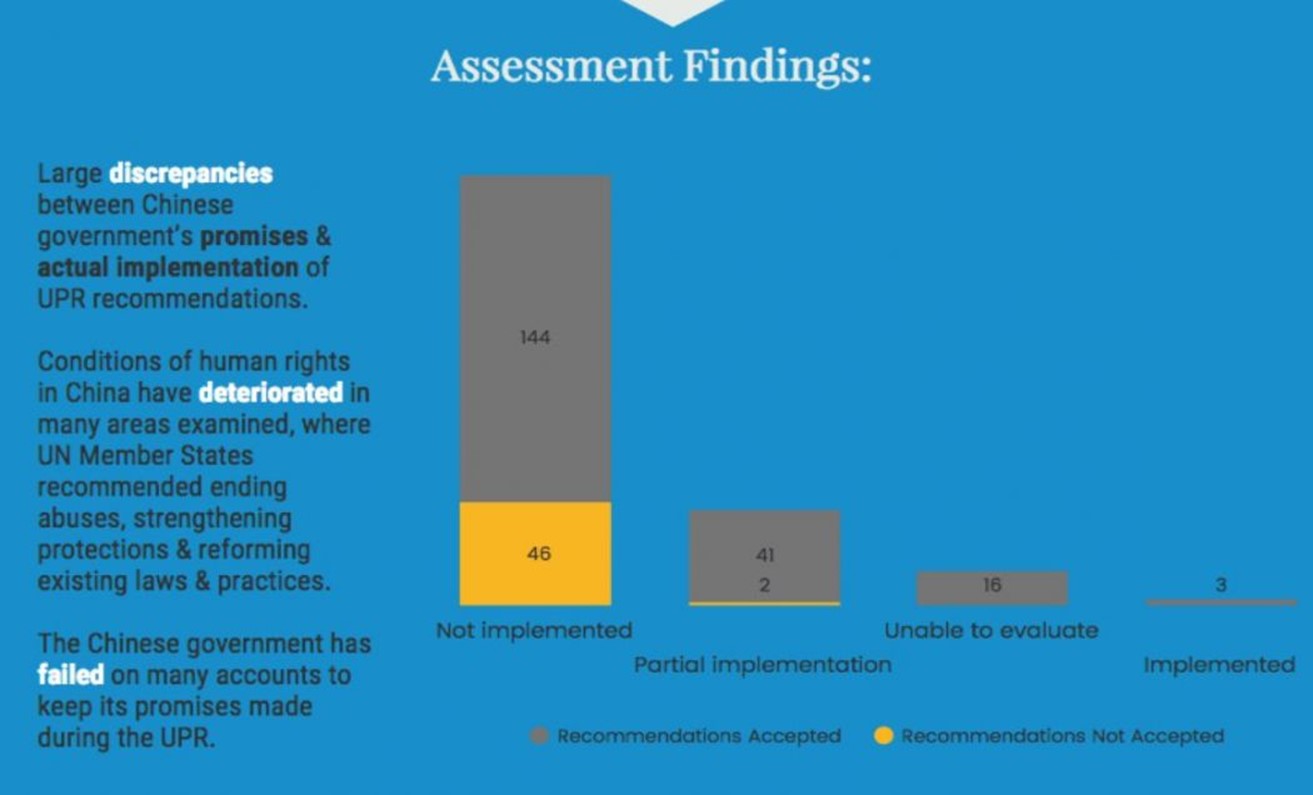
 Whole Dude - Whole Concept