Whole Problem – The Great Problem of Tibet is on the Back Burner

The Great Problem of Tibet is on the Back Burner

The Great Problem of Tibet is on the Back Burner. My hope for Tibet’s Future comes from the Biblical Prophesy.

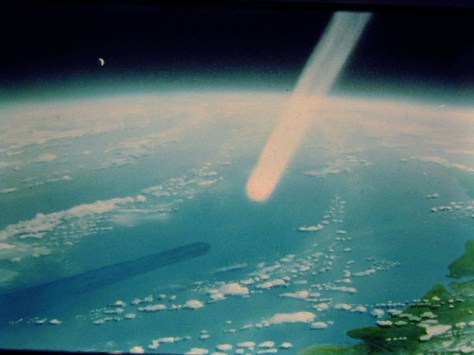
During the month of March, Tibet Awareness Month, I regret to report that The Great Problem of Tibet is still on the Back Burner. But, I am adamantly hopeful for the word Evil means Doom, Apocalypse, Calamity, Cataclysm, and Disaster. The global attention for Tibet has shrunk but the Evil Red Empire could be rushing ahead to meet its unavoidable Fate. My hope comes from a Biblical Prophesy.

The Great Problem of Tibet is on the Back Burner. My hope for Tibet’s Future comes from the Biblical Prophesy.

How China has shrunk global attention for Tibet and the Dalai Lama — Quartz

Clipped from: https://qz.com/1565178/how-china-has-shrunk-global-attention-for-tibet-and-the-dalai-lama/

The global attention for Tibet has shrunk but the Evil Red Empire could be rushing ahead to meet its unavoidable Fate. My hope comes from a Biblical Prophesy.

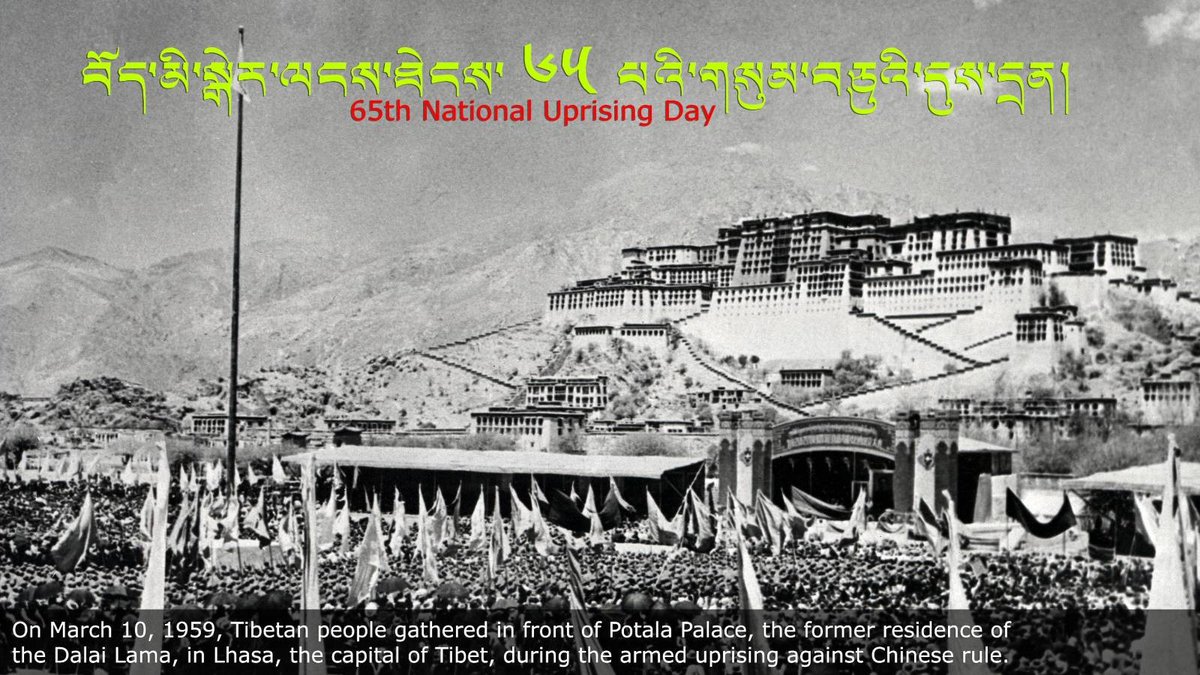
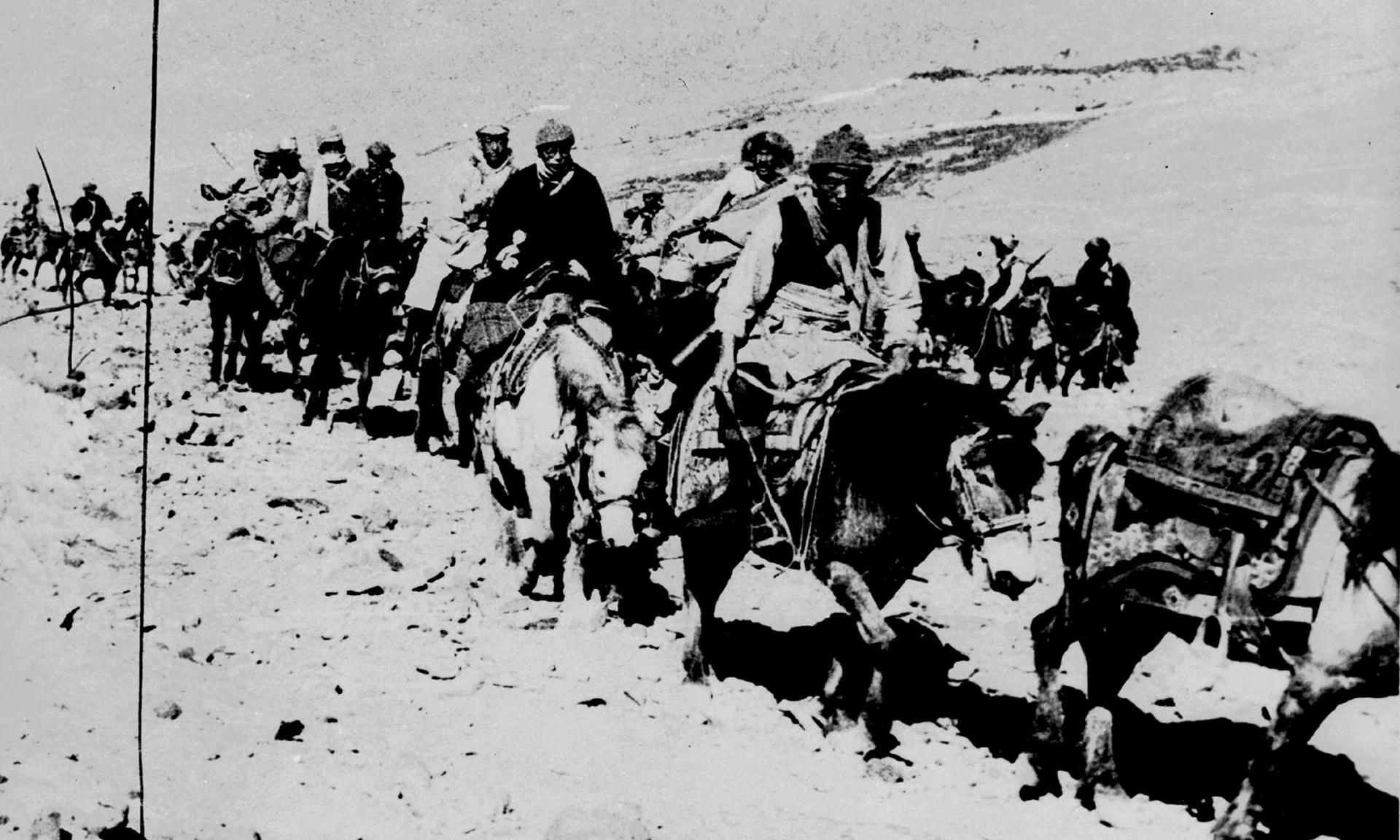
March is a sensitive month in Tibet. In 1959, an uprising led to a bloody crackdown by Chinese forces, culminating in the 23-year-old Dalai Lama’s escape to India on March 17, where he arrived after two weeks of apprehension over his fate. Protests marking the Tibetan revolt were put down in 1989, and most recently in 2008, months before China was set to showcase itself to the world with the opening of the Beijing Olympics.

It’s hard to imagine such acts of defiance taking place today. In 2011, Beijing further tightened its chokehold on the autonomous region under the leadership of new Tibet Communist Party secretary Chen Quanguo (paywall), who implemented a vast array of security measures, including the incarceration and “re-education” of those who had returned from listening to the Dalai Lama’s teachings in India. Tibetans were also forced to adapt their culture to party ideology and to learn how to “revere” science, part of Beijing’s ongoing propaganda campaign that portrays its rule in Tibet as a benevolent exercise in modernization and anti-feudalism. Ten years ago today (March 28), the Chinese instituted Serfs’ Emancipation Day as a holiday to celebrate its program.

The global attention for Tibet has shrunk but the Evil Red Empire could be rushing ahead to meet its unavoidable Fate. My hope comes from a Biblical Prophesy.

Reuters

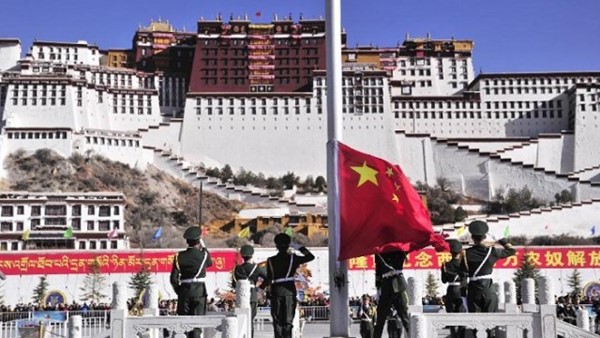
Smoke rises from burning buildings below the Potala Palace in the Tibetan capital Lhasa during protests on March 14, 2008.

“To some extent, China has been very successful in dealing with Tibet,” said Tsering Shakya, an academic at the University of British Columbia in Vancouver.

Beijing is applying the Tibet model to another minority considered to pose a danger to the state. In 2016, Chen became party secretary in the Xinjiang region of northwest China, where his Tibetan policies are largely seen as the foundation for repression of the Uyghur minority. Large-scale re-education camps hold hundreds of thousands of Muslims as Uyghur cultural and religious practices face systematic erosion.

From Kundun to Rock Dog

Advocates hope that growing international awareness over Xinjiang will help rekindle the world’s attention toward Tibet, which has dwindled amid the Chinese Communist Party’s relentless efforts to reshape the global conversation about the region.

Perhaps the starkest manifestation of that is in the arts. Tibet, once a cause célèbre in Hollywood as the subject of films such as Kundun and Seven Years in Tibet—in which Brad Pitt played the role of an Austrian mountaineer who tutored the young Dalai Lama—is today almost nowhere to be seen on screen. Actor Richard Gere, one of the most well-known celebrities to support Tibetan independence, said in 2017 that he has been shut out of major productions because of his outspokenness.

The global attention for Tibet has shrunk but the Evil Red Empire could be rushing ahead to meet its unavoidable Fate. My hope comes from a Biblical Prophesy.

Reuters/Yuri Gripas

Nancy Pelosi talks to Richard Gere at a memorial event for Kasur Gyari, former special envoy of the Dalai Lama to the US, March 12, 2019.

When Tibet is still visible, said Seagh Kehoe at the University of Leicester, it is often in a watered-down and totally depoliticized fashion, as in the animated Rock Dog, a 2016 joint US-China production about a Tibetan mastiff who becomes a music star. Self-censorship over Tibet can be seen at work in London as well, with a West End theater suspending performance of a play about Tibet last year reportedly at the urging of the British Council, the UK’s international cultural organization, which is partly government funded. Following accusations of censorship by its playwright and apologies by the theater, Pah-la is now due to be staged next month.

Shaping the narrative on campus

Universities are another important battleground in Beijing’s attempt to mold its narrative. Campus activism in an earlier era was generally pro-Tibetan. That’s changing today with the ballooning number of Chinese students abroad—over 600,000 now compared with fewer than 50,000 in the late 1990s.

Chinese authorities “see overseas students as allies in their ongoing efforts to counter regime opponents” including groups sympathetic to Tibet, Xinjiang, Taiwan, and the Falun Gong, according to a report (pdf) last year by the Wilson Center, a Washington, DC-based think tank. The report detailed attempts by Chinese officials to put pressure on institutions to cancel invitations to the Dalai Lama and to bring more Chinese delegations to US universities to espouse the Communist Party’s line on Tibet.

Chemi Lhamo, a Tibetan student who was elected last month as a student president at the University of Toronto, received thousands of threatening Instagram messages from Chinese students. The student union decided to close her office out of concern for her safety. Chinese officials in Canada denied having anything to do with the incident or a case in which an Uyghur speaker was disrupted by Chinese students at McMaster University who had reportedly sought advice (paywall) from the consulate in Toronto. Chinese diplomats in Canada have praised the actions of students in both instances as being “patriotic.”

“Slow violence” gets less attention

Draconian restrictions on travel by Tibetans, foreign diplomats and journalists have made getting disseminating information from the region immensely more difficult.

Ever-tightening security has eliminated visible, large-scale displays of protest. The “optics of urgency” spotlighting the Xinjiang situation, such as satellite photos of camps and reporting by journalists on the ground, are missing from the Tibet narrative, wrote Gerald Roche, an anthropologist at La Trobe University in Melbourne. The “slow violence” that characterizes the plight of Tibet today, Roche added, makes it harder to get global attention.

Ahead of the 60th anniversary of the uprisings in Tibet, Chinese authorities further tightened control, restricting even foreign tourists from traveling there. Meanwhile, a white paper from China’s State Council on Tibet released yesterday (March 27) boasted of “democratic reform” over the past six decades, including a chapter titled “The People Have Become Masters of Their Own Affairs.”

During the month of March, Tibet Awareness Month, I regret to report that The Great Problem of Tibet is still on the Back Burner. But, I am adamantly hopeful for the word Evil means Doom, Apocalypse, Calamity, Cataclysm, and Disaster. The global attention for Tibet has shrunk but the Evil Red Empire could be rushing ahead to meet its unavoidable Fate. My hope comes from a Biblical Prophesy.

Reuters/Thomas Peter

Armed police attempt to prevent a photographer from taking pictures at the entrance to the village of Taktser, known in Chinese as Hongya, where the Dalai Lama was born in 1935, Qinghai province, China March 9, 2019.

Dramatic protests have continued. Since 2009, Tibetans have been self-immolating as a form of protest, with the act spreading from nuns and monks to laypeople. The International Campaign for Tibet’s latest count of self-immolations totals 155, with the last of the three known to have occurred in 2018 taking place in December. International media coverage, however, has largely disappeared. “We have some 150 cases of self-immolation, but for all, I know it could be 300,” said Kevin Carrico at Monash University in Australia. “Even for people who pay attention to this situation, we don’t really know what’s happening.”

The debate over the next Dalai Lama

Sophie Richardson, China director at Human Rights Watch in Washington, said that spotlighting China’s human-rights abuses in Xinjiang can reinforce mutual support between diaspora Uyghur and Tibetan groups. There’s a common “core pathology” underlining Beijing’s actions in both places, including the “erasing of cultural identities and practices,” she said. Lhamo, the Tibetan student, told Quartz that a growing focus of her activism now involves building ties and sharing information with Uyghurs, Taiwanese, and the Falun Gong.

Advocacy groups have also welcomed renewed pressure by the US on Beijing. Congress passed the Tibet Reciprocal Act in December, which denies entry to the US any Chinese official who blocks Americans from going to Tibet. Matteo Mecacci, a former lawmaker in Italy and president for the International Campaign for Tibet, said the bill signals “enduring, bipartisan support for Tibet” in the US. The law requires annual reports detailing access to Tibet for Americans, with the first published this week.

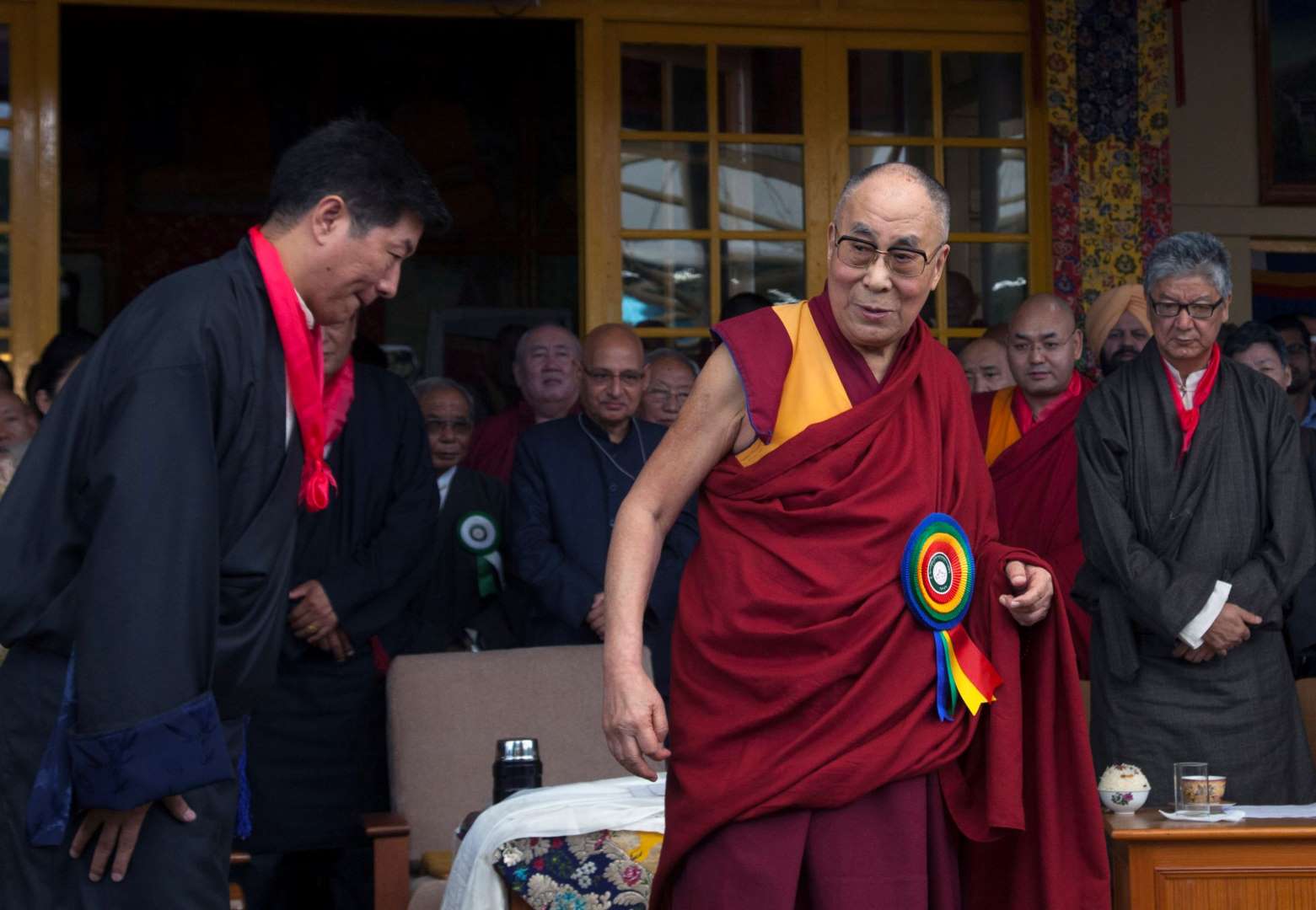
The Dalai Lama smiles as he sits on his chair at the Tsuglakhang temple in Dharmsala, India, Feb. 27, 2019.

AP Photo/Ashwini Bhatia

The Dalai Lama smiles as he sits on his chair at the Tsuglakhang temple in Dharmsala, India, Feb. 27, 2019.

The fight over the Dalai Lama’s succession—and China’s obsessive control over it—could also return Tibet to headlines in the coming years.

Amid a flurry of attention this month marking the leader’s 60th anniversary in exile in Dharamsala, the 83-year-old Dalai Lama said in an interview that his next incarnation could be found in India, adding that Beijing is likely to appoint its own successor whom “nobody will trust.” Beijing, which consistently maintains that the Dalai Lama is a separatist, promptly reiterated that the selection of the next Tibetan spiritual leader must follow Chinese law.

During the month of March, Tibet Awareness Month, I regret to report that The Great Problem of Tibet is still on the Back Burner. But, I am adamantly hopeful for the word Evil means Doom, Apocalypse, Calamity, Cataclysm, and Disaster. The global attention for Tibet has shrunk but the Evil Red Empire could be rushing ahead to meet its unavoidable Fate. My hope comes from a Biblical Prophesy.


Whole Awareness – Less Snow and Less Freedom in Tibet – A Recipe for Disaster

Tibet Awareness – The Third Pole of Earth is vanishing – A Recipe for Disaster

Whole Awareness – Less Snow and Less Freedom in Tibet – A Recipe for Disaster

A report published in Climate Dynamics suggests that less snow in Tibet means more heatwaves in Europe. How about less Freedom in Tibet? What repercussions it would have on rest of the world? As Doomsayer of Doom Dooma, I predict that less ‘Freedom’ in Tibet is a recipe for a great disaster. A calamity, a catastrophe, and a disaster will strike Red China forcing her out of Tibet.

Rudra Narasimham Rebbapragada
Ann Arbor, MI 48104-4162, USA
Special Frontier Force. Establishment 22. Vikas Regiment

Less snow in Tibet means more heatwaves in Europe

Worsening heatwaves in Europe and north-east Asia are to thinner snow cover on the Tibetan Plateau, highlighting its key role in global weather systems, a study by Chinese scientists finds

TIBET AWARENESS – GLOBAL WARMING – CLIMATE ACTION. RED CHINA REFUSES TO ACCEPT THE CAUSE OF GLOBAL WARMING. RED CHINA IS USING DECEPTION AND PROPAGANDA INSTEAD OF ADDRESSING CORE ISSUES.

Chinese scientists found that reduced snow cover on the Tibetan Plateau triggers high pressure over southern Europe and northeast Asia, reducing cloud formation and pushing up temperatures.

Wednesday 7 October 2015

Recent summer heatwaves in Europe and northeast Asia have caused massive water shortages and a large number of deaths. But the mechanism behind these extreme weather events is not fully understood.

Scientists at China’s Nanjing University of Information Science and Technology now say that decreasing snow cover in the Tibetan Plateau could be playing an important role.
Professor Wu Zhiwei and her team used monthly snow cover and air temperature data from the past fifty years to build a global circulation model.

Their findings show that reduced snow cover on the Tibetan Plateau triggers high pressure over southern Europe and northeast Asia, reducing cloud formation and pushing up temperatures. Warmer and drier conditions in turn further inhibit cloud formation, intensifying local heat waves, says their paper, published recently in Climate Dynamics.
With further snow loss projected in the future, “Tibetan Plateau snow cover may play an increasingly significant role in shaping the Eurasian heat waves in the next decades,” the Chinese scientists conclude.

Summer snow cover on the Tibetan plateau has already decreased significantly over the past 50 years with rising levels of global greenhouse gases. The region is warming at almost three times the global average.

Global climate connections

As climate models grow more sophisticated and complex, scientists have identified a set of long-distance atmospheric connections – or “teleconnections” – linking climate and weather in regions that are far apart.

These teleconnections also explain why rising sea temperatures in the Pacific Ocean affect summer rainfall in North America and why there are major global climate anomalies when an EL NINO occurs.

The findings are significant for southern Europe and north-east Asia, where heatwaves have become more frequent and more severe over the past decades.
In 2003 Europe was caught off guard as sweltering temperatures brought the hottest summer since records began, leading to 70,000 deaths. In July – August 2010, another heat wave caused an estimated 56,000 deaths in western Russia.

In northern China heatwaves have led to major drinking water shortages for over half a billion people.

Tibet – the weather maker

Scientists agree that as the largest and highest plateau in the world, Tibet plays a key role in the global climate system. But many of the details remain a mystery.
The authors of the paper acknowledge their findings contain a number of caveats – including the lack of high quality and long-term climate data for the Tibetan Plateau.
The plateau and the Hindu Kush Himalayas are together often called the third pole because they hold the world’s largest stock of ice outside the poles. The plateau’s remoteness, high altitude and harsh conditions mean that even basic weather stations are few. Satellite data only exists from the 1970s and is plagued by errors because of the lack of calibration from ground observations.

Earlier studies have shown how heavy snowfall over the Tibetan Plateau can both weaken and prolong the duration of the summer monsoon system in the region. Another study linked greater winter snow cover in Tibet with warmer winters in Canada.

The Nanjing study adds fresh insights: “The findings in this paper are very important for understanding the causes to the increased frequency of heatwaves in Eurasia,” said Wen Zhou from the Guy Carpenter Asia-Pacific Climate Impact Centre, City University of Hong Kong. She is leading a separate team to study the influence of high summer temperatures in southeast China on the Asian monsoons.

Plugging the gap

China is trying to fill this data gap. Last year, government institutions launched a US $49-million initiative to wire up the plateau with sensors in an unprecedented attempt to understand its influence on climate — especially the Asian monsoons.

The Chinese effort could help to predict extreme weather — both in Asia and as far afield as North America — and give scientists a steer on how climate change affects these events.

The China Meteorological Administration and the National Natural Science Foundation of China has set up sensors on high towers and in the soil to monitor temperature and moisture and cloud formation, as well as deploying sensors mounted on weather balloons and unmanned aerial vehicles.

© Eco-Business 2009—2015

Whole Awareness – Less Snow and Less Freedom in Tibet – A Recipe for Disaster
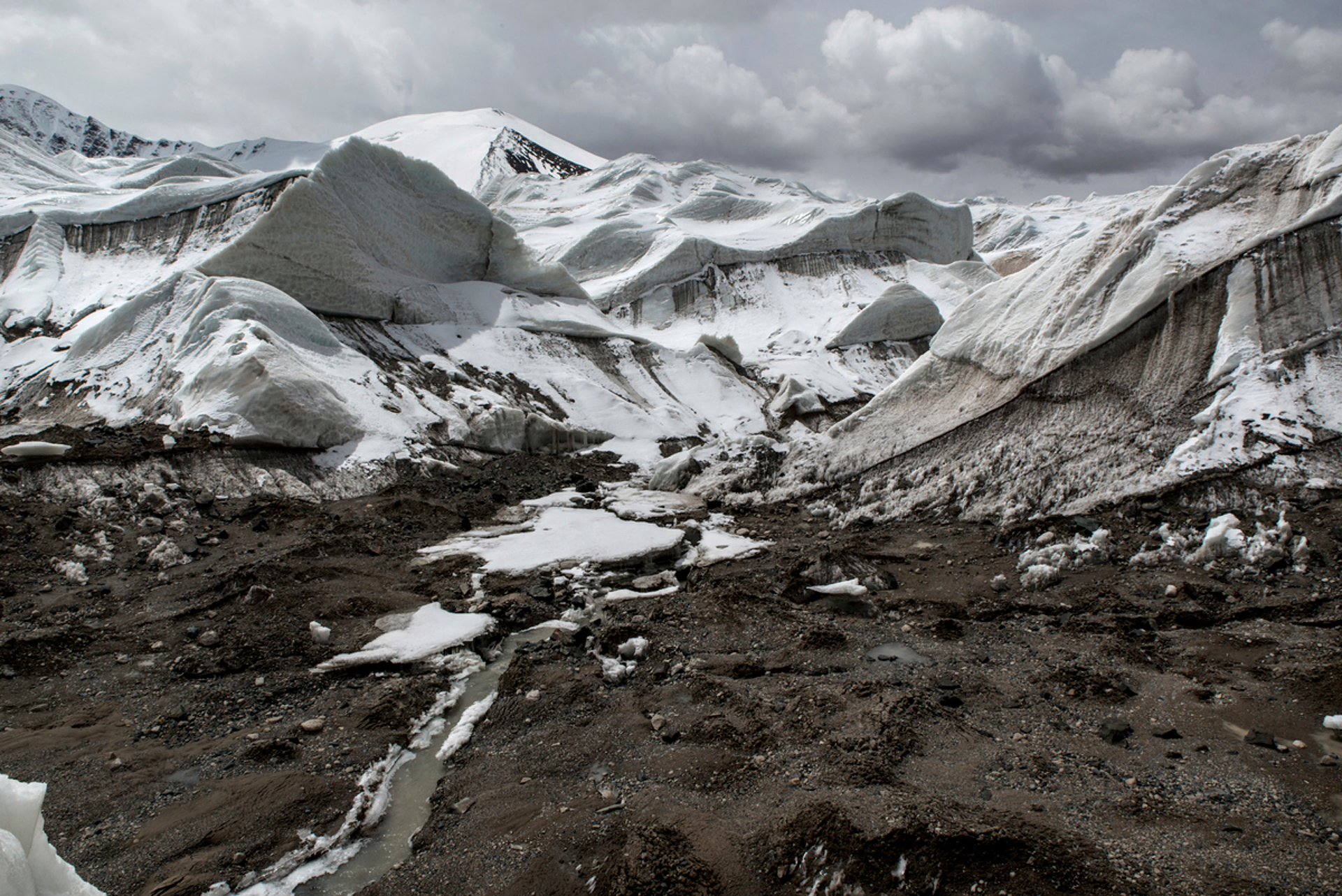
TIBET AWARENESS – LESS SNOW AND LESS FREEDOM IN TIBET – A RECIPE FOR DISASTER. MELTING GLACIERS OF TIBET.
TIBET AWARENESS – LESS SNOW AND LESS FREEDOM IN TIBET – A RECIPE FOR DISASTER. GLACIERS IN TIBET MELTING. CONSEQUENCE OF COLONIALISTIC EXPLOITATION BY RED CHINA.
TIBET AWARENESS – LESS SNOW AND LESS FREEDOM IN TIBET – A RECIPE FOR DISASTER. EFFECTS OF POLLUTION, GLOBAL WARMING IN TIBET.
TIBET AWARENESS – LESS SNOW AND LESS FREEDOM IN TIBET – A RECIPE FOR DISASTER. CLIMATE CHANGE IS SYMPTOM OF TIBET’S MILITARY OCCUPATION.
TIBET AWARENESS – LESS SNOW AND LESS FREEDOM IN TIBET – A RECIPE FOR DISASTER. TIBETAN PLATEAU GLACIERS MELTING RAPIDLY AFTER THE LOSS OF FREEDOM.
TIBET AWARENESS – LESS SNOW AND LESS FREEDOM IN TIBET – A RECIPE FOR DISASTER. GLACIERS IN TIBET MELTING.
Whole Awareness – Less Snow and Less Freedom in Tibet – A Recipe for Disaster


Whole Disaster – Biblical Prophesy Brings Hope to Tibet

Trouble in Tibet – Hope comes from the prophesy discovered by Doomsayer of Doom Dooma

Trouble in Tibet – Hope comes from the prophesy discovered by Doomsayer of Doom Dooma

K. N. Raghavan author of book on Tibet titled ‘Vanishing Shangri La: Tibet and Dalai Lama in 20th Century) expressed deep concern for the future of Tibet after Dalai Lama.

Trouble in Tibet – Hope comes from the prophesy discovered by Doomsayer of Doom Dooma

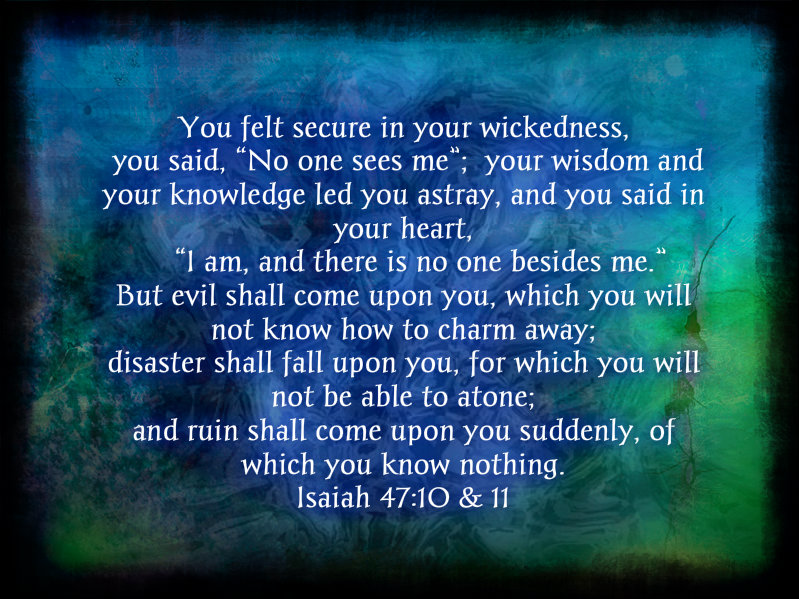
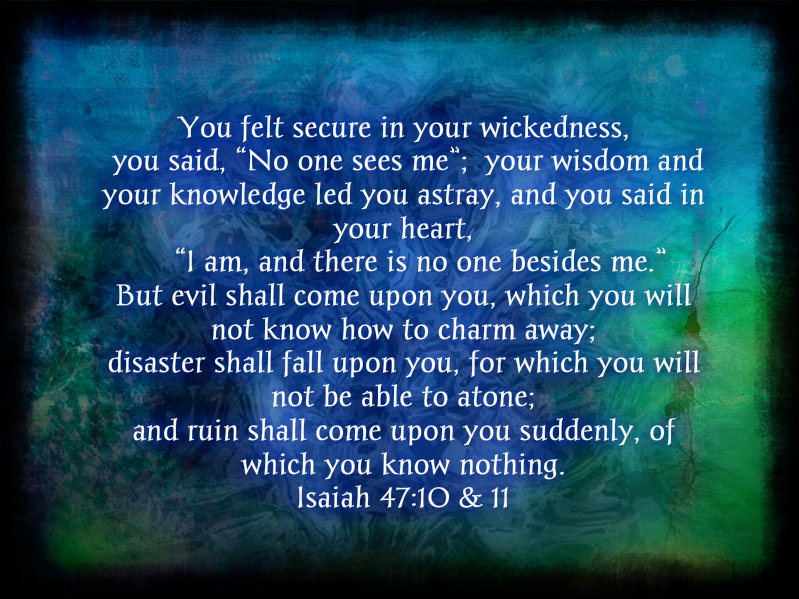
Communist China’s military occupation of Tibet in 1950 is a true disaster. In my analysis, Red China’s actions are Evil and the consequence of Evil is described by the meaning of the term Evil; it means calamity, disaster, catastrophe, apocalypse, and Doom. Beijing is Doomed and Red China’s fate is sealed. As Doomsayer of Doom Dooma, I share prophesy of Prophet Isaiah (Book of Isaiah, Chapter 47:10&11) to declare Red China’s unexpected, unavoidable, inevitable, sudden downfall and there is no nation that can save Red China from her predicament.

Rudra Narasimham Rebbapragada
Ann Arbor, MI 48104-4162 USA

SPECIAL FRONTIER FORCE

As Doomsayer of Doom Dooma, I share prophesy of Prophet Isaiah (Book of Isaiah, Chapter 47:10&11) to declare Red China’s unexpected, unavoidable, inevitable, sudden downfall and there is no nation that can save Red China from her predicament.
Trouble in Tibet – Hope From Doomsayer of Doom Dooma. Author K.N. Raghavan expressed deep concerns about future of Tibet after Dalai Lama. As Doomsayer of Doom Dooma, I share prophesy of Prophet Isaiah (Book of Isaiah, Chapter 47:10&11) to declare Red China’s unexpected, unavoidable, inevitable, sudden downfall and there is no nation that can save Red China from her predicament.

THE NEW INDIAN EXPRESS

The Glory of Tibet and the Tragedy of Tibetans;A Scholarly Book Puts Them In Perspective

By T J S George
Published: 17th April 2016 04:00 AM

India has always been in a lose-lose situation vis-à-vis Tibet. And China always in a win-win situation. Which means that, in realpolitik terms, the Tibetan refugees of today will remain refugees for ever and Tibetan Buddhism will never again have a home of its own. The plight of the displaced Tibetans has attracted world attention because of the international respect the present Dalai Lama has won with his humanity and championship of peace. But after him?

India has always been handicapped by a cultural inability to understand the intricacies of Tibetan politics and mores. On the other hand, China’s perception of Tibet as part of its geography and history has remained constant during the era of the emperors, the interregnum of Chiang Kaishek’s nationalism, and the triumphalist communism of Mao Zedong.

In 1956, when the Dalai Lama visited Bombay, Delhi directed governor M C Chagla to serve the guest strict vegetarian fare. Chagla arranged a grand thali-style dinner at the state banquet. The next morning, the ADC conveyed a message to the governor that the Dalai Lama would like to have kidney and sausages for breakfast. “So much for Delhi’s knowledge about the culinary habits and tastes of important visitors,” noted Chagla in his autobiography Roses in December.

Delhi’s knowledge of diplomatic delicacies was no better. In October 1950, as Tibet’s attempt to strike a deal with the new Communist rulers of China came to nothing, China invaded Tibet and paused at Chamdo. India had two options. It chose the first, apparently at the behest of the then foreign policy boss Girija Shankar Bajpai, and sent a strongly worded protest note to Peking. The Chinese replied by calling India a “running dog of Anglo-American imperialism”. Thereupon India adopted its second option, proposed by K M Panikkar, ambassador to China.

The position now was that India should make a gesture of friendship towards the new Communist country by not opposing the occupation of Tibet. (The official Indian note mentioned that India recognised the sovereignty of China over Tibet. It turned out that the word intended was suzerainty, but sovereignty crept into the message wrongly because of oversight at the Cypher Bureau in Delhi. The External Affairs Ministry tried to correct the mistake with another message to China, but was dissuaded from doing so on the ground that such a major correction would cause serious misunderstandings besides damaging India’s reputation.)

Facing imminent conquest, Tibet appealed to all the big nations of the world and to the UN for help. Nobody showed any interest. And nobody was to blame but Tibet itself. K N Raghavan, author of the latest book on Tibet (Vanishing Shangri La: History of Tibet and Dalai Lama in 20th century) says, “Tibet’s inaccessibility, solitude and its unfriendly response to even the friendliest of overtures all combined to ensure that it would not receive any support from other nations during its hour of need.”

Raghavan is not in unfamiliar territory. Author of the definitive Dividing Lines: Contours of India China Conflict, he has an extraordinary eye for detail and a gift to put complex issues in simple terms. He shows how the Dalai Lama began his rule with “a period of honeymoon” with China. He even visited China as an honoured guest in 1954, was ardently cultivated by Mao, and appointed a Vice-President of the Steering Committee of the People’s Republic of China. But relations soured in a few years. When rumours spread of Chinese plans to arrest the Dalai Lama, Tibetans rose in anger against the Chinese. Amid chaos in Lhasa, the Dalai Lama and party managed to leave the capital in disguise and, sick and tired, entered India on March 31, 1959. Raghavan argues convincingly that China had allowed the escape in order to avoid the adverse world reactions his capture would have invited. With the Dalai Lama out of the scene,

China “brought the entire might of the PLA to crush the incipient rebellion” by the Tibetans.
With a comprehensive and scholarly analysis of China’s policies in Tibet after the Dalai Lama left, the soft power Tibetan exiles have been exerting on western intelligentsia and the Middle Way Approach conceived by the Dalai Lama, Raghavan provides an exhaustive overview of Tibet in its transformatory age—an account that is both inspirational and sad. The resilience shown by the Tibetans wins our admiration but their homelessness leaves us feeling sorry for them.

The Dalai Lama, Nobel Prize and all, carried the helpless diaspora on his brave shoulders. But after him.

Copyright © 2016, The New Indian Express. All rights reserved.

As Doomsayer of Doom Dooma, I share prophesy of Prophet Isaiah (Book of Isaiah, Chapter 47:10&11) to declare Red China’s unexpected, unavoidable, inevitable, sudden downfall and there is no nation that can save Red China from her predicament.
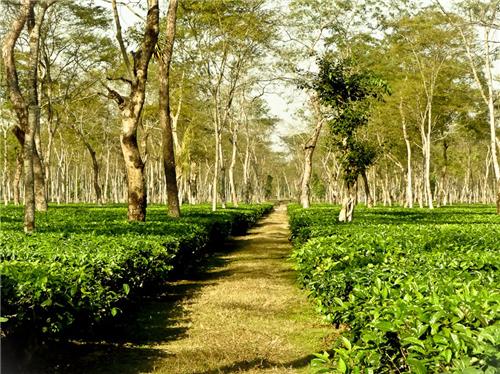
Trouble in Tibet – Hope From Doomsayer of Doom Dooma. Beijing is Doomed. Doom Dooma, Assam is known as Tea City of India.On bhavanajagat.com
As Doomsayer of Doom Dooma, I share prophesy of Prophet Isaiah (Book of Isaiah, Chapter 47:10&11) to declare Red China’s unexpected, unavoidable, inevitable, sudden downfall and there is no nation that can save Red China from her predicament.

Whole Disaster – Occupation of Tibet is a Disaster and Heavenly Strike will come as a Blessing

Trouble in Tibet – Compassion delivers a Heavenly Strike on the Evil Empire

Whole Disaster – Occupation of Tibet is a Disaster and Heavenly Strike will come as a Blessing. The Fall of Babylon. Revelation, Chapter 19.

Trouble in Tibet. World can be changed in three or four decades through education. I speak of ‘Compassion’ as an instinctual response in recognition of pain and suffering of another human being.

Whole Disaster – Occupation of Tibet is a Disaster and Heavenly Strike will come as a Blessing. The Fall of Babylon. Revelation, Chapter 19.

Compassion acts like a Physical Force and it can transform man and the world in which man exists. To uplift Tibetans from pain and suffering, Compassion Strikes the Evil Empire to change her heart and mind.

Whole Disaster – Occupation of Tibet is a Disaster and Heavenly Strike will come as a Blessing. The Fall of Babylon. Revelation, Chapter 19.

Beijing is Doomed. Evil Empire’s Fate is Sealed. Doom, Disaster, Calamity, or Cataclysmic Event to Strike the Evil Empire is destined as an act of Compassion for it is purposive, goal-Oriented, and not a random, unguided collision event.

Rudra Narasimham Rebbapragada
Ann Arbor, MI 48104-4162 USA
SPECIAL FRONTIER FORCE

5280-tdm-headerlogo.png
LESSONS FROM THE DALAI LAMA

Trouble in Tibet – Which Type of Force Can Evict China? Dalai Lama Opens California Temple With Message of Compassion.

Tenzin Gyatso, His Holiness the 14th Dalai Lama, visited Boulder for two talks on compassion, education, and training the mind.

By KIRAN HERBERT June 24 2016, 10:45 AM

“We are all the same human beings—mentally, physically, and emotionally,” says the Dalai Lama, beginning the first of two sold-out appearances at the University of Colorado Boulder’s Coors Events Center. For someone who carries the title His Holiness, it might seem an interesting place to start, but not if you’re familiar with the 14th Dalai Lama and his major tenets.

The 80-year-old monk was born Tenzin Gyatso on a straw mat in rural Tibet. In Tibetan Buddhist culture, which believes in reincarnation, there exists a select subset of enlightened individuals who are said to be able to control the time and place of their future births. The Dalai Lamas are the most famous example and are believed to be manifestations of the Bodhisattva of Compassion, continually eschewing nirvana in order to serve humanity—Gyatso was discovered at the age of two, after an extensive process that included consulting an oracle and interpreting numerous signs.

For non-Buddhists, the Dalai Lama still serves as a spiritual leader, touting a message of secular ethics, peace, non-violence, inter-religious harmony, and the preservation of Tibetan culture. He touched on all those themes during his two talks: “Eight Verses for Training the Mind” (which was heady and focused on Buddhist dharma) and “Educating the Heart and the Mind” (where the Dalai Lama answered audience questions). Throughout, he spoke with a sense of humor, approachability, and humility seldom associated with world leaders.
Colorado has about 300 Tibetans living in exile and that community’s children kicked off the day’s events with traditional costumes, dancing, and song. After introductions from

Congressman Jared Polis (who earned a standing ovation after announcing he was returning to D.C. for the sit in ) and Boulder Mayor Suzanne Jones (who fittingly gifted the Dalai Lama a bike helmet and jersey), the Dalai Lama began speaking with an accent, occasionally using a translator to ruminate on everything from globalization and materialism to analytical thinking and forgiveness.

When the talks concluded, the audience—old Tibetan women, folks in Burning Man garb, college students—were left with a lot to digest. Here are our takeaways.


The Dalai Lama meets with students. It was the Dalai Lama’s third visit to the university campus and his first in nearly 20 years. (Photo courtesy of the University of Colorado-Boulder, Glenn Asakawa)

A NEW REALITY

“Reality has changed, but our thinking is old and dated: In order to gain you destroy the other,” says the Dalai Lama. “The new reality: the destruction of your neighbor is the destruction of yourself.” In a globalized world, he continued, things like climate change and the global economy have no national boundaries, and we’re in for “the same miserable century,” filled with starvation, poverty, and death, unless we ignite change.

Change Begins With One

Small transformations have a butterfly effect—as one individual becomes more compassionate she spreads it to a friend and then more friends, until gradually thousands have been drawn into the fold.

A More Compassionate Humanity

“We need to make an effort through education so that we can achieve a happier, more compassionate world,” says the Dalai Lama, calling on politicians, the media, and educational institutions to lead the charge. Again and again, the Dalai Lama stressed the importance of cultivating tolerance, contentment, and forgiveness in order to practice altruism. “If we think one goal—a happier, more compassionate world—then I think it’s possible the second half of the century will be a happier world.”

Take the High Road

“Our enemies are our greatest teachers,” says the Dalai Lama, expounding on the need to always practice humility in dealing with others and be aware of our own afflictions in order to counter them. When others are negative, be tolerant and patient, remaining unperturbed.

Mind Your Materialism
Inner beauty trumps outer beauty. Technology used only for temporary entertainment is a waste of time. We need to move away from an emphasis on materialism in our lives and culture.

Our Only Hope is Education

“Our only hope is through education—to change our thinking and our way and life,” says the Dalai Lama, emphasizing the importance of dialectical thought, as well as the use of both the head and the heart. “We need teaching and education in the existing secular education field which covers the entirety of humanity.” Maybe then, in three or four decades, our children will be born into a better world.

Trouble in Tibet – Have Hope – Compassion Will Strike The Evil Red Empire. Whole Disaster – Occupation of Tibet is a Disaster and Heavenly Strike will come as a Blessing. The Fall of Babylon. Revelation, Chapter 19.

Whole Hope – Tibet’s March of Living Hope

March 1959 – Tibet’s March of Living Hope

Whole Hope – Tibet’s March of Living Hope – In March 1959, Tibetans marched with a sense of Hope.


‘Trouble in Tibet’ dates back to 1950 and Tibetans began their very long “March of Living Hope” in March 1959 following National Uprising against Red China’s military occupation. Tibetan Journey is far from over. If words can give any comfort, I ask Tibetans to continue this Journey with Patience and Perseverance until their “March of Living Hope” reaches its final destination.

SPECIAL FRONTIER FORCE AT NATIONAL PRAYER BREAKFAST :
Whole Hope – Tibet’s March of Living Hope – In March 1959, Tibetans marched with a sense of Hope.

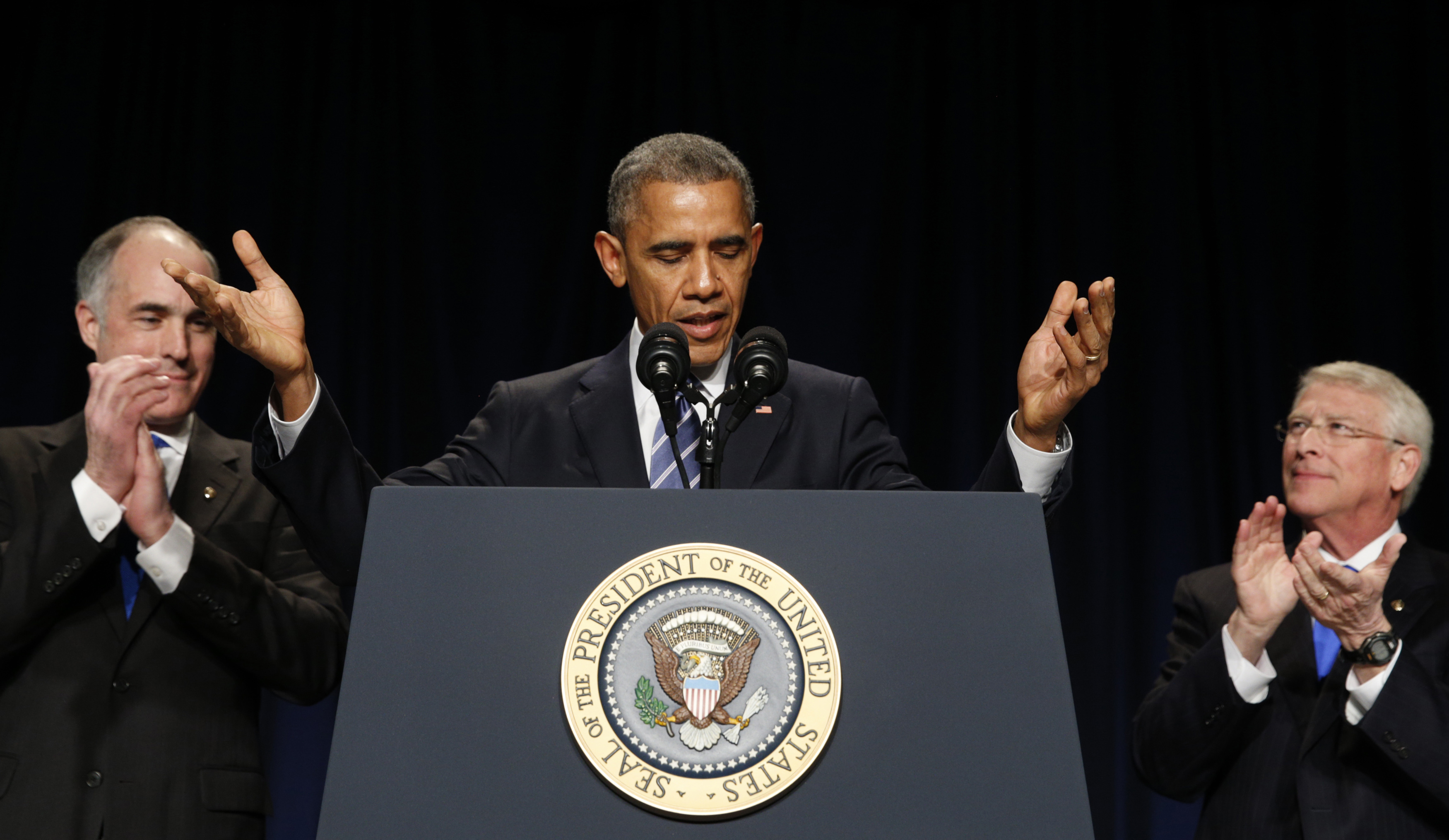
“March of Living Hope” – Remarks by the US President at National Prayer Breakfast:

U.S. President Barack Obama takes the stage to speak at the National Prayer Breakfast in Washington, February 5, 2015. Flanking Obama are Pennsylvania Senator Robert Casey (L) and Mississippi Senator Roger Wicker. REUTERS/Kevin Lamarque

On behalf of Special Frontier Force I thank The White House (whitehouse.gov) for sharing with me ‘Remarks by the President at National Prayer Breakfast’. We join the President in this “March of Living Hope” to resolve ‘Trouble in Tibet’.

Rudra Narasimham Rebbapragada

Ann Arbor, MI 48104-4162 USA
SPECIAL FRONTIER FORCE

THE WHITE HOUSE PRESIDENT BARACK OBAMA

The White House
Office of the Press Secretary
For
Immediate Release
February 05, 2015
Remarks by the President at National Prayer Breakfast
Washington Hilton
Washington, D.C.
9:13 A.M. EST

THE PRESIDENT: Thank you. Well, good morning. Giving all
praise and honor to God. It is wonderful to be back with you here. I
want to thank our co-chairs, Bob and Roger. These two don’t always agree in the Senate, but in coming together and uniting us all in prayer, they embody the spirit of our gathering today. I also want to thank everybody who helped organize this breakfast. It’s wonderful to see so many friends and faith leaders and dignitaries. And Michelle and I are truly honored to be joining you here today.
I want to offer a special welcome to a good friend, His Holiness the Dalai Lama — who is a powerful example of what it means to practice compassion, who inspires us to speak up for the freedom and dignity of all human beings. (Applause.) I’ve been pleased to welcome him to the White House on many occasions, and we’re grateful that he’s able to join us here today. (Applause.) There aren’t that many occasions that bring His Holiness under the same roof as NASCAR. (Laughter.) This may be the first. (Laughter.) But God works in mysterious ways. (Laughter.) And so I want to thank Darrell for that wonderful presentation. Darrell knows that when you’re going 200 miles an hour, a little prayer cannot hurt. (Laughter.) I suspect that more than
once, Darrell has had the same thought as many of us have in our own lives —
Jesus, take the wheel. (Laughter.) Although I hope that you kept your
hands on the wheel when you were thinking that. (Laughter.)
He and I obviously share something in having married up. And we are so grateful to Stevie for the incredible work that they’ve done together to build a ministry where the fastest drivers can slow down a little bit, and spend some time in prayer and reflection and thanks. And we certainly want to wish Darrell a happy birthday. (Applause.) Happy birthday.I will note, though, Darrell, when you were reading that list of things folks were saying about you, I was thinking, well, you’re a piker. I mean, that — (laughter.) I mean, if you really want a list, come talk to me. (Laughter.) Because that ain’t nothing. (Laughter.) That’s the best they can do in NASCAR? (Laughter.) Slowing down and pausing for fellowship and prayer — that’s what this breakfast is about. I think it’s fair to say Washington moves a lot slower than NASCAR. Certainly my agenda does sometimes. (Laughter.)
But still, it’s easier to get caught up in the rush of our lives, and in the
political back-and-forth that can take over this city. We get sidetracked with distractions, large and small. We can’t go 10 minutes without checking our smartphones — and for my staff, that’s every 10 seconds. And so for 63 years, this prayer tradition has brought us together, giving us the opportunity to come together in humility before the Almighty and to be reminded of what it is that we share as children of God. And certainly for me, this is always a chance to reflect on my own faith journey. Many times as President, I’ve been reminded of a line of prayer that Eleanor Roosevelt was fond of. She said, “Keep us at tasks too hard for us that we may be driven to Thee for strength.” Keep us at tasks too hard for us that we may be driven to Thee for strength. I’ve wondered at times if maybe God was answering that prayer a little too literally. But no matter
the challenge, He has been there for all of us. He’s certainly strengthened me “with the power through his Spirit,” as I’ve sought His guidance not just in my own life but in the life of our nation.

Now, over the last few months, we’ve seen a number of challenges — certainly over the last six years. But part of what I want to touch on today is the degree to which we’ve seen professions of faith used both as an instrument of great good, but also twisted and misused in the name of evil. As we speak, around the world, we see faith inspiring people to lift up one another — to feed the hungry and care for the poor, and comfort the afflicted and make peace where there is strife. We heard the good work that Sister has done in Philadelphia, and the incredible work that Dr. Brantly and his colleagues have done. We see faith driving us to do right.
But we also see faith being twisted and distorted, used as a wedge — or, worse, sometimes used as a weapon. From a school in Pakistan to the streets of Paris, we have seen violence and terror perpetrated by those who profess to stand up for faith, their faith, professed to stand up for Islam, but, in fact, are betraying it. We see ISIL, a brutal, vicious death cult that, in the name of religion, carries out unspeakable acts of barbarism terrorizing religious minorities like the Yezidis, subjecting women to rape as a weapon of war, and claiming the mantle of religious authority for such actions. 

We see sectarian war in Syria, the murder of Muslims and Christians in Nigeria, religious war in the Central African Republic, a rising tide of anti-Semitism and hate crimes in Europe, so often perpetrated in the name of religion.

So how do we, as people of faith, reconcile these realities — the profound good, the strength, the tenacity, the compassion and love that can flow from all of our faiths, operating alongside those who seek to hijack religious for their own murderous ends? 

SPECIAL FRONTIER FORCE AT NATIONAL PRAYER BREAKFAST : HIS HOLINESS THE 14TH DALAI LAMA, THE EXILED TIBETAN LEADER WITH MS. VALERIE JARRETT, SENIOR ADVISER TO PRESIDENT BARACK OBAMA AT NATIONAL PRAYER BREAKFAST HELD AT WASHINGTON HILTON ON THURSDAY FEBRUARY 05, 2015.
SPECIAL FRONTIER FORCE AT NATIONAL PRAYER BREAKFAST : HIS HOLINESS THE 14TH DALAI LAMA, THE EXILED TIBETAN LEADER WITH MS. VALERIE  JARRETT, SENIOR ADVISER TO PRESIDENT BARACK OBAMA AT NATIONAL PRAYER BREAKFAST HELD AT WASHINGTON HILTON ON THURSDAY FEBRUARY 05, 2015.

So this is not unique to one group or one religion.  There is a tendency in us, a sinful tendency that can pervert and distort our faith.  In today’s world, when hate groups have their own Twitter accounts and bigotry can fester in hidden places in cyberspace, it can be even harder to counteract such intolerance. But God compels us to try.  And in this mission, I believe there are a few principles that can guide us, particularly those of us who profess to believe. 

And, first, we should start with some basic humility.  I believe that the starting point of faith is some doubt — not being so full of yourself and so confident that you are right and that God speaks only to us, and doesn’t speak to others, that God only cares about us and doesn’t care about others, that somehow we alone are in possession of the truth. 

Our job is not to ask that God respond to our notion of truth — our job is to be true to Him, His word, and His commandments.  And we should assume humbly that we’re confused and don’t always know what we’re doing and we’re staggering and stumbling towards Him, and have some humility in that process.  And that means we have to speak up against those who would misuse His name to justify oppression, or violence, or hatred with that fierce certainty.  No God condones terror.  No grievance justifies the taking of innocent lives, or the oppression of those who are weaker or fewer in number.

And so, as people of faith, we are summoned to push back against those who try to distort our religion — any religion — for their own nihilistic ends.  And here at home and around the world, we will constantly reaffirm that fundamental freedom — freedom of religion — the right to practice our faith how we choose, to change our faith if we choose, to practice no faith at all if we choose, and to do so free of persecution and fear and discrimination.

There’s wisdom in our founders writing in those documents that help found this nation the notion of freedom of religion, because they understood the need for humility.  They also understood the need to uphold freedom of speech, that there was a connection between freedom of speech and freedom of religion.  For to infringe on one right under the pretext of protecting another is a betrayal of both. 

But part of humility is also recognizing in modern, complicated, diverse societies, the functioning of these rights, the concern for the protection of these rights calls for each of us to exercise civility and restraint and judgment.  And if, in fact, we defend the legal right of a person to insult another’s religion, we’re equally obligated to use our free speech to condemn such insults — (applause) — and stand shoulder-to-shoulder with religious communities, particularly religious minorities who are the targets of such attacks.  Just because you have the right to say something doesn’t mean the rest of us shouldn’t question those who would insult others in the name of free speech.  Because we know that our nations are stronger when people of all faiths feel that they are welcome, that they, too, are full and equal members of our countries.

So humility I think is needed.  And the second thing we need is to uphold the distinction between our faith and our governments.  Between church and between state.  The United States is one of the most religious countries in the world — far more religious than most Western developed countries.  And one of the reasons is that our founders wisely embraced the separation of church and state.  Our government does not sponsor a religion, nor does it pressure anyone to practice a particular faith, or any faith at all.  And the result is a culture where people of all backgrounds and beliefs can freely and proudly worship, without fear, or coercion — so that when you listen to Darrell talk about his faith journey you know it’s real.  You know he’s not saying it because it helps him advance, or because somebody told him to.  It’s from the heart.   

That’s not the case in theocracies that restrict people’s choice of faith.  It’s not the case in authoritarian governments that elevate an individual leader or a political party above the people, or in some cases, above the concept of God Himself.  So the freedom of religion is a value we will continue to protect here at home and stand up for around the world, and is one that we guard vigilantly here in the United States.

Last year, we joined together to pray for the release of Christian missionary Kenneth Bae, held in North Korea for two years.  And today, we give thanks that Kenneth is finally back where he belongs — home, with his family.  (Applause.)

Last year, we prayed together for Pastor Saeed Abedini, detained in Iran since 2012.  And I was recently in Boise, Idaho, and had the opportunity to meet with Pastor Abedini’s beautiful wife and wonderful children and to convey to them that our country has not forgotten brother Saeed and that we’re doing everything we can to bring him home.  (Applause.)  And then, I received an extraordinary letter from Pastor Abedini.  And in it, he describes his captivity, and expressed his gratitude for my visit with his family, and thanked us all for standing in solidarity with him during his captivity.

And Pastor Abedini wrote, “Nothing is more valuable to the Body of Christ than to see how the Lord is in control, and moves ahead of countries and leadership through united prayer.”  And he closed his letter by describing himself as “prisoner for Christ, who is proud to be part of this great nation of the United States of America that cares for religious freedom around the world.”  (Applause.)

We’re going to keep up this work — for Pastor Abedini and all those around the world who are unjustly held or persecuted because of their faith.   And we’re grateful to our new Ambassador-at-Large for International Religious Freedom, Rabbi David Saperstein — who has hit the ground running, and is heading to Iraq in a few days to help religious communities there address some of those challenges.  Where’s David?  I know he’s here somewhere.  Thank you, David, for the great work you’re doing.  (Applause.)

Humility; a suspicion of government getting between us and our faiths, or trying to dictate our faiths, or elevate one faith over another.  And, finally, let’s remember that if there is one law that we can all be most certain of that seems to bind people of all faiths, and people who are still finding their way towards faith but have a sense of ethics and morality in them — that one law, that Golden Rule that we should treat one another as we wish to be treated.  The Torah says “Love thy neighbor as yourself.”  In Islam, there is a Hadith that states: “None of you truly believes until he loves for his brother what he loves for himself.”  The Holy Bible tells us to “put on love, which binds everything together in perfect harmony.”  Put on love.

Whatever our beliefs, whatever our traditions, we must seek to be instruments of peace, and bringing light where there is darkness, and sowing love where there is hatred.  And this is the loving message of His Holiness, Pope Francis.  And like so many people around the world, I’ve been touched by his call to relieve suffering, and to show justice and mercy and compassion to the most vulnerable; to walk with The Lord and ask “Who am I to judge?”  He challenges us to press on in what he calls our “march of living hope.”  And like millions of Americans, I am very much looking forward to welcoming Pope Francis to the United States later this year.  (Applause.)

His Holiness expresses that basic law:  Treat thy neighbor as yourself.  The Dalai Lama — anybody who’s had an opportunity to be with him senses that same spirit.  Kent Brantly expresses that same spirit.  Kent was with Samaritan’s Purse, treating Ebola patients in Liberia, when he contracted the virus himself. And with world-class medical care and a deep reliance on faith — with God’s help, Kent survived.  (Applause.) 

And then by donating his plasma, he helped others survive as well.  And he continues to advocate for a global response in West Africa, reminding us that “our efforts needs to be on loving the people there.”  And I could not have been prouder to welcome Kent and his wonderful wife Amber to the Oval Office.  We are blessed to have him here today — because he reminds us of what it means to really “love thy neighbor as thyself.”  Not just words, but deeds. 

Each of us has a role in fulfilling our common, greater purpose — not merely to seek high position, but to plumb greater depths so that we may find the strength to love more fully.  And this is perhaps our greatest challenge — to see our own reflection in each other; to be our brother’s keepers and sister’s keepers, and to keep faith with one another.  As children of God, let’s make that our work, together.

As children of God, let’s work to end injustice — injustice of poverty and hunger.  No one should ever suffer from such want amidst such plenty.  As children of God, let’s work to eliminate the scourge of homelessness, because, as Sister Mary says, “None of us are home until all of us are home.”  None of us are home until all of us are home.

As children of God, let’s stand up for the dignity and value of every woman, and man, and child, because we are all equal in His eyes, and work to send the scourge and the sin of modern-day slavery and human trafficking, and “set the oppressed free.”  (Applause.)

If we are properly humble, if we drop to our knees on occasion, we will acknowledge that we never fully know God’s purpose.  We can never fully fathom His amazing grace.  “We see through a glass, darkly” — grappling with the expanse of His awesome love.  But even with our limits, we can heed that which is required:  To do justice, and love kindness, and walk humbly with our God.

I pray that we will.  And as we journey together on this “march of living hope,” I pray that, in His name, we will run and not be weary, and walk and not be faint, and we’ll heed those words and “put on love.” 

May the Lord bless you and keep you, and may He bless this precious country that we love. 

Thank you all very much.  (Applause.)

END               
9:37 A.M. EST

SPECIAL FRONTIER FORCE AT NATIONAL PRAYER BREAKFAST : PRESIDENTIAL PRAYER BREAKFAST WAS RENAMED AS NATIONAL PRAYER BREAKFAST IN 1970. SINCE 1980s THE EVENT IS HELD AT WASHINGTON HILTON AT 1919 CONNECTICUT AVENUE.
SPECIAL FRONTIER FORCE AT NATIONAL PRAYER BREAKFAST : PRESIDENTIAL PRAYER BREAKFAST WAS RENAMED AS NATIONAL PRAYER BREAKFAST IN 1970. SINCE 1980s THE EVENT IS HELD AT WASHINGTON HILTON  AT  1919 CONNECTICUT AVENUE.
SPECIAL FRONTIER FORCE AT NATIONAL PRAYER BREAKFAST :
SPECIAL FRONTIER FORCE AT NATIONAL PRAYER BREAKFAST : HIS HOLINESS THE 14TH DALAI LAMA, THE EXILED TIBETAN LEADER WITH MS. VALERIE JARRETT, SENIOR ADVISER TO PRESIDENT BARACK OBAMA AT NATIONAL PRAYER BREAKFAST HELD AT WASHINGTON HILTON ON THURSDAY FEBRUARY 05, 2015.
SPECIAL FRONTIER FORCE AT NATIONAL PRAYER BREAKFAST : HIS HOLINESS THE 14TH DALAI LAMA, THE EXILED TIBETAN LEADER WITH MS. VALERIE  JARRETT, SENIOR ADVISER TO PRESIDENT BARACK OBAMA AT NATIONAL PRAYER BREAKFAST HELD AT WASHINGTON HILTON ON THURSDAY FEBRUARY 05, 2015.

Whole Independence – Tibetan Independence Day

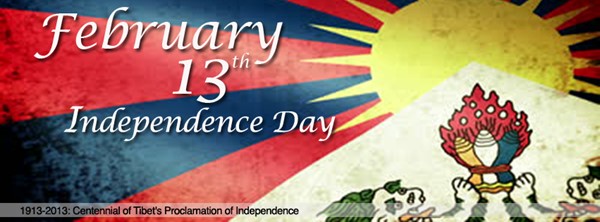
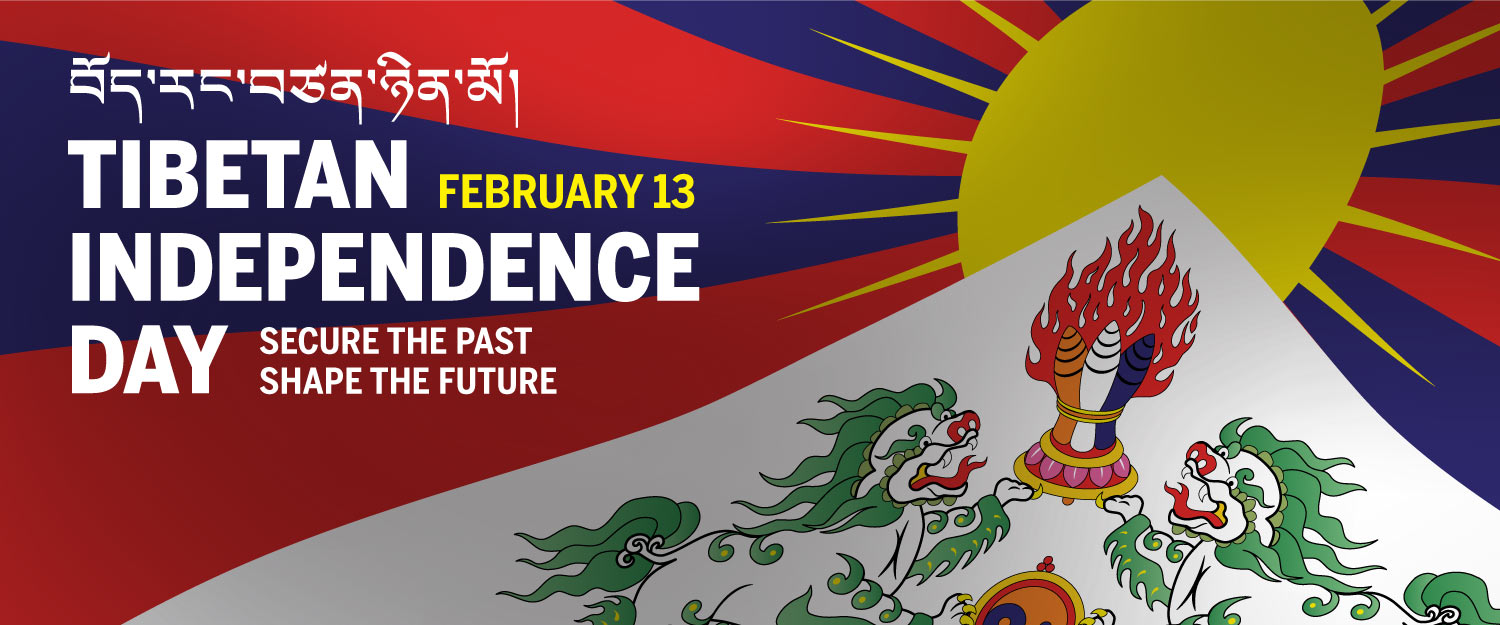
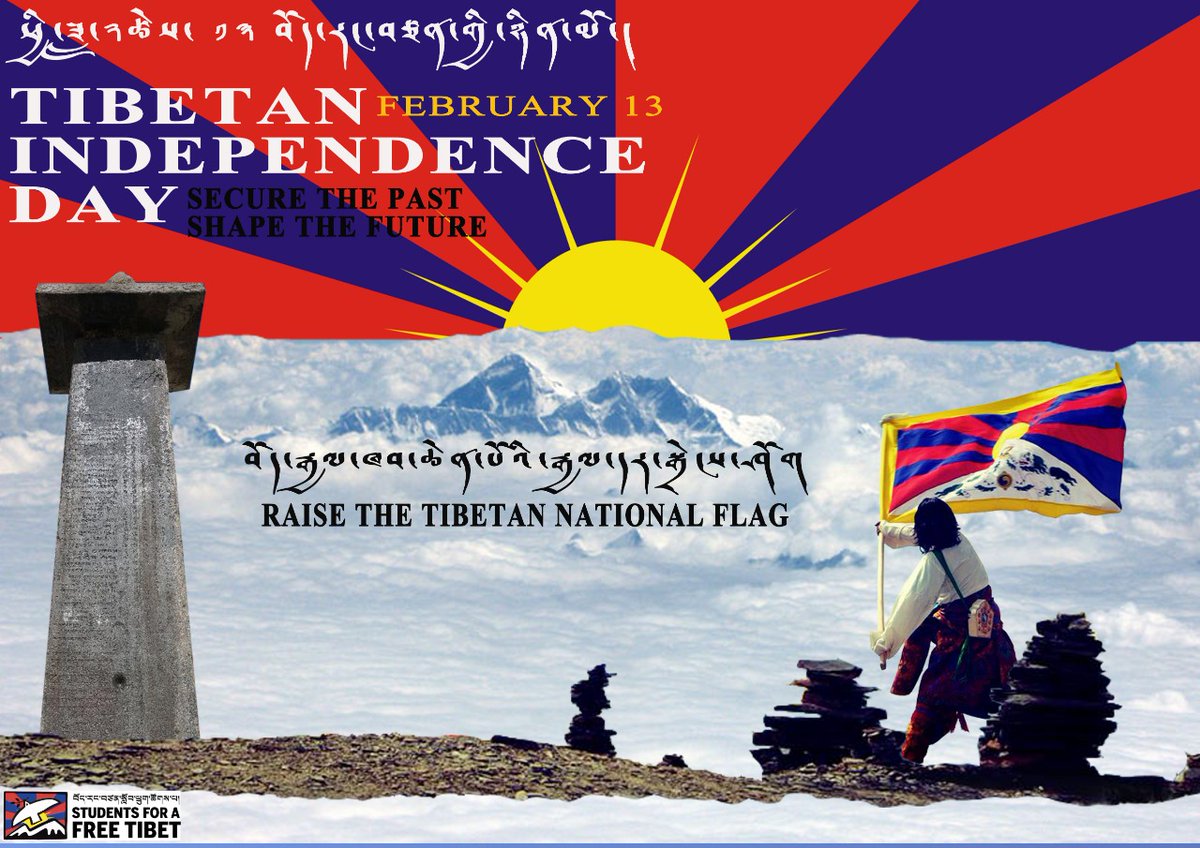
February 13, 2025. The 112th Anniversary of Tibetan Independence Day

February 13, 2025. The 112th Anniversary of Tibetan Independence Day

FEBRUARY 13, 1913. ON THIS DAY TIBET DECLARED FULL INDEPENDENCE

February 13, 2025. The 112th Anniversary of Tibetan Independence Day

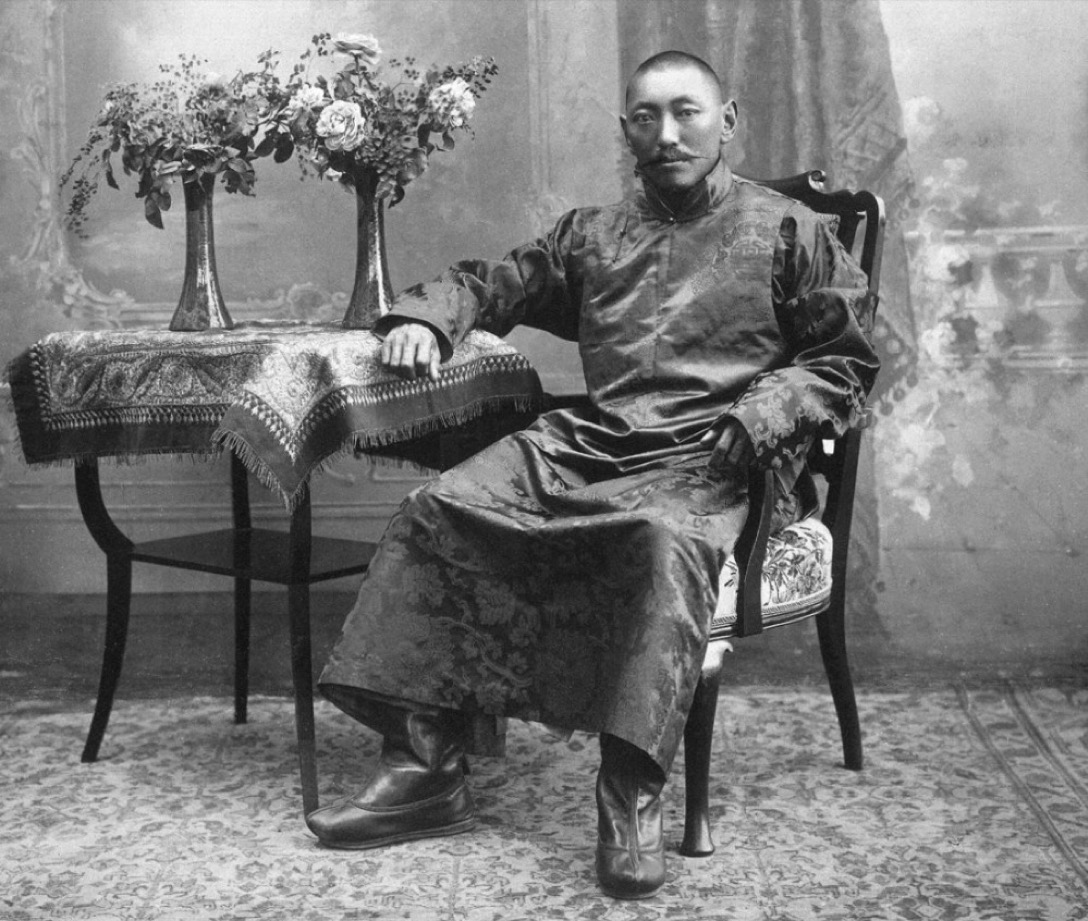
I ask historians to record Tibet’s Proclamation of Independence as the most significant event of the recent human history.

February 13, 2025. The 112th Anniversary of Tibetan Independence Day

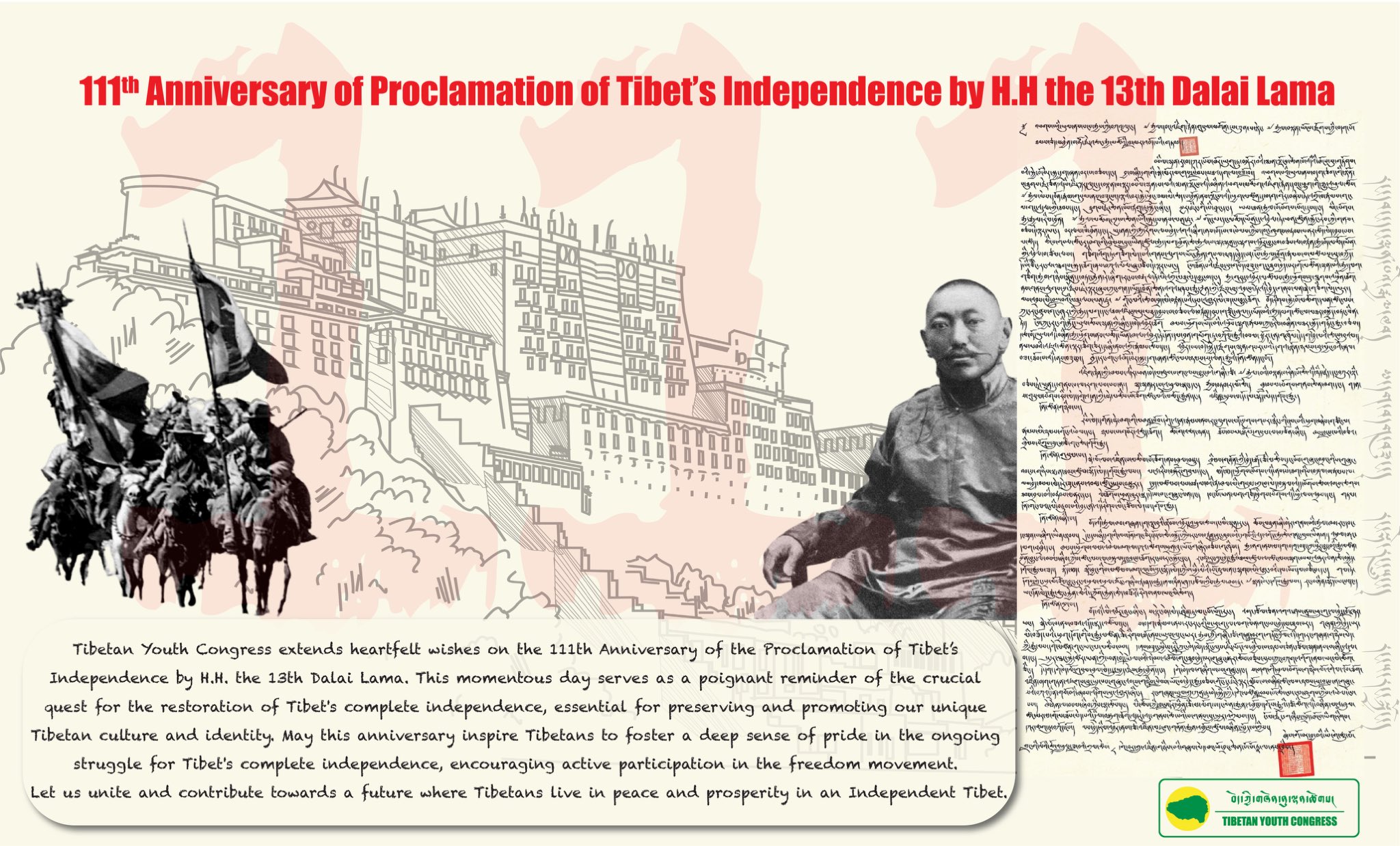
Proclamation of Independence of Tibet (1913) 
by Thubten Gyatso

February 13, 1913. On This Day Tibet Declared Full Independence.

Proclamation of Independence Issued by the 13th Dalai Lama (1913)
PROCLAMATION ISSUED BY H.H. THE DALAI LAMA XIII, ON THE EIGHTH DAY OF THE FIRST MONTH OF THE WATER-OX YEAR (February 14th, 1913)

Translation of the Tibetan Text

I, the Dalai Lama, most omniscient possessor of the Buddhist faith, whose title was conferred by the Lord Buddha’s command from the glorious land of India, speak to you as follows:

I am speaking to all classes of Tibetan people. Lord Buddha, from the glorious country of India, prophesied that the reincarnations of Avalokitesvara, through successive rulers from the early religious kings to the present day, would look after the welfare of Tibet.

During the time of Genghis Khan and Altan Khan of the Mongols, the Ming dynasty of the Chinese, and the Ch’ing Dynasty of the Manchus, Tibet and China cooperated on the basis of benefactor and priest relationship. A few years ago, the Chinese authorities in Szechuan and Yunnan endeavored to colonize our territory. They brought large numbers of troops into central Tibet on the pretext of policing the trade marts. I, therefore, left Lhasa with my ministers for the Indo-Tibetan border, hoping to clarify to the Manchu emperor by wire that the existing relationship between Tibet and China had been that of patron and priest and had not been based on the subordination of one to the other. There was no other choice for me but to cross the border, because Chinese troops were following with the intention of taking me alive or dead.

On my arrival in India, I dispatched several telegrams to the Emperor; but his reply to my demands was delayed by corrupt officials at Peking. Meanwhile, the Manchu empire collapsed. The Tibetans were encouraged to expel the Chinese from central Tibet. I, too, returned safely to my rightful and sacred country, and I am now in the course of driving out the remnants of Chinese troops from DoKham in Eastern Tibet. Now, the Chinese intention of colonizing Tibet under the patron-priest relationship has faded like a rainbow in the sky. Having once again achieved for ourselves a period of happiness and peace, I have now allotted to all of you the following duties to be carried out without negligence:

1. Peace and happiness in this world can only be maintained by preserving the faith of Buddhism. It is, therefore, essential to preserve all Buddhist institutions in Tibet, such as the Jokhang temple and Ramoche in Lhasa, Samye, and Traduk in southern Tibet, and the three great monasteries, etc.

2. The various Buddhist sects in Tibet should be kept in a distinct and pure form. Buddhism should be taught, learned, and meditated upon properly. Except for special persons, the administrators of monasteries are forbidden to trade, loan money, deal in any kind of livestock, and/or subjugate another’s subjects.

3. The Tibetan government’s civil and military officials, when collecting taxes or dealing with their subject citizens, should carry out their duties with fair and honest judgment so as to benefit the government without hurting the interests of the subject citizens. Some of the central government officials posted at Ngari Korsum in western Tibet, and Do Kham in eastern Tibet, are coercing their subject citizens to purchase commercial goods at high prices and have imposed transportation rights exceeding the limit permitted by the government. Houses, properties and lands belonging to subject citizens have been confiscated on the pretext of minor breaches of the law. Furthermore, the amputation of citizens’ limbs has been carried out as a form of punishment. Henceforth, such severe punishments are forbidden.
4. Tibet is a country with rich natural resources; but it is not scientifically advanced like other lands. We are a small, religious, and independent nation. To keep up with the rest of the world, we must defend our country. In view of past invasions by foreigners, our people may have to face certain difficulties, which they must disregard. To safeguard and maintain the independence of our country, one and all should voluntarily work hard. Our subject citizens residing near the borders should be alert and keep the government informed by special messenger of any suspicious developments. Our subjects must not create major clashes between two nations because of minor incidents.

5. Tibet, although thinly populated, is an extensive country. Some local officials and landholders are jealously obstructing other people from developing vacant lands, even though they are not doing so themselves. People with such intentions are enemies of the State and our progress. From now on, no one is allowed to obstruct anyone else from cultivating whatever vacant lands are available. Land taxes will not be collected until three years have passed; after that the land cultivator will have to pay taxes to the government and to the landlord every year, proportionate to the rent. The land will belong to the cultivator.

Your duties to the government and to the people will have been achieved when you have executed all that I have said here. This letter must be posted and proclaimed in every district of Tibet, and a copy kept in the records of the offices in every district.

From the Potala Palace.

(Seal of the Dalai Lama)

February 13, 2025. The 112th Anniversary of Tibetan Independence Day
February 13, 2024. The 111th Anniversary of Tibetan Independence Day


Whole Compassion – Heavenly Compassion will strike down the Mighty Evil Empire

Trouble in Tibet – Have Hope – Compassion Will Strike Evil Red Empire

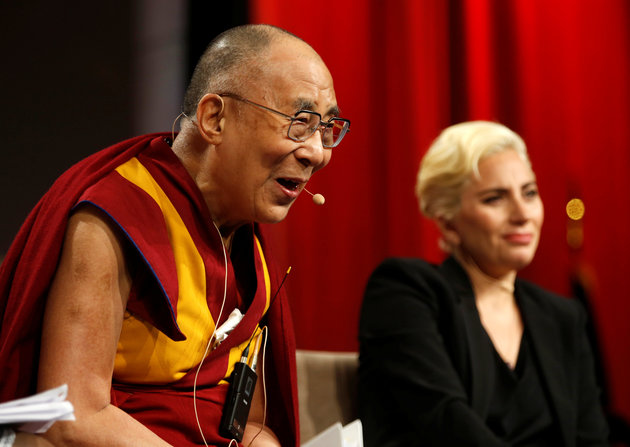
TROUBLE IN TIBET – HAVE HOPE – COMPASSION WILL STRIKE EVIL RED EMPIRE. LADY GAGA AND DALAI LAMA DISCUSS HOPE AND COMPASSION IN CHANGING WORLD AFFAIRS.

Lady Gaga’s meeting the Dalai Lama at the U.S. Conference of Mayors in Indianapolis set off a “firestorm” in China. She spoke to the Dalai Lama about role of Hope and Compassion in changing World Affairs. “Hope is essential to keep the World going.” I ask my readers to keep their ‘Hope’ alive for Compassion will strike Evil Red Empire. Beijing is Doomed.

TROUBLE IN TIBET – HAVE HOPE – COMPASSION WILL STRIKE EVIL RED EMPIRE. LADY GAGA AND DALAI LAMA DISCUSS HOPE AND COMPASSION IN CHANGING WORLD AFFAIRS.
Trouble in Tibet – Have Hope – Compassion Will Strike Evil Red Empire. Hope Will Keep World Going. Lady Gaga Meets the Dalai Lama.

Lady Gaga’s Chinese Fans are Not Happy She Met the Dalai Lama

Christine Rousselle

Posted: Jun 28, 2016 1:15 PM

Trouble in Tibet – Have Hope – Compassion Will Strike Evil Red Empire. Lady Gaga and the Dalai Lama talk about Hope and Compassion. Beijing is Doomed.

Singer Lady Gaga has set off a bit of a firestorm in China after she posted a picture on Instagram of herself and the Dalai Lama. Lady Gaga, whose birth name is Stefani Germanotta, spoke with the Dalai Lama on the topics of hope and kindness at the U.S. Conference of Mayors in Indianapolis.

“Hope is essential to keep the world going.” – His Holiness the Dalai Lama #withcompassion #usmc2016 #kindyouth
A photo posted by Lady Gaga (@ladygaga) on Jun 26, 2016 at 7:30am PDT

Over in China, however, people were not so thrilled. The singer has reportedly been banned from the country, but government officials are being relatively mum on this. If her music is actually banned, she’d hardly be the first musician to be prohibited from entering China.

Following Lady Gaga’s meeting, the Communist party’s mysterious propaganda department issued “an important instruction” banning her entire repertoire from mainland China, Hong Kong’s pro-democracy newspaper Apple Daily reported on Monday.

Chinese websites and media organisations were ordered to stop uploading or distributing her songs in a sign of Beijing’s irritation, the newspaper said.
The propaganda department also issued orders for party-controlled news outlets such as state broadcaster CCTV and newspapers the People’s Daily and the Global Times to condemn the meeting.

Additionally, Lady Gaga’s angered Chinese fans spammed her Instagram account and posted on the Chinese social network Weibo commenting that they would no longer listen to her music as they were furious at her. Others said that Lady Gaga’s meeting with the Dalai Lama “hurts a lot” and that they were disappointed with the singer.
The Dalai Lama has been exiled from China since 1959. Lady Gaga has never performed on the Chinese mainland, but has done concerts in both Hong Kong and Macau.

Townhall.com is the leading source for conservative news and political commentary and analysis.
Copyright © Townhall.com. All Rights Reserved. Terms under which this service is provided to you

Trouble in Tibet – Have Hope – Compassion Will Strike Evil Red Empire. Lady Gaga and the Dalai Lama talk about Hope and Compassion. Beijing is Doomed.
Trouble in Tibet – Have Hope – Compassion Will Strike Evil Red Empire. Book of Revelation, Chapter 18. Beijing is Doomed.
Trouble in Tibet – Have Hope – Compassion Will Strike Evil Red Empire. Beijing is Doomed.
Trouble in Tibet - Have Hope - Compassion Will Strike Evil Red Empire.
Trouble in Tibet – Have Hope – Compassion Will Strike Evil Red Empire.
Trouble in Tibet - Have Hope - Compassion Will Strike Evil Red Empire.
Trouble in Tibet – Have Hope – Compassion Will Strike Evil Red Empire.


Whole Awareness – Tibetan Human Rights

Tibet Awareness on World Human Rights Day

Tibet Awareness on World Human Rights Day

To celebrate observance of World Human Rights Day on December 10, 2024, I speak about Tibet’s yoking with Red China. This yoking, coming together, or joining of Red China with Tibet speaks of Subjection, Bondage, Servitude, Enslavement, Hardship, Burden, Trouble, Pain, Suffering, Sorrow, and Misery. Tibetans resist this burden imposed upon their Natural Freedom. Tibet is under Control, and Tibet is Subdued under burden imposed by Red China’s Yoke. We need to help Tibet to make it a safe place for Tibetans to live reaping the Blessings of Peace, Freedom and Justice granted by Mother Nature.

Tibet Awareness on World Human Rights Day


Whole Trouble – The Amazing Adventures of Sue in Tibet

The Adventures of Sue in Tibet – Thanks to Doris Shelton

I thank Ms. Doris Shelton for describing The Amazing Adventures of “Sue in Tibet.” I examine the Whole Trouble of Tibet from various perspectives. The central issue is that of the military occupation of Tibet by a foreign power.

I thank Ms. Doris Shelton for describing The Amazing Adventures of “Sue in Tibet.” I examine the Whole Trouble of Tibet from various perspectives. The central issue is that of the military occupation of Tibet by a foreign power.

I thank Ms. Doris Shelton for describing The Amazing Adventures of “Sue in Tibet.” I examine the Whole Trouble of Tibet from various perspectives. The central issue is that of the military occupation of Tibet by a foreign power.

B B C

The amazing adventures of Sue in Tibet and her creator

16 March 2016
Sue cover

Image copyright: William Arthur Smith. Image caption: The cover art for Sue in Tibet shows a smiling girl, poised for adventure.

Girls did not often star in the adventure stories of the early 20th Century, but the chance discovery of a little-known book by the daughter of an American missionary who lived in a Tibetan border town led researcher Tricia Kehoe to uncover an extraordinary life story, but one marred by tragedy.

Everybody remembers when Tintin went to Tibet, but not what happened when Sue was there.

While browsing around a tiny second-hand bookshop in Nottingham, I came across a dusty, worn cloth-covered out-of-print book entitled “Sue in Tibet”. As a scholar of Tibetan studies, I was familiar with Tibet-based adventure and mystery novels published in the 1920s, but these were invariably centred on the stories of the men.

This was intriguing because it looked like it could be the first piece of western children’s literature ever set in Tibet, and its main character was a teenage girl. Published in 1942, it tells the story of Sue Shelby, the eldest daughter of an American missionary family stationed in the remote Tibetan border town of Batang.

Image copyright Newark Museum Image caption This photograph may record the Shelton family’s first journey from the interior of China into Tibet

Set against the backdrop of rampant banditry and skirmishes between Tibetan and Chinese soldiers, it begins with the dangerous journey on horseback across snow-capped mountains by Sue’s family before they eventually settle in Batang. By the end Sue, fluent in Chinese and Tibetan, acts as an interpreter at a crucial military conference, so ensuring peace at a time of unrest.

Its observations are astonishingly accurate – because it is based very closely on the true-life adventures of its author, Dorris Shelton Still. However, her story did not have the same happy ending. As a woman back in the United States, so her children told me, Dorris almost never spoke of her unique childhood.

Image copyright Newark Museum Image caption The Shelton family making a precarious crossing over a lake in the Batang region

Like Sue, Dorris was the eldest daughter of the Sheltons, an American missionary family stationed in the remote Sino-Tibetan border town of Batang between 1908 and 1921. Batang was not a strange or exotic land for Dorris, it was home. Clues to the Sheltons’ life come from Sue’s story too.

Image copyright Newark Museum Image caption Dorris Shelton was sent away from Batang in 1921 to attend boarding school in the US

Image copyright Willliam Arthur Smith Image caption Sue in Tibet recounts the heroine’s close friendships with Tibetan girls in Batang

Just a few years after the British invasion of Lhasa in 1905 and a subsequent massacre of missionaries and converts by Tibetan lamas in Batang itself, the fictional family are received with a mixture of curiosity, fear and suspicion. Nevertheless, Sue becomes best friends with local girl Nogi, who teaches her to apply yak butter to her skin after bathing. They swap snacks of peanut better and jelly sandwiches for yak meat and dried yak cheese.

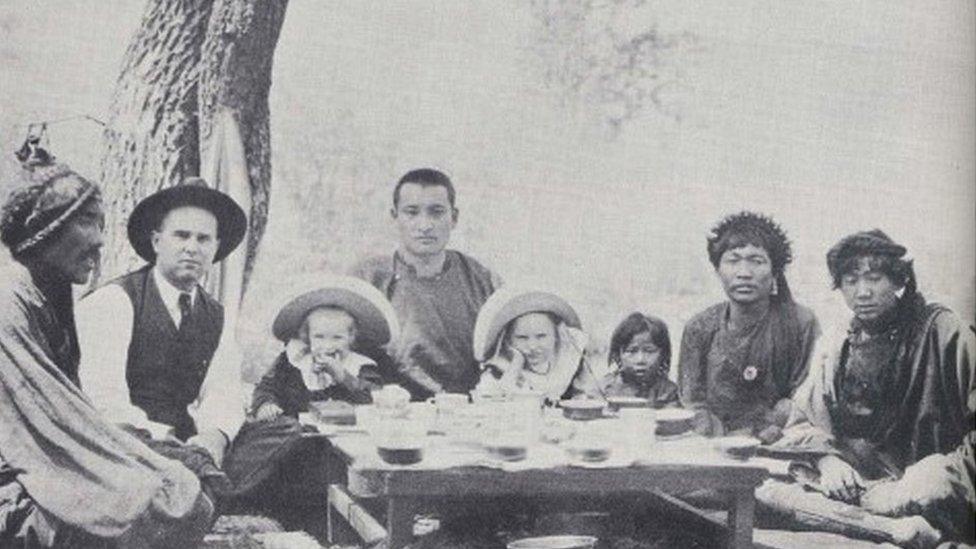
Sue even befriends a so-called Living Buddha, known in Tibet as a tulku or reincarnated lama. This story has some basis in reality as one remarkable photograph now held at the Newark Museum shows. It documents the occasion when the Shelton family sat down to a picnic with an incarnate lama who had been disbarred from priestly functions because he fell in love.

Image copyright Willliam Arthur Smith Image caption When Sue met a so-called Living Buddha

Image copyright Newark Museum Image caption When Dorris met an incarnate lama (second from right)

As she notes in her memoirs, Dorris never forgot her friends in Batang, and would regularly pine for butter tea and tsampa, the traditional staples of Tibet. Although she longed to return, it was never to be.

But the triumphant climax of Sue in Tibet is where fiction departs from reality. When Sue’s father is prevented by injury from acting as interpreter at a crucial military conference, Sue jumps in, and after a gruelling journey on horseback, she saves the day, returning to a heroine’s welcome in Batang.

It was not like that for Dorris and her sister, who were dressed like sober American girls and kept to a strict schooling schedule. In 1921, they were sent off to boarding school.
But they were never again to see their father, the heroic doctor whom Sue’s father is closely based on.

Image copyright Newark Museum Image caption Dorris and her sister, despite their very Tibetan way of life, were kept in Western clothes while in Batang

While on a mission to Lhasa to set up a medical centre, he was shot by bandits on the road. He died days later. His family were not there, but a travelling companion later provided a graphic and tragic account of what happened, paying tribute to the doctor’s courage and crediting him with saving his life. After the bandits moved on, they found the doctor lying on the side of the road.

“There were blood stains all over his face. I could see a large wound open on his forehead. “

He was desperate for water, but that was scarce. Nursed for a few day, the doctor knew what was coming once his arm was amputated..

“Ming Shang. I will be gone in a few days, no hope to live, I love you, be a good boy. I have told the other folk to look after you,” Dr Shelton said.

“I was extremely sad, a man who loved me as his own son, now I had to carry his amputated arm on the back of my horse,” the account goes on to say.

Image copyright Newark Museum Image caption Her father, a doctor, was on the way to set up a medical mission in Lhasa, when he was killed by bandits
Even though Dorris went on to write about Sue in Tibet, her children believe the pain of the loss of her father lay behind her personal silence in her later years. Her granddaughter, Andrea Still does recall one conversation, possibly a tribute to Dorris’s father’s work as a doctor.

“She spoke about …where Western and Eastern philosophies met with most friction. It was that if someone was injured…in Tibetan culture, they would write a prayer down on a slip of paper, cover the paper in mud and swallow it down while saying prayers and walking in supplication, while the Westerner finds his trusty doctor.”

Image copyright Newark Museum Image caption Dorris Shelton went on to involve herself in Tibetan causes from the US

Tibet clearly stayed with her Dorris. She was involved in raising money to help Tibetan refugees and sponsoring Tibetan businesses in Dharamsala, the Indian city which has become a hub for Tibetan exiles. She also had private audiences with the Dalai Lama.

In many ways, the book was ahead of its time. In the 1940s, out of the 284 children’s books published in the US, only 21 had girls as their main characters. Sue, however, is centre-stage. Faced with unfamiliar and dangerous situations, she is an independent and quick-thinking girl with a strong sense of curiosity and a passion for adventure.

It is clearly a reflection of Dorris’s spirit too and she wrote about her time in Tibet with a poignant nostalgia in her later journals.
“We were happy youngsters in a beautiful land with friends we loved and endless wonderful things to do.”

Image copyright Shelton Family archive


I thank Ms. Doris Shelton for describing The Amazing Adventures of “Sue in Tibet.” I examine the Whole Trouble of Tibet from various perspectives. The central issue is that of the military occupation of Tibet by a foreign power.

Whole Trouble – Where is the Path to Freedom for Occupied Tibet?

Trouble in Tibet – Where is the Path to Freedom?

TROUBLE IN TIBET – WHERE IS THE PATH TO FREEDOM? “VAGUE TALK ABOUT PEACE WILL ONLY DISTURB SOME PIGEONS.” H.H. The Dalai Lama. For there is ‘Trouble in Tibet’, we need to continue our search for a Path to Freedom. Tibetan Cause was at the center of America’s Cold War interests. Vague talk of peace Dalai Lama said, “will only disturb some pigeons.” It is imperative to find a clear path to Freedom in Occupied Tibet.

For there is ‘Trouble in Tibet’, we need to continue our search for a Path to Freedom. Tibetan Cause was at the center of America’s Cold War interests. Vague talk of peace Dalai Lama said, “will only disturb some pigeons.” It is imperative to find a clear path to Freedom in Occupied Tibet.

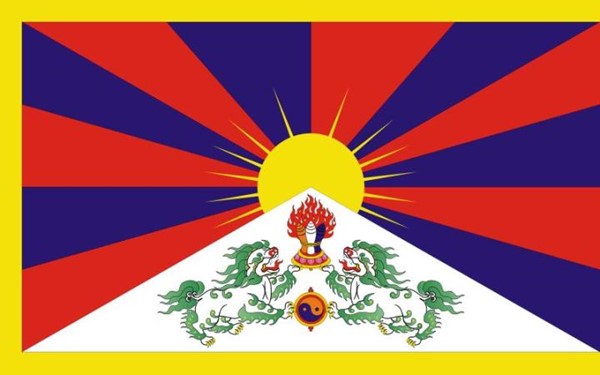
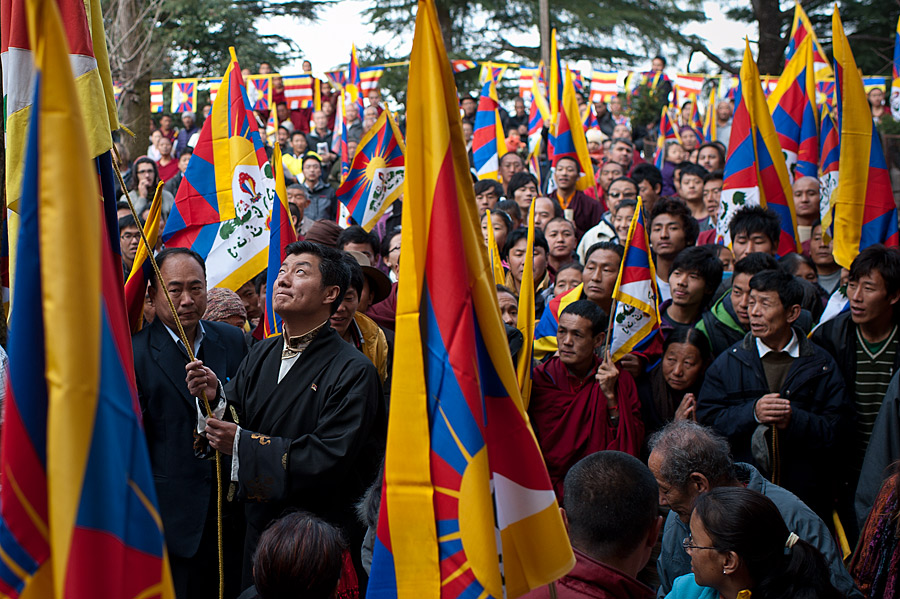
Kalon Tripa Dr. Lobsang Sangay, political head of the Tibetan people, unfurls and raises the Tibetan National Flag on the 53rd National Uprising Day on March 10, 2012 in Dharamsala, India. Tibetan people are demanding their Right to Natural Freedom that was taken away by the military occupation of their Land. Freedom in Tibet is about oppression caused by foreign occupation.

THE WASHINGTON POST

THE DALAI LAMA’S PRACTICAL PATH TO PEACE

Trouble in Tibet – Where is the Path to Freedom? For there is ‘Trouble in Tibet’, we need to continue our search for a Path to Freedom. Tibetan Cause was at the center of America’s Cold War interests. Vague talk of peace Dalai Lama said, “will only disturb some pigeons.” It is imperative to find a clear path to Freedom in Occupied Tibet.

The Dalai Lama, center, can be informal and mischievous, as when he rubbed his head into the beard of a very dignified Muslim cleric. (Tenzin Choejor/Office of His Holiness the Dalai Lama)

gersonm.jpg?ts=1440533350591&w=80&h=80 By MICHAEL GERSON Opinion writer May 5, 2016 at 8:00 PM

DHARAMSALA, India

When posed a policy question, the Dalai Lama is surprisingly (for a religious leader) un-prone to moralism. What, I asked him, does he think of the European backlash against migration? “In the name of sympathy, for the few who are desperate, [resettlement] is worthwhile.” But Europeans, he continued, “have a right to be concerned for their own prosperity.” Better, he said, “to help people in their own land.” He added: “It is really complex.”

Michael Gerson is a nationally syndicated columnist who appears twice weekly in The Post.

In conversation, the Dalai Lama’s cast of mind is thoroughly empirical. You can see him considering a matter from various angles and revising his views based on new input. He is a Buddhist who recommends “analytic meditation” instead of employing spiritual exercises as a “tranquilizer.” Self-reflection, he believes, should be the basis for action in the world. Vague talk of peace, he said, “will only disturb some pigeons.”

For decades, the Dalai Lama has embodied the Tibetan cause, which was once at the center of America’s Cold War interests. With that cause now something of an international orphan, the Dalai Lama has cultivated a different type of influence — global celebrity based on spiritual charisma.

I saw that charisma up close as the fortunate witness to a singular event. Under the auspices of the United States Institute of Peace, the Dalai Lama spent two days mentoring 28 exceptional youth leaders — men and women doing peacebuilding in conflict zones across Asia and Africa, often at great personal risk.

The Dalai Lama is, despite recent health issues, energetic and apparently (at 80) tireless. He is informal and mischievous (at one point rubbing his bald head into the beard of a very dignified Muslim cleric). He is disarmingly self-effacing: “I am not god,” quoth the 14th reincarnation of the Lord of Compassion. “I don’t know” is a consistent refrain.

But his view of the world is also highly consistent and occasionally controversial. He argues that ethics are primary and unifying, while religion belongs to “a secondary level of difference.” What he calls “secular ethics” can be derived from “common experience and common sense,” which teaches the “sameness of humanity” and the universal capacity for, and need for, love and compassion. For evidence, he turns to neuroscience and social scientific research on child development rather than to scripture. (He has mandated a science curriculum for Tibetan monasteries.) Human beings, in his view, are essentially good and responsible for doing good. “We promote a more compassionate world,” he said, “through education, not through prayer.”

If this sounds familiar, it is not far from the social ethics — not the theology — of some strains of liberal Protestantism. And the Dalai Lama shares something with Pope Francis: an impatience with institutional religion, which he says is prone to be “narrow and rigid.”

The Dalai Lama is keen to argue that “all religions carry the message of love and compassion.” In more careful moments, he says, “all religions have the same potential.” This is true — from a certain perspective. Each of the world’s major religions has resources of respect for the other that can (and should) be emphasized at the expense of less attractive elements.

Some of the faithful will resist the Dalai Lama’s frank insistence that religion be modernized. “Some traditions must change. I tell my Hindu friends, they must change their treatment of outcasts.” In Islam, “the meaning of jihad is not hurting other people.” His own tradition he described as “too close to the feudal system.” “This is not a change in religion. It is changing habits due to social tradition.”

This religious essentialism — defining a core of humane teaching that stands in judgment of a tradition’s cultural expressions — is what helps ensure that religion is a positive cultural force. Conservative Protestants in the United States who dispute this idea still demonstrate it. The treatment of women in most evangelical churches is closer to common American practice than to the Apostle Paul’s first-century attitudes, and it should be.

The uniqueness of the Dalai Lama’s voice in global debates is his emphasis on the inner life. He roots the pursuit of peace in a “calm mind” — and displays it. “External disarmament,” he told the gathered young activists, “begins with internal disarmament. If you show anger, things get worse. A genuine smile and warmheartedness and a joke are the only way to cool things down.”

It is good advice for anyone facing conflict — as well as the only basis for a peace that involves trust, forgiveness and healing.

gersonm.jpg?ts=1440533350591&w=180&h=180
Michael Gerson is a nationally syndicated columnist who appears twice weekly in The Post.

  • © 1996-2016 The Washington Post
Trouble in Tibet – Where is the Path to Freedom?

Trouble in Tibet – Search for Path to Freedom

Trouble in Tibet reflects anxiety of Tibetan people as they search for path to freedom they lost in 1950. Talks on Tibetan autonomy are doomed to fail as the proposed dialogue is not about Tibetan nation that existed for centuries with its own identity.

Trouble in Tibet reflects anxiety of Tibetan people as they search for path to freedom they lost in 1950. Talks on Tibetan autonomy are doomed to fail as the proposed dialogue is not about Tibetan nation that existed for centuries with its own identity.

Trouble in Tibet reflects anxiety of Tibetan people as they search for path to freedom they lost in 1950. Talks on Tibetan autonomy are doomed to fail as the proposed dialogue is not about Tibetan nation that existed for centuries with its own identity.
Trouble in Tibet – Search For Path to Freedom. Lobsang Sangay, Prime Minister of Tibetan Government-In-Exile. Trouble in Tibet reflects anxiety of Tibetan people as they search for path to freedom they lost in 1950. Talks on Tibetan autonomy are doomed to fail as the proposed dialogue is not about Tibetan nation that existed for centuries with its own identity.

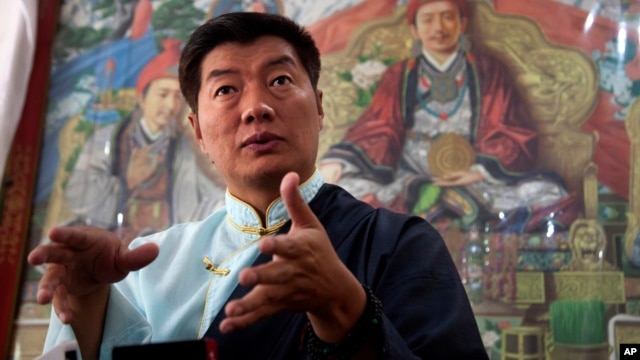
Lobsang Sangay, the incumbent prime minister of the Tibetan government-in-exile, speaks to media after being re-elected for second term in office in Dharmsala, India, Wednesday, April 27, 2016.

Shannon Van Sant
May 16, 2016 3:46 AM

HONG KONG—

The re-election of Lobsang Sangay as prime minister of the Tibetan government-in-exile has renewed hopes among some that dialogue between the Dalai Lama and China’s central government, which stopped in 2010, will begin again.

On the day of his election, Sangay vowed to push for autonomy for the Tibetan people and restart talks with the Chinese government.

“We remain fully committed to the Middle Way Approach, which clearly seeks genuine autonomy for the Tibetan people within China. It is hoped the leaders in Beijing will see reason with the Middle Way Approach, instead of distorting it, and step forward to engage in dialogue with His Holiness the Dalai Lama’s envoys,” he said.

No talks since 2010

Representatives of the Dalai Lama held several rounds of talks with China until they were stalled in 2010 by protests and a subsequent crackdown in Tibet.
Tsering Passang, Chair of the Tibetan Community in Britain, said whether or not talks restart is in Beijing’s hands.
“It’s really up to the Chinese, and due to the current reality, the geopolitical situation, as well as the economic situation, China has the upper hand, so it’s going to be a challenge for the Tibetan leadership,” he said.

Trouble in Tibet – Search For Path to Freedom. Trouble in Tibet reflects anxiety of Tibetan people as they search for path to freedom they lost in 1950. Talks on Tibetan autonomy are doomed to fail as the proposed dialogue is not about Tibetan nation that existed for centuries with its own identity.

FILE – An elderly Tibetan woman, who was among those waiting to receive the Dalai Lama, gets emotional as the spiritual leader greets devotees upon arrival at the Institute of Buddhist Dialectics near Dharmsala, India.

Sangay defeated challenger Penpa Tsering

Sangay ran against the speaker of the Tibetan Parliament, Penpa Tsering and received 58 percent of nearly 60,000 votes cast. About 90,000 exiled Tibetans are registered to vote in 40 countries.
However, China has largely ignored the elections, with the foreign ministry only making terse remarks on the ballot results when pressed to comment at a recent briefing. Spokesman Hong Lei said the voting was nothing but a “farce” staged by an “illegal” organization that is not recognized by any country in the world.

Robert Barnett, the director of modern Tibet studies at Columbia University, is not very optimistic about the resumption of talks.
“It’s quite disheartening at the moment because there are no signs from the Chinese side of any concession at all, in fact very much the opposite. But of course the Chinese side would not disclose if it was going to make a move. It would be in its interest to move very quickly at a time of its own choosing,” he said.

Trouble in Tibet – Search for Path to Freedom.Trouble in Tibet reflects anxiety of Tibetan people as they search for path to freedom they lost in 1950. Talks on Tibetan autonomy are doomed to fail as the proposed dialogue is not about Tibetan nation that existed for centuries with its own identity.

FILE – An exile Tibetan nun cries as she prays during a candlelit vigil in solidarity with two Tibetans, who exiles claim have immolated themselves demanding freedom for Tibet, in Dharmsala, India, Wednesday, March 2, 2016.

China claims control of Tibet for centuries

China says it has maintained control of the Tibetan region since the 13th century, and the Communist Party says it has liberated the Tibetan people through removing monks from power who the party says presided over a feudal system.
But many Tibetans argue they were independent until Communist forces invaded in 1950. Nine years later the Dalai Lama fled into exile after a failed uprising against the government.
While the Dalai Lama remains the spiritual leader of the Tibetan people, he gave up political authority in 2011, and called for democratic elections to choose a prime minister to lead the parliament of the Central Tibetan Administration in Dharamsala, India.

With the current Dalai Lama now in his 80s, the issue of who will select the next Dalai Lama is gaining in importance.

But P.K. Gautam, a Research Fellow at the Institute for Defense Studies and Analyses in India, said any political talks that may develop should not be confused with discussions over who will select the next Dalai Lama.

“So who selects the Dalai Lama is a very separate process, but the political negotiations, for the autonomous region, the way it is desired, that can be taken on by this central administration. So it’s a long-term process; it’s just one of these steps that may lead to a solution so that the Tibet autonomous region regains its pillars,” he said.

Many Tibetans hope Sangay’s election is also a step towards easing discontent throughout the Tibetan community. More than 100 Tibetans have self-immolated in protest against the Chinese government since 2009.

Trouble in Tibet – Search For Path to Freedom. Trouble in Tibet reflects anxiety of Tibetan people as they search for path to freedom they lost in 1950. Talks on Tibetan autonomy are doomed to fail as the proposed dialogue is not about Tibetan nation that existed for centuries with its own identity.
TROUBLE IN TIBET – SEARCH FOR PATH TO FREEDOM. PREPARE YOUR MIND. Trouble in Tibet reflects anxiety of Tibetan people as they search for path to freedom they lost in 1950. Talks on Tibetan autonomy are doomed to fail as the proposed dialogue is not about Tibetan nation that existed for centuries with its own identity.