Whole Uprising – Because Tibet is not Free

65th Tibetan National Uprising Day

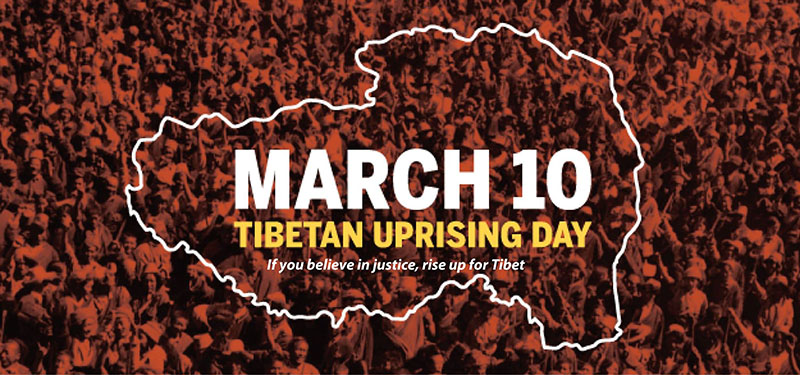
Sunday, March 10, 2024. 65th Anniversary of Tibetan Uprising Day.

On Sunday, March 10, 2024, the Living Tibetan Spirits commemorate events of Tibetan Uprising on Tuesday, March 10, 1959.

Sunday, March 10, 2024. 65th Anniversary of Tibetan Uprising Day.

Tibet Uprising or Tibet Rebellion on Tuesday, March 10, 1959 makes a profound impact on the course of my life’s journey since 1971 when I joined the Tibetan Resistance Movement in support of Human Rights, Freedom, Peace and Justice in Occupied Tibet. I speak on behalf of the Living Tibetan Spirits who live in exile without a refugee status, without asylum protection, and without any entity that can be called a friend.

Sunday, March 10, 2024. 65th Anniversary of Tibetan Uprising Day: For Seventy Five years, Tibetans are living under military occupation and political oppression. What is Tibet’s Future? How to evict the illegal occupier of Tibet?

How to find Hope when the Final Destination remains unknown? Can Patience and Perseverance serve the purpose of Hope for Freedom, Peace, and Justice?

Sunday, March 10, 2024. 65th Anniversary of Tibetan Uprising Day.

EVENTS LEADING TO THE 1959 TIBETAN UPRISING

Clipped from: https://www.thoughtco.com/the-tibetan-uprising-of-1959-195267

China Forces the Dalai Lama into Exile

Sunday, March 10, 2024. 65th Anniversary of Tibetan Uprising Day.

The Norbulingka, the Dalai Lama’s Summer Palace in Lhasa, Tibet, which was destroyed by the Chinese Army during the 1959 Tibetan Uprising but later rebuilt. lapin.lapin on Flickr.com

Chinese artillery shells pummeled the Norbulingka, the Dalai Lama’s summer palace, sending plumes of smoke, fire, and dust into the night sky. The centuries-old building crumbled under the barrage, while the badly outnumbered Tibetan Army fought desperately to repel the People’s Liberation Army (PLA) from Lhasa…

Meanwhile, amidst the snows of the high Himalaya, the teenaged Dalai Lama and his bodyguards endured a cold and treacherous two-week-long journey into India.

Origins of the Tibetan Uprising of 1959

Tibet had an ill-defined relationship with China’s Qing Dynasty (1644-1912); at various times it could have been an ally, an opponent, a tributary state, or a region within Chinese control.

In 1724, during a Mongol invasion of Tibet, the Qing seized the opportunity to incorporate the Tibetan regions of Amdo and Kham into China proper. The central area was renamed Qinghai, while pieces of both regions were broken off and added to other western Chinese provinces. This land grab would fuel Tibetan resentment and unrest into the twentieth century.

When the last Qing Emperor fell in 1912, Tibet asserted its independence from China. The 13th Dalai Lama returned from three years of exile in Darjeeling, India, and resumed control of Tibet from his capital at Lhasa. He ruled until his death in 1933.

China, meanwhile, was under siege from a Japanese invasion of Manchuria, as well as a general breakdown of order across the country.

Between 1916 and 1938, China descended into the “Warlord Era,” as different military leaders fought for control of the headless state. In fact, the once-great empire would not pull itself back together until after World War II, when Mao Zedong and the Communists triumphed over the Nationalists in 1949.

Meanwhile, a new incarnation of the Dalai Lama was discovered in Amdo, part of Chinese “Inner Tibet.” Tenzin Gyatso, the current incarnation, was brought to Lhasa as a two-year-old in 1937 and was enthroned as the leader of Tibet in 1950, at 15.

China Moves in and Tensions Rise

In 1950, Mao’s gaze turned west. He decided to “liberate” Tibet from the Dalai Lama’s rule and bring it into the People’s Republic of China. The PLA crushed Tibet’s tiny armed forces in a matter of weeks; Beijing then imposed the Seventeen Point Agreement, which Tibetan officials were forced to sign (but later renounced).

According to the Seventeen Point Agreement, privately-held land would be socialized and then redistributed, and farmers would work communally. This system would first be imposed on Kham and Amdo (along with other areas of the Sichuan and Qinghai Provinces), before being instituted in Tibet proper.

All the barley and other crops produced on the communal land went to the Chinese government, according to Communist principles, and then some was redistributed to the farmers. So much of the grain was appropriated for use by the PLA that the Tibetans did not have enough to eat.

By June of 1956, the ethnic Tibetan people of Amdo and Kham were up in arms.

As more and more farmers were stripped of their land, tens of thousands organized themselves into armed resistance groups and began to fight back. Chinese army reprisals grew increasingly brutal and included wide-spread abuse of Tibetan Buddhist monks and nuns. (China alleged that many of the monastic Tibetans acted as messengers for the guerrilla fighters.)

The Dalai Lama visited India in 1956 and admitted to Indian Prime Minister Jawaharlal Nehru that he was considering asking for asylum. Nehru advised him to return home, and the Chinese Government promised that communist reforms in Tibet would be postponed and that the number of Chinese officials in Lhasa would be reduced by half. Beijing did not follow through on these pledges.

By 1958, as many as 80,000 people had joined the Tibetan resistance fighters.

Alarmed, the Dalai Lama’s government sent a delegation to Inner Tibet to try and negotiate an end to the fighting. Ironically, the guerrillas convinced the delegates of the righteousness of the fight, and Lhasa’s representatives soon joined in the resistance!

Meanwhile, a flood of refugees and freedom fighters moved into Lhasa, bringing their anger against China with them. Beijing’s representatives in Lhasa kept careful tabs on the growing unrest within Tibet’s capital city.

March 1959 – The Uprising Erupts in Tibet Proper

Important religious leaders had disappeared suddenly in Amdo and Kham, so the people of Lhasa were quite concerned about the safety of the Dalai Lama. The people’s suspicions therefore were raised immediately when the Chinese Army in Lhasa invited His Holiness to watch a drama at the military barracks on March 10, 1959. Those suspicions were reinforced by a none-too-subtle order, issued to the head of the Dalai Lama’s security detail on March 9, that the Dalai Lama should not bring along his bodyguards.

On the appointed day, March 10, some 300,000 protesting Tibetans poured into the streets and formed a massive human cordon around Norbulingka, the Dalai Lama’s Summer Palace, to protect him from the planned Chinese abduction. The protestors stayed for several days, and calls for the Chinese to pull out of Tibet altogether grew louder each day. By March 12, the crowd had begun to barricade the streets of the capital, while both armies moved into strategic positions around the city and began to reinforce them.

Ever the moderate, the Dalai Lama pleaded with his people to go home and sent placatory letters to the Chinese PLA commander in Lhasa. and sent placatory letters to the Chinese PLA commander in Lhasa.

When the PLA moved artillery into range of the Norbulingka, the Dalai Lama agreed to evacuate the building. Tibetan troops prepared a secure escape route out of the besieged capital on March 15. When two artillery shells struck the palace two days later, the young Dalai Lama and his ministers began the arduous 14-day trek over the Himalayas for India.

On March 19, 1959, fighting broke out in earnest in Lhasa. The Tibetan army fought bravely, but they were vastly outnumbered by the PLA. In addition, the Tibetans had antiquated weapons.

The firefight lasted just two days. The Summer Palace, Norbulingka, sustained over 800 artillery shell strikes that killed an unknown number of people inside; the major monasteries were bombed, looted and burned. Priceless Tibetan Buddhist texts and works of art were piled in the streets and burned. All remaining members of the Dalai Lama’s bodyguard corps were lined up and publicly executed, as were any Tibetans discovered with weapons. In all, some 87,000 Tibetans were killed, while another 80,000 arrived in neighboring countries as refugees. An unknown number tried to flee but did not make it.

In fact, by the time of the next regional census, a total of about 300,000 Tibetans were “missing” – killed, secretly jailed, or gone into exile.

Aftermath of the 1959 Tibetan Uprising

Since the 1959 Uprising, the central government of China has been steadily tightening its grip on the Tibet.

Although Beijing has invested in infrastructure improvements for the region, particularly in Lhasa itself, it has also encouraged thousands of ethnic Han Chinese to move to Tibet. In fact, Tibetans have been swamped in their own capital; they now constitute a minority of the population of Lhasa.

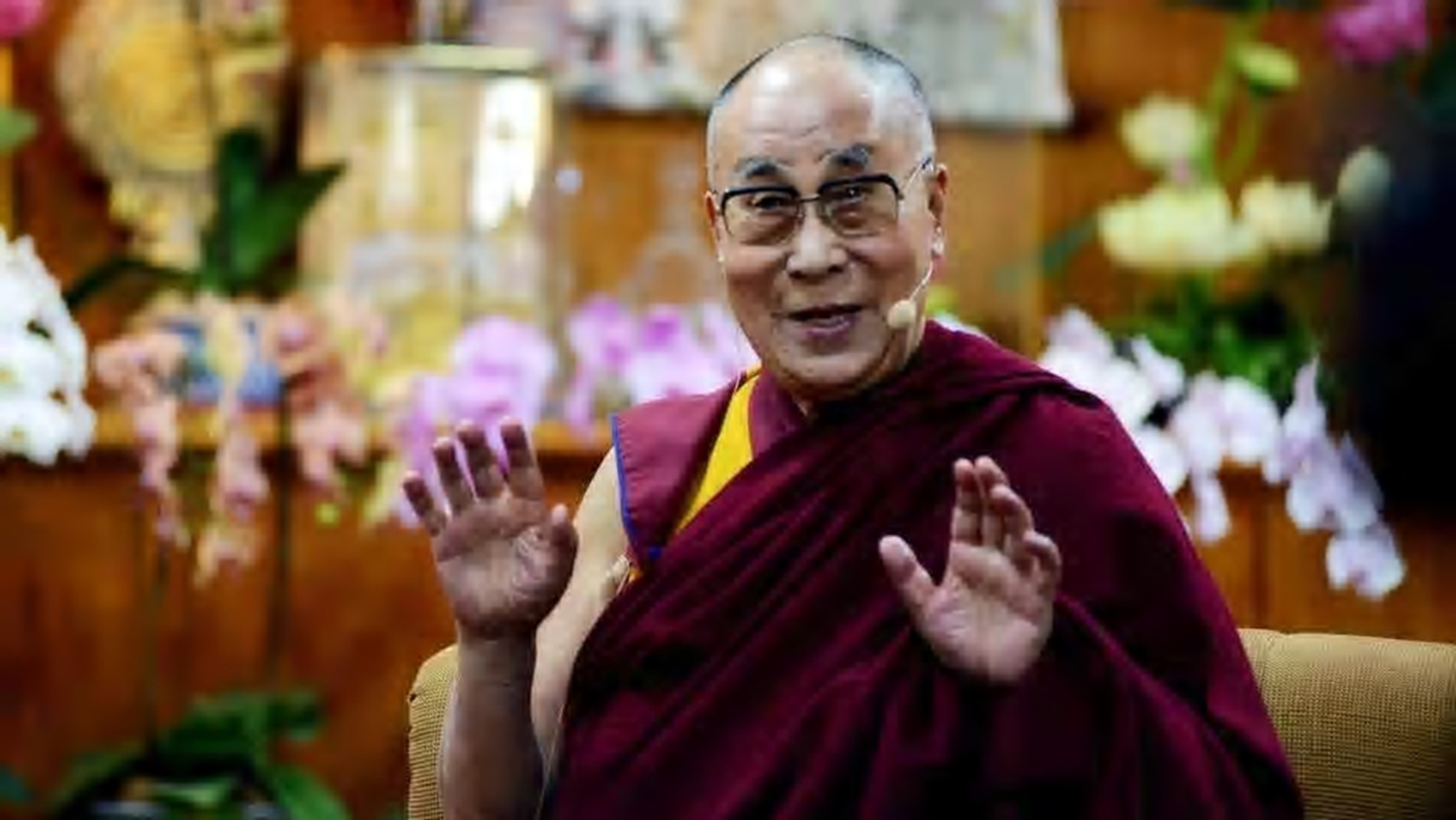
Today, the Dalai Lama continues to head the Tibetan government-in-exile from Dharamshala, India. He advocates increased autonomy for Tibet, rather than full independence, but Chinese government generally refuses to negotiate with him.

Periodic unrest still sweeps through Tibet, especially around important dates such as March 10 to 19 – the anniversary of the 1959 Tibetan Uprising.

Your Citation

Szczepanski, Kallie. “The Tibetan Uprising of 1959.” ThoughtCo, Feb. 6, 2017, thoughtco.com/the-tibetan-uprising-of-1959-195267. Szczepanski, Kallie. (2017, February 6). The Tibetan Uprising of 1959. https://www.thoughtco.com/the-tibetan-uprising-of-1959-195267
Sunday, March 10, 2024. 65th Anniversary of Tibetan Uprising Day.
Sunday, March 10, 2024. 65th Anniversary of Tibetan Uprising Day .

Whole Supreme – The Supreme Leader of Tibet

The White House of Supreme Ruler of Tibet

Whole Dude – Whole Supreme: The White House of Supreme Ruler of Tibet.

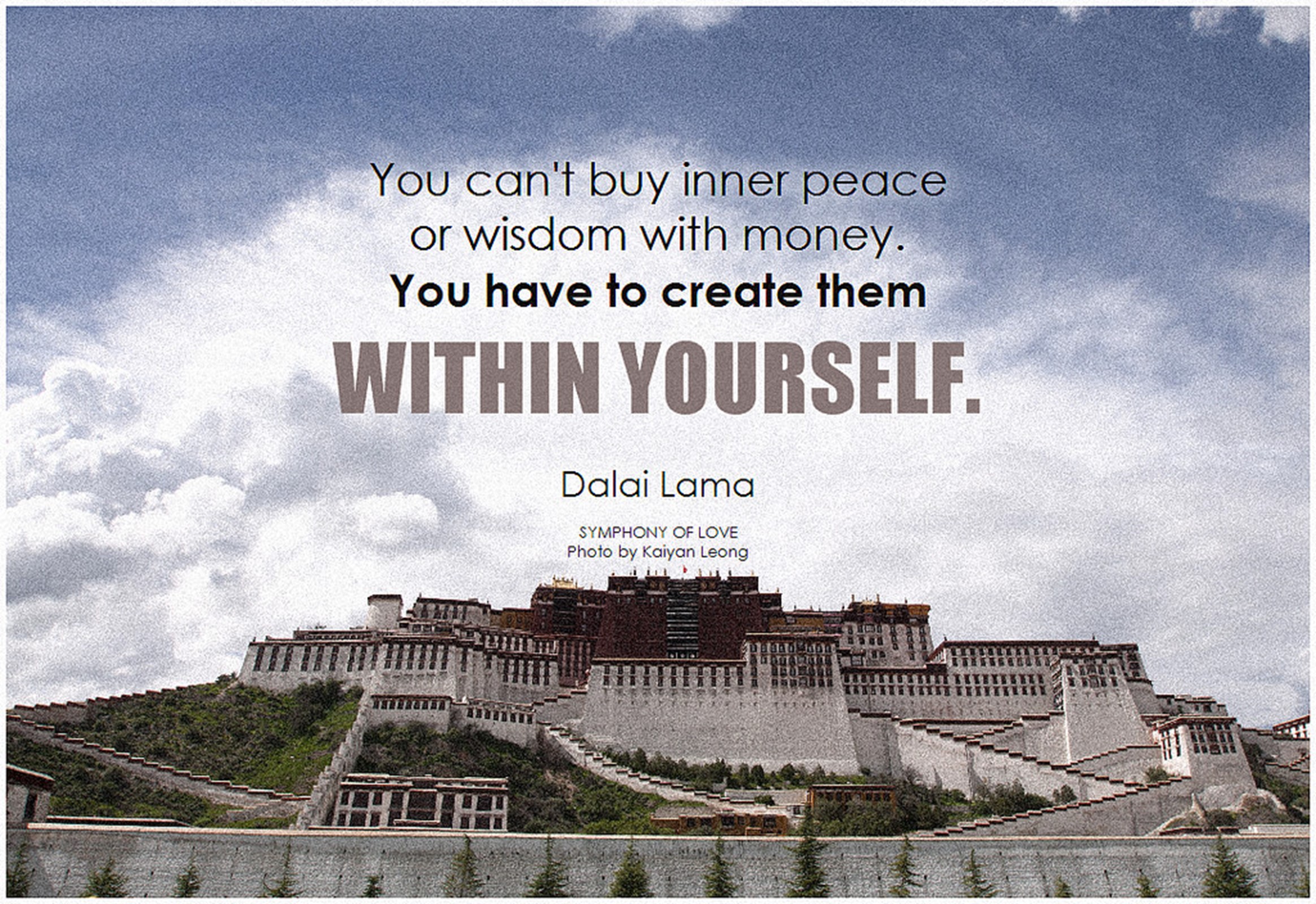
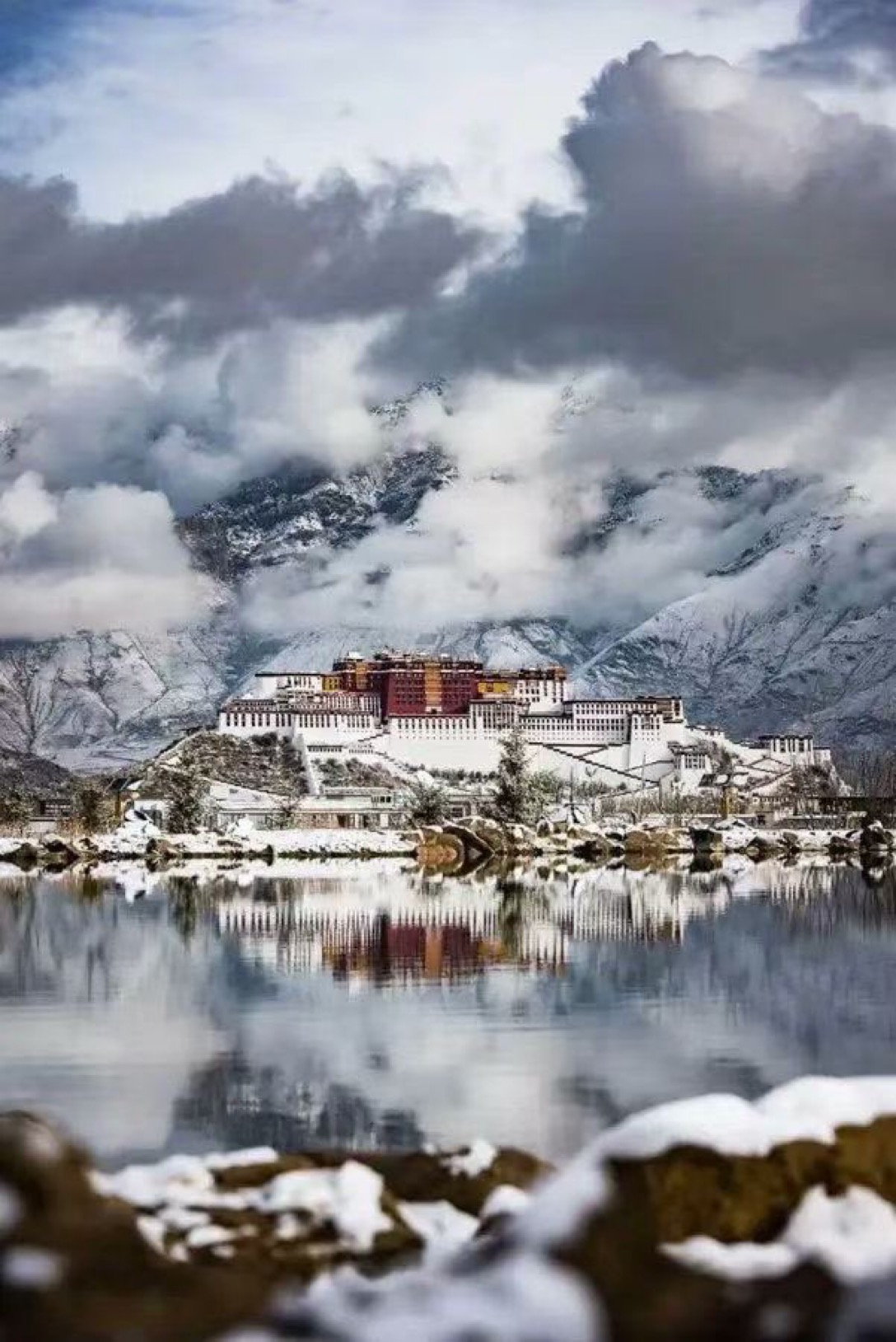
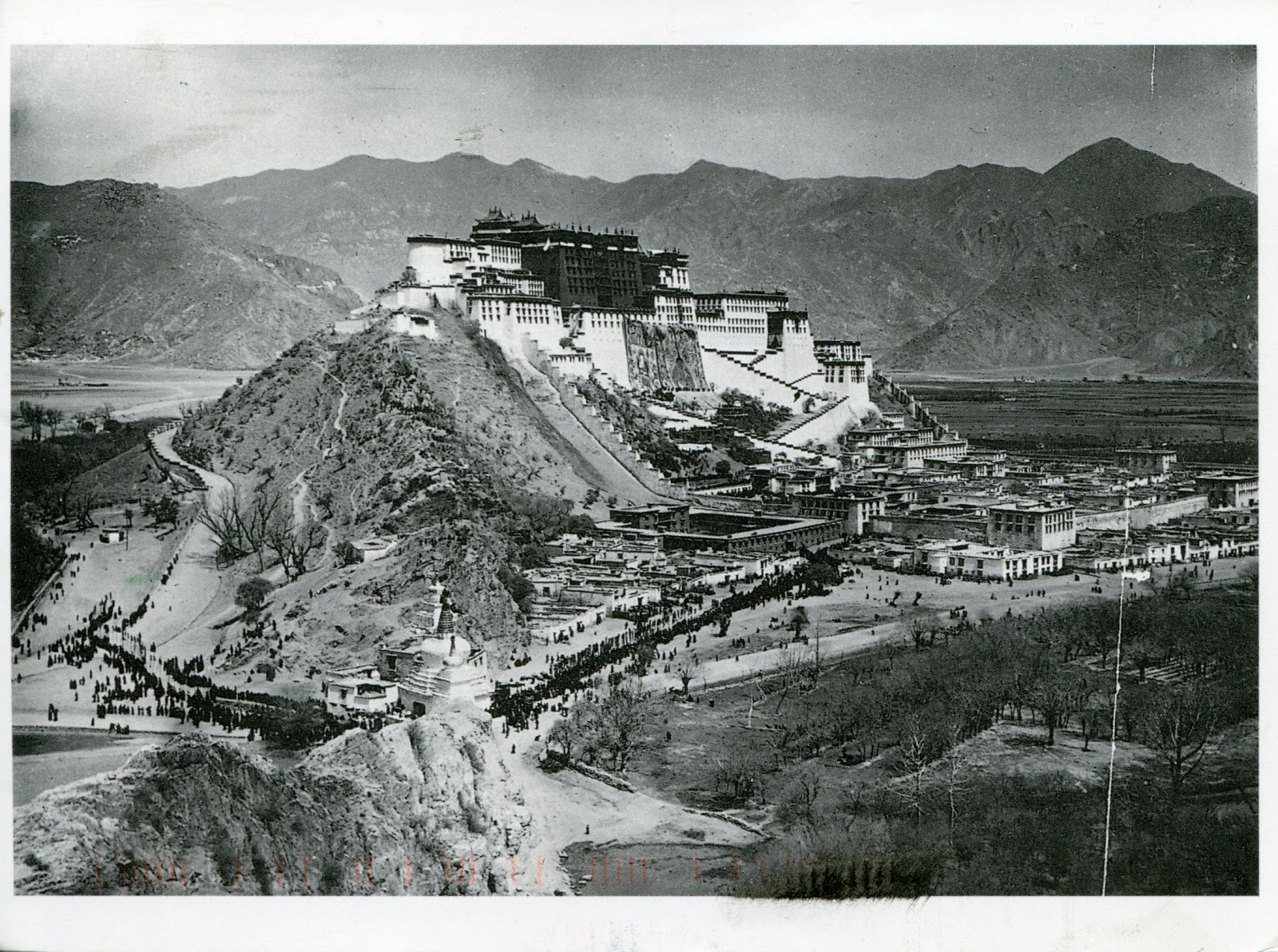
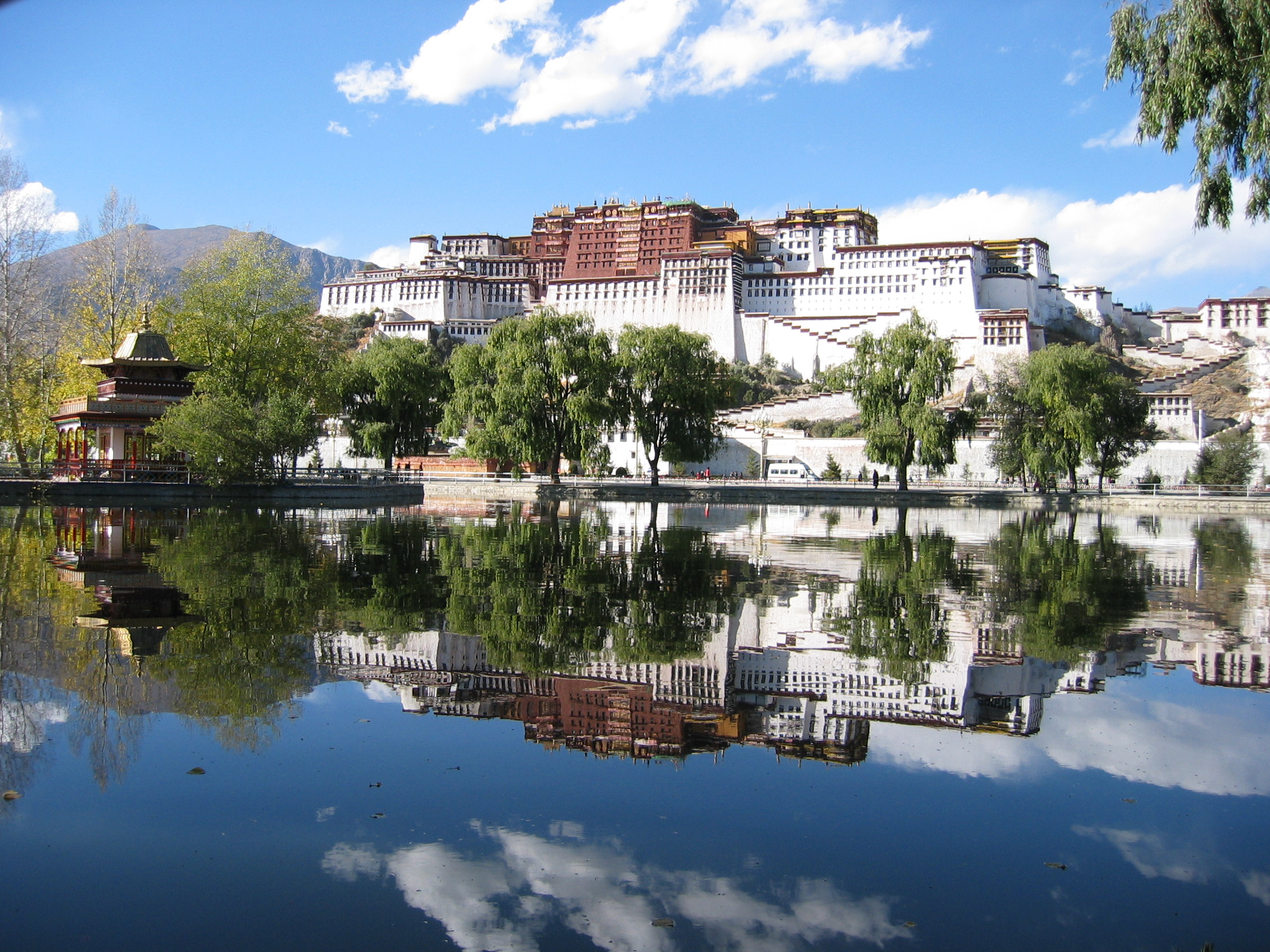
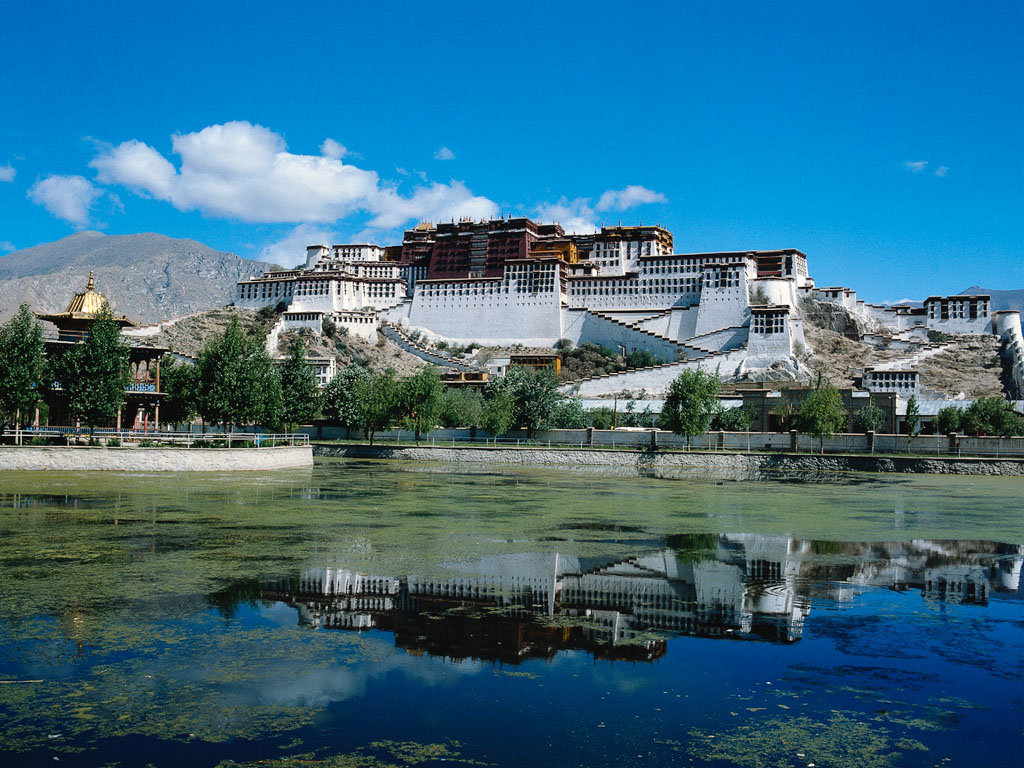
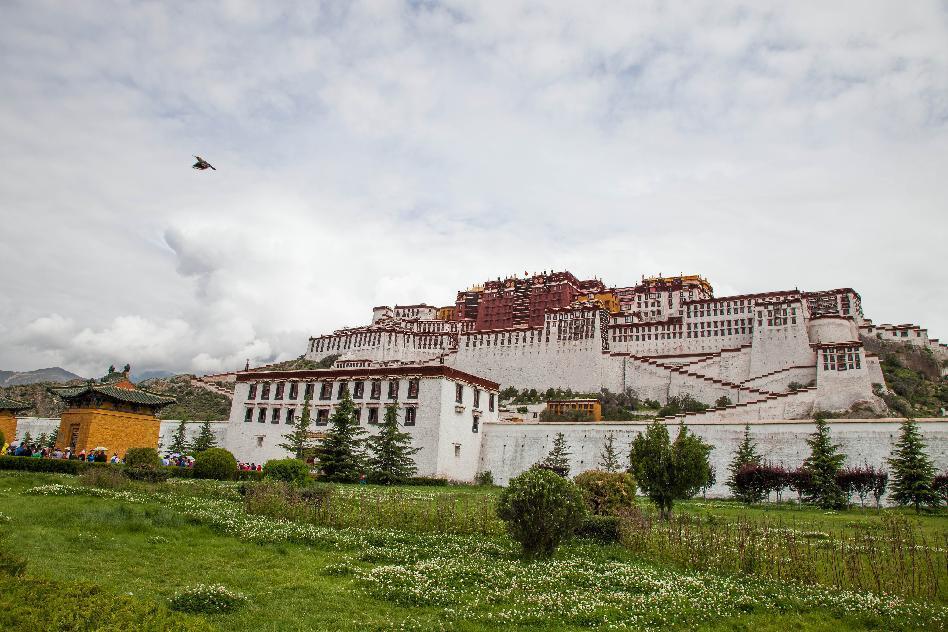
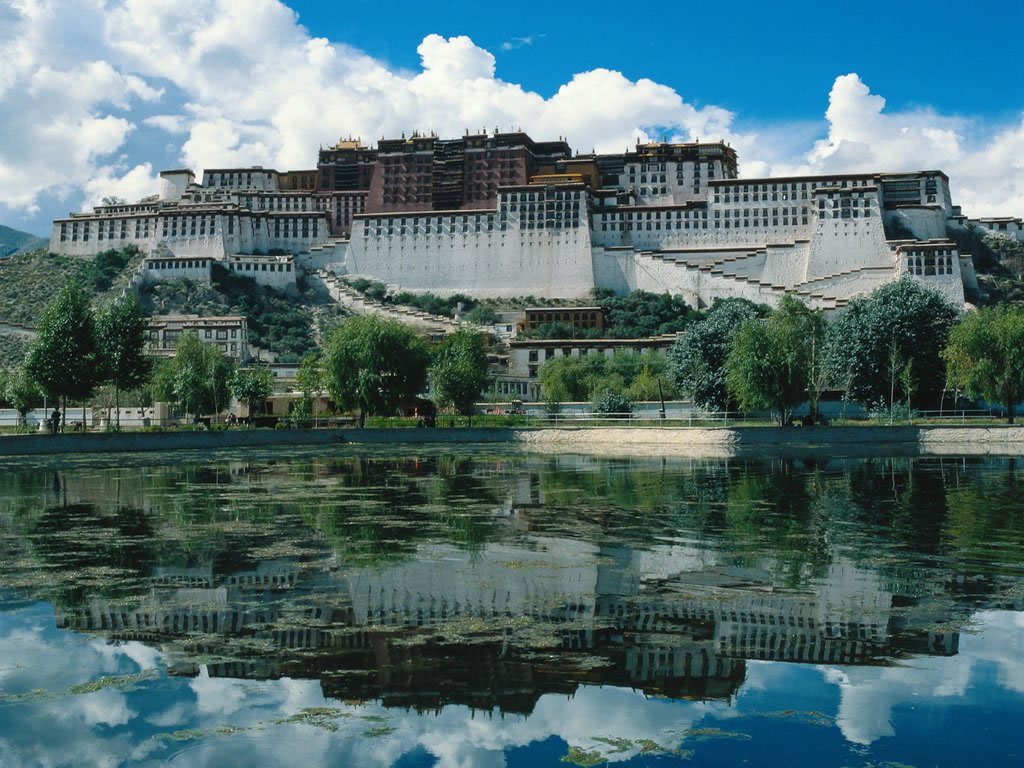
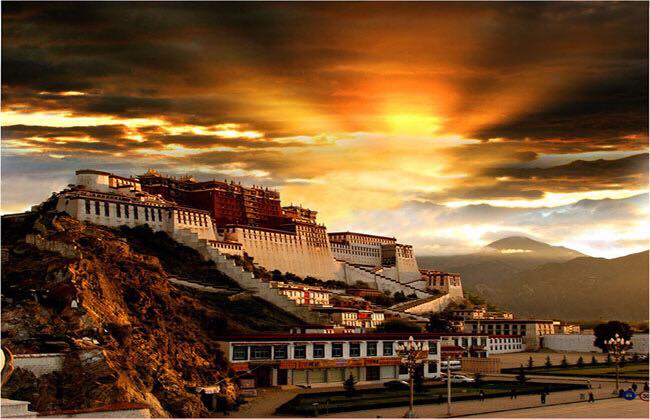
Living Tibetan Spirits present a guide to Potala Palace, Lhasa, Tibet. Potala Palace serves the same purpose as The White House of the US President.

The Potala Palace on the Red Hill in Lhasa was built during the reign of Lobsang Gyatso (1617-1682), the Great Fifth Dalai Lama. The Sovereign Authority of the Dalai Lama as the Ruler of Tibet was established before the US President became the Chief Executive of the United States.

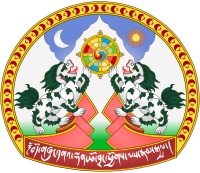
Whole Supreme – The Supreme Ruler of Tibet: The political institution of Dalai Lama is formally known as ‘Ganden Phodrang’ and this is the Official Seal of the Tibetan Government.

Potala is the Seat of Tibetan Government called The Dalai Lama Institution of Tibet.

Whole Supreme – The Supreme Ruler of Tibet: The White House of Supreme Ruler of Tibet.

A GUIDE TO POTALA PALACE, LHASA, TIBET

Whole Supreme – The Supreme Ruler of Tibet: The White House of Supreme Ruler of Tibet

Clipped from: https://www.nationalgeographic.com/travel/destinations/asia/china/tibet-autonomous-region-lhasa-potala-palace-world-heritage/

video.nationalgeographic.com/video/travel-source/unesco-world-heritage-sites/180822-china-potala-palace-unesco-travel

Potala Palace is one of the most well-known spiritual sanctums in the world

Whole Supreme: His Holiness the 14th Dalai Lama, Supreme Ruler of Tibet lives in exile to defend Freedom in Tibet. Potala Palace in Lhasa is witness to the long history of Tibetan Independence.

At 12,139 feet above sea level, Potala is the highest palace in the world. The 1,300-year-old structure was originally built as a gesture of love, commissioned by Tibetan king Songtsen Gambo for his marriage to Princess Wencheng of the Chinese Tang Dynasty. Eventually, monks came to rule Tibet and the palace was expanded and converted into the winter residence for the Dalai Lama. But when the Dalai Lama was exiled to India in 1959, the Chinese government took over and made the grounds into a museum.

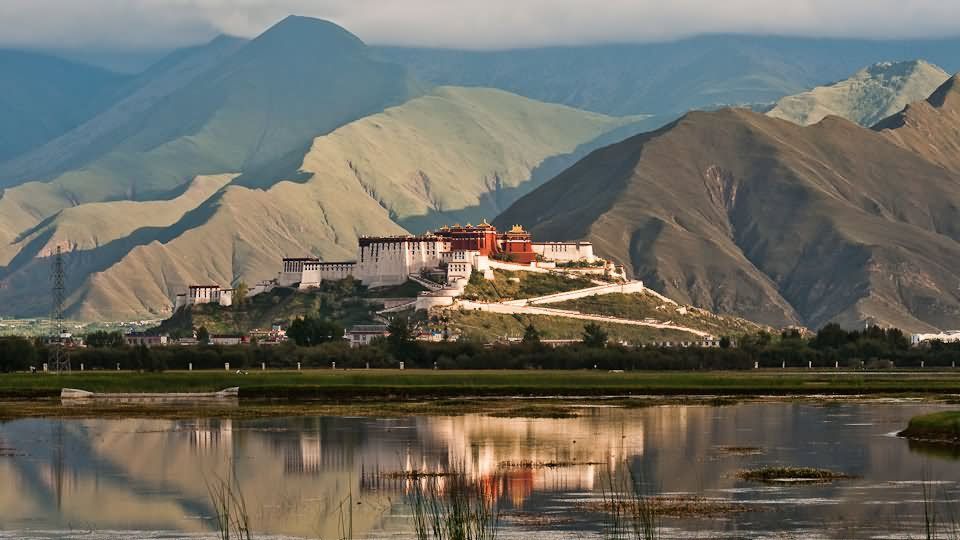
Whole Supreme – The Supreme Leader of Tibet: Lhasa, Potala und Medizinberg von Osten. My Prayers to Lhasa River.

Still, the Potala Palace remains an iconic part of the region and a mecca for Buddhists around the world. The name Potala is a nod to a sacred mountain in India, where the Buddha of compassion is said to dwell. Year-round, thousands of religious pilgrims circle the perimeter of the palace with prayer wheels and beads to ask for a blessing. Many have traveled thousands of miles by foot just to pay their respects.

Whole Supreme – The Supreme Leader of Tibet: TIBET AWARENESS – HISTORY OF TIBET’S UNREST. POTALA PALACE, LHASA, TIBET.

With more than a thousand rooms, 10,000 painted scrolls, 698 murals, and thousands of exquisite statues made from precious alloys and jewels, the structure has become one of the most famous spiritual sanctums in the world. Inside are the tombs of eight Dalai Lamas, hundreds of sacred Buddhist scrolls, and numerous shrines. Butter lamps light the hallways and watchful monks are stationed in nearly every public room to ensure that decorum is maintained.

Whole Supreme – The Supreme Leader of Tibet: The Potala Palace on the Red Hill in Lhasa was built during the reign of Lobsang Gyatso (1617-1682), the Great Fifth Dalai Lama. The Sovereign Authority of the Dalai Lama as the Ruler of Tibet was established before the US President became the Chief Executive of the United States.

The building is divided into two sections—the Red Palace and the White Palace. The former serves as the religious section and the latter as the administrative area. They are literally colored red and white; a fresh coat of paint made up of milk, honey, and sugar is applied every autumn.

Whole Supreme – The Supreme Leader of Tibet: Potala Palace is the symbol of Tibets Independence

The Potala Palace was named a World Heritage site in 1994 by UNESCO, and the neighboring Jokhang Temple and Norbulingka and were added on as extensions in 2000 and 2001, respectively. The Jokhang Temple is considered the most sacred temple in Tibet and the Norbulingka was the former summer residence of the Dalai Lama. All three structures are outstanding embodiments of Tibetan culture and despite waves of natural and human-induced damage, they are international icons that have remained spiritually relevant and intact over the centuries.

How to get there

Whole Supreme – The Supreme Leader of Tibet: Potala Palace is the Institution of Tibetan National Identity

Fly into the Lhasa Gonggar Airport or take a train into the city. Visitors must obtain a Tibet Tourism Bureau permit through a local tour agency in advance (allow up to 14 days) to enter Tibet by plane or train.

How to visit

Whole Supreme – The Supreme Leader of Tibet: In this July 12, 2013, photo, the Potala Palace, once the residence of the Dalai Lama, is seen in Lhasa, Tibet, China. Tibet has been a source of controversy ever since Beijing sent troops to occupy the Himalayan region following the 1949 communist revolution. It says the region has been part of Chinese territory for centuries, while many Tibetans say it has a long history of independence under a series of Buddhist leaders. (AP Photo/Penny Yi Wang)

All visitors must visit the Potala Palace with a tour group. Groups are allocated an hour inside the premises and photos are not allowed. While the palace and its adjacent temples are very much tourist attractions, many of the guests are Tibetan pilgrims who have come to the sacred sites to pray.

When to visit

Whole Supreme – The Supreme Leader of Tibet: Potala Palace represents the Institution of Dalai Lama known as Ganden Phodrang

As one of the highest cities in the world, Lhasa can get quite frosty during the winter. Summer is the best time to visit. June to August is peak tourist season.

Whole Supreme – The Supreme Leader of Tibet: The White House of Supreme Ruler of Tibet. These Tibetans are not pilgrims visiting the Potala Palace. They came to defend their Political Rights.


Whole Dude – Whole Equilibrium

Whole Dude – Whole Equilibrium: Nature grants Freedom to Tibetans without the need for raising questions.

Excerpt: In my analysis, Tibet Equilibrium is about balancing physical force applied by Communist regime to overcome Nature’s Agenda of granting freedom without asking questions. Living Tibetan Spirits speak of Nature’s Agenda in Tibet. Freedom and Independence are gifts of Nature quietly operating across Tibetan Plateau long before the arrival of Anatomically Modern Man. Occupying force wielded by Communist China creates imbalance, disharmony, and discord in the lives of Tibetans who view freedom as natural experience.

WHAT IS TIBET EQUILIBRIUM? I CONSIDER NATURAL CAUSES, NATURAL FACTORS, NATURAL CONDITIONS, NATURAL MECHANISMS, AND NATURAL EVENTS THAT CAN RESTORE NATURAL FREEDOM IN OCCUPIED TIBET.

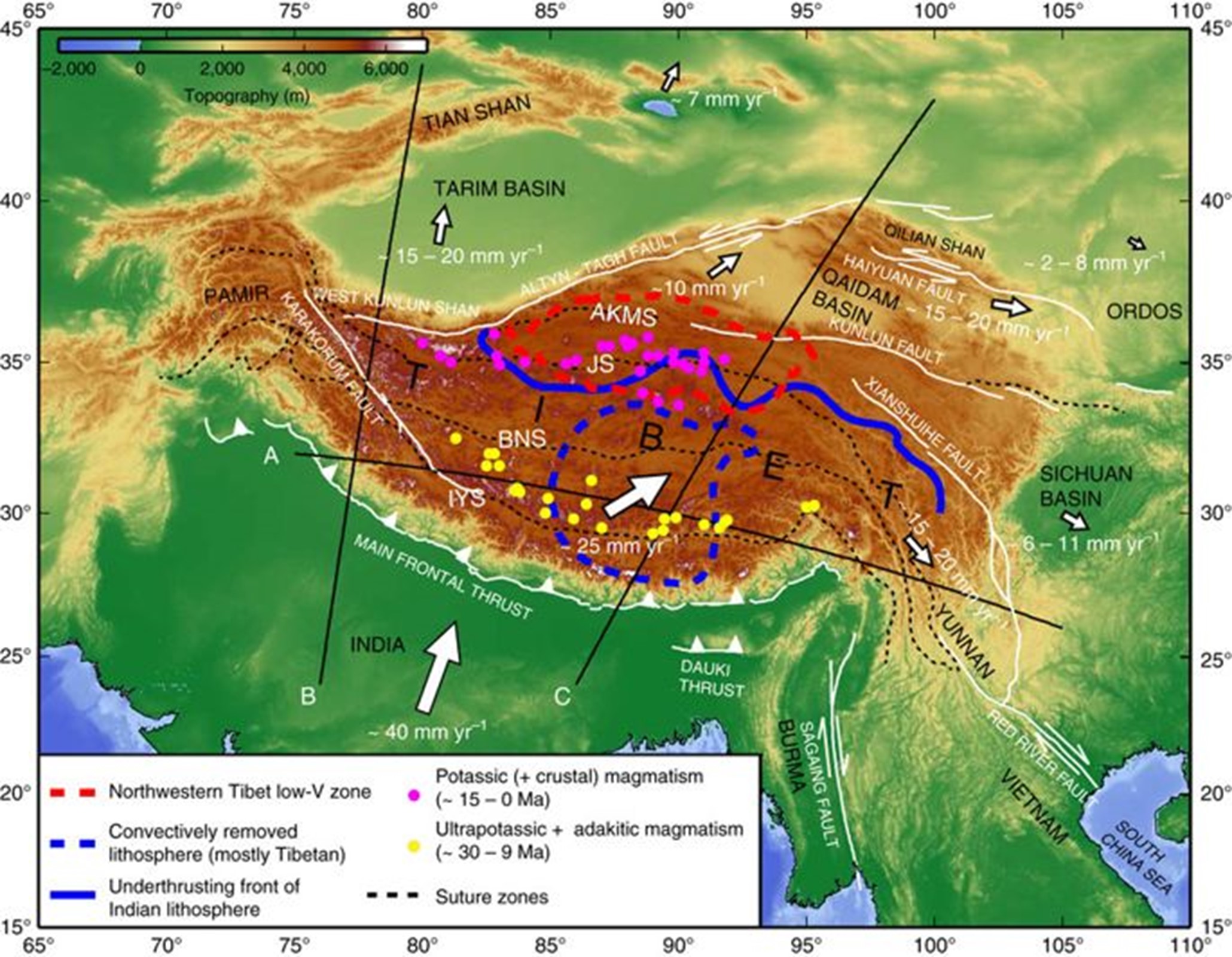
Natural Sciences such as Physics and Geology describe Natural Forces that are at work shaping Natural Events such as Plate Tectonics that involves collision between plates of Earth’s mantle. For Life to exist on planet Earth, the physical conditions and forces interacting must generate Natural Balance, Natural Order, and Natural Equilibrium for sustained periods of time.

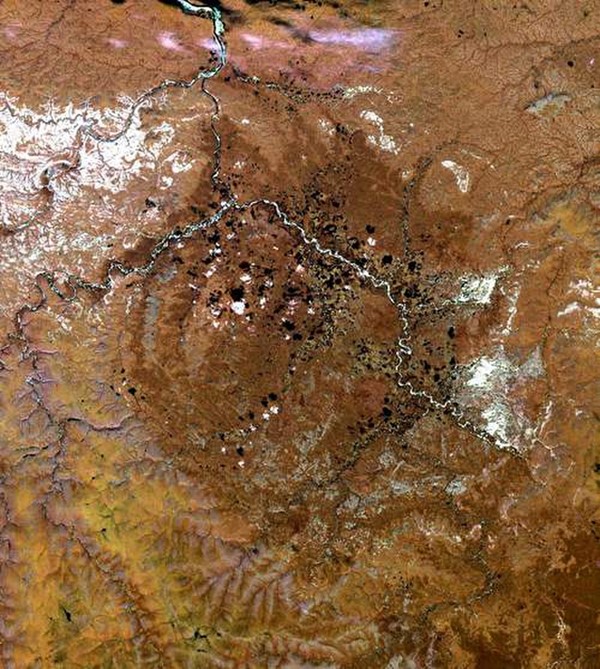
WHAT IS TIBET EQUILIBRIUM? WHAT IS THE CONNECTION BETWEEN POPIGAI IMPACT CRATER IN RUSSIA AND SOUTHERN TIBET UPLIFT?

During the time of ‘Rapid Uplift of Southern Tibet’, planet Earth witnessed massive collision by a meteorite that caused very significant impact crater in Siberia, Russia. This Natural Collision Event, Russia’s Popigai Meteor Crash, contributed to extinction of several species of Life.

I investigate Natural Causes, Natural Factors, Natural Conditions, and Natural Mechanisms that shape Natural Events such as Major and Minor Extinction Events.

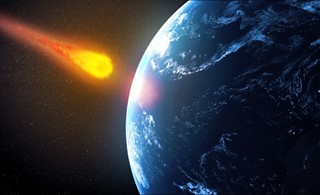
What is Tibet Equilibrium? Can Bolide Collision Restore Natural Freedom in Occupied Tibet?

Human History is full of events that involve use of Physical Force applied by Man to change Regime, the Political Power that rules or governs lives of people.

TIBET EQUILIBRIUM – BALANCE OF POWER IN OCCUPIED TIBET. THE GREAT TIBET PROBLEM WILL EXIST UNTIL BALANCE OF POWER IS RESTORED IN OCCUPIED TIBET.

In 1950s, People’s Republic of China invaded Tibet using her superior Physical Power. Tibetans living in Occupied Tibet do not experience Natural Freedom due to change in Balance of Power that operates their lives.

Living Tibetan Spirits speak of Nature’s Agenda in Tibet. Freedom and Independence are gifts of Nature quietly operating across Tibetan Plateau long before the arrival of Anatomically Modern Man. Occupying force wielded by Communist China creates imbalance, disharmony, and discord in lives of Tibetans who view freedom as natural experience. There is no reason for Tibetans to raise their voices demanding freedom. 

To again experience Natural Freedom, Tibet needs help from a Natural Event of great magnitude that applies Force or Power to cause Downfall of Power Regime that rules Tibet from its Seat of Power in Beijing. In my analysis, Bolide Collision Event described in the Book of Revelation, Chapter 18, can shake up the Seat of Power in Beijing. For that reason, I proclaim, “Beijing Doomed.”

What is Tibet Equilibrium? What are the Natural Forces acting or operating in Tibet? “Beijing Doomed,” expression of hope for restoring Natural Freedom in Occupied Tibet.

RAPID UPLIFT OF SOUTHERN TIBET – SPACEREF.COM

Clipped from: http://spaceref.com/earth/rapid-uplift-of-southern-tibet.html

What is Tibet Equilibrium? What Natural Causes, Natural Factors, Natural Conditions, Natural Mechanisms, and Natural Forces operate in Tibet?

©NASA

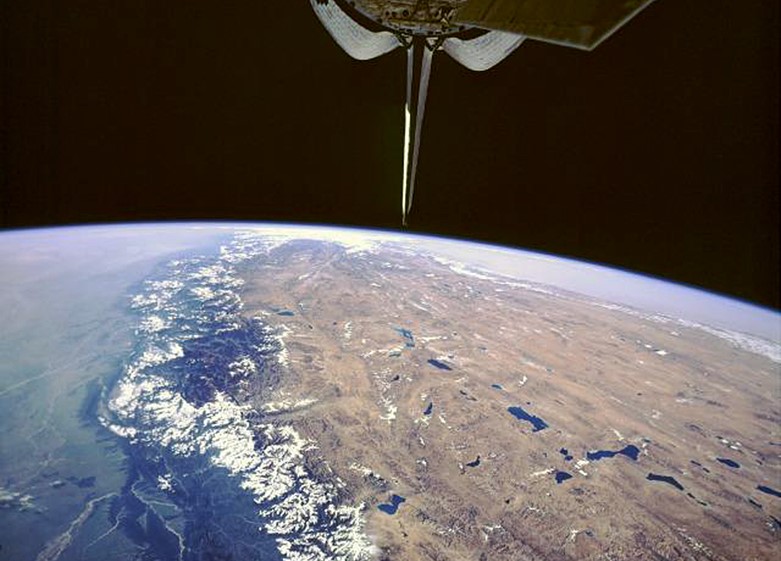
Tibetan Plateau

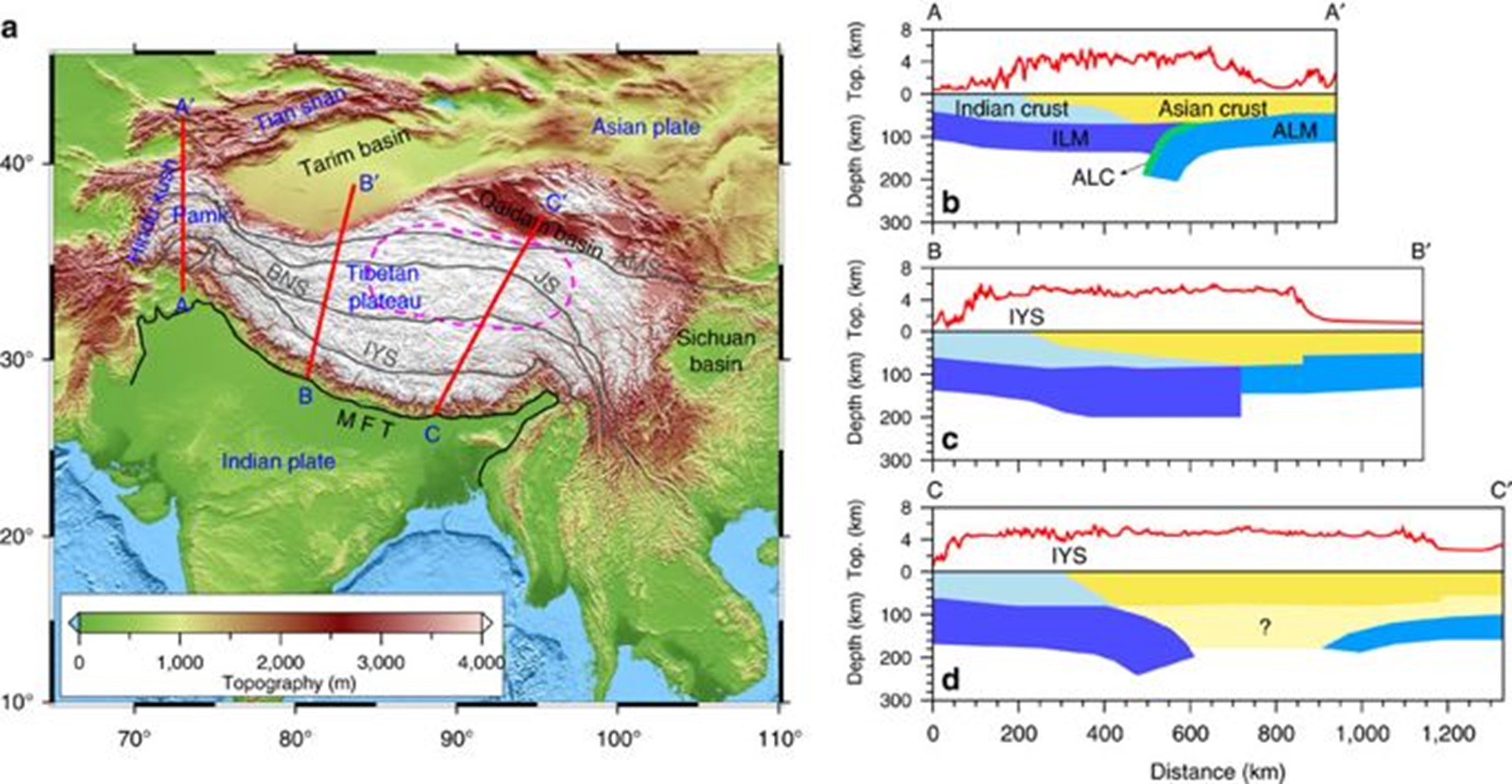
Using seismic data and supercomputers, Rice University geophysicists have conducted a massive seismic CT scan of the upper mantle beneath the Tibetan Plateau.

They concluded that the southern half of the “Roof of the World” formed in less than one-quarter of the time since the beginning of India-Eurasia continental collision.

The research, which appears online this week in the journal Nature Communications, finds that the high-elevation of Southern Tibet was largely achieved within 10 million years. Continental India’s tectonic collision with Asia began about 45 million years ago.

“The features that we see in our tomographic image are very different from what has been seen before using traditional seismic inversion techniques,” said Min Chen, the Rice research scientist who headed the project. “Because we used full waveform inversion to assimilate a large seismic data set, we were able to see more clearly how the upper-mantle lithosphere beneath Southern Tibet differs from that of the surrounding region. Our seismic image suggests that the Tibetan lithosphere thickened and formed a denser root that broke away and sank deeper into the mantle. We conclude that most of the uplift across Southern Tibet likely occurred when this lithospheric root broke away.”

The research could help answer longstanding questions about Tibet’s formation. Known as the “Roof of the World,” the Tibetan Plateau stands more than three miles above sea level. The basic story behind its creation — the tectonic collision between the Indian and Eurasian continents — is well-known to schoolchildren the world over, but the specific details have remained elusive. For example, what causes the plateau to rise and how does its high elevation impact Earth’s climate?

“The leading theory holds that the plateau rose continuously once the India-Eurasia continental collision began, and that the plateau is maintained by the northward motion of the Indian plate, which forces the plateau to shorten horizontally and move upward simultaneously,” said study co-author Fenglin Niu, a professor of Earth science at Rice. “Our findings support a different scenario, a more rapid and pulsed uplift of Southern Tibet.”

It took three years for Chen and colleagues to complete their tomographic model of the crust and upper-mantle structure beneath Tibet. The model is based on readings from thousands of seismic stations in China, Japan and other countries in East Asia. Seismometers record the arrival time and amplitude of seismic waves, pulses of energy that are released by earthquakes and that travel through Earth. The arrival time of a seismic wave at a particular seismometer depends upon what type of rock it has passed through. Working backward from instrument readings to calculate the factors that produced them is something scientists refer to as an inverse problem, and seismological inverse problems with full waveforms incorporating all kinds of usable seismic waves are some of the most complex inverse problems to solve.

Chen and colleagues used a technique called full waveform inversion, “an iterative full waveform-matching technique that uses a complicated numerical code that requires parallel computing on supercomputers,” she said.

“The technique really allows us to use all the wiggles on a large number of seismographs to build up a more realistic 3-D model of Earth’s interior, in much the same way that whales or bats use echo-location,” she said. “The seismic stations are like the ears of the animal, but the echo that they are hearing is a seismic wave that has either been transmitted through or bounced off of subsurface features inside Earth.”

The tomographic model includes features to a depth of about 500 miles below Tibet and the Himalaya Mountains. The model was computed on Rice’s DAVinCI computing cluster and on supercomputers at the University of Texas that are part of the National Science Foundation’s Extreme Science and Engineering Discovery Environment (XSEDE).

“The mechanism that led to the rise of Southern Tibet is called lithospheric thickening and foundering,” Chen said. “This happened because of convergence of two continental plates, which are each buoyant and not easy to subduct underneath the other plate. One of the plates, in this case on the Tibetan side, was more deformable than the other, and it began to deform around 45 million years ago when the collision began. The crust and the rigid lid of upper mantle — the lithosphere — deformed and thickened, and the denser lower part of this thickened lithosphere eventually foundered, or broke off from the rest of the lithosphere. Today, in our model, we can see a T-shaped section of this foundered lithosphere that extends from a depth of about 250 kilometers to at least 660 kilometers.”

Chen said that after the denser lithospheric root broke away, the remaining lithosphere under Southern Tibet experienced rapid uplift in response.

“The T-shaped piece of foundered lithosphere sank deeper into the mantle and also induced hot upwelling of the asthenosphere, which leads to surface magmatism in Southern Tibet,” she said.

Such magmatism is documented in the rock record of the region, beginning around 30 million years ago in an epoch known as the Oligocene.

“The spatial correlation between our tomographic model and Oligocene magmatism suggests that the Southern Tibetan uplift happened in a relatively short geological span that could have been as short as 5 million years,” Chen said.

Additional co-authors include Adrian Lenardic, Cin-Ty Lee, Wenrong Cao and Julia Ribeiro, all of Rice, and Jeroen Tromp of Princeton University.

The research was supported by a grant from the National Science Foundation (NSF), by the NSF’s Extreme Science and Engineering Discovery Environment (XSEDE) program, and by the China Earthquake Administration’s China Seismic Array Data Management Center. Rice’s DAVinCI supercomputer is administered by Rice’s Center for Research Computing and procured in partnership with the Ken Kennedy Institute for Information Technology. The DOI of the Nature Communications paper is: 10.1038/NCOMMS15659

A copy of the paper, “Lithospheric Foundering and Under thrusting Imaged Beneath Tibet,” is available at: https://www.nature.com/articles/ncomms15659

What is Tibet Equilibrium? How to restore Natural Freedom in Occupied Tibet?
What is Tibet Equilibrium? Can Time alone restore Natural Freedom in Occupied Tibet?

CHOOSING THE DALAI LAMA SUCCESSOR IS NOT CHINA’S BUSINESS

CHOOSING THE DALAI LAMA SUCCESSOR IS NOT CHINA’S BUSINESS

Choosing the Dalai Lama Successor is not China’s Business.

The discovery of the Dalai Lama Successor is not China’s business. In fact, China’s Government and Communist Party officials are not even competent to discuss the subject of the Dalai Lama succession.

Rudranarasimham Rebbapragada

SPECIAL FRONTIER FORCE

https://wholedude.com/2018/11/07/the-dalai-lama-life-cycle-man-vs-nature/

Not my business to decide on a successor: Dalai Lama

Clipped from: https://www.hindustantimes.com/india-news/not-my-business-to-decide-on-successor-dalai-lama/story-pI7CFgqSFnmBg9ZSOvWMTP.html

In an interview with Hindustan Times, Dalai Lama said the dialogue process for reincarnation had not even started. He said that this should be decided through an international conference after his natural death.

Shishir Gupta

Choosing the Dalai Lama Successor is not China’s Business.

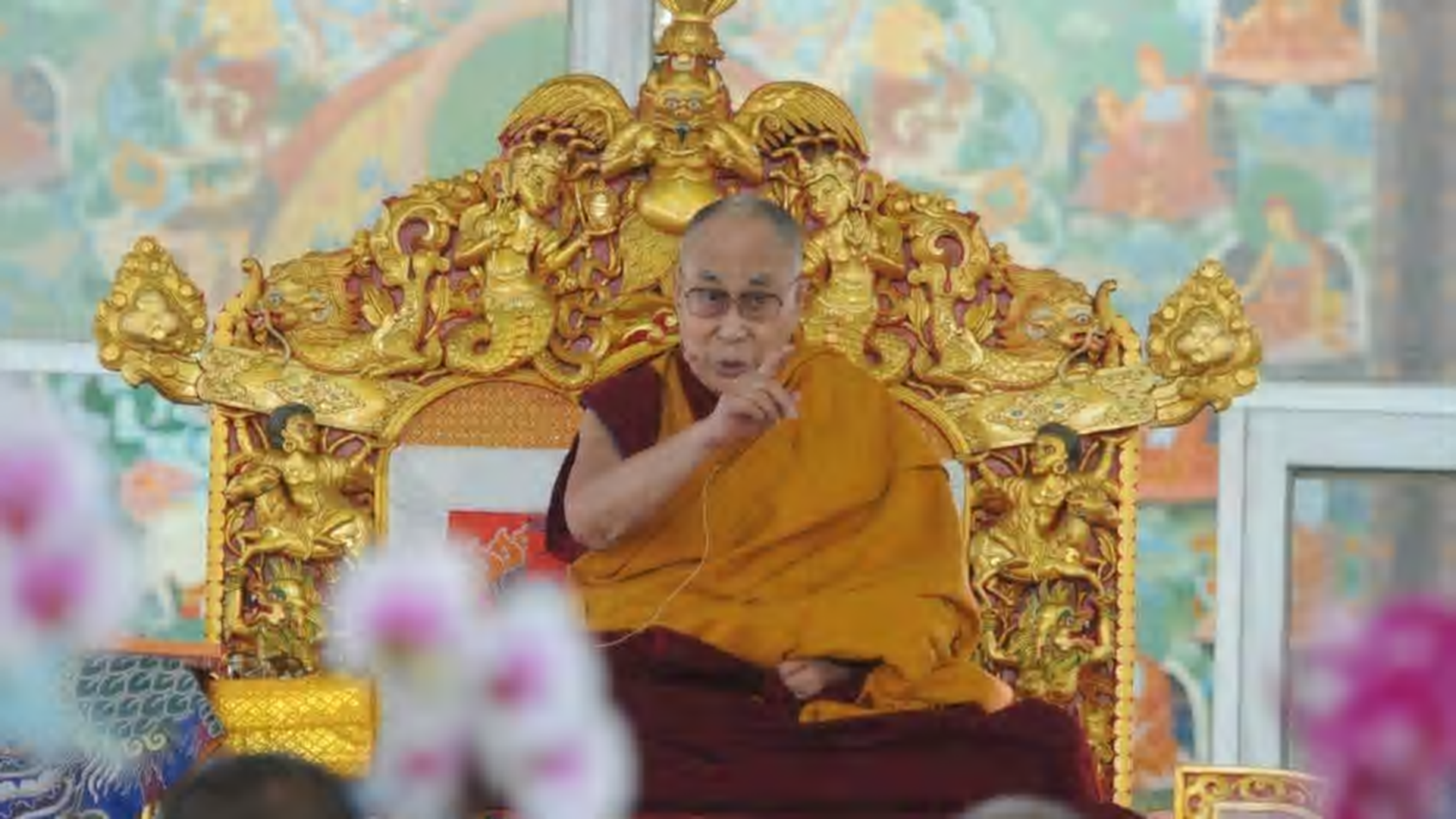
Tibetan spiritual leader Dalai Lama addresses a gathering at Kalachakra ground, in Bodh Gaya on Monday. (Parwaz Khan / HT Photo)

The temporal and spiritual world of Tibetan Buddhism seems headed for a period of uncertainty and possible turmoil in the near future with Lobsang Yeshi Tenzin Gyatso, the 14th Dalai Lama, leaving the question of his reincarnation and the continuation of the very institution of the Dalai Lama to Buddhists living in the Himalayan belt, Mongolia, and outside Tibet.

In an interview, he said this should be decided through an international conference after his natural death and that it is “not his business” to decide on his successor through either reincarnation or emanation. He admitted the dialogue process for reincarnation had not even started.

Talking exclusively to Hindustan Times, the Dalai Lama said that his anointed 17th Karmapa Ogyen Trinley Dorje “most probably” would return to India.

But that, he said, was a concern of the Karma Kagyu school head and the Indian government as he had no role to play in the matter.

While the highest lama and head of the Gelug school of Tibetan Buddhism called the meeting of Ogyen Dorje and co-claimant Trinley Thaye Dorje in France this year a “rightful beginning”, he said he did not want to play the mediator between the two reincarnations of the 16th Karmapa.

Thaye Dorje, who was anointed by rival regent Shamar Rinpoche, is currently preaching in Bodh Gaya to many foreigners from the US and Europe and has not met the 14th Dalai Lama.

Ogyen Trinley Dorje, supported by both the Dalai Lama and China, left for the US in May 2017, ostensibly for medical reasons. He then acquired a Dominican passport in March this year without informing India. He has been laying down conditions for his return – for instance, that he be allowed to visit the Rumtek Monastery in Sikkim which is the seat of the Karmapa outside Tibet and at the heart of the Karmapa controversy, with the two rival factions laying claim to its ownership – but New Delhi isn’t playing ball.

While he said that it was possible for the 16th Karmapa to have a few reincarnations, the Dalai Lama made it amply clear that there should be only one holder of the seat of the 17th Karmapa. The 14th Dalai Lama chose to remain quiet as to who will decide on the holder of the heads of Tibetan schools of Buddhism with the presence of two Panchen Lamas, two Karmapas and the Chinese government already initiating the process of anointing the 15th Dalai Lama.

The Dalai Lama confirmed that his anointed Panchen Lama Gedhun Choekyi was alive with another co-claimant. Gyaltsen Norbu is sponsored by the Chinese regime and said to be sitting on the throne in Shigatse and mostly stays in Beijing.

The Dalai Lama confirmed that there was only informal dialogue on with the Chinese government through retired officials and businessmen after all formal channels were closed in June 2010. He said that he did not want an independent Tibet since 1974 but wanted the protection of Tibetan people living even outside Tibetan Autonomous Region of China in terms of language, culture, religious affairs and environment. He said he was committed to “middle approach” when dealing with Beijing and admitted that the Tibetan people will gain financially from the rise of China.

The Dalai Lama dismissed news reports about Dr. Lobsang Sangay, President of the Central Tibetan Administration in Dharamshala, not heeding his advice as “small rumors” and said that the politically elected leader trusted and believed in him.

The 84-year-old head of Yellow Hat Gelug school of Buddhism confirmed that he had been successfully treated for what he called “traces of prostate cancer” through radiation but added that he is in good health.

First Published: Dec 25, 2018, 06:56 IST

Choosing the Dalai Lama Successor is not China’s Business.


BLESSINGS FOR PEACE – MY PRAYERS TO TIBET’S MOUNTAINS FOR JUSTICE

BLESSINGS FOR PEACE – MY PRAYERS TO TIBET’S MOUNTAINS FOR JUSTICE

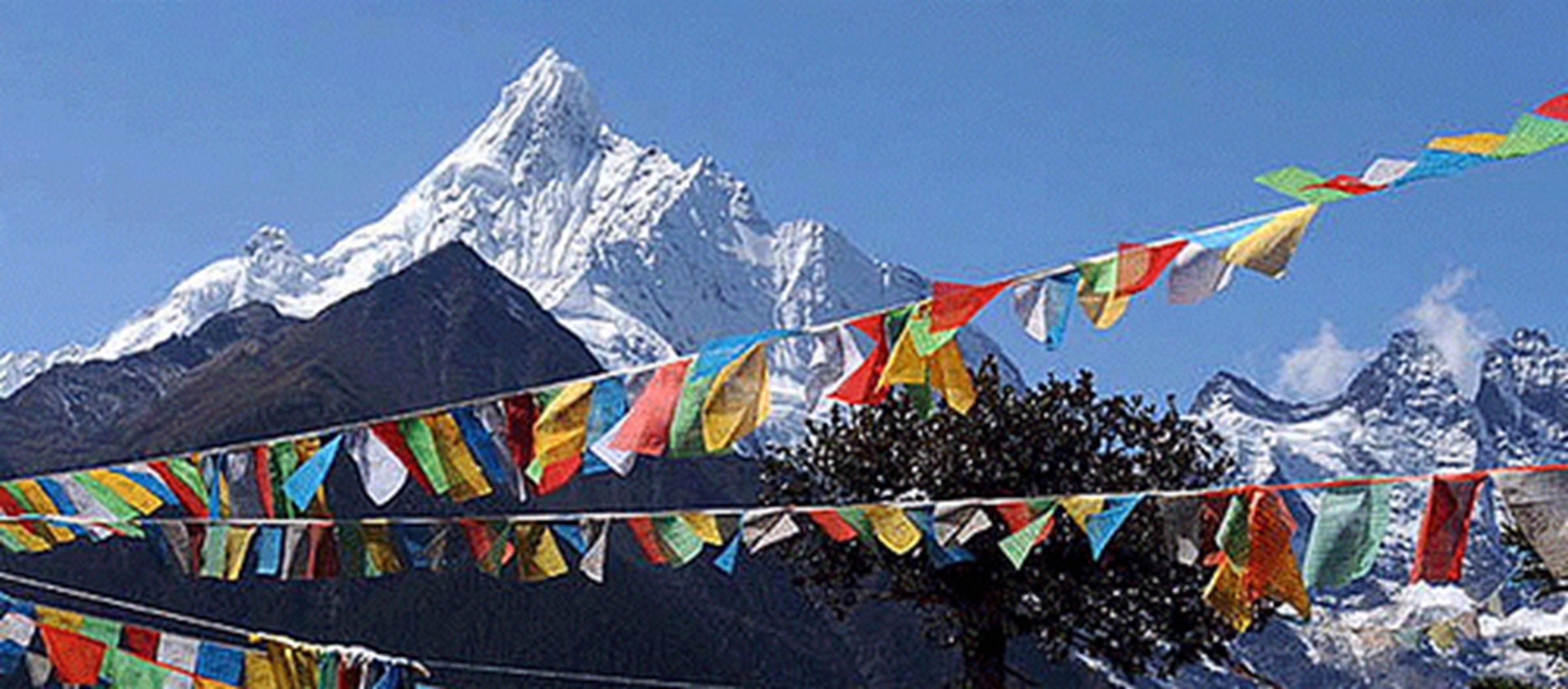
Peace, Harmony, and Tranquility define the Tibetan Living Experience. Tibetans pray to their Mountains to receive the Blessings for Peace. I am praying to Tibet’s Mountains to give us Justice in addition to Peace.

Rudranarasimham Rebbapragada

SPECIAL FRONTIER FORCE

https://wholedude.com/2016/04/29/raising-tibet-raising-tibet-awareness/

12 Colorful Paintings of Tibet’s Mountains

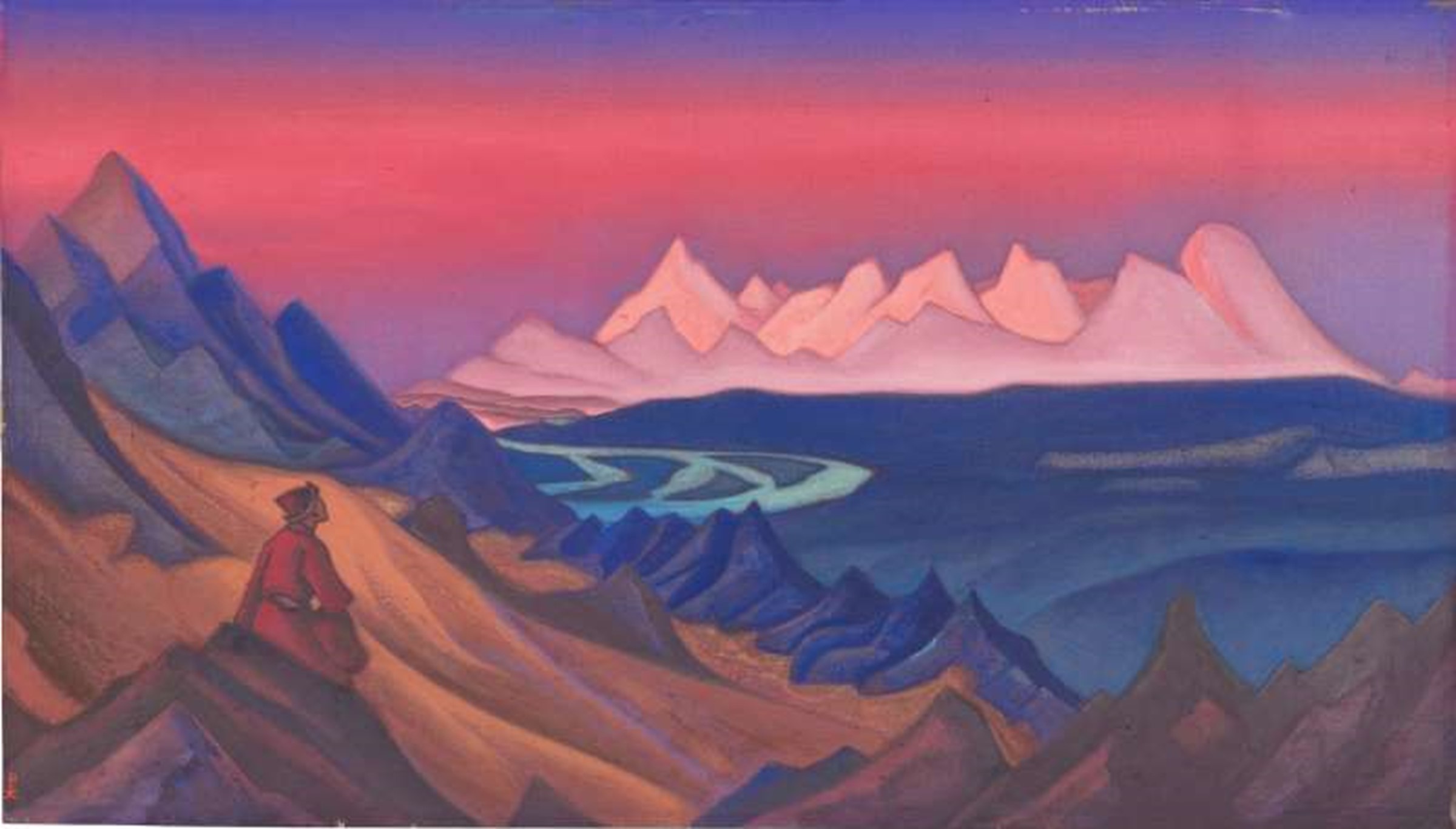
The painting – titled “Tangla. The Song about Shambhala” – shows a mythical paradise. Shambhala is believed to be the birthplace of Kalki, the tenth incarnation of Lord Vishnu.

Clipped from: https://www.msn.com/en-us/lifestyle/other/12-colorful-paintings-of-tibets-mountains/ar-BBQ4bRp

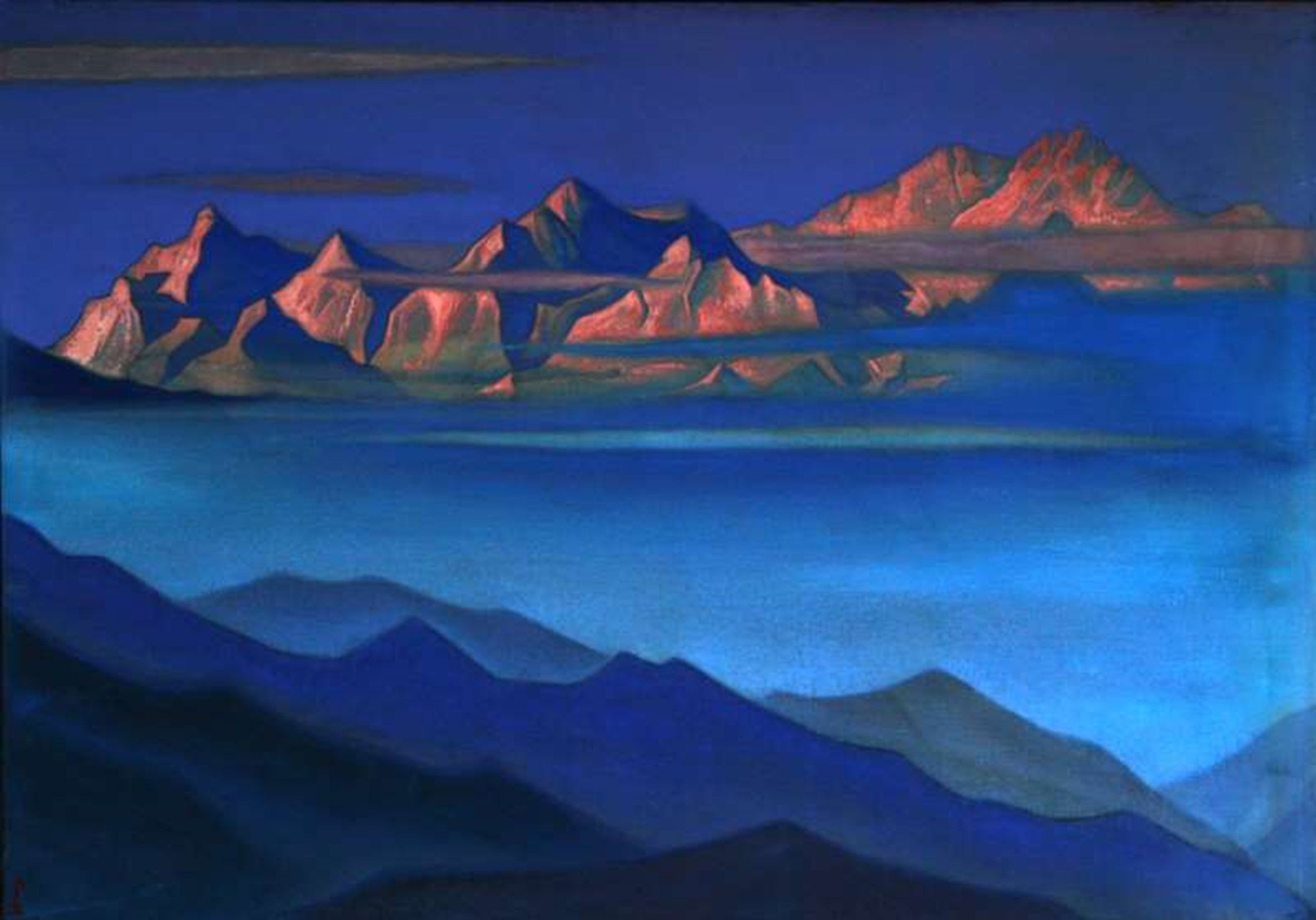
From the meandering Brahmaputra River winding its way through the Himalayas to the magnificent vision of the Kangchenjunga melding with the sky above, here are some colorful and dramatic paintings of Tibet’s mountains.

© Fine Art Images/Heritage Images/Getty Images

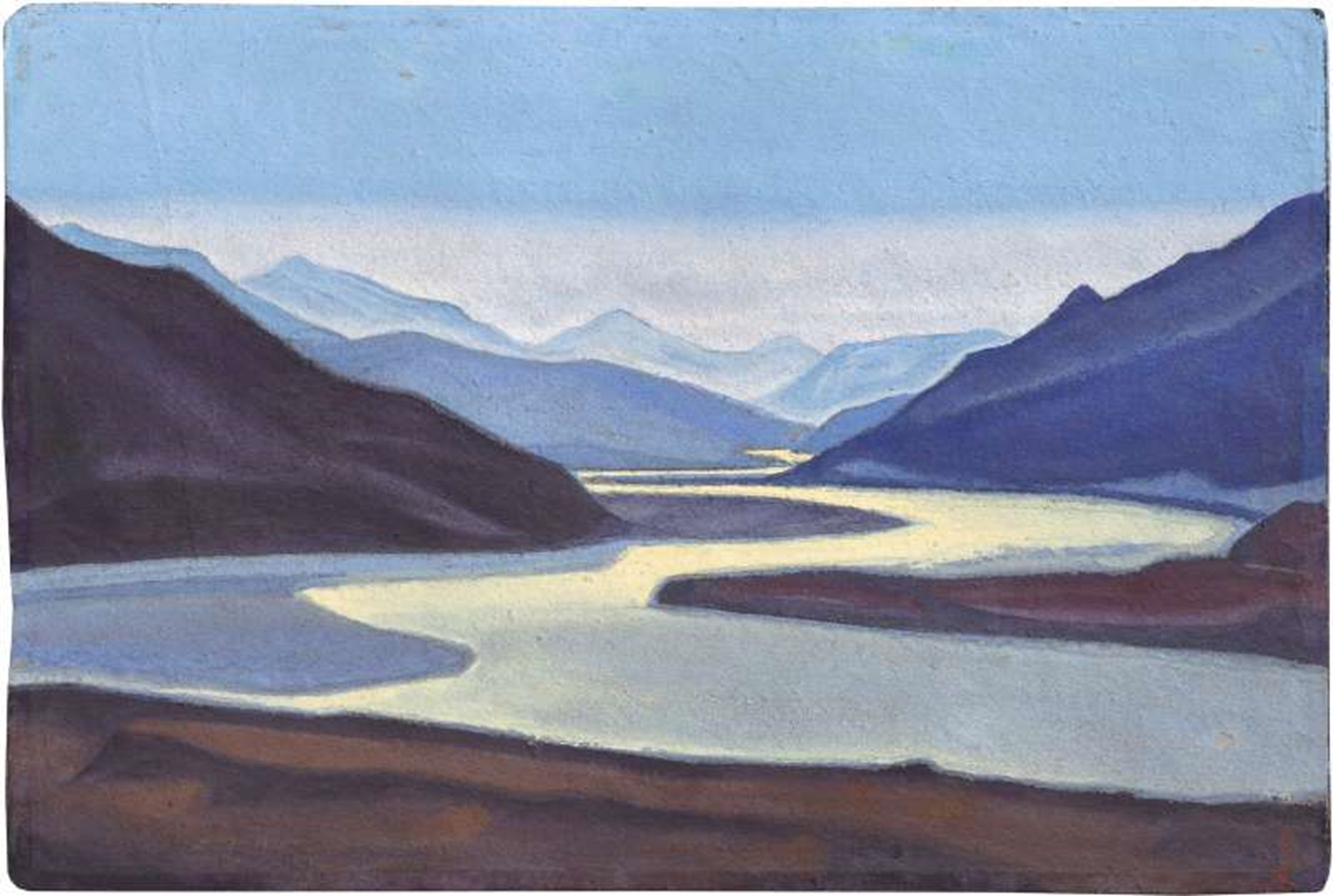
Brahmaputra River is shown flowing through a path between lofty mountain peaks in this painting titled “Brahmaputra.”. (Found in the collection of State Museum of Oriental Art in Moscow, Russia.)

© Fine Art Images/Heritage Images/Getty Images

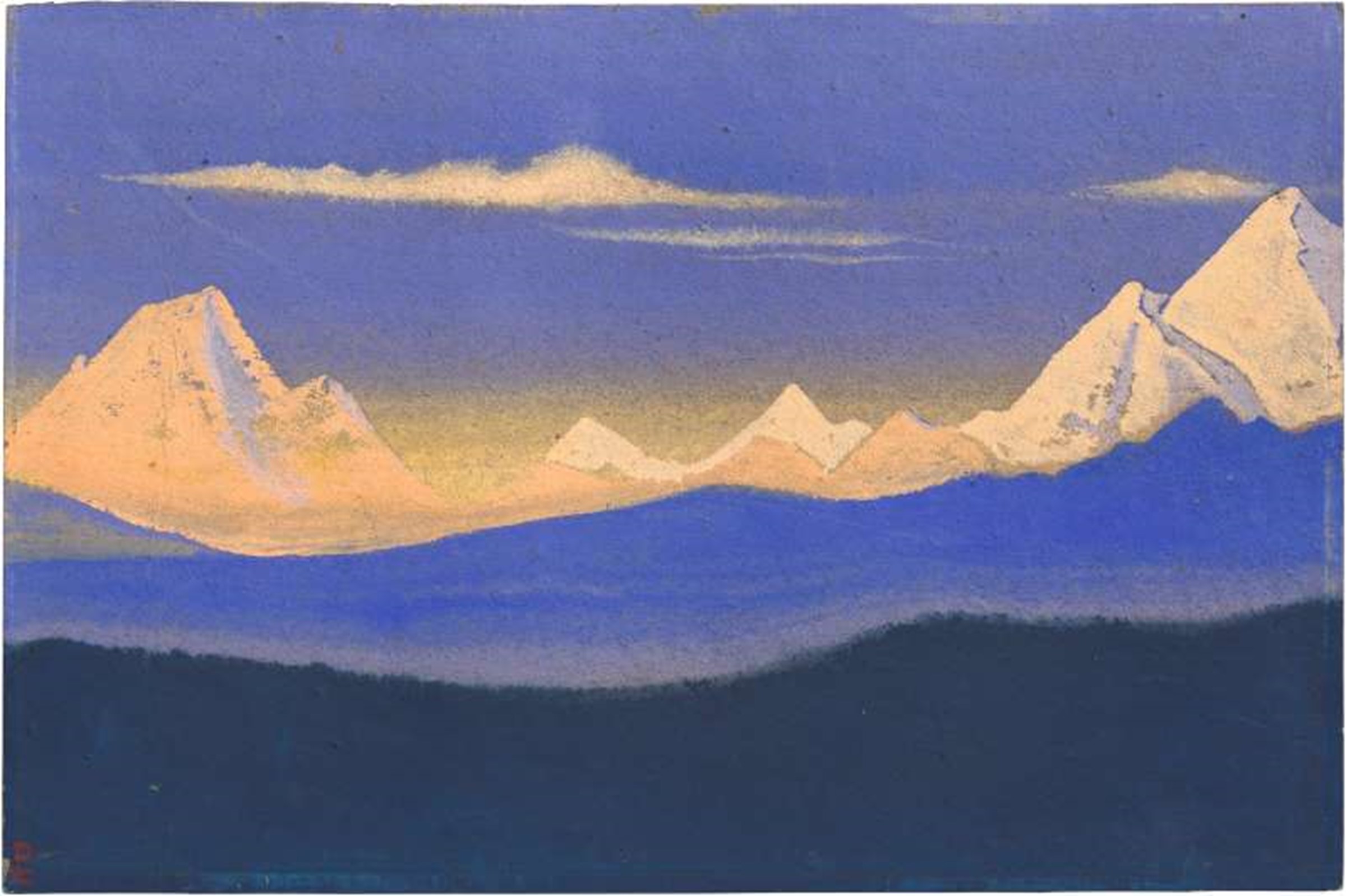
A painting showing the peaks of the Himalayan ranges. (Found in the collection of State Museum of Oriental Art.)

© Fine Art Images/Heritage Images/Getty Images

A canvas detailing the landscape of Ladakh. (Found in the collection of State Museum of Oriental Art.)

© Fine Art Images/Heritage Images/Getty Images

The painting – titled “Tangla. The Song about Shambhala” – shows a mythical paradise. Shambhala is believed to be the birthplace of Kalki, the tenth incarnation of Lord Vishnu. (Found in the collection of State Museum of Oriental Art.)

© Fine Art Images/Heritage Images/Getty Images

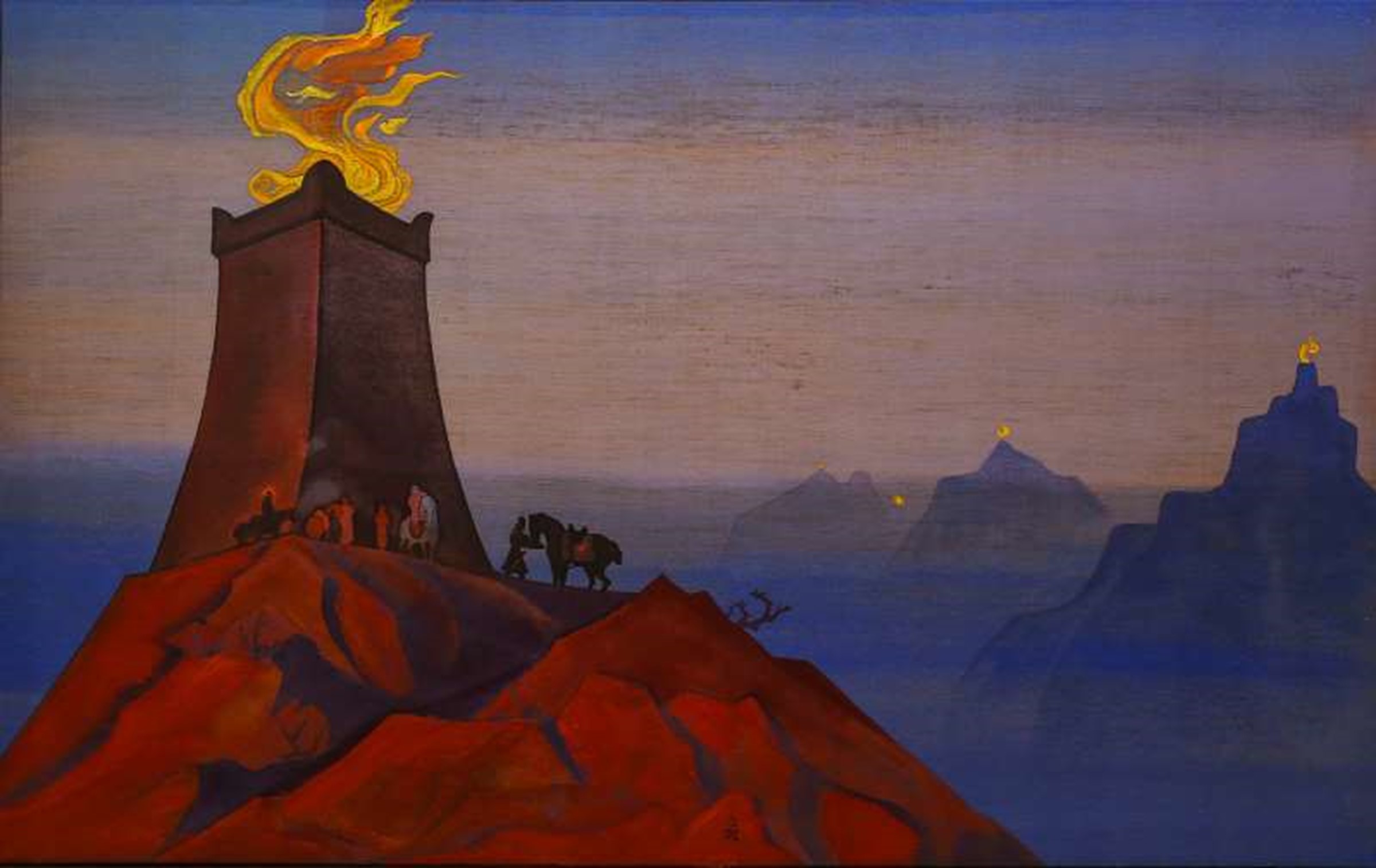
An illustration titled “Flowers of Timur (Victory Lights).” (Found in State Museum of Oriental Art.)

© Fine Art Images/Heritage Images/Getty Images

A 1944 painting by Nicholas Roerich titled “Baralacha.” (From a private collection.)

© Fine Art Images/Heritage Images/Getty Images

A 1924 work titled “Padma Sambhava.” Padmasambhava was an Indian sage who is said to have introduced Tantric Buddhism to Bhutan and Tibet in the eighth century. (Found in the collection of the Nicholas Roerich Museum in New York City, New York, U.S.)

© Fine Art Images/Heritage Images/Getty Images

An illustration, titled “Kangchenjunga,” of world’s third highest mountain. (Found in the collection of the International Centre of the Roerichs in Moscow.)

© Fine Art Images/Heritage Images/Getty Images

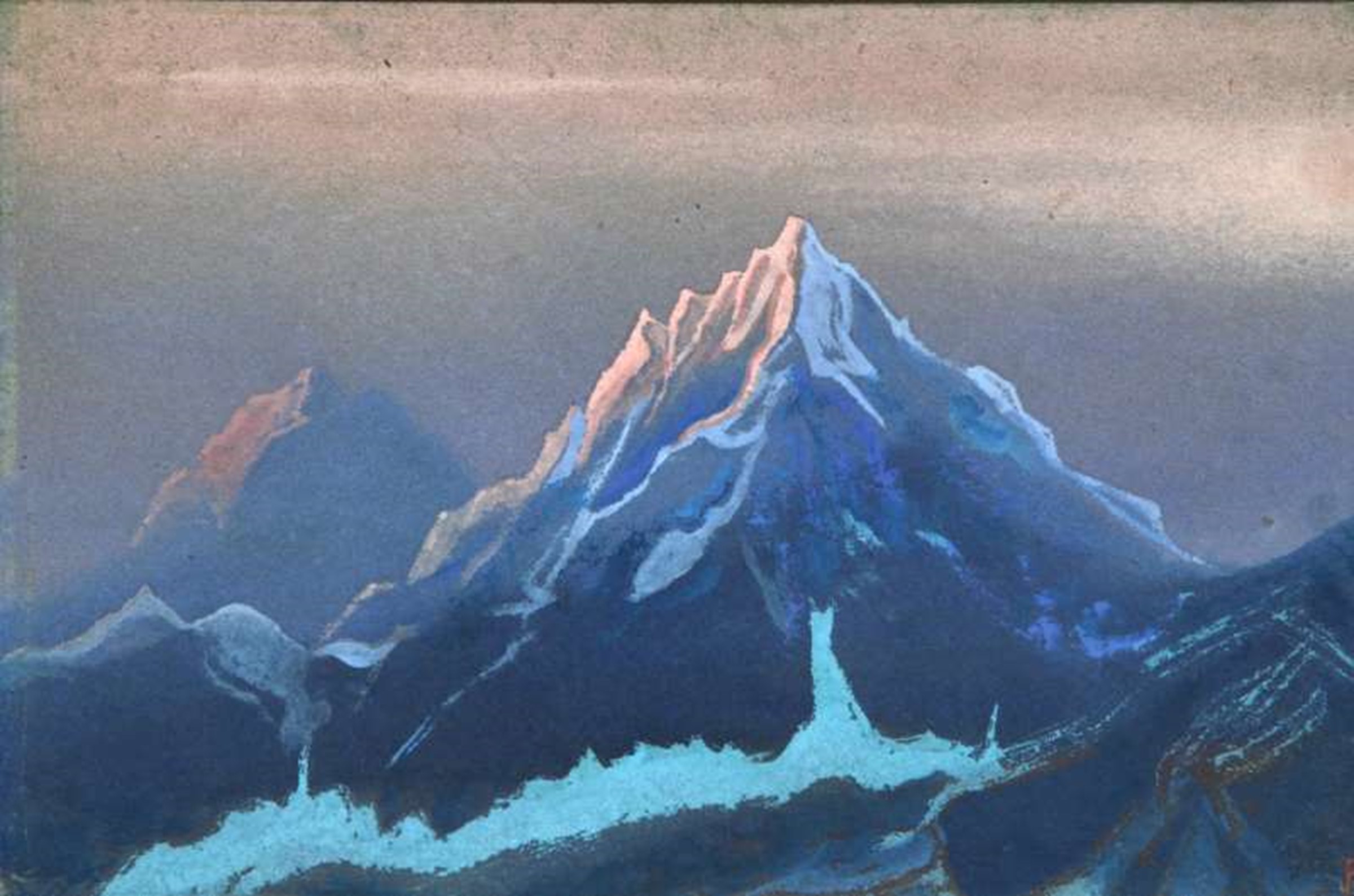
A mystical painting of the Himalayas dating back to 1943. (Found in the collection of the International Centre of the Roerichs.)

© Fine Art Images/Heritage Images/Getty Images

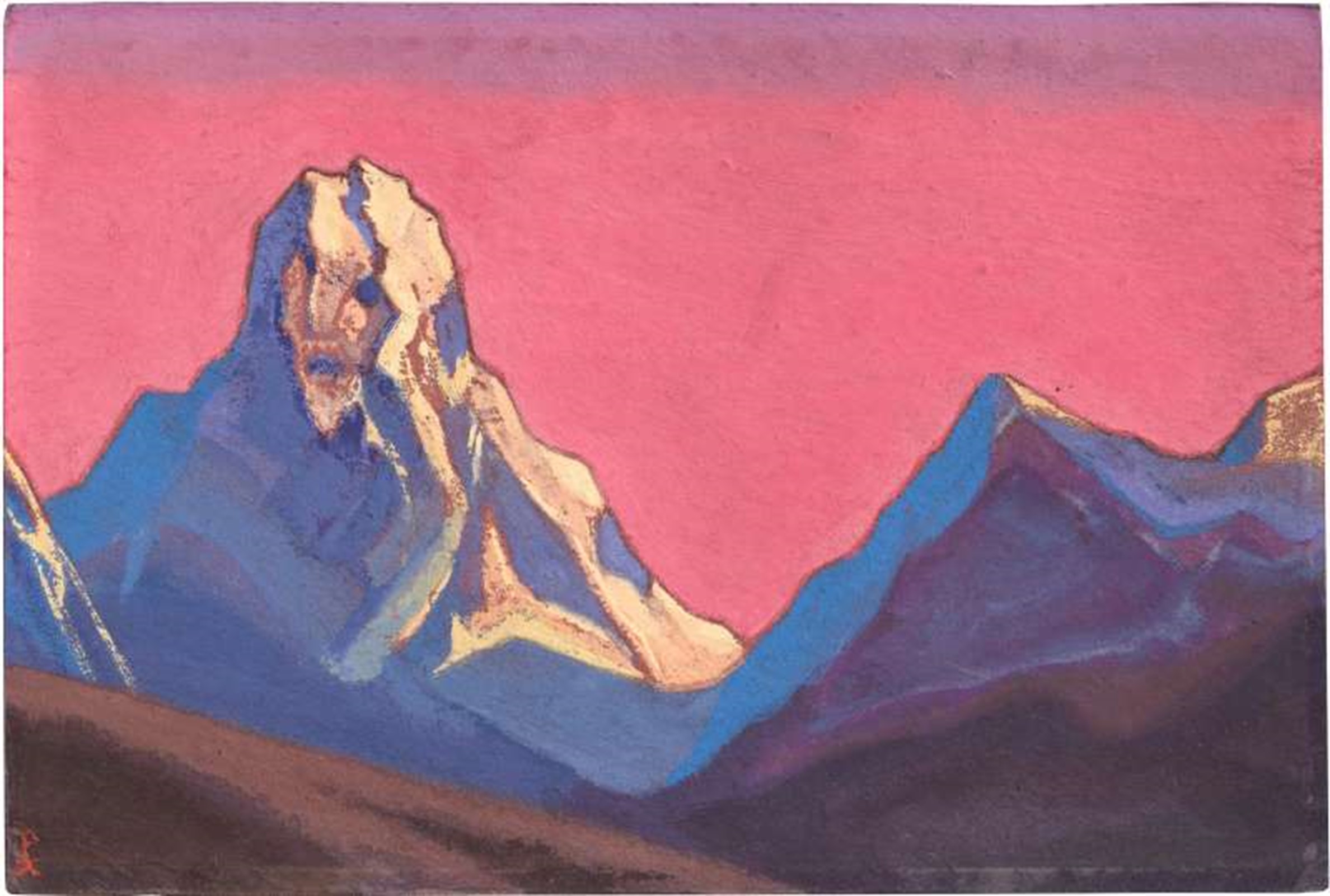
“The Giant” shows the magnificence of the mountains. (Fond in the collection of State Museum of Oriental Art.)

© Fine Art Images/Heritage Images/Getty Images

An artwork titled “The Silver Kingdom” showing snowy ridges. (Found in the collection of State Museum of Oriental Art.)


Whole Separatism – Tibet Separatism is just a natural phenomenon

Tibet Separatism is just a natural phenomenon

Whole Separatism: Tibet Separatism is just a Natural Phenomenon.

In my analysis, Tibet Separatism is just a natural phenomenon for it is entirely derived from the actions of various Natural Forces acting over thousands of years to create the separate Tibetan Identity which refuses to merge with identities of other foreign nationalities. Tibetan Identity will always exist as a ‘Separate’ Identity and no man will be able to wipe it out by building roads, bridges, railways, airports to plunder the natural resources of Tibetan Plateau.

Tibetan Separatism does not constitute any kind of political activity. In fact, Tibetan Separatism represents the reality of Independence granted by the works of Mother Nature.

Tibetan Separatism does not constitute any kind of political activity. In fact, Tibetan Separatism represents the reality of Independence granted by the works of Mother Nature.

Dalai Lama a political exile, engaged in separatist activities: China | world news | Hindustan Times

Clipped from: https://www.hindustantimes.com/world-news/dalai-lama-a-political-exile-engaged-in-separatist-activities-china/story-EHWnzYS5nauR7R8bynYhGP.html

China insists Tibet has been part of its territory for centuries, but many Tibetans claim they were essentially independent for most of that time

Whole Separatism: Tibet Separatism is just a Natural Phenomenon.

Tibetan spiritual leader Dalai Lama interacts with the leaders of the United States Institute of Peace (USIP) at his residence, in Dharamshala, Himachal Pradesh, on October 24, 2018. (HT File Photo)

China on Tuesday hit out at the Dalai Lama who is on a visit to Japan, saying that countries should not facilitate the Tibetan spiritual leader’s “separatist activities”.

On the Dalai Lama’s reported comments that China and Tibet should co-exist and prosper together, Chinese foreign ministry spokesman Geng Shuang said here that the Tibet issue is an internal matter of Beijing.

“As for the Dalai Lama’s speech, it is not up to me to answer this question. I can tell you that the 14th Dalai Lama is a political exile and he is engaged in separatist activities,” he said.

“We hope the relevant parties will not provide facilitation for his separatist activities,” he said.

China insists Tibet has been part of its territory for centuries, but many Tibetans claim they were essentially independent for most of that time. The Dalai Lama fled to India in 1959 amid an abortive uprising against Chinese rule in his Himalayan homeland.

The Dalai Lama is on a 10-day teaching tour of Japan. China routinely objects to his foreign visits.

First Published: Nov 20, 2018 18:24 IST

Whole Separatism: Tibet Separatism is just a Natural Phenomenon.

THE GREAT TIBET PROBLEM – BELT AND ROAD INITIATIVE vs MEANINGFUL AUTONOMY

THE GREAT TIBET PROBLEM – BELT AND ROAD INITIATIVE vs MEANINGFUL AUTONOMY

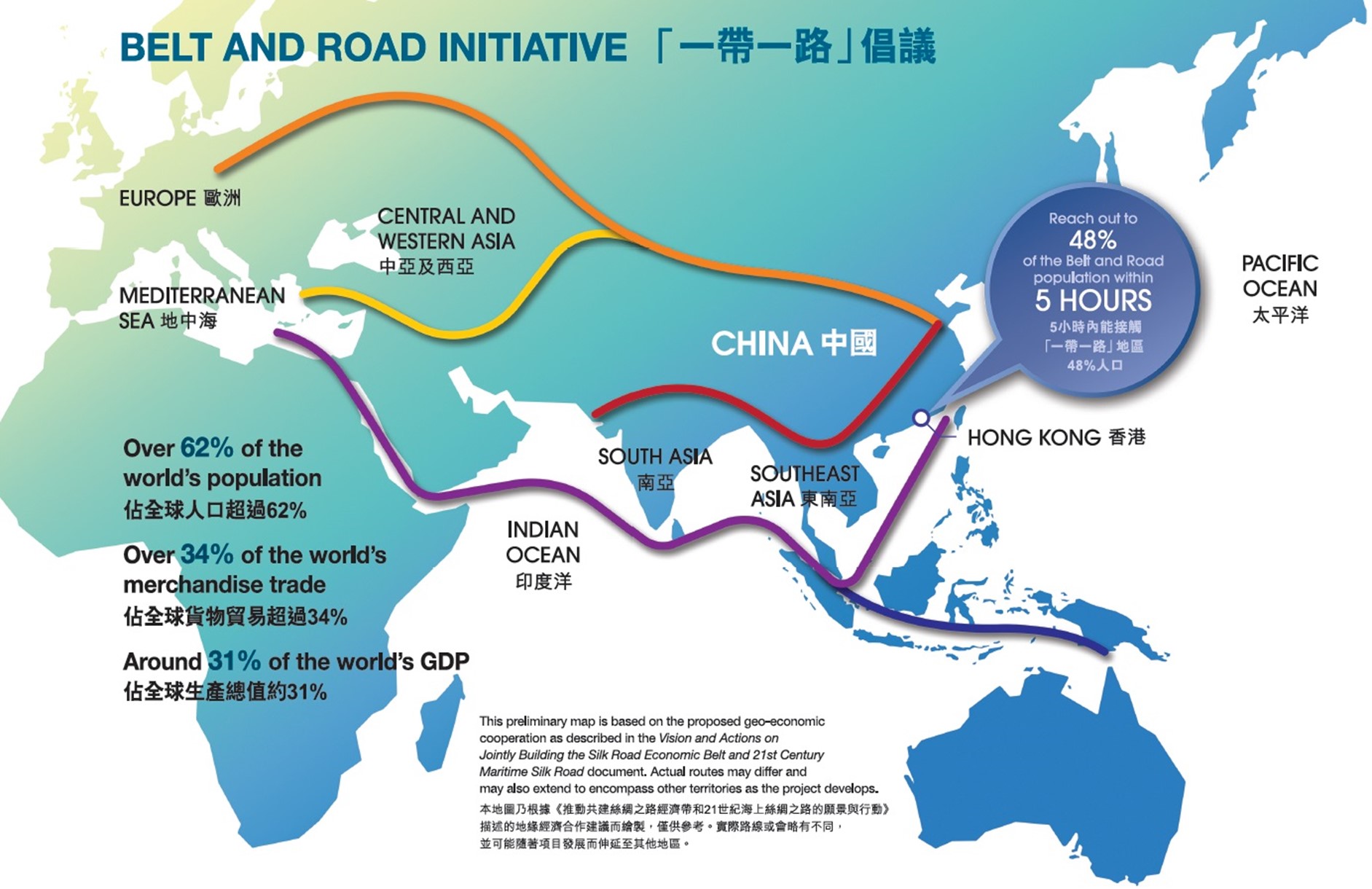
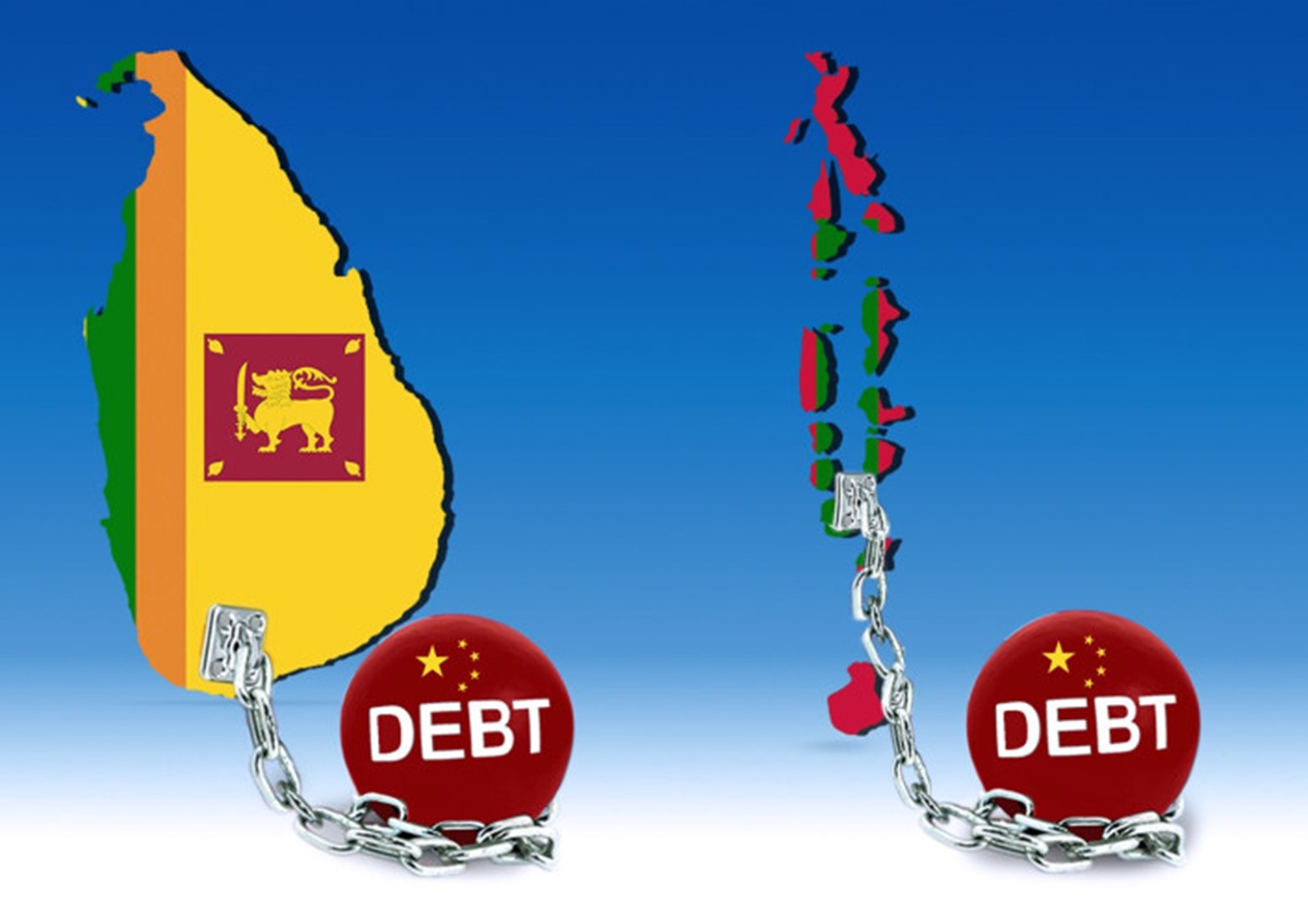
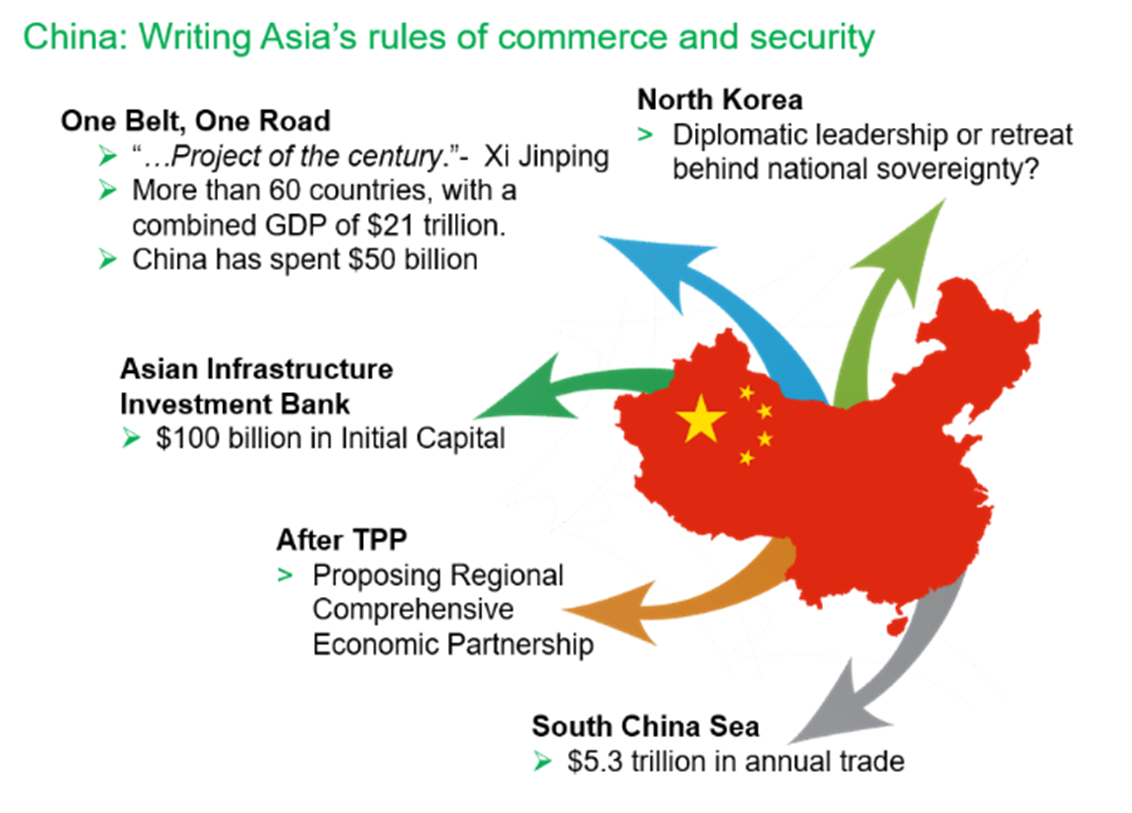
I am opposing China’s Belt and Road Initiative as it is not consistent with the plan to secure “Meaningful Autonomy” to resolve ‘The Great Tibet Problem.


Rudranarasimham Rebbapragada

SPECIAL FRONTIER FORCE


https://bhavanajagat.com/2018/02/04/chinas-string-of-pearls-noose-around-sri-lankan-neck/


China’s BRI will lead to subjugation of Tibet


Clipped from: https://www.oneindia.com/international/chinas-bri-will-lead-to-subjugation-of-tibet-2809421.html

Washington, Nov 18: China’s Belt and Road initiative will lead to colonization, subjugation of Tibet and exploitation of natural resources in the region, the head of the Tibetan Government in exile has said.

Touted as Chinese President Xi Jinping’s ambitious project, the Belt and Road Initiative (BRI) focuses on improving connectivity and cooperation among Asian countries, Africa, China and Europe.

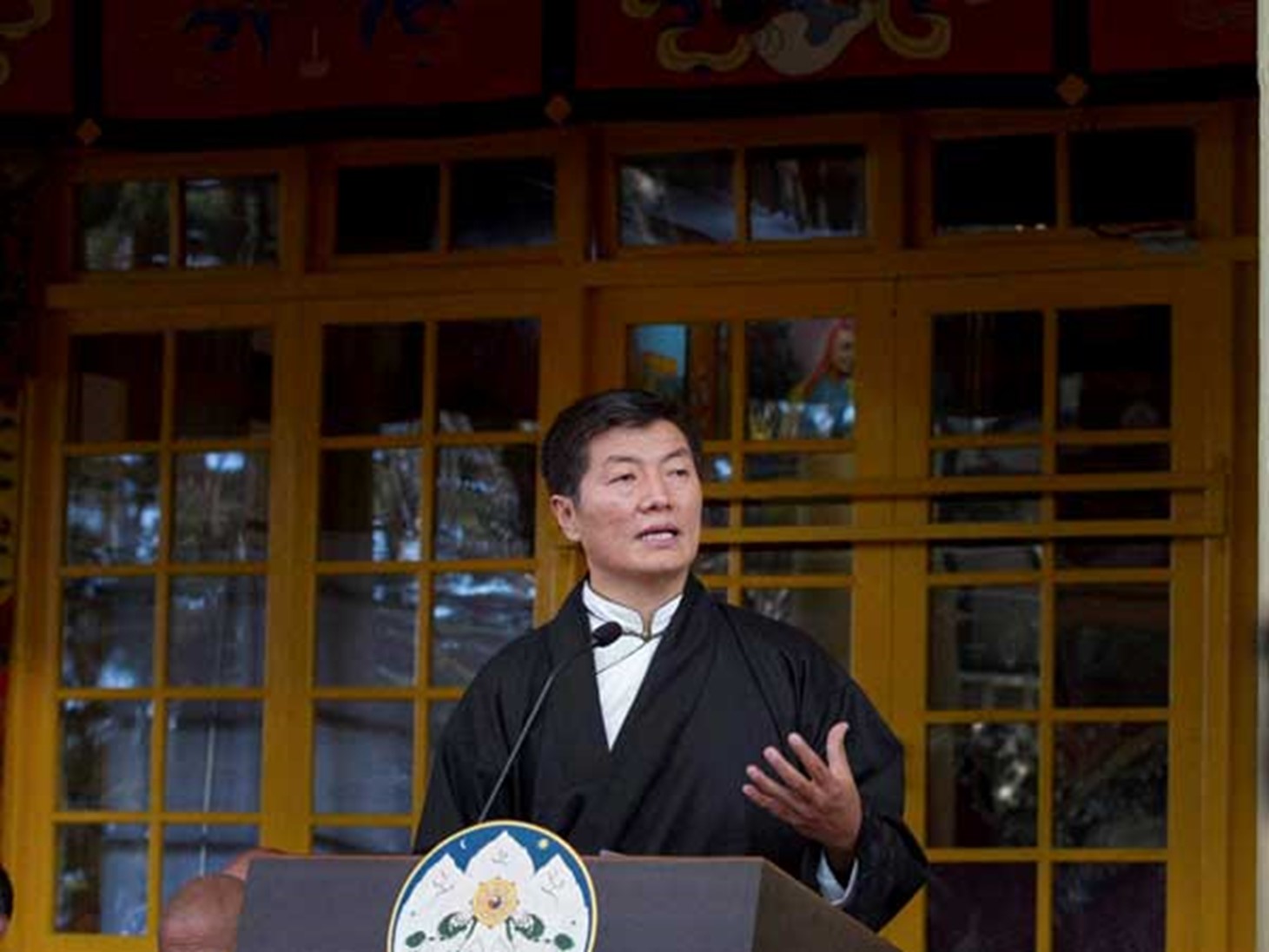
Lobsang Sangay

“Tibet is the blueprint of the BRI. Our experience with the road initiative connecting China with Tibet has not been good,” Lobsang Sangay, the president of the Central Tibetan Administration told PTI in an interview during his visit to Washington DC this week.

“One road lead to hundreds of roads in Tibet now, routes, and one railway is leading to three or four railways. One airport led to 30 airports six military airfields. Conveniently, all these roads, railways and airport are connected to haul out natural resources and minerals from Tibet,” he explained.

This, he said, is very damaging to water, air and land of Tibet.

“For us, one road leads to the colonization of the Tibet, one road leads to extraction of all kinds of minerals and natural resources. Hence, for us, the one road leads to net loss,” Sangay said in response to a question.

Making a strong case against China’s ambitions BRI initiatives, Sangay in his interaction with the American leadership told them they need to see what happened with Tibet due to the BRI. He told the American leadership that the world should learn from the Tibetan experience, so they can avoid it.
“That’s my advice,” he said.


THE NEHRU LEGACY – THE COLD WAR IN ASIA

THE NEHRU LEGACY – THE COLD WAR IN ASIA

The Nehru Legacy. The Cold War in Asia.

Prime Minister Jawaharlal Nehru’s foreign policy during the Cold War Era is often misunderstood as nations were forced to use secret diplomatic negotiations in the conduct of foreign policy. In my analysis, the Indian Prime Minister took appropriate action not only to defend India’s security interests but also to help Tibet to the extent possible.

I hold the People’s Republic of China completely responsible and accountable for her acts of military aggression during 1950 and later in 1962. I find no reason to blame either Indian Prime Minister or Tibet for China’s misconduct.

I ask my readers to give attention to Indian support to Nationalist China during the concluding years of World War II. Apart from delivering weapons and military supplies to Nationalist China, the US with Indian assistance supplied weapons to Tibet prior to the Communist takeover of the mainland China. This military intervention in Tibet provided an excuse to Communist China to invade Tibet in 1950. I do not find fault with either India or Tibet. Their combined military power is not adequate to maintain the Balance of Power in South Asia. There is nothing wrong if weaker nations use diplomatic negotiations to resolve problems with stronger and powerful nations. It is indeed a practical and rational approach and I would not ridicule such attempts as an appeasement policy.

I uphold the valid concerns shared by India’s former Deputy Prime Minister, but I would not use his concerns to find fault with Prime Minister Nehru’s Foreign Policy Legacy. India has not yet changed the course of the foreign policy direction set up by Nehru.

Rudranarasimham Rebbapragada

SPECIAL FRONTIER FORCE

https://wholedude.com/2014/11/24/special-frontier-force-the-nehru-legacy/

The Nehru Legacy. The Cold War in Asia.

Opinion, Op Ed

Claude Arpi

The writer is based in South India for the past 40 years. He writes on India, China, Tibet, and Indo-French relations.

Patel-Nehru rift over Tibet & China was deep

Published Nov 8, 2018, 7:46 am IST

Updated Nov 8, 2018, 7:46 am IST

The most serious cause of discord was the invasion of Tibet by the Chinese “Liberation Army” in October 1950.

The Nehru Legacy. The Cold War in Asia.

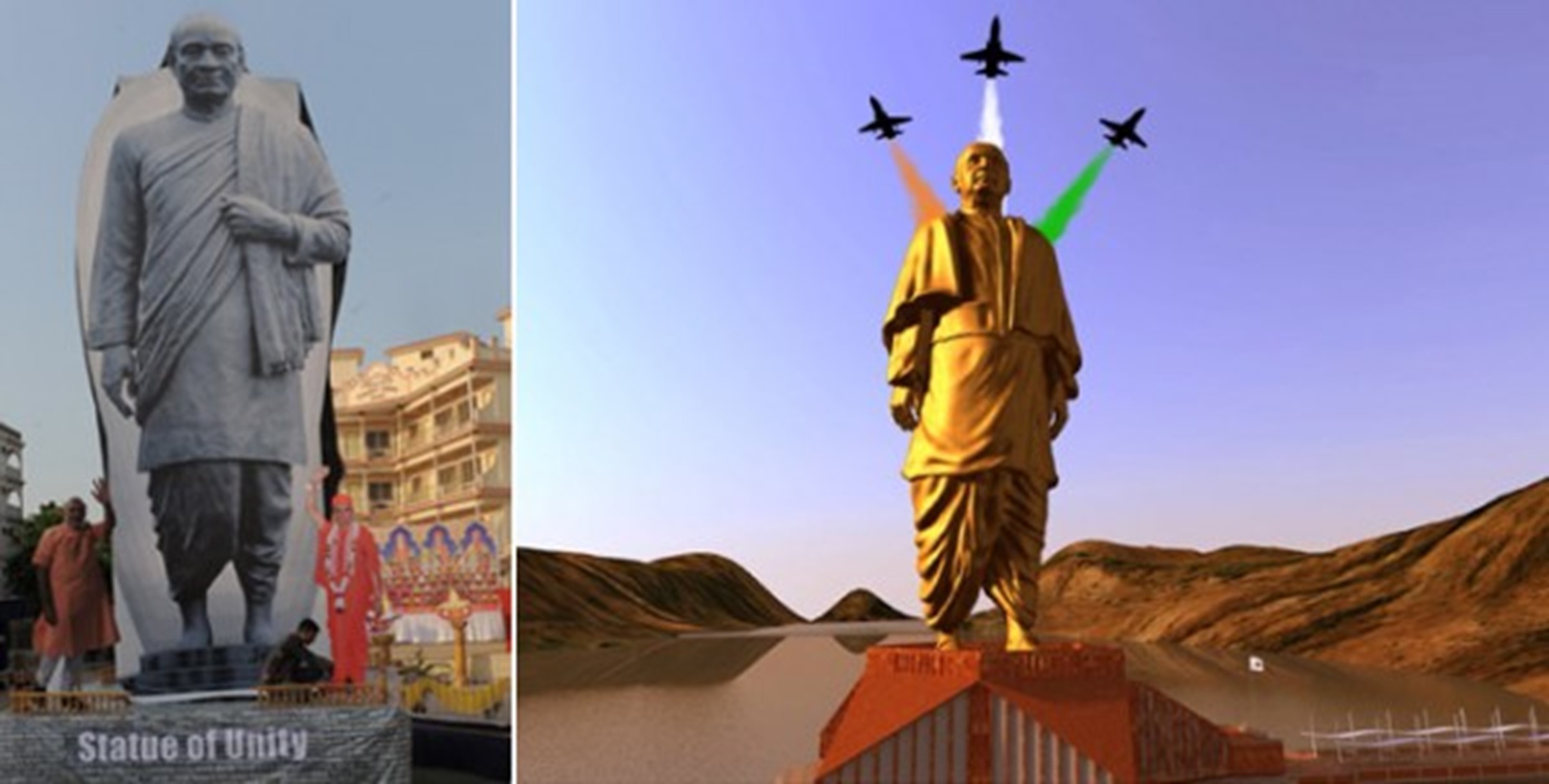
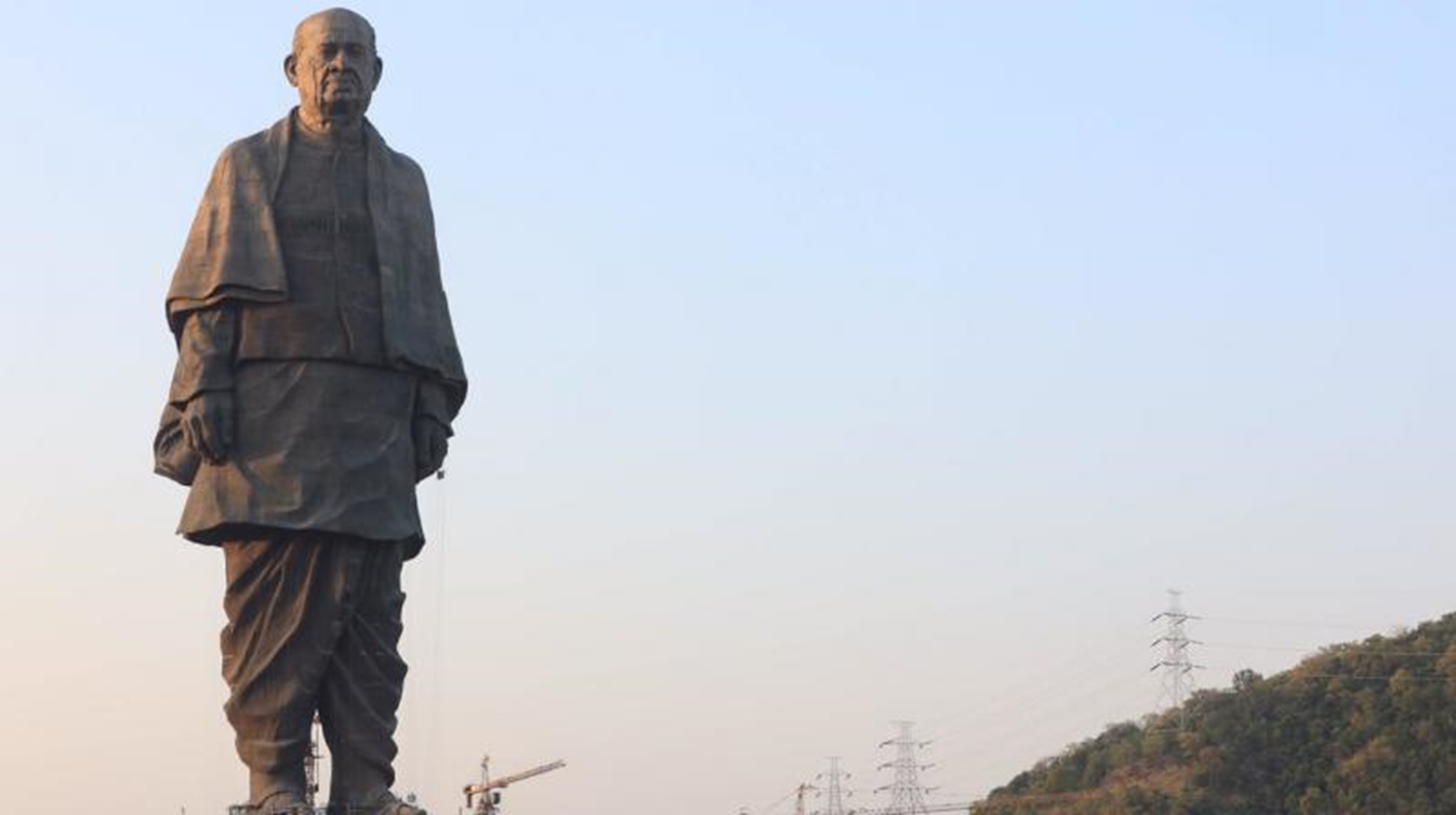
On October 31, the world’s tallest statue, the Statue of Unity dedicated to Sardar Vallabhbhai Patel, was unveiled by Prime Minister Narendra Modi. (Photo: @narendramodi/Twitter)

On October 31, the world’s tallest statue, the Statue of Unity dedicated to Sardar Vallabhbhai Patel, was unveiled by Prime Minister Narendra Modi. The work on the 182-meter tall statue has been completed after round the clock work by 3,400 laborers and 250 engineers at Sadhu Bet island on Narmada river in Gujarat. Sadhu Bet, located some 3.5 km away from the Narmada Dam, is linked by a 250-meter-long long bridge.

Unfortunately, for several reasons, scarce scholarly research has been done on the internal history of the Congress; the main cause is probably that a section of the party would prefer to keep history under wraps. Take the acute differences of opinion between Sardar Patel, the deputy prime minister, and “Panditji”, as Nehru was then called by Congressmen. In the last weeks of Patel’s life (he passed away on December 15, 1950), there was a deep split between the two leaders, leading to unilateral decisions for the PM, for which India had to pay the heaviest price.

The most serious cause of discord was the invasion of Tibet by the Chinese “Liberation Army” in October 1950. In the course of recent researches in Indian archives, I discovered several new facts. Not only did several senior Congress leaders, led by Patel, violently oppose Nehru’s suicidal policy, but many senior bureaucrats too did not agree with the Prime Minister’s decisions and objected to his policy of appeasement with China, which led India to lose a peaceful border.
On November 11, 1950, the deputy prime minister of India addressed a meeting organized by the Central Aryan Association to commemorate the 67th death anniversary of Swami Dayanand Sarasvati. It was to be his last speech. What did he say? The Sardar spoke of the potential dangers arising from what was happening in Tibet and Nepal, and he exhorted his countrymen: “It was incumbent on the people to rise above party squabbles and unitedly defend their newly won freedom.” He cited the example of Gandhi and Swami Dayanand.

Sardar Patel then criticized the Chinese intervention in Tibet; he asserted that to use the “sword” against the traditionally peace-loving Tibetan people was unjustified: “No other country in the world was as peace-loving as Tibet. India did not believe, therefore, that the Chinese government would actually use force in settling the Tibetan question.” He observed that the Chinese government did not listen to India’s advice to settle the Tibetan issue peacefully: “They marched their armies into Tibet and explained this action by talking of foreign interests intriguing in Tibet against China.” The deputy prime minister added that this fear was unfounded; no outsider was interested in Tibet. The Sardar continued by saying that “nobody could say what the outcome of Chinese action would be. But the use of force ultimately created more fear and tension. It was possible that when a country got drunk with its own military strength and power, it did not think calmly over all issues.” He strongly asserted that the use of arms was wrong: “In the present state of the world, such events might easily touch off a new world war, which would mean disaster for mankind.”

Did he know that it was his last message? “Do not let cowardice cripple you. Do not run away from danger. The three-year-old freedom of the country has to be fully protected. India today is surrounded by all sorts of dangers and it is for the people today to remember the teachings of the two great saints and face fearlessly all dangers.”

The deputy prime minister concluded: “In this kalyug, we shall return ahimsa for ahimsa. But if anybody resorted to force against us, we shall meet it with force.” He ended his speech citing Swami Dayananda: “People should also remember that Swamiji did not get a foreign education. He was the product of Indian culture. Although it was true that they in India had to borrow whatever was good and useful from other countries, it was right and proper that Indian culture was accorded its due place.” Who is ready to listen to this, even today?

Days earlier, Patel had written a “prophetic” letter to Nehru, detailing the implications for India of Tibet’s invasion. In fact, Patel used a draft done by Sir Girja Shankar Bajpai, the secretary-general of the ministry of external affairs and Commonwealth relations. However, Nehru decided to ignore Patel’s letter.
Witnessing the nefarious influence of K.M. Panikkar, the Indian ambassador to China, who ceaselessly defended China’s interests, Bajpai, the most seasoned Indian diplomat, had lost his cool. On October 31, in an internal note, he detailed the sequence of events which followed Tibet’s invasion and the role of Panikkar, whose attitude was compared to Sir Neville Chamberlain’s towards Hitler.

Bajpai’s anger demonstrates the frustration of many senior officers; the account starts on July 15, when the governor of Assam informed Delhi that, according to the information received by the local intelligence bureau, Chinese troops, “in unknown strength, had been moving towards Tibet from three directions.” Not only was Panikkar unable to get any confirmation, but he virtually justified Beijing’s military action by writing: “In view of frustration in regard to Formosa, the Tibetan move was not unlikely.” During the next three months, the Indian ambassador would systematically take the Chinese side.

After receiving Bajpai’s note, Patel wrote back: “I need hardly say that I have read it with a great deal of interest and profit to myself and it has resulted in a much better understanding of the points at issue and general, though serious, nature of the problem. The Chinese advance into Tibet upsets all our security calculations. … I entirely agree with you that a reconsideration of our military position and a redisposition of our forces are inescapable.”

Some more details of the seriousness of the situation filter through Inside Story of Sardar Patel: The Diary of Maniben Patel, the daughter of the Sardar. In an entry on November 2, 1950, Maniben wrote: “Rajaji and Jawaharlal had a heated altercation about the Tibet policy. Rajaji does not at all appreciate this policy. Rajaji very unhappy — Bapu (Patel) did not speak at all.”

Later in the afternoon, “Munshi complained about Tibet policy. The question concerns the whole nation — said he had written a personal letter to Panditji on Tibet.”

Later, Patel told K.M. Munshi: “Rajaji, you (Munshi), I (Patel), Baldev Singh, (C.D.) Deshmukh, Jagjivan Ram, and even Sri Prakash are on one side, while Gopalaswamy, Rafi, Maulana (Azad) are on his side.” There was a vertical split in the Cabinet, and it was not only about Tibet. The situation would deteriorate further during the following weeks.

On December 12, Patel was divested on his portfolios. Nehru wrote: “In view of Sardar Vallabhbhai Patel’s ill-health it is absolutely necessary that he should have complete rest and freedom from worry, so as to be able to recuperate as rapidly as possible. …no work should be sent to him and no references made to him in regard to the work of these ministries.”

Gopalaswami Ayyangar, from the “other side”, was allotted the ministry of states and Nehru kept the ministry of home. The Sardar was only informed after the changes were made. He was a dejected man. Three days later he passed away.

Tags: Sardar Vallabhbhai Patel, Jawaharlal Nehru

Copyright © 2015 – 2018 Deccan Chronicle.

The Nehru Legacy. The Cold War in Asia.


THE DALAI LAMA LIFE CYCLE – MAN vs NATURE

THE DALAI LAMA LIFE CYCLE – MAN vs NATURE

The Dalai Lama Life Cycle. Man vs Nature.

In my analysis, Tibetan Identity is created by Nature and man entered Tibet later to inherit the Identity. The Dalai Lama Life Cycle is consistent with Nature as the succession is not influenced by man. The People’s Republic of China wants to firmly intervene in any mechanism that Tibetans choose to determine the succession of the Dalai Lama. In fact, the Vatican most recently agreed to give China a role in the selection of Archbishops of the Chinese Catholic Church.

The Dalai Lama Life Cycle. Man vs Nature.

In my view, Natural Forces, Natural Causes, Natural Factors, Natural Conditions, and Natural Mechanisms will continue to play the most significant role in preserving the Tibetan Identity created by Nature. If not Plate Tectonics, Bolide Collision will decide Tibetan Destiny to reverse China’s Iron Fist Rule over Tibet.

Rudranarasimham Rebbapragada

SPECIAL FRONTIER FORCE

https://bhavanajagat.com/2015/04/22/doomsayer-of-doom-dooma-beijing-is-doomed/

Dalai Lama: Successor could be chosen via the method similar to the selection of the pope

Clipped from: https://mainichi.jp/english/articles/20181105/p2a/00m/0na/031000c

The Dalai Lama Life Cycle. Man vs Nature.

DHARAMSALA, India — The Dalai Lama, the exiled supreme leader of Tibetan Buddhism, said Nov. 5 that the selection of his successor could be done in a way the pope is selected by the Catholic Church in an election by cardinals.

“The kind of pope system is … possible to choose among the high lama or high scholars,” the 83-year-old Dalai Lama said in an interview with the Mainichi Shimbun and other media outlets. He said naming his successor by himself is “also possible,” explaining that there were some precedents of past leaders making selections while they were still alive.

Finding his “reincarnation” after his death — like what was said to have happened with the second Dalai Lama and other leaders — would be another way of choosing his successor, he said. If this method is not chosen, said the Dalai Lama, “When I become very old … I will ask if they want to keep the way to choose the next Dalai Lama.” He added it is “up to the Tibetan people” whether the institution of the Dalai Lama should continue or not.

As for his health, the Dalai Lama said he was diagnosed with cancer two years ago but it was cured after radiation therapy.

Tibet is controlled by China, and religious activities in the region including Buddhism are restricted by Beijing in an apparent bid to reduce the influence of the Dalai Lama and curb a potential separation movement.

Regarding the relationship with China, the Dalai Lama said he is not seeking independence. He said historically Tibet was an independent nation but “today for mutual benefit Tibet remains in the People Republic of China.”

The Dalai Lama Life Cycle. Man vs Nature.


BLESSINGS FOR PEACE – PRAYERS TO LHASA RIVER

BLESSINGS FOR PEACE – PRAYERS TO LHASA RIVER

Blessings for Peace. Prayers to Lhasa River.

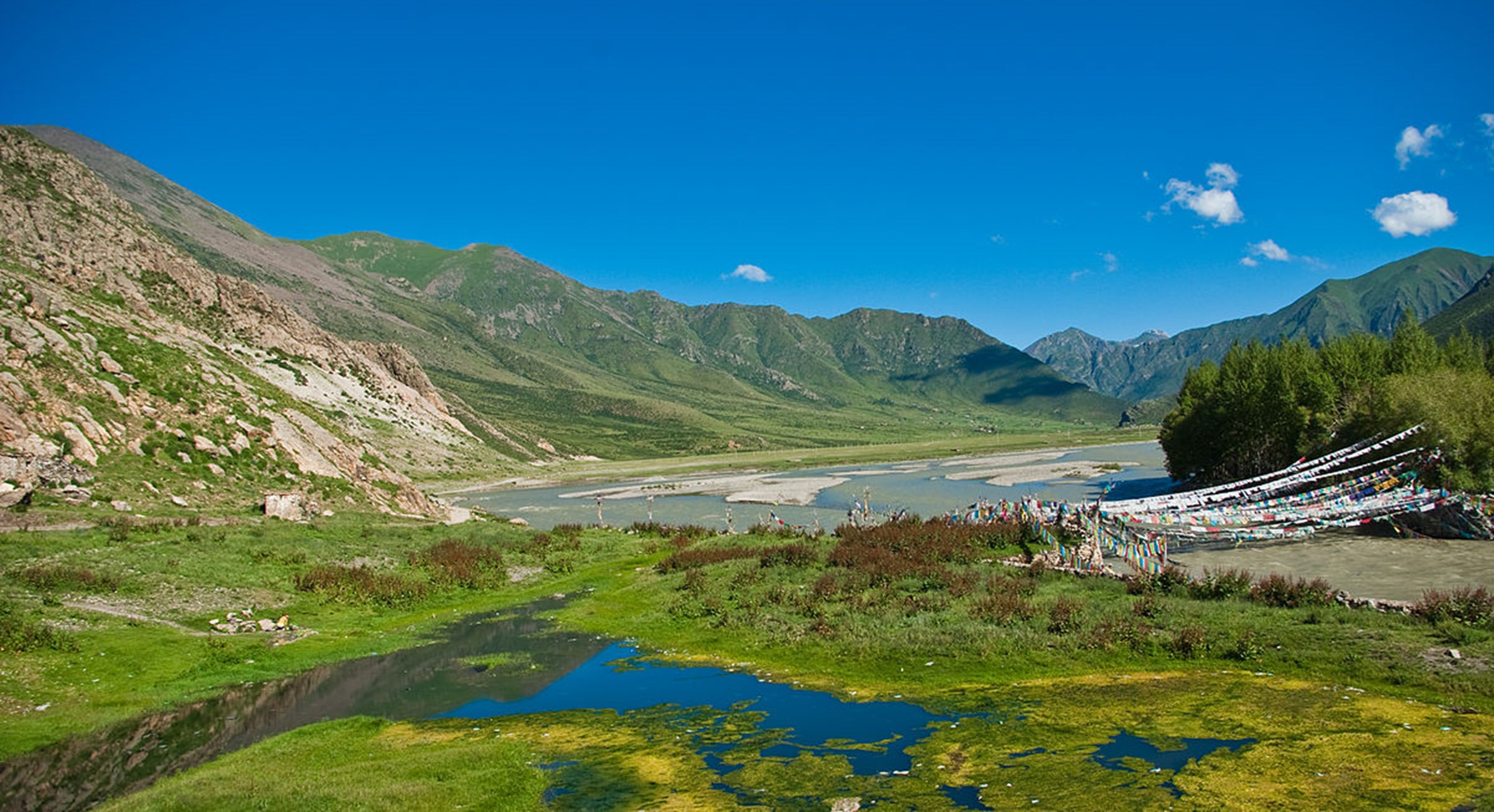
I offer my prayers to Lhasa River to receive the Blessings of Peace in Occupied Tibet.

Rudranarasimham Rebbapragada

SPECIAL FRONTIER FORCE

https://wholedude.com/2018/07/03/living-tibetan-spirits-offer-prayers-to-mount-kailash/

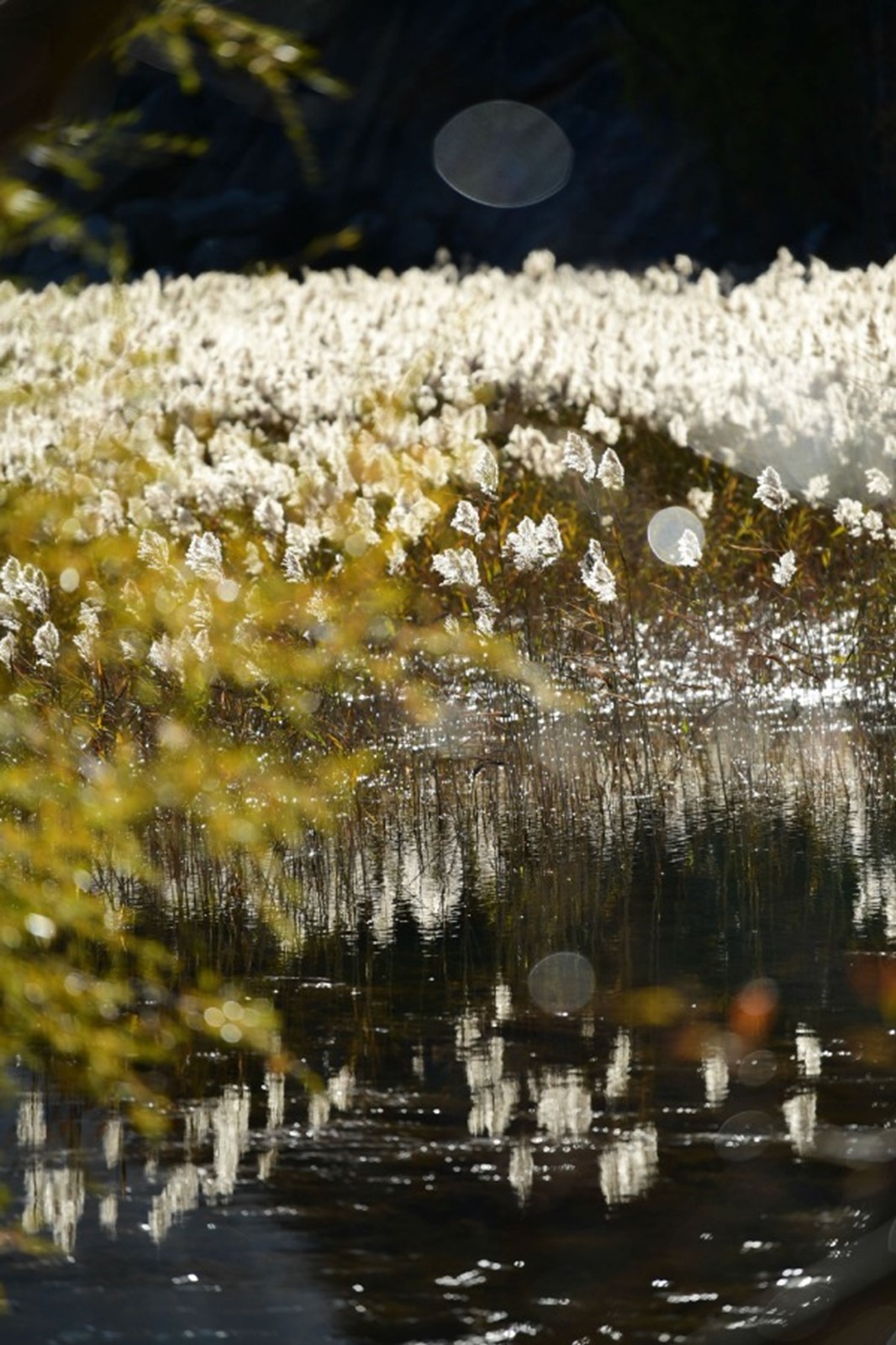
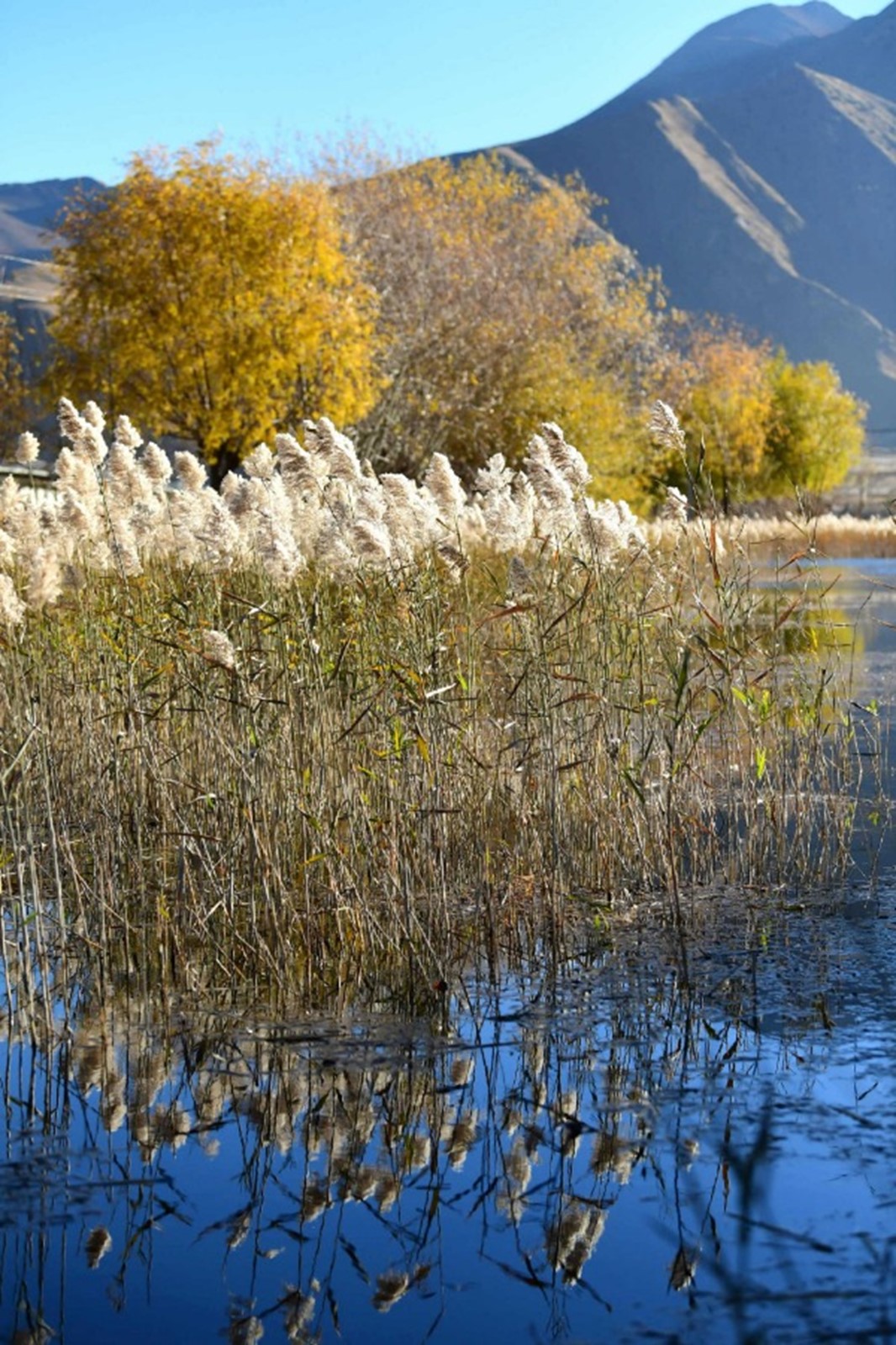
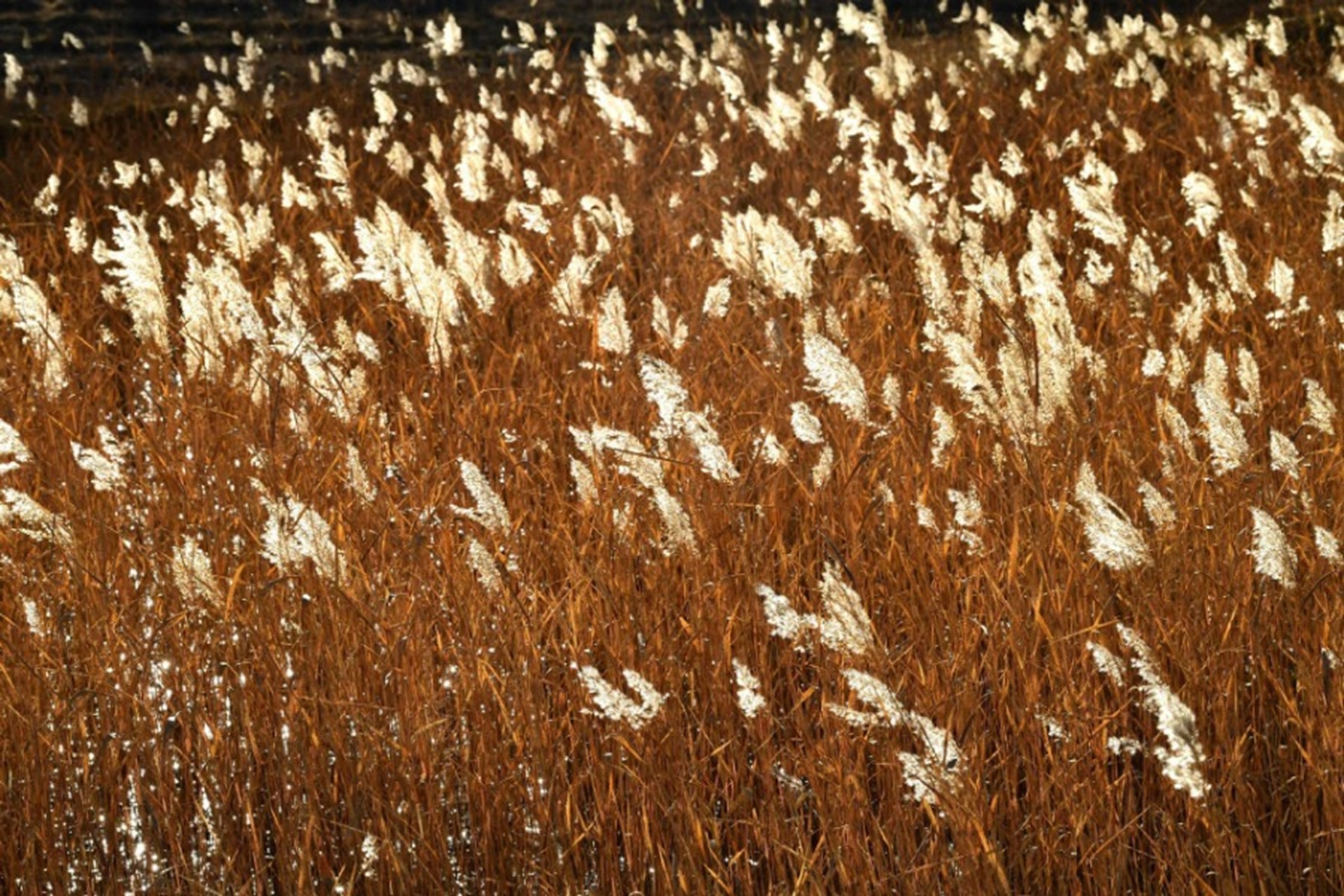
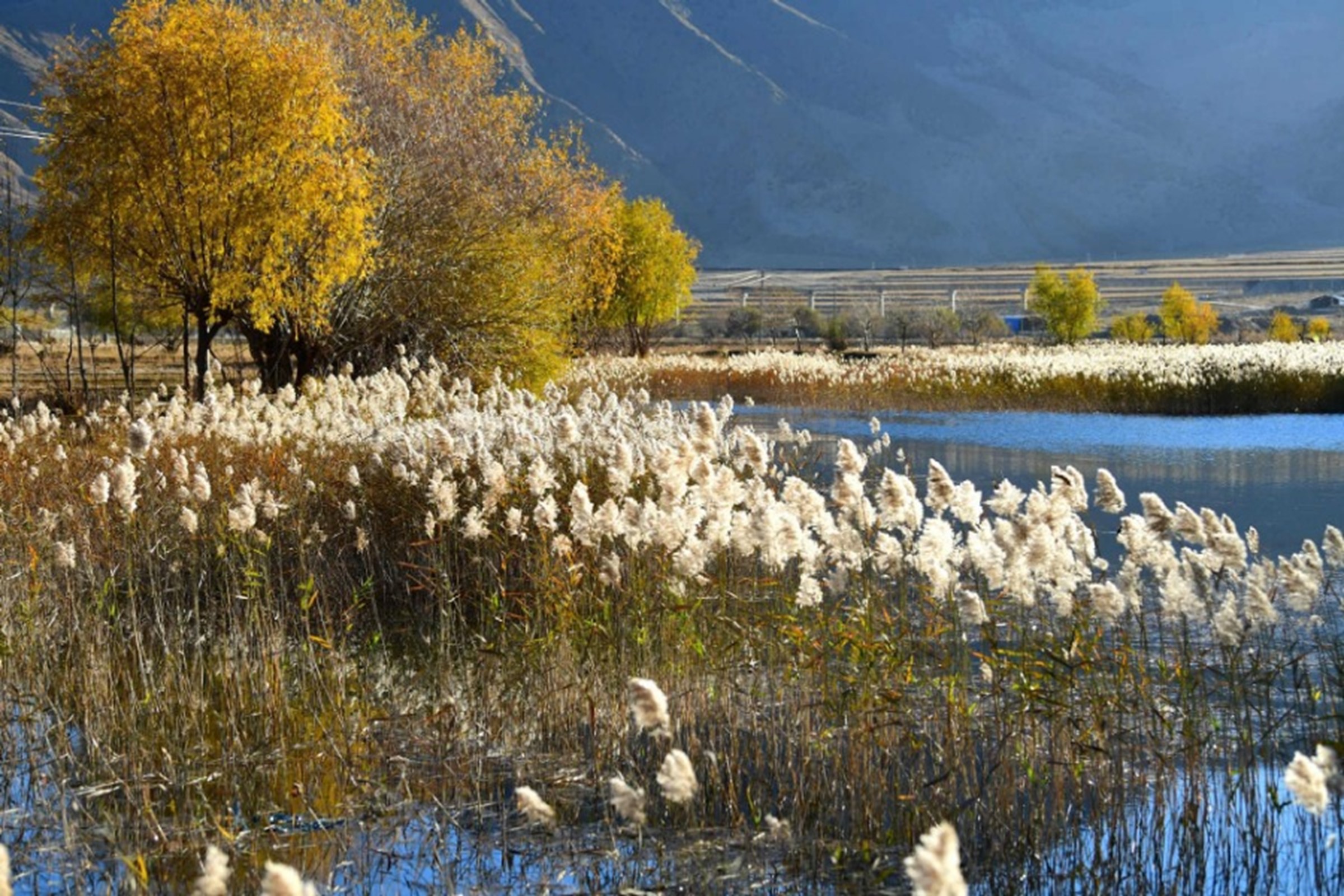
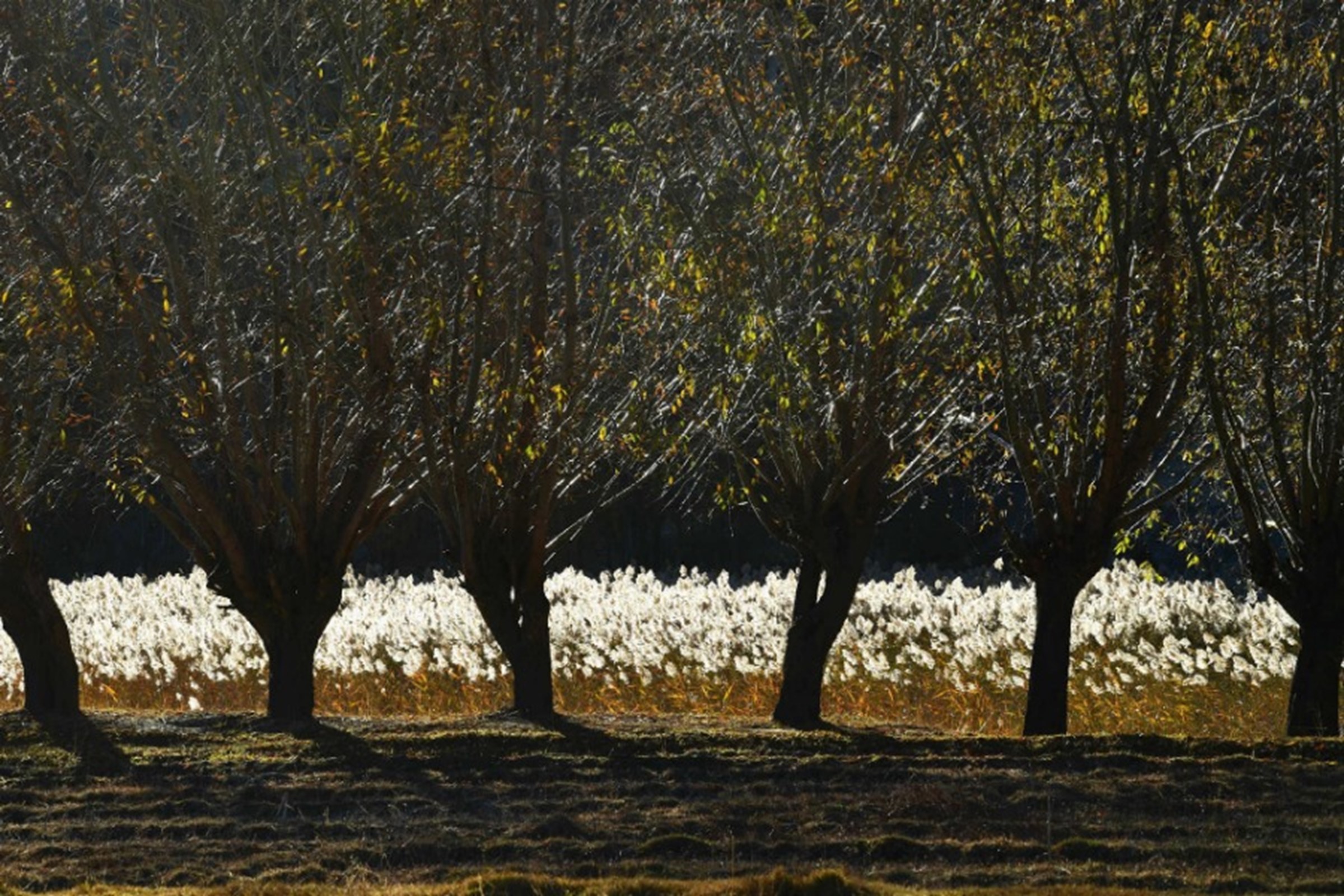
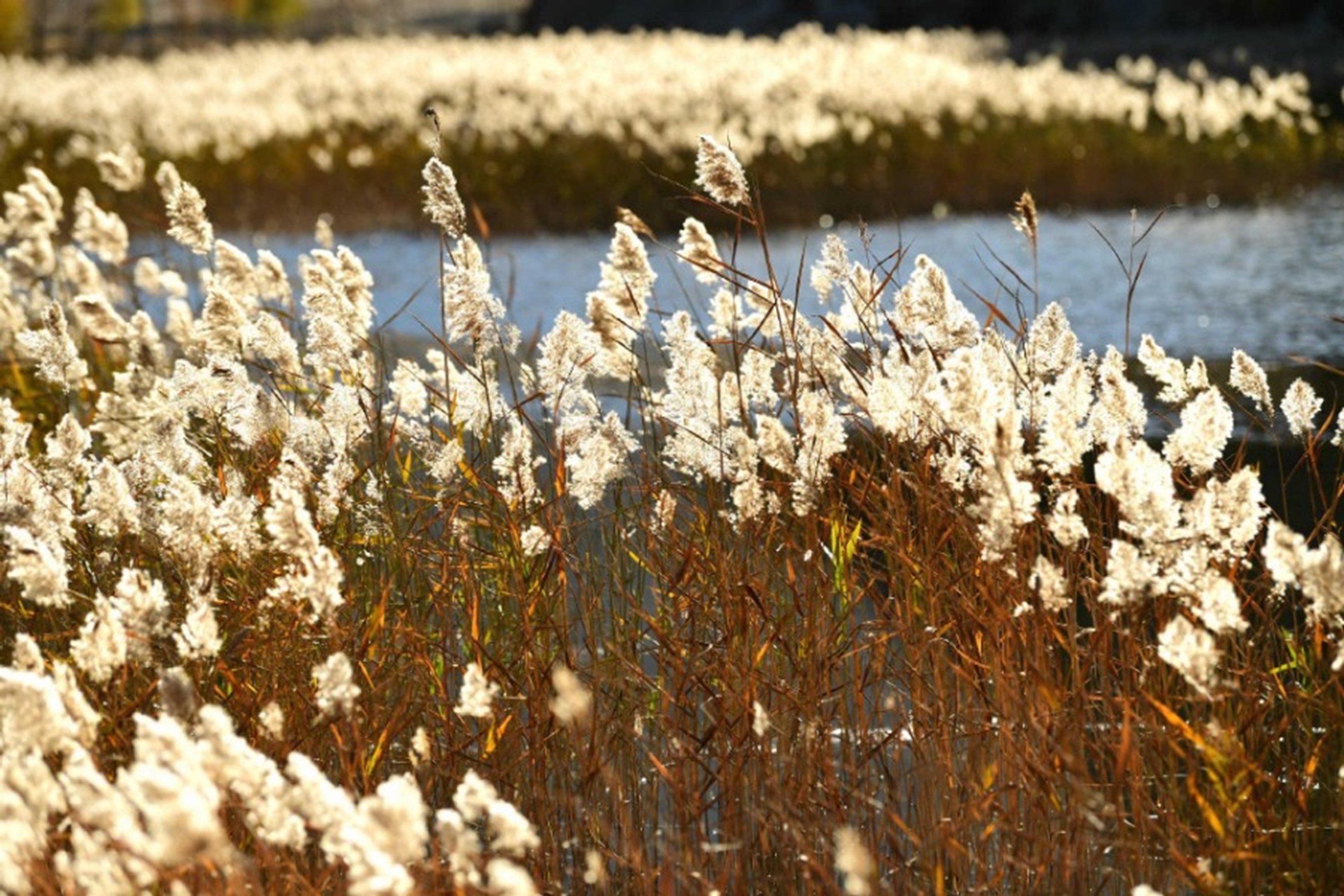
Reed flowers are seen in Wetland, Tibet

Clipped from: http://www.chinadaily.com.cn/a/201811/05/WS5bdfbc0da310eff30328695a_6.html

Blessings for Peace. Prayers to Lhasa River.

Photo taken on Nov 4, 2018, shows reed flowers in a wetland in Qushui county of Lhasa, Tibet. [Photo/Xinhua]

Blessings for Peace. Prayers to Lhasa River.

Photo taken on Nov 4, 2018, shows reed flowers in a wetland in Qushui county of Lhasa, Tibet. [Photo/Xinhua]

Blessings for Peace. Prayers to Lhasa River.

Photo taken on Nov 4, 2018, shows reed flowers in a wetland in Qushui county of Lhasa, Tibet. [Photo/Xinhua]

Blessings for Peace. Prayers to Lhasa River.

Photo taken on Nov 4, 2018, shows reed flowers in a wetland in Qushui county of Lhasa, Tibet. [Photo/Xinhua]

Blessings for Peace. Prayers to Lhasa River.

Photo taken on Nov 4, 2018, shows reed flowers in a wetland in Qushui county of Lhasa, Tibet. [Photo/Xinhua]

Blessings for Peace. Prayers to Lhasa River.

Photo taken on Nov 4, 2018, shows reed flowers in a wetland in Qushui county of Lhasa, Tibet. [Photo/Xinhua]

Blessings for Peace. Prayers to Lhasa River.