Simon Cyrene Bears the Burden of the Cross with Whole Patience
Good Friday 2025. Behold the Man. Simon Cyrene knows the Burden of the Cross. The Slave in Free Nation Prays for the Blessings of Whole Patience.
The Slave in Free Nation Prays for The Blessings of Whole Patience on Good Friday
Good Friday 2025. Behold the Man. Simon Cyrene knows the Burden of the Cross. The Slave in Free Nation Prays for the Blessings of Whole Patience.
Good Friday is the Friday before Easter Sunday. It is observed in commemoration of the crucifixion of Jesus. Friday, April 18, 2025, is observed as Good Friday. I am praying to the Son of Man, a native of Nazareth, Galilee, to know, to understand the quality, the ability, and the fact of Patience. I am using the phrase “Whole Patience” for Jesus clearly demonstrates His other supernatural abilities. Jesus has several options if He chose not to wait, not to tolerate, not to succumb, and not to experience the horrors of pain and humiliation imposed on Good Friday. Today, the Slave is beholding the Son of Man to learn the Art of Patience. I am “alien” for I have not yet entered the Kingdom of Heaven on Earth.
Good Friday 2025. Behold the Man. Simon Cyrene knows the Burden of the Cross. The Slave in Free Nation Prays for the Blessings of Whole Patience.Good Friday 2025. Behold the Man. Simon Cyrene knows the Burden of the Cross. The Slave in Free Nation Prays for the Blessings of Whole Patience.
Whole Patience: To Know, to understand the Quality, the Ability, or the Fact of Patience. I pray to The Son of Man known as Jesus, a Native of Nazareth, Galilee.
Good Friday 2025. Behold the Man. Simon Cyrene knows the Burden of the Cross. The Slave in Free Nation Prays for the Blessings of Whole Patience.Good Friday 2025. Behold the Man. Simon Cyrene knows the Burden of the Cross. The Slave in Free Nation Prays for the Blessings of Whole Patience.
Whole Christ – Whole Love – Whole Redeemer:
Good Friday 2025. Behold the Man. Simon Cyrene knows the Burden of the Cross. The Slave in Free Nation Prays for the Blessings of Whole Patience.
GOOD FRIDAY 2025. THE SLAVE IN FREE NATION PRAYS FOR THE BLESSINGS OF PATIENCE AND ENDURANCE. GOSPEL IS OF VERY SPECIAL INTEREST TO MAN AS IT REVEALS GOD’S COSTLY PLAN FOR MAN’S REDEMPTION THROUGH JESUS CHRIST.
Good Friday is of very special interest to man for it reveals God’s costly plan for the redemption of man. The word redemption means to release, or freedom from payment of a price and man’s freedom or deliverance, or liberation involving the greatest possible depth of suffering. The price paying concept lies at the heart of redemption and hence it is a costly action. For man is a “SLAVE” to sin, to set him free, a ransom-price is paid. “For even the Son of Man did not come to be served, but to serve, and to give His life as a ransom for many.” (Mark 10:45) The emphasis is on the giving of Life as a ransom. Good Friday is a completed act for Jesus paid the ransom-price. Jesus performed this action with Whole Patience. It is immaterial as to whom Christ paid this price. For man, the only concern is to experience the results of this full redemption by receiving God’s grace and mercy through Christ and His Love. On Good Friday, Jesus had gone through the whole of human experience including the worst horrors of pain and humiliation.
Endurance is the ability to stand pain, distress, and fatigue; it is the ability to resist and withstand suffering and hardship with fortitude and patience.
Good Friday 2025. Behold the Man. Simon Cyrene knows the Burden of the Cross. The Slave in Free Nation Prays for the Blessings of Whole Patience.
GOOD FRIDAY 2025. THE SLAVE IN FREE NATION PRAYS FOR THE BLESSINGS OF PATIENCE AND ENDURANCE: THE TRIAL AND EXECUTION OF JESUS ON GOOD FRIDAY. IT IS A LESSON TO HUMANITY, A TEACHING TO KNOW AND UNDERSTAND THE QUALITIES OF PATIENCE AND ENDURANCE. ROMAN GOVERNOR PONTIUS PILATE THOROUGHLY SCOURGED JESUS AND ASKED PEOPLE IF HE NEEDS TO PUNISH MORE.
Endurance speaks of the ability to hold up under pain, to tolerate, to put up with, to bear pain without flinching. It is the will, ability, quality, or fact of waiting without complaint. It demands steadiness, perseverance, self-control, resoluteness in the face of grave provocation. This ability to bear suffering results from firm sustained courage and it is a mistake to interpret endurance as cowardice. Jesus remained calm and unperturbed while people angrily shouted demanding his crucifixion.
On Good Friday, the Son of Man was a picture of Stoicism displaying grit, and courage that refuses to succumb under any circumstances, courage that involves utmost indifference to personal pain and suffering.
Good Friday 2025. Behold the Man. Simon Cyrene knows the Burden of the Cross. The Slave in Free Nation Prays for the Blessings of Whole Patience.
GOOD FRIDAY 2025. THE SLAVE IN FREE NATION PRAYS FOR THE BLESSINGS OF WHOLE PATIENCE: “THEN SOME BEGAN TO SPIT AT HIM, THEY BLINDFOLDED HIM, STUCK HIM WITH THEIR FISTS, AND SAID, ‘PROPHESY!’ AND THE GUARDS TOOK HIM AND BEAT HIM .” MARK, CHAPTER 14:65.
Good Friday 2025. Behold the Man. Simon Cyrene knows the Burden of the Cross. The Slave in Free Nation Prays for the Blessings of Whole Patience.
GOOD FRIDAY 2025. THE SLAVE IN FREE NATION PRAYS FOR THE BLESSINGS OF WHOLE PATIENCE: TO WHICH LAND AND TO WHICH KINGDOM DOES THE SON OF MAN TRULY BELONGS? IF JESUS BELONGS TO THE KINGDOM OF HEAVEN, WHO HAS GIVEN THE AUTHORITY AND POWER TO MAN TO DEFINE HIS TERRITORY AND HIS DOMAIN?
Good Friday 2025. Behold the Man. Simon Cyrene knows the Burden of the Cross. The Slave in Free Nation Prays for the Blessings of Whole Patience.
GOOD FRIDAY 2025. THE SLAVE IN FREE NATION PRAYS FOR THE BLESSINGS OF WHOLE PATIENCE: IF THE SON OF MAN WAS CRUCIFIED ON GOOD FRIDAY, IT ONLY SPEAKS ABOUT HIS WILL TO REFRAIN FROM RETALIATION, AND FORBEARANCE. PEOPLE TAUNTED JESUS TO SAVE HIS OWN LIFE AND TO COME DOWN. HIS FORTITUDE IS NOT TO BE MISTAKEN OR MISINTERPRETED AS WEAKNESS.
Good Friday 2025. Behold the Man. Simon Cyrene knows the Burden of the Cross. The Slave in Free Nation Prays for the Blessings of Whole Patience.
GOOD FRIDAY 2025. THE SLAVE IN FREE NATION PRAYS FOR THE BLESSINGS OF WHOLE PATIENCE: ON GOOD FRIDAY, ROMAN GOVERNOR PONTIUS PILATE OR HIS SOLDIERS POSTED A WRITTEN NOTICE ABOVE THE CROSS ON WHICH JESUS WAS CRUCIFIED.
On Good Friday, Jesus was repeatedly taunted, mocked, and ridiculed by people, by criminals, by officials, by soldiers, by the high priest, King Herod, and Roman Governor Pontius Pilate. The ultimate act of indignity was that of calling Him, “The King of The Jews” showing utter contempt for His failure to save His own life and get away from the Cross on which He was nailed.
Good Friday 2025. Behold the Man. Simon Cyrene knows the Burden of the Cross. The Slave in Free Nation Prays for the Blessings of Whole Patience.
GOOD FRIDAY 2025. THE SLAVE IN FREE NATION PRAYS FOR THE BLESSINGS OF WHOLE PATIENCE: ON GOOD FRIDAY, JESUS DID NOT EXPRESS ANY THOUGHTS OR FEELINGS OF SELF-PITY. JESUS SAID, “FATHER, FORGIVE THEM, FOR THEY DO NOT KNOW WHAT THEY ARE DOING.”(LUKE 23:34).
On Good Friday, Jesus did not rebuke the people who offended and punished Him. Jesus did not express any desire to retaliate against them and did not express any thoughts or feelings of Self-Pity. Jesus after His crucifixion said, “Father, forgive them, for they do not know what they are doing.”(Luke 23:34)
ECCE HOMO – “BEHOLD THE MAN”
Good Friday 2025. Behold the Man. Simon Cyrene knows the Burden of the Cross. The Slave in Free Nation Prays for the Blessings of Whole Patience.
There is no easy cure, and there is no easy remedy for man’s problems. Man’s problem is that of alienation or estrangement from his own true or real nature that God implanted in man while making man in His own image. Man lives as an ‘alien’ for man has lost his connection with his own LORD God Creator. The divine nature of the Son of Man becomes self-evident when man learns the Art of Patience and Endurance. I ask my readers to ‘Behold The Man’ and see His Patience, Fortitude, Forbearance, Perseverance, Calmness, Steadiness, Strength, Self-Control, and His resolute Endurance.
Good Friday 2025. Behold the Man. Simon Cyrene knows the Burden of the Cross. The Slave in Free Nation Prays for the Blessings of Whole Patience.Good Friday 2025. Behold the Man. Simon Cyrene knows the Burden of the Cross. The Slave in Free Nation Prays for the Blessings of Whole Patience.Good Friday 2025. Behold the Man. Simon Cyrene knows the Burden of the Cross. The Slave in Free Nation Prays for the Blessings of Whole Patience.Good Friday 2025. Behold the Man. Simon Cyrene knows the Burden of the Cross. The Slave in Free Nation Prays for the Blessings of Whole Patience.Good Friday 2025. Behold the Man. Simon Cyrene knows the Burden of the Cross. The Slave in Free Nation Prays for the Blessings of Whole Patience.Good Friday 2025. Behold the Man. Simon Cyrene knows the Burden of the Cross. The Slave in Free Nation Prays for the Blessings of Whole Patience.Good Friday 2025. Behold the Man. Simon Cyrene knows the Burden of the Cross. The Slave in Free Nation Prays for the Blessings of Whole Patience.Good Friday 2025. Behold the Man. Simon Cyrene knows the Burden of the Cross. The Slave in Free Nation Prays for the Blessings of Whole Patience.Good Friday 2025. Behold the Man. Simon Cyrene knows the Burden of the Cross. The Slave in Free Nation Prays for the Blessings of Whole Patience.Good Friday 2025. Behold the Man. Simon Cyrene knows the Burden of the Cross. The Slave in Free Nation Prays for the Blessings of Whole Patience.Good Friday 2025. Behold the Man. Simon Cyrene knows the Burden of the Cross. The Slave in Free Nation Prays for the Blessings of Whole Patience.Good Friday 2025. Behold the Man. Simon Cyrene knows the Burden of the Cross. The Slave in Free Nation Prays for the Blessings of Whole Patience.Good Friday 2025. Behold the Man. Simon Cyrene knows the Burden of the Cross. The Slave in Free Nation Prays for the Blessings of Whole Patience.Good Friday 2025. Behold the Man. Simon Cyrene knows the Burden of the Cross. The Slave in Free Nation Prays for the Blessings of Whole Patience.Good Friday 2025. Behold the Man. Simon Cyrene knows the Burden of the Cross. The Slave in Free Nation Prays for the Blessings of Whole Patience.Good Friday 2025. Behold the Man. Simon Cyrene knows the Burden of the Cross. The Slave in Free Nation Prays for the Blessings of Whole Patience.Good Friday 2025. Behold the Man. Simon Cyrene knows the Burden of the Cross. The Slave in Free Nation Prays for the Blessings of Whole Patience.Good Friday 2025. Behold the Man. Simon Cyrene knows the Burden of the Cross. The Slave in Free Nation Prays for the Blessings of Whole Patience.Good Friday 2025. Behold the Man. Simon Cyrene knows the Burden of the Cross. The Slave in Free Nation Prays for the Blessings of Whole Patience.Good Friday 2025. Behold the Man. Simon Cyrene knows the Burden of the Cross. The Slave in Free Nation Prays for the Blessings of Whole Patience.Good Friday 2025. Behold the Man. Simon Cyrene knows the Burden of the Cross. The Slave in Free Nation Prays for the Blessings of Whole Patience.Good Friday 2025. Behold the Man. Simon Cyrene knows the Burden of the Cross. The Slave in Free Nation Prays for the Blessings of Whole Patience.Good Friday 2025. Behold the Man. Simon Cyrene knows the Burden of the Cross. The Slave in Free Nation Prays for the Blessings of Whole Patience.Good Friday 2025. Behold the Man. Simon Cyrene knows the Burden of the Cross. The Slave in Free Nation Prays for the Blessings of Whole Patience.Good Friday 2025. Behold the Man. Simon Cyrene knows the Burden of the Cross. The Slave in Free Nation Prays for the Blessings of Whole Patience.Good Friday 2025. Behold the Man. Simon Cyrene knows the Burden of the Cross. The Slave in Free Nation Prays for the Blessings of Whole Patience.Good Friday 2025. Behold the Man. Simon Cyrene knows the Burden of the Cross. The Slave in Free Nation Prays for the Blessings of Whole Patience.Good Friday 2025. Behold the Man. Simon Cyrene knows the Burden of the Cross. The Slave in Free Nation Prays for the Blessings of Whole Patience.
On this Good Friday, I am sharing a collection of images that depict Jesus when Roman Governor Pontius Pilate presented Him to a mob of people who gathered outside the palace shouting to crucify Jesus. The Slave in Free Nation has no access to care or comfort while he faces the difficult problems of his simple, mortal existence. The Slave understands the proverb that instructs man to endure problems that cannot be cured.
Good Friday 2025. Behold the Man. Simon Cyrene knows the Burden of the Cross. The Slave in Free Nation Prays for the Blessings of Whole Patience.
GOOD FRIDAY 2025. THE SLAVE IN FREE NATION PRAYS FOR THE BLESSINGS OF PATIENCE AND ENDURANCE: IF PROBLEMS HAVE NO ANSWERS, IF PAIN AND SUFFERING CANNOT BE CURED, MAN, TO KEEP HIS EXISTENCE, HAS TO LEARN THE ART OF PATIENCE.
Good Friday 2025. Behold the Man. Simon Cyrene knows the Burden of the Cross. The Slave in Free Nation Prays for the Blessings of Whole Patience. “TAKE MY YOKE UPON YOU….FOR MY YOKE IS EASY AND MY BURDEN IS LIGHT.” MATTHEW 11:28-30.
Tibet Awareness – Supreme Ruler of Tibet forced to live in Exile to defend Freedom in Occupied Tibet
TIBET AWARENESS – SUPREME RULER OF TIBET FORCED TO LIVE IN EXILE TO DEFEND FREEDOM IN OCCUPIED TIBET. A GUARD OF HONOR BY ASSAM RIFLES, MARCH 31, 1959.
After Communist China’s military invasion of Tibet during 1950-51, both India and Tibet earnestly tried to resolve the crisis using peaceful negotiations. China took full military advantage of India’s inability to use military force to neutralize China’s Military Expansionism. India, and Tibet obtained limited assistance from the United States to counter China’s military conquest of Tibet. Futility of their efforts became apparent in March 1959 when China killed thousands of innocent Tibetan civilians who organized massive protest on 13th March to defend their Supreme Ruler.
TIBET AWARENESS – SUPREME RULER OF TIBET FORCED TO LIVE IN EXILE TO DEFEND FREEDOM IN OCCUPIED TIBET. HIS HOLINESS THE 14th DALAI LAMA’S ARRIVAL IN INDIA ON MARCH 31, 1959.
His Holiness the 14th Dalai Lama, Supreme Ruler of Tibet is currently visiting Assam, and Arunachal Pradesh. He had an emotional Reunion with Assam Rifles guard Naren Chandra Das on Sunday, April 02, in Guwahati.
The Supreme Ruler of Tibet is forced to live in Exile to defend Freedom in Occupied Tibet. For that reason, His Holiness has claimed that his reincarnation will not happen inside Tibet if he dies while living in Exile.
Rudra Narasimham Rebbapragada
Dalai Lama’s emotional reunion with guard who aided flight from Tibet
Whole Awareness – Supreme Ruler of Tibet forced to live in Exile to defend Freedom of Tibetans. Dalai Lama’s reunion with Naren Chandra Das 58 Years after his escape from Occupied Tibet.
Buddhist leader meets Naren Chandra Das 58 years after he escorted him in India after his escape from Chinese authorities.
MICHAEL SAFI in Delhi
Monday 3 April 2017
The first time they met, Indian paramilitary guard Naren Chandra Das was ordered not to talk to the bespectacled young soldier he was escorting near the Chinese border in a top-secret mission.
Nearly 60 years later, Das was reunited with the Dalai Lama in an emotional ceremony that recalled the Buddhist leader’s escape from Tibet after a failed uprising against Chinese authorities.
This time the Dalai Lama had the first word. “Looking at your face, I now realize I must be very old too,” he told Das, 79, at a ceremony on Sunday in the north-eastern city of Guwahati.
The ceremony is likely to fuel anger in Beijing over the Dalai Lama’s tour of north-east India, including Arunachal Pradesh, a border state with areas that China regards as its own territory.
Whole Awareness – Supreme Ruler of Tibet forced to live in Exile to defend Freedom of Tibetans. Dalai Lama’s reunion with Naren Chandra Das 58 Years after his escape from Occupied Tibet.
The Dalai Lama said: ‘Looking at your face, I now realize I must be very old too,’ on meeting Naren Chandra Das again. Photograph: Biju Boro/AFP/Getty Images
It has warned India that the tour by the Dalai Lama, whom Beijing calls an “anti-China separatist”, will do serious damage to ties between the two Asian powers.
In Guwahati on Sunday the Dalai Lama – who denies seeking Tibetan independence – remembered the “warm-hearted” welcome he received in India after a 13-day trek through the Himalayas to escape the Chinese army.
“The days prior to my arrival in India were filled with tension and the only concern was safety, but I experienced freedom when I was received warm-heartedly by the people and officials and a new chapter began in my life,” he said.
The Dalai Lama fled his Lhasa palace in March 1959 when he was 23 after years of tension between Tibetans and the Chinese government erupted into popular rebellion.
Disguised as a Chinese soldier, he and members of his cabinet slipped out of the palace and trekked by night through mountains and across the 500-metre (1,640feet) Brahmaputra river to reach the Indian border.
TIBET AWARENESS – SUPREME RULER OF TIBET FORCED TO LIVE IN EXILE TO DEFEND FREEDOM IN OCCUPIED TIBET.
The Dalai Lama and his escape party cross the Zsagola pass, in southern Tibet on 21 March 1959, while being pursued by Chinese military forces. The 23-year-old Dalai Lama is aboard the white horse. Photograph: HG/Associated Press
Until he appeared in India, some observers feared the Dalai Lama had been among the estimated 2,000 people killed when the Chinese crushed the uprising.
India offered him asylum and a home base in the hill town of Dharamsala, where he was permitted to set up a government-in-exile. About 80,000 Tibetan refugees soon joined him in the Himalayan town.
China argues the 1959 rebellion was the work of wealthy landowners bent on maintaining feudal rule, and that its “peaceful liberation” of the mountainous region has brought development and prosperity.
The Chinese foreign ministry on Monday reiterated its objection to the Dalai Lama’s tour of the border states, saying it was “resolutely opposed to any country’s support and facilitation for the 14th Dalai group’s anti-China separatist activities”.
Chinese anger over India’s role in sheltering the Dalai Lama was one of the factors that led to a brief war between the two countries in 1962. Cross-border incursions by Chinese troops are regularly reported and border areas of the state are highly militarized.
From the archive, 1 April 1959: Paratroops join hunt for Dalai Lama
Manchester Guardian, 1 April 1959: The Chinese were yesterday using planes and some fifty thousand troops to search the Tibetan mountain passes for the Dalai Lama
Read more
Like past Indian leaders, the prime minister, Narendra Modi, has maintained an official policy of treating the Dalai Lama as an “honored guest” in the country, inviting him to meet the Indian president in December – another event that drew Chinese condemnation.
India and Tibet share close cultural and religious ties and the Dalai Lama has regularly affirmed India’s sovereignty over the entirety of Arunachal Pradesh, including areas the Chinese government labels “south Tibet”.
Tibet remains under the tight control of the Chinese government and possessing pictures of the Dalai Lama or his writings is illegal.
On Sunday, the Dalai Lama appeared to whisper something to Das as the pair embraced during ceremony. Asked afterwards what the Buddhist leader had told him, Das said: “He was happy to see me.”
Whole Awareness – Supreme Ruler of Tibet forced to live in Exile to defend Freedom of Tibetans. Dalai Lama’s reunion with Naren Chandra Das 58 Years after his escape from Occupied Tibet.
The Blessings of Peace and Freedom in occupied Tibet hinges on transparency and accountability to Tibetans
In my analysis, the Fate of Freedom in Tibet hinges on Transparency and Public Accountability to Tibetans. The type of governance in China, India, and the United States is of no consequence if their State Policy is not transparent and is not accountable to Tibetans. On behalf of The Living Tibetan Spirits of Special Frontier Force, I demand a Government Policy that is transparent and is accountable to Tibetans to decide the fate of freedom in Tibet. Hidden Agendas, Covert Actions, and Secret Negotiations will utterly fail to deliver the Blessings of Peace and Justice in Occupied Tibet.In my analysis, the Fate of Freedom in Tibet hinges on Transparency and Public Accountability to Tibetans. The type of governance in China, India, and the United States is of no consequence if their State Policy is not transparent and is not accountable to Tibetans. On behalf of The Living Tibetan Spirits of Special Frontier Force, I demand a Government Policy that is transparent and is accountable to Tibetans to decide the fate of freedom in Tibet. Hidden Agendas, Covert Actions, and Secret Negotiations will utterly fail to deliver the Blessings of Peace and Justice in Occupied Tibet.
In my analysis, the Fate of Freedom in Tibet hinges on Transparency and Public Accountability to Tibetans. The type of governance in China, India, and the United States is of no consequence if their State Policy is not transparent and is not accountable to Tibetans. On behalf of The Living Tibetan Spirits of Special Frontier Force, I demand a Government Policy that is transparent and is accountable to Tibetans to decide the fate of freedom in Tibet. Hidden Agendas, Covert Actions, and Secret Negotiations will utterly fail to deliver the Blessings of Peace and Justice in Occupied Tibet.
Rudra Narasimham Rebbapragada
SPECIAL FRONTIER FORCE
The fate of freedom in Tibet hinges on democracy in China
In my analysis, the Fate of Freedom in Tibet hinges on Transparency and Public Accountability to Tibetans. The type of governance in China, India, and the United States is of no consequence if their State Policy is not transparent and is not accountable to Tibetans. On behalf of The Living Tibetan Spirits of Special Frontier Force, I demand a Government Policy that is transparent and is accountable to Tibetans to decide the fate of freedom in Tibet. Hidden Agendas, Covert Actions, and Secret Negotiations will utterly fail to deliver the Blessings of Peace and Justice in Occupied Tibet.
Tibetan Americans walk in protest to China’s consulate in Los Angeles on Nov. 19, where they held a prayer and candlelight vigil for a 23-year-old Tibetan man named Dopo who self-immolated. (Frederic J. Brown/AFP)
By Carl Gershman
November 28
Carl Gershman is president of the National Endowment for Democracy.
The death last month of Lodi Gyari, who as the Dalai Lama’s special envoy conducted nine rounds of negotiations with Beijing over Tibet’s status, offers an occasion to reflect on the increasingly troubled relationship between the United States and China.
The negotiations conducted by Gyari in 2002 through 2010 were based on the Dalai Lama’s Middle Way Approach, which seeks genuine autonomy for the Tibetan people within the framework of the existing Chinese state and constitution. Earlier in his career, when he was an interpreter for the Tibetan resistance fighters training in the United States and helped found the Tibetan Youth Congress, Gyari was committed to the struggle for Tibetan independence. He never changed his belief that Tibet is “in every sense an occupied nation, brutally occupied.” But he became persuaded that the Dalai Lama’s vision of autonomy offered a nonviolent way to preserve the Tibetan people’s religion, culture, language, and identity. And after conducting exploratory talks in China in the 1980s during the period of reform under Deng Xiaoping and Hu Yaobang, he believed that such an approach was feasible.
But Beijing had no interest in finding a middle ground with the Dalai Lama, and the negotiations were unsuccessful. Beijing actually hardened its position on Tibet. In a speech Gyari gave after the breakdown of the talks, he charged that the regime had increased repression and was seeking the “cultural destruction” of the Tibetan people. China also issued a white paper denouncing the Middle Way and asserting that it wouldn’t resume talks until the Dalai Lama acknowledged that Tibet has been part of China “since antiquity,” a view rejected by all independent scholars. The growing repression, Gyari said, was responsible for “the terrible and tragic wave of self-immolations” by desperate Tibetans, whose resistance was likely to grow.
The bitter disappointment experienced by Gyari parallels the profound disenchantment with China in the United States and other advanced democracies, where policymakers once believed that as China modernized economically it would liberalize internally and become a responsible stakeholder in the rules-based world order.
In fact, exactly the opposite has happened. As China has risen economically, Beijing has become far more repressive, arresting dissidents and independent lawyers, creating mass concentration camps for Uighur Muslims in Xinjiang province, and using facial-recognition technology and other digital tools to establish what has ominously been called the “surveillance state.”
Internationally, it has militarized the South China Sea, despite President Xi Jinping’s pledge in the White House Rose Garden in 2015 not to take such action. China’s military buildup has been described in a Pentagon study as “perhaps the most ambitious grand strategy undertaken by a single nation-state in modern times.” It has engaged in “cyber theft on a massive scale,” and through its $1 trillion Belt and Road Initiative, targets more than 60 countries in an effort to advance its economic and military goals, including securing access to strategic ports.
Such threatening behavior has provoked an international backlash that the Economist has called “the starkest reversal in modern geopolitics.” An example of this reversal was the harsh speech given by Vice President Pence last month at the Hudson Institute, which added the charge of meddling in American politics to all the other alarming Chinese actions. Some observers have seen this speech as a portent of a new Cold War. But one shot across the Chinese bow is not a coherent policy response to the greatest international challenge now facing the United States.
Here Gyari’s experience may help point a way forward. While he failed in his negotiations with Beijing, he was immensely successful as the Dalai Lama’s special envoy in Washington, building bipartisan backing for the Tibet Policy Act (2002), which institutionalized support for Tibet in U.S. foreign policy. He had many allies in this effort, but none was more devoted than Nancy Pelosi, the California Democrat who is the presumptive next House speaker and whose heartfelt statement on the passing of Gyari emphasized that “members of Congress on both sides of the aisle benefitted from Lodi’s insight and wisdom.” She could be an important ally in building bipartisan congressional support for a new China policy.
Two additional elements of such a policy are also tied to Gyari. The first is the importance he attached to the role of India, which has given refuge to the Dalai Lama and the Tibetan government-in-exile, and whose free political environment, he said, “has deeply enriched my thinking.” The Trump administration has emphasized the growing strategic partnership with India, which must be a core part of U.S. policy.
The second element is democracy. Gyari, like the Dalai Lama, believed in the paramount importance of democracy for all people, not least for Tibetans and Chinese. Following the Tibet uprising in 2008, Chinese dissident and future Nobel laureate Liu Xiaobo wrote, “Democratization for all of China is the necessary condition for any solution, whatever its form, to the Tibet issue.”
In my analysis, the Fate of Freedom in Tibet hinges on Transparency and Public Accountability to Tibetans. The type of governance in China, India, and the United States is of no consequence if their State Policy is not transparent and is not accountable to Tibetans. On behalf of The Living Tibetan Spirits of Special Frontier Force, I demand a Government Policy that is transparent and is accountable to Tibetans to decide the fate of freedom in Tibet. Hidden Agendas, Covert Actions, and Secret Negotiations will utterly fail to deliver the Blessings of Peace and Justice in Occupied Tibet.10th December,2009 marks the 20th anniversary of H.H. Dalai Lama winning the Nobel Peace Prize. In my analysis, the Fate of Freedom in Tibet hinges on Transparency and Public Accountability to Tibetans. The type of governance in China, India, and the United States is of no consequence if their State Policy is not transparent and is not accountable to Tibetans. On behalf of The Living Tibetan Spirits of Special Frontier Force, I demand a Government Policy that is transparent and is accountable to Tibetans to decide the fate of freedom in Tibet. Hidden Agendas, Covert Actions, and Secret Negotiations will utterly fail to deliver the Blessings of Peace and Justice in Occupied Tibet.
The Institution of Dalai Lama is important to preserve Tibetan Political Identity. The Government of Tibet is represented by this Seal of Ganden Phodrang.The Mind Map of Tibet reveals the spirit of defiance.
“Dalai Lama” Website Launched by His Holiness the Dalai Lama includes Mind Map, and Atlas of Emotions to help people find or discover “Inner Peace.” Spirituality and Science can be blended, but the real issue is that of blending Freedom and Repression. For Repression excludes Freedom, there will be no Peace, neither in Mind, nor in World.
TROUBLE IN TIBET – MIND MAP OF TIBET – WHERE IS PEACE WITHOUT FREEDOM? The World Atlas of Emotions excludes the Map of Tibetan Mind
Tibetans want to find or discover “Freedom” which is defined as the state or quality of being free from the control of some other person or some arbitrary power; a being able of itself to choose or determine action freely without hindrance, restraint, or repression. If Tibetans are not “Free” to act, how can Tibetans discover “Inner Peace?” Creation of Mind Map will not create Freedom in Occupied Tibet. Repression in Tibet has to go to discover Inner Peace in Mind Map of Tibet.
Dalai Lama: Website launched by Dalai Lama, Atlas of Emotions, blends Science and Spirituality to create Mind Map and reach global audiences
TROUBLE IN TIBET – MIND OF TIBET. DALAI LAMA’S WEBSITE ATLAS OF EMOTIONS EXCLUDES MIND MAP OF TIBET WHERE REPRESSION REIGNS. The World Atlas of Emotions excludes the Map of Tibetan Mind
May 6, 2016 Sally Elliott
The Dalai Lama never ceases his quest to help others navigate the complex human psyche as part of the path to inner peace, and the Dalai Lama’s website is designed to do just that.
In a truly creative and contemporary collaboration between a Hollywood producer, world-class scientists, and the Dalai Lama, a website, named Atlas of Emotions, was launched with a view of helping the world identify and understand human emotions and overcome those that block the path to peace. The Dalai Lama’s website is the result of a collaboration between Paul Ekman, an American psychologist, and the producers of 2015 animated blockbuster Inside Out. Atlas of Emotions blends science and spirituality to create a mind map for global audiences — the religious, the spiritual, and the secular.
“It is my duty to publish such work,” the Dalai Lama told the New York Times.
According to the New York Times, Dr. Ekman and the Dalai Lama are good friends, and when he decided on a course of action to help the human race achieve peace, the Dalai thought of Pixar’s Inside Out and its universally comprehensible model of the mind and human emotion.
“Specifically, he commissioned his good friend Paul Ekman — a psychologist who helped advise the creators of Pixar’s ‘Inside Out,’ an animated film set inside a girl’s head — to map out the range of human sentiments. Dr. Ekman later distilled them into the five basic emotions depicted in the movie, from anger to enjoyment,” reports the outlet.
Trouble in Tibet – Mind Map of Tibet. Repression excludes Freedom. There is neither inner nor outer Peace if Freedom is not in Mind Map. The World Atlas of Emotions excludes the Map of Tibetan Mind
The Dalai Lama is one of the world’s most prolific and widely followedspiritual leaders [Photo by Lisa Maree Williams]
The Dalai Lama’s website is aimed at achieving his lofty life mission guiding the human race to overcome selfish and hateful behavior, practice kindness, self-awareness, and compassion — in a changing world of countless brands of faith.
“‘When we wanted to get to the New World, we needed a map,’ Dr. Ekman recalled the Dalai Lama telling him. ‘So make a map of emotions so we can get to a calm state,’” reports the New York Times.
Eve Ekman, Dr. Ekman’s fellow psychologist daughter, also collaborated to maximize the engagement and accuracy of the website launched by the Dalai Lama. Atlas of Emotions blends scientific knowledge, which psychologists use to help patients understand and overcome negative behaviors and emotions, and spiritual ideology to provide an interactive guide to human emotions, and it is available to any person with internet access. The website is set to be an invaluable resource for those without the money or opportunity to seek professional help and people seeking to understand their complex emotions on the path to self-awareness, inner peace, and constructive action.
“We have, by nature or biologically, this destructive emotion, also constructive emotion. This innerness, people should pay more attention to, from kindergarten level up to university level,” the Dalai Lama told the NY Times.
“This is not just for knowledge, but in order to create a happy human being. Happy family, happy community and, finally, happy humanity.”
Trouble in Tibet – Mind Map of Tibet. There is no Inner Peace in Mind or World without Freedom. The World Atlas of Emotions excludes the Map of Tibetan Mind
The Dalai Lama was the guest of honor at a U.S. Government-hosted PrayerBreakfast. [Photo by Pool/Getty Images]
The website launched by the Dalai Lama greets visitors with a simple and sophisticated homepage that outlines five core emotions: anger, fear, disgust, sadness, and enjoyment. Users can navigate through the wealth of scientific and spiritual knowledge through Triggers, States, Actions, Moods, and Calm — explanations of how thoughts and feelings come about, how they are experienced, the actions we take as a result, how those make us feel, and how we can overcome the blocks to inner peace and happiness posed by ignorance or lack of understanding.
Trouble in Tibet – Mind Map of Tibet. Where is Peace and Freedom in Atlas of Emotions? The World Atlas of Emotions excludes the Map of Tibetan Mind
New work! We designed an Atlas of Emotions for the @DalaiLama and @PaulEkman
The World Atlas of Emotions excludes the Map of Tibetan Mind
With the highest quality of professional input, the website launched by the Dalai Lama, Atlas of Emotions, which blends science and spirituality to create a mind map, is set to reach global audiences. The potential for engagement is infinite.
The World Atlas of Emotions excludes the Map of Tibetan MindTrouble in Tibet – Mind Map of Tibet. Repression is not compatible with Calmness. The World Atlas of Emotions excludes the Map of Tibetan MindTrouble in Tibet – Mind Map of Tibet. Repression Causes FEAR. The World Atlas of Emotions excludes the Map of Tibetan MindTrouble in Tibet – Mind Map of Tibet. Repression leads to Apprehension and Fear. The World Atlas of Emotions excludes the Map of Tibetan MindTrouble in Tibet – Mind Map of Tibet. Repression Triggers FEAR. The World Atlas of Emotions excludes the Map of Tibetan Mind
Atlas of Emotions – Knowing the emotions of Tibetans fighting against repression
Where is the Mind Map of Ms. Sonam Tso, Tibetan Mother of Five died in 145th known Tibet Self-Immolation Protest? Was she thinking of Freedom? Where is Freedom in The Atlas of Emotions? Is it Action evoked by Fear? Or is it Action to Demand Freedom From Fear?
TibetanReview Sunday, 8 May 2016
MOTHER OF FIVE DIED IN 145th KNOWN TIBET SELF-IMMOLATION PROTESTS
Atlas of Emotions – Knowing Emotions of Sonam Tso Tibetan Mother of Five. Where is her Mind Map? Was she thinking of Freedom? Is it Fear or Defiance of Chinese Rule?
Sonam Tso Tibetan mother of five died after she carried out a protest self-immolation near a monastery in Dzoege. (Photo courtesy: RFA)
(TibetanReview.net, May 08, 2016) – A belated report caused by China’s clampdown on communication channels and tight restrictions on the local people says a Tibetan mother of five died after she carried out a protest self-immolation near a monastery in Dzoege (Chinese: Ruo’ergai) County of Ngaba (Aba) Prefecture, Sichuan Province, on Mar 23.
Sonam Tso, believed to be in her 50s, told her husband, Kelsang Gyatso, who was walking with her on the circuit path running around Dzoege’s Sera Monastery, to go keep going while she proceeded to a nearby prayer-wheel room, promising to catch up with him later, said Dharamshala-based Tibetan Centre for Human Rights and Democracy (TCHRD) May 7. However, the woman, who belonged to Dotsa Village in the county’s Akyi Township, then set herself alight.
“A young monk heard her call out for the return of the Dalai Lama (Tibet’s exiled spiritual leader) and for freedom for Tibet as she burned,” the Tibetan Service of Radio Free Asia (Washington) Jun 6 quoted a local source as saying.
The young monk and Tso’s husband, alerted by the monk’s shout that a self-immolation had taken place, rushed to her and struggled to put out the flames. An elderly monk named Tsultrim, Tso’s uncle, then took her inside the monastery. She was later put in a vehicle to be taken to hospital but died while still in the monastery compound.
Following the incident, Chinese police detained Tso’s uncle for eight days for discussing the incident with other people. They forced him to delete the photos he had taken of Tso’s protest. Tso’s husband was also reported to have been called in for questioning three times.
Besides her husband, Tso is said to be survived by two sons and three daughters.
Tso’s action, which came after nearly a month since a young monk burned himself and died in the province’s Kardze (Ganzi) Prefecture, brings to 145 the number of known such self-immolations across Chinese ruled Tibet since 2009.
TCHRD said Sonam Tso had left a message before her self-immolation, but its contents remain unknown.
Atlas of Emotions – Knowing Emotions of Sonam Tso Tibetan Mother of Five Died in 145th Self-Immolation Protest. What is Freedom? Is it an Emotion?Atlas of Emotions – Knowing Emotion of Self-Immolation Protest. Is it Action of Fear or is it Action to Demand Freedom From Fear?Atlas of Emotions – Knowing Emotion of Self-Immolation. Is it Action evoked by Fear or is it Action to demand Freedom From Fear???Atlas of Emotions – Knowing Emotion of Self-Immolation. Is it Action evoked by Fear or is it Action to Demand Freedom From Fear?Atlas of Emotions – Knowing Emotion of Self-Immolation. What is this Protest? Is it Action in response to Fear? Or, Is it Action to Overcome Fear?Atlas of Emotions – Knowing Emotion of Self-Immolation. Is it Protest Against Chinese Rule? Is it Defiance of Chinese Rule?Atlas of Emotions – Knowing Emotion of Self-Immolation. Tibetans Resist Occupation for in their Minds they Desire Freedom.Atlas of Emotions – Knowing Emotion of Self-Immolation. What do you Notice on his face? Sense of Fear and Anxiety ? or Sense of Defiance?ATLAS OF EMOTIONS – KNOWING EMOTION OF SELF-IMMOLATION. WHERE IS THE MAP OF TIBETAN MIND?The Mind Map of Tibet reveals the spirit of defiance
Modern Face of Trouble in Tibet. Ugly Face of Occupation.
Sichuan-Tibet Railroad is a sign and symptom of ‘Trouble in Tibet’, Trouble called Occupation. This Railroad poses threat for it represents military infrastructure used to sustain Tibet’s Oppression.
Rudra Narasimham Rebbapragada Ann Arbor, MI 48104-4162 USA SPECIAL FRONTIER FORCE
Modern Face of Trouble in Tibet. Ugly Face of Occupation has New Dimension.
CHINA TOPIX
WORK ON SICHUAN-TIBET RAILWAY SPEEDS UP
By ALEXIS VILLARIAS Jan 30, 2016 10:08 AM EST
The railway aims to decrease the travel time between Chengdu and Lhasa to 15 hours instead of 42 hours on a train or three days on road.
China will speed up the construction of the ambitious Sichuan-Tibet railway project this year, according to officials from the two regions. The railway aims to connect Lhasa with Chengdu, including Tibet in China’s transportation corridor to Europe.
During the fourth session of the 10th People’s Congress of Tibet in Lhasa, Losang Jamcan, chairman of the Tibet autonomous region government said that authorities will start preliminary survey and research of the Kanting-Lyi railway project this year. He hopes that this will speed up the construction of the Sichuan-Tibet railway in the 13th Five-Year Plan period, reports China Daily.
The acting governor of Sichuan, Yin Li, voiced the same sentiment during the fourth session of the 12th People’s Congress of Sichuan in Chengdu.
The construction of the west and east sections of the railway already started last year. The project is expected to be fully completed in the early 2030s.
The railway project, which will connect Lhasa and Chengdu will be divided into three sections: Lhasa-Lyingchi, Lyingchi-Kangting, and Kangting-Chengdu. Almost 1,000 km of the railway will be in Tibet.
The railway is designed around and through the mountains with the highest point at over 7,000 meters. More than 74 percent of its length will run on bridges and tunnels. The railway will be constructed 3,000 meters above the sea level.
The railway will also cross the major rivers in Minjiang, Jinshajiang, and Yarlung Zangbo, according to a senior civil engineer at China Railway Corp.
The railway has been dubbed as the longest rollercoaster in the world with a design service life of 100 years. It is believed to be one of the most difficult railway projects of all time, Lin Shijin added. It currently takes 42 hours to travel from Chengdu to Lhasa via train and three days via road. The new project hopes to shorten travel time to less than 15 hours.
Whole Equilibrium – Balancing the Force – Tibetan David vs Chinese Goliath. Victory is Just a Stone’s Throw Away.
Excerpt: In my analysis, Tibet Equilibrium is about balancing physical force applied by Communist regime to overcome Nature’s Agenda of granting freedom without asking questions. Living Tibetan Spirits speak of Nature’s Agenda in Tibet. Freedom and Independence are gifts of Nature quietly operating across Tibetan Plateau long before the arrival of Anatomically Modern Man. Occupying force wielded by Communist China creates imbalance, disharmony, and discord in the lives of Tibetans who view freedom as natural experience.
Author Alexander Norman gives an illuminating account of the Dalai Lama, from his selection as an infant through to his exile and his 21st century persona as a benign all-smiling Buddhist version of the Pope
I like the description of the Dalai Lama as a “Tibetan David who stood up to the Chinese Goliath.” In my analysis, Tibetan Equilibrium, the restoration of Natural Freedom in Tibet is Just a Stone’s Throw Away.
Whole Equilibrium – Balancing the Force – Tibetan David vs Chinese Goliath. Victory is Just a Stone’s Throw Away.
Rudra Narasimham Rebbapragada
Special Frontier Force-Establishment 22-Vikas Regiment
Whole Equilibrium – Balancing the Force – Tibetan David vs Chinese Goliath. Victory is Just a Stone’s Throw Away.
The Dalai Lama: a Tibetan David who stood up to the Chinese Goliath
Whole Equilibrium – Balancing the Force – Tibetan David vs Chinese Goliath. Victory is Just a Stone’s Throw Away.
Author Alexander Norman gives an illuminating account of the Dalai Lama, from his selection as an infant through to his exile and his 21st century persona as a benign all-smiling Buddhist version of the Pope
Biography
The Dalai Lama
Alexander Norman
Rider, hardback, 464 pages, €33.59
Tibet’s exiled spiritual leader the Dalai Lama addresses those gathered at Buyant Ukhaa sport palace in Ulaanbaatar, Mongolia, November 20, 2016. REUTERS/B. Rentsendorj
Kim Bielenberg
February 29 2020 02:30 AM
Whole Equilibrium – Balancing the Force – Tibetan David vs Chinese Goliath. Victory is Just a Stone’s Throw Away.
For most of his adult life, the Dalai Lama has been the leader in exile of a vast mountainous territory under the yoke of communist China. Almost as soon as he took power in Tibet as a spiritual and political leader, his authority was being stripped away from him – and within a decade he had fled to India.
Whole Equilibrium – Balancing the Force – Tibetan David vs Chinese Goliath. Victory is Just a Stone’s Throw Away.
Over the decades, the Dalai Lama, now 84, could only read with horror about what happened in his homeland under Communist rule. Monasteries were destroyed, monks were killed and religious freedom obliterated by the occupying power.
There was a ban on displaying or possessing pictures of his image. Tibetan students were even banned from visiting monasteries or taking part in religious ceremonies, and the Chinese stranglehold has hardly loosened.
And yet, after 61 years of exile, the Rolex-wearing holy man – known by his acolytes as “the Precious Protector” and by Rupert Murdoch as a “canny old monk in Gucci loafers” – remains a potent moral and spiritual force around the world.
Whole Equilibrium – Balancing the Force – Tibetan David vs Chinese Goliath. Victory is Just a Stone’s Throw Away.
In his illuminating biography, Alexander Norman describes the Dalai Lama as the “Tibetan David standing up to the Chinese Goliath, armed only with the rhetoric of compassion.”
Whole Equilibrium – Balancing the Force – Tibetan David vs Chinese Goliath. Victory is Just a Stone’s Throw Away.
He roams the globe as a kind of benign all-smiling Buddhist version of the Pope, welcomed by world leaders and cheered at the Glastonbury rock festival, where he was kissed by the singer Patti Smith.
Bizarrely, he once appeared as a guest judge on the Australian version of Masterchef, and relaxes watching the 1970s BBC comedy, Dad’s Army. He is fascinated by the art of clock and watchmaking, hence his interest in Rolex watches.
THE BATTLE OF RIGHT AGAINST MIGHT. Just like David who defeated the Philistine Champion Goliath, Tibet will prevail in its just battle against the military giant called China.
His form of spirituality – with its emphasis on extended periods of meditation – is arguably now more appealing in secularised Western societies than traditional Catholicism.
Alexander Norman is clearly an avid admirer of the Tibetan leader, and interviewed him for this biography, but does not gloss over controversies, or romanticise life in the old Tibet.
In the feudal society of Tibet before the communists arrived, there could be bitter infighting between those with an eye on power, and it was far from being a peace-loving Shangri-la.
One senior official from the last century had his eyes gouged out and was consigned to a dungeon. And Reting Rinpoché, who served as regent when the present Dalai Lama was a boy, also met a sorry end.
Depending on which account you believe, he died by having his testicles crushed, he was poisoned or he was strangled.
The appointment of the present Dalai Lama as a young child is one of the more fascinating episodes in this biography.
He is supposedly the reincarnation of the last one. So how is the infant Dalai Lama found?
Whole Equilibrium – Balancing the Force – Tibetan David vs Chinese Goliath. Victory is Just a Stone’s Throw Away.
The lengthy selection process involves senior officials having dreams and visions, sending out search parties, and worthy toddlers undergoing a series of tests.
The two-year-old boy who became the present Dalai Lama had to choose between two drums, one of which belonged to the previous Dalai Lama, and he picked the right one. He also picked out other objects belonging to his predecessor.
Other auspicious signs that he was the rightful heir were that visitors to his home heard the first cuckoo of spring, and on the day he was born, a rainbow appeared above his house.
Once he had been found, the young child was separated from his parents and taken to a monastery, where he lived until his confirmation by the authorities.
Whole Equilibrium – Balancing the Force – Tibetan David vs Chinese Goliath. Victory is Just a Stone’s Throw Away.
The Dalai Lama by Alexander Norman
When he eventually came of age, the communist pressure on Tibet was already being felt and under duress, his officials signed an agreement with Chairman Mao for the “peaceful liberation” of Tibet.
Of course, by liberation, the communists meant suppression.
Still remarkably young, the Tibetan leader tried to appease Mao in the hope that the territory could maintain some of its independence, or at least its religious freedom.
At a banquet in Beijing, Mao impressed the Dalai Lama with his charm, and at one stage even applied to join the Communist Party. Any hopes that there could be peaceful co-existence were dashed, however, with many monks in open rebellion and a growing Chinese military presence.
Trouble flared in the capital Lhasa in March 1959, and amid fears that he might be captured by the Chinese, the Dalai Lama fled his palace. He crossed the border into India after an epic 15-day journey on foot over the Himalayan mountains.
Once the religious leader had gone into exile, the communist invaders seemed to lose all restraint and their opponents were often subjected to beatings and ritualised humiliation.
The death of Chairman Mao seemed to signal a softening of the treatment of Tibet. The new leader Deng Xiaoping fostered these hopes and even wanted the exiled Dalai Lama to return.
But exiled Tibetans who were invited to return on fact-finding missions encountered extreme poverty and intolerance of their religion. Monasteries had been destroyed, temples were used as slaughterhouses, and schoolchildren were not allowed to learn their own language.
In 2011, the Dalai Lama renounced his claim to lead his people as head of state in favour of a democratically elected layman. He now sees his role as that a teacher.
According to Alexander Norman, this makes perfect sense. The word lama is the Tibetan translation of the Sanskrit word guru – a spiritual guide. Communist tyrants may still hold a grip on China, but across the world, the teachings of the Tibetan holy man have echoed more loudly than the thoughts of Chairman Mao.
Indo Review
Whole Equilibrium – Balancing the Force – Tibetan David vs Chinese Goliath. Victory is Just a Stone’s Throw Away.Whole Equilibrium – Balancing the Force – Tibetan David vs Chinese Goliath. Victory is Just a Stone’s Throw Away.
Whole Trouble – Troubles of Tibet – Red China’s Cyberspace Expansionism
In my analysis, Communist China’s Beidou Satellite Navigation Network may succeed in the invasion of Tibetan Cyberspace but will utterly fail in defending China from an attack from Heavenly Domain.
Rudra Narasimham Rebbapragada
SPECIAL FRONTIER FORCE
Red China – Evil Empire-Isaiah 47: 10 and 11
Big data system keeps real-time track of visitors in Tibet – Global Times
Whole Trouble – Troubles of Tibet – Red China’s Cyberspace Expansionism
Whole Trouble – Troubles of Tibet – Red China’s Cyberspace Expansionism
A Tibetan opera competition held in a park during the traditional Shoton Festival in Lhasa, Tibet Autonomous Region, on August 12, 2018, attracts numerous Tibetan people and tourists from home and abroad. Photo: VCG
Whole Trouble – Troubles of Tibet – Red China’s Cyberspace Expansionism
Tibet University installs a real-time monitoring electronic screen which can display the number of tourists in a given period and the specific number at any tourist attraction. Photo: Courtesy of Nyima Tashi
Whole Trouble – Troubles of Tibet – Red China’s Cyberspace Expansionism
This big data screen made its debut at this year’s Tourism and Culture Expo that kicked off in Lhasa, the capital of Tibet, in early September. The screen shows the distribution of Tibet’s natural resources including lakes, lands and rare wild species. Photo: Courtesy of Wang Sheng
As China enters the era of big data, a key university in Southwest China’s Tibet Autonomous Region is using this technical method to monitor the flow of tourists.
Analysts said the move will not only boost the tourism industry but also help safeguard regional stability and promote national unity.
Tibet University, the largest university in the region with an internationally renowned department of Tibetan studies, has established a big data center based on tourism information.
The center was jointly built by the university’s information and technology school and Beijing-based Wiseweb Technology Company, one of China’s leading companies that provide big data smart software and services. It was officially launched in early September.
Nyima Tashi, dean of the school, told the Global Times on Friday that the center aims to provide data support for the regional government to boost the local tourism industry and further accelerate the region’s openness to the world.
Nyima said the school installed a real-time monitoring electronic screen which could display the number of tourists in a given period and the specific number at any tourist attraction.
Moreover, it can show the background information of local tourist attractions and exhibit any trends of changing tourist preferences.
“In near future, the screen could also show more information about tourists, such as the origin of domestic and overseas tourists and their preferences of scenic spots, as long as the information does not invade personal privacy,” Nyima noted.
The big data screen made its debut at this year’s tourism and culture expo that kicked off in Lhasa, the capital of Tibet, in early September.
Wang Sheng, deputy manager of Wiseweb, told the Global Times on Thursday that the data aims to provide a reference for the regional government to monitor tourism market dynamics.
For example, the screen could display important events held in Tibet, ticket information, and the number of tourists in different scenic spots, he said.
“The real-time monitoring could give a warning to the government on negative social events,” Wang noted.
According to Wang, some data is captured from open sources on the internet while other data is purchased from tourist companies. For the next step, the company will obtain more data from different levels of government. “Possibly, the screen will show more information about overseas tourists,” said Wang.
The big data center impressed foreign visitors. Han Woo-duck, director of South Korea Central Daily China Institute, said in an article published on its website on September 18 that what marveled him most during his four-day visit to Tibet was not the Potala Palace or the Jokhang Monastery, but the big data center at Tibet University.
Han said the university’s staff led him to the center, and the changing data on the screen, shown as pie charts and bar graphs, could demonstrate the changes of tourists in real-time.
“It means that the Tibet University, in the deep heart of China, is building up a big data center. It marks a clear comparison with South Korea, where there is not any real-time information about the number of tourists in scenic spots or the major gathering spots of overseas tourists,” Han said in the article.
Tibet received a record 25.6 million domestic and foreign tourists in 2017, up 10.6 percent compared with the previous year, the Xinhua News Agency reported in January, citing regional authorities.
Tourism has become one of the pillar industries in the region. Tourism revenue during 2017 reached 37.9 billion yuan ($5.9 billion), with a year-on-year increase of 14.7 percent. Statistics showed that for the past five years, total tourism revenue in the region topped 130 billion yuan, said Xinhua.
Due to special ethnic traditions and environmental protection concerns, overseas tourists must get a permit from the regional tourist bureau before entering into Tibet.
From January to April, Tibet received nearly 40,000 foreign tourists, up 50.5 percent compared with the previous year.
“A big data system incorporating tourism information will help local governments manage the industry in a more orderly way and avoid accidents,” Xiong Kunxin, a professor of ethnic studies at the Minzu University of China in Beijing, told the Global Times on Friday.
In addition to sharing the beautiful scenery and cultural heritage with the outside world, developing tourism in Tibet is also an important move to safeguard regional stability, promote national unity, and guard against separatist forces, said Xiong.
Whole Trouble – Troubles of Tibet – Red China’s Cyberspace Expansionism
TIBET CONSCIOUSNESS – GLOBAL WARMING: GRASSLANDS FAIL TO THRIVE DUE TO WARMING AND LACK OF PRECIPITATION.
It is with a sense of deep pain I share an article titled “TROUBLE IN TIBET” published by NATURE, international weekly Journal of Science. Tibetans are paying a heavy price for Tibetan Plateau shoulders the burden of environmental degradation contributed by Red China’s industrial growth and advancement. Red China is responsible for reckless land management policies and for disrupting traditional lifestyles of Tibetan nomads.
Trouble in Tibet troubles my heart. I have several serious concerns about Tibet, the Land, the people, and the Government. The Institution of Dalai Lama is Tibet’s Government and it was forced into exile in March, 1959. Tibetans living in exile have the opportunity to participate in elections and choose their own representatives who run Tibetan Government-in-Exile. Tibetans living in occupied Tibet have no access to Government that represents Tibetan people. The global community of nations should not waste any more time and take action to uplift Tibetans from their troubles.
Rudra Narasimham Rebbapragada Ann Arbor, MI 48104-4162 USA SPECIAL FRONTIER FORCE
Rapid changes in Tibetan grasslands are threatening Asia’s main water supply and the livelihood of nomads.
JANE QIU 13 January 2016
TIBET CONSCIOUSNESS – TIBET IN TROUBLE. TIBETAN GRASSLANDS ARE DISAPPEARING RAPIDLY AND RED CHINA IS ACCOUNTABLE FOR THIS ENVIRONMENTAL CATASTROPHE.
Photo Credit. Kevin Frayer/Getty
A group of young Tibetan monks huddles on a degraded pasture on the Tibetan Plateau.
In the northern reaches of the Tibetan Plateau, dozens of yaks graze on grasslands that look like a threadbare carpet. The pasture has been munched down to bare soil in places, and deep cracks run across the snow-dusted landscape. The animals’ owner, a herder named Dodra, emerges from his home wearing a black robe, a cowboy hat and a gentle smile tinged with worry.
“The pastures are in a bad state and lack the kind of plants that make livestock strong and grow fat,” says Dodra. “The yaks are skinny and produce little milk.” His family of eight relies on the yaks for most of its livelihood — milk, butter, meat and fuel. Dodra was forced to give up half of his animals a decade ago, when the Chinese government imposed strict limits on livestock numbers. Although his family receives financial compensation, nobody knows how long it will last.
“We barely survive these days,” he says. “It’s a hand-to-mouth existence.” If the grasslands continue to deteriorate, he says, “we will lose our only lifeline”.
The challenges that face Dodra and other Tibetan herders are at odds with glowing reports from Chinese state media about the health of Tibetan grasslands — an area of 1.5 million square kilometres — and the experiences of the millions of nomads there. Since the 1990s, the government has carried out a series of policies that moved once-mobile herders into settlements and sharply limited livestock grazing. According to the official account, these policies have helped to restore the grasslands and to improve standards of living for the nomads.
But many researchers argue that available evidence shows the opposite: that the policies are harming the environment and the herders. “Tibetan grasslands are far from safe,” says Wang Shiping, an ecologist at the Chinese Academy of Sciences’ (CAS) Institute of Tibetan Plateau Research (ITPR) in Beijing. “A big part of the problem is that the policies are not guided by science, and fail to take account of climate change and regional variations.”
The implications of that argument stretch far beyond the Tibetan Plateau, which spans 2.5 million square kilometres — an area bigger than Greenland — and is mostly controlled by China. The grasslands, which make up nearly two-thirds of the plateau, store water that feeds into Asia’s largest rivers. Those same pastures also serve as a gigantic reservoir of carbon, some of which could escape into the atmosphere if current trends continue. Degradation of the grasslands “will exacerbate global warming, threaten water resources for over 1.4 billion people and affect Asian monsoons”, says David Molden, director general of the International Centre for Integrated Mountain Development (ICIMOD) in Kathmandu, Nepal.
Such concerns propelled me to make a 4,700-kilometre journey last year from Xining, on the northeastern fringe of the plateau, to Lhasa in the Tibetan heartland (see ‘TREK ACROSS TIBET’). Meeting with herders and scientists along the way, I traversed diverse landscapes and traced the Yellow and Yangtze Rivers to their sources. The trip revealed that Tibetan grasslands are far less healthy than official government reports suggest, and scientists are struggling to understand how and why the pastures are changing.
TIBET CONSCIOUSNESS – TIBET IN TROUBLE. TIBETAN GRASSLANDS FACING RAPID DECLINE; CHINESE MISMANAGEMENT CAUSED ENVIRONMENTAL DISASTER.
Fenced in
It began to drizzle soon after we set off from the city of Xining on a stretch of newly built highway along the Yellow River. As our Land Cruiser climbed onto a 3,800-metre-high part of the plateau, the vista opened to reveal rolling hills blanketed by a thick layer of alpine meadow, resembling a gigantic golf course. We passed herds of sheep and yaks, white tents and nomads in colourful robes — along with barbed-wired fences that cut the rangeland into small blocks.
This part of the Tibetan Plateau, in a region known as Henan county, is blessed with abundant monsoonal rains every summer. The herders who live here are able to maintain healthy livestock and can make a decent living. “We have plenty to go around, and the livestock are well taken care of,” says herder Gongbu Dondrup.
But life has been different since the government began to fence up grasslands around a decade ago, says Dondrup. Before that, he took his herd to the best pastures at high elevations in the summer, and then came back down in the winter. Now, he must keep the yaks in an 80-hectare plot that the government assigned to his family. The pasture looks worn, and he is being pressed by the government to further downsize his herd. “I don’t know how long it can keep us going,” he says.
The fencing initiative is the latest of a string of Chinese grassland policies. After annexing Tibet in 1950, the young revolutionary Chinese republic turned all livestock and land into state properties. Large state farms competed with each other to maximize production, and livestock numbers on the plateau doubled over two decades, reaching nearly 100 million by the late 1970s. But in the 1980s, as China moved towards a market-based economy, Beijing swung to the other extreme: it privatized the pastures and gave yaks back to individual households, hoping that the move would push Tibetans to better manage their land and so boost its productivity.
Despite the privatization, nomads continued to use the rangeland communally — often in groups led by village elders. Then the government began to limit herds, and it built fences to separate households and villages. “This has totally changed the way livestock are traditionally raised on the plateau, turning a mobile lifestyle into a sedentary existence,” says Yang Xiaosheng, director of Henan county’s rangeland-management office.
The fencing policy does have merits when applied in moderation, says Yönten Nyima, a Tibetan policy researcher at Sichuan University in Chengdu. Because an increasing number of nomads now lead a settled life — at least for parts of the year — it helps to control the level of grazing in heavily populated areas, he says. “Fencing is an effective way to keep animals out of a patch of meadow.” Many herders also say that it makes life much easier: they do not have to spend all day walking the hills to herd their yaks and sheep, and if they go away for a few days, they don’t worry about the animals running off.
But the convenience comes at a cost, says Cao Jianjun, an ecologist at Northwest Normal University in Lanzhou. Fenced pastures often show signs of wear after a few years. In a 2013 study, Cao and his colleagues measured growth of the sedge species preferred by livestock in two scenarios: enclosed pastures and much larger patches of land jointly managed by up to 30 households. Despite similar livestock densities in both cases, the sedge grew twice as fast in the larger pastures, where animals could roam and plants had more opportunity to recover1. That matches the experience of Henan county herders, who say that their land sustains fewer animals than it has in the past.
Water worries
The future of the grasslands looked even bleaker as we left relatively well-to-do Henan county and ventured into the much higher, arid territory to the west. After 700 kilometres, we reached Madoi county, also known as qianhu xian (‘county of a thousand lakes’), where the Yellow River begins. Although this region gets only 328 millimetres of rain on average each year, about half of what Henan receives, Madoi was once one of the richest counties on the plateau — famous for its fish, high-quality livestock and gold mines.
Now, the wetlands are drying up and sand dunes are replacing the prairies, which means that less water flows into the Yellow River. Such changes on the plateau have contributed to recurring water shortages downstream: the Yellow River often dries up well before it reaches the sea, an event not recorded before 1970.
In 2000, China sought to protect this region, along with adjacent areas that give rise to the Yangtze and Mekong Rivers, by establishing the Sanjiangyuan (or Three-Rivers’ Headwaters) National Nature Reserve, an area nearly two-thirds the size of the United Kingdom.
Nearly one-tenth of the reserve area falls into core zones in which all activities, including herding, are prohibited. The government spends hundreds of millions of US dollars each year on moving nomads out of those core areas, constructing steel meshes to stabilize the slopes and planting artificially bred grass species to restore the eroded land. Outside the core regions, officials have banned grazing on ‘severely degraded grasslands’, where vegetation typically covers less than 25% of the ground. Land that is ‘moderately degraded’, where vegetation coverage measures 25–50%, can be grazed for half of the year.
TIBET CONSCIOUSNESS – TIBET IN TROUBLE. TIBETAN PLATEAU GRASSLANDS REPLACED BY DRY, BARREN LAND.
Jonas Bendiksen/Magnum
Near the headwaters of the Yellow River, lush grasslands have given way to sand dunes.
Such policies — and related initiatives to limit livestock numbers and fence off areas of pasture — have not been easy on the herders, says Guo Hongbao, director of the livestock-husbandry bureau in Nagchu county in the southern Tibetan Plateau. “The nomads have made sacrifices for protecting the grasslands,” he says. But he also says that the strategies have paid off. Guo and other officials point to satellite studies showing that the plateau has grown greener in the past three decades2. This increase in vegetation growth, possibly the result of a combination of grazing restrictions and climate change, “has had a surprisingly beneficial effect on climate by dampening surface warming”, says Piao Shilong, a climate modeller at Peking University.
But ecologists say that such measurements look only at surface biomass and thus are not a good indicator of grassland health. “Not all vegetation species are equal,” says Wang. “And satellites can’t see what’s going on underground.”
This is particularly important in the case of the sedge species that dominate much of the Tibetan Plateau, and that are the preferred food of livestock. These species, part of the Kobresia genus, grow only 2 centimetres above the surface and have a dense, extensive root mat that contains 80% of the total biomass. Studies of pollen in lake sediments show that Kobresia and other dominant sedges emerged about 8,000 years ago, when early Tibetans began burning forests to convert them to grasslands for livestock3. The prehistoric grazing helped to create the thick root mat that blankets the vast plateau and that has stored 18.1 billion tonnes of organic carbon.
But Kobresia plants are being driven out by other types of vegetation, and there is a risk that the locked-up carbon could be released and contribute to global warming. Every now and then on the trip to Lhasa, we passed fields blooming with the beautiful red and white flowers of Stellera chamaejasme, also known as wolf poison. “It’s one of a dozen poisonous species that have increasingly plagued China’s grasslands,” says Zhao Baoyu, an ecologist at the Northwest Agriculture and Forestry University in Yangling. Zhao and his colleagues estimated that poisonous weeds have infested more than 160,000 square kilometres of the Tibetan grasslands, killing tens of thousands of animals a year4.
Herders also report seeing new grass species and weeds emerge in recent years. Although most are not toxic, they are much less nutritious than Kobresia pastures, says Karma Phuntsho, a specialist on natural-resource management at ICIMOD. “Some parts of the plateau may seem lush to an untrained eye,” he says. “But it’s a kind of ‘green desertification’ that has little value.”
In one unpublished study of the northeastern Tibetan Plateau, researchers found that Kobresia pastures that had gone ungrazed for more than a decade had been taken over by toxic weeds and much taller, non-palatable grasses: the abundance of the sedge species had dropped from 40% to as low as 1%. “Kobresia simply doesn’t stand a chance when ungrazed,” says Elke Seeber, a PhD student at the Senckenberg Natural History Museum in Görlitz, Germany, who conducted the field experiment for a project supported by the German Research Foundation (DFG).
“The policies are not guided by science, and fail to take account of climate change and regional variations.”
The changes in vegetation composition have important implications for long-term carbon storage, says project member Georg Guggenberger, a soil scientist at Leibniz University of Hanover in Germany. In moderately grazed Kobresia pastures, up to 60% of the carbon that is fixed by photosynthesis went into the roots and soil instead of the above-ground vegetation — three times the amount seen in ungrazed plots5. This underground organic carbon is much more stable than surface biomass, which normally decomposes within a couple of years and releases its stored carbon into the air. So a shift from Kobresia sedge to taller grasses on the plateau will ultimately release a carbon sink that has remained buried for thousands of years, says Guggenberger.
Critics of the grazing restrictions in Tibet say that the government has applied them in a blanket way, without proper study and without taking on board scientific findings. In some cases, they make sense, says Tsechoe Dorji, an ecologist at the ITPR’s Lhasa branch, who grew up in a herder family in western Tibet. “A total grazing ban can be justified in regions that are severely degraded”, he says, but he objects to the simple system used by the government to classify the health of the grasslands. It only considers the percentage of land covered by vegetation and uses the same threshold for all areas, without adjusting for elevation or natural moisture levels.
“Pastures with 20% vegetation cover, for instance, could be severely degraded at one place but totally normal at another,” says Dorji. This means that some of the grasslands that are classified as severely degraded are actually doing fine — and the grazing ban is actually hurting the ecosystem. “Having a sweeping grazing policy regardless of geographical variations is a recipe for disasters,” he says.
Fast forward
China’s grazing policy is only one of several factors responsible for such damaging changes, say the researchers. Pollution, global warming and a rash of road-building and other infrastructure-construction projects have all taken a toll on the grasslands.
Ten days after leaving Xining, we caught a glimpse of Tibet’s future when we arrived at Nam Tso, a massive glacial lake in the southern part of the plateau. Here Dorji and Kelly Hopping, a graduate student at Colorado State University in Fort Collins, have been turning the clock forward by surrounding small patches of grassland with open-topped plastic chambers that artificially raise the temperature. These experiments are important because Tibet is a hotspot in terms of climate change; the average temperature on the plateau has soared by 0.3–0.4 °C per decade since 1960 — about twice the global average. In trials over the past six years, they found that Kobresia pygmaea, the dominant sedge species, develops fewer flowers and blooms much later under warming conditions6. Such changes, says Dorji, “may compromise its reproductive success and long-term competitiveness”.
“Having a sweeping grazing policy regardless of geographical variations is a recipe for disasters.”
At the experimental site, the artificially warmed pastures have been taken over by shrubs, lichens, toxic weeds and non-palatable grass species, says Hopping. But when the researchers added snow to some heated plots, Kobresia did not lose out to the other plants, which suggests that the loss of soil moisture might be driving the shift in species. Higher temperatures increase evaporation, which can be especially potent at high elevations. “This is not good news for species with shallow roots”, such as the Kobresia favoured by livestock, she says. Piao says that “this interplay between temperature and precipitation illustrates the complexity of ecosystem responses to climate change”. But researchers have too little information at this point to build models that can reliably predict how global warming will affect the grasslands, he says. To fill that gap, Wang and his colleagues started a decade-long experiment in 2013 at Nagchu, where they are using heat lamps to warm patches of grassland by precise amounts, ranging from 0.5 °C to 4 °C. They are also varying the amount of rainfall on the plots, and they are measuring a host of factors, such as plant growth, vegetation composition, nutrient cycling and soil carbon content. They hope to improve projections for how the grasslands will change — and also to determine whether there is a tipping point that would lead to an irreversible collapse of the ecosystem, says Piao.
Plateau prognosis
A fortnight into the trip, we finally arrived at the outskirts of Lhasa. At the end of the day, herders were rounding up their sheep and yaks in the shadows cast by snow-capped peaks. They and the other pastoralists across the plateau will have a difficult time in coming decades, says Nyima. Climate change was not a consideration when grassland polices were conceived over a decade ago, and so “many pastoralists are ill prepared for a changing environment”, he says. “There is a pressing need to take this into account and identify sound adaptation strategies.”
As a start, researchers would like to conduct a comprehensive survey of plant cover and vegetation composition at key locations across different climate regimes. “The information would form the baseline against which future changes can be measured,” says Wang. Many scientists would also support changes to the grazing ban and fencing policies that have harmed the grasslands. Dorji says that the government should drop the simplistic practice of ‘one policy fits all’ across the plateau and re-evaluate whether individual regions are degraded enough to merit a ban on grazing. “Unless the pastures are severely degraded, moderate grazing will help to restore the ecosystems,” he says.
But scientists are not banking on such reforms happening soon. Policies in Tibet are driven less by scientific evidence than by bureaucrats’ quest for power and funds, says a Lhasa-based researcher who requests anonymity for fear of political repercussions. Local officials often lobby Beijing for big investments and expensive projects in the name of weiwen (meaning ‘maintaining stability’). Because resistance to Chinese control over Tibet continues to flare up, the government is mostly concerned with maintaining political stability, and it does not require local officials to back up plans with scientific support, says the researcher. “As long as it’s for weiwen, anything goes.”
But officials such as Guo say that their policies are intended to help Tibet. “Although there is certainly room for improvement in some of the policies, our primary goals are to promote economic development and protect the environment,” he says.
Far away from Lhasa, herders such as Dodra say that they are not seeing the benefits of government policies. After we finish our visit at his home, Dodra’s entire family walks us into the courtyard — his mother in-law spinning a prayer wheel and his children trailing behind. It has stopped snowing, and the sky has turned a crystal-clear, cobalt blue. “The land has served us well for generations,” says Dodra as he looks uneasily over his pasture. “Now things are falling apart — but we don’t get a say about how best to safeguard our land and future.”
Journal name: Nature Volume: 529, Pages: 142–145 Date published: (14 January 2016) DOI: doi :10.1038/529142a A related story at SciDev.Net explores how climate change will affect Tibetan herders.
References
Cao, J., Yeh, E. T., Holden, N. M., Yang, Y. & Du, G. J. Arid Environ. 97, 3–8 (2013). Article Shen, M. et al. Proc. Natl Acad. Sci. USA 112, 9299–9304 (2015). Article PubMed ChemPort Miehe, G. et al. Quat. Sci. Rev. 86, 190–209 (2014). Article Lu, H., Wang, S. S., Zhou, Q. W., Zhao, Y. N. & Zhao, B. Y. Rangeland J. 34, 329–339 (2012). Article Hafner, S. et al. Glob. Chang. Biol. 18, 528–538 (2012). Article Dorji, T. et al. Glob. Chang. Biol. 19, 459–472 (2013). Article PubMed
Related stories and links
From nature.com
Droughts threaten high-altitude Himalayan forests 27 January 2015 Tibetan plateau gets wired up for monsoon prediction 01 October 2014 Double threat for Tibet 19 August 2014 Floods spur mountain study 04 September 2013 Thawing permafrost reduces river runoff 06 January 2012 China: The third pole 23 July 2008 Nature Geoscience Nature Climate Change
From elsewhere
Third Pole Environment International Centre for Integrated Mountain Development Institute of Tibetan Plateau Research
Author information
Affiliations
Jane Qiu is a freelance writer in Beijing. Her trip across the Tibetan Plateau was supported by the SciDev.Net Investigative Science Journalism Fellowship for the Global South, which was funded by a grant from the International Development Research Centre, Ottawa, Canada.
TIBET CONSCIOUSNESS – TIBET IN TROUBLE. SUGE LA PASS AT 5440 METERS IN ELEVATION. GRASSLANDS DESTROYED.
TIBET CONSCIOUSNESS – TROUBLE IN TIBET. PLATEAU GRASSLANDS DISAPPEARING AT RAPID PACE.
TIBET CONSCIOUSNESS – TIBET IN TROUBLE. YAKS GRAZING ON THE TIBETAN PLATEAU. GRASSLANDS DISAPPEARING DUE TO MANAGEMENT FAILURE.TIBET CONSCIOUSNESS – TIBET IN TROUBLE. GRASSLANDS OF TIBETAN PLATEAU IN SERIOUS TROUBLE.
Trouble in Tibet – Tibetans Under Constant Surveillance
TROUBLE IN TIBET – TIBETANS UNDER SURVEILLANCE. HUMAN RIGHTS VIOLATIONS IN OCCUPIED TIBET.
Red China extended indefinitely a village-based Tibet Surveillance Program which in its essence is a continuous Human Rights violation.
Rudra Narasimham Rebbapragada Ann Arbor, MI 48104-4162 USA SPECIAL FRONTIER FORCE
CHINA DIGITAL TIMES
Tibet: Surveillance & Living Buddhas
Human Rights Watch reports that authorities in Tibet are extending a village-based surveillance scheme that was originally scheduled to end in 2014, creating a permanent system of cadre teams to maintain political stability in the region:
“The Chinese government’s decision to extend its Tibet surveillance program indefinitely is nothing less than a continuous human rights violation,” said Sophie Richardson, China director. “The new normal is one of permanent surveillance of Tibetans.”
[…] The purpose of the village-based cadre teams was initially described as improving services and material conditions in the villages, but, according to the Party leader of the TAR in 2011, their primary requirement was to turn each village into “a fortress” in “the struggle against separatism,” a reference to support for Tibetan independence and the Dalai Lama.
This was done by setting up new Communist Party organizations in each village, establishing local security schemes, gathering information about villagers, and other measures. The teams were also required to carry out re-education with villagers on “Feeling the Party’s kindness” and other topics.
[…] The village-based teams also “screen and mediate social disputes,” which involves acting to settle and contain any disputes among villagers or families, because of official concerns in China that small disputes might lead to wider unrest or “instability.” One objective is to prevent villagers from presenting petitions to higher level officials.
[…] In August 2015, a statement posted on a government Tibetan-language website said that the TAR authorities had called for work teams “to be constantly stationed at their village committees.” It added that “on hearing that village-based-cadre work was to continue, the rural masses were overjoyed, saying that this was one of the Party and government’s best policies to benefit rural areas.”
Read Human Rights Watch’s 2013 report on the surveillance grid in Tibet, the reported use of monks’ cellphones as monitoring devices, and more on surveillance in the region, via China Digital Times.
Meanwhile, the BBC reports that the Chinese State Administration for Religious Affairs has established the country’s first database of “authentic living buddhas,” complete with photos, personal details, and license numbers, that has been made available to the public for verification purposes.
Beijing has taken the unusual step of concerning itself with matters of reincarnation by releasing the names, photographs and locations of 870 “verified” buddhas on the website of the State Administration for Religious Affairs, Xinhua news agency reports. It’s a move that’s been praised by one of the men who features on the list. “As a living buddha, I feel genuinely happy about it,” Drukhang Thubten Khedrup tells the state-run news agency.
According to China’s religious affairs agency, the system has been inaugurated to counter “fake” buddhas who are undermining Tibetan Buddhism by cheating believers out of cash. However, the spiritual cataloguing scheme has already been criticised as a means of further controlling Tibetan affairs. “This living Buddha database and the whole policy toward reincarnation is clearly a pre-emptive move by the government to control what happens after this Dalai Lama,” Amnesty International’s Nicholas Bequelin told Time magazine in December 2015, when the list was first announced. It’s also seen as a means of confirming state choices for other religious appointments.
At China Real Time, Olivia Geng and Josh Chin note that fake living buddhas were described as a national security threat on state broadcaster CCTV last year.They also point out that the Dalai Lama is not among those on the new register, despite Beijing’s repeated insistence that he must reincarnate, and that it has the right to identify his reincarnation.
Elsewhere, Jane Qiu looks at the negative impacts that a series of government grazing restrictions and fencing policies have had on the Tibetan grasslands and the health of the surrounding environment. From Nature:
The challenges that face Dodra and other Tibetan herders are at odds with glowing reports from Chinese state media about the health of Tibetan grasslands — an area of 1.5 million square kilometres — and the experiences of the millions of nomads there. Since the 1990s, the government has carried out a series of policies that moved once-mobile herders into settlements and sharply limited livestock grazing. According to the official account, these policies have helped to restore the grasslands and to improve standards of living for the nomads.
But many researchers argue that available evidence shows the opposite: that the policies are harming the environment and the herders. “Tibetan grasslands are far from safe,” says Wang Shiping, an ecologist at the Chinese Academy of Sciences’ (CAS) Institute of Tibetan Plateau Research (ITPR) in Beijing. “A big part of the problem is that the policies are not guided by science, and fail to take account of climate change and regional variations.”
The implications of that argument stretch far beyond the Tibetan Plateau, which spans 2.5 million square kilometres — an area bigger than Greenland — and is mostly controlled by China. The grasslands, which make up nearly two-thirds of the plateau, store water that feeds into Asia’s largest rivers. Those same pastures also serve as a gigantic reservoir of carbon, some of which could escape into the atmosphere if current trends continue. Degradation of the grasslands “will exacerbate global warming, threaten water resources for over 1.4 billion people and affect Asian monsoons”, says David Molden, director general of the International Centre for Integrated Mountain Development (ICIMOD) in Kathmandu, Nepal. [
Read more on threats to grasslands in Tibet and elsewhere, including a 2013 Human Rights Watch report on the forced settlement of Tibetan herders, via China Digital Times.
TROUBLE IN TIBET – TIBETANS UNDER SURVEILLANCE – HUMAN RIGHTS VIOLATION IN OCCUPIED TIBET.TROUBLE IN TIBET – TIBETANS UNDER SURVEILLANCE – HUMAN RIGHTS VIOLATION IN OCCUPIED TIBET.TROUBLE IN TIBET – TIBETANS UNDER SURVEILLANCE. RED CHINA’S PROPAGANDA AGENTS MOVE INTO EVERY TIBETAN VILLAGE.
TROUBLE IN TIBET – TIBETANS UNDER SURVEILLANCE. HUMAN RIGHTS VIOLATIONS N OCCUPIED TIBET.
Tibet is in deep trouble; the trouble called ‘Climate Change’ is no Secret, the trouble caused by Communist Regime occupying Tibet is indeed the bigger of the two troubles confronting Tibet. Regime Change in Tibet will resolve the problem of ‘Climate Change’.
Tibet is in deep trouble; the trouble called ‘Climate Change’ is no Secret, the trouble caused by Communist Regime occupying Tibet is indeed the bigger of the two troubles confronting Tibet. Regime Change in Tibet will resolve the problem of ‘Climate Change’.
Rudra Narasimham Rebbapragada Ann Arbor, MI 48104-4162 USA SPECIAL FRONTIER FORCE
Tibet is in deep trouble; the trouble called ‘Climate Change’ is no Secret, the trouble caused by Communist Regime occupying Tibet is indeed the bigger of the two troubles confronting Tibet. Regime Change in Tibet will resolve the problem of ‘Climate Change’.
EURASIA REVIEW – A JOURNAL OF ANALYSIS AND NEWS
NEW METHOD UNLOCKS CLIMATE CHANGE SECRETS FROM TIBETAN ICE
ISSN 2330-717x
The Qinghai-Tibetan Plateau lies between the Himalayan range to the south and the Kunlun Range to the north. Map by Lencer, Wikipedia Commons.
The Qinghai-Tibetan Plateau lies between the Himalayan range to the south and the Kunlun Range to the north. Map by Lencer, Wikipedia Commons.
By EURASIA REVIEW December 19, 2015
Identifying forest fire molecules in the Tibetan ice could give us an insight into how human activity is contributing to climate change and melting glaciers. A new study published in Talanta presents a method to help scientists identify forest fire molecules in Tibet.
The researchers behind the new method, from the Institute of Tibetan Plateau Research in China, say their work will enable scientists to spot the molecules produced by burning forests more easily. This will help them understand the history of fires in the region, adding to the picture of how humans are contributing to climate change.
The Tibetan Plateau is one of the cleanest regions in the world. It is a huge area, covering around 1000km north to south and 2500km west to east, in western China and India. The glaciers supply water to people in surrounding countries and are critical for people’s survival. However, they’re retreating at an alarming rate, putting the water supply in jeopardy for more than 1 billion people.
Climbing temperatures are contributing to the disappearance of the glaciers. But previous research has also pointed to molecules in the air called carbonaceous aerosols as another cause of the glaciers melting. Carbonaceous aerosols are commonly produced by burning fossil fuels. However, almost half of the carbonaceous aerosols in south Asia are produced when people burn biomass, such as trees.
Studying the aerosols trapped in the ice of the glaciers can give scientists insights into the history of biomass burning and how it is related to climate change and glacial melting. For the new study, the researchers developed a method to help scientists identify a molecule called levoglucosan, which can identify carbonaceous aerosols that came from biomass burning. Researchers often look for levoglucosan in snow and ice in Antarctica and the Arctic. However, ice from the Tibetan Plateau contains many more complex molecules, such as sugar and sugar alcohol, making it much harder to spot the levoglucosan.
“Carbonaceous aerosols can tell the story of biomass burning in a region, helping us understand more about how human activity has shaped glaciers over time,” explained Mr. Chao You, lead author of the study from the Institute of Tibetan Plateau Research. “But it’s quite difficult to identify the molecules that tell us when these aerosols were released, so we wanted to come up with a better method to use in Tibet.”
Usually, researchers use a technique called High Performance Liquid Chromatography (HPLC) to identify levoglucosan in snow and ice samples. However, because of the insoluble particles in the Tibetan ice, using this method without pre-treating the samples can actually harm the system. Furthermore, levoglucosan is present at such low concentrations in the Tibetan ice that standard methods often can’t identify the molecules.
Mr. You and his colleagues developed a method that can detect levoglucosan at tiny concentrations in snow and ice samples. The researchers first melted the ice, filtered it and mixed it with acetonitrile. They then analyzed the mixture using chemistry analysis called ultra-performance liquid chromatography combined with triple tandem quadrupole mass spectrometry. They then analyzed the levoglucosan in the sample.
The method is very sensitive: the team could identify levoglucosan at a concentration of only 110 nanograms per liter of ice. They could use the method with small samples of only 0.5ml. Also, the method is not just suitable for Tibetan ice, but for samples from any low and middle latitude glaciers around the world.
“I am interested in finding more evidence of biomass burning in Tibetan glacier snow and ice. To do this, we improved and tested this new method for identifying levoglucosan quickly and accurately in Tibetan ice and snow,” explained Mr. You. “Our method can reveal more detailed information about the environmental process and changes that happened in Tibetan glaciers.”
This research was supported by the National Scientific Foundation of China.
Copyright 2015 | By Eurasia Review(ISSN 2330-717x)
Tibet is in deep trouble; the trouble called ‘Climate Change’ is no Secret, the trouble caused by Communist Regime occupying Tibet is indeed the bigger of the two troubles confronting Tibet. Regime Change in Tibet will resolve the problem of ‘Climate Change’.




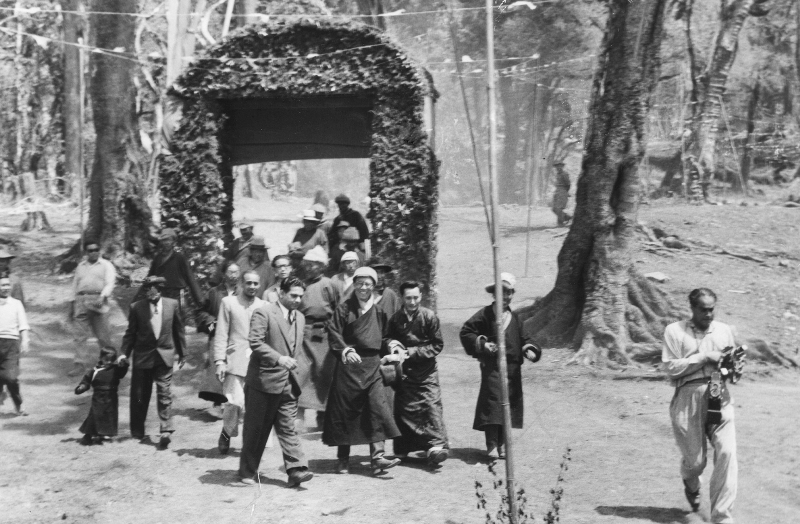
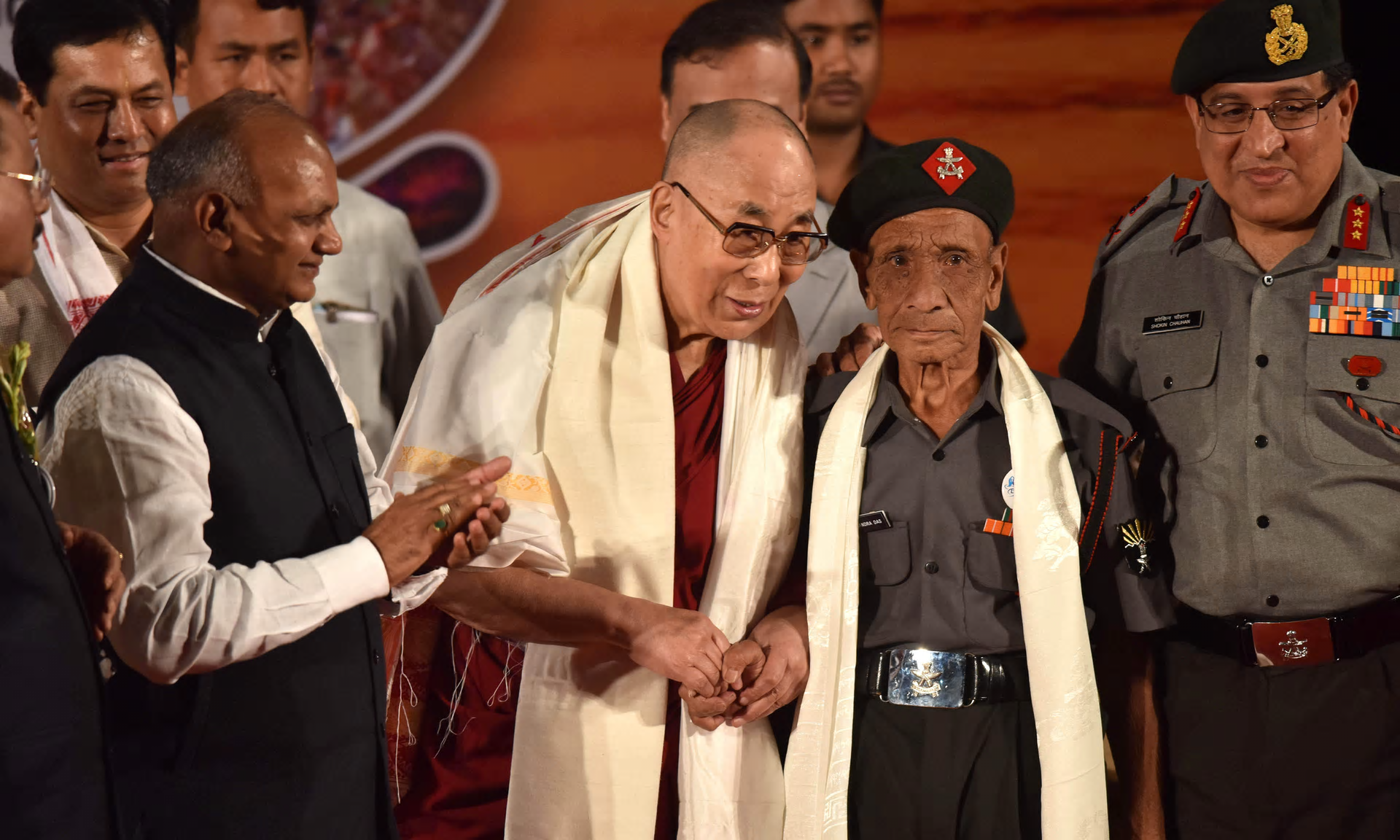
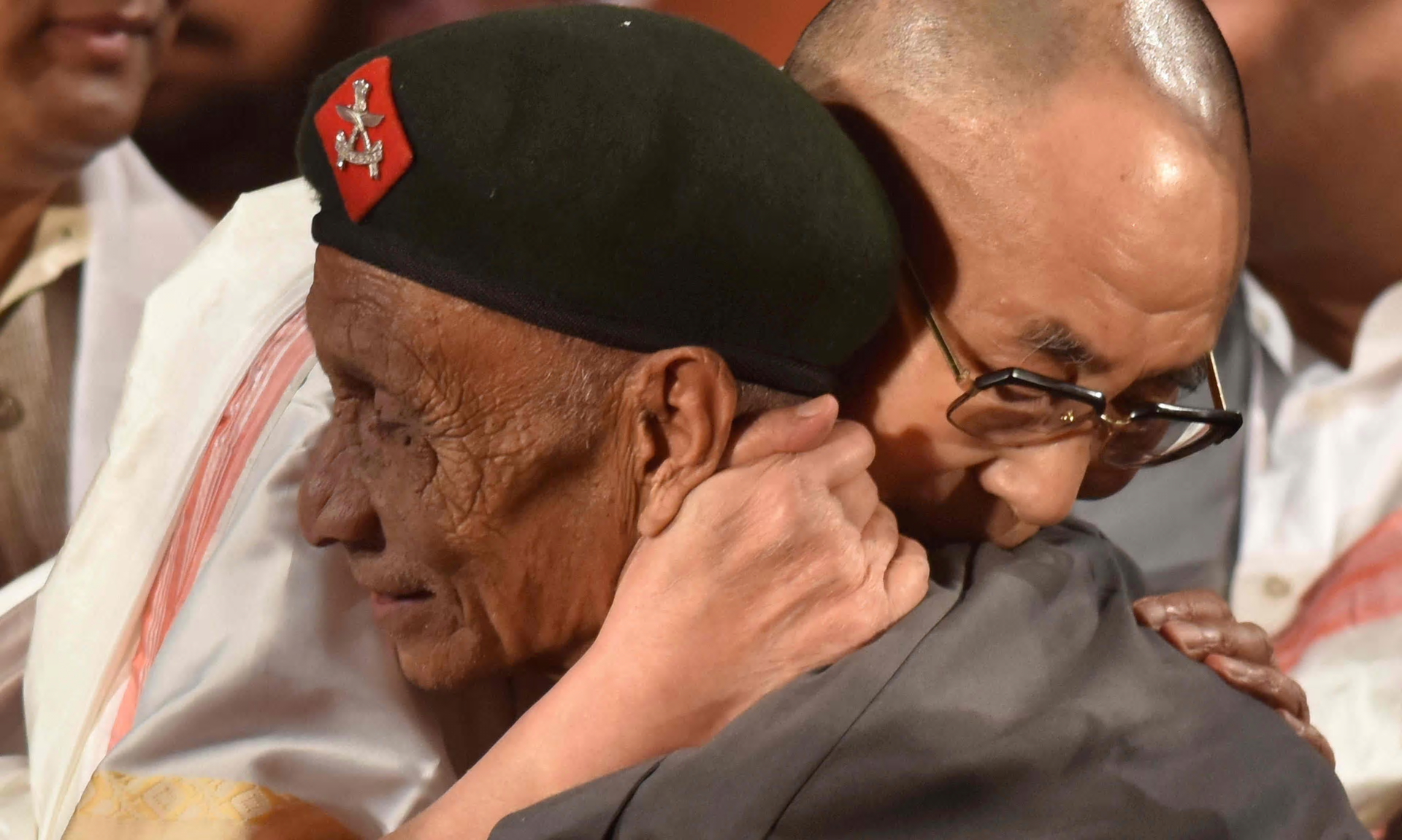
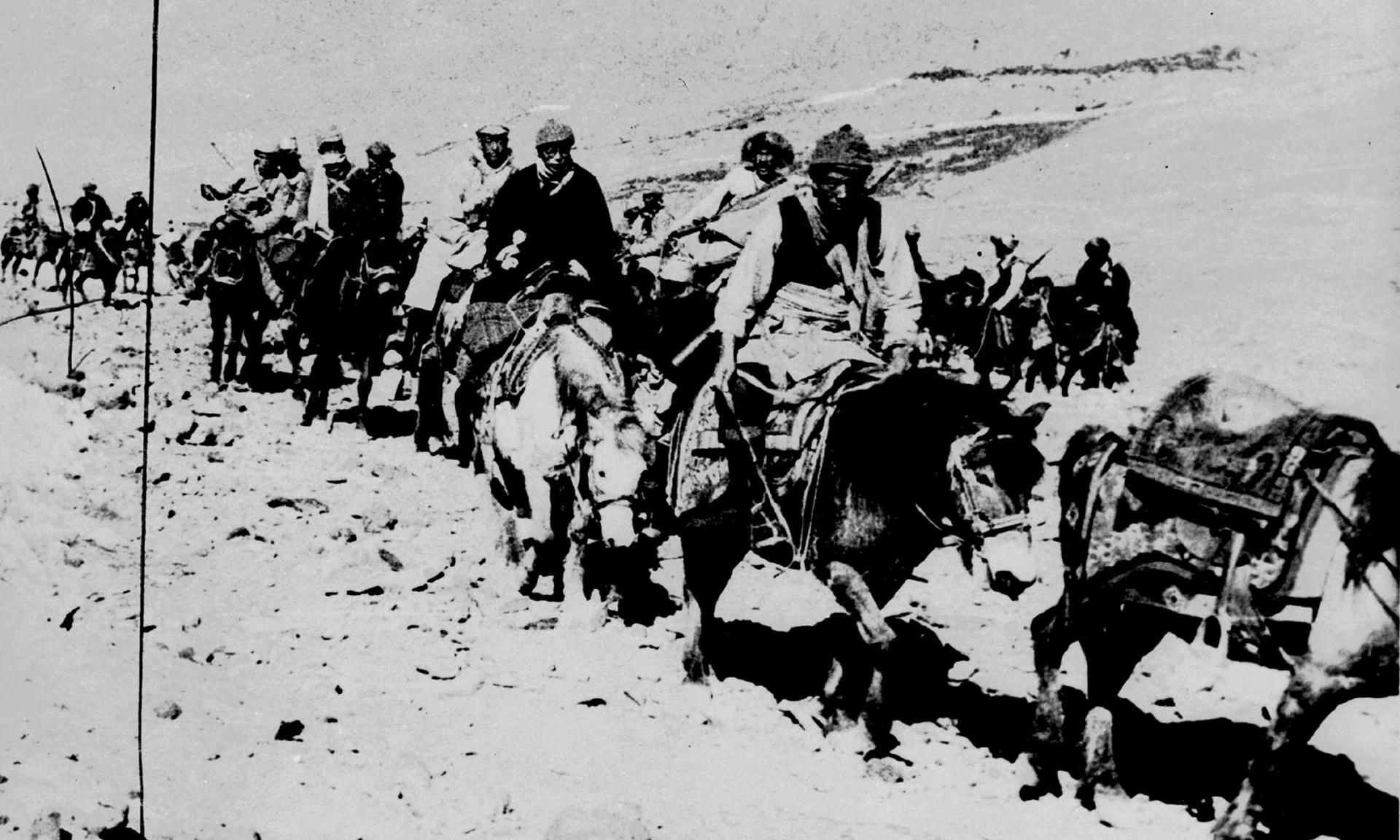


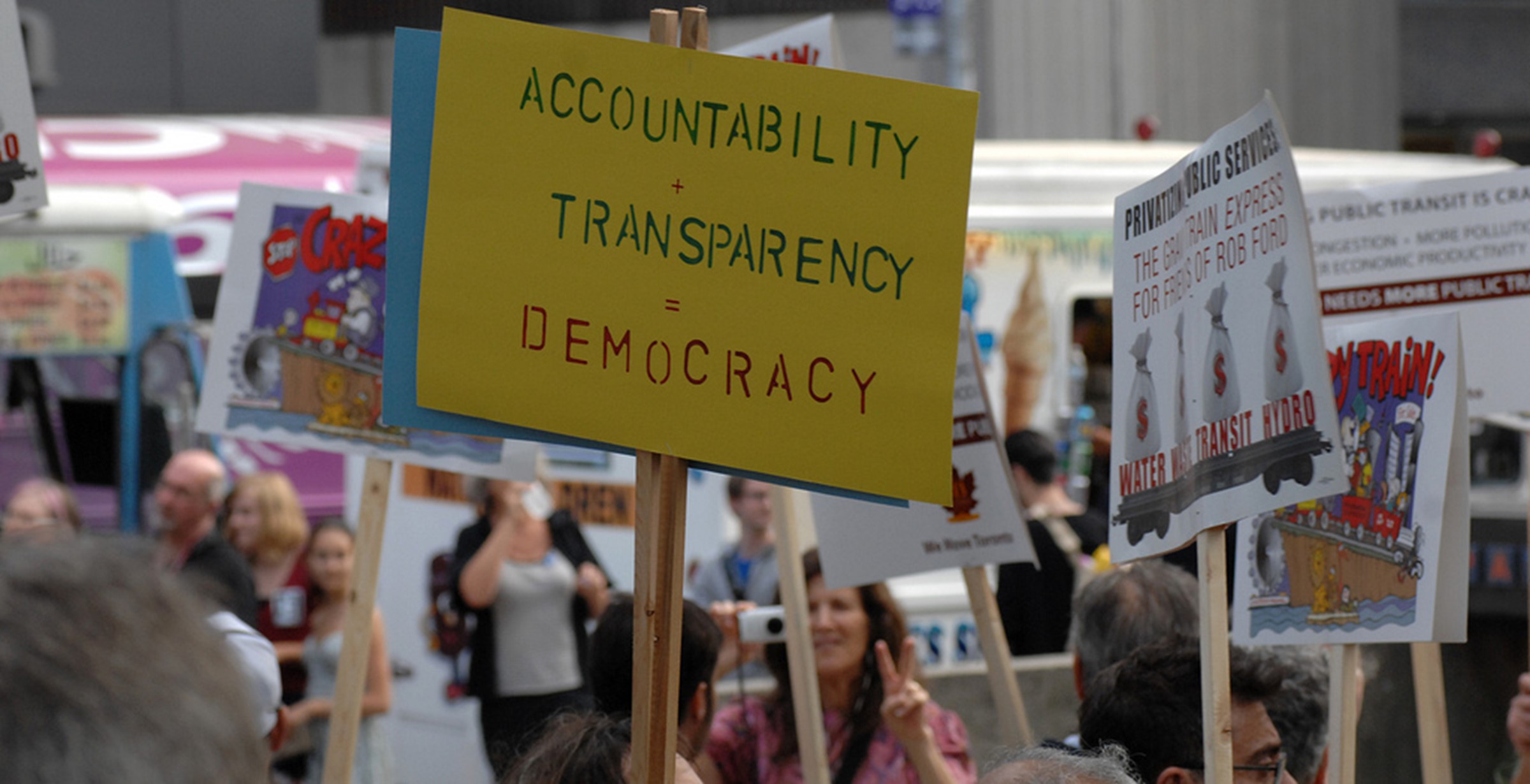


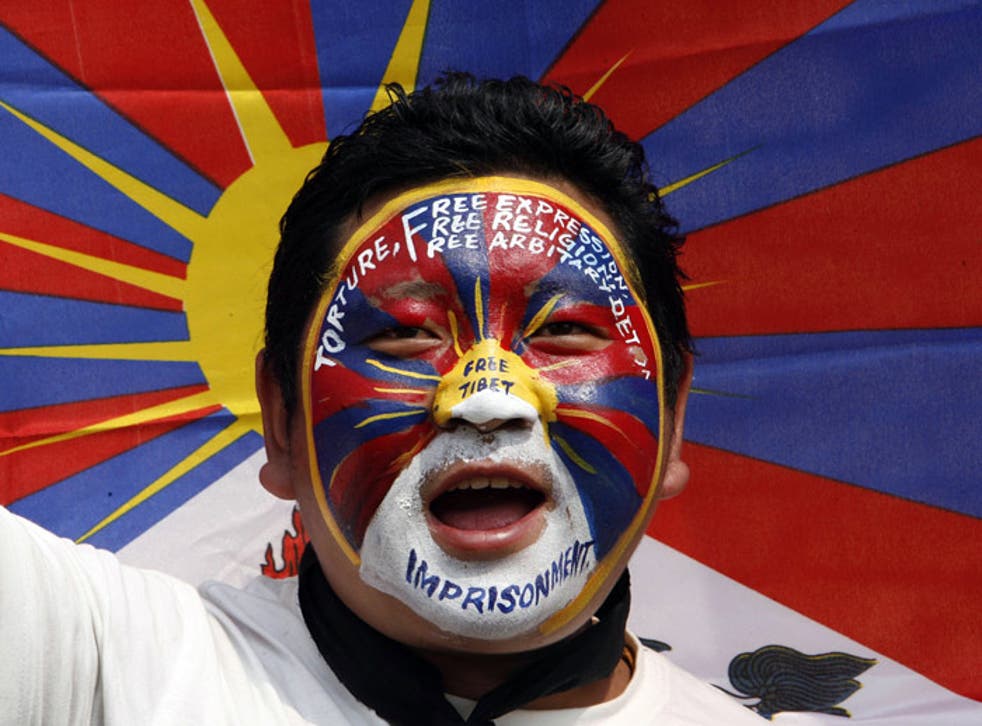
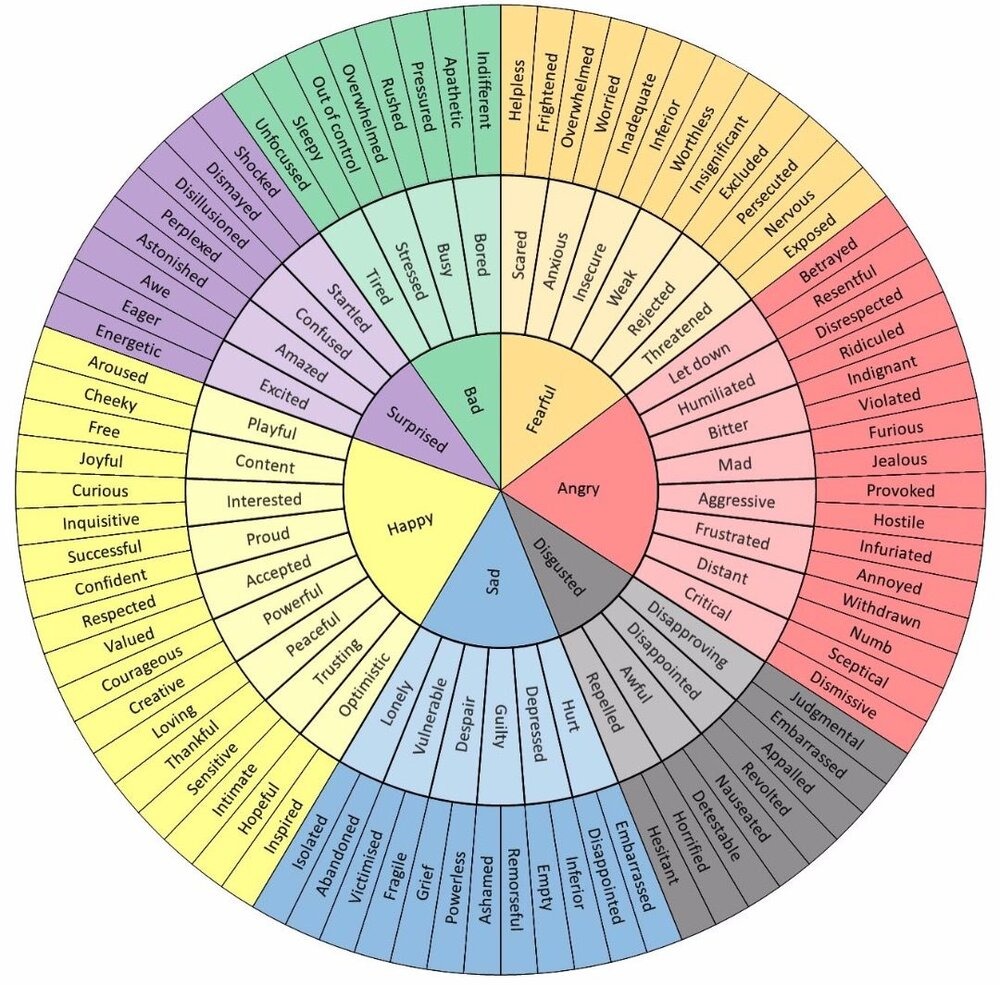


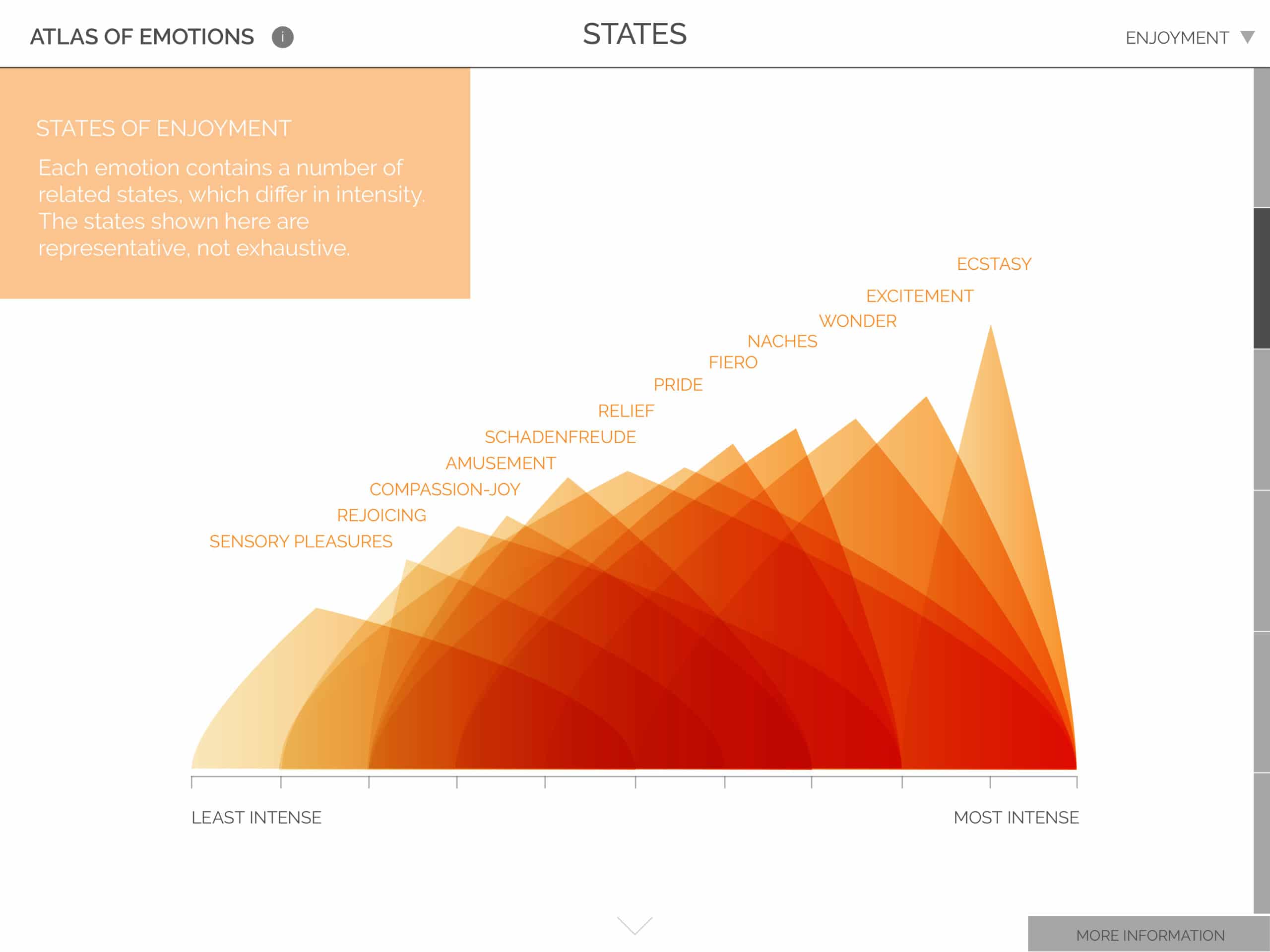
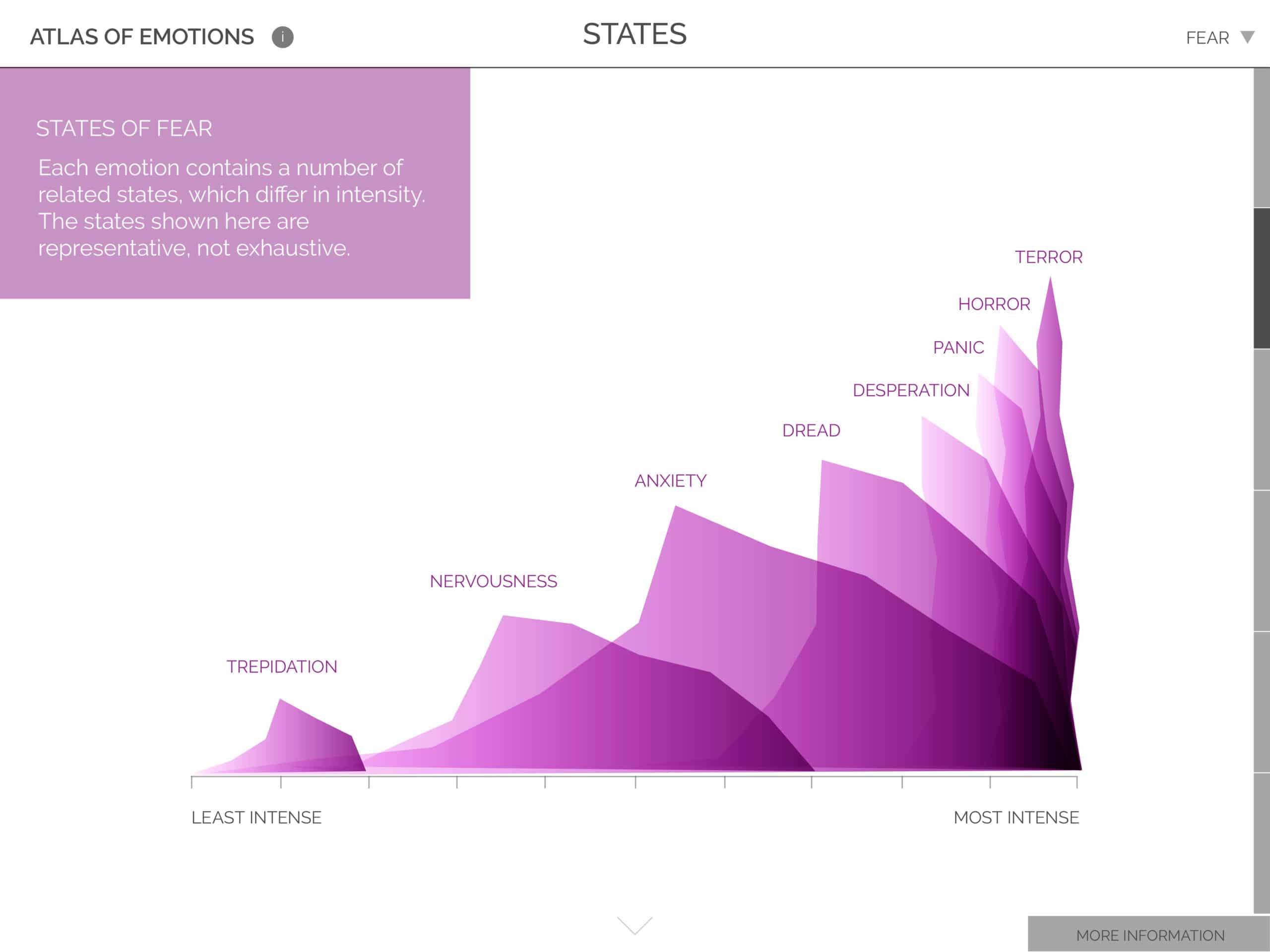
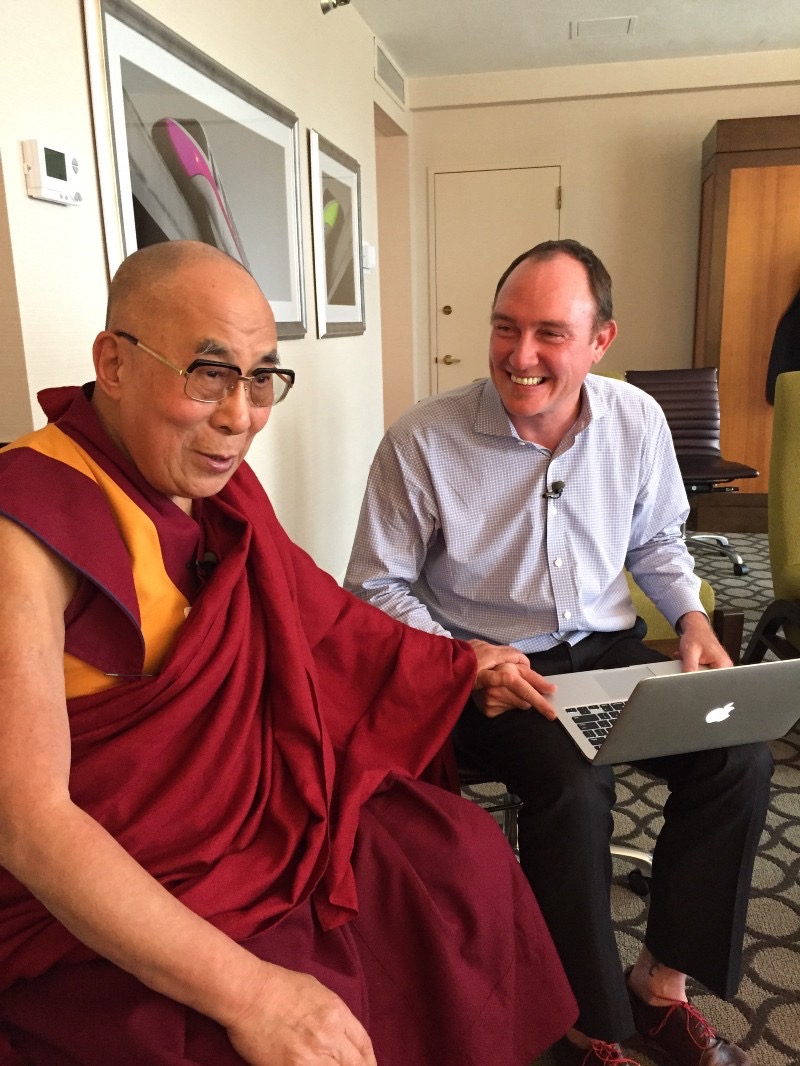

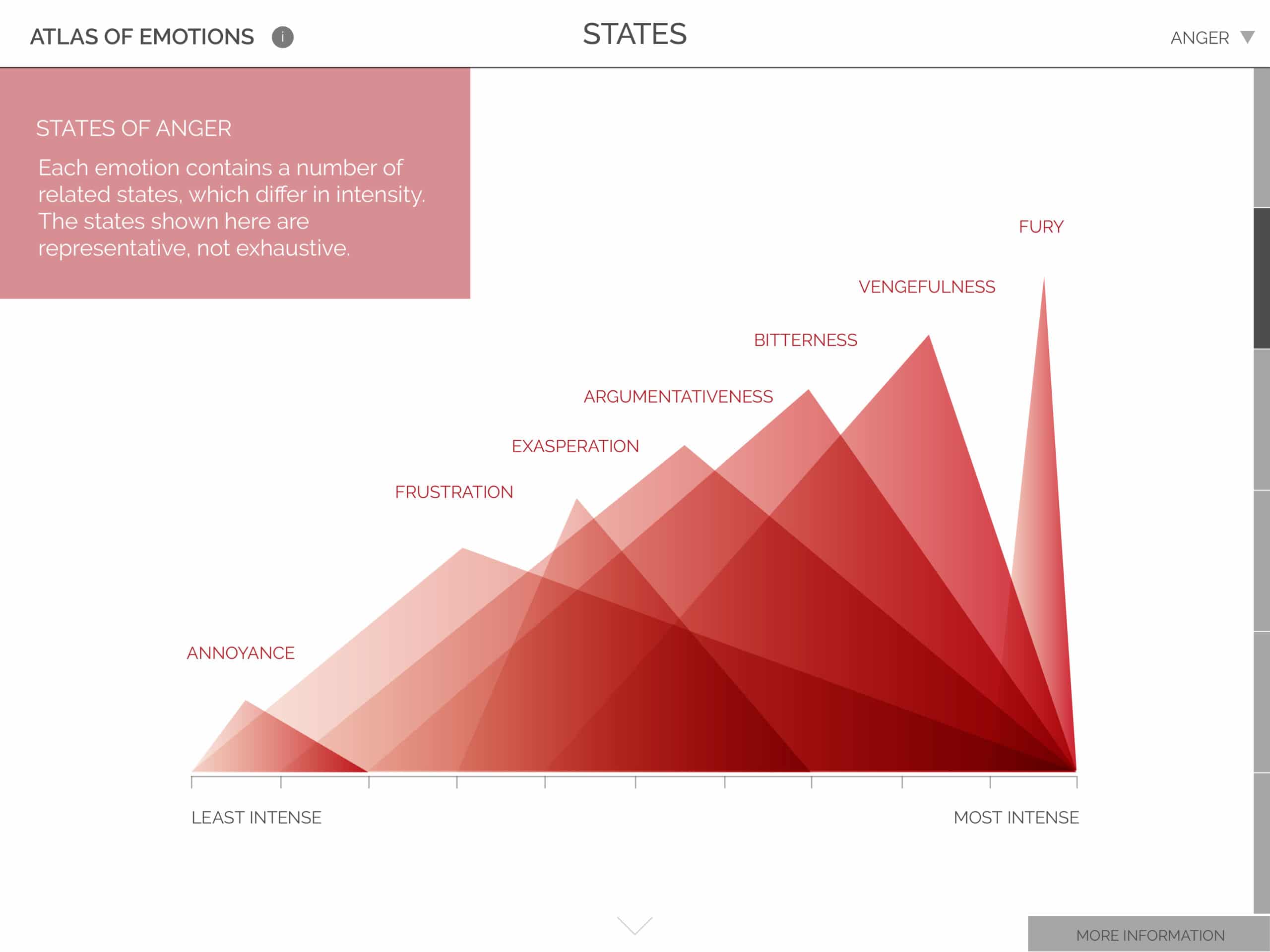

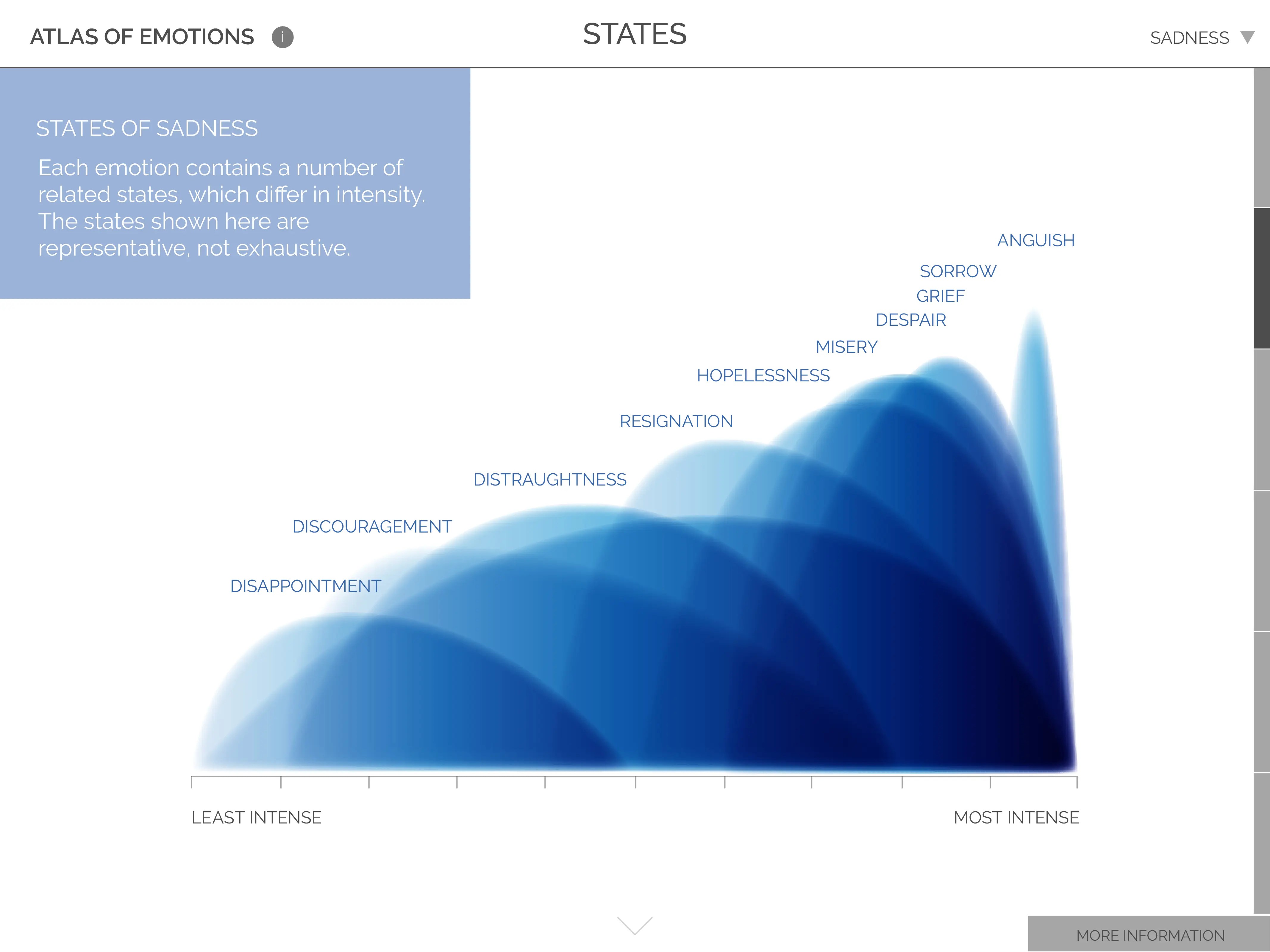

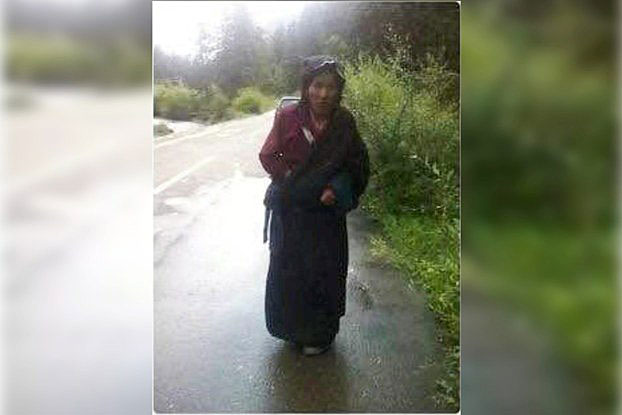
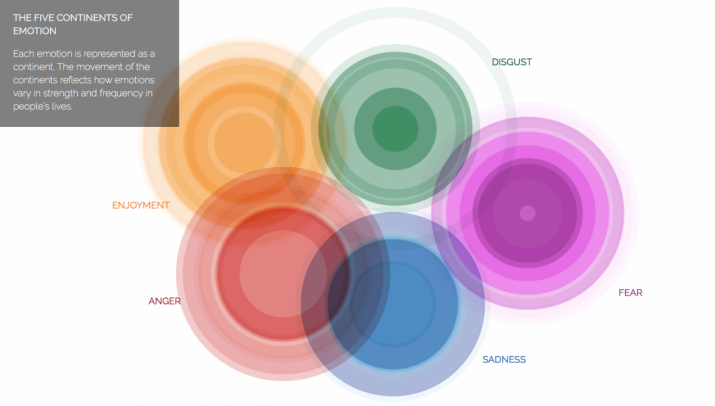

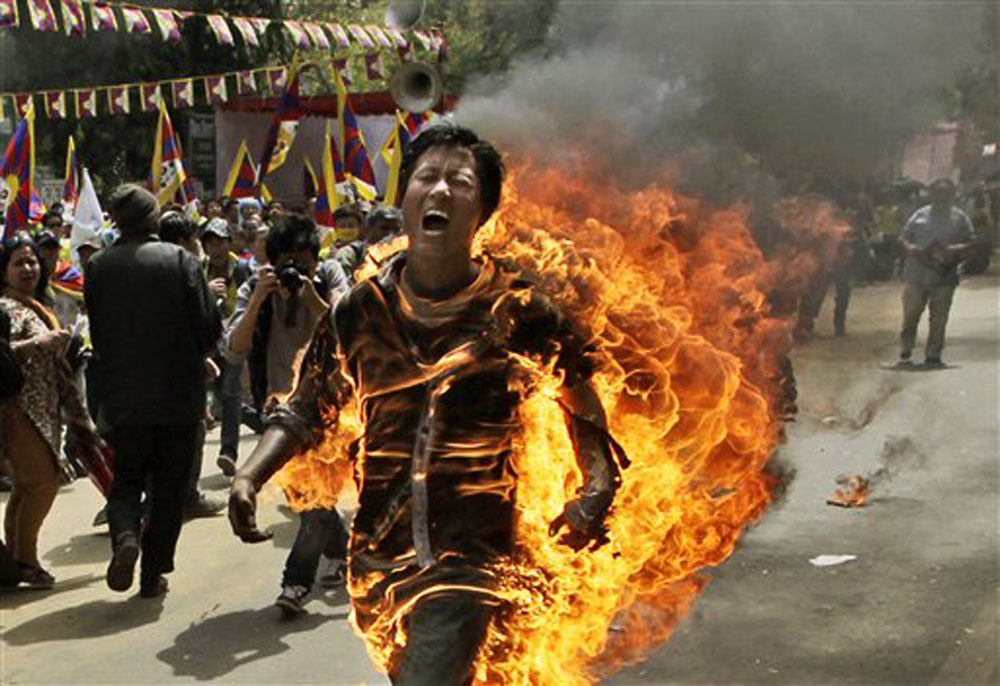
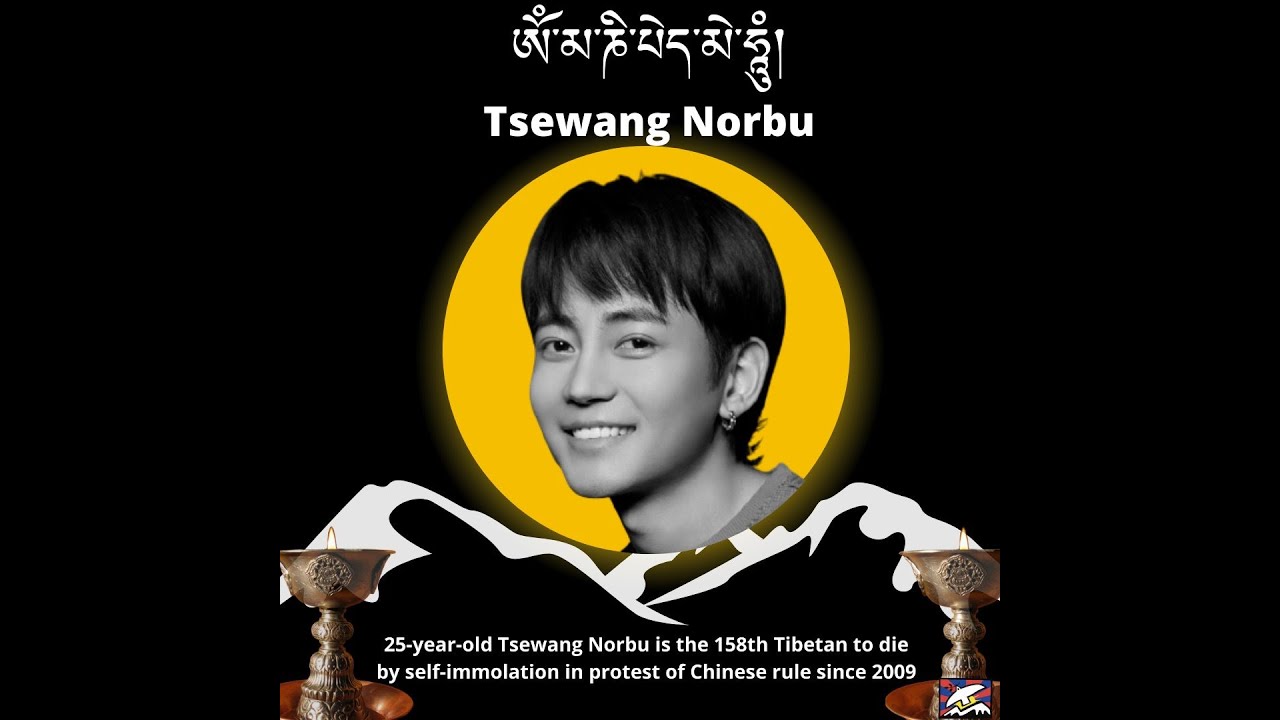


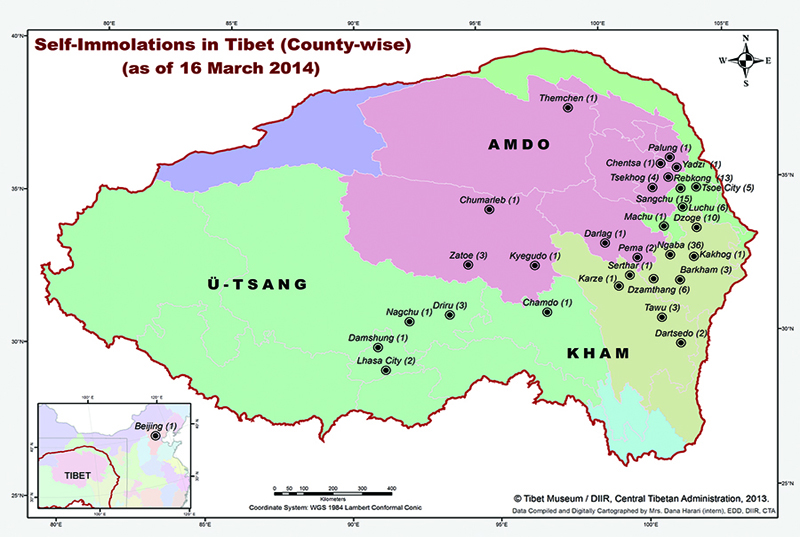
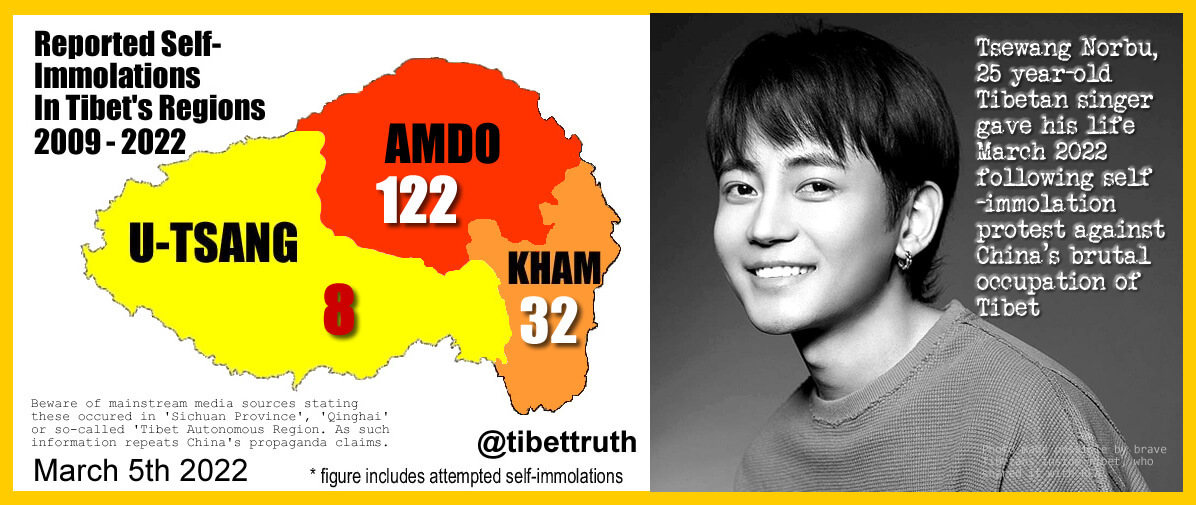
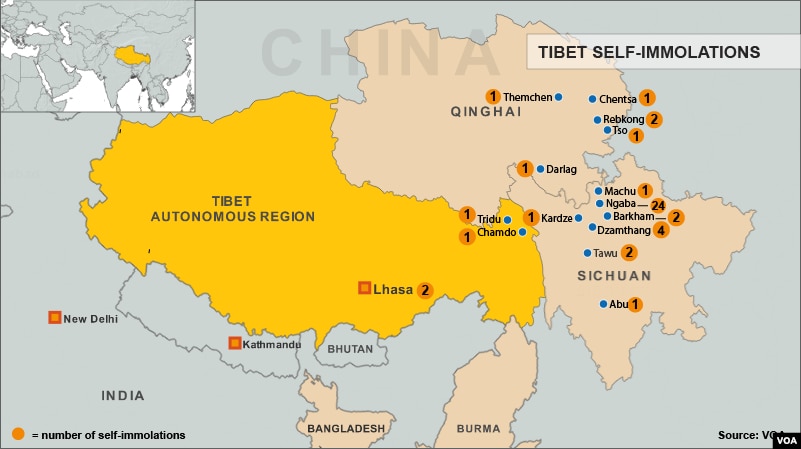




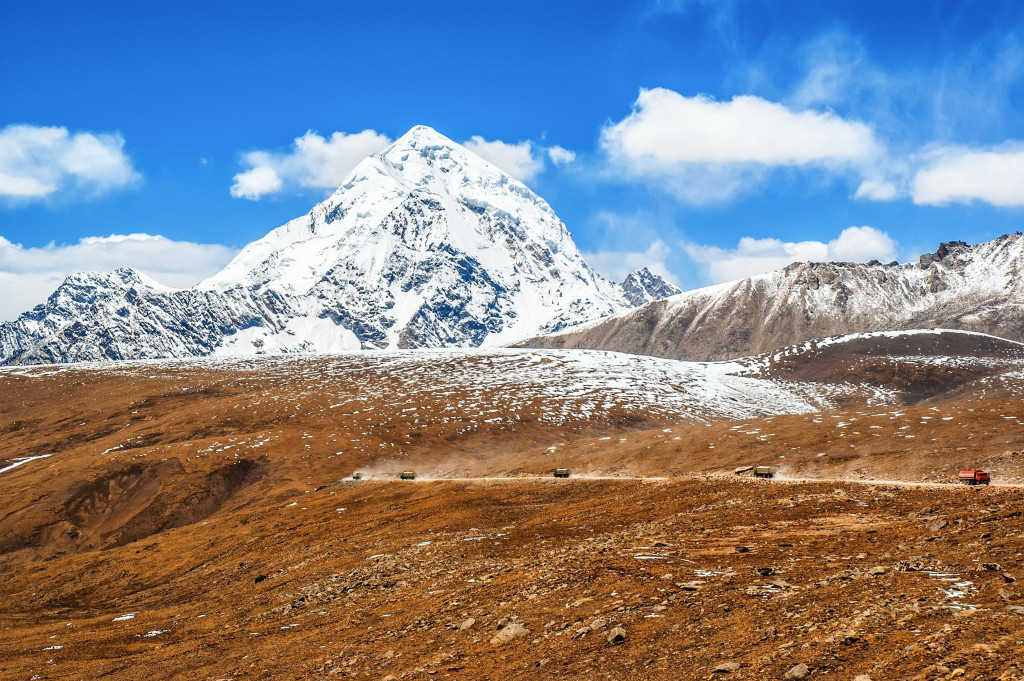
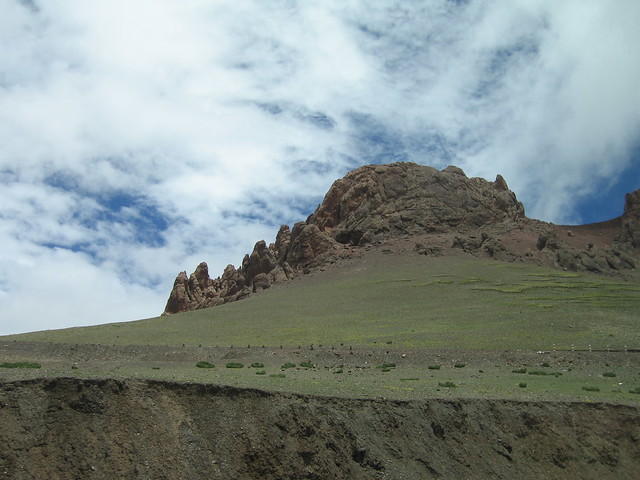


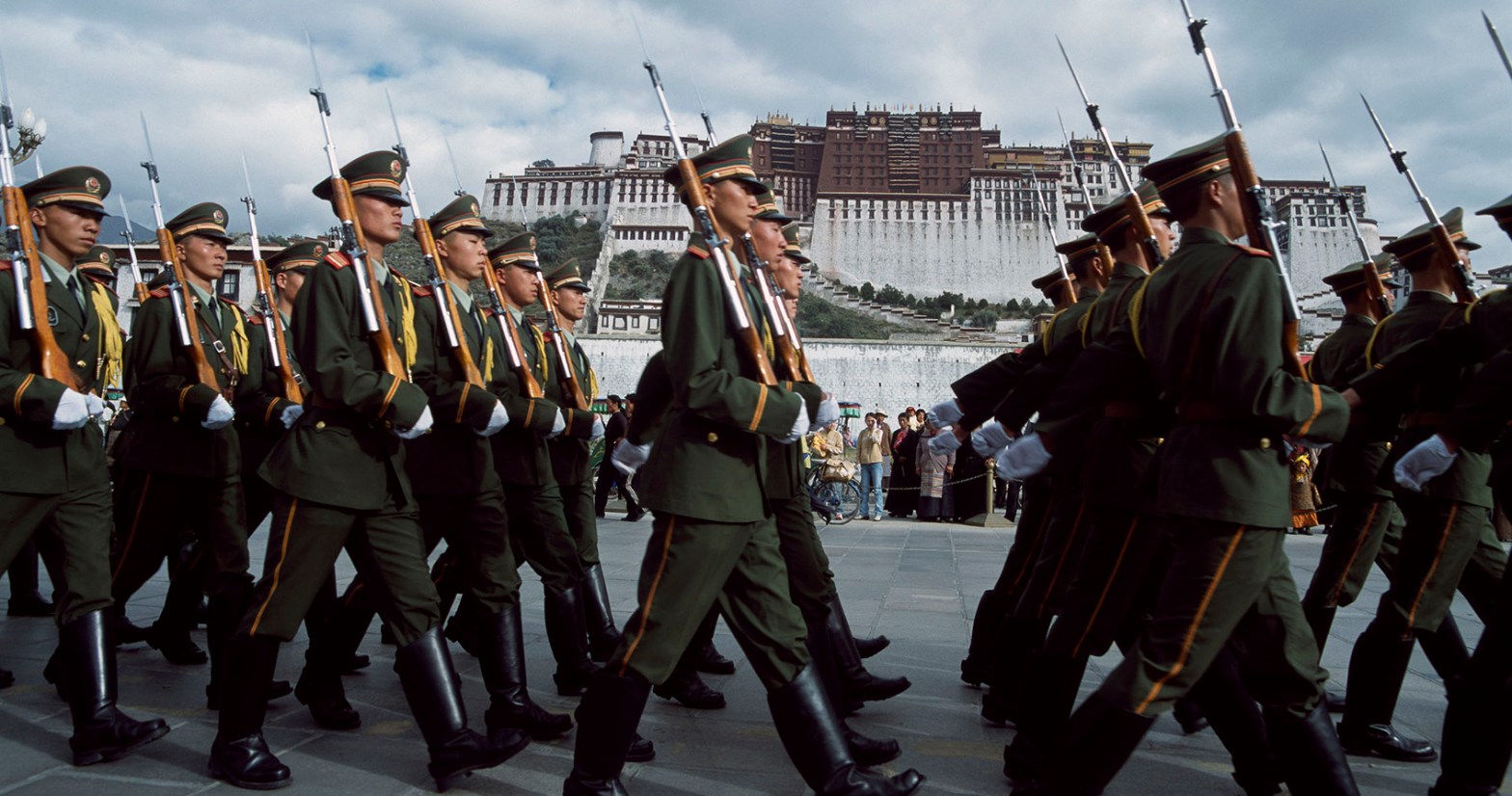

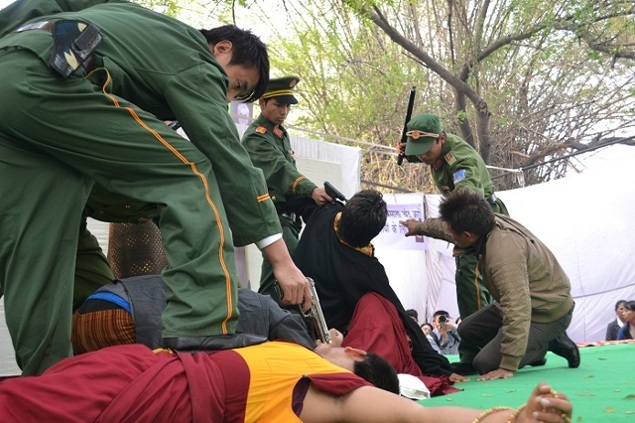

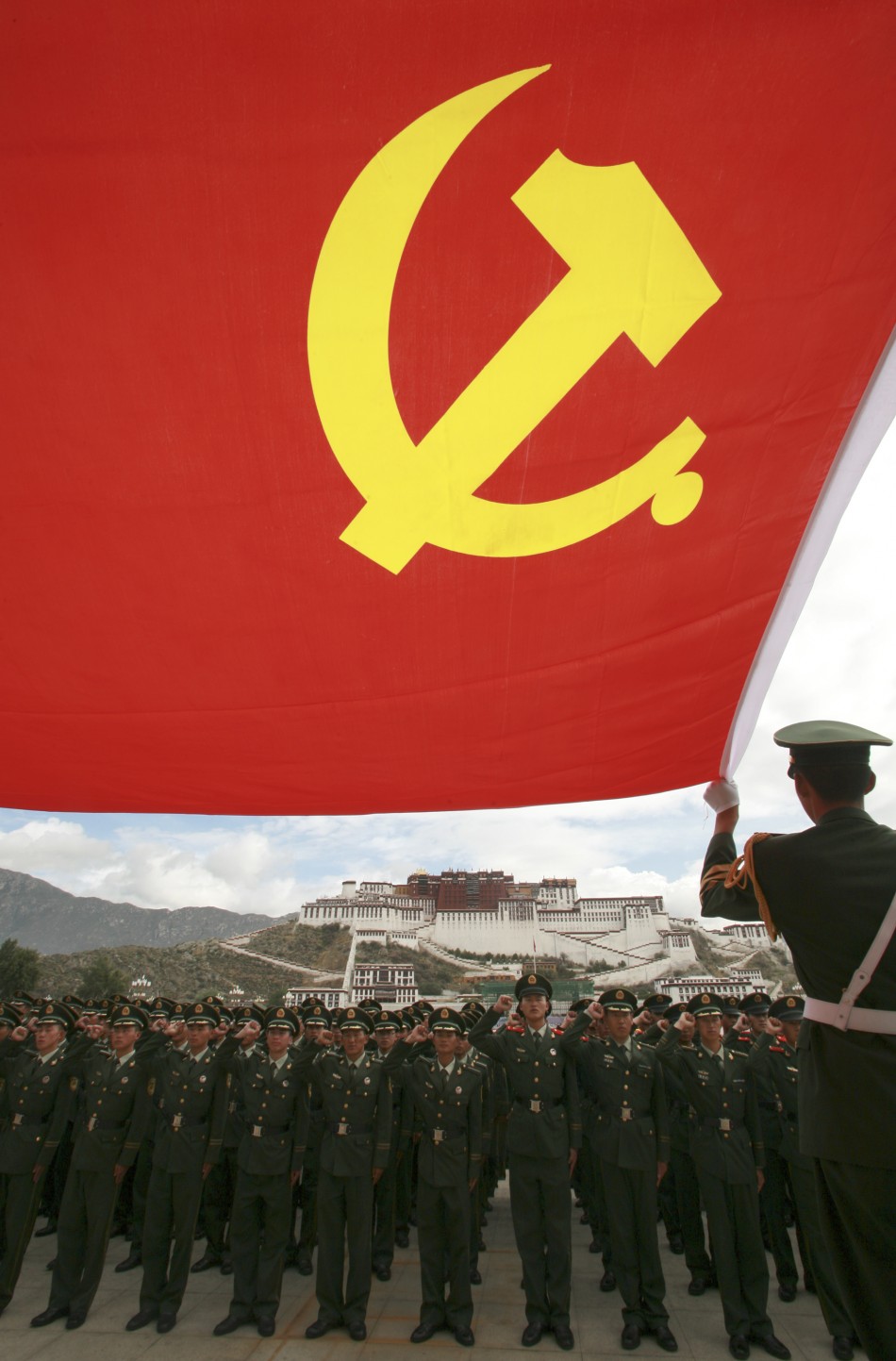
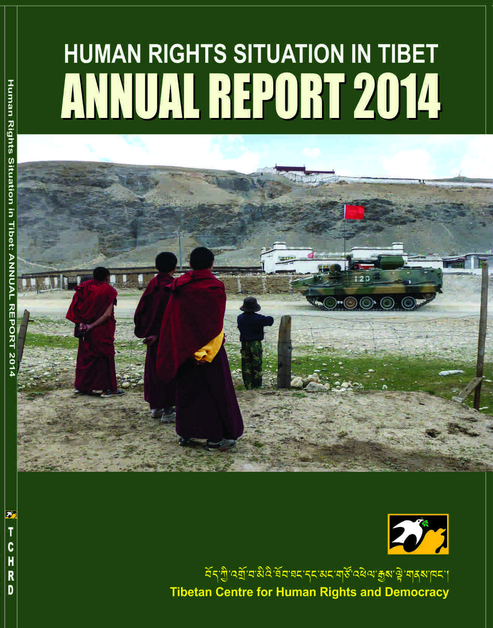

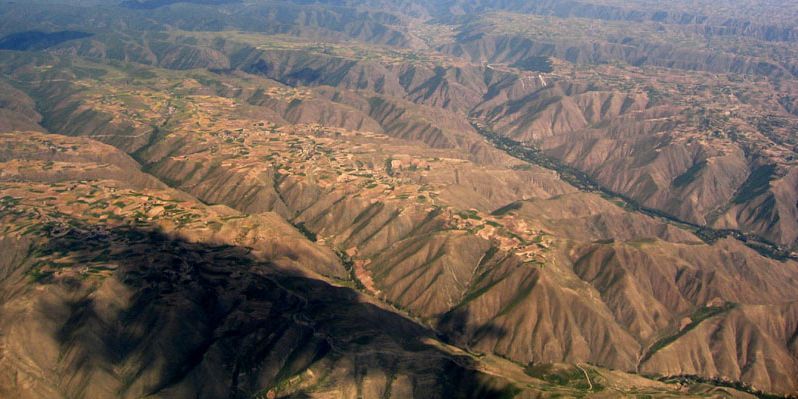
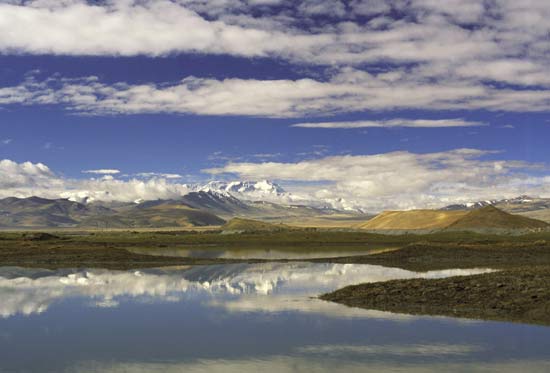


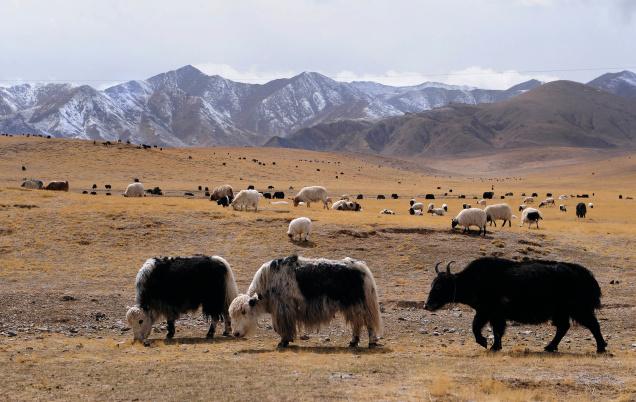
 Whole Dude - Whole Concept