Whole Trouble – Mind Map of Tibet Reveals No Peace Under Occupation

Trouble in Tibet – No Peace Under Occupation

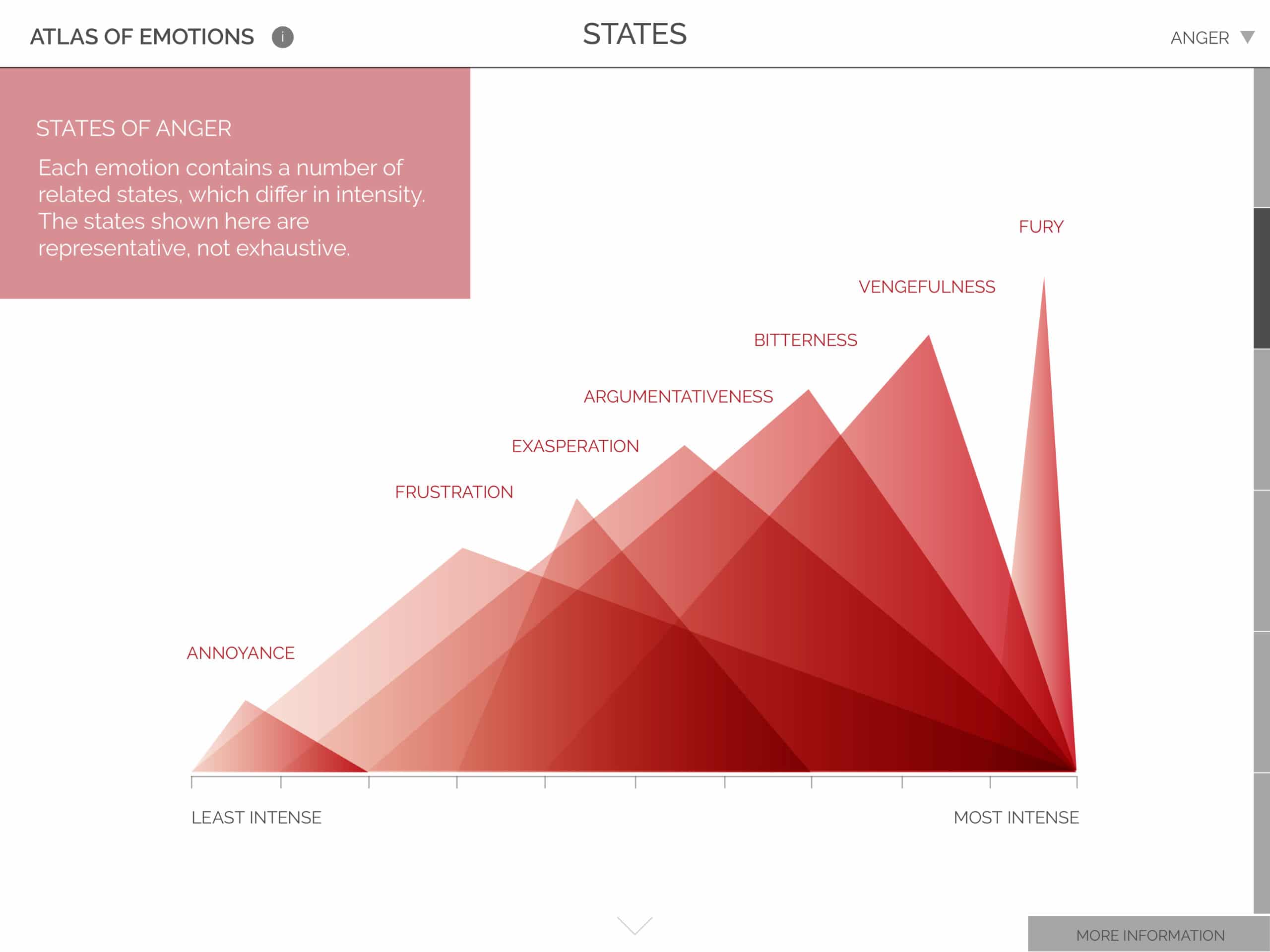
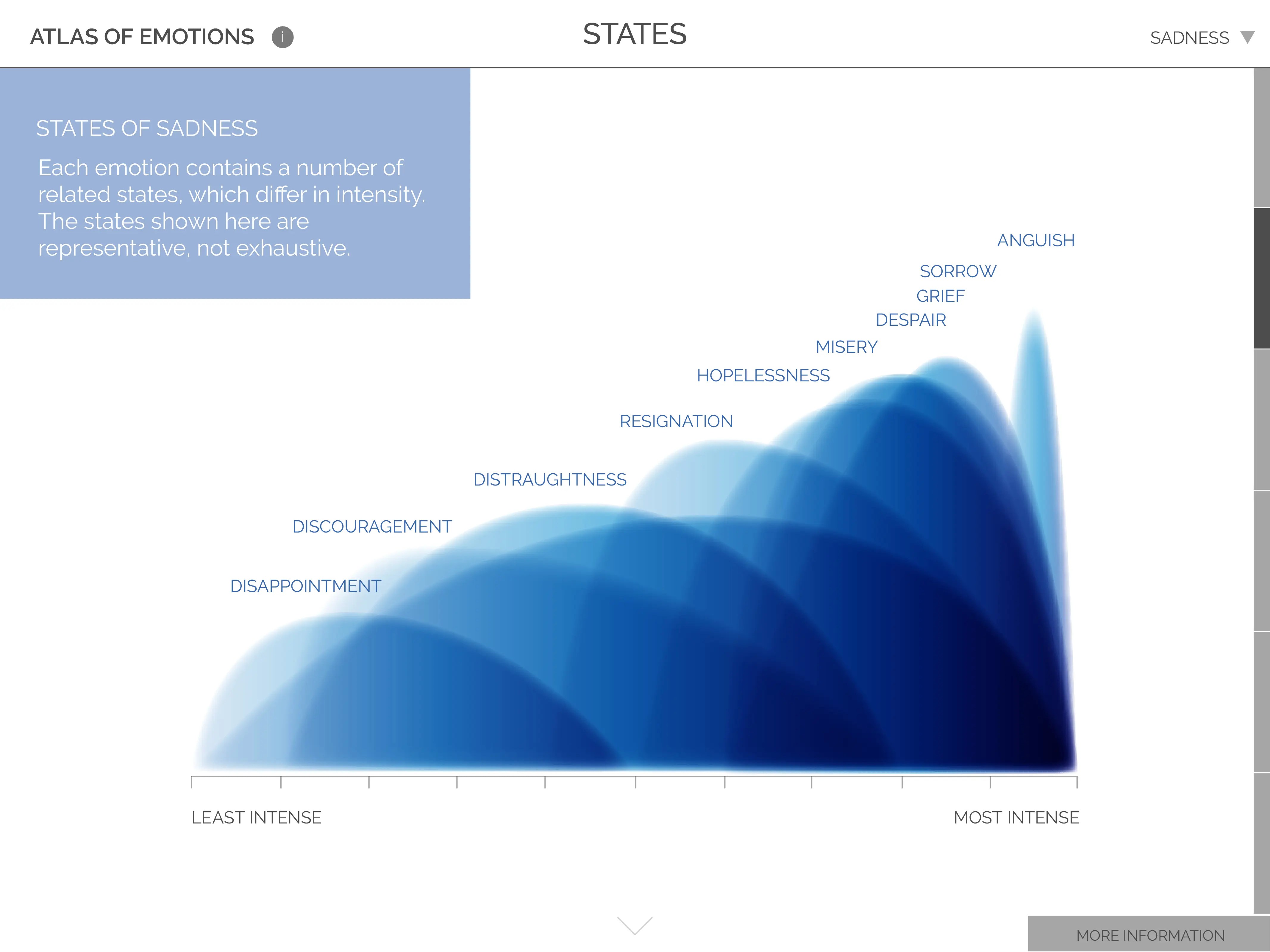
TIBET’S ATLAS OF EMOTIONS. TROUBLE IN TIBET – NO PEACE UNDER OCCUPATION. MIND MAP OF TIBET SHOWS FEAR, ANGER, SADNESS, AND DISGUST.

Peace is true or real experience if that experience is in conformity with facts of external world. If forces of occupation control, rule, govern, reign, or operate conditions of external world, there can be no ‘Inner Peace’ for it is not real or true. For any Tibetan living in Occupied Tibet, his emotions are not his Enemy; the Enemy is visible, the Enemy is real. There is no Calmness of Mind for this Enemy is not yet removed.

“Dalai Lama” Website Launched by His Holiness the Dalai Lama includes Mind Map, and Atlas of Emotions to help people find or discover “Inner Peace.” Spirituality and Science can be blended, but the real issue is that of blending Freedom and Repression. For Repression excludes Freedom, there will be no Peace, neither in Mind, nor in World.

Inner Peace? The Dalai Lama Made a Website for That

Special Frontier Force – Tibetan Resistance: The Doctrine and the Philosophy of Tibetan Resistance to China’s War of Occupation is based on the Force or Power of an Idea that concludes that the Enemy has no Power over your Mind and the Enemy cannot exercise authority over your Mind. Resistance begins when man sets his Mind Free. Resistance is Freedom in Action without any sense of Fear.

The Dalai Lama spoke about the Atlas of Emotions study at the Wilson House on the Sisters of St. Francis’ Assisi Heights campus in Rochester, Minnesota.

By KEVIN RANDALL

May 6, 2016

ROCHESTER, Minn. — The Dalai Lama, who tirelessly preaches inner peace while chiding people for their selfish, materialistic ways, has commissioned scientists for a lofty mission: to help turn secular audiences into more self-aware, compassionate humans.

That is, of course, no easy task. So the Dalai Lama ordered up something with a grand name to go with his grand ambitions: a comprehensive Atlas of Emotions to help the more than seven billion people on the planet navigate the morass of their feelings to attain peace and happiness.

“It is my duty to publish such work,” the Dalai Lama said.

To create this “map of the mind,” as he called it, the Dalai Lama reached out to a source Hollywood had used to plumb the workings of the human psyche.

Specifically, he commissioned his good friend Paul Ekman — a psychologist who helped advise the creators of Pixar’s “Inside Out,” an animated film set inside a girl’s head — to map out the range of human sentiments. Dr. Ekman later distilled them into the five basic emotions depicted in the movie, from anger to enjoyment.

Dr. Ekman’s daughter, Eve, also a psychologist, worked on the project as well, with the goal of producing an interactive guide to human emotions that anyone with an Internet connection could study in a quest for self-understanding, calm and constructive action.

“We have, by nature or biologically, this destructive emotion, also constructive emotion,” the Dalai Lama said. “This innerness, people should pay more attention to, from kindergarten level up to university level. This is not just for knowledge, but in order to create a happy human being. Happy family, happy community and, finally, happy humanity.”

The Dalai Lama paid Dr. Ekman at least $750,000 to develop the project, which began with a request several years ago.

Dr. Ekman recalled the Dalai Lama telling him: “When we wanted to get to the New World, we needed a map. So make a map of emotions so we can get to a calm state.”

As a first step, Dr. Ekman conducted a survey of 149 scientists (emotion scientists, neuroscientists and psychologists who are published leaders in their fields) to see where there was consensus about the nature of emotions, the moods or states they produce, and related areas.

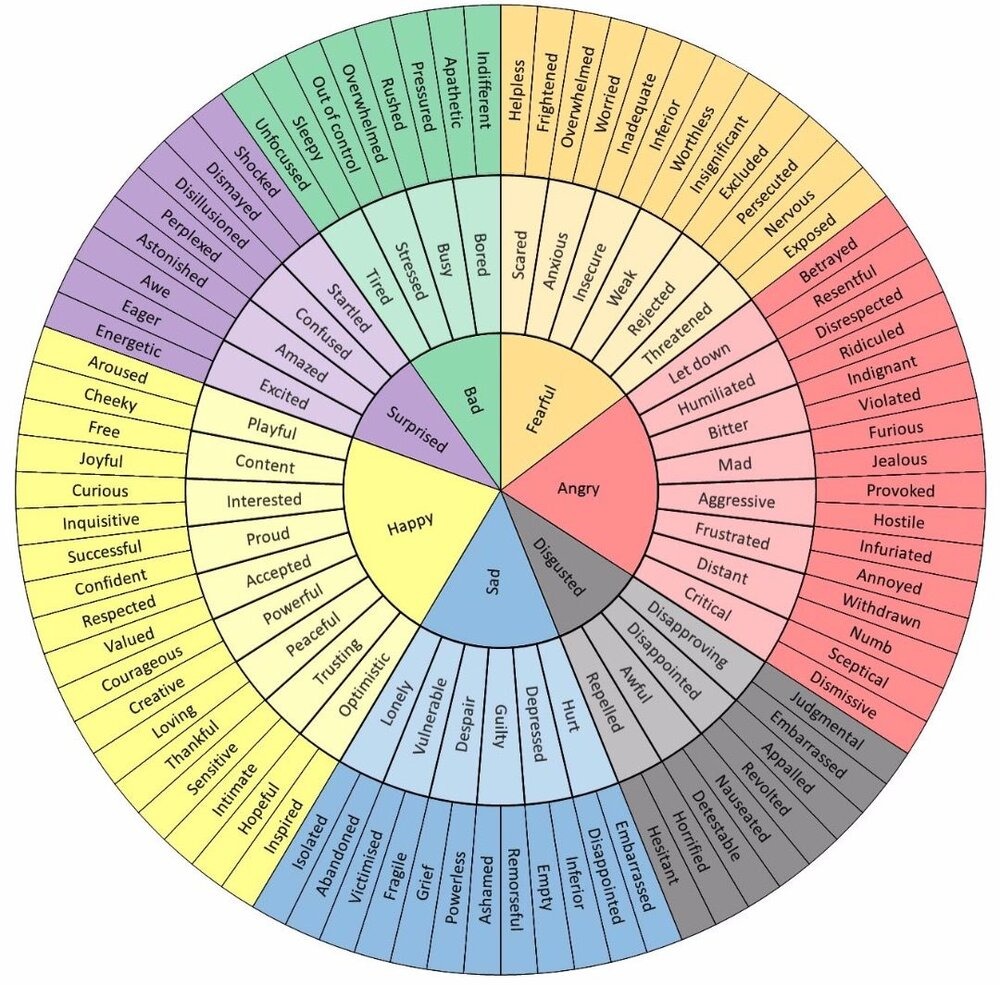
Based on the survey, Dr. Ekman concluded that there were five broad categories of emotions — anger, fear, disgust, sadness and enjoyment — and that each had an elaborate subset of emotional states, triggers, actions and moods. He took these findings to a cartography and data visualization firm, Stamen, to depict them in a visual and, he hoped, useful way.
“If it isn’t fun, it’s a failure,” Dr. Ekman said. “It’s got to be fun for people to use.”

Stamen’s founder, Eric Rodenbeck, has created data visualizations for Google, Facebook and MTV, as well as maps showing climate change and rising oceans. But he said the Atlas was the most challenging project he had worked on because it was “built around knowledge and wisdom rather than data.”

Not surprisingly, getting scientists to reach a unified understanding of human emotions was difficult.

Dacher Keltner, a professor of psychology at the University of California, Berkeley, also counseled Pixar on establishing and depicting the emotional characters for “Inside Out.” He has even advised Facebook on emoticons.

Although Dr. Keltner took part in Dr. Ekman’s survey, the two are not in complete agreement on the number of core emotions. Still, Dr. Keltner said he saw the project as a good step.
“The survey questions could have allowed for more gray areas,” he said. “But it’s important to take stock of what the scientific consensus is in the field.”

Dr. Ekman emphasized that the Atlas was not a scientific work intended for peer review.

“It is a visualization for what we think has been learned from scientific studies,” he said. “It’s a transformative process, a work of explanation.”

The Dalai Lama wants to keep religion out of it.

“If we see this research work as relying on religious belief or tradition, then it automatically becomes limited,” he said. “Even if you pray to God, pray to Buddha, emotionally, very nice, very good. But every problem, we have created. So I think even God or Buddha cannot do much.”

The Dalai Lama said he hoped the Atlas could be a tool for cultivating good in the world by defeating the bad within us.

“Ultimately, our emotion is the real troublemaker,” he said. “We have to know the nature of that enemy.”

The Dalai Lama said he had been encouraged by President Obama’s reaction to the project when he told him about it in India.

“Obama seems, I think, to show more interest about our inner value,” he said. “In the past, compassion was something of a sign of weakness, or anger a sign of power, sign of strength.
Basic human nature is more compassionate. That’s the real basis of our hope.”

While excited about the Atlas, however, the 80-year-old Dalai Lama will probably not be clicking around the interactive site. He is much more comfortable turning the printed pages of a version that was custom-made for him.

“Technology is for my next body,” he once quipped to the researchers.

© 2016 The New York Times Company

Trouble in Tibet – Mind Map of Tibet
TROUBLE IN TIBET – MIND MAP OF TIBET – WHERE IS PEACE WITHOUT FREEDOM?

“Dalai Lama” Website Launched by His Holiness the Dalai Lama includes Mind Map, and Atlas of Emotions to help people find or discover “Inner Peace.” Spirituality and Science can be blended, but the real issue is that of blending Freedom and Repression. For Repression excludes Freedom, there will be no Peace, neither in Mind, nor in World.

Tibetans want to find or discover “Freedom” which is defined as the state or quality of being free from the control of some other person or some arbitrary power; a being able of itself to choose or determine action freely without hindrance, restraint, or repression. If Tibetans are not “Free” to act, how can Tibetans discover “Inner Peace?” Creation of Mind Map will not create Freedom in Occupied Tibet. Repression in Tibet has to go to discover Inner Peace in Mind Map of Tibet.

Dalai Lama: Website launched by Dalai Lama, Atlas of Emotions, blends Science and Spirituality to create Mind Map and reach global audiences

TROUBLE IN TIBET – MIND OF TIBET. DALAI LAMA’S WEBSITE ATLAS OF EMOTIONS EXCLUDES MIND MAP OF TIBET WHERE REPRESSION REIGNS.

May 6, 2016
Sally Elliott

The Dalai Lama never ceases his quest to help others navigate the complex human psyche as part of the path to inner peace, and the Dalai Lama’s website is designed to do just that.

In a truly creative and contemporary collaboration between a Hollywood producer, world-class scientists, and the Dalai Lama, a website, named Atlas of Emotions, was launched with a view of helping the world identify and understand human emotions and overcome those that block the path to peace.
The Dalai Lama’s website is the result of a collaboration between Paul
Ekman, an American psychologist, and the producers of 2015 animated blockbuster Inside Out. Atlas of Emotions blends science and spirituality to create a mind map for global audiences — the religious, the spiritual, and the secular.

“It is my duty to publish such work,” the Dalai Lama told the New York Times.

According to the New York Times, Dr. Ekman and the Dalai Lama are good friends, and when he decided on a course of action to help the human race achieve peace, the Dalai thought of Pixar’s Inside Out and its universally comprehensible model of the mind and human emotion.

“Specifically, he commissioned his good friend Paul Ekman — a psychologist who helped advise the creators of Pixar’s ‘Inside Out,’ an animated film set inside a girl’s head — to map out the range of human sentiments. Dr. Ekman later distilled them into the five basic emotions depicted in the movie, from anger to enjoyment,” reports the outlet.

Trouble in Tibet – Mind Map of Tibet. Repression excludes Freedom. There is neither inner nor outer Peace if Freedom is not in Mind Map.

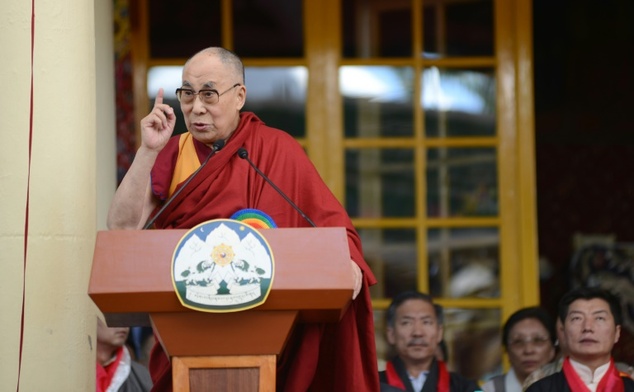
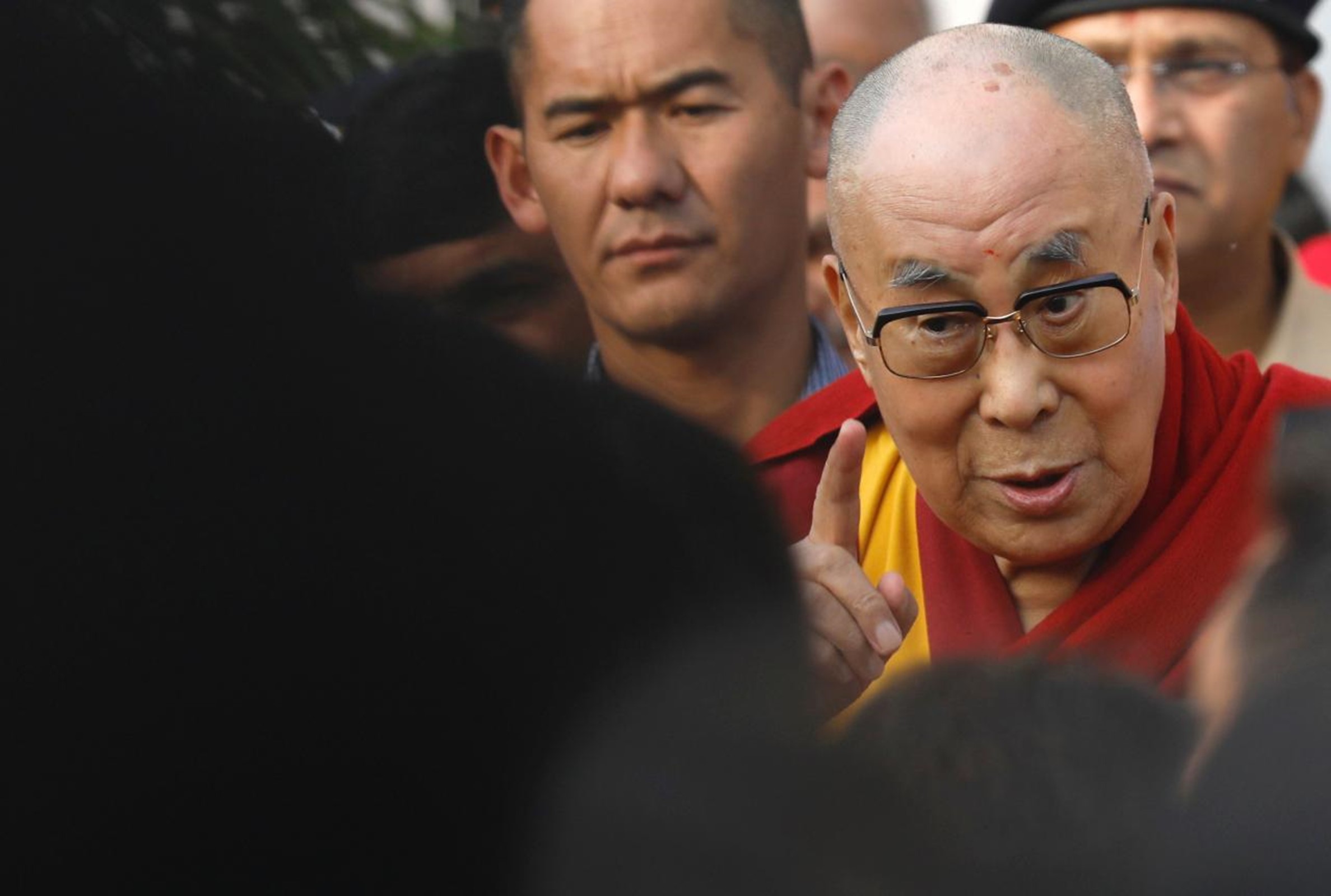
The Dalai Lama is one of the world’s most prolific and widely followed spiritual leaders [Photo by Lisa Maree Williams]

The Dalai Lama’s website is aimed at achieving his lofty life mission guiding the human race to overcome selfish and hateful behavior, practice kindness, self-awareness, and compassion — in a changing world of countless brands of faith.

“‘When we wanted to get to the New World, we needed a map,’ Dr. Ekman
recalled the Dalai Lama telling him. ‘So make a map of emotions so we can get to a calm state,’” reports the New York Times.

Eve Ekman, Dr. Ekman’s fellow psychologist daughter, also collaborated to maximize the engagement and accuracy of the website launched by the Dalai Lama. Atlas of Emotions blends scientific knowledge, which psychologists use to help patients understand and overcome negative behaviors and emotions, and spiritual ideology to provide an interactive guide to human emotions, and it is available to any person with internet access. The website is set to be an invaluable resource for those without the money or opportunity to seek professional help and people seeking to understand their complex emotions on the path to self-awareness, inner peace, and constructive
action.

“We have, by nature or biologically, this destructive emotion, also
constructive emotion. This innerness, people should pay more attention to, from kindergarten level up to university level,” the Dalai Lama told the NY Times.

“This is not just for knowledge, but in order to create a happy human being. Happy family, happy community and, finally, happy humanity.”
Trouble in Tibet – Mind Map of Tibet. There is no Inner Peace in Mind or World without Freedom.

The Dalai Lama was the guest of honor at a U.S. Government-hosted PrayerBreakfast. [Photo by Pool/Getty Images]

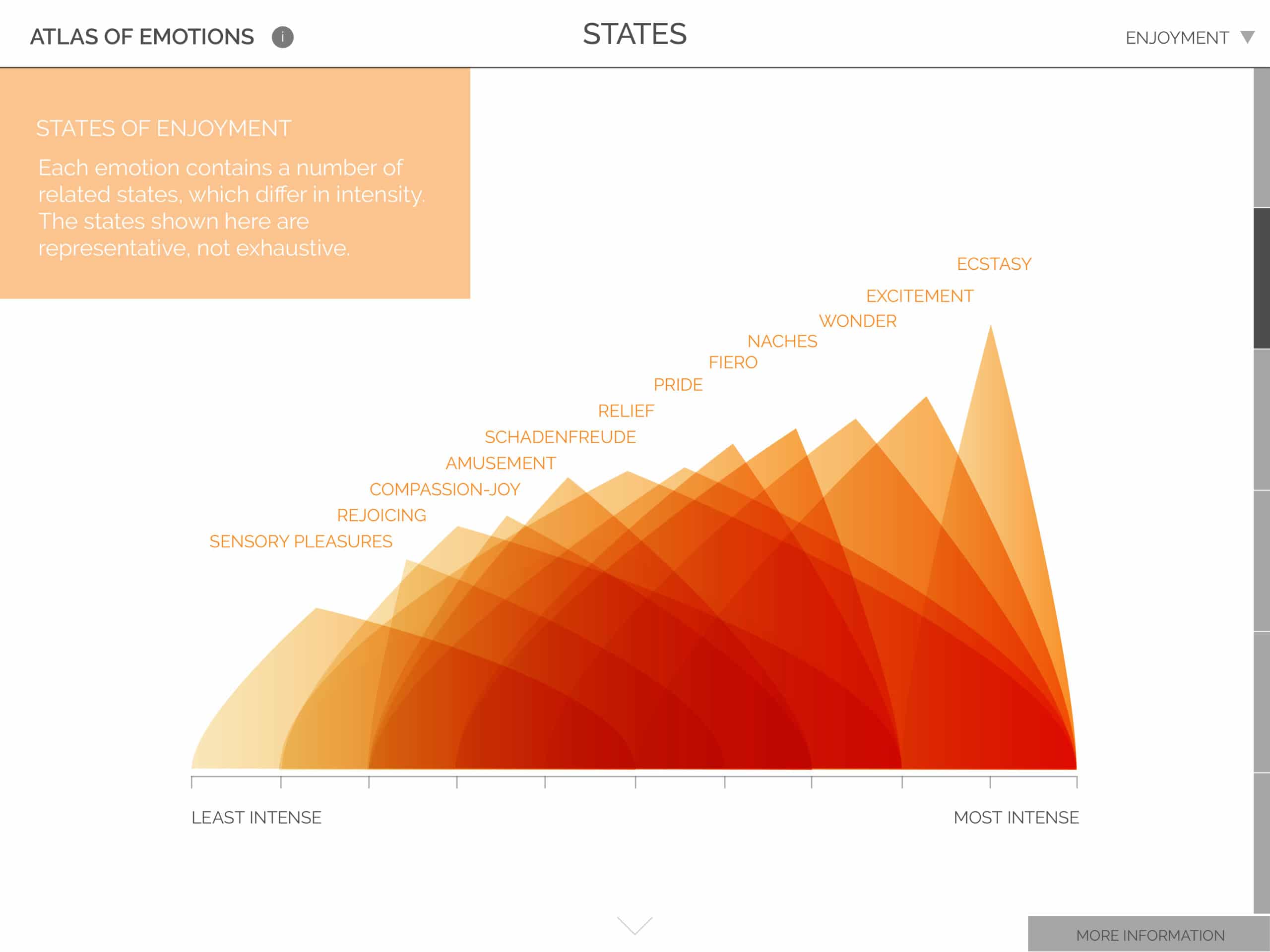
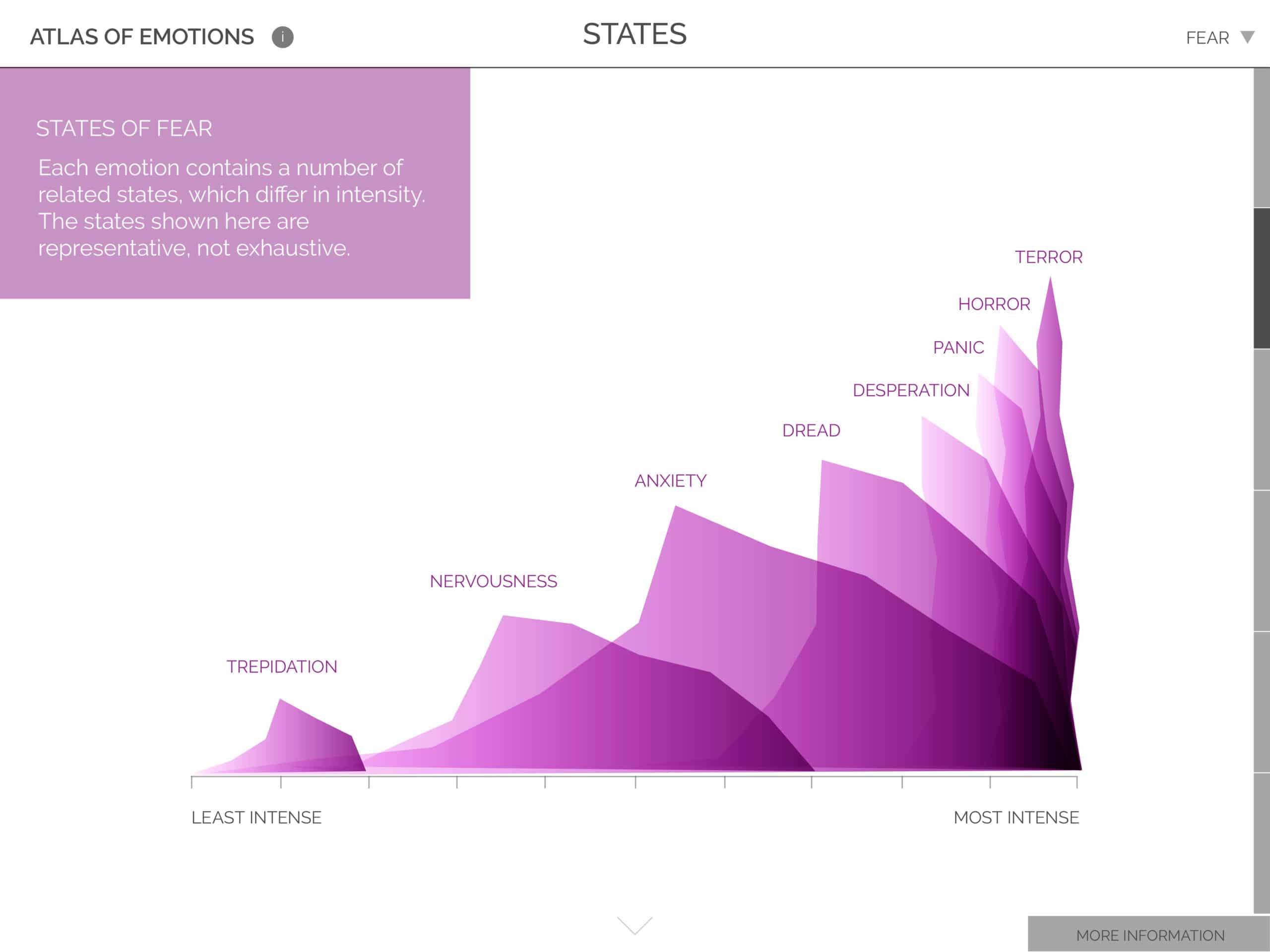
The website launched by the Dalai Lama greets visitors with a simple and sophisticated homepage that outlines five core emotions: anger, fear, disgust, sadness, and enjoyment. Users can navigate through the wealth of scientific and spiritual knowledge through Triggers, States, Actions, Moods, and Calm — explanations of how thoughts and feelings come about, how they are experienced, the actions we take as a result, how those make us feel, and how we can overcome the blocks to inner peace and happiness posed by ignorance or lack of understanding.
Trouble in Tibet – Mind Map of Tibet. Where is Peace and Freedom in Atlas of Emotions?

New work! We designed an Atlas of Emotions for the @DalaiLama and @PaulEkman

https://t.co/xl2WMeZtqI pic.twitter.com/5hHZVXDDgw

— Stamen Design (@stamen) May 6, 2016
Trouble in Tibet – Mind Map of Tibet. Where is Peace and Freedom in Atlas of Emotions?

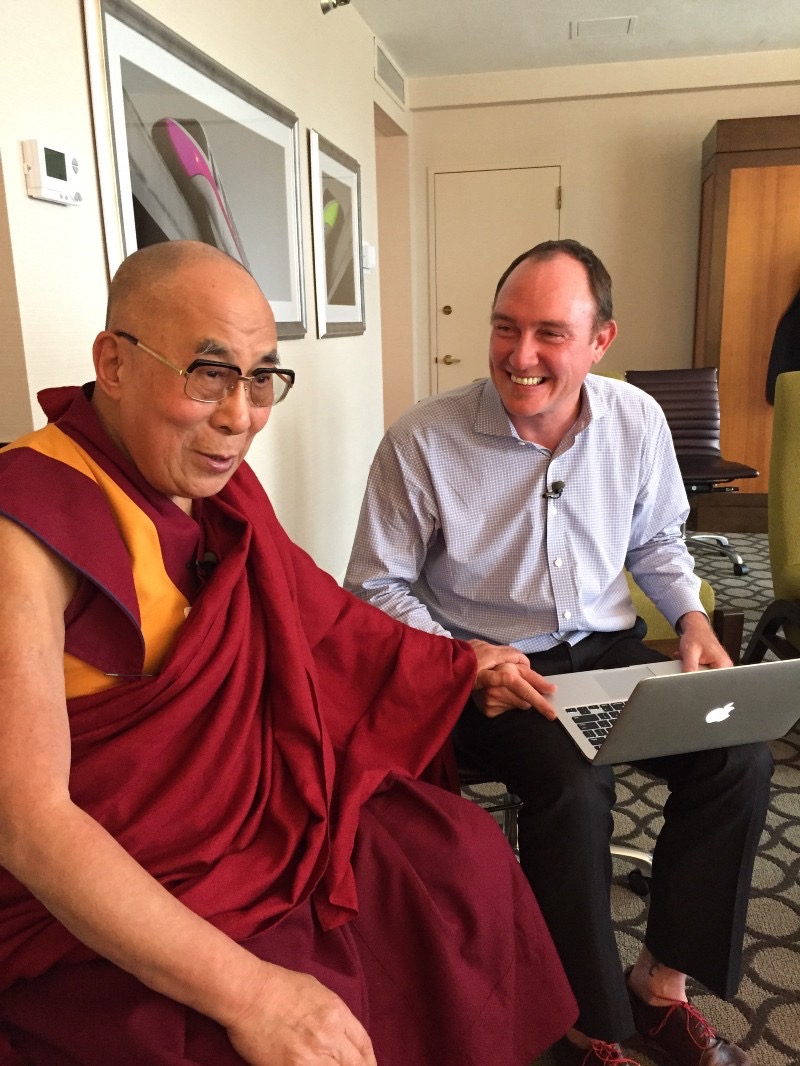
With the highest quality of professional input, the website launched by the Dalai Lama, Atlas of Emotions, which blends science and spirituality to create a mind map, is set to reach global audiences. The potential for engagement is infinite.

[Photo by Chris Weeks/Getty Images]

Author

Sally Elliott

All content © 2008 – 2016 The Inquisitr News.

Trouble in Tibet – Mind Map of Tibet. Where is Peace and Freedom in Atlas of Emotions?
Trouble in Tibet – Mind Map of Tibet. Repression is not compatible with Calmness.
Trouble in Tibet – Mind Map of Tibet. Repression Causes FEAR.

Trouble in Tibet – Mind Map of Tibet. Repression leads to Apprehension and Fear
Trouble in Tibet – Mind Map of Tibet. Repression Triggers FEAR.
Trouble in Tibet – No Peace Under Occupation. Tibet’s Atlas of Emotions. Mind Map of Tibet shows Fear, Anger, Sadness, and Disgust.
Tibet’s Atlas of Emotions – Mind Map of Tibet Shows Fear, Apprehension, Anger, Disgust, and Sadness.


Whole Trouble – Where is the Path to Freedom for Occupied Tibet?

Trouble in Tibet – Where is the Path to Freedom?

TROUBLE IN TIBET – WHERE IS THE PATH TO FREEDOM? “VAGUE TALK ABOUT PEACE WILL ONLY DISTURB SOME PIGEONS.” H.H. The Dalai Lama. For there is ‘Trouble in Tibet’, we need to continue our search for a Path to Freedom. Tibetan Cause was at the center of America’s Cold War interests. Vague talk of peace Dalai Lama said, “will only disturb some pigeons.” It is imperative to find a clear path to Freedom in Occupied Tibet.

For there is ‘Trouble in Tibet’, we need to continue our search for a Path to Freedom. Tibetan Cause was at the center of America’s Cold War interests. Vague talk of peace Dalai Lama said, “will only disturb some pigeons.” It is imperative to find a clear path to Freedom in Occupied Tibet.

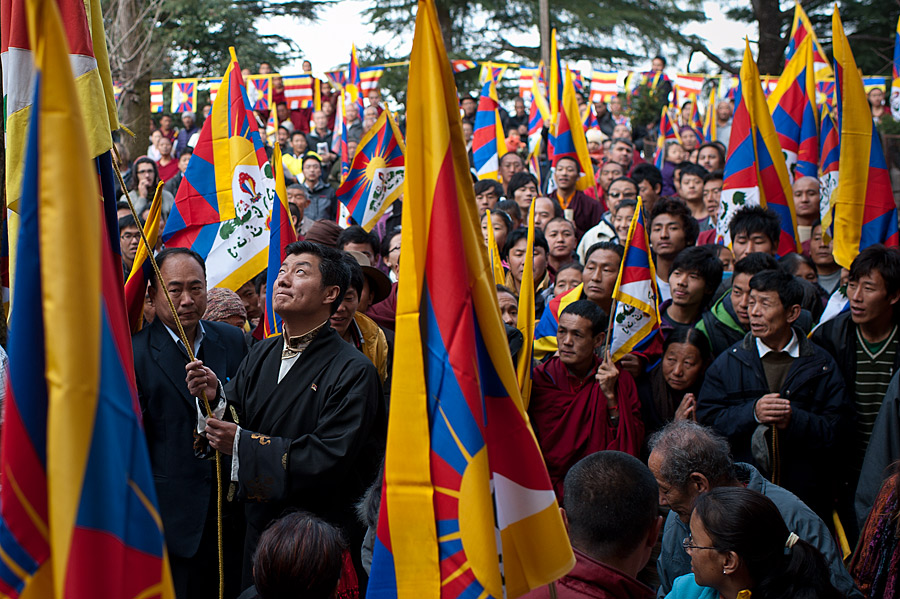
Kalon Tripa Dr. Lobsang Sangay, political head of the Tibetan people, unfurls and raises the Tibetan National Flag on the 53rd National Uprising Day on March 10, 2012 in Dharamsala, India. Tibetan people are demanding their Right to Natural Freedom that was taken away by the military occupation of their Land. Freedom in Tibet is about oppression caused by foreign occupation.

THE WASHINGTON POST

THE DALAI LAMA’S PRACTICAL PATH TO PEACE

Trouble in Tibet – Where is the Path to Freedom? For there is ‘Trouble in Tibet’, we need to continue our search for a Path to Freedom. Tibetan Cause was at the center of America’s Cold War interests. Vague talk of peace Dalai Lama said, “will only disturb some pigeons.” It is imperative to find a clear path to Freedom in Occupied Tibet.

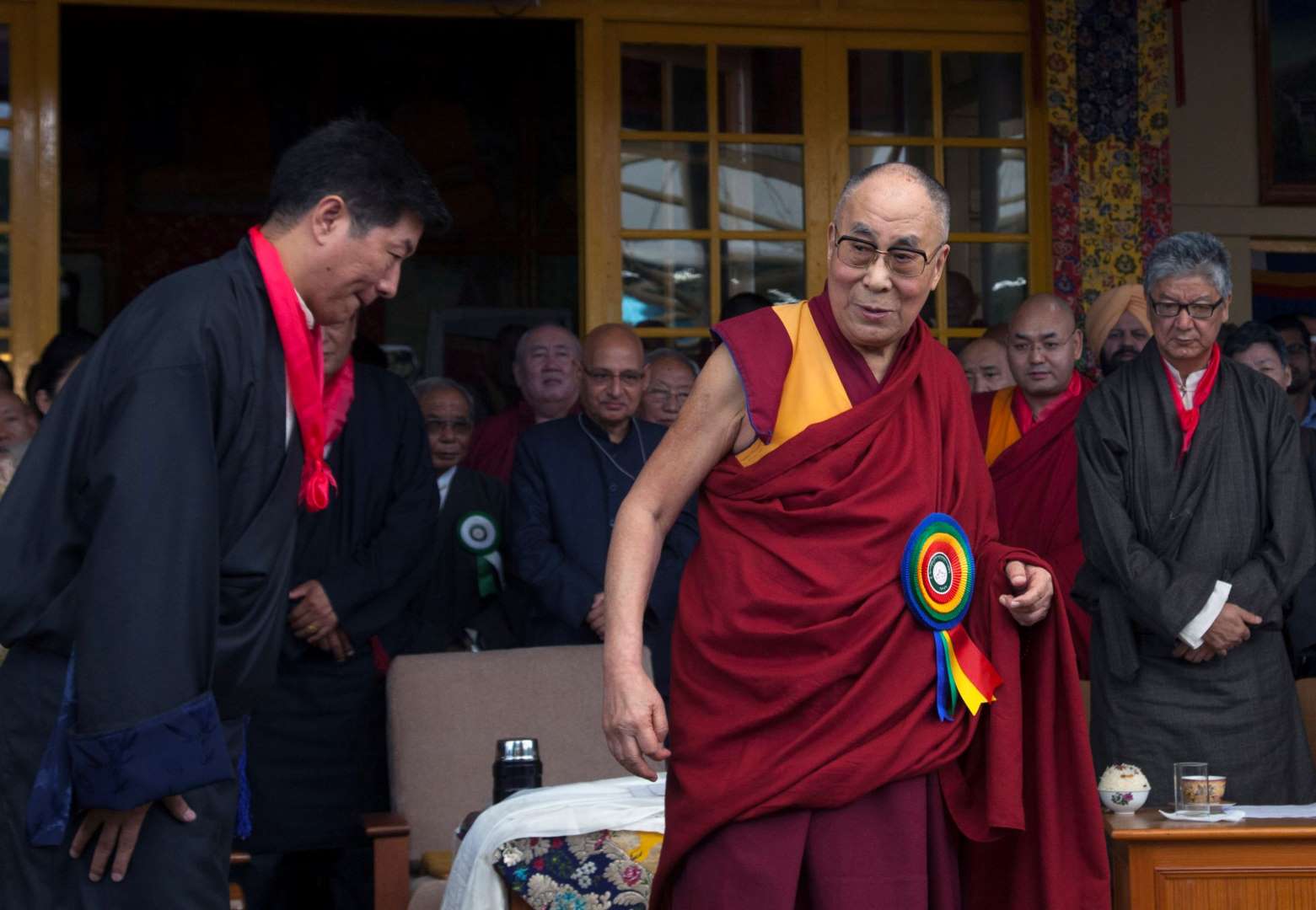
The Dalai Lama, center, can be informal and mischievous, as when he rubbed his head into the beard of a very dignified Muslim cleric. (Tenzin Choejor/Office of His Holiness the Dalai Lama)

gersonm.jpg?ts=1440533350591&w=80&h=80 By MICHAEL GERSON Opinion writer May 5, 2016 at 8:00 PM

DHARAMSALA, India

When posed a policy question, the Dalai Lama is surprisingly (for a religious leader) un-prone to moralism. What, I asked him, does he think of the European backlash against migration? “In the name of sympathy, for the few who are desperate, [resettlement] is worthwhile.” But Europeans, he continued, “have a right to be concerned for their own prosperity.” Better, he said, “to help people in their own land.” He added: “It is really complex.”

Michael Gerson is a nationally syndicated columnist who appears twice weekly in The Post.

In conversation, the Dalai Lama’s cast of mind is thoroughly empirical. You can see him considering a matter from various angles and revising his views based on new input. He is a Buddhist who recommends “analytic meditation” instead of employing spiritual exercises as a “tranquilizer.” Self-reflection, he believes, should be the basis for action in the world. Vague talk of peace, he said, “will only disturb some pigeons.”

For decades, the Dalai Lama has embodied the Tibetan cause, which was once at the center of America’s Cold War interests. With that cause now something of an international orphan, the Dalai Lama has cultivated a different type of influence — global celebrity based on spiritual charisma.

I saw that charisma up close as the fortunate witness to a singular event. Under the auspices of the United States Institute of Peace, the Dalai Lama spent two days mentoring 28 exceptional youth leaders — men and women doing peacebuilding in conflict zones across Asia and Africa, often at great personal risk.

The Dalai Lama is, despite recent health issues, energetic and apparently (at 80) tireless. He is informal and mischievous (at one point rubbing his bald head into the beard of a very dignified Muslim cleric). He is disarmingly self-effacing: “I am not god,” quoth the 14th reincarnation of the Lord of Compassion. “I don’t know” is a consistent refrain.

But his view of the world is also highly consistent and occasionally controversial. He argues that ethics are primary and unifying, while religion belongs to “a secondary level of difference.” What he calls “secular ethics” can be derived from “common experience and common sense,” which teaches the “sameness of humanity” and the universal capacity for, and need for, love and compassion. For evidence, he turns to neuroscience and social scientific research on child development rather than to scripture. (He has mandated a science curriculum for Tibetan monasteries.) Human beings, in his view, are essentially good and responsible for doing good. “We promote a more compassionate world,” he said, “through education, not through prayer.”

If this sounds familiar, it is not far from the social ethics — not the theology — of some strains of liberal Protestantism. And the Dalai Lama shares something with Pope Francis: an impatience with institutional religion, which he says is prone to be “narrow and rigid.”

The Dalai Lama is keen to argue that “all religions carry the message of love and compassion.” In more careful moments, he says, “all religions have the same potential.” This is true — from a certain perspective. Each of the world’s major religions has resources of respect for the other that can (and should) be emphasized at the expense of less attractive elements.

Some of the faithful will resist the Dalai Lama’s frank insistence that religion be modernized. “Some traditions must change. I tell my Hindu friends, they must change their treatment of outcasts.” In Islam, “the meaning of jihad is not hurting other people.” His own tradition he described as “too close to the feudal system.” “This is not a change in religion. It is changing habits due to social tradition.”

This religious essentialism — defining a core of humane teaching that stands in judgment of a tradition’s cultural expressions — is what helps ensure that religion is a positive cultural force. Conservative Protestants in the United States who dispute this idea still demonstrate it. The treatment of women in most evangelical churches is closer to common American practice than to the Apostle Paul’s first-century attitudes, and it should be.

The uniqueness of the Dalai Lama’s voice in global debates is his emphasis on the inner life. He roots the pursuit of peace in a “calm mind” — and displays it. “External disarmament,” he told the gathered young activists, “begins with internal disarmament. If you show anger, things get worse. A genuine smile and warmheartedness and a joke are the only way to cool things down.”

It is good advice for anyone facing conflict — as well as the only basis for a peace that involves trust, forgiveness and healing.

gersonm.jpg?ts=1440533350591&w=180&h=180
Michael Gerson is a nationally syndicated columnist who appears twice weekly in The Post.

  • © 1996-2016 The Washington Post
Trouble in Tibet – Where is the Path to Freedom?

Trouble in Tibet – Search for Path to Freedom

Trouble in Tibet reflects anxiety of Tibetan people as they search for path to freedom they lost in 1950. Talks on Tibetan autonomy are doomed to fail as the proposed dialogue is not about Tibetan nation that existed for centuries with its own identity.

Trouble in Tibet reflects anxiety of Tibetan people as they search for path to freedom they lost in 1950. Talks on Tibetan autonomy are doomed to fail as the proposed dialogue is not about Tibetan nation that existed for centuries with its own identity.

Trouble in Tibet reflects anxiety of Tibetan people as they search for path to freedom they lost in 1950. Talks on Tibetan autonomy are doomed to fail as the proposed dialogue is not about Tibetan nation that existed for centuries with its own identity.
Trouble in Tibet – Search For Path to Freedom. Lobsang Sangay, Prime Minister of Tibetan Government-In-Exile. Trouble in Tibet reflects anxiety of Tibetan people as they search for path to freedom they lost in 1950. Talks on Tibetan autonomy are doomed to fail as the proposed dialogue is not about Tibetan nation that existed for centuries with its own identity.

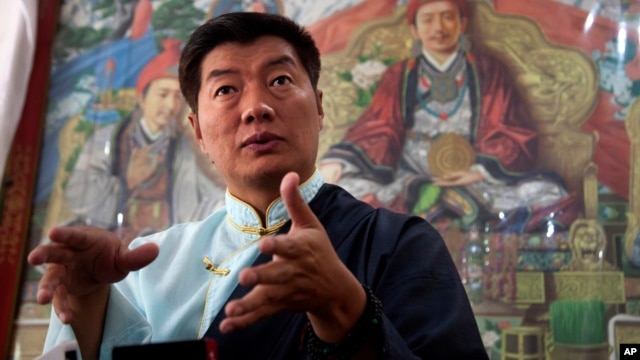
Lobsang Sangay, the incumbent prime minister of the Tibetan government-in-exile, speaks to media after being re-elected for second term in office in Dharmsala, India, Wednesday, April 27, 2016.

Shannon Van Sant
May 16, 2016 3:46 AM

HONG KONG—

The re-election of Lobsang Sangay as prime minister of the Tibetan government-in-exile has renewed hopes among some that dialogue between the Dalai Lama and China’s central government, which stopped in 2010, will begin again.

On the day of his election, Sangay vowed to push for autonomy for the Tibetan people and restart talks with the Chinese government.

“We remain fully committed to the Middle Way Approach, which clearly seeks genuine autonomy for the Tibetan people within China. It is hoped the leaders in Beijing will see reason with the Middle Way Approach, instead of distorting it, and step forward to engage in dialogue with His Holiness the Dalai Lama’s envoys,” he said.

No talks since 2010

Representatives of the Dalai Lama held several rounds of talks with China until they were stalled in 2010 by protests and a subsequent crackdown in Tibet.
Tsering Passang, Chair of the Tibetan Community in Britain, said whether or not talks restart is in Beijing’s hands.
“It’s really up to the Chinese, and due to the current reality, the geopolitical situation, as well as the economic situation, China has the upper hand, so it’s going to be a challenge for the Tibetan leadership,” he said.

Trouble in Tibet – Search For Path to Freedom. Trouble in Tibet reflects anxiety of Tibetan people as they search for path to freedom they lost in 1950. Talks on Tibetan autonomy are doomed to fail as the proposed dialogue is not about Tibetan nation that existed for centuries with its own identity.

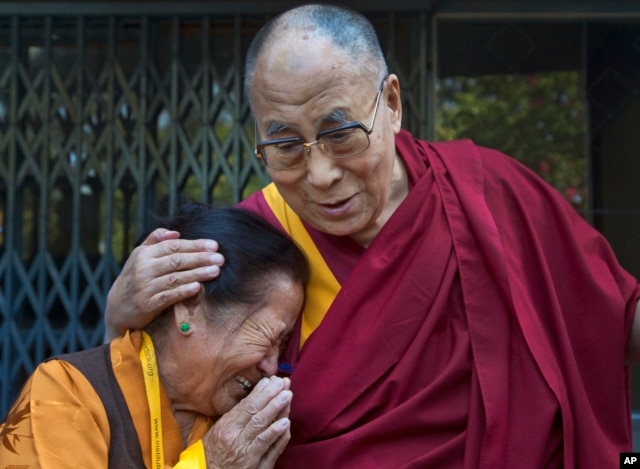
FILE – An elderly Tibetan woman, who was among those waiting to receive the Dalai Lama, gets emotional as the spiritual leader greets devotees upon arrival at the Institute of Buddhist Dialectics near Dharmsala, India.

Sangay defeated challenger Penpa Tsering

Sangay ran against the speaker of the Tibetan Parliament, Penpa Tsering and received 58 percent of nearly 60,000 votes cast. About 90,000 exiled Tibetans are registered to vote in 40 countries.
However, China has largely ignored the elections, with the foreign ministry only making terse remarks on the ballot results when pressed to comment at a recent briefing. Spokesman Hong Lei said the voting was nothing but a “farce” staged by an “illegal” organization that is not recognized by any country in the world.

Robert Barnett, the director of modern Tibet studies at Columbia University, is not very optimistic about the resumption of talks.
“It’s quite disheartening at the moment because there are no signs from the Chinese side of any concession at all, in fact very much the opposite. But of course the Chinese side would not disclose if it was going to make a move. It would be in its interest to move very quickly at a time of its own choosing,” he said.

Trouble in Tibet – Search for Path to Freedom.Trouble in Tibet reflects anxiety of Tibetan people as they search for path to freedom they lost in 1950. Talks on Tibetan autonomy are doomed to fail as the proposed dialogue is not about Tibetan nation that existed for centuries with its own identity.

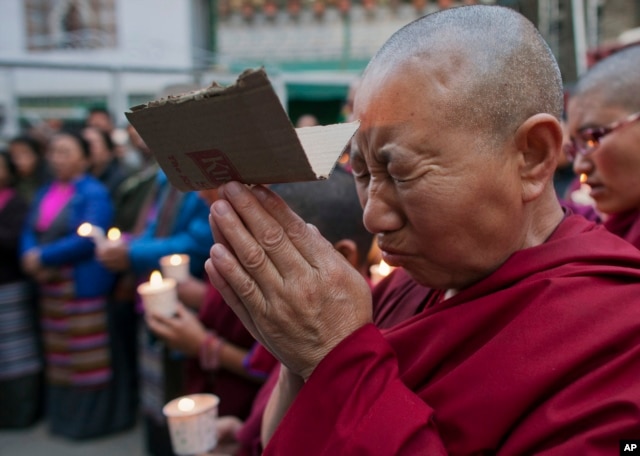
FILE – An exile Tibetan nun cries as she prays during a candlelit vigil in solidarity with two Tibetans, who exiles claim have immolated themselves demanding freedom for Tibet, in Dharmsala, India, Wednesday, March 2, 2016.

China claims control of Tibet for centuries

China says it has maintained control of the Tibetan region since the 13th century, and the Communist Party says it has liberated the Tibetan people through removing monks from power who the party says presided over a feudal system.
But many Tibetans argue they were independent until Communist forces invaded in 1950. Nine years later the Dalai Lama fled into exile after a failed uprising against the government.
While the Dalai Lama remains the spiritual leader of the Tibetan people, he gave up political authority in 2011, and called for democratic elections to choose a prime minister to lead the parliament of the Central Tibetan Administration in Dharamsala, India.

With the current Dalai Lama now in his 80s, the issue of who will select the next Dalai Lama is gaining in importance.

But P.K. Gautam, a Research Fellow at the Institute for Defense Studies and Analyses in India, said any political talks that may develop should not be confused with discussions over who will select the next Dalai Lama.

“So who selects the Dalai Lama is a very separate process, but the political negotiations, for the autonomous region, the way it is desired, that can be taken on by this central administration. So it’s a long-term process; it’s just one of these steps that may lead to a solution so that the Tibet autonomous region regains its pillars,” he said.

Many Tibetans hope Sangay’s election is also a step towards easing discontent throughout the Tibetan community. More than 100 Tibetans have self-immolated in protest against the Chinese government since 2009.

Trouble in Tibet – Search For Path to Freedom. Trouble in Tibet reflects anxiety of Tibetan people as they search for path to freedom they lost in 1950. Talks on Tibetan autonomy are doomed to fail as the proposed dialogue is not about Tibetan nation that existed for centuries with its own identity.
TROUBLE IN TIBET – SEARCH FOR PATH TO FREEDOM. PREPARE YOUR MIND. Trouble in Tibet reflects anxiety of Tibetan people as they search for path to freedom they lost in 1950. Talks on Tibetan autonomy are doomed to fail as the proposed dialogue is not about Tibetan nation that existed for centuries with its own identity.

Whole Dude – Whole Diversity – Whole Concept

Diversity of Mother Languages of Tibet

On International Mother Language Day, I call for the Defense of Mother Languages of Tibet

Tibet Awareness – On International Mother Language Day, I call for the Defense of Mother Languages of Tibet

International Mother Language Day is observed globally every year on February 21 to recognise and promote linguistic and cultural diversity and multilingualism. According to UNESCO, the idea to celebrate this day was the initiative of Bangladesh and was approved in 1999 at UNESCO General Conference. “UNESCO believes in the importance of cultural and linguistic diversity for sustainable societies. It is within its mandate for peace that it works to preserve the differences in cultures and languages that foster tolerance and respect for others,” the UN body said.

The theme for International Mother Language Day 2024 is “Multilingual education is a pillar of intergenerational learning”. A UN statement said, “Multilingual and multicultural societies thrive through the preservation of their languages, which serve as conduits for traditional knowledge and cultural heritage.

A huge number of languages are spoken in the world today – some 6,500 (!) — and every one of them is special. Each is someone’s mother tongue.

On February 21, International Mother Language Day will be celebrating that fact. The term “mother language” is a calque, literally a word-for-word translation of common terms such as the French langue maternelle or the Spanish lengua maternal. It also evokes three English near-synonyms: mother tongue, native language, and first language.

Often the first speech a baby ever hears, a mother tongue is the language in which an infant was mothered (or “parented,” to use a more inclusive term) … comforted, sung to, and loved. The mother tongue/native language/first language is not consciously learned. It tends to bring with it an increased level of comfort and recognition, and even affects how its speakers learn other languages.

“Currently, 40% of the global population lacks access to education in their native language, a figure that exceeds 90% in certain regions. Research underscores the benefits of using learners’ native languages in education, fostering better learning outcomes, self-esteem, and critical thinking skills. This approach also supports intergenerational learning and cultural preservation.” The UN agency also said that multilingual education not only promotes inclusive societies but also aids in preserving non-dominant, minority, and indigenous languages. “It is a cornerstone for achieving equitable access to education and lifelong learning opportunities for all individuals,” the statement said.

On International Mother Language Day, I call for the Defense of Mother Languages of Tibet

Tibetan Identity evolved over centuries in response to Natural Conditions that impact human life. Since 1950, Communist China’s occupation and colonization of Tibet is transforming Tibetan Identity in numerous manners endangering both Nature and its denizens.

On International Mother Language Day, I call for the Defense of Mother Languages of Tibet

The Incredible Linguistic Diversity of Tibet is Disappearing

Clipped from: https://www.smithsonianmag.com/science-nature/incredible-linguistic-diversity-tibet-disappearing-180967513/

Thanks to national schooling and the Internet, many of the plateau’s unique languages are in danger

On International Mother Language Day, I call for the Defense of Mother Languages of Tibet

In a recent presentation held at the National Museum of Natural History, University of Melbourne researcher Gerald Roche called attention to 21 minority languages spoken in villages across Tibet. (Wikimedia Commons)

Tibet may be best known for its bounty of ancient Buddhist monasteries and stark natural beauty—but it’s also blessed with a vast diversity of languages. The Tibetan Plateau is home to more than a dozen distinct local tongues, many of which come with their own elaborate character systems. Unfortunately, thanks to the growth of internet infrastructure and state-sponsored education, many of these lesser-spoken languages are now on the brink of extinction, says University of Melbourne anthropologist Gerald Roche.

As part of ongoing research conducted by the Smithsonian Center for Folk life and Cultural Heritage on issues of language diversity and cultural sustainability, Roche delivered a presentation last Monday on Tibetan language and his research on its decline. In a 2014 paper titled “The Vitality of Tibet’s Minority Languages in the 21st Century,” Roche notes that dozens of languages are spoken on the Plateau but that only “230,000 of the 6.2 million Tibetans in China do not speak Tibetan.” He finds that the minority languages in Tibet are generally spoken by very few people, while Tibetan is known to nearly everyone.

From a language preservationist’s perspective, this is a precarious situation. The findings Roche laid out, which synthesized the work of several linguists with expertise in disparate areas of the Plateau, reveal the vibrant tapestry of language in Tibet while also highlighting its fragility.

The danger of the minority languages of Tibet disappearing completely is not merely speculative. In 2014, the BBC reported that “over the past century alone, about 400 languages—one every three months—have gone extinct, and most linguists estimate that 50 percent of the world’s remaining 6,500 languages will be gone by the end of this century.” These languages are tied to the histories of peoples, and their loss serves to erase time-honored traditions , says Roche.

By the conservative assessment of the Chinese government, 14 languages beyond standardized Tibetan are spoken within Tibet—one language for each official ethnic minority region. A holistic survey of pertinent English-language academic literature, however, yields a much larger estimate. In a study published this May , Roche concludes that as many as 52 linguistically distinct languages may be spoken on the Plateau.

In general, a language can be thought of as encompassing both grammatical elements and a lexicon of words. It may be spoken or written, and in the modern world is almost always both (though a few of the Tibetan minority languages Roche has studied were historically spoken only). Yet Roche says there is a strong case to be made that even “Tibetan” itself is, in actuality, not a single language—its three major branches, which locals call “dialects,” are not mutually intelligible when spoken, despite relying on the same written character.

Even more striking are the differences between minority languages and Tibetan. Minority languages are also often dismissed within Tibet as bizarre “dialects,” but Roche notes that this is often tantamount to calling “Italian a dialect of Swedish.” These include what Roche terms “enclaved languages,” which are officially recognized by the Chinese government within narrow geographical limits in Tibet, “extraterritorial languages,” which are officially recognized only in locations outside of Tibet, and myriad “unrecognized languages,” whose existence is ignored by the Chinese establishment.

In his remarks, Roche homed in on a sample set of 21 languages spoken within Tibetan villages. A dozen of these are endangered, meaning they are steadily losing speakers. “The [speaker] population is declining,” Roche says, “and it’s declining because people are no longer speaking those languages to their children.” This is largely the result of pressures to rally behind standardized Tibetan as a source of Tibetan pride in response to the encroachment of Chinese beginning during the reign of Mao Zedong.

A handful of the languages in Roche’s dataset are “moribund”—very nearly forgotten, with no real hope for salvation. Roche notes that, in the case of one of these languages, “there is an argument between the two linguists studying it as to whether the language has nine or zero fluent speakers remaining. That’s what we’re talking about when we talk about moribund languages.”

On International Mother Language Day, I call for the Defense of Mother Languages of Tibet

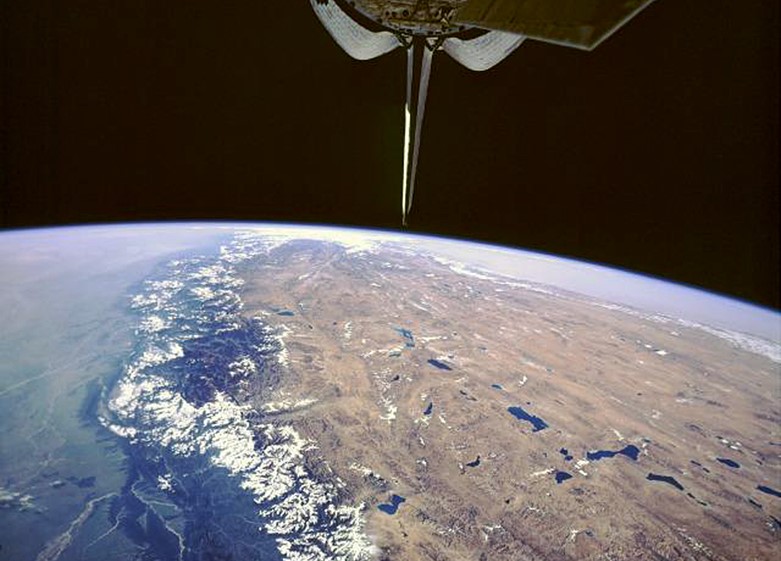
A relief map of the Asian continent. The expanse of brown in China is the Tibetan Plateau, whose exceedingly high mean elevation has earned it the nickname “The Roof of the World.” (Wikimedia Commons)

Roche has personal experience with the Manikacha language, which is spoken by approximately 8,000 individuals across four villages in a valley on the northeastern Plateau. According to his unpublished survey data, roughly one third of are no longer transmitting the language to their children. He traces this back to the late 1950s, when Mao’s China began forcibly instructing the Manikacha speakers in standardized Tibetan. Even the Chairman’s famous Little Red Book was distributed in Tibetan.

In the subsequent years, Tibetan has further asserted itself in popular media and local state- sponsored schools. “Given that the Manikacha speakers consider themselves Tibetan,” Roche says, “now they are under a lot of pressure to prove that by speaking ‘good Tibetan’ like all the other Tibetans in their region.”

Andrew Frankel, a researcher at the University of Virginia’s Tibet Center who spent three years teaching English in the same general part of the Plateau, has firsthand experience with this sort of assimilation. Though several of his students were raised in homes that favored minority languages, in between classes the children would invariably speak Tibetan. The decision was a practical one: After all, most of their peers would not recognize Manikacha or the like.

“For the majority of their friends,” says Frankel, “Tibetan would have been the lingua franca they would have spoken together.”

State schools tend to smooth over differences between communities and encourage allegiance to a single mother tongue, says Frankel. “Schooling has become ever more pervasive,” he says, a shift that in its earlier stages caused significant alarm in households whose primary language was not Tibetan. Even among families where standard Tibetan was spoken at home, many were skeptical of the pressures at school to communicate in Chinese.

Ten years ago, it was common for parents to resist sending their children to school. “There was a widespread perception that state schools were problematic—you didn’t really learn your native language there,” says Frankel. A decade later, though, most have given in: “The amount of time kids spend in state schools has increased exponentially. And in those state institutions, they are not speaking their village languages with any regularity.”

This situation is unlikely to change, Frankel says, adding that “state schooling has become a gatekeeper for employment, especially in western areas of China.”

How, then, can we hope to preserve Tibet’s linguistic richness for future generations? For Roche, the answer lies in large part in the behavior of powerful international allies of the Tibetan people—including the United States. Our country’s stance towards Tibet emphasizes the preservation of standard Tibetan but fails to address the numerous other languages spoken on the Plateau, he says.

Tibet is not a land of a single language, or even of the 14 whose existence is acknowledged by China. The myriad minority languages of Tibet need help to have a fighting chance at survival. Roche believes it is incumbent on the United States and other friends of Tibet to “use whatever means possible to gain recognition for these languages: recognition of the fact they exist, that they have unique needs, that they have value, and that they deserve respect.”

On International Mother Language Day, I call for the Defense of Mother Languages of Tibet

Whole Palace – The Summer Palace of Supreme Ruler of Tibet- 6

LIVING TIBETAN SPIRITS SHARE GLIMPSES OF NORBULINGKA THE SUMMER PALACE OF SUPREME RULER OF TIBET – 6

Whole Palace: Glimpses of Norbulingka, Summer Palace of the Dalai Lama

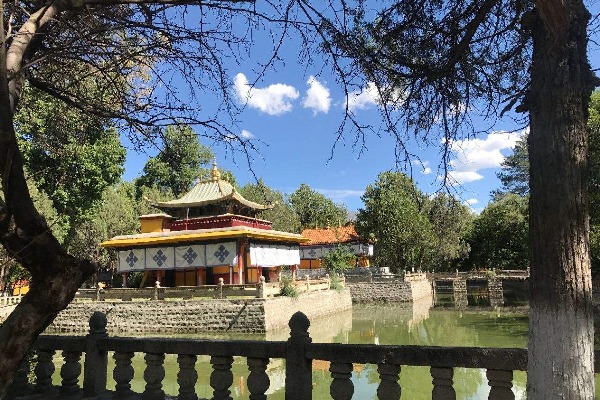
Norbulingka, literally the “Jeweled Garden,” is a palace and its surrounding parks located in a western suburb of Lhasa. It was constructed in the 1740s as a summer palace for the Dalai Lama and later served the whole governmental administration. The place boasts typical Tibetan palace architecture, as well as gentle streams, dense and lush forestry, birds and animals. Covering an area of around 36 hectares, it is considered to be the largest man-made garden in Tibet. Being part of the “Historic Ensemble of the Potala Palace,” Norbulingka is recognized as a UNESCO World Heritage Site, and was added as an extension to this Historic Ensemble in 2001.[China.org.cn]

Whole Palace: Glimpses of Norbulingka, Summer Palace of the Supreme Ruler of Tibet

Whole Dude – Whole Equilibrium

Whole Dude – Whole Equilibrium: Nature grants Freedom to Tibetans without the need for raising questions.

Excerpt: In my analysis, Tibet Equilibrium is about balancing physical force applied by Communist regime to overcome Nature’s Agenda of granting freedom without asking questions. Living Tibetan Spirits speak of Nature’s Agenda in Tibet. Freedom and Independence are gifts of Nature quietly operating across Tibetan Plateau long before the arrival of Anatomically Modern Man. Occupying force wielded by Communist China creates imbalance, disharmony, and discord in the lives of Tibetans who view freedom as natural experience.

WHAT IS TIBET EQUILIBRIUM? I CONSIDER NATURAL CAUSES, NATURAL FACTORS, NATURAL CONDITIONS, NATURAL MECHANISMS, AND NATURAL EVENTS THAT CAN RESTORE NATURAL FREEDOM IN OCCUPIED TIBET.

Natural Sciences such as Physics and Geology describe Natural Forces that are at work shaping Natural Events such as Plate Tectonics that involves collision between plates of Earth’s mantle. For Life to exist on planet Earth, the physical conditions and forces interacting must generate Natural Balance, Natural Order, and Natural Equilibrium for sustained periods of time.

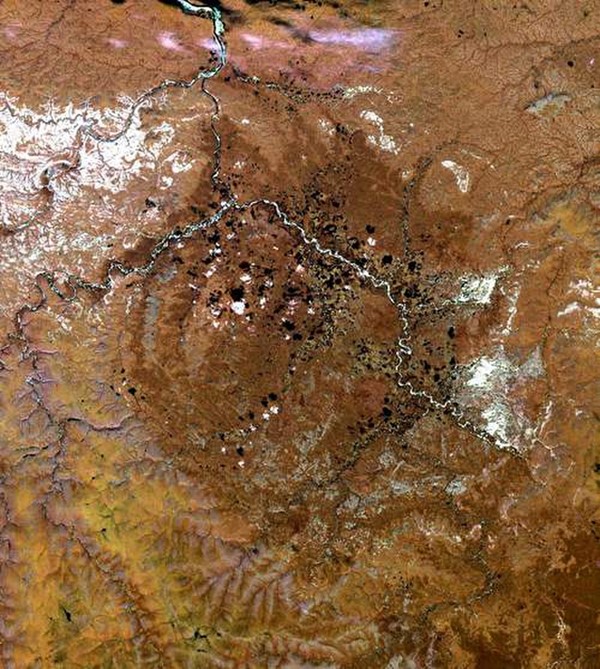
WHAT IS TIBET EQUILIBRIUM? WHAT IS THE CONNECTION BETWEEN POPIGAI IMPACT CRATER IN RUSSIA AND SOUTHERN TIBET UPLIFT?

During the time of ‘Rapid Uplift of Southern Tibet’, planet Earth witnessed massive collision by a meteorite that caused very significant impact crater in Siberia, Russia. This Natural Collision Event, Russia’s Popigai Meteor Crash, contributed to extinction of several species of Life.

I investigate Natural Causes, Natural Factors, Natural Conditions, and Natural Mechanisms that shape Natural Events such as Major and Minor Extinction Events.

What is Tibet Equilibrium? Can Bolide Collision Restore Natural Freedom in Occupied Tibet?

Human History is full of events that involve use of Physical Force applied by Man to change Regime, the Political Power that rules or governs lives of people.

TIBET EQUILIBRIUM – BALANCE OF POWER IN OCCUPIED TIBET. THE GREAT TIBET PROBLEM WILL EXIST UNTIL BALANCE OF POWER IS RESTORED IN OCCUPIED TIBET.

In 1950s, People’s Republic of China invaded Tibet using her superior Physical Power. Tibetans living in Occupied Tibet do not experience Natural Freedom due to change in Balance of Power that operates their lives.

Living Tibetan Spirits speak of Nature’s Agenda in Tibet. Freedom and Independence are gifts of Nature quietly operating across Tibetan Plateau long before the arrival of Anatomically Modern Man. Occupying force wielded by Communist China creates imbalance, disharmony, and discord in lives of Tibetans who view freedom as natural experience. There is no reason for Tibetans to raise their voices demanding freedom. 

To again experience Natural Freedom, Tibet needs help from a Natural Event of great magnitude that applies Force or Power to cause Downfall of Power Regime that rules Tibet from its Seat of Power in Beijing. In my analysis, Bolide Collision Event described in the Book of Revelation, Chapter 18, can shake up the Seat of Power in Beijing. For that reason, I proclaim, “Beijing Doomed.”

What is Tibet Equilibrium? What are the Natural Forces acting or operating in Tibet? “Beijing Doomed,” expression of hope for restoring Natural Freedom in Occupied Tibet.

RAPID UPLIFT OF SOUTHERN TIBET – SPACEREF.COM

Clipped from: http://spaceref.com/earth/rapid-uplift-of-southern-tibet.html

What is Tibet Equilibrium? What Natural Causes, Natural Factors, Natural Conditions, Natural Mechanisms, and Natural Forces operate in Tibet?

©NASA

Tibetan Plateau

Using seismic data and supercomputers, Rice University geophysicists have conducted a massive seismic CT scan of the upper mantle beneath the Tibetan Plateau.

They concluded that the southern half of the “Roof of the World” formed in less than one-quarter of the time since the beginning of India-Eurasia continental collision.

The research, which appears online this week in the journal Nature Communications, finds that the high-elevation of Southern Tibet was largely achieved within 10 million years. Continental India’s tectonic collision with Asia began about 45 million years ago.

“The features that we see in our tomographic image are very different from what has been seen before using traditional seismic inversion techniques,” said Min Chen, the Rice research scientist who headed the project. “Because we used full waveform inversion to assimilate a large seismic data set, we were able to see more clearly how the upper-mantle lithosphere beneath Southern Tibet differs from that of the surrounding region. Our seismic image suggests that the Tibetan lithosphere thickened and formed a denser root that broke away and sank deeper into the mantle. We conclude that most of the uplift across Southern Tibet likely occurred when this lithospheric root broke away.”

The research could help answer longstanding questions about Tibet’s formation. Known as the “Roof of the World,” the Tibetan Plateau stands more than three miles above sea level. The basic story behind its creation — the tectonic collision between the Indian and Eurasian continents — is well-known to schoolchildren the world over, but the specific details have remained elusive. For example, what causes the plateau to rise and how does its high elevation impact Earth’s climate?

“The leading theory holds that the plateau rose continuously once the India-Eurasia continental collision began, and that the plateau is maintained by the northward motion of the Indian plate, which forces the plateau to shorten horizontally and move upward simultaneously,” said study co-author Fenglin Niu, a professor of Earth science at Rice. “Our findings support a different scenario, a more rapid and pulsed uplift of Southern Tibet.”

It took three years for Chen and colleagues to complete their tomographic model of the crust and upper-mantle structure beneath Tibet. The model is based on readings from thousands of seismic stations in China, Japan and other countries in East Asia. Seismometers record the arrival time and amplitude of seismic waves, pulses of energy that are released by earthquakes and that travel through Earth. The arrival time of a seismic wave at a particular seismometer depends upon what type of rock it has passed through. Working backward from instrument readings to calculate the factors that produced them is something scientists refer to as an inverse problem, and seismological inverse problems with full waveforms incorporating all kinds of usable seismic waves are some of the most complex inverse problems to solve.

Chen and colleagues used a technique called full waveform inversion, “an iterative full waveform-matching technique that uses a complicated numerical code that requires parallel computing on supercomputers,” she said.

“The technique really allows us to use all the wiggles on a large number of seismographs to build up a more realistic 3-D model of Earth’s interior, in much the same way that whales or bats use echo-location,” she said. “The seismic stations are like the ears of the animal, but the echo that they are hearing is a seismic wave that has either been transmitted through or bounced off of subsurface features inside Earth.”

The tomographic model includes features to a depth of about 500 miles below Tibet and the Himalaya Mountains. The model was computed on Rice’s DAVinCI computing cluster and on supercomputers at the University of Texas that are part of the National Science Foundation’s Extreme Science and Engineering Discovery Environment (XSEDE).

“The mechanism that led to the rise of Southern Tibet is called lithospheric thickening and foundering,” Chen said. “This happened because of convergence of two continental plates, which are each buoyant and not easy to subduct underneath the other plate. One of the plates, in this case on the Tibetan side, was more deformable than the other, and it began to deform around 45 million years ago when the collision began. The crust and the rigid lid of upper mantle — the lithosphere — deformed and thickened, and the denser lower part of this thickened lithosphere eventually foundered, or broke off from the rest of the lithosphere. Today, in our model, we can see a T-shaped section of this foundered lithosphere that extends from a depth of about 250 kilometers to at least 660 kilometers.”

Chen said that after the denser lithospheric root broke away, the remaining lithosphere under Southern Tibet experienced rapid uplift in response.

“The T-shaped piece of foundered lithosphere sank deeper into the mantle and also induced hot upwelling of the asthenosphere, which leads to surface magmatism in Southern Tibet,” she said.

Such magmatism is documented in the rock record of the region, beginning around 30 million years ago in an epoch known as the Oligocene.

“The spatial correlation between our tomographic model and Oligocene magmatism suggests that the Southern Tibetan uplift happened in a relatively short geological span that could have been as short as 5 million years,” Chen said.

Additional co-authors include Adrian Lenardic, Cin-Ty Lee, Wenrong Cao and Julia Ribeiro, all of Rice, and Jeroen Tromp of Princeton University.

The research was supported by a grant from the National Science Foundation (NSF), by the NSF’s Extreme Science and Engineering Discovery Environment (XSEDE) program, and by the China Earthquake Administration’s China Seismic Array Data Management Center. Rice’s DAVinCI supercomputer is administered by Rice’s Center for Research Computing and procured in partnership with the Ken Kennedy Institute for Information Technology. The DOI of the Nature Communications paper is: 10.1038/NCOMMS15659

A copy of the paper, “Lithospheric Foundering and Under thrusting Imaged Beneath Tibet,” is available at: https://www.nature.com/articles/ncomms15659

What is Tibet Equilibrium? How to restore Natural Freedom in Occupied Tibet?
What is Tibet Equilibrium? Can Time alone restore Natural Freedom in Occupied Tibet?

TIBET PROBLEM IS ON THE BACK BURNER WHILE TIBET IS WARMING UP UNDER OCCUPATION

TIBET PROBLEM IS ON THE BACK BURNER WHILE TIBET IS WARMING UP. UNDER OCCUPATION.

The great problem of Tibet is on the Back Burner while Tibet is warming up due to progress and development contributed by Tibet’s Occupation and Subjugation by a Colonialist Power.

Rudra Narasimham Rebbapragada

Special Frontier Force-Establishment No. 22-Vikas Regiment

Tibet average temperature up 0.4 degrees Celsius every decade

The “roof of the world” has become warmer and wetter over the past 39 years, according to the climate center in Tibet.

Data from the Climate Bulletin of Tibet in 2019, released Thursday, shows that during the 1981-2019 period, the region’s annual average temperature rose 0.4 degrees Celsius every 10 years, while the annual precipitation was up 11.1 mm on average in a decade.

The average temperature of Tibet in 2019 was 5.2 degrees Celsius, 0.5 degrees higher than in normal years. The average precipitation was 468.4 mm last year, close to normal years’ 460.2 mm.

Ma Pengfei, an official with the climate center, said that in the context of global warming, the warming effect is more significant in the high-altitude Qinghai-Tibet Plateau than in other regions.

Coaches carrying herdsmen from Shuanghu County of Nagqu City run on a road while heading for relocation destinations in Tibet, Dec. 23, 2019. Tibet has built or renovated a total of 43,400 km of rural roads over the past five years, according to local authorities. The regional government has invested 95.7 billion yuan (around 13.7 billion U.S. dollars) over the period in paving modern roads to 2,276 villages, according to the regional transport department. (Xinhua/Chogo)

Photo taken on June 4, 2019 shows a road leading to the rural area in Qamdo City, Tibet. Tibet has built or renovated a total of 43,400 km of rural roads over the past five years, according to local authorities. The regional government has invested 95.7 billion yuan (around 13.7 billion U.S. dollars) over the period in paving modern roads to 2,276 villages, according to the regional transport department. (Xinhua/Jigme Dorje)

Aerial photo taken on Aug. 3, 2019 shows a road along the Pangong Tso lake in Ngari, Tibet. Tibet has built or renovated a total of 43,400 km of rural roads over the past five years, according to local authorities. The regional government has invested 95.7 billion yuan (around 13.7 billion U.S. dollars) over the period in paving modern roads to 2,276 villages, according to the regional transport department. (Xinhua/Jigme Dorje)

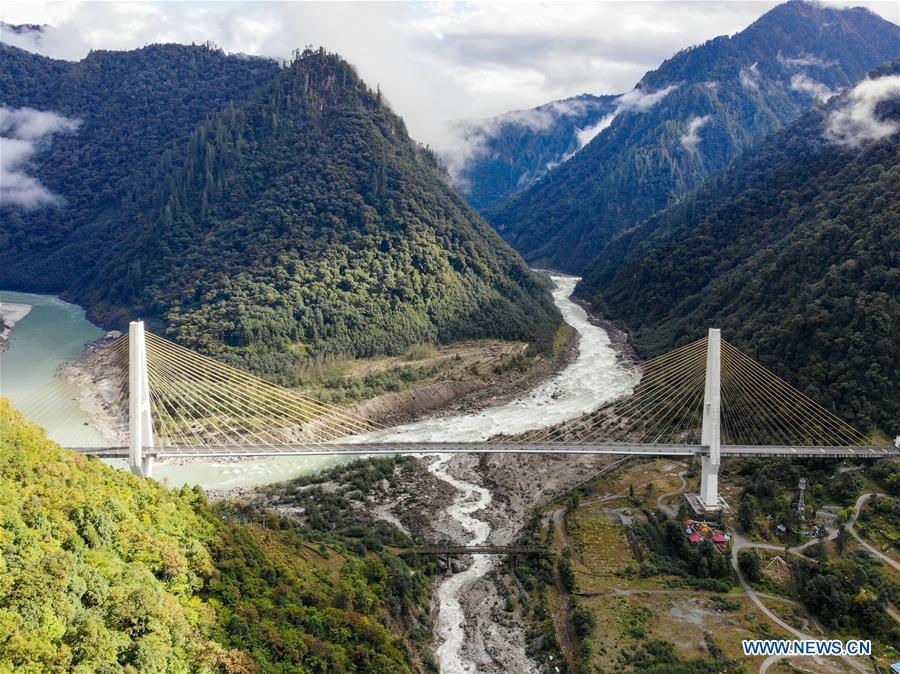
Aerial photo taken on Oct. 27, 2019 shows a long-span bridge on the Sichuan-Tibet Highway in Tangmai, Tibet. Tibet has built or renovated a total of 43,400 km of rural roads over the past five years, according to local authorities. The regional government has invested 95.7 billion yuan (around 13.7 billion U.S. dollars) over the period in paving modern roads to 2,276 villages, according to the regional transport department. (Xinhua/Sun Fei)

Tibet is warming up under Occupation. Electricians work on power transmission facilities in Nakarze county, Lhokha city in Tibet, Aug 27, 2019. [Photo/sipaphoto/com]
TIBET CONSCIOUSNESS – TIBET PROBLEM ON THE BACK BURNER SINCE 1850s WHILE TIBET IS WARMING UP UNDER OCCUPATION.


Whole Awareness – Military Power Seized Tibetan Freedom

Tibetans View Freedom as a Natural Condition, a Natural Law of their Land

Tibet Awareness. Military Power Seized Tibetan Freedom.

In my analysis, the Tibetan Resistance Movement can only be described as the Struggle for Natural Freedom. Tibetans resist military occupation of Tibet by a foreign invader for occupation totally undermines the Tibetan National Experience of Natural Freedom that defines the Land and its denizens. Freedom is not viewed as a Political Right. Tibetans cherish Freedom as a Nature’s Gift which no man has the power to trample upon.

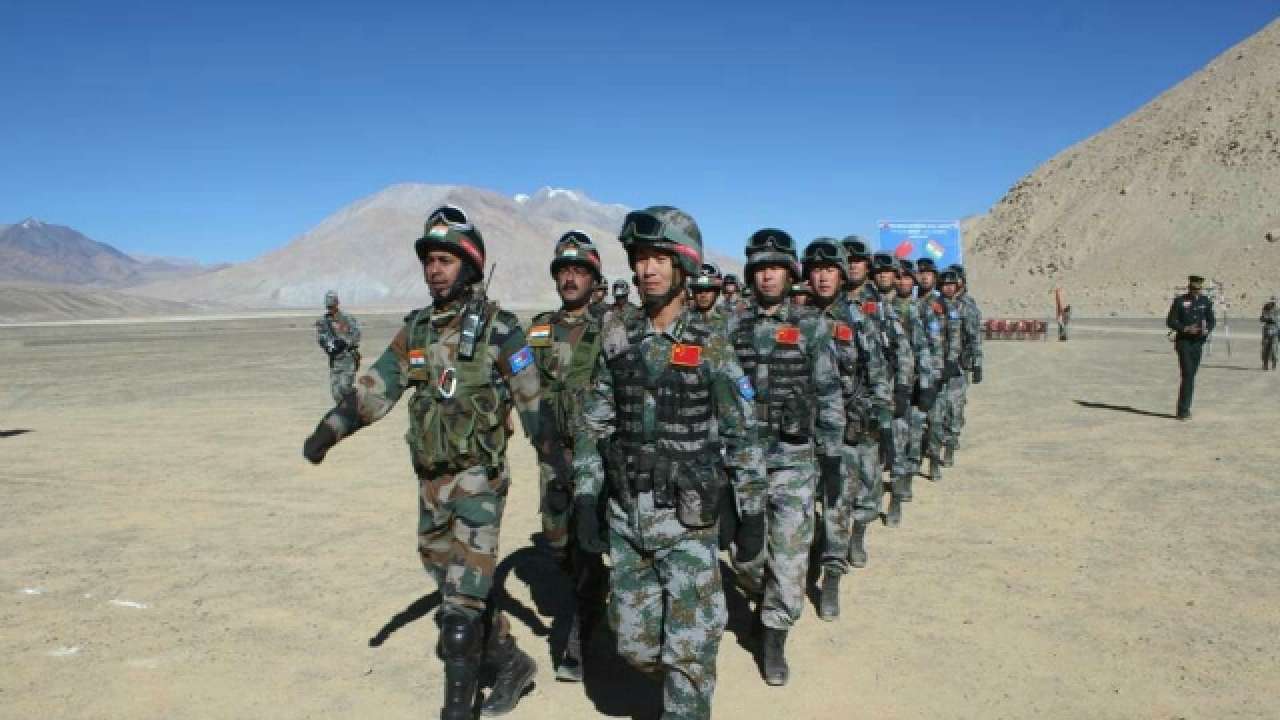
Tibet Awareness. Military Power Seized Tibetan Freedom. A PLA air defense unit of the Tibet Military Command has recently held a drill at an area, 4,500 meters above the sea level, in Occupied Tibet. The live-fire drill aimed to improve air defense preparedness in complex weather conditions. (Photo: China News Service/Zhu Jian)
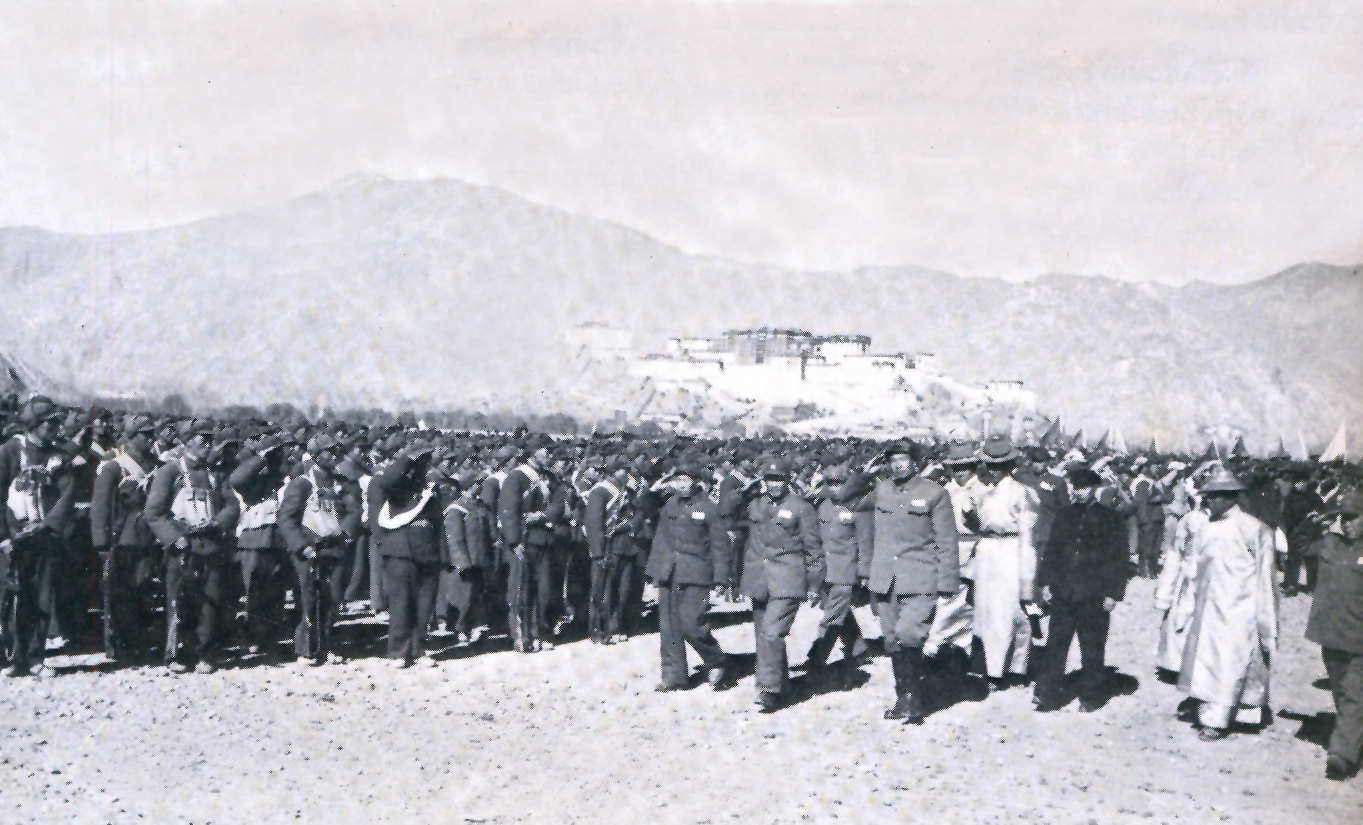
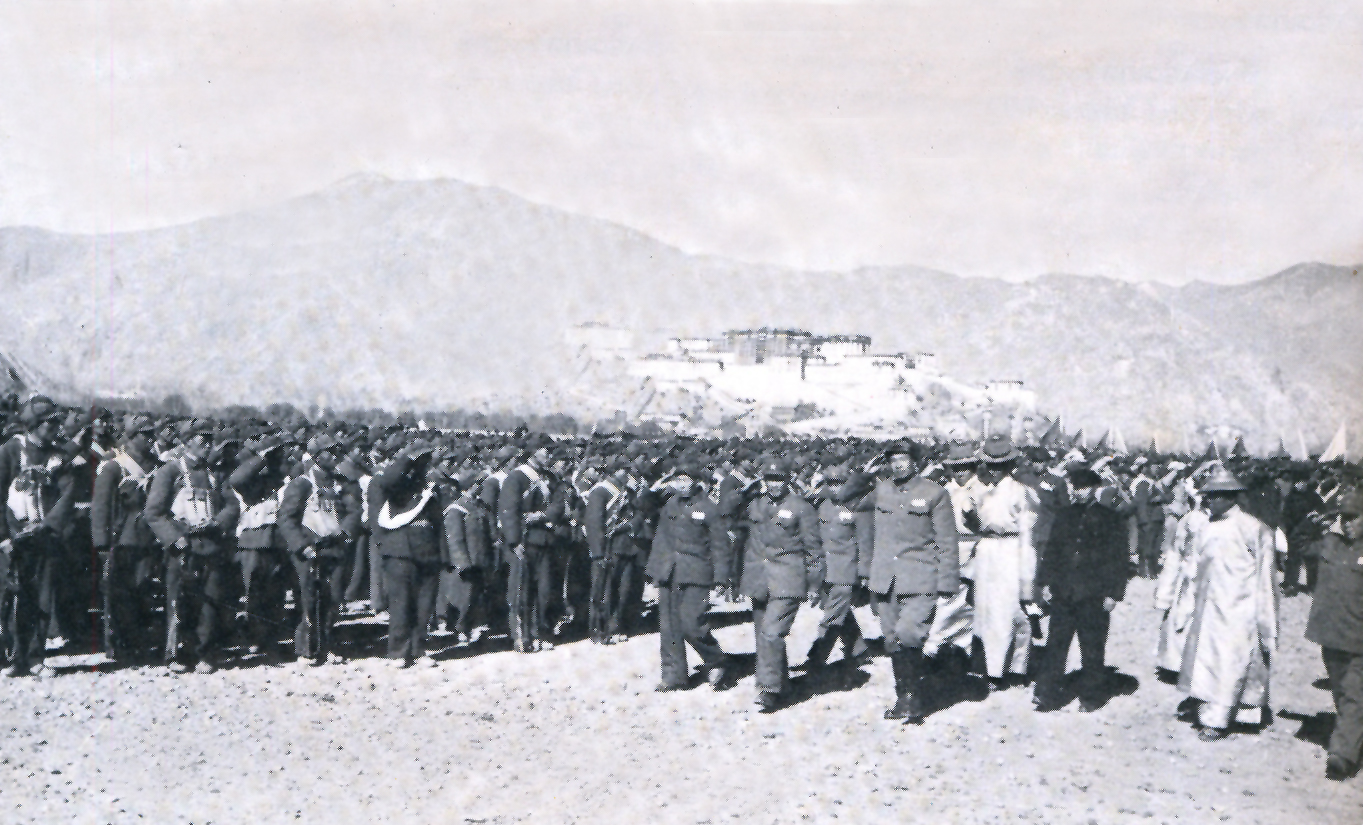
Tibet Awareness. Military Power Seized Tibetan Freedom in 1950-51.
Tibetans Struggle for Natural Freedom.

Whole Subjugation – Red Army’s Military Grip over Tibet

TIBET UNDER SUBJUGATION BY THE PEOPLE’S LIBERATION ARMY

Whole Subjugation: Tibet in Trouble. Tibet is under subjugation by the People’s Liberation Army.

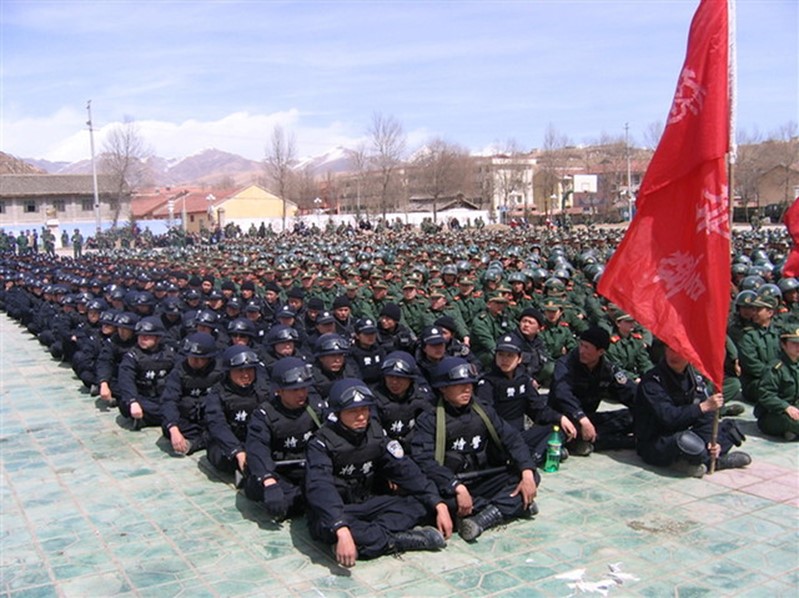
Tibet is under subjugation by the People’s Liberation Army. There is no indication to suggest the slackening of China’s military grip over Tibet.
I am sharing a story titled ‘Tibet in Turmoil Again’ published in The Tribune, Ambala.

Whole Subjugation: Tibet in Trouble. Tibet is under subjugation by the People’s Liberation Army.

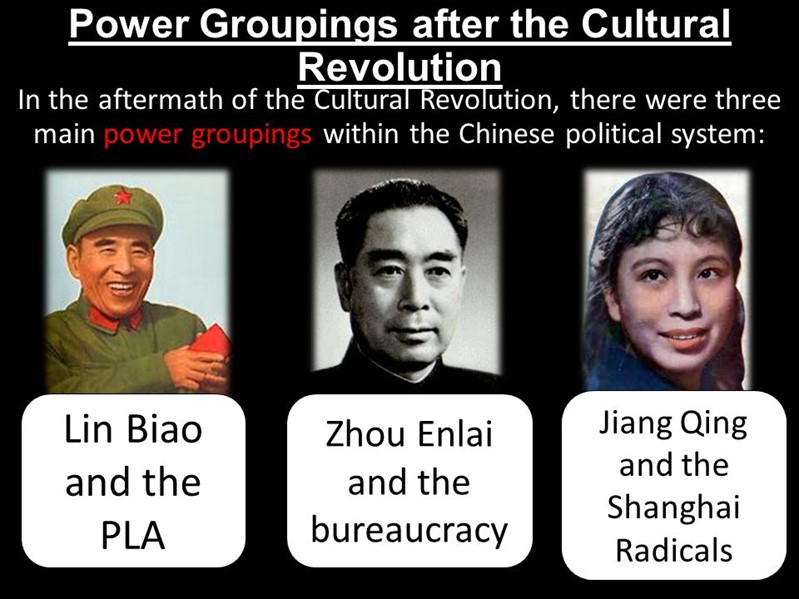
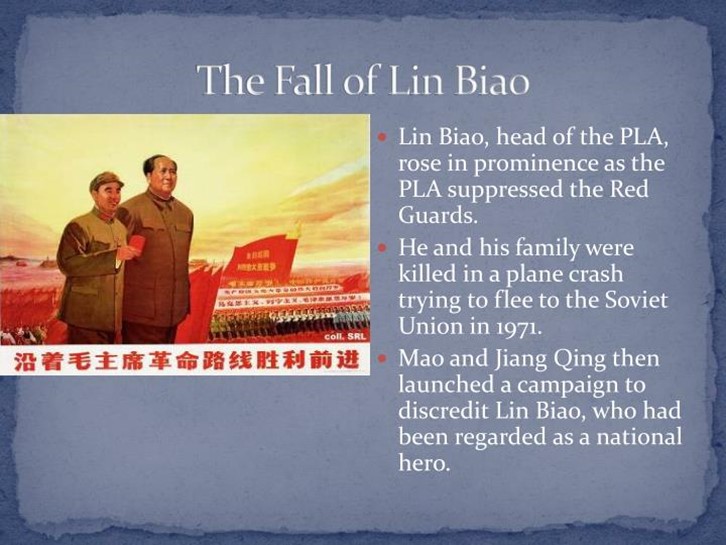
There was indeed a great turmoil in the People’s Liberation Army during 1971 which resulted in the murder of Defense Secretary Lin Biao on September 13, 1971 while he tried to escape from China.

Whole Subjugation: Tibet in Trouble. Tibet is under subjugation by the People’s Liberation Army.

China’s military grip continues to suffocate Tibetans and the story about rivalry between Red Guard factions gives me no comfort.

China’s military grip continues to suffocate Tibetans and the story about rivalry between Red Guard factions gives me no comfort.

TIBET IN TURMOIL AGAIN

Clipped from: https://www.tribuneindia.com/news/this-day-that-year/tibet-in-turmoil-again/800632.html

Posted at: Jul 12, 2019, 6:44 AM; last updated: Jul 12, 2019, 6:44 AM (IST)AMBALA, SATURDAY, JULY 12, 1969

HONG KONG, July 11 (AP)—Tibet is in turmoil again as rival Red Guard factions battle each other and hostility spreads among Army troops, Tibetan leaders, military commanders, revolutionary committees and mass organisations, a Hong Kong newspaper reported yesterday. The anti-Communist Chinese language organ “Tin Tin Yatpo”, attributing its report to “well-informed exclusive sources”, said all signs point to a further deteriorating situation in that vital region bordering India.

The paper said two powerful rival Red Guard organizations — the “Great Alliance Headquarters” and the “Lhasa Revolutionary Rebels’ Headquarters’— are battling each other. Both are opposed to the Maoist Tibet Revolutionary Committee. The Lhasa organization is trying to seize power in Tibet.

Whole Subjugation: Tibet in Trouble. Tibet is under subjugation by the People’s Liberation Army.


THE LIVING TIBETAN SPIRITS WILL NOT BE TAKEN IN BY CHINESE LIES

THE LIVING TIBETAN SPIRITS WILL NOT BE TAKEN IN BY CHINESE LIES

The Living Tibetan Spirits will not be taken in by Chinese lies.

The Living Tibetan Spirits will not be taken in by Chinese lies. China’s military conquest of Tibet cannot be described as ‘Peaceful Liberation’. China’s ‘Socialist System’ cannot conceal the fact of Tibet’s Colonization. China’s Information Warfare aims to subjugate Tibet by compromising Tibetan Identity in every conceivable manner. The Living Tibetan Spirits asks the global community to reject China’s Diabolical Campaign of Lies, Deception, Wickedness, and Cunningness.

Rudranarasimham Rebbapragada

SPECIAL FRONTIER FORCE

https://wholedude.com/2015/10/18/tibet-awareness-red-china-liar/

The Living Tibetan Spirits will not be taken in by Chinese lies.

China warns Tibetans not to be taken in ahead of Dalai Lama anniversary

Clipped from: https://www.reuters.com/article/us-china-tibet-idUSKBN1OD098

BEIJING (Reuters) – The people of Tibet should not be taken in by the Dalai Lama’s lies and clearly understand the importance of Communist Party rule in the region, the Chinese government said ahead of March’s sensitive 60th anniversary of him fleeing into exile.

The Living Tibetan Spirits will not be taken in by Chinese lies.

Tibetan spiritual leader, the Dalai Lama, speaks to students at a school in Mumbai, India, December 8, 2017. REUTERS/Danish Siddiqui/File Photo

Beijing sent troops into Tibet in 1950 in what it officially terms a peaceful liberation and has ruled there with an iron fist ever since.

The Dalai Lama, the highest figure in Tibetan Buddhism, fled into exile to India in 1959 after a failed uprising against Chinese rule.

China routinely denounces him as a dangerous separatist, although the Dalai Lama says he merely wants genuine autonomy for his remote and mountainous homeland.

The official Tibet Daily said in a lengthy commentary released online late on Thursday the 83-year-old Dalai Lama had never given up promoting Tibetan independence, dismissing his intentions to seek a “middle way” of genuine autonomy.

“Whether it’s the ‘middle way’ or a ‘high degree of autonomy’, the aim is to try to negate the leadership of the party, negate the socialist system, and negate the ethnic autonomous region system,” the paper wrote.

It said the Dalai Lama has tried to use hostile forces in the Western media to spread his “rumors and slander” against China to promote Tibetan independence, ignoring the freedoms and respect accorded to the people of Tibet.

“In the face of the lies of the 14th Dalai Lama, the various people of Tibet should be even more aware that socialist new Tibet replacing the theistic and feudal system of old Tibet was a historical necessity, and a victory for the truth and the people,” the paper wrote.

The head of the Tibetan-government-in-exile based in northern India denounced the criticism of the Dalai Lama and said he was the solution to the Tibetan problem because most Tibetans accept him as their leader.

“Intimidation and fear are not the ways to govern Tibetans. Even after 60 years of occupation, the Chinese government is using these techniques,” Lobsang Sangay told Reuters in the hill station of Dharamsala.

The Dalai Lama on Friday gave a lecture in Mumbai on ancient Indian knowledge but did not directly mention current relations with China.

“Violence always brings suffering,” he said, in comments streamed live on his Facebook page. “Basic human nature is more compassionate.”

Sangay said the Dalai Lama’s middle way was a win-win situation seeking autonomy for the Tibetans within the framework of the Chinese constitution and called for talks between his envoys and the representatives of the Chinese government to address the 60-year-old issue.

DIFFICULT SITUATION

Rights groups say the situation for ethnic Tibetans inside what China calls the Tibet Autonomous Region remains extremely difficult.

The U.N. High Commissioner for Human Rights said in June conditions were “fast deteriorating” in Tibet.

This week, the U.S. Senate passed the Reciprocal Access to Tibet Act, which now goes to the White House for President Donald Trump to sign into law.

That act seeks to promote access to Tibet for U.S. diplomats and other officials, journalists, and other citizens by denying entry into the United States for Chinese officials deemed responsible for restricting access to Tibet.

Chinese Foreign Ministry spokesman Lu Kang said the bill was an interference in China’s domestic affairs and they had already made “stern representations” to the United States about it.

Many foreigners visit Tibet every year, with almost 40,000 trips by Americans there since 2015, including by senior U.S. politicians, showing there was no reason for this bill, he told a daily news briefing.

China urges the United States to prevent the bill becoming law to avoid harming bilateral relations, Lu added.

All foreigners need special permission to enter Tibet, which is generally granted for tourists but very infrequently for foreign diplomats and journalists.

Reporting by Ben Blanchard; Additional reporting by Christian Shepherd, and Abhishek Madhukar in DHARAMSALA, India; Editing by Sanjeev Miglani

The Living Tibetan Spirits will not be taken in by Chinese lies.


TIBET EQUILIBRIUM – THE BALANCE OF POWER – CHINA WANTS A PUPPET DALAI LAMA

TIBET EQUILIBRIUM – THE BALANCE OF POWER – CHINA WANTS A PUPPET DALAI LAMA

Tibet Equilibrium. The Balance of Power. China Wants a Puppet Dalai Lama.

The Great Problem of Tibet cannot be resolved as Communist China demands a Dalai Lama it can control. China views Tibet as a Puppet Nation and wants the Dalai Lama to dance to the tune played in Beijing.

Rudranarasimham Rebbapragada

SPECIAL FRONTIER FORCE

https://wholedude.com/2016/06/25/future-of-tibet-hangs-in-the-balance/

Rare Tibet trip shows China only wants a Dalai Lama it can control

Clipped from: https://www.msn.com/en-gb/news/world/rare-tibet-trip-shows-china-only-wants-a-dalai-lama-it-can-control/ar-AAAEmjC?srcref=rss

Tibet Equilibrium. The Balance of Power. China Wants a Puppet Dalai Lama.

Luis Sinco/Los Angeles Times/TNS/File

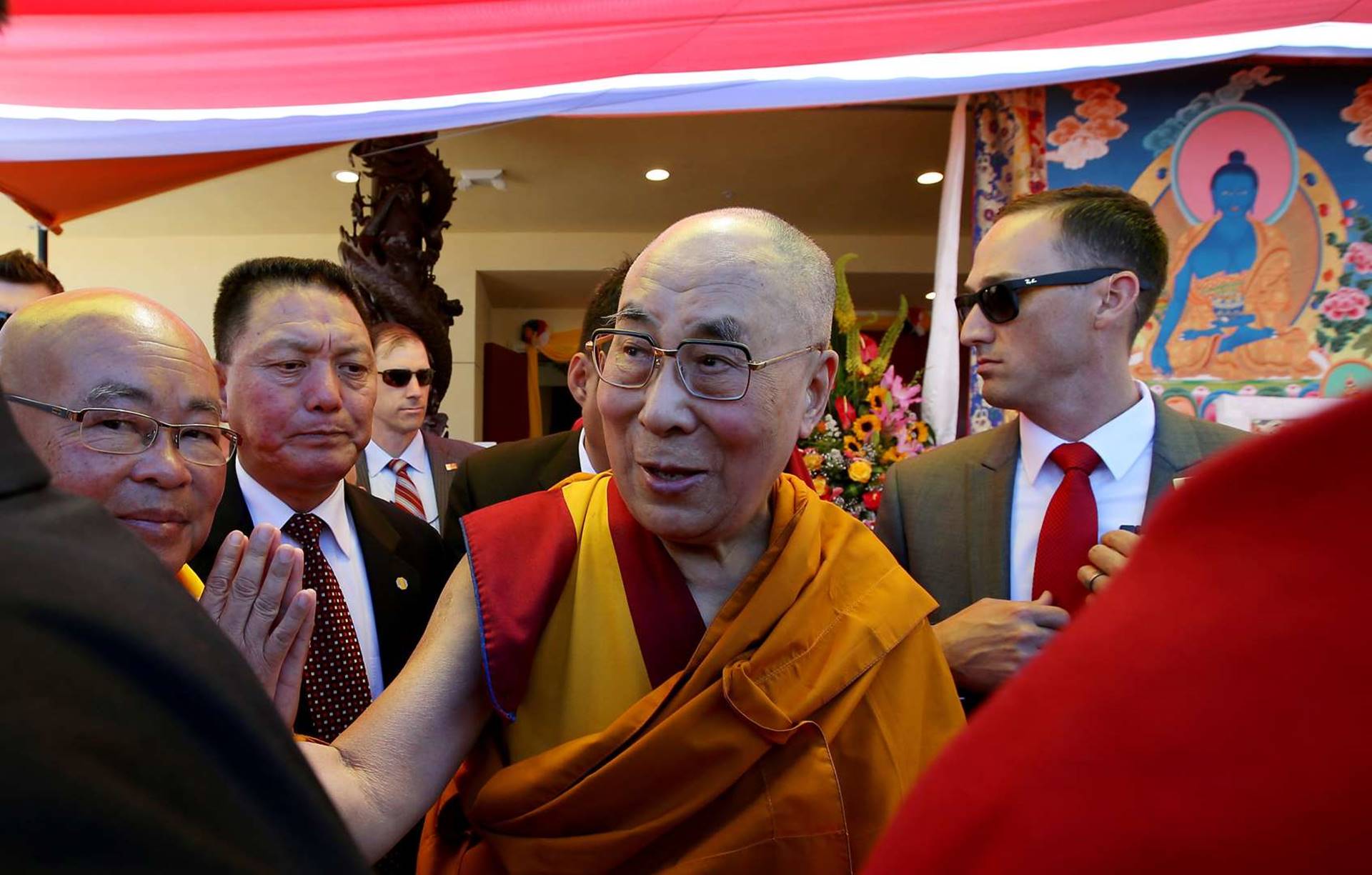
The Dalai Lama greets members of the Vietnamese American community during the opening of Chua Dieu Ngu Buddhist temple in Westminster, Calif., on Saturday, June 18, 2016.

The Dalai Lama greets members of the Vietnamese American community during the opening of Chua Dieu Ngu Buddhist temple in Westminster, Calif., on Saturday, June 18, 2016.

BEIJING For three centuries, a succession of Tibetan spiritual and political leaders known as Dalai Lama ruled from a crimson-and-white castle overlooking the city of Lhasa.

The Potala Palace as it’s known was the start of a rare tour of Tibet last month. The Chinese foreign ministry and local government hosted international journalists on a trip to the mountainous region, and I was one of them.

While the Potala Palace still dominates Lhasa’s skyline, the current Dalai Lama hasn’t lived there since 1959, when the twenty-something fled to India as the People’s Liberation Army quashed a revolt against Chinese rule. In the six decades since, the question of his return has been a persistent source of tension between China and the West.

The Chinese government says the Dalai Lama can return only if he gives up any pretensions for an independent Tibet. The Dalai Lama and his supporters say they don’t seek independence but instead greater autonomy within China’s system, including an elected legislature and independent judicial system. Beijing rejects that claim as insincere.

But with the spiritual leader now 83, his return has also become a question of succession. In a move that could rile China’s ties with Western democracies, Beijing has begun laying out the case for why it should appoint the Dalai Lama’s successor instead of his exiled supporters in northern India.

It was a topic that came up frequently on our government-organized trip, which has long been the sole way foreign journalists could travel to Tibet the only part of China where written permission is required to visit. Such trips have also become rarer after a spate of self-immolations earlier this decade prompted tightened security. Beijing blames the Dalai Lama, who it says has fomented the unrest, while his followers and human-rights activists say the cause is government oppression.

Tibet stands out as the only Chinese area where ethnic Han Chinese are a small minority. Of the 3.2 million who live in the mountainous region, more than 90 percent are ethnic Tibetan. China’s total population of 1.4 billion, by contrast, is more than 90 percent Han.

In April, the U.S. State Department blasted China for “severe” repression in Tibet, including arbitrary detention, censorship and travel restrictions. It counted five incidences of self-immolation in 2017 a drop-off from 83 in 2012 and noted the arrest of Tibetans who speak with foreigners, particularly journalists.

The Potala Palace was the first of many stops in our packed itinerary, which also included visits to businesses, holy sites, an orphanage, the home of a herdsman, a school teaching traditional Thangka painting and interviews with various local authorities. At each stop, we were able to ask whatever we wanted as officials looked on.

At the Dalai Lama’s former residence, we saw pilgrims leaving offerings of money in the room where he once received guests. On the wall was a portrait of the 13th Dalai Lama, the predecessor of the current reincarnation.

While our questions about the Dalai Lama at the palace and other stops were mostly met with polite reticence, the reverence he still commands were noticeable. Several local officials said he’s still held in esteem by many as a spiritual leader.

The Potala Palace also holds the tombs of eight past Dalai Lama. The title passes from generation to generation through a process that selects successors in their childhood as reincarnations. Supporters of the current Dalai Lama fear that upon his death, there will be two claimants to the position: one selected by them and another by the Chinese government.

A similar power struggle played out with the Panchen Lama, the second-most prominent figure in Tibetan Buddhism. After the death of the 10th Panchen Lama in 1989, both the Chinese government and the Dalai Lama identified reincarnations. The man selected by Beijing is now a senior adviser to the nation’s parliament. The Dalai Lama’s choice hasn’t been seen in two decades, and his followers say he was abducted at the age of six.

His disappearance has become a political issue. In April, the U.S. State Department issued a statement marking his birthday and called on Chinese authorities to release him immediately, provoking a furious response from Beijing.

The Central Tibetan Administration, which represents the Dalai Lama’s followers in northern India, says the reincarnation of the Dalai Lama should be in the hands of Tibetan Buddhist leaders. “The Chinese government should not interfere in the religious practices of Tibetan Buddhism,” said spokesman Sonam Dagpo.

When we discussed this with officials our trip, they argued that there’s precedent for Beijing to be involved. The current Dalai Lama, they say, ascended to the position in 1939 after being approved by Chiang Kai-Shek, who was president of the Republic of China before the Communist Party took power in 1949.

They also said the Communist Party has done just fine running Tibet. Some data points they reeled off: The economy has seen double-digit growth in each of the last 25 years; average life expectancy doubled to 68.2 in 2017 from 32.7 years in 1959; and literacy is now more than 99 percent, up from about 2 percent in 1951.

Central government statistics show that Tibet’s average disposable income was about $5,300 last year. That’s less than the national average but higher than several other regions including Gansu and Heilongjiang in the north.

Signs of growth were evident on the ground. In Lhasa, where we spent most of our time, scores of buildings were under construction. Traffic is bad from morning until as late as 9 p.m. A BMW dealership had opened, as has an enormous JD.com Inc. warehouse.

Tibet’s problems under the Dalai Lama’s rule went beyond economics, said Luobu Dunzhu, the most-senior official we met on our trip. The 57-year-old executive vice chairman of Tibet’s regional government told our group that his parents were slaves in the feudal system the Dalai Lama headed and had no hope for an education or better lives. Tibetans don’t want to go back, he said.

“The Dalai Lama knew about all of these problems and didn’t do anything to solve them,” Luobu Dunzhu said. “It was the Communist Party that changed Tibet and that’s why the people support the party.”

The Dalai Lama’s followers in India say that economic growth has mainly benefited ethnic Han Chinese, and deny they want to reinstate the old feudal system. What they want, spokesman Dagpo said, is for Tibetans to be able to worship and travel freely, to carry photos of the Dalai Lama and to send their children to monasteries. A key problem with Chinese rules is that any advocacy for Tibetan rights is seen as a form of intolerable separatism, he said.

While we saw no signs of unrest during our trip, the concern about separatism was clear. Travelers flying into Lhasa have their identifications checked before they can exit the airport. Roads entering the capital are manned by police checkpoints. Foreign tourists need permission to visit, one official said, to prevent “bad guys” from sneaking in.

That concern was also discernible when we visited the Sera Monastery, which dates back to the 1400s and where monks died in fighting with Chinese troops during the 1959 uprising when the Dalai Lama fled Tibet.

The monks there still practice many of its oldest traditions, including debate sessions in which participants whirl in circles and slap their hands together. But there’s also been change. In addition to Buddhist scriptures, its library also carries copies of President Xi Jinping’s book, “The Governance of China.”

Suo Lang Ci Ren, a member of the Sera monastery’s management committee, articulated a view we heard from several religious figures one that Beijing may also like to hear from the next Dalai Lama.

“Loving your country and loving your religion,” he said, “are things a monk must do in parallel.”

(Iain Marlow and Xiaoqing Pi contributed to this report.)

Tibet Equilibrium. The Balance of Power. China Wants a Puppet Dalai Lama.