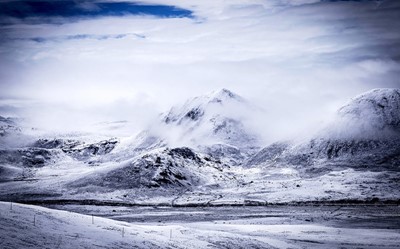
Whole Dude – Whole Perseverance

SPECIAL FRONTIER FORCE – THE DOCTRINE OF TIBETAN RESISTANCE:
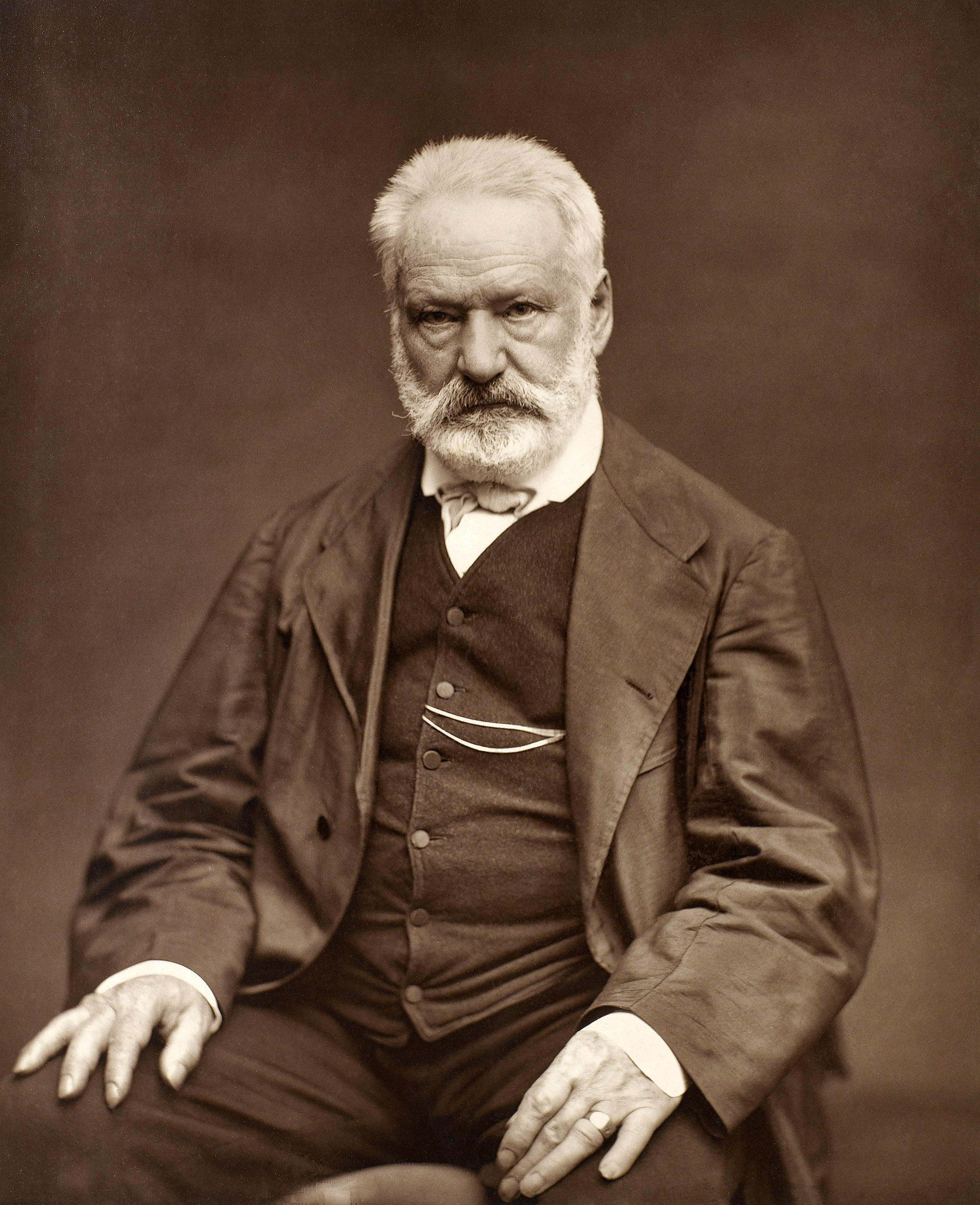
Special Frontier Force - Tibtean Resistance: Victor Marie Hugo(1802 - 1885), French novelist, romantic poet, and dramatist had defended Freedom and had opposed authoritarianism. In his Romantic vision of world order, the force of any army cannot deter the force of an idea. Man has a natural tendency to accept certain types of authority that could be consistent with the Natural Order and rejects other kinds of rule by Force.
Special Frontier Force – Tibetan Resistance: Victor Marie Hugo (1802 – 1885), French novelist, romantic poet, and dramatist defends Freedom and opposes authoritarianism. In his Romantic vision of world order, the force of any army cannot deter the force of an idea. Man has a tendency to accept certain types of authority that could be consistent with the Natural Order and rejects other kinds of rule by Force. Peace is associated with Natural State and War is associated with transgression of Natural Condition.

Excerpt: Special Frontier Force – The Doctrine of Tibetan Resistance: The Problem of War and Peace in Tibet. Can we order Peace for the sake of War, and not War for the sake of Peace? It may be argued that Peace is Inevitable or it may be stated that War is Inevitable. The problem is the absence of Natural Order, Natural Condition, Natural Power, and Natural Authority in the Land of Tibet and in the lives of Tibetans. I state that Resistance is Inevitable, Resistance will Endure, and Resistance will Prevail if there is no Natural Order in Tibet. Tibet can Resist, Tibet will Resist, and Tibetan Resistance will Prevail until the Natural Order is restored in Tibet.

Special Frontier Force - The Doctrine of Tibetan Resistance: The tools of Tibetan Resistance are 1. Patience, 2. Persistence, and 3. Perseverance. Man opposes the reign of force by standing firm or by working against the force without yielding. To oppose and to withstand a force, man needs the virtues of Temperance, Tolerance, and Tranquility to remain calm, unperturbed to maintain "Inner Peace" while reacting to an external force. The virtue of Perseverance triumphs for it preserves the "Inner Peace" while the external reality is described by Violence or War.
Special Frontier Force – The Doctrine of Tibetan Resistance: The tools of Tibetan Resistance are 1. Patience, 2. Persistence, and 3. Perseverance. Man opposes the reign of force by standing firm or by working against the force without yielding. To oppose and to withstand a force, man needs the virtues of Temperance, Tolerance, and Tranquility to remain calm, unperturbed to maintain “Inner Peace” while reacting to an external force. The virtue of Perseverance triumphs for it preserves the “Inner Peace” while the external reality is described by Violence or War.
Special Frontier Force - Tibetan Resistance: Can we order 'Peace' for the sake of 'War', and not 'War' for the sake of 'Peace'??? We may argue about the inevitability of War and Peace. In Tibet, since 1950, there is no 'Natural Order'. Resistance is the Symptom of the lack of 'Natural Order'.
Special Frontier Force – Tibetan Resistance: Can we order ‘Peace’ for the sake of ‘War’, and not ‘War’ for the sake of ‘Peace’? We may argue about the inevitability of War and Peace. In Tibet, since 1950, there is no ‘Natural Order’. Resistance is the Symptom of the lack of ‘Natural Order’. Tibet refused to surrender its Freedom and chose to offer Resistance to the War of Occupation imposed by the People’s Republic of China.

In 1950, People’s Republic of China imposed its War on Tibet. Tibet’s military occupation is the perpetuation of this condition, or state of War. Tibet has two choices in its response to China’s War; 1.Tibet can surrender to China to embrace its reign by force, or 2. Tibet can resist and stand firm against its rule by external force. Man accepts or reconciles to the use of force, power, and authority that is consistent with his natural condition or natural state. The first act of resistance is the product of man’s cognitive ability to recognize his Enemy and distinguish the Enemy from his Friend. The truth about War and Peace can be stated in simple and clear terms. It is as simple as the recognition of Black and White colors. Enemy is Black. Friend is White. War is Black and Peace is White. Occupation is Black, and Liberation is White. Occupation is the Enemy and Freedom is the Friend in simple Black and White terms. There is no Resistance if Enemy is not known or not recognized. Once Enemy is recognized, Resistance acquires the Force of a Duty. Resistance is the rejection of Enemy’s Power, and Resistance is the nonacceptance of Enemy’s authority.

THE DOCTRINE OF TIBETAN RESISTANCE:
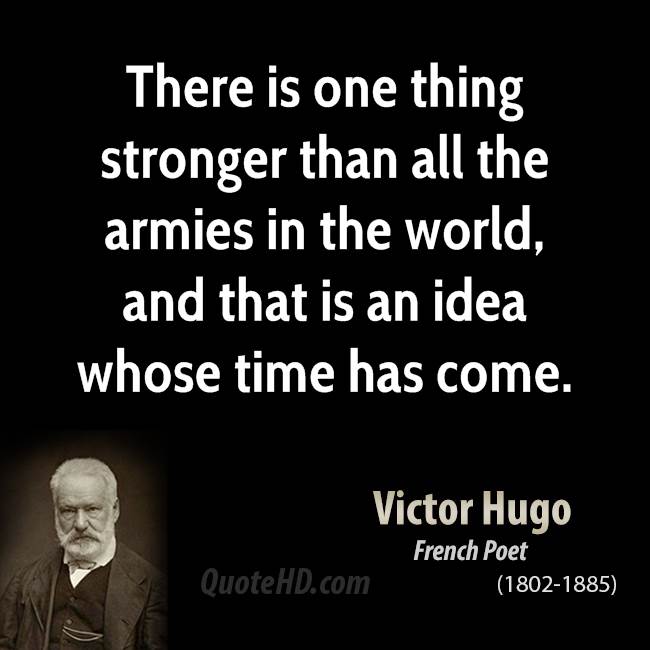
Special Frontier Force - Tibetan Resistance: The Doctrine and the Philosophy of Tibetan Resistance to China's War of Occupation is based on the Force or Power of an Idea that concludes that the Enemy has no Power over your Mind and the Enemy cannot exercise authority over your Mind. Resistance begins when man sets his Mind Free. Resistance is Freedom in Action without any sense of Fear.
Special Frontier Force – Tibetan Resistance: The Doctrine and the Philosophy of Tibetan Resistance to China’s War of Occupation is based on the Force or Power of an Idea that concludes that the Enemy has no Power over your Mind and the Enemy cannot exercise authority over your Mind. Resistance begins when man sets his Mind Free. Resistance is Freedom in Action without any sense of Fear.

The tools of Tibetan Resistance are 1. Patience, 2. Persistence, and 3. Perseverance. Man opposes the reign of force by standing firm or by working against the force without yielding. To oppose and to withstand a force, man needs the virtues of Temperance, Tolerance, and Tranquility to remain calm, unperturbed to maintain “Inner Peace” while reacting to an external force. The virtue of Perseverance triumphs for it preserves the “Inner Peace” while the external reality is described by Violence or War.

Special Frontier Force – Tibetan Resistance: The Doctrine and the Philosophy of Tibetan Resistance to China’s War of Occupation is based on the Force or Power of an Idea that concludes that the Enemy has no Power over your Mind and the Enemy cannot exercise authority over your Mind. Resistance begins when man sets his Mind Free. Resistance is Freedom in Action without any sense of Fear.

Resistance is the rejection of Enemy’s Power over your Life. Resistance is the nonacceptance of Enemy’s authority over your Mind. The Enemy gets no shelter and the Enemy gets no Protection in the Mind of a person who Resists. Tibetans choose Life to resist their Enemy. Tibetans in their Deaths, defy the Purpose of their Enemy.

Special Frontier Force - Tibetan Resistance: Tibetans choose Life to Resist their Enemy. In Death, Tibetans defy the Purpose of their Enemy. In recent times, a number of Tibetans to defy the purpose of their Enemy have killed themselves in acts of Self Immolations.
Special Frontier Force – Tibetan Resistance: Tibetans choose Life to Resist their Enemy. In Death, Tibetans defy the Purpose of their Enemy. In recent times, a number of Tibetans to defy the purpose of their Enemy have killed themselves in acts of Self Immolation.
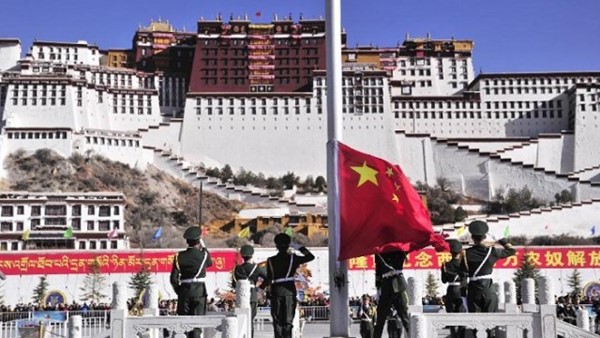
SPECIAL FRONTIER FORCE - TIBETAN RESISTANCE: The Potala Palace, Lhasa, Tibet is the symbol of Natural Authority and is the seat of Natural Power in Tibet. The Chain is the symbol of Tibet's Occupation, the existence that violates the Principle of Natural State or Natural Condition.
SPECIAL FRONTIER FORCE – TIBETAN RESISTANCE: The Potala Palace, Lhasa, is the symbol of Natural Authority and is the seat of Natural Power in Tibet. The Chain is the symbol of Tibet’s Occupation, the Tyranny, the Oppression that violates the Principle of Natural State or Natural Condition.
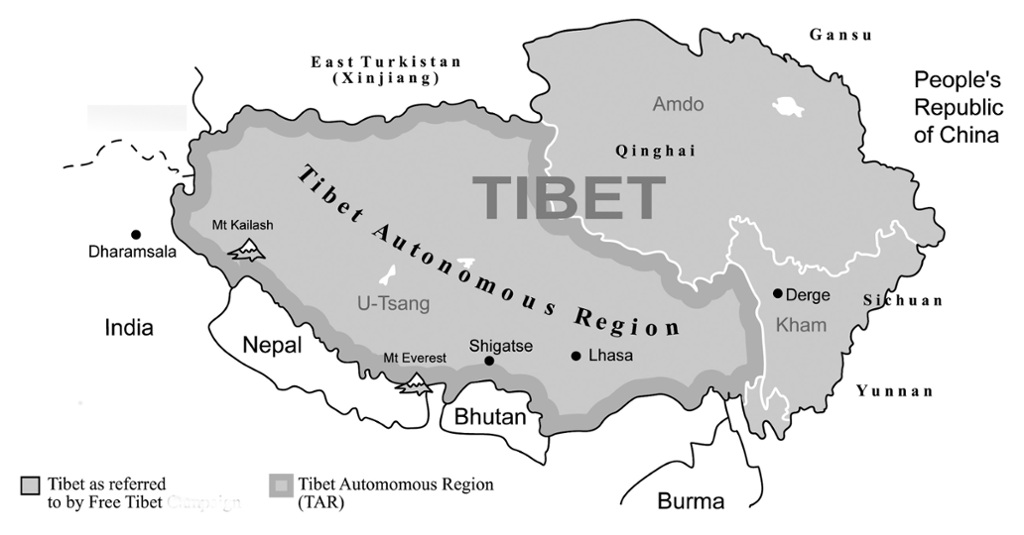
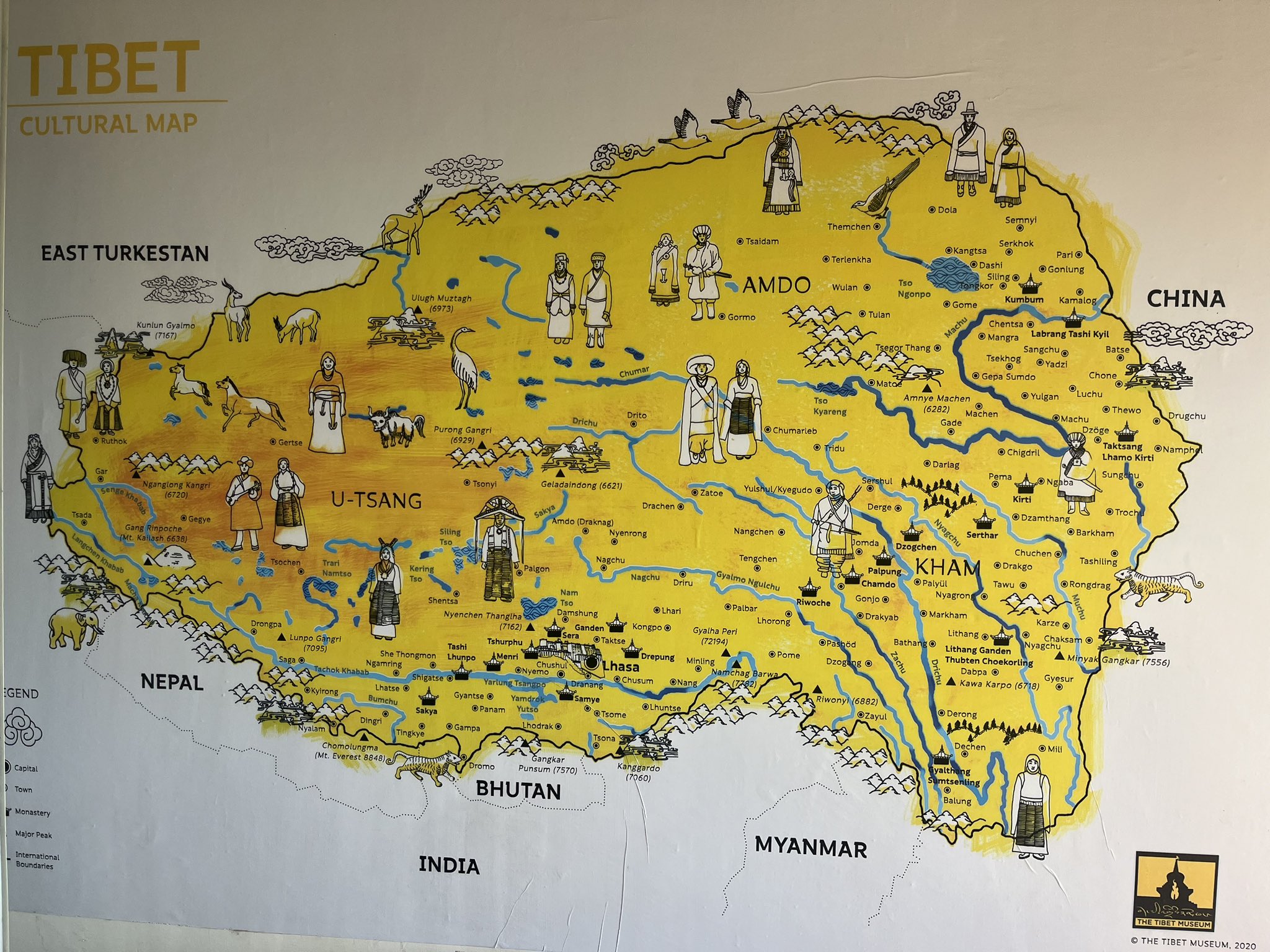
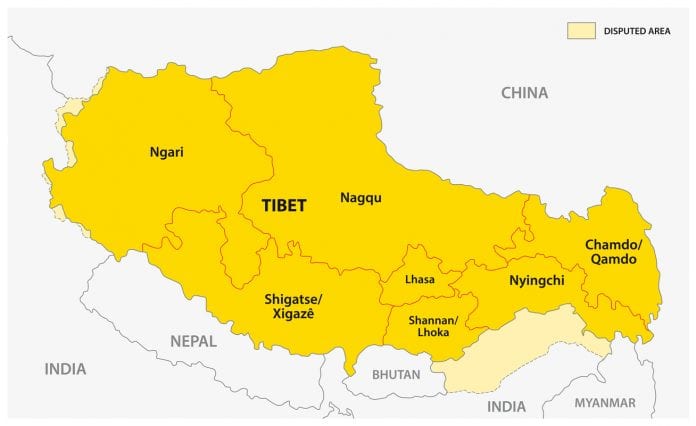
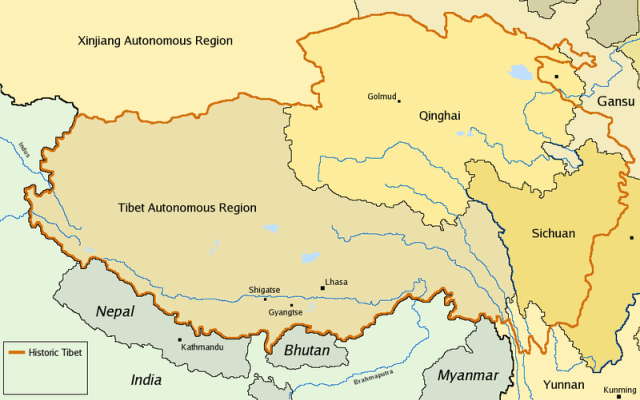
SPECIAL FRONTIER FORCE - TIBETAN RESISTANCE: The Doctrine or the Philosophy of Tibetan Resistance involves the Art of Saying "NO" to the Enemy. The three original provinces of Tibet, U-Tsang, Kham, and Amdo constitute Tibetan territory and Tibetans reject the Tibetan Autonomous Region or TAR created by Communist China during 1965.
SPECIAL FRONTIER FORCE – TIBETAN RESISTANCE: The Doctrine or the Philosophy of Tibetan Resistance involves the Art of Saying “NO” to the Enemy. The three original provinces of Tibet, U-Tsang, Kham, and Amdo constitute Tibetan territory and Tibetans reject the Tibetan Autonomous Region or TAR created by Communist China during 1965.

Tibet during the course of its history has come under foreign conquests. The Yuan, Mongol Dynasty founded by Kublai Khan conquered Tibet during 1279. Similarly, when the Ching or Manchu ruled over China, Tibet came under the nominal protection of Manchus. However, Tibetans retained their natural way of life, and for all practical purposes, Tibet existed in its Natural State or Natural Condition for several centuries. The rule by the political and religious institution of the Dalai Lama or the Ganden Phodrang Government founded in 1642 represents the seat of Natural Power or Natural Authority to which Tibetans yield in obedience. Communist China’s invasion of Tibet in 1950 is accompanied by a different purpose. The purpose of China’s military conquest is that of occupation, subjugation, and exploitation of the Land of Tibet, its people and all of its natural resources. The purpose of Tibetan Resistance is the quest for a Life with Dignity. Can we order Peace, Justice, and Honor for the sake of War? Can we order War for the sake of Peace, Justice, and Honor? How could we define the purpose of War and Peace in Tibet?

WAR AND PEACE IN TIBET:

Special Frontier Force - Tibetan Resistance: The Problem of War and Peace in Tibet. Can we order Peace for the sake of War, and not War for the sake of Peace? It may be argued that Peace is Inevitable or it may be stated that War is Inevitable. The problem is the absence of Natural Order, Natural Condition, Natural Power, and Natural Authority in the Land of Tibet and in the lives of Tibetans. I would state that Resistance is Inevitable, Resistance will Endure, and Resistance will Prevail if there is no Natural Order in Tibet.
Special Frontier Force – Tibetan Resistance: The Problem of War and Peace in Tibet. Can we order Peace for the sake of War, and not War for the sake of Peace? It may be argued that Peace is Inevitable or it may be stated that War is Inevitable. The problem is the absence of Natural Order, Natural Condition, Natural Power, and Natural Authority in the Land of Tibet and in the lives of Tibetans. I state that Resistance is Inevitable, Resistance will Endure, and Resistance will Prevail if there is no Natural Order in Tibet.

The term Resistance describes the organized underground movement in a country fighting against a foreign occupying power. Special Frontier Force – Establishment No. 22 represents the fact of a military alliance or military pact between Tibet, India, and the United States to fight the occupation of Tibet by its Enemy. Its military mission includes the use of force to evict the occupier of Tibet.

Special Frontier Force – Tibetan Resistance: The Problem of War and Peace in Tibet. Can we order Peace for the sake of War, and not War for the sake of Peace? It may be argued that Peace is Inevitable or it may be stated that War is Inevitable. The problem is the absence of Natural Order, Natural Condition, Natural Power, and Natural Authority in the Land of Tibet and in the lives of Tibetans. I state that Resistance is Inevitable, Resistance will Endure, and Resistance will Prevail if there is no Natural Order in Tibet.

Sigmund Freud observes: “War is not to be abolished; so long as the conditions of existence among the nations are so varied, and the repulsions between Peoples so intense, there will be , there must be Wars.” Communist China’s military power, military strategy, and military tactics will not assure the surrender of Freedom and acceptance of its power and authority in Tibet. China cannot impose its Peace by the use of its military power in Tibet.

Tibetan Resistance is a mere symptom of the absence of Natural Order in Tibetan Existence. Tibet can Resist, Tibet will Resist, and Tibet will Prevail in its Resistance until its Natural Order is restored and let its Natural Condition to operate the lives of Tibetans.

Special Frontier Force – Tibetan Resistance: The Problem of War and Peace in Tibet. Can we order Peace for the sake of War, and not War for the sake of Peace? It may be argued that Peace is Inevitable or it may be stated that War is Inevitable. The problem is the absence of Natural Order, Natural Condition, Natural Power, and Natural Authority in the Land of Tibet and in the lives of Tibetans. I state that Resistance is Inevitable, Resistance will Endure, and Resistance will Prevail if there is no Natural Order in Tibet.
Whole Dude – Whole Palace – 12

LIVING TIBETAN SPIRITS SHARE GLIMPSES OF NORBULINGKA, SUMMER PALACE OF SUPREME RULER OF TIBET

Whole Dude – Whole Palace: Glimpses of Norbulingka, Summer Palace of Supreme Ruler of Tibet

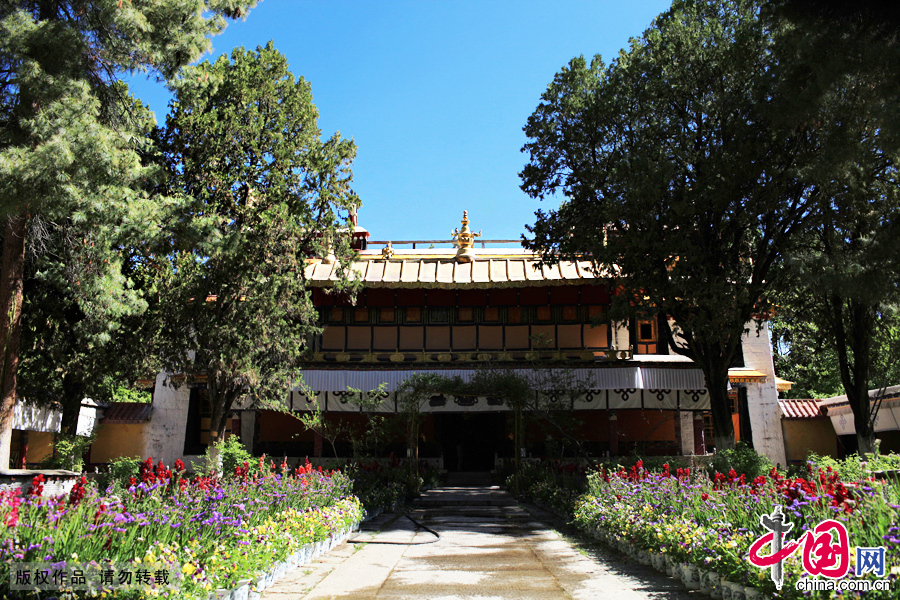
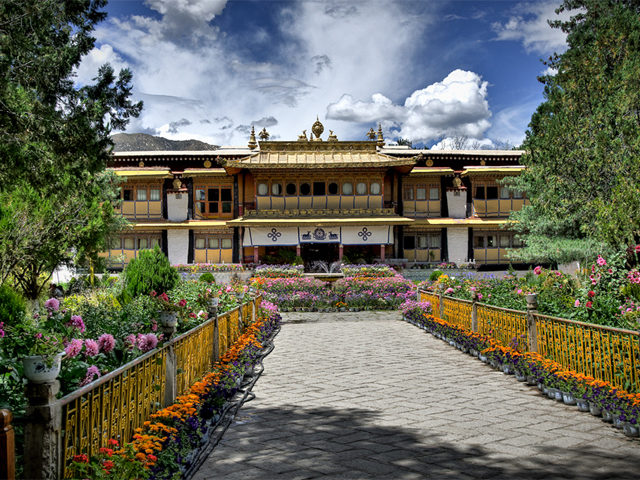
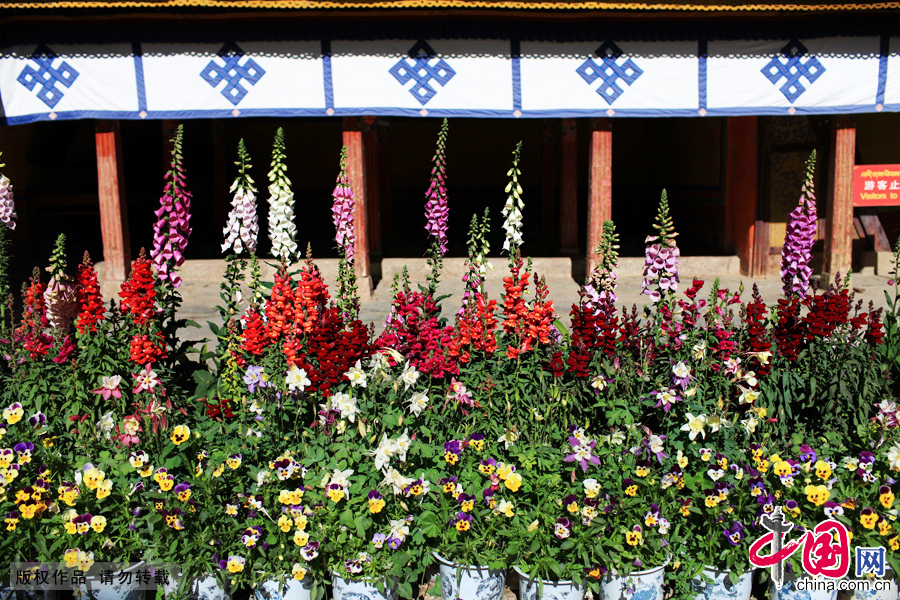
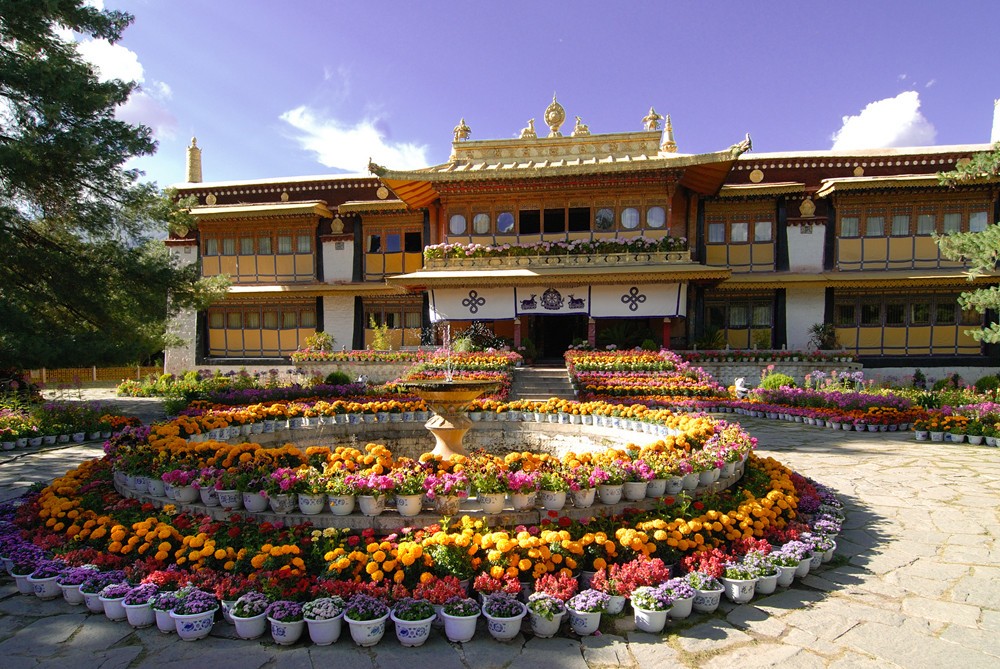
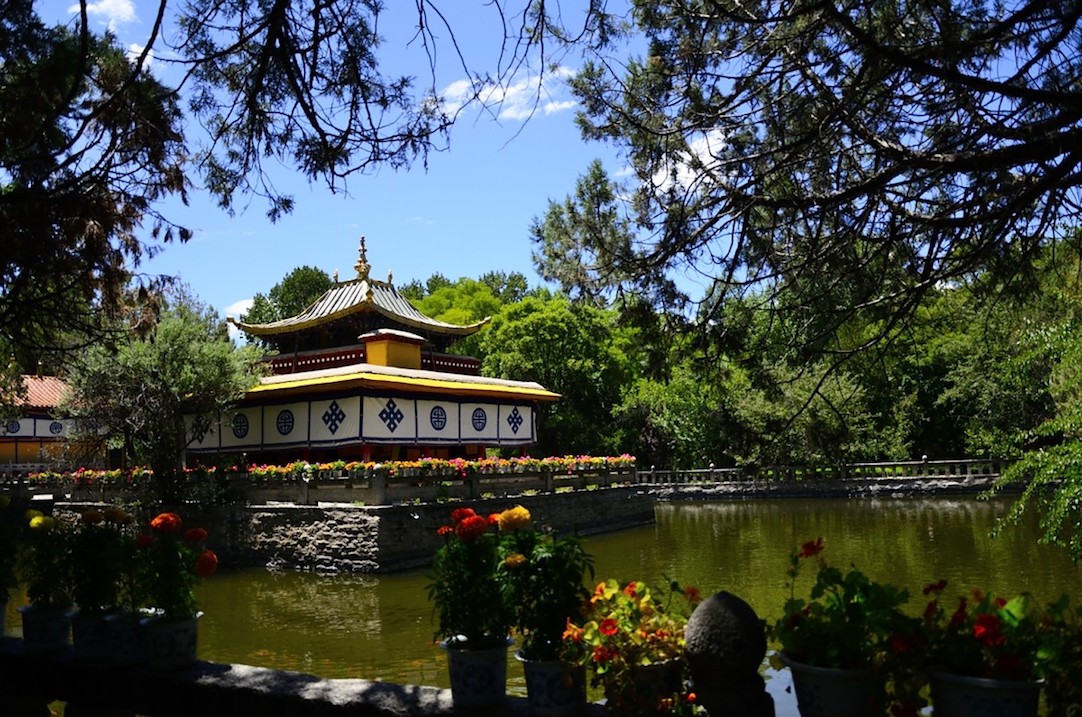
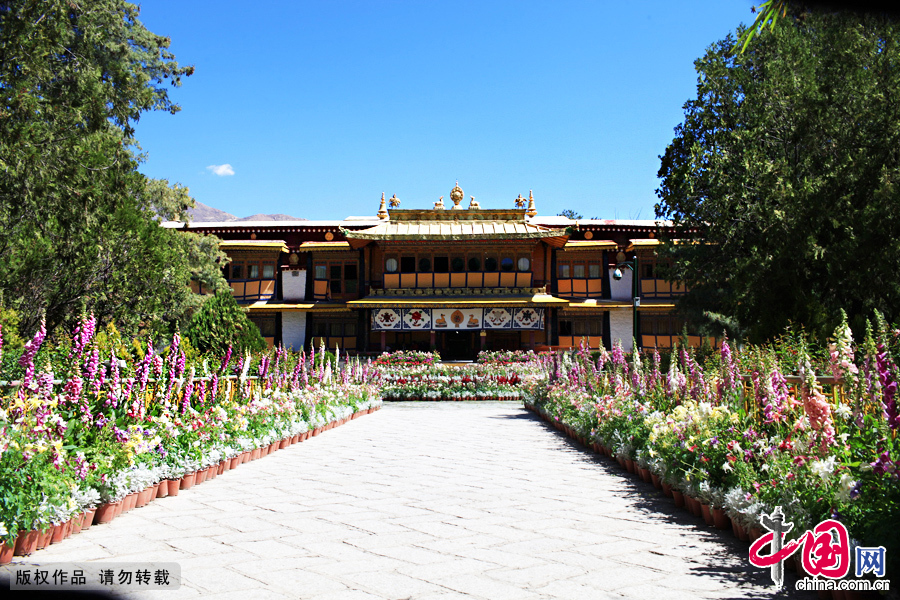
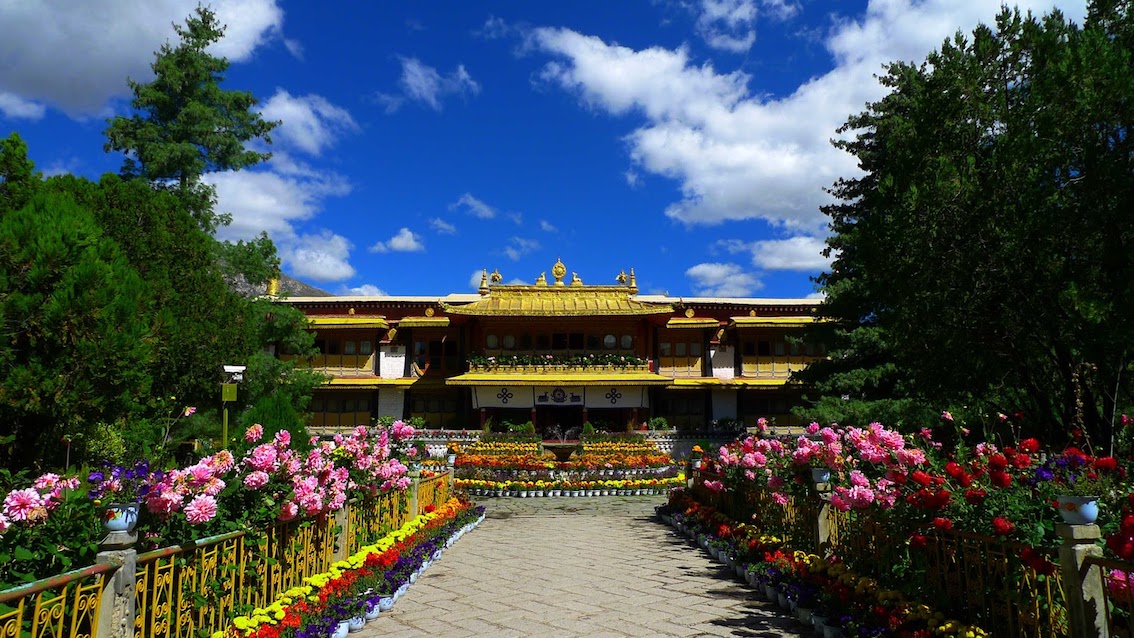
Norbulingka, literally the “Jeweled Garden,” is a palace and its surrounding parks located in a western suburb of Lhasa. It was constructed in the 1740s as a Summer Palace for the Dalai Lama, Supreme Ruler of Tibet and later served the whole governmental administration. The place boasts typical Tibetan palace architecture, as well as gentle streams, dense and lush forestry, birds and animals. Covering an area of around 36 hectares, it is considered to be the largest man-made garden in Tibet. Being part of the “Historic Ensemble of the Potala Palace,” Norbulingka is recognized as a UNESCO World Heritage Site, and was added as an extension to this Historic Ensemble in 2001.[China.org.cn]

Whole Dude – Whole Palace: Glimpses of Norbulingka, Summer Palace of Supreme Ruler of Tibet.

Whole Palace – The Summer Palace of Supreme Ruler of Tibet- 11

LIVING TIBETAN SPIRITS SHARE GLIMPSES OF NORBULINGKA, SUMMER PALACE OF SUPREME RULER OF TIBET

Whole Palace: Glimpses of Norbulingka, Summer Palace of the Supreme Ruler of Tibet

Norbulingka, literally the “Jeweled Garden,” is a palace and its surrounding parks located in a western suburb of Lhasa. It was constructed in the 1740s as a summer palace for the Dalai Lama and later served the whole governmental administration. The place boasts typical Tibetan palace architecture, as well as gentle streams, dense and lush forestry, birds and animals. Covering an area of around 36 hectares, it is considered to be the largest man-made garden in Tibet.

Whole Palace: Glimpses of Tibetan Culture

Being part of the “Historic Ensemble of the Potala Palace,” Norbulingka is recognized as a UNESCO World Heritage Site, and was added as an extension to this Historic Ensemble in 2001.

Whole Palace: Glimpses of Norbulingka, Summer Palace of Supreme Ruler of Tibet

Whole Palace – The Summer Palace of Supreme Ruler of Tibet- 5

LIVING TIBETAN SPIRITS SHARE GLIMPSES OF NORBULINGKA SUMMER PALACE OF SUPREME RULER OF TIBET – 5

Whole Palace: Glimpses of Norbulingka, Summer Palace of the Supreme Ruler of Tibet.

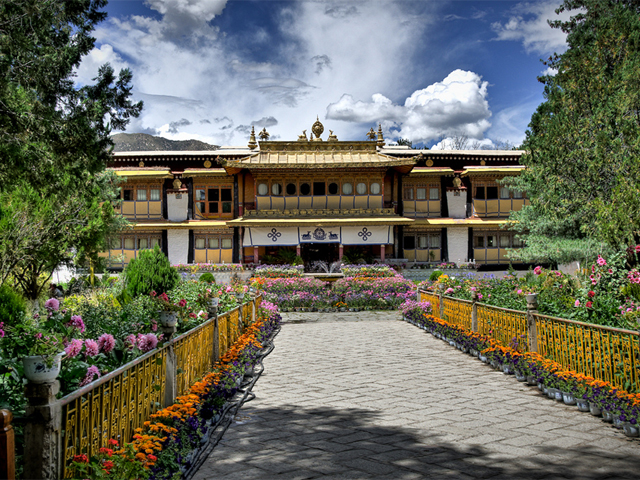
Norbulingka, literally the “Jeweled Garden,” is a palace and its surrounding parks located in a western suburb of Lhasa. It was constructed in the 1740s as a summer palace for the Dalai Lama and later served the whole governmental administration. The place boasts typical Tibetan palace architecture, as well as gentle streams, dense and lush forestry, birds and animals. Covering an area of around 36 hectares, it is considered to be the largest man-made garden in Tibet. Being part of the “Historic Ensemble of the Potala Palace,” Norbulingka is recognized as a UNESCO World Heritage Site, and was added as an extension to this Historic Ensemble in 2001.[China.org.cn]

Whole Palace: Glimpses of Norbulingka, Summer Palace of the Supreme Ruler of Tibet.

What is China’s Status in Tibet?

What is China’s Status in Tibet?

Recent events in Tibet have intensified the dispute over its legal status. The People’s Republic of China (PRC) claims that Tibet is an integral part of China. The Tibetan government-in-exile maintains that Tibet is an independent state under unlawful occupation.

India asks China to pull back troops, arms in Ladakh region

By ASHOK SHARMA, Associated Press  


NEW DELHI (AP) — India’s defense minister said Thursday the country faces challenges in its border dispute with China and urged Beijing to sincerely implement an understanding they reached previously to completely disengage forces from the Ladakh region.

What is China’s Status in Tibet? An Indian army convoy moves on the Srinagar- Ladakh highway at Gagangeer, northeast of Srinagar, Indian-controlled Kashmir, Wednesday, Sept. 9, 2020. India’s defense minister said Thursday, Sept. 17, the country faces challenges in its border dispute with China and urged Beijing to sincerely implement an understanding they reached previously to completely disengage forces in the Ladakh region. Rajnath Singh said in a statement in the upper house of Parliament that China has amassed troops and armaments in Ladakh in violation of bilateral agreements reached in 1990s and it was creating friction by trying unilaterally to alter the status quo in the region through aggressive postures. (AP Photo/ Dar Yasin)
What is China’s Status in Tibet? In this Sept. 14, 2017, file photo, a banner erected by the Indian army stands near Pangong Tso lake near the India-China border in India’s Ladakh area. India’s defense minister said Thursday, Sept. 17, 2020, the country faces challenges in its border dispute with China and urged Beijing to sincerely implement an understanding they reached previously to completely disengage forces in the Ladakh region. Rajnath Singh said in a statement in the upper house of Parliament that China has amassed troops and armaments in Ladakh in violation of bilateral agreements reached in 1990s and it was creating friction by trying unilaterally to alter the status quo in the region through aggressive postures. (AP Photo/Manish Swarup, File)

Rajnath Singh told the upper house of Parliament that China has amassed troops and weapons in Ladakh in violation of agreements reached in the 1990s and is trying to alter the status quo in the region through aggressive actions.

He said that was not acceptable and that India is seeking a peaceful resolution through talks.

The two countries’ foreign ministers met in Moscow a week ago and agreed to deescalate tensions in Ladakh, but Singh’s words to Parliament suggested they have not significantly declined and that settling the impasse will be a long process.

He also said India has counter-deployed troops that have foiled “transgression attempts by China.”

“We should be confident that our armed forces will handle the situation successfully,” Singh said.

He said it was “apparent from Chinese activities that their words don’t match their actions.”

In Beijing, Chinese foreign ministry spokesperson Wang Wenbin again laid the onus on India to relieve the tensions and said Chinese border troops have “always strictly abide by the (agreements) between the two countries and are committed to safeguarding China’s territorial sovereignty and maintaining peace and tranquility in the border areas.”

“What is pressing now is that the Indian side should immediately correct its mistake, disengage on the ground as soon as possible and take concrete actions to ease the tension and lower the temperature along the border,” Wang said at a daily briefing.

Relations between the two countries have often been strained, partly due to their undemarcated border.

They fought a border war in 1962 that spilled into Ladakh and ended in an uneasy truce. Since then, troops have guarded the undefined border area, occasionally brawling. The standoff escalated to a deadly clash on a high ridge on June 15 that left 20 Indian soldiers dead.

Singh said India inflicted “heavy” casualties on Chinese forces, but did not provide any numbers. China has not given any details on its casualties.

After that clash, the two countries partially disengaged from the site in the Galwan Valley and at least two other places, but the crisis has continued in at least three other areas, including glacial Pangong Lake.

He said the impasse was due to differing perceptions of the fiercely contested Line of Actual Control that separates Chinese and Indian-held territories from Ladakh in the west to India’s eastern state of Arunachal Pradesh.

Singh said India has doubled its budget on building roads, bridges and other infrastructure along the border to match the Chinese infrastructure to accelerate mobility of forces.

“We are fully prepared to protect the sovereignty and territorial integrity of our country,” he said, adding that China continued to occupy nearly 38,000 square kilometres (14,670 square miles) of Indian land in Ladakh.

What is China’s Status in Tibet?

India vs China Dispute. Tibet is not a part of China

India vs China Dispute. Tibet is not a part of China.TIBET EQUILIBRIUM.

In my analysis, the dispute between India and China relates to the status of Tibet. China is in Tibet. But, Tibet is not a part of China. The dispute can be resolved by the eviction of the military occupier of Tibet.

Rudra Narasimham Rebbapragada

Special Frontier Force-Establishment No. 22-Vikas Regiment

A border dispute with China may push India closer to some of Beijing’s top rivals

CNN June 18, 2020, 12:59 AM EDT

Relations between China and India have always been complicated.

During British colonialism, India was the source of opium foreign traders forced onto Chinese markets, sparking war between the UK and the Qing Empire that ended in humiliation for China. Since independence, India’s relations with its largest neighbor have been tested by issues such as Tibet, Pakistan and the countries’ shared Himalayan border.

This week, that border blew up into renewed conflict, in the bloodiest engagement in 40 years, which left more than 20 soldiers dead after a brutal fight with fists and clubs high in the mountains amid freezing temperatures and scant oxygen.

While both governments are now scrambling to deescalate, the conflict could provide the final push for a pivot already begun by New Delhi, away from Beijing and towards China’s traditional rivals, the United States and Japan, as well as a growing regional one, Australia. As India seeks to push back against what many in the country view as Chinese aggression, it will rely on these allies more than ever.

“The sacrifice made by our soldiers will not go in vain,” Indian Prime Minister Narendra Modi said Wednesday. “India’s integrity and sovereignty is supreme for us, and no one can stop us from defending it. Nobody should have an iota of doubt about this. India wants peace. But when provoked, India will give a befitting reply.”

Rahul Gandhi, leader of the main opposition Congress Party, put it more bluntly: “How dare China kill our soldiers? How dare they take our land?”

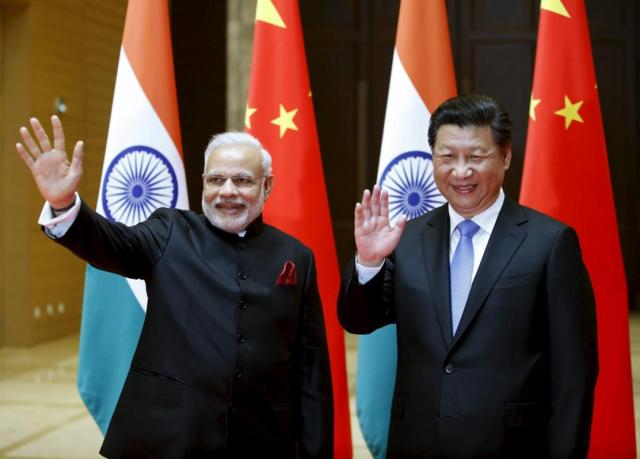
India vs China Dispute. Tibet is not a part of China. Indian Prime Minister Narendra Modi (L) and Chinese President Xi Jinping wave to journalists before they hold a meeting in Xian, Shaanxi province, China, May 14, 2015. REUTERS/Kim Kyung-Hoon

Encircling China

In an editorial Wednesday, the influential Hindustan Times said that “China wants to limit New Delhi’s power and ambition; it wants India to accept Beijing’s primacy in Asia and beyond.”

In response, the newspaper urged, New Delhi should “double down on its partnership with the US, make Quad … a more permanent arrangement, and be a part of any club that seeks to contain Chinese power.”

The Quad, or Quadrilateral Security Dialogue, is an informal strategic forum for the US, Japan, Australia and India, featuring semi-regular summits, information exchanges and military drills. While not a formal military alliance like NATO, it is seen by some as a potential counterweight to growing Chinese influence and alleged aggression in Asia-Pacific.

While members have emphasized the more benign aspects of the relationship, such as recent cooperation on the coronavirus pandemic, the potential for military encirclement by countries has not gone unnoticed by Beijing.

As early as 2007, when the first Quad meetings were proposed, China issued formal diplomatic protests to all parties involved, and later that year Australia pulled out over fears of offending Beijing, and the alliance was put on hold until 2017, when meetings resumed, in large part due to growing concerns over Chinese advances in the South China Sea.

Potentially, an anti-China bloc led by the US could be far larger than the Quad. During a telephone call earlier this month between Modi and US President Donald Trump, the American leader invited India to join the next G7 summit. They also, according to White House spokeswoman Kayleigh McEnany, discussed “the situation on the India-China border.”

Trump has previously spoken of wanting to expand the traditional grouping of mostly European and North American states to include Washington’s allies Australia and South Korea, as well use this year’s planned meeting to “discuss China’s future.”

India has traditionally been wary of getting too close to the US, seeking to balance that relationship with strong economic — if not always diplomatic — ties to Beijing. Amid growing pressure on its border, however, and what appears to be a strong personal bond between Trump and Modi, this could be the perfect time for such a pivot.

Greater Indian participation in both the Quad and other military alliances with the US would have benefits for Washington, according to foreign affairs analyst Amrita Jash, who wrote this week that “India’s strong foothold in the Indo-Pacific provides a counterbalance to China’s growing footprint in the Indian Ocean.”

Not without cost

Both Delhi and Beijing have spoken of the desire to deescalate and preserve a peaceful relationship following this week’s clash in the Himalayas, but many experts are skeptical about how feasible, or sustainable this is.

Aidan Milliff, an expert on political violence and South Asia at the Massachusetts Institute of Technology, predicted this month that the latest conflict could “portend the development of a Sino-Indian situation that reflects an ‘ugly stability’ between India and Pakistan: persistent low-level conflicts and political-military crises that simmer below the threshold of conventional war.”

Already shaky ties between Beijing and Delhi had already been harmed by the coronavirus pandemic, with many in India blaming China for its initial mishandling of the crisis and Chinese officials frustrated by their Indian counterparts’ perceived failure to express support for Beijing at the World Health Organization and other international forums.

Any major shift towards the Quad or Washington alone would likely only take place if Delhi believes relations with Beijing are beyond repair, however, as they could come with high costs for both India and China.

Under Modi, India’s economic engagement with China has been increasing. Together, the two countries account for 17.6% of the global economy. But although China is India’s largest trading partner, their estimated $84 billion bilateral trade in 2017/18 was a mere fraction of the US-China trade volume, which stood at almost $600 billion.

Before the coronavirus pandemic, China was gradually emerging as a major foreign investor in the growing Indian market, but that trend has been halted by new investment rules passed by Delhi widely seen as aimed at Chinese firms.

Economic pain is not the only thing that will be jointly shared. While Beijing may be loathe to see India cosying up to the US and Japan, it can respond by increasing support for Delhi’s major rival: Pakistan.

China has close economic, diplomatic and military ties with Pakistan, making it one of the nation’s closest allies in the region. Between 2008 and 2017, Islamabad purchased more than $6 billion of Chinese arms, according to think tank CSIS. China has also invested billions in the China-Pakistan Economic Corridor, an integral part of Xi’s Belt and Road trade and infrastructure mega-project.

Protecting that corridor was seen by some analysts as a driving factor behind the recent spat in the Himalayas, another factor in which was recent Indian moves over Kashmir, in which China supported Pakistan in a failed attempt to censure Delhi at the United Nations.

Similarly, China has made diplomatic and economic inroads in countries traditionally considered as within Delhi’s sphere of influence, including Nepal, Sri Lanka and Bangladesh.

India’s South Asian neighbors have also increasingly looked to China for assistance during the coronavirus pandemic, accelerating a trend that seen Beijing invest heavily in the region.

The willingness of Nepal, in particular, to work with Beijing has led to concerns in Delhi of potential geopolitical realignment. Nepal, which is sandwiched between India and China, and has recently butted heads with its southern neighbor over a decision to approve a revised map that includes areas claimed by Delhi.

Part of the problem in the region are the messy, widely disputed borders that many of the countries share. If relations continue to worsen between Beijing and Delhi, however, they may seem like nothing compared to the nightmare of geopolitical complications that could arise across all of Asia-Pacific.

India vs China Dispute. Tibet is not a part of China.

Whole Struggle – Tibet struggles for Natural Freedom

Tibet Struggles for Natural Freedom

Whole Struggle – Tibet Struggles for Natural Freedom.

In my analysis, the Tibetan Resistance Movement can only be described as the Struggle for Natural Freedom. Tibetans resist military occupation of Tibet by a foreign invader for occupation totally undermines the Tibetan National Experience of Natural Freedom that defines the Land and its denizens. Freedom is not viewed as a Political Right. Tibetans cherish Freedom as a Nature’s Gift which no man has the power to trample upon.

Whole Struggle – Tibet Struggles for Natural Freedom.

Dalai Lama Says Tibet Issue Is No Longer Struggle For Political Independence

Clipped from: https://www.ndtv.com/india-news/dalai-lama-says-tibet-issue-is-no-longer-struggle-for-political-independence-2064281

Whole Struggle – Tibet Struggles for Natural Freedom.

Tibet Issue “No Longer Struggle for Political Independence”: Dalai Lama

Political independence is mainly meant for the happiness of the people, but does it alone guarantee happiness, the Dalai Lama asked.

All India | Press Trust of India | Updated: July 04, 2019 20:11 IST

New Delhi:

The Tibetan issue is no longer a struggle for political independence, the Dalai Lama has said, asserting that there is a need to focus on preservation of Tibet’s cultural, religious and linguistic identity.

Political independence is mainly meant for the happiness of the people, but does it alone guarantee happiness, the Tibetan spiritual leader asked.

“There is a growing feeling among the top leaders in China that their policies have not been able to solve the Tibet issue in the last 70 years. So, they should follow a more realistic approach. Even though Tibet was an independent country, politically China occupies Tibet today,” he told news magazine ”The Week” in an interview.

“Under the given circumstances, I have been saying for some time now that there is a need to focus on preservation of Tibetan culture, religion and identity. It is no longer a struggle for political independence,” he said.

The 14th Dalai Lama left Tibet in 1959 to escape Chinese occupation and has been keeping China on tenterhooks about his successor.

In April this year, at a global conference, he had said people from Tibet have been seeking a mutually acceptable solution to the Tibetan issue with China since 1974 but Beijing considers him a “splittist” though he isn’t one.

The spiritual leader, who turns 84 soon, had said he preferred Tibet remaining with China, with “some kind of a reunion”.

In the interview, given in Himachal Pradesh’s McLeodganj, the Dalai Lama also said if the Tibetan people can preserve their thousands of years old cultural heritage, religion and identity, it will bring them inner peace and happiness.

“For this, I really admire the Indian Union for its unity in diversity. In a similar way, the People’s Republic of China and Tibet can coexist keeping Tibet’s cultural, linguistic and religious identity,” he said.

On a question, about his successor, he said, “I can only be concerned about this life; the next is not my concern. What is important are the teachings, the institution of the Dalai Lama comes after that.

“If reincarnation was so important, then why did the Buddha not have a reincarnation,” adding, “sometimes, I also feel the Lama institution has some connection with the feudal system and is not relevant today”.

The Tibetan spiritual leader recently apologized for his comment on women in a BBC interview, with his office in Dharamshala saying he has always opposed their objectification.

Responding to a question on whether his reincarnation could be a woman, the Nobel Peace Prize winner had joked that she should be attractive.

On a question on India, he said, the rich people in India should pay more attention to the study of Indian philosophy and texts “rather than just uttering ”Ram Ram” and doing puja”.

“It is better to create small libraries and learn about ancient Indian philosophy and psychology than just praying without any knowledge and performing rituals without understanding them,” he said.

On his association with prime minister Jawaharlal Nehru, he said, “Pandit was very kind to me; he advised me under difficult circumstances. I followed his advice, and it was very practical. I came to India in 1956, during Buddha Jayanti. At that time, many Tibetan officials told me that I should stay in India and not return”.

He said, he returned to Tibet in 1957. “I tried my best (to maintain peace with the Chinese), but after some time… there (were) uprisings. In 1959, things went out of control and I decided to escape from Tibet,” the Dalai Lama added.

“I am grateful to the Indian government (and leaders such as) Nehru, Indira Gandhi, Morarji Desai, Narasimha Rao and the (later) generation of leaders, and also Indian officials who have been very sympathetic towards Tibet,” he said.

Today, India and Tibet are very close not only for political or economic reasons, but also spiritually and emotionally, he added.

On China calling him a separatist, and his 60th year of exile in India, he said, “Let them (Chinese) say I am a separatist. That will be helpful as I will continue to live in India peacefully”.

“If they sincerely ask me to return – although on many occasions to some Chinese individuals I mentioned that I prefer freedom – and if I return to China, I (will be) put in a big house with no freedom. There is no use. I am happy to live in India for the rest of my life,” the Dalai Lama said.

“Among all civilizations, whether it is Chinese or Egyptian, it is the Indus Valley civilization that has produced the best thinkers and philosophers. I consider Buddhism and Hinduism as twin brother and sister. India’s civilization is something wonderful and should be known for its contribution to the world,” he asserted.

Whole Struggle – Tibet Struggles for Natural Freedom.

Whole Awareness -Blessings of Mount Chomolhari

Tibet Awareness – Blessings of Mount Chomolhari proclaim Tibet is Never a Part of China

Tibet Awareness – Blessings of Mount Chomolhari proclaim Tibet is Never a Part of China

Tibet Awareness – Blessings of Mount Chomolhari proclaim Tibet is Never a Part of China

Tibet Awareness – Blessings of Mount Chomolhari proclaim Tibet is Never a Part of China

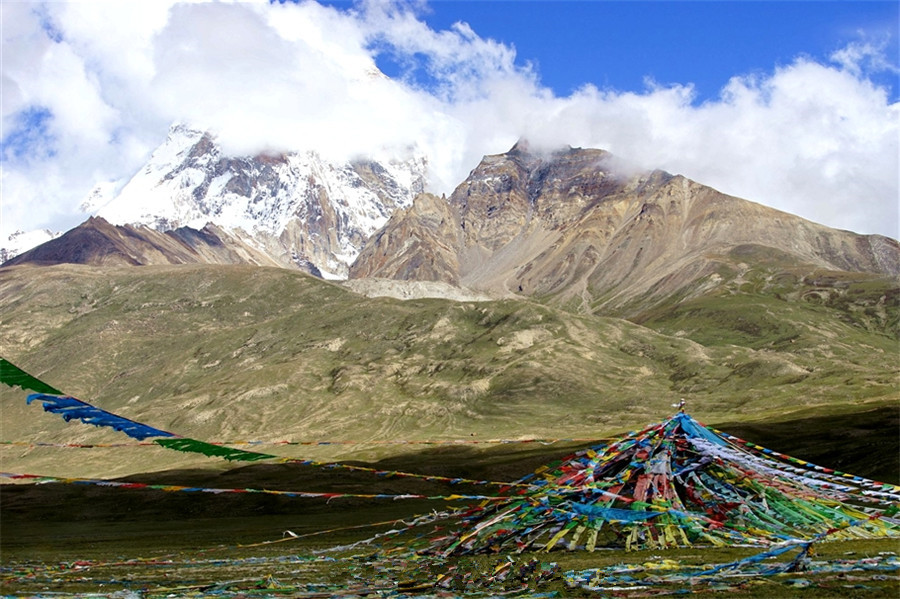
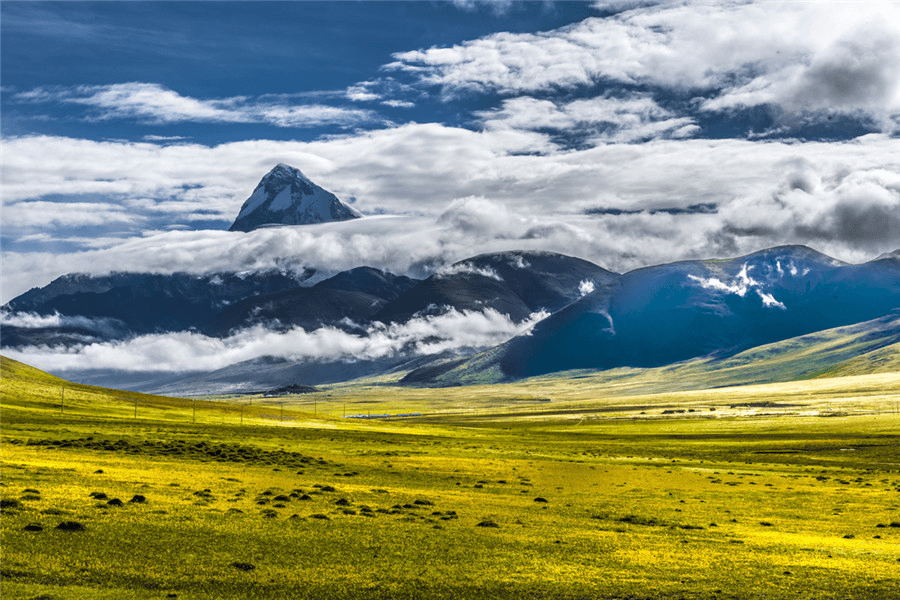
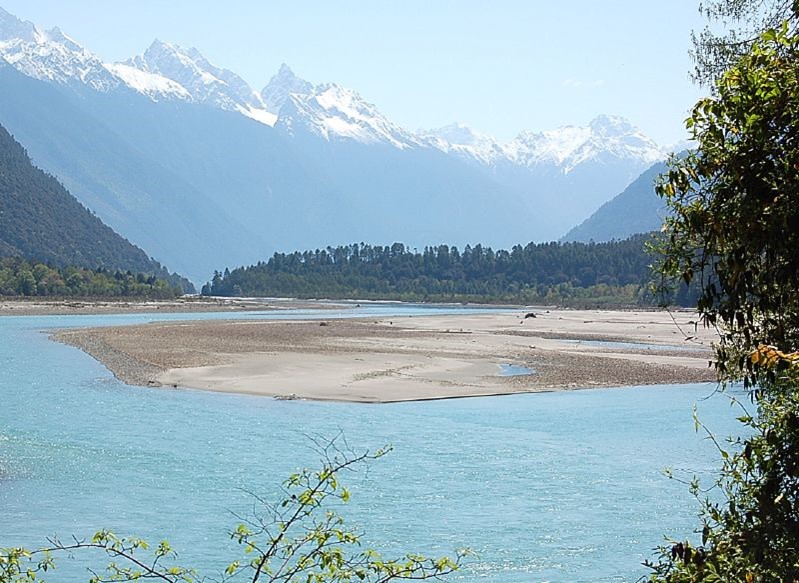
Wetland scenery near Mount Chomolhari in Shigatse, Tsang Province, Tibet

b1ab575a-20e1-425f-8f3b-7f947bb90bf1.jpeg
Tibet Awareness – Blessings of Mount Chomolhari proclaim Tibet is Never a Part of China

A local villager herds sheep at a wetland near Mount Chomolhari in Tsang Province, Dromo County of Shigatse City, Tibet, June 20, 2019. (Xinhua/Li Xin)

a5bb9ef4-65a1-454d-868c-0ac5b90fd576.jpeg
Tibet Awareness – Blessings of Mount Chomolhari proclaim Tibet is Never a Part of China

The photo was taken on June 20, 2019, shows the scenery of Mount Chomolhari and a village in Tsang Province, Dromo County of Shigatse City, Tibet. (Xinhua/Li Xin)

3c0da4ff-bf54-4d4a-a04b-66cb67b5fede.jpeg
Tibet Awareness – Blessings of Mount Chomolhari proclaim Tibet is Never a Part of China

The photo was taken on June 20, 2019, shows the scenery of Mount Chomolhari and wetland in Tsang Province, Dromo County of Shigatse City, Tibet. (Xinhua/Li Xin)

5851725e-1c0f-4443-afbd-eda055952df8.jpeg
Tibet Awareness – Blessings of Mount Chomolhari proclaim Tibet is Never a Part of China

Horses search for food at a wetland near Mount Chomolhari in Tsang Province, Dromo County of Shigatse City, Tibet. The photo was taken on June 20, 2019. (Xinhua/Li Xin)

70d4a60b-06ad-4771-9d4a-364abdc04775.jpeg
Tibet Awareness – Blessings of Mount Chomolhari proclaim Tibet is Never a Part of China

Herds of cattle walk across a wetland near Mount Chomolhari in Tsang Province, Dromo County of Shigatse City, Tibet. The photo was taken on June 20, 2019. (Xinhua/Li Xin)

Tibet Awareness – Blessings of Mount Chomolhari proclaim Tibet is Never a Part of China

WHERE IS TIBET? ASK THE MOUNTAINS. NOT PART OF CHINA

WHERE IS TIBET? ASK THE MOUNTAINS. NOT PART OF CHINA

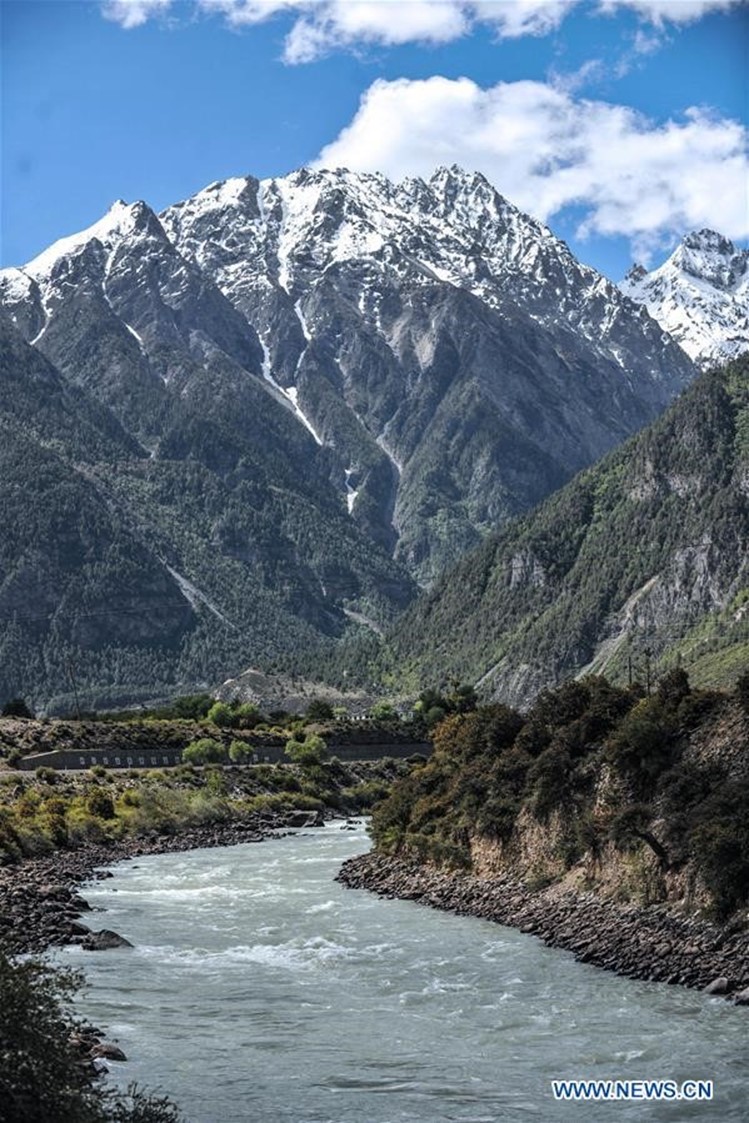
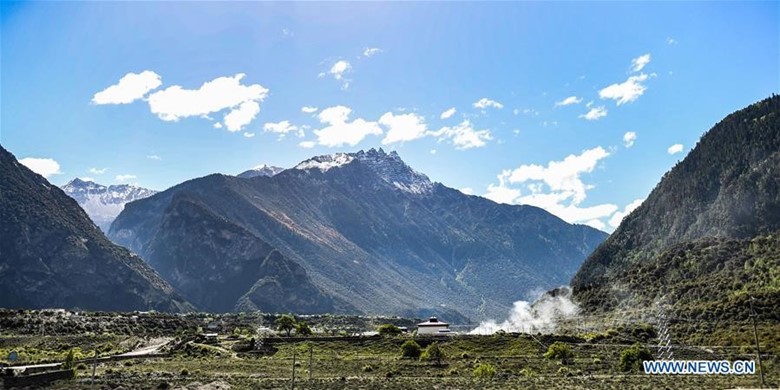
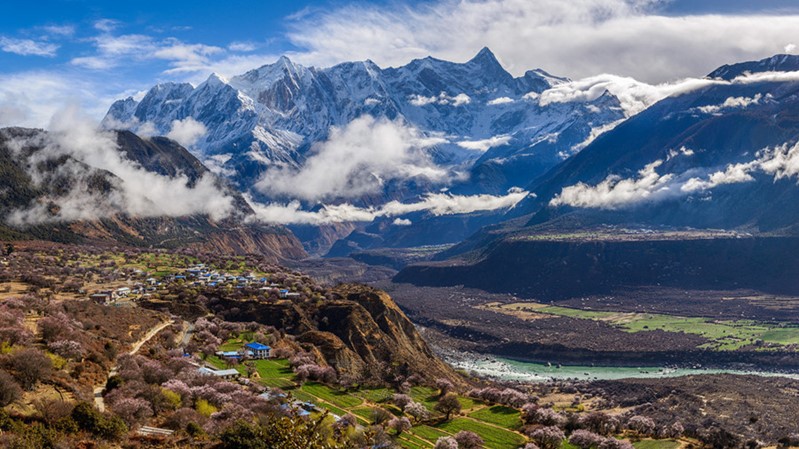
Prayers for the dawn of freedom at The Grand Seat of the Sun, Nyingchi, Tibet.

The Living Tibetan Spirits promote ‘Tibet Awareness’ of the global community by speaking to the Mountains of Tibet. When asked, the Mountains of Tibet reveal that Tibet is ‘Not Part of China’.

Rudranarasimham Rebbapragada

SPECIAL FRONTIER FORCE

Tibet Awareness. Ask the Mountains of Tibet. Not Part of China.

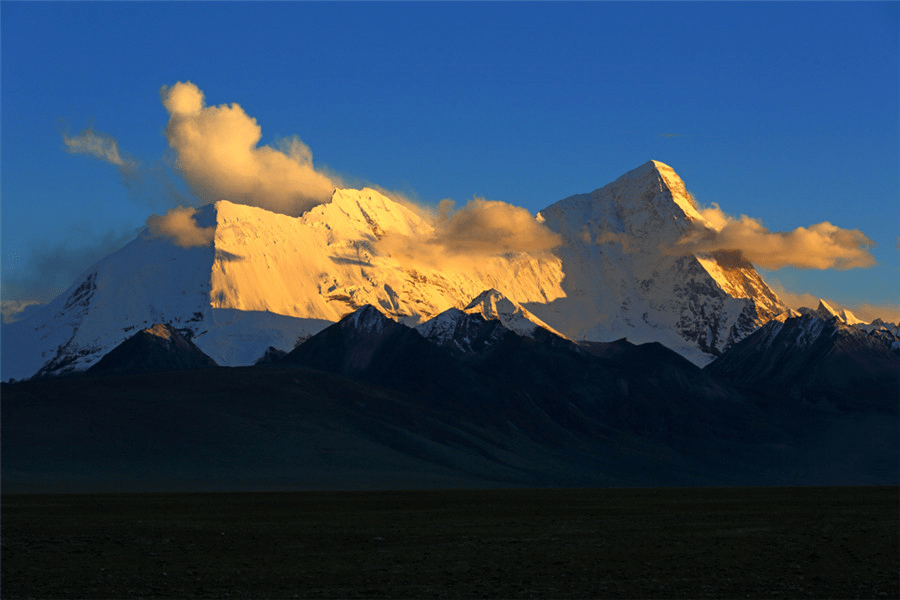
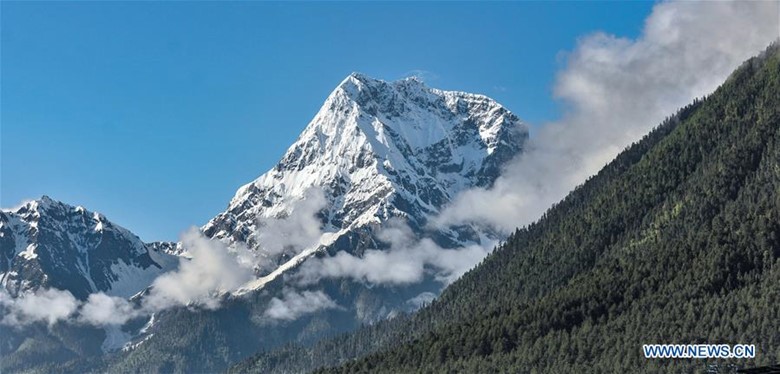
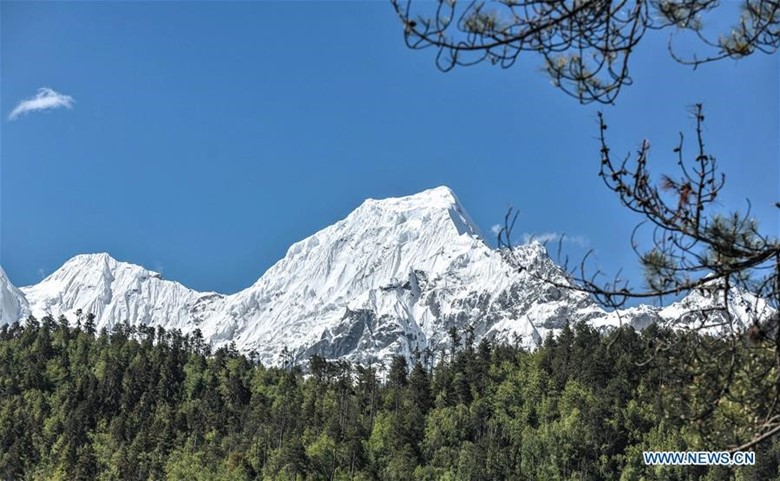
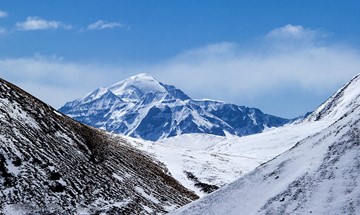
Photo taken on June 1, 2019 shows the snow mountain in Bomi County, Nyingchi of southeast Tibet. Bomi County is known for its snow mountain and glaciers. (Xinhua/Jigme Dorje)

Tibet Awareness. Ask the Mountains of Tibet. Not Part of China.

Photo taken on June 1, 2019 shows the snow mountain in Bomi County, Nyingchi of southeast Tibet. Bomi County is known for its snow mountain and glaciers. (Xinhua/Jigme Dorje)

Tibet Awareness. Ask the Mountains of Tibet. Not Part of China.

Photo taken on June 1, 2019 shows the snow mountain in Bomi County, Nyingchi of southeast Tibet. Bomi County is known for its snow mountain and glaciers. (Xinhua/Jigme Dorje)

Tibet Awareness. Ask the Mountains of Tibet. Not Part of China.

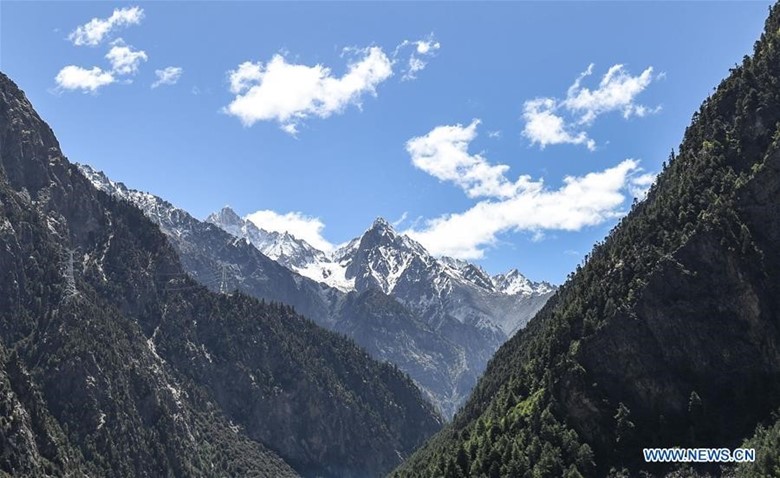
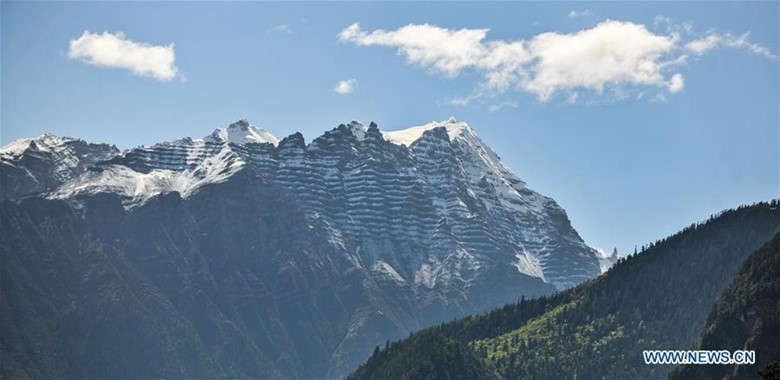
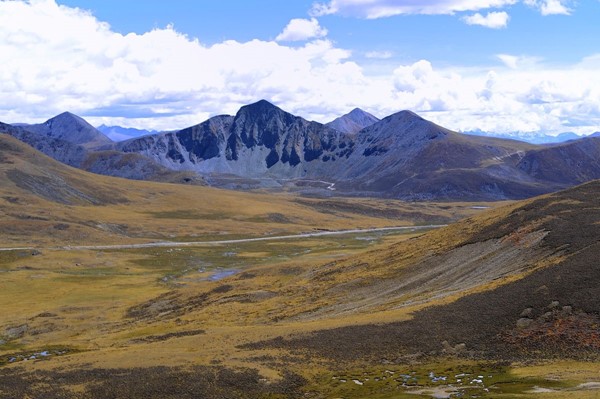
Photo taken on June 1, 2019 shows the Kuijia Mountain in Bomi County, Nyingchi of southeast Tibet. Bomi County is known for its snow mountain and glaciers. (Xinhua/Jigme Dorje)

Tibet Awareness. Ask the Mountains of Tibet. Not Part of China.

Photo taken on June 1, 2019 shows the Kuijia Mountain in Bomi County, Nyingchi of southeast Tibet. Bomi County is known for its snow mountain and glaciers. (Xinhua/Jigme Dorje)

Tibet Awareness. Ask the Mountains of Tibet. Not Part of China.

Photo taken on June 1, 2019 shows the snow mountain in Bomi County, Nyingchi of southeast Tibet. Bomi County is known for its snow mountain and glaciers. (Xinhua/Jigme Dorje)

Tibet Awareness. Ask the Mountains of Tibet. Not Part of China.


ROAD BUILDING IN TIBET: THE TENTACLES OF NEOCOLONIALISM

ROAD BUILDING IN TIBET: THE TENTACLES OF NEOCOLONIALISM

Road Building in Tibet: The Tentacles of Neocolonialism grasping Tibetans.

In my analysis, the road building projects in Tibet represent the tentacles of Neocolonialism spreading a sense of deep fear, hopelessness, and frustration grasping Tibetans under perpetual oppression, suppression, and repression imposed by China’s military conquest of Tibet in 1950.

Rudranarasimham Rebbapragada

SPECIAL FRONTIER FORCE

World’s highest super-long tunnel opens in Tibet

Clipped from: https://www.asiaone.com/china/worlds-highest-super-long-tunnel-opens-tibet

Road Building in Tibet: The Tentacles of Neocolonialism grasping the Mila Mountain.

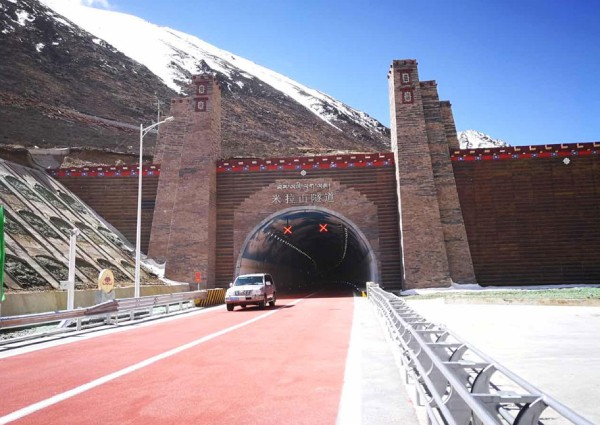
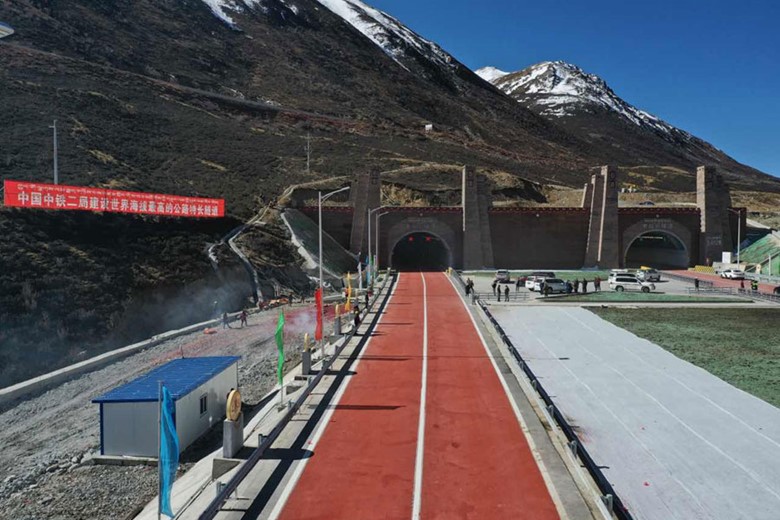
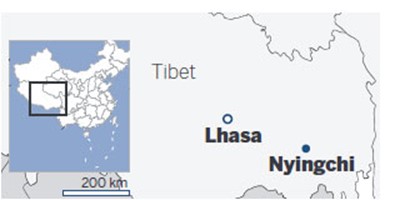
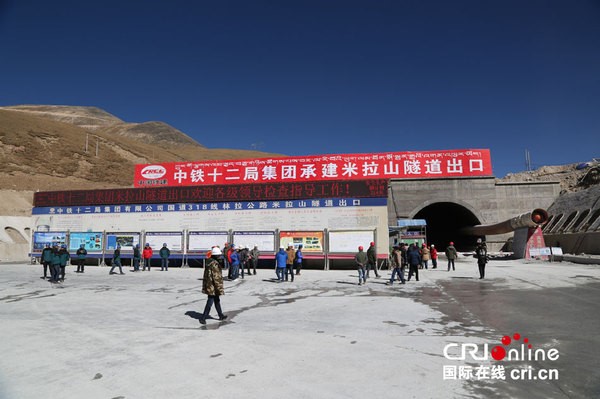
The Mila Mount Tunnel on the Lhasa-Nyingchi Highway in China’s Tibet autonomous region began operations on Friday, symbolizing the full operation of another vital traffic line in the region.

The tunnel is located at the junction of Lhasa and Nyingchi at an average altitude of 4,750 meters above sea level, according to the China Railway Erju Construction Co., Ltd, which constructed the project.

As a key section of the Lhasa-Nyingchi Highway on the National Highway 318, the left lane of the tunnel is 5,727 meters and the right lane is 5,720 meters long respectively, according to the company.

Construction of the Mila Mount tunnel started in April 2015, and it has become the world’s highest super-long tunnel, the company said.

Road Building in Tibet: The Tentacles of Neocolonialism grasping the Mila Mountain.

The Mila Mount Tunnel on the Lhasa-Nyingchi Highway of China’s Tibet autonomous region began operations on Friday (April 26).Photo: China Daily/Asia News Network

Linking the regional capital city Lhasa with the region’s eastern tourism city of Nyingchi, the 409-kilometre highway has reduced travel time from the previous eight hours to the current four.

Road Building in Tibet: The Tentacles of Neocolonialism grasping the Mila Mountain.
Road Building in Tibet. The Tentacles of Neocolonialism grasping the Mila Mountain.