Chakrata Karma – Exploring the Doctrine of Predestination on September 22
Yes Indeed, Life is Complicated. Willingly no one chooses the Yoke of Slavery. The complexity of Life is about the choices we make. Sometimes, the pursuit of Freedom can come with the trappings of Slavery. On September 22, I explore the doctrine of Predestination.
Chakrata Karma – Exploring the Doctrine of Predestination on September 22. My Living Experience of Pain, Humiliation, and Loss of Face is Predestined. On September 22, I explore the role of my Birth Star Moola, Sagittarius Constellation in the operation of the mechanisms of Predestination.Chakrata Karma – Exploring the Doctrine of Predestination on September 22. My Living Experience of Pain, Humiliation, and Loss of Face is Predestined. On September 22, I explore the role of my Birth Star Moola, Sagittarius Constellation in the operation of the mechanisms of Predestination.Chakrata Karma – Exploring the Doctrine of Predestination on September 22. My Living Experience of Pain, Humiliation, and Loss of Face is Predestined. On September 22, I explore the role of my Birth Star Moola, Sagittarius Constellation in the operation of the mechanisms of Predestination.Chakrata Karma – Exploring the Doctrine of Predestination on September 22. My Living Experience of Pain, Humiliation, and Loss of Face is Predestined. On September 22, I explore the role of my Birth Star Moola, Sagittarius Constellation in the operation of the mechanisms of Predestination.Chakrata Karma – Exploring the Doctrine of Predestination on September 22. My Living Experience of Pain, Humiliation, and Loss of Face is Predestined. On September 22, I explore the role of my Birth Star Moola, Sagittarius Constellation in the operation of the mechanisms of Predestination.Chakrata Karma – Exploring the Doctrine of Predestination on September 22. September 22–This Day in History–The Journey of Simon Cyrene from Freedom to the Yoke of Slavery
Simon Cyrene was predestined to bear the burden of the Cross and follow Jesus Christ on His final journey at the conclusion of His earthly mission to deliver Peace and Freedom to the mankind.
Chakrata Karma – Exploring the Doctrine of Predestination on September 22. September 22–This Day in History–The Journey of Simon Cyrene from Freedom to the Yoke of Slavery. Chakrata Karma – Exploring the Doctrine of Predestination on September 22. September 22–This Day in History–The Journey of Simon Cyrene from Freedom to the Yoke of Slavery. BEHOLD THE MAN. “TAKE MY YOKE UPON YOU….FOR MY YOKE IS EASY AND MY BURDEN IS LIGHT.” BOOK OF MATTHEW 11:28-30.Chakrata Karma – Exploring the Doctrine of Predestination on September 22. September 22–This Day in History–The Journey of Simon Cyrene from Freedom to the Yoke of Slavery . My Dream for Freedom transforms into an ordeal of Slavery. My Journey to Chakrata and Beyond.
On September 22, 1971, I was Taken on Strength (TOS) of Establishment No. 22, Vikas Regiment, Special Frontier Force, a military organization created in response to ‘The Cold War in Asia.’
On Monday, September 22, 2025, I live in Ann Arbor, Michigan to welcome the first day of Fall Season. Today, I claim that my Dream for Freedom in Occupied Tibet got transformed into an ordeal of Slavery in a nation which abolished Slavery with a presidential proclamation on September 22.
On September 22, 1971, I had the freedom to reject my posting to Establishment 22. I was given the choice to choose or decline rendering military service in support of Freedom in Occupied Tibet.
The choice to serve in Establishment 22 comes with risks for its military mission differs from the military mission of the Indian Army which I joined to defend India from attacks by foreign aggressors.
Chakrata Karma – Exploring the Doctrine of Predestination on September 22
It may appear that I am making my own choices in accepting calculated risks to my life. On September 22, 2025, I am still struggling to reconcile with the choices I made in the past. Now, I must reconcile with the reality of my Slavery while living in a country which sponsored my quest for Freedom in Occupied Tibet.
Chakrata Karma – Exploring the Doctrine of Predestination on September 22
On September 22, 2025, I have no hope that I may arrive at the final destination of my life at the conclusion of my earthly existence. Chakrata in Uttarakhand, India represents the struggle ahead, a struggle waiting for me before I can arrive at the final destination of my life. Jesus Christ cannot set me free for the Yoke of Slavery is predestined.
Chakrata Karma – Exploring the Doctrine of Predestination on September 22. September 22–This Day in History–The Journey of Simon Cyrene from Freedom to the Yoke of Slavery. Chakrata Karma – Exploring the Doctrine of Predestination on September 22. September 22–This Day in History–The Journey of Simon Cyrene from Freedom to the Yoke of Slavery. My Quest for Freedom Traps me in Slavery. My Journey to Chakrata and Beyond.
September 22. This Day in History. What Happened on this Day?
Chakrata Karma – Exploring the Doctrine of Predestination on September 22. The Emancipation Proclamation of President Abraham Lincoln has failed to abolish the practice of Slavery, Involuntary Servitude, and Forced Labor. In 1996, these practices of Slavery got resurrected and are introduced into the Union territory by the secular laws enacted by the US Congress which violate the Principle of Equal Protection under Law.
On this day in 1862, President Abraham Lincoln issues a preliminary Emancipation Proclamation, which sets a date for the freedom of more than 3 million black slaves in the United States and recasts the Civil War as a fight against slavery.
When the Civil War broke out in 1861, shortly after Lincoln’s inauguration as America’s 16th president, he maintained that the war was about restoring the Union and not about slavery. He avoided issuing an anti-slavery proclamation immediately, despite the urgings of abolitionists and radical Republicans, as well as his personal belief that slavery was morally repugnant. Instead, Lincoln chose to move cautiously until he could gain wide support from the public for such a measure.
Chakrata Karma – Exploring the Doctrine of Predestination on September 22: Emancipation Proclamation by President Abraham Lincoln during September 1862. United States has officially abolished the practice of slavery. In 1996, the US institutionalized the practice of Servitude and the Union has transformed from a ‘Free State’ into a ‘Slave State.‘
In July 1862, Lincoln informed his cabinet that he would issue an emancipation proclamation but that it would exempt the so-called border states, which had slaveholders but remained loyal to the Union. His cabinet persuaded him not to make the announcement until after a Union victory. Lincoln’s opportunity came following the Union win at the Battle of Antietam in September 1862. On September 22, the president announced that slaves in areas still in rebellion within 100 days would be free.
On January 1, 1863, Lincoln issued the final Emancipation Proclamation, which declared “that all persons held as slaves” within the rebel states “are, and henceforward shall be free.” The proclamation also called for the recruitment and establishment of black military units among the Union forces. An estimated 180,000 African-Americans went on to serve in the army, while another 18,000 served in the navy.
After the Emancipation Proclamation, backing the Confederacy was seen as favoring slavery. It became impossible for anti-slavery nations such as Great Britain and France, who had been friendly to the Confederacy, to get involved on behalf of the South. The proclamation also unified and strengthened Lincoln’s party, the Republicans, helping them stay in power for the next two decades.
The proclamation was a presidential order and not a law passed by Congress, so Lincoln then pushed for an antislavery amendment to the U.S. Constitution to ensure its permanence. With the passage of the 13th Amendment in 1865, slavery was eliminated throughout America (although blacks would face another century of struggle before they truly began to gain equal rights).
Lincoln’s handwritten draft of the final Emancipation Proclamation was destroyed in the Chicago Fire of 1871. Today, the original official version of the document is housed in the National Archives in Washington, D.C.
MONDAY, SEPTEMBER 22, 2025. MY PASSION FOR FREEDOM IN OCCUPIED TIBET WHICH BEGAN AT CHAKRATA DOES NOT RECONCILE WITH MY SLAVERY OF TODAY. THE SCENIC BEAUTY OF CHAKRATA PLAYED NO ROLE IN THE CHOICE I MADE ON SEPTEMBER 22, 1971.
Chakrata Karma – Exploring the Doctrine of Predestination on September 22
Chakrata is not the final destination of my life. It is just the beginning of a struggle that remains ahead, both in terms of time and location.
Chakrata Karma – Exploring the Doctrine of Predestination on September 22. September 22–This Day in History–The Journey of Simon Cyrene from Freedom to the Yoke of Slavery. My Quest for Freedom Traps me in Slavery. My Journey to Chakrata and Beyond.Chakrata Karma – Exploring the Doctrine of Predestination on September 22. September 22–This Day in History–The Journey of Simon Cyrene from Freedom to the Yoke of Slavery. My Quest for Freedom Traps me in Slavery. My Journey to Chakrata and Beyond.Chakrata Karma – Exploring the Doctrine of Predestination on September 22. September 22–This Day in History–The Journey of Simon Cyrene from Freedom to the Yoke of Slavery. My Quest for Freedom Traps me in Slavery. My Journey to Chakrata and Beyond.Chakrata Karma – Exploring the Doctrine of Predestination on September 22. September 22–This Day in History–The Journey of Simon Cyrene from Freedom to the Yoke of Slavery. My Quest for Freedom Traps me in Slavery. My Journey to Chakrata and Beyond.Chakrata Karma – Exploring the Doctrine of Predestination on September 22. September 22–This Day in History–The Journey of Simon Cyrene from Freedom to the Yoke of Slavery. My Quest for Freedom Traps me in Slavery. My Journey to Chakrata and Beyond.Chakrata Karma – Exploring the Doctrine of Predestination on September 22. September 22–This Day in History–The Journey of Simon Cyrene from Freedom to the Yoke of Slavery. My Quest for Freedom Traps me in Slavery. My Journey to Chakrata and Beyond.Chakrata Karma – Exploring the Doctrine of Predestination on September 22. September 22–This Day in History–The Journey of Simon Cyrene from Freedom to the Yoke of Slavery. My Quest for Freedom Traps me in Slavery. My Journey to Chakrata and Beyond.Chakrata Karma – Exploring the Doctrine of Predestination on September 22. September 22–This Day in History–The Journey of Simon Cyrene from Freedom to the Yoke of Slavery. My Quest for Freedom Traps me in Slavery. My Journey to Chakrata and Beyond.Chakrata Karma – Exploring the Doctrine of Predestination on September 22. September 22–This Day in History–The Journey of Simon Cyrene from Freedom to the Yoke of Slavery. My Quest for Freedom Traps me in Slavery. My Journey to Chakrata and Beyond.Chakrata Karma – Exploring the Doctrine of Predestination on September 22. September 22–This Day in History–The Journey of Simon Cyrene from Freedom to the Yoke of Slavery. My Quest for Freedom Traps me in Slavery. My Journey to Chakrata and Beyond.Chakrata Karma – Exploring the Doctrine of Predestination on September 22. September 22–This Day in History–The Journey of Simon Cyrene from Freedom to the Yoke of Slavery. My Quest for Freedom Traps me in Slavery. My Journey to Chakrata and Beyond.Chakrata Karma – Exploring the Doctrine of Predestination on September 22. September 22–This Day in History–The Journey of Simon Cyrene from Freedom to the Yoke of Slavery. My Quest for Freedom Traps me in Slavery. My Journey to Chakrata and Beyond.Chakrata Karma – Exploring the Doctrine of Predestination on September 22. September 22–This Day in History–The Journey of Simon Cyrene from Freedom to the Yoke of Slavery. My Quest for Freedom Traps me in Slavery. My Journey to Chakrata and Beyond.Chakrata Karma – Exploring the Doctrine of Predestination on September 22. September 22–This Day in History–The Journey of Simon Cyrene from Freedom to the Yoke of Slavery. My Quest for Freedom Traps me in Slavery. My Journey to Chakrata and Beyond.Chakrata Karma – Exploring the Doctrine of Predestination on September 22. September 22–This Day in History–The Journey of Simon Cyrene from Freedom to the Yoke of Slavery. My Quest for Freedom Traps me in Slavery. My Journey to Chakrata and Beyond.Chakrata Karma – Exploring the Doctrine of Predestination on September 22. September 22–This Day in History–The Journey of Simon Cyrene from Freedom to the Yoke of Slavery. My Quest for Freedom Traps me in Slavery. My Journey to Chakrata and Beyond.Chakrata Karma – Exploring the Doctrine of Predestination on September 22. September 22–This Day in History–The Journey of Simon Cyrene from Freedom to the Yoke of Slavery. My Quest for Freedom Traps me in Slavery. My Journey to Chakrata and Beyond.Chakrata Karma – Exploring the Doctrine of Predestination on September 22. September 22–This Day in History–The Journey of Simon Cyrene from Freedom to the Yoke of Slavery. My Quest for Freedom Traps me in Slavery. My Journey to Chakrata and Beyond.Chakrata Karma – Exploring the Doctrine of Predestination on September 22. September 22–This Day in History–The Journey of Simon Cyrene from Freedom to the Yoke of Slavery. My Quest for Freedom Traps me in Slavery. My Journey to Chakrata and Beyond.Chakrata Karma – Exploring the Doctrine of Predestination on September 22. September 22–This Day in History–The Journey of Simon Cyrene from Freedom to the Yoke of Slavery. My Quest for Freedom Traps me in Slavery. My Journey to Chakrata and Beyond.Chakrata Karma – Exploring the Doctrine of Predestination on September 22. September 22–This Day in History–The Journey of Simon Cyrene from Freedom to the Yoke of Slavery. My Quest for Freedom Traps me in Slavery. My Journey to Chakrata and Beyond.Chakrata Karma – Exploring the Doctrine of Predestination on September 22. September 22–This Day in History–The Journey of Simon Cyrene from Freedom to the Yoke of Slavery. My Quest for Freedom Traps me in Slavery. My Journey to Chakrata and Beyond.Chakrata Karma – Exploring the Doctrine of Predestination on September 22. September 22–This Day in History–The Journey of Simon Cyrene from Freedom to the Yoke of Slavery. My Quest for Freedom Traps me in Slavery. My Journey to Chakrata and Beyond.Chakrata Karma – Exploring the Doctrine of Predestination on September 22. September 22–This Day in History–The Journey of Simon Cyrene from Freedom to the Yoke of Slavery. My Quest for Freedom Traps me in Slavery. My Journey to Chakrata and Beyond.Chakrata Karma – Exploring the Doctrine of Predestination on September 22. September 22–This Day in History–The Journey of Simon Cyrene from Freedom to the Yoke of Slavery. My Quest for Freedom Traps me in Slavery. My Journey to Chakrata and Beyond.Chakrata Karma – Exploring the Doctrine of Predestination on September 22. September 22–This Day in History–The Journey of Simon Cyrene from Freedom to the Yoke of Slavery. My Quest for Freedom Traps me in Slavery. My Journey to Chakrata and Beyond.Chakrata Karma – Exploring the Doctrine of Predestination on September 22. September 22–This Day in History–The Journey of Simon Cyrene from Freedom to the Yoke of Slavery. My Quest for Freedom Traps me in Slavery. My Journey to Chakrata and Beyond.Chakrata Karma – Exploring the Doctrine of Predestination on September 22. September 22–This Day in History–The Journey of Simon Cyrene from Freedom to the Yoke of Slavery. My Quest for Freedom Traps me in Slavery. My Journey to Chakrata and Beyond.Chakrata Karma – Exploring the Doctrine of Predestination on September 22. September 22–This Day in History–The Journey of Simon Cyrene from Freedom to the Yoke of Slavery. My Quest for Freedom Traps me in Slavery. My Journey to Chakrata and Beyond.Chakrata Karma – Exploring the Doctrine of Predestination on September 22. September 22–This Day in History–The Journey of Simon Cyrene from Freedom to the Yoke of Slavery. My Quest for Freedom Traps me in Slavery. My Journey to Chakrata and Beyond.Chakrata Karma – Exploring the Doctrine of Predestination on September 22. September 22–This Day in History–The Journey of Simon Cyrene from Freedom to the Yoke of Slavery. My Quest for Freedom Traps me in Slavery. My Journey to Chakrata and Beyond.Chakrata Karma – Exploring the Doctrine of Predestination on September 22. September 22–This Day in History–The Journey of Simon Cyrene from Freedom to the Yoke of Slavery. My Quest for Freedom Traps me in Slavery. My Journey to Chakrata and Beyond.Chakrata Karma – Exploring the Doctrine of Predestination on September 22. September 22–This Day in History–The Journey of Simon Cyrene from Freedom to the Yoke of Slavery. My Quest for Freedom Traps me in Slavery. My Journey to Chakrata and Beyond.
Karma in Action – Beijing Will Taste The Fruits of Her Own Actions
As per my Theory of Karma, the Biblical prophecy of Isaiah will come true. In my analysis, Beijing’s Doom is inevitable. Beijing cannot ward off the ruin, the disaster, the calamity, the catastrophe that shall come upon her as she reaps the fruits of her own evil actions.
As per my Theory of Karma, the Biblical prophecy of Isaiah will come true. In my analysis, Beijing’s Doom is inevitable. Beijing cannot ward off the ruin, the disaster, the calamity, the catastrophe that shall come upon her as she reaps the fruits of her own evil actions.
As per my Theory of Karma, the Biblical prophecy of Isaiah will come true. In my analysis, Beijing’s Doom is inevitable. Beijing cannot ward off the ruin, the disaster, the calamity, the catastrophe that shall come upon her as she reaps the fruits of her own evil actions.
Rudra Narasimham Rebbapragada
Doom Dooma Doomsayer
As per my Theory of Karma, the Biblical prophecy of Isaiah will come true. In my analysis, Beijing’s Doom is inevitable. Beijing cannot ward off the ruin, the disaster, the calamity, the catastrophe that shall come upon her as she reaps the fruits of her own evil actions.
The Sydney Morning Herald
Tibet gets a warmer reception as the world wakes to Beijing’s methods
By Peter Hartcher
11 December 2018 — 12:05am
The leader of Tibet’s government-in-exile has been telling his story about Bob Carr around the world for years and always gets a laugh. Last week he recounted it during a visit to Parliament House in Canberra.
Ever since the Dalai Lama split his job into two some years ago, remaining spiritual leader of the Tibetans in exile and handing over the political leadership to be elected from among the free Tibetans, Lobsang Sangay has been their President.
As per my Theory of Karma, the Biblical prophecy of Isaiah will come true. In my analysis, Beijing’s Doom is inevitable. Beijing cannot ward off the ruin, the disaster, the calamity, the catastrophe that shall come upon her as she reaps the fruits of her own evil actions.
Lobsang Sangay, President of the Tibetan government-in-exile, right, smiles as he listens to the Dalai Lama in Dharamsala, India. Credit: AP
In 2013 Sangay visited Canberra and a reporter asked him whether Carr, Australia’s then foreign affairs minister, would be meeting him. It’s always a delicate matter.
A government that meets the Dalai Lama or Sangay risks the wrath of the Chinese Communist Party, which has claimed to be the sole representative of the Tibetan people ever since its army invaded Tibet in 1950.
“I said I’d love to, but I haven’t asked for a meeting”, not wanting to put Carr in a difficult position, he recalled last week. “I’m sure that, given the choice, Bob Carr would like to meet because that’s the Buddhist culture – we like to believe people are good.”
Later in his visit, the Tibetan leader was riding the lift from Parliament’s subterranean carpark into the building when the lift stopped. “The doors open and Bob Carr walks in,” the Harvard-educated legal scholar tells me. The Labor backbencher Michael Danby, Sangay’s escort for the visit, introduced the two men in the lift: “I had to decide at that moment whether to extend my hand or not. The Tibetan way is to not cause inconvenience, so I nodded and smiled. He kind of nodded – a little bit – then walked past.
“I like to say that we didn’t have a formal meeting but we had a karmic meeting. No matter how powerful the Chinese government may be, it can’t prevent the foreign minister of Australia from meeting me.”
As per my Theory of Karma, the Biblical prophecy of Isaiah will come true. In my analysis, Beijing’s Doom is inevitable. Beijing cannot ward off the ruin, the disaster, the calamity, the catastrophe that shall come upon her as she reaps the fruits of her own evil actions.
Illustration: Dionne Gain Credit:
Perhaps, but the Chinese Communist Party has certainly managed to hold things up successfully. Paul Keating as prime minister met the Dalai Lama in 1992. John Howard as prime minister met him in 1996 and 2007.
The last time that any Australian prime minister or government minister met either leader of the Tibetan government-in-exile was when Peter Garrett, then School’s education minister in the Gillard government, met the Dalai Lama in private in his hotel room in 2011. Karmic meetings with Carr aside.
Carr is now a cheerleader for the Beijing government as head of the Australia-China Relations Institute.
As per my Theory of Karma, the Biblical prophecy of Isaiah will come true. In my analysis, Beijing’s Doom is inevitable. Beijing cannot ward off the ruin, the disaster, the calamity, the catastrophe that shall come upon her as she reaps the fruits of her own evil actions.
Illustration: Andrew Dyson Credit:
So, for seven years Australian governments, Labor and Liberal, comprehensively shunned the Tibetans, an indicator of the rising power of the Chinese government to intimidate Australia.
Until last week. A minister in the Morrison government, Ken Wyatt, Minister for Aged Care and Minister for Indigenous Health, met Sangay in Parliament House. Not in a lift or in secret or hidden away in a hotel room but during a public ceremony in the main committee room.
“Minister Wyatt is not just principled and brave” for meeting the President of the free Tibetans, “but also a genuinely nice human being”, Sangay tells me after the meeting. “Normally people will meet you when they’re not in government and then when they are in government they say, ‘Understand that I’m in a difficult position’.”
Partly this was a personal commitment from Wyatt to the Tibetan cause. Wyatt, the first Indigenous minister in an Australian federal government, spoke at the ceremony last week of the “parallels between indigenous Australians and the Tibetans”.
But it’s also a marker of Australian relations with the Tibetans in exile and a marker in Australian relations with Beijing. Kyinzom Dhongdue is a member of the Tibetan parliament in exile, representing Tibetans in Australasia and East Asia, and she observes: “Even in the last year or so there’s a more balanced view of China not just as a trading partner but China is being seen as a threat, so Tibetan worries and experience are feeling more relevant. This year I’ve found it easier to get meetings – people are more interested in what we have to say.”
And it wasn’t just Wyatt at the ceremony with Sangay in Parliament House. There were 23 MPs and senators in total including Labor’s Michael Danby and Lisa Singh, Liberals Warren Entsch, Kevin Andrews, Concetta Fierravanti-Wells and Jason Falinski, Greens leader Richard Di Natale, Nationals MP George Christensen, Centre Alliance senator Rex Patrick plus Derryn Hinch, as well as former Labor foreign affairs minister Gareth Evans, now chancellor of ANU.
And how is the Tibetan experience more relevant today? The emerging stories of the shocking mass repression of another of China’s ethnic and religious minorities, the Uighur people of China’s Xinjiang Province, “means that it’s more than about one example”, says Sangay.
As per my Theory of Karma, the Biblical prophecy of Isaiah will come true. In my analysis, Beijing’s Doom is inevitable. Beijing cannot ward off the ruin, the disaster, the calamity, the catastrophe that shall come upon her as she reaps the fruits of her own evil actions.
Uighur residents in Australia holding up photos of relatives who are missing, in internment camps or have passed away. Credit: Alex Ellinghausen
“Now we have a million people in detention in Xinjiang” in what Beijing calls re-education camps. Uighur leader Rebiya Kadeer calls them “concentration camps” where Uighurs, including young children, are imprisoned without due process and held indefinitely.
And then there’s Beijing’s enormous One Belt, One Road international infrastructure program. “We lost our country because of one road,” says Sangay. “First the road came, then the trucks came, then the guns came, then the tanks came. It’s the exact blueprint” for domination now on offer to scores of countries under Belt and Road, he says.
Finally, there’s the experience of what Sangay calls “elite co-option”. “We have seen this for 60 years and now you see it around the world in one country after another”, and he has a litany of examples. Money, contracts, government access, favors are on offer in return for loyalty to Beijing and its agents.
If Tibet’s long-suffering under Chinese Communist Party repression is more relevant to the wider world, the wider world is also waking up to Beijing’s wide-ranging influence programs. The West’s gathering determination to exclude China’s telecoms gear manufacturer Huawei is an example. And Australia’s laws against foreign interference are another.
Those laws took effect on Monday. Anyone in Australia acting as an agent of a foreign power must register with the federal government. If suspected foreign agents fail to register, they can be issued a notice to show cause why they shouldn’t be considered to be working on behalf of a foreign power.
Do more karmic encounters lie ahead?
As per my Theory of Karma, the Biblical prophecy of Isaiah will come true. In my analysis, Beijing’s Doom is inevitable. Beijing cannot ward off the ruin, the disaster, the calamity, the catastrophe that shall come upon her as she reaps the fruits of her own evil actions.
Peter Hartcher is the political editor and international editor of The Sydney Morning Herald. He is a Gold Walkley award winner, a former foreign correspondent in Tokyo and Washington, and a visiting fellow at the Lowy Institute for International Policy.
As per my Theory of Karma, the Biblical prophecy of Isaiah will come true. In my analysis, Beijing’s Doom is inevitable. Beijing cannot ward off the ruin, the disaster, the calamity, the catastrophe that shall come upon her as she reaps the fruits of her own evil actions.
Thank You India Campaign of 2018 – Living Tibetan Spirits
Whole Campaign – Dalai Lama’s Thank You India Campaign
I identify myself as host of ‘The Living Tibetan Spirits’. His Holiness the Dalai Lama arrived in India sixty-six-years ago. I count the days of my life-in-exile since January 10, 1984. I live as a Refugee in the United States without knowing my Refuge. Many Tibetan refugees may understand my claims about life-in-exile for it is not a personal choice. It’s a choice imposed upon us.
Whole Campaign – Dalai Lama’s Thank You India Campaign
Rudra Narasimham Rebbapragada
Special Frontier Force-Establishment 22-Vikas Regiment
Whole Campaign – Dalai Lama’s Thank You India CampaignWhole Campaign – Dalai Lama’s Thank You India CampaignWhole Campaign – Dalai Lama’s Thank You India CampaignWhole Campaign – Dalai Lama’s Thank You India Campaign
As Dalai Lama Event is Shifted From Delhi, Modi’s Line on Tibet Remains a Puzzle – The Wire
Whole Campaign – Dalai Lama’s Thank You India Campaign
The MEA says India’s position on the Dalai Lama is the same but the fact that a circular was issued advising officials to keep their distance suggests a change had occurred which is now being corrected.
Whole Campaign – Dalai Lama’s Thank You India Campaign
The Dalai Lama waves as he leaves after speaking on “Embracing the Beauty of Diversity in our World” to thousands at the UC San Diego campus in San Diego, California, US, June 16, 2017. Credit: Reuters/ Mike Blake/Files
New Delhi: Days after newspaper reports of a top official directing all government functionaries to avoid events commemorating 60 years of the Dalai Lama’s exile in India, the Tibetan ‘government in exile’ has decided to shift major programmes slotted for Delhi on March 31 April 1 to Dharamsala in Himachal Pradesh.
While officials from the Central Tibet Administration (CTA) – the NGO that the exiles run – denied receiving any instructions from the Indian government, China-watchers in Delhi say they are puzzled by the underlying message the Modi government is sending with its new circular, given how it had earlier projected a willingness to play the ‘Tibet card’.
The Indian Express reported on March 4 that Cabinet Secretary P.K. Sinha had issued a classified circular “discouraging” government functionaries – political and bureaucratic – from attending events organised by the Tibetan government-in-exile to mark the key anniversary over the next few months.
The circular was apparently issued to central ministries and state governments on the urging of the new foreign secretary, Vijay Gokhale. The letter from Gokhale to Sinha was dated February 22, as per the newspaper. A day later, Gokhale travelled to Beijing on his first visit to China as foreign secretary.
The Ministry of External Affairs responded to reporters queries on the Indian Express report by stating that India has not changed its position on the Dalai Lama. Describing him as a “revered religious leader” who is “deeply respected” by Indians, the MEA added that the Dalai Lama is “accorded all freedom to carry out his religious activities in India”.
Speaking to The Wire, Dhardon Sharling, information secretary, CTA, did not want to comment on the circular “since this was not officially communicated to us”.
She added that there had been a change in plans for the main ‘Thank you India’ event. “It is true that the ‘thank you India’ public event is rescheduled and will take place on March 31 – the 60th year since his Holiness stepped on the Indian soil and the venue is shifted from Delhi to Dharamshala,” Sharling said.
While the March 31 inter-faith meeting of Raj Ghat had been cancelled, the main event was to be held in Delhi on April 1, which has now been shifted a day earlier to Dharamshala.
Sharling said that the events were planned throughout the year “to publicly express our gratitude to the government and people of India”.
“India has been our second home for six decades,” she added.
When asked about the cause behind the change in plans, she said, “I cannot cite the key reason behind but we are following directives from our leadership to hold the event in Dharamshala instead”.
The CTA Sangay is in Delhi on an “official visit” this week, during which he will meet with “officials and dignitaries”.
According to some sources, similar circulars have been sent out in previous years as periodic reminders to government officials to keep their distance.
However, according to another former Indian diplomat, it was a “little surprising” that a formal circular was issued. “Government does at times discourage people from attending a meeting, but this was a pre-emptive move…and done on a formal circular,” he said.
Former director of the Institute of Chinese studies Alka Acharya also wondered if these notes were a normal routine. “It would not be surprising if such notes were sent around by the MEA from time to time in the past as well, possibly on the eve of state visits or when some very high-profile functions were organised,” she said.
The Cabinet Secretary’s circular gave the reasoning that the Dalai Lama’s upcoming commemorative events would be held at a “very sensitive time in the context of India’s relations with China”.
Prime Minister Narendra Modi is scheduled to attend the SCO summit in June. The Times of India reported that there are important bilateral meets planned ahead of that high-level visit by Modi.
India-based French expert on Sino-India ties and Tibet, Claude Arpi, described himself as “sad” at the issuing of the circular, adding that “sensitive time means nothing”. “Times have been ‘sensitive’ since the Dalai Lama crossed the border at Khenzimane on March 31, 1959. It will remain ‘sensitive’,” asserted Arpi.
China has frequently raised the issue of presence of Tibetan refugees and activities of Dalai Lama with the Indian government. The default Indian position has always been that India is a “open society” and there are not many restrictions on freedom of expression, including for refugees.
“It is a sensitive issue that has always been managed. The Dalai Lama has been meeting senior government functionaries. A complete restriction on him is something we have never accepted,” said the former Indian diplomat.
In fact, he pointed out that the circular could give the impression to the Chinese that the government has more leverage on the activities of the Tibetan exiles. “It raises expectations,” he said.
Arpi agreed that China will also ‘note’ that India agreed “to their demand and ask more”. “It will not help India in the long run,” he argued, adding, “…if the time was really sensitive, one or two ministers could be told not to meet HHDL (His Holiness Dalai Lama). Why a circular? [This is] uncalled for.”
He asked whether China would have been ‘nicer’ and supported Indian aspirations at the UN Security council if India had capitulated at Doklam. “The answer is No”.
Strategic expert Bharat Karnad had more scathing phrases for the cabinet secretary’s circular – “Sheer cravenness”.
When asked if he thought that it was justified for India to be circumspect at this moment, Karnad said, “Not in the least. If anything, Xi’s assumption of dictatorial powers is the time to stand up to China, not display what in my books I have called “bovine pacifism” where big powerful states are concerned”
The CTA president Lobsang Sangay had announced in January that the 60 years anniversary would be marked by year-long events, with the highlight being a public gathering at New Delhi’s Thyagaraj sports complex on April 1.
Termed the ‘Thank you India’ campaign, Sangay had said at the launch that the April 1 event “will feature public addresses by Indian dignitaries and Tibetan cultural performances and is expected to draw over 5000 people”.
Acharya pointed out that there had seemed to be a “rethinking” in official circles, “and most certainly a hardening of views on the Tibetan issue, within the strategic community”.
She was referring to the earlier playing up of the so-called ‘Tibet card’ by this government, which was to have a more visible relationship with the Tibetan leader and high-profile visits to Arunachal Pradesh. Ministers like Kiren Rijiju and Mahesh Sharma have met with the spiritual leader, though the prime minister has not yet done so.
The Dalai Lama shared the stage with Indian president in 2016 in Rashtrapati Bhawan at an event described as “non-political” after a Chinese protest. When the Dalai Lama visited Arunachal last year on his sixth visit, he was received by the chief minister and other state officials.
India had also allowed the US ambassador Richard Varma to visit Tawang for the first time. China claims the entire Indian state of Arunachal Pradesh and calls it “southern Tibet”.
The Indian government had also asserted that its steadfast response to China during the Doklam crisis was one of the reason for Chinese troops to withdraw from the confrontation site. The Chinese troops may have gone away from the eyeball-to-eyeball situation, but they continue to maintain a presence in the region.
While relations has been tense between India and China over a number of issues, there had been tactical cooperation recently between the two neighbours. Despite initial objections, China allowed Pakistan to be put on the ‘grey list’ of the Financial Action Task Force for not taking steps to stop financial transactions by terror groups like Jaish-e-Mohammed and Lashkar-e-Taiba.
Acharya believed that given that the foreign secretary’s note to the cabinet secretary went out a day before he left for Bejing, “there seems to be a prima facie case for a quid pro quo having occurred”.
However, she does not believe that this amounts to a downgrading in ties with the Central Tibetan Administration (CTA).
“…this is probably not the first time that such notes have been circulated and the government’s note orcCircular by itself does not amount to any dramatic shift or change. In fact, there have been numerous occasions in the past when the government has taken a step backwards or reconsidered its decision with regard to either hosting specific events or cancelled meetings scheduled with the Dalai Lama. Often to our discomfiture,” she said.
The cancellation of the scheduled meeting of the BJP president Amit Shah with Dalai Lama in May 2015 ahead of the prime minister’s visit to China was cited as an example.
She argued that the circular may not be a downgrading, as much as “reverting to the earlier approach of distancing the government from events and activities organised by the Dalai Lama or the CTA”.
Acharya pointed out that that as joint secretary of East Asia division, “the current Foreign Secretary had ensured that there was no government participation in the “50 Years in Exile events” organised in 2009″.
As per sources in the Tibetan government-in-exile, the events around the golden jubilee anniversary had been rather subdued. “There was no media, PR or social media then. There was a different leadership then. Things have changed a lot in ten years”.
Arpi was not convinced. “Perhaps not,” he said on the possibility of downgrading of links between the Indian government and the CTA due to the circular, adding, “JS (XP) said that nothing has changed. It remains unfortunate, but hopefully temporary”.
He added that there was “no doubt that the coming months will be hot, especially when the passes in the central and eastern sectors open”. Arpi was pointing to the possibility of more Chinese ‘incursions’ across the un-demarcated boundary.
However, Karnad noted that if this was the “first step in India’s surrendering the ‘Tibet card’ then more trouble is heading this way”. “Especially because NSA Doval has got nothing from the Chinese special representative on border talks on paper to say this is the exchange. Time and again, Chinese leaders have said something, gotten India to commit, and then backed off – but Delhi has never shown the guts to do the same,” he added.
Whole Campaign – Dalai Lama’s Thank You India CampaignWhole Campaign – Dalai Lama’s Thank You India CampaignWhole Campaign – Dalai Lama’s Thank You India CampaignWhole Campaign – Dalai Lama’s Thank You India CampaignWhole Campaign – Dalai Lama’s Thank You India CampaignWhole Campaign – Dalai Lama’s Thank You India CampaignWhole Campaign – Dalai Lama’s Thank You India CampaignWhole Campaign – Dalai Lama’s Thank You India Campaign
Whole Slavery – Free Will vs Predestination – The Musings of Jonah on the Fourth of July celebration.Whole Slavery – Free Will vs Predestination – The Musings of Jonah on the Fourth of July celebration.Whole Slavery – Free Will vs Predestination – The Musings of Jonah on the Fourth of July celebration.
Fourth of July is observed as the US Independence Day. This celebration calls for a study on the problem of Freedom in World, and the problem of Freedom in the individualistic human experience.
Fourth of July is observed as the US Independence Day. This celebration calls for a study on the problem of Freedom in World, and the problem of Freedom in the individualistic human experience.
In my analysis, freedom is a myth, or an illusion. The man is fundamentally trapped inside the belly of a great fish prepared by God.
Fourth of July is observed as the US Independence Day. This celebration calls for a study on the problem of Freedom in World, and the problem of Freedom in the individualistic human experience.
The biblical prophet Jonah represents the reality of my life’s journey. God has foreknowledge of my thoughts and actions and has prepared the place for my entrapment without giving me any further access to seek the freedom of movement. Just like Jonah, I am surprised to find myself alive in the body of a fish. Just like Jonah, I give thanks to God for keeping me alive. However, I do not share the hope and confidence of Jonah about the ultimate deliverance. Jonah fervently prayed and the fish vomited him onto the dry land after holding him captive for three days and three nights. I do not pray for my freedom as I am not born free. The big fish values its own freedom of movement and declares itself to be the champion of freedom without any concern for the lack of my individualistic freedom and personal liberty. I may share Jonah’s sense of self-pride, self-centered egotism, without proper respect for God or love for my enemies. I want God to account for His own actions while I taste the bitter fruits borne out of my own actions.
Fourth of July is observed as the US Independence Day. This celebration calls for a study on the problem of Freedom in World, and the problem of Freedom in the individualistic human experience.
India is my country of origin. I left India in January 1984 due to a concern about my freedom due to the threats emanating from my service rendered to an external intelligence agency in coordination with India’s external intelligence agency known as Research and Analysis Wing (R&AW); this has driven me to resign my job in the Indian Army Medical Corps. I reached the United States during July 1986 to eventually experience that I have lost all freedom; I gave up freedom associated with my Indian citizenship and found that my existence is not dependent upon freedom but upon Divine Providence and Sovereign Grace. Do I have a choice? Is freedom an entitlement? Is there freedom in Free World? Freedom is it self-determined or is it determined by external causes?
Fourth of July is observed as the US Independence Day. This celebration calls for a study on the problem of Freedom in World, and the problem of Freedom in the individualistic human experience.
The word ‘freedom’ has many meanings – theological, metaphysical, psychological, moral, natural, and civil. Freedom may mean enjoyment of personal liberty, of not being a slave, nor a prisoner, and it speaks about the freedom in acting and choosing. Freedom may imply the state of not being subject to determining forces.
Fourth of July is observed as the US Independence Day. This celebration calls for a study on the problem of Freedom in World, and the problem of Freedom in the individualistic human experience.
I arrived in the United States for I believe in the Motto of this Nation: “In God We Trust.” The New Testament Book, The Epistle of Apostle Paul to Ephesians, Chapter 2:19 speaks of my quest for freedom: “Consequently, you are no longer Foreigners and Aliens, but fellow citizens with God’s people and members of God’s household.”
Fourth of July is observed as the US Independence Day. This celebration calls for a study on the problem of Freedom in World, and the problem of Freedom in the individualistic human experience.
I seek freedom to enter God’s household for I am not a foreigner, or alien. There is a promise in The New Testament Book, The Epistle of Apostle Paul to Romans, Chapter 9:25: As He says in Hosea: “I will call them ‘my people’ who are not my people;”
Fourth of July is observed as the US Independence Day. This celebration calls for a study on the problem of Freedom in World, and the problem of Freedom in the individualistic human experience.
“Free World” is a Cold War era term often used by the US to describe those countries that are not in the sphere of influence of Communist States like the Soviet Union, or the People’s Republic of China. United States is the Leader of the Free World, and it is the world’s Democratic Superpower. In response to Communist China’s military occupation of sovereign nation of Tibet, the United States, to defend its own national interests and to combat the threat of Communist Expansionism, during the presidency of Truman and Eisenhower initiated programs in 1950s to render assistance to the Tibetan Resistance Movement to uphold the principles of Freedom and Democracy in the Land of Tibet. John F. Kennedy, the 35th President of the United States (1961-1963) created a military alliance/pact between the US, India, and Tibet to contain the military threat posed by Communist China.
In September 1969, I made a deliberate choice to serve in the Indian Army Medical Corps to face the military challenge and threat posed by China after her brutal attack on India across the Himalayan frontier in 1962. On completion of my military training, I joined the US, India, Tibet military alliance/pact and was posted to Headquarters Establishment No. 22, a military organization also known to public as Vikas Regiment and Special Frontier Force. I view myself as very passionate defender of Freedom and Democracy. During the years spent in India, in my imagination, I had freedom to choose and act and deliberately expressed this sense of personal freedom when I got married in January 1973. This personal choice had its own consequences. It initiated a process of alienation and estrangement from my birth-related social community. The first blow to my sense of social identity and birth affiliation was delivered in May 1976 while I was at the Armed Forces Medical College, Pune. By year 1982, I fully recognized that I have no freedom to choose, or act without compromising my sense of self-respect, and self-dignity. For all practical purposes, in my estimate, I was transformed into a Foreigner or Alien while I was still serving my country as a Commissioned Officer of its Armed Forces. It undermined my ability to serve in the Armed Forces to defend Freedom of the Country while in my perception I existed as Foreigner or Alien. At that time, as the father of two young children, I felt that I have no choice other than that of leaving India to find a place in another part of Free World, a place prepared for me by God. Having stepped inside of the mouth of a big fish, I got easily swallowed by the force of the external circumstances. Now, I am conscious of the lack of freedom to make choices, or I may state that I am only free to make a choice that is foreordained or predetermined.
Fourth of July is observed as the US Independence Day. This celebration calls for a study on the problem of Freedom in World, and the problem of Freedom in the individualistic human experience.
In the drama of human life and history, do we have capacity to choose our Life according to our Free Will? The issue of human freedom, and Freedom in World may have to be reconciled with God’s omniscience, and omnipotence. We must understand as to what extent the will of an individual can and does determine some of his acts. If man is entirely dependent upon God’s power, can man make bad, or evil choices? Do we need divine grace for both meritorious, and even terrible acts? How to define the problem of the universal supposition of responsibility for personal actions? Can there be Freedom in the absence of Divine Providence, and Sovereign Grace?
Determinism and Free Will:
Fourth of July is observed as the US Independence Day. This celebration calls for a study on the problem of Freedom in World, and the problem of Freedom in the individualistic human experience.
The kid in the above photo image apparently has free will and can choose to get wet in the rain. He can also choose to remain under some shade and keep dry. This ability to choose is operated by an external contingency called rain. Does man have the natural ability to make choices in the face of all types of external contingencies? Plato held that actions are determined by the extent of a person’s understanding, or reasoning. The New Testament Book, The Epistle of Apostle Paul to Romans, Chapter 8, verses 28-30 describe the concept of “Predestination.” Verse. 30 reads: “Moreover, those He predestined, them He also called; those He called, them He also Justified; those He justified, them He also glorified.” I live in expectation of finding this ‘glory’ in the eyes of God.
Fourth of July is observed as the US Independence Day. This celebration calls for a study on the problem of Freedom in World, and the problem of Freedom in the individualistic human experience.
The term free will refers to the power or capacity to choose among alternatives. It refers to the ability to act in certain situations independently of natural, social, or divine restraints. Will is the factor which turns human thought into human action and behavior. Existentialist thinkers like Jean Paul Sartre speak about the concept of a radical, perpetual, and frequently agonizing freedom of choice. Sartre claims that man is “condemned to be free” even though his situation may be wholly determined. Behavioral psychologists hold the view that human action and behavior is determined by the nature of an external environmental stimulus. Sigmund Freud held the view that human actions are determined by hidden mental causes which control their actions; “You have an illusion of a psychic freedom within you which you do not want to give up.” Freud recommends that this “deeply rooted belief in psychic freedom and choice” must be given up because it “is quite unscientific.” Man appears to be subject to the Law of Cause and Necessity or is governed by a doctrine of Determinism.
The Doctrine of Predestination:
Fourth of July is observed as the US Independence Day. This celebration calls for a study on the problem of Freedom in World, and the problem of Freedom in the individualistic human experience.
Saint Augustine (354-430), Doctor of the Church, founder of Christian theology followed the doctrine of predestination or divine grace that states God’s superintendence of the Whole Cosmos and everything in it.
Fourth of July is observed as the US Independence Day. This celebration calls for a study on the problem of Freedom in World, and the problem of Freedom in the individualistic human experience.
Martin Luther (November 10, 1483, to February 18, 1546), German theologian, leader of the Protestant Reformation held the view that everything is determined by God from the beginning.
Fourth of July is observed as the US Independence Day. This celebration calls for a study on the problem of Freedom in World, and the problem of Freedom in the individualistic human experience.
John Calvin (1509 – 1564), French Protestant theologian of the Reformation held the view that human free will is predetermined. While rejecting the role of free will, Calvinism maintains that God’s grace is irresistible.
Saint Thomas Aquinas held the view that God’s omnipotence does not include predetermination of human will. The Roman Catholic Church teaches that predestination is consistent with free will since God moves the soul according to its nature. Do I make my own choices while God foreordained my circumstances? Does God have foreknowledge of my reaction to His Choice? If God foreordained the circumstances, the choices, and the destiny of the person according to His Perfect Will, how to explain the exercise of free will? It appears to me that God may elect or predestinate the circumstances of a person and make a choice on His own initiative based on His knowing in advance the reactions of the person to His Will. Man’s free will is like the game of chess; man can make his moves while playing the game according to God’s plan while God is the second Player with whom man must contend.
Fourth of July is observed as the US Independence Day. This celebration calls for a study on the problem of Freedom in World, and the problem of Freedom in the individualistic human experience.
The Hindu Temple, Malibu, Southern California. Is this the Temple in which I am destined to worship the LORD GOD? The New Testament Book, The Epistle of Apostle Paul to Ephesians, Chapter 2:21 reads: “In Him the Whole building is joined together and rises to become a Holy Temple in the LORD.” Why does this Temple in Malibu treats me as a Foreigner and Alien providing an external contingency that took away my Freedom?
Fourth of July is observed as the US Independence Day. This celebration calls for a study on the problem of Freedom in World, and the problem of Freedom in the individualistic human experience.
Rudra Narasimham, Rebbapragada
Ann Arbor, Michigan, U.S.A.
Special Frontier Force-Establishment 22-Vikas Regiment
Fourth of July is observed as the US Independence Day. This celebration calls for a study on the problem of Freedom in World, and the problem of Freedom in the individualistic human experience. Fourth of July is observed as the US Independence Day. This celebration calls for a study on the problem of Freedom in World, and the problem of Freedom in the individualistic human experience. Fourth of July is observed as the US Independence Day. This celebration calls for a study on the problem of Freedom in World, and the problem of Freedom in the individualistic human experience.
Bharat Darshan Defines Indian Identity. The Land of Karma.
The Sanskrit word Karma describes the totality of a person’s actions in any one of the successive states of that person’s existence. The ‘Law of Karma’ governs all action and its inevitable consequences on the doer. The ‘Law of Karma’ determines the consequences on the doer not only during the course of his current existence but also during the course of the next successive states of future existence.
Because of this deep-rooted belief in the inevitability of consequences on the doer, the Land of Bharat or India is identified as Karma Kshetra or Karma Bhumi, the Land where the Law of Karma is enforced upon all living and non-living entities.
The Law of Karma and its relationship to Fate or Destiny
Defining Indian Identity. The Law of Karma. A ceiling decoration from a Jain temple in Ranakpur, Rajasthan, India. The knots represent the interlinking notion of karma.
In whichever manner an individual chooses to act, the action may have been predetermined by his past Karma. In this sense, Karma could be described as the root cause of any action or event. The word Fate or Destiny is described in the Sanskrit language as Daivam, Bhagyam, Niyati, and Vidhi. Fate or Destiny is the Power or Divine Agency that determines the outcome of events before they actually occur. Fate or Destiny determines what happens or has happened to a person during his past, present, or future existence.
Very often, people are confused about the relationship between the concept of Karma and the concept of Daivam, or Vidhi which is popularly described as Fate or Destiny. People may invoke the concept of Fate or Destiny to explain when something inexplicable and unexpected happens in one’s life.
The belief in a Supreme Being and the belief in God as the Prime Cause, and the concept of God’s Supreme Will are slightly different from the concept of the Power or the Divine Agency represented by Daivam or Vidhi. God will not contrive the actions of an individual for His own benefit. God has the intrinsic ability to execute His own Plans. It is the individual’s Karma (from present and past stages of existence) that determines his own Fate or Destiny in the next and subsequent stages of existence.
The Power or the Agency of Fate or Destiny is not operated by the individual but by a Divine Strategy. The individual has no control over the Divine Strategy. A person can exercise control over his own actions but cannot modify the manner in which the consequences for his actions manifest. The consequences for the actions in one’s own life may manifest at an unknown time, in an unexpected manner strictly according to the Divine Strategy, the Power or Agency that administers Fate or Destiny. Karma literally writes the Fate or Destiny of an individual and yet they may not be used as synonyms. However, it would be correct to attribute any inexplicable event to the doings of Karma or Fate/Destiny.
Defining Indian Identity. The Land of Karma. The Divine Witness, Karma Sakshi of the actions and the consequences of actions during lifetime.
Since most living entities are dependent upon Sun for their existence, the Sun God or Lord Surya is also known as ‘Karma Sakshi’ which means that Sun is a Witness to all of our actions (Karma) during our lifetime. In the ‘Afterlife’, an individual could be judged and punished for his actions by a divine entity known as Lord Yama, Yama Dharmaraj or Karmakar, the Lord of Death and Justice who imposes punishment strictly according to the individual’s account of Karma.
Defining Indian Identity. The Land of Karma. In the Indian tradition, the Final Rites of Passage is called KARMA, or the Final Action, Antya Kriya.
The idea or concept of Karma is firmly associated with the idea or concept of Samsara and the belief that a living entity has existed in the past, and would continue to exist in the future and death is viewed as a transition from one stage of existence to the next.
The attributes of Karma
Karma encompasses all actions performed by the five organs of Karma known as ‘Karma Indriya’. These are identified as hands, feet, speech (Vak), Payu, and Upastha. The last two describe bodily functions associated with excretion and reproduction.
In the West also there are stringent laws to protect people from offensive behavior that involve the use of the organs of excretion and reproduction. Lewd public behavior is prohibited by law.
Defining Indian Identity. The Land of Karma. The Cyclical Flow of Action, the performance of one’s own duties called Dharma, the Law of Right Conduct, and the Law of Cause and Effect. The man can never totally abstain from the performance of actions.
Karma describes a variety of activities. It includes occupational duties and work, rituals and ceremonies particularly in the context of death and mourning, the last rites, the rituals of sacrifice such as Havan or Yajna, the interest paid on a loan or debt, the struggle or effort to safeguard existence (Yatana), the good deeds (Punya), and also the sinful activities (Papa). An individual is expected to exercise control on his Organs of Karma and this attitude of self-restraint is described as Indriya Nigraha. An individual has no foreknowledge of his own Fate/Destiny and the only manner by which he may shape the future events is by choosing appropriate Karma according to the Laws of Right Conduct described in the Sanskrit language as Dharma.
The Mechanisms of Karma
Defining Indian Identity. The Land of Karma. The newborn always arrives with a Credit Balance in the individualized Karma Bank Account.
Karma operates like a Bank Account. An individual entity, the newborn arrives with a Credit Balance of Karma known as Sa Beeja Karma or Sanchita Karma. This Credit Balance represents the Account Balance that is carried Forward from the individual’s previous existence. An individual’s physical existence may end with death, and the Karma Account would not be permanently closed and the Balance is carried Forward and represents the Beginning Balance with which an individual begins a new journey in the cycle of Life-Death-and Life. Whenever, an individual actually experiences the consequences of his past Karma, the Karma that is withdrawn from the Karma Bank Account is called as Prarabdha Karma. The individual actually tastes the Fruits of this Karma and hence it is also known as Karma Phal. The taste of the Fruit depends upon the nature of Karma that is being consumed by the individual. The experience of Prarabdha Karma has direct consequences as it affects the human body in its present state of existence. The individual has no choice in matters concerning this Withdrawal. The individual cannot control the Amount of Withdrawal, the Time of Withdrawal and the effects of the Withdrawal. The Authority which administers the Bank Account makes all the decisions in the manner a Karma Account is operated. The individual during the course of his existence would be continuously replenishing his Karma Bank Account. This Credit Balance in the Karma Account is known as Agami Karma (Kriyamana Karma). This Balance is not yet Withdrawn and is held in store until such time the individual gets a chance to experience its Fruits. Agami Karma represents an individual’s Predestination of which the individual has no foreknowledge. It is not exactly ordained by God. It is only operated by a Divine Strategy which chooses its own Plan to deliver this Agami Karma to the individual from his own Credit Balance. When the Karma Bank Account’s Balance becomes Zero, or nil balance the individual is promptly released from the shackles and entanglements of Karma. Such Liberated Individual Entity is described as Jivanmukta, a person who attained his total independence from the bondage of Samsara, the Cycle of Life-Death- and Life.
The Purpose of Life and Human Existence is ultimately that of eliminating the Balance in the Karma Bank Account and a Zero Balance is a Goal to be obtained. The idea of Liberation (Moksha) or Salvation is neither a reward nor a punishment. It should not be confused with the concept of Heaven and Hell where the individuals may receive rewards or punishment after the Day of Judgment. The concept of Liberation requires that there should be no Credit (Positive Karma), or Debit (Negative Karma ) Balance in the Karma Bank Account.
Defining Indian Identity. The Land of Karma.
It may not be easy to empty the Karma Bank Account as the individual could only make deposits into his Account and the Account is withdrawn under a Plan operated by Daivam. Adi Shankaracharya describes the Identity of True or Real Self. Self-Knowledge is the key to obtain Release or Vimochan or Mukti from the entanglements of Karma and the act of Liberation called Moksha.
Shankara asserts that the Five Organs of Karma known as Vak (organs of Speech ), Panee (Hands), Pada (Feet), Upastha (organs of reproduction), and Payu (organ of excretion) do not describe his true Identity.
Defining Indian Identity. The Land of Karma.
Who Can Oppose Destiny?
Who can resist Fate? The epic poem of Ramayana very explicitly states that human entities are Weak (Durbala) and should not attempt to challenge or fight against Fate/Destiny. Since Fate is the work of Divine Strategy, we need to humble ourselves, exhibit an attitude of humility, and seek Divine Grace, Mercy and Compassion to deal with the doings of Fate.
In the story of Ramayana, all the central characters willingly submit themselves to the Power of Daivam, the Agency that operates Fate/Destiny. To illustrate this point of view, I shall quote from Valmiki Ramayana, Book VI, Yuddha Kanda – The Book of War, Chapter (Sarga) 113, verses 30 to 47. It describes the scene after the killing of King Ravana of Lanka who had earlier abducted Princess Seetha and held her captive in a grove known as Ashoka Vana. Prince Rama dispatches Hanuman to give Princess Seetha the message about His victory in the War. After having delivered the message, Hanuman seeks the permission of Princess Seetha to kill the notorious female-demons, the servant-maids of King Ravana who were frightening her during her prolonged captivity. In her response to Hanuman, Princess Seetha claims that the servant-maids were only acting in obedience to the orders of their King and hence should not be targeted with anger. She also further explains that she was only reaping the consequences of her misfortunes on an account of misdeed she may have committed in the past and states, ” The Fruits of one’s own making is indeed experienced in one’s life.” In verse number 42, Princess Seetha asks Hanuman to refrain from talking in that manner (about angry retaliation) and instructs him: “This indeed is a great Divine Strategy. It was ordained that this type of situation (her captivity) is to be obtained by Me, due to the application of Fate. Feeble as I am in these matters (about counteracting the Power of Fate), I shall grant protection from retaliation to the servant-maids of Ravana here.”
MaivaM vada Mahaabaaho Daivii hye Shaa paraa gatiH,
PraaptavyaM tu dashaa yog Anmayaitaditi nishchitam
Mahaabaaho=O’ the Great Armed (Hanuman), maa vada= do not speak, evam=like this, eshaa= this, paraa hi= it is indeed great, Daivii gatiH= Divine Strategy, Nishchitam= it was decided, iti=that, idam= this situation, praaptavyam=is to be obtained, ma yaa= by me, durbalaa= feeble, aham=(as) I am, marshayaami=giving protection from retaliation,daasiinaam= the servant-maids, Raavanaasya= of Ravana, iha=here.
It is very interesting to note that Princess Seetha specifically using the phrase “Mahaa baaho” to glorify the physical prowess of Hanuman who merely asked for her permission to punish the female demons and it is absolutely clear that no physical effort is truly required on her part to execute that punishment. And yet, she claims that she will not consider punishing the servant-maids just because of her own physical weakness. In saying so, she is actually suggesting to Hanuman that he must also consider himself to be physically feeble and should not engage in any action with an intention to counteract the doings of Fate. Princess Seetha delivers a clear message to all living entities and reminds all of us to realize the ineffectiveness of our physical abilities and the Superiority of the Divine Power which operates Fate/Destiny. In her concluding remarks, Princess Seetha further instructs that it is incorrect to respond to evil with evil. No evil is to be done, even to those cruel persons of sinful deeds, who take pleasure to harm others and continue to perpetuate their sinful acts. Kindness is to be shown by a noble person either towards a sinner or to a virtuous person or even to a person who deserves death, for, there is none who never commits a wrong. Virtuous persons value good conduct as an ornament. A superior person does not take into account the sin of those who have committed an offense or a transgression.
The epic poem of Ramayana firmly establishes the concept of Karma and the inescapable consequences of Karma and the role played by Daivam, the Divine Power which is manifested as Fate/Destiny and supports an attitude of humility and submission to the Divine Strategy.
The Secular Aspects of Indian Identity
Defining Indian Identity. The Land of Karma.
The ideas and concepts that originated in the Land of Bharat or India are secular. None of the concepts demand that the individual must worship any particular God. While embracing these ideas and concepts, Indians are free to worship a God of their own choice. Apart from a Divine Entity, Indians are free to choose a living entity or even a physical entity for an act of Worship and Devotion.
The ideas or concepts of Karma, Fate/Destiny, Satya (Truth), Dharma (Right Conduct), Samsara, Mukti, Moksha (Liberation) are not attached to any particular God. The ideas of Karma and Fate/Destiny do not demand absolute Faith in a particular God. The idea of Karma describes the activities of an individual and its consequences upon the individual. God is not involved in this idea. The idea of Fate/Destiny involves an unknown Supernatural Power or Agency and the Strategy used by this Agency. God does not contrive or conspire to cause an unfortunate event. In the epic poem of Ramayana, Prince Rama and Princess Seetha being reincarnations of Lord Vishnu and Goddess Lakshmi arrived upon planet Earth for their earthly existence without any Credit Balance of Karma and the mechanisms of Karma are not responsible for unfortunate incidents in their lives. They behave and act like ordinary mortals and hence we should not be surprised by Princess Seetha’s remarks about any misdeed she may have committed in her prior life as an explanation for the sufferings she endures. The entire Story is set into motion by a Divine Strategy and the principal players are not directly aware of that Strategy which would unfold in their lives with direct physical consequences. Ordinary mortals would be better off by contemplating upon their misdeeds and seek redemption and obtain protection from the Sovereign Energy/Power/Force of Mercy, Grace, and Compassion described as Krupa.
The idea of Karma helps us to accept a sense of personal responsibility for any action that we perform, shapes our attitudes, controls our behavior, and strengthens our character. God is involved in all the actions performed by the man but God is not held accountable for the actions of the man. God constituted the man as a moral and rational being who has the ability to review his actions even if the choices are predestined.
Defining Indian Identity. The Land of Karma. January 21 is Squirrel Appreciation Day. My reflections on “Chakrata Karma” with the help of a Squirrel Story.
MISSING IN ACTION – INDIAN PRISONERS OF WAR SINCE 1971 WAR
Whole Dude – Whole Plight: MISSING IN ACTION – INDIAN PRISONERS OF WAR SINCE 1971 WAR
Excerpt: Pakistan is still holding 54 Indian Prisoners of 1971 War and has not formally announced their existence in captivity. I am rejoiced to hear about efforts launched by human rights activists to bring these prisoners back home. May God Speed their efforts and bless them for standing up to defend dignity and rights of Indian Prisoners who have already endured over 50 years in prisons away from their loved ones. Most unfortunately, their efforts still remain unsuccessful.
Whole Dude – Whole Plight: MISSING IN ACTION – INDIAN PRISONERS OF WAR SINCE 1971 WAR
Special Frontier Force initiated Liberation of Bangladesh with military action in the Chittagong Hill Tracts during November – December 1971. Indian Army’s victory in East Pakistan during the brief 1971 War has come with a sense of pain for India has failed to account for Service Personnel Missing In Action.
Whole Dude – Whole Plight: MISSING IN ACTION – INDIAN PRISONERS OF WAR SINCE 1971 WAR
Pakistan is still holding 54 Indian Prisoners of 1971 War and has not formally announced their existence in captivity. I am rejoiced to hear about efforts launched by human rights activists to bring these prisoners back home. May God Speed their efforts and bless them for standing up to defend dignity and rights of Indian Prisoners who have already endured over 50 years in prisons away from their loved ones. Most unfortunately, their efforts still remain unsuccessful.
After 45 years in Pakistan, India’s ‘Missing 54’ POWs Could Be Coming Home
Whole Dude – Whole Plight: MISSING IN ACTION – INDIAN PRISONERS OF WAR SINCE 1971 WAR
NEWSWEEK
A Pakistani flag flies on a mast as paramilitary Frontier Corps soldiers talk while guarding at Karachi District Malir Prison, August 23, 2013.
Nila Gosh was just eight months old at the time, but her mother has recounted this story many times. There Nila’s father was—hands clutched around the bars of a prison cell, the smart cuffs of his military jacket replaced with a rough sweater, his moustache still neatly trimmed—staring out from a grainy black and white photograph in Time magazine. The official story was that Major Arskok Gosh had been killed during fierce fighting the year before. Yet there he was, behind bars in a Pakistani prison, and alive.
Time was reporting on the messy end of a bloody 14-day conflict between Pakistan and India; a military disaster for the Pakistani state which saw Eastern Pakistan, later to become an independent Bangladesh, entirely lost.
A clutch of Indian military personnel was captured during the hostilities. The bulk was swiftly released. Yet the so-called “Missing 54,” Major Gosh among them, have never been set free. That war ended in 1971, and the 54 captured Indians—whose existence is still denied by the Pakistani authorities, whom the Indian government seems in no hurry to recover, and whose families still hope will return—are still missing.
Earlier this week, to try to break this decades-long deadlock, two British human rights lawyers, Jas Uppal and Christopher Wing, flew to Delhi to begin legal proceedings on behalf of the families at the Indian Supreme Court. They will argue that the dispute should be taken out of both Indian and Pakistani government hands and passed to the International Court of Justice in The Hague for arbitration. Both India and Pakistan recognise the jurisdiction of that Court, which is backed by the United Nations Security Council.
“The Indian authorities have prevaricated for over four decades and failed to raise the matter at an international level,” argues Uppal, a British Indian of Punjabi origin. “These families have been living in purgatory for 45 years.”
After the war, the exchange of each sides’ prisoners-of-war became a bitter and highly politicised dispute. Ninety thousand captured Pakistani troops represented a third of the country’s ground forces and paramilitary groups, and were only handed back after Pakistan was forced to sign a humiliating peace agreement.
“India was just so happy with the victory, maybe they were overlooked?” Major Gosh’s daughter Nila observes, “And if they were released now it would be a huge embarrassment for both countries.”
Though Islamabad won’t admit Pakistan holds the missing men, Pakistani state radio stations have on several occasions during and since the war alluded to their existence – broadcasting across the border into India. One such case was Wing Commander Hersern Singh Gill, a fighter pilot whose Mig-21 was shot down over Pakistani territory on 13 December 1971. That same day, the Pakistani military bragged it had captured an “ace Indian pilot”.
Some of the families have been tracked down by former inmates in Pakistani prisons, saying they had spent time with the missing men while inside. Like the photo of Major Gosh turning up in Time, a photo of another missing soldier—Captain Ravinder Kaura—made its way to India, and was published by a local paper in 1972. One family even received a note directly from their missing loved one, smuggled out by a released detainee.
More worryingly, British historian Victoria Schoffield wrote in her book Bhutto – Trial and Execution, that prisoners in a Pakistani jail had heard men being tortured, men they believed to be The Missing 54.
“Their screams and shrieks in the dead of night are something I will not forget,” reads a chilling testimonial. Still, with no formal confirmation from the Pakistani government, decades of not knowing has taken its toll on the families.
“He was so patriotic,” Captain Kaura’s sister says, handing me a framed photo of her brother, handsome and resplendent in uniform, as we sit in her home in north London. The last time she saw him was when he dropped her off at the airport for a flight to the United Kingdom, where she was to marry. “He had already done two tours,” she says, “he insisted on doing a third, he shouldn’t have gone.” Mrs Kaur doesn’t hesitate for a second when I ask if she thinks her brother is still alive—”Of course!”
Yet earlier, when we arranged to meet on the phone, she had broken down in tears. In the four and a half decades her brother has been missing, Mrs Kaur saw her father go blind, then die with his wife in 1982. Her other brother died two years later, in ethnic violence which gripped northern India. Mrs Kaur herself is wheelchair bound, after a car accident. She tells me that when, not if, her brother returns, she will buy him a house in India so he can retire. “I could bring him to the UK, but he fought for India,” she explains.
The families complain the Indian government has not done enough. Eight years after the conflict ended, authorities finally published a list of 40 missing personnel, admitting the men could be being held by the Pakistanis. A further 14 were later added to the list. While Pakistan is probably holding them to make a point or as political leverage, Delhi are not keen to rock an uneasy relationship with its counterparts in Islamabad—with frequent border skirmishes still flaring up.
A formal commission was formed to investigate the cases in 2008, but took four years to even interview the families of the missing. Since then the commission has been unenthusiastic and ineffective. Direct approaches to various senior Army and Air Force personnel by the families have been met with indifference.
“Evidence shows these men were last in the custody of Pakistan. Their government must be held to account too,” adds lawyer Uppal. A date for the final decision by the Supreme Court in Delhi has yet to be set.
Newsweek
Whole Dude – Whole Plight: MISSING IN ACTION – INDIAN PRISONERS OF WAR SINCE 1971 WAR
Whole Dude – Whole Forgiveness: The concept of Forgiveness defines the Indian Identity.
Excerpt: The post discusses the diverse belief structures relating to judgement and forgiveness within the Judaeo-Christian and Islamic religions as well as Indian philosophies. While Western faiths promote the concept of a final judgement day, where individuals stand accountable before God, eastern ideology, particularly in India, is shaped by the theory of Karma and the belief in experiencing the consequences of one’s actions over time, without divine intervention. Concepts of forgiveness also contrast, with the West considering it akin to debt release, often through divine pardon, while Indian philosophy embraces ‘KSHAMA’, a guidance for patience, tolerance, and personal responsibility, without seeking divine forgiveness for deeds.
Whole Dude – Whole Forgiveness: The concept of Forgiveness defines the Indian Identity. Judaeo-Christian and Islamic Belief in Day of JudgementWhole Dude – Whole Forgiveness: The concept of Forgiveness defines the Indian Identity. Rudyard Kipling separates East from West.
Oh !, East is East, and West is West,
and never the twain shall meet
Till Earth and Sky stand presently at
God’s great Judgement Seat:
Whole Dude – Whole Forgiveness: The concept of Forgiveness defines the Indian Identity. Illustration of Doomsday or Day of Judgment – The Book of 2 Corinthians,Chapter 5, verse 10
The ideas of RudyardKipling, the First English writer to win the Nobel Prize for Literature, may have been shaped by his Judaeo-Christian beliefs. The idea of standing before God’s great Judgement Seat belongs to the West. This idea is repeatedly expressed in Holy Bible.
Whole Dude – Whole Forgiveness: The concept of Forgiveness defines the Indian Identity. Romans 14:10-12 (NKJV) For we shall all stand before the judgment seat of Christ. 11 For it is written: As I live, says the Lord, Every knee shall bow to Me, And every tongue shall confess to God. 12 So then each of us shall give account of himself to God.
Apostle Paul in his Letters expresses the idea of coming before Christ for Judgment. In the Book of Romans, Chapter 14, verses 11 and 12 read: It is written : ” ‘As surely as I live,’ says the Lord, every knee will bow before me; every tongue will confess to God.’ ” So then, each of us will give an account of himself to God.
Whole Dude – Whole Forgiveness: The concept of Forgiveness defines the Indian Identity. “For we must all appear before the Judgement Seat of Christ”-The Second Epistle of Apostle Paul to the Corinthians
Apostle Paul reinforces the belief in the ‘Day of Judgment’ in his Second Epistle to the Corinthians. 2 Corinthians, Chapter 5, verse 10 reads as follows: “For we must all appear before the Judgment Seat of Christ, that each one may receive what is due him for the things done while in the body, whether good or bad.”
The idea of standing before God for Judgement is not specifically expressed in the East. In the Land of Bharat, the Belief in the Doctrine of Karma shapes the attitudes. In India, the idea of Salvation is not expressed in the context of going to Heaven or Hell as the consequence of a Reward or Punishment on the Day of Judgement. The Law of Karma asserts that “The Fruit of one’s own making is indeed experienced in one’s life.” As per Indian belief, this inevitability of consequences for one’s own actions is not operated by the mechanism of coming before a God on a Day of Judgment. In India, the man is free to choose between good and evil and experience the fruit of his own actions during the present stage of existence or at a later time in any successive stages of existence. These ideas shape our attitude towards others as well as our relationship with God. The Day of Judgement has no particular relevance to my belief in God.
The idea of Forgiveness:
Whole Dude – Whole Forgiveness: The concept of Forgiveness defines the Indian Identity. The Lord’s Prayer from the Book of Matthew,Chapter 6, Verses 9-13
Jesus taught His disciples the manner in which they must pray to God. From the Book of Matthew, Chapter 6, Verses 9 to 13 are recited and popularly referred to as ‘The Lord’s Prayer’. The idea of forgiveness is expressed in the context of a debt. To cancel or forgive a debt means an agreement to give up all future claims for repayment and hence there will be no future penalty and no punishment for an act of omission or commission. This same idea of forgiveness is also expressed in the context of sin.
Whole Dude – Whole Forgiveness: The concept of Forgiveness defines the Indian Identity. The Lord’s Prayer from the Book of Luke, Chapter 11, Verses 2-4
The Lord’s Prayer in the Book of Luke appears in Chapter 11, verses 2 to 4. Verse number 4 asks : “Forgive us our sins, for we also forgive everyone who is indebted to us (or, Forgive us our sins, for we also forgive everyone who sins against us).” This idea of forgiveness is not simply about our sense of our anger or resentment and a desire for retaliation and to extract penalty for an offense. This idea of forgiveness is more akin to a pardon that could only be granted by a Judge.
Whole Dude – Whole Forgiveness: The concept of Forgiveness defines the Indian Identity.
In the Judaeo-Christian and Islamic Belief, God officiates as a Judge and could grant a pardon and then there is no further punishment or consequence for an offense. In the Land of Bharat, God refrains from the role of being a Judge. God is viewed as a Defender, Protector, and Restorer of Dharma or Right Conduct. God would intervene if the Scales of Balance get tipped towards ‘Adharma’ or immoral conduct. Individuals do not come before God for His Judgment and they would experience the consequences for their own acts according to the Law of Karma. God refuses the role of a Judge and He is not in the business of forgiving sins or debts. Indians firmly believe in the practice of repaying their debts and unpaid debts are passed on to the next of kin or to the member of the next generation. Indians may seek assistance or help to repay their loans or render service in lieu of such repayment. They do not pray for forgiveness of their debts. For their acts of offense, misdeeds, and sinful activities, Indians only ask for patience and tolerance which is described as ‘KSHAMA’ in Sanskrit language. For any offending behavior or crime, an Indian may plead for a sense of restraint and forbearance. This tolerance of an offense, this restraint in retaliation or counteracting a misdeed is expressed in the context of a belief in ‘Prarabdha Karma’, the Karma that afflicts the body as a consequence of past actions. There is no escape from this experience of ‘Prarabdha Karma’ and God does not interfere with the operation of the Law of Karma. However, God may grant protection (Raksha) or offer refuge (Saranu) , or provide a sanctuary (Aasraya) to a person who is seeking to defend his existence from acts of retaliation by his enemies. The ideas of ‘Saranu’, ‘Raksha’, ‘Aasraya’, or ‘Aasaya’ could provide defence, protection, support, and help without actually forgiving the individual from eventual consequences for his actions. The concept of forgiveness of debts and sins is not reflected in the ideas and concepts that originated in India. An individual under no circumstance should make any attempt to avoid personal responsibility and a Superior person would not personally retaliate and would not punish an offender in a fit of anger. The Indian tradition demands us to show patience while dealing with the mistakes and misdeeds of others and urges us to take action to correct a wrong instead of extracting a penalty for the offense.
A Prayer for Patience, Tolerance, Mercy, Compassion, and Grace known as Kshama:
Whole Dude – Whole Forgiveness: The concept of Forgiveness defines the Indian Identity. Lord Shiva (the Auspicious one), is known as ‘Maha Deva'(Great God), Sambhu or Shambho (the Benignant one),an Ocean of Compassion and a Destroyer of Sensuality, a Great Ascetic, the Restorer of Peace.
करचरण कृतं वाक्कायजं कर्मजं वा । श्रवणनयनजं वा मानसं वापराधं । विहितमविहितं वा सर्वमेतत्क्षमस्व । जय जय करुणाब्धे श्रीमहादेव शम्भो ॥
Meaning: 1: Whatever Sins have been Committed by Actions Performed by my Hands and Feet, Produced by my Speech and Body, Or my Works, 2: Produced by my Ears and Eyes, Or Sins Committed by my Mind (i.e. Thoughts), 3: While Performing Actions which are Prescribed (i.e. duties prescribed by tradition or allotted duties in one’s station of life), As Well as All other Actions which are Not explicitly Prescribed (i.e. actions done by self-judgement, by mere habit, without much thinking, unknowingly etc); Please tolerate them all, 4: Victory, Victory to You, O Sri Mahadeva Shambho, I Surrender to You, You are an Ocean of Compassion.
Shiva= The Auspicious One, Karunaabhdey = An Ocean of Mercy, Compassion and Grace, Shambho= The Benignant One, Kshamasva= show patience and tolerance, Sarva mey tat= all( actions/activities ) without any exceptions, Vihitha=enjoined or explicable, Avihitham= Not enjoined or inexplicable, Aparaadham= acts of offense or crimes and misdeeds, Krutham=generated or attributed, kara= hands, charana=feet, Vaak=Speech,Karmajam=predestined as a consequence of a past act, sravana=generated by an act of hearing, nayanajam=generated by an act involving the use of eyes, Maanasam = generated in mind or mental visualization of physical acts.
This prayer specifically refrains from seeking an unconditional pardon and does not aim at obtaining forgiveness. The prayer seeks Lord’s Compassion,Mercy and Grace; and is seeking for His patience and tolerance as the individual has no real escape from the consequences of all of his acts without any exception. The individual is seeking Lord’s patience and tolerance as he faces the inevitable consequences for his misdeeds and crimes; and Lord’s Mercy, Compassion, and Grace are needed to mitigate and to help the individual to bear the consequences for such acts and to gain redemption.
Whole Dude – Whole Forgiveness: The concept of Forgiveness defines the Indian Identity.
Let it be a sin or a debt, I am encouraged to do my best to redeem myself using the process called Paschatap which is similar to the concept of Repentance but does not result in the remission of sins. The Indian Identity is defined by the belief that there is no escape from experiencing the fruits of one’s own actions of all kinds including the actions of good merit.
Whole Dude – Whole Forgiveness: The concept of Forgiveness defines the Indian Identity
Whole Dude – Whole Karma – Whole Account: Defining Indian Identity. The Land of Karma.
The Sanskrit word ‘KARMA’ describes the totality of a person’s actions in any one of the successive states of that person’s existence. The ‘Law of Karma’ governs all action and its inevitable consequences on the doer. The ‘Law of Karma’ determines the consequences on the doer not only during the course of his current existence but also during the course of the next successive states of future existence.
Because of this deep-rooted belief in the inevitability of consequences on the doer, the Land of Bharat or India is identified as Karma Kshetra or Karma Bhumi, the Land where the Law of Karma is enforced upon all living and non-living entities.
The Law of Karma and its relationship to Fate or Destiny
Whole Dude – Whole Karma – Whole Account: Defining Indian Identity. The Law of Karma. A ceiling decoration from a Jain temple in Ranakpur, Rajasthan, India. The knots represent the interlinking notion of karma.
In whichever manner an individual chooses to act, the action may have been predetermined by his past Karma. In this sense, Karma could be described as the root cause of any action or event. The word Fate or Destiny is described in the Sanskrit language as Daivam, Bhagyam, Niyati, and Vidhi. Fate or Destiny is the Power or Divine Agency that determines the outcome of events before they actually occur. Fate or Destiny determines what happens or has happened to a person during his past, present, or future existence.
Very often, people are confused about the relationship between the concept of Karma and the concept of Daivam, or Vidhi which is popularly described as Fate or Destiny. People may invoke the concept of Fate or Destiny to explain when something inexplicable and unexpected happens in one’s life.
The belief in a Supreme Being and the belief in God as the Prime Cause, and the concept of God’s Supreme Will are slightly different from the concept of the Power or the Divine Agency represented by Daivam or Vidhi. God will not contrive the actions of an individual for His own benefit. God has the intrinsic ability to execute His own Plans. It is the individual’s Karma (from present and past stages of existence) that determines his own Fate or Destiny in the next and subsequent stages of existence.
The Power or the Agency of Fate or Destiny is not operated by the individual but by a Divine Strategy. The individual has no control over the Divine Strategy. A person can exercise control over his own actions but cannot modify the manner in which the consequences for his actions manifest. The consequences for the actions in one’s own life may manifest at an unknown time, in an unexpected manner strictly according to the Divine Strategy, the Power or Agency that administers Fate or Destiny. Karma literally writes the Fate or Destiny of an individual and yet they may not be used as synonyms. However, it would be correct to attribute any inexplicable event to the doings of Karma or Fate/Destiny.
Whole Dude – Whole Karma – Whole Account: Defining Indian Identity. The Land of Karma. The Divine Witness, Karma Sakshi of the actions and the consequences of actions during lifetime.
Since most living entities are dependent upon Sun for their existence, the Sun God or Lord Surya is also known as ‘Karma Sakshi’ which means that Sun is a Witness to all of our actions (Karma) during our lifetime. In the ‘Afterlife’, an individual could be judged and punished for his actions by a divine entity known as Lord Yama, Yama Dharmaraj or Karmakar, the Lord of Death and Justice who imposes punishment strictly according to the individual’s account of Karma.
Whole Dude – Whole Karma – Whole Account: Defining Indian Identity. The Land of Karma. In the Indian tradition, the Final Rites of Passage is called KARMA, or the Final Action, Antya Kriya.
The idea or concept of Karma is firmly associated with the idea or concept of Samsara and the belief that a living entity has existed in the past, and would continue to exist in the future and death is viewed as a transition from one stage of existence to the next.
The attributes of Karma
Karma encompasses all actions performed by the five organs of Karma known as ‘Karma Indriya’. These are identified as hands, feet, speech (Vak), Payu, and Upastha. The last two describe bodily functions associated with excretion and reproduction.
In the West also there are stringent laws to protect people from offensive behavior that involve the use of the organs of excretion and reproduction. Lewd public behavior is prohibited by law.
Whole Dude – Whole Karma – Whole Account: Defining Indian Identity. The Land of Karma. The Cyclical Flow of Action, the performance of one’s own duties called Dharma, the Law of Right Conduct, and the Law of Cause and Effect. The man can never totally abstain from the performance of actions.
Karma describes a variety of activities. It includes occupational duties and work, rituals and ceremonies particularly in the context of death and mourning, the last rites, the rituals of sacrifice such as Havan or Yajna, the interest paid on a loan or debt, the struggle or effort to safeguard existence (Yatana), the good deeds (Punya), and also the sinful activities (Papa). An individual is expected to exercise control on his Organs of Karma and this attitude of self-restraint is described as Indriya Nigraha. An individual has no foreknowledge of his own Fate/Destiny and the only manner by which he may shape the future events is by choosing appropriate Karma according to the Laws of Right Conduct described in the Sanskrit language as Dharma.
The Mechanisms of Karma
Whole Dude – Whole Karma – Whole Account: Defining Indian Identity. The Land of Karma. The newborn always arrives with a Credit Balance in the individualized Karma Bank Account.
Karma operates like a Bank Account. An individual entity, the newborn arrives with a Credit Balance of Karma known as Sa Beeja Karma or Sanchita Karma. This Credit Balance represents the Account Balance that is carried Forward from the individual’s previous existence. An individual’s physical existence may end with death, and the Karma Account would not be permanently closed and the Balance is carried Forward and represents the Beginning Balance with which an individual begins a new journey in the cycle of Life-Death-and Life. Whenever, an individual actually experiences the consequences of his past Karma, the Karma that is withdrawn from the Karma Bank Account is called as Prarabdha Karma. The individual actually tastes the Fruits of this Karma and hence it is also known as Karma Phal. The taste of the Fruit depends upon the nature of Karma that is being consumed by the individual. The experience of Prarabdha Karma has direct consequences as it affects the human body in its present state of existence. The individual has no choice in matters concerning this Withdrawal. The individual cannot control the Amount of Withdrawal, the Time of Withdrawal and the effects of the Withdrawal. The Authority which administers the Bank Account makes all the decisions in the manner a Karma Account is operated. The individual during the course of his existence would be continuously replenishing his Karma Bank Account. This Credit Balance in the Karma Account is known as Agami Karma (Kriyamana Karma). This Balance is not yet Withdrawn and is held in store until such time the individual gets a chance to experience its Fruits. Agami Karma represents an individual’s Predestination of which the individual has no foreknowledge. It is not exactly ordained by God. It is only operated by a Divine Strategy which chooses its own Plan to deliver this Agami Karma to the individual from his own Credit Balance. When the Karma Bank Account’s Balance becomes Zero, or nil balance the individual is promptly released from the shackles and entanglements of Karma. Such Liberated Individual Entity is described as Jivanmukta, a person who attained his total independence from the bondage of Samsara, the Cycle of Life-Death- and Life.
The Purpose of Life and Human Existence is ultimately that of eliminating the Balance in the Karma Bank Account and a Zero Balance is a Goal to be obtained. The idea of Liberation (Moksha) or Salvation is neither a reward nor a punishment. It should not be confused with the concept of Heaven and Hell where the individuals may receive rewards or punishment after the Day of Judgment. The concept of Liberation requires that there should be no Credit (Positive Karma), or Debit (Negative Karma ) Balance in the Karma Bank Account.
Whole Dude – Whole Karma – Whole Account: Defining Indian Identity. The Land of Karma.
It may not be easy to empty the Karma Bank Account as the individual could only make deposits into his Account and the Account is withdrawn under a Plan operated by Daivam. Adi Shankaracharya describes the Identity of True or Real Self. Self-Knowledge is the key to obtain Release or Vimochan or Mukti from the entanglements of Karma and the act of Liberation called Moksha.
Shankara asserts that the Five Organs of Karma known as Vak (organs of Speech ), Panee (Hands), Pada (Feet), Upastha (organs of reproduction), and Payu (organ of excretion) do not describe his true Identity.
Whole Dude – Whole Karma – Whole Account: Defining Indian Identity. The Land of Karma
Who Can Oppose Destiny?
Whole Dude – Whole Karma – Whole Account: Defining Indian Identity. The Land of Karma
Who can resist Fate? The epic poem of Ramayana very explicitly states that human entities are Weak (Durbala) and should not attempt to challenge or fight against Fate/Destiny. Since Fate is the work of Divine Strategy, we need to humble ourselves, exhibit an attitude of humility, and seek Divine Grace, Mercy and Compassion to deal with the doings of Fate.
In the story of Ramayana, all the central characters willingly submit themselves to the Power of Daivam, the Agency that operates Fate/Destiny. To illustrate this point of view, I shall quote from Valmiki Ramayana, Book VI, Yuddha Kanda – The Book of War, Chapter (Sarga) 113, verses 30 to 47. It describes the scene after the killing of King Ravana of Lanka who had earlier abducted Princess Seetha and held her captive in a grove known as Ashoka Vana. Prince Rama dispatches Hanuman to give Princess Seetha the message about His victory in the War. After having delivered the message, Hanuman seeks the permission of Princess Seetha to kill the notorious female-demons, the servant-maids of King Ravana who were frightening her during her prolonged captivity. In her response to Hanuman, Princess Seetha claims that the servant-maids were only acting in obedience to the orders of their King and hence should not be targeted with anger. She also further explains that she was only reaping the consequences of her misfortunes on an account of misdeed she may have committed in the past and states, ” The Fruits of one’s own making is indeed experienced in one’s life.” In verse number 42, Princess Seetha asks Hanuman to refrain from talking in that manner (about angry retaliation) and instructs him: “This indeed is a great Divine Strategy. It was ordained that this type of situation (her captivity) is to be obtained by Me, due to the application of Fate. Feeble as I am in these matters (about counteracting the Power of Fate), I shall grant protection from retaliation to the servant-maids of Ravana here.”
MaivaM vada Mahaabaaho Daivii hye Shaa paraa gatiH,
PraaptavyaM tu dashaa yog Anmayaitaditi nishchitam
Mahaabaaho=O’ the Great Armed (Hanuman), maa vada= do not speak, evam=like this, eshaa= this, paraa hi= it is indeed great, Daivii gatiH= Divine Strategy, Nishchitam= it was decided, iti=that, idam= this situation, praaptavyam=is to be obtained, ma yaa= by me, durbalaa= feeble, aham=(as) I am, marshayaami=giving protection from retaliation,daasiinaam= the servant-maids, Raavanaasya= of Ravana, iha=here.
It is very interesting to note that Princess Seetha specifically using the phrase “Mahaa baaho” to glorify the physical prowess of Hanuman who merely asked for her permission to punish the female demons and it is absolutely clear that no physical effort is truly required on her part to execute that punishment. And yet, she claims that she will not consider punishing the servant-maids just because of her own physical weakness. In saying so, she is actually suggesting to Hanuman that he must also consider himself to be physically feeble and should not engage in any action with an intention to counteract the doings of Fate. Princess Seetha delivers a clear message to all living entities and reminds all of us to realize the ineffectiveness of our physical abilities and the Superiority of the Divine Power which operates Fate/Destiny. In her concluding remarks, Princess Seetha further instructs that it is incorrect to respond to evil with evil. No evil is to be done, even to those cruel persons of sinful deeds, who take pleasure to harm others and continue to perpetuate their sinful acts. Kindness is to be shown by a noble person either towards a sinner or to a virtuous person or even to a person who deserves death, for, there is none who never commits a wrong. Virtuous persons value good conduct as an ornament. A superior person does not take into account the sin of those who have committed an offense or a transgression.
The epic poem of Ramayana firmly establishes the concept of Karma and the inescapable consequences of Karma and the role played by Daivam, the Divine Power which is manifested as Fate/Destiny and supports an attitude of humility and submission to the Divine Strategy.
The Secular Aspects of Indian Identity
Whole Dude – Whole Karma – Whole Account: Defining Indian Identity. The Land of Karma.
The ideas and concepts that originated in the Land of Bharat or India are secular. None of the concepts demand that the individual must worship any particular God. While embracing these ideas and concepts, Indians are free to worship a God of their own choice. Apart from a Divine Entity, Indians are free to choose a living entity or even a physical entity for an act of Worship and Devotion.
The ideas or concepts of Karma, Fate/Destiny, Satya (Truth), Dharma (Right Conduct), Samsara, Mukti, Moksha (Liberation) are not attached to any particular God. The ideas of Karma and Fate/Destiny do not demand absolute Faith in a particular God. The idea of Karma describes the activities of an individual and its consequences upon the individual. God is not involved in this idea. The idea of Fate/Destiny involves an unknown Supernatural Power or Agency and the Strategy used by this Agency. God does not contrive or conspire to cause an unfortunate event. In the epic poem of Ramayana, Prince Rama and Princess Seetha being reincarnations of Lord Vishnu and Goddess Lakshmi arrived upon planet Earth for their earthly existence without any Credit Balance of Karma and the mechanisms of Karma are not responsible for unfortunate incidents in their lives. They behave and act like ordinary mortals and hence we should not be surprised by Princess Seetha’s remarks about any misdeed she may have committed in her prior life as an explanation for the sufferings she endures. The entire Story is set into motion by a Divine Strategy and the principal players are not directly aware of that Strategy which would unfold in their lives with direct physical consequences. Ordinary mortals would be better off by contemplating upon their misdeeds and seek redemption and obtain protection from the Sovereign Energy/Power/Force of Mercy, Grace, and Compassion described as Krupa.
The idea of Karma helps us to accept a sense of personal responsibility for any action that we perform, shapes our attitudes, controls our behavior, and strengthens our character. God is involved in all the actions performed by the man but God is not held accountable for the actions of the man. God constituted the man as a moral and rational being who has the ability to review his actions even if the choices are predestined.
Whole Dude – Whole Karma – Whole Account: Defining Indian Identity. The Land of Karma. January 21 is Squirrel Appreciation Day. My reflections on “Chakrata Karma” with the help of a Squirrel Story
When you breathe in smoke that comes from the end of a lit cigarette, cigar, or pipe ( often described as ‘sidestream smoke‘ ), or when you breathe in smoke that is exhaled by a smoker(often described as ‘mainstream smoke’ ), you are exposed to the risk of secondhand smoke. You will be inhaling almost the same amount of chemicals as the smoker breathes in. Tobbaco smoke contains more than 4,000 different chemical compounds, and more than 50 of them are known to cause Cancer. Some of these known carcinogens are Hydrogen Cyanide, Benzene, Formaldehyde, and Carbon monoxide. Involuntary or passive smoking can kill. There is no amount of exposure to secondhand smoke that is considered as a safe level of exposure. The more secondhand smoke that you breathe in, the more your health risk increases. Secondhand smoke exposure causes nearly 50,000 deaths per year in adult nonsmokers in the United States. 3,000 deaths are from Lung Cancer, and 46,000 deaths are from heart disease. Nonsmokers increase their risk of developing Lung Cancer by 20% to 30%, and heart disease by 25% to 30% when they are exposed to secondhand smoke. The risks of Breast Cancer and Cervical Cancer and other types of Cancer are also higher. Women who are exposed to secondhand smoke face a 69% higher risk of heart disease and a 56% higher risk of Stroke than those who are not exposed to smoke. Children are particularly vulnerable to the effects of secondhand smoke because of their bodies are still growing and they breathe at a faster rate than adults. The effects of smoking can be very significant especially for those who live or work with a smoker. In reality, most of the smoke from a burning cigarette doesn’t get sucked down into smoker’s lungs- it simply escapes into the air where it can be inhaled by anyone unfortunate enough to be nearby. Living under the shadow of a great person may give some benefits, protection, and a sense of security. But, life under the shadow of secondhand smoke is a prescription for death. There was such an unfortunate victim who had lived under the shadow of a great leader known as Mohammed Ali Jinnah.
Mohammad Ali Jinnah, Qaid-e-Azam, the great leader and founder of Pakistan. What is the risk of Living under the Shadow of a great leader?
Jinnah, Indian Muslim politician was the founder and first Governor General of Pakistan (1947-1948). His parents arranged for an early marriage for him before he left for England at the age of 16. While in London, Jinnah suffered the loss of his wife and mother. In 1895, at the age of 19, he was called o the Bar on completion of his formal studies to become a barrister. He had supported the election of Dadabhai Naoroji, a Parsi leader, a leading Indian nationalist who ran for the English Parliamnet. Naoroji became the first Indian to sit in the British House of Commons. In 1896, Jinnah returned to Karachi and then moved to Bombay to start his legal practice. He met Ruttenbai, the daughter of Dinshaw Petit, a Bombay Parsi millionaire. Jinnah had married this young and beautiful lady over tremendous opposition from her parents and others. The great love and the marriage withered and proved to be an unhappy union. The stress imposed by exposure to secondhand smoke was not known and was not recognized those days. Jinnah’s addiction to Tobacco and the price paid by his wife describe the other side of Jinnah which many people in Pakistan and India tend to ignore.
The Other side of Mohammed Ali Jinnah :
Jinnah, a great leader with a simple addiction to Tobacco.
This young and beautiful lady had great feelings of love for Jinnah and those tender feelings withered while she had lived under the Shadow of Secondhand Smoke.
I would like to share the very interesting and powerful story about the life of Ruttenbai who had lived under the shadow of Mohammed Ali Jinnah . Unfortunatley, this story posted below my post fails to mention the nature of cancer that had killed this beautiful lady at such an young age. I am very sure about the nature of her illness. She died of Lung Cancer. She developed Cancer because of inhaling tobacco smoke and it is a very well recognized risk factor now. Secondhand Tobacco smoke kills people and even now the chances of survival are not good. I had personally witnessed a similar case and had narrated that story at my Home page of BhavanaJagat and the story is titled ‘Living Under the Shadow – A Prescription for Death’. A young, beautiful lady, the first wife of Chief of Army Staff (under Prime Minister Rajiv Gandhi), General K S Sundarji ( who is well-known for Operation Blue Star ) died of Lung Cancer in Army Hospital, New Delhi during 1978. The connection between smoking and Lung Cancer was well understood but at that time the risk of Lung Cancer due to Secondhand Tobacco Smoke was not properly recognized.
The Chief of Army Staff, General Krishnaswamy Sundarrajan, PVSM - I had served under his Command while he was the General Officer Commanding of the First Armoured Division during 1976 to 1978. His first wife, Padma Sundarji had lived her life under the shadow of Secondhand Smoke.
More than 61 years have passed since the death of founder of Pakistan , Quaid-i-Azam Mohammad Ali Jinnah. But even today, nothing about Jinnah seems ordinary —not his legal career, politics, personal life, his legacy and even the property he left behind.
The great South Asian intellectual Eqbal Ahmed once described Jinnah as an enigma of modern history. His aristocratic English lifestyle, Victorian manners, and secular outlook rendered him a most unlikely leader of India ’s Muslims. Yet, he led them to separate statehood, creating history, and in Saad R. Khairi’s apt phrase, “altering geography”.
Much has been written about Jinnah’s legal career, politics, his role as a founder of Pakistan and his vision, but even today, very little is known about Jinnah’s personal life. This was probably because Jinnah never had time to write a diary or an autobiography and whatever little he wrote was formal and matter of fact. For most of his life, he remained reserved, taciturn and secretive. He wrote his will in May, 1939, but it was only after his death that Liaquat Ali Khan, his close associate and the first Prime Minister of Pakistan, came to know that he was its trustee and executor.
His only child, Dina Wadia, has hardly ever spoken about her father in public. So furious was Jinnah with Dina that he disowned her after she married a Parsi man against his wishes, and yet he left two lacs for her in his will. Akbar Ahmed’s movie Jinnah had just ten to fifteen minutes on Jinnah’s personal life, which are nowhere near enough.
Life Under The Shadow – Ruttie in Jinnah’s Shadow
image004
image005
image006
Jinnah’s first wife, fourteen year old Emibai from Paneli village, died just eight months after he left for London at age sixteen in 1892, to join Graham’s Shipping and Trading Company, which conducted business with his father in Karachi. It was a forced marriage, as Jinnah’s mother was afraid that if he went to England , he might end up marrying an English girl. He barely knew Emibai.
Jinnah’s second marriage with the most beautiful girl of Bombay – Ruttie: The Flower of Bombay – was like a fairy tale. It began in the summer of 1916 in Darjeeling or “Town of the Thunderbolt” (how appropriate considering what was to happen there).
Jinnah had established himself as a lawyer and a politician by then and had become friends with Sir Dinshaw Maneckjee Petit, the son of one of the richest and most devoutly orthodox Parsis of the 19th century.
The Petit`s chateau overlooked Mount Everest and it was there Jinnah met his only daughter Ruttenbai Petit or Ruttie as she was popularly called. Merely sixteen at that time, Ruttie was a charming young girl. Stanley Wolpert writes in Jinnah of Pakistan :“Precociously bright, gifted in every art, beautiful in every way. As she matured, all of her talents, gifts and beauty were magnified in so delightful and unaffected a manner that she seemed a fairy princess”.
A dazzling beauty and full of life, Ruttie had exquisite taste and affable manners. Quick-witted, she was easily one of the best dressed and most popular women among the elitist circles of Bombay . She was intellectually far more mature than other girls of her age, with diverse interests ranging from poetry (Oscar Wilde being her favorite, whom she often recited) to politics. Her large collection of books, which remained in Jinnah’s possession after her death, reflected her deep interest in poetry, literature, history, occultism, mysticism and sorcery. She was an excellent horse-rider. She attended all public meetings and was inspired by Annie Besant’s Home Rule League.
A fierce supporter of India for Indians, Ruttie was once asked about rumors of Jinnah’s possible knighthood and whether she would like to be Lady Jinnah. She snapped that she would rather be separated from her husband than take on an English title.
Jinnah on the other hand also had a special interest in acting and in Shakespeare’s dramas. While in London , he had acted in some Shakespearean plays and even considered seriously taking up acting as a profession. It was his dream to play Romeo at The Globe in London . Khwaja Razi Haider thinks it was probably Jinnah’s deep interest in Shakespeare that gave him insight into the intricacies of the human character, which he was to use for grasping the essentials of Indian politics. Jinnah was thirty-nine and Ruttie sixteen, but the age difference proved no obstacle in their love. Love has no logic.
He was enamored by her beauty and charm and she was awe- struck by “Jay”, as she called him. Jinnah asked Sir Dinshaw for Ruttie’s hand in marriage, who became furious and refused. Jinnah repeatedly pleaded his case but Dinshaw never gave in, as Jinnah had a different faith and he was more than twice Ruttie’s age. Their friendship ended and Dinshaw forbade Ruttie from meeting Jinnah while she lived in his house. He even got a court injunction restraining Jinnah from meeting her (a pity no biographer has yet traced the court papers).
The couple continued to meet secretly, and patiently waited for two years until February 1918 when Ruttie turned eighteen, and was free to marry. She walked out of her parental home to which she was never to return, and converted to Islam at Bombay ’s Jamia Mosque, under the Muslim Shiite doctrine, on April 18, 1918.
The very next day, Jinnah and Ruttie got married in a quiet ceremony at Jinnah’s Malabar Hill house in Bombay . Located in a most highly-priced area today, with Maharashtra’s Chief Minister as its next-door neighbor, Jinnah House remains a dispute between India , Pakistan and Dina Wadia. Jinnah owned another house at 10 Aurangzeb Road , Delhi , which he sold just before Partition for Rs 3 lacs. The Dutch Ambassador to India lives there now. The Raja Sahib of Mahmudabad, who signed as Jinnah’s witness, and a few other friends, attended the wedding. Maulana Muhammad Hasan Najafi was Ruttie’s witness. Jinnah presented the wedding ring to Ruttie, a gift from Raja Sahab, and paid Rs 125,000 as haq mehr . Nobody from Ruttie’s family attended the wedding. Interestingly, the Nikah Nama stated “Ruttenbai” as the bride’s name instead of Marium, her Islamic name. The honeymoon was first at Raja Sahab’s Nainitaal mansion, and then at the Maidens Hotel, a magnificent property just beyond the Red Fort.
Quaid’s Nikahnama
Quaid’s house in Bombay
Gandhi’s grandson Raj Mohan Gandhi writes about the wedding in his book Understanding the Muslim Mind: “For the first time in his life, a girl had absorbed Jinnah’s emotions. Living for sometime now in a large but somber Malabar Hill house, bowing to ladies (on occasional parties) and praising their sarees but otherwise keeping a distance from them, (he) fell in love with Ruttenbai. Joy and laughter entered Jinnah’s life. The Malabar Hill house became brighter.’ She presented him with a daughter, Dina. But, ‘Alas the happiness was not destined to last; Sarojni’s veiled prediction of trouble came true”.
Sarojni Naidu was a huge admirer of Jinnah, wrote several poems and prose pieces on him, and many historians believe she was in love with him.
She wrote this about the wedding in a letter to Sir Syed’s son, Syed Mahmud: “So Jinnah has at last plucked the Blue Flower of his desire. It was all very sudden and caused terrible agitation and anger among the Parsis; but I think the child has made far bigger sacrifices than she yet realises. Jinnah is worth it all – he loves her; the one really human and genuine emotion of his reserved and self-centred nature. And he will make her happy.”
The first few years of the marriage were a dream for Ruttie and Jinnah, the happiest time of their lives. They traveled across India , Europe and North America together. Ruttie watched with a great sense of pride the feverish political activity of her husband. She would be seen in the visitors’ gallery when Jinnah was due to speak, accompanied him to the High Court, and even attended the Nagpur session of the Congress in December 1920.
According to Wolpert: “They were a head- turning couple; he in his elegant suits, stitched in London , she with her long, flowing hair decked in flowers. There was no limit to their joy and satisfaction at that time. Their only woe was Ruttie’s complete isolation and ostracism from her family.”
Kanji Dwarkadas, a veteran leader of Congress and a close friend of the couple, who looked after Ruttie during her last days, wrote in his book Ruttie Jinnah: The story of a great friendship: “For Jinnah, who was not generous in many matters, no expense was too great to satisfy the extravagant claims of the baronet’s spoilt child. During a visit to Kashmir , she spent Rs 50,000 in refurnishing the boathouse and Jinnah gladly paid all the bills. He treated her wonderfully well, and paid without a murmur all the bills necessitated by the luxurious life she led.Ruttie’s fabulous beauty, spontaneous wit, and immense charm have been praised to the neglect of her serious interests.”
Even though Ruttie was much younger than Jinnah, she made him a very happy man. They had no separate existence and Jinnah found her a great source of inspiration.
He resigned from the Orient Club where he used to play chess and billiards. He was so deeply in love with Ruttie that he would return from the law courts on time each day and talk to her for hours on end.
Unfortunately, their happiness was short- lived and the marriage started to crack after 1922-3. What caused the ruination of the Jinnah-Ruttie marriage? Was it Jinnah’s busy political life and his inability to give enough time to Ruttie, their age difference, or their incompatibility of temperaments? He was cold, introverted and domineering. She was young, extroverted, glamorous. There is no clear answer but the fact remains that Ruttie and Jinnah still loved each other despite the rift in their marriage.
It is evident in every letter Ruttie wrote during that period, and every book written on their relationship. She moved to London with Dina in 1922 and from there too, her heart was still set on her life with Jinnah.
She wrote in a letter to Kanji in India :“And just one thing more – go and see Jinnah and tell me how he is – he has a habit of overworking himself and now that I am not there to tease and bother him, he will be worse than ever.”
After her return, the couple tried one more time to save their failing marriage and took a five-month tour to Europe and North America together. But the rift grew and by January 1928 they were virtually separated, when Ruttie became seriously ill with cancer. Shortly before her death, she wrote a letter to Jinnah from Marseilles , France where she had gone for treatment. It turned out to be her last letter to him (larger view of original hand-written letter with typed text here
Life Under The Shadow – Ruttie’s Letter to Jinnah
image011
S. S. Rajputana,
Marseilles 5 Oct 1928 Darling – thank you for all you have done. If ever in my bearing your once tuned senses found any irritability or unkindness – be assured that in my heart there was place only for a great tenderness and a greater pain – a pain my love without hurt. When one has been as near to the reality of Life (which after all is Death) as I have been dearest, one only remembers the beautiful and tender moments and all the rest becomes a half veiled mist of unrealities. Try and remember me beloved as the flower you plucked and not the flower you tread upon.
I have suffered much sweetheart because I have loved much. The measure of my agony has been in accord to the measure of my love. Darling I love you – I love you – and had I loved you just a little less I might have remained with you – only after one has created a very beautiful blossom one does not drag it through the mire. The higher you set your ideal the lower it falls.
I have loved you my darling as it is given to few men to be loved. I only beseech you that the tragedy which commenced in love should also end with it.
Darling Goodnight and Goodbye Ruttie
image013
image014
It is a pity that none of the letters that Jinnah wrote to Ruttie have ever been made public. M.C. Chagla, a former Chief Justice of the Bombay High Court and a diplomat at the UN, has described the last days of Ruttie and Jinnah’s marriage in his book “Roses in December”. Chagla knew the couple very well, as he assisted Jinnah at his chambers during that time. He idealized Jinnah but severed all ties when he began working on the idea of an independent state for the Muslims of India. He writes: By 1927, Ruttie and Jinnah had virtually separated. Ruttie’s health deteriorated rapidly in the years after they returned from their final trip together. Ruttie lived at the Taj Hotel in Bombay, almost a recluse as she became more and more bed-ridden. Kanji continued to be her constant companion. By February 18, 1929 she had become so weak that all she could manage to say to him was a request to look after her cats.Two days later, Ruttie Petit Jinnah died. It was her 29th birthday. She was buried on February 22 in Bombay according to Muslim rites. Jinnah sat like a statue throughout the funeral but when asked to throw earth on the grave, he broke down and wept. That was the only time when I found Jinnah betraying some shadow of human weakness. It’s not a well publicised fact that as a young student in England it had been one of Jinnah’s dreams to play Romeo at The Globe. It is a strange twist of fate that a love story that started like a fairy tale ended as a haunting tragedy to rival any of Shakespeare’s dramas.”
The second time Jinnah ever broke down was in August 1947 when he visited Ruttie’s grave one last time before leaving for Pakistan . The architect of Pakistan paid a high price for Partition by leaving two of his most beloved possessions on ‘the other’ side of the border, the Jinnah House on Malabar Hill where he had the happiest moments of his life, and his beloved wife Ruttie who remains buried in Bombay. Jinnah left India in August 1947, never to return again, but he left behind a piece of his heart in a little grave in a cemetery in Bombay .
TIME HEALS ALL WOUNDS - DOES IT DESCRIBE THE POWER OF TIME?
THE BOOK OF ECCLESIASTES AND CONCEPTS ABOUT TIME :
The words of the Preacher, the son of King David, King in Jerusalem, Solomon the Wise.
King Solomon is believed to be the author of The Book of Ecclesiastes, The Old Testament Book of Holy Bible. These are his words from Chapter 3, verses 1-11 :
To everything there is a season,
A time for every purpose under Heaven:
A time to be born,
And a time to die;
A time to plant,
And a time to pluck what is planted;
A time to kill,
And a time to heal;
A time to break down,
And a time to build up;
A time to weep,
And a time to laugh;
A time to mourn,
And a time to dance;
A time to cast away stones,
And a time to gather stones;
A time to embrace,
And a time to refrain from embracing;
A time to gain,
And a time to lose;
A time to keep,
And a time to throw away;
A time to tear,
And a time to sew;
A time to keep silence,
And a time to speak;
A time to love,
And a time to hate;
A time of war,
And a time of peace.
What profit has the worker from that in which he labors? I have seen the God-given task with which the sons of men are to be occupied. He has made everything beautiful in its time. Also He has put eternity in their hearts, except that no one can find out the work that God does from beginning to end.
THE HEALING POWER OF TIME :
Human existence could be challenged by physical and psychological injuries. A physical injury could also cause a significant amount of psychological damage and to a similar extent, unhealed psychological wounds may impair physical health and wellbeing. A psychological insult or injury may impact the activities and the normal functioning of a person who is not otherwise physically diseased. Human body is naturally endowed with an ability to repair damage caused to body tissues by physical injuries and other insults. The Repair process by which body heals itself is described as Inflammation and Repair. Human existence is possible because of this valuable, and protective natural healing process. However, this healing process and mechanisms are not under man’s voluntary control. The inflammatory reaction and the repair process result in scars as remnants. Once inflammation has subsided, the body may heal by regeneration of original tissue or the original tissue could be replaced by fibrotic connective tissue leading to scarring; very often wounds heal by a combination of these two events. Different tissues in the human body have different regenerative capacities. Basing upon the ability of regeneration, three different types of cells make up the human body: 1. Labile Cells – have the ability to regenerate throughout life. The epithelial cells of skin surface are regenerated on a regular basis giving us the ability to sustain our physical appearance as long as we live. Several other cells particularly found in blood, lymph, and spleen have this ability. 2. Stable Cells – have the ability to multiply and proliferate throughout life but are dormant unless stimulated. The cells of liver, pancreas, kidney, smooth muscles such as found in the wall of intestines, and the cells of the inner lining of blood vessels belong to this category. If a part of liver is removed, the liver can regenerate new liver cells and the resected liver regains its original size. 3. Permanent Cells – these cells do not have the ability to replicate and when injured or damaged are always replaced by connective tissue that results in loss of function. Neurons, skeletal muscle cells, and cardiac muscle cells belong to this type. The injury of neurons may cause paralysis. The injury of cardiac muscle cells may cause heart failure or cardiac arrest.
The natural process of Wound Healing is Time related.
The human body’s ability to heal itself also depends upon the nature of the insult and the agent causing the injury. Several physical, chemical, and biological agents have a great potential to cause severe damage and result in structural and functional impairment of the body from which recovery is not possible. Wound healing and restoration of function represent a process critical to the practice of Surgery. Surgeons are able to provide curative and restorative services because of the human body’s natural ability to heal itself.
TYPES OF WOUND HEALING :
The Healing of Wounds takes Time and the Types of Wound Healing is also related to the Time Factor.
Wound Healing is the process in which a physical injury ( like a cut injury ) undergoes repair with restoration of intrinsic tissue strength and function and also with resistance to infection and other external influences. Wound Healing is affected by the type of the Wound. Clean, sterile wounds that are not at the risk of contamination by other body secretions from the gastrointestinal tract, the genitourinary tract, or the respiratory tract heal better. Infected wounds and contaminated wounds heal slowly. If a wound is suspected to be contaminated the wound is often left open to evaluate the problem and to control any infectious agent. There are three types of Wound Healing described.
1. Primary Intention or First Intention Wound Healing – Primary Union occurs when there has been little tissue damage, the wound is clean and is not contaminated by foreign matter, the wound is not infected, and the wound edges are closely approximated and are in proper contact. The edges of a wound should be approximated as early as possible after the injury. The surgical procedure known as Primary Wound Closure allows the wound to heal by First Intention. These wounds heal rapidly with minimal amount of scarring. A Surgeon while operating inflicts clean incised wounds and closes the wounds at the end of the surgical procedure. Nature takes over the process of Healing which proceeds in a timely fashion.
The Natural Wound Healing Process known as Inflammation and Repair involves several different kinds of body cells and chemical mediators. Macrophage is one such cell. It eats up dead tissue and devours harmful bacteria, and engulfs foreign matter present in the wound.
2. Second Intention Wound Healing – It will not be possible to close wounds immediately after an injury if the wound is large, and the two skin edges are not in contact; the wound contains a lot of dead tissue or foreign matter, or is infected. The wound could be intentionally left open until the surgeon could make it clean. Sometimes, the injured person arrives late after sustaining an injury. The time of injury is of critical importance in choosing a course of action for its healing. The surgical procedure known as Delayed or Secondary Closure brings about healing by Secondary Union. Apart from the delay in Wound Healing, the resulting scar tissue is also more extensive.
3. Third Intention Wound Healing – Sometimes, the wound is left open and is observed for several days because of low-grade bacterial contamination. Eventually, when the wound looks healthy and the wound edges are healthy, the Surgeon would close the wound allowing it to heal by Third Intention. Depending upon the amount of loss in skin surface, and the size of the wound, skin grafts may be needed for Wound Healing and the process is delayed until suitable graft material is procured and the grafting process concludes successfully.
Wound Healing is affected by several factors that affect human body. A healthy person recovers faster and better if he is injured. When the health is compromised, the recovery from the wounds would be unsatisfactory. Malnutrition, protein deficiency, iron deficiency, Vitamin-C ( Ascorbic acid ) deficiency, diseases of liver and kidneys delay the natural healing process. Conditions causing poor blood supply( Peripheral Arterial Disease ), diabetes, other severe systemic diseases and infections like Tuberculosis can affect wound healing. After Wound Healing, the tissue never regains its original strength that existed prior to the injury. An uncomplicated wound, six months after its healing has about 80 percent of its original strength. Most wounds continue to remodel for more than one year. First Intention healing would generally produce cosmetically acceptable scars. Some scars are unsightly with a raised surface but the scar lies entirely within the confines of the wound. These Hypertrophic scars eventually stabilize in about six months time and are amenable to further cosmetic surgical correction to improve the appearance and to restore the function of the affected body part. Scars known as ‘Keloids’ invade nearby normal tissue that was not previously involved in the wound. This type of scar continues to enlarge even after six months time and does not usually regress or soften. The Keloids cause cosmetic disfigurement which is not easily treatable. Time plays an important role in all the aspects of Wound Healing and Wound Management and exerts an unique influence of its own in the outcomes.
THE EXPERIENCE OF PAIN AND THE EXPRESSION OF GRIEF :
The disfigurement caused by Leprosy is known to humanity for several centuries. This disfigurement is caused by the involvement of nerves and the loss of sensory functions.
We seek help and medical attention for our physical injuries and wounds because of our ability to experience pain.The experience of the physical sensation of pain is of utmost importance in defending and in preserving human existence. If the neurological function of pain perception is blunted or impaired for any reason, the recovery from physical wounds would be delayed and the body sustains further physical damage. Pain is of utmost importance in Clinical Medicine, both for diagnosing an underlying medical condition, to watch the progress, and in treating the condition. The human body that can not express pain or experience pain is at a great risk of harming itself. Psychological insults and injuries also cause pain and grief. To experience mental pain or grief is a natural protective, and defensive mechanism. Such ability to perceive pain from psychological attacks and insults is important to preserve the integrity and existence of the entire organism. By expressing grief, body initiates the natural healing process. While physical wounds need to be closed to help them heal faster, psychological wounds need to be exposed to bring about their healing. Emotional pain and grief must not be concealed. By properly expressing mental grievances, mind gets a chance to purge the negative emotions generated by the psychological assault. The grievance must be reported to a friend, a relative, a therapist, a priest, or to the Law Enforcement and if no such avenue is available it must be submitted to the God the person believes. Psychological wounds when hidden, fail to heal.
Psychological Injuries and Insults Heal with passage of Time. The Pain is eased as the painful event becomes more distant and the memory of the event starts fading. Apart from memory function, Time may alter our perception of the Psychological Attack and the Injury.
Time exists even when there is no conscious entity with its awareness of past, present, and the future. Time exists not because of human memory of past events, awareness of present, and expectation of future. Time exerts an influence of its own which changes our perception of events and alters the course of consequences. A person with very good memory function would experience less pain with the passage of time after sustaining psychological trauma. The qualities of patience, tolerance, and forbearance increase our ability to withstand physical and mental pain. In the Sanskrit language, the qualities of patience, tolerance, and forbearance are described as ‘KSHAMA’. These qualities not only make the individual Stress Resistant and Resilient, they would also allow the Time’s Power of Healing to come into play. Indians seek the quality of KSHAMA to withstand the consequences of physical and psychological wounds and they believe in the concept of Time as a Healer of all Wounds.
THE DIVINE HEALING POWER OF TIME :
Susruta, Surgeon of Ancient India - Surgical Care and intervention is possible only because of the body's intrinsic ability to heal its wounds. Surgery would be impossible without this Natural Gift of Inflammation and Repair.
By simply repeating and remembering the two letters, "RA", "MA" serves like a Medicine while man confronts the problems of Healing and the consequences of physical and psychological wounds. Indian Culture offers RAMA as a Medicine to all the illnesses and injuries that may afflict human existence and survival. The Indian Concept of Time describes its Divine Healing Potential and Rama provides KSHAMA, the patience, tolerance, and forbearance that is needed for Time to exert its Divine Healing Power.
Human body exists with an ability to recognize its own wounds and initiates its well synchronized response almost simultaneously and this timely response could only be described as a Divine Gift, a gift which humans have no ability to invent on their own.
Please also view my blog post titled ‘Pain and Compassion – Philosophy of Medicine’


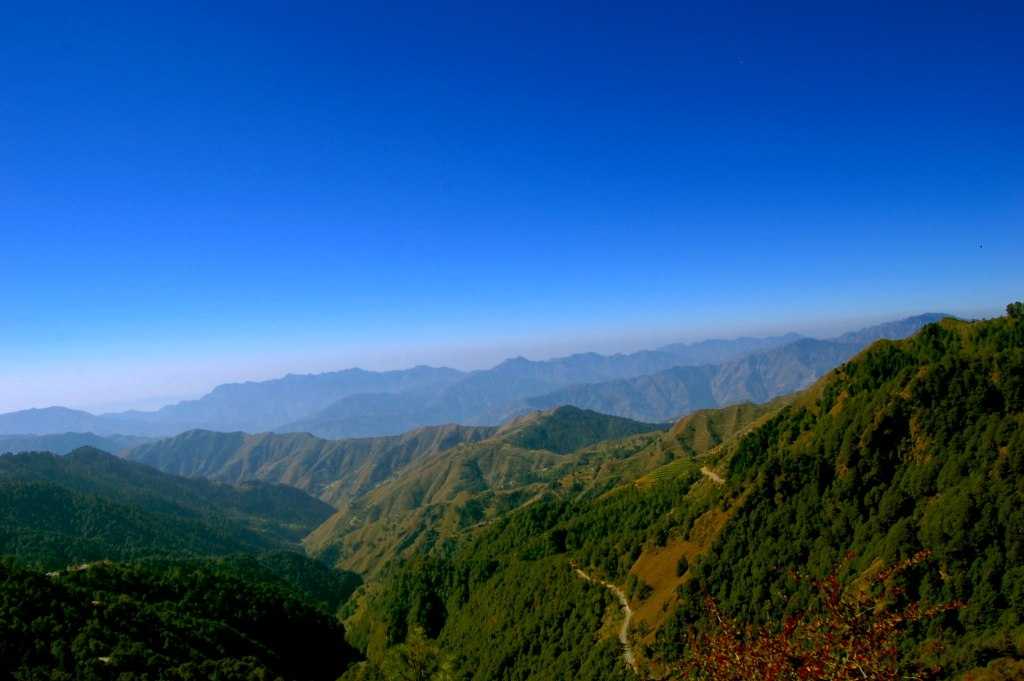
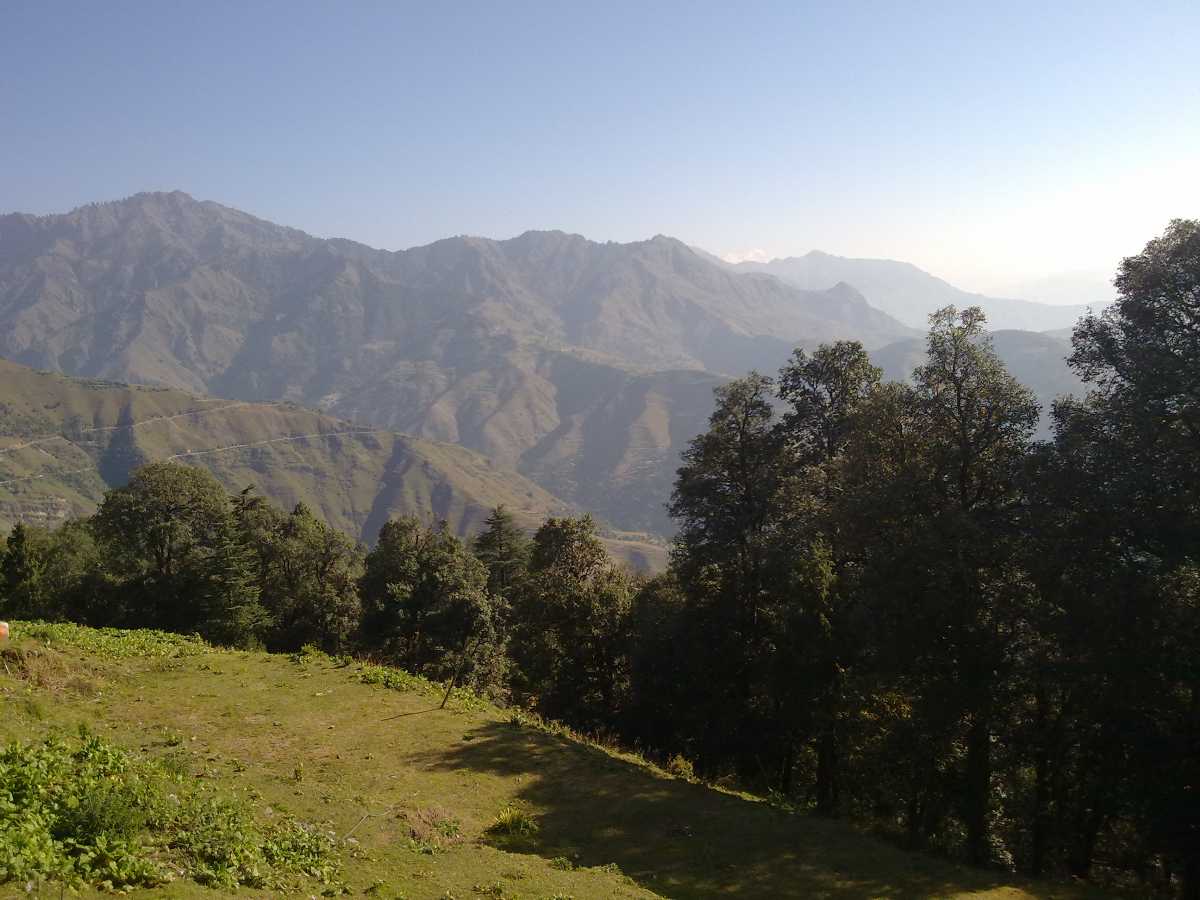
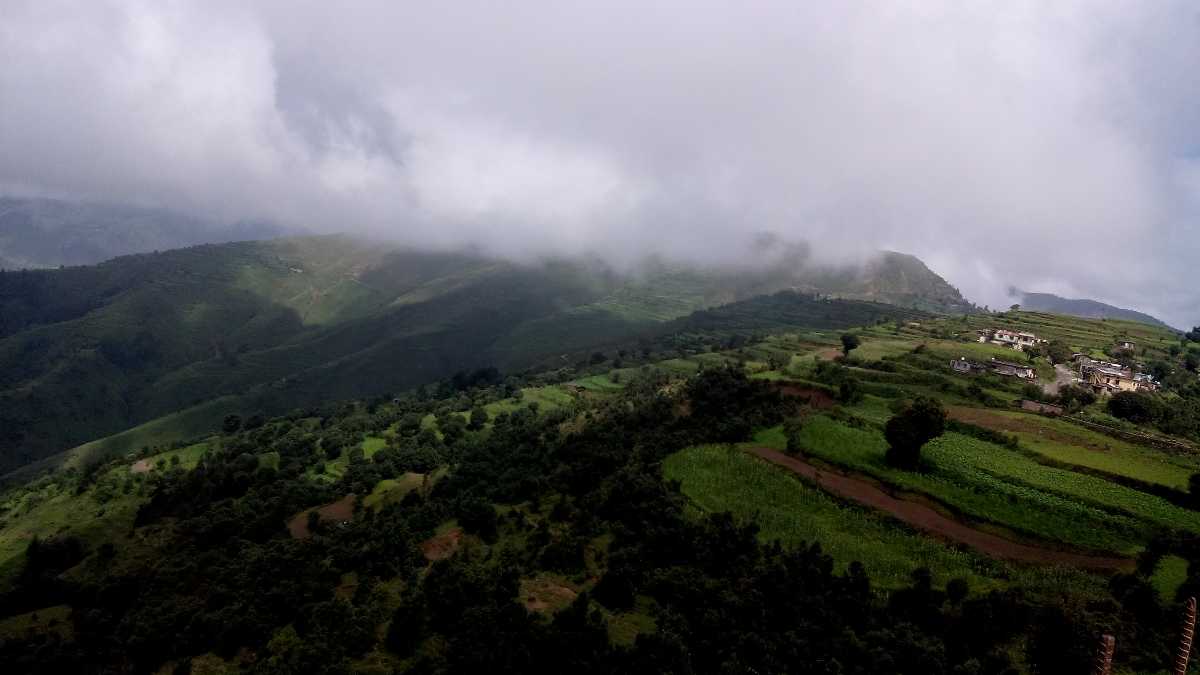
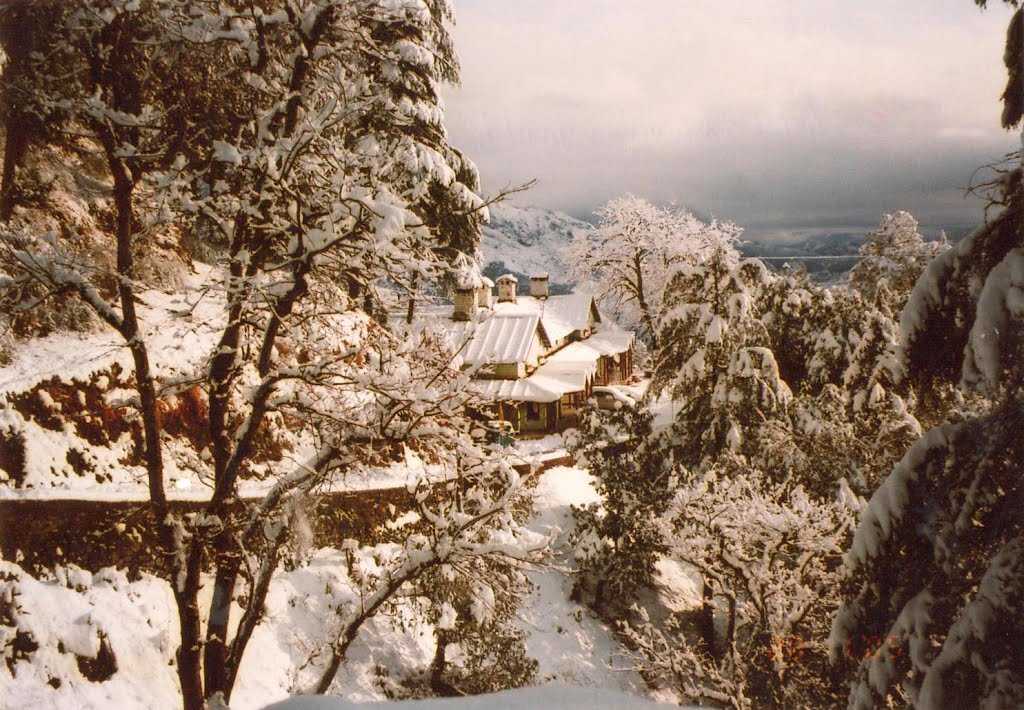
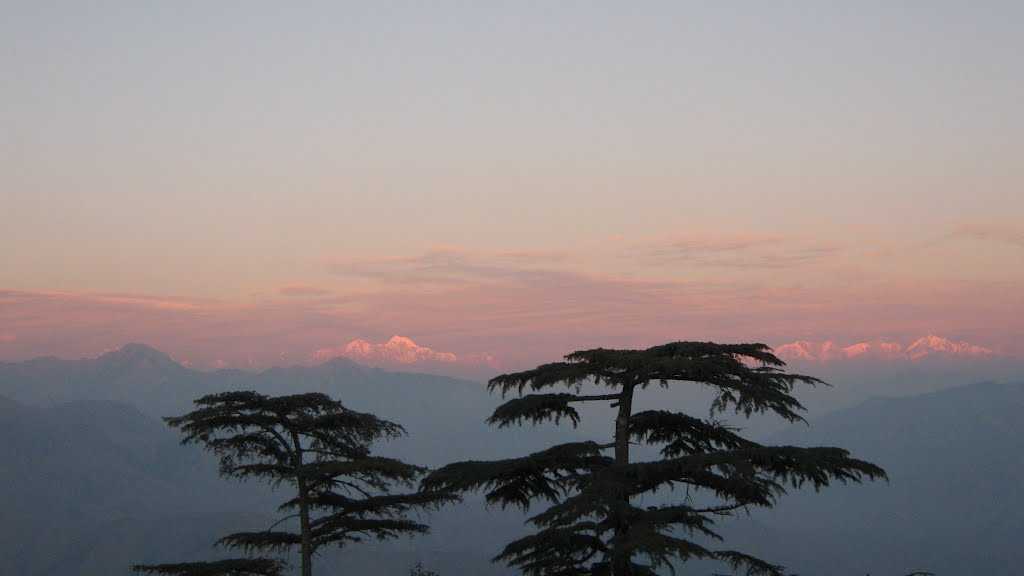
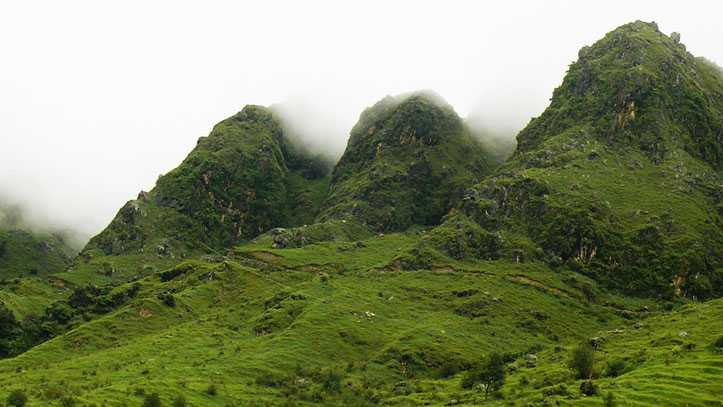
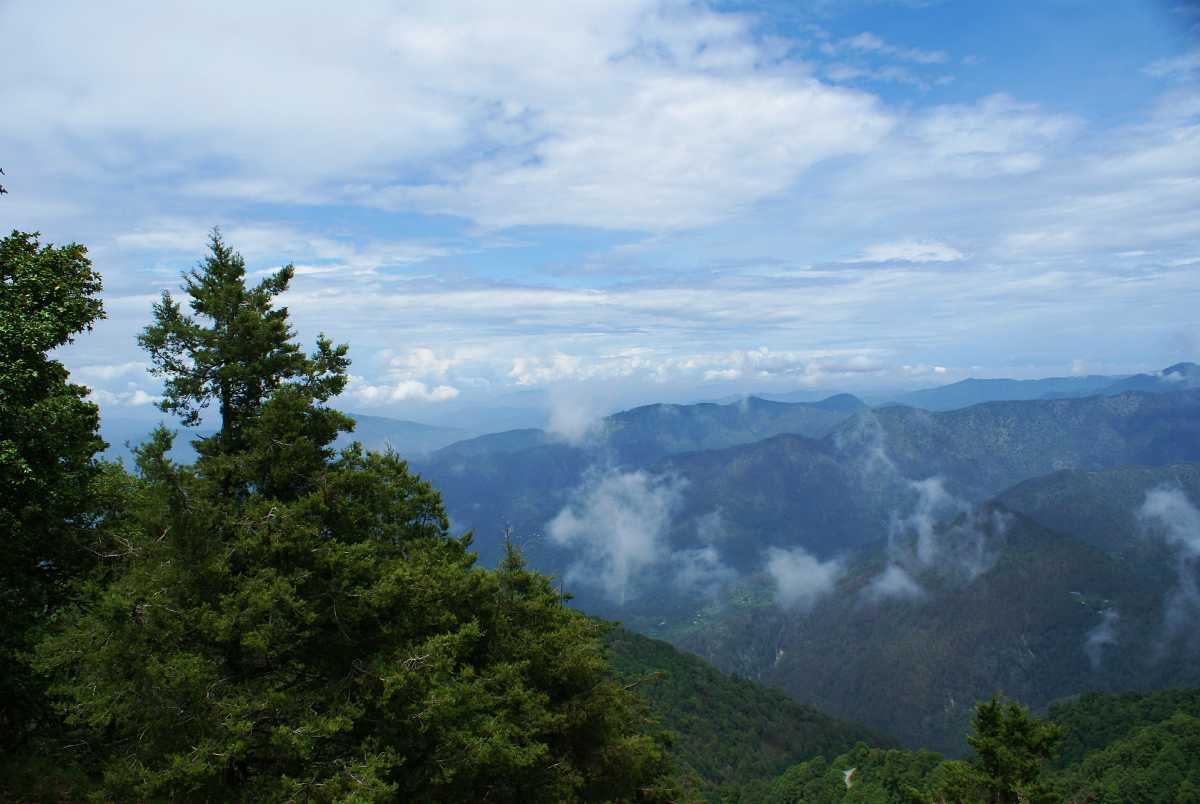
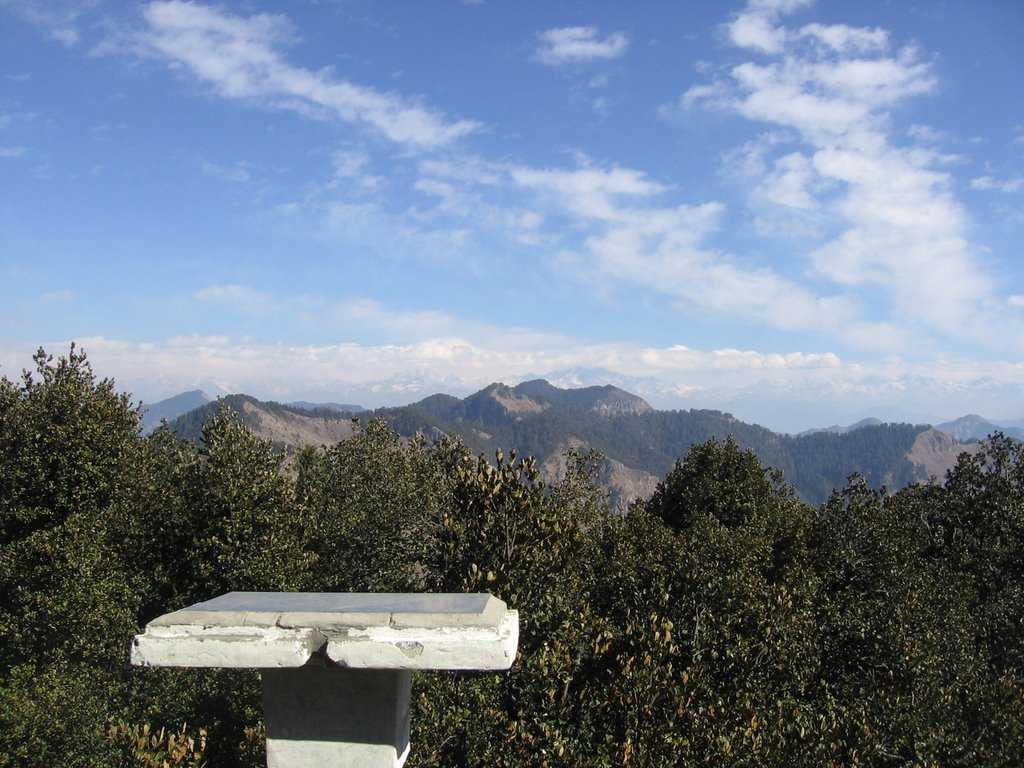
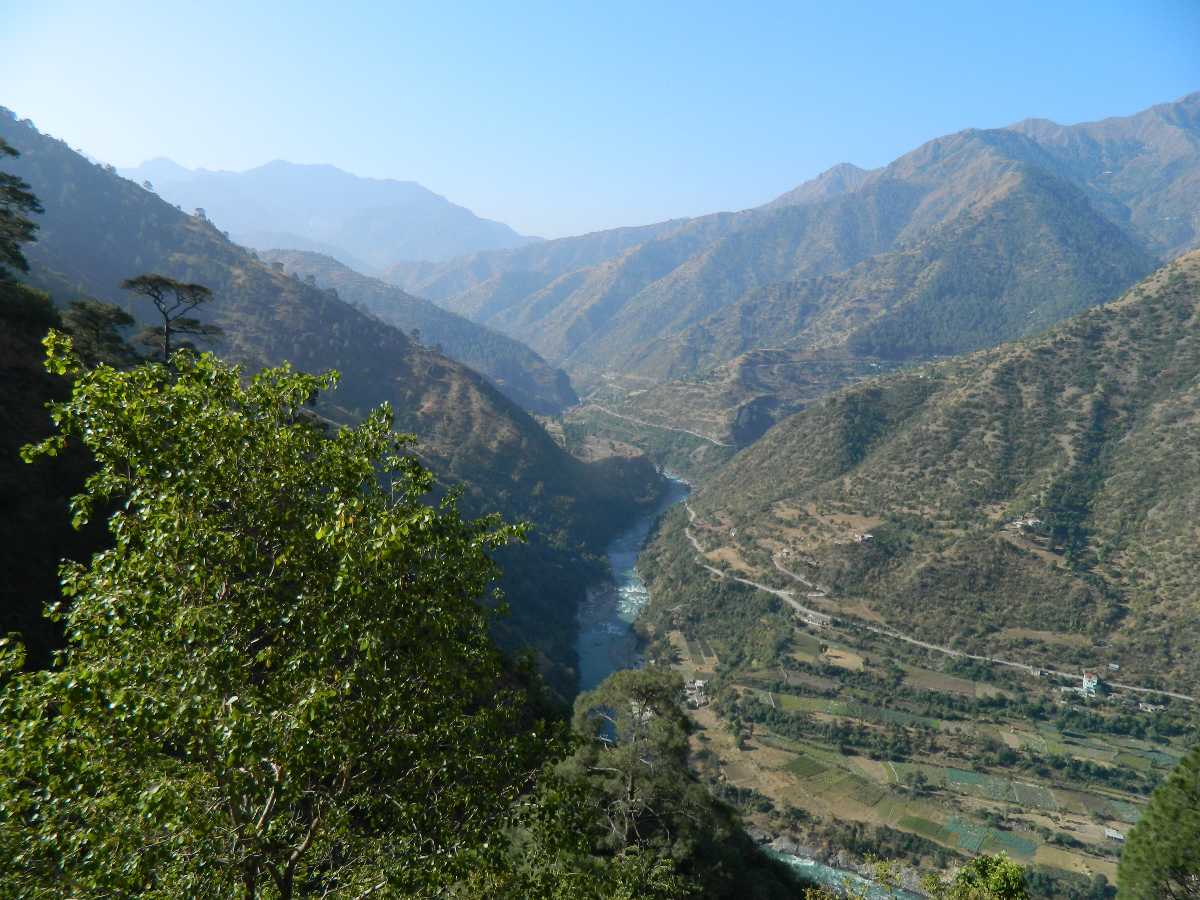


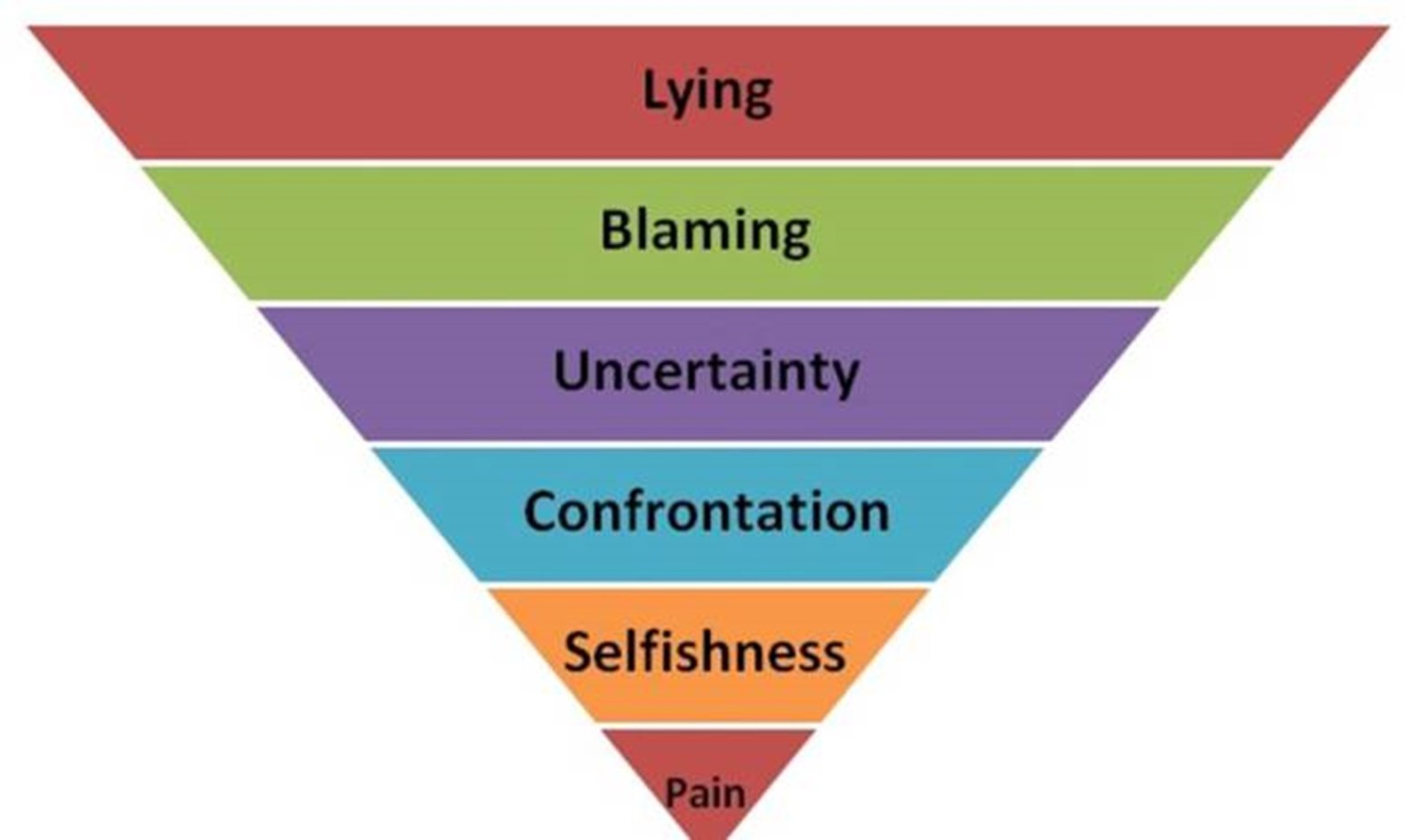
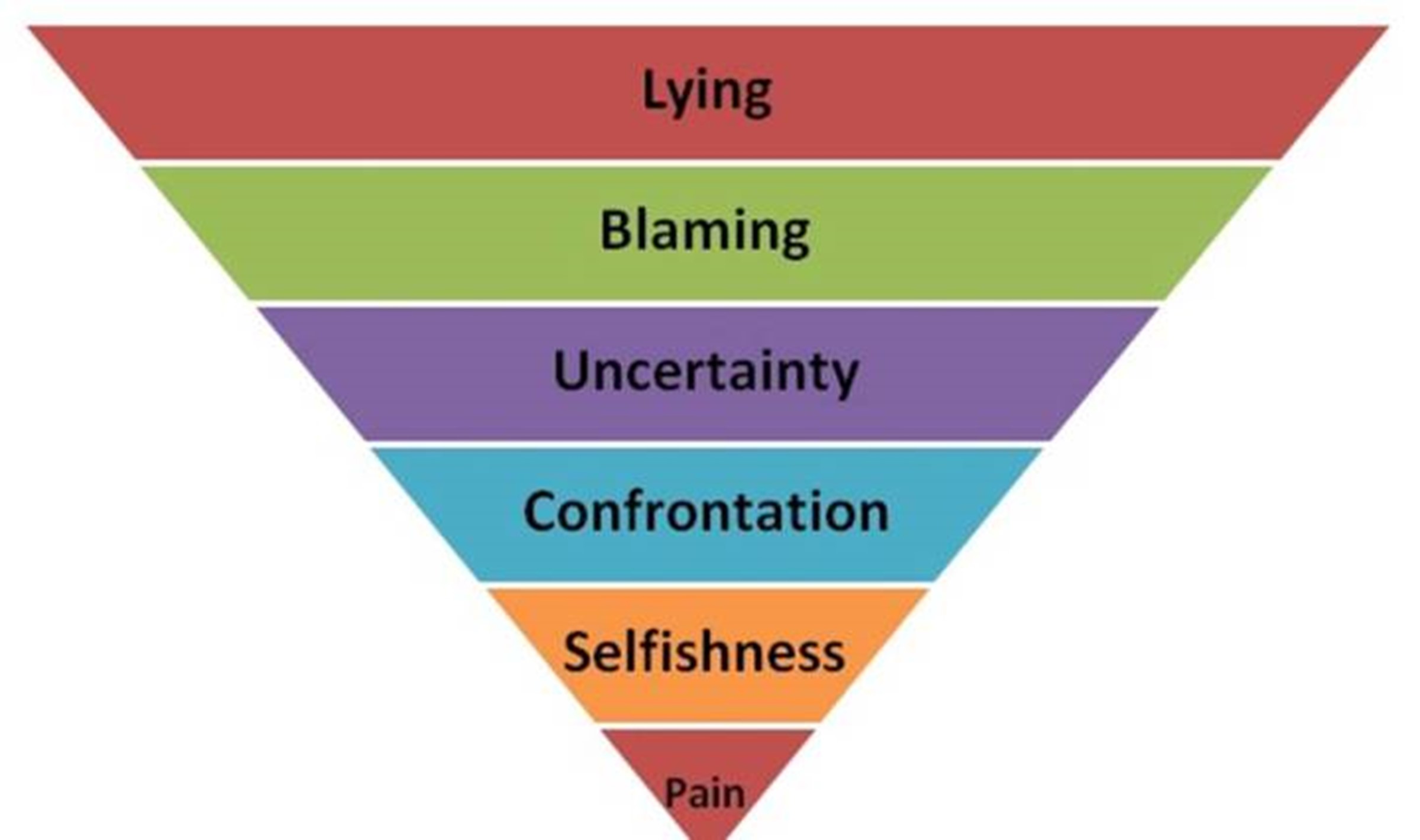
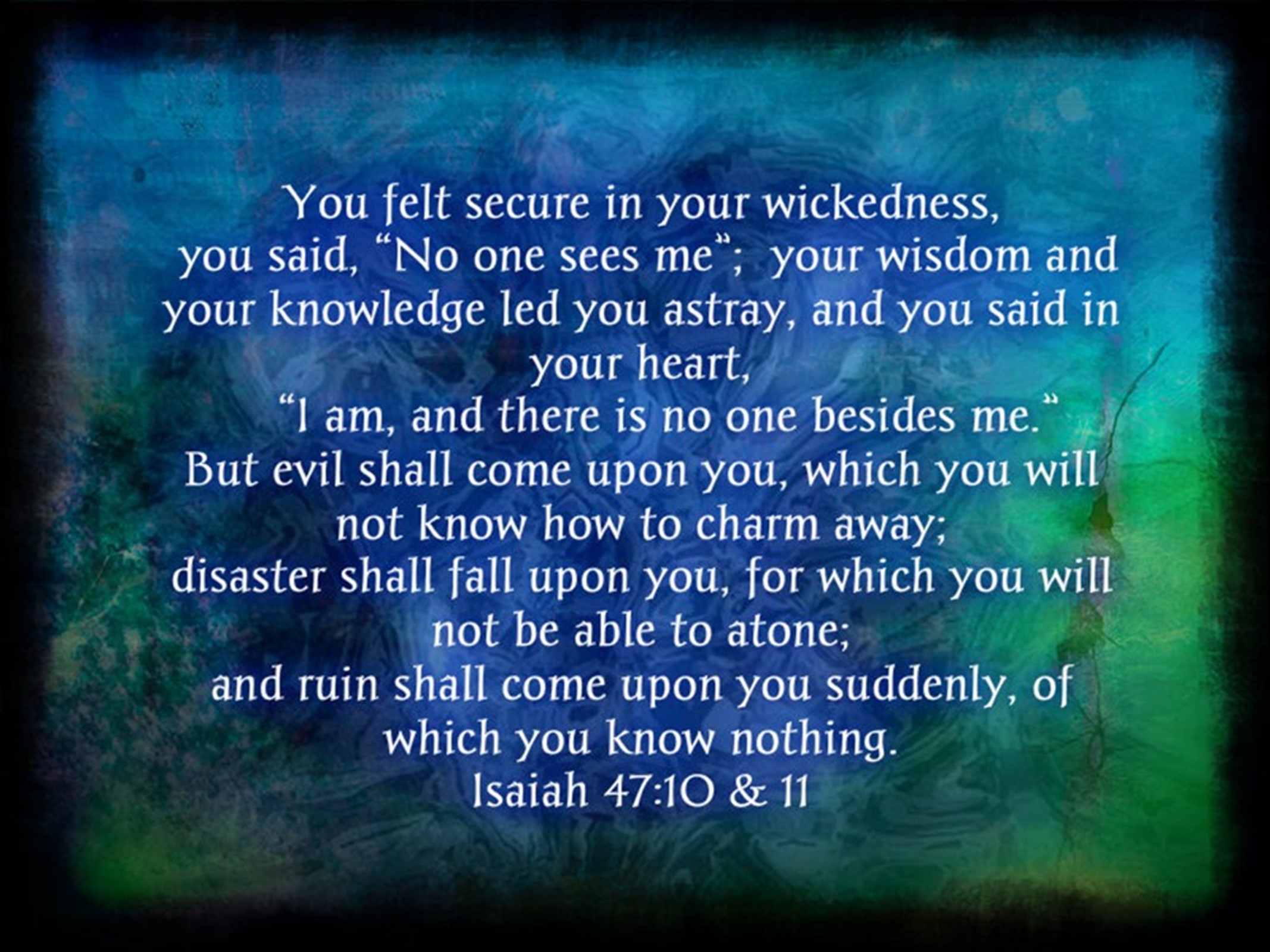
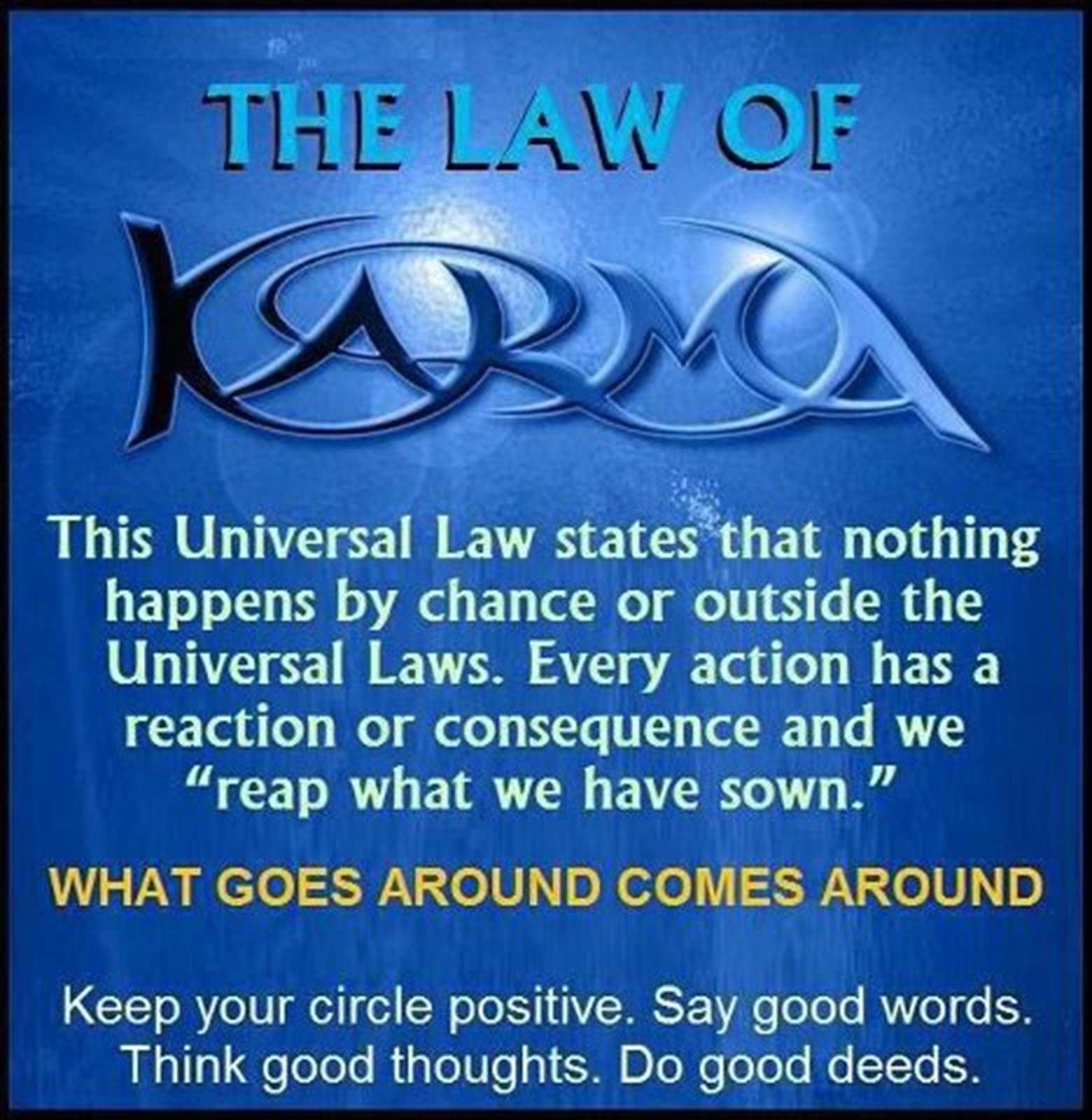
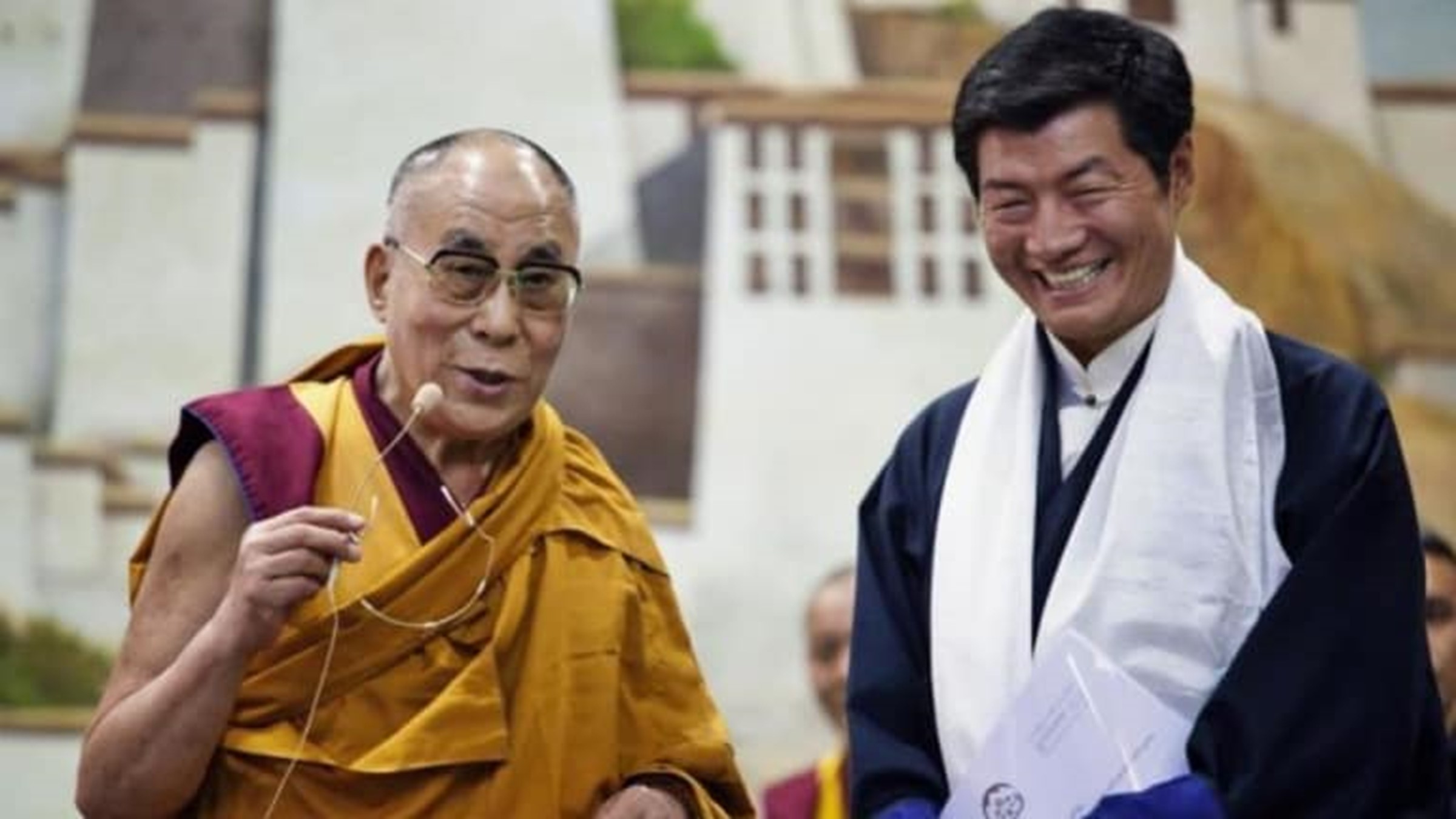
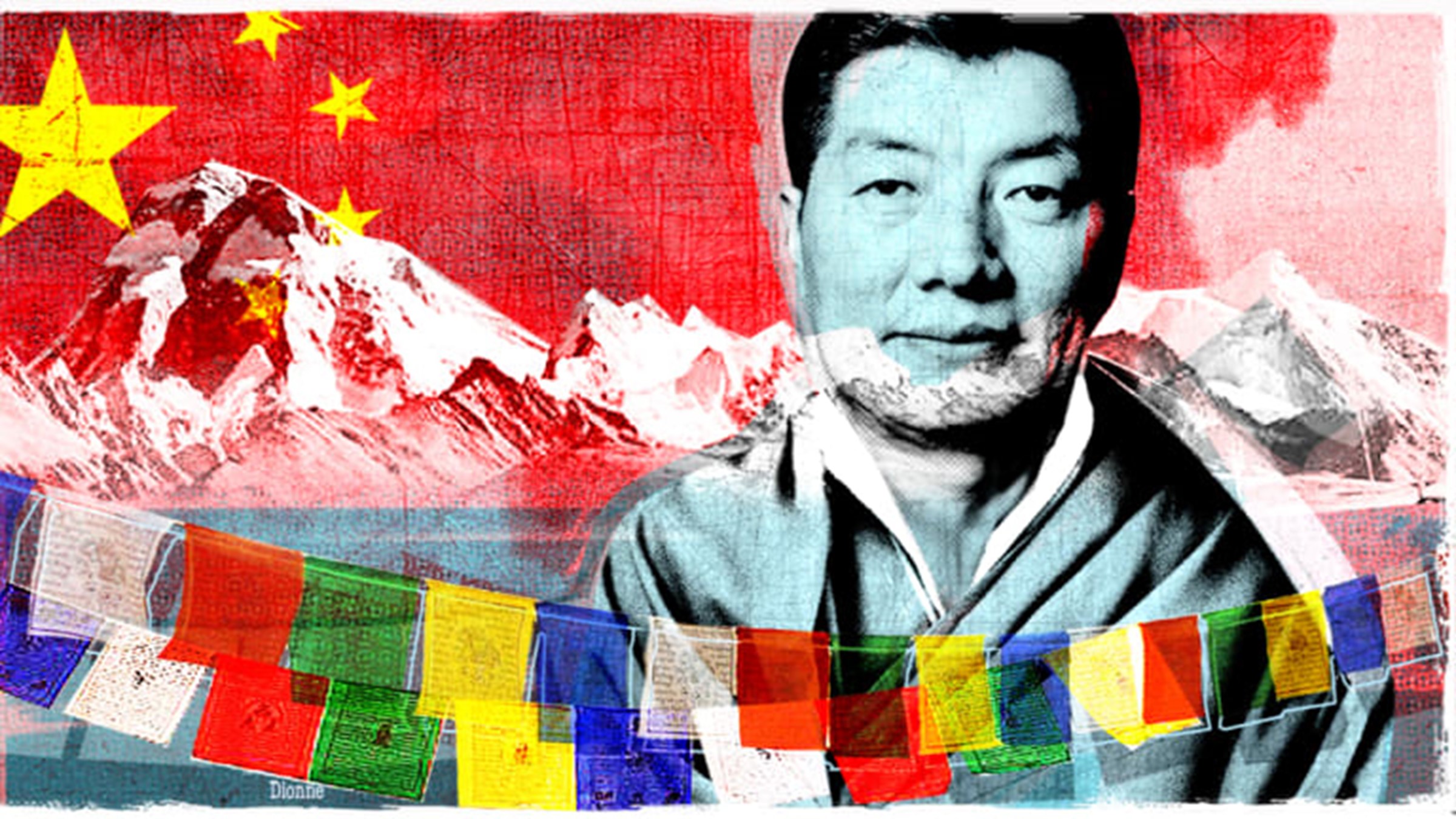



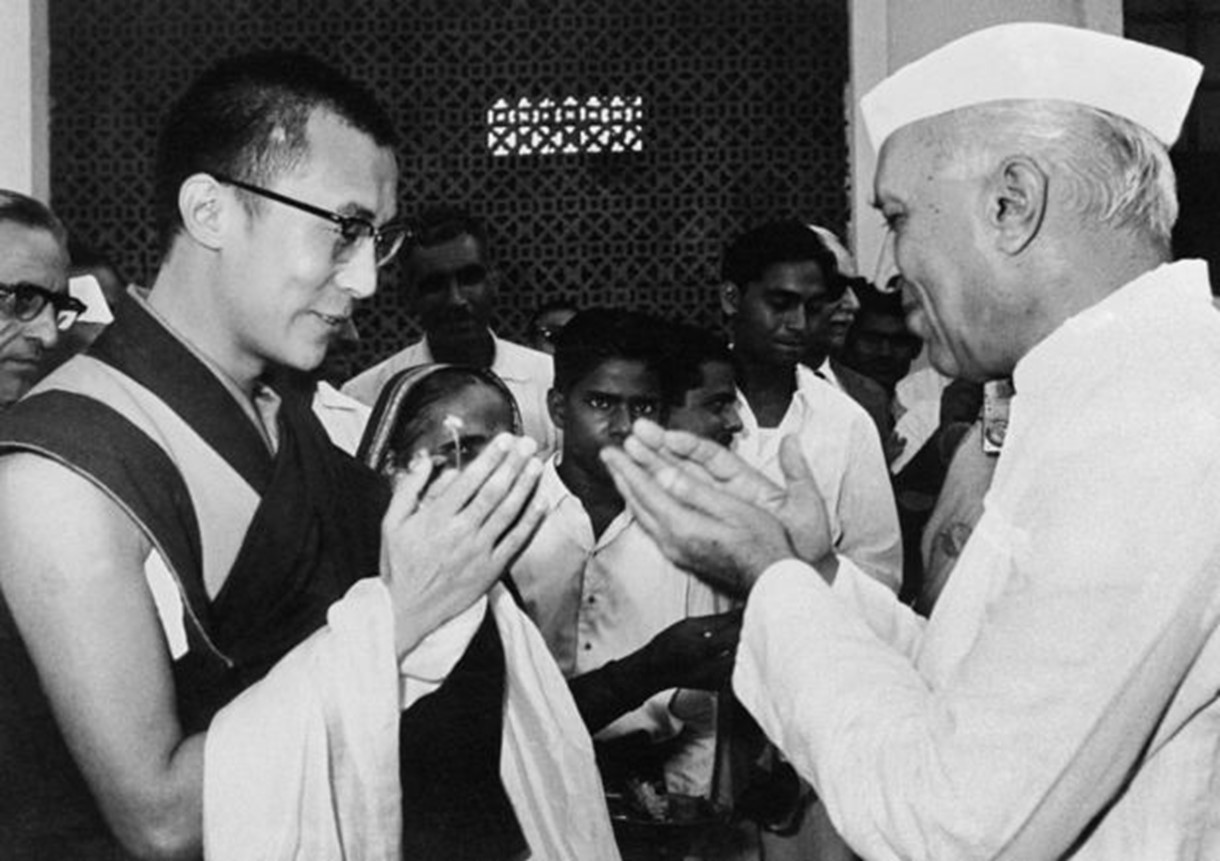



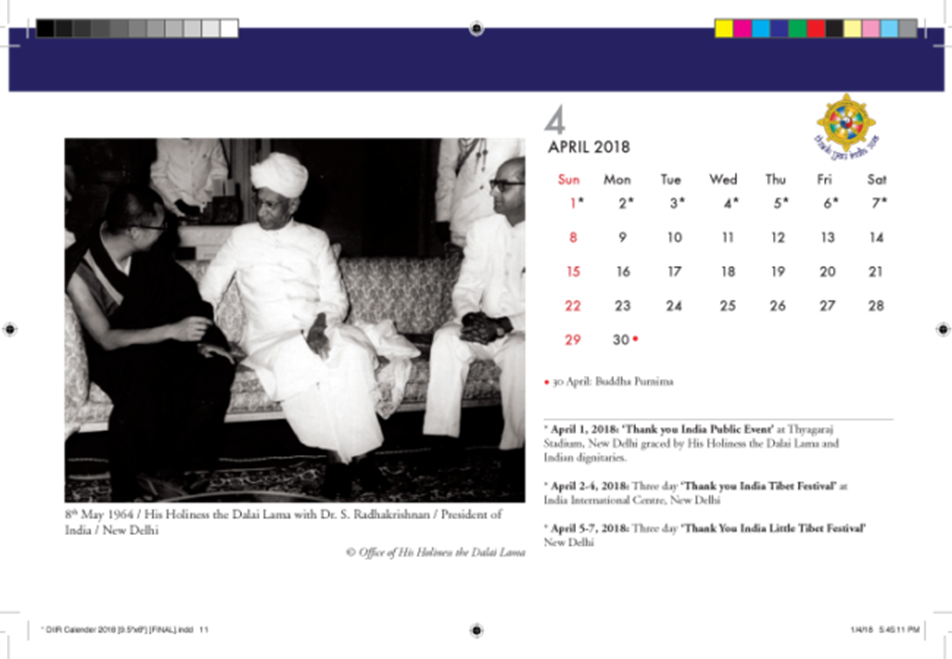






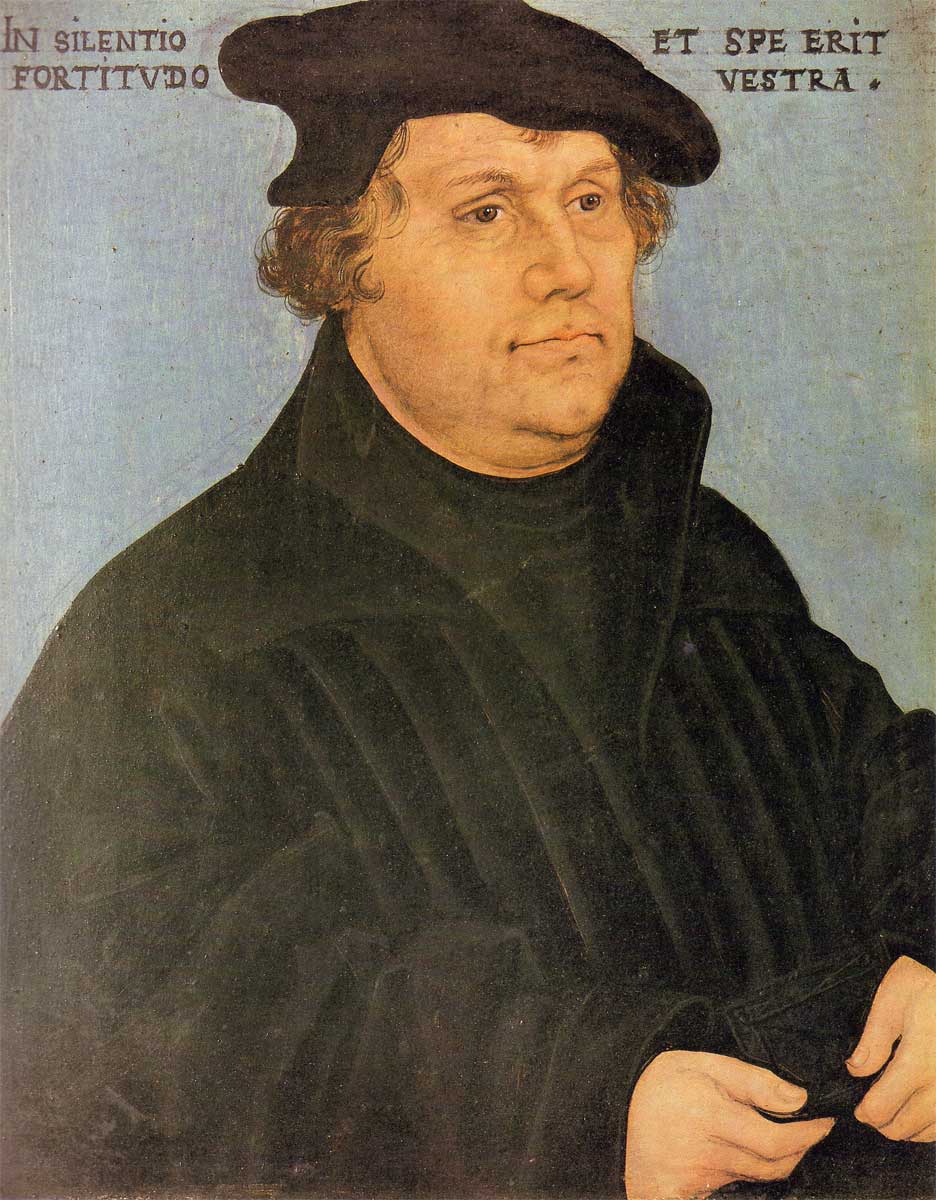


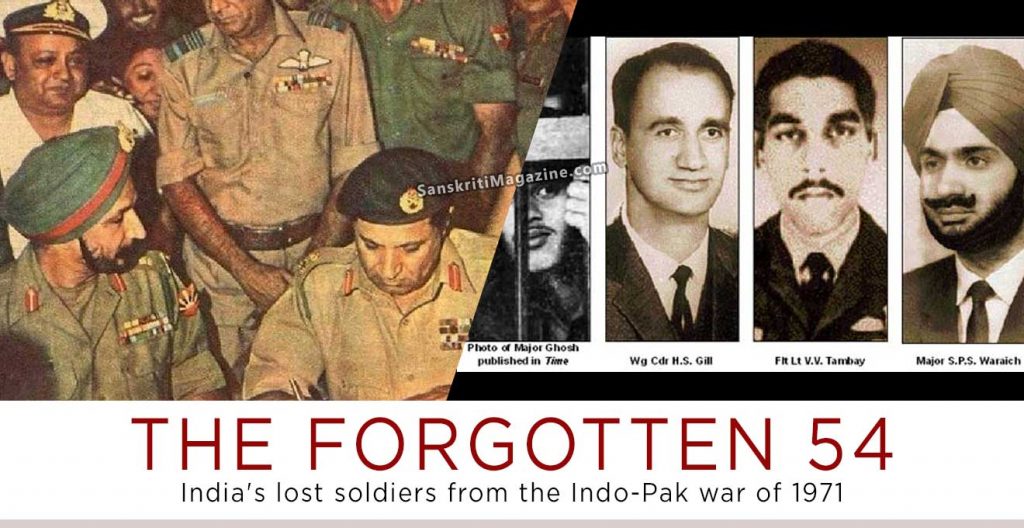
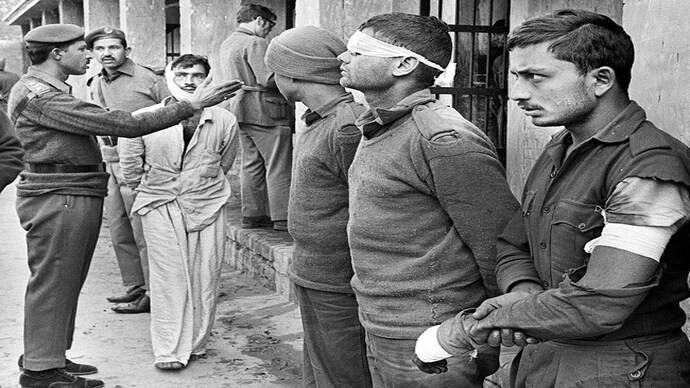
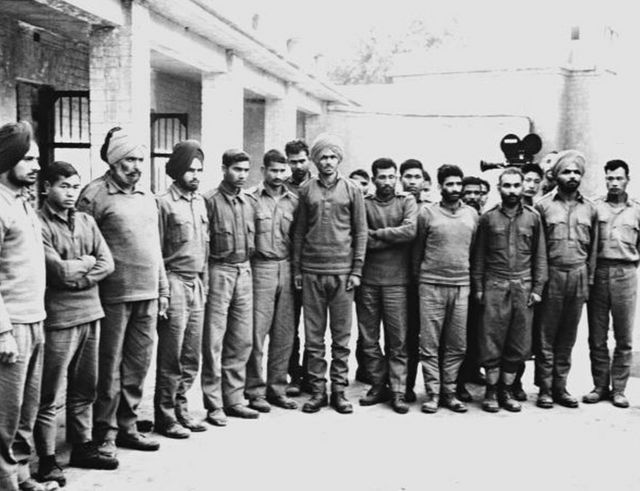
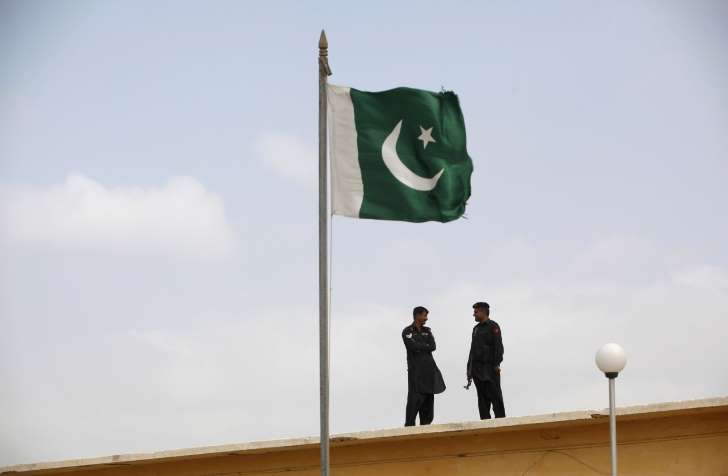
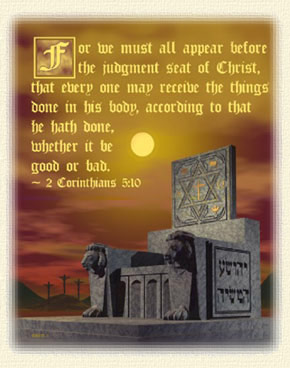


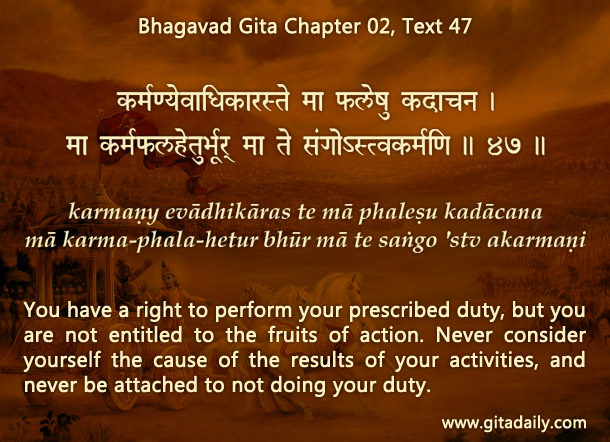


















 Whole Dude - Whole Concept