THE THREE-DIMENSIONS OF FEMALE REINCARNATION OF THE DALAI LAMA DESCRIBE THE IDEALS OF TIBETAN NATIONALISM.
Tibetan Nationalism is Defined by the Ideals of Truth, Bliss, and Beauty.
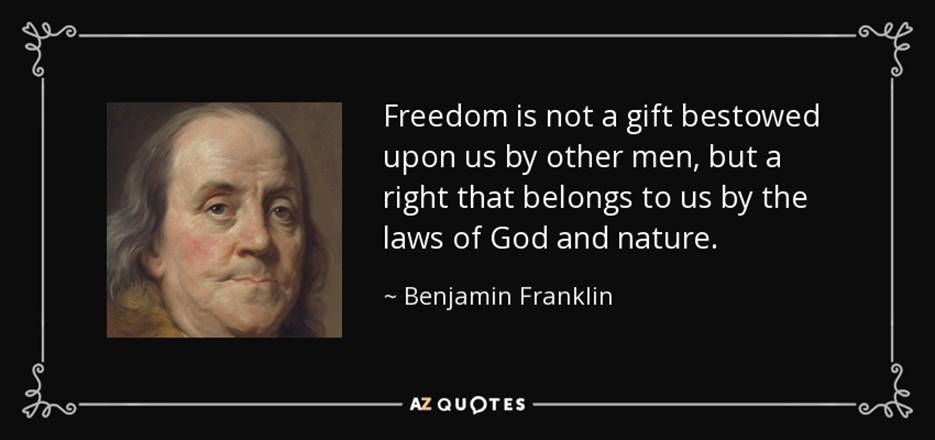
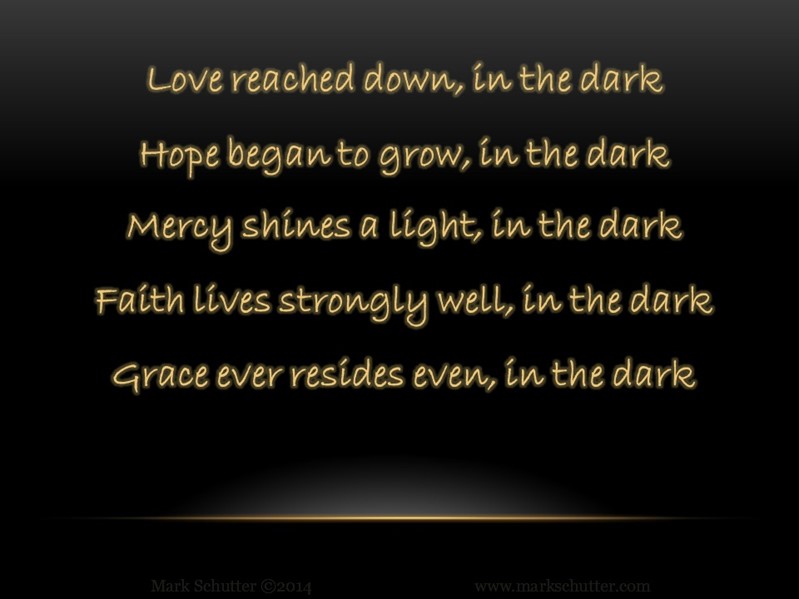
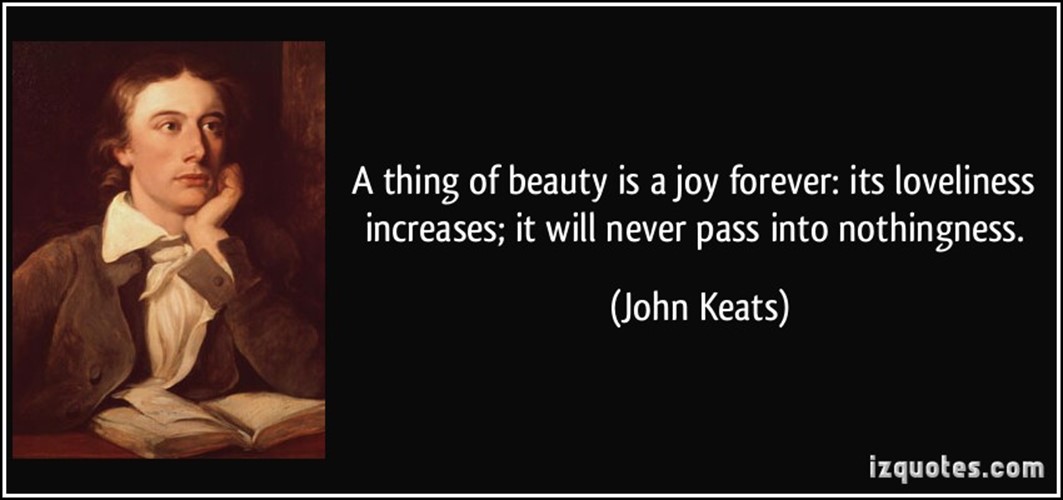
The Female Reincarnation of the Dalai Lama will be a ‘Thing of Beauty’ for it is Beauty accompanied by the Dimensions of Truth and Bliss. Buddha, the Most Compassionate Being has Three Dimensions. These are 1. Satyam (Truth), 2. Shivam (Bliss), and 3. Sundaram (Beauty).
Tibetan Nationalism will always be inspired by the highest ideals of humanity. The Female Reincarnation of the Dalai Lama will bring a Great “Joy Forever.”
Rudranarasimham Rebbapragada
Special Frontier Force
Tibetan Nationalism is Defined by the Ideals of Truth, Bliss, and Beauty.
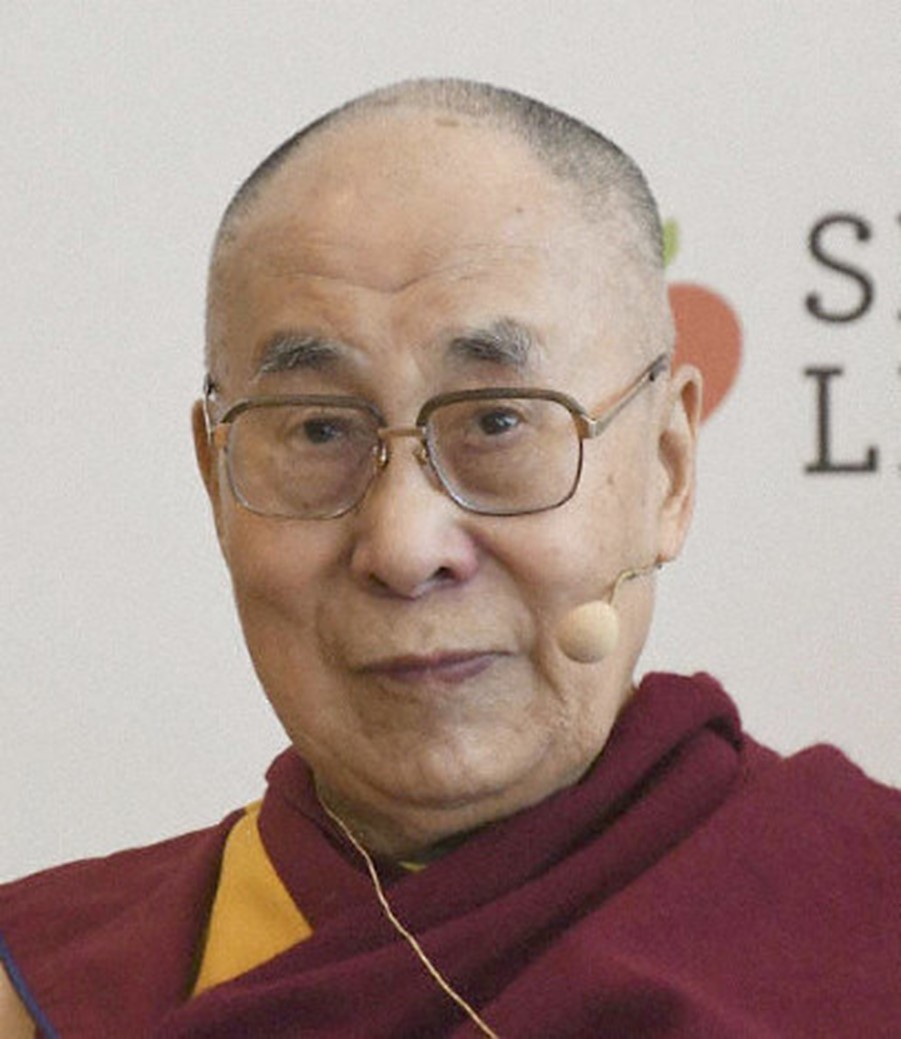
The Dalai Lama has apologized for controversial comments about the possibility of a woman succeeding him.
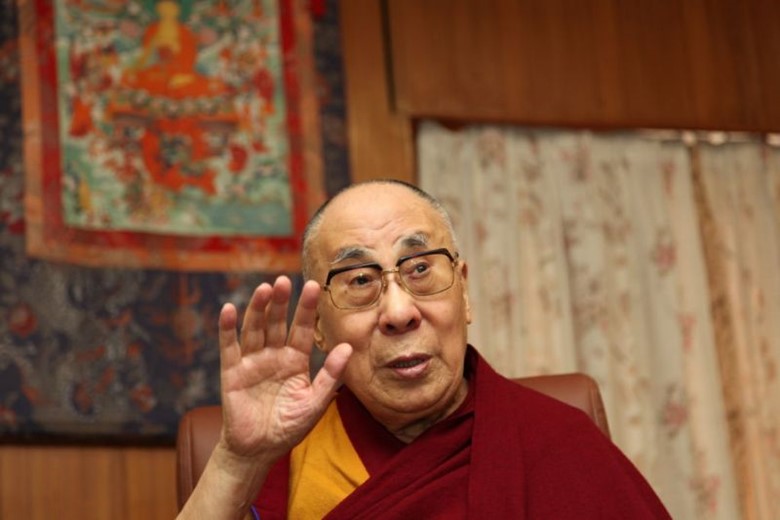
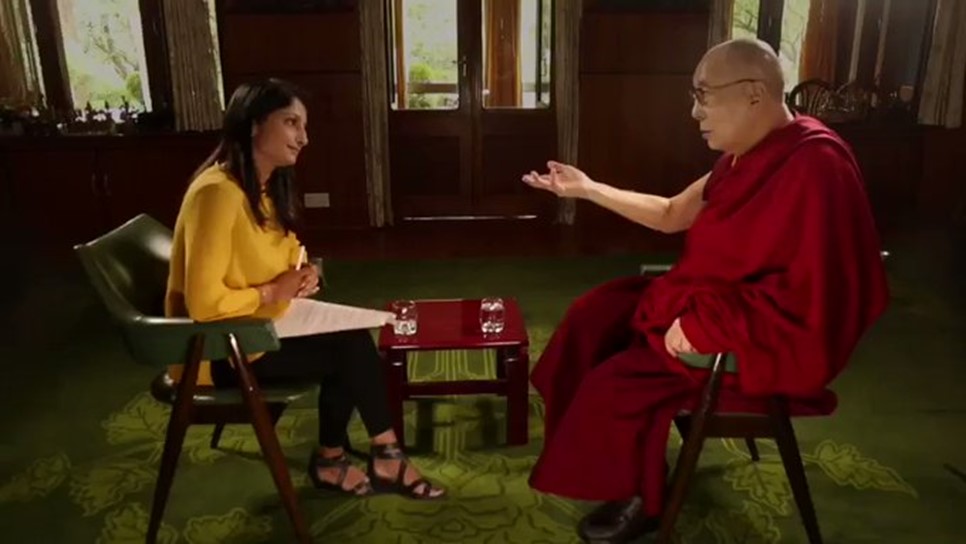
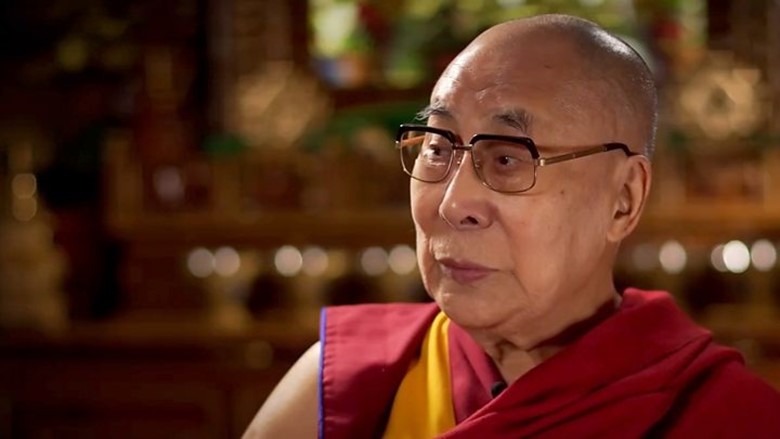
Speaking to the BBC last month, the Tibetan spiritual leader had said that any future female Dalai Lama should be “attractive”.
But a statement from his office apologized for his words, suggesting it had been a joke.
“He is deeply sorry that people have been hurt by what he said and offers his sincere apologies,” it said.
In the interview, the spiritual leader, who is 84 this week, touched on topics including US President Donald Trump, his dreams of returning to Tibet, and refugees.
However, it was his comments on the prospect of a female Dalai Lama that raised eyebrows.
“If a female Dalai Lama comes, she should be more attractive,” he said in English, while laughing
The statement apologized for any offence caused and put it down to a misunderstood joke.
The Dalai Lama “has a keen sense of the contradictions between the materialistic, globalized world he encounters on his travels and the complex, more esoteric ideas about reincarnation that are at the heart of Tibetan Buddhist tradition”, the statement said.
“However, it sometimes happens that remarks, which might be amusing in one cultural context, lose their humor in translation when brought into another. He regrets any offence that may have been given.”
Throughout his life, the Dalai Lama has opposed the objectification of women and supported gender equality, it added.
The statement also said comments in which he said refugees in the European Union should ultimately return home “may have been misinterpreted.”
“He certainly appreciates that many of those who leave their countries may not wish or be able to return,” it said,
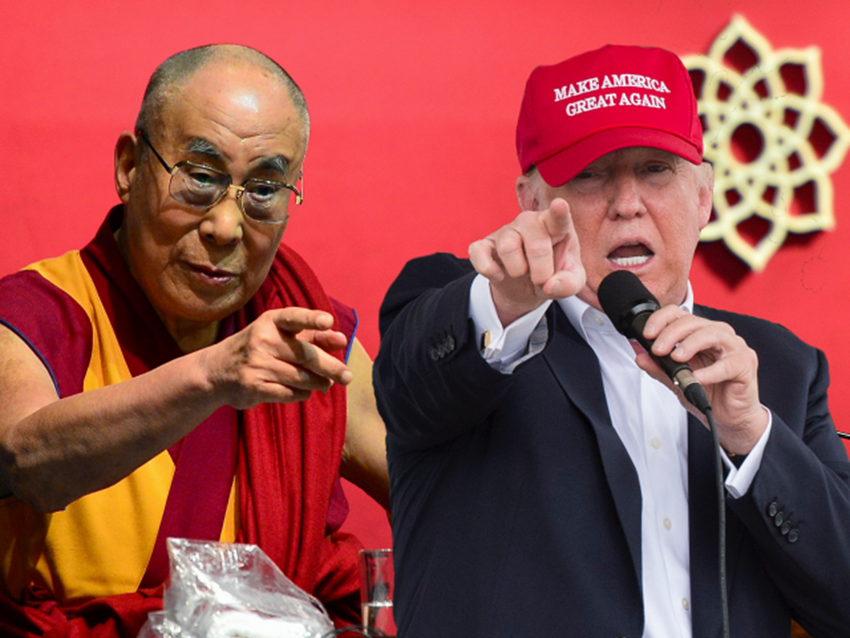
However, there was no apology for his comments on Mr. Trump who, he said, had a “lack of moral principle.”
Watch: ‘Dalai Lama reaffirms belief female successor would have to be attractive’ (The Independent)
Tibetan Nationalism is inspired by the Ideals of Truth, Bliss, and Beauty.Tibetan Nationalism is Defined by the Ideals of Truth, Bliss, and Beauty.
TIBETAN EXISTENCE. TO TWEET OR NOT TO TWEET IS THE QUESTION FOR THE FUTURE DALAI LAMA
Tibetan Existence. To tweet or not to tweet is the question for the future Dalai Lama.
“To be, or not to be – that is the question.” Tibetan Existence is truly endangered by relentless, brutal military occupation since 1950. Tibetans face just one question. The question is, “How to Oppose the Occupation of Tibet?” Nothing else really matters. To tweet or not to tweet is the question for the future Dalai Lama.
Rudranarasimham Rebbapragada
Special Frontier Force
Tibetan Existence. To tweet or not to tweet is the question for the future Dalai Lama.
Twitter is canceling the Dalai Lama because he said a female successor should be ‘attractive’
Tibetan Existence. To tweet or not to tweet is the question for the future Dalai Lama.
The fourteenth Dalai Lama (83 years) and the spiritual guru of the Buddhists from Tibet (Photo by Pallava Bagla/Corbis via Getty Images)
The Dalai Lama, the exiled spiritual leader of Tibetan Buddhism, and the 14th person to hold the title, made waves this week when he said his successor, if a woman, needs to be physically attractive.
Rajini Vaidyanathan
✔ @BBCRajiniV
This was perhaps the most surprising moment in the interview. I asked the Dalai Lama if he stood by his earlier comment that if his successor was female, she should be attractive.
Tibetan Existence. To tweet or not to tweet is the question for the future Dalai Lama.
“You once said that you would be open to a female successor,” BBC News reporter Rajini Vaidyanathan asked the religious leader, in a video interview published Thursday on Twitter.
“That’s also possible,” the Dalai Lama confirmed.
“You also told one of my colleagues that, that female must be attractive, otherwise it’s not much use,” she continued. “…Can you see why that comment upset a lot of women?”
The Dalai Lama answered, “If a female Dalai Lama comes, she should be more attractive.” If not, “people, I think prefer, not see her, that face.”
The reporter asked, “It’s about who you are inside, isn’t it?”
“Yes, I think both,” he said. “Real beauty is inner beauty, that’s true. But we’re human beings. I think the appearance is also important.”
The religious leader also suggested that most people would prefer not to look at a “dead face” and argued that women in the public eye should wear makeup.
People took issue with his comments, calling his holiness “canceled.”
Author Jessica Valenti tweeted that this moment was “about as 2019 as it gets.”
Others just felt disappointed.
Some called out what they felt was the absurdity of his comments and made jokes.
One person even suggested singer and icon Dolly Parton step into the role.
These weren’t the only remarks the Dalai Lama made that raised eyebrows this week. He also told the BBC that European nations should be obliged to take in those who are fleeing their home countries, but that those people should ultimately be taught skills and return home, saying, “European countries should take these refugees and give them education and training, and the aim is – return to their own land with certain skills.”
He continued, “But the whole of Europe [will] eventually become Muslim country – impossible. Or African country, also impossible.”
Tibetan Existence. To tweet or not to tweet is the question for the future Dalai Lama.
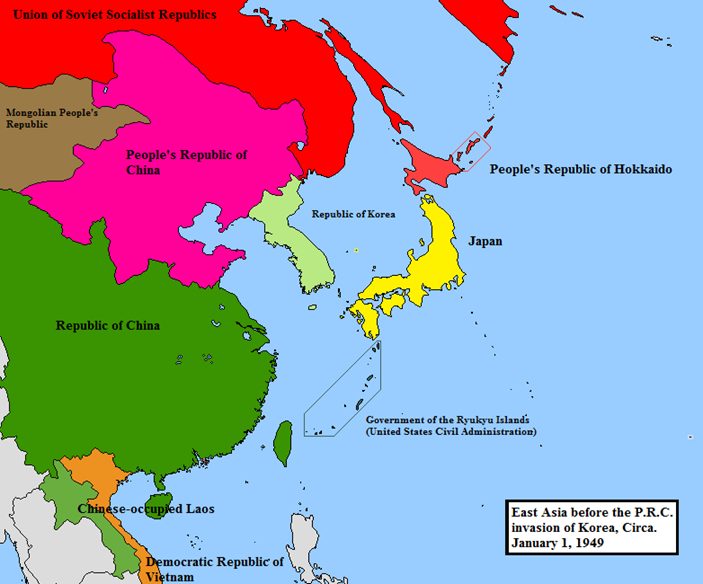
The Cold War in Asia. Blessings of Peace to Korea.
The spread of Communism to mainland China initiated ‘The Cold War in Asia’. People of the Korean Peninsula are fully entitled to their Freedom and the Blessings of Peace.
In my analysis, things in Asia will change if and only if China grants full, and “meaningful” autonomy to Tibetans who lost their freedom due to China’s military conquest of Tibet in 1950.
Rudranarasimham Rebbapragada
SPECIAL FRONTIER FORCE
Trump touts Kim meeting at DMZ as ‘legendary,’ but little has changed
By Eli Stokols and Victoria Kim
Jun 30, 2019 | 9:00 AM
| Seoul
The Cold War in Asia. Blessings of Peace to Korea.
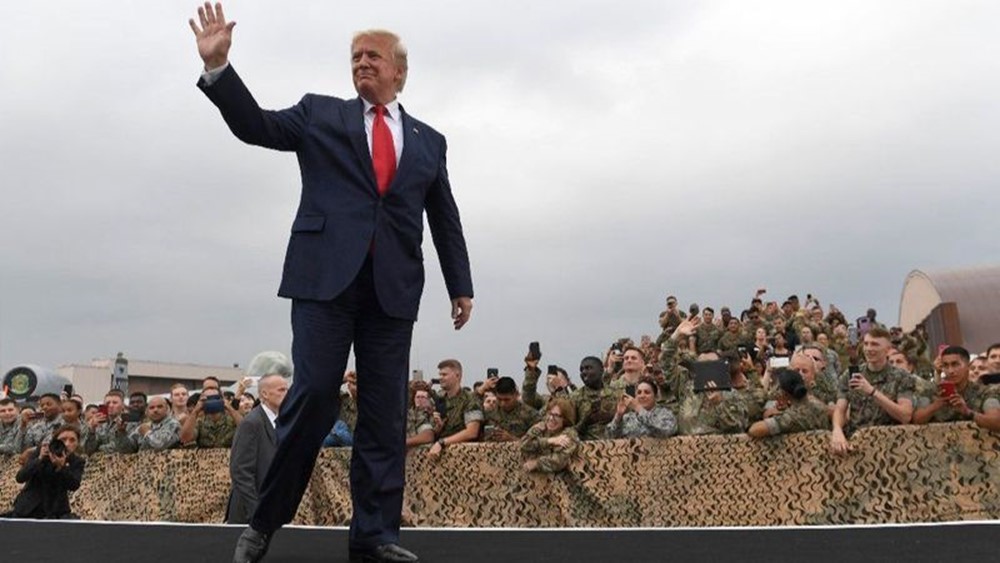
President Trump arrives to speak to troops at Osan Air Base in South Korea on Sunday shortly after a historic meeting with North Korean leader Kim Jong Un at the DMZ. (Susan Walsh / AP)
Moments before his meeting with Kim Jong Un, as President Trump stared into North Korea for the first time, he still nursed a familiar grievance: The media don’t appreciate his accomplishments.
Standing atop an observation point on the South Korean side of the demilitarized zone, Trump listened as a general briefed him on the military significance of the location. Then he gave his own assessment, in which he played a central role.
“There was great conflict here prior to our meeting in Singapore,” Trump said, referring to his first summit with Kim last year. “Tremendous conflict and death, all around them. And it’s now been extremely peaceful. It’s been a whole different world.”
“I say that for the press,” he went on. “They have no appreciation for what is being done, none. There was great conflict here prior to our meeting in Singapore. After our first summit, all of the danger went away.”
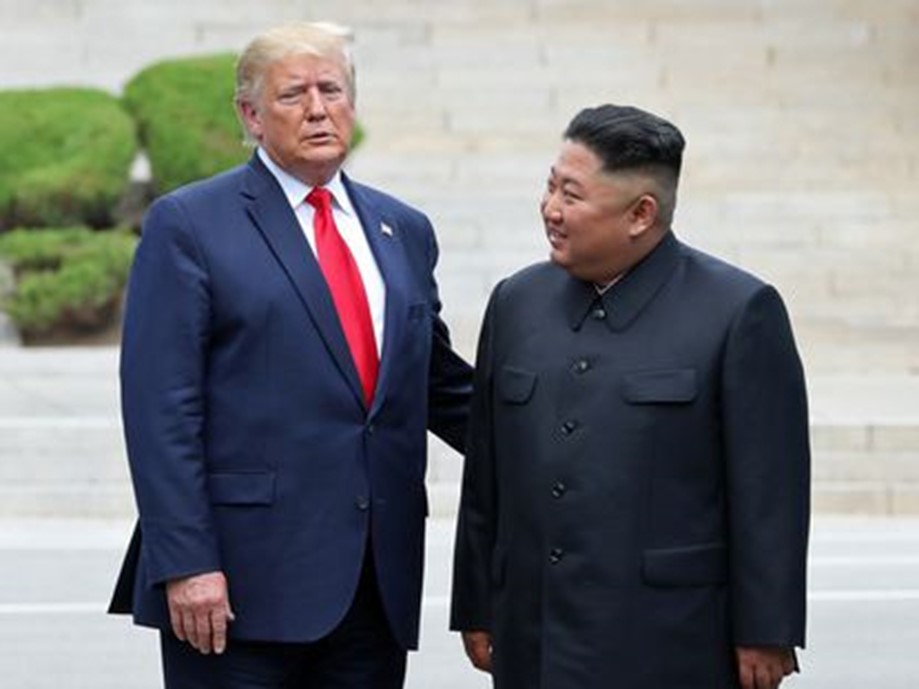
Trump called his impromptu meeting with Kim, in which he became the first U.S. president to set foot in North Korea, “historic” and “very legendary.”
Foreign policy analysts were less impressed.
“It’s only ‘historic’ if it leads to de-nuke negotiations, a verifiable agreement and a peace treaty,” said Victor Cha, a former national security council official who served as President George W. Bush’s envoy to North Korea. “Otherwise it’s just some nice pics and pageantry.”
Samantha Vinograd, who served on the national security council under President Obama, said Trump had effectively moved his own goalposts backward, tacitly walking away from his initial demand for complete and verifiable denuclearization of the Korean Peninsula.
“By shaking hands with Kim Jong Un at the DMZ with no preconditions attached, he’s really signaling that his metric for success at this point is the status quo, which is no long-range missile tests and no nuclear tests,” but North Korea keeping its nuclear arsenal, she said.
“Kim has no reason to denuclearize, but every reason to push Trump for what he’s wanted all along, phased sanctions relief.”
“North Korea under Trump is a normalized, nuclear power.”
A year after Trump’s first meeting with Kim, in Singapore, North Korea remains a dangerous adversary. Kim’s government has continued to develop its nuclear stockpile, which is larger and more powerful now than when Trump took office.
The North Koreans have stopped testing long-range missiles that have potential to reach U.S. territory, but have not dismantled them and continue to test missiles that appear designed to evade U.S. defenses and could threaten Japan and South Korea.
And even some of Trump’s top advisors doubt the North Koreans will ever agree to the U.S. demand that they give up the nuclear weapons that generations of the Kim family have pursued as the ultimate guarantee of their rule.
The practical upshot of Trump’s 53-minute meeting with Kim was an agreement to restart nuclear talks. The two sides would resume working-level discussions, Trump said — effectively a return to where negotiations stood 15 months ago.
“We are going to have teams, they are going to meet over the next weeks, they are going to start a process, and we will see what happens,” he said.
The Cold War in Asia. Blessings of Peace to Korea.
Trump meets Kim Jong Un at DMZ and becomes first sitting U.S. president to enter North Korea
By Eli Stokols and Victoria Kim
Jun 29, 2019 | 11:55 PM
Trump did not say if he and Kim discussed the economic sanctions that severely restrict North Korea’s exports and bar key imports, including oil. So far, the U.S. has said those won’t be lifted unless North Korea denuclearizes. Trump indicated the sanctions could be part of talks as negotiations resume.
“Sanctions remain, yes, but at some point, during the negotiations, things can happen,” he said. “At some point, look, I’m looking forward to taking them off.”
That’s a softer stance than Trump took at his previous meeting with Kim in Hanoi, when he walked out after Kim made an offer to dismantle only one part of the North’s extensive complex of nuclear facilities. At those talks, Secretary of State Michael R. Pompeo and national security advisor John Bolton, who are more hawkish toward North Korea than the president, were involved.
Bolton was far away, en route to a meeting in Mongolia on Sunday when Trump and Kim met. Pompeo accompanied Trump to South Korea, and the president’s daughter Ivanka and son-in-law, Jared Kushner, joined him in crossing the border into North Korea, an experience that Ivanka Trump later called “surreal.”
Pompeo told reporters traveling with him that if Trump’s action was a gamble, “it worked.”
“The president, by getting together with Chairman Kim today, broke through and was able to get us the opportunity to get back to the negotiating table,” he said. “It’s good for North Korea, it’s good for America, good for the world.”
Pompeo said he expected the working-level talks to begin around mid-July in a place to be determined. The U.S. delegation will be led by special representative Stephen Biegun, and the North Korean side will be represented by a foreign ministry official, possibly the foreign minister, Pompeo said.
For Trump, however, the details of denuclearization talks took second place to shaping public perceptions of his unorthodox diplomacy.
He boasted that “tremendous things are happening,” and even as he insisted, he’s in no hurry to cement a final agreement, he continued to carp at the media for refusing to join in the hagiography he relishes.
In his own version of the story, the Korean peninsula was “a fiery mess” until his election, which has brought about “two and a half years of peace.”
“You don’t report it accurately, but that’s OK,” Trump said to reporters after his talk with Kim had concluded. “Someday history will record it accurately.”
Trump’s political opponents took a more skeptical view.
Senate Democratic Leader Charles E. Schumer of New York said on Twitter that while Trump and Kim met, “North Korea continues to build nuclear weapons. Another typical Trump ‘show.'”
Democratic presidential hopeful Sen. Amy Klobuchar of Minnesota, interviewed on CNN, said Trump’s diplomacy with North Korea had little to show for itself.
Advertisement
“We’ve seen a history here,” she said. “Donald Trump announces these summits, and nothing really comes out of it.”
South Korean President Moon Jae-in, by contrast, who has staked his presidency on improving relations with North Korea, appeared eager to stoke Trump’s assessment of his role.
“I’d like to pay my tribute to the creative and bold approach that President Trump has demonstrated,” Moon said, after waiting in a separate room at the DMZ as Trump and Kim met.
“This has presented a big hope for the 80 million Korean people as well as the people of the whole world.”
The intensity with which the president tried to drive home his preferred narrative only highlighted how much he felt the need to do so — to proclaim a version of events that offers more than the reality that, after three meetings, North Korea continues to be a nuclear state, one that Trump himself has now legitimized on the world stage.
Kim has taken maximum advantage of Trump’s willingness to meet. At the DMZ, a coterie of North Korean state media accompanied him. They jostled with American and South Korean journalists to capture images of Kim once again walking shoulder to shoulder with Trump and the U.S. president stepping across the border.
The images and video from the meeting will boost Kim domestically, making up for the embarrassment he suffered after returning from February’s summit in Hanoi empty-handed.
Before heading to the DMZ, Trump bristled when asked what Kim had done in the four months since then to deserve another face-to-face meeting with the president.
Reminded by a reporter that Kim has continued to launch short-range missiles in recent months, Trump brushed off the tests.
“Small missiles,” he said. “Every country tests.”
Asked by another reporter if he was able to determine whether Kim had executed his former lead negotiator, which some South Korean media had reported, Trump couldn’t say for sure the status of the North Korean team.
“I can tell you the main person is [alive], we know that, and I would hope the rest are too,” he said. “I would really hope that the rest are too.”
At the end of his three-day Asia trip, before boarding Air Force One to return to Washington, Trump found a receptive audience for his version of events when he addressed troops at Osan Air Base in Seoul.
Using Marine One as a backdrop, Trump began his remarks by recounting his meeting with Kim, repeating his claim that the meeting came together in a day after he suggested the DMZ rendezvous in a tweet Saturday morning and again celebrating his handshake diplomacy as a major breakthrough.
“I actually stepped into North Korea and they say it’s a very historic moment,” Trump said.
Treating the speech to troops much like a campaign rally, Trump bashed Democrats, cursed and used a familiar and suspicious trope — claiming that some unidentified people had been deeply moved by his presence.
“Many people, I noticed, from Korea were literally in tears,” Trump said.
Staff writers Laura J. King and Tracy Wilkinson in Washington contributed to this report.
The Cold War in Asia. Blessings of Peace to Korea.
I am a Refugee hosting ‘The Living Tibetan Spirits’ in my consciousness. I am disappointed with President Trump’s “Keep America First Policy” for he placed the Great Tibet Problem on ‘The Back Burner’.
Rudranarasimham Rebbapragada
SPECIAL FRONTIER FORCE
The Dalai Lama on Trump.
The Dalai Lama on Trump, women and going home – BBC News
He is, without a doubt, one of the best-known people on the planet. In an age where celebrity is worshipped, the Dalai Lama is a faith leader who has become a spiritual superstar.
As he approaches his 84th birthday, the monk who has handed out millions of handshakes and crafted as many inspirational quotes, is candid and at times shocking.
I met him at his residence high in the mountains, in the town of McLeod-Ganj near Dharamshala in the northern Indian state of Himachal Pradesh.
For a man so revered – seen as superhuman by many – he was refreshingly down to Earth. As he entered the room wearing his trademark red robes, assisted by his aides, he emanated the air of an approachable Clark Kent rather than an unearthly Superman.
And yet this is a man who has met world leaders and shared stages with pop stars and actors. A man who has long been a thorn in China’s side.
“One Chinese official once called me a demon,” he said laughing, before raising his hands to his head to mimic horns. “When I first heard that, my response was – yes, I’m a demon with horns.”
“I pity their ignorance, their political thinking is very narrow minded,” he added as he chuckled.
The Dalai Lama on Trump.
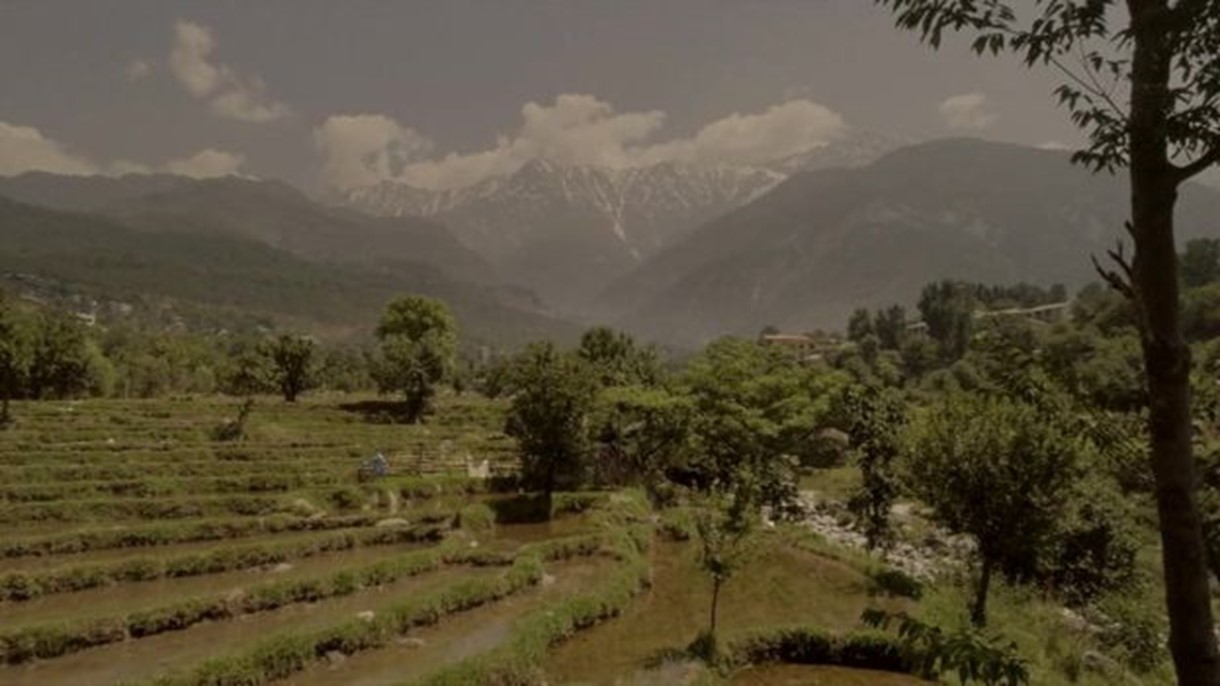
Image caption The view from the Dalai Lama’s residence in the northern Indian state of Himachal Pradesh
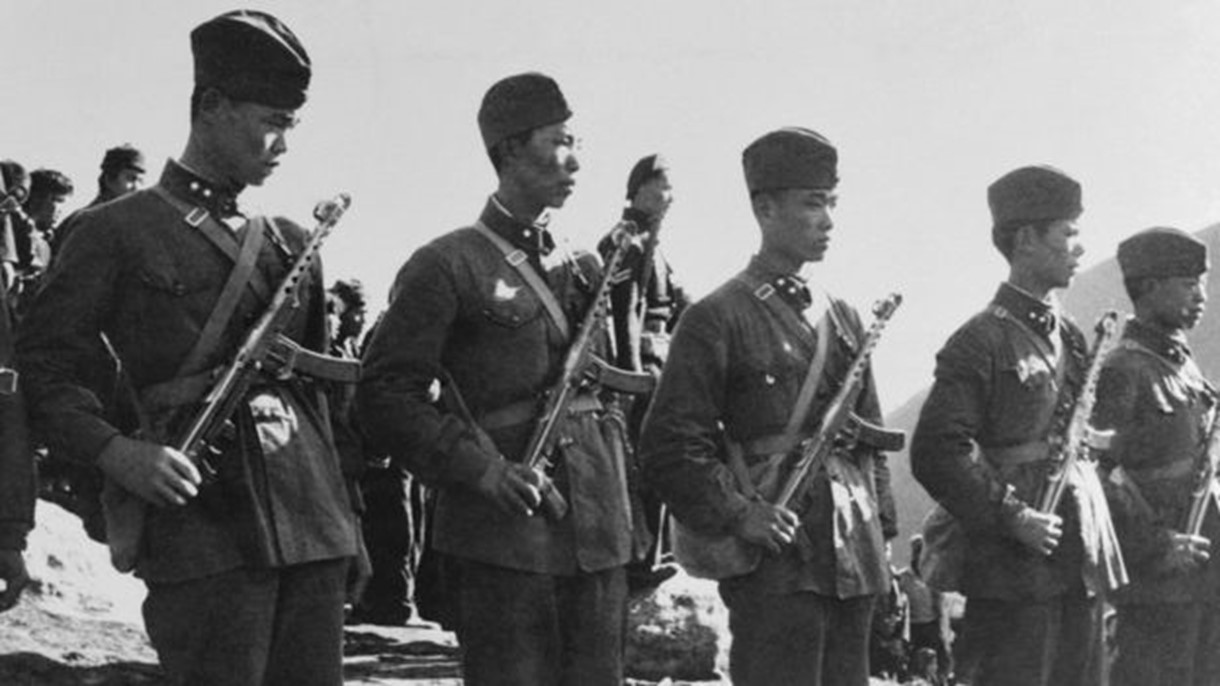
The grudge with China is longstanding and has defined his entire life. The Dalai Lama was forced to flee his home of Tibet in 1959 after China sent troops into the region.
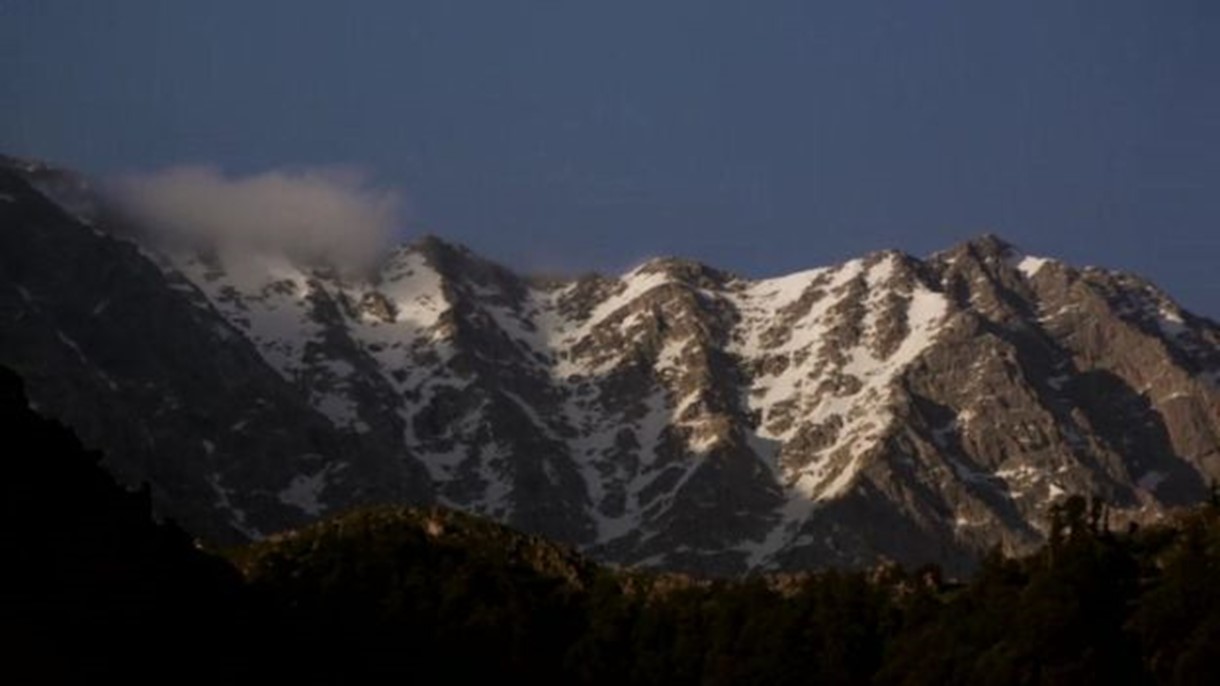
He sought refuge in India and for six decades has been living in exile in Dharamsala along with some 10,000 Tibetans. His monastery – which overlooks the snow-capped peaks of the Dhauladhar range in the Himalayas – is breathtakingly beautiful. But the view is bittersweet.
His life’s cause – to return home – remains a distant dream, even if he insists it may yet happen. “The Tibetan people have trust in me, they ask me [to] come to Tibet,” he says.
But in the next breath he adds that India has also become his “spiritual home”. An implicit acceptance, perhaps, that his goal of an autonomous Tibet is far from reality.
While he “formally” stepped down from political responsibilities in 2011, as the spiritual leader of the Tibetan people he has continued to be their figurehead.
The Dalai Lama on Trump
Image copyright Getty Images Image caption Chinese troops stand guard near the Tibet border in 1959
There haven’t been talks between his representatives and China for many years.
The Dalai Lama told me China’s President Xi Jinping had yet to ask him for a meeting. He did tell me that he had had some discussions with retired Chinese officials in the past few years, but none of these seem to have moved the dial.
In the 1950s, when China first sent troops in, Tibet was poor. Now it is an economic behemoth and its growing influence has in many ways overshadowed the Dalai Lama’s cause.
There was a time when the Dalai Lama was the toast of capitals around the world as US presidents lined up to meet him. George W Bush famously presented him with the Congressional gold medal while Barack Obama met him on several occasions, including in Delhi in 2017 after he left office.
But relations with the current occupant of the White House are very different. Despite being open to a meeting with President Donald Trump, the Dalai Lama told me that Mr. Trump, who is close to China’s Xi, had never asked for one.
The Dalai Lama’s advancing years may have curtailed his foreign travel schedule, but the spiritual leader says he hasn’t received a call from Mr. Trump either.
In a scathing assessment, he said the 45th president’s time in office was defined by a “lack of moral principle”, a contrast to remarks made in 2016 when he said he had “no worries” about a Trump presidency.
“When he became president, he expressed America first. That is wrong,” the Dalai Lama told me.
The withdrawal from the Paris climate accord and the migrant crisis are two big areas of concern. “When I saw pictures of some of those young children, I was sad,” he said of the situation at the US-Mexico border. “America… should take a global responsibility.”
The Dalai Lama is keen to separate his relationship with the president, or lack of one, with that of other American politicians. He highlights the vice-president’s support for the Tibetan people and the backing he has enjoyed from politicians in both houses of Congress.
President Trump’s apparent snub is reflective of the wider pressure Beijing can exert on those who engage with the Dalai Lama.
In 2012, China temporarily froze relations with the UK after David Cameron met him and. last year, the Indian government cancelled its plans for a celebration to mark 60 years of his exile, for fear it would upset Beijing.
The Dalai Lama on Trump
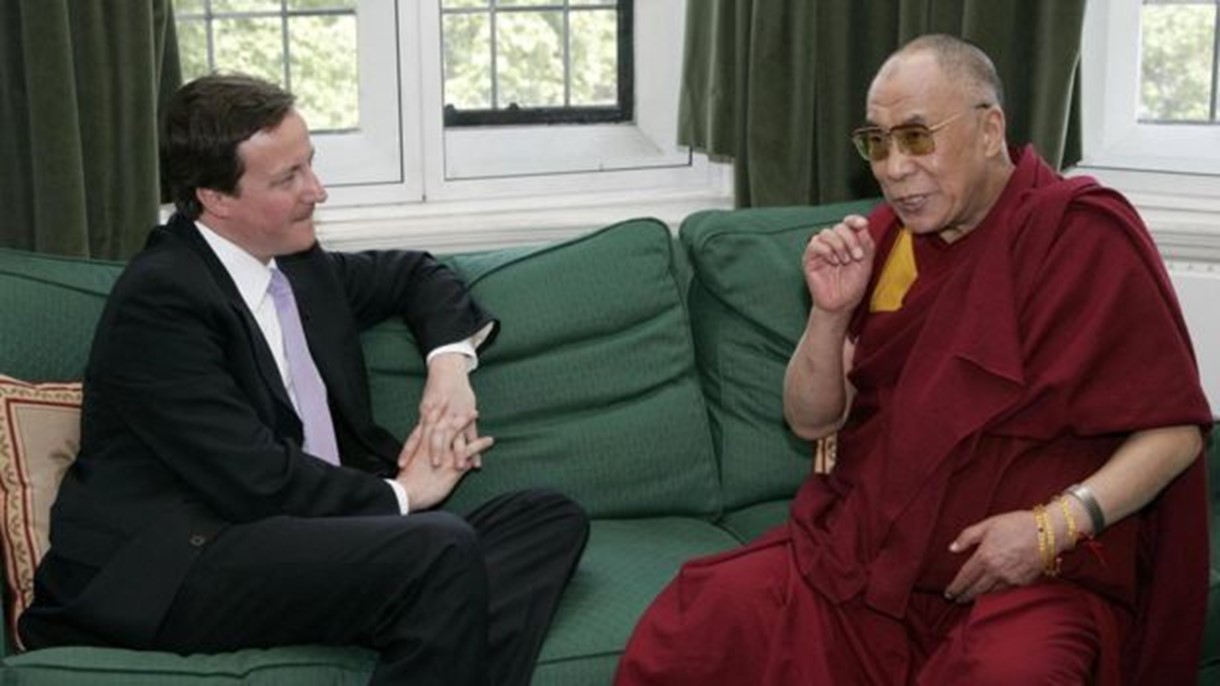
Image copyright PA Image caption David Cameron meets the Dalai Lama in 2008
The Dalai Lama’s world view is inherently global. When we discuss Brexit, he tells me that he is “an admirer of the European Union” pointing out that global partnerships have been key in avoiding major conflicts.
But the world’s most famous refugee has some surprising views on immigration.
In a speech last year, he said that refugees to the European Union should ultimately return home, adding that “Europe is for Europeans”, a statement he stood by when I challenged him on it.
“European countries should take these refugees and give them education and training, and the aim is return to their own land with certain skills,” he said.
The Dalai Lama believes the end game should be to rebuild the countries people have fled. But with some 70 million people displaced across the world according to the latest figures, what if people want to stay?
“A limited number is OK, but the whole of Europe [will] eventually become Muslim country, African country – impossible,” he said. A controversial viewpoint, and a reminder that while the Dalai Lama is a spiritual figurehead, he is also a politician with views and opinions like everyone else.
The Dalai Lama on Trump
Image caption The Dalai Lama’s monastery overlooks the snow-capped peaks of the Dhauladhar range in the Himalayas
Later in our conversation I also challenged him on another remark he made in 2015, when he said if he was followed by a female Dalai Lama, she would have to be attractive.
In another surprise, he reaffirmed his belief that beauty matters as much as brains. “If a female Dalai Lama comes, she should be more attractive,” he told me while laughing.
His message seemed at odds for a man who preaches a message of tolerance and inner confidence, but the Dalai Lama told me that in Buddhist literature both inner and outer beauty matter. He also said that equality was important and was keen to stress that he supported women’s rights and equal pay in the workplace.
As the interview ended, I was struck by how unexpectedly frank our discussion had been, which reminded me of something the Dalai Lama had told me earlier in the day.
One advantage of not being able to return home to Tibet, he said, was that India is a free country where he can express himself openly.
The Dalai Lama’s message of unity is universal – but for a man famed for his compassion, he can also be controversial.
I am a Refugee for I host ‘The Living Tibetan Spirits’, the Spirits of young Tibetan Soldiers who gave their precious lives while dreaming about ‘Freedom’ in Occupied Tibet.
For I am a Refugee, I am not entitled to the benefits entitled to the citizens of my host nation. I am in the search of my Final Destination where I can die with Peace and Dignity. My host nation is Free and yet as a Refugee I live under terms and conditions imposed on my existence as a Refugee. What is the Choice I can make? The options are, 1. Labor until Death in the host nation, and 2. Peaceful Death in the Enemy’s Prison.
Rudranarasimham Rebbapragada
SPECIAL FRONTIER FORCE
I am a Refugee. What is my Final Destination.
INDIA – TIBET – CHINA Dalai Lama says he would like to return to Tibet before he dies
The spiritual leader of Tibetan Buddhism fled Lhasa during the 1959 uprising. Beijing considers him a “wolf in sheep’s clothing”. Like Xi Jinping, Donald Trump never asked to meet him.
Dharamshala (AsiaNews/Agencies) – “The Tibetan people have trust in me, they ask me [to] come to Tibet,” said the Dalai Lama in an interview with the BBC.
I am a Refugee. What is my Final Destination?
Speaking with the journalist, the spiritual leader of Tibetan Buddhism talked about his desire to return to Lhasa before he dies. He was forced to abandon the Potala Palace (his official residence) during the Tibetan uprising against Chinese military rule in 1959.
Since then, Tenzin Gyatso, the 14th Dalai Lama, has found refuge in Dharamshala (India) along with another 10,000 Tibetan Buddhists who live their Himalayan exile in Arunachal Pradesh.
In the interview the Dalai Lama describes India, the country that welcomed him, his “spiritual home”. Grateful for the hospitality he received, he notes that one advantage of not being able to return home to Tibet is that India is a free country where he can express himself openly.
Although he has often tried to engage Beijing in dialogue, to safeguard the autonomy of Tibetan religion and culture threatened by a “cultural genocide”, the Chinese Communist Party has always branded him a “dangerous” separatist seeking Tibetan independence.
In order to return to Tibet, he gave up his political role in 2011 to remain only as the spiritual leader of Tibetan Buddhism. But the Chinese Communist Party continues to view him as a “wolf in sheep’s clothing”.
At the age of 84, he enjoys good health, although he needs an assistant to walk. In April, Tibetan Buddhists all over the world were concerned for several days after his sudden hospitalization in a Delhi hospital for a lung infection.
In addition to going home to Tibet, the Dalai discussed various topics in the BBC interview: Brexit, migrants, a female Dalai Lama woman who should be “more attractive” than a man.
He also voiced strong criticism of US President Donald Trump who, in his view, lacks “moral principle”. The slogan (America First) that allowed him to win “is wrong”. The US leader, he noted, like Xi Jinping, never asked to meet him.
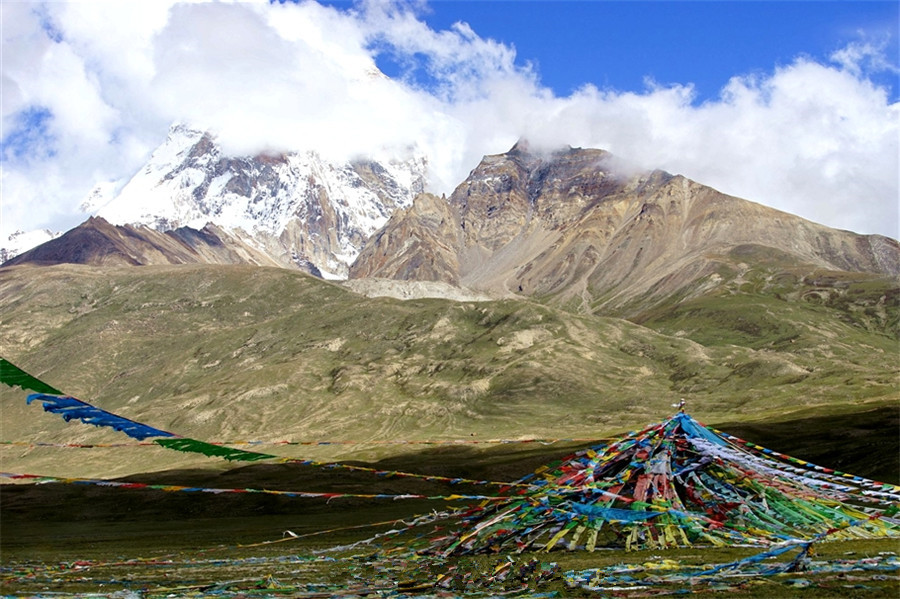
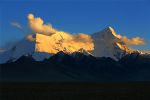
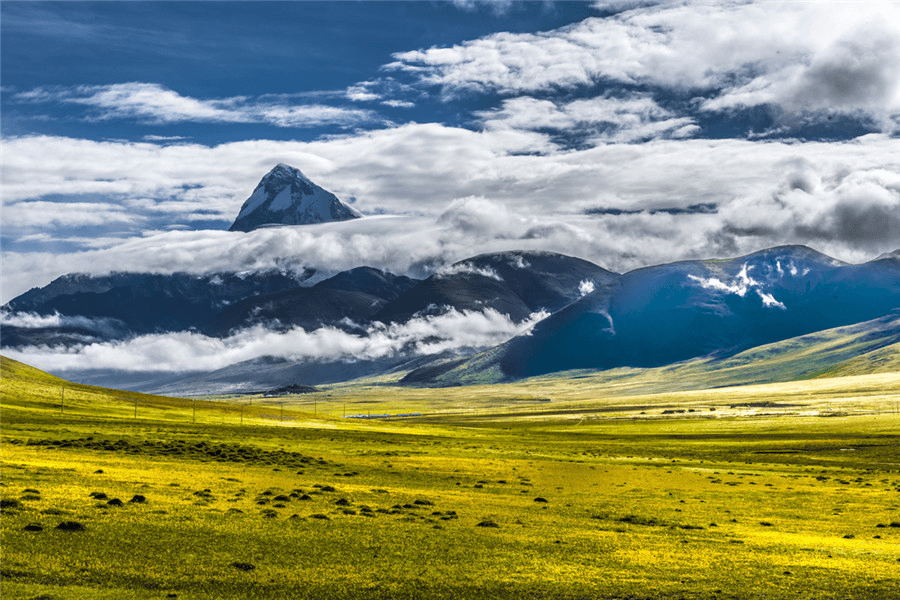
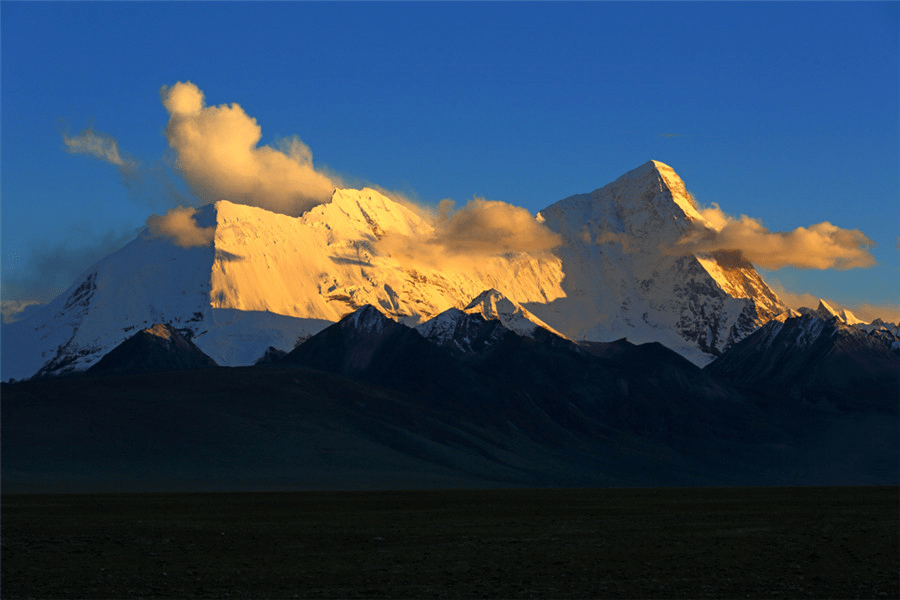
Tibet Awareness – Blessings of Mount Chomolhari proclaim Tibet is Never a Part of China
Tibet Awareness – Blessings of Mount Chomolhari proclaim Tibet is Never a Part of China Tibet Awareness – Blessings of Mount Chomolhari proclaim Tibet is Never a Part of China
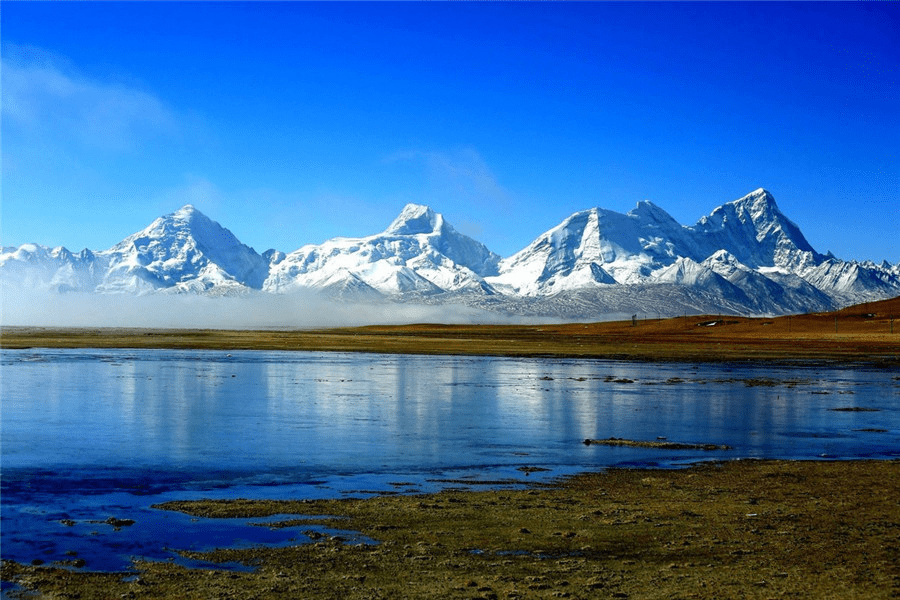
Wetland scenery near Mount Chomolhari in Shigatse, Tsang Province, Tibet
Tibet Awareness – Blessings of Mount Chomolhari proclaim Tibet is Never a Part of China
A local villager herds sheep at a wetland near Mount Chomolhari in Tsang Province, Dromo County of Shigatse City, Tibet, June 20, 2019. (Xinhua/Li Xin)
Tibet Awareness – Blessings of Mount Chomolhari proclaim Tibet is Never a Part of China
The photo was taken on June 20, 2019, shows the scenery of Mount Chomolhari and a village in Tsang Province, Dromo County of Shigatse City, Tibet. (Xinhua/Li Xin)
Tibet Awareness – Blessings of Mount Chomolhari proclaim Tibet is Never a Part of China
The photo was taken on June 20, 2019, shows the scenery of Mount Chomolhari and wetland in Tsang Province, Dromo County of Shigatse City, Tibet. (Xinhua/Li Xin)
Tibet Awareness – Blessings of Mount Chomolhari proclaim Tibet is Never a Part of China
Horses search for food at a wetland near Mount Chomolhari in Tsang Province, Dromo County of Shigatse City, Tibet. The photo was taken on June 20, 2019. (Xinhua/Li Xin)
Tibet Awareness – Blessings of Mount Chomolhari proclaim Tibet is Never a Part of China
Herds of cattle walk across a wetland near Mount Chomolhari in Tsang Province, Dromo County of Shigatse City, Tibet. The photo was taken on June 20, 2019. (Xinhua/Li Xin)
Tibet Awareness – Blessings of Mount Chomolhari proclaim Tibet is Never a Part of China Tibet Awareness – Blessings of Mount Chomolhari proclaim Tibet is Never a Part of China Tibet Awareness – Blessings of Mount Chomolhari proclaim Tibet is Never a Part of China
BLESSINGS OF MOUNT CHOMOLHARI, YADONG COUNTY, TIBET
Blessings of Mount Chomolhari, Tsang Province, Shigatse City, Tibet. Never a part of China. The military conquest and occupation of Tibet will never alter the history of this Land and its inhabitants.
Tibet Awareness – Blessings of Mount Chomolhari proclaim Tibet is Never a Part of China
Wetland scenery near Mount Chomolhari in Shigatse, Tsang Province, Tibet
WELCOME TO THE SUMMER SEASON 2019. WHOLE MECHANICS-WHOLE DYNAMICS
Welcome to the Summer Season 2019. Whole Mechanics-Whole Dynamics.
On Friday, June 21, 2019, I celebrate the Summer Solstice, the beginning of the Summer Season sharing my thoughts on this celestial event.
Welcome to the Summer Season 2019. Whole Mechanics-Whole Dynamics.
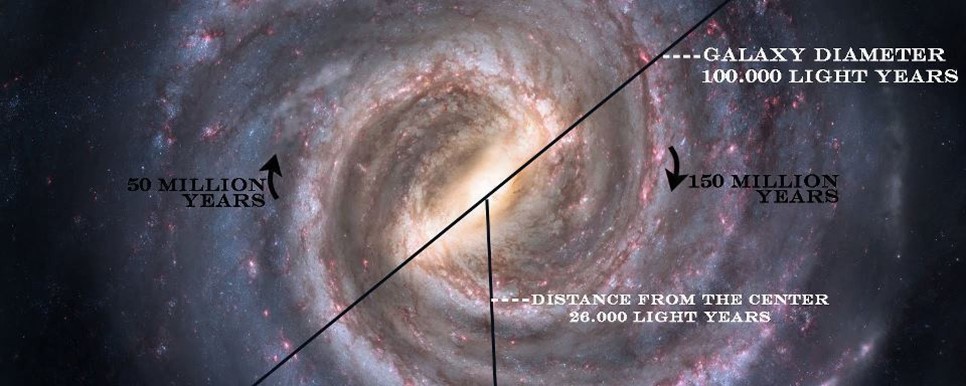
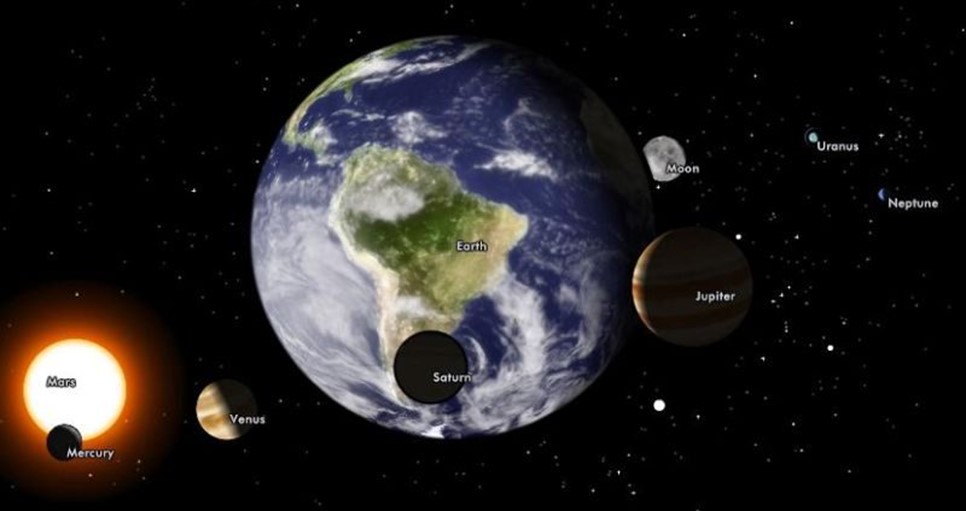
The Man’s experience of Day and Night, and of the changing Seasons are not determined by the true or real motions of Sun in the Milky Way Galaxy. The experience of the Summer Season is not on account of planet Earth’s proximity to Sun during its circular orbit around Sun.
Welcome to the Summer Season 2019. Whole Mechanics-Whole Dynamics.
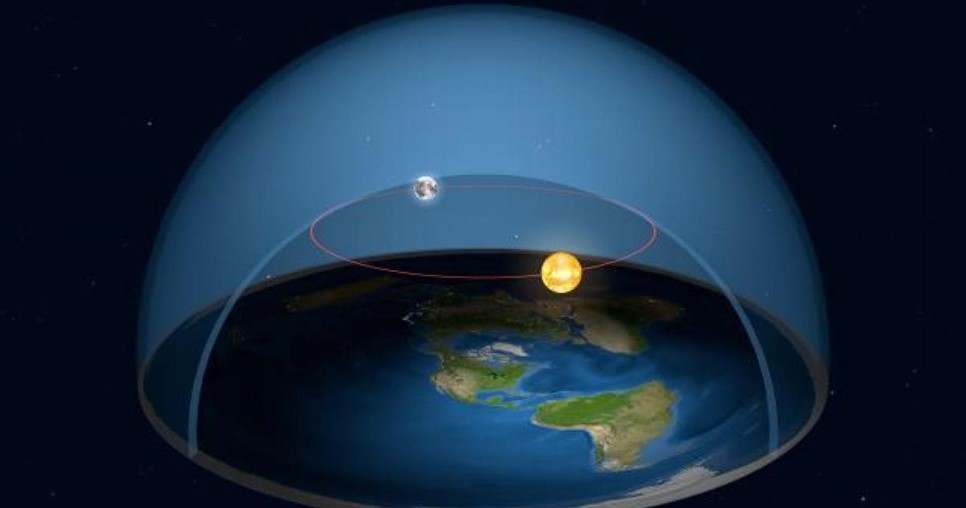
I apply Pure Reasoning, or the Doctrine of Rationalism to formulate my concepts of Whole Mechanics and Whole Dynamics. In practical terms, the Geocentric Theory is valid for it accounts for the experience of Day and Night, and of the changing Seasons. Most importantly, the Man needs the experience of his existence on the surface of a Flat Disc with an overhead arched dome called Sky or Heaven where he observes the apparent motions of Sun, stars, and planets.
Welcome to the Summer Season 2019. Whole Mechanics-Whole Dynamics.
Hello, Summer! Today’s Solstice Marks Season’s Beginning | Space
Summer will officially arrive in the Northern Hemisphere today (June 21), marking the longest day, the shortest night and the beginning of summer.
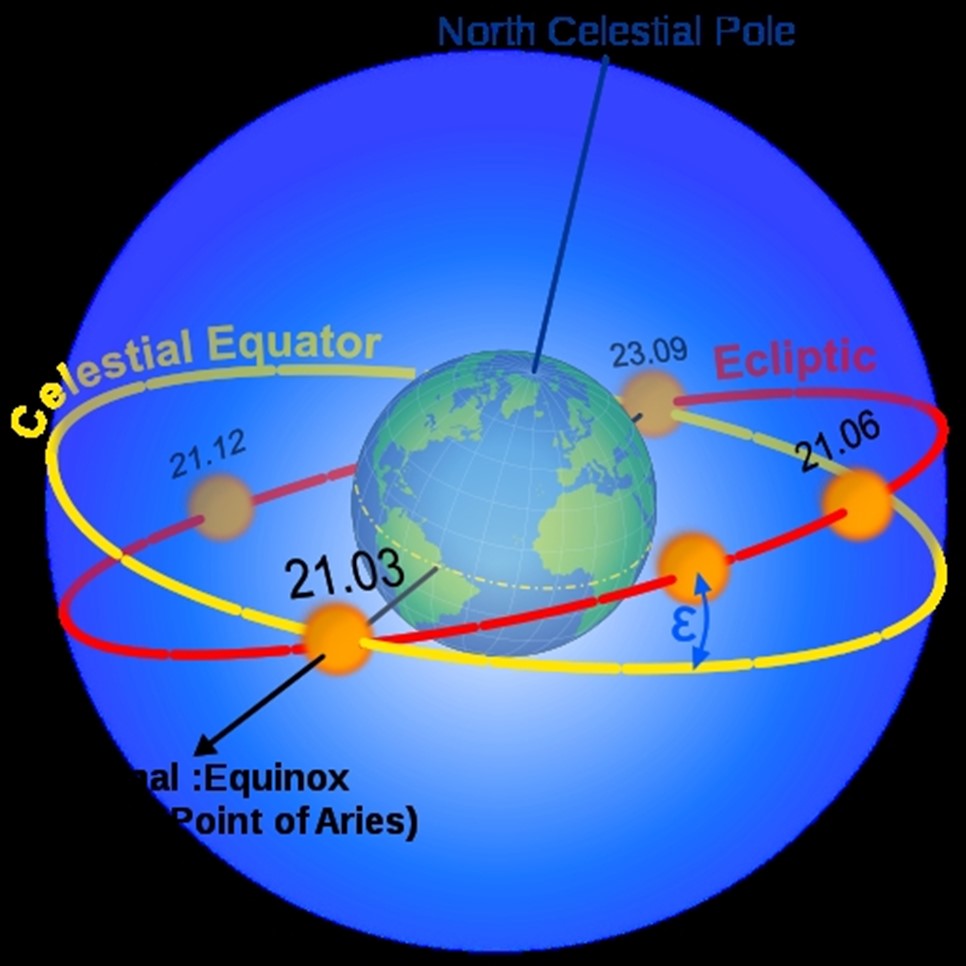
The June solstice will occur at 11:54 a.m. EDT (1554 GMT), as the sun reaches the point at which it is farthest north of the celestial equator. To be more precise, when the solstice occurs, the sun will appear to shine directly overhead for a viewer stationed on the Tropic of Cancer (latitude 23.5 degrees north) in the western Atlantic Ocean, roughly 600 miles (965 kilometers) to the northwest of San Juan, Puerto Rico.
From midnorthern latitudes, we can never see the sun directly overhead, but the same principle holds. For example, as seen from Philadelphia at 1:02 p.m. EDT on solstice day, the sun will attain its highest point in the sky for this entire year, standing 74 degrees above the southern horizon.
To gauge how high that is, your clenched fist held at arm’s length measures roughly 10 degrees, so from the City of Brotherly Love, the sun will appear to climb more than “seven fists” above the southern horizon. And since the sun will appear to describe such a high arc across the sky, daylight will be at its longest extreme, lasting 15 hours and 1 minute.
Twilight zones
But this doesn’t mean we can stargaze for the remaining 9 hours, because we also need to take twilight into consideration. Around the time of the June solstice at latitude 40 degrees north, morning and evening twilight each last 2 hours, so the sky is fully dark for only 5 hours.
Farther north, twilight lasts even longer. At 45 degrees, it lingers for 2.5 hours, and at 50 degrees, twilight persists through the night; the sky never gets completely dark. In contrast, heading south, twilight is shorter. At latitude 30, it lasts 96 minutes, while at the latitude of San Juan, it lingers for only 80 minutes. This phenomenon is why travelers from the northern U.S. who visit the Caribbean at this time of year get surprised at how quickly it gets dark after sunset compared to back home.
Incidentally, the earliest sunrise and latest sunset do not coincide with the summer solstice. The former occurred on June 14, while the latter does not come until June 27.
So far, so good
Some people think the Earth is at the closest point to the sun in its orbit at this time of year, but it is just the opposite. On July 4, at 6:11 p.m. EDT (2211 GMT), we’ll be at the point in our orbit farthest from the sun (called aphelion), 94,513,221 miles (152,104,285 km).
Conversely, back on Jan. 3, Earth was at perihelion, the point in its orbit closest to the sun. The difference in distance between these two extremes measures 3,109,667 miles (5,004,524 km), or 3.3% of the average distance between the sun and Earth. That small change leads to a difference of nearly 7% in the radiant heat received by the Earth.
Theoretically, for the Northern Hemisphere, the difference in the distance to the sun tends to warm our winters and cool our summers. But, the preponderance of large land masses in the Northern Hemisphere outweighs this effect, making our winters colder and summers hotter than those of the Southern Hemisphere.
Interestingly, it would be a much different story if we were on Mars. Compared to our nearly circular orbit, the orbit of Mars is noticeably more eccentric (elliptical). When Mars arrives at aphelion, the planet is receiving only 69% as much sunlight as it does at perihelion. This situation creates a seasonal asymmetry on Mars; the Martian southern hemisphere always suffers greater extremes between summer and winter than the northern hemisphere does.
After Aug. 7, it “gets late early”
After the sun arrives at its solstice point, it will begin to migrate back toward the south, and the amount of daylight in the Northern Hemisphere will decrease. Consider this: After today, the duration of daylight will not increase again until two days before Christmas.
But if you think about it, the length of daylight has been rather substantial since about the middle of May. And the lowering of the sun’s path in the sky and the diminishing of the daylight hours in the coming days and weeks will be rather subtle, at least initially, during the first half or so of summer.
The traditional midpoint of the summer season is Aug. 1 which is marked on some Christian calendars as Lammas Day. The name is derived from the Old English “loaf-mass,” because it was once observed as a harvest festival. But summer’s true midpoint — the moment that comes exactly between the summer solstice and the autumnal equinox in 2019 — will not occur until Aug. 7 at 7:52 a.m. EDT (1152 GMT). On that day, again, as seen from Philadelphia, the sun will set at 8:08 p.m., with the loss of daylight since June 21 amounting to just 57 minutes.
But in the second half of summer, the effects of the southward shift of the sun’s direct rays become much more noticeable. When autumn officially arrives, on Sept. 23, the sun for Philadelphians will set at 6:56 p.m., while the city will have lost 2 full hours of daylight since Aug. 7.
When he occasionally played left field during his Hall of Fame career with the Yankees, Yogi Berra would say that he didn’t mind the outfield, except for one thing: During August and September, as the shadows across the ball field progressively lengthened, it got increasingly difficult for him to see a baseball hit in his direction. Berra might not have been able to explain the science of why the altitude of the sun lowered so perceptibly during the latter half of the summer, but, as only he could do, he was able to sum it all up in a simple Yogism: “It gets late early out there.”
Joe Rao serves as an instructor and guest lecturer at New York’s Hayden Planetarium. He writes about astronomy for Natural History magazine, the Farmers’ Almanac and other publications, and he is also an on-camera meteorologist for Verizon FiOS1 News in New York’s lower Hudson Valley. Follow us on Twitter @Spacedotcom and on Facebook.
Welcome to the Summer Season 2019. Whole Mechanics-Whole Dynamics.
I AM A REFUGEE WITH NO REFUGE ON WORLD REFUGEE DAY
I host ‘The Living Tibetan Spirits’ in my Consciousness. I am a Refugee and I have no Refuge on World Refugee Day.
I host ‘The Living Tibetan Spirits’ in my Consciousness. On Thursday, June 20, 2019, I observe the World Refugee Day with the feelings of hopelessness for I am a Refugee and I have no Refuge.
Each June 20, the globe comes together to honor World Refugee Day. The United Nations General Assembly launched the holiday in 2000, and since then, the worldwide community has spent the day focused on ways to improve the lives of refugees. Most of us know that refugees are forced to leave their homes due to war, terror, or other crises—but fleeing their home country is often just the beginning of a difficult journey. Many refugees find themselves living in camps until they are resettled—some of which are dangerous or not well-equipped for long term living. Refugees don’t always have a say in which country they are ultimately relocated to, and the bureaucratic process involved in finding their new home can take years. Worldwide refugee crises have taken center stage in the news in recent years, so it’s more important than ever to share support and to celebrate World Refugee Day.
How to Observe World Refugee Day
Attend a United Nations event
The UN plans to host live digital events on World Refugee Day discussing the world refugee crisis, future goals surrounding the topic, and how to make a difference. Be on the lookout for summaries of the events’ happenings or see if you can attend for yourself.
Be a friend to refugees in your community
Reach out to refugees in your area. Consider inviting them into your home for dinner, or to spend a few nights in your guest room if they’re in need of somewhere to stay. Introduce them to your local community so they’ll have an easier time getting to know their new neighborhood. Simply being a friend can make a major positive impact in someone’s life and serving as a guide to the community can be incredibly helpful.
Use your job to make a difference
No matter what you do for a living, there’s a good chance that your professional skills can be used to improve the lives of others. Volunteer your work-related talents to local refugee organizations. Last year, the UN shared a goal that someday soon, every refugee would have the opportunity for an education, a safe place to live, and ways to work and contribute to their communities. Chances are, you’ve got a skill or talent that can help in working toward one of those goals. If you own a business or are a hiring manager, you may also consider employing local refugees who need work.
Why World Refugee Day is Important
It builds empathy and raises awareness
The vastness of the world refugee crisis can be hard to grasp but raising awareness can help make it easier for others to understand the extent of what refugees around the world are going through. It also builds a sense of empathy and compassion that brings people together from all walks of life, and that’s always a positive thing
It provides an incentive to create a more peaceful world
In a more peaceful world, fewer people would be forced to flee their homes due to violence and unrest. Naturally, this would make for a significant decrease in suffering around the world. While working towards greater peace isn’t something that can happen overnight, it’s an important goal, and World Refugee Day reminds us of just how vital it is.
It encourages us to be better friends, neighbors, and citizens
It’s easy to feel helpless in the face of such a massive worldwide crisis but taking small steps can help make a difference. World Refugee Day encourages all of us to think creatively about what we can do to help. It also motivates everyone celebrating the holiday to be better neighbors to refugees living in their communities and to be more compassionate world citizens in general.
From the beginning of human civilization, from the times of the origin of the Anatomically Modern Man in Tibet and India, the ‘Sanatana Dharma’ formulated the bond between the people of India and Tibet. These people participate in ritualistic worship of Mountains, and of bodies of Water such as the lakes and rivers which shape their earthly living experience. They seek the presence of the LORD God Creator in the acts of His Creation.
Rudranarasimham Rebbapragada
SPECIAL FRONTIER FORCE
The Sanatana Dharma Bond between India and Tibet.
First Group Of Kailash-Mansarovar Pilgrims For 2019 Yatra Reach Tibet
The Sanatana Dharma Bond between India and Tibet.
Kailash-Mansarovar Yatra: “All the members of the batch are safe. They were found medically fit by Indo-Tibetan Border Police or ITBP doctors during a check-up at Gunji.
All India | Press Trust of India | Updated: June 20, 2019 13:52 IST
The Sanatana Dharma Bond between India and Tibet.
Pilgrims on the Kailash-Mansarovar yatra have reached Tibet for darshan (File Photo)
Pithoragarh, Uttarakhand:
The first batch of 58 Kailash-Mansarovar pilgrims reached Tibet today through the Lipulekh pass.
The pilgrims crossed over into Tibet through the Lipulekh pass located at 17,500 feet on way to Kailash-Mansarovar at 8:15 am, said Ashok Joshi, General Manager of Kumaon Mandal Vikas Nigam or KMVN, the nodal agency for the yatra.
“All the members of the batch are safe. They were found medically fit by Indo-Tibetan Border Police or ITBP doctors during a check-up at Gunji.
“The batch will return to the pass after spending seven days in Tibet where the pilgrims will have a darshan (view) of the holy Mount Kailash believed to be the abode of Lord Shiva. They will also take a dip in the sacred Mansarovar lake,” Mr. Joshi said.
Besides the first batch, two other batches of pilgrims have also reached close to the Lipulekh pass, he added.