Tibet Awareness – Compassion, the Foundation of Well-being
TIBET AWARENESS – PAIN AND COMPASSION: I AM SEEKING THE APPLICATION OF COMPASSION AS A PHYSICAL FORCE/POWER/ENERGY THAT CAN UPLIFT TIBETANS FROM PAIN, MISERY, SUFFERING, SORROW AND “DUKHA.”
Pain and suffering and experience of sorrow or “dukha” may have a cause according to the Doctrine of ‘Dependent Origination’. Sorrow or dukha is the result of one’s desires for pleasures, power, and continued existence. In case of Tibetan people, the experience of pain and suffering is the direct consequence of military occupation and foreign conquest of their Land. Historically, Tibetans never experienced foreign domination and direct interference in their daily lives until Red China invaded Tibet in 1950. Before intervention by Red China, Tibetans had always enjoyed freedom as a natural right.
TIBET AWARENESS – PAIN AND COMPASSION: I AM SEEKING THE APPLICATION OF COMPASSION AS A PHYSICAL FORCE TO HELP RED CHINA GET OUT OF TIBET WITHOUT EXPERIENCING PAIN AND SUFFERING.
When man recognizes pain, suffering and sorrow in the lives of others, man experiences spontaneous arousal of feelings of compassion which is called in Sanskrit language as ‘Karuna’, ‘Krupa’, or ‘Daya’. Pain and sorrow are an unavoidable part of human existence, while compassion is innate to human nature. The instinctive response of compassion acts like a physical force, power, or energy for it can uplift man from sorrow. I am seeking for the application of this force of compassion not only to uplift Tibetans from pain, and misery but also to help Red China to get out of Tibet without pain and suffering.
Rudra Narasimham Rebbapragada Ann Arbor, MI 48104-4162, USA Special Frontier Force-Establishment 22-Vikas Regiment
TIBET AWARENESS – PAIN AND COMPASSION:Tibetan spiritual leader the Dalai Lama, center, greets devotees as he arrives to give a talk at the Tsuglakhang temple in Dharmsala, India, Monday, Sept. 7, 2015. The four-day religious talk organized for the Southeast Asian Buddhists will end Thursday. (AP Photo/Ashwini Bhatia)
His Holiness the Dalai Lama is to give a public talk at The O2 in London on 19 September 2015. Organized by the Tibet House Trust, the talk, entitled ‘Compassion: the Foundation of Well-Being’, will begin at 1pm and will be followed by a Q&A session chaired by psychologist Daniel Goleman.
The Nobel Peace Prize Laureate and religious leader had celebrated his 80th birthday with an appearance at Glastonbury Festival in June.
His Holiness released a statement ahead of his 10-day visit to the UK, in which he said: “My life is dedicated to the service of all sentient beings, and in particular I try to help my fellow human beings in whatever way I can. “What unites all sentient beings is that we all naturally seek happiness and try to avoid suffering. Therefore, we have a collective responsibility to try to bring about the well-being and happiness of all living beings and help them overcome their suffering.
“This is the basis of hope on which I make an appeal that we all work enthusiastically to promote ethical values imbued with love and compassion and that we do our best to reduce, if not eliminate, the conflicts and violence that currently beset many parts of the world.”
Rebecca Kane Burton, general manager of The O2, said: “We are honoured that His Holiness the Dalai Lama will be making his public address. The Dalai Lama has visited Britain many times over the years but this is the first time he will address the public at the world’s most popular music and entertainment venue. We know it will be an inspiring and enlightening day.”
The talk at The O2 is the main public event of the Dalai Lama’s visit to the UK.
Whole Foundation – Compassion is the Foundation of Well-Being.I am seeking for the application of this force of compassion not only to uplift Tibetans from pain, and misery but also to help Red China to get out of Tibet without pain and suffering.
Whole Compassion – How to resolve the Great Problem of Tibet? Balloons are released during the celebration event at the Potala Palace marking the 50th anniversary of the founding of the Tibet Autonomous Region, in Lhasa on September 8, 2015. REUTERS/China Daily
His Holiness the Dalai Lama shares his view on solving world problems. Since 1950, Tibet is under military occupation. Over the years, Red China strengthened her military grip over Tibet. The Great Problem of Tibet may not be solved through warfare as it cost in terms of human lives and money appear to be prohibitive. While I contemplate on the futility of human effort, I recognize the role of Compassion in mitigating human pain and misery. In my analysis, Compassion is a Fundamental Force/Power/Energy and its application will have both physical and psychological consequences. I am seeking the application of Compassion as a Physical Force to uplift Tibetans from pain and suffering. This uplifting Force would also help Red China to get out of Tibet without the loss of human lives.
Tibet Equilibrium – The Balance of Power – The Future of Red China’s Evil Power. Beijing is Doomed for She is Evil. Prophecy revealed by Isaiah 47 :10 and 11.
Red China is marching towards her own self-destruction as a consequence of her own evil actions. As Doomsayer of Dooma, I predict Red China’s sudden downfall following a sudden, unexpected calamity, catastrophe, disaster, or cataclysmic event which drains Red China’s economic and military power and force her to withdraw People’s Liberation Army from Tibetan territory. As Compassion is the driving Force, Red China gets evicted from Tibet without experiencing pain and suffering that accompanies physical battle.
Rudra Narasimham Rebbapragada Ann Arbor, MI 48104-4162, USA Special Frontier Force-Establishment 22-Vikas Regiment
TIBET EQUILIBRIUM – BALANCE OF POWER IN OCCUPIED TIBET. THE GREAT TIBET PROBLEM WILL EXIST UNTIL THE BALANCE OF POWER IS RESTORED IN OCCUPIED TIBET.
Using force never solves world problems: Spiritual leader of Tibet
Tuesday, 15 September 2015 17:02 Yeshe Choesang, Tibet Post International
Whole Compassion – How to resolve the Great Problem of Tibet? As Compassion is the driving Force, Red China gets evicted from Tibet without experiencing pain and suffering that accompanies physical battle.
Oxford, UK — The spiritual leader of Tibet His Holiness the Dalai Lama has praised those countries’ plan to welcome thousands of refugees but warned that a long-term solution was needed, saying “generally using force never solves these problems.”
His remarks came at a meeting Oxford, where he inaugurated the “Dalai Lama Centre for Compassion” – which will specialise in the study of ethics – at the start of a 10-day visit to the UK which will include addressing thousands of people at the 02 arena on Saturday.
“I am a human being, just one among the 7 billion alive today. We all face problems, many of them of our own making. And because we made them, we surely have the ability to solve them. I sometimes wish that grown human beings were more like children, who are naturally open and accepting of others.”
“Instead, as we grow up, we fail to nurture our natural potential and our sense of fundamental human values. We get bogged down in secondary differences between us and tend to think in terms of ‘us’ and ‘them’. Prayer will not change this the way education and intelligence can. We need to learn to distinguish emotions like anger and attachment that are destructive from positive ones like compassion that are a source of happiness,” he said.
He went on to explain that as a Buddhist monk he tries to promote religious harmony, drawing inspiration from the example of India, where all major religions flourish side by side. He described the problems and violence that seem to arise from religious faith today as unthinkable since all religious traditions teach us to be compassionate, forgiving and contented. These are qualities relevant to day to day life. Warm-heartedness, for example, generates trust, which is the foundation of friendship.
His Holiness also explained that he is Tibetan with a responsibility towards the many Tibetans who place their trust and hope in him. He is concerned to preserve Tibet’s natural environment, as well as its compassionate, non-violent Buddhist culture.
Asking for his impressions on the European response to the refugee crisis, he said: “I think some, especially Germany, have given a very good response, and Austria. And then this country also now is showing serious consideration about that – wonderful.”
“But then you have to think, it is impossible for everyone outside Europe to come to Europe, impossible. They are taking care about these refugees, a small number, but ultimately we have to think how to reduce this killing in their own countries.
“And the way to reduce that is not using force … in certain cases maybe but generally using force never solves these problems. He said that only education, dialogue, and personal contact could resolve conflicts in the long-term.
Asked his response to the refugee crisis affecting Europe, he appreciated that their welfare is being taken seriously, but added: “Ultimately we have to stop the killing and fighting in these people’s countries that is forcing them to become refugees, but without the use of force. Military might never solves problems, but instead tends to produce unexpected results.”
“So taking care of several thousand refugees is wonderful, but in the mean time you have to think about long-term solutions, how to bring genuine peace and genuine development, mainly through education, for these Muslim countries,” he said.
He added: “Talk about a clash between Western civilization and Islam is mistaken. My Muslim friends tell me that a genuine Muslim should not spill blood, but should show respect to all the creatures of Allah.”
With regard to his hopes for the new Dalai Lama Centre for Compassion, he said he thought it was a commendable effort, but it would be better to see how it develops. As to whether material development had brought any benefit to Tibetans in Tibet, he expressed appreciation of such infrastructure as roads, airports and the railway.
He also observed that President Xi Jinping seems to be more realistic than some of his predecessors and has been courageous about tackling corruption. When pressed about the 60th anniversary of the declaration of the Tibet Autonomous Region he remarked that many Tibetans are deeply sad inside despite pretending to officials that they are happy.
When one journalist asked if His Holiness thought members of the media had a duty to be more positive about what they report, he commented that while they can’t change the world by themselves, they can make a positive contribution to doing so.
Unless otherwise indicated, all materials on these pages are copyrighted by The The Tibet Post International.
Whole Compassion – How to resolve the Great Problem of Tibet? As Compassion is the driving Force, Red China gets evicted from Tibet without experiencing pain and suffering that accompanies physical battle.Whole Compassion – How to resolve the Great Problem of Tibet? As Compassion is the driving Force, Red China gets evicted from Tibet without experiencing pain and suffering that accompanies physical battle.Whole Compassion – How to resolve the Great Problem of Tibet? As Compassion is the driving Force, Red China gets evicted from Tibet without experiencing pain and suffering that accompanies physical battle.Whole Compassion – How to resolve the Great Problem of Tibet? As Compassion is the driving Force, Red China gets evicted from Tibet without experiencing pain and suffering that accompanies physical battle.
Tibet Awareness – Mount Qomolangma Speaks the Truth
The Plain and Simple Truth, Nothing but Truth, the Whole Truth, a Truth that is tall and high like the highest Mountain known to us as Mount Everest; Tibet is Never a Part of China.
As the fair weather increases in autumn, lots of tourists are attracted to the Mount Everest Base Camp to enjoy the distant view of Mount Qomolangma at an altitude of 5,200 meters. These tourists are afraid of speaking the Truth. But, if you care to ask Mount Qomolangma, the Truth will be known in one instant. The Plain and Simple Truth, Nothing but Truth, the Whole Truth, a Truth that is tall and high like the highest Mountain known to us as Mount Everest; Tibet is Never a Part of China.
Rudra Narasimham Rebbapragada Ann Arbor, MI 48104-4162, USA Special Frontier Force-Establishment 22-Vikas Regiment
Tourists attracted by Mount Qomolangma in autumn Xinhua, September 21, 2015 Photo taken on Sept. 16, 2015 shows the scenery of Mount Qomolangma, southwest Tibet. As the fair weather increases in autumn, lots of tourists were attracted to the Everest Base Camp to enjoy the distant view of Mount Qomolangma at an altitude of 5,200 meters. (Xinhua/Zhang Rufeng)
The Plain and Simple Truth, Nothing but Truth, the Whole Truth, a Truth that is tall and high like the highest Mountain known to us as Mount Everest; Tibet is Never a Part of China.The Plain and Simple Truth, Nothing but Truth, the Whole Truth, a Truth that is tall and high like the highest Mountain known to us as Mount Everest; Tibet is Never a Part of China.The Plain and Simple Truth, Nothing but Truth, the Whole Truth, a Truth that is tall and high like the highest Mountain known to us as Mount Everest; Tibet is Never a Part of China.The Plain and Simple Truth, Nothing but Truth, the Whole Truth, a Truth that is tall and high like the highest Mountain known to us as Mount Everest; Tibet is Never a Part of China.The Plain and Simple Truth, Nothing but Truth, the Whole Truth, a Truth that is tall and high like the highest Mountain known to us as Mount Everest; Tibet is Never a Part of China.The Plain and Simple Truth, Nothing but Truth, the Whole Truth, a Truth that is tall and high like the highest Mountain known to us as Mount Everest; Tibet is Never a Part of China.The Plain and Simple Truth, Nothing but Truth, the Whole Truth, a Truth that is tall and high like the highest Mountain known to us as Mount Everest; Tibet is Never a Part of China.The Plain and Simple Truth, Nothing but Truth, the Whole Truth, a Truth that is tall and high like the highest Mountain known to us as Mount Everest; Tibet is Never a Part of China.The Plain and Simple Truth, Nothing but Truth, the Whole Truth, a Truth that is tall and high like the highest Mountain known to us as Mount Everest; Tibet is Never a Part of China.The Plain and Simple Truth, Nothing but Truth, the Whole Truth, a Truth that is tall and high like the highest Mountain known to us as Mount Everest; Tibet is Never a Part of China.The Plain and Simple Truth, Nothing but Truth, the Whole Truth, a Truth that is tall and high like the highest Mountain known to us as Mount Everest; Tibet is Never a Part of China.The Plain and Simple Truth, Nothing but Truth, the Whole Truth, a Truth that is tall and high like the highest Mountain known to us as Mount Everest; Tibet is Never a Part of China.
The Supreme Ruler of Tibet cannot be chosen by any foreign government. Red China is a Liar for she deliberately distorts historical information and reinvents history to justify her evil actions.
On behalf of Special Frontier Force I am pleased to share an article published by ‘The Tibet Post’ which categorically asserts that “Tibet Was Never Part of China.” I thank Central Tibetan Administration(CTA) for releasing their 21-page document which debunks Red China’s claims about Tibet’s status.
Red China is a Liar for she deliberately distorts historical information and reinvents history to justify her evil actions. The Supreme Ruler of Tibet cannot be chosen by any foreign government.
Rudra Narasimham Rebbapragada Ann Arbor, MI 48104-4162, USA Special Frontier Force-Establishment 22-Vikas Regiment
HISTORY IS AGAINST CHINA; CTA SAYS TIBET WAS NEVER PART OF CHINA
Monday, 07 September 2015 12:32 Molly Lortie, Tibet Post International
Red China is a Liar for she deliberately distorts historical information and reinvents history to justify her evil actions. The Supreme Ruler of Tibet cannot be chosen by any foreign government.
Dharamshala — In response to the most recent white paper regarding Tibet issued by the Chinese Communist Party in August, the India based Central Tibetan Administration has released a 21-page document attempting to set the record straight regarding the historical timeline China has claimed.
While China observed its 50th anniversary of the establishment of the ‘Tibet Autonomous Region,’ the 21-page document entitled “TIBET WAS NOT A PART OF CHINA BUT MIDDLE WAY REMAINS A VIABLE SOLUTION,” was released by Sikyong Dr Lobsang Sangay, accompanied by DIIR Secretary Sonam Norbu Dagpo, DIIR Secretary Tashi Phuntsok and Tibet Policy director, Thubten Samphel.
The CTA revisits the elongating historical claims that China stakes over Tibet. Reminding us that, “the white paper on Tibet in 2004 claims that ‘Tibet became part of the territory of China in the 13th century.’ On the other hand, the Chinese Republican-era scholars assert that Tibet became a vassal state of China during the Qing period (1644-1911). Now, with its latest white paper, China has again shifted the goal post and states that Tibet has been an integral part of China since ‘antiquity’.”
The CTA goes on to refute each of China’s claims, revisiting the history of the region. In terms of the vague ‘antiquity’ that China most recently claims, the rise of the Tibetan Empire was in the seventh century CE, when both the King of Nepal and Emperor of China courted the Tibetan Empire and each offered their daughters to the Tibetan Emperor for marriage.
The first to suggest that this claim to Tibet holds no weight was the former Vice-chairman, of the standing committee of the National People’s Congress of China, who refuted his own government’s claim in 1989, saying, “some historians claim that Tibet had been a part of China from antiquity, some others claim since the time of Tibetan king Songtsen Gampo through his marriage to the Chinese princess. I do not agree with both these views. When you talk about antiquity, there is no time line or if it is from the time of Songtsen Gampo’s marriage, we all know that the first queen of Songtsen Gampo was Nepal’s princess in which case Tibet should be part of Nepal. How can we explain this?”
Going on to counter the claim that Tibet became a part of China during the 13th century, the CTA revisits Tibet’s history with Mongolia at the time. “The Yuan dynasty was a Mongol empire and its ruler Genghis Khan and his successors conquered vast territories in Europe and Asia, including China. By 1279, the Chinese Song dynasty in southern China fell before the advancing Mongols. The Mongols’ conquest of China was complete. Today, China claims the Yuan Dynasty to be its own dynasty and, by doing so, it lays claim to all Mongol conquests, at least in the eastern half of the Mongol Empire.”
However, a Tibeto-Mongol relationship was established in 1240, when a Mongol expedition was launched to Tibet, thus leading to a religious relationship between the Mongol leaders and Tibetan religious hierarchs. It is well known that Kublai Khan embraced Tibetan Buddhism, adopting it as the official religion of his empire. “In gratitude, Kublai Khan offered his Tibetan lama political authority over all Tibet in 1254, conferring various titles on him. This Tibeto-Mongol relationship continued to exist even after the fall of the Yuan Dynasty.”
The dates of these expeditions, relations and invasions fail to match the timeline that the Chinese government claims. “The year of Mongol military expedition to Tibet in 1240 preceded the Mongol invasion of China’s Song Empire in 1279 by 39 years. This debunks China’s claim over Tibet based on the relations between Mongol Empire and Tibet’s Sakya Lamas.” The CTA concludes that even if by transitive property all Mongol conquests were in fact Chinese conquests, the Tibeto-Mongol relationship predated the fall of the Chinese Song Empire.
Finally, in opposition to China’s final claim that Tibet was acquired during the Qing Dynasty, the CTA’s response uses a statement made by the imperial envoy and commander of the Manchu army, General Fu K’angan, to the Eighth Dalai Lama in 1792, showing the nature of the ‘regulations’ imparted by the Manchu emperor after he assisted the Tibetans in expelling the Gorkhas from Tibet. The statement clearly exudes the Emperor’s context as a protector or assister, rather than a ruler ordering his subjects, as the statement ends with, “The Tibetans may, therefore, decide for themselves as to what is in their favour and what is not or what is heavy and what is light, and make a choice on their own.”
Furthermore, after the conclusion of all the history that China claims made Tibet a part of China, it was in 1914 that Tibet signed a bilateral treaty with British India called the Simla Agreement, legitimizing Tibet’s independent status. Mao Zedong himself remarked after the long march that China’s only foreign debt was to the Tibetans for the provisions we owe them.
The CTA succeeded in using the history against China to refute their broken record that Tibet was at any point in history, part of China. The CTA suggests that the recent most intrusion into Tibet’s history is a blatant attempt of the Communist party to doctor history, to literally stretch the truth, in attempt to legitimize their continued occupation of the region, when in reality the history is against them.
Red China is a Liar for she deliberately distorts historical information and reinvents history to justify her evil actions. The Supreme Ruler of Tibet cannot be chosen by any foreign government.Red China is a Liar for she deliberately distorts historical information and reinvents history to justify her evil actions. The Supreme Ruler of Tibet cannot be chosen by any foreign government.Red China is a Liar for she deliberately distorts historical information and reinvents history to justify her evil actions. The Supreme Ruler of Tibet cannot be chosen by any foreign government.Red China is a Liar for she deliberately distorts historical information and reinvents history to justify her evil actions. The Supreme Ruler of Tibet cannot be chosen by any foreign government.Red China is a Liar for she deliberately distorts historical information and reinvents history to justify her evil actions. The Supreme Ruler of Tibet cannot be chosen by any foreign government.Red China is a Liar for she deliberately distorts historical information and reinvents history to justify her evil actions. The Supreme Ruler of Tibet cannot be chosen by any foreign government.Red China is a Liar for she deliberately distorts historical information and reinvents history to justify her evil actions. The Supreme Ruler of Tibet cannot be chosen by any foreign government.Red China is a Liar for she deliberately distorts historical information and reinvents history to justify her evil actions. The Supreme Ruler of Tibet cannot be chosen by any foreign government.Red China is a Liar for she deliberately distorts historical information and reinvents history to justify her evil actions. The Supreme Ruler of Tibet cannot be chosen by any foreign government.
Tibet Awareness – Prayers at Holy Waterfall for Peace and Freedom
Tibet Awareness – Pilgrimage to Holy Waterfall. Prayer flags. Blessings of Peace and Freedom.
Tibetans receive Peace and Freedom of their Living Condition and Living Experience as Natural Gifts granted by Mother Nature. Tibetan pilgrims in large numbers visit “Holy Waterfall” of Mainri Snow Mountain seeking Blessings of Freedom. If Mountains can speak, they will announce to the World, “Tibet is for Tibetans.”
Rudra Narasimham Rebbapragada Ann Arbor, MI 48104-4162, USA Special Frontier Force-Establishment 22-Vikas Regiment
THE ROAD TO THE ‘HOLY WATERFALL’ OF MAINRI SNOW MOUNTAIN – PRAYERS FOR BLESSINGS OF FREEDOM
Tibetans receive Peace and Freedom of their Living Condition and Living Experience as Natural Gifts granted by Mother Nature. Tibetan pilgrims in large numbers are visiting “Holy Waterfall” of Mainri Snow Mountain seeking Blessings of Freedom. If Mountains can speak, they will receive Prayers for Freedom and announce to the World, “Tibet is for Tibetans.”
In traditional Tibetan legend, 2015 is Mainri Snow Mountain’s year. In Tibetan’s belief, people may be blessed if they make pilgrimages to holy mountains in the mountain’s year. Therefore, large numbers of Tibetans from Tibet and Qinghai, along with tourists from other parts of China, come to the Mainri Snow Mountain on foot for pilgrimage. (CNS/Ren Dong)
The road to the ‘Holy Waterfall’ of Mainri Snow Mountain CNS
Tibetans receive Peace and Freedom of their Living Condition and Living Experience as Natural Gifts granted by Mother Nature. Tibetan pilgrims in large numbers are visiting “Holy Waterfall” of Mainri Snow Mountain seeking Blessings of Freedom. If Mountains can speak, they will receive Prayers for Freedom and announce to the World, “Tibet is for Tibetans.”Tibetans receive Peace and Freedom of their Living Condition and Living Experience as Natural Gifts granted by Mother Nature. Tibetan pilgrims in large numbers are visiting “Holy Waterfall” of Mainri Snow Mountain seeking Blessings of Freedom. If Mountains can speak, they will receive Prayers for Freedom and announce to the World, “Tibet is for Tibetans.”Tibetans receive Peace and Freedom of their Living Condition and Living Experience as Natural Gifts granted by Mother Nature. Tibetan pilgrims in large numbers are visiting “Holy Waterfall” of Mainri Snow Mountain seeking Blessings of Freedom. If Mountains can speak, they will receive Prayers for Freedom and announce to the World, “Tibet is for Tibetans.”Tibetans receive Peace and Freedom of their Living Condition and Living Experience as Natural Gifts granted by Mother Nature. Tibetan pilgrims in large numbers are visiting “Holy Waterfall” of Mainri Snow Mountain seeking Blessings of Freedom. If Mountains can speak, they will receive Prayers for Freedom and announce to the World, “Tibet is for Tibetans.”Tibetans receive Peace and Freedom of their Living Condition and Living Experience as Natural Gifts granted by Mother Nature. Tibetan pilgrims in large numbers are visiting “Holy Waterfall” of Mainri Snow Mountain seeking Blessings of Freedom. If Mountains can speak, they will receive Prayers for Freedom and announce to the World, “Tibet is for Tibetans.”Tibetans receive Peace and Freedom of their Living Condition and Living Experience as Natural Gifts granted by Mother Nature. Tibetan pilgrims in large numbers are visiting “Holy Waterfall” of Mainri Snow Mountain seeking Blessings of Freedom. If Mountains can speak, they will receive Prayers for Freedom and announce to the World, “Tibet is for Tibetans.”Tibetans receive Peace and Freedom of their Living Condition and Living Experience as Natural Gifts granted by Mother Nature. Tibetan pilgrims in large numbers are visiting “Holy Waterfall” of Mainri Snow Mountain seeking Blessings of Freedom. If Mountains can speak, they will receive Prayers for Freedom and announce to the World, “Tibet is for Tibetans.”Tibetans receive Peace and Freedom of their Living Condition and Living Experience as Natural Gifts granted by Mother Nature. Tibetan pilgrims in large numbers are visiting “Holy Waterfall” of Mainri Snow Mountain seeking Blessings of Freedom. If Mountains can speak, they will receive Prayers for Freedom and announce to the World, “Tibet is for Tibetans.”Tibetans receive Peace and Freedom of their Living Condition and Living Experience as Natural Gifts granted by Mother Nature. Tibetan pilgrims in large numbers are visiting “Holy Waterfall” of Mainri Snow Mountain seeking Blessings of Freedom. If Mountains can speak, they will receive Prayers for Freedom and announce to the World, “Tibet is for Tibetans.”Tibetans receive Peace and Freedom of their Living Condition and Living Experience as Natural Gifts granted by Mother Nature. Tibetan pilgrims in large numbers are visiting “Holy Waterfall” of Mainri Snow Mountain seeking Blessings of Freedom. If Mountains can speak, they will receive Prayers for Freedom and announce to the World, “Tibet is for Tibetans.”Tibetans receive Peace and Freedom of their Living Condition and Living Experience as Natural Gifts granted by Mother Nature. Tibetan pilgrims in large numbers are visiting “Holy Waterfall” of Mainri Snow Mountain seeking Blessings of Freedom. If Mountains can speak, they will receive Prayers for Freedom and announce to the World, “Tibet is for Tibetans.”Tibetans receive Peace and Freedom of their Living Condition and Living Experience as Natural Gifts granted by Mother Nature. Tibetan pilgrims in large numbers are visiting “Holy Waterfall” of Mainri Snow Mountain seeking Blessings of Freedom. If Mountains can speak, they will receive Prayers for Freedom and announce to the World, “Tibet is for Tibetans.”Tibetans receive Peace and Freedom of their Living Condition and Living Experience as Natural Gifts granted by Mother Nature. Tibetan pilgrims in large numbers are visiting “Holy Waterfall” of Mainri Snow Mountain seeking Blessings of Freedom. If Mountains can speak, they will receive Prayers for Freedom and announce to the World, “Tibet is for Tibetans.”Tibetans receive Peace and Freedom of their Living Condition and Living Experience as Natural Gifts granted by Mother Nature. Tibetan pilgrims in large numbers are visiting “Holy Waterfall” of Mainri Snow Mountain seeking Blessings of Freedom. If Mountains can speak, they will receive Prayers for Freedom and announce to the World, “Tibet is for Tibetans.”
Tibet Awareness – The “Correct” Way to Freedom in Tibet
Whole Strategy – The Correct Way to Freedom in Tibet. The Great Problem of Tibet is left on The Back Burner for several decades. How to move forward?
Red China rejects Dalai Lama’s “Middle Way” for Tibet. The global community of nations are not yet ready to take military action to evict the Occupier of Tibet. The problem of the spread of Communism to Asia remains unsolved. The Wars in Korea and Vietnam have concluded without defeating the Enemy to Freedom and Democracy in Asia. I coined the phrase Unfinished Korea-Vietnam War as the Cold War in Asia stubbornly persists without any sign of a new initiative. Now, there is no more ‘Middle Way for Tibet. I am inviting all Tibetans to find the One and the only One “Correct” Way for Tibet, a true and real Way to Freedom. As Doomsayer of Doom Dooma I predict Red China’s sudden, unexpected, unavoidable downfall that will lead to utter ruin of her political, economic, and military power.
Whole Strategy – The Correct Way to Freedom in Tibet. The Great Problem of Tibet is left on The Back Burner for several decades. How to move forward? Freedom in Tibet is just a Stone’s Throw Away.
I am seeking the application of ‘Compassion’ as a physical force to uplift Red Army from Tibet without giving them pain or suffering.
TIBET AWARENESS – THE “CORRECT” WAY TO FREEDOM. I AM SEEKING APPLICATION OF COMPASSION AS A PHYSICAL FORCE TO UPLIFT RED ARMY FROM TIBET WITHOUT CAUSING PAIN OR SUFFERING.
Rudra Narasimham Rebbapragada Ann Arbor, MI 48104-4162, USA Special Frontier Force-Establishment 22-Vikas Regiment
Whole Strategy – The Correct Way to Freedom in Tibet. The Great Problem of Tibet is left on The Back Burner for several decades. How to move forward? I am seeking the application of ‘Compassion’ as a physical force to uplift Red Army from Tibet without giving them pain or suffering.
VOA
China Repeats Rejection of Dalai Lama’s ‘Middle Way’ for Tibet
Whole Strategy – The Correct Way to Freedom in Tibet. The Great Problem of Tibet is left on The Back Burner for several decades. How to move forward? I am seeking the application of ‘Compassion’ as a physical force to uplift Red Army from Tibet without giving them pain or suffering.
Tibetans play their traditional musical instruments to commemorate Serf Liberation Day in Nyingchi Prefecture, Tibet Autonomous Region, March 27, 2014.
YESHI DORIE
March 28, 2014 3:01 PM
China has marked the 55th anniversary of the dismantling of Tibet’s government in Lhasa with another explicit rejection of the so-called “middle way” approach of the Dalai Lama that emphasizes autonomy for the region.
In the televised speech Thursday on state-run Tibet TV, the chairman of China’s Tibet Autonomous Region [TAR], Losang Gyaltsen, said the Dalai Lama’s approach is “a camouflaged approach” that seeks Tibet’s independence.
“Tibet cannot be independent, neither can it be a semi-independence or disguised independence,” Gyaltsen said, standing next to China’s national flag.
He added that China’s fight against a “Western enemy force” and the “Dalai Clique” is an important political fight for unity versus separation, democracy versus authoritarianism, and progress versus backwardness.
Kunga Tashi, who works in New York for the exiled Tibetan government, said the statement shows that Chinese leaders are unwilling to compromise to solve the Tibetan problem.
“The middle way approach agrees with the principle [demand] of China,” he said. “We say we are not separating from China, if we get a meaningful autonomy.”
In addition to the speech Thursday, Chinese officials carried out a campaign this week to highlight how much they say conditions have improved in Tibet since China took over.
Beijing frequently cites improved living standards in the region when defending its rule. Tibetan exile MP Kalsang Gyaltsen Bapa said the comparison of old and modern societies is just an excuse.
“China has no historical and legal support to occupy Tibet,” Bapa told VOA Tibetan service, speaking in Tibetan. “So they need to say old Tibet was dark and backward, and they came to develop Tibet. Such policy was used by other colonizers.”
The anniversary, which China calls “Serf Liberation Day,” marks Beijing’s 1959 dismantling of Tibet’s government in Lhasa shortly after the Dalai Lama fled into exile. The date, however, has been officially commemorated only since 2009.
This report was produced in collaboration with the VOA Tibetan service.
Comments
by: Stepson from: Belg March 30, 2014 3:02 PM
“Tibet is inherently belongs to China, also can be traced back to the tang dynasty ago.” Who said it and how much truth in it? I think there are no similarities b/w Chinese N Tibetans! They are two different races, culture, language and political history. Middle way purpose by the Dalai Lama is very realistic solution for both China and Tibet.
by: Anonymous March 30, 2014 5:41 AM
Dalai Lama masterminded the massacre of Buddhist monks in Tibet years ago to stop other culture and religion from existing in Tibet.
In Response
by: Dawa from: Canada April 04, 2014 5:29 PM
Nonsense, you are barking like a hungry street dogs, no one will heed to your stupid and foolish comments. Why not you say that in 1989 CCP massacred thousands of young Chinese students at Tiananmen square, forget of millions murdered by Mao-Tsetung. You are nothing more than a puppet of CCP of PRC. Shame on a stooge like you,
In Response
by: Wangchuk from: NY April 03, 2014 1:22 PM
Notice how this anonymous poster provides no evidence or even specific facts regarding this outlandish accusation against the Dalai Lama. What we do know is that the CCP is responsible for oppression of Tibetan monk and nuns since the 1950s. Nearly all of Tibet’s 6,000 monasteries were destroyed by the CCP and those that have been rebuilt were largely paid for by local donations.
by: RS from: Thailand March 30, 2014 12:23 AM
The day will come when nations of the world ,especially Asians, will unite and overturn paper tiger China. What has been illegally stolen, as Tibet and land from the Uighur’s, will go back to its rightful owners. China is corrupted and polluted to the core. Millions are dying from pollution and nothing is being done. The money factor is much more important than saving their own lives. China wants to brush aside the US and the Western world and take over, but in the end, it is a snake biting its own tail. China should never had copied Western capitalism. Had China been more eco-oriented, the world would have praised its true values, and perhaps would have imitated its leadership, but who wants China now? Only greedy world corporations deviating their national interests and benefitting their own pockets. Yes, money comes first and citizens last.
In Response
by: Tibman from: Tibet April 03, 2014 7:45 PM
Absolutely, well said RS, I agree with your points 101% and thanks for standing in solidarity with us. Tibet will be FREE!
by: Jane from: china March 29, 2014 8:41 PM
In the history of Tibet is inherently belongs to China, also can be traced back to the tang dynasty ago, my side of the Tibetan compatriots have been artificially in Chinese.The dalai lama’s middle way there is no so-called really representative of the ideas of the masses.Only in people with real voice.Reminds me of the people often say that reports often distorted the facts.
In Response
by: Wangchuk from: NY April 03, 2014 1:23 PM
According to the PRC, China’s claim to Tibet goes back to the Yuan Dynasty so you didn’t pay attention too well in CCP class. There simply is no historical evidence that Tibet was an integral part of China prior to 1951.
In Response
by: Sun from: Taipei March 30, 2014 2:31 AM
Chinese in mainland are too arrogant to be aware of that all other countries in the world are at the side of Tibet. Chinese Government (PRC) will collapse soon due to the blast of its intentionally created Bubble Economy or no responsibility for air pollution.
by: Вася March 29, 2014 5:39 PM
And what’s so bad about Tibet’s independence? It’s surely better for Tibet to be independent of a cesspool called “China”.
In Response
by: Jonathan Huang from: Canada March 29, 2014 7:55 PM
Then why the west is against the Crimea’s referendum? You are a fool if you believe the west media! We Chinese will fight for our territory integrity! Those Tibetans who don’t love China, you should go away, go to democratic India, to see if you can have a better life.
by: Jonathan Huang from: Canada March 29, 2014 11:53 AM
Dalai was a slave master and he still wants to regain his position. But Tibet doesn’t want to be slavery again! If you think comparison between old Tibet and new Tibet is unfair, then compare those Tibetans live in democratic India and those live in dictatorship China, who is living on a better life standard?
In Response
by: Dawa from: Canada April 08, 2014 12:16 PM
J. Huang, do you know what human life is all about other than having better living standard? If you only care about better living standard than you are nothing more than an absurd, why? even animals living in zoo with all the facilities doesn’t want to live in zoo, why? because they don’t have freedom of their own with all aspects of their way of living, i.e. running in wild, breathing in fresh air in wide open space, free to play and to mate with their own desire etc. So, can you remain happy in zoo with all the good foods, drinks and with all the good facilities like those wild animals in zoo? Can you live without freedom?
In Response
by: Tibman from: Tibet April 04, 2014 5:15 PM
If you believe in CCP’s fabricated story, you are nothing more than a blind stooge. His Holiness the Dalai Lama is the most revered, most loved and respected personality in this world, those who revere him are not a blind and stupid like yourself, they use their own intellect to find the truth by analyzing and with reasoning, and once they find the truth and purity than they believe in that, but for a foolish people like you, chairman Mao becomes God like after murdering 45 millions of Chinese, you don’t know how much suffering he created in China, Tibet, Mongolia and Xinjiang, it is because with a support from a ignorant and blind nationalist like yourself others who are who supported Mao and CCP in power. If you have such strong nationalist feeling of PRC, why you are living in Canada, why you have to use English name “Jonathan” as your first name? this shows that you are just an opportunist stooge and you don’t know nothing about freedom, justice, humanity and truth on Tibetan issue, for you everything counts on money and materialistic satisfactory, poor you! which is why people like you still remain like puppet, and your poor mentality is dragging your children and grand children to become a slave of CCP, I feel pity on you making such stupid comments on HHDL and non-violent Tibetans.
In Response
by: Wangchuk from: NY April 03, 2014 1:26 PM
Mr. Huang is well-known here as a member of the 50 Cent Army paid by the CCP for his pro-CCP statements that parrot CCP propaganda. Notice he provides no evidence or facts to support his outrageous claims. The colonial mentality of the CCP is to accuse Tibetans of being barbaric & backward to justify their 1950 invasion. Why is it that majority of Tibetans want the return of the Dalai Lama and the CCP out of Tibet if Huang’s claims were true?
In Response
by: Jonathan Huang from: Canada March 30, 2014 2:47 AM
@roboco stop trusting the west media and west propaganda! They are plain liars! They lied about the excuse of starting Iraq war, they are lying about Ukraine crisis and Crimea referendum. Tibetans are enjoying their better life in China except few brainwashed young monks who refuse to see the big picture of Tibet. Any way I strongly suggest China should learn from America and Australia about how they treated aboriginals. You are from Australia right? Tell me did you white ppl give back land to aboriginals? Dd you give them independence? Did white ppl kidnaped aboriginals kids and sent them to white families by force? Shame on you, you are animals!
In Response
by: Roboco from: Melbourne, Australia March 29, 2014 8:08 PM
Why don’t you do some research on what the United Nations Human Rights Council and the Global Freedom Network are doing? Take a look at
by: Regula from: USA March 29, 2014 1:36 AM
It is no secret that the US wants to use Tibet as one entrance area to destabilize China. Sadly, under the guise of “supporting” independence for Tibet, the US really doesn’t care for the Tibetans, only for its interests in destabilizing China.
The Tibetan clergy in Lhasa was without a doubt a despotic government – and would be a despotic government again, religion has no other way of governing than despotism – it has nothing to offer beyond religion. The Dalai Lama is dishonest, trying to convince with sly lies – but ignoring the pressure the religious establishment put on young people to self-immolate in protest against Chinese rule. Most Tibetans likely prefer Chinese rule, because it allows them to work for their own good instead of that of the religious establishment, but brainwashing with the supposed good of ‘tradition” and the fear of reprisals may keep many Tibetans silent on their true preference.
It would incumb on the US to stop its false propaganda. As to the Tibetans, there is a lesson to be learned from the recent US instigated events in Ukraine which the US characterized as a fight for freedom and dignity and democracy. Ukraine already was a democracy – maybe not perfect, but nevertheless, democratic. With IMF loans all that freedom and dignity will be summarized as dire poverty of the people, exploitation of their resources and a practically impossible struggle to restore livable conditions.
Is that what Tibetans really want? But that is all the US would have to offer. In comparison, China brought development and tangible improvement away from dire poverty.
In Response
by: Dawa from: Canada April 08, 2014 12:51 PM
Ha!..ha!…ha!…China brought development and improvement in Tibet. No! No! not all, China came to destruct and loot the Tibetan resources, and China truly wants cultural genocide in Tibet. Late Penchen Rinpochey made this public statements just before his death: He said, if we analyze and calculate carefully and find loss and gain on Tibet after the invasion, Peoples Republic of China brought more destruction and suffering rather than truly benefiting Tibet and Tibetan people, after making these strong and sharp points against CCP of PRC, he was poisoned and died a mysterious death in Shigatse, this is the true reality what CCP does if some one speaks the truth for the cause of Tibet. At present all the benefits from the mineral resources from Tibet is taken away to China and the true benefactors from the mineral resources are the politburo leaders and their members in power, not even the Chinese people. Don’t you know that most of the Chinese leaders have overseas bank account, a tax haven? Why? it is because the money they earned is not legal, it is the money they stole while they were in power. Concerning U.S.A. supporting Tibetan independence, it is all nonsense and baseless comments, how can u.S.A. support Tibet’s independence, when they officially says Tibet is a part of China, which means they don’t recognize the sovereignty of Tibet. However, in reality, Tibet is for Tibetans, as China is for Chinese and India is for Indians. Tibet is a sovereign country invaded and occupied by China in 1959. Don’t make excuses of bringing development and false comments, truth will shine and Tibet will be a free country sooner, just wait and watch!
In Response
by: Wangchuk from: NYC April 06, 2014 1:18 PM
It’s interesting that comrade Huang is unable to provide any response why the CCP won’t allow the UN or any independent investigators or journalists into Tibet to investigate the human rights situation. Only when they are accompanied by CCP officials and given an official tour to showcase Tibet but never any unsupervised or independent investigations. That’s why the CCP has zero credibility on the Tibet issue. They can’t provide verifiable evidence to support their claims. Besides if comrade Huang supports the Crimean referendum then why can’t Tibet & Xinjiang also have a referendum on independence? It seems when it comes to China, it’s do as I say not as I do. Comrade Huang’s earlier posts confirm his colonial mentality. He implicitly recognized that Tibet was invaded & occupied and that Tibetans have no rights. It’s that Stalinist-Leninist-Maoist mentality that tolerates no dissent or opposing views.
In Response
by: Jonathan Huang from: Canada April 03, 2014 6:08 PM
@wangchuk, you are a CIA troll. No matter what China does, west propaganda still bashes China. We open up Tibet to our friends but not to our enemies. And go hel separatist! Tibet belongs to China forever!
In Response
by: Wangchuk from: NYC April 03, 2014 1:28 PM
It seems another member of CCP’s 50 Cent Army is here. These people are paid to spread CCP propaganda on online forums. If Tibetans are truly happy then open up Tibet to UN and human rights investigators and stop blocking access to Tibet by foreign journalists. Stop censoring the media and allow freedom of speech in China & Tibet. Let Tibetans have self-determination to decide for themselves to live in a free & independent Tibet or part of the PRC.
In Response
by: Jonathan Huang from: Canada March 29, 2014 5:29 PM
Someone from Switzerland. Please don’t be a fool, life standard improvement is the first step of reaching freedom and democracy not the opposite. Look what happened to India, Ukraine, Mexico and Thailand, for poor countries, freedom means chaos, riots, genocide! Communist party is very smart and long realized this problem, and that’s why China is the only developing country can remain fast growing and relatively stable. As for Tibetans, my advice is stay calm, learn science, forget Dalai Lama, work hard and make money, if Han Chinese can be rich, so do you! Minorities in China have much more privileges than Hans. Minorities can have more than one child and go to universities with lower GAP. So stop complaining, if you are not richer than Hans, then that’s your problem, either you are stupid or you are lazy!
In Response
by: Someone from: Switzerland
March 29, 2014 1:42 PM
Does “development and tangible improvement away from dire poverty” excuse the Chinese government’s use of force? Pulling out women’ reproductive organs so as to stop them from having children is just one of the things the use of Chinese force has done to Tibetan civilians. The Chinese government has taken a process of deterioration of Tibetan identity, Tibetans, and not advancement and development. Safety in Tibet cannot be achieved through heavy security.
You might not believe in the Dalai Lama, nor might you believe that the US’s intervention is wholly selfless but that doesn’t matter. The cruelty, the sheer violence in that region is inexcusable. If a society doesn’t recognise freedom of speech, there is no truth. I’m afraid that may be the case for China. It’s true, over the past 20 years the Chinese authorities have allowed Chinese people to emerge from poverty and have access to knowledge and better education. You were able to move around and have access to classes. But there are socio-economic and norm problems to this. Not everyone was able to benefit, and this created a great deal of injustice and tension with those who have not been able to benefit from these reforms.There is reported use of torture, restrictions and control of media, forces, disappearances, extensive human rights violations… and so much more. I’m afraid you have forgotten those who suffer, and those who suffer. Violence is used as a form of keeping power. The national court of Spain made a decision and indicted the PRG for genocide in Tibet.
China is a beautiful country with a rich culture, and Tibet is part of that culture. You speak of poverty and development, and yet you forget human rights. I find it strange, though I don’t judge you. I just want you to know that it is more than just political, and I think that because the Chinese government has a similar view as you of the situation they do not wish to talk to the Dalai Lama, for example. I think that hinders any chance of peace or of unity and, to be frank, it isn’t only about the country but about the people. Even if you are suspicious, and even if you doubt their reasons, you should give someone the chance of expressing themselves and allow the chance of finding some sort of solution that does not involve the genocide of innocent people. You and I are very fortunate to live in the countries we do, and where we are coverage of these issues are not always neutral or received. Neither of us lives there, so it’s hard for us to know or even begin to understand the situation. Just be careful when you speak of the Ukraine and of Tibet, please.
In Response
by: Tenzin from: Mini Tibet March 29, 2014 12:48 PM
Your comment reveals true Communist intention, brainwashing its own citizens and intimidating foreign aids ( for Tibetans), US might not be genuinely interested in helping Tibetans however Tibetans themselves have found resonance among international communities. The whole concept underlying Tibet crisis began when Communist China illegally sent PLA troops to occupy the region in the name of liberation, China still vindicates its occupation saying Tibetan society was backward and needed to be uplifted, well in international law invading or forcefully occupying other territories in the name of social and economic ( or political) progress is illegal, that was Tibet’s internal matter and it should have been left for Tibetans to solve it.in these 60 years Tibetans in all three historical regions of Tibet have continuously rejected Chinese rule, thousands died, many more locked up in jails, in Panchan Lama’s speech during provincial congregation slammed Communist China of destroying Tibetan culture and political freedom, he further quoted ” Chinese rule has brought more suffering in Tibet ”, few days later he died due to massive heart attack ( it is believed the then party boss of TAR conspired against him)…. Tibetans have no basic freedom, they are forced to accept Official policies, tremendous pressures are levied on monasteries monks are forced to denounce the Dalai lama, they are routinely taught communist history which asked them to accept Tibet being a part of China since ancient time, at least 120 people self immolated in protest against Chinese policies, and it still continues.
With The Dalai Lama relinquishing his political authority to an elected leadership, China has no rights to blame him for Political upheaval in Tibet, Tibetan leadership in Dharamsala has been preaching middle way which basically seeks compromised solution within PRC, by dropping Tibetan independence for political autonomy, Tibetans in Exile have shown willingness to solve Tibet’s problem in peaceful and amiable way. China on the other hand doesn’t even accept Tibet existence, they claim there is no problem in Tibet hence no negotiations are seriously taken by them, in contrary to their claim of progressive and peaceful Tibet we witness heavy military presence in the region, Tibetan cities are manned by armed personnel which can be seen every where, surveillance cameras on rooftops of temples and monasteries are common, Tibetans movement are strictly restricted within the areas of their livelihood, houses are arbitrarily searched, lands are confiscated, nomads are resettled, rivers are increasingly becoming polluted, mining activities in Tibet has increased manifold without local people’s involvement, forced sterilization among many women has been witnessed, list does not ends here there are many more reasons why Tibetans are increasingly becoming frustrated, which results in gravest acts like self immolation but one thing Tibetans have maintained is peace non violence …… wish Chinese govt recognize this and take impeding decisions to de escalate tibet crisis, only solution is dialogue and mutual agreement,
VOANews.com
Whole Strategy – The Correct Way to Freedom in Tibet. The Great Problem of Tibet is left on The Back Burner for several decades. How to move forward? I am seeking the application of ‘Compassion’ as a physical force to uplift Red Army from Tibet without giving them pain or suffering.Whole Strategy – The Correct Way to Freedom in Tibet. The Great Problem of Tibet is left on The Back Burner for several decades. How to move forward? I am seeking the application of ‘Compassion’ as a physical force to uplift Red Army from Tibet without giving them pain or suffering.Whole Strategy – The Correct Way to Freedom in Tibet. The Great Problem of Tibet is left on The Back Burner for several decades. How to move forward? I am seeking the application of ‘Compassion’ as a physical force to uplift Red Army from Tibet without giving them pain or suffering.Whole Strategy – The Correct Way to Freedom in Tibet. The Great Problem of Tibet is left on The Back Burner for several decades. How to move forward? I am seeking the application of ‘Compassion’ as a physical force to uplift Red Army from Tibet without giving them pain or suffering.
The term ‘tyrant’ describes any person who exercises authority in an oppressive manner, a cruel master, despot, absolute ruler who is unwilling for arbitration. Red China governs as a tyrant
The term ‘tyrant’ describes any person who exercises authority in an oppressive manner, a cruel master, despot, absolute ruler who is unwilling for arbitration. Red China governs as a tyrant. Apart from being harsh, cruel, oppressive, and unjust, the tyrannical rule imposed by Red China over illegally occupied Tibet is characterized by Red China’s use of any kind of pretext to justify its tyranny. When the oppressor intends to be unjust, no argument will succeed. A tyrant will always find a pretext for his tyranny and it is useless for the victim to try by reasoning to get justice. Red China to justify its military grip over Tibet claims that She liberated Tibet and emancipated Tibetan people from feudal Lords.
The stories popularly known as Aesop’s Fables include a story titled ‘The Wolf and The Lamb’ in which, a Lamb finds no choice other than that of losing his life for the Wolf, a tyrant is unwilling to accept any reasoning with which Lamb pleaded to save his life.
The Wolf and the Lamb:
The term ‘tyrant’ describes any person who exercises authority in an oppressive manner, a cruel master, despot, absolute ruler who is unwilling for arbitration. Red China governs as a tyrant
Once upon a time, a Wolf was lapping at a stream, when looking up, the Wolf saw a Lamb just beginning to drink a little lower down the stream.
“There’s my supper”, thought the Wolf, “If only I can find some excuse to seize it.” Then he called out to the Lamb, “How dare you muddle the water from which I am drinking?”
“Nay, Master, nay,” said Lambikin, “If the water be muddy up there, I cannot be the cause of it, for it runs down from you to me.”
“Well then,” said the Wolf, “Why did you call me bad names this time last year?”
“That cannot be,” said the Lamb, “I am only six months old.”
“I don’t care,” snarled the Wolf, “If it was not you it was your father,” and with that he rushed upon the poor little Lamb, seized him and ate him up saying, “Well I won’t remain supperless even though you refute every one of my imputations.”
But before he died, Lamb gasped out, “Any excuse will serve a tyrant.”
In my view, the United States and its allies in Asia cannot win their argument about territorial boundaries in South China Sea. Red China is a tyrant who will use any excuse to justify her actions to expand her maritime boundaries. To address the problem of Red China’s tyranny, the global community of nations must begin with ‘The Great Problem of Tibet’ and evict the illegal occupier of Tibet.
Rudra Narasimham Rebbapragada Ann Arbor, MI 48104-4162, USA
U.S. HOPES CHINESE ISLAND-BUILDING WILL SPUR ASIAN RESPONSE
Reuters
By David Alexander
By releasing video of Beijing’s island reclamation work and considering more assertive maritime actions, the United States is signaling a tougher stance over the South China Sea and trying to spur Asian partners to more action.
The release last week of the surveillance plane footage – showing dredgers and other ships busily turning remote outcrops into islands with runways and harbors – helps ensure the issue will dominate an Asian security forum starting on Friday attended by U.S. Defense Secretary Ash Carter as well as senior Chinese military officials.
As it pushes ahead with a military “pivot” to Asia partly aimed at countering China, Washington wants Southeast Asian nations to take a more united stance against China’s rapid acceleration this year of construction on disputed reefs.
The meeting, the annual Shangri-La Dialogue in Singapore, will be overshadowed by the tensions in the South China Sea, where Beijing has added 1,500 acres to five outposts in the resource-rich Spratly islands since the start of this year.
“These countries need to own it (the issue),” one U.S. defense official said on condition of anonymity, adding that it was counterproductive for the United States to take the lead in challenging China over the issue.
Red China – Land Reclamation Activity in South China Sea.
More unified action by the partners, including the 10-member Association of Southeast Asian Nations (ASEAN), needed to happen soon because “if you wait four years, it’s done,” the official said.
While some ASEAN members, including U.S. ally the Philippines and fellow claimant Vietnam, have been vocal critics of Chinese maritime actions, the group as a whole has been divided on the issue and reluctant to intervene.
But in a sign of growing alarm, the group’s leaders last month jointly expressed concern that reclamation activity had eroded trust and could undermine peace in the region.
Experts dismiss the idea of ASEAN-level joint action any time soon in the South China Sea. “It’s absolute fantasy,” said Ian Storey of Singapore’s Institute on South East Asian Studies.
But stepped-up coordination between some states is possible. Japan’s military is considering joining the United States in maritime air patrols over the sea. Japan and the Philippines are expected to start talks next week on a framework for the transfer of defense equipment and technology and to discuss a possible pact on the status of Japanese military personnel visiting the Philippines.
Carter, speaking in Honolulu en route to Singapore, repeated Washington’s demand that the island-building stop, saying China was violating the principles of the region’s “security architecture” and the consensus for “non-coercive approaches.”
China claims 90 percent of the South China Sea, which is believed to be rich in oil and gas, with overlapping claims from Brunei, Malaysia, the Philippines, Vietnam and Taiwan.
SHOWING CHINA SOME “RESOLVE”
As part of Washington’s drive to energize its allies, a U.S. Navy P-8 reconnaissance plane allowed CNN and Navy camera crews to film Chinese land reclamation activity in the Spratly islands last week and release the footage.
“No one wants to wake up one morning and discover that China has built numerous outposts and, even worse, equipped them with military systems,” Assistant Secretary of State Daniel Russel said.
Ernest Bower, a Southeast Asia expert at the Center for Strategic and International Studies think tank in Washington, said the U.S. goal was to convince China to buy into the international system for dispute resolution rather than impose its sweeping territorial claims on the region.
But in the near term, he added: “I think the Americans are going to have to show China some resolve.”
U.S. officials have said Navy ships may be sent within 12 miles (19 kms) of the Chinese-built islands to show that Washington does not recognize Beijing’s insistence that it has territorial rights there.
Washington is also pressing ahead with its rebalancing towards Asia, four years after President Barack Obama announced the strategic shift, even as some countries say it is slow to take shape.
The United States has updated its security agreements with treaty allies Japan and the Philippines and is bolstering missile defenses in Japan with an eye on North Korea.
U.S. Marines are training in Australia on a rotational basis, littoral combat ships are operating out of Singapore and new P-8 reconnaissance planes stationed in Japan have flown missions across the region.
Overall, defense officials said, the Navy will increase its footprint by 18 percent between 2014 and 2020. The aim is to have 60 percent of Navy ships oriented toward the Pacific by 2020, compared to 57 percent currently.
Military officials in the Philippines say the U.S. shift has been noticeable, including military exercises, training and ship and aircraft visits. The emphasis has shifted from anti-terrorism to maritime security, one official said.
China has not shown any sign of being deterred. On Tuesday it held a groundbreaking ceremony for two lighthouses in the South China Sea, vowed to increase its “open seas protection,” and criticized neighbors who take “provocative actions” on its reefs and islands.
(Additional reporting by Greg Torode in Hong Kong, Nobuhiro Kubo in Tokyo, Manuel Mogato in Manila, Sui Lee Wee in Beijing; editing by David Storey and Stuart Grudgings.)
The term ‘tyrant’ describes any person who exercises authority in an oppressive manner, a cruel master, despot, absolute ruler who is unwilling for arbitration. Red China governs as a tyrantThe term ‘tyrant’ describes any person who exercises authority in an oppressive manner, a cruel master, despot, absolute ruler who is unwilling for arbitration. Red China governs as a tyrantThe term ‘tyrant’ describes any person who exercises authority in an oppressive manner, a cruel master, despot, absolute ruler who is unwilling for arbitration. Red China governs as a tyrantThe term ‘tyrant’ describes any person who exercises authority in an oppressive manner, a cruel master, despot, absolute ruler who is unwilling for arbitration. Red China governs as a tyrantThe term ‘tyrant’ describes any person who exercises authority in an oppressive manner, a cruel master, despot, absolute ruler who is unwilling for arbitration. Red China governs as a tyrantThe term ‘tyrant’ describes any person who exercises authority in an oppressive manner, a cruel master, despot, absolute ruler who is unwilling for arbitration. Red China governs as a tyrantThe term ‘tyrant’ describes any person who exercises authority in an oppressive manner, a cruel master, despot, absolute ruler who is unwilling for arbitration. Red China governs as a tyrantThe term ‘tyrant’ describes any person who exercises authority in an oppressive manner, a cruel master, despot, absolute ruler who is unwilling for arbitration. Red China governs as a tyrant
Tibet Awareness – Dalai Lama’s Welcome to British Buddhists on September 26, 1922
TIBET AWARENESS – DALAI LAMA’S WELCOME TO BRITISH BUDDHISTS IN SEPTEMBER 1922.
I am pleased to share this news story published by The Guardian. Tibet declared its full independence on February 13, 1913 and Dalai Lama was keen to develop contacts with Europe while preserving Tibetan Identity and defending Tibetan Freedom.
Rudra Narasimham Rebbapragada Ann Arbor, MI 48104-4162, USA Special Frontier Force- Establishment 22-Vikas Regiment
From the Archive, 26 September 1922: Dalai Lama to Welcome British Buddhists
TIBET AWARENESS – DALAI LAMA’S WELCOME TO BRITISH BUDDHISTS IN SEPTEMBER 1922.
Pilgrims at the Jokhang Temple in Lhasa, 2007. Photograph:
Saturday 26 September 2015 00.00 ED
Reuter’s Agency learns that cablegrams from the Indian frontier, just received in London, show that the members of the British Buddhist Mission to Tibet have crossed the Jelepla Pass, through which the great trade route traverses the Himalayas at a height of some 14,500 feet, and have reached Chumbi. The first and one of the most difficult stages of the great journey has thus been safely accomplished.
The special transport devised for the carriage of stores and gifts for the Dalai Lama and other Tibetan notabilities has answered the severest test, and the Mission reports that everything is going well. The next stage of the journey, that to Gyangtse, is now being made. It has been learned that the Dalai Lama is already acquainted with the approach of the Mission, and is sending a deputation of High Lamas to meet it at Gyangtse. To these will be presented the credentials which are expected to secure for the party permission to proceed to Lhasa itself.
This final stage will be along a route running in a north-westerly direction to the Brahmaputra at Shigatse. Thence a 160-mile journey will be made down the river by boat, the transport being convertible into pontoons for the purpose, to a point about 30 miles south of Lhasa.
This river journey has never yet been made by Europeans. It is at present practically unmapped, and is expected to prove of the greatest interest and importance from the geographical point of view.
In a letter just received, Captain J. E. Ellam, joint leader of the Mission, writes that according to information received in India at the time of writing, the Dalai Lama is anxious to meet representative Buddhists from outside, especially those from the West. “What the Tibetans are afraid of,” Captain Ellam continues, “is an inroad of European adventurers who might seize the country, exploit its resources, and interfere with their religion, laws, customs, &c. Rather than submit to this they would fight or even throw themselves into the arms of the Russian Bolsheviks, some of whose emissaries are now in Lhasa.
“The Dalai Lama wants to develop the resources of his country, which are immense, and to enter into less trammelled relations with the outer world. If,” Captain Ellam says, “the Tibetans can work through the agency of recognised Buddhists upon whom they can rely to protect them from undesirable influences, they will welcome any suggestion to this end with enthusiasm. They realise that their wealth should be the means of procuring for them more of the amenities of that civilisation with which the Dalai Lama and many of his people have already come into contact.
“It is not generally known that several Tibetans have visited England in the guise of Chinese, returning with an account of their experiences.”
Captain Ellam adds that as he is informed that travelling in Tibet is not difficult after the first snows have fallen, and as they will be invited to visit parts of the country where no European has ever been before, he proposes that the Mission shall spend the whole of the winter in the Unknown Land.
Tibet Awareness – Tibetan System of Governance is an integral feature of Tibetan Buddhism
TIBET AWARENESS – THE NATURE OF TIBETAN GOVERNANCE. DALAI LAMA IS THE SUPREME RULER OF TIBET. THIS PHOTO DATED 22 FEBRUARY 1940 EXPLAINS THE NEED TO STUDY TIBETAN BUDDHISM AS A POLITICAL SCIENCE.On bhavanajagat.com
Professor Donald S. Lopez, the Arthur E. Link Distinguished University Professor of Buddhist and Tibetan studies at the University of Michigan published several books on Buddhism and teaches it as religion and as a philosophical doctrine.
TIBET AWARENESS – I ASK PROFESSOR DONALD S. LOPEZ AND OTHERS WHO TEACH TIBETAN BUDDHISM TO EXPLAIN THE NATURE OF TIBETAN GOVERNANCE AND TIBET’S POLITICAL INSTITUTION CALLED GANDEN PHODRANG GOVERNMENT OF TIBET. TIBETAN BUDDHISM IS POLITICAL SCIENCE.
I ask Professor Lopez and all other teachers of Tibetan studies to emphasize the nature of Tibetan governance and as to how Tibetan Buddhism evolved into a political system giving Tibetans a cultural tool to choose the Head of State, the Supreme Ruler of Tibet and the political institution called the Ganden Phodrang Government of Tibet, the political Institution of Dalai Lama. Tibetan Buddhism is a Political Science for it has established the rules for choosing a political official who governs the State and administers justice, and this System of Governance existed for nearly four centuries until Communist China’s military occupation of Tibet in 1950.
Tibetan Buddhism evolved into a political system giving Tibetans a cultural tool to choose the Head of State, the Supreme Ruler of Tibet and the political institution called the Ganden Phodrang Government of Tibet, the political Institution of Dalai Lama. Tibetan Buddhism is a Political Science for it has established the rules for choosing a political official who governs the State and administers justice, and this System of Governance existed for nearly four centuries until Communist China’s military occupation of Tibet in 1950.
Rudra Narasimham Rebbapragada Ann Arbor, MI 48104-4162 USA Special Frontier Force-Establishment 22-Vikas Regiment
Religion department hosts Buddhist scholar for lecture series
Aryanna Duhl, Staff Writer 9:31 a.m. EDT March 30, 2016
Tibetan Buddhism is Political Science, a System of Governance that existed for nearly four centuries until Communist China’s military occupation of Tibet in 1950.
Professor Donald S. Lopez of the University of Michigan gave two lectures as part of the Department of Religion’s 15th annual Tessa J. Bartholomuesz Lecture Series and the department’s 50th Annviersary Celebration. (Photo: James Papastavros/FSView)
“He’s like the Stephen King of Buddhist studies,” said Dr. Bryan J. Cuevas as he presented the featured speaker of the Department of Religion’s 15th annual Tessa J. Bartholomuesz Lecture Series. Professor Donald S. Lopez, the Arthur E. Link Distinguished University Professor of Buddhist and Tibetan Studies at the University of Michigan, gave two lectures, which were also a part of the Department of Religion’s 50th Anniversary celebration.
In his first presentation, “Dispatches from Nirvana: 45 Years of Buddhist Studies,” Lopez spoke first about how he came to study Buddhism. He explained that during the Vietnam War, he became disenchanted with Western thought, turning to “Eastern mysticism.”
Before his position at the University of Michigan, Lopez taught at Middlebury College in Vermont, where he was one of four religion professors, and the only one studying Eastern religions. He taught a variety of subjects, including Daoism, Confucianism and Buddhism. He then moved to Michigan, where he is one of three Buddhism scholars.
Professor Lopez has written many books on Buddhism, but spoke the most on authoring anthologies, where he attempts to question the “classics” of Buddhist literature. He estimated that only 10% of available Tibetan works have actually been studied, and attributed this to the previous lack of scholars who spoke the language. “Language foundation is crucial” to the study of religions, Lopez stressed. He clarified that when scholars don’t understand the language and culture of a religious people, they must rely only on the texts that the people have always deemed the “classics” and are therefore unable to explore others.
In his second lecture, “Christian vs. Buddhist: The Battle for the Soul of Tibet,” Lopez described the missions of Ippoito Desideri, an Italian Jesuit missionary in Tibet in the 1700s who was the first European to have studied and understood the Tibetan language and culture.
With this understanding, Desideri used the same rhetoric of the Tibetan texts to try to convince the Buddhist monks to convert to Catholicism. According to Lopez, as Desideri learned about Tibetan religion, he found that “what the Buddhists were studying was philosophy.”
This idea of Buddhism as philosophy is something that Lopez also discussed in his first lecture, sharing his hope that Buddhist studies would find its way into the Philosophy department of universities. Lopez claimed that, “when we consider a religious text to be the work of the divine,” we diminish what scholars can think about it.
He accredits the slow development of scholarship in Buddhist studies to the “delayed reaction moving away from the idea that these [Buddhist] texts were only religious doctrine,” and that once “liberated from the sacrality of the text,” scholars can study it as creative poetry.
There is still a lot of examination to be done of Buddhist thought, in attempting to fully understanding the culture as well as answering some of the most difficult philosophical questions. Though there will likely be many generations of scholars searching for answers to questions such as, “When was the Buddha born, and when did he die?” or even, “Does God exist?” Professor Lopez is proud of how far the issues of Buddhism have come.
“We are now in the golden age of Buddhist studies,” he said
I ask Professor Lopez and all other teachers of Tibetan studies to emphasize the nature of Tibetan governance and as to how Tibetan Buddhism evolved into a political system giving Tibetans a cultural tool to choose the Head of State, the Supreme Ruler of Tibet and the political institution called the Ganden Phodrang Government of Tibet, the political Institution of Dalai Lama.
Tibet Awareness – Tibet is the Core Issue for the World Community of Nations
There should be no border dispute between India and the People’s Republic of China as they do not share a common border. The problem of China’s military occupation of Tibet should be addressed by the global community of nations to secure Peace, Security, and Justice in South Asia. To resolve the Great Problem of Tibet, we must resolve Tibet-China Border dispute.
There should be no border dispute between India and the People’s Republic of China as they do not share a common border. The problem of China’s military occupation of Tibet should be addressed by the global community of nations to secure Peace, Security, and Justice in South Asia. To resolve the Great Problem of Tibet, We must Resolve Tibet-China Border dispute
Rudra Narasimham Rebbapragada
Special Frontier Force-Establishment 22-Vikas Regiment
TIBET’S MILITARY OCCUPATION – THE GREAT TIBET PROBLEM: Historically Tibet came under military conquests by Mongol China and Manchu China and yet retained its independent way of living without any problem. The Evil Red Empire formulated by Red China’s Communist Party Chairman Mao Zedong unleashed a different kind of beast to rule over the lives of Tibetans.
Tibet should be one of the core issues for India, says Lobsang Sangay, the head of Tibetan Government-in-Exile
Tibet should be one of the core issues for India as China is trying to “influence” all of its neighbors, Lobsang Sangay, the head of the Tibetan government in exile has said.
There should be no border dispute between India and the People’s Republic of China as they do not share a common border. The problem of China’s military occupation of Tibet should be addressed by the global community of nations to secure Peace, Security, and Justice in South Asia. To resolve the Great Problem of Tibet, we must resolve Tibet-China Border dispute.
Tibet should be one of the core issues for India, says Lobsang Sangay (Reuters)
Tibet should be one of the core issues for India as China is trying to “influence” all of its neighbours, Lobsang Sangay, the head of the Tibetan government in exile has said. China insists Tibet has been part of its territory for centuries, but many Tibetans say they were essentially independent for most of that time. The Dalai Lama fled to India in 1959 amid an abortive uprising against Chinese rule in his Himalayan homeland.
Sangay, who is currently here, has met several senior US administration officials, congressmen and senators and members of the think-tank community like the Hudson Institute. Explaining his quest for India making “Tibet a core issue”, Harvard educated Sangay said that after the occupation of Tibet, the People’s Liberation Army has now moved near the border of India.
“Now they are influencing all of India’s neighbours, from Pakistan, to Sri Lanka, Bangladesh and Nepal. It is a reality now,” he said in an interview to PTI.
India and Tibet have had historically, cultural and civilizational ties for hundreds of years, he said, adding Tibet is the source of water for India and South Asia. “For these reasons, Tibet is very important for not just India, for whole of South Asia and ASEAN countries too. Hence, Tibet should be one of the core issues for India,” Sangay said.
“China has already said Tibet is one of the core issues. So, India should also table Tibet as one of the core issues and address this issue with Tibetan people in mind,” he said. Responding to a question, Sangay said that the people of Tibet are following the middle way approach by seeking “genuine autonomy within the framework of the Chinese constitution”. “This is the reasonable moderate line,” he said.
For that there should be a dialogue between the envoys of the Dalai Lama and the Chinese Government, he said. He sought the revival of a dialogue that happened between 2002 to 2010. “We think, that kind of dialogue will lead to the resolution of the Tibetan issue,” he said.


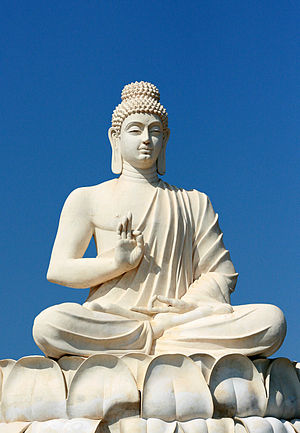
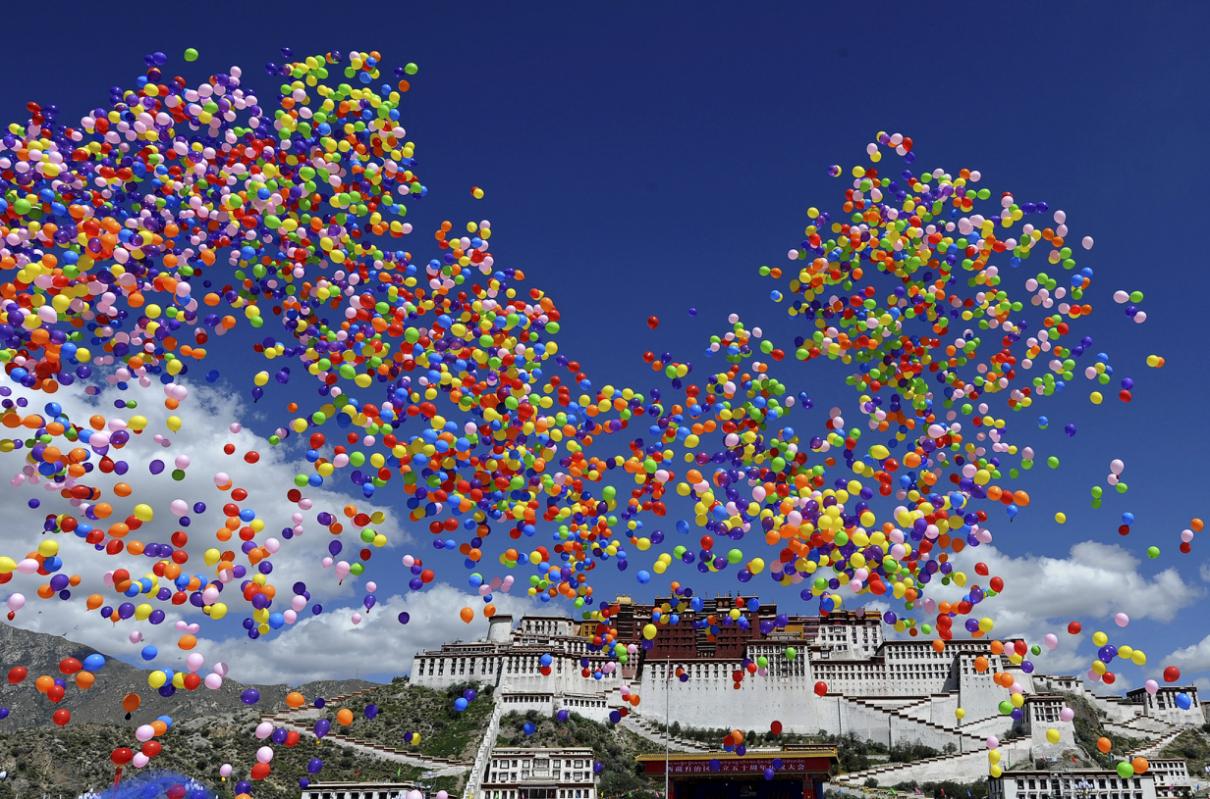
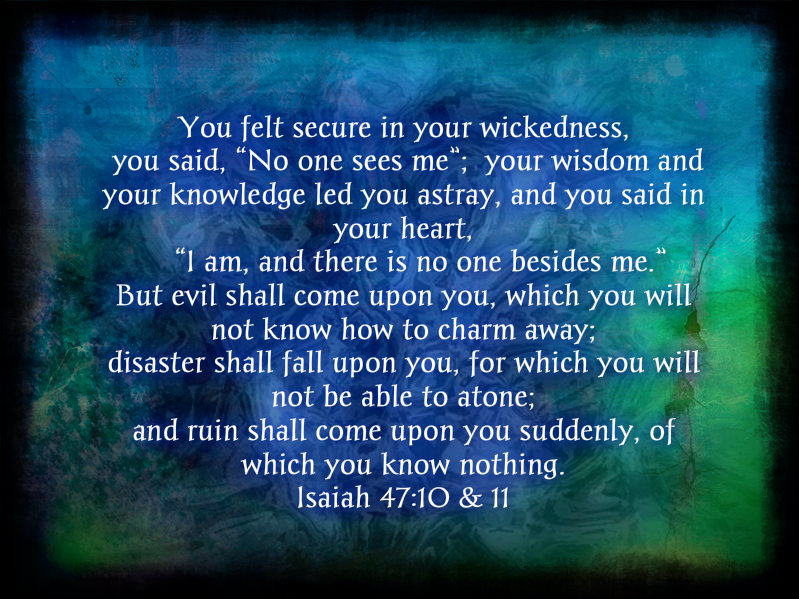


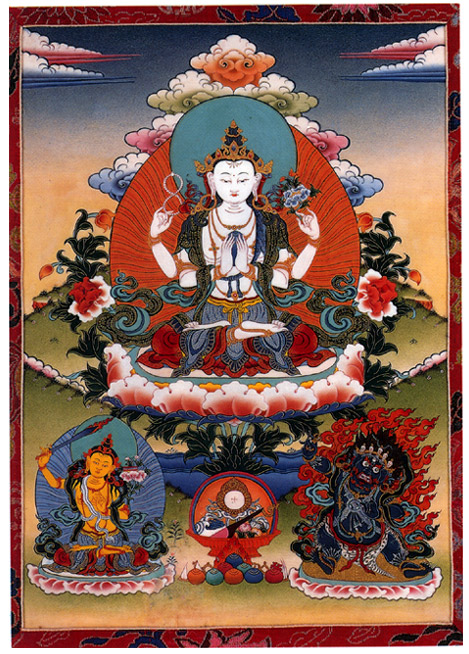
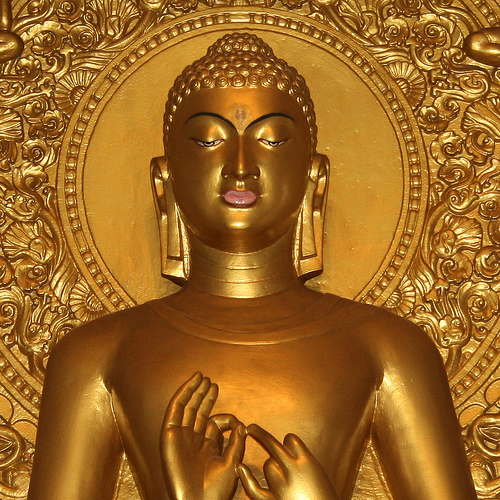


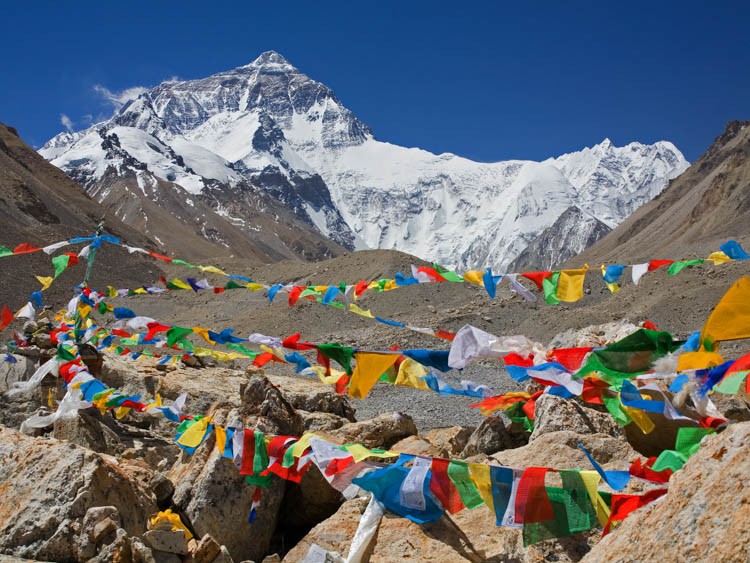


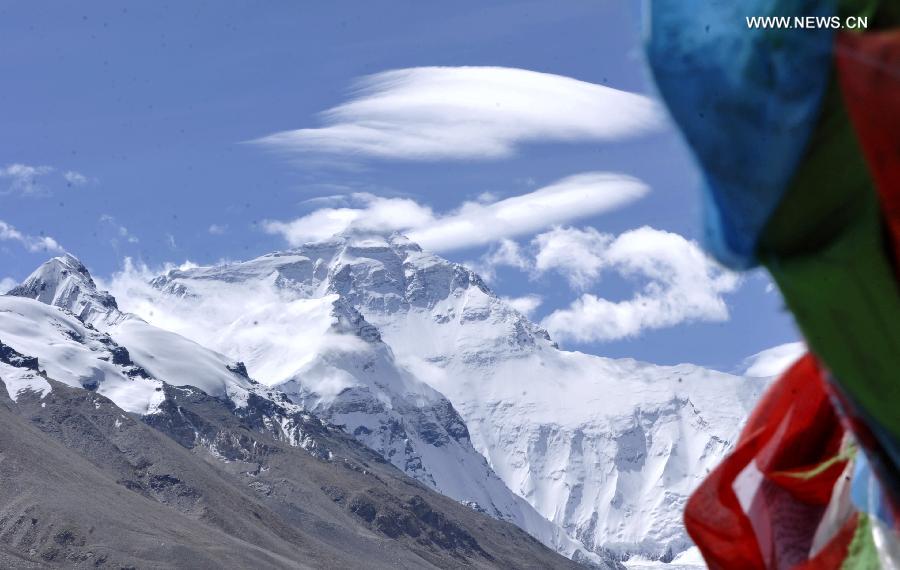
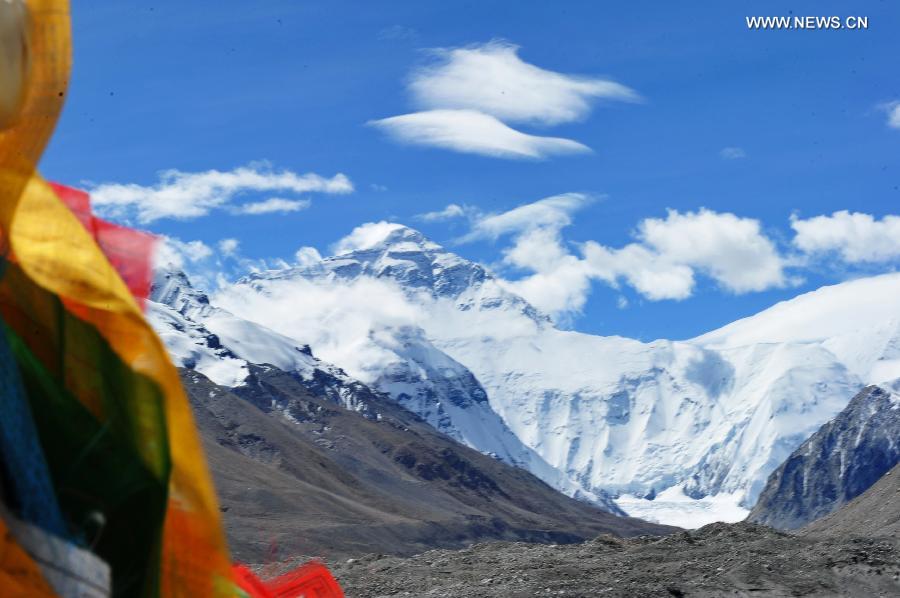


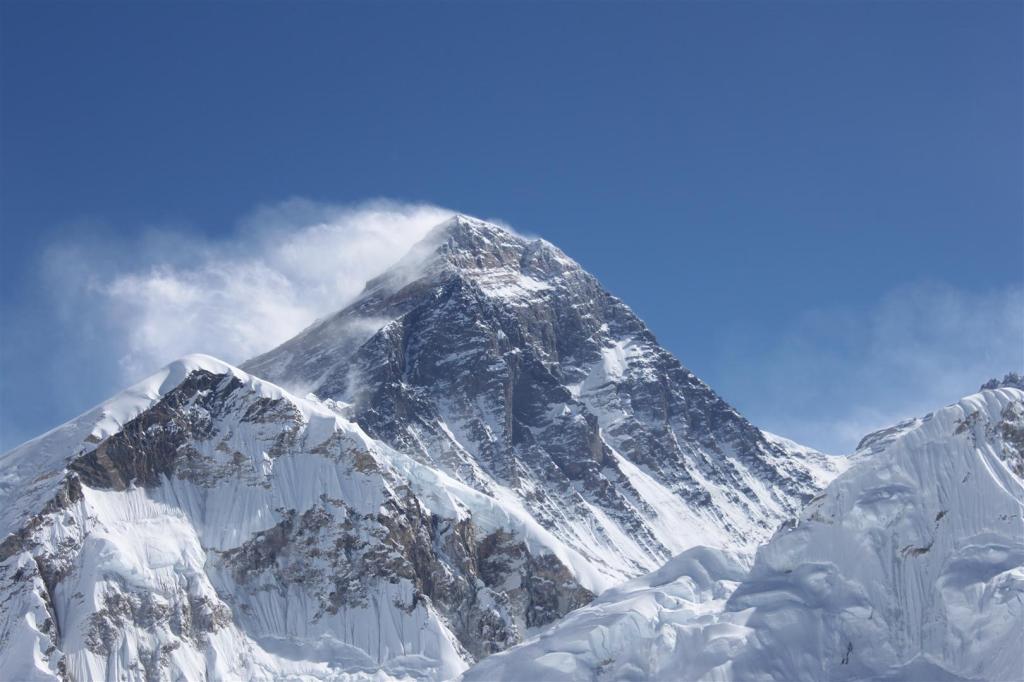


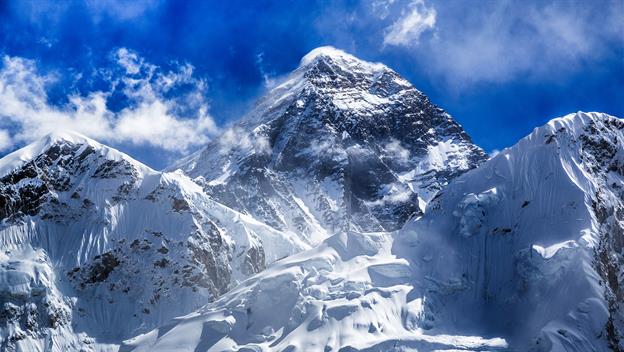


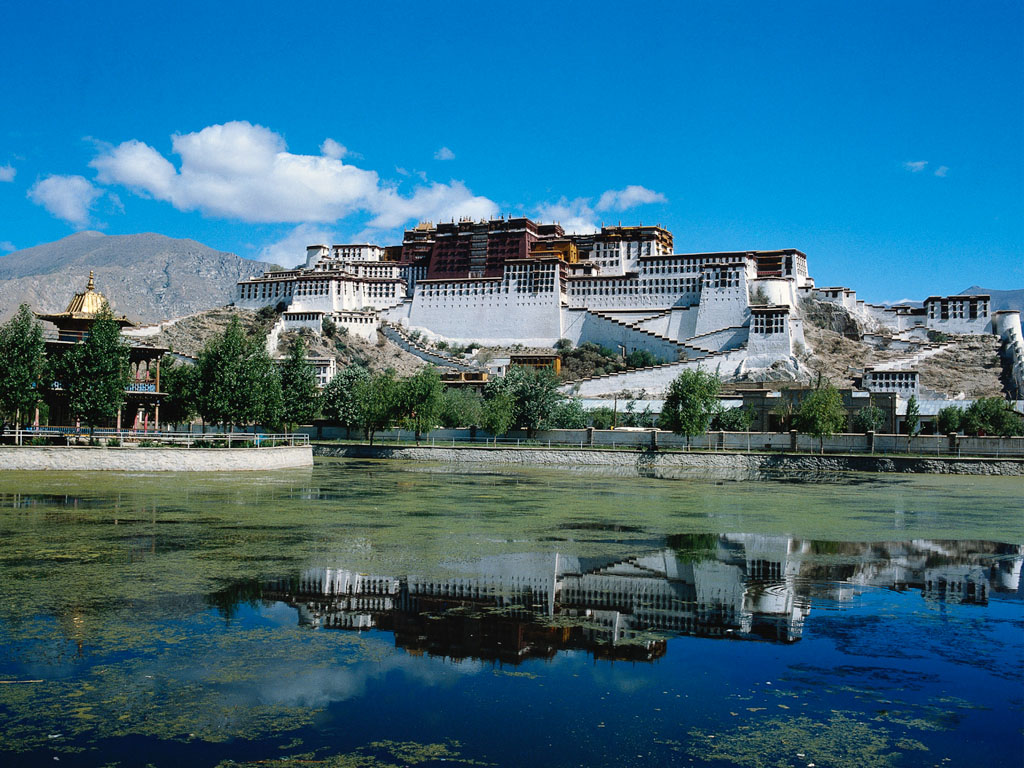


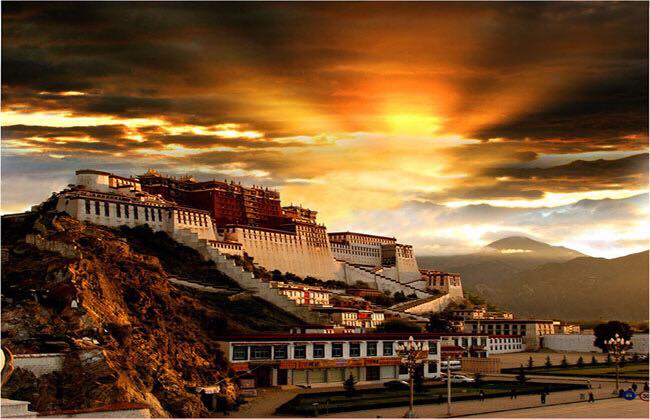


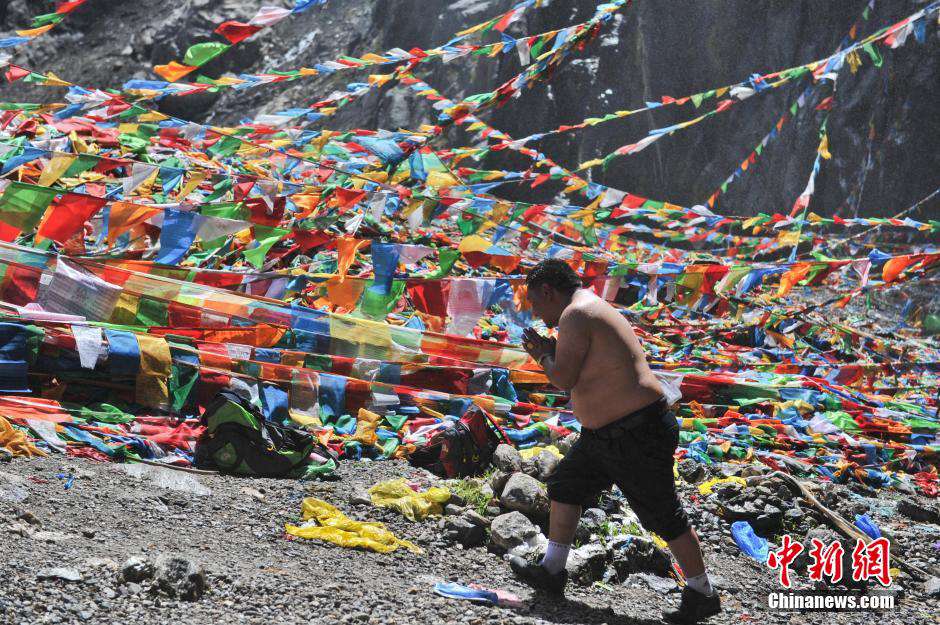


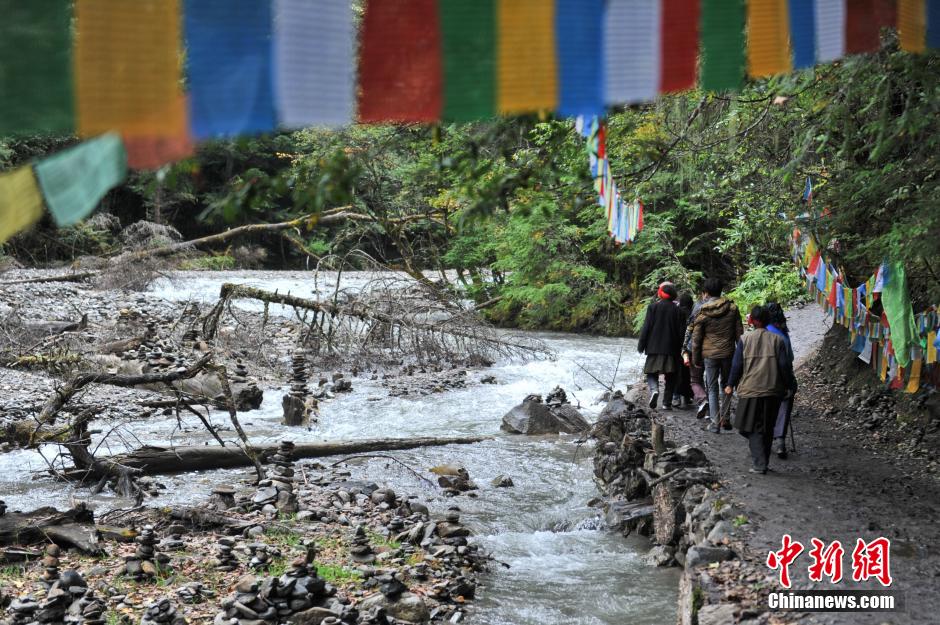

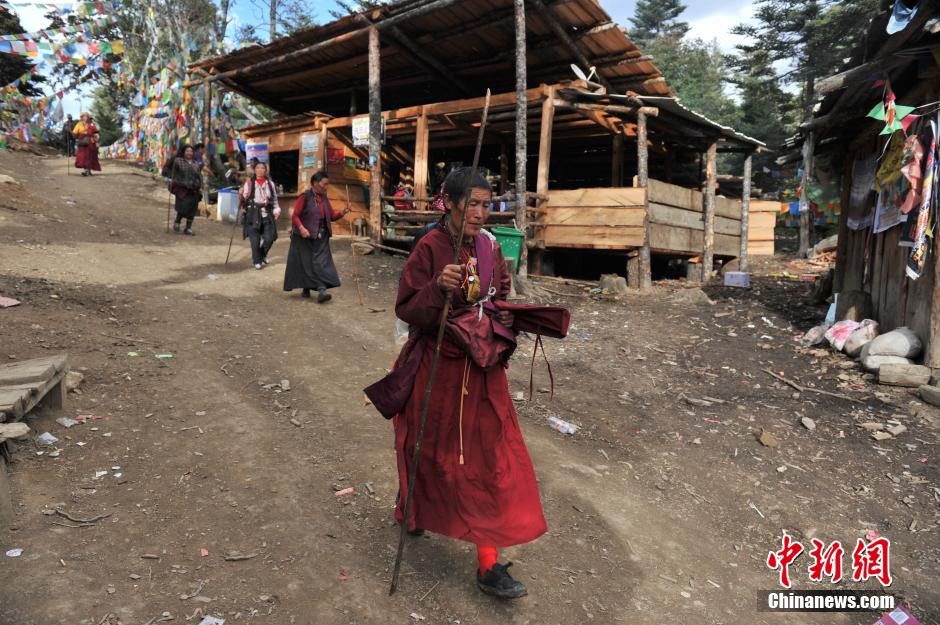
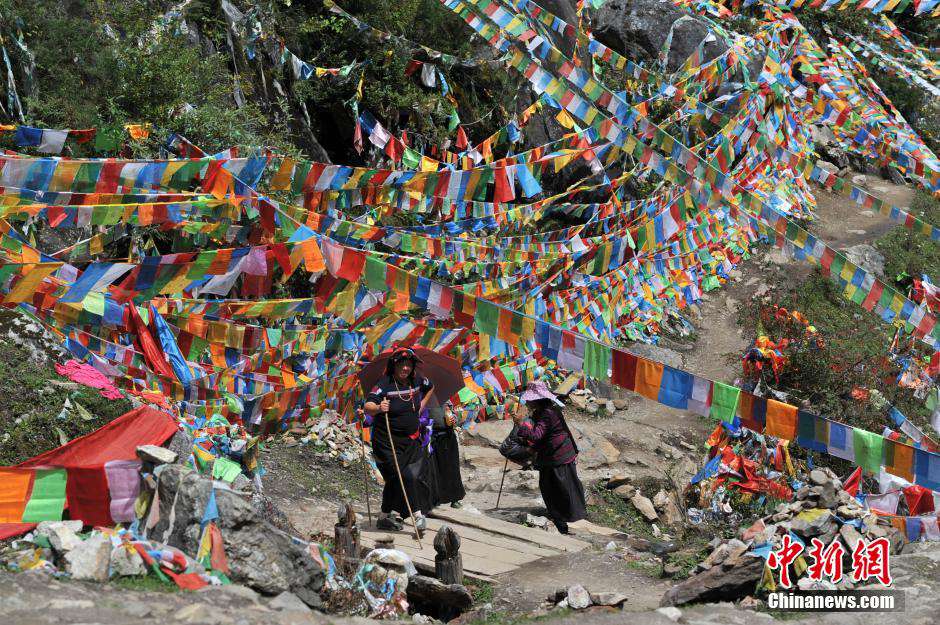


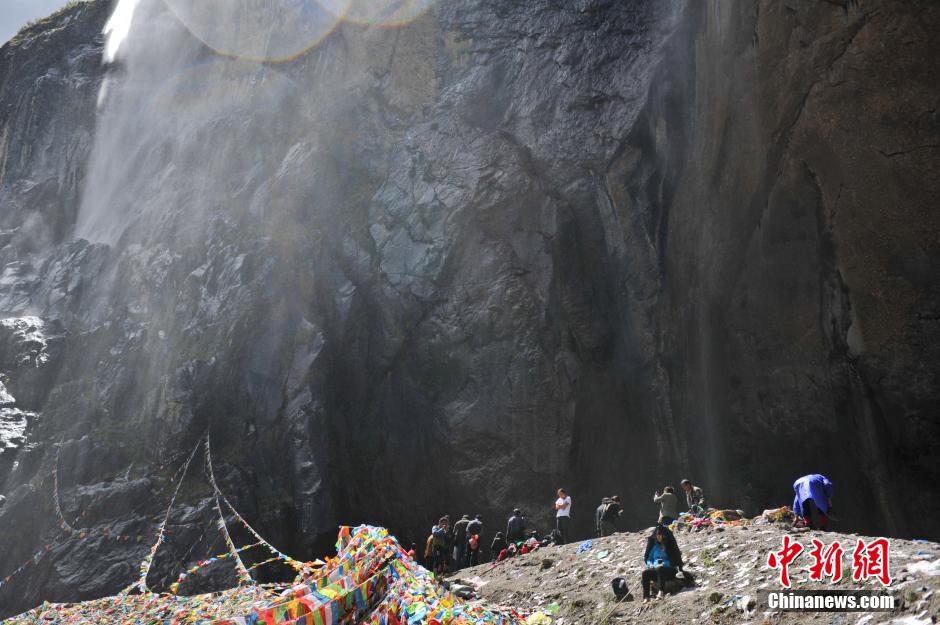



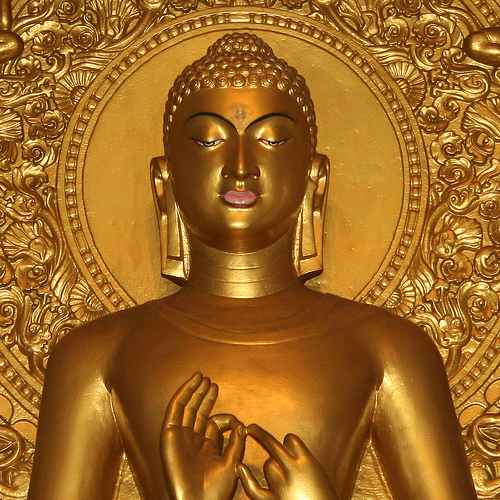

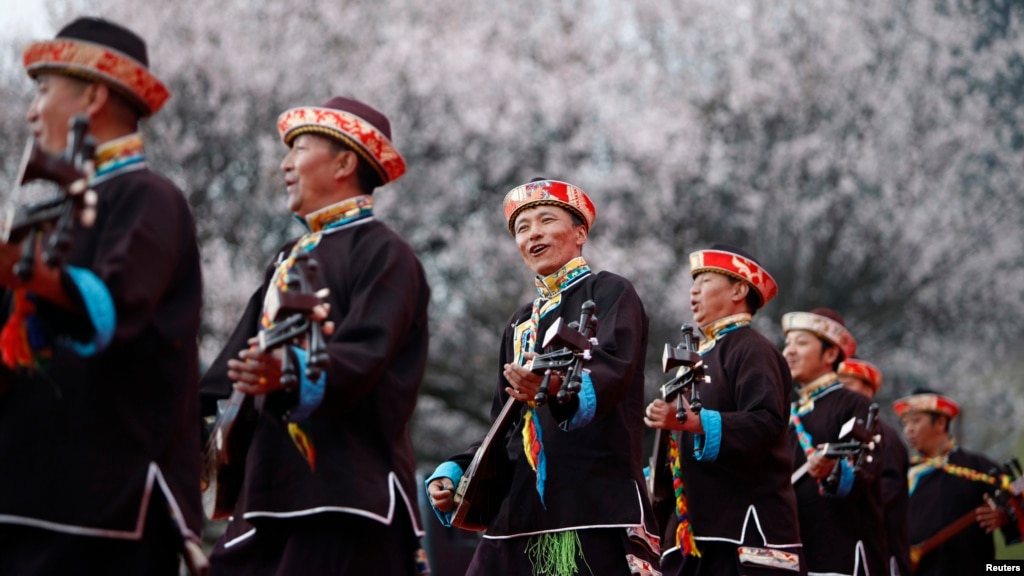
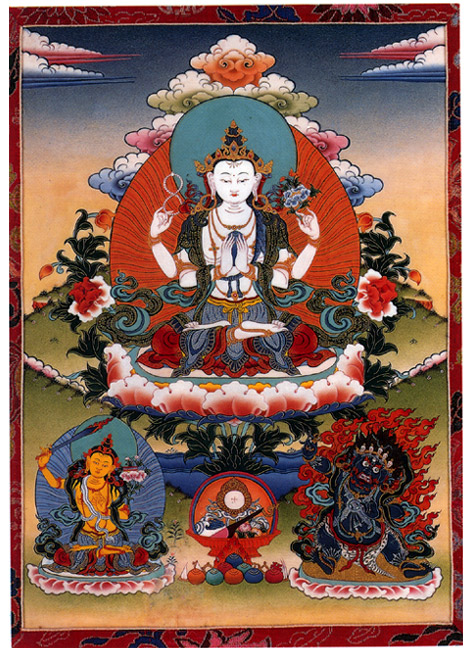
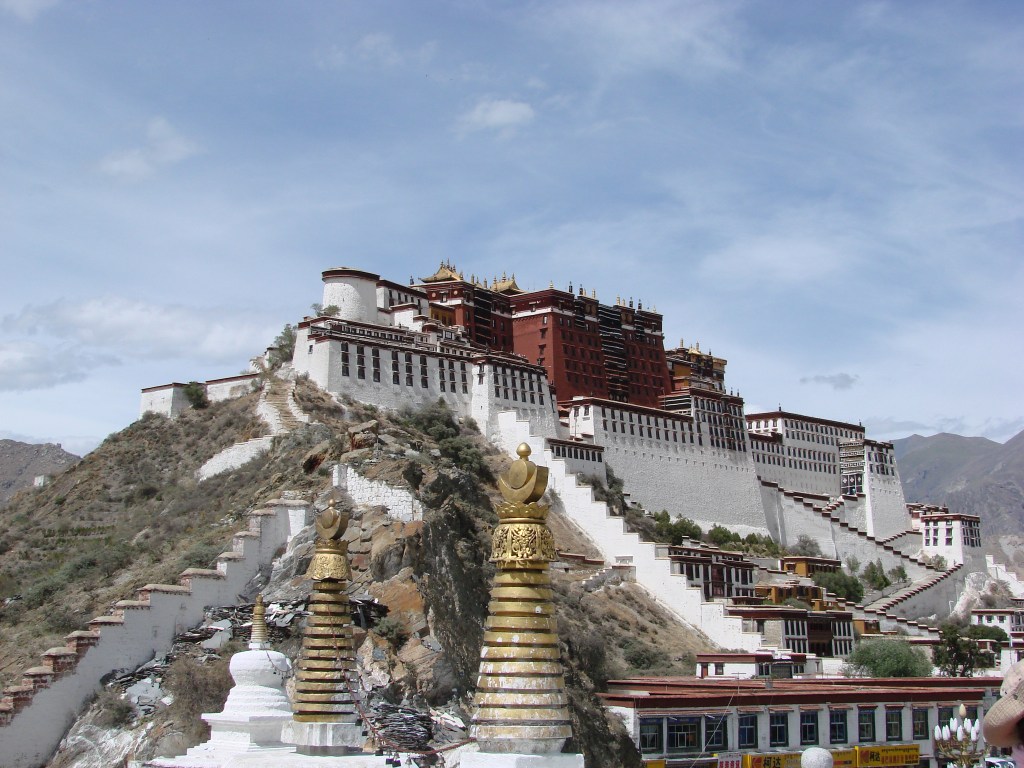
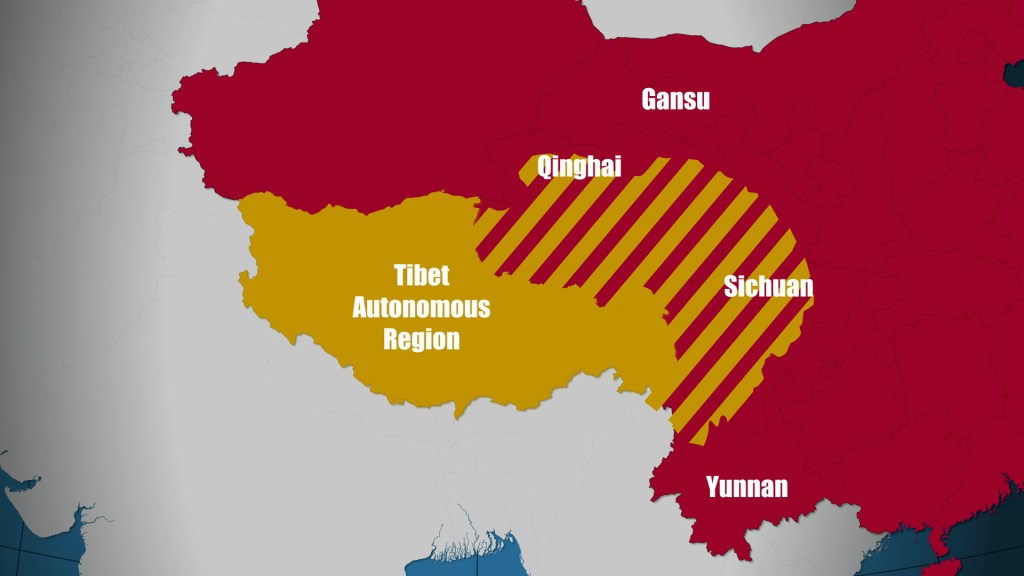


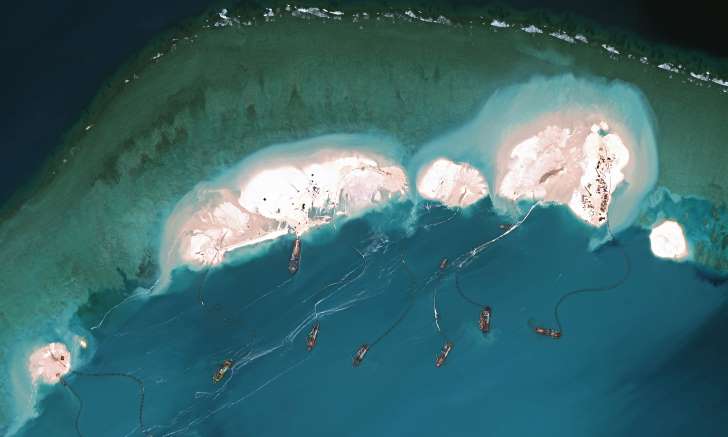
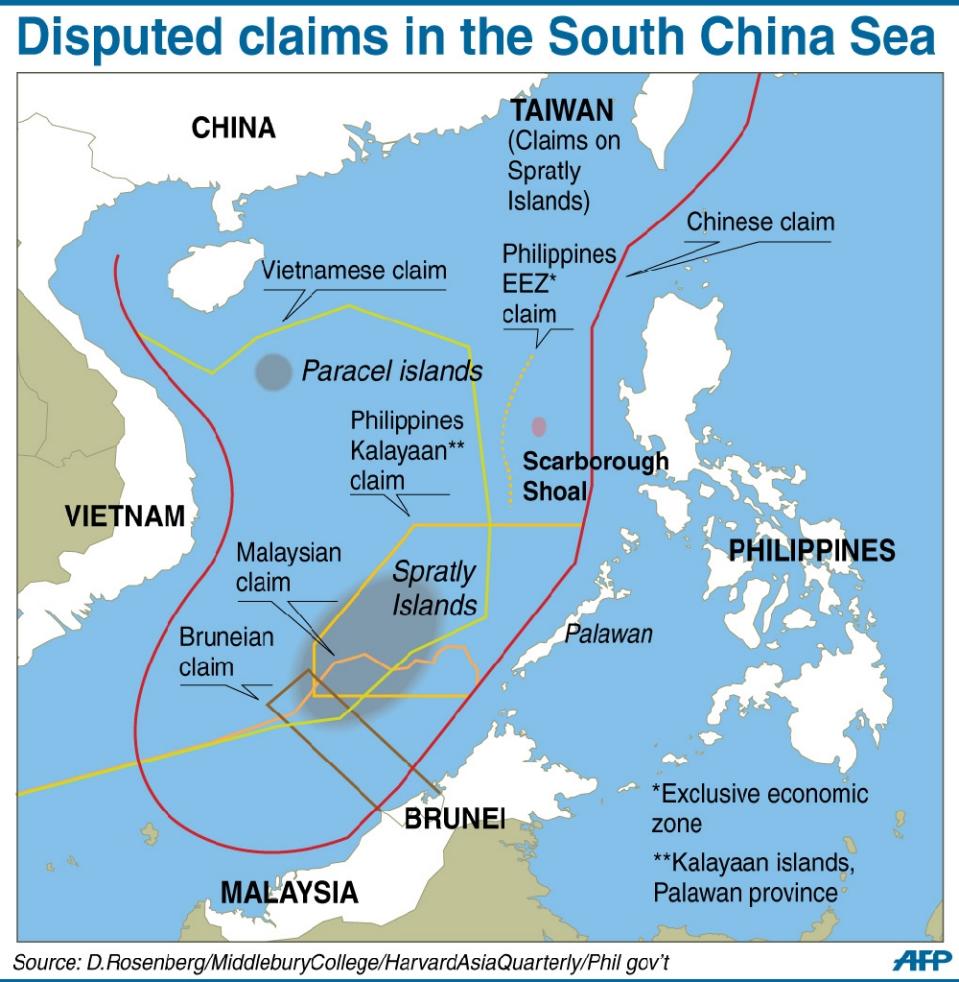
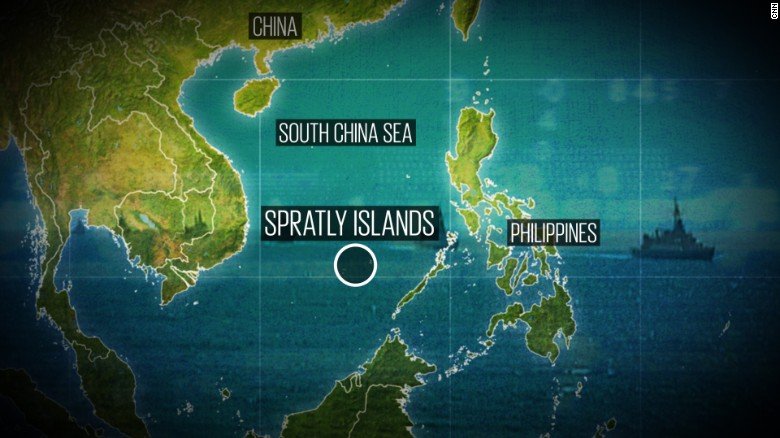

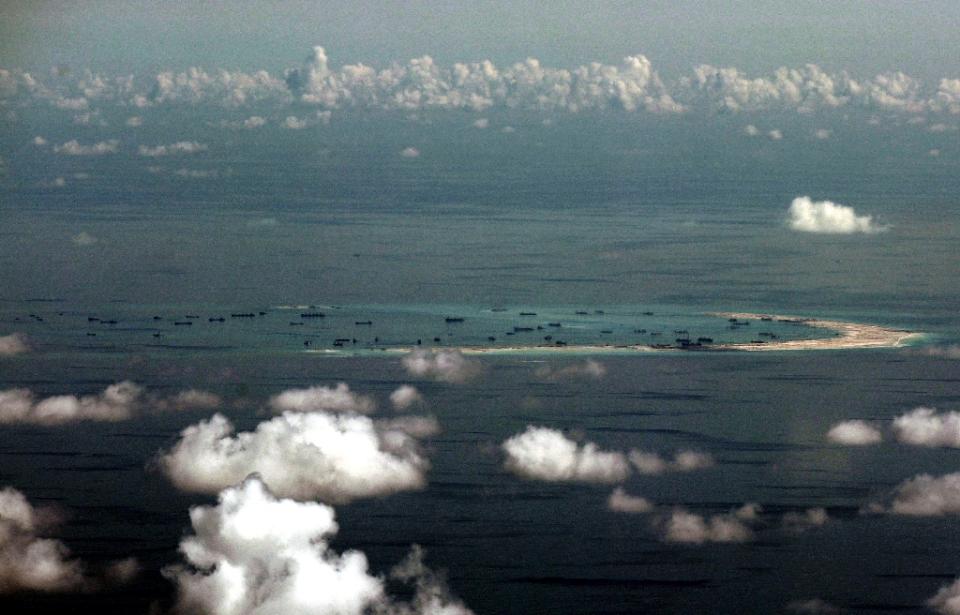
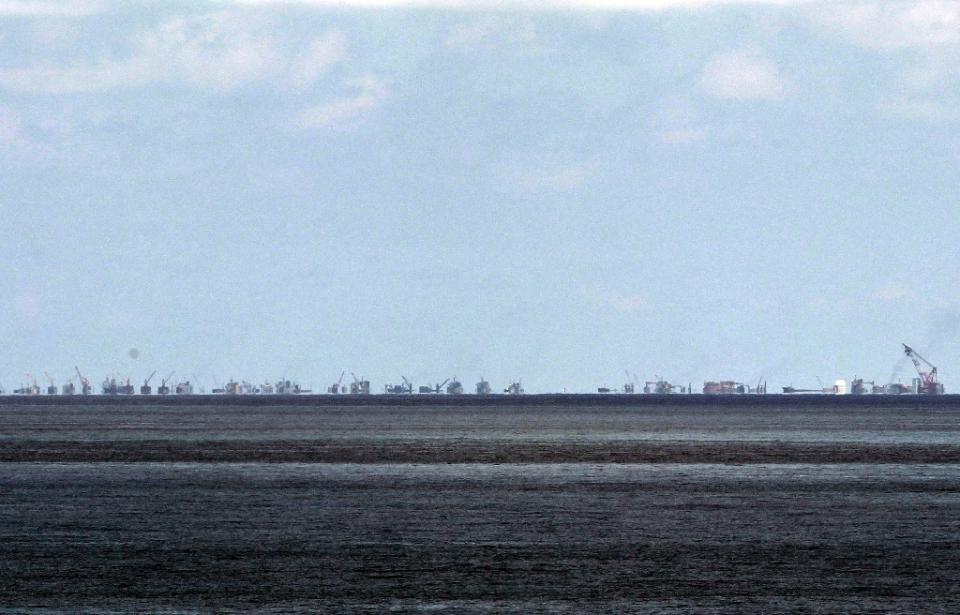

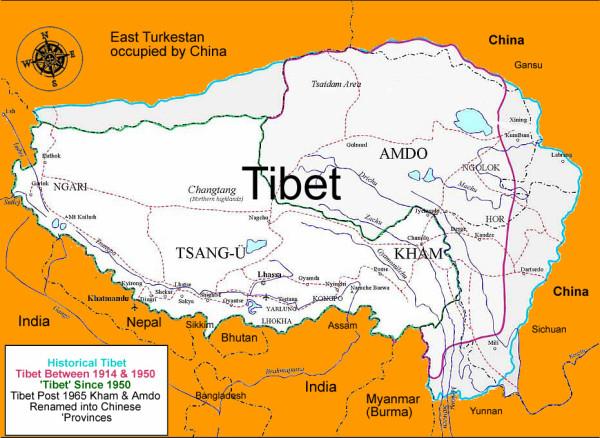
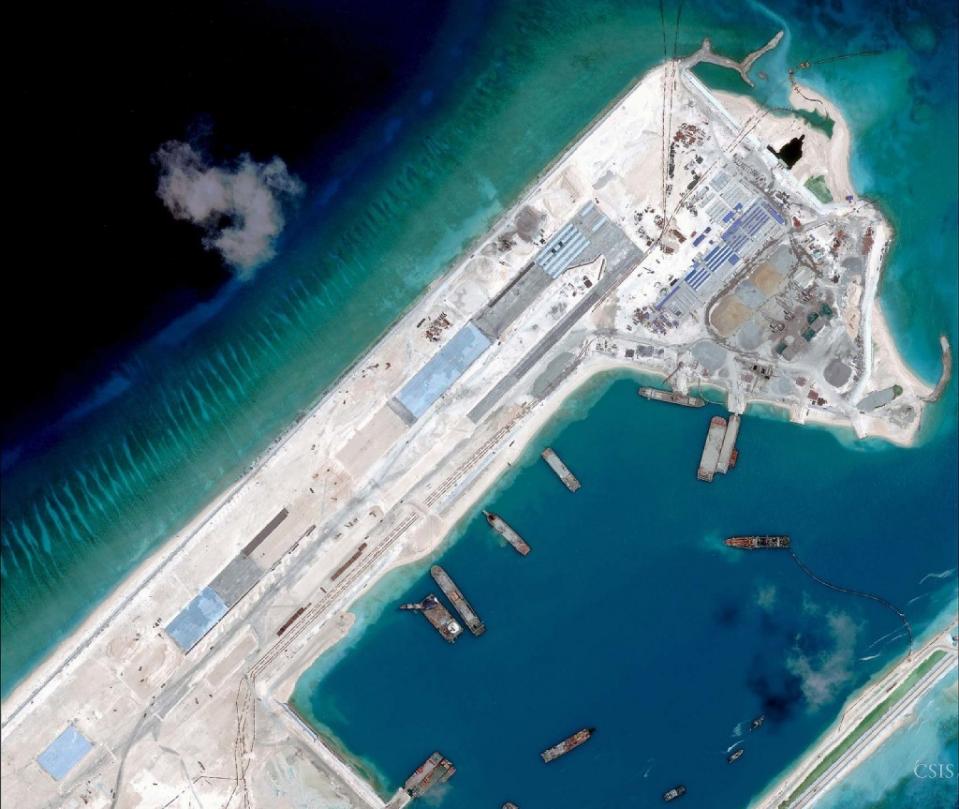



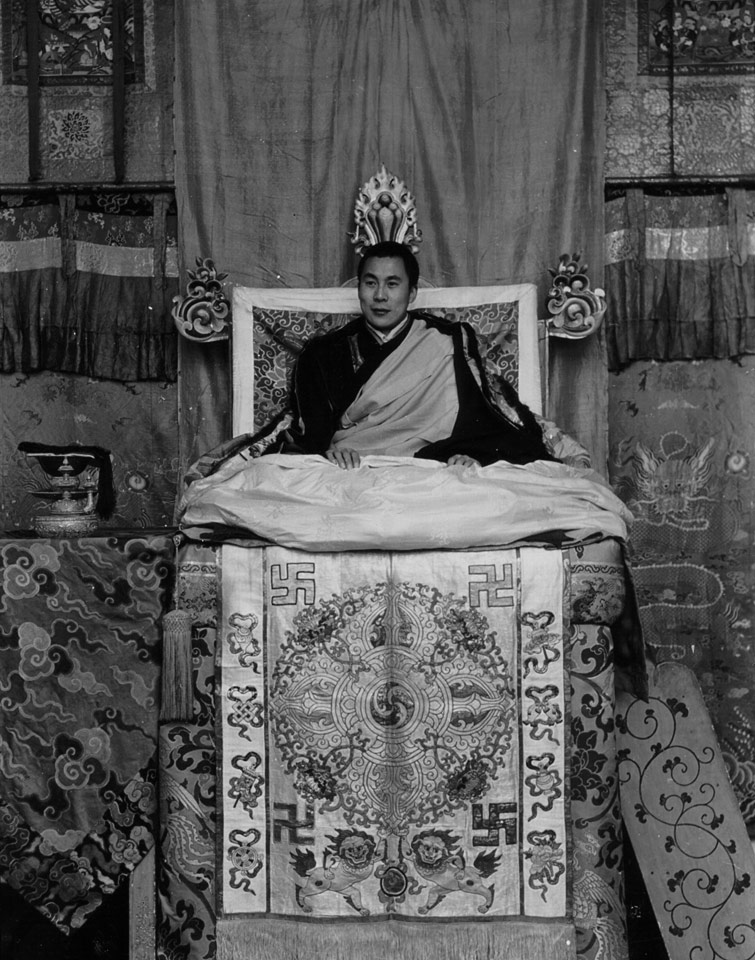


 Whole Dude - Whole Concept