The US Central Intelligence Agency – Operation Free Tibet:
Whole Dude – Whole Circus: The history of Special Frontier Force-Establishment No. 22 can be traced back to 1957-58 when the CIA launched Operation ST CIRCUS. This Commemoration on September 10, 2010 was the first time that US had officially acknowledge the CIA operation with the Tibetans and it includes the Mustang (Nepal) Operation.Whole Dude – Whole Circus: The beginning of the Cold War in Asia in 1949 with the Communist takeover of mainland China.
On behalf of Establishment -22, Vikas Regiment, Special Frontier Force, I am pleased to post this special tribute to John Foster Dulles who served as the US Secretary of State (1953 to 1959) under President Dwight D. Eisenhower.
Whole Dude – Whole Circus: John Foster Dulles was the architect of major elements of US Foreign Policy in the Cold War Era after World War II. He was the architect of the policy to oppose Communist expansion and laid the foundation for the creation of a military alliance/pact between the United States, India, and Tibet to defend Freedom, and Democracy in the occupied Land of Tibet.Whole Dude – Whole Circus: Establishment -22, Vikas Regiment, Special Frontier Force pays tribute to this US Secretary of State for providing military assistance to Tibetan people to resist the military occupation of their Land by People’s Republic of China.
John Foster Dulles (b. February 25, 1888, Washington, D.C. – d. May 24, 1959, Washington,D.C.) was described by President Eisenhower in the following words: “He is one of the truly great men of our time.” Dulles was awarded the Medal of Freedom during May 1959 just prior to his death.
Whole Dude – Whole Circus: This Freedom Medal that was awarded to the US Secretary of State John Foster Dulles during May 1959 truly represents the aspirations of Tibetan people to find Freedom and Democracy in their occupied Land of Tibet. This Medal gives them the hope and encouragement to resist the military occupation by People’s Republic of China.
Dulles belonged to a family that served the United States with great distinction and honor. His maternal grandfather, John Watson Foster served as Secretary of State under President Benjamin Harrison. His uncle, Robert Lansing was Secretary of State under President Woodrow Wilson. Dulles had specialized in international law. He was the US delegate to the San Francisco Conference that created the United Nations and he served as the US Representative to the United Nations from 1945-1949. He negotiated Japanese Peace Treaty 1951 formally ending World War II. He formulated a policy of collective security of the US and its allies through foreign economic and military aid. He advocated the development of nuclear weapons and became a leading figure in the Cold War. In 1954, he initiated the Manila Conference which resulted in the Southeast Asia Treaty Organization (SEATO). In 1955 he initiated the Baghdad Pact later named the Central Treaty Organization (CENTO). His foreign policy was determined by his profound detestation of Communism. As an international lawyer, he strongly believed in the value of treaties. His passionate hostility to Communism was the testimony of his policy. Under his stewardship, go “to the brink” of War had become a necessary aspect of US diplomacy. When the Tibetans fought to oust the Chinese, he initiated the US Central Intelligence Agency’s Secret War in Tibet. His younger brother, Allen Welsh Dulles, 5th Director of CIA directed this military operation to establish the Tibetan Resistance Movement.
Whole Dude – Whole Circus: January 24, 1953.Central Intelligence Agency-Operation Free Tibet. Allen Welsh Dulles, the 5th Director of Central Intelligence Agency, the younger brother of John Foster Dulles took the initiative to address the problem of military threat posed by Communist China’s expansion into Southeast Asia.Whole Dude – Whole Circus: The CIA covert operations inside Tibet led to the creation of a military organization called Establishment Number. 22, or Special Frontier Force which was formed in 1962 during the presidency of John F. Kennedy.Whole Dude – Whole Circus: SECRET WAR IN TIBET by Kenneth Conboy and James Morrison, published by The University Press of Kansas provides a detailed account of the Struggle for Freedom in Tibet.Whole Dude – Whole Circus: The quest for Freedom in Tibet. A military training Camp known as Camp Hale was established in Colorado under the supervision of CIA officers Roger E. McCarthy and John Reagan.Whole Dude – Whole Circus: The quest for Freedom in Tibet. Special Service Award presented by all Officers D Sector, Establishment -22 on January 19, 1973.
The geopolitical interests of the United States are best served by the defeat of the Chinese Communism and the achievement of Tibetan Self-Determination. Establishment -22, Vikas Regiment, Special Frontier Force acknowledges John Foster Dulles as the Man of Freedom, and the Champion of Liberty.
Whole Dude – Whole Circus: FREEDOM IN TIBET. THE WAR AGAINST COMMUNISM. John Foster Dulles and US President Dwight D Eisenhower continued the “TRUMAN DOCTRINE” to combat Communism using military alliances and pacts.Whole Dude – Whole Circus: The US Central Intelligence Agency – Operation Free Tibet: Eleanor Roosevelt and John Foster Dulles, the champions of Human Rights at United Nations in Paris – (Photo credit: Wikipedia)
My Dream Trip to Mount Everest gives testimony about True Tibetan Identity
The Supreme Ruler of Tibet cannot be chosen by any foreign government.Whole Dude – Whole Trip: My Dream Trip to Mount Everest gives testimony about True Tibetan Identity.Whole Dude – Whole Trip: The Living Tibetan Spirits Make a Dream Trip to Mount Everest.
In my Dream Trip to Mount Everest or Qomolangma, the mighty mountain gives me testimony in support of true Tibetan Identity. Mount Everest proclaims that Tibet is never a part of China.
Whole Dude – Whole Trip: Mount Everest or Qomolangma is my mighty witness testifying in support of true Tibetan Identity. Mount Everest proclaims that Tibet is never a part of China.Whole Dude – Whole Trip: Mount Everest or Qomolangma is my mighty witness testifying in support of true Tibetan Identity. Mount Everest proclaims that Tibet is never a part of China.Whole Dude – Whole Trip: Mount Everest or Qomolangma is my mighty witness testifying in support of true Tibetan Identity. Mount Everest proclaims that Tibet is never a part of China.Whole Dude – Whole Trip: Mount Everest or Qomolangma is my mighty witness testifying in support of true Tibetan Identity. Mount Everest proclaims that Tibet is never a part of China.Whole Dude – Whole Trip: Mount Everest or Qomolangma is my mighty witness testifying in support of true Tibetan Identity. Mount Everest proclaims that Tibet is never a part of China.Whole Dude – Whole Trip: Mount Everest or Qomolangma is my mighty witness testifying in support of true Tibetan Identity. Mount Everest proclaims that Tibet is never a part of China.Whole Dude – Whole Trip: Mount Everest or Qomolangma is my mighty witness testifying in support of true Tibetan Identity. Mount Everest proclaims that Tibet is never a part of China.Whole Dude – Whole Trip: Mount Everest or Qomolangma is my mighty witness testifying in support of true Tibetan Identity. Mount Everest proclaims that Tibet is never a part of China.Whole Dude – Whole Trip: Mount Everest or Qomolangma is my mighty witness testifying in support of true Tibetan Identity. Mount Everest proclaims that Tibet is never a part of China.Whole Dude – Whole Trip: Mount Everest or Qomolangma is my mighty witness testifying in support of true Tibetan Identity. Mount Everest proclaims that Tibet is never a part of China.Whole Dude – Whole Trip: Mount Everest or Qomolangma is my mighty witness testifying in support of true Tibetan Identity. Mount Everest proclaims that Tibet is never a part of China.Whole Dude – Whole Trip: Mount Everest or Qomolangma is my mighty witness testifying in support of true Tibetan Identity. Mount Everest proclaims that Tibet is never a part of China.Whole Dude – Whole Trip: Mount Everest or Qomolangma is my mighty witness testifying in support of true Tibetan Identity. Mount Everest proclaims that Tibet is never a part of China.Whole Dude – Whole Trip: Mount Everest or Qomolangma is my mighty witness testifying in support of true Tibetan Identity. Mount Everest proclaims that Tibet is never a part of China.Whole Dude – Whole Trip: The Living Tibetan Spirits Make a Dream Trip to Mount Everest.
As my miserable mortal life journey crawls towards its end without giving me any clue about my destination, I can only afford to make a dream trip to Mount Everest. I give my thanks to photographer Bruce Connolly and ChinaDaily.com.Cn for sharing with me the story about ‘A Road Trip Across Tibet to Mount Everest’.
Whole Dude – Whole Trip: The Living Tibetan Spirits Make a Dream Trip to Mount Everest.
Whole Dude – Whole Trip: The Living Tibetan Spirits Make a Dream Trip to Mount Everest.
Lhasa – the start of the road trip in 2000. [Photo by Bruce Connolly/chinadaily.com.cn]
In 2000, Lhasa was a different city in many ways, compared to what it is today. High on the Qinghai-Tibet Plateau, it was much more isolated back then. Its airport, a roughly 90-minute drive from downtown, was at that time the only one operating across all of Tibet. In earlier years, flying into Lhasa had been restricted to early morning flights from Chengdu in Sichuan. By 2000, however, it was well-served by modern, powerful jet aircraft capable of landings and takeoffs at high altitudes, able to cope with occasionally difficult afternoon weather conditions. In recent years several new airports have also opened across Tibet.
Despite the advances in aviation technology, flying into Tibet was expensive. Before the completion of the Tibet railway in 2006, roads were the only feasible option for most freight and passenger traffic. It amazed me during my time in Lhasa how so much that made my stay both pleasant and comfortable must surely have come up to the city by road. Two main highways served Lhasa at the time. From Golmud to Xining, Highway G109 was a long, lonely journey through an empty upland plateau. The other route, Highway G318, runs 5,476 kilometers from Shanghai’s People’s Square, via Sichuan and southeastern Tibet ultimately to Zhangmu, the border crossing with Nepal. I would leave Lhasa along G318 on a road trip initially to the base of Qomolangma, known in the West as Mount Everest.
I noticed several oxygen bags loaded into what was a comfortable but strong SUV. Lhasa was modern and well-planned, but outside the city, infrastructure such as road quality was quite variable. The physical terrain often proved very challenging for highway construction, even between Lhasa and Xigaze, Tibet’s second city. Geologically, much of the area is still active. Landslides remained a danger during the rainy season.
Initially, my departure from Lhasa along G318 followed the road that had brought me a few days earlier from the airport. Nearing the Yarlung Tsangpo Bridge, we turned right for Xigaze. Initially, the route followed a wide valley and the river braided into many channels, with sweeping views toward glacial mountain peaks and ridges. Villages sat near intensively cultivated, irrigated farmland. Then it started narrowing, with scenery becoming increasingly breathtaking. Settlements perched on any patches of level terrain available.
Whole Dude – Whole Trip: The Living Tibetan Spirits Make a Dream Trip to Mount Everest. Yarlung Tsangpo River (Brahmaputra River).
Highway 318 to Xigaze along Yarlung Tsangpo River. [Photo by Bruce Connolly/chinadaily.com.cn]
The road started along a ledge cut below almost vertical cliffs. High gullies were filled with long fingers of snow. Below the road, sheer drops reached the river that appeared to be cascading around huge rocks. Workers tirelessly cleared fallen boulders from roadside ditches. Flocks of sheep and goats also shared the road space, with drivers carefully edging past.
Whole Dude – Whole Trip: The Living Tibetan Spirits Make a Dream Trip to Mount Everest.
A wide section of Yarlung Tsangpo near Xigaze. [Photo by Bruce Connolly/chinadaily.com.cn]
Gradually the valley widened, and the river slowed, allowing flat-bottomed ferry boats to carry villagers across. Both road width and quality improved. Where bridges spanned river junctions, small restaurants and shops had opened, providing supplies for travelers. At intervals, pack horses gathered beside narrow trails leading to seemingly inaccessible villages.
Eventually, the valley really did widen and the waters calmed, becoming almost lake-like. A tugboat pulled a pontoon carrying vehicles across to the far shore. Some of the landscape appeared as a small sandy desert with protective trees planted along the highway. I noticed poles being erected to carry electricity to some villages while concrete-lined aqueducts helped irrigate reclaimed land for arable farming.
Rounding a bend, I saw a concentration of modern buildings, some even medium-rise. We arrived at Xigaze, at an altitude of 3,836 meters, the highest city I had ever reached. Since that 2000 road trip, travel to and from Xigaze has greatly improved. Not only has the road been upgraded but the railway has been extended from Lhasa and a modern airport opened. Partly in response to such infrastructure investments, tourism has grown significantly, not just to Xigaze but across much of Tibet.
Whole Dude – Whole Trip: The Living Tibetan Spirits Make a Dream Trip to Mount Everest.
I stayed at the Xigaze-Shandong Hotel, which then was the city’s tallest building. I discovered at that time a certain arrangement existed, where the more developed parts of China were paired up with areas of Tibet to assist in regional assistance programs such as infrastructure projects. Xigaze had relationships with Shanghai and Shandong, Lhasa with Beijing, and so on.
It was an unexpected joy to find excellent accommodation in what in theory was then a remote location. After a spicy Sichuan-style lunch in the hotel, I spent the afternoon visiting Tashi Lhunpo Monastery. Founded in 1447, it was the traditional seat of the Panchen Lama — Panchen meaning “great scholar”, the title bestowed on the abbots of Tashi Lhunpo.
Whole Dude – Whole Trip: The Living Tibetan Spirits make a Dream Trip to Mount Everest. Paying respects to Lord Maitreya at Tashi Lhunpo Monastery.
I was spellbound by the magnificence of the monastery as I walked through its halls illuminated by trays of butter lamps. One chapel was home to a 26-meter-high copper image of the Maitreya, or Buddha of the future. Around the walls were around 1,000 gold paintings of the Maitreya.
Whole Dude – Whole Trip: The Living Tibetan Spirits Make a Dream Trip to Mount Everest. Tashi Lhunpo Monastery.
Groups of monks at Tashi Lhunpo Monastery Xigaze. [Photo by Bruce Connolly/chinadaily.com.cn ]
Within an assembly hall dating from the 15th century, chanting monks sat on carpets while above them long thangka images and colored scarves hung from the ceiling.
Whole Dude – Whole Trip: The Living Tibetan Spirits Make a Dream Trip to Mount Everest. The Official Seat of Panchen Lama at Tashi Lhunpo Monastery founded by the First Dalai Lama.
A large throne in the middle was where the Panchen Lamas once sat.
Whole Dude – Whole Trip: The Living Tibetan Spirits Make a Dream Trip to Mount Everest.
A doorway within Tashi Lhunpo Monastery Xigaze. [Photo by Bruce Connolly/chinadaily.com.cn]
I wandered the alleys between prayer halls crowded by people chanting, prostrating themselves, walking clockwise along balconies or spinning personal prayer wheels. Some, along with young monks, scooped up chunks of butter from large bowls and smeared it into lamp bowls. The butter produced a distinctive aroma that seemed to permeate everywhere. Above the monastery’s perimeter wall, people quietly followed the Tashi Lhunpo Kora (pilgrimage).
That evening I tried writing in my diary but found it a challenge because I had experienced so much throughout the day. I did realize that this hotel would offer the last comfortable bed for the next few days, as there were no more cities ahead on this route, with only small trading towns and to look forward to.
Leaving Xigaze early next morning, I saw many people already walking around the monastery. The road was initially unpaved, passing many exposed multicolored rock formations that stood as a testament to the massive tectonic movements that had uplifted the area’s geology. The land became increasingly dry with small patches of cultivation, mostly barley and potatoes, where water could be sourced. Occasionally someone on horseback would tend herds of black-coated yaks.
Whole Dude – Whole Trip: The Living Tibetan Spirits Make a Dream Trip to Mount Everest.
Villages. Photo by Bruce Connolly/ChinaDaily.com.Cn
The road would climb up and over several passes usually crowned with prayer flags, such as the 4,500-meter-high Gyatso-La Pass and the 4,950 meter-high Yulang-La Pass.
Whole Dude – Whole Trip: The Living Tibetan Spirits Make a Dream Trip to Mount Everest.
Rough driving on G318 and a former fort above the road. [Photo by Bruce Connolly/chinadaily.com.cn]
The visibility was so clear, giving excellent views of distant peaks. At one point I saw the heavy walls of what had been a fort guarding a pass. Descending, lower areas would have limited cultivation, although I did observe groups of farmers scattering seed potatoes onto plowed soil. Ponies pulled wooden carts along the farmers.
Whole Dude – Whole Trip: The Living Tibetan Spirits Make a Dream Trip to Mount Everest. Tso-La Pass, Shigatse, Tibet.Whole Dude – Whole Trip: The Living Tibetan Spirits Make a Dream Trip to Mount Everest. Tso-La Pass, Shigatse, Tibet.
Along G318 there also was a regular procession of blue trucks laden with goods, for this road was also the main lifeline to western Tibet. Some 150 kilometers from Xigaze is Lhaze, a small county whose main street had many small restaurants with name boards in English such as “Chengdu Restaurant”, for it was where G318 to the Nepalese border splits from the highway to western Tibet. Apparently, travelers heading up toward Mount Everest maybe would stay one or two nights, for it was the last real town on the route.
Whole Dude – Whole Trip: The Living Tibetan Spirits Make a Dream Trip to Mount Everest. Gyatso-La Pass, Shigatse, Tibet.
The road climbed again up a narrow valley where herders would camp while tending their yaks. This led up to Gyatso-La Pass, at an altitude of 5,220 meters, one of the highest along the route.
Whole Dude – Whole Trip: The Living Tibetan Spirits Make a Dream Trip to Mount Everest. Gyatso-La Pass.
Stopping briefly, I thought it was amazing how people gathered around, yet there was no sign of any habitation.
Whole Dude – Whole Trip: The Living Tibetan Spirits Make a Dream Trip to Mount Everest.
Across the high, arctic, plateau lands. [Photo by Bruce Connolly/chinadaily.com.cn]
The landscape felt like arctic tundra vegetation, and beyond it, I could finally see the snow-capped peaks of the Himalayas. However, clouds were building up over those peaks for the monsoon would soon push up from the Indian sub-continent. In this area, the road was not surfaced and it was a constant struggle for work crews to keep it open.
Whole Dude – Whole Trip: The Living Tibetan Spirits Make a Dream Trip to Mount Everest.
Highway 318 at Tingri. [Photo by Bruce Connolly/chinadaily.com.cn]
When we reached distance marker 5,115, a sign declared we were entering the Mount Everest Protection Area. Scattered trees indicated the approach toward a small village, Tingri, where the main road turned off to Shegar. Notices proclaiming “guesthouse” and restaurant adorned building exteriors signaled the area was used to visitors. I had lunch in a restaurant that amazingly had television, hi-fi, and a fridge! Boys tried to sell fossils dug up locally while people gathered for onward transport by truck or bus.
Whole Dude – Whole Trip: The Living Tibetan Spirits Make a Dream Trip to Mount Everest.
Incredible geological formations alongside road up to Pang-la Pass. [Photo by Bruce Connolly/chinadaily.com.cn]
Soon after the village was the 63-kilometer route leading up to Mount Everest. As we drove gradually higher, I was enthralled with the geology exposed everywhere, often showing bedding planes of the rocks tilted vertically.
Whole Dude – Whole Trip: The Living Tibetan Spirits Make a Dream Trip to Mount Everest. Pang-La Pass.
Pang-la Pass 5120 meters. Looking towards the Himalayan foothills. [Photo by Bruce Connolly/chinadaily.com.cn]
That gravel road gradually climbed up through a wide valley with an increasing sensation of being on the roof of the world as we reached the 5,120-meter-high summit of Pang-La Pass.
Whole Dude – Whole Trip: The Living Tibetan Spirits Make a Dream Trip to Mount Everest. Before reaching Rongphu the road crosses over Pang La Pass (5200m / 17062 ft) offering amazing views of Everest, Lhotse, Cho Oyo, Makalu and Shishapangma.
Beyond it lay one of the most spectacular views in the world. Along the horizon stood the glacial peaks of the Himalayas, with Mount Everest, or Qomolangma, at the center. It was so stunning I could easily have stayed there all day.
From the summit, the road descended through a moon-like landscape reaching a small agricultural village, Tashi Dzom. Notices again in English advertised accommodation and dining. Turning right into a broad valley, we encountered a river spreading over a wide terrain of gravel and stones, which was actually meltwater draining off the northern slopes of Mount Everest.
Whole Dude – Whole Trip: The Living Tibetan Spirits Make a Dream Trip to Mount Everest. Glacial meltwater river from Mount Everest.
Glacial meltwater river from Mount Everest. [Photo by Bruce Connolly/chinadaily.com.cn]
Jeeps carrying tourists descended as we headed higher, passing Chodzom, possibly the world’s highest village, again offering a hotel built in a local Tibetan style. The route went up through boulder fields, the descending river now milky white as it carried so much gravel and crushed stones.
Whole Dude – Whole Trip: The Living Tibetan Spirits Make a Dream Trip to Mount Everest.
Rongphu Monastery at 5030 meters. [Photo by Bruce Connolly/chinadaily.com.cn]
At an altitude of 5,030 meters sat Rongphu Monastery, the last inhabited building before the base of Mount Everest. I would stay there overnight, but first, the last section of the road had to be skillfully accomplished.
Whole Dude – Whole Trek: The Living Tibetan Spirits Make a Dream Trip to Mount Everest. Rongphu Monastery and Everest Base Camp. It’s a beautiful location with an imposing view of Everest just up the Rongbuk Valley. It’s a beautiful location with an imposing view of Everest just up the Rongbuk Valley.
The going was extremely rough, bumping over many rocks and glacial debris while driving through streams. Great mounds of stones and silt had been carried down and deposited by the Rongphu Glacier.
Whole Dude – Whole Trip: The Living Tibetan Spirits Make a Dream Trip to Mount Everest.
End of the road to Everest. [Photo by Bruce Connolly/chinadaily.com.cn]
Reaching the road’s end, I found myself lacking the energy to manage anything beyond a slow walk up a gravelly hill. There was no vegetation on this stark landscape, but it was very inspiring. My only disappointment was that Everest was wrapped in clouds. It was windy and felt very cold.
I returned to the guesthouse for a simple meal of egg fried rice and pot noodles, and went to bed, trying to sleep, an almost impossible task. This proved fortuitous.
Whole Dude – Whole Trip: The Living Tibetan Spirits Make a Dream Trip to Mount Everest. Dawn over Mount Everest.
Dawn over Mount Everest – thirty minutes later it clouded over. [Photo by Bruce Connolly/chinadaily.com.cn]
As dawn was breaking I went outside for a glimpse of the grandeur of Mount Everest exposed before me. I sat on a rock trying to take it all in, the world’s highest peak. At last, I had arrived at this breathtaking vista, which I had seen so many times in books from years back. Within 30 minutes the clouds once again enveloped it!
I enjoyed a simple breakfast, and then weathered a bumpy descent as villages such as Chodzom were waking up. I watched people heading out to the fields, some by horseback, and children going to school.
Whole Dude – Whole Trip: The Living Tibetan Spirits Make a Dream Trip to Mount Everest.
Prayer flags on high passes along the highway. [Photo by Bruce Connolly/chinadaily.com.cn]
Back over the Pang-La Pass, with its many prayer flags, it felt like time for a memorable look back toward Mount Everest, sadly almost obscured by clouds. Soon we returned back to the G318, stopping for lunch at Tingri before arriving in Xigaze once again. I had accomplished an incredible journey, thanks in part to the amazing skills of my Tibetan driver.
Whole Dude – Whole Trip: The Living Tibetan Spirits Make a Dream Trip to Mount Everest.
Amazing colors of the land alongside the highway. [Photo by Bruce Connolly/chinadaily.com.cn]
Whole Dude – Whole Trip: The Living Tibetan Spirits Make a Dream Trip to Mount Everest.
Villages along the road to Everest. [Photo by Bruce Connolly/chinadaily.com.cn]
Whole Dude – Whole Trip: The Living Tibetan Spirits Make a Dream Trip to Mount Everest.
Villages and a mill where there was water. [Photo by Bruce Connolly/chinadaily.com.cn]
Whole Dude – Whole Trip: The Living Tibetan Spirits Make a Dream Trip to Mount Everest.Whole Dude – Whole Trip: Mount Everest or Qomolangma is my mighty witness testifying in support of true Tibetan Identity. Mount Everest proclaims that Tibet is never a part of China.
Tibet Awareness – Full Independence is the Only Solution
For all practical purposes, Full Independence of Tibet is the only solution for Tibet issue.
For all practical purposes, Full Independence of Tibet is the only solution for Tibet issue. Red China is opposed to relaxing its military grip and is promising to continue ruling Tibet with Iron Fist without conceding a genuine demand of meaningful autonomy for Tibet. United Front Work Department of the Communist Party of China Central Committee held 6th Tibet Work Forum in Beijing on August 24-25, 2015. It announced, “The Central Government neither did in the past, nor now or in the future will ever accept the Middle Way solution to the Tibet issue.” Red China’s President Xi Jinping repeated the same statement confirming that the ‘Middle Way’ proposed by the Dalai Lama group will never be accepted.
Tibet’s Full Independence is achieved by cracking those knuckles of Red China’s Iron Fist. I coined the phrase “Whole Separatism” to assert my Whole Determination to crack open all the Knuckles of Red China’s Iron Fist.
The phrase ‘Tibet Separatism’ is not acceptable as Tibet is never a part of China despite the military conquests of the past Chinese Emperors. However, it must be acknowledged that China subjugates Tibet with her Iron Fist. Tibet’s Full Independence is achieved by cracking those knuckles of Red China’s Iron Fist. I coined the phrase “Whole Separatism” to assert my Whole Determination to crack open and “separate” all the Knuckles of Red China’s Iron Fist.
Tibet’s Full Independence is achieved by cracking those knuckles of Red China’s Iron Fist. I coined the phrase “Whole Separatism” to assert my Whole Determination to crack open all the Knuckles of Red China’s Iron Fist.
Rudra Narasimham Rebbapragada Ann Arbor, MI 48104-4162, USA Special Frontier Force-Establishment 22-Vikas Regiment
Tibet’s Full Independence is achieved by cracking those knuckles of Red China’s Iron Fist. I coined the phrase “Whole Separatism” to assert my Whole Determination to crack open all the Knuckles of Red China’s Iron Fist.
China’s Xi vows unceasing fight against Tibet separatism | Reuters
REUTERS
Edition: U.S.
World | Wed Aug 26, 2015 12:11am EDT
BEIJING | By BEN BLANCHARD
Tibet’s Full Independence is achieved by cracking those knuckles of Red China’s Iron Fist. I coined the phrase “Whole Separatism” to assert my Whole Determination to crack open all the Knuckles of Red China’s Iron Fist.
Chinese President Xi Jinping applauds during the opening ceremony of the 15th IAAF World Championships at the National Stadium in Beijing, China August 22, 2015. Reuters/Damir Sagolj
BEIJING China will wage an unceasing fight against separatism in its restive mountainous region of Tibet, President Xi Jinping said, as the government repeated it would never accept exiled Tibetan spiritual leader the Dalai Lama’s genuine autonomy proposals.
This year marks several sensitive anniversaries for the remote region that China has ruled with an iron fist since 1950, when Communist troops marched in and took control in what Beijing calls a “peaceful liberation”.
It is 50 years since China established what it calls the Tibet Autonomous Region and the 80th birthday of Tibetan spiritual leader the Dalai Lama, who has lived in exile in India since fleeing Tibet in 1959 following an abortive uprising.
At a two-day conference this week of the senior leadership about Tibet, only the sixth ever held, Xi repeated the government’s standard opposition to Tibetan independence, saying he would fight an “an unswerving anti-separatism battle”, state media said in comments reported late on Tuesday. “We should fight against separatist activities by the Dalai group,” Xi was quoted as saying.
The Dalai Lama denies seeking independence, saying he only wants genuine autonomy for Tibet, something he calls the Middle Way and which Beijing believes is merely a smokescreen for independence, arguing Tibet already has real autonomy.
An accompanying commentary published by the United Front Work Department, which has led unsuccessful on-off talks with the Dalai Lama’s envoys, said the government had not accepted, and would never accept, the Middle Way.
The Middle Way seeks to cleave off one-quarter of China, as it would include historic parts of Tibet in neighboring Chinese provinces, the commentary, carried on the department’s WeChat account, said. “The so-called ‘Middle Way’ is in essence a splittist political demand,” it said.
Activists say China has violently tried to stamp out religious freedom and culture in Tibet. China rejects the criticism, saying its rule has ended serfdom and brought development to a backward region.
Xi called for efforts to promote “patriotism among the Tibetan Buddhist circle and effectively manage monasteries in the long run, encouraging interpretations of religious doctrines that are compatible with a socialist society”, state media said.
There should also be more campaigns to promote ethnic unity and promote a sense “of belonging to the same Chinese nationality”, he added. Tibet remains under heavy security, with visits by foreign media tightly restricted, making an independent assessment of the situation difficult.
(Reporting by Ben Blanchard; Editing by Clarence Fernandez)
Tibet’s Full Independence is achieved by cracking those knuckles of Red China’s Iron Fist. I coined the phrase “Whole Separatism” to assert my Whole Determination to crack open all the Knuckles of Red China’s Iron Fist.Tibet’s Full Independence is achieved by cracking those knuckles of Red China’s Iron Fist. I coined the phrase “Whole Separatism” to assert my Whole Determination to crack open all the Knuckles of Red China’s Iron Fist.Tibet’s Full Independence is achieved by cracking those knuckles of Red China’s Iron Fist. I coined the phrase “Whole Separatism” to assert my Whole Determination to crack open all the Knuckles of Red China’s Iron Fist. Tibet’s Full Independence is achieved by cracking those knuckles of Red China’s Iron Fist. I coined the phrase “Whole Separatism” to assert my Whole Determination to crack open all the Knuckles of Red China’s Iron Fist.
Tibet Awareness – Tibet’s Quest to Declare Full Independence
“The Great Game” of rivalry between the empires of Czarist Russia and Queen Victoria’s Great Britain to control Asia changed the fortunes of Tibet forever.
The Great Fifth Dalai Lama founded the ‘Ganden Phodrang’ Government of Tibet in 1642. The successive Dalai Lamas have headed Tibetan State for nearly four centuries without any disruption despite Mongol conquest of Tibet in 1279. During the reign of Seventh Dalai Lama (1708-57), Tibet came under nominal protection of Ch’ing or Manchu Dynasty (1644 – 1912) that ruled China while Tibetans enjoyed their natural freedom and independence. At no time in history, the Chinese Emperor required Tibet to pay taxes or tribute. Qing, Ch’ing, or Manchu China made no attempt to directly rule or govern Tibet. Manchu China’s influence in Tibet was almost nonexistent. “The Great Game” of rivalry between the empires of Czarist Russia and Queen Victoria’s Great Britain to control Asia changed the fortunes of Tibet forever.
“The Great Game” of rivalry between the empires of Czarist Russia and Queen Victoria’s Great Britain to control Asia changed the fortunes of Tibet forever.
During the reign of Thirteenth Dalai Lama, who ascended the throne at Potala Palace in 1895, Tibet repeatedly rebuffed overtures from Great Britain who at first saw Tibet as a trade route to Manchu China and later as countenancing Czarist Russian advances that might endanger British India. Eventually, in 1903, after failure to get Manchu China to control Tibet, Great Britain dispatched a political mission to Lhasa from British India to secure understanding on frontier and trade relations. When Tibet resisted, Great Britain sent a military expedition in 1904 forcing the Dalai Lama to seek shelter in Mongolia in June 1904. The British Expedition in 1905 imposed a treaty that made Tibet a protectorate of Britain without Chinese adherence. After declaring Tibet as her Protectorate, Great Britain lost interest in keeping that commitment, went ahead and achieved a treaty with Qing China without Tibetan participation. In this treaty of 1906, Great Britain conceded to Qing China’s suzerainty over Tibet as Britain was only interested in blocking Czarist Russia’s expansion of power from Central Asia. In 1906, the 13th Dalai Lama returned to Kumbun monastery in southern Tibet and stayed there for over a year. Qing China in an attempt to control Tibet dispatched a military force that launched a brutal attack on Kham killing several Tibetans including monks. In his quest for Tibetan Independence, the 13th Dalai Lama visited Peking during September 1908 to initiate direct diplomatic efforts with Qing Court and other foreign missions in Peking. However, the 13th Dalai Lama could not find any success in Peking, returned to Lhasa at the end of 1909. This success in keeping Britain away from Tibet emboldened Qing China to seek direct control of Tibet by using force against the Tibetans for the first time in 10 centuries. Soon after the 13th Dalai Lama’s arrival in Lhasa, in early 1910, Chinese General Zhao Erfeng marched into Tibet. Great Britain was unwilling to take any role in the dispute between China and Tibet. He had narrowly escaped getting captured by the Chinese and fled to India reaching there on February 21, 1910. The British allowed him to live in Darjeeling, and Kalimpong. The situation in Lhasa changed suddenly in 1911, when the Xinhai Revolution overthrew the Qing Dynasty and established the Republic of China. Taking advantage of the fall of Qing China, the 13th Dalai Lama directed operations from Sikkim defeating the Chinese occupying force in 1912. Tibet expelled all Chinese nationals including diplomats living in Lhasa. He returned to Lhasa in January 1913 and made public the “five-point” statement fully asserting Tibet’s Independence on February 13, 1913.
That dying burst of military aggression by the Qing or Manchu Dynasty converted Tibetan indifference into enmity. From 1913, Tibet functioned as an independent government and defended its frontier against China in occasional fighting as late as 1931. The Great 13th Dalai Lama died on December 17, 1933 while Tibet existed as a fully independent nation. In 1949, Red China, the Evil Empire founded by China’s Communist Party Chairman Mao Zedong, heralded “Liberation” of Tibet. In 1950, Red Army invaded eastern Tibet, overwhelming the poorly equipped Tibetan troops. An appeal by the Fourteenth Dalai Lama to the United Nations was denied as support from Republic of India, and Great Britain was not forthcoming. A Tibetan delegation summoned to Peking in 1951 had to sign a treaty dictated by the Communist conquerors. Red China, a Liar, a Jackal, used deception, and trickery while she promised to guarantee Tibetan autonomy in exchange for keeping her civil and military headquarters at Lhasa. This story of enmity between Tibet and China that began with Manchu China’s military invasion of Tibet in 1910 continues to survive and majority of Tibetans seek full independence and not a meaningful autonomy to which the 14th Dalai Lama has agreed to find a ‘Middle Way’ to placate Red China. As Doomsayer of Doom Dooma, I predict the downfall of Red China and announce Tibet’s destiny to regain full Independence.
Rudra Narasimham Rebbapragada Ann Arbor, MI 48104-4162, USA Special Frontier Force-Establishment 22-Vikas Regiment
“The Great Game” of rivalry between the empires of Czarist Russia and Queen Victoria’s Great Britain to control Asia changed the fortunes of Tibet forever.
THE 13th DALAI LAMA’S DIPLOMATIC PARLEYS IN PEKING IN 1908
August 19, 2015 11:54 pm
“The Great Game” of rivalry between the empires of Czarist Russia and Queen Victoria’s Great Britain to control Asia changed the fortunes of Tibet forever.
The Thirteenth Dalai Lama, Thupten Gyatso
This article appeared in the March-April 2015 edition of Tibetan Review.
“The Great Game” of rivalry between the empires of Czarist Russia and Queen Victoria’s Great Britain to control Asia changed the fortunes of Tibet forever.
Matteo Miele* examines the diplomatic activities of the 13th Dalai Lama in Beijing during his escape there in the aftermath of the British invasion of Tibet in 1903-04, which explains why he made the 1912 declaration of Tibet’s independence: that whereas Tibet viewed itself as an independent country forced to remain subservient to the wishes of its powerful neighbour, China not only considered Tibet a part of its empire but also looked to fully integrate it in ways unprecedented in history and which the communist Chinese eventually carried out in 1959.
The western diplomats
The thirteenth Dalai Lama Thubten Gyatsho (Thub-bstan-rgya-mtsho) arrived in Peking on September 28, 1908[1]. He reached the city by train, at two in the afternoon, greeted by representatives of the Wai-wu pu[2], Li-fan yüan[3] and of the imperial family[4]. Among the conditions for the audience that the Emperor Kuang-hsü and the Empress Dowager Tz’u-hsi would have granted the Dalai Lama there was the k’ou-tou[5], or the act of prostration before the emperor. The reason for the different treatment given to the thirteenth Dalai Lama, in comparison to the one of the visit in the seventeenth century by the Great Fifth, was the intervention of Chang Yin-t’ang who had advised the government on the procedure to follow with the spiritual leader of the Gelug-pa[6]. Thubten Gyatsho had made no secret of his opposition to such a gesture, which would have been therefore replaced by a simple kneel[7]. The successor of Thubten Gyatsho, the fourteenth and current Dalai Lama Tenzin Gyatsho (Bstan-’dzin-rgya-mtsho), gave a purely religious interpretation to that genuflection: Tibetans considered the emperor as the body of manifestation of the bodhisattva Mañjuśrī (tib. ’Jam-dpal-dbyangs) and therefore Thubten Gyatsho knelt to the sprul-sku and not to the political leader of the Empire[8]. The audience, originally scheduled for October 6, also because of ceremonial matters, was then fixed for October 14, 1908[9]. While in Peking, Thubten Gyatsho had the opportunity to have direct or indirect contacts with several Western representatives: an envoy had gone to the British, Russian, German, American and French legations and Ministers of Washington and Paris had a private audience with the Dalai Lama. This created a certain discomfort with the Government of China[10]. For this reason, on October 8, 1908, the Wai-wu pu informed the Doyen of Diplomatic Body the days and times at which the foreign delegates could meet with the Dalai Lama, and only after they have been received and presented by a Chinese officer[11]. Just two days before, on October 6, the Dalai Lama met with William Woodville Rockhill, the US ambassador[12]. At the meeting there were no Chinese, and the American diplomat found Thubten Gyatsho “in a much less happy frame of mind than when I had seen him last; he was evidently irritable, preoccupied, and uncommunicative”[13]. A couple of weeks later, Dorjiev, who was in Peking with the Dalai Lama, shared the latter’s worries with Rockhill: Thubten Gyatsho saw his temporal power over Tibet threatened: after less than two centuries of substantial autonomy within the Manchu imperial system, Ch’ing Dynasty was rethinking the political and administrative status of Tibet[14]. The country, to be divided into administrative districts «as in China proper», would have been then hit by a series of reforms, to regulate the military, the infrastructures, monetary system, education and agriculture[15].
The US ambassador, however, although he was a connoisseur of historical and cultural issues of Asia, could not avoid comparing the Ch’ing Empire with a federal state and about this he wrote to President : If these were really the reforms contemplated, I could not see what objections the Dalai Lama could have to them. Furthermore, military questions, relations with foreign States, educational questions (in some countries) were all Imperial matters which could not be left to the various States to deal with independently[16]. The Dalai Lama was concerned about a marginalization of Dge-lugs school and asked to continue to exercise the right to submit memorials to the emperor, after consultation with the Amban in Lhasa, without being obliged to go through the Viceroy of Ssu-ch’uan and the Li-fan yüan, a right that had been denied to him during his stay in Peking by the Li-fan yüan itself[17].
Before any meeting with the Dalai Lama, the British Ambassador to China Sir John Jordan consulted with his Russian counterpart Korostovetz, agreeing on a «purely ceremonial visit», to be made after the audience of the Dalai Lama to the court, and in any case informing the Wai-wu pu[18] The problem was the political nature that the Dalai Lama seemed intent on giving to these contacts with Western diplomats. In fact, the envoy of the Dalai Lama had spoken to Korostovetz about the contrariety of Thubten Gyatsho about the k’ou-tou and reiterated the claims on the temporal power of Tibet[19]. Shortly after, the meetings with the Russians and the British were held[20]. The visit of Jordan took place on October 20, 1908[21]. After passing the entrance, controlled by two Tibetan soldiers with Russian rifles, the English delegates found themselves in front of the thirteenth Dalai Lama who «was seated cross-legged on yellow satin cushions placed on an altar-like table about 4 feet high, which stood in a recess or alcove»[22]. To his left, five seats for the delegation, to his right, the abbot of Drepung (’Bras-spungs) and the Tibetan-Chinese interpreter, a lama from the bordering area with Ssu-ch’uan[23]. The only Chinese in the room was a young interpreter of the Wai-wu pu, translating into English the Chinese and vice versa[24]. It was a very formal meeting, which lasted about eight minutes[25]. The Dalai Lama expressed his desire to erase the conflicts of the past, wishing a happy new course in relations between Tibet and the Raj and Jordan agreed to his request of handing his message of friendship to Edward VII[26].
The meeting with the Prince of Sikkim
On 25 November 1908, the Dalai Lama also met with Sidkeong Tulku Namgyel (Srid-skyong-sprul-sku-rnam-rgyal), Prince of Sikkim («Maharaj Kumar»)[27]. The young man had arrived at the Yellow Temple[28] around two in the afternoon, and stayed with the Dalai Lama for over two hours[29]. The two talked about their experiences abroad, the Prince in England and Europe, while the Dalai Lama of his travels after the escape from Lhasa and during which he had the opportunity to learn the Mongolian and Chinese languages[30]. In particular, during his stay in Mongolia, the Dalai Lama had been able to meet the Buddhist Mongols and receive affection and respect from them and hoped «to strengthen this influence and to extend it still further over other Buddhist countries in course of time»[31]. The Dalai Lama did not have a good impression of the Jetsun Dampa (Rje-btsun dam-pa)[32]. With regard to the relations with China, the Sikkimese Prince became aware that Thubten Gyatsho had little sympathy towards the Empire, with which he had to continue a forced coexistence[33]. At the same time the Dalai Lama had shown himself well-disposed towards the British and the Raj[34]. In this regard he was interested in the visit of the Panchen Lama in India and the very good hospitality that he had received from the British authorities[35]. Furthermore the Dalai Lama «said that he had been told that the English were the most honest amongst all the nations, and was that so? The Kumar replied in the affirmative, and added that they were the most powerful as well»[36]. The Dalai Lama had the intention, after his return to the Potala, to send some Tibetan students to the Raj to study medicine and other scientific subjects[37]. Another topic of conversation was the project to return the control to the Buddhists of the shrine of Bodh Gaya (at the time controlled by the Hindus), the place where Siddhārtha attained enlightenment[38]. The Dalai Lama would have participated actively in the project, at the request of the Prince, as «joint President» (together with the Panchen Lama) of the company that had to bring the issue forward and of which the Prince would have been the vice-president[39].
Going back to Lhasa
On November 14, 1908, the Emperor Kuang-hsü died, probably poisoned on the orders of Tz’u-hsi[40]. The Empress Dowager died the following day. The Celestial Empire was in the hands of a two-year old child, P’u-i. The thirteenth Dalai Lama left Peking on the morning of December 21, 1908[41]. He headed towards the monastery of Kumbum (Sku-’bum byams-pa gling), in Amdo (A-mdo), waiting “until he receives an Imperial letter, when he will be free to proceed to Lhassa”[42]. While the Dalai Lama was travelling, Sir Jordan received in Peking, on January 4, 1909, a letter from the Secretary of State for Foreign Affairs Sir Edward Grey informing him of the response of a grateful Edward VII to the Dalai Lama[43]. Of course, at the time, it was not possible to deliver the message directly to Thubten Gyatsho and Jordan was not enthusiastic of the idea to go through the Wai-wu pu[44]. The alternative, suggested by Jordan, was to inform him through the Government of India on his arrival in Lhasa[45].
However, within the ceremonial dimension, the new friendship between the head of Tibet and the British was now clear. The meetings with foreign diplomats and the audience at court were the prelude to a radical reversal of the geopolitical map in which Tibet was inserted. Those that between 1903 and 1904 had invaded the Land of Snows would become, in early 1910, the new protectors of the Dalai Lama, again fleeing from Lhasa, but this time running away from a Manchu imperial power that will show its most cruel face in its last months of life.
* Matteo Miele (Frosinone, 1984) holds a PhD in Political and Social Sciences, Program in Geopolitics from the University of Pisa, where he is a Cultore della materia at the Department of Political Sciences. Between August, 2011 and July, 2012 he was a lecturer at the Sherubtse College, Royal University of Bhutan.
[1] The National Archives, Kew (TNA), Sir J. Jordan to Sir Edward Grey, September 30, 1908, FO 535/11, No. 112, p. 96. [2] Ministry of Foreign Affairs. [3] The ministry responsible for outer territories; in Manchu language: Tulergi golo be dasara jurgan. Rowe, William T., China’s Last Empire: The Great Qing, The Belknap Press of Harvard University Press, Cambridge, Ma, 2009, p. 39. [4] TNA, Sir J. Jordan to Sir Edward Grey, September 30, 1908, FO 535/11, No. 112, p. 96. [5] TNA, Rules for the Reception of the Dalai Lama sent from the Grand Council to the Board of Dependencies, the Board of the Interior, and the Comptrollers of the Imperial Household, Inclosure in No. 112 (Sir J. Jordan to Sir Edward Grey, September 30, 1908), FO 535/11, pp. 97-98. [6] Ya Han-chang, Ta lai la ma chuan, Jen min ch’u pan she: Hsin hua shu tien fa hsing, Pei-ching, 1984, p. 215. [7] TNA, Sir J. Jordan to Sir Edward Grey, October 12, 1908, No. 114, FO 535/11, p. 99. [8] Laird, Thomas, The Story of Tibet. Conversations with the Dalai Lama, Grove Press, New York, 2006, p. 232. [9] TNA, Sir J. Jordan to Sir Edward Grey, October 12, 1908, No. 114, FO 535/11, p. 100. The visit and its political and religious meanings were analysed with particular attention in Jagou, Fabienne, The Thirteenth Dalai Lama’s Visit to Beijing in 1908: In Search of a New Kind of Chaplain-Donor Relationship, in Kapstein, Matthew T. (ed.), Buddhism Between Tibet and China, Wisdom Publications, Boston, 2009, pp. 349-378. [10] TNA, Sir J. Jordan to Sir Edward Grey, October 12, 1908, FO 535/11, No. 114, pp. 98-99. [11] Ivi, p. 99; TNA, Wai-wu Pu to Doyen of Diplomatic Body, October 8, 1908, FO 535/11, Inclosure in No. 114, p. 99. [12] TNA, Mr. Rockhill to President Roosevelt, November 8, 1908, Inclosure 1 in No. 3, FO 535/12, p. 3. [13] Ibidem. [14] Ivi, pp. 3-4. [15] Ibidem. [16] Ibidem. [17] Ibidem; TNA, Draft of Paragraphs which the Dalai Lama wished to include in his Memorial to the Empress-Dowager thanking for honours conferred, but which the Li-fan Pu refused to allow him to do. (Given to Mr. Rockhill by one of the Dalai Lama’s Khampos in Chinese, November 5, 1908.), FO 535/12, Inclosure 3, in No. 3, pp. 6-7. [18] TNA, Sir J. Jordan to Sir Edward Grey, October 12, 1908, FO 535/11, No. 114, pp. 98-99. [19] Ivi, p. 99. [20] TNA, Sir J. Jordan to Sir Edward Grey, October 25, 1908, FO 535/11, No. 117, p. 101. [21] Ibidem. [22] TNA, Memorandum by Mr. Mayers, FO 535/11, Inclosure in No. 117 (Sir J. Jordan to Sir Edward Grey, October 25, 1908), pp. 102. [23] Ivi, pp.102-103. [24] Ivi, p. 103. [25] Ibidem. [26] Ibidem. [27] TNA, Memorandum of an interview between the Dalai Lama and the Maharaj Kumar of Sikkim held at the Yellow Temple Peking on November 25th 1908 (signed by W.A. O’Connor, Major), FO 800/244, pp. 260-262. Sidkeong Tulku was born in 1879, the second son of the ninth Choegyal of Sikkim Thutob Namgyal (Mthu-stobs-rnam-rgyal). Ascending to the throne in 1914, he would die the same year, succeeded by his younger brother Tashi Namgyel (Bkra-shis-rnam-rgyal). Chos dbang gting skyes dgon pa byang mkhan po chos dbang, Sbas yul ’bras mo ljongs kyi chos srid dang ’brel ba’i rgyal rabs lo rgyus bden don kun gsal me long, Rnam rgyal bod kyi shes rig nyams zhib khang, Gangtok, 2003, TBRC Resource ID: W00EGS1016728, p. 273 and p. 280. [28] Chinese: Huang-ssu. [29] TNA, Memorandum of an interview between the Dalai Lama and the Maharaj Kumar of Sikkim held at the Yellow Temple Peking on November 25th 1908 (signed by W.A. O’Connor, Major), FO 800/244, p. 260. [30] Ivi, p. 260 and p. 262. [31] Ivi, p. 260. [32] Ivi, p. 262. Indeed, the popular devotion of the Mongols had fuelled some jealousy on the part of the Jetsun Dampa and the latter had subjected the Dalai Lama to several provocations forcing him to move to another monastery. Zhwa sgab pa dbang phyug bde ldan, Bod kyi srid don rgyal rabs, Vol. II, T. Tsepal Taikhang, Kalimpong, W.B., 1976, TBRC Resource ID: W28263, pp. 135-136. [33] TNA, Memorandum of an interview between the Dalai Lama and the Maharaj Kumar of Sikkim held at the Yellow Temple Peking on November 25th 1908 (signed by W.A. O’Connor, Major), FO 800/244, p. 261. [34] Ibidem. [35] Ibidem. [36] Ibidem. [37] Ibidem. [38] Ivi, p. 262. [39] Ibidem. [40] Crossley, Pamela Kyle, The wobbling pivot, China since 1800: an interpretive history, Wiley-Blackwell, New York, 2010, p. 141. [41] TNA, Sir J. Jordan to Sir Edward Grey, December 21, 1908, FO 535/11, No. 119, p. 104. [42] Ibidem. [43] TNA, Sir Edward Grey to Sir J. Jordan, January 4, 1909, FO 535/12, No. 1, p. 1. [44] TNA, Sir J. Jordan to Sir Edward Grey, January 6, 1909, FO 535/12, No. 2, p. 1. [45] Ibidem.
“The Great Game” of rivalry between the empires of Czarist Russia and Queen Victoria’s Great Britain to control Asia changed the fortunes of Tibet forever.“The Great Game” of rivalry between the empires of Czarist Russia and Queen Victoria’s Great Britain to control Asia changed the fortunes of Tibet forever.“The Great Game” of rivalry between the empires of Czarist Russia and Queen Victoria’s Great Britain to control Asia changed the fortunes of Tibet forever.“The Great Game” of rivalry between the empires of Czarist Russia and Queen Victoria’s Great Britain to control Asia changed the fortunes of Tibet forever.“The Great Game” of rivalry between the empires of Czarist Russia and Queen Victoria’s Great Britain to control Asia changed the fortunes of Tibet forever.“The Great Game” of rivalry between the empires of Czarist Russia and Queen Victoria’s Great Britain to control Asia changed the fortunes of Tibet forever.“The Great Game” of rivalry between the empires of Czarist Russia and Queen Victoria’s Great Britain to control Asia changed the fortunes of Tibet forever.
Red China’s malicious destruction, degradation, and exploitation of Tibet must be stopped to save billions of people living in Southeast Asia from consequences of Tibet’s ecological disaster.
Red China’s malicious destruction, degradation, and exploitation of Tibet must be stopped to save billions of people living in Southeast Asia from consequences of Tibet’s ecological disaster.
Rudra Narasimham Rebbapragada Ann Arbor, MI 48104-4162, USA Special Frontier Force-Establishment 22-Vikas Regiment
Red China’s malicious destruction, degradation, and exploitation of Tibet must be stopped to save billions of people living in Southeast Asia from consequences of Tibet’s ecological disaster.
ANI NEWS 50 Years of Chinese rule has pushed Tibet into ecological disaster , AniNews.in
Beta Aug 29 2015, 8:04 pm
50 Years of Chinese rule has pushed Tibet ecological disaster
Aug 29, 8:00 am
Hong Kong, Aug.29 (ANI): The establishment of People’s Republic of China in 1949 led to efforts to greatly expand agricultural production in China.The ensuing proliferation of irrigation wells sped ahead of the natural rate of replenishment of aquifers that were their source. As a result, regions of China, particularly the arid north, have accumulated a considerable water deficit. This deficit has been further worsened by industrialization and the pollution of groundwater tables. Considering that the Tibetan Plateau is home to some of the world’s most extensive underground aquifers, China’s interest in the exploitation of these resources is obvious. Since the completion of the Golmud-Lhasa Railway in 2006, many such projects have been planned. A Wilson Center report points out that China’s South-North Water Diversion Project has a ‘Western Route’ planned that will tap three tributaries of the Yangtze on the Qinghai-Tibet Plateau.While the route has received extensive criticism from Chinese and foreign academics alike, the line remains planned. The project is “definitely not meant to develop Tibet”, according to Tibetan natural resources expert Tashi Tsering, as it takes water from rivers dependent on glaciers that are receding, and will hurt the availability of water in Tibet itself. In 2014, the Tibet Autonomous Region produced 300,000 tons of bottled water, including the premium brand Tibet Spring 5100 which, as per the Wall Street Journal, has overtaken Evian and Perrier as the most coveted premium water seller in China. Lobsang Gyaltsen, Chairman of the region, has disingenuously claimed that Beijing wished to “strike a balance between economic development and environmental protection” in the development of the bottled water industry. As if this was not enough, several concessions have also been offered to water manufacturers in the region, with authorities hoping to raise bottled water output to five million tons by 2017. Concerns have been raised by academics as to the impact on environmental protection. Canadian water activist Maude Barlow says that “The bottled water industry is one of the most polluting industries on earth, and one of the least regulated.” An article in the Vermont Law School journal reveals that the industry in China has “antiquated and lax regulations”, and highlights the energy intensive nature of bottled water production. Considering that the mega dam projects are routinely being pushed through without adequate environmental impact assessments, it is not a stretch to assume that bottling plants may be getting past with even more lax controls. Known as the world’s Third Pole, the glaciers on the Tibetan Plateau feed the Salween, Mekong, Yangtze, Yellow River, Indus, Ganges and the Brahmaputra. Collectively, these rivers directly sustain 1.3 billion people. Relentless pollution by the expanding footprints of Chinese industry has led to climatic change and to average temperatures on the plateau rising thrice the global speed. Even according to Chinese scientists, 95 percent of these glaciers are now receding. The retreat and melting of these glaciers will first lead to massive flooding along each river, and then rapidly lead to chronic and devastating water shortages for billions. While the development of several hydroelectric power plants in the area is lowering reliance on thermal energy, concerns have arisen over the magnitude of the new construction – and its effect on the paths of the great rivers. Many countries downstream have already protested such development.For Tibetans, more dam construction will lead to a reduced rate of flow of the rivers that sustain them, making subsistence farming unpredictable for those dependent upon it. A 2003 report on “Ecological Improvement and Environmental Protection in Tibet” published by the Chinese authorities, mentions that Tibet before 1950 was “in a state of passive adaptation to natural conditions and one-way exploitation of natural resources”. The Chinese are being disingenuous at best, and malicious at worst, by ignoring the sustainable agriculture practices that existed among nomadic Tibetans. Historically, Tibetan Drogpas have been the protectors of the great Tibetan grasslands. Development policy expert Gabriel Lafitte says that: ‘nomadic knowledge of how, when and where to graze, and the nomadic willingness to live in portable woven yak hair tents, summer and winter, with their animals, kept the pasture free of invasive toxic weeds, erosion, shrub invasion, and infestations of pests’. Under the commune system, starting in 1958, Chinese authorities moved the herders into small communes and stripped them of their possessions. They were forced to adhere to quotas of production, leading to greatly expanded herd sizes. Ignoring nomadic advice as backward and irrational, the authorities pressed forward until the late 1970s, when the communes collapsed, with depleted grasslands and unsustainably large herds. Land reform in the 1990s offered a glimpse of hope in that it gave nomads long-term leases over pastures, encouraging the same traditional modes of care. However, other policies gradually encroached on the mobility of the nomads, and limits on family and herd size were made compulsory. These concurrent policies failed spectacularly due to a lack of understanding on part of the authorities, who promptly scape goateed the nomads, pushing through the Restore Grasslands Policy in 2003. This nullified the traditional biodiversity conservation skills of the nomadic people. Nomads were forcefully resettled into villages. The overuse of the 1950s continues to affect the ecological situation today, which is now being worsened by mining, agriculture and road construction in the region. Indeed, the resettlement of nomads has also led to negative consequences. Research has shown that a certain sustainable amount of grazing is better for the grasslands than leaving them completely open as was done after 2003. The actions of the authorities in the region have exposed the once-vibrant grasslands to desertification, further damaging the ecology of Tibet. Chinese practices in Tibet can be seen at best as damaging, and at worst as actively exploitative. The massive water transfer projects will lead to the diversion of important riverine resources; the bottled water industry is essentially unregulated. Mining projects continue unchecked, with foreign firms invited to participate in the plundering of Tibet. Dam construction threatens local ecosystems and the flow of rivers that sustain billions of people – and is done without environmental impact assessments. The forced resettlement of nomadic tribes has led to the degradation of grasslands and the encroachment of deserts into once-living areas. All of these threaten the people of Asia, dependent upon Tibet as a water source. More acutely, however, they represent the Chinese attitude to Tibet and Tibetans as a people. The lack of respect for native customs is indicative of the disdain with which Tibet is treated; the eager seizure of natural resources shows a lack of willingness to understand Tibet itself. Indeed, the manner in which China is administering Tibet in regards to ecological issues is similar to the way European powers once exploited their colonies for their natural bounties.It would be wise now to remember that those colonies were, and continue to be, ravaged by the damage perpetrated on their environment and their cultures. So, the 50th anniversary of Tibet Autonomous Region on September 1 will be an occasion of pride and self-congratulation for Beijing, but for Tibet, only another opportunity to count what it has lost and might never regain – the autonomy of its ecology, of its culture, and its way of life. The trade-off is scary, but who in Beijing is listening? (ANI)
50 Years, Chinese Rule, Tibet, Ecological Disaster
Red China’s malicious destruction, degradation, and exploitation of Tibet must be stopped to save billions of people living in Southeast Asia from consequences of Tibet’s ecological disaster.
Tibet Awareness – Communist China on a Slippery Slope
By adamantly refusing to consider the generous proposal called ‘Middle Way” offered by His Holiness the 14th Dalai Lama, Red China placed herself on a slippery slope and no one can save the Evil Red Empire from downfall.
By adamantly refusing to consider the generous proposal called ‘Middle Way” offered by His Holiness the 14th Dalai Lama, Red China placed herself on a slippery slope and no one can save the Evil Red Empire from downfall.
Rudra Narasimham Rebbapragada Ann Arbor, MI 48104-4162, USA Special Frontier Force-Establishment 22-Vikas Regiment
By adamantly refusing to consider the generous proposal called ‘Middle Way” offered by His Holiness the 14th Dalai Lama, Red China placed herself on a slippery slope and no one can save the Evil Red Empire from downfall.
September 12, 2015
After 50 years in Tibet, China sees no ‘middle way’
Beijing’s Tibet policies point to legacy of distrust of religious groups
Thousands of people gather in front of the iconic Potala Palace in the regional capital Lhasa on September 8, 2015, for an event billed as marking 50 years since the founding of the administrative area of Tibet. China on September 8 stressed Communist party control over Tibet, with a senior official denouncing the Dalai Lama at a giant ceremony condemned by rights groups. AFP PHOTO CHINA OUT
Thousands of people gather in front of Lhasa’s Potala Palace on Sept. 8 for an event billed as marking 50 years since the founding of the administrative area of Tibet. (Photo by AFP)
ucanews.com reporters, Beijing and Hong Kong
September 11, 2015
Late on Aug. 27, frantic villagers tried to extinguish flames engulfing 55-year-old mother Tashi Kyi. By 3 a.m., on Aug. 28, she was dead. Tashi self-immolated after authorities bulldozed houses that failed to provide the right paperwork in a small Tibetan village in China’s Sangchu County.
Ten other Tibetans in Sangchu have self-immolated over the past three years, including Tashi’s 18-year-old nephew, Sangay Tashi. In 2012, Sangay called for the return of Tibet’s spiritual leader, the Dalai Lama, before setting himself ablaze.
“His self-immolation was also an act of protest against the actions and brutalities of the Chinese government,” Sangay’s brother, Jamyang Jinpa, wrote in a letter published online in early September.
Tibet has been both the testing ground and the blueprint for Beijing’s strategies for dealing with religious minorities in other parts of the country — from Muslim Uighurs, to its long-running campaign against Christianity. And as China marks 50 years of governance in Tibet this week, Beijing continues to ignore complaints over its heavy-handed rule.
On Sept. 8, Beijing staged a huge set-piece anniversary event outside Lhasa’s Potala Palace — the former residence of the Dalai Lama. As part of the event, a 65-member government delegation warned of an even tougher stance against Tibet’s exiled spiritual leader.
“Tibet has entered a new stage of sustained stability after people of all ethnic groups together fought against separatism, successfully foiling attempts by the 14th Dalai Lama group and international hostile forces,” Politburo member Yu Zhengsheng said in a speech at the ceremony where he dished out gifts, including electric blenders for making Tibetan yak butter tea. All week, the Communist Party has presented a positive, unified message on Tibet.
Yu spoke of guaranteeing religious freedom. A new government white paper issued on Sept. 6 offered assurances that the Tibetan people would have the right “to participate equally in the management of state affairs”.
State broadcaster CCTV screened a documentary juxtaposing Tibetan children studying in modern classrooms with the region’s pristine, snow-capped landscape.
And a new museum exhibition, opened in Lhasa on Sept. 7, which displayed photos of development projects and one key economic statistic from Beijing: gross domestic product multiplied almost 300 times in Tibet since the Communist Party took over in 1965. GDP was valued at 92 billion yuan (US$14.4 billion) last year.
By adamantly refusing to consider the generous proposal called ‘Middle Way” offered by His Holiness the 14th Dalai Lama, Red China placed herself on a slippery slope and no one can save the Evil Red Empire from downfall.
Muslim Uighur men walk toward a mosque in Kashgar, in China’s western Xinjiang region. China’s strategy for dealing with Tibetans is reflected in its treatment of other religious groups, including Muslims and Christians. (Photo by Greg Baker/AFP)
Opaque development
Beijing has long justified its heavy-handed development in Tibet as a program that has raised living standards. But separating fact from fiction in Tibet has been difficult. Access to Tibet is restricted — foreigners require special permits to travel to the area and are required to stay in groups, as in North Korea. And foreigners are not allowed in at all during March, the anniversary of one of many Tibetan uprisings under Communist Party rule.
After 50 years of Chinese rule, it’s still “impossible” for outsiders to gain independent access to Tibet, said Michael Buckley, one of just a handful of overseas journalists to spend extended periods there.
“[You are] still blocked off from contact with Tibetans unless you have an interpreter and it’s highly risky for Tibetans to be interviewed,” he said.
Buckley’s book, “Meltdown in Tibet,” published in December 2014, paints a damning picture of the impact of China’s development on the fragile environment, contradicting Beijing’s upbeat narrative.
While party officials speak of the schools built-in Tibet, Buckley counters that China spent more on the railway line to Lhasa completed in 2006 than on the entire health care and education budgets since invading Tibet in 1950.
“The railway is now expanding east and west of Lhasa,” said Buckley. “These railways enable large numbers of Chinese migrant workers to come into Tibet, and enable large-scale exploitation of Tibet’s resources economically.”
Finding out whether the slew of hydropower dams and copper, iron and lead mines built in Tibet in recent years have benefited normal Tibetans is, again, challenging. Tibet Mineral Development Company and China Gold International Resources Corp — both of which operate mines in Tibet — did not respond to emailed questions.
Similarly, campaign groups have complained that the more than one dozen Canadian mining companies operating in Tibetan areas have failed to give feedback on how their operations contribute to the livelihoods of Tibetans.
Often, only when tragedies occur has it has been possible to pin down how many ethnic Tibetans work on the big infrastructure projects that dominate Beijing’s GDP figures for the region. Of 83 miners killed in a huge landslide in March 2013 at a site operated by a state-owned company, just two were ethnic Tibetans. The rest were Han Chinese. Anecdotal evidence suggests infrastructure projects in the world’s highest region have devastated the environment, as noted in Buckley’s book. But again, few independent studies exist separating China’s impacts from the effects of global pollution.
Changing landscape
A Chinese priest who declined to be named for security reasons said the negative impacts on Tibet’s environment were evident on repeat visits in recent decades. “When I visited a Tibet county above 5,000 feet [1,500 meters] two years ago, it had changed so much. The snow on the mountain had melted and the water level had dropped,” the priest said.
Like many visitors to Tibet, he noted that Chinese development remains dominated by projects that destroy the environment, raising tensions with ethnic Tibetans who consider the landscape sacred, a part of their Buddhist faith. In the half-century that China has ruled Tibet, similar policies have been instituted in cycles targeting ethnic minorities and religions.
Elsewhere, the government has long suppressed the Muslim Uighur minority. A “strike-hard” campaign initiated in May has triggered a period of intense persecution against Uighurs. In Zhejiang province, Christians have been devastated by a two-year cross-removal campaign. While the actions against Zhejiang Christians have been pushed by local authorities, many observers believe such a long-standing campaign must have tacit approval from Beijing.Taken together, such actions underscore the Communist Party’s fear of organized religion as a potential alternative power base to the party itself. The severity of these actions has depended on the threat level perceived by Beijing, notes Fenggang Yang, director of Purdue University’s Center on Religion and Chinese Society. “At the minimum, the Chinese Communists in their gut have deep suspicion and distrust in religious leaders even if they seem to be amicable toward religious believers and leaders during the good times,” he said.
By adamantly refusing to consider the generous proposal called ‘Middle Way” offered by His Holiness the 14th Dalai Lama, Red China placed herself on a slippery slope and no one can save the Evil Red Empire from downfall.
Exiled Tibetan spiritual leader the Dalai Lama delivers a lecture in Sydney on June 8. (Photo by Saeed Khan/AFP)
Direct control For Tibetans, this week’s anniversary marking Chinese rule only brings more uncertainty. In its Sept. 6 white paper, Beijing rejected a “middle way” approach, put forward by the Dalai Lama, which proposed more autonomy for Tibet.
While sidelining Tibet’s exiled spiritual leader, Chinese authorities have further eroded religious freedoms, said Tsomo Tsering, director of the Tibet Center for Human Rights and Democracy in Dharamsala, northern India.
“It’s ridiculous. Sometimes Tibetans will keep images of the Dalai Lama, and the simple act of keeping pictures of their own spiritual leaders is criminalized,” said Tsomo, who works with informants on the ground in Tibet.
Since 2011, authorities have replaced members of monastery management committees with officials who work directly for the government. Small police stations have been built inside some monasteries. This year, authorities ordered all Buddhist monasteries to fly Chinese flags and display pictures of party leaders. “The problem is that the whole of religion is now directly controlled by the Chinese government,” Tsomo said.
By adamantly refusing to consider the generous proposal called ‘Middle Way” offered by His Holiness the 14th Dalai Lama, Red China placed herself on a slippery slope and no one can save the Evil Red Empire from downfall.
Whole Warfare: The Commemoration of the National Security Act of 1947. Whole Dude observes July 26, 2025 as Anti Slavery Campaign DayWhole Warfare: The Commemoration of the National Security Act of 1947. Whole Dude observes July 26, 2025 as Anti Slavery Campaign Day Whole Warfare: The Commemoration of the National Security Act of 1947. Whole Dude observes July 26, 2025 as Anti Slavery Campaign Day
Yes indeed. Life is Complicated. What is this Day in History? The complexity of Life is about finding the Connection between the Date and Life. Man’s Plan for Life must come together with God’s Purpose in Life to win the Battle Against Spiritual Wickedness.
Whole Warfare: The Commemoration of the National Security Act of 1947. Whole Dude observes July 26, 2025 as Anti Slavery Campaign Day
July 26, This Day in my Life:
Whole Warfare: The Commemoration of the National Security Act of 1947. Whole Dude observes July 26, 2025 as Anti Slavery Campaign DayWhole Warfare: The Commemoration of the National Security Act of 1947. Whole Dude observes Saturday, July 26, 2025 as Anti Slavery Campaign Day Whole Warfare: The Commemoration of the National Security Act of 1947. Whole Dude observes July 26, 2025 as Anti Slavery Campaign Day
Saturday, 26th Day of July 2025. I am dedicating this Day of my life to the Antislavery Campaign, Repeal PRWORA Project, and The Great Awakening Movement claiming that I will not wrestle or struggle against people but, I will confront spiritual wickedness in the highest places.
Whole Warfare: The Commemoration of the National Security Act of 1947. Whole Dude observes July 26, 2025 as Anti Slavery Campaign Day
On the 26th Day of July 1970, I started my preparation to participate in the CIA’s Secret War in Occupied Tibet. In man’s plan, I exist as a mere pawn used in the War on Communism, the legacy of the Cold War Era of Geopolitics. What is God’s Plan for my life?
Whole Warfare: The Commemoration of the National Security Act of 1947. Whole Dude observes July 26, 2025 as Anti Slavery Campaign Day
On Saturday, 26th Day of July 2025, I confess that I have not yet arrived at the final destination of my life. I continue to struggle for my personal freedom and I continue to wrestle against the dark forces keeping Tibetans away from freedom.
Man’s Plan for July 26 vs God’s Plan for July 26. Whole Dude celebrates the CIA Connection on Saturday, July 26, 2025. Dr. Sarvepalli Radhakrishnan and the history of Special Frontier Force-Establishment No. 22, Vikas Regiment: In India, school children celebrate Dr. Radhakrishnan’s birthday (05 September) as Teacher’s Day and every year that I spent as a student, I had a special reason to remember my family connection with his daughter.
On this day, July 26, 1947, President Harry Truman signed the National Security Act that set up the Central Intelligence Agency. The Cold WarEra secret diplomacy shaped the course of my life that began in Mylapore, Madras, Chennai. My Life’s Journey from Mylapore to Chakrata, and later to Ann Arbor, Michigan is a direct consequence of my CIA Connection predestined on July 26, 1970.
Whole Warfare: The Commemoration of the National Security Act of 1947. Whole Dude observes July 26, 2025 as Anti Slavery Campaign Day
I was granted Short Service Regular Commission in the Indian Army Medical Corps in the rank of Lieutenant on July 26, 1970. On completion of my military training, I received the promotion, the substantive rank of Captain with effect from July 26, 1971. My first posting of Military Service sent me to Special Frontier Force, Headquarters Establishment No. 22, Vikas Regiment in support of CIA’s Mission in South Asia. I describe “My CIA Connection” as ‘Kasturi-Sarvepalli-Mylapore-Madras-India-Tibet-US Connection’.
Whole Warfare: The Commemoration of the National Security Act of 1947. Whole Dude observes Saturday, July 26, 2025 as Anti Slavery Campaign Day
On Saturday, July 26, 1986, I left Muscat, Oman to arrive in the United States in search of the Final Destination of my Life.
Whole Warfare: The Commemoration of the National Security Act of 1947. Whole Dude observes Saturday, July 26, 2025 as Anti Slavery Campaign Day
On Saturday, July 26, 2025, I live in Ann Arbor, Michigan still hoping to arrive at the Final Destination of my Life. My CIA Connection may either sanction Slavery in the United States or that of Prisoner of War (POW) in the Enemy’s Camp.
Man’s Plan for July 26 vs God’s Plan for July 26. July 26th, 2025. This day of my life. My CIA connection was made possible because of the Cold War Era secret diplomacy to wage War on Communism.
This Day in My Life – July 26 – My CIA Connection. God’s Calendar predestined meeting between Indian Prime Minister Jawaharlal Nehru and the US President Harry Truman. Cold War History. War on Communism.
Whole Warfare: The Commemoration of the National Security Act of 1947. Whole Dude observes July 26, 2025 as Anti Slavery Campaign Day
President Harry S. Truman signs the National Security Act, which becomes one of the most important pieces of Cold War legislation. The act established much of the bureaucratic framework for foreign policymaking for the next 40-plus years of the Cold War.
By July 1947, the Cold War was in full swing. The United States and the Soviet Union, once allies during World War II, now faced off as ideological enemies. In the preceding months, the administration of President Truman had argued for, and secured, military and economic aid to Greece and Turkey to assist in their struggles against communist insurgents. In addition, the Marshall Plan, which called for billions of dollars in U.S. aid to help rebuild war-torn Western Europe and strengthen it against possible communist aggression, had also taken shape. As the magnitude of the Cold War increased, however, so too did the need for a more efficient and manageable foreign policymaking bureaucracy in the United States. The National Security Act was the solution.
The National Security Act had three main parts. First, it streamlined and unified the nation’s military establishment by bringing together the Navy Department and War Department under a new Department of Defense. This department would facilitate control and utilization of the nation’s growing military. Second, the act established the National Security Council (NSC). Based in the White House, the NSC was supposed to serve as a coordinating agency, sifting through the increasing flow of diplomatic and intelligence information in order to provide the president with brief but detailed reports. Finally, the act set up the Central Intelligence Agency (CIA). The CIA replaced the Central Intelligence Group, which had been established in 1946 to coordinate the intelligence-gathering activities of the various military branches and the Department of State. The CIA, however, was to be much more–it was a separate agency, designed not only to gather intelligence but also to carry out covert operations in foreign nations.
The National Security Act formally took effect on September 1947. Since that time, the Department of Defense, NSC, and CIA have grown steadily in terms of size, budgets, and power. The Department of Defense, housed in the Pentagon, controls a budget that many Third World nations would envy. The NSC rapidly became not simply an information organizing agency, but one that was active in the formation of foreign policy. The CIA also grew in power over the course of the Cold War, becoming involved in numerous covert operations. Most notable of these was the failed Bay of Pigs operation of 1961, in which Cuban refugees, trained and armed by the CIA, were unleashed against the communist regime of Fidel Castro. The mission was a disaster, with most of the attackers either killed or captured in a short time. Though it had both successes and failures, the National Security Act indicated just how seriously the U.S. government took the Cold War threat.
Man’s Plan for July 26 vs God’s Plan for July 26. July 26th, 2025. This day of my life. My CIA connection is made possible by President Harry Truman’s War on Communism.
This Day in My Life – July 26 – My CIA Connection. God’s Calendar predestined events of my Life’s Journey From Mylapore, Madras to Ann Arbor, Michigan. Thanks to US President Harry S. Truman’s War on Communism.
Whole Warfare: The Commemoration of the National Security Act of 1947. Whole Dude observes July 26, 2025 as Anti Slavery Campaign Day
This Day in My Life – July 26 – My CIA Connection. Cold War Era History. God’s Calendar predestined events of My Life’s Journey From Mylapore, Madras to Ann Arbor, Michigan. Thanks to US President Harry S. Truman’s War on Communism.
Man’s Plan for July 26 vs God’s Plan for July 26. July 26th, 2025. This day of my life. My CIA connection promises to impose either slavery in the US or that of Prisoner of War (POW) in the Enemy’s camp. Man’s plan vs God’s plan will decide the ultimate outcome.
This Day in My Life – July 26 – My CIA Connection. In Man’s Plan, I exist as a mere Pawn used in War on Communism, Legacy of Cold War Era Geopolitics.
Man’s Plan for July 26 vs God’s Plan for July 26. Whole Dude celebrates the CIA Connection on Saturday, July 26, 2025
The celebration of the CIA Connection on Saturday, July 26, 2025. What is God’s Plan?
Whole Warfare: The Commemoration of the National Security Act of 1947. Whole Dude observes July 26, 2025 as Anti Slavery Campaign Day Whole Warfare: The Commemoration of the National Security Act of 1947. Whole Dude observes July 26, 2025 as Anti Slavery Campaign Day
Commemoration of the National Security Act of 1947 – July 26, 2025 marked as Antislavery Campaign Day
Whole Dude – Whole Warfare: Commemoration of The National Security Act of 1947. July 26, 2025, marked as Antislavery Campaign Day.
On this Day, July 26, 1947, President Harry Truman signed The National Security Act that set up The Central Intelligence Agency that plays a crucial role in promoting US Policy in support of Freedom, Democracy, Peace and Human Rights.
Whole Dude – Whole Warfare: Commemoration of The National Security Act of 1947. July 26, 2025, marked as Antislavery Campaign Day.Whole Dude – Whole Warfare: Commemoration of The National Security Act of 1947. July 26, 2025, marked as Antislavery Campaign Day.
Saturday, July 26, 2025. Special Frontier Force commemorates the Victory in Kargil War of 1999. The 26th Anniversary of Kargil Vijay Diwas.Saturday, July 26, 2025. Special Frontier Force commemorates the Victory in Kargil War of 1999. The 26th Anniversary of Kargil Vijay Diwas.Saturday, July 26, 2025. Special Frontier Force commemorates the Victory in Kargil War of 1999. The 26th Anniversary of Kargil Vijay Diwas.Saturday, July 26, 2025. Special Frontier Force commemorates the Victory in Kargil War of 1999. The 26th Anniversary of Kargil Vijay Diwas.Saturday, July 26, 2025. Special Frontier Force commemorates the Victory in Kargil War of 1999. The 26th Anniversary of Kargil Vijay Diwas.Saturday, July 26, 2025. Special Frontier Force commemorates the Victory in Kargil War of 1999. The 26th Anniversary of Kargil Vijay Diwas.Saturday, July 26, 2025. Special Frontier Force commemorates the Victory in Kargil War of 1999. The 26th Anniversary of Kargil Vijay Diwas.
All said and done, the Kargil War stands out as the proud symbol of Indian Identity and Indian Unity while confronting an adverse situation imposed by the evil, unfair, and unjust actions of India’s Enemy.
26th July is an important date in my memory for I joined the Indian Army Medical Corps at Lucknow on this date in 1970.
Saturday, July 26, 2025. Special Frontier Force commemorates the Victory in Kargil War of 1999. The 26th Anniversary of Kargil Vijay Diwas.
The Bofors 155mm howitzers played a remarkable role in the Kargil War. I know the Indian Army Chief who purchased the Bofors Guns that played a major role in the Kargil War of 1999. General Krishnaswamy Sundarji, PVSM (28 April 1928 – 8 February 1999), was the Chief of Army Staff of the Indian Army from 1986 to 1988. He was the last former British Indian Army officer to command the Indian Army. I served under his Command when he was the General Officer-Commanding-in-Chief of the First Armoured Division between 1976-78.
I commemorate the Victory in Kargil War of 1999 to acknowledge the fact of Special Frontier Force’s participation in this herculean war effort.
Saturday, July 26, 2025. Special Frontier Force commemorates the Victory in Kargil War of 1999. The 26th Anniversary of Kargil Vijay Diwas.Every year, the Indian Army soldiers prepare to celebrate Kargil Vijay Diwas (Victory day) celebrations at the war memorial in Drass
Saturday, July 26, 2025. Special Frontier Force commemorates the Victory in Kargil War of 1999. The 26th Anniversary of Kargil Vijay Diwas.Saturday, July 26, 2025. Special Frontier Force commemorates the Victory in Kargil War of 1999. The 26th Anniversary of Kargil Vijay Diwas.
Kargil Vijay Diwas: The 26th Anniversary of Kargil Vijay Diwas will be celebrated across the country on Saturday, July 26, 2025. The Indian armed forces defeated attempts by Pakistan to capture strategic heights in Kargil in 1999. The military action to evict the enemy occupier was named ‘Operation Vijay’. It was on July 26, 1999, Indian Army had declared successful culmination of ‘Operation Vijay’, declaring a victory after nearly three-month-long battles against Pakistan on the icy heights of Kargil. India had lost 527 soldiers in the war.
Saturday, July 26, 2025. Special Frontier Force commemorates the Victory in Kargil War of 1999. The 26th Anniversary of Kargil Vijay Diwas. General VP Malik, Indian Army Chief, during Kargil conflict. (Express Archive Photo)
The nation is remembering its war heroes and paying tributes to Martyrs on Kargil Vijay Diwas. As many as 527 soldiers from the Indian Armed Forces lost their lives during the war. The Kargil Vijay Diwas not only embarks upon India’s win but also pays homage to the fallen heroes who fought valiantly for the nation, and sacrificed their lives to make ‘Operation Vijay’ a success.
The occasion commemorates the glorious victory of the Indian armed forces against the Pakistan Army intruders in the Kargil, Drass and Batalik sectors in 1999.
Battle of Tiger Hill, Drass Sector, July 02-04, 1999.Saturday, July 26, 2025. Special Frontier Force commemorates the Victory in Kargil War of 1999. The 26th Anniversary of Kargil Vijay Diwas.Saturday, July 26, 2025. Special Frontier Force commemorates the Victory in Kargil War of 1999. The 26th Anniversary of Kargil Vijay Diwas.Kargil 2021: Chief of Defence Staff General Bipin Rawat visits Dras Sector along the Line of Control (LOC)Indian Army soldiers during a special event narrating the stories of Operation VIJAY at Lamochen near Dras in Ladakh, Sunday, July 25, 2021. (PTI)The Indian Air Force code named its Operation as Op Safed Sagar (Operation White Sea).The Indian Air Force code named its Operation as Op Safed Sagar (Operation White Sea).Saturday, July 26, 2025. Special Frontier Force commemorates the Victory in Kargil War of 1999. The 26th Anniversary of Kargil Vijay Diwas.The Indian Air Force code named its Operation as Op Safed Sagar (Operation White Sea).Friday, July 26, 2024. Special Frontier Force commemorates the Victory in Kargil War of 1999. The 25th Anniversary of Kargil Vijay Diwas. The Indian Air Force code named its Operation as Op Safed Sagar (Operation White Sea).Friday, July 26, 2024. Special Frontier Force commemorates the Victory in Kargil War of 1999. The 25th Anniversary of Kargil Vijay Diwas. The Indian Air Force code named its Operation as Op Safed Sagar (Operation White Sea).The Kargil War Memorial at the foothill of Tololing hill, where Indian troops fought one of the toughest battles of the Kargil war. The memorial has the tombstones of the martyrs and a museum.The Kargil War Memorial at the foothill of Tololing hill, where Indian troops fought one of the toughest battles of the Kargil war. The memorial has the tombstones of the martyrs and a museum.The Kargil War Memorial at the foothill of Tololing hill, where Indian troops fought one of the toughest battles of the Kargil war. The memorial has the tombstones of the martyrs and a museum.Indian soldiers on a mountain peak during the war. The Pakistan army had captured nearly 100 km of Indian territory inside the Line of Control. Indian soldiers paid in their blood to regain the land. Photograph: Rediff.comThe Indian Prime Minister Atal Bihari Vajpayee along with the Defence Minister George Fernandes, crouching, third from left, the Jammu and Kashmir Governor Girish Chandra ‘Gary’ Saxena, standing second from left, and the Indian Army Chief General Ved Prakash Malik, fourth from right, meet the troops in Kargil. Photograph: Rediff.comParam Vir Chakra awardees Rifleman Sanjay Kumar, left, and Grenadier Yoginder Yadav, center, with Mahavir Chakra awardee Lieutenant (now Colonel) Balwan Singh, right. Grenadier Yadav and Lieutenant Balwan Singh were in the commando platoon that led the final assault on Tiger Hill. Their bravery that night is the stuff of legend. Photograph: Rediff.com.Saturday, July 26, 2025. Special Frontier Force commemorates the Victory in Kargil War of 1999. The 26th Anniversary of Kargil Vijay Diwas.Saturday, July 26, 2025. Special Frontier Force commemorates the Victory in Kargil War of 1999. The 26th Anniversary of Kargil Vijay Diwas.Saturday, July 26, 2025. Special Frontier Force commemorates the Victory in Kargil War of 1999. The 26th Anniversary of Kargil Vijay Diwas.Saturday, July 26, 2025. Special Frontier Force commemorates the Victory in Kargil War of 1999. The 26th Anniversary of Kargil Vijay Diwas.Captain Vikram Batra in the Drass sector.Special Frontier Force pays tribute to Kargil War Hero, Captain Vikram Batra, 13 Jammu and Kashmir Rifles, who made the supreme sacrifice on July 07, 1999.Saturday, July 26, 2025. Special Frontier Force commemorates the Victory in Kargil War of 1999. The 26th Anniversary of Kargil Vijay Diwas.Special Frontier Force pays tribute to Kargil War Hero, Captain Keishing Clifford Nongrum, 12 JAK LI, who made the supreme sacrifice on July 01, 1999Special Frontier Force pays tribute to Kargil War Heroes of the Naga Regiment who made the supreme sacrifice on July 06-07, 1999.Special Frontier Force pays tribute to Kargil War Hero,Subedar Nirmal Singh, VrC, 8 SIKH who made the supreme sacrifice on July 05, 1999.Special Frontier Force pays tribute to Kargil War Hero, Captain Jerry Prem Raj, 158 Medium Regiment (Artillery) who made the supreme sacrifice on July 07, 1999.Special Frontier Force pays tribute to Kargil War Hero, Lieutenant Deepankar Kapoor Singh Sharawat, 2 NAGA for his gallant action on July 08, 1999.Special Frontier Force pays tribute to Kargil War Hero, Captain Amit Velma, 9 MAHAR, who made the supreme sacrifice on July 04, 1999.Special Frontier Force pays tribute to Kargil War Hero, Naik V.N. Radha Kumar, 9 Para SF who made the supreme sacrifice on July 01, 1999.Special Frontier Force pays tribute to Kargil War Hero, Sepoy Narendra Singh Jakhar, 8 JAT who made the supreme sacrifice on July 09, 1999.CQMH Amruddin, 22 Grenadiers made the supreme sacrifice on July 03, 1999.Havildar Sis Ram Gill, Vir Chakra, 8 JAT made the supreme sacrifice on July 09, 1999.Saturday, July 26, 2025. Special Frontier Force commemorates the Victory in Kargil War of 1999. The 26th Anniversary of Kargil Vijay Diwas.Indian soldiers during the Kargil War.Saturday, July 26, 2025. Special Frontier Force commemorates the Victory in Kargil War of 1999. The 26th Anniversary of Kargil Vijay Diwas.The Bofors 155mm howitzers played a remarkable role in the Kargil War. Photograph: Fayaz Kabli/ReutersIndian soldiers show the victory sign in Drass after India captured Tiger Hill on July 4, 1999. Photograph: Kamal Kishore/ReutersSaturday, July 26, 2025. Special Frontier Force commemorates the Victory in Kargil War of 1999. The 26th Anniversary of Kargil Vijay Diwas.Naik Digendra Kumar served the 2nd Battalion of the Rajputana Rifles during the 1999, Kargil War before retiring in 31st July, 2005. He was awarded the Mahavir Chakra on 15th August 1999, for his heroism in the battlefield.Major Vivek Gupta of the 2nd Battalion, Rajputana Rifles, died in the Kargil conflict on June 12, 1999, after capturing two important posts in the Drass sector. He was felicitated with Maha Vir Chakra for his heroism at the war front.July 26, 2024. Special Frontier Force commemorates the Victory in Kargil War of 1999. Colonel Sonam Wangchuk is an Indian Army officer serving the Ladakh scouts regiment. In the 1999 Kargil War, then Major Wangchuk led an operation against Pakistani troops on Chorbat La Top, for which he was awarded the Maha Vir Chakra.Major Rajesh Singh Adhikari was an Indian Army Officer who died in the Battle of Tololing on May 30, 1999 during the Kargil War. He was awarded the gallantry honor, Maha Vir Chakra for his bravery in warfare.Indian Army Major Padmapani Acharya of the 2nd Battalion, Rajputana Rifles, was killed by the enemy at Lone Hill on June 28, 1999, during the Kargil conflict. He was awarded the Maha Vir Chakra for his heroic act of bravery despite succumbing to injuries.Lieutenant Keishing Clifford Nongrum of the 12th Battalion, Jammu and Kashmir Light Infantry, attained martyrdom on July 1st, 1999 while capturing Point 4812 during the Kargil War. He was honored with Maha Vir Chakra for his chivalry in the combat operations.Captain Anuj Nayyar was an Indian Army officer of the 17th Battalion, Jat Regiment, who laid down his life while battling at the Tiger Hill on 7th July 1999 during the Kargil War. He was posthumously awarded the Maha Vir Chakra for his exemplary valor during combat operations.The Victorious Indian Army Jawans of 18 Grenadiers after recapturing the Tiger Hill in Drass sector of Jammu and Kashmir. (Express archive)Saturday, July 26, 2025. Special Frontier Force commemorates the Victory in Kargil War of 1999. The 26th Anniversary of Kargil Vijay Diwas.
Tibet Awareness – Red China Looting and Plundering Tibet
Red China’s practices in Tibet; her indiscriminate taking of Tibetan national assets causing severe environmental pollution with toxic chemicals, massive hydro projects leading to major ecological disaster in Tibet, have to be treated as War Crimes. Red China must be tried by a War Crimes Tribunal and held accountable for stealing Tibet’s national wealth and property.
Red China used her military force to attack Tibet and occupied the country since 1950. After driving His Holiness the 14th Dalai Lama into exile, Red China unleashed a systematic campaign to loot, plunder, pillage, sack, ransack, steal, and despoil Tibetan natural resources without any concern for international law. Red China is encouraging foreign companies to join her in illegal exploration for mineral wealth and criminal mining operations. Such activities get media attention if a disaster strikes mining operation. Gold and Copper mining operations in Gyama Valley, Maizhokunggar County of Lhasa came to world’s attention when a massive landslide on March 29, 2013 killed 83 employees of Tibet Huatailong Mining Development Company, subsidiary of the state-run China National Gold Group. Red China is world’s largest producer of Gold and other Rare Earth Minerals. Red China’s practices in Tibet; her indiscriminate taking of Tibetan national assets causing severe environmental pollution with toxic chemicals, massive hydro projects leading to major ecological disaster in Tibet, have to be treated as War Crimes. Red China must be tried by a War Crimes Tribunal and held accountable for stealing Tibet’s national wealth and property.
Rudra Narasimham Rebbapragada Ann Arbor, MI 48104-4162, USA Special Frontier Force-Establishment 22-Vikas Regiment
Red China’s practices in Tibet; her indiscriminate taking of Tibetan national assets causing severe environmental pollution with toxic chemicals, massive hydro projects leading to major ecological disaster in Tibet, have to be treated as War Crimes. Red China must be tried by a War Crimes Tribunal and held accountable for stealing Tibet’s national wealth and property.Red China’s practices in Tibet; her indiscriminate taking of Tibetan national assets causing severe environmental pollution with toxic chemicals, massive hydro projects leading to major ecological disaster in Tibet, have to be treated as War Crimes. Red China must be tried by a War Crimes Tribunal and held accountable for stealing Tibet’s national wealth and property.Red China’s practices in Tibet; her indiscriminate taking of Tibetan national assets causing severe environmental pollution with toxic chemicals, massive hydro projects leading to major ecological disaster in Tibet, have to be treated as War Crimes. Red China must be tried by a War Crimes Tribunal and held accountable for stealing Tibet’s national wealth and property.Red China’s practices in Tibet; her indiscriminate taking of Tibetan national assets causing severe environmental pollution with toxic chemicals, massive hydro projects leading to major ecological disaster in Tibet, have to be treated as War Crimes. Red China must be tried by a War Crimes Tribunal and held accountable for stealing Tibet’s national wealth and property.Red China’s practices in Tibet; her indiscriminate taking of Tibetan national assets causing severe environmental pollution with toxic chemicals, massive hydro projects leading to major ecological disaster in Tibet, have to be treated as War Crimes. Red China must be tried by a War Crimes Tribunal and held accountable for stealing Tibet’s national wealth and property.Red China’s practices in Tibet; her indiscriminate taking of Tibetan national assets causing severe environmental pollution with toxic chemicals, massive hydro projects leading to major ecological disaster in Tibet, have to be treated as War Crimes. Red China must be tried by a War Crimes Tribunal and held accountable for stealing Tibet’s national wealth and property.Red China’s practices in Tibet; her indiscriminate taking of Tibetan national assets causing severe environmental pollution with toxic chemicals, massive hydro projects leading to major ecological disaster in Tibet, have to be treated as War Crimes. Red China must be tried by a War Crimes Tribunal and held accountable for stealing Tibet’s national wealth and property.
China Stages Mass Spectacle in Tibet to Mark 50 Years’ Rule
BEIJING — Sep 8, 2015, 9:22 AM ET
In this photo released by China’s Xinhua News Agency, a grand ceremony marking the 50th anniversary of the founding of the Tibet Autonomous Region is held at the square of the Potala Palace in Lhasa, capital of Tibet Autonomous Region, Tuesday, Sept. 8, 2015. (Chen Yehua/Xinhua via AP) Red China’s practices in Tibet; her indiscriminate taking of Tibetan national assets causing severe environmental pollution with toxic chemicals, massive hydro projects leading to major ecological disaster in Tibet, have to be treated as War Crimes. Red China must be tried by a War Crimes Tribunal and held accountable for stealing Tibet’s national wealth and property.
In this photo released by China’s Xinhua News Agency, a grand ceremony marking the 50th anniversary of the founding of the Tibet Autonomous Region is held at the square of the Potala Palace in Lhasa, capital of southwest China’s Tibet Autonomous Region, Tuesday, Sept. 8, 2015. (Chen Yehua/Xinhua via AP) The Associated Press
Schoolchildren waved flags and paramilitary troops marched in full battle dress at a mass spectacle China staged Tuesday to mark 50 years since establishing Tibet as an ethnic autonomous region firmly under Beijing’s control.
The event lauded Tibet’s economic successes under Communist Party rule, even as activists criticized its record on human rights.
Top political adviser Yu Zhengsheng stressed Tibet’s unity with the rest of China in his address to thousands gathered in front of the stunning Potala Palace in the regional capital of Lhasa, once home to the Dalai Lama and now a museum.
“During the past 50 years the Chinese Communist Party and the Tibetan people have led the transformation from a backward old Tibet to a vibrant socialist new Tibet,” Yu told the audience of schoolchildren, soldiers, armed police and party officials applauding and waving flags.
People’s living standards have improved, infrastructure has been built across Tibet and its gross domestic product had grown 68 times, Yu said at the ceremony broadcast live on state television.
Yu’s speech was followed by a parade of goose-stepping marchers carrying the national emblem of China, along with portraits of past and present leaders, including President Xi Jinping. Dancers and musicians in traditional Tibetan dress also performed, although there was no visible participation by representatives of the Buddhist clergy that forms the backbone of the Himalayan region’s traditional culture.
Beijing sent troops to occupy the Himalayan region following the 1949 communist revolution. The government says the region has been part of Chinese territory for centuries, while many Tibetans say it has a long history of independence under a series of Buddhist leaders.
The region’s traditional Buddhist ruler, the Dalai Lama, fled in 1959 amid an abortive uprising against Chinese rule, and continues to advocate for a meaningful level of autonomy under Chinese rule.
China established the Tibetan autonomous region in 1965, one of five ethnic regions in the country today. While Tibet is nominally in charge of its own affairs, its top officials are appointed by Beijing and expected to rule with an iron fist. The region incorporates only about half of Tibet’s traditional territory, is closed to most foreign media and has been smothered in multiple layers of security ever since deadly anti-government riots in 2008.
Reinforcing the importance of strict control from Beijing, the party’s central committee said in a statement that; “Only by sticking to the CPC’s (Communist Party’s) leadership and the ethnic autonomy system, can Tibetans be their own masters and enjoy a sustainable economic development and long-term stability.” Referring to the Dalai Lama, Yu said activities by him and others to “split China and undermine ethnic unity have been defeated time and time again.”
Free Tibet, a London-based rights group, said Beijing was trying to define Tibetan identity according to its priorities, and that Tibetans suffered restrictions on movement, censorship and lived in a system designed to punish opposition to the Beijing government.
“If Tibet’s people have a good news story to tell, why doesn’t Beijing let them freely tell it or give the world’s media the opportunity to freely see it?” the group said. The 80-year-old Dalai Lama is in Britain this month for speaking engagements and had no immediate comment.
Tuesday’s event reflects Xi’s taste for organized spectacle, in a throwback to the mass rallies common in the early decades of communist rule. It comes less than a week after a massive military parade in Beijing to mark 70 years since Japan’s surrender at the end of World War II.
Red China’s practices in Tibet; her indiscriminate taking of Tibetan national assets causing severe environmental pollution with toxic chemicals, massive hydro projects leading to major ecological disaster in Tibet, have to be treated as War Crimes. Red China must be tried by a War Crimes Tribunal and held accountable for stealing Tibet’s national wealth and property.Red China’s practices in Tibet; her indiscriminate taking of Tibetan national assets causing severe environmental pollution with toxic chemicals, massive hydro projects leading to major ecological disaster in Tibet, have to be treated as War Crimes. Red China must be tried by a War Crimes Tribunal and held accountable for stealing Tibet’s national wealth and property.Red China’s practices in Tibet; her indiscriminate taking of Tibetan national assets causing severe environmental pollution with toxic chemicals, massive hydro projects leading to major ecological disaster in Tibet, have to be treated as War Crimes. Red China must be tried by a War Crimes Tribunal and held accountable for stealing Tibet’s national wealth and property.Red China’s practices in Tibet; her indiscriminate taking of Tibetan national assets causing severe environmental pollution with toxic chemicals, massive hydro projects leading to major ecological disaster in Tibet, have to be treated as War Crimes. Red China must be tried by a War Crimes Tribunal and held accountable for stealing Tibet’s national wealth and property.Red China’s practices in Tibet; her indiscriminate taking of Tibetan national assets causing severe environmental pollution with toxic chemicals, massive hydro projects leading to major ecological disaster in Tibet, have to be treated as War Crimes. Red China must be tried by a War Crimes Tribunal and held accountable for stealing Tibet’s national wealth and property.
Tibet Awareness – A New Model for US-China Relations
Whole Sin – The Model for Great Power Relations: Red China is on a slippery slope and marching towards her self-destruction which no other nation can stop or intervene to help her.
Red China is on a slippery slope and marching towards her self-destruction which no other nation can stop or intervene to help her.
Whole Sin – The Model for Great Power Relations: Red China is on a slippery slope and marching towards her self-destruction which no other nation can stop or intervene to help her.
Rudra Narasimham Rebbapragada Ann Arbor, MI 48104-4162, USA Special Frontier Force-Establishment 22-Vikas Regiment
Whole Sin – The Model for Great Power Relations: Red China is on a slippery slope and marching towards her self-destruction which no other nation can stop or intervene to help her.
China seeks ‘new model’ for relations with US
CARRIE GRACIE CHINA EDITOR 21 September 2015 From the section CHINA
Whole Sin – The Model for Great Power Relations: Red China is on a slippery slope and marching towards her self-destruction which no other nation can stop or intervene to help her.
Image copyright Getty Images
Do you have expectations of this week’s summit between President Obama and President Xi? If so, I suggest you lower them.
The sombre fact is that despite the enormous range and complexity of the US-China relationship, it is becoming ever harder to manage. The smiles and ceremony of a 21-gun salute and state dinner will conceal gritted teeth and crossed fingers.
A game of brinkmanship is afoot and on cyber-hacking and contested atolls, it would need a reclamation project bigger and swifter than the one under way in the South China Sea for guest and host to find a piece of common ground to stand on.
But spin it another way and there should be something to celebrate.
Four and a half decades, five Chinese communist leaders, eight American presidents, and a transition from a world in which China is isolated and marginal to one in which it is increasingly able to meet the United States on equal terms.
And through it all, the US-China relationship has broadly held to the course that President Nixon set out in 1972 as he prepared to travel to Beijing to end two decades of enmity:
“The government of the People’s Republic of China and the government of the United States have had great differences. We will have differences in the future. But what we must do is to find a way to see that we can have differences without being enemies in war.”
Whole Sin – The Model for Great Power Relations: Red China is on a slippery slope and marching towards her self-destruction which no other nation can stop or intervene to help her.
Image copyright Getty Images Image caption Richard Nixon shares a toast with Chinese PM Zhou Enlai in Beijing in 1972 during the first visit by a US president to the People’s Republic of China
Forty-three years later an ambitious Chinese leader is coming for his first state visit in the opposite direction and the challenge is still the same. But now the stakes are even higher for this relationship and it has all the advantages of experience and proven resilience. What makes it so hard then?
‘Properly manage differences‘
Only last week, President Obama issued a blunt warning to China on cyber-hacking: “There comes a point at which we consider this a core national security threat… we can choose to make this an area of competition, which I guarantee you we’ll win if we have to.”
Only a scrambled visit by China’s security chief for what the White House described as “candid, blunt discussions” seems to have averted American sanctions.
Meanwhile, in the South China Sea, the latest satellite imagery from this month suggests that even during a summit countdown, Beijing is ready to defy American warnings and possibly even renege on its own promises to continue reclamation work to turn contested atolls into military outposts.
Is President Xi about to waste a huge opportunity? Ahead of the state visit he said: “Both sides must accommodate each other’s core interests, avoid strategic miscalculation, and properly manage and control differences.”
TIBET AWARENESS – UNITED STATES – CHINA RELATIONS. PRESIDENTIAL CANDIDATE DONALD TRUMP CLAIMED THAT CHINA IS STEALING JOBS.
Image copyright Getty Images Image caption Donald Trump has spoken of China stealing American jobs.
But he needs a much, much better speech writer if he is to get heard amid the US media frenzy of a presidential campaign and a papal visit. Already Republican candidates led by DonaldTrump are lining up to complain that China is stealing American jobs and some have said President Xi’s visit should be cancelled or downgraded. US public opinion is increasingly negative on China. President Obama told the media China’s peaceful, orderly rise is in the US’s interest and good for the world.
But President Xi urgently needs to reach out to American politicians and public to explain how it is in the US’s interest. A mix of reassurance, vision and rigour are required, and a measure of charm would no doubt help.
But with a schedule focused on closed-door sessions with big business and tightly choreographed photo opportunities with tame members of the American public, it looks as if President Xi has opted for a risk-averse strategy with minimal substance and candour.
Return to form
Don’t forget this is the man with the Chinese Dream, a plan for what he calls “the great rejuvenation of the Chinese nation”. Implicit is the argument that a great China is not a novelty but a return to form.
For most of the past 2,000 years, China’s economy has accounted for between a quarter and a third of world output and after traumatic shocks delivered by outsiders in the 19th and 20th Centuries, China is on track to overtake the US within the decade and regain its status as the world’s biggest economy.
Whole Sin – The Model for Great Power Relations: Red China is on a slippery slope and marching towards her self-destruction which no other nation can stop or intervene to help her.
Image copyright Reuters Image caption China wants a foreign policy that reflects its economic rise.
What’s more, China is intent on building military force and diplomatic clout to match its economic might. The swiftest, surest and cheapest way to all three is through US co-operation, and, sound and fury notwithstanding, it has come to count on that co-operation, at least in the economic sphere.
Without American help, how could China have become the world’s largest manufacturing and trading nation in such breathtakingly short order? Without American help how can China confront the daunting economic challenges it faces today?
But expect no warm speeches on that score from President Xi in Washington.
Model v dream
Deaf to American concerns about market access or technology theft, the Chinese narrative of the relationship presents a version of itself as a much-maligned partner, uncomplainingly creating wealth and bankrolling spendthrift American consumers. China does not export its ideology or send troops abroad, it points out.
President Xi’s preferred slogan for the relationship involves not a dream but a model. He raised it again on the eve of the summit, “the new model of great power relations”. This is shorthand for a future in which the US assists China’s inexorable advance in order to avoid the wars and convulsions which have accompanied the rise of other great powers in world history.
Seen from inside his model, the US record is far from benign. Instead, the US threatens China’s political system by pushing democracy, undermines its territorial integrity by supplying arms to Taiwan and schemes to contain China by surrounding it with American alliances and military deployments.
Whole Sin – The Model for Great Power Relations: Red China is on a slippery slope and marching towards her self-destruction which no other nation can stop or intervene to help her.
Image copyright Reuters Image caption Activists want President Obama to call on President Xi to halt the crackdown on Tibetans and Uighurs, and civil society in China.
In fact, part of Mr Xi’s dream is that a rejuvenated China will no longer need to put up with an American security order in Asia at all. But Americans are famous dreamers too.
And especially since China’s opening up and integration into the world economy, many have hoped that in Beijing they might one day have a democratic partner and “responsible stakeholder in keeping the world safe”.
Hostilities
That American version of the Chinese dream is an affront to Mr Xi’s own and as he goes through the protocol motions on the American red carpet, it is no exaggeration to say that he sees his hosts as outright ideological enemies.
He is at least as hostile to their politics as Chairman Mao was in the days of Nixon’s visit, probably more so because of the close and present danger those politics present in a globalised world.
In his first three years in power, President Xi has used anti-corruption and ideological campaigns to stiffen the sinews of the Communist Party and buttress one-party rule. He has censored the discussion of universal values like democracy and freedom of speech, locking up academics, human rights lawyers, civil society activists, journalists, Christians and bloggers.
President Barack Obama meets with His Holiness the Dalai Lama in the Map Room of the White House, Feb. 18, 2010. (Official White House Photo by Pete Souza) This official White House photograph is being made available only for publication by news organizations and/or for personal use printing by the subject(s) of the photograph. The photograph may not be manipulated in any way and may not be used in commercial or political materials, advertisements, emails, products, promotions that in any way suggests approval or endorsement of the President, the First Family, or the White House.
Image copyright The White House Image caption Chinese media has been critical of President Obama’s meetings with the Dalai Lama
Chinese propaganda teaches that the US is just the latest in a long line of hostile foreign powers trying to keep China down with a range of ideological weapons including meddling in Hong Kong and befriending the Dalai Lama.
President Xi makes no apology for his politics. “Shoes do not have to be the same but simply to fit the wearer,” he says. He is an authoritarian by conviction who believes China needs discipline and a sense of shared mission to realize its “great rejuvenation.” All of this is admittedly a difficult message to articulate for an American public. But some truths should be attempted for the sake of candour and connection.
President Xi could say that China still has enormous challenges at home and will avoid clashes with the US where possible. But that at the same time he wants a foreign policy that reflects the reality of China’s rise. And that on a range of issues, including rules for investment and climate change, he will co-operate with the US to the advantage of both countries.
He would be wise to attempt a much more nuanced and persuasive case on areas of competition like cybersecurity and the South China Sea. And he needs to show that he can listen and respond to the concerns of Americans. If not always with agreement, at least with understanding.
Now that would truly be powerful and might even presage a “new model of great power relations”.
Whole Sin – The Model for Great Power Relations: Red China is on a slippery slope and marching towards her self-destruction which no other nation can stop or intervene to help her.
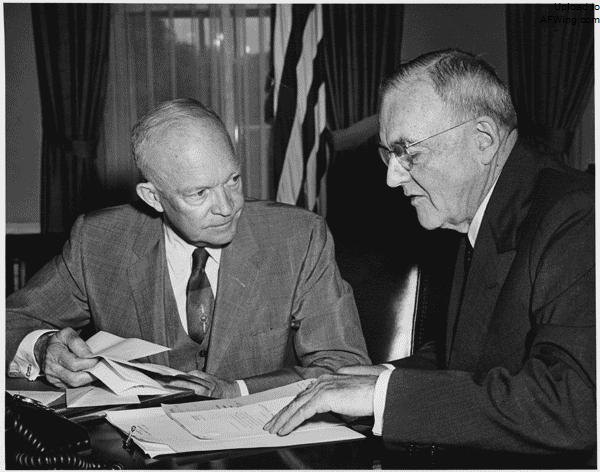


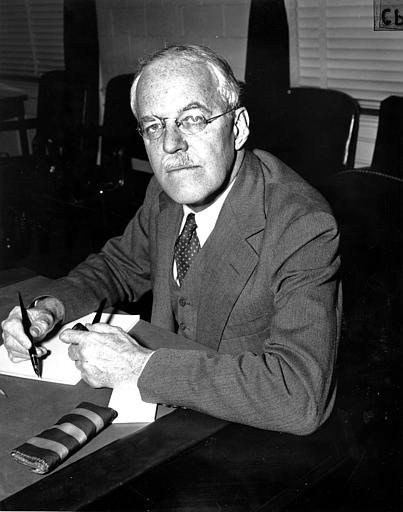
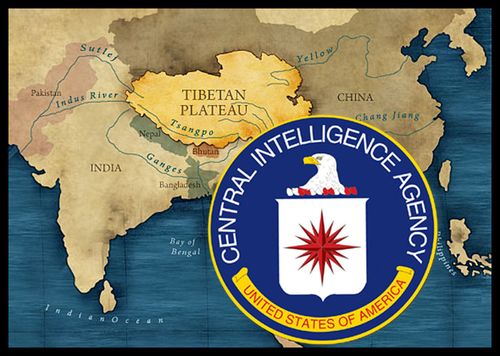


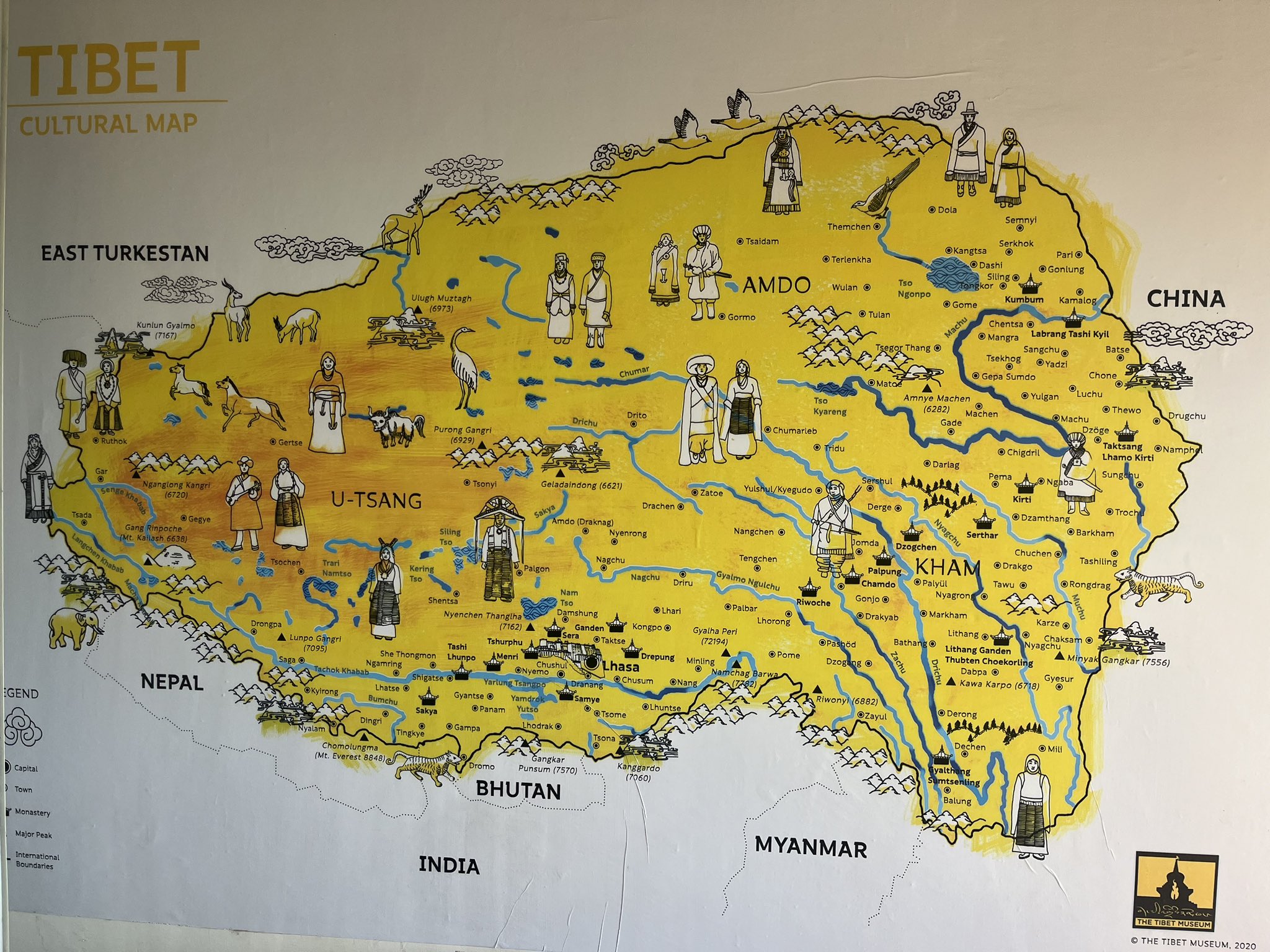


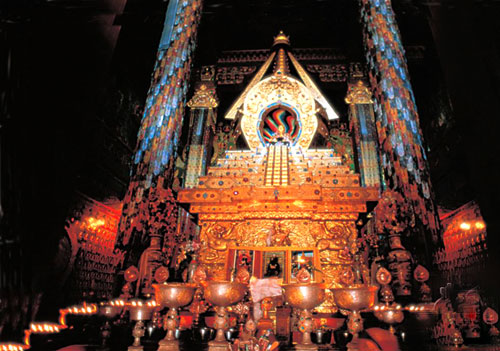


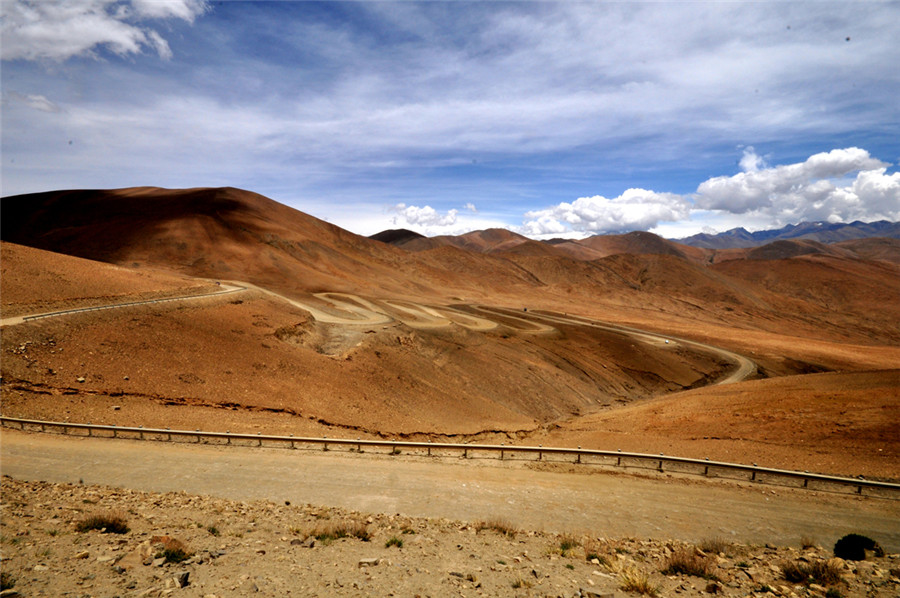
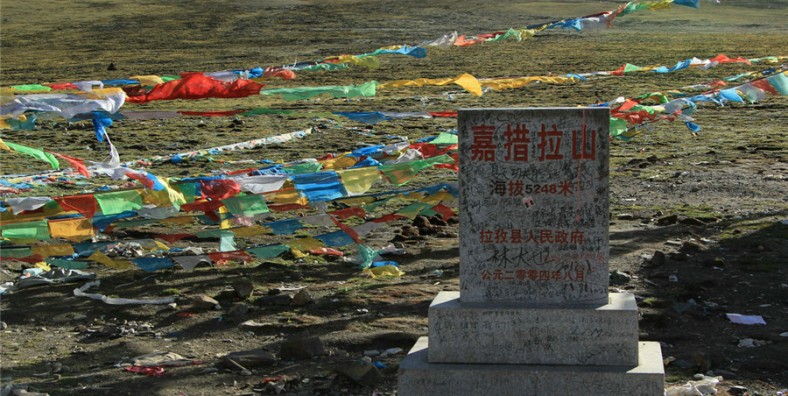


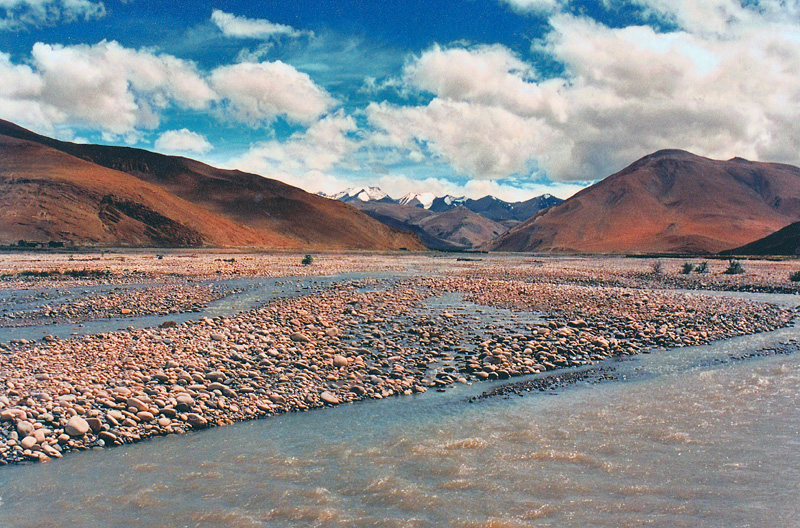


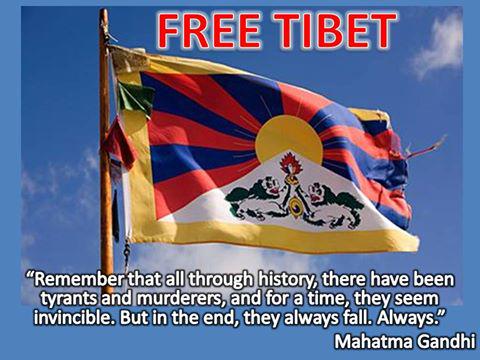

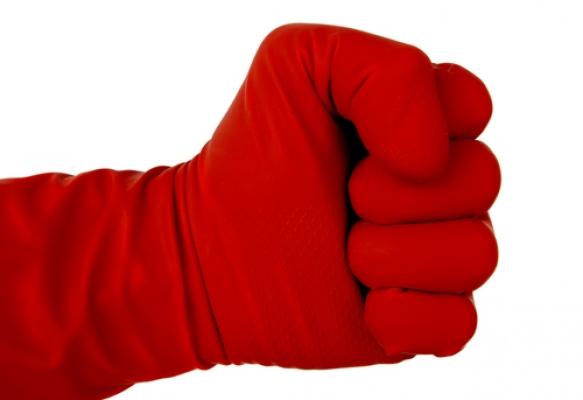

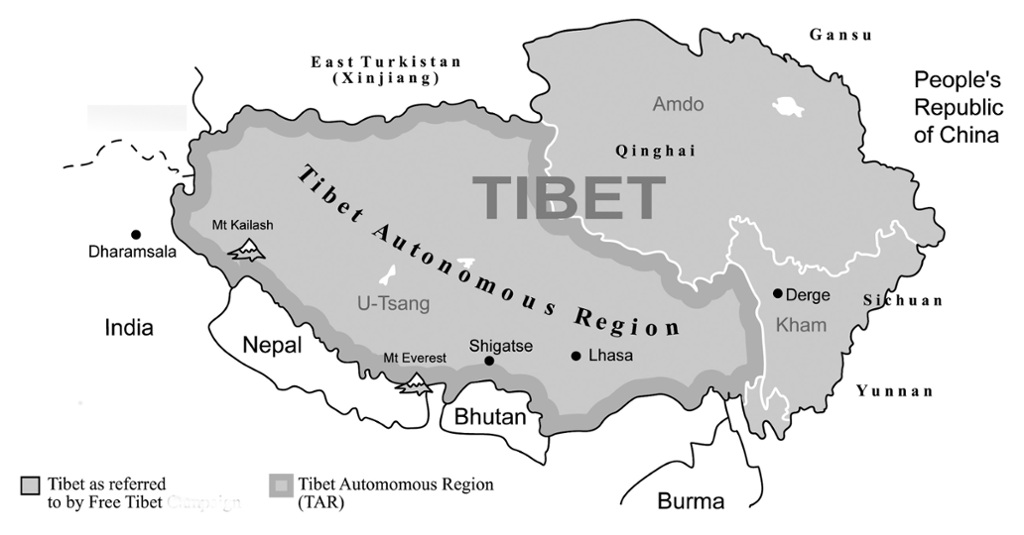







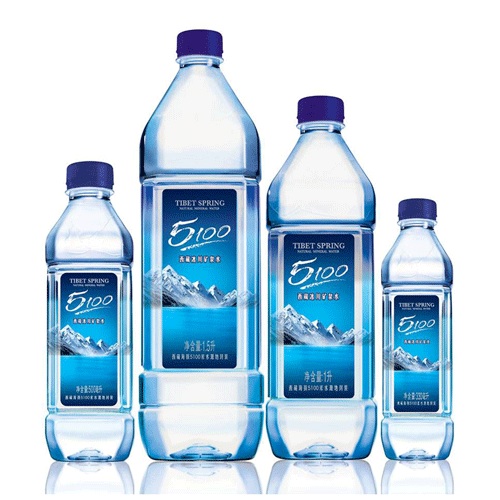
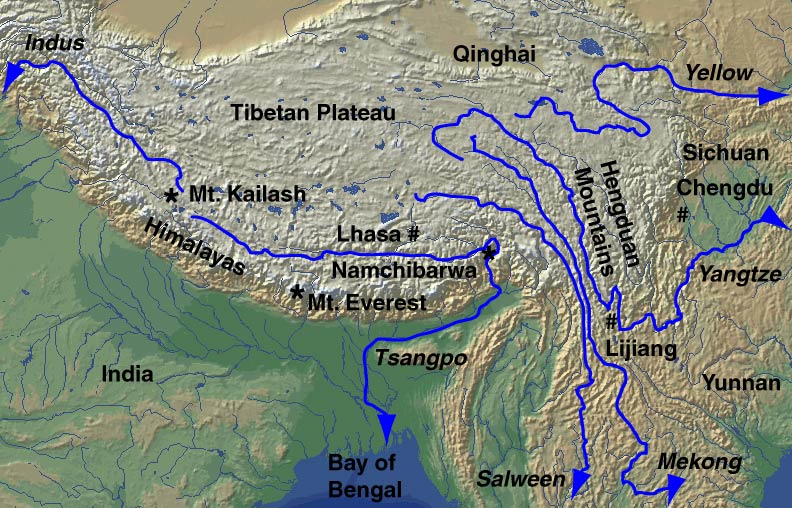
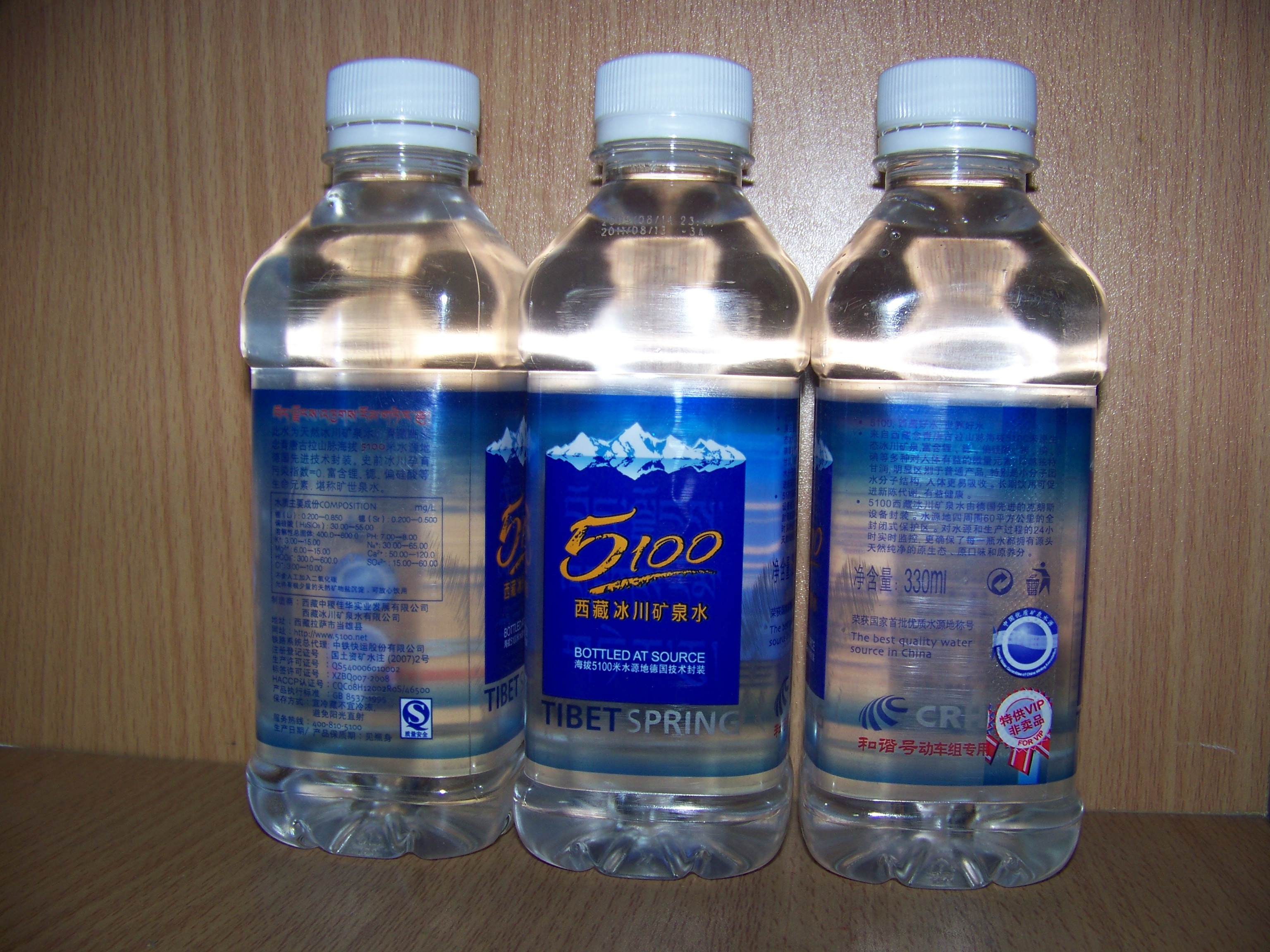





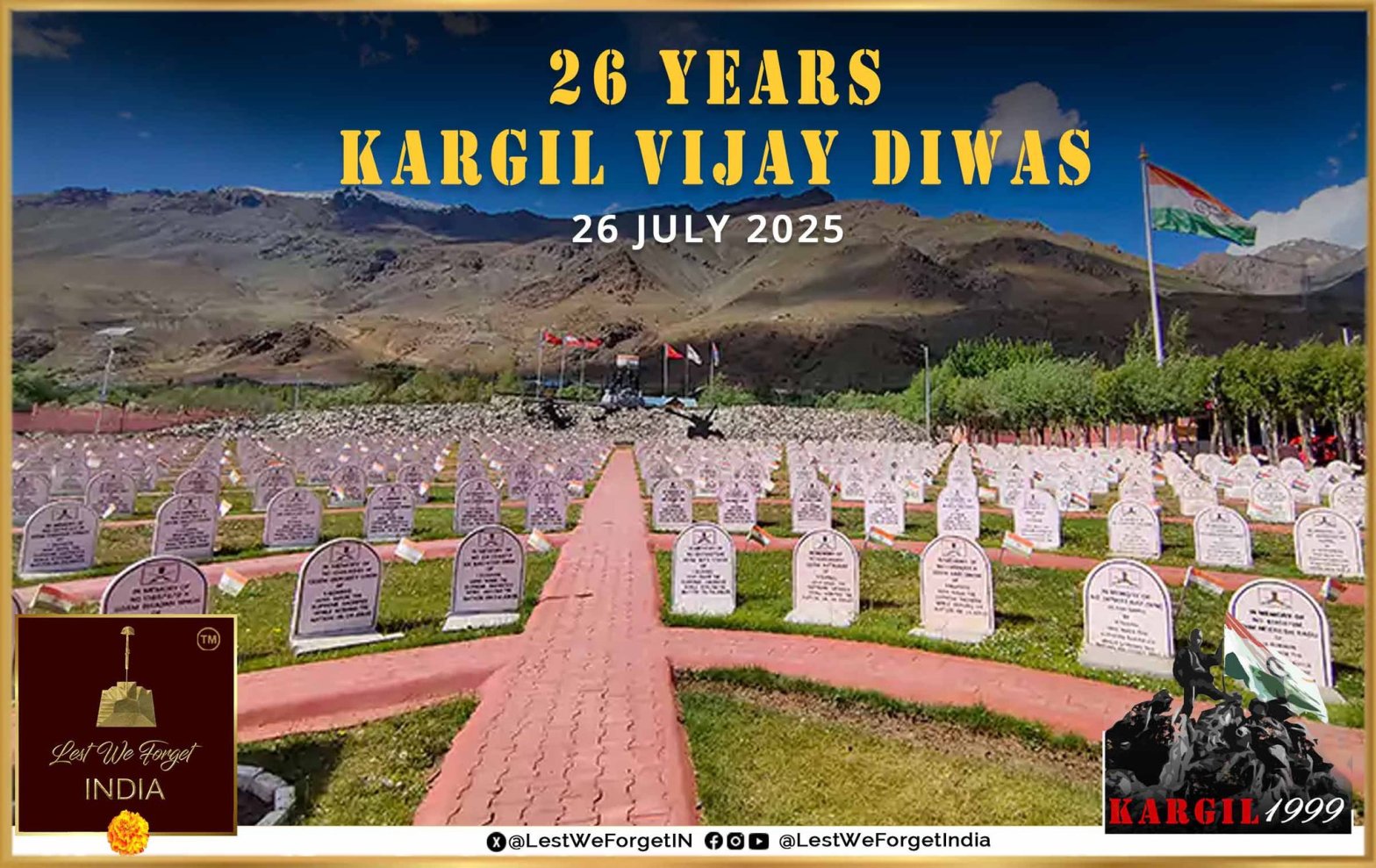
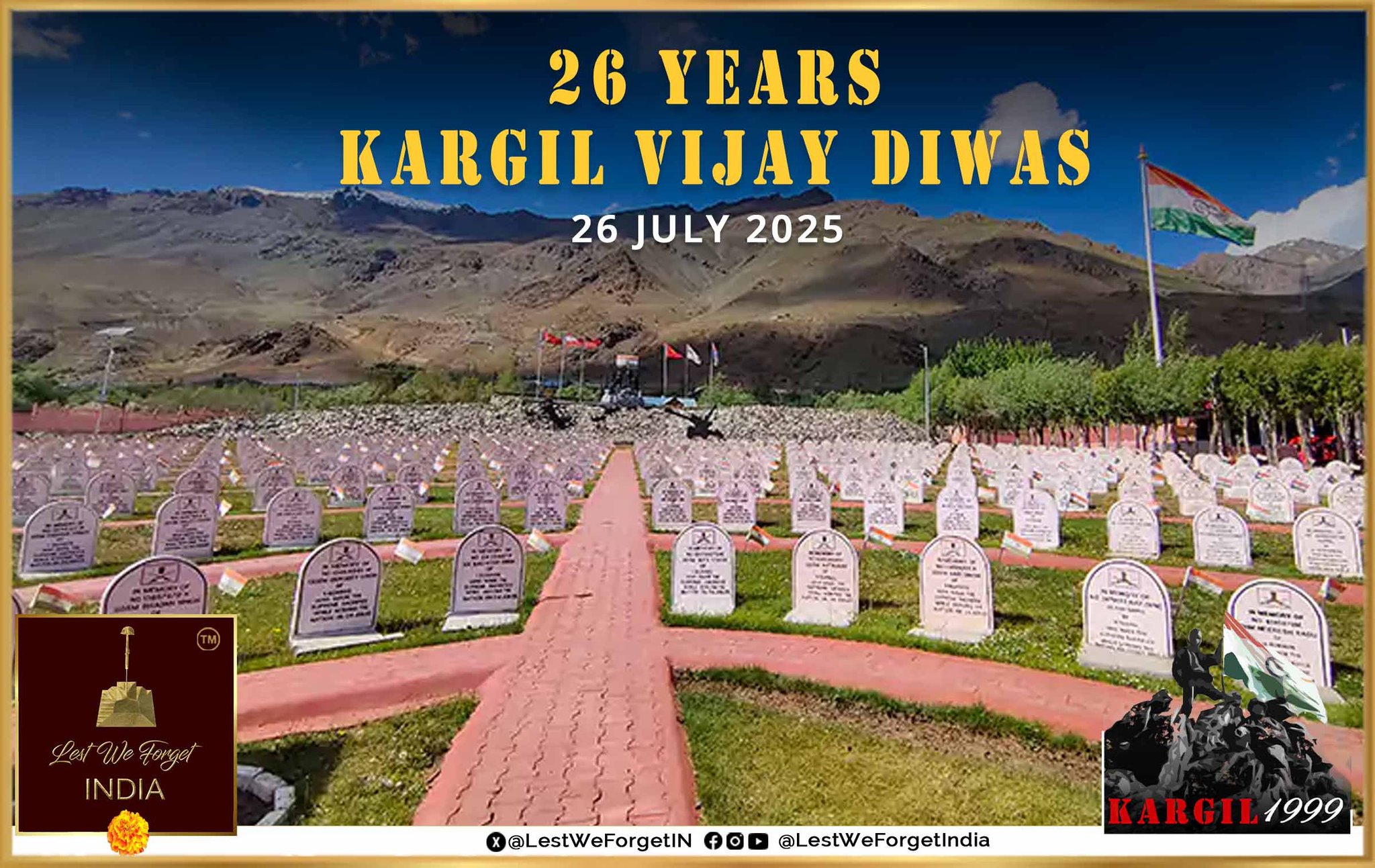
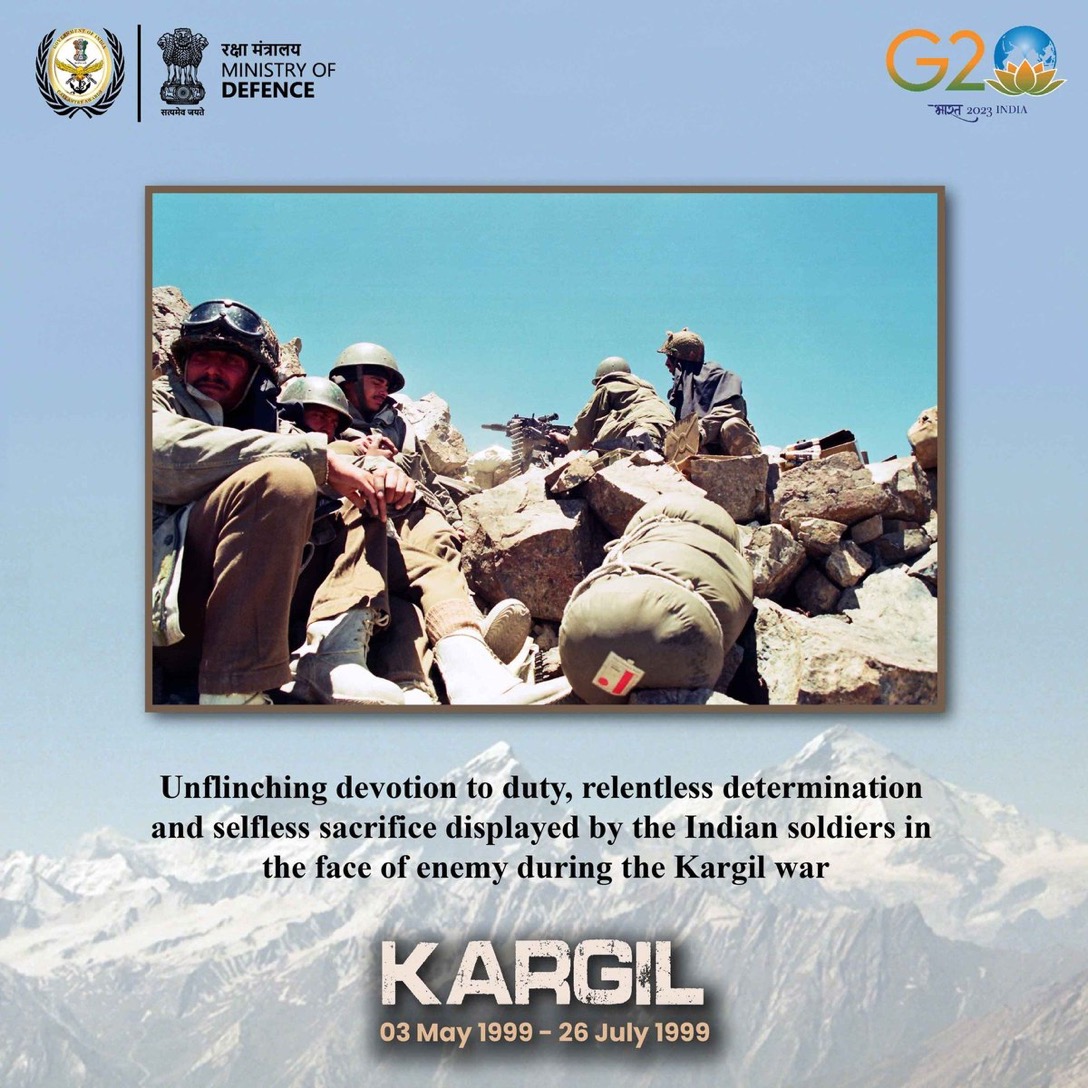


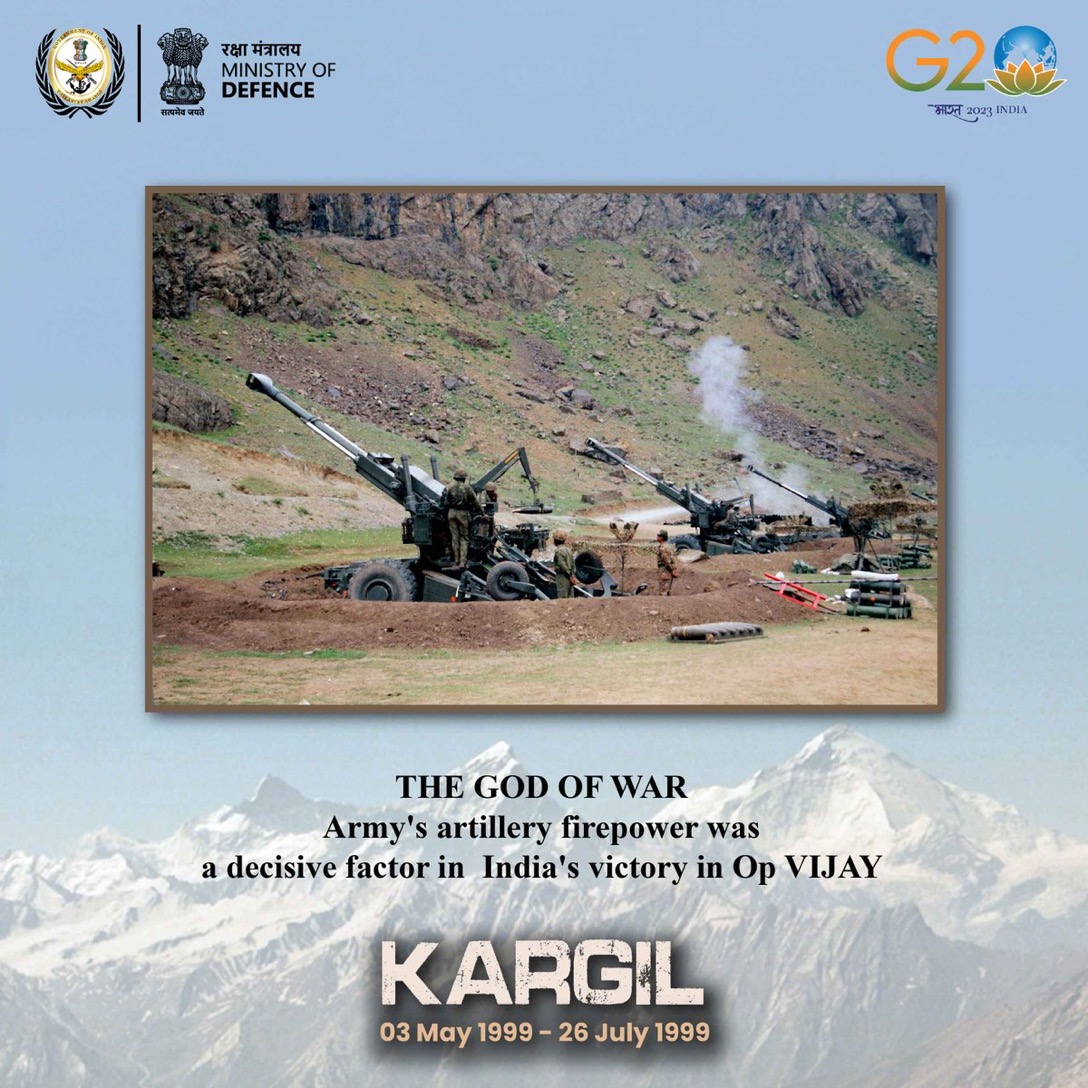

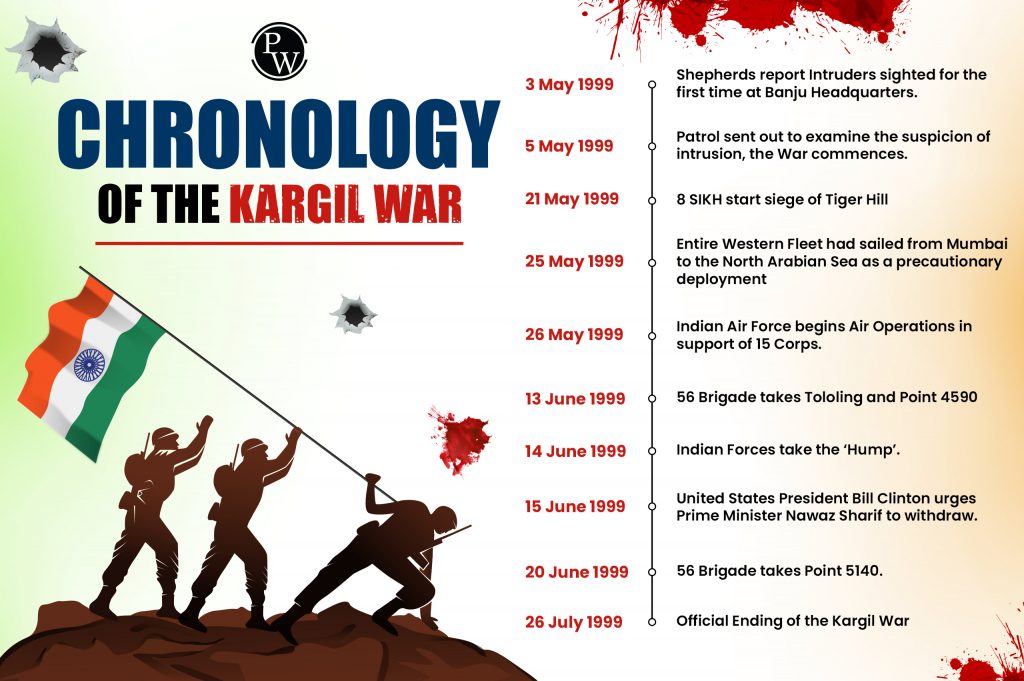

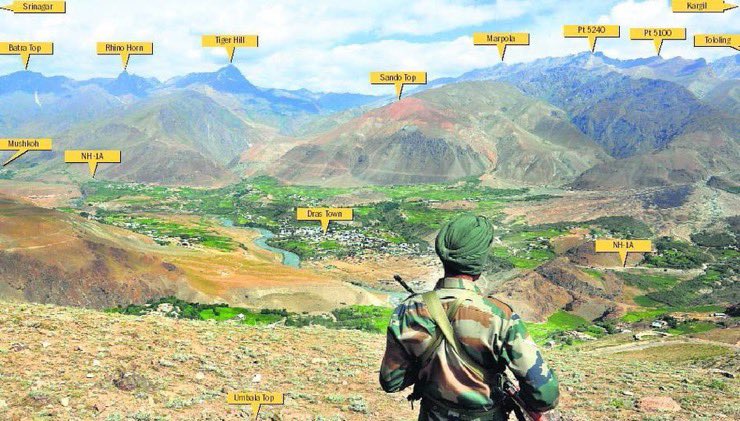


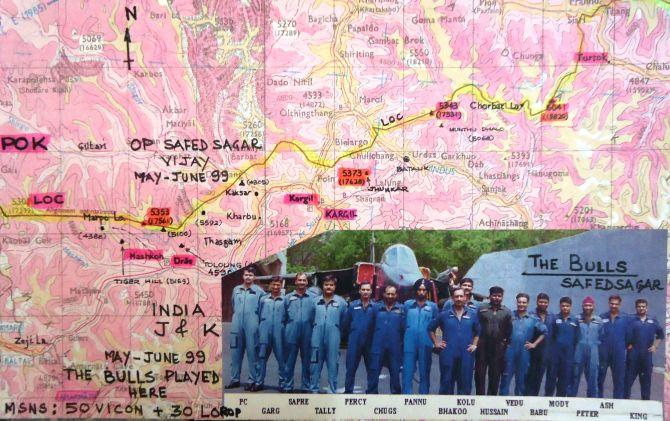



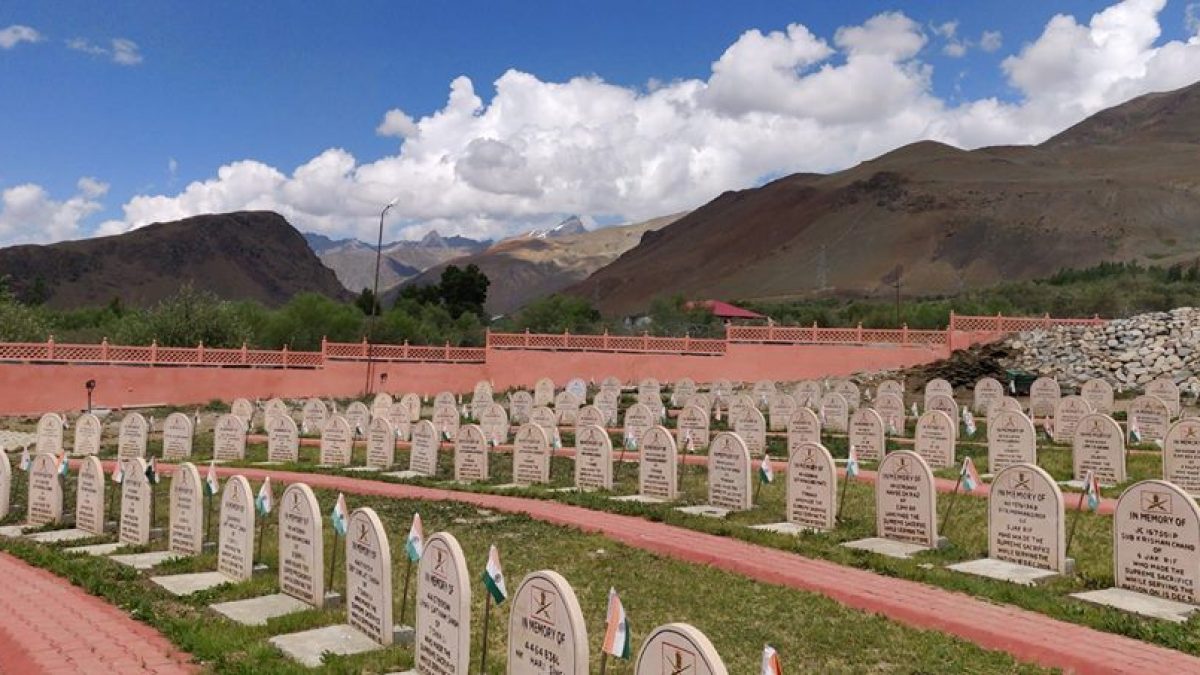
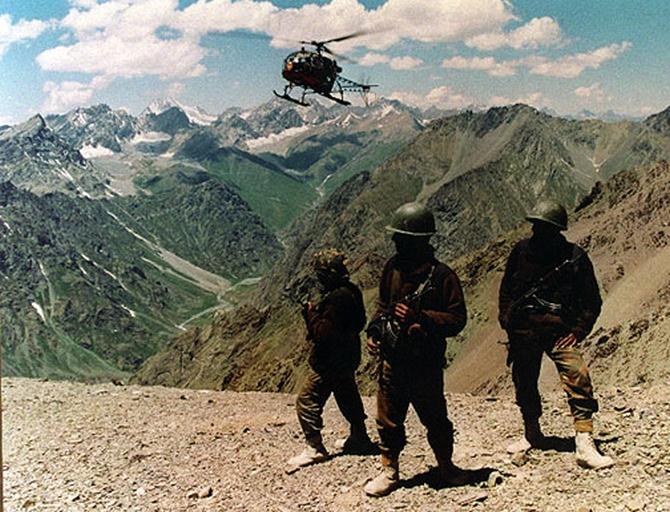
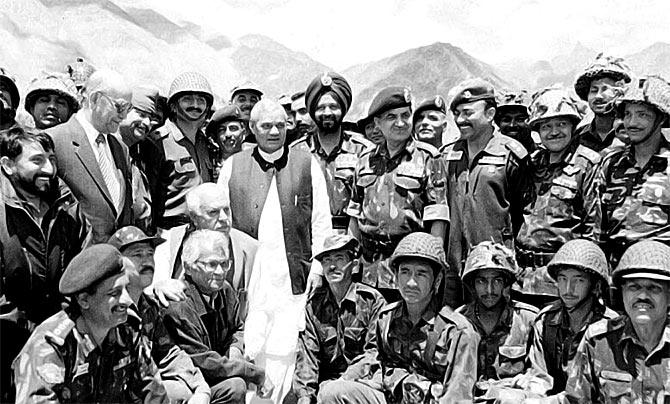
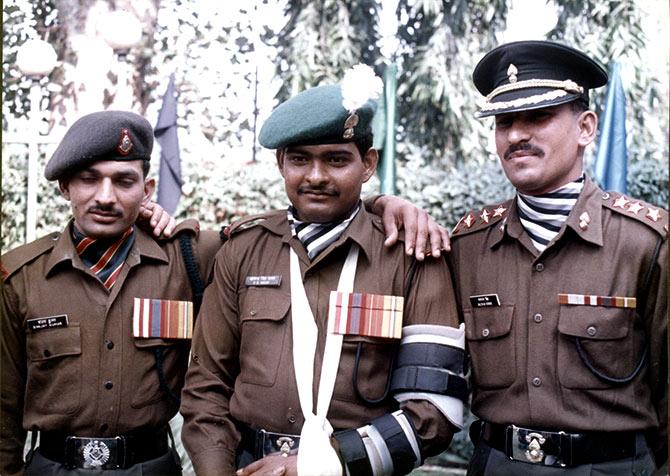




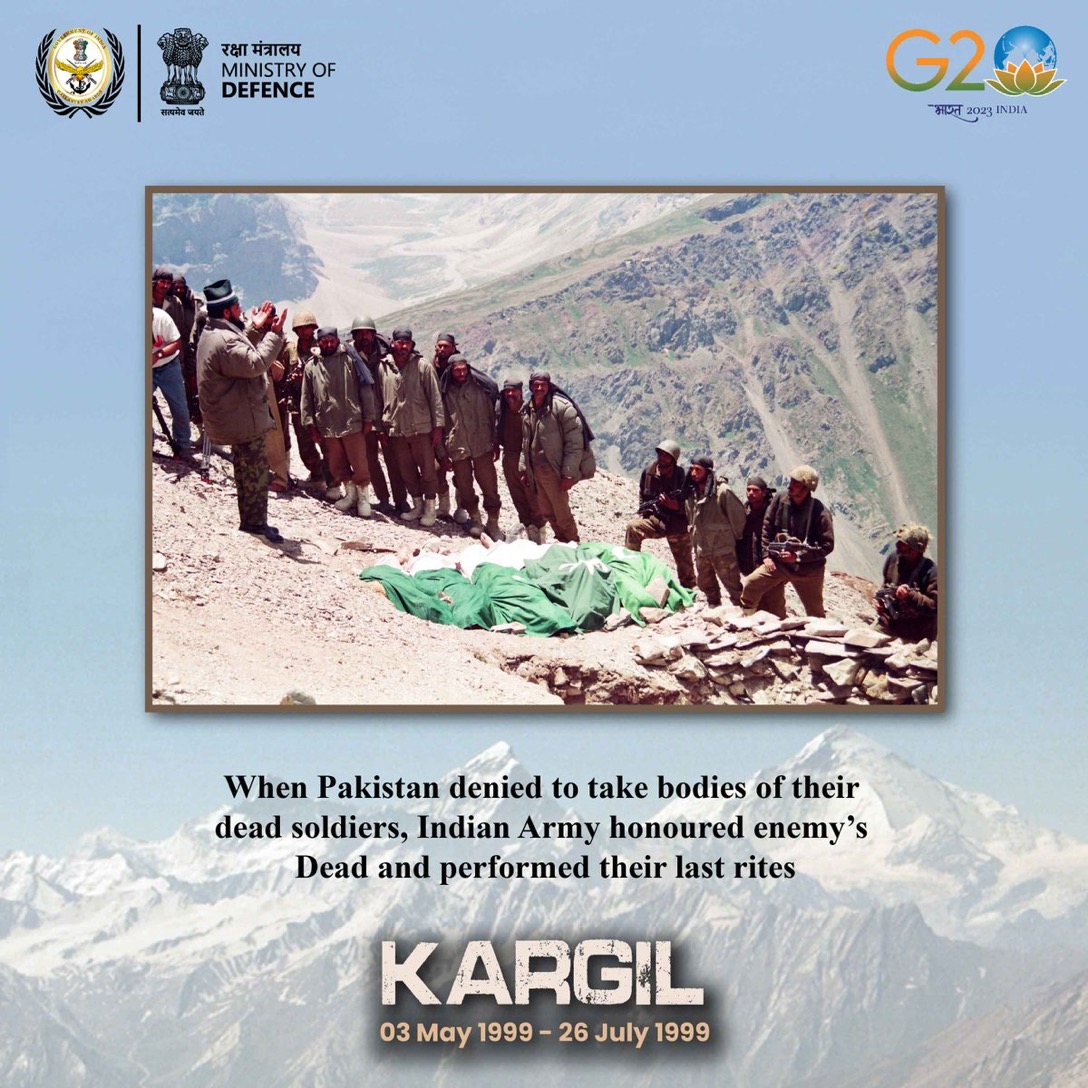
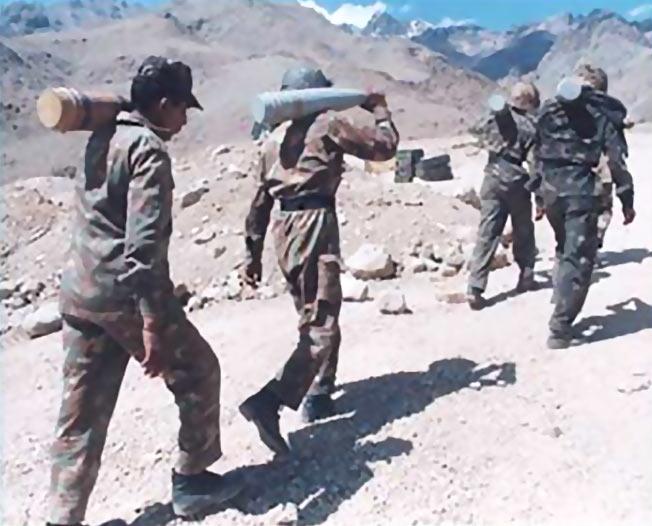
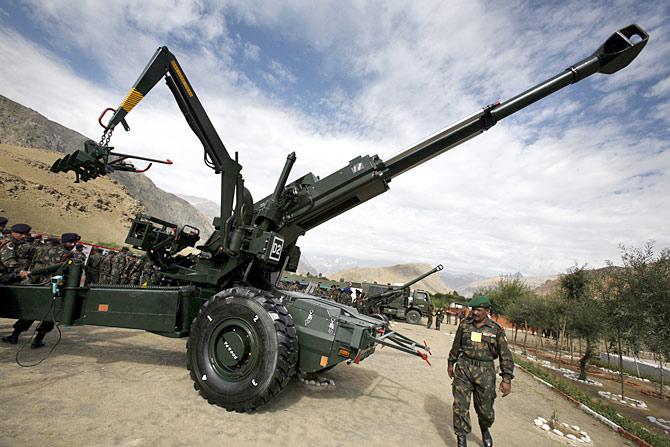
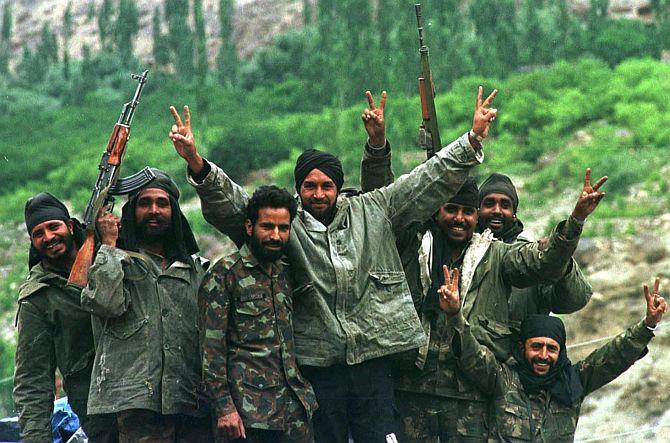


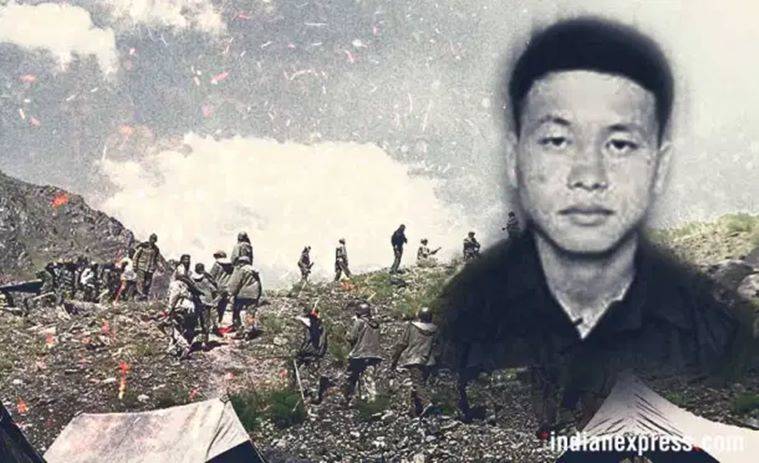

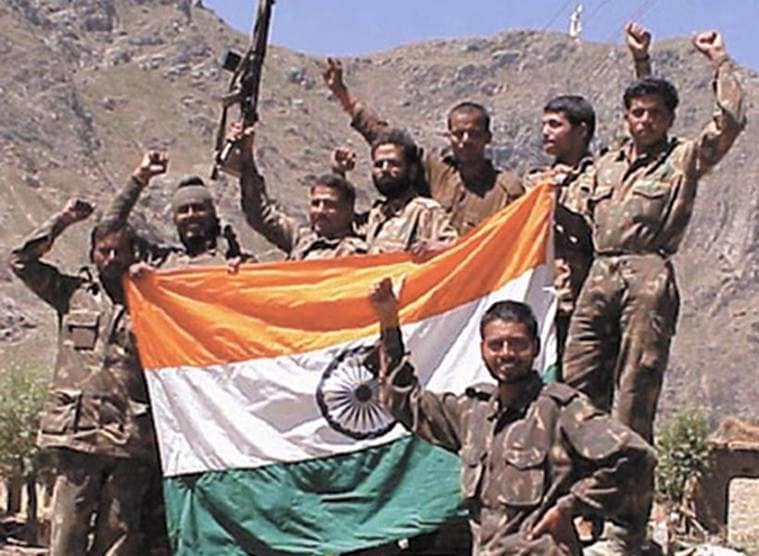

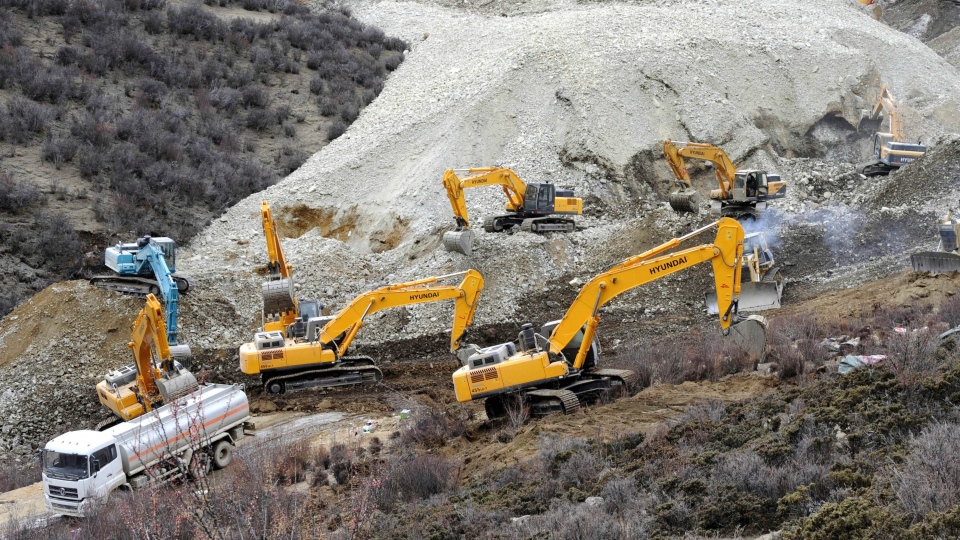

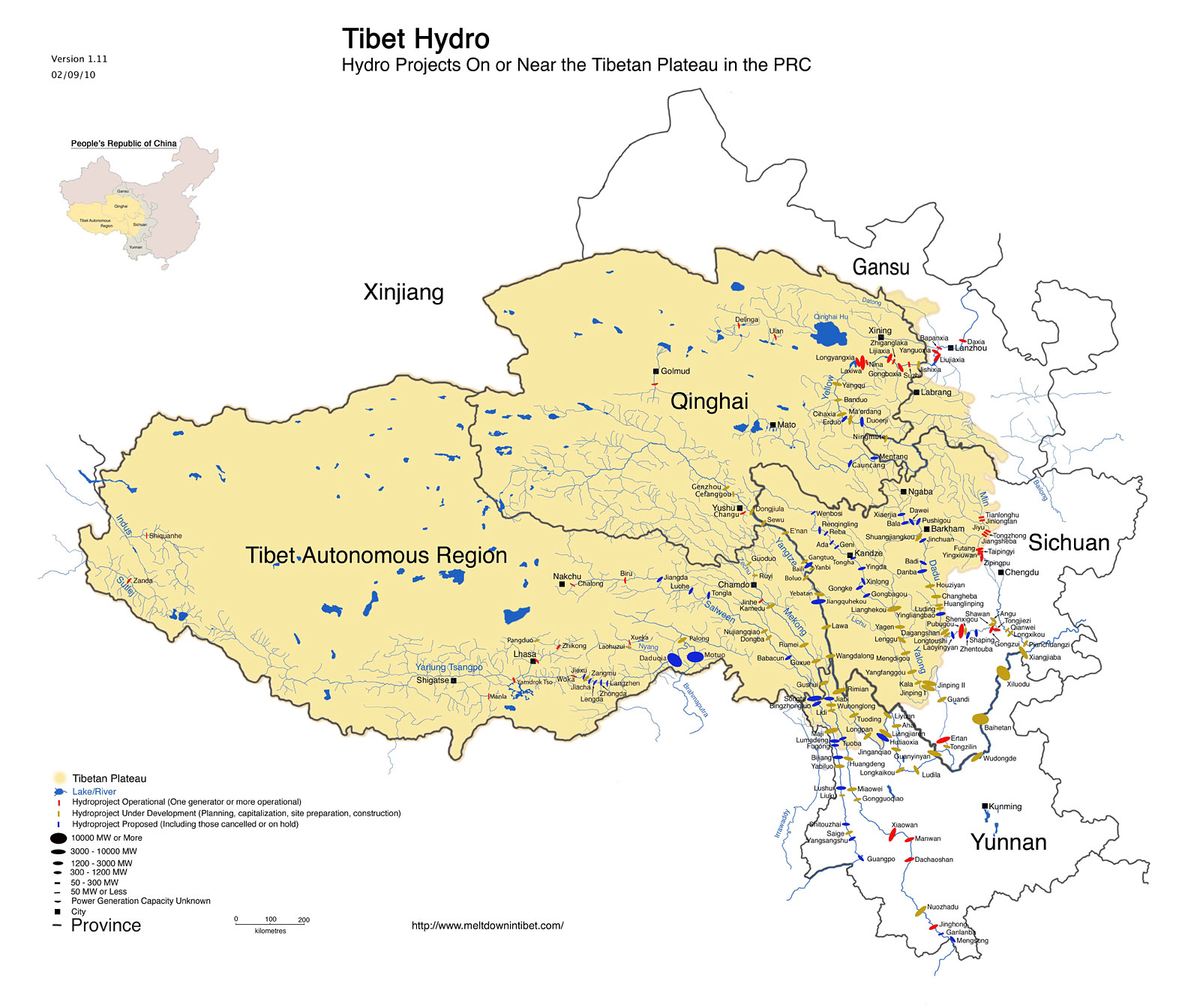

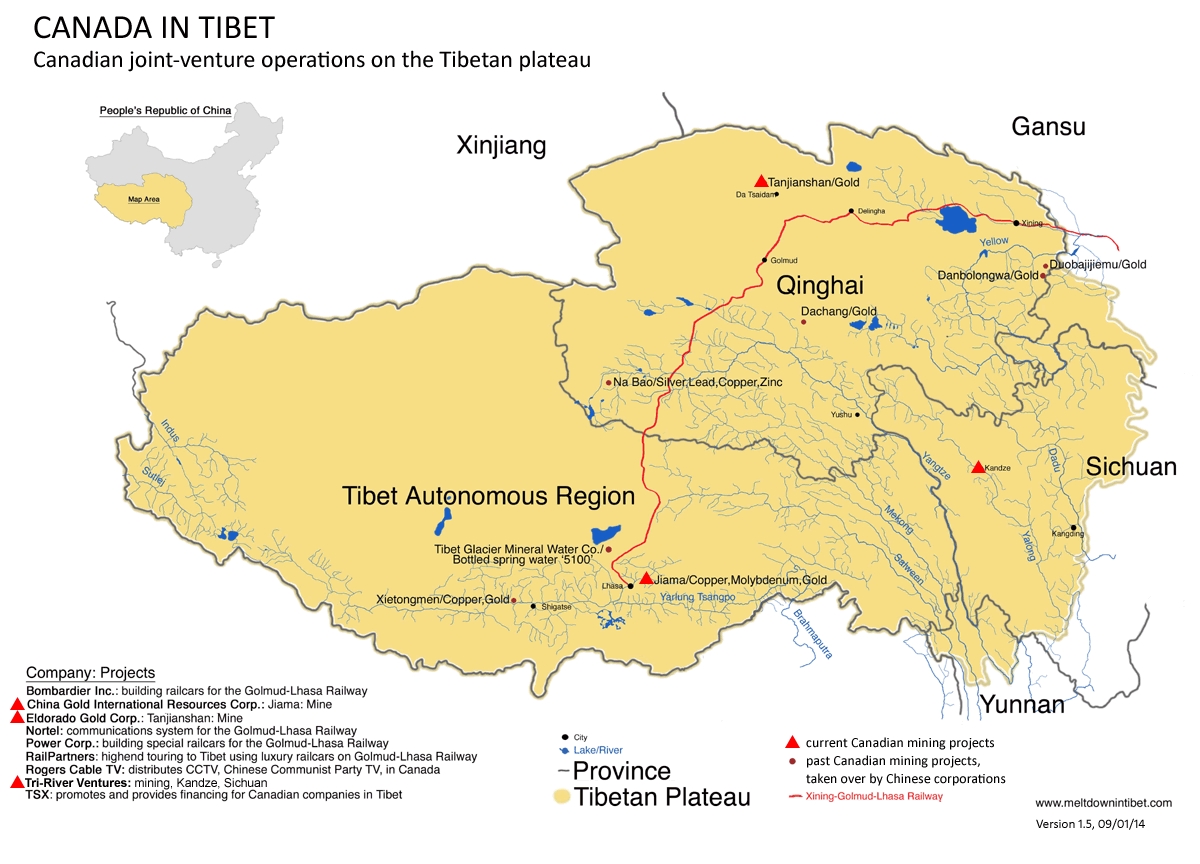
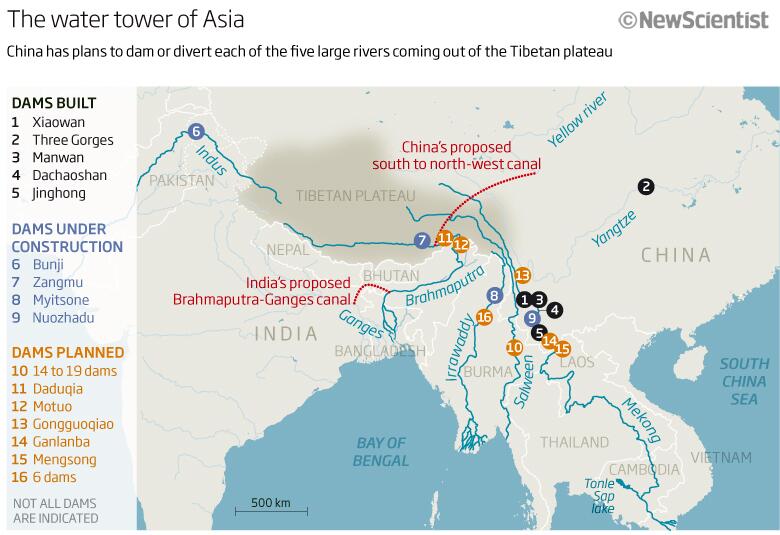
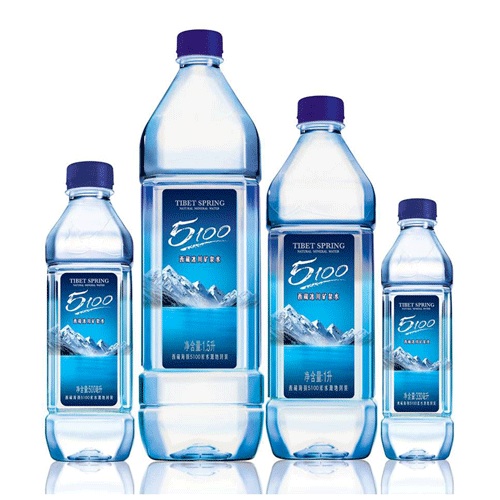
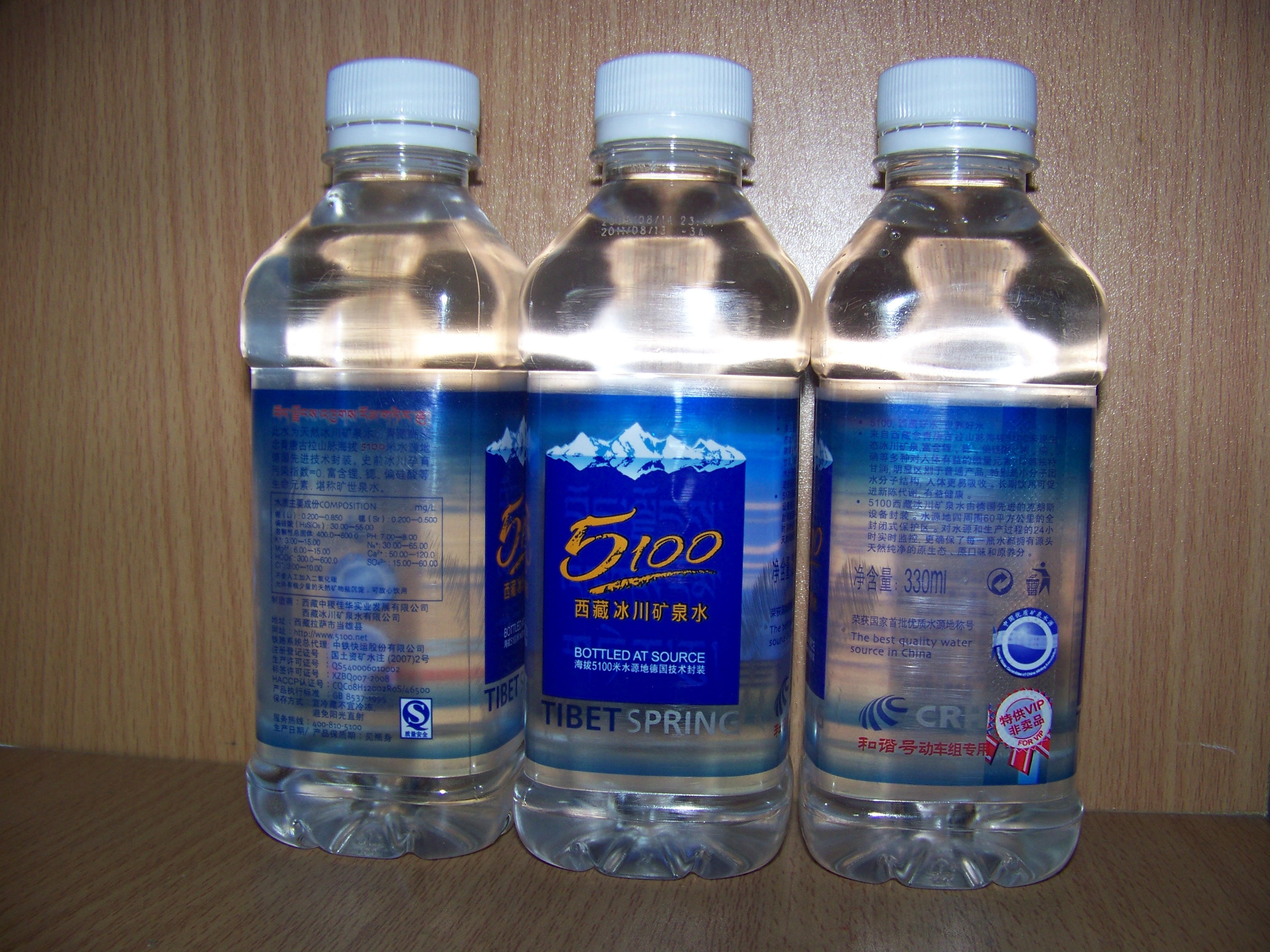
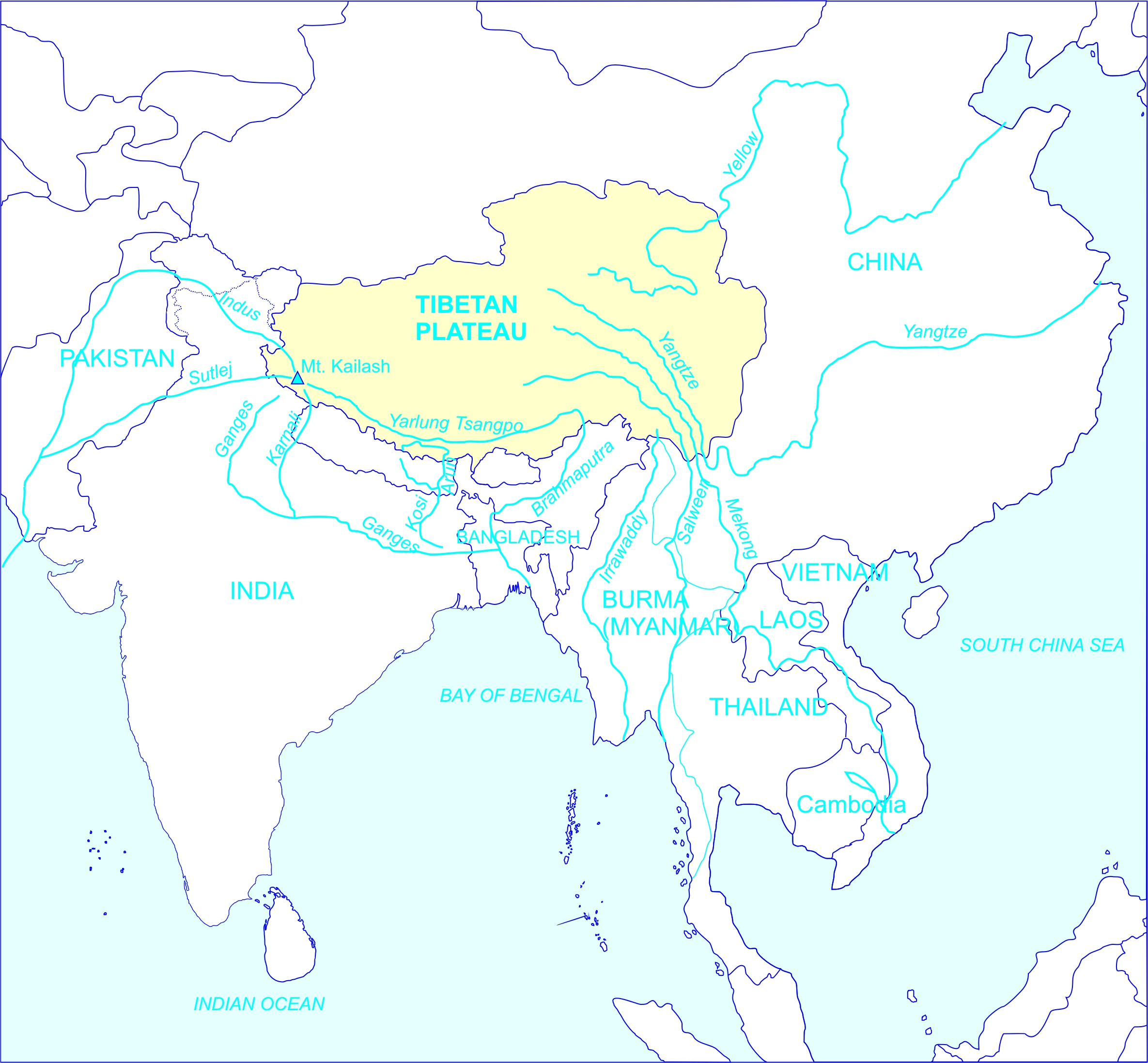
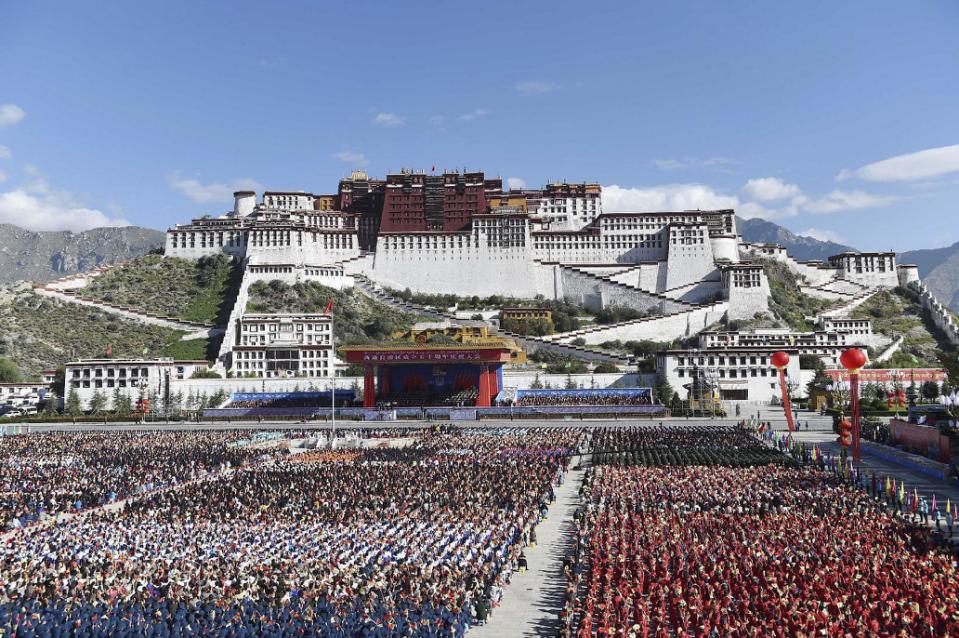

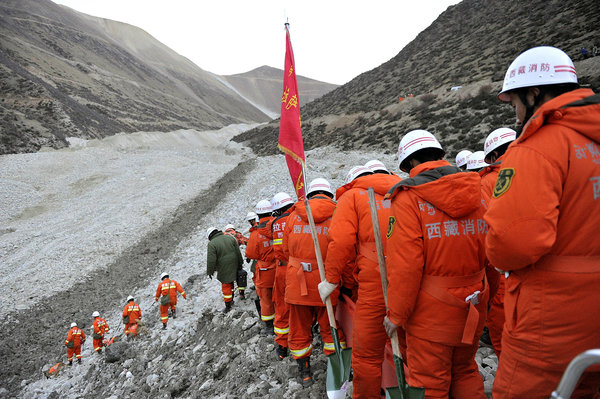
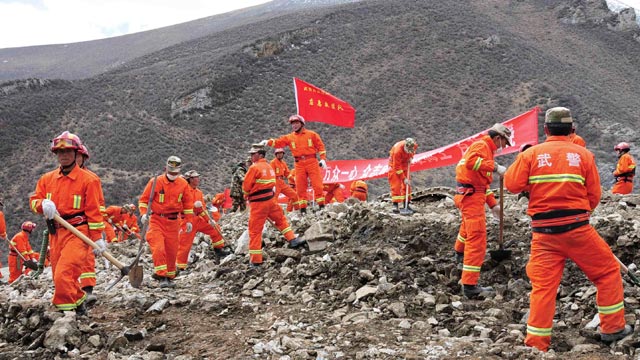
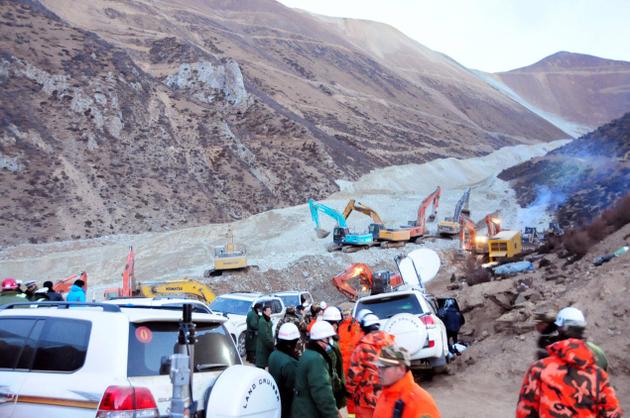
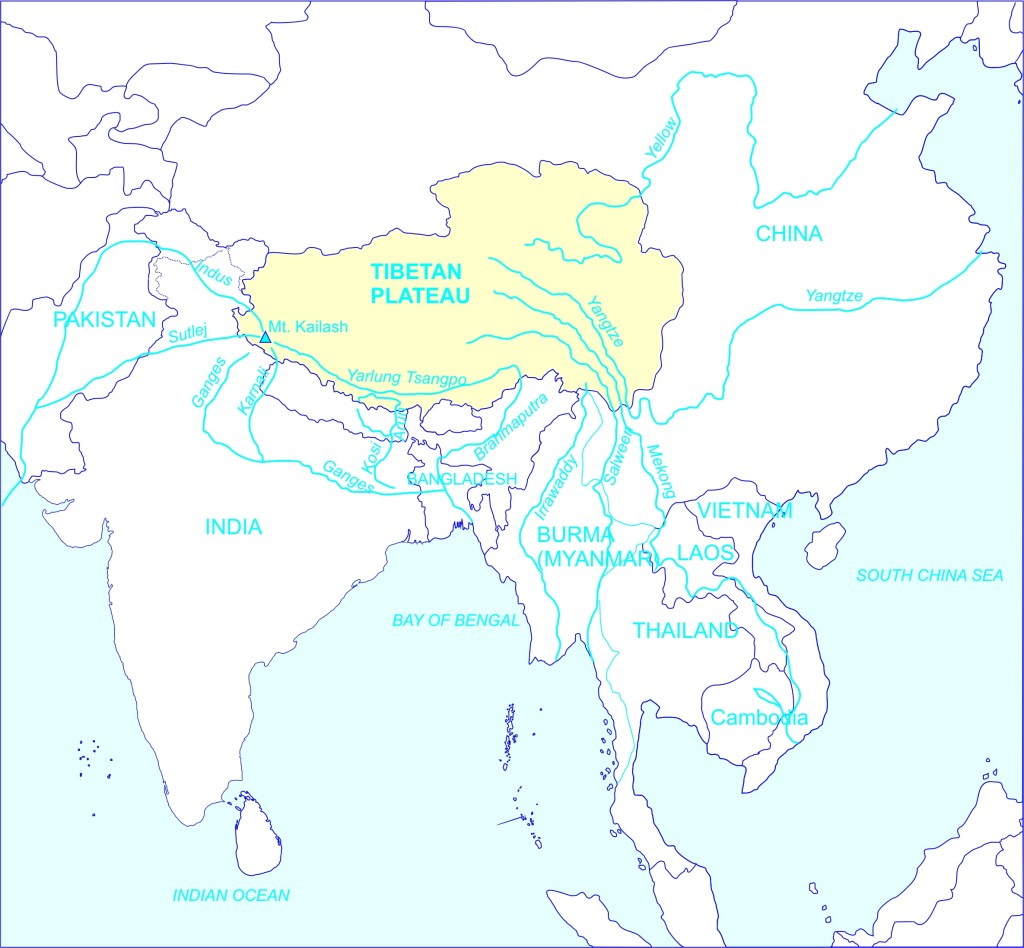

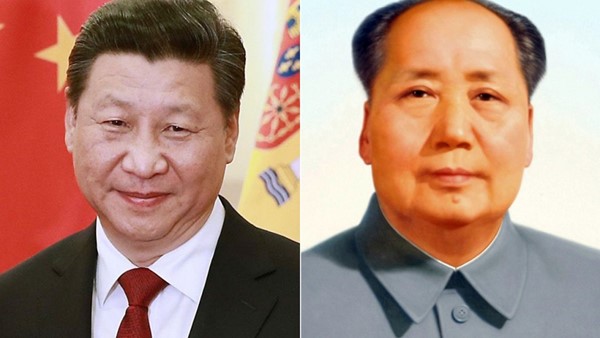



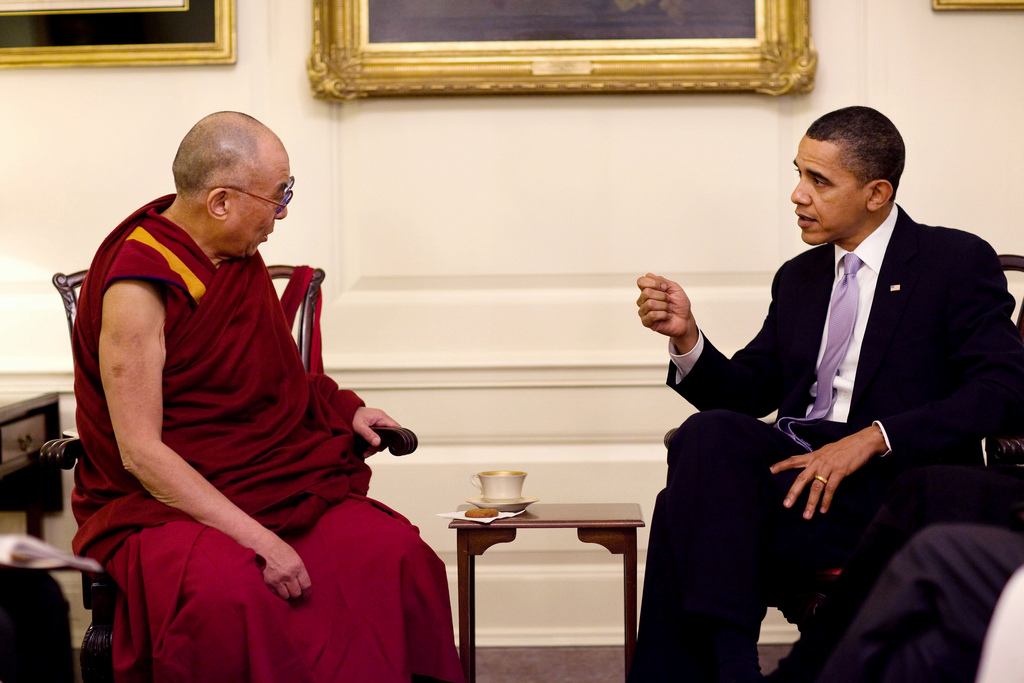
 Whole Dude - Whole Concept