Tibet Consciousness – Art and Reality of Tibetan Suffering
TIBET AWARENESS – TIBET BURNING – CAMPAIGN TO SAVE TIBET.
It is not easy to visualize the reality of Tibetan pain and suffering by using the power of imagination. Some artists have ventured to capture this reality using their artistic talent to transform pictures into short films. World has to honor the memories of these Tibetans who gave their precious lives to get our attention to their pain and suffering.
Rudra Narasimham Rebbapragada Ann Arbor, MI 48104-4162 USA Special Frontier Force-Establishment 22-Vikas Regiment
ODISHA SUN TIMES
Art for a Tibetan cause
New Delhi, Dec 17: A video, “Funeral #1” follows Ani Palden Choetso, a Buddhist nun and her trail of self-immolation on a street corner in Tawu town in eastern Tibet.
The eight-minute footage, smuggled out of Tibet, shows Choetso standing rock still, engulfed in flames, before collapsing. Later, a crowd gathers and prevents security officials from taking her body away. It shows her funeral at the local monastery, where thousands hold a sombre candlelight vigil. Two days later, a hurriedly filmed mobile phone video shows soldiers attacking the monastery.
The video is a part of a of mixed media installations and video works of the exhibition “Burning Against the Dying of the Light”, by veteran film makers Ritu Sarin and Tensing Sonam, who are also the founders of the Dharamshala International Film Festival. On display at Khoj Studios, the exhibition brings forth the struggle of a land that those living in exile in India and elsewhere still hope to return to.
“We had a lot of footage lying around for many years. We decided to put together a show because it will help the Tibetan struggle to move in the right direction, said Sarin, who along with Sonam made the Tibetan feature film, “Dreaming Lhasa”, that premiered at the 2006 Toronto International Film Festival.
“Burning Against the Dying of the Light” – also the centrepiece of the show – examines the recent self-immolation protests in Tibet. A number of these fiery protests have been captured on mobile phones and, at great risk to the sender, secretly made available to the outside world. These bring home in graphic and horrific detail, the physical reality of self-immolations. In this, the Wheel of Light and Darkness is created like a mixed-media sculpture.
Then there is the “Funeral #2” video which had made headlines in the capital three years ago. It follows the self-immolation and cremation of Jamphel Yeshi who set himself alight during a peaceful demonstration in the heart of Delhi on March 26, 2012.
Another work, “Nets in the Sky, Traps on the Ground, Video, printed material” is a series of Orwellian phrases taken from official Chinese documents that describe some of the many control mechanisms and restrictive measures aimed at Tibetans will be projected on the walls and ceiling.
“Memorial”, a mixed-media installation, consists of a recreation of the self-immolator, Jamphel Yeshi’s sleeping area in his rented room in Majnu ka Tila, the Tibetan refugee settlement in Delhi, exactly as he left it on the morning of his self-immolation.
The “Taking Tiger Mountain by Storm” video installation, being shown for the first time, redeploys recently acquired Chinese police footage of a large-scale raid on a small village in Central Tibet, converting it from a security apparatus archival record to a parody of what Communism means today in Tibet.
“Two Friends” is a 10-minute-long single-channel video of Ngawang Norphel, 22, and Tenzin Khedup, 24, both monks, who took a vow to die together.
Apart from these works, the “Stranger in My Native Land” documentary by Tenzing Sonam, a poignant and personal account of his first visit to his homeland, is also being shown.
The show is on at Khoj Studios, S-17, Khirkee Extension till December 31 from 11 a.m. to 7 p.m. (IANS)
Whole Suffering – Sixth Self Immolation Tibet in 2015
Whole Warfare: The Commemoration of the National Security Act of 1947. Whole Dude observes July 26, 2025 as Anti Slavery Campaign DayWhole Warfare: The Commemoration of the National Security Act of 1947. Whole Dude observes July 26, 2025 as Anti Slavery Campaign Day Whole Warfare: The Commemoration of the National Security Act of 1947. Whole Dude observes July 26, 2025 as Anti Slavery Campaign Day
Yes indeed. Life is Complicated. What is this Day in History? The complexity of Life is about finding the Connection between the Date and Life. Man’s Plan for Life must come together with God’s Purpose in Life to win the Battle Against Spiritual Wickedness.
Whole Warfare: The Commemoration of the National Security Act of 1947. Whole Dude observes July 26, 2025 as Anti Slavery Campaign Day
July 26, This Day in my Life:
Whole Warfare: The Commemoration of the National Security Act of 1947. Whole Dude observes July 26, 2025 as Anti Slavery Campaign DayWhole Warfare: The Commemoration of the National Security Act of 1947. Whole Dude observes Saturday, July 26, 2025 as Anti Slavery Campaign Day Whole Warfare: The Commemoration of the National Security Act of 1947. Whole Dude observes July 26, 2025 as Anti Slavery Campaign Day
Saturday, 26th Day of July 2025. I am dedicating this Day of my life to the Antislavery Campaign, Repeal PRWORA Project, and The Great Awakening Movement claiming that I will not wrestle or struggle against people but, I will confront spiritual wickedness in the highest places.
Whole Warfare: The Commemoration of the National Security Act of 1947. Whole Dude observes July 26, 2025 as Anti Slavery Campaign Day
On the 26th Day of July 1970, I started my preparation to participate in the CIA’s Secret War in Occupied Tibet. In man’s plan, I exist as a mere pawn used in the War on Communism, the legacy of the Cold War Era of Geopolitics. What is God’s Plan for my life?
Whole Warfare: The Commemoration of the National Security Act of 1947. Whole Dude observes July 26, 2025 as Anti Slavery Campaign Day
On Saturday, 26th Day of July 2025, I confess that I have not yet arrived at the final destination of my life. I continue to struggle for my personal freedom and I continue to wrestle against the dark forces keeping Tibetans away from freedom.
Man’s Plan for July 26 vs God’s Plan for July 26. Whole Dude celebrates the CIA Connection on Saturday, July 26, 2025. Dr. Sarvepalli Radhakrishnan and the history of Special Frontier Force-Establishment No. 22, Vikas Regiment: In India, school children celebrate Dr. Radhakrishnan’s birthday (05 September) as Teacher’s Day and every year that I spent as a student, I had a special reason to remember my family connection with his daughter.
On this day, July 26, 1947, President Harry Truman signed the National Security Act that set up the Central Intelligence Agency. The Cold WarEra secret diplomacy shaped the course of my life that began in Mylapore, Madras, Chennai. My Life’s Journey from Mylapore to Chakrata, and later to Ann Arbor, Michigan is a direct consequence of my CIA Connection predestined on July 26, 1970.
Whole Warfare: The Commemoration of the National Security Act of 1947. Whole Dude observes July 26, 2025 as Anti Slavery Campaign Day
I was granted Short Service Regular Commission in the Indian Army Medical Corps in the rank of Lieutenant on July 26, 1970. On completion of my military training, I received the promotion, the substantive rank of Captain with effect from July 26, 1971. My first posting of Military Service sent me to Special Frontier Force, Headquarters Establishment No. 22, Vikas Regiment in support of CIA’s Mission in South Asia. I describe “My CIA Connection” as ‘Kasturi-Sarvepalli-Mylapore-Madras-India-Tibet-US Connection’.
Whole Warfare: The Commemoration of the National Security Act of 1947. Whole Dude observes Saturday, July 26, 2025 as Anti Slavery Campaign Day
On Saturday, July 26, 1986, I left Muscat, Oman to arrive in the United States in search of the Final Destination of my Life.
Whole Warfare: The Commemoration of the National Security Act of 1947. Whole Dude observes Saturday, July 26, 2025 as Anti Slavery Campaign Day
On Saturday, July 26, 2025, I live in Ann Arbor, Michigan still hoping to arrive at the Final Destination of my Life. My CIA Connection may either sanction Slavery in the United States or that of Prisoner of War (POW) in the Enemy’s Camp.
Man’s Plan for July 26 vs God’s Plan for July 26. July 26th, 2025. This day of my life. My CIA connection was made possible because of the Cold War Era secret diplomacy to wage War on Communism.
This Day in My Life – July 26 – My CIA Connection. God’s Calendar predestined meeting between Indian Prime Minister Jawaharlal Nehru and the US President Harry Truman. Cold War History. War on Communism.
Whole Warfare: The Commemoration of the National Security Act of 1947. Whole Dude observes July 26, 2025 as Anti Slavery Campaign Day
President Harry S. Truman signs the National Security Act, which becomes one of the most important pieces of Cold War legislation. The act established much of the bureaucratic framework for foreign policymaking for the next 40-plus years of the Cold War.
By July 1947, the Cold War was in full swing. The United States and the Soviet Union, once allies during World War II, now faced off as ideological enemies. In the preceding months, the administration of President Truman had argued for, and secured, military and economic aid to Greece and Turkey to assist in their struggles against communist insurgents. In addition, the Marshall Plan, which called for billions of dollars in U.S. aid to help rebuild war-torn Western Europe and strengthen it against possible communist aggression, had also taken shape. As the magnitude of the Cold War increased, however, so too did the need for a more efficient and manageable foreign policymaking bureaucracy in the United States. The National Security Act was the solution.
The National Security Act had three main parts. First, it streamlined and unified the nation’s military establishment by bringing together the Navy Department and War Department under a new Department of Defense. This department would facilitate control and utilization of the nation’s growing military. Second, the act established the National Security Council (NSC). Based in the White House, the NSC was supposed to serve as a coordinating agency, sifting through the increasing flow of diplomatic and intelligence information in order to provide the president with brief but detailed reports. Finally, the act set up the Central Intelligence Agency (CIA). The CIA replaced the Central Intelligence Group, which had been established in 1946 to coordinate the intelligence-gathering activities of the various military branches and the Department of State. The CIA, however, was to be much more–it was a separate agency, designed not only to gather intelligence but also to carry out covert operations in foreign nations.
The National Security Act formally took effect on September 1947. Since that time, the Department of Defense, NSC, and CIA have grown steadily in terms of size, budgets, and power. The Department of Defense, housed in the Pentagon, controls a budget that many Third World nations would envy. The NSC rapidly became not simply an information organizing agency, but one that was active in the formation of foreign policy. The CIA also grew in power over the course of the Cold War, becoming involved in numerous covert operations. Most notable of these was the failed Bay of Pigs operation of 1961, in which Cuban refugees, trained and armed by the CIA, were unleashed against the communist regime of Fidel Castro. The mission was a disaster, with most of the attackers either killed or captured in a short time. Though it had both successes and failures, the National Security Act indicated just how seriously the U.S. government took the Cold War threat.
Man’s Plan for July 26 vs God’s Plan for July 26. July 26th, 2025. This day of my life. My CIA connection is made possible by President Harry Truman’s War on Communism.
This Day in My Life – July 26 – My CIA Connection. God’s Calendar predestined events of my Life’s Journey From Mylapore, Madras to Ann Arbor, Michigan. Thanks to US President Harry S. Truman’s War on Communism.
Whole Warfare: The Commemoration of the National Security Act of 1947. Whole Dude observes July 26, 2025 as Anti Slavery Campaign Day
This Day in My Life – July 26 – My CIA Connection. Cold War Era History. God’s Calendar predestined events of My Life’s Journey From Mylapore, Madras to Ann Arbor, Michigan. Thanks to US President Harry S. Truman’s War on Communism.
Man’s Plan for July 26 vs God’s Plan for July 26. July 26th, 2025. This day of my life. My CIA connection promises to impose either slavery in the US or that of Prisoner of War (POW) in the Enemy’s camp. Man’s plan vs God’s plan will decide the ultimate outcome.
This Day in My Life – July 26 – My CIA Connection. In Man’s Plan, I exist as a mere Pawn used in War on Communism, Legacy of Cold War Era Geopolitics.
Man’s Plan for July 26 vs God’s Plan for July 26. Whole Dude celebrates the CIA Connection on Saturday, July 26, 2025
The celebration of the CIA Connection on Saturday, July 26, 2025. What is God’s Plan?
Whole Warfare: The Commemoration of the National Security Act of 1947. Whole Dude observes July 26, 2025 as Anti Slavery Campaign Day Whole Warfare: The Commemoration of the National Security Act of 1947. Whole Dude observes July 26, 2025 as Anti Slavery Campaign Day
Commemoration of the National Security Act of 1947 – July 26, 2025 marked as Antislavery Campaign Day
Whole Dude – Whole Warfare: Commemoration of The National Security Act of 1947. July 26, 2025, marked as Antislavery Campaign Day.
On this Day, July 26, 1947, President Harry Truman signed The National Security Act that set up The Central Intelligence Agency that plays a crucial role in promoting US Policy in support of Freedom, Democracy, Peace and Human Rights.
Whole Dude – Whole Warfare: Commemoration of The National Security Act of 1947. July 26, 2025, marked as Antislavery Campaign Day.Whole Dude – Whole Warfare: Commemoration of The National Security Act of 1947. July 26, 2025, marked as Antislavery Campaign Day.
Tibet Awareness – Compassion, the Foundation of Well-being
TIBET AWARENESS – PAIN AND COMPASSION: I AM SEEKING THE APPLICATION OF COMPASSION AS A PHYSICAL FORCE/POWER/ENERGY THAT CAN UPLIFT TIBETANS FROM PAIN, MISERY, SUFFERING, SORROW AND “DUKHA.”
Pain and suffering and experience of sorrow or “dukha” may have a cause according to the Doctrine of ‘Dependent Origination’. Sorrow or dukha is the result of one’s desires for pleasures, power, and continued existence. In case of Tibetan people, the experience of pain and suffering is the direct consequence of military occupation and foreign conquest of their Land. Historically, Tibetans never experienced foreign domination and direct interference in their daily lives until Red China invaded Tibet in 1950. Before intervention by Red China, Tibetans had always enjoyed freedom as a natural right.
TIBET AWARENESS – PAIN AND COMPASSION: I AM SEEKING THE APPLICATION OF COMPASSION AS A PHYSICAL FORCE TO HELP RED CHINA GET OUT OF TIBET WITHOUT EXPERIENCING PAIN AND SUFFERING.
When man recognizes pain, suffering and sorrow in the lives of others, man experiences spontaneous arousal of feelings of compassion which is called in Sanskrit language as ‘Karuna’, ‘Krupa’, or ‘Daya’. Pain and sorrow are an unavoidable part of human existence, while compassion is innate to human nature. The instinctive response of compassion acts like a physical force, power, or energy for it can uplift man from sorrow. I am seeking for the application of this force of compassion not only to uplift Tibetans from pain, and misery but also to help Red China to get out of Tibet without pain and suffering.
Rudra Narasimham Rebbapragada Ann Arbor, MI 48104-4162, USA Special Frontier Force-Establishment 22-Vikas Regiment
TIBET AWARENESS – PAIN AND COMPASSION:Tibetan spiritual leader the Dalai Lama, center, greets devotees as he arrives to give a talk at the Tsuglakhang temple in Dharmsala, India, Monday, Sept. 7, 2015. The four-day religious talk organized for the Southeast Asian Buddhists will end Thursday. (AP Photo/Ashwini Bhatia)
His Holiness the Dalai Lama is to give a public talk at The O2 in London on 19 September 2015. Organized by the Tibet House Trust, the talk, entitled ‘Compassion: the Foundation of Well-Being’, will begin at 1pm and will be followed by a Q&A session chaired by psychologist Daniel Goleman.
The Nobel Peace Prize Laureate and religious leader had celebrated his 80th birthday with an appearance at Glastonbury Festival in June.
His Holiness released a statement ahead of his 10-day visit to the UK, in which he said: “My life is dedicated to the service of all sentient beings, and in particular I try to help my fellow human beings in whatever way I can. “What unites all sentient beings is that we all naturally seek happiness and try to avoid suffering. Therefore, we have a collective responsibility to try to bring about the well-being and happiness of all living beings and help them overcome their suffering.
“This is the basis of hope on which I make an appeal that we all work enthusiastically to promote ethical values imbued with love and compassion and that we do our best to reduce, if not eliminate, the conflicts and violence that currently beset many parts of the world.”
Rebecca Kane Burton, general manager of The O2, said: “We are honoured that His Holiness the Dalai Lama will be making his public address. The Dalai Lama has visited Britain many times over the years but this is the first time he will address the public at the world’s most popular music and entertainment venue. We know it will be an inspiring and enlightening day.”
The talk at The O2 is the main public event of the Dalai Lama’s visit to the UK.
Whole Foundation – Compassion is the Foundation of Well-Being.I am seeking for the application of this force of compassion not only to uplift Tibetans from pain, and misery but also to help Red China to get out of Tibet without pain and suffering.
The Cold War in Asia – The US Strategy Putting Communist China ahead of Tibet totally Failed
Whole Strategy – “America First, Tibet on the Back Burner” Strategy totally FailedWhole Strategy – “America First, Tibet on the Back Burner” Strategy totally Failed
The Cold War in Asia began with the spread of Communism to mainland China. It is no surprise if President Trump thinks of China as a ‘Security Threat’. However, American infatuation with Communist China is not over. Americans are not yet ready to come to grips with realities of world dominated by Socialism with Chinese Characteristics. “America First – Tibet on The Back Burner” Strategy has totally failed.
Whole Strategy – “America First, Tibet on the Back Burner” Strategy totally Failed
Rudra Narasimham Rebbapragada Special Frontier Force-Establishment 22-Vikas Regiment
The Cold War in Asia began with the spread of Communism to mainland China. It is no surprise if President Trump thinks of China as a ‘Security Threat’. However, American infatuation with Communist China is not over. Americans are not yet ready to come to grips with realities of world dominated by Socialism with Chinese Characteristics. “America First – Tibet on The Back Burner” Strategy has totally failed.
China condemns the US Cold War Mentality on National Security
The Cold War in Asia began with the spread of Communism to mainland China. It is no surprise if President Trump thinks of China as a ‘Security Threat’. However, American infatuation with Communist China is not over. Americans are not yet ready to come to grips with realities of world dominated by Socialism with Chinese Characteristics. “America First – Tibet on The Back Burner” Strategy has totally failed.
Image copyright Getty Images Image caption Chinese President Xi Jinping has enjoyed a cordial relationship with Donald Trump.
China has condemned the “Cold War mentality” of the White House after the publication of a new US national security policy. The document labels China and Russia as “rival powers” and lays out a number of potential threats they pose. The new strategy said Beijing and other governments were determined to challenge American power. But China’s foreign ministry criticized the strategy report, saying Washington should “abandon outdated notions.” Spokeswoman Hua Chunying said: “No country or report will succeed in distorting facts or deploying malicious slander. “We urge the US side to stop intentionally distorting China’s strategic intentions and to abandon outdated ideas of Cold War mentality and the zero-sum game.” Russia also responded to the new strategy by saying it “cannot accept” that it is treated as a threat.It also criticized what it said was the “imperialist character” of the document.
Trump’s pragmatic view of troubled world
The Cold War in Asia began with the spread of Communism to mainland China. It is no surprise if President Trump thinks of China as a ‘Security Threat’. However, American infatuation with Communist China is not over. Americans are not yet ready to come to grips with realities of world dominated by Socialism with Chinese Characteristics. “America First – Tibet on The Back Burner” Strategy has totally failed.
In the new US national security strategy, China and Russia are said to “challenge American power, influence and interests, attempting to erode American security and prosperity”. “They are determined to make economies less free and less fair, to grow their militaries, and to control information and data to repress their societies and expand their influence.”
The Cold War in Asia began with the spread of Communism to mainland China. It is no surprise if President Trump thinks of China as a ‘Security Threat’. However, American infatuation with Communist China is not over. Americans are not yet ready to come to grips with realities of world dominated by Socialism with Chinese Characteristics. “America First – Tibet on The Back Burner” Strategy has totally failed.
The new national security strategy contains a range of claims about China, including: China and Russia “are developing advanced weapons and capabilities” that could threaten the US. Competitors such as China “steal US intellectual property valued at hundreds of billions of dollars” China and Russia are investing in the developing world “to expand influence and gain competitive advantages” over the US. In Europe, China is gaining a foothold “by expanding its unfair trade practices and investing in key industries.” China also “seeks to pull the [Central America] region into its orbit through state-led investments and loans.” Some of the claims have been made before, but the new document casts them as part of a battle for dominance.
Analysis: Friends or rivals?
The BBC’s Robin Brant in Shanghai First at his golf club in Florida, then at the Forbidden City in Beijing, President Trump has taken every opportunity to say how close a friendship he’s built with his Chinese counterpart Xi Jinping. But now the official version is rivals – not friends. The classification sends a clear message about America’s changing stance towards a rising China, a China that’s made no secret of its plan to significantly expand its navy, assert more regional authority and expand its influence further abroad through a massive state-backed investment push. Economic rivalry is crucial to this dynamic. The Trump administration is investigating China for what it alleges is the dumping of artificially cheap aluminum products on US markets. It has threatened to do the same on steel exports. Ahead of the document’s publication, there were reports that the National Security Strategy would classify China as an economic “aggressor”, but that did not appear in the final version. Strategy documents are often released with little ceremony, but President Trump appeared at a special event to mark the release of the new strategy.In a speech about his new strategy, Mr. Trump said the US faced a new era of competition, and that China and Russia were the primary threats to US economic dominance.But, he said, the US must attempt to build a “great partnership with them”. Mr. Trump described “four pillars” to his new plan: protecting the homeland, promoting American prosperity, demonstrating peace through strength and advancing American influence. The 68-page document, which White House officials began work on 11 months ago, suggests a return to Mr. Trump’s campaign promise of “America First.”
The Cold War in Asia began with the spread of Communism to mainland China. It is no surprise if President Trump thinks of China as a ‘Security Threat’. However, American infatuation with Communist China is not over. Americans are not yet ready to come to grips with realities of world dominated by Socialism with Chinese Characteristics. “America First – Tibet on The Back Burner” Strategy has totally failed.
In his speech, Mr. Trump referred to his election victory, saying that in 2016 voters chose to “Make America Great Again.”Previous American leaders had “drifted” and “lost sight of America’s destiny” he said, standing before a backdrop of American flags. “Now less than one year later I am proud to report that the entire world has heard the news and has seen the signs,” he said. “America is coming back and America is coming back strong.” He also outlined his campaign promise to build a wall on the border with Mexico, as well as reform of the immigration visa system. The new policy stresses economic security but does not recognize climate change as a national security threat.His predecessor, Barack Obama, in 2015 declared climate change an “urgent and growing threat to our national security”.
The Cold War in Asia began with the spread of Communism to mainland China. It is no surprise if President Trump thinks of China as a ‘Security Threat’. However, American infatuation with Communist China is not over. Americans are not yet ready to come to grips with realities of world dominated by Socialism with Chinese Characteristics. “America First – Tibet on The Back Burner” Strategy has totally failed.
Whole Slavery – Free Will vs Predestination – The Musings of Jonah on the Fourth of July celebration.Whole Slavery – Free Will vs Predestination – The Musings of Jonah on the Fourth of July celebration.Whole Slavery – Free Will vs Predestination – The Musings of Jonah on the Fourth of July celebration.
Fourth of July is observed as the US Independence Day. This celebration calls for a study on the problem of Freedom in World, and the problem of Freedom in the individualistic human experience.
Fourth of July is observed as the US Independence Day. This celebration calls for a study on the problem of Freedom in World, and the problem of Freedom in the individualistic human experience.
In my analysis, freedom is a myth, or an illusion. The man is fundamentally trapped inside the belly of a great fish prepared by God.
Fourth of July is observed as the US Independence Day. This celebration calls for a study on the problem of Freedom in World, and the problem of Freedom in the individualistic human experience.
The biblical prophet Jonah represents the reality of my life’s journey. God has foreknowledge of my thoughts and actions and has prepared the place for my entrapment without giving me any further access to seek the freedom of movement. Just like Jonah, I am surprised to find myself alive in the body of a fish. Just like Jonah, I give thanks to God for keeping me alive. However, I do not share the hope and confidence of Jonah about the ultimate deliverance. Jonah fervently prayed and the fish vomited him onto the dry land after holding him captive for three days and three nights. I do not pray for my freedom as I am not born free. The big fish values its own freedom of movement and declares itself to be the champion of freedom without any concern for the lack of my individualistic freedom and personal liberty. I may share Jonah’s sense of self-pride, self-centered egotism, without proper respect for God or love for my enemies. I want God to account for His own actions while I taste the bitter fruits borne out of my own actions.
Fourth of July is observed as the US Independence Day. This celebration calls for a study on the problem of Freedom in World, and the problem of Freedom in the individualistic human experience.
India is my country of origin. I left India in January 1984 due to a concern about my freedom due to the threats emanating from my service rendered to an external intelligence agency in coordination with India’s external intelligence agency known as Research and Analysis Wing (R&AW); this has driven me to resign my job in the Indian Army Medical Corps. I reached the United States during July 1986 to eventually experience that I have lost all freedom; I gave up freedom associated with my Indian citizenship and found that my existence is not dependent upon freedom but upon Divine Providence and Sovereign Grace. Do I have a choice? Is freedom an entitlement? Is there freedom in Free World? Freedom is it self-determined or is it determined by external causes?
Fourth of July is observed as the US Independence Day. This celebration calls for a study on the problem of Freedom in World, and the problem of Freedom in the individualistic human experience.
The word ‘freedom’ has many meanings – theological, metaphysical, psychological, moral, natural, and civil. Freedom may mean enjoyment of personal liberty, of not being a slave, nor a prisoner, and it speaks about the freedom in acting and choosing. Freedom may imply the state of not being subject to determining forces.
Fourth of July is observed as the US Independence Day. This celebration calls for a study on the problem of Freedom in World, and the problem of Freedom in the individualistic human experience.
I arrived in the United States for I believe in the Motto of this Nation: “In God We Trust.” The New Testament Book, The Epistle of Apostle Paul to Ephesians, Chapter 2:19 speaks of my quest for freedom: “Consequently, you are no longer Foreigners and Aliens, but fellow citizens with God’s people and members of God’s household.”
Fourth of July is observed as the US Independence Day. This celebration calls for a study on the problem of Freedom in World, and the problem of Freedom in the individualistic human experience.
I seek freedom to enter God’s household for I am not a foreigner, or alien. There is a promise in The New Testament Book, The Epistle of Apostle Paul to Romans, Chapter 9:25: As He says in Hosea: “I will call them ‘my people’ who are not my people;”
Fourth of July is observed as the US Independence Day. This celebration calls for a study on the problem of Freedom in World, and the problem of Freedom in the individualistic human experience.
“Free World” is a Cold War era term often used by the US to describe those countries that are not in the sphere of influence of Communist States like the Soviet Union, or the People’s Republic of China. United States is the Leader of the Free World, and it is the world’s Democratic Superpower. In response to Communist China’s military occupation of sovereign nation of Tibet, the United States, to defend its own national interests and to combat the threat of Communist Expansionism, during the presidency of Truman and Eisenhower initiated programs in 1950s to render assistance to the Tibetan Resistance Movement to uphold the principles of Freedom and Democracy in the Land of Tibet. John F. Kennedy, the 35th President of the United States (1961-1963) created a military alliance/pact between the US, India, and Tibet to contain the military threat posed by Communist China.
In September 1969, I made a deliberate choice to serve in the Indian Army Medical Corps to face the military challenge and threat posed by China after her brutal attack on India across the Himalayan frontier in 1962. On completion of my military training, I joined the US, India, Tibet military alliance/pact and was posted to Headquarters Establishment No. 22, a military organization also known to public as Vikas Regiment and Special Frontier Force. I view myself as very passionate defender of Freedom and Democracy. During the years spent in India, in my imagination, I had freedom to choose and act and deliberately expressed this sense of personal freedom when I got married in January 1973. This personal choice had its own consequences. It initiated a process of alienation and estrangement from my birth-related social community. The first blow to my sense of social identity and birth affiliation was delivered in May 1976 while I was at the Armed Forces Medical College, Pune. By year 1982, I fully recognized that I have no freedom to choose, or act without compromising my sense of self-respect, and self-dignity. For all practical purposes, in my estimate, I was transformed into a Foreigner or Alien while I was still serving my country as a Commissioned Officer of its Armed Forces. It undermined my ability to serve in the Armed Forces to defend Freedom of the Country while in my perception I existed as Foreigner or Alien. At that time, as the father of two young children, I felt that I have no choice other than that of leaving India to find a place in another part of Free World, a place prepared for me by God. Having stepped inside of the mouth of a big fish, I got easily swallowed by the force of the external circumstances. Now, I am conscious of the lack of freedom to make choices, or I may state that I am only free to make a choice that is foreordained or predetermined.
Fourth of July is observed as the US Independence Day. This celebration calls for a study on the problem of Freedom in World, and the problem of Freedom in the individualistic human experience.
In the drama of human life and history, do we have capacity to choose our Life according to our Free Will? The issue of human freedom, and Freedom in World may have to be reconciled with God’s omniscience, and omnipotence. We must understand as to what extent the will of an individual can and does determine some of his acts. If man is entirely dependent upon God’s power, can man make bad, or evil choices? Do we need divine grace for both meritorious, and even terrible acts? How to define the problem of the universal supposition of responsibility for personal actions? Can there be Freedom in the absence of Divine Providence, and Sovereign Grace?
Determinism and Free Will:
Fourth of July is observed as the US Independence Day. This celebration calls for a study on the problem of Freedom in World, and the problem of Freedom in the individualistic human experience.
The kid in the above photo image apparently has free will and can choose to get wet in the rain. He can also choose to remain under some shade and keep dry. This ability to choose is operated by an external contingency called rain. Does man have the natural ability to make choices in the face of all types of external contingencies? Plato held that actions are determined by the extent of a person’s understanding, or reasoning. The New Testament Book, The Epistle of Apostle Paul to Romans, Chapter 8, verses 28-30 describe the concept of “Predestination.” Verse. 30 reads: “Moreover, those He predestined, them He also called; those He called, them He also Justified; those He justified, them He also glorified.” I live in expectation of finding this ‘glory’ in the eyes of God.
Fourth of July is observed as the US Independence Day. This celebration calls for a study on the problem of Freedom in World, and the problem of Freedom in the individualistic human experience.
The term free will refers to the power or capacity to choose among alternatives. It refers to the ability to act in certain situations independently of natural, social, or divine restraints. Will is the factor which turns human thought into human action and behavior. Existentialist thinkers like Jean Paul Sartre speak about the concept of a radical, perpetual, and frequently agonizing freedom of choice. Sartre claims that man is “condemned to be free” even though his situation may be wholly determined. Behavioral psychologists hold the view that human action and behavior is determined by the nature of an external environmental stimulus. Sigmund Freud held the view that human actions are determined by hidden mental causes which control their actions; “You have an illusion of a psychic freedom within you which you do not want to give up.” Freud recommends that this “deeply rooted belief in psychic freedom and choice” must be given up because it “is quite unscientific.” Man appears to be subject to the Law of Cause and Necessity or is governed by a doctrine of Determinism.
The Doctrine of Predestination:
Fourth of July is observed as the US Independence Day. This celebration calls for a study on the problem of Freedom in World, and the problem of Freedom in the individualistic human experience.
Saint Augustine (354-430), Doctor of the Church, founder of Christian theology followed the doctrine of predestination or divine grace that states God’s superintendence of the Whole Cosmos and everything in it.
Fourth of July is observed as the US Independence Day. This celebration calls for a study on the problem of Freedom in World, and the problem of Freedom in the individualistic human experience.
Martin Luther (November 10, 1483, to February 18, 1546), German theologian, leader of the Protestant Reformation held the view that everything is determined by God from the beginning.
Fourth of July is observed as the US Independence Day. This celebration calls for a study on the problem of Freedom in World, and the problem of Freedom in the individualistic human experience.
John Calvin (1509 – 1564), French Protestant theologian of the Reformation held the view that human free will is predetermined. While rejecting the role of free will, Calvinism maintains that God’s grace is irresistible.
Saint Thomas Aquinas held the view that God’s omnipotence does not include predetermination of human will. The Roman Catholic Church teaches that predestination is consistent with free will since God moves the soul according to its nature. Do I make my own choices while God foreordained my circumstances? Does God have foreknowledge of my reaction to His Choice? If God foreordained the circumstances, the choices, and the destiny of the person according to His Perfect Will, how to explain the exercise of free will? It appears to me that God may elect or predestinate the circumstances of a person and make a choice on His own initiative based on His knowing in advance the reactions of the person to His Will. Man’s free will is like the game of chess; man can make his moves while playing the game according to God’s plan while God is the second Player with whom man must contend.
Fourth of July is observed as the US Independence Day. This celebration calls for a study on the problem of Freedom in World, and the problem of Freedom in the individualistic human experience.
The Hindu Temple, Malibu, Southern California. Is this the Temple in which I am destined to worship the LORD GOD? The New Testament Book, The Epistle of Apostle Paul to Ephesians, Chapter 2:21 reads: “In Him the Whole building is joined together and rises to become a Holy Temple in the LORD.” Why does this Temple in Malibu treats me as a Foreigner and Alien providing an external contingency that took away my Freedom?
Fourth of July is observed as the US Independence Day. This celebration calls for a study on the problem of Freedom in World, and the problem of Freedom in the individualistic human experience.
Rudra Narasimham, Rebbapragada
Ann Arbor, Michigan, U.S.A.
Special Frontier Force-Establishment 22-Vikas Regiment
Fourth of July is observed as the US Independence Day. This celebration calls for a study on the problem of Freedom in World, and the problem of Freedom in the individualistic human experience. Fourth of July is observed as the US Independence Day. This celebration calls for a study on the problem of Freedom in World, and the problem of Freedom in the individualistic human experience. Fourth of July is observed as the US Independence Day. This celebration calls for a study on the problem of Freedom in World, and the problem of Freedom in the individualistic human experience.
Poverty in Tibet – A Petition to the Colonial Masters
Hundreds of Tibetans signed a petition to the Colonial Masters to secure improvement of their living conditions. Red China’s propaganda claiming economic development and improvement of quality of Tibetan lives is not supported by hard evidence. Poverty in Tibet is real. Modern Face of Trouble in Tibet. Ugly Face of Occupation has New Dimension.
Hundreds of Tibetans signed a petition to the Colonial Masters to secure improvement of their living conditions. Red China’s propaganda claiming economic development and improvement of quality of Tibetan lives is not supported by hard evidence. Poverty in Tibet is real.
Rudra Narasimham Rebbapragada Ann Arbor, MI 48104-4162 USA Special Frontier Force-Establishment 22-Vikas Regiment
Hundreds of Tibetans signed a petition to the Colonial Masters to secure improvement of their living conditions. Red China’s propaganda claiming economic development and improvement of quality of Tibetan lives is not supported by hard evidence. Poverty in Tibet is real. Modern Face of Trouble in Tibet. Ugly Face of Occupation has New Dimension.
Hundreds sign petition for improvement of living condition in Tibet
Tuesday, 24 May 2016 19:07 Kalsang Sherab, Tibet Post International
Hundreds of Tibetans signed a petition to the Colonial Masters to secure improvement of their living conditions. Red China’s propaganda claiming economic development and improvement of quality of Tibetan lives is not supported by hard evidence. Poverty in Tibet is real. Modern Face of Trouble in Tibet. Ugly Face of Occupation has New Dimension.
Dharamshala — Hundreds of Tibetans in Khanya Township (Ch: Kaniang), Drakgo County (Ch: Luhuo), just signed a petition to plead with the local government to investigate the severe living condition in the township of Kham region, eastern Tibet. The latest development indicates clearly that Tibetans who live in rural areas are still facing deepening poverty in the face of China’s so-called economic prosperity.
The collective petition also urges the government to solve local troubles as soon as possible, including deteriorate transportation, insufficiency of electricity, difficult water access, backward in public health and education, and forest destruction, etc.
According to local contact, the Chinese government has deliberately ceased poverty alleviation and construction projects in Khanya Township since 2008, which has left the township in extreme poverty ever since. Collapsed road in the raining season, and snow-sealed mountain passes in the winter had trapped villagers in the mountains for several times. Food and accommodation in the township was in serious shortage during these natural disasters, while the government remains unresponsive.
Besides this, due to the lack of water and electricity, inconvenient communication, and malfunctioning transportation, schoolteachers were unwilling to stay. The only school in the township becomes the ’empty house’, and children in the township were thus deprived of educational opportunities, sources told the Tibet Post International (TPI).
By contrast, the local government started to deforest without constraints, which facilitated water and soil loss as well as natural disasters. Regarding this, local Tibetans have reported to the relevant higher authorities for several times, but no response was given. They now hope to call for attention from institutions inside and outside of Tibet through media report.
Multiple pictures of the local situation, include the signed petition received by the RFA Mandarin service showed that the Chinese government propagates their achievement in economic development and improvement of people’s livelihood; but in fact, the difficult situation in Khanya Township is a valid evidence to debunk this claim. One local source pointed out six needs; Our Khanya Township has 400 households, and is 80 kilometers away from the Drakgo County. Due to the terrible road condition, collapse commonly happens along the way, and many car accidents thus occur; this is the first problem. Secondly, the government constructed a small power station, which is almost derelict nowadays. Thus the electricity for living and production in this township has also been paralyzed. The seriously damaged electricity pole and low quality electricity cables have resulted in multiple accidents. During these accidents, some people died and some other were permanently disabled, but no compensation was provided. Thirdly, the issue of water access is still not solved by the government, which has seriously impacted the health of both villagers and livestock. Fourth, the telephone facility was not well built by the government. Almost in half of the full year, the telephone cannot be connected, but villagers have been required to pay for the telephone fee for the full year. Fifth, the only school in the township is an empty shell, without teachers or students. This directly affects kids’ study and future. Sixth, the housing quality and public health in our township are largely lagged behind, and remain insecure. The so-called house-construction compensation, poverty alleviation subsidy, and health insurance allowance are not broadly implemented. Villagers are complaining a lot about this.
In order to solve the issues above, 400 households in Khanya Township appealed again to the relevant authorities of the government, but no response was given.
The informant reflected, ‘On December 23 last year, all of the villagers signed the letter appealing to the local government, calling for relevant officials to investigate whether CCP’s beneficiation policy has been implemented. However, no response has been given ever since. Thus, we recently submitted a collective petition to the County’s government, calling for the government taking steps to alleviate the severe situation at the moment.’ According to another local contact, this time, the collective case of appeal mainly mentions the problems of water and electricity, transportation, and deforestation, and so on.
The sources also revealed, ‘in our Khanya Township, trans-village roads, local power station, and mobile communication equipment are all jerry-built projects. For example, the tap water only works at summer, and it is almost gone in the winter. The quality of the road is poor, and once it rains or snows, even motorbike cannot go through. The electricity and communication facility is usually cut off for long intervals.
‘The facility is terrible, and even it breaks down, no people are sent to repair them. It caused accidents including, Jigme Wangchuk, a Khanya villager from Gyeda Village (Ch: Jizha, Luhuo county in Garzê Tibetan Autonomous Prefecture, Sichuan Province, China), was shocked to death by high-tension electricity cable; and Konchok Gyaltsen, another Khanya villager from Khanya Village, was disabled by mobile communication cables, and Metok Dolma, a Khanya villager from Lharo Village was crippled by deforestation; and so on. And those people who are killed or disabled did not receive any compensation from the government.’
The informant added, ‘the cow-stealing cases are becoming more and more serious in our township. It often happens, but the government has no response despite of our report. Deforestation is becoming more and more severe. Recently, the government cut down overtly amount of trees in our holy mountain, and reaped exorbitant profits. The whole mountain has been devastated, and forestry resource has severely damaged, which may result further water and soil loss, and frequent natural disasters.’
The informant told TPI that after submitting the signed statement again, the government has promised to take measurements. However, based upon past experience, in order to urge the Chinese government to improve the current situation of Khanya Township, Khanya villagers still wish for external attention and support.
Hundreds of Tibetans signed a petition to the Colonial Masters to secure improvement of their living conditions. Red China’s propaganda claiming economic development and improvement of quality of Tibetan lives is not supported by hard evidence. Poverty in Tibet is real. Modern Face of Trouble in Tibet. Ugly Face of Occupation has New Dimension.
The Future of Tibet – Can Red China Save herself from the consequences of Evil plans?
The Future of Tibet – Can Red China Save herself from the consequences of Evil plans?
Doom Dooma Doomsayer understands the problems faced by Tibetans; the Great Trouble in Tibet following Tibet’s military conquest. I am not a monk, a priest, or a member of clergy. I am not a prophet. However, my rational analysis of events leads me to announce Beijing’s Doom. Without recourse to any kind of human intervention, Red China faces Eviction From Occupied Tibet.
The Future of Tibet – Can Red China Save herself from the consequences of Evil plans?
TIBET – THE PLATEAU, UNPACIFIED
Tibetans’ culture is changing, by their own will as well as by force
Sep 17th 2016 | YUSHU
Doom Dooma Doomsayer understands the problems faced by Tibetans; the Great Trouble in Tibet following Tibet’s military conquest. I am not a monk, a priest, or a member of clergy. I am not a prophet. However, my rational analysis of events leads me to announce Beijing’s Doom. Without recourse to any kind of human intervention, Red China faces Eviction From Occupied Tibet.
An elderly woman with long, grey plaits, wearing a traditional Tibetan apron of wool in colorful stripes, has spent her day weaving thread outside her home near the southern end of Qinghai Lake, high on the Tibetan plateau. She is among hundreds of thousands of Tibetan nomads who have been forced by the government in recent years to settle in newly built villages. She now lives in one of them with her extended family and two goats. Every few months one of her sons, a red-robed monk, visits from his monastery, a place so cut off from the world that he has never heard of Donald Trump. Her grandson, a 23-year-old with slick hair and a turquoise rain jacket, is more clued in. He is training to be a motorcycle mechanic in a nearby town. Theirs is a disorienting world of social transformation, sometimes resented, sometimes welcome.
Chinese and foreigners alike have long been fascinated by Tibet, romanticizing its impoverished vastness as a haven of spirituality and tranquility. Its brand of Buddhism is alluring to many Chinese—even, it is rumored, to Peng Liyuan, the wife of China’s president, Xi Jinping. Many Tibetans, however, see their world differently. It has been shattered by China’s campaign to crush separatism and eradicate support for the Dalai Lama, their spiritual leader who fled to India after an uprising in 1959. The economic transformation of the rest of China and its cities’ brash modernity are seductive, but frustratingly elusive.
The story of political repression in Tibet is a familiar one. The Dalai Lama accuses China’s government of “cultural genocide”, a fear echoed by a tour guide in Qinghai, one of five provinces across which most of the country’s 6m Tibetans are scattered (the others are Gansu, Sichuan, Yunnan and the Tibet Autonomous Region, or TAR—see map). “We know what happened to the Jews,” he says. “We are fighting for our existence.” Less commonly told is the despair felt by many young Tibetans who feel shut out of China’s boom. They are victims of Tibet’s remote and forbidding topography as well as of racial prejudice and the party’s anti-separatist zeal. They often cannot migrate to coastal factories, and few factories will come to them. Even fluent Mandarin speakers rarely find jobs outside their region.
Doom Dooma Doomsayer understands the problems faced by Tibetans; the Great Trouble in Tibet following Tibet’s military conquest. I am not a monk, a priest, or a member of clergy. I am not a prophet. However, my rational analysis of events leads me to announce Beijing’s Doom. Without recourse to any kind of human intervention, Red China faces Eviction From Occupied Tibet.
Yet Tibetans are not cut off from the rapidly evolving culture of the rest of China, where more than 90% of the population is ethnic Han. Mayong Gasong Qiuding, a 26-year-old hotel worker in Yushu in southern Qinghai, listens to Mandarin, Tibetan and Western pop music in tandem. He can rattle off official slogans but can recite only short Tibetan prayers. His greatest wish, he says, is to go to the Maldives to see the sea. Tibetan women in Qinghai use skin-whitening products, following a widespread fashion among their Han counterparts; a teenager roller-skates anticlockwise around a Buddhist stupa, ignoring a cultural taboo. Young nomads frustrate their elders by forsaking locally-made black, yak-hair tents for cheaper, lighter canvas ones produced in far-off factories.
Han migration, encouraged by a splurge of spending on infrastructure, is hastening such change. Although Tibetans still make up 90% of the permanent population of the TAR, its capital Lhasa is now 22% Han, compared with 17% in 2000. Many Tibetans resent the influx. Yet they are far more likely to marry Han Chinese than are members of some of China’s other ethnic groups. Around 10% of Tibetan households have at least one member who is non-Tibetan, according to a census in 2010. That compares with 1% of households among Uighurs, another ethnic minority whose members often chafe at rule by a Han-dominated government.
Core features of Tibetan culture are in flux. Monasteries, which long ago played a central role in Tibetan society, are losing whatever influence China has allowed them to retain. In recent years, some have been shut or ordered to reduce their populations (monks and nuns have often been at the forefront of separatist unrest). In July buildings at Larung Gar in Sichuan, a sprawling center of Tibetan Buddhist learning, were destroyed and thousands of monks and nuns evicted. Three nuns have reportedly committed suicide since. Of the more than 140 Tibetans who have set fire to themselves since 2011 in protest against Chinese rule, many were spurred to do so by repressive measures at their own monastery or nunnery.
Cloistered life is threatened by social change, too. Families often used to send their second son to a monastery, a good source of schooling. Now all children receive nine years of free education. “The young think there are better things to do,” says a monk at Rongwo monastery in Tongren, a town in Qinghai, who spends his days “praying, teaching [and] cleaning”. New recruits often come from poorly educated rural families.
Mind your language
In the TAR (which is closed to foreign journalists most of the time), the Tibetan language is under particular threat. Even nursery schools often teach entirely in Mandarin. A generation is now graduating from universities there who barely speak Tibetan. Some people have been arrested for continuing to teach in the language. In April last year Gonpo Tenzin, a singer, was sentenced to three-and-a-half years in prison for his album, “No New Year for Tibet”, encouraging Tibetans to preserve their language and culture.
In some areas outside the TAR, however, the government is less hostile to Tibetan. Since the early 2000s, in much of Qinghai, the number of secondary schools that teach in Tibetan has risen, according to research there by Adrian Zenz of the European School of Culture and Theology at Korntal, Germany. The range of degrees taught in Tibetan has expanded too. Unlike elsewhere, someone who has studied mainly in Tibetan can still get a good job in Qinghai. A third of all government roles advertised there between 2011 and 2015 required the language. Despite this, many parents and students chose to be taught in Mandarin anyway, Mr. Zenz found. They thought it would improve job prospects.
Doom Dooma Doomsayer understands the problems faced by Tibetans; the Great Trouble in Tibet following Tibet’s military conquest. I am not a monk, a priest, or a member of clergy. I am not a prophet. However, my rational analysis of events leads me to announce Beijing’s Doom. Without recourse to any kind of human intervention, Red China faces Eviction From Occupied Tibet.
But work can be difficult to get, despite years of huge government aid that has helped to boost growth. Government subsidies for the TAR amounted to 111% of GDP in 2014 (see chart), according to Andrew Fischer of Erasmus University Rotterdam. Eleven airports serve Qinghai and the TAR—they will have three more by 2020. A 156-mile train line from Lhasa (population 560,000) to Shigatse (population 120,000), which was completed in 2014, cost 13.3 billion yuan ($2.16 billion). A second track to Lhasa is being laid from Sichuan, priced at 105 billion yuan.
Better infrastructure has fueled a tourism boom—domestic visitors to the TAR increased fivefold between 2007 and 2015—but most income flows to travel agents elsewhere. Tourists stay in Han-run hotels and largely eat in non-Tibetan restaurants (KFC opened its first Lhasa branch in March). Tibetan resentment at exclusion from tourism- and construction-related jobs was a big cause of rioting in Lhasa in 2008 that sparked plateau-wide protests. Other big money-spinners—hydropower and the extraction of minerals and timber—are controlled by state-owned firms that employ relatively few Tibetans. The Chinese name for Tibet, Xizang, means “western treasure house”. But Tibetans have little share in its spoils. The rehousing of nomads has helped provide some with building jobs, but has also brought suffering: those relocated sometimes find it harder to make a living from herding.
In most other parts of China, villages have been rapidly emptying as people flock to work in cities. In the country as a whole, the agricultural population dropped from 65% to 48% as a share of the total between 2000 and 2010. On the plateau it fell only slightly, from 87% to 83%. It is hard for Tibetans to migrate to places where there are more opportunities. Police and employers treat them as potential troublemakers. In 2010 only about 1% of Tibetans had settled outside the plateau, says Ma Rong of Peking University. They cannot move abroad either. In 2012 Tibetans in the TAR had to surrender their passports (to prevent them joining the Dalai Lama); in parts of Qinghai officials went house-to-house confiscating them.
Doom Dooma Doomsayer understands the problems faced by Tibetans; the Great Trouble in Tibet following Tibet’s military conquest. I am not a monk, a priest, or a member of clergy. I am not a prophet. However, my rational analysis of events leads me to announce Beijing’s Doom. Without recourse to any kind of human intervention, Red China faces Eviction From Occupied Tibet.
For university graduates, the prospects are somewhat better. There are few prospects for secure work in private firms on the plateau. But to help them, the government has been on a hiring spree since 2011. Almost all educated Tibetans now work for the state. A government job is a pretty good one: salaries have been rising fast. Few Tibetans see such work as traitorous to their cause or culture. But the government may not be able to keep providing enough jobs for graduates, especially if a slowdown in China’s economy, which is crimping demand for commodities, has a knock-on effect on the plateau.
Many of the problems faced by Tibetans are common in traditional pastoral cultures as they modernize. But those of Tibetans are compounded by repression. They are only likely to increase when the Dalai Lama, now 81, dies. The central government will try to rig the selection of his successor, and no doubt persecute Tibetans who publicly object.
In private, officials say they are playing a waiting game: they expect the “Tibetan problem” to be more easily solved when he is gone. They are deluding themselves. They ignore his impact as a voice of moderation: he does not demand outright independence and he condemns violence. Tibetan culture may be under duress, but adoration of the Dalai Lama shows no sign of diminishing. Poverty, alienation and the loss of a beloved figurehead may prove an incendiary cocktail.
Doom Dooma Doomsayer understands the problems faced by Tibetans; the Great Trouble in Tibet following Tibet’s military conquest. I am not a monk, a priest, or a member of clergy. I am not a prophet. However, my rational analysis of events leads me to announce Beijing’s Doom. Without recourse to any kind of human intervention, Red China faces Eviction From Occupied Tibet.
DEATH AND MISERY IN OCCUPIED TIBET. EXTRAJUDICIAL KILLING OF TIBETAN WOMAN NEAR CHALONG TOWNSHIP. What happened on the grasslands near Chalong in Garze prefecture fits a disturbing pattern. More than six decades after Chinese troops first moved into Tibet, dissent continues to roil the plateau and, if anything, is being suppressed ever more savagely.Death and Misery in Occupied Tibet: Tsering Tso’s grandmother, Lhadhey, 83, and mother Adhey, 49, pose for a photograph in Jiqie No. 2 Village on the grasslands outside Chalong township in China’s western Sichuan province. (Xu Yangjingjing/The Washington Post)
A woman’s gruesome death by hanging portrays the reality of Death and Misery in Occupied Tibet. What happened on the grasslands near Chalong in Garze prefecture fits a disturbing pattern. More than six decades after Chinese troops first moved into Tibet, dissent continues to roil the plateau and, if anything, is being suppressed ever more savagely.
Rudra Narasimham Rebbapragada Ann Arbor, MI 48104-4162 USA Special Frontier Force-Establishment 22-Vikas Regiment
Tibet Awareness – History of Tibet’s Unrest. Map of Peaceful Protests 2008. Most of the self-immolations and the worst cases of historical repression are in the same spots in the Tibetan provinces near China.
A woman’s gruesome hanging shocked Tibet — but police have silenced all questions
By SIMON DENYER August 26, 2016
Death and Misery in Occupied Tibet: Tsering Tso’s grandmother, Lhadhey, 83, and mother Adhey, 49, pose for a photograph in Jiqie No. 2 Village on the grasslands outside Chalong township in China’s western Sichuan province. (Xu Yangjingjing/The Washington Post)
JIQIE NO. 2 VILLAGE, Raghya, Tibet — She was 27, a kind, hard-working woman who supported her family by herding yaks and harvesting caterpillar fungus, a prized health cure, on the high grasslands of Tibet. Last October, Tsering Tso was found hanged from a bridge in a small town near her home.
Her family and local villagers gathered outside the police station in Chalong township to demand answers: She had last been seen in the company of a local Buddhist priest and two policemen.
The authorities insisted it was suicide. Family and friends suspected foul play and demanded an investigation. That night and the following morning, an angry crowd stormed the gates of the police station, smashing windows, according to local police.
The authorities’ response was brutal, revealing much about the crackdown taking place in Tibetan parts of China and showing how unrest and unhappiness is increasingly viewed as dangerously subversive.
On Oct. 10, five days after Tsering Tso’s body was found, hundreds of armed soldiers arrived in the town and descended on her funeral ceremony in the remote hamlet known as Jiqie No. 2 Village in Chinese and Raghya in Tibetan, in China’s western Sichuan province.
Witnesses said that more than 40 people were tied up, beaten with metal clubs, piled into a truck “like corpses” and placed in detention.
So much blood was shed that “stray dogs could not finish lapping it up,” according to a remarkable and rare open letter sent by the community to President Xi Jinping asking for justice. Most of those detained were gradually released in the weeks and months that followed, and although no one died, many went straight to the hospital.
But on May 20, five relatives and family friends were sentenced to 2 1/2 years in prison. Acquaintances say they were jailed for refusing to sign a statement absolving the police of blame for Tsering Tso’s death.
In a statement issued on its social-media account, the Garze county Public Security Bureau contested that version of events. It said some of the protesters had carried knives, iron pipes or stones and had caused nearly $10,000 worth of damage. The bureau ran photographs of several men climbing over a gate, but only two broken windows were shown. The jailed men, the statement said, had either carried weapons or organized the protest and had been found guilty of “assembling a crowd to attack state organs.”
But relatives who spoke to The Washington Post outside the family’s tent on the remote grasslands said they were not convinced that any investigation had been carried out.
No one denied that a few stones had been thrown during the protest, hitting a police car and office building. But they said that as a result, their entire community had been accused of “splittism” — a serious crime implying support for the Dalai Lama, the exiled religious leader, or for Tibet’s independence from China.
Internet connections have been cut off in Chalong township since the incident, and relatives of Tsering Tso have been threatened with further punishment if they talk to outsiders. The village — a scattering of tents and yaks in a scenic, sweeping grassland valley — has been told it will not get government subsidies for roads or houses for three years because of its “bad character.”
The family insisted that its demands were not political or ethnic in nature: The priest and policemen last seen with Tsering Tso were local Tibetans, and the family said it had no beef with the central government.
All the family wants, it said, is a proper investigation, justice for Tsering Tso and freedom for the five men in jail.
“My daughter was healthy and happy. She wouldn’t commit suicide,” her 49-year-old mother Adhey said, fighting back tears as she sat on the grass with her 83-year-old mother and two young sons. “My beloved daughter was murdered without any justice being given by the government. Instead, they simply arrested more innocent people and sent them to jail.”
What happened on the grasslands near Chalong in Garze prefecture fits a disturbing pattern. More than six decades after Chinese troops first moved into Tibet, dissent continues to roil the plateau and, if anything, is being suppressed ever more savagely.
Control and surveillance have been dramatically tightened since riots and demonstrations broke out in Tibet in 2008, and then expanded further under Xi, with tens of thousands of party cadres sent to monitor villages and monasteries, according to a January report by the International Campaign for Tibet.
In a May report, Human Rights Watch catalogued nearly 500 arrests across Tibetan parts of China between 2013 and 2015. It concluded that dissent had spread from urban to rural areas. Whereas the vast majority of arrests in the 1980s and 1990s had been of monks and nuns, most of those detained more recently were ordinary people.
Many “had merely exercised their rights to expression and assembly without advocating separatism” — criticizing local officials, for example, or opposing a mining development, the report said.
Yet even relatively mild protests about poor governance are increasingly seen through a political lens and labeled as “criminal acts,” rights groups say. Punishment can be severe. The incident in Chalong “reflects the unrest and instability in Tibetan society,” said Golog Jigme, a filmmaker and former political prisoner who now lives in exile in Switzerland. “It’s not outsiders or the Dalai Lama stirring things up, it’s social issues.”
On the evening of Oct. 4, 2015, Tsering Tso had received a phone call from her boyfriend, a lama at the Gertse Dralak monastery in Chalong. He said he was ill and wanted to see her. Her father gave her a lift, only to find the lama drinking with two policemen. He left her there. The following morning, Tsering Tso’s body was found hanging from a small bridge in the town. Although police say an autopsy listed the cause of death as suicide, residents are deeply skeptical. Some reported seeing bruises on her body and said that a doctor’s report had noted a wound on her head as well as a broken neck. They also said her clothes looked as though they had been put on after her death. The lama, who had a reputation as a womanizer, has since disappeared.
In its statement, the Public Security Bureau said the two policemen were on duty at the time of her death and could not have been involved. But villagers insist that the two men were seen drinking with the lama that night and suspect a coverup. Instead of investigating, they say, the police just called in the army.
As they rounded up suspects, security forces raided and ransacked relatives’ homes, “smashing everything and stabbing knives into sacks of rice and butter,” one relative said. “We’ve only seen that kind of brutality before in TV dramas about Japanese invaders.”
The raiders confiscated photos of Tsering Tso — even checking mobile phones. A family member showed scars on his head from a beating that he said left his body drenched in blood. Released weeks later, he was warned by officials not to talk to anyone, but he refuses to be silenced.
He said another relative walks with a limp after being beaten on his legs; a third, a Buddhist monk, was beaten so badly on the head that he bled from one ear and today cannot walk at all. Family members who work for the government lost their jobs.
The police statement merely said that 44 people had been subpoenaed.
Many Tibetans are too scared to speak out publicly against injustice, but the communities around Chalong appear to have gathered to write a remarkable open letter about the incident. The letter, first obtained by Golog Jigme, claims to have been written in the name of 700 residents across 13 communities in the area.
“These days the Chinese Communists are claiming and announcing how they are building a perfect Tibet and how free and happy Tibetans are in China, but now we have no option but to show the world an actual example of the real suffering endured by the people of the three regions of Tibet under Chinese oppression,” the letter begins.
Local officials, the letter continued, had “conspired to use force to bully the common people,” ending with an appeal to President Xi to “investigate and rectify.”
The International Campaign for Tibet said the incident reveals the extent of the impunity of officials and police in Tibet, and the fact that it took so long to reach the outside world shows how tightly information flows are restricted. The organization Free Tibet said it “clearly exemplifies not just the brutality of life under the Chinese occupation but also how arbitrary and illogical it can be.”
Xu Yangjingjing contributed to this report.
Simon Denyer is The Post’s bureau chief in China. He served previously as bureau chief in India and as a Reuters bureau chief in Washington, India and Pakistan.
TIBET AWARENESS – THE HISTORY OF UNREST IN TIBET. Most of the self-immolations and the worst cases of historical repression are in the same spots in the Tibetan provinces near China.
From 1947, both Tibet and India anticipated Trouble in Tibet while the Communists came into Power in mainland China forcing Chiang Kai-shek’s Nationalists to retreat to Formosa or Taiwan. During 1945 to 1949, Tibet was unwilling to fully embrace the offer of the US Friendship hoping Red China will respect Tibet’s Policy of Isolationism or Neutralism. Trouble in Tibet speaks of the lack of Intelligence capabilities; Tibet’s Trouble describes Tibet’s Intelligence failure; Tibet failed to know the Enemy’s Mind and it was a total Intelligence Disaster. For Tibet failed to provide the necessary Intelligence, the response of India and the United States was inadequate from the beginning of Tibet’s Trouble.
Rudra Narasimham Rebbapragada Ann Arbor, MI 48104-4162 USA Special Frontier Force-Establishment 22-Vikas Regiment
The beginning of the Cold War in Asia in 1949 with the Communist takeover of mainland China.
THE NEW YORK TIMES
A WRITER’S QUEST TO UNEARTH THE ROOTS OF TIBET’S UNREST
SINOSPHERE
By LUO SILING AUG. 14, 2016
Tibet Awareness – The History of Tibet’s Unrest
On March 10, 1959, several thousand Tibetans, fearing that the Chinese might abduct the Dalai Lama, gathered at the Norbulingka summer palace to protect the Tibetan spiritual leader. Credit The Office of Tibet, Washington, D.C.
Generations of Chinese have been taught that the Tibetan people are grateful to China for having liberated them from feudalism and serfdom, and yet Tibetan protests, including self-immolations, continue to erupt against Chinese rule. In ‘TIBET IN AGONY: LHASA 1959’,to be published in October by Harvard University Press, the Chinese-born writer Jianglin Li explores the roots of Tibetan unrest in China’s occupation of Tibet in the 1950s, culminating in March 1959 with the Peoples Liberation Army’s shelling of Lhasa and the Dalai Lama’s flight to India. In an interview, she shared her findings.
You’ve drawn parallels between the killings in Lhasa in 1959 and the 1989 military crackdown on pro-democracy protests in Beijing.
China was better able to cover up its actions in Lhasa in 1959, before the advent of instantaneous global media coverage, but the two have much in common. In both, the Chinese Communists used military might to crush popular uprisings, and both involved egregious massacres of civilians. But for Tibetans, what sets the Lhasa massacre apart is their bitter sense of China as a foreign occupying power. The Tibetans were subjugated by force, and they are still protesting today.
What happened in 1959?
The crisis began on the morning of March 10, when thousands of Tibetans rallied around the Dalai Lama’s Norbulingka palace to prevent him from leaving. He had accepted an invitation to a theatrical performance at the People’s Liberation Army headquarters, but rumors that the Chinese were planning to abduct him set off general panic. Even after he canceled his excursion to mollify the demonstrators, they refused to leave and insisted on staying to guard his palace. The demonstrations included a strong outcry against Chinese rule, and China promptly labeled them an armed insurrection, warranting military action. About a week after the turmoil began, the Dalai Lama secretly escaped, and on March 20, Chinese troops began a concerted assault on Lhasa. After taking over the city in a matter of days, inflicting heavy casualties and damaging heritage sites, they moved quickly to consolidate control over all Tibet.
Why did the Dalai Lama flee to India?
Mainly he hoped to prevent a massacre. He thought the crowds around his palace would disperse once he left, robbing the Chinese of a pretext to attack. In fact, not even his departure could have prevented the blood bath that ensued, because Mao Zedong had already mobilized his troops for a final showdown in Tibet.
Jianglin Li Credit Ding Yifu
When the Dalai Lama left, he didn’t plan to go as far as India. He hoped to return to Lhasa after negotiating peace with the Chinese from the safety of the Tibetan hinterlands. But once he heard about the destruction in Lhasa several days into his journey he realized that plan was no longer feasible.
Why were the Tibetans afraid the Chinese would abduct the Dalai Lama?
For Tibetans, he is a sacred being, to be protected at all costs. He had traveled to Beijing to meet Mao in 1954 without setting off mass protests. By 1959, however, tensions had risen, and Tibetans had reason to fear the Chinese theater invitation might be a trap.
The trouble actually started in the Tibetan regions of nearby Chinese provinces Yunnan, Sichuan, Qinghai and Gansu, home to about 60 percent of the Tibetan population. When the Chinese Communists forced collectivization on these Tibetan nomads and farmers in the latter half of the 1950s, the results were catastrophic. Riots and rebellions spread like wildfire. The Communists responded with military force, and there were terrible massacres. Refugees streamed into Tibet, bringing their horror stories into Lhasa.
Some of the most frightening reports had to do with the disappearances of Tibetan leaders in Sichuan and Qinghai. It was party policy to try to pre-empt Tibetan rebellion by luring prominent Tibetans from their communities with invitations to banquets, shows or study classes from which many never returned. People in Lhasa thought the Dalai Lama could be next.
You’ve documented the massacres of Tibetans in the Chinese provinces in the late 1950s.
In 2012, I drove across Qinghai to a remote place an elderly Tibetan refugee in India had told me about: a ravine where a flood one year brought down a torrent of skeletons, clogging the Yellow River. From his description, I identified the location as Drongthil Gully, in the mountains of Tsolho Tibetan Autonomous Prefecture. I had read in Chinese sources about major campaigns against Tibetans in that area in 1958 and 1959. About 10,000 Tibetans, entire families with their livestock had fled to the hills there to escape the Chinese. At Drongthil Gully, the Chinese deployed six ground regiments, including infantry, cavalry and artillery, and something the Tibetans had never heard of: aircraft with 100-kilogram bombs. The few Tibetans who were armed, the head of a nomad household normally carried a gun to protect his herds shot back, but they were no match for the Chinese, who recorded that more than 8,000 rebel bandits were annihilated, killed, wounded or captured in these campaigns.
I wondered about the skeletons until I saw the place for myself, and then it seemed entirely plausible. The river at the bottom of the ravine there flows into a relatively narrow section of the Yellow River. In desolate areas like this, Chinese troops were known to withdraw after a victory, leaving the ground littered with corpses.
Tibet Awareness – The History of Tibet’s Unrest.Credit Harvard University Press
The Tibetans in Sichuan, Yunnan, Gansu and Qinghai were already under nominal Chinese administration when the Communists took over in 1949. How was Tibet annexed?
It was Mao’s goal from the moment he came to power. Tibet is strategically located, he said in January 1950, and we must occupy it and transform it into a people’s democracy.
He started by sending troops to invade Tibet at Chamdo in October 1950, forcing the Tibetans to sign the 17-Point Agreement for the Peaceful Liberation of Tibet, which ceded Tibetan sovereignty to China. Next, the People’s Liberation Army marched into Lhasa in 1951, at the same time in disregard of the Chinese promise in the agreement to leave the Tibetan sociopolitical system intact smuggling an underground Communist Party cell into the city to build a party presence in Tibet.
Meanwhile, Mao was preparing his military and awaiting the right moment to strike. Our time has come, he declared in March 1959, seizing on the demonstrations in Lhasa. After conquering the city, China dissolved the Tibetan government and under the slogan of simultaneous battle and reform imposed the full Communist program throughout Tibet, culminating in the establishment of the Tibet Autonomous Region in 1965.
How did Mao prepare his military for Tibet?
Mao welcomed the campaigns to suppress minority uprisings within China’s borders as practice for war in Tibet. There were new weapons for his troops to master, to say nothing of the unfamiliar challenges of battle on the Qinghai-Tibetan Plateau.
The new weapons included 10 Tupolev TU-4 bombers, which Stalin gave Mao in 1953. Mao tested them in airstrikes at three Tibetan monasteries in Sichuan, starting with Jamchen Choekhor Ling, in Lithang. On March 29, 1956, while thousands of Chinese troops fought Tibetans at the monastery, two of the new planes were deployed. The Tibetans saw giant birds approach and drop some strange objects, but they had no word for airplane, or for bomb. According to Chinese records, more than 2,000 Tibetans were annihilated in the battle, including civilians who had sought refuge in the monastery.
Tibet Awareness – The History of Tibet’s Unrest. His Holiness the 14th Dalai Lama met with Chairman Mao Zedong in 1954. Tibet failed to Know its Enemy. Intelligence Disaster.
The Dalai Lama meeting with Mao Zedong in Peking on Oct. 13, 1954. Credit Associated Press
Mao used his most seasoned troops in Tibet. Gen. Ding Sheng and his 54th Army, veterans of the Korean War, had gained experience suppressing minority uprisings in Qinghai and Gansu in 1958 before heading to Tibet in 1959.
How often was the Chinese military used against Tibetans, and how many Tibetan casualties were there?
We don’t have an exact tally of military encounters, since many went unrecorded. My best estimate based on official Chinese materials, public and classified, is about 15,000 in all Tibetan regions between 1956 and 1962.
Precise casualty figures are hard to come by, but according to a classified Chinese military document I found in a Hong Kong library, more than 456,000 Tibetans were annihilated from 1956 to 1962.
How does this history relate to recent Tibetan self-immolations?
I think they are a direct consequence. I’ve compared a map of the self-immolations with my map of Chinese crackdowns on Tibetans between 1956 and 1962, and there’s a striking correlation. Most of the self-immolations and the worst cases of historical repression are in the same spots in the Tibetan provinces near China.
How did you get interested in this?
Like everyone in China, I was raised on the party line. I never thought to question it until I came to the U.S. for graduate study in 1988 and discovered how differently people here think of Tibet.
Since 2007, I’ve been making annual research trips to Asia, where I have recorded interviews with hundreds of Tibetan refugees in India and Nepal, including the Dalai Lama and his brother. In 2012, I explored Tibetan historical sites in Sichuan, Qinghai, Gansu and Yunnan and interviewed people there. I crosscheck what I learn in the field with written data: official annals of the Tibetan regions, Chinese documents, and Tibetan and Chinese memoirs.
How has the Chinese government responded to your work?
The only official response to my books has been to ban them, but I’ve been denied a visa since my trip to sensitive Tibetan regions in 2012. This has been painful because my 84-year-old mother still lives in China.
Insight, analysis and conversation about Chinese culture, media and politics.
FILE – In this May 2, 1949 file photo, a column of Chinese Communist light tanks enter the streets of Peking, which are filled with people watching the conquerors pass. In 1949, Chiang Kai-shek’s Nationalists lost the Chinese civil war to Mao Zedong’s Communists and retreat from the Chinese mainland to the island of Taiwan. The Republic of China, however, retained China’s Security Council seat with the key backing of the U.S. in order to restrain Mao’s ally, the Soviet Union, as the Cold War unfolds. (AP Photo, File)TIBET AWARENESS – THE HISTORY OF TIBET’S UNREST. LHASA, MARCH 10, 1959.TIBET AWARENESS – THE HISTORY OF TIBET’S UNREST. POTALA PALACE, LHASA, TIBET.TIBET AWARENESS – HISTORY OF TIBET’S UNREST – TIBETAN NATIONAL UPRISING DAY, MARCH 10, 1959.Most of the self-immolations and the worst cases of historical repression are in the same spots in the Tibetan provinces near China.Tibet Awareness – History of Tibet’s Unrest. Most of the self-immolations and the worst cases of historical repression are in the same spots in the Tibetan provinces near China.Most of the self-immolations and the worst cases of historical repression are in the same spots in the Tibetan provinces near China.Most of the self-immolations and the worst cases of historical repression are in the same spots in the Tibetan provinces near China.
Boosting Happiness – Is there Happiness in Occupied Tibet?
Boosting Happiness – Is there Happiness in Occupied Tibet? This question must be answered while standing on Tibetan soil while witnessing the reality of occupied Tibet.
In my opinion, happiness cannot be discovered by mind training. The mental experience of happiness demands correspondence with an external reality. The reality of Tibet is described by Occupation, Subjugation, Suppression, Oppression, and Tyranny. No amount of mind training will change that reality. To find happiness in Tibet, we need to free the mind from burdens imposed by foreign conquest. The path to happiness brings me to the problem of military occupation of Tibet. If it is possible, I shall choose selfless love to evict the military occupier of Tibet.
Rudra Narasimham Rebbapragada Ann Arbor, MI 48104-4162 USA Special Frontier Force-Establishment 22-Vikas Regiment
Boosting Happiness – Is there Happiness in Occupied Tibet? This question must be answered while standing on Tibetan soil while witnessing the reality of occupied Tibet.
DAILY MAIL
HAPPINESS: DALAI LAMA’S RIGHT-HAND MAN REVEALS THE KEY TO CONTENTMENT Meet the happiest man in the world: The Dalai Lama’s right-hand man reveals the key to contentment
Tibet Consciousness. Is there happiness in Occupied Tibet? This question has to be answered while standing on Tibetan soil witnessing an external reality. Matthieu Ricard on happiness.
By Jane Mulkerrins
Published: 19:03 EST, 28 November 2015 | Updated: 00:21 EST, 29 November 2015.
He has written bestselling books, led world finance leaders in meditation and been dubbed the most contented person on the planet.
But as geneticist-turned-Buddhist monk MATTHIEU RICARD tells Jane Mulkerrins, the secret to true happiness goes deeper than worldly successHappiness, Buddhist monk Matthieu Ricard insists, is something we can all achieve to a greater degree with ‘mind-training’While I may not have empirical evidence to back this up, I’d wager that New York City is one of the most selfish places on earth. Dominated by the buzz of Wall Street dollars, fuelled by the froth of the fashion industry, it’s a city obsessed with the twin pillars of power and wealth, and populated largely by ambitious individualists. There’s a strong history of philanthropy among the one per cent, but naming a library after oneself is hardly an act of selfless charity.
And yet, on a Monday evening in an elegant Manhattan museum, a well-heeled crowd of New Yorkers is giving a rock-star reception to a Tibetan Buddhist monk, who is here to preach on the transformative value of altruism.
Brought up in Paris, Matthieu Ricard, 69, has been named ‘the happiest man in the world’, and is best known for his two bestselling books The Art of Meditation and Happiness: A Guide to Developing Life’s Most Important Skill (Matthieu’s share of the proceeds goes to funding hospitals and schools in Tibet). In the latter, Matthieu presents the notion that our concept of happiness is flawed: true happiness is not a feeling of elation or euphoria; rather, it is ‘a deep sense of flourishing that arises from an exceptionally healthy mind – contentment rather than the collection of good times’.
Matthieu Ricard on Boosting Happiness. Boosting Happiness – Is there Happiness in Occupied Tibet? This question must be answered while standing on Tibetan soil while witnessing the reality of occupied Tibet.
In both books, he offers ways to train one’s brain, suggesting that happiness – like meditation – can be learned. ‘Meditation is not a mere relaxation method but a long-term cultivation of human qualities,’ he says.In spite of spending much of his time sequestered in a Himalayan hermitage, Matthieu – a former high-flying molecular geneticist and the son of a prominent French philosopher – has become an enormously influential figure internationally and a regular fixture at the World Economic Forum in Davos, where he leads masters of the financial universe in morning meditation.
Boosting Happiness – Is there Happiness in Occupied Tibet? This question must be answered while standing on Tibetan soil while witnessing the reality of occupied Tibet. Matthieu Ricard with Jane Mulkerrins.
‘I sometimes feel sad when sadness is the appropriate response, for a disaster in Nepal… But sadness is not mutually exclusive with a genuine sense of flourishing,’ said Matthieu (pictured with Jane Mulkerrins)
He is the right-hand man of the Dalai Lama and one of his two TED talks, on the habits of happiness, has been watched by more than five and a half million people.His writings on happiness and meditation have also led to his weighty new tome Altruism, described in a review by The Wall Street Journal as ‘a careful, detailed, hard-nosed assessment of what is needed both for individual happiness and for the welfare of the planet’.In an era defined by image, introspection and the selfie – which neatly sums up what Matthieu refers to as the ‘narcissistic epidemic’ – the notion of altruism might appear to have been abandoned by modern society. But running to more than 850 pages, and bringing together economics, evolution and environmental challenges, as well as medicine and neuroscience, Matthieu’s Altruism: The Power of Compassion to Change Yourself and The World is a positive, polemical call to arms. ‘It is so rich, so diverse, and yes, so long, that it is best kept as an inspiring resource to be consulted over many years,’ advises the WSJ.
On stage this evening, dressed in his red robes, Matthieu admits that he never intended to produce such a hefty read. And he certainly never planned to write a book about the environment. ‘But in the end, it is simply a matter of altruism versus selfishness,’ he says. ‘If a rhinoceros ran into the room now, you would all run away,’ he notes to the hugely attentive audience. ‘But if I say that a rhinoceros might be coming in 30 years, no one will do anything.’
Tibet Consciousness – Is there Happiness in Occupied Tibet? This question has to be answered while standing on Tibetan soil while Red Army is watching you. Matthieu Ricard on Happiness.
A few days after his talk, I meet Matthieu at the exclusive Manhattan townhouse where he is staying during his week-long visit to the city, a four-floored brownstone belonging to Andrea Soros Colombel, the philanthropist daughter of billionaire investor George, who has a charity that has supported Tibetan culture and people for more than 20 years. It feels incongruous to be meeting in a place of such wealth. A little later, when we leave the house together to take some photographs, Matthieu comments, with a chuckle, that the entrance vestibule is the size of his hermitage.As he sinks into a large grey armchair in the top-floor lounge, I ask how he copes with the frenetic pace of his speaking schedule. This week alone, he has given scores of presentations and talks to NGOs, at corporations including Google and alongside numerous luminaries such as Richard Gere and Arianna Huffington. ‘It’s temporary,’ he smiles beatifically and shrugs. ‘If it were a full-time job, I would quit.’
Later today, however, he will be making a diversion en route back to Nepal, flying to his native France for three weeks to visit his 92-year-old mother, herself now a Buddhist nun who lives in the Dordogne.The Ricard family, it seems, are an impressive lot. Matthieu’s elder sister spent her career working with mute children, but at 42 years old was diagnosed with Parkinson’s. ‘She’s incredibly courageous, never complains, but she’s had a lot of suffering,’ says Matthieu.
Tibet Consciousness. is there Happiness in Occupied Tibet? This question has to be answered while living under occupation on Tibetan soil. Matthieu Ricard on Happiness.
At the Shechen Tennyi Dargyeling Monastery in Nepal, by contrast, he rises at 4am and meditates until daybreak. ‘Then I take tea on the balcony, watching the birds on the mountains,’ he says. After another meditation, he eats lunch and in the afternoon studies Tibetan texts. ‘Or, in the past few years, I’ve worked on my books.’ He meditates again until sunset, says prayers, and goes to bed early.
Tibet Consciousness – Is there happiness in Occupied Tibet? This question has to be answered while facing Red Army on Tibetan soil. Matthieu Ricard on Happiness.
‘I love children. But the idea that I need to be their father? I don’t see the need for that,’ said Matthieu
For his part, Matthieu is witty and quick to laugh; the word twinkly feels belittling to apply to one so spiritually enlightened, but he exudes calm, composed but playful charisma.Growing up in lofty circles in Paris – Matthieu’s father Jean-François Revel was a prominent philosopher and journalist and a former member of the French Resistance, while his mother Yahne le Toumelin was a painter – he was surrounded by artists and intellectuals. He first had lunch with the Russian composer Stravinsky aged just 16.
Was it, I ask, a completely secular upbringing? ‘Not completely,’ says Matthieu. ‘No religious practice, but from when I was about 14 my mother got into studying the Christian mystics. ‘Buddhism didn’t have much to offer at the time because there were not many good translations.’Matthieu is clearly fearsomely bright – though he wears it lightly – and speaks French, English and Tibetan fluently. ‘I learned Greek, Latin and German, which I forgot. And I used to speak fluent Spanish when I was a kid, which I also forgot,’ he says ruefully. ‘I was printing books in Delhi, so I know everything about printing in Hindi, but I could not have a conversation in it,’ he adds.
He is also an accomplished photographer, praised by the legendary Henri Cartier-Bresson, who said of his work, ‘Matthieu’s spiritual life and his camera are one, from which spring these images, fleeting and eternal.’When Matthieu was 18, his parents separated (his father left his mother for the journalist Claude Sarraute), and Matthieu started studying to become a molecular biologist. But he felt that something was missing. ‘I didn’t know what. But it was some sort of aspiration. I could sense a potential, but I didn’t know where to look,’ he recalls, removing his round-rimmed glasses and cleaning them with a cloth he produces from the folds of his robes.Inspired by films about Tibetan monks made by his friend Arnaud Desjardins, Matthieu decided the place to look was India, and in 1972, aged 26, he left Paris for Darjeeling to study under Kangyur Rinpoche, a Tibetan master in the Nyingma tradition, the most ancient school of Buddhism. He remained in Darjeeling for seven years, during four of which he never left his hermitage – a small hut on stilts, facing the mountains, with no electricity or running water. ‘It was the most peaceful, satisfying time of my life; I felt totally content,’ he sighs.
His father, while not impressed by his son’s decision to abandon his successful career for Buddhism, did not stand in his way. His mother, meanwhile, took a three-year retreat and followed her son into the faith.Matthieu still sees himself more as a scientist than a philosopher and believes that from a Buddhist perspective the contemplative or meditative tradition is a science of the mind.
Neuroscientist Richard Davidson at the University of Wisconsin-Madison conducted experiments on experienced meditators, each of whom had completed up to 50,000 hours of meditation, first when their brains were in a neutral state and then while meditating on generating a state of ‘unconditional loving kindness and compassion’. The results showed huge changes in brain activity between the two states, with Matthieu’s results showing the greatest difference they had ever measured, leading to him to being dubbed the ‘happiest man in the world’.
He, however, bats the title away. ‘There is no scientific basis to it; there is no happiness centre in the brain,’ he insists. ‘What we did at Madison was testing the effects of compassion and meditation. ‘It is true that it was of unprecedented magnitude,’ he concedes. ‘But what do they know about seven billion people? They have not all been measured.‘It’s not a terrible title,’ he admits, ‘but it sort of stuck like a piece of Scotch tape that you can’t get rid of.’But happiness, he insists, is something we can all achieve to a greater degree with ‘mind-training. ‘Not everyone will play the piano like Rachmaninoff, but if you spend three years practising for half an hour a day, you will definitely enjoy playing the piano,’ he asserts.‘You may not be like Federer when you play tennis, but if you practise, you may fully enjoy playing tennis. Why not the same thing with human qualities? If you can become good at chess or music, why not at altruism and compassion?’ Just two weeks of practising compassion meditation increases pro-social behavior (showing kindness, volunteering, donating or cooperating) and reduces activity in the area of the brain associated with fear, he says.
Tibet Consciousness. Is there Happiness in Occupied Tibet? I am seeking Power of Compassion to uplift Red Army from Tibetan territory without giving them experience of pain and misery. Matthieu Ricard on Happiness.
In studies conducted with children, who took part in mindfulness and cooperation exercises three times a week, their pro-social behavior increased exponentially. Such findings, Matthieu believes, prove the enormous potential meditation has to reduce discrimination and exclusion.And, as the book’s bold title claims, Matthieu also believes that greater altruism and compassion can improve our world beyond the individual level, too – at a cultural and societal level.‘Aristotle was a great philosopher, but he was in favor of slavery,’ he points out.‘Nobody is in favor of slavery any more. Did human beings change? No. Institutions changed.‘Culture is cumulative,’ he believes. ‘We don’t have to re-examine every generation. ‘Whether slavery is wrong and we should abolish it, or whether women should have the right to vote – that is acquired in our culture.’Matthieu likens it to ‘two knives sharpening. Individuals change culture, culture changes the individuals – and the next generation will change it again,’ he says.
Matthieu’s is a powerfully positive and inspirational message; does he ever feel unhappy, I wonder? ‘No, I don’t feel fundamentally unhappy,’ he says. ‘I sometimes feel sad when sadness is the appropriate response, for a disaster in Nepal or a massacre – how can you not feel sad? ‘But sadness is not mutually exclusive with a genuine sense of flourishing, because it gives rise to compassion; it gives rise to the determination to do something,’ he asserts. Contrary though it may sound, ‘happiness shouldn’t always be pleasant,’ he says.
What about regrets, I ask. Does he harbour any of those? ‘Regret?’ he cries, motioning around the expensively decorated mansion. ‘Every time I look at these things, I feel, wow, imagine the responsibility of taking care of this place.‘My teacher used to say if you have a horse, you have the suffering of having a horse. If you have a house, you have the suffering of having a house. So much trouble to fix the tap, the electricity…’ he chuckles.Has he ever regretted not having a family of his own?‘Absolutely no regret,’ he says firmly. ‘We have so many children in the monastery, and we have so many children in the school there. ‘I love children. But the idea that I need to be their father? I don’t see the need for that.’
Tibet Consciousness. is there Happiness in Occupied Tibet? This question has to be answered while living under occupation on Tibetan soil. Matthieu Ricard on Happiness.TIBET CONSCIOUSNESS. IS THERE HAPPINESS IN OCCUPIED TIBET? WITH SELFLESS LOVE, I WOULD LOVE TO EVICT MILITARY OCCUPIER OF TIBET. MATTHIEU RICARD ON HAPPINESS.TIBET CONSCIOUSNESS – IS THERE HAPPINESS IN OCCUPIED TIBET? MATTHIEU RICARD. PHOTO. PARO TAKTSANG.TIBET CONSCIOUSNESS. IS THERE HAPPINESS IN OCCUPIED TIBET? MATTHIEU RICARD ON HAPPINESS.Tibet Consciousness. Is there Happiness in Occupied Tibet? The Path to Happiness brings me to the problem of evicting the Military Occupier from Tibet. Matthieu Ricard on Happiness.





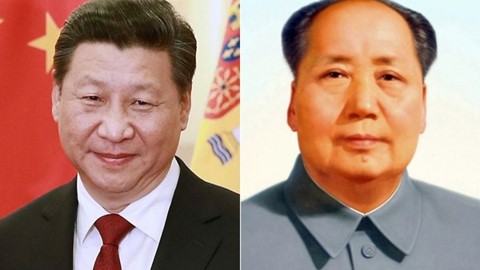









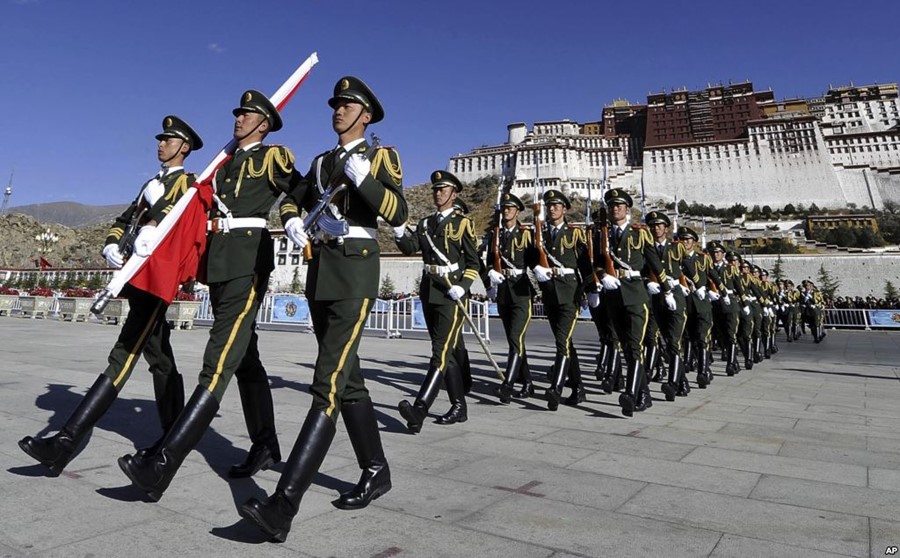
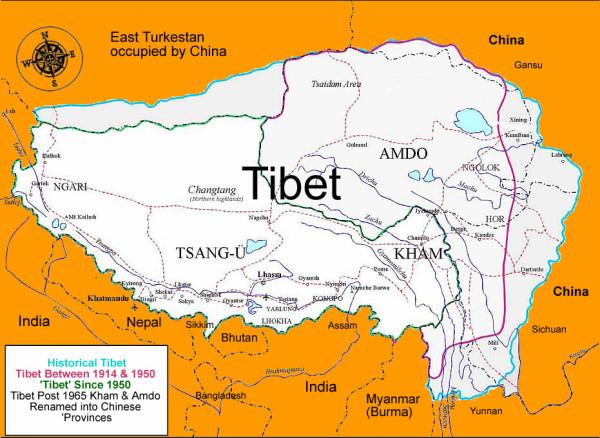
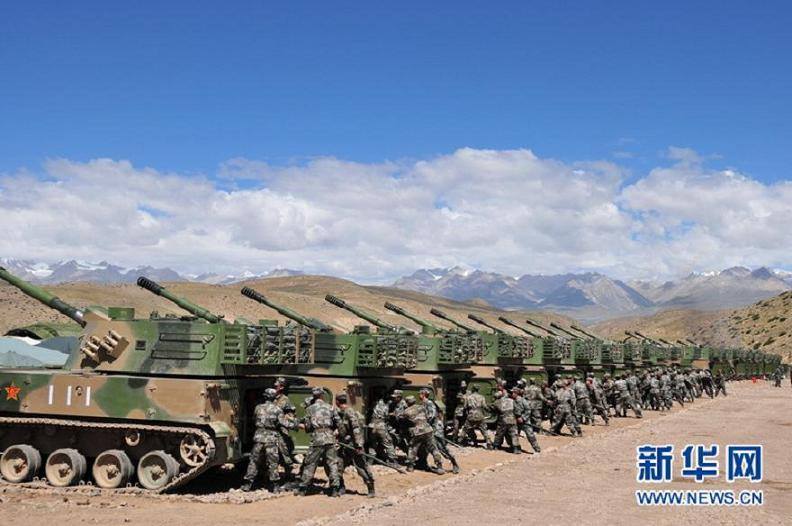


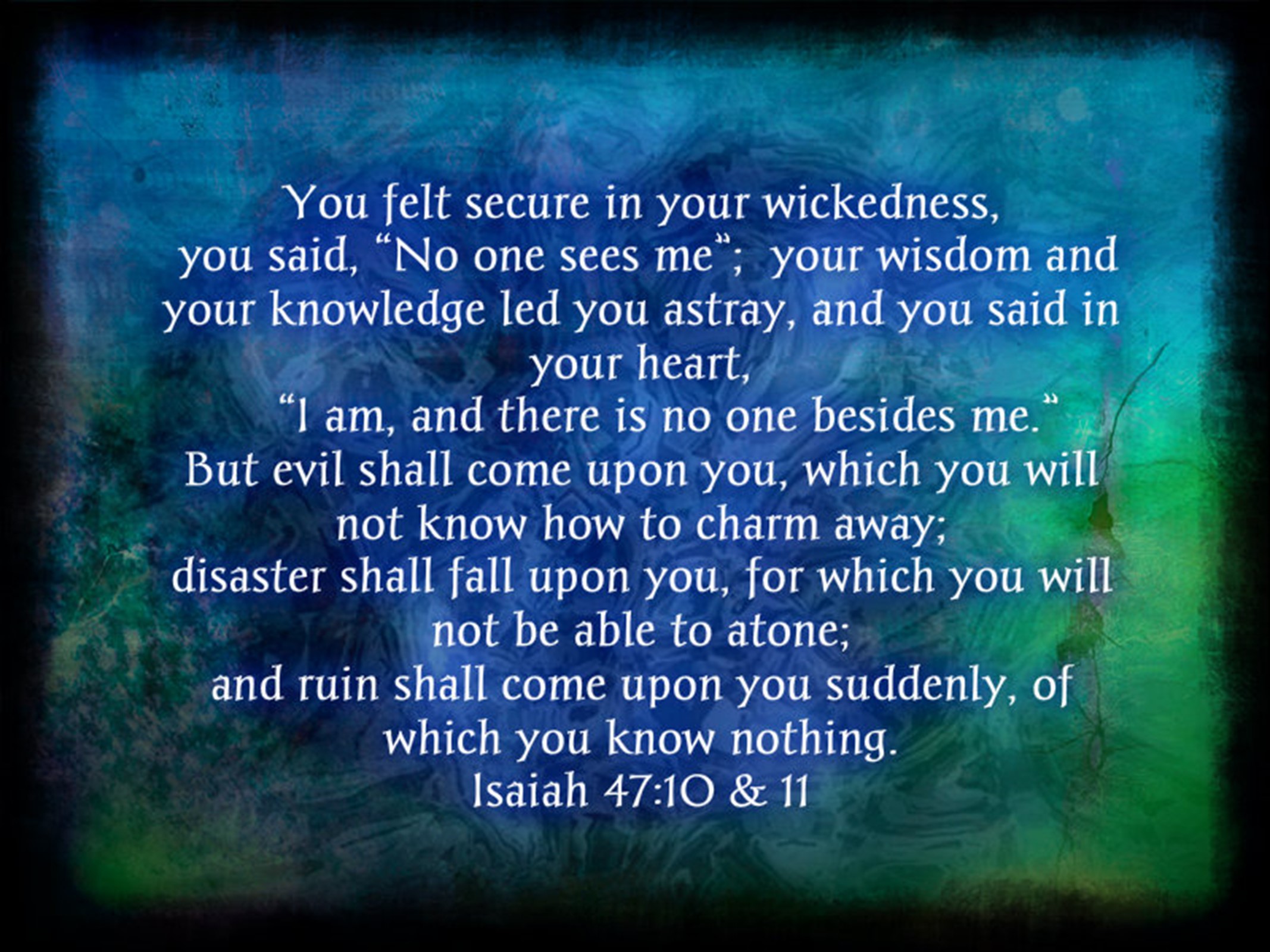
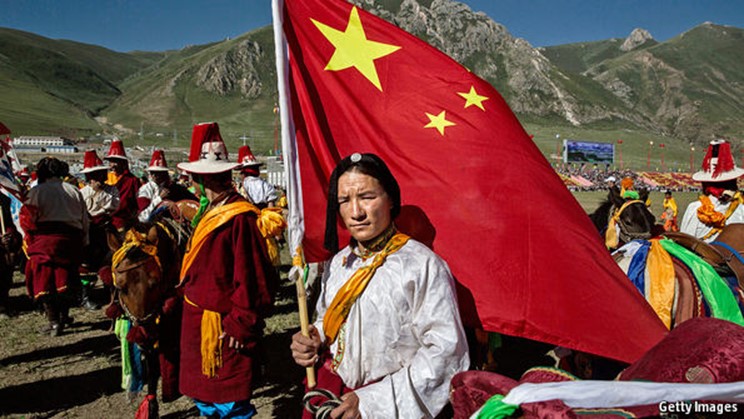


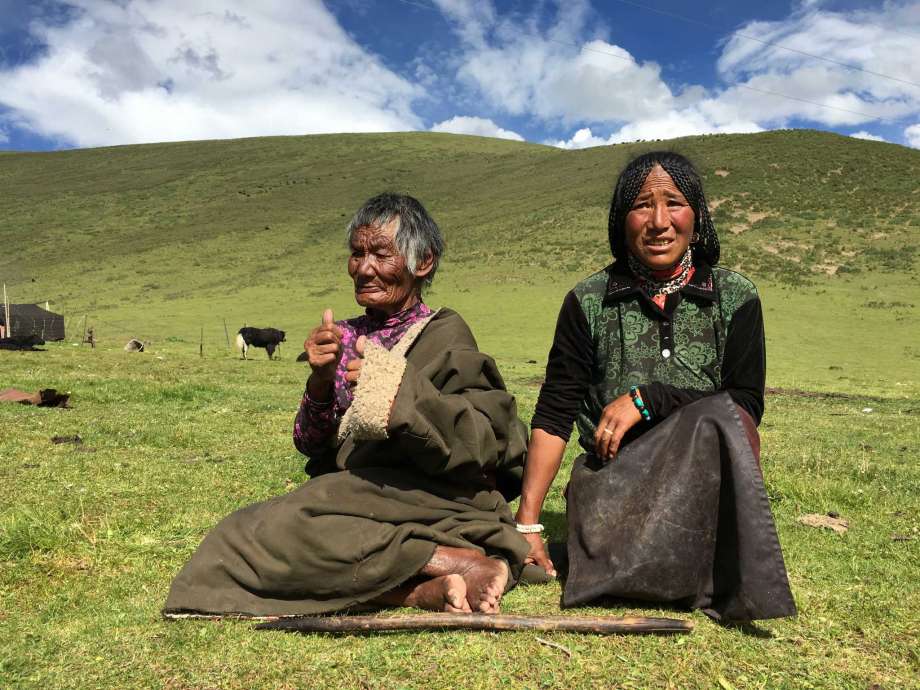
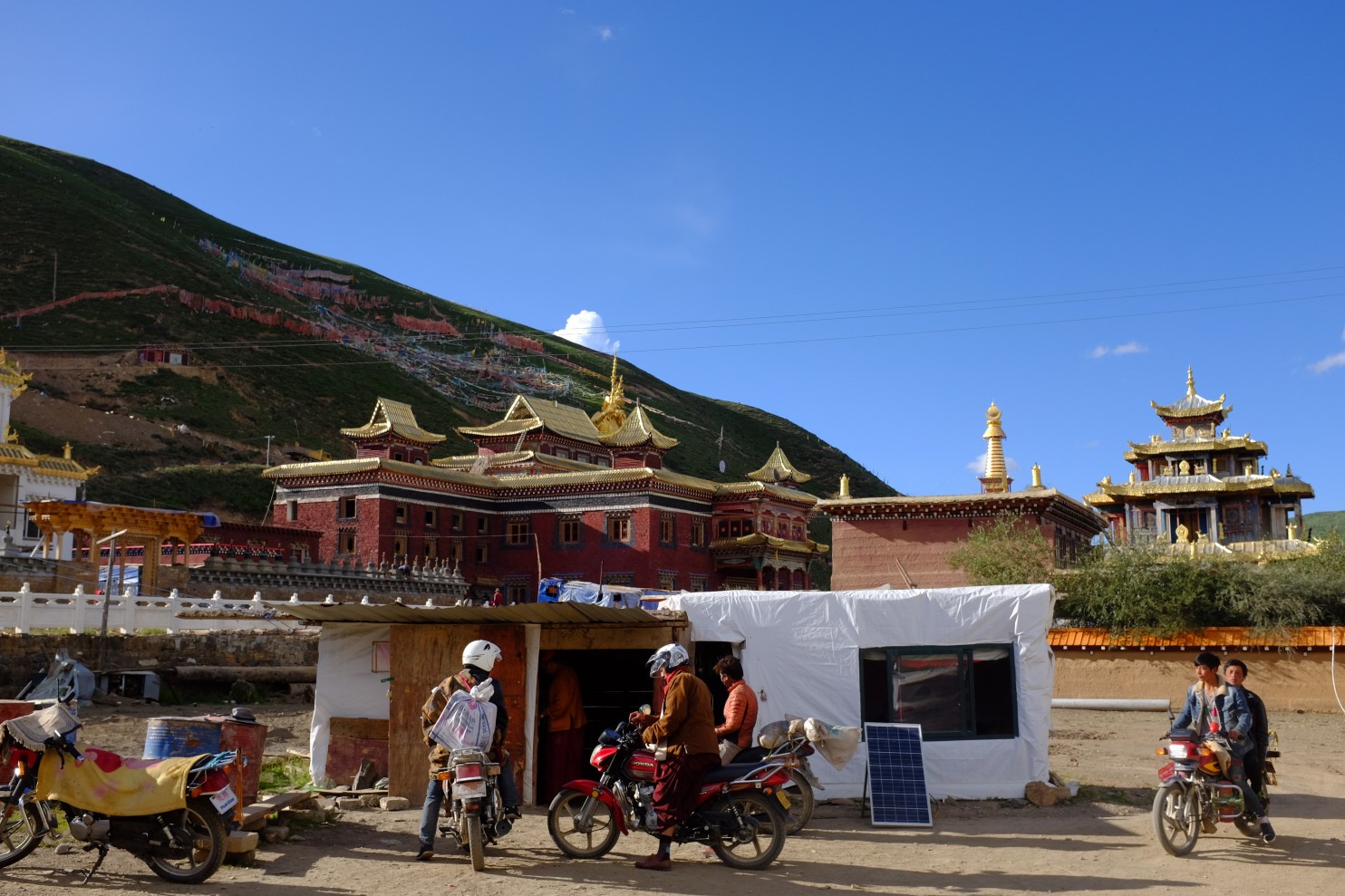

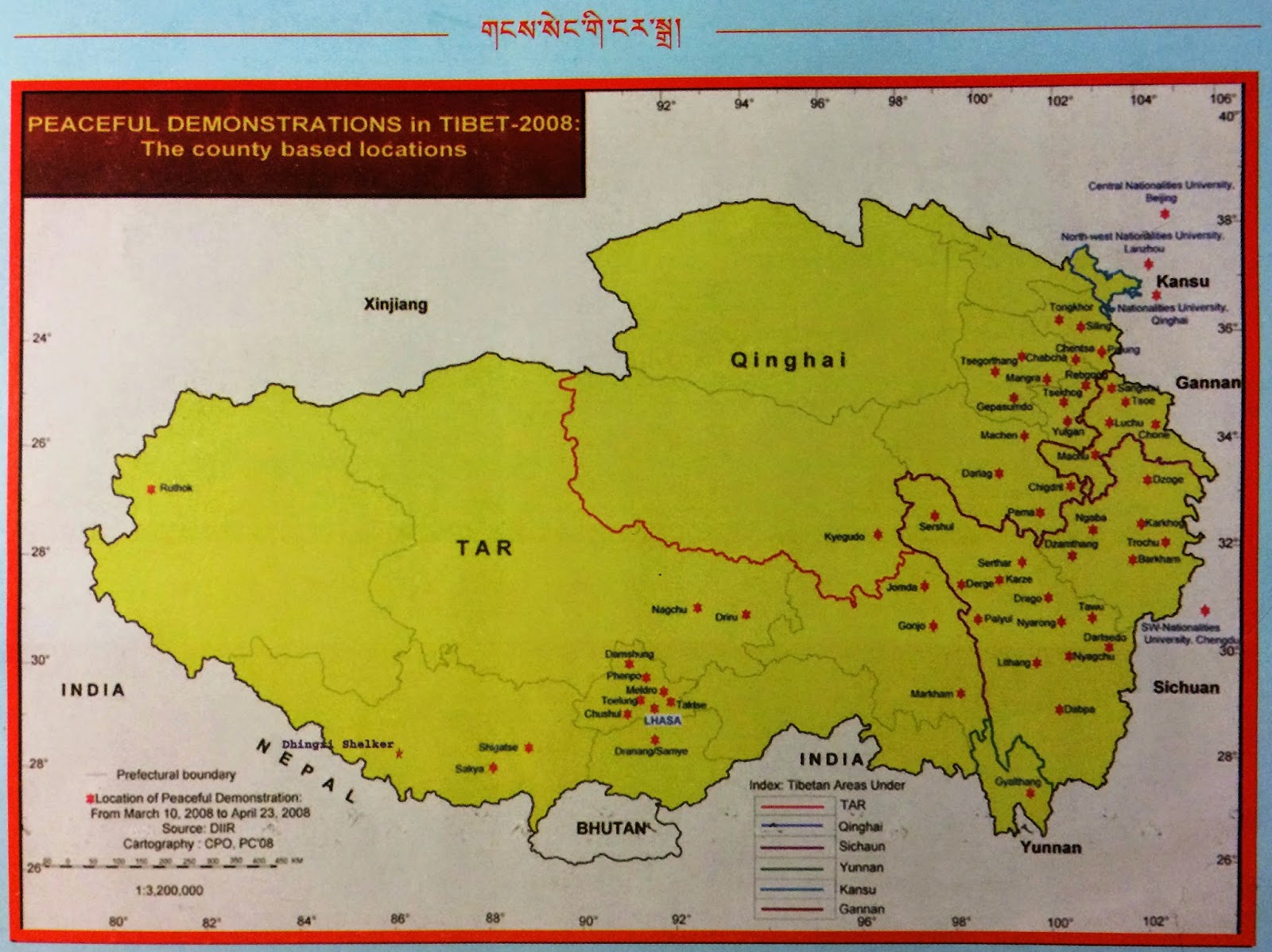


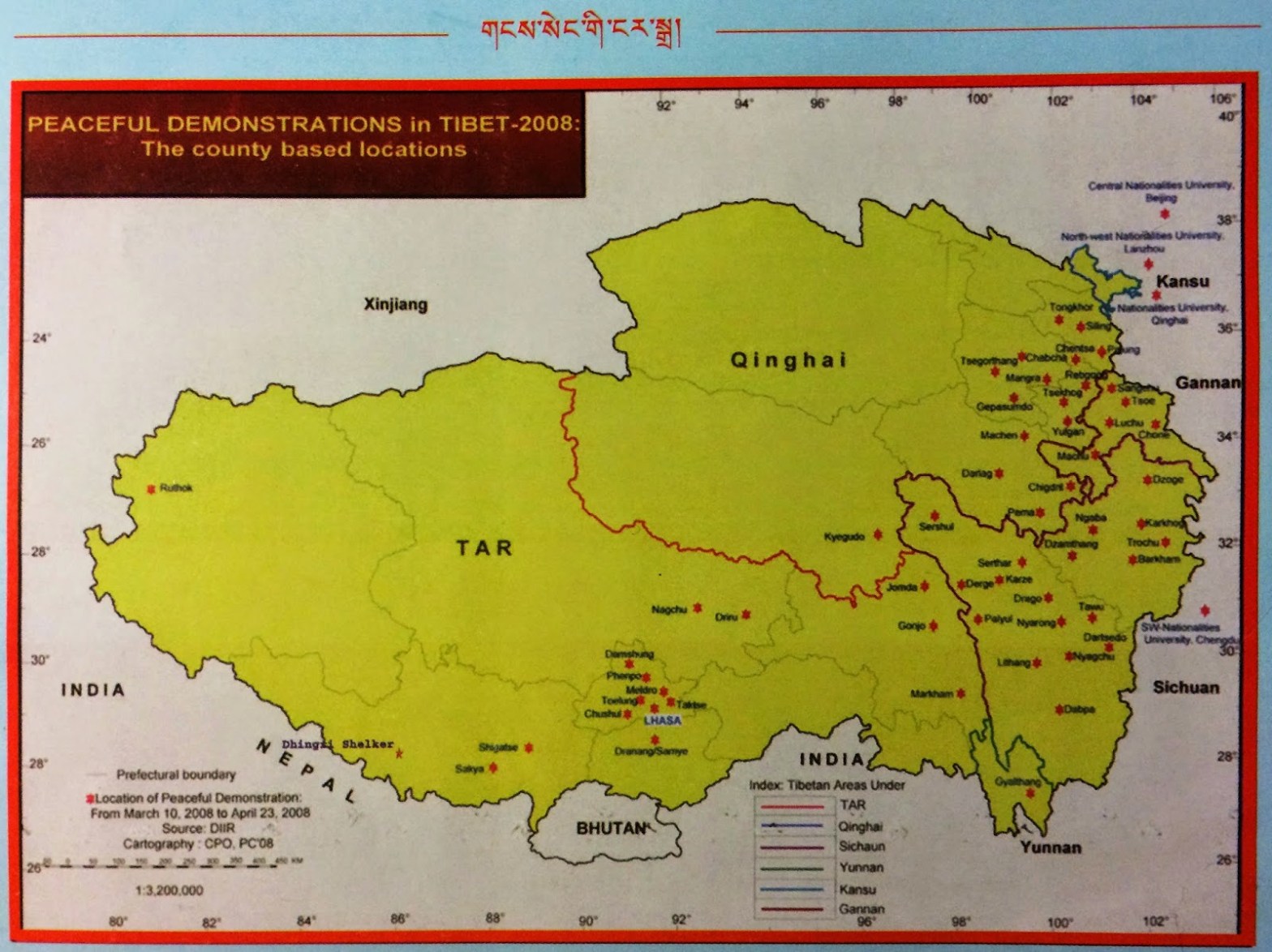


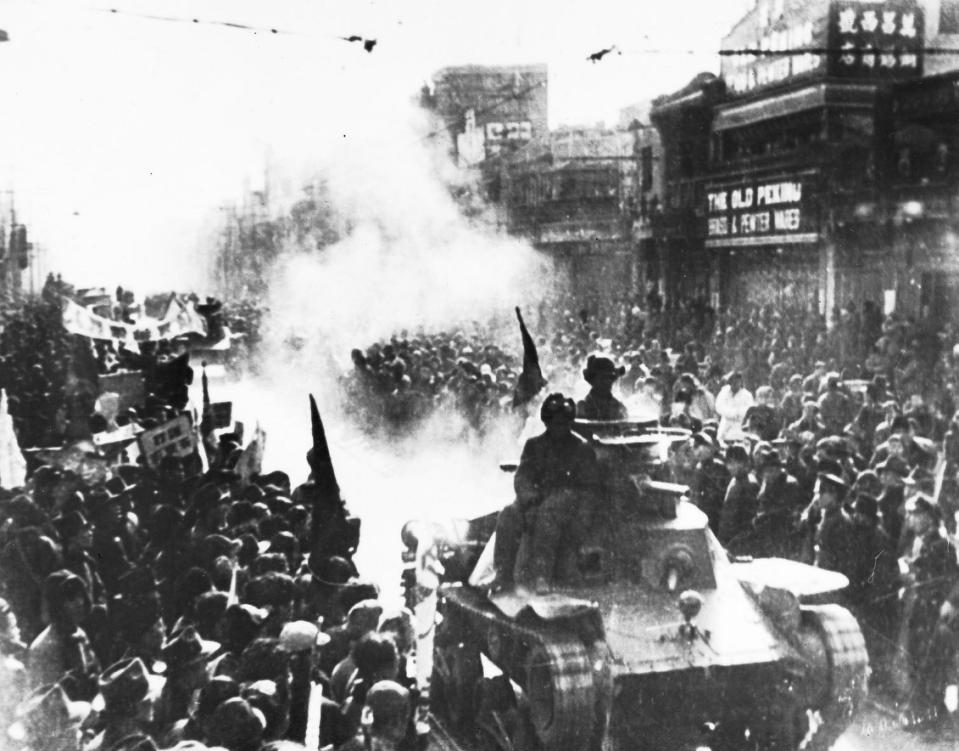
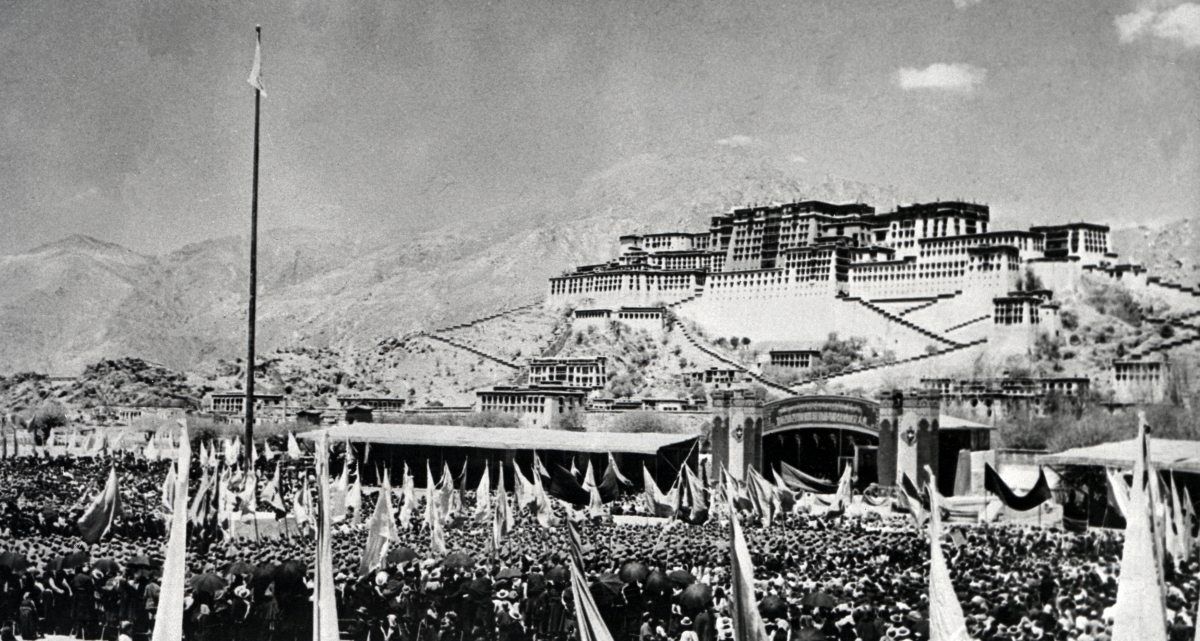
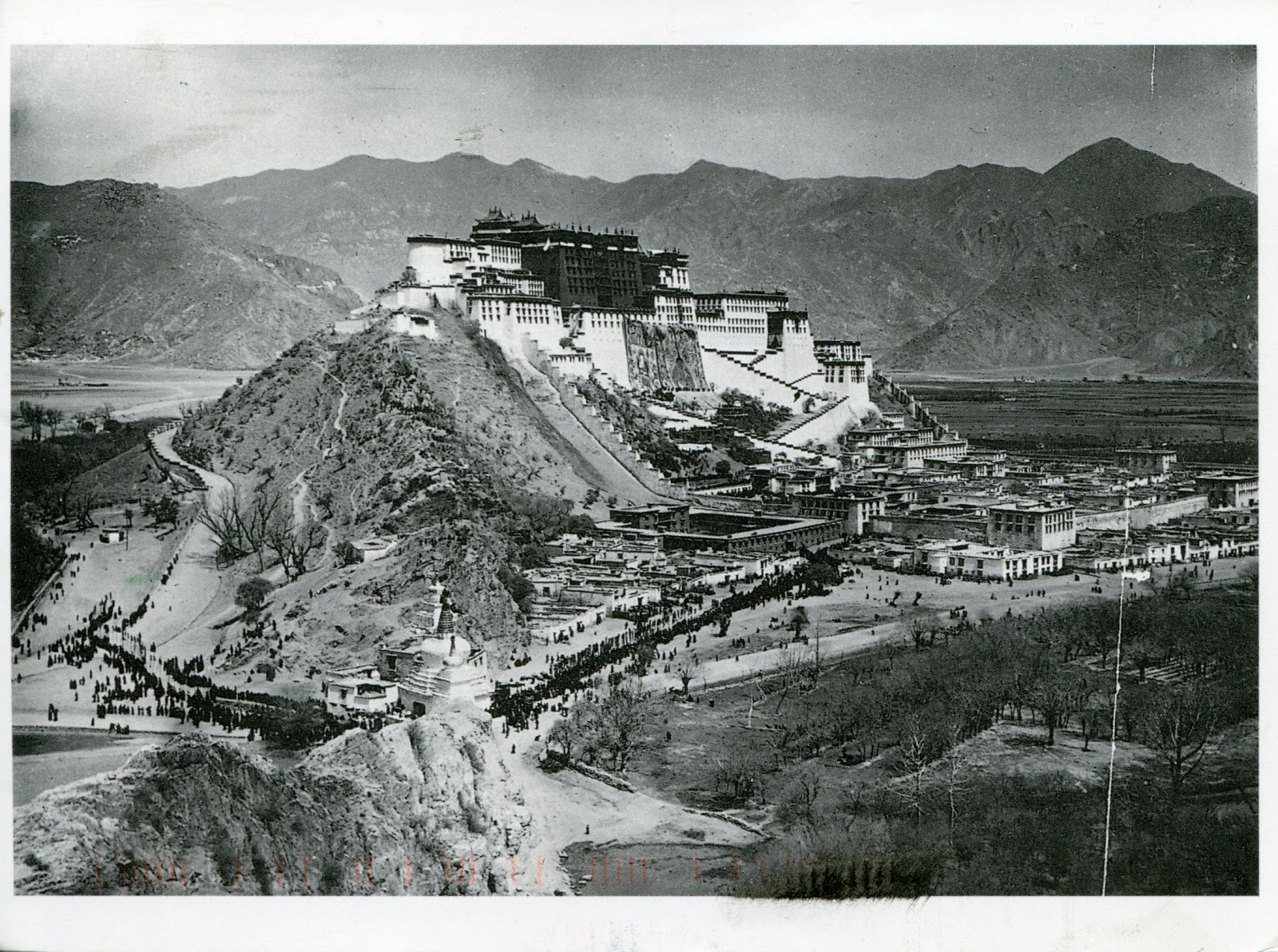


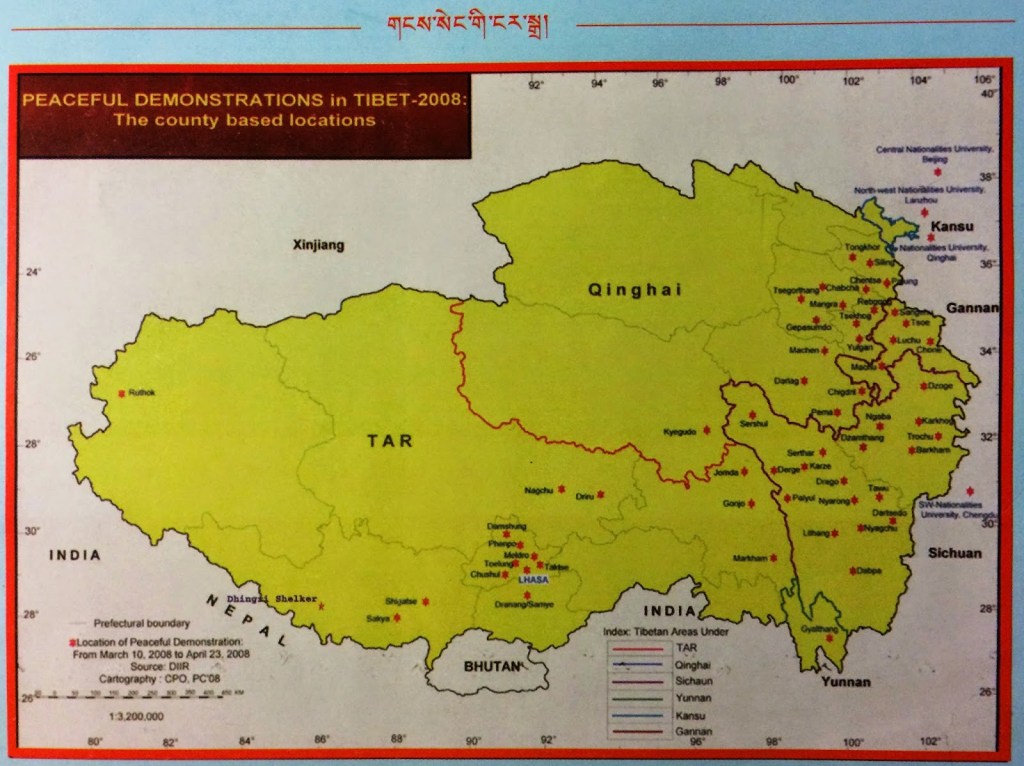




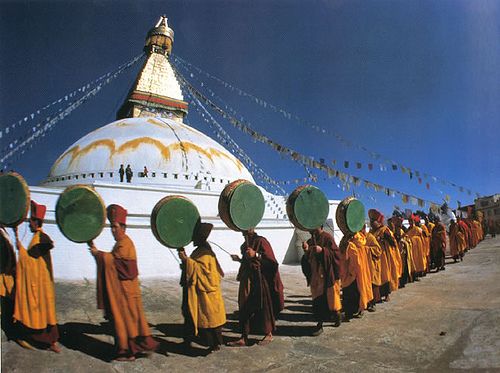
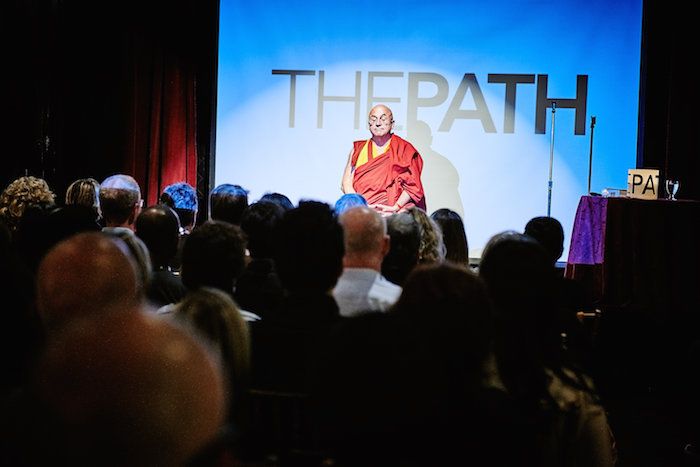
 Whole Dude - Whole Concept