Whole Awareness – Tibetans exist as an Endangered Species of Occupied Tibet

Tibet Awareness – Defend the Rights of Endangered Tibetans
Tibet Awareness. Defend Rights of Endangered Tibetans.

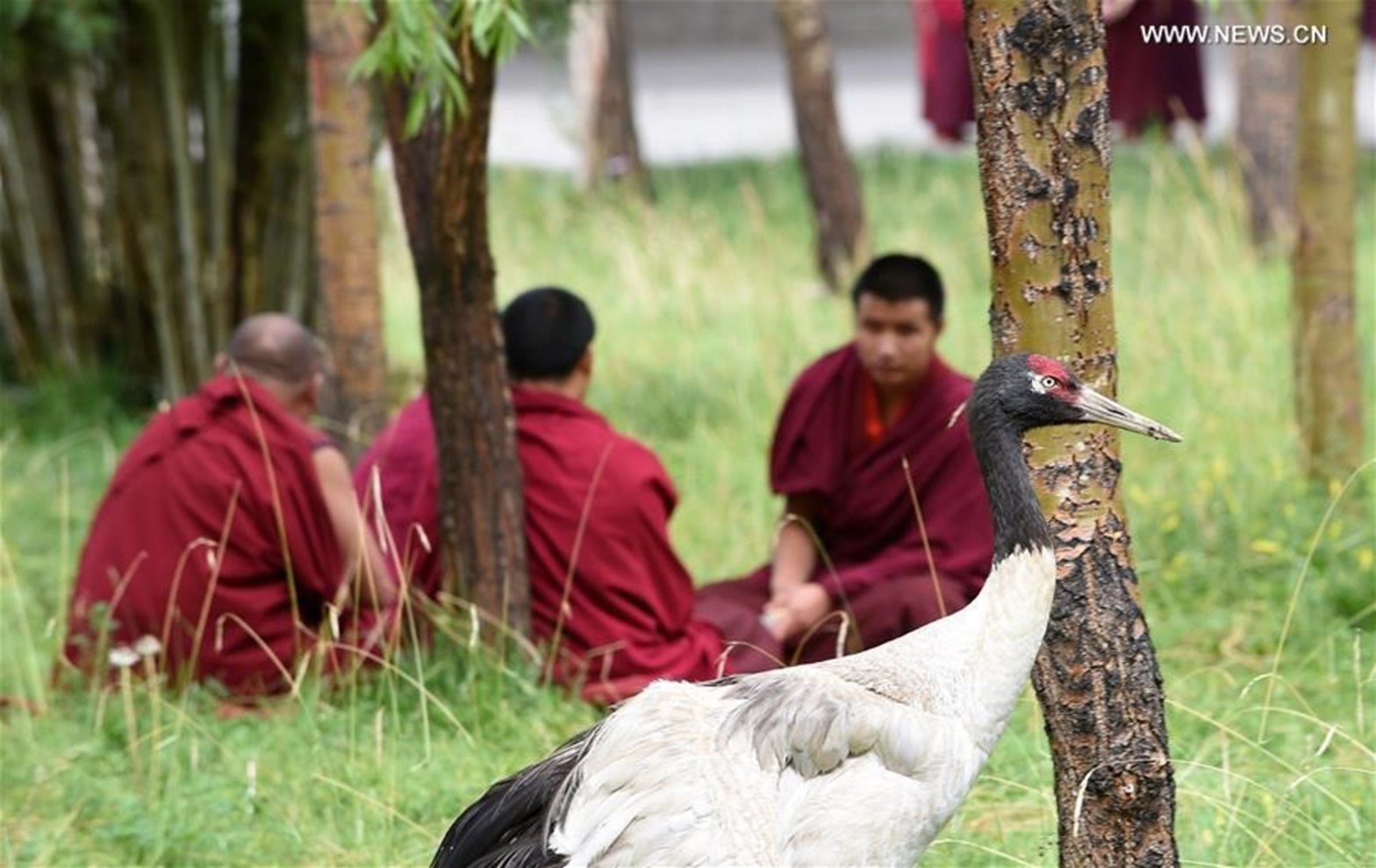
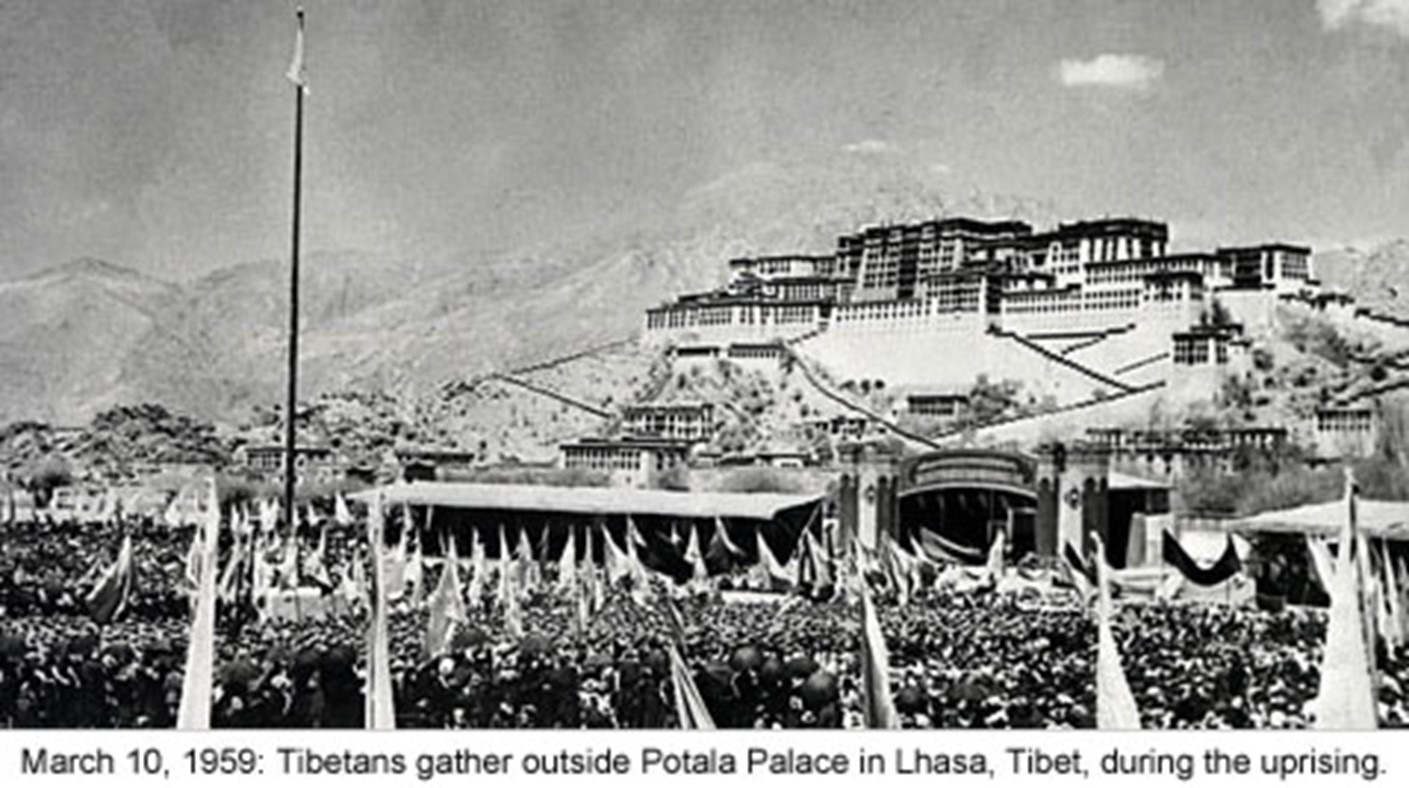
I am sharing photo images of endangered Black-necked Cranes visiting Tibet to promote Tibet Awareness. Since 1950, Tibetans lost their Natural Freedom because of China’s military conquest and occupation. I am asking the global community of nations to defend the Rights of Endangered Tibetans and to restore the Political Rights of Tibetans.

Across Tibet: Endangered Cranes welcomed by Tibetans during migration

Clipped from: http://www.xinhuanet.com/english/2018-12/26/c_137700147.htm
Tibet Awareness. Defend Rights of Endangered Tibetans.

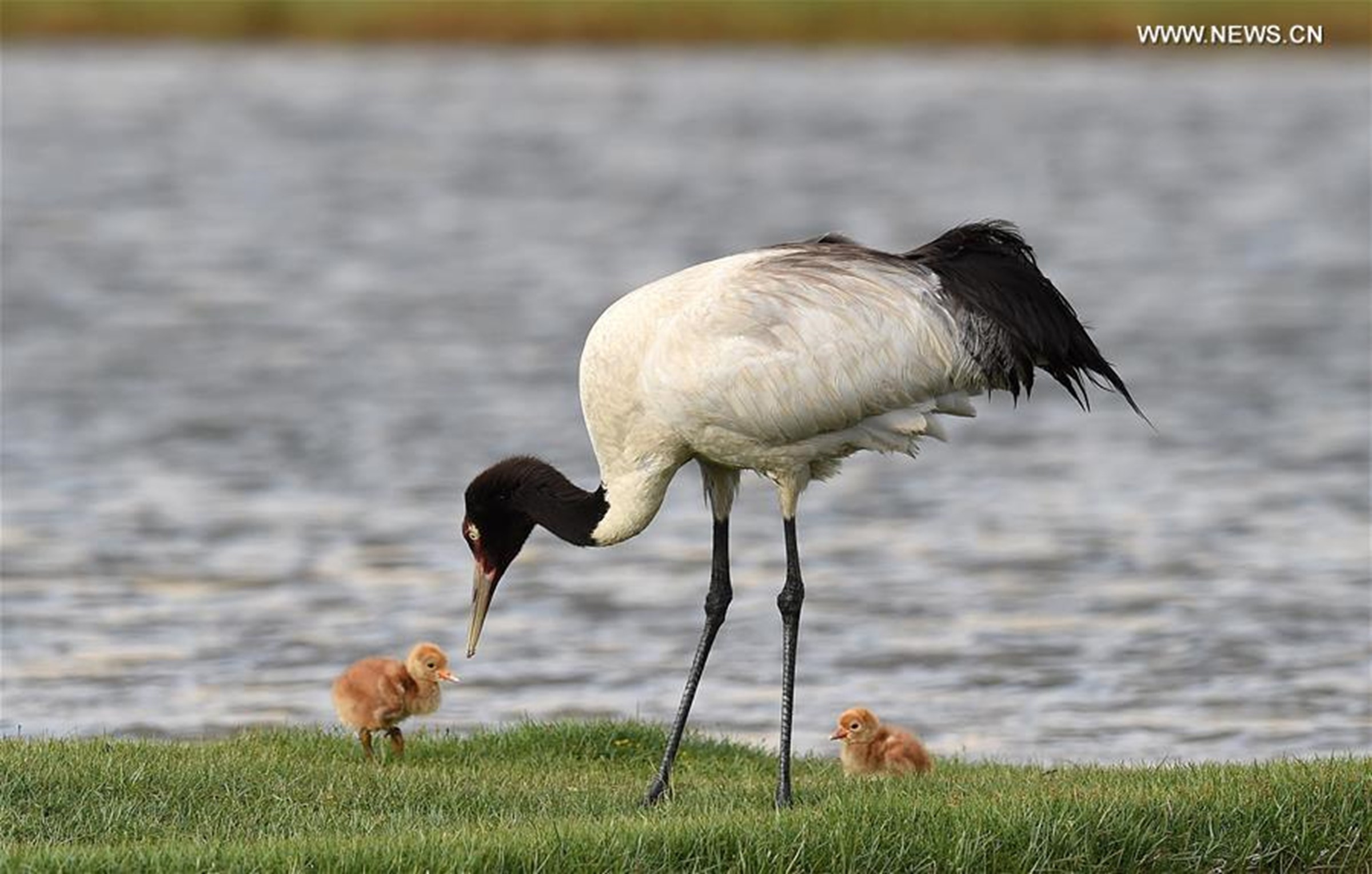
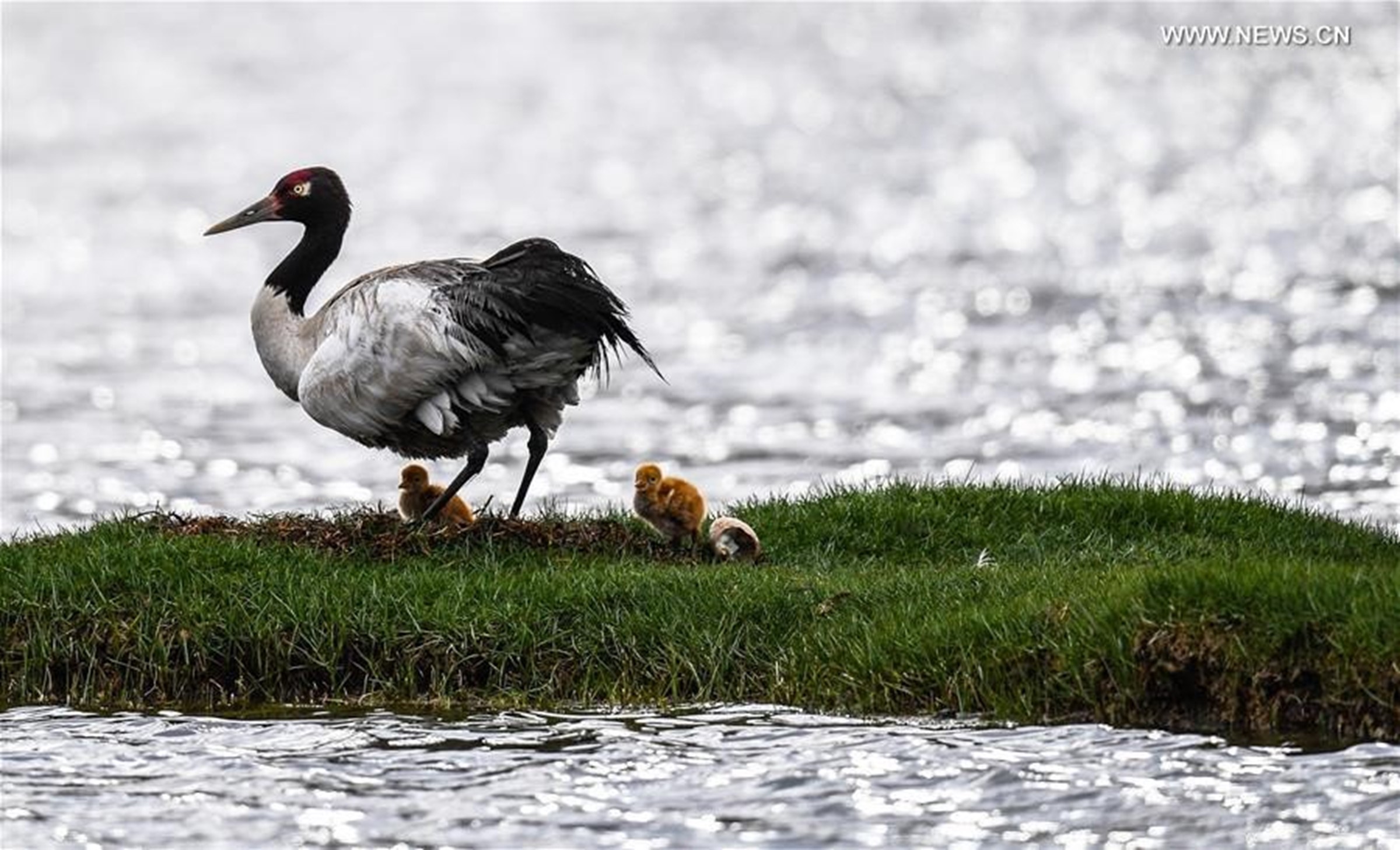
A black-necked crane looks after its chicks in the Qiangtang nature reserve, Tibet, in June of 2017. Black-necked cranes are often seen in Tibet’s river valleys and the region’s barley and wheat fields in winter. With an estimated population of around 10,200, the species is classified as “vulnerable” by the International Union for Conservation of Nature (IUCN). (Xinhua/Chogo)

LHASA, Dec. 26 (Xinhua) — Every year, black-necked cranes arrive in Tibet, where they are welcomed by locals and tourists.

“This is the only time of the year when we can see flocks of these birds. It’s spectacular!” said Toinzhub Cering, a wildlife ranger in Lhundrup County, which is about 87 miles northeast of Lhasa, Tibet’s capital.

Black-necked cranes are often seen in Tibet’s river valleys and the region’s barley and wheat fields in winter. And Toinzhub knows exactly where to find them.

For ten years, the 42-year-old has patrolled the nature reserve in Lhundrup, one of the major habitats of black-necked cranes.

With an estimated population of around 10,200, the species is classified as “vulnerable” by the International Union for Conservation of Nature (IUCN).

The black-necked crane is the most recently identified among 15 kinds of cranes worldwide. They are also the only kind that inhabits plateau areas with an altitude of 2,500-5,000 meters.

Toinzhub Cering feels passionate about protecting the species and has been doing his part to help. He is always the first person to call media and authorities each year when the rare birds come and go.

Now that he has learned how to use social media, he often shares photos of the cranes with his friends.

Thanks to efforts made by locals and authorities, these exhausted birds, after flying for over 1,000 km, don’t have to face hunger, pesticide, or poachers.

Instead, they can now easily find pollutant-free highland barley and wheat left by farmers.

But endangered animal protection efforts in Tibet cover more than just birds, with the Tibetan antelope also under people’s watch, among other wildlife.

As for damage and losses caused by such animals, residents can claim compensation from the government.

Between mid-March and late April, black-necked cranes migrate to northern Tibet to reproduce in the lakeside marshes, far beyond human touch.

Yet not all journeys go so well for some cranes. Wounded birds are often left behind by the flock.

Two cranes with broken wings were found in Dazi County near Lhasa this spring. The local forestry authority has been caring for them ever since, and, hopes they can catch up with their flock during next year’s migration.

There have also been cases whereby wounded cranes have become permanent residents after recovery.

Black-necked cranes mainly live in the highlands of Tibet, India, Bhutan, and Nepal. Tibet is home to about 80 percent of the world’s total.

Tibet Awareness. Defend Rights of Endangered Tibetans.

A black-necked crane, once wounded during migration, becomes a permanent resident at a temple near Shigatse, U-Tsang region of Tibet, Sept. 27, 2014. (Xinhua/Chogo)
Tibet Awareness. Defend Rights of Endangered Tibetans.

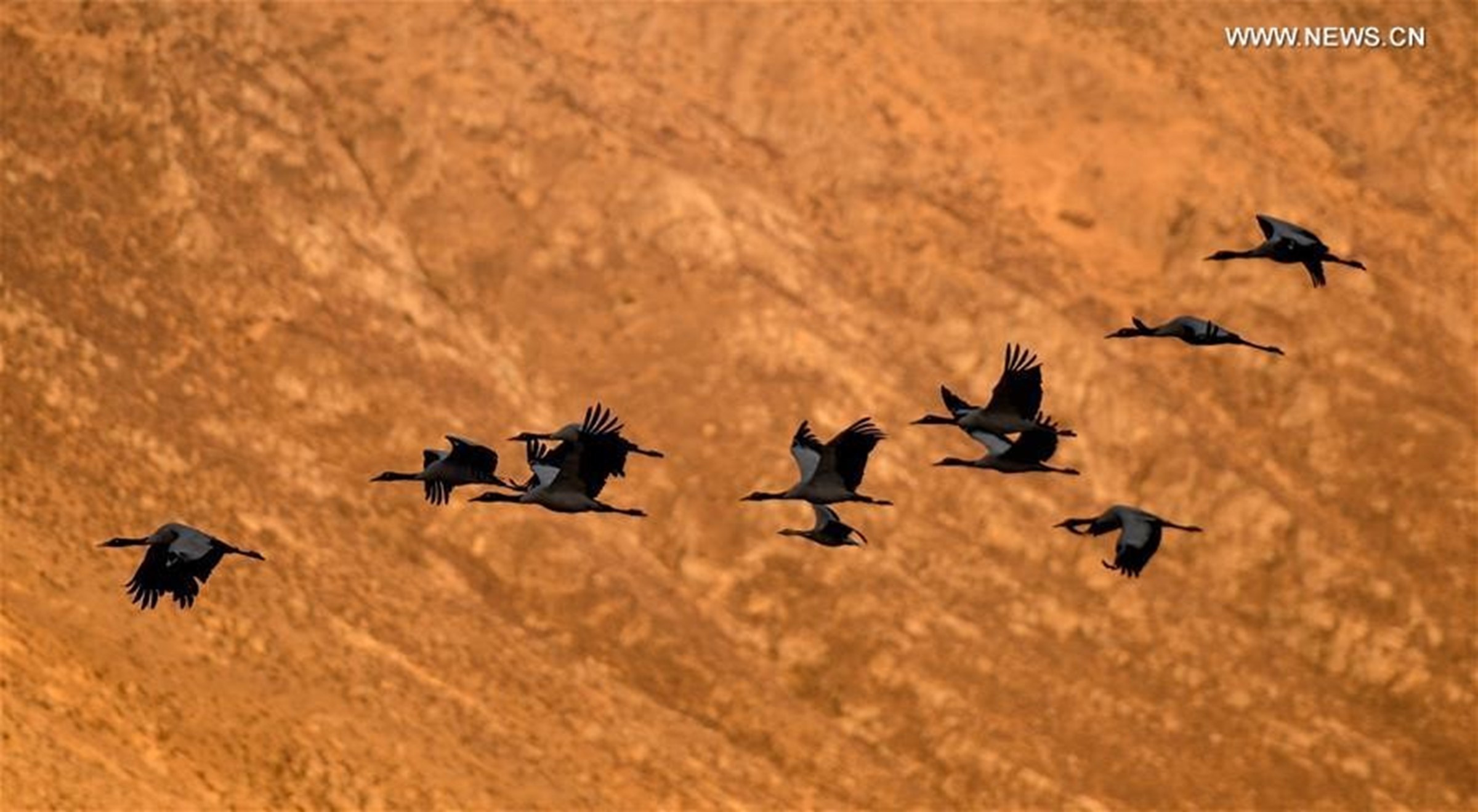
Group of black-necked cranes flying over Lhasa River Valley, Tibet, Nov. 23, 2017. (Xinhua/Purbu Zhaxi)
Tibet Awareness. Defend Rights of Endangered Tibetans.

A black-necked crane looks after its chicks in the Qiangtang nature reserve, Tibet, June 24, 2017. (Xinhua/Purbu Zhaxi)
Tibet Awareness. Defend Rights of Endangered Tibetans.

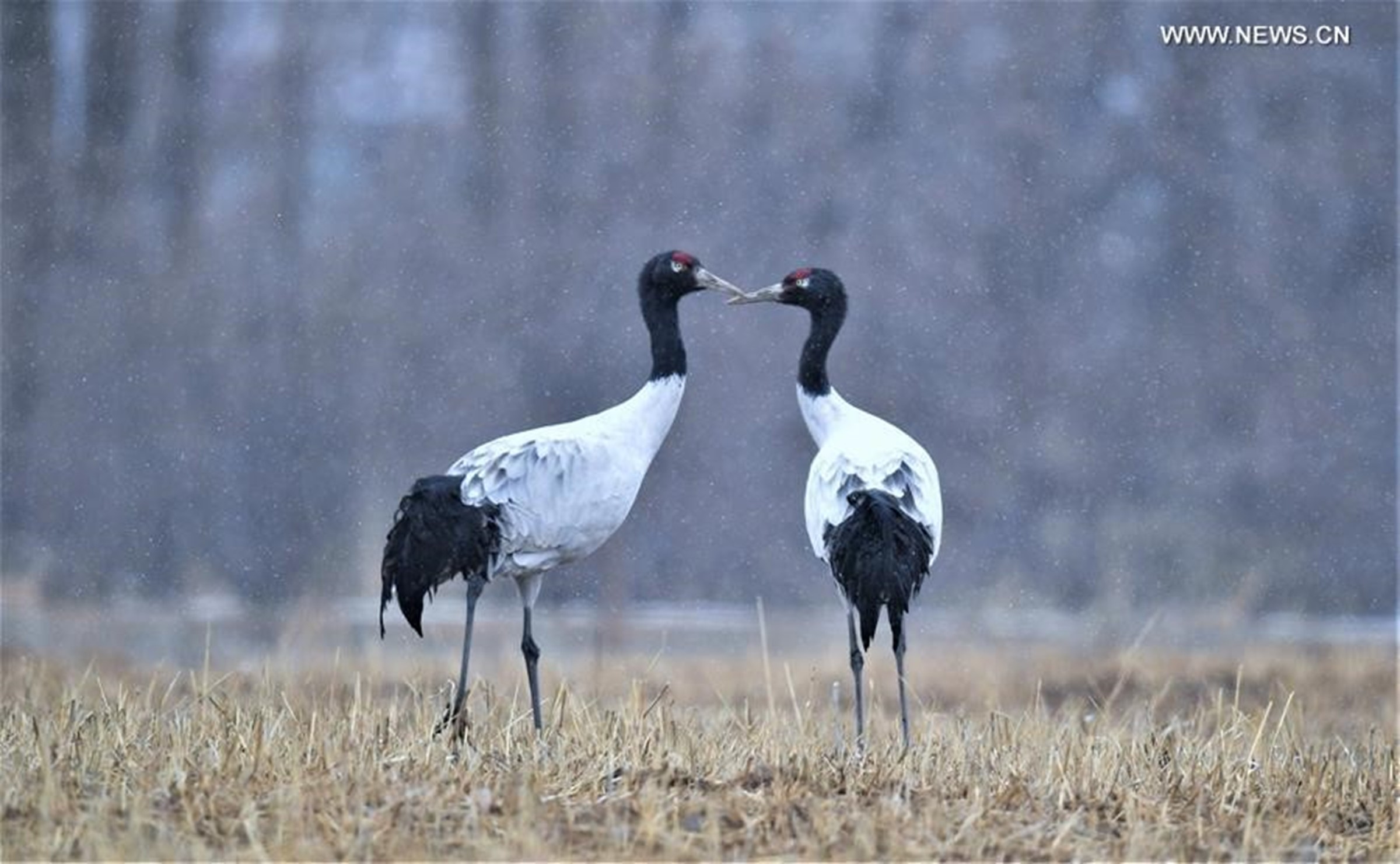
Photo taken on Dec. 18, 2018 shows black-necked cranes in Lhunzhub County of Lhasa, capital of Tibet. (Xinhua/Purbu Zhaxi)
Tibet Awareness. Defend Rights of Endangered Tibetans.

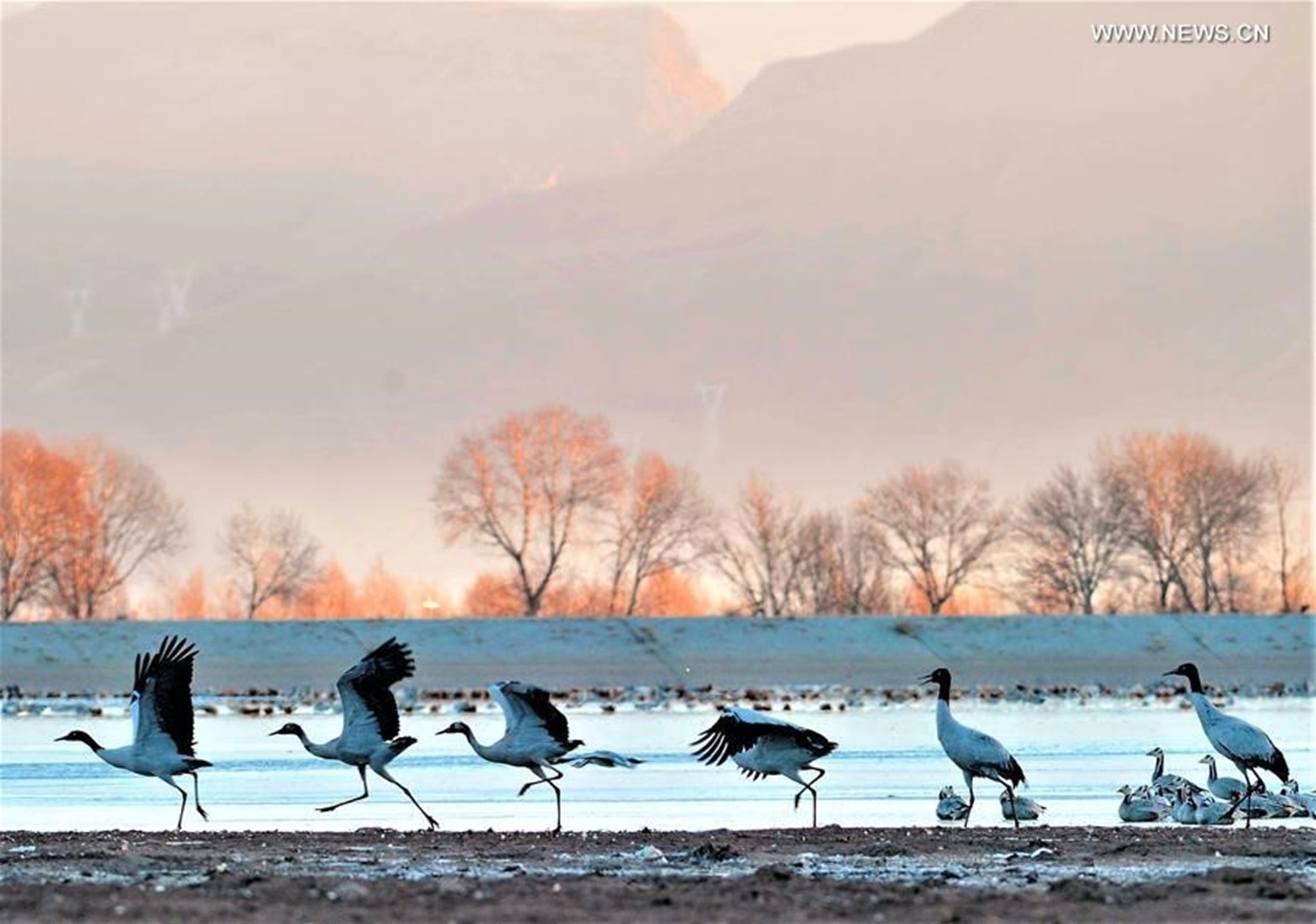
Black-necked cranes are seen in the Lhunzhub County, Tibet, Jan. 9, 2015. (Xinhua/Purbu Zhaxi)

Tibet Awareness. Defend Rights of Endangered Tibetans.

Black-necked crane chicks are seen in the Qiangtang nature reserve, Tibet, June 24, 2017. (Xinhua/Purbu Zhaxi)
Tibet Awareness. Defend Rights of Endangered Tibetans.

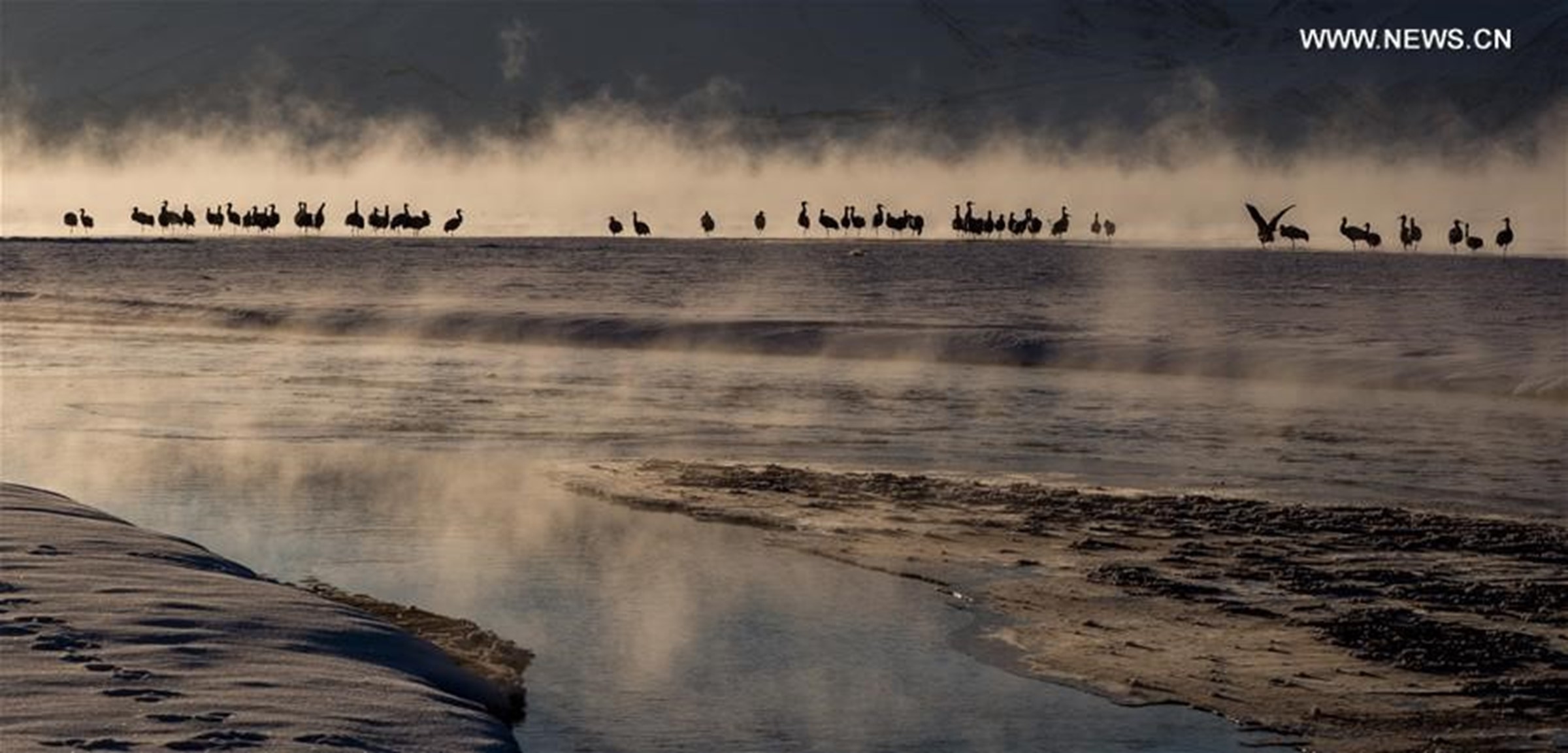
Black-necked cranes are seen in a reservoir where they spend the winter in Lhunzhub County of Lhasa City, capital of Tibet, in January of 2017. (Xinhua/Liu Dongjun)

Tibet Awareness. Defend Rights of Endangered Tibetans.

A black-necked crane looks after its chicks in the Qiangtang nature reserve, Tibet, June 24, 2017. (Xinhua/Purbu Zhaxi)
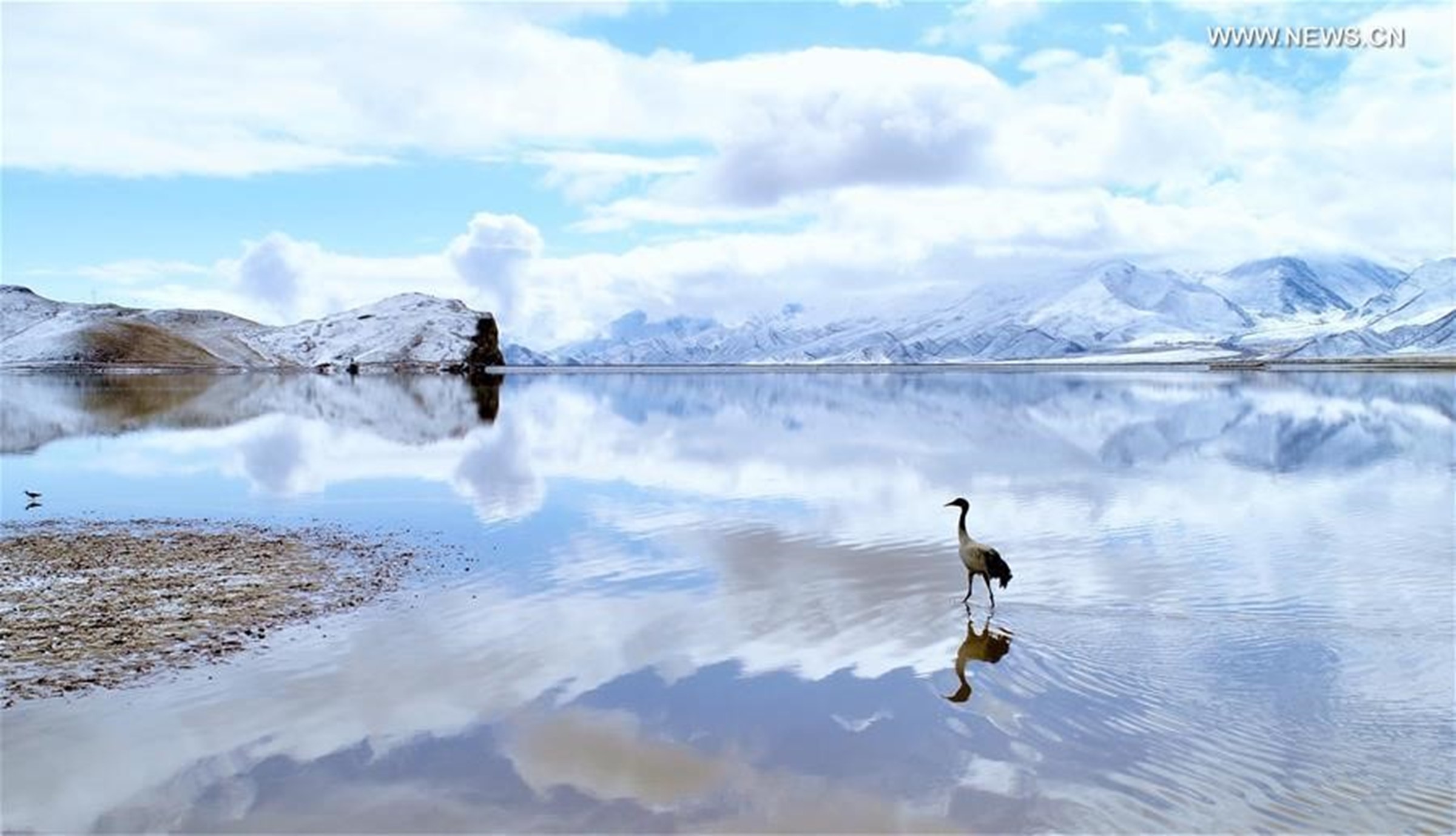
Tibet Awareness. Defend Rights of Endangered Tibetans.

Aerial photo taken on March 10, 2018 shows a black-necked crane in Lhunzhub County, Tibet. (Xinhua/Purbu Zhaxi)
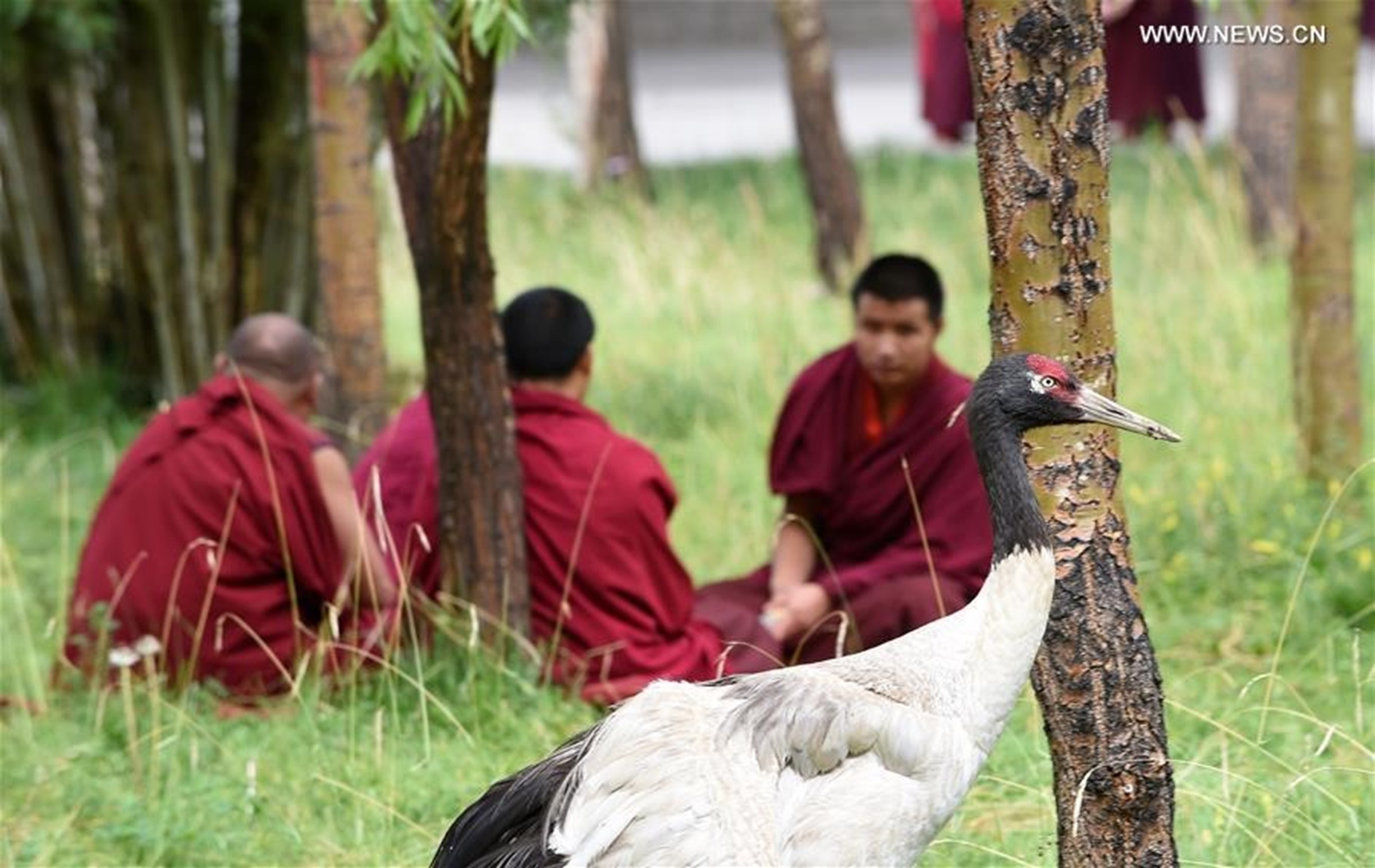
Tibet Awareness. Defend Rights of Endangered Tibetans.

A black-necked crane, once wounded during migration, becomes a permanent resident at a temple near Shigatse, Tibet, Sept. 5, 2016. (Xinhua/Chogo)
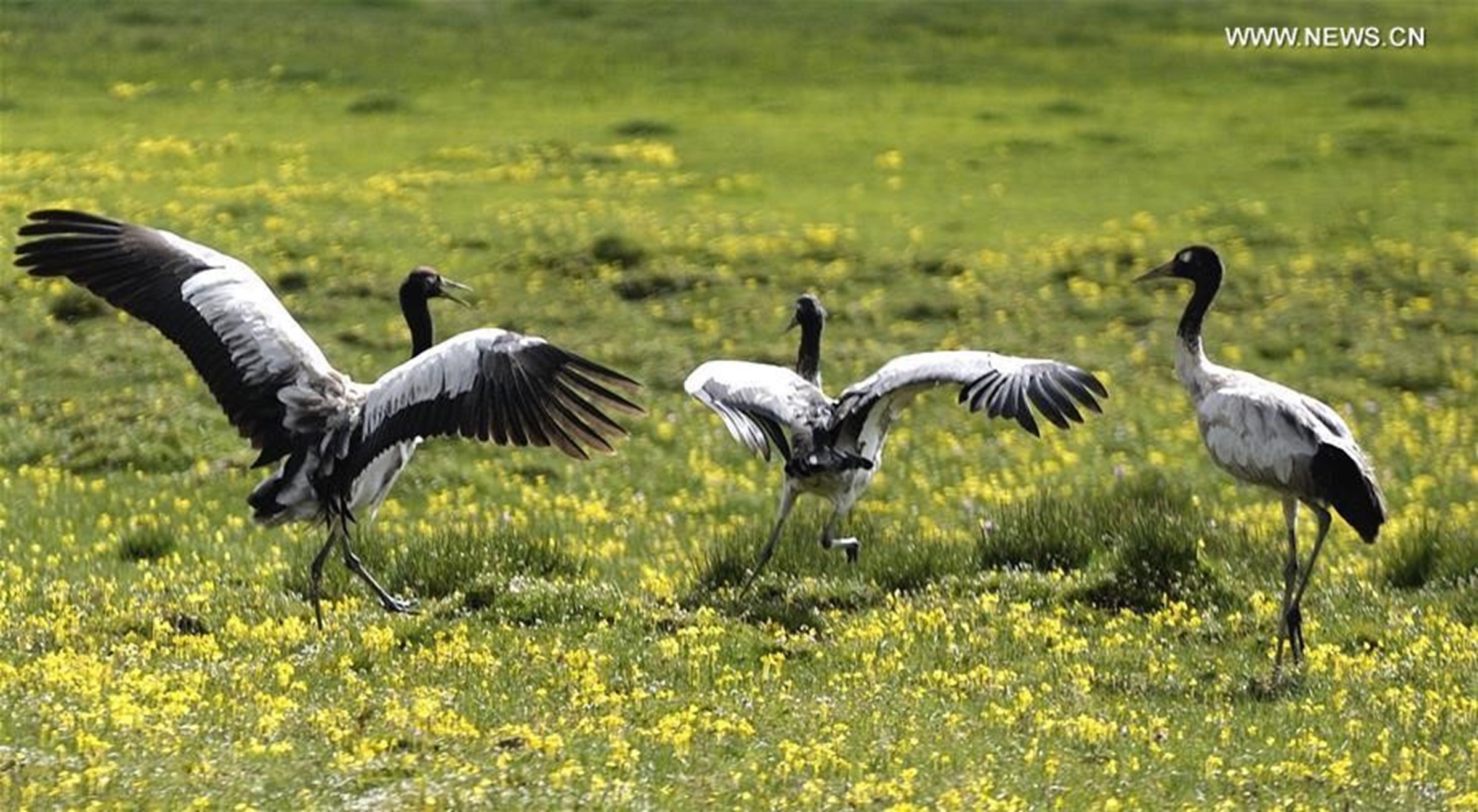
Tibet Awareness. Defend Rights of Endangered Tibetans.

A black-necked crane family is seen near Yamdrok Lake,Tibet, Aug. 16, 2009. The little black-necked crane (C) broke the wing during migration, and the whole family became permanent residents after the little one’s recovery near the lake. (Xinhua/Purbu Zhaxi)
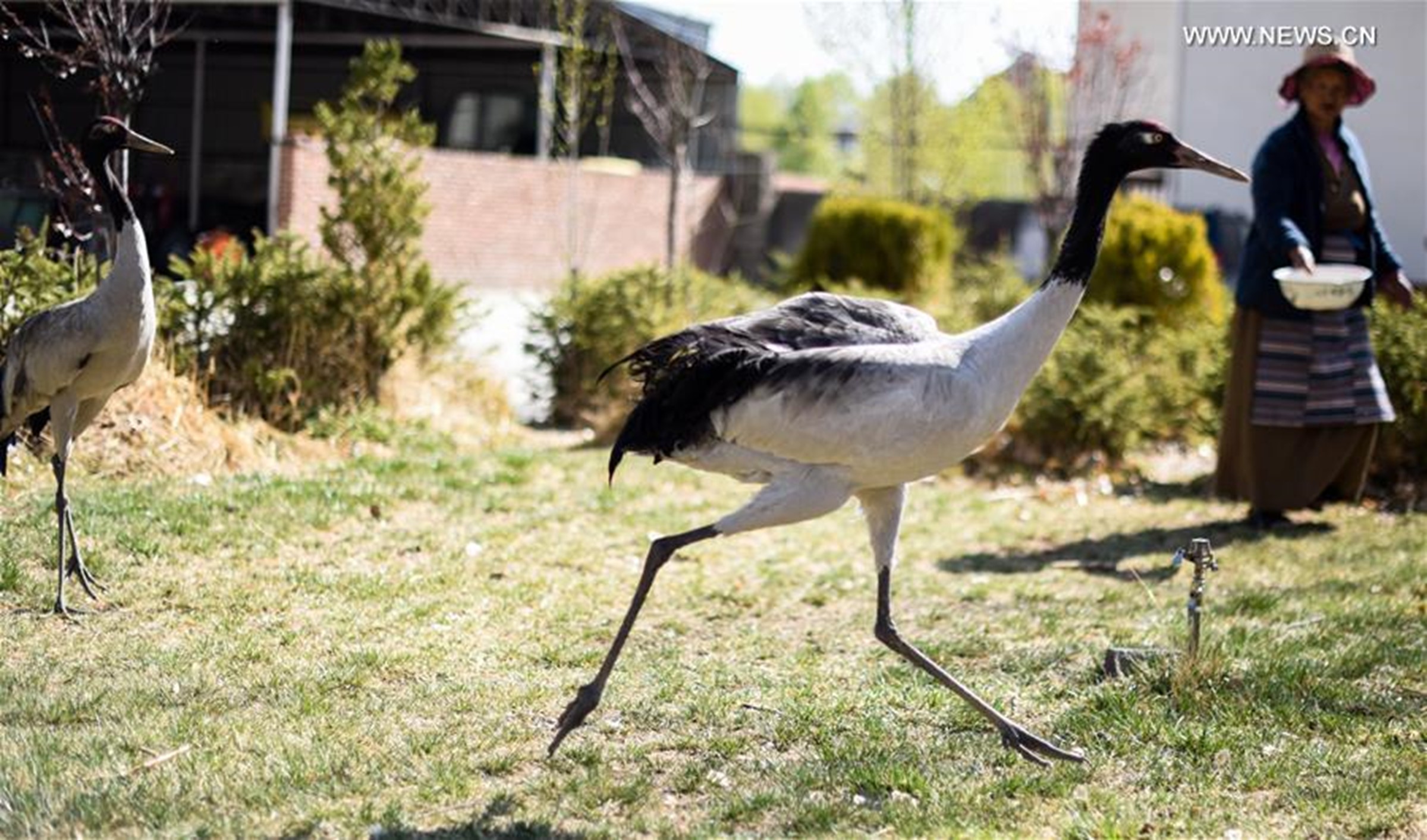
Tibet Awareness. Defend Rights of Endangered Tibetans.

Two black-necked cranes, wounded in wings during migration, are cared at a forestry authority in Dagze County, April 12, 2016. (Xinhua/Purbu Zhaxi)
Tibet Awareness. Defend Rights of Endangered Tibetans.

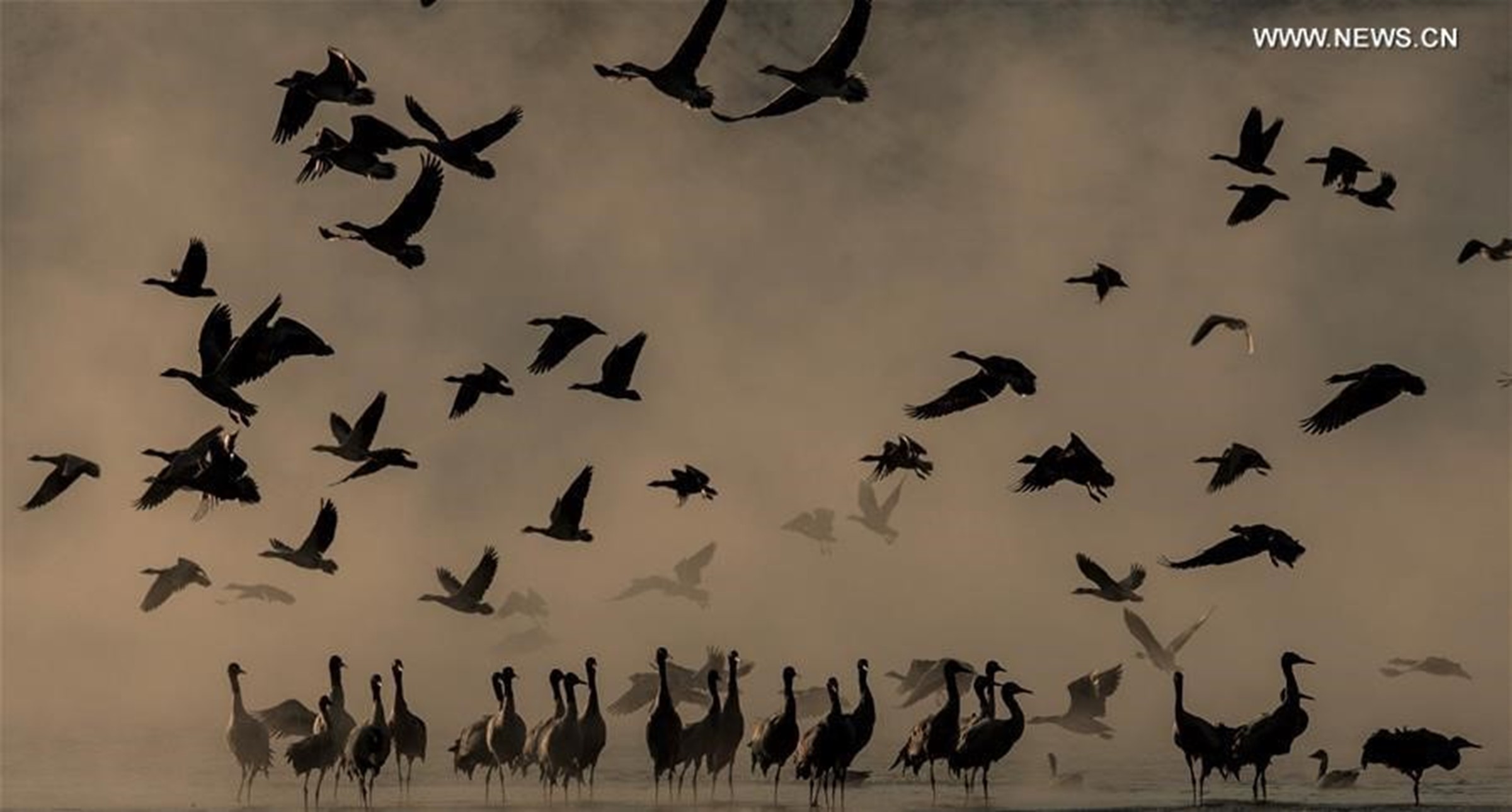
Black-necked cranes fly in the Lhunzhub County, Tibet, Jan. 9, 2015. (Xinhua/Purbu Zhaxi)
Tibet Awareness. Defend Rights of Endangered Tibetans.

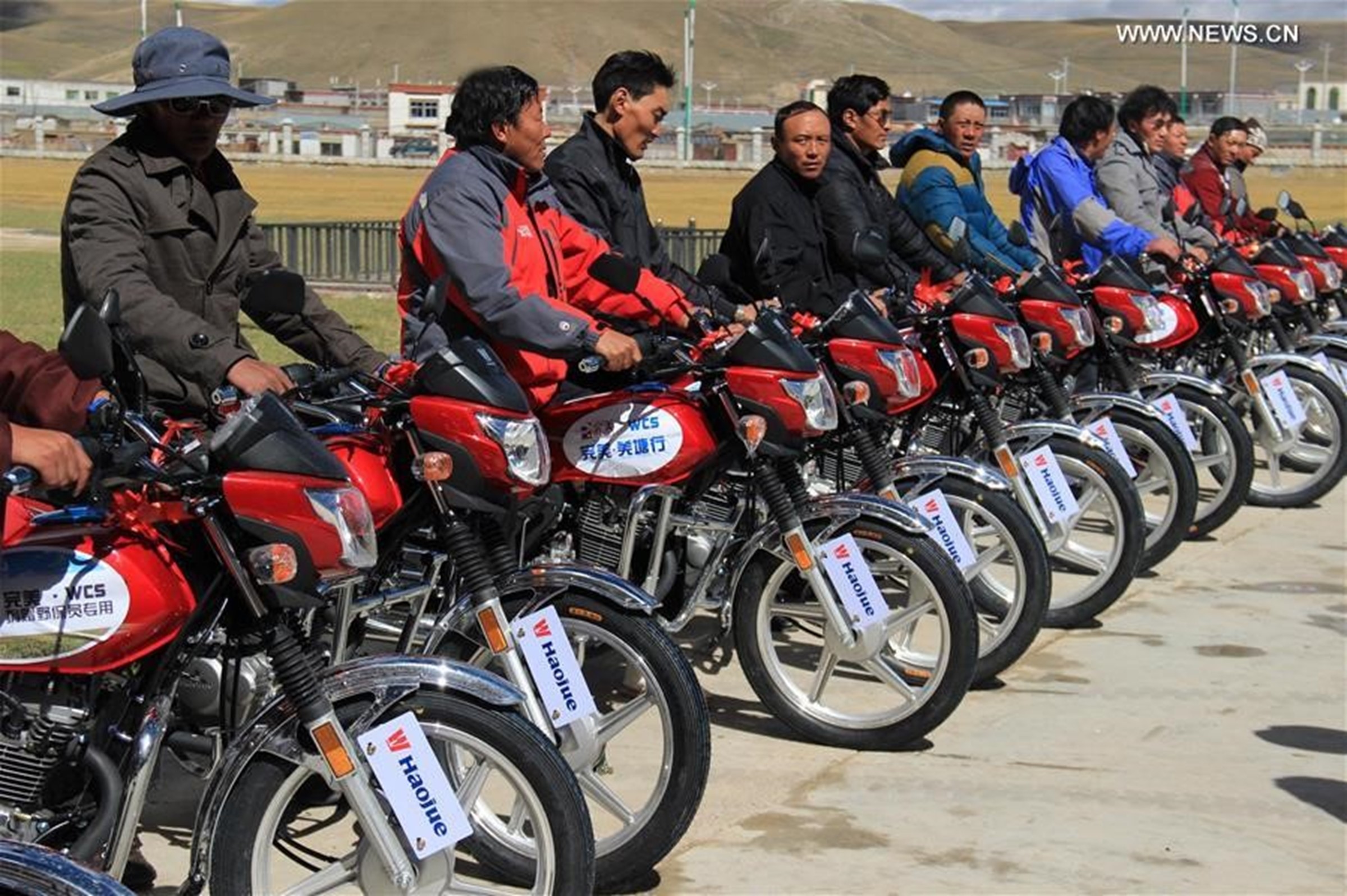
Wildlife rangers are seen in the Qiangtang nature reserve, Tibet, Sept. 22, 2012. (Xinhua/Liu Hongming)

Tibet Awareness. Defend Rights of Endangered Tibetans.

Whole Colonialism – Upstream Occupation and Downstream Worries

The woes of Tsangpo-Brahmaputra River – Upstream Occupation and Downstream Worries

The Woes of Tsangpo-Brahmaputra River. The Upstream Occupation and the Downstream Worries.

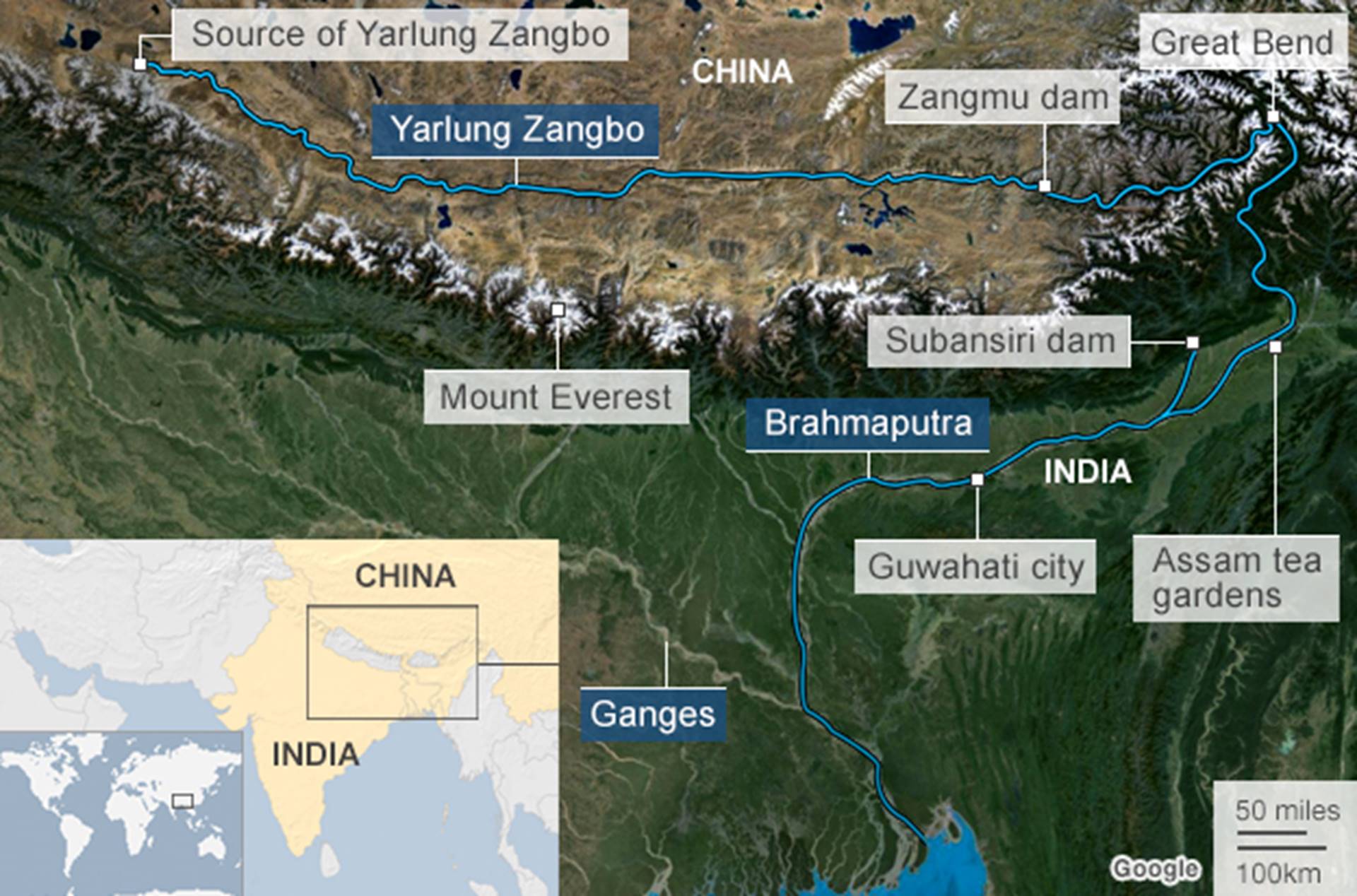
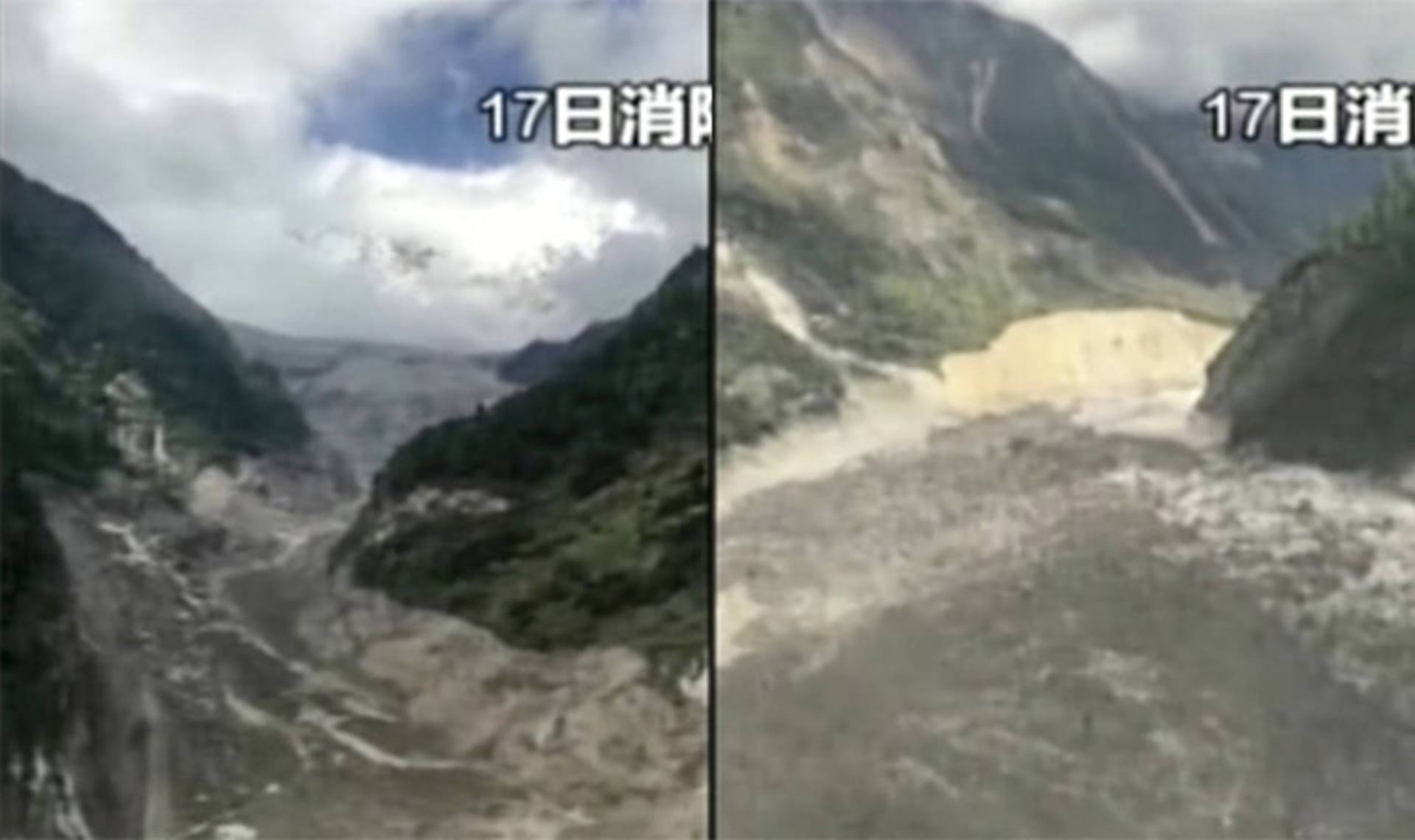
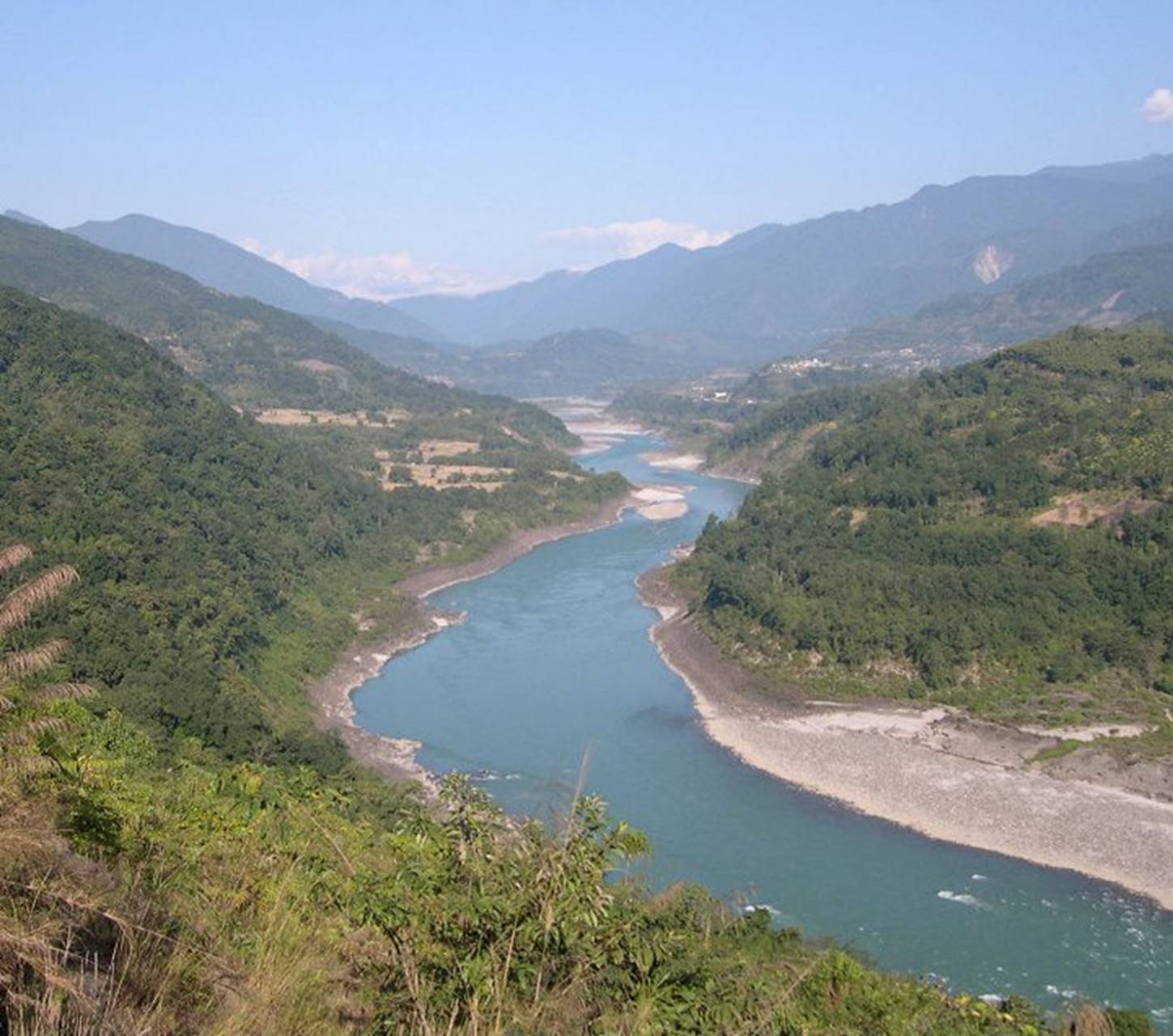
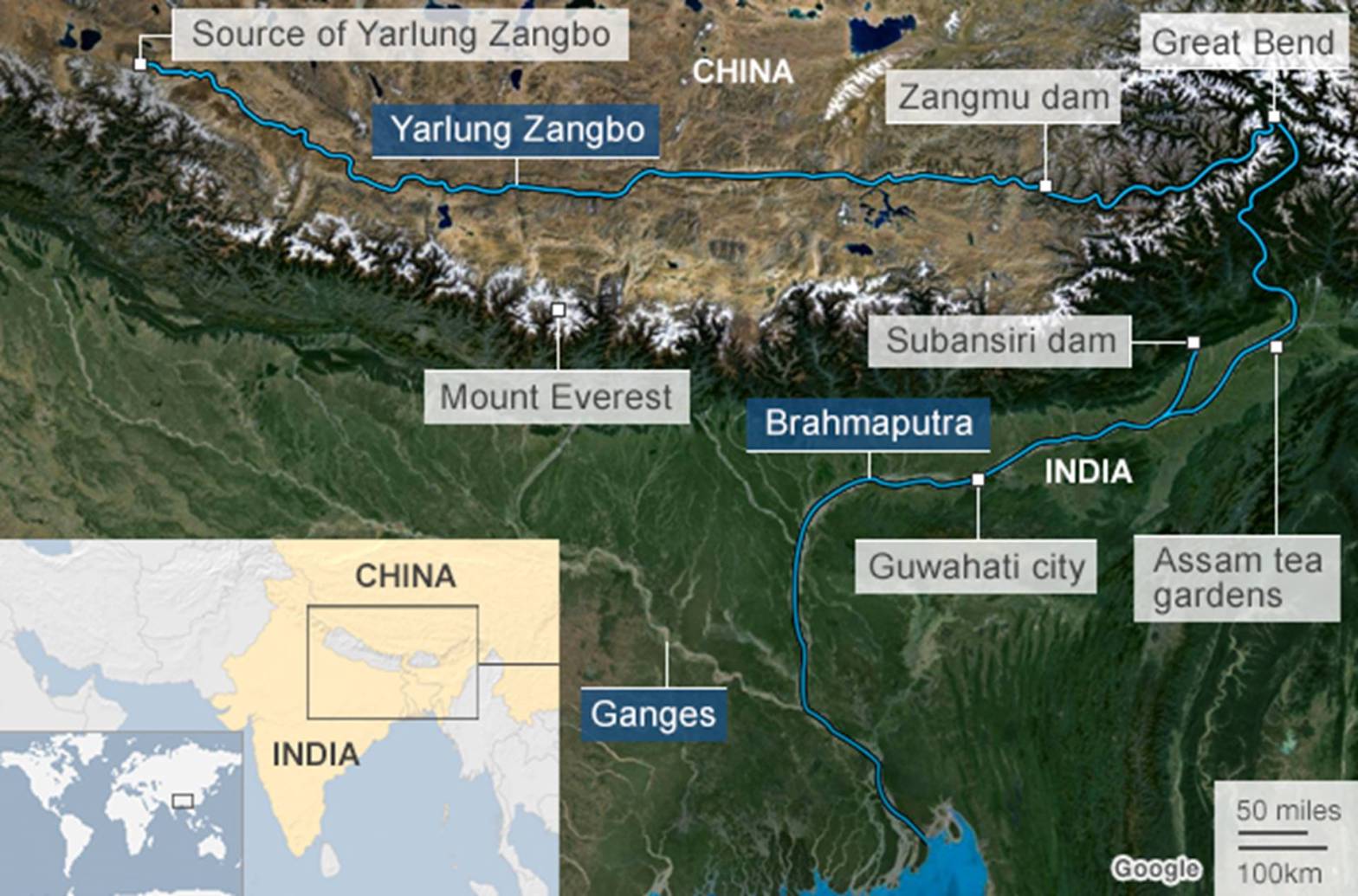
The woes of Yarlung Tsangpo-Brahmaputra River describe the tragedy of upstream occupation causing the downstream worries. The massive landslide in Tibet blocking Yarlung Tsangpo River symbolizes the woes of military conquest of Tibet and its colonization by Communist China.

The Woes of Tsangpo-Brahmaputra River. The Upstream Occupation and the Downstream Worries.

China orders evacuations after landslide blocks Tibet River

Clipped from: https://www.msn.com/en-us/news/world/china-orders-evacuations-after-landslide-blocks-tibet-river/ar-BBOx93t

The Woes of Tsangpo-Brahmaputra River. The Upstream Occupation and the Downstream Worries.

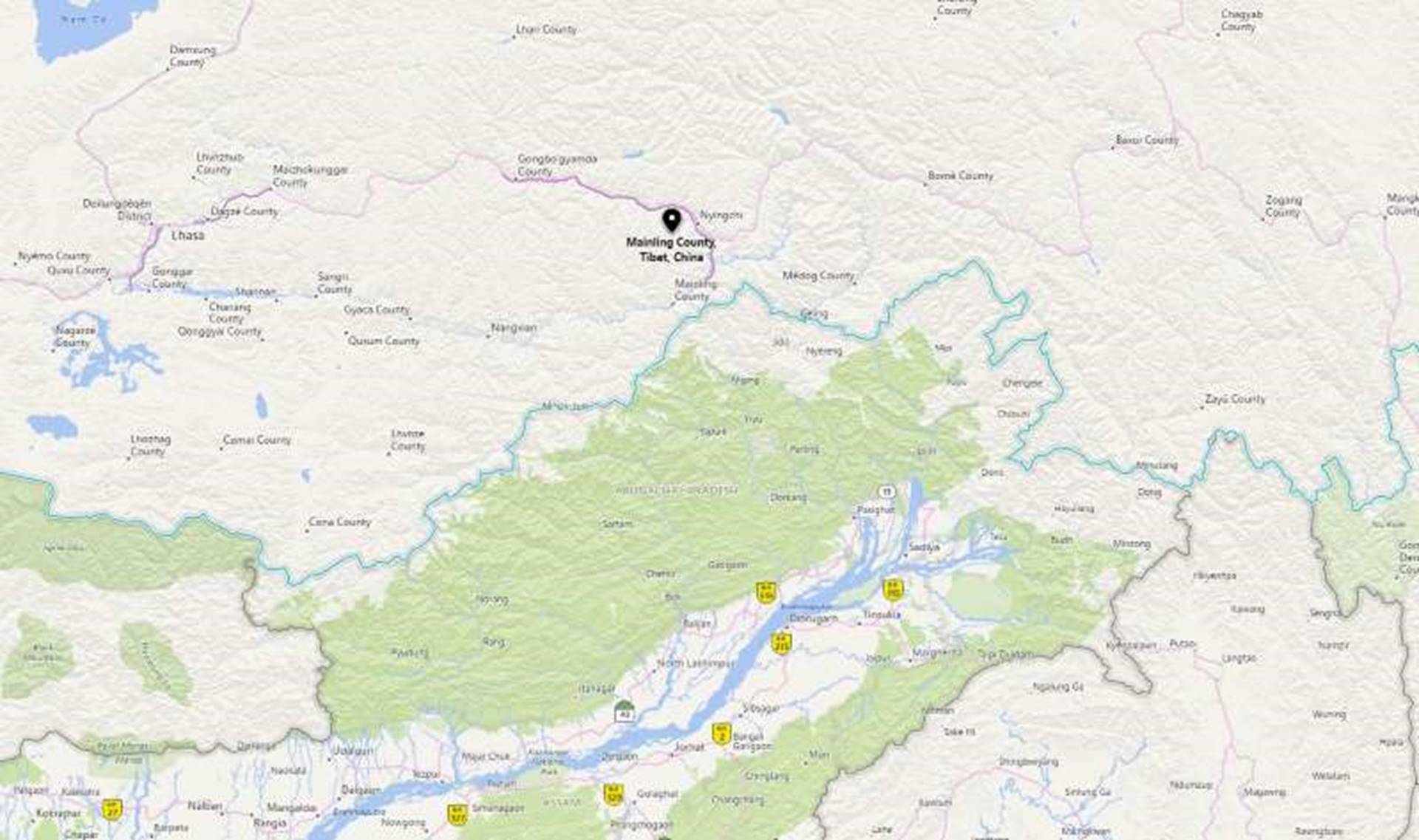
© Bing Maps © 2018/Microsoft Mainling County, Tibet, China BEIJING — Around 6,000 people have been evacuated following a landslide in Tibet that blocked the flow of one of the region’s key rivers, China’s emergency services said Thursday.

A barrier lake was formed on the Yarlung Tsangpo, the headwater of India’s Brahmaputra River, following the Wednesday morning collapse of a cliff in the deep valley through which the river flows, the local emergency response bureau said in a report carried by state media.

No deaths or injuries have been reported and the bureau said China has been keeping India updated on the blockage, which could potentially affect water levels in lower regions.

The landslide struck near a village in Menling County and water in the lake had risen to a height of 40 meters (131 feet) by Thursday, the bureau said.
With its towering peaks and glaciers, Tibet is the source of numerous Asian rivers, adding to China’s strategic influence over its southern neighbors. Fast-rising temperatures have caused those glaciers to melt at an increasing pace, throwing a shadow over future water resources for China and other Asian nations.

The Woes of Tsangpo-Brahmaputra River. The Upstream Occupation and the Downstream Worries.

Though there were no reports of deaths or injuries after the landslide, it is the second landslide that has rocked the Tibet. A massive landslide hit Derge in the Traditional Tibetan province of Kham and completely blocked the Dri Chu river earlier this week on Oct 11.

Landslide and flooding of villages in Tibet are linked to Chinese construction projects, the London-based advocacy group Free Tibet said on Oct 15 after the landslide that cut off Drichu.

“Chinese authorities have been conducting excessive mining, development and dam construction projects in the area which, according to the local population, are directly linked to the increased occurrences of flooding, particularly in the regions of Karze and Ngawa. Chinese sources claim these incidents are natural and unrelated,” Free Tibet stated

The group further noted that of late, China’s exploitation of Tibet’s natural resources has gathered pace significantly.

The ill-advised developmental projects being carried out in Tibet by the Chinese regime at the cost of the fragile Tibetan environment.

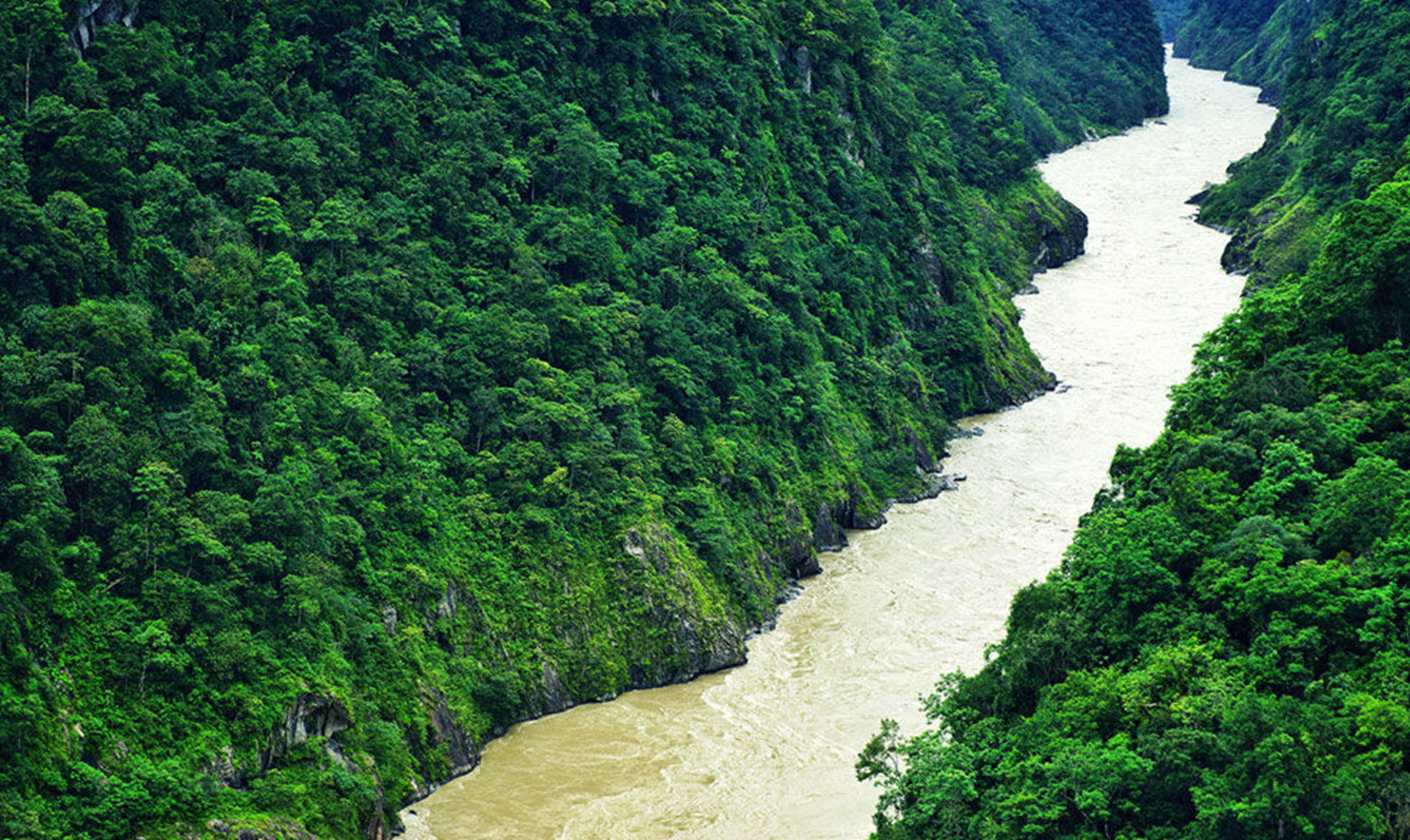
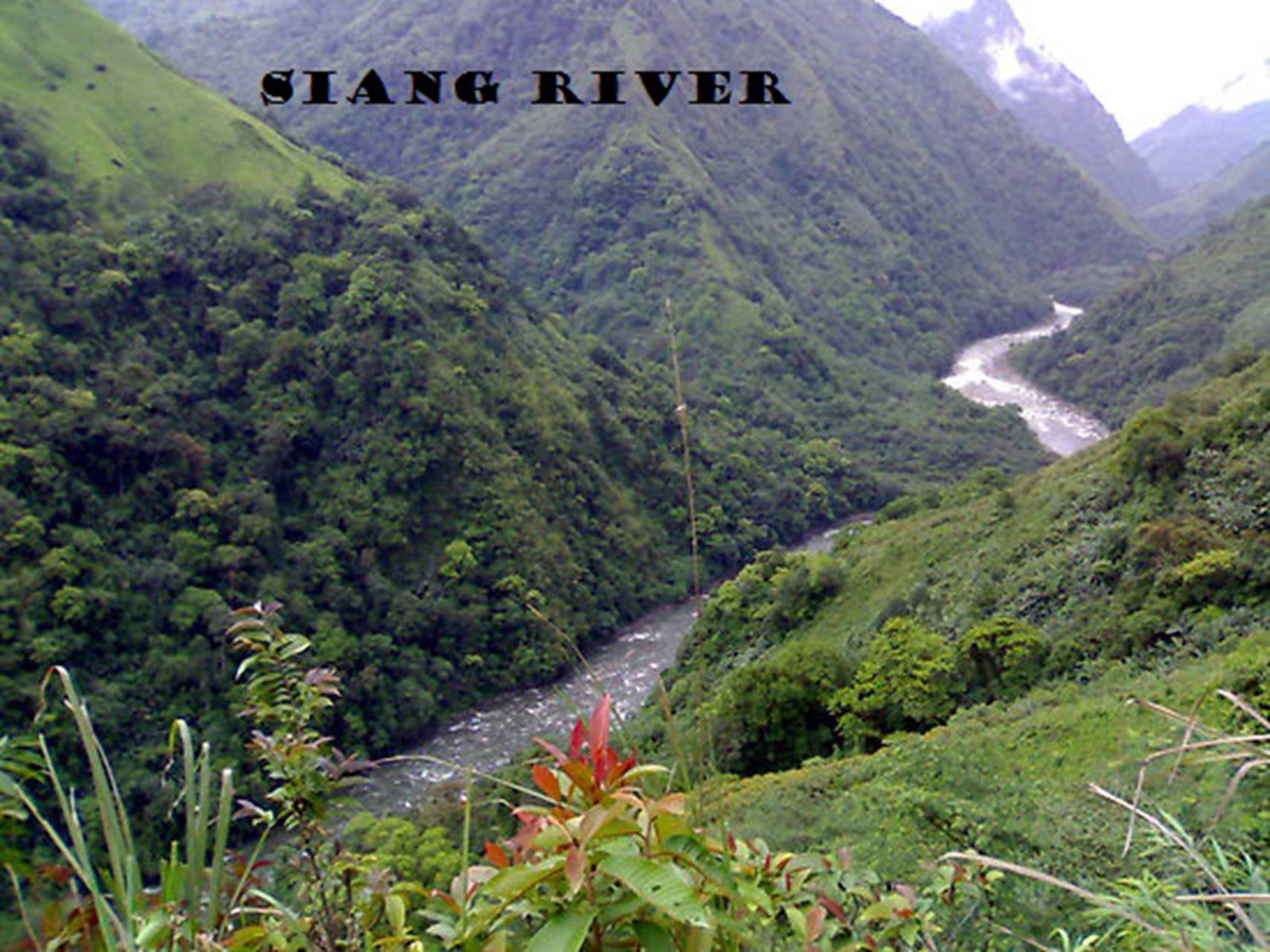
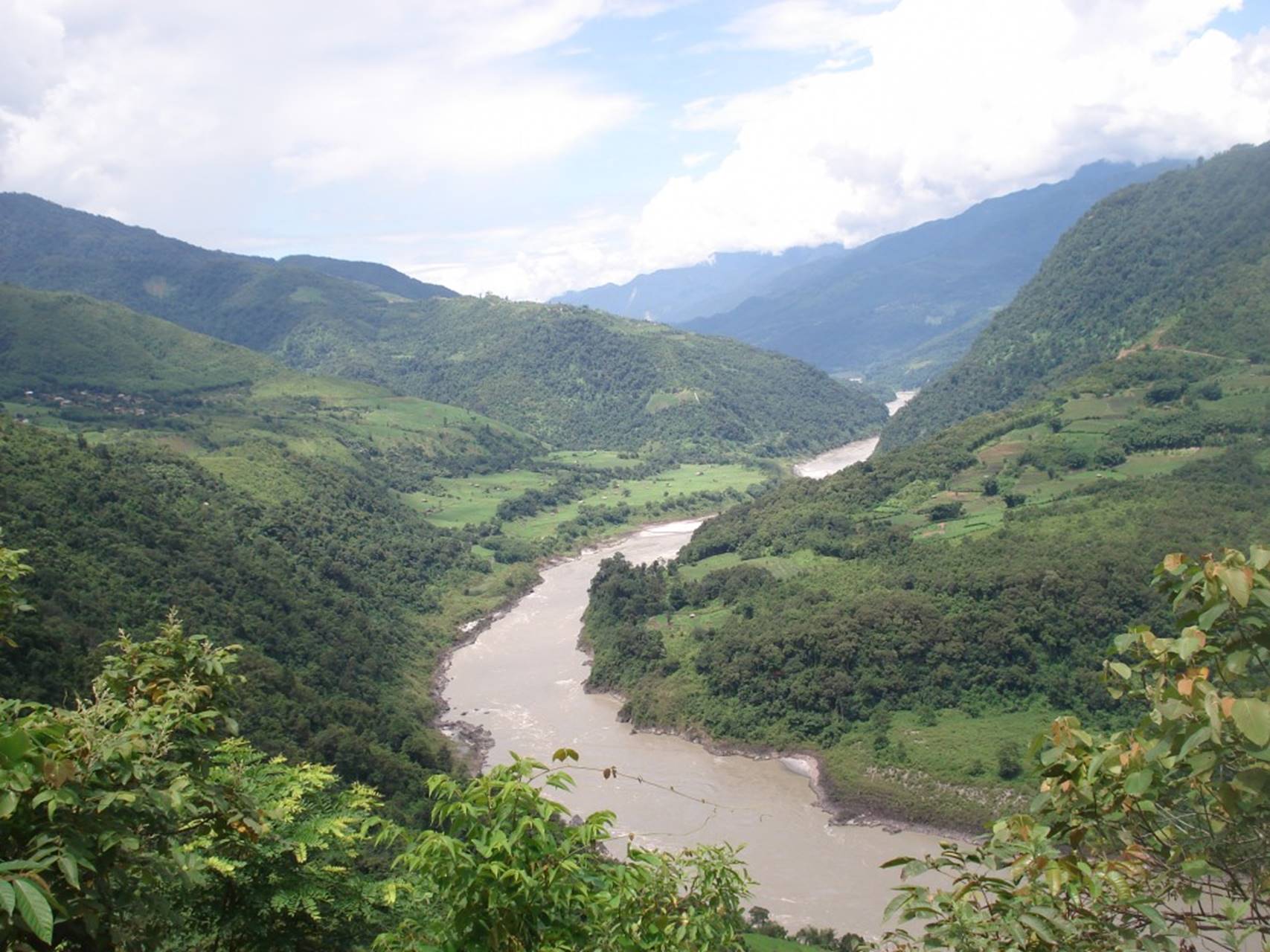
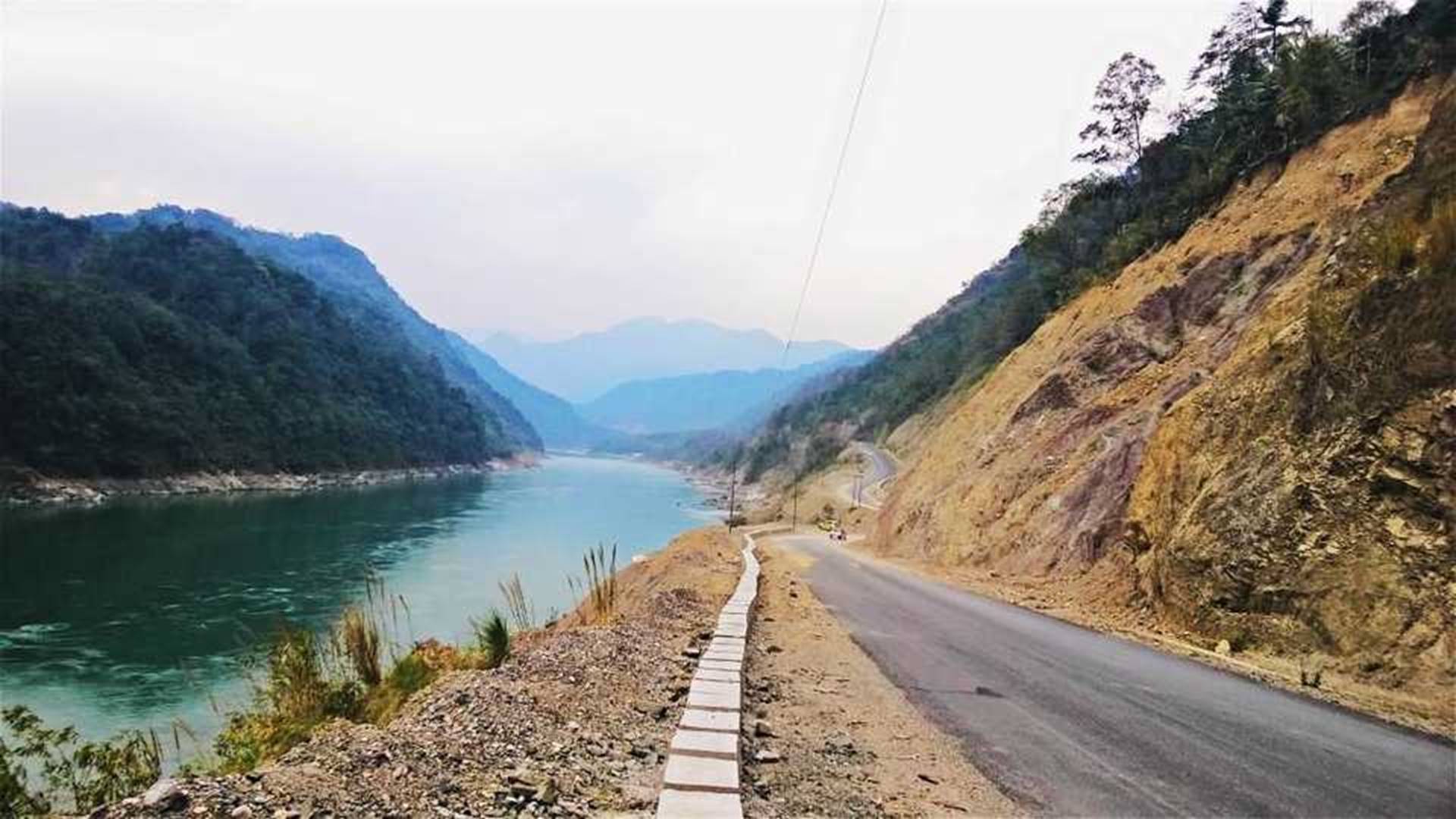
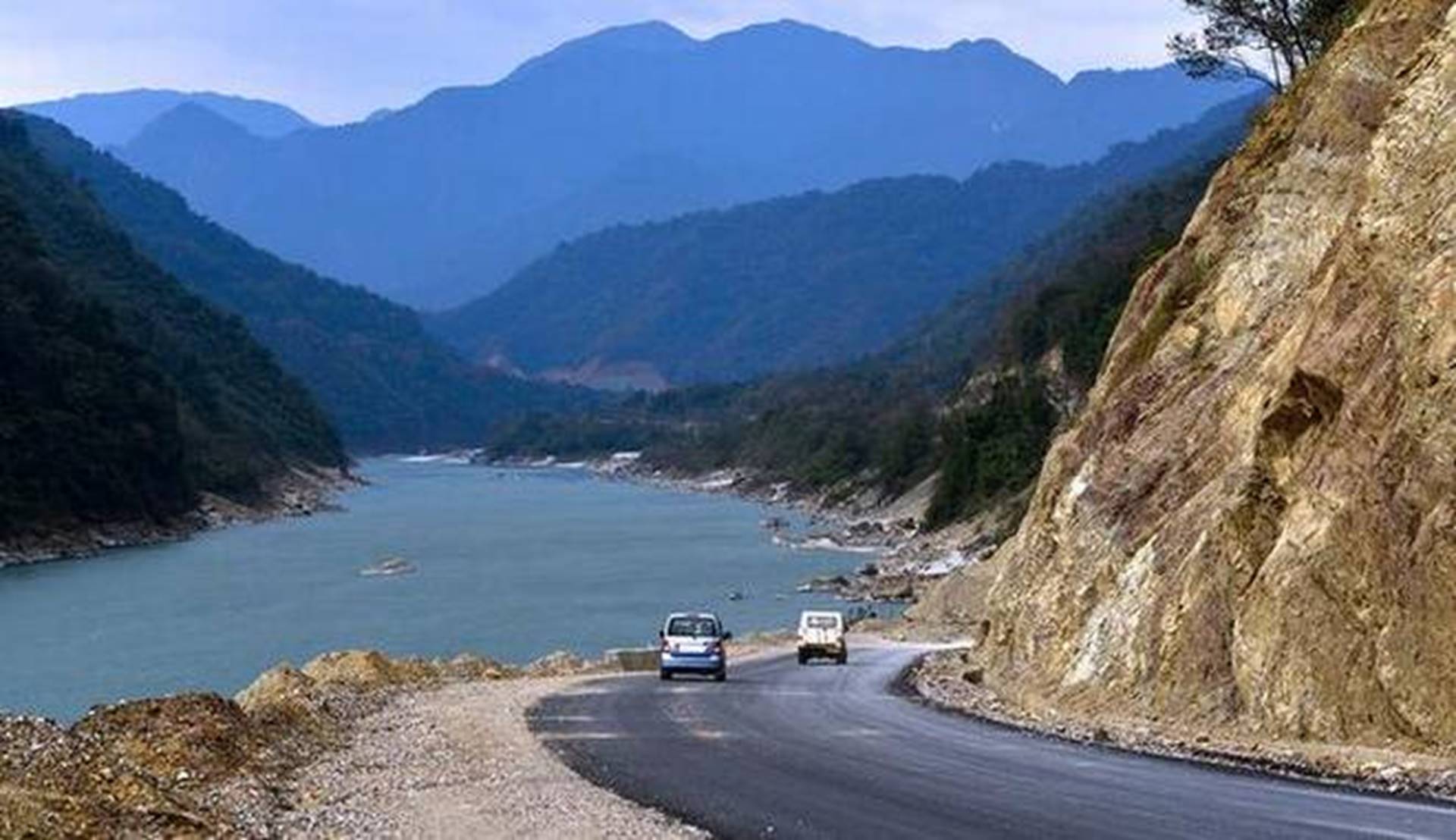
The Woes of Tsangpo-Brahmaputra River. The Upstream Occupation and the Downstream Worries. View of Siang District, Arunachal Pradesh, India.
The woes of Tsangpo-Brahmaputra River – Upstream Occupation and Downstream Worries
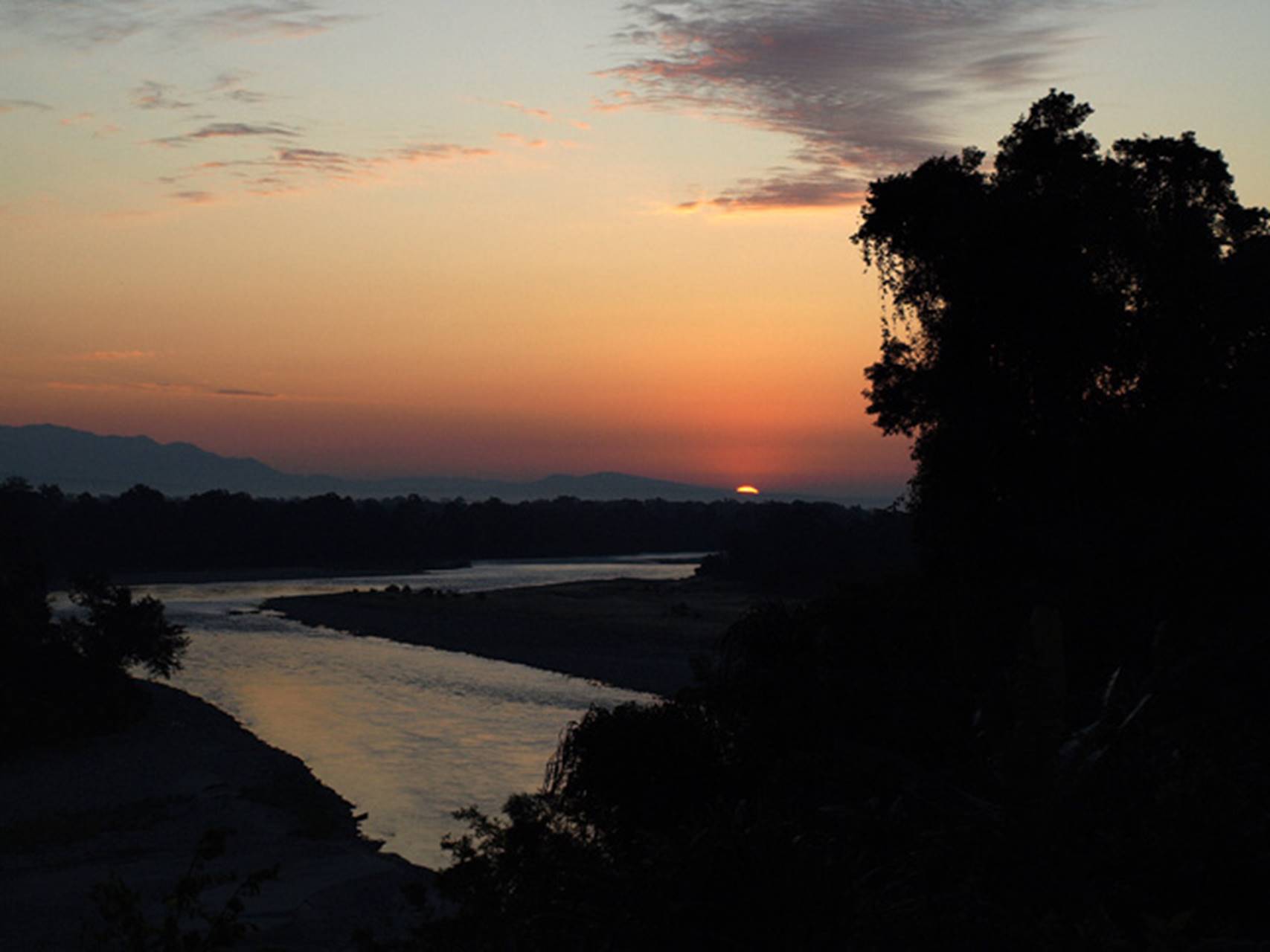
The Woes of Tsangpo-Brahmaputra River. The Upstream Occupation and the Downstream Worries. Siang River near Pasighat, Siang District, Arunachal Pradesh, India.


Whole Ruler – Dalai Lama Represents the Political Rights of Tibetans

Institution of Dalai Lama Represents the Political Rights of Tibetans to Self-Governance

The Institution of Dalai Lama stands for the Ganden Phodrang Government of Tibet which represents political rights of Tibetans for Self-Governance.

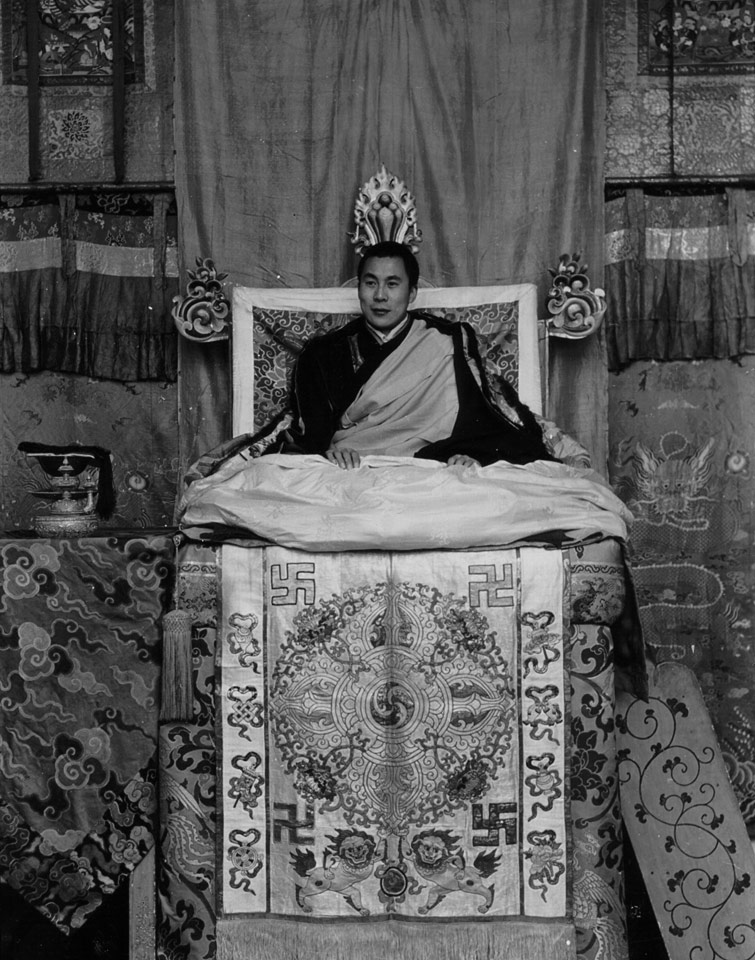
In my analysis, ‘Institution of Dalai Lama’ remains relevant to Tibetans in Occupied Tibet. The Institution of Dalai Lama represents The Ganden Phodrang Government of Tibet, the political symbol of Tibetan Rights to Self-Governance. The Seal that represents the Institution of Dalai Lama does not include the image of any of the Dalai Lamas that ruled over Tibet for centuries.

Dalai Lama Says, ‘Institution of Dalai Lama’ No More Politically Relevant

Clipped from: https://timesofindia.indiatimes.com/india/dalai-lama-says-institution-of-dalai-lama-no-more-politically-relevant/articleshow/65322625.cms

Whole Ruler – Dalai Lama Represents the Political Rights of Tibetans

PANAJI: Tibetan spiritual leader Dalai Lama on Wednesday said the “institution of Dalai Lama” is no longer politically relevant and it was up to the people of Tibet to decide whether the age-old tradition should continue or not.

He said the Chinese government was more concerned about this institution than him for political reasons.

Dalai Lama is a title given to spiritual leaders of Tibetan people. This title is given to those who are considered among the most important monks of the Gelug school, the newest school of Tibetan Buddhism.

Addressing an event at the Goa Institute of Management, the 14th Dalai Lama said, “As early as in 1969, I had formally made a statement whether this very institution of Dalai Lama should continue or not, it is up to the Tibetan people to decide.”

Replying to students’ queries after an hour-long address, he said, “I have no concerns. Nowadays, the Chinese government is more concerned about the Dalai Lama institution than me. The Chinese government is concerned because of political reasons,”

During the 1959 Tibetan uprising, the Dalai Lama had fled to India.

He said in 2001, the elected political leadership was appointed (by the people in exile) and for the next 10 years, he remained in semi-retired position.
“Then in 2011, I totally retired from the political responsibility. Now, the elected political leadership carries the full responsibility, I don’t get involved in their decision,” he said.

“Now, no longer Dalai Lama institution is politically relevant,” the 1989 Nobel Peace Prize winner said.
About the future Dalai Lama, he said all leaders of different Buddhist traditions hold a meeting in Tibet every year in November.


“This November, we are meeting again. In the previous meetings, they had decided that when my age reaches around 90 years, then the group of leaders will decide about the future Dalai Lama,” the 83-year-old spiritual leader said.


When asked about his own selection to the chair, Lama recalled, “According to my mother, the very day when the search party set by the Tibetan government reached my place… That very day our family was completely ignorant.”


“But that very day, I was a 2-3-year-old boy… I was so much excited. I myself don’t know why… The search party got some indications that day. When they reached our house, I ran towards them and recognized each persons’ name,” he said.


“At that time, I had some sort of some memory about past life,” the Dalai Lama said.

Institution of Dalai Lama Represents the Political Rights of Tibetans to Self-Governance

Whole Trouble – The Decline of American Century

The Rise of Evil Red Empire – The Cold War in Asia

Whole Trouble – The Decline of American Century. The Rise of Evil Red Empire – The Cold War in Asia. Nixon-Kissinger Vietnam Treason initiated Doomed American China Fantasy in 1972.

In my analysis, Nixon-Kissinger Vietnam Treason caused the ‘Decline of American Century’ and the ‘Rise of Evil Red Empire’. I ask my readers to remember July 15, 1971 as “Black Day to Freedom” , the Day on which US President Nixon publicly announced his decision to befriend Communist China while Americans were bleeding and dying in Vietnam to combat the spread of Communism in Asia.

Whole Trouble – The Decline of American Century. The Rise of Evil Red Empire – The Cold War in Asia. Nixon-Kissinger Vietnam Treason initiated Doomed American China Fantasy in 1972.

Nixon-Kissinger Vietnam Treason initiated Doomed American China Fantasy in 1972. Since that time, USA as a global power is on steady decline, while Red China remains in hot pursuit of her doctrine of Expansionism, a State Policy of using Military and Economic Power to subjugate people and control natural resources in weaker nations of Asia, Africa, and Europe.

Whole Trouble – The Decline of American Century. The Rise of Evil Red Empire – The Cold War in Asia. Nixon-Kissinger Vietnam Treason initiated Doomed American China Fantasy in 1972.
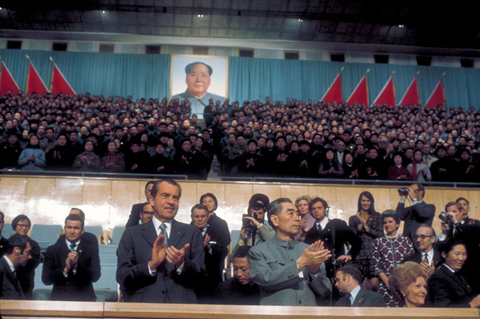
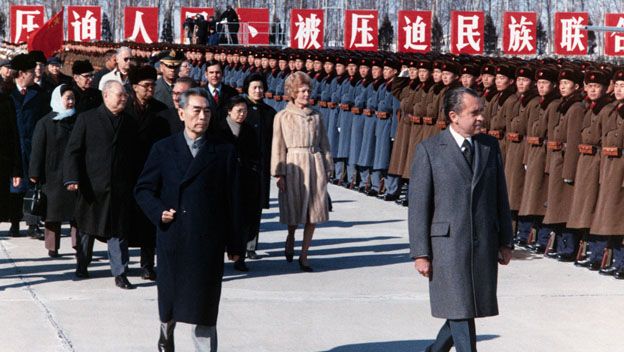
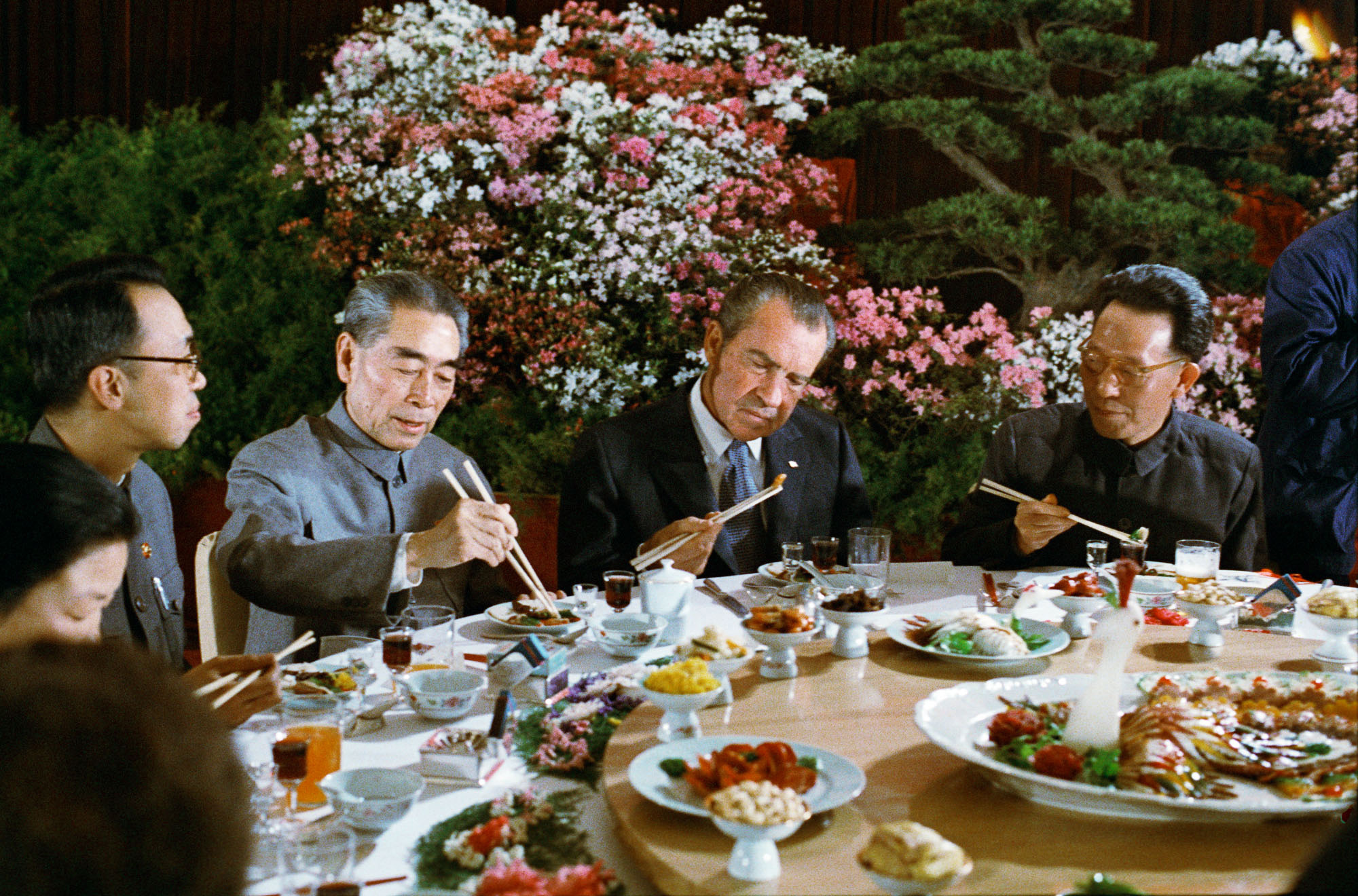
President Nixon met Communist China’s Prime Minister Chou Enlai. Did this act of friendship help the US Army in the Vietnam War? Could it stop Communist North Vietnam from launching its major invasion of South Vietnam during March 1972? Using this friendship, both President Nixon and Dr. Kissinger tried their best to stop India from Liberating Bangladesh during 1971. This Nixon and Chou Enlai friendship did not stop the Liberation of Bangladesh which India initiated with Operation Eagle 1971 in the Chittagong Hill Tracts.
Whole Trouble – The Decline of American Century. The Rise of Evil Red Empire – The Cold War in Asia. Nixon-Kissinger Vietnam Treason initiated Doomed American China Fantasy in 1972.
TIBET CONSCIOUSNESS – UNDYING HOPE FOR FREEDOM. US PRESIDENT NIXON’S VISIT TO COMMUNIST CHINA IS BLACK DAY TO FREEDOM.
Whole Trouble – The Decline of American Century. The Rise of Evil Red Empire – The Cold War in Asia. Nixon-Kissinger Vietnam Treason initiated Doomed American China Fantasy in 1972.
REMEMBERING CHINESE PRIME MINISTER ZHOU ENLAI ON JANUARY 08, 2017, HIS 41st DEATH ANNIVERSARY. I KEEP ZHOU ENLAI, MAO ZEDONG, RICHARD NIXON ALIVE IN MY THOUGHTS FOR TIBET REMAINS UNDER MILITARY OCCUPATION.

Military & Defense

Whole Trouble – The Decline of American Century. The Rise of Evil Red Empire – The Cold War in Asia. Nixon-Kissinger Vietnam Treason initiated Doomed American China Fantasy in 1972.

China held a massive military parade showing off its might – and it could surpass the US by 2030


Alex Lockie

Whole Trouble – The Decline of American Century. The Rise of Evil Red Empire – The Cold War in Asia. Nixon-Kissinger Vietnam Treason initiated Doomed American China Fantasy in 1972.

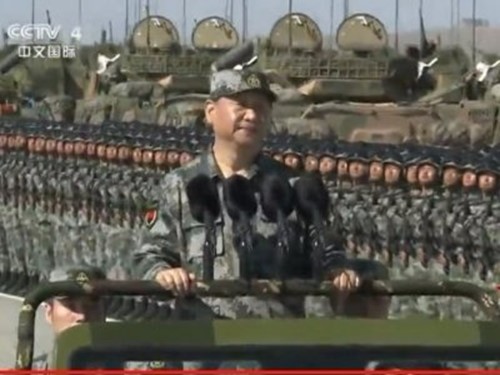
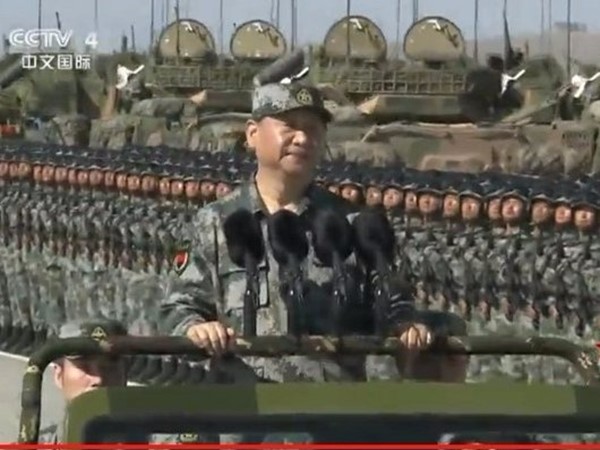
China’s president, Xi Jinping, presiding over the country’s massive military parade in inner Mongolia. CCTV

Chinese President Xi Jinping on Sunday presided over a massive military parade from an open-topped jeep, declaring, “The world is not peaceful, and peace needs to be defended.”

And as China’s show of force demonstrates, Beijing may have the will and the strength to replace the US as the world’s defender of peace.

“Our heroic military has the confidence and capabilities to preserve national sovereignty, security, and interests … and to contribute more to maintaining world peace,” Xi said at the parade, one day after US President Donald Trump lashed out at Beijing for its inaction regarding North Korea’s nuclear and ballistic missile programs.

China’s massive military modernization and increasing assertiveness have irked many of its neighbors in the region, and even as the US attempts to reassure its allies that US power still rules the day, that military edge is eroding.

China showed off new, mobile intercontinental ballistic missiles that it says can reach the US in 30 minutes, along with its J-20 stealth interceptor jets. And Xi inspected thousands of troops drawn from the 2 million-strong People’s Liberation Army’s on its 90th anniversary.

The historian Alfred McCoy estimates that by 2030, China, a nation of 1.3 billion, will surpass the US in both economic and military strength, essentially ending the American empire and Pax Americana the world has known since the close of World War II.

Whole Trouble – The Decline of American Century. The Rise of Evil Red Empire – The Cold War in Asia. Nixon-Kissinger Vietnam Treason initiated Doomed American China Fantasy in 1972.

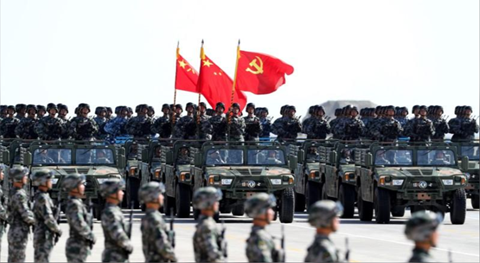
Soldiers marching to celebrate the 90th anniversary of the founding of China’s People’s Liberation Army. Xinhua

But China could achieve this goal patiently and without a violent struggle. China has employed a “salami-slicing” method of slowly but surely militarizing the South China Sea in incremental steps that have not prompted a strong military response from the US. However, the result is China’s de facto control over a shipping lane that sees $5 trillion in annual traffic.

“The American Century, proclaimed so triumphantly at the start of World War II, may already be tattered and fading by 2025 and, except for the finger pointing, could be over by 2030,” McCoy wrote in his new book, “In the Shadows of the American Century: The Rise and Decline of US Global Power.”

Whole Trouble – The Decline of American Century. The Rise of Evil Red Empire – The Cold War in Asia. Nixon-Kissinger Vietnam Treason initiated Doomed American China Fantasy in 1972.

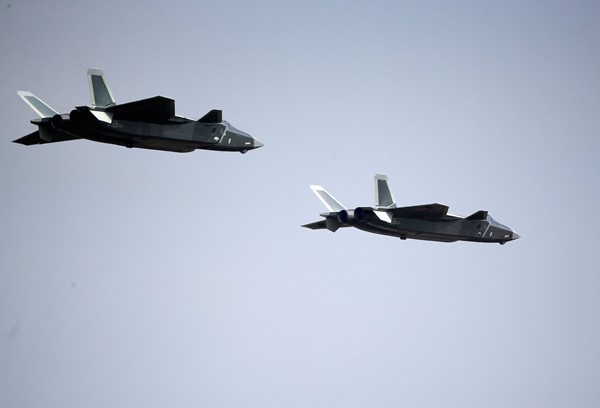
China unveiled its J-20 stealth fighter at an air show in November. China Daily/via REUTERS

China’s J-20 jet also most likely borrows from stealth secrets stolen from the US through a sophisticated hacking regime. Though China hasn’t mastered stealth technology in the way the US has, the jet still poses a real threat to US forces.

Meanwhile, the US is stretched thin. It has had been at war in Afghanistan for 16 years and in Iraq for 14, and it has been scrambling to curtail Iranian and Russian influence in Syria while reassuring its Baltic NATO allies that it’s committed to their protection against an aggressive Russia.

Under Xi, who pushes an ambitious foreign policy, China’s eventual supremacy over the US seems inevitable.

  • * Copyright © 2017 Business Insider Inc. All rights reserved. Registration on or use of this site constitutes acceptance of our Terms of Service and Privacy Policy.

Inserted from <http://www.businessinsider.com/china-military-parade-superior-to-us-by-2030-2017-7>

Whole Trouble – The Decline of American Century. The Rise of Evil Red Empire – The Cold War in Asia. Nixon-Kissinger Vietnam Treason initiated Doomed American China Fantasy in 1972. Black Day to Freedom – Whole Villain – Nixon – Mao cartoon

Whole Trouble – Pakistan and China North Indus River Cascade – Illegal Bartering

Tibet Equilibrium – Pakistan and China North Indus River Cascade is illegal Bartering

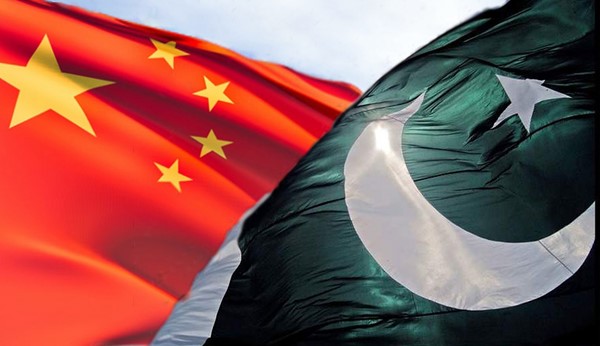
Tibet Equilibrium – Pakistan and China North Indus River Cascade – Illegal Bartering. Two thieves sharing stolen assets.

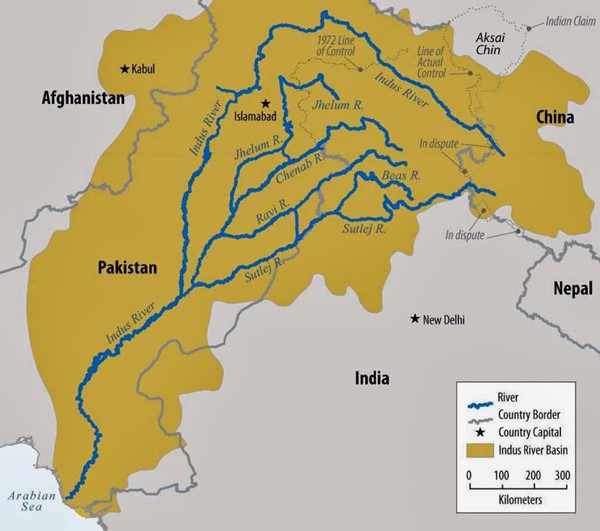
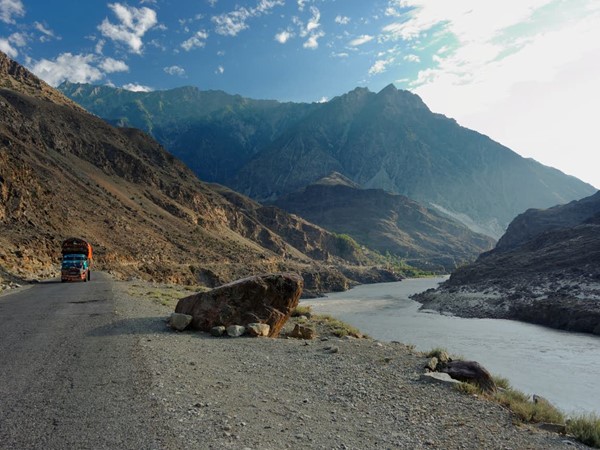
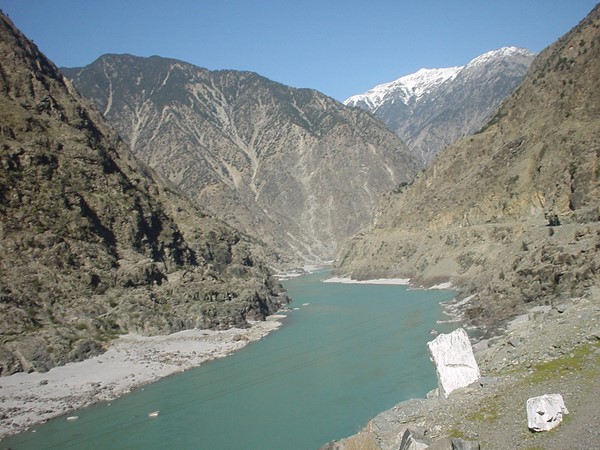
The five dams forming the ‘North Indus River Cascade’ that Communist China plans to build in Pakistan-Occupied Indian territory represents Illegal Bartering. Firstly, Communist China’s Tibet Occupation is illegal for it violates Natural Law, Natural Balance, Natural Order, Natural Equilibrium, Natural Harmony, and Natural Tranquility that formulates connections between man and Nature. Tibet Equilibrium gives Indus River the ability to flow down to reach Arabian Sea.

Tibet Equilibrium – Pakistan and China North Indus River Cascade – Illegal Bartering. Two thieves sharing stolen assets.

China’s doctrine of Neocolonialism drives her capital investment projects to develop infrastructure and exploit natural resources to ensure her political, economic, and military domination of world.  North Indus River Cascade in its essence represents the actions of two thieves sharing stolen assets. In my analysis, Communist China sponsored Indus River Projects bring no Joy, no Peace, no Harmony, and no Tranquility in the lives of people for Beijing is Doomed.

Tibet Equilibrium – Pakistan and China North Indus River Cascade – Illegal Bartering. Two thieves sharing stolen assets.

Pakistan’s Indus Cascade, a China Sponsored Himalayan Blunder

Tibet Equilibrium – Pakistan and China North Indus River Cascade – Illegal Bartering. Two thieves sharing stolen assets.

The Indus River in Diamer District of Pakistan’s Gilgit-Baltistan. (Photo Courtesy: Wikimedia Commons)

Joydeep Gupta

Updated: 22 May 2017 4:27 PM IST

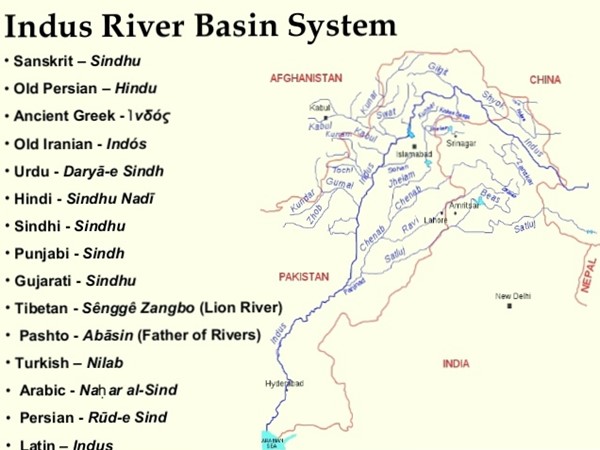
The five dams forming the ‘North Indus River Cascade’ that China has just promised to finance and build in Pakistan – including Pakistan-administered Kashmir – has the potential to generate over 22,000 MW in an energy-starved country.
But the dams will also stop the flow of silt which is the lifeline of agriculture downstream. In non-monsoon months from October to June, they may also reduce the flow of water down the Indus to Pakistan’s Punjab and Sindh provinces.

Climate change is making water flow along rivers more erratic – especially rivers like the Indus, that flow from the Himalayas.
Pakistan’s entire water supply for agriculture, factories, and homes is dependent on rivers in the Indus basin. Water availability is already below the 1,000 cubic meters per person per year level at which a country is described as water-scarce, according to the global norm followed by most UN agencies.
In this situation, it is critical to look at food, energy and water together, as a nexus. Instead, the planners of Pakistan appear to be looking at energy alone.

Money, CPEC, OBOR
China is providing Pakistan with US $50 billion for the Indus Cascade. A Memorandum of Understanding (MoU) was signed to this effect during the recent Belt and Road Initiative (BRI) – previously known as One Belt, One Road (OBOR) – conference in Beijing. China’s National Energy Administration (NEA) will oversee the funding.
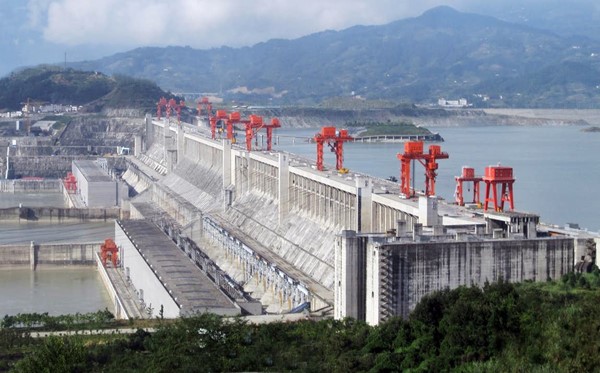
China Three Gorges Corporation – which runs the world’s largest hydroelectricity project at the Three Gorges Dam – is the frontrunner to build the five dams that will form the cascade.
The MoU was signed by Pakistan’s Water and Power Secretary Yousuf Naseem Khokhar and Chinese Ambassador to Pakistan Sun Weidong in presence of Prime Minister Nawaz Sharif.
This is in addition to the US $57 billion China is providing to Pakistan for a series of infrastructure projects along the China-Pakistan Economic Corridor (CPEC), a part of the BRI. The infrastructure projects include the building of coal-fired power stations and the port at Gwadar on the Arabian Sea

Tibet Equilibrium – Pakistan and China North Indus River Cascade – Illegal Bartering. Two thieves sharing stolen assets. Stealing assets originating in Tibet.

The Three Gorges Dam on the Yangtze River in China (Photo Courtesy: Wikimedia Commons)

The Indus Cascade
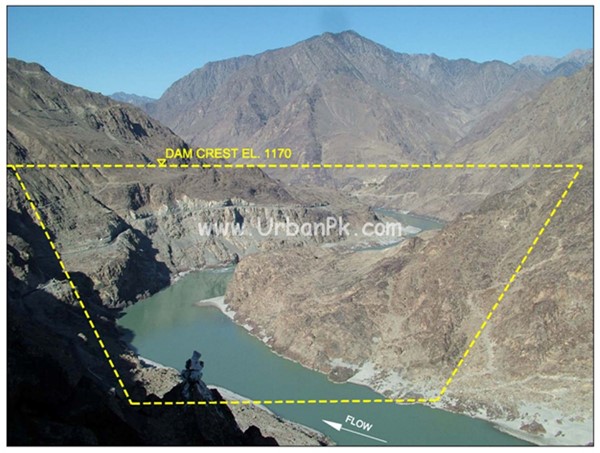
The cascade plans all the way down the Indus from Gilgit-Baltistan to the existing Tarbela dam near Islamabad. It will effectively turn this huge transboundary river into a series of lakes in the last part of its journey through the Hindu Kush Himalayas to the plains of South Asia.
The uppermost of the five dams is planned at Bunji near Skardu in Pakistan administered Kashmir. The former princely state of Jammu & Kashmir is a disputed territory claimed in its entirety by both India and Pakistan, though both only control parts of it, with China also controlling some.
The 7,100 MW Bunji Hydropower Project has been described by Pakistan’s Water and Power Development Authority (WAPDA) as a run-of-the-river (RoR) project. But the same promotional video (for the entire cascade) which provides this description also indicates that:
This project will have a reservoir that will spread along a 22-km stretch of the Indus and inundate a 12-km stretch of the road between Gilgit and Skardu – the two main towns of Gilgit-Baltistan. So, despite the description, this may not be an RoR project.

The next dam in the cascade is the big one – Diamer-Basha – with a planned live storage of 6.4 million-acre feet (MAF) of water and a hydropower generating potential of 4,500 MW.
From Diamer-Basha, the projects run along the Karakoram Highway, which China built in the 1960s through Pakistan administered Kashmir despite strenuous objections from India. The reservoir that will form behind the Diamer-Basha dam will submerge 104 km of the Karakoram Highway and displace about 30,000 people, according to WAPDA.
The Diamer-Basha dam is promoted by WAPDA as a sediment trap and therefore good for downstream hydropower projects. But the same sediment – mainly silt – rejuvenates the soil downstream every year and has been the main reason sustaining agriculture in the Indus valley for over a millennium.
Building the Diamer-Basha dam is estimated to cost US $15 billion. For years, Pakistan has been seeking the money from multilateral funding agencies. Experts at the World Bank and the Asian Development Bank have advised Pakistani planners to think of smaller dams instead. Now China has promised funding.
Just downstream of Diamer-Basha is the third dam in the cascade – the 4,320 MW Dasu Hydropower Project. This will have a reservoir that will stretch upstream for 74 km along the Indus, all the way to the Diamer-Basha dam, according to WAPDA. It will also submerge 52 km of the Karakoram Highway.
Some of the peripheral work for this project has started, and people have already been displaced, with WAPDA seeking contracts for resettlement and providing free transport to resettlement sites.
And immediately downstream of that, WAPDA has planned the 2,200 MW Patan Hydropower Project, with a 35-km long reservoir that goes up to the Dasu dam.

Tibet Equilibrium – Pakistan and China North Indus River Cascade – Illegal Bartering. Two thieves sharing stolen assets.

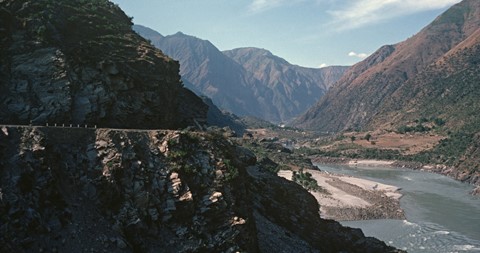
The Indus River from the Karakoram Highway (Photo Courtesy: Wikimedia Commons)

Once again, the fifth dam in the cascade is just a little downstream – the 4,000 MW Thakot Hydropower Project in which the plan is to divert the Indus waters through four headrace tunnels to generate electricity.
By the time the Indus emerges from the tunnels, it will be close to the existing dam at Tarbela, which has been in operation since 1976.

The Plan, the Effect
The electricity that will potentially be generated by the five new projects forming the Indus Cascade adds up to a little over 22,000 MW. Officials in Pakistan’s Ministry of Water and Power have been telling the domestic media that experts from the Chinese NEA conducted feasibility study of the entire cascade this February and satisfied about feasibility of the project.
The officials say that now, after the signing of the MoU, the Chinese experts will conduct a more detailed study for three months to finalize both financing and execution of the projects. In 2015, China Three Gorges Corporation had said it wanted to be part of a financing consortium with a US $50 billion fund to build hydroelectric power projects in Pakistan.
The corporation may be the frontrunner to build the dams, but it is not the only competitor. After the MoU was signed in Beijing, several Chinese power sector companies showed willingness to join the project. This will be the first large-scale private sector hydroelectricity project in Pakistan.
At the MoU signing ceremony, Nawaz Sharif spoke glowingly of cooperation between the two governments to overcome Pakistan’s energy crisis.
“Development of the Indus Cascade is a major focus of my government and the construction of Diamer-Basha Dam is the single most important initiative in this regard.” Nawaz Sharif, Prime Minister, Pakistan
He also said, “Water and food security are of paramount importance for Pakistan, keeping in view the challenges posed by climate change.”
The Indus Cascade will reduce water and food security in Pakistan instead.
One proven effect of climate change is intensification of the water cycle. In lay terms, it means fewer rainy or snowy days but more intense rainfall or snowfall in those days. Pakistan is already suffering the effects.
For the first nine years in this century, the Indus failed to reach the sea. Then there was such a cloudburst in 2010 flooding a fifth of the country. The floods also brought down, and continue to bring down, huge sediment loads that reduce the working lives of dams. To build more large dams in this situation appears dangerously short-sighted.
A side effect of the cascade project will be the need to rebuild large parts of the Karakoram Highway. Building a road in the mountains always has a strong negative effect on the environment and increases the risk of landslides manifold.
India has already boycotted the BRI conference because many of the CPEC projects are in Kashmir. Addition of a project as big as the Indus Cascade to that list is likely to lead to more protests from India and to raise tension in the region.

(This article was originally published in ThirdPole.net)
First published: 22 May 2017 4:27 PM IST
2017 © Copyright TheQuint

Inserted from <https://www.thequint.com/world/2017/05/22/indus-river-dam-project-china>

Tibet Equilibrium – Pakistan and China North Indus River Cascade – Illegal Bartering. Two thieves sharing stolen assets.
Tibet Equilibrium – Pakistan, China North Indus River Cascade – Illegal Bartering. Two thieves sharing stolen assets. Indus River flows down Indian territory.
Tibet Equilibrium – Pakistan, China North Indus River Cascade – Illegal Bartering. Two thieves sharing stolen assets.
Tibet Equilibrium – Pakistan, China North Indus River Cascade – Illegal Bartering. Two thieves sharing stolen assets. Indus River originates in Tibet and flows down India.

Whole Trouble – Red China invents Border disputes to justify Occupation

Red China invents Border Disputes to perpetuate Tibet’s Occupation

Red China invents these Border Disputes to legitimize illegal Occupation of Tibet

The root cause of territorial disputes in Himalayan Plateau is an Unnatural event called ‘Occupation’ that shattered Tibet’s experience of Natural Balance, Natural Order, Natural Equilibrium, Natural Harmony, Natural Peace, and Natural Freedom. India and Bhutan must primarily focus upon return of Tibet to its Natural State or Condition, a condition that never threatened the existence of its immediate neighbors. Red China invents these Border Disputes to legitimize illegal Occupation of Tibet

Red China invents these Border Disputes to legitimize illegal Occupation of Tibet

Clipped from: https://www.washingtonpost.com/world/asia_pacific/china-pushes-hard-in-border-dispute-with-india/2017/07/06/52adc41e-619b-11e7-80a2-8c226031ac3f_story.html?utm_term=.9bc54d806201

Red China invents these Border Disputes to legitimize illegal Occupation of Tibet

China pushes hard in border dispute with India

The Washington Post

Red China invents these Border Disputes to legitimize illegal Occupation of Tibet


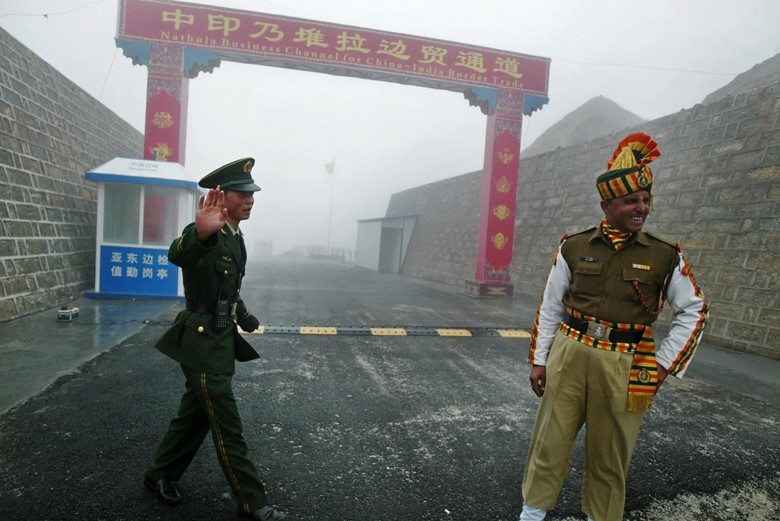
This photo from 2008 shows a Chinese soldier, left, next to an Indian soldier at the Nathu La border crossing between India and China. (Diptendu Dutta/Agence France-Presse via Getty Images)

NEW DELHI — Their meeting is likely to be all smiles and polite handshakes, as world leaders look on. But as Indian Prime Minister Narendra Modi and his Chinese counterpart Xi Jinping left for Friday’s Group of 20 summit in Hamburg, tensions between the rising Asian powers had escalated over a patch of disputed territory claimed by both China and the tiny Himalayan kingdom of Bhutan.

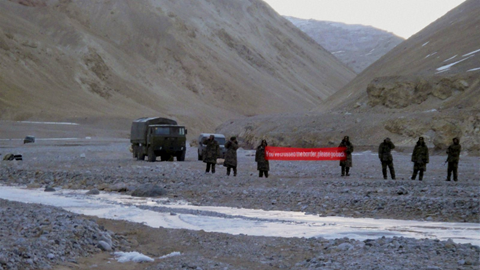
Border scuffles between India and China have simmered in the past, but analysts from both sides said the latest spat has the potential to spiral into conflict between the two nuclear-armed nations. So far, the countries’ troops, who are usually unarmed to avoid provocation, have engaged in what is known as “jostling,” when soldiers attempt to physically push rivals back.

The standoff began at the end of June, while Modi was meeting President Trump, prompting some Indian analysts to wonder whether the timing had anything to do with China’s disdain for India’s increasingly close ties to the United States.

“The Chinese are making their unhappiness clear on India and America’s relationship,” said Sameer Patil, director at an India-based foreign policy think tank called Gateway House.

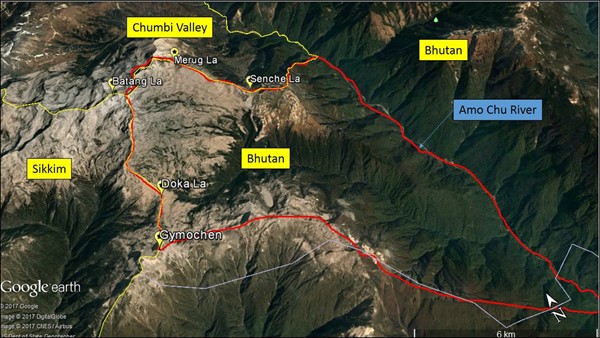
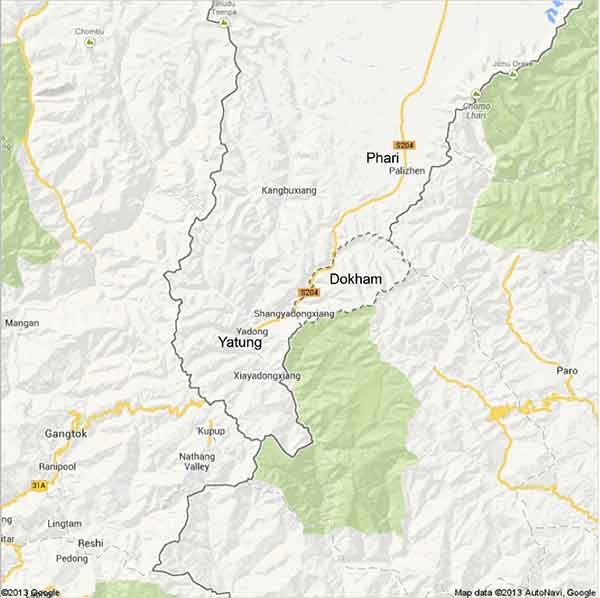
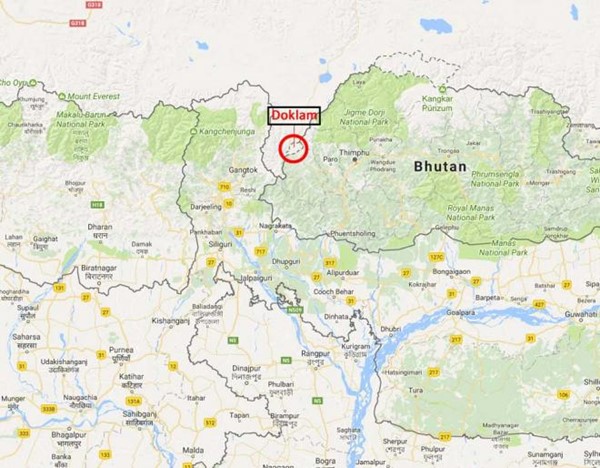
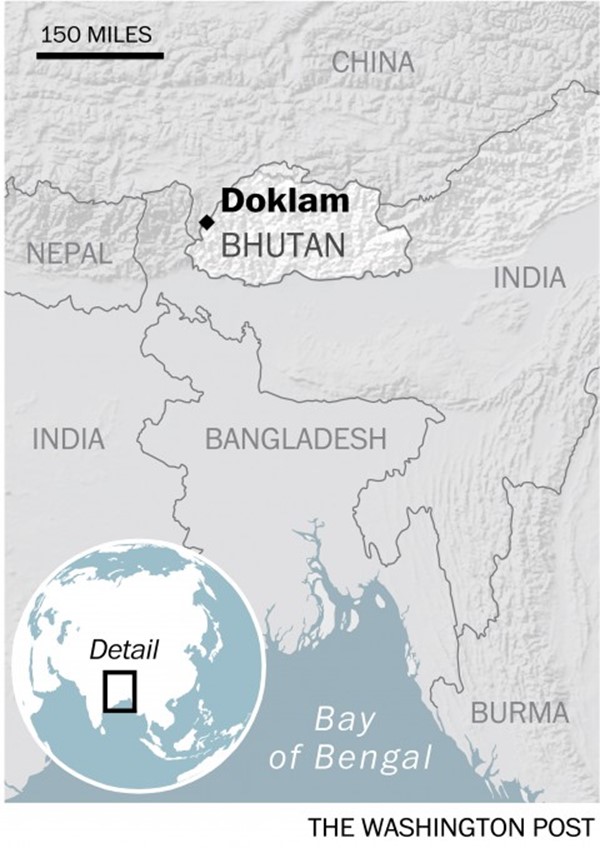
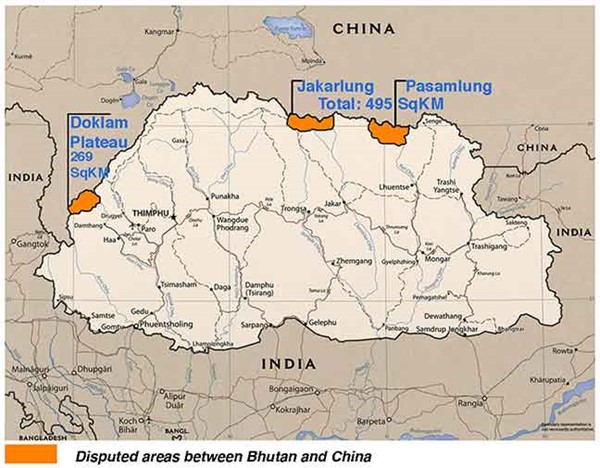
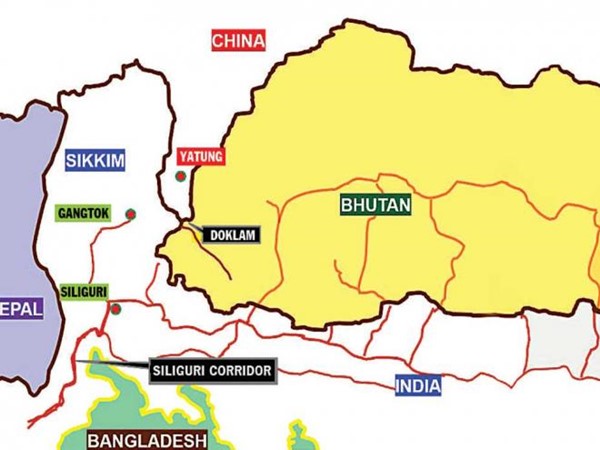
The dispute started after Chinese construction trucks, accompanied by soldiers, rolled south in the disputed region of Doklam to build a road. India and Bhutan consider the region to be Bhutanese territory; China claims the land as its own. The countries disagree on the exact location of the “tri-junction,” where the three borders meet.

Red China invents these Border Disputes to legitimize illegal Occupation of Tibet

The argument bears some of the hallmarks of China’s efforts to fortify islands in the disputed South China Sea, where it has riled the Philippines and Vietnam and risked confrontation with the U.S. Navy.

India and Bhutan have traditionally been close allies; India often provides the small country with financial and military assistance. It was the first country Modi visited after being elected.

Indian analysts say China’s move in Doklam threatens a narrow sliver of strategically important land, known as the “chicken’s neck,” which connects central India to its remote northeast. In response to what it believed was extraterritorial Chinese road-building, New Delhi sent reinforcements supporting Bhutan — according to ex-Indian army officials, at Bhutan’s request.

Chinese officials say India’s intervention amounted to a provocation, violating an 1890 treaty with Britain that appears to grant China access to the region. According to Chinese Foreign Ministry spokesman Geng Shuang, the pact was affirmed by Indian leaders after independence.

“As to the boundary negotiation between China and Bhutan,” he said Wednesday, “we have repeatedly stated that Doklam has always been part of China’s territory and under China’s effective jurisdiction without disputes.”

The government’s messages were bolstered by stern statements in China’s state-run media. The Global Times newspaper printed a furious editorial warning India of China’s military might. “The Indian military can choose to return to its territory with dignity, or be kicked out of the area by Chinese soldiers,” it said.

Wang Dehua, from the Shanghai Municipal Center for International Studies, said, “By continuing to increase deployment of troops at the border, India once again underestimates China’s capability and determination to safeguard its territory. It also fails to estimate the cost of confrontation.”

Hopes for a discussion between Modi and Xi on the Doklam dispute on the sidelines of the G-20 summit were scuppered after Indian media reported that the government had not requested a one-on-one meeting. Instead, Xi and Modi will meet among leaders from other G-20 countries to discuss international issues.

“China has taken a very stubborn attitude, and there is little appetite in India to accommodate China’s behavior,” Patil said.

Modi had come into office with high hopes of building Sino-
Indian relations; experts called him the most pro-China prime minister since the two countries’ 1962 border war. Xi met Modi in India in 2014 shortly after the latter was elected, in the first visit by a Chinese leader in eight years.

Instead, the two nations have become increasingly suspicious of one another. During Modi’s recent visit to the United States, a deal was struck to buy surveillance drones that could be used to monitor Chinese naval activity in the Indian Ocean. In April, China fulminated over the Dalai Lama’s tour of Arunachal Pradesh in northeast India, known in China as south Tibet. China considers the Dalai Lama an opponent and a separatist whose power threatens its control over Tibet.

India also refused to join China’s “One Belt, One Road” program, a massive infrastructure project involving 70 countries aimed at reviving old Silk Road trade routes. Plans include an improved connection between China and Pakistan and would allow Pakistan access to other countries in Central Asia.

China, on the other hand, blocked efforts to designate a Pakistan-based militant outfit, Jaish-e-Muhammad, as a terrorist organization. It has also stood in the way of India’s bid for membership in the Nuclear Suppliers Group, an organization of countries that supply — and control — the export of nuclear materials, equipment and technology.

China has billions of dollars in investment deals with Sri Lanka and Nepal and this year took part in a joint military training exercise with Nepal. India considers both neighbors to be allies.

“I think the root cause is that the Chinese feel that their moment has arrived and that they do not need to accommodate Indian interests in any way, given the huge power differential in their favor,” said India expert Ashley Tellis, senior fellow at the Carnegie Endowment for International Peace. “Chinese suspicion that India was casting its lot entirely with the United States has only intensified Beijing’s determination to be even less accommodative towards New Delhi.”

Politically, neither Modi nor Xi can be seen to be giving in to the other’s demands. Modi’s nationalist government has insisted upon maintaining the integrity of Indian borders, banning maps and representations of disputed regions in the north. Xi, too, cannot be seen to be relenting on what the Global Times called “unruly provocations” from India, as he prepares to face a Chinese Communist Party conference in the fall.

Denyer reported from Beijing.

China demands India leave Himalayan plateau in rising spat

Red China invents these Border Disputes to legitimize illegal Occupation of Tibet

Whole Trouble – Red China’s Repression Sealed Off Tibet

Trouble in Tibet – Chinese Repression Sealed Off Tibet

... and Crackdown Continue to Spread (Updated) - China Digital Times (CDT

I speak about the Political Rights of Tibetans who are opposed to Red China’s military occupation of Tibet. Tibetans are not allowed to exercise any Human Rights. Chinese Repression transformed Tibet into a vast Military Prison.

Trouble in Tibet – Chinese Repression Sealed Off Tibet

Has Chinese repression sealed off Tibet?

Exile arrivals in India have plummeted from 3,320 in 2005 to just six so far this year

By SARANSH SEHGAL

DHARAMSALA/INDIA, 22 June 2016

As Chinese border guards searched the cargo truck he was hiding in, Yonten’s heart began to race. If they discovered him among the boxes, his attempt to escape Tibet would be over and he would end up in prison instead of India.

“I’m lucky I made it,” he said in an interview in Dharamsala, in northern India, where he has been granted asylum. “There are hundreds thinking of fleeing every day, but they fear being caught and further tortured by the Chinese police.”

The Tibetan exile spoke under the assumed name of Yonten for fear of reprisals against his family back home. China’s repressive policies in Tibet have been well documented, and rights groups say that activists and those trying to flee are often detained and tortured.

Following a crackdown on civil unrest in 2008, China stepped up its surveillance of Tibetans, tightened border security, and leaned on neighbouring Nepal to restrict entrance and send refugees back. Data provided to IRIN by the Tibetan Reception Centre in Dharamsala shows that the measures appear to have worked.

The number of Tibetans arriving in India fell from 3,320 in 2005 to 608 in 2008. In 2014, the year Yonten made it across the border into Nepal and onward to India, he was one of only 93 arrivals. So far this year, just six Tibetan refugees have made it.

An official who answered the phone at China’s Foreign Ministry in Beijing declined to answer questions about Tibet, but past official statements have largely ignored allegations of human rights abuses. Instead, China tends to emphasize investment and economic development in Tibet.

For example, the state-owned Xinhua news agency reported that China has invested $4.9 billion in water infrastructure over the past two decades, irrigating 200,000 hectares and providing safe drinking water for 2.4 million people. Another Xinhua article emphasised Tibet’s double-digit economic growth over the same time period.

Bloody crackdown

Economic growth may be convincing some Tibetans to stay home, but it is unlikely to entirely account for the precipitous drop in refugee arrivals in India since 2008. And in the minds of many Tibetan refugees and activists, economic development does not make up for China’s sometimes brutal history in the region.

China annexed Tibet in 1950 and brutally repressed a rebellion in 1959, the year the Dalai Lama escaped with thousands of followers and settled in India. By 2001, at least 110,000 Tibetans had fled to India, according to the UN refugee agency, UNHCR.

But the flood of Tibetan refugees was reduced to a trickle after the unrest of March 2008, which began with protests by Buddhist monks, but turned into riots. Police battled protestors, while some Tibetans also attacked members of communities who had migrated to Tibet from the rest of China. Estimates of the number killed and injured range from scores to hundreds, but it’s difficult to say with any certainty since China strictly limits media access to Tibet.

A two-year investigation on the crackdown by Human Rights Watch found that “Chinese forces broke international law – including prohibitions against disproportionate use of force, torture and arbitrary detention, as well as the right to peaceful assembly”.

Travel restrictions

In addition to imposing measures to prevent Tibetans from leaving their homeland, China has exerted pressure on neighbouring Nepal. Although India and Tibet do share a border, much of the frontier is disputed and militarized, and the rugged territory high in the Himalayas makes it a difficult crossing. Nepal remains the main route from Tibet to India, although it has become more restricted over the past few years.

“As a result of a massive security presence in Tibetan areas of China and increased cooperation between Nepalese and Chinese security forces in recent years, China has been able to stem the flow of Tibetan refugees escaping to Nepal,” said HRW in a 2014 report.

Nepal’s apparent cooperation with China has coincided with a surge of Chinese investment in that country, suggesting that there may be economic factors at play.
Nepal’s Foreign Ministry said it would respond to questions from IRIN but did not reply before publication. When the HRW report was released, an official told the AFP news agency that Nepal was not deporting refugees, but was treating them humanely, and was not under pressure from China.
Other sources, however, said the allegations were true.

When approached for comment on the number and treatment of Tibetan refugees in Nepal, UNHCR referred IRIN to the Tibetan Refugee Reception Centre, which it works with in that country.

“The Chinese government puts a lot of pressure on the Nepalese government to act against Tibetans escaping across the border and, in that course, hundreds get deported and, thereafter, the Chinese army detains and tortures them,” said a spokesperson from the centre. “This has become a norm since the past five to seven years.”

Even as China has stepped up security along the border, Tibetans are now subject to severe travel restrictions even within Tibet, said Robert Barnett, director of the Modern Tibet Studies Programme at Columbia University.

“Controls have been increased not just at the border itself, but on the roads leading to the border areas, and special permits are required to enter those within about 30 kilometres of the border,” he told IRIN. “There have also been increased controls on travel throughout Tibet as well.”
ss/jf/ag

Trouble in Tibet – Which Type of Force Can Evict China? Dalai Lama Opens California Temple With Message of Compassion.

© All Rights Reserved 2016

China Sentences Two Tibetans in Eastern Tibet

Whole Trouble – Which type of force can evict Red China?

Trouble in Tibet – Which type of force can evict Red China?

Trouble in Tibet – Which type of force can evict Red China?

Tibetans under the Spiritual Leadership of His Holiness the Dalai Lama have shared their Road Map for Peace and Reconciliation in Occupied Tibet. However, Red China is adamantly refusing to talk to Tibetans to secure a Peaceful Resolution of Conflict in Tibet. In my analysis, Compassion can act as Physical Force and evict China from Occupied Tibetan territories without causing Pain and Suffering to members of People’s Liberation Army. Compassion exerts influence in Physical World without causing injury or illness.

VOA

TROUBLE IN TIBET – WHICH TYPE OF FORCE CAN EVICT CHINA? DALAI LAMA OPENS CALIFORNIA TEMPLE WITH MESSAGE OF COMPASSION.

DALAI LAMA OPENS CALIFORNIA TEMPLE WITH MESSAGE OF COMPASSION

Trouble in Tibet – Which Type of Force Can Evict China? Dalai Lama Opens California Temple with Message of Compassion.

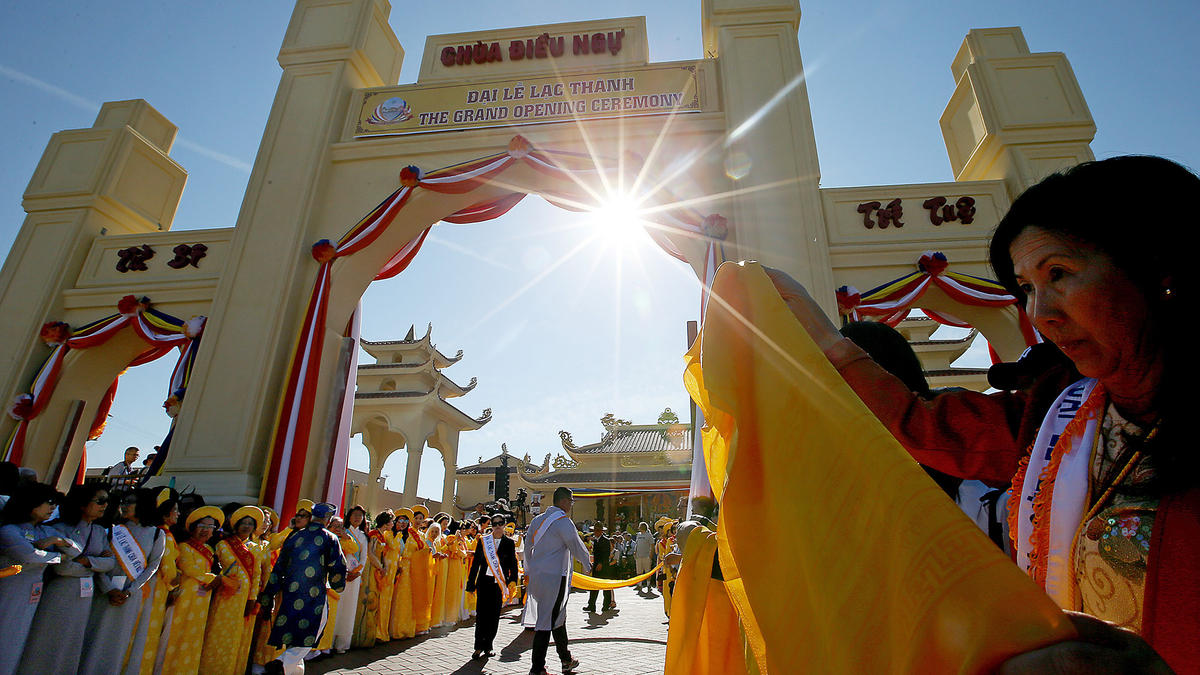
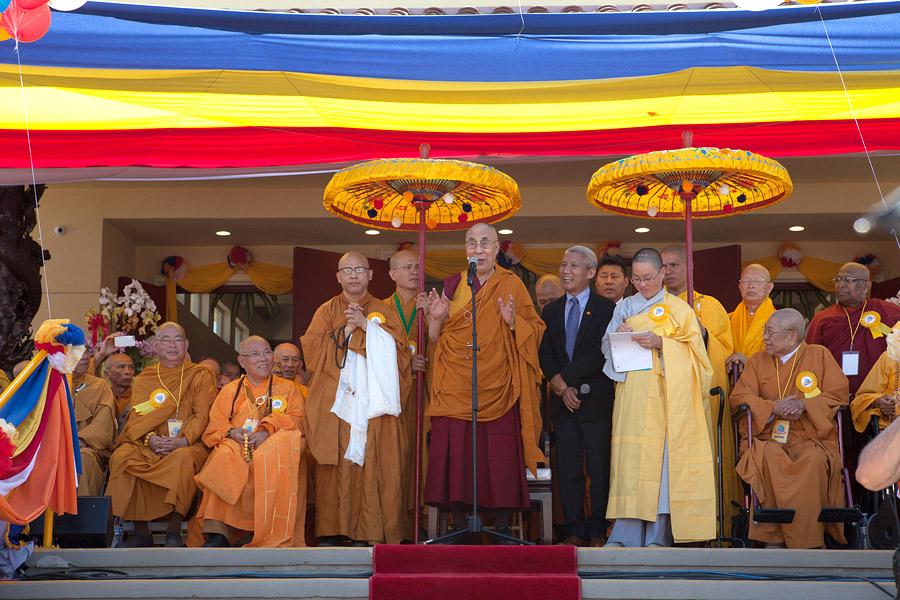
The Dalai Lama prays at the Dieu Ngu Temple in Westminster, Calif., June 18, 2016.

MIKE O’SULLIVAN

June 18, 2016 8:15 PM

WESTMINSTER, CALIFORNIA—

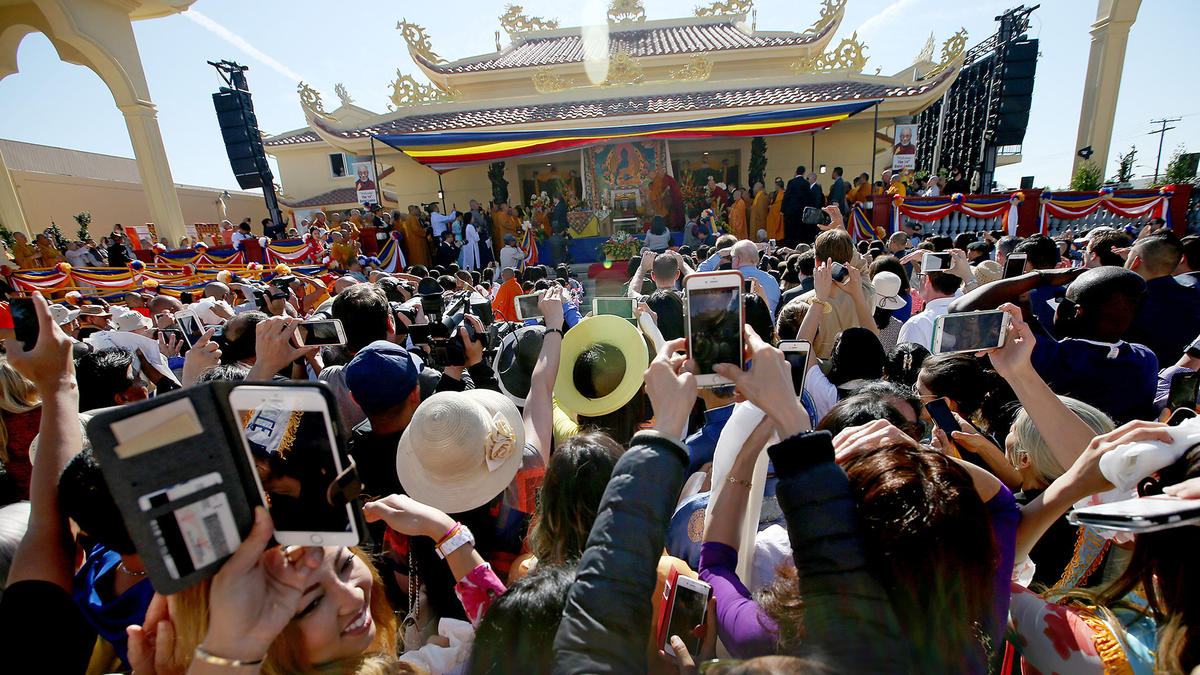
Thousands of people, many of them Buddhists who left Vietnam decades ago and came to the U.S. to live, have flocked to the Southern California neighborhood known as Little Saigon to welcome the Dalai Lama, the exiled Tibetan spiritual leader, who is dedicating a new temple there.

At a religious teaching session Saturday that drew many visitors, the 80-year-old Dalai Lama said the world needs more compassion in a time of violence.

Canadian Lyane Pellerin, who has attended many talks by the Dalai Lama in the past, agreed, saying, “We certainly do need more peace talks and kindness, understanding and dialogue.”

Trouble in Tibet – Which Type of Force Can Evict China? Dalai Lama Opens California Temple with Message of Compassion.

The Dalai Lama will dedicate the $6 million Dieu Ngu Temple on Saturday. (M. O’Sullivan/VOA)

Thousands of people gathered outside the Dieu Ngu Temple early Saturday, waiting for the gates to open at 6 a.m. The Dalai Lama will dedicate the temple Sunday.

“Just to be in the presence of the Dalai Lama is a wonderful thing,” said Wanda Matjas, one of those who turned out at dawn.

‘A WISE, WISE MAN’

Vietnamese-American Annie Hoang said she came to hear the revered Tibetan monk’s spiritual message.

“I’ve loved the Dalai Lama,” she said. “I think that he’s such a wise, wise man, and he represents such great knowledge, and everything that I’ve always wanted.”

The Dalai Lama’s presence is an important boost for the Dieu Ngu Temple, a $6 million project that marks a milestone of growth for the Vietnamese Buddhist community. Vietnamese immigrants — Buddhists, Catholics and others — have built their community over the past four decades in Southern California, where they arrived in search of political and religious freedom.

Trouble in Tibet – Which Type of Force Can Evict China? Dalai Lama Opens California Temple with Message of Compassion.

“I remember when we started building this,” Jessica Ha says of the Dieu Ngu Temple.
“Our monks’ biggest dream was to have the Dalai Lama come and talk.” (M. O’Sullivan/VOA)
The temple was founded in a Little Saigon home in 2008 and later moved to a warehouse as it grew. Monks and temple members spearheaded the drive to raise funds for the new structure, which features traditional architecture.

“I remember when we started building this,” said Jessica Ha, whose parents are longtime members. “Our monks’ biggest dream was to have the Dalai Lama come and talk, and it’s happening! Good things come to really good people, and this is it.”

DRAWN TO PHILOSOPHY

The Dalai Lama always draws interest from non-Asians.

Trouble in Tibet – Which Type of Force Can Evict China? Dalai Lama Opens California Temple with Message of Compassion.

Temple visitor Eve Moon says her family was drawn to “Buddhist philosophy and the Dalai Lama’s message, and in general, humanitarianism and peace.” (M. O’Sullivan/VOA)


“I was raised by parents who traveled the world and a Vietnam vet father that didn’t know where home was anymore,” said visitor Eve Moon. She said her family was drawn to “Buddhist philosophy and the Dalai Lama’s message, and in general, humanitarianism and peace.”

Buddhists from many traditions — Chinese and Southeast Asian, among others — came to the temple. They included Czech visitor Martin Vitovic, who embraces the Dalai Lama’s teachings. He said he’d been interested in the Tibetan’s message for “about three years, and I want to see him.”

Vietnamese-American Buddhists said the Dalai Lama inspired listeners with his message, and they felt his visit also drew attention to California’s Little Saigon and its imposing new temple.

Trouble in Tibet – Which Type of Force Can Evict China? Dalai Lama Opens California Temple with Message of Compassion.
Trouble in Tibet - Which Type of Force Can Evict China? Dalai Lama Opens California Temple With Message of Compassion.
Trouble in Tibet – Which Type of Force Can Evict China? Dalai Lama Opens California Temple With Message of Compassion.
Trouble in Tibet - Which Type of Force Can Evict China? Dalai Lama Opens California Temple With Message of Compassion.
Trouble in Tibet – Which Type of Force Can Evict China? Dalai Lama Opens California Temple With Message of Compassion.
Trouble in Tibet - Which Type of Force Can Evict China? Dalai Lama Opens California Temple With Message of Compassion.
Trouble in Tibet – Which Type of Force Can Evict China? Dalai Lama Opens California Temple With Message of Compassion.
Trouble in Tibet - Which Type of Force Can Evict China? Dalai Lama opens California Temple With Message of Compassion.
Trouble in Tibet – Which Type of Force Can Evict China? Dalai Lama opens California Temple With Message of Compassion.
Tibetans under the Spiritual Leadership of His Holiness the Dalai Lama have shared their Road Map for Peace and Reconciliation in Occupied Tibet. However, Red China is adamantly refusing to talk to Tibetans to secure a Peaceful Resolution of Conflict in Tibet. In my analysis, Compassion can act as Physical Force and evict China from Occupied Tibetan territories without causing Pain and Suffering to members of People’s Liberation Army. Compassion exerts influence in Physical World without causing injury or illness.

Whole Trouble – Where is hope for World’s Future?

Trouble in Tibet – Where is hope for World’s Future

Trouble in Tibet – Where is hope for World’s Future

Pin by Jan Bevis on Hope, kindness, courage, selflessness, positivity ...

I am not able to share the sense of optimism expressed by His Holiness the Dalai Lama about World’s Future. In my view, Tibet’s military occupation is symptom of World’s Spiritual Sickness. I am not expressing sense of Fear, Despair, or Hopelessness. I am stating that the World has no Future as long as nations like United States, and India continue to maintain trade and commerce relations with Red China with no concern for values of Freedom, Democracy, Peace, and Justice.

The Washington Post

The Dalai Lama: Why I’m hopeful about the world’s future

The Dalai Lama says the shooting at an Orlando gay nightclub that left 49 people dead is an example of outdated “20th century” thinking. (Reuters)

By The Dalai Lama June 13 at 3:47 PM

The 14th Dalai Lama, Tenzin Gyatso, is the spiritual leader of Tibet. Since 1959, he has lived in exile in Dharamsala in northern India.

Almost six decades have passed since I left my homeland, Tibet, and became a refugee. Thanks to the kindness of the government and people of India, we Tibetans found a second home where we could live in dignity and freedom, able to keep our language, culture and Buddhist traditions alive.

My generation has witnessed so much violence — some historians estimate that more than 200 million people were killed in conflicts in the 20th century.

Today, there is no end in sight to the horrific violence in the Middle East, which in the case of Syria has led to the greatest refugee crisis in a generation. Appalling terrorist attacks — as we were sadly reminded this weekend — have created deep-seated fear. While it would be easy to feel a sense of hopelessness and despair, it is all the more necessary in the early years of the 21st century to be realistic and optimistic.

There are many reasons for us to be hopeful. Recognition of universal human rights, including the right to self-determination, has expanded beyond anything imagined a century ago. There is growing international consensus in support of gender equality and respect for women. Particularly among the younger generation, there is a widespread rejection of war as a means of solving problems. Across the world, many are doing valuable work to prevent terrorism, recognizing the depths of misunderstanding and the divisive idea of “us” and “them” that is so dangerous. Significant reductions in the world’s arsenal of nuclear weapons mean that setting a timetable for further reductions and ultimately the elimination of nuclear weapons — a sentiment President Obama recently reiterated in Hiroshima, Japan — no longer seem a mere dream.

The notion of absolute victory for one side and defeat of another is thoroughly outdated; in some situations, following conflict, suffering arises from a state that cannot be described as either war or peace. Violence inevitably incurs further violence. Indeed, history has shown that nonviolent resistance ushers in more durable and peaceful democracies and is more successful in removing authoritarian regimes than violent struggle.

It is not enough simply to pray. There are solutions to many of the problems we face; new mechanisms for dialogue need to be created, along with systems of education to inculcate moral values. These must be grounded in the perspective that we all belong to one human family and that together we can take action to address global challenges.

It is encouraging that we have seen many ordinary people across the world displaying great compassion toward the plight of refugees, from those who have rescued them from the sea, to those who have taken them in and provided friendship and support. As a refugee myself, I feel a strong empathy for their situation, and when we see their anguish, we should do all we can to help them. I can also understan the fears of people in host countries, who may feel overwhelmed. The combination of circumstances draws attention to the vital importance of collective action toward restoring genuine peace to the lands these refugees are fleeing.

Tibetan refugees have firsthand experience of living through such circumstances and, although we have not yet been able to return to our homeland, we are grateful for the humanitarian support we have received through the decades from friends, including the people of the United States.

A further source of hope is the genuine cooperation among the world’s nations toward a common goal evident in the Paris accord on climate change. When global warming threatens the health of this planet that is our only home, it is only by considering the larger global interest that local and national interests will be met.

I have a personal connection to this issue because Tibet is the world’s highest plateau and is an epicenter of global climate change, warming nearly three times as fast as the rest of the world. It is the largest repository of water outside the two poles and the source of the Earth’s most extensive river system, critical to the world’s 10 most densely populated nations.

To find solutions to the environmental crisis and violent conflicts that confront us in the 21st century, we need to seek new answers. Even though I am a Buddhist monk, I believe that these solutions lie beyond religion in the promotion of a concept I call secular ethics. This is an approach to educating ourselves based on scientific findings, common experience and common sense — a more universal approach to the promotion of our shared human values.

Over more than three decades, my discussions with scientists, educators and social workers from across the globe have revealed common concerns. As a result, we have developed a system that incorporates an education of the heart, but one that is based on study of the workings of the mind and emotions through scholarship and scientific research rather than religious practice. Since we need moral principles — compassion, respect for others, kindness, taking responsibility — in every field of human activity, we are working to help schools and colleges create opportunities for young people to develop greater self-awareness, to learn how to manage destructive emotions and cultivate social skills. Such training is being incorporated into the curriculum of many schools in North America and Europe — I am involved with work at Emory University on a new curriculum on secular ethics that is being introduced in several schools in India and the United States.

It is our collective responsibility to ensure that the 21st century does not repeat the pain and bloodshed of the past. Because human nature is basically compassionate, I believe it is possible that decades from now we will see an era of peace — but we must work together as global citizens of a shared planet.

The Dalai Lama travels the globe - The Washington Post

... the Dalai Lama. But the U.S. shouldn’t worry. - The Washington Post

Dalai Lama / Elton Melo )

Whole Trouble – The Horrors of Dancing with Red Dragon

Trouble in Tibet – Dancing with Red Dragon

TROUBLE IN TIBET – DANCING WITH RED DRAGON. WHO CAN FIGHT A WAR AGAINST RED DRAGON?

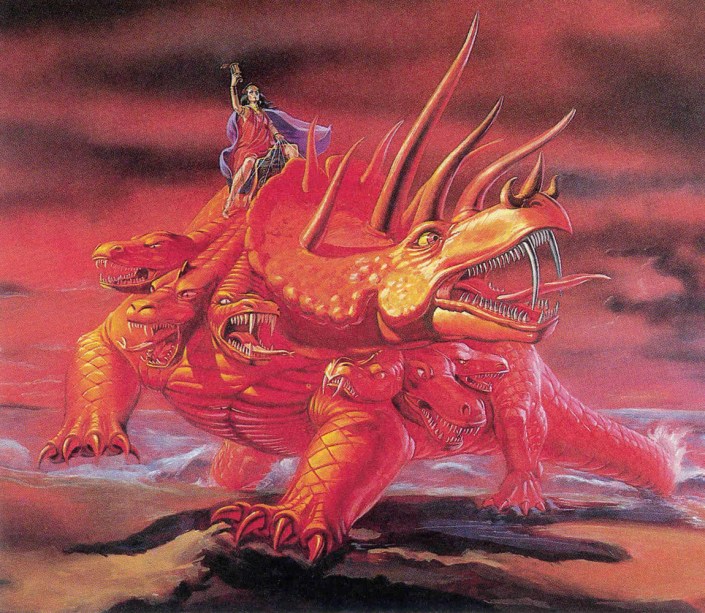
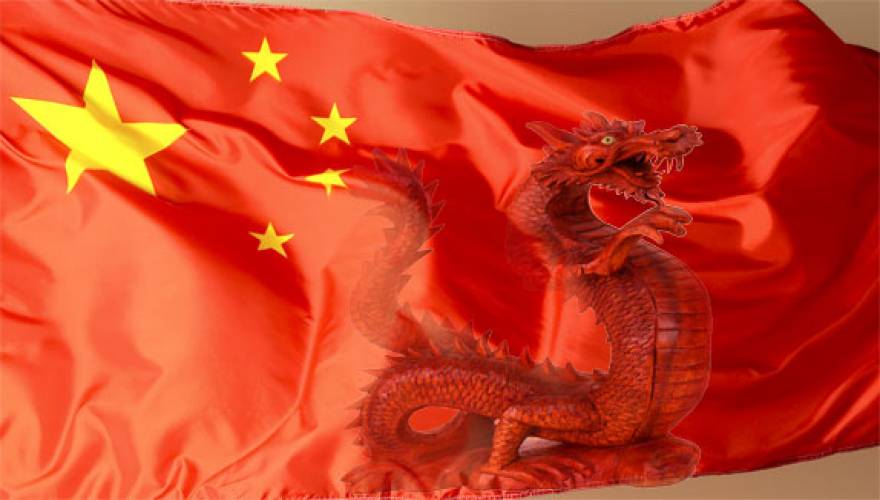
Tibetans lived in serene, calm, peaceful, and undisturbed condition for several centuries making it possible for the reincarnations of Dalai Lama. Unprovoked Communist aggression of 1950 changed the lives of Tibetans. Dalai Lama’s reincarnation remains on hold while Tibetans cope with dangers posed by ‘Dancing With Red Dragon’.

TROUBLE IN TIBET – DANCING WITH RED DRAGON. WHO CAN FIGHT A WAR AGAINST RED DRAGON?

I am not surprised by the decision to keep the issue of the Dalai Lama reincarnation on an indefinite hold. Even Jesus Christ who promised His Second Coming has not yet returned while people of faith have been spending lives in hopeful expectation for over 2,000 years.

Trouble in Tibet – Dancing With Red Dragon. Who Can Fight a War Against Red Dragon? The Fall of Evil Empire with Second Coming of Christ.

Dalai Lama reincarnation or Second Coming of Christ will follow the Fall of Evil Red Empire.

WHY THE DALAI LAMA SAYS REINCARNATION MIGHT NOT BE FOR HIM

TROUBLE IN TIBET – DANCING WITH RED DRAGON: NO REINCARNATION OF DALAI LAMA WITHOUT FREEDOM IN OCCUPIED TIBET.

Tibet’s spiritual leader, the Dalai Lama, says he may be the last in the line. China says he doesn’t have a say. “The title of Dalai Lama is conferred by the central government,” the government says.

Sean Silbert

The Dalai Lama, Tibetan Buddhism’s highest spiritual authority, says he may not reincarnate after he dies.

Adherents of Tibetan Buddhism believe the Dalai Lama, the religion’s highest spiritual authority, has been reincarnated in an unbroken line for centuries. But the current Dalai Lama says he may be the last.
In an interview with the BBC this week, the 79-year-old Nobel Peace Prize recipient said that he may not reincarnate after he dies.

“There is no guarantee that some stupid Dalai Lama won’t come next, who will disgrace himself or herself,” he said. “That would be very sad. So, much better that a centuries-old tradition should cease at the time of a quite popular Dalai Lama.”
But what does reincarnation mean, and why would the Dalai Lama not want to have a successor?

How do Tibetan Buddhists believe reincarnation works?
Tibetan Buddhism teaches that after death, nearly all of us are flung back into the world of the living under the influence of harmful impulses and desires. But through compassion and prayer, a few can choose the time, place and the parents to whom they return. This affirms Buddhist teachings that one’s spirit can return to benefit humanity; it also serves to maintain a strong theological and political structure based around monasticism and celibacy.
There is no guarantee that some stupid Dalai Lama won’t come next, who will disgrace himself or herself. — The Dalai Lama
The process through which reincarnated Buddhist masters, known as “tulkus,” are discovered is not uniform among the four main schools of Tibetan Buddhism. But generally, through dreams, signals, and other clues, senior monks identify candidates from a pool of boys born around the time the previous incarnation died. The current Dalai Lama is the 14th in the line of the Gelug school. The son of a farmer, he was recognized in 1950 after he correctly picked out objects owned by his predecessor, such as a bowl and prayer beads, jumbled among unfamiliar items.

So why would the Dalai Lama refuse to reincarnate?

Almost certainly to prevent the Chinese government from inserting itself into the process for political ends. Tibet was incorporated into China more than 60 years ago; the Dalai Lama went into exile in India in 1959 amid a revolt. China’s government has denounced him as a separatist, but the Dalai Lama currently says he only seeks a high degree of autonomy for Tibet.
In the mid-1990s, the Dalai Lama identified a 6-year-old boy as the Panchen Lama, a position second only to the Dalai Lama himself. But Chinese authorities took custody of the child, and his whereabouts remain unclear. Meanwhile, Chinese authorities identified another youth as the Panchen Lama, but he never won the trust of Tibetans.
In 2011, the Dalai Lama wrote: “Should the concerned public express a strong wish for the Dalai Lamas to continue, there is an obvious risk of vested political interests misusing the reincarnation system to fulfill their own political agenda.” He said then that he would reevaluate whether the custom should go on when he was in his 90s.

Why the statement now?


In fact, the Dalai Lama has claimed that as early as 1969 he made clear that the Tibetan people should decide whether reincarnations should continue. He has previously stated that he would not reincarnate in Tibet if it were not free, and he has mused that the Tibetan people should select their religious leaders democratically. To that effect, he has already divested the political power of his role to an elected official, based in India.
In September, the Dalai Lama stepped up his rhetoric on this point, raising the suggestion that he might be the last of his line. “If a weak Dalai Lama comes along, it will just disgrace the Dalai Lama,” he told the German newspaper Welt am Sonntag.

What do Chinese authorities say?


After the Dalai Lama’s statement in September, the Chinese government issued a firm rebuttal. Foreign Ministry spokeswoman Hua Chunying told reporters, “The title of Dalai Lama is conferred by the central government.” China, which is officially atheist, will follow “set religious procedure and historic custom” to select a successor, she said.
Other officials have followed suit. “Only the central government can decide on keeping, or getting rid of, the Dalai Lama’s lineage, and the 14th Dalai Lama does not have the final say,” Zhu Weiqun, chairman of the ethnic and religious affairs committee of a high-ranking advisory body to China’s parliament, told the state-run Global Times newspaper this week. “All [the Dalai Lama] can do is use his religious title to write about the continuation or not of the Dalai Lama to get eyeballs overseas.”

What happens next?


It’s unclear what will happen when the Dalai Lama dies, but the decision is a sensitive one that will put pressure on the Chinese government.
If the Chinese government does select a successor, its choice could be rejected by Tibetans, and that could exacerbate strained relations.
But the Dalai Lama has made nonviolence a key tenet of his teachings, and losing him – and any reincarnation – could also be risky.
Wu Chuke, a professor of social science at Beijing’s Ethnic Studies University, said that if the position is left empty, “many of the Tibetan Buddhists in China will feel like that the not being able to be reincarnated will be due to restrictions from the government and will further damage the relationship between them. This will put new pressure on the Chinese government in how they will deal with this problem.”

Silbert is a special correspondent.
Copyright © 2016, LOS ANGELES TIMES

TROUBLE IN TIBET – DANCING WITH RED DRAGON: NO REINCARNATION OF DALAI LAMA WITHOUT FREEDOM IN OCCUPIED TIBET.