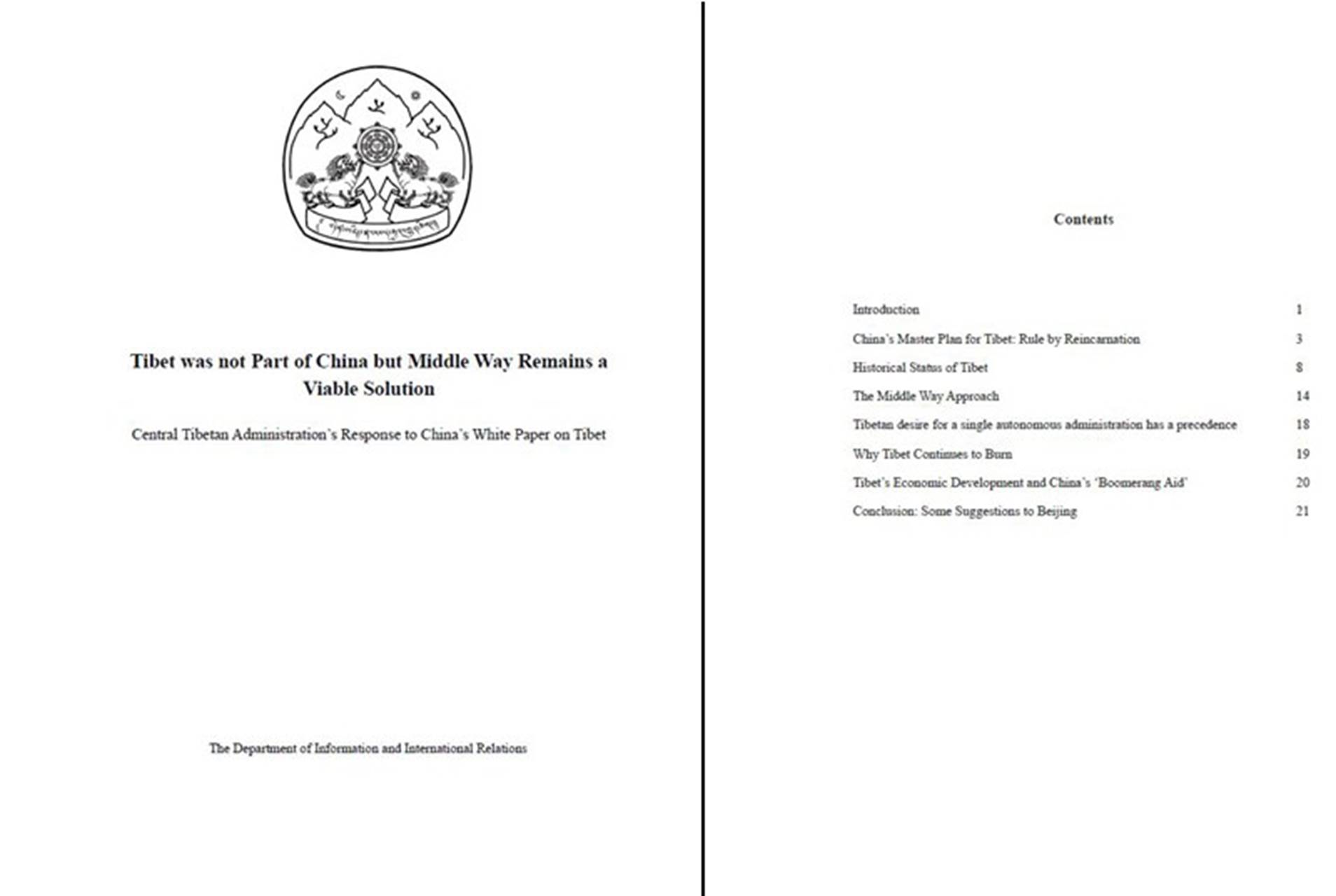
The Department of Information and International Relations (DIIR) of Central Tibetan Administration (CTA) released a new report on Tibet titled ‘Tibet Was not Part of China But Middle Way Remains a Viable Solution’.
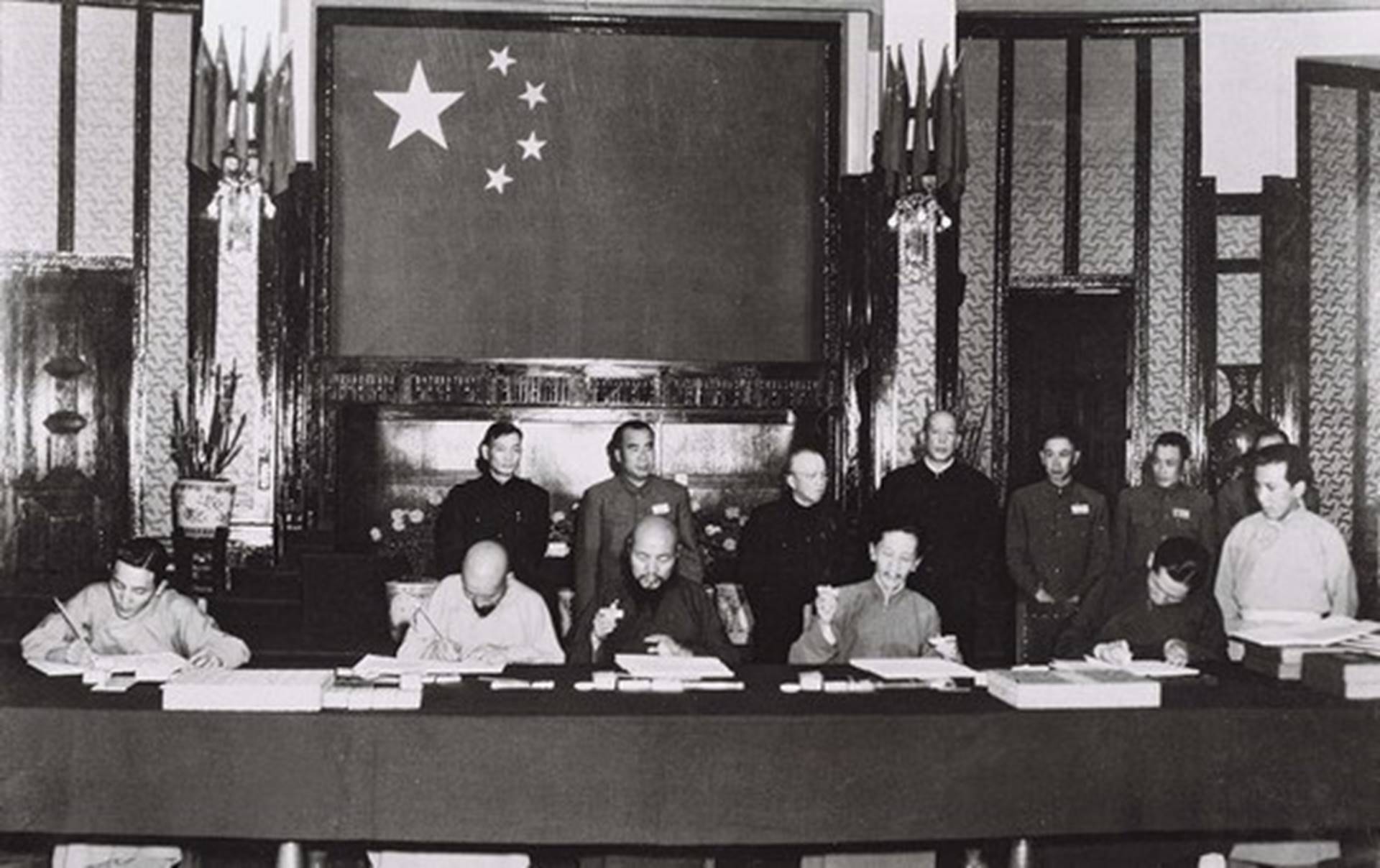
New Report on Tibet – Once Bitten, Twice Shy. Tibet’s attempt to secure meaningful autonomy on May 23, 1951, was disastrous.
But, we tried this Middle Way Approach on May 23, 1951, with disastrous consequences. As the saying goes, “Once Bitten, Twice Shy” Tibet cannot afford to bite the Bullet twice. Communist China insists that she has the right to control the Reincarnation of the Dalai Lama. The discussion about ‘Meaningful Autonomy’ has become redundant for Chinese Colonization of Tibet includes total Subjugation of all Social and Political Institutions of Tibet that give “Meaning” to Tibetan Identity.
New Delhi, Oct 30: From incidents of self-immolations, human rights, cultural genocide to the history of Tibet’s status and reincarnation of His Holiness the Dalai Lama — a new report released on Tuesday highlights the contemporary and prevalent issues faced by Tibet.
The report titled ‘Tibet Was Never A Part Of China But The Middle Way Approach Remains a Viable Solution’ was launched by the Department of Information and International Relations (DIIR) of Central Tibetan Administration (CTA).
The report, organized into nine chapters, covers self-immolations, human rights, cultural genocide, the history of Tibet’s status, the environment, urbanization, economic development, the reincarnation of His Holiness the Dalai Lama, and the Middle Way Policy.
“The chapters aim to be comprehensive but digestible. Given that each topic could be a book of its own, the report serves as an overview of the most pressing issues in Tibet for those involved with or interested in the Tibetan cause,” DIIR’s Information Secretary Dhardon Sharling said during the launch of the report.
Published in Tibetan, English and Chinese languages, the report was unveiled by Prof. Anand Kumar and Dr Lobsang Sangay, President, Central Tibetan Administration here.
“For Tibetans, information is a precious commodity. Severe restrictions on expression accompanied by a relentless disinformation campaign engender facts, knowledge and truth to become priceless. This has long been the case with Tibet. This report marks the CTA’s current contribution to this effort,” said CTA President Dr Lobsang Sangay.
TIBET EQUILIBRIUM IS BALANCE BETWEEN NATURE AND POLITICAL POWER
Tibet Equilibrium is Balance Between Nature and Political Power.
In my analysis, the Tibetan Resistance Movement primarily aims at achieving the Balance between Natural Freedom and Political Power of any entity that rules over the lives of Tibetan People. For centuries, on account of Tibet Equilibrium, Tibetans enjoyed independent lifestyles despite military conquests of Tibet by Yuan and Manchu Dynasties of China. Red China’s military invasion, military occupation and colonization of Tibet impose severe strains on Nature as well as all denizens of Tibetan Plateau.
Tibetans are left with no choice other than that of Resistance for Red China rules over Tibet with Iron Fist severely undermining the experience of Natural Balance, Natural Harmony, and Natural Tranquility, the gifts of Nature and Natural Conditions presiding over Tibetan Existence from the beginning of its long History.
Tibet Equilibrium can be defined as the Balance Between Nature and Political Power.
Nik Fes – Sep 17, 2018
Tibet Equilibrium can be defined as the Balance Between Nature and Political Power.
The Chinese Tibet Autonomous Region wants to put environmental protection measures before the development of tourism. Nature and tourism need to coexist in balance.
The tourism industry in the region has developed rapidly in recent years and has become a growth driver, said Qizhala, the chairman of the local government.
Tourism contributes to Tibet’s GDP with at least 30%, according to him. The number of tourists from home and abroad arriving in Tibet annually is expected to reach 30 million, compared to 10 million in 2012 and 20 million in 2015.
Despite the incredible tourism book, the local government has always emphasized environmental protection. Experts have also advised balancing environmental protection, nature and tourism. Efforts are being made to prevent “blind development and overdevelopment,” as described by Qizhala.
The region plans to reduce the number of tourists who want to visit vantage points near glaciers, such as Qomolangma mountain. A cap on visits to Mount Qomolangma is set to be established and implemented in 2019.
“We always have to keep an eye on the minimum standard of environmental protection,” Qizhala said. Since 2009, a total of 9.6 billion yuan ($1.4 billion) has been invested in environmental protection in the region. Last year alone, 1.14 billion yuan was invested.
In order to protect wildlife better, a mechanism was introduced in 2015 to provide compensation to farmers and shepherds who have suffered wildlife losses. So far, 85 million yuan has been spent on it.
Regarding the future, Yao Tandong, director of the Institute for the Qinghai-Tibet Plateau suggests that more national parks be built to make better use of tourism resources and protect the environment.
The region is considering setting up four national parks. These include Tibet’s largest lake, the mountain Qomolangma, the Yarlung Zangbo, and the earth forest of the Kingdom of Guge. Once these scenic national parks have been established, consistent planning for their protection can be implemented to minimize the environmental damage caused by tourism, Qizhala concluded.
Tibet Equilibrium is Balance Between Nature and Political Power.
THE POPE’S JUDAS KISS TO SEAL THE DEAL WITH COMMUNIST CHINA
The Pope’s Judas Kiss to Seal the Deal with Communist China.
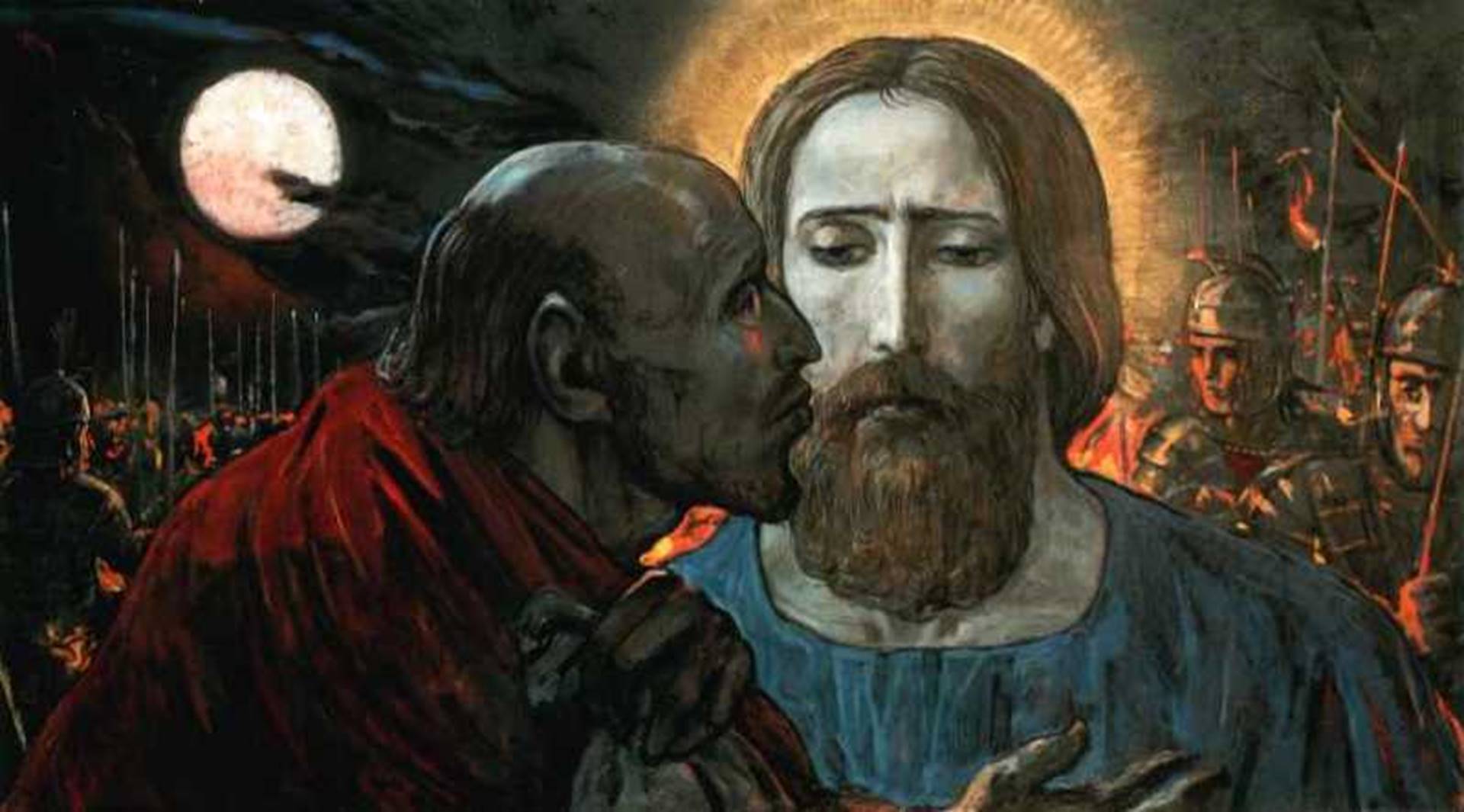
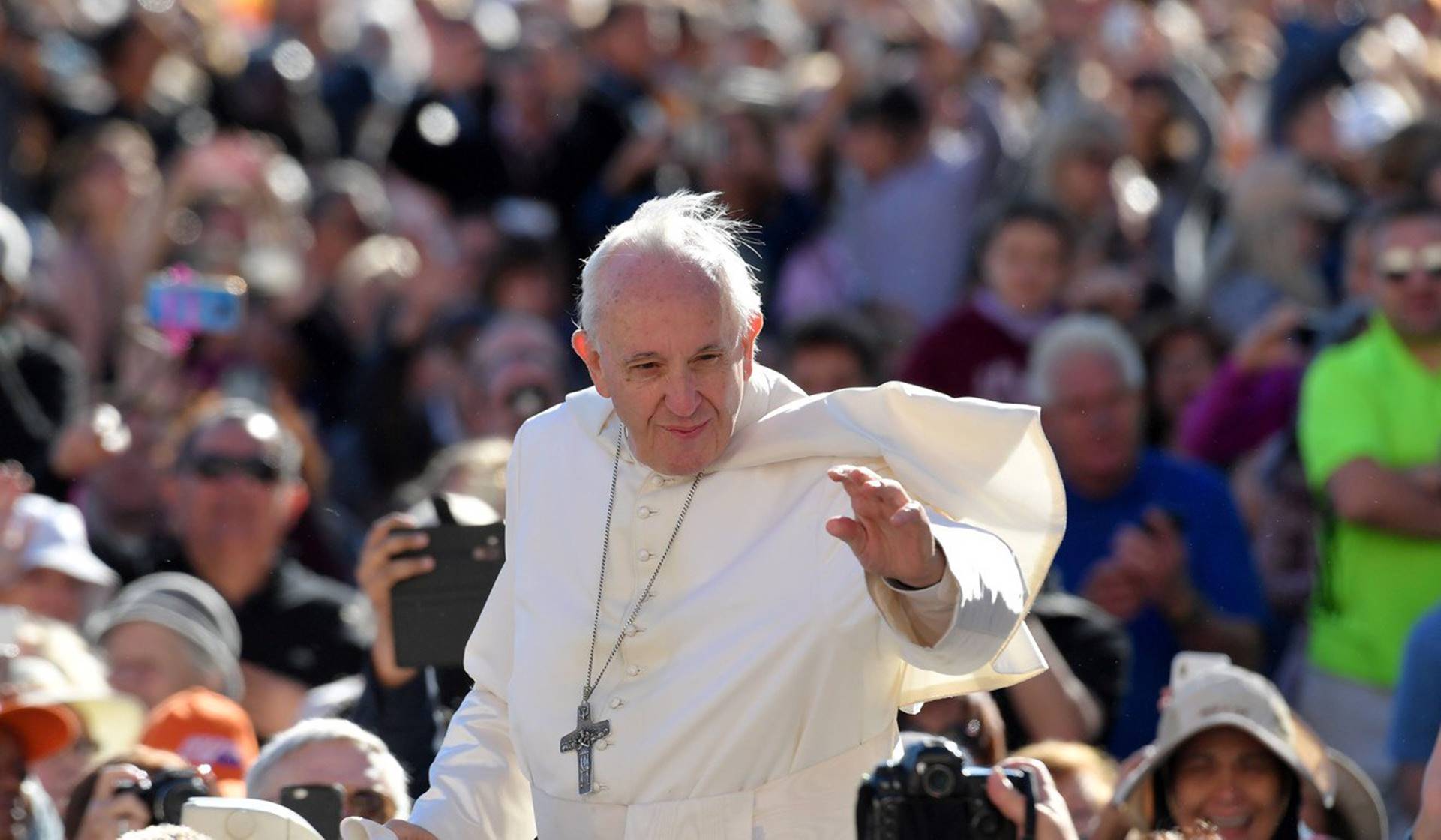
In my analysis, the Vatican deal with Communist China represents an act of betrayal. Pope Francis betrayed Jesus Christ to permit Communist China a role in the selection of Archbishops for Catholic Churches in China.
The Living Tibetan Spirits would not expect His Holiness the Dalai Lama to walk in the footsteps of Pope Francis to forsake his faith to save the Dalai Lama Institution of Tibet.
The Pope’s Judas Kiss to Seal the Deal with Communist China.
The Pope has kissed and made up with China. Can the Dalai Lama?
The Pope’s Judas Kiss to Seal the Deal with Communist China.
Pope Francis has pulled off a landmark deal by getting Beijing to recognize the Vatican’s influence – and his approach may impart valuable lessons to the Dalai Lama, should there be any hope for reconciliation with Tibet on the cards
Pope Francis has pulled off a landmark deal by getting Beijing to recognize the Vatican’s influence – and his approach may impart valuable lessons to the Dalai Lama, should there be any hope for reconciliation with Tibet on the cards
The Pope’s Judas Kiss to Seal the Deal with Communist China.
The Dalai Lama must make his peace with an antithetical political authority and persevere in good faith. Photo: Reuters
The reigning Bishop of Rome, Francis, is not your typical stodgy pontiff. In the five short years since his elevation as the first non-European head of the Roman Catholic Church since 741 AD, he has displayed latitude of mind, the courage of conviction, and deftness of diplomatic skill that is rare even among statesmen.
In August 2014, on entering Chinese airspace during a flight to Seoul, he broke six decades of silence between the Vatican and the head of China’s government by posting a message of goodwill to President Xi Jinping. Fittingly, on his birthday later that December, talks brokered by Francis were announced that would in time lead to the normalization of ties between the Castro regime in Cuba and the Obama administration. The US-Cuba agreement was signed at the Vatican Secretariat of State. In February 2016, almost a thousand years after the rupture of the Eastern and Western branches of Christianity, Pope Francis held the first meeting with his Russian Orthodox counterpart, Patriarch Kirill, in Havana. Francis’ millennia-spanning achievements are not one for the faint-hearted.
Last week, Pope Francis registered his biggest diplomatic breakthrough yet: a landmark agreement with the government of the People’s Republic on the ordination of bishops in China. As per the agreement, Beijing – 67 years after snapping ties with the Vatican – will formally recognize the Pope’s jurisdiction as the head of the Catholic Church in China as well as the final authority in deciding on candidates for bishops in the country.
The Chinese Catholic Patriotic Association (CCPA), the “self-run Church” hitherto established and controlled by the state, is to be downgraded and reoriented. In exchange, Pope Francis is expected to lift the excommunications of seven CCPA-installed bishops and formally recognize them as the leaders of their dioceses. More broadly, a mechanism that enables Beijing to provide its acceptable slate of candidates and the Vatican to have a final say in selection will now be formalized.
The fate of the three dozen or so Vatican-approved prelates, some of whom are in prison, who are not recognized by the CCPA is unclear at this time. The larger hope, though, is that as the splintering of the Catholic Church in China is reversed, the churches above and underground will in time be reconciled. Perhaps, a papal visit could be on the cards, too.
The Pope’s Judas Kiss to Seal the Deal with Communist China.
Pope Francis’ list of achievements span millennia of history. Photo: AFP
Both sides stand to gain handsomely from the compromise. For the Vatican, its pre-eminence on all matters ecclesiastical in the sovereign territorial space of China has been formally confirmed for the first time by the communist government in Beijing. For the Chinese Communist Party, its overarching and “guiding” role in harnessing religious belief to “help social harmony, modernization [and a] healthy civilization” – a key principle of its post-1980s religious policy – is vindicated without having to cede (though having to share) control on key decision-making to an entity that is housed beyond its sovereign territorial space.
Now, if the Vatican can pull off a deal with Beijing, what about the Dalai Lama? As plausible as it may look in theory, the ramifications for the Tibetan Buddhist leader are more profound. And the bottom line is equally stark: while Beijing could in theory share, it will never cede control over key Tibetan Buddhism-related personnel matters, notably the recognition of tulkus (or “living Buddhas”), as long as the Dalai Lama remains in exile. And given that the Dalai Lama is double-hatted in Tibet’s theocratic political structure as its secular leader over a defined territorial space (unlike the Pope), it is all the more likely that Beijing will refuse to share – let alone cede – practical control over key personnel matters until the Dalai Lama returns to Tibet.
The failed effort in arriving at a consensual selection of a new Panchen Lama in the mid-1990s holds cautionary lessons. Following the untoward death of the revered lama in 1989, Beijing announced a search, selection and recognition process for his successor that initially ruled out a role for the Dalai Lama. Convinced otherwise by resident high lamas, Beijing reversed course in due time and accepted the involvement of the Dalai Lama in principle – if only to rubber-stamp its anointed choice.
By 1995, however, Beijing allegedly went so far as to turn a blind eye to a slate of candidates that it’s officially sanctioned search party (headed by a respected lama from Shigatse) had clandestinely submitted to the Dalai Lama for his prior approval. The process broke down in May that year, following the Dalai Lama’s fait accompli announcement of a young boy from northwest Tibet as the reincarnation of the 10th Panchen Lama.
The Pope’s Judas Kiss to Seal the Deal with Communist China.
The Vatican’s China deal has profound ramifications for the Tibetan Buddhist leader. Photo: Getty
Beijing’s essential bottom line remained consistent throughout while the prerogative of the Dalai Lama could be acknowledged and religious authority shared, akin to the China-Vatican accord, the overarching guiding role over religion in sovereign Tibetan territory rested ultimately with Beijing.
Four hundred years ago, the great Qing dynasty emperor, Kangxi – a patron of Jesuit cartography, astronomy and engineering – had insisted that Chinese rites of ancestor worship and public homage to Confucius, being civil rather than religious practices, should continue to be practiced by his converted Christian subjects. Conflating Kangxi’s injunction with an intrusion on the paramountcy of church doctrine, Pope Clement XI forbade Catholic missionaries from following the Emperor’s orders.
The episode did not end well for the Church. No less than China’s communist rulers today, the Kangxi Emperor refused to cede Beijing’s overarching guiding role over religion – and that too to an entity housed beyond its sovereign territorial space.
While one does not know if the Communist Party’s rule in Beijing will last as long the Qing dynasty’s multi-century reign, it is not about to disappear any time soon. The onus resides on the Dalai Lama’s shoulders to find a way to make peace and comity with Beijing – at least on matters that touch wholly and exclusively on Tibetan Buddhism. Dealing with the fraught issue of the limits of Tibet’s political and territorial autonomy is a different matter.
In March 2014, standing at the UNESCO headquarters in Paris, President Xi Jinping extolled the profound impact of Buddhism in China. If a monotheist leader from distant Latin America carrying the Catholic Church’s dubious historical baggage can arrive at a principled compromise with the leadership in Beijing, surely the Dalai Lama could – or should – be able to do better. But for that, the Dalai Lama must heed the lessons of Francis – foremost, make one’s peace with and accommodate an antithetical political authority and, secondarily, persevere in good faith to realize this accommodation. Is his Excellency listening?
Sourabh Gupta is a senior fellow at the Institute for China-America Studies in Washington
The Pope’s Judas Kiss to Seal the Deal with Communist China.
TIBET EQUILIBRIUM – THE BALANCE OF POWER – CHINA WANTS A PUPPET DALAI LAMA
Tibet Equilibrium. The Balance of Power. China Wants a Puppet Dalai Lama.
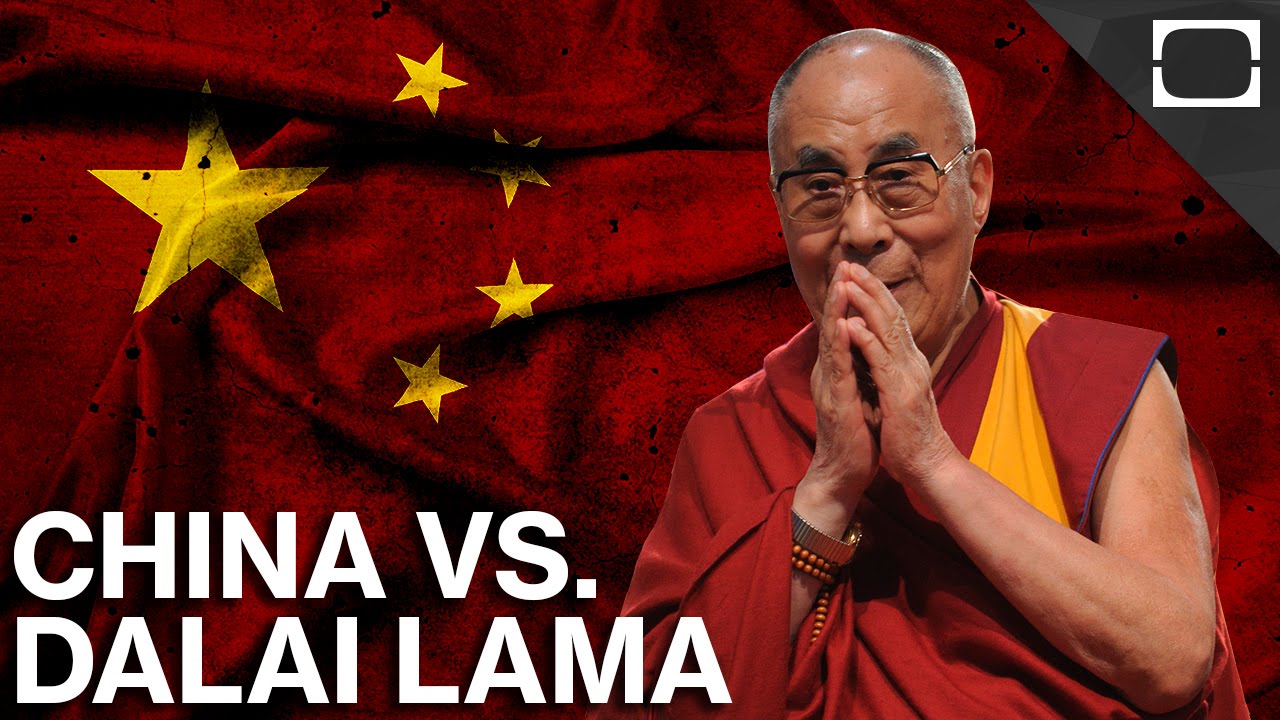
The Great Problem of Tibet cannot be resolved as Communist China demands a Dalai Lama it can control. China views Tibet as a Puppet Nation and wants the Dalai Lama to dance to the tune played in Beijing.
Tibet Equilibrium. The Balance of Power. China Wants a Puppet Dalai Lama.
Luis Sinco/Los Angeles Times/TNS/File
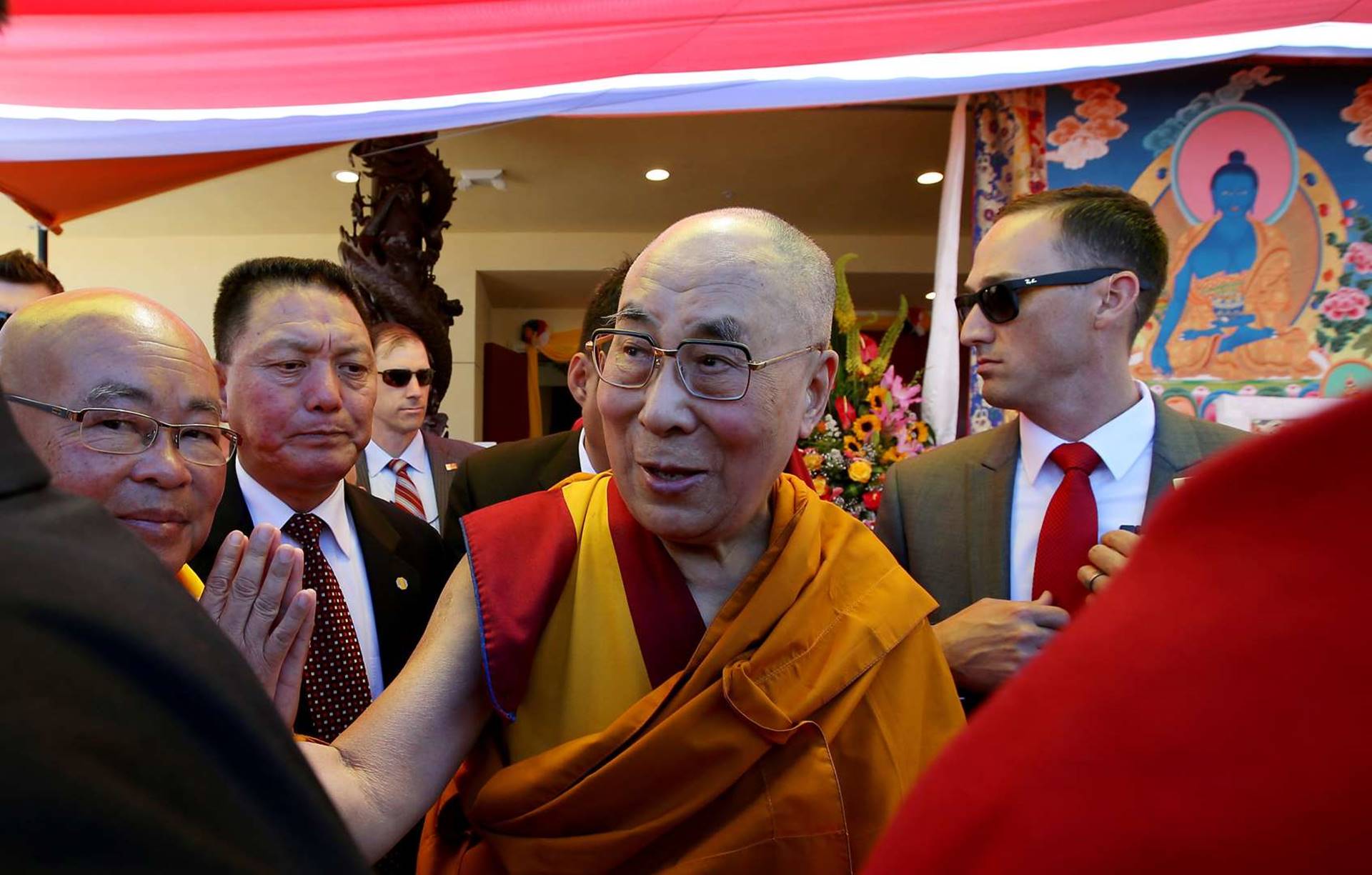
The Dalai Lama greets members of the Vietnamese American community during the opening of Chua Dieu Ngu Buddhist temple in Westminster, Calif., on Saturday, June 18, 2016.
The Dalai Lama greets members of the Vietnamese American community during the opening of Chua Dieu Ngu Buddhist temple in Westminster, Calif., on Saturday, June 18, 2016.
BEIJING For three centuries, a succession of Tibetan spiritual and political leaders known as Dalai Lama ruled from a crimson-and-white castle overlooking the city of Lhasa.
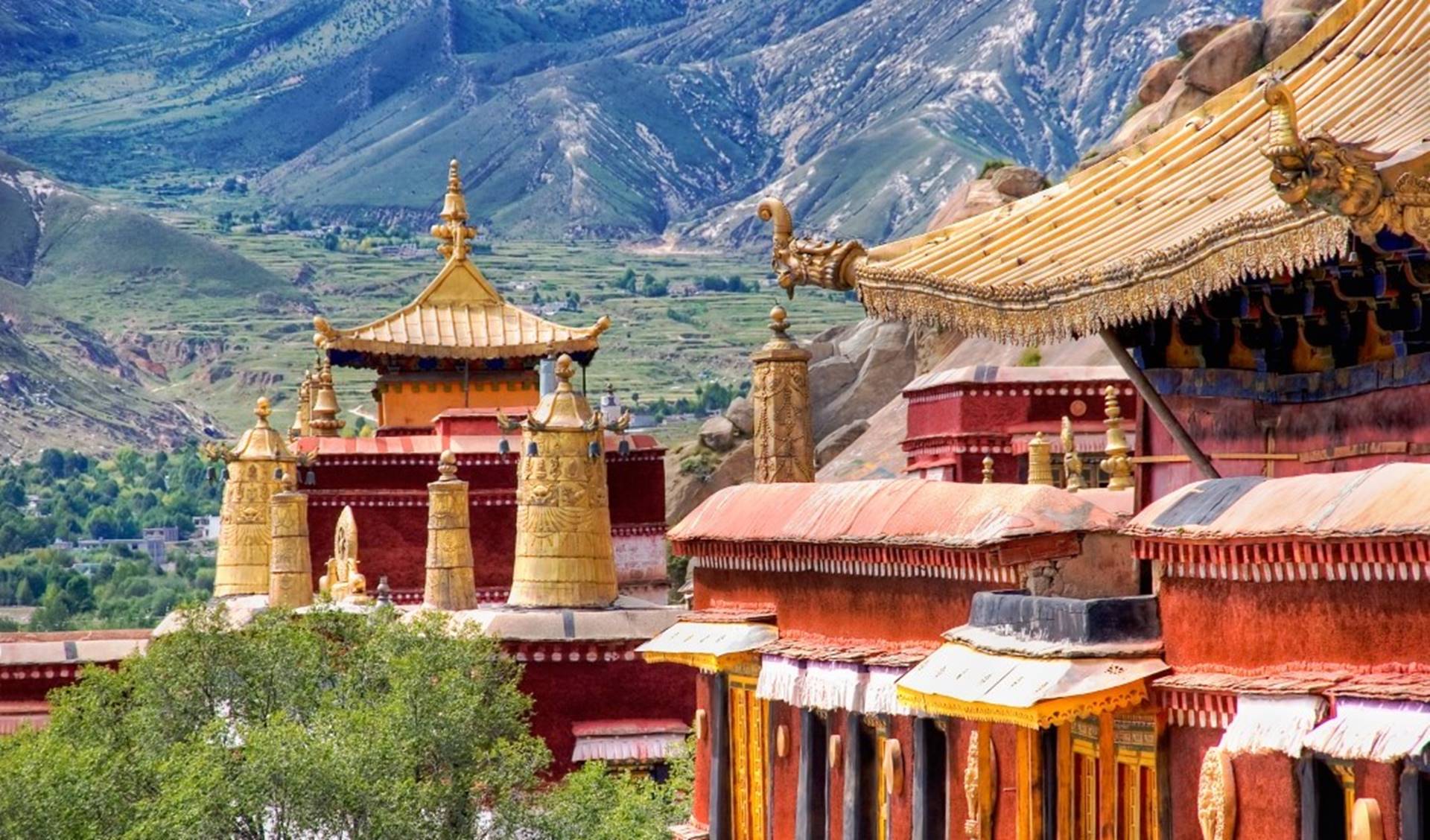
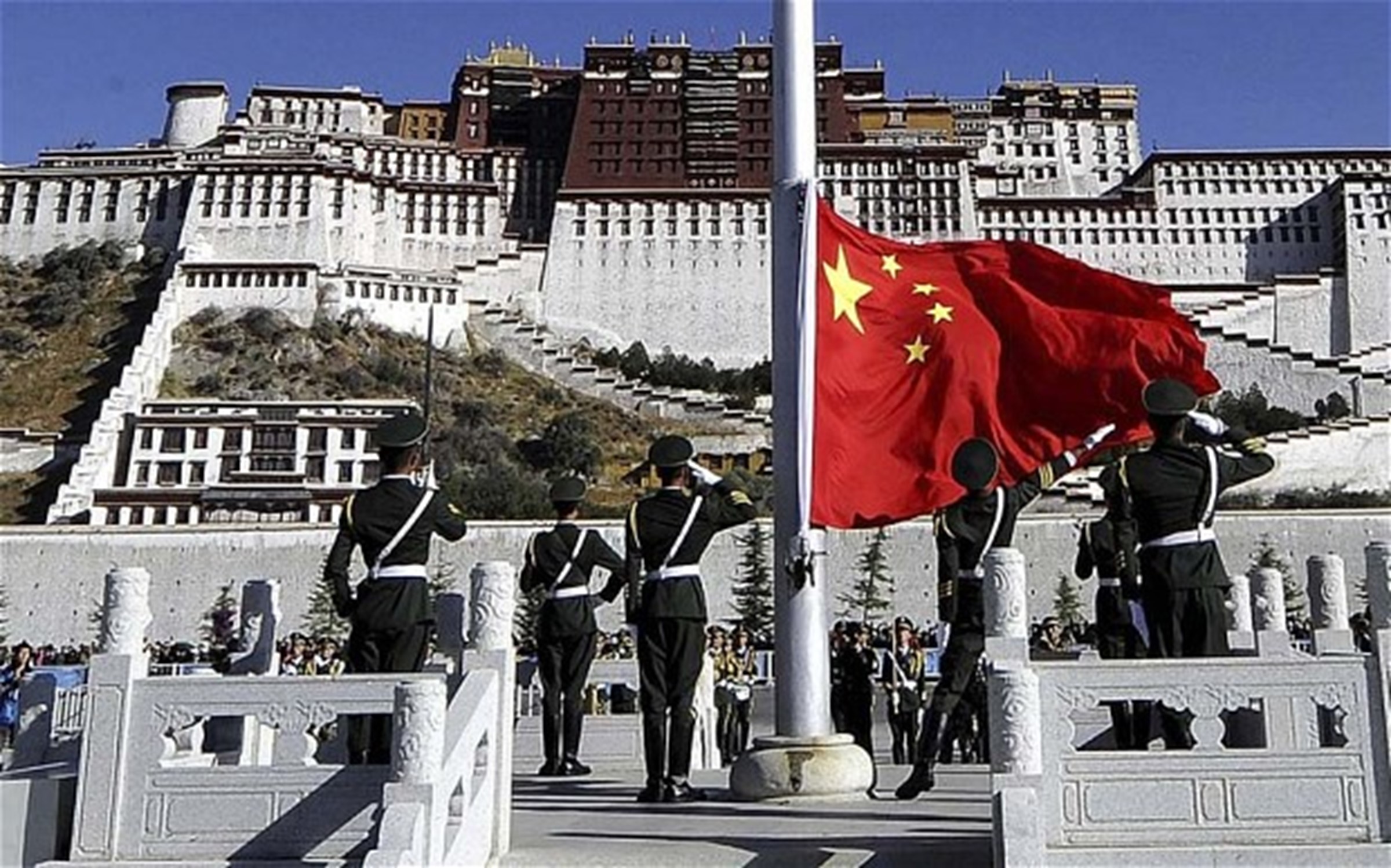
The Potala Palace as it’s known was the start of a rare tour of Tibet last month. The Chinese foreign ministry and local government hosted international journalists on a trip to the mountainous region, and I was one of them.
While the Potala Palace still dominates Lhasa’s skyline, the current Dalai Lama hasn’t lived there since 1959, when the twenty-something fled to India as the People’s Liberation Army quashed a revolt against Chinese rule. In the six decades since, the question of his return has been a persistent source of tension between China and the West.
The Chinese government says the Dalai Lama can return only if he gives up any pretensions for an independent Tibet. The Dalai Lama and his supporters say they don’t seek independence but instead greater autonomy within China’s system, including an elected legislature and independent judicial system. Beijing rejects that claim as insincere.
But with the spiritual leader now 83, his return has also become a question of succession. In a move that could rile China’s ties with Western democracies, Beijing has begun laying out the case for why it should appoint the Dalai Lama’s successor instead of his exiled supporters in northern India.
It was a topic that came up frequently on our government-organized trip, which has long been the sole way foreign journalists could travel to Tibet the only part of China where written permission is required to visit. Such trips have also become rarer after a spate of self-immolations earlier this decade prompted tightened security. Beijing blames the Dalai Lama, who it says has fomented the unrest, while his followers and human-rights activists say the cause is government oppression.
Tibet stands out as the only Chinese area where ethnic Han Chinese are a small minority. Of the 3.2 million who live in the mountainous region, more than 90 percent are ethnic Tibetan. China’s total population of 1.4 billion, by contrast, is more than 90 percent Han.
In April, the U.S. State Department blasted China for “severe” repression in Tibet, including arbitrary detention, censorship and travel restrictions. It counted five incidences of self-immolation in 2017 a drop-off from 83 in 2012 and noted the arrest of Tibetans who speak with foreigners, particularly journalists.
The Potala Palace was the first of many stops in our packed itinerary, which also included visits to businesses, holy sites, an orphanage, the home of a herdsman, a school teaching traditional Thangka painting and interviews with various local authorities. At each stop, we were able to ask whatever we wanted as officials looked on.
At the Dalai Lama’s former residence, we saw pilgrims leaving offerings of money in the room where he once received guests. On the wall was a portrait of the 13th Dalai Lama, the predecessor of the current reincarnation.
While our questions about the Dalai Lama at the palace and other stops were mostly met with polite reticence, the reverence he still commands were noticeable. Several local officials said he’s still held in esteem by many as a spiritual leader.
The Potala Palace also holds the tombs of eight past Dalai Lama. The title passes from generation to generation through a process that selects successors in their childhood as reincarnations. Supporters of the current Dalai Lama fear that upon his death, there will be two claimants to the position: one selected by them and another by the Chinese government.
A similar power struggle played out with the Panchen Lama, the second-most prominent figure in Tibetan Buddhism. After the death of the 10th Panchen Lama in 1989, both the Chinese government and the Dalai Lama identified reincarnations. The man selected by Beijing is now a senior adviser to the nation’s parliament. The Dalai Lama’s choice hasn’t been seen in two decades, and his followers say he was abducted at the age of six.
His disappearance has become a political issue. In April, the U.S. State Department issued a statement marking his birthday and called on Chinese authorities to release him immediately, provoking a furious response from Beijing.
The Central Tibetan Administration, which represents the Dalai Lama’s followers in northern India, says the reincarnation of the Dalai Lama should be in the hands of Tibetan Buddhist leaders. “The Chinese government should not interfere in the religious practices of Tibetan Buddhism,” said spokesman Sonam Dagpo.
When we discussed this with officials our trip, they argued that there’s precedent for Beijing to be involved. The current Dalai Lama, they say, ascended to the position in 1939 after being approved by Chiang Kai-Shek, who was president of the Republic of China before the Communist Party took power in 1949.
They also said the Communist Party has done just fine running Tibet. Some data points they reeled off: The economy has seen double-digit growth in each of the last 25 years; average life expectancy doubled to 68.2 in 2017 from 32.7 years in 1959; and literacy is now more than 99 percent, up from about 2 percent in 1951.
Central government statistics show that Tibet’s average disposable income was about $5,300 last year. That’s less than the national average but higher than several other regions including Gansu and Heilongjiang in the north.
Signs of growth were evident on the ground. In Lhasa, where we spent most of our time, scores of buildings were under construction. Traffic is bad from morning until as late as 9 p.m. A BMW dealership had opened, as has an enormous JD.com Inc. warehouse.
Tibet’s problems under the Dalai Lama’s rule went beyond economics, said Luobu Dunzhu, the most-senior official we met on our trip. The 57-year-old executive vice chairman of Tibet’s regional government told our group that his parents were slaves in the feudal system the Dalai Lama headed and had no hope for an education or better lives. Tibetans don’t want to go back, he said.
“The Dalai Lama knew about all of these problems and didn’t do anything to solve them,” Luobu Dunzhu said. “It was the Communist Party that changed Tibet and that’s why the people support the party.”
The Dalai Lama’s followers in India say that economic growth has mainly benefited ethnic Han Chinese, and deny they want to reinstate the old feudal system. What they want, spokesman Dagpo said, is for Tibetans to be able to worship and travel freely, to carry photos of the Dalai Lama and to send their children to monasteries. A key problem with Chinese rules is that any advocacy for Tibetan rights is seen as a form of intolerable separatism, he said.
While we saw no signs of unrest during our trip, the concern about separatism was clear. Travelers flying into Lhasa have their identifications checked before they can exit the airport. Roads entering the capital are manned by police checkpoints. Foreign tourists need permission to visit, one official said, to prevent “bad guys” from sneaking in.
That concern was also discernible when we visited the Sera Monastery, which dates back to the 1400s and where monks died in fighting with Chinese troops during the 1959 uprising when the Dalai Lama fled Tibet.
The monks there still practice many of its oldest traditions, including debate sessions in which participants whirl in circles and slap their hands together. But there’s also been change. In addition to Buddhist scriptures, its library also carries copies of President Xi Jinping’s book, “The Governance of China.”
Suo Lang Ci Ren, a member of the Sera monastery’s management committee, articulated a view we heard from several religious figures one that Beijing may also like to hear from the next Dalai Lama.
“Loving your country and loving your religion,” he said, “are things a monk must do in parallel.”
(Iain Marlow and Xiaoqing Pi contributed to this report.)
Tibet Equilibrium. The Balance of Power. China Wants a Puppet Dalai Lama.
A farmer inspects highland barley in Lhaze County of Xigaze, Tibet, Sept. 13, 2018. The highland barley in Tibet is entering harvest season. (Xinhua/Purbu Zhaxi)
A farmer harvests highland barley in Lhaze County of Xigaze, Tibet, Sept. 13, 2018. The highland barley in Tibet is entering harvest season. (Xinhua/Purbu Zhaxi)
A Time to Reap in Occupied Tibet.
An aerial photo shows farmers reaping highland barley in Lhaze County of Xigaze, Tibet, Sept. 13, 2018. The highland barley in Tibet is entering harvest season. (Xinhua/Purbu Zhaxi)
A Time to Reap in Occupied Tibet.
A farmer harvests highland barley in Caina Township in Quxu County of Lhasa, Tibet, Sept. 16, 2018. The highland barley in Tibet is entering harvest season. (Xinhua/Purbu Zhaxi)
A Time to Reap in Occupied Tibet
A farmer reaps highland barley in Lhunzhub County of Lhasa, Tibet, Sept. 3, 2018. The highland barley in Tibet is entering harvest season. (Xinhua/Purbu Zhaxi)
A Time to Reap in Occupied Tibet.
Farmers reap highland barley in Lhunzhub County of Lhasa, Tibet, Sept. 3, 2018. The highland barley in Tibet is entering harvest season. (Xinhua/Purbu Zhaxi)
A Time to Reap in Occupied Tibet.
An aerial photo shows highland barley fields in Nagarze Town in Nagarze County of Shannan, Tibet, Sept. 13, 2018. The highland barley in Tibet is entering harvest season. (Xinhua/Purbu Zhaxi)
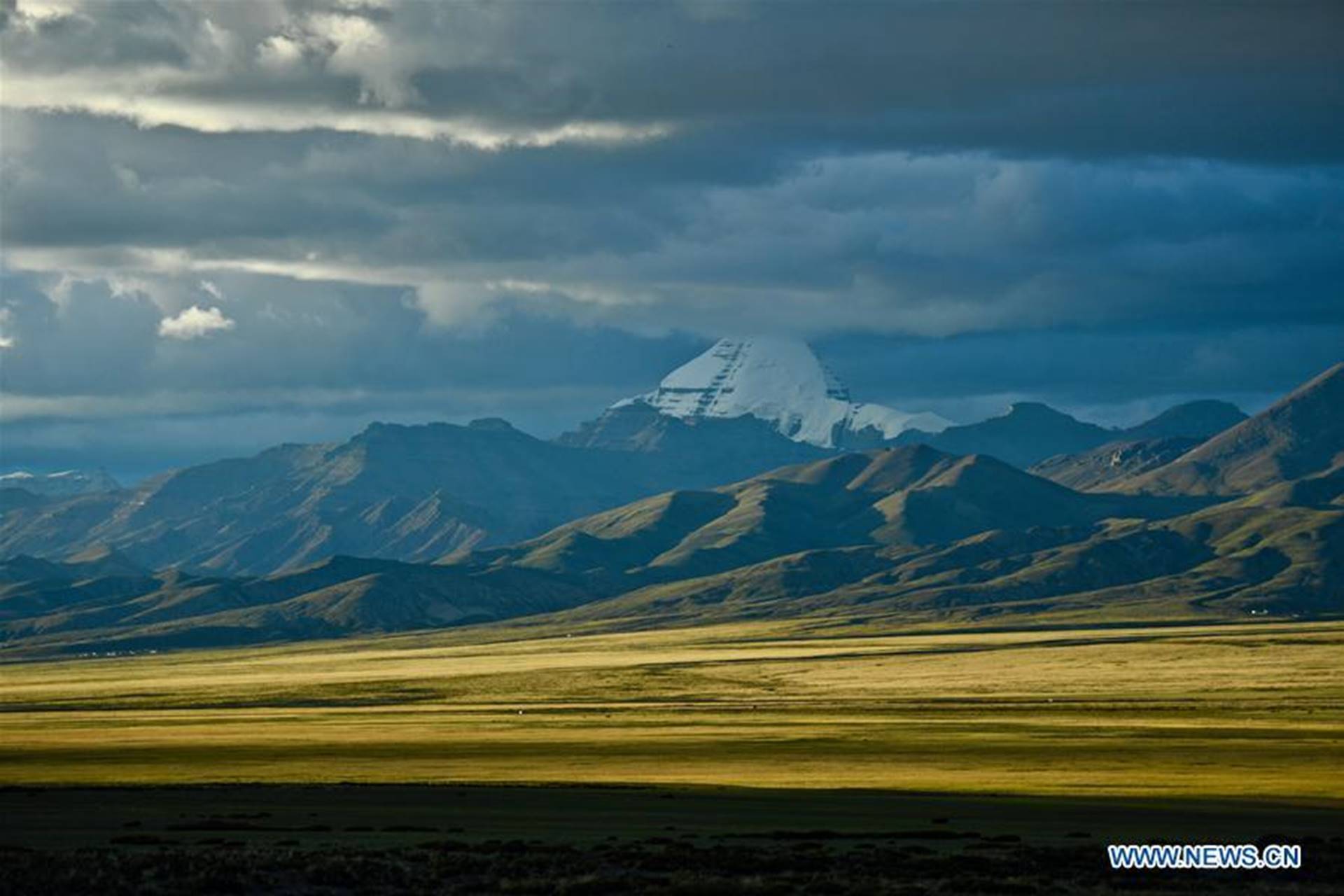
The Story of Tibet relates to The Origin of Man. Mount Kailash in Tibet is associated with The Beginning of the Anatomically Modern Man.
In Indian tradition, the story of Tibet relates to the origin of Anatomically Modern Man, the species described as Homo sapiens, sapiens. Modern Man, a Created Being, first took birth in Tibet. Modern Man’s origin or the beginning can not be traced from other species of Hominin Family which lived in Africa and Europe.
The Story of Tibet relates to the Origin of Man. In Indian tradition, Lord Shiva and Goddess Parvati symbolize the Father and the Mother Principle accounting for the existence of man in this world.
The Story of Tibet relates to the Origin of Man. Mount Kailash in Tibet is associated with the Beginning of the Anatomically Modern Man.
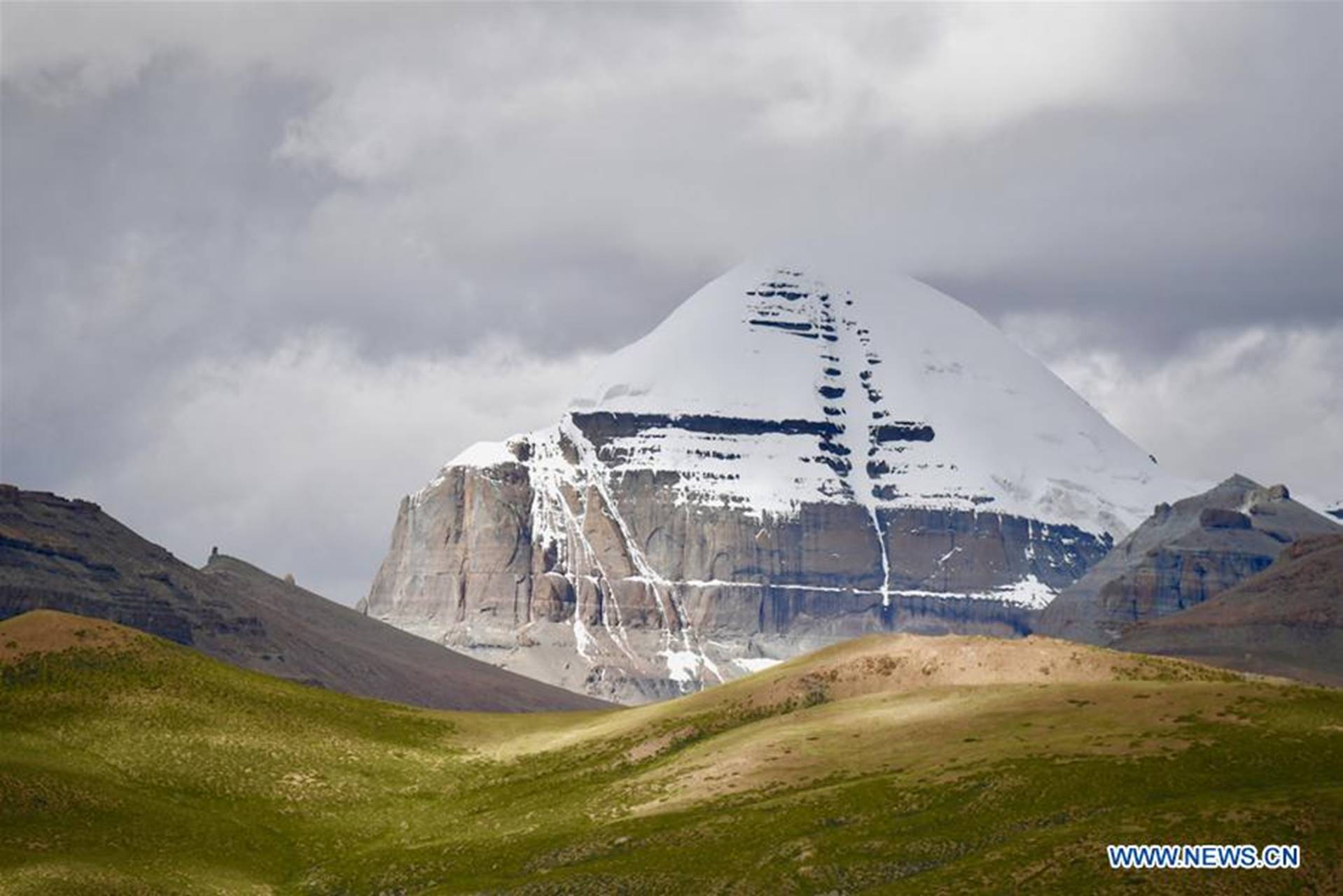
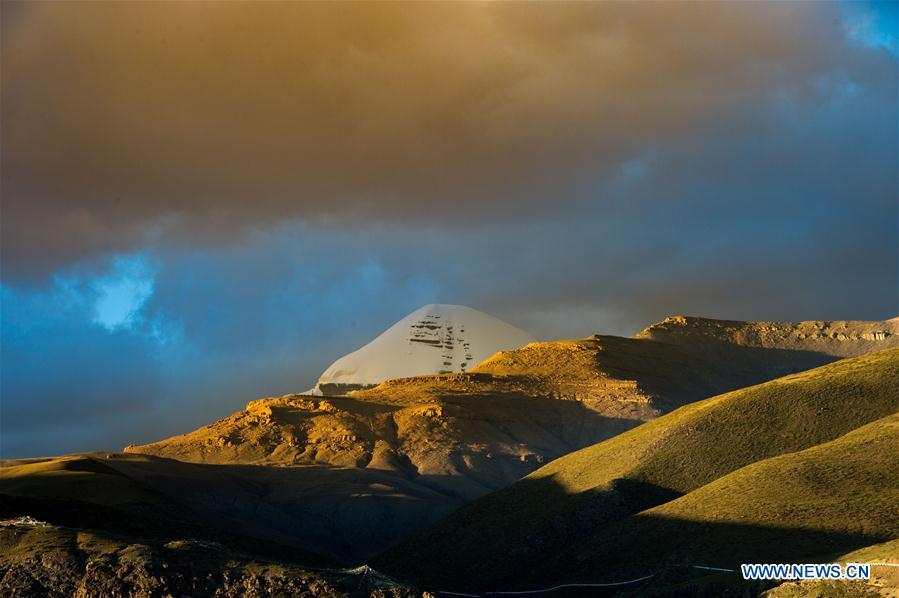
Photo taken on Sept. 9, 2018 shows a view of 6,656-meter-high Mount Kailash, Mount Gang Rinpoche, Mount Kangrinboqe, main peak of the Kailash Range (Gangdise Range), in Pulan County of Ali Prefecture, southwest Tibet. (Xinhua/Purbu Zhaxi)
The Story of Tibet relates to the Origin of Man. Mount Kailash in Tibet is associated with The Beginning of the Anatomically Modern Man.The Story of Tibet relates to The Origin of Man. Mount Kailash is associated with The Beginning of the Anatomically Modern Man.The Story of Tibet relates to The Origin of Man. Mount Kailash in Tibet is associated with The Beginning of Man.The Story of Tibet relates to The Origin of Man. Mount Kailash in Tibet is associated with The Beginning of Man.The Story of Tibet relates to The Origin of Man. Mount Kailash in Tibet is associated with The Beginning of Anatomically Modern Man.The Story of Tibet relates to The Origin of Man. Mount Kailash in Tibet is associated with The Beginning of the Anatomically Modern Man. Image: Frank Hackeschmidt
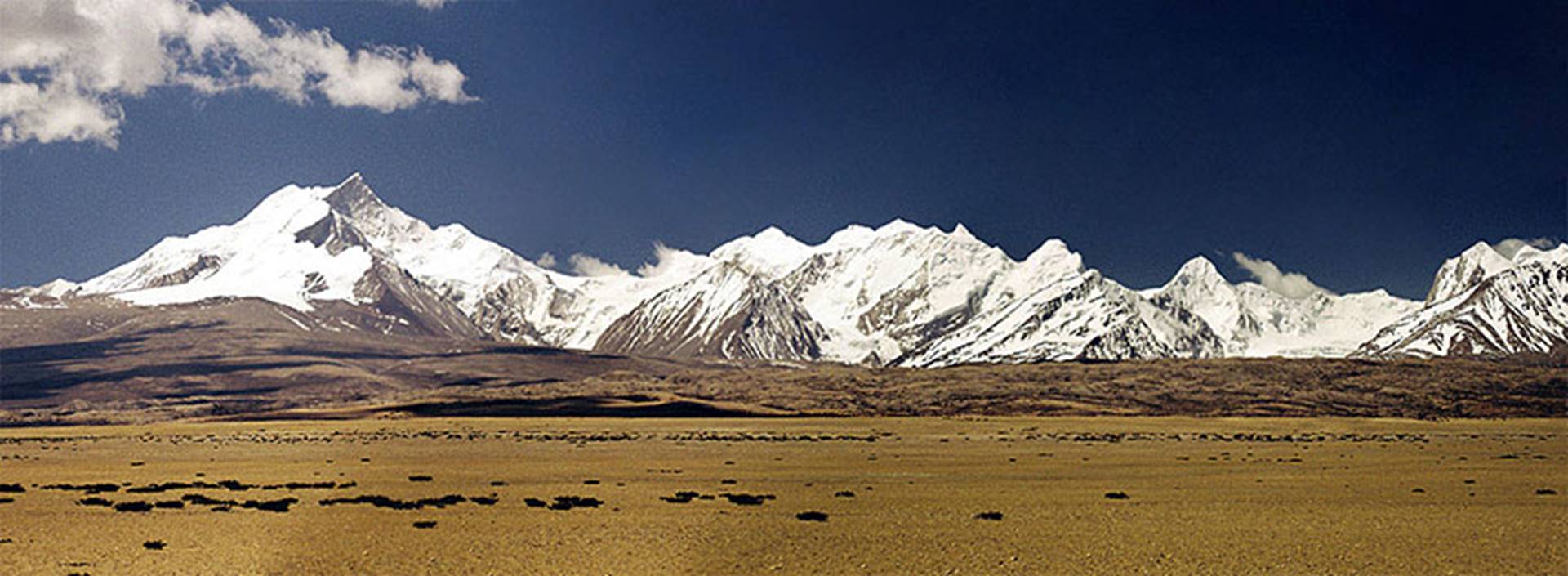
Mountain chain in the Kailash region in Tibet, China – Image: Frank Hackeschmidt
About Mount Kailash
Satellite view is showing Mount Kailash (officially: Kangrinboqe; Tibetan: Gang Rinpoche; Chinese: 冈仁波齐峰, Gang Ren Bo Qi Feng, named on the map: Kangrinboqe Peak), a peak in the Gangdise Trans-Himalayas mountain range (also known as the Kailas Range) in Tibet (China).
Gang Rinpoche means “precious jewel of snows”, the mountain peak is a sacred place in four religions—Hinduism, Buddhism, Jainism, a religion originated in India and Bön faith, a traditional belief in Tibet. This might be the reason that the mountain has never been climbed.
Mount Kailash is located just north of Lake Rakshastal (zoom out to see La’nga Co; on the left) and Lake Manasarovar (Mapam Yumco), one of the holiest lakes in various religions, the lake attracts pilgrims from Tibet, India and many other countries.
Mount Kailash is the headwaters of some of the most important and longest rivers in Asia, the Indus and the Brahmaputra.
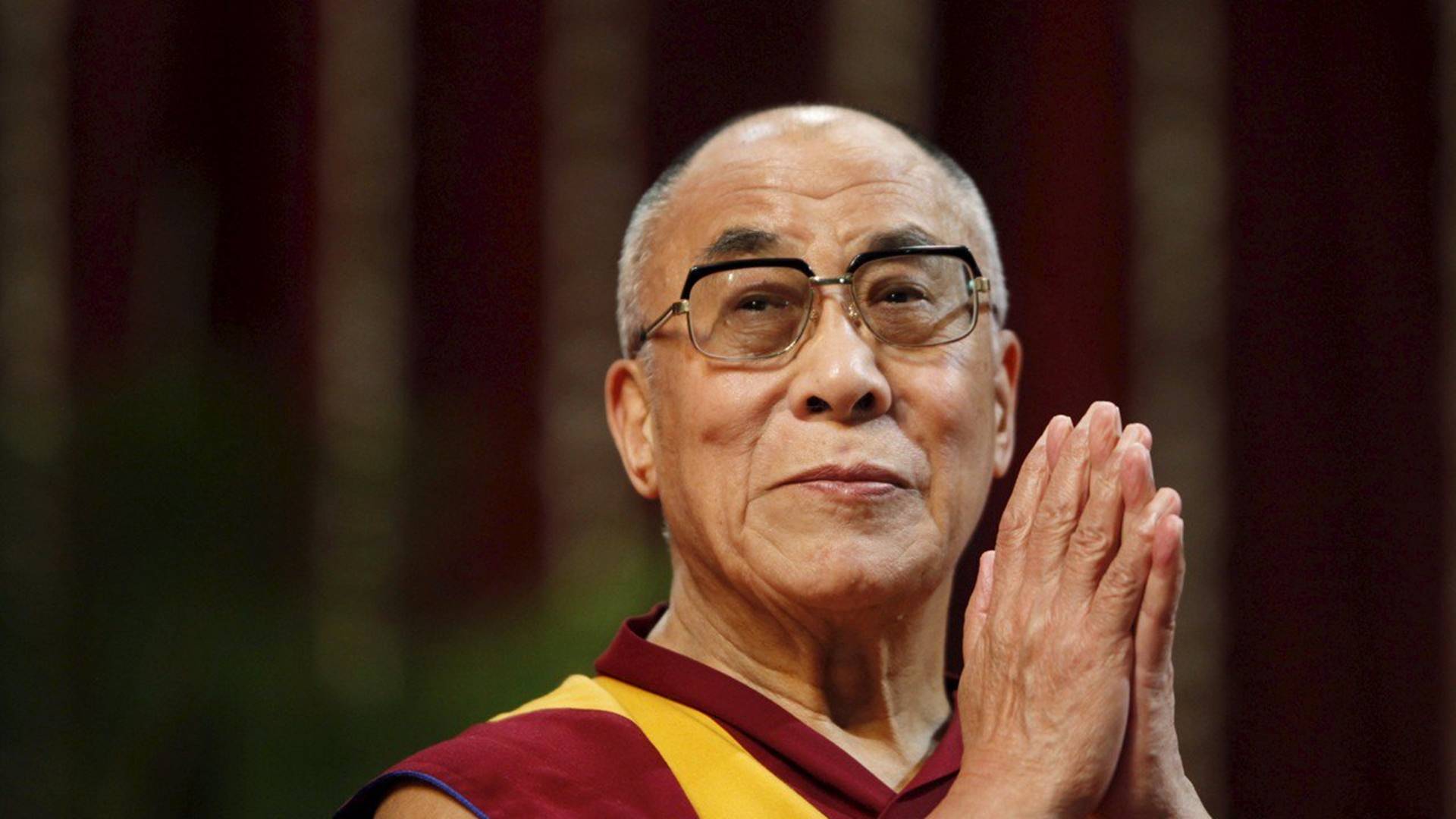
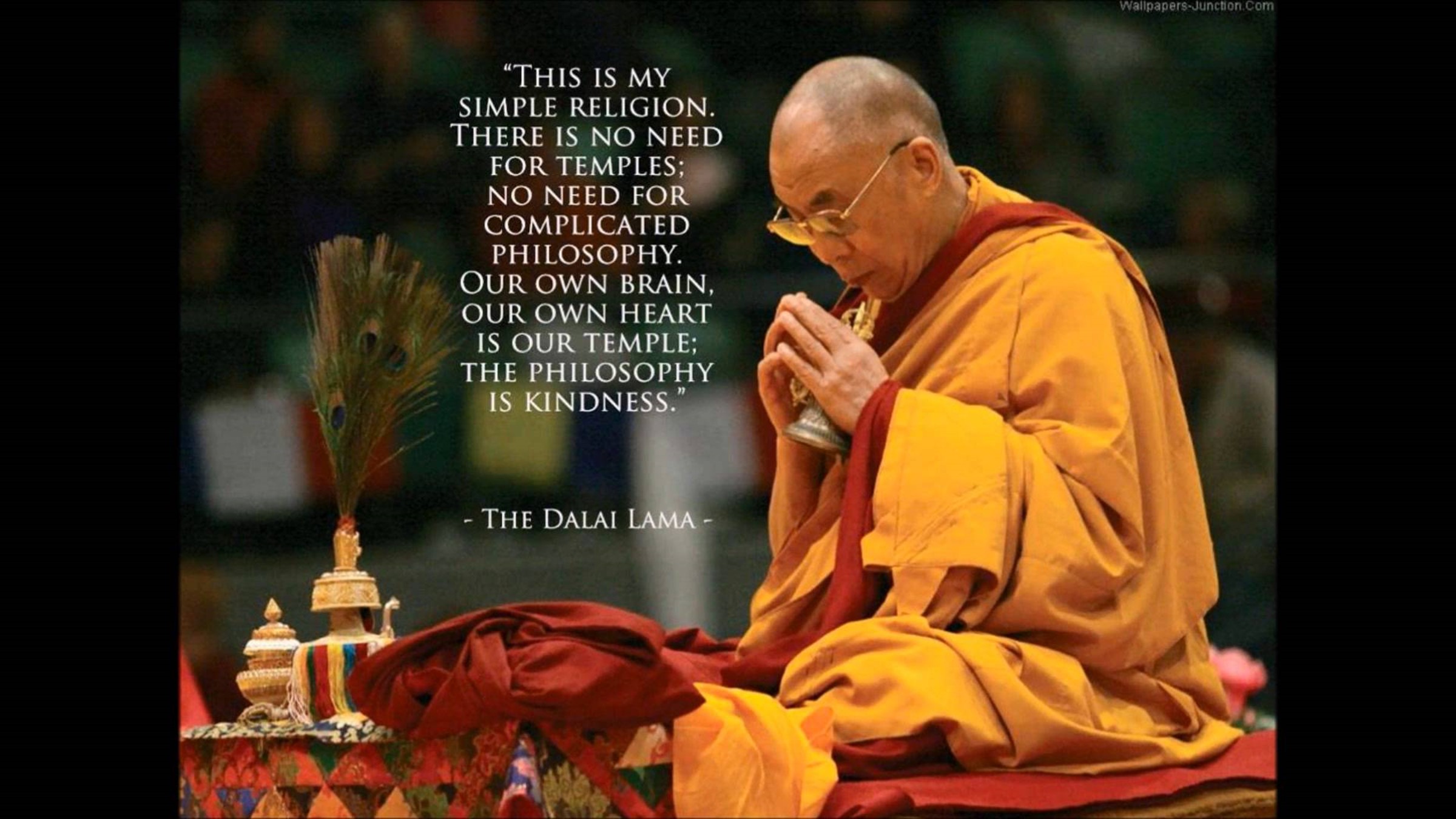
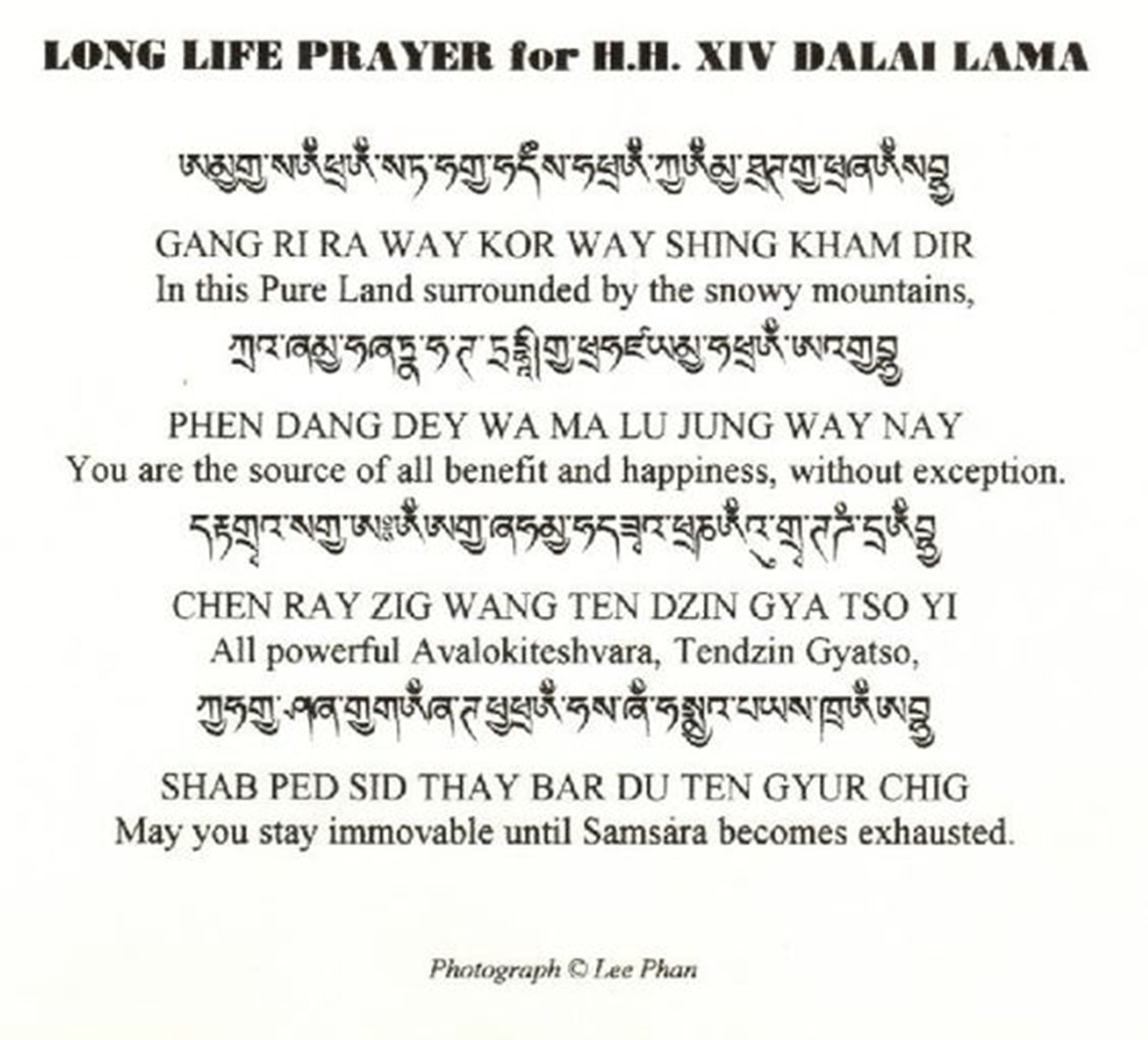
Living Tibetan Spirits invoke the Blessings of Peace and Long Life of His Holiness the Dalai Lama.
The Dalai Lama speaks on the first day of his four-day teaching at the request of a group from South Asia at the main temple in McLeodganj on Tuesday. Photo: Kamaljeet
Tribune News Service
Dharamshala, September 4
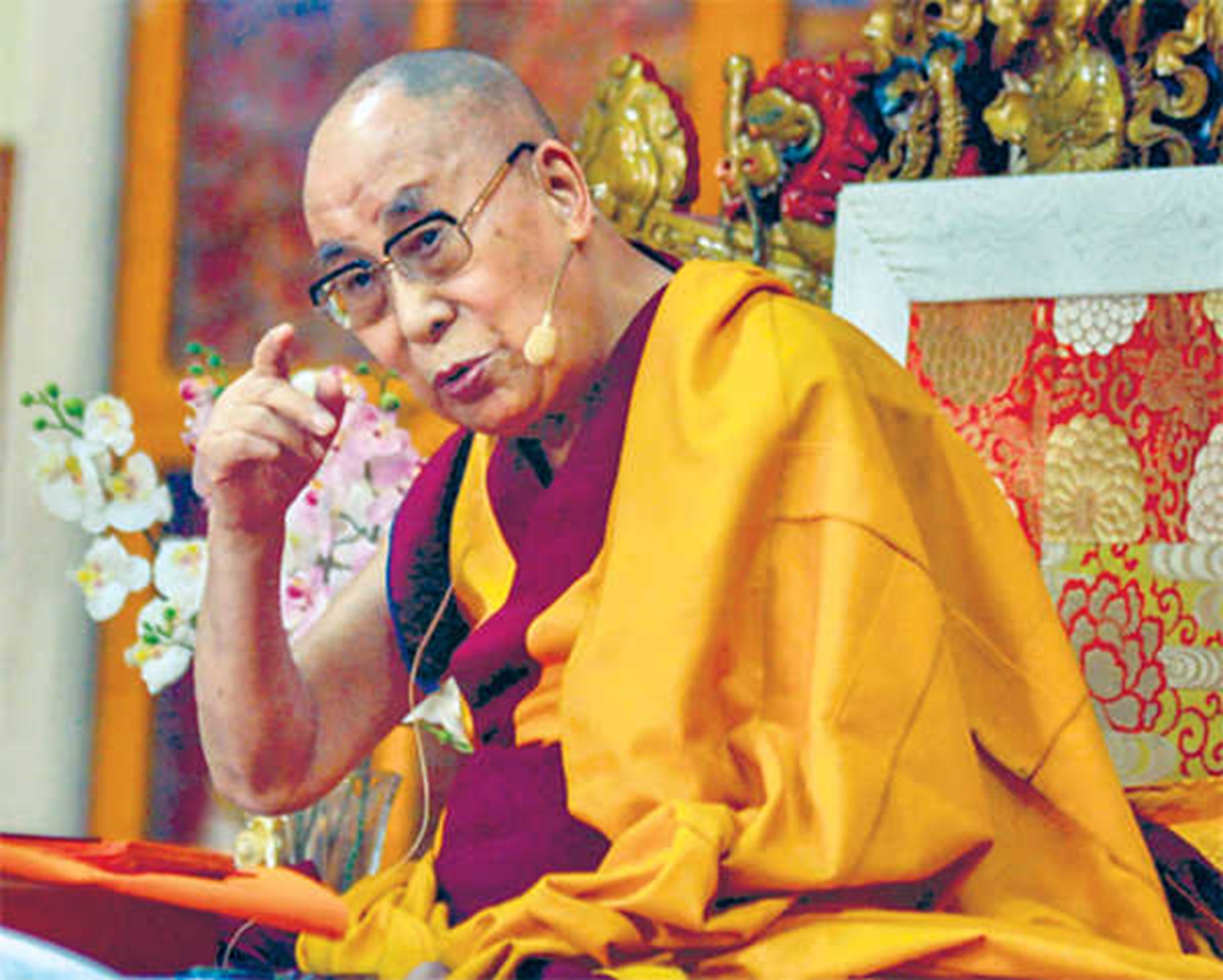
Amid concerns regarding his health, Tibetan spiritual leader Dalai Lama said he would live around 100 years.
“With your prayers and wishes, I assure you I would live around 100 years,” said the Dalai Lama, addressing representatives of three regions of Tibet at Tsuglagkhang, the main temple in Dharamshala, yesterday. “I would serve the humanity,” he said.
Recently, news reports had raised concerns regarding the health of the Dalai Lama and suggesting that he was suffering from prostate cancer. However, later both the Dalai Lama and his personal physician declined the reports.
Tibetans representing Tibet’s three traditional provinces and Tibetans from Kalimpong, Gangtok, Darjeeling and Ravangla offered long life prayers to the Dalai Lama yesterday.
Thanking the participants and organizers for the ceremony, the Dalai Lama praised the 17 pandits of Nalanda for their logical way of teaching the Buddhism.
“The detailed explanation of the ancient Nalanda teachings has only been preserved in the Tibetan language which is why people from China are interested in learning the Buddhism,” said the Dalai Lama.
Speaking of the ancient Nalanda Buddhist teaching, he said the ancestors of Tibetans had well-preserved this knowledge which enabled Tibetans to get expertise in promoting the knowledge in their language. The Dalai Lama said it was the duty of the Tibetans to continue the practical teachings of the ancestors while, at the same time, taking pride in possessing such a vast knowledge.
“I respect all kinds of religious beliefs which only teach love and compassion as the ultimate source of human happiness,” he said.
Meanwhile, drawing the attention of the gathering, the Dalai Lama emphasized that the masters of Nalanda encouraged its followers to approach their teaching with logic and reason rather than following it blindly.
Living Tibetan Spirits invoke the Blessings of Peace and Long Life of His Holiness the Dalai Lama.
Tibetan Resistance Movement is not about Separatism
Tibetan Resistance Movement is not about Separatism. It is about the Occupation of Tibet by The Evil Red Empire. Red China expanded her territory through military conquest and occupation.
On behalf of Living Tibetan Spirits, I declare that The Tibetan Resistance Movement is not about Separatism. For centuries, Chinese Emperors ruled over Tibet without physically occupying Tibet. In other words, Tibetans enjoyed full freedom during the centuries of rule by foreigners. Tibetans resist the physical occupation of their territories. The issue is not that of separating Tibet from China. The issue is that of evicting the Occupier from Tibetan Soil.
Tibetan Resistance Movement is not about Separatism. It is about the Occupation of Tibet by The Evil Red Empire.
CHINA LEADER CALLS FOR ‘ANTI-SEPARATISM EFFORTS’ IN TIBET
Tibetan Resistance Movement is not about Separatism. It is about the Occupation of Tibet by The Evil Red Empire.
The Associated Press
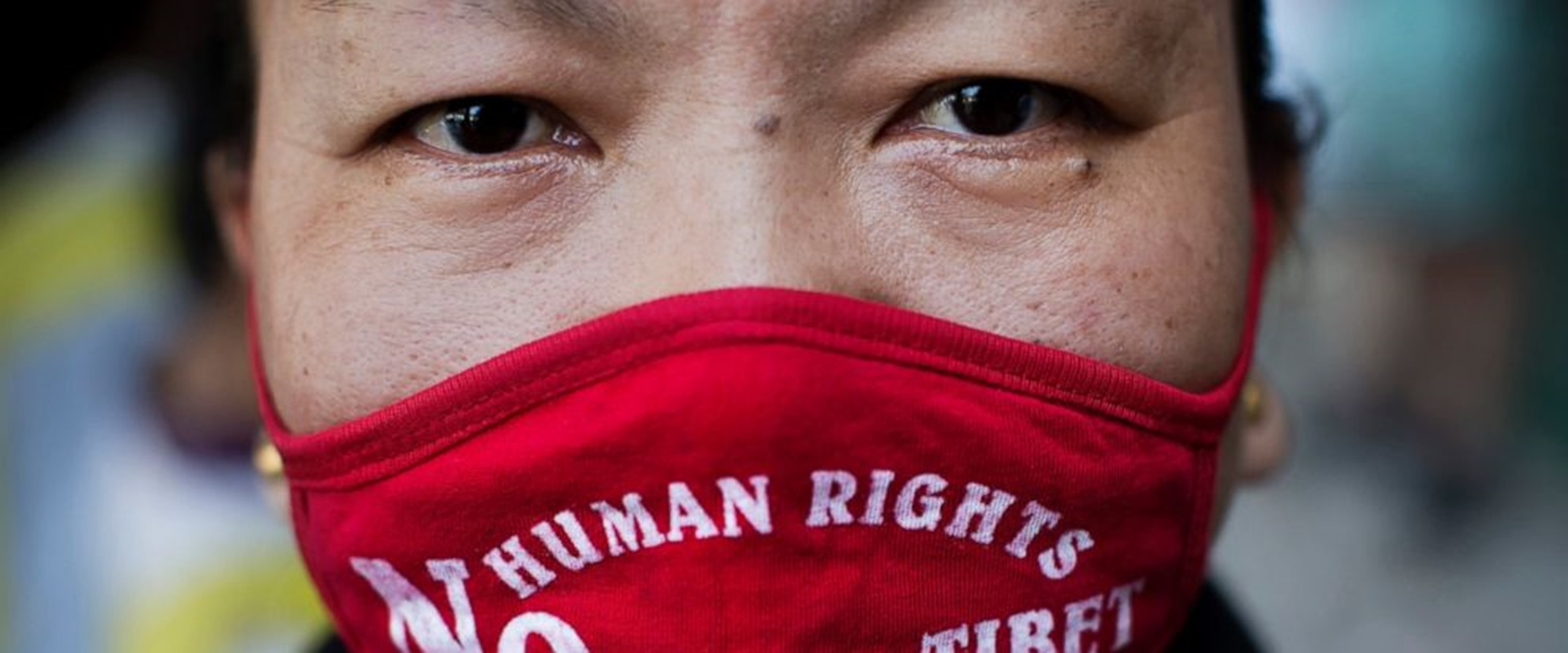
FILE – In this Sept. 17, 2014, file photo, an Exile Tibetan woman wears a mask during a protest to highlight Chinese control over Tibet, coinciding with the visit of Chinese President Xi Jinping in New Delhi, India. (AP Photo/Bernat Armangue, File)
A top Chinese leader has called for “advancing anti-separatism efforts” in Tibet, in a sign of continued high-pressure tactics in the Himalayan region.
Wang Yang, the ruling Communist Party’s No. 4 ranking official, was quoted Monday in state media as stressing the importance of tight control over Tibet’s Buddhist institutions, urging “preparedness and precautions for danger in times of safety.”
Religious figures must “be courageous to battle all separatist elements” in the name of preserving national unity and social stability, Wang was quoted as saying in Tibet’s regional capital of Lhasa during a visit there on Sunday.
Beijing’s forces occupied Tibet shortly after the 1949 communist revolution and security there has been ratcheted up significantly in the decade since anti-government protests spread through Tibetan areas in 2008.
The tactics in Tibet are largely aimed at reducing the influence of the region’s spiritual leader, the Dalai Lama, who lives in exile in India. China claims Tibet has been part of its territory for more than seven centuries and regards the Dalai Lama as a dangerous separatist.
Many Tibetans insist they were essentially independent for much of that time.
Wang has broad responsibility for religious policy as head of the government’s top political advisory body. In his comments Sunday, he also echoed Beijing’s calls for the Sinicization of religion, shorthand for adherence to the dictates of the officially atheist party.
Among recent tightening security measures in Tibet, students were required to sign agreements to “not take part in any form of religious activity” during the summer school holidays.
Young Tibetan monks have also reportedly been forced to leave one of the biggest monasteries in a Tibetan region of western China as part of a drive to replace monastic life with secular education.
Recent months have also seen sweeping crackdowns on traditional Muslim culture among the Uighur ethnic minority group in the northwestern region of Xinjiang and among Christians in eastern China.
Tibetan Resistance Movement is not about Separatism. It is about the Occupation of Tibet by The Evil Red Empire.
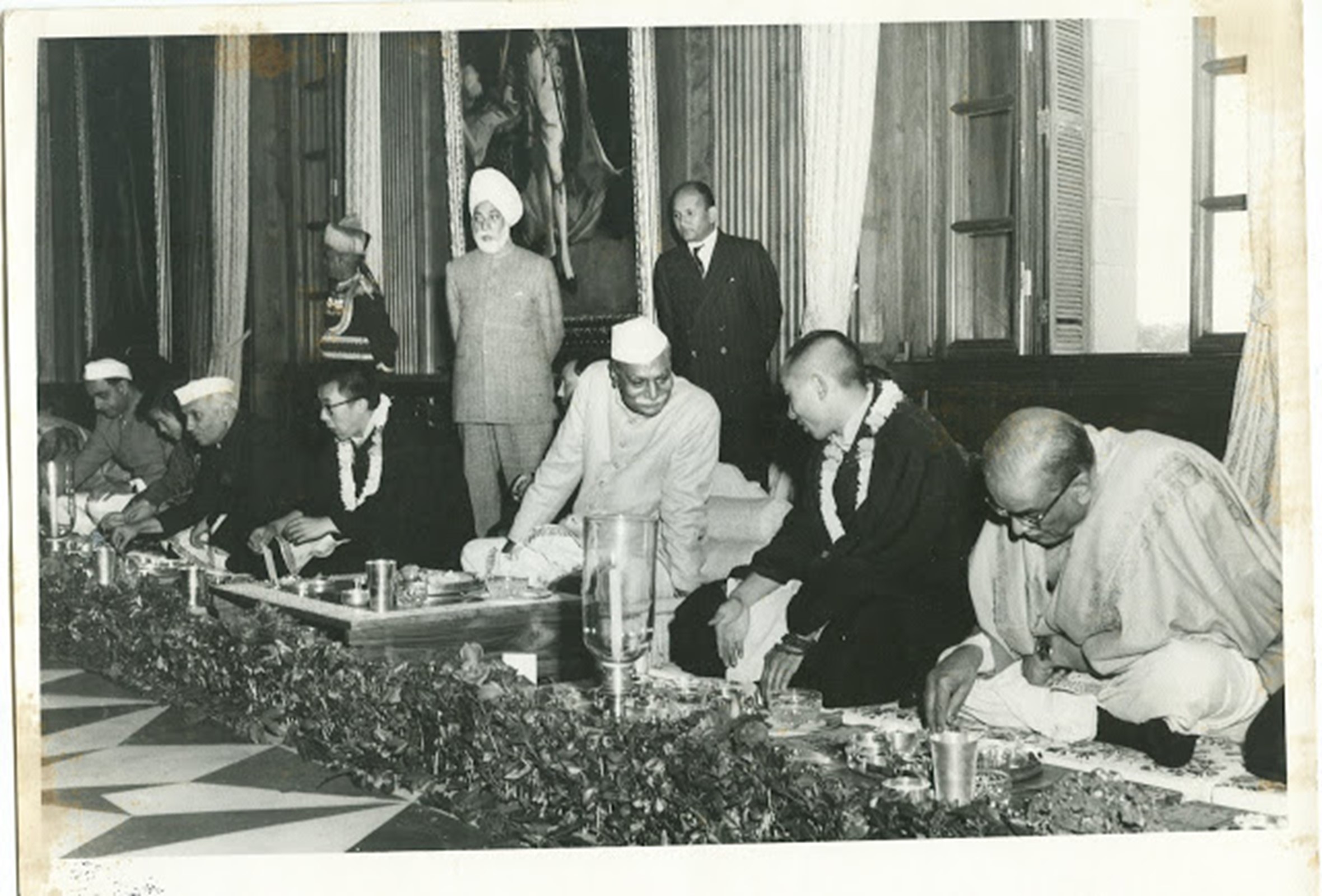
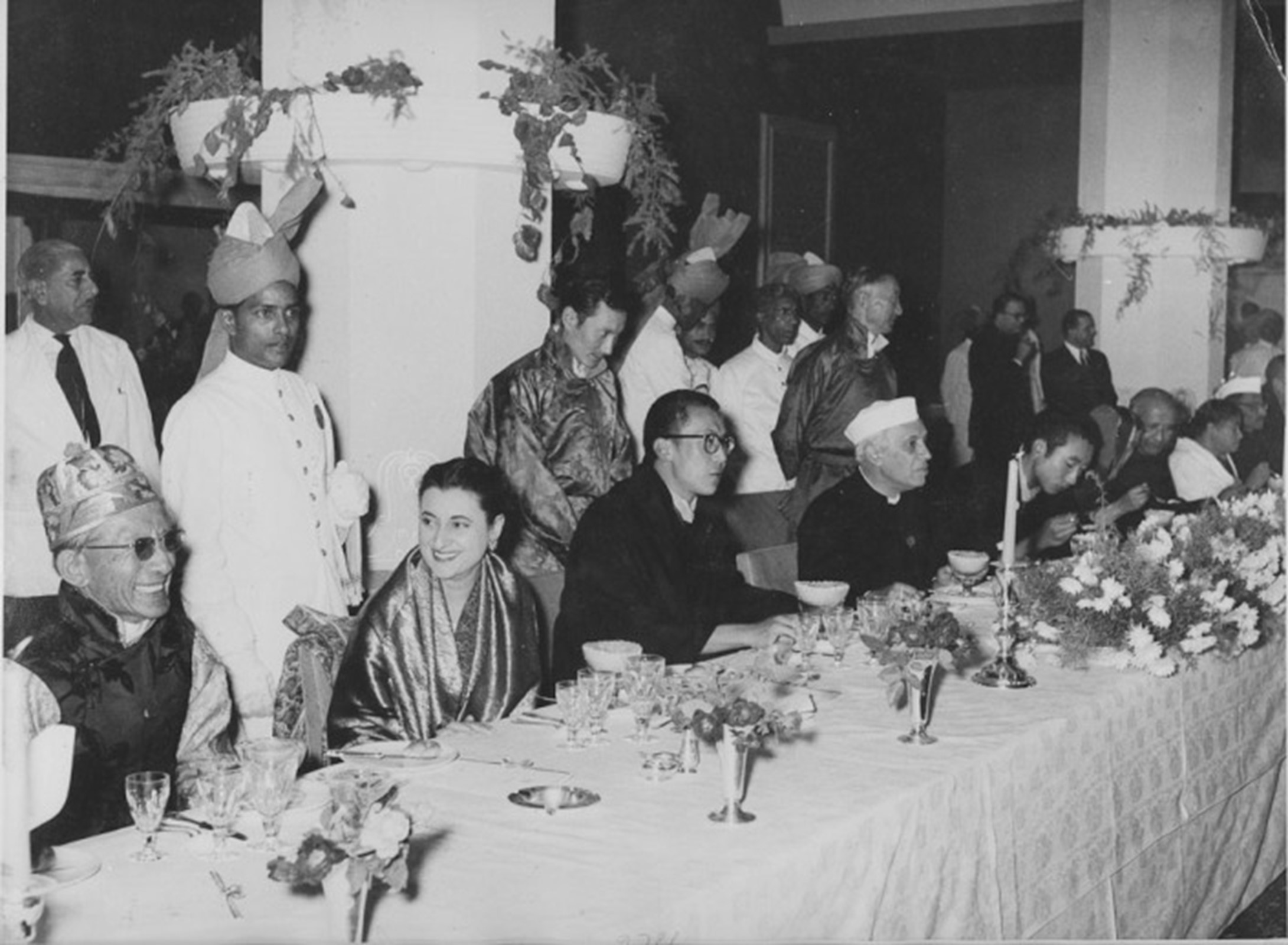
In my analysis, India’s first Prime Minister Jawaharlal Nehru treated Tibet with due respect. India recognizes the Institution of Dalai Lama and could hold negotiations with Tibet to formulate military alliance or pact between the US, India, and Tibet. All said and done, Tibet would not have received a better deal from Muhammad Ali Jinnah, the founder of Pakistan.
Uncalled for: The Dalai Lama should have avoided his controversial remarks on Jinnah-Nehru.
PK Vasudeva Academic
The exiled spiritual and political Tibetan leader, His Holiness the Dalai Lama, at a recent event in a management institute of Goa, surprisingly said that Partition would have been averted had Qaid-e-Azam Muhammad Ali Jinnah become the first Prime Minister of India. “Mahatma Gandhi was very much willing to give the prime-ministership to Jinnah. But Pandit Nehru refused. I think Pandit Nehru was a little bit self-centered,” said the Dalai Lama.
Basically, the Dalai Lama should have avoided this uncalled for verdict on Jinnah and Nehru because at the time of granting asylum to him, the Government of India clearly conveyed that he and his “government-in-exile” in Macleodganj, Himachal Pradesh, will not indulge in any political activities in India and shall remain confined to religious and cultural activities pertaining to Tibet.
In 1954, India and China signed the “Panchsheel” Agreement, which recognized the Chinese sovereignty over Tibet and Nehru-led India decided to withdraw its military presence from Tibet. However, Tibetans neither recognized nor endorsed the agreement. But by 1957, when it became pretty evident that the PLA’s occupation over Tibet was not going to end, Indian and Tibetan leaders approached the next best option — the US.
With the help of the CIA, Tibetan freedom fighters were trained in covert CIA camps and resistance was generated. They supplied arms and equipment to fight the Chinese army. The CIA recruited locals to fight against the Chinese as guerrillas and were airdropped throughout the resistance period. However, the resistance was thrashed by the PLA. Monks and civilians were executed, and monasteries bombed, forcing the Dalai Lama and his followers to stealthily cross over to India in March 1959. China was angered with the Dalai Lama, as also with India for giving asylum to him and other “faulty” policy decisions of forward deployment of troops, which resulted in the 1962 war.
As the war reached its zenith, a panicky Nehru sought immediate help from US President John F Kennedy. At a meeting held on November 19, 1962, in the White House, the decision was taken for a military aid package in support of the newly created military organization in India — “Establishment 22” and later the Special Frontier Force (SFF). However, China declared a unilateral ceasefire and withdrew from many locations, fearing the US may nuke China if the battle was not stopped.
The CIA and the IB helmed the project and a seasoned officer of the Indian Army, Major-General Sujan Singh Uban, was chosen to be the founder Inspector-General of the SFF. Based in Chakrata, Uttarakhand, the force was put under the direct supervision of the Intelligence Bureau, and later, the Research and Analysis Wing (RAW). With an initial strength of 12,000, the SFF commenced six months of training in rock-climbing and guerrilla warfare. The soldiers were recruited with help from political leaders of the Chushi Gangdruk, the original Tibetan resistance warriors. It was primarily raised to address the lack of intelligence during war and peace. With the formation of RAW by the late 60s, and with the help of the Aviation Research Centre (ARC) which provided airlift facilities, the SFF became fully airborne-qualified and a dedicated mountain warfare force.
The SFF commandos can survive in any hazardous conditions. They are tough, hardy, well-trained in rock-climbing, para-trooping, and skydiving. They proved their mettle in the Bangladesh war. They were valuable for clandestine intelligence collection, training the Mukti Bahini and carrying out several missions, including the destruction of the Kaptai Dam and bridges. They were also part of Operation Blue Star. They carry out clandestine operations but since they are under RAW, information regarding their clandestine operations remains secret.
Against this backdrop, such words coming from His Holiness are unwelcome. However, the 14th Dalai Lama apologized a couple of days later at Bengaluru at a ‘thanksgiving’ commemorative function of 60 years of Tibetans’ life in exile for his remarks, which he said had stirred a controversy.
To overcome his omission, he said, “Jawaharlal Nehru supported both the setting up of Tibetan settlements as well as the creation of Tibetan schools so that our culture and language could be preserved.”
During the 1959 Tibetan uprising, the Dalai Lama fled to India. After the founding of the government-in-exile, Nehru settled the approximately 80,000 Tibetan refugees who followed him into exile.
The Dalai Lama is the spiritual leader of the Gelug school of Tibetan Buddhism. The Kagyu Karmapa is the spiritual leader of the Karma Kagyu school of Tibetan Buddhism. Interestingly, the current 14th Dalai Lama helped the young and controversial 17th Kagyu Karmapa after he escaped from China in 1999 following the same route the Dalai Lama took in 1959. The recognition of the 17th Karmapa has been a subject of controversy since two candidates have been put forward: Ogyen Trinley Dorje (OTD) and Trinley Thaye Dorje.
Intelligence agencies promote stories about OTD seeking asylum in the US, trying to buy land to settle down there or even returning to China. Last year, he promised to return by November 2018. The controversy of both the Karmapas can be resolved only with the blessings of the Dalai Lama who before the time of incarnation should declare the real 17th Karmapa for Tibetan unity and support for his successor.
BUDDHA STUNNED – SUNNING OF THE BUDDHA IN OCCUPIED TIBET
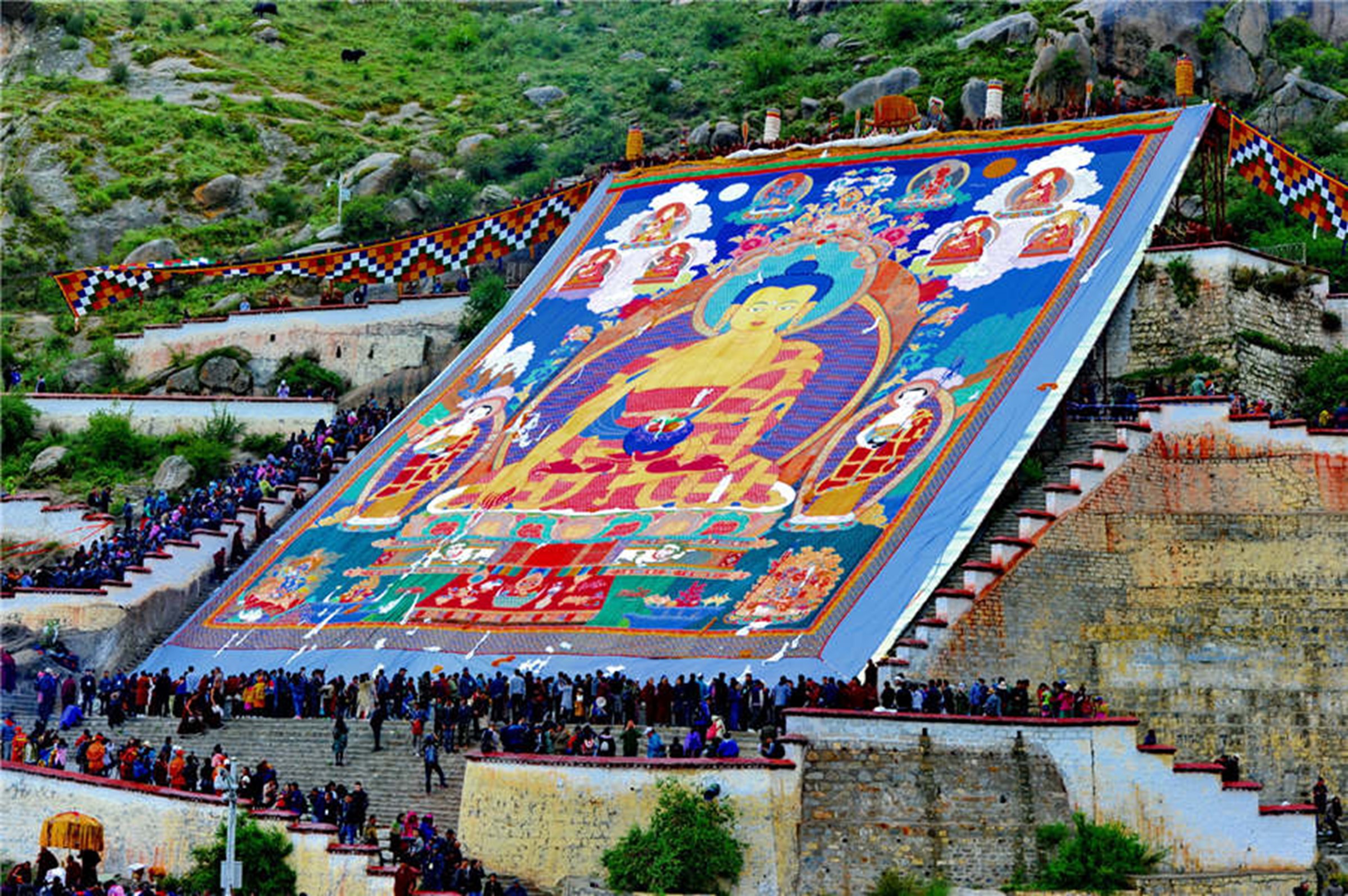
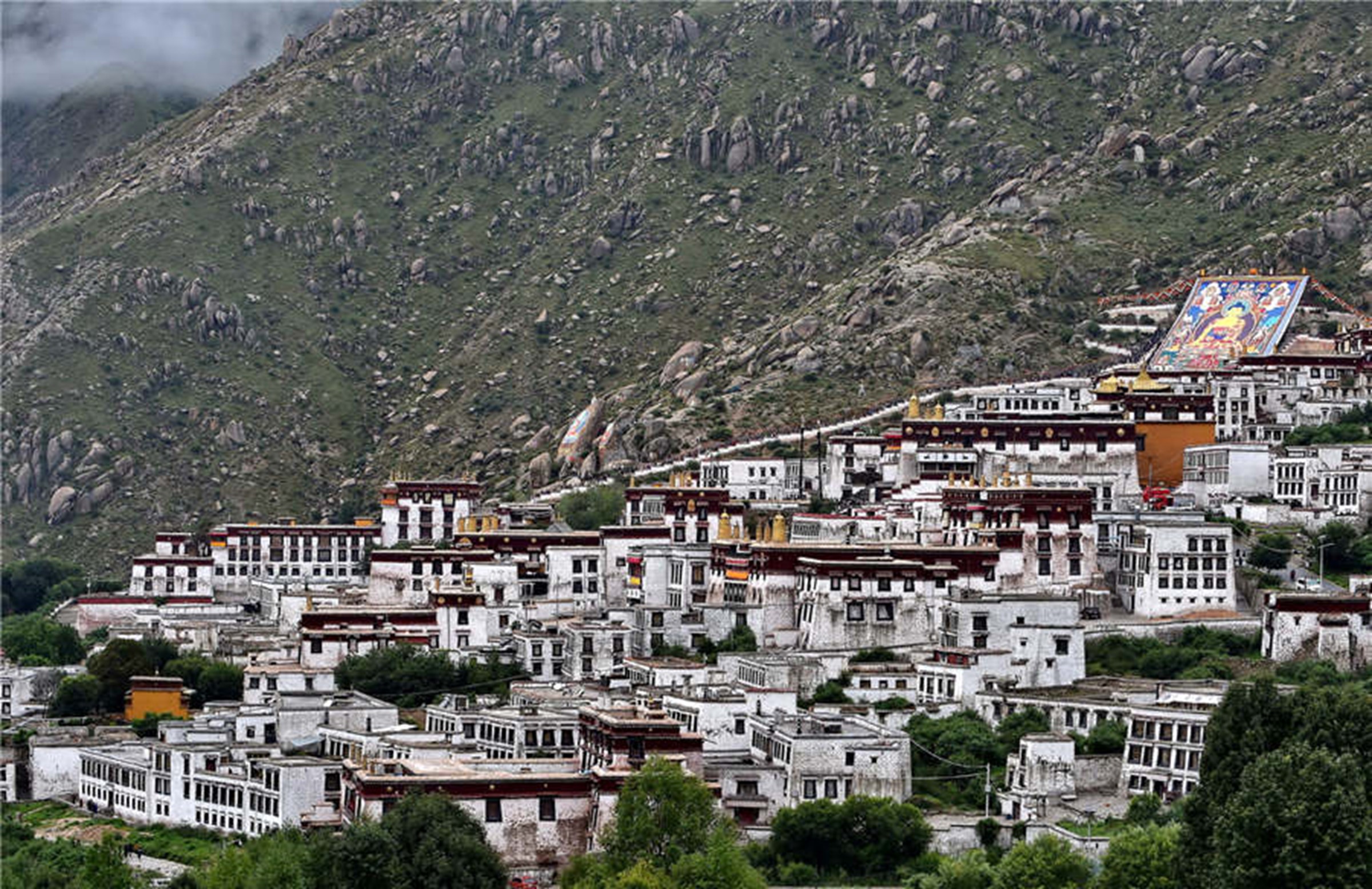
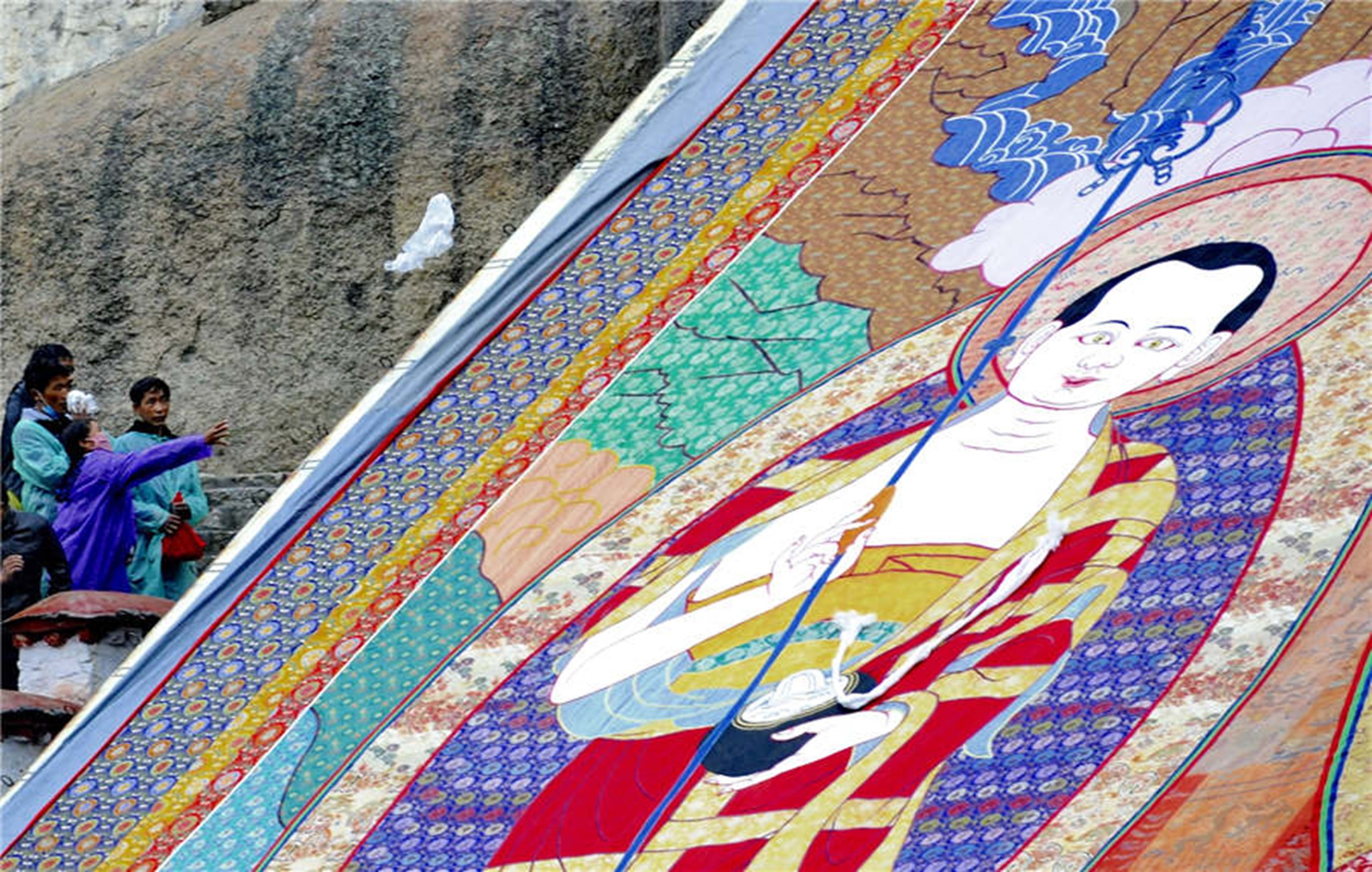
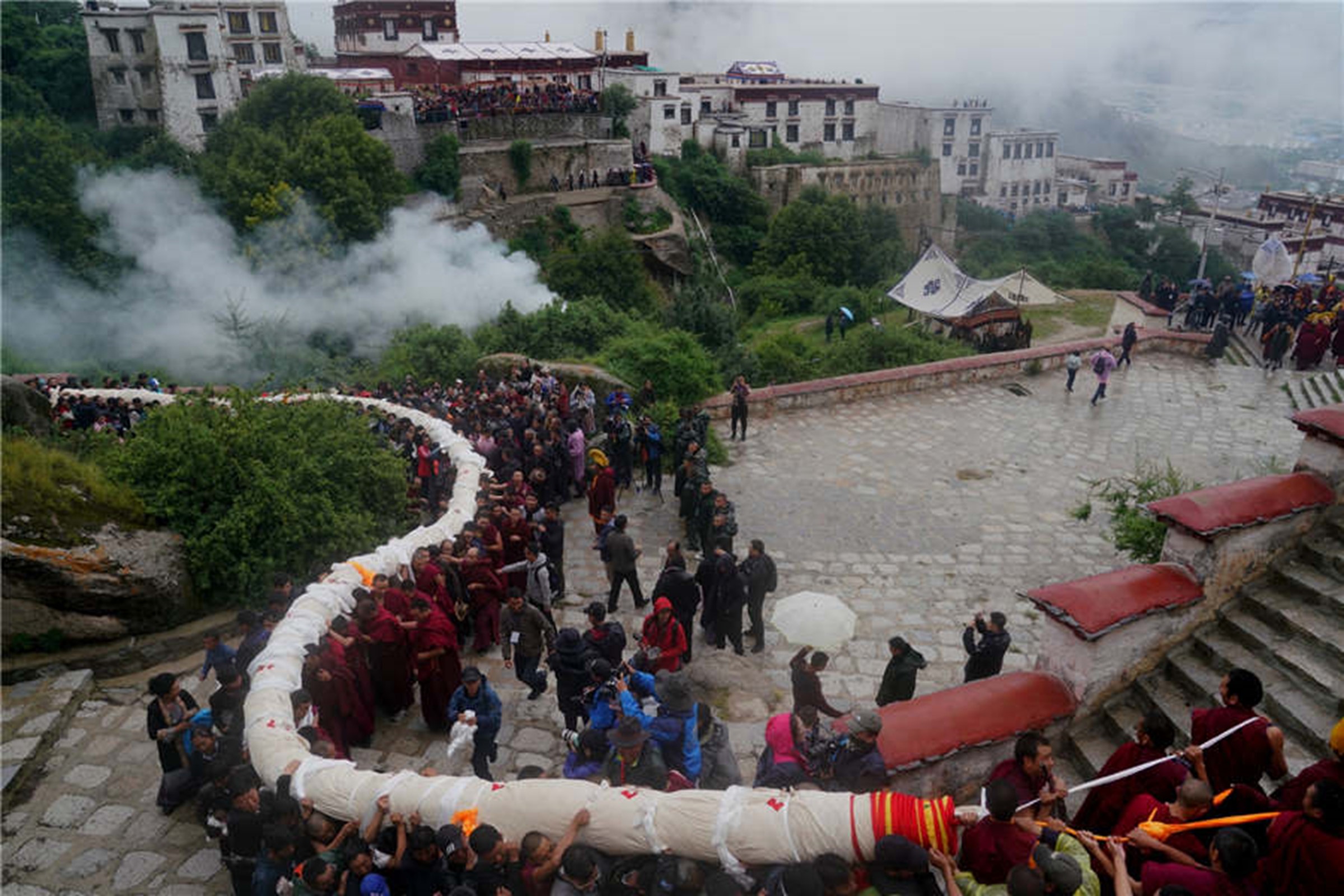
Buddha Stunned. Sunning of The Buddha Ceremony in Occupied Tibet.
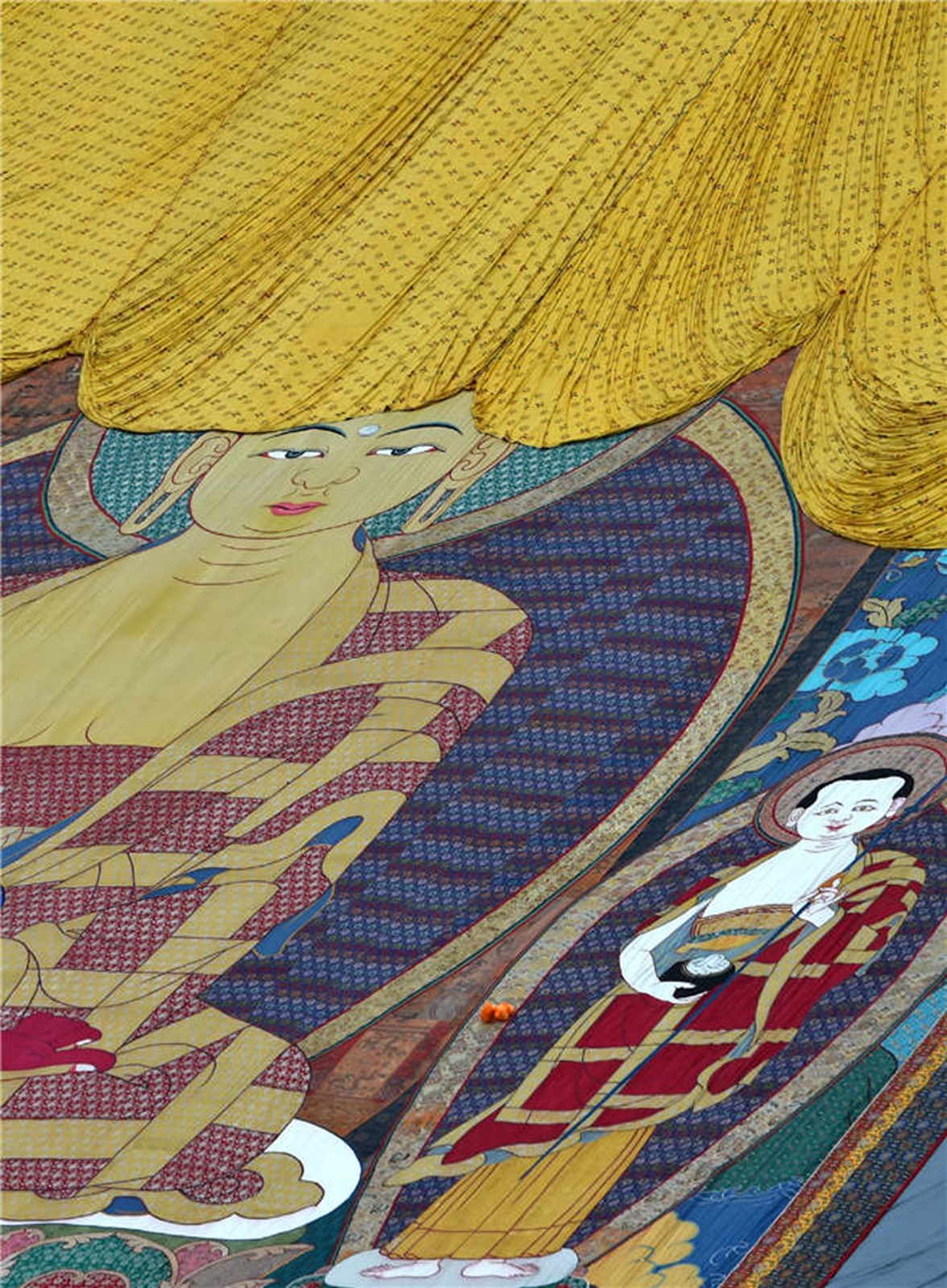
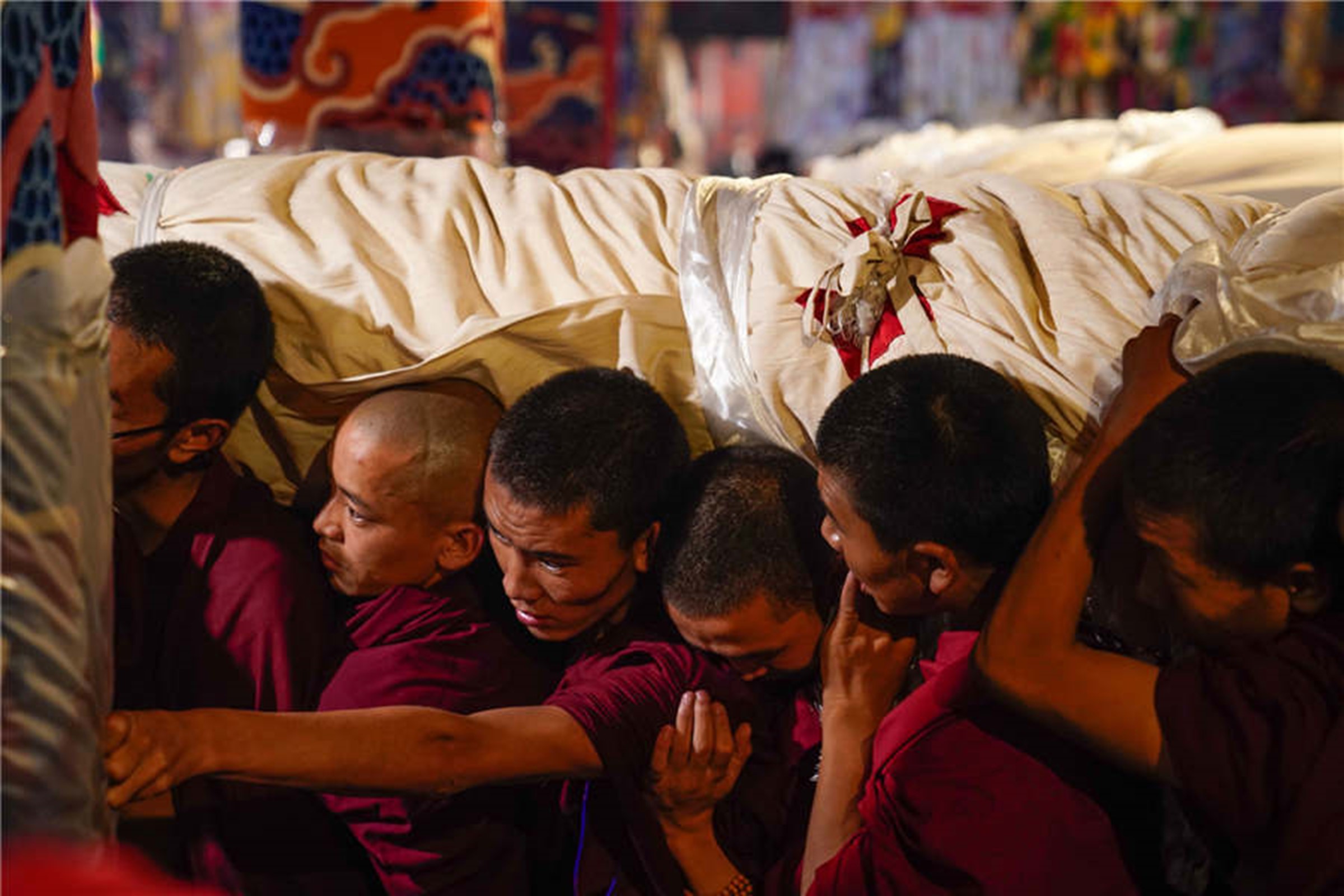
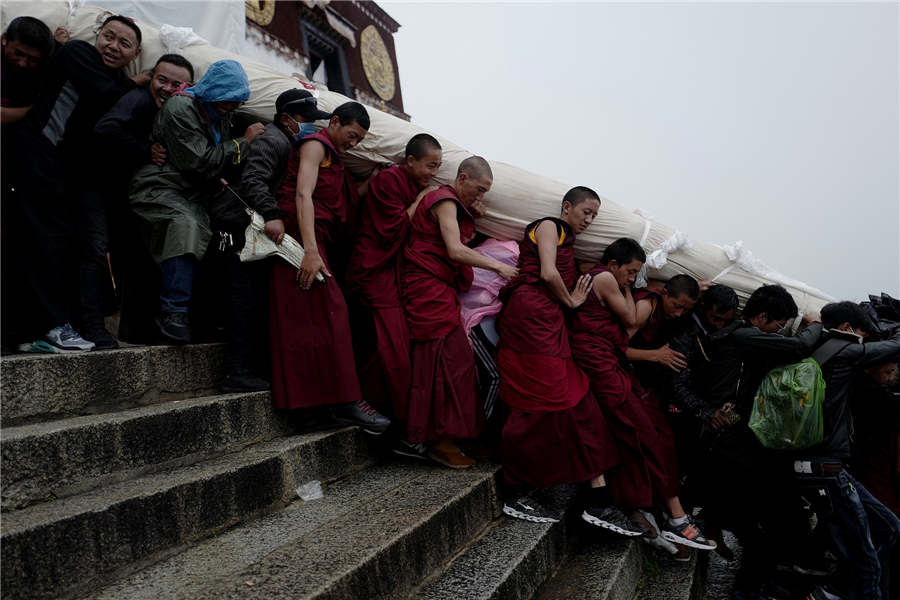
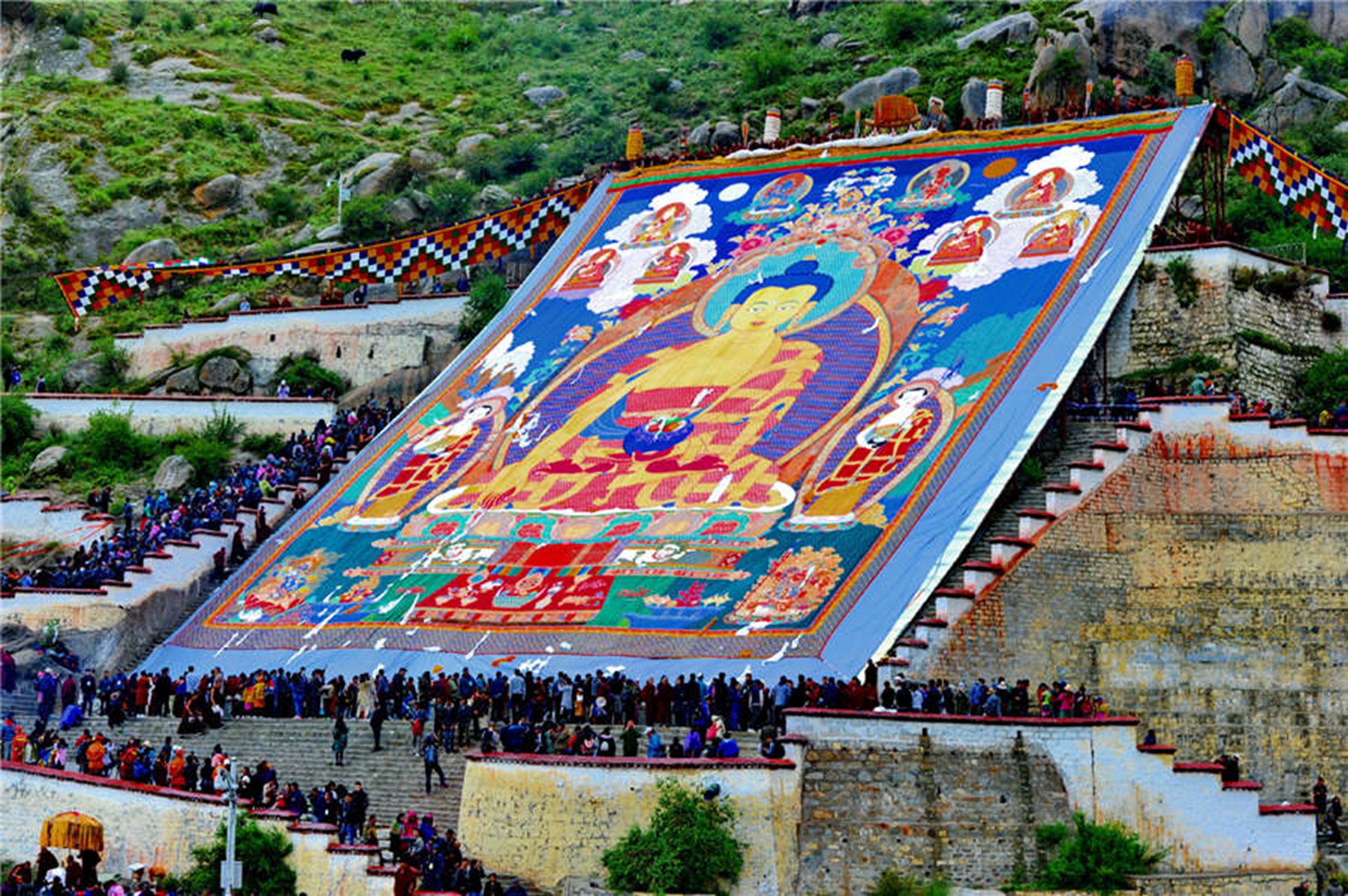
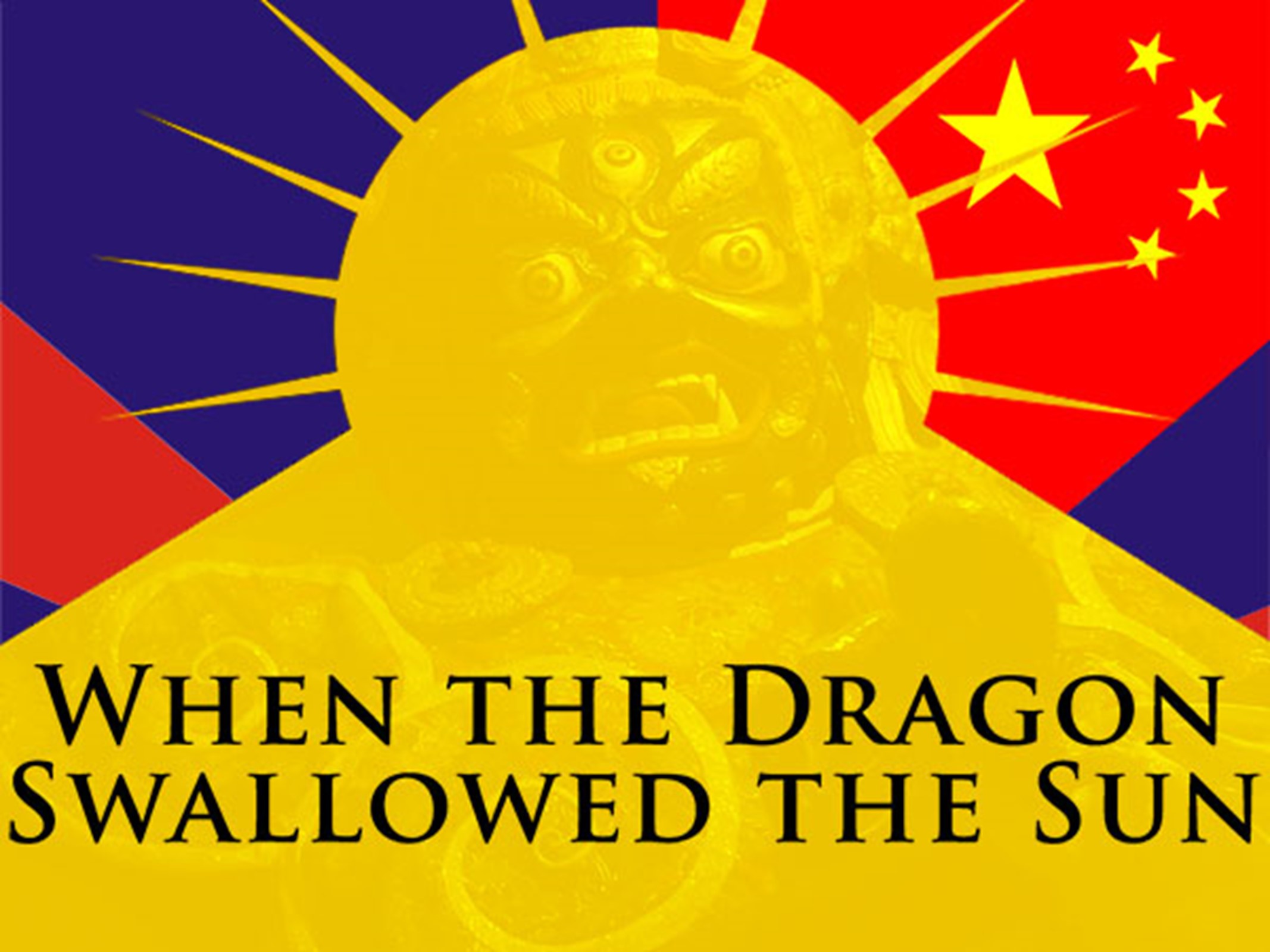
Buddha “Stunned” by Darkness while Tibetans celebrate “Sunning of the Buddha” ceremony in occupied Tibet. The Darkness of Occupation prevails in Tibet for The Red Dragon swallowed the Sun.
Buddha Stunned. Sunning of the Buddha Ceremony in Occupied Tibet.
Photo shows the scene of the traditional “sunning of the Buddha” ceremony at Drepung Monastery in Lhasa, Tibet, Aug 11, 2018. Celebrations for the traditional Shoton Festival, or Yogurt Festival, began in Lhasa on Saturday. This year’s event will feature the traditional “sunning of the Buddha” ceremonies, with huge Thangka paintings bearing the image of the Buddha displayed on the hillsides near the Drepung and Sera monasteries, as well as Tibetan opera performances, horse riding performances and an ethnic costume show. [Photo/Xinhua]
Celebrations for the traditional Shoton Festival, or Yogurt Festival, began in Lhasa, on Saturday.
This year’s event will feature the traditional “sunning of the Buddha” ceremonies, with huge Thangka paintings bearing the image of the Buddha displayed on the hillsides near the Drepung and Sera monasteries, as well as Tibetan opera performances, horse riding performances and an ethnic costume show.
“My family and I arrived here at 4 am, and we are heading to Sera Monastery to watch the Thangka painting after paying tribute here,” said Soinam Doje, a 71-year-old herder from Maizhokunggar county, while standing in front of the Drepung Monastery in Lhasa.
The festival will last for one week from Aug 11 to 17.
Shoton Festival, which literally means “yogurt banquet festival,” is one of the most important festivals for Tibetans.
It dates back to the 11th century when it began as a religious ceremony for local residents to offer yogurt to monks finishing their meditation retreats.
Buddha Stunned. Sunning of the Buddha Ceremony in Occupied Tibet.
Buddha Stunned. Sunning of the Buddha Ceremony in Occupied Tibet.
Buddha Stunned. Sunning of the Buddha Ceremony in Occupied Tibet.
Buddha Stunned. Sunning of the Buddha in Occupied Tibet.
Buddha Stunned. Sunning of the Buddha Ceremony in Occupied Tibet.
Buddha Stunned. Sunning of the Buddha Ceremony in Occupied Tibet.
Buddha Stunned. Sunning of the Buddha Ceremony, Lhasa, Occupied Tibet.
Buddha Stunned. Sunning of the Buddha Ceremony in Occupied Tibet.













 Whole Dude - Whole Concept