THE EVIL RED EMPIRE – RED CHINA – THE GREAT PROBLEM OF TIBET: TIBET HAS LAND AREA OF 870, 000 SQUARE MILES. TIBET IS LARGER IN SIZE COMPARED TO ASIAN NATIONS LIKE JAPAN, TAIWAN, PHILIPPINES, INDONESIA, MALAYSIA, VIETNAM, AND BRUNEI. TIBET IS THREE-TIMES LARGER THAN TEXAS STATE OF UNITED STATES .
Red China released a new map showing the totality of Beijing’s territorial claims. The word ‘cartography’ describes the art or work of making maps or charts. Red China claims this “10-Dash” new map serves to educate Chinese people about their country and her territory. I consider this map as an act of ‘cartographical’ or ‘cartographic’ aggression. Military always prepares maps and charts to plan its war operations much ahead of launching offensive or defensive military actions. Publication of this map is an act of hostility, a prelude to military aggression, and preparation forWar. As such all affected nations must not hesitate to take retaliatory actions to resist Red China’s acts of aggression. The first step is to prepare people to recognize Red China as an Enemy, Adversary, and an Opponent whose actions have to be challenged.
On behalf of Special Frontier Force, I reject Red China’s new map for I do not recognize Beijing’s claim of Tibet and its territory. Republic of India does not share a border with Red China.
Rudra Narasimham Rebbapragada Ann Arbor, MI 48104-4162, USA Special Frontier Force-Establishment 22-Vikas Regiment
Could this map of China start a war?
By ISHAAN THAROOR June 27, 2014
On behalf of Special Frontier Force, I reject Red China’s new map for I do not recognize Beijing’s claim of Tibet and its territory. Republic of India does not share a border with Red China.
(Hunan Map Press/Xinhua)
Chinese authorities unveiled this week a new map showing the totality of Beijing’s territorial claims. It supplants an earlier map which had a cutaway box displaying China’s declared claims over the South China Sea. Now, Chinese citizens can “fully, directly know the full map of China,” wrote the People’s Daily, a state paper. “Readers won’t ever think again that China’s territory has primary and secondary claims,” said the editor of the map press that published it.
On the face of it, the map shouldn’t be too much of a surprise to China’s neighbors. It counts Taiwan, which Beijing considers a renegade province, as part of China. It shows China’s longstanding belief in its suzerainty over the Spratlys and Paracels, the two main archipelagos of the South China Sea, which are contested to varying degrees by Vietnam, the Philippines and a number of other Southeast Asian nations. A 10-dash line (as opposed to China’s earlier nine-dash line) encircles most of the South China Sea, a body of water which sees some $5.3 trillion worth of trade pass through it every year.
Here’s a useful interactive built by the Council on Foreign Relations on the overlapping maritime claims
The new map also shows China’s claim over the Indian state of Arunachal Pradesh. China and India have one of the world’s most intractable and long-running land border disputes, which flared during a brief, bloody war in 1962. Arunachal Pradesh is fully integrated into India’s federal system, with regular state elections. But China claims most of it as part of “Southern Tibet.”
While it may seem silly to some, maps like this routinely flare tensions in Asia, where many nations are still wrangling with the complicated geography left behind by lapsed empires. Two years ago, a map published in new Chinese passports sparked a diplomatic firestorm , with foreign ministries in Vietnam and India both voicing protests and adopting counter-measures.
On behalf of Special Frontier Force, I reject Red China’s new map for I do not recognize Beijing’s claim of Tibet and its territory. Republic of India does not share a border with Red China.
Laris Karklis/The Washington Post)
China’s economic rise has led to an increasing assertiveness in the region, with its expanding navy worrying neighbors and challenging U.S. dominance in the Pacific. It has triggered an arms race in Asia, punctuated by a growing number of dangerous incidents, including frequent maritime standoffs and altercations with Vietnamese and Philippine vessels and risky fighter jet flybys over Japanese ships.
While other countries complain, Beijing is steadily changing facts on the ground. It is building up a city in the Paracels. In May, China deployed a $1 billion oil rig in waters claimed by Vietnam, which led to violent protests and riots in Ho Chi Minh City. China is now moving in a second oil rig, despite the vociferous objections of Vietnamese officials.
The new map is an echo of this provocative worldview. But Beijing officials have sought to play it down. “The goal is to serve the Chinese public,” said a Foreign Ministry spokesperson. “As for the intentions, I think there is no need to make too much of any association here.”
Ishaan Tharoor writes about foreign affairs for The Washington Post. He previously was a senior editor at TIME, based first in Hong Kong and later in New York.
On behalf of Special Frontier Force, I reject Red China’s new map for I do not recognize Beijing’s claim of Tibet and its territory. Republic of India does not share a border with Red China.On behalf of Special Frontier Force, I reject Red China’s new map for I do not recognize Beijing’s claim of Tibet and its territory. Republic of India does not share a border with Red China.On behalf of Special Frontier Force, I reject Red China’s new map for I do not recognize Beijing’s claim of Tibet and its territory. Republic of India does not share a border with Red China.On behalf of Special Frontier Force, I reject Red China’s new map for I do not recognize Beijing’s claim of Tibet and its territory. Republic of India does not share a border with Red China.On behalf of Special Frontier Force, I reject Red China’s new map for I do not recognize Beijing’s claim of Tibet and its territory. Republic of India does not share a border with Red China.On behalf of Special Frontier Force, I reject Red China’s new map for I do not recognize Beijing’s claim of Tibet and its territory. Republic of India does not share a border with Red China.On behalf of Special Frontier Force, I reject Red China’s new map for I do not recognize Beijing’s claim of Tibet and its territory. Republic of India does not share a border with Red China.On behalf of Special Frontier Force, I reject Red China’s new map for I do not recognize Beijing’s claim of Tibet and its territory. Republic of India does not share a border with Red China.
THE EVIL RED EMPIRE – RED CHINA – IMPERIAL POWER – A GLOBAL THREAT TO PEACE : RED CHINA’S $ 1 BILLION HAIYANG – SHIYOU OIL RIG 981 .
During 1970-71, Nixon-Kissinger changed direction of US Foreign Policy that has consistently addressed the problem of Communism and the threat it posed to World Peace. Nixon-Kissinger utterly failed to evaluate dangers posed by Red China’s Expansionist Policy which is extending Chinese territory by conquering her weak neighbors like Tibet. Red China is using her economic and military power in forming and maintaining an Empire to control natural resources and thereby dominate world markets.
Red China’s Expansionism is imposing a severe stress and strain as weaker nations like Vietnam, and Philippines have to increase their defense spending in an attempt to safeguard their national interests.
Rudra Narasimham Rebbapragada Ann Arbor, MI 48104-4162, USA Special Frontier Force-Establishment 22-Vikas Regiment
THE $1 BILLION CHINESE OIL RIG THAT HAS VIETNAM IN FLAMES
Protests spurred by the planned construction of a Chinese oil rig in a disputed area of the South China Sea escalated Tuesday into Wednesday in Binh Duong province, Vietnam. (Sarah Parnass/The Washington Post)
Early Wednesday, protesters began looting and burning factories at industrial parks near Ho Chi Minh City, in what is being called the worst outbreak of public disorder in Vietnam for years. Up to 20,000 people had been involved in relatively peaceful protests on Tuesday in Binh Duong province, according to the Associated Press, but smaller groups of men later ran into foreign-owned factories and caused mayhem.
Although some of the factories were owned by companies from Taiwan and South Korea, they were not thought to be the real target of the protesters’ anger.
Red China’s Expansionism is imposing a severe stress and strain as weaker nations like Vietnam, and Philippines have to increase their defense spending in an attempt to safeguard their national interests.
(Laris Karklis / The Washington Post)
That prize belongs to China and its now-infamous “nine-dash line.”
The protests were sparked when Beijing deployed an oil rig in waters claimed by Vietnam on May 1. The Haiyang Shiyou 981 now sits about 70 miles inside the exclusive economic zone (EEZ) that extends 200 miles from the Vietnamese shore as part of the 1982 U.N. Convention on the Law of the Sea.
The problem is that China doesn’t really care about Vietnam’s EEZ. What matters to Beijing is the nine-dash line: A loosely defined maritime claim based on historical arguments which China uses to claim much of the land mass in the South China Sea. That nine-dash line (which, as the name implies, looks like nine dashes on a map) runs remarkably close to Vietnam’s shoreline, and though its nature is imprecise, Beijing seems to claim economic rights within the line.
Beijing has been using maps featuring the line since the 1950s, but it was only in the late 1960s that the issue really became a problem, after a U.N. report concluded that the area has large hydrocarbon deposits.
It has caused big rifts between China and Vietnam, which have a complicated relationship at the best of times. In 1974, after attempts by the South Vietnamese government to expel Chinese fishing ships, the Chinese navy seized the historically unoccupied Paracel Islands after a short battle and has held them since, despite a 1988 skirmish that left more than 70 Vietnamese soldiers dead. China later built a city on the largest island in the archipelago, long claimed by Vietnam, and it appears to claim an EEZ around the islands which includes the location of the Haiyang Shiyou 981.
The nine-dash line isn’t a problem just for Vietnam. Going by its U-shaped curve, the larger group of the Spratly Islands also falls within Chinese territory, despite competing claims by the Philippines, Brunei, Malaysia, Taiwan and Vietnam. The 200 or so mostly uninhabitable islands and rocks also are thought to be rich in oil and gas. In addition, China has a serious maritime dispute with Japan in the East China Sea.
Red China’s Expansionism is imposing a severe stress and strain as weaker nations like Vietnam, and Philippines have to increase their defense spending in an attempt to safeguard their national interests.
A Chinese coast guard ship is seen near the Chinese oil rig Haiyang Shiyou 981 in the South China Sea, about 130 miles off Vietnam’s shore. (Nguyen Minh/Reuters)
Vietnam and China had shown some signs of rapprochement in recent years, signing an agreement in 2011 aimed at solving the South China Sea Disputes and Hanoi had already offered the waters near where the rig is sitting for exploration by energy companies. However, with the arrival of the oil rig – said to have cost $1 billion to produce – relations are looking their worst in years. The timing of the move is worth noting, coming shortly after President Obama’s trip to Asia and just before a recent meeting of the Association of Southeast Asian Nations.
It’s a big problem for Vietnam, which is largely impotent in any battle against China. As a recent Washington Post Editorial noted, Vietnam lacks strong military ties with the United States and is ruled by a powerful Communist Party that includes a strong pro-Beijing faction. It can’t hope to compete with China’s navy, and Chinese President Xi Jinping has made it clear that he would use military strength to protect what he views as Chinese territory: A graphic example of that is the videos posted online last week that appeared to show the oil rig’s Chinese escort ramming and shooting water cannons at Vietnamese boats trying to stop the flotilla.
The protests within Vietnam seem to be a result of that impotence. Although unauthorized protests are rarely tolerated in Vietnam, the anti-China demonstrations seem to have the government’s blessing. The AP reports that signs have been handed out at protests that read : “We entirely trust the party, the government and the people’s army.” It is unclear whether the violence Wednesday morning was part of the plan, however, and Hanoi may find itself torn between two difficult choices – facing the military and economic wrath of China or its own increasingly furious domestic audience.
CORRECTION: An earlier version of this post incorrectly described the basis for China’s territorial claim there. China asserts sovereignty over land features in South China Sea that lie within a so-called nine dash line on Chinese maps; it does not assert a claim to all waters within that line. China’s assertion of a right to deploy the oil rig in its current location appears to be based a Chinese claim to the nearby Paracel Islands, not the waters themselves. The article also incorrectly stated the islands were historically unoccupied; in fact, they were once sparsely populated.
Adam Taylor writes about foreign affairs for The Washington Post. Originally from London, he studied at the University of Manchester and Columbia University.
The Washington Post
Red China’s Expansionism is imposing a severe stress and strain as weaker nations like Vietnam, and Philippines have to increase their defense spending in an attempt to safeguard their national interests.
Defend the Dignity of Labor – Repeal the Fair Labor Standards Act
Labor Day – Emancipation Proclamation: The tradition of Labor Day Holiday on the first Monday in September began in 1894. The credit goes to Matthew Maguire, and Peter Maguire, American Federation of Labor.
Labor Day, is a legal holiday celebrated on the first Monday in September in the United States, American Samoa, Guam, Puerto Rico, the Canal Zone, and the Virgin Islands.
Canada also celebrates Labor Day on the same day. Labor Day is a day set aside to pay tribute to working men and women. It has been celebrated as a national holiday in the United States and Canada since 1894.
“Labor Day differs in every essential way from the other holidays of the year in any country,” said Samuel Gompers, founder and longtime president of the American Federation of Labor. “All other holidays are in a more or less degree connected with conflicts and battles of man’s prowess over man, of strife and discord for greed and power, of glories achieved by one nation over another. Labor Day…is devoted to no man, living or dead, to no sect, race, or nation.”
What is the Dignity of Labor?
Labor Day 2025. Defend the Dignity of Labor: Repeal the Fair Labor Standards Act. No human being performs executive, administrative, or professional service while operating metabolic functions of human bodies of their own. No man lives as the boss, the ruler, the governor, or the administrator of his own body.
The dignity of labor is the philosophy that all types of jobs are respected equally, and no occupation is considered superior and none of the jobs should be discriminated on any basis. Regardless of whether one’s occupation involves physical work or mental labor, it is held that the job deserves respect.
In my analysis, the concepts used by the Fair Labor Standards Act (FLSA) are not consistent with the doctrine of the Dignity of Labor and hence I ask Americans to repeal the Fair Labor Standards Act.
Fair Labor Standards Act (FLSA) – White Collar vs Blue Collar
In my analysis, FLSA is fundamentally flawed for it divides workers into categories such as “White Collar” and “Blue Collar” without understanding the basis for the man’s existence in the natural world. Labor Day 2025. Defend the Dignity of Labor: I ask Americans to repeal the Fair Labor Standards Act
Fair Labor Standards Act (FLSA) which provides protection to people working in the US is fundamentally flawed.
In my analysis, FLSA is fundamentally flawed for it divides workers into categories such as “White Collar” and “Blue Collar” without understanding the basis for the man’s existence in the natural world. Labor Day 2025. Defend the Dignity of Labor: I ask Americans to repeal the Fair Labor Standards Act
In my analysis, FLSA is fundamentally flawed for it divides workers into categories such as “White Collar” and “Blue Collar” without understanding the basis for the man’s existence in the natural world. There can be no distinction among workers if Life is defined as ‘Knowledge in Action’. All human beings process similar kind of information and use chemical energy to perform similar kinds of sequential, guided, purposeful and goal-oriented actions described as ‘Metabolism’.
No human being performs executive, administrative, or professional service while operating metabolic functions of human bodies of their own. No man lives as the boss, the ruler, the governor, or the administrator of his own body.
In my analysis, FLSA is fundamentally flawed for it divides workers into categories such as “White Collar” and “Blue Collar” without understanding the basis for the man’s existence in the natural world. Labor Day 2025. Defend the Dignity of Labor: I ask Americans to repeal the Fair Labor Standards Act Whole Grind – Grinding on Labor Day Holiday to Deliver the Truth.
I ask the US Congress and The US Department of Labor to put an end to division of workers into White or Blue Collar. As such, each employee and his or her employer must make the determination about compensation or remuneration and agree upon salaried or hourly wage for performing labor.
I ask the US Congress and The US Department of Labor to put an end to division of workers into White or Blue Collar. As such, each employee and his or her employer must make the determination about compensation or remuneration and agree upon salaried or hourly wage for performing labor. In my analysis, FLSA is fundamentally flawed for it divides workers into categories such as “White Collar” and “Blue Collar” without understanding the basis for the man’s existence in the natural world. Labor Day 2025. Defend the Dignity of Labor: I ask Americans to repeal the Fair Labor Standards Act.
In my view, the Natural Sciences and Medical Science in particular do not validate the concept of “WHITE-COLLAR” as no human being performs executive, administrative, or professional service while operating metabolic functions of human bodies of their own. No man lives as the boss, the ruler, the governor, or the administrator of his own body.
I ask my readers to reject the assumptions and the criteria described by the Fair Labor Standards Act as they contribute to Unequal Employment Opportunities at the American Workplace. As such the Fair Labor Standards Act is not consistent with the Natural Law principle of Equality that formulates the Supreme Law of this Land.
In my analysis, FLSA is fundamentally flawed for it divides workers into categories such as “White Collar” and “Blue Collar” without understanding the basis for the man’s existence in the natural world. Labor Day 2025. Defend the Dignity of Labor: I ask Americans to repeal the Fair Labor Standards Act. In my analysis, FLSA is fundamentally flawed for it divides workers into categories such as “White Collar” and “Blue Collar” without understanding the basis for the man’s existence in the natural world. Labor Day 2025. Defend the Dignity of Labor, I ask Americans to repeal the Fair Labor Standards Act In my analysis, FLSA is fundamentally flawed for it divides workers into categories such as “White Collar” and “Blue Collar” without understanding the basis for the man’s existence in the natural world. Labor Day 2025. Defend the Dignity of Labor: I ask Americans to repeal the Fair Labor Standards Act In my analysis, FLSA is fundamentally flawed for it divides workers into categories such as “White Collar” and “Blue Collar” without understanding the basis for the man’s existence in the natural world. Labor Day 2025. Defend the Dignity of Labor, I ask Americans to repeal the Fair Labor Standards Act Labor Day 2025. Defend the Dignity of Labor: Repeal the Fair Labor Standards Act. No human being performs executive, administrative, or professional service while operating metabolic functions of human bodies of their own. No man lives as the boss, the ruler, the governor, or the administrator of his own body.
Whole Foods-Whole Inspiration-Whole LanguageWhole Foods, Whole People and Whole Planet inspire Whole Dude to invent Whole Phrases: Whole Linguistics – Whole Language. The concept of Whole Cookie and Whole Love. Whole Dude uses the phrase Whole Linguistics to describe three entities; 1. Language User, 2. Language Interpreter and 3. Language Creator. Image Credit: Agenda Publications, Ann Arbor District Library, Issue Dates, December 1997 and February 1998.
Laboring to Deliver the Truth
Whole Grind – Grinding on Labor Day Holiday to Deliver the Truth.
Yes Indeed, Life is Complicated. The complexity of Life is about the unstoppable Daily Grind called Metabolism. The man, from the moment of his conception to the moment called death, can never ever stop the Daily Grind that fundamentally involve the Chemical Reaction called Oxidation-Reduction Chemical Reaction or the activity called Cellular Respiration. I Grind on Labor Day Holiday to Deliver the Truth. “I Grind, You Grind, Life is Nothing But, a Daily Grind.”
The Grind Never Stops:
Whole Grind – Grinding on Labor Day Holiday to Deliver the Truth.
I want to introduce to my readers the concept called Whole Grind, and Whole Labor. The terms that we use in our daily conversation such as grind and labor do not account for the Whole Truth. We need to study these terms very carefully.
What is Truth?
Whole Grind – Grinding on Labor Day Holiday to Deliver the Truth. Whole Grind – Grinding on Labor Day Holiday to Deliver the Truth. Whole Grind – Grinding on Labor Day Holiday to Deliver the Truth. Whole Grind – Grinding on Labor Day Holiday to Deliver the Truth. Whole Grind – Grinding on Labor Day Holiday to Deliver the Truth. Whole Grind – Grinding on Labor Day Holiday to Deliver the Truth. Whole Grind – Grinding on Labor Day Holiday to Deliver the Truth.
When everything is finished, Jesus had no choice other than that of performing the final act of his Daily Grind.
What is Metabolism, the Daily Grind?
Whole Grind – Grinding on Labor Day Holiday to Deliver the Truth. Whole Grind – Grinding on Labor Day Holiday to Deliver the Truth. Cellular respiration is a set of metabolic reactions and processes that take place in the cells of organisms to convert biochemical energy from nutrients into adenosine triphosphate (ATP), and then release waste products.
In the final analysis, Life is about the Daily Grind called Metabolism and Cellular Respiration. At all the stages of his entire existence under all types of conditions such as at rest, or at work, there is no ceasing of the work related to existence.
What is Labor?
Whole Grind – Grinding on Labor Day Holiday to Deliver the Truth.
The term Labor refers to physical or mental exertion to accomplish a specific task or the work done by physical exertion. The word ‘Labor’ is also applied to all wage-earning workers as a group and distinguishes them from a group or class called Capitalist or Management. The work accomplished by the workers for wages is described as Labor. But no Capitalist or no kind of ‘Management’ has any exclusive right to the use of Language. In Medicine, the term “LABOR” is defined as the process or period of childbirth, parturition; especially the muscular contractions of giving birth. In any case, the term ‘Labor’ implies physical work done to deliver a product or provide a service, or accomplish a task that involves the manual effort. In Medicine, Labor is preceded by an act called as ‘Conception’. The fact of Labor is the confirmation of the fact of ‘Conception’. There is no Labor unless the person had conceived. In my view, the ‘Capitalist’ is the ‘Father’ or the provider of the ‘Originating Seed’ that causes an incident called ‘Conception’ which further leads to Labor and Delivery by the use of muscular contractions.The term ‘Conception’ describes the act of conceiving, such as conceiving an embryo, or the beginning of some process, chain of events, or of conceiving mentally, the formulation of a new and original idea or concept . I am using the phrase “Whole Conception” to contrast my original idea with the Biblical concept known as “Immaculate Conception.” I want to submit with humility that my mind has simply conceived an idea after it is impregnated by an external stimulus, and that I was not fully aware or conscious when the event called ‘Conception’ took place. I was awakened after the experience of Whole Conception.
What is Grind?
Whole Grind – Grinding on Labor Day Holiday to Deliver the Truth.
All said and done, there is no escape from the monotony of performing repetitive actions over and over in order to attain the goal called Living a Life.
Rise and Grind. Don’t Stop the Grind:
All said and done, there is no escape from the monotony of performing repetitive actions over and over in order to attain the goal called Living a Life.All said and done, there is no escape from the monotony of performing repetitive actions over and over in order to attain the goal called Living a Life.All said and done, there is no escape from the monotony of performing repetitive actions over and over in order to attain the goal called Living a Life.All said and done, there is no escape from the monotony of performing repetitive actions over and over in order to attain the goal called Living a Life.All said and done, there is no escape from the monotony of performing repetitive actions over and over in order to attain the goal called Living a Life.All said and done, there is no escape from the monotony of performing repetitive actions over and over in order to attain the goal called Living a Life.All said and done, there is no escape from the monotony of performing repetitive actions over and over in order to attain the goal called Living a Life.All said and done, there is no escape from the monotony of performing repetitive actions over and over in order to attain the goal called Living a Life.All said and done, there is no escape from the monotony of performing repetitive actions over and over in order to attain the goal called Living a Life.All said and done, there is no escape from the monotony of performing repetitive actions over and over in order to attain the goal called Living a Life.All said and done, there is no escape from the monotony of performing repetitive actions over and over in order to attain the goal called Living a Life.All said and done, there is no escape from the monotony of performing repetitive actions over and over in order to attain the goal called Living a Life.
On Monday, September 01, 2025, the Labor Day Holiday is no different than any other day of my calendar. I heard the Spirit speaking to me. I heard the Whole Truth. “I Grind, You Grind, and Life is Nothing but a Daily Grind.”
All said and done, there is no escape from the monotony of performing repetitive actions over and over in order to attain the goal called Living a Life.
Wednesday, December 08, 2021. The Miracle of Whole Conception
On Wednesday, December 08, 2021, Whole Dude experienced the Miracle of Whole Conception while looking for items that may give relief from the Cycle of Pain and Bleeding he endures in his quest for Whole Life.
Wednesday, December 08, 2021. The Miracle of Whole Conception. The Word of God: “I grind, you grind, Life is nothing but a Daily Grind.”
To his great surprise, an angel appears to deliver the instructions from the Heaven as revealed by the prophecy of Ezekiel. The angel spreads cheer to arrest the Cycle; the Cycle of Pain and Bleeding is held in abeyance; the Cycle is on hold as God wants to put a new Spirit within the heart of Whole Dude. The Cycle of Pain will cease as the Spirit of God has to enter his heart. It is a Miracle. Whole Dude experiences immediate relief and feels the quickening as the Spirit impregnates his heart. Whole Dude now knows that the flesh counts for nothing. All that counts is the Spirit of Life that Whole Dude conceives during the Miracle of Whole Conception.
Wednesday, December 08, 2021. The Miracle of Whole Conception. The Word of God: “I grind, you grind, Life is nothing but a Daily Grind.”
The Concept of Immaculate Conception
Wednesday, December 08, 2021. The Miracle of Whole Conception. The Word of God: “I grind, you grind, Life is nothing but a Daily Grind.”
The Feast of the Immaculate Conception, which falls on Dec. 8 each year, is one of the Church’s most misunderstood yet beloved feast days. It is also a Holy Day of Obligation. While many think the Immaculate Conception refers to Jesus’s conception by Virgin Mary, it actually honors the way in which Virgin Mary’s herself was conceived. (The Feast of the Annunciation on March 25 honors Jesus’ conception).
Wednesday, December 08, 2021. The Miracle of Whole Conception. The Word of God: “I grind, you grind, Life is nothing but a Daily Grind.”
Through the centuries the Church has become ever more aware that Mary, “full of grace” through God, was redeemed from the moment of her conception. That is what the dogma of the Immaculate Conception confesses, as Pope Pius IX proclaimed in 1854:
Wednesday, December 08, 2021. The Miracle of Whole Conception. The Word of God: “I grind, you grind, Life is nothing but a Daily Grind.”
The most Blessed Virgin Mary was, from the first moment of her conception, by a singular grace and privilege of almighty God and by virtue of the merits of Jesus Christ, Saviour of the human race, preserved immune from all stain of original sin. (Catechism of the Catholic Church 490-491)
The Concept of Whole Conception-God’s Word is Life
Wednesday, December 08, 2021. The Miracle of Whole Conception. The Word of God: “I grind, you grind, Life is nothing but a Daily Grind.”
To be born of Water and the Spirit, the man needs the Miracle of Whole Conception. The generative actions of the natural parents leading to the human conception are not good enough for it only gives birth to flesh.
Wednesday, December 08, 2021. The Miracle of Whole Conception. The Word of God: “I grind, you grind, Life is nothing but a Daily Grind.”
Having experienced the Miracle of Whole Conception, Whole Dude is expecting to deliver on Monday, September 05, 2022, about 271 days after the Miracle of Whole Conception.
Whole Dude will deliver God’s Word on Monday, September 05, 2022.“I grind, you grind, Life is nothing but a Daily Grind.”
Wednesday, December 08, 2021. The Miracle of Whole Conception. The Word of God: “I grind, you grind, Life is nothing but a Daily Grind.”
The Concept of Whole Conception is to deliver a plan for Whole Life.
Laboring on Labor Day Holiday to Deliver the Word of the Spirit. Don’t Stop the Grind.
Matthew 4:4
Laboring on Labor Day – The Miracle of Whole Conception: Wednesday, December 08, 2021. The Miracle of Whole Conception. The Word of God: “I grind, you grind, Life is nothing but a Daily Grind.”
“But he answered and said, It is written, Man shall not live by bread alone, but by every word that comes from the mouth of God.”
Laboring on Labor Day Holiday to Deliver the Word of the Spirit. Don’t Stop the Grind.
Monday, September 01, 2025.Labor Day Musings. Cursed is the ground where the man with no old age retirement income has to work until his death.
Labor Day Musings. Cursed is the ground where the man with no old age retirement income has to work until his death.
Monday, September 01, 2025. Labor Day Musings. The Clinton Curse Defines the American Workplace. Cursed is the ground where the man with no old age retirement income has to work until his death.Labor Day Musings. Cursed is the ground where the man with no old age retirement income has to work until his death.
In the United States, Labor activists, and Labor Unions made great progress to defend the rights of Working Class. Unfortunately, President Bill Clinton undermined this progress by approving legislation that took away the dignity of unskilled, hourly wage earners who legally work in the US paying taxes. President Clinton on August 22, 1996, signed into Law, Public Law 104-193, ‘The Personal Responsibility and Work Opportunity Reconciliation Act’ (PRWORA) which places restrictions on the payments of monthly retirement income benefits to workers in the US under Title II of the Social Security Act. Refer to Section 401(b) (2) of PRWORA.
Monday, September 01, 2025. Labor Day Musings. The Clinton Curse Defines the American Workplace.
For many unskilled, hourly wage earners performing labor in the US, American Workplace is defined as Work until Death for they have no Retirement option. In other words, those who have no Retirement option, American Workplace is defined by the Book of Genesis, Chapter 3, verses 17 to 19.
Monday, September 01, 2025. Labor Day Musings. The Clinton Curse Defines the American Workplace. Cursed is the ground where the man with no old age retirement income has to work until his death.
Monday, September 01, 2025. Labor Day Musings. Cursed is the Ground Where the man is denied the Monthly Retirement Income Benefit
Monday, September 01, 2025. Labor Day Musings. The Clinton Curse Defines the American Workplace.Labor Day Musings. Cursed is the ground where the man with no old age retirement income has to work until his death.Monday, September 01, 2025.Labor Day Musings. Cursed is the ground where the man with no old age retirement income has to work until his death.
I ask my readers to reflect upon the awful consequences of President Clinton’s actions on this Labor Day. Apart from the alien workers, the ground gets cursed with consequences to all its denizens. The Clinton Curse compels Americans to live and work paying off their foreign debt. This nation runs its government on money borrowed from other nations.
I ask my readers to reflect upon the awful consequences of President Clinton’s actions on this Labor Day. Apart from the alien workers, the ground gets cursed with consequences to all its denizens. The Clinton Curse compels Americans to live and work paying off their foreign debt. This nation runs its government on money borrowed from other nations.I ask my readers to reflect upon the awful consequences of President Clinton’s actions on this Labor Day. Apart from the alien workers, the ground gets cursed with consequences to all its denizens. The Clinton Curse compels Americans to live and work paying off their foreign debt. This nation runs its government on money borrowed from other nations.I ask my readers to reflect upon the awful consequences of President Clinton’s actions on this Labor Day. Apart from the alien workers, the ground gets cursed with consequences to all its denizens. The Clinton Curse compels Americans to live and work paying off their foreign debt. This nation runs its government on money borrowed from other nations.I ask my readers to reflect upon the awful consequences of President Clinton’s actions on this Labor Day. Apart from the alien workers, the ground gets cursed with consequences to all its denizens. The Clinton Curse compels Americans to live and work paying off their foreign debt. This nation runs its government on money borrowed from other nations.Labor Day Musings. Cursed is the ground where the man with no old age retirement income has to work until his death.Monday, September 01, 2025.Labor Day Musings. Cursed is the ground where the man with no old age retirement income has to work until his death.
The celebration of the birth anniversary of Goddess Radha, the Goddess of Love, Mercy, Grace, and Compassion
Radha Ashtami is a well-known Hindu festival to commemorate the birth anniversary of Goddess Radha, Shri Radha Rani, the consort of Lord Krishna. It falls on Ashtami Tithi, the eighth day. Of the Waxing Phase of the Moon, during Shukla Paksha of Bhadrapada month.
Radha Ashtami is a well-known Hindu festival to commemorate the birth anniversary of Goddess Radha, Shri Radha Rani, the consort of Lord Krishna. It falls on Ashtami Tithi, the eighth day. Of the Waxing Phase of the Moon, during Shukla Paksha of Bhadrapada month.
Radha Ashtami is a well-known Hindu festival to commemorate the birth anniversary of Goddess Radha, Shri Radha Rani, the consort of Lord Krishna. It falls on Ashtami Tithi, the eighth day. Of the Waxing Phase of the Moon, during Shukla Paksha of Bhadrapada month.
According to the Hindu beliefs, Goddess Radha is the incarnation or avatar of Goddess Lakshmi, the consort of Lord Vishnu, the Lord God Protector of the Hindu Trinity.
Radha Ashtami is a well-known Hindu festival to commemorate the birth anniversary of Goddess Radha, Shri Radha Rani, the consort of Lord Krishna. It falls on Ashtami Tithi, the eighth day. Of the Waxing Phase of the Moon, during Shukla Paksha of Bhadrapada month.
The occasion of Radha Ashtami falls 15 days after the festival of Janmashtami, or Krishna Ashtami, the birth anniversary of Lord Krishna. It usually takes place in the month of August or September according to the Gregorian calendar.
Radha Ashtami is a well-known Hindu festival to commemorate the birth anniversary of Goddess Radha, Shri Radha Rani, the consort of Lord Krishna. It falls on Ashtami Tithi, the eighth day. Of the Waxing Phase of the Moon, during Shukla Paksha of Bhadrapada month.
Devotees keep fast on Radha Ashtami day. Goddess Radha is worshipped during Madhyahna Kala which is noon time according to Hindu division of the day.
Radha Ashtami is a well-known Hindu festival to commemorate the birth anniversary of Goddess Radha, Shri Radha Rani, the consort of Lord Krishna. It falls on Ashtami Tithi, the eighth day. Of the Waxing Phase of the Moon, during Shukla Paksha of Bhadrapada month.
Radha Ashtami is also known as Radhashtami and Radha Jayanti.In the Indian tradition, the Lord God Creator is the Controller of Power/Force/Energy that operates all interactions of the natural world, and the universe. The Lord God Creator separates Himself from the Power/Force/Energy that He Controls, Regulates, Sustains, and Operates. In the Indian tradition, the Power/Force/Energy or Shakti is personified as the consort of Lord God Creator. As the manifestations of Power/Force/Energy are varied, each attribute acquires a personality of its own and the man easily recognizes the nature of the blessings he receives from his benefactor. In the Indian tradition, Goddess Radha is the personification of Love that symbolizes the Spiritual Unity between the Original Source of Love and the physical manifestation of the Force called Love.
Radha Ashtami is a well-known Hindu festival to commemorate the birth anniversary of Goddess Radha, Shri Radha Rani, the consort of Lord Krishna. It falls on Ashtami Tithi, the eighth day. Of the Waxing Phase of the Moon, during Shukla Paksha of Bhadrapada month.
Living the Long Journey of Life with a heavy burden to serve the God of Compassion
Learn human anatomy to live the long journey of life with a heavy burden
So what is the Identity of this Human person or Human subject who experiences his life using the Sensory Experience such as taste? How does the living Human organism maintain its Identity and Individuality? Apart from the Cultural Traditions of India, several Schools of Religious Thought claim that the Human Individuality and true or real Identity is represented by Human Soul. Where does this soul exist in the human body? What is the location if the soul is present in the living person? Does man have a soul?How does the human organism acquires Knowledge about its own structures and the functions they perform?To know the burdens of Life, I ask my readers to know the reality of man and the nature of his existence.
A Force of Compassion to lift the heavy burden of life’s long journey
Krupa (Krupa) – A force to preserve the human existence. Alpha Orionis, Betelgeuse, a massive Red Supergiant Star is evaporating.
Alpha Orionis, or Betelgeuse is the largest and brightest Star visible to the naked eye near the Constellation of Orion. This mammoth star is slowly evaporating. This massive star is shedding weight and is near end of its life. This red Supergiant star is about 430 light years distant. If this star is now placed at the center of our Solar system, its plume would extend past the orbit of planet Jupiter. Sun towards the end of its life would also evaporate and its expanding plume would totally wipeout all living entities on planet Earth. When we speak about human existence, we need to understand man as a biological species. Like all other living creatures of this planet Earth, man is a mortal being. Whosoever had arrived on this planet, must also depart. Extinction is not merely a past geological event. The reign of Dinosaurs upon Earth ended 65 million years ago and it is marked as Cretaceous-Tertiary Extinction Event or K-T Event.
The Phenomenon of Extinction:
Krupa (Krupa) – a force to preserve the human existence. The dimming of Betelgeuse, Orion Constellation.
Apart from Cosmic Radiation, and Massive Collision events involving asteroids, comets, or other heavenly bodies, there are biological factors involved in the phenomenon of Extinction. Man’s existence depends upon an orderly functioning of the universe. The existence of the Individual (microcosm) is linked to the existence of Cosmos (macrocosm).
Is Man Born Free?
Krupa (Kripa) – a force to preserve the human existence.
In the Sanskrit literature, the word ‘Daivam’ describes ‘Fate’. It conveys the sense of belief in God as the ‘Prime Cause’. If God is in control, man is not free to act as he pleases even in his own defense. We may not be able to conduct experiments and scientifically establish the fact that God is in control. What we clearly understand is that the man cannot govern or rule the cells that constitute his body and define his physical existence.
Krupa (Kripa) – a force for preservation of the human existence. Man cannot directly rule or govern or regulate the cellular functions of his own body.
Man is not an independent living entity. Man’s dependence upon external sources of energy, and the biological phenomenon of ‘cellular autonomy’ would not permit man to act as he pleases. Man is not in control of his existence. Man’s capacity to defend his own existence is limited and he continuously faces challenges to his existence from several different directions. If man is truly free, the Universe, the World, and the Society can place no constraints on him. Man is tied down, he is born in shackles without Freedom.
Yes Indeed, Life is Complicated. The complexity of Life involves the conditioned or the dependent nature of the human existence. The man has no existence if he is not connected to an external source of energy. The external source of energy which supports the existence of Life is often described as the Divine Providence, the original source of Love, Mercy, Grace, and Compassion.
Radha Ashtami is a well-known Hindu festival to commemorate the birth anniversary of Goddess Radha, Shri Radha Rani, the consort of Lord Krishna. It falls on Ashtami Tithi, the eighth day. Of the Waxing Phase of the Moon, during Shukla Paksha of Bhadrapada month. Radha Ashtami is a well-known Hindu festival to commemorate the birth anniversary of Goddess Radha, Shri Radha Rani, the consort of Lord Krishna. It falls on Ashtami Tithi, the eighth day. Of the Waxing Phase of the Moon, during Shukla Paksha of Bhadrapada month. Radha Ashtami is a well-known Hindu festival to commemorate the birth anniversary of Goddess Radha, Shri Radha Rani, the consort of Lord Krishna. It falls on Ashtami Tithi, the eighth day. Of the Waxing Phase of the Moon, during Shukla Paksha of Bhadrapada month. Radha Ashtami is a well-known Hindu festival to commemorate the birth anniversary of Goddess Radha, Shri Radha Rani, the consort of Lord Krishna. It falls on Ashtami Tithi, the eighth day. Of the Waxing Phase of the Moon, during Shukla Paksha of Bhadrapada month. Radha Ashtami is a well-known Hindu festival to commemorate the birth anniversary of Goddess Radha, Shri Radha Rani, the consort of Lord Krishna. It falls on Ashtami Tithi, the eighth day. Of the Waxing Phase of the Moon, during Shukla Paksha of Bhadrapada month. Radha Ashtami is a well-known Hindu festival to commemorate the birth anniversary of Goddess Radha, Shri Radha Rani, the consort of Lord Krishna. It falls on Ashtami Tithi, the eighth day. Of the Waxing Phase of the Moon, during Shukla Paksha of Bhadrapada month. Radha Ashtami is a well-known Hindu festival to commemorate the birth anniversary of Goddess Radha, Shri Radha Rani, the consort of Lord Krishna. It falls on Ashtami Tithi, the eighth day. Of the Waxing Phase of the Moon, during Shukla Paksha of Bhadrapada month. Radha Ashtami is a well-known Hindu festival to commemorate the birth anniversary of Goddess Radha, Shri Radha Rani, the consort of Lord Krishna. It falls on Ashtami Tithi, the eighth day. Of the Waxing Phase of the Moon, during Shukla Paksha of Bhadrapada month. Radha Ashtami is a well-known Hindu festival to commemorate the birth anniversary of Goddess Radha, Shri Radha Rani, the consort of Lord Krishna. It falls on Ashtami Tithi, the eighth day. Of the Waxing Phase of the Moon, during Shukla Paksha of Bhadrapada month. Radha Ashtami is a well-known Hindu festival to commemorate the birth anniversary of Goddess Radha, Shri Radha Rani, the consort of Lord Krishna. It falls on Ashtami Tithi, the eighth day. Of the Waxing Phase of the Moon, during Shukla Paksha of Bhadrapada month. Radha Ashtami is a well-known Hindu festival to commemorate the birth anniversary of Goddess Radha, Shri Radha Rani, the consort of Lord Krishna. It falls on Ashtami Tithi, the eighth day. Of the Waxing Phase of the Moon, during Shukla Paksha of Bhadrapada month. Radha Ashtami is a well-known Hindu festival to commemorate the birth anniversary of Goddess Radha, Shri Radha Rani, the consort of Lord Krishna. It falls on Ashtami Tithi, the eighth day. Of the Waxing Phase of the Moon, during Shukla Paksha of Bhadrapada month.
The Evil Red Empire – Communist China embraced Imperialism
In my view, the Battle to checkmate Red China’s Imperial Power has to begin in Tibet, for Tibet is the first victim of Red China’s Imperialism.
Red China is consistently following an Expansionist Policy that involves the practice of forming and maintaining an Empire by the conquest of territory of its weak neighbors. Tibet is the first victim of Red China’s Imperial Power. In recent times, the news media are paying attention to Red China’s military activities in South China Sea and are trying to comprehend its implications. To resolve the problems of Red China’s Maritime Expansionism, the problems caused by Red China’s Territorial Expansionism have to be cured. These are symptoms of the same disease or affliction; these are the Two-Sides of the Same Coin; these are the attributes of Red China’s Evil Power.
On Friday, May 22, 2015, Red China proclaimed its Victory over the US Navy operation which involved the US P-8 Poseidon Surveillance Plane that flew near Fiery Cross Reef in South China Sea. Red China asserted that it drove away the US Navy plane from its airspace. In my view, the Battle to checkmate Red China’s Imperial Power has to begin in Tibet, for Tibet is the first victim of Red China’s Imperialism.
Rudra Narasimham Rebbapragada
Ann Arbor, MI 48104-4162, USA
Special Frontier Force-Establishment 22-Vikas Regiment
China navy warns U.S. plane flying near disputed islands
The Washington Post
Simon Denyer
In my view, the Battle to checkmate Red China’s Imperial Power has to begin in Tibet, for Tibet is the first victim of Red China’s Imperialism.
U.S. Navy BEIJING — The Chinese navy repeatedly warned a U.S. surveillance plane to leave airspace around disputed islands in the South China Sea, a sign that Beijing may seek to create a military exclusion zone in a move that could heighten regional tensions. The warnings, delivered eight times to a P-8A Poseidon over the Spratly Islands on Wednesday, were reported by a CNN team aboard the plane.
PERTH, AUSTRALIA MARCH 28: A US Navy P 8A Poseidon departs Perth’s International Airport on March 28, 2014 in Perth, Australia. The Australian Maritime Safety Authority (AMSA) announced today the search area for missing flight MH370 has shifted closer to the Western Australian Coast after receiving radar analysis suggesting the airliner did not travel as far south as originally thought. The Malaysian airliner disappeared on March 8 with 239 passengers and crew on board and is suspected to have crashed into the southern Indian Ocean. (Photo by Matt Jelonek/Getty Images)
“Foreign military aircraft. This is Chinese navy. You are approaching our military alert zone. Leave immediately,” a radio operator told the aircraft, later bluntly warning: “Go, go.” After each warning, the U.S. pilots responded calmly that the P-8A was flying through international airspace, according to the CNN team. [Washington and Beijing face off over man-made islands]
China claims sovereignty over more than 80 percent of the South China Sea. Rival claimants to islands and reefs — set amid fertile fishing grounds and potentially oil- and gas-rich waters — include the Philippines, Vietnam, Taiwan, Malaysia and Brunei.
In my view, the Battle to checkmate Red China’s Imperial Power has to begin in Tibet, for Tibet is the first victim of Red China’s Imperialism.
In the Spratly Islands, China has been engaged in a massive program of land reclamation and construction, including building artificial islands.
On Thursday, a spokesman for China’s Foreign Ministry, Hong Lei, said Beijing “has the right to monitor certain airspace and maritime areas and safeguard national security, to prevent unexpected incidents at sea.” He added that other countries should respect China’s sovereignty. The Philippines says similar warnings have been delivered to its military aircraft in the past three months, suggesting that China is trying to exclude foreign military planes from the area.
An attempt to impose restrictions in what is widely seen as international airspace would significantly raise tensions in the area and could provoke confrontations between the U.S. and Chinese militaries, experts said. Images captured by the U.S. plane’s high-performance cameras showed dozens of dredging vessels at different islands, some pumping sand onto reefs to build new land out of the ocean. They also showed an early-warning-radar building and a new airstrip on Fiery Cross Reef that CNN reported was long enough to land any military aircraft operated by China. [Reclaiming land, expanding tensions]
Capt. Mike Parker, on board the aircraft, said he thinks that at least one of the verbal challenges came from the radar station. “Although China glosses over the military purpose of those artificial islands, they are likely primarily intended to change the power balance in the South China Sea vis-a-vis the U.S. Navy, which for now is the dominant force in the area,” said Yanmei Xie, senior China analyst at the International Crisis Group. China could use the completed installations to “scramble fighter jets to intercept, tail and attempt to evict incoming military aircraft,” Xie noted. “That scenario would turn the South China Sea into a theater of frequent near-misses and even clashes,” she said.
Under international law, the construction of artificial islands confers no right of sovereignty over neighboring waters, and the United States has made it clear that it will not respect China’s claim to what it sees as international waters and airspace.
In Washington, a Pentagon spokesman, Col. Steve Warren, said “freedom of navigations operations” would continue in the South China Sea, but he insisted that U.S. military aircraft do not fly directly over areas claimed by China in the Spratly Islands. “We will continue to fly in international airspace,” he said. Secretary of State John F. Kerry expressed concern about China’s land reclamation project to the nation’s leaders last weekend, but his complaints appeared to fall on deaf ears. Foreign Minister Wang Yi said China’s determination “to safeguard our own sovereignty and territorial is as firm as rock and is unshakable.”
But on social media, some Chinese mocked the failure to scare off the U.S. plane. “Isn’t intercepting the robbers in the air the responsibility of the Chinese air force?” one asked. Another branded the incident a “national disgrace and a disgrace for the Chinese people.” Although China has acknowledged that the islands will have military uses, Hong insisted that the main purpose of the construction work was “to provide service for search and rescue at sea, fishing security, disaster prevention and relief, and meteorological monitoring, among other things.”
Last week, senators on both sides of the aisle in Washington called for a more robust U.S. response to China’s maritime activity, arguing that China was not paying any price for its actions while regional allies were questioning U.S. commitment to Asian security.
Paul Haenle, director of the Carnegie-Tsinghua Center in Beijing, said Chinese President Xi Jinping has taken a much more assertive approach to strengthening his country’s maritime claims. “After several decades of being weak, the Chinese feel they have lost ground on their historical claims and are now in a better position to strengthen them. And the lack of strong U.S. leadership internationally has contributed to a sense in China that they can push these claims now and will not face negative consequences,” he said. [Vietnam also critical of Chinese plans]
Deputy Secretary of State Antony J. Blinken said at a conference in Jakarta on Wednesday that China’s actions were eroding regional trust and could provoke conflict. “Its behavior threatens to set a new precedent whereby larger countries are free to intimidate smaller ones, and that provokes tensions, instability and can even lead to conflict,” he said, according to the Reuters news agency.
But in a sign that the U.S. and Chinese militaries have taken measures to improve communication and avoid clashes, a U.S. combat ship used agreed codes for unplanned encounters when it met a Chinese vessel during a recent patrol of the South China Sea. “We exchanged messages, and it was very professional,” Cmdr. Matthew Kawas, the commanding officer of the USS Fort Worth, told visiting journalists in Singapore on Wednesday. He declined to comment further on the communications with the Chinese vessel, other than to point out that it is useful for both navies to become accustomed to each other’s practices.
Earlier, Adm. Michelle Howard told reporters in Singapore that the two navies had agreed to use codes specifically designed to manage unplanned encounters at sea. “Fort Worth came across one of our counterparts and they did do that, so things went as professionally as they have since that agreement was made,” she said, according to Bloomberg News.
If the Navy acts on the proposal to step up patrols in the South China Sea, the Fort Worth, a littoral combat vessel, and its sister ships are likely to play a key role. The expensive new additions to the Navy’s fleet are speedy and maneuverable and have a draft of just 15 feet. “It enables us to go places where other ships cannot,” said Capt. Fred Kacher, commodore of the U.S. Navy’s Destroyer Squadron 7, adding that an unmanned helicopter on board the ship is equipped with a a video camera that allows the Fort Worth “to see what’s going on.”
Will Englund in Singapore, Liu Liu and Gu Jinglu in Beijing and Missy Ryan in Washington contributed to this report.
In my view, the Battle to checkmate Red China’s Imperial Power has to begin in Tibet, for Tibet is the first victim of Red China’s Imperialism.In my view, the Battle to checkmate Red China’s Imperial Power has to begin in Tibet, for Tibet is the first victim of Red China’s Imperialism.In my view, the Battle to checkmate Red China’s Imperial Power has to begin in Tibet, for Tibet is the first victim of Red China’s Imperialism.In my view, the Battle to checkmate Red China’s Imperial Power has to begin in Tibet, for Tibet is the first victim of Red China’s Imperialism.
Red China(The Evil Red Empire – The Red Dragon – The Expansionist) formulated its policy of Expansionism in late 1940s under the leadership of its Communist Party Chairman Mao Zedong or Mao Tse-Tung. It uses fraudulent maps(Nine-Segment Map) prepared in 1947 to extend its maritime territory in South China Sea.
CHINA PURSUING HUGE SOUTH CHINA SEA LAND RECLAMATION: US
RED DRAGON – RED CHINA – DICTATORIAL REGIME. RED CHINA CREATED TERRITORIAL DISPUTES WITH ALL OF HER REGIONAL NEIGHBORS FOR SHE IS EVIL POWER.
By Dan De Luce May 9, 2015 9:21 AM
China has dramatically ramped up its land reclamation efforts in the South China Sea this year, building artificial islands at an unprecedented pace to bolster its territorial claims in the disputed area, US officials said Friday.
The rapid construction of artificial islands in the strategic waters comes to 2,000 acres (800 hectares), with 75 percent of the total in the last five months, officials said. “China has expanded the acreage on the outposts it occupies by some four hundred times,” said a US defense official.
The United States did not endorse land reclamation by any of the countries with territorial claims in the South China Sea, but “the pace and scale of China’s land reclamation in recent years dwarfs that of any other claimant,” the official said.
The South China Sea is home to strategically vital shipping lanes and is believed to be rich in oil and gas. Washington is concerned China’s efforts carry a military dimension that could undermine America’s naval and economic power in the Pacific.
The commander of the US Pacific Fleet, Admiral Harry Harris, said in March that China is “creating a Great Wall of sand.”
RED CHINA – EXPANSIONISM – SOUTH CHINA SEA :RED CHINA – EXPANSIONISM – SOUTH CHINA SEA .
Graphic on the disputed claims in the South China Sea (AFP Photo/)
US officials released the reclamation estimate as the Pentagon issued its annual report to Congress on the state of China’s military, which repeated accusations that Beijing was staging cyber attacks to scoop up information on American defense programs.
The report also warned that China has made major strides with a range of satellites as well as anti-satellite jammers, saying it now had “the most dynamic space program in the world today.”
China blasted the US report on Saturday, expressing opposition and accusing it of distorting facts. “The US defense department’s report on China’s military and security development situation distorts facts and continues to play up the ‘China military threat’ cliché,” Chinese defense ministry spokesman Geng Yansheng was quoted as saying by the official Xinhua news agency. He made no direct mention of land reclamation in the South China Sea, but said China was justified in upholding its sovereignty in the area.
RED CHINA – EXPANSIONISM – SOUTH CHINA SEA : RED CHINA COASTGUARD VESSEL CONFRONTING PHILIPPINE SUPPLY BOAT ON MARCH 29, 2014.
“The military build-up aims to maintain sovereignty, security and territorial integrity, and guarantee China’s peaceful development,” Geng said. Previous reports have noted China’s focus on cyber and space weapons but this year’s document included a special section on the country’s massive dredging and island building in the strategic South China Sea.
At four reclamation sites, China has moved from dredging operations to “infrastructure development” that could include harbors, communications and surveillance systems, logistics support and “at least one airfield,” the report said.
The Chinese have excavated deep channels that could accommodate larger ships to the outposts, it said. The ultimate purpose of the effort remains unclear but analysts outside China say Beijing is “attempting to change facts on the ground by improving its defense infrastructure in the South China Sea,” the report said.
RED CHINA – EXPANSIONISM – SOUTH CHINA SEA – IMAGES OF FIERY CROSS REEF TAKEN ON JANUARY 22, 2006(ABOVE) AND APRIL 02, 2015(BELOW).
Unlike other countries making claims in the area, China at the moment does not have an airfield or “secure docking” at its outposts and the reclamation operations may be aimed at ending that disparity, it said.
The Pentagon report covered a period ending in December 2014 and it said China had reclaimed 500 acres in the disputed waters up to that point. But since then, China has conducted reclamation covering 1,500 acres, officials said.
Satellite images taken last month and shown on the website of the Washington-based Center for Strategic and International Studies (CSIS) showed Chinese island-building in several locations, including construction of a runway on Fiery Cross Reef in the Spratly Island chain, estimated at 3.1 kilometres (1.9 miles) in total and more than one-third complete at the time.
This week CSIS also unveiled images of Vietnamese island-building in the Spratlys. Beijing asserts sovereignty over almost the whole of the South China Sea, including areas close to the coasts of other littoral states, using a nine-segment line based on one that first appeared on Chinese maps in the 1940s.
China has repeatedly defended its construction work as taking place within its own territory and intended to help with maritime search and rescue, navigation and research. “The scale of China’s construction work should be commensurate with its responsibility and obligation as a major country and meet actual needs,” foreign ministry spokeswoman Hua Chunying told a regular briefing Friday, before the US comments.
The Philippines, Vietnam, Malaysia, Brunei and Taiwan all have overlapping claims to the sea, but reclamation work by China’s neighbors has proceeded at a slower pace. Vietnam has reclaimed about 60 acres of land since 2009 and Taiwan has reclaimed about five acres near Itu Aba island.
The Institution of Dalai Lama is important to preserve Tibetan Political Identity. The Government of Tibet is represented by this Seal of Ganden Phodrang. The Seal represents the Spirit of Tibetan Nation that governs Tibet.The Institution of Dalai Lama is important to preserve Tibetan Political Identity. The Government of Tibet is represented by this Seal of Ganden Phodrang. The Seal represents the Spirit of Tibetan Nation that governs Tibet.
A Turning Point in the History of Tibet
A historical occasion: The Separation of Church and State: The Separation of Spiritual and Temporal Powers of the Dalai Lama.
The institution of Dalai Lama or Gaden Phodrang dates back to 1642 when the Great 5th Dalai Lama assumed Tibet’s political leadership role. The 3rd Dalai Lama while on a visit to the Mongol Chief Altan Khan, received from that ruler the honorific title “TA-LE” which got anglicized as “DALAI”, the Mongolian equivalent of the Tibetan “RGYA-MTSHO” meaning “Ocean”. Tibet existed in a serene and unperturbed state for several centuries until October 1950 when Communist China’s People’s Liberation Army invaded Tibetan soil. Tenzin Gyatso, the present 14th Dalai Lama fled from Tibet following the failed Tibetan National Uprising in 1959.
52nd Anniversary of the Tibetan National Uprising – March 10, 2011 :
The 14th Dalai Lama has voluntarily relinquished his political powers. The Tibetan Parliament-in-Exile must derive its power from The Constitution of Tibet. The power of the people of Tibet must be now vested in the Constitution of Tibet. Amendments in Charter of Tibetans in Exile to pass political authority to an elected leadership would not suffice.
March 10, 2011 could be marked as a historical moment in the long history of Tibet. The 14th Dalai Lama had issued a statement to voluntarily relinquish his political leadership role. The Dalai Lama formally communicated his decision to the 15th Tibetan Parliament-in-Exile on March 14, 2011. He has recommended a democratic system of governance for the Tibetan polity. He has recommended Amendments in Charter of Tibetans in Exile to pass political authority to an elected leadership.
The Separation of Temporal and Spiritual Powers:
The Tibetan Parliament-in-Exile must derive its authority and power from the Constitution of Tibet. Amendments in Charter of Tibetans-in-Exile will not help this transition of political power from the Dalai Lama to the people of Tibet.
I welcome this statement from the 14th Dalai Lama seeking the separation of temporal and spiritual powers from the Institution of Dalai Lama or Gaden Phodrang. The Dalai Lama Institution will continue to exist and the Dalai Lama continues as the Spiritual Leader of the people of Tibet. The Living Tibetan Spirits tell me that they would accept this decision made by the 14th Dalai Lama. Now, the people of Tibet need to derive their rights from a duly established Constitution of Tibet, a written document that states the fundamental laws and the principles of governance for Tibetan people. The Tibetan Parliament-in-Exile must derive its authority and power from the Constitution of Tibet. Amendments in Charter of Tibetans-in-Exile will not help this transition of political power from the Dalai Lama to the people of Tibet. The Tibetan community in Exile must draft the Constitution of Tibet and get it ratified by all people of Tibetan origin and Tibetans inside Tibet should be given an opportunity to ratify this Constitution of Tibet at a later date when the foreign occupier of Tibet is evicted from the Land of Tibet. Tibetans are not seeking separation from China. Tibet is not a part of China and the Problem of Tibet is its military occupation. Special Frontier Force is a multinational defense plan that aims to establish freedom and democracy in the Land of Tibet.
Rudra Narasimham, Rebbapragada,
Ann Arbor, Michigan, 48104-4162
How Does the Dalai Lama Change the Tibet Question?
By Bhaskar Roy
Although the 14th Dalai Lama has been talking about stepping down from the leadership of the Tibetan Government in Exile for some time, his final decision announced on March 10, did shock his people to an extent, and posed big question mark to the world at large. The effect has not fully sunk in yet. It will, when the new Kalon Tripa (Prime Minister) is elected on March 20 by the All Tibetan People’s Deputies (ATPD), which gathered in Dharamsala from March 14.
It is to be noted that the Dalai Lama chose March 10, the 52nd anniversary of the Tibetan peaceful uprising against the Chinese. Some may interpret this as the Dalai Lama’s decision to give up his peaceful struggle for the autonomy of Tibet within the Chinese constitution. This is not correct, though the outgoing Kalon Tripa, Prof. Samdong Rimpoche was dismayed that the way the Dalai Lama was received around the world was unique, and his political successor may not achieve such status.
While that is true, one needs to carefully study his March 10 statement. The 76-year-old religious leader revered all over the world said his desire to devolve authority had nothing to do with a wish to shirk responsibility. It would benefit the Tibetans in the long run, and that he was committed to playing his part in the just cause for Tibet. The Dalai Lama made it clear that the Tibet cause and the Tibetan people would remain his highest consideration. He would be available for consultations and advice. He would be travelling the globe where he is welcome, meet the world’s leaders both political and religious but as a monk reminding the world that Tibetan Buddhism, language and culture was on the verge of extinction in China controlled Tibet. As a religious leader, these activities are well within his bound. Although the Chinese leaders and officials will continue to attack him, they would risk doing so without legitimate basis.
Within hours of the Dalai Lama’s announcement, Chinese Foreign Ministry spokesperson Jiang Yu said “He has talked often about retirement in the past few years”’ adding these were “tricks to deceive the international community”. This was brave face but other official statements do not effuse a lot of confidence.
Tibet’s Communist Party Secretary Zhang Qingli, used insulting language describing the Dalai Lama as a “wolf in monk’s robes”, and again charged him for trying to “split” China. But ethnic Tibetan leaders of Tibet were a little more circumspect. Qiangba Puncog, Chairman of the Standing Committee of Tibet autonomous region’s people’s congress commented that he could not deny that the Dalai Lama, as Living Buddha and a religious leader did have some influence on his believers, and his death would have “ some minor impact on Tibet”. Padma Choling, Chairman of the Tibet autonomous regional government went even further. He told the official China Daily that the reincarnation of the institutions of the Dalai Lama and Panchen Lama have been carried on for several hundred years, these historical institutions and religious rituals of Tibetan Buddhism must be respected, and it was not up to anyone to abolish the reincarnation institutions.
It must be said that both the ethnic Tibetan leaders, though sworn to protect the party and government, allowed a glimpse into their inner thinking. They made it clear that while they were committed to perform their official duties, they do not condone insult of the Dalai Lama and do not contribute to the Chinese government’s policy appointing their own Living Buddhas especially the Dalai Lamas and the Panchen Lamas. This mind-set will play a significant role in the future politics in Tibet.
The Dalai Lama’s decision to devote his political responsibility was deeply thought over for several years. He is also similarly thinking whether he should leave the directions for the search of the 15th Dalai Lama after his death, and who should be appointed with the responsibility for the search. There could be problems like the search for the 17th Gyalwa Karmapa of the Karma-Kargyu sect, where the four regents fought and there is now more than one claimant to the 17th Karmapa’s throne. The Chinese would get into the fray as they did in the case of the 17 Karmapa, and declare their own 15th Dalai Lama. The gap between the 14th Dalai Lama’s death and finding the real successor will be very crucial. Hence a purely political set up to fill this gap would be very important. If need be, only the political leadership would continue with the Tibetan agenda.
There is also the question of Ughen Thinley Dorjee (UTD), the most talked about 17th Karmapa, though Thaye Dorjee, then other claimant has also significant following among the Karma-Kargyu community both inside and outside Tibet. Both have following among foreigners in the West and South East Asia. This is a very difficult problem. The Dalai Lama would have to resolve it in some manner.
The Indian government is hardly in any position to intervene in and resolve the 17th Karma dispute. It has taken the only sensible step it could. The seat of the Karma-Kargyu sect, Rumtek monastery in Sikkim, has been locked in the interest of peace till the real 17th Karmapa is agreed to by all concerned. India has been keeping away any kind of Tibetan politics including against China, and the Chinese acknowledge that officially.
Ughen Thinley Dorjee is recognized by both the Chinese and the Dalai Lama. The Dalai Lama played no direct role in the UTD case. He only accorded his recognition in 1992 while he was in Rio de Janero, when Tai Situ Rimpoche, the Regent promoting UTD, told him over telephone that UTD was recognized by all the Rumtek Regents as a consensus.
Sections of the Indian media created a mess recently when they called UTD a Chinese “spy” over unaccounted foreign currency found at his monastery. The confusion was due to the fact that UTD’s office failed to follow the process to legalize the donation from his followers the world over including from China.
There has been a lingering doubt about UTD and his loyalty especially because the manner by which escaped from Lhasa to India over five days and four nights without being detected by the Chinese security. Further, the Chinese government never criticised him, nor has UTD stood up vocally for the aspirations of the Tibetans. He is, therefore, not yet a candidate to take the Dalai Lama’s place as a religious or political leader of the Tibetans. UTD will have to prove his position one way or the other. He is 24-year-old, and the Dalai Lama demonstrated his religious and political leadership at a younger age.
What is moot, however, is how the new structure in Dharamsala will impact the main support bases of the Dalai Lama and the issue of human rights in Tibet. The mainstay has been the US especially the White House. The Dalai Lama has significant support in Europe, but not always steady. There are Japan, Taiwan and Australia. But the Chinese have used their economic muscle to buy out the western human rights critics. Nevertheless, the instrument of pressure on China are very much there and could be turned on and off depending on China’s political and strategic behaviour.
There will be quite some challenges for the Tibetan movement in the initial stages. But eventually the move can work out right. The Dalai Lama would have more time to concentrate on religious groups in the USA and Europe who have significant political influence and are livid with Beijing’s religious persecution. The fires can be stoked. And such fire can easily spread to China’s western region of Xinjiang which witnessed bloody anti-Han riots by Muslim Uighurs in July 2009. That region remains restive.
The political Tibetan government in-exile would have a much freer hand. They are not expected to foment unrest inside Tibet. They are wise enough to know that just simple unrest cannot stand up to the Chinese security forces and the army. But the people inside Tibet do not need orders from outside. Most of these are coming to an understanding they are losers any way, and will keep opposing the Chinese regime.
The political leadership of the Tibetan government in exile, though not recognised officially by any country, will have the latitude to lobby more actively in the United Nations, the Unrepresented Nations and People’s Organization (UNPO) in Europe, and important capitals of the world. If they get sufficient support and work unitedly without squabbling among themselves, they can raise a huge movement which could seriously challenge Beijing’ unreasonable attitude.
India may face a politically sensitive situation with China. The Chinese are convinced that it is the Americans who are at the root of the strength of the Tibetan movement. They are not sure how much India is a party to this conspiracy, but they will harden their attitude towards India. India must tell the political government in-exile that there are boundaries in India that cannot be crossed. But at the same time, must allow them to work within what India’s constitution and laws allow them to. New Delhi must also weigh its policies in the light of revelations how China and Chinese agencies have been assisting Indian insurgents in the north-east to wage war against the state. It will have to be a balanced approach.
In sum, the future is not yet clear. But in the long-term the Dalai Lama’s decision could greatly change the dimensions of the Tibetan movement in their favour unless they directly confront Beijing. Big issues must be left to big powers.
(The author is an eminent China analyst with many years of experience. )
The Institution of Dalai Lama is important to preserve Tibetan Political Identity. The Government of Tibet is represented by this Seal of Ganden Phodrang. The Seal represents the Spirit of Tibetan Nation that governs Tibet.
I express my serious concerns on use of torture and the practice of forced confessions that are prevalent all across Red China including Occupied Tibet.
I express my serious concerns on use of torture and the practice of forced confessions that are prevalent all across Red China including Occupied Tibet.
Rudra Narasimham Rebbapragada Ann Arbor, MI 48104-4162 USA Special Frontier Force-Establishment 22-Vikas Regiment
Amnesty: China uses medieval torture techniques against opponents
Friday, 20 November 2015 16:45 Garima Pura, Tibet Post International
I express my serious concerns on use of torture and the practice of forced confessions that are prevalent all across Red China including Occupied Tibet.
London — The Amnesty International published a report – ‘No End in Sight: Torture and Forced Confessions in China’ based on 40 interviews with Chinese Human Rights Lawyers documenting brutal treatment of those taken into police custody.
Details of using medieval torture techniques against government opponents, activists, lawyers and petitioners including spiked rods, iron torture chairs and electric batons was documented in the report.
Patrick Poon, the report’s author, said that despite government pledged to reform, Amnesty had recently documented cases of torture in virtually every corner of the country. “From Beijing to Hunan to Heilongjiang to Guangdong – there are cases of torture in many, many places. The problem is still very widespread in different provinces. It isn’t just concentrated in a certain area of China,” he said.
Poon said most of those targeted were human rights lawyers, Communist party officials taken into custody by anti-corruption investigators, and practitioners of the banned spiritual movement Falun Gong by a Taoist-Buddhist sect.
One of the most shocking cases described in the report was of Cai Ying, a 52-year-old human rights lawyer from Hunan province. Cai claimed that after being detained in 2012 he was forced to sit on a “hanging restraint chair” – a contraption that immobilizes a prisoner by dangling them in the air with their hands and chest strapped to a board.
In a recent interview with Hong Kong’s South China Morning Post, Cai recalled excruciating torture sessions. “I was humiliated so badly I thought of ending it all, but then I thought of my daughter,” he said. “The humiliating experience filled my heart with hatred.”
Yu Wensheng, another lawyer, said that after being detained last October for protesting outside a detention centre where a client was being held, he spent more than three months in custody suffering torture.
Yu claimed he was held with death row inmates for 61 days, during which he was questioned about 200 times. At one point officers handcuffed him to an iron chair with his hands behind his back.”My hands were swollen and I felt so much pain that I didn’t want to live,” he was quoted as saying. “The two police officers repeatedly yanked the handcuffs. I screamed every time they pulled them.”Yu described the despair of his time behind bars. “I felt helpless and lonely,” he said. “It is both physical and psychological suffering. I don’t think I could bear going back to jail for a long stretch again. If I get sent back to jail again, I will go on hunger strike – I would rather die than face a long spell in jail.”
However, Amnesty said such reforms had “in reality done little to change the deep-rooted practice of torturing suspects to extract forced confessions”. Chinese law outlawed only certain acts of torture and did not cover acts of mental torture, the group said. Lawyers trying to investigate or seek redress for such cases were “systematically thwarted by police, prosecutors and the courts”.
Human rights activists believe the situation has deteriorated since President Xi Jinping took control of the Communist party three years ago. Xi, who some describe as China’s most authoritarian ruler since Mao, has tasked the country’s security apparatus with countering any potential source of opposition to the party.
Political prisoners in occupied Tibet suffers equally inhumane if not graver means and methods of torture while in custody such as electric shocks and ice beds as recounted in former political prisoner Ven. Bagdro’s autobiography ‘Hell on Earth’ and attested by a long list of Tibetans who have had similar experiences.
A renewed crackdown on human rights lawyers has been under way since July, and at least 12 people – including the prominent rights lawyers Wang Yu, Li Heping and Zhang Kai – are still being held in undisclosed locations on state security charges. Activists fear those prisoners are likely to be suffering psychological and possibly physical torture.
Asked to comment on the Amnesty report, a foreign ministry spokesman said China was working to bring “fairness and justice” to all.
I express my serious concerns on use of torture and the practice of forced confessions that are prevalent all across Red China including Occupied Tibet.


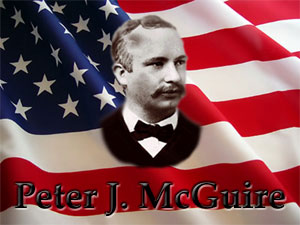













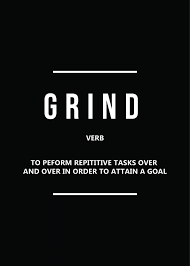
























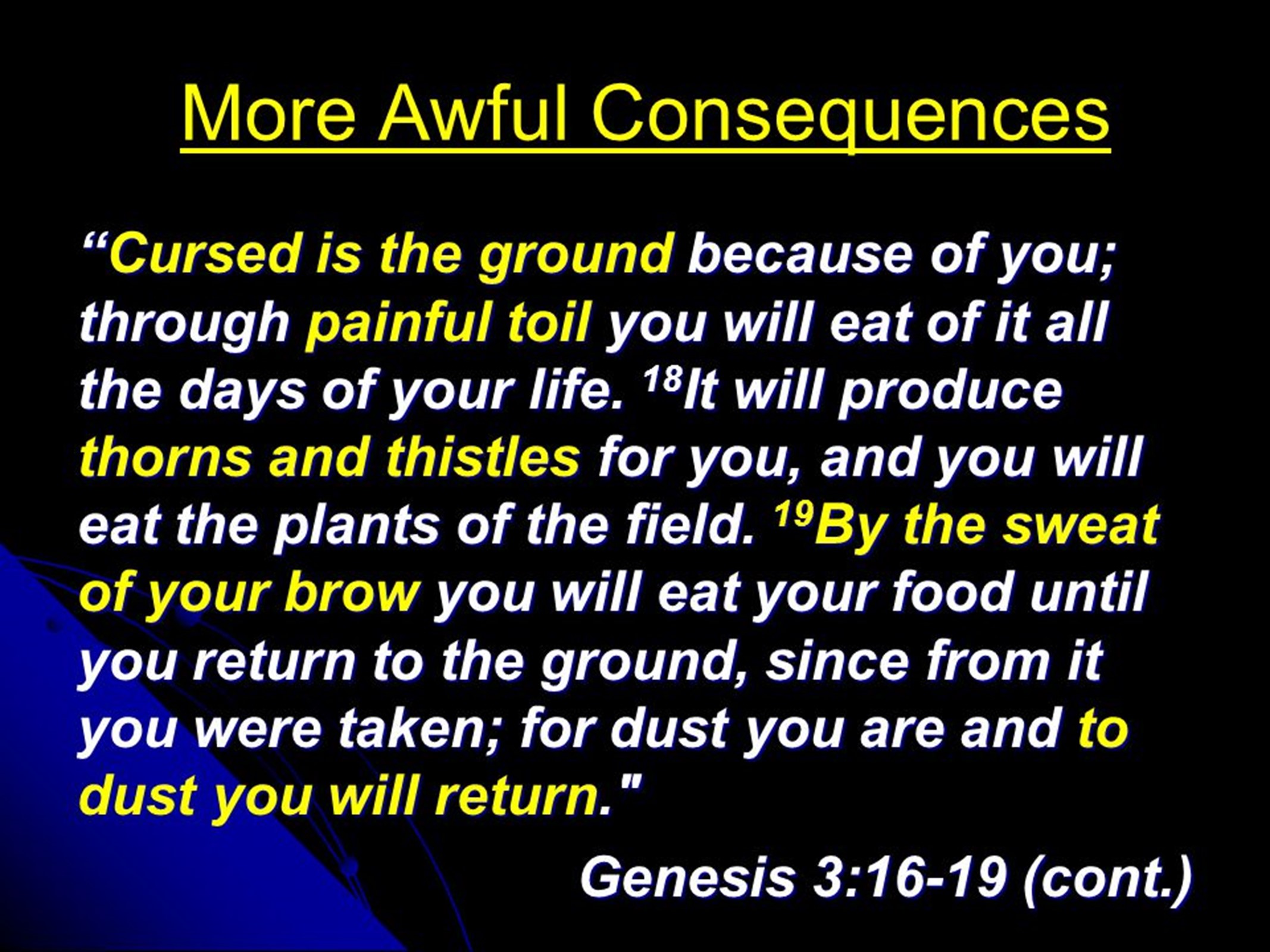





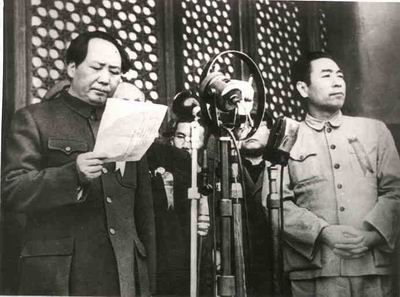
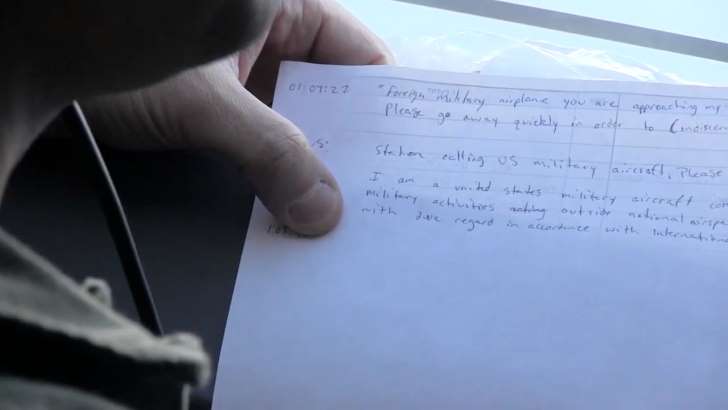
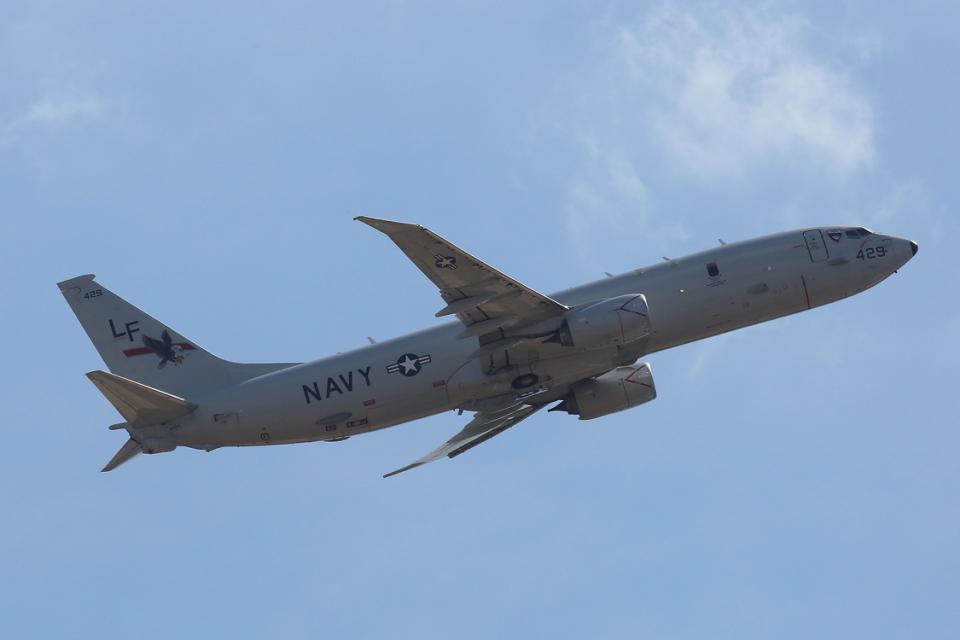
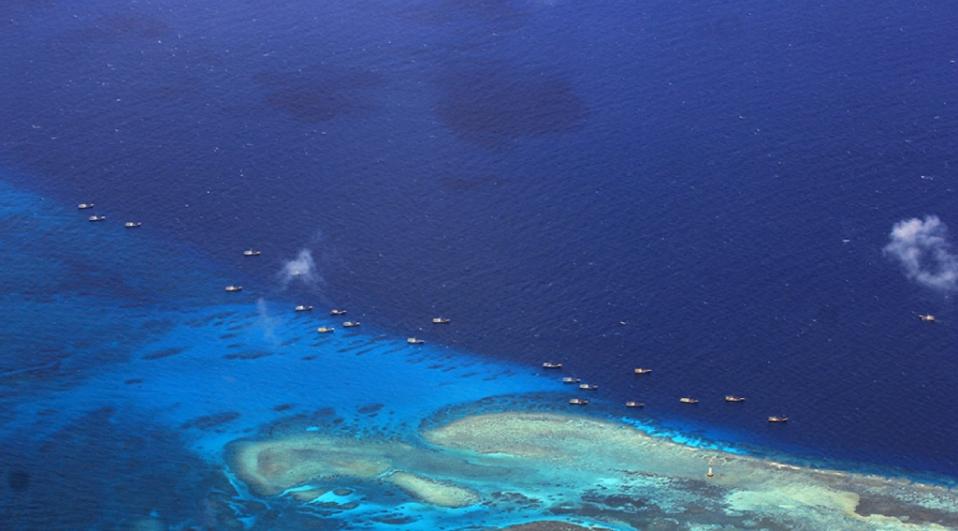
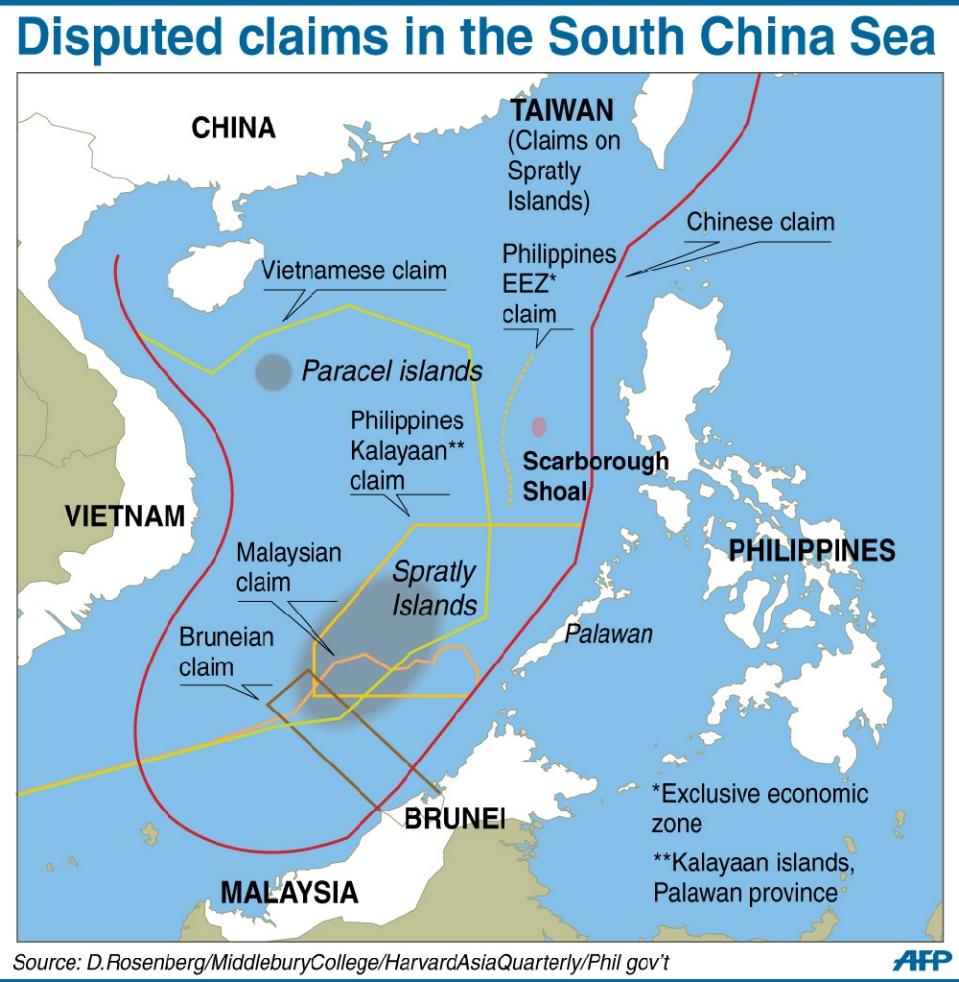
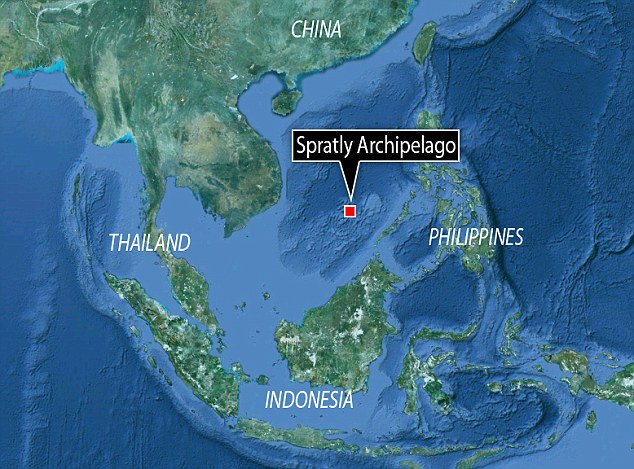

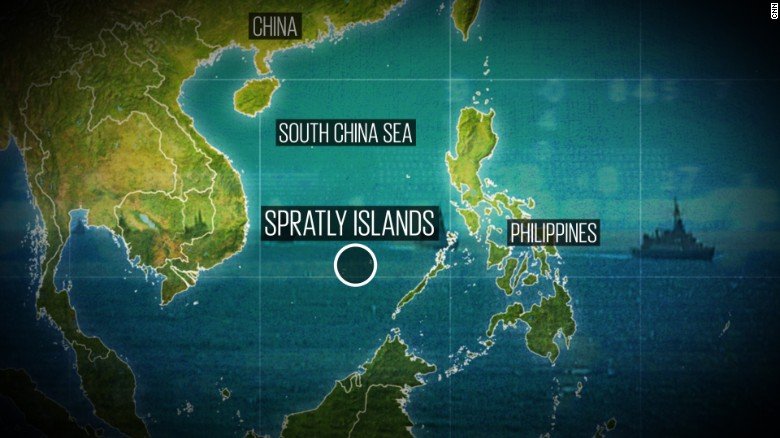
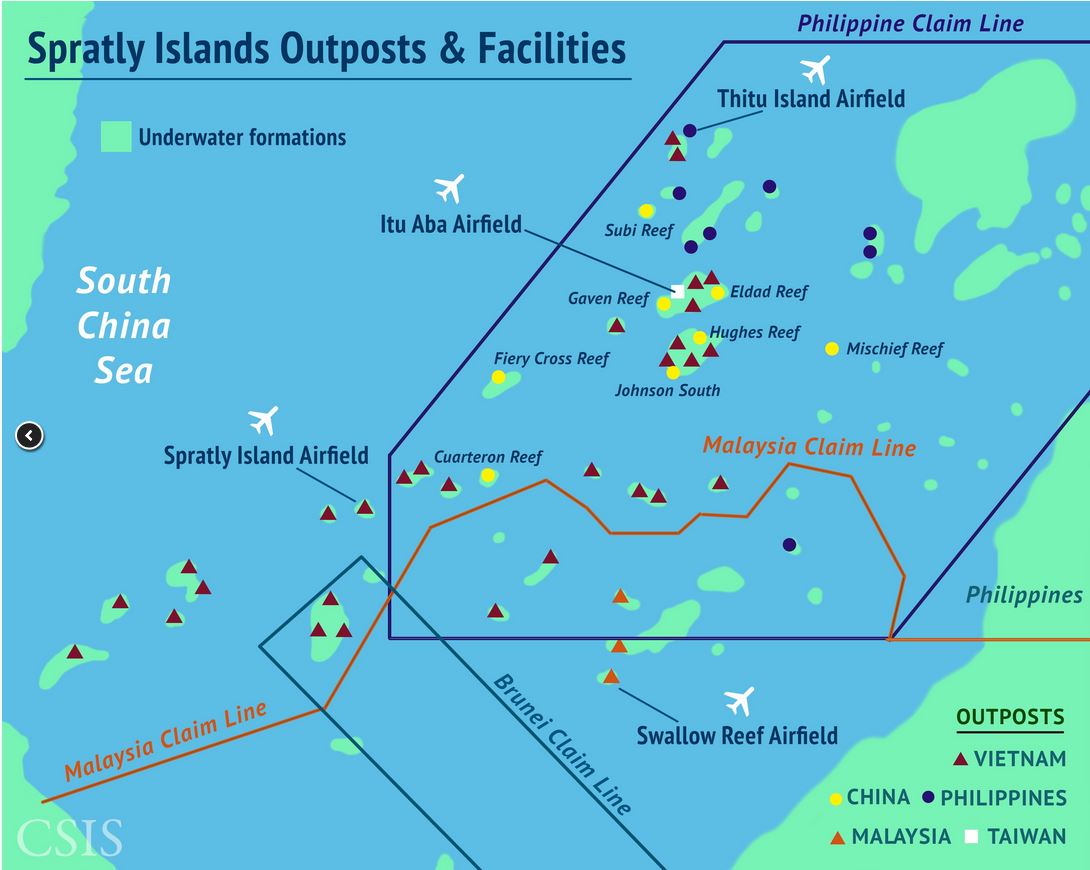
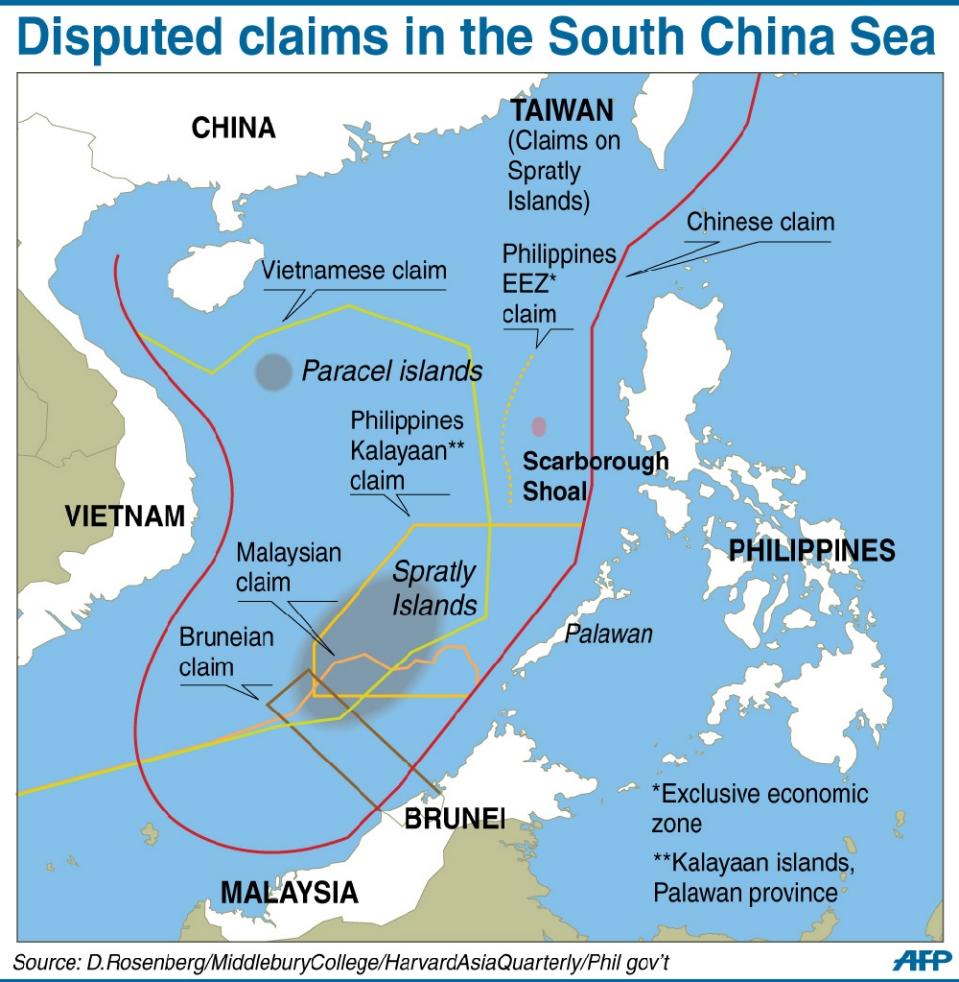
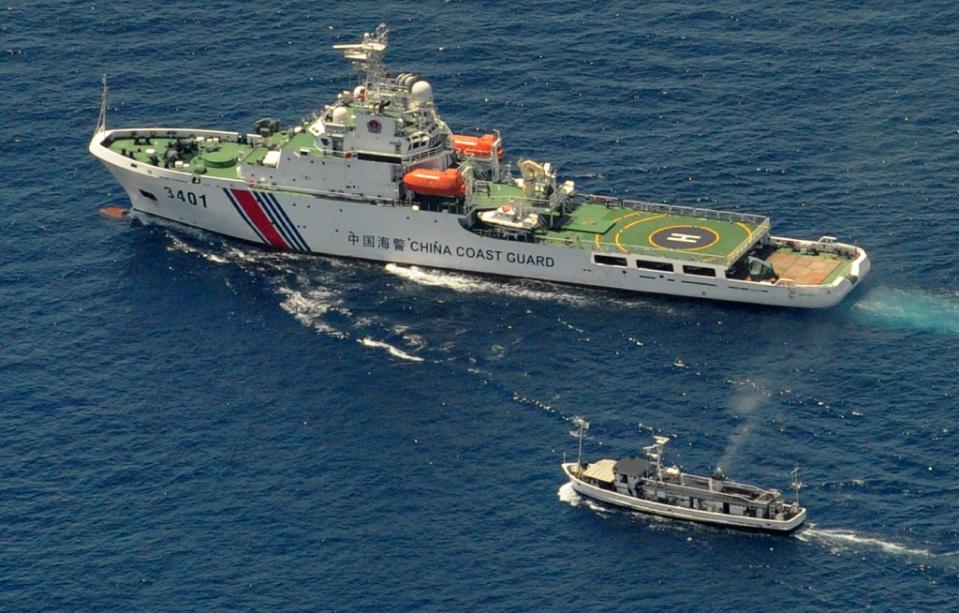
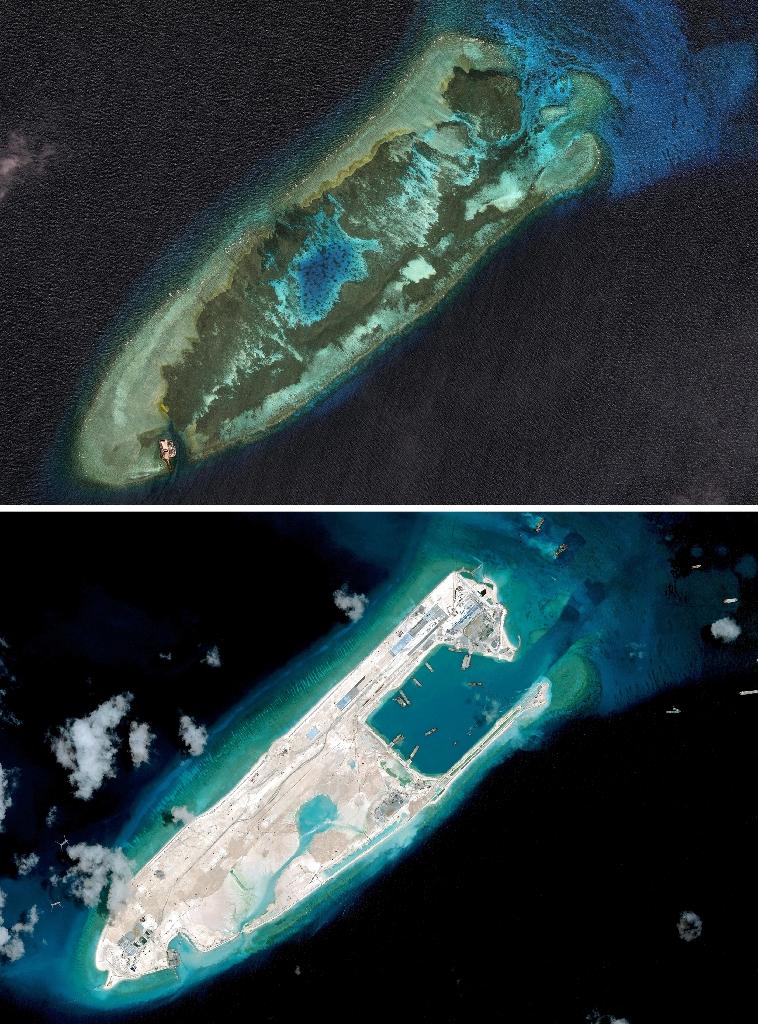
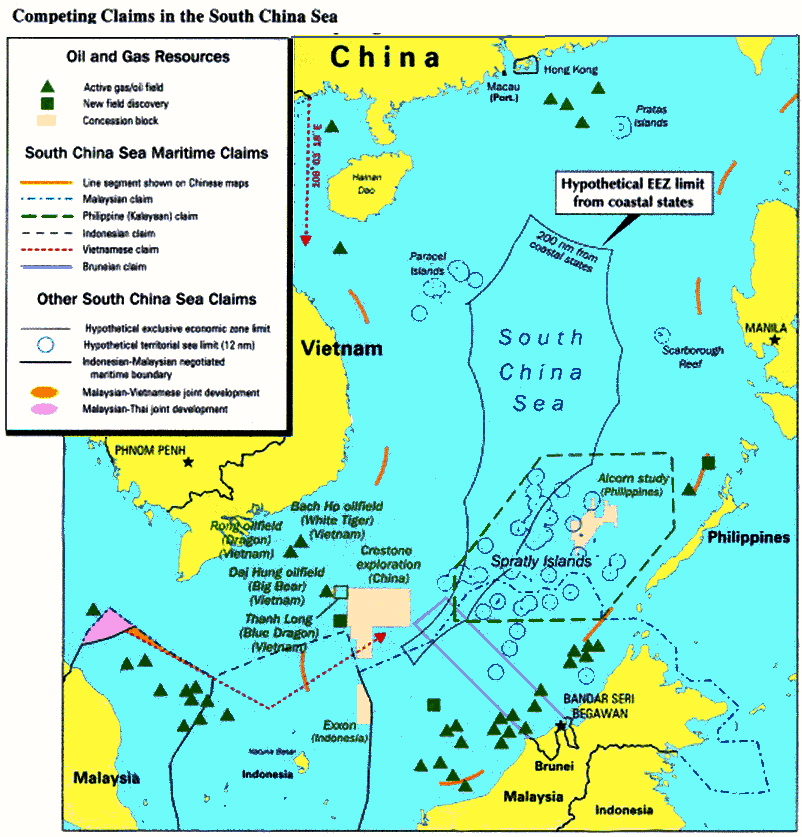


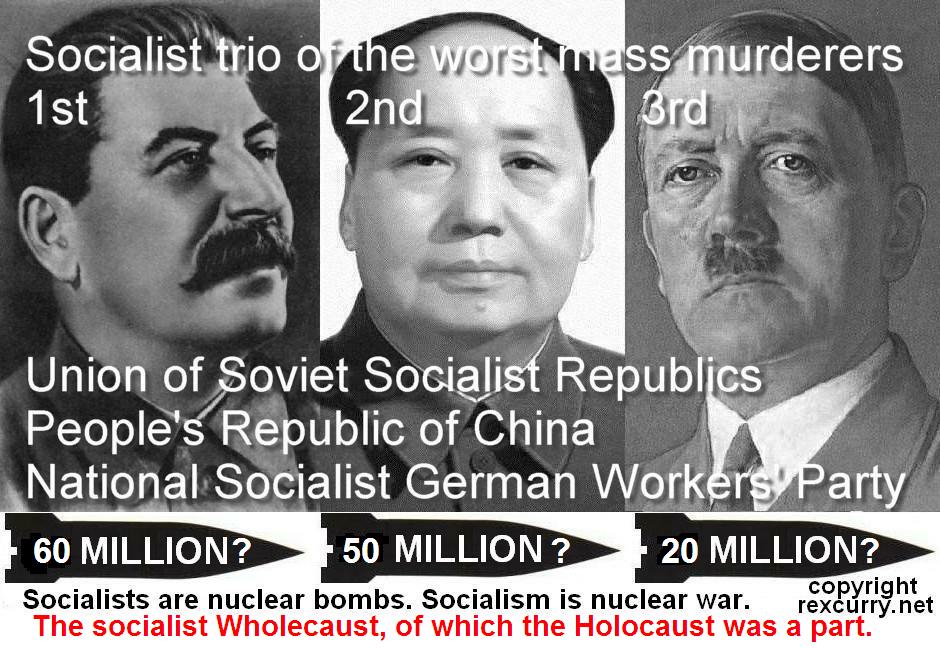
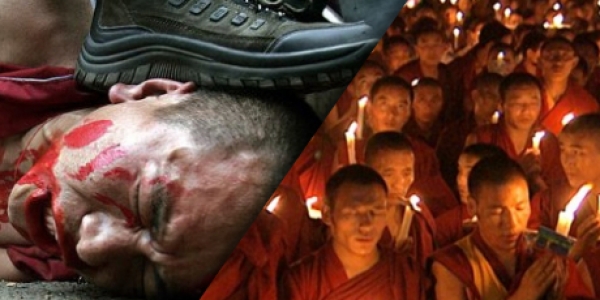


 Whole Dude - Whole Concept