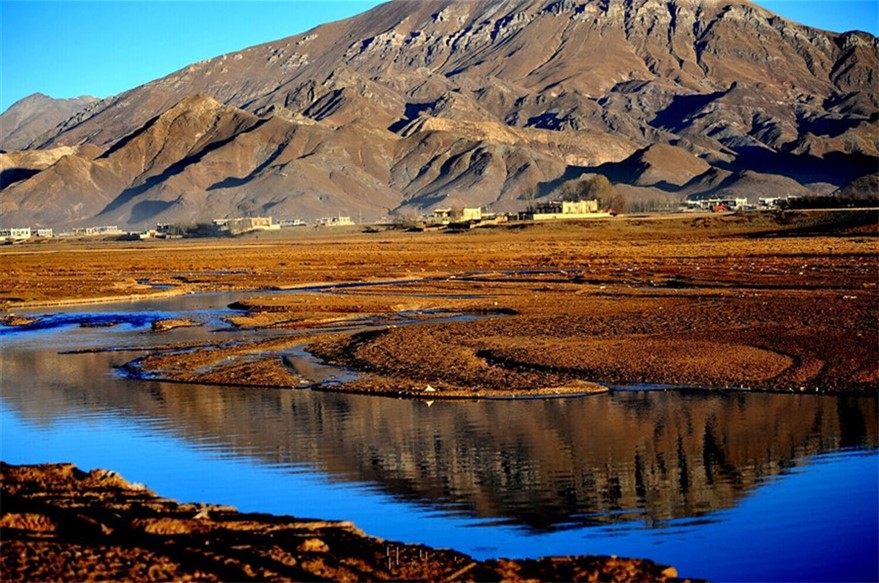
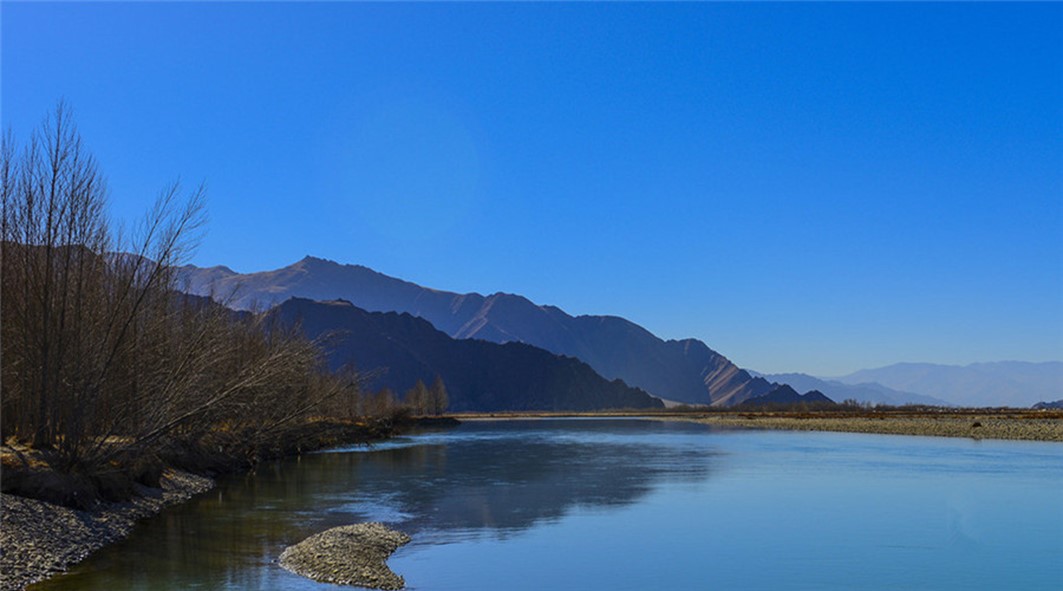
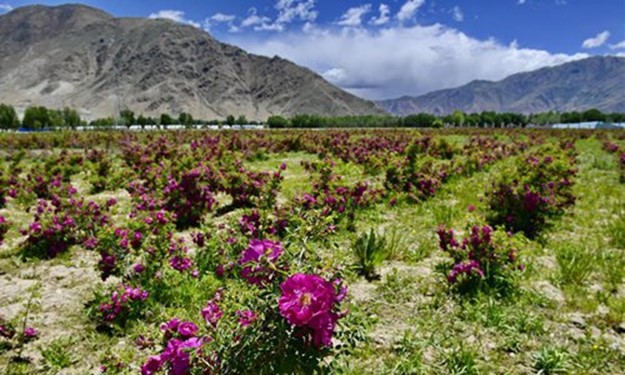
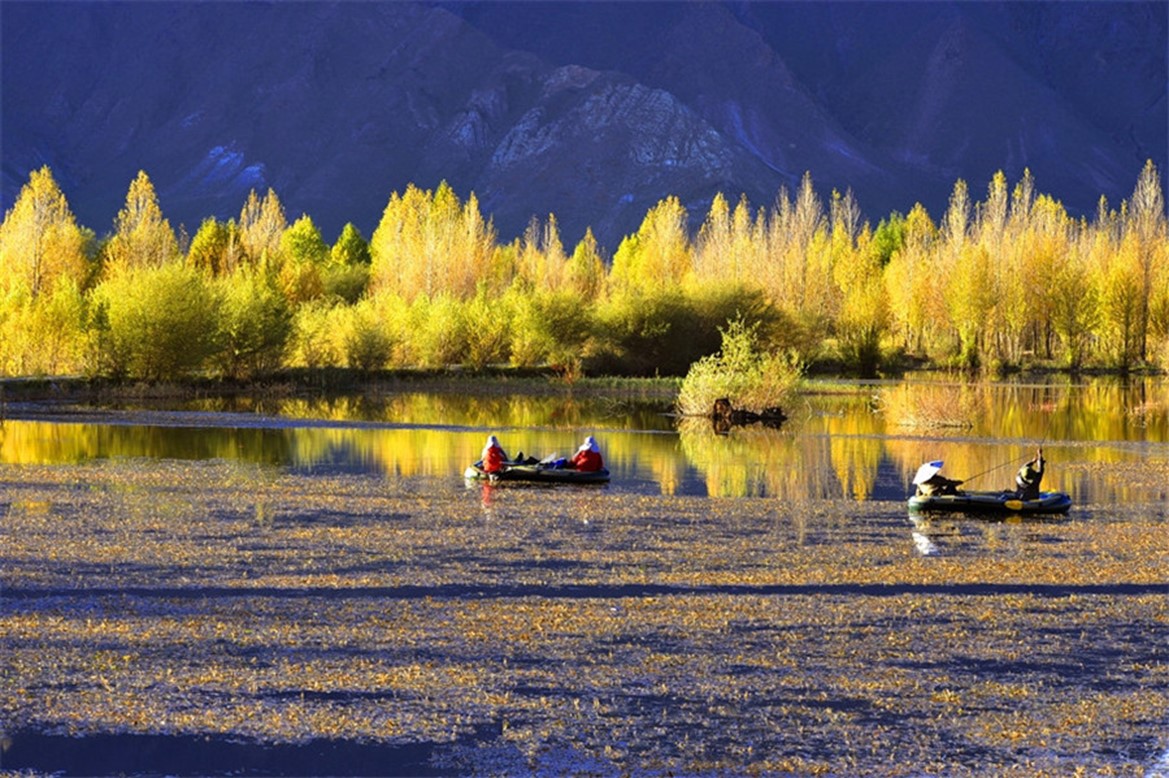
WELCOME TO THE SUMMER SEASON 2019. WHOLE MECHANICS-WHOLE DYNAMICS
Welcome to the Summer Season 2019. Whole Mechanics-Whole Dynamics.
On Friday, June 21, 2019, I celebrate the Summer Solstice, the beginning of the Summer Season sharing my thoughts on this celestial event.
Welcome to the Summer Season 2019. Whole Mechanics-Whole Dynamics.
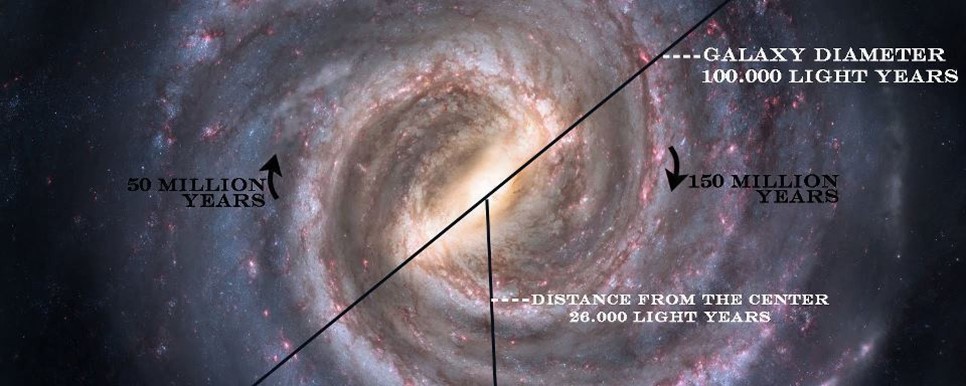
The Man’s experience of Day and Night, and of the changing Seasons are not determined by the true or real motions of Sun in the Milky Way Galaxy. The experience of the Summer Season is not on account of planet Earth’s proximity to Sun during its circular orbit around Sun.
Welcome to the Summer Season 2019. Whole Mechanics-Whole Dynamics.
I apply Pure Reasoning, or the Doctrine of Rationalism to formulate my concepts of Whole Mechanics and Whole Dynamics. In practical terms, the Geocentric Theory is valid for it accounts for the experience of Day and Night, and of the changing Seasons. Most importantly, the Man needs the experience of his existence on the surface of a Flat Disc with an overhead arched dome called Sky or Heaven where he observes the apparent motions of Sun, stars, and planets.
Welcome to the Summer Season 2019. Whole Mechanics-Whole Dynamics.
Hello, Summer! Today’s Solstice Marks Season’s Beginning | Space
Summer will officially arrive in the Northern Hemisphere today (June 21), marking the longest day, the shortest night and the beginning of summer.
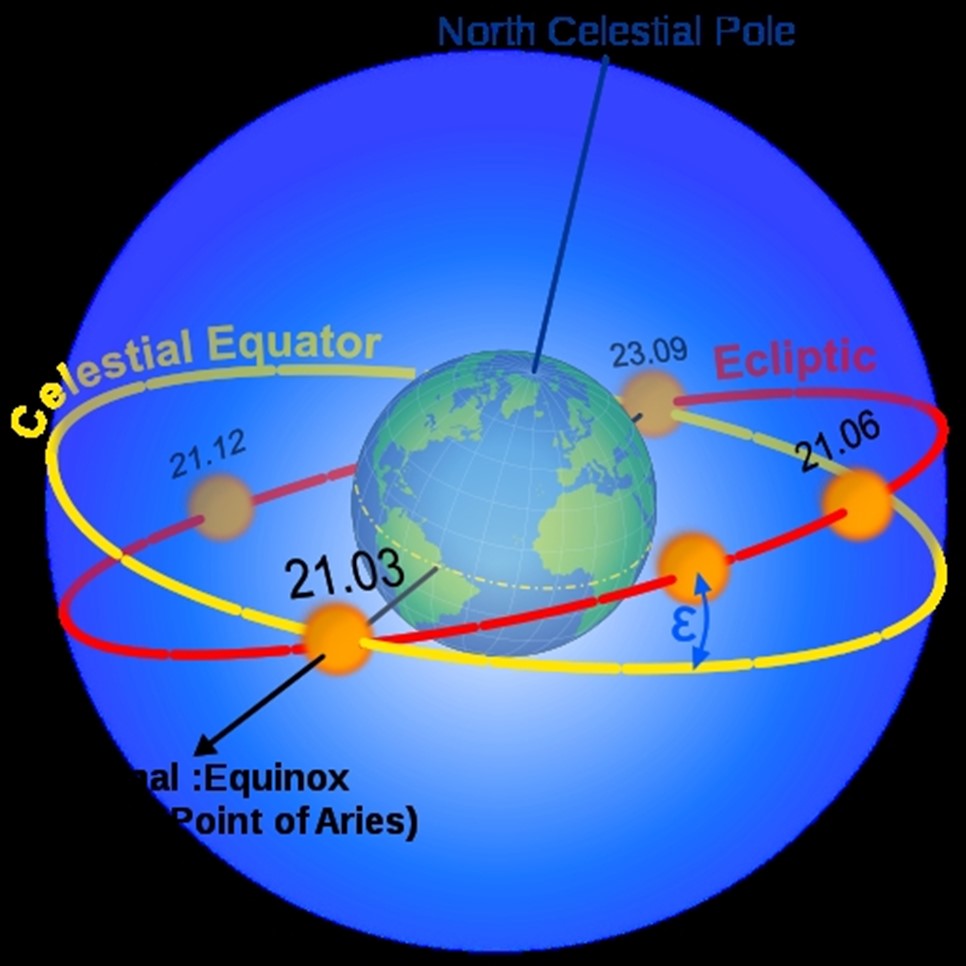
The June solstice will occur at 11:54 a.m. EDT (1554 GMT), as the sun reaches the point at which it is farthest north of the celestial equator. To be more precise, when the solstice occurs, the sun will appear to shine directly overhead for a viewer stationed on the Tropic of Cancer (latitude 23.5 degrees north) in the western Atlantic Ocean, roughly 600 miles (965 kilometers) to the northwest of San Juan, Puerto Rico.
From midnorthern latitudes, we can never see the sun directly overhead, but the same principle holds. For example, as seen from Philadelphia at 1:02 p.m. EDT on solstice day, the sun will attain its highest point in the sky for this entire year, standing 74 degrees above the southern horizon.
To gauge how high that is, your clenched fist held at arm’s length measures roughly 10 degrees, so from the City of Brotherly Love, the sun will appear to climb more than “seven fists” above the southern horizon. And since the sun will appear to describe such a high arc across the sky, daylight will be at its longest extreme, lasting 15 hours and 1 minute.
Twilight zones
But this doesn’t mean we can stargaze for the remaining 9 hours, because we also need to take twilight into consideration. Around the time of the June solstice at latitude 40 degrees north, morning and evening twilight each last 2 hours, so the sky is fully dark for only 5 hours.
Farther north, twilight lasts even longer. At 45 degrees, it lingers for 2.5 hours, and at 50 degrees, twilight persists through the night; the sky never gets completely dark. In contrast, heading south, twilight is shorter. At latitude 30, it lasts 96 minutes, while at the latitude of San Juan, it lingers for only 80 minutes. This phenomenon is why travelers from the northern U.S. who visit the Caribbean at this time of year get surprised at how quickly it gets dark after sunset compared to back home.
Incidentally, the earliest sunrise and latest sunset do not coincide with the summer solstice. The former occurred on June 14, while the latter does not come until June 27.
So far, so good
Some people think the Earth is at the closest point to the sun in its orbit at this time of year, but it is just the opposite. On July 4, at 6:11 p.m. EDT (2211 GMT), we’ll be at the point in our orbit farthest from the sun (called aphelion), 94,513,221 miles (152,104,285 km).
Conversely, back on Jan. 3, Earth was at perihelion, the point in its orbit closest to the sun. The difference in distance between these two extremes measures 3,109,667 miles (5,004,524 km), or 3.3% of the average distance between the sun and Earth. That small change leads to a difference of nearly 7% in the radiant heat received by the Earth.
Theoretically, for the Northern Hemisphere, the difference in the distance to the sun tends to warm our winters and cool our summers. But, the preponderance of large land masses in the Northern Hemisphere outweighs this effect, making our winters colder and summers hotter than those of the Southern Hemisphere.
Interestingly, it would be a much different story if we were on Mars. Compared to our nearly circular orbit, the orbit of Mars is noticeably more eccentric (elliptical). When Mars arrives at aphelion, the planet is receiving only 69% as much sunlight as it does at perihelion. This situation creates a seasonal asymmetry on Mars; the Martian southern hemisphere always suffers greater extremes between summer and winter than the northern hemisphere does.
After Aug. 7, it “gets late early”
After the sun arrives at its solstice point, it will begin to migrate back toward the south, and the amount of daylight in the Northern Hemisphere will decrease. Consider this: After today, the duration of daylight will not increase again until two days before Christmas.
But if you think about it, the length of daylight has been rather substantial since about the middle of May. And the lowering of the sun’s path in the sky and the diminishing of the daylight hours in the coming days and weeks will be rather subtle, at least initially, during the first half or so of summer.
The traditional midpoint of the summer season is Aug. 1 which is marked on some Christian calendars as Lammas Day. The name is derived from the Old English “loaf-mass,” because it was once observed as a harvest festival. But summer’s true midpoint — the moment that comes exactly between the summer solstice and the autumnal equinox in 2019 — will not occur until Aug. 7 at 7:52 a.m. EDT (1152 GMT). On that day, again, as seen from Philadelphia, the sun will set at 8:08 p.m., with the loss of daylight since June 21 amounting to just 57 minutes.
But in the second half of summer, the effects of the southward shift of the sun’s direct rays become much more noticeable. When autumn officially arrives, on Sept. 23, the sun for Philadelphians will set at 6:56 p.m., while the city will have lost 2 full hours of daylight since Aug. 7.
When he occasionally played left field during his Hall of Fame career with the Yankees, Yogi Berra would say that he didn’t mind the outfield, except for one thing: During August and September, as the shadows across the ball field progressively lengthened, it got increasingly difficult for him to see a baseball hit in his direction. Berra might not have been able to explain the science of why the altitude of the sun lowered so perceptibly during the latter half of the summer, but, as only he could do, he was able to sum it all up in a simple Yogism: “It gets late early out there.”
Joe Rao serves as an instructor and guest lecturer at New York’s Hayden Planetarium. He writes about astronomy for Natural History magazine, the Farmers’ Almanac and other publications, and he is also an on-camera meteorologist for Verizon FiOS1 News in New York’s lower Hudson Valley. Follow us on Twitter @Spacedotcom and on Facebook.
Welcome to the Summer Season 2019. Whole Mechanics-Whole Dynamics.
I AM A REFUGEE WITH NO REFUGE ON WORLD REFUGEE DAY
I host ‘The Living Tibetan Spirits’ in my Consciousness. I am a Refugee and I have no Refuge on World Refugee Day.
I host ‘The Living Tibetan Spirits’ in my Consciousness. On Thursday, June 20, 2019, I observe the World Refugee Day with the feelings of hopelessness for I am a Refugee and I have no Refuge.
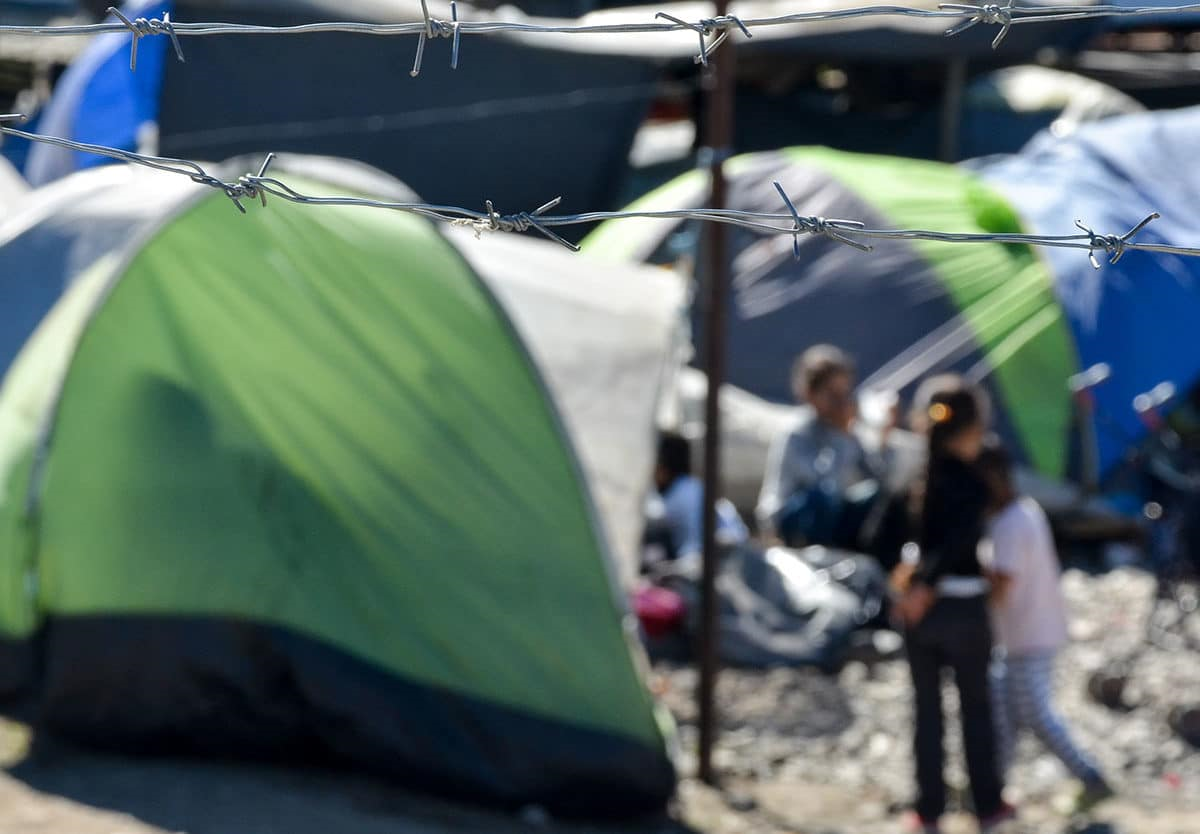
Each June 20, the globe comes together to honor World Refugee Day. The United Nations General Assembly launched the holiday in 2000, and since then, the worldwide community has spent the day focused on ways to improve the lives of refugees. Most of us know that refugees are forced to leave their homes due to war, terror, or other crises—but fleeing their home country is often just the beginning of a difficult journey. Many refugees find themselves living in camps until they are resettled—some of which are dangerous or not well-equipped for long term living. Refugees don’t always have a say in which country they are ultimately relocated to, and the bureaucratic process involved in finding their new home can take years. Worldwide refugee crises have taken center stage in the news in recent years, so it’s more important than ever to share support and to celebrate World Refugee Day.
How to Observe World Refugee Day
Attend a United Nations event
The UN plans to host live digital events on World Refugee Day discussing the world refugee crisis, future goals surrounding the topic, and how to make a difference. Be on the lookout for summaries of the events’ happenings or see if you can attend for yourself.
Be a friend to refugees in your community
Reach out to refugees in your area. Consider inviting them into your home for dinner, or to spend a few nights in your guest room if they’re in need of somewhere to stay. Introduce them to your local community so they’ll have an easier time getting to know their new neighborhood. Simply being a friend can make a major positive impact in someone’s life and serving as a guide to the community can be incredibly helpful.
Use your job to make a difference
No matter what you do for a living, there’s a good chance that your professional skills can be used to improve the lives of others. Volunteer your work-related talents to local refugee organizations. Last year, the UN shared a goal that someday soon, every refugee would have the opportunity for an education, a safe place to live, and ways to work and contribute to their communities. Chances are, you’ve got a skill or talent that can help in working toward one of those goals. If you own a business or are a hiring manager, you may also consider employing local refugees who need work.
Why World Refugee Day is Important
It builds empathy and raises awareness
The vastness of the world refugee crisis can be hard to grasp but raising awareness can help make it easier for others to understand the extent of what refugees around the world are going through. It also builds a sense of empathy and compassion that brings people together from all walks of life, and that’s always a positive thing
It provides an incentive to create a more peaceful world
In a more peaceful world, fewer people would be forced to flee their homes due to violence and unrest. Naturally, this would make for a significant decrease in suffering around the world. While working towards greater peace isn’t something that can happen overnight, it’s an important goal, and World Refugee Day reminds us of just how vital it is.
It encourages us to be better friends, neighbors, and citizens
It’s easy to feel helpless in the face of such a massive worldwide crisis but taking small steps can help make a difference. World Refugee Day encourages all of us to think creatively about what we can do to help. It also motivates everyone celebrating the holiday to be better neighbors to refugees living in their communities and to be more compassionate world citizens in general.
From the beginning of human civilization, from the times of the origin of the Anatomically Modern Man in Tibet and India, the ‘Sanatana Dharma’ formulated the bond between the people of India and Tibet. These people participate in ritualistic worship of Mountains, and of bodies of Water such as the lakes and rivers which shape their earthly living experience. They seek the presence of the LORD God Creator in the acts of His Creation.
Rudranarasimham Rebbapragada
SPECIAL FRONTIER FORCE
The Sanatana Dharma Bond between India and Tibet.
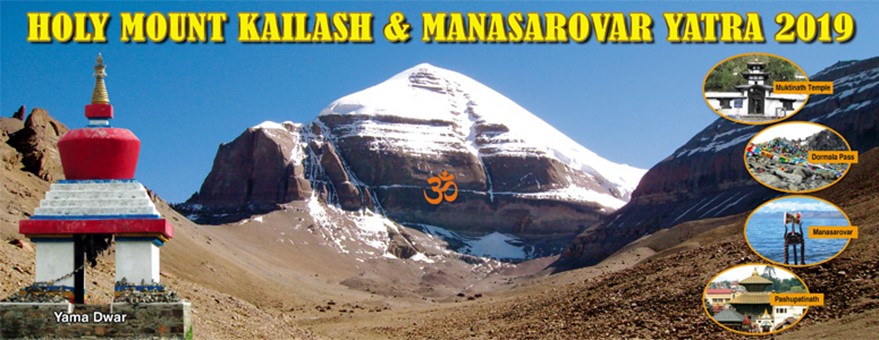
First Group Of Kailash-Mansarovar Pilgrims For 2019 Yatra Reach Tibet
The Sanatana Dharma Bond between India and Tibet.
Kailash-Mansarovar Yatra: “All the members of the batch are safe. They were found medically fit by Indo-Tibetan Border Police or ITBP doctors during a check-up at Gunji.
All India | Press Trust of India | Updated: June 20, 2019 13:52 IST
The Sanatana Dharma Bond between India and Tibet.
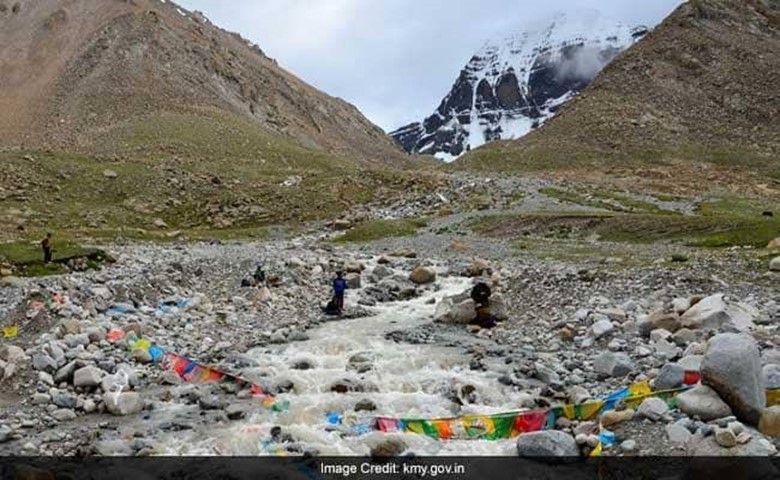
Pilgrims on the Kailash-Mansarovar yatra have reached Tibet for darshan (File Photo)
Pithoragarh, Uttarakhand:
The first batch of 58 Kailash-Mansarovar pilgrims reached Tibet today through the Lipulekh pass.
The pilgrims crossed over into Tibet through the Lipulekh pass located at 17,500 feet on way to Kailash-Mansarovar at 8:15 am, said Ashok Joshi, General Manager of Kumaon Mandal Vikas Nigam or KMVN, the nodal agency for the yatra.
“All the members of the batch are safe. They were found medically fit by Indo-Tibetan Border Police or ITBP doctors during a check-up at Gunji.
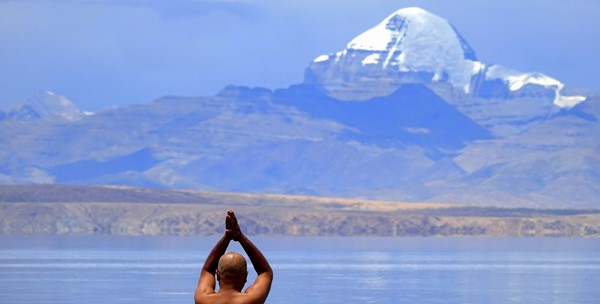
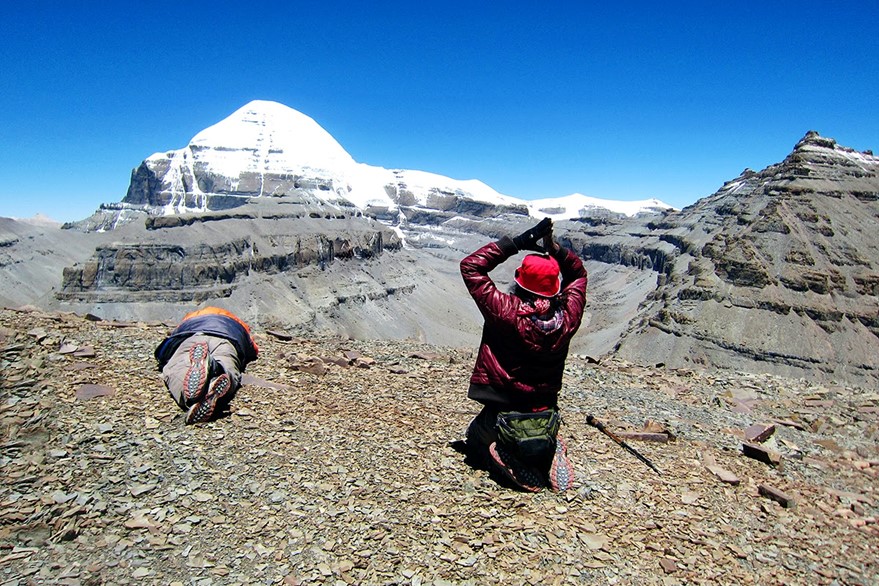
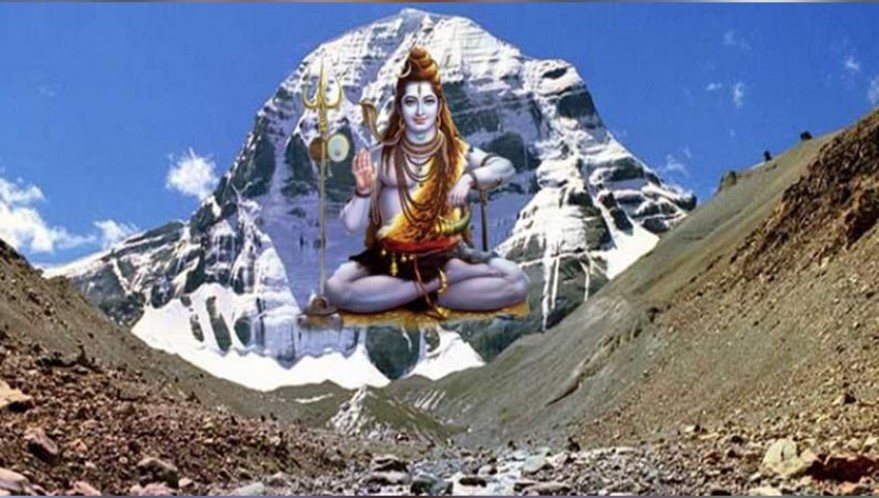
“The batch will return to the pass after spending seven days in Tibet where the pilgrims will have a darshan (view) of the holy Mount Kailash believed to be the abode of Lord Shiva. They will also take a dip in the sacred Mansarovar lake,” Mr. Joshi said.
Besides the first batch, two other batches of pilgrims have also reached close to the Lipulekh pass, he added.
I am a Refugee. When will I find my Refuge? Father’s Day Lesson.
I believe in the doctrine called ‘Predestination’. I do not believe in Free-Will, or Will to Choose. I am not running away from God. I cannot choose to disobey God. It may seem that I am making choices and that I may have preplanned my moves. My Life’s Journey began in Mylapore, Madras, Chennai, India. Amongst other places, my Journey took me to Doom Dooma, Tinsukia District, Assam, India during 1972. While I worked in Doom Dooma, I got married during January 1973 as per God’s Plan. Eventually, I arrived in Ann Arbor, Michigan, the USA with the thoughts of Fear forcing me to live as a Refugee.
I find myself living and surviving inside the belly of a Big Fish or Great Whale. Prophet Jonah survived his ordeal just for three days and three nights. The Son of Man remained in the heart of the earth just for three days, and three nights.
I am living with the Hope that God has not forsaken me. God has not forgotten my plight or ordeal. God has a Plan for my Salvation. I am a Refugee for it is Predestined. But when will I find my Refuge?
Rudranarasimham Rebbapragada
SPECIAL FRONTIER FORCE
I am a Refugee. When will I find my Refuge? Father’s Day Lesson.I am a Refugee. When will I find my Refuge? Father’s Day Lesson. I am a Refugee. When will I find my Refuge? Father’s Day Lesson.I am a Refugee. When will I find my Refuge? Father’s Day Lesson.I am a Refugee. When will I find my Refuge? Father’s Day Lesson. I am a Refugee. When will I find my Refuge? Father’s Day Lesson. I am a Refugee. When will I find my Refuge? Father’s Day Lesson. I am a Refugee. When will I find my Refuge? Father’s Day Lesson. I am a Refugee. When will I find my Refuge? Father’s Day Lesson.
10 Great Lessons from the Book of Jonah
By Wayne Jackson
I am a Refugee. When will I find my Refuge? Father’s Day Lesson.
The prophet Jonah lived in the Galilean city of Gath-Hepher (about four miles north of Nazareth) during the reign of Jeroboam II (793-753 B.C.), king of Israel (cf. 2 Kgs. 14:25). Jeroboam II was northern Israel’s most powerful king, and during his administration, the borders of the nation were expanded to their greatest extent since the time of David and Solomon.
Assyria, however, five hundred miles to the east, was a constant threat. The fact of the matter is, due to Israel’s progressive rebellion, the prophets Hosea and Amos, contemporaries of Jonah, had declared that Jehovah would use Assyria as an instrument of punishment against his people (cf. Hos. 11:5; Amos 5:27). Any patriotic Israelite would have longed for Assyria’s destruction!
One can scarcely imagine, therefore, the consternation that must have filled Jonah’s heart when he received the Lord’s word instructing him to proceed to Nineveh, the capital city of Assyria, with a divine message.
Jonah’s Resistance
Although the prophet’s brief declaration to Nineveh was one of judgment, nonetheless, Jonah was aware of the fact that Jehovah is a “gracious God and merciful, slow to anger, and abundant in loving kindness” (Jon. 4:2). Hence, it was certain that if the inhabitants of that great city were responsive to his message, Heaven would certainly spare them. And Jonah did not want that.
Accordingly, Jonah went to Joppa where he boarded a ship bound for Tarshish, a Phoenician colony on the southwest coast of Spain some two thousand miles to the west. The express design of his trip was to flee from the presence of Jehovah (Jon. 1:3).
But, as every Bible student knows, his plans were soon thwarted. Where men propose, God can dispose!
When a great storm arose, and the inmates of the vessel feared for their very lives, Jonah confessed that he, as a refugee from the Lord, was the cause of the calamity. Though the prophet’s sailing companions did not like the idea, they ultimately were forced to accept Jonah’s suggestion that he be thrown overboard.
Down he went into the dark depths of the Mediterranean, seaweed swirling about his head (cf. Jon. 2:5). Presently, he was devoured by a great creature of the deep. One might almost say that the Lord sent Jonah to school for three days, and the classroom was the belly of a great sea-monster. The prophet matriculated wonderfully well, graduating with a diploma in “mission responsibility”!
Jonah Preaches to Nineveh
Making his way to Nineveh, a journey that would have taken more than a month and thus provided ample time for sober reflection, Jonah entered the great city with his blunt message (consisting of only five words in the Hebrew text):
“Yet forty days and Nineveh shall be overthrown.”
Amazingly, there was mass repentance, from the king (Ashur-dan III, according to Assyrian records) down to the commoner.
Jonah was quite distraught at this turn of events and he despaired, even to the point of wanting to die. Resolutely, he perched himself on a hilltop nearby, eagerly watching the city in hopes that the Lord would yet destroy it. His education was still incomplete!
As he sat in the scorching sun, God caused a shady vine to grow up for his refreshment and the prophet was glad. On the following day, however, Jehovah sent a worm to smite Jonah’s vine, and as the blistering sun beat upon his head, the man of God again lapsed into a state of abject depression.
Then came Heaven’s stinging rebuke. The Lord in effect said: “Jonah, why is it that you are so concerned with this vine—a mere plant which is temporal, and for which you did not labor; and yet, you evidence utterly no concern for the hapless inhabitants of Nineveh?”
The penetrating inquiry threw a divine floodlight upon the pathetic values of the man from Gath-Hepher.
10 Timeless Lessons from the Book of Jonah
The book of Jonah is filled with valuable information and timeless lessons. Perhaps we could reflect upon a few of these matters.
Jonah’s Story Validated by Christ
First, we should note that this marvelous narrative has suffered the brunt of the critics’ barbs for a long while. Because of the incident of Jonah being swallowed by the sea-creature, many modern scholars contend that the document is pure fiction (cf. Goodspeed 1946, 149).
Jesus Christ, however, did not so view it. He appealed to the narrative as genuine history (cf. Mt. 12:39-41), and this settles the issue for all who have any regard for the Savior’s deity.
Aside from the fact that this event doubtless involved a miracle, the circumstances are not beyond the realm of possibility even from a natural viewpoint (as employed in the providential operations of God). In fact, a number of similar cases have been documented in relatively modern times.
In 1891, a seaman was swallowed by a large sperm whale near the Falkland Islands. After three days, he was recovered, unconscious but alive, though there was some damage to his skin (Wilson 1927, 636). Some, however, dispute the credibility of this story.
Moreover, some critics argue that the book of Jonah depicts the prophet as being swallowed by a “great fish” (Jon. 1:17), while the New Testament suggests that the creature was a “whale” (Mt. 12:40). And, as any schoolboy knows, a whale is a mammal, not a fish.
The fallacy of this ill-conceived argument lies in the fact that both the Hebrew word dag and the Greek word, ketos are generic terms that can apply to any aquatic creature (cf. ASV fn). There is no error here.
The Sovereignty of Jehovah
The book of Jonah demonstrates the sovereignty of the Almighty as he employs his creation to accomplish the divine plan. The Lord controlled the elements of weather (Jon. 1:4, 11, 13, 15; 4:8), and he prepared a sea-creature, a vine, and a worm to do his bidding (Jon. 1:17; 4:6, 7).
God’s Interest in All People
This inspired document reveals the international interest of God, even in the Mosaic era.
Though Jehovah was working primarily through the Hebrew nation as an instrument for the sending of the promised Seed (Gen. 22:18), nevertheless, his compassion for all the people of the earth was abundantly manifested. And the sending of the “missionary,” Jonah, to these Gentile Ninevites was a clear demonstration of this.
God Is in Control
This narrative illustrates a truth so frequently suggested in the Old Testament, namely, that the Lord, not man, is in control of the destiny of nations.
Jehovah rules in the kingdoms of men and disposes of them according to his divine standard (cf. Psa. 22:28; Prov. 14:34; Dan. 2:21; 4:17). Those who think that nations stand or fall because of a “strong national defense” are woefully ignorant of biblical principles.
Nineveh was given forty days to repent. As a result, the nation was spared destruction for about a century and a half. Later, however, when Assyria degenerated again, she was destroyed and the prophet, Nahum, addresses this very matter. Nineveh fell to the Babylonians in 612 B.C.
Mankind is Accountable to the Lord
The book of Jonah demonstrates that ancient peoples who were outside of that Mosaic covenant relationship with Jehovah were nonetheless accountable to Heaven’s moral law.
Jehovah looked down upon Nineveh and observed the wickedness of these people (Jon. 1:2). Since sin is the transgression of divine law (1 Jn. 3:4; cf. Rom. 4:15), the Ninevites were obviously subject to such.
This powerful truth is in direct conflict with the modern theory which contends that those who are “outside of the church” are not subject to the marriage law of God (the design of which is to regulate human morality — cf. 1 Cor. 7:1ff; Heb. 13:4). The whole purpose of this novel concept, of course, is to justify adulterous relationships within the family of God!
People Can Change
This record reveals the power inherent within the word of God when such comes into contact with honest and good hearts (cf. Lk. 8:15). Though Jonah’s message was very brief (as indicated above), it produced the desired effect.
Again, some critics have faulted the divine account at this point, claiming that so trifling a sermon could hardly have produced the results described. But the objection, which stems strictly from subjective bias, ignores the biblical evidence, not the least of which is the testimony of Christ that “the men of Nineveh repented at the preaching of Jonah” (Mt. 12:41).
Besides that, historical records reveal that the notable city had suffered severe plagues in 765 and 759 B.C. The soil had thus been conditioned for Jonah’s “revival.”
Too, somehow or another the citizens of Nineveh had learned of the prophet’s “resurrection” from the belly of the “fish,” for, as Jesus noted, Jonah was a “sign” to that generation even as the raised Lord would be to his (cf. Lk. 11:30).
Repentance Requires Works
This instructive account, together with the inspired New Testament commentary which discusses it, underscores an important dimension to repentance.
Jesus declared that “the men of Nineveh repented at the preaching of Jonah” (Mt. 12:41), while the book of Jonah itself informs us that God “saw their [the people of Nineveh] works, that they turned from their evil way” (Jon. 3:10).
Thus, repentance is not, as some allege, a mere sorrow for sin. Rather, it requires turning away from evil conduct.
Moreover, this passage reveals that repentance is a work, and since repentance is essential to salvation (Lk. 13:3, 5; Acts 17:30), it conclusively follows that salvation is not exclusive of all types of works!
The Punishment of Hell
An intriguing passage in the book of Jonah illustrates a vital point about the punishment of the wicked after death.
In graphically poetic language, the agonizing prophet described his horrible ordeal in the sea monster’s belly as an experience akin to being in “hell.” He exclaims:
“I cried by reason of my affliction unto the Lord . . . out of the belly of hell cried I” (Jon. 2:2).
The Hebrew term is Sheol. Here it denotes the abode of the wicked prior to the Judgement.
Since crying out by reason of affliction certainly indicates conscious suffering, one may conclude that the state of the wicked dead is that of conscious torment—a truth affirmed elsewhere in the sacred record (cf. Lk. 16:23; 2 Pet. 2:9, ASV).
J.W. McGarvey has an excellent discussion of this point in his essay, “Destiny of the Wicked” (n.d., 429, 430).
Conditional Prophecy
Jonah’s message to Nineveh reveals that prophecy is sometimes conditional.
The prophet declared that the great city would be destroyed in forty days. But it survived for a century and a half beyond that time.
Clearly, therefore, the prediction of doom was conditioned upon Nineveh’s response to the prophetic message.
Millennialists would do well to learn from this principle of prophecy.
For example, Israel was promised inheritance of the land of Canaan. That promise, however, was conditioned upon their fidelity to God (cf. Josh. 22:4, 5; 23:1ff), and the time eventually came when they lost their deed to Palestine.
Typology in the Book of Jonah
The book of Jonah presents a beautiful type of the resurrection of Christ from the dead.
Though some modernists argue that the concept of a bodily resurrection of Christ from the dead was unknown in Old Testament times, Jesus demonstrated otherwise. He declared:
“[F]or as Jonah was three days and nights in the belly of the sea-monster; so shall the Son of man be three days and three nights in the heart of the earth” (Mt. 12:40).
Clearly, the Lord viewed Jonah’s three-day entombment as a foreshadowing of his resurrection from the grave, by which, of course, Christ was declared to be the Son of God with power (Rom. 1:4).
Conclusion
In his epistle to the Romans, Paul wrote:
“For whatsoever things were written aforetime [i.e., the Old Testament Scriptures] were written for our learning, that through patience and through the comfort of the scriptures we might have hope” (Rom. 15:4).
Surely the foregoing points of truth, as gleaned from the delightful book of Jonah, are illustrative of the truth of this rich passage.
Why not take some time and refresh yourself with a review of the edifying material in the book of Jonah.
Works Cited
Goodspeed, E. J. 1946. How to Read the Bible. Philadelphia, PA: John C. Winston Co.
McGarvey, J. W. n.d. The destiny of the Wicked. Lard’s Quarterly. Vol. 2.
Wilson, A. J. 1927. Princeton Theological Review, XXV, October.
Scripture References
Hosea 11:5; Amos 5:27; Jonah 4:2; Jonah 1:3; Jonah 2:5; Matthew 12:39-41; Jonah 1:17; Matthew 12:40; Jonah 1:4, 11, 13, 15, 4:8; Jonah 1:17, 4:6, 7; Genesis 22:18; Psalm 22:28; Proverbs 14:34; Daniel 2:21, 4:17; Jonah 1:2; 1 John 3:4; Romans 4:15; Hebrews 13:4; Luke 8:15; Matthew 12:41; Luke 11:30; Jonah 3:10; Luke 13:3, 5; Acts 17:30; Jonah 2:2; Luke 16:23; 2 Peter 2:9; Joshua 22:4, 5, 23:1; Romans 1:4; Romans 15:4
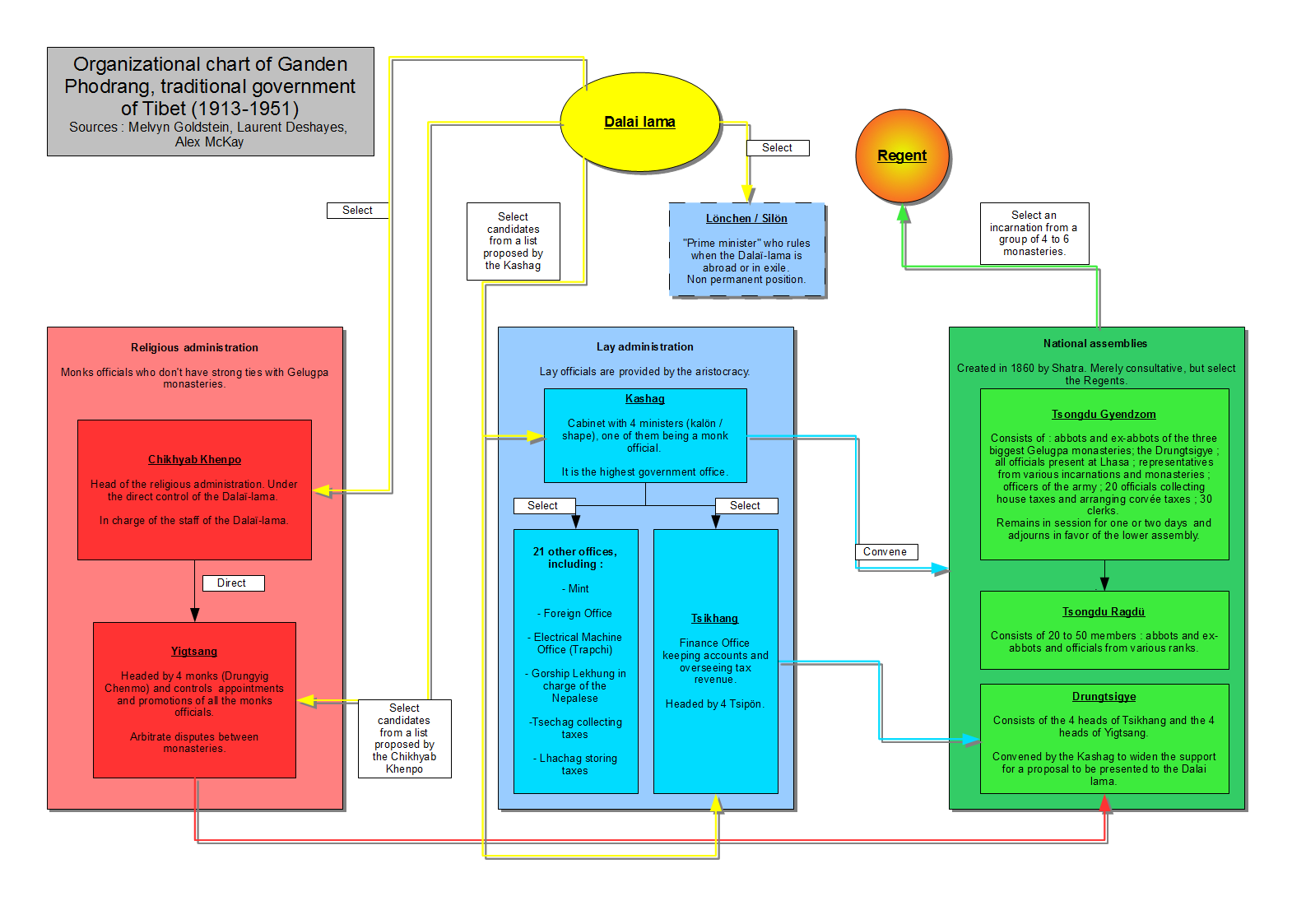
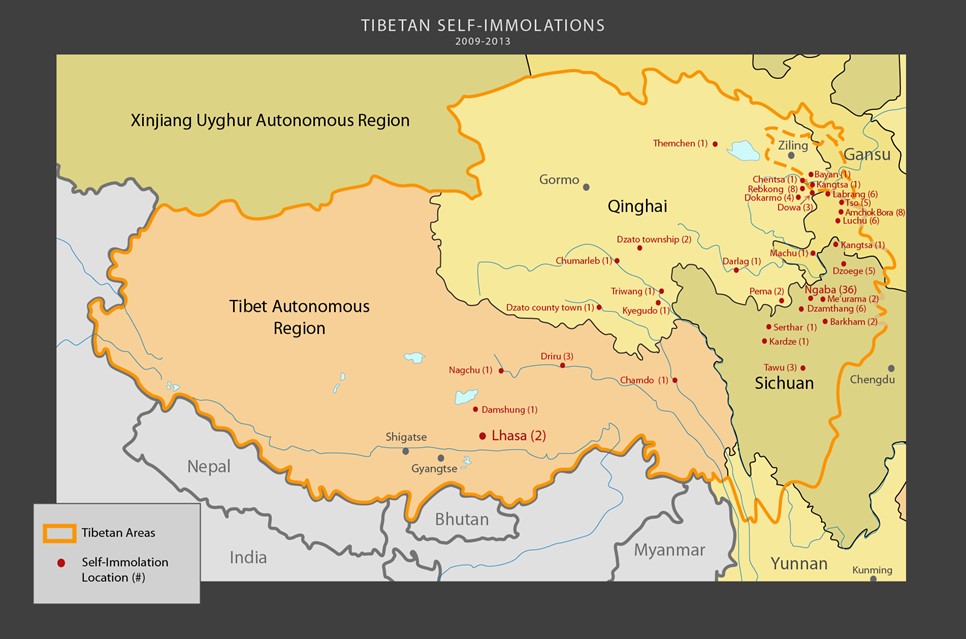
In my analysis, the Political Institution called ‘The Dalai Lama’ represents the Government of Tibet while the person called Tenzin Gyatso may have relinquished his power and may identify himself as the Retired Head of State of Tibet. While the exile Tibetan community elected a President of their choice, Tibetans presently living in Occupied Tibet do not participate in the activities of the Tibetan Government-in-Exile. Tibetans have not yet exercised their Right to Self-Rule or Self-Determination. As such, the Communist Party of China has no legal right to rule or govern Tibet. Military Occupation and Colonization of Tibet cannot abolish The Institution of The Dalai Lama known as The Ganden Phodrang.
Rudranarasimham Rebbapragada
SPECIAL FRONTIER FORCE
Where is Tibet? Who is The Dalai Lama?
Enigma of the Dalai Lama
The writer is former Ambassador of Pakistan and ex-Assistant Secretary General of OIC
Latest news, courtesy AFP, has it that the US Ambassador to China has called on Beijing to open a ‘substantive dialogue with the Dalai Lama’. He made these remarks during a visit to northwest China’s Qinghai province.
This bit of news gives rise to several questions. For one thing, it is something of a pity that, despite having won the Nobel Prize for Peace, the Dalai Lama has hardly been an agitator on the side of peace. Instead, he has often appeared as a tool in the hands of political forces that have an axe to grind against the Peoples’ Republic of China.
One has nothing against the Dalai Lama. He is undoubtedly a very revered personality. He may also be a ‘symbol of peace’ in the estimation of the US administration. But then he has also allowed himself to become a highly controversial political personality and one who has no qualms about being manipulated by certain powers to further their own agendas on the chessboard of international intrigue.
The Dalai Lama went into exile in the 1950s when China asserted its sovereignty over Tibet. He has squandered away several valuable opportunities of coming to terms with the reality of Tibet that has been accepted legally as a part of China by most of the world. This is not the occasion to go into the political complexities of this question. What is important is that the Dalai Lama could perhaps have done greater service to his cause, and to that of peace, if he had adopted the path of reconciliation rather than allow his followers to be kept hostage in a game of high stakes on the international chessboard. It should be more in the character of a revered religious personality and Nobel Peace laureate to work for a denouement leading to a grand reconciliation rather than confrontation.
Be that as it may, it came as something of a disappointment to the well-wishers of the Dalai Lama and his followers to find that he had opted to become a pawn in the US campaign aimed at the ‘containment of China’. Years back, president Bush had presented Tibet’s ‘exiled’ spiritual leader with the US Congress’ highest civilian award and taken advantage of the occasion to offer some gratuitous advice to the Chinese leadership, which the latter understandably had taken exception to.
There was widespread feeling that the timing of the US Congress award to the Dalai Lama was somewhat inappropriate. The only context that this award fitted into was the US obsession with ‘containment’ of China. In this campaign, the Dalai Lama appeared to have allowed his image to be used as a (willing) pawn. Knowing and acknowledging his stature as a religious personality, this can be termed as something of a pity.
The one inference that can be drawn from the latest US statement is that the American administration under President Trump may have the intention to up the ante and revisit the erstwhile forward policy of former president Bush aimed at ‘containment of China’.
It must be recognized that due to its pragmatic and realistic policies, China has meanwhile earned for itself a respected place under the sun. Due to its conscious decision to eschew unnecessary confrontational policies in favor of concentration on a constructive drive veered towards economic development, China has become a major economic prime-mover.
It is a matter of some interest that India appears as an inevitable variable in all the regional equations that concern China. India is host to the Dalai Lama and also the co-signatory of the India-US nuclear deal of doubtful credentials. India, of course, is second to none in its ability to manipulate the twists and turns related to the moves on the international chessboard. In aligning itself with the sole superpower in a China-baiting exercise, it surely must have a very good idea which side its bread is buttered on. No one should have any uncalled-for illusions, though. It would hardly be advisable to underestimate China at this point in time.
Published in The Express Tribune, June 10th, 2019.
Where is Tibet? Not in China. Dagze District of Lhasa.
Where is Tibet? Not in China. I am pleased to share with my readers a few photo images from Dagze District, Lhasa, Tibet.
Rudranarasimham Rebbapragada
SPECIAL FRONTIER FORCE
Where is Tibet? Not in China. Dagze District of Lhasa.
A rural tourist destination in Tibet
Where is Tibet? Not in China. Dagze District of Lhasa.
Photo taken on June 9, 2019 shows a butterfly perching on flowers at a garden of an agricultural industrial park in Dagze District of Lhasa. The garden covering an area of 200 mu (13.3 hectares) has become a rural tourist destination and a way of increasing income for local villagers. (Photo: Xinhua)
Where is Tibet? Not in China. Dagze District of Lhasa.
Photo taken on June 9, 2019 shows a garden at an agricultural industrial park in Dagze District of Lhasa. The garden covering an area of 200 mu (13.3 hectares) has become a rural tourist destination and a way of increasing income for local villagers. (Photo: Xinhua)
Where is Tibet? Not in China. Dagze District of Lhasa.
A tourist picks petals from flowers at a garden of an agricultural industrial park in Dagze District of Lhasa. June 9, 2019. The garden covering an area of 200 mu (13.3 hectares) has become a rural tourist destination and a way of increasing income for local villagers. (Photo: Xinhua)
Where is Tibet? Not in China. Dagze District, Lhasa.
Photo taken on June 9, 2019 shows a bird ready to perch on flowers at a rose garden of an agricultural industrial park in Dagze District of Lhasa. The garden covering an area of 200 mu (13.3 hectares) has become a rural tourist destination and a way of increasing income for local villagers. (Photo: Xinhua)
Where is Tibet? Not in China. Dagze District, Lhasa.
Tourists and staff members display petals picked from flowers at a garden of an agricultural industrial park in Dagze District of Lhasa. June 9, 2019. The garden covering an area of 200 mu (13.3 hectares) has become a rural tourist destination and a way of increasing income for local villagers. (Photo: Xinhua)
Where is Tibet? Not in China. Dagze District, Lhasa. Where is Tibet? Not in China. Dagze District, Lhasa.
In my view, if China fails to recognize the existence of Tibet, there can be no dialogue between China and the Dalai Lama which is the Lawful political institution chosen by Tibetans to govern their nation. To make the dialogue happen, China must know that Tibet is not a part of China in spite of China’s occupation of Tibet since the 1950s.
Rudranarasimham Rebbapragada
SPECIAL FRONTIER FORCE
Where is Tibet? Where is the Dialogue?
It’s impossible to hold negotiations with Dalai Lama without conditions – Global Times
Where is Tibet? Where is the Dialogue?
It has been reported that US Ambassador to China Terry Branstad paid an official visit to China’s Tibet Autonomous Region in May. Yet it is hard to figure out his true feelings about Tibet. On the one hand, he spoke positively of Tibet’s economic and social development, which disproved the Dalai Lama group’s lie about the destruction of Tibet’s environment by the Qinghai-Tibet Railway. On the other, he repeated the hackneyed remarks of the US government, “I encourage the Chinese government to engage in substantive dialogue with the Dalai Lama or his representatives, without preconditions, to seek a settlement that resolves differences.”
The problem lies not only in Ambassador Branstad’s interference in China’s internal affairs, but also in his understanding of “seeking a settlement that resolves differences without preconditions” and “substantive dialogue.”
The Dalai Lama group takes splitting the country as its goal. However, the Central Committee of the Communist Party of China (CPC) has not closed its door of contacts and negotiation with the Dalai Lama. Yet the proposed negotiation comes with preconditions.
First, it must be made clear that in nature, contact and consultation are not talks between China’s central government and the Tibetan government-in-exile or “Central Tibetan Administration,” nor are “Tibetan-Han Talks” or “Tibetan-China Talks.” The Dalai separatist political group is illegitimate and ineligible to have a “dialogue” with representatives of the CPC Central Committee.
Second, it needs to be clarified that the Dalai Lama must accept Tibet as an integral part of China, abandon all attempts about so-called Tibet independence, stop all separatist and destructive activities, and recognize Taiwan as an integral part of China.
The two preconditions mentioned above underline that there is no so-called Tibet issue but just the problem of the Dalai Lama. The Dalai group, whose existence is against the Chinese Constitution, is not at all eligible to discuss Tibetan affairs with the CPC Central Committee.
While suggesting that the Chinese government engage in a “substantive” dialogue with the Dalai Lama, Ambassador Branstad, like his government, has once again avoided explaining what a “substantive” issue is.
The “substantive” issues in the eyes of the Dalai Lama at least include denying that Tibet has been a part of China since ancient times; defining Tibet as a “state” occupied by China; demanding his “rule” be extended to the whole of Tibet, Qinghai, as well as two autonomous prefectures in Sichuan, one in Yunnan and one in Gansu – an area equal to one fourth of China’s territory; requiring the People’s Liberation Army (PLA) withdraw from Tibetan areas and make it a so-called international zone of peace under the control of Western countries; requiring all the Han people who settled down in Tibet return to where they came from – in other words, to implement ethnic cleansing in all Tibetan areas.
If the US government insists that “substantive” dialogue means meeting all the aforementioned requests of the Dalai Lama, then its hopes would be dashed.
During his visit to Tibet, Branstad met with the leaders of the Tibet Autonomous Region and Lhasa city, visited local communities, educational and cultural institutions and religious sites, which at least improved his understanding of Tibet. I believe that the knowledge he gained from the trip will help him in his career.
Since the peaceful liberation, especially since the reform and opening-up, Tibet has witnessed rapid economic and social development, with people’s livelihood improving and the environment getting better and better. From my point of view, China could and should create conditions for more foreigners to visit Tibet and encourage them to draw their own conclusions based on what they see. Tibet’s door has always been open to foreigners. Though under special situations when the Dalai clique has created a disturbance, administrative measures are enhanced for a certain period of time, but after that, the further opening-up follows.
We must start from the needs of stability and development in Tibet. Of course, we hope that more foreign friends will know about Tibet and foreign media will report positive things about the region. But the most important thing is to avoid violating the interests of the country and the people.
The author is former head of the Ethnic and Religious Affairs Committee of the National Committee of the Chinese People’s Political Consultative Conference.
I left India on January 10, 1984 in search of my Refuge, in my quest to reach the Final Destination of my Life. I need the Protection. I need the Shelter. I need the Sanctuary. I need the Grace, Mercy, and Compassion of the Power which can grant me Asylum.
Prophet Jonah was caught up in the belly of a giant fish or the Whale just for three days. He prayed to God and God relented to release Jonah at the destination God has chosen.
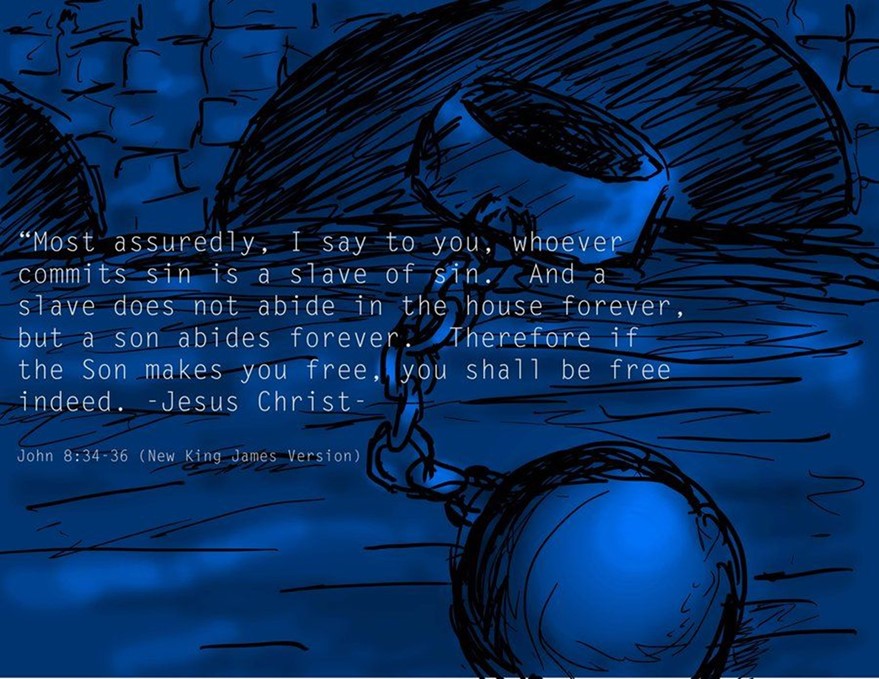
Just like Jonah, I am caught up in the belly of a giant fish or the Whale with no Freedom and no Free Will. I live but I survive as a Prisoner, a mere Slave, a Servant, and a Serf who lives without any choice of his own.
Just like Jonah, I declare, “In God We Trust,” the National Motto of a Superpower, a Giant among the Free Nations of the World. Salvation comes from the LORD. If I must preach God’s message to my Enemy, I ask God to release me on the shores of my Enemy’s Territory. I am just a Slave in a Free Country and I have no Freedom to move on my own accord.
The story of Jonah and the Whale, one of the oddest accounts in the Bible, opens with God speaking to Jonah, son of Amittai, commanding him to preach repentance to the city of Nineveh.
Synopsis
Jonah found God’s order unbearable. Not only was Nineveh known for its wickedness, but it was also the capital of the Assyrian empire, one of Israel’s fiercest enemies. Jonah, a stubborn fellow, did just the opposite of what he was told. He went down to the seaport of Joppa and booked passage on a ship to Tarshish, heading directly away from Nineveh. The Bible tells us Jonah “ran away from the Lord.”
In response, God sent a violent storm, which threatened to break the ship to pieces. The terrified crew cast lots, determining that Jonah was responsible for the storm. Jonah told them to throw him overboard. First, they tried rowing to shore, but the waves got even higher. Afraid of God, the sailors finally tossed Jonah into the sea, and the water immediately grew calm. The crew made a sacrifice to God, swearing vows to him.
Instead of drowning, Jonah was swallowed by a great fish, which God provided. In the belly of the whale, Jonah repented and cried out to God in prayer. He praised God, ending with the eerily prophetic statement, “Salvation comes from the Lord.” (Jonah 2:9, NIV)
Jonah was in the giant fish three days. God commanded the whale, and it vomited the reluctant prophet onto dry land. This time Jonah obeyed God. He walked through Nineveh proclaiming that in forty days the city would be destroyed. Surprisingly, the Ninevites believed Jonah’s message and repented, wearing sackcloth and covering themselves in ashes. God had compassion on them and did not destroy them.
Again Jonah questioned God because Jonah was angry that Israel’s enemies had been spared. When Jonah stopped outside the city to rest, God provided a vine to shelter him from the hot sun. Jonah was happy with the vine, but the next day God provided a worm that ate the vine, making it wither. Growing faint in the sun, Jonah complained again.
God scolded Jonah for being concerned about a vine, but not about Nineveh, which had 120,000 lost people. The story ends with God expressing concern even about the wicked.
Scripture References
2 Kings 14:25, The Book of Jonah, Matthew 12:38-41, 16:4; Luke 11:29-32.
Points of Interest
God commands everything in his Creation, from the weather to a whale, to carry out his plan. God is in control.
Jonah spent the same amount of time—three days—inside the whale as Jesus Christ did in the tomb. Christ also preached salvation to the lost.
It’s not important whether it was a great fish or a whale that swallowed Jonah. The point of the story is that God can provide a supernatural means of rescue when his people are in trouble.
Some scholars believe the Ninevites paid attention to Jonah because of his bizarre appearance. They speculate that the whale’s stomach acid bleached Jonah’s hair, skin, and clothing a ghostly white.
Jesus did not consider the book of Jonah to be a fable or myth. While modern skeptics may find it impossible that a man could survive inside a great fish for three days, Jesus compared himself to Jonah, showing that this prophet existed and that the story was historically accurate.
Question for Reflection
Jonah thought he knew better than God. But in the end, he learned a valuable lesson about the Lord’s mercy and forgiveness, which extends beyond Jonah and Israel to all people who repent and believe. Is there some area of your life in which you are defying God, and rationalizing it? Remember that God wants you to be open and honest with him. It’s always wise to obey the One who loves you most.
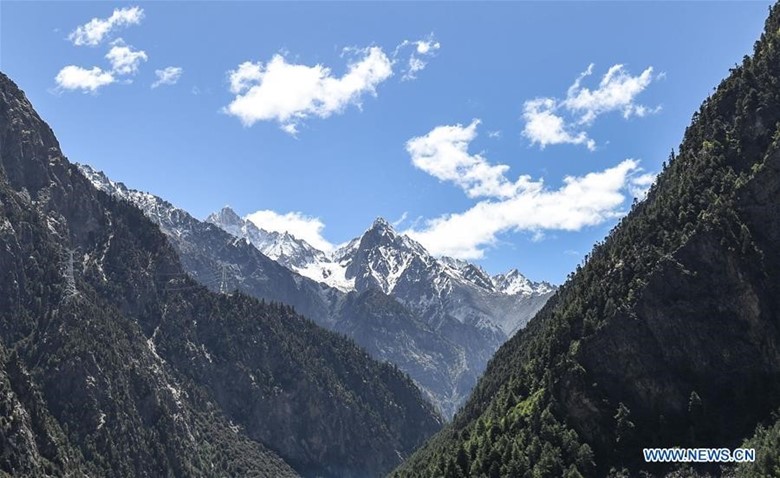
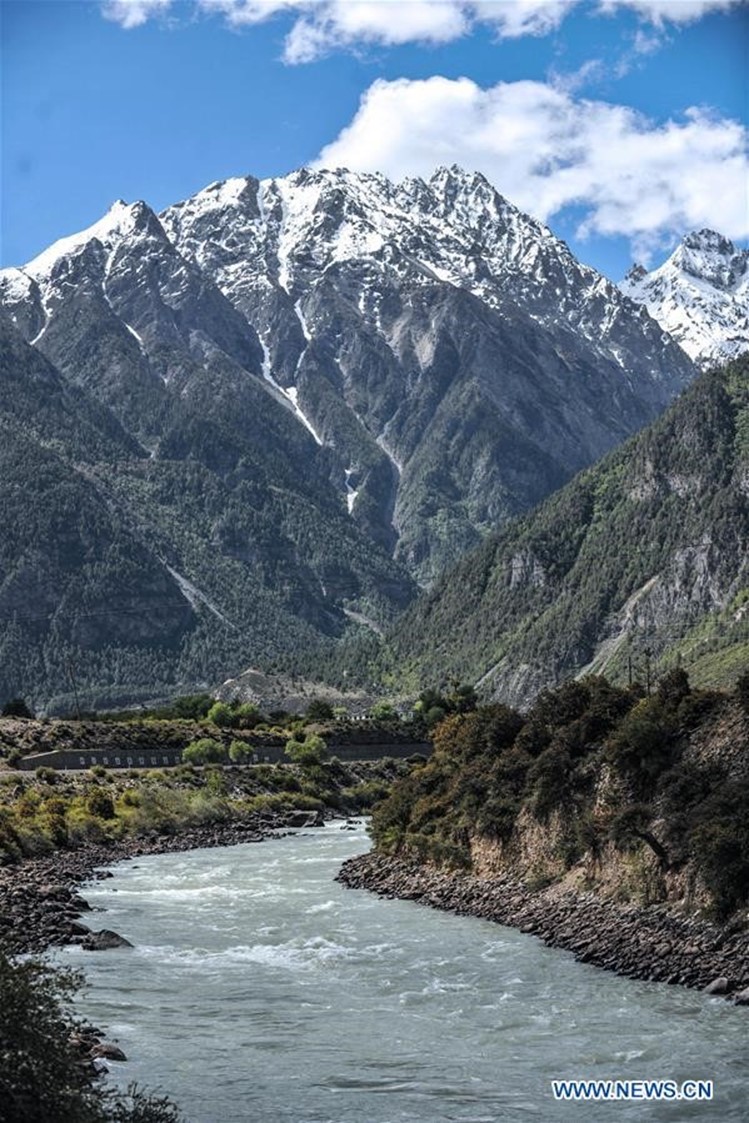
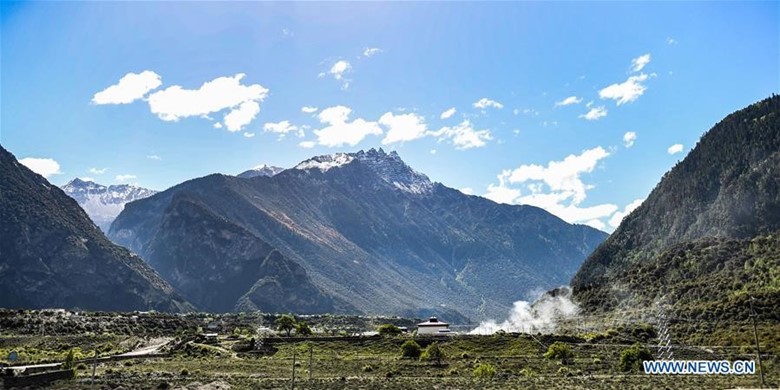
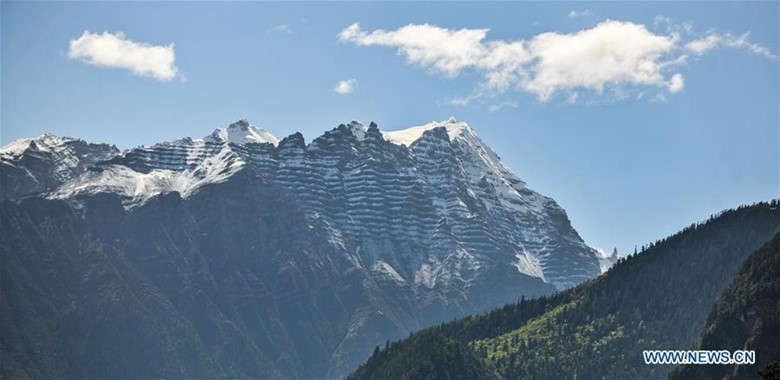
WHERE IS TIBET? ASK THE MOUNTAINS. NOT PART OF CHINA
Prayers for the dawn of freedom at The Grand Seat of the Sun, Nyingchi, Tibet.
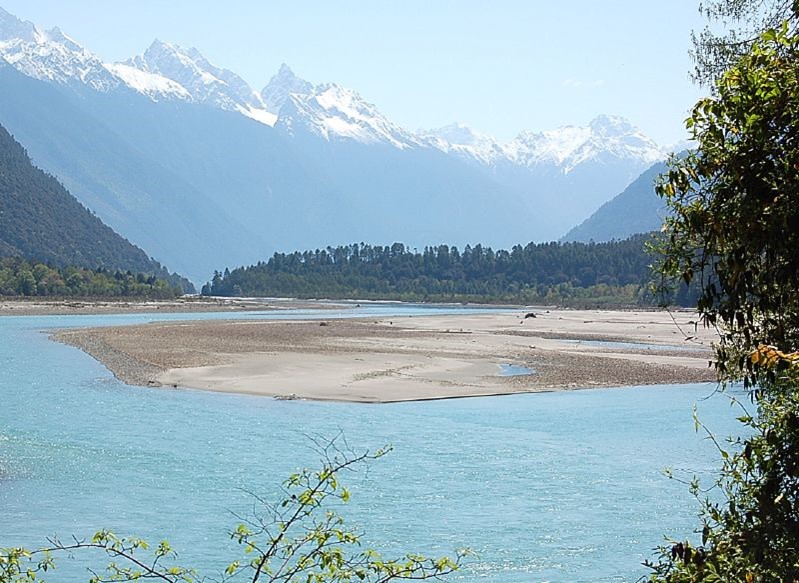
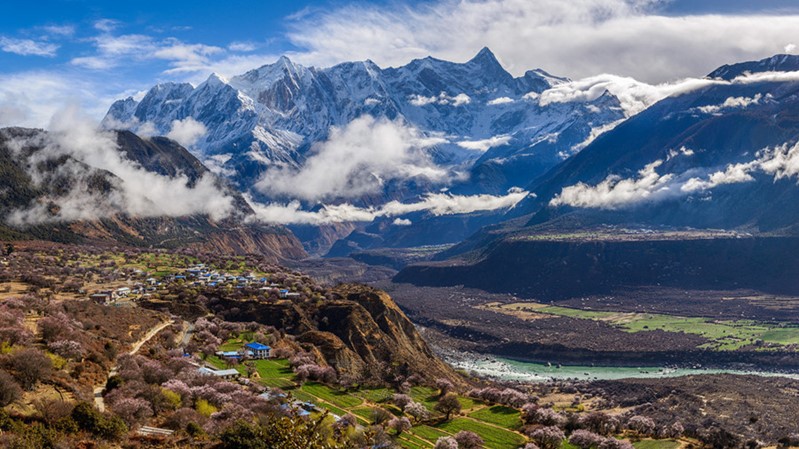
The Living Tibetan Spirits promote ‘Tibet Awareness’ of the global community by speaking to the Mountains of Tibet. When asked, the Mountains of Tibet reveal that Tibet is ‘Not Part of China’.
Rudranarasimham Rebbapragada
SPECIAL FRONTIER FORCE
Tibet Awareness. Ask the Mountains of Tibet. Not Part of China.
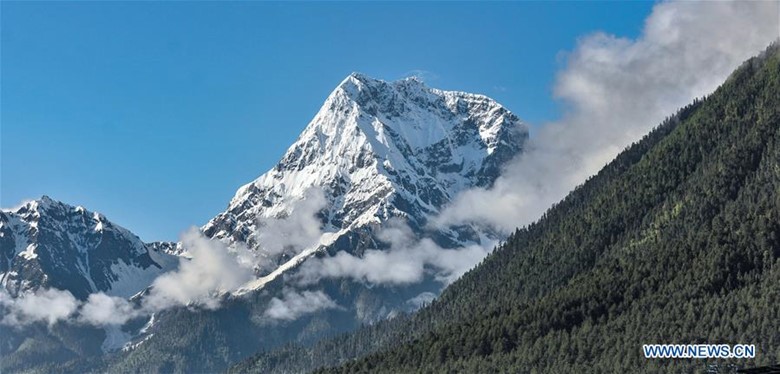
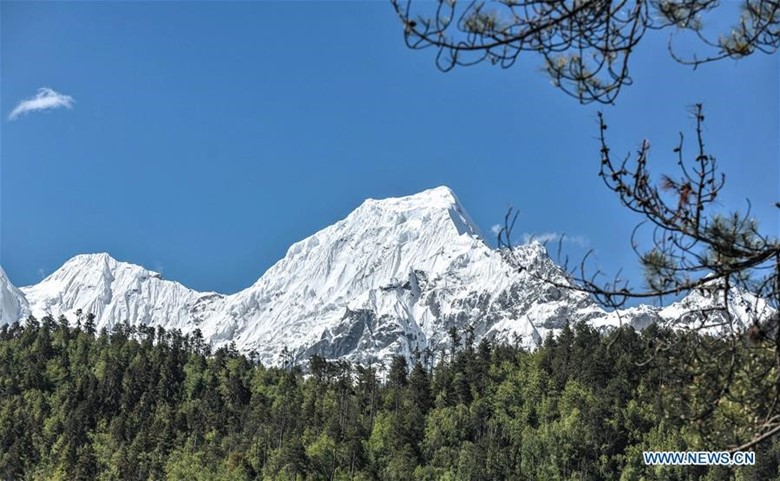
Photo taken on June 1, 2019 shows the snow mountain in Bomi County, Nyingchi of southeast Tibet. Bomi County is known for its snow mountain and glaciers. (Xinhua/Jigme Dorje)
Tibet Awareness. Ask the Mountains of Tibet. Not Part of China.Tibet Awareness. Ask the Mountains of Tibet. Not Part of China.
Photo taken on June 1, 2019 shows the snow mountain in Bomi County, Nyingchi of southeast Tibet. Bomi County is known for its snow mountain and glaciers. (Xinhua/Jigme Dorje)
Tibet Awareness. Ask the Mountains of Tibet. Not Part of China.
Photo taken on June 1, 2019 shows the snow mountain in Bomi County, Nyingchi of southeast Tibet. Bomi County is known for its snow mountain and glaciers. (Xinhua/Jigme Dorje)
Tibet Awareness. Ask the Mountains of Tibet. Not Part of China.
Photo taken on June 1, 2019 shows the Kuijia Mountain in Bomi County, Nyingchi of southeast Tibet. Bomi County is known for its snow mountain and glaciers. (Xinhua/Jigme Dorje)
Tibet Awareness. Ask the Mountains of Tibet. Not Part of China.
Photo taken on June 1, 2019 shows the Kuijia Mountain in Bomi County, Nyingchi of southeast Tibet. Bomi County is known for its snow mountain and glaciers. (Xinhua/Jigme Dorje)
Tibet Awareness. Ask the Mountains of Tibet. Not Part of China.
Photo taken on June 1, 2019 shows the snow mountain in Bomi County, Nyingchi of southeast Tibet. Bomi County is known for its snow mountain and glaciers. (Xinhua/Jigme Dorje)
Tibet Awareness. Ask the Mountains of Tibet. Not Part of China.Tibet Awareness. Ask the Mountains of Tibet. Not Part of China.
THE SPIRITS OF SPECIAL FRONTIER FORCE ASK THE US TO TALK TO THE DALAI LAMA
The Spirits of Special Frontier Force ask the US to talk to the Dalai Lama.
I thank the US Ambassador Terry Branstad for inviting China to talk to the Dalai Lama. The Spirits of Special Frontier Force invite the US President Donald Trump to talk to the Dalai Lama.
The Spirits of Special Frontier Force ask the US to talk to the Dalai Lama.
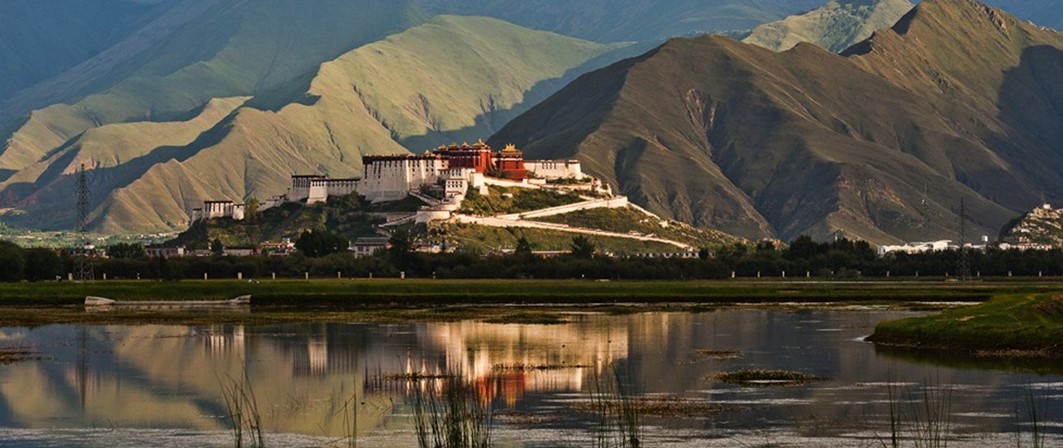
U.S. Ambassador to China Terry Branstad and his wife, Christine, pose in front of the Potala Palace in Lhasa in western China’s Tibet Autonomous Region, May 22, 2019.
In a rare visit to Tibet, U.S. Ambassador to China Terry Branstad urged Beijing to engage in substantive dialogue with exiled Tibetan Buddhist leader the Dalai Lama, a spokesperson to the U.S. Embassy said Saturday.
Branstad also “expressed concerns regarding the Chinese government’s interference in Tibetan Buddhists’ freedom to organize and practice their religion,” an embassy statement said.
The U.S. envoy also raised long-standing worries about the lack of consistent access to the Tibetan Autonomous Region, or TAR.
The Spirits of Special Frontier Force ask the US to talk to the Dalai Lama.
U.S. Ambassador to China Terry Branstad and his wife, Christine, are greeted in Lhasa in western China’s Tibet Autonomous Region, May 21, 2019. Branstad made a rare visit to Tibet to meet local officials and raise concerns about restrictions on Buddhist practices and the preservation of the Himalayan region’s unique culture and language.
China restricts access to Tibet by foreigners, especially journalists and diplomats. But, during the trip hosted by the Tibet Autonomous Region government, Branstad was given access to important religious and cultural sites, including the Potala Palace, Jokhang Temple, Norbulingka and Sera Monastery in the Tibetan capital, Lhasa. He also met with senior Tibetan religious and cultural leaders, the embassy said.
In addition to the TAR, Branstad also visited neighboring Qinghai province. Qinghai is a traditionally Tibetan region also known as Amdo and the birthplace of the Dalai Lama, Tibet’s exiled Buddhist leader.
The Chinese government is accused of committing human rights violations and imposing harsh restrictions on the practice of religion and culture in the region. But Beijing insists that Tibetans enjoy extensive freedoms and economic growth.
Regarding the U.S. envoy’s trip, Chinese Foreign Ministry spokesman Lu Kang said China welcomed Branstad to witness the “earthshaking changes in the people’s production and life since Tibet’s peaceful liberation more than 60 years ago.”
Branstad’s trip to Tibet was the first to the region by an American envoy in four years. The rare visit to the TAR and neighboring Qinghai province began May 19 and ended Saturday.
The Spirits of Special Frontier Force ask the US to talk to the Dalai Lama.