From the beginning of human civilization, from the times of the origin of the Anatomically Modern Man in Tibet and India, the ‘Sanatana Dharma’ formulated the bond between the people of India and Tibet. These people participate in ritualistic worship of Mountains, and of bodies of Water such as the lakes and rivers which shape their earthly living experience. They seek the presence of the LORD God Creator in the acts of His Creation.
Rudranarasimham Rebbapragada
SPECIAL FRONTIER FORCE
The Sanatana Dharma Bond between India and Tibet.
First Group Of Kailash-Mansarovar Pilgrims For 2019 Yatra Reach Tibet
The Sanatana Dharma Bond between India and Tibet.
Kailash-Mansarovar Yatra: “All the members of the batch are safe. They were found medically fit by Indo-Tibetan Border Police or ITBP doctors during a check-up at Gunji.
All India | Press Trust of India | Updated: June 20, 2019 13:52 IST
The Sanatana Dharma Bond between India and Tibet.
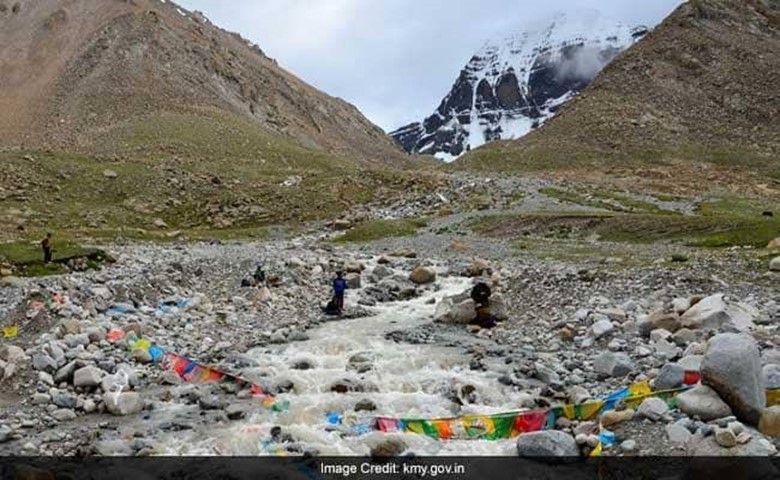
Pilgrims on the Kailash-Mansarovar yatra have reached Tibet for darshan (File Photo)
Pithoragarh, Uttarakhand:
The first batch of 58 Kailash-Mansarovar pilgrims reached Tibet today through the Lipulekh pass.
The pilgrims crossed over into Tibet through the Lipulekh pass located at 17,500 feet on way to Kailash-Mansarovar at 8:15 am, said Ashok Joshi, General Manager of Kumaon Mandal Vikas Nigam or KMVN, the nodal agency for the yatra.
“All the members of the batch are safe. They were found medically fit by Indo-Tibetan Border Police or ITBP doctors during a check-up at Gunji.
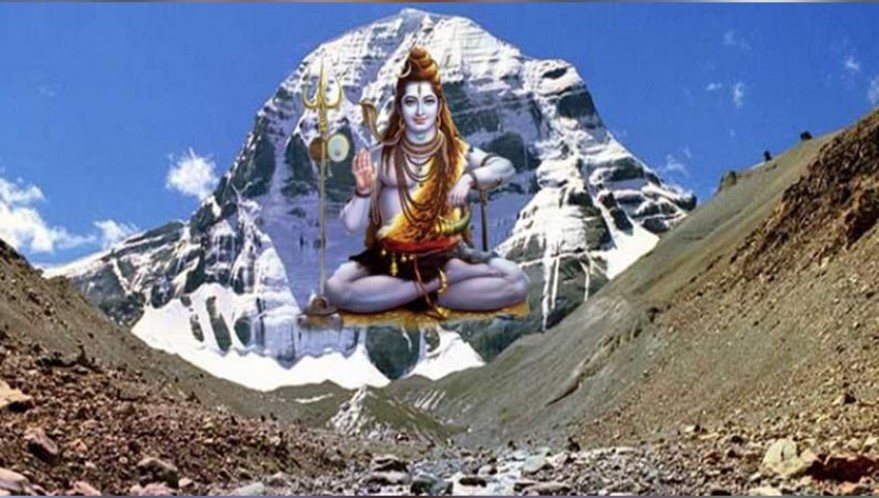
“The batch will return to the pass after spending seven days in Tibet where the pilgrims will have a darshan (view) of the holy Mount Kailash believed to be the abode of Lord Shiva. They will also take a dip in the sacred Mansarovar lake,” Mr. Joshi said.
Besides the first batch, two other batches of pilgrims have also reached close to the Lipulekh pass, he added.
In my analysis, the Political Institution called ‘The Dalai Lama’ represents the Government of Tibet while the person called Tenzin Gyatso may have relinquished his power and may identify himself as the Retired Head of State of Tibet. While the exile Tibetan community elected a President of their choice, Tibetans presently living in Occupied Tibet do not participate in the activities of the Tibetan Government-in-Exile. Tibetans have not yet exercised their Right to Self-Rule or Self-Determination. As such, the Communist Party of China has no legal right to rule or govern Tibet. Military Occupation and Colonization of Tibet cannot abolish The Institution of The Dalai Lama known as The Ganden Phodrang.
Rudranarasimham Rebbapragada
SPECIAL FRONTIER FORCE
Where is Tibet? Who is The Dalai Lama?
Enigma of the Dalai Lama
The writer is former Ambassador of Pakistan and ex-Assistant Secretary General of OIC
Latest news, courtesy AFP, has it that the US Ambassador to China has called on Beijing to open a ‘substantive dialogue with the Dalai Lama’. He made these remarks during a visit to northwest China’s Qinghai province.
This bit of news gives rise to several questions. For one thing, it is something of a pity that, despite having won the Nobel Prize for Peace, the Dalai Lama has hardly been an agitator on the side of peace. Instead, he has often appeared as a tool in the hands of political forces that have an axe to grind against the Peoples’ Republic of China.
One has nothing against the Dalai Lama. He is undoubtedly a very revered personality. He may also be a ‘symbol of peace’ in the estimation of the US administration. But then he has also allowed himself to become a highly controversial political personality and one who has no qualms about being manipulated by certain powers to further their own agendas on the chessboard of international intrigue.
The Dalai Lama went into exile in the 1950s when China asserted its sovereignty over Tibet. He has squandered away several valuable opportunities of coming to terms with the reality of Tibet that has been accepted legally as a part of China by most of the world. This is not the occasion to go into the political complexities of this question. What is important is that the Dalai Lama could perhaps have done greater service to his cause, and to that of peace, if he had adopted the path of reconciliation rather than allow his followers to be kept hostage in a game of high stakes on the international chessboard. It should be more in the character of a revered religious personality and Nobel Peace laureate to work for a denouement leading to a grand reconciliation rather than confrontation.
Be that as it may, it came as something of a disappointment to the well-wishers of the Dalai Lama and his followers to find that he had opted to become a pawn in the US campaign aimed at the ‘containment of China’. Years back, president Bush had presented Tibet’s ‘exiled’ spiritual leader with the US Congress’ highest civilian award and taken advantage of the occasion to offer some gratuitous advice to the Chinese leadership, which the latter understandably had taken exception to.
There was widespread feeling that the timing of the US Congress award to the Dalai Lama was somewhat inappropriate. The only context that this award fitted into was the US obsession with ‘containment’ of China. In this campaign, the Dalai Lama appeared to have allowed his image to be used as a (willing) pawn. Knowing and acknowledging his stature as a religious personality, this can be termed as something of a pity.
The one inference that can be drawn from the latest US statement is that the American administration under President Trump may have the intention to up the ante and revisit the erstwhile forward policy of former president Bush aimed at ‘containment of China’.
It must be recognized that due to its pragmatic and realistic policies, China has meanwhile earned for itself a respected place under the sun. Due to its conscious decision to eschew unnecessary confrontational policies in favor of concentration on a constructive drive veered towards economic development, China has become a major economic prime-mover.
It is a matter of some interest that India appears as an inevitable variable in all the regional equations that concern China. India is host to the Dalai Lama and also the co-signatory of the India-US nuclear deal of doubtful credentials. India, of course, is second to none in its ability to manipulate the twists and turns related to the moves on the international chessboard. In aligning itself with the sole superpower in a China-baiting exercise, it surely must have a very good idea which side its bread is buttered on. No one should have any uncalled-for illusions, though. It would hardly be advisable to underestimate China at this point in time.
Published in The Express Tribune, June 10th, 2019.
Where is Tibet? Not in China. Dagze District of Lhasa.
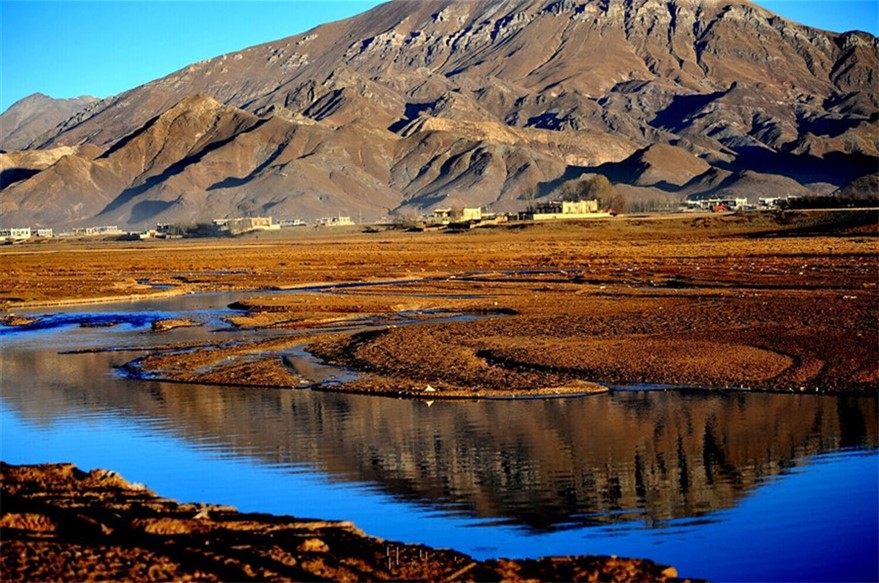
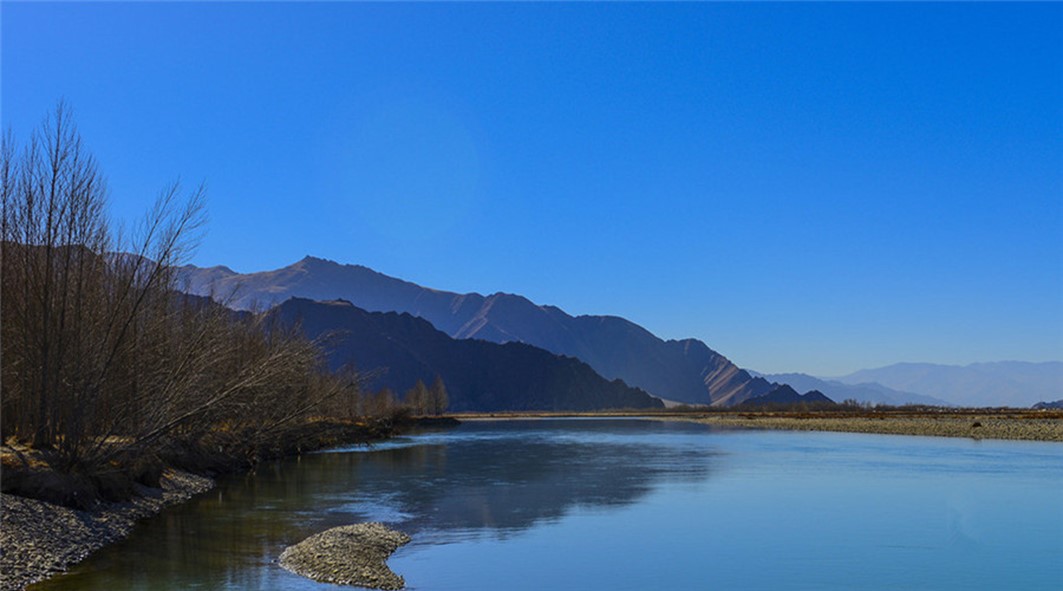
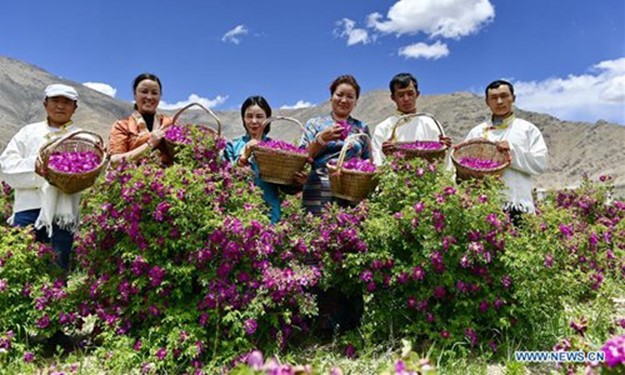
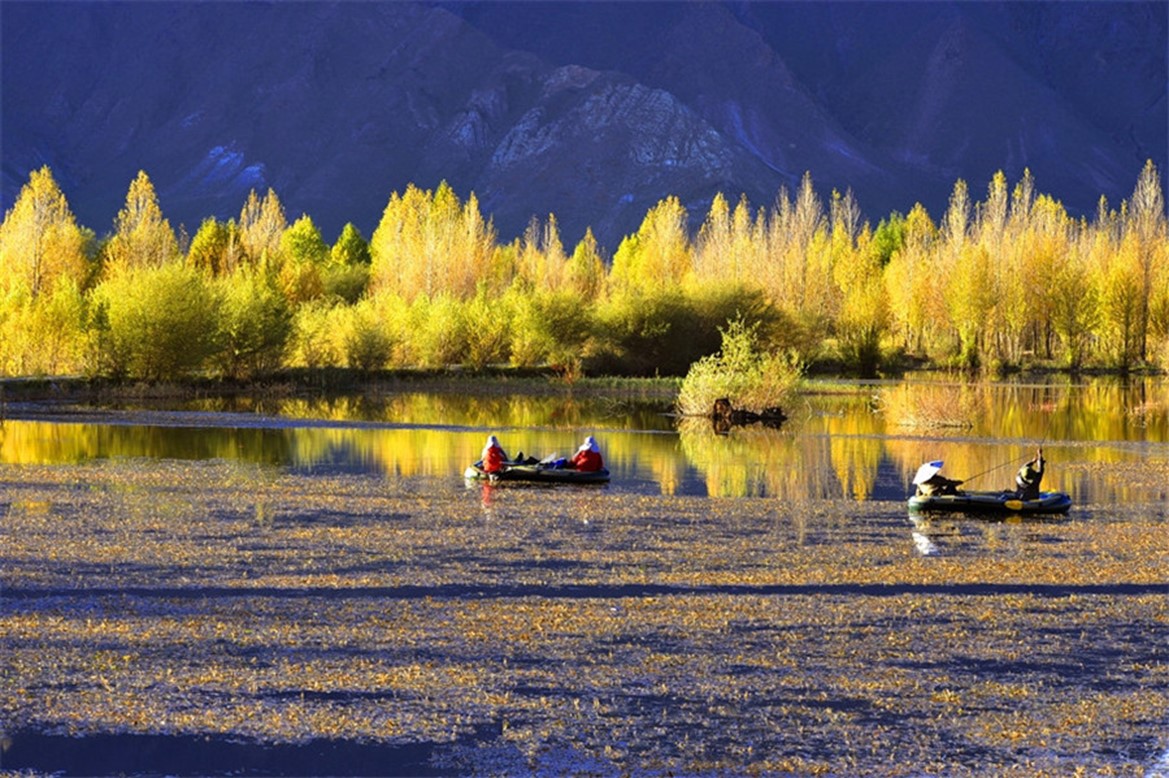
Where is Tibet? Not in China. I am pleased to share with my readers a few photo images from Dagze District, Lhasa, Tibet.
Rudranarasimham Rebbapragada
SPECIAL FRONTIER FORCE
Where is Tibet? Not in China. Dagze District of Lhasa.
A rural tourist destination in Tibet
Where is Tibet? Not in China. Dagze District of Lhasa.
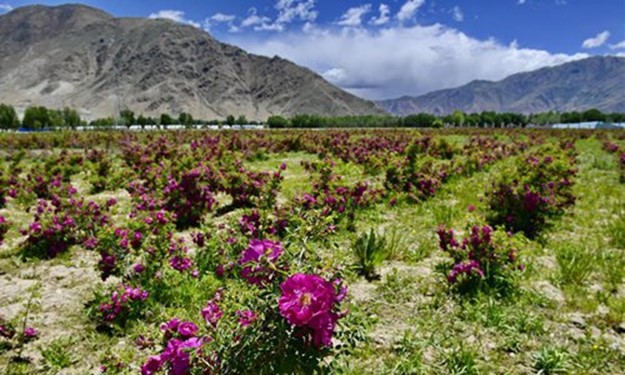
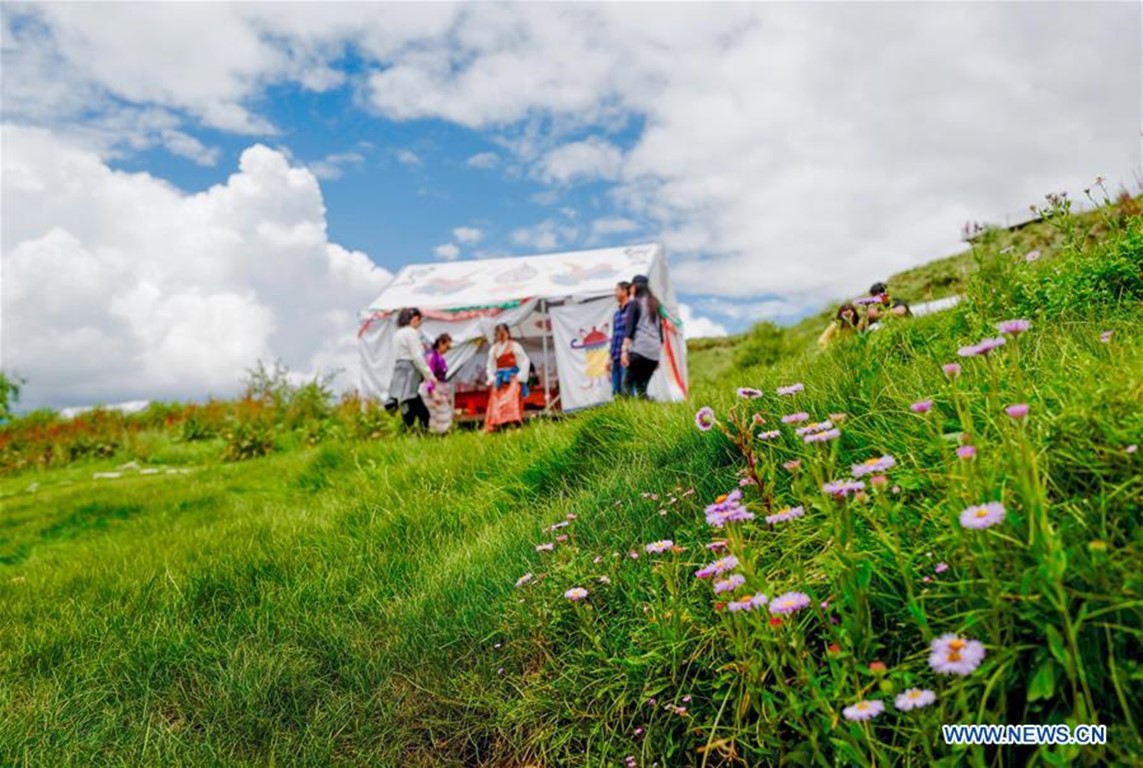
Photo taken on June 9, 2019 shows a butterfly perching on flowers at a garden of an agricultural industrial park in Dagze District of Lhasa. The garden covering an area of 200 mu (13.3 hectares) has become a rural tourist destination and a way of increasing income for local villagers. (Photo: Xinhua)
Where is Tibet? Not in China. Dagze District of Lhasa.
Photo taken on June 9, 2019 shows a garden at an agricultural industrial park in Dagze District of Lhasa. The garden covering an area of 200 mu (13.3 hectares) has become a rural tourist destination and a way of increasing income for local villagers. (Photo: Xinhua)
Where is Tibet? Not in China. Dagze District of Lhasa.
A tourist picks petals from flowers at a garden of an agricultural industrial park in Dagze District of Lhasa. June 9, 2019. The garden covering an area of 200 mu (13.3 hectares) has become a rural tourist destination and a way of increasing income for local villagers. (Photo: Xinhua)
Where is Tibet? Not in China. Dagze District, Lhasa.
Photo taken on June 9, 2019 shows a bird ready to perch on flowers at a rose garden of an agricultural industrial park in Dagze District of Lhasa. The garden covering an area of 200 mu (13.3 hectares) has become a rural tourist destination and a way of increasing income for local villagers. (Photo: Xinhua)
Where is Tibet? Not in China. Dagze District, Lhasa.
Tourists and staff members display petals picked from flowers at a garden of an agricultural industrial park in Dagze District of Lhasa. June 9, 2019. The garden covering an area of 200 mu (13.3 hectares) has become a rural tourist destination and a way of increasing income for local villagers. (Photo: Xinhua)
Where is Tibet? Not in China. Dagze District, Lhasa. Where is Tibet? Not in China. Dagze District, Lhasa.
BEIJING (Reuters) – Those who criticize China over human rights in Tibet have been “bewitched” by the Dalai Lama, a senior Chinese official said on Wednesday, days before the 60th anniversary of the Tibetan spiritual leader’s flight into exile in India.
Living Tibetan Spirits Bewitched by “Peaceful Liberation” of Tibet.
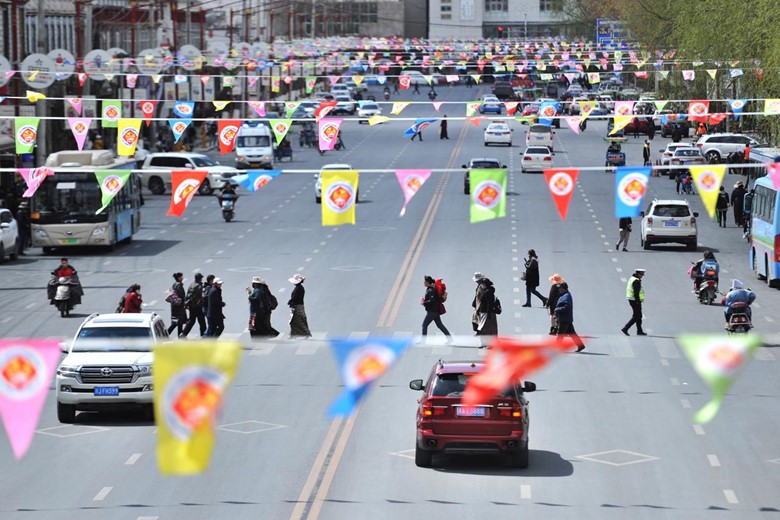
People cross a road under flags marking Tibetan Serfs’ Emancipation Day on March 28, in Lhasa, Tibet Autonomous Region, China March 26, 2019. Picture taken March 26, 2019. REUTERS/Stringer
China says it “peacefully liberated” Tibet in 1950 and has since exerted enormous effort to bring the remote region into the modern era, abolishing feudal practices while protecting its Buddhist people’s right to freely practise their religion and maintain their culture.
Critics, including the United States, say China rules with an iron fist and has overseen widespread rights abuses.
Deputy Tibet governor Norbu Dondrup said Tibetan society was “very dark and very cruel” before Communist Party rule. He was speaking in Beijing on the release of a policy paper marking six decades since China began what it calls “democratic reforms” in Tibet.
He said ordinary people – or “serfs” – could be bought and sold, thrown in jail, or even killed at will when the Dalai Lama was in charge in Tibet.
“The Dalai Lama attacking our human rights totally has ulterior motives. He tramples on human rights, and has no right, no qualifications, and is unworthy of talking about human rights,” Norbu Dondrup said.
“As for some countries slamming our human rights, they either don’t understand or believe the Dalai clique’s rumors and bewitchments,” he said.
The human rights situation in Tibet was extremely good, he said, listing examples such as free medical care and an abundance of food.
Asked whether China would ever allow an independence referendum in Tibet, as has happened in Scotland and Quebec, Norbu Dondrup said Tibet has been an inseparable part of China since ancient times.
“We have never recognized Tibet independence, and neither has any other country,” he said. “Moreover, the peoples of Tibet in the extended family of the peoples of the motherland now have very happy lives.”
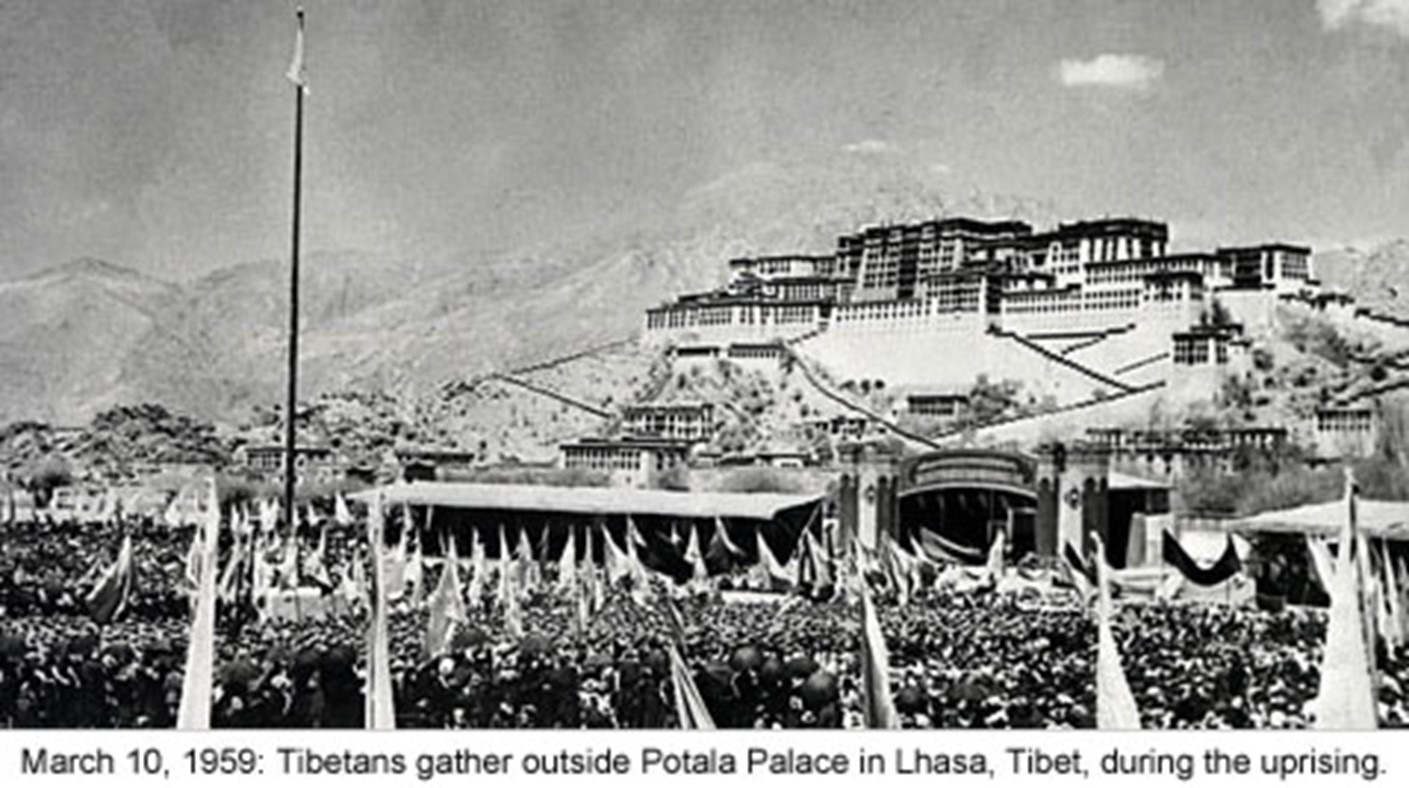
China reviles the Dalai Lama, who crossed the border into exile in India on March 31, 1959, after a failed uprising against Chinese rule.
Seen by Beijing as a dangerous separatist, he says he seeks merely genuine autonomy for his mountainous homeland and denies espousing violence.
The Dalai Lama told Reuters last week it was possible that, once he dies, his incarnation could be found in India and warned that any other successor named by China would not be respected.
The officially atheist Communist Party says it must approve his and other reincarnations of Tibetan lamas.
The Tibet issue has also become another irritant in China-U.S. ties after President Donald Trump signed into law a Reciprocal Access to Tibet Act in December.
That seeks to press China to open the region by denying U.S. entry to officials deemed responsible for restricting access to Tibet. China has denounced the law.
Reporting by Ben Blanchard; Editing by Paul Tait
Living Tibetan Spirits Bewitched by “Peaceful Liberation” of Tibet.
I am not a photographer, but my heart captures the brutality of Tibet’s military occupation without the use of any lens.
Rudranarasimham Rebbapragada
SPECIAL FRONTIER FORCE
AMAZING TIBET – PHOTOS SHOT BY XINHUA PHOTOGRAPHERS
AMAZING TIBET. BRUTAL MILITARY OCCUPATION.
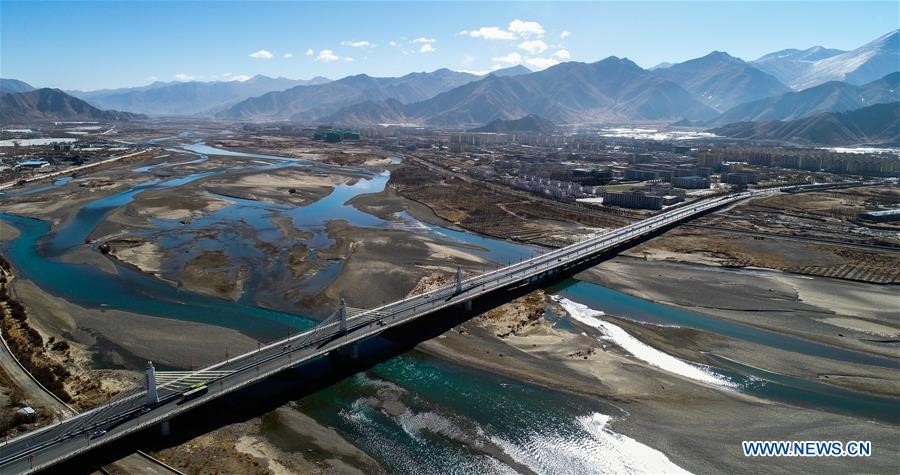
The aerial photo was taken on March 4, 2018, shows a newly-built bridge across the Lhasa River, a tributary of the Yarlung Zangbo River, Tibet. Amazing shots of Tibet in 2018 are seen through lenses of Xinhua photographers. (Xinhua/Jigme Dorje)
AMAZING TIBET. BRUTAL MILITARY OCCUPATION.
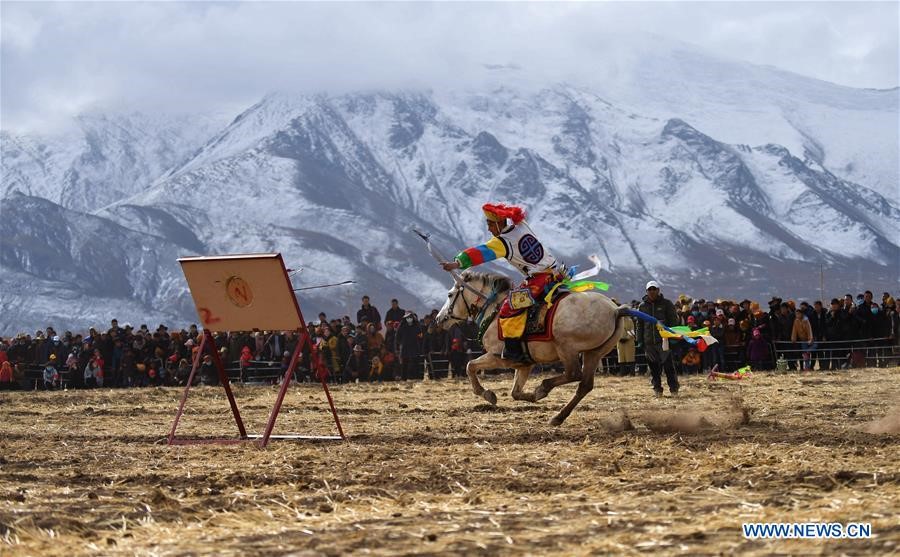
An archer shoots on horseback in an equestrian event in Jiangjiao Village of Lhasa, capital of Tibet, Feb. 25, 2018. Amazing shots of Tibet in 2018 are seen through lenses of Xinhua photographers. (Xinhua/Jigme Dorje)
AMAZING TIBET. BRUTAL MILITARY OCCUPATION.
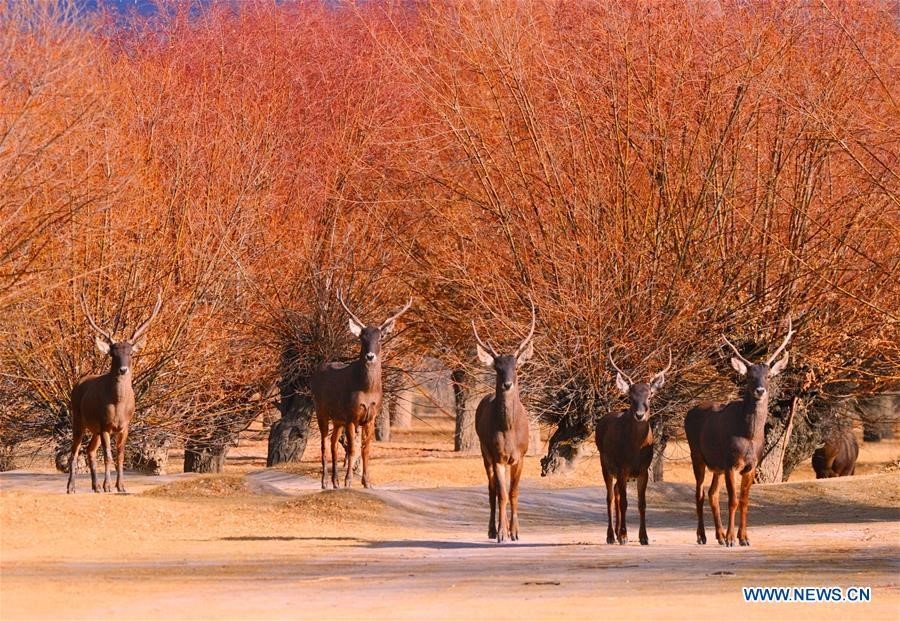
The photo was taken on Jan. 6, 2018 shows red deer in a forest of the nature reserve in Shannan City, Tibet. Amazing shots of Tibet in 2018 are seen through lenses of Xinhua photographers. (Xinhua/Zhang Rufeng)
AMAZING TIBET. BRUTAL MILITARY OCCUPATION.
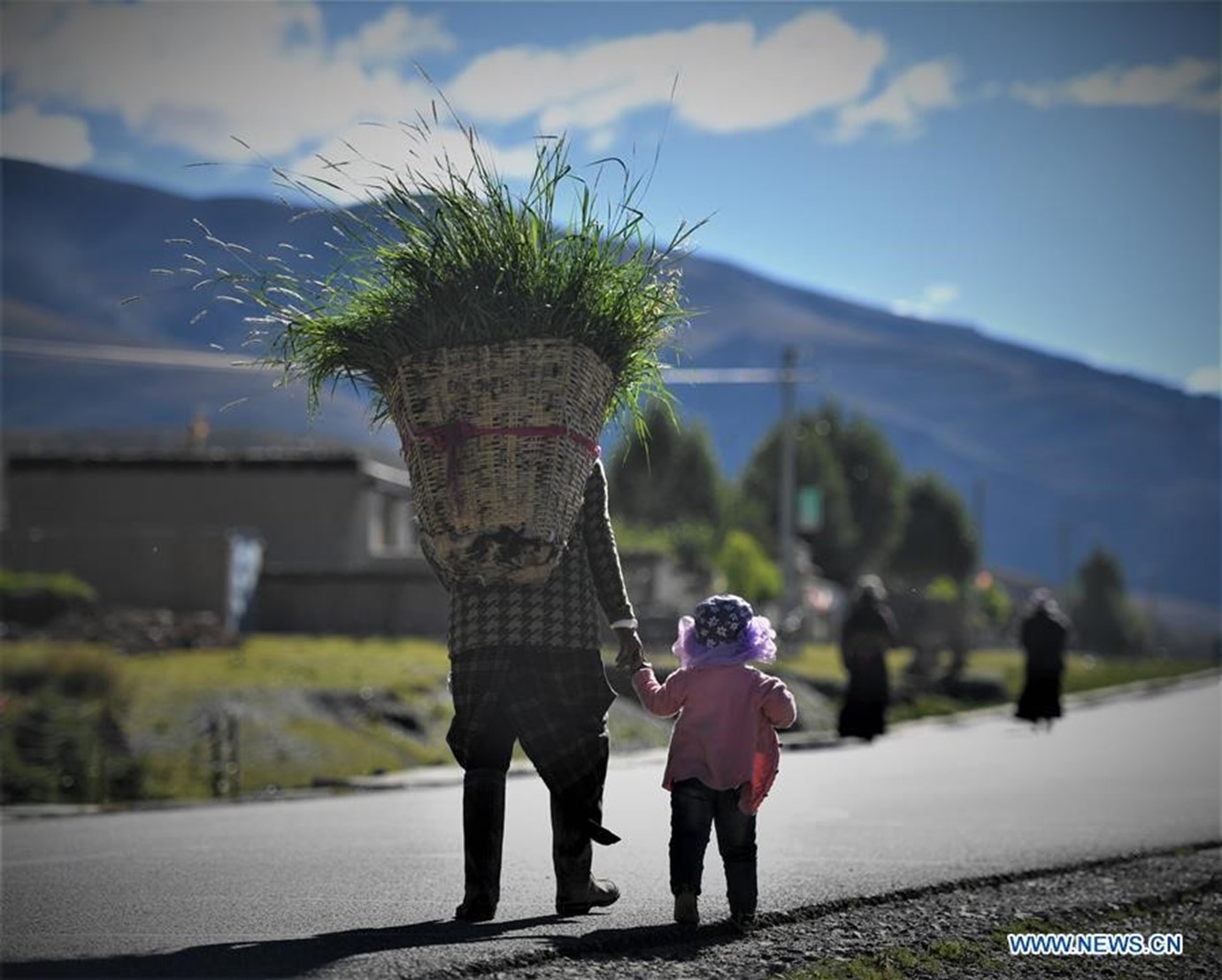
A woman carrying forage grass on her back is seen with her daughter in Dingri County in Xigaze, Tibet, Sept. 13, 2018. Amazing shots of Tibet in 2018 are seen through lenses of Xinhua photographers. (Xinhua/Purbu Zhaxi)
AMAZING TIBET. BRUTAL MILITARY OCCUPATION.
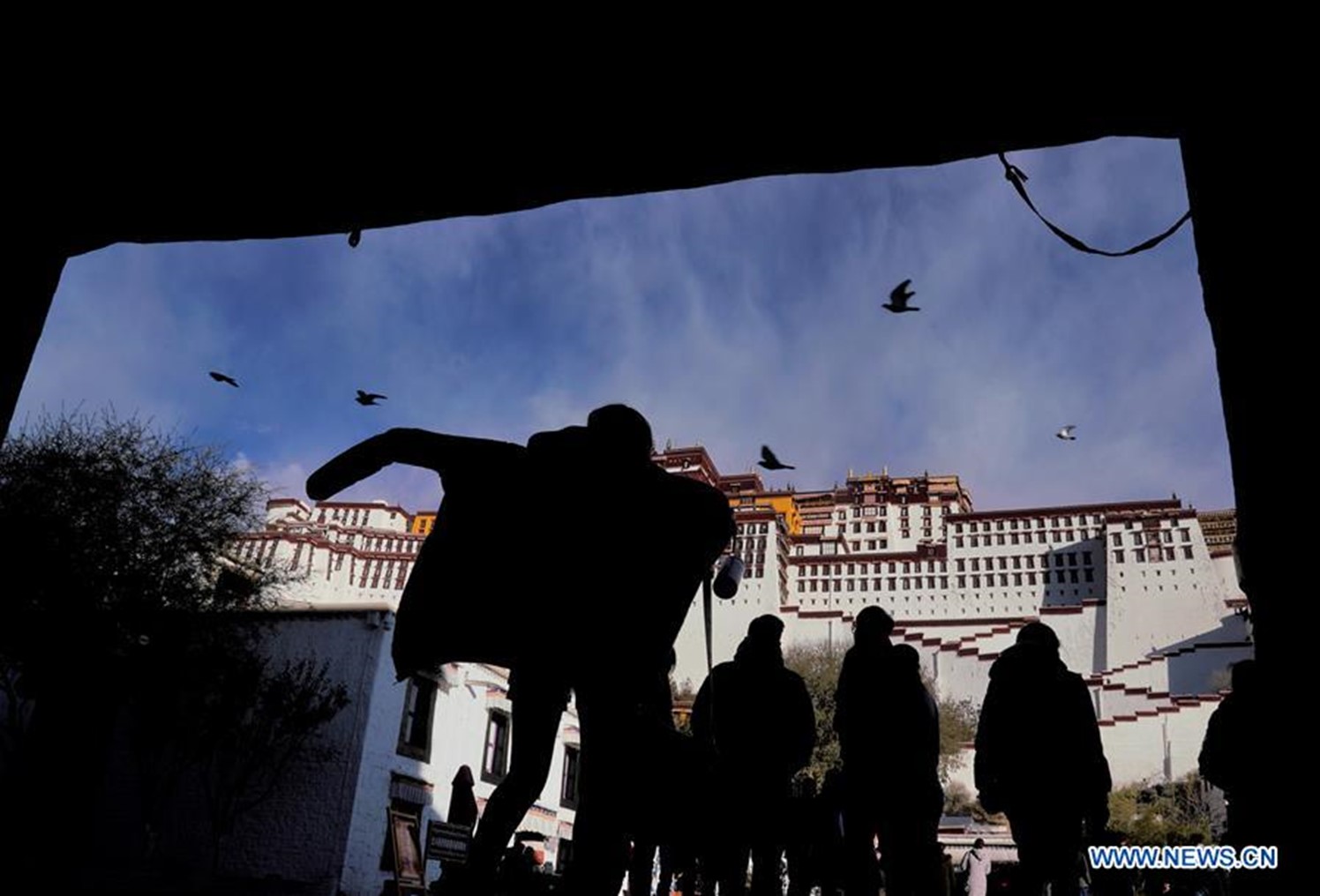
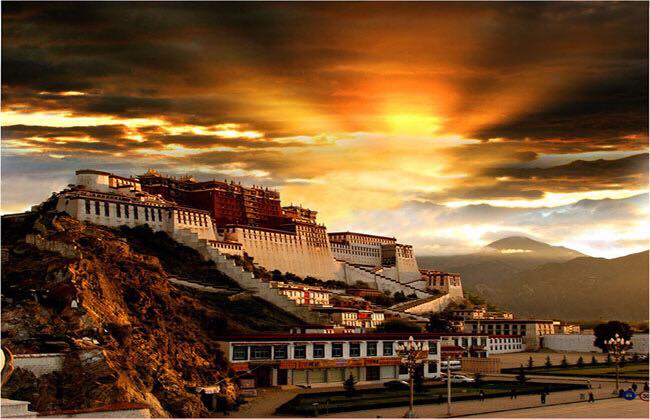
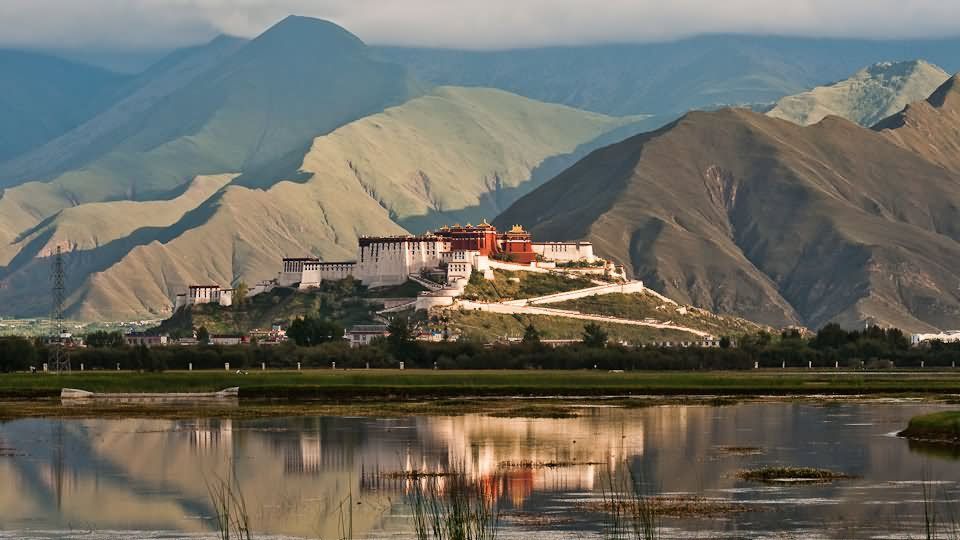
Tourists walk into the Potala Palace in Lhasa, Tibet, Nov. 15, 2018. Amazing shots of Tibet in 2018 are seen through lenses of Xinhua photographers. (Xinhua/Purbu Zhaxi)
A woman looks after her child during the break of mowing on a pasture in Damxung County, Tibet, Oct. 2, 2018. Amazing shots of Tibet in 2018 are seen through lenses of Xinhua photographers. (Xinhua/Purbu Zhaxi)
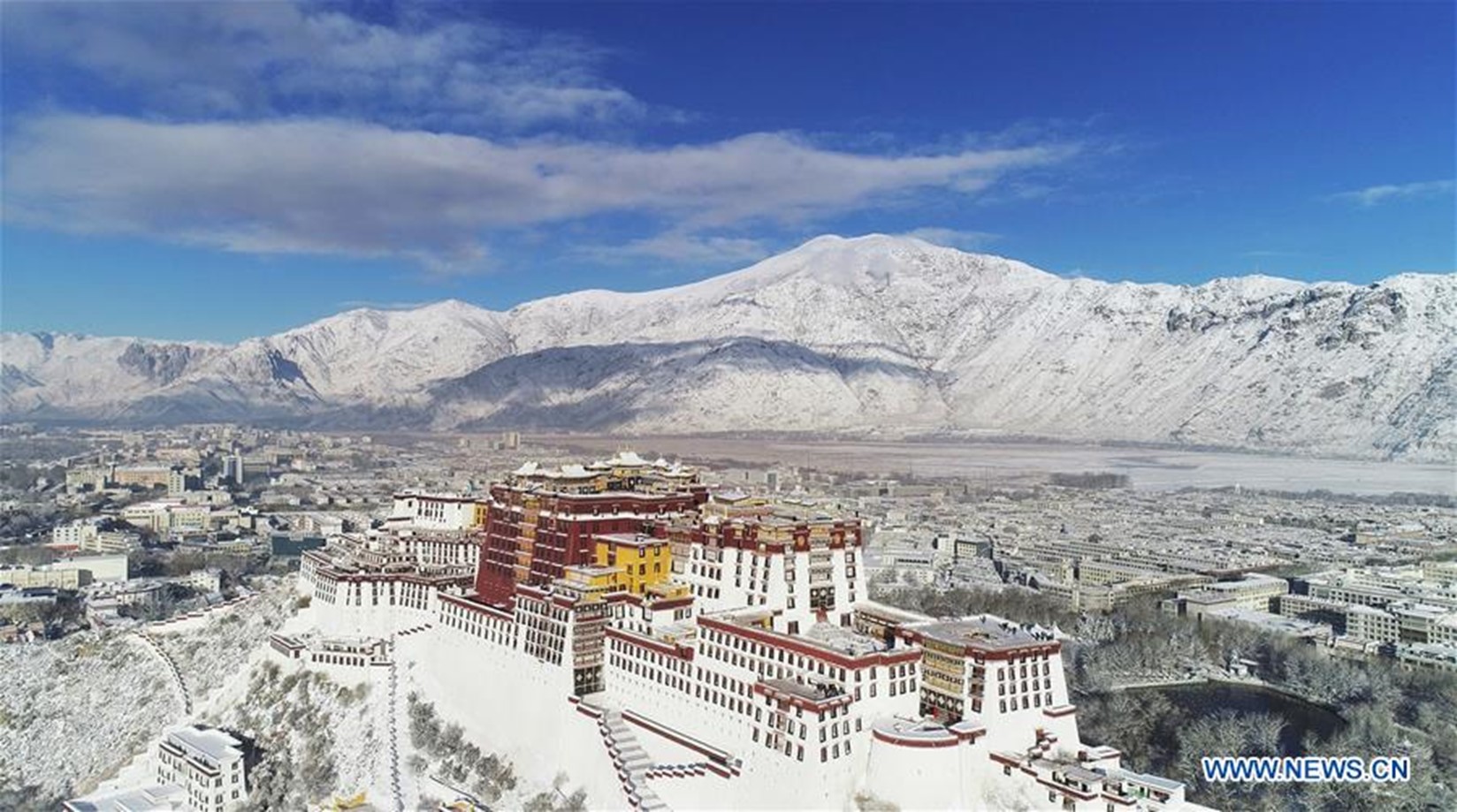
An aerial photo shows the snow-covered Potala Palace in Lhasa, capital of Tibet, Dec. 19, 2018. Amazing shots of Tibet in 2018 are seen through lenses of Xinhua photographers. (Xinhua/Purbu Zhaxi)
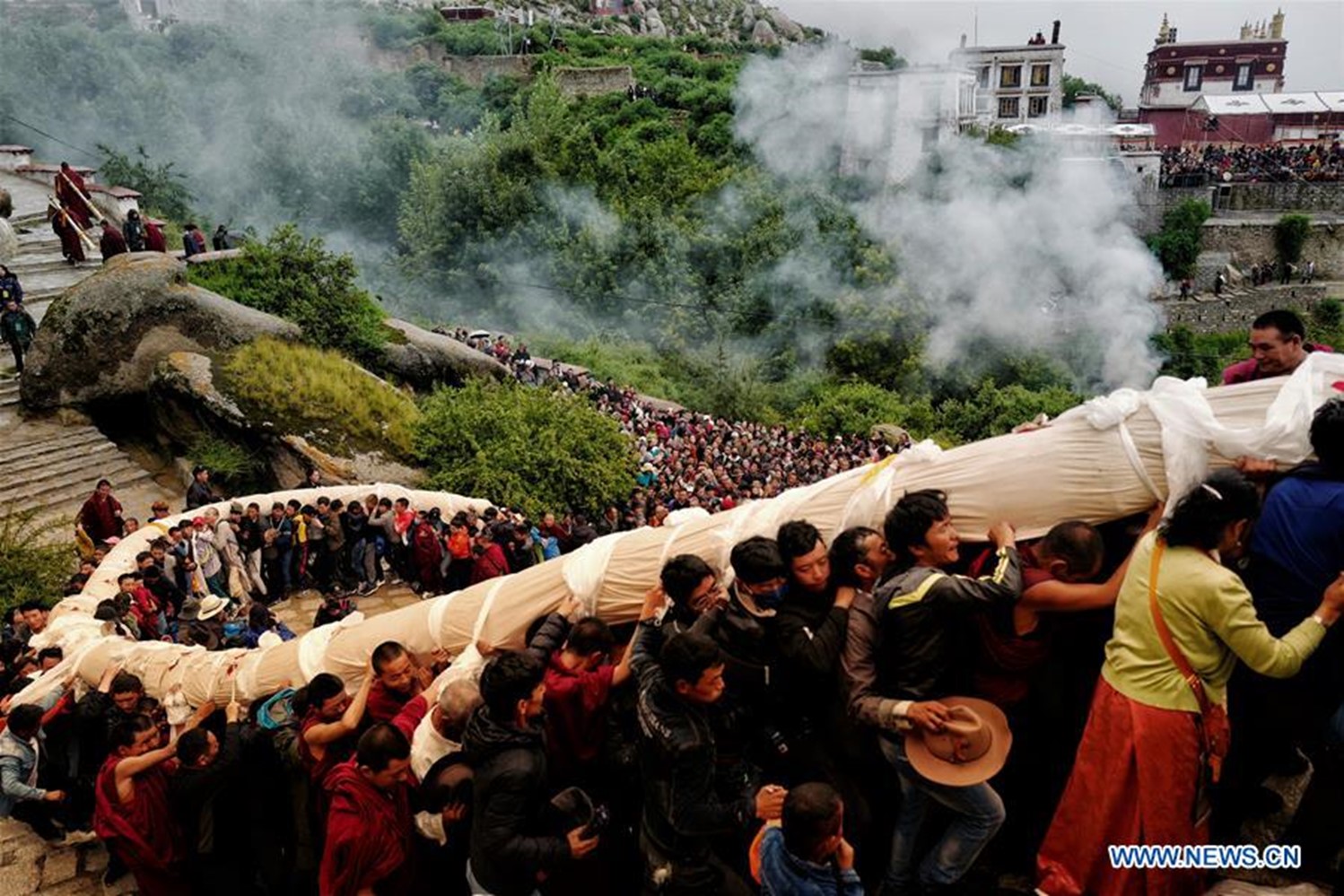
Buddhists and tourists participate in the sacred “sunning of the Buddha” ceremony to mark the start of the annual Shoton festival at the Zhaibung Monastery in Lhasa, capital of Tibet, Aug. 11, 2018. Amazing shots of Tibet in 2018 are seen through lenses of Xinhua photographers. (Xinhua/Purbu Zhaxi)
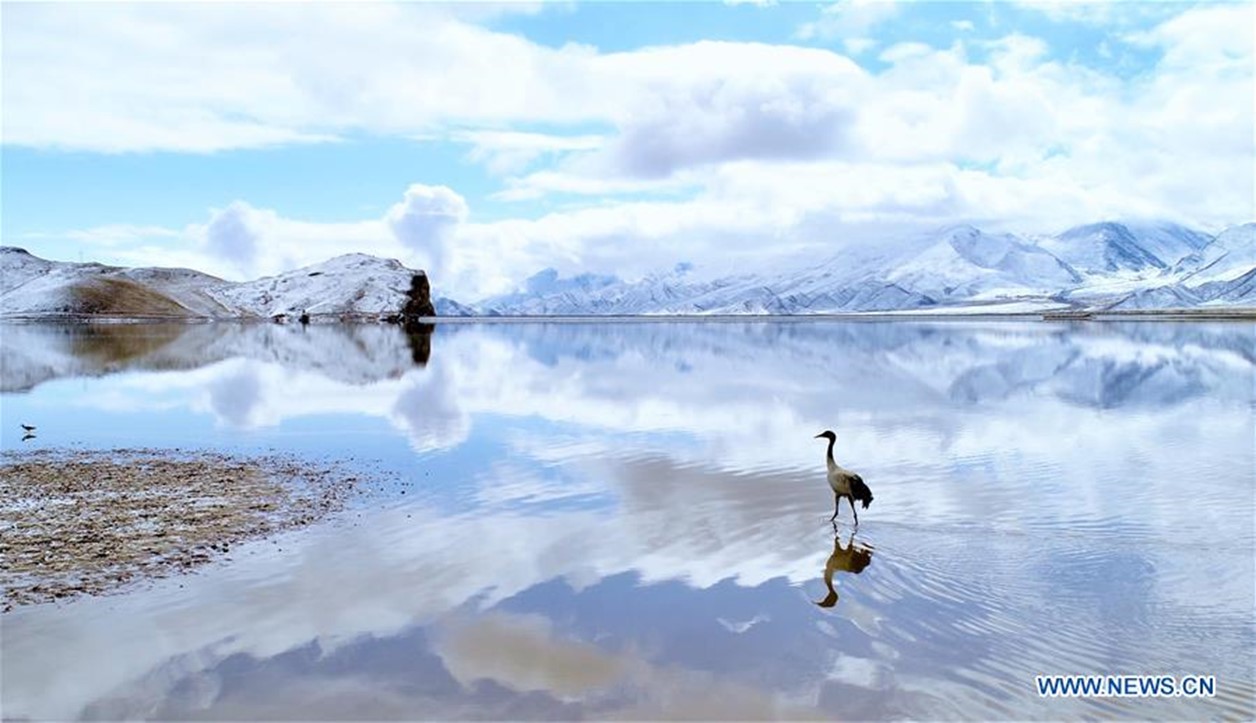
The aerial photo was taken on March 10, 2018 shows a black-necked crane in Linzhou County,Tibet. Amazing shots of Tibet in 2018 are seen through lenses of Xinhua photographers. (Xinhua/Purbu Zhaxi)
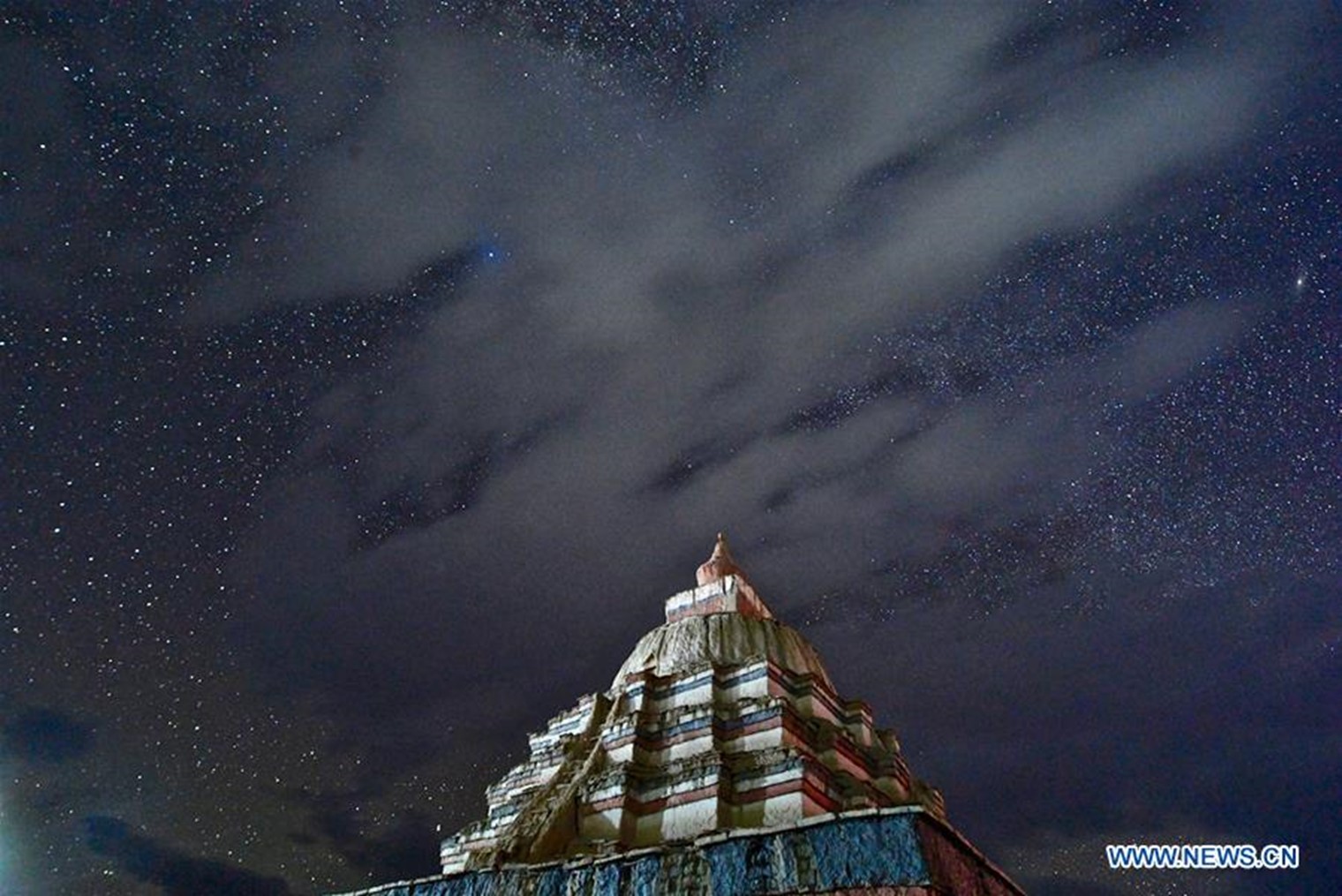
Photo taken on Sept. 11, 2018, shows the starry sky in Ngari, Tibet. The Ngari area has an average altitude of over 4,000 meters above sea level. Amazing shots of Tibet in 2018 are seen through lenses of Xinhua photographers. (Xinhua/)
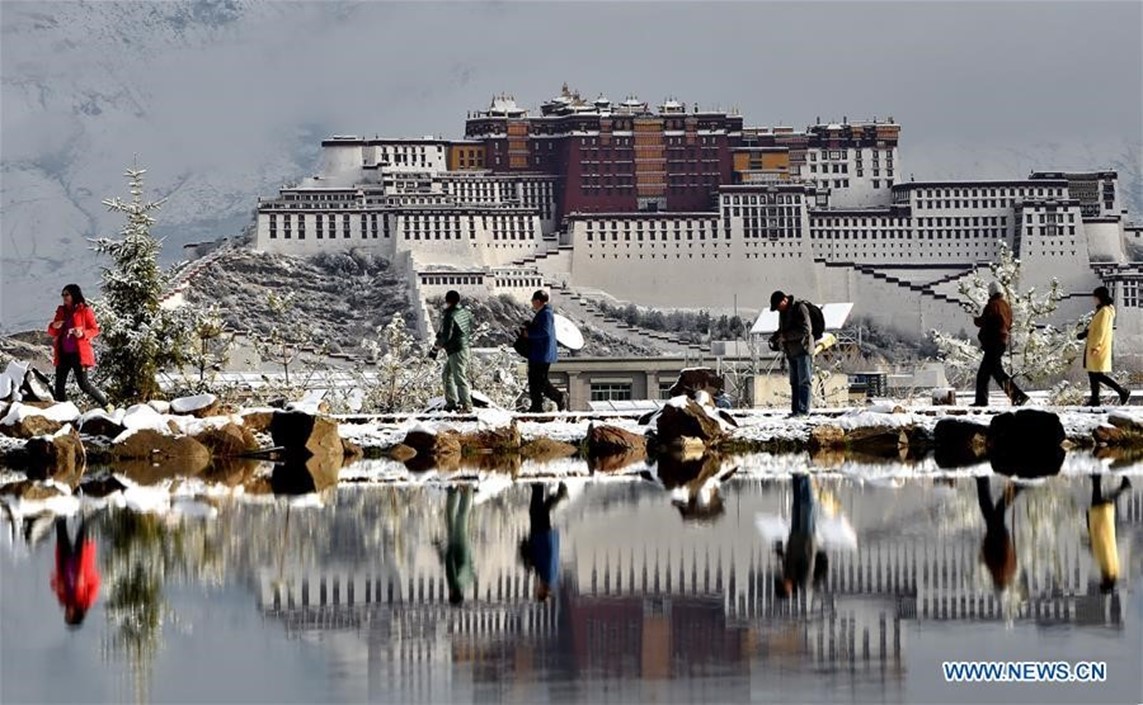
Photo taken on March 30, 2018, shows the Potala Palace after a snowfall in Lhasa, Tibet. Amazing shots of Tibet in 2018 are seen through lenses of Xinhua photographers. (Xinhua/Chogo)
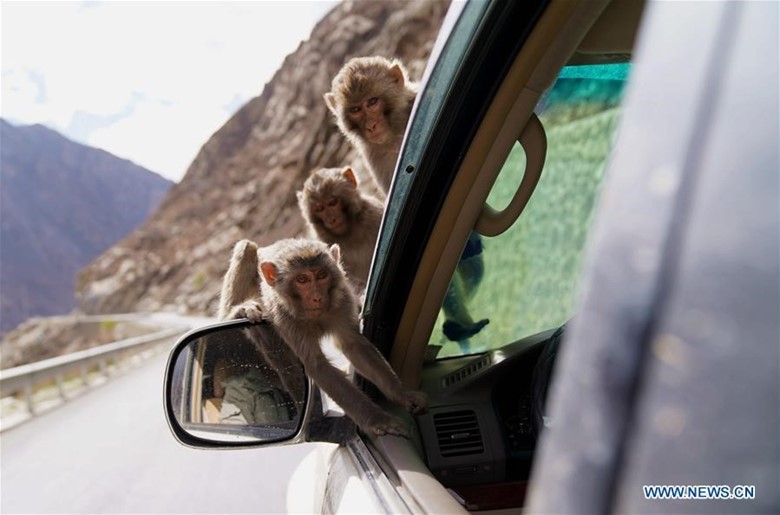
Wild monkeys cling to a car along the Provincial Highway No. 306 at Gyaca County, Tibet, April 23, 2018. Amazing shots of Tibet in 2018 are seen through lenses of Xinhua photographers. (Xinhua/Jigme Dorgi)
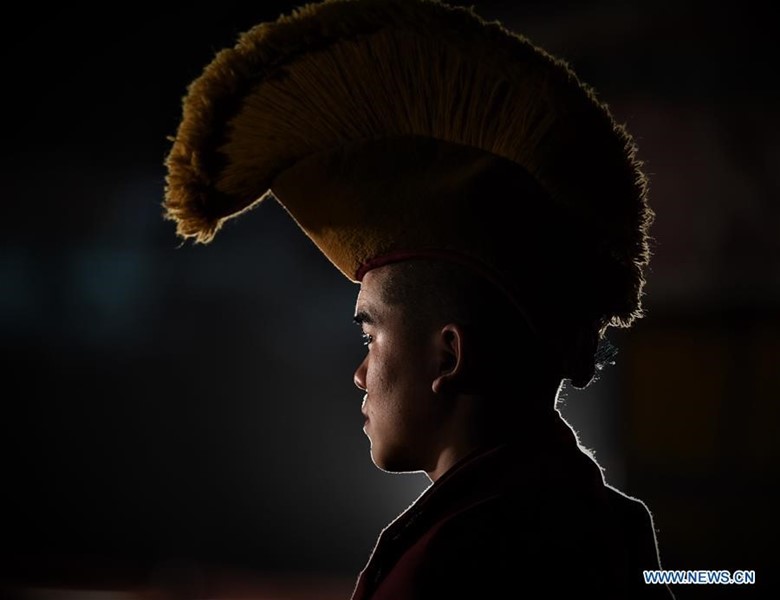
A monk is seen during the butter lamps lighting event at the Jokhang Temple in Lhasa, Tibet, Dec. 2, 2018. Amazing shots of Tibet in 2018 are seen through lenses of Xinhua photographers. (Xinhua/)
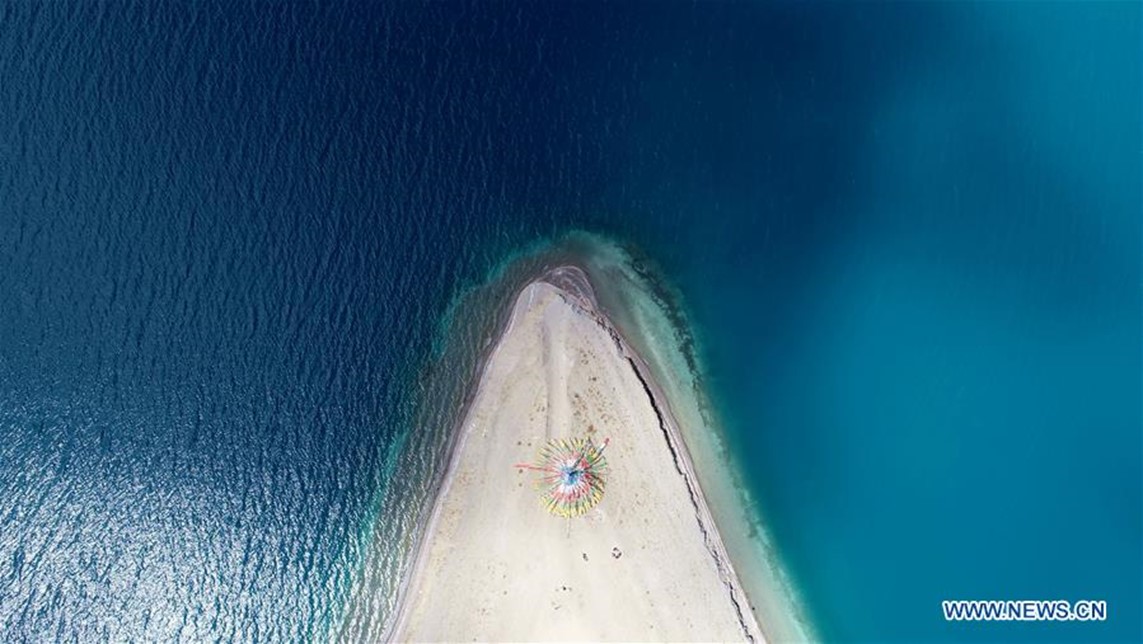
Aerial photo taken on May 27, 2018, shows the scenery of the Yamdrok Lake in Nagarze County of Shannan City, Tibet. Amazing shots of Tibet in 2018 are seen through lenses of Xinhua photographers. (Xinhua/Jigme Dorgi)
People enjoy “lingka”, meaning leisure time in woods, in the outskirts of Lhasa, Tibet, Aug. 4, 2018. Amazing shots of Tibet in 2018 are seen through lenses of Xinhua photographers. (Xinhua/Liu Jie)
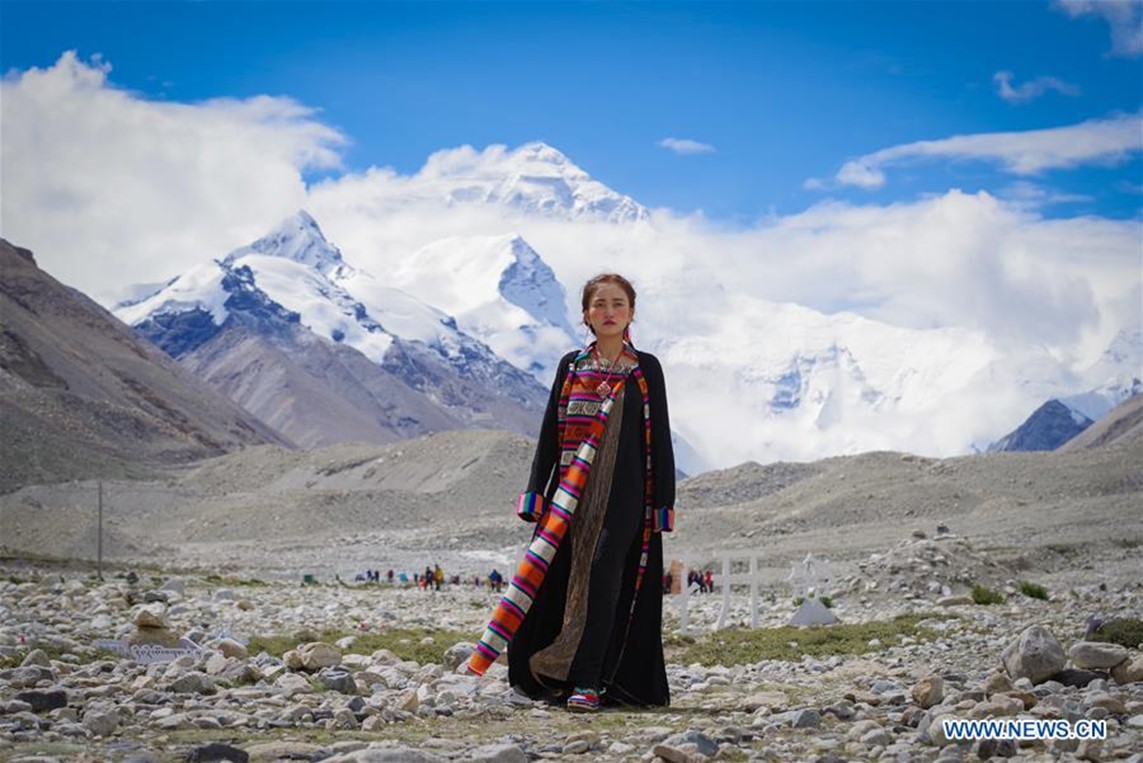
A model presents a creation during a folk costume show at the 5,200-meter-high base camp of the world’s highest peak Qomolangma, in Tibet, Aug. 18, 2018. Amazing shots of Tibet in 2018 are seen through lenses of Xinhua photographers. (Xinhua/Liu Dongjun)
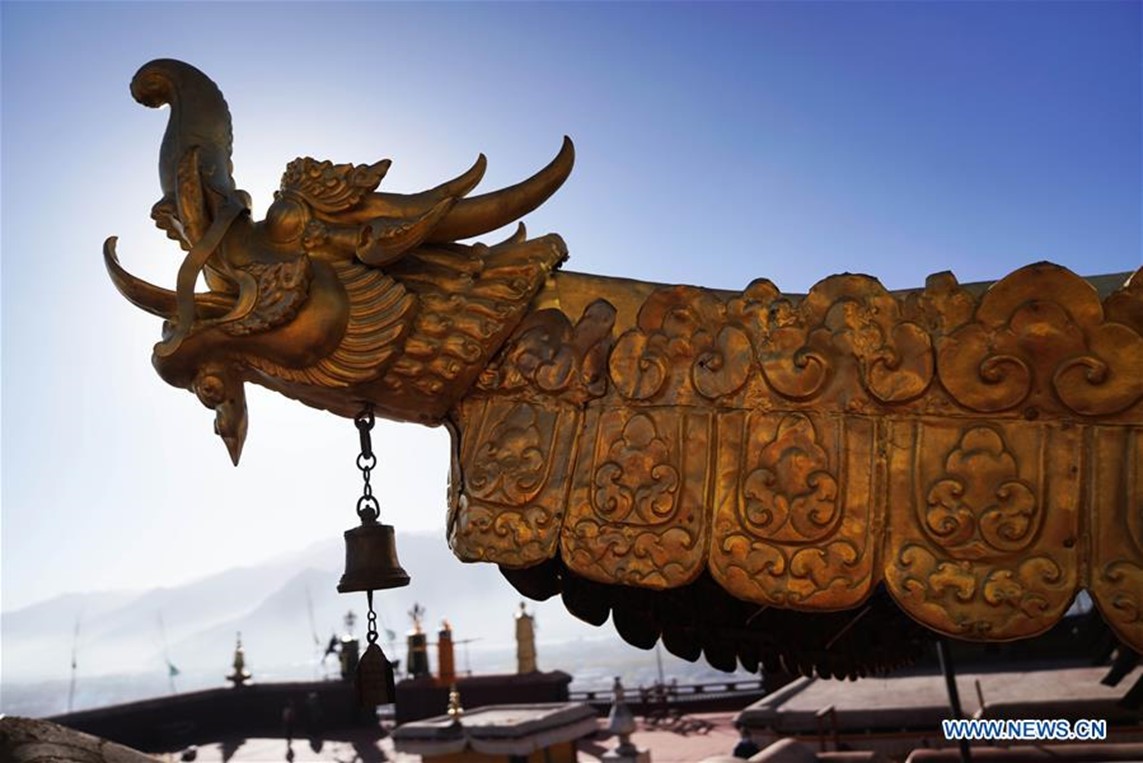
Photo taken on Nov. 7, 2018 shows a roof decoration of the Potala Palace in Lhasa, capital of southwest China’s Tibet Autonomous Region. The golden roofs of the Potala Palace shine in glory after more than 18 months of renovation work. Amazing shots of Tibet in 2018 are seen through lenses of Xinhua photographers. (Xinhua/Purbu Zhaxi)
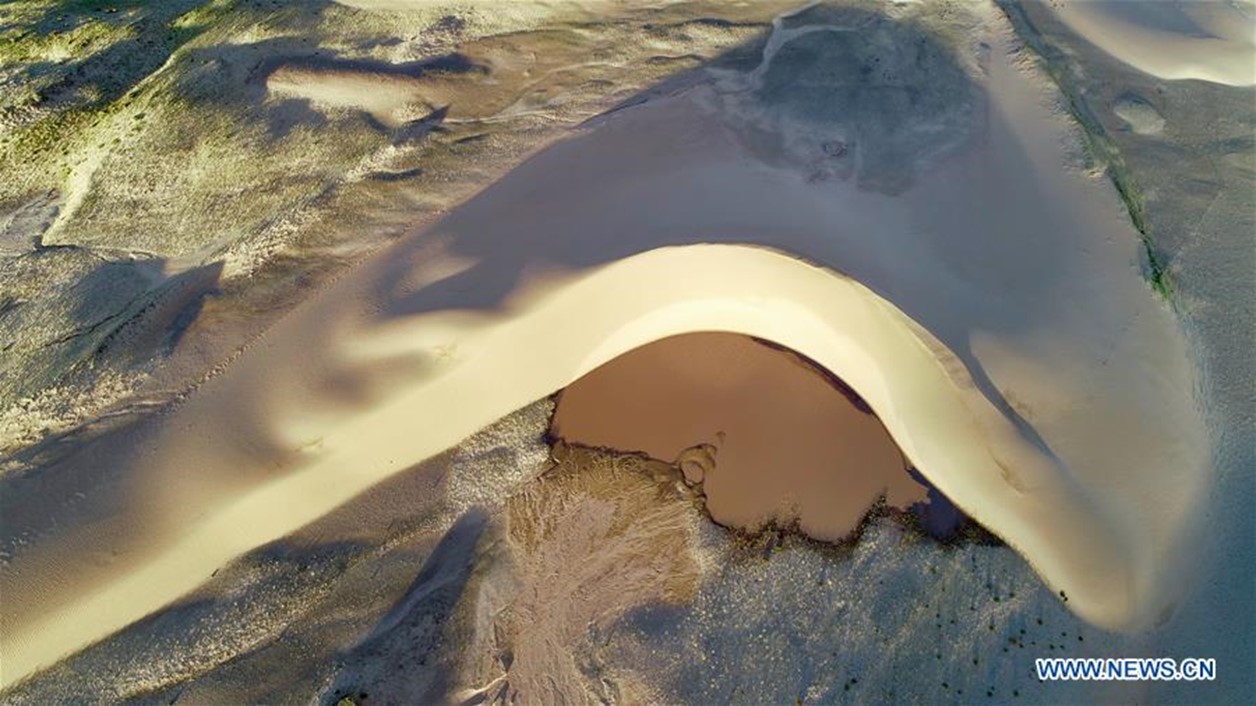
Photo taken on Sept. 8, 2018, shows sand dunes near the source of the Yarlung Zangbo River in Zhongba County of Xigaze, Tibet. Amazing shots of Tibet in 2018 are seen through lenses of Xinhua photographers. (Xinhua/)
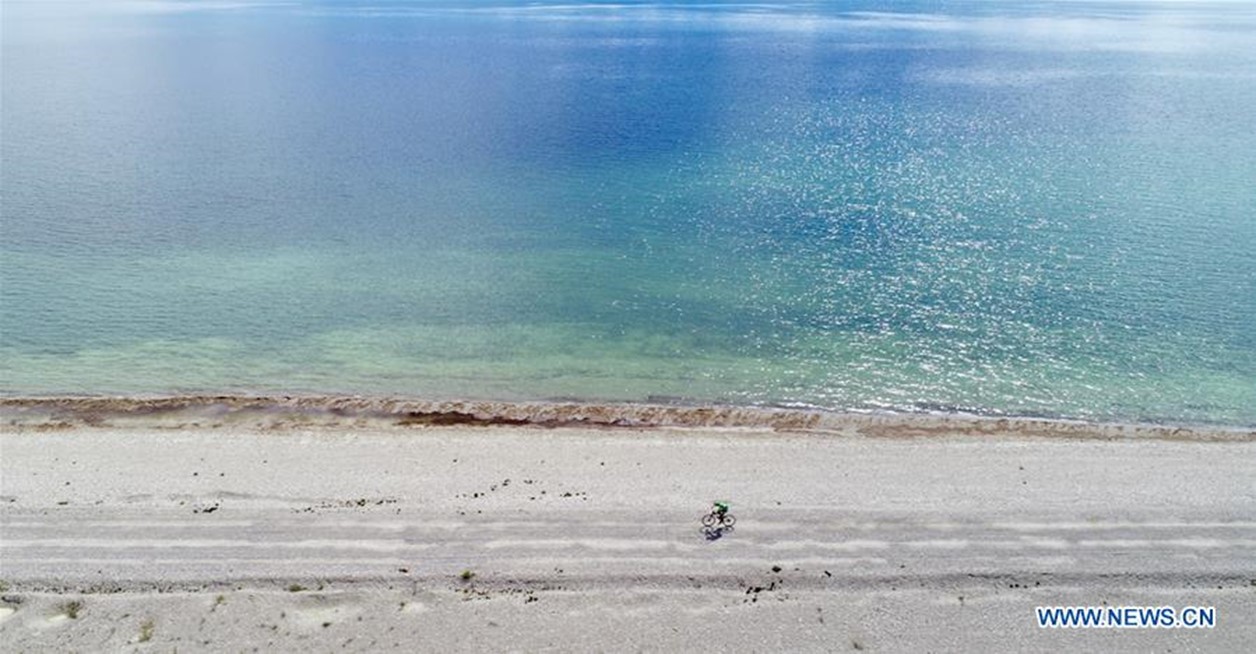
A cyclist rides during a cycling race around the holy lake Mapham Yutso in Pulan County of Ngari Prefecture, Tibet, Sept. 9, 2018. Amazing shots of Tibet in 2018 are seen through lenses of Xinhua photographers. (Xinhua/Purbu Zhaxi)
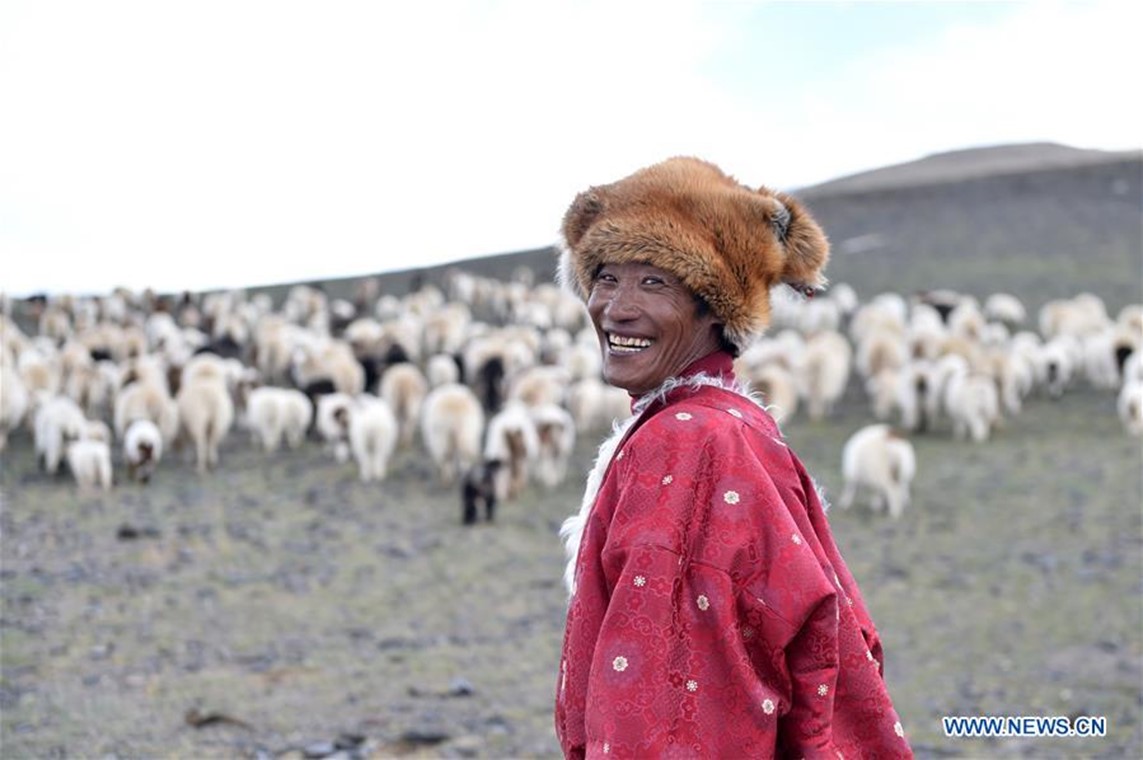
Rigzin, 49, smiles while grazing a flock of sheep in Rungma Town of Nyima County, Tibet, June 14, 2018. Rigzin and his family are to be relocated to a new home in Lhasa. Amazing shots of Tibet in 2018 are seen through lenses of Xinhua photographers. (Xinhua/Chogo)
Tibet Awareness – Defend the Rights of Endangered Tibetans
Tibet Awareness. Defend Rights of Endangered Tibetans.
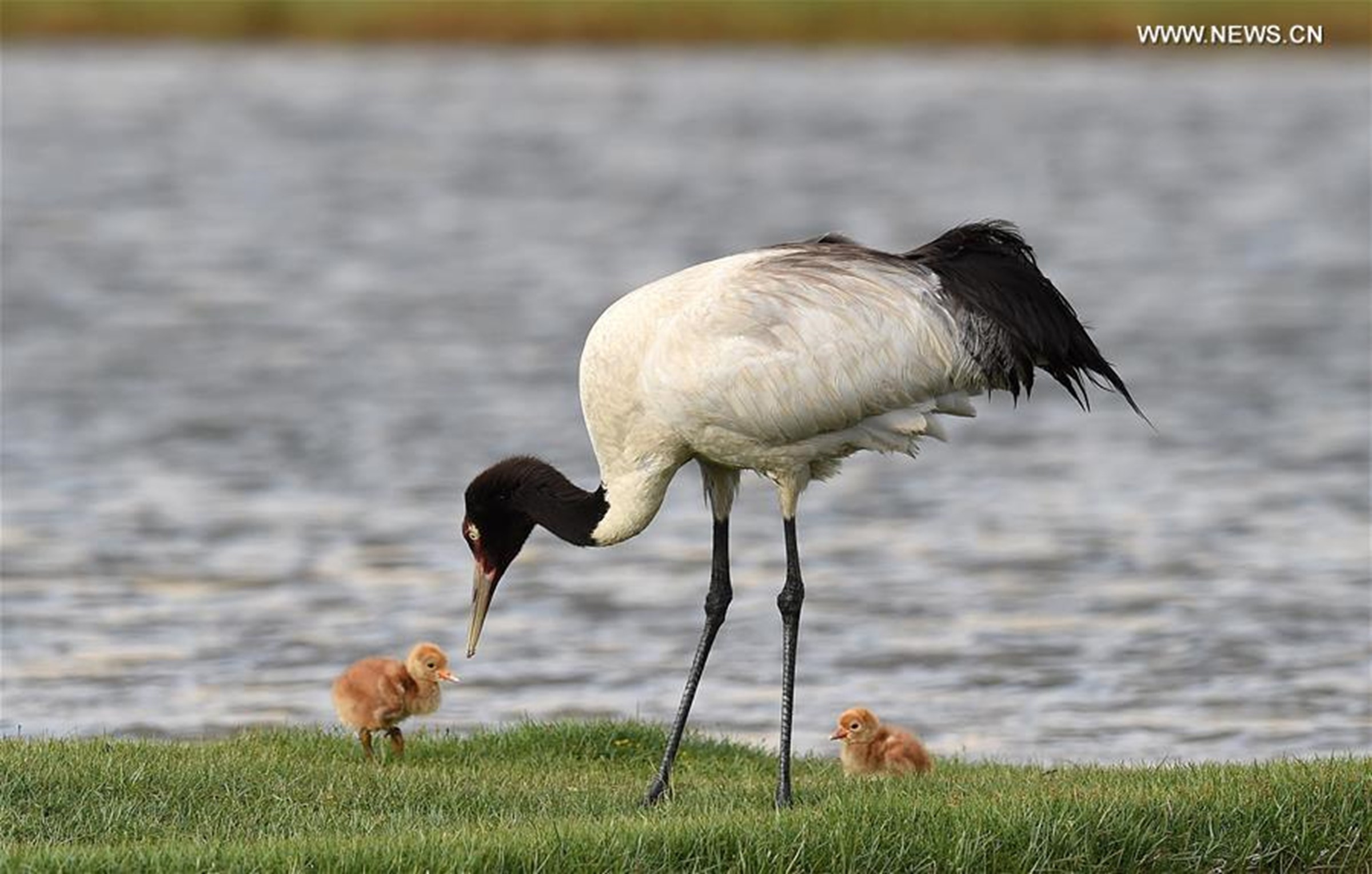
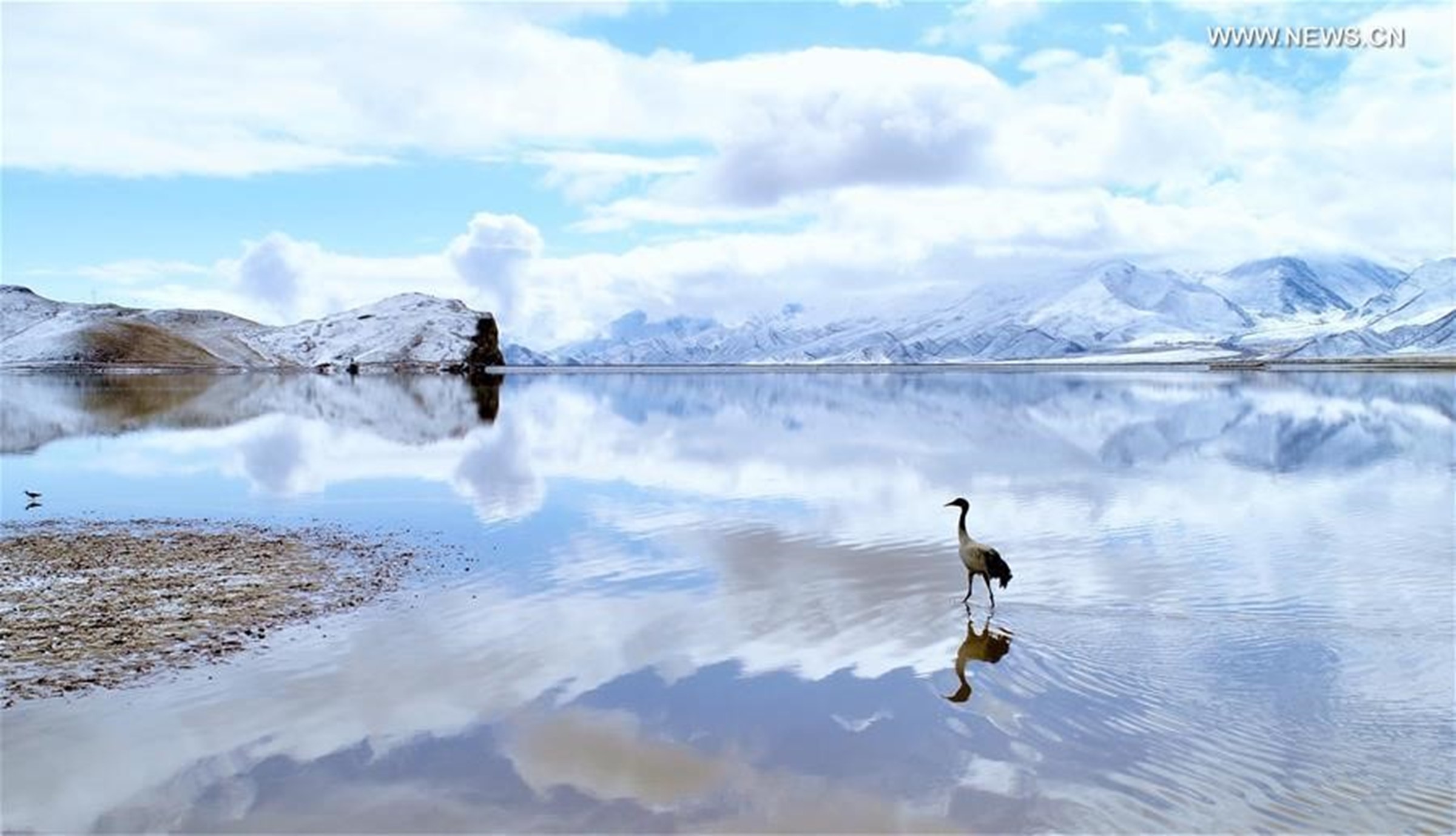
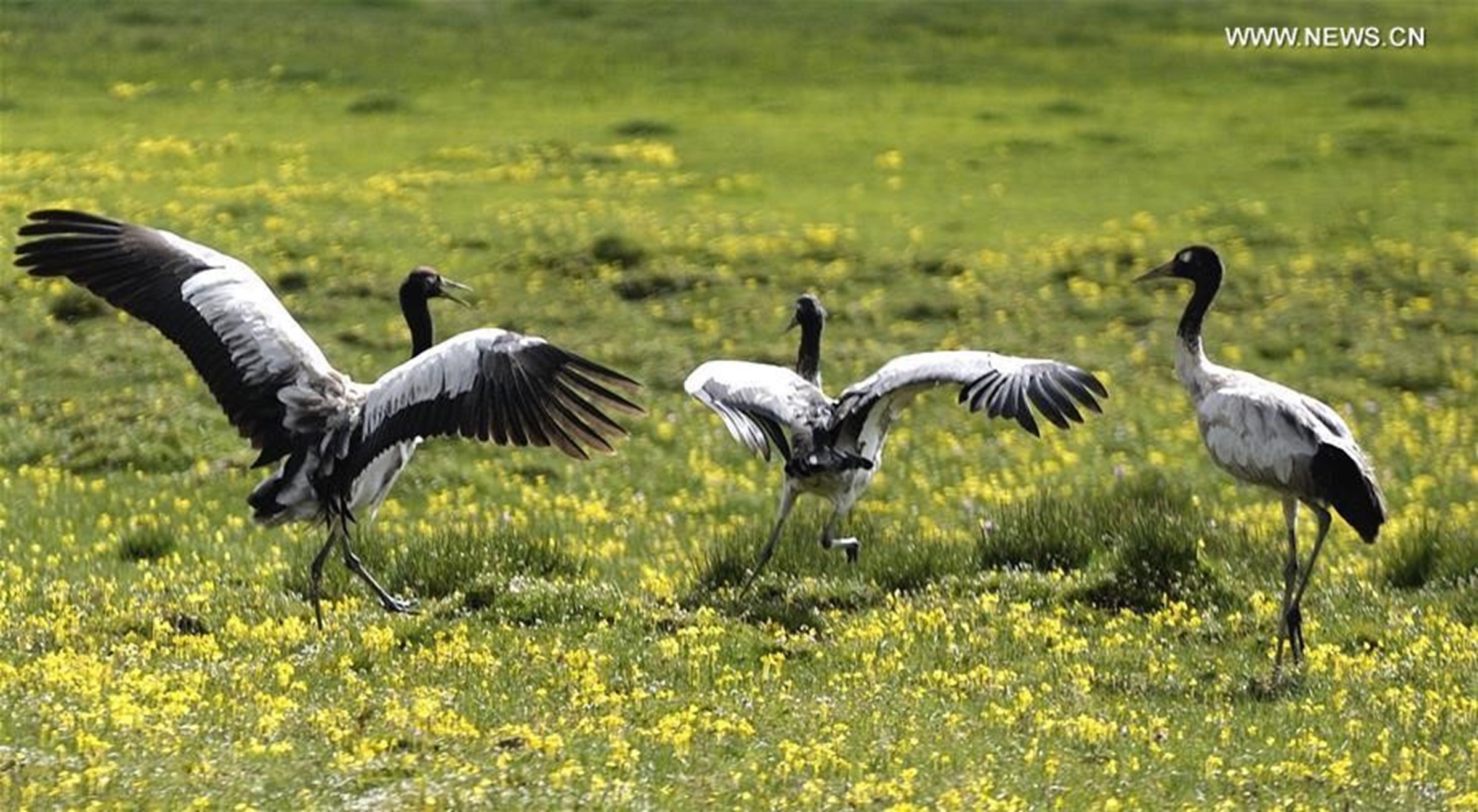
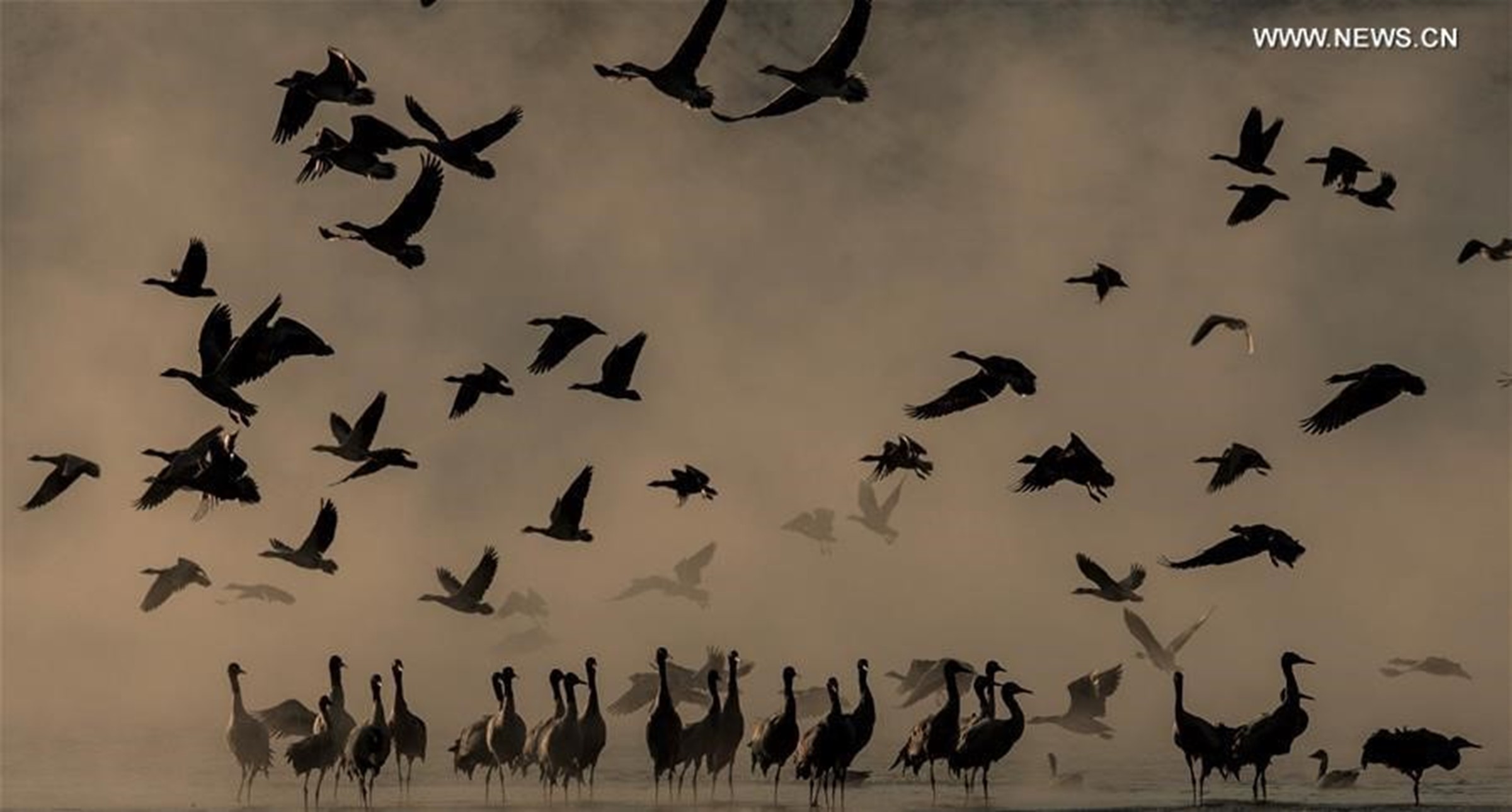
I am sharing photo images of endangered Black-necked Cranes visiting Tibet to promote Tibet Awareness. Since 1950, Tibetans lost their Natural Freedom because of China’s military conquest and occupation. I am asking the global community of nations to defend the Rights of Endangered Tibetans and to restore the Political Rights of Tibetans.
Tibet Awareness. Defend Rights of Endangered Tibetans.
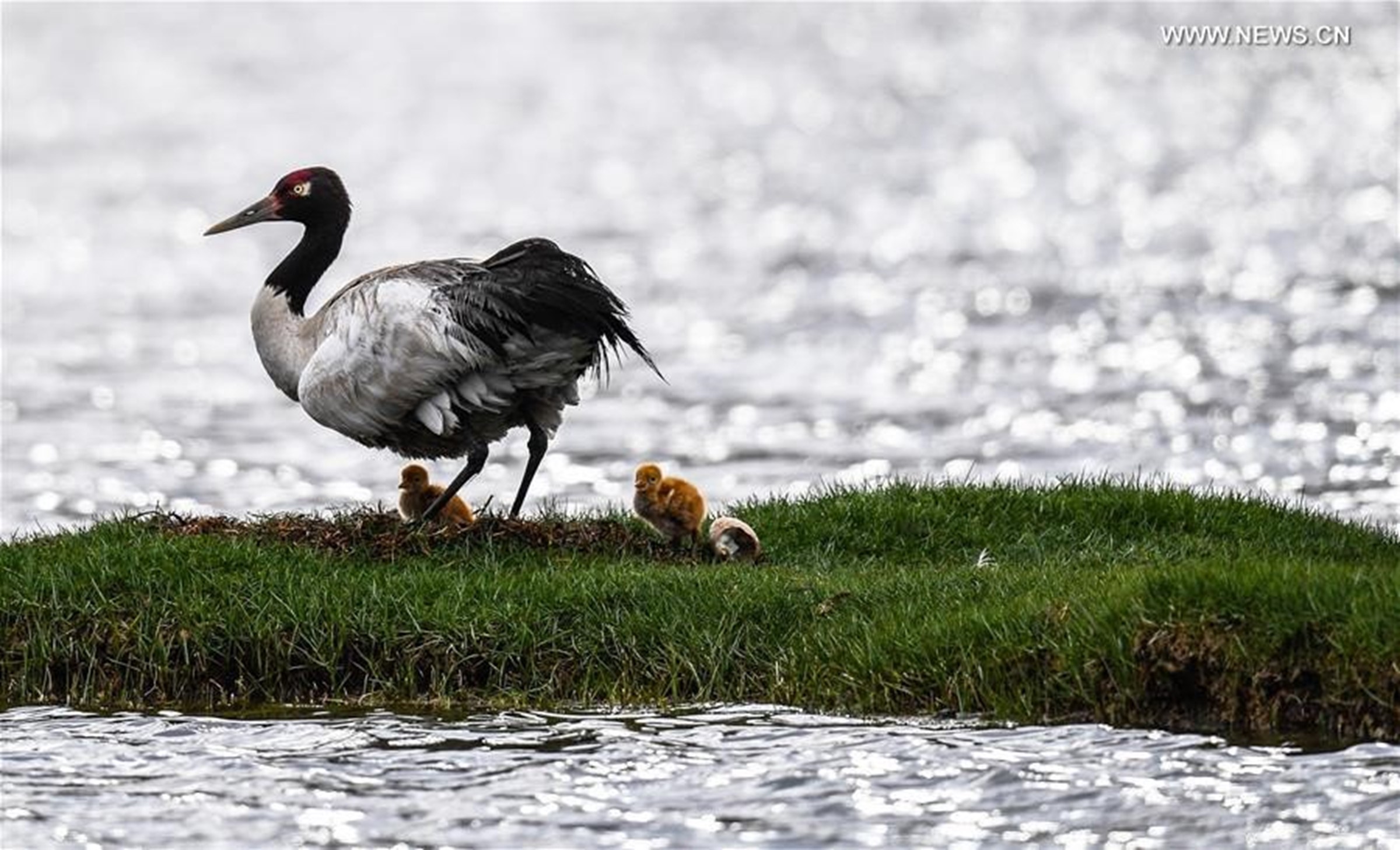
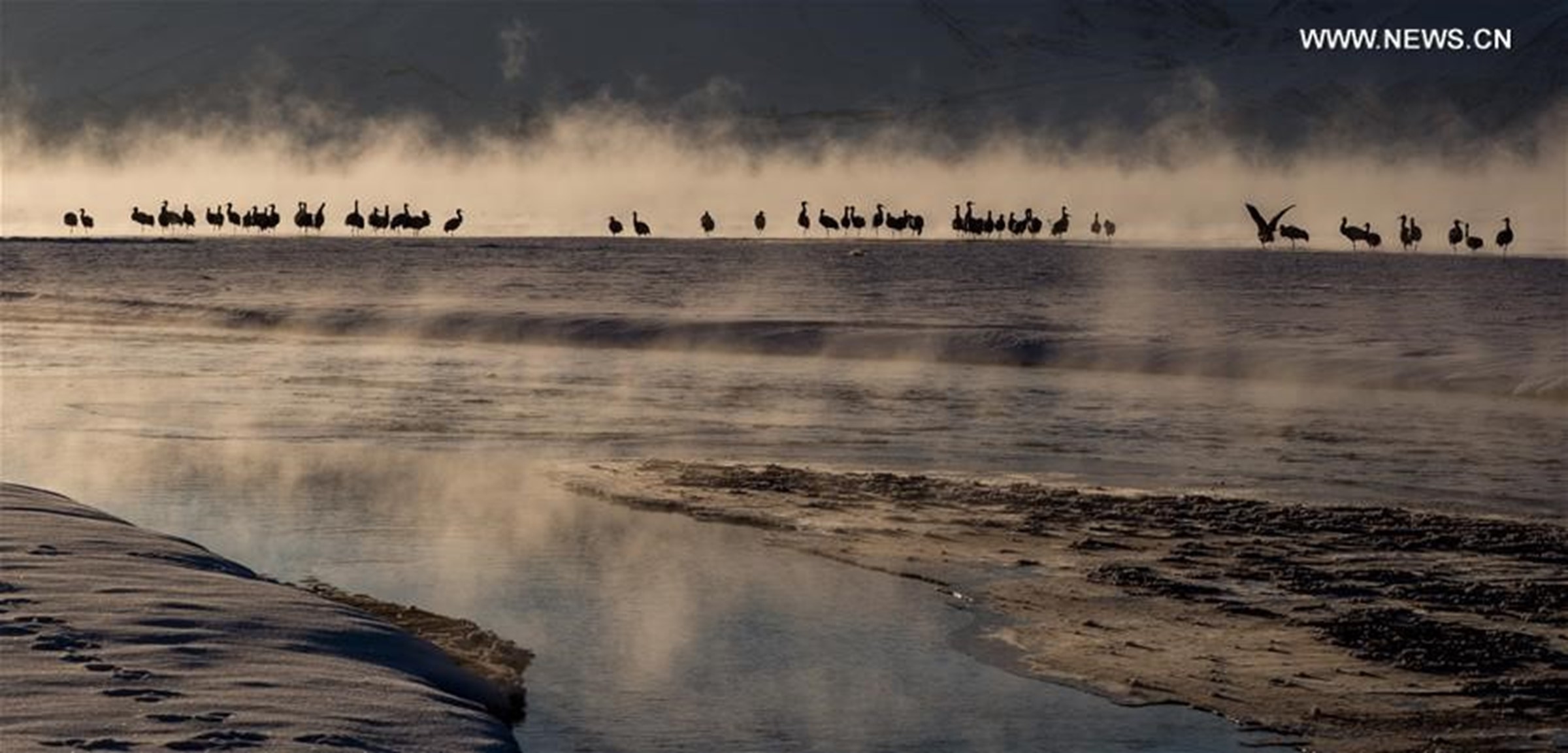
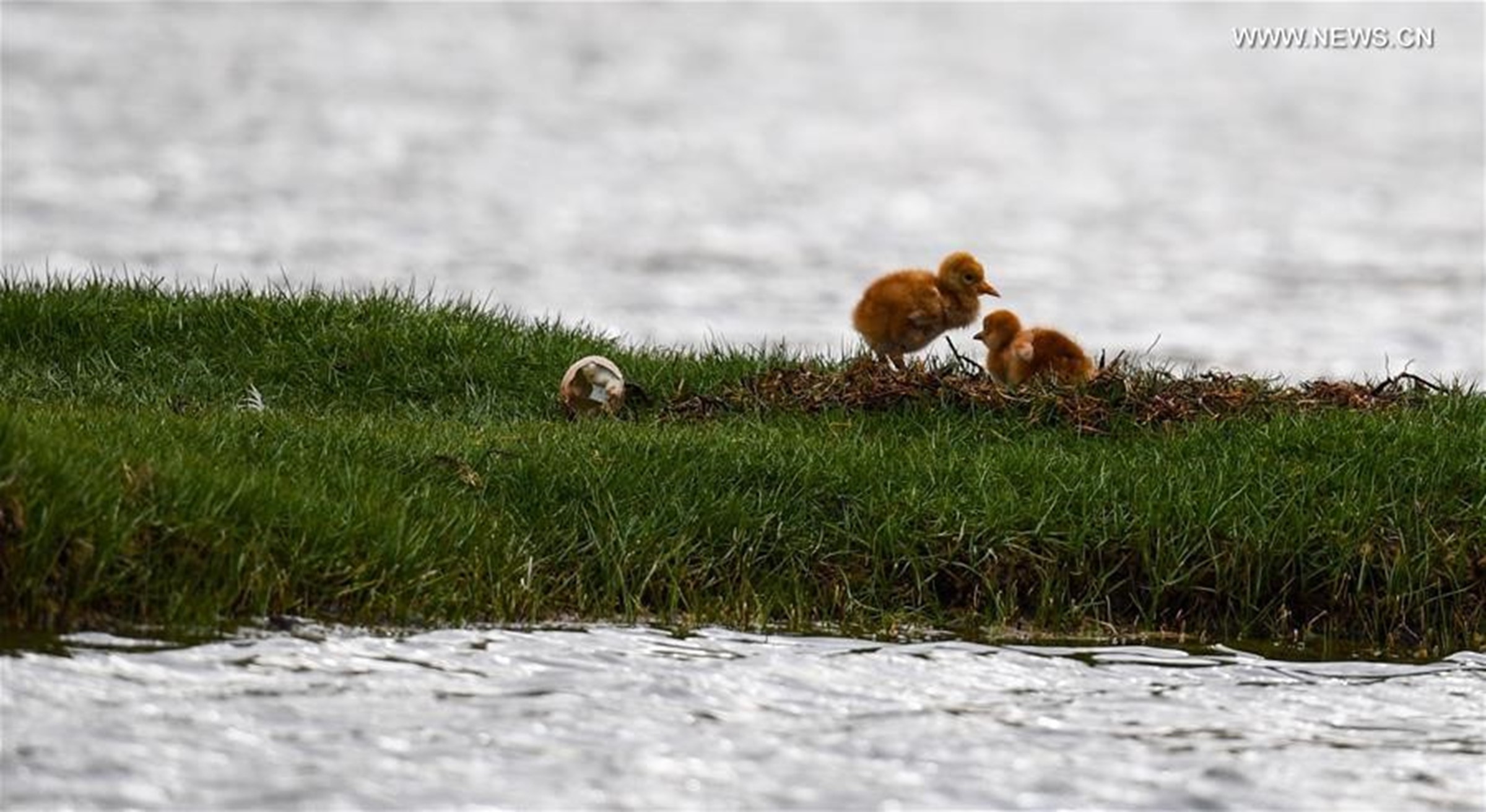
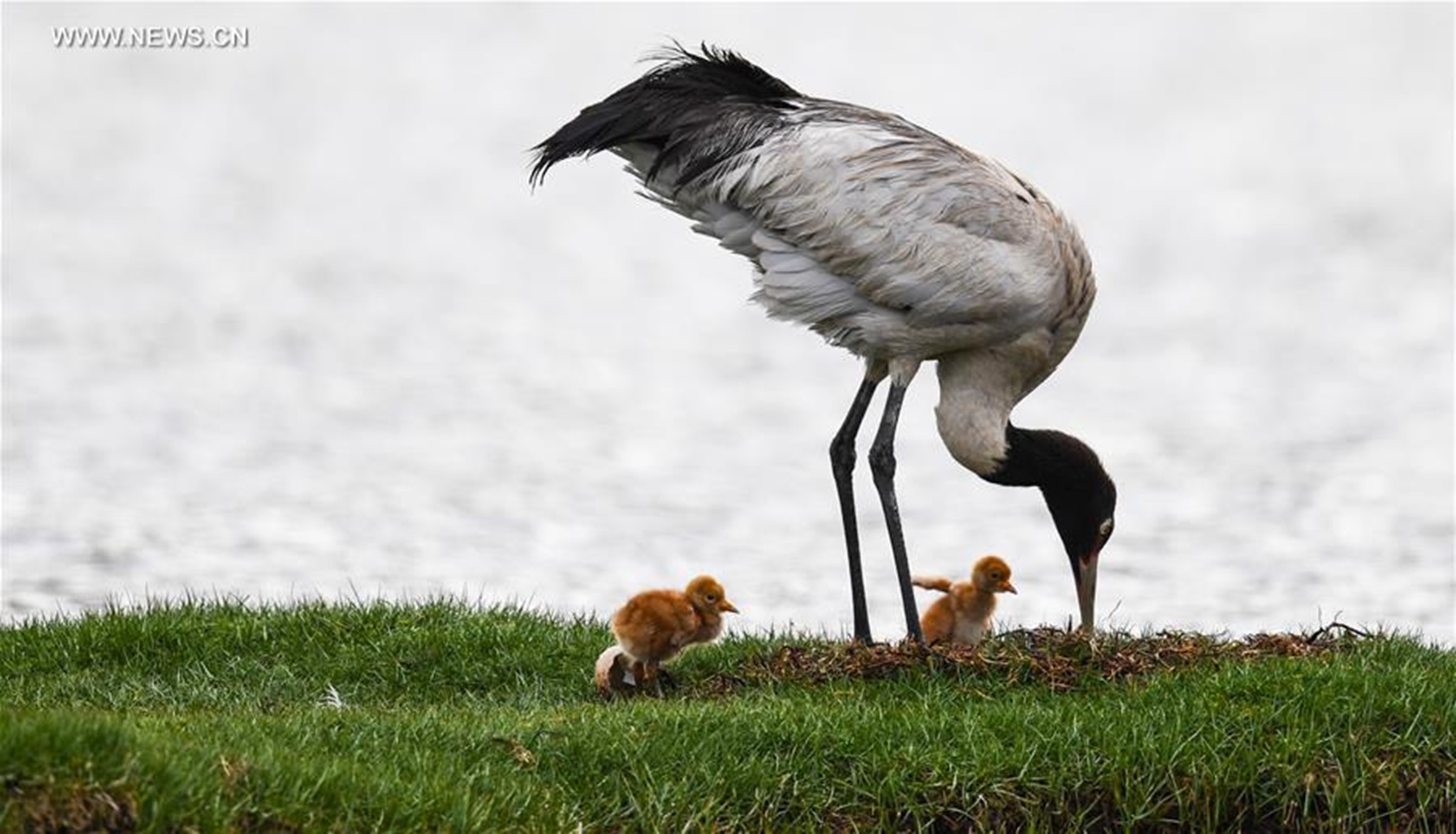
A black-necked crane looks after its chicks in the Qiangtang nature reserve, Tibet, in June of 2017. Black-necked cranes are often seen in Tibet’s river valleys and the region’s barley and wheat fields in winter. With an estimated population of around 10,200, the species is classified as “vulnerable” by the International Union for Conservation of Nature (IUCN). (Xinhua/Chogo)
LHASA, Dec. 26 (Xinhua) — Every year, black-necked cranes arrive in Tibet, where they are welcomed by locals and tourists.
“This is the only time of the year when we can see flocks of these birds. It’s spectacular!” said Toinzhub Cering, a wildlife ranger in Lhundrup County, which is about 87 miles northeast of Lhasa, Tibet’s capital.
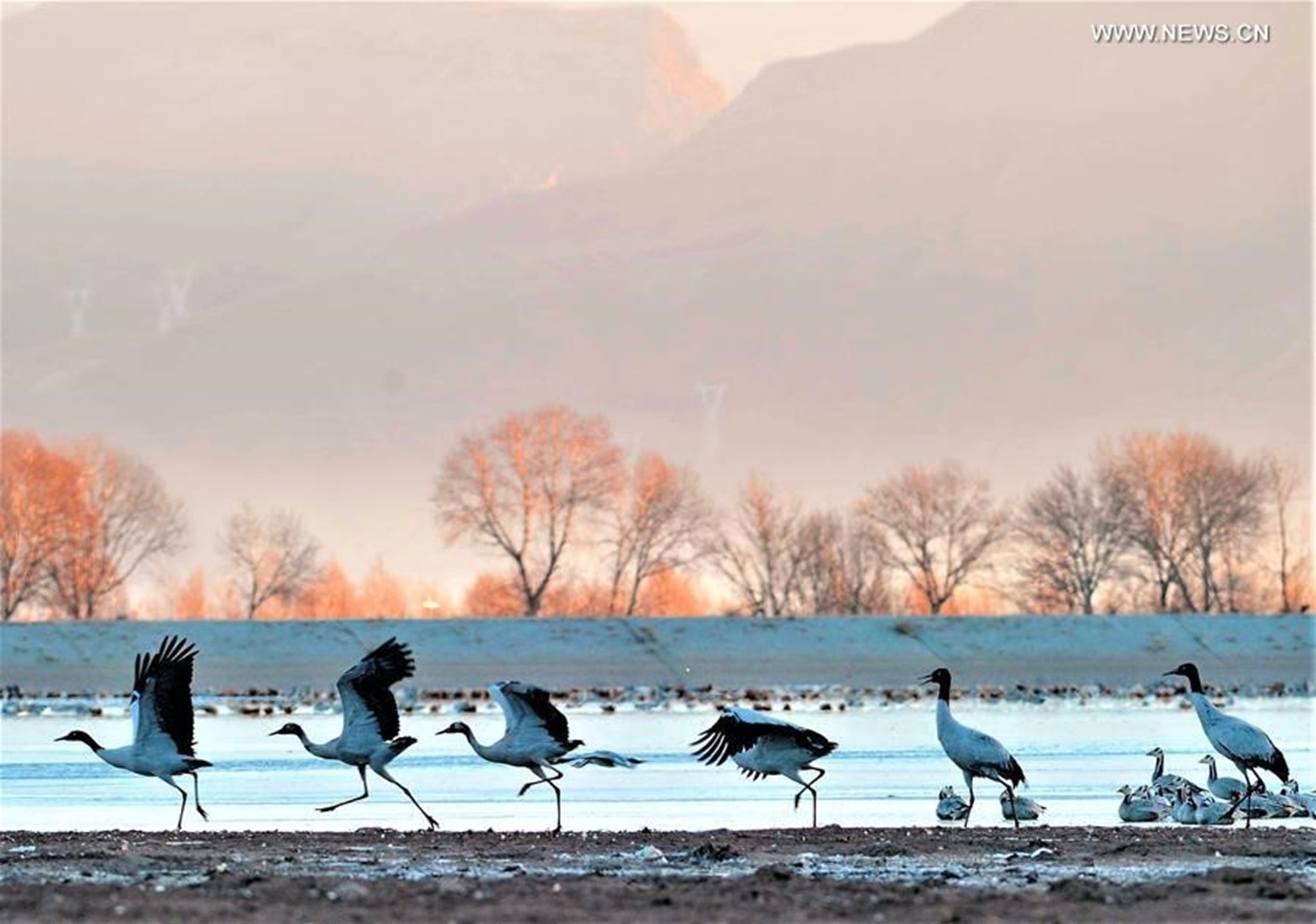
Black-necked cranes are often seen in Tibet’s river valleys and the region’s barley and wheat fields in winter. And Toinzhub knows exactly where to find them.
For ten years, the 42-year-old has patrolled the nature reserve in Lhundrup, one of the major habitats of black-necked cranes.
With an estimated population of around 10,200, the species is classified as “vulnerable” by the International Union for Conservation of Nature (IUCN).
The black-necked crane is the most recently identified among 15 kinds of cranes worldwide. They are also the only kind that inhabits plateau areas with an altitude of 2,500-5,000 meters.
Toinzhub Cering feels passionate about protecting the species and has been doing his part to help. He is always the first person to call media and authorities each year when the rare birds come and go.
Now that he has learned how to use social media, he often shares photos of the cranes with his friends.
Thanks to efforts made by locals and authorities, these exhausted birds, after flying for over 1,000 km, don’t have to face hunger, pesticide, or poachers.
Instead, they can now easily find pollutant-free highland barley and wheat left by farmers.
But endangered animal protection efforts in Tibet cover more than just birds, with the Tibetan antelope also under people’s watch, among other wildlife.
As for damage and losses caused by such animals, residents can claim compensation from the government.
Between mid-March and late April, black-necked cranes migrate to northern Tibet to reproduce in the lakeside marshes, far beyond human touch.
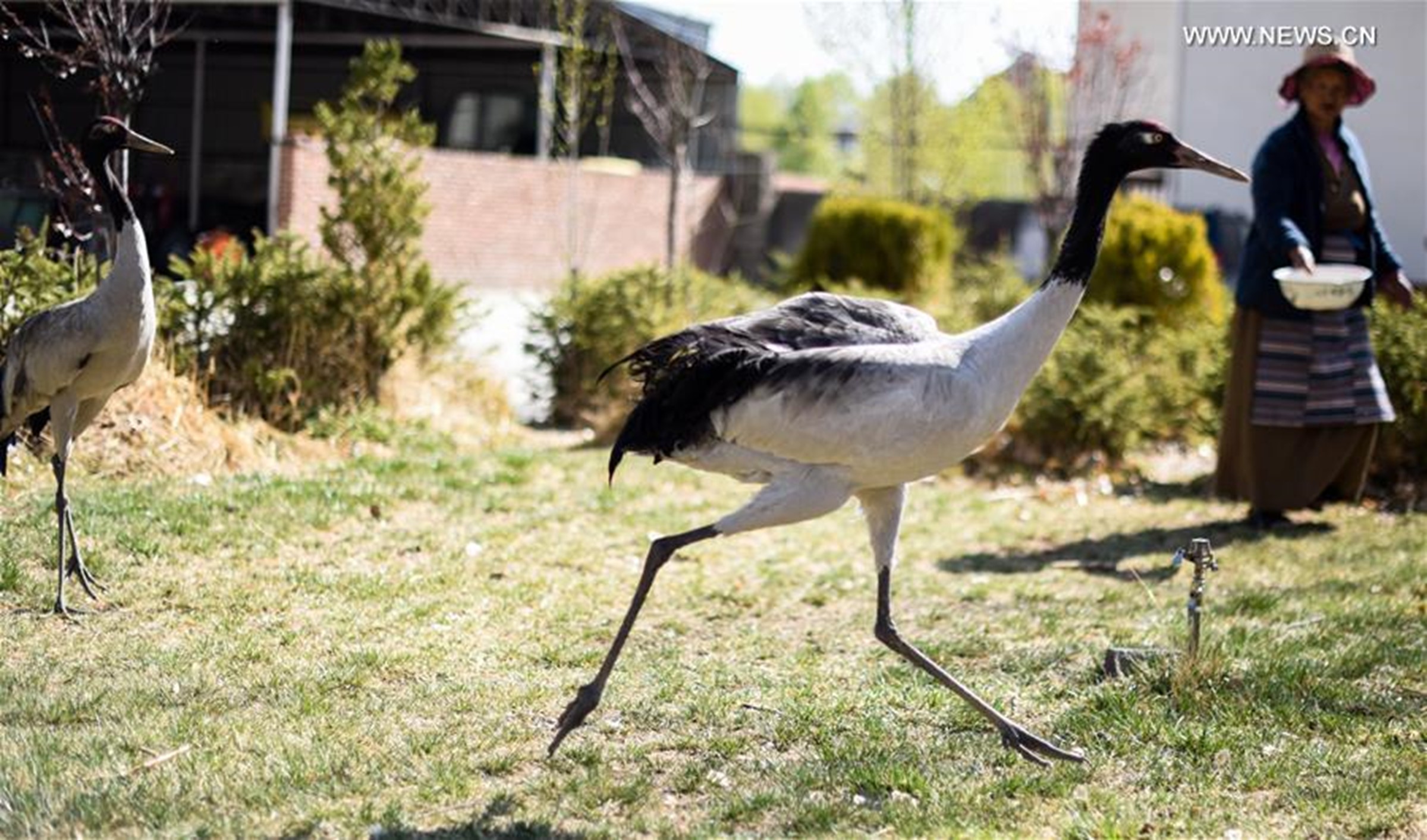
Yet not all journeys go so well for some cranes. Wounded birds are often left behind by the flock.
Two cranes with broken wings were found in Dazi County near Lhasa this spring. The local forestry authority has been caring for them ever since, and, hopes they can catch up with their flock during next year’s migration.
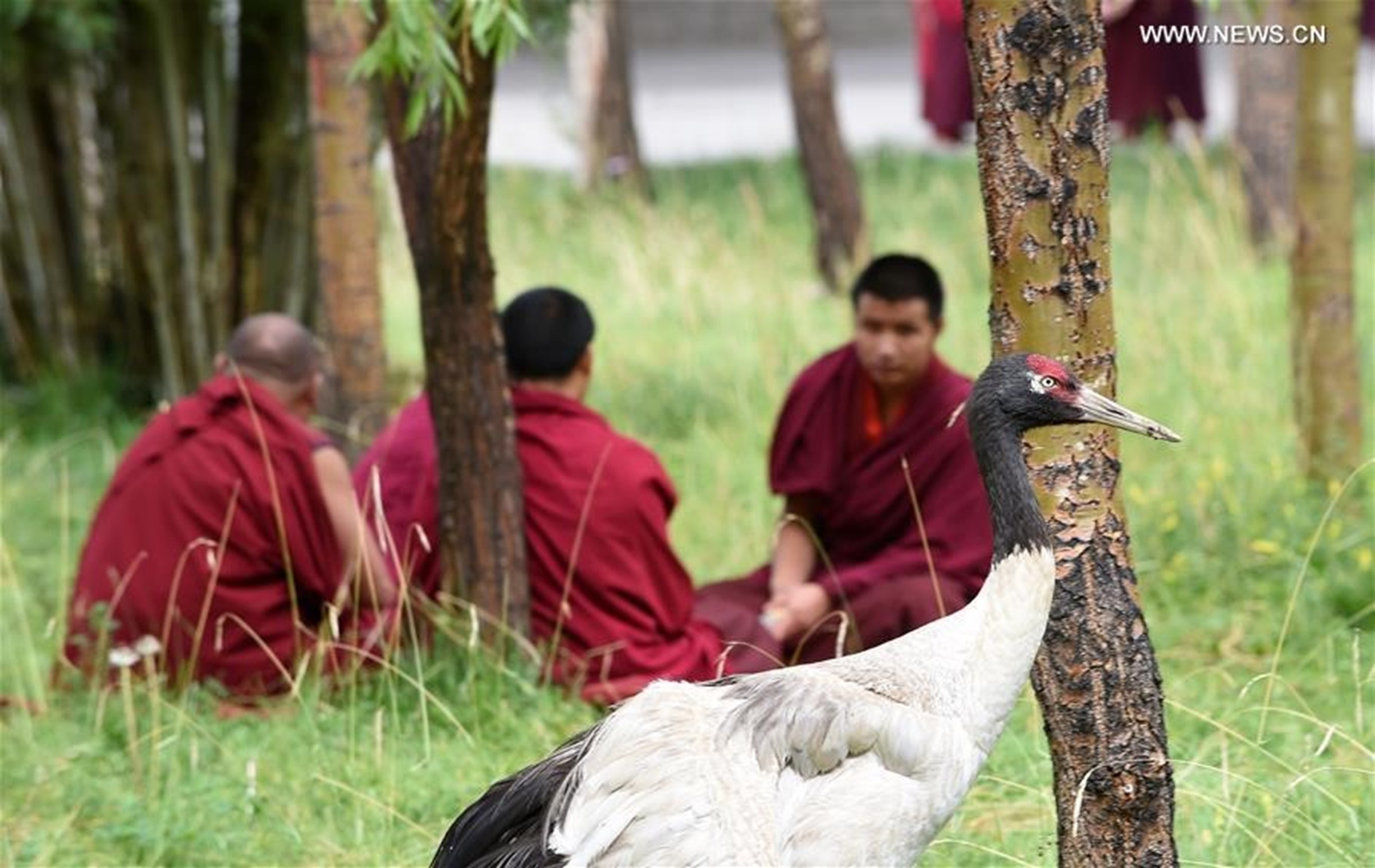
There have also been cases whereby wounded cranes have become permanent residents after recovery.
Black-necked cranes mainly live in the highlands of Tibet, India, Bhutan, and Nepal. Tibet is home to about 80 percent of the world’s total.
Tibet Awareness. Defend Rights of Endangered Tibetans.
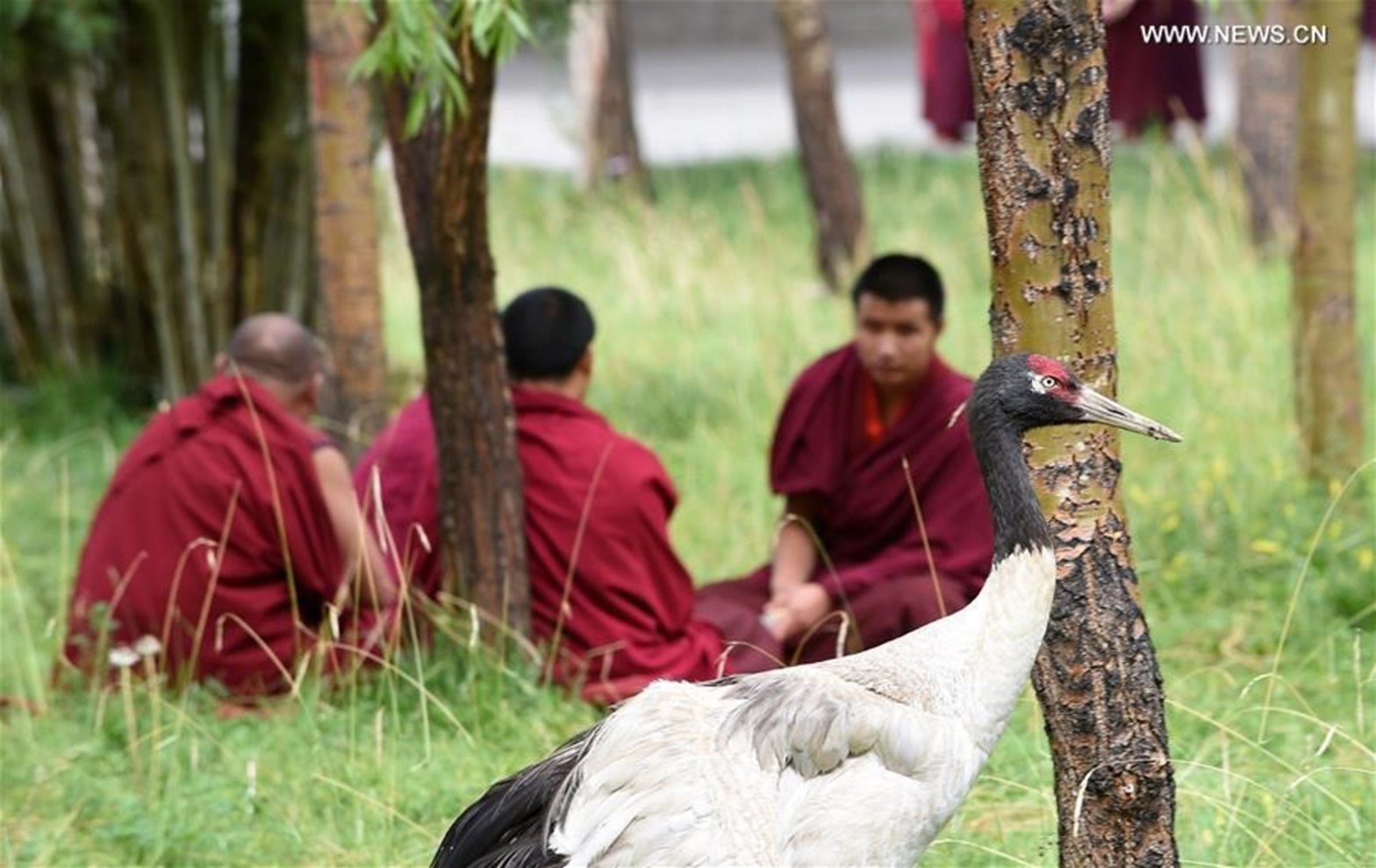
A black-necked crane, once wounded during migration, becomes a permanent resident at a temple near Shigatse, U-Tsang region of Tibet, Sept. 27, 2014. (Xinhua/Chogo)
Tibet Awareness. Defend Rights of Endangered Tibetans.
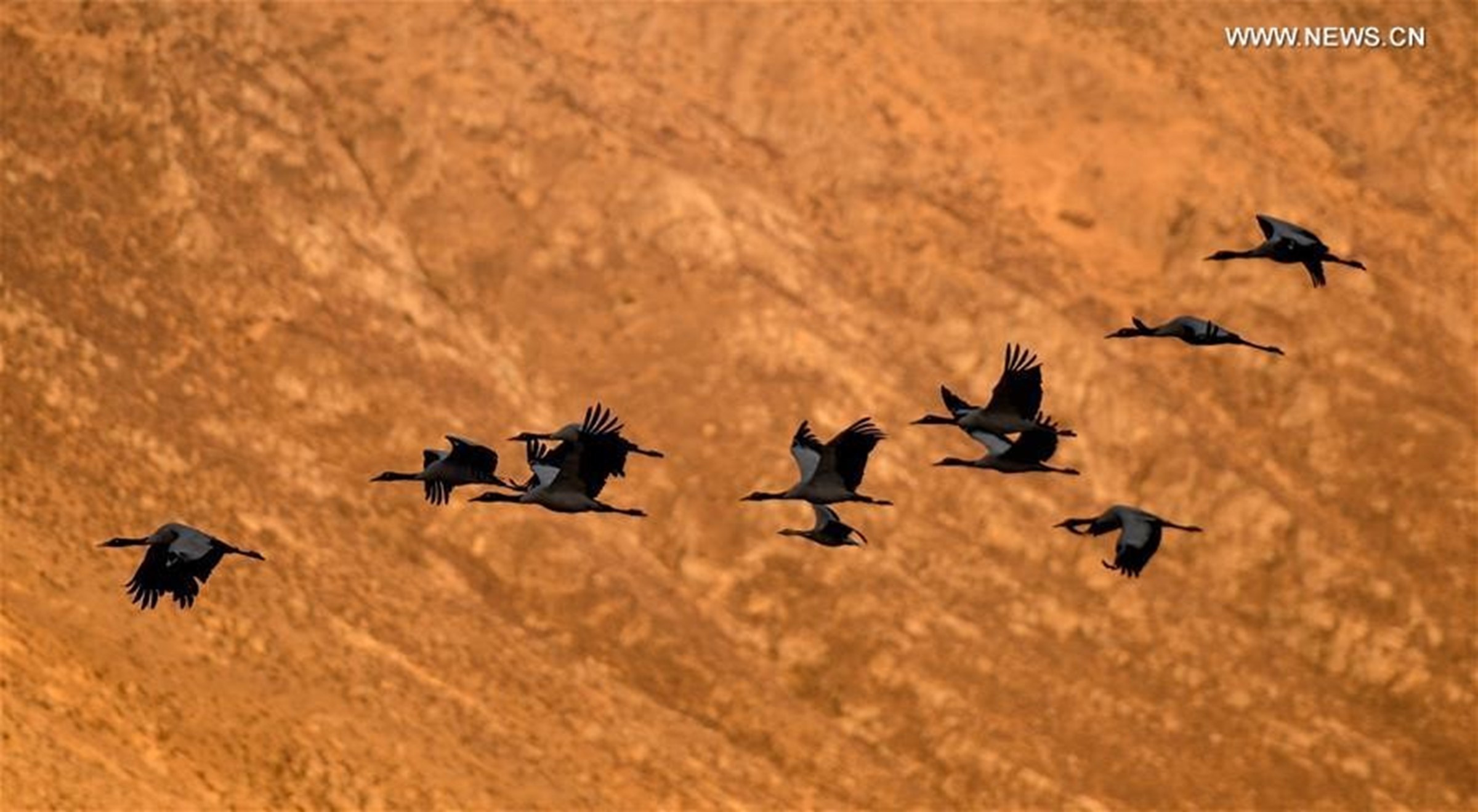
Group of black-necked cranes flying over Lhasa River Valley, Tibet, Nov. 23, 2017. (Xinhua/Purbu Zhaxi)
Tibet Awareness. Defend Rights of Endangered Tibetans.
A black-necked crane looks after its chicks in the Qiangtang nature reserve, Tibet, June 24, 2017. (Xinhua/Purbu Zhaxi)
Tibet Awareness. Defend Rights of Endangered Tibetans.
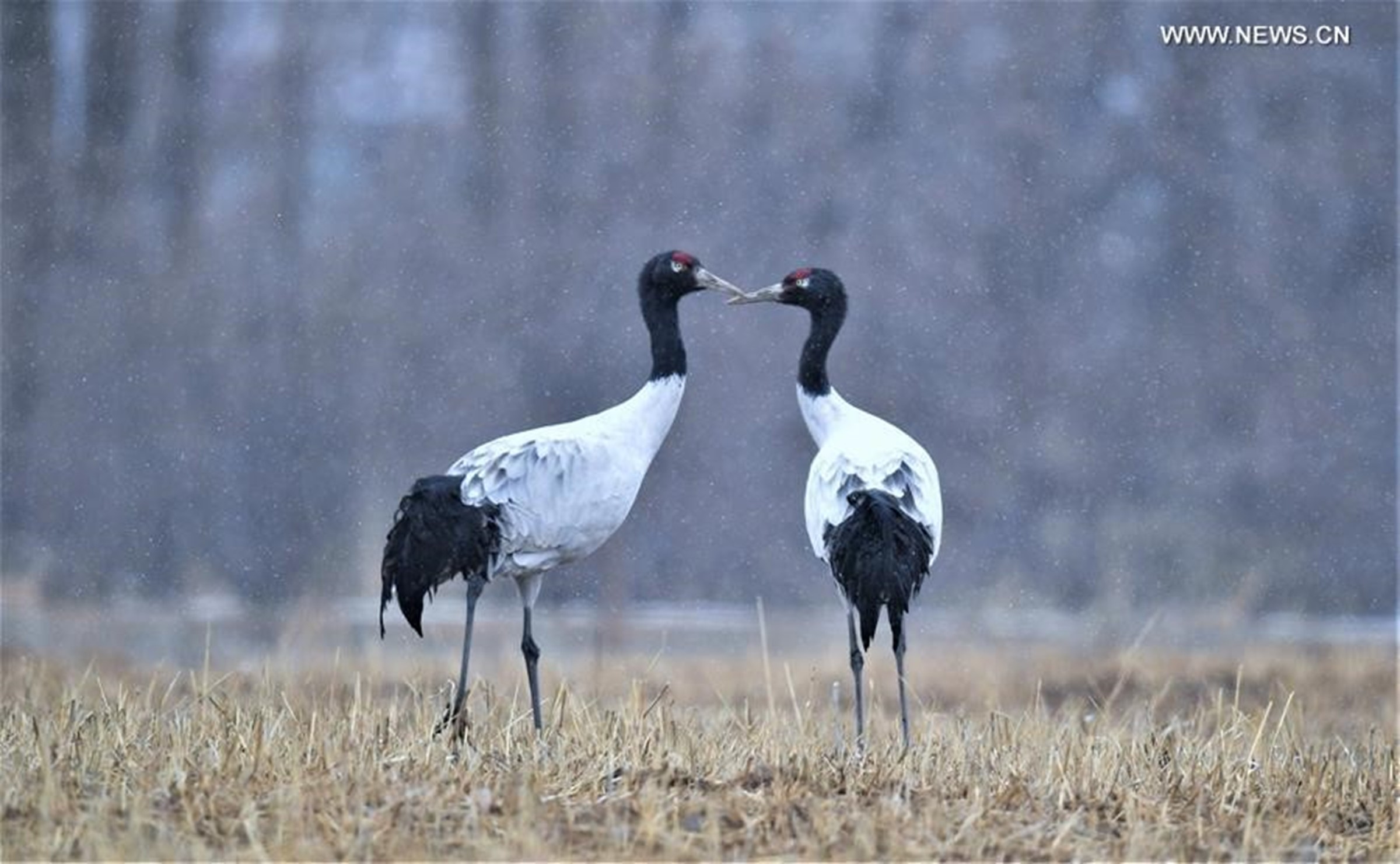
Photo taken on Dec. 18, 2018 shows black-necked cranes in Lhunzhub County of Lhasa, capital of Tibet. (Xinhua/Purbu Zhaxi)
Tibet Awareness. Defend Rights of Endangered Tibetans.
Black-necked cranes are seen in the Lhunzhub County, Tibet, Jan. 9, 2015. (Xinhua/Purbu Zhaxi)
Tibet Awareness. Defend Rights of Endangered Tibetans.
Black-necked crane chicks are seen in the Qiangtang nature reserve, Tibet, June 24, 2017. (Xinhua/Purbu Zhaxi)
Tibet Awareness. Defend Rights of Endangered Tibetans.
Black-necked cranes are seen in a reservoir where they spend the winter in Lhunzhub County of Lhasa City, capital of Tibet, in January of 2017. (Xinhua/Liu Dongjun)
Tibet Awareness. Defend Rights of Endangered Tibetans.
A black-necked crane looks after its chicks in the Qiangtang nature reserve, Tibet, June 24, 2017. (Xinhua/Purbu Zhaxi)
Tibet Awareness. Defend Rights of Endangered Tibetans.
Aerial photo taken on March 10, 2018 shows a black-necked crane in Lhunzhub County, Tibet. (Xinhua/Purbu Zhaxi)
Tibet Awareness. Defend Rights of Endangered Tibetans.
A black-necked crane, once wounded during migration, becomes a permanent resident at a temple near Shigatse, Tibet, Sept. 5, 2016. (Xinhua/Chogo)
Tibet Awareness. Defend Rights of Endangered Tibetans.
A black-necked crane family is seen near Yamdrok Lake,Tibet, Aug. 16, 2009. The little black-necked crane (C) broke the wing during migration, and the whole family became permanent residents after the little one’s recovery near the lake. (Xinhua/Purbu Zhaxi)
Tibet Awareness. Defend Rights of Endangered Tibetans.
Two black-necked cranes, wounded in wings during migration, are cared at a forestry authority in Dagze County, April 12, 2016. (Xinhua/Purbu Zhaxi)
Tibet Awareness. Defend Rights of Endangered Tibetans.
Black-necked cranes fly in the Lhunzhub County, Tibet, Jan. 9, 2015. (Xinhua/Purbu Zhaxi)
Tibet Awareness. Defend Rights of Endangered Tibetans.
Wildlife rangers are seen in the Qiangtang nature reserve, Tibet, Sept. 22, 2012. (Xinhua/Liu Hongming)
Tibet Awareness. Defend Rights of Endangered Tibetans.
THE LIVING TIBETAN SPIRITS WILL NOT BE TAKEN IN BY CHINESE LIES
The Living Tibetan Spirits will not be taken in by Chinese lies.
The Living Tibetan Spirits will not be taken in by Chinese lies. China’s military conquest of Tibet cannot be described as ‘Peaceful Liberation’. China’s ‘Socialist System’ cannot conceal the fact of Tibet’s Colonization. China’s Information Warfare aims to subjugate Tibet by compromising Tibetan Identity in every conceivable manner. The Living Tibetan Spirits asks the global community to reject China’s Diabolical Campaign of Lies, Deception, Wickedness, and Cunningness.
BEIJING (Reuters) – The people of Tibet should not be taken in by the Dalai Lama’s lies and clearly understand the importance of Communist Party rule in the region, the Chinese government said ahead of March’s sensitive 60th anniversary of him fleeing into exile.
The Living Tibetan Spirits will not be taken in by Chinese lies.
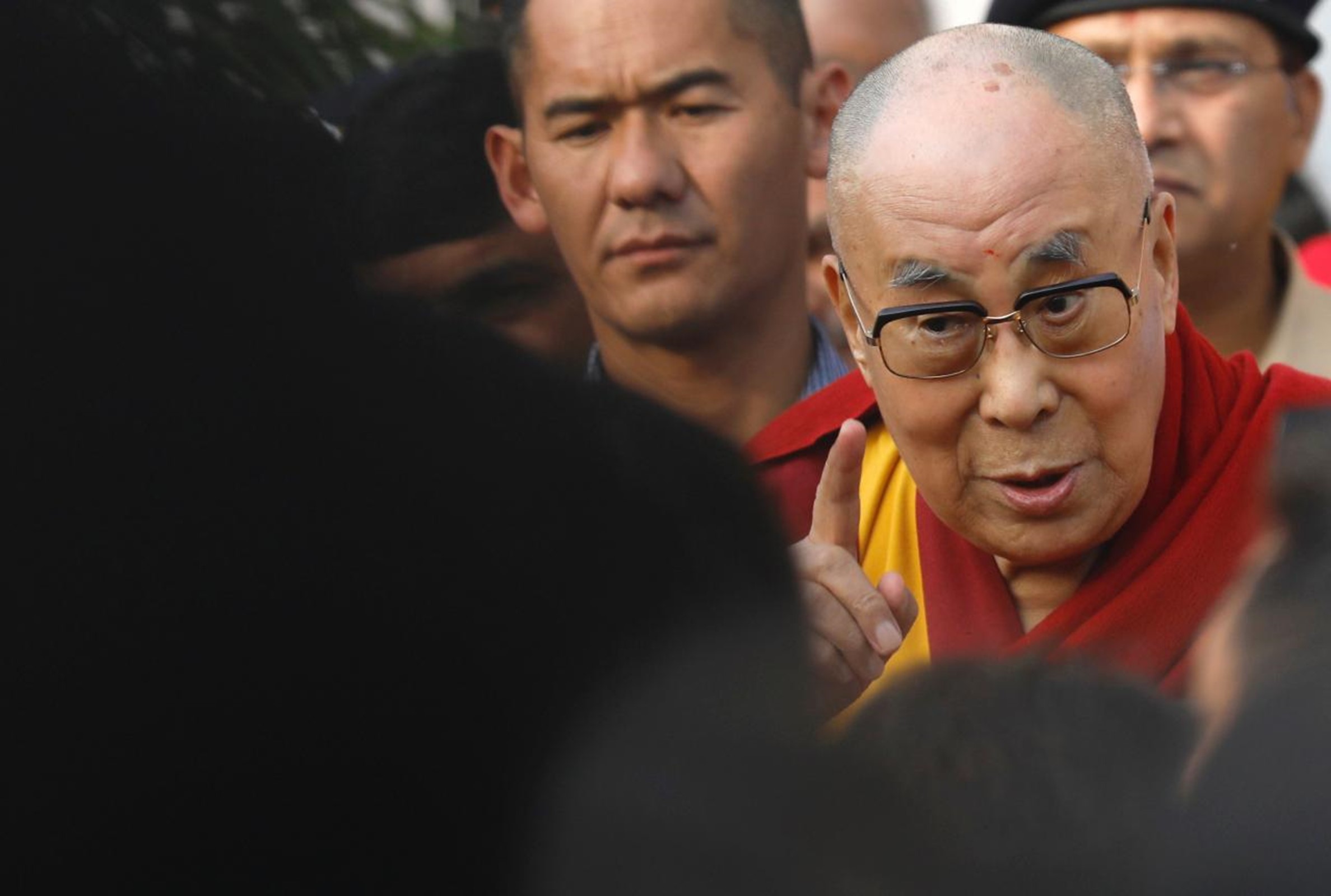
Tibetan spiritual leader, the Dalai Lama, speaks to students at a school in Mumbai, India, December 8, 2017. REUTERS/Danish Siddiqui/File Photo
Beijing sent troops into Tibet in 1950 in what it officially terms a peaceful liberation and has ruled there with an iron fist ever since.
The Dalai Lama, the highest figure in Tibetan Buddhism, fled into exile to India in 1959 after a failed uprising against Chinese rule.
China routinely denounces him as a dangerous separatist, although the Dalai Lama says he merely wants genuine autonomy for his remote and mountainous homeland.
The official Tibet Daily said in a lengthy commentary released online late on Thursday the 83-year-old Dalai Lama had never given up promoting Tibetan independence, dismissing his intentions to seek a “middle way” of genuine autonomy.
“Whether it’s the ‘middle way’ or a ‘high degree of autonomy’, the aim is to try to negate the leadership of the party, negate the socialist system, and negate the ethnic autonomous region system,” the paper wrote.
It said the Dalai Lama has tried to use hostile forces in the Western media to spread his “rumors and slander” against China to promote Tibetan independence, ignoring the freedoms and respect accorded to the people of Tibet.
“In the face of the lies of the 14th Dalai Lama, the various people of Tibet should be even more aware that socialist new Tibet replacing the theistic and feudal system of old Tibet was a historical necessity, and a victory for the truth and the people,” the paper wrote.
The head of the Tibetan-government-in-exile based in northern India denounced the criticism of the Dalai Lama and said he was the solution to the Tibetan problem because most Tibetans accept him as their leader.
“Intimidation and fear are not the ways to govern Tibetans. Even after 60 years of occupation, the Chinese government is using these techniques,” Lobsang Sangay told Reuters in the hill station of Dharamsala.
The Dalai Lama on Friday gave a lecture in Mumbai on ancient Indian knowledge but did not directly mention current relations with China.
“Violence always brings suffering,” he said, in comments streamed live on his Facebook page. “Basic human nature is more compassionate.”
Sangay said the Dalai Lama’s middle way was a win-win situation seeking autonomy for the Tibetans within the framework of the Chinese constitution and called for talks between his envoys and the representatives of the Chinese government to address the 60-year-old issue.
DIFFICULT SITUATION
Rights groups say the situation for ethnic Tibetans inside what China calls the Tibet Autonomous Region remains extremely difficult.
The U.N. High Commissioner for Human Rights said in June conditions were “fast deteriorating” in Tibet.
This week, the U.S. Senate passed the Reciprocal Access to Tibet Act, which now goes to the White House for President Donald Trump to sign into law.
That act seeks to promote access to Tibet for U.S. diplomats and other officials, journalists, and other citizens by denying entry into the United States for Chinese officials deemed responsible for restricting access to Tibet.
Chinese Foreign Ministry spokesman Lu Kang said the bill was an interference in China’s domestic affairs and they had already made “stern representations” to the United States about it.
Many foreigners visit Tibet every year, with almost 40,000 trips by Americans there since 2015, including by senior U.S. politicians, showing there was no reason for this bill, he told a daily news briefing.
China urges the United States to prevent the bill becoming law to avoid harming bilateral relations, Lu added.
All foreigners need special permission to enter Tibet, which is generally granted for tourists but very infrequently for foreign diplomats and journalists.
Reporting by Ben Blanchard; Additional reporting by Christian Shepherd, and Abhishek Madhukar in DHARAMSALA, India; Editing by Sanjeev Miglani
The Living Tibetan Spirits will not be taken in by Chinese lies.
THE DISCOVERY OF TIBET – THE ORIGIN OF ANATOMICALLY MODERN MAN
The Discovery of Tibet. The Origin of Anatomically Modern Man.
Indian literary traditions suggest that the Anatomically Modern Man may have originated in Tibet. The Tibetan Man exists as a distinct member of Modern Human Family. Tibet and Tibetan Man do not share the identity of China and the Han Chinese Man. While Tibet is one of the most sparsely populated areas of the world, the origin of Anatomically Modern Man can be discovered in Tibet as the rest of the world hosted other members of Hominin Family that disappeared with the arrival of Homo sapiens. Sapiens as a new subspecies of Homo sapiens.
Tibet Discovery Suggests Humans Inhabited ‘Roof of the World’ Far Earlier Than Believed
By Pam Wright
November 30 2018 12:46 PM EDT
weather.com
The Discovery of Tibet. The Origin of Anatomically Modern Man.
Excavations at the site of Nwya Devu in central Tibet.
(Institute of Vertebrate Paleontology and Paleoanthropology)
At a Glance
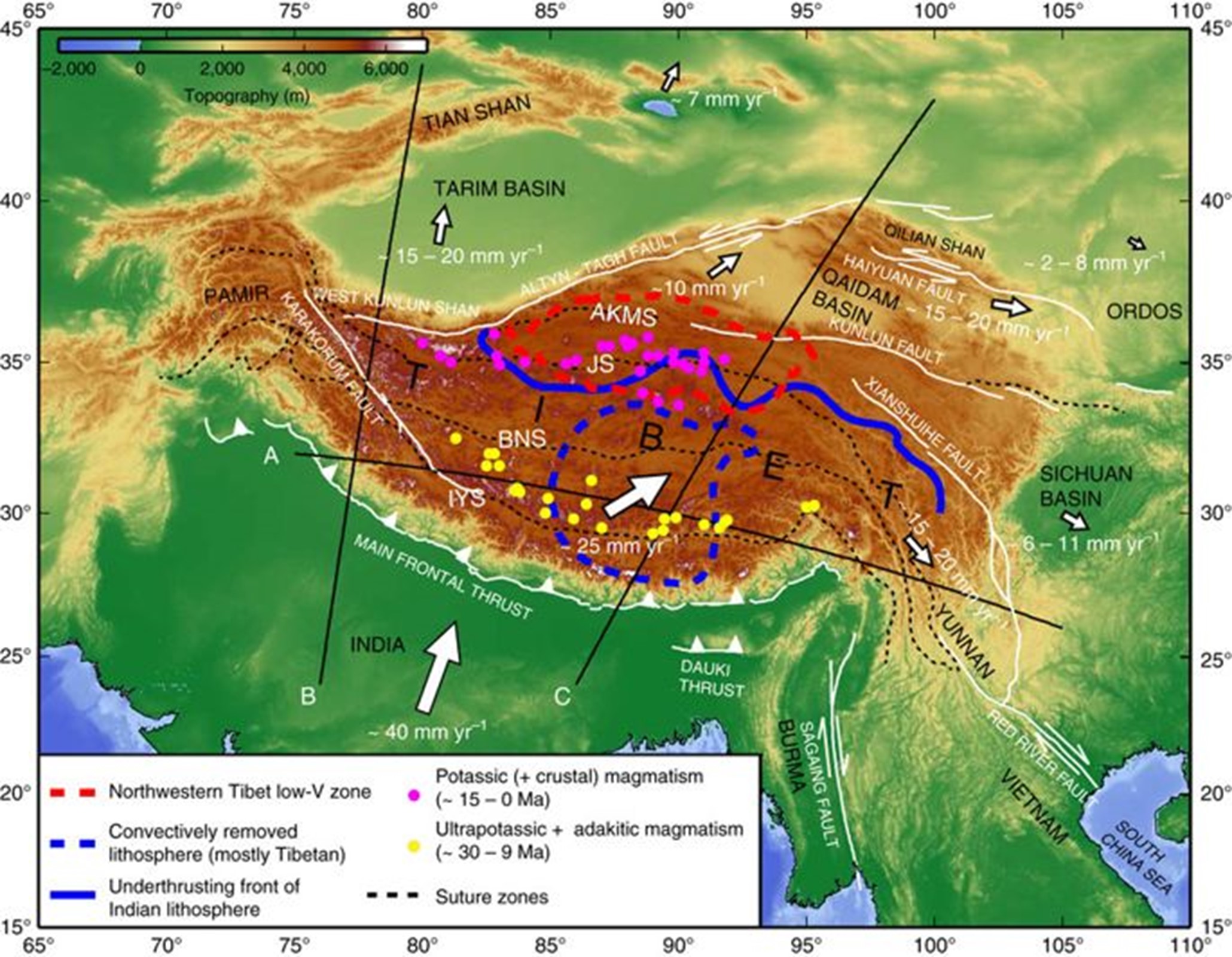
A team of researchers says humans first set foot on the interior of the Qinghai-Tibetan Plateau around 30,000 to 40,000 years ago.
That’s about 20,000 earlier than previously thought.
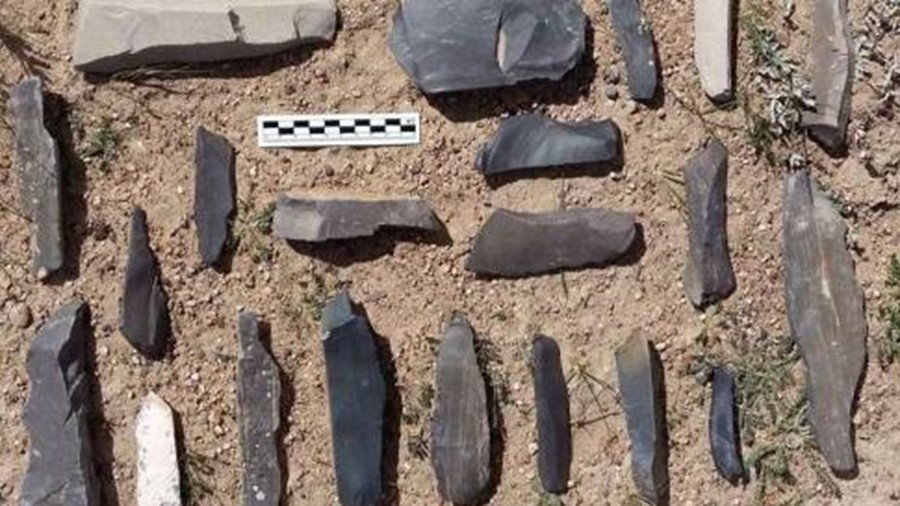
The discovery of 3,600 stone artifacts in Tibet’s high plateau suggests humans inhabited one of the earth’s harshest environments far earlier than previously thought.
According to a paper published this week in Science magazine, a team of researchers from the Chinese Academy of Sciences says humans first set foot on the interior of the Qinghai-Tibetan Plateau around 30,000 to 40,000 years ago, which is some 20,000 years earlier than previously believed.
Most archeologists contended that humans first set foot on the plateau about 20,000 or 30,000 years ago but did not settle permanently until 6,000 or 7,000 years ago.
According to archeological evidence, the region is one of the last habitats colonized by Homo sapiens, which is not surprising considering the harsh conditions.
“The high altitude, atmospheric hypoxia, cold year-round temperatures and low rainfall of the plateau creates an extremely challenging environment for human habitation,” according to a press release.
The plateau is known as the “roof of the world” and remains the third least-populated place on Earth.
The Discovery of Tibet. The Origin of Anatomically Modern Man.
Stone artifacts on the surface.
(Institute of Vertebrate Paleontology and Paleoanthropology)
The team confirmed the timeline after finding stone artifacts at the Nwya Devu Paleolithic site located 15,000 feet above sea level in the Changthang region of northern Tibet.
The artifacts discovered were buried undisturbed underground, reliably confirming their age.
“It really is the first robust case to be made that there were human populations on the high plateau,” Jeff Brantingham, an archaeologist at the University of California, Los Angeles, who studies the peopling of the Tibetan Plateau but was not involved with this study, told National Geographic.
Interestingly, no DNA was found on the stone tools, so it is difficult to determine who made them.
“The authors used the word ‘Tibetan’ a lot, and they act as if the people they’re looking at are in fact Tibetans — they’re not,” National Geographic explorer Mark Aldenderfer, an archaeologist at the University of California, Merced, told the magazine. “We don’t know who these people were.”
Some studies indicate most modern Tibetan ancestry traces back to a population
that separated from the Han Chinese roughly 9,000 years ago.
The archaeologists at the Nwya Devu say the tools are nearly identical to tools recovered from Mongolia and Xinjiang.
The site is about 186 miles northwest of Lhasa, the capital of Tibet, and is the oldest and highest early Stone Age (Paleolithic) archaeological site known on Earth.
The Weather Company’s primary journalistic mission is to report on breaking weather news, the environment and the importance of science to our lives. This story does not necessarily represent the position of our parent company, IBM.
Whole Separatism: Tibet Separatism is just a Natural Phenomenon.
In my analysis, Tibet Separatism is just a natural phenomenon for it is entirely derived from the actions of various Natural Forces acting over thousands of years to create the separate Tibetan Identity which refuses to merge with identities of other foreign nationalities. Tibetan Identity will always exist as a ‘Separate’ Identity and no man will be able to wipe it out by building roads, bridges, railways, airports to plunder the natural resources of Tibetan Plateau.
Tibetan Separatism does not constitute any kind of political activity. In fact, Tibetan Separatism represents the reality of Independence granted by the works of Mother Nature.
Tibetan Separatism does not constitute any kind of political activity. In fact, Tibetan Separatism represents the reality of Independence granted by the works of Mother Nature.
Dalai Lama a political exile, engaged in separatist activities: China | world news | Hindustan Times
China insists Tibet has been part of its territory for centuries, but many Tibetans claim they were essentially independent for most of that time
Whole Separatism: Tibet Separatism is just a Natural Phenomenon.
Tibetan spiritual leader Dalai Lama interacts with the leaders of the United States Institute of Peace (USIP) at his residence, in Dharamshala, Himachal Pradesh, on October 24, 2018. (HT File Photo)
China on Tuesday hit out at the Dalai Lama who is on a visit to Japan, saying that countries should not facilitate the Tibetan spiritual leader’s “separatist activities”.
On the Dalai Lama’s reported comments that China and Tibet should co-exist and prosper together, Chinese foreign ministry spokesman Geng Shuang said here that the Tibet issue is an internal matter of Beijing.
“As for the Dalai Lama’s speech, it is not up to me to answer this question. I can tell you that the 14th Dalai Lama is a political exile and he is engaged in separatist activities,” he said.
“We hope the relevant parties will not provide facilitation for his separatist activities,” he said.
China insists Tibet has been part of its territory for centuries, but many Tibetans claim they were essentially independent for most of that time. The Dalai Lama fled to India in 1959 amid an abortive uprising against Chinese rule in his Himalayan homeland.
The Dalai Lama is on a 10-day teaching tour of Japan. China routinely objects to his foreign visits.
First Published: Nov 20, 2018 18:24 IST
Whole Separatism: Tibet Separatism is just a Natural Phenomenon.




















 Whole Dude - Whole Concept