Tibet Awareness – Full Independence is the Only Solution
For all practical purposes, Full Independence of Tibet is the only solution for Tibet issue.
For all practical purposes, Full Independence of Tibet is the only solution for Tibet issue. Red China is opposed to relaxing its military grip and is promising to continue ruling Tibet with Iron Fist without conceding a genuine demand of meaningful autonomy for Tibet. United Front Work Department of the Communist Party of China Central Committee held 6th Tibet Work Forum in Beijing on August 24-25, 2015. It announced, “The Central Government neither did in the past, nor now or in the future will ever accept the Middle Way solution to the Tibet issue.” Red China’s President Xi Jinping repeated the same statement confirming that the ‘Middle Way’ proposed by the Dalai Lama group will never be accepted.
Tibet’s Full Independence is achieved by cracking those knuckles of Red China’s Iron Fist. I coined the phrase “Whole Separatism” to assert my Whole Determination to crack open all the Knuckles of Red China’s Iron Fist.
The phrase ‘Tibet Separatism’ is not acceptable as Tibet is never a part of China despite the military conquests of the past Chinese Emperors. However, it must be acknowledged that China subjugates Tibet with her Iron Fist. Tibet’s Full Independence is achieved by cracking those knuckles of Red China’s Iron Fist. I coined the phrase “Whole Separatism” to assert my Whole Determination to crack open and “separate” all the Knuckles of Red China’s Iron Fist.
Tibet’s Full Independence is achieved by cracking those knuckles of Red China’s Iron Fist. I coined the phrase “Whole Separatism” to assert my Whole Determination to crack open all the Knuckles of Red China’s Iron Fist.
Rudra Narasimham Rebbapragada Ann Arbor, MI 48104-4162, USA Special Frontier Force-Establishment 22-Vikas Regiment
Tibet’s Full Independence is achieved by cracking those knuckles of Red China’s Iron Fist. I coined the phrase “Whole Separatism” to assert my Whole Determination to crack open all the Knuckles of Red China’s Iron Fist.
China’s Xi vows unceasing fight against Tibet separatism | Reuters
REUTERS
Edition: U.S.
World | Wed Aug 26, 2015 12:11am EDT
BEIJING | By BEN BLANCHARD
Tibet’s Full Independence is achieved by cracking those knuckles of Red China’s Iron Fist. I coined the phrase “Whole Separatism” to assert my Whole Determination to crack open all the Knuckles of Red China’s Iron Fist.
Chinese President Xi Jinping applauds during the opening ceremony of the 15th IAAF World Championships at the National Stadium in Beijing, China August 22, 2015. Reuters/Damir Sagolj
BEIJING China will wage an unceasing fight against separatism in its restive mountainous region of Tibet, President Xi Jinping said, as the government repeated it would never accept exiled Tibetan spiritual leader the Dalai Lama’s genuine autonomy proposals.
This year marks several sensitive anniversaries for the remote region that China has ruled with an iron fist since 1950, when Communist troops marched in and took control in what Beijing calls a “peaceful liberation”.
It is 50 years since China established what it calls the Tibet Autonomous Region and the 80th birthday of Tibetan spiritual leader the Dalai Lama, who has lived in exile in India since fleeing Tibet in 1959 following an abortive uprising.
At a two-day conference this week of the senior leadership about Tibet, only the sixth ever held, Xi repeated the government’s standard opposition to Tibetan independence, saying he would fight an “an unswerving anti-separatism battle”, state media said in comments reported late on Tuesday. “We should fight against separatist activities by the Dalai group,” Xi was quoted as saying.
The Dalai Lama denies seeking independence, saying he only wants genuine autonomy for Tibet, something he calls the Middle Way and which Beijing believes is merely a smokescreen for independence, arguing Tibet already has real autonomy.
An accompanying commentary published by the United Front Work Department, which has led unsuccessful on-off talks with the Dalai Lama’s envoys, said the government had not accepted, and would never accept, the Middle Way.
The Middle Way seeks to cleave off one-quarter of China, as it would include historic parts of Tibet in neighboring Chinese provinces, the commentary, carried on the department’s WeChat account, said. “The so-called ‘Middle Way’ is in essence a splittist political demand,” it said.
Activists say China has violently tried to stamp out religious freedom and culture in Tibet. China rejects the criticism, saying its rule has ended serfdom and brought development to a backward region.
Xi called for efforts to promote “patriotism among the Tibetan Buddhist circle and effectively manage monasteries in the long run, encouraging interpretations of religious doctrines that are compatible with a socialist society”, state media said.
There should also be more campaigns to promote ethnic unity and promote a sense “of belonging to the same Chinese nationality”, he added. Tibet remains under heavy security, with visits by foreign media tightly restricted, making an independent assessment of the situation difficult.
(Reporting by Ben Blanchard; Editing by Clarence Fernandez)
Tibet’s Full Independence is achieved by cracking those knuckles of Red China’s Iron Fist. I coined the phrase “Whole Separatism” to assert my Whole Determination to crack open all the Knuckles of Red China’s Iron Fist.Tibet’s Full Independence is achieved by cracking those knuckles of Red China’s Iron Fist. I coined the phrase “Whole Separatism” to assert my Whole Determination to crack open all the Knuckles of Red China’s Iron Fist.Tibet’s Full Independence is achieved by cracking those knuckles of Red China’s Iron Fist. I coined the phrase “Whole Separatism” to assert my Whole Determination to crack open all the Knuckles of Red China’s Iron Fist. Tibet’s Full Independence is achieved by cracking those knuckles of Red China’s Iron Fist. I coined the phrase “Whole Separatism” to assert my Whole Determination to crack open all the Knuckles of Red China’s Iron Fist.
Tibet Awareness – Mount Qomolangma Speaks the Truth
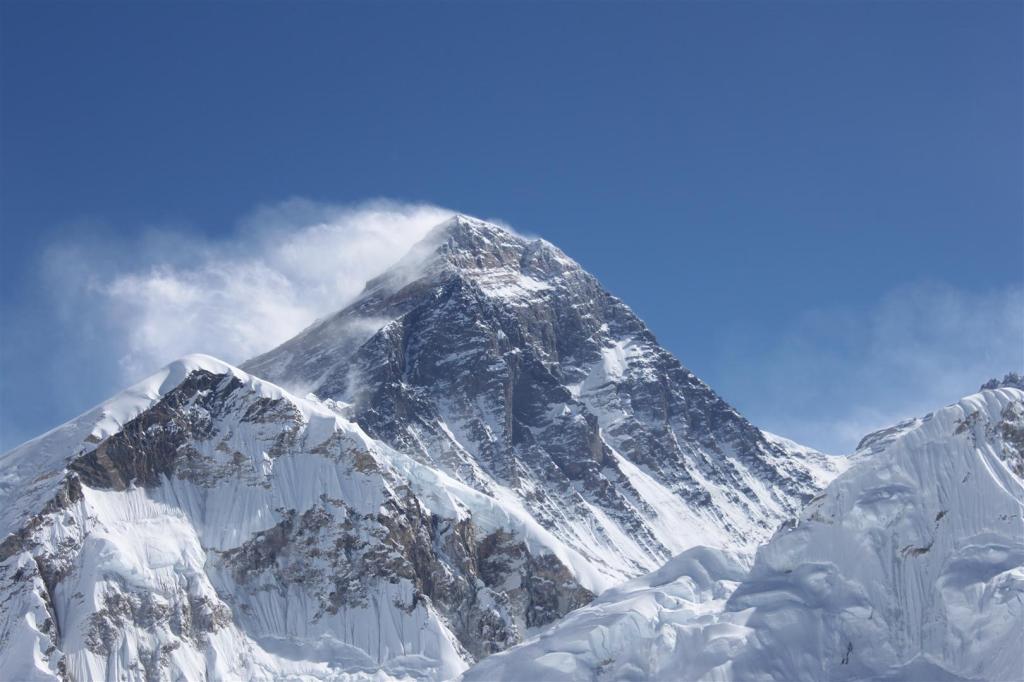
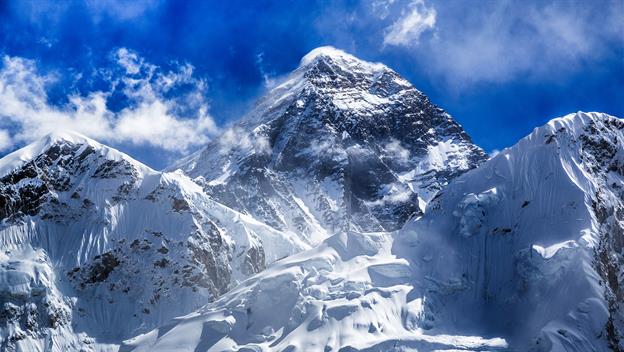
The Plain and Simple Truth, Nothing but Truth, the Whole Truth, a Truth that is tall and high like the highest Mountain known to us as Mount Everest; Tibet is Never a Part of China.
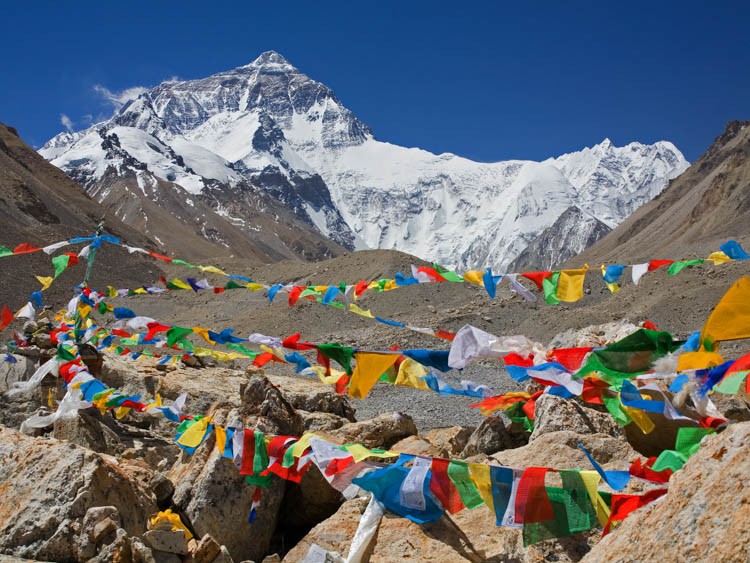
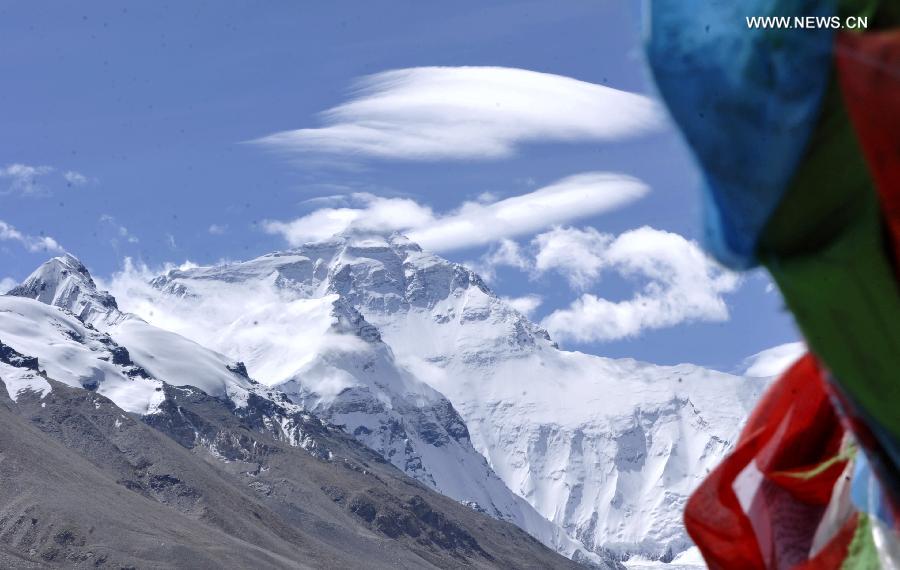
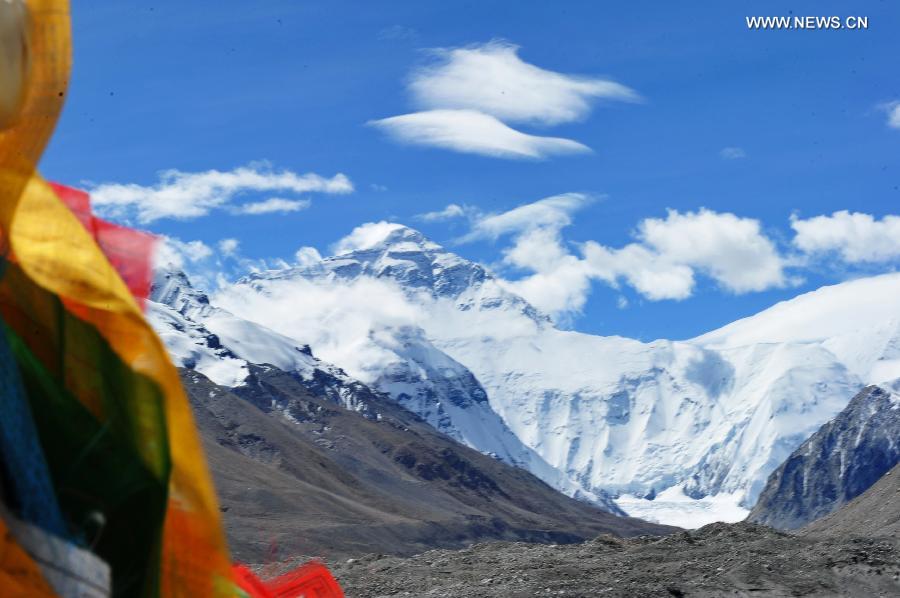
As the fair weather increases in autumn, lots of tourists are attracted to the Mount Everest Base Camp to enjoy the distant view of Mount Qomolangma at an altitude of 5,200 meters. These tourists are afraid of speaking the Truth. But, if you care to ask Mount Qomolangma, the Truth will be known in one instant. The Plain and Simple Truth, Nothing but Truth, the Whole Truth, a Truth that is tall and high like the highest Mountain known to us as Mount Everest; Tibet is Never a Part of China.
Rudra Narasimham Rebbapragada Ann Arbor, MI 48104-4162, USA Special Frontier Force-Establishment 22-Vikas Regiment
Tourists attracted by Mount Qomolangma in autumn Xinhua, September 21, 2015 Photo taken on Sept. 16, 2015 shows the scenery of Mount Qomolangma, southwest Tibet. As the fair weather increases in autumn, lots of tourists were attracted to the Everest Base Camp to enjoy the distant view of Mount Qomolangma at an altitude of 5,200 meters. (Xinhua/Zhang Rufeng)
The Plain and Simple Truth, Nothing but Truth, the Whole Truth, a Truth that is tall and high like the highest Mountain known to us as Mount Everest; Tibet is Never a Part of China.The Plain and Simple Truth, Nothing but Truth, the Whole Truth, a Truth that is tall and high like the highest Mountain known to us as Mount Everest; Tibet is Never a Part of China.The Plain and Simple Truth, Nothing but Truth, the Whole Truth, a Truth that is tall and high like the highest Mountain known to us as Mount Everest; Tibet is Never a Part of China.The Plain and Simple Truth, Nothing but Truth, the Whole Truth, a Truth that is tall and high like the highest Mountain known to us as Mount Everest; Tibet is Never a Part of China.The Plain and Simple Truth, Nothing but Truth, the Whole Truth, a Truth that is tall and high like the highest Mountain known to us as Mount Everest; Tibet is Never a Part of China.The Plain and Simple Truth, Nothing but Truth, the Whole Truth, a Truth that is tall and high like the highest Mountain known to us as Mount Everest; Tibet is Never a Part of China.The Plain and Simple Truth, Nothing but Truth, the Whole Truth, a Truth that is tall and high like the highest Mountain known to us as Mount Everest; Tibet is Never a Part of China.The Plain and Simple Truth, Nothing but Truth, the Whole Truth, a Truth that is tall and high like the highest Mountain known to us as Mount Everest; Tibet is Never a Part of China.The Plain and Simple Truth, Nothing but Truth, the Whole Truth, a Truth that is tall and high like the highest Mountain known to us as Mount Everest; Tibet is Never a Part of China.The Plain and Simple Truth, Nothing but Truth, the Whole Truth, a Truth that is tall and high like the highest Mountain known to us as Mount Everest; Tibet is Never a Part of China.The Plain and Simple Truth, Nothing but Truth, the Whole Truth, a Truth that is tall and high like the highest Mountain known to us as Mount Everest; Tibet is Never a Part of China.The Plain and Simple Truth, Nothing but Truth, the Whole Truth, a Truth that is tall and high like the highest Mountain known to us as Mount Everest; Tibet is Never a Part of China.
The Supreme Ruler of Tibet cannot be chosen by any foreign government. Red China is a Liar for she deliberately distorts historical information and reinvents history to justify her evil actions.
On behalf of Special Frontier Force I am pleased to share an article published by ‘The Tibet Post’ which categorically asserts that “Tibet Was Never Part of China.” I thank Central Tibetan Administration(CTA) for releasing their 21-page document which debunks Red China’s claims about Tibet’s status.
Red China is a Liar for she deliberately distorts historical information and reinvents history to justify her evil actions. The Supreme Ruler of Tibet cannot be chosen by any foreign government.
Rudra Narasimham Rebbapragada Ann Arbor, MI 48104-4162, USA Special Frontier Force-Establishment 22-Vikas Regiment
HISTORY IS AGAINST CHINA; CTA SAYS TIBET WAS NEVER PART OF CHINA
Monday, 07 September 2015 12:32 Molly Lortie, Tibet Post International
Red China is a Liar for she deliberately distorts historical information and reinvents history to justify her evil actions. The Supreme Ruler of Tibet cannot be chosen by any foreign government.
Dharamshala — In response to the most recent white paper regarding Tibet issued by the Chinese Communist Party in August, the India based Central Tibetan Administration has released a 21-page document attempting to set the record straight regarding the historical timeline China has claimed.
While China observed its 50th anniversary of the establishment of the ‘Tibet Autonomous Region,’ the 21-page document entitled “TIBET WAS NOT A PART OF CHINA BUT MIDDLE WAY REMAINS A VIABLE SOLUTION,” was released by Sikyong Dr Lobsang Sangay, accompanied by DIIR Secretary Sonam Norbu Dagpo, DIIR Secretary Tashi Phuntsok and Tibet Policy director, Thubten Samphel.
The CTA revisits the elongating historical claims that China stakes over Tibet. Reminding us that, “the white paper on Tibet in 2004 claims that ‘Tibet became part of the territory of China in the 13th century.’ On the other hand, the Chinese Republican-era scholars assert that Tibet became a vassal state of China during the Qing period (1644-1911). Now, with its latest white paper, China has again shifted the goal post and states that Tibet has been an integral part of China since ‘antiquity’.”
The CTA goes on to refute each of China’s claims, revisiting the history of the region. In terms of the vague ‘antiquity’ that China most recently claims, the rise of the Tibetan Empire was in the seventh century CE, when both the King of Nepal and Emperor of China courted the Tibetan Empire and each offered their daughters to the Tibetan Emperor for marriage.
The first to suggest that this claim to Tibet holds no weight was the former Vice-chairman, of the standing committee of the National People’s Congress of China, who refuted his own government’s claim in 1989, saying, “some historians claim that Tibet had been a part of China from antiquity, some others claim since the time of Tibetan king Songtsen Gampo through his marriage to the Chinese princess. I do not agree with both these views. When you talk about antiquity, there is no time line or if it is from the time of Songtsen Gampo’s marriage, we all know that the first queen of Songtsen Gampo was Nepal’s princess in which case Tibet should be part of Nepal. How can we explain this?”
Going on to counter the claim that Tibet became a part of China during the 13th century, the CTA revisits Tibet’s history with Mongolia at the time. “The Yuan dynasty was a Mongol empire and its ruler Genghis Khan and his successors conquered vast territories in Europe and Asia, including China. By 1279, the Chinese Song dynasty in southern China fell before the advancing Mongols. The Mongols’ conquest of China was complete. Today, China claims the Yuan Dynasty to be its own dynasty and, by doing so, it lays claim to all Mongol conquests, at least in the eastern half of the Mongol Empire.”
However, a Tibeto-Mongol relationship was established in 1240, when a Mongol expedition was launched to Tibet, thus leading to a religious relationship between the Mongol leaders and Tibetan religious hierarchs. It is well known that Kublai Khan embraced Tibetan Buddhism, adopting it as the official religion of his empire. “In gratitude, Kublai Khan offered his Tibetan lama political authority over all Tibet in 1254, conferring various titles on him. This Tibeto-Mongol relationship continued to exist even after the fall of the Yuan Dynasty.”
The dates of these expeditions, relations and invasions fail to match the timeline that the Chinese government claims. “The year of Mongol military expedition to Tibet in 1240 preceded the Mongol invasion of China’s Song Empire in 1279 by 39 years. This debunks China’s claim over Tibet based on the relations between Mongol Empire and Tibet’s Sakya Lamas.” The CTA concludes that even if by transitive property all Mongol conquests were in fact Chinese conquests, the Tibeto-Mongol relationship predated the fall of the Chinese Song Empire.
Finally, in opposition to China’s final claim that Tibet was acquired during the Qing Dynasty, the CTA’s response uses a statement made by the imperial envoy and commander of the Manchu army, General Fu K’angan, to the Eighth Dalai Lama in 1792, showing the nature of the ‘regulations’ imparted by the Manchu emperor after he assisted the Tibetans in expelling the Gorkhas from Tibet. The statement clearly exudes the Emperor’s context as a protector or assister, rather than a ruler ordering his subjects, as the statement ends with, “The Tibetans may, therefore, decide for themselves as to what is in their favour and what is not or what is heavy and what is light, and make a choice on their own.”
Furthermore, after the conclusion of all the history that China claims made Tibet a part of China, it was in 1914 that Tibet signed a bilateral treaty with British India called the Simla Agreement, legitimizing Tibet’s independent status. Mao Zedong himself remarked after the long march that China’s only foreign debt was to the Tibetans for the provisions we owe them.
The CTA succeeded in using the history against China to refute their broken record that Tibet was at any point in history, part of China. The CTA suggests that the recent most intrusion into Tibet’s history is a blatant attempt of the Communist party to doctor history, to literally stretch the truth, in attempt to legitimize their continued occupation of the region, when in reality the history is against them.
Red China is a Liar for she deliberately distorts historical information and reinvents history to justify her evil actions. The Supreme Ruler of Tibet cannot be chosen by any foreign government.Red China is a Liar for she deliberately distorts historical information and reinvents history to justify her evil actions. The Supreme Ruler of Tibet cannot be chosen by any foreign government.Red China is a Liar for she deliberately distorts historical information and reinvents history to justify her evil actions. The Supreme Ruler of Tibet cannot be chosen by any foreign government.Red China is a Liar for she deliberately distorts historical information and reinvents history to justify her evil actions. The Supreme Ruler of Tibet cannot be chosen by any foreign government.Red China is a Liar for she deliberately distorts historical information and reinvents history to justify her evil actions. The Supreme Ruler of Tibet cannot be chosen by any foreign government.Red China is a Liar for she deliberately distorts historical information and reinvents history to justify her evil actions. The Supreme Ruler of Tibet cannot be chosen by any foreign government.Red China is a Liar for she deliberately distorts historical information and reinvents history to justify her evil actions. The Supreme Ruler of Tibet cannot be chosen by any foreign government.Red China is a Liar for she deliberately distorts historical information and reinvents history to justify her evil actions. The Supreme Ruler of Tibet cannot be chosen by any foreign government.Red China is a Liar for she deliberately distorts historical information and reinvents history to justify her evil actions. The Supreme Ruler of Tibet cannot be chosen by any foreign government.
Tibet Awareness – Dalai Lama’s Welcome to British Buddhists on September 26, 1922
TIBET AWARENESS – DALAI LAMA’S WELCOME TO BRITISH BUDDHISTS IN SEPTEMBER 1922.
I am pleased to share this news story published by The Guardian. Tibet declared its full independence on February 13, 1913 and Dalai Lama was keen to develop contacts with Europe while preserving Tibetan Identity and defending Tibetan Freedom.
Rudra Narasimham Rebbapragada Ann Arbor, MI 48104-4162, USA Special Frontier Force- Establishment 22-Vikas Regiment
From the Archive, 26 September 1922: Dalai Lama to Welcome British Buddhists
TIBET AWARENESS – DALAI LAMA’S WELCOME TO BRITISH BUDDHISTS IN SEPTEMBER 1922.
Pilgrims at the Jokhang Temple in Lhasa, 2007. Photograph:
Saturday 26 September 2015 00.00 ED
Reuter’s Agency learns that cablegrams from the Indian frontier, just received in London, show that the members of the British Buddhist Mission to Tibet have crossed the Jelepla Pass, through which the great trade route traverses the Himalayas at a height of some 14,500 feet, and have reached Chumbi. The first and one of the most difficult stages of the great journey has thus been safely accomplished.
The special transport devised for the carriage of stores and gifts for the Dalai Lama and other Tibetan notabilities has answered the severest test, and the Mission reports that everything is going well. The next stage of the journey, that to Gyangtse, is now being made. It has been learned that the Dalai Lama is already acquainted with the approach of the Mission, and is sending a deputation of High Lamas to meet it at Gyangtse. To these will be presented the credentials which are expected to secure for the party permission to proceed to Lhasa itself.
This final stage will be along a route running in a north-westerly direction to the Brahmaputra at Shigatse. Thence a 160-mile journey will be made down the river by boat, the transport being convertible into pontoons for the purpose, to a point about 30 miles south of Lhasa.
This river journey has never yet been made by Europeans. It is at present practically unmapped, and is expected to prove of the greatest interest and importance from the geographical point of view.
In a letter just received, Captain J. E. Ellam, joint leader of the Mission, writes that according to information received in India at the time of writing, the Dalai Lama is anxious to meet representative Buddhists from outside, especially those from the West. “What the Tibetans are afraid of,” Captain Ellam continues, “is an inroad of European adventurers who might seize the country, exploit its resources, and interfere with their religion, laws, customs, &c. Rather than submit to this they would fight or even throw themselves into the arms of the Russian Bolsheviks, some of whose emissaries are now in Lhasa.
“The Dalai Lama wants to develop the resources of his country, which are immense, and to enter into less trammelled relations with the outer world. If,” Captain Ellam says, “the Tibetans can work through the agency of recognised Buddhists upon whom they can rely to protect them from undesirable influences, they will welcome any suggestion to this end with enthusiasm. They realise that their wealth should be the means of procuring for them more of the amenities of that civilisation with which the Dalai Lama and many of his people have already come into contact.
“It is not generally known that several Tibetans have visited England in the guise of Chinese, returning with an account of their experiences.”
Captain Ellam adds that as he is informed that travelling in Tibet is not difficult after the first snows have fallen, and as they will be invited to visit parts of the country where no European has ever been before, he proposes that the Mission shall spend the whole of the winter in the Unknown Land.
Tibet Awareness – Tibetan System of Governance is an integral feature of Tibetan Buddhism
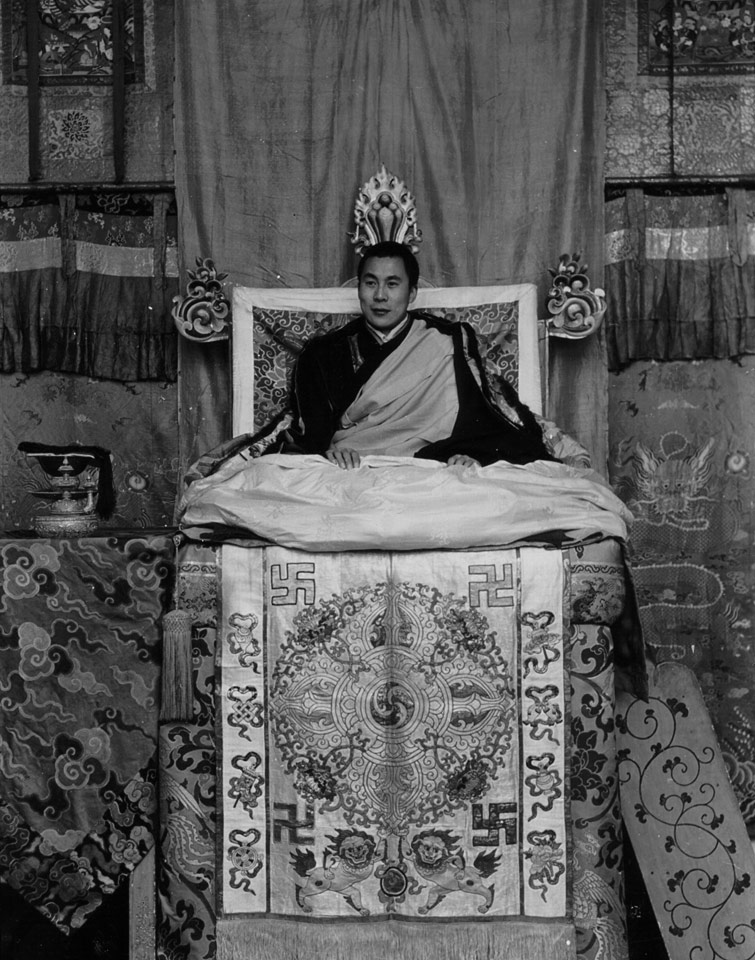
TIBET AWARENESS – THE NATURE OF TIBETAN GOVERNANCE. DALAI LAMA IS THE SUPREME RULER OF TIBET. THIS PHOTO DATED 22 FEBRUARY 1940 EXPLAINS THE NEED TO STUDY TIBETAN BUDDHISM AS A POLITICAL SCIENCE.On bhavanajagat.com
Professor Donald S. Lopez, the Arthur E. Link Distinguished University Professor of Buddhist and Tibetan studies at the University of Michigan published several books on Buddhism and teaches it as religion and as a philosophical doctrine.
TIBET AWARENESS – I ASK PROFESSOR DONALD S. LOPEZ AND OTHERS WHO TEACH TIBETAN BUDDHISM TO EXPLAIN THE NATURE OF TIBETAN GOVERNANCE AND TIBET’S POLITICAL INSTITUTION CALLED GANDEN PHODRANG GOVERNMENT OF TIBET. TIBETAN BUDDHISM IS POLITICAL SCIENCE.
I ask Professor Lopez and all other teachers of Tibetan studies to emphasize the nature of Tibetan governance and as to how Tibetan Buddhism evolved into a political system giving Tibetans a cultural tool to choose the Head of State, the Supreme Ruler of Tibet and the political institution called the Ganden Phodrang Government of Tibet, the political Institution of Dalai Lama. Tibetan Buddhism is a Political Science for it has established the rules for choosing a political official who governs the State and administers justice, and this System of Governance existed for nearly four centuries until Communist China’s military occupation of Tibet in 1950.
Tibetan Buddhism evolved into a political system giving Tibetans a cultural tool to choose the Head of State, the Supreme Ruler of Tibet and the political institution called the Ganden Phodrang Government of Tibet, the political Institution of Dalai Lama. Tibetan Buddhism is a Political Science for it has established the rules for choosing a political official who governs the State and administers justice, and this System of Governance existed for nearly four centuries until Communist China’s military occupation of Tibet in 1950.
Rudra Narasimham Rebbapragada Ann Arbor, MI 48104-4162 USA Special Frontier Force-Establishment 22-Vikas Regiment
Religion department hosts Buddhist scholar for lecture series
Aryanna Duhl, Staff Writer 9:31 a.m. EDT March 30, 2016
Tibetan Buddhism is Political Science, a System of Governance that existed for nearly four centuries until Communist China’s military occupation of Tibet in 1950.
Professor Donald S. Lopez of the University of Michigan gave two lectures as part of the Department of Religion’s 15th annual Tessa J. Bartholomuesz Lecture Series and the department’s 50th Annviersary Celebration. (Photo: James Papastavros/FSView)
“He’s like the Stephen King of Buddhist studies,” said Dr. Bryan J. Cuevas as he presented the featured speaker of the Department of Religion’s 15th annual Tessa J. Bartholomuesz Lecture Series. Professor Donald S. Lopez, the Arthur E. Link Distinguished University Professor of Buddhist and Tibetan Studies at the University of Michigan, gave two lectures, which were also a part of the Department of Religion’s 50th Anniversary celebration.
In his first presentation, “Dispatches from Nirvana: 45 Years of Buddhist Studies,” Lopez spoke first about how he came to study Buddhism. He explained that during the Vietnam War, he became disenchanted with Western thought, turning to “Eastern mysticism.”
Before his position at the University of Michigan, Lopez taught at Middlebury College in Vermont, where he was one of four religion professors, and the only one studying Eastern religions. He taught a variety of subjects, including Daoism, Confucianism and Buddhism. He then moved to Michigan, where he is one of three Buddhism scholars.
Professor Lopez has written many books on Buddhism, but spoke the most on authoring anthologies, where he attempts to question the “classics” of Buddhist literature. He estimated that only 10% of available Tibetan works have actually been studied, and attributed this to the previous lack of scholars who spoke the language. “Language foundation is crucial” to the study of religions, Lopez stressed. He clarified that when scholars don’t understand the language and culture of a religious people, they must rely only on the texts that the people have always deemed the “classics” and are therefore unable to explore others.
In his second lecture, “Christian vs. Buddhist: The Battle for the Soul of Tibet,” Lopez described the missions of Ippoito Desideri, an Italian Jesuit missionary in Tibet in the 1700s who was the first European to have studied and understood the Tibetan language and culture.
With this understanding, Desideri used the same rhetoric of the Tibetan texts to try to convince the Buddhist monks to convert to Catholicism. According to Lopez, as Desideri learned about Tibetan religion, he found that “what the Buddhists were studying was philosophy.”
This idea of Buddhism as philosophy is something that Lopez also discussed in his first lecture, sharing his hope that Buddhist studies would find its way into the Philosophy department of universities. Lopez claimed that, “when we consider a religious text to be the work of the divine,” we diminish what scholars can think about it.
He accredits the slow development of scholarship in Buddhist studies to the “delayed reaction moving away from the idea that these [Buddhist] texts were only religious doctrine,” and that once “liberated from the sacrality of the text,” scholars can study it as creative poetry.
There is still a lot of examination to be done of Buddhist thought, in attempting to fully understanding the culture as well as answering some of the most difficult philosophical questions. Though there will likely be many generations of scholars searching for answers to questions such as, “When was the Buddha born, and when did he die?” or even, “Does God exist?” Professor Lopez is proud of how far the issues of Buddhism have come.
“We are now in the golden age of Buddhist studies,” he said
I ask Professor Lopez and all other teachers of Tibetan studies to emphasize the nature of Tibetan governance and as to how Tibetan Buddhism evolved into a political system giving Tibetans a cultural tool to choose the Head of State, the Supreme Ruler of Tibet and the political institution called the Ganden Phodrang Government of Tibet, the political Institution of Dalai Lama.
Tibet Awareness – Tibet is the Core Issue for the World Community of Nations
There should be no border dispute between India and the People’s Republic of China as they do not share a common border. The problem of China’s military occupation of Tibet should be addressed by the global community of nations to secure Peace, Security, and Justice in South Asia. To resolve the Great Problem of Tibet, we must resolve Tibet-China Border dispute.
There should be no border dispute between India and the People’s Republic of China as they do not share a common border. The problem of China’s military occupation of Tibet should be addressed by the global community of nations to secure Peace, Security, and Justice in South Asia. To resolve the Great Problem of Tibet, We must Resolve Tibet-China Border dispute
Rudra Narasimham Rebbapragada
Special Frontier Force-Establishment 22-Vikas Regiment
TIBET’S MILITARY OCCUPATION – THE GREAT TIBET PROBLEM: Historically Tibet came under military conquests by Mongol China and Manchu China and yet retained its independent way of living without any problem. The Evil Red Empire formulated by Red China’s Communist Party Chairman Mao Zedong unleashed a different kind of beast to rule over the lives of Tibetans.
Tibet should be one of the core issues for India, says Lobsang Sangay, the head of Tibetan Government-in-Exile
Tibet should be one of the core issues for India as China is trying to “influence” all of its neighbors, Lobsang Sangay, the head of the Tibetan government in exile has said.
There should be no border dispute between India and the People’s Republic of China as they do not share a common border. The problem of China’s military occupation of Tibet should be addressed by the global community of nations to secure Peace, Security, and Justice in South Asia. To resolve the Great Problem of Tibet, we must resolve Tibet-China Border dispute.
Tibet should be one of the core issues for India, says Lobsang Sangay (Reuters)
Tibet should be one of the core issues for India as China is trying to “influence” all of its neighbours, Lobsang Sangay, the head of the Tibetan government in exile has said. China insists Tibet has been part of its territory for centuries, but many Tibetans say they were essentially independent for most of that time. The Dalai Lama fled to India in 1959 amid an abortive uprising against Chinese rule in his Himalayan homeland.
Sangay, who is currently here, has met several senior US administration officials, congressmen and senators and members of the think-tank community like the Hudson Institute. Explaining his quest for India making “Tibet a core issue”, Harvard educated Sangay said that after the occupation of Tibet, the People’s Liberation Army has now moved near the border of India.
“Now they are influencing all of India’s neighbours, from Pakistan, to Sri Lanka, Bangladesh and Nepal. It is a reality now,” he said in an interview to PTI.
India and Tibet have had historically, cultural and civilizational ties for hundreds of years, he said, adding Tibet is the source of water for India and South Asia. “For these reasons, Tibet is very important for not just India, for whole of South Asia and ASEAN countries too. Hence, Tibet should be one of the core issues for India,” Sangay said.
“China has already said Tibet is one of the core issues. So, India should also table Tibet as one of the core issues and address this issue with Tibetan people in mind,” he said. Responding to a question, Sangay said that the people of Tibet are following the middle way approach by seeking “genuine autonomy within the framework of the Chinese constitution”. “This is the reasonable moderate line,” he said.
For that there should be a dialogue between the envoys of the Dalai Lama and the Chinese Government, he said. He sought the revival of a dialogue that happened between 2002 to 2010. “We think, that kind of dialogue will lead to the resolution of the Tibetan issue,” he said.
The Celebration of World Tibet Day – The Concept of Tibet Equilibrium
The Celebration of World Tibet Day – The Concept of Tibet Equilibrium. I coined the phrase ‘Tibet Equilibrium to describe a Natural Condition that restores Natural Freedom, Natural Order, Natural Balance of Power and Natural Harmony in Occupied Tibet.
Thursday, July 06, 2017, 82nd Birthday of His Holiness the 14th Dalai Lama is observed as ‘World Tibet Day’ to promote Tibet Awareness.
I coined the phrase ‘Tibet Equilibrium to describe a Natural Condition that restores Natural Freedom, Natural Order, Natural Balance of Power and Natural Harmony in Occupied Tibet.
I coined the phrase ‘Tibet Equilibrium’ to describe a Natural Condition that restores Natural Freedom, Natural Order, Natural Balance of Power, and Natural Harmony in Occupied Tibet.
Rudra Narasimham, Rebbapragada
Special Frontier Force-Establishment 22-Vikas Regiment
I coined the phrase ‘Tibet Equilibrium to describe a Natural Condition that restores Natural Freedom, Natural Order, Natural Balance of Power and Natural Harmony in Occupied Tibet.
World Tibet Day – Tibet Awareness – Tibet Equilibrium. I coined the phrase ‘Tibet Equilibrium to describe a Natural Condition that restores Natural Freedom, Natural Order, Natural Balance of Power and Natural Harmony in Occupied Tibet.
World Tibet Day – Tibet Awareness – Tibet Equilibrium. 82nd Birthday of His Holiness the 14th Dalai Lama on Thursday, July 06, 2017. I coined the phrase ‘Tibet Equilibrium to describe a Natural Condition that restores Natural Freedom, Natural Order, Natural Balance of Power and Natural Harmony in Occupied Tibet.
(Photo: AFP)
Thousands of Tibetans on Thursday morning joined in the 82nd birthday celebrations of their spiritual leader, the Dalai Lama here. On this occasion, the Tibetan cabinet urged US President Donald Trump to initiate steps to restart dialogue on Tibet’s future.
Large crowds donning traditional dresses began to assemble since morning at the Shiwatsel Phodrang complex on the city’s outskirts for the birthday celebrations.
“Special prayer sessions were held for the long life of His Holiness,” a Central Tibetan Administration (CTA) spokesperson told IANS.
The Dalai Lama, revered by the Tibetans as a “living god”, attended the prayers and blessed the gathering.
Tibetan Prime Minister Lobsang Sangay also attended the celebrations, while his cabinet urged Trump to initiate steps for restarting the dialogue process on the future of Tibet.
“We also urge President Trump to support the middle-way approach and dialogue between the envoys of His Holiness the Dalai Lama and the representatives of the Chinese government,” said the cabinet in a statement.
Expressing gratitude to US Secretary of State Rex Tillerson for his support for dialogue, it said: “We also thank Terry Branstad, the US Ambassador to China, for calling on China to provide meaningful autonomy for Tibetans.”
The cabinet reiterated its commitment to “middle-way” approach as the mutually beneficial solution to resolving the long-standing issue of Tibet.
Meanwhile, officials of the Dalai Lama’s office said the spiritual leader would stay in Shiwatsel Phodrang in Leh till July 30.
During his visit, he would participate in religious ceremonies, conduct meditational retreat and deliver teachings at Diskit Monastery in the Nubra Valley, Padum in Zanskar area and the Shiwatsel teaching ground here.
The Dalai Lama’s sermons on ethics, non-violence, peace and religious harmony have made him one of the 20th century’s most revered spiritual leaders.
Born on July 6, 1935, at Taktser hamlet in northeastern Tibet, the Dalai Lama was recognized at the age of two as the reincarnation of the 13th Dalai Lama, Thubten Gyatso.
He fled Tibet after a failed uprising against the Chinese rule in 1959 and has been based in India since then.
The Dalai Lama was awarded the Nobel Peace Prize in 1989 for his non-violent campaign for democracy and freedom in his homeland.
However, the Chinese view him as a hostile element bent on splitting Tibet from China.
India is home to around 100,000 Tibetans. The Tibetan government-in-exile is not recognized by any country.
World Tibet Day – Tibet Awareness – Tibet Equilibrium. Thursday, July 06, 2017.I coined the phrase ‘Tibet Equilibrium to describe a Natural Condition that restores Natural Freedom, Natural Order, Natural Balance of Power and Natural Harmony in Occupied Tibet.
Whole Heaven – Creating Shangri La in Occupied Tibet
Shangri-La is a fictional utopian paradise, most famously described in James Hilton’s 1933 novel Lost Horizon. It’s often depicted as a mystical, harmonious valley hidden in the Kunlun mountains of Tibet, where people live long, peaceful lives. The concept has become a metaphor for any earthly paradise, a secluded and idyllic haven.
Tibet Awareness. Tibet’s Quest for Full Independence. Knowing Tibet. Institution of Tibetan national Identity.
In my opinion, Peace, Harmony, and Tranquility will get reestablished in Tibet when the Kingdom of Heaven replaces the Communist rule over Tibet.
NATURE NURTURES TIBETAN IDENTITY OF TIBETAN NATION.
Rudra Narasimham Rebbapragada Special Frontier Force-Establishment 22-Vikas Regiment
Whole Heaven – Creating Shangri La in Occupied Tibet
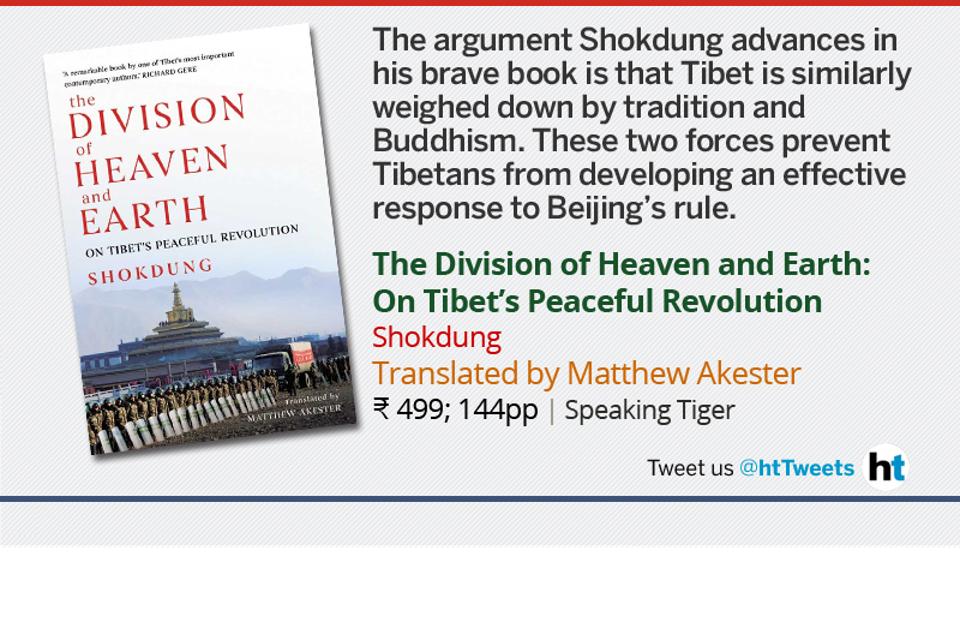
While The Division of Heaven and Earth by Shokdung is about resistance within Tibet, A Life Unforeseen by Rinchen Sadutshang is about the author’s work for the government in exile
Thubten Samphel Hindustan Times
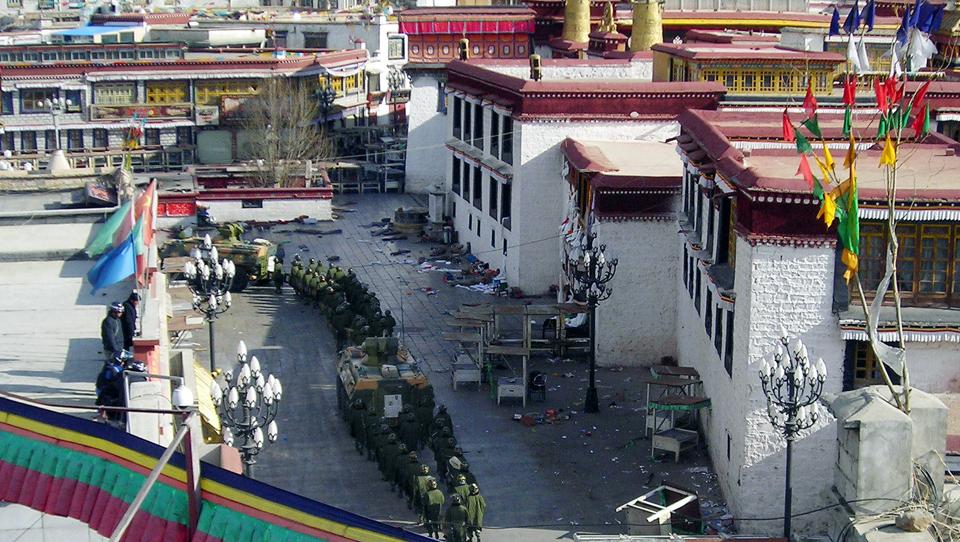
Soldiers of the Chinese People’s Liberation Army (PLA) patrol through the streets of Lhasa in this picture taken on March 14, 2008.(AFP) Shokdung is the pen name for Tra-gya. It means the “morning conch.” The translator, Matthew Akester, thinks it is meant as a wake-up call for Tibet, a call for a peaceful revolution against Beijing’s iron-fisted rule on the Tibetan Plateau. Indeed, the message of Shokdung takes the readers back to the 19th century when a powerful West confronted and encroached upon a weakened Manchu China. This humiliating encounter between East and West resulted in agonized soul searching among Chinese scholars on how to forge an effective response. Some scholars blamed the dead weight of tradition and Confucianism for China’s inability to confront the Western challenge. They pointed to two gentlemen, Mr. Science and Mr. Democracy, who could save China from further humiliation. The argument Shokdung advances in his brave book is that Tibet is similarly weighed down by tradition and Buddhism. These two forces prevent Tibetans from developing an effective response to Beijing’s rule. His is a brave book because Shokdung writes from Tibet. It is a brave book in another sense because Shokdung targets the most cherished tradition of Tibet, its spiritual heritage, to the consternation of the spiritual establishment in Tibet. The American Chinese scholar, Dan Smyer Yu, calls Shokdung’s views on Tibetan culture “an anti-traditionalist imagining of modern Tibet.”
Shokdung shot to fame in Tibet and around the world in 2009 when his book The Division of Heaven and Earth was published. According to Tibet scholar, Francoise Robin, who provides a foreword to the English translation, “The book, with an initial print run of 1,000 copies, circulated unhindered in Xining and all over Tibet for six months, until the author was arrested on 23 April 2010.” Shokdung anticipated his arrest when he said, “I may lose my head because of my mouth.” Shokdung’s comments on the nature of the party state in Tibet are brutal and unrelenting. That is why he got into trouble with the authorities. Shokdung writes, “We can see that there is no greater terrorist than the totalitarian regime… In particular, the terrorism of sealing down the bodies of the common Tibetan people, sealing up the mouths of the eminent ones, and sealing off the minds of the unthinking population, and the methods of state terrorism are something they have been practicing for the last half century, so who can deny that it is their basic character?” Shokdung writes that Tibet’s salvation lies in organizing a coordinated non-violent civil disobedience movement. “Whether or not there will be a Tibetan Gandhi, whether or not Satyagraha has any foundation there, whether or not non-violent non-cooperation will produce results, this we cannot know without an unfailing prophecy; but if the answer is to be affirmative, that prophecy is something that each Tibetan must keep in their heart. This is my belief.” While Shokdung is a rebel and dissident who is fortunately now out of prison, the late Rinchen Sadutshang life was one of service to Tibet both within the country and in exile. He belonged to the fabulous Sadutshang family, which once dominated the wool trade ferried on the mule train between Tibet and India for final export to America and Britain. The family had a huge wool godown in Kalimpong, which was later transformed into a school for Tibetan refugee children.
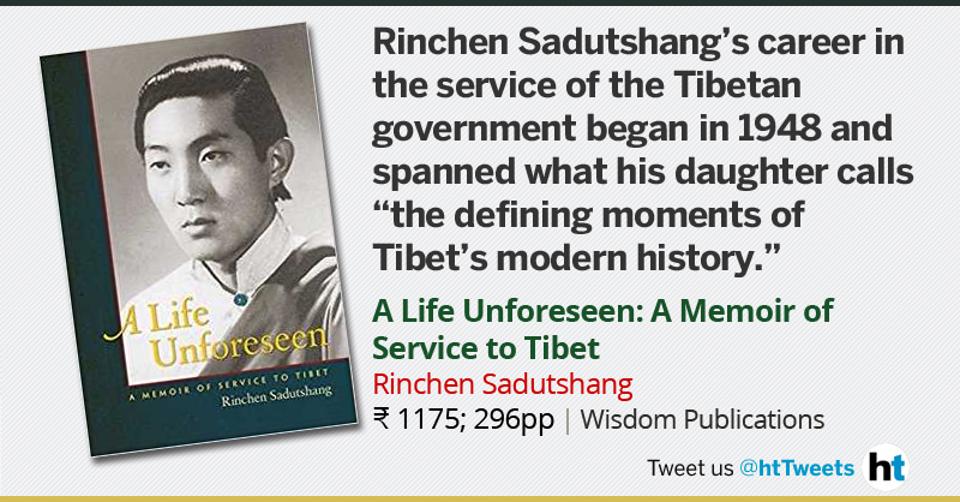
Rinchen Sadutshang career in the service of the Tibetan government began in 1948 and spanned what his daughter calls “the defining moments of Tibet’s modern history.” This included the loss of Tibet and its labored and painful reconstruction in exile. Because he enjoyed the benefit of a modern education at St Joseph’s College in Darjeeling, the author was involved in all the critical events to prevent Tibet’s current fate. As His Holiness the Dalai Lama writes in his foreword to the memoir, “He accompanied the Tibetan delegation to Beijing in 1951 when the Seventeen-Point Agreement was signed. Later, he was a member of the Tibetan delegation to the United Nations in 1959 and 1961.” The Tibetan representation at the world body resulted in the UN General Assembly passing three separate resolutions on Tibet, the last being in 1965, that called on China to respect the fundamental human rights of the Tibetan people and their right to self-determination. The Tibetan lobby at the UN, against all odds, managed to raise the issue of Tibet for discussion and debate at the highest international level. Given the Tibetan exiles’ lack of firepower both in resources and manpower, this is an achievement to be proud of. Later, the author was inducted into the Kashag, the highest executive body of the Central Tibetan Administration. He rounded off his career as the representative of His Holiness the Dalai Lama in New Delhi who liaises with the government of India. As for his career in the service of the Tibetan people, Rinchen Sadutshang had this to say. “By the early 1980s, I had given the prime years of my life to the service of the Dalai Lama and my government. When I first started to work in Dharamsala, my salary was seventy-five rupees a month, barely enough to meet my own personal needs, let alone the needs of my family. Although my salary gradually increased, if I hadn’t had some money of my own, my family would have suffered. I had a wife and six children, but I put the needs of the exile government before theirs. As I mentioned, the government of Bhutan had offered me a potentially lucrative position, and the Indian Central Bureau of Investigation also offered me a good job. But I declined both opportunities because of my loyalty to my country and the Tibetan government in exile, which was sorely in need of officials who were familiar with India and who could communicate in English.” Thubten Samphel is the director of the Tibet Policy Institute and author of Falling Through the Roof.
In my opinion, Peace, Harmony, and Tranquility will get reestablished in Tibet when the Kingdom of Heaven replaces the Communist rule over Tibet.
Tibet Consciousness – Climate Action – Too Little, Too Late
TIBET CONSCIOUSNESS – TIBET CLIMATE ACTION. TIBET HOME FOR 46, 000 GLACIERS AND IS KNOWN AS THIRD POLE OF PLANET EARTH. DEMANDING FREEDOM, PEACE, AND JUSTICE FOR TIBET.
The problems of severe environmental degradation of Tibet and its melting glaciers cannot be resolved by 2015 Paris Climate Treaty. It is too little, too late. Tibet’s Climate in fact determines the destiny of billions of people. In my analysis, the problem of environmental degradation must be resolved by restoring the natural conditions that operate across the Tibetan Plateau and it includes the sense of natural freedom that shapes Tibetan existence.
Rudra Narasimham Rebbapragada Ann Arbor, MI 48104-4162 USA Special Frontier Force- Establishment 22-Vikas Regiment
THE NEW YORK TIMES
An Accelerating Threat
TIBET GLACIERS RETREAT SIGNALS TROUBLE FOR ASIAN WATER SUPPLY
By EDWARD WONG DEC. 8, 2015
Tibet Consciousness – Climate Action – Too Little – Too Late. 2015 Paris Climate Treaty will not resolve problem of melting glaciers of Tibet. IMAGE. THE MENGKE GLACIER.
The Mengke Glacier, one of Tibet’s largest, retreated an average of 54 feet a year from 2005 to 2014. From 1993 to 2005, it retreated 26 feet a year. Credit Adam Dean for The New York Times
MENGKE GLACIER, Over the years, Qin Xiang and his fellow scientists at a high and lonely research station in the Qilian Mountains of northwest Tibet have tracked the inexorable effects of rising temperatures on one of world’s most important water sources.
The thing most sensitive to climate change is a glacier, said Dr. Qin, 42, as he slowly tread across an icy field of the Mengke Glacier, one of Tibet’s largest. In the 1970s, people thought glaciers were permanent. They didn’t think that glaciers would recede. They thought this glacier would endure. But then the climate began changing, and temperatures climbed. Beneath Dr. Qin’s feet, the cracking ice signaled the second-by-second shifting of the glacier.
Tibet Consciousness – Climate Action – Too Little – Too Late. 2015 Paris Climate Treaty will not fix problems of Glacier Melt in Tibet. Climate Change in Shibaocheng in Gansu Province, Tibet.
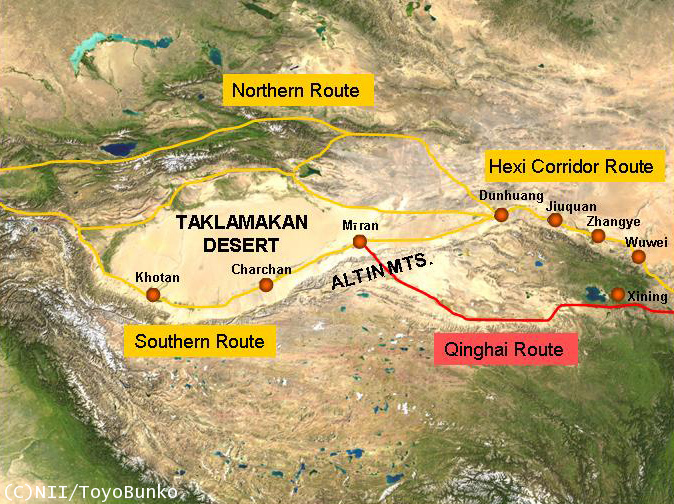
The extreme effects predicted of global climate change are already happening in Tibet. Glacier retreat here and across the so-called Third Pole, the glaciers of the Himalayas and related mountain ranges, threatens Asia’s water supply. Towns and villages along the arid Hexi Corridor, a passage on the historic Silk Road where camels still roam, have suffered floods and landslides caused by sudden summer rainstorms. Permafrost is disappearing from the Tibet-Qinghai Plateau, jeopardizing the existence of plants and animals, the livelihoods of its people and even the integrity of infrastructure like China’s high-altitude railway to Lhasa, Tibet.
Zhao Tingyu, 66, in front of homes built by the government to resettle villagers whose homes were destroyed by severe flooding caused by heavy rains in the town of Shibaocheng in Gansu Province. Shibaocheng is at the foot of the Qilian range, which has been devastated by recent storms. Credit Adam Dean for The New York Times
The fact that Chinese scientists are raising alarms about these changes is a key reason that the Chinese government has been engaging fully in climate change negotiations in recent years. Another is the deadly urban air pollution, caused mostly by industrial coal burning, that resulted in Beijing’s first RED ALERT over air quality on Monday.
China, which remains the world’s largest emitter of greenhouse gas, pledged last year to begin lowering carbon dioxide emissions around 2030, and in Paris this month, President Xi Jinping reiterated his resolve to help slow climate change. There are no vocal climate change deniers among top Chinese officials.
In November, China released a detailed scientific report on climate change that predicted disastrous consequences for its 1.4 billion people. Those included rising sea levels along the urbanized coast, floods from storms across China and the erosion of glaciers. More than 80 percent of the permafrost on the Tibet-Qinghai Plateau could disappear by the next century, the report said. Temperatures in China are expected to rise by 1.3 to 5 degrees Celsius, or 2.3 to 9 degrees Fahrenheit, by the end of the century, and temperatures have risen faster in China in the last half-century than the global average.
People across China are already feeling the impact. The most obvious devastation comes from flooding. The report said an increase in urban floods attributed to climate change has destroyed homes and infrastructure. From 2008 to 2010, 62 percent of Chinese cities had floods; 173 had three or more.
China is more prone to the adverse effects of climate change because China is vast, has diverse types of ecology and has relatively fragile natural conditions, Du Xiangwan, chairman of the National Expert Committee on Climate Change, wrote in the report’s introduction.
Last weekend, Chinese scientists released a separate report that said the surface area of glaciers on Mount Everest, which straddles the Tibet-Nepal border, have shrunk nearly 30 percent in the last 40 years.
Vanishing glaciers raise urgent concerns beyond Tibet and China.
By one estimate, the 46,000 glaciers of the Third Pole region help sustain 1.5 billion people in 10 countries its waters flowing to places as distant as the tropical Mekong Delta of Vietnam, the hills of eastern Myanmar and the southern plains of Bangladesh. Scattered across nearly two million square miles, these glaciers are receding at an ever-quickening pace, producing a rise in levels of rivers and lakes in the short term and threatening Asia’s water supply in the long run.
A paper published this year by The Journal of Glaciology said the retreat of Asian glaciers was emblematic of a historically unprecedented global glacier decline. I would say that climatologically, we are in unfamiliar territory, and the world’s ice cover is responding dramatically, said Lonnie G. Thompson, a glaciologist at Ohio State University who helped found a project to study climate change on the Tibetan Plateau.
Across China, the surface area of glaciers has decreased more than 10 percent since the 1960s, according to the climate change report. The report linked the expected water scarcity to national security, noting that in the future, disputes between China and neighboring countries on regional environmental resources will keep growing.
The Qilian range, on the north end of the Tibetan Plateau, straddles three provinces and towers to 18,200 feet. Scientists here at the Mengke Glacier have been studying it from a permanent research station since 2007, one of about 10 major glacier research stations in Tibet. The glacier is six miles long and covers nearly eight square miles.
As it recedes more rapidly, floods here have become more frequent and more powerful. In July, the road to the research station flooded, with water rising more than six feet.
Zhao Shangxue, who manages logistics here, said that he had had to abandon his car and walk four hours to the station. The glacier has always melted in the summertime, but now it melts even more, he said.
A report by the research center said the retreat of the Mengke Glacier and two others in the Qilian range accelerated gradually in the 1990s, then tripled their speed in the 2000s. In the last decade, the glaciers have been disappearing at a faster rate than at any time since 1960.
From 2005 to 2014, the Mengke Glacier retreated an average of 54 feet a year, while from 1993 to 2005, it retreated 26 feet a year. As scientists like Mr. Qin study the glacier and the consequences of its retreat, towns and villages in the region are grappling with a worsening cycle of drought, sudden rainstorms and floods.
The town closest to the glacier, Shibaocheng, has been devastated by recent storms. Its 1,250 residents, mostly ethnic Mongolian, graze yaks, horses and sheep in high pastures below the glacier during the summer. In 2012, a sudden rainstorm set off flooding that destroyed about 200 homes. Nearly 14,000 animals were killed or lost.
Old people here say they hadn’t seen such a flood in 50 or 60 years, said Gu Wei, the deputy mayor. She said rain mixed with hail came down for three days.
Scientists have no easy way to determine the exact relationship between the rainfall and the changes in the nearby glacier, Dr. Qin said. The retreat of glaciers of course has an effect on the climate and on rain patterns, but we can’t measure it, he said.
Southeast of Mengke Glacier, 180 miles away along the Hexi Corridor, Sunan County at the foot of the Qilian Mountains has experienced some of the region’s worst flooding. It is home to ethnic Yugurs and has flooded a half-dozen times since 2006.
Five years ago, at least 11 people died in floods and landslides. In July, heavy rains led to similar disasters in 13 villages, destroying more than 150 homes and causing more than $6 million of damage, an official report said.
Tibet Consciousness – Climate Action – Too Little – Too Late. 2015 Paris Climate Treaty cannot fix problems of Climate Change in Tibet. Floods in the Hexi Corridor.
Floods in the Hexi Corridor are related to torrential rains and precipitation from fronts, said Wang Ninglian, a glaciologist at the Chinese Academy of Sciences. Its caused by climate change.
Kiki Zhao and Mia Li contributed research.
A version of this article appears in print on December 9, 2015, on page A4 of the New York edition with the headline: Chinese Glacier’s Retreat Signals Trouble for Asian Water Supply.
Tibet Consciousness – Climate Action – Too Little – Too Late. Tibet Glacier Retreat, 2015 Paris Climate Treaty has no cure for this environmental degradation. Asian Water Supply under great threat.Tibet Consciousness – Climate Action – Too Little – Too Late.
The problems of severe environmental degradation of Tibet and its melting glaciers cannot be resolved by 2015 Paris Climate Treaty. It is too little, too late. Tibet’s Climate in fact determines the destiny of billions of people. In my analysis, the problem of environmental degradation must be resolved by restoring the natural conditions that operate across the Tibetan Plateau and it includes the sense of natural freedom that shapes Tibetan existence.
Tibetan Exiles like all other human beings may face a perplexing question about their Identity. To Be Tibetan, Or Not To Be Tibetan is the First Question. Man is a terrestrial creature and his identity is largely shaped by his natural habitat. To be a Tibetan in Tibet is easy and natural. For Tibetans living in exile for a long time, alienation from native land poses a painful choice. To resolve this crisis, if I could help, I prefer to remove any superimposition of Chinese Identity over Tibetan territory. I prefer the second choice, “Take arms against a sea of troubles, and by opposing end them?”
Tibetan Exiles like all other human beings may face a perplexing question about their Identity. To Be Tibetan, Or Not To Be Tibetan is the First Question. Man is a terrestrial creature and his identity is largely shaped by his natural habitat. To be a Tibetan in Tibet is easy and natural. For Tibetans living in exile for a long time, alienation from native land poses a painful choice. To resolve this crisis, if I could help, I prefer to remove any superimposition of Chinese Identity over Tibetan territory. I prefer the second choice, “Take arms against a sea of troubles, and by opposing end them?”
LONG LIVE TIBETAN RESISTANCE.
Rudra Narasimham Rebbapragada Ann Arbor, MI 48104-4162 USA Special Frontier Force-Establishment 22-Vikas Regiment
Tibetan Exiles like all other human beings may face a perplexing question about their Identity. To Be Tibetan, Or Not To Be Tibetan is the First Question. Man is a terrestrial creature and his identity is largely shaped by his natural habitat. To be a Tibetan in Tibet is easy and natural. For Tibetans living in exile for a long time, alienation from native land poses a painful choice. To resolve this crisis, if I could help, I prefer to remove any superimposition of Chinese Identity over Tibetan territory. I prefer the second choice, “Take arms against a sea of troubles, and by opposing end them?”
THE DIPLOMAT
Tibetan Exiles like all other human beings may face a perplexing question about their Identity. To Be Tibetan, Or Not To Be Tibetan is the First Question. Man is a terrestrial creature and his identity is largely shaped by his natural habitat. To be a Tibetan in Tibet is easy and natural. For Tibetans living in exile for a long time, alienation from native land poses a painful choice. To resolve this crisis, if I could help, I prefer to remove any superimposition of Chinese Identity over Tibetan territory. I prefer the second choice, “Take arms against a sea of troubles, and by opposing end them?”
Image Credit. Tibetans in Exile. Natalia Davidovich
Tibet in Limbo: An Exile’s Account of Citizenship in a World of Nation-States
The international community needs to address the plight of Tibetan refugees.
By Tenzin Pelkyi for The Diplomat January 06, 2016
Recently, an Al Jazeera article offered a profile of statelessness which featured tales of refugees from around the world. From Tibet to Kazakhstan, Syria to the Dominican Republican, the intimate glimpses of life for the millions of dislocated individuals in countries across the globe highlighted the common obstacles faced by those forced to flee their ancestral lands. Tibet is a prime example of this 21st century phenomenon of statelessness in a world of nation-states. In fact, many parallels have been drawn between the troubled Himalayan region and stateless peoples from the Palestinians to the Kurds. In 2015, a number of important events took place in the secretive underbelly of Tibetan exile politics – a world unto itself for those of us who have to navigate it either as members of the in group (Tibetan exiles) or out group (non-Tibetan activists, scholars, journalists), including the Tibetan exile elections, inception of the Tibetan feminist movement, the rising numbers of self-immolation protests in Tibet, and a major rebranding of the official Central Tibetan Administration (CTA) policy of “genuine autonomy” for Tibet (i.e. “The Middle Way”). As such, I think it’s important to properly contextualize the article and clarify a few key points in regard to the issue of Tibetan refugees. Having personally been born after the cut-off point for Indian citizenship granted to Tibetan refugees after the 2010 ruling, I, like many others, take issue with the arbitrary window period for citizenship. Although it’s certainly better than no such law at all, there is still a restriction on citizenship for future Tibetan refugees and an entire generation excluded from this opportunity. Tibetans like myself, who were naturalized in the U.S. after relocating through the special visa provision for Tibetan refugees included in the Immigration Act of 1990, are privileged in holding American citizenship. But there are far more in the settlements in India who are not so fortunate. Beyond the issue of a cut-off point for citizenship, the very idea of Indian citizenship was hotly debated in the Tibetan exile community. Those advocating for Tibetan independence, which the exile administration opposes, have argued that granting exiles Indian citizenship when the administration is headquartered in India would negate the very existence of such an entity. An official name change of the CTA was posed in 2012 and met with vocal opposition for restricting its jurisdiction to “the Tibetan exile people,” encompassing only the exile population of roughly 128,000 rather than the entire population of Tibet (over 6 million). Indian citizenship thus has tremendous implications for any prospects for Tibetan statehood. With the rise of disputes between Tibetan exiles in the Indian settlements and locals, legal protections for Tibetan refugees are becoming an increasing concern. Tibetan exiles are required to carry and renew a registration certificate and an identity card to travel overseas. A lack of citizenship means Tibetans are unable to own land and travel freely. Harsh penalties, including incidents of arrest, for the mere failure to renew these documents have further heightened fears over the tenuous nature of exile in the settlements. Restrictions on employment opportunities in India have also contributed to growing debate over Indian citizenship. As we head into the new year, the plight of Tibetan refugees must be more fully addressed by the international community, lest we have yet another global humanitarian crisis on our hands. Tenzin Pelkyi is a writer, activist, and law student. She sits on the board of the Asian American Organizing Project and is also the founder/editor of the Tibetan Feminist Collective. She writes and speaks regularly about Tibet, Asian American advocacy, reproductive rights, and racial justice.
Tibetan Exiles like all other human beings may face a perplexing question about their Identity. To Be Tibetan, Or Not To Be Tibetan is the First Question. Man is a terrestrial creature and his identity is largely shaped by his natural habitat. To be a Tibetan in Tibet is easy and natural. For Tibetans living in exile for a long time, alienation from native land poses a painful choice. To resolve this crisis, if I could help, I prefer to remove any superimposition of Chinese Identity over Tibetan territory. I prefer the second choice, “Take arms against a sea of troubles, and by opposing end them?”Tibetan Exiles like all other human beings may face a perplexing question about their Identity. To Be Tibetan, Or Not To Be Tibetan is the First Question. Man is a terrestrial creature and his identity is largely shaped by his natural habitat. To be a Tibetan in Tibet is easy and natural. For Tibetans living in exile for a long time, alienation from native land poses a painful choice. To resolve this crisis, if I could help, I prefer to remove any superimposition of Chinese Identity over Tibetan territory. I prefer the second choice, “Take arms against a sea of troubles, and by opposing end them?”Tibetan Exiles like all other human beings may face a perplexing question about their Identity. To Be Tibetan, Or Not To Be Tibetan is the First Question. Man is a terrestrial creature and his identity is largely shaped by his natural habitat. To be a Tibetan in Tibet is easy and natural. For Tibetans living in exile for a long time, alienation from native land poses a painful choice. To resolve this crisis, if I could help, I prefer to remove any superimposition of Chinese Identity over Tibetan territory. I prefer the second choice, “Take arms against a sea of troubles, and by opposing end them?”Tibetan Exiles like all other human beings may face a perplexing question about their Identity. To Be Tibetan, Or Not To Be Tibetan is the First Question. Man is a terrestrial creature and his identity is largely shaped by his natural habitat. To be a Tibetan in Tibet is easy and natural. For Tibetans living in exile for a long time, alienation from native land poses a painful choice. To resolve this crisis, if I could help, I prefer to remove any superimposition of Chinese Identity over Tibetan territory. I prefer the second choice, “Take arms against a sea of troubles, and by opposing end them?”





























![Autumn scenery in Qilian Mountains[1]- Chinadaily.com.cn](https://i0.wp.com/www.chinadaily.com.cn/travel/img/attachement/jpg/site1/20141027/002564bc654b15b7f5191b.jpg)
![Autumn scenery in Qilian Mountains[3]- Chinadaily.com.cn](https://i0.wp.com/www.chinadaily.com.cn/travel/img/attachement/jpg/site1/20141026/wires_1414314837605_middle.jpg)






 Whole Dude - Whole Concept