Tibet is a fascinating place with equally fascinating people. The following tribute to musician David Bowie (January 08, 1947 to January 10, 2016) captures an interesting facet of this artist.
Tibet is a fascinating place with equally fascinating people. The following tribute to musician David Bowie (January 08, 1947 to January 10, 2016) captures an interesting facet of this artist.
Rudra Narasimham Rebbapragada Ann Arbor, MI 48104-4162 USA Special Frontier Force-Establishment 22-Vikas Regiment
PATHEOS
David Bowie’s fascination with Tibet and Buddhism
January 11, 2016 by JUSTIN WHITAKER
With the very sad passing of the great David Bowie, tributes have poured in from around the world. Bowie, as the NYTimes writes, “Transcended Music, Art and Fashion.” Among them a number have noted his youthful connections with Buddhism, which was growing in popularity in the England of the 1960s. Of particular interest is an in-depth blog dedicated to the songs of Bowie, aptly named “Pushing Ahead of the Dame: David Bowie, song by song.” In one post there, the author, Chris O’Leary, recounts Bowie’s early fascination with the Tibet and Buddhism of Heinrich Harrer’s 1952 book “Seven Years In Tibet”:
David Bowie discovered Buddhism in his early teens, thanks to his step-brother Terry’s beatnik leanings, the novels of Jack Kerouac and a few Penguin paperbacks that gave him the basic schematics of the religion. It was Harrer’s book that set him a-boil: “When I was about nineteen I became an overnight Buddhist,” he recalled in 1997. “At that age a very influential book for me was called “Seven Years In Tibet”…[Harrer] was one of the very first Westerners to ever spend any time in Tibet; in fact, one of the very first Westerners actually to go into Tibet and discover for himself this extraordinary existence and this incredibly sublime philosophy.” “Silly Boy Blue,” Bowie’s first Buddhist song, was inspired by Harrer’s descriptions of Lhasa and the Dalai Lama’s winter palace of Potala, the song opening with the yak-butter statues made for celebration days. – Pushing Ahead of the Dame | Seven Years in Tibet
Rod Meade Sperry at Lion’s Roar writes that Bowie nearly became a Buddhist at Samye Ling, the monastery of up-and-coming “Crazy Wisdom” guru Chögyam Trungpa Rinpoche, in Scotland in 1967: “I was within a month of having my head shaved, taking my vows, and becoming a monk,” Bowie has said about that period of his life. But, as the story goes, he was torn and so sought Trungpa’s counsel. His reply to the famous young seeker? That he should remain a musician, for that was how he could be of the most benefit.
Writing for the Guardian in 2013, Sean O’Hagen casts doubt on how influential Buddhism was on the young Bowie:
In the mid to late 1960s, he immersed himself deeply, but often briefly, in whatever caught his imagination, whether Buddhism – he went on a retreat to a Buddhist community in Scotland in 1967 – or mime – studying seriously under Lindsay Kemp, his first artistic mentor.
Aligned to all this cosmic adventurism, though, was his oddly old-fashioned attraction to showbusiness, vaudeville and musicals. As the pop-culture historian Jon Savage points out, Bowie’s eponymously titled debut album, released in 1967, is “almost defiant in the way that it contains almost no trace of contemporary pop modes. Despite Bowie’s deep interest in Buddhism, he had no sympathy with the hippy package: the record was a strange mixture of exaggerated, cockney vocals – inspired both by Anthony Newley and Syd Barrett – intricate arrangements and songs that constantly shifted tone and mood, from horror to farce, from Edwardiana to fairytales and back again.”
At the Hollowverse, Tom Kershaw writes that:
Like so many aspects of this man, Bowie is difficult to pin down–even to himself. By his own account, he’s tried about every religion in the book, saying:
I was young, fancy free, and Tibetan Buddhism appealed to me at that time. I thought, ‘There’s salvation.’ It didn’t really work. Then I went through Nietzsche, Satanism, Christianity… pottery, and ended up singing. It’s been a long road.
But in his advanced years, Bowie’s real spiritual views have come out. He said:
I’m not quite an atheist and it worries me. There’s that little bit that holds on: Well, I’m almost an atheist. Give me a couple of months. [in 2003]
The Hollowverse | The religion and political views of David Bowie
However, returning once more to “Pushing Ahead of the Dame” we find it argued that Buddhism was indeed an influence on early Bowie songs. There O’Leary writes that Bowie “meant for the backing chorus of his [1965] single “Baby Loves That Way” to sound like chanting monks.” Have a listen: And his 1967 “Silly Boy Blue” tells the story of a rule-breaking boy in the streets of Tibet’s capital city Lhasa:
Though some of his colleagues and friends in the late Sixties considered Bowie’s Buddhist leanings to be hip affectations, others saw a more fervent side of him. The journalist George Tremlett and Bowie’s housemate/lover Mary Finnigan attested that Bowie was serious about Buddhism, speaking to them for hours about it. Whether he truly meant to join a Tibetan Buddhist monastery in Scotland, which he visited in late 1967, is very questionable. What’s not is that the symbols of Buddhism, its sutras, its concepts like reincarnation (see “Quicksand”), the Oversoul and astral projection (see “Did You Ever Have a Dream“), were essential to Bowie’s growth as a songwriter. Buddhism gave him a reservoir of imagery to use: it gave him a spiritual scaffolding. Pushing Ahead of the Dame | Seven Years in Tibet
The Chinese invasion and occupation of Tibet further spurred Bowie’s interest in and sympathy for Tibetan Buddhism.
When you’re kind of young and idealist we were protesting the invasion of Tibet by China. And thirty years later they’re still there. Nothing has really moved. And more than anything else it was the lectures that the Dalai Lama has been doing over the last couple of years that really prodded me a bit. Made me feel quite guilty that I’ve known about this situation quite well and quite intimately for many, many years—that I hadn’t actually come out and made my stance on what I feel about it. So I guess that song [Seven Years in Tibet, below] in a way was to make some kind of amends. Bowie, radio interview, 1997. [from Pushing Ahead of the Dame | Seven Years in Tibet]
In that year he released the very dark “Seven Years in Tibet” with lyrics including: ‘Are you OK? | You’ve been shot in the head | And I’m holding your brains,’ | The old woman said…
Speaking of the song, Bowie noted:
The subtext of the song is really some of the desperation and agony felt by young Tibetans who have had their families killed and themselves have been reduced to mere ciphers in their own country. Bowie, 1997. [from Pushing Ahead of the Dame | Seven Years in Tibet]
A figure sitting cross-legged on the floor he’s clogged and clothed in saffron robes His beads are all he owns Slow down, slow down Someone must have said that slow him down Slow down, slow down It’s pictured on the arms of the karma man Karma Man (1967)
R.I.P. David Bowie (January 8, 1947 – Jan 10, 2016)
Copyright 2008-2015, Patheos. All rights reserved.
Tibet is a fascinating place with equally fascinating people. The following tribute to musician David Bowie (January 08, 1947 to January 10, 2016) captures an interesting facet of this artist.
THE EVIL RED EMPIRE – RED CHINA – THE GREAT PROBLEM OF TIBET: TIBET HAS LAND AREA OF 870, 000 SQUARE MILES. TIBET IS LARGER IN SIZE COMPARED TO ASIAN NATIONS LIKE JAPAN, TAIWAN, PHILIPPINES, INDONESIA, MALAYSIA, VIETNAM, AND BRUNEI. TIBET IS THREE-TIMES LARGER THAN TEXAS STATE OF UNITED STATES .
Red China released a new map showing the totality of Beijing’s territorial claims. The word ‘cartography’ describes the art or work of making maps or charts. Red China claims this “10-Dash” new map serves to educate Chinese people about their country and her territory. I consider this map as an act of ‘cartographical’ or ‘cartographic’ aggression. Military always prepares maps and charts to plan its war operations much ahead of launching offensive or defensive military actions. Publication of this map is an act of hostility, a prelude to military aggression, and preparation forWar. As such all affected nations must not hesitate to take retaliatory actions to resist Red China’s acts of aggression. The first step is to prepare people to recognize Red China as an Enemy, Adversary, and an Opponent whose actions have to be challenged.
On behalf of Special Frontier Force, I reject Red China’s new map for I do not recognize Beijing’s claim of Tibet and its territory. Republic of India does not share a border with Red China.
Rudra Narasimham Rebbapragada Ann Arbor, MI 48104-4162, USA Special Frontier Force-Establishment 22-Vikas Regiment
Could this map of China start a war?
By ISHAAN THAROOR June 27, 2014
On behalf of Special Frontier Force, I reject Red China’s new map for I do not recognize Beijing’s claim of Tibet and its territory. Republic of India does not share a border with Red China.
(Hunan Map Press/Xinhua)
Chinese authorities unveiled this week a new map showing the totality of Beijing’s territorial claims. It supplants an earlier map which had a cutaway box displaying China’s declared claims over the South China Sea. Now, Chinese citizens can “fully, directly know the full map of China,” wrote the People’s Daily, a state paper. “Readers won’t ever think again that China’s territory has primary and secondary claims,” said the editor of the map press that published it.
On the face of it, the map shouldn’t be too much of a surprise to China’s neighbors. It counts Taiwan, which Beijing considers a renegade province, as part of China. It shows China’s longstanding belief in its suzerainty over the Spratlys and Paracels, the two main archipelagos of the South China Sea, which are contested to varying degrees by Vietnam, the Philippines and a number of other Southeast Asian nations. A 10-dash line (as opposed to China’s earlier nine-dash line) encircles most of the South China Sea, a body of water which sees some $5.3 trillion worth of trade pass through it every year.
Here’s a useful interactive built by the Council on Foreign Relations on the overlapping maritime claims
The new map also shows China’s claim over the Indian state of Arunachal Pradesh. China and India have one of the world’s most intractable and long-running land border disputes, which flared during a brief, bloody war in 1962. Arunachal Pradesh is fully integrated into India’s federal system, with regular state elections. But China claims most of it as part of “Southern Tibet.”
While it may seem silly to some, maps like this routinely flare tensions in Asia, where many nations are still wrangling with the complicated geography left behind by lapsed empires. Two years ago, a map published in new Chinese passports sparked a diplomatic firestorm , with foreign ministries in Vietnam and India both voicing protests and adopting counter-measures.
On behalf of Special Frontier Force, I reject Red China’s new map for I do not recognize Beijing’s claim of Tibet and its territory. Republic of India does not share a border with Red China.
Laris Karklis/The Washington Post)
China’s economic rise has led to an increasing assertiveness in the region, with its expanding navy worrying neighbors and challenging U.S. dominance in the Pacific. It has triggered an arms race in Asia, punctuated by a growing number of dangerous incidents, including frequent maritime standoffs and altercations with Vietnamese and Philippine vessels and risky fighter jet flybys over Japanese ships.
While other countries complain, Beijing is steadily changing facts on the ground. It is building up a city in the Paracels. In May, China deployed a $1 billion oil rig in waters claimed by Vietnam, which led to violent protests and riots in Ho Chi Minh City. China is now moving in a second oil rig, despite the vociferous objections of Vietnamese officials.
The new map is an echo of this provocative worldview. But Beijing officials have sought to play it down. “The goal is to serve the Chinese public,” said a Foreign Ministry spokesperson. “As for the intentions, I think there is no need to make too much of any association here.”
Ishaan Tharoor writes about foreign affairs for The Washington Post. He previously was a senior editor at TIME, based first in Hong Kong and later in New York.
On behalf of Special Frontier Force, I reject Red China’s new map for I do not recognize Beijing’s claim of Tibet and its territory. Republic of India does not share a border with Red China.On behalf of Special Frontier Force, I reject Red China’s new map for I do not recognize Beijing’s claim of Tibet and its territory. Republic of India does not share a border with Red China.On behalf of Special Frontier Force, I reject Red China’s new map for I do not recognize Beijing’s claim of Tibet and its territory. Republic of India does not share a border with Red China.On behalf of Special Frontier Force, I reject Red China’s new map for I do not recognize Beijing’s claim of Tibet and its territory. Republic of India does not share a border with Red China.On behalf of Special Frontier Force, I reject Red China’s new map for I do not recognize Beijing’s claim of Tibet and its territory. Republic of India does not share a border with Red China.On behalf of Special Frontier Force, I reject Red China’s new map for I do not recognize Beijing’s claim of Tibet and its territory. Republic of India does not share a border with Red China.On behalf of Special Frontier Force, I reject Red China’s new map for I do not recognize Beijing’s claim of Tibet and its territory. Republic of India does not share a border with Red China.On behalf of Special Frontier Force, I reject Red China’s new map for I do not recognize Beijing’s claim of Tibet and its territory. Republic of India does not share a border with Red China.
THE EVIL RED EMPIRE – RED CHINA – IMPERIAL POWER – A GLOBAL THREAT TO PEACE : RED CHINA’S $ 1 BILLION HAIYANG – SHIYOU OIL RIG 981 .
During 1970-71, Nixon-Kissinger changed direction of US Foreign Policy that has consistently addressed the problem of Communism and the threat it posed to World Peace. Nixon-Kissinger utterly failed to evaluate dangers posed by Red China’s Expansionist Policy which is extending Chinese territory by conquering her weak neighbors like Tibet. Red China is using her economic and military power in forming and maintaining an Empire to control natural resources and thereby dominate world markets.
Red China’s Expansionism is imposing a severe stress and strain as weaker nations like Vietnam, and Philippines have to increase their defense spending in an attempt to safeguard their national interests.
Rudra Narasimham Rebbapragada Ann Arbor, MI 48104-4162, USA Special Frontier Force-Establishment 22-Vikas Regiment
THE $1 BILLION CHINESE OIL RIG THAT HAS VIETNAM IN FLAMES
Protests spurred by the planned construction of a Chinese oil rig in a disputed area of the South China Sea escalated Tuesday into Wednesday in Binh Duong province, Vietnam. (Sarah Parnass/The Washington Post)
Early Wednesday, protesters began looting and burning factories at industrial parks near Ho Chi Minh City, in what is being called the worst outbreak of public disorder in Vietnam for years. Up to 20,000 people had been involved in relatively peaceful protests on Tuesday in Binh Duong province, according to the Associated Press, but smaller groups of men later ran into foreign-owned factories and caused mayhem.
Although some of the factories were owned by companies from Taiwan and South Korea, they were not thought to be the real target of the protesters’ anger.
Red China’s Expansionism is imposing a severe stress and strain as weaker nations like Vietnam, and Philippines have to increase their defense spending in an attempt to safeguard their national interests.
(Laris Karklis / The Washington Post)
That prize belongs to China and its now-infamous “nine-dash line.”
The protests were sparked when Beijing deployed an oil rig in waters claimed by Vietnam on May 1. The Haiyang Shiyou 981 now sits about 70 miles inside the exclusive economic zone (EEZ) that extends 200 miles from the Vietnamese shore as part of the 1982 U.N. Convention on the Law of the Sea.
The problem is that China doesn’t really care about Vietnam’s EEZ. What matters to Beijing is the nine-dash line: A loosely defined maritime claim based on historical arguments which China uses to claim much of the land mass in the South China Sea. That nine-dash line (which, as the name implies, looks like nine dashes on a map) runs remarkably close to Vietnam’s shoreline, and though its nature is imprecise, Beijing seems to claim economic rights within the line.
Beijing has been using maps featuring the line since the 1950s, but it was only in the late 1960s that the issue really became a problem, after a U.N. report concluded that the area has large hydrocarbon deposits.
It has caused big rifts between China and Vietnam, which have a complicated relationship at the best of times. In 1974, after attempts by the South Vietnamese government to expel Chinese fishing ships, the Chinese navy seized the historically unoccupied Paracel Islands after a short battle and has held them since, despite a 1988 skirmish that left more than 70 Vietnamese soldiers dead. China later built a city on the largest island in the archipelago, long claimed by Vietnam, and it appears to claim an EEZ around the islands which includes the location of the Haiyang Shiyou 981.
The nine-dash line isn’t a problem just for Vietnam. Going by its U-shaped curve, the larger group of the Spratly Islands also falls within Chinese territory, despite competing claims by the Philippines, Brunei, Malaysia, Taiwan and Vietnam. The 200 or so mostly uninhabitable islands and rocks also are thought to be rich in oil and gas. In addition, China has a serious maritime dispute with Japan in the East China Sea.
Red China’s Expansionism is imposing a severe stress and strain as weaker nations like Vietnam, and Philippines have to increase their defense spending in an attempt to safeguard their national interests.
A Chinese coast guard ship is seen near the Chinese oil rig Haiyang Shiyou 981 in the South China Sea, about 130 miles off Vietnam’s shore. (Nguyen Minh/Reuters)
Vietnam and China had shown some signs of rapprochement in recent years, signing an agreement in 2011 aimed at solving the South China Sea Disputes and Hanoi had already offered the waters near where the rig is sitting for exploration by energy companies. However, with the arrival of the oil rig – said to have cost $1 billion to produce – relations are looking their worst in years. The timing of the move is worth noting, coming shortly after President Obama’s trip to Asia and just before a recent meeting of the Association of Southeast Asian Nations.
It’s a big problem for Vietnam, which is largely impotent in any battle against China. As a recent Washington Post Editorial noted, Vietnam lacks strong military ties with the United States and is ruled by a powerful Communist Party that includes a strong pro-Beijing faction. It can’t hope to compete with China’s navy, and Chinese President Xi Jinping has made it clear that he would use military strength to protect what he views as Chinese territory: A graphic example of that is the videos posted online last week that appeared to show the oil rig’s Chinese escort ramming and shooting water cannons at Vietnamese boats trying to stop the flotilla.
The protests within Vietnam seem to be a result of that impotence. Although unauthorized protests are rarely tolerated in Vietnam, the anti-China demonstrations seem to have the government’s blessing. The AP reports that signs have been handed out at protests that read : “We entirely trust the party, the government and the people’s army.” It is unclear whether the violence Wednesday morning was part of the plan, however, and Hanoi may find itself torn between two difficult choices – facing the military and economic wrath of China or its own increasingly furious domestic audience.
CORRECTION: An earlier version of this post incorrectly described the basis for China’s territorial claim there. China asserts sovereignty over land features in South China Sea that lie within a so-called nine dash line on Chinese maps; it does not assert a claim to all waters within that line. China’s assertion of a right to deploy the oil rig in its current location appears to be based a Chinese claim to the nearby Paracel Islands, not the waters themselves. The article also incorrectly stated the islands were historically unoccupied; in fact, they were once sparsely populated.
Adam Taylor writes about foreign affairs for The Washington Post. Originally from London, he studied at the University of Manchester and Columbia University.
The Washington Post
Red China’s Expansionism is imposing a severe stress and strain as weaker nations like Vietnam, and Philippines have to increase their defense spending in an attempt to safeguard their national interests.
The Cold War in Asia – Resolve Tibet-China Border Dispute
The Cold War in Asia – Resolve Tibet-China Border Dispute
On behalf of Special Frontier Force, I demand Trump – Dalai Lama Meeting. It is “only logical” for we work together to uphold the doctrine of Democracy when it engages, contains, confronts, and opposes the doctrine of Communism. Tibet is the very first victim of the spread of Communism to Asia. Tibet-China Border Dispute is a mere symptom of the Cold War in Asia.
SPECIAL FRONTIER FORCE DEMANDS TRUMP – DALAI LAMA MEETING. IT IS LOGICAL FOR BOTH OPPOSE COMMUNISM.The Cold War in Asia – Resolve Tibet-China Border Dispute
TIBET LEADER SAYS IT IS ‘ONLY LOGICAL’ TRUMP MEETS DALAI LAMA AFTER VISIT TO 3 MAJOR SACRED PLACES
Tibet’s PM in exile is disappointed that Trump did not visit the Buddhist monk despite touring the Vatican and Saudi Arabia.
BY NANDINI KRISHNAMOORTHY
May 25, 2017 07:06 BST
SPECIAL FRONTIER FORCE DEMANDS TRUMP – DALAI LAMA MEETING. PRESIDENT TRUMP WITH POPE FRANCIS.
Donald Trump meets with Pope Francis in the Vatican. Reuters
After embarking on a visit to Muslim, Jewish and Christian lands during his first official overseas tour, it is now “logical “for US President Donald Trump to visit the Tibetan spiritual leader, the Dalai Lama, Tibet’s prime minister in exile Lobsang Sangay has said.
Trump is scheduled to meet NATO leaders on Thursday (25 May). Earlier in the week, he visited Saudi Arabia, Israel and Palestine and met Pope Francis at the Vatican on Wednesday.
More from IBTimes UK
“Donald Trump … has been to all three major sacred places of three major traditions,” Sangay said on Wednesday (24 May). “So, what is left is Buddhism and his holiness the Dalai Lama is the most prominent Buddhist leaders in the world,” Sangay.
The leader in exile is currently on a visit to Washington and was speaking at the Heritage Foundation think tank there, Reuters reports.
“If he [Trump] can meet with all leaders of major traditions, I think it’s just logical that he meets the most prominent Buddhist leader,” he said.
The Dalai Lama has met all the four previous US presidents, greatly angering China.
Beijing considers Tibet a breakaway province and has accused the Dalai Lama of promoting independence for Tibet from the rest of China. The Nobel Peace Prize-winning monk has been saying that he only wants a higher degree of freedom for his homeland Tibet. He fled his hometown after a failed uprising against Chinese rule in 1959.
Although the Dalai Lama has not yet been invited to meet Trump, Sangay said: “We are Tibetans. We are perennially optimistic.”
If Trump were to meet the spiritual leader, it could put in jeopardy negotiations with Beijing as the US is relying on China to do more to rein in an increasingly belligerent North Korea and its pursuit of nuclear and missile programme. Because of this it would be premature to talk about a meeting between Trump and the Buddhist monk, a Trump administration official told Reuters this week.
Special Frontier Force Demands Trump – Dalai Lama Meeting. It is only logical for both oppose Communism.
The Dalai Lama has met all the four previous US presidents, greatly angering China. Reuters file photo.
The Dalai Lama was reportedly planning to visit the US in April, but it was pushed to June because of a hectic schedule. Washington is still not part of the monk’s June itinerary, Sangay said earlier this month.
China had recently asked Washington to “carefully handle” the Tibetan issue after top US lawmakers, including Nancy Pelosi, visited the Dalai Lama at his headquarters in north India in a bid to draw attention to human rights in Tibet.
The lawmakers vowed to stand by the monk and not give up in their campaign to protect human rights in Tibet, much to the fury of Beijing.
Tibet Awareness – A Tribute to Lhadon Tethong for promoting Digital Awareness
TIBET CONSCIOUSNESS – TRIBUTE TO ACTIVIST LHADON TETHONG, TIBET ACTION INSTITUTE, CANADA AND FORMER EXECUTIVE DIRECTOR OF STUDENTS FOR FREE TIBET.
I dedicate this blog post to Tibetan Freedom Movement activist Ms. Lhadon Tethong as my special tribute in recognition of her untiring efforts to promote Tibet Awareness particularly using the tool of digital hygiene practices.
Rudra Narasimham Rebbapragada Ann Arbor, MI 48104-4162 USA Special Frontier Force-Establishment 22-Vikas Regiment
Tibet Consciousness – Tribute to Activist Lhadon Tethong. Design by Tenzing Gaychey.
Design by Tenzing Gaychey
Photo. Alex John Beck
Lhadon Tethong is one of the most prominent and recognizable leaders in the Tibetan freedom movement. She first became a spokeswoman on Tibetan issues after her speech at the 1998 TIBETAN FREEDOM CONCERTS inspired a new generation of Tibetan supporters. Lhadon then went on to serve as Executive Director of Students for a Free Tibet, where she led a high-profile global campaign to condemn China’s rule of Tibet in the lead-up to and during the 2008 Beijing Olympic Games. In 2011, she was awarded the first annual James Lawson Award for Nonviolent Achievement by the International Center on Nonviolent Conflict.
A Tibetan born in Canada, she recently founded the Tibet Action Institute, which combines digital communication tools with strategic nonviolent action to build and strengthen the Tibet movement for human rights and freedom.
In this interview, Lhadon speaks with Rignam Wangkhang about her work, Chinese cyber surveillance, and the future of digital rights in Tibet.
According to Freedom House’s recent ‘Freedom on the Net’ 2015 report, China was the year’s worst abuser of internet freedom. How would you rank Tibet?
In terms of digital rights in Tibet, we just have to assume it’s the worst of the worst. When we compare the ability of a Chinese person to speak their mind to that of a Tibetan in Tibet, the cost for Tibetans, and the surveillance over Tibetans, is usually much higher. China is extremely paranoid about any challenge to its authority from Tibet.
What is the general situation with respect to surveillance?
Tibetans inside Tibet understand surveillance. Whether it’s online or not, they have been living with unbelievably restrictive and pervasive surveillance inside central Tibet, which the Chinese government calls the Tibetan Autonomous Region (TAR). Outside of the TAR, and in most of the areas of historical Tibet that had been absorbed into the Chinese provinces of Qinghai, Sichuan, Yunnan and Gansu, Tibetans have faced increasing restrictions and surveillance in recent years.
It’s not that you just make a comment online and you might get caught. People are stopped at roadblocks, and in Lhasa their phones will be taken and searched.
Post-2008, in the wake of the uprising that rocked the entire Tibetan plateau, the Chinese went to great lengths to physically search, digitally monitor, and root out the key people they believed to be behind the protests. They couldn’t accept that it was a spontaneous and a true expression of Tibetan frustration and anger with their treatment under Chinese occupation.
How is the removal, blocking and filtering of content affecting internet freedom inside and outside Tibet?
It’s very easy for Chinese authorities, who have unlimited resources, to take down websites or take content offline. One day it’s there, then the next day, the next minute, it’s gone – whether it’s a comment or an entire website.
Tom-Skype is a special version of Skype that they use in China and Tibet. We know for a fact that certain keywords are filtered. You can send a message that won’t be delivered because that message has been blocked and censored in transit, by the company itself.
Almost every Tibetan uses WeChat [Chinese messaging and social media app]. We know that in times of heightened sensitivity, people will be arrested for what they post on WeChat. A Tibetan man in Qinghai, Eastern Tibet, in Tibet’s traditional province of Amdo, posted content related to the Dalai Lama’s 80th birthday. He was arrested, disappeared, and no one has any information on his whereabouts.
Even those who self-censor, and aren’t necessarily doing anything political, are mapped, and their channels of communication are understood. The biggest risk is that when Tibetans are all using a single service, like WeChat, it’s very easy for the Chinese government to centralize surveillance and map people’s networks.
“The biggest risk is that when Tibetans are all using a single service, like WeChat, it’s very easy for the Chinese government to centralize surveillance and map people’s networks.”
In this photo released by China’s Xinhua news agency, lamas try laptop computers at the square before the Potala Palace in central Lhasa, capital of southwest China’s Tibet Autonomous Region AP Photo/Xinhua, Gaesang Dawa
Some people tell me that Tibetans cannot let fear consume them, and everyone needs to go back to posting online content as they see fit. They bring up Amdo as an example of people posting so much that the Chinese government began allowing certain things, because they can’t arrest everyone.
Tibetans need to express themselves and I think they do that. Some people are very outspoken and take greater risks than others who speak more in metaphors. Other people are more reticent, and from this place of comfort and freedom that I sit in the U.S., I can’t say what Tibetans inside should or shouldn’t do. Those of us on the outside should not assume we know what’s best, but rather try to hear what they’re talking about, what they’re doing, and support them.
How do we navigate this landscape without self-censoring ourselves?
I think with the case of WeChat, the key is to understand how the technology works, and understand the potential obstacles or risks that can come from using it. Tibetans need to know how to do it in a more smart and secure way, to protect sources on the ground and protect communities.
From your personal experience, how extensive and sophisticated is the surveillance apparatus of the Chinese government?
A lot of the attacks that they launch, hacking attacks or phishing attacks towards Tibetans, aren’t very sophisticated. The reality is that the way Chinese online attackers are going after Tibetans can be pretty crude. Sometimes, because Tibetans aren’t updating their software, it’s as simple as that they’re using an outdated version of Word. If they’re using an outdated version of software, it is more prone to viruses that have been circulating around the web.
We tend to believe Chinese cyber attacks must be sophisticated, but even when the attacks are on the highest levels of the American government, it can be simply that they sent an instant message to some government employee with the right level of clearance and pretended to be that person’s mother, and the person got tricked into clicking on a link and letting the Chinese in. That’s just human error that can be corrected through basic education and awareness. It is a good indication that we have more control than we think.
To me, the situation requires a holistic approach. I don’t think we gain anything from scaring people and disempowering them. It’s a good thing that Tibetans are not easily scared, and I think that is the most hopeful, and encouraging foundational reality of our movement.
Knowing that, how are you educating Tibetans on these matters and what has been the most effective way to educate them so far?
First, by focusing broadly on public awareness and education campaigns. We’ve thought of it like a public health campaign. If there are ways to help people stay healthy and alive online, then that’s where we will put our efforts. There is a need for broad scale public education and awareness about better digital hygiene practices. We’re actually ahead of the curve in the Tibetan world because of our situation.
Next to that is targeted trainings. We can know this afternoon whether a protest happened in Tibet last night. We can see video footage or photos of that protest, and this is an incredible development. By doing targeted training with Tibetan activists and people who are actively getting information out of Tibet, or communicating with people inside Tibet, we hope to establish digital hygiene best practices.
Linkedin is trying to expand into China, and due to pressure from government authorities, it is proactively restricting politically sensitive material from its users in China. Why is this happening?
I think it’s an absolute shame, there’s no other way to put it. I think that these tech giants, whether it is LinkedIn, Facebook, Google or Twitter, have incredible influence and opportunity to push the Chinese government in the right direction, and instead, it’s a race to the bottom. People are so eager to get into the Chinese market, we’re going to see more tech companies doing anything the Chinese ask them to. The entire reason that these tech giants have become giants is because they have built their success on the free and open internet. To then go and help the Chinese government shut it down for Chinese citizens and Tibetans is short sighted.
“The entire reason that these tech giants have become giants is because they have built their success on the free and open internet. To then go and help the Chinese government shut it down for Chinese citizens and Tibetans is short sighted.”
How do you create change with regard to internet freedoms and surveillance in countries like China and Tibet that do not have the same potential for legislative or judicial change as the West?
First and foremost, those of us living in a free and democratic world can lead by example. Stigmatizing encryption tools as something only terrorists use, like in the U.K., is counter productive to the cause of freedom around the world. It’s in the interest of our governments to educate the public about how these tools work, to be more digitally literate, and understand safety and security online. Once people understand these tools and technology more, they will be less likely to have a knee jerk reaction to ban encryption tools. They’ll understand the importance of people being able to have secure speech online.
Next, American, British or Canadian companies like Gamma International and Hacking Team, who are actively helping authoritarian governments use surveillance over their citizens, must be held accountable. These corporations should be outlawed, controlled, fined, made pariahs. That kind of behaviour should not be tolerated, but whether the political will is there is another question.
And finally, no one is engaging with China directly. There are plenty of diplomatic tools in the toolbox to help Tibetans in Tibet and citizens in China who are fighting for rights and freedoms, and our governments should not shy away from engaging with the Chinese openly and directly.
Tendor’s [prominent Tibetan writer and activist] monograph on “The History of Tibetan Non-Violence Struggle” states that the Tibetan struggle is going through transformative resistance. How does this apply to the digital sphere, and what does the future of resistance in Tibet look like with regard to internet freedom, security and digital activism?
The ability for Tibetans to share ideas, joys and sorrows, and hopes and dreams through these advances in ICTs [information and communication technologies] has completely revolutionized the struggle. More Tibetans than ever before are informed and connected to their brothers and sisters in all corners of the world.
We have seen Tibetans wield culture as a weapon, an unbelievably powerful weapon in the struggle. All of this has been fuelled and spread through social media, mobile phones and the Internet. We have this incredible back-and-forth between Tibetans inside Tibet and Tibetans in exile, young Tibetans studying in China. Ultimately nothing that the Chinese do can stem the tide of this change that has started.
The protests in 2008 were predominately non-violent protests by Tibetans as young as middle school, and from all walks of life. Not just monks and nuns, but schoolteachers, farmers, nomads, students. What started then is not finished, and in fact the next generation has become empowered, emboldened and intrigued by what’s out there.
I don’t think that anything can really stand in their way or in the way of the Chinese who want and deserve the same rights and freedoms as we have. The question will just be how quickly the big change comes, and whether our governments and we as individuals and organizations help or stand in the way of that change. Rignam Wangkhang is the Campaigns and Advocacy Officer at Canadian Journalists for Free Expression (CJFE). He is also a freelance writer who is a board member with Students for a Free Tibet Canada.
IFEX9
555 Richmond Street West, Suite 1101, P.O. Box 407
IFEX publishes original and member-produced free expression news and reports. Some member content has been edited by IFEX. We invite you to contact to request permission to reproduce or republish in whole or in part content from this site.
My Dream Trip to Mount Everest gives testimony about True Tibetan Identity
The Supreme Ruler of Tibet cannot be chosen by any foreign government.Whole Dude – Whole Trip: My Dream Trip to Mount Everest gives testimony about True Tibetan Identity.Whole Dude – Whole Trip: The Living Tibetan Spirits Make a Dream Trip to Mount Everest.
In my Dream Trip to Mount Everest or Qomolangma, the mighty mountain gives me testimony in support of true Tibetan Identity. Mount Everest proclaims that Tibet is never a part of China.
Whole Dude – Whole Trip: Mount Everest or Qomolangma is my mighty witness testifying in support of true Tibetan Identity. Mount Everest proclaims that Tibet is never a part of China.Whole Dude – Whole Trip: Mount Everest or Qomolangma is my mighty witness testifying in support of true Tibetan Identity. Mount Everest proclaims that Tibet is never a part of China.Whole Dude – Whole Trip: Mount Everest or Qomolangma is my mighty witness testifying in support of true Tibetan Identity. Mount Everest proclaims that Tibet is never a part of China.Whole Dude – Whole Trip: Mount Everest or Qomolangma is my mighty witness testifying in support of true Tibetan Identity. Mount Everest proclaims that Tibet is never a part of China.Whole Dude – Whole Trip: Mount Everest or Qomolangma is my mighty witness testifying in support of true Tibetan Identity. Mount Everest proclaims that Tibet is never a part of China.Whole Dude – Whole Trip: Mount Everest or Qomolangma is my mighty witness testifying in support of true Tibetan Identity. Mount Everest proclaims that Tibet is never a part of China.Whole Dude – Whole Trip: Mount Everest or Qomolangma is my mighty witness testifying in support of true Tibetan Identity. Mount Everest proclaims that Tibet is never a part of China.Whole Dude – Whole Trip: Mount Everest or Qomolangma is my mighty witness testifying in support of true Tibetan Identity. Mount Everest proclaims that Tibet is never a part of China.Whole Dude – Whole Trip: Mount Everest or Qomolangma is my mighty witness testifying in support of true Tibetan Identity. Mount Everest proclaims that Tibet is never a part of China.Whole Dude – Whole Trip: Mount Everest or Qomolangma is my mighty witness testifying in support of true Tibetan Identity. Mount Everest proclaims that Tibet is never a part of China.Whole Dude – Whole Trip: Mount Everest or Qomolangma is my mighty witness testifying in support of true Tibetan Identity. Mount Everest proclaims that Tibet is never a part of China.Whole Dude – Whole Trip: Mount Everest or Qomolangma is my mighty witness testifying in support of true Tibetan Identity. Mount Everest proclaims that Tibet is never a part of China.Whole Dude – Whole Trip: Mount Everest or Qomolangma is my mighty witness testifying in support of true Tibetan Identity. Mount Everest proclaims that Tibet is never a part of China.Whole Dude – Whole Trip: Mount Everest or Qomolangma is my mighty witness testifying in support of true Tibetan Identity. Mount Everest proclaims that Tibet is never a part of China.Whole Dude – Whole Trip: The Living Tibetan Spirits Make a Dream Trip to Mount Everest.
As my miserable mortal life journey crawls towards its end without giving me any clue about my destination, I can only afford to make a dream trip to Mount Everest. I give my thanks to photographer Bruce Connolly and ChinaDaily.com.Cn for sharing with me the story about ‘A Road Trip Across Tibet to Mount Everest’.
Whole Dude – Whole Trip: The Living Tibetan Spirits Make a Dream Trip to Mount Everest.
Whole Dude – Whole Trip: The Living Tibetan Spirits Make a Dream Trip to Mount Everest.
Lhasa – the start of the road trip in 2000. [Photo by Bruce Connolly/chinadaily.com.cn]
In 2000, Lhasa was a different city in many ways, compared to what it is today. High on the Qinghai-Tibet Plateau, it was much more isolated back then. Its airport, a roughly 90-minute drive from downtown, was at that time the only one operating across all of Tibet. In earlier years, flying into Lhasa had been restricted to early morning flights from Chengdu in Sichuan. By 2000, however, it was well-served by modern, powerful jet aircraft capable of landings and takeoffs at high altitudes, able to cope with occasionally difficult afternoon weather conditions. In recent years several new airports have also opened across Tibet.
Despite the advances in aviation technology, flying into Tibet was expensive. Before the completion of the Tibet railway in 2006, roads were the only feasible option for most freight and passenger traffic. It amazed me during my time in Lhasa how so much that made my stay both pleasant and comfortable must surely have come up to the city by road. Two main highways served Lhasa at the time. From Golmud to Xining, Highway G109 was a long, lonely journey through an empty upland plateau. The other route, Highway G318, runs 5,476 kilometers from Shanghai’s People’s Square, via Sichuan and southeastern Tibet ultimately to Zhangmu, the border crossing with Nepal. I would leave Lhasa along G318 on a road trip initially to the base of Qomolangma, known in the West as Mount Everest.
I noticed several oxygen bags loaded into what was a comfortable but strong SUV. Lhasa was modern and well-planned, but outside the city, infrastructure such as road quality was quite variable. The physical terrain often proved very challenging for highway construction, even between Lhasa and Xigaze, Tibet’s second city. Geologically, much of the area is still active. Landslides remained a danger during the rainy season.
Initially, my departure from Lhasa along G318 followed the road that had brought me a few days earlier from the airport. Nearing the Yarlung Tsangpo Bridge, we turned right for Xigaze. Initially, the route followed a wide valley and the river braided into many channels, with sweeping views toward glacial mountain peaks and ridges. Villages sat near intensively cultivated, irrigated farmland. Then it started narrowing, with scenery becoming increasingly breathtaking. Settlements perched on any patches of level terrain available.
Whole Dude – Whole Trip: The Living Tibetan Spirits Make a Dream Trip to Mount Everest. Yarlung Tsangpo River (Brahmaputra River).
Highway 318 to Xigaze along Yarlung Tsangpo River. [Photo by Bruce Connolly/chinadaily.com.cn]
The road started along a ledge cut below almost vertical cliffs. High gullies were filled with long fingers of snow. Below the road, sheer drops reached the river that appeared to be cascading around huge rocks. Workers tirelessly cleared fallen boulders from roadside ditches. Flocks of sheep and goats also shared the road space, with drivers carefully edging past.
Whole Dude – Whole Trip: The Living Tibetan Spirits Make a Dream Trip to Mount Everest.
A wide section of Yarlung Tsangpo near Xigaze. [Photo by Bruce Connolly/chinadaily.com.cn]
Gradually the valley widened, and the river slowed, allowing flat-bottomed ferry boats to carry villagers across. Both road width and quality improved. Where bridges spanned river junctions, small restaurants and shops had opened, providing supplies for travelers. At intervals, pack horses gathered beside narrow trails leading to seemingly inaccessible villages.
Eventually, the valley really did widen and the waters calmed, becoming almost lake-like. A tugboat pulled a pontoon carrying vehicles across to the far shore. Some of the landscape appeared as a small sandy desert with protective trees planted along the highway. I noticed poles being erected to carry electricity to some villages while concrete-lined aqueducts helped irrigate reclaimed land for arable farming.
Rounding a bend, I saw a concentration of modern buildings, some even medium-rise. We arrived at Xigaze, at an altitude of 3,836 meters, the highest city I had ever reached. Since that 2000 road trip, travel to and from Xigaze has greatly improved. Not only has the road been upgraded but the railway has been extended from Lhasa and a modern airport opened. Partly in response to such infrastructure investments, tourism has grown significantly, not just to Xigaze but across much of Tibet.
Whole Dude – Whole Trip: The Living Tibetan Spirits Make a Dream Trip to Mount Everest.
I stayed at the Xigaze-Shandong Hotel, which then was the city’s tallest building. I discovered at that time a certain arrangement existed, where the more developed parts of China were paired up with areas of Tibet to assist in regional assistance programs such as infrastructure projects. Xigaze had relationships with Shanghai and Shandong, Lhasa with Beijing, and so on.
It was an unexpected joy to find excellent accommodation in what in theory was then a remote location. After a spicy Sichuan-style lunch in the hotel, I spent the afternoon visiting Tashi Lhunpo Monastery. Founded in 1447, it was the traditional seat of the Panchen Lama — Panchen meaning “great scholar”, the title bestowed on the abbots of Tashi Lhunpo.
Whole Dude – Whole Trip: The Living Tibetan Spirits make a Dream Trip to Mount Everest. Paying respects to Lord Maitreya at Tashi Lhunpo Monastery.
I was spellbound by the magnificence of the monastery as I walked through its halls illuminated by trays of butter lamps. One chapel was home to a 26-meter-high copper image of the Maitreya, or Buddha of the future. Around the walls were around 1,000 gold paintings of the Maitreya.
Whole Dude – Whole Trip: The Living Tibetan Spirits Make a Dream Trip to Mount Everest. Tashi Lhunpo Monastery.
Groups of monks at Tashi Lhunpo Monastery Xigaze. [Photo by Bruce Connolly/chinadaily.com.cn ]
Within an assembly hall dating from the 15th century, chanting monks sat on carpets while above them long thangka images and colored scarves hung from the ceiling.
Whole Dude – Whole Trip: The Living Tibetan Spirits Make a Dream Trip to Mount Everest. The Official Seat of Panchen Lama at Tashi Lhunpo Monastery founded by the First Dalai Lama.
A large throne in the middle was where the Panchen Lamas once sat.
Whole Dude – Whole Trip: The Living Tibetan Spirits Make a Dream Trip to Mount Everest.
A doorway within Tashi Lhunpo Monastery Xigaze. [Photo by Bruce Connolly/chinadaily.com.cn]
I wandered the alleys between prayer halls crowded by people chanting, prostrating themselves, walking clockwise along balconies or spinning personal prayer wheels. Some, along with young monks, scooped up chunks of butter from large bowls and smeared it into lamp bowls. The butter produced a distinctive aroma that seemed to permeate everywhere. Above the monastery’s perimeter wall, people quietly followed the Tashi Lhunpo Kora (pilgrimage).
That evening I tried writing in my diary but found it a challenge because I had experienced so much throughout the day. I did realize that this hotel would offer the last comfortable bed for the next few days, as there were no more cities ahead on this route, with only small trading towns and to look forward to.
Leaving Xigaze early next morning, I saw many people already walking around the monastery. The road was initially unpaved, passing many exposed multicolored rock formations that stood as a testament to the massive tectonic movements that had uplifted the area’s geology. The land became increasingly dry with small patches of cultivation, mostly barley and potatoes, where water could be sourced. Occasionally someone on horseback would tend herds of black-coated yaks.
Whole Dude – Whole Trip: The Living Tibetan Spirits Make a Dream Trip to Mount Everest.
Villages. Photo by Bruce Connolly/ChinaDaily.com.Cn
The road would climb up and over several passes usually crowned with prayer flags, such as the 4,500-meter-high Gyatso-La Pass and the 4,950 meter-high Yulang-La Pass.
Whole Dude – Whole Trip: The Living Tibetan Spirits Make a Dream Trip to Mount Everest.
Rough driving on G318 and a former fort above the road. [Photo by Bruce Connolly/chinadaily.com.cn]
The visibility was so clear, giving excellent views of distant peaks. At one point I saw the heavy walls of what had been a fort guarding a pass. Descending, lower areas would have limited cultivation, although I did observe groups of farmers scattering seed potatoes onto plowed soil. Ponies pulled wooden carts along the farmers.
Whole Dude – Whole Trip: The Living Tibetan Spirits Make a Dream Trip to Mount Everest. Tso-La Pass, Shigatse, Tibet.Whole Dude – Whole Trip: The Living Tibetan Spirits Make a Dream Trip to Mount Everest. Tso-La Pass, Shigatse, Tibet.
Along G318 there also was a regular procession of blue trucks laden with goods, for this road was also the main lifeline to western Tibet. Some 150 kilometers from Xigaze is Lhaze, a small county whose main street had many small restaurants with name boards in English such as “Chengdu Restaurant”, for it was where G318 to the Nepalese border splits from the highway to western Tibet. Apparently, travelers heading up toward Mount Everest maybe would stay one or two nights, for it was the last real town on the route.
Whole Dude – Whole Trip: The Living Tibetan Spirits Make a Dream Trip to Mount Everest. Gyatso-La Pass, Shigatse, Tibet.
The road climbed again up a narrow valley where herders would camp while tending their yaks. This led up to Gyatso-La Pass, at an altitude of 5,220 meters, one of the highest along the route.
Whole Dude – Whole Trip: The Living Tibetan Spirits Make a Dream Trip to Mount Everest. Gyatso-La Pass.
Stopping briefly, I thought it was amazing how people gathered around, yet there was no sign of any habitation.
Whole Dude – Whole Trip: The Living Tibetan Spirits Make a Dream Trip to Mount Everest.
Across the high, arctic, plateau lands. [Photo by Bruce Connolly/chinadaily.com.cn]
The landscape felt like arctic tundra vegetation, and beyond it, I could finally see the snow-capped peaks of the Himalayas. However, clouds were building up over those peaks for the monsoon would soon push up from the Indian sub-continent. In this area, the road was not surfaced and it was a constant struggle for work crews to keep it open.
Whole Dude – Whole Trip: The Living Tibetan Spirits Make a Dream Trip to Mount Everest.
Highway 318 at Tingri. [Photo by Bruce Connolly/chinadaily.com.cn]
When we reached distance marker 5,115, a sign declared we were entering the Mount Everest Protection Area. Scattered trees indicated the approach toward a small village, Tingri, where the main road turned off to Shegar. Notices proclaiming “guesthouse” and restaurant adorned building exteriors signaled the area was used to visitors. I had lunch in a restaurant that amazingly had television, hi-fi, and a fridge! Boys tried to sell fossils dug up locally while people gathered for onward transport by truck or bus.
Whole Dude – Whole Trip: The Living Tibetan Spirits Make a Dream Trip to Mount Everest.
Incredible geological formations alongside road up to Pang-la Pass. [Photo by Bruce Connolly/chinadaily.com.cn]
Soon after the village was the 63-kilometer route leading up to Mount Everest. As we drove gradually higher, I was enthralled with the geology exposed everywhere, often showing bedding planes of the rocks tilted vertically.
Whole Dude – Whole Trip: The Living Tibetan Spirits Make a Dream Trip to Mount Everest. Pang-La Pass.
Pang-la Pass 5120 meters. Looking towards the Himalayan foothills. [Photo by Bruce Connolly/chinadaily.com.cn]
That gravel road gradually climbed up through a wide valley with an increasing sensation of being on the roof of the world as we reached the 5,120-meter-high summit of Pang-La Pass.
Whole Dude – Whole Trip: The Living Tibetan Spirits Make a Dream Trip to Mount Everest. Before reaching Rongphu the road crosses over Pang La Pass (5200m / 17062 ft) offering amazing views of Everest, Lhotse, Cho Oyo, Makalu and Shishapangma.
Beyond it lay one of the most spectacular views in the world. Along the horizon stood the glacial peaks of the Himalayas, with Mount Everest, or Qomolangma, at the center. It was so stunning I could easily have stayed there all day.
From the summit, the road descended through a moon-like landscape reaching a small agricultural village, Tashi Dzom. Notices again in English advertised accommodation and dining. Turning right into a broad valley, we encountered a river spreading over a wide terrain of gravel and stones, which was actually meltwater draining off the northern slopes of Mount Everest.
Whole Dude – Whole Trip: The Living Tibetan Spirits Make a Dream Trip to Mount Everest. Glacial meltwater river from Mount Everest.
Glacial meltwater river from Mount Everest. [Photo by Bruce Connolly/chinadaily.com.cn]
Jeeps carrying tourists descended as we headed higher, passing Chodzom, possibly the world’s highest village, again offering a hotel built in a local Tibetan style. The route went up through boulder fields, the descending river now milky white as it carried so much gravel and crushed stones.
Whole Dude – Whole Trip: The Living Tibetan Spirits Make a Dream Trip to Mount Everest.
Rongphu Monastery at 5030 meters. [Photo by Bruce Connolly/chinadaily.com.cn]
At an altitude of 5,030 meters sat Rongphu Monastery, the last inhabited building before the base of Mount Everest. I would stay there overnight, but first, the last section of the road had to be skillfully accomplished.
Whole Dude – Whole Trek: The Living Tibetan Spirits Make a Dream Trip to Mount Everest. Rongphu Monastery and Everest Base Camp. It’s a beautiful location with an imposing view of Everest just up the Rongbuk Valley. It’s a beautiful location with an imposing view of Everest just up the Rongbuk Valley.
The going was extremely rough, bumping over many rocks and glacial debris while driving through streams. Great mounds of stones and silt had been carried down and deposited by the Rongphu Glacier.
Whole Dude – Whole Trip: The Living Tibetan Spirits Make a Dream Trip to Mount Everest.
End of the road to Everest. [Photo by Bruce Connolly/chinadaily.com.cn]
Reaching the road’s end, I found myself lacking the energy to manage anything beyond a slow walk up a gravelly hill. There was no vegetation on this stark landscape, but it was very inspiring. My only disappointment was that Everest was wrapped in clouds. It was windy and felt very cold.
I returned to the guesthouse for a simple meal of egg fried rice and pot noodles, and went to bed, trying to sleep, an almost impossible task. This proved fortuitous.
Whole Dude – Whole Trip: The Living Tibetan Spirits Make a Dream Trip to Mount Everest. Dawn over Mount Everest.
Dawn over Mount Everest – thirty minutes later it clouded over. [Photo by Bruce Connolly/chinadaily.com.cn]
As dawn was breaking I went outside for a glimpse of the grandeur of Mount Everest exposed before me. I sat on a rock trying to take it all in, the world’s highest peak. At last, I had arrived at this breathtaking vista, which I had seen so many times in books from years back. Within 30 minutes the clouds once again enveloped it!
I enjoyed a simple breakfast, and then weathered a bumpy descent as villages such as Chodzom were waking up. I watched people heading out to the fields, some by horseback, and children going to school.
Whole Dude – Whole Trip: The Living Tibetan Spirits Make a Dream Trip to Mount Everest.
Prayer flags on high passes along the highway. [Photo by Bruce Connolly/chinadaily.com.cn]
Back over the Pang-La Pass, with its many prayer flags, it felt like time for a memorable look back toward Mount Everest, sadly almost obscured by clouds. Soon we returned back to the G318, stopping for lunch at Tingri before arriving in Xigaze once again. I had accomplished an incredible journey, thanks in part to the amazing skills of my Tibetan driver.
Whole Dude – Whole Trip: The Living Tibetan Spirits Make a Dream Trip to Mount Everest.
Amazing colors of the land alongside the highway. [Photo by Bruce Connolly/chinadaily.com.cn]
Whole Dude – Whole Trip: The Living Tibetan Spirits Make a Dream Trip to Mount Everest.
Villages along the road to Everest. [Photo by Bruce Connolly/chinadaily.com.cn]
Whole Dude – Whole Trip: The Living Tibetan Spirits Make a Dream Trip to Mount Everest.
Villages and a mill where there was water. [Photo by Bruce Connolly/chinadaily.com.cn]
Whole Dude – Whole Trip: The Living Tibetan Spirits Make a Dream Trip to Mount Everest.Whole Dude – Whole Trip: Mount Everest or Qomolangma is my mighty witness testifying in support of true Tibetan Identity. Mount Everest proclaims that Tibet is never a part of China.
Tibet Awareness – Full Independence is the Only Solution
For all practical purposes, Full Independence of Tibet is the only solution for Tibet issue.
For all practical purposes, Full Independence of Tibet is the only solution for Tibet issue. Red China is opposed to relaxing its military grip and is promising to continue ruling Tibet with Iron Fist without conceding a genuine demand of meaningful autonomy for Tibet. United Front Work Department of the Communist Party of China Central Committee held 6th Tibet Work Forum in Beijing on August 24-25, 2015. It announced, “The Central Government neither did in the past, nor now or in the future will ever accept the Middle Way solution to the Tibet issue.” Red China’s President Xi Jinping repeated the same statement confirming that the ‘Middle Way’ proposed by the Dalai Lama group will never be accepted.
Tibet’s Full Independence is achieved by cracking those knuckles of Red China’s Iron Fist. I coined the phrase “Whole Separatism” to assert my Whole Determination to crack open all the Knuckles of Red China’s Iron Fist.
The phrase ‘Tibet Separatism’ is not acceptable as Tibet is never a part of China despite the military conquests of the past Chinese Emperors. However, it must be acknowledged that China subjugates Tibet with her Iron Fist. Tibet’s Full Independence is achieved by cracking those knuckles of Red China’s Iron Fist. I coined the phrase “Whole Separatism” to assert my Whole Determination to crack open and “separate” all the Knuckles of Red China’s Iron Fist.
Tibet’s Full Independence is achieved by cracking those knuckles of Red China’s Iron Fist. I coined the phrase “Whole Separatism” to assert my Whole Determination to crack open all the Knuckles of Red China’s Iron Fist.
Rudra Narasimham Rebbapragada Ann Arbor, MI 48104-4162, USA Special Frontier Force-Establishment 22-Vikas Regiment
Tibet’s Full Independence is achieved by cracking those knuckles of Red China’s Iron Fist. I coined the phrase “Whole Separatism” to assert my Whole Determination to crack open all the Knuckles of Red China’s Iron Fist.
China’s Xi vows unceasing fight against Tibet separatism | Reuters
REUTERS
Edition: U.S.
World | Wed Aug 26, 2015 12:11am EDT
BEIJING | By BEN BLANCHARD
Tibet’s Full Independence is achieved by cracking those knuckles of Red China’s Iron Fist. I coined the phrase “Whole Separatism” to assert my Whole Determination to crack open all the Knuckles of Red China’s Iron Fist.
Chinese President Xi Jinping applauds during the opening ceremony of the 15th IAAF World Championships at the National Stadium in Beijing, China August 22, 2015. Reuters/Damir Sagolj
BEIJING China will wage an unceasing fight against separatism in its restive mountainous region of Tibet, President Xi Jinping said, as the government repeated it would never accept exiled Tibetan spiritual leader the Dalai Lama’s genuine autonomy proposals.
This year marks several sensitive anniversaries for the remote region that China has ruled with an iron fist since 1950, when Communist troops marched in and took control in what Beijing calls a “peaceful liberation”.
It is 50 years since China established what it calls the Tibet Autonomous Region and the 80th birthday of Tibetan spiritual leader the Dalai Lama, who has lived in exile in India since fleeing Tibet in 1959 following an abortive uprising.
At a two-day conference this week of the senior leadership about Tibet, only the sixth ever held, Xi repeated the government’s standard opposition to Tibetan independence, saying he would fight an “an unswerving anti-separatism battle”, state media said in comments reported late on Tuesday. “We should fight against separatist activities by the Dalai group,” Xi was quoted as saying.
The Dalai Lama denies seeking independence, saying he only wants genuine autonomy for Tibet, something he calls the Middle Way and which Beijing believes is merely a smokescreen for independence, arguing Tibet already has real autonomy.
An accompanying commentary published by the United Front Work Department, which has led unsuccessful on-off talks with the Dalai Lama’s envoys, said the government had not accepted, and would never accept, the Middle Way.
The Middle Way seeks to cleave off one-quarter of China, as it would include historic parts of Tibet in neighboring Chinese provinces, the commentary, carried on the department’s WeChat account, said. “The so-called ‘Middle Way’ is in essence a splittist political demand,” it said.
Activists say China has violently tried to stamp out religious freedom and culture in Tibet. China rejects the criticism, saying its rule has ended serfdom and brought development to a backward region.
Xi called for efforts to promote “patriotism among the Tibetan Buddhist circle and effectively manage monasteries in the long run, encouraging interpretations of religious doctrines that are compatible with a socialist society”, state media said.
There should also be more campaigns to promote ethnic unity and promote a sense “of belonging to the same Chinese nationality”, he added. Tibet remains under heavy security, with visits by foreign media tightly restricted, making an independent assessment of the situation difficult.
(Reporting by Ben Blanchard; Editing by Clarence Fernandez)
Tibet’s Full Independence is achieved by cracking those knuckles of Red China’s Iron Fist. I coined the phrase “Whole Separatism” to assert my Whole Determination to crack open all the Knuckles of Red China’s Iron Fist.Tibet’s Full Independence is achieved by cracking those knuckles of Red China’s Iron Fist. I coined the phrase “Whole Separatism” to assert my Whole Determination to crack open all the Knuckles of Red China’s Iron Fist.Tibet’s Full Independence is achieved by cracking those knuckles of Red China’s Iron Fist. I coined the phrase “Whole Separatism” to assert my Whole Determination to crack open all the Knuckles of Red China’s Iron Fist. Tibet’s Full Independence is achieved by cracking those knuckles of Red China’s Iron Fist. I coined the phrase “Whole Separatism” to assert my Whole Determination to crack open all the Knuckles of Red China’s Iron Fist.
Tibet Awareness – Mount Qomolangma Speaks the Truth
The Plain and Simple Truth, Nothing but Truth, the Whole Truth, a Truth that is tall and high like the highest Mountain known to us as Mount Everest; Tibet is Never a Part of China.
As the fair weather increases in autumn, lots of tourists are attracted to the Mount Everest Base Camp to enjoy the distant view of Mount Qomolangma at an altitude of 5,200 meters. These tourists are afraid of speaking the Truth. But, if you care to ask Mount Qomolangma, the Truth will be known in one instant. The Plain and Simple Truth, Nothing but Truth, the Whole Truth, a Truth that is tall and high like the highest Mountain known to us as Mount Everest; Tibet is Never a Part of China.
Rudra Narasimham Rebbapragada Ann Arbor, MI 48104-4162, USA Special Frontier Force-Establishment 22-Vikas Regiment
Tourists attracted by Mount Qomolangma in autumn Xinhua, September 21, 2015 Photo taken on Sept. 16, 2015 shows the scenery of Mount Qomolangma, southwest Tibet. As the fair weather increases in autumn, lots of tourists were attracted to the Everest Base Camp to enjoy the distant view of Mount Qomolangma at an altitude of 5,200 meters. (Xinhua/Zhang Rufeng)
The Plain and Simple Truth, Nothing but Truth, the Whole Truth, a Truth that is tall and high like the highest Mountain known to us as Mount Everest; Tibet is Never a Part of China.The Plain and Simple Truth, Nothing but Truth, the Whole Truth, a Truth that is tall and high like the highest Mountain known to us as Mount Everest; Tibet is Never a Part of China.The Plain and Simple Truth, Nothing but Truth, the Whole Truth, a Truth that is tall and high like the highest Mountain known to us as Mount Everest; Tibet is Never a Part of China.The Plain and Simple Truth, Nothing but Truth, the Whole Truth, a Truth that is tall and high like the highest Mountain known to us as Mount Everest; Tibet is Never a Part of China.The Plain and Simple Truth, Nothing but Truth, the Whole Truth, a Truth that is tall and high like the highest Mountain known to us as Mount Everest; Tibet is Never a Part of China.The Plain and Simple Truth, Nothing but Truth, the Whole Truth, a Truth that is tall and high like the highest Mountain known to us as Mount Everest; Tibet is Never a Part of China.The Plain and Simple Truth, Nothing but Truth, the Whole Truth, a Truth that is tall and high like the highest Mountain known to us as Mount Everest; Tibet is Never a Part of China.The Plain and Simple Truth, Nothing but Truth, the Whole Truth, a Truth that is tall and high like the highest Mountain known to us as Mount Everest; Tibet is Never a Part of China.The Plain and Simple Truth, Nothing but Truth, the Whole Truth, a Truth that is tall and high like the highest Mountain known to us as Mount Everest; Tibet is Never a Part of China.The Plain and Simple Truth, Nothing but Truth, the Whole Truth, a Truth that is tall and high like the highest Mountain known to us as Mount Everest; Tibet is Never a Part of China.The Plain and Simple Truth, Nothing but Truth, the Whole Truth, a Truth that is tall and high like the highest Mountain known to us as Mount Everest; Tibet is Never a Part of China.The Plain and Simple Truth, Nothing but Truth, the Whole Truth, a Truth that is tall and high like the highest Mountain known to us as Mount Everest; Tibet is Never a Part of China.
The Supreme Ruler of Tibet cannot be chosen by any foreign government. Red China is a Liar for she deliberately distorts historical information and reinvents history to justify her evil actions.
On behalf of Special Frontier Force I am pleased to share an article published by ‘The Tibet Post’ which categorically asserts that “Tibet Was Never Part of China.” I thank Central Tibetan Administration(CTA) for releasing their 21-page document which debunks Red China’s claims about Tibet’s status.
Red China is a Liar for she deliberately distorts historical information and reinvents history to justify her evil actions. The Supreme Ruler of Tibet cannot be chosen by any foreign government.
Rudra Narasimham Rebbapragada Ann Arbor, MI 48104-4162, USA Special Frontier Force-Establishment 22-Vikas Regiment
HISTORY IS AGAINST CHINA; CTA SAYS TIBET WAS NEVER PART OF CHINA
Monday, 07 September 2015 12:32 Molly Lortie, Tibet Post International
Red China is a Liar for she deliberately distorts historical information and reinvents history to justify her evil actions. The Supreme Ruler of Tibet cannot be chosen by any foreign government.
Dharamshala — In response to the most recent white paper regarding Tibet issued by the Chinese Communist Party in August, the India based Central Tibetan Administration has released a 21-page document attempting to set the record straight regarding the historical timeline China has claimed.
While China observed its 50th anniversary of the establishment of the ‘Tibet Autonomous Region,’ the 21-page document entitled “TIBET WAS NOT A PART OF CHINA BUT MIDDLE WAY REMAINS A VIABLE SOLUTION,” was released by Sikyong Dr Lobsang Sangay, accompanied by DIIR Secretary Sonam Norbu Dagpo, DIIR Secretary Tashi Phuntsok and Tibet Policy director, Thubten Samphel.
The CTA revisits the elongating historical claims that China stakes over Tibet. Reminding us that, “the white paper on Tibet in 2004 claims that ‘Tibet became part of the territory of China in the 13th century.’ On the other hand, the Chinese Republican-era scholars assert that Tibet became a vassal state of China during the Qing period (1644-1911). Now, with its latest white paper, China has again shifted the goal post and states that Tibet has been an integral part of China since ‘antiquity’.”
The CTA goes on to refute each of China’s claims, revisiting the history of the region. In terms of the vague ‘antiquity’ that China most recently claims, the rise of the Tibetan Empire was in the seventh century CE, when both the King of Nepal and Emperor of China courted the Tibetan Empire and each offered their daughters to the Tibetan Emperor for marriage.
The first to suggest that this claim to Tibet holds no weight was the former Vice-chairman, of the standing committee of the National People’s Congress of China, who refuted his own government’s claim in 1989, saying, “some historians claim that Tibet had been a part of China from antiquity, some others claim since the time of Tibetan king Songtsen Gampo through his marriage to the Chinese princess. I do not agree with both these views. When you talk about antiquity, there is no time line or if it is from the time of Songtsen Gampo’s marriage, we all know that the first queen of Songtsen Gampo was Nepal’s princess in which case Tibet should be part of Nepal. How can we explain this?”
Going on to counter the claim that Tibet became a part of China during the 13th century, the CTA revisits Tibet’s history with Mongolia at the time. “The Yuan dynasty was a Mongol empire and its ruler Genghis Khan and his successors conquered vast territories in Europe and Asia, including China. By 1279, the Chinese Song dynasty in southern China fell before the advancing Mongols. The Mongols’ conquest of China was complete. Today, China claims the Yuan Dynasty to be its own dynasty and, by doing so, it lays claim to all Mongol conquests, at least in the eastern half of the Mongol Empire.”
However, a Tibeto-Mongol relationship was established in 1240, when a Mongol expedition was launched to Tibet, thus leading to a religious relationship between the Mongol leaders and Tibetan religious hierarchs. It is well known that Kublai Khan embraced Tibetan Buddhism, adopting it as the official religion of his empire. “In gratitude, Kublai Khan offered his Tibetan lama political authority over all Tibet in 1254, conferring various titles on him. This Tibeto-Mongol relationship continued to exist even after the fall of the Yuan Dynasty.”
The dates of these expeditions, relations and invasions fail to match the timeline that the Chinese government claims. “The year of Mongol military expedition to Tibet in 1240 preceded the Mongol invasion of China’s Song Empire in 1279 by 39 years. This debunks China’s claim over Tibet based on the relations between Mongol Empire and Tibet’s Sakya Lamas.” The CTA concludes that even if by transitive property all Mongol conquests were in fact Chinese conquests, the Tibeto-Mongol relationship predated the fall of the Chinese Song Empire.
Finally, in opposition to China’s final claim that Tibet was acquired during the Qing Dynasty, the CTA’s response uses a statement made by the imperial envoy and commander of the Manchu army, General Fu K’angan, to the Eighth Dalai Lama in 1792, showing the nature of the ‘regulations’ imparted by the Manchu emperor after he assisted the Tibetans in expelling the Gorkhas from Tibet. The statement clearly exudes the Emperor’s context as a protector or assister, rather than a ruler ordering his subjects, as the statement ends with, “The Tibetans may, therefore, decide for themselves as to what is in their favour and what is not or what is heavy and what is light, and make a choice on their own.”
Furthermore, after the conclusion of all the history that China claims made Tibet a part of China, it was in 1914 that Tibet signed a bilateral treaty with British India called the Simla Agreement, legitimizing Tibet’s independent status. Mao Zedong himself remarked after the long march that China’s only foreign debt was to the Tibetans for the provisions we owe them.
The CTA succeeded in using the history against China to refute their broken record that Tibet was at any point in history, part of China. The CTA suggests that the recent most intrusion into Tibet’s history is a blatant attempt of the Communist party to doctor history, to literally stretch the truth, in attempt to legitimize their continued occupation of the region, when in reality the history is against them.
Red China is a Liar for she deliberately distorts historical information and reinvents history to justify her evil actions. The Supreme Ruler of Tibet cannot be chosen by any foreign government.Red China is a Liar for she deliberately distorts historical information and reinvents history to justify her evil actions. The Supreme Ruler of Tibet cannot be chosen by any foreign government.Red China is a Liar for she deliberately distorts historical information and reinvents history to justify her evil actions. The Supreme Ruler of Tibet cannot be chosen by any foreign government.Red China is a Liar for she deliberately distorts historical information and reinvents history to justify her evil actions. The Supreme Ruler of Tibet cannot be chosen by any foreign government.Red China is a Liar for she deliberately distorts historical information and reinvents history to justify her evil actions. The Supreme Ruler of Tibet cannot be chosen by any foreign government.Red China is a Liar for she deliberately distorts historical information and reinvents history to justify her evil actions. The Supreme Ruler of Tibet cannot be chosen by any foreign government.Red China is a Liar for she deliberately distorts historical information and reinvents history to justify her evil actions. The Supreme Ruler of Tibet cannot be chosen by any foreign government.Red China is a Liar for she deliberately distorts historical information and reinvents history to justify her evil actions. The Supreme Ruler of Tibet cannot be chosen by any foreign government.Red China is a Liar for she deliberately distorts historical information and reinvents history to justify her evil actions. The Supreme Ruler of Tibet cannot be chosen by any foreign government.
The term ‘tyrant’ describes any person who exercises authority in an oppressive manner, a cruel master, despot, absolute ruler who is unwilling for arbitration. Red China governs as a tyrant
The term ‘tyrant’ describes any person who exercises authority in an oppressive manner, a cruel master, despot, absolute ruler who is unwilling for arbitration. Red China governs as a tyrant. Apart from being harsh, cruel, oppressive, and unjust, the tyrannical rule imposed by Red China over illegally occupied Tibet is characterized by Red China’s use of any kind of pretext to justify its tyranny. When the oppressor intends to be unjust, no argument will succeed. A tyrant will always find a pretext for his tyranny and it is useless for the victim to try by reasoning to get justice. Red China to justify its military grip over Tibet claims that She liberated Tibet and emancipated Tibetan people from feudal Lords.
The stories popularly known as Aesop’s Fables include a story titled ‘The Wolf and The Lamb’ in which, a Lamb finds no choice other than that of losing his life for the Wolf, a tyrant is unwilling to accept any reasoning with which Lamb pleaded to save his life.
The Wolf and the Lamb:
The term ‘tyrant’ describes any person who exercises authority in an oppressive manner, a cruel master, despot, absolute ruler who is unwilling for arbitration. Red China governs as a tyrant
Once upon a time, a Wolf was lapping at a stream, when looking up, the Wolf saw a Lamb just beginning to drink a little lower down the stream.
“There’s my supper”, thought the Wolf, “If only I can find some excuse to seize it.” Then he called out to the Lamb, “How dare you muddle the water from which I am drinking?”
“Nay, Master, nay,” said Lambikin, “If the water be muddy up there, I cannot be the cause of it, for it runs down from you to me.”
“Well then,” said the Wolf, “Why did you call me bad names this time last year?”
“That cannot be,” said the Lamb, “I am only six months old.”
“I don’t care,” snarled the Wolf, “If it was not you it was your father,” and with that he rushed upon the poor little Lamb, seized him and ate him up saying, “Well I won’t remain supperless even though you refute every one of my imputations.”
But before he died, Lamb gasped out, “Any excuse will serve a tyrant.”
In my view, the United States and its allies in Asia cannot win their argument about territorial boundaries in South China Sea. Red China is a tyrant who will use any excuse to justify her actions to expand her maritime boundaries. To address the problem of Red China’s tyranny, the global community of nations must begin with ‘The Great Problem of Tibet’ and evict the illegal occupier of Tibet.
Rudra Narasimham Rebbapragada Ann Arbor, MI 48104-4162, USA
U.S. HOPES CHINESE ISLAND-BUILDING WILL SPUR ASIAN RESPONSE
Reuters
By David Alexander
By releasing video of Beijing’s island reclamation work and considering more assertive maritime actions, the United States is signaling a tougher stance over the South China Sea and trying to spur Asian partners to more action.
The release last week of the surveillance plane footage – showing dredgers and other ships busily turning remote outcrops into islands with runways and harbors – helps ensure the issue will dominate an Asian security forum starting on Friday attended by U.S. Defense Secretary Ash Carter as well as senior Chinese military officials.
As it pushes ahead with a military “pivot” to Asia partly aimed at countering China, Washington wants Southeast Asian nations to take a more united stance against China’s rapid acceleration this year of construction on disputed reefs.
The meeting, the annual Shangri-La Dialogue in Singapore, will be overshadowed by the tensions in the South China Sea, where Beijing has added 1,500 acres to five outposts in the resource-rich Spratly islands since the start of this year.
“These countries need to own it (the issue),” one U.S. defense official said on condition of anonymity, adding that it was counterproductive for the United States to take the lead in challenging China over the issue.
Red China – Land Reclamation Activity in South China Sea.
More unified action by the partners, including the 10-member Association of Southeast Asian Nations (ASEAN), needed to happen soon because “if you wait four years, it’s done,” the official said.
While some ASEAN members, including U.S. ally the Philippines and fellow claimant Vietnam, have been vocal critics of Chinese maritime actions, the group as a whole has been divided on the issue and reluctant to intervene.
But in a sign of growing alarm, the group’s leaders last month jointly expressed concern that reclamation activity had eroded trust and could undermine peace in the region.
Experts dismiss the idea of ASEAN-level joint action any time soon in the South China Sea. “It’s absolute fantasy,” said Ian Storey of Singapore’s Institute on South East Asian Studies.
But stepped-up coordination between some states is possible. Japan’s military is considering joining the United States in maritime air patrols over the sea. Japan and the Philippines are expected to start talks next week on a framework for the transfer of defense equipment and technology and to discuss a possible pact on the status of Japanese military personnel visiting the Philippines.
Carter, speaking in Honolulu en route to Singapore, repeated Washington’s demand that the island-building stop, saying China was violating the principles of the region’s “security architecture” and the consensus for “non-coercive approaches.”
China claims 90 percent of the South China Sea, which is believed to be rich in oil and gas, with overlapping claims from Brunei, Malaysia, the Philippines, Vietnam and Taiwan.
SHOWING CHINA SOME “RESOLVE”
As part of Washington’s drive to energize its allies, a U.S. Navy P-8 reconnaissance plane allowed CNN and Navy camera crews to film Chinese land reclamation activity in the Spratly islands last week and release the footage.
“No one wants to wake up one morning and discover that China has built numerous outposts and, even worse, equipped them with military systems,” Assistant Secretary of State Daniel Russel said.
Ernest Bower, a Southeast Asia expert at the Center for Strategic and International Studies think tank in Washington, said the U.S. goal was to convince China to buy into the international system for dispute resolution rather than impose its sweeping territorial claims on the region.
But in the near term, he added: “I think the Americans are going to have to show China some resolve.”
U.S. officials have said Navy ships may be sent within 12 miles (19 kms) of the Chinese-built islands to show that Washington does not recognize Beijing’s insistence that it has territorial rights there.
Washington is also pressing ahead with its rebalancing towards Asia, four years after President Barack Obama announced the strategic shift, even as some countries say it is slow to take shape.
The United States has updated its security agreements with treaty allies Japan and the Philippines and is bolstering missile defenses in Japan with an eye on North Korea.
U.S. Marines are training in Australia on a rotational basis, littoral combat ships are operating out of Singapore and new P-8 reconnaissance planes stationed in Japan have flown missions across the region.
Overall, defense officials said, the Navy will increase its footprint by 18 percent between 2014 and 2020. The aim is to have 60 percent of Navy ships oriented toward the Pacific by 2020, compared to 57 percent currently.
Military officials in the Philippines say the U.S. shift has been noticeable, including military exercises, training and ship and aircraft visits. The emphasis has shifted from anti-terrorism to maritime security, one official said.
China has not shown any sign of being deterred. On Tuesday it held a groundbreaking ceremony for two lighthouses in the South China Sea, vowed to increase its “open seas protection,” and criticized neighbors who take “provocative actions” on its reefs and islands.
(Additional reporting by Greg Torode in Hong Kong, Nobuhiro Kubo in Tokyo, Manuel Mogato in Manila, Sui Lee Wee in Beijing; editing by David Storey and Stuart Grudgings.)
The term ‘tyrant’ describes any person who exercises authority in an oppressive manner, a cruel master, despot, absolute ruler who is unwilling for arbitration. Red China governs as a tyrantThe term ‘tyrant’ describes any person who exercises authority in an oppressive manner, a cruel master, despot, absolute ruler who is unwilling for arbitration. Red China governs as a tyrantThe term ‘tyrant’ describes any person who exercises authority in an oppressive manner, a cruel master, despot, absolute ruler who is unwilling for arbitration. Red China governs as a tyrantThe term ‘tyrant’ describes any person who exercises authority in an oppressive manner, a cruel master, despot, absolute ruler who is unwilling for arbitration. Red China governs as a tyrantThe term ‘tyrant’ describes any person who exercises authority in an oppressive manner, a cruel master, despot, absolute ruler who is unwilling for arbitration. Red China governs as a tyrantThe term ‘tyrant’ describes any person who exercises authority in an oppressive manner, a cruel master, despot, absolute ruler who is unwilling for arbitration. Red China governs as a tyrantThe term ‘tyrant’ describes any person who exercises authority in an oppressive manner, a cruel master, despot, absolute ruler who is unwilling for arbitration. Red China governs as a tyrantThe term ‘tyrant’ describes any person who exercises authority in an oppressive manner, a cruel master, despot, absolute ruler who is unwilling for arbitration. Red China governs as a tyrant




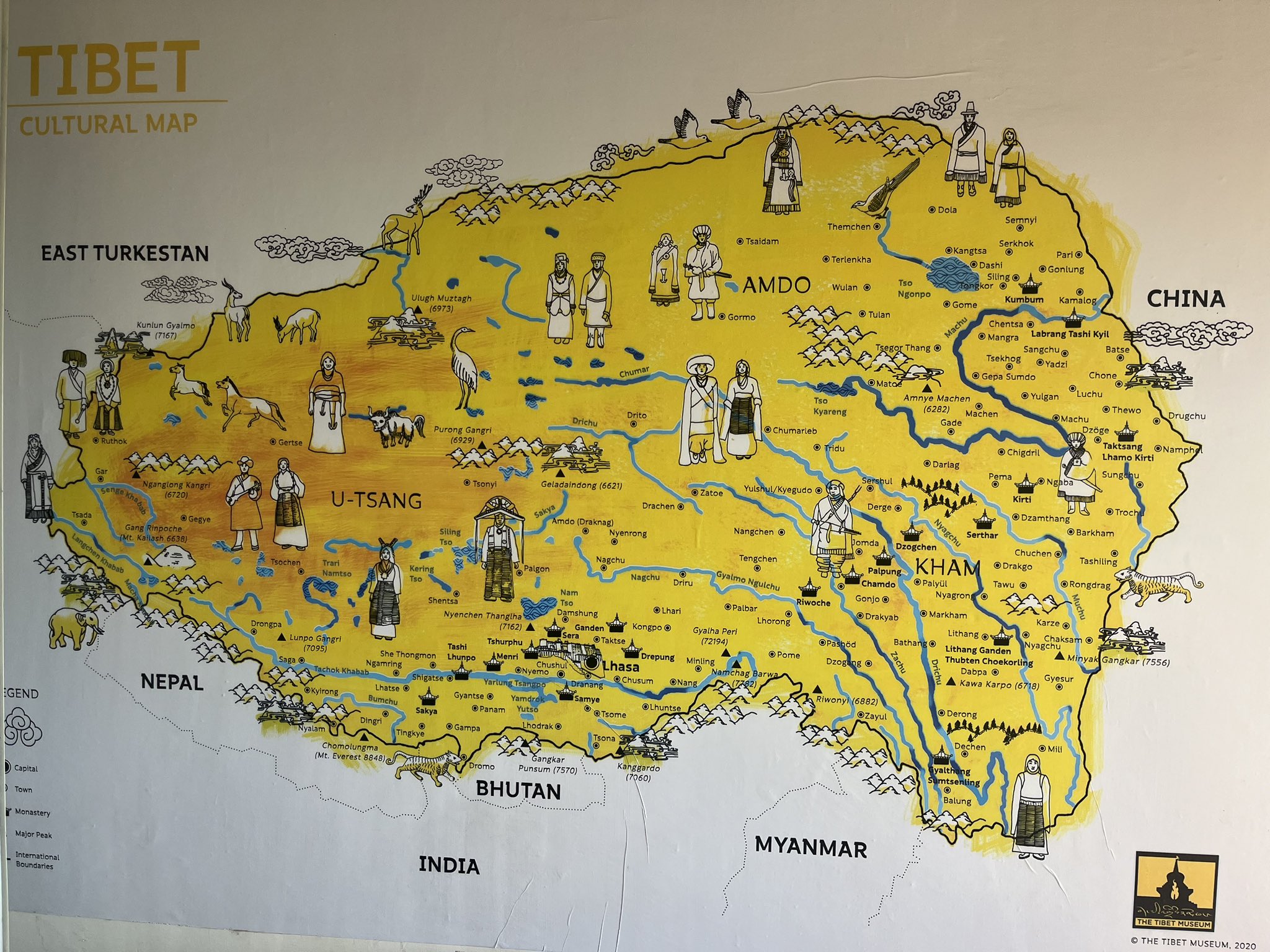


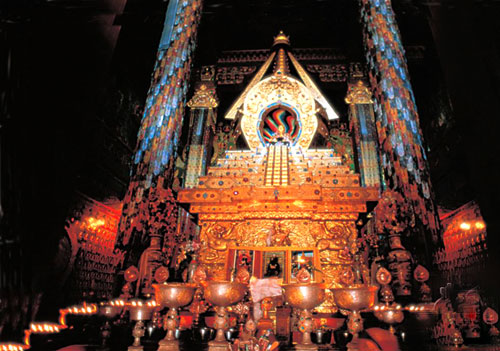


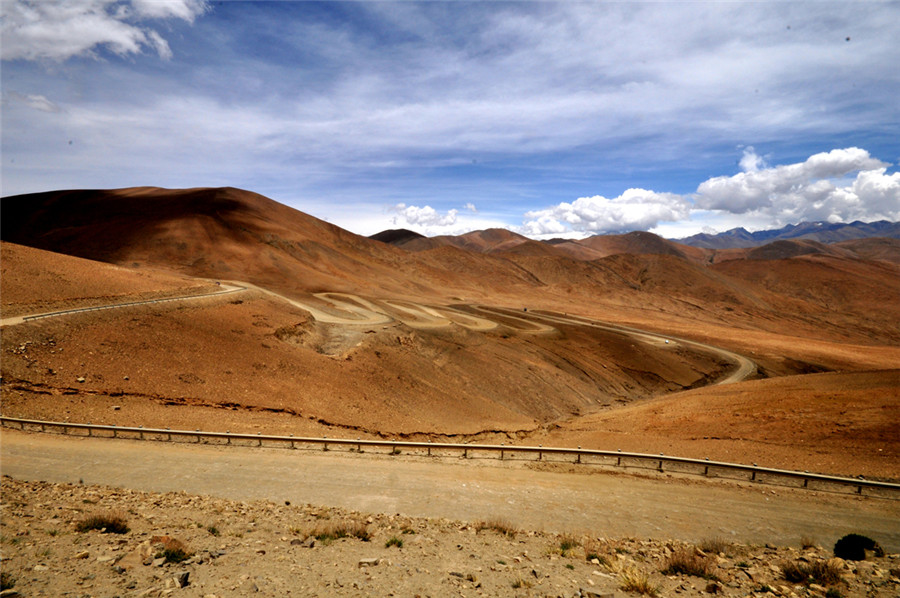
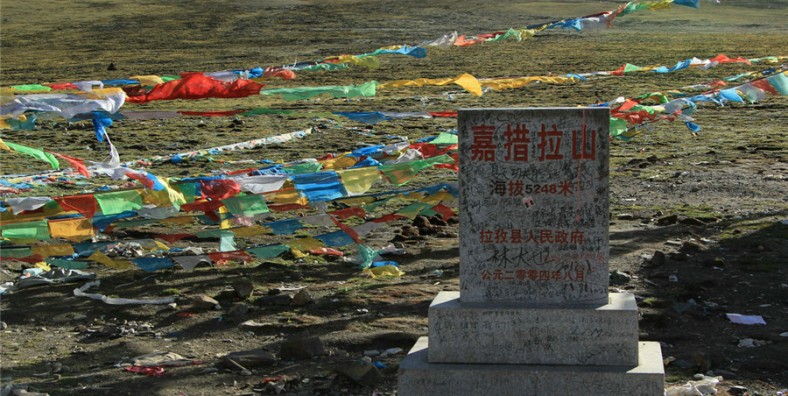


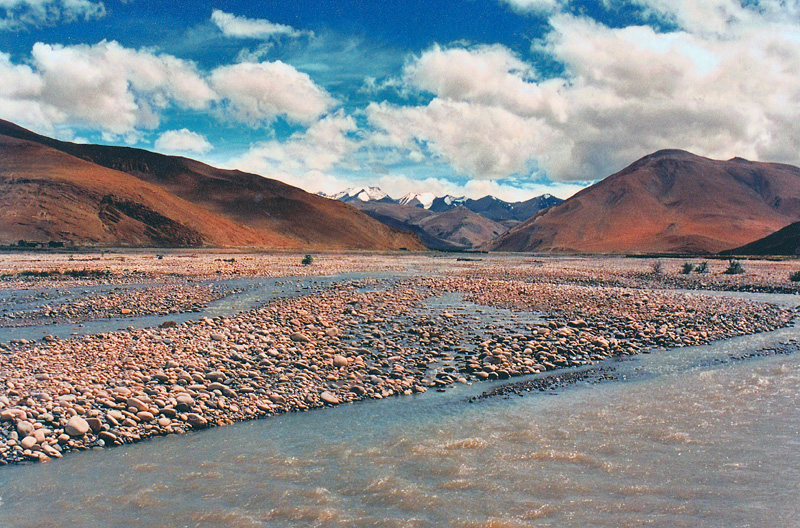


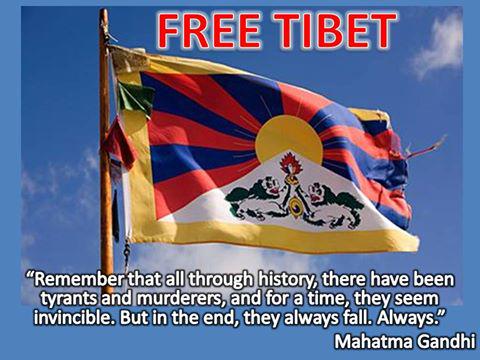

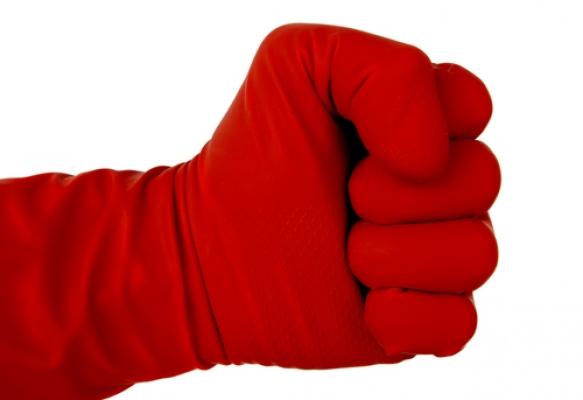
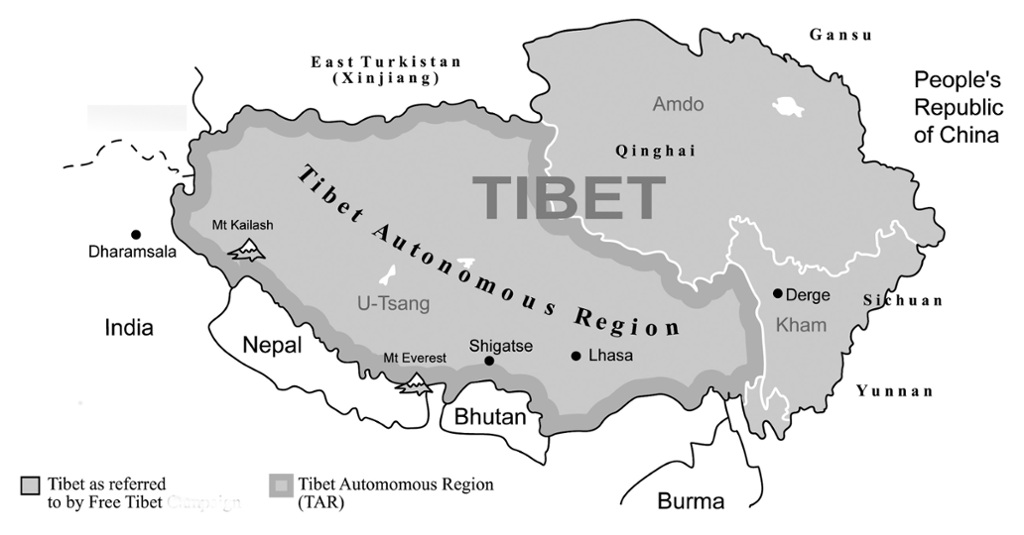


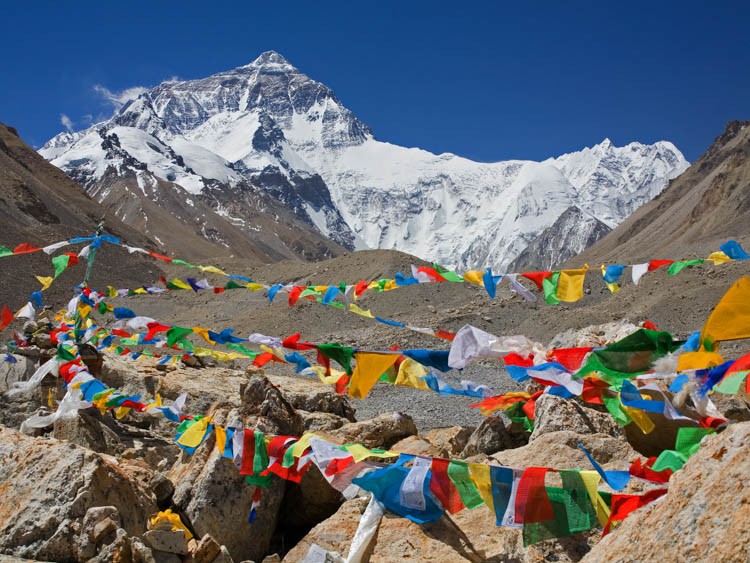


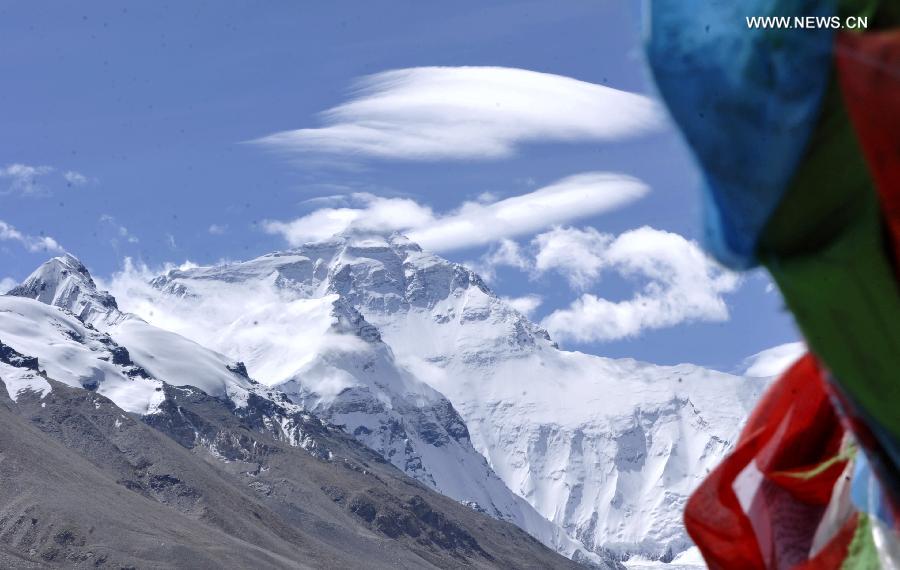
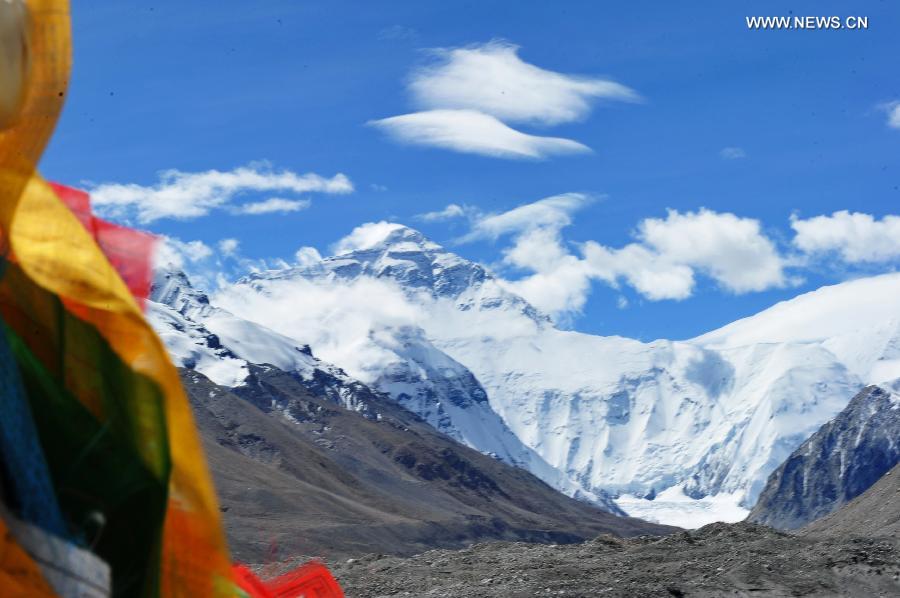


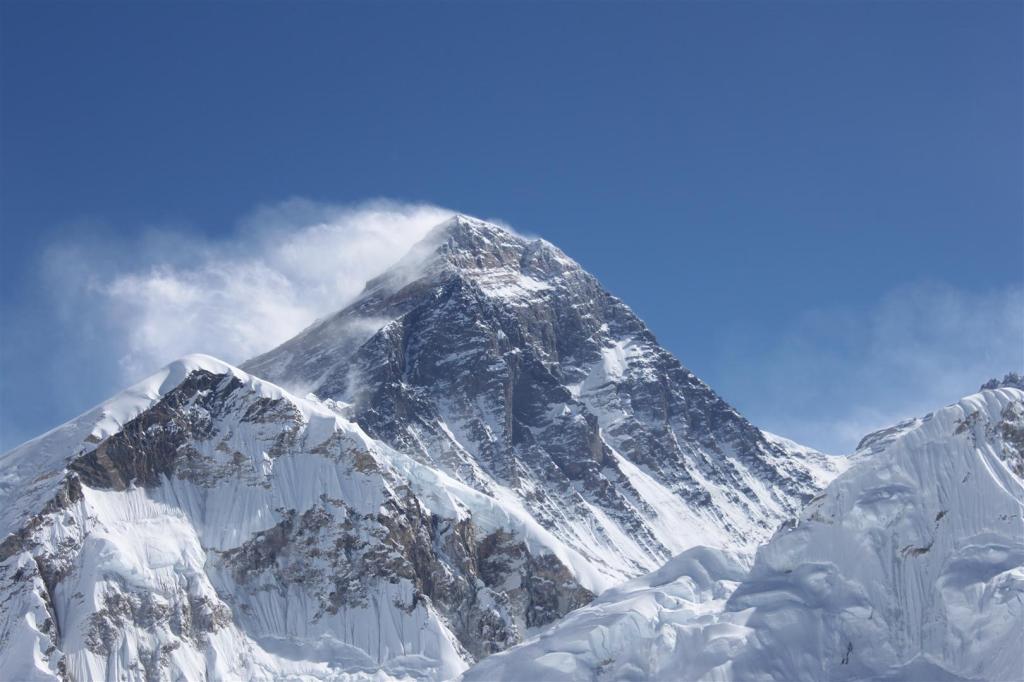


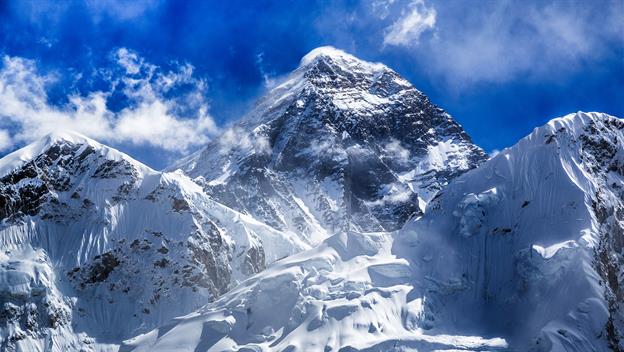


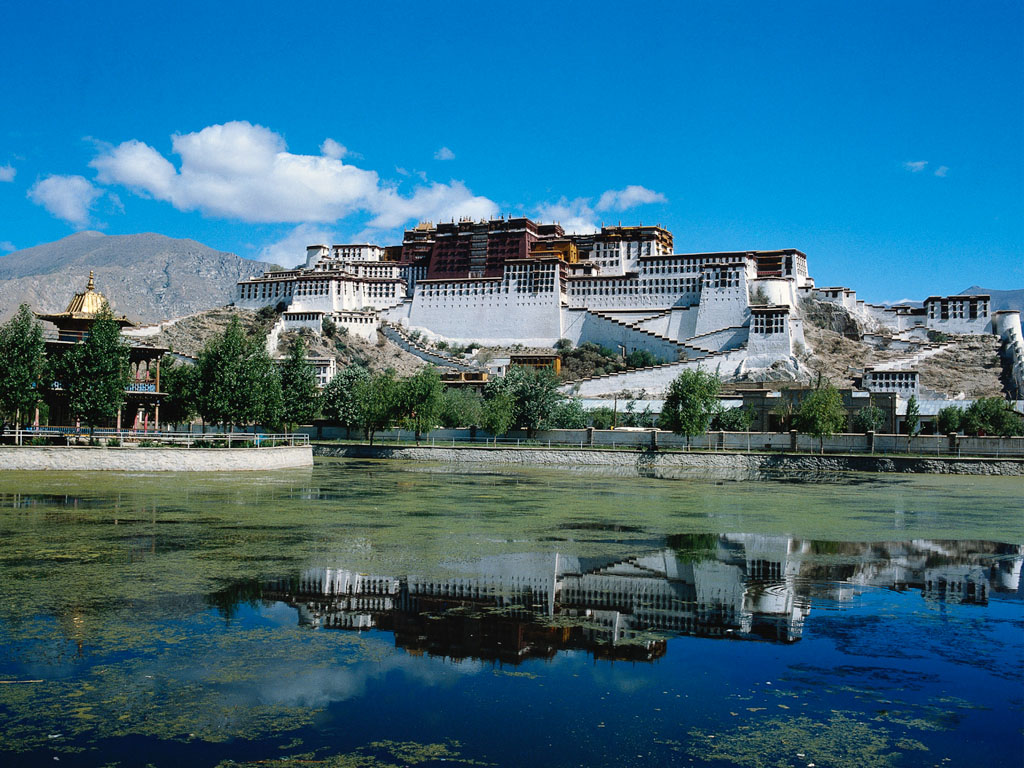


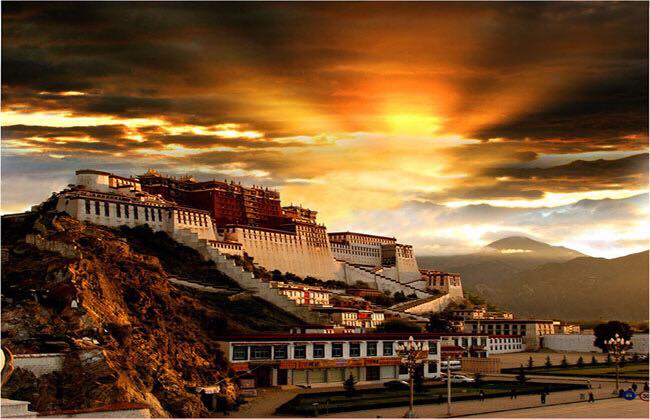


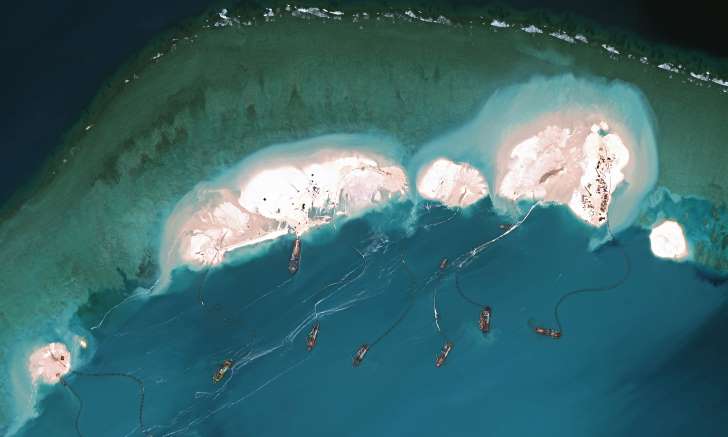
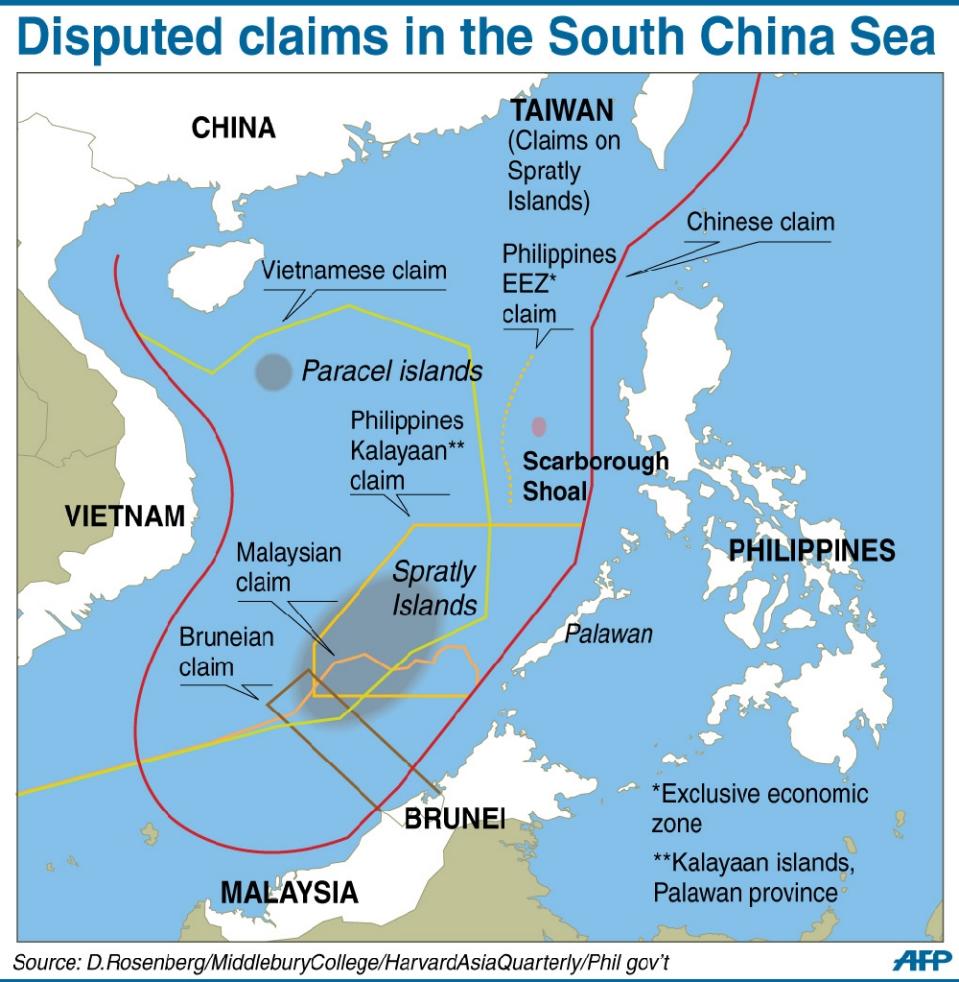
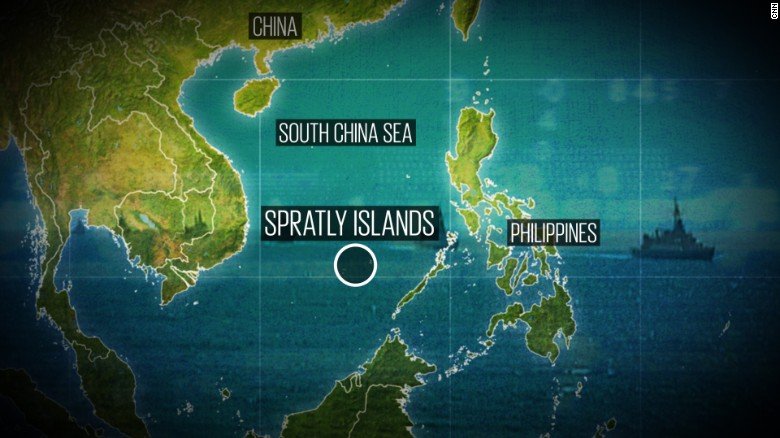

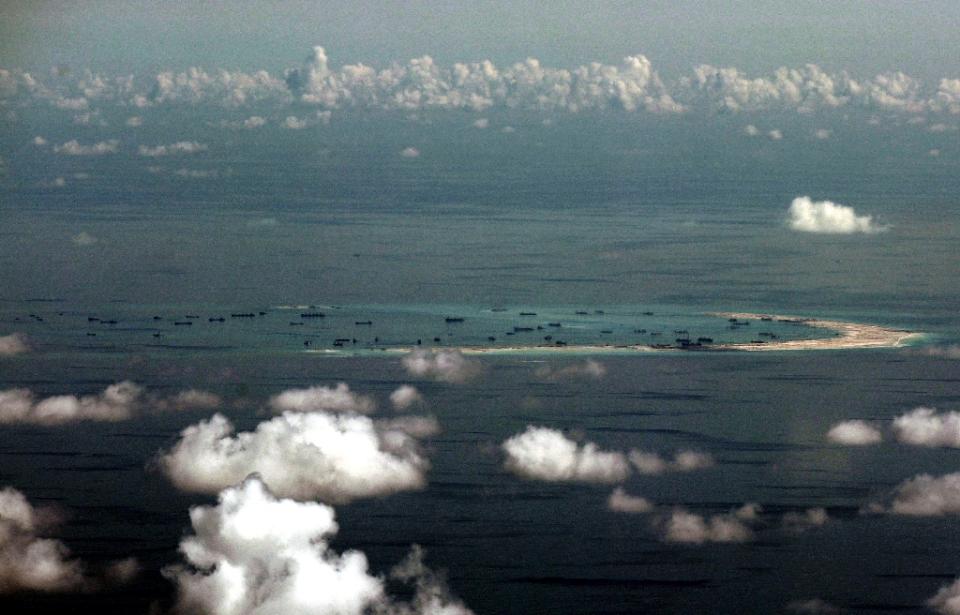
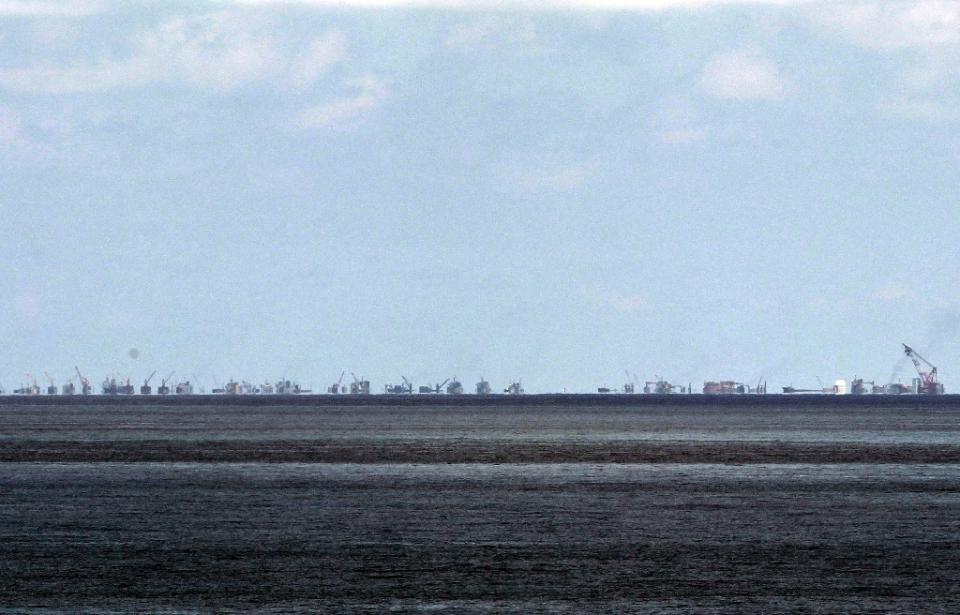

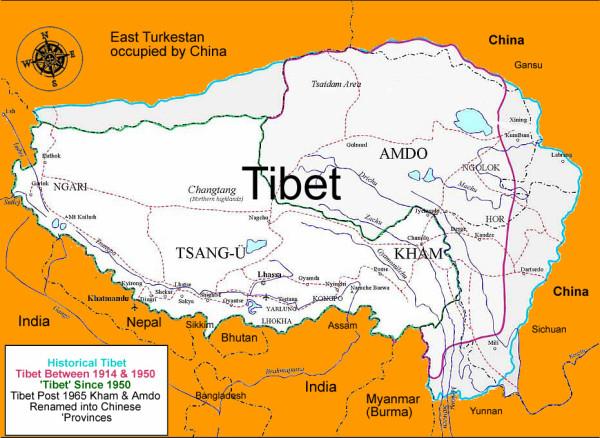
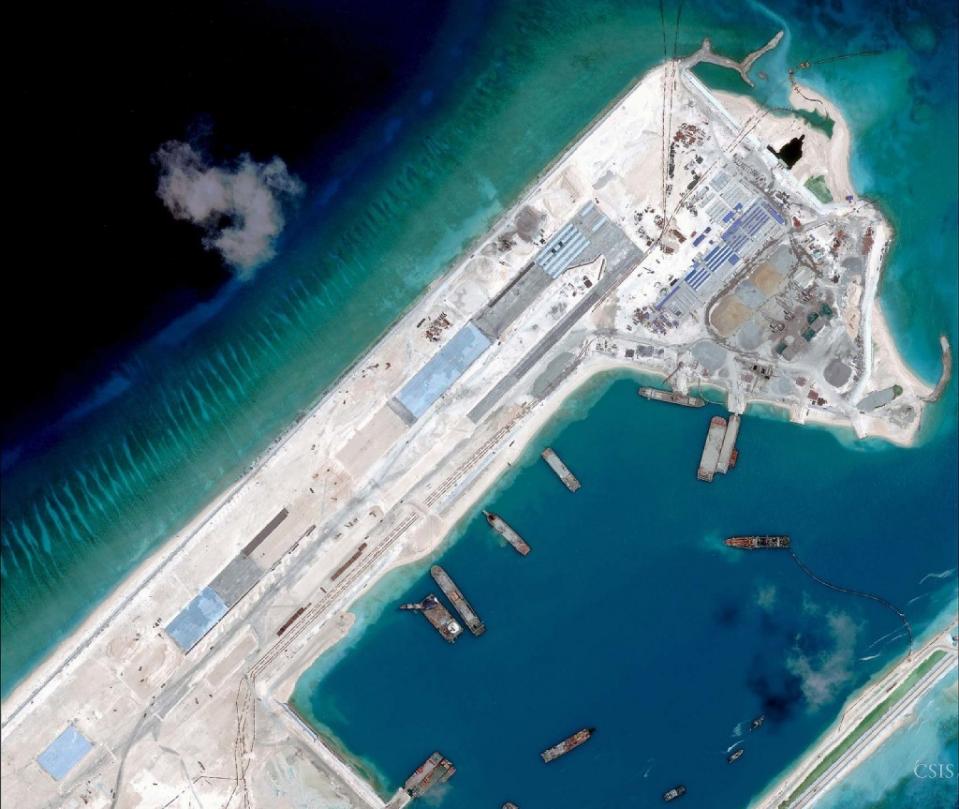
 Whole Dude - Whole Concept