The Story of Tibet relates to The Origin of Man. Mount Kailash in Tibet is associated with The Beginning of the Anatomically Modern Man.
In Indian tradition, the story of Tibet relates to the origin of Anatomically Modern Man, the species described as Homo sapiens, sapiens. Modern Man, a Created Being, first took birth in Tibet. Modern Man’s origin or the beginning can not be traced from other species of Hominin Family which lived in Africa and Europe.
The Story of Tibet relates to the Origin of Man. In Indian tradition, Lord Shiva and Goddess Parvati symbolize the Father and the Mother Principle accounting for the existence of man in this world.
The Story of Tibet relates to the Origin of Man. Mount Kailash in Tibet is associated with the Beginning of the Anatomically Modern Man.
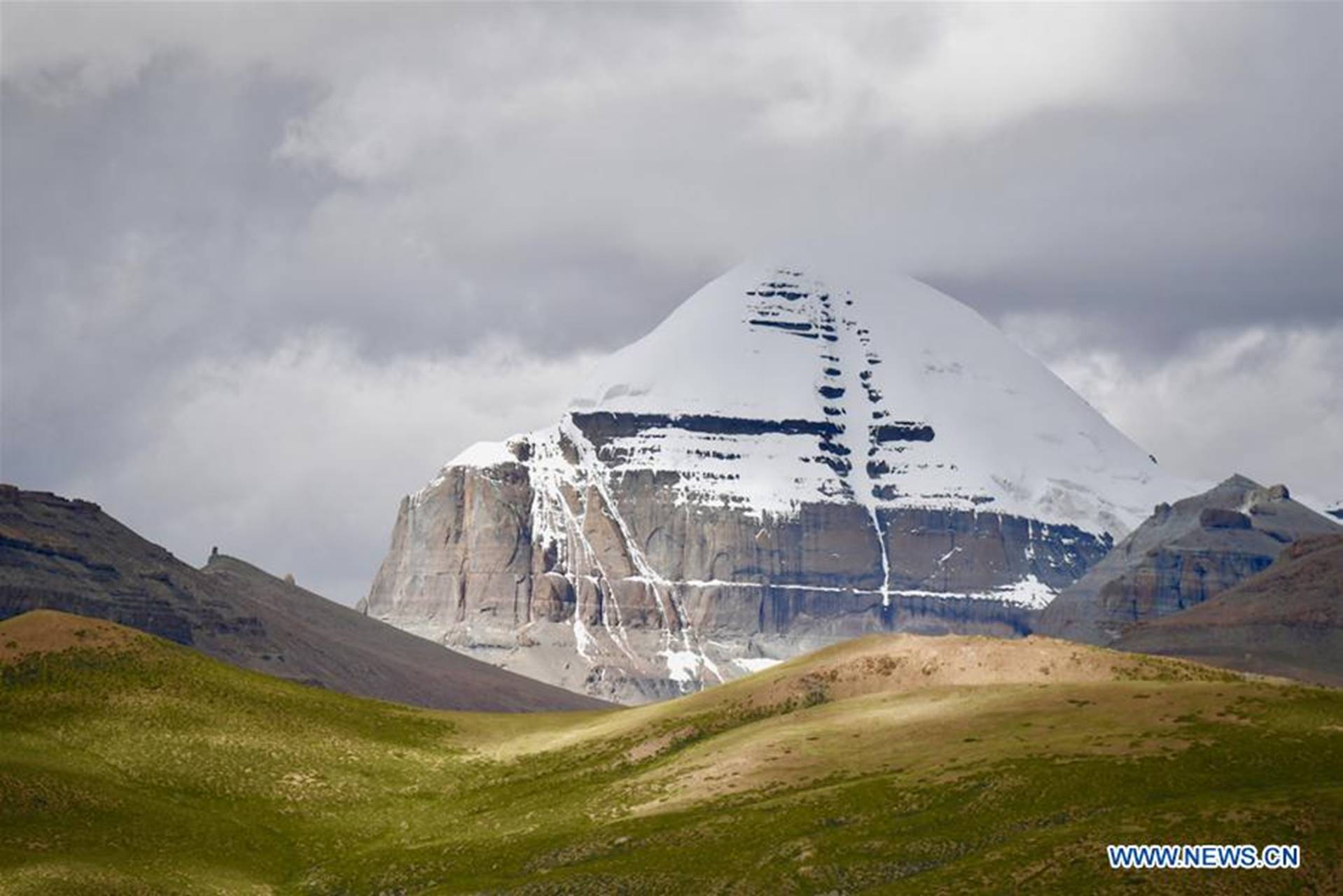
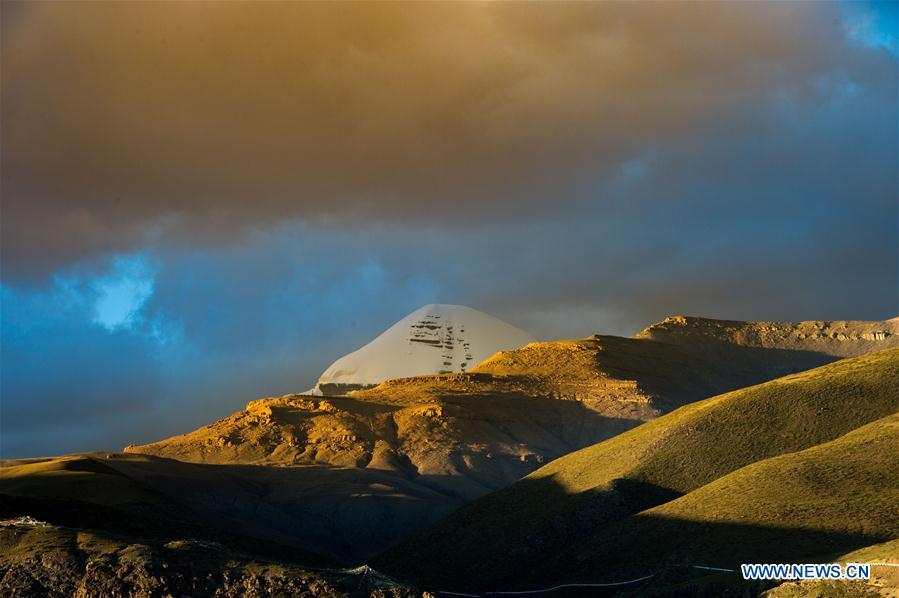
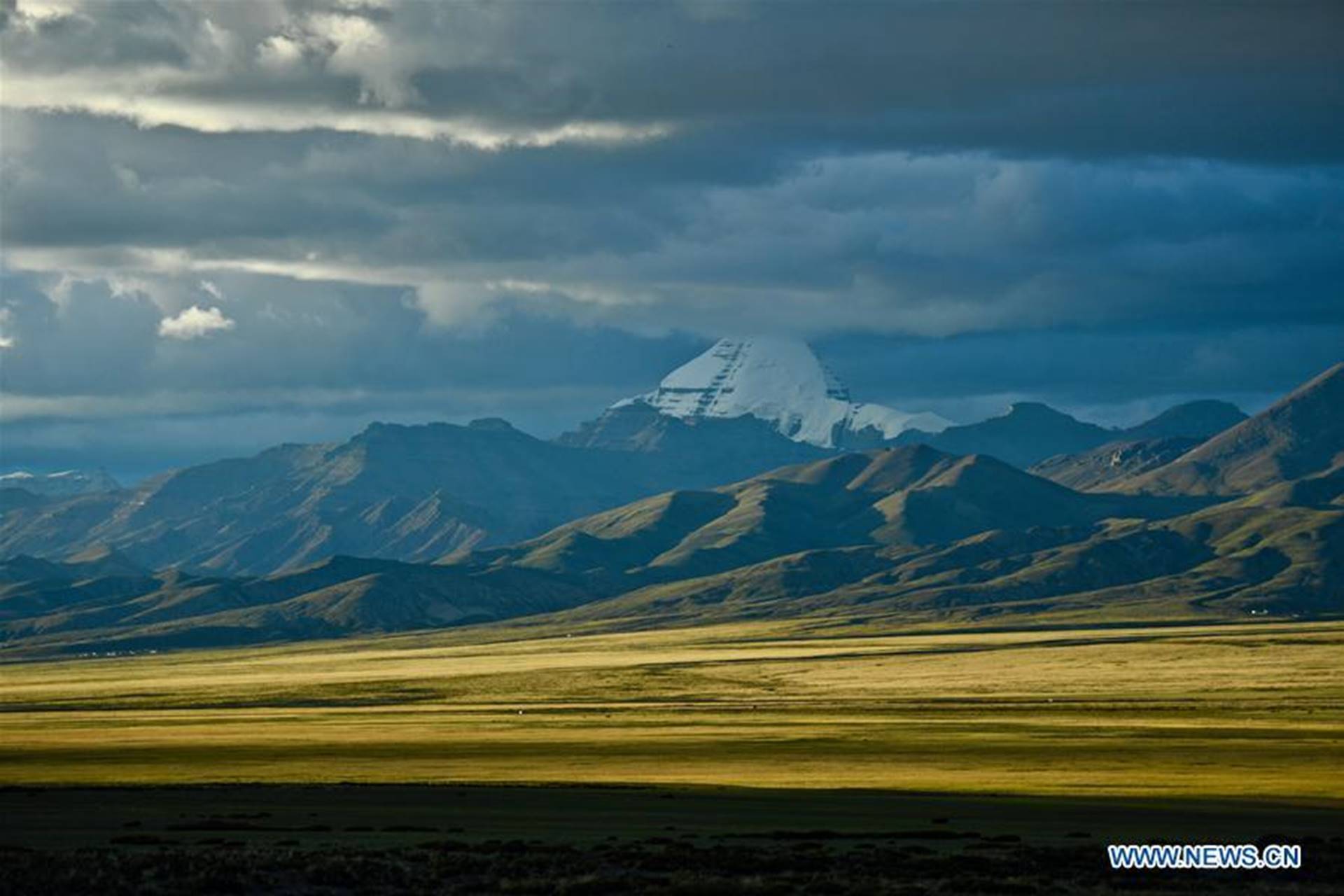
Photo taken on Sept. 9, 2018 shows a view of 6,656-meter-high Mount Kailash, Mount Gang Rinpoche, Mount Kangrinboqe, main peak of the Kailash Range (Gangdise Range), in Pulan County of Ali Prefecture, southwest Tibet. (Xinhua/Purbu Zhaxi)
The Story of Tibet relates to the Origin of Man. Mount Kailash in Tibet is associated with The Beginning of the Anatomically Modern Man.The Story of Tibet relates to The Origin of Man. Mount Kailash is associated with The Beginning of the Anatomically Modern Man.The Story of Tibet relates to The Origin of Man. Mount Kailash in Tibet is associated with The Beginning of Man.The Story of Tibet relates to The Origin of Man. Mount Kailash in Tibet is associated with The Beginning of Man.The Story of Tibet relates to The Origin of Man. Mount Kailash in Tibet is associated with The Beginning of Anatomically Modern Man.The Story of Tibet relates to The Origin of Man. Mount Kailash in Tibet is associated with The Beginning of the Anatomically Modern Man. Image: Frank Hackeschmidt
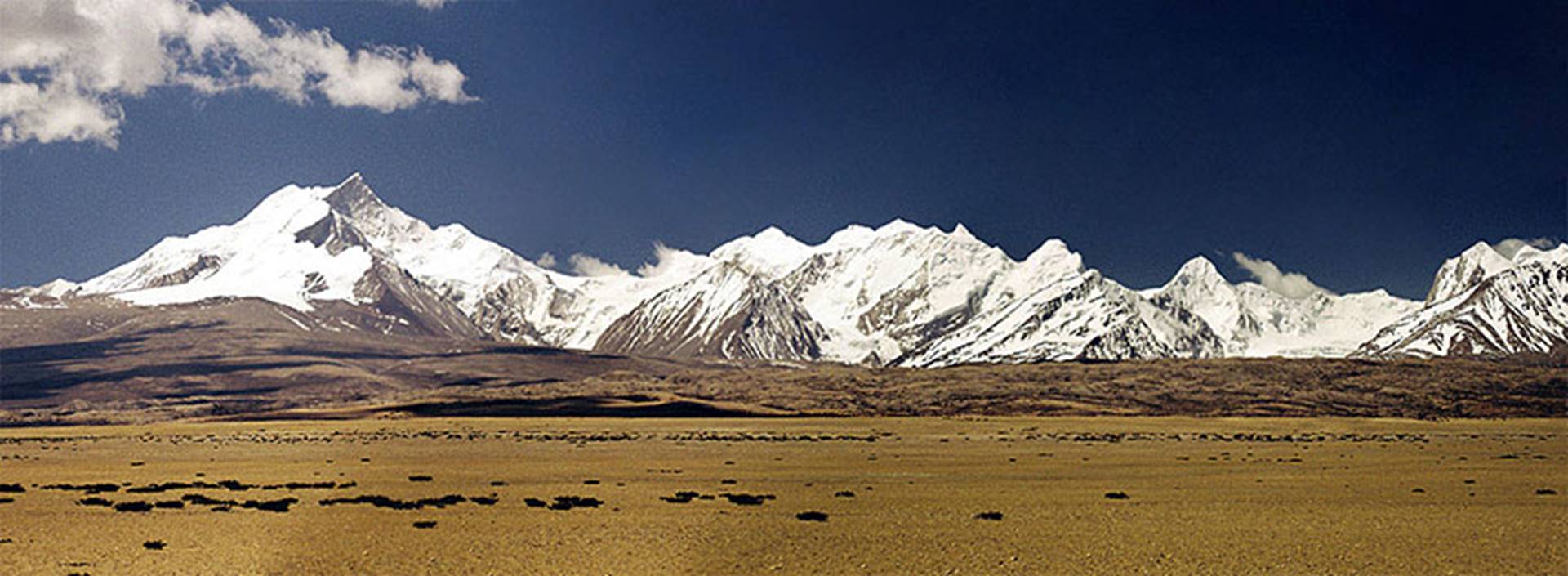
Mountain chain in the Kailash region in Tibet, China – Image: Frank Hackeschmidt
About Mount Kailash
Satellite view is showing Mount Kailash (officially: Kangrinboqe; Tibetan: Gang Rinpoche; Chinese: 冈仁波齐峰, Gang Ren Bo Qi Feng, named on the map: Kangrinboqe Peak), a peak in the Gangdise Trans-Himalayas mountain range (also known as the Kailas Range) in Tibet (China).
Gang Rinpoche means “precious jewel of snows”, the mountain peak is a sacred place in four religions—Hinduism, Buddhism, Jainism, a religion originated in India and Bön faith, a traditional belief in Tibet. This might be the reason that the mountain has never been climbed.
Mount Kailash is located just north of Lake Rakshastal (zoom out to see La’nga Co; on the left) and Lake Manasarovar (Mapam Yumco), one of the holiest lakes in various religions, the lake attracts pilgrims from Tibet, India and many other countries.
Mount Kailash is the headwaters of some of the most important and longest rivers in Asia, the Indus and the Brahmaputra.
SEPTEMBER 08, 2018 – INTERNATIONAL LITERACY DAY TRIBUTE TO THE GREAT MASTERS OF NALANDA
September 08, 2018. International Literacy Day Tribute to the Great Masters of Nalanda.
On Saturday, September 08, 2018, International Literacy Day, I pay my tribute to the Seventeen Great Masters of Nalanda Buddhist Monastery. I invite my readers to know about these great teachers and their contributions to the Literacy Traditions of Humanity.
September 08, 2018. International Literacy Day Tribute to the Great Masters of Nalanda.
International Literacy Day is a holiday which is celebrated annually on September 8th. The purpose of this day is to raise the world’s awareness of literacy issues that are faced by people all over the world and to endorse campaigns that help increase literacy for all people. It was originally established by UNESCO – the United Nations Educational, Scientific & Cultural Organization – in 1965.
To combat worldwide issues of illiteracy, UNESCO proclaimed September 8th as International Literacy Day in 1965. The purpose of this observational day was not only to combat illiteracy but also to promote literacy as a tool that could empower individuals as well as whole communities. It is from these humble beginnings that International Literacy Day has bloomed into a tool that could help millions of people around the globe.
As of 2016, about 775 million adults lack even the most basic, minimum literacy skills all over the world. This means that about 1 in 5 adults in the world – or about 20 % of all people – are not literate. Of that 20%, about 66% of those are women. About 75 million of the world’s children are not in school or have dropped out before they have finished. However, thanks to the efforts of UNESCO & World Literacy Day, more and more people are becoming literate and about 4 billion people are currently literate, as of now.
International Literacy Day Customs & Traditions
Every year, UNESCO issues a theme for the celebration of International Literacy Day. For instance, in 2011, the theme was “Literacy & Peace,” in 2013, the theme was “Literacy for the 21st Century” and in 2015, the theme was “Literacy and Sustainable Societies.”
UNESCO and its partners use these themes to highlight the programs which it and its partners use to tackle various parts of the literacy issues in the world. As a result of some of these programs, attention is often raised in the media about literacy issues. Especially on the Internet where the hashtag #literacyday has been trending for the last few years.
International Mother Language Day
International Mother Language Day is an annual worldwide observance that falls on February 21st. This day not only celebrates language diversity all over the world but also remembers the killing of four students on February 21, 1952. These students were killed because they campaigned to officially use their mother language in Bangladesh.
History of International Mother Language Day
International Mother Language Day was originally a social movement that started to defend a person’s right to speak and write in one’s mother language. February 21st was picked as the date because that is when students who were attending the University of Dhaka, Jagannath University and Dhaka Medical College were murdered by police while they were demonstrating for the right to speak in their mother tongue – Bengali. This started a social movement that began to snowball over the next few decades.
Eventually, this social movement was picked up by a Bengali named Rafiqul Islam that was living in Vancouver, British Columbia in Canada. He decided to send a letter to the United Nation to ask for a day to be established that would preserve and protect the languages of the world. In his letter, he stated that February 21st should be the day on which it is celebrated in honor of the killings in Dhaka. This would eventually lead to the proposal of resolution A/RES/61/266.
Finally, in 1999, the United Nations General Assembly passed resolution A/RES/61/266. This resolution set February 21st as International Mother Language Day and called on all member states to promote this observational holiday as a way to promote the preservation and protection of all languages used by people all over the world.
International Mother Language Day Customs & Traditions
Officially, UNESCO and many of its partners promote a number of linguistic and cultural diversity events on International Mother Language Day. Many universities all over the world will host a mother language day and some governments will issue a proclamation on this day. In Bangladesh, people lay flowers at the martyr’s monument known as Shaheed Minar. Also, there are various awards and prizes for the literacy competitions that promote multiculturalism and multilingualism are held on this day.
DALAI LAMA LAUDS NALANDA PRIESTS FOR LOGICAL BUDDHIST TEACHINGS
September 08, 2018. International Literacy Day Tribute to the Great Masters of Nalanda.
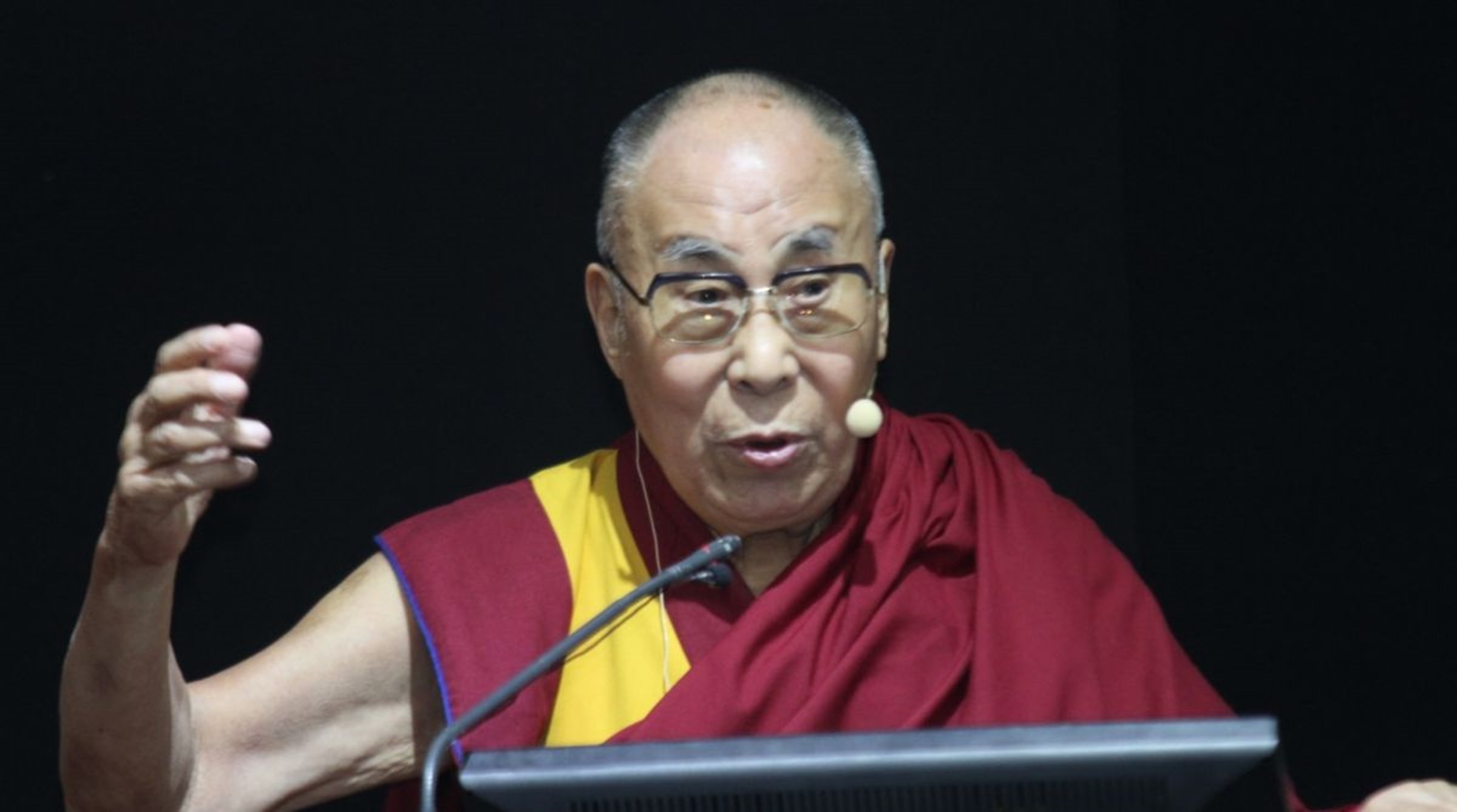
Tibetan spiritual leader, the Dalai Lama.(Photo: IANS)
Tibetan spiritual leader Dalai Lama on Monday praised the seventeen pandits (priests) of Nalanda for their logical way of teaching Buddhism and said he himself is one of their biggest admirers.
“The only complete and detailed explanation of the ancient Nalanda teaching has persevered in the Tibetan language which is the reason that the Chinese people who are interested in learning Buddhism, are learning the Tibetan language,” he said.
He said the ancestors of Tibetan people had well preserved this knowledge for thousands of years, which enabled Tibetans to expertise in promoting the knowledge in the Tibetan language.
“It is the duty of Tibetan people to continue the practical teachings of those ancestors while at the same time take pride in possessing such vast and profound knowledge passed by them,” he said.
He said he respects all kinds of religious beliefs which only teach love and compassion as the ultimate source of human happiness.
He cited an example of how humans are born out of love and how they survive on love. He emphasised that the masters of Nalanda encourage its followers to approach their teaching with logic and reason rather than following it blindly. Thus, people should experiment and research on the teachings of those masters in light of reason, he added.
He urged the Tibetan people to preserve the rich Tibetan language as it has the potential to serve all the sentient beings on earth. He assured the people that he would live for hundred years to serve humanity and especially to lead the cause of Tibet under his guidance.
TIBET AWARENESS – THE GREAT MASTERS OF NALANDA
I am pleased to share an article titled ‘The Seventeen Pandits of Nalanda Monastery’ by Professor James Blumenthal Ph.D. who gives a brief account of Nalanda University and its great influence upon Tibetan Buddhism. I pay my respectful tribute to Professor Blumenthal who passed away on October 09, 2015. May LORD GOD bless his soul.
Rudranarasimham Rebbapragada
Ann Arbor, MI 48104-4162, USA
THE GREAT MASTERS OF NALANDA – CENTER OF BUDDHIST LEARNING IN ANCIENT INDIA:
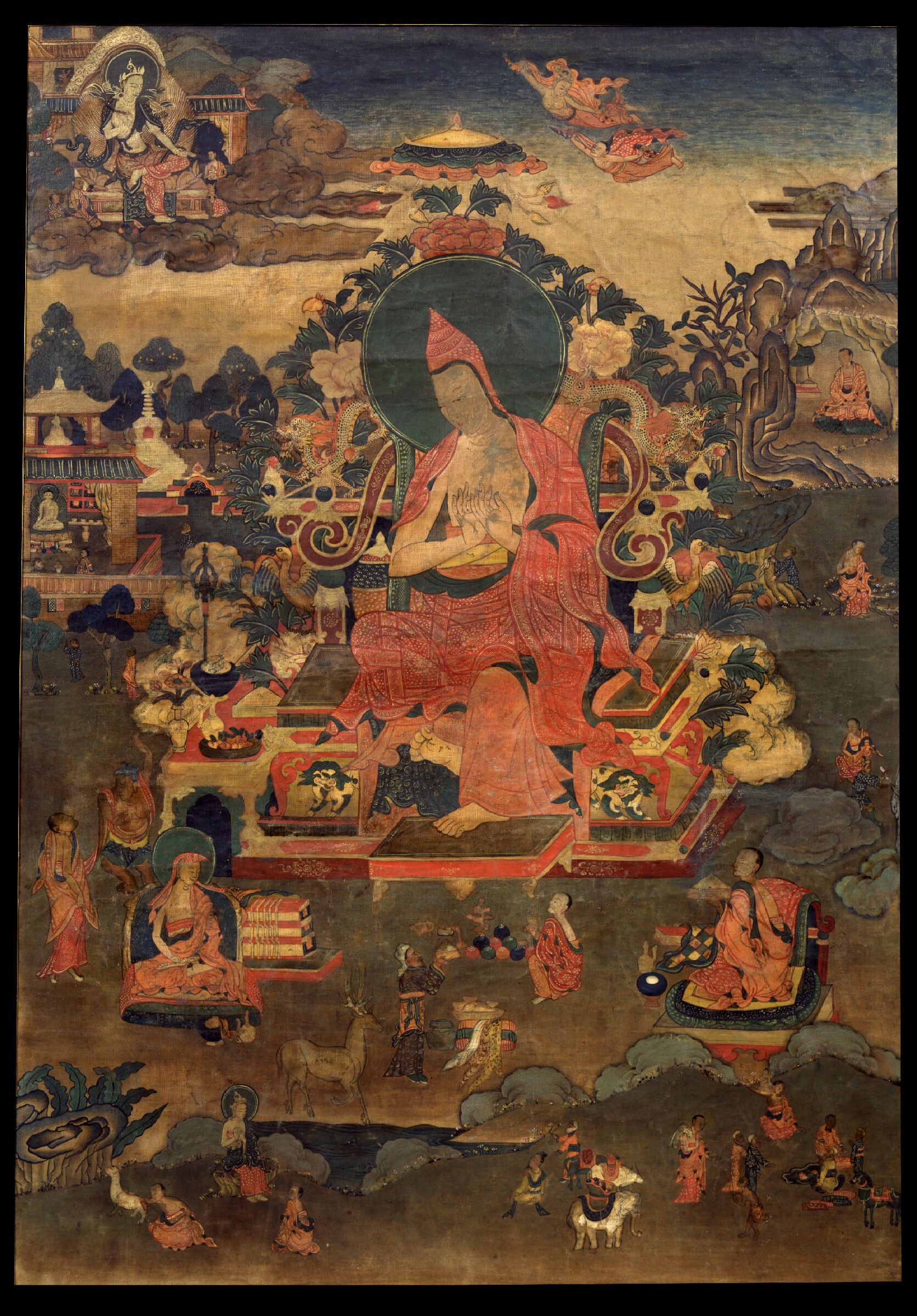
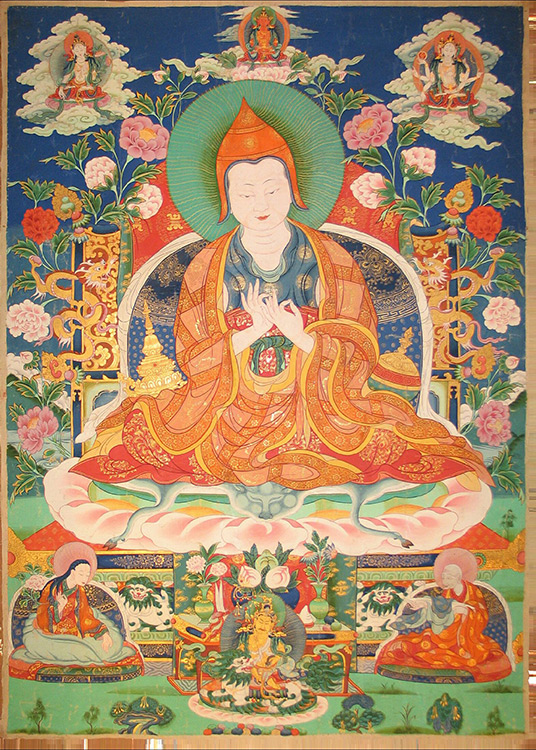
September 08, 2018. International Literacy Day Tribute to the Great Masters of Nalanda.September 08, 2018. International Literacy Day Tribute to the Great Masters of Nalanda. Acharya Nagarjuna.
TIBET AWARENESS – THE GREAT MASTERS OF NALANDA. ACHARYA NAGARJUNA.
September 08, 2018. International Literacy Day Tribute to the Great Masters of Nalanda. ACHARYA NAGARJUNA.
TIBET AWARENESS – THE GREAT MASTERS OF NALANDA. ACHARYA NAGARJUNA.
September 08, 2018. International Literacy Day Tribute to the Great Masters of Nalanda. ARYADEVA.
TIBET AWARENESS – THE GREAT MASTERS OF NALANDA. ARYADEVA.
September 08, 2018. International Literacy Day Tribute to the Great Masters of Nalanda. ASANGA.
TIBET AWARENESS – THE GREAT MASTERS OF NALANDA. ASANGA.
September 08, 2018. International Literacy Day Tribute to the Great Masters of Nalanda. VASUBANDHU.
TIBET AWARENESS – THE GREAT MASTERS OF NALANDA. VASUBANDHU.
September 08, 2018. International Literacy Day Tribute to the Great Masters of Nalanda. Dignaga.
TIBET AWARENESS – THE GREAT MASTERS OF NALANDA. DIGNAGA.
September 08, 2018. International Literacy Day Tribute to the Great Masters of Nalanda. Dharmakirti.
TIBET AWARENESS – THE GREAT MASTERS OF NALANDA – DHARMAKIRTI.
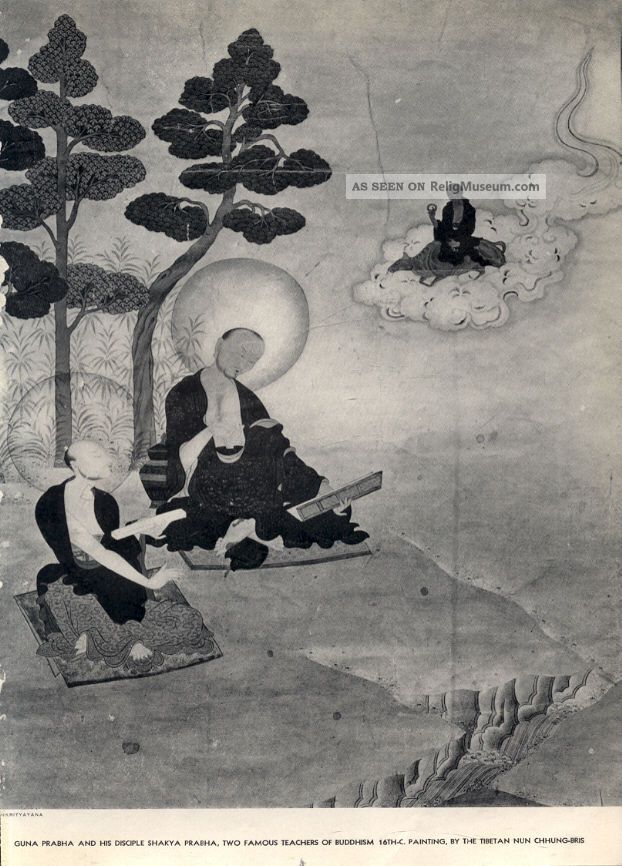
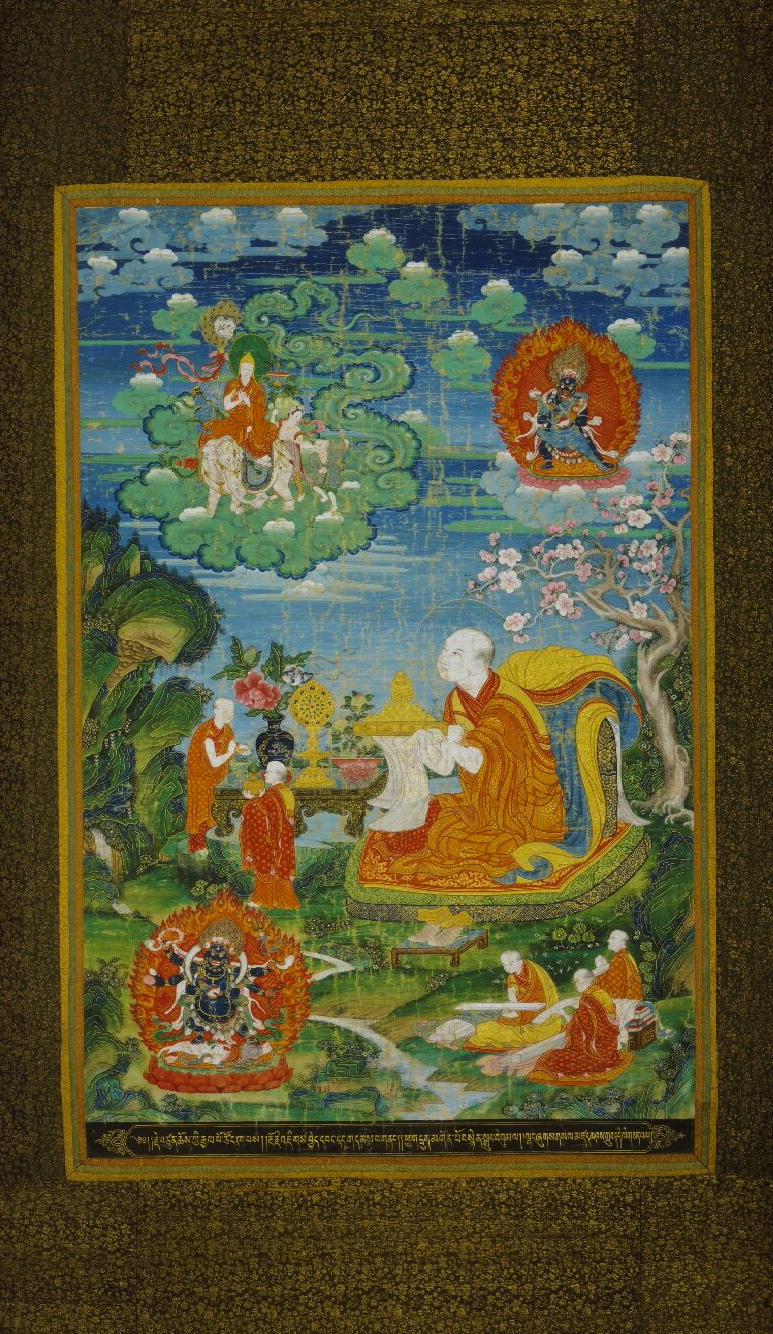
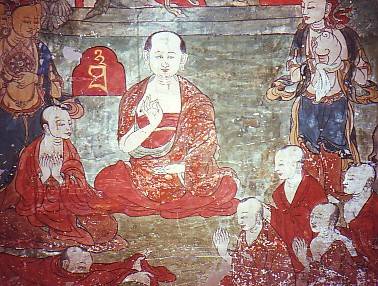
September 08, 2018. International Literacy Day Tribute to the Great Masters of Nalanda. Guna Prabha and Shakya Prabha.
TIBET AWARENESS – THE GREAT MASTERS OF NALANDA. GUNA PRABHA AND HIS DISCIPLE SHAKYA PRABHA.
September 08, 2018. International Literacy Day Tribute to the Great Masters of Nalanda. Buddhapalita.
TIBET AWARENESS – THE GREAT MASTERS OF NALANDA. BUDDHAPALITA.
September 08, 2018. International Literacy Day Tribute to the Great Masters of Nalanda. Bhavaviveka.
TIBET AWARENESS – THE GREAT TEACHERS OF NALANDA. BHAVAVIVEKA.
September 08, 2018. International Literacy Day Tribute to the Great Masters of Nalanda. Bhavaviveka.
TIBET AWARENESS – THE GREAT MASTERS OF NALANDA. ACHARYA BHAVAVIVEKA.
September 08, 2018. International Literacy Day Tribute to the Great Masters of Nalanda. Chandrakirti.
TIBET AWARENESS – THE GREAT MASTERS OF NALANDA. CHANDRAKIRTI.
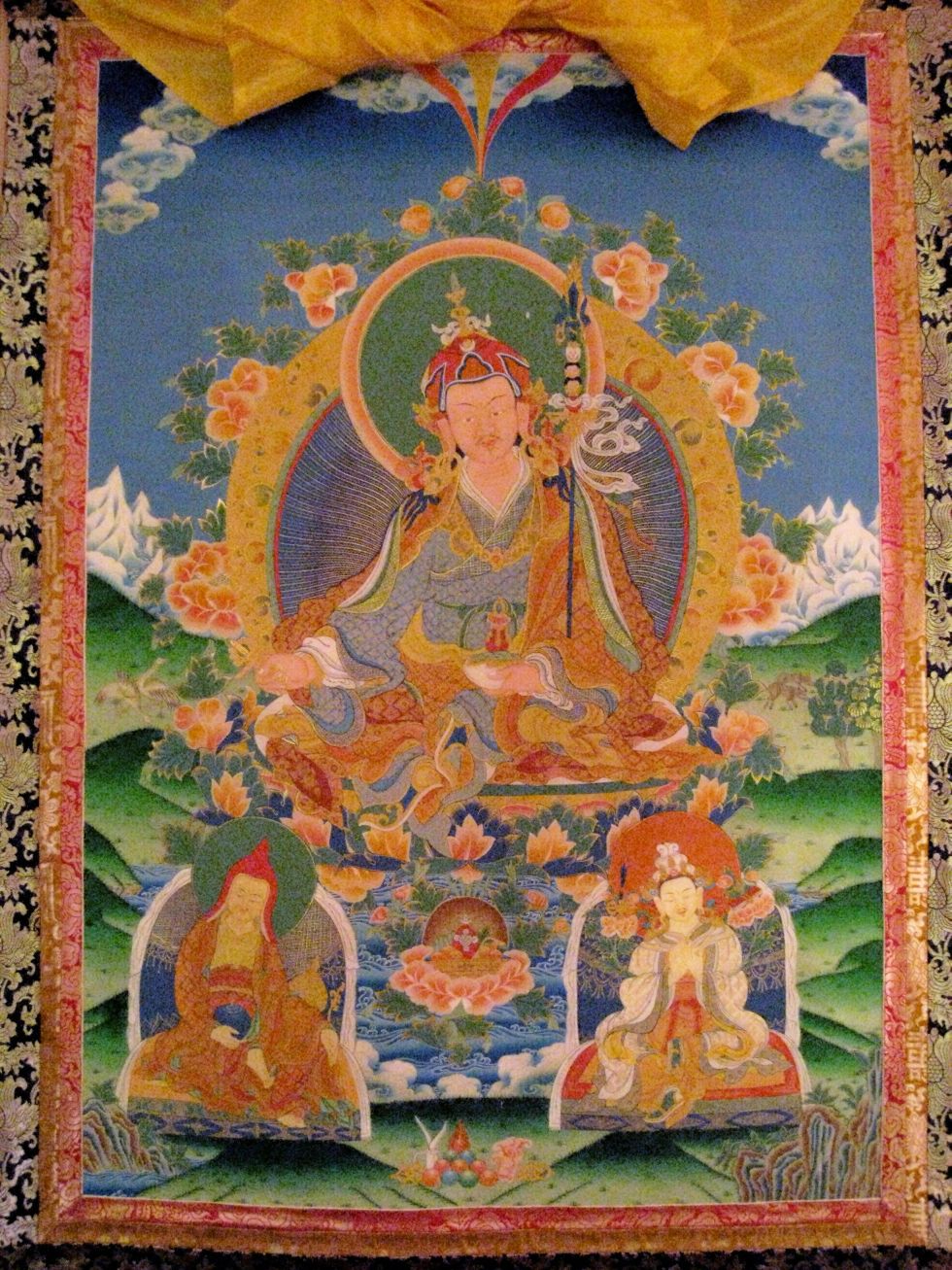
September 08, 2018. International Literacy Day Tribute to the Great Masters of Nalanda. Padmasambhava, Shantarakshita.
TIBET AWARENESS – THE GREAT MASTERS OF NALANDA. SHANTARAKSHITA.
September 08, 2018. International Literacy Day Tribute to the Great Masters of Nalanda. Shantarakshita.
TIBET AWARENESS – THE GREAT MASTERS OF NALANDA. SHANTARAKSHITA.
September 08, 2018. International Literacy Day Tribute to the Great Masters of Nalanda. Kamalashila, Bhavanakrama.
TIBET AWARENESS – THE GREAT MASTERS OF NALANDA. KAMALASHILA.
September 08, 2018. International Literacy Day Tribute to the Great Masters of Nalanda. Kamalashila, Bhavanakrama.
TIBET AWARENESS – THE GREAT MASTERS OF NALANDA. KAMALASHILA. BHAVANAKRAMA – THREE STAGES OF MEDITATION.
September 08, 2018. International Literacy Day Tribute to the Great Masters of Nalanda. Haribhadra.
TIBET AWARENESS – THE GREAT MASTERS OF NALANDA. HARIBHADRA.
September 08, 2018. International Literacy Day Tribute to the Great Masters of Nalanda. Vimuktisena.
TIBET AWARENESS – THE GREAT MASTERS OF NALANDA. VIMUKTISENA.
September 08, 2018. International Literacy Day Tribute to the Great Masters of Nalanda. Shantideva.
TIBET AWARENESS – THE GREAT MASTERS OF NALANDA. SHANTIDEVA.
September 08, 2018. International Literacy Day Tribute to the Great Masters of Nalanda. Atisha.
TIBET AWARENESS – THE GREAT MASTERS OF NALANDA. ATISHA.
September 08, 2018. International Literacy Day Tribute to the Great Masters of Nalanda. Atisha.
TIBET AWARENESS – THE GREAT TEACHERS OF NALANDA. ATISHA.
THE SEVENTEEN PANDITS OF NALANDA MONASTERY
BY JAMES BLUMENTHAL, INFO-BUDDHISM.COM
Posted on October 8th, 2015
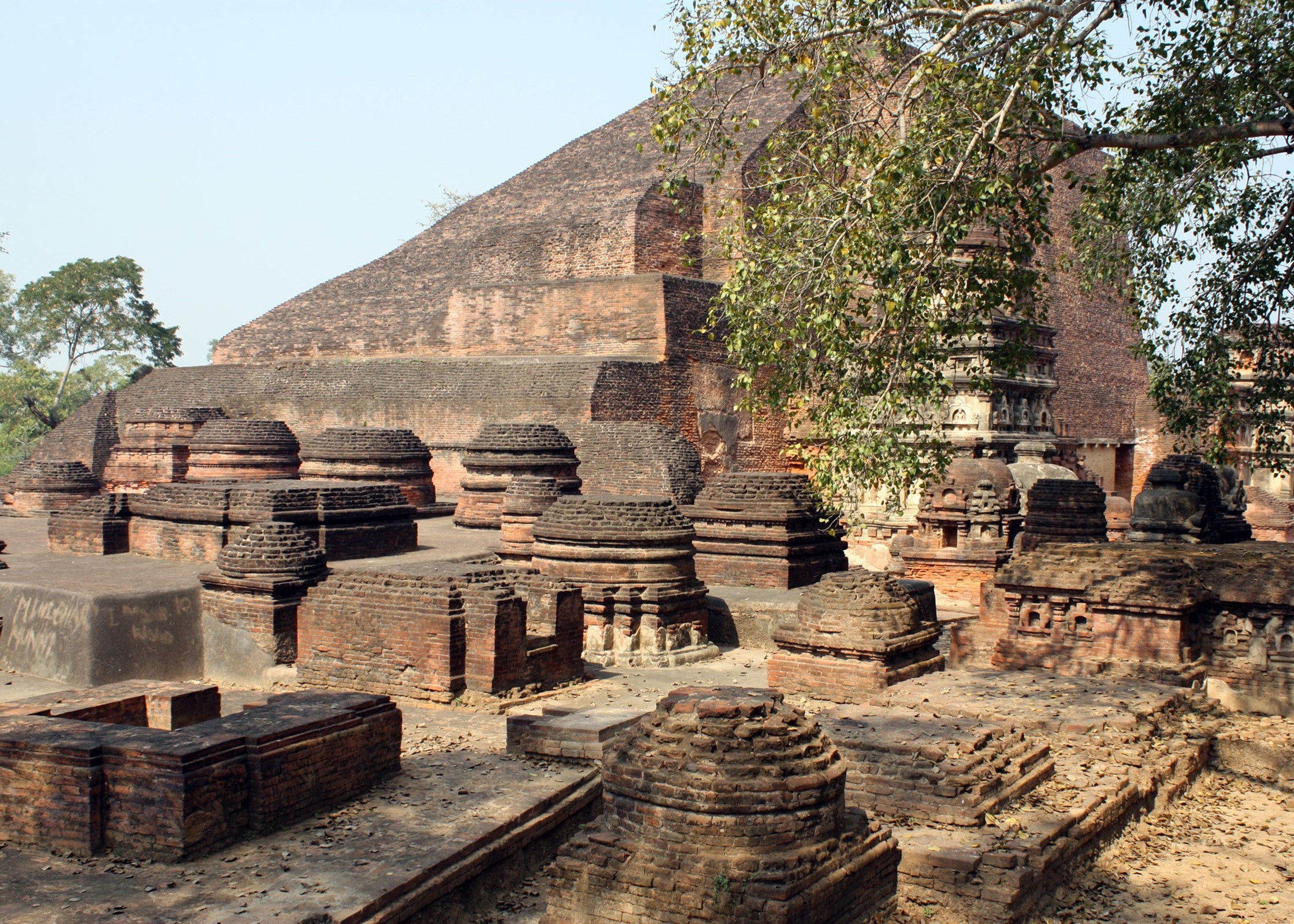
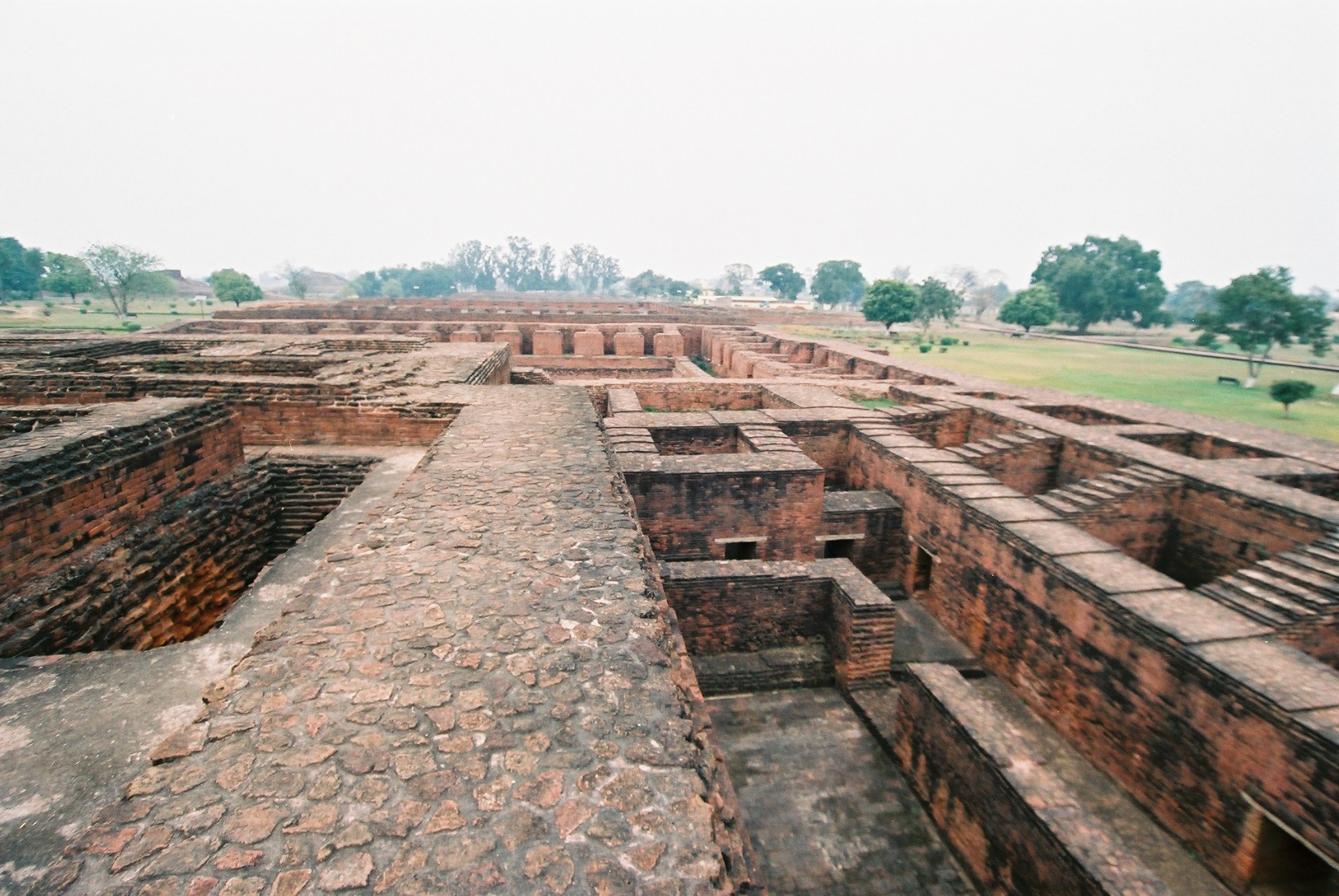
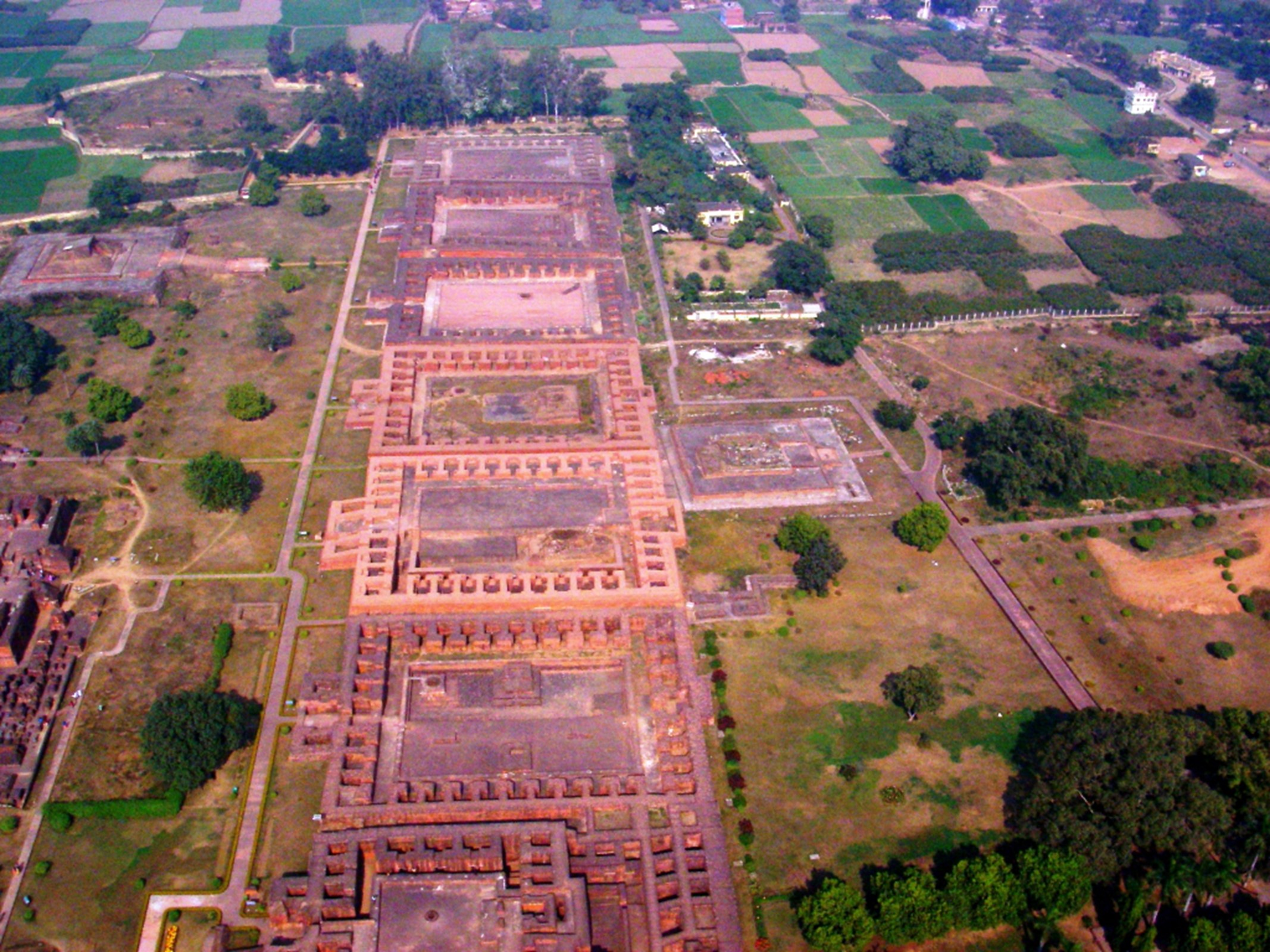
Oregon, USA — Nalanda Monastic University was the greatest center of Buddhist learning in India’s glorious past. With upwards of 30,000 monks and nuns including 2,000 teachers living, studying and practicing there during its heyday, Nalanda was unmatched.
Established during the Gupta Dynasty in the late 5th to early 6th century C.E. under the patronage of the Gupta king Shakraditra, the institution survived for six hundred years, through the Pala Dynasty, until ultimately being destroyed in 1203 by Turkish Muslim invaders. In 1204 the last throne-holder (abbot) of Nalanda, Shakyashribhadra, fled to Tibet. In the intervening centuries, however, many of India’s greatest Buddhist masters trained and taught at Nalanda.
Nalanda’s renown as a center for higher learning spread far. It attracted students from as far away as Greece, Persia, China and Tibet. Although Buddhism was naturally the central focus of study, other subjects including astronomy, medicine (Ayurveda), grammar, metaphysics, logic, philosophy of language, classical Hindu philosophy, non-Indian philosophy and so forth were all regularly studied. Chinese pilgrims who visited Nalanda in the 7th century C.E. give detailed accounts of the physical premises and activities in their travelogues. For example, they describe three nine-story buildings comprising the library that housed millions of titles in hundreds of thousands of volumes on a vast variety of topics!
Much like the large Gelug monasteries of Sera, Drepung and Ganden, living quarters were divided according to regions of the world from which the monks and nuns came. There are clear records of a well-populated Tibet Vihara at Nalanda during the later period. In fact, history reveals that at one point there was a Tibetan gatekeeper at Nalanda. The gatekeepers were traditionally the top scholars/debaters at the institution. Their job was to stand “guard” at the gate and defeat in debate any non-Buddhist who proposed to challenge the scholarship and ideas of the institution. If they could not defeat the gatekeeper in debate, they would not be allowed further into the monastery.
The Seventeen Pandits of Nalanda Monastery refers to a grouping of seventeen of the most important and influential Mahayana Buddhist masters from India’s past. His Holiness the Dalai Lama frequently refers to himself as a follower of the lineage of the seventeen Nalanda masters today. He even wrote an exquisite poem in praise of the seventeen.
So who were they? Historically speaking, this particular grouping of Indian masters seems to have become prominent quite recently and to be based on attributions of lam-rim (stages of the path) lineages in Tibet. A likely predecessor to this grouping is an Indian reference to the Six Ornaments of the Southern Continent (i.e., India) and the Two Excellent Ones. These eight form the core of the seventeen.
The Six Ornaments first include Nagarjuna (c. 2nd century C.E.), the revealer of the Perfection of Wisdom Sutras and the systematizer and founder of the Middle Way (Madhyamaka) school of Buddhist philosophy. The most famous treatise of his six texts of reasoning is The Fundamental Wisdom of the Middle Way, probably the single most analyzed, commented upon and discussed philosophical treatise in Buddhism’s history.
The second of the six ornaments is Aryadeva (c. 3rd century C.E.) who is sometimes referred to as Nagarjuna’s heart disciple and sometimes simply as his first authoritative commentator. Like Nagarjuna, Aryadeva is universally revered as an authoritative voice for all subsequent Middle Way commentators and is most well-known for his treatise The Four Hundred Stanzas.
Aryadeva was born as the son of a Sinhalese king and is considered the co – founder of Mahayana philosophy
In addition to the two Middle Way school masters, included among the six ornaments are the two earliest masters from the Mind-Only school (Yogachara/Chittamatra): Asanga (300–390 C.E.), the founder, and his disciple and half-brother, Vasubandhu (c. 4th century C.E.) one of the system’s earliest and most authoritative commentators. In addition to his own treatises, Asanga is also famous, according to tradition, for retrieving the five Maitreya Buddha texts¹ directly from Maitreya in his pure land, Tushita. With regards to Vasubandhu, before becoming a leading exponent of the Mind-Only school, he wrote a famous treatise from the perspective of the Great Exposition school (Vaibhashika) entitled The Treasure of Knowledge (Abhidharmakosha) which is utilized extensively in Tibetan scholastic studies. Traditionally, seven years is dedicated to the study of this text in the Gelug geshe curriculum.
Two additional Mind-Only school proponents round out the six ornaments: Dignaga (6th century C.E.) and Dharmakirti (600–660 C.E.). The two are most famous as the groundbreakers in Buddhist logic and epistemology. Specifically, they wrote philosophical treatises on the contents and means of accruing valid knowledge. They argued that from the Buddhist perspective there were two sources of valid knowledge: logical inference and direct perception. Much of their writings were detailed elaborations on these topics.
The Two Excellent Ones refers to the two great Vinaya masters: Gunaprabha (c. 9th century C.E.) andShakyaprabha. Gunaprabha was a disciple of Vasubandhu’s and is most famous for his treatise, the Vinaya Sutra. Shakyaprabha was a disciple of Shantarakshita (also among the seventeen) and the other major teacher of vinaya among the seventeen. He is particularly associated Mulasarvastivada-vinaya line which has been followed in Tibet since the time of the early Dharma King, Ralpachen (born c. 806 C.E.). His teacher Shantarakshita began this ordination lineage in Tibet when he ordained the first seven Tibetan monks and founded Samye Monastery.
Beyond the Six Ornaments and Two Excellent Ones, are nine additional Indian Buddhist masters, each of whom profoundly impacted the shapes of Indian and/or Tibetan Buddhism for centuries.
Buddhapalita (470–550 C.E.) was one of the great commentators on Nagarjuna’s Madhyamaka thought. He is the earliest Indian Madhyamaka specifically identified as a proponent of the sub-school of Madhyamaka known in Tibet as the Middle Way Consequence school (Prasangika-Madhyamaka). He received this designation in Tibet due to his use of a form of reasoning that drew out the absurd logical consequences of the philosophical rivals of Madhyamakas when he commented on Nagarjuna’s root text on wisdom.
Buddhapalita was subsequently criticized by another Madhyamaka master, Bhavaviveka (500–578 C.E.). He argued that a proper Madhyamaka commentator ought to do more than show the absurdities of other’s views; they also have a responsibility to establish the view of emptiness and to do so with autonomous inferences (svatantranumana). He subsequently became known in Tibet as the “founder” and primary proponent of a sub-school of Madhyamaka known as the Middle Way Autonomy school (Svatantrika-Madhyamaka).
Chandrakirti (600–650 C.E.) is revered by many in Tibet as the founder of the Middle Way Consequence school, often regarded as the highest Buddhist philosophical explanation of reality. He famously came to the defense of Buddhapalita’s use of consequentialist reasoning contra Bhavaviveka’s criticism. In a line of thinking further developed by Je Tsongkhapa (1357–1419 CE) they argued that a Madhyamaka philosopher ought not to utilize autonomous inferences because the very use of that sort of reasoning entailed the acceptance of an inherent nature in the subject of the argument. Since the existence of an inherent nature in anything was precisely what Nagarjuna was refuting, the use of autonomous inference seemed like a fatal flaw for a Madhyamaka. Though historical evidence suggests that Chandrakirti’s views likely did not have extensive support in India until the late period there, by the 13th century in Tibet, his views on a proper understanding of Madhyamaka began to dominate the philosophical landscape and continue to today.
Shantarakshita (725–788 C.E.) was a towering figure in late Indian Buddhist philosophy and immensely influential in Tibet. Philosophically, he is famous for integrating the three major lines of Mahayana philosophy into an integrated coherent system. These were the Madhyamaka, the Yogachara and the logico-epistemological thought of Dharmakirti. Beyond India, he spent the last seventeen years of his life in Tibet, ordaining its first monks and serving as abbot of it first monastery. Moreover, probably nobody has exerted a greater influence on Tibetan Buddhism in terms of the way in which Tibetans approach philosophy. Shantarakshita virtually taught Tibetans how to do philosophy during the early dissemination of the Dharma there.
Two of Shantarakshita’s disciples (in addition to Shakyabhadra mentioned above) are also included in the list of seventeen. Kamalashila (c. 8th century C.E.) likewise was an immensely important figure in India and Tibet. Like his teacher, Kamalashila wrote extensively on Madhyamaka and pramana (logic and epistemology) as well as on meditation theory and practice.
His three Stages of Meditation (Bhavanakrama) texts are among the most cited in traditional Tibet expositions on the topics. Moreover, also like his teacher, he spent extensive time in Tibet during the early dissemination. He famously and successfully defended the Indian gradual approach to enlightenment at the Great Debate at Samye (also called the Council of Lhasa) against the instantaneous approach advocated by Hvashang Mohoyen, the Chinese master. Tibetan histories often recount that since that time Tibetan have followed the Indian method.
Haribhadra (700–770 C.E.), the last of Shantarakshita’s disciples included in the group of seventeen, wrote the most famous and commonly utilized of the 21 Indian commentaries on The Ornament of Clear Realizations by Maitreya and the Mahayana path system in general. The other major commentator on The Ornament of Clear Realizations to be included among the seventeen is Vimuktisena (c. 6th century C.E.) whose text Illuminating the Twenty Thousand: A Commentary on the Ornament is likewise extensively cited by subsequent Tibetan authors.
Shantideva (c. 8th century C.E.) composed what is perhaps the most important and influential classic on how to practice in the Mahayana tradition: A Guide to the Bodhisattva’s Way of Life (Bodhisattvacharyavatara) while a monk at Nalanda. His text on the development of bodhichitta and the practice of the six perfections is revered and studied extensively by all Tibetan traditions. His Holiness the Dalai Lama often refers to his favorite passage in Buddhist literature as coming from the dedication section of this text: “As long as space endures, as long as sentient being remain, may I too remain, to dispel the miseries of the world.”
The final master included among the seventeen was the Bengali scholar-adept Atisha (980–1054 C.E.), who was a critical figure in the later dissemination of Buddhism in Tibet. Like many of the others on this list, Atisha’s impact on the shape of Tibetan Buddhism was immense. His classic, The Lamp for the Path to Enlightenment (Bodhipathpradipa) is widely regarded as the root text on the graduated stages of the path presentation found in Tibetan classics like Je Tsongkhapa’s The Great Treatise on the Stages of the Path to Enlightenment (also commonly referred to by the abbreviated Tibetan name, Lamrim Chenmo), Gampopa’s Jeweled Ornament of Liberation and Patrul Rinpoche’s The Words of My Perfect Teacher among others. In addition to the stages of the path teachings, Atisha also introduced the lojong, or mind training, tradition of Mahayana practice in Tibet. Lojong teachings are quintessential Mahayana teachings in that their aim is to eliminate both the self-cherishing attitude and self-grasping by teaching means to cultivate the altruistic compassion of bodhichitta and the direct realization of emptiness. Like the stages of the path teachings, the mind training tradition is one that is embraced by all Tibetan lineages.
Together the seventeen great masters of Nalanda monastery represent the real high points of Indian Mahayana. The inspiration and teachings of these great masters continue to bless practitioners of the Mahayana to the present day.
Notes
¹ The five Maitreya texts are: The Ornament of Clear Realization (Abhisamayalamkara), The Ornament of Mahayana Sutras (Mahayanasutralamkara), Distinguishing the Middle from the Extremes (Madhyantavibhaga), Distinguishing Phenomena and the Nature of Phenomena (Dharma-dharmata-vibhaga), and The Sublime Continuum (Uttaratantra).
JAMES BLUMENTHAL, Ph.D. is an associate professor of Buddhist philosophy at Oregon State University and professor of Buddhist Studies at Maitripa College. He is the author of The Ornament of The Middle Way: A Study of the Madhyamika Thought of Shantarakshita along with more than 40 articles in scholarly journals and popular periodicals on various aspects of Buddhist thought and practice. He recently finished work with Geshe Lhundup Sopa on Steps on the Path: Vol. IV, a commentary on the ‘ Shamatha’ chapter of Lamrim Chanmo of Tsongkhapa which is due for publication in the fall.
TIBET AWARENESS – THE GREAT MASTERS OF NALANDA UNIVERSITY. ‘SEVENTEEN PANDITS OF NALANDA MONASTERY’ BY PROFESSOR JAMES BLUMENTHAL, Ph.D., OREGON STATE UNIVERSITYOn blogs.oregonstate.edu
September 08, 2018. International Literacy Day Tribute to the Great Masters of Nalanda.
TIBET AWARENESS – THE GREAT MASTERS OF NALANDA
September 08, 2018. International Literacy Day Tribute to the Great Masters of Nalanda.
TIBET AWARENESS – GREAT MASTERS OF NALANDA. BUDDHIST CENTER OF LEARNING WHICH FLOURISHED FROM 427 TO 1197 CE. AT NALANDA, BIHAR, INDIA.
September 08, 2018. International Literacy Day Tribute to the Great Masters of Nalanda.
TIBET AWARENESS – SEVENTEEN MASTERS OF NALANDA MONASTIC UNIVERSITY. THIS CENTER OF BUDDHIST LEARNING FLOURISHED FOR 600 YEARS. THE CAMPUS COMMUNITY OF 30,000 MONKS, NUNS INCLUDED 2,000 TEACHERS.
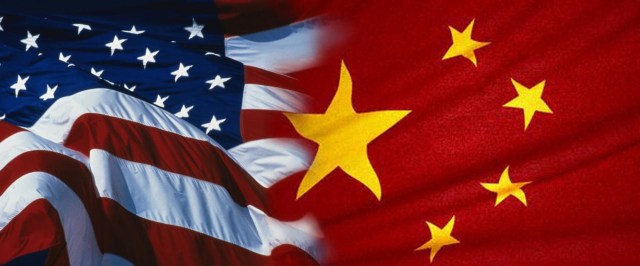
FBI Director’s threat assessment demands US–Tibet Direct Dialogue
In FBI Director Christopher Wray’s evaluation, China is ‘most significant’ threat to US. In my analysis, the threat posed by Communist China requires an immediate response. On behalf of Living Tibetan Spirits, I recommend US-Tibet Direct Dialogue to confront threats arising from spread of Communism to mainland China. It must be said, Tibetans understand China’s deception better than any other people in our world.
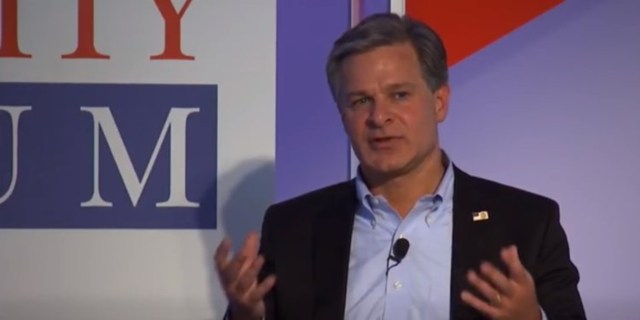
FBI Director Christopher Wray at the Aspen Security Forum. Screenshot/Aspen Security Forum
Amid rampant discussion about Russian election interference and espionage, FBI Director Christopher Wray has deemed China the largest, most concerning threat to the US.
Speaking at the Aspen Security Forum on Wednesday, Wray was asked whether he saw China as an adversary and, if so, to what level.
“I think China, from a counterintelligence perspective, in many ways represents the broadest, most challenging, most significant threat we face as a country,” Wray answered.
“And I say that because for them it is a whole of state effort. It is economic espionage as well as traditional espionage; it is nontraditional collectors as well as traditional intelligence operatives; it’s human sources as well as cyber means.
“We have economic-espionage investigations in every state, all 50 states, that trace back to China. It covers everything from corn seeds in Iowa to wind turbines in Massachusetts and everything in between. So the volume of it, the pervasiveness of it, the significance of it, is something I think this country cannot underestimate.”
The comments follow a 2017 report by the US trade representative that accused China of “trade secret theft, rampant online piracy and counterfeiting, and high levels of physical pirated and counterfeit exports.” The report found intellectual-property theft by China was costing the US up to $600 billion annually.
It seems a far more strategic and wide-ranging effort than Russia’s ongoing interference efforts, which dominated headlines in the US this week amid President Donald Trump’s widely panned summit with President Vladimir Putin.
Wray said Russia needed to be dealt with “aggressively,” but he seemed far more concerned with what he called China’s efforts to position itself as “the sole dominant superpower, the sole dominant economic power.”
“They’re trying to replace the US in that role, and so theirs is a long-term game that’s focused on just about every industry, every quarter of society in many ways,” Wray said. “It involves academia, it involves research and development, it involves everything from agriculture to high-tech. And so theirs is a more pervasive, broader approach but in many ways more of a long-term threat to the country.”
This isn’t the first time China’s patience and willingness to play the long game have been described as reasons its interference campaigns are more successful than those of Russia.
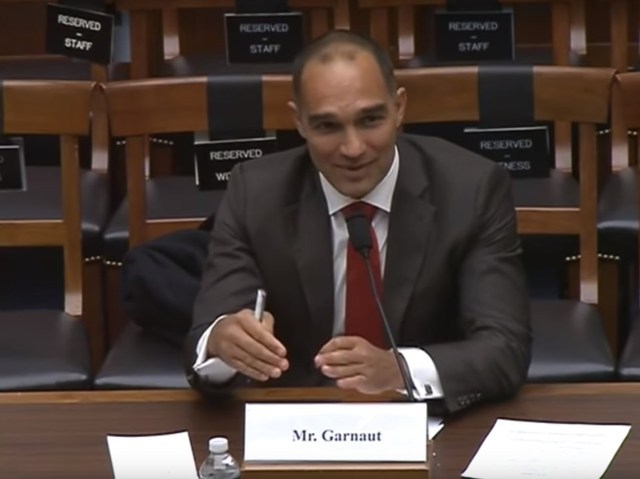
John Garnaut. Screenshot
Earlier this year, John Garnaut, who led a secret government inquiry into China’s political influence in Australia, told the US House Armed Services Committee that Russia preferred “focused, sharp strikes,” while Beijing’s actions were more incremental.
“Unlike Russia, which seems to be as much for a good time rather than a long time, the Chinese are strategic, patient, and they set down foundations of organizations and very consistent narratives over a long period of time,” Garnaut told the committee.
Garnaut’s report found China had attempted to influence politics at all levels in Australia. The Australian government has since introduced new foreign-interference laws— much to Beijing’s ire — and the issue is frequently discussed and debated in the public sphere.
It’s this widespread shift toward a consensus on China’s influence and interference attempts that Wray described as “one of the bright spots” since he became FBI director just over 10 months ago.
“It’s one of the few things I’ve seen that, in a country where it feels like some people can’t even agree on what day of the week it is, on this I think people are starting to come together,” Wray said.
“I see it in the interagency, I see it up on the Hill when I’m talking to the intelligence committees across the spectrum. I think people are starting to wake up and rub the cobwebs, or sleep, out of their eyes. And my hope is we’re in a moment where we can pivot and start to take this much more seriously.”
The Tibet Question – Unity of Tibetan Territory is Most Important.
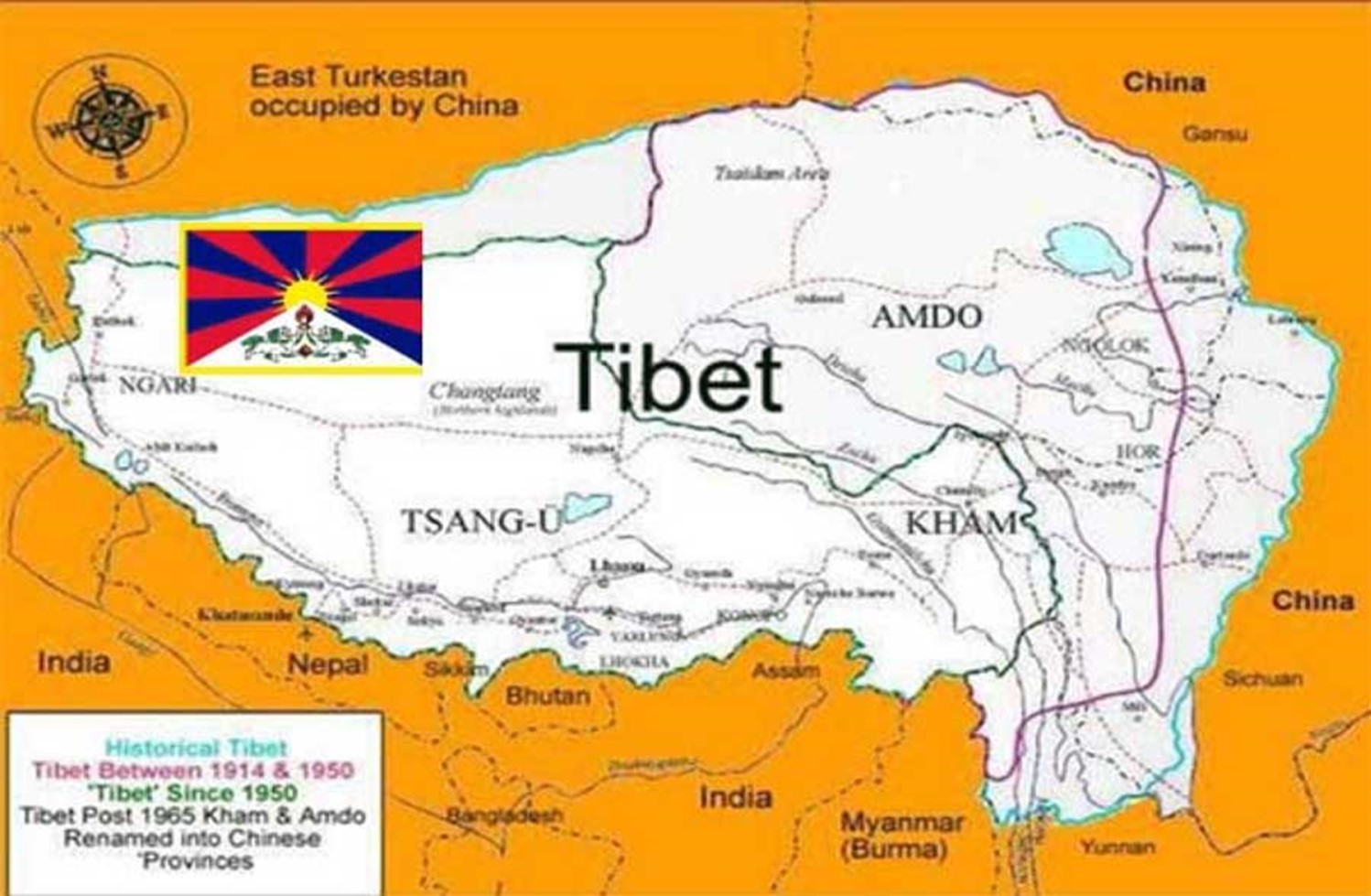
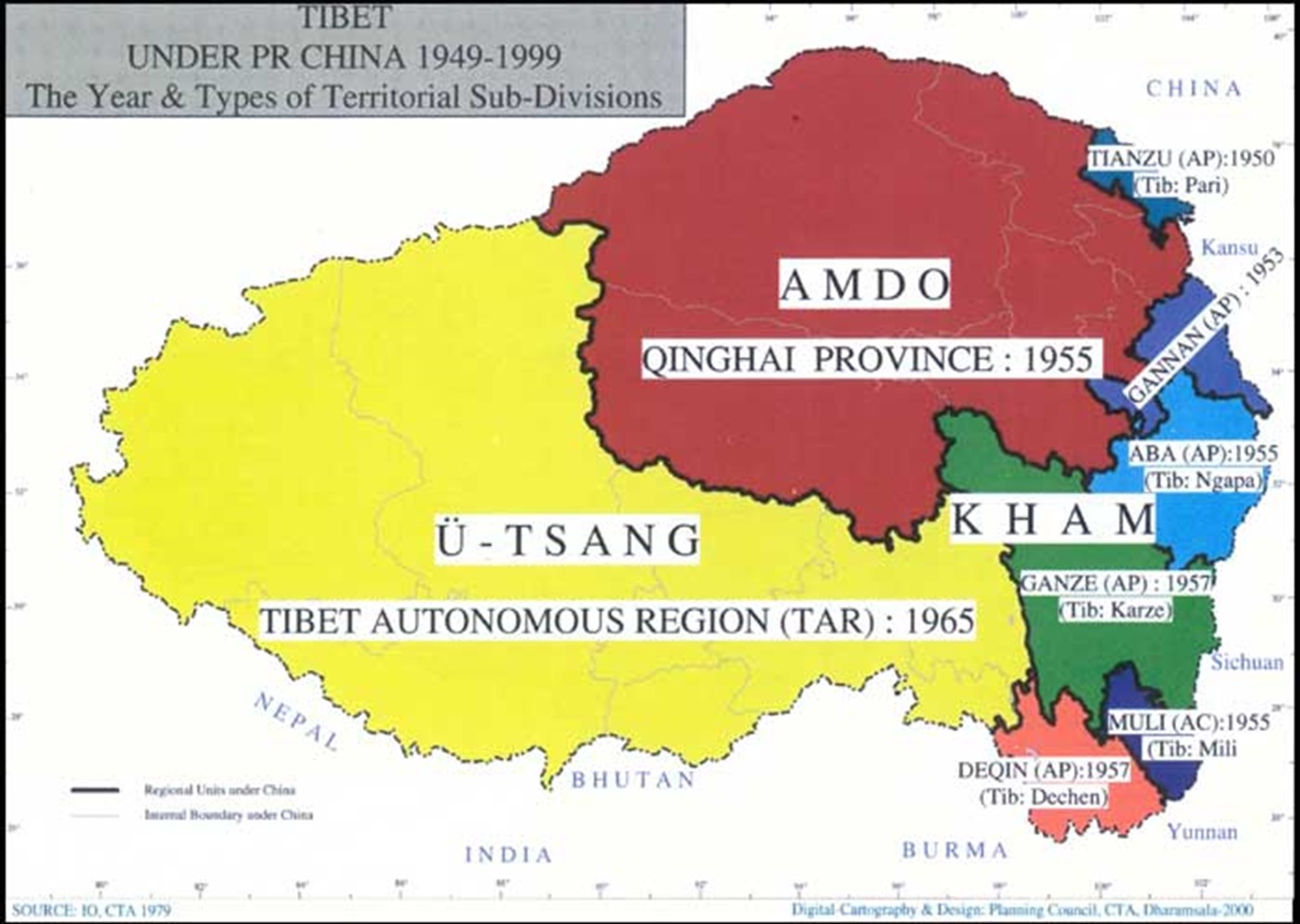
Living Tibetan Spirits demand Unity of entire Tibetan territory as the first step to resolve problem called ‘The Tibet Question’. During 1974, Special Frontier Force dispatched me to visit Bylakuppe and I spent over four weeks of time speaking to Tibetan children. Tibetans fully understand the boundaries of Tibet and there must be no compromise on this issue.
The Tibet Question – Unity of Tibetan Territory is Most Important.
His Holiness the Dalai Lama addressing recently arrived Tibetan pilgrims from Tibet and Tibetan teachers gathered for a workshop on Secular Ethics in the Sera Lachi Assembly Hall in Bylakuppe, Karnataka, India on 22 December 2017. Photo/Tenzin Phende/DIIR
Bylakuppe: His Holiness the Dalai Lama gave an audience to new arrivals from Tibet and a group of Tibetan teachers gathered for Secular ethics workshop on Friday morning.
“Tibetans in Tibet are the real masters of the country. Despite facing immense hardship, you have kept your spirits up. In 1959, the whole of Tibet was thrown into turmoil. There is a story that after the bombardment of Lhasa, Mao Zedong asked what happened to the Dalai Lama. When he heard that I had escaped to India, he is said to have replied, ‘Then we’ve lost.'”
“The Chinese authorities thought the issue of Tibet would simply fade away, but even after 58 years it hasn’t. In 1959, many countries had no idea about Tibet; they do now,” His Holiness said, urging them to uphold the spirit.
“What is important,” he said, “is that all three provinces of Tibet remain united, standing together in solidarity,” His Holiness told the gathering.
“Tibetans should pride themselves of its thousand millennium old cultural heritage, rooted in the profound Nalanda teachings.”
The Tibet Question – Unity of Tibetan Territory is Most Important.
His Holiness the Dalai Lama and President Dr Lobsang Sangay, Central Tibetan Administration arrives at the Sera Lachi Assembly hall to meet the Tibetan pilgrims from Tibet and participants of the workshop on Secular ethics. Photo/Tenzin Phende/DIIR
“We started appealing to the UN late 1959, but, as Pandit Nehru advised me, the USA will not go to war with China over Tibet. We concluded that eventually we would have to deal with the Chinese government. Until now the Chinese policy has been to denigrate the Tibetan people and their culture, nevertheless we remain hopeful of being able to preserve our culture and values within the People’s Republic of China” he added.
His Holiness emphasized “Tibetan language is the key to hold Tibetan alive and unity. Nothing can exterminate Tibetan language which started more than 1000 years ago.”
His Holiness briefly explained about Middle way approach and its appreciation from Chinese intellects.
The Tibet Question – Unity of Tibetan Territory is Most Important.
President of Central Tibetan Administration, Dr Lobsang Sangay addressing recently arrived Tibetan pilgrims from Tibet and Tibetan teachers gathered for a workshop on Secular Ethics in the Sera Lachi Assembly Hall in Bylakuppe, Karnataka, India on 22 December 2017. Photo/Tenzin Phende/DIIR
President Dr Lobsang Sangay, Central Tibetan Administration also addressed the new arrivals and the participants of the workshop on Secular ethics.
In his talk, he emphasized that Middle Way is best approach to have win-win situation and expressed hope for positive changes to take place within China. “The present situation inside Tibet is indeed sad and unfortunate, but I am hopeful that in time, changes will take place within China.”
“We are seeking genuine autonomy for Tibet through non-violence and Chinese government can’t say no to this as it does not contradict China’s sovereignty and One China Policy,” he said.
Enumerating the practicality of Middle Way Approach, under the prevailing situation inside Tibet and exile, Dr Sangay highlighted the widespread support and appreciation expressed by world leaders for the policy envisioned by His Holiness the Dalai Lama.
The Tibet Question – Unity of Tibetan Territory is Most Important.
President of Central Tibetan Administration, Dr Lobsang Sangay addressing recently arrived Tibetan pilgrims from Tibet and Tibetan teachers gathered for a workshop on Secular Ethics in the Sera Lachi Assembly Hall in Bylakuppe, Karnataka, India on 22 December 2017. Photo/Tenzin Phende/DIIR
He further said, “Tibetan in exile practice full democracy rather than Chinese communist party of holding power by few people. Many of high-level authorities are mostly Chinese. So we seek to genuine autonomy, which is within framework of Peoples Republic of China’s constitution.”
President Dr Sangay urged people to invest in education rather than wasting money on luxury. “Since 2011, Kashag has given top priority to education and will continue to do so.”
Towards the end, he urged for the Tibetans to stay united. “Keeping differences aside, if we all work together, the dreams and the aspirations of the Tibetan people in Tibet and in exile will be fulfilled,” the President said.
filed by Correspondent Tenzin Phende-
The Tibet Question – Unity of Tibetan Territory is Most Important.
Tibetan teachers gathered for a workshop on Secular Ethics listening to His Holiness the Dalai Lama during their meeting at Sera Lachi Assembly Hall in Bylakuppe, Karnataka, India on December 22, 2017. Photo/Tenzin Phende/DIIR
The Tibet Question – Unity of Tibetan Territory is Most Important.
SENIOR ALIEN IN US GULAG VS SENIOR IN OCCUPIED TIBET
Senior Alien in US Gulag vs Senior in Occupied Tibet
Living Tibetan Spirits admit with due honesty that Senior in Occupied Tibet is living a better life compared to Septuagenarian Senior Alien who lives his miserable life in US Gulag without hope for receiving monthly retirement benefits during concluding years of his life’s journey. When you behold the man, his condition is self-evident.
Senior Alien in US Gulag vs Senior in Occupied Tibet.
Senior Alien in US Gulag vs Senior in Occupied Tibet
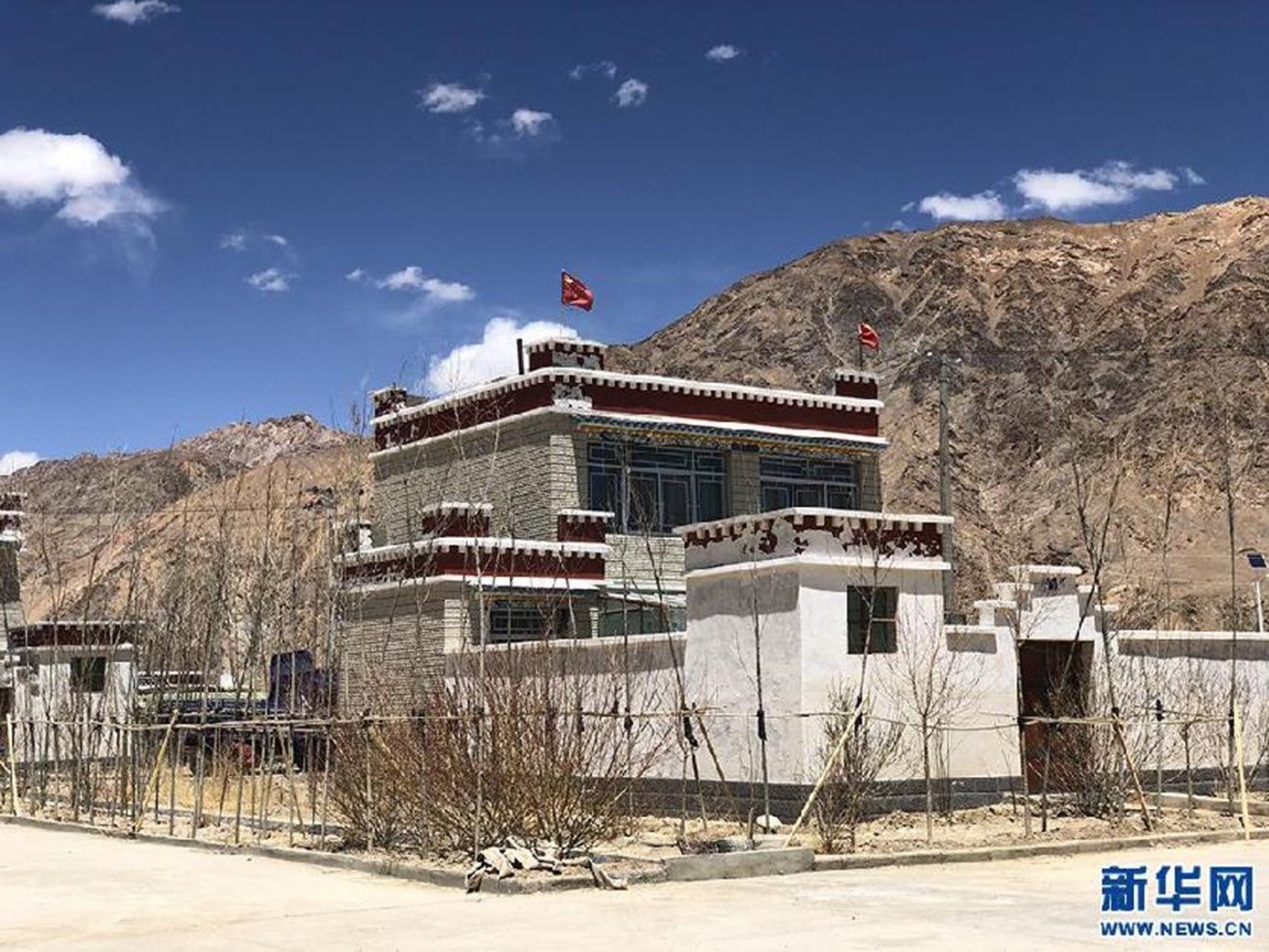
A two-story house in Dianjiao Village, Zhaxigang Town of Ga’er County, Ali Prefecture in southwest China’s Tibet Autonomous Region. (Xinhuanet/Xue Zhen)
BEIJING, May 18 (Xinhuanet) — A two-story house equipped with all kinds of household appliances is where Cama Ciren, a 72-year-old Tibetan and his wife live.
This is Dianjiao village, where they have lived for 34 years, in Zhaxigang Town of Ga’er County, Ali Prefecture in southwest China’s Tibet Autonomous Region.
“The village was actually isolated from the outside world in the 1980s and 1990s. There were only two or three households,” he recalled.
“Without a tent, we built a rock wall to shelter us from the wind. All of our clothes were scrabbled by hands,” he added.
Things have changed over the years. By 2012, Dianjiao was already a well-off village where each family lived in new house and a newly built road connected the village with the outside world.
Senior Alien in US Gulag vs Senior in Occupied Tibet
Cama Ciren (1st L), his wife (2nd R) and his younger sister are in their living room. (Xinhuanet/Xue Zhen)
At their age, Cama Ciren and his wife are not supposed to labor for a living. But they lead a comfortable life owing to the government subsidy policy.
“The subsidies we receive each year exceed 20,000 yuan,” his wife said, adding that they also enjoy full medical reimbursement, which they could not even imagine before.
Speaking of children’s education, Cama said that there are three college graduates in the village, his daughter being one of them.
“She landed a job immediately after graduation,” he said.
Today, none of the children at school-age in Dianjiao village drops out of school. Their food, accommodation, and tuition fees are all covered by the government.
“A happier life awaits us in the future,” he said.
Senior Alien in US Gulag vs Senior in Occupied Tibet
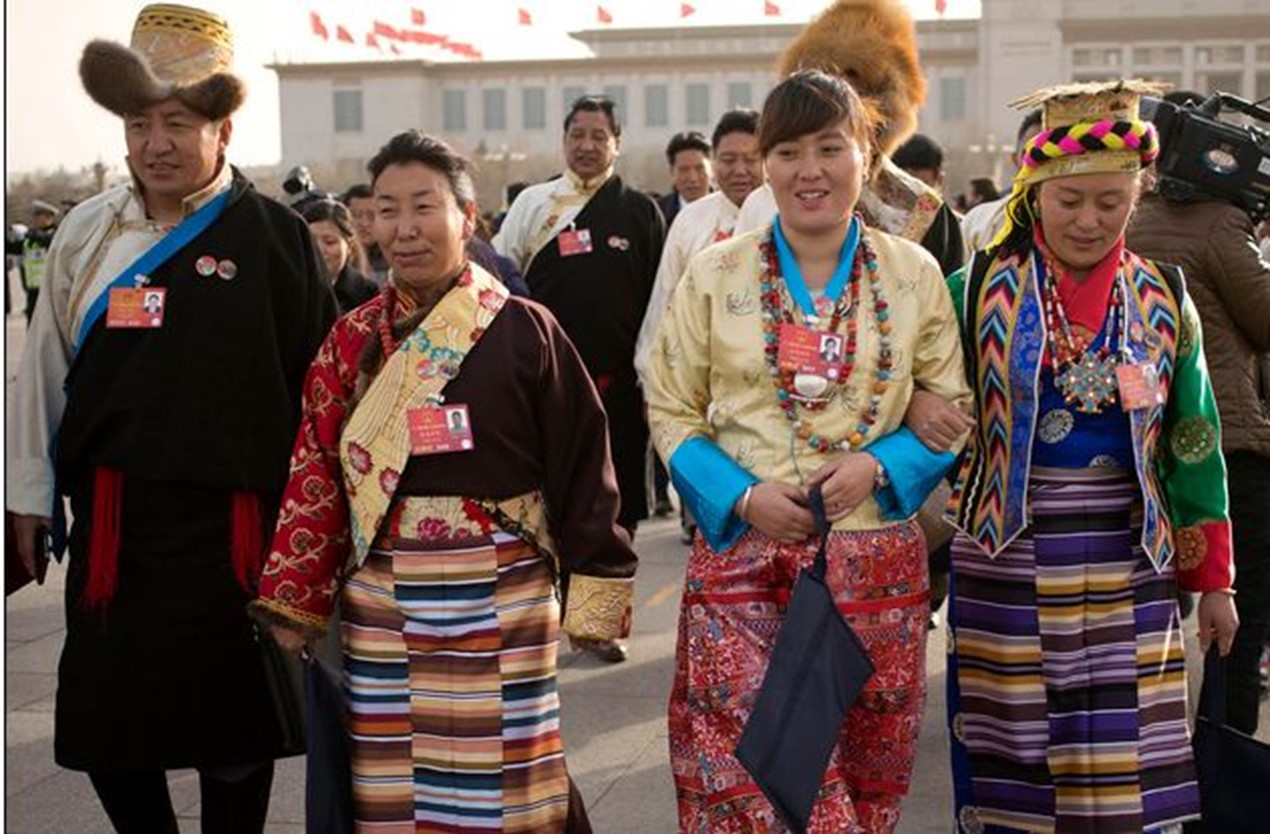
Living Tibetan Spirits reject China Warning. Tibetan delegates of National People’s Congress of Communist China which is in Tibet and not where it truly belongs.
Global Times of China reports that National People’s Congress delegates of Tibet asked the US Congress members not to support the “Dalai Lama clique.” Further, these Chinese delegates of National People’s Congress demand recognition of Tibet as part of China. For now, Living Tibetan Spirits acknowledge the problem of Tibet’s status. The problem is, China is in Tibet and not where it truly belongs.
Amid the trade war with the US, China has also asked the former to desist from supporting the “Dalai Lama clique” in Tibet in an attempt to reiterate China’s sovereignty over Tibet, the country’s Global Times cited a home-based expert as saying on Tuesday, May 15.
Living Tibetan Spirits reject China Warning. China is in Tibet and not where it truly belongs.
A team of the National People’s Congress comprising legislators from the Tibet Autonomous Region of China concluded a six-day trip of the US on Monday, May 14, with an aim for the same, the expert said.
Xinhua news agency reported on Tuesday that the delegation, led by the deputy of the People’s Congress of the Tibet Autonomous Region, Baima Wangdui, met a number of US senators and officials of the department of state in Washington DC.
The Chinese delegation told the US members about the importance of a good US-China relationship but also reiterated that Tibet was about China’s sovereignty and it is a question of core interest of China, Xinhua added.
Xinhua also said that Wangdui urged the US to recognize the Dalai clique’s anti-China nature and avoid any kind of contact with them. It also said the US assured the Chinese delegates that it recognized Tibet as a part of China and would not back “Tibetan independence”.
However, not all in China are convinced about the Americans’ ploy.
“Although the US said they recognize Tibet as part of China and would not support ‘Tibetan independence’, they have been meeting the Dalai Lama and, in the past, have funded the Tibetan ‘government-in-exile’,” Global Times quoted Qin Yongzhang, an ethnologist at the Chinese Academy of Social Sciences, as saying.
Qin also said only time could tell whether the latest visit by the Chinese delegation would change America’s “double-faced actions”, adding that it was important to make clear China’s position.
Zhu Weiqun, a former chairman of the ethnic and religious committee of the Chinese People’s Political Consultative Conference, told Global Times that Washington recently approved “a new batch of funding to support the Dalai Lama, even more than the sum back in the Obama days” and said he didn’t find any reason to believe the current Donald Trump administration of the US would be any different in supporting the Dalai clique compared to the earlier administrations.
Living Tibetan Spirits reject China Warning. China is in Tibet and not where it truly belongs.
Living Tibetan Spirits – The Cold War in Asia. Infantry weapon of US Army and US Marine Corps.
Living Tibetan Spirits initiated Tibetan Resistance Movement during late 1950s with hope for defeating military occupation of Tibet using Infantry Weapons of Warfare. Indeed, there was such possibility of seriously degrading Enemy’s war machine during Vietnam War. Unfortunately, due to Nixon-Kissinger treason, Vietnam War remains unfinished. From military point of view, due to change in circumstances, ‘The Cold War in Asia’ may not be determined by tactics used in Infantry Warfare due to Enemy’s use of enhanced military capabilities.
Living Tibetan Spirits – The Cold War in Asia. Tibetan Resistance uses military tactic called patience and perseverance.
In my analysis, the outcome in any war is not always determined by relative military power and military tactics used by parties engaged in conflict. The Cold War in Asia will come to its natural conclusion when Nature exercises Force/Power to influence human behavior and actions.
In 2011, Beijing shelled out some 1.5 billion yuan (US$236 million) for the construction of an airport to serve the frigid wilderness of the Tibetan Plateau, saying it wanted to boost the local tourism industry.
Completed in 2013, Yading Airport has since handled no more than 150,000 passengers a year, equivalent to three or four daily flights carrying 400 travelers brave enough to enter the remote backwater. Little wonder: at elevation of 4,411 meters, the airport in southwestern Sichuan’s Daocheng county is the world’s highest, almost one kilometer above the gateway to Tibetan capital Lhasa.
With the air supply about 30% less than you would expect at sea level, it is said that oxygenators are one of the most vital pieces of equipment for airport ground staff to avoid medical complications such as acute mountain sickness. Aircraft flying into the rarefied air must also be equipped with oxygenators before each flight.
Yet this inhospitable airport’s location next to the Tibetan Autonomous Region does appeal to another group of travelers. The People’s Liberation Army has found a number of important roles for the facility, ranging from the testing of a new generation of jet-fighters to fending off missile threats from the Indian Ocean.
It is an open secret that Yading Airport was one of several testing grounds used for the locally built J-20 stealth fighter when it was plying the air route between Yading and Chengdu, capital of Sichuan province, where the jets were manufactured.
Analysts say the alpine climate, steep terrain and high elevation of the airport and its surroundings are ideal for reliability tests on the J-20 and similar warplanes. This is the same reason that the F-22 Raptor, the spearhead of the US Air Force, was tested in Alaska.
But Yading Airport’s significance also lies in the tactical advantages offered by its location at the roof of the world. The Chinese military can observe every movement at Indian installations in the Bay of Bengal, 1,000 kilometers to the southwest, as there is no mountain range blocking the view from Yunnan province across Myanmar.
Hong Kong-based military commentator Leung Kwok-leung noted that the PLA must have installed long-range early warning radars at the airport and it could also host an anti-missile shield at an elevation that would be the envy of other military services.
Chinese observers are undoubtedly monitoring movements by US nuclear submarines in and around the Bay of Bengal, and New Delhi’s construction of a nuclear submarine base there. As a result, Beijing is getting antsy about threats lurking on its southwestern front.
Yading could be the location for the world’s highest mid-range anti-ballistic missile defense system: using the elevation and low latitude, interceptors launched from the plateau could “hitch a ride” on the centrifugal force of the Earth’s rotation.
Leung said this would mean that the PLA could use anti-ballistic missiles launched from Yading to put down Indian or US missiles fired either from bases onshore or from vessels in the Bay of Bengal area while they were still ascending, in a “blocked shot manner”.
This article originally appeared on Asia Times.
Image: Reuters
Living Tibetan Spirits – The Cold War in Asia. YADING, TIBET.
Tibet Consciousness – Monk Thomas Merton, Special Friend, Spiritual Brother of Tibet
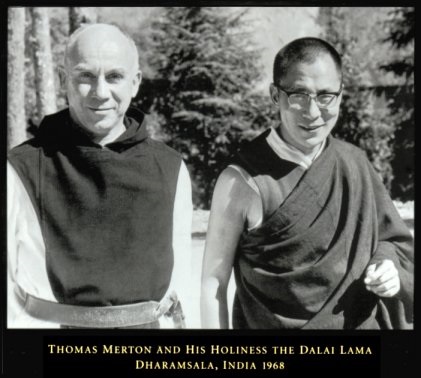
TIBET CONSCIOUSNESS – MONK THOMAS MERTON, SPECIAL FRIEND, SPIRITUAL BROTHER OF TIBET. FINAL WEEKS OF MONK MERTON’S LIFE. HIS MEETING WITH DALAI LAMA IN 1968 PRIOR TO HIS DEATH ON DECEMBER 10, 1968.
At Special Frontier Force, I host The Living Tibetan Spirits. I am sharing a news story on Kentucky Monk and influential author Thomas Merton who is described by His Holiness the 14th Dalai Lama as a special friend, and spiritual brother of Tibet.
December 5, 2015
New film explores last, eventful year of Thomas Merton’s life
Tibet Consciousness – Monk Thomas Merton – Special Friend, and Spiritual Brother of Tibet. Documentary Film by Morgan Atkinson.
Louisville filmmaker got an interview with the Dalai Lama. As film came out, Pope Francis praised Merton to US Congress. KET will air documentary about the monk and writer Dec. 10-15.
Thomas Merton, the Kentucky monk and influential author, met in 1968 with the Dalai Lama in Asia during the final weeks of his life. Louisville filmmaker Morgan Atkinson’s new film about Merton’s pivotal last year will debut on KET on Dec. 10. Photo used with permission of the Thomas Merton Center, Bellarmine University.
By Tom Eblen
For his new documentary about the last, eventful year of Thomas Merton’s life, Louisville filmmaker Morgan Atkinson needed a special, hard-to-get interview. He needed the Dalai Lama.
Merton, the Trappist monk and acclaimed writer who for 27 years lived at the Abbey of Gethsemani in Nelson County, spent his last weeks in 1968 traveling through Asia to meet and have dialogue with leaders of other religions.
Perhaps the most eventful of those meetings was with the spiritual leader of Tibetan Buddhists, then a young man of 33.
When the Dalai Lama visited Louisville two years ago, Atkinson was hired to produce a short film for the people who hosted him. With their help — and after a U.S. State Department background check — Atkinson and his video camera were promised a brief audience.
He remains a source of spiritual inspiration.
Pope Francis on Merton
“What was supposed to be a five-minute visit became 15 or 20 minutes,” Atkinson said. “He was just delighted. The meeting with Thomas Merton had taken place 45 years ago, but you could tell that it had been really meaningful to him.”
Atkinson’s new film, The Many Stories and Last Days of Thomas Merton, includes an engaging interview with His Holiness.
“I myself consider him a close friend, a most special friend, a spiritual brother,” the Dalai Lama told Atkinson, who gave him an old photograph from their meeting. “This looks like I’m his son,” the Dalai Lama said with a laugh, before turning serious. “I think spiritually he is elder. So, I am younger.”
That interview is one of many highlights in the excellent hour-long film, which will air on KET eight times from Dec. 10-15. Atkinson wrote and produced the documentary, which is narrated by poet Nikky Finney.
Atkinson had made a successful PBS documentary, Soul Searching: The Journey of Thomas Merton, in 2006. But for the centennial of Merton’s birth this year, he thought there was more to say about Merton’s contributions to inter-faith dialogue and understanding. And he wasn’t alone.
In his speech to Congress in September, Pope Francis cited Merton as one of four Americans who inspire him. (The others are Abraham Lincoln, the Rev. Martin Luther King Jr. and Catholic social activist Dorothy Day.)
“He remains a source of spiritual inspiration and a guide for many people,” the pope said of Merton. “He was also a man of dialogue, a promoter of peace between peoples and religions.”
The pope’s comments came as Atkinson was on a West Coast tour with his just-finished film. “If I had asked for a press agent,” he said, “I couldn’t have had a better one.”
Merton was born in France to an American mother and a New Zealand father. After earning English degrees at Columbia University, he became a Catholic at age 23. He went to a retreat at Gethsemani in 1941 and, eight months later, asked to join the order.
As a monk, he wrote more than 70 books of poetry and essays about spirituality, pacifism and social justice. His 1948 autobiography, The Seven Storey Mountain, became a best-seller and made Merton an unlikely celebrity. He also attracted a following in the 1960s with his advocacy for civil rights and stance against war.
You could tell that it had been really meaningful to him.
Morgan Atkinson, on Dalai Lama’s visit with Merton
Merton’s fame led him to correspond with leaders from many religions, and he longed to meet them. But it was only when a new abbot took over Gethsemani that Merton was finally given permission to travel. While on that trip to Asia, he was accidentally electrocuted in his Bangkok hotel room by a defective fan on Dec. 10, 1968.
The pope’s praise for Merton was notable, because some Catholic leaders have often tried to minimize him.
“Merton was seen by some as too liberal, or too open to dialogue with other faith traditions,” Atkinson said. “To have Pope Francis sort of push him up as an exemplar of a good spiritual path is really a good thing.”
Atkinson was raised Presbyterian, but he said he has been intrigued by Merton since he first read his books three decades ago. He thinks Merton remains popular because people are attracted to different aspects of his life and work.
Tibet’s Right to Self-Preservation of its Land and its denizens
The Battle of Right against Might: Self-Defense. Whole Dude – Whole Leadership: Self-defense is a Right, it is a Duty, and it does not qualify as violence even when it involves killing the aggressorTIBET’S RIGHT TO SELF-PRESERVATION. TIBET HAS NATURAL RIGHT TO OPPOSE MILITARY OCCUPATION USING FORCE OR VIOLENCE FOR OCCUPATION IS ILLEGAL, IMMORAL, UNFAIR, AND UNJUST.On bhavanajagat.com
Natural Law or Dharma, the Code for righteous or virtuous conduct commands man to do whatever is required for Peace and Self-Preservation. Direction of virtuous conduct is determined by its end or goal of Self-preservation. The more each person strives and is able to preserve his own being, the more virtue does he possess. Self-Preservation is a virtue which is common to all men, and can be equally possessed by all in so far as they are of the same nature. Virtue in the context of Self-Preservation may involve use of physical force or power to achieve its objective or accomplish its purpose. The endeavor after Self- Preservation is the primary and only foundation of Virtue or Right Conduct.
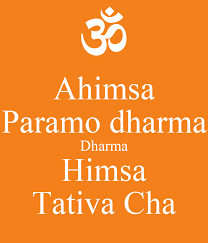
Both Tibet, and India recognize the virtue of “Ahimsa” or Non-Violence as the highest principle. At the same time, use of physical force, “Himsa”, or violence is equally the highest principle when it is used in defense of the Righteous. Indian tradition stated this guiding principle:
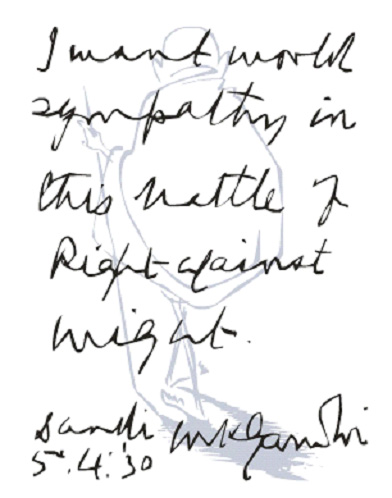
For occupation of Tibet using military force and violence is illegal, immoral, unfair, and unjust; under Natural Law, Tibet has Right to Self-Preservation. Tibet has Natural Right to use physical force or violence to oppose occupation and in an endeavor to Self-Preservation. In Mahatma Gandhi’s words, I want world’s sympathy in this Battle of Right Against Might.
DALAI LAMA’S ADVICE TO KAMAL HAASAN
IndiaGlitz [Wednesday, November 11, 2015]
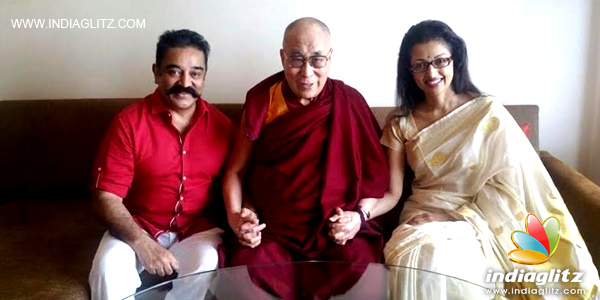
TIBET’S RIGHT TO SELF-PRESERVATION. HIS HOLINESS THE DALAI LAMA WITH ACTOR AND FILM PRODUCER KAMAL HAASAN, AND ACTRESS GAUTHAMI.
On the day of the release of his new action thriller film ‘Thoongavanam’, Ulaganayagan Kamal Haasan along with Gauthami met world-renowned Buddhist monk and spiritual leader Dalai Lama.The meeting sparked surprise for Kamal is a rationalist and kept away from spiritualism. But however the legendary’s actor’s comments issued in a press statement after the meeting seems that the meeting was mutually pleasing and delightful.Here is what Kamal had to say about his meeting with Dalai Lama:”Today (November 10) morning I met The Dalai Lamaji .Have admired his resilience and purpose. Being a fan of Gandhi ji it is not to too farfetched to become his admirer. In spite of the fact that I am rationalist and hence not spiritually bent my meeting was invigorating and felt purposeful.My lack of interest in matters of things spiritual in nature was matched by his disinterest in cinema. ‘I have not watched a single movie not even Television ” he told me with a smile.Yet he opined that I could use my craft and medium to propagate the great philosophy offered to the world by India: ahimsa.I confirmed my faith in ahimsa and said I will venture soon in that direction.For a man of his position he indulged in small talk with abandon a sign of a man who had no worldly worries.Above all he loved the company of strangers. He reminded me of Jain Tamil poetry 2000 year-old. “Everywhere is my town; All are my kin (Yaadum ooray yaavarum kayLir.)” Meanwhile ‘Thoongavanam’ directed by Kamal’s erstwhile assistant Rajsh.M.Selva has opened to phenomenally positive reviews and has been running in to packed houses.
Copyright � 2015 IndiaGlitz.com. All rights reserved.
TIBET’S RIGHT TO SELF-PRESERVATION. TIBET HAS NATURAL RIGHT TO OPPOSE MILITARY OCCUPATION USING FORCE OR VIOLENCE FOR OCCUPATION IS ILLEGAL, IMMORAL, UNFAIR, AND UNJUST.On bhavanajagat.comTIBET’S RIGHT TO SELF-PRESERVATION. TIBET HAS NATURAL RIGHT TO OPPOSE MILITARY OCCUPATION USING FORCE OR VIOLENCE FOR OCCUPATION IS ILLEGAL, IMMORAL, UNFAIR, AND UNJUST.On bhavanajagat.comTIBET’S RIGHT TO SELF-PRESERVATION. TIBET HAS NATURAL RIGHT TO OPPOSE MILITARY OCCUPATION USING FORCE OR VIOLENCE FOR OCCUPATION IS ILLEGAL, IMMORAL, UNFAIR, AND UNJUST.On bhavanajagat.comTIBET’S RIGHT TO SELF-PRESERVATION. TIBET HAS NATURAL RIGHT TO OPPOSE OCCUPATION USING FORCE OR VIOLENCE. SELF-PRESERVATION IS THE PRIMARY AND ONLY FOUNDATION OF VIRTUE.
The View of Sri Aurobindo Ghosh on Gandhi’s adherence to Non-Violence
Whole Dude – Whole Leadership: Sri Aurobindo has asked us to remember the two sentences of this well-known aphorism: “Ahimsa paramo dharmah; Dharma himsa tathaiva cha”-Non-violence or Ahimsa is the highest principle, and so is Violence or Himsa in defense of the righteous.
The method of absolute non-violence that was followed during the ‘Satyagraha’ movement should be questioned. It led to the breaking of skulls and a great deal of suffering for the freedom fighters. Two questions arise in the context of the use of non-violence: 1. Was it right and healthy for the nation to go through this kind of non-violence? and 2. Does Indian culture and spirituality enjoin this kind of non-violence?
Whole Dude – Whole Leadership: Self-defense is a Right, it is a Duty, and it does not qualify as violence even when it involves killing the aggressor
Non-violence or Ahimsa is the highest principle, and so is violence or Himsa in defense of the righteous. Sri Aurobindo had also pointed out that, “Politics is concerned with masses of mankind and not with individuals. To ask masses of mankind to act as saints, to rise to the height of divine love and practice it in relation to their adversaries or oppressors is to ignore human nature. It is to set a premium on injustice and violence by paralyzing the hand of the deliverer when raised to strike. The Gita is the best answer to those who shrink from battle as a sin, and aggression as a lowering of morality.”
Whole Dude – Whole Leadership: Self-defense is a Right, it is a Duty, and it does not qualify as violence even when it involves killing the aggressor
The sword of the warrior is as necessary to the fulfillment of justice and righteousness as the holiness of the saint. Saint Ramdas is not complete without Shivaji. To maintain justice and prevent the strong from despoiling, and the weak from being oppressed is the function for which the ‘Kshatriya’ was created. “Therefore,” says Sri Krishna in the Bhagavad Gita, “God created battle and Armor, the sword, the bow, and the dagger.”
Whole Dude – Whole Leadership: Saint Samarth Ramdas and Warrior King Shivaji are the two aspects of the leadership equation.
Self-defense is a Right, it is a Duty, and it does not qualify as violence even when it involves killing the aggressor
TIBET’S RIGHT TO SELF-PRESERVATION. HIS HOLINESS THE DALAI LAMA ENCOURAGED FILM ACTOR AND PRODUCER KAMAL HASAN TO PROMOTE THE VIRTUE OF AHIMSA OR NON-VIOLENCE.
TIBET CONSCIOUSNESS – SAVING TIBET’S CULTURE. HIS HOLINESS THE DALAI LAMA VISITS TIBETAN SCHOOL IN DHARAMSHALA ON SATURDAY, OCTOBER 10, 2015.
Tibet’s culture flourished for Tibet existed for centuries in serene, unperturbed condition and Tibetans enjoyed a sense of natural freedom and pursued an independent style of living. Red China’s military occupation since 1950s poses a huge challenge and Tibetans are coping with this problem with much patience and hope of finding a peaceful resolution with or without dialogue.
The Spirits of Special Frontier ForceThe Spirits of Special Frontier Force, Ann Arbor, MI. At Special Frontier Force, I host ‘The Living Tibetan Spirits’…
The Dalai Lama says Buddhist culture most important to him
Ashwini Bhatia, Associated Press
Updated 5:46 am, Saturday, October 10, 2015
TIBET CONSCIOUSNESS – SAVING TIBET’S CULTURE. DALAI LAMA ARRIVES AT TIBETAN SCHOOL ON SATURDAY, OCTOBER 10, 2015.
Photo: Ashwini Bhatia, AP Tibetan spiritual leader the Dalai Lama is helped down a path upon arrival at a Tibetan school, his first public function after his return last week from Minnesota in the United States where he had a thorough medical checkup, in Dharmsala, India, Saturday, Oct. 10, 2015. The Dalai Lama says he considers it most important to preserve the Buddhist culture that has helped Tibetan people live together even in exile. Many Tibetans fear that their culture may not endure for long and may weaken after the Dalai Lama is gone.
TIBET CONSCIOUSNESS – SAVING TIBET’S CULTURE.
Tibetan spiritual leader the Dalai Lama arrives at a Tibetan school, his first public function after his return last week from Minnesota in the United States where he had a thorough medical checkup, in Dharmsala, India, Saturday, Oct. 10, 2015. The Dalai Lama says he considers it most important to preserve the Buddhist culture that has helped Tibetan people live together even in exile. Many Tibetans fear that their culture may not endure for long and may weaken after the Dalai Lama is gone. Photo: Ashwini Bhatia, AP
TIBET CONSCIOUSNESS – SAVING TIBET’S CULTURE.
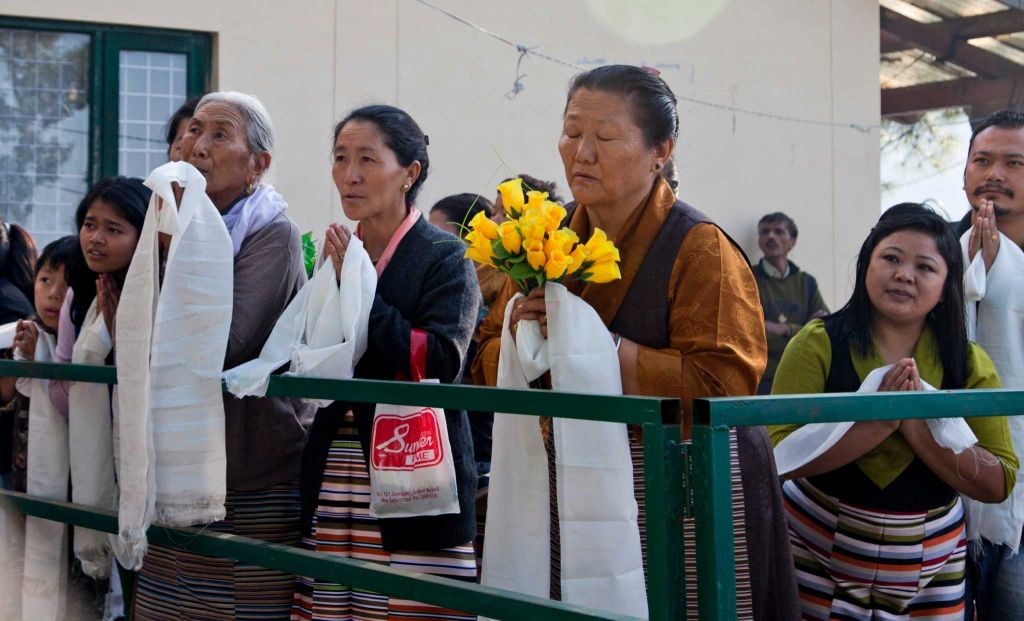
Exile Tibetans hold ceremonial scarves as they wait to greet their spiritual leader the Dalai Lama before his arrival at a Tibetan school in Dharmsala, India, Saturday, Oct. 10, 2015. The Dalai Lama says he considers it most important to preserve the Buddhist culture that has helped Tibetan people live together even in exile. Many Tibetans fear that their culture may not endure for long and may weaken after the Dalai Lama is gone. Photo: Ashwini Bhatia, AP
TIBET CONSCIOUSNESS – SAVING TIBET’S CULTURE.
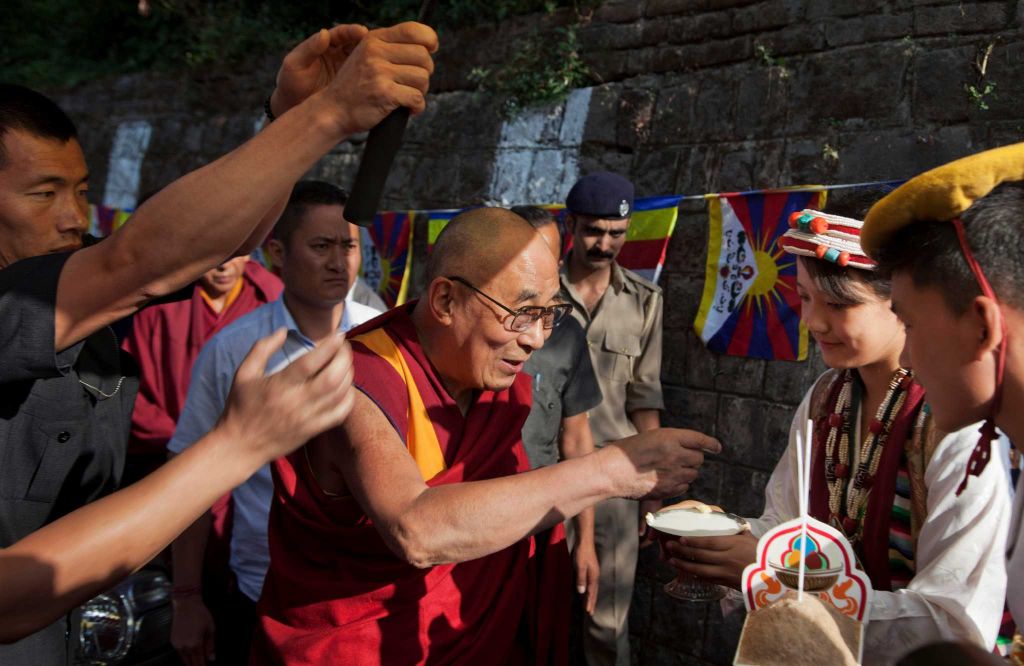
Tibetan spiritual leader the Dalai Lama greets children gathered to welcome him upon arrival at a Tibetan school, his first public function after his return last week from Minnesota in the United States where he had a thorough medical checkup, in Dharmsala, India, Saturday, Oct. 10, 2015. The Dalai Lama says he considers it most important to preserve the Buddhist culture that has helped Tibetan people live together even in exile. Many Tibetans fear that their culture may not endure for long and may weaken after the Dalai Lama is gone. Photo: Ashwini Bhatia, AP
TIBET CONSCIOUSNESS – SAVING TIBET’S CULTURE.
An exile Tibetan holds a ceremonial scarf as she waits to greet her spiritual leader the Dalai Lama at a Tibetan school in Dharmsala, India, Saturday, Oct. 10, 2015. The Dalai Lama says he considers it most important to preserve the Buddhist culture that has helped Tibetan people live together even in exile. Many Tibetans fear that their culture may not endure for long and may weaken after the Dalai Lama is gone. Photo: Ashwini Bhatia, AP
TIBET CONSCIOUSNESS – SAVING TIBET’S CULTURE.
Tibetan spiritual leader the Dalai Lama greets devotees on his arrival at a Tibetan school, his first public function after his return last week from Minnesota in the United States where he had a thorough medical checkup, in Dharmsala, India, Saturday, Oct. 10, 2015. The Dalai Lama says he considers it most important to preserve the Buddhist culture that has helped Tibetan people live together even in exile. Many Tibetans fear that their culture may not endure for long and may weaken after the Dalai Lama is gone. Photo: Ashwini Bhatia, AP
DHARMSALA, India (AP) — The Dalai Lama said Saturday he considered it most important to preserve the Buddhist culture that has helped the Tibetan people live together even in exile. “Our values have helped us Tibetans live together as a people,” the 80-year-old spiritual leader said at his first public event after returning last week from a medical check-up in the U.S. “So after coming into exile, I have considered it most important to preserve this rich and profound culture that we have.”
Many Tibetans fear that their culture may not endure for long and may weaken after the Dalai Lama is gone. Carrying white silk scarves, dozens of school children in traditional Tibetan costumes welcomed the Dalai Lama to the event, the 10th anniversary of the opening of a Tibetan school in Dharmsala, the Tibetan government-in-exile’s headquarters in northern India.
He also said he regretted that some people were using religion to harm others and said he advocated education of secular values.
Last week, the Dalai Lama said he had a thorough medical checkup at the renowned Mayo Clinic in Minnesota, U.S.A., and was in “excellent condition.” Though advised rest by doctors, the Dalai Lama got out of his car and walked nearly 100 meters (yards) to the school.
His followers lined the path with incense sticks and flowers. The Dalai Lama sat on a chair on a raised platform while others settled on cushions on the floor in a show of respect to him. The Dalai Lama fled across the Himalayas into India after a failed uprising in Tibet in 1959. Beijing accuses him of seeking to separate Tibet from China. But the Dalai Lama says he simply wants a high degree of autonomy under Chinese rule.
Hearst Newspapers Copyright Hearst Communications, Inc.
Tibet Consciousness – Saving Tibet’s Culture
Tibet consciousness – Saving Tibet’s Buddhist Culture.
Tibet Consciousness – Saving Tibet’s Culture. His Holiness the Dalai Lama, Saturday, October 10, 2015.
Tibet Consciousness – His Holiness the Dalai Lama visits Tibetan School on Saturday, October 10, 2015.
Tibet Consciousness – Saving Tibet’s Culture. Ceremonial scarf, a symbol of Tibetan Culture.
Tibet Consciousness – Saving Tibet’s Culture. Dalai Lama on Saturday, October 10, 2015.


































 Whole Dude - Whole Concept