LIVING TIBETAN SPIRITS SHARE GLIMPSES OF NORBULINGKA – 4
Whole Palace: Glimpses of Norbulingka, the Summer Palace of the Supreme Ruler of Tibet.
Norbulingka, literally the “Jeweled Garden,” is a palace and its surrounding parks located in a western suburb of Lhasa. It was constructed in the 1740s as a summer palace for the Dalai Lama and later served the whole governmental administration. The place boasts typical Tibetan palace architecture, as well as gentle streams, dense and lush forestry, birds and animals. Covering an area of around 36 hectares, it is considered to be the largest man-made garden in Tibet. Being part of the “Historic Ensemble of the Potala Palace,” Norbulingka is recognized as a UNESCO World Heritage Site, and was added as an extension to this Historic Ensemble in 2001.[China.org.cn]
Whole Palace: Glimpses of Norbulingka, the Summer Palace of the Supreme Ruler of Tibet.
Excerpt: The article discusses the controversial foreign policies of former US Secretary of State, Henry Alfred Kissinger, who passed away at age 100. He’s criticized for providing aid to China during the Vietnam War which allegedly supported the spread of communism in Asia, and for ignoring human rights violations during China’s Cultural Revolution. The author aligns Kissinger’s strategies with treason, blaming him for postponing the liberation of Tibet from Chinese occupation. Despite these critiques, Kissinger is also credited with ending American involvement in the Vietnam War, opening China to the West, and easing US-Soviet relations. Throughout his life, he was awarded several recognitions, including the Nobel Peace Prize and the Presidential Medal of Freedom.
Whole Villain – Whole Sin
In my analysis, I often describe Dr Henry Alfred Kissinger as Whole Villain for his foreign policy initiative can be best described as the “Original Sin” for it violates the “In God We Trust” National Motto of the United States.
Whole Villain – Whole Sin
I ask our readers to kindly review his actions before he was appointed as the US Secretary of State. He betrayed the US Constitution, usurped the powers of the duly appointed US Secretary of State when he visited Pakistan and China to arrange for a meeting between the US president Richard M Nixon and China’s Communist Party Chairman Mao Zedong.
SPECIAL FRONTIER FORCE VS THE EVIL RED EMPIRE: RED CHINA FOUNDED BY MAO TSE-TUNG IS MORE EVIL THAN HITLER’S NAZI GERMANY. AFTER THE FALL OF SOVIET UNION, RED CHINA HAS BECOME THE MOST EVIL EMPIRE OF THE PRESENT DAY WORLD .
His sin involves ignoring the atrocities of China’s Cultural Revolution. Chairman Mao Zedong is guilty of killing millions of his own people apart from killing his own party members.
Whole Villian – Whole Sin: Doomed Gun of Doom Dooma
I was stationed in Doom Dooma, Tinsukia District, Assam when President Nixon visited Peking during February 1972. I describe myself as the Doom Dooma Doomsayer. I served in the North East Frontier Agency (NEFA, Arunachal Pradesh) and I refused to carry the US Infantry weapon provided for my personal protection.
Whole Villain – Whole Sin
He provided comfort and protection to the Enemy while the US troops were fighting a bitter and bloody war on the ground in Vietnam. He should have been tried for treason for betraying the nation during wartime.
Whole Villain – Whole Sin: Establishment No. 22 – Operation Eagle: This badge represents a military alliance/pact between India, Tibet, and the United States of America. Its first combat mission was in the Chittagong Hill Tracts which unfolded on 03 November 1971. It was named Operation Eagle. It accomplished its mission of securing peace in the region that is now known as Republic of Bangladesh.
All said and done, I speak of the Unfinished Korea-Vietnam War. The true adversary of America is neither Korea nor Vietnam. The real concern is about the spread of Communism to Asia. The first victim of Communist Expansionism is Tibet, the third largest nation of Asia. We have yet to fight a war to evict the occupier of Tibet. Kissinger has postponed this Battle for Democracy, Peace, and Justice in Asia.
US foreign policy stalwart Henry Kissinger dies at 100
Henry Kissinger, the 56th US Secretary of State known to be as one of the most influential foreign policy figures in American history, has passed away at the age of 100.
Without providing a cause of death, his consulting firm Kissinger Associates said that he died on Wednesday at his home in Connecticut, CNN reported.
Born in Germany in 1923, he is survived by his wife of nearly 50 years, Nancy Maginnes Kissinger, two children by his first marriage, David and Elizabeth, and five grandchildren.
Kissinger became a naturalised US citizen in 1943 before serving in World War II.
Before his government service, he served on the faculty at Harvard University, where he ran the International Seminar from 1952 to 1969.
Kissinger began consulting with the State Department and Pentagon on national security matters before serving as National Security Adviser (January 1969–November 1975) and then Secretary of State (September 1973–January 1977) to former President Richard Nixon.
Henry Kissinger was synonymous with US foreign policy in the 1970s.
He received a Nobel Peace Prize for helping arrange the end of American military involvement in the Vietnam War and is credited with secret diplomacy that helped then President Nixon open communist China to the US and the West, highlighted by the latter’s visit to the country in 1972.
But he was also reviled by many over the bombing of Cambodia during the Vietnam War that led to the rise of the genocidal Khmer Rouge regime and for his support of a coup against a democratic government in Chile.
In the Middle East, Kissinger performed what came to be known as “shuttle diplomacy” to separate Israeli and Arab forces after the fallout of the 1973 Yom Kippur War.
His “detente” approach to US-Soviet relations, which helped relax tensions and led to several arms control agreements, largely guided American posture until the Reagan era.
Though his era as a high-powered architect of US foreign policy waned with the decline of Nixon amid the Watergate scandal, Kissinger continued to be an independent mover and shaker whose musings on diplomacy always found an ear.
Nixon’s successor, Gerald Ford, retained Kissinger as the Secretary of State.
He ultimately left office in 1977.
After 9/11, the President George W. Bush asked him to chair the investigation into the attacks on New York and Washington, but he was forced to stand down within weeks after refusing to reveal his consultancy’s list of clients and answer questions about conflicts of interest.
He held meetings with President Bush and Vice-President Dick Cheney, to advise them over policy in Iraq following the 2003 invasion.
Kissinger had also briefed Donald Trump on foreign affairs after his election in 2017. suggesting, among other things, acceptance of Russian President Vladimir Putin’s occupation of Ukraine’s Crimea.
When he turned 100 in 2023, he had changed his view on Ukraine.
After the February 2022 Russian invasion, Kissinger argued that Ukraine should join NATO after peace was secured.
Throughout his lifetime, Kissinger was the recipient of a number of awards and recognitions.
In 1945, he was awarded a Bronze Star from the US Army for meritorious service.
He received the Nobel Peace Prize in 1973, the same year a Gallup Poll of Americans listed him as the most admired person in the world.
Kissinger was also awarded the nation’s highest civilian honor, the Presidential Medal of Freedom, in 1977 and the Medal of Liberty, given one time to 10 foreign-born American leaders, in 1986.
DOOMSAYER OF DOOM DOOMA – BEIJING IS DOOMED: US PRESIDENT DWIGHT EISENHOWER TOOK ACTION TO DEFINE VALUES THAT ESTABLISH MY CONNECTION WITH THE UNITED STATES THROUGH MY AFFILIATION WITH SPECIAL FRONTIER FORCE.
The History of Special Frontier Force – Establishment No. 22 – Vikas Regiment: “AHIMSA PARAMO DHARMA; DHARMA HIMSA TATHIVA CHA.” Both India and Tibet recognize Non-Violence or Ahimsa as the highest principle. The military organization, Special Frontier Force-Establishment No. 22-Vikas Regiment represents the second part of the statement; Violence or Himsa is equally the highest principle when it is necessary to defend the righteous.November 14 – The Birth Anniversary of Special Frontier Force – Establishment 22 – Vikas Regiment. AHIMSA PARAMO DHARMA; DHARMA HIMSA TATHIVA CHA.” Both India and Tibet recognize Non-Violence or Ahimsa as the highest principle. The military organization, Special Frontier Force-Establishment No. 22-Vikas Regiment represents the second part of the statement; Violence or Himsa is equally the highest principle when it is necessary to defend the righteous.
The military organization which is known as Special Frontier Force – Establishment No. 22 – Vikas Regiment came into its existence during the presidency of Dr. Sarvepalli Radhakrishnan, the second President of the Republic of India, 13 May 1962 to 13 May 1967.
India’s first Prime Minister Jawaharlal Nehru was the architect of Special Frontier Force – Establishment No. 22 – Vikas Regiment: “AHIMSA PARAMO DHARMA; DHARMA HIMSA TATHIVA CHA.” Both India and Tibet recognize Non-Violence or Ahimsa as the highest principle. The military organization, Special Frontier Force-Establishment No. 22-Vikas Regiment represents the second part of the statement; Violence or Himsa is equally the highest principle when it is necessary to defend the righteous.
India’s first Prime Minister, Jawaharlal Nehru is the architect of this military organization and hence the 14th Day of November, his birthday is linked to the birth of this organization. While Special Frontier Force is a product of Cold War Era secret diplomacy, I would like to share my personal story, the events from early childhood, that shaped the rest of my life and has formulated my bonding with this Organization and my desire to accomplish its military mission.
September 05. Dr. Sarvepalli Radhakrishnan’s birthday. The history of Special Frontier Force-Establishment No. 22-Vikas Regiment: “AHIMSA PARAMO DHARMA; DHARMA HIMSA TATHIVA CHA.” Both India and Tibet recognize Non-Violence or Ahimsa as the highest principle. The military organization, Special Frontier Force-Establishment No. 22-Vikas Regiment represents the second part of the statement; Violence or Himsa is equally the highest principle when it is necessary to defend the righteous.
Dr. Sarvepalli Radhakrishnan belonged to Mylapore, Madras City (Chennai) and his daughter, Rukmini was married to the younger brother of my maternal grandfather, Dr. Kasturi. Narayana Murthy, M.D., who lived at 2/37 Kutchery Road in Mylapore. I was born at 2/37 Kutchery Road, Mylapore, my grandfather’s residence. While I lived in Mylapore and later during my regular summer vacations spent in Madras City, I used to visit Dr. Radhakrishnan’s daughter’s residence daily. At that time, Dr. Radhakrishnan served as the first Vice President of India (1952-1962). I clearly remember the celebration of 2500th Birth Anniversary of Gautama Buddha on May 24, 1956, while I was in Mylapore, Madras City (Chennai), and in India’s capital of New Delhi, the celebration was attended by His Holiness the 14th Dalai Lama and the 10th Panchen Lama Rinpoche. The Institution of Dalai Lama is the central focus of Tibetan Cultural Identity and Tibetan national character.
Dr. Sarvepalli Radhakrishnan and the history of Special Frontier Force -Establishment No. 22 – Vikas Regiment: In India, school children celebrate Dr. Radhakrishnan’s birthday(05 September) as Teacher’s Day and every year that I spent as a student, I had a special reason to remember my family connection with his daughter and the Indian President. He had correctly predicted the need for military action to fight injustice and during his Presidency, India bravely resisted the Chinese aggression and thousands of Indian Army soldiers gave their precious lives to defend India. It inspired me to serve in the Indian Armed Forces to continue the task of opposing, and resisting the threat posed by Communist China.
India – Tibet Relations From 1950 to 1962:
The history of Special Frontier Force – Establishment No. 22 – Vikas Regiment: The Celebration of 2500th Anniversary of the birth of Gautama Buddha (Buddha Jayanti) in New Delhi on May 24, 1956 displays the historical connection between India, and Tibet. Prime Minister Nehru, President Rajendra Prasad, the 14th Dalai Lama, and the 10th Panchen Lama, Rinpoche are seen in this photo image. Because of Gautama Buddha, India, and Tibet are natural allies. But, the complex, political, and military relationship developed as a reaction to the People’s Republic of China’s invasion of Tibet in 1950.The History of Special Frontier Force – Establishment No. 22 – Vikas Regiment: The President of India Babu Rajendra Prasad with the visiting His Holiness the 14th Dalai Lama, and Panchen Lama Rinpoche. India, and Tibet, during 1956 tried to resolve the crisis imposed by China using peaceful, diplomatic negotiations.The History of Special Frontier Force – Establishment No. 22 – Vikas Regiment: The military occupation of Tibet by Communist China had shaped the historical, cultural, religious relationship between India, and Tibet. It commenced an entirely new era in which both India and Tibet are driven by the same kind of security concerns. Prime Minister Chou En-Lai represents the face of that danger that forced Prime Minister Nehru to know and appreciate the nature of Tibetan Nation as represented by the 14th Dalai Lama and the 10th Panchen Lama Rinpoche.
India had achieved its full independence from British rule on August 15, 1947. India became the Republic of India on January 26, 1950. Dr. Babu Rajendra Prasad became the first President of the Republic of India. The first general elections were held in 1952, and Dr. Sarvepalli Radhakrishnan, who was at that time-serving as India’s ambassador to the Soviet Union, was elected as the first Vice President and he had served a second term as the Vice President from 1957 to 1962. India witnessed a major military threat to its Himalayan frontier when the People’s Republic of China sent its army during October 1950 to occupy Tibet while Tibetans had no ability to resist such a massive, military invasion of their territory. Tibet tried to resolve the issue using diplomacy. Tibet requested India to bring the issue to the attention of the United Nations to adopt a resolution against the Communist invasion. At that time Tibet was still following the policy of political isolationism, and neutralism and was not recognized by the United Nations as a member nation. The United States was fighting the Korean War and was fully interested in preventing the spread of Communism in Asia. However, Tibet did not request direct, US military intervention. India did not have the necessary military force of its own to intervene inside Tibet. At the same time, India had also actively pursued its own policy of political neutralism that is known as the Nonaligned Movement to reduce the political tensions caused by the Cold War. India thought that the crisis in Tibet could be resolved by directly negotiating with China without involving the United Nations. During 1951 Communist China had imposed a 17-Point Agreement on Tibet while Tibetans had no capacity to defend their rights; the Agreement of the Central People’s Government and the Local Government of Tibet on 23rd May 1951 to take measures for the “Peaceful Liberation of Tibet.” China started quoting this agreement to justify its illegal and unjust military occupation of Tibet. It must be clearly understood that the Great Fifth Dalai Lama founded the “Ganden Phodrang” Government of Tibet in 1642. The successive Dalai Lamas have headed the Tibetan State for nearly four centuries. Towards the end of the Qing Dynasty or Ching Dynasty, the Great 13th Dalai Lama declared Tibet’s Independence from Manchu China. From 1911 to 1950 – 39-Years, Tibet was an independent Nation before the creation of this political entity called The People’s Republic of China.
The history of Special Frontier Force – Establishment No. 22 – Vikas Regiment: The photo image of His Holiness the 14th Dalai Lama in Peking. Tibet tried its very best to appease the Communist Party Chairman Mao Tse-Tung until 1954-1955. China took full political, and military advantage of Tibet’s isolationism and took every possible measure to deny the freedom that Tibetans had enjoyed for several centuries in spite of sporadic foreign invasions by the Mongols, and later by the Manchus. In the past, the foreign rulers of Tibet did not intervene in Tibet’s internal affairs and their traditional style of governance through the institution of the Dalai Lama or the “Ganden Phodrang” Government continued for four centuries.The History of Special Frontier Force – Establishment No. 22 – Vikas Regiment: His Holiness the 14th Dalai Lama with India’s President and Vice President. Both India and Tibet had strongly desired to resolve the conflict with communist China using diplomacy. The existence of an autonomous Tibetan nation serves the best interests of Indian national security.The History of Special Frontier Force – Establishment No. 22 – Vikas Regiment: India and Tibet had no intentions to formulate a military alliance/pact in response to China’s military occupation. They had expected that China would consent to release its military grip and allow full autonomy. A banquet held in Ashoka Hotel, New Delhi in 1956 to honor the visiting Head of State, the 14th Dalai Lama of Tibet who is seen seated between Prime Minister Jawaharlal Nehru and his daughter Ms. Indira Gandhi.The History of Special Frontier Force – Establishment No. 22 – Vikas Regiment: Both India and Tibet desired friendly and peaceful relations with China. Prime Minister Chou En-Lai is seen here with the 14th Dalai Lama, Indian Prime Minister Jawaharlal Nehru, and his daughter Ms. Indira Gandhi. These efforts towards peaceful co-existence with Communist China had utterly failed during 1957-58.The history of Special Frontier Force – Establishment No. 22 – Vikas Regiment: India and Tibet tried to cultivate a friendly relationship with China and its failure was caused by China’s policy of Expansionism.The History of Special Frontier Force – Establishment No. 22 – Vikas Regiment: India desired to promote international peace and tried to avoid armed conflicts. The burden imposed by China’s military occupation of Tibet was viewed with concern, but India tried the use of diplomacy and avoid war. A ceremony to honor Prime Minister Chou En-Lai, and the 14th Dalai Lama during their visit to New Delhi in 1956.The History of Special Frontier Force – Establishment No. 22 – Vikas Regiment: The photo images of Prime Minister Chou En-Lai, Prime Minister Jawaharlal Nehru, and the 14th Dalai Lama demonstrate the desire of India to promote peaceful co-existence. Establishment No. 22 represents the failure of India’s peace initiative. The military occupation of Tibet is not a friendly posture and China could not be trusted as a friend.
While Tibet tried its very best to please the Communist leaders of China, India had also pursued a similar policy to befriend China to address the problem of the military threat posed by the military occupation of Tibet. The “Panchsheela” Agreement of 1954 between India and the People’s Republic of China recognized Chinese sovereignty over Tibet, and India had agreed to withdraw its very small, military presence in Tibet. India believed that China would grant full autonomy to Tibet and preserve the political, and cultural institutions of Tibet. It must be noted that Tibet had not recognized or endorsed the agreement made by India and China.
The history of Special Frontier Force – Establishment No. 22 – Vikas Regiment: Chinese Prime Minister Zhou Enlai visited New Delhi, India in June 1954 after his initiative called the Five Principles of Peaceful Coexistence (PANCHSHEEL). The first President of India, Rajendra Prasad (first right), Vice President Radhakrishnan third right, and India’s Prime Minister Jawaharlal Nehru is at the far left.The history of Special Frontier Force – Establishment No. 22 – Vikas Regiment: Indian Vice President Dr. Radhakrishnan made an unsuccessful attempt to resolve the problem of the military occupation of Tibet. He had visited Peking during September 1957 and met with various Communist Party leaders including Chairman Mao Tse-Tung, and President Liu Shao-Chi (Liu Shaoqi), and Party General Secretary Teng Hsiao-Ping (Deng Xiaoping).The history of Special Frontier Force – Establishment No. 22 – Vikas Regiment: Indian Vice President Radhakrishnan had visited Peking during September/October 1957 and could not get any concessions from the Communist leaders. China had determined to pursue a policy of Expansionism and had tripled the size of its country using its superior military power.6 November 1961: President John F. Kennedy and Prime Minister Jawaharlal Nehru arriving at Andrews Air Force Base and being greeted by Vice President Lyndon B. Johnson and Lady Bird Johnson, Secretary of State Dean Rusk and Mrs. Rusk, General Lyman Lemnitzer, and embassy staff members. United States Ambassador to India John Kenneth Galbraith also attends. President Kennedy and Prime Minister Nehru make addresses on a speaker’s stand, inspect troops, go through a reception line, and board a U.S. Army helicopter.November 1961. The History of Special Frontier Force – Establishment No. 22 – Vikas Regiment: “AHIMSA PARAMO DHARMA; DHARMA HIMSA TATHIVA CHA.” Both India and Tibet recognize Non-Violence or Ahimsa as the highest principle. The military organization, Special Frontier Force-Establishment No. 22-Vikas Regiment represents the second part of the statement; Violence or Himsa is equally the highest principle when it is necessary to defend the righteous.November 1961. The History of Special Frontier Force – Establishment No. 22 – Vikas Regiment: “AHIMSA PARAMO DHARMA; DHARMA HIMSA TATHIVA CHA.” Both India and Tibet recognize Non-Violence or Ahimsa as the highest principle. The military organization, Special Frontier Force-Establishment No. 22-Vikas Regiment represents the second part of the statement; Violence or Himsa is equally the highest principle when it is necessary to defend the righteous.November 1961. The History of Special Frontier Force – Establishment No. 22 – Vikas Regiment: “AHIMSA PARAMO DHARMA; DHARMA HIMSA TATHIVA CHA.” Both India and Tibet recognize Non-Violence or Ahimsa as the highest principle. The military organization, Special Frontier Force-Establishment No. 22-Vikas Regiment represents the second part of the statement; Violence or Himsa is equally the highest principle when it is necessary to defend the righteous.November 1961. The History of Special Frontier Force – Establishment No. 22 – Vikas Regiment: “AHIMSA PARAMO DHARMA; DHARMA HIMSA TATHIVA CHA.” Both India and Tibet recognize Non-Violence or Ahimsa as the highest principle. The military organization, Special Frontier Force-Establishment No. 22-Vikas Regiment represents the second part of the statement; Violence or Himsa is equally the highest principle when it is necessary to defend the righteous.November 1961. The History of Special Frontier Force – Establishment No. 22 – Vikas Regiment: “AHIMSA PARAMO DHARMA; DHARMA HIMSA TATHIVA CHA.” Both India and Tibet recognize Non-Violence or Ahimsa as the highest principle. The military organization, Special Frontier Force-Establishment No. 22-Vikas Regiment represents the second part of the statement; Violence or Himsa is equally the highest principle when it is necessary to defend the righteous.November 1961. The History of Special Frontier Force – Establishment No. 22 – Vikas Regiment: “AHIMSA PARAMO DHARMA; DHARMA HIMSA TATHIVA CHA.” Both India and Tibet recognize Non-Violence or Ahimsa as the highest principle. The military organization, Special Frontier Force-Establishment No. 22-Vikas Regiment represents the second part of the statement; Violence or Himsa is equally the highest principle when it is necessary to defend the righteous.November 1961. The History of Special Frontier Force – Establishment No. 22 – Vikas Regiment: “AHIMSA PARAMO DHARMA; DHARMA HIMSA TATHIVA CHA.” Both India and Tibet recognize Non-Violence or Ahimsa as the highest principle. The military organization, Special Frontier Force-Establishment No. 22-Vikas Regiment represents the second part of the statement; Violence or Himsa is equally the highest principle when it is necessary to defend the righteous.November 1961. The History of Special Frontier Force – Establishment No. 22 – Vikas Regiment: “AHIMSA PARAMO DHARMA; DHARMA HIMSA TATHIVA CHA.” Both India and Tibet recognize Non-Violence or Ahimsa as the highest principle. The military organization, Special Frontier Force-Establishment No. 22-Vikas Regiment represents the second part of the statement; Violence or Himsa is equally the highest principle when it is necessary to defend the righteous.
The Origin of Special Frontier Force -Establishment No. 22 – Vikas Regiment:
The history of Special Frontier Force – Establishment No. 22 – Vikas Regiment: 1957 was a turning point. India had recognized that its foreign policy of political neutralism was of no use and had started depending upon the United States to address the military threat posed by China’s occupation of Tibet. But, the effort was too modest and both India and the United States had grossly underestimated the strength of the People’s Liberation Army. Camp Hale at Colorado represents one aspect of CIA operation and had been called ST CIRCUS.
The need for the use of military force became inevitable after China made it abundantly clear that it would not negotiate its military occupation of Tibet and would not allow the traditional form of Tibetan Government as represented by the Institution of the Dalai Lama. The Tibetan Resistance Movement began with a very modest attempt to train some Tibetan nationals to fight the Chinese People’s Liberation Army that occupied Tibet.
The history of Special Frontier Force – Establishment No. 22 – Vikas Regiment can be traced back to 1957-58 when the CIA launched Operation ST CIRCUS. This Commemoration on September 10, 2010, was the first time that the US had officially acknowledge the CIA operation with the Tibetans and it includes the Mustang(Nepal) Operation.
In 1957 it became very clear that Communist China would not relax its military grip over Tibet, and the hopes for limited Tibetan autonomy evaporated. Both India, and Tibet had agreed to seek American military intervention, and it must be believed that India had only wanted a covert, military operation to build and establish a Tibetan Resistance Movement to challenge and overthrow the Chinese military regime in Tibet. The climax of this Tibetan Resistance was during March 1959, and China using its vastly superior military power had easily crushed this Tibetan Uprising. His Holiness the 14th Dalai Lama had no choice; he and his close followers fled Tibet to seek political asylum in India.
The history of Special Frontier Force – Establishment No. 22 – Vikas Regiment: The arrival of His Holiness the 14th Dalai Lama in India to seek political asylum represents the failure of CIA’s covert operation inside Tibet. CIA had grossly underestimated the intelligence capabilities of Communist China.The history of Special Frontier Force – Establishment No. 22 – Vikas Regiment: The Journey of a political refugee. His Holiness the 14th Dalai Lama had arrived in India on 31 March 1959 and was presented a Guard of Honor by the Assam Rifles in the Tawang Sector of the North-East Frontier Agency which is renamed as Arunachal Pradesh.The History of Special Frontier Force – Establishment No. 22 – Vikas Regiment: “AHIMSA PARAMO DHARMA; DHARMA HIMSA TATHIVA CHA.” Both India and Tibet recognize Non-Violence or Ahimsa as the highest principle. The military organization, Special Frontier Force-Establishment No. 22-Vikas Regiment represents the second part of the statement; Violence or Himsa is equally the highest principle when it is necessary to defend the righteous. HISTORY OF THE US-INDIA-TIBET RELATIONS: SEPTEMBER 04, 1959 .The history of Special Frontier Force – Establishment No. 22 – Vikas Regiment: Indian President Babu Rajendra Prasad had received His Holiness the 14th Dalai Lama with due dignity reflecting India’s belief that the Dalai Lama is the traditional Head of Tibet, an autonomous nation.The history of Special Frontier Force – Establishment No. 22 – Vikas Regiment: The military tyranny imposed by Communist China’s occupation had forced Tibet to break-free from its traditional policy of political isolationism and it is not a big surprise to find India as its natural ally. Vice President Radhakrishnan is seen with His Holiness the 14th Dalai Lama.
The 1962 India – China War:
The History of Special Frontier Force – Establishment No. 22 – Vikas Regiment: Prior to the 1962 India-China War, the Tibetan Resistance Movement had no permanent base in India. The War had forced India to strengthen the Tibetan Resistance Movement and provide it a permanent base within Indian territory. Indian Armed Forces played a major role in training the members of Special Frontier Force with financial, and technical assistance provided by the United States.The History of Special Frontier Force – Establishment No. 22 – Vikas Regiment: “AHIMSA PARAMO DHARMA; DHARMA HIMSA TATHIVA CHA.” Both India and Tibet recognize Non-Violence or Ahimsa as the highest principle. The military organization, Special Frontier Force-Establishment No. 22-Vikas Regiment represents the second part of the statement; Violence or Himsa is equally the highest principle when it is necessary to defend the righteous. The 1962 India- China War. Indian Army troops in NEFA (Arunachal Pradesh)
I must admit that the Chinese brutal attacks across the Himalayan frontier during October 1962 came as a shocking surprise to me and to most people all over India. To some extent, India, Tibet, and the United States had lacked the intelligence capabilities to know the intentions and the capabilities of their enemy. The costs of this 1962 War would be known if China takes courage and openly admits the numbers of its soldiers wounded, or killed in action. China paid a heavy price and had utterly failed to obtain legitimacy for its military occupation of Tibet.
The history of Special Frontier Force – Establishment No. 22 – Vikas Regiment: The 1962 War between India and China paved the way towards a better understanding of India’s security concerns and the need for military alliance/pact with a friendly power like the United States to meet the challenge posed by Communist China. I appreciate Prime Minister Jawaharlal Nehru for his idealistic views and aspiration to be known as a peacemaker. He finally recognized the need for a strong, well-equipped Army.
The 1962 War of Aggression launched by Communist China had a decisive influence on my personal life. I was a college student, and I was in the first year of my 3-year Bachelor of Science degree course. I felt a strong urge to join India’s Armed Forces to specifically address the military threat posed by China. The 1962 War was a conflict imposed by China to teach India a lesson. Later, official documents released by China describe that Chairman Mao Tse-Tung took punitive action to teach a lesson to India when it launched a massive war of retribution attacking Indian Army positions across the entire Himalayan frontier in October 1962. Chairman Mao Tse-Tung was angered by the support extended by India to Tibet to counter the military occupation. Chairman Mao had resented India’s role in helping the covert operation of the Central Intelligence Agency and had called it an “Imperialist” conspiracy or plot against China. China had utterly failed to achieve its objectives and the War ended when China declared a unilateral ceasefire on November 21, 1962, and withdrew from the captured Himalayan territory. It should be noted that India did not request China to declare this ceasefire. India did not promise that it will withhold the support that it extends to the Tibetan Government-in-Exile. The Secret White House Recordings of the US President John F Kennedy reveal that Kennedy had threatened to nuke China in 1962 and I must say that the threat achieved its purpose and had forced China to stop its military aggression and withdraw unilaterally without demanding any concessions from India, or Tibet.
The Birth of Special Frontier Force -Establishment No. 22 -Vikas Regiment:
November 14 – Birth Anniversary of Special Frontier Force – Establishment No. 22 – Vikas Regiment: I served in this military organization from September 22, 1971 to December 18, 1974. I was not a mercenary working for a foreign government or Agency. I was fully involved and was prepared to defend the legitimate border between India and Tibet as established by the McMahon Treaty and the Simla Agreement of 1914 between India and Tibet. We as an organization defended our own territory to defend our natural rights. We were fully ready to conduct offensive operations against our Enemy if the Enemy attacks us during the conduct of our military mission.
President John F. Kennedy immediately responded to the Chinese attack on India. Apart from the delivery of arms and ammunition, and other military supplies, American aircraft carried out photo missions over the Indo-Tibetan border. In a meeting held on November 19, 1962 at the White House, President Kennedy, Dean David Rusk(Secretary of State), Averell Harriman(Assistant Secretary of State for Far Eastern Affairs), Robert McNamara(Secretary of Defense), General Paul Adams(Chief of the US Strike Command), John Kenneth Galbraith(US Ambassador to India), John A McCone(Director of Central Intelligence Agency), Desmond Fitzgerald(the Far Eastern CIA Chief), James Critchfield(the Near East CIA Chief), John Kenneth Knaus(CIA’s Tibet Task Force), and David Blee(CIA Station Chief in New Delhi) had decided upon a military aid package in support of the newly created military organization in India which was initially named as Establishment No. 22 and later the name Special Frontier Force was added to describe the location of its headquarters in New Delhi.
The History of Special Frontier Force – Establishment No. 22 – Vikas Regiment: In the Cold War Era of Silence and Secrecy, India was fortunate to find the Assistant Secretary of State for Far Eastern Affairs, Averell Harriman who played a crucial role in developing the military response to the 1962 War.The History of Special Frontier Force – Establishment No. 22 – Vikas Regiment: John Kenneth Galbraith, the US Ambassador to India played a very helpful role to bring India, and the United States to come together on mutual security concerns and to build a personal relationship between the leaders. This photo image is from 1961 taken during Prime Minister Nehru’s visit to Washington D.C.9 November 1961 Prime Minister of India Jawaharlal Nehru (white hat) departs the White House following a meeting with President John F. Kennedy (at right, with back to camera). Also pictured: Indian Ambassador to the United States, B.K. Nehru (behind President Kennedy); United Press International (UPI) photographer, James K. W. Atherton (far left). West Wing Entrance, White House, Washington, D.C.The History of Special Frontier Force – Establishment No. 22 – Vikas Regiment: the People’s Republic of China could not alter the course of India’s foreign policy. The 1962 War launched by China ended very abruptly when China declared a unilateral ceasefire and withdrew from the captured territory on November 21, 1962. President Kennedy played a decisive role by threatening to “NUKE” China.
The 1962 India-China War, a military conflict that was initiated by China had accomplished the exact opposite of what China had planned to accomplish.
1. India became more firmly aligned with the United States discarding its original policy of political neutralism.
2. The level of cooperation between the Central Intelligence Agency and India’s Research and Analysis Wing(RAW-The Intelligence Bureau of India) became greatly enhanced.
3. India started increasing its own defense-preparedness and had strengthened its military capabilities to fight a future war with China.
4. India was not deterred by the Chinese attack and had decided to substantially increase its involvement with the Tibetan Resistance Movement. India made the commitment to provide a permanent base to the Tibetan Resistance Movement apart from hosting the Tibetan Government-in-Exile.
5. India, Tibet, and the United States joined together in a military alliance/pact leading to the creation of the military organization called the Establishment No. 22 which is later formally named The Special Frontier Force to describe its official Headquarters in New Delhi.
The history of Special Frontier Force – Establishment No. 22 – Vikas Regiment: President Radhakrishnan visiting Indian Army units during the 1962 India-China War. India had withstood the attack by Communist China and it soon recovered from its wounds and regained its full confidence to engage China on the battlefield.The history of Special Frontier Force – Establishment No. 22 – Vikas Regiment: President Radhakrishnan with Officers of Indian Army during the 1962 India-China War. India understood the need for better preparedness to fight future wars and had decided to maintain its support to His Holiness the 14th Dalai Lama, the Head of Tibetan nation who was granted political asylum in India.The History of Special Frontier Force – Establishment No. 22 – Vikas Regiment: “AHIMSA PARAMO DHARMA; DHARMA HIMSA TATHIVA CHA.” Both India and Tibet recognize Non-Violence or Ahimsa as the highest principle. The military organization, Special Frontier Force-Establishment No. 22-Vikas Regiment represents the second part of the statement; Violence or Himsa is equally the highest principle when it is necessary to defend the righteous.
President Radhakrishnan’s historic visit to the United States on June 03/04 1963:
The History of Special Frontier Force – Establishment No. 22 – Vikas Regiment: “AHIMSA PARAMO DHARMA; DHARMA HIMSA TATHIVA CHA.” Both India and Tibet recognize Non-Violence or Ahimsa as the highest principle. The military organization, Special Frontier Force-Establishment No. 22-Vikas Regiment represents the second part of the statement; Violence or Himsa is equally the highest principle when it is necessary to defend the righteous.The History of Special Frontier Force – Establishment No. 22 – Vikas Regiment: “AHIMSA PARAMO DHARMA; DHARMA HIMSA TATHIVA CHA.” Both India and Tibet recognize Non-Violence or Ahimsa as the highest principle. The military organization, Special Frontier Force-Establishment No. 22-Vikas Regiment represents the second part of the statement; Violence or Himsa is equally the highest principle when it is necessary to defend the righteous.
After the conclusion of the 1962 War with China, as Prime Minister Nehru’s personal health demanded serious attention, President Radhakrishnan performed the historical journey to the United States on June 03/04 to meet the US President John F. Kennedy to express India’s solidarity with the United States in promoting Peace and Democracy. The visit displays the trust, and confidence placed by India in the future of their mutual military assistance, and cooperation. I am happy to share several photo images of that visit.
The History of Special Frontier Force – Establishment No. 22 – Vikas Regiment: “AHIMSA PARAMO DHARMA; DHARMA HIMSA TATHIVA CHA.” Both India and Tibet recognize Non-Violence or Ahimsa as the highest principle. The military organization, Special Frontier Force-Establishment No. 22-Vikas Regiment represents the second part of the statement; Violence or Himsa is equally the highest principle when it is necessary to defend the righteous.The History of Special Frontier Force – Establishment No. 22 – Vikas Regiment: “AHIMSA PARAMO DHARMA; DHARMA HIMSA TATHIVA CHA.” Both India and Tibet recognize Non-Violence or Ahimsa as the highest principle. The military organization, Special Frontier Force-Establishment No. 22-Vikas Regiment represents the second part of the statement; Violence or Himsa is equally the highest principle when it is necessary to defend the righteous.The History of Special Frontier Force – Establishment No. 22 – Vikas Regiment: “AHIMSA PARAMO DHARMA; DHARMA HIMSA TATHIVA CHA.” Both India and Tibet recognize Non-Violence or Ahimsa as the highest principle. The military organization, Special Frontier Force-Establishment No. 22-Vikas Regiment represents the second part of the statement; Violence or Himsa is equally the highest principle when it is necessary to defend the righteous.The History of Special Frontier Force – Establishment No. 22 – Vikas Regiment: “AHIMSA PARAMO DHARMA; DHARMA HIMSA TATHIVA CHA.” Both India and Tibet recognize Non-Violence or Ahimsa as the highest principle. The military organization, Special Frontier Force-Establishment No. 22-Vikas Regiment represents the second part of the statement; Violence or Himsa is equally the highest principle when it is necessary to defend the righteous.The History of Special Frontier Force – Establishment No. 22 – Vikas Regiment: June 03/04, 1963. The historic visit by President Radhakrishnan to affirm India’s friendly relationship with the United States in their policy towards China.The History of Special Frontier Force – Establishment No. 22 – Vikas Regiment: June 03/04, 1963. President Radhakrishnan’s visit affirms the appreciation for American support during the 1962 India-China War.The History of Special Frontier Force – Establishment No. 22 – Vikas Regiment: June 03, 1963, Indian President Radhakrishnan by his visit acknowledges the India-Tibet-US military alliance/pact to oppose the military threat posed by China.The History of Special Frontier Force-Establishment No. 22-Vikas Regiment. President of India’s visit of June 03/04, 1963.The History of Special Frontier Force – Establishment No. 22 – Vikas Regiment: “AHIMSA PARAMO DHARMA; DHARMA HIMSA TATHIVA CHA.” Both India and Tibet recognize Non-Violence or Ahimsa as the highest principle. The military organization, Special Frontier Force-Establishment No. 22-Vikas Regiment represents the second part of the statement; Violence or Himsa is equally the highest principle when it is necessary to defend the righteous.The History of Special Frontier Force – Establishment No. 22 – Vikas Regiment: “AHIMSA PARAMO DHARMA; DHARMA HIMSA TATHIVA CHA.” Both India and Tibet recognize Non-Violence or Ahimsa as the highest principle. The military organization, Special Frontier Force-Establishment No. 22-Vikas Regiment represents the second part of the statement; Violence or Himsa is equally the highest principle when it is necessary to defend the righteous.The History of Special Frontier Force – Establishment No. 22 – Vikas Regiment is linked to the presidency of John F. Kennedy.
I met President Radhakrishnan at his Mylapore residence after his retirement during 1967. At that time, both of us were not aware that the very first posting of my career in Indian Armed Forces would be that of Special Frontier Force-Establishment No. 22 that was created during his presidency. In India, Dr. Sarvepalli Radhakrishnan is recognized as a teacher, philosopher, and statesman. He is never described as the Supreme Commander of the Indian Armed Forces. I was granted Commission to serve in the Indian Army at the pleasure of the President of India, and my posting order to serve as a Medical Officer in Establishment No. 22 – Special Frontier Force was issued under the authority of the Ministry of Defence which functions under the powers sanctioned by the President of India.
The history of Special Frontier Force – Establishment No. 22- Vikas Regiment: This photo image shows Vice President Radhakrishnan at his New Delhi residence during 1960. The events from 1957 to 1962 had shaped Indian foreign policy and it paved the way for alignment with the United States to oppose the military threat posed by the People’s Republic of China. I met President Radhakrishnan at his Mylapore, Madras (Chennai) residence after completion of his term of presidency in 1967. He prefers to read while relaxing in his bed. This is the image, I still carry in my memory.The history of the Special Frontier Force – Establishment No. 22 – Vikas Regiment: This is a photo image taken at Sarasawa airfield that proudly displays the National Flag of Tibet. Special Frontier Force is a living military organization that is facing its future with hope and encouragement from the United States, India, and Tibet.THE SPIRITS OF SPECIAL FRONTIER FORCE: WE ARE OPENLY SHARING THIS PHOTO ILLEGALLY OBTAINED BY A CHINESE SPY. THE PHOTO WAS TAKEN AT CHAKRATA ON 03 JUNE, 1972 WHILE HIS HOLINESS THE 14th DALAI LAMA WAS PRESENTED A GUARD OF HONOR BY MAJOR GENERAL SUJAN SINGH UBAN, AVSM, INSPECTOR GENERAL, SPECIAL FRONTIER FORCE. MY INDIAN ARMY CAREER BEGAN AT THIS LOCATION AND I WILL CONTINUE TO FIGHT FOR FREEDOM AND DEMOCRACY IN THE OCCUPIED LAND OF TIBET.November 14 – The Birth Anniversary of Special Frontier Force – Establishment No. 22 – Vikas Regiment. The History of Special Frontier Force – Establishment No. 22 – Vikas Regiment: “AHIMSA PARAMO DHARMA; DHARMA HIMSA TATHIVA CHA.” Both India and Tibet recognize Non-Violence or Ahimsa as the highest principle. The military organization, Special Frontier Force-Establishment No. 22-Vikas Regiment represents the second part of the statement; Violence or Himsa is equally the highest principle when it is necessary to defend the righteous.THE SPECIAL FRONTIER FORCE-ESTABLISHMENT NO. 22 – VIKAS REGIMENT – OLD FLAMES NEVER DIE – THE LIVING NEHRU LEGACY: I AM WITNESS TO THE LIVING LEGACY OF PRIME MINISTER JAWAHARLAL NEHRU. I GRATEFULLY ACKNOWLEDGE HIS TIRELESS EFFORTS TO FOSTER FRIENDLY RELATIONS BETWEEN INDIA, TIBET, AND THE UNITED STATES.
Walong Will Never Fall AgainWalong Will Never Fall Again
Whole Dude – Whole Promise – Walong Will Never Fall Again
Whole Dude – Whole Promise: Walong Will Never Fall Again
This is my special tribute to Lohit River and I post this blog to remember my life’s journey; a journey from 1962 to 1972. During 1962, I was a student at Giriraj Government Arts College, Nizamabad, Andhra Pradesh (now Telengana), India and I was studying in the First Year of a 3-Year Bachelor of Science Degree Course. During October 1962, when China attacked India across the Himalayan Frontier, Indian people spontaneously reacted condemning the act of Chinese aggression. It gave me a strong motivation to serve the country to defend the Northern Frontier. My dream came true during 1969 when I was granted Short Service Regular Commission to join the Indian Army Medical Corps.
Whole Dude – Whole Promise: Walong Will Never Fall AgainWhole Dude – Whole Promise: Walong Will Never Fall Again
On completion of my basic military and professional training, I was deputed to Special Frontier Force and I had the proudest moment of my life when I visited the War Memorial in Walong, Lohit District, North East Frontier Agency (NEFA) during 1972. I got married during January 1973, while I was serving in the North East Frontier Agency and Lohit River is my witness to my Life’s Journey and Commitment.
Whole Dude – Whole Promise: Walong Will Never Fall Again. Special Frontier Force – Lohit River: Walong War Memorial
Whole Dude – Whole Promise: Walong Will Never Fall Again. SPECIAL FRONTIER FORCE – LOHIT RIVER: Map of Anjaw District, Arunachal Pradesh State, India.
I am pleased to share an article titled ‘China opens new highway near Arunachal Pradesh Border’ written by Ananth Krishnan that was published in the HINDU on November 01, 2013. I had served in that area and the military organization in which I had served discouraged photography and I did not take photos of the natural scenery of that area. I would like to share some photo images published by http://GreenerPasturesInd.Wordpress.com and others, particularly the images of Lohit River that flows down the Anjaw District of Arunachal Pradesh.
The North East Frontier Agency (NEFA) was constituted in 1912-13. To settle the border between India and Tibet, Sir Henry McMahon, Secretary in the Indian Foreign Department represented Great Britain at a conference held in Simla during 1913-14. The Simla Accord or Simla Agreement between India, Tibet, and China resulted in the McMahon Treaty and the McMahon Line established the official border between India and Tibet. India after gaining her independence and after becoming an independent Republic has ratified the McMahon Treaty. People’s Republic of China which came into existence during 1949 had opposed this Treaty and had occupied Tibet during 1950 rejecting the status of Tibet of being an independent nation. The Communist China’s occupation of Tibet has posed a military threat to Peace and Democracy in Southeast Asia and Tibet’s Head of State, His Holiness the 14th Dalai Lama fled to India during March 1959 as a consequence of China’s repressive, brutal military actions. On August 26, 1959, in this northeast frontier sector, China’s People’s Liberation Army crossed the McMahon Line for the first time to capture an Indian border post. China abandoned this post during 1961 and launched a major offensive war during October 1962 attacking Indian Army positions in the entire North East Frontier Agency. Due to the firm intervention by the US President John F. Kennedy, China declared unilateral ceasefire and withdrew its forces from all the areas it had captured in the North East Frontier Agency. One of the consequences of this 1962 War of China’s Aggression on India was the creation of a military alliance/pact between India, Tibet, and the United States to defend the border and to challenge the military occupation of Tibet. This military pact/alliance has established a military organization called Establishment No. 22 which is later given the name of Special Frontier Force. I had served in Special Frontier Force along with Tibetan soldiers and we were defending North East Frontier Agency during that period of my military service. The North East Frontier Agency became Indian Union Territory and was named Arunachal Pradesh on January 20, 1972. The State of Arunachal Pradesh was formed on February 20, 1987.
Whole Dude – Whole Promise: Walong Will Never Fall Again
I arrived in Doom Dooma (Dum Duma) during February 1972 after my successful participation in the military action called ‘Operation Eagle’ which initiated the Liberation of Bangladesh on November 03, 1971 with attacks on Pakistan’s military border posts in the Chittagong Hill Tracts. The United States had withdrawn its CIA personnel from our Organization prior to the launch of Operation Eagle. However, our military alliance/pact withstood the test of the times. In 1972, CIA contacted my Unit in North East Frontier Agency and requested us for our assistance to plant monitoring devices to record data from China’s underground nuclear tests in occupied Tibet. China’s occupation of Tibet, it claims for Indian territory and China’s military build up still pose a grave threat to Peace and Freedom in Southeast Asia.
Whole Dude – Whole Promise: Walong Will Never Fall Again.Special Frontier Force – Lohit River: I was based at Dum Duma (Doom Dooma) Airfield during 1972-73.Whole Dude – Whole Promise: Walong Will Never Fall Again. Special Frontier Force – Lohit River: Lohit River enters the plains and flows as the Brahmaputra River.Whole Dude – Whole Promise: Walong Will Never Fall Again. Special Frontier Force – Lohit River: At the southern end of Lohit District, Lohit River enters the plains.Whole Dude – Whole Promise: Walong Will Never Fall Again. Special Frontier Force – Lohit River: The bridge near Parasuram Kund also known as Brahma Kund.Whole Dude – Whole Promise: Walong Will Never Fall Again. Special Frontier Force – Lohit River: This Border Road along Lohit River did not exist during 1972-73. I had the pleasure of trekking along this route.Whole Dude – Whole Promise: Walong Will Never Fall Again. Special Frontier Force – Lohit River: Suspension Bridge across Lohit River.Whole Dude – Whole Promise: Walong Will Never Fall Again. Special Frontier Force – Lohit River: A Special Tribute to Lohit River.Whole Dude – Whole Promise: Walong Will Never Fall Again. Special Frontier Force – Lohit River: This bridge swings in the air and is commonly called “JHULA” which refers to the swing found in recreational parks and playgrounds.Whole Dude – Whole Promise: Walong Will Never Fall Again. Special Frontier Force – Lohit River: Walong ValleyWhole Dude – Whole Promise: Walong Will Never Fall Again. Special Frontier Force – Lohit River: Parashuram KundWhole Dude – Whole Promise: Walong Will Never Fall Again. Special Frontier Force – Lohit River: A view taken at Hayuliang.Whole Dude – Whole Promise: Walong Will Never Fall Again. Special Frontier Force – Lohit River: Hayuliang-Walong Road.Whole Dude – Whole Promise: Walong Will Never Fall Again. Special Frontier Force – Lohit River:Whole Dude – Whole Promise: Walong Will Never Fall Again. Special Frontier Force – Lohit River:Whole Dude – Whole Promise: Walong Will Never Fall Again. Special Frontier Force – Lohit River:Whole Dude – Whole Promise: Walong Will Never Fall AgainWhole Dude – Whole Promise: Walong Will Never Fall Again. Special Frontier Force – Lohit River: Walong, Anjaw District.Whole Dude – Whole Promise: Walong Will Never Fall Again. Special Frontier Force – Lohit River: Trip to KibithuWhole Dude – Whole Promise: Walong Will Never Fall Again. Special Frontier Force – Lohit River: Mishmi HillsWhole Dude – Whole Promise: Walong Will Never Fall Again. Special Frontier Force – Lohit River: HayuliangWhole Dude – Whole Promise: Walong Will Never Fall Again. Special Frontier Force – Lohit River: The Border Post at KibithuWhole Dude – Whole Promise: Walong Will Never Fall Again. Special Frontier Force – Lohit River: Lohit River near India – Tibet Border.Whole Dude – Whole Promise: Walong Will Never Fall Again. Special Frontier Force – Lohit River:
Rudra Narasimham Rebbapragada
SERVICE INFORMATION:
Whole Dude – Whole Promise: Walong Will Never Fall Again.Service Award presented by all Officers D Sector, Establishment 22 in January 1973.Whole Dude – Whole Promise: Walong Will Never Fall Again
R. Rudra Narasimham, B.Sc., M.B.B.S., Personal Numbers: MS-8466/MR-03277K, Rank: Major, Branch: Army Medical Corps/Short Service Regular Commission (1969-1972); Direct Permanent Commission (1973-1984). Designation:Medical Officer. Unit:Establishment No.22 (1971-1974)/South Column,Operation Eagle (1971-1972). Organization: Special Frontier Force.
Published in the HINDU: November 1, 2013 03:14 IST
BEIJING, November 1, 2013
China opens new highway near Arunachal Pradesh border
Ananth Krishnan
Nearly 1 billion Yuan project comes to light after seven failed attempts over the past 50 years
China on Thursday opened a new highway that links what the government has described as Tibet’s “last isolated county” – located near the border with Arunachal Pradesh – with the rest of the country and will now provide all-weather access to the strategically important region. Chinese state media have hailed the opening of the highway to Medog – which lies close to the disputed eastern section of the border with India – as a technological breakthrough, with the project finally coming to fruition after seven failed attempts over the past fifty years. China started attempting to build the highway to Medog – a landlocked county in Tibet’s Nyingchi prefecture – in the 1960s, according to State media reports, in the aftermath of the 1962 war with India. With Thursday’s opening of the road, every county in Tibet is now linked through the highway network, underlining the widening infrastructure gulf across the disputed border, even as India belatedly pushes forward an upgrading of border roads in more difficult terrain. The official Xinhua News Agency on Thursday described Medog as “the last roadless county in China”. Before this week, Medog was the only one of China’s 2,100 counties to remain isolated from the highway network, according to State broadcaster China Central Television (CCTV). What the project will do State media reports have focused on the development benefits that the project would bring and have sought to play down the strategic dimensions. Local officials said the road’s opening will bring down commodity prices and widen access to healthcare. The road will also provide access to the border county for nine months of the year. That the government was willing to spend as much as 950 million Yuan – or $ 155 million – on a 117-km highway, with ostensibly few economic returns expected, has underscored the project’s importance to State planners. Local officials said prior to the opening of the highway, reaching Medog required traversing the treacherous Galung La and Doxong La mountains at an altitude of 4,000 metres. With frequent landslides, the road was often rendered impassable. Now, the road will be accessible for “8 to 9 months per year, barring major natural disasters”, Ge Yutao, Communist Party head of the transportation department for the Tibet Autonomous Region (TAR), told Xinhua. Work on the 117-km road began in 2009, a year after the project was given the green light by the State Council, or Cabinet. Renewed attention on infrastructure projects The opening of the road comes at a time when there has been renewed attention on infrastructure projects in border areas in India and China. Last week, both countries signed a Border Defence Cooperation Agreement (BDCA) during Prime Minister Manmohan Singh’s visit to Beijing, aimed at expanding confidence-building measures. The agreement calls for setting up channels of communication between military commands, increasing the number of border personnel meetings, and formalizing rules suchas no tailing of patrols, to build trust and avoid incidents. The agreement does not specify or limit either country’s plans to boost infrastructure – an issue that, analysts say, has in the past triggered tensions along the disputed Line of Actual Control (LAC), most notably in April when a Chinese incursion sparked a three-week-long stand-off in Depsang, Ladakh. Han Hua, a South Asia scholar at Peking University, suggested in a recent interview that the “basic reason” for the incident was “too much construction” along the border. The Chinese side, she acknowledged, did not have to build closer to the disputed LAC because their infrastructure, as well as more favourable terrain enabled quicker mobilisation. “If we don’t have the overall collaboration of the military, policy-makers and decision-makers on both sides,” she said, “it will be difficult to avoid such incidents.” ‘India’s plans will not be limited’
The BDCA, Indian officials said, will not limit India’s plans to upgrade infrastructure. It recognises the principle of equal and mutual security, which allows either side to pursue its security in its own way. At the same time, officials say the BDCA will still help “regulate activity” along the border by opening up new channels of communication, even as the border continues to remain a matter of dispute. On Thursday, Chinese Defence Ministry spokesperson Yang Yujun told a regular press conference that military personnel would hold “regular meetings” and “make joint efforts” to maintain peace in border areas, following the signing of the BDCA. The agreement, he said according to a Xinhua report, “summarised good practices and experiences on the management of differences in China-India border areas”.
Keywords: Sino-Indian border, Arunachal-China border, infrastructure, Tibet Autonomous Region
Whole Dude – Whole Promise: Walong Will Never Fall Again. Special Frontier Force – Lohit River: I was based at Doom Dooma or Dum Duma during 1972-73.Whole Dude – Whole Promise: Walong Will Never Fall Again. Special Frontier Force – Lohit River: Landscape of Anjaw DistrictWhole Dude – Whole Promise: Special Frontier Force – Lohit River: “WALONG WILL NEVER FALL AGAIN.”
The Living Tibetan Spirits of Special Frontier Force commemorate the Tibetan Uprising Day
On Friday, March 10, 2023, the Living Tibetan Spirits of Special Frontier Force, Establishment 22, Vikas Regiment commemorate events of Tibetan Uprising on Tuesday, March 10, 1959.
Friday, March 10, 2023. 64th Anniversary of Tibetan Uprising Day
Tibet Uprising or Tibet Rebellion on Tuesday, March 10, 1959 makes a profound impact on the course of my life’s journey, forcing me to live in exile without a refugee status, without any asylum protection, and without an entity that can be recognized as a friend.
Tibetan Uprising Day 2023: 64th Anniversary
The Living Tibetan Spirits of Special Frontier Force commemorate the Tibetan Uprising Day
While not a traditional Tibetan Buddhist holiday, MARCH 10th is a very important date in the Tibetan calendar. This year marks the 64th anniversary of the Tibetan National Uprising. Around the world, Tibetans and their supporters remember and pay tribute to all those who have sacrificed their lives for Tibet’s struggle. An estimated one million Tibetans have perished and 98% of monasteries and nunneries were destroyed under the Communist Chinese invasion.
Lhasa’s three major monasteries—Sera-Jey, Ganden, and Drepung—were seriously damaged by shelling. Sera and Drepung were nearly damaged beyond repair. According to the TGIE, Members of the Dalai Lama’s bodyguard remaining in Lhasa were disarmed and publicly executed. Same as Tibetans found to be harboring weapons in their homes. Thousands of Tibetan monks were executed or arrested, and monasteries and temples around the city were looted or destroyed.
Women’s Uprising Day: March 12, 1959
The Living Tibetan Spirits of Special Frontier Force commemorate the Tibetan Uprising Day
ON MARCH 12, 1959, thousands of women gathered peacefully outside of the Potala Palace in Lhasa. Now known as Women’s Uprising Day many of the women involved were imprisoned, including the leader of the nonviolent demonstration, Pamo Kusang.
Some of the women were tortured, died in prison, or were executed such as Gurteng Kunsang, mother of six.
Friday, March 10, 2023. 64th Anniversary of Tibetan Uprising Day: FOR SEVENTY THREE YEARS, TIBETANS ARE LIVING UNDER MILITARY OCCUPATION. WHAT IS TIBET’S FUTURE? HOW TO EVICT THE EVIL RED EMPIRE FROM TIBET?
How to find Hope when the Final Destination remains unknown? Can Patience and Perseverance serve the purpose of Hope for Freedom, Peace, and Justice?
Thursday, March 10, 2022. 63rd Anniversary of Tibetan Uprising Day.
The Norbulingka, the Dalai Lama’s Summer Palace in Lhasa, Tibet, which was destroyed by the Chinese Army during the 1959 Tibetan Uprising but later rebuilt. lapin.lapin on Flickr.com
Chinese artillery shells pummeled the Norbulingka, the Dalai Lama’s summer palace, sending plumes of smoke, fire, and dust into the night sky. The centuries-old building crumbled under the barrage, while the badly outnumbered Tibetan Army fought desperately to repel the People’s Liberation Army (PLA) from Lhasa…
Meanwhile, amidst the snows of the high Himalaya, the teenaged Dalai Lama and his bodyguards endured a cold and treacherous two-week-long journey into India.
Origins of the Tibetan Uprising of 1959
Tibet had an ill-defined relationship with China’s Qing Dynasty (1644-1912); at various times it could have been an ally, an opponent, a tributary state, or a region within Chinese control.
In 1724, during a Mongol invasion of Tibet, the Qing seized the opportunity to incorporate the Tibetan regions of Amdo and Kham into China proper. The central area was renamed Qinghai, while pieces of both regions were broken off and added to other western Chinese provinces. This land grab would fuel Tibetan resentment and unrest into the twentieth century.
When the last Qing Emperor fell in 1912, Tibet asserted its independence from China. The 13th Dalai Lama returned from three years of exile in Darjeeling, India, and resumed control of Tibet from his capital at Lhasa. He ruled until his death in 1933.
China, meanwhile, was under siege from a Japanese invasion of Manchuria, as well as a general breakdown of order across the country.
Between 1916 and 1938, China descended into the “Warlord Era,” as different military leaders fought for control of the headless state. In fact, the once-great empire would not pull itself back together until after World War II, when Mao Zedong and the Communists triumphed over the Nationalists in 1949.
Meanwhile, a new incarnation of the Dalai Lama was discovered in Amdo, part of Chinese “Inner Tibet.” Tenzin Gyatso, the current incarnation, was brought to Lhasa as a two-year-old in 1937 and was enthroned as the leader of Tibet in 1950, at 15.
China Moves in and Tensions Rise
In 1950, Mao’s gaze turned west. He decided to “liberate” Tibet from the Dalai Lama’s rule and bring it into the People’s Republic of China. The PLA crushed Tibet’s tiny armed forces in a matter of weeks; Beijing then imposed the Seventeen Point Agreement, which Tibetan officials were forced to sign (but later renounced).
According to the Seventeen Point Agreement, privately-held land would be socialized and then redistributed, and farmers would work communally. This system would first be imposed on Kham and Amdo (along with other areas of the Sichuan and Qinghai Provinces), before being instituted in Tibet proper.
All the barley and other crops produced on the communal land went to the Chinese government, according to Communist principles, and then some was redistributed to the farmers. So much of the grain was appropriated for use by the PLA that the Tibetans did not have enough to eat.
By June of 1956, the ethnic Tibetan people of Amdo and Kham were up in arms.
As more and more farmers were stripped of their land, tens of thousands organized themselves into armed resistance groups and began to fight back. Chinese army reprisals grew increasingly brutal and included wide-spread abuse of Tibetan Buddhist monks and nuns. (China alleged that many of the monastic Tibetans acted as messengers for the guerrilla fighters.)
The Dalai Lama visited India in 1956 and admitted to Indian Prime Minister Jawaharlal Nehru that he was considering asking for asylum. Nehru advised him to return home, and the Chinese Government promised that communist reforms in Tibet would be postponed and that the number of Chinese officials in Lhasa would be reduced by half. Beijing did not follow through on these pledges.
By 1958, as many as 80,000 people had joined the Tibetan resistance fighters.
Alarmed, the Dalai Lama’s government sent a delegation to Inner Tibet to try and negotiate an end to the fighting. Ironically, the guerrillas convinced the delegates of the righteousness of the fight, and Lhasa’s representatives soon joined in the resistance!
Meanwhile, a flood of refugees and freedom fighters moved into Lhasa, bringing their anger against China with them. Beijing’s representatives in Lhasa kept careful tabs on the growing unrest within Tibet’s capital city.
March 1959 – The Uprising Erupts in Tibet Proper
Important religious leaders had disappeared suddenly in Amdo and Kham, so the people of Lhasa were quite concerned about the safety of the Dalai Lama. The people’s suspicions therefore were raised immediately when the Chinese Army in Lhasa invited His Holiness to watch a drama at the military barracks on March 10, 1959. Those suspicions were reinforced by a none-too-subtle order, issued to the head of the Dalai Lama’s security detail on March 9, that the Dalai Lama should not bring along his bodyguards.
On the appointed day, March 10, some 300,000 protesting Tibetans poured into the streets and formed a massive human cordon around Norbulingka, the Dalai Lama’s Summer Palace, to protect him from the planned Chinese abduction. The protestors stayed for several days, and calls for the Chinese to pull out of Tibet altogether grew louder each day. By March 12, the crowd had begun to barricade the streets of the capital, while both armies moved into strategic positions around the city and began to reinforce them.
Ever the moderate, the Dalai Lama pleaded with his people to go home and sent placatory letters to the Chinese PLA commander in Lhasa. and sent placatory letters to the Chinese PLA commander in Lhasa.
When the PLA moved artillery into range of the Norbulingka, the Dalai Lama agreed to evacuate the building. Tibetan troops prepared a secure escape route out of the besieged capital on March 15. When two artillery shells struck the palace two days later, the young Dalai Lama and his ministers began the arduous 14-day trek over the Himalayas for India.
On March 19, 1959, fighting broke out in earnest in Lhasa. The Tibetan army fought bravely, but they were vastly outnumbered by the PLA. In addition, the Tibetans had antiquated weapons.
The firefight lasted just two days. The Summer Palace, Norbulingka, sustained over 800 artillery shell strikes that killed an unknown number of people inside; the major monasteries were bombed, looted and burned. Priceless Tibetan Buddhist texts and works of art were piled in the streets and burned. All remaining members of the Dalai Lama’s bodyguard corps were lined up and publicly executed, as were any Tibetans discovered with weapons. In all, some 87,000 Tibetans were killed, while another 80,000 arrived in neighboring countries as refugees. An unknown number tried to flee but did not make it.
In fact, by the time of the next regional census, a total of about 300,000 Tibetans were “missing” – killed, secretly jailed, or gone into exile.
Aftermath of the 1959 Tibetan Uprising
Since the 1959 Uprising, the central government of China has been steadily tightening its grip on the Tibet.
Although Beijing has invested in infrastructure improvements for the region, particularly in Lhasa itself, it has also encouraged thousands of ethnic Han Chinese to move to Tibet. In fact, Tibetans have been swamped in their own capital; they now constitute a minority of the population of Lhasa.
Today, the Dalai Lama continues to head the Tibetan government-in-exile from Dharamshala, India. He advocates increased autonomy for Tibet, rather than full independence, but Chinese government generally refuses to negotiate with him.
Periodic unrest still sweeps through Tibet, especially around important dates such as March 10 to 19 – the anniversary of the 1959 Tibetan Uprising.
Your Citation
Szczepanski, Kallie. “The Tibetan Uprising of 1959.” ThoughtCo, Feb. 6, 2017, thoughtco.com/the-tibetan-uprising-of-1959-195267. Szczepanski, Kallie. (2017, February 6). The Tibetan Uprising of 1959. https://www.thoughtco.com/the-tibetan-uprising-of-1959-195267
Friday, March 10, 2023. 64th Anniversary of Tibetan Uprising Day .
Thursday, March 31, 2022. 63rd Milestone of Life’s Journey in Exile. The plight of the Living Tibetan Spirits.
From March 31, 1959 to March 31, 2022, the Living Tibetan Spirits record Sixty-three Years of Life’s Journey in Exile. The Struggle is not over and yet it is time to take a deep breath and say Thank You India and Thank You America.
In the Indian Tradition, the number 60 is very significant for Indians recognize Sixty specific names to mark Years for purposes of timekeeping. The Cyclical Flow of Time continues in sets of Sixty Years.
Thursday, March 31, 2022. 63rd Milestone of Life’s Journey in Exile. The plight of the Living Tibetan Spirits.
A cultural program being organized as part of the Thank You India function held in McLeod Ganj on Saturday
I do not know for how long the Tibetan struggle will go on. However, the struggle will remain alive till the spirit of Tibetans remains,” the spiritual leader of Tibetans The Dalai Lama said at the “Thank You India” programme being held at McLeod Ganj on Saturday to mark his arrival in India, exactly 60 years ago.
On March 31, 1969, the Dalai Lama was forced to flee Tibet following failed uprising against China. After he took shelter in India, Tibetan community across globe under his leadership launched struggle for free Tibet but till date have not succeeded. During last few years, the demand has changed into one for autonomous Tibet.
While interacted with media persons, the Dalai Lama, when questioned about the possibility of Tibetans returning to their homeland one day, replied that Tibetan issue is an issue of justice. While commenting on the equation between India and China, he said that both were most populated countries of the World and both have ability to destroy each other.
“Any sensible person would want ‘Hindi-Chini Bhai Bhai’ to live together. None of them can be disloyal to each other, so other things will go on by the side,” he said. “Confrontation does not yield any result and amicable solution of Tibet problem is the only way out,” the Nobel Peace Laureate said.
“The Chinese are following a socialist form of government, which means everybody should have equal rights. We are not demanding separation from China, but the Tibetan people should have the autonomy to preserve their culture, language, environment and religion,” he added.
Earlier, the Dalai Lama recalled his journey in exile. He said that no time was wasted in these years. “It is a matter of pride that Tibetans have preserved their tradition and culture, wherever they are living across the globe,” he said.
He said that as there was need to preserve Tibetan culture and language, a logical analysis was also the need of hour. “When everybody is praising Tibetans it becomes our responsibility too to check where we were lacking,” he said.
Thursday, March 31, 2022. 63rd Milestone of Life in Exile. The plight of the Living Tibetan Spirits.
Thursday, March 10, 2022. 63rd Anniversary of Tibetan Uprising Day.
On Thursday, March 10, 2022, the Living Tibetan Spirits commemorate events of Tibetan Uprising on Tuesday, March 10, 1959.
Thursday, March 10, 2022. 63rd Anniversary of Tibetan Uprising Day
Tibet Uprising or Tibet Rebellion on Tuesday, March 10, 1959 makes a profound impact on the course of my life’s journey, forcing me to live in exile without refugee status, without asylum protection, and without any entity that can be recognized as a friend.
Thursday, March 10, 2022. 63rd Anniversary of Tibetan Uprising Day: FOR SEVENTY TWO YEARS, TIBETANS ARE LIVING UNDER MILITARY OCCUPATION. WHAT IS TIBET’S FUTURE? HOW TO EVICT THE EVIL RED EMPIRE FROM TIBET?
How to find Hope when the Final Destination remains unknown? Can Patience and Perseverance serve the purpose of Hope for Freedom, Peace, and Justice?
Thursday, March 10, 2022. 63rd Anniversary of Tibetan Uprising Day.
The Norbulingka, the Dalai Lama’s Summer Palace in Lhasa, Tibet, which was destroyed by the Chinese Army during the 1959 Tibetan Uprising but later rebuilt. lapin.lapin on Flickr.com
Chinese artillery shells pummeled the Norbulingka, the Dalai Lama’s summer palace, sending plumes of smoke, fire, and dust into the night sky. The centuries-old building crumbled under the barrage, while the badly outnumbered Tibetan Army fought desperately to repel the People’s Liberation Army (PLA) from Lhasa…
Meanwhile, amidst the snows of the high Himalaya, the teenaged Dalai Lama and his bodyguards endured a cold and treacherous two-week-long journey into India.
Origins of the Tibetan Uprising of 1959
Tibet had an ill-defined relationship with China’s Qing Dynasty (1644-1912); at various times it could have been an ally, an opponent, a tributary state, or a region within Chinese control.
In 1724, during a Mongol invasion of Tibet, the Qing seized the opportunity to incorporate the Tibetan regions of Amdo and Kham into China proper. The central area was renamed Qinghai, while pieces of both regions were broken off and added to other western Chinese provinces. This land grab would fuel Tibetan resentment and unrest into the twentieth century.
When the last Qing Emperor fell in 1912, Tibet asserted its independence from China. The 13th Dalai Lama returned from three years of exile in Darjeeling, India, and resumed control of Tibet from his capital at Lhasa. He ruled until his death in 1933.
China, meanwhile, was under siege from a Japanese invasion of Manchuria, as well as a general breakdown of order across the country.
Between 1916 and 1938, China descended into the “Warlord Era,” as different military leaders fought for control of the headless state. In fact, the once-great empire would not pull itself back together until after World War II, when Mao Zedong and the Communists triumphed over the Nationalists in 1949.
Meanwhile, a new incarnation of the Dalai Lama was discovered in Amdo, part of Chinese “Inner Tibet.” Tenzin Gyatso, the current incarnation, was brought to Lhasa as a two-year-old in 1937 and was enthroned as the leader of Tibet in 1950, at 15.
China Moves in and Tensions Rise
In 1950, Mao’s gaze turned west. He decided to “liberate” Tibet from the Dalai Lama’s rule and bring it into the People’s Republic of China. The PLA crushed Tibet’s tiny armed forces in a matter of weeks; Beijing then imposed the Seventeen Point Agreement, which Tibetan officials were forced to sign (but later renounced).
According to the Seventeen Point Agreement, privately-held land would be socialized and then redistributed, and farmers would work communally. This system would first be imposed on Kham and Amdo (along with other areas of the Sichuan and Qinghai Provinces), before being instituted in Tibet proper.
All the barley and other crops produced on the communal land went to the Chinese government, according to Communist principles, and then some was redistributed to the farmers. So much of the grain was appropriated for use by the PLA that the Tibetans did not have enough to eat.
By June of 1956, the ethnic Tibetan people of Amdo and Kham were up in arms.
As more and more farmers were stripped of their land, tens of thousands organized themselves into armed resistance groups and began to fight back. Chinese army reprisals grew increasingly brutal and included wide-spread abuse of Tibetan Buddhist monks and nuns. (China alleged that many of the monastic Tibetans acted as messengers for the guerrilla fighters.)
The Dalai Lama visited India in 1956 and admitted to Indian Prime Minister Jawaharlal Nehru that he was considering asking for asylum. Nehru advised him to return home, and the Chinese Government promised that communist reforms in Tibet would be postponed and that the number of Chinese officials in Lhasa would be reduced by half. Beijing did not follow through on these pledges.
By 1958, as many as 80,000 people had joined the Tibetan resistance fighters.
Alarmed, the Dalai Lama’s government sent a delegation to Inner Tibet to try and negotiate an end to the fighting. Ironically, the guerrillas convinced the delegates of the righteousness of the fight, and Lhasa’s representatives soon joined in the resistance!
Meanwhile, a flood of refugees and freedom fighters moved into Lhasa, bringing their anger against China with them. Beijing’s representatives in Lhasa kept careful tabs on the growing unrest within Tibet’s capital city.
March 1959 – The Uprising Erupts in Tibet Proper
Important religious leaders had disappeared suddenly in Amdo and Kham, so the people of Lhasa were quite concerned about the safety of the Dalai Lama. The people’s suspicions therefore were raised immediately when the Chinese Army in Lhasa invited His Holiness to watch a drama at the military barracks on March 10, 1959. Those suspicions were reinforced by a none-too-subtle order, issued to the head of the Dalai Lama’s security detail on March 9, that the Dalai Lama should not bring along his bodyguards.
On the appointed day, March 10, some 300,000 protesting Tibetans poured into the streets and formed a massive human cordon around Norbulingka, the Dalai Lama’s Summer Palace, to protect him from the planned Chinese abduction. The protestors stayed for several days, and calls for the Chinese to pull out of Tibet altogether grew louder each day. By March 12, the crowd had begun to barricade the streets of the capital, while both armies moved into strategic positions around the city and began to reinforce them.
Ever the moderate, the Dalai Lama pleaded with his people to go home and sent placatory letters to the Chinese PLA commander in Lhasa. and sent placatory letters to the Chinese PLA commander in Lhasa.
When the PLA moved artillery into range of the Norbulingka, the Dalai Lama agreed to evacuate the building. Tibetan troops prepared a secure escape route out of the besieged capital on March 15. When two artillery shells struck the palace two days later, the young Dalai Lama and his ministers began the arduous 14-day trek over the Himalayas for India.
On March 19, 1959, fighting broke out in earnest in Lhasa. The Tibetan army fought bravely, but they were vastly outnumbered by the PLA. In addition, the Tibetans had antiquated weapons.
The firefight lasted just two days. The Summer Palace, Norbulingka, sustained over 800 artillery shell strikes that killed an unknown number of people inside; the major monasteries were bombed, looted and burned. Priceless Tibetan Buddhist texts and works of art were piled in the streets and burned. All remaining members of the Dalai Lama’s bodyguard corps were lined up and publicly executed, as were any Tibetans discovered with weapons. In all, some 87,000 Tibetans were killed, while another 80,000 arrived in neighboring countries as refugees. An unknown number tried to flee but did not make it.
In fact, by the time of the next regional census, a total of about 300,000 Tibetans were “missing” – killed, secretly jailed, or gone into exile.
Aftermath of the 1959 Tibetan Uprising
Since the 1959 Uprising, the central government of China has been steadily tightening its grip on the Tibet.
Although Beijing has invested in infrastructure improvements for the region, particularly in Lhasa itself, it has also encouraged thousands of ethnic Han Chinese to move to Tibet. In fact, Tibetans have been swamped in their own capital; they now constitute a minority of the population of Lhasa.
Today, the Dalai Lama continues to head the Tibetan government-in-exile from Dharamshala, India. He advocates increased autonomy for Tibet, rather than full independence, but Chinese government generally refuses to negotiate with him.
Periodic unrest still sweeps through Tibet, especially around important dates such as March 10 to 19 – the anniversary of the 1959 Tibetan Uprising.
Your Citation
Szczepanski, Kallie. “The Tibetan Uprising of 1959.” ThoughtCo, Feb. 6, 2017, thoughtco.com/the-tibetan-uprising-of-1959-195267. Szczepanski, Kallie. (2017, February 6). The Tibetan Uprising of 1959. https://www.thoughtco.com/the-tibetan-uprising-of-1959-195267
Thursday, March 10, 2022. 63rd Anniversary of Tibetan Uprising Day .
The Living Tibetan Spirits of Special Frontier Force-Establishment No. 22-Vikas Regiment pay tribute to Prime Minister Jawaharlal Nehru on his 132nd Birth Anniversary.
Jawaharlal Nehru was born on November 14, 1889, in Uttar Pradesh, Prayagraj, earlier known as Allahabad. He died on May 27, 1964.
He became the Prime Minister on August 15, 1947, following an active role in the freedom struggle.
The Living Tibetan Spirits of Special Frontier Force-Establishment No. 22-Vikas Regiment pay tribute to Prime Minister Jawaharlal Nehru on his 132nd Birth Anniversary.
Nehru’s political awakening happened when he learned about Annie Besant’s arrest in 1917. He subsequently joined the All India Home Rule League. In 1919, shortly after the Jallianwala Bagh massacre — in which 379 Indians were killed and more than 1000 injured — Nehru overheard the unrepentant orchestrator British Brigadier-General Reginald Dyer gloat about it while on a train. This outraged him further and he vowed to resolutely fight for India’s independence.
The Living Tibetan Spirits of Special Frontier Force-Establishment No. 22-Vikas Regiment pay tribute to Prime Minister Jawaharlal Nehru on his 132nd Birth Anniversary.
During India’s freedom movement, Pandit Nehru was imprisoned 9 times. He was jailed by the British for a total of 3,259 days which is close to 9 years of his life spent behind the bars. Pandit Nehru penned an autobiography ‘Toward Freedom’ when he was in jail.
The Living Tibetan Spirits of Special Frontier Force, Establishment No. 22, Vikas Regiment pay tribute to Prime Minister Jawaharlal Nehru on his 132nd birth anniversary.
The Material Basis of Spirituality. I host the Living Tibetan Spirits in my consciousness. What is Matter? and What is Spirit? If materialism is about the influence of material wealth, I would like to use the Power/Force/Energy called Money to talk about Life and Death. The Laws of Conservation are applicable to both the living, and the non-living matter. Hence, it can be stated that “Life can neither be created nor destroyed.” If any person can refute my claim using valid, scientific information, I would give the person a US $1,000 bill as a reward.
Matter is an actual substance that has properties such as mass or weight, and occupies space. Matter has other attributes like motion, size, shape, and a form by which it may be recognized. Matter makes up all visible objects in the universe, and it can be neither created nor destroyed. There is no such agreement about the term ‘Spirit’.
In my view, man will not be able to define his purpose in life if there is a separation of matter and spirit. Man is a physical being with matter and form. To define the goals, or values of human life, man must understand what it is to be a substance and what it is to exist. If matter and spirit are separated, and if there is no unity between matter and spirit, human life would be simply impossible. The word or term ‘Spirit’ is associated with characteristics such as immutable, immortal, immovable, imperishable, indestructible, immaterial, eternal, and unchanging, or constant nature of a substance which withstands the influence of time.
If God is uncreated and is eternal, Spirit is a natural extension of God’s nature and shares the same attributes. To recognize the spiritual potential of a substance, we have to understand the nature of matter.
The Material Basis of Spirituality Science. I host the Living Tibetan Spirits in my consciousness.. My Body is Indian but spiritually I’ am Tibetan.
TIBETAN BUDDHISM AND THE LIVING TIBETAN SPIRITS OF SPECIAL FRONTIER FORCE
The Material Basis of Spirituality Science. I host the Living Tibetan Spirits in my consciousness. In Tibetan Buddhism, Bodhisattva-Avalokitesvara is physically manifested as His Holiness The Dalai Lama.
In the beginning, I submit to all of my readers that this conversation is not about the principles of Tibetan Buddhism. I ask my readers to know that I am not speaking about Tibetan traditional belief in reincarnation. In Tibetan Buddhism, a “TULKU” is a particularly high-ranking Lama who can choose the manner of his (or her) rebirth or reincarnation. I have no personal knowledge of rebirth or reincarnation of any high-ranking Lama including the Tibetan spiritual leader His Holiness the 14th Dalai Lama. This conversation is not about reincarnation or rebirth.
I am sharing my personal experience, my association, and my contact with non-clergy members among Tibetan exiles, the laity, the peasants, and other ordinary folks of Tibet. The Tibetan Spirits that I know are not supernatural beings and they do not claim to possess any kind of supernatural powers. I am exclusively speaking on behalf of ‘The Living Tibetan Spirits’ that inhabit my consciousness. I would like to carefully define each term that I may use in this conversation to avoid confusion and misrepresentation of facts or information that pertain to Tibetan Identity and Tibetan Culture. It must be clearly noted that traditional Tibetan Buddhism supports the concept of “ANATMA” and proclaims the non-existence of the human soul or spirit. Having studied, Human Anatomy, and Human Physiology, I would like to share my understanding of the human soul and spirit. I would not be surprised if a majority of Tibetan Buddhists reject my views about the human soul and spirit.
WHAT IS SPIRIT? WHAT IS THE LIVING SPIRIT?
The Human Organism is an association of trillions of individual living cells. Consciousness serves the purpose of Functional Unity and all the cells display adaptive functional subordination to serve the purpose of the Whole Organism or the Individual. There are two distinct aspects of human Consciousness;1. The Capacity for Consciousness, and 2. The Contents of Consciousness.
I use the term ‘soul’ to refer to the animating, vital, Life Principle found in all living things. The term ‘spirit’ is often used to refer to the intelligent, or immaterial part of a man as distinguished from the human body, and mind. The traditional Indian belief systems may describe the ‘spirit’ as the immaterial reality that is imperceptible to the organs of sense perception. I describe consciousness as the fundamental characteristic of all living things and I describe consciousness as a spiritual function; a function that requires the operation of the soul, and spirit. I claim that consciousness is the absolute nature of living things or living objects. Consciousness is the natural principle by which a living thing knows and experiences its external and internal environment. Being conscious means recognizing the existence, the fact of something. Consciousness is the biological characteristic which is the evidence of a living thing knowing the fact of its own existence; it knows as to where it exists and knows as to how it is existing. A dead, or non-living thing has no consciousness and the dead object has no awareness of the world in which it may be found. I cannot describe soul and spirit as entities that may exist independently of living matter. Hence, I would like to suggest that soul, and spirit is known because of its association with a living person. I have no personal experience of a disembodied spirit. I am intentionally using the term, ‘The Living Spirits’ as I am not aware of the existence of ‘Dead Spirits’. Spiritism or Spiritualism is a belief that natural, living objects have indwelling spirits. When used as an adjective, the term ‘spiritual’ means, relating to or concerned with the spirit or soul. This term is often used to describe human relationships. The term ‘spiritual’ in the context of human relationships describes the nature of a relationship, a partnership, an association, a connection, or bonding between two or more living people based upon thoughts, or feelings of sympathy, and understanding.
THE LIVING TIBETAN SPIRITS OF SPECIAL FRONTIER FORCE
Personal Number: MS-8466/MR-03277 K. Rank: Captain. Name: R Rudra Narasimham (R R Narasimham), Branch: Army Medical Corps/Short Service Regular Commission (1969), Direct Permanent Commission (1973). Unit: Headquarters Establishment Number. 22, Vikas Regiment, C/O 56 APO. Designation: Medical Officer from September 22, 1971, to December 18, 1974. Organization: SPECIAL FRONTIER FORCE.The Material Basis of Spirituality Science. I host the Living Tibetan Spirits in my consciousness. I served in Special Frontier Force from September 22, 1971, to December 18, 1974. I was not a mercenary for I was employed by the US government to accomplish the goals of the US policy in South Asia apart from serving the purpose of the US Central Intelligence Agency. I was fully involved and was prepared to operate across the legitimate border between India and Tibet as established by the McMahon Treaty and the Simla Agreement of 1914 between India and Tibet. We as an organization defended our own territory to defend our natural rights. We were fully ready to conduct offensive operations against our Enemy if the Enemy attacks us during the conduct of our military mission.
I was granted Short Service Regular Commission to serve in the Indian Army Medical Corps during 1969 and joined the Service on July 26, 1970, in the rank of Lieutenant. On completion of basic military training at Lucknow and professional training at Military Hospital, Ambala, I was posted to Headquarters Establishment Number. 22, C/O 56 APO (Vikas Regiment) which is formally known as Special Frontier Force. This organization is primarily concerned about operating across the legitimate border between India and Tibet as established by the McMahon Treaty and the Simla Agreement of 1914 and its purpose is that of ending the military occupation of Tibet by the People’s Republic of China. This organization was conceived by the 35th U.S. President, John Fitzgerald Kennedy during 1962. President Kennedy pursued the U.S. Foreign Policy that was initiated by the 33rd U.S. President, Harry S Truman (1949-1952). President Truman founded the North Atlantic Treaty Organization or ‘NATO’ on 04 April 1949. NATO is a multinational defense plan to defend Europe in response to tensions with the Soviet Union (USSR). The Truman Doctrine of 1947 was formulated to protect Greece and Turkey from Communist domination. The 34th U.S. President, Dwight David Eisenhower (1953-1961), and his Secretary of State John Foster Dulles continued Truman administration’s policy of containing Communism.
The Material Basis of Spirituality Science. I host the Living Tibetan Spirits in my consciousness.
Eisenhower Doctrine of 1957 was designed to protect the Middle East from Communist aggression. At that time, the U.S. administration and the U.S. Central Intelligence Agency (CIA) started playing an increasing role to defend the Tibetan interests and provided training and equipment to the Tibetan freedom fighters to resist the military occupation of Tibet by the People’s Liberation Army of Communist China.
The Material Basis of Spirituality Science. I host the Living Tibetan Spirits in my consciousness. Special Frontier Force – Tribute to Fallen Soldiers. Camp Hale, Colorado, USA.
During October 1962, after a massive, and brutal attack on India’s Himalayan Frontier, India recognized the military threat posed by Communist China. India needed urgent foreign assistance as it had faced critical shortages in its defense preparedness. Indian Prime Minister Jawaharlal Nehru who embraced the policy of political neutralism accepted the US military assistance while India officially continued its adherence to the Non-Alignment Policy. Similarly, Tibetan Exile Leader, His Holiness the 14th Dalai Lama continued Tibet’s policy of political isolationism, and agreed to participate in a military alliance or pact with the United States and India to respond to the military threat and military occupation of Tibet by Communist China without publicly disclosing the military agreement and cooperation between these three nations. The Cold War Era of secret diplomacy made it easy to give birth to a secretive military organization called Special Frontier Force where the identity of the Employer remains concealed. The Government of India and Tibetan Government-in-Exile have administered the oaths of secrecy to all of their participating members of Special Frontier Force. The U.S. Central Intelligence Agency provided the necessary military instructors to train the personnel in the use of U.S. military equipment and stores. The U.S. Congress makes the budgetary provision to provide the funds to this organization which primarily uses U.S. military equipment. However, the Officers and the men who serve in this military establishment are not mercenaries who may join the battle to provide some exclusive benefit to a foreign government or Agency. The men and the Unit are motivated to perform their duties to defend their rights and their own territory. The United States participates in the operational activities of Special Frontier Force to collect intelligence about Communist China’s military preparedness.
OPERATION EAGLE-THE MILITARY OPERATION IN THE CHITTAGONG HILL TRACTS IN 1971-72. SPIRITUALISM AND THE LIVING TIBETAN SPIRITS.
Special Frontier Force launched a difficult military operation called Operation Eagle to initiate the Liberation of Bangladesh in the Chittagong Hill Tracts during 1971.
SPIRITUALISM-THE LIVING TIBETAN SPIRITS: The “POORVI STAR” is the evidence for my participation in the Bangladesh Liberation War of 1971. We fought this battle and buried or cremated our dead in the Chittagong Hill Tracts.
I witnessed the loss of the lives of some young Tibetan soldiers during this battle. Since I have a spiritual relationship with the men of my Unit, I was not a simple witness to the fact of their death. Without any recognizable sense perception, my consciousness has given a home to the Tibetan Spirits. At that time, I had no particular mental awareness of this fact. We returned to India during January 1972 on completion of our Bangladesh operations.
The Material Basis of Spirituality Science. I host the Living Tibetan Spirits in my consciousness. This is a photo image taken in 1972 while I served in the Special Frontier Force. We serve wearing the Indian Army uniforms as the US employer wants to conceal his involvement. Before this photo was taken, we were joking about the Intelligence Service of Communist China. We defend India’s Himalayan Frontier along the McMahon Line and patrol the territory that China illegally claims and has occupied. China’s Intelligence Service has the Policy to obtain photo images of all Indian Army Officers who may enter the disputed Himalayan territory. Our response to China was; “COME AND GET US ON THE BATTLEFIELD.”
We returned from Bangladesh with a sense of pride for our successful execution of the military campaign. I served in Special Frontier Force until December 1974 and lost contact with the men of my Unit. The events of 1971-72 got buried in my memory. In January 1984, I left India with my family to begin our lives away from the country of our origin. In practical terms, I began my life as an exile and I had no direct contact with my Indian relatives or Tibetan exiles who continue to live in India.
THE JOY OF EMPTINESS – THE DISCOVERY OF THE LIVING TIBETAN SPIRITS:
SPIRITUALISM – THE JOY IN EMPTINESS – THE DISCOVERY OF THE LIVING TIBETAN SPIRITS: His Holiness The Dalai Lama visited Ann Arbor, Michigan during April 2008 and had explained the concept of finding “JOY” by simply emptying the Mind.
I arrived in Ann Arbor, Michigan with my family during July 1986 and started leading a life of voluntary simplicity. I maintain very minimal indirect contacts with my relatives who live in India. Apart from the fact of physical separation, there is mental separation from all the events and experiences that shaped my life in India before I left the country. While I live in Ann Arbor, it came as a big surprise to me when His Holiness the 14th Dalai Lama visited Ann Arbor to speak at a function organized by The University of Michigan. He explained the concept of finding “JOY” in Emptiness or the emptying of the mind in which the mind has been emptied of all particular objects and images. Emptiness is created by casting aside the attachment to everyday things and worries. While I practiced the emptying of my mind, I recognized that I cannot remove the desire for Freedom in the Land of Tibet. On careful introspection, I discovered that this desire is attached to The Living Tibetan Spirits who inhabit my consciousness. I have no personal attachment to the Land of Tibet. I have no personal attachment to the Tibetan Identity. I have no personal attachment to Tibetan Culture. I have no personal attachment to Tibetan Buddhism. I believe in God as the Creator of man, this world, and the universe. But, I find myself attached to this desire that seeks Freedom in the Land of Tibet. I can remove all my desires and break my attachment to impermanent things or thoughts. This desire for Tibetan Freedom is not a thought that I have imagined in my mind. This concern for Tibetan Freedom is evidence for the existence of The Living Tibetan Spirits in my consciousness. There are two aspects of consciousness that are registered by a living individual; 1. Consciousness is a state of knowing or awareness of what goes on around an individual, and 2. Consciousness is a state of knowing or awareness of what goes on within the individual. In my Consciousness, there is the existence of Freedom in Tibet. In the world that I am conscious and aware of today, there is no Freedom in Tibet. So, I have decided to fight the sense of fear and darkness that has enveloped my mind and tell the people around that I demand Freedom in Tibet. I want to give a sense of “JOY” to The Living Tibetan Spirits. I want to share these photo images that have captured the moments of pride and victory in War. These photo images were illegally obtained by the Enemy. This Enemy Agent who took these photo images killed himself for his act of betrayal. However, The Living Tibetan Spirits recognize a moment of glory in their sacrifice. They were not alive on June 03, 1972 and could not personally witness the event shown in these photo images. The Living Tibetan Spirits can easily identify all the objects shown in these images and are pleased by viewing these images. The Enemy unintentionally served a purpose while he engaged in acts of espionage. I am not surprised. At Special Frontier Force, we as an organization have always accepted the challenge and are willing to meet the Enemy on the battlefield.
SPIRITUALISM-THE LIVING TIBETAN SPIRITS: His Holiness The Dalai Lama visited my Unit on June 03, 1972, to conduct a Worship Service at a local Buddhist Temple known as Gompa or Gonpa. It is a military tradition to present a Guard of Honor to a visiting dignitary; His Holiness is a dignitary who represents Tibet as its Spiritual and Temporal Leader. The Commander of Special Frontier Force at that time was Major General Sujan Singh Uban, AVSM. As a simple security precaution, photography was prohibited at this event. The Enemy agent who served as a Buddhist monk illegally captured this photo image and distributed the same. The spy killed himself when his act got discovered.SPIRITUALISM-THE LIVING TIBETAN SPIRITS: This photo image was illegally captured by a spy who worked for Communist China’s Intelligence Service. China spies upon His Holiness the 14th Dalai Lama all the time and watches all of his movements. He is seen in this photo while delivering a spiritual message on June 03, 1972 in the presence of Major General Sujan Singh Uban, AVSM, the Inspector General of Special Frontier Force. The Enemy agent felt remorse for his own behavior and killed himself while being interrogated about his spying activities..SPIRITUALISM – THE LIVING TIBETAN SPIRITS – OLD FLAMES NEVER DIE: The butter lamps lit in my Unit Gompa or Gonpa to pay tribute to the departed souls, the people who gave their precious lives to defend the Freedom of people.SPIRITUALISM-THE LIVING TIBETAN SPIRITS: BEWARE OF COMMUNIST CHINA’S INTELLIGENCE SERVICE: In this photo taken on September 28, 2012, at Dharamshala, India, His Holiness The Dalai Lama gestures as he jokingly asks an elderly Tibetan waiting among journalists if he is a cameraman. Fortunately, the man is not a Communist spy. But, I will not be surprised if a spy has actually taken this photo.
THE FUTURE OF FREEDOM IN TIBET:
Spiritualism-The Living Tibetan Spirits: FREEDOM IN TIBET: Freedom is a natural condition that is given by God. It is a gift and it is not a desire or craving. When the Freedom is taken away, the disturbance makes the man search for Peace, Harmony, and Tranquility in his Living Condition. It is natural that Tibetans demand this Freedom in their occupied Land.
In conclusion, I suggest that without effort and struggle, there can be no real upward movement in our lives, or in the lives of people, or in the history of a Nation. The people of Tibet need to struggle to realize the hope of regaining their natural Freedom. The darkness of military occupation has enveloped the Land of Tibet. When the oppressor intends to be unjust, he would use any excuse and he will always find a pretext for his tyranny. It is useless for the innocent to try reasoning to get justice from a tyrant. Let us all join and work together to Fight the Battle of Right against Might.
Spiritualism-The Living Tibetan Spirits : On September 02, 1960, the first members of the First Tibetan Parliament-in-Exile took their Oath of office. Tibetans most recently celebrated 52nd Democracy Day. As per their Charter, they convened a Special General Meeting of Tibetans for the purpose of responding to the current tragic situation in Tibet. This Meeting was held for four days from September 25, to September 28, 2012. The Living Tibetan Spirits were not present at the Meeting. They inhabit my Consciousness. I intend to speak on their behalf and express their desire for Tibetan Freedom.The Material Basis of Spirituality Science. I host the Living Tibetan Spirits in my consciousness. What is Matter? and What is Spirit? If materialism is about the influence of material wealth, I would like to use the Power/Force/Energy called Money to talk about Life and Death. The Laws of Conservation are applicable to both the living, and the non-living matter. Hence, it can be stated that “Life can neither be created nor destroyed.” If any person can refute my claim using valid, scientific information, I would give the person a US $1,000 bill as a reward
TIBET PROBLEM IS ON THE BACK BURNER WHILE TIBET IS WARMING UP. UNDER OCCUPATION.
The great problem of Tibet is on the Back Burner while Tibet is warming up due to progress and development contributed by Tibet’s Occupation and Subjugation by a Colonialist Power.
Rudra Narasimham Rebbapragada
Special Frontier Force-Establishment No. 22-Vikas Regiment
Tibet average temperature up 0.4 degrees Celsius every decade
The “roof of the world” has become warmer and wetter over the past 39 years, according to the climate center in Tibet.
Data from the Climate Bulletin of Tibet in 2019, released Thursday, shows that during the 1981-2019 period, the region’s annual average temperature rose 0.4 degrees Celsius every 10 years, while the annual precipitation was up 11.1 mm on average in a decade.
The average temperature of Tibet in 2019 was 5.2 degrees Celsius, 0.5 degrees higher than in normal years. The average precipitation was 468.4 mm last year, close to normal years’ 460.2 mm.
Ma Pengfei, an official with the climate center, said that in the context of global warming, the warming effect is more significant in the high-altitude Qinghai-Tibet Plateau than in other regions.
Coaches carrying herdsmen from Shuanghu County of Nagqu City run on a road while heading for relocation destinations in Tibet, Dec. 23, 2019. Tibet has built or renovated a total of 43,400 km of rural roads over the past five years, according to local authorities. The regional government has invested 95.7 billion yuan (around 13.7 billion U.S. dollars) over the period in paving modern roads to 2,276 villages, according to the regional transport department. (Xinhua/Chogo)
Photo taken on June 4, 2019 shows a road leading to the rural area in Qamdo City, Tibet. Tibet has built or renovated a total of 43,400 km of rural roads over the past five years, according to local authorities. The regional government has invested 95.7 billion yuan (around 13.7 billion U.S. dollars) over the period in paving modern roads to 2,276 villages, according to the regional transport department. (Xinhua/Jigme Dorje)
Aerial photo taken on Aug. 3, 2019 shows a road along the Pangong Tso lake in Ngari, Tibet. Tibet has built or renovated a total of 43,400 km of rural roads over the past five years, according to local authorities. The regional government has invested 95.7 billion yuan (around 13.7 billion U.S. dollars) over the period in paving modern roads to 2,276 villages, according to the regional transport department. (Xinhua/Jigme Dorje)
Aerial photo taken on Oct. 27, 2019 shows a long-span bridge on the Sichuan-Tibet Highway in Tangmai, Tibet. Tibet has built or renovated a total of 43,400 km of rural roads over the past five years, according to local authorities. The regional government has invested 95.7 billion yuan (around 13.7 billion U.S. dollars) over the period in paving modern roads to 2,276 villages, according to the regional transport department. (Xinhua/Sun Fei)
Tibet is warming up under Occupation. Electricians work on power transmission facilities in Nakarze county, Lhokha city in Tibet, Aug 27, 2019. [Photo/sipaphoto/com] TIBET CONSCIOUSNESS – TIBET PROBLEM ON THE BACK BURNER SINCE 1850s WHILE TIBET IS WARMING UP UNDER OCCUPATION.
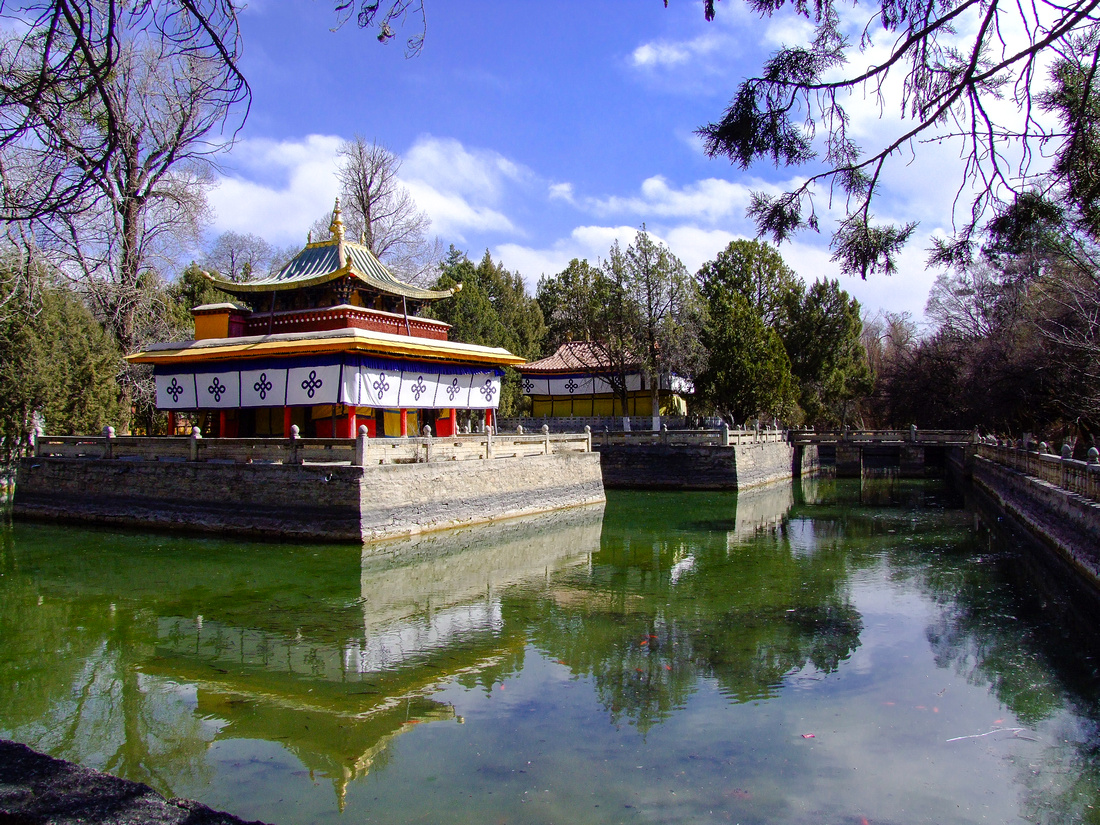
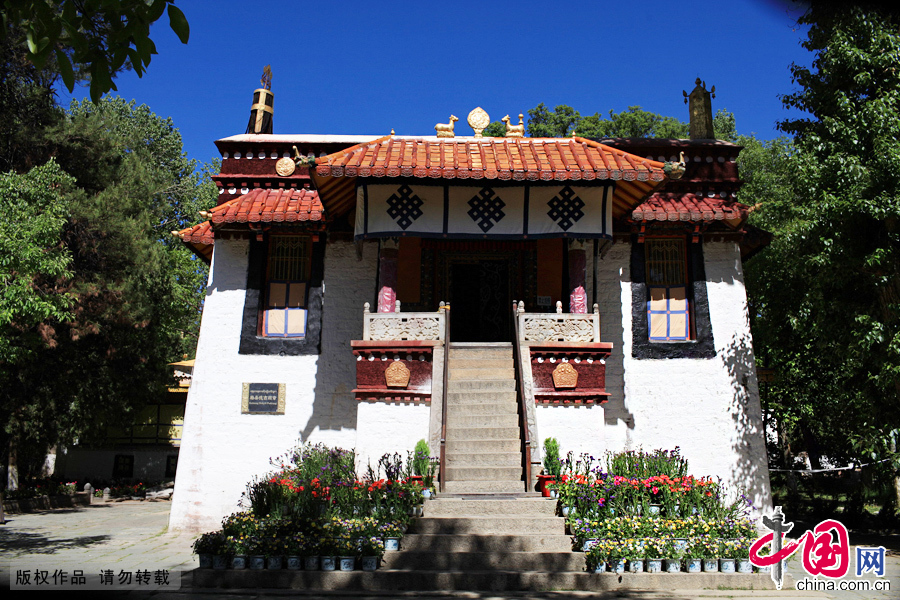


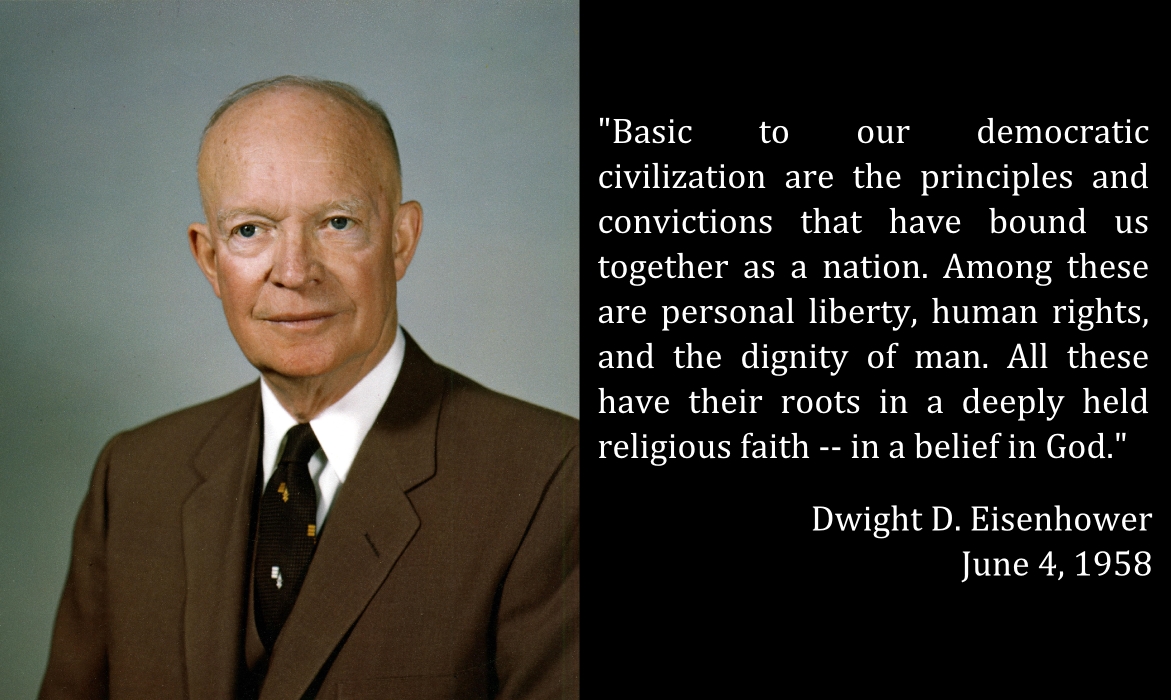


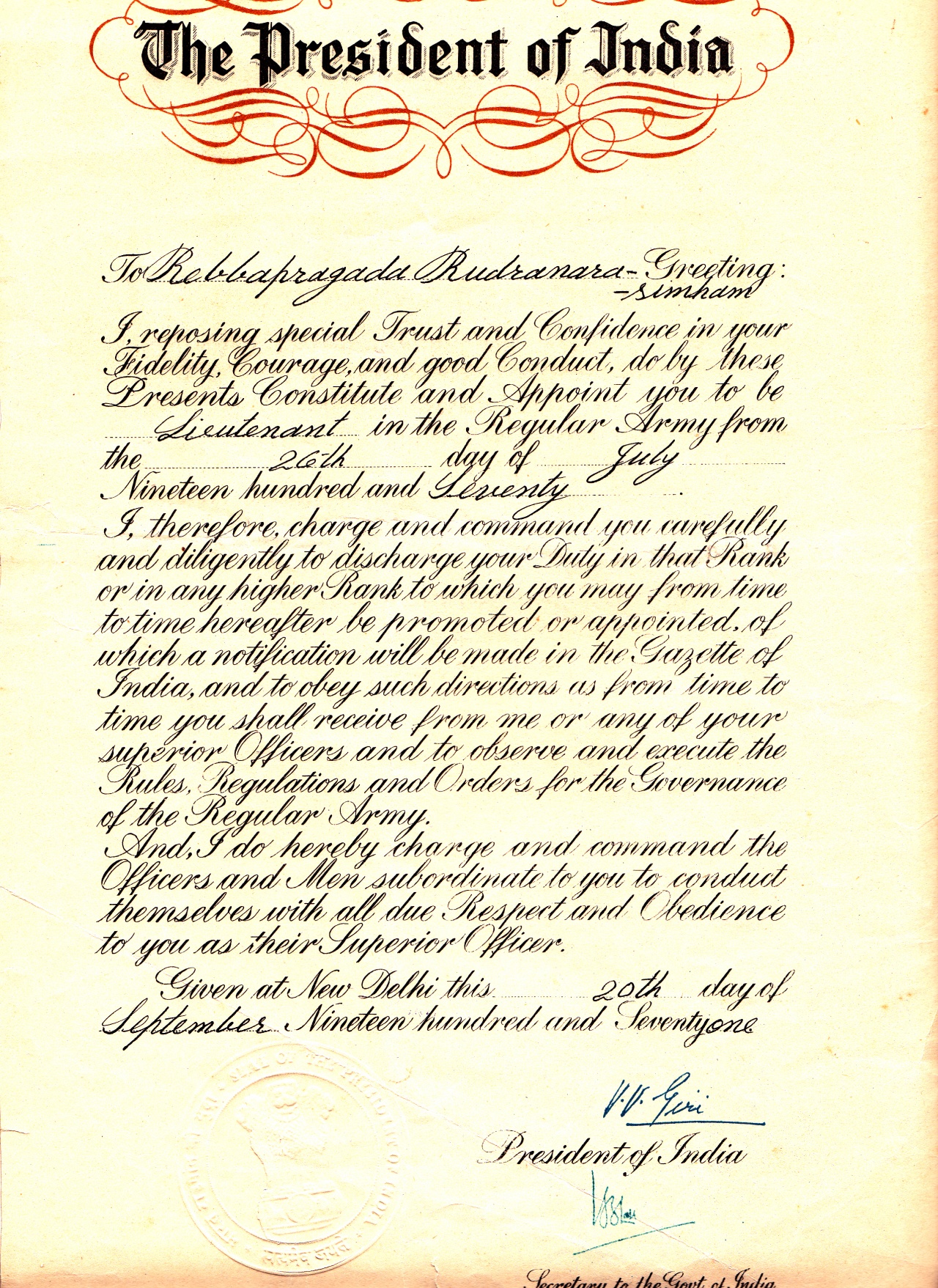


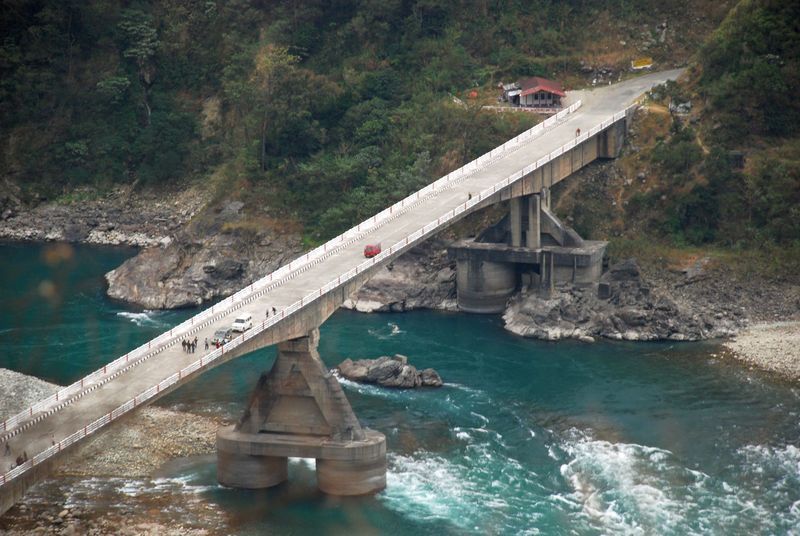

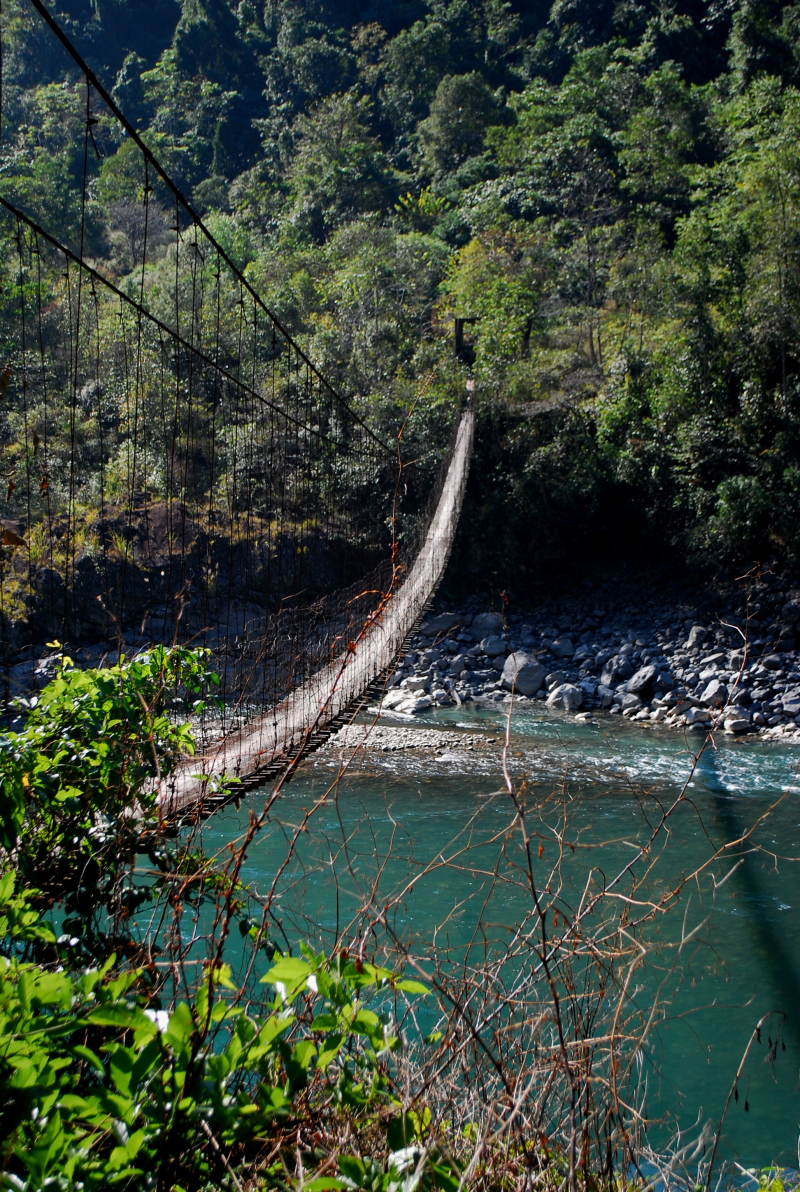
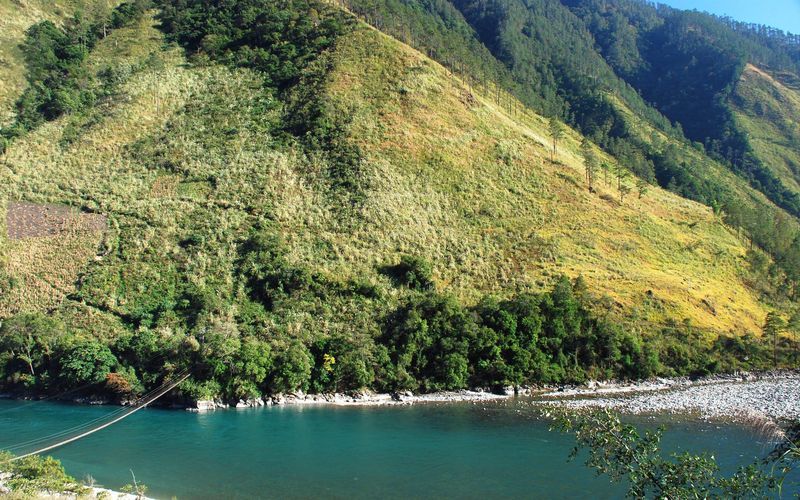


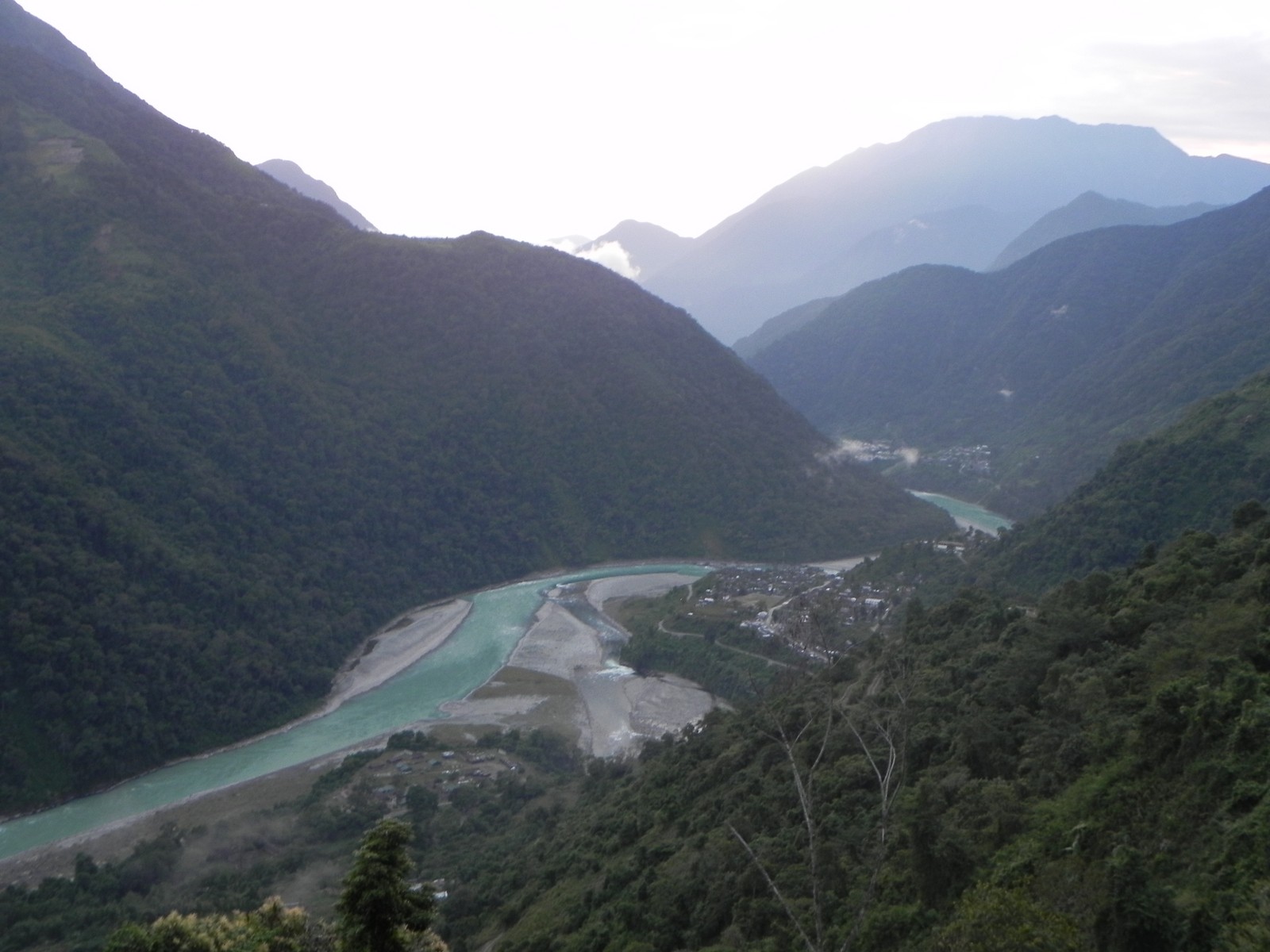

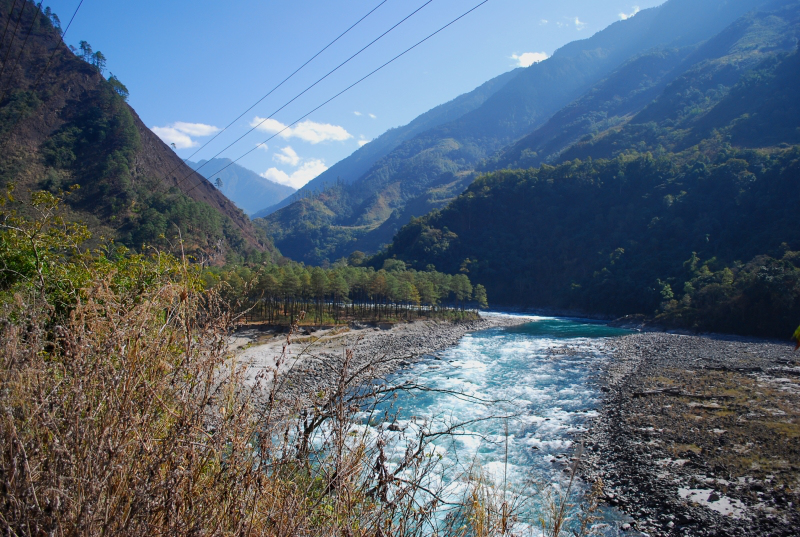


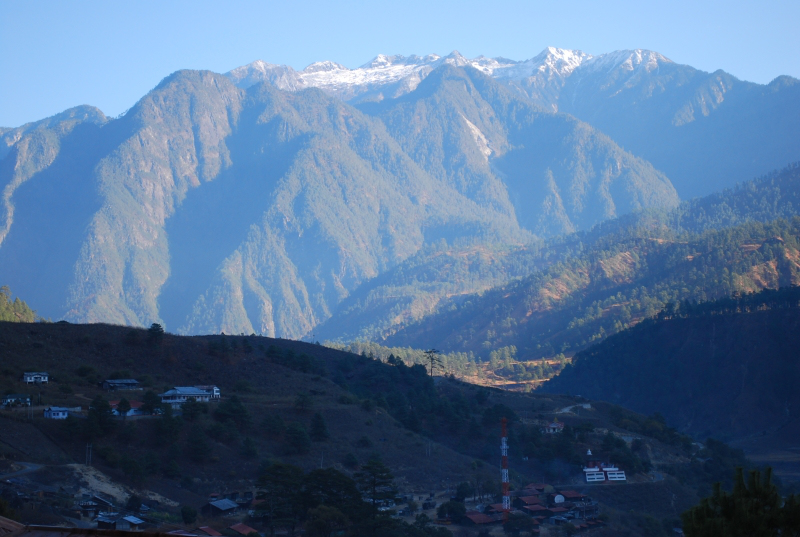
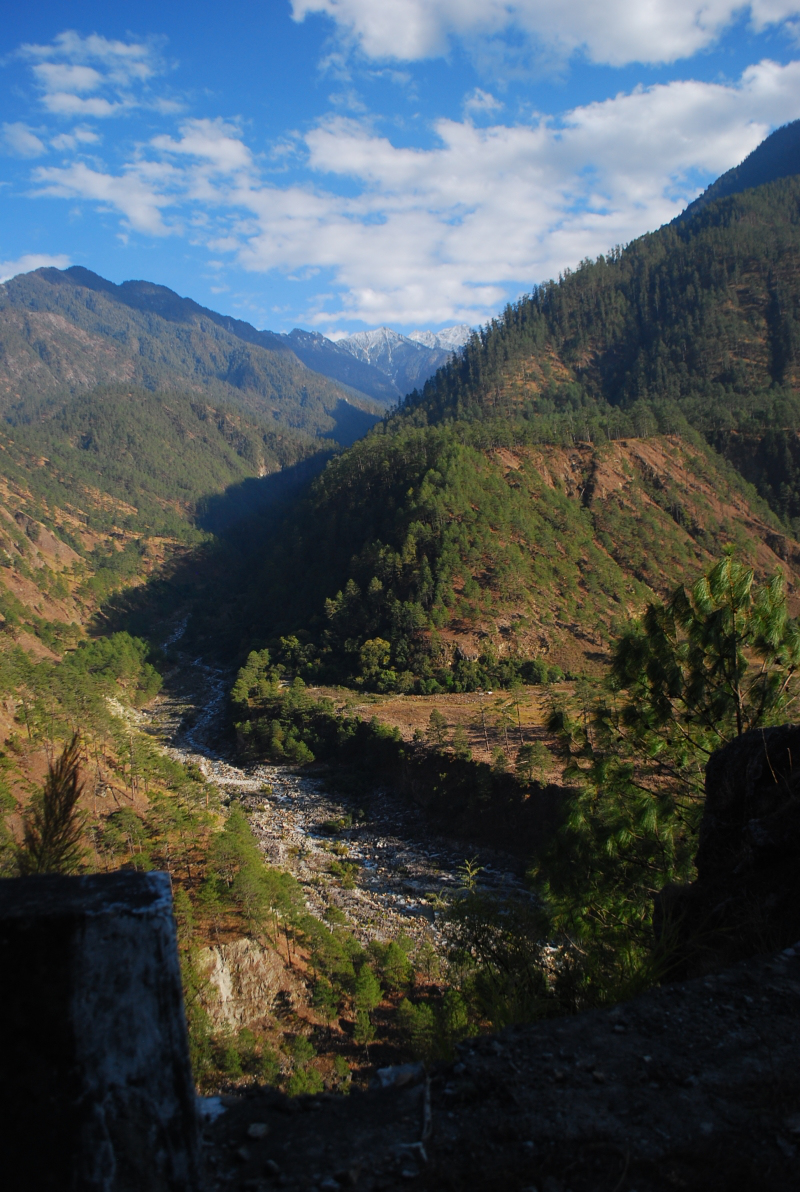


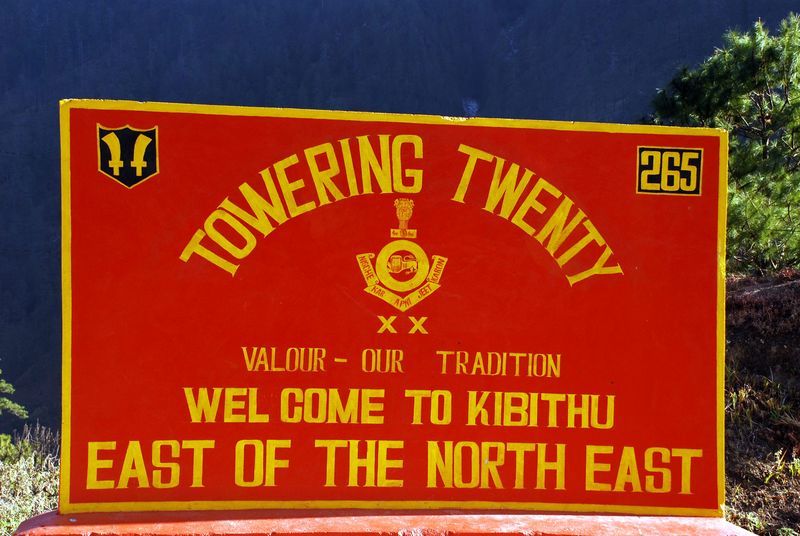

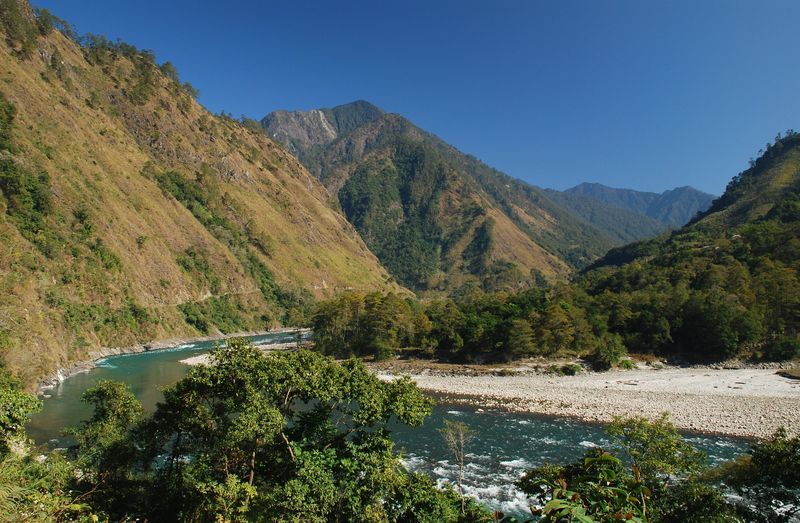
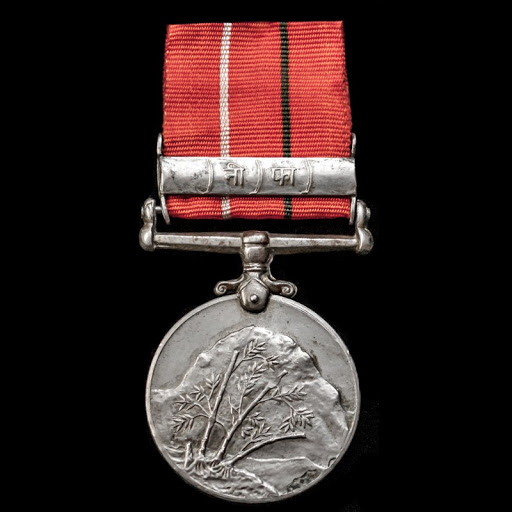


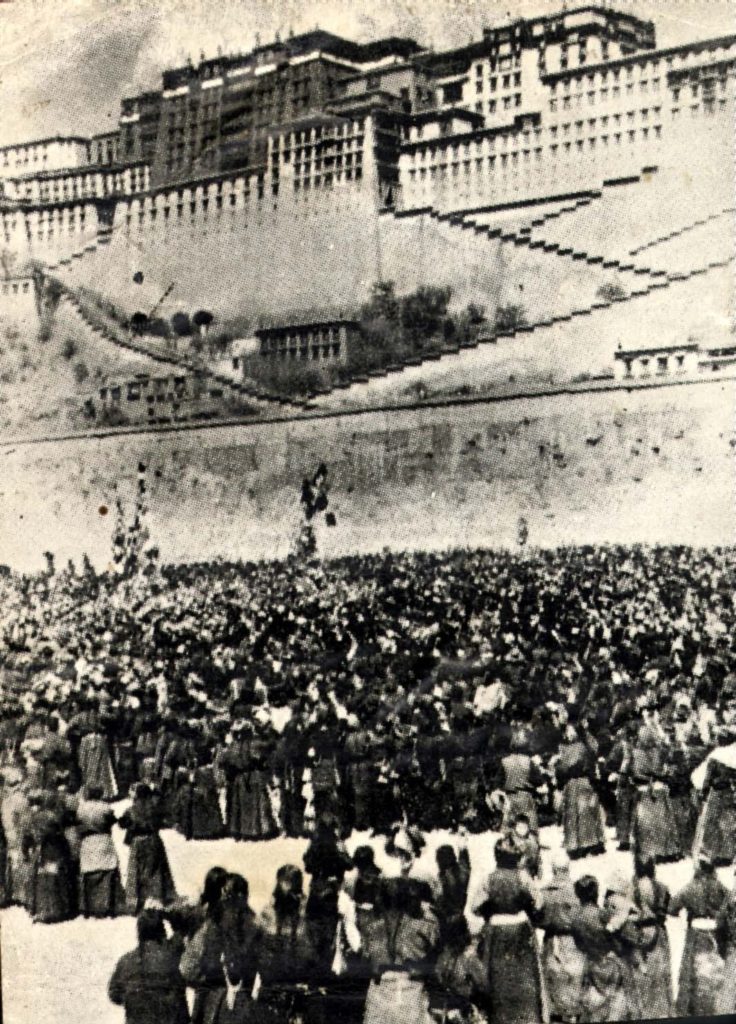
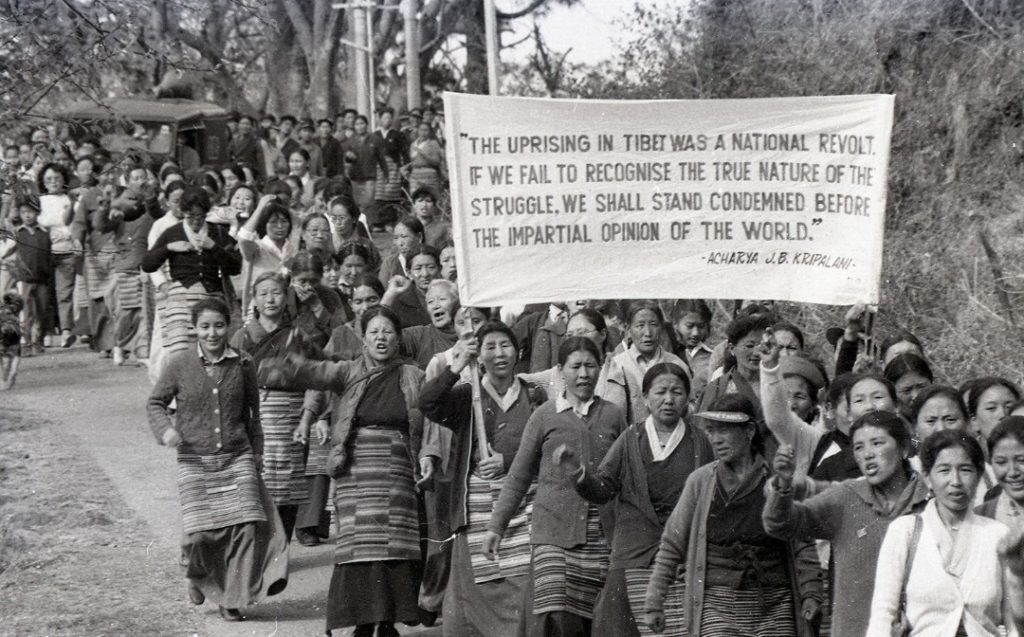


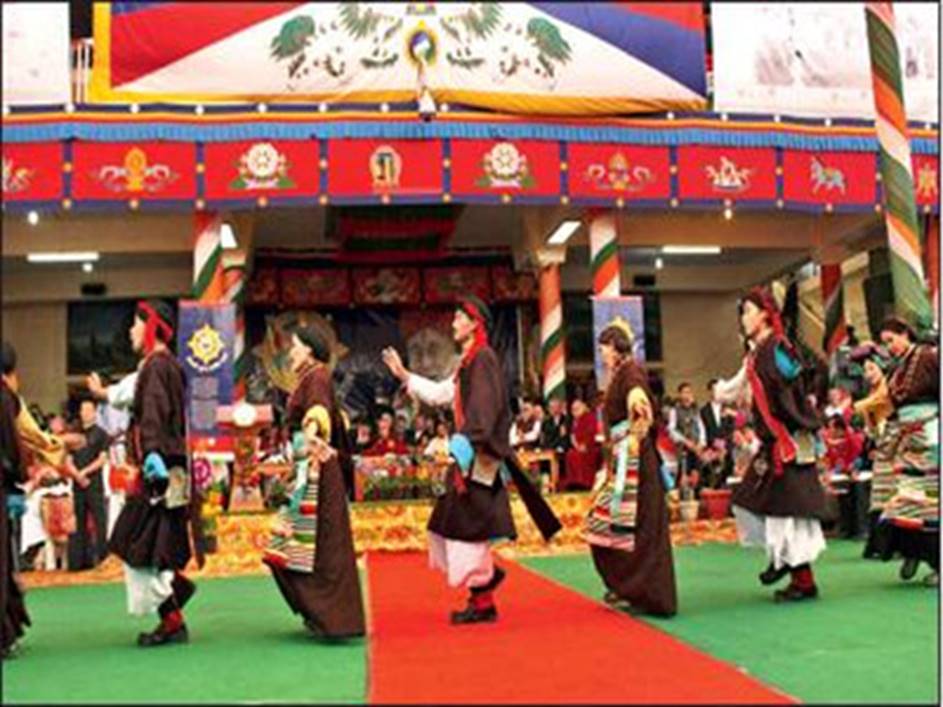


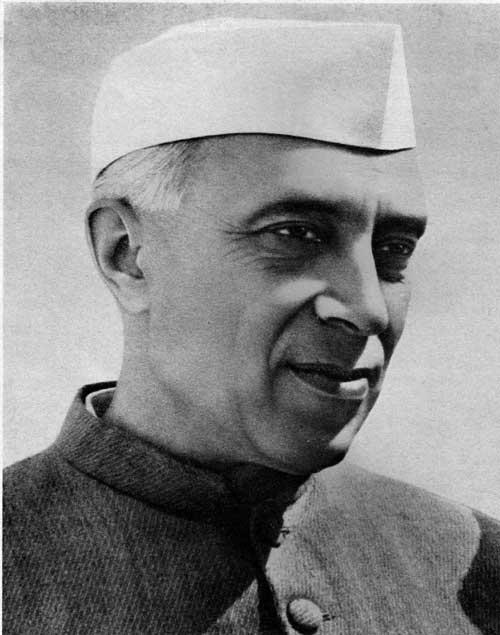
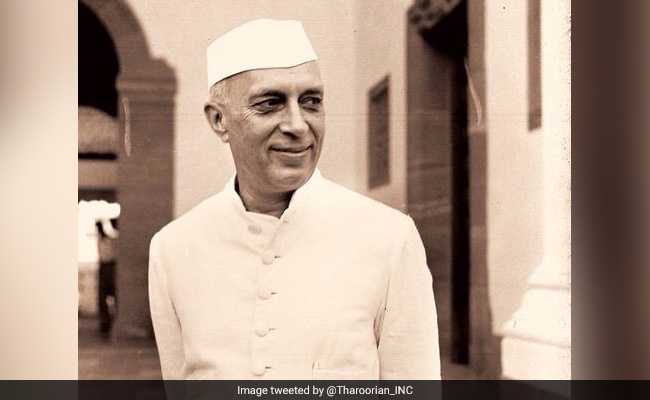


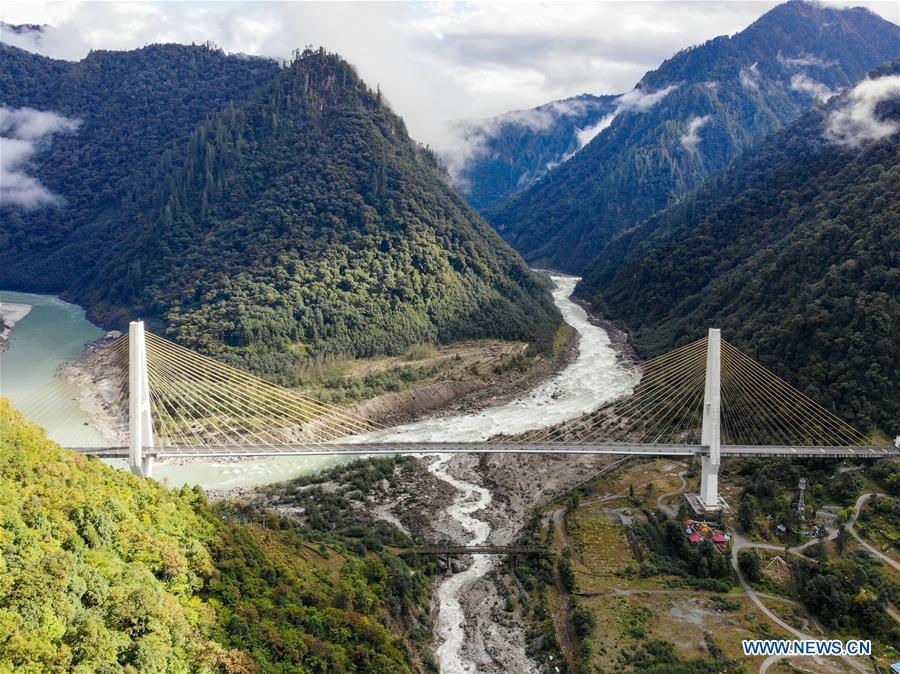


 Whole Dude - Whole Concept