Whole Dude at Whole Foods needs a Final Destination to Rest in Peace.I am a Refugee. What is my Final Destination?
I am a Refugee for I host ‘The Living Tibetan Spirits’, the Spirits of young Tibetan Soldiers who gave their precious lives while dreaming about ‘Freedom’ in Occupied Tibet.
For I am a Refugee, I am not entitled to the benefits entitled to the citizens of my host nation. I am in the search of my Final Destination where I can die with Peace and Dignity. My host nation is Free and yet as a Refugee I live under terms and conditions imposed on my existence as a Refugee. What is the Choice I can make? The options are, 1. Labor until Death in the host nation, and 2. Peaceful Death in the Enemy’s Prison.
I am a Refugee. What is my Final Destination.
India – Tibet – China Dalai Lama says he would like to return to Tibet before he dies
The spiritual leader of Tibetan Buddhism fled Lhasa during the 1959 uprising. Beijing considers him a “wolf in sheep’s clothing”. Like Xi Jinping, Donald Trump never asked to meet him.
Dharamshala (AsiaNews/Agencies) – “The Tibetan people have trust in me, they ask me [to] come to Tibet,” said the Dalai Lama in an interview with the BBC.
I am a Refugee. What is my Final Destination?
Speaking with the journalist, the spiritual leader of Tibetan Buddhism talked about his desire to return to Lhasa before he dies. He was forced to abandon the Potala Palace (his official residence) during the Tibetan uprising against Chinese military rule in 1959.
Since then, Tenzin Gyatso, the 14th Dalai Lama, has found refuge in Dharamshala (India) along with another 10,000 Tibetan Buddhists who live their Himalayan exile in Arunachal Pradesh.
In the interview the Dalai Lama describes India, the country that welcomed him, his “spiritual home”. Grateful for the hospitality he received, he notes that one advantage of not being able to return home to Tibet is that India is a free country where he can express himself openly.
Although he has often tried to engage Beijing in dialogue, to safeguard the autonomy of Tibetan religion and culture threatened by a “cultural genocide”, the Chinese Communist Party has always branded him a “dangerous” separatist seeking Tibetan independence.
In order to return to Tibet, he gave up his political role in 2011 to remain only as the spiritual leader of Tibetan Buddhism. But the Chinese Communist Party continues to view him as a “wolf in sheep’s clothing”.
At the age of 84, he enjoys good health, although he needs an assistant to walk. In April, Tibetan Buddhists all over the world were concerned for several days after his sudden hospitalization in a Delhi hospital for a lung infection.
In addition to going home to Tibet, the Dalai discussed various topics in the BBC interview: Brexit, migrants, a female Dalai Lama woman who should be “more attractive” than a man.
He also voiced strong criticism of US President Donald Trump who, in his view, lacks “moral principle”. The slogan (America First) that allowed him to win “is wrong”. The US leader, he noted, like Xi Jinping, never asked to meet him.
Whole Dude at Whole Foods Wishes You all Tashi Delek
On behalf of Special Frontier Force-Establishment 22-Vikas Regiment, I greet Tibetans on Losar, Tibetan New Year 2153. I pledge to renew support to Tibetans to help them find Happiness in Tibetan New Year beginning on Wednesday, February 18, 2026.
Losar 2026, the Tibetan New Year, will be celebrated on February 18, 2026, marking the start of the 2153rd year, which is the Year of the Fire Horse. This 15-day festival (with main festivities lasting 3 days) represents a time for cleansing, family gatherings, and renewal.
On behalf of Special Frontier Force-Establishment 22-Vikas Regiment, I greet Tibetans on Losar, Tibetan New Year 2153. I pledge to renew support to Tibetans to help them find Happiness in Tibetan New Year beginning on Wednesday, February 18, 2026.
Key Details for Losar 2026 (Year of the Fire Horse):
Date:February 18, 2026, falls on a Wednesday.
Significance:The Fire Horse is associated with movement, strength, and transformation.
Duration:The main, most significant celebrations occur over three days (Feb 18–20), though festivities can last up to 15 days.
Preparations:Homes are cleaned and painted, and a special noodle soup called guthuk is prepared on New Year’s Eve (Feb 17).
Celebration Activities:People wear new clothes, visit monasteries (like the Potala Palace or Sera Monastery), exchange greetings of “Tashi Delek,” and witness masked dances to ward off evil spirits.
Regions: It is a major holiday in Tibet, Bhutan, Nepal, and parts of India.
On behalf of Special Frontier Force-Establishment 22-Vikas Regiment, I greet Tibetans on Losar, Tibetan New Year 2153. I pledge to renew support to Tibetans to help them find Happiness in Tibetan New Year beginning on Wednesday, February 18, 2026.
It is a time to pay homage to deities, make offerings, and enjoy traditional food like kapse (fried pastries).
Tibet Equilibrium 2026: Special Frontier Force shares Happy Losar Tashi Delek Greetings
On behalf of Special Frontier Force-Establishment 22-Vikas Regiment, I greet Tibetans on Losar, Tibetan New Year 2153. I pledge to renew support to Tibetans to help them find Happiness in Tibetan New Year beginning on Wednesday, February 18, 2026.On behalf of Special Frontier Force-Establishment 22-Vikas Regiment, I greet Tibetans on Losar, Tibetan New Year 2153. I pledge to renew support to Tibetans to help them find Happiness in Tibetan New Year beginning on Wednesday, February 18, 2026.
On behalf of Special Frontier Force-Establishment 22-Vikas Regiment, I greet Tibetans on Losar, Tibetan New Year 2153. I pledge to renew support to Tibetans to help them find Happiness in Tibetan New Year beginning on Wednesday, February 18, 2026.
On behalf of Special Frontier Force-Establishment 22-Vikas Regiment, I greet Tibetans on Losar, Tibetan New Year 2153. I pledge to renew support to Tibetans to help them find Happiness in Tibetan New Year beginning on Wednesday, February 18, 2026.On behalf of Special Frontier Force-Establishment 22-Vikas Regiment, I greet Tibetans on Losar, Tibetan New Year 2153. I pledge to renew support to Tibetans to help them find Happiness in Tibetan New Year beginning on Wednesday, February 18, 2026.On behalf of Special Frontier Force-Establishment 22-Vikas Regiment, I greet Tibetans on Losar, Tibetan New Year 2153. I pledge to renew support to Tibetans to help them find Happiness in Tibetan New Year beginning on Wednesday, February 18, 2026.On behalf of Special Frontier Force-Establishment 22-Vikas Regiment, I greet Tibetans on Losar, Tibetan New Year 2153. I pledge to renew support to Tibetans to help them find Happiness in Tibetan New Year beginning on Wednesday, February 18, 2026.On behalf of Special Frontier Force-Establishment 22-Vikas Regiment, I greet Tibetans on Losar, Tibetan New Year 2153. I pledge to renew support to Tibetans to help them find Happiness in Tibetan New Year beginning on Wednesday, February 18, 2026.On behalf of Special Frontier Force-Establishment 22-Vikas Regiment, I greet Tibetans on Losar, Tibetan New Year 2153. I pledge to renew support to Tibetans to help them find Happiness in Tibetan New Year beginning on Wednesday, February 18, 2026.
November 11, 2025 – Honoring the Veterans of Special Frontier Force
Whole Dude – Whole Veteran: November 11, 2025. Honoring the Veterans of Special Frontier Force
Excerpt: On November 11, 2025, the Veterans of Special Frontier Force, a military alliance between India, Tibet, and the U.S., was honored for its operations in Bangladesh in 1971-72. The tribute, taking place on Veterans Day, recognized these veterans for their exceptional contributions, amid the general silence from Tibet, India, and the U.S. The force, identified by the U.S. military weapons and supplies they used, executed their inaugural combat mission, Operation Eagle, securing peace in what is now Bangladesh. The extensive list of weapon systems and support supplies used during these operations from the U.S. arsenal signified the close cooperation between the allies during this period.
Whole Dude – Whole Veteran: November 11, 2025. Honoring the Veterans of Special Frontier Force. 1871 and 1971, One Hundred Years Apart, Southern Column vs South Column. The Military Expeditions to Demagiri, Tlabung, Lushai, Mizo Hills. The M14 Rifle was issued to me on Monday, October 25, 1971.Whole Dude – Whole Veteran: November 11, 2025. Honoring the Veterans of Special Frontier Force. The weapon used by the Veterans of Special Frontier Force in Operation Eagle, the Bangladesh Ops of 1971-72.
Veteran’s Day is a tribute to military veterans who have served in the U.S. Armed Forces. Originating in 1919 when President Woodrow Wilson marked a year since the end of the First World War, the day coincides with other days of remembrance around the world including Armistice Day in the United Kingdom and Remembrance Day across the Commonwealth of Nations. Not to be confused with Memorial Day, which honors those who died while in service, Veterans Day honors all military veterans, including the living.
On Tuesday, November 11, 2025, I honor the Veterans of Special Frontier Force while Tibet, India, and the United States remain silent about the contributions of the living and the dead veterans of Special Frontier Force in support of Freedom.
On Tuesday, November 11, 2025, I honor the Veterans of Special Frontier Force while Tibet, India, and the United States remain Silent about the contributions of the living and the dead veterans of Special Frontier Force in support of Freedom.
The military Veterans of Special Frontier Force (particularly Establishment 22 prior to conversion to Vikas Regiment)serve the United States for they used the military weapons and military supplies provided by the United States. A soldier is always identified by the military weapon that he uses in his fight against the enemy.
Whole Dude – Whole Veteran: November 11, 2025. Honoring the Veterans of Special Frontier Force. The Fifth Army in Bangladesh. Establishment No. 22 – Operation Eagle: This badge represents a military alliance/pact between India, Tibet, and the United States of America. Its first combat mission was in the Chittagong Hill Tracts which unfolded on Thursday, October 28, 1971 when South Column crossed the international boundary West of Borunasury Border Security Force Company Post. It was named Operation Eagle. It accomplished its mission of securing peace in the region that is now known as Republic of Bangladesh. The Badge is not worn on uniforms during active duty.Whole Dude – Whole Veteran: November 11, 2025. Honoring the Veterans of Special Frontier Force. The weapon used by the Veterans of Special Frontier Force in Operation Eagle, the Bangladesh Ops of 1971-72.Whole Dude – Whole Veteran: November 11, 2025. Honoring the Veterans of Special Frontier Force. 1871 and 1971, One Hundred Years Apart, Southern Column vs South Column. The Military Expeditions to Demagiri, Tlabung, Lushai, Mizo Hills. American made High-Explosive Fragmentation Mark II Hand Grenade. OPERATION EAGLE 1971. During Operation Eagle, the India-Pakistan War of 1971, I collected two such hand grenades at the enemy post that we captured. I removed the Detonator to safely handle the grenade. I took them home and presented them to my father as a piece of evidence of my participation in the War. My father was afraid to keep my evidence. The Grenades were buried in Alcot Gardens, Rajahmundry. Whole Dude – Whole Veteran: November 11, 2025. Honoring the Veterans of Special Frontier Force. 1871 and 1971, One Hundred Years Apart, Southern Column vs South Column. The Military Expeditions to Demagiri, Tlabung, Lushai, Mizo Hills.The General Purpose Machine Gun M60 was designed for use in the Vietnam War was equally useful for our Infantry Operation Eagle in the Chittagong Hill Tracts. Whole Dude – Whole Veteran: November 11, 2025. Honoring the Veterans of Special Frontier Force. 1871 and 1971, One Hundred Years Apart, Southern Column vs South Column. The Military Expeditions to Demagiri, Tlabung, Lushai, Mizo Hills. M1 Muzzle loading 81mm Mortar is a heavy piece of Infantry weapon which provides indirect fire support. During Operation Eagle, our men had carried them on their backs and used them to fire upon the enemy patrols whenever they had confronted us. Whole Dude – Whole Veteran: November 11, 2025. Honoring the Veterans of Special Frontier Force. 1871 and 1971, One Hundred Years Apart, Southern Column vs South Column. The Military Expeditions to Demagiri, Tlabung, Lushai, Mizo Hills. The most common weapon used by American Infantry Battalions in World War II, Korea, and Vietnam. Operation Eagle was fought on a manpack basis and this short-range, lightweight mortar was very useful. Whole Dude – Whole Veteran: November 11, 2025. Honoring the Veterans of Special Frontier Force. 1871 and 1971, One Hundred Years Apart, Southern Column vs South Column. The Military Expeditions to Demagiri, Tlabung, Lushai, Mizo Hills AN/PRC-77 Backpack radio set is similar to the AN/PRC-25 radio set. This has the additional ability to scramble voice communications while being transmitted. The US Army used the same radio sets in Vietnam. .Whole Dude – Whole Veteran: November 11, 2025. Honoring the Veterans of Special Frontier Force. 1871 and 1971, One Hundred Years Apart, Southern Column vs South Column. The Military Expeditions to Demagiri, Tlabung, Lushai, Mizo Hills Short-range, manpack, portable, frequency modulated (FM) transceiver that provides two-way voice communication. Radio Set AN/PRC – 25 is used in the Vietnam War and I had used the same in Operation Eagle. .Whole Dude – Whole Veteran: November 11, 2025. Honoring the Veterans of Special Frontier Force. 1871 and 1971, One Hundred Years Apart, Southern Column vs South Column. The Military Expeditions to Demagiri, Tlabung, Lushai, Mizo Hills Operation Eagle: Fifth Army in Bangladesh. We used the Collapsible, Tri-fold, Entrenching Tool used by the US Army in Vietnam. .Whole Dude – Whole Veteran: November 11, 2025. Honoring the Veterans of Special Frontier Force. 1871 and 1971, One Hundred Years Apart, Southern Column vs South Column. The Military Expeditions to Demagiri, Tlabung, Lushai, Mizo Hills Infantry marches on its feet. Boots are the most important equipment apart from Guns. I had used Ankle Canvas Boots used by the US Army in Vietnam, during Operation Eagle and had marched on feet to fight and dislodge the enemy from the Chittagong Hill Tracts. .Whole Dude – Whole Veteran: November 11, 2025. Honoring the Veterans of Special Frontier Force. 1871 and 1971, One Hundred Years Apart, Southern Column vs South Column. The Military Expeditions to Demagiri, Tlabung, Lushai, Mizo Hills. A Soldier needs his gun, boots, and clothing to protect himself. During Operation Eagle 1971, I had used this US Army Nylon Poncho with Hood (Olive) to sleep on the ground and as a coat to protect myself from intense fog and dew prevalent in the Chittagong Hill Tracts. Whole Dude – Whole Veteran: November 11, 2025. Honoring the Veterans of Special Frontier Force. 1871 and 1971, One Hundred Years Apart, Southern Column vs South Column. The Military Expeditions to Demagiri, Tlabung, Lushai, Mizo Hills.During Operation Eagle 1971 we were not allowed the use of cameras or photography. I would have looked like this man wearing Olive Green Coat Poncho. I had used US Army Cap-Jungle. Whole Dude – Whole Veteran: November 11, 2025. Honoring the Veterans of Special Frontier Force . 1871 and 1971, One Hundred Years Apart, Southern Column vs South Column. The Military Expeditions to Demagiri, Tlabung, Lushai, Mizo Hills. The US Army Lightweight, Olive Green, Field Patrol Cap or Cap Jungle was worn by me during the entire duration of the military expedition.Whole Dude – Whole Veteran: November 11, 2025. Honoring the Veterans of Special Frontier Force . 1871 and 1971, One Hundred Years Apart, Southern Column vs South Column. The Military Expeditions to Demagiri, Tlabung, Lushai, Mizo Hills.U.S. Army uses a variety of Individual Field Medical Kits. The Kits issued to us during Operation Eagle 1971 were Olive Green Canvas pouches worn on the belts by each individual. The medical supplies included Water Purification Tablets for use in water bottles, anti-Malaria pills, Insect Repellent Solution (DBP), Insect Repellant Cream (DMP), Injectable Tubonic Morphine, Oxytetracycline tablets, Multivitamin tablets, Field dressings, bandages and others. The Kits were not stamped but the contents reveal the place of origin. Whole Dude - Whole Veteran: November 11, 2025. Honoring the Veterans of Special Frontier Force. 1871 and 1971, One Hundred Years Apart, Southern Column vs South Column. The Military Expeditions to Demagiri, Tlabung, Lushai, Mizo Hills.Operation Eagle. We used the same Water Purification Tablets and Water Canteens used by the US Army in Vietnam. Whole Dude - Whole Veteran: November 11, 2025. Honoring the Veterans of Special Frontier Force . 1871 and 1971, One Hundred Years Apart, Southern Column vs South Column. The Military Expeditions to Demagiri, Tlabung, Lushai, Mizo Hills. Field Rations supplied in Demagiri. Kraft processed Cheddar Cheese in Blue tins.Whole Dude – Whole Veteran: November 11, 2025. Honoring the Veterans of Special Frontier Force. 1871 and 1971, One Hundred Years Apart, Southern Column vs South Column. The Military Expeditions to Demagiri, Tlabung, Lushai, Mizo Hills. Field Rations supplied in Demagiri. Nestle’s Condensed Milk. Image used for illustrative purpose.Whole Dude – Whole Veteran: November 11, 2025. Honoring the Veterans of Special Frontier Force. 1871 and 1971, One Hundred Years Apart, Southern Column vs South Column. The Military Expeditions to Demagiri, Tlabung, Lushai, Mizo Hills. In 1971, South Column used the US Army 2-piece Aluminum Mess tin kit
Rudra Narasimham Rebbapragada
SPECIAL FRONTIER FORCE
VETERANS DAY – ARMISTICE DAY – HONORING ALL WHO SERVED
Whole Dude – Whole Veteran: November 11, 2025. Honoring the Veterans of Special Frontier Force
Whole Dude – Whole Veteran: November 11, 2025. Honoring the Veterans of Special Frontier Force. Veterans Day Proclamation in 1954 by the US President Dwight Eisenhower.
Many Americans mistakenly believe that Veterans Day is the day America sets aside to honor American military personnel who died in battle or as a result of wounds sustained from combat. That’s not true. Memorial Day is the day set aside to honor America’s war dead.
Veterans Day, on the other hand, honors ALL American veterans, both living and dead. In fact, Veterans Day is largely intended to thank LIVING veterans for dedicated and loyal service to their country. November 11 of each year is the day that we ensure veterans know that we deeply appreciate the sacrifices they have made in the lives to keep our country free.
Armistice Day
To commemorate the ending of the “Great War” (World War I), an “unknown soldier” was buried in the highest place of honor in both England and France (in England, Westminster Abbey; in France, the Arc de Triomphe). These ceremonies took place on November 11th, celebrating the ending of World War I hostilities at 11 a.m., November 11, 1918 (the 11th hour of the 11th day of the 11th month). This day became known internationally as “Armistice Day”.
In 1921, the United States of America followed France and England by laying to rest the remains of a World War I American soldier — his name “known but to God” — on a Virginia hillside overlooking the city of Washington DC and the Potomac River. This site became known as the “Tomb of the Unknown Soldier,” and today is called the “Tomb of the Unknowns.” Located in Arlington National Cemetery, the tomb symbolizes dignity and reverence for the American veteran.
In America, November 11th officially became known as Armistice Day through an act of Congress in 1926. It wasn’t until 12 years later through a similar act that Armistice Day became a national holiday.
The entire World thought that World War I was the “War to end all wars.” Had this been true, the holiday might still be called Armistice Day today. That dream was shattered in 1939 when World War II broke out in Europe. More than 400,000 American service members died during that horrific war.
Veterans Day Creation
In 1954, President Eisenhower signed a bill proclaiming November 11 as Veterans Day and called upon Americans everywhere to rededicate themselves to the cause of peace. He issued a Presidential Order directing the head of the Veterans Administration (now called the Department of Veterans Affairs) to form a Veterans Day National Committee to organize and oversee the national observance of Veterans Day.
Veterans Day National Ceremony
At exactly 11 a.m., each November 11th, a color guard, made up of members from each of the military branches, renders honors to America’s war dead during a heart-moving ceremony at the Tomb of the Unknowns in Arlington National Cemetery.
The President or his representative places a wreath at the Tomb and a bugler sounds Taps. The balance of the ceremony, including a “Parade of Flags” numerous veterans service organizations, takes place inside the Memorial Amphitheater, adjacent to the Tomb.
In addition to planning and coordinating the National Veterans Day Ceremony, the Veterans Day National Committee supports a number of Veterans Day Regional Sites. These sites conduct Veterans Day celebrations that provide excellent examples for other communities to follow.
Veterans Day Observance
Veterans Day is always observed on November 11, regardless of the day of week on which it falls. The Veterans Day National Ceremony is always held on Veterans Day itself, even if the holiday falls on a Saturday or Sunday. However, like all other federal holidays, when it falls on a non-workday — Saturday or Sunday — the federal government employees take the day off on Monday (if the holiday falls on Sunday) or Friday (if the holiday falls on Saturday).
This federal law does not apply to state and local governments. They are free to determine local government closings (including school closings) locally. As such, there is no legal requirement that schools close on Veterans Day, and many do not. However, most schools hold Veterans Day activities on Veterans Day and throughout the week of the holiday to honor American veterans.
Allied Veterans Day Around the World
Many other countries honor their veterans on November 11th of each year. However, the name of the holiday and the types of ceremonies differ from the Veterans Day activities in the United States.
Canada, Australia, and Great Britain refer to their holidays as “Remembrance” Canada and Australia observe the day on November 11, and Great Britain conducts their ceremonies on the Sunday nearest to November 11th.
In Canada, the observance of “Remembrance Day” is actually quite similar to the United States in that the day is set aside to honor all of Canada’s veterans, both living and dead. One notable difference is that many Canadians wear a red poppy flower on November 11 to honor their war dead, while the “red poppy” tradition is observed in the United States on Memorial Day.
In Australia, “Remembrance Day” is very much like America’s Memorial Day, in that it’s considered a day to honor Australian veterans who died in the war.
In Great Britain, the day is commemorated by church services and parades of ex-service members in Whitehall, a wide ceremonial avenue leading from London’s Parliament Square to Trafalgar Square. Wreaths of poppies are left at the Cenotaph, a war memorial in Whitehall, which was built after the First World War. At the Cenotaph and elsewhere in the country, a two-minute silence is observed at 11 a.m., to honor those who lost their lives in wars.
Whole Dude – Whole Veteran: November 11, 2025. Honoring the Veterans of Special Frontier Force. The weapon used by the veterans of Special Frontier Force in Operation Eagle, the Bangladesh Ops of 1971-72.
Whole Dude – Whole Veteran: November 11, 2025. Honoring the Veterans of Special Frontier Force: 1871 and 1971, One Hundred Years Apart, Southern Column vs South Column. The Military Expeditions to Demagiri, Tlabung, Lushai, Mizo Hills. Just like this Camp Hale Memorial Plaque in Colorado, USA, I am asking for a Memorial Plate to be placed in Demagiri, Tlabung, Lushai, Mizo Hills, India.
Tibetans are celebrating His Holiness the 14th Dalai Lama’s 80th birthday with a photography exhibition, ‘Dalai Lama in Frames’ at Centre Atrium, India Habitat Centre, New Delhi. Dalai Lama relinquished his temporal powers and Tibetan Exile community have a parliament and a Prime Minister to attend to affairs of Tibetan Government in Exile.
Tibetans in Occupied Tibet continue to claim Dalai Lama as the Supreme Ruler of Tibet for they have no opportunity to elect their own representatives. Until Democracy is introduced into Tibet, Tibetans have no choice; His Holiness the Dalai Lama will remain the sole representative of Tibetans.
Rudra Narasimham Rebbapragada Ann Arbor, MI 48104-4162 USA Special Frontier Force-Establishment 22-Vikas Regiment
Shweta Sharma, Dec 29, 2015, DHNS Photo exhibit His Holiness The Dalai Lama turned 80 this year. In Tibetan custom, especially in Amdo, the north eastern part of Tibet, where he was born, family members celebrate the 80th year of one’s birth with great joy. Extending this celebration to the national capital, the Foundation for Universal Responsibility of His Holiness The Dalai Lama (FURHHDL) put together ‘Dalai Lama in Frames’ a photography exhibition based on his life and activities.
“The main idea behind organising this exhibition is to showcase the life and activities of His Holiness the Dalai Lama in visual form. If you check his schedule, you can see that he travels extensively to different parts of the world engaging in talks, teachings, festivals. Even in India, he travels to various parts of the country meeting people, students, and children and participating in many meetings and gatherings,” Thupten Tsewang, director (administration), general manager (programmes), FURHHDL, tells Metrolife.
The exhibition shows the Dalai Lama’s life in pictures through the lens of Tenzin Choejor, his official photographer. So, in one image the Tibetan spiritual leader can be seen with Mahendra Singh Dhoni, captain of Indian cricket team, at Dharamsala (2014); in another picture he is seen offering prayers at the Gupt-Ganga Temple in Srinagar (2012); while another image shows him blessing the patients at Tahirpur Leprosy Complex in New Delhi (2014).
“We did not have any strict system of selecting the images. However, we have tried our best to select those images which depict his genuine effort of reaching out to people of different backgrounds and circumstances,” Tsewang says.
He adds that the images are broadly based on the three main commitments of His Holiness. “Firstly, images such as his engagement with various religious leaders (depict his efforts) to promote religious harmony in the world. (His images) with students, children, patients, politicians, business people depict his efforts of reaching out to people of various backgrounds to engage and promote human values. Thirdly, engaging with Tibetans and Buddhists (depict his effort) to preserve Tibet’s Buddhist culture, a culture of peace and non-violence,” he says.
The exhibition is on at the Centre Atrium, India Habitat Centre until December 31.
Copyright 2014, The Printers (Mysore) Private Ltd., 75, M.G Road, Post Box 5331, Bengaluru – 560001
Tel: +91 (80) 25880000 Fax No. +91 (80) 25880523
Tibet Consciousness – The Supreme Ruler of Tibet.Lhasa, Potala und Medizinberg von Osten. My Prayers to Lhasa River.
Tibet Consciousness – The Dalai Lama’s Birthplace, Taktser, Amdo, Tibet,
Special Frontier Force shares with pleasure a story, “In the Dalai Lama’s home town, a moment of limbo,” published in The Washington Post.
Rudra Narasimham Rebbapragada Ann Arbor, MI 48104-4162 USA Special Frontier Force-Establishment 22-Vikas Regiment
Tibet Consciousness – The Dalai Lama’s Birthplace, Taktser, Amdo, Tibet,
THE WASHINGTON POST
In the Dalai Lama’s home town, a moment of limbo
TIBET CONSCIOUSNESS – THE 14th DALAI LAMA’S BIRTHPLACE, TAKTSER, AMDO, TIBET.
What the birthplace of the Dalai Lama looks like
The spiritual leader was born Lhamo Dondrub to parents who farmed barley and potatoes in the village of Taktser.
The spiritual leader was born Lhamo Dondrub to parents who farmed barley and potatoes in the village of Taktser. The simple farmer’s home where the Dalai Lama once lived was leveled long ago and has been reconstructed several times during his exile. The latest changes, announced in 2013, cost $400,000 and saw the addition of a 10-foot-high wall. Emily Rauhala/The Washington Post
BY EMILY RAUHALA NOVEMBER 19 at 10:35 PM
Taktser, Amdo, Tibet — The first snow of the season lies light on the hills and the air smells of wood smoke; the police who guard this village on the eastern edge of the Tibetan Plateau must be inside by the stove.
Beyond a solitary checkpoint, a paved road rises up and around and passes a high-walled courtyard with a richly painted gate. Nearby, a sheep picks through a pile of hay, unobserved except by security cameras.
It was here, in what Tibetans call Amdo (and the People’s Republic named Qinghai province), that a boy named Lhamo Dondrub was born in 1935 to parents who farmed barley and potatoes.
Identified as the next reincarnation of the Dalai Lama at age 2, he left for Lhasa in 1939 and fled to India in 1959. But in his birthplace — known to the Tibetans as Taktser — and across the plateau, his presence is still keenly, if quietly, felt — much to Beijing’s dismay.
In 2006, a top Chinese official called the battle against him a “fight to the death.” With each year that passes — he turned 80 in July — that looks to be increasingly true.
Last year, the Dalai Lama raised the possibility that his title may die with him, musing also that he might reincarnate as a woman, reincarnate outside Tibet or not reincarnate at all.
Beijing countered that the man they call a “wolf in monk’s robes” must absolutely reincarnate. It seeks to control what happens when he dies by, among other things, staking a claim on his place of birth.
That leaves Taktser in limbo. “In a way, his birthplace represents and embodies the Tibet problem: It’s there, and the Chinese authorities cannot make it disappear,” said Yangdon Dhondup, a research associate at London’s School of Oriental and African Studies.
“To find a way around this is to make it as difficult as possible to access it so that slowly, this place — and in extension, the Tibet problem — is forgotten from the mind and from history,” she said. On the road to Taktser, the sweep of history is in full view.
From the provincial capital, Xining, you drive east on a freeway flanked by half-built high-rises, and then south along a valley floor, passing villages being razed and rebuilt with state money — mud-brown courtyards resurrected in grayish white, often with standard-issue stenciling on the walls.
Roadside billboards feature the face of President Xi Jinping and praise the Communist Party. “Deeply implement the spirit of the 18th Party congress,” reads one. There are few signs, though, marking the way to Taktser.
Beijing’s strategy in Tibetan areas is twofold: forcibly restrict religious practice while pumping money into development in a bid to control, and eventually change, the Tibetan way of life. Some Tibetans call it colonization. Beijing has long preferred “liberation,” and state media regularly tout expensive efforts in road and rail construction, mass resettlement and the restoration of historic sites.
Migration is changing many towns and cities on the plateau, including Taktser. In 2011, a Chinese state media report noted that the once-Tibetan town was home to 44 Tibetan families and 25 Han Chinese families.
The simple farmer’s home where the Dalai Lama once lived was leveled long ago and has been reconstructed several times during his exile. The latest changes, announced in 2013, cost $400,000 and included the addition of a 10-foot-high wall.
That money was part of a $250 million effort to urbanize the district. A local official, Sun Xiuzong, in 2013 cast the plan as a triumph. “Today, the once bleak, underdeveloped county is closer to a boom town,” he told the Xinhua News Agency, praising better tap water and “blacktop roads.”
Critics counter that here and elsewhere, investment comes with conditions: Some visitors who make the trip are welcome, some of the time — but only if they check in with the police. And by staking its claim on the Dalai Lama’s birthplace, the state signals something more: plans to control his lineage after death. When a search party from Lhasa set out to find the next incarnation of the Dalai Lama in 1935, its members followed a series of signals, sustaining centuries-old tradition.
Today, the toddler they found in Taktser wonders whether it’s time to end that system. “The Dalai Lama institution will cease one day,” he told the BBC last year. Better to end it with a “popular” leader, he said, than to risk a “stupid” one.
That did not please Beijing. At an annual meeting last March, members of the officially atheist Communist Party said that the Dalai Lama must reincarnate — according to their dictates.
“Decision-making power over the reincarnation of the Dalai Lama, and over the end or survival of this lineage, resides in the central government of China,” said party official Zhu Weiqun, according to state media reports.
“The party will try every single way to intervene and control the reincarnation,” said Woeser, a Tibetan poet and blogger, who like many Tibetans uses one name.
There is precedent. In 1995, the Dalai Lama named a 6-year-old as the reincarnation of the Panchen Lama, the second-most important figure in Tibetan Buddhism. China declared the appointment illegitimate, the boy and his family disappeared, and Beijing appointed its own Panchen Lama.
Many believe they have a similar plan in the works for when the Dalai Lama dies — raising the possibility of rival candidates and a succession struggle.
“China is convinced that it simply has to wait out death, then appoint their own Dalai Lama,” said Elliot Sperling, an associate professor at Indiana University who studies Tibet. “Even if Tibetans don’t accept it, Beijing believes it has enough control, and enough in terms of the mechanism of repression.”
For now, Beijing’s tight grip on Tibetan areas prevents most locals from speaking candidly on the issue. As dusk settled over Taktser, villagers declined to chat, ducking inside or simply saying, apologetically, “I can’t.”
Over tea and Tibetan bread, one family said they indeed appreciated improvements to their housing over the years and hoped the village would continue to prosper. Their names have been withheld because they are not allowed to speak to visitors.
Asked about the Dalai Lama, a farmer in his 30s shook his head, looked at the ground, then nodded toward the spiritual leader’s rebuilt house. “Shuo bu shang,” he said in Chinese. “It’s hard to say.”
Gu Jinglu in Hongya and Liu Liu in Beijing contributed to this report.
Emily Rauhala is a China Correspondent for the Post. She was previously a Beijing-based correspondent for TIME, and an editor at the magazine’s Hong Kong office.
That leaves Taktser in limbo. “In a way, his birthplace represents and embodies the Tibet problem: It’s there, and the Chinese authorities cannot make it disappear,” said Yangdon Dhondup, a research associate at London’s School of Oriental and African Studies.That leaves Taktser in limbo. “In a way, his birthplace represents and embodies the Tibet problem: It’s there, and the Chinese authorities cannot make it disappear,” said Yangdon Dhondup, a research associate at London’s School of Oriental and African Studies.That leaves Taktser in limbo. “In a way, his birthplace represents and embodies the Tibet problem: It’s there, and the Chinese authorities cannot make it disappear,” said Yangdon Dhondup, a research associate at London’s School of Oriental and African Studies.That leaves Taktser in limbo. “In a way, his birthplace represents and embodies the Tibet problem: It’s there, and the Chinese authorities cannot make it disappear,” said Yangdon Dhondup, a research associate at London’s School of Oriental and African Studies.That leaves Taktser in limbo. “In a way, his birthplace represents and embodies the Tibet problem: It’s there, and the Chinese authorities cannot make it disappear,” said Yangdon Dhondup, a research associate at London’s School of Oriental and African Studies.That leaves Taktser in limbo. “In a way, his birthplace represents and embodies the Tibet problem: It’s there, and the Chinese authorities cannot make it disappear,” said Yangdon Dhondup, a research associate at London’s School of Oriental and African Studies.That leaves Taktser in limbo. “In a way, his birthplace represents and embodies the Tibet problem: It’s there, and the Chinese authorities cannot make it disappear,” said Yangdon Dhondup, a research associate at London’s School of Oriental and African Studies.TIBET CONSCIOUSNESS – LABRANG, AMDO REGION, EASTERN TIBET. THE 14th DALAI LAMA WAS BORN IN A SMALL VILLAGE CALLED TAKTSER.
The Supreme Ruler of Tibet is unlike any spiritual leader or king
The Supreme Ruler of Tibet is unlike any spiritual leader or king
I am pleased to share the photo images of the 14th Dalai Lama, the Supreme Ruler of Tibet, living in exile.
All photographs are part of the book, ‘A God in Exile: The Fourteenth Dalai Lama by Raghu Rai’, published by Roli Books.
The BBC News shared these photo images describing the Dalai Lama as a ‘spiritual leader’. Photographer and author Raghu Rai went a step further in recognizing the Dalai Lama as “A God in Exile.”
In my analysis, the relevance of the 14th Dalai Lama relates to the Institution of Dalai Lama that governs Tibet giving a sense of reality to the Tibetan Living Experience. If the Dalai Lama is just a Spiritual Leader, he would not be living in exile. If the Dalai Lama is indeed a ‘God’, Communist China would have utterly failed in crushing the massive Tibetan Uprising of March 1959.
Rudra Narasimham Rebbapragada
Special Frontier Force-Establishment 22-Vikas Regiment
The Supreme Ruler of Tibet is unlike any spiritual leader or kingThe Supreme Ruler of Tibet is unlike any spiritual leader or king
The Dalai Lama: Intimate portrait of a spiritual leader – BBC News
The 14th Dalai Lama. The Supreme Ruler of Tibet living in exile. The Supreme Ruler of Tibet is unlike any spiritual leader or king
Image copyright Raghu Rai Image caption The Dalai Lama watching the TV series, Mahabharata
A new book by acclaimed Indian photographer Raghu Rai offers an unprecedented glimpse into the life of one of the world’s leading religious figures.
A God In Exile is the result of a photographer’s decades-long insight into his muse. Rai took his first picture of the iconic Tibetan spiritual leader in 1975.
He recalled being stopped by the Dalai Lama’s security. “I somehow managed to make eye contact with His Holiness and asked him if I could take some photos of him. He smiled and said yes,” Rai told the BBC.
Over the years, he has photographed the Dalai Lama many times and has cultivated a “deep friendship”.
In March 1959, as Chinese troops crushed an attempted uprising in Tibet, the 14th Dalai Lama, who was born Tenzin Gyatso, fled into India. He was then a young man in his mid-20s.
The 14th Dalai Lama. The Supreme Ruler of Tibet living in exile. The Supreme Ruler of Tibet is unlike any spiritual leader or king
Image copyright Raghu Rai
The Indian government granted him asylum and he settled in the northern town of Dharamshala. About 80,000 Tibetans followed him into exile, most of whom settled in the same area.
The 14th Dalai Lama. The Supreme Ruler of Tibet living in exile.The Supreme Ruler of Tibet is unlike any spiritual leader or king
Image copyright Raghu Rai
Thronged by Tibetan worshippers and tourists, the Dalai Lama is seen in the above image blessing a woman at a ceremony.
“When he sees his Tibetans, my god! You should see his eyes! It’s like a grandfather doting on his grandchildren,” Rai says.
In 2014, Rai decided to curate the hundreds of photos he had taken of the Dalai Lama and compile them into a book – a project which, he said, has been in the making for 40 years.
· The ancient wisdom the Dalai Lama hopes will enrich the world
The 14th Dalai Lama. The Supreme Ruler of Tibet living in exile. The Supreme Ruler of Tibet is unlike any spiritual leader or king
Image copyright Raghu Rai
Many of the photos in the collection capture the Dalai Lama in candid moments, giving us an intimate glimpse into his everyday life.
“He loves to play with animals – I was waiting for him one day when he suddenly showed up with a cat,” Rai says.
The 14th Dalai Lama. The Supreme Ruler of Tibet living in exile. The Supreme Ruler of Tibet is unlike any spiritual leader or king
Image copyright Raghu Rai
Rai also captured scenes from the Dalai Lama’s 80th birthday celebrations in 2015 at home in Dharamshala.
He hosted his siblings, including his older brother, Gyalo Thondup (pictured above), whom he introduced to guests as a “troublemaker”.
The book’s preface, written by Rai, offers readers an account of his interactions with the Dalai Lama.
“He left an indelible impression on me – gentle, gracious, humble and full of wonder. It is peculiar to say such a thing, but I got the strange yet pleasant feeling of being equals, despite his position. In hindsight, I realise it was because His Holiness behaved with such unfeigned kindness and lack of vanity.”
The 14th Dalai Lama. The Supreme Ruler of Tibet living in exile. The Supreme Ruler of Tibet is unlike any spiritual leader or king
Image copyright Raghu Rai
Many images in the book feature the Dalai Lama performing innocuous chores such as repairing his TV or gardening in his home – tasks that he always did himself, Rai says.
The 14th Dalai Lama. The Supreme Ruler of Tibet living in exile. The Supreme Ruler of Tibet is unlike any spiritual leader or king
Image copyright Raghu Rai
“In a lot of ways, he gave me everything a photographer ever wants from a subject,” the photographer says.
The 14th Dalai Lama. The Supreme Ruler of Tibet living in exile. The Supreme Ruler of Tibet is unlike any spiritual leader or king
Image copyright Raghu Rai
Among the Dalai Lama’s favorite places at his home is the garden, where he grows all sorts of plants.
All photographs are part of the book, ‘A God in Exile: The Fourteenth Dalai Lama by Raghu Rai’, published by Roli Books.
The Supreme Ruler of Tibet is unlike any spiritual leader or king
On Sunday, July 06, 2025, I declare that I am a Refugee and I need a Refuge for I do not have either “willpower,” or “Free Will.” I join the Tibetan community in the celebration of the 90th Birth Anniversary of His Holiness the 14th Dalai Lama. May God Bless Him with a Long Life.
In Tibetan Buddhism, Bodhisattva-Avalokitesvara is physically manifested as His Holiness The Dalai Lama.
90th Birthday MessageJuly 5, 2025
On the occasion of my 90th birthday, I understand that well-wishers and friends in many places, including Tibetan communities, are gathering for celebrations. I particularly appreciate the fact that many of you are using the occasion to engage in initiatives that highlight the importance of compassion, warm-heartedness, and altruism.
I am just a simple Buddhist monk; I don’t normally engage in birthday celebrations. However, since you are organizing events focused on my birthday I wish to share some thoughts.
While it is important to work for material development, it is vital to focus on achieving peace of mind through cultivating a good heart and by being compassionate, not just toward near and dear ones, but toward everyone. Through this, you will contribute to making the world a better place.
As for myself, I will continue to focus on my commitments of promoting human values, religious harmony, drawing attention to the ancient Indian wisdom which explains the workings of mind and emotions, and Tibetan culture and heritage, which has so much potential to contribute to the world through its emphasis on peace of mind and compassion.
I develop determination and courage in my daily life through the teachings of the Buddha and Indian masters such as Shantideva, whose following aspiration I strive to uphold.
As long as space endures, As long as sentient being remain, Until then, may I too remain To dispel the miseries of the world.
Thank you for using the opportunity of my birthday to cultivate peace of mind and compassion.
Tashi Deleg and with prayers,
Dalai Lama
5 July 2025
Whole Compassion – The Bodhisattva of CompassionWhole Compassion – The Bodhisattva of Compassion
I am a Refugee, and Who is my Refuge? Musings on the 84th Birthday of the Dalai Lama
Whole Compassion – The Bodhisattva of Compassion
On Saturday, July 06, 2019, I declare that I am a Refugee and I need a Refuge for I do not have either “willpower,” or “Free Will.” I join the Tibetan community in the celebration of the 84th Birth Anniversary of His Holiness the 14th Dalai Lama. May God Bless Him with a Long Life.
Rudra Narasimham Rebbapragada
Special Frontier Force-Establishment 22-Vikas Regiment
I am a Refugee. Who is my Refuge? I have neither ‘willpower’ nor free-will.
Dalai Lama 84th birthday | 10 Inspirational quotes from Tibetan spiritual leader Tenzin Gyatso
If you want others to be happy, practice compassion. If you want to be happy, practice compassion.
Our prime purpose in this life is to help others. And if you can’t help them, at least don’t hurt them.
New Delhi: The 84th birthday of Tibetan spiritual leader the Dalai Lama is being celebrated today in the main Tibetan temple Tsuglagkhang in Mcleodganj, Dharamshala.
Be kind whenever possible. It is always possible.
10 Inspirational quotes from Tenzin Gyatso
#Be kind whenever possible. It is always possible.
#Remember that sometimes not getting what you want is a wonderful stroke of luck.
#Remember that sometimes not getting what you want is a wonderful stroke of luck.
Happiness is not something readymade. It comes from your own actions.
Happiness is not something readymade. It comes from your own actions.
#My religion is very simple. My religion is kindness.
#My religion is very simple. My religion is kindness.
If you want others to be happy, practice compassion. If you want to be happy, practice compassion.
#If you want others to be happy, practice compassion. If you want to be happy, practice compassion.
Our prime purpose in this life is to help others. And if you can’t help them, at least don’t hurt them.
#Our prime purpose in this life is to help others. And if you can’t help them, at least don’t hurt them.
Do not let the behavior of others destroy your inner peace.
#Do not let the behavior of others destroy your inner peace.
Love and compassion are necessities, not luxuries. Without them, humanity cannot survive.
#Love and compassion are necessities, not luxuries. Without them, humanity cannot survive.
#The purpose of our lives is to be happy.
#The purpose of our lives is to be happy.
#We can never obtain peace in the outer world until we make peace with ourselves.
#We can never obtain peace in the outer world until we make peace with ourselves.
Tibetan Exiles like all other human beings may face a perplexing question about their Identity. To Be Tibetan, Or Not To Be Tibetan is the First Question. Man is a terrestrial creature and his identity is largely shaped by his natural habitat. To be a Tibetan in Tibet is easy and natural. For Tibetans living in exile for a long time, alienation from native land poses a painful choice. To resolve this crisis, if I could help, I prefer to remove any superimposition of Chinese Identity over Tibetan territory. I prefer the second choice, “Take arms against a sea of troubles, and by opposing end them?”
Tibetan Exiles like all other human beings may face a perplexing question about their Identity. To Be Tibetan, Or Not To Be Tibetan is the First Question. Man is a terrestrial creature and his identity is largely shaped by his natural habitat. To be a Tibetan in Tibet is easy and natural. For Tibetans living in exile for a long time, alienation from native land poses a painful choice. To resolve this crisis, if I could help, I prefer to remove any superimposition of Chinese Identity over Tibetan territory. I prefer the second choice, “Take arms against a sea of troubles, and by opposing end them?”
LONG LIVE TIBETAN RESISTANCE.
Rudra Narasimham Rebbapragada Ann Arbor, MI 48104-4162 USA Special Frontier Force-Establishment 22-Vikas Regiment
Tibetan Exiles like all other human beings may face a perplexing question about their Identity. To Be Tibetan, Or Not To Be Tibetan is the First Question. Man is a terrestrial creature and his identity is largely shaped by his natural habitat. To be a Tibetan in Tibet is easy and natural. For Tibetans living in exile for a long time, alienation from native land poses a painful choice. To resolve this crisis, if I could help, I prefer to remove any superimposition of Chinese Identity over Tibetan territory. I prefer the second choice, “Take arms against a sea of troubles, and by opposing end them?”
THE DIPLOMAT
Tibetan Exiles like all other human beings may face a perplexing question about their Identity. To Be Tibetan, Or Not To Be Tibetan is the First Question. Man is a terrestrial creature and his identity is largely shaped by his natural habitat. To be a Tibetan in Tibet is easy and natural. For Tibetans living in exile for a long time, alienation from native land poses a painful choice. To resolve this crisis, if I could help, I prefer to remove any superimposition of Chinese Identity over Tibetan territory. I prefer the second choice, “Take arms against a sea of troubles, and by opposing end them?”
Image Credit. Tibetans in Exile. Natalia Davidovich
Tibet in Limbo: An Exile’s Account of Citizenship in a World of Nation-States
The international community needs to address the plight of Tibetan refugees.
By Tenzin Pelkyi for The Diplomat January 06, 2016
Recently, an Al Jazeera article offered a profile of statelessness which featured tales of refugees from around the world. From Tibet to Kazakhstan, Syria to the Dominican Republican, the intimate glimpses of life for the millions of dislocated individuals in countries across the globe highlighted the common obstacles faced by those forced to flee their ancestral lands. Tibet is a prime example of this 21st century phenomenon of statelessness in a world of nation-states. In fact, many parallels have been drawn between the troubled Himalayan region and stateless peoples from the Palestinians to the Kurds. In 2015, a number of important events took place in the secretive underbelly of Tibetan exile politics – a world unto itself for those of us who have to navigate it either as members of the in group (Tibetan exiles) or out group (non-Tibetan activists, scholars, journalists), including the Tibetan exile elections, inception of the Tibetan feminist movement, the rising numbers of self-immolation protests in Tibet, and a major rebranding of the official Central Tibetan Administration (CTA) policy of “genuine autonomy” for Tibet (i.e. “The Middle Way”). As such, I think it’s important to properly contextualize the article and clarify a few key points in regard to the issue of Tibetan refugees. Having personally been born after the cut-off point for Indian citizenship granted to Tibetan refugees after the 2010 ruling, I, like many others, take issue with the arbitrary window period for citizenship. Although it’s certainly better than no such law at all, there is still a restriction on citizenship for future Tibetan refugees and an entire generation excluded from this opportunity. Tibetans like myself, who were naturalized in the U.S. after relocating through the special visa provision for Tibetan refugees included in the Immigration Act of 1990, are privileged in holding American citizenship. But there are far more in the settlements in India who are not so fortunate. Beyond the issue of a cut-off point for citizenship, the very idea of Indian citizenship was hotly debated in the Tibetan exile community. Those advocating for Tibetan independence, which the exile administration opposes, have argued that granting exiles Indian citizenship when the administration is headquartered in India would negate the very existence of such an entity. An official name change of the CTA was posed in 2012 and met with vocal opposition for restricting its jurisdiction to “the Tibetan exile people,” encompassing only the exile population of roughly 128,000 rather than the entire population of Tibet (over 6 million). Indian citizenship thus has tremendous implications for any prospects for Tibetan statehood. With the rise of disputes between Tibetan exiles in the Indian settlements and locals, legal protections for Tibetan refugees are becoming an increasing concern. Tibetan exiles are required to carry and renew a registration certificate and an identity card to travel overseas. A lack of citizenship means Tibetans are unable to own land and travel freely. Harsh penalties, including incidents of arrest, for the mere failure to renew these documents have further heightened fears over the tenuous nature of exile in the settlements. Restrictions on employment opportunities in India have also contributed to growing debate over Indian citizenship. As we head into the new year, the plight of Tibetan refugees must be more fully addressed by the international community, lest we have yet another global humanitarian crisis on our hands. Tenzin Pelkyi is a writer, activist, and law student. She sits on the board of the Asian American Organizing Project and is also the founder/editor of the Tibetan Feminist Collective. She writes and speaks regularly about Tibet, Asian American advocacy, reproductive rights, and racial justice.
Tibetan Exiles like all other human beings may face a perplexing question about their Identity. To Be Tibetan, Or Not To Be Tibetan is the First Question. Man is a terrestrial creature and his identity is largely shaped by his natural habitat. To be a Tibetan in Tibet is easy and natural. For Tibetans living in exile for a long time, alienation from native land poses a painful choice. To resolve this crisis, if I could help, I prefer to remove any superimposition of Chinese Identity over Tibetan territory. I prefer the second choice, “Take arms against a sea of troubles, and by opposing end them?”Tibetan Exiles like all other human beings may face a perplexing question about their Identity. To Be Tibetan, Or Not To Be Tibetan is the First Question. Man is a terrestrial creature and his identity is largely shaped by his natural habitat. To be a Tibetan in Tibet is easy and natural. For Tibetans living in exile for a long time, alienation from native land poses a painful choice. To resolve this crisis, if I could help, I prefer to remove any superimposition of Chinese Identity over Tibetan territory. I prefer the second choice, “Take arms against a sea of troubles, and by opposing end them?”Tibetan Exiles like all other human beings may face a perplexing question about their Identity. To Be Tibetan, Or Not To Be Tibetan is the First Question. Man is a terrestrial creature and his identity is largely shaped by his natural habitat. To be a Tibetan in Tibet is easy and natural. For Tibetans living in exile for a long time, alienation from native land poses a painful choice. To resolve this crisis, if I could help, I prefer to remove any superimposition of Chinese Identity over Tibetan territory. I prefer the second choice, “Take arms against a sea of troubles, and by opposing end them?”Tibetan Exiles like all other human beings may face a perplexing question about their Identity. To Be Tibetan, Or Not To Be Tibetan is the First Question. Man is a terrestrial creature and his identity is largely shaped by his natural habitat. To be a Tibetan in Tibet is easy and natural. For Tibetans living in exile for a long time, alienation from native land poses a painful choice. To resolve this crisis, if I could help, I prefer to remove any superimposition of Chinese Identity over Tibetan territory. I prefer the second choice, “Take arms against a sea of troubles, and by opposing end them?”
Tibet Consciousness is Immortal, Eternal, and Everlasting
Tibet Consciousness is Immortal, Eternal, and Everlasting. The Source of Tibet Consciousness is Immortal, Eternal, and Everlasting. The true source of Tibetan Identity is Bodhisattva Avalokitesvara who transcends the barriers of Time, Space and Matter.
While concerns are shared about future reincarnation of the 14th Dalai Lama, I state that the vital, animating principle associated with ‘Consciousness’ is Immortal, Eternal, and Everlasting. The Principle of Tibetan Identity does not change under the influence of Time. The Original Source of Tibet Consciousness is Bodhisattva Avalokitesvara who transcends barriers of Time, Space, and Matter. In principle, I describe the Tibetan Identity using the phrase Whole Identity. It is not about the Identity of a particular person whom we recognize as the 14th Dalai Lama. In reality, it speaks about a composite Identity, an unbroken, succession of Identity, an Identity directly derived from the Bodhisattva who has neither a beginning nor an end.
Rudra Narasimham Rebbapragada Ann Arbor, MI 48104-4162 USA Special Frontier Force-Establishment 22-Vikas Regiment
THE NEW YORK TIMES
Tibet Consciousness is Immortal, Eternal, and Everlasting. The Source of Tibet Consciousness is Immortal, Eternal, and Everlasting. The true source of Tibetan Identity is Bodhisattva Avalokitesvara who transcends the barriers of Time, Space and Matter.
The Last Dalai Lama?
At 80, Tenzin Gyatso is still an international icon, but the future of his office — and of the Tibetan people — has never been more in doubt.
By PANKAJ MISHRA
December 1, 2015
Tibet Consciousness is Immortal, Eternal, and Everlasting. The Source of Tibet Consciousness is Immortal, Eternal, and Everlasting. The true source of Tibetan Identity is Bodhisattva Avalokitesvara who transcends the barriers of Time, Space and Matter.
Photo illustration by Mauricio Alejo for The New York Times. Stylist: Karla Muso.
On a wet Sunday in June at the Glastonbury Festival, more than 100,000 people spontaneously burst into a rendition of ‘‘Happy Birthday.’’ Onstage, Tenzin Gyatso, the 14th Dalai Lama, blew out the solitary candle on a large birthday cake while clasping the hand of Patti Smith, who stood beside him. The world’s most famous monk then poked a thick finger at Smith’s silvery mane. ‘‘Musicians,’’ he said, ‘‘white hair.’’ But ‘‘the voice and physical action,’’ he added in his booming baritone, ‘‘forceful.’’ As Smith giggled, he went on: ‘‘So, that gives me encouragement. Myself, now 80 years old, but I should be like you — more active!’’
The crowd, accustomed to titanic vanity from its icons — Kanye West declared himself the ‘‘greatest living rock star on the planet’’ the previous night — looked uncertain before erupting with cheers and claps. The Dalai Lama then walked into the throng of celebrities wandering about backstage, limping slightly; he has a bad knee. He looked as amused and quizzical as ever in his tinted glasses when Lionel Richie approached and, bowing, said, ‘‘How are you?’’ ‘‘Good, good,’’ he replied, clasping Richie’s hands. When the Dalai Lama entered his dressing room, I stood up hurriedly, as did the Tibetan monk who was sitting beside me. ‘‘Sit, sit,’’ he said and then noticed a black-and-white photo of naked young men and women dancing during Glastonbury’s earliest days. He turned to me with a mischievous smile, and said, ‘‘Please sit and enjoy the photo.’’ He then spoke in rapid-fire Tibetan to the monk, cackling with delight: ‘‘These pleasures,’’ he said, ‘‘are not for us.’’
And yet here he was in his crimson robes — ‘‘just a simple Buddhist monk,’’ as he describes himself — among Britain’s extravagantly costumed young revelers in a 900-acre bacchanal in the muddy heart of the English countryside, inconceivably remote from the mountain passes, high plateau and rolling grasslands of his Tibetan homeland. For much of his 80 years, the Dalai Lama has been present at these strange intersections of religion, entertainment and geopolitics. In old photos, you can see the 9-year-old who’d received the gift of a Patek Phillipe watch from President Franklin Delano Roosevelt. Another twist of the kaleidoscope reveals him tugging at Russell Brand’s shaggy beard, heartily laughing with George W. Bush in the White House or exhorting you to ‘‘Think Different’’ in an advertisement for Apple.
Tibet Consciousness is Immortal, Eternal, and Everlasting. The Source of Tibet Consciousness is Immortal, Eternal, and Everlasting. The true source of Tibetan Identity is Bodhisattva Avalokitesvara who transcends the barriers of Time, Space and Matter.
The Dalai Lama photographed in New Delhi on Sept. 13, 2015. Raghu Rai / Magnum Photos for The New York Times
Though the Dalai Lama has yet to use a computer, the 1990s ‘‘Think Different’’ ad is a reminder that he was a mascot of globalization in its early phase, between the fall of the Berlin Wall in 1989 and the terrorist attacks of 9/11. In that innocent era, the universal triumph of liberal capitalism and democracy seemed assured, as new nation-states appeared across Europe and Asia, the European Union came into being, apartheid in South Africa ended and peace was declared in Northern Ireland. It could only be a matter of time before Tibet, too, was free. The Dalai Lama still travels energetically around the world while frequently joking about his age (‘‘Time to say, ‘Bye-bye!’ ’’). His Twitter, Facebook and Instagram accounts help secure his place in the contemporary whirl. But the cause of Tibet, once eagerly embraced by politicians as well as entertainers, has been eclipsed in the post-9/11 years. The world has become more interconnected, but — defined by spiraling wars, frequent terrorist attacks and the rapid rise of China — it provokes more anxiety and bewilderment than hope. The Dalai Lama himself has watched helplessly from his residence in Dharamsala, a scruffy Indian town in the Himalayan foothills, as his country, already despoiled by Mao’s Cultural Revolution, is coerced into an equally breakneck modernization program directed from Beijing.
The economic potency of China has made the Dalai Lama a political liability for an increasing number of world leaders, who now shy away from him for fear of inviting China’s wrath. Even Pope Francis, the boldest pontiff in decades, reportedly declined a meeting in Rome last December. When the Dalai Lama dies, it is not at all clear what will happen to the six million Tibetans in China. The Chinese Communist Party, though officially atheistic, will take charge of finding an incarnation of the present Dalai Lama. Indoctrinated and controlled by the Communist Party, the next leader of the Tibetan community could help Beijing cement its hegemony over Tibet. And then there is the 150,000-strong community of Tibetan exiles, which, increasingly politically fractious, is held together mainly by the Dalai Lama. The Tibetan poet and activist Tenzin Tsundue, who has disagreed with the Dalai Lama’s tactics, told me that his absence will create a vacuum for Tibetans. The Dalai Lama’s younger brother, Tenzin Choegyal, was more emphatic: ‘‘We are finished once His Holiness is gone.’’
The Tibetan feeling of isolation and helplessness has a broad historical basis. By late 1951, as many of Europe’s former colonies in Asia and Africa were aspiring to become nation-states, China’s People’s Liberation Army occupied Tibet. Not long after, giant posters of Mao Zedong appeared in front of the Potala Palace in Lhasa, the seat of the Dalai Lama, traditionally the most powerful leader of the Gelugpa order of Tibetan Buddhism and the spiritual and temporal leader of Tibet.
Tibet Consciousness is Immortal, Eternal, and Everlasting. The Source of Tibet Consciousness is Immortal, Eternal, and Everlasting. The true source of Tibetan Identity is Bodhisattva Avalokitesvara who transcends the barriers of Time, Space and Matter.
The Dalai Lama, about 4 years old, in 1939. Popperfoto / Getty Images
Previous Dalai Lamas held political authority over a vast state — twice the size of France — that covered half of the Tibetan plateau and was supported by an intricate bureaucracy and tax system. But the Chinese Communists claimed that Tibet had a long history as a part of the Chinese motherland. In truth, a complex and fluid relationship existed for centuries between Tibet’s Dalai Lamas and China’s imperial rulers. In the early 1950s, the Tibetans, under their very young leader, the current Dalai Lama, failed to successfully press their claims to independence. Nor could they secure any significant foreign support. India, newly liberated from British rule, was trying to develop close relations with China, its largest Asian neighbor. The United States was too distracted by the Korean War to pay much attention to cries of help from Tibet.
The Dalai Lama had little choice but to capitulate to the Chinese and affirm China’s sovereignty over Tibet. In return, he was promised autonomy and allowed to retain a limited role as the leader of the Tibetan people. He traveled to Beijing in 1954 to meet Mao Zedong and was impressed by Communist claims to social justice and equality.
But the Chinese program to uproot ‘‘feudal serfdom’’ in Tibet soon provoked resentment. In 1956, armed rebellion erupted in eastern Tibet. By then, the Central Intelligence Agency had spotted Tibet’s potential as a base of subversion against Communist China. The Dalai Lama’s second-oldest brother, Gyalo Thondup, helped the C.I.A. train Tibetan guerrillas in Colorado, among other places, and parachute them back into Tibet. Almost all of these aspiring freedom fighters were caught and executed. (Gyalo Thondup now accuses American cold warriors of using the Tibetans to ‘‘stir up trouble’’ with China.) China’s increasingly brutal crackdown led to a big anti-Chinese uprising in Lhasa in 1959. Its failure forced the Dalai Lama to flee. He made a perilous crossing of the Himalayas to reach India, where he repudiated his previous agreement with Beijing and established a government in exile. The Dalai Lama quickly warmed to his new home — India was revered in Tibet as the birthplace of Buddhism — and adopted Mahatma Gandhi as an inspiration. But his Indian hosts were wary of him. Jawaharlal Nehru, the Indian prime minister, was committed to building a fraternal association with Chinese leaders. He dismissed the Dalai Lama’s plan for independence as a fantasy. The C.I.A. ceased its sponsorship of the Tibetans in exile around the time that Richard Nixon and his national security adviser, Henry Kissinger, reached out to Mao Zedong in the early 1970s. Though Western diplomatic support for the Dalai Lama rose after the Tiananmen Square massacre in 1989, it declined again. By 2008, Britain was actually apologizing for not previously recognizing Tibet as part of China.
Tibet Consciousness is Immortal, Eternal, and Everlasting. The Source of Tibet Consciousness is Immortal, Eternal, and Everlasting. The true source of Tibetan Identity is Bodhisattva Avalokitesvara who transcends the barriers of Time, Space and Matter.
The Panchen Lama, left, and the Dalai Lama, right, with Mao Zedong in 1956, the year a failed rebellion broke out in Eastern Tibet. AFP / Getty Images
The Tibetan homeland, meanwhile, has been radically remade. The area once controlled by the Dalai Lama and his government in Lhasa is now called the Tibet Autonomous Region, although roughly half of the six million Tibetans in China live in provinces adjoining it. The Chinese have tried extensive socioreligious engineering in Tibet. In 1995, Chinese authorities seized the boy the Dalai Lama identified as the next Panchen Lama, the 11th in a distinguished line of incarnate lamas. The Chinese then installed their own candidate, claiming that the emperors of China in Beijing had set up a system to select religious leaders in Tibet. (The whereabouts of the Dalai Lama-nominated Panchen Lama are a state secret in China. It is possible that, if freed from captivity, he would follow the example of the Karmapa, a lama who represents another Buddhist tradition in Tibet, who, though officially recognized by the Chinese authorities, escaped to India in 1999.)
Chinese authorities claim that Tibet, helped by government investments and subsidies, has enjoyed a faster G.D.P. growth rate than all of China. Indeed, Beijing has brought roads, bridges, schools and electricity to the region. In recent years, it has connected the Tibetan plateau to the Chinese coast by a high-altitude railway. But this project of modernization has had ruinous consequences. The glaciers of the Tibetan plateau, which regulate the water supply to the Indus, Brahmaputra, Mekong, Salween, Yangtze and Yellow Rivers, were already retreating because of global warming and are now melting at an alarming rate, threatening the livelihoods of hundreds of millions. Lhasa, the forbidden city of legend, is a sprawl of Chinese-run karaoke bars, massage parlors and gambling dens. The pitiless logic of economic growth — which pushed Tibetan nomads off their grasslands, brought Han Chinese migrants into Tibet’s cities and increased rural-urban inequality — has induced a general feeling of disempowerment.
In recent decades, Tibetan monks and nuns have led demonstrations against Chinese rule. The Communist Party has responded with heavy-handed measures, including: martial law; forced resettlement of nomads; police stations inside monasteries; and ideological re-education campaigns in which dissenters endlessly repeat statements like ‘‘I oppose the Dalai clique’’ and ‘‘I love the Communist Party.’’ Despair has driven more than 140 people, including more than two dozen Buddhist monks and nuns, to the deeply un-Buddhist act of public suicide. As if in response to these multiple crises in his homeland, the Dalai Lama has embarked on some improbable intellectual journeys. In 2011, he renounced his role as the temporal leader of the Tibetan people and declared that he would focus on his spiritual and cultural commitments. Today, the man who in old photos of Tibet can be seen enacting religious rites wearing a conical yellow hat — in front of thangkas, or scrolls, swarming with scowling monsters and copulating deities — speaks of going ‘‘beyond religion’’ and embracing ‘‘secular ethics’’: principles of selflessness and compassion rooted in the fundamental Buddhist notion of interconnectedness.
Tibet Consciousness is Immortal, Eternal, and Everlasting. The Source of Tibet Consciousness is Immortal, Eternal, and Everlasting. The true source of Tibetan Identity is Bodhisattva Avalokitesvara who transcends the barriers of Time, Space and Matter.
Visitors seeking the Dalai Lama’s blessing in Dharamsala, the Indian city where he has made his home in exile since 1959. Raghu Rai / Magnum Photos for The New York Times
Increasingly, the Dalai Lama addresses himself to a nondenominational audience and seems perversely determined to undermine the authority of his own tradition. He has intimated that the next Dalai Lama could be female. He has asserted that certain Buddhist scriptures disproved by science should be abandoned. He has suggested — frequently, during the months that I saw him — that the institution of the Dalai Lama has outlived its purpose. Having embarked in the age of the selfie on a project of self-abnegation, he is now flirting with ever-more-radical ideas. One morning at his Dharamsala residence in May this year, he told me that he may one day travel to China, but not as the Dalai Lama.
The Dalai Lama lives in a heavily guarded hilltop compound in the Dharamsala suburb known as McLeod Ganj. Outsiders are rarely permitted into his private quarters, a two-story building where he sleeps and meditates. But it is not difficult to guess that he enjoys stunning views of the Kangra Valley to the south and of eternally snowy Himalayan peaks to the north. The cawing of crows in the surrounding cedar forest punctuates the chanting from an adjacent temple. Any time of day, you can see aging Tibetan exiles with prayer wheels and beads recreating one of Lhasa’s most famous pilgrim circuits, which runs around the Potala Palace, the 17th-century, thousand-room residence that the Dalai Lama left behind in 1959 and has not seen since.
To reach the modest reception hall where the Dalai Lama meets visitors, you have to negotiate a stringent security cordon; the Indian government, concerned about terrorists international and domestic, gives the Dalai Lama its highest level of security. There is usually a long wait before he shuffles in, surrounded by his translator and aides.
I first saw the Dalai Lama in the dusty North Indian town Bodh Gaya in 1985, four years before he won the Nobel Peace Prize. Speaking without notes for an entire day, he explicated, with remarkable vigor, arcane Buddhist texts to a small crowd at the site of the Buddha’s enlightenment. Thirty years later, at our first meeting, in May of last year, he was still highly alert; a careful listener, he leaned forward in his chair as he spoke. When I asked him about the spate of self-immolations by Buddhist monks in Tibet, he looked pained. ‘‘Desperation,’’ he replied. But the important thing, he stressed, was that the self-immolators do not harbor hatred for the Chinese. ‘‘They can also kill a few people with them,’’ he said, ‘‘but they are nonviolent.’’
He then quickly reminded me that he had renounced his political responsibilities, ending a four-century-old tradition according to which the Dalai Lama exercised political as well as spiritual authority over Tibetans. As part of his democratic reforms, an elected leader of the Tibetan government in exile now looks after temporal matters; he also deals with diplomatic and geopolitical issues. ‘‘My concern now,’’ the Dalai Lama said, ‘‘is preservation of Tibetan culture.’’
He told me that he was not against modernization. For instance, the high-altitude railway from the Chinese coast to Tibet could bring all kinds of benefits to Tibetans. It depended on what the Chinese intended to achieve. Then, pointing a finger at me, he said, ‘‘Perhaps, also to strike fear in Indian hearts!’’ and began to laugh.
I laughed, too, though I was slightly disconcerted by his quick alternation between seriousness and levity. I was to discover over the next months that proximity to the Dalai Lama, his weirdly egoless but world-historical solidity, provokes unease, bewilderment and skepticism, as well as admiration. He embodies an ancient spiritual and philosophical tradition that enjoins a suspicion of the individual self and its desires, and stresses ethical duties over political and economic rights. At the same time, he represents — and cannot but represent, despite his recent avowals — a stateless people in a world defined by nation-states, pursuing those very interests and rights. The Dalai Lama’s life can seem one long, heroic effort to resolve the contradictions of being both a committed monk and a reluctant politician.
Born Lhamo Dhondup in a family of farmers in the northeastern Tibetan province Amdo, he was 2 when a search party of monks identified him in 1937 as the reincarnation of the recently deceased 13th Dalai Lama. Taken from his mud-and-stone house to the Potala Palace, he had barely assumed full political authority when the P.L.A. invaded Tibet. It is estimated that hundreds of thousands of Tibetans were killed in the 1950s and ’60s, and the Communists who destroyed Tibet’s temples and monasteries were as ferocious, by all accounts, as the iconoclasts of radical Islam are today. Yet the Dalai Lama appears wholly untouched by bitterness and self-pity — the sense of victimhood that fuels many contemporary battles for territory, resources and dignity.
Indeed, even as he seems the paragon of saintly forgiveness, he advances a claim to ordinariness. ‘‘I am a human being like any other,’’ I heard him repeat in several public appearances over the last year. In Tibet, he told me, too many superstitious beliefs had overlaid Buddhism’s commitment to empirically investigate the workings of the mind. Tibetans believed that he ‘‘had some kind of miracle power,’’ he said. ‘‘Nonsense!’’ he thundered. ‘‘If I am a living god, then how come I can’t cure my bad knee?’’
He similarly asserted his nonsupernatural qualities at the summit meeting of Nobel Peace Prize winners in Rome this December. When the city’s former mayor asked him how he coped with jet lag, the Dalai Lama, Newsweek reported, gave a frankly nonreligious explanation. He could train his mind to sleep well, he said (he goes to bed at 7 p.m. and wakes at 3 a.m. to meditate). ‘‘Traveling the world — time difference — no problem,’’ he added, ‘‘but bowel movement does not obey my mind. But this morning, thanks to your blessings — after 7 o’clock, full evacuation. So now I am very comfortable.’’
The Dalai Lama works hard to establish a sense of intimacy with his listeners, usually by goading and teasing them. At Princeton last fall, he gave a talk on secular ethics to more than 4,000 students and staff members while sporting the university’s orange cap (droll headgear often leads his attempts at informality). He broke often into his conversation-stopping laughs. His audience, not accustomed to his rapid swings between mirth and thoughtfulness, remained largely earnest.
A solemn hush fell when a student asked the Dalai Lama for the key to happiness. The Dalai Lama seemed to ponder the question. And then in his noun-stressing baritone he declaimed: ‘‘Money!’’ ‘‘Sex!’’
The crowd, misled by his meaningful pause, was again slow to catch up with the Dalai Lama, who had thrown his head back and started on one of his long and deep laughs. Asked for his views on investment banking, he repeated three of his favorite words, ‘‘I don’t know.’’ In order to answer the question, he said, he would have to work for a year in an investment bank. Then, with excellent timing, he added, ‘‘With that high salary!’’
Facing eclectic audiences — atheists and Muslims, hedge-funders and Indian peasants, the American Enterprise Institute and left-wing activists — he makes no attempt to appease. He often informs conservative audiences in America, ‘‘I am Marxist’’ (and he is one — at least in his critique of inequality). He has also declared himself a true jihadi in his everyday struggle against ‘‘destructive emotions.’’ In Washington this February, he told a startled group of American Muslims that ‘‘George Bush is my friend,’’ before revealing that he wrote to him immediately after 9/11 pleading for a measured response and later chided him for prolonging the cycle of violence.
The scale of the Dalai Lama’s loss and displacement primes you for a more recognizably human reaction than this endless conciliation: Tibet should remain part of China; today’s enemies are tomorrow’s friends; all existence is deeply interconnected; and the other homilies that form part of his ‘‘secular ethics.’’ And while you certainly don’t expect the Dalai Lama to match his description by Chinese functionaries — one apparatchik memorably characterized him as ‘‘a wolf wrapped in robes, a monster with a human face and an animal’s heart’’ — even those who agree with Desmond Tutu that he is ‘‘for real’’ cannot fail to acknowledge his failure as a political negotiator.
The Dalai Lama’s readiness to compromise has not prompted more concessions from the Chinese. Tibet — rich in minerals (copper, zinc, iron ore) and the site of several nuclear missile bases — may simply be too valuable a territory for the Chinese to barter away to a powerless monk. The Tibetan diaspora, denied the rights of citizenship in India, has fragmented, spreading out from its Indian base into Europe and North America. Some of its members have long criticized the Dalai Lama’s decision to settle for autonomy within China rather than full independence, a demand he publicly abandoned in the late 1980s. More militant sectarian divisions have also opened up. The Dalai Lama is stalked wherever he goes these days by drum beating protesters shouting, ‘‘False Dalai Lama, stop lying!’’ They belong to the International Shugden Community, part of a Buddhist sect that accuses the Dalai Lama of ostracizing worshipers of the deity in Tibetan mysticism known as Dorje Shugden, as well as, more bizarre, of being a Muslim.
And the Dalai Lama’s willingness to settle for ‘‘genuine autonomy’’ within China — an enhanced Tibetan hand in policies that affect Tibetans’ education, religion, environmental conditions and demographics — has failed to convince the Chinese that he is not a ‘‘splittist,’’ or secessionist. Formal talks between the Dalai Lama and China, which were renewed in 2001, went nowhere before ending in 2010. Informal discussions continue, and there is talk, much of it from the Dalai Lama, of his making a pilgrimage to Mount Wutai, a Buddhist site in China. There is a broad hope among the Tibetan establishment that such a visit could pave the way for the Dalai Lama’s permanent return to Tibet. In the final paragraph of his memoirs, ‘‘The Noodle Maker of Kalimpong,’’ Gyalo Thondup, a longstanding emissary between the Dalai Lama and Chinese leaders, recounts a meeting in which his younger brother urges him to stay healthy. ‘‘We have to return home together,’’ the Dalai Lama says. It seems more likely, however, that China will wait for the Dalai Lama to die in exile rather than risk his politically fraught return home.
The prospect of a world without the Dalai Lama has created a new set of quandaries for the Tibetan community in exile, even as it still looks to him for guidance. A decade ago, I visited Dharamsala to research an article for this magazine about young Tibetans disaffected with the Dalai Lama’s leadership. They belonged to the 35,000-member Tibetan Youth Congress, a traditional advocacy group for independence. At the time, the most prominent among this new generation of Tibetan activists was the poet Tenzin Tsundue. He staged protests in Indian cities during state visits by Chinese premiers and was subsequently barred by the police from traveling in India. Lately, though, the pressures on him have come not from the Indian government, Tenzin Tsundue told me, but from the Tibetan establishment in Dharamsala, which discounts Tibetans demanding independence as ‘‘anti-Dalai Lama.’’ In Tenzin Tsundue’s assessment, the Dalai Lama is trying hard to signal to the Chinese that he speaks for all Tibetans in his bid for autonomy: ‘‘ ‘Independence is impossible,’ he has said. ‘Why should someone waste his or her energy on insisting on independence?’ ’’ Tenzin Tsundue told me that the T.Y.C. had split under the weight of this official disapproval.
The current president of the youth congress, Tenzing Jigme, is a rock musician who spent 15 years in the United States. I met him at the Moonpeak Cafe in Dharamsala. On the winding road before us, narrowed by carts vending turquoise and coral jewelry, was the cosmopolitan multitude that every visiting journalist rhapsodizes about: crimson-robed monks, longhaired travelers on motorcycles, Tibetan women in brightly striped chubas, Sikh day-trippers, Kashmiri carpet-sellers and English, German and Israeli backpackers. But the adventure of globalism, it emerged from my conversation with Tenzing Jigme, had curdled here no less than in Lhasa. Dharamsala receives fewer seekers of Eastern wisdom from the West than it did a decade ago. Mindfulness is now commonly accepted as a boost to corporate efficiency. And Indian real estate speculators seem to be thinking differently by covering the hills around the Dalai Lama’s residence with cement. The flow of refugees from Tibet, once running into the thousands, has slowed to a trickle. Many exiles have returned to Tibet, where urban and rural incomes have risen. And life for ordinary Tibetans in Dharamsala remains a struggle. They still cannot own property, and an increasing number hope to emigrate to the West. (Many of the young T.Y.C. activists I interviewed in 2005 have scattered across the world.) The United States is a favored destination; some Tibetans are doing very well there, but many have ended up working as dishwashers and janitors. Others became vulnerable to visa racketeers.
Among the elite, accusations of corruption and nepotism have further roiled the close-knit Tibetan exile community. In the latest scandal, Gyalo Thondup accused his sister-in-law’s father of siphoning off the Tibetan government in exile’s gold and silver. His sister-in-law denied the accusations in a widely circulated Facebook post.
Tenzing Jigme did not blame the Dalai Lama for these setbacks. In fact, he credited him with ‘‘the democratic shift in the community,’’ the advent of elected leaders. ‘‘He keeps preparing us for the future,’’ he said. But there was no doubt, he added, that the Tibetans faced a political impasse. The possibility that many would lapse into violence after the Dalai Lama dies had only grown.
One institution that hopes to forestall this bleak future is the Tibetan government in exile, now known as the Central Tibetan Administration. At the Dalai Lama’s residence this spring, I met with Lobsang Sangay, who in 2011 was elected the political head of the C.T.A. An imposing figure in his late 40s, Lobsang Sangay is the first Tibetan to attend Harvard Law School, and also the first nonmonk to rise high in the Tibetan hierarchy. Once a member of the youth congress and an advocate of independence, he now performs the delicate job of emphasizing the advantages of the ‘‘middle way’’ — autonomy under Chinese rule.
He was more sanguine than Tenzing Jigme, even buoyant, and seemed invested in old-style realpolitik. A year ago, he told me that he hoped the new Indian government of assertive Hindu nationalists would stand up to China. This expectation seemed to have been fueled, at least in part, by the Tibetan community’s diplomatic setbacks in the West. The Dalai Lama was scheduled to visit Oslo in May 2014 to celebrate the 25th anniversary of his Nobel Peace Prize, but even the president of Norway’s Parliament, who once headed its pro-Tibet committee, declined to meet him. Lobsang Sangay was incredulous. ‘‘This is in Norway, an oil-rich country! It is clear that China wants the West to kowtow.’’
When I saw him again in late May this year, Lobsang Sangay said he hoped China would learn from its struggles with growing anti-mainland-Chinese sentiment in Taiwan and Hong Kong and reconsider its policy in Tibet. This seems a common expectation among the Tibetan establishment, though it is not much shared outside it. The Dalai Lama told me that the Chinese ‘‘are facing a kind of dilemma.’’ In Tibet, ‘‘they tried their best to obliterate, like Tiananmen event, but they failed.’’
In the meantime, it was imperative, Lobsang Sangay told me, for Tibetans to remain united. Tibetans, he said, needed to keep in mind four key points: survive, sustain, strengthen and succeed. Briskly, Lobsang Sangay sketched a vision in which Tibetans grow richer and more resourceful through private entrepreneurship. He said, ‘‘Mahatma Gandhi, after all, received blank checks for his activism from big Indian businessmen.’’
The C.T.A.’s previous leader, a senior Buddhist monk named Lobsang Tenzin but better known as Samdhong Rinpoche, also insists on the middle way with the Chinese and is also a self-professed Gandhian. (He is one of the Dalai Lama’s closest political advisers.) Only Tenzin Choegyal, the Dalai Lama’s younger brother and the most influential of his relatives, dissents from the establishment line. T.C., as he is known, is robustly skeptical of both C.T.A. leaders. ‘‘Lobsang Sangay,’’ he said, ‘‘is already preparing for his next election.’’ Samdhong Rinpoche, he told me, was too rigid.
T.C. trained as a monk — he was discovered to be a rinpoche, or incarnate lama — before relinquishing his robes; his bold public statements have made him the enfant terrible of the Tibetan community in exile. Autonomy, he told a French newspaper recently, would give the Tibetans one foot in their homeland. They would then use the other foot to kick out the Chinese. The Chinese media quickly seized upon these remarks as proof of the Dalai Lama’s perfidious ‘‘splittism.’’
I first met T.C. in February this year, at one of the Dalai Lama’s freewheeling public talks on secular ethics in Basel. Thousands of people — some Tibetans, but a majority of them Europeans — packed the St. Jakobshalle. The Dalai Lama sat on the stage with Basel’s mayor, who looked very awkward wearing a Tibetan khatag over his suit. The Dalai Lama repeated many of the things I heard him say at other venues: It was up to the young to strive for peace in the new century. If that seemed unrealistic, then they should ‘‘forget about it.’’ ‘‘My generation,’’ he said, ‘‘is 20th century. Our time is gone. Time to say, ‘Bye-bye.’ ’’ Asked during the Q. and A. if he planned to reincarnate, the Dalai Lama boomed, ‘‘No!’’ Abruptly, he leaned toward his interpreter and asked in Tibetan, ‘‘What is the topic of this talk?’’ T.C. turned to me and murmured, ‘‘His Holiness is getting more forgetful with age!’’
A dead ringer for his brother, with the same high cheekbones, sharp eyes and kindly expression, T.C. speaks English with an Anglo-Indian lilt, a result of his boarding-school education and stint in the Indian military. As the Dalai Lama spoke, T.C. grew gloomier. He was convinced the Tibetans had no future. Tibetans were far from secure in India; they could be asked to leave any time by the Indian government. The various incarnate lamas in exile who made money off gullible Westerners were sectarian at heart, as were the Shugden. He did see some signs of hope, however. The Chinese president, Xi Jinping, was supposedly rethinking his stance on Tibet. The Dalai Lama had enjoyed friendly relations with his father in Beijing. Also, Xi’s wife is Buddhist and has visited Lhasa. Did I know that the wife of a senior Chinese leader had an affair with a restaurant owner there? I did not. I remarked on the number of Tibetans in Basel. (Tibetans began to settle in Switzerland in the 1960s.) Many of the volunteers controlling the crowd in the arena, I learned, were hedge-funders and bankers. One of them turned out to be T.C.’s own son. In general, T.C. said, the small Tibetan diaspora had flourished in their host societies.
Cut off from both Tibet and Dharamsala, the Tibetans in the West can be extra-zealous in their devotion to their cherished leader. During the Q. and A., a member of Shugden was able to say no more than ‘‘Millions of Shugden people — ’’ before Tibetan volunteers snatched away his microphone and quickly bundled him out of sight. The Dalai Lama went on to explain his position yet again, which is, broadly, that he had not banned but merely expressed his disapproval of the Shugden deity. I told T.C. that it would have been better to let the Shugden member speak. T.C. agreed. Shugden members, he said, ‘‘want His Holiness to lose his cool. But it won’t happen.’’
For two days, Basel was enlivened by thousands of Tibetan expatriates in brilliant crimson sashes and brocade jackets. They waited for the Dalai Lama outside his hotel, keeping warm in the bone-chilling cold by singing and dancing, their exuberant drums drowning out the Shugden protesters chanting, ‘‘False Dalai Lama, stop lying!’’
Inside the arena one evening, the Dalai Lama started his speech with an effort to reconcile his audience to their displacement. He confessed that the last time he traveled there, he promised he would be in Tibet soon. But Switzerland was also ‘‘the land of the snows.’’ And, he added, ‘‘it feels like I am there. We are all from the land of the snows, not just those who were born in Tibet but also those born here.’’
He then gave a pep talk of sorts. Tibetans should be proud of themselves, he said. They and their culture were now respected all over the world. Modern science was validating the insights of Tibetan Buddhism and confirming Tibetan medicine’s assumptions about the indivisibility of body and mind. Millions of Chinese were also attracted to Tibetan Buddhism. But it was important for Tibetans not to grow complacent, to preserve their ‘‘moral culture of compassion.’’
By the time the Dalai Lama left the arena, making his way through the large assembly of Tibetans — chatting, holding hands, bumping foreheads with babies — most people had moist eyes. The Tibetans gathered here were the Dalai Lama’s devoted people, those he had held together and led, Moses-like, into the modern world. His speech made clear that, to him, Tibet had become more than a geographical and political entity; it was now a noble idea, a different way of being in the world. Its fulfillment did not require political sovereignty, let alone nationalist passion. It could be realized in any part of the world and was available to anyone, Tibetan or not.
Cynics might argue that the Dalai Lama has lapsed into a woolly internationalism; others, that his motives are pragmatic: He must constantly improvise to appear conciliatory to the Chinese, on whom Tibet’s future depends. (As Tenzin Tsundue told me, the Dalai Lama has lately invested his faith in Xi Jinping. But Xi has only hardened his stance on Tibet. So now the Dalai Lama says that ‘‘many Chinese are Buddhists, and will bring change in China.’’)
But neither cynicism nor pragmatism entirely explains his stance. It may be that he is trying to actualize the insights he has gathered as a global nomad in his post-Tibet existence — that he has transmuted his own homelessness into a vision of freedom that accords with the Buddhist emphasis on change and impermanence. Over the previous months he had expressed various versions of a drastic prospect: The institution of the Dalai Lama had outlived its purpose, he said. ‘‘If it is not needed, then do away with it.’’
A few months after we met in Basel, I went to see T.C. at his secluded hillside home in Dharamsala, a 15-minute walk from the Dalai Lama’s residence. A modern two-story building, it overlooks the British-built bungalow where the Dalai Lama’s mother used to live and which is now a guesthouse. Sitting in his book-lined study, T.C. seemed more despondent than he did in Basel. There had been, he reported, no initiative on Tibet from Xi Jinping, and early signs from India’s Hindu nationalist government were alarming. ‘‘I am really scared,’’ he said. An August 2014 meeting between the Dalai Lama and the Indian prime minister, Narendra Modi, was a cloak-and-dagger affair. The Dalai Lama was ushered into the prime minister’s official residence in Delhi at night, and in secret. ‘‘As if His Holiness is some kind of criminal,’’ T.C. said indignantly. Modi then proceeded to ask ‘‘insulting’’ questions: Why, for instance, was the Dalai Lama organizing a meeting of religious leaders in Delhi?
‘‘As a Tibetan,’’ T.C. said, ‘‘I am very hurt over this.’’ The Dalai Lama had been for decades the ‘‘best ambassador’’ for India, publicizing the virtues of Indian philosophy and culture. T.C. was also mortified by his elder brother Gyalo Thondup’s book and its denunciation of the Tibetan establishment. ‘‘Why write a book like that?’’ The Tibetan elites were already floundering. ‘‘You look at our directors and ministers; they are not spiritually grounded.’’
T.C. spoke for a bit on what seems his favorite subject: the ills of organized religion, as distinct from private spirituality. The Dalai Lama system, too, was ‘‘pretty reactionary.’’ He then added, ‘‘Tell His Holiness that I said this.’’
When I arrived at the Dalai Lama’s residence the next morning, those waiting for an audience lined the long driveway: Mongolian monks, Swedish backpackers and recently arrived Tibetan refugees. Flanked by a retinue that I had come to recognize — two close aides, a translator, a senior monk or two, bodyguards — the Dalai Lama patiently, even energetically, clasped their hands and posed for photos.
He chuckled when I told him that his younger brother thought his high office was past its sell-by date. Then, quickly becoming serious, he added that all religious institutions, including the Dalai Lama, developed in feudal circumstances. Corrupted by hierarchical systems, they began to discriminate between men and women; they came to be compromised by such cultural spinoffs as Sharia law and the caste system. But, he said, ‘‘time change; they have to change. Therefore, Dalai Lama institution, I proudly, voluntarily, ended.’’
‘‘So,’’ he concluded, ‘‘it is backward.’’
We sat in his reception room, flanked by his aides and an interpreter he turned to whenever he lapsed into rapid Tibetan. He sought his translation services frequently after I asked if he expected to travel to China. It was, he said, the ‘‘main request’’ of all Tibetans. He was ready, he said, if he was invited. ‘‘I feel I can be useful for at least next 10 years.’’ There were now, he said, 400 million Chinese Buddhists; it was the largest population of Buddhists anywhere in the world. So he was ‘‘very, very keen to return,’’ adding, ‘‘not as the Dalai Lama,’’ but as a ‘‘practitioner of Buddhism.’’
I told him about an invitation I had received to a conference about ‘‘spiritual consciousness’’ in Beijing that had the imprimatur of the Communist Party. He was unexpectedly curious about it. He said that I should have gone, and that if I was invited again I should go and speak frankly to the Chinese: ‘‘You should criticize Dalai Lama institution, like my younger brother.’’
I laughed, but he was again making a point. ‘‘We voluntarily changed that. Why? If there is something good, then no need for change. Because it is outdated.’’ He added, ‘‘As a Buddhist, we must be realistic.’’
The ‘‘world picture,’’ as he saw it, was bleak. People all over the world were killing in the name of their religions. Even Buddhists in Burma were tormenting Rohingya Muslims. This was why he had turned away from organized religion, engaged with quantum physics and started to emphasize the secular values of compassion. It was no longer feasible, he said, to construct an ethical existence on the basis of traditional religion in multicultural societies.
As he walked onto the veranda, he saw a woman standing there and exclaimed with delight. She was French and visited Dharamsala each year to see His Holiness. The Dalai Lama hugged her and introduced her as a friend he made on his first visit to Europe in 1973. ‘‘Sometimes,’’ he said, ‘‘I describe her as my girlfriend.’’
The Frenchwoman, a sprightly figure at 96, riposted, ‘‘You could get a younger one!’’ Chortling with laughter, the Dalai Lama walked down the veranda, holding her tightly to his waist.
At Glastonbury a few weeks later, the Dalai Lama emerged from a helicopter into a summer drizzle, followed by T.C. Recognizing a monk among the reception party, he clasped his hand and gently bumped his forehead against his, examining his strange new setting with a frank curiosity.
From a vantage point over the large tent-city that sprouts there every summer, he asked the organizers a series of cryptic questions: ‘‘How old?’’ ‘‘When?’’ and — inevitably, since regular bowel movements concern him greatly — ‘‘Toilets?’’ At Green Fields, a 60-acre site dedicated to ‘‘peace, compassion and understanding,’’ he walked through the reverential crowds with a T-shirt draped around his head and started his talk with, ‘‘We are all the same human beings.’’
I sheltered from the rain with T.C. in a Land Rover. T.C. said that Modi had sent a minister to wish the Dalai Lama a happy birthday. But he was still worried. ‘‘Who knows what Modi will do to Tibetans in India?’’ he said. He was also still upset about his elder brother’s book. Gyalo Thondup had traveled to Dharamsala to celebrate the Dalai Lama’s birthday. The brothers met up but had not discussed the book. ‘‘Why write it?’’ T.C. said again.
Out in the rain, the Dalai Lama aimed some lighthearted but sharp-edged remarks at drowsy British flower children. The British, or ‘‘You Britishers!’’ as he called them in his simultaneously blunt and disarming English, had benefited from imperialism and self-interest. Now it was time for them to acknowledge that they lived in an interconnected world.
At lunch — a vegan buffet arranged by Greenpeace — the Dalai Lama saw me and gestured to the bench in front of him. I sat down, acutely aware of the envious and resentful eyes of many people who wanted to eat lunch with the Dalai Lama. He examined my plate. ‘‘You are not having soup? I am having soup first and then more food!’’
A Greenpeace host complained at length about Modi’s government, which was cracking down on Western nongovernmental organizations. The Dalai Lama listened with concern and then said, ‘‘Criticism in India of Modi is growing.’’
At a panel discussion on climate change hosted by The Guardian, he criticized Vladimir Putin’s decision to enhance Russia’s nuclear arsenal and endorsed Pope Francis’ call for moral action. He stressed the importance of personal responsibility. But when the English moderator turned to him and asked, in an earnest, almost pleading voice, ‘‘What should we do?’’ the Dalai Lama replied, ‘‘I don’t know.’’ Earlier, at Green Fields, he was asked about music. He did not think much of it, he said: ‘‘If music really brings inner peace, then this Syria and Iraq — killing each other — there, through some strong music, can they reduce their anger? I don’t think so.’’
While waiting to cut his birthday cake, he watched Patti Smith and her fellow musicians perform. I would read the next day that Smith ended her performance by holding aloft her guitar and shouting: ‘‘Behold, the greatest weapon of my generation!’’ before wrecking her instrument. Given his views on ‘‘strong music,’’ I wondered what the Dalai Lama would have made of this war cry. But by then he was on his way to London. Three days later, he would cut another cake with his friend George W. Bush, with whom he shares a birthday, at the Bush presidential center in Dallas, and announce to the diamonds-and-pearls Republicans, ‘‘I love George Bush, although as far as his policies are concerned I have some reservations.’’
Pankaj Mishra is the author of, most recently, ‘‘From the Ruins of Empire: The Revolt Against the West and the Remaking of Asia.’’
Tibet Consciousness is Immortal, Eternal, and Everlasting. The Source of Tibet Consciousness is Immortal, Eternal, and Everlasting. The true source of Tibetan Identity is Bodhisattva Avalokitesvara who transcends the barriers of Time, Space and Matter.
In my analysis, the ‘Invitation’ asking this Refugee to return to China simply represents an Agreement to accept imprisonment rather than living the life of a Slave in the host nation. It is like choosing between the Devil and the Deep Blue Sea.
I claim that I am a ‘Refugee’ for I host ‘The Living Tibetan Spirits’ in my Consciousness. Living Tibetan Spirits represent the young Tibetan Soldiers who gave their precious lives during the Bangladesh Ops of 1971-72. They live in the hope of securing Freedom in Occupied Tibet.
Refugee is a person who is not entitled to the benefits of the Citizenship status in the country that hosts the Refugee. Very often, the Refugee Status may impose several conditions or terms under which it is approved. A Refugee can be deemed to be a ‘Slave’ if the Refugee has only the permission to live in bondage performing labor to earn his living. For example, the Refugee or Slave or Serf or Servant is not entitled to receive monetary benefits paid to citizens if they get old or disabled.
In my analysis, the ‘Invitation’ asking this Refugee to return to China simply represents an Agreement to accept imprisonment rather than living the life of a Slave in the host nation. It is like choosing between the Devil and the Deep Blue Sea.
In my analysis, the ‘Invitation’ asking this Refugee to return to China simply represents an Agreement to accept imprisonment rather than living the life of a Slave on in Bondage in the host nation. It is like choosing between the Devil and the Deep Blue Sea.
Rudra Narasimham Rebbapragada
Special Frontier Force-Establishment 22-Vikas Regiment
In my analysis, the ‘Invitation’ asking this Refugee to return to China simply represents an Agreement to accept imprisonment rather than living the life of a Slave in the host nation. It is like choosing between the Devil and the Deep Blue Sea.
In my analysis, the ‘Invitation’ asking this Refugee to return to China simply represents an Agreement to accept imprisonment rather than living the life of a Slave in the host nation. It is like choosing between the Devil and the Deep Blue Sea.
Give up: The Dalai Lama has been asked to ‘relinquish all attachment to life’ and ‘live among Tibetans even though it may seem humbling. In my analysis, the ‘Invitation’ asking this Refugee to return to China simply represents an Agreement to accept imprisonment rather than living the life of bondage in the host nation. It is like choosing between the Devil and the Deep Blue Sea.
JAYADEVA RANADE President, Centre for China Analysis and Strategy
In the midst of mounting pressure from the US and steadily growing dissatisfaction with Chinese President Xi Jinping inside China, Beijing appears to be making a strategic overture to the exiled 84-year-old spiritual leader of Tibetan Buddhists, the Dalai Lama. This coincides with the increasing apprehension in the higher echelons of the Chinese Communist Party (CCP) that the US and the West plan to resume support to the Tibetans and stir up trouble in China’s Tibetan-majority border province. It coincides, too, with the persistent rumor that has been circulating for months in Beijing that the Dalai Lama is rather unwell.
The first indicator of renewed thinking about reaching out to the Dalai Lama was an article authored by Zhu Weiqun and published on June 9 in the Global Times, a subsidiary of the official CCP mouthpiece, People’s Daily. Zhu is a senior recently retired Chinese Communist cadre who has stayed in close touch with Tibetan affairs and is well regarded in Beijing for his knowledge of Tibet-related affairs. The article assumes added significance as Zhu is a former executive vice-minister of the CCP Central Committee’s (CC) united front work department and till last year held a national-level post as chairman of the ethnic and religious affairs committee of the Chinese People’s Political Consultative Conference (CPPCC). He has participated in all 10 rounds of the ‘negotiations’ between the Dalai Lama’s representatives and the Chinese communist authorities between 2002 and 2010, when they were suspended, and has intimate knowledge of the CCP’s position on the Dalai Lama. Zhu seldom writes in the Chinese media.
Quite unusually, he stated in his article that he was responding to the US ambassador’s recent remark after a visit to Tibet, urging resumption of talks with the Dalai Lama and accused him of ‘interference in China’s internal affairs’. He also asserted that the CC ‘has not closed its door of contacts and negotiation with the Dalai Lama’. With this, he indirectly confirms that while contacts have been maintained with the Dalai Lama, negotiations of the type held earlier could now possibly be contemplated. He also reiterated China’s consistent position that it doesn’t recognize the ‘Tibetan government-in-exile’ or ‘Central Tibetan Administration’ and that the talks that have been held are neither ‘Tibetan-Han talks’ or ‘Tibetan-China talks’. He clarified that ‘the Dalai Lama must accept Tibet as an integral part of China, abandon all attempts about so-called Tibet independence, stop all separatist and destructive activities, and recognize Taiwan as an integral part of China’. Stating that the above issues ‘underline that there is no so-called Tibet issue’, he underscored it is ‘just the problem of the Dalai Lama’. These points reflected China’s position during the negotiations nine years ago between the Dalai Lama’s envoys and the united front work department that they were only discussing the Dalai Lama’s return to China!
Zhu’s article was followed by a more direct and blunt communication. This was the 680-word letter, published by the Korea Times on June 22, and addressed to the Dalai Lama by the Venerable Dongbong, head monk of the ninth-ranked Daegaksa Temple of the Jogye Order of Buddhism of South Korea. The Jogye Order, incidentally, has thus far not joined other Buddhist sects in requesting permission for the Dalai Lama’s visit to South Korea because of its sensitivity to China. In the unprecedented letter, which is being studied in the Dalai Lama’s office, Dongbong advised him to ‘go back to your Tibetan homeland so your body may be interred there’. Adding that ‘at the age of 83, Your Holiness has lived longer than the Buddha’, it asked him to ‘relinquish all attachment to life as the Buddha taught’ and ‘to live among Tibetans is the way you should walk to the end of your life, even though it may seem humbling to you’. During an interview with Korea Times, he said: ‘Time is running against’ the Dalai Lama. ‘If he dies outside his old Tibet home, not being able to reach his people and hold their hands, his death will be the death of a great religious leader and nothing more. It will not bring any difference in Tibetan independence history.’
In the months leading up to these overtures to the Dalai Lama, the Chinese communist authorities have stepped up security measures in the Tibet Autonomous Region (TAR) and adjoining Tibetan areas. The annual budget of the TAR’s public security apparatus was enhanced by the National People’s Congress in March 2019 by 8.3 per cent. Party surveillance has been expanded with a party cadre presently deployed in each of the 5,453 villages and a distinct focus on ‘political education’ and propaganda, especially among monks and nuns in monasteries. The concerns of the senior party echelons were articulated late last year by Wu Sikang, director of the policy research office of Shenzhen municipal government, in an ‘internal’ document. He warned that the US had increased financial aid to Tibetans from this year to $17 million and that the amount allocated for Tibet-related activities in India and Nepal have been doubled. Beijing has long apprehended that Nepal would be used by ‘hostile foreign powers’ as a launch pad for anti-China activities.
A positive response to these overtures by the Dalai Lama would bring some relief for Jinping from the pressure being exerted by the US, troubles in Hong Kong and spreading domestic dissatisfaction. Tibet has long been portrayed as one of China’s ‘core issues’ and Jinping would be able to claim a degree of success in achieving the ‘reunification of the great Chinese nation’ projected in the China Dream. The question is, what can the Dalai Lama hope to get if he returns?
In my analysis, the ‘Invitation’ asking this Refugee to return to China simply represents an Agreement to accept imprisonment rather than living the life of a Slave in the host nation. It is like choosing between the Devil and the Deep Blue Sea.
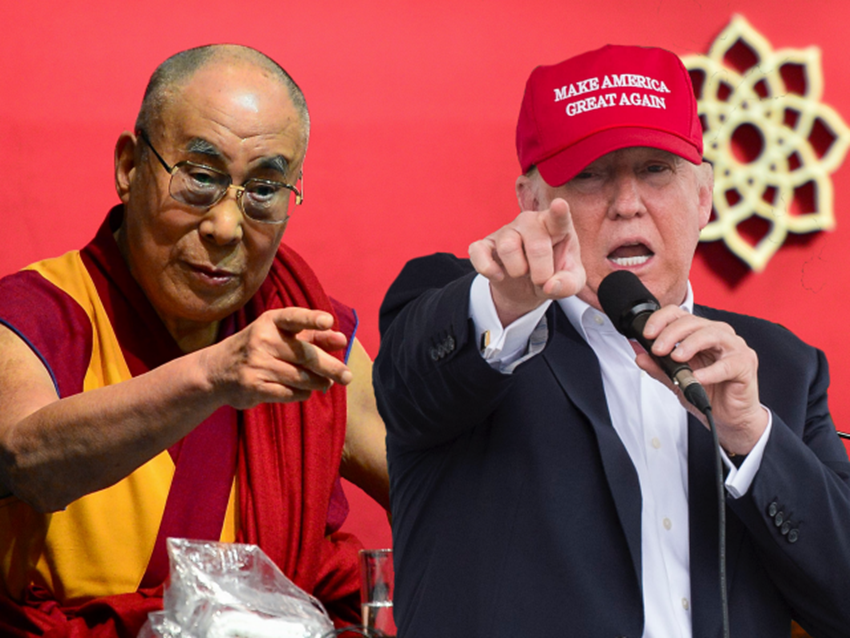
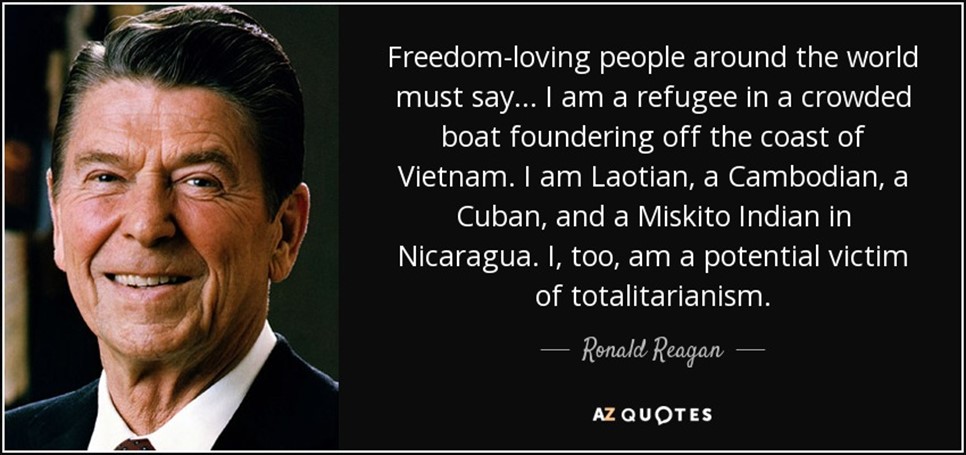
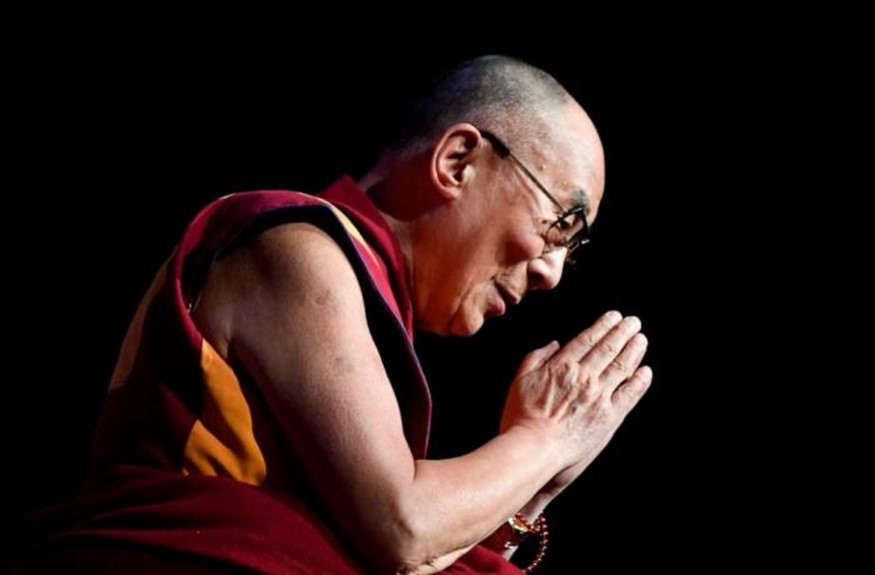
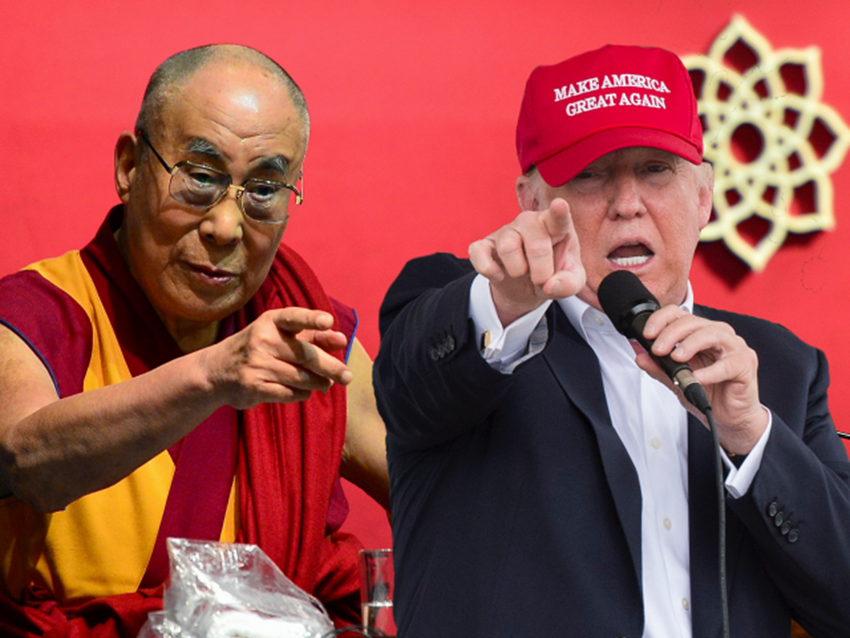

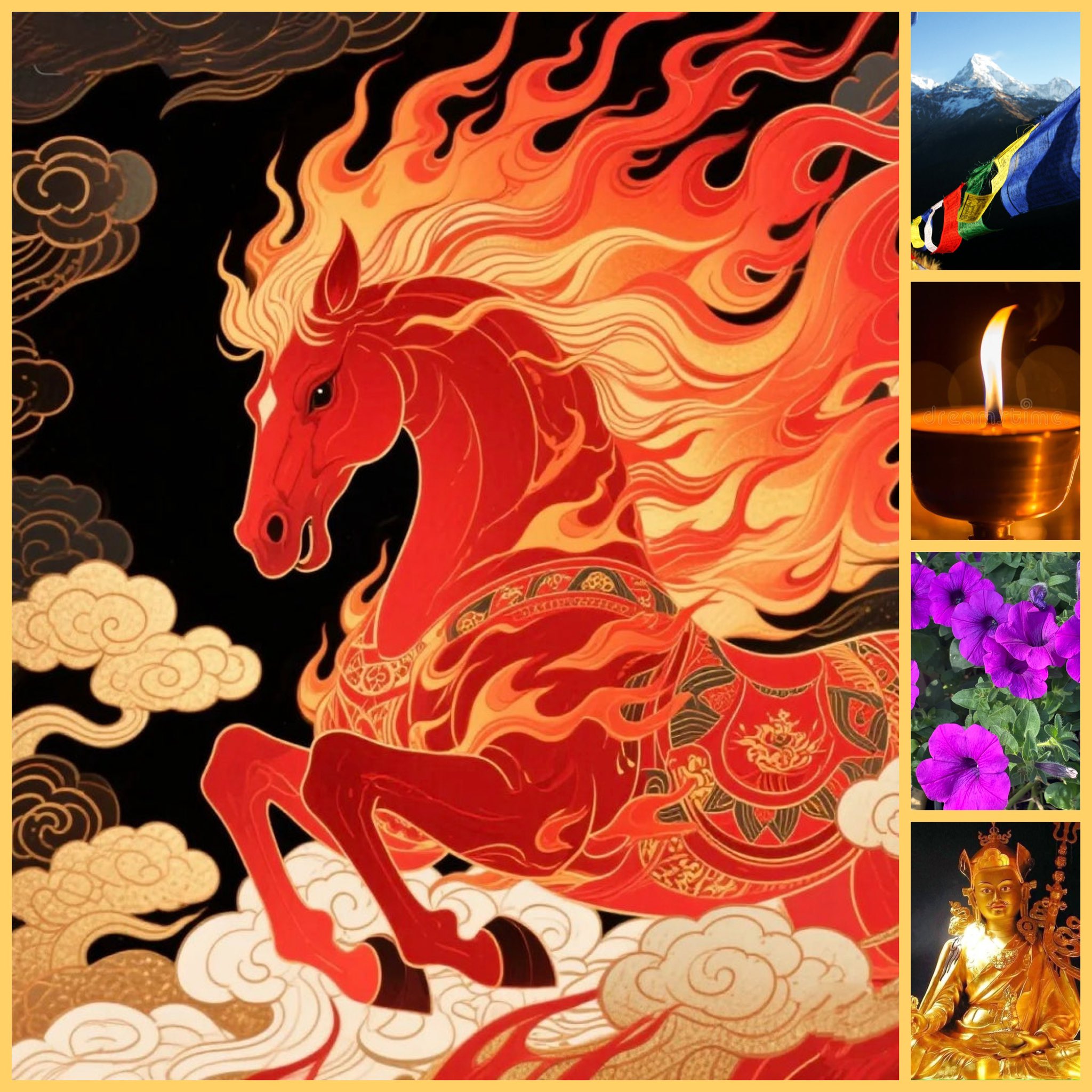
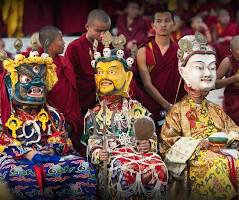

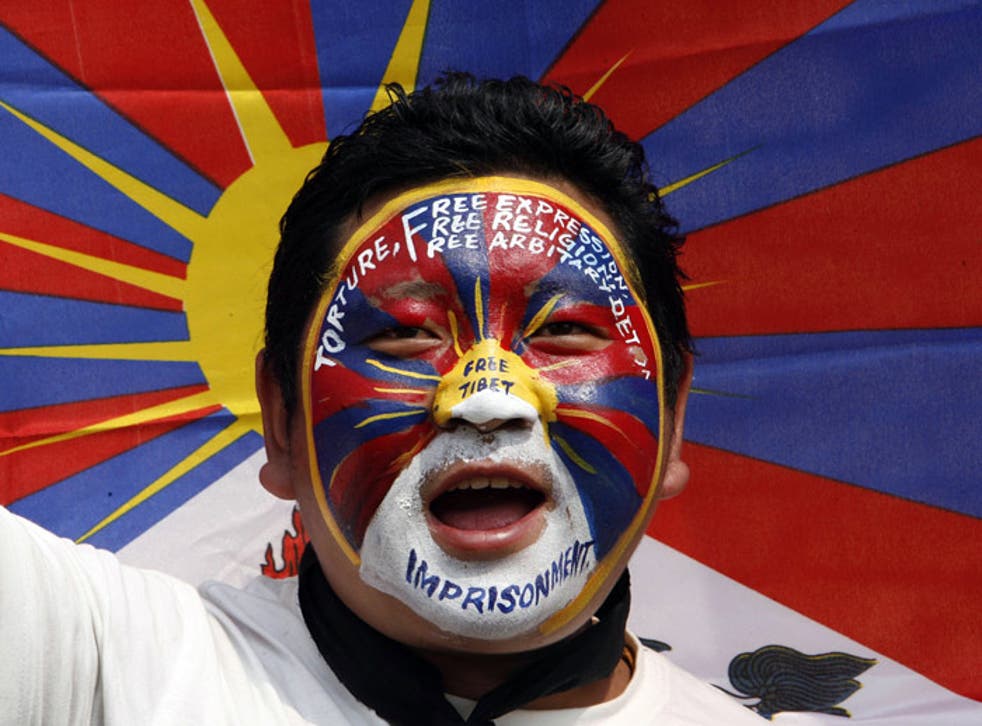


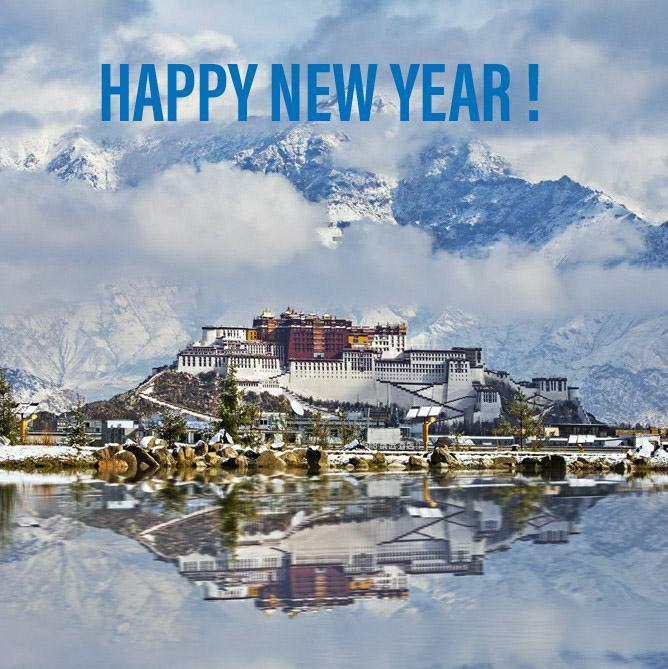
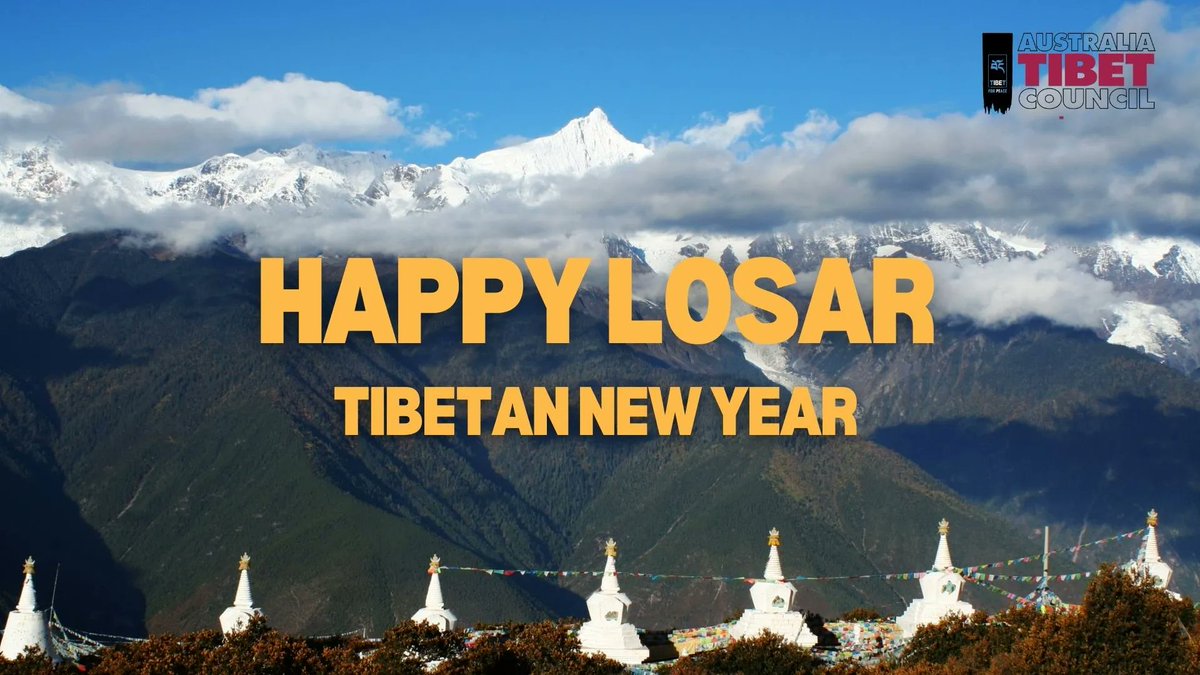
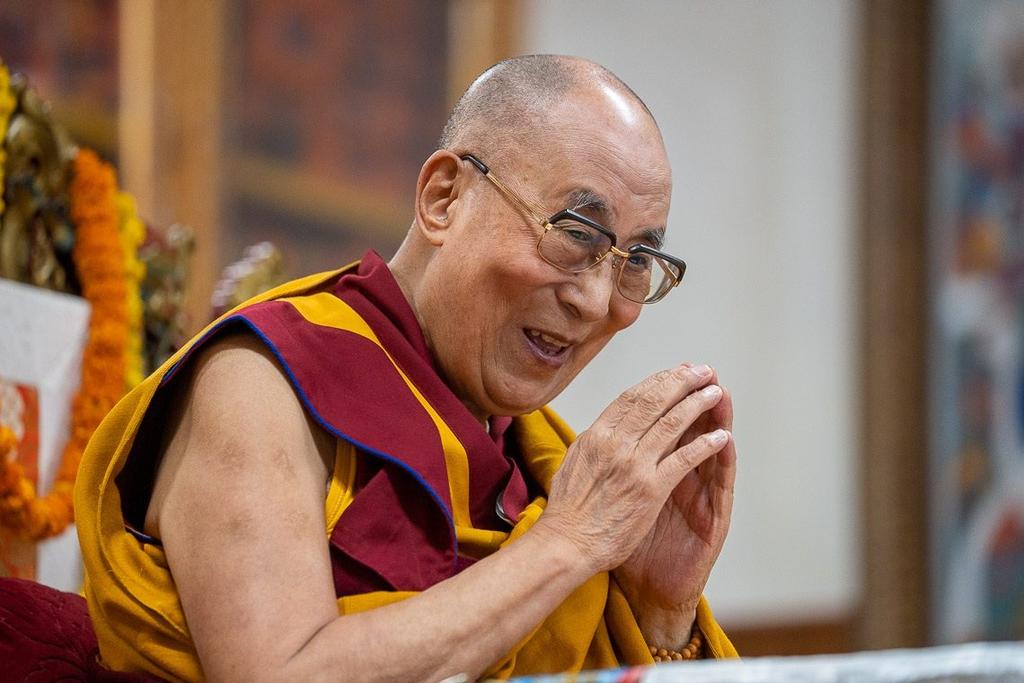
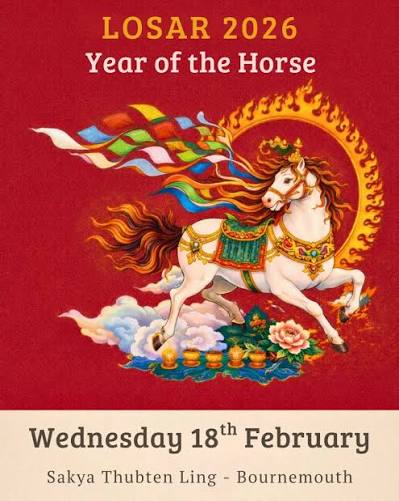





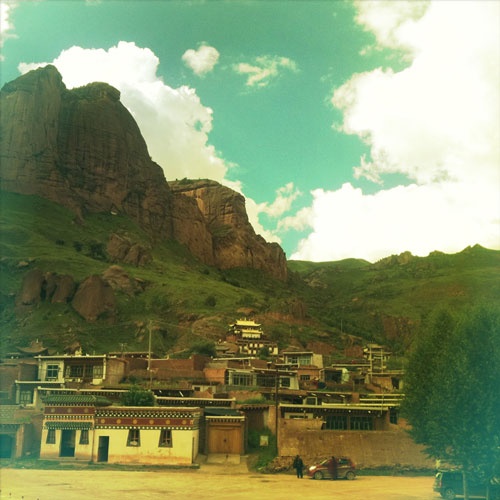


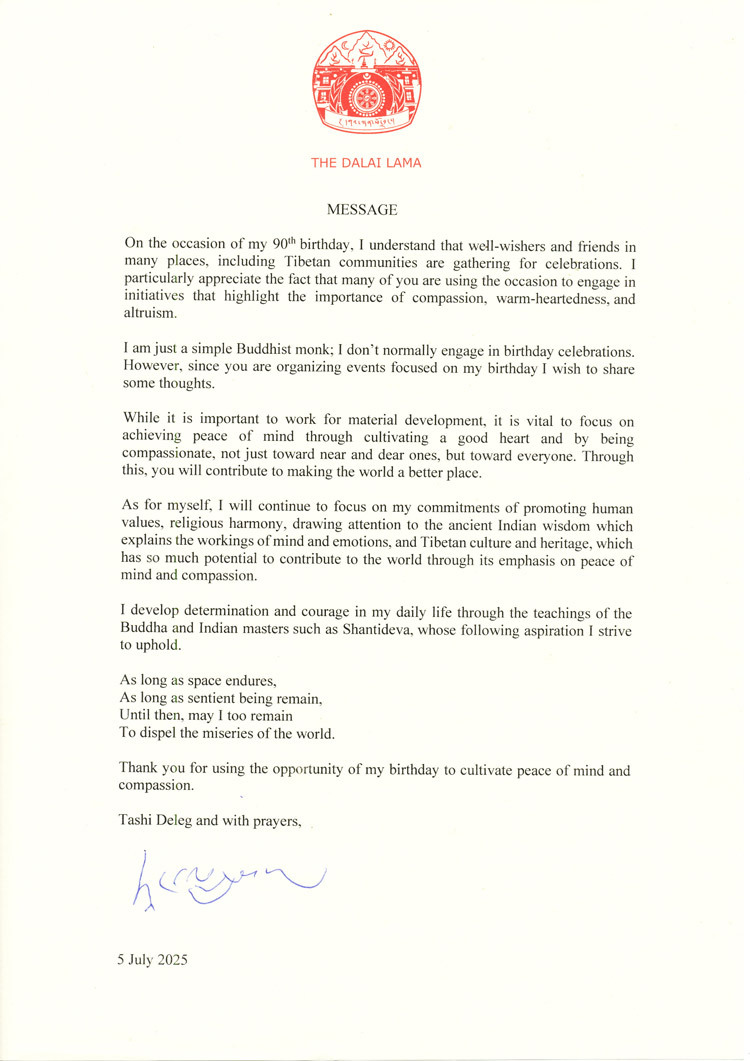


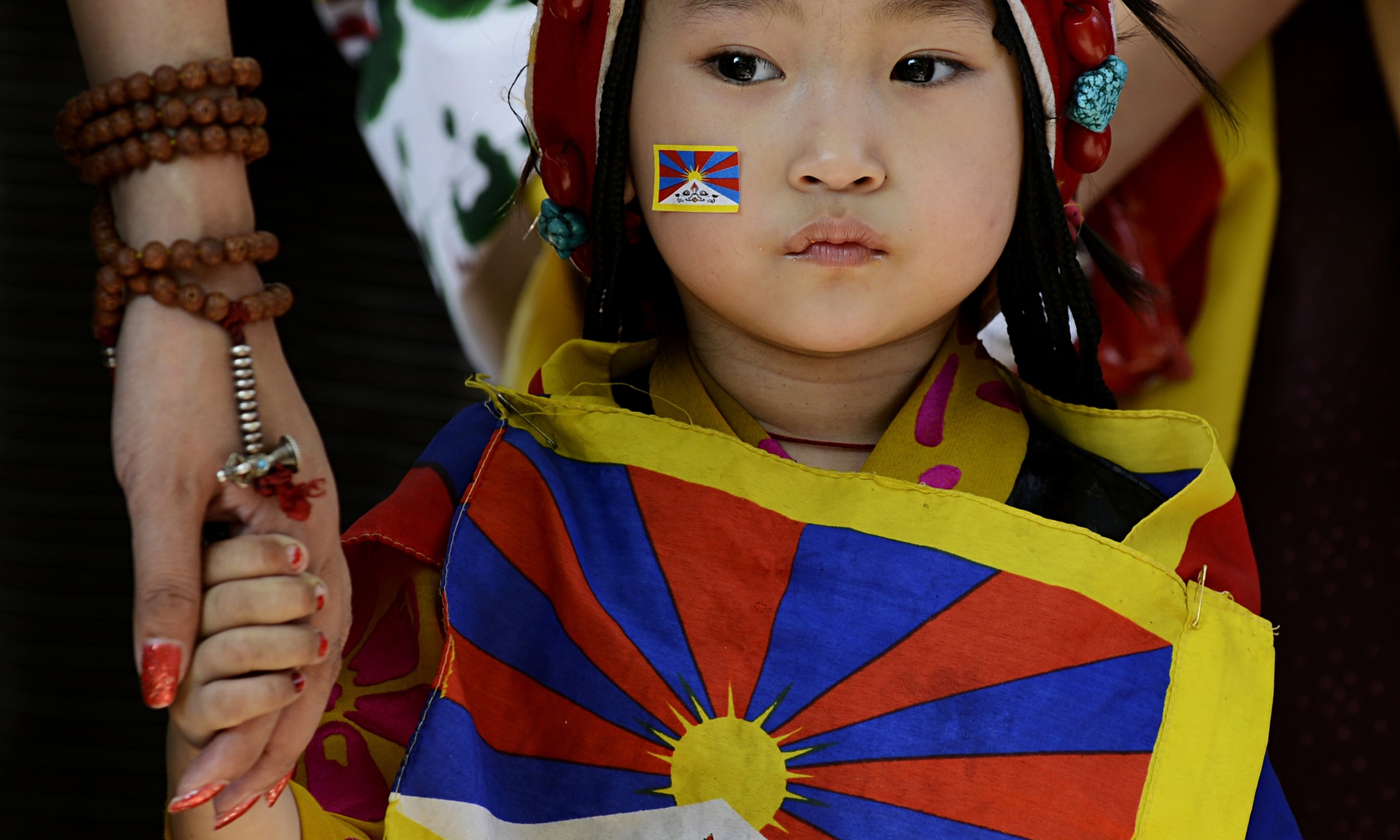

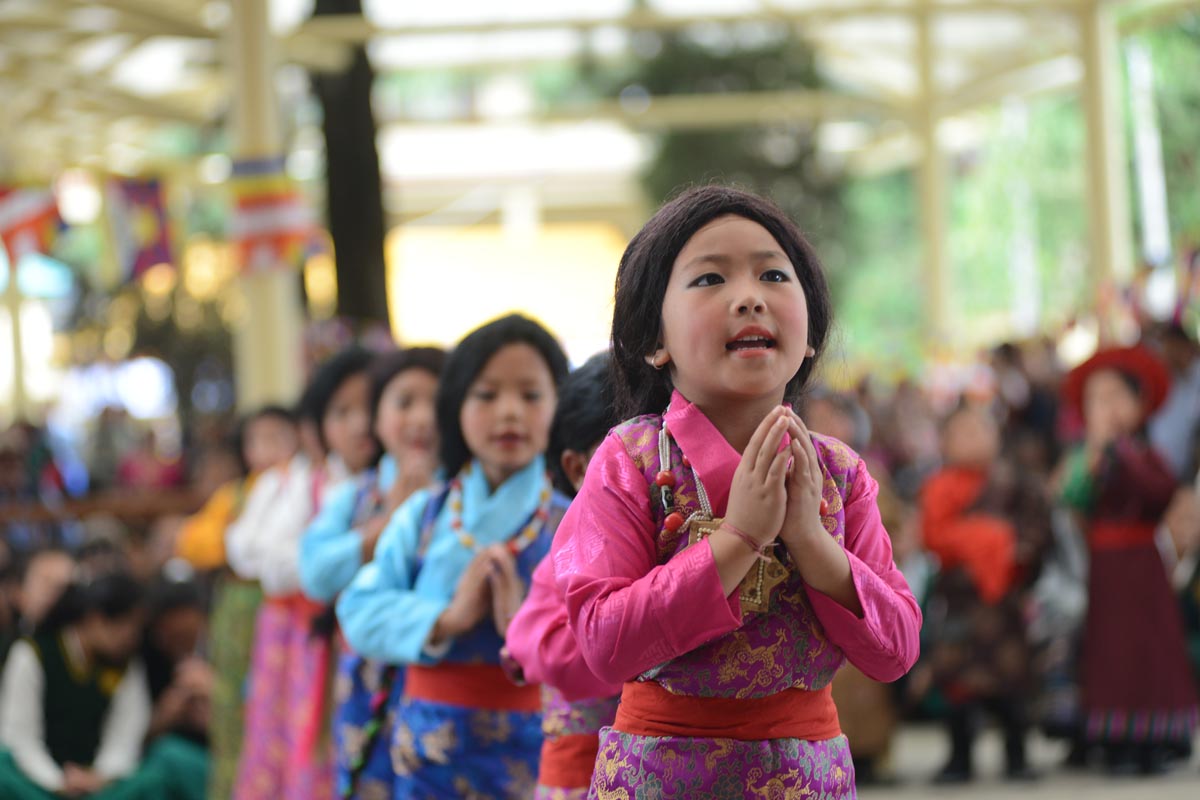


 Whole Dude - Whole Concept


