TIBET EQUILIBRIUM. FORCED RESETTLEMENT OF TIBETAN NOMADS MUST STOP.
Tibet Equilibrium. Forced Resettlement of Tibetan Nomads Must Stop.
Tibet Equilibrium. Forced Resettlement of Tibetan Nomads Must Stop.
Tibet Equilibrium. Forced Resettlement of Tibetan Nomads Must Stop.
Tibet Equilibrium. Forced Resettlement of Tibetan Nomads Must Stop.
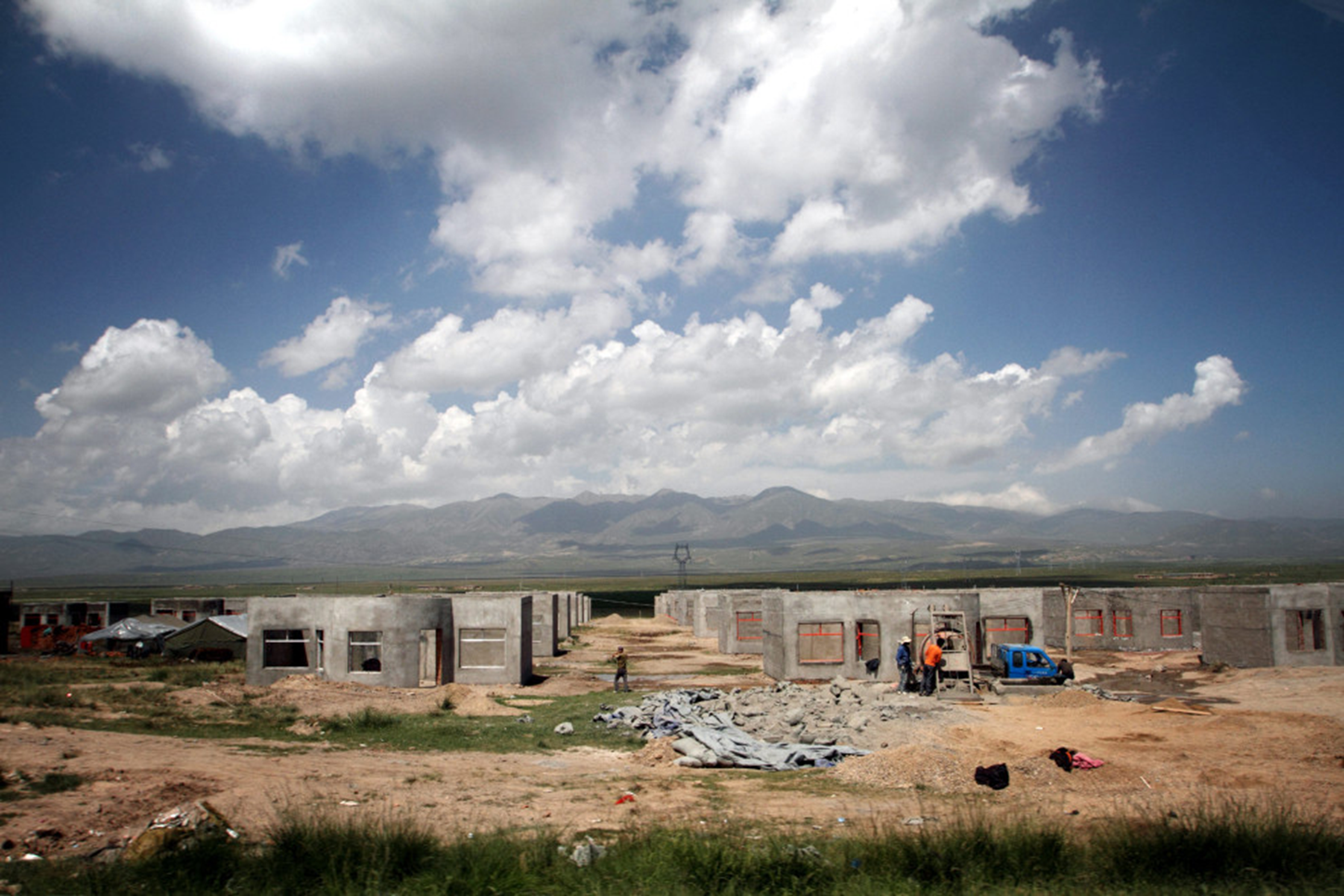
TIBETAN NOMADS RESETTLEMENT PROGRAM
Tibet Equilibrium. Forced Resettlement of Tibetan Nomads Must Stop.
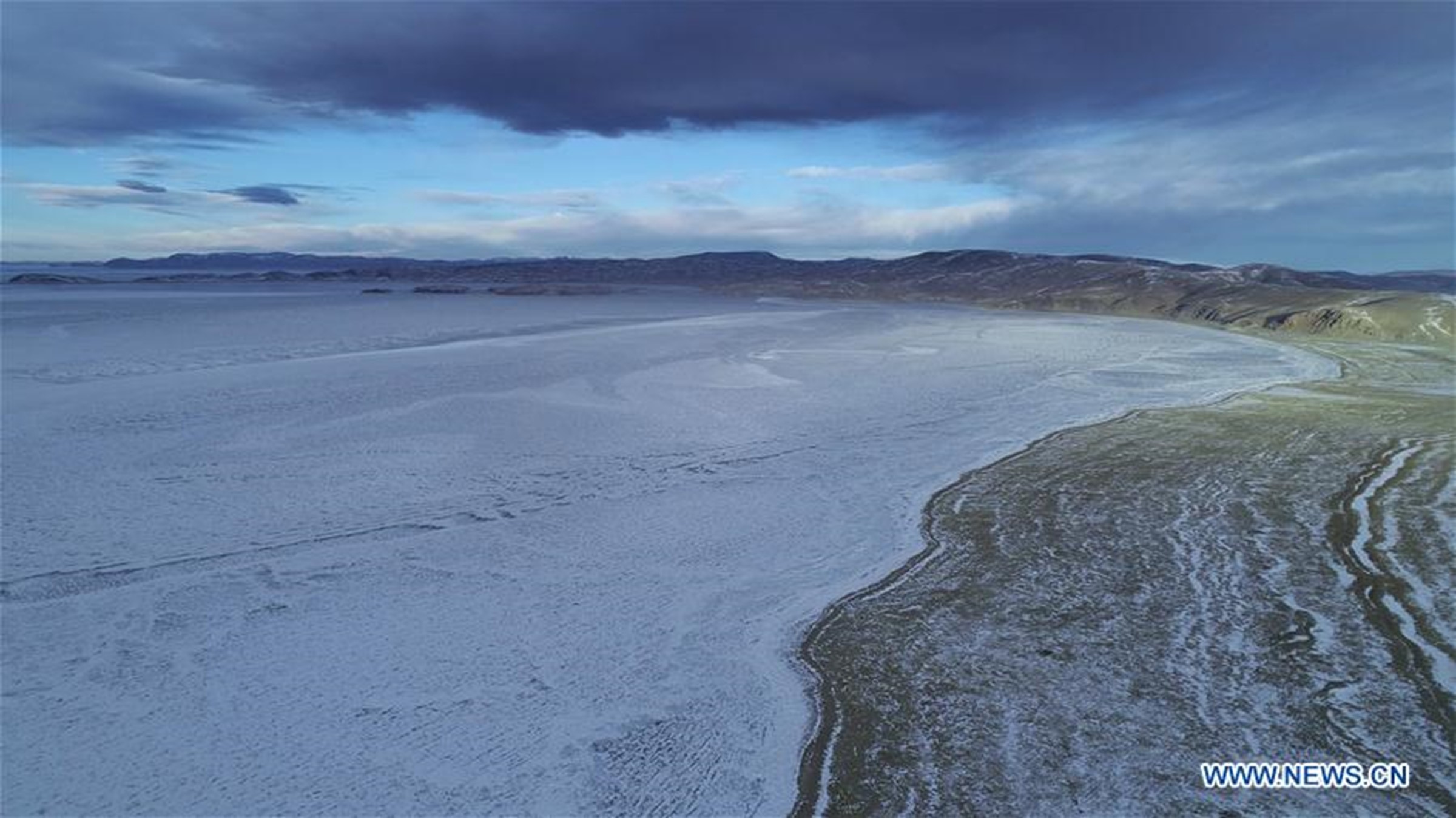
Photo taken on Jan. 18, 2019 shows the frozen Namtso Lake in Tibet. In the past, herdsmen in Tibet endured a ridiculously long, cold winter from October to the end of June, before moving to the summer meadow. They had no fixed residence and migrated when the seasons changed, taking their tents, kitchen utensils, and other necessities on horseback. Nowadays, most herdsmen benefit from local resettlement program. (Xinhua/Purbu Zhaxi)
Tibet Equilibrium. Forced Resettlement of Tibetan Nomads Must Stop.
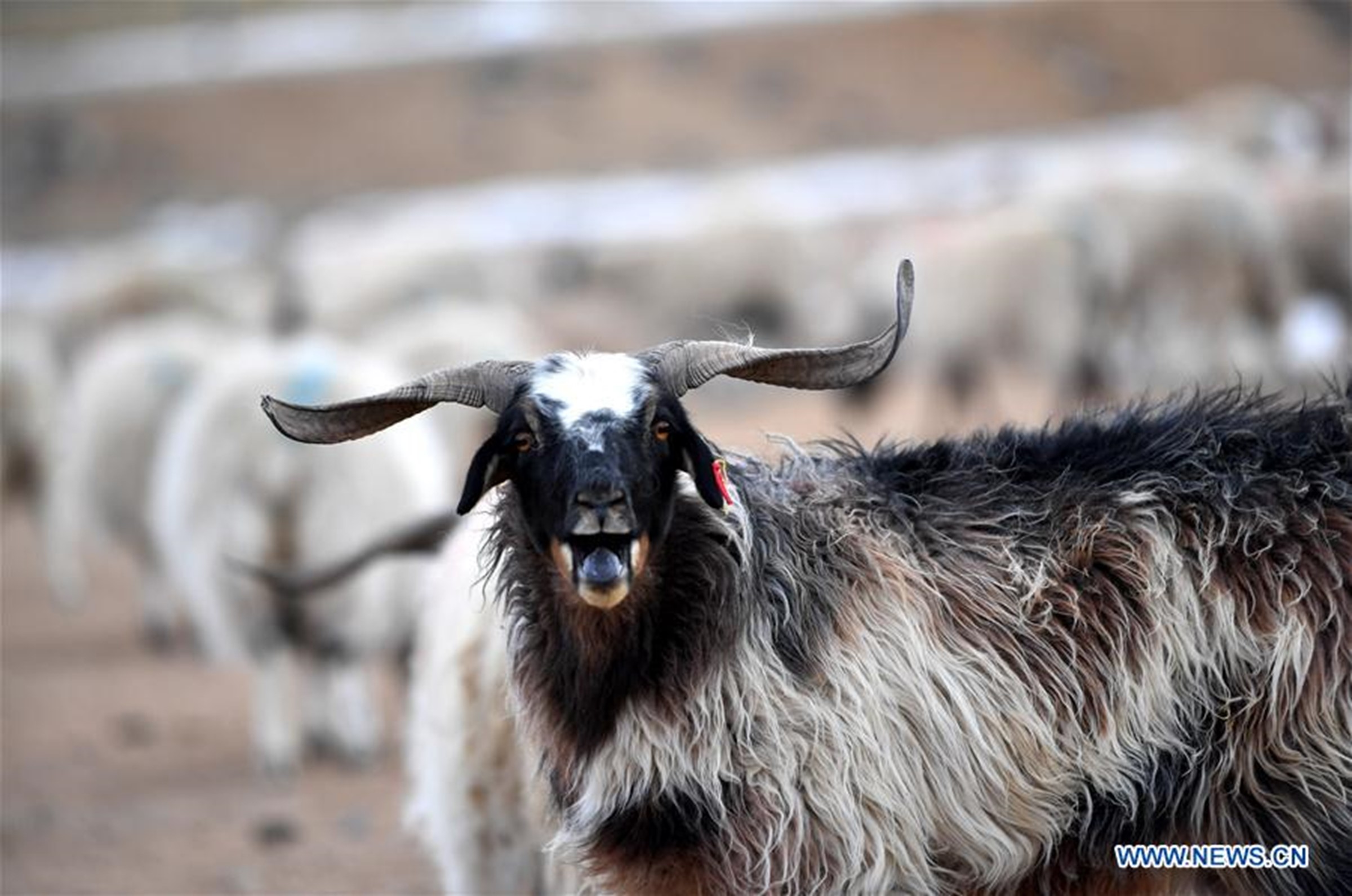
A sheep is seen at a herdsman resettlement site in Bange County, Tibet, Jan. 17, 2019. In the past, herdsmen in Tibet endured a ridiculously long, cold winter from October to the end of June, before moving to the summer meadow. They had no fixed residence and migrated when the seasons changed, taking their tents, kitchen utensils, and other necessities on horseback. Nowadays, most herdsmen benefit from local resettlement program. (Xinhua/Chogo)
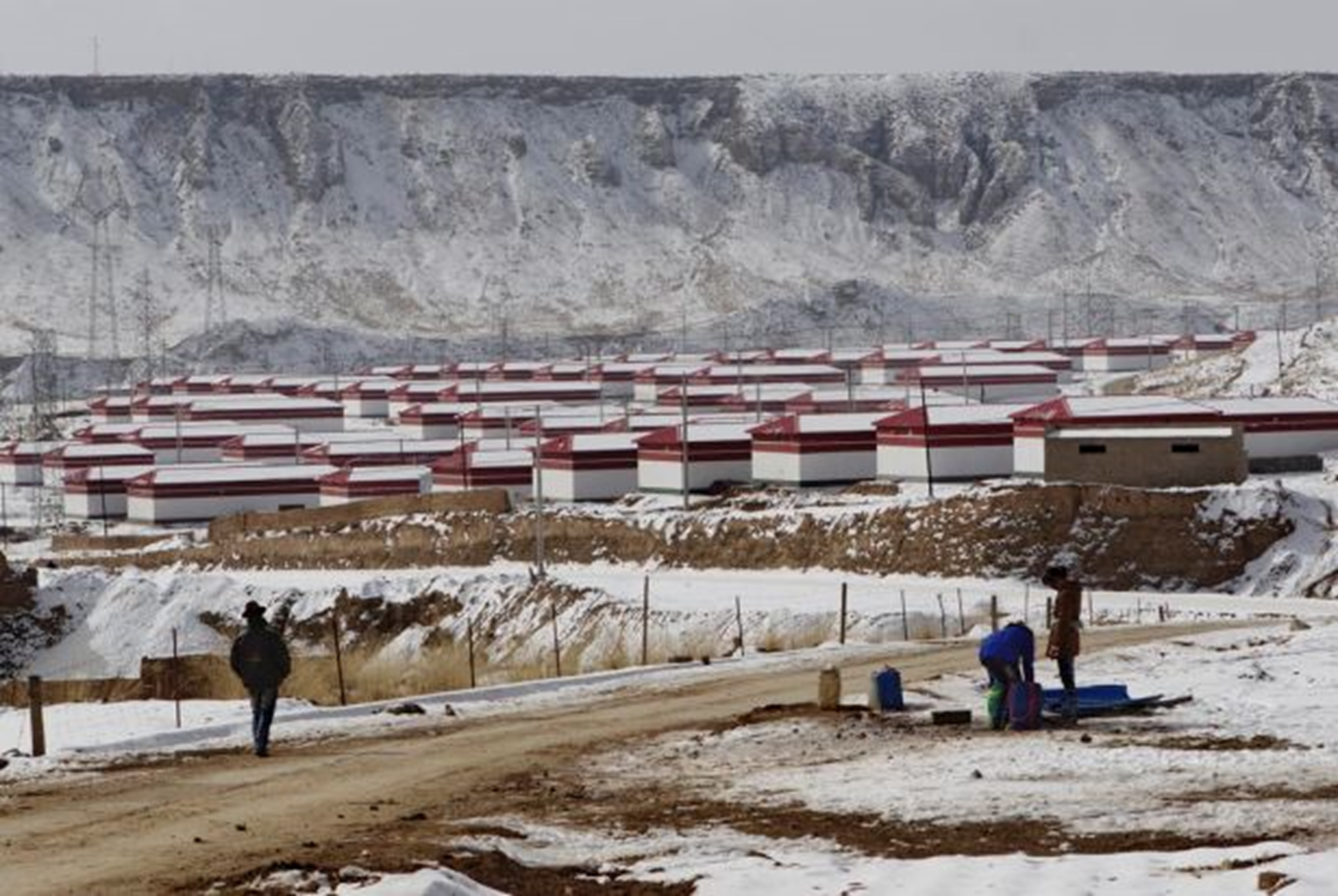
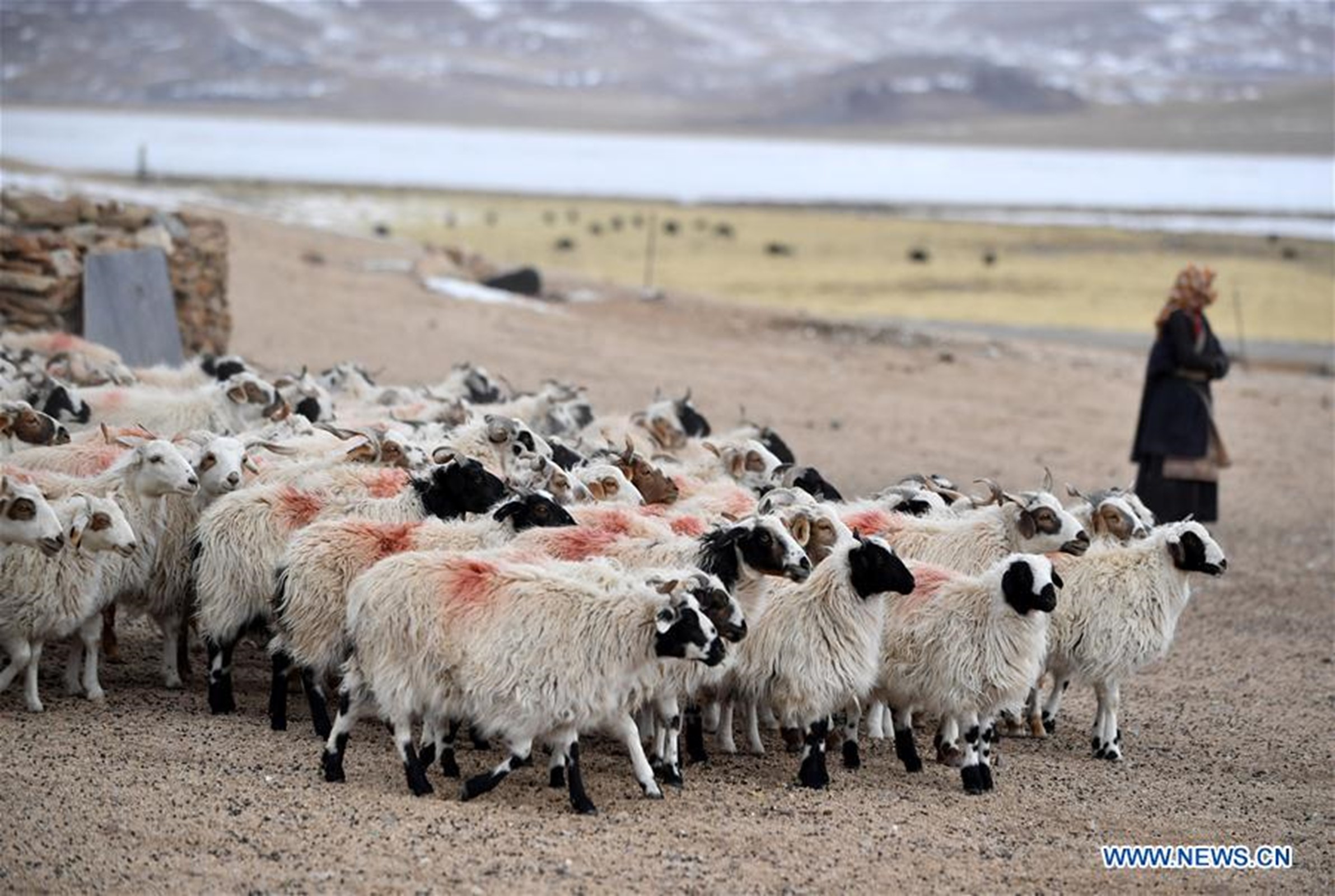
A herdswoman drives sheep at a herdsman resettlement site in Bange County, Tibet, Jan. 17, 2019. In the past, herdsmen in Tibet endured a ridiculously long, cold winter from October to the end of June, before moving to the summer meadow. They had no fixed residence and migrated when the seasons changed, taking their tents, kitchen utensils, and other necessities on horseback. Nowadays, most herdsmen benefit from local resettlement program. (Xinhua/Chogo)
Tibet Equilibrium. Forced Resettlement of Tibetan Nomads Must Stop.
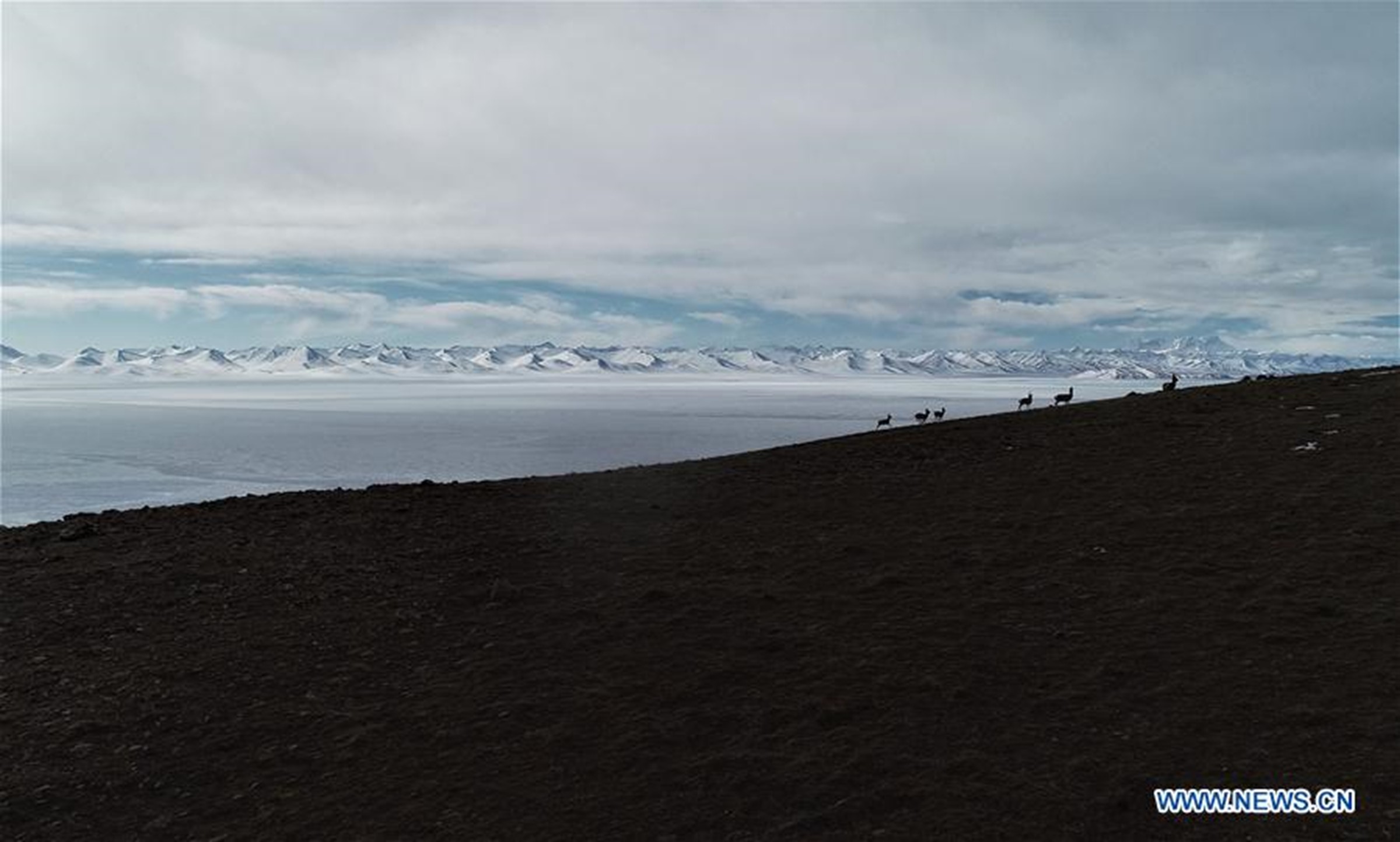
Gazelles are seen near the frozen Namtso Lake in Tibet, Jan. 17, 2019. Forced Resettlement of Tibetan Nomads. (Xinhua/Purbu Zhaxi)
Tibet Equilibrium. Forced Resettlement of Tibetan Nomads Must Stop.
Yaks are seen near the frozen Namtso Lake in Tibet, Jan. 17, 2019. Forced Resettlement of Tibetan Nomads. (Xinhua/Purbu Zhaxi)
Tibet Equilibrium. Forced Resettlement of Tibetan Nomads Must Stop.
Photo taken on Jan. 18, 2019 shows the frozen Namtso Lake in Tibet. In the past, herdsmen in Tibet endured a ridiculously long, cold winter from October to the end of June, before moving to the summer meadow. They had no fixed residence and migrated when the seasons changed, taking their tents, kitchen utensils, and other necessities on horseback. Nowadays, most herdsmen benefit from local resettlement program. (Xinhua/Purbu Zhaxi)
Tibet Equilibrium. Forced Resettlement of Tibetan Nomads Must Stop.
INTERNET SEARCH ENGINES MUST DEFEND FREE SPEECH RIGHTS
January 18. Internet Freedom Day. Internet Search Engines must defend Free Speech Rights.
In celebration of Internet Freedom Day on January 18, 2019, I advocate that Internet Search Engines must defend Free Speech Rights.
Rudranarasimham Rebbapragada
SPECIAL FRONTIER FORCE
Activists at Google’s London HQ protest Project Dragonfly | Business | Techworld
Google’s leaked plans for a censored Chinese search engine has sparked anger globally
This afternoon outside Google’s King’s Cross headquarters, a small group of protesters gathered to put pressure on the firm to scrap leaked plans for a censored Chinese search engine, codenamed Project Dragonfly.
The protest was orchestrated under the Stop Google Censorship campaign, which is comprised of groups associated with SumOfUs, the Tibetan independence movement, and Uighur Muslims. It was planned on the same day as Internet Freedom Day and was mirrored by planned gatherings outside Google offices in the US, Canada, India, Mexico, Chile, Argentina, Sweden, Switzerland, and Denmark.
January 18. Internet Freedom Day. Internet Search Engines must defend Free Speech Rights.
When Techworld arrived, two security guards were talking to the protest organizers, but they quickly departed on reassurances that the protest would be peaceful.
Outside the glass-fronted headquarters, based in Granary Square near King’s Cross Station, a group of between 10 to 15 protesters were gathered, some of them tending to clump of red balloons emblazoned with the Google logo dappled with the gold stars of the Chinese flag.
The Intercept first revealed the Dragonfly Project in August 2018, citing insider sources and a leaked company memo. Google was reportedly harvesting information from 265.com, a Chinese-language web directory purchased by the company in 2008 that redirected any search traffic to the biggest Chinese search engine, Baidu.
The Intercept claimed the project had been underway since spring of 2017, however, it was alleged by the publication that Google’s privacy team wasn’t notified of the use of 265.com in this way.
If launched, the search engine would have to cooperate with censorship laws from the Chinese government, including barring search results of certain publications such as the BBC, and certain search terms such as news, academic studies, and sex, as well as references to Tiananmen square and Tibetan independence.
But this isn’t the protester’s only qualm with the project, it’s also due to the requirements to comply with new Chinese Internet Security law introduced in 2018.
“One of the most damaging aspects of that law is that internet service providers are required to capture details of people using their services, and that would include Dragonfly,” John Jones, Free Tibet’s campaigns and communications manager told Techworld.
The law requires that the details of searchers on the service be made available to security services should they request them.
“In theory, someone could be arrested and imprisoned based on what they search for using Google’s search engine in China,” points out Jones. He says this is a particular concern for the group based on their understanding that there have been past incidences where Chinese citizens are imprisoned for searches through Chinese websites.
The Intercept reported in December 2018 that in the aftermath of their revelations, the project has stalled. Google itself also stated that it has no ambitions to launch in China. However, many see this as not truly indicative that its interest in the rising superpower has been extinguished.
“We can’t take anything for granted so we’re going to keep putting pressure on them and hopefully get some sort of acknowledgment from the company itself that this project has been scrapped,” says Jones.
Jones says the fact that Google has now distanced itself from the allegations shows that the company was cognizant of the bad optics surrounding developing something like this. But he doesn’t see the business as monolithic.
“There are the executives and there are the people developing the project, but then there’s also many of the staff who are decent people who are ideologically opposed to this,” says Jones, pointing to dissent from within the tech giant. “They’ve been the ones leaking the information about it, contacting journalists and in some cases even resigning – because they think it violates the vision they had when they started working for Google.”
The group claim that some of the employees emerging from Google had engaged with the protest, with one signaling support, and another saying that this was a topic of intense discussion within the offices too. Techworld can’t confirm this as no one approached the protesters during the time we were present.
The project also seems to signal a pivot in Google’s former position when it pulled out of the China market, citing – in addition to a cybersecurity attack – censorship and the company’s principles for free internet.
Although in its early days the company preached somewhat utopian ideals it recently dropped its infamous ‘don’t be evil’ slogan from its code of conduct.
The Project Dragonfly revelations came amidst domestic controversies in Silicon Valley. Google had been working with the US government on a drone program called Project Maven, while Amazon workers protested their company aiding Trump’s deportation agency ICE.
Jones sees this as a blueprint for what pressure on the company could potentially achieve in regard to China.
Success, according to Jones, would look like an open acknowledgment of Google that it will be canceling the Project Dragonfly search project. But he did acknowledge when asked by Techworld that China is not the only region where the titans of Silicon Valley have wormed their way into the state surveillance apparatus.
“From my point of view, any time they violate their own principles by handing over information that the user doesn’t know is being handed over they probably do need to examine themselves and be challenged for it and it doesn’t matter if it’s in China or the US,” Jones says. “The only difference is the extent to which they’re doing it and the possible penalty that someone can be paying. I’m sure if I was working on civil rights in the US I’d be up in arms about their past cases.”
The earlier Snowden revelations, meanwhile, proved that the intelligence agencies of the ‘Five Eyes’ governments – the USA, Canada, Britain, New Zealand, and Australia – had been collaborating on an intricate worldwide surveillance dragnet.
And amid questionable fears that Russian bot networks had impacted the result of the US presidential election in 2016, Facebook and other Silicon Valley companies have been working to black-ball news sources that they have labeled as ‘divisive’ – aided by the unabashedly pro-NATO think tank The Atlantic Council.
A separate media relations volunteer, Business Insider journalist Michael Selby-Green, acknowledged that most of the people in attendance were volunteers or full-timers at groups relating to Tibet or other NGOs that exert pressure in China. He said that the protest was kept deliberately small – with minimal public outreach – because the intention was to picket Google employees and passers-by.
Jones says the problem isn’t Google offering a service in China per se.
“We have absolutely no problem in theory if Google were to open a search engine in China free from constraints of the government, we’d be completely happy with it,” he says. “The minute they start colluding with governments that are repressing human rights and develop a tool that could help them such as tracking peoples’ searches, that’s when they’ve got to be challenged.”
Some would say that from a business perspective, that the company is loath to ignore such a vast emerging and potentially extremely lucrative market, however, Selby-Green says that this doesn’t make it justifiable.
“I don’t think the ends justify the means, you’ve got to say what your values are, and you have to stick to those I think,” Selby-Green says. “If Google’s values are internet freedom and things we hold dear in the west or think we do, then I think Google has to stand by that and sacrifice that market and the profits in that market if that’s what they hold dear.”
In 2018 Samm Sacks of the Henry Kissinger-supported think tank the CSIS detailed the ins and outs of the Cyber Internet Security Law – which was inspired at least in part by Europe’s General Data Protection Regulation, putting Chinese data regulations on more of an even footing with American and European laws, at least concerning personal data held by private companies.
She added at the time that for successful companies operating within the valuable China market, success is only possible with the support of the government. Countries seeking closer ties with China, meanwhile, are approaching its government for advice on how to govern the internet.
It could be argued that Google, which was reached for comment but has not responded, is stuck between a rock and a hard place concerning China.
Google will not want to ignore the country’s growing economy, but the project was leaked during a climate of increased western scrutiny directed at China, as well as an ongoing trade war between the USA and China and the arrest of Huawei CFO Meng Wanzhou in Canada.
Western intelligence has, meanwhile, warned of the over-reliance of Chinese infrastructure equipment from Huawei – although the German technology watchdog found no evidence of wrongdoing and the company has long been under the watch of cybersecurity experts at a center in Banbury, Oxfordshire.
January 18. Internet Freedom Day. Internet Search Engines must defend Free Speech Rights.
In my analysis, the Great Problem of Tibet cannot be resolved by sanctioning “Meaningful Autonomy” to Tibetan people as demanded by His Holiness the 14th Dalai Lama. In fact, Tibetans cannot hope for any kind of autonomy if the military occupation of Tibet prevails across Tibetan Territory.
Rudranarasimham Rebbapragada
SPECIAL FRONTIER FORCE
The Dangerous Military Occupation of Tibet.
Chinese military equips troops in Tibet with mobile howitzers: Report | India News – India TV
The Dangerous Military Occupation of Tibet.
Tuesday, January 08, 2019
Chinese military equips troops in Tibet with mobile
howitzers: Report
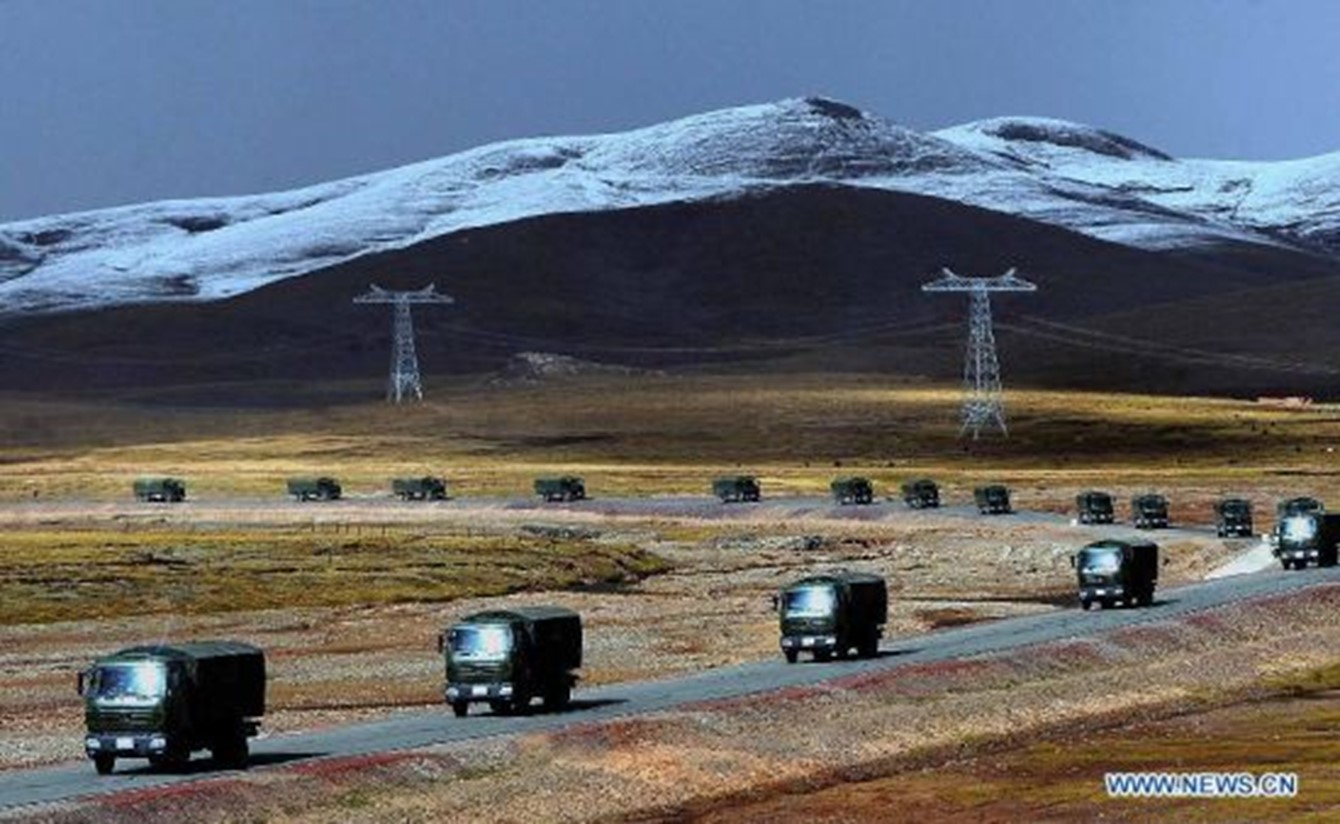
China’s People’s Liberation Army (PLA) stationed in Tibet Autonomous Region has been equipped with mobile howitzers which aims to boost the troops’ high-altitude combat capability to improve border security, state-run Global Times reported.
Reported by: PTI, Beijing [ Updated: January 08, 2019 16:53 IST ]
The Dangerous Military Occupation of Tibet.
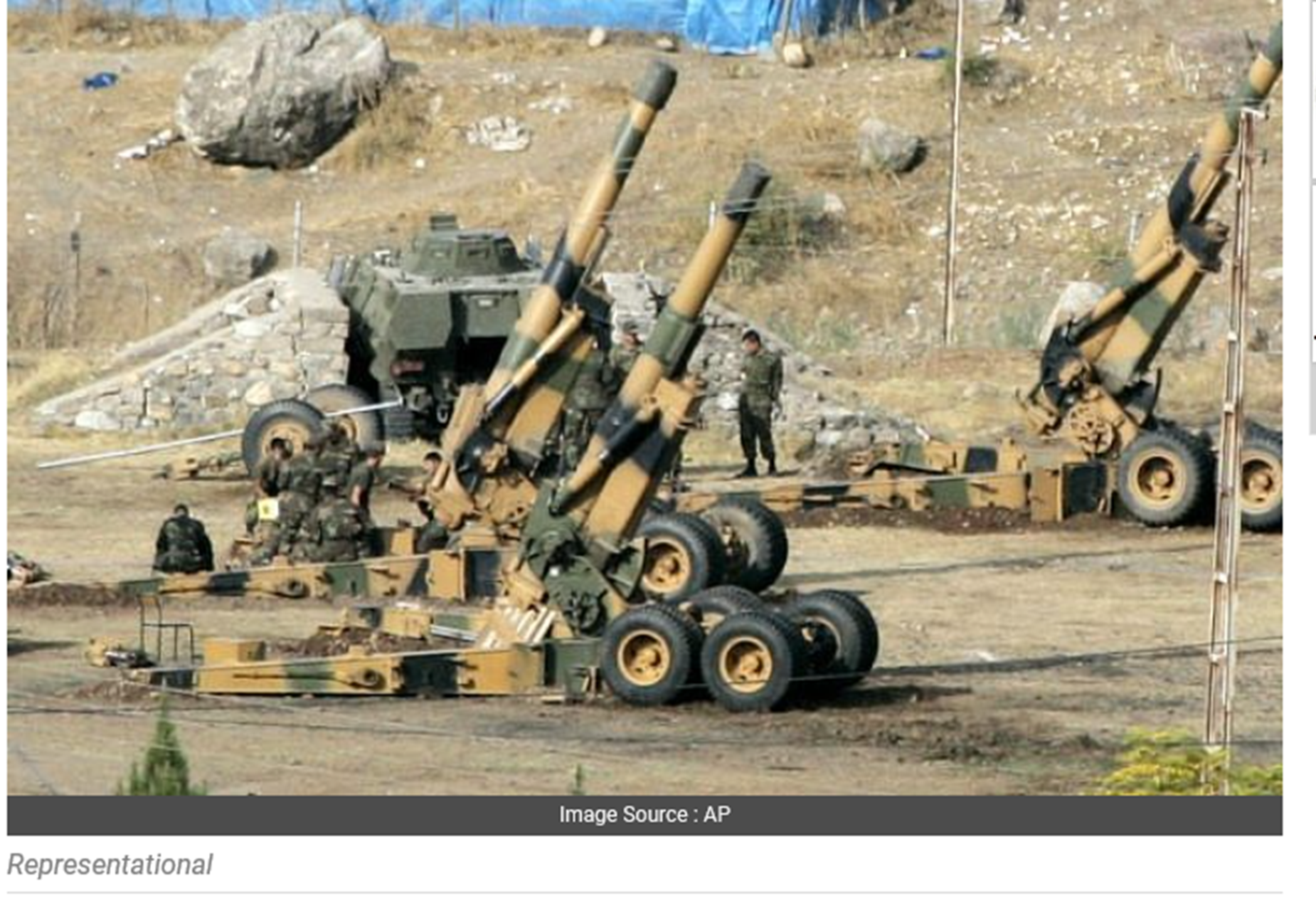
Image Source: AP
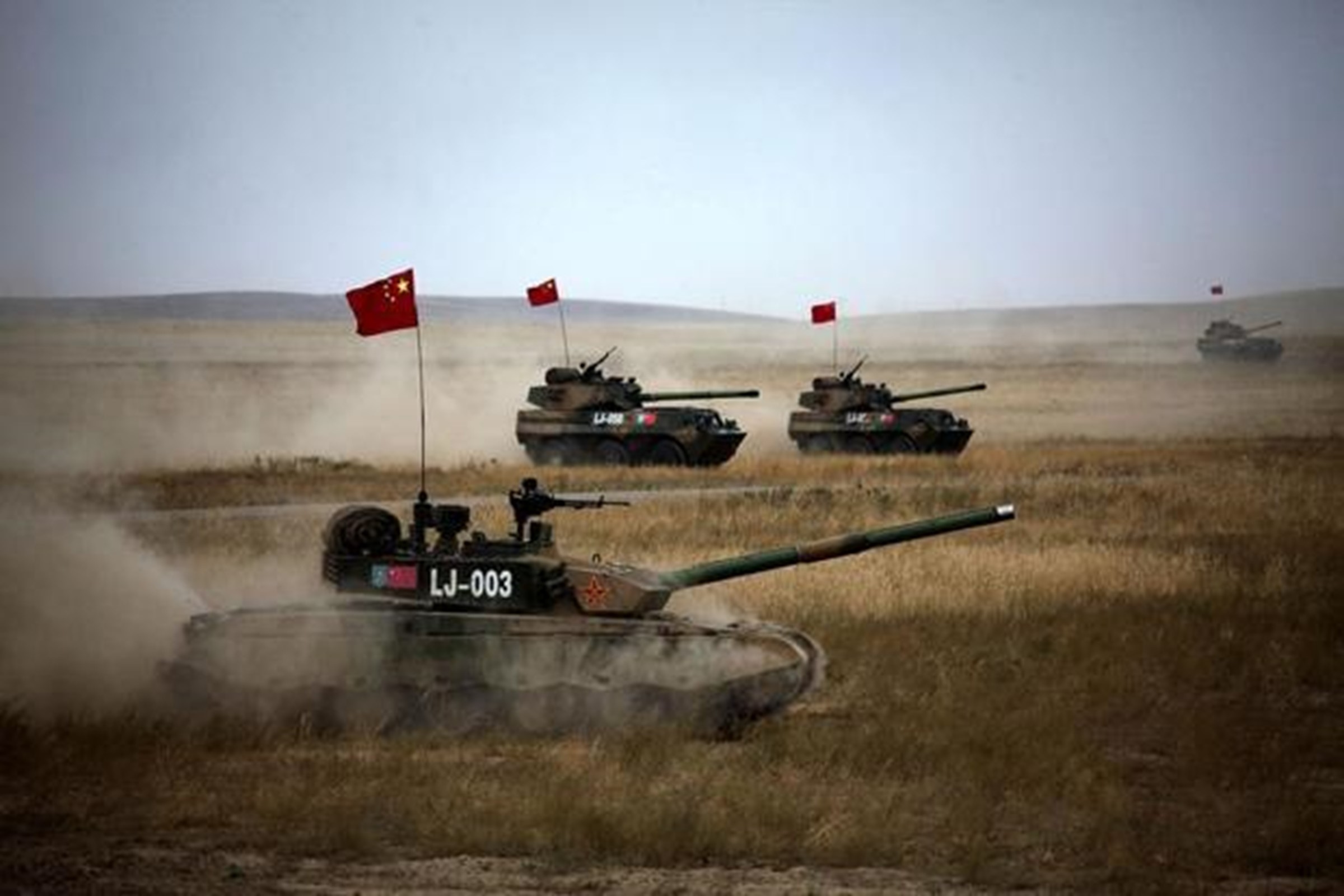
After the recent induction of lightweight battle tank in Tibet bordering India, the Chinese military has equipped its troops stationed at the Himalayan plateau with new vehicle-mounted howitzers to improve their combat capability, official media here reported on Tuesday.
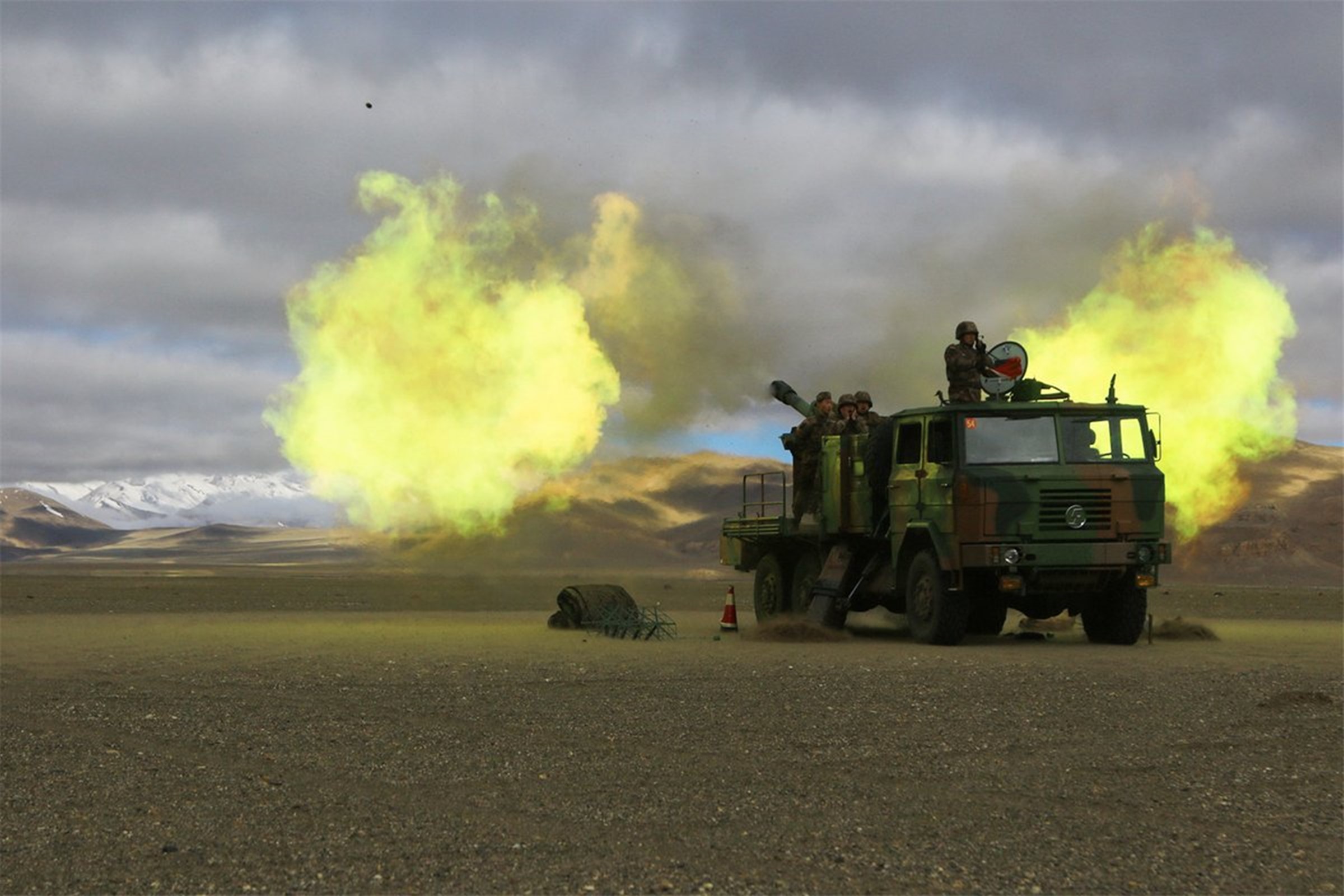
China’s People’s Liberation Army (PLA) stationed in Tibet Autonomous Region has been equipped with mobile howitzers which aims to boost the troops’ high-altitude combat capability to improve border security, state-run Global Times reported.
It quoted Chinese military analysts as saying that the new equipment would be the PLC-181 vehicle-mounted howitzer. The announcement was made in an article released by the WeChat account of the PLA Ground Force on Saturday, the report said.
The equipment was used in an artillery brigade in Tibet during the 2017 China-India stand-off at Doklam, it said. Song Zhongping, a military expert and TV commentator, told Global Times that the howitzer has a 52-caliber cannon with a range of over 50 km and shoots laser-guided and satellite-guided projectiles.
It will boost the high-altitude combat capability of the PLA in Tibet, Song said.
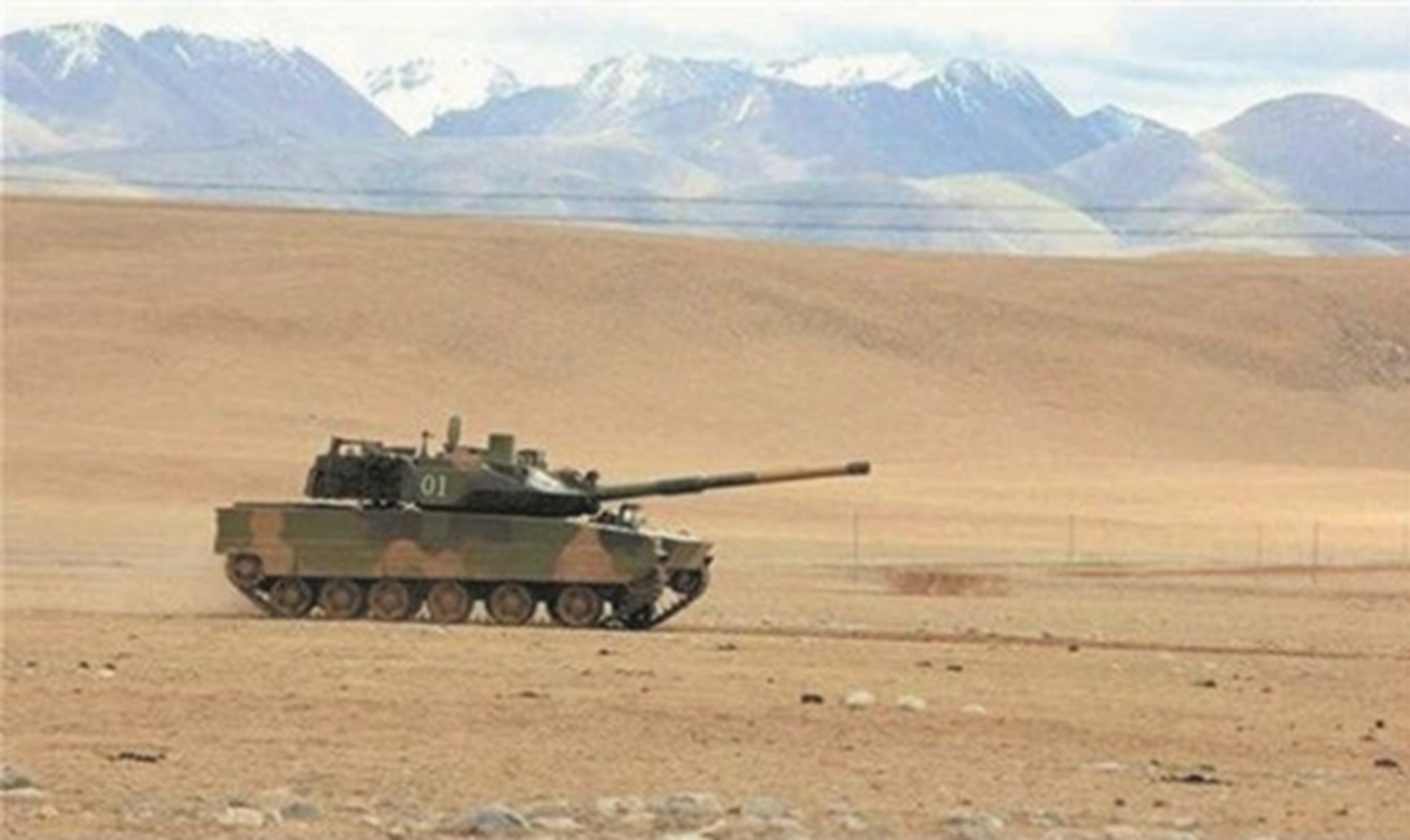
The induction of the mobile howitzers followed the move by the PLA to put into service the lightweight battle tank, which was tested by its military during exercises in Tibet held at the peak of the Doklam standoff.
The Type 15 has an engine capable of 1,000 horsepower and is significantly lighter than the PLA’s other main battle tanks in service, weighing about 32 to 35 tons. The tank meant for rugged and mountainous terrain of the Himalayan region.
The induction of the tank and the mobile howitzers highlighted the PLA’s efforts to reinforce its troops with new equipment despite steady normalization of military relations since last year.
As part of the military training in 2019, an artillery brigade in the Tibet Military Command ordered soldiers to take part in a military skills competition at a training ground on the Qinghai-Tibet Plateau 3,700 meters above sea level, the report said.
Last week, President Xi Jinping, who also heads the military, ordered the armed forces to enhance their combat readiness to make sure they are always ready for battle, saying risks and challenges for China are on the rise.
China’s border issue has not been completely resolved, and was challenged by pro-Tibet independence forces and terrorists, the report quoted analyst as saying.
Zhao Gancheng, director of the Centre for Asia-Pacific Studies at the Shanghai Institute for International Studies, told the daily that the military investment in Tibet has been rising, but is primarily meant for defense and not to provoke conflict with neighboring countries.
He said the PLA troops stationed in Tibet need to improve their combat capabilities in plateau areas and strengthen their willpower in extreme weather as they are primarily responsible for the border defense against terrorists and foreign invaders, he said.
To cope with altitude sickness, the PLA built oxygen stations for the soldiers in Tibet in 2015, which were used for medical purposes, but are now also being used regularly in training.
Tibet Awareness – Defend the Rights of Endangered Tibetans
Tibet Awareness. Defend Rights of Endangered Tibetans.
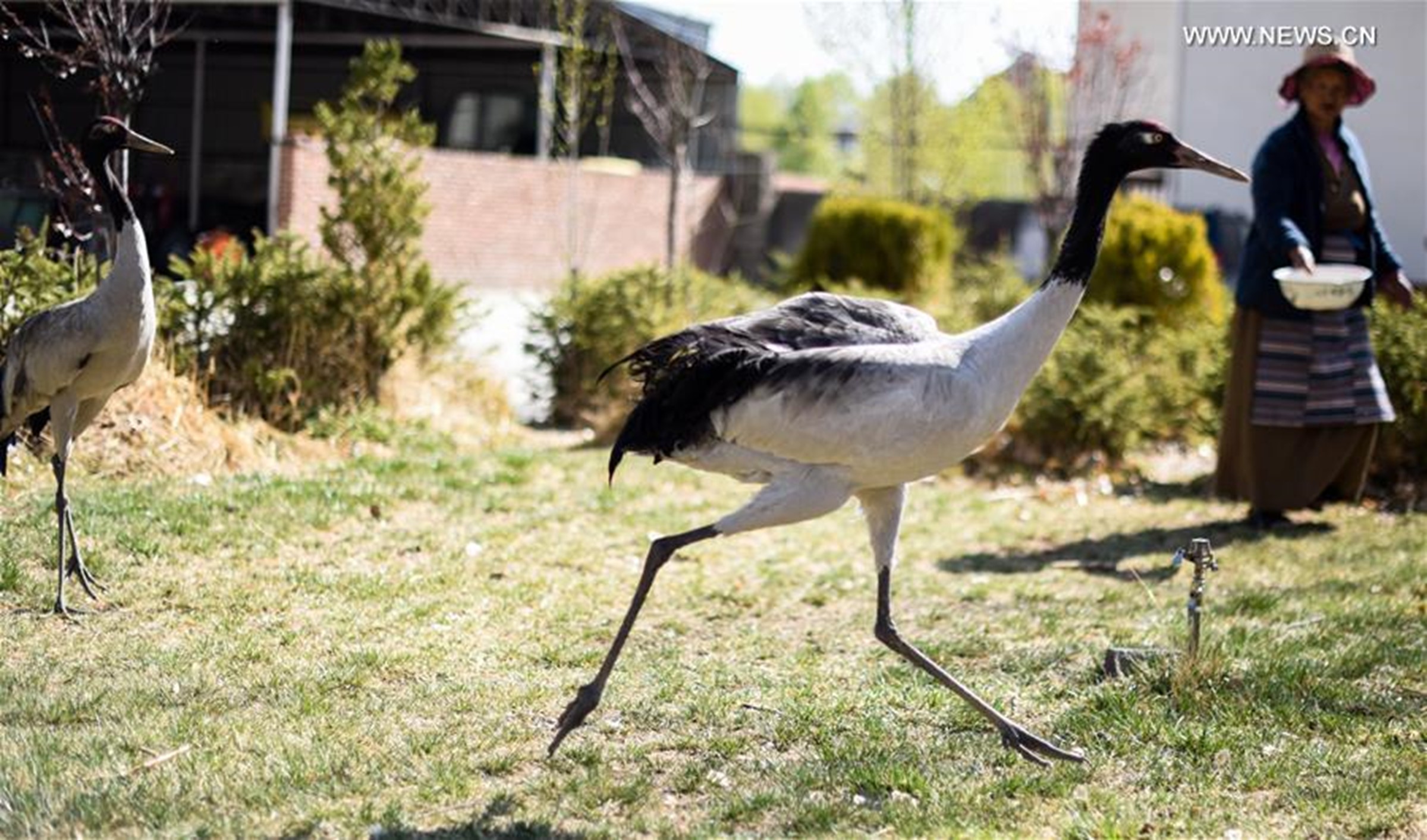
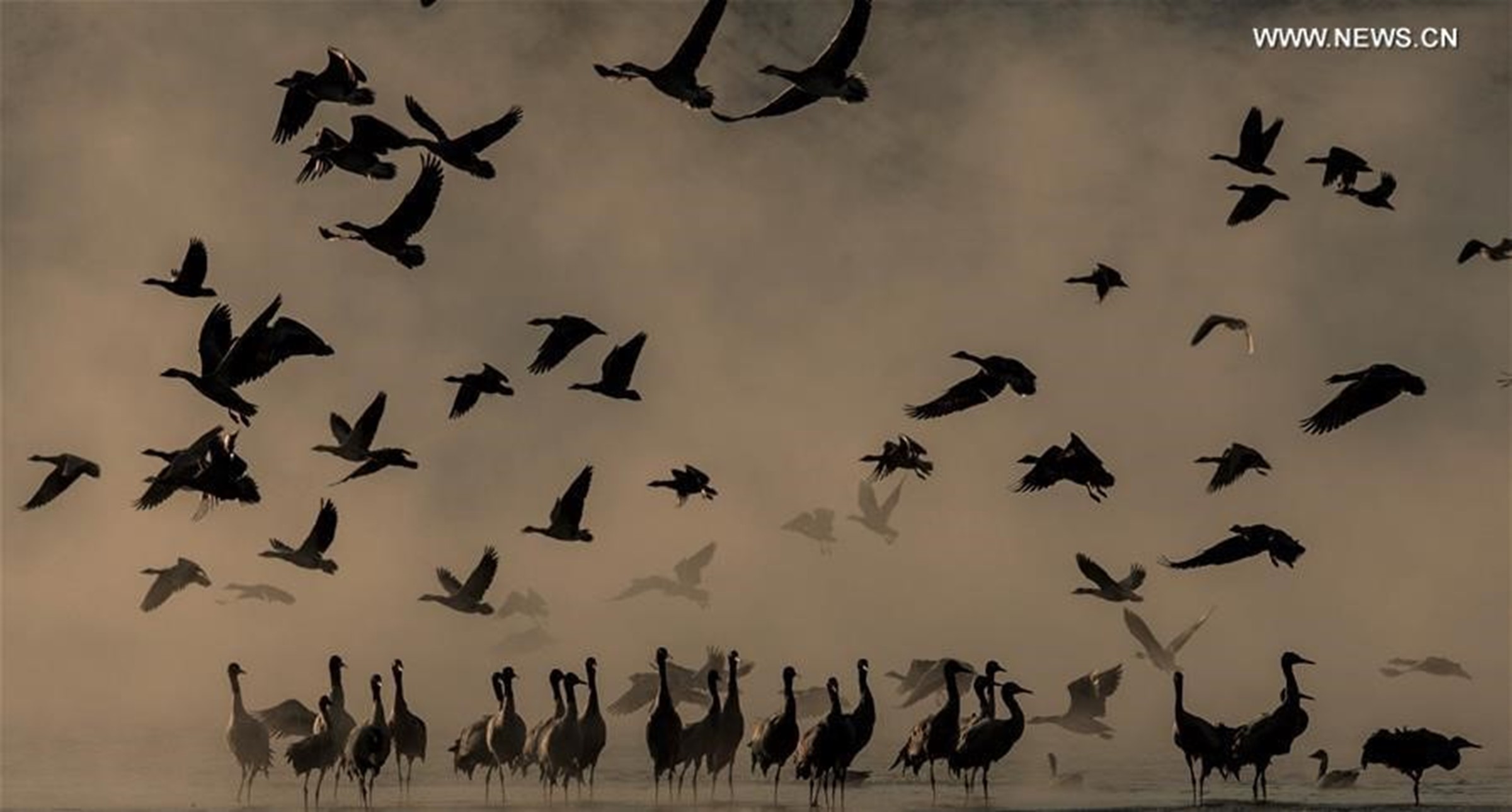
I am sharing photo images of endangered Black-necked Cranes visiting Tibet to promote Tibet Awareness. Since 1950, Tibetans lost their Natural Freedom because of China’s military conquest and occupation. I am asking the global community of nations to defend the Rights of Endangered Tibetans and to restore the Political Rights of Tibetans.
Tibet Awareness. Defend Rights of Endangered Tibetans.
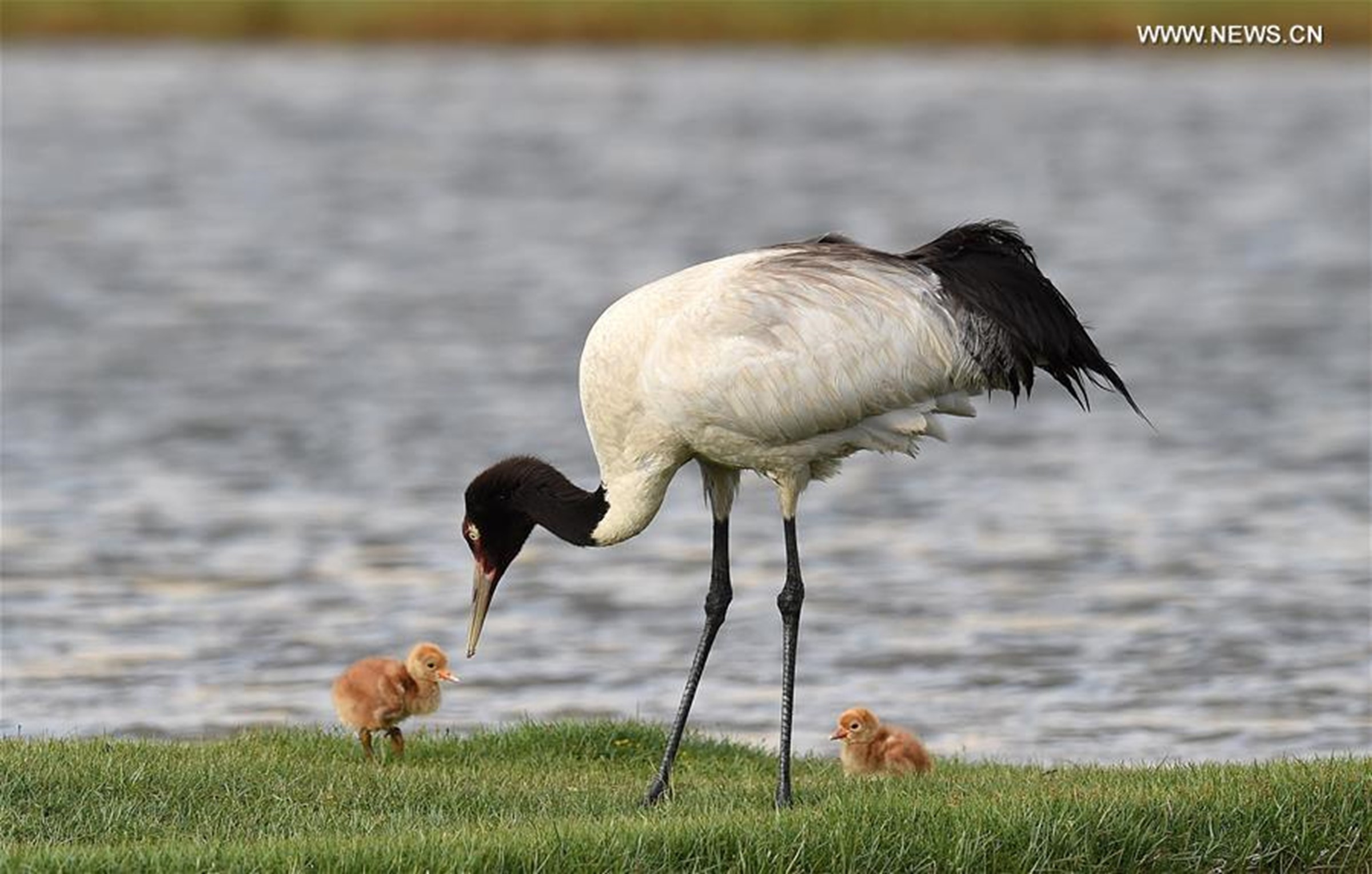
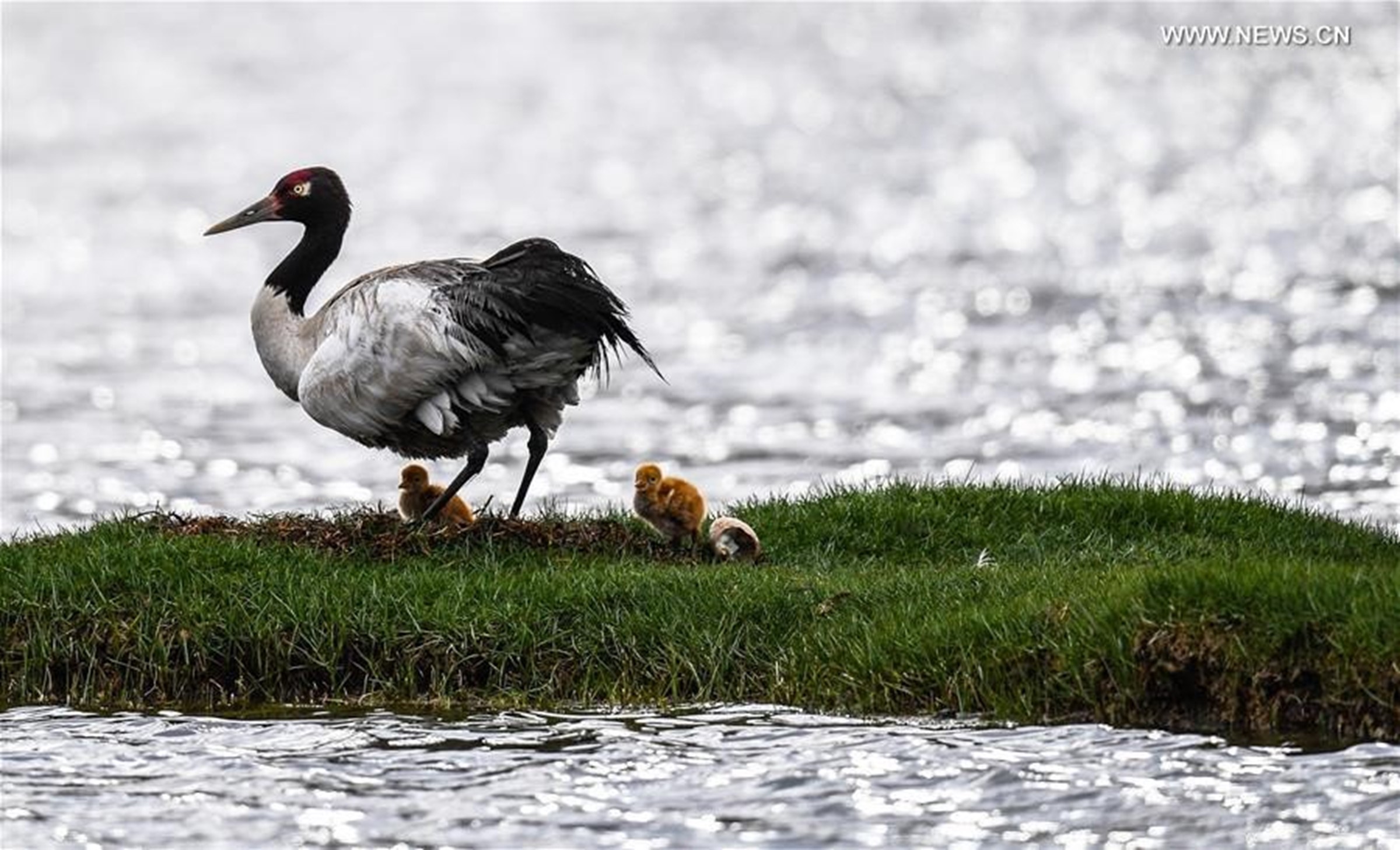
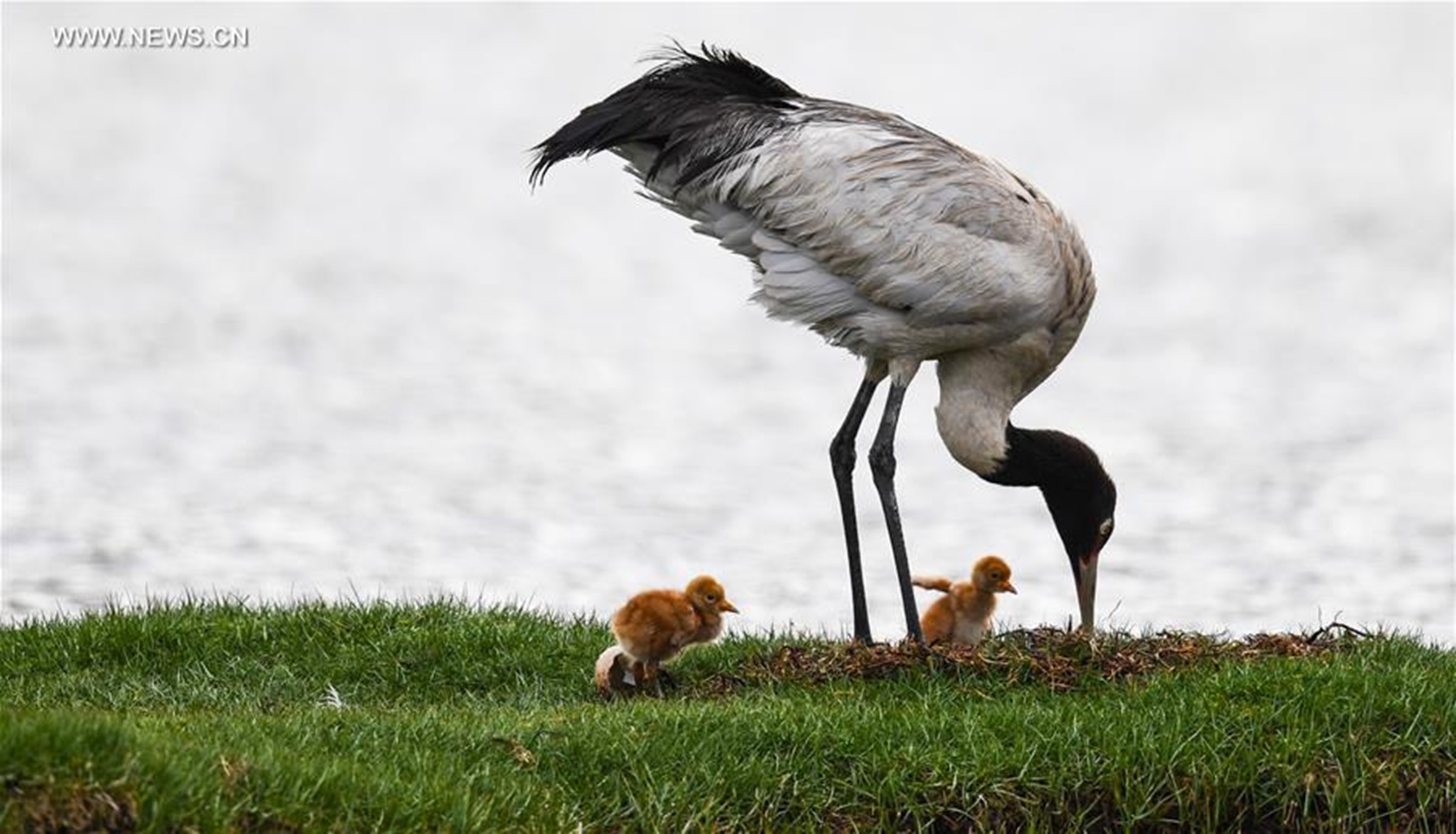
A black-necked crane looks after its chicks in the Qiangtang nature reserve, Tibet, in June of 2017. Black-necked cranes are often seen in Tibet’s river valleys and the region’s barley and wheat fields in winter. With an estimated population of around 10,200, the species is classified as “vulnerable” by the International Union for Conservation of Nature (IUCN). (Xinhua/Chogo)
LHASA, Dec. 26 (Xinhua) — Every year, black-necked cranes arrive in Tibet, where they are welcomed by locals and tourists.
“This is the only time of the year when we can see flocks of these birds. It’s spectacular!” said Toinzhub Cering, a wildlife ranger in Lhundrup County, which is about 87 miles northeast of Lhasa, Tibet’s capital.
Black-necked cranes are often seen in Tibet’s river valleys and the region’s barley and wheat fields in winter. And Toinzhub knows exactly where to find them.
For ten years, the 42-year-old has patrolled the nature reserve in Lhundrup, one of the major habitats of black-necked cranes.
With an estimated population of around 10,200, the species is classified as “vulnerable” by the International Union for Conservation of Nature (IUCN).
The black-necked crane is the most recently identified among 15 kinds of cranes worldwide. They are also the only kind that inhabits plateau areas with an altitude of 2,500-5,000 meters.
Toinzhub Cering feels passionate about protecting the species and has been doing his part to help. He is always the first person to call media and authorities each year when the rare birds come and go.
Now that he has learned how to use social media, he often shares photos of the cranes with his friends.
Thanks to efforts made by locals and authorities, these exhausted birds, after flying for over 1,000 km, don’t have to face hunger, pesticide, or poachers.
Instead, they can now easily find pollutant-free highland barley and wheat left by farmers.
But endangered animal protection efforts in Tibet cover more than just birds, with the Tibetan antelope also under people’s watch, among other wildlife.
As for damage and losses caused by such animals, residents can claim compensation from the government.
Between mid-March and late April, black-necked cranes migrate to northern Tibet to reproduce in the lakeside marshes, far beyond human touch.
Yet not all journeys go so well for some cranes. Wounded birds are often left behind by the flock.
Two cranes with broken wings were found in Dazi County near Lhasa this spring. The local forestry authority has been caring for them ever since, and, hopes they can catch up with their flock during next year’s migration.
There have also been cases whereby wounded cranes have become permanent residents after recovery.
Black-necked cranes mainly live in the highlands of Tibet, India, Bhutan, and Nepal. Tibet is home to about 80 percent of the world’s total.
Tibet Awareness. Defend Rights of Endangered Tibetans.
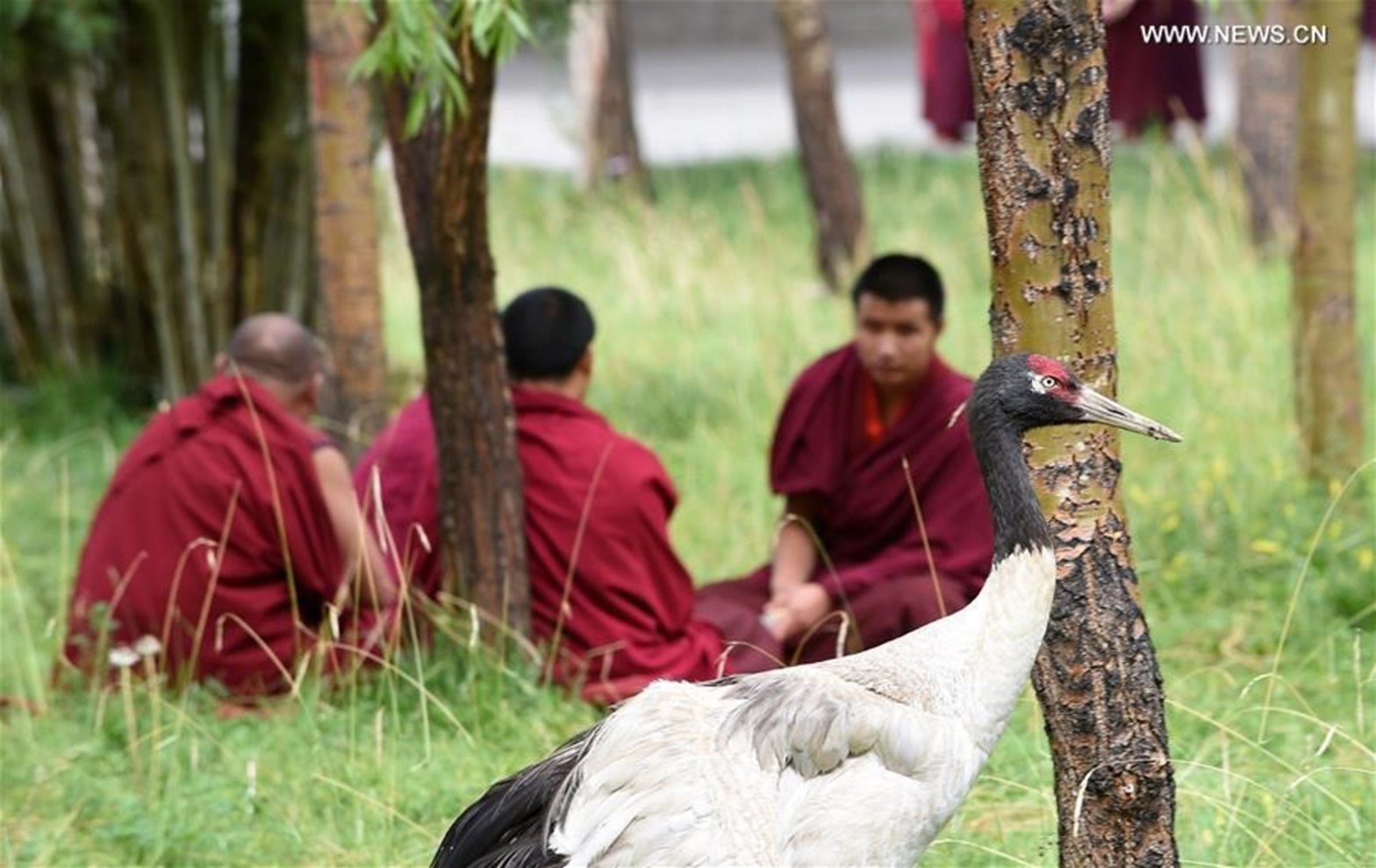
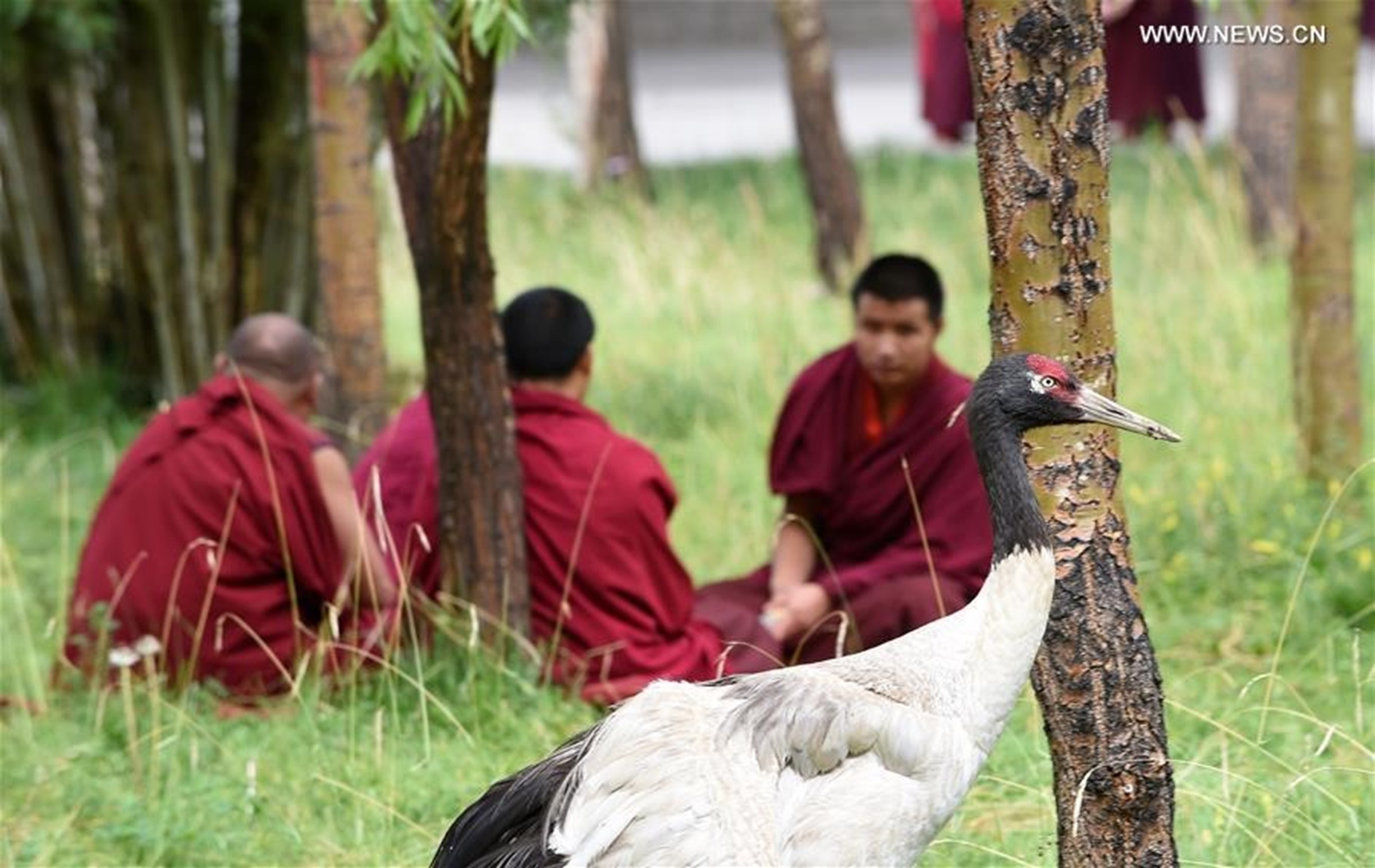
A black-necked crane, once wounded during migration, becomes a permanent resident at a temple near Shigatse, U-Tsang region of Tibet, Sept. 27, 2014. (Xinhua/Chogo)
Tibet Awareness. Defend Rights of Endangered Tibetans.
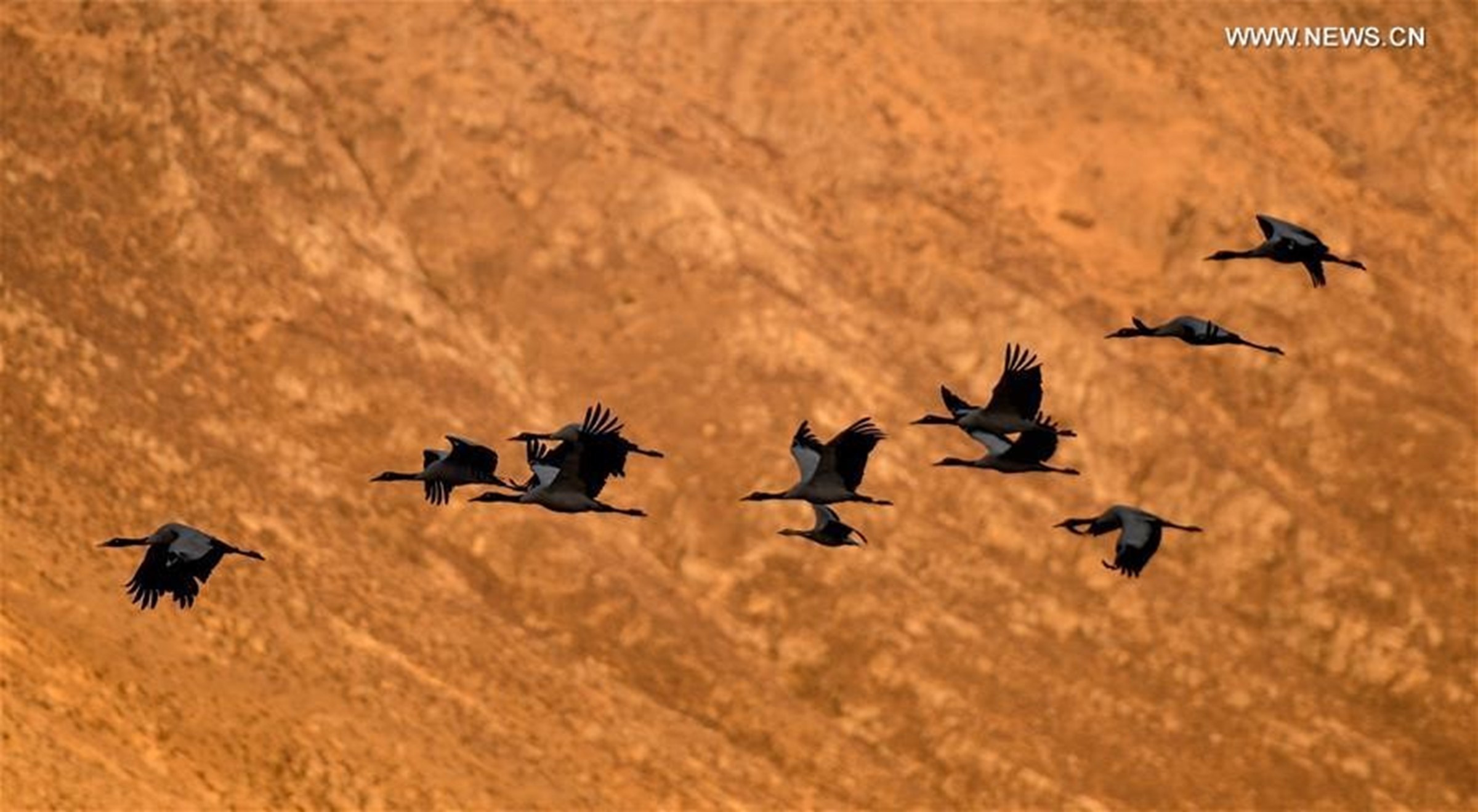
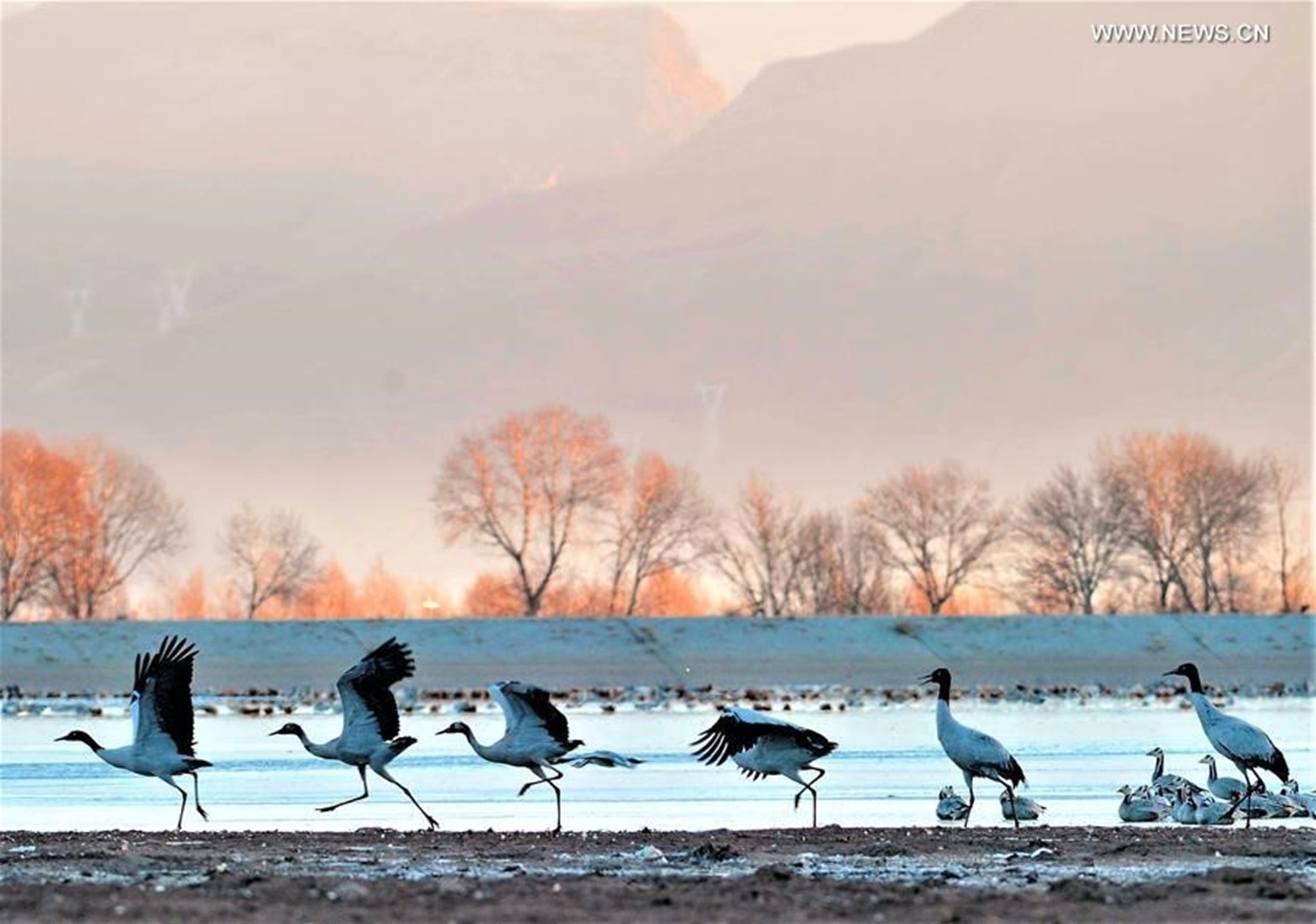
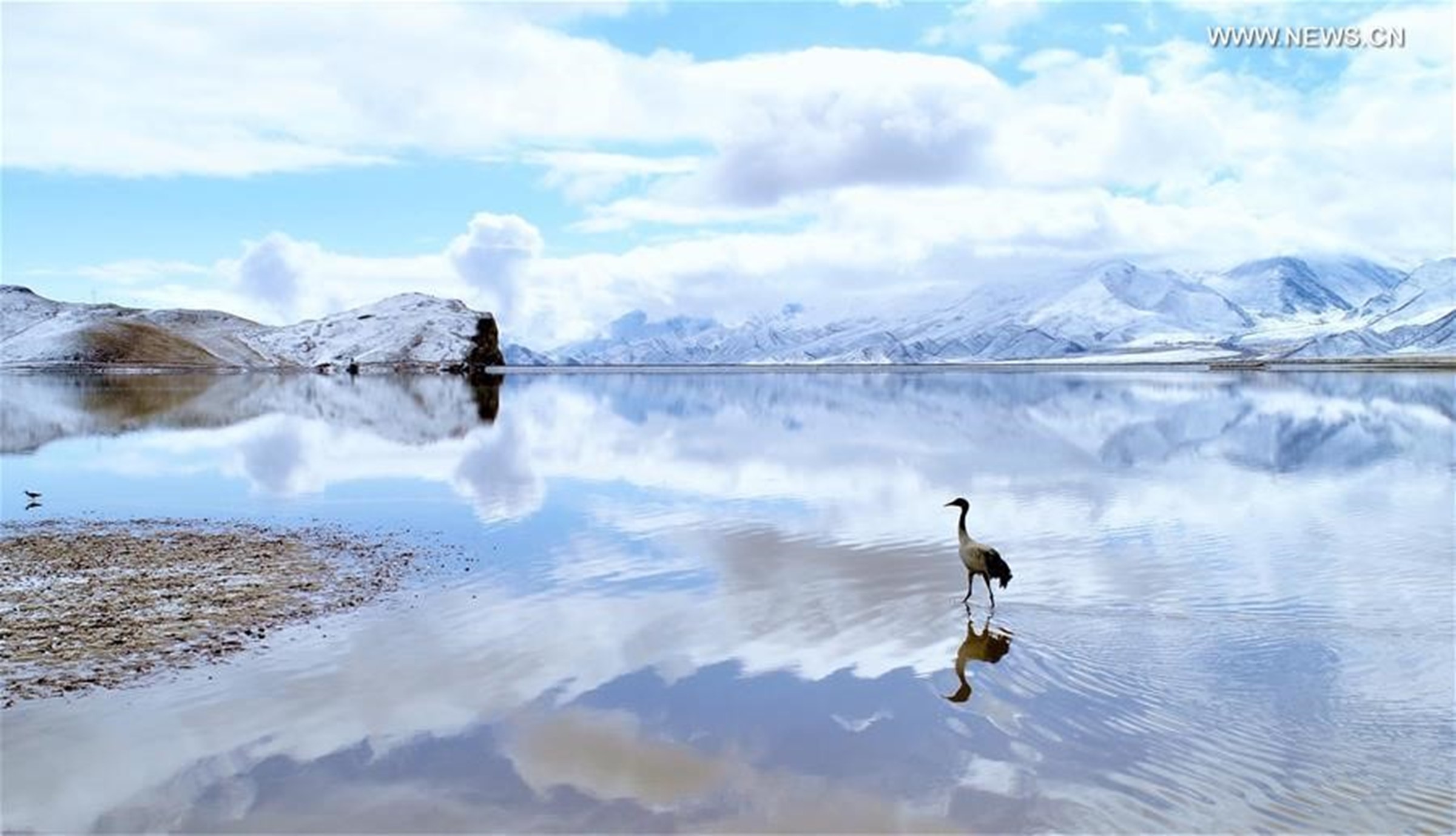
Group of black-necked cranes flying over Lhasa River Valley, Tibet, Nov. 23, 2017. (Xinhua/Purbu Zhaxi)
Tibet Awareness. Defend Rights of Endangered Tibetans.
A black-necked crane looks after its chicks in the Qiangtang nature reserve, Tibet, June 24, 2017. (Xinhua/Purbu Zhaxi)
Tibet Awareness. Defend Rights of Endangered Tibetans.
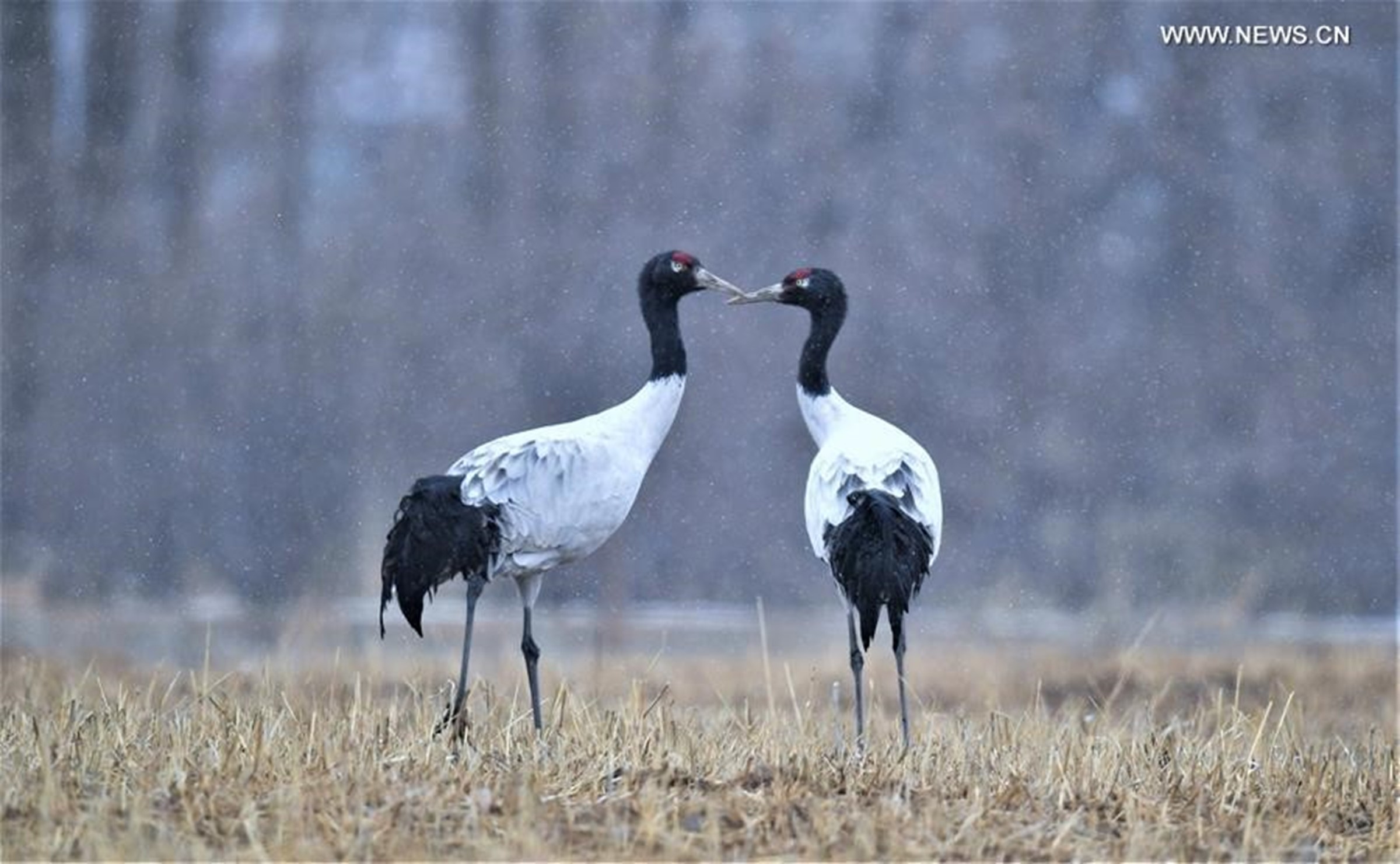
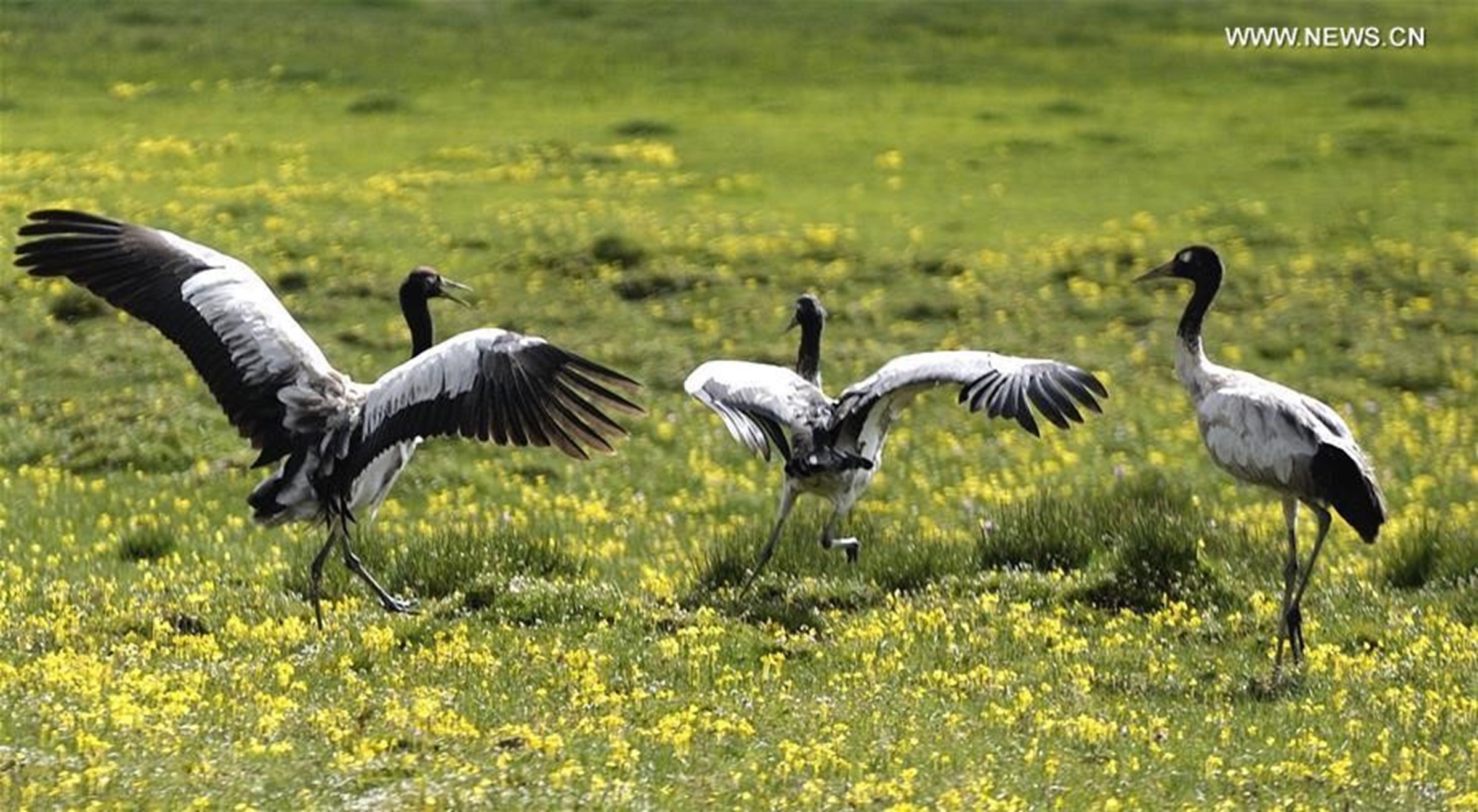
Photo taken on Dec. 18, 2018 shows black-necked cranes in Lhunzhub County of Lhasa, capital of Tibet. (Xinhua/Purbu Zhaxi)
Tibet Awareness. Defend Rights of Endangered Tibetans.
Black-necked cranes are seen in the Lhunzhub County, Tibet, Jan. 9, 2015. (Xinhua/Purbu Zhaxi)
Tibet Awareness. Defend Rights of Endangered Tibetans.
Black-necked crane chicks are seen in the Qiangtang nature reserve, Tibet, June 24, 2017. (Xinhua/Purbu Zhaxi)
Tibet Awareness. Defend Rights of Endangered Tibetans.
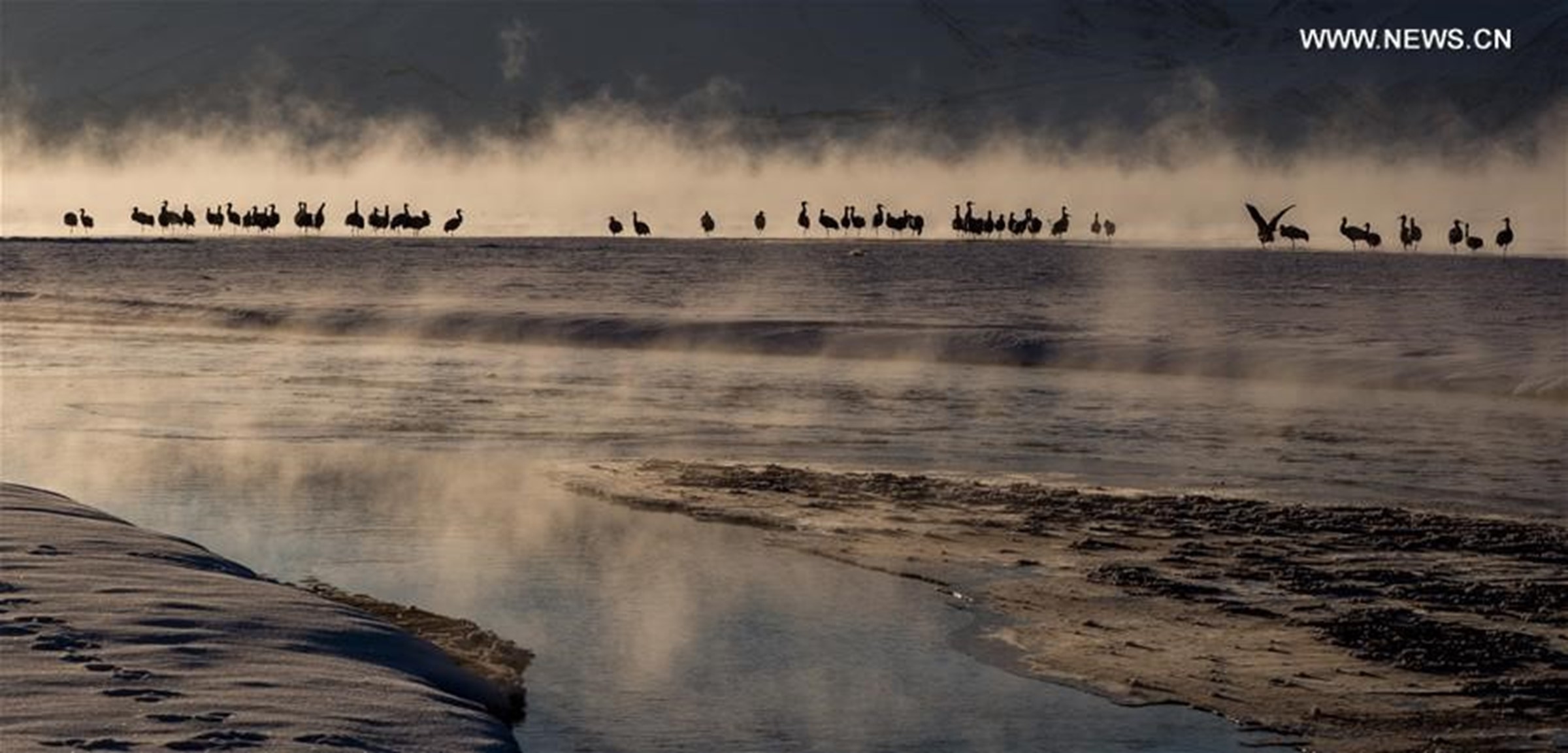
Black-necked cranes are seen in a reservoir where they spend the winter in Lhunzhub County of Lhasa City, capital of Tibet, in January of 2017. (Xinhua/Liu Dongjun)
Tibet Awareness. Defend Rights of Endangered Tibetans.
A black-necked crane looks after its chicks in the Qiangtang nature reserve, Tibet, June 24, 2017. (Xinhua/Purbu Zhaxi)
Tibet Awareness. Defend Rights of Endangered Tibetans.
Aerial photo taken on March 10, 2018 shows a black-necked crane in Lhunzhub County, Tibet. (Xinhua/Purbu Zhaxi)
Tibet Awareness. Defend Rights of Endangered Tibetans.
A black-necked crane, once wounded during migration, becomes a permanent resident at a temple near Shigatse, Tibet, Sept. 5, 2016. (Xinhua/Chogo)
Tibet Awareness. Defend Rights of Endangered Tibetans.
A black-necked crane family is seen near Yamdrok Lake,Tibet, Aug. 16, 2009. The little black-necked crane (C) broke the wing during migration, and the whole family became permanent residents after the little one’s recovery near the lake. (Xinhua/Purbu Zhaxi)
Tibet Awareness. Defend Rights of Endangered Tibetans.
Two black-necked cranes, wounded in wings during migration, are cared at a forestry authority in Dagze County, April 12, 2016. (Xinhua/Purbu Zhaxi)
Tibet Awareness. Defend Rights of Endangered Tibetans.
Black-necked cranes fly in the Lhunzhub County, Tibet, Jan. 9, 2015. (Xinhua/Purbu Zhaxi)
Tibet Awareness. Defend Rights of Endangered Tibetans.
Wildlife rangers are seen in the Qiangtang nature reserve, Tibet, Sept. 22, 2012. (Xinhua/Liu Hongming)
Tibet Awareness. Defend Rights of Endangered Tibetans.
TIBET EQUILIBRIUM IS BALANCE BETWEEN NATURE AND POLITICAL POWER
Tibet Equilibrium is Balance Between Nature and Political Power.
In my analysis, the Tibetan Resistance Movement primarily aims at achieving the Balance between Natural Freedom and Political Power of any entity that rules over the lives of Tibetan People. For centuries, on account of Tibet Equilibrium, Tibetans enjoyed independent lifestyles despite military conquests of Tibet by Yuan and Manchu Dynasties of China. Red China’s military invasion, military occupation and colonization of Tibet impose severe strains on Nature as well as all denizens of Tibetan Plateau.
Tibetans are left with no choice other than that of Resistance for Red China rules over Tibet with Iron Fist severely undermining the experience of Natural Balance, Natural Harmony, and Natural Tranquility, the gifts of Nature and Natural Conditions presiding over Tibetan Existence from the beginning of its long History.
Tibet Equilibrium can be defined as the Balance Between Nature and Political Power.
Nik Fes – Sep 17, 2018
Tibet Equilibrium can be defined as the Balance Between Nature and Political Power.
The Chinese Tibet Autonomous Region wants to put environmental protection measures before the development of tourism. Nature and tourism need to coexist in balance.
The tourism industry in the region has developed rapidly in recent years and has become a growth driver, said Qizhala, the chairman of the local government.
Tourism contributes to Tibet’s GDP with at least 30%, according to him. The number of tourists from home and abroad arriving in Tibet annually is expected to reach 30 million, compared to 10 million in 2012 and 20 million in 2015.
Despite the incredible tourism book, the local government has always emphasized environmental protection. Experts have also advised balancing environmental protection, nature and tourism. Efforts are being made to prevent “blind development and overdevelopment,” as described by Qizhala.
The region plans to reduce the number of tourists who want to visit vantage points near glaciers, such as Qomolangma mountain. A cap on visits to Mount Qomolangma is set to be established and implemented in 2019.
“We always have to keep an eye on the minimum standard of environmental protection,” Qizhala said. Since 2009, a total of 9.6 billion yuan ($1.4 billion) has been invested in environmental protection in the region. Last year alone, 1.14 billion yuan was invested.
In order to protect wildlife better, a mechanism was introduced in 2015 to provide compensation to farmers and shepherds who have suffered wildlife losses. So far, 85 million yuan has been spent on it.
Regarding the future, Yao Tandong, director of the Institute for the Qinghai-Tibet Plateau suggests that more national parks be built to make better use of tourism resources and protect the environment.
The region is considering setting up four national parks. These include Tibet’s largest lake, the mountain Qomolangma, the Yarlung Zangbo, and the earth forest of the Kingdom of Guge. Once these scenic national parks have been established, consistent planning for their protection can be implemented to minimize the environmental damage caused by tourism, Qizhala concluded.
Tibet Equilibrium is Balance Between Nature and Political Power.
LIVING TIBETAN SPIRITS DISCOVER INVASIVE SPECIES IN TIBET
Living Tibetan Spirits acknowledge Han Chinese as the most dangerous invasive species found in Tibet since 1950. Tibet Plateau is recognized as ‘Protective Shield’ and invasion by Han Chinese species endangers Tibet Equilibrium.
Rudranarasimham Rebbapragada
SPECIAL FRONTIER FORCE
OVER 150 INVASIVE SPECIES DISCOVERED IN TIBET – XINHUA
LHASA, June 11 (Xinhua) — Scientists have found over 150 unsafe invasive species in Tibet Autonomous Region after two years of research.
Led by Tibet’s regional institute of plateau biology, the research team found over 130 invasive plants including cotton weed, and more than 20 invasive animals in the region, like bull frogs and the red-eared slider (a type of turtle), both on the list of the world’s 100 most invasive species. They are also found in other parts of China.
Tu Yanli, associate researcher with the institute, said the drastic increase of these species in the area is due to the rapidly growing economy and the more convenient transportation.
The Qinghai-Tibet Plateau, where Tibet is located, has long been recognized as a natural biological shield.
To prevent the invasive species from damaging the local environment, the regional government has taken various measures such as strengthening border inspection and establishing quarantine zones.
THE TIBET QUESTION – TERMS FOR TIBET’S NATURAL FREEDOM
The Tibet Question revolves around the terms for Tibet’s Natural Freedom consistent with Natural History of Tibetan Plateau. China’s domination, subjugation, occupation, and colonization of Tibet must fail for it compromises Natural Inheritance of Tibetans.
Rudranarasimham Rebbapragada
SPECIAL FRONTIER FORCE
TIBET CAN REMAIN IN CHINA ONLY IF BEIJING RECOGNIZES OUR CULTURE AND SPECIAL HISTORY: DALAI LAMA
The Dalai Lama on Sunday said that Tibet can remain in China, only if Beijing recognized and respected the region’s distinct culture and autonomy.
Speaking at a lecture on ‘Role of Ethics and Culture in Promoting Global Peace and Harmony’ here, organized by Nehru Memorial Museum and Library and Antar-Rashtriya Sahyog Parishad, the Dalai Lama said, “Historically and culturally, Tibet has been independent. China took control of Tibet in 1950 in what it called a ‘peaceful liberation’. So, as long as the Constitution of China recognizes our culture and Tibetan autonomous region’s special history, it (Tibet) can remain there.”
The event was being held to commemorate the 60th anniversary of the 82-year-old Tibetan spiritual icon’s exile to India.
The Dalai Lama also expressed concerns on the ethnic violence against the Rohingyas in Myanmar, calling it as sad and terrifying. Also, he underscored the need to iron out differences and to work for all-round development and peace together.
Calling on the inclusion of ancient Indian traditions in the country’s education, the Dalai Lama added, “Discussions on how to include ancient Indian traditions in educational system should begin. India has the ability to combine modern education with its ancient traditions to help solve problems in the world. This would help India to fight against terrorism and global warming.”
Also, pressing on efforts to spread Indian traditions globally, like how China was able to spread its traditions, he further said, “Try to revive ancient Indian traditions. Actual change does not come from prayer, it comes from action. Wherever Chinese go, they have a ‘China Town’. Why not an ‘India Town’ by Indians?”
The Dalai Lama also went to say that the global warming had adversely affected the amount of snowfall in Dharamshala, where he resided and also the seat of the Tibetan government-in-exile.
Terming Buddha as an ‘ancient Indian scientist’, the 82-year-old spiritual leader added that he considered himself as “a half-scientist and a half-monk.”
Throwing light on the teachings of Tibetan Buddhism, the Dalai Lama said, ” The greatness of the Indian civilization is its spiritual brotherhood and harmony. It has helped to produce the greatest philosophical thinkers and preachers who gave rise to the Nalanda tradition of Buddhism based on reason and logical conclusion.”
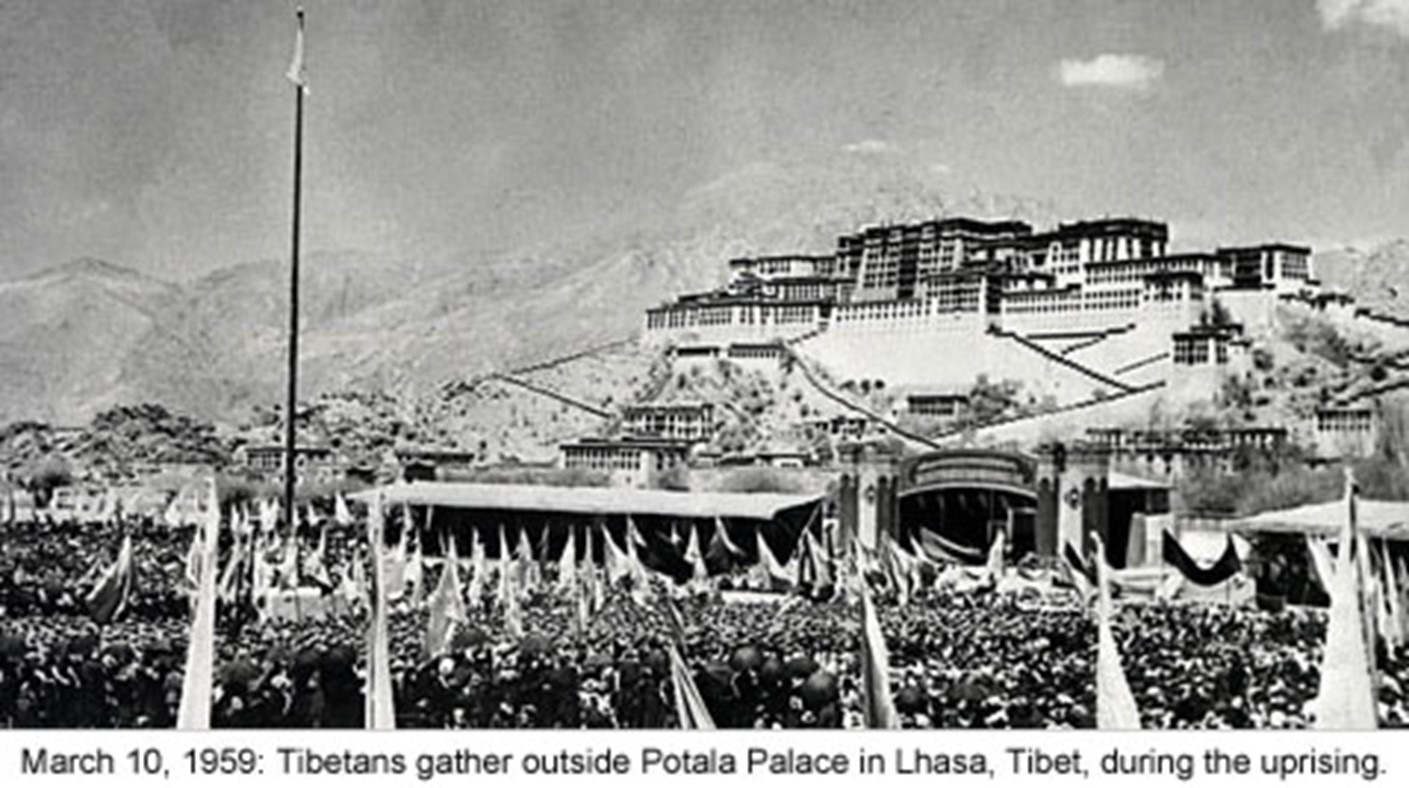
The Dalai Lama, along with his followers, fled to India from Tibet in 1959 in a massive uprising by the Chinese forces.
Beijing calls the 82-year-old Buddhist monk a ‘separatist,’ seeking to secede Tibet from China.
NATURAL HISTORY OF TIBETAN PLATEAU – INDIA’S TIBET POLICY
India’s Tibet Policy must reflect reality of Tibet as established by Natural History of Tibetan Plateau. This reality of Tibet cannot be rewritten. To defend Democracy, Freedom, Peace, and Justice, India has to contain, restrain, oppose, and confront the problem posed by expansion of Communism in Asia. India as a democratic nation must pursue Tibet Policy using standards of Transparency and Public Accountability. The Cold War in Asia remains Unfinished and yet there is no need for Cold War Era secret diplomacy.
Rudranarasimham Rebbapragada
DOOM DOOMA DOOMSAYER
India should support Tibet’s historical status as an Independent country: Former Defence Minister
July 20, 2017
Posted in News Flash
By Staff Writer
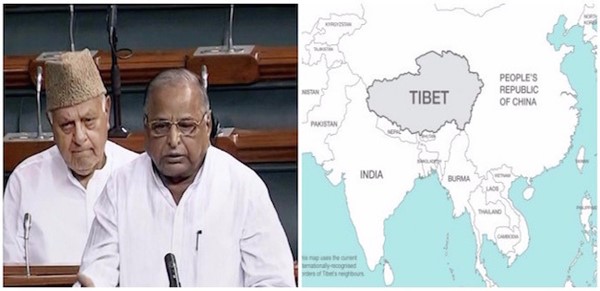
(L) Mulayam Singh Yadav speaking in Lok Sabha, (R) Map/FreeTibet
New Delhi: Samajwadi Party leader and former Defence Minister Mulayam Singh Yadav on Wednesday raised the issue of Tibet in the Parliament. India’s former Defence Minister said that India’s stand on Tibet, a reference to its acceptance that the region was part of China, was a “mistake” and the time has come to support its status as an historically independent country as it had been a traditional buffer between the two big nations.
He also urged the Indian Central Government to give maximum support to His Holiness the Dalai Lama.
Speaking during the zero hour, Yadav called China India’s “real enemy” rather than Pakistan and claimed that China was ready to attack India in collaboration with Pakistan.
“If need be, we should have a rethink on diplomatic relations with China,” Yadav said.
The veteran leader also demanded a “ban on Chinese products in India in the nation’s interest”.
SPECIAL FRONTIER FORCE WELCOMES RESTORATION OF US AID FOR TIBET
Special Frontier Force Welcomes Restoration of US Aid For Tibet. Indian Prime Minister Jawaharlal Nehru and US President John F. Kennedy worked together to provide US Aid For Tibet.
Special Frontier Force Welcomes Restoration of US Aid For Tibet. Indian Prime Minister Jawaharlal Nehru worked with US President Harry Truman to provide US Aid For Tibet since 1948-49.
Special Frontier Force Welcomes Restoration of US Aid For Tibet. During The Cold War Era, India and the United States worked together to promote Democracy, Freedom, and Justice to contain spread of Communism in Asia.
Special Frontier Force Welcomes Restoration of US Aid For Tibet. Indian Prime Minister Jawaharlal Nehru at the tomb of Unknown Soldier. US Aid For Tibet remains Unknown due to secret diplomacy.
On behalf of Special Frontier Force, I welcome restoration of US Aid for Tibet. During 1948-49, The Cold War Era, United States commenced US Aid for Tibet in response to threat posed by spread of Communism in Asia. US Aid for Tibet began during presidency of Harry Truman, and continued by Dwight D. Eisenhower, John F. Kennedy and all other US Presidents including Richard M. Nixon who initiated diplomatic relations with Communist China in 1972.
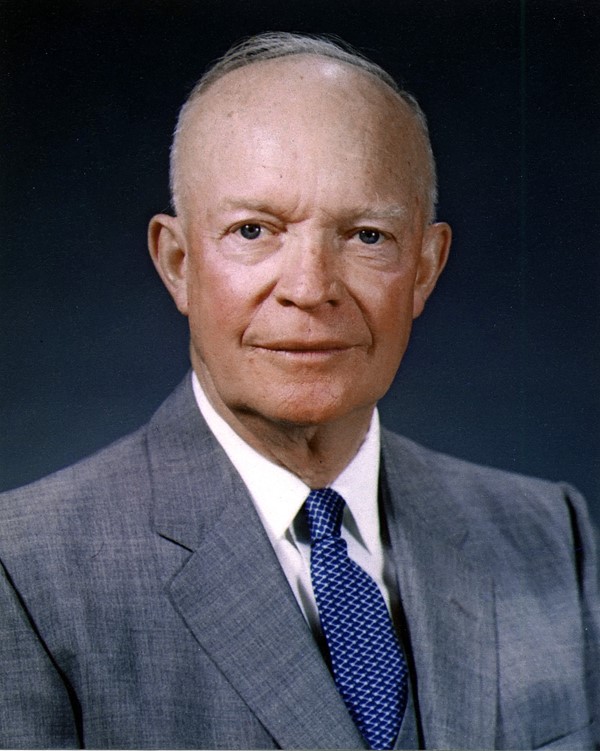
Special Frontier Force Welcomes Restoration of US Aid For Tibet. US President Dwight D. Eisenhower partnered with India to defend Freedom, Democracy, and Peace in Asia.
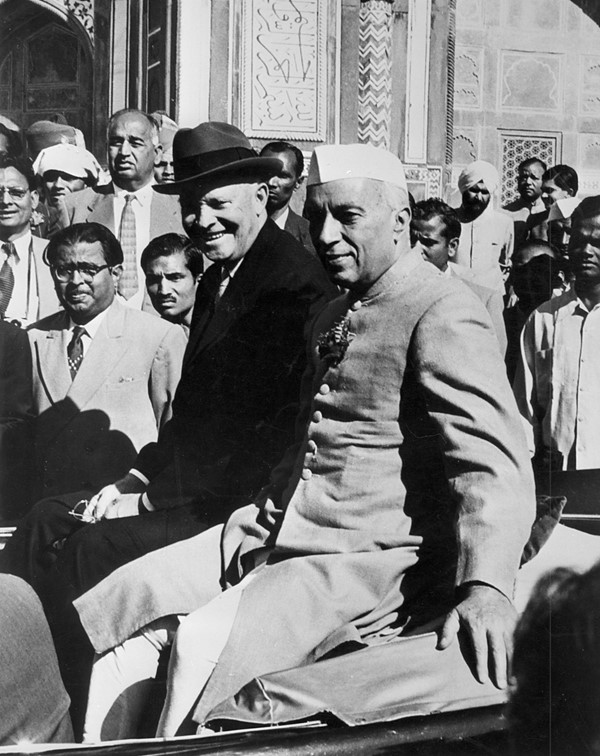
Special Frontier Force Welcomes Restoration of US Aid For Tibet. US President Dwight D. Eisenhower visited India from 09 December to 14 December, 1959 in support of Democracy, Freedom, and Peace in Asia.
Special Frontier Force Welcomes Restoration of US Aid For Tibet. During his December 1959 visit, US President Dwight D. Eisenhower announced his plan, ‘Crusade for Peace’ to defend Democracy and Freedom.
I recall President Eisenhower’s historical visit to India from 09 December to 14 December, 1959. Indians received President Eisenhower with great sense of warmth and hailed him as ‘Prince of Peace’. India, and the United States must continue their partnership to restore Freedom, Democracy, Peace, and Justice in South Asia and work together to restore Natural Order, Natural Balance, Natural Equilibrium, Natural Peace, Natural Freedom, Natural Harmony, and Natural Tranquility in Occupied Tibet.
The appropriations will be effective for the next fiscal beginning October 1.
Special Frontier Force Welcomes Restoration of US Aid For Tibet to defend Freedom, Democracy, Peace, and Justice.
×
Reversing the Trump administration’s move to slash aid to Tibetans to zero, a key Congressional committee has approved a bill to maintain the decades-old American policy of providing financial assistance for Tibet and support “democracy and human rights programmes”. The administration, in its maiden budget proposal in May, had cut the US aid to Tibet to zero, resulting in a huge disappointment to the large Tibetan community around the world.
Democratic leader Nancy Pelosi had then expressed concern over the move. The US State Department, however, had described the decision as one of the “tough choices” it had to make as its budget itself had been slashed by more than 28 per cent. But in a report accompanying the State and Foreign Operations Appropriations Bill 2018, the House Appropriations Committee said it “continues to support democracy and human rights programmes for Tibet” and that “not less than the amounts provided in fiscal year 2017” be continued for such purposes.
The appropriations will be effective for the next fiscal beginning October 1.
The committee’s recommendation includes USD 1 million for the Office of the Special Coordinator for Tibetan issues. Noting that the Tibetan language services of ‘Voice of America’ and ‘Radio Free Asia’ (RFA) provide the only sources of independent information accessible to the people of Tibet, the committee recommendation provides USD 42 million for RFA, including funds to continue the Tibetan language service.
It also recommended USD 8 million – same as the 2017 fiscal year – to support activities that preserve cultural traditions and promote sustainable development and environmental conservation among Tibetan communities in the Tibetan Autonomous Region and other Tibetan autonomous areas in China.
Noting that Tibetans in South Asia face developmental challenges, it has proposed USD 6 million to continue to support the community in India and Nepal in the areas of education, skills development and entrepreneurship.
The House Appropriations Committee in its report supported the continued allocation of funds to assist Tibetan refugees in Nepal and India – commensurate with prior years. The committee expressed concerns over the reports that Nepal has handed over Tibetan refugees to Chinese border authorities, in contravention of Kathmandu’s international obligations to protect refugees fleeing persecution.
“The committee supports efforts by the Secretary of State to work with the Government of Nepal to provide safe transit for Tibetan refugees and legal protections to Tibetans residing in Nepal,” the report said.
An ‘Economic Support Fund’ will be made available for programmes to preserve Tibetan culture, development, and the resilience of Tibetan communities in India and Nepal, and to assist in the education and development of the next generation of Tibetan leaders from such communities, according to the bill.
According to a CRS report, the total financial assistance to the Tibetan cause was more than USD 24 million in 2014. Since 2014, there has been a gradual decline in Tibetan funding. The House Appropriations Committee, however, proposes to reverse that trend.
Special Frontier Force Welcomes Restoration of US Aid For Tibet which started during 1948-49 in response to the spread of Communism in Asia.
Special Frontier Force Welcomes Restoration of US Aid For Tibet which dates back to presidency of Truman and Eisenhower. Indian Prime Minister Jawaharlal Nehru in Washington DC meeting US President Eisenhower.
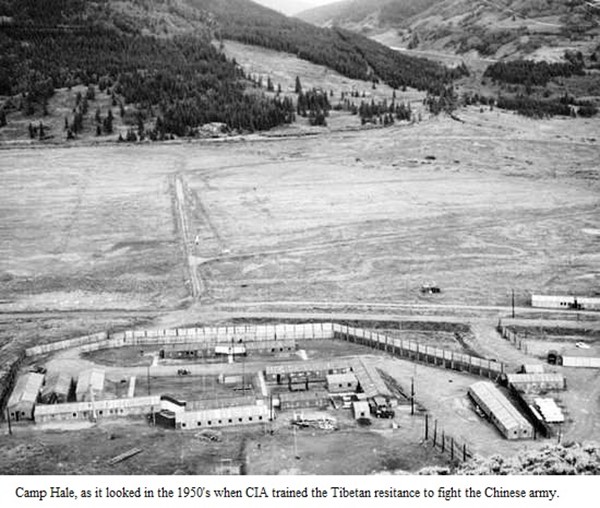
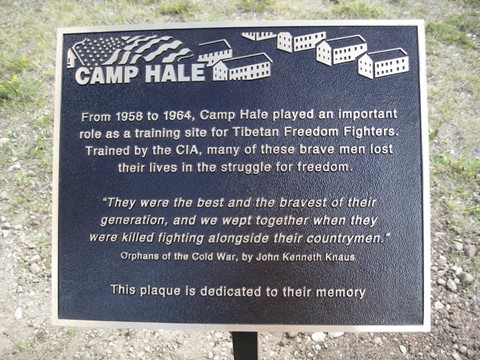
Special Frontier Force Welcomes Restoration of US Aid For Tibet. Special Frontier Force traces its beginning at Camp Hale, Colorado.
Special Frontier Force Welcomes Restoration of US Aid For Tibet.
REMEMBERING JULY 16, 1945 – NATURAL FREEDOM IN TIBET IS JUST A STONE’S THROW AWAY
Natural Science, Physics and Chemistry describe Four Fundamental Forces, and Four Fundamental Interactions. Applying these principles, man developed explosive device called Atomic Bomb to conduct its successful test on July 16, 1945.
Applying the same principles, I recognize the potential power of heavenly bodies such as large stones to yield massive force that can change the attitude of belligerent nations.
Natural Forces acting together established Natural Freedom in Tibet. It is of no surprise to note that Tibetan Existence for centuries was characterized by Independent Lifestyles in testimony of Tibet Equilibrium or Tibet Tranquility based upon Natural Balance, Natural Harmony, and Natural Peace without any human intervention.
Occupation of Tibet since 1950s involved application of man’s Military Force. To counteract it, I am not seeking application of Strong Nuclear Force of man-made devices like the Atomic Bomb. If I am correct, Natural Freedom in Occupied Tibet is ‘Just a Stone’s Throw Away’.
Rudranarasimham Rebbapragada
DOOM DOOMA DOOMSAYER
THE FIRST ATOMIC BOMB TEST IS SUCCESSFULLY EXPLODED – JULY 16, 1945 – HISTORY.com
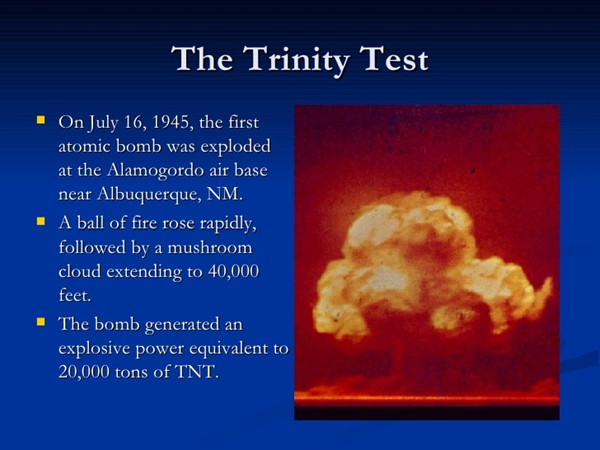
On this day in 1945, at 5:29:45 a.m., the Manhattan Project comes to an explosive end as the first atom bomb is successfully tested in Alamogordo, New Mexico.
Plans for the creation of a uranium bomb by the Allies were established as early as 1939, when Italian emigre physicist Enrico Fermi met with U.S. Navy department officials at Columbia University to discuss the use of fissionable materials for military purposes. That same year, Albert Einstein wrote to President Franklin Roosevelt supporting the theory that an uncontrolled nuclear chain reaction had great potential as a basis for a weapon of mass destruction. In February 1940, the federal government granted a total of $6,000 for research. But in early 1942, with the United States now at war with the Axis powers, and fear mounting that Germany was working on its own uranium bomb, the War Department took a more active interest, and limits on resources for the project were removed.
Brigadier-General Leslie R. Groves, himself an engineer, was now in complete charge of a project to assemble the greatest minds in science and discover how to harness the power of the atom as a means of bringing the war to a decisive end. The Manhattan Project (so-called because of where the research began) would wind its way through many locations during the initial period of theoretical exploration, most importantly, the University of Chicago, where Enrico Fermi successfully set off the first fission chain reaction. But the Project took final form in the desert of New Mexico, where, in 1943, Robert J. Oppenheimer began directing Project Y at a laboratory at Los Alamos, along with such minds as Hans Bethe, Edward Teller, and Fermi. Here theory and practice came together, as the problems of achieving critical mass—a nuclear explosion—and the construction of a deliverable bomb were worked out.
Finally, on the morning of July 16, in the New Mexico desert120 miles south of Santa Fe, the first atomic bomb was detonated. The scientists and a few dignitaries had removed themselves 10,000 yards away to observe as the first mushroom cloud of searing light stretched 40,000 feet into the air and generated the destructive power of 15,000 to 20,000 tons of TNT. The tower on which the bomb sat when detonated was vaporized.
The question now became—on whom was the bomb to be dropped? Germany was the original target, but the Germans had already surrendered. The only belligerent remaining was Japan.
A footnote: The original $6,000 budget for the Manhattan Project finally ballooned to a total cost of $2 billion.


























 Whole Dude - Whole Concept